


Abstract
Aspergillus flavus infection and accumulation of carcinogenic aflatoxins are detrimental to maize (Zea mays) production and consumption. We investigated lncRNA–RBP interactions during maize–A. flavus crosstalk using transcriptomic profiling, structural analysis, molecular docking simulations, and machine learning approaches. Analysis of 18 RNA-seq datasets identified 2104 lncRNAs in maize, of which 461 were differentially expressed under A. flavus infection. Distinct lncRNAs were preferentially induced under infection (e.g., Zm00001eb303170) or normal germination (e.g., Zm00001eb144150, Zm00001eb406410). RNA secondary structure predictions indicated high structural heterogeneity and thermodynamic stability, consistent with dynamic regulatory potential. Docking simulations with six key RNA binding proteins (RBPs)—including branch point bridging protein (BPB), KH domain protein, and pentatricopeptide repeat (PPR) proteins—demonstrated strong lncRNA–protein binding, with the lncRNA1–BPB complex exhibiting the highest binding affinity. ML algorithms identified the crucial role of tryptophan in determining interactions, while lncRNA17-KH and lncRNA1-BP complexes were found to have the best interaction under normal germination and A. flavus infection, respectively. The lncRNA–miRNA–mRNA regulatory network highlighted lncRNAs functioning as decoys or precursors of stress-responsive miRNAs (e.g., zma-miR156, zma-miR164, zma-miR399). These interactions targeted transcriptional regulators, splicing factors, and metabolic enzymes implicated in stress tolerance, seed germination, and systemic acquired resistance. The maize lncRNAs are active regulatory molecules embedded in complex RBP and miRNA interaction networks that fine-tune gene expression during A. flavus infection. The study provides novel insights into lncRNA-mediated resistance mechanisms and offers potential molecular targets for breeding or gene editing to mitigate aflatoxin contamination.
1. Introduction
Due to their immobile nature, plants have evolved intricate defense and adaptation mechanisms to cope with biotic (e.g., pathogens, herbivores) and abiotic (e.g., drought, salinity, temperature extremes) stresses [1]. They respond to environmental changes through complex mechanisms involving stress signaling, transcriptional and post-transcriptional regulation, epigenetic modifications, and physiological and metabolic adjustments. Stress perception begins with specialized receptors that activate signaling pathways mediated by phytohormones such as abscisic acid, salicylic acid, and jasmonic acid [2]. Transcriptional regulation involves stress-responsive transcription factors like NAC, HSF, WRKY, AP2-ERF (DREB), and MYB, which modulate gene expression to coordinate stress responses [3]. Additionally, plants employ epigenetic mechanisms such as DNA methylation, histone modifications, and chromatin remodeling to establish stress memory, enhancing their ability to withstand recurring stress conditions [4]. Beyond these innate defense strategies, plants mitigate stress through antibiosis, antioxidant production, and secondary metabolite synthesis, which drive physiological and metabolic changes [5]. Recent studies highlight the crucial role of post-transcriptional modifications, particularly those mediated by long non-coding RNAs (lncRNAs) and RNA-binding proteins, in fine-tuning gene expression and optimizing spatial and temporal stress responses [6].
Once considered “evolutionary junk,” non-coding RNAs (ncRNAs) are now known to regulate numerous molecular mechanisms and exert a profound influence on the development and organization of living organisms [7]. Plant regulatory non-coding RNAs can be broadly classified into two main groups based on length [8]: small non-coding RNAs [sncRNAs; 18–30 nucleotides (nt)] and long non-coding RNAs (lncRNAs; >200 nt). Small non-coding RNAs include microRNAs (miRNAs), small interfering RNAs (siRNAs), phased secondary siRNAs (phasiRNAs), and related classes. In addition, the non-coding RNA collection in living cells also includes circular non-coding RNAs (circRNAs) [8,9]. Although lncRNAs have been identified across a wide range of eukaryotic genomes, including several plant species such as Arabidopsis thaliana [8], Zea mays [9], Oryza sativa [10], Jatropha curcas [11], and Brassica napus [12], they exhibit relatively low sequence conservation at the nucleotide level. lncRNAs act as regulators of tissue and cell-specific plant gene expression through a combination of transcriptional, post-transcriptional, and epigenetic modifications [13]. In plants, lncRNAs are known to be expressed in response to environmental stimuli such as drought [14], salinity [15,16], heat [17], light [18], nutrients [9,10], pathogen response [12,19], plant immunity and growth [20]. In addition, several studies indicated crucial roles played by lncRNAs in growth and development, including seed development [21,22], seed ageing [23], seed dormancy [24], seed germination [15], seed vigor [25], plant reproduction [26], and senescence [27,28].
Maize (Zea mays) is one of the most significant and widely cultivated crops globally. Its versatility and extensive use make it essential for global food security, agriculture, and economies. One of the major threats to maize storage and consumption is the attack of seed-colonizing fungus (Aspergillus flavus) and the resultant production of aflatoxin in the kernels. A. flavus is a ubiquitous filamentous fungus that occurs as both a soil-dwelling saprophyte and an opportunistic pathogen of plants, animals, and humans, with the highest prevalence in warm tropical and subtropical regions. The species exhibits high genetic and phenotypic diversity, enabling survival across multiple ecological niches and complicating long-term aflatoxin management [29,30]. Aflatoxin contamination in maize carries critical implications for international trade and public health [29], as they are class I carcinogens and pose severe risks to both human and animal health, leading to conditions such as hepatotoxicity, teratogenicity, immunotoxicity, and acute aflatoxicosis, especially in developing countries. Aflatoxin contamination could lead to significant financial losses for the maize industry, with estimates ranging from US$52.1 million to US$1.68 billion annually in the United States [30]. These losses are primarily due to reduced crop yields, increased production costs, and the need for testing and regulatory compliance to ensure safe aflatoxin levels in maize products.
Extensive studies on the genetic regulation of aflatoxin biosynthesis, along with its associated physiological, biochemical, and molecular aspects, have been reported by several researchers [31,32,33,34,35,36,37]. These studies detailed the regulation of aflatoxin biosynthesis by nutritional and environmental conditions and highlighted the significant impact of both biotic and abiotic factors on aflatoxin accumulation. Investigations into aflatoxin resistance in maize have led to the identification of quantitative trait loci (QTLs), genes, and proteins associated with resistance to aflatoxin accumulation [38,39,40,41,42,43]. RNA-binding proteins (RBPs) function as central post-transcriptional regulators that control RNA splicing, transport, stability, and translation, thereby shaping cellular responses to biotic stress [44]. In the maize–A. flavus crosstalk, resistance is a complex quantitative trait involving coordinated expression of numerous defense-related genes and regulatory networks, including RNA-mediated pathways [45]. Emerging studies indicate that small and long non-coding RNAs participate in antifungal responses by modulating transcription factors, kinases, and stress-response genes, highlighting the importance of RNA-level regulation during infection [42,46]. Within this regulatory layer, lncRNAs can interact with RBPs as molecular scaffolds or decoys, influencing the stability and translation of defense-related mRNAs and thereby controlling the accumulation of pathogenesis-related proteins and other resistance factors [47]. The action of elongation factor-Tu (EF-Tu), a widely known RBP in the induction of lncRNA, At5NC056820 in Arabidopsis [48], and the interaction of plant argonaute protein with non-coding RNAs like lncRNA [49] are recognized as crucial for cellular responses under stress conditions [50]. Moreover, microRNA profiling of maize accessions revealed the importance of zma-miR156-squamosa promoter binding protein (SBP) and zma-miR398/zma-miR394-F-box combinations as driving the resistance mechanisms through interaction with transcription factors and protein kinases [42]. The noncoding RNA interactome, especially the lncRNA–RBP–mRNA interactions are likely to fine-tune maize immune responses, including oxidative stress signaling, pathogen recognition, and systemic defense activation, which are critical for limiting A. flavus colonization and aflatoxin accumulation [51]. The relevance of lncRNAs expressed in A. flavus to maize host resistance remains unclear, despite the availability of such reports for major fungal pathogens affecting other crops [12,19,20]. Moreover, significant differential expression of lncRNAs in A. flavus under stress conditions, including water deficit, elevated CO2, and temperature fluctuations, was reported [52]. Building on this foundation, the present study focuses on identifying differentially expressed lncRNAs with critical roles in the maize-A. flavus crosstalk, as well as elucidating the molecular interactions between these lncRNAs and receptor proteins, thereby advancing our understanding of maize resistance to aflatoxin contamination. Moreover, the study aims to explore the structure-function relationships of lncRNA and protein interactions and their effect on transcriptional regulation and biological processes in maize. This will be helpful in the identification of lncRNA-mediated regulatory mechanisms that can be harnessed for developing aflatoxin-resistant varieties.
2. Results
2.1. Differential Expression of lncRNAs Under A. flavus Infection
Stress-responsive lncRNAs act as molecular switches fine-tuning Zea mays expression to biotic and abiotic stresses and are identified by transcriptome dataset analysis. A total of 2104 lncRNAs were discovered in maize by analyzing the datasets SRR13414919 (A. flavus inoculated) and SRR19536700 (normal germination). Based on direction, 614 of them were antisense RNAs, while 1490 were sense RNAs. Likewise, 53% of the lncRNAs were of genic origin, while 47% were intergenic. Based on genomic location, 51% were located in the exonic regions, whereas the remaining lncRNAs were distributed across downstream, upstream, and intronic regions. The classification of lncRNAs is given in detail in Figure 1A. Among these 461 lncRNAs were found to be expressed differentially under A. flavus infection. Zm00001eb144150 and Zm00001eb406410 were recorded to have higher expressions under normal germination, whereas Zm00001eb303170 was found to have higher expression under A. flavus infection. We selected the top 21 differentially expressed lncRNAs for further analysis. Although FlExible Extraction of LncRNAs (FEElnc) classified Zm00001eb124380 as an lncRNA, further analysis revealed it as a protein-coding gene and hence was not considered in the analysis. The lncRNAs showing high levels of expression under normal as well as A. flavus infection are given in Figure 1B. The lncRNAs 1, 7, 14, and 21 were found to be expressed under A. flavus infection, wherein lncRNA1 (Zm00001eb303170) was found to have higher expression under fungal infection. Under normal germination, lncRNA5 and lncRNA6 were found to have higher expression. The lncRNA sequences are listed as Supplementary Information (SI-1).
Figure 1.
The characterization of differentially expressed lncRNAs under normal germination and A. flavus infection conditions in maize (A) classification of lncRNAs based on direction, location, and type. The direction of lncRNA occurrence in the genome is presented as sense and anti-sense, whereas the location of occurrence is given as exonic (EX), intronic (INT), upstream (US), and downstream (DS). The sub-type classification refers to convergent (conv), divergent (div), containing (cont), same strand (ss), overlapping (olap), and nested (nest). The types of lncRNAs represented include genic and intergenic. (B) Expression profile during A. flavus infection and normal germination. The FPKM values are given for differentially expressed lncRNAs, while SD is depicted as error bars; orange for normal germination and blue for A. flavus infection (C). Clustering of lncRNAs based on A and GC content (D). The top three MEME motifs identified and their distribution in the lncRNAs studied.
2.2. Classification and Clustering of lncRNAs Based on Sequence Features
Classification of lncRNAs based on sequence features is necessary to gain insights into the potential roles played by lncRNAs in gene regulation, protein binding, and functional conservation across species. The differentially expressed lncRNA sequences were analyzed for GC content as well as mono and dinucleotide frequencies. The results were subjected to an unsupervised machine learning algorithm (K-means clustering) for identifying potential functional motifs. Based on Adenine (A) and GC content, the lncRNAs were grouped into 4 clusters (Figure 1C). Cluster 2 included eight lncRNAs, while clusters 1 and 4 had 5 members each. Cluster 3 contained only a single lncRNA, Zm00001eb393960 (lncRNA2). GC content was higher in the first cluster, while the frequency of ‘A’ was higher for cluster 4. The meme analysis discovered three motifs in the lncRNA sequences, of which motif 2 was associated with GO terms (GO: 0009507, GO: 0009570, and GO: 0009535) associated with chloroplast stroma and chloroplast thylakoid membranes. This motif was present in all the lncRNA sequences except lncRNA2 (Figure 1D). Motif 3 was associated with GO terms (GO: 0009507, GO: 0009570, GO: 0005739, GO: 0000 166, and GO: 0080008). This motif is associated with molecular function, nucleotide binding, and cellular components, namely mitochondria, chloroplast stroma, and the CUL4 RING ubiquitin ligase complex. This motif was present in K-clusters 1 and 2.
2.3. Secondary Structure of lncRNAs
The secondary structures of lncRNAs play a crucial role in molecular recognition by receptor proteins, in maintaining the structural stability of the lncRNA, and in identifying their functions in transcriptional regulation. The predicted secondary structures of lncRNAs with roles in maize seed germination and A. flavus response using the RNAfold web server are depicted in Figure 2. The structures of individual lncRNAs varied from simple, stable structures with long stems and hairpin loops and high pairing confidence (mostly red), as in Zm00001eb393960, to highly branched, containing multiple long-range interactions and large unpaired loops, which are indicators of flexible and dynamic function as in Zm00001eb224530 and Zm00001eb406410. The RNA secondary structure prediction output details are given in Table 1. The free energy of the thermodynamic ensemble of the RNA structure varied from −75.81 to −768.36 kcal/mol. The highest (negative) energy values were recorded for Zm00001eb144150 and Zm00001eb399600. The high negative value of free energy is an indication of extremely high thermodynamic stability of the RNA molecules and the ability of the lncRNAs to form complex, well-structured scaffolds—possibly involved in regulatory or structural functions. The frequency of the Minimum Free Energy (MFE) structure in the ensemble appears quite low (0–3.25) and is an indication of the structural flexibility of lncRNAs. This conformational heterogeneity, allowing the RNA to exist in several alternate forms with similar free energies, is common for large flexible RNAs, including lncRNA, indicating their roles in regulatory function and protein interactions. The greater structural variations and adoption of many diverse confirmations are also reflected in the high ensemble diversity, ranging from 12.1 to 526.89.
Figure 2.
The predicted secondary structures of differentially expressed lncRNAs in maize during A. flavus infection and normal germination are represented, indicating the in silico folding. The stable stem loop structure offers binding sites for receptor proteins like RBP, indicating a possible role in post-transcriptional regulation during the maize–A. flavus interaction. The color variation from blue to red represents the pairing confidence score from 0 to 1.
Table 1.
Predicted RNA secondary structure features of maize lncRNAs, including free energy of the thermodynamic ensemble, frequency of the minimum free energy (MFE) structure, and ensemble diversity. Chromosomal locations and RNAcentral identifiers are also provided. Tertiary structure quality assessments were performed on predicted RNA 3D models using stereochemical validation tools, including ERRAT overall quality factor (OQF) and favorable residues (Fav_res) from Ramachandran plot statistics, applied here as proxy indicators of backbone geometry and structural consistency. lncRNAs lacking suitable template-based 3D models are indicated as NA.
For lncRNAs with predicted tertiary structures, stereochemical validation metrics (ERRAT scores and Ramachandran plots) were employed as supportive indicators of model quality. The structural validation of lncRNAs revealed a very high ERRAT score (>95%) represented as the Overall Quality Factor (OQF) for lncRNAs 2, 3, 4, 8, and 22. The Ramachandran plots indicated that more than 90% of residues were found in the favored regions in the structures of lncRNAs 4, 8, 13, 17, and 22. Most of the lncRNAs, except lncRNAs 5, 19, and 21, have no residues in the disallowed regions, which is an indication of stable protein structure with good stereochemical quality and structural accuracy, making it a crucial tool for validating protein models. However, lncRNAs 6 and 9 failed to have any protein homology structure. Although ERRAT scores and Ramachandran plots are traditionally used for protein structure validation, they were applied in this study as proxy stereochemical assessments of predicted lncRNA tertiary models generated using template-based or ab initio approach. These metrics were used cautiously to evaluate backbone geometry, residue torsion consistency, and gross structural anomalies rather than protein-specific folding accuracy. The Ramachandran plots of lncRNAs are given as SI-2.
The lncRNA sequences were probed for the presence of binding domains of heterogeneous nuclear ribonucleoprotein (hnRNP) proteins, which are essential for their regulatory roles. The lncRNAs contained multiple binding sites for PTBP1 (Polypyrimidine Tract Binding Protein 1) and hnRNP K domains. Structural homology also revealed the existence of domains similar to eukaryotic ELAVL1/HuR (Human antigen R), TIA1 (T-cell intracellular antigen 1), and LIN28 among the maize lncRNAs. However, none of the lncRNAs contained binding sites for the PUM (Pumilio proteins) domain. The details are given in Table 2.
Table 2.
Predicted Heterogeneous Nuclear Ribonucleoprotein (hnRNP) binding motifs identified within differentially expressed maize lncRNAs during A. flavus infection. The table shows the presence of specific protein recognition sequences and their corresponding start positions within each lncRNA. The binding sites probed include PTBP1 (Polypyrimidine Tract Binding Protein 1), hnRNP K domain, ELAVL1/HuR (Human antigen R), TIA1 (T-cell intracellular antigen 1), LIN28, and PUM (Pumilio proteins) domain. These motifs indicate potential interactions between lncRNAs and RNA-binding proteins involved in transcriptional and post-transcriptional regulation.
2.4. RNA-Binding Proteins in lncRNA Regulation
Long non-coding RNAs (lncRNAs) play diverse regulatory roles during maize kernel germination under both normal and A. flavus-colonizing conditions, modulating gene expression at the transcriptional and translational levels. Interactions between lncRNAs and RNA-binding proteins (RBPs) are central to post-transcriptional regulation of mRNA and the control of protein synthesis. Because protein synthesis is a fundamental process governing seed germination and stress responses, the present study investigated the interactions between differentially expressed maize lncRNAs and major RBPs selected as receptor proteins. RNA-binding proteins, including branch point bridging protein (Zm00001eb421010), KH domain protein (Zm00001eb102180), transcription factor for RNA polymerase TFIID (Zm00001eb320850), elongation factor (Zm00001eb432840) containing RRM domain, DNA-directed RNA polymerase (Zm00001eb408310), pentatricopeptide repeat-containing protein (Zm00001eb108470), and argonaute 2 (Zm00001eb070760), which is an important component of RISC (RNA-Induced Silencing Complex). The functions of the receptor proteins are given as SI-3, and protein structures of receptors are given as SI (zip file).
2.5. Molecular Docking Analysis of lncRNA-RBP Interactions
Molecular docking serves as a crucial in silico, structure-based technique to study interactions between lncRNAs and RBPs, providing a rapid alternative to predict binding poses, affinities, and specific interaction sites. Among the docked complexes, the highest binding energy was observed for lncRNA1 (Zm00001eb303170) and branch point bridging (BPB) protein: −375.37 kcal/mol. This complex also recorded the highest binding probability or confidence score of 0.9891, while the ligand RMSD (Root Mean Square Deviation) values were high (40.85 A0). High binding energies (>300 kcal/mol) and high confidence scores (>0.96) were noticed for docked complexes viz; lncRNA4-KH, lncRNA2-EF, lncRNA15-KH, lncRNA4-EF and lncRNA15-TF2D. The lowest RMSD value observed was 10.73 and 12.37 A0, respectively, for the docking complexes lncRNA16-PPR and lncRNA14-EF. The details are given in Table 3. Similarly, the complex lncRNA15-KH also recorded a low RMSD value of 15.11 A0. The details of important lncRNA-receptor protein docking complexes are given in Figure 3. We used ML algorithms to classify the interacting residues from the receptor as well as the ligand interfaces. From the receptor interface, TRP was identified as the most favorable amino acid based on the mean RMSD values. Other favorable residues include ARG, GLN, TYR, and PHE. Tryptophan was the most favorable amino acid on the ligand interface, whereas the other favorable residues include MET, ARG, ASN, and GLN. The most favorable lncRNA-protein binding complexes based on the least RMSD values based on receptor surface are lncRNA13-BPB, lncRNA13-EF, and lncRNA16-EF, whereas from the ligand surface, they are lncRNA6-TF2D, lncRNA13-EF, and lncRNA2-EF. All the details are given in Figure 4A–D.
Table 3.
Predicted interactions between maize lncRNAs and RNA-binding proteins (RBPs) based on molecular docking analysis. The RBPs were treated as receptor proteins and the lncRNAs as ligands, and the interactions were evaluated using docking scores, confidence scores, and ligand RMSD values. More negative docking scores indicate stronger binding affinity, higher confidence scores reflect greater reliability of the predicted complex, and lower RMSD values suggest more stable and accurate binding conformations.
Figure 3.
Predicted three-dimensional model of the lncRNA–RNA-binding protein (RBP) interactions in maize and A. flavus crosstalk. The lncRNA backbone is shown as a ribbon, while the RBP is displayed as a helical structure with surface representation at the interaction interface. Surface colors indicate electrostatic potential, where red represents negatively charged regions, blue indicates positively charged regions, and white denotes neutral areas. The contrasting charge distribution highlights the potential binding interface between the lncRNA and the RBP, suggesting electrostatic complementarity that may stabilize the complex during post-transcriptional regulation. The interaction models are given for RBPs such as branch point bridging protein (BPB), K-homology domain protein (KH), elongation factor containing RRM domain, and pentatricopeptide repeat-containing protein (PPR).
Figure 4.
Prediction of lncRNA–RBP interactions using machine learning algorithms to identify the optimal lncRNA–RBP combinations based on (A) ligand surface and (B) receptor surface docking parameters, determined by the lowest RMSD values and interaction counts. The favorable amino acid residues are represented as (C) interacting residues on the ligand surface and (D) interacting residues on the receptor surface. The feature importance plot of the random forest model developed by combining the gene expression data under normal germination and A. flavus inoculation, along with the receptor protein-ligand docking, including features like docking free energy, binding probability, and ligand RMSD, is given in (E). Colour dots denote ligand and receptor surface.
A random forest model was created by converging gene expression data under normal germination and A. flavus inoculation, along with the receptor protein-ligand docking, including docking free energy, binding probability, and ligand RMSD. The variable importance plot indicated that binding probability and docking score or free energy are the most important variables, followed by gene expression under normal germination. The details are given in Figure 4E. Based on this model, the best lncRNA-receptor protein combinations were identified for normal germination as well as under A. flavus infection based on the highest confidence and the lowest docking score. These are lncRNA17-KH and lncRNA1-BP, respectively, for normal germination and under A. flavus infection.
2.6. Interactions of Maize lncRNAs with Selected RBPs
When TFIID was used as the receptor, lncRNA15 exhibited the lowest docking free energy (−308.87 kcal mol−1) and the highest binding probability (0.96), whereas lncRNA6 showed the lowest RMSD. Both lncRNA15 and lncRNA6 are highly expressed under normal germination of maize kernels. The receptor interface analysis revealed that PHE, ARG, TYR, ILE, and LYS were the most favorable amino acids, while on the ligand interface, MET, TRP, GLN, HIS, and ASN were the favorable amino acids. The best lncRNA interacting with TFIID was lncRNA6, based on both receptor and ligand interfaces, with the least RMSD values. Details are in SI.
The analysis revealed that the docking free energy and binding probabilities were higher for the binding of lncRNA1 with the branch point bridging protein (BPB). The observed values were −375.35 kcal/mol and 0.9891. The lowest RMSD values were noticed for the binding of Zm00001eb393960 (lncRNA2) with BPB. The expression of both lncRNA1 and lncRNA2 was higher under A. flavus infection conditions. The ML algorithms identified GLN, LYS, HIS, TRP, and MET as the favorable amino acids on the receptor interface, while HIS, TRP, ISE, GLN, and ARG were on the ligand interface. Based on low RMSD values, lncRNA13 and lncRNA16 have better binding with BPB on the receptor interface, while on the ligand interface, lncRNA2 and lncRNA7 were better. Details are in SI-5.
The highest binding probability (0.9795) and lowest docking free energy (−343.26 kcal/mol) were exhibited by the binding of Zm00001eb034580 (lncRNA4) with the KH domain protein. But for this complex, the ligand RMSD values were high, 25.62 A0. However, the binding of lncRNA15 (Zm00001eb298360) with KH recorded the lowest RMSD value of 15.11 A0, together with low binding energy and high confidence score of −327.47 kcal/mol and 0.9721, respectively. The most favorable amino acids on the receptor interface were ARG, TYR, PHE, GLN and LYS while the lowest RMSD mean score for KH binding on the receptor interface was for lncRNA17. On the ligand interface, TRP, MET, GLN, TYR and PHE had the lowest RMSD value and the stable docking pose was by lncRNA17 and lncRNA4. The KH protein was effective in binding with lncRNAs expressed both under normal germination and A. flavus infection conditions. Details are in SI-6.
When the elongation factor was used as the receptor protein, the binding energies of the docking complexes ranged from −249.89 to −328.53 kcal/mol. Similarly, the binding probabilities were also high, with a range of 0.8806 to 0.9726. The lowest RMSD values were noticed for the binding of lncRNA1 (18.98 A0), lncRNA2 (17.83 A0), lncRNA7 (16.19 A0), and lncRNA14 (12.37 A0). EF was also effective in binding with lncRNAs under A. flavus infection, as well as normal germination. The favorable amino acids on the receptor interface are TRP, ARG, PHE, MET, and TYR. On the ligand interface, TRP, ASP, LYS, HIS, and PHE were found to be favorable in achieving stability in the docking complex. Based on mean RMSD values across the receptor and ligand interface, lncRNA13 was marked as the ideal binding partner. Details are in SI-7.
The highest binding probability (0.9449) and lowest docking free energy (−292.09 kcal/mol) were exhibited by the binding of Zm00001eb224530 (lncRNA18) with DNA-directed RNA polymerase. However, the mean RMSD values were quite high for this complex (46.58 A0). Additionally, the binding of Zm00001eb303170 (lncRNA1) as ligand resulted in high binding probability, low free energy, and low RMSD values of −268.8 kcal/mol, 0.915, and 19.28 A0, respectively. The favorable amino acids on the receptor interface are TRP, HIS, MET, GLN, and TYR, and on the ligand surface, they are TRP, ARG, TYR, MET, and ASN. lncRNA5 (Zm00001eb144150) was identified as the best binding partner with DNA-directed RNA polymerase based on low RMSD values. Details are in SI-8.
The docking free energy and binding probabilities were higher for the binding of lncRNA2 with argonaute 2 protein, while the lowest RMSD values were noticed for the binding of lncRNA16. Based on RMSD values, the favorable amino acids on the receptor surface were TRP, GLN, ARG, ILE, and GLU, while on the ligand surface, TRP, ARG, TYR, GLU, and ASN were favorable. Based on the receptor surface residue analysis, lncRNA16 and lncRNA19 exhibited better binding with argonaute protein, while lncRNA2 and lncRNA20 were favorable from the ligand surface analysis. Details are in SI-9.
Pentatricopeptide repeat (PPR) proteins of mitochondria play key roles in post-transcriptional regulation and RNA metabolism. The docking free energy and binding probabilities were higher for the binding of lncRNA1 with PPR protein, while the lowest RMSD values were noticed for the binding of lncRNA16. The favorable amino acids on the receptor interface are TRP, GLN, ASN, MET, and ARG, and on the ligand surface are PHE, MET, HIS, TRP, and TYR. lncRNA13 and lncRNA14 were identified as the best binding partners with PPR proteins based on ML algorithm results. A strong induction of lncRNA14 was noticed upon normal germination compared to A. flavus infection. Details are in SI-10.
2.7. lncRNA-miRNA-mRNA Interaction Under Normal Germination and A. flavus Infection
Non-coding RNA (ncRNA) target prediction using the psRNATarget server enables the identification of potential interactions between ncRNAs (such as lncRNAs or miRNAs) and their target transcripts, primarily in plant systems. By inputting the differentially expressed lncRNA sequences as either query (small RNA) or targets, we identified the underlying miRNAs. A total of 22 miRNAs were identified from 9 lncRNAs submitted as targets. Details are in Table 4. Further, we used these miRNAs as a query to identify the protein targets. This data was used to draw an lncRNA-miRNA-mRNA regulatory network. Based on degree centrality, lncRNA8 and lncRNA16, as well as the miRNAs, zma-miR164a-3p, zma-miR160c-3p, zma-miR399d-5p, and zma-miR399d-5p were found to have maximum interactions. The targeted maize proteins based on maximum interaction include Zm00001d014753 (pre-mRNA-splicing factor SYF2), Zm00001d023525 (pentatricopeptide repeat-containing protein), Zm00001d032768 (CCT motif family protein), and Zm00001d048494 (hydroxymethylglutaryl-CoA synthase). Details are given in Figure 5 and SI-11. The lncRNA-miRNA-protein interaction network details the major functions as stress response, seed germination, specialized metabolite synthesis, systemic acquired resistance (SAR), growth and development, hormone signaling, RNA metabolism, RNA stability, and seed storage. From the listed target candidates, we selected candidates with expectation values less than 2.5 and tried docking with the lncRNA containing the miRNA involved in the inhibition activity. The targets identified by the psRNAtarget server include laccase, GRAS transcription factor, aquaporin, pollen-specific kinase partner protein, adaptin ear-binding coat-associated protein 2, calmodulin, etc. The details are in SI-12. This tool is particularly useful for exploring regulatory roles of lncRNAs, including their function as miRNA precursors, decoys, or direct regulators of mRNA transcripts. The predictions are based on customizable parameters such as expectation scores and unpaired energy values, offering insights into the post-transcriptional regulatory networks mediated by ncRNAs.
Table 4.
Predicted lncRNA–miRNA–mRNA interaction network in maize under normal germination and A. flavus infection. The table lists the involved lncRNAs, interacting miRNAs, their target maize mRNAs, and the mode of inhibition. Cleavage indicates miRNA-mediated degradation of the target transcript, suggesting a regulatory role of lncRNAs in modulating gene expression during stress and normal conditions.
Figure 5.
Integrative lncRNA–miRNA–protein competing endogenous RNA (ceRNA) regulatory network associated with maize defense against A. flavus infection and aflatoxin contamination. The network comprises 9 differentially expressed lncRNAs and their interacting 22 miRNAs, showing regulatory connections with corresponding maize target proteins. In the network, lncRNAs act as miRNA sponges, preventing suppression of defense genes. The network nodes depict lncRNAs, miRNAs, and genes, with edges showing predicted regulatory interactions from expression data and computational predictions.
3. Discussion
A plant resistance strategy based on the inherent ability to survive, recover, and reproduce under adverse environmental conditions is a complex trait involving the interplay of multiple genes at molecular, metabolic, and physiological levels. The adaptation to adverse environmental conditions consists of the expression of a series of functional proteins and regulatory elements, of which the long non-coding RNAs are a major part [53]. Differential expression of non-coding RNAs, including miRNAs and lncRNAs, under adverse environmental conditions has been documented in several plant species, such as Arabidopsis thaliana [8,13,54], Oryza sativa [10,55], Solanum lycopersicum [56], Zea mays [20,53,57], Triticum aestivum [17], and Arachis hypogaea [23]. The studies reported the regulatory roles of lncRNA in different stress conditions, such as heat, drought, salinity, nutrient, disease resistance, as well as in several physiological processes like germination, growth, leaf senescence, seed development, seed aging, dormancy, and spikelet fertility. Like the protein-coding genes, lncRNAs also exhibit differential expression during stress conditions in addition to the tissue and development-specific functions [45,51,58]. In the present study, we observed the differential expression of lncRNAs under normal and Aspergillus flavus infection conditions in maize, especially the unique expressions of lncRNA 1 under fungal infection and lncRNA5 and 6 under normal germination conditions. Moreover, the strong induction of lncRNA14 (>14 fold) under normal germination compared to the low level of expression under A. flavus infection indicates the high relevance in maize growth and development. These differentially expressed lncRNAs can serve as biomarkers for A. flavus resistance and can act as breeding targets for improving maize yield, quality, and disease resistance [59].
The interaction of lncRNAs with DNA, RNA, and proteins plays a crucial role in regulating several cellular and molecular processes underlying the aforementioned conditions. Moreover, lncRNA molecules also regulate mRNA stability, splicing, and degradation processes in addition to binding with RBPs [47,60]. The interaction between lncRNAs and RNA-binding proteins is currently understood as a plausible mechanism underlying lncRNA functions. The transcriptional regulation activity of lncRNAs is mostly by binding to DNA-binding proteins like transcriptional factors and also to RNA polymerase II [61] through recruiting the regulatory protein complex, inhibition, or decoy, or by the transcription of the lncRNA [47]. The biological regulator role of lncRNA in plants [62] is achieved through regulation of gene expression at the transcription, post-transcription, and epigenetic level, targeting various stress-responsive mRNAs, regulatory gene(s) encoding transcription factors, and numerous microRNAs (miRNAs). The modulation of TF activity through binding of lncRNAs has been documented in plants like rice and Arabidopsis, wherein the molecular mechanism is listed as promoter region interaction, modification of chromatin structure, or through induction of epigenetic modifications [47,62,63]. The role of lncRNA1840 in tomato fruit maturation involves binding with several RNA-binding proteins, including the elongation factor [64], with a similar EF-lncRNA interaction reported in Arabidopsis [48]. Alternative splicing events, which increase the transcriptomic and proteomic complexities in living organisms, are known to be controlled by lncRNAs through the interaction with RNA-binding proteins, including splicing factors, leading to the development of several diseases in humans [47,60], while it is associated with stress response in plants [51,65]. The interaction of lncRNAs with RBPs and specialized metabolites leading to enhanced resistance to fungal and viral pathogens has been reported in crops like tomato, rice, and Gossypium hirsutum [51,66].
In the present study, the target protein (receptors) included various RNA-binding proteins like the branch point bridging protein, the K homology domain-containing protein, transcription factor TFIID, elongation factor, DNA-directed RNA polymerase, and argonaute 2 protein [48,49,50,51]. Among these, Splicing Factor1 (SF1) or BPB is required for splicing of pre-mRNA and functions in the recognition of the branch site (5′-UACUAAC-3′), the pyrimidine tract, and the 3′-splice site at the 3′-end of introns. An additional RRM motif existed in plants compared to the animal and yeast homologs, indicating a potential role in conservation in the plant lineage [15]. The multiple binding sites found for PTBP1 in the studies of lncRNAs are an indication of their role in mRNA splicing. Similarly, the KH domain is a well-studied RNA-binding domain with roles in pre-mRNA splicing as well as stress signaling and DNA damage response [67]. The essential components of transcription, like the basal transcription factor TFIID, are crucial for RNA polymerase II (pol II) promoter recognition and transcription initiation and elongation factors for regulating transcription elongation. The studied lncRNAs exhibited strong interactions with the transcription machinery, thereby affecting the functionality of nearby genes. Argonaute-2 proteins perform important biological functions of regulatory ncRNA-mediated gene silencing as well as miRNA generation [49,68]. Similarly, PPR proteins participate in diverse post-transcriptional processes within plant mitochondria and plastids, where they are essential for regulating plant growth, development, fertility restoration in cytoplasmic male sterility systems, and adaptation to both biotic and abiotic stresses mostly through RNA processing, maturation, and editing [69]. The results highlight that the studied lncRNAs are not isolated transcriptional byproducts but active regulatory molecules embedded in a complex interaction network involving splicing, transcription, stress response, and RNA silencing machinery. Their ability to associate with multiple RBPs and transcriptional regulators suggests a multifunctional regulatory potential, enabling plants to fine-tune gene expression programs in response to developmental cues and environmental challenges.
Understanding structure–function relationships has been fundamental for deciphering biological processes at the molecular level. Since the rise of structural biology, three-dimensional protein structures have provided key insights into protein–protein interactions, ligand recognition, complex assembly, and self-organization, which are central to both basic biology and medical research [50,70]. lncRNAs display extensive functional versatility, largely due to their ability to associate with diverse protein partners through multiple molecular mechanisms [50]. Such protein interactions are essential for lncRNAs to perform their regulatory roles. Structural characterization of lncRNA–protein complexes, therefore, offers a strong framework for understanding their molecular functions and may ultimately support the design of new strategies to manage biotic and abiotic stress in plants [50,51]. lncRNAs regulate gene expression by partnering with proteins involved in processes such as DNA repair, chromatin remodeling, and transcriptional control. Their secondary structures—for example, hairpins formed by intramolecular base pairing—play an important role in determining RBP accessibility by either exposing or masking binding regions. Conversely, RBPs can reshape RNA structure upon interaction. Importantly, lncRNAs often undergo structural changes in response to environmental conditions, highlighting their dynamic nature and regulatory capacity [50,71]. The confirmational heterogeneity of lncRNAs with similar free energy regimes was crucial for their flexibility in regulatory roles and protein binding in the present study, also.
lncRNAs are involved in the regulation of hormone signaling pathways through interactions with miRNA and mRNA [42,46,56]. Through complementary sequences known as miRNA response elements (MREs), miRNAs can interact with target mRNAs, leading to mRNA decay or translational repression of the target mRNAs. The miRNA abundance is controlled not only during transcription and precursor processing but also through interactions with other RNA molecules that can bind and inhibit them via partial sequence complementarity. The lncRNAs, acting as decoys of specific miRNAs known as endogenous target mimics (eTMs) or competing endogenous RNAs (ceRNAs), sequester miRNAs by mimicking their target sites, thereby reducing the ability of miRNAs to repress their natural gene targets [72]. miRNAs and their target genes are involved in maize response to biotic and abiotic stresses, notably A. flavus infection [42,46]. This study reports that miRNAs are the regulators of aflatoxin resistance in maize, especially zma-miR156–squamosa promoter binding protein (SBP) and zma-miR398/zma-miR394–F-box combinations, playing vital roles in plant response. In the present study, lncRNA22 is found to harbor zma-miR156e-3p, which is involved in systemic acquired resistance against A. flavus, involving the maize candidate gene ‘flavin monooxygenase’ [42]. The interaction of maize miRNA ‘Zma-miRNA319’ with MYB transcription factor ZmMYB74 in maize imparts stalk rot resistance in maize due to modification in lignin deposition [46]. Moreover, 9 differentially expressed lncRNAs were found to have MREs and interacted with 22 different miRNAs. Among them, zma-miR171k-5p, zma-miR171h-5p, zma-miR162-5p, zma-miR164c-3p, zma-miR164h-3p, zma-miR399d-5p, zma-miR160c-3p, zma-miR171h-3p, and zma-miR171k-3p were already reported as miRNA decoys or targets in maize [73]. The miR396 family has been well characterized in Sorghum bicolor, and GRF (Growth Regulating Factor) genes were identified as the target [74]. The resistance to A. flavus in groundnut also depended on miR396 and miR-156e-3p [75]. The transcriptional regulation of lncRNAs involves the interaction with transcriptional factors like WRKY and MYB, leading to stress responses [3]. The docking study results, as well as the miRNA regulatory landscape, indicate that lncRNA and protein interactions are crucial to decipher stress signaling as well as growth and development in maize. The lncRNA-RBP interactions are crucial for understanding the roles played by lncRNAs in deeper biological processes, as well as the structure-function relationship of lncRNAs. This will help devise novel strategies for stress resistance and aflatoxin contamination in maize, including targeted interventions like gene editing, for seed, grain, and human health, while reducing the economic damage [51].
The role of lncRNAs in plant defense is well documented, particularly through their co-expression with functional genes [76]. This mechanism is largely associated with the reduction in reactive oxygen species (ROS) accumulation and the regulation of plant defense genes and transcription factors [3,46,77,78]. Interactions between lncRNAs and RNA-binding proteins (RBPs) containing the RNA recognition motif (RRM) domain have been identified as key factors in tumor progression and antiviral responses [79,80]. In plants, lncRNA–RBP interactions have been reported [81], with more than 5000 lncRNAs identified across species such as A. thaliana, A. lyrata, Populus trichocarpa, and Z.mays. In the present study, differentially expressed maize lncRNAs were found to interact with key RNA-binding and transcription-related proteins during A. flavus infection. These interactions modulate transcription initiation, RNA processing, translation, and RNA-silencing pathways, thereby fine-tuning defense gene expression and stress adaptation. As a result, they contribute to enhanced host resistance and reduced aflatoxin contamination. Aflatoxin contamination in maize poses a severe challenge to the food, feed, and seed industries due to its impact on food safety, trade, and economic sustainability [29,30]. Understanding the roles of lncRNAs in maize–A. flavus interactions provide novel molecular insights that can be directly utilized for crop improvement [40]. From an industry viewpoint, this research is highly significant as it offers new biomarkers and regulatory targets for developing aflatoxin-resistant maize varieties through precision breeding and biotechnological approaches. Such advancements can reduce post-harvest losses, minimize dependence on costly fungicides, and ensure compliance with stringent international food safety standards, thereby enhancing global market competitiveness [82]. By integrating cutting-edge functional genomics with applied crop protection, this study addresses a critical industry need and supports long-term strategies for food security and economic growth.
4. Materials and Methods
4.1. Data Sources and Retrieval
4.1.1. Genomic Data
The genome, transcriptome, and proteome sequences of Zea mays inbred line B73 were retrieved from EnsemblPlants (https://plants.ensembl.org/Zea_mays/Info/Index (accessed on Thursday, 7 March 2024)).
4.1.2. Gene Expression Data
RNA-seq datasets generated on the Illumina platform were obtained from the NCBI Sequence Read Archive (SRA) under the accession PRJNA691427, corresponding to the study “Comparative transcriptome profiling uncovers the key genes linked to early-stage resistance to A. flavus in maize” by Liu et al. [83]. In this experiment, mature ears from resistant (AF99) and susceptible (AF32) maize lines were inoculated with A. flavus spores. Kernels collected 15 days after pollination were longitudinally divided; one-half was treated with a spore suspension for 5 min, while the other was immersed in sterile water and used as the 0 h control. A minimum of four kernel halves were pooled per sample at five time points: 0 h (T0), 0.5 h (T1), 1.5 h (T2), 3 h (T3), and 6 h (T4). For this study, we selected the following datasets: SRR13414919, SRR13414925, SRR13414940 (6 h); SRR13414922, SRR13414943, SRR13414944 (3 h); SRR13414921, SRR13414923, SRR13414947 (1.5 h); SRR13414934, SRR13414935, SRR13414936 (0.5 h); and SRR13414937, SRR13414938, SRR13414939 (0 h). Additionally, RNA-seq data from germinating maize seeds of the B73 variety (PRJNA842522) were included for comparative analysis between normal germination and A. flavus-infected kernels. The experiments used for this comparison were SRR19536700, SRR19536701, and SRR19536702. A general protocol followed for inoculation of A. flavus in maize kernels is provided in Supplementary Information (SI-13).
4.2. Identification of lncRNAs in Maize and Their Differential Expression
The analysis of SRA data was conducted utilizing the Galaxy online workflow [84]. The data, downloaded in FASTQ format, underwent quality assessment and adapter trimming through Trimmomatic version 0.38.1. High-quality reads were aligned using Hisat2 version 2.2.2 (http://ccb.jhu.edu/software/hisat2/index.shtml (accessed on Thursday, 7 March 2024)) [85] and subsequently assembled with Cufflinks, which facilitated the estimation of their abundances across various RNA-Seq samples, expressed as FPKM values [86]. The differential gene expression analysis was performed comparing Normal versus A. flavus inoculated samples (combined), as well as Normal versus A. flavus inoculations separately at time points of 0, 0.5, 1.5, 3.0, and 6.0 h, in addition to comparing different stages of A. flavus inoculation (0, 0.5, 1.5, and 3.0 h versus 6.0 h). The fold change values were calculated based on the FPKM values of A. flavus infection and normal germination. Differentially expressed lncRNAs were identified using an adjusted p-value (FDR) cutoff of <0.05 and a minimum |log2FC| ≥ 1. All genes presented showed highly significant adjusted p-values and strong fold changes, confirming robust differential regulation under A. flavus infection. This analysis was executed using the Cuffdiff package version 2.2.1.6. The assembled transcripts from Cufflinks and the genome sequence in FASTA format were utilized for the prediction of lncRNAs using the tool FEElnc (FlExible Extraction of Long non-coding RNA) version 0.2.1 and further annotated [87].
4.3. Secondary and Tertiary Structures of lncRNA
The minimum free energy secondary structures of lncRNAs were predicted using the RNAfold web server (http://rna.tbi.univie.ac.at/cgi-bin/RNAWebSuite/RNAfold.cgi accessed on Tuesday 10 September 2024) from the FASTA sequences of lncRNAs. The differentially expressed lncRNA sequences were translated using the Expasy (https://web.expasy.org/translate/ accessed on Tuesday 10 September 2024) tool, and these protein sequences were utilized for homology modeling of tertiary structure using SWISS-MODEL (https://swissmodel.expasy.org/ (accessed on Tuesday 10 September 2024)). The best model was saved in PDB format for further analyses. The PDB structures of lncRNAs were evaluated with the SAVESv6.1 server accessed at https://saves.mbi.ucla.edu/ (accessed from Thursday 21 August 2025). We used the programs ERRAT [88] and PROCHECK [89] to validate the lncRNA structures. The selected differentially expressed lncRNA sequences were subjected to sequence similarity in the RNAcentral web server (https://rnacentral.org/ accessed from Wednesday, 11 September 2024) to identify similar sequences.
4.4. Receptor Proteins and Structure
RNA-binding proteins (RBPs) interacting with the selected lncRNAs were first predicted using LncPro (http://cmbi.bjmu.edu.cn/lncpro (This website is presently not accessible, the last access was on Friday, 27 September 2024)). Only RBP families showing statistically significant interaction scores with the lncRNAs were retained. From these families, maize homologs were identified using gene annotation databases, namely EnsemblPlants (https://plants.ensembl.org/Zea_mays/Info/Index (accessed from Thursday, 7 March 2024)) and Phytozome (https://phytozome-next.jgi.doe.gov/info/Zmays_Zm_B73_REFERENCE_NAM_5_0_55 (accessed on Monday, 11 March 2024)). To ensure biological relevance under the experimental conditions, candidate RBPs were further filtered based on their expression levels in the analyzed SRA datasets, and only those exhibiting high and consistent expression were selected as receptor proteins for molecular docking analyses. From the identified RNA-binding protein families, we selected the maize homologs that had high expression in the analyzed SRA accessions as the target receptor for molecular docking simulation studies. The protein sequences of the target receptors were used for homology-based protein modeling using SWISS-MODEL (https://swissmodel.expasy.org// (accessed on Monday, 30 September 2024)). The resultant PDB files were used for molecular docking studies. The RBP motifs in lncRNA sequences were identified with the R package Biostrings using a custom R code.
4.5. Molecular Docking Simulation Studies
The RNA-binding proteins were considered as receptors and lncRNAs as ligands, with the PDB files rendered as an input to the HDOCK server (http://hdock.phys.hust.edu.cn/ accessed on Thursday, 10 October 2024) to simulate docking. The best docking model was selected based on minimum RMSD values and high binding affinities. This docking model in PDB format was used as input for the UCSF ChimeraX tool to identify the interacting amino acids. The best model identified using HDOCK was used for machine learning analyses for ligand-protein interaction analyses.
4.6. lncRNA–miRNA–mRNA Interactions
Non-coding RNA (ncRNA) target prediction using the psRNATarget server (https://www.zhaolab.org/psRNATarget/ (accessed on Thursday, 17 July 2025)) was utilized for the identification of miRNA target sequences present in the lncRNA sequences. The lncRNA sequences were utilized as targets initially, and the underlying miRNAs were identified. Subsequently, these miRNAs were used as a query to identify the target proteins. The interaction lncRNA-miRNA-mRNA interaction information was used to develop the interaction network using R packages igraph, ggraph, and tidyverse. The network was further analyzed based on parameters, betweenness centrality, and degree centrality in descending order.
4.7. Machine Learning Analyses
Using the best HDOCK models for each of the lncRNA–receptor protein interactions, a cumulative interaction file was created for each RBP. This contained information on each of the interacting residues on the ligand as well as the receptor side and the RMSD values, and was used for machine learning analyses to identify the top interacting residues, as well as the best lncRNA interacting with each of the RBPs. The dataset was split 60:40 into training and testing sets for machine learning analyses and validated via 5-fold cross-validation. Model accuracy was assessed using confusion matrices. All the analyses were done in R-studio (version 4.1.1) using packages dplyr, ggplot2, xgboost, Matrix, and forcats. Additionally, a random forest model was developed by including gene expression data under normal germination and A. flavus inoculation conditions, along with the receptor protein-lncRNA docking attributes, including docking free energy, binding probability, and ligand RMSD, using random forest and caret packages in R-studio.
5. Conclusions
This study demonstrates that long noncoding RNAs (lncRNAs) play central roles in Zea mays defense responses against Aspergillus flavus infection as well as in normal developmental processes like seed germination. The lncRNAs were found to exhibit distinct expression patterns under fungal infection and normal germination conditions, especially lncRNA1 (unique induction during fungal infection) and lncRNA14 (high induction during germination), highlighting their potential as molecular markers for growth, development, and pathogen resistance. Moreover, maize lncRNAs interact with a wide array of RNA-binding proteins (RBPs), including splicing factors, transcription factors, elongation factors, argonaute proteins, and pentatricopeptide repeat proteins. These interactions are crucial for regulating RNA processing, transcription, and RNA silencing pathways, thereby positioning lncRNAs as active components of stress adaptation and gene regulation networks rather than passive transcriptional byproducts. Several stress-related miRNAs, including zma-miR156, zma-miR398, zma-miR394, and zma-miR396, were found to be associated with differentially expressed lncRNAs, reinforcing their roles in systemic acquired resistance and aflatoxin resistance. The differentially expressed lncRNAs identified in the study can serve as promising biomarkers for resistance breeding and as molecular targets for improving maize yield, quality, and resilience against fungal pathogens. Above all, this study is highly relevant to the maize industry as it identifies lncRNA-mediated regulatory mechanisms that can be harnessed for developing aflatoxin-resistant varieties. By reducing contamination risks, it supports food safety compliance, minimizes economic losses, and enhances global trade competitiveness.
Supplementary Materials
The following supporting information can be downloaded at: https://www.mdpi.com/article/10.3390/ijms27052493/s1.
Author Contributions
Conceptualization, R.P. and S.P.J.K.; Methodology, R.P., B.N.K., M.S.S., K.J. and A.S.; Software, R.P.; Validation, R.P. and K.J.; Formal analysis, R.P.; Investigation, R.P., B.N.K. and M.S.S.; Resources, K.J. and A.S.; Data curation, R.P.; Writing—original draft, R.P.; Writing—review and editing, B.N.K., S.P.J.K. and A.A.; Visualization, R.P. and A.S.; Supervision, A.A.; Project administration, B.N.K. and M.S.S.; Funding acquisition, A.A. All authors have read and agreed to the published version of the manuscript.
Funding
This research received no external funding.
Institutional Review Board Statement
Not applicable.
Informed Consent Statement
Not applicable.
Data Availability Statement
The original contributions presented in this study are included in the article/Supplementary Materials. Further inquiries can be directed to the corresponding author. The original data links are given as URLs in the article. All the other relevant information regarding PDB structures, lncRNA sequences, and docking complexes is deposited in the corresponding author’s Mendeley account https://data.mendeley.com/drafts/bd29dvx2j5.
Acknowledgments
The authors are thankful to the director, ICAR-National Institute of Seed Science and Technology, Mau, for providing the necessary facilities for conducting the research.
Conflicts of Interest
The authors declare no conflicts of interest.
Abbreviations
| lncRNA | Long non-coding RNA |
| RBP | RNA-binding protein |
| miRNA | Micro RNA |
| FPKM | Fragments Per Kilobase of transcript per Million mapped reads |
| BPB | Branch point bridging protein |
| KH | KH domain protein |
| TFIID | Transcription factor for RNA polymerase TFIID |
| EF | Elongation factor containing the RRM domain |
| PPR | Pentatricopeptide repeat-containing protein |
References
- Zhang, Y.; Xu, J.; Li, R.; Ge, Y.; Li, Y.; Li, R. Plants’ response to abiotic stress: Mechanisms and strategies. Int. J. Mol. Sci. 2023, 24, 10915. [Google Scholar] [CrossRef] [Scilit] [PubMed]
- Verma, V.; Ravindran, P.; Kumar, P.P. Plant hormone-mediated regulation of stress responses. BMC Plant Biol. 2016, 16, 86. [Google Scholar] [CrossRef] [Scilit]
- Parakkunnel, R.; Naik, B.K.; Vanishree, G.; Shantharaja, C.S.; Purru, S.; Udaya Bhaskar, K.; Bhat, K.V.; Kumar, S. Gene fusions, micro-exons and splice variants define stress signaling by AP2/ERF and WRKY transcription factors in the sesame pan-genome. Front. Plant Sci. 2022, 13, 1076229. [Google Scholar] [CrossRef] [Scilit] [PubMed]
- Ramakrishnan, M.; Zhang, Z.; Mullasseri, S.; Kalendar, R.; Ahmad, Z.; Sharma, A.; Liu, G.; Zhou, M.; Wei, Q. Epigenetic stress memory: A new approach to study cold and heat stress responses in plants. Front. Plant Sci. 2022, 13, 1075279. [Google Scholar] [CrossRef] [Scilit] [PubMed]
- Al-Khayri, J.M.; Rashmi, R.; Toppo, V.; Chole, P.B.; Banadka, A.; Sudheer, W.N.; Nagella, P.; Shehata, W.F.; Al-Mssallem, M.Q.; Alessa, F.M.; et al. Plant secondary metabolites: The weapons for biotic stress management. Metabolites 2023, 13, 716. [Google Scholar] [CrossRef] [Scilit] [PubMed]
- Chorostecki, U.; Bologna, N.G.; Ariel, F. The plant noncoding transcriptome: A versatile environmental sensor. EMBO J. 2023, 42, e114400. [Google Scholar] [CrossRef] [Scilit]
- Beermann, J.; Piccoli, M.T.; Viereck, J.; Thum, T. Non-coding RNAs in development and disease: Background, mechanisms, and therapeutic approaches. Physiol. Rev. 2016, 96, 1297–1325. [Google Scholar] [CrossRef] [Scilit]
- Lu, Z.; Xia, X.; Jiang, B.; Ma, K.; Zhu, L.; Wang, L.; Jin, B. Identification and characterization of novel lncRNAs in Arabidopsis thaliana. Biochem. Biophys. Res. Commun. 2017, 488, 348–354. [Google Scholar] [CrossRef] [Scilit]
- Lv, Y.; Liang, Z.; Ge, M.; Qi, W.; Zhang, T.; Lin, F.; Peng, Z.; Zhao, H. Genome-wide identification and functional prediction of nitrogen-responsive intergenic and intronic long non-coding RNAs in maize (Zea mays L.). BMC Genom. 2016, 17, 350. [Google Scholar] [CrossRef] [Scilit]
- Chen, L.; Shi, S.; Jiang, N.; Khanzada, H.; Wassan, G.M.; Zhu, C.; Peng, X.; Xu, J.; Chen, Y.; Yu, Q.; et al. Genome-wide analysis of long non-coding RNAs affecting roots development at an early stage in the rice response to cadmium stress. BMC Genom. 2018, 19, 460. [Google Scholar] [CrossRef] [Scilit]
- Yan, X.; Ma, L.; Yang, M. Identification and characterization of long non-coding RNA (lncRNA) in the developing seeds of Jatropha curcas. Sci. Rep. 2020, 10, 10395. [Google Scholar] [CrossRef] [Scilit]
- Joshi, R.K.; Megha, S.; Basu, U.; Rahman, M.H.; Kav, N.N. Genome wide identification and functional prediction of long non-coding RNAs responsive to Sclerotinia sclerotiorum infection in Brassica napus. PLoS ONE 2016, 11, e0158784. [Google Scholar] [CrossRef] [Scilit] [PubMed]
- Corona-Gomez, J.A.; Coss-Navarrete, E.L.; Garcia-Lopez, I.J.; Klapproth, C.; Pérez-Patiño, J.A.; Fernandez-Valverde, S.L. Transcriptome-guided annotation and functional classification of long non-coding RNAs in Arabidopsis thaliana. Sci. Rep. 2022, 12, 14063. [Google Scholar] [CrossRef] [Scilit] [PubMed]
- Cai, J.; Zhang, Y.; He, R.; Jiang, L.; Qu, Z.; Gu, J.; Yang, J.; Legascue, M.F.; Wang, Z.Y.; Ariel, F.; et al. LncRNA DANA1 promotes drought tolerance and histone deacetylation of drought responsive genes in Arabidopsis. EMBO Rep. 2024, 25, 796–812. [Google Scholar] [CrossRef] [Scilit]
- Zhang, N.; Liu, Z.; Sun, S.; Liu, S.; Lin, J.; Peng, Y.; Zhang, X.; Yang, H.; Cen, X.; Wu, J. Response of AtR8 lncRNA to salt stress and its regulation on seed germination in Arabidopsis. Chin. Bull. Bot. 2020, 55, 421. [Google Scholar] [CrossRef]
- Das, P.; Agarwala, N.; Gill, S.S.; Varshney, R.K. Emerging role of plant long non coding RNAs (lncRNAs) in salinity stress response. Plant Stress 2023, 10, 100265. [Google Scholar] [CrossRef] [Scilit]
- Mishra, D.C.; Majumdar, S.G.; Kumar, A.; Bhati, J.; Chaturvedi, K.K.; Kumar, R.R.; Goswami, S.; Rai, A.; Budhlakoti, N. Regulatory networks of lncRNAs, miRNAs, and mRNAs in response to heat stress in wheat (Triticum aestivum L.): An integrated analysis. Int. J. Genom. 2023, 2023, 1774764. [Google Scholar] [CrossRef] [Scilit]
- García-López, I.J.; Vélez-Ramírez, A.I.; Gillmor, C.S.; Fernandez-Valverde, S.L. lncRNAs involved in the Shade Avoidance Syndrome (SAS) in Arabidopsis thaliana. BMC Genom. 2024, 25, 802. [Google Scholar] [CrossRef] [Scilit] [PubMed]
- Liu, Q.; Xue, J.; Zhang, L.; Jiang, L.; Li, C. Unveiling the roles of LncRNA MOIRAs in rice blast disease resistance. Genes 2024, 15, 82. [Google Scholar] [CrossRef] [Scilit]
- Liu, N.; Xu, Y.; Li, Q.; Cao, Y.; Yang, D.; Liu, S.; Wang, X.; Mi, Y.; Liu, Y.; Ding, C.; et al. A lncRNA fine-tunes salicylic acid biosynthesis to balance plant immunity and growth. Cell Host Microbe 2022, 30, 1124–1138.E8. [Google Scholar] [CrossRef] [Scilit]
- Ma, X.; Zhang, X.; Traore, S.M.; Xin, Z.; Ning, L.; Li, K.; Zhao, K.; Li, Z.; He, G.; Yin, D. Genome-wide identification and analysis of long noncoding RNAs (lncRNAs) during seed development in peanut (Arachis hypogaea L.). BMC Plant Biol. 2020, 20, 192. [Google Scholar] [CrossRef] [Scilit]
- Motor, A.; Puchta-Jasińska, M.; Bolc, P.; Boczkowska, M. Long Noncoding RNAs as emerging regulators of seed development, germination, and senescence. Int. J. Mol. Sci. 2025, 26, 8702. [Google Scholar] [CrossRef] [Scilit]
- Zhang, Y.; Fan, F.; Zhang, Q.; Luo, Y.; Liu, Q.; Gao, J.; Liu, J.; Chen, G.; Zhang, H. Identification and functional analysis of long non-coding RNA (lncRNA) in response to seed aging in rice. Plants 2022, 11, 3223. [Google Scholar] [CrossRef] [Scilit]
- Jiang, H.; Gao, W.; Jiang, B.L.; Liu, X.; Jiang, Y.T.; Zhang, L.T.; Zhang, Y.; Yan, S.N.; Cao, J.J.; Lu, J.; et al. Identification and validation of coding and non-coding RNAs involved in high-temperature-mediated seed dormancy in common wheat. Front. Plant Sci. 2023, 14, 1107277. [Google Scholar] [CrossRef] [Scilit] [PubMed]
- Gao, Q.; Liu, J.; Weng, H.; Yuan, X.; Xiao, W.; Wang, H. A long noncoding RNA derived from lncRNA–mRNA networks modulate seed vigor. Int. J. Mol. Sci. 2022, 23, 9472. [Google Scholar] [CrossRef] [Scilit]
- Li, X.; Shahid, M.Q.; Wen, M.; Chen, S.; Yu, H.; Jiao, Y.; Lu, Z.; Li, Y.; Liu, X. Global identification and analysis revealed differentially expressed lncRNAs associated with meiosis and low fertility in autotetraploid rice. BMC Plant Biol. 2020, 20, 82. [Google Scholar] [CrossRef] [Scilit] [PubMed]
- Huang, X.; Zhang, H.; Wang, Q.; Guo, R.; Wei, L.; Song, H.; Kuang, W.; Liao, J.; Huang, Y.; Wang, Z. Genome-wide identification and characterization of long non-coding RNAs involved in flag leaf senescence of rice. Plant Mol. Biol. 2021, 105, 655–684. [Google Scholar] [CrossRef] [Scilit] [PubMed]
- Li, M.; Si, X.; Liu, Y.; Liu, Y.; Cheng, X.; Dai, Z.; Yu, X.; Ali, M.; Lu, G. Transcriptomic analysis of ncRNA and mRNA interactions during leaf senescence in tomato. Int. J. Biol. Macromol. 2022, 222, 2556–2570. [Google Scholar] [CrossRef] [Scilit]
- Wu, F.; Groopman, J.D.; Pestka, J.J. Public health impacts of foodborne mycotoxins. Annu. Rev. Food Sci. Technol. 2014, 5, 351–372. [Google Scholar] [CrossRef] [Scilit]
- Mitchell, N.J.; Bowers, E.; Hurburgh, C.; Wu, F. Potential economic losses to the US corn industry from aflatoxin contamination. Food Addit. Contam. Part A 2016, 33, 540–550. [Google Scholar] [CrossRef] [Scilit]
- Massey, T.E.; Stewart, R.K.; Daniels, J.M.; Liu, L. Biochemical and molecular aspects of mammalian susceptibility to aflatoxin B1 carcinogenicity. Proc. Soc. Exp. Biol. Med. 1995, 208, 213–227. [Google Scholar] [CrossRef] [Scilit] [PubMed]
- Trail, F.; Mahanti, N.; Linz, J. Molecular biology of aflatoxin biosynthesis. Microbiology 1995, 141, 755–765. [Google Scholar] [CrossRef] [Scilit] [PubMed]
- Payne, G.A.; Brown, M.P. Genetics and physiology of aflatoxin biosynthesis. Annu. Rev. Phytopathol. 1998, 36, 329–362. [Google Scholar] [CrossRef] [Scilit]
- Brown, R.L.; Chen, Z.Y.; Cleveland, T.E.; Russin, J.S. Advances in the development of host resistance in corn to aflatoxin contamination by Aspergillus flavus. Phytopathology 1999, 89, 113–117. [Google Scholar] [CrossRef] [Scilit] [PubMed]
- Yu, J.; Payne, G.A.; Nierman, W.C.; Machida, M.; Bennett, J.W.; Campbell, B.C.; Robens, J.F.; Bhatnagar, D.; Dean, R.A.; Cleveland, T.E. Aspergillus flavus genomics as a tool for studying the mechanism of aflatoxin formation. Food Addit. Contam. Part A 2008, 25, 1152–1157. [Google Scholar] [CrossRef] [Scilit]
- Georgianna, D.R.; Fedorova, N.D.; Burroughs, J.L.; Dolezal, A.L.; Bok, J.W.; Horowitz-Brown, S.; Woloshuk, C.P.; Yu, J.; Keller, N.P.; Payne, G.A. Beyond aflatoxin: Four distinct expression patterns and functional roles associated with Aspergillus flavus secondary metabolism gene clusters. Mol. Plant Pathol. 2010, 11, 213–226. [Google Scholar] [CrossRef] [Scilit]
- Shabeer, S.; Asad, S.; Jamal, A.; Ali, A. Aflatoxin contamination, its impact and management strategies: An updated review. Toxins 2022, 14, 307. [Google Scholar] [CrossRef] [Scilit]
- Womack, E.D.; Williams, W.P.; Windham, G.L.; Xu, W. Mapping quantitative trait loci associated with resistance to aflatoxin accumulation in maize inbred Mp719. Front. Microbiol. 2020, 11, 45. [Google Scholar] [CrossRef] [Scilit]
- Castano-Duque, L.; Gilbert, M.K.; Mack, B.M.; Lebar, M.D.; Carter-Wientjes, C.H.; Sickler, C.M.; Cary, J.W.; Rajasekaran, K. Flavonoids modulate the accumulation of toxins from Aspergillus flavus in maize kernels. Front. Plant Sci. 2021, 12, 761446. [Google Scholar] [CrossRef] [Scilit]
- Omolehin, O.; Raruang, Y.; Hu, D.; Han, Z.Q.; Wei, Q.; Wang, K.; Rajasekaran, K.; Cary, J.W.; Chen, Z.Y. Resistance to aflatoxin accumulation in maize mediated by host-induced silencing of the Aspergillus flavus alkaline protease (alk) gene. J. Fungi 2021, 7, 904. [Google Scholar] [CrossRef] [Scilit]
- Singh, A.; Sharma, S.; Choudhir, G.; Kumar, S. Fungal pathogen-induced modulation of structural and functional proteins in Zea mays L. In Maize Improvement: Current Advances in Yield, Quality, and Stress Tolerance Under Changing Climatic Scenarios; Springer International Publishing: Cham, Switzerland, 2023; pp. 303–322. [Google Scholar]
- Gandham, P.; Rajasekaran, K.; Sickler, C.; Mohan, H.; Gilbert, M.; Baisakh, N. MicroRNA (miRNA) profiling of maize genotypes with differential response to Aspergillus flavus implies zma-miR156–squamosa promoter binding protein (SBP) and zma-miR398/zma-miR394–F-box combinations involved in resistance mechanisms. Stress Biol. 2024, 4, 26. [Google Scholar] [CrossRef] [Scilit]
- Li, J.; Zhang, L.; Guo, X.; Zhang, J.; Wang, S.; Sun, X.; Duan, H.; Xie, H.; Ding, D.; Tang, J.; et al. Identification of novel QTL contributing to resistance against Aspergillus flavus in maize (Zea mays L.) using an enlarged genotype panel. J. Integr. Agric. 2025; in press. [CrossRef] [Scilit]
- Lorković, Z.J. Role of plant RNA-binding proteins in development, stress response and genome organization. Trends Plant Sci. 2009, 14, 229–236. [Google Scholar] [CrossRef] [Scilit] [PubMed]
- Asters, M.C.; Williams, W.P.; Perkins, A.D.; Mylroie, J.E.; Windham, G.L.; Shan, X. Relating significance and relations of differentially expressed genes in response to Aspergillus flavus infection in maize. Sci. Rep. 2014, 4, 4815. [Google Scholar] [CrossRef] [Scilit]
- Cao, Y.; Ma, J.; Cheng, Z.; Xia, L.; Wang, L.; Li, J.; Zhang, X.; Han, S.; Tian, Y.P.; Li, M.; et al. The Zma-miRNA319-ZmMYB74 module regulates maize resistance to stalk rot disease by modulating lignin deposition. Plant Biotechnol. J. 2025, 0, 1–22. [Google Scholar] [CrossRef] [Scilit]
- Zhang, N.; Wen, K. The role of lncRNA binding to RNA binding proteins to regulate mRNA stability in cancer progression and drug resistance mechanisms. Oncol. Rep. 2024, 52, 142. [Google Scholar] [CrossRef] [Scilit]
- Liu, J.; Jung, C.; Xu, J.; Wang, H.; Deng, S.; Bernad, L.; Arenas-Huertero, C.; Chua, N.H. Genome-wide analysis uncovers regulation of long intergenic noncoding RNAs in Arabidopsis. Plant Cell 2012, 24, 4333–4345. [Google Scholar] [CrossRef] [Scilit]
- Liang, C.; Wang, X.; He, H.; Xu, C.; Cui, J. Beyond loading: Functions of plant ARGONAUTE proteins. Int. J. Mol. Sci. 2023, 24, 16054. [Google Scholar] [CrossRef] [Scilit]
- Wang, Z.; Aftab, M.; Dong, Z.; Jiang, Y.; Liu, K. LncRNA–protein interactions: A key to deciphering lncRNA mechanisms. Biomolecules 2025, 15, 881. [Google Scholar] [CrossRef] [Scilit]
- Bhar, A.; Roy, A. Emphasizing the role of long non-coding RNAs (lncRNA), circular RNA (circRNA), and micro peptides (miPs) in plant biotic stress tolerance. Plants 2023, 12, 3951. [Google Scholar] [CrossRef] [Scilit]
- Davati, N.; Ghorbani, A. Discovery of long non-coding RNAs in Aspergillus flavus response to water activity, CO2 concentration, and temperature changes. Sci. Rep. 2023, 13, 10330. [Google Scholar] [CrossRef] [Scilit]
- Hu, X.; Wei, Q.; Wu, H.; Huang, Y.; Peng, X.; Han, G.; Ma, Q.; Zhao, Y. Identification and characterization of heat-responsive lncRNAs in maize inbred line CM1. BMC Genom. 2022, 23, 208. [Google Scholar] [CrossRef] [Scilit]
- Jampala, P.; Garhewal, A.; Lodha, M. Functions of long non-coding RNA in Arabidopsis thaliana. Plant Signal. Behav. 2021, 16, 1925440. [Google Scholar] [CrossRef] [Scilit]
- Chen, J.; Zhong, Y.; Qi, X. LncRNA TCONS_00021861 is functionally associated with drought tolerance in rice (Oryza sativa L.) via competing endogenous RNA regulation. BMC Plant Biol. 2021, 21, 410. [Google Scholar] [CrossRef] [Scilit]
- Li, Q.; Shen, H.; Yuan, S.; Dai, X.; Yang, C. miRNAs and lncRNAs in tomato: Roles in biotic and abiotic stress responses. Front. Plant Sci. 2023, 13, 1094459. [Google Scholar] [CrossRef] [Scilit] [PubMed]
- Tang, X.; Li, Q.; Feng, X.; Yang, B.; Zhong, X.; Zhou, Y.; Wang, Q.; Mao, Y.; Xie, W.; Liu, T.; et al. Identification and functional analysis of drought-responsive long noncoding RNAs in maize roots. Int. J. Mol. Sci. 2023, 24, 15039. [Google Scholar] [CrossRef] [Scilit]
- Jin, X.; Wang, Z.; Li, X.; Ai, Q.; Wong, D.C.J.; Zhang, F.; Yang, J.; Zhang, N.; Si, H. Current perspectives of lncRNAs in abiotic and biotic stress tolerance in plants. Front. Plant Sci. 2024, 14, 1334620. [Google Scholar] [CrossRef] [Scilit]
- Ren, J.; Jiang, C.; Zhang, H.; Shi, X.; Ai, X.; Li, R.; Dong, J.; Wang, J.; Zhao, X.; Yu, H. LncRNA-mediated ceRNA networks provide novel potential biomarkers for peanut drought tolerance. Physiol. Plant 2022, 174, e13610. [Google Scholar] [CrossRef] [Scilit] [PubMed]
- Mishra, A.; Mishra, S. Metastasis-associated lung adenocarcinoma transcript 1 (MALAT1) lncRNA conformational dynamics in complex with RNA-binding protein with serine-rich domain 1 (RNPS1) in the pan-cancer splicing and gene expression. ACS Omega 2024, 9, 42212–42226. [Google Scholar] [CrossRef] [Scilit] [PubMed]
- Long, Y.; Wang, X.; Youmans, D.T.; Cech, T.R. How do lncRNAs regulate transcription? Sci. Adv. 2017, 3, eaao2110. [Google Scholar] [CrossRef] [Scilit]
- Jha, U.C.; Nayyar, H.; Jha, R.; Khurshid, M.; Zhou, M.; Mantri, N.; Siddique, K.H. Long non-coding RNAs: Emerging players regulating plant abiotic stress response and adaptation. BMC Plant Biol. 2020, 20, 466. [Google Scholar] [CrossRef] [Scilit]
- Dhatterwal, P.; Sharma, N.; Prasad, M. Decoding the functionality of plant transcription factors. J. Exp. Bot. 2024, 75, 4745–4759. [Google Scholar] [CrossRef] [Scilit] [PubMed]
- Zhang, L.; Zhu, G.; Ma, L.; Lin, T.; Suprun, A.R.; Qu, G.; Fu, D.; Zhu, B.; Luo, Y.; Zhu, H. lncRNA1471 mediates tomato-ripening initiation by binding to the ASR transcription factor. Plant J. 2025, 121, e70050. [Google Scholar] [CrossRef] [Scilit]
- Rigo, R.; Bazin, J.; Romero-Barrios, N.; Moison, M.; Lucero, L.; Christ, A.; Benhamed, M.; Blein, T.; Huguet, S.; Charon, C.; et al. The Arabidopsis lncRNA ASCO modulates the transcriptome through interaction with splicing factors. EMBO Rep. 2020, 21, e48977. [Google Scholar] [CrossRef] [Scilit] [PubMed]
- Zhang, L.; Liu, J.; Cheng, J.; Sun, Q.; Zhang, Y.; Liu, J.; Li, H.; Zhang, Z.; Wang, P.; Cai, C.; et al. lncRNA7 and lncRNA2 modulate cell wall defense genes to regulate cotton resistance to Verticillium wilt. Plant Physiol. 2022, 189, 264–284, Erratum in Plant Physiol. 2022, 189, 1881. https://doi.org/10.1093/plphys/kiac189. [Google Scholar] [CrossRef] [Scilit] [PubMed]
- Assenza, S.; Blanco, C.; Favard, C.; Carnesecchi, J.; Marcia, M.; Chillon, I. Conserved architecture of a functional lncRNA-protein interaction in the DNA damage response pathway. bioRxiv 2025, preprint. [Google Scholar] [CrossRef] [Scilit]
- Mou, D.; Yang, X.; Li, S.; Zhao, W.; Li, M.; Zhao, M.; Alotaibi, N.H.; Zhang, Z.; Tang, M.; Alharbi, K.S.; et al. MG132 inhibits the expression of PBX3 through miRNAs by targeting Argonaute2 in hepatoma cells. Saudi J. Biol. Sci. 2020, 27, 2157–2163. [Google Scholar] [CrossRef] [Scilit]
- Wang, Y.; Tan, B.C. Pentatricopeptide repeat proteins in plants: Cellular functions, action mechanisms, and potential applications. Plant Commun. 2025, 6, 101203. [Google Scholar] [CrossRef] [Scilit]
- Sanbonmatsu, K. Getting to the bottom of lncRNA mechanism: Structure–function relationships. Mamm. Genome 2022, 33, 343–353. [Google Scholar] [CrossRef] [Scilit]
- Mateos, J.L.; Staiger, D. Toward a systems view on RNA-binding proteins and associated RNAs in plants: Guilt by association. Plant Cell 2023, 35, 1708–1726. [Google Scholar] [CrossRef] [Scilit]
- Yang, X.; Zhang, L.; Yang, Y.; Schmid, M.; Wang, Y. miRNA mediated regulation and interaction between plants and pathogens. Int. J. Mol. Sci. 2021, 22, 2913. [Google Scholar] [CrossRef] [Scilit]
- Fan, C.; Hao, Z.; Yan, J.; Li, G. Genome-wide identification and functional analysis of lincRNAs acting as miRNA targets or decoys in maize. BMC Genom. 2015, 16, 793. [Google Scholar] [CrossRef] [Scilit]
- Wang, H.; Zhang, Y.; Liang, D.; Zhang, X.; Fan, X.; Guo, Q.; Wang, L.; Wang, J.; Liu, Q. Genome wide identification and characterization of miR396 family members and their target genes GRF in sorghum (Sorghum bicolor (L.) moench). PLoS ONE 2023, 18, e0285494. [Google Scholar] [CrossRef] [Scilit]
- Joshi, P.; Sharma, V.; Pandey, A.K.; Nayak, S.N.; Bajaj, P.; Sudini, H.K.; Sharma, S.; Varshney, R.K.; Pandey, M.K. Identification of miRNAs associated with Aspergillus flavus infection and their targets in groundnut (Arachis hypogaea L.). BMC Plant Biol. 2025, 25, 345. [Google Scholar] [CrossRef] [Scilit]
- Zhang, H.; Guo, H.; Hu, W.; Ji, W. The emerging role of long non-coding RNAs in plant defense against fungal stress. Int. J. Mol. Sci. 2020, 21, 2659. [Google Scholar] [CrossRef] [Scilit] [PubMed]
- Cui, J.; Luan, Y.; Jiang, N.; Bao, H.; Meng, J. Comparative transcriptome analysis between resistant and susceptible tomato allows the identification of lncRNA16397 conferring resistance to Phytophthora infestans by co-expressing glutaredoxin. Plant J. 2017, 89, 577–589. [Google Scholar] [CrossRef] [Scilit] [PubMed]
- Kwenda, S.; Birch, P.R.; Moleleki, L.N. Genome-wide identification of potato long intergenic noncoding RNAs responsive to Pectobacterium carotovorum subspecies brasiliense infection. BMC Genom. 2016, 17, 614. [Google Scholar] [CrossRef] [Scilit]
- Cui, S.; Peng, Q.; Ma, Q.; Xu, X.; Zhang, W.; Jiang, X.; Tan, S.; Yang, W.; Han, Y.; Oyang, L.; et al. Crosstalk between RNA-binding proteins and non-coding RNAs in tumors: Molecular mechanisms, and clinical significance. Int. J. Mol. Sci. 2025, 21, 2991–3010. [Google Scholar] [CrossRef] [Scilit]
- Wang, Y.; Wang, Y.; Luo, W.; Song, X.; Huang, L.; Xiao, J.; Jin, F.; Ren, Z.; Wang, Y. Roles of long non-coding RNAs and emerging RNA-binding proteins in innate antiviral responses. Theranostics 2020, 10, 9407. [Google Scholar] [CrossRef] [Scilit] [PubMed]
- Bai, Y.; Dai, X.; Ye, T.; Zhang, P.; Yan, X.; Gong, X.; Liang, S.; Chen, M. PlncRNADB: A repository of plant lncRNAs and lncRNA-RBP protein interactions. Curr. Bioinform. 2019, 14, 621–627. [Google Scholar] [CrossRef] [Scilit]
- Khadgi, A.; Lekkala, S.; Verma, P.K.; Puppala, N.; Janga, M.R. Emerging strategies for aflatoxin resistance in peanuts via precision breeding. Toxins 2025, 17, 394. [Google Scholar] [CrossRef] [Scilit] [PubMed]
- Liu, H.; Wu, H.; Wang, Y.; Wang, H.; Chen, S.; Yin, Z. Comparative transcriptome profiling and co-expression network analysis uncover the key genes associated with early-stage resistance to Aspergillus flavus in maize. BMC Plant Biol. 2021, 21, 216. [Google Scholar] [CrossRef] [Scilit]
- Boekel, J.; Chilton, J.M.; Cooke, I.R.; Horvatovich, P.L.; Jagtap, P.D.; Käll, L.; Lehtiö, J.; Lukasse, P.; Moerland, P.D.; Griffin, T.J. Multi-omic data analysis using Galaxy. Nat. Biotechnol. 2015, 33, 137–139. [Google Scholar] [CrossRef] [Scilit]
- Kim, D.; Paggi, J.M.; Park, C.; Bennett, C.; Salzberg, S.L. Graph-based genome alignment and genotyping with HISAT2 and HISAT-genotype. Nat. Biotechnol. 2019, 37, 907–915. [Google Scholar] [CrossRef] [Scilit]
- Trapnell, C.; Roberts, A.; Goff, L.; Pertea, G.; Kim, D.; Kelley, D.R.; Pimentel, H.; Salzberg, S.L.; Rinn, J.L.; Pachter, L. Differential gene and transcript expression analysis of RNA-seq experiments with TopHat and Cufflinks. Nat. Protoc. 2012, 7, 562–578, Erratum in Nat. Protoc. 2014, 9, 2513. https://doi.org/10.1038/nprot1014-2513a. [Google Scholar] [CrossRef] [Scilit]
- Wucher, V.; Legeai, F.; Hédan, B.; Rizk, G.; Lagoutte, L.; Leeb, T.; Jagannathan, V.; Cadieu, E.; David, A.; Lohi, H.; et al. FEELnc: A tool for long non-coding RNA annotation and its application to the dog transcriptome. Nucleic Acids Res. 2017, 45, e57. [Google Scholar] [CrossRef] [Scilit] [PubMed]
- Colovos, C.; Yeates, T.O. Verification of protein structures: Patterns of nonbonded atomic interactions. Protein Sci. 1993, 2, 1511–1519. [Google Scholar] [CrossRef] [Scilit]
- Laskowski, R.A.; MacArthur, M.W.; Thornton, J.M. PROCHECK: Validation of protein-structure coordinates. Int. Tables Crystallogr. 2006, 695–743. [Google Scholar]
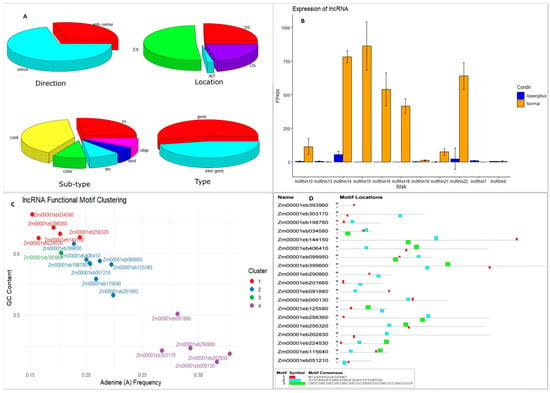
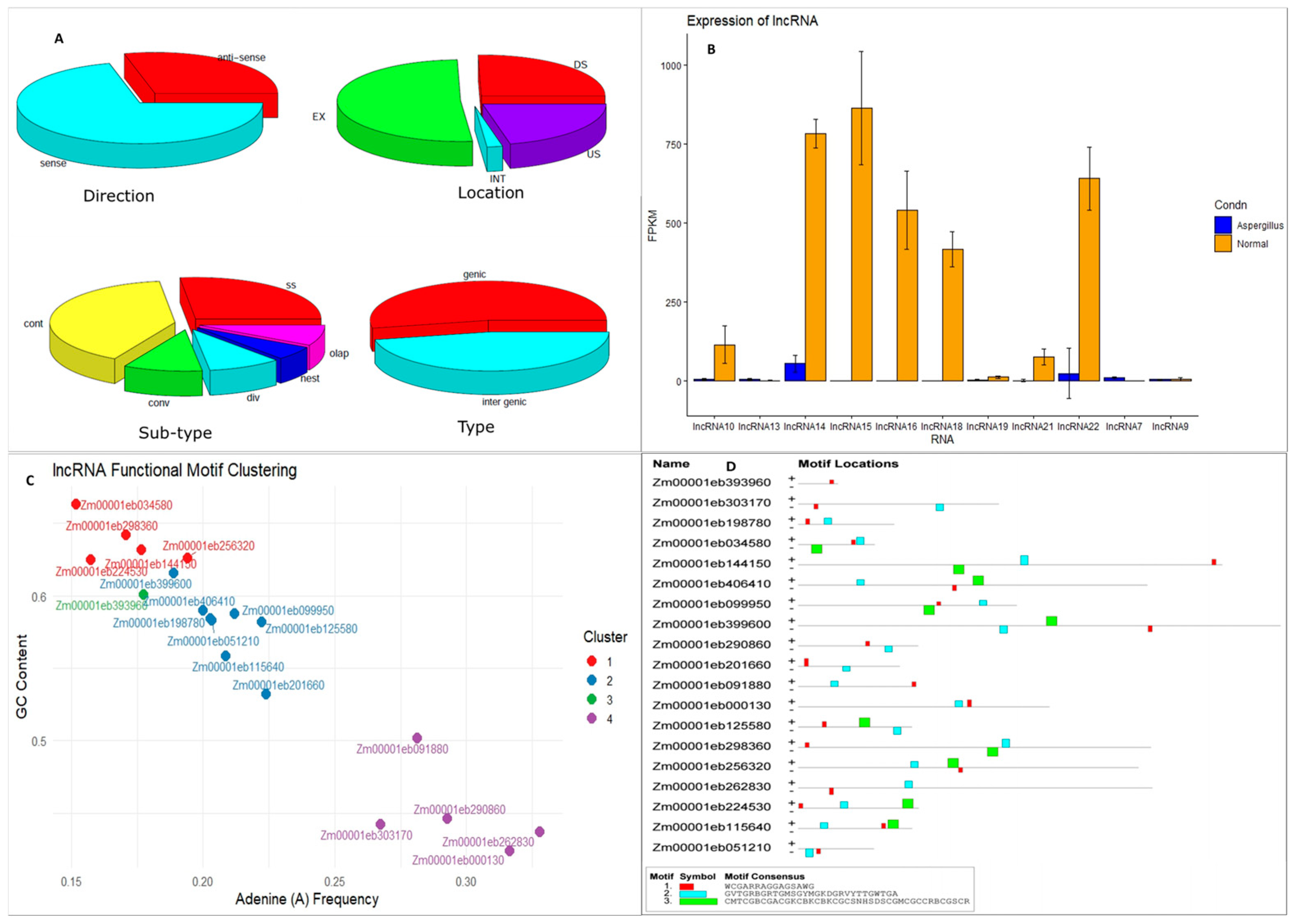
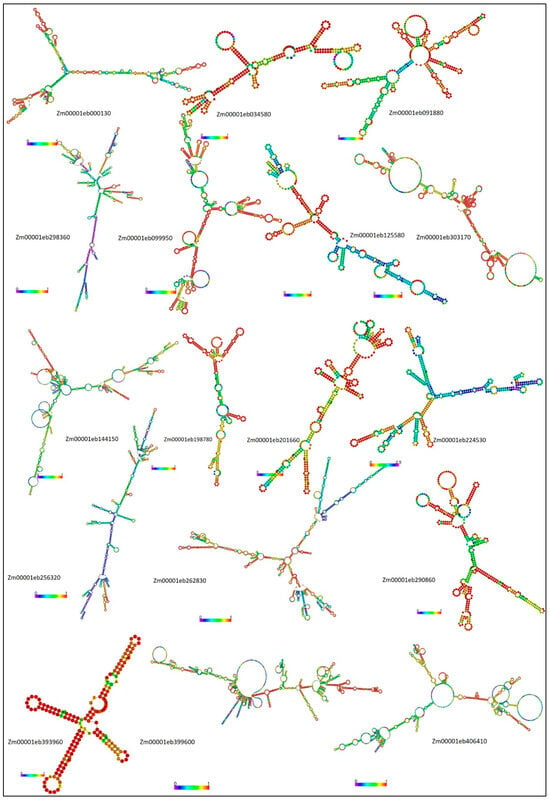
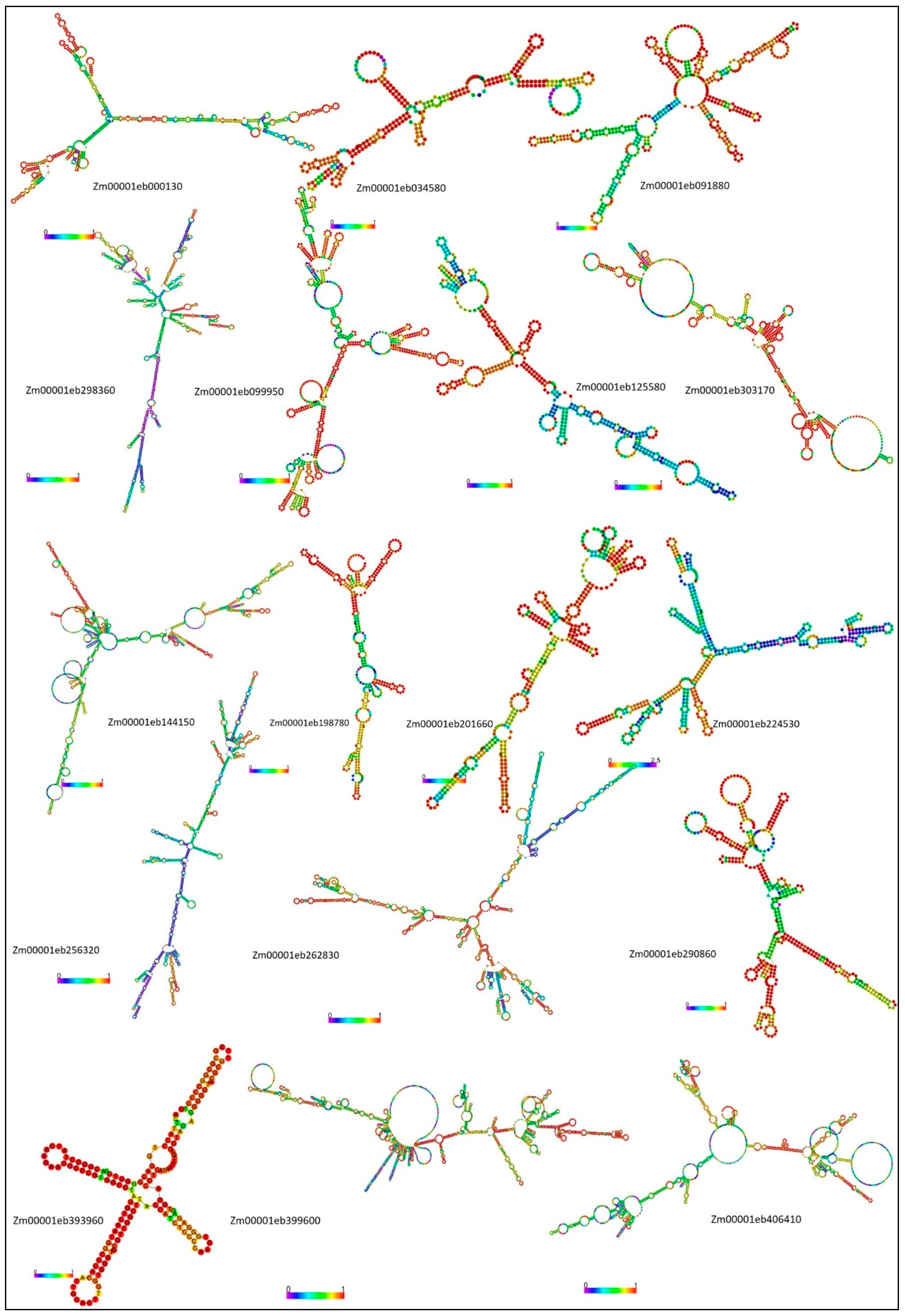
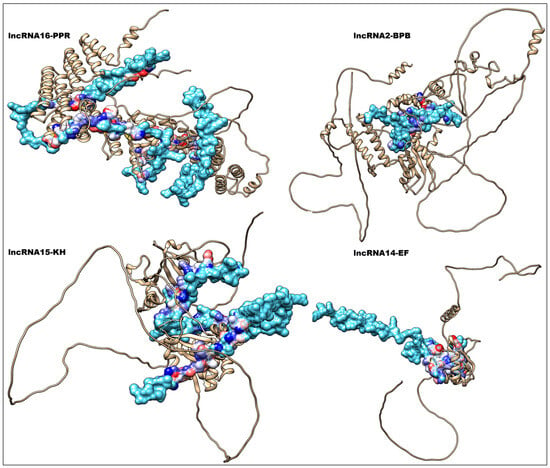
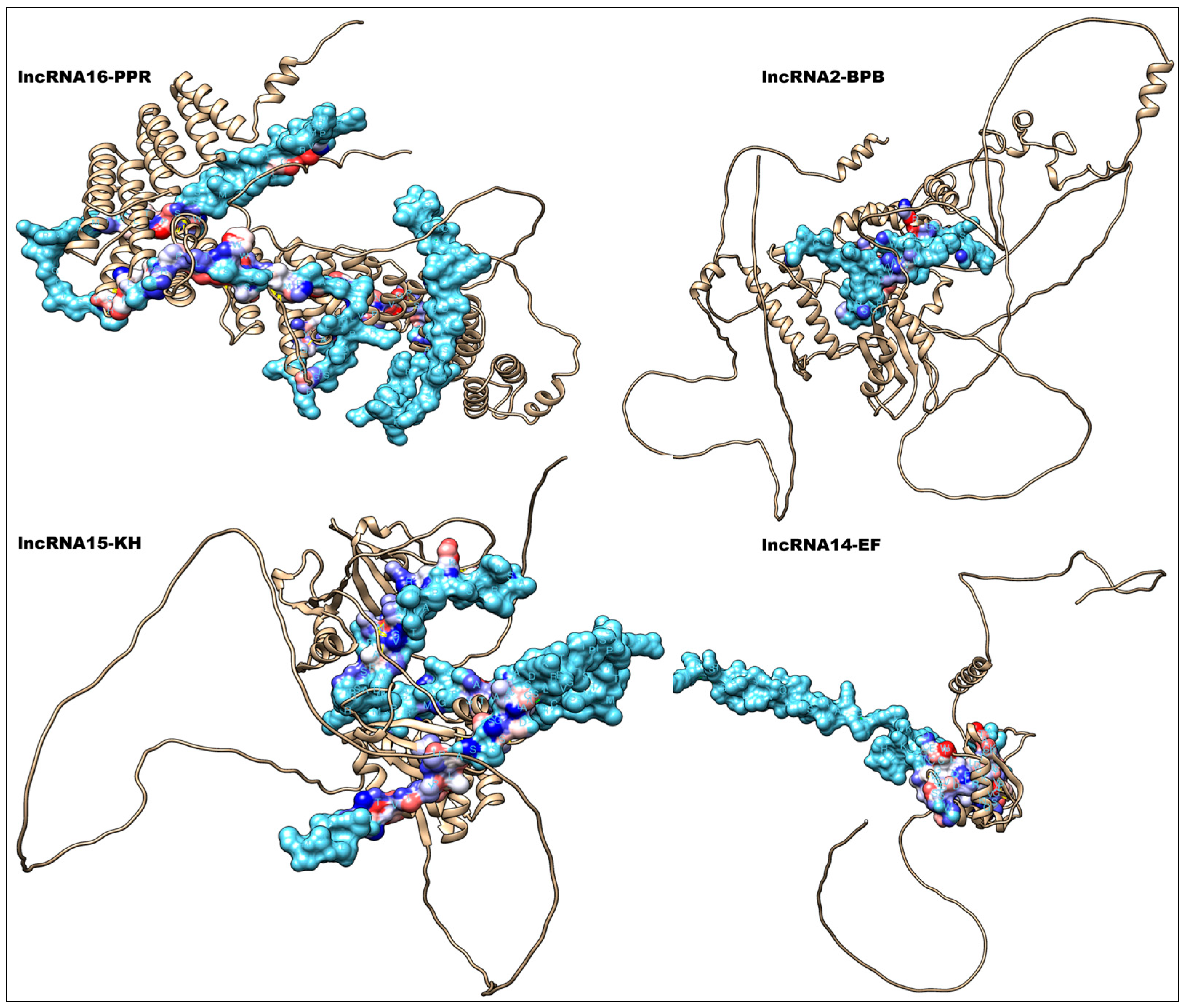
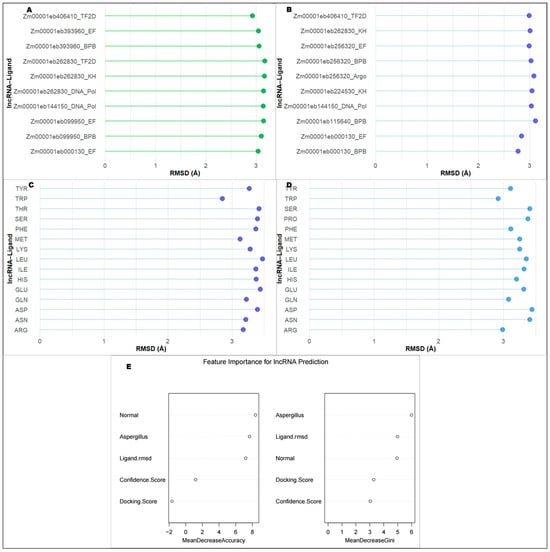
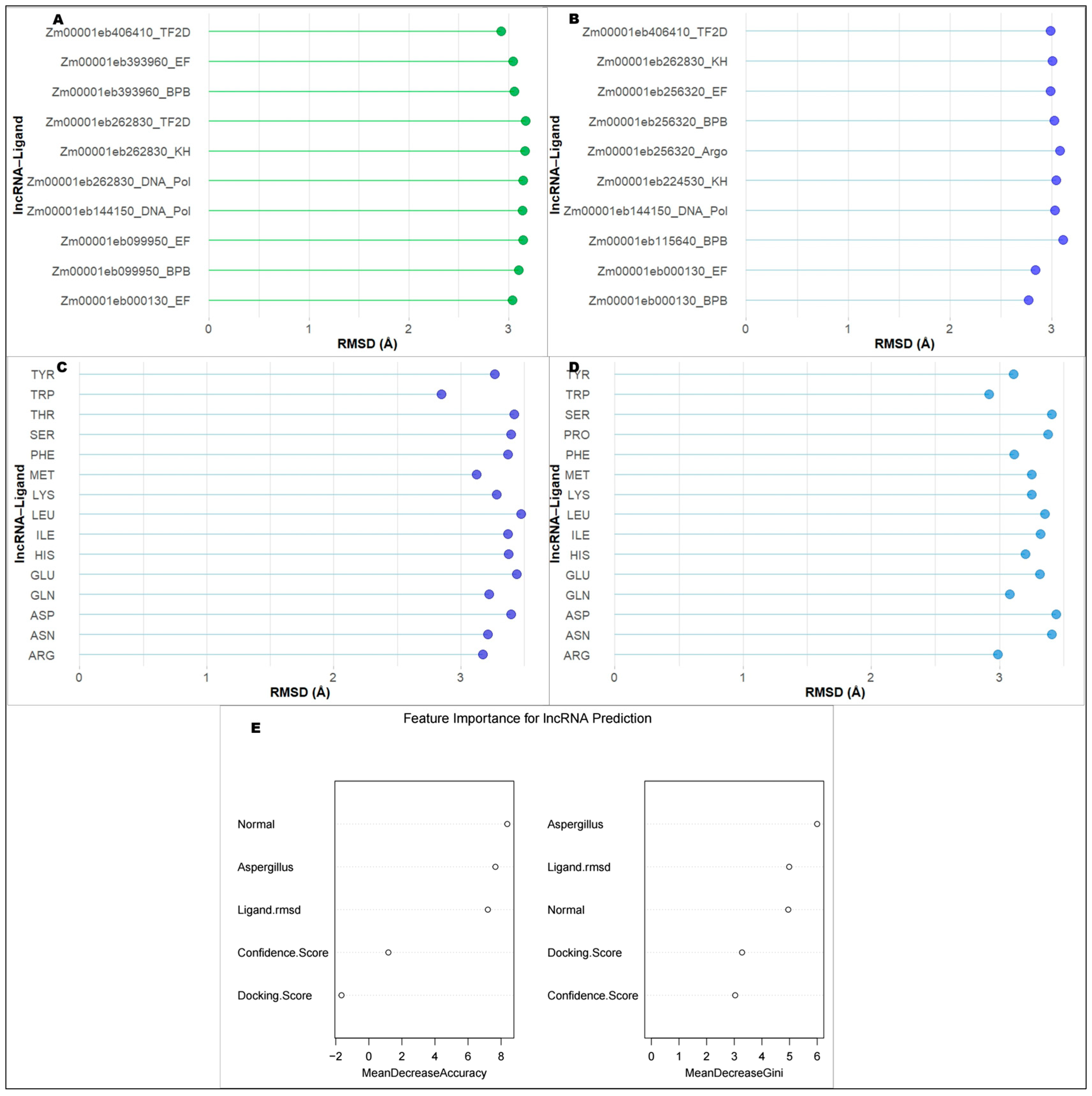
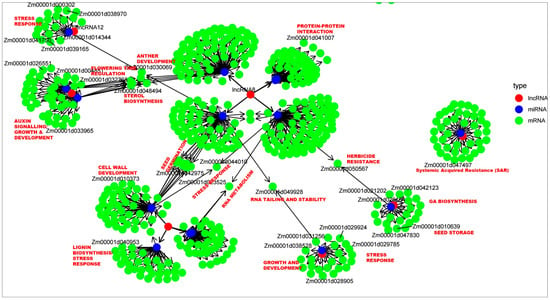
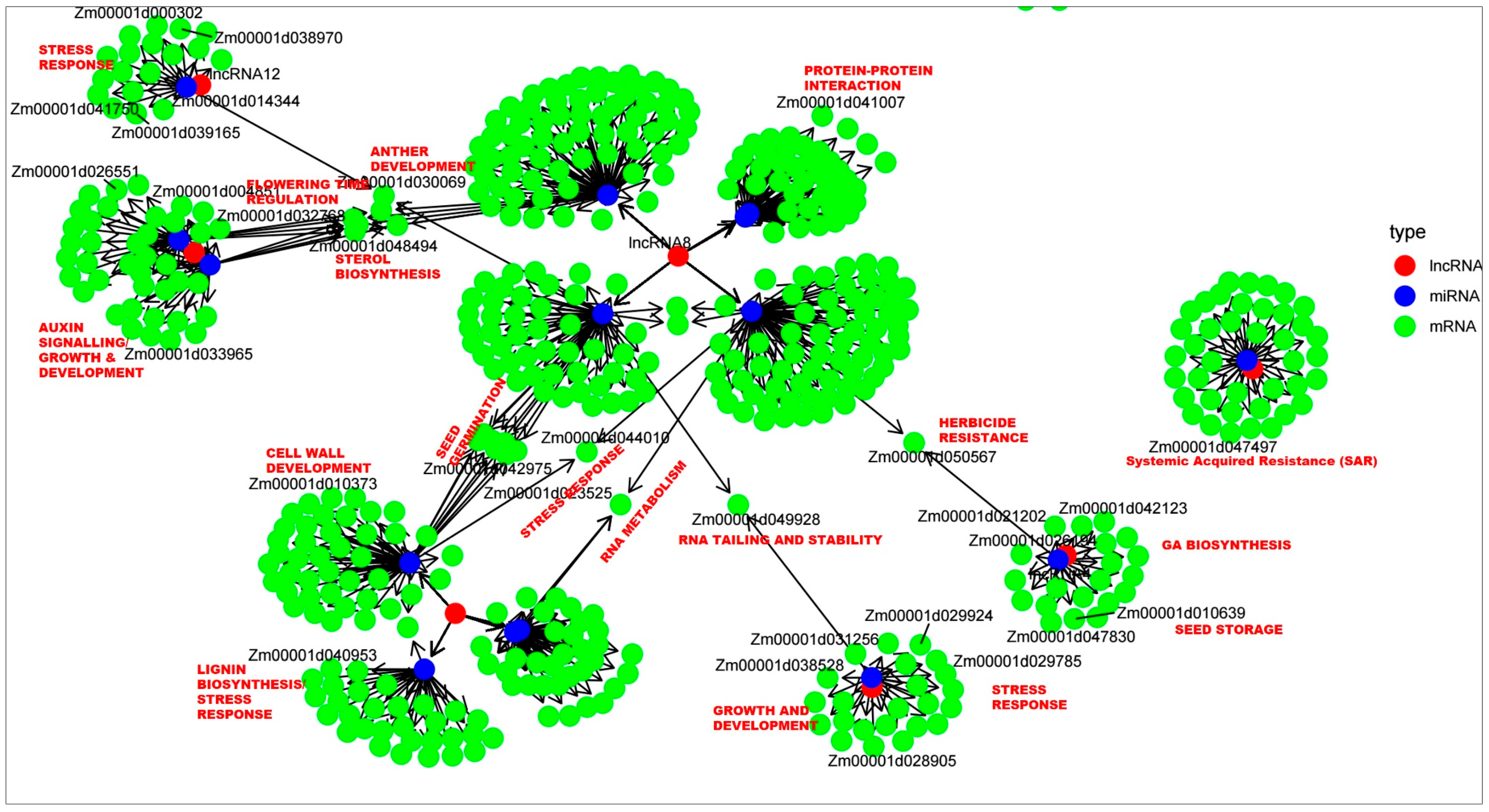

Disclaimer/Publisher’s Note: The statements, opinions and data contained in all publications are solely those of the individual author(s) and contributor(s) and not of MDPI and/or the editor(s). MDPI and/or the editor(s) disclaim responsibility for any injury to people or property resulting from any ideas, methods, instructions or products referred to in the content. |
© 2026 by the authors. Licensee MDPI, Basel, Switzerland. This article is an open access article distributed under the terms and conditions of the Creative Commons Attribution (CC BY) license.