


Abstract
Rheumatoid arthritis (RA) is a chronic autoimmune disease characterized by persistent synovial inflammation, progressive joint destruction, and substantial systemic complications. Although current pharmacological therapies have improved disease control, important unmet needs for RA remission remain owing to the incomplete response, loss of efficacy, long-term safety concerns, limited capacity for tissue repair, and barriers related to accessibility and adherence. Against this background, natural products have emerged as an important area of interest in RA therapy research because many of them can modulate multiple components of the pathogenic network, including immune dysregulation, synovial inflammation, oxidative stress, and structural damage. Therefore, this review provides an updated overview of natural products for RA treatment, with emphasis on their therapeutic effects, mechanistic basis, and translational potential as well as key challenges. In particular, we discuss the natural-product research in RA therapy along an evolving continuum, from traditionally used complex natural products, such as herbal medicines and venom-based preparations, to structurally defined bioactive compounds, including flavonoids, alkaloids, terpenoids, and polysaccharides. The review further summarizes the principal pharmacological actions of these agents, their advantages and limitations in anti-RA intervention, and current strategies to enhance their development, including formulation optimization, delivery systems, and mechanism-guided translational approaches.
1. Introduction
Rheumatoid arthritis (RA) is a chronic systemic autoimmune disease that primarily affects synovial joints, leading to persistent inflammation, progressive cartilage and bone destruction, and ultimately joint deformity, functional decline, and disability [1]. Affecting approximately 0.25–1% of the global population, RA disproportionately burdens women and individuals in their most productive years of life [2]. Beyond articular damage, RA is frequently accompanied by extra-articular complications and comorbidities, particularly involving the cardiovascular, respiratory, and nervous systems, which contribute substantially to excess mortality and overall disease burden [2]. With its rising global prevalence [3] and profound impact on quality of life, disability, and healthcare systems, RA remains a major therapeutic challenge and a persistent priority in drug discovery and translational research.
Despite substantial advances in RA management, the disease remains an incurable chronic autoimmune disorder, and durable disease control is still not achieved in a considerable proportion of patients [3]. Current therapeutic approaches have significantly improved clinical outcomes, yet they continue to be limited by incomplete efficacy, safety concerns, and challenges associated with long-term use and accessibility. These persistent unmet needs underscore the necessity for new therapeutic strategies that can more effectively address the complex pathogenic network of RA while offering improved efficacy, safety and translational potential. In this context, natural products have emerged as an important area of interest owing to their structural diversity, multitarget activities, and potential applicability in long-term RA intervention.
Natural products derived from plants, animals, and microbes, including fungi, have long played a vital role in the treatment of inflammatory and autoimmune diseases, showing particular promise for RA management. These compounds exhibit remarkable structural diversity and multifaceted mechanisms of action. They are often capable of modulating multiple signaling pathways simultaneously—such as NF-κB, JAK/STAT, MAPK, and PI3K/AKT—while also regulating various immune cell subsets, including T helper 17 (Th17) cells, regulatory T (Treg) cells, and macrophages [4]. This multi-target pharmacological profile aligns well with the complex, multifactorial pathogenesis of RA and distinguishes natural products from conventional single-target synthetic drugs, offering the potential for broader disease control with fewer off-target effects, although the limited clinical benefit of IL-17 blockade underscores that modulation of disease-associated pathways does not necessarily translate into therapeutic efficacy [5]. Indeed, a variety of natural compounds have demonstrated significant anti-RA activity in both preclinical and clinical studies. These include triptolide and celastrol from Tripterygium wilfordii, melittin from bee venom, polysaccharides from the medicinal fungus Ganoderma lucidum, and omega-3 fatty acids from marine sources [6]. With the integration of modern pharmacology, nanotechnology, and systems biology, natural products are increasingly transitioning from traditional adjunct therapies to novel therapeutic agents and synergistic interventions. Their applications are expanding, ranging from monotherapy to combination with conventional DMARDs (disease-modifying antirheumatic drugs), advanced drug delivery systems, or use as nutraceuticals—reflecting the continuous evolution of RA treatment paradigms toward greater diversity and precision.
In this context, this review provides a narrative overview of natural products for the treatment of RA. We first summarize the pathogenesis of RA and the limitations of current therapeutic strategies, and then examine natural products along an evolving research continuum, from traditionally used complex natural products to structurally defined bioactive compounds. We further discuss their therapeutic effects, mechanistic basis, and potential applications in advanced delivery systems and combination regimens, with particular emphasis on translational prospects and the key challenges for clinical development.
2. Pathogenesis and Therapeutic Strategies of Rheumatoid Arthritis
2.1. Pathogenesis of Rheumatoid Arthritis
RA is a multifactorial autoimmune disease arising from the interplay between genetic susceptibility and environmental triggers. HLA-DRB1 shared epitope alleles represent the strongest genetic risk factor, particularly in ACPA (anti-citrullinated protein autoantibodies)-positive RA [7], while other loci, such as PTPN22 [8] and CTLA4 [9], further implicate dysregulated adaptive immunity in disease initiation. Environmental exposures, including smoking, silica exposure, mucosal infection, periodontal pathogens, and gut microbial dysbiosis, may promote aberrant citrullination and loss of immune tolerance in genetically susceptible individuals [10]. Together, these gene–environment interactions drive the generation of ACPA and rheumatoid factor, thereby establishing the immunologic basis for disease initiation and shaping the clinical and molecular heterogeneity of RA.
Following the loss of immune tolerance, RA evolves into a state of persistent synovial inflammation sustained by reciprocal crosstalk among immune cells, stromal cells, and osteoclastogenic signals [11]. Leukocyte recruitment into the synovium is driven by endothelial activation, chemokine gradients, and pathological angiogenesis, creating a remodeled microenvironment in which innate and adaptive immune responses act in concert. Within this niche, antigen-presenting cells activate autoreactive T cells, B cells amplify local immunity, while myeloid cells, particularly macrophages, sustain the inflammatory cascades [12]. An imbalance between pro-inflammatory Th17 cells and functionally impaired regulatory T cells further skews the synovial milieu toward chronic inflammation [13,14,15]. Central cytokine networks, especially those driven by TNF-α, IL-1, IL-6, and IL-17, together with intracellular pathways such as JAK/STAT and NF-κB [16,17], reinforce inflammatory persistence and stromal activation. In parallel, fibroblast-like synoviocytes acquire an aggressive, apoptosis-resistant phenotype [18] that drives synovial hyperplasia, sustains inflammatory cell persistence, and directly contributes to tissue injury, thereby establishing a self-perpetuating inflammatory niche [19].
Persistent synovitis ultimately culminates in progressive structural damage involving both cartilage and bone. Hyperplastic synovium and activated fibroblast-like synoviocytes promote cartilage destruction through invasive behavior and the release of matrix-degrading enzymes, including MMPs (matrix metalloproteinases) and ADAMTS (a disintegrin and metalloproteinase with thrombospondin motifs), while inflammatory mediators such as IL-1 and IL-17A impair chondrocyte survival and matrix homeostasis [18]. In parallel, bone erosion is driven primarily by osteoclastogenesis, promoted by RANKL (receptor activator of NF-κB ligand) and macrophage colony-stimulating factor, and further amplified by pro-inflammatory cytokines. At the same time, chronic inflammation markedly restricts periarticular bone repair by suppressing osteogenic differentiation, thereby favoring irreversible joint destruction [20]. In addition to local joint destruction, chronic inflammation in RA exerts systemic effects, contributing to cardiovascular complications, metabolic dysregulation, sarcopenia, pulmonary involvement, and osteoporosis [21].
Collectively, RA pathogenesis is orchestrated by a highly interconnected immune–stromal network characterized by molecular heterogeneity, signaling redundancy, and progressive tissue-destructive responses (Figure 1). These features not only underlie the chronicity and complexity of RA, but also help explain why current therapeutic strategies, despite considerable advances, often fail to achieve sustained remission, restore immune homeostasis, or prevent progressive tissue damage in a substantial proportion of patients.
Figure 1.
Pathogenesis of RA. ➀ Genetic susceptibility, age, sex, and environmental factors contribute to disease susceptibility. Mucosal processes, including protein citrullination and neoepitope formation, contribute to the initiation of autoimmunity. ➁ In lymphoid tissues, antigen presentation and costimulatory signaling promote T-cell activation and B-cell responses, including the production of autoantibodies such as ACPAs and RF. ➂ Within the joint, interactions among immune cells, fibroblast-like synoviocytes, and chondrocytes sustain synovial inflammation. Inflammatory cytokines and MMPs contribute to cartilage degradation, while RANKL-mediated osteoclast activation promotes bone erosion. ➃ Disease manifestations extend beyond individual joints to polyarticular involvement and systemic comorbidities, including cardiovascular and pulmonary disease, osteoporosis, chronic kidney disease, dry eye disease, and depression. Arrows in panels ➁ and ➂ indicate the direction of cellular interactions and downstream biological effects.
2.2. Limitations of Current Therapeutic Strategies for Rheumatoid Arthritis
Current RA management is guided by the principles of early intervention and treat-to-target, with the goal of achieving sustained remission or, at minimum, low disease activity [22]. In clinical practice, the treatment relies on the stepwise and individualized use of nonsteroidal anti-inflammatory drugs (NSAIDs), glucocorticoids, conventional synthetic disease-modifying antirheumatic drugs (csDMARDs), biologic DMARDs (bDMARDs), and targeted synthetic DMARDs (tsDMARDs) [23,24]. NSAIDs and glucocorticoids are mainly used for rapid symptom relief and short-term inflammatory control, whereas csDMARDs—particularly methotrexate, which remains the anchor drug—constitute the backbone of long-term disease-modifying therapy [25]. For patients with an inadequate response to csDMARDs, escalation to bDMARDs targeting cytokines or immune cell pathways, or to tsDMARDs such as Janus kinase (JAK) inhibitors [26,27], has substantially expanded therapeutic options. These strategies have improved symptom control, suppressed inflammatory activity, and slowed structural progression in many patients. Nevertheless, important unmet needs remain in terms of efficacy, durable immune control, tissue repair, long-term safety, and real-world treatment feasibility.
Despite advances in RA treatment, more than 40% of patients in a Finnish early-RA cohort did not achieve sustained remission, defined as meeting the three-variable 28-joint Disease Activity Score (DAS28) remission criterion at both the 3- and 12-month assessments [28], because of incomplete response, primary non-response, or secondary loss of efficacy [29,30,31]. Even when clinical remission or low disease activity is achieved, residual subclinical inflammation may persist, and disease flare remains common during tapering, discontinuation, or long-term follow-up [32,33]. In addition, although timely inflammatory control can reduce the radiographic progression, repair of established periarticular bone lesions is uncommon, and cartilage restoration remains limited, partly because the inflammatory microenvironment continues to impair tissue remodeling and repair [34]. These therapeutic shortcomings reflect, at least in part, the biological heterogeneity and signaling redundancy of RA, in which parallel inflammatory, stromal, and osteoclastogenic pathways can compensate when a single target is inhibited. Consequently, inhibition of selected mediators may attenuate disease activity, but often fails to provide comprehensive and durable control of the broader pathogenic network. This limitation is particularly relevant in RA disease, in which the effective and systematic intervention ideally requires not only suppression of overt inflammation, but also deeper modulation of immune–stromal crosstalk and protection against progressive structural damage.
The clinical utility of current RA therapies is further constrained by adverse effects and long-term safety issues, especially in the setting of chronic administration and combination treatment. Although these agents are indispensable for disease control, their benefits are often offset by cumulative toxicities and the need for ongoing safety monitoring. NSAIDs are associated with gastrointestinal, renal, and cardiovascular complications [35], whereas prolonged glucocorticoid use can lead to osteoporosis, metabolic disturbances, infection, and other systemic sequelae [36,37]. Conventional synthetic DMARDs may also cause hepatic, hematologic, pulmonary, or gastrointestinal toxicity, potentially limiting dose optimization or long-term persistence [25]. In addition, biologic agents and targeted synthetic therapies, despite their improved specificity, remain associated with infection risk and class-specific long-term safety concerns [38,39]. Thus, the long-term management of RA continues to involve a difficult balance between sustained efficacy and acceptable tolerability, highlighting the need for therapeutic approaches with broader applicability and improved safety profiles.
Beyond efficacy and safety, the current real-world effectiveness of RA therapy is also shaped by economic burden, unequal access to advanced agents, and challenges in long-term treatment adherence [40]. Biologic DMARDs and targeted synthetic therapies have substantially expanded treatment options, but their high costs limit timely initiation and sustained use [41,42]. In addition, access to these agents remains uneven across regions and clinical settings, owing to differences in reimbursement policies, healthcare infrastructure, and drug availability [43]. Long-term adherence may be further compromised by treatment burden, the need for repeated injections or infusions, and the need for continuous laboratory monitoring and follow-up [44]. These real-world barriers highlight that therapeutic success depends not only on pharmacologic efficacy, but also on accessibility, affordability, and sustained patient adherence.
In brief, the above limitations underscore the need for developing therapeutic strategies that are not only effective and safe, but also extend beyond single-pathway suppression and are capable of broader immunomodulation, sustained disease control, and protection against progressive tissue damage. In this context, growing attention has been directed toward natural products as potential RA interventions, owing to their structural diversity and pleiotropic bioactivities. Unlike single-target drugs, many natural compounds [45] can exert coordinated effects on inflammatory signaling, immune regulation, oxidative stress, and bone or cartilage metabolism, thereby offering a theoretical advantage as natural medicines in modulating the multifaceted pathogenic network of RA. Moreover, their long history of medicinal use and broad biological activities of natural products have further stimulated interest in their development as complementary or alternative therapeutic candidates.
3. Natural Products as RA Therapeutic Agents
The complexity of RA pathogenesis and the persistent limitations of current therapies have made natural products a compelling area of anti-RA research and drug development. Their value lies not only in broad pharmacological activity, but also in the capacity of many natural agents to modulate multiple targets of the RA pathogenic network. More fundamentally, research in this field has evolved from the empirical use of chemically complex natural preparations to the isolation and characterization of structurally defined bioactive constituents. Traditional complex products, including herbal medicines, natural extracts, and venom-based preparations, represent an experience-based therapeutic foundation and the potential for multicomponent synergy in treating RA. By contrast, the defined natural compounds mark a methodological shift toward compositional clarity, mechanistic tractability, and more controllable translational development. Accordingly, the following sections summarize the natural products in RA along this research continuum, from traditionally used complex preparations to defined bioactive compounds, as a framework for understanding both their therapeutic potential and their significance for modern anti-RA drug discovery.
3.1. Traditionally Used Complex Natural Products in RA Treatment
3.1.1. Plant-Derived Traditional Complex Natural Products
Plant-derived traditional complex natural products constitute an important empirical resource for RA intervention [46], particularly in East Asian medical systems where herbal medicines and natural extracts have long been used to alleviate arthralgia, inflammation, and functional impairment (Table 1). Unlike structurally defined single compounds, these preparations are characterized by chemical complexity and may exert anti-RA effects through multicomponent synergy across multiple pathogenic processes. This feature is of particular relevance to RA, a disease driven by intertwined inflammatory, immune, stromal, and osteolytic pathways. At the same time, however, the compositional heterogeneity of plant-derived traditional natural products complicates quality control, standardization, pharmacodynamic material identification, and mechanistic interpretation. Accordingly, their value in RA research lies not only in their therapeutic potential, but also in their role as empirical and material foundations for the discovery of more precisely defined anti-RA bioactive constituents.
Table 1.
Overview of plant-derived traditional complex natural products investigated for rheumatoid arthritis treatment.
Tripterygium wilfordii Hook. f. (TwHF) is one of the most representative plant-derived traditional complex natural products used for RA treatment. Rooted in long-standing use in Chinese medicine for rheumatic and autoimmune disorders, TwHF has remained a major focus of modern anti-RA research, particularly in the form of various TwHF preparations, whose activity has been linked to diterpenoids and other bioactive constituents. Clinical studies, including randomized trials and meta-analyses, suggest that these preparations may improve joint symptoms and disease activity in RA. In parallel, preclinical studies have shown that TwHF and its related extracts can alleviate arthritis severity in collagen-induced arthritis models, with reductions in inflammatory responses and joint damage [76]. At the same time, TwHF exemplifies the dual nature of traditional complex natural products: its therapeutic effects may arise from chemically complex, multitarget actions, whereas its translational use is substantially restricted by toxicity concerns, especially hepatotoxicity, reproductive toxicity, and other organ-specific adverse effects [77,78]. Thus, TwHF not only highlights the therapeutic promise of plant-derived traditional complex natural products in RA, but also underscores the importance of rigorous standardization, safety evaluation, and pharmacodynamic material characterization in their further development.
Sinomenium acutum is a traditionally used anti-rheumatic medicinal plant in East Asian medicine and represents another typical plant-derived complex natural product for RA intervention [79]. Long employed for the treatment of rheumatic pain and inflammatory joint disorders, S. acutum has attracted sustained pharmacological interest, and its anti-RA activity has been attributed in part to sinomenine, the major alkaloid constituent of the plant [80]. Preclinical studies of sinomenine have identified anti-inflammatory and immunoregulatory effects, including suppression of nitric oxide production, inhibition of NF-κB signaling, and modulation of the Th17/Treg balance [81]. These findings characterize its experimental pharmacology but do not establish the mechanisms underlying any clinical benefit. In collagen-induced arthritis and related experimental models, sinomenine alleviates joint swelling, inflammatory responses, and joint injury [57,82], while clinical studies have also suggested benefits in improving joint symptoms and functional outcomes in RA [83]. From the perspective of natural-product research, S. acutum is particularly noteworthy because it illustrates the transition from empirical herbal use to modern pharmacological investigation: its traditional therapeutic value provides an important experiential basis, whereas the identification of sinomenine helps connect this complex medicinal plant to more clearly defined anti-RA bioactive compounds.
Curcuma longa, Glycyrrhiza uralensis, Scutellaria baicalensis, and Paeonia lactiflora are also frequently incorporated into traditional herbal formulations used for treatment of RA and other inflammatory arthropathies, reflecting their long-standing empirical relevance in anti-rheumatic therapy. C. longa has long been valued for its anti-inflammatory effects, and modern studies indicate that turmeric extracts and related preparations can alleviate pain and inflammatory severity in arthritis, with curcuminoids regarded as an important material basis for these effects [84]. G. uralensis, a classical medicinal plant rich in flavonoids and triterpenoid saponins, has also attracted attention in RA treatment research, as its preparations and representative constituents show anti-inflammatory and anti-angiogenic activities in experimental arthritis-related settings [65]. Similarly, S. baicalensis is widely recognized for its anti-inflammatory properties, and increasing evidence suggests that its flavone-rich extracts may suppress the pathogenic synovial responses and inflammatory signaling relevant to RA [85]. P. lactiflora, particularly in the form of total glucosides of peony, has been extensively used in East Asian medicine for inflammatory and immune disorders, and both experimental and clinical studies support its value in alleviating RA symptoms and modulating immune dysfunction [86,87].
Beyond these medicinal herbs, plant seed oils containing γ-linolenic acid (GLA), including evening primrose, borage seed, and blackcurrant seed oils, provide another clinically investigated category of complex botanical preparations. A Cochrane systematic review identified seven trials of GLA-containing oils and reported moderate evidence supporting symptomatic benefit in RA, including reduced pain and improved physical function [88]. Taken together, these herbal medicines further illustrate how traditionally used plant-derived complex natural products can serve as both empirical therapeutic resources and important material foundations for the subsequent identification of defined anti-RA bioactive compounds.
3.1.2. Animal-Derived Traditional Complex Natural Products
Animal-derived traditional complex natural products represent a smaller but distinctive category of empirical bioresources for RA intervention. Compared with plant-derived herbal medicines, their diversity is more limited, but they provide complex natural components with characteristic anti-inflammatory, analgesic, and immunomodulatory properties. In the context of RA, the most representative examples are venom-derived preparations and lipid-rich natural extracts (Table 2), which may exert therapeutic effects through multiple bioactive components acting in concert. At the same time, however, their biological complexity also poses challenges for compositional standardization, mechanistic clarification, safety evaluation, and translational controllability.
Table 2.
Overview of animal-derived traditional complex natural products investigated for rheumatoid arthritis treatment.
Bee venom is the most intensively studied animal-derived complex natural product in RA treatment research. Traditionally used in East Asian medicine and in bee venom acupuncture, it is a chemically complex secretion enriched with bioactive peptides and enzymes, among which melittin and phospholipase A2 are regarded as major active components. Experimental studies suggest that bee venom and related preparations can attenuate arthritic inflammation by modulating key inflammatory mediators and signaling pathways, including NF-κB, TNF-α, IL-1β, and COX-2 [102,103,104]. Clinical studies and systematic reviews have also suggested that bee venom-based interventions may alleviate joint pain and swelling in RA, and safety concerns, particularly hypersensitivity reactions, require careful consideration [89]. Similar observations have been reported for snake venom-derived preparations, which have shown anti-inflammatory, analgesic, and immunomodulatory activities in experimental arthritis settings [97], but their application in RA remains far less established and is further constrained by toxicity and translational uncertainty. Thus, venom-derived natural products illustrate both the therapeutic promise and the developmental complexity of animal-derived traditional natural products in RA.
Fish oil represents another important animal-derived complex natural product with relevance to RA, particularly as an adjunctive nutritional intervention. As a lipid-rich marine-derived mixture, fish oil is characterized by high levels of omega-3 polyunsaturated fatty acids, especially eicosapentaenoic acid and docosahexaenoic acid, which contribute to its anti-inflammatory properties [105,106]. In RA-related studies, fish oil and omega-3 supplementation have been associated with modulation of macrophage function, suppression of pro-inflammatory lipid mediator synthesis, and reduction in synovial inflammatory burden [107]. Clinical evidence further suggests that omega-3-rich fish oil may improve pain, reduce tender and swollen joint counts, and lower the need for nonsteroidal anti-inflammatory drugs in some patients [98]. Compared with venom-derived preparations, fish oil is generally better suited to long-term adjunctive use; however, variability in formulation, dosage, and clinical response continues to limit its standardization and precise therapeutic positioning in RA management [108].
Animal-derived natural products have shown promising therapeutic potential in RA, primarily due to their potent anti-inflammatory and immunomodulatory effects. However, their clinical application faces significant challenges. One major limitation is immunogenicity, as these products can provoke immune responses that lead to adverse effects, especially with long-term use [109]. Additionally, many animal-derived compounds exhibit low oral bioavailability due to poor solubility and rapid degradation in the gastrointestinal tract, which limits their systemic efficacy [110]. The difficulty of large-scale extraction and the high cost of production further hinder their widespread clinical use [111].
Despite these challenges, recent biotechnological advances, such as peptide synthesis and recombinant expression systems, offer potential solutions. These technologies enable the production of bioactive compounds in a well-controlled, scalable manner, addressing some of the limitations of traditional extraction [112]. However, these methods are still in the developmental phase and have not yet reached broad clinical application.
3.1.3. Fungal-Derived Traditional Complex Natural Products
Fungi, especially medicinal mushrooms and endophytic fungi, are increasingly recognized as valuable sources of natural anti-RA agents. These include bioactive polysaccharides, terpenoids, and secondary metabolites with immunomodulatory and anti-inflammatory activities.
Ganoderma lucidum, commonly known as reishi mushroom, is a widely studied medicinal fungus with well-established therapeutic effects. Its bioactive components, such as ganoderic acids and β-glucans, have been shown to exert potent anti-inflammatory, immunomodulatory, and antioxidant effects [113,114]. Studies indicate that extracts from Ganoderma lucidum can significantly reduce inflammation and pain in various arthritis models. For instance, in collagen-induced arthritis (CIA) models, Ganoderma lucidum extracts have been demonstrated to reduce joint swelling and prevent cartilage degradation by suppressing pro-inflammatory cytokines like TNF-α, IL-1β, and IL-6, and by modulating immune cell activity, including enhancing Treg responses and inhibiting Th17 cell activation [115]. Additionally, Ganoderma lucidum has been shown to regulate macrophage polarization, contributing to the reduction in oxidative stress and inflammation in synovial tissues [116]. These findings underscore the potential of Ganoderma lucidum as a therapeutic agent for RA, particularly in combination with other conventional therapies.
Similarly, Cordyceps sinensis, another medicinal fungus, has shown promising anti-inflammatory and immunomodulatory effects in RA therapy [117,118]. Its bioactive compound, Cordyceps polysaccharides, has demonstrated significant efficacy in reducing synovial inflammation and joint destruction in CIA models. The mechanisms of action include the suppression of NF-κB and MAPK signaling pathways, which are key regulators of inflammation and immune cell activation [119].
The diversity of fungal-derived natural products, including those from endophytes isolated from RA-related medicinal plants, represents a promising but underexploited therapeutic niche. Further studies are warranted to evaluate their pharmacokinetics, safety, and combinatory potential with plant- or drug-based therapies [120]. Compared to plant-derived compounds, fungal metabolites often have higher structural complexity and unique modes of action. However, the field remains nascent, with limited in vivo and clinical validation. Modern fungal genomics and metabolomics platforms may help unlock the therapeutic potential of this underutilized kingdom [121].
3.2. Defined Bioactive Natural Compounds in RA Therapy: Extraction, Structure and Mechanism
Natural products encompass a wide range of bioactive compounds with distinct chemical structures and pharmacological properties. These compounds can be categorized into several major classes—flavonoids, alkaloids, terpenoids, polysaccharides, saponins, and phenolic acids—each contributing uniquely to the mitigation of RA pathology [122]. Their mechanisms of action often include suppression of inflammatory mediators, oxidative stress inhibition, immune cell modulation, and cartilage protection (Table 3).
Table 3.
Bioactive natural compounds in RA therapy.
3.2.1. Flavonoids
Flavonoids are a large class of polyphenolic compounds found in plants, known for their wide range of biological activities [164]. Structurally, they consist of a 15-carbon skeleton with two benzene rings (A and B) connected through a heterocyclic pyran ring (C), forming a C6-C3-C6 structure. The variation in the substitution of hydroxyl, methoxy, and glycosyl groups on the basic flavonoid structure leads to a diverse range of flavonoids with distinct properties. Flavonoids are typically categorized into several subclasses, including flavones, flavonols, flavanones, isoflavones, and anthocyanidins, with specific variations in their chemical structures influencing their biological effects. These compounds are generally water-soluble, but their bioavailability can be limited due to their low solubility and rapid metabolism in the liver [165,166,167].
The extraction of flavonoids typically involves methods such as solvent extraction using alcohol, methanol, or acetone [168]. More efficient methods, including UAE [169], MAE [170], and SFE [171,172], offer improved yield, shorter extraction times, and better preservation of thermolabile flavonoids [173,174]. Additionally, flavonoids can be purified using chromatographic techniques like high-performance liquid chromatography (HPLC) [175,176], ensuring higher purity levels necessary for research and clinical applications.
Flavonoids are renowned for their potent biological activities, particularly their anti-inflammatory, antioxidant, and immunomodulatory effects [177,178]. One of the key features of flavonoids is their ability to modulate various signaling pathways, including NF-κB, MAPK, and JAK/STAT, which are pivotal in inflammatory responses [179,180,181]. Flavonoids inhibit the expression of pro-inflammatory cytokines like TNF-α, IL-1β, and IL-6, thus reducing chronic inflammation in diseases such as RA [182].
Several flavonoids have been identified as potential therapeutic agents for RA, each with unique mechanisms of action. Quercetin, one of the most extensively studied flavonoids, has shown significant promise in RA treatment [183]. It reduces the activation of NF-κB and MAPK pathways [184], which are crucial in the production of inflammatory cytokines such as TNF-α and IL-6. Additionally, quercetin modulates immune responses by balancing the Th17/Treg ratio [185], a critical factor in autoimmune diseases. Preclinical studies in CIA models have demonstrated that quercetin reduces joint swelling, inhibits cartilage degradation, and improves disease scores [124,186].
Luteolin, another flavonoid, has been reported to inhibit the activation of the P2X4 pathway and reduce the production of pro-inflammatory cytokines [187]. In RA models, luteolin also alleviates synovial inflammation and joint destruction by modulating the immune response and protecting cartilage [188]. Similarly, kaempferol [130,189] and apigenin [134] exhibit anti-inflammatory and antioxidant effects, with kaempferol particularly known for its ability to inhibit osteoclastogenesis and protect bone integrity.
In summary, flavonoids offer a multi-target approach to RA treatment by modulating key inflammatory pathways, oxidative stress, and immune responses. The diversity of their mechanisms makes them valuable candidates for adjunctive therapies, either alone or in combination with csDMARDs, to provide more effective and sustainable management of RA.
3.2.2. Alkaloids
Alkaloids represent a diverse class of nitrogen-containing secondary metabolites characterized by their heterocyclic structures and basic nitrogen atoms, which confer high affinity for nucleic acids, enzymes, and receptors [190]. These compounds are widely distributed in medicinal plants and have long been recognized for their strong immunosuppressive, anti-inflammatory, and analgesic properties [191,192,193,194]. In the context of RA, alkaloids modulate key signaling pathways [195] such as NF-κB, MAPK, and JAK/STAT, regulate T-cell and B-cell responses [196], and suppress inflammatory cytokine production [197].
The physical properties of alkaloids vary, with some being highly soluble in water, while others are fat-soluble and require lipid-based solvents for extraction [198,199]. Most alkaloids are alkaloidal salts, with a strong tendency to form complexes with acids. The extraction of alkaloids is typically carried out using organic solvents like ethanol, methanol, and acetone [200]. Modern extraction methods [201], such as SFE [202] and UAE [203], are also used to improve yield and reduce the time and cost of extraction. After extraction, purification can be achieved by techniques such as liquid chromatography, which helps isolate individual alkaloids for further study or clinical application [204].
In addition to sinomenine, other alkaloids also show promise. Matrine, a quinolizidine alkaloid isolated from Sophora flavescens, exerts anti-inflammatory effects by inhibiting the PI3K/AKT/mTOR pathway [139,205] and reducing osteoclast differentiation [206], thus preventing bone destruction in RA models [207]. Tetrandrine, a bis-benzylisoquinoline alkaloid from Stephania tetrandra, acts as a calcium channel blocker and reduces synovial fibroblast proliferation while downregulating inflammatory mediators [141,208,209]. Clinical observations indicate that tetrandrine can ameliorate RA symptoms when used as part of multi-herbal formulations [210].
The structural diversity of alkaloids provides multiple pharmacological entry points for RA intervention. However, their potency is often coupled with narrow therapeutic windows due to off-target toxicity. For example, while triptolide’s electrophilic moieties enhance immunosuppressive efficacy, they also account for organ toxicity [211]. Conversely, sinomenine and matrine exhibit milder but clinically safer effects, highlighting the balance between activity and tolerability. Modern approaches—including combinatorial alkaloid formulations, semi-synthetic derivatives, and nanoformulation-based delivery—are being explored to optimize efficacy and minimize systemic toxicity.
In summary, alkaloids represent a structurally diverse and pharmacologically potent category of natural compounds with established roles in RA management. Continued integration of structural chemistry, mechanistic immunology, and pharmaceutical innovation will be essential to fully realize the therapeutic potential of alkaloids in RA.
3.2.3. Terpenoids
Terpenoids, also known as isoprenoids, constitute one of the most structurally diverse groups of natural products, synthesized from five-carbon isoprene units arranged in various configurations. The basic structure of terpenoids consists of a hydrocarbon backbone with varying levels of cyclization. Structurally, terpenoids are classified based on the number of isoprene units they contain, with the most common classes being monoterpenes (C10), sesquiterpenes (C15), diterpenes (C20), and triterpenes (C30) [212]. These compounds can be found in essential oils, resins, and various other plant and animal products [213].
Terpenoids’ physical properties, such as solubility, volatility, and stability, are influenced by their molecular structure [214]. While many terpenoids are volatile and can be easily extracted from plants using steam distillation, others are non-volatile and require organic solvents like ethanol or hexane for extraction [215].
Terpenoids are highly valuable in traditional medicine and pharmacology due to their broad spectrum of biological activities [213]. Their polycyclic frameworks, often modified by oxidation, glycosylation, or the presence of quinone moieties, confer significant pharmacological diversity, including anti-inflammatory, antioxidant, and antimicrobial effects [216,217]. Their diverse structures enable them to interact with various biological targets, making them potent modulators of multiple signaling pathways involved in disease pathogenesis.
In particular, terpenoids are known for their ability to modulate inflammatory pathways such as NF-κB, MAPK, and JAK/STAT, which are central to the inflammatory response in autoimmune diseases like RA [218]. Through this modulation, terpenoids reduce the production of pro-inflammatory cytokines such as TNF-α, IL-1β, and IL-6, thus helping to alleviate chronic inflammation. Additionally, their antioxidant activity, by scavenging reactive oxygen species (ROS), mitigates oxidative stress, a key factor in RA and other inflammatory disorders [219,220].
Several terpenoids have shown great promise in preclinical and clinical RA studies. For example, triptolide, derived from Tripterygium wilfordii (Thunder God Vine), is a potent diterpenoid that inhibits NF-κB and MAPK signaling, leading to a reduction in inflammatory cytokine production and T-cell activation [221]. Although triptolide has demonstrated efficacy in alleviating RA symptoms, its use is limited by its hepatotoxicity and reproductive toxicity. Boswellic acid, derived from Boswellia serrata (Indian frankincense), is another triterpenoid with significant anti-inflammatory effects [222]. It inhibits the 5-lipoxygenase enzyme, reducing leukotriene production and promoting cartilage protection, making it a potential adjunctive therapy for RA.
Moreover, ginsenosides, which are triterpenoid saponins found in Panax ginseng, exhibit anti-inflammatory and immunomodulatory effects by modulating several inflammatory pathways. They help reduce pro-inflammatory cytokine production and promote regulatory T cell differentiation, which is crucial for restoring immune balance in RA [154,223,224,225,226]. Similarly, andrographolide, a diterpenoid from Andrographis paniculata, has shown promise in inhibiting Th17 cell differentiation and suppressing NF-κB and MAPK signaling, offering another avenue for RA therapy [227,228].
Collectively, terpenoids represent a promising class of natural products for the treatment of RA due to their ability to modulate multiple inflammatory pathways, reduce oxidative stress, and regulate immune responses. Despite their potential, challenges related to bioavailability, toxicity, and standardization remain. Ongoing research into their pharmacokinetics, formulation improvements, and combination therapies will likely enhance the clinical efficacy of terpenoid-based treatments for RA.
3.2.4. Polysaccharides
Polysaccharides are long-chain carbohydrates consisting of multiple sugar units linked by glycosidic bonds. These natural compounds vary in structure, size, and branching, and they are primarily classified into homopolysaccharides (composed of one type of sugar) and heteropolysaccharides (composed of different types of sugars) [229].
Polysaccharides are primarily extracted from plant, fungal, or algal sources through water extraction, where polysaccharides dissolve in hot water and are subsequently purified through methods like precipitation or filtration. Extraction techniques such as UAE use ultrasonic waves to enhance the extraction efficiency, while MAE accelerates the extraction process using microwave radiation, often resulting in higher yields of polysaccharides [230,231]. In addition, SFE, particularly when using CO2 as a solvent, has been applied to extract polysaccharides from various sources with high purity, making it suitable for clinical and research-grade extractions [232,233,234].
Due to their molecular complexity, polysaccharides possess a wide range of physicochemical properties, including water solubility and gel-forming abilities. Many polysaccharides are negatively charged, which enables them to interact with positively charged proteins and immune receptors, facilitating the modulation of immune functions. Their high molecular weight, branched structures, and unique glycosidic linkages allow them to interact with pattern recognition receptors (PRRs) such as Toll-like receptor 4 (TLR4), Dectin-1, and complement receptors [235]. These interactions modulate both innate and adaptive immune responses, helping maintain immune homeostasis. Unlike smaller phytochemicals that primarily target intracellular signaling pathways, polysaccharides exert their effects via extracellular receptor engagement, influencing systemic immune regulation [236]. The structural features of polysaccharides, such as β-(1→3)-glucan backbones, heteropolysaccharide branching, and uronic acid substitution, play a crucial role in their biological activity [235,237,238,239].
As a result, polysaccharides demonstrate a broad spectrum of immunomodulatory effects, including the modulation of cytokine release, macrophage polarization, and the activation of regulatory T cells (Tregs), making them promising candidates for therapeutic use in autoimmune diseases like rheumatoid arthritis (RA) [240,241,242]. Several studies have shown that polysaccharides derived from various sources, including Ganoderma lucidum (reishi mushroom) and Astragalus membranaceus (astragalus), can enhance the differentiation of regulatory T cells (Tregs) while suppressing pro-inflammatory Th17 cells [113,243,244,245]. In addition to their immune-modulating effects, polysaccharides from medicinal plants such as Astragalus membranaceus and Licorice root (Glycyrrhiza uralensis) also display significant antioxidant properties. By scavenging ROS, polysaccharides protect against oxidative stress, a major contributor to tissue damage and disease progression in RA [246]. For instance, Astragalus polysaccharides (APS) have been shown to improve antioxidant enzyme activity and reduce oxidative stress markers, thus alleviating joint swelling and cartilage destruction in animal models of RA [247]. Similarly, polysaccharides derived from Fucoidan, a sulfated polysaccharide from brown algae, exhibit potent antioxidant effects and have been found to reduce inflammation in RA models by suppressing ROS production and protecting against cartilage degradation [248,249,250].
4. Emerging RA Therapeutic Strategies Using Natural Products
Despite extensive preclinical evidence, the clinical translation of natural products in RA remains constrained by uncertain long-term efficacy and product-specific safety concerns. Randomized controlled trials and systematic reviews/meta-analyses report improvements in symptoms, disease activity, or medication requirements for some preparations (Table 4), but methodological limitations and heterogeneous treatment regimens restrict the certainty and generalizability of these findings. No natural product reviewed here has demonstrated inhibition of radiographic progression in an adequately powered, blinded trial.
Safety and compatibility with conventional treatment are equally important determinants of clinical utility. TwHF preparations are associated with hepatotoxicity and reproductive toxicity, including menstrual irregularities, amenorrhoea, and reduced sperm counts; menstrual irregularities were also recorded in TRIFRA [251]. These effects make reproductive counselling and hepatic monitoring central to their clinical assessment. Bee-venom therapy carries a different but potentially life-threatening risk: severe hypersensitivity, including fatal anaphylaxis following live-bee acupuncture [252]. Herb–drug interactions also require compound-specific evaluation. Berberine inhibits CYP3A4 activity in humans [253], curcumin alters exposure to the P-glycoprotein substrate talinolol in human studies [254,255], and sinomenine modulates P-glycoprotein-mediated transport in an experimental model [256]. These findings warrant interaction testing with concomitant antirheumatic drugs, particularly CYP3A4-metabolized JAK inhibitors such as tofacitinib.
Product quality and regulatory status further determine whether trial findings can be translated into reproducible clinical practice. Batch-to-batch variation and risks of adulteration or contamination necessitate botanical authentication, chemical characterization, manufacturing controls, and testing for undeclared substances. Regulatory frameworks differ across jurisdictions: approved TwHF preparations in China fall under national medicinal-product regulation; Japan regulates Kampo medicines through pharmaceutical approval and quality standards [257]; EMA herbal monographs inform national traditional-use registration or well-established-use authorization; and the FDA botanical drug pathway provides for investigational new drug applications and subsequent new drug applications.
Table 4.
Clinical evidence from randomized controlled trials and systematic reviews/meta-analyses of natural products for rheumatoid arthritis.
Advancing natural products for RA therefore requires an integrated approach combining rigorous clinical evaluation, systematic safety and interaction assessment, reproducible product quality, and a clearly defined regulatory pathway. Within this framework, multi-component combination therapies and advanced drug delivery systems address complementary therapeutic targets and compound-specific limitations in bioavailability, metabolic stability, and tissue exposure. Their translational value must be judged by demonstrable improvements in benefit–risk balance, rather than enhanced pharmacological activity alone.
4.1. Multi-Component Combination Therapies
RA treatment has significantly evolved, yet the management of this chronic autoimmune disease remains challenging. Traditional single-drug therapies, such as DMARDs and biologic agents, often face limitations related to their efficacy, side effects, and the development of immunogenicity. While DMARDs, including methotrexate, and biologics like TNF-α inhibitors have shown promising results, they are not universally effective, especially in patients with refractory disease. Additionally, the risk of severe side effects, such as hepatotoxicity and immunosuppression, further complicates long-term management [278]. These challenges underscore the need for alternative therapeutic strategies that can enhance the efficacy of current treatments while reducing their adverse effects.
In this context, natural product combination therapy has emerged as a promising approach. Natural products, with their diverse bioactive properties and multi-target mechanisms, offer a unique advantage in combination therapy. By targeting multiple pathways involved in the inflammatory and immune processes of RA, natural products can work synergistically with conventional drugs or even with other natural compounds to achieve better therapeutic outcomes. This approach helps overcome the limitations of single-drug therapy, including reducing side effects, enhancing efficacy, and minimizing the risk of drug resistance.
Combining natural products with conventional DMARDs is being investigated to improve disease control or mitigate treatment-related toxicity. Clinical support for this approach is provided by the TRIFRA trial. In this multicenter, open-label randomized study, TwHF plus methotrexate produced a higher ACR50 response rate at week 24 than methotrexate alone (76.8% versus 46.4%) [251]. Moreover, the combination of quercetin with MTX has been shown to alleviate methotrexate-induced hepatotoxicity while maintaining or even enhancing its anti-arthritic efficacy [279,280]. Quercetin’s antioxidant and hepatoprotective properties counteract MTX-related oxidative damage, allowing for prolonged therapy with fewer side effects. Similarly, curcumin administered with MTX or sulfasalazine has demonstrated synergistic suppression of inflammatory cytokines and reduced histological damage in preclinical models, while lowering the effective dose of the DMARDs [281]. Such strategies may help reduce long-term toxicity and improve patient adherence.
Dietary supplementation and nutraceuticals represent a rapidly expanding adjunctive strategy in the management of RA. The most common example of nutraceutical intervention is omega-3 polyunsaturated fatty acids (PUFAs), primarily eicosapentaenoic acid (EPA) and docosahexaenoic acid (DHA), derived from fish oil and marine sources. Omega-3 fatty acids act by displacing arachidonic acid in cell membranes, thereby reducing leukotriene and prostaglandin synthesis. They also promote M2 macrophage polarization and modulate T-cell activity [106,282]. Meta-analyses of heterogeneous randomized trials indicate small and inconsistent effects on pain and joint tenderness, with pooled estimates for several outcomes failing to reach statistical significance [277]. In an early-RA trial incorporating algorithm-based treat-to-target therapy, high-dose fish oil reduced triple-DMARD failure and increased ACR remission compared with low-dose fish oil, but did not improve DAS28 [274]. These outcome-specific findings do not establish a consistent disease-modifying effect. The 2022 ACR guideline on integrative interventions conditionally recommends following established dietary recommendations without adding dietary supplements for RA management [283], reflecting the absence of consistent, clinically meaningful benefits.
In conclusion, synergistic multi-compound and hybrid therapies offer an innovative paradigm for RA management and represent an exciting frontier, combining the best attributes of natural and synthetic agents. Future research should prioritize systematic evaluation of safety, pharmacokinetics, and clinical efficacy, alongside advances in formulation technologies, to realize the potential of synergistic strategies in RA therapy.
4.2. Advanced Drug Delivery Systems
The development of natural products for RA is constrained by compound-specific limitations in solubility, metabolic stability, and systemic exposure [284,285]. Advanced delivery systems are being investigated to improve drug exposure at inflamed joints while limiting systemic toxicity. Current approaches include nanocarriers, hydrogels, and microneedles, with supporting evidence derived predominantly from preclinical arthritis models.
Polymeric nanoparticles and liposomes have been explored for delivering curcumin, triptolide, and resveratrol [286]. In experimental arthritis, curcumin-loaded nanoparticles have improved drug exposure and attenuated inflammatory cytokine production and oxidative stress [287,288]. Hydrogels provide an alternative approach to local delivery and sustained release [289]. For example, a deep eutectic solvent–hydrogel formulation enhanced the skin permeation of herbal constituents and reduced joint inflammation and cartilage damage in rats with collagen-induced arthritis [290]. Microneedle-mediated delivery of bee venom has likewise alleviated arthritis manifestations in animal models [291,292]. These findings support further evaluation of formulation-specific benefits but do not establish clinical efficacy or safety.
Translation to RA care requires evidence that improved delivery produces meaningful benefits beyond those of the unformulated agent. Priorities include reproducible joint exposure, safety during repeated administration, manufacturing consistency, and compatibility with background DMARD therapy. Clinical studies must determine whether these systems improve disease control or tolerability, as favorable pharmacokinetics and efficacy in animal models alone are insufficient to establish therapeutic value.
5. Conclusions and Prospects
RA remains a challenging autoimmune disease characterized by chronic synovial inflammation, cartilage and bone destruction, and systemic comorbidities. Despite major advances in synthetic and biologic DMARDs, long-term management continues to be constrained by limited efficacy in refractory patients, toxicity, high costs, and the risk of opportunistic infections. Against this backdrop, natural products derived from plants, fungi, and animals have emerged as promising adjuncts or alternatives, offering broad-spectrum immunomodulatory, anti-inflammatory, antioxidant, and chondroprotective activities. As summarized in this review, diverse classes—including flavonoids, alkaloids, polysaccharides, terpenoids, saponins, and phenolic acids—exert their therapeutic effects by targeting multiple pathways such as NF-κB, JAK/STAT, MAPK, PI3K/AKT, and Nrf2, as well as modulating immune cell subsets including Tregs, Th17 cells, macrophages, and synoviocytes.
Compared to single-target synthetic drugs, natural products are distinguished by their multi-target pharmacology, which aligns well with the multifactorial pathogenesis of RA. Plant-derived compounds such as triptolide, celastrol, curcumin, quercetin, and resveratrol, as well as fungal polysaccharides from Ganoderma lucidum and Cordyceps sinensis, and animal-derived products such as bee venom and omega-3 fatty acids, have demonstrated efficacy in preclinical and, to varying extents, clinical settings. Moreover, novel strategies such as dietary supplementation, advanced delivery systems, and synergistic multi-compound therapies are expanding the therapeutic landscape. Together, these findings reinforce the translational promise of natural products in RA therapy.
Nevertheless, significant challenges impede their routine clinical application. First, pharmacokinetic limitations such as low oral bioavailability, poor solubility, and rapid systemic clearance are common among flavonoids, curcuminoids, and terpenoids. Second, toxicity concerns—as observed with triptolide and celastrol—pose barriers to long-term use, necessitating careful dose optimization and structural modifications. Third, quality control and standardization remain problematic, as the composition of herbal extracts can vary widely depending on species, cultivation conditions, and extraction methods. Fourth, while preclinical data are robust, high-quality randomized controlled trials (RCTs) remain scarce, and many clinical studies are limited by small sample sizes and heterogeneity in dosing regimens.
Looking ahead, several future directions hold promise for bridging the gap between bench and bedside:
- Mechanistic insights through multi-omics and systems pharmacology: Integration of transcriptomics, proteomics, metabolomics, and network pharmacology enables the construction of comprehensive molecular interaction maps that delineate the complex relationships between natural products and RA-related pathways. This multi-omics approach not only enhances our understanding of the underlying mechanisms but also aids in the identification of potential biomarkers for predicting therapeutic response or treatment efficacy.
- Innovative drug delivery systems: Nanoparticles, liposomes, micelles, hydrogels, and stimuli-responsive carriers have the potential to significantly enhance the solubility, stability, and targeted delivery of natural products. Particularly, intra-articular and localized delivery platforms are poised to not only improve therapeutic efficacy but also minimize systemic toxicity by offering controlled, site-specific release in response to the inflammatory microenvironment.
- Synergistic and combination strategies: The rational design of multi-compound regimens, including both natural product–drug and natural product–natural product pairings, can harness additive or synergistic effects, potentially reducing adverse events by targeting multiple disease pathways. The development of hybrid molecules, which combine natural scaffolds with synthetic pharmacophores, represents an exciting frontier in medicinal chemistry, potentially yielding more potent and selective therapeutic agents.
- Clinical translation and standardization: Large-scale, well-designed RCTs are needed to validate the therapeutic efficacy of natural products in RA, with a particular focus on optimizing dosing regimens and ensuring reproducibility across diverse patient populations. Additionally, regulatory frameworks must evolve to assess the safety, efficacy, and consistency of complex natural product formulations, ensuring their clinical translation while maintaining high standards for patient safety.
- Precision nutrition and lifestyle integration: Given the growing recognition of the role diet and gut microbiota play in RA pathogenesis, nutraceuticals and functional foods, such as curcumin, omega-3 fatty acids, and polyphenols, can serve as preventive or adjunctive therapeutic strategies. Personalized nutrition, guided by pharmacogenomics and microbiome profiling, holds the potential to optimize therapeutic outcomes by tailoring interventions to an individual’s genetic makeup and microbial composition, thereby enhancing efficacy and minimizing adverse effects.
- Integration of traditional knowledge with modern science and artificial intelligence (AI) advancements: Traditional medical systems, such as Traditional Chinese Medicine and Ayurveda, have long utilized natural products with therapeutic potential. Modern scientific methodologies, including clinical trials, molecular biology, and pharmacology, systematically validate these practices and uncover novel therapeutic leads. The integration of AI with multi-omics data (genomics, proteomics, transcriptomics) can identify new drug targets and therapeutic pathways that were previously difficult to discover. AI-driven algorithms, such as machine learning and deep learning, analyze biological data to predict interactions between natural products and disease mechanisms, revealing biomarkers for therapeutic response. AI also aids in optimizing drug formulations and delivery systems by simulating molecular interactions, enhancing treatment efficacy, particularly for RA. In precision medicine, AI can customize therapeutic regimens based on individual genetic, environmental, and lifestyle factors, ultimately improving treatment outcomes.
In conclusion, natural products hold immense promise as part of an integrated therapeutic paradigm for RA, complementing existing DMARDs and biologics. While challenges related to bioavailability, toxicity, and clinical validation remain, advances in chemistry, nanotechnology, and systems biology are rapidly creating new opportunities. By combining traditional knowledge with cutting-edge science, and by moving toward multi-target and precision-based approaches, natural product research may help to reshape RA management in the coming decades (Figure 2). The future of RA therapy may well lie in hybrid strategies that integrate synthetic drugs, biologics, and optimized natural compounds into a holistic, patient-centered framework.
Figure 2.
Overview of natural products in rheumatoid arthritis treatment and prospects. Plant-, animal-, and fungus-derived materials provide complex preparations and structurally defined constituents for investigating inflammatory, immune, and joint-destructive processes. Extraction, separation, and characterization establish the chemical basis for mechanistic studies, while combination therapies and advanced delivery systems seek to improve therapeutic performance. Further translation requires integration of synthetic biology, multi-omics, and quality standardization with rigorous clinical evaluation.
Author Contributions
Q.Z. wrote the manuscript and drew the tables and figures. Z.S. participated in part of the literature review. B.X. polished the language. C.Z., X.-H.X. and Y.W. supervised the work. All authors have read and agreed to the published version of the manuscript.
Funding
This work was funded by the Shenzhen Medical Research Fund (SMRF), grant number B2302009, and the Beijing Natural Science Foundation–Chaoyang Innovation Joint Fund, grant number L259075.
Data Availability Statement
No new data were created or analyzed in this study. Data sharing is not applicable to this article.
Conflicts of Interest
The authors declare no conflicts of interest.
Abbreviations
The following abbreviations are used in this manuscript:
| RA | Rheumatoid arthritis |
| DMARDs | Disease-modifying antirheumatic drugs |
| ACPA | Anti-citrullinated protein autoantibodies |
| MMPs | Matrix metalloproteinases |
| ADAMTS | A disintegrin and metalloproteinase with thrombospondin motifs |
| RANKL | Receptor activator of NF-κB ligand |
| NSAIDs | Nonsteroidal anti-inflammatory drugs |
| csDMARDs | conventional synthetic DMARDs |
| bDMARDs | biologic DMARDs |
| tsDMARDs | targeted synthetic DMARDs |
| JAK | Janus kinase |
| TwHF | Tripterygium wilfordii Hook. f. |
| C. longa | Curcuma longa |
| G. uralensis | Glycyrrhiza uralensis |
| S. baicalensis | Scutellaria baicalensis |
| P. lactiflora | Paeonia lactiflora |
| CIA | Collagen-induced arthritis |
| APS | Astragalus polysaccharides |
| MTX | Methotrexate |
| PUFAs | Polyunsaturated fatty acids |
| EPA | Eicosapentaenoic acid |
| DHA | Docosahexaenoic acid |
| RCTs | Randomized controlled trials |
| DDS | Drug delivery systems |
| EPR | Enhanced permeability and retention |
| DES | Deep eutectic solvent |
| ACPA | Anti-citrullinated protein antibody |
| APC | Antigen-presenting cell |
| IFN-γ | Interferon-γ |
| IL | Interleukin |
| MHC II | Major histocompatibility complex class II |
| RANK | Receptor activator of nuclear factor-κB |
| RANKL | Receptor activator of nuclear factor-κB ligand |
| RF | Rheumatoid factor |
| TCR | T-cell receptor |
| AI | Artificial intelligence |
References
- Smolen, J.S.; Aletaha, D.; McInnes, I.B. Rheumatoid arthritis. Lancet 2016, 388, 2023–2038. [Google Scholar]
- Finckh, A.; Gilbert, B.; Hodkinson, B.; Bae, S.C.; Thomas, R.; Deane, K.D.; Alpizar-Rodriguez, D.; Lauper, K. Global epidemiology of rheumatoid arthritis. Nat. Rev. Rheumatol. 2022, 18, 591–602. [Google Scholar] [CrossRef] [Scilit]
- Kern, D.M.; Chang, L.; Sonawane, K.; Larmore, C.J.; Boytsov, N.N.; Quimbo, R.A.; Singer, J.; Hinton, J.T.; Wu, S.J.; Araujo, A.B. Treatment Patterns of Newly Diagnosed Rheumatoid Arthritis Patients from a Commercially Insured Population. Rheumatol. Ther. 2018, 5, 355–369. [Google Scholar] [CrossRef] [Scilit]
- Atanasov, A.G.; Zotchev, S.B.; Dirsch, V.M.; International Natural Product Sciences Taskforce; Supuran, C.T. Natural products in drug discovery: Advances and opportunities. Nat. Rev. Drug Discov. 2021, 20, 200–216. [Google Scholar] [CrossRef] [Scilit]
- Blanco, F.J.; Möricke, R.; Dokoupilova, E.; Codding, C.; Neal, J.; Andersson, M.; Rohrer, S.; Richards, H. Secukinumab in Active Rheumatoid Arthritis: A Phase III Randomized, Double-Blind, Active Comparator– and Placebo-Controlled Study. Arthritis Rheumatol. 2017, 69, 1144–1153. [Google Scholar] [CrossRef] [Scilit]
- Dudics, S.; Langan, D.; Meka, R.R.; Venkatesha, S.H.; Berman, B.M.; Che, C.T.; Moudgil, K.D. Natural Products for the Treatment of Autoimmune Arthritis: Their Mechanisms of Action, Targeted Delivery, and Interplay with the Host Microbiome. Int. J. Mol. Sci. 2018, 19, 2508. [Google Scholar] [CrossRef] [Scilit]
- De Almeida, D.E.; Ling, S.; Pi, X.; Hartmann-Scruggs, A.M.; Pumpens, P.; Holoshitz, J. Immune dysregulation by the rheumatoid arthritis shared epitope. J. Immunol. 2010, 185, 1927–1934. [Google Scholar] [CrossRef] [Scilit]
- Begovich, A.B.; Carlton, V.E.; Honigberg, L.A.; Schrodi, S.J.; Chokkalingam, A.P.; Alexander, H.C.; Ardlie, K.G.; Huang, Q.; Smith, A.M.; Spoerke, J.M.; et al. A missense single-nucleotide polymorphism in a gene encoding a protein tyrosine phosphatase (PTPN22) is associated with rheumatoid arthritis. Am. J. Hum. Genet. 2004, 75, 330–337. [Google Scholar] [CrossRef] [Scilit]
- Plenge, R.M.; Cotsapas, C.; Davies, L.; Price, A.L.; de Bakker, P.I.; Maller, J.; Pe’er, I.; Burtt, N.P.; Blumenstiel, B.; DeFelice, M.; et al. Two independent alleles at 6q23 associated with risk of rheumatoid arthritis. Nat. Genet. 2007, 39, 1477–1482. [Google Scholar] [CrossRef] [Scilit]
- Symmons, D.P.; Bankhead, C.R.; Harrison, B.J.; Brennan, P.; Barrett, E.M.; Scott, D.G.; Silman, A.J. Blood transfusion, smoking, and obesity as risk factors for the development of rheumatoid arthritis: Results from a primary care-based incident case-control study in Norfolk, England. Arthritis Rheum. 1997, 40, 1955–1961. [Google Scholar] [CrossRef] [Scilit]
- Yang, M.; Zhu, L. Osteoimmunology: The Crosstalk between T Cells, B Cells, and Osteoclasts in Rheumatoid Arthritis. Int. J. Mol. Sci. 2024, 25, 2688. [Google Scholar] [CrossRef] [Scilit]
- Kurowska-Stolarska, M.; Alivernini, S. Synovial tissue macrophages in joint homeostasis, rheumatoid arthritis and disease remission. Nat. Rev. Rheumatol. 2022, 18, 384–397. [Google Scholar] [CrossRef] [Scilit]
- Kim, K.W.; Kim, H.R.; Kim, B.M.; Cho, M.L.; Lee, S.H. Th17 cytokines regulate osteoclastogenesis in rheumatoid arthritis. Am. J. Pathol. 2015, 185, 3011–3024. [Google Scholar] [CrossRef] [Scilit]
- Sakaguchi, S.; Yamaguchi, T.; Nomura, T.; Ono, M. Regulatory T cells and immune tolerance. Cell 2008, 133, 775–787. [Google Scholar] [CrossRef] [Scilit]
- Sakaguchi, S.; Mikami, N.; Wing, J.B.; Tanaka, A.; Ichiyama, K.; Ohkura, N. Regulatory T Cells and Human Disease. Annu Rev. Immunol. 2020, 38, 541–566. [Google Scholar] [CrossRef] [Scilit]
- Ding, Q.; Hu, W.; Wang, R.; Yang, Q.; Zhu, M.; Li, M.; Cai, J.; Rose, P.; Mao, J.; Zhu, Y.Z. Signaling pathways in rheumatoid arthritis: Implications for targeted therapy. Signal Transduct. Target Ther. 2023, 8, 68. [Google Scholar] [CrossRef] [Scilit]
- Huang, C.; Liang, Y.; Li, Y.; Wei, Q.; Ouyang, L.; Zhang, J. The epigenetic landscape of rheumatoid arthritis: Pathogenesis and drug therapeutic potentials. Acta Pharm. Sin. B 2025, 15, 5601–5631. [Google Scholar] [CrossRef] [Scilit]
- Lopez-Armada, M.J.; Fernandez-Rodriguez, J.A.; Blanco, F.J. Mitochondrial Dysfunction and Oxidative Stress in Rheumatoid Arthritis. Antioxidants 2022, 11, 1151. [Google Scholar] [CrossRef] [Scilit]
- Nygaard, G.; Firestein, G.S. Restoring synovial homeostasis in rheumatoid arthritis by targeting fibroblast-like synoviocytes. Nat. Rev. Rheumatol. 2020, 16, 316–333. [Google Scholar] [CrossRef] [Scilit]
- Schett, G.; Teitelbaum, S.L. Osteoclasts and Arthritis. J. Bone Mineral. Res. 2009, 24, 1142–1146. [Google Scholar] [CrossRef] [Scilit]
- Wu, D.; Luo, Y.; Li, T.; Zhao, X.; Lv, T.; Fang, G.; Ou, P.; Li, H.; Luo, X.; Huang, A.; et al. Systemic complications of rheumatoid arthritis: Focus on pathogenesis and treatment. Front. Immunol. 2022, 13, 1051082. [Google Scholar] [CrossRef] [Scilit]
- Smolen, J.S.; Aletaha, D.; Barton, A.; Burmester, G.R.; Emery, P.; Firestein, G.S.; Kavanaugh, A.; McInnes, I.B.; Solomon, D.H.; Strand, V.; et al. Rheumatoid arthritis. Nat. Rev. Dis. Primers 2018, 4, 18001. [Google Scholar]
- Smolen, J.S.; Edwards, C.J.; Konzett, V.; Laskou, F.; Aletaha, D.; Caporali, R.; Dörner, T.; Hyrich, K.L.; Mateus, E.; Pope, J.E.; et al. EULAR recommendations for the management of rheumatoid arthritis with synthetic and biologic disease-modifying antirheumatic drugs: 2025 update. Ann. Rheum. Dis. 2026, 85, 991–1009. [Google Scholar] [CrossRef] [Scilit]
- Fraenkel, L.; Bathon, J.M.; England, B.R.; St.Clair, E.W.; Arayssi, T.; Carandang, K.; Deane, K.D.; Genovese, M.; Huston, K.K.; Kerr, G.; et al. 2021 American College of Rheumatology Guideline for the Treatment of Rheumatoid Arthritis. Arthritis Rheumatol. 2021, 73, 1108–1123. [Google Scholar] [CrossRef] [Scilit]
- Padjen, I.; Crnogaj, M.R.; Anic, B. Conventional disease-modifying agents in rheumatoid arthritis-a review of their current use and role in treatment algorithms. Reumatologia 2020, 58, 390–400. [Google Scholar] [CrossRef] [Scilit]
- Rein, P.; Mueller, R.B. Treatment with Biologicals in Rheumatoid Arthritis: An Overview. Rheumatol. Ther. 2017, 4, 247–261. [Google Scholar] [CrossRef] [Scilit]
- Emery, P.; Pope, J.E.; Kruger, K.; Lippe, R.; DeMasi, R.; Lula, S.; Kola, B. Efficacy of Monotherapy with Biologics and JAK Inhibitors for the Treatment of Rheumatoid Arthritis: A Systematic Review. Adv. Ther. 2018, 35, 1535–1563. [Google Scholar] [CrossRef] [Scilit]
- Ajeganova, S.; Huizinga, T. Sustained remission in rheumatoid arthritis: Latest evidence and clinical considerations. Ther. Adv. Musculoskelet. Dis. 2017, 9, 249–262. [Google Scholar] [CrossRef] [Scilit]
- Sun, X.; Li, R.; Cai, Y.; Al-Herz, A.; Lahiri, M.; Choudhury, M.R.; Hidayat, R.; Suryana, B.P.P.; Kaneko, Y.; Fujio, K.; et al. Clinical remission of rheumatoid arthritis in a multicenter real-world study in Asia-Pacific region. Lancet Reg. Health West Pac. 2021, 15, 100240. [Google Scholar] [CrossRef] [Scilit]
- Buch, M.H. Defining refractory rheumatoid arthritis. Ann. Rheum. Dis. 2018, 77, 966–969. [Google Scholar] [CrossRef] [Scilit]
- Breedveld, F.C.; Kalden, J.R. Appropriate and effective management of rheumatoid arthritis. Ann. Rheum. Dis. 2004, 63, 627–633. [Google Scholar] [CrossRef] [Scilit]
- Terslev, L.; Ostergaard, M.; Georgiadis, S.; Brahe, C.H.; Ellegaard, K.; Dohn, U.M.; Fana, V.; Moller, T.; Juul, L.; Huynh, T.K.; et al. Flare during tapering of biological DMARDs in patients with rheumatoid arthritis in routine care: Characteristics and predictors. RMD Open 2022, 8, e002796. [Google Scholar] [CrossRef] [Scilit]
- Haschka, J.; Englbrecht, M.; Hueber, A.J.; Manger, B.; Kleyer, A.; Reiser, M.; Finzel, S.; Tony, H.-P.; Kleinert, S.; Feuchtenberger, M.; et al. Relapse rates in patients with rheumatoid arthritis in stable remission tapering or stopping antirheumatic therapy: Interim results from the prospective randomised controlled RETRO study. Ann. Rheum. Dis. 2016, 75, 45–51. [Google Scholar] [CrossRef] [Scilit]
- van der Pol, J.A.; Akdemir, G.; van den Broek, M.; Dirven, L.; Kerstens, P.; Lems, W.F.; Markusse, I.M.; Huizinga, T.W.J.; Allaart, C.F. Repair of joint damage in patients with rheumatoid arthritis does not relate to previous suppression of inflammation: A subanalysis after 8 years treat-to-target in the BeSt-trial. RMD Open 2023, 9, e001995. [Google Scholar] [CrossRef] [Scilit]
- Cronstein, B.N.; Sunkureddi, P. Mechanistic aspects of inflammation and clinical management of inflammation in acute gouty arthritis. J. Clin. Rheumatol. 2013, 19, 19–29. [Google Scholar] [CrossRef] [Scilit]
- Tavares, L.C.P.; Caetano, L.V.N.; Ianhez, M. Side effects of chronic systemic glucocorticoid therapy: What dermatologists should know. An. Bras. Dermatol. 2024, 99, 259–268. [Google Scholar] [CrossRef] [Scilit]
- Moghadam-Kia, S.; Werth, V.P. Prevention and treatment of systemic glucocorticoid side effects. Int. J. Dermatol. 2010, 49, 239–248. [Google Scholar] [CrossRef] [Scilit]
- Barth, K.; Gill, H.; Singh, N. Long-term safety of biologic and targeted synthetic disease modifying drugs in rheumatology. Curr. Opin. Rheumatol. 2024, 36, 113–119. [Google Scholar] [CrossRef] [Scilit]
- Kraev, K.; Geneva-Popova, M.G.; Hristov, B.K.; Uchikov, P.A.; Belova-Popova, S.D.; Kraeva, M.I.; Basheva-Kraeva, Y.M.; Stoyanova, N.S.; Mitkova-Hristova, V.T.; Koleva-Ivanova, M.S.; et al. Examining the Safety Profile of Janus Kinase (JAK) Inhibitors in the Management of Immune-Mediated Diseases: A Comprehensive Review. Life 2023, 13, 2244. [Google Scholar] [CrossRef] [Scilit]
- de Castro, C.T.; de Queiroz, M.J.; Albuquerque, F.C.; Brandao, C.C.; Gerlack, L.F.; Pereira, D.C.R.; Barros, S.C.; Andrade, W.W.; Bastos, E.A.; Azevedo, J.N.B.; et al. Real-world effectiveness of biological therapy in patients with rheumatoid arthritis: Systematic review and meta-analysis. Front. Pharmacol. 2022, 13, 927179. [Google Scholar] [CrossRef] [Scilit]
- van der Togt, C.J.T.; Van den Bemt, B.; Aletaha, D.; Alten, R.; Chatzidionysiou, K.; Galloway, J.; Isaac, J.; Mulleman, D.; Verschueren, P.; Vulto, A.G.; et al. Points to consider for cost-effective use of biological and targeted synthetic DMARDs in inflammatory rheumatic diseases: Results from an umbrella review and international Delphi study. RMD Open 2023, 9, e002898. [Google Scholar] [CrossRef] [Scilit]
- Yazdany, J.; Tonner, C.; Schmajuk, G. Use and Spending for Biologic Disease-Modifying Antirheumatic Drugs for Rheumatoid Arthritis Among US Medicare Beneficiaries. Arthritis Care Res. 2015, 67, 1210–1218. [Google Scholar] [CrossRef] [Scilit]
- Kalo, Z.; Voko, Z.; Ostor, A.; Clifton-Brown, E.; Vasilescu, R.; Battersby, A.; Gibson, E. Patient access to reimbursed biological disease-modifying antirheumatic drugs in the European region. J. Mark. Access Health Policy 2017, 5, 1345580. [Google Scholar] [CrossRef] [Scilit]
- Aksoy, N.; Ozturk, N.; Agh, T.; Kardas, P. Adherence to the antirheumatic drugs: A systematic review and meta-analysis. Front. Med. 2024, 11, 1456251. [Google Scholar] [CrossRef] [Scilit]
- Liu, X.; Wang, Z.; Qian, H.; Tao, W.; Zhang, Y.; Hu, C.; Mao, W.; Guo, Q. Natural medicines of targeted rheumatoid arthritis and its action mechanism. Front. Immunol. 2022, 13, 945129. [Google Scholar] [CrossRef] [Scilit]
- Kciuk, M.; Garg, A.; Rohilla, M.; Chaudhary, R.; Dhankhar, S.; Dhiman, S.; Bansal, S.; Saini, M.; Singh, T.G.; Chauhan, S.; et al. Therapeutic Potential of Plant-Derived Compounds and Plant Extracts in Rheumatoid Arthritis-Comprehensive Review. Antioxidants 2024, 13, 775. [Google Scholar] [CrossRef] [Scilit]
- Wang, H.L.; Zhao, Q.; Li, W.; Zhu, H.C.; Lv, L.; Zhu, Z.H.; Wang, X.X.; Yang, Z.Z.; Ma, Y.C.; Liu, M.X.; et al. A Systematic Review and Network Meta-Analysis about the Efficacy and Safety of Tripterygium wilfordii Hook F in Rheumatoid Arthritis. Evid. Based Complement. Altern. Med. 2022, 2022, 3181427. [Google Scholar] [CrossRef] [Scilit]
- Astry, B.; Venkatesha, S.H.; Laurence, A.; Christensen-Quick, A.; Garzino-Demo, A.; Frieman, M.B.; O’Shea, J.J.; Moudgil, K.D. Celastrol, a Chinese herbal compound, controls autoimmune inflammation by altering the balance of pathogenic and regulatory T cells in the target organ. Clin. Immunol. 2015, 157, 228–238. [Google Scholar] [CrossRef] [Scilit]
- He, L.; Liang, Z.; Zhao, F.; Peng, L.; Chen, Z. Modulation of IL-37 expression by triptolide and triptonide in THP-1 cells. Cell. Mol. Immunol. 2015, 12, 515–518. [Google Scholar] [CrossRef] [Scilit]
- Wong, V.K.W.; Qiu, C.; Xu, S.W.; Law, B.Y.K.; Zeng, W.; Wang, H.; Michelangeli, F.; Dias, I.; Qu, Y.Q.; Chan, T.W.; et al. Ca(2+) signalling plays a role in celastrol-mediated suppression of synovial fibroblasts of rheumatoid arthritis patients and experimental arthritis in rats. Br. J. Pharmacol. 2019, 176, 2922–2944. [Google Scholar] [CrossRef] [Scilit]
- Yang, Y.; Ye, Y.; Qiu, Q.; Xiao, Y.; Huang, M.; Shi, M.; Liang, L.; Yang, X.; Xu, H. Triptolide inhibits the migration and invasion of rheumatoid fibroblast-like synoviocytes by blocking the activation of the JNK MAPK pathway. Int. Immunopharmacol. 2016, 41, 8–16. [Google Scholar] [CrossRef] [Scilit]
- Gan, K.; Xu, L.; Feng, X.; Zhang, Q.; Wang, F.; Zhang, M.; Tan, W. Celastrol attenuates bone erosion in collagen-Induced arthritis mice and inhibits osteoclast differentiation and function in RANKL-induced RAW264.7. Int. Immunopharmacol. 2015, 24, 239–246. [Google Scholar] [CrossRef] [Scilit]
- Zhang, Y.; Mao, X.; Li, W.; Chen, W.; Wang, X.; Ma, Z.; Lin, N. Tripterygium wilfordii: An inspiring resource for rheumatoid arthritis treatment. Med. Res. Rev. 2021, 41, 1337–1374. [Google Scholar] [CrossRef] [Scilit]
- Jiang, H.; Lu, Q.; Xu, J.; Huo, G.; Cai, Y.; Geng, S.; Xu, H.; Zhang, J.; Li, H.; Yuan, K.; et al. Sinomenine ameliorates adjuvant-induced arthritis by inhibiting the autophagy/NETosis/inflammation axis. Sci. Rep. 2023, 13, 3933. [Google Scholar] [CrossRef] [Scilit]
- Jiang, Z.M.; Zeng, S.L.; Huang, T.Q.; Lin, Y.; Wang, F.F.; Gao, X.J.; Li, J.; Li, P.; Liu, E.H. Sinomenine ameliorates rheumatoid arthritis by modulating tryptophan metabolism and activating aryl hydrocarbon receptor via gut microbiota regulation. Sci. Bull. 2023, 68, 1540–1555. [Google Scholar] [CrossRef] [Scilit]
- Zeng, M.Y.; Tong, Q.Y. Anti-inflammation Effects of Sinomenine on Macrophages through Suppressing Activated TLR4/NF-kappaB Signaling Pathway. Curr. Med. Sci. 2020, 40, 130–137. [Google Scholar] [CrossRef] [Scilit]
- Li, J.M.; Deng, H.S.; Yao, Y.D.; Wang, W.T.; Hu, J.Q.; Dong, Y.; Wang, P.X.; Liu, L.; Liu, Z.Q.; Xie, Y.; et al. Sinomenine ameliorates collagen-induced arthritis in mice by targeting GBP5 and regulating the P2X7 receptor to suppress NLRP3-related signaling pathways. Acta Pharmacol. Sin. 2023, 44, 2504–2524. [Google Scholar] [CrossRef] [Scilit]
- Guo, W.Y.; Wu, Q.M.; Zeng, H.F.; Chen, Y.L.; Xu, J.; Yu, Z.Y.; Shu, Y.K.; Yang, X.N.; Zhang, C.H.; He, X.Z.; et al. A sinomenine derivative alleviates bone destruction in collagen-induced arthritis mice by suppressing mitochondrial dysfunction and oxidative stress via the NRF2/HO-1/NQO1 signaling pathway. Pharmacol. Res. 2025, 215, 107686. [Google Scholar] [CrossRef] [Scilit]
- Wang, W.; Wang, Z.; Ling, A.; Zhang, C.; Lv, M.; Huang, L.; Niu, Y. Research progress in treatment of rheumatoid arthritis with Sinomenine and related formulations based on different administration routes. Front. Pharmacol. 2025, 16, 1613679, Erratum in Front. Pharmacol. 2025, 16, 1685111. [Google Scholar] [CrossRef] [Scilit]
- Kou, H.; Huang, L.; Jin, M.; He, Q.; Zhang, R.; Ma, J. Effect of curcumin on rheumatoid arthritis: A systematic review and meta-analysis. Front. Immunol. 2023, 14, 1121655. [Google Scholar] [CrossRef] [Scilit]
- Shang, W.; Zhao, L.J.; Dong, X.L.; Zhao, Z.M.; Li, J.; Zhang, B.B.; Cai, H. Curcumin inhibits osteoclastogenic potential in PBMCs from rheumatoid arthritis patients via the suppression of MAPK/RANK/c-Fos/NFATc1 signaling pathways. Mol. Med. Rep. 2016, 14, 3620–3626. [Google Scholar] [CrossRef] [Scilit]
- Ahn, J.K.; Kim, S.; Hwang, J.; Kim, J.; Lee, Y.S.; Koh, E.M.; Kim, K.H.; Cha, H.S. Metabolomic Elucidation of the Effects of Curcumin on Fibroblast-Like Synoviocytes in Rheumatoid Arthritis. PLoS ONE 2015, 10, e0145539. [Google Scholar] [CrossRef] [Scilit]
- Alghadir, A.; Miraj, M.; Ali, S. Efficacy of Curcumin with Iontophoretic Application on Paw Edema and Hematological Responses in Collagen-Induced Arthritis Rat Models. Evid. Based Complement. Altern. Med. 2020, 2020, 4606520. [Google Scholar] [CrossRef] [Scilit]
- Pourhabibi-Zarandi, F.; Shojaei-Zarghani, S.; Rafraf, M. Curcumin and rheumatoid arthritis: A systematic review of literature. Int. J. Clin. Pract. 2021, 75, e14280. [Google Scholar] [CrossRef] [Scilit]
- Zhai, K.F.; Duan, H.; Cui, C.Y.; Cao, Y.Y.; Si, J.L.; Yang, H.J.; Wang, Y.C.; Cao, W.G.; Gao, G.Z.; Wei, Z.J. Liquiritin from Glycyrrhiza uralensis Attenuating Rheumatoid Arthritis via Reducing Inflammation, Suppressing Angiogenesis, and Inhibiting MAPK Signaling Pathway. J. Agric. Food Chem. 2019, 67, 2856–2864. [Google Scholar] [CrossRef] [Scilit]
- Fu, Y.; Zhou, H.; Wang, S.; Wei, Q. Glycyrol suppresses collagen-induced arthritis by regulating autoimmune and inflammatory responses. PLoS ONE 2014, 9, e98137. [Google Scholar] [CrossRef] [Scilit]
- Yang, D.; Lv, G.; Wu, Y.; Guo, W.; Wang, Y.; Hu, J.; Li, N.; Zheng, F.; Dai, Y.; Pi, Z.; et al. Licorice-regulated gut-joint axis for alleviating collagen-induced rheumatoid arthritis. Phytomedicine 2024, 135, 156203. [Google Scholar] [CrossRef] [Scilit]
- Zhang, Z.; Zhao, J.; Zhang, G.; Feng, Y.; Li, P.; Wei, X.; Guo, L.; Zhao, R. Identification of epiberberine from Scutellaria baicalensis as a selective TNF-alpha blocker for rheumatoid arthritis treatment. Nat. Prod. Res. 2025, 40, 5579–5582. [Google Scholar] [CrossRef] [Scilit]
- Zhang, X.; Guan, X.; Piao, Y.; Che, X.; Si, M.; Jin, J. Baicalein Induces Apoptosis of Rheumatoid Arthritis Synovial Fibroblasts through Inactivation of the PI3K/Akt/mTOR Pathway. Evid. Based Complement. Altern. Med. 2022, 2022, 3643265. [Google Scholar] [CrossRef] [Scilit]
- Huang, Y.; Guo, L.; Chitti, R.; Sreeharsha, N.; Mishra, A.; Gubbiyappa, S.K.; Singh, Y. Wogonin ameliorate complete Freund’s adjuvant induced rheumatoid arthritis via targeting NF-kappaB/MAPK signaling pathway. Biofactors 2020, 46, 283–291. [Google Scholar] [CrossRef] [Scilit]
- Bai, L.; Bai, Y.; Yang, Y.; Zhang, W.; Huang, L.; Ma, R.; Wang, L.; Duan, H.; Wan, Q. Baicalin alleviates collagen-induced arthritis and suppresses TLR2/MYD88/NF-kappaB p65 signaling in rats and HFLS-RAs. Mol. Med. Rep. 2020, 22, 2833–2841. [Google Scholar] [CrossRef] [Scilit]
- Sun, F.; Gu, W. Baicalin attenuates collagen-induced arthritis via inhibition of JAK2-STAT3 signaling and regulation of Th17 cells in mice. J. Cell Commun. Signal. 2019, 13, 65–73. [Google Scholar] [CrossRef] [Scilit]
- Liu, B.; Meng, X.; Ma, Y.; Li, H.; Liu, Y.; Shi, N.; Chen, Y.; Wang, Y.; Lu, C. Clinical safety of total glucosides of paeony adjuvant therapy for rheumatoid arthritis treatment: A systematic review and meta-analysis. BMC Complement Med. Ther. 2021, 21, 102. [Google Scholar] [CrossRef] [Scilit]
- Xu, H.; Cai, L.; Zhang, L.; Wang, G.; Xie, R.; Jiang, Y.; Yuan, Y.; Nie, H. Paeoniflorin ameliorates collagen-induced arthritis via suppressing nuclear factor-kappaB signalling pathway in osteoclast differentiation. Immunology 2018, 154, 593–603. [Google Scholar] [CrossRef] [Scilit]
- Yang, J.; Wei, Z.; Li, H.; Lv, S.; Fu, Y.; Xiao, L. Paeoniflorin inhibits the inflammation of rheumatoid arthritis fibroblast-like synoviocytes by downregulating hsa_circ_009012. Heliyon 2024, 10, e30555. [Google Scholar] [CrossRef] [Scilit]
- Song, C.Y.; Xu, Y.G.; Lu, Y.Q. Use of Tripterygium wilfordii Hook F for immune-mediated inflammatory diseases: Progress and future prospects. J. Zhejiang Univ. Sci. B 2020, 21, 280–290. [Google Scholar] [CrossRef] [Scilit]
- Wang, J.; Chen, N.; Fang, L.; Feng, Z.; Li, G.; Mucelli, A.; Zhang, X.; Zhou, X. A Systematic Review about the Efficacy and Safety of Tripterygium wilfordii Hook.f. Preparations Used for the Management of Rheumatoid Arthritis. Evid. Based Complement. Altern. Med. 2018, 2018, 1567463. [Google Scholar] [CrossRef] [Scilit]
- Zhou, Y.Y.; Xia, X.; Peng, W.K.; Wang, Q.H.; Peng, J.H.; Li, Y.L.; Wu, J.X.; Zhang, J.Y.; Zhao, Y.; Chen, X.M.; et al. The Effectiveness and Safety of Tripterygium wilfordii Hook. F Extracts in Rheumatoid Arthritis: A Systematic Review and Meta-Analysis. Front. Pharmacol. 2018, 9, 356. [Google Scholar] [CrossRef] [Scilit]
- Gong, N.; Wang, L.; An, L.; Xu, Y. Exploring the active ingredients and potential mechanisms of action of sinomenium acutum in the treatment of rheumatoid arthritis based on systems biology and network pharmacology. Front. Mol. Biosci. 2023, 10, 1065171. [Google Scholar] [CrossRef] [Scilit]
- Zhang, C.; Zhang, S.; Liao, J.; Gong, Z.; Chai, X.; Lyu, H. Towards Better Sinomenine-Type Drugs to Treat Rheumatoid Arthritis: Molecular Mechanisms and Structural Modification. Molecules 2022, 27, 8645. [Google Scholar] [CrossRef] [Scilit]
- Xu, M.; Liu, S.; Wan, R.; Chen, Y. Combined treatment with sinomenine and acupuncture on collagen-induced arthritis through the NF-kappaB and MAPK signaling pathway. Oncol. Lett. 2018, 15, 8770–8776. [Google Scholar] [CrossRef] [Scilit]
- Liu, W.; Zhang, Y.; Zhu, W.; Ma, C.; Ruan, J.; Long, H.; Wang, Y. Sinomenine Inhibits the Progression of Rheumatoid Arthritis by Regulating the Secretion of Inflammatory Cytokines and Monocyte/Macrophage Subsets. Front. Immunol. 2018, 9, 2228. [Google Scholar] [CrossRef] [Scilit]
- Jiang, S.; Li, S.; Pang, S.; Liu, M.; Sun, H.; Zhang, N.; Liu, J. A systematic review: Sinomenine. Heliyon 2024, 10, e29976. [Google Scholar] [CrossRef] [Scilit]
- Zeng, L.; Yang, T.; Yang, K.; Yu, G.; Li, J.; Xiang, W.; Chen, H. Efficacy and Safety of Curcumin and Curcuma longa Extract in the Treatment of Arthritis: A Systematic Review and Meta-Analysis of Randomized Controlled Trial. Front. Immunol. 2022, 13, 891822. [Google Scholar] [CrossRef] [Scilit]
- Wang, J.; Chen, S.; Zhang, J.; Wu, J. Scutellaria baicalensis georgi is a promising candidate for the treatment of autoimmune diseases. Front. Pharmacol. 2022, 13, 946030. [Google Scholar] [CrossRef] [Scilit]
- He, D.Y.; Dai, S.M. Anti-inflammatory and immunomodulatory effects of paeonia lactiflora pall., a traditional chinese herbal medicine. Front. Pharmacol. 2011, 2, 10. [Google Scholar] [CrossRef] [Scilit]
- Zhang, W.; Dai, S.M. Mechanisms involved in the therapeutic effects of Paeonia lactiflora Pallas in rheumatoid arthritis. Int. Immunopharmacol. 2012, 14, 27–31. [Google Scholar] [CrossRef] [Scilit]
- Cameron, M.; Gagnier, J.J.; Chrubasik, S. Herbal therapy for treating rheumatoid arthritis. Cochrane Database Syst. Rev. 2011, 2011, Cd002948. [Google Scholar] [CrossRef] [Scilit]
- Lee, J.A.; Son, M.J.; Choi, J.; Jun, J.H.; Kim, J.I.; Lee, M.S. Bee venom acupuncture for rheumatoid arthritis: A systematic review of randomised clinical trials. BMJ Open 2014, 4, e006140. [Google Scholar] [CrossRef] [Scilit]
- Park, H.J.; Son, D.J.; Lee, C.W.; Choi, M.S.; Lee, U.S.; Song, H.S.; Lee, J.M.; Hong, J.T. Melittin inhibits inflammatory target gene expression and mediator generation via interaction with IkappaB kinase. Biochem. Pharmacol. 2007, 73, 237–247. [Google Scholar] [CrossRef] [Scilit]
- Park, H.J.; Lee, H.J.; Choi, M.S.; Son, D.J.; Song, H.S.; Song, M.J.; Lee, J.M.; Han, S.B.; Kim, Y.; Hong, J.T. JNK pathway is involved in the inhibition of inflammatory target gene expression and NF-kappaB activation by melittin. J. Inflamm. 2008, 5, 7. [Google Scholar] [CrossRef] [Scilit]
- Tekeoglu, I.; Akdogan, M.; Celik, I. Investigation of anti-inflammatory effects of bee venom in experimentally induced adjuvant arthritis. Reumatologia 2020, 58, 265–271. [Google Scholar] [CrossRef] [Scilit]
- Kocyigit, A.; Guler, E.M.; Kaleli, S. Anti-inflammatory and antioxidative properties of honey bee venom on Freund’s Complete Adjuvant-induced arthritis model in rats. Toxicon 2019, 161, 4–11. [Google Scholar] [CrossRef] [Scilit]
- Huang, R.; He, X.; Meng, Q.; Yan, G.; Dong, K.; Tian, Y. Melittin: A promising therapeutic agent for rheumatoid arthritis treatment. Toxicon 2025, 258, 108335. [Google Scholar] [CrossRef] [Scilit]
- Pareek, A.; Mehlawat, K.; Tripathi, K.; Pareek, A.; Chaudhary, S.; Ratan, Y.; Apostolopoulos, V.; Chuturgoon, A. Melittin as a therapeutic agent for rheumatoid arthritis: Mechanistic insights, advanced delivery systems, and future perspectives. Front. Immunol. 2024, 15, 1510693. [Google Scholar] [CrossRef] [Scilit]
- Soliman, N.S.; Kandeil, M.A.; Khalaf, M.M. Cerastes snake venom as a promising approach in the management of complete Freund’s adjuvant-induced rheumatoid arthritis in rats: Involvement of RANKL and JAK/STAT pathway. J. Ethnopharmacol. 2023, 314, 116577. [Google Scholar] [CrossRef] [Scilit]
- Chen, C.X.; Chen, J.Y.; Kou, J.Q.; Xu, Y.L.; Wang, S.Z.; Zhu, Q.; Yang, L.; Qin, Z.H. Suppression of Inflammation and Arthritis by Orally Administrated Cardiotoxin from Naja naja atra. Evid. Based Complement. Altern. Med. 2015, 2015, 387094. [Google Scholar] [CrossRef] [Scilit]
- Senftleber, N.K.; Nielsen, S.M.; Andersen, J.R.; Bliddal, H.; Tarp, S.; Lauritzen, L.; Furst, D.E.; Suarez-Almazor, M.E.; Lyddiatt, A.; Christensen, R. Marine Oil Supplements for Arthritis Pain: A Systematic Review and Meta-Analysis of Randomized Trials. Nutrients 2017, 9, 42. [Google Scholar] [CrossRef] [Scilit]
- Woo, S.J.; Lim, K.; Park, S.Y.; Jung, M.Y.; Lim, H.S.; Jeon, M.G.; Lee, S.I.; Park, B.H. Endogenous conversion of n-6 to n-3 polyunsaturated fatty acids attenuates K/BxN serum-transfer arthritis in fat-1 mice. J. Nutr. Biochem. 2015, 26, 713–720. [Google Scholar] [CrossRef] [Scilit]
- Ierna, M.; Kerr, A.; Scales, H.; Berge, K.; Griinari, M. Supplementation of diet with krill oil protects against experimental rheumatoid arthritis. BMC Musculoskelet. Disord. 2010, 11, 136. [Google Scholar] [CrossRef] [Scilit]
- Gioxari, A.; Kaliora, A.C.; Marantidou, F.; Panagiotakos, D.P. Intake of omega-3 polyunsaturated fatty acids in patients with rheumatoid arthritis: A systematic review and meta-analysis. Nutrition 2018, 45, 114–124 e4. [Google Scholar] [CrossRef] [Scilit]
- Shi, P.; Xie, S.; Yang, J.; Zhang, Y.; Han, S.; Su, S.; Yao, H. Pharmacological effects and mechanisms of bee venom and its main components: Recent progress and perspective. Front. Pharmacol. 2022, 13, 1001553. [Google Scholar] [CrossRef] [Scilit]
- El-Tedawy, D.M.; Abd-Alhaseeb, M.M.; Helmy, M.W.; Ghoneim, A.I. Systemic bee venom exerts anti-arthritic and anti-inflammatory properties in a rat model of arthritis. Biomed. Rep. 2020, 13, 20. [Google Scholar] [CrossRef] [Scilit]
- Sun, H.; Qu, Y.; Lei, X.; Xu, Q.; Li, S.; Shi, Z.; Xiao, H.; Zhang, C.; Yang, Z. Therapeutic Potential of Bee and Wasp Venom in Anti-Arthritic Treatment: A Review. Toxins 2024, 16, 452. [Google Scholar] [CrossRef] [Scilit]
- Kostoglou-Athanassiou, I.; Athanassiou, L.; Athanassiou, P. The Effect of Omega-3 Fatty Acids on Rheumatoid Arthritis. Mediterr. J. Rheumatol. 2020, 31, 190–194. [Google Scholar] [CrossRef] [Scilit]
- Calder, P.C. Omega-3 polyunsaturated fatty acids and inflammatory processes: Nutrition or pharmacology? Br. J. Clin. Pharmacol. 2013, 75, 645–662. [Google Scholar] [CrossRef] [Scilit]
- Marchand, N.E.; Choi, M.Y.; Oakes, E.G.; Cook, N.R.; Stevens, E.; Gomelskaya, N.; Kotler, G.; Manson, J.E.; Lasky-Su, J.; Mora, S.; et al. Over-the-counter fish oil supplementation and pro-resolving and pro-inflammatory lipid mediators in rheumatoid arthritis. Prostaglandins Leukot. Essent. Fat. Acids 2023, 190, 102542. [Google Scholar] [CrossRef] [Scilit]
- Raad, T.; Griffin, A.; George, E.S.; Larkin, L.; Fraser, A.; Kennedy, N.; Tierney, A.C. Dietary Interventions with or without Omega-3 Supplementation for the Management of Rheumatoid Arthritis: A Systematic Review. Nutrients 2021, 13, 3506. [Google Scholar] [CrossRef] [Scilit]
- Wang, L.; Wang, N.; Zhang, W.; Cheng, X.; Yan, Z.; Shao, G.; Wang, X.; Wang, R.; Fu, C. Therapeutic peptides: Current applications and future directions. Signal Transduct. Target Ther. 2022, 7, 48. [Google Scholar] [CrossRef] [Scilit]
- Rossino, G.; Marchese, E.; Galli, G.; Verde, F.; Finizio, M.; Serra, M.; Linciano, P.; Collina, S. Peptides as Therapeutic Agents: Challenges and Opportunities in the Green Transition Era. Molecules 2023, 28, 7165. [Google Scholar] [CrossRef] [Scilit]
- Diaz-Gomez, J.L.; Martin-Estal, I.; Rivera-Aboytes, E.; Gaxiola-Muniz, R.A.; Puente-Garza, C.A.; Garcia-Lara, S.; Castorena-Torres, F. Biomedical applications of synthetic peptides derived from venom of animal origin: A systematic review. Biomed. Pharmacother. 2024, 170, 116015. [Google Scholar] [CrossRef] [Scilit]
- Luo, X.; Chen, H.; Song, Y.; Qin, Z.; Xu, L.; He, N.; Tan, Y.; Dessie, W. Advancements, challenges and future perspectives on peptide-based drugs: Focus on antimicrobial peptides. Eur. J. Pharm. Sci. 2023, 181, 106363. [Google Scholar] [CrossRef] [Scilit]
- Ren, L.; Zhang, J.; Zhang, T. Immunomodulatory activities of polysaccharides from Ganoderma on immune effector cells. Food Chem. 2021, 340, 127933. [Google Scholar] [CrossRef] [Scilit]
- Fang, H.; Yang, S.; Yang, T. Ganoderma lucidum polysaccharides: A comprehensive overview of pharmacological effects and future perspectives. Food Biosci. 2025, 64, 105990. [Google Scholar] [CrossRef] [Scilit]
- Meng, M.; Wang, L.; Yao, Y.; Lin, D.; Wang, C.; Yao, J.; Sun, H.; Liu, M. Ganoderma lucidum polysaccharide peptide (GLPP) attenuates rheumatic arthritis in rats through inactivating NF-kappaB and MAPK signaling pathways. Phytomedicine 2023, 119, 155010. [Google Scholar] [CrossRef] [Scilit]
- Huang, S.; Zhan, Z.; Xu, F.; Liu, X.; Fang, Z.; Wu, W.; Liang, Z.; Liu, G.; Wang, M.; da Silva, H.S.; et al. Ganoderma lucidum spore powder alleviates rheumatoid arthritis-associated pain hypersensitivity through inhibiting accumulation, N1 polarization, and ROS production of neutrophils in mice. Front. Immunol. 2025, 16, 1569295. [Google Scholar] [CrossRef] [Scilit]
- Chen, L.; Liu, X.; Zheng, K.; Wang, Y.; Li, M.; Zhang, Y.; Cui, Y.; Deng, S.; Liu, S.; Zhang, G.; et al. Cordyceps Polysaccharides: A Review of Their Immunomodulatory Effects. Molecules 2024, 29, 5107. [Google Scholar] [CrossRef] [Scilit]
- Shin, S.; Kwon, J.; Lee, S.; Kong, H.; Lee, S.; Lee, C.K.; Cho, K.; Ha, N.J.; Kim, K. Immunostimulatory Effects of Cordyceps militaris on Macrophages through the Enhanced Production of Cytokines via the Activation of NF-kappaB. Immune Netw. 2010, 10, 55–63. [Google Scholar] [CrossRef] [Scilit]
- Ashraf, S.A.; Elkhalifa, A.E.O.; Siddiqui, A.J.; Patel, M.; Awadelkareem, A.M.; Snoussi, M.; Ashraf, M.S.; Adnan, M.; Hadi, S. Cordycepin for Health and Wellbeing: A Potent Bioactive Metabolite of an Entomopathogenic Cordyceps Medicinal Fungus and Its Nutraceutical and Therapeutic Potential. Molecules 2020, 25, 2735. [Google Scholar] [CrossRef] [Scilit]
- Stadler, M.; Hoffmeister, D. Fungal natural products-the mushroom perspective. Front. Microbiol. 2015, 6, 127. [Google Scholar] [CrossRef] [Scilit]
- Skellam, E.; Rajendran, S.; Li, L. Combinatorial biosynthesis for the engineering of novel fungal natural products. Commun. Chem. 2024, 7, 89. [Google Scholar] [CrossRef] [Scilit]
- Han, Y.; Chen, S.; Liu, C.; Sun, H.; Jia, Z.; Shi, J.; Li, J.; Chang, Y. A comprehensive review of natural products in rheumatoid arthritis: Therapeutic potential and mechanisms. Front. Immunol. 2025, 16, 1501019. [Google Scholar] [CrossRef] [Scilit]
- Baqer, S.H.; Al-Younis, Z.K.; Al-Shawi, S.G. Extracting Quercetin from Different Plant Sources, Purifying It Using Different Extraction Methods (Chemical, Physical, and Enzymatic), and Measuring Its Antioxidant Activity. Front. Biosci. 2024, 16, 35. [Google Scholar] [CrossRef] [Scilit]
- Liu, X.; Tao, T.; Yao, H.; Zheng, H.; Wang, F.; Gao, Y. Mechanism of action of quercetin in rheumatoid arthritis models: Meta-analysis and systematic review of animal studies. Inflammopharmacology 2023, 31, 1629–1645. [Google Scholar] [CrossRef] [Scilit]
- Ren, F.; Li, Y.; Luo, H.; Gao, S.; Jiang, S.; Yang, J.; Rao, C.; Chen, Y.; Peng, C. Extraction, detection, bioactivity, and product development of luteolin: A review. Heliyon 2024, 10, e41068. [Google Scholar] [CrossRef] [Scilit]
- Jiang, Y.; Zhao, Y.; Ma, X.; Zhao, X.; Zheng, M.; Wen, J.; Yuan, C.; Ding, X.; Wen, C. Luteolin attenuates RA-associated chronic pain by targeting the LDHA/H3K9la/NFATC2 axis to suppress Th17 cell differentiation and central infiltration. J. Pharm. Anal. 2026, 16, 101373. [Google Scholar] [CrossRef] [Scilit]
- Yang, S.C.; Chen, P.J.; Chang, S.H.; Weng, Y.T.; Chang, F.R.; Chang, K.Y.; Chen, C.Y.; Kao, T.I.; Hwang, T.L. Luteolin attenuates neutrophilic oxidative stress and inflammatory arthritis by inhibiting Raf1 activity. Biochem. Pharmacol. 2018, 154, 384–396. [Google Scholar] [CrossRef] [Scilit]
- Wei, X.; Wang, W.; Hu, R.; Gao, X.; Li, B.; Bai, Y.; Zhang, J. Advances in Kaempferol: Extraction, Biosynthesis, and Application with Antibacterial Agents. Antibiotics 2025, 14, 1254. [Google Scholar] [CrossRef] [Scilit]
- Liu, H.; Lu, H.; Fan, X.; Chen, S.; Chen, X.; Gao, W. Probing the molecular mechanism of kaempferol in relieving rheumatoid arthritis based on network pharmacology. Sci. Rep. 2025, 15, 12645. [Google Scholar] [CrossRef] [Scilit]
- He, X.; Wu, T.; He, H.; Chen, L.; Han, K.; Zheng, J.; Zhang, Z.; Yuan, S.; Wang, Y.; Zhang, Y.; et al. Study of kaempferol in the treatment of rheumatoid arthritis through modulation of the NLRP3/CASP1/GSDMD axis and T-cell activation: Based on network pharmacology, single-cell analysis, and experimental validation. Int. Immunopharmacol. 2024, 143, 113357. [Google Scholar] [CrossRef] [Scilit]
- Ganga, G.S.; Nair, B.R. A green, rapid and efficient protocol for apigenin extraction from Biophytum poterioides Edgew. Process Biochem. 2024, 137, 197–206. [Google Scholar] [CrossRef] [Scilit]
- Brad, K.; Zhang, Y. Study on Extraction and Purification of Apigenin and the Physical and Chemical Properties of Its Complex with Lecithin. Pharmacogn. Mag. 2018, 14, 203–206. [Google Scholar] [CrossRef] [Scilit]
- Chen, J.; Liao, X.; Wu, L. The Protective Activity of Apigenin Against Bone and Cartilage Diseases. Clin. Interv. Aging 2025, 20, 1235–1251. [Google Scholar] [CrossRef] [Scilit]
- Monu; Agnihotri, P.; Saquib, M.; Biswas, S. Targeting TNF-alpha-induced expression of TTR and RAGE in rheumatoid arthritis: Apigenin’s mediated therapeutic approach. Cytokine 2024, 179, 156616. [Google Scholar] [CrossRef] [Scilit]
- Fan, Y.; Zhu, C.; Zhang, S.; Zhang, L.; Wang, Q.; Wang, F. Efficient and selective extraction of sinomenine by deep eutectic solvents. Chin. J. Chem. Eng. 2023, 57, 109–117. [Google Scholar] [CrossRef] [Scilit]
- Chen, L.-X.; Cao, H.; Chen, L.; Liu, B.; Zhu, B.-Z.; Tang, W.-Z. Optimization of microwave and ultrasound-assisted extraction of sinomenine from Sinomenium acutum using a natural deep eutectic solvent. Food Med. Homol. 2025, 17, 818. [Google Scholar] [CrossRef] [Scilit]
- Sun, X.Y.; Jia, L.Y.; Rong, Z.; Zhou, X.; Cao, L.Q.; Li, A.H.; Guo, M.; Jin, J.; Wang, Y.D.; Huang, L.; et al. Research Advances on Matrine. Front. Chem. 2022, 10, 867318. [Google Scholar] [CrossRef] [Scilit]
- Guo, Q.; Liang, M.; Li, Z.; Li, J.; Xu, K.; Zhang, L. Study on the molecular mechanism of matrine in improving rheumatoid arthritis by targeting the NAV2-Wnt3a/beta-catenin axis to coordinately regulate the inflammatory-osteolytic loop. Front. Immunol. 2025, 16, 1646918. [Google Scholar] [CrossRef] [Scilit]
- Ao, L.; Gao, H.; Jia, L.; Liu, S.; Guo, J.; Liu, B.; Dong, Q. Matrine inhibits synovial angiogenesis in collagen-induced arthritis rats by regulating HIF-VEGF-Ang and inhibiting the PI3K/Akt signaling pathway. Mol. Immunol. 2022, 141, 13–20. [Google Scholar] [CrossRef] [Scilit]
- Wang, Y.; Cao, B.; Shi, S.; Gao, S.; Ge, D. Supramolecular solvent-based ultrasound-assisted extraction of fangchinoline and tetrandrine from the roots of Stephaniae tetrandrae. Anal. Methods 2025, 17, 4745–4752. [Google Scholar] [CrossRef] [Scilit]
- Lu, Q.; Jiang, H.; Zhu, Q.; Xu, J.; Cai, Y.; Huo, G.; Yuan, K.; Huang, G.; Xu, A. Tetrandrine Ameliorates Rheumatoid Arthritis in Mice by Alleviating Neutrophil Activities. Evid. Based Complement. Altern. Med. 2022, 2022, 8589121. [Google Scholar] [CrossRef] [Scilit]
- Li, X.; Wu, Z.; He, B.; Zhong, W. Tetrandrine alleviates symptoms of rheumatoid arthritis in rats by regulating the expression of cyclooxygenase-2 and inflammatory factors. Exp. Ther. Med. 2018, 16, 2670–2676. [Google Scholar] [CrossRef] [Scilit]
- Jebelli, A.; Khalaj-Kondori, M.; Bonyadi, M.; Hosseinpour Feizi, M.A.; Rahmati-Yamchi, M. Beta-Boswellic Acid and Ethanolic Extract of Olibanum Regulating the Expression Levels of CREB-1 and CREB-2 Genes. Iran. J. Pharm. Res. 2019, 18, 877–886. [Google Scholar] [CrossRef] [Scilit]
- Peng, C.; Yang, Y.; Wang, Y.; Gong, B.; Sun, X.; Yang, X. From bench to bedside, boswellic acids in anti-inflammatory therapy-mechanistic insights, bioavailability challenges, and optimization approaches. Front. Pharmacol. 2025, 16, 1692443. [Google Scholar] [CrossRef] [Scilit]
- Iram, F.; Khan, S.A.; Husain, A. Phytochemistry and potential therapeutic actions of Boswellic acids: A mini-review. Asian Pac. J. Trop. Biomed. 2017, 7, 513–523. [Google Scholar] [CrossRef] [Scilit]
- Gao, J.; Zhang, Y.; Liu, X.; Wu, X.; Huang, L.; Gao, W. Triptolide: Pharmacological spectrum, biosynthesis, chemical synthesis and derivatives. Theranostics 2021, 11, 7199–7221. [Google Scholar] [CrossRef] [Scilit]
- Shen, J.; He, C. Isolation and Purification of Triptolide from the Leaves of Tripterygium wilfordii Hook F. Chin. J. Chem. Eng. 2010, 18, 750–754. [Google Scholar] [CrossRef] [Scilit]
- Wang, X.; Ni, T.; Miao, J.; Huang, X.; Feng, Z. The role and mechanism of triptolide, a potential new DMARD, in the treatment of rheumatoid arthritis. Ageing Res. Rev. 2025, 104, 102643. [Google Scholar] [CrossRef] [Scilit]
- Fan, D.; Guo, Q.; Shen, J.; Zheng, K.; Lu, C.; Zhang, G.; Lu, A.; He, X. The Effect of Triptolide in Rheumatoid Arthritis: From Basic Research towards Clinical Translation. Int. J. Mol. Sci. 2018, 19, 376. [Google Scholar] [CrossRef] [Scilit]
- Phurithap, S.; Jaree, A.; Tangpromphan, P. Purification of andrographolide, a bioactive compound for relieving COVID-19 symptoms, from Andrographis paniculata: Extraction and separation using preparative pulse-injection and adsorption–desorption chromatography. Sep. Purif. Technol. 2025, 376, 133928. [Google Scholar] [CrossRef] [Scilit]
- Li, X.; Yuan, K.; Zhu, Q.; Lu, Q.; Jiang, H.; Zhu, M.; Huang, G.; Xu, A. Andrographolide Ameliorates Rheumatoid Arthritis by Regulating the Apoptosis-NETosis Balance of Neutrophils. Int. J. Mol. Sci. 2019, 20, 5035. [Google Scholar] [CrossRef] [Scilit]
- Jiang, C.; Zeng, X.; Wang, J.; Wu, X.; Song, L.; Yang, L.; Li, Z.; Xie, N.; Yuan, X.; Wei, Z.; et al. Andrographolide sulfonate alleviates rheumatoid arthritis by inhibiting glycolysis-mediated activation of PI3K/AKT to restrain Th17 cell differentiation. Chin. J. Nat. Med. 2025, 23, 480–491. [Google Scholar] [CrossRef] [Scilit]
- Guan, Z.; Zhou, L.; Wu, H.; Chu, Z.; Liu, M.; Zhou, J. Deep-eutectic solvent extraction of ginsenosides and ginseng polysaccharides from ginseng residue and utilization of post-extraction residue. Process Biochem. 2025, 149, 99–110. [Google Scholar] [CrossRef] [Scilit]
- Zhang, M.; Ren, H.; Li, K.; Xie, S.; Zhang, R.; Zhang, L.; Xia, J.; Chen, X.; Li, X.; Wang, J. Therapeutic effect of various ginsenosides on rheumatoid arthritis. BMC Complement. Med. Ther. 2021, 21, 149. [Google Scholar] [CrossRef] [Scilit]
- Tang, M.; Xie, X.; Yang, Y.; Li, F. Ginsenoside compound K- a potential drug for rheumatoid arthritis. Pharmacol. Res. 2021, 166, 105498. [Google Scholar] [CrossRef] [Scilit]
- Fu, Y.; Li, F.; Cui, B.; Zhou, Z.; Fang, X.; Huang, S.; Quan, X.; Zhao, Y.; Jin, D. Ginsenoside Derivative AD-1 Suppresses Pathogenic Phenotypes of Rheumatoid Arthritis Fibroblast-like Synoviocytes by Modulating the PI3K/Akt Signaling Pathway. Cells 2025, 14, 1625. [Google Scholar] [CrossRef] [Scilit]
- Pellis, A.; Guebitz, G.M.; Nyanhongo, G.S. Chitosan: Sources, Processing and Modification Techniques. Gels 2022, 8, 393. [Google Scholar] [CrossRef] [Scilit]
- Jabbari, N.; Eftekhari, Z.; Roodbari, N.H.; Parivar, K. Evaluation of Encapsulated Eugenol by Chitosan Nanoparticles on the aggressive model of rheumatoid arthritis. Int. Immunopharmacol. 2020, 85, 106554. [Google Scholar] [CrossRef] [Scilit]
- Liu, W.; Kong, Y.; Wang, X.; Yang, Y.; Yan, Q.; Li, Z. Therapeutic mechanisms of polysaccharides in the management of rheumatoid arthritis: A comprehensive review. Front. Immunol. 2025, 16, 1608909. [Google Scholar] [CrossRef] [Scilit]
- Saadati, F.; Bahrulolum, H.; Talebi, M.; Karimi, M.; Bozorgchami, N.; Ghale, R.A.; Zafar, S.; Aghighi, Y.; Asiaei, E.; Tabandeh, F. Advances and principles of hyaluronic acid production, extraction, purification, and its applications: A review. Int. J. Biol. Macromol. 2025, 312, 143839. [Google Scholar] [CrossRef] [Scilit]
- Sprott, H.; Fleck, C. Hyaluronic Acid in Rheumatology. Pharmaceutics 2023, 15, 2247. [Google Scholar] [CrossRef] [Scilit]
- Priya, S.; Daryani, J.; Desai, V.M.; Singhvi, G. Bridging the gap in rheumatoid arthritis treatment with hyaluronic acid-based drug delivery approaches. Int. J. Biol. Macromol. 2024, 271, 132586. [Google Scholar] [CrossRef] [Scilit]
- Altman, R.D.; Manjoo, A.; Fierlinger, A.; Niazi, F.; Nicholls, M. The mechanism of action for hyaluronic acid treatment in the osteoarthritic knee: A systematic review. BMC Musculoskelet. Disord. 2015, 16, 321. [Google Scholar] [CrossRef] [Scilit]
- Kumar, S.; Pandey, A.K. Chemistry and biological activities of flavonoids: An overview. Sci. World J. 2013, 2013, 162750. [Google Scholar] [CrossRef] [Scilit]
- Chen, L.; Cao, H.; Huang, Q.; Xiao, J.; Teng, H. Absorption, metabolism and bioavailability of flavonoids: A review. Crit. Rev. Food Sci. Nutr. 2022, 62, 7730–7742. [Google Scholar] [CrossRef] [Scilit]
- Hu, L.; Luo, Y.; Yang, J.; Cheng, C. Botanical Flavonoids: Efficacy, Absorption, Metabolism and Advanced Pharmaceutical Technology for Improving Bioavailability. Molecules 2025, 30, 1184. [Google Scholar] [CrossRef] [Scilit]
- Hostetler, G.L.; Ralston, R.A.; Schwartz, S.J. Flavones: Food Sources, Bioavailability, Metabolism, and Bioactivity. Adv. Nutr. 2017, 8, 423–435. [Google Scholar] [CrossRef] [Scilit]
- Chaves, J.O.; de Souza, M.C.; da Silva, L.C.; Lachos-Perez, D.; Torres-Mayanga, P.C.; Machado, A.; Forster-Carneiro, T.; Vazquez-Espinosa, M.; Gonzalez-de-Peredo, A.V.; Barbero, G.F.; et al. Extraction of Flavonoids From Natural Sources Using Modern Techniques. Front. Chem. 2020, 8, 507887. [Google Scholar] [CrossRef] [Scilit]
- Hao, J.; Wang, Z.; Jia, Y.; Sun, L.; Fu, Z.; Zhao, M.; Li, Y.; Yuan, N.; Cong, B.; Zhao, L.; et al. Optimization of ultrasonic-assisted extraction of flavonoids from Lactuca indica L. cv. Mengzao and their antioxidant properties. Front. Nutr. 2023, 10, 1065662. [Google Scholar] [CrossRef] [Scilit]
- Pereira, A.G.; Cruz, L.; Cassani, L.; Chamorro, F.; Lourenço-Lopes, C.; Freitas, V.; Otero, P.; Fraga-Corral, M.; Prieto, M.A.; Simal-Gandara, J.; et al. Comparative Study of Microwave-Assisted Extraction and Ultrasound-Assisted Extraction Techniques (MAE vs. UAE) for the Optimized Production of Enriched Extracts in Phenolic Compounds of Camellia japonica var Eugenia de Montijo. Eng. Proc. 2023, 37, 124. [Google Scholar] [CrossRef] [Scilit]
- Vinitha, U.G.; Sathasivam, R.; Muthuraman, M.S.; Park, S.U. Intensification of supercritical fluid in the extraction of flavonoids: A comprehensive review. Physiol. Mol. Plant Pathol. 2022, 118, 101815. [Google Scholar] [CrossRef] [Scilit]
- Miksovsky, P.; Kornpointner, C.; Parandeh, Z.; Goessinger, M.; Bica-Schroder, K.; Halbwirth, H. Enzyme-Assisted Supercritical Fluid Extraction of Flavonoids from Apple Pomace (Malusxdomestica). ChemSusChem 2024, 17, e202301094. [Google Scholar] [CrossRef] [Scilit]
- Jurinjak Tušek, A.; Šamec, D.; Šalić, A. Modern Techniques for Flavonoid Extraction—To Optimize or Not to Optimize? Appl. Sci. 2022, 12, 11865. [Google Scholar] [CrossRef] [Scilit]
- Liu, X.M.; Liu, Y.; Shan, C.H.; Yang, X.Q.; Zhang, Q.; Xu, N.; Xu, L.Y.; Song, W. Effects of five extraction methods on total content, composition, and stability of flavonoids in jujube. Food Chem. X 2022, 14, 100287. [Google Scholar] [CrossRef] [Scilit]
- Lin, X.; Wu, L.; Wang, X.; Yao, L.; Wang, L. Ultrasonic-assisted extraction for flavonoid compounds content and antioxidant activities of India Moringa oleifera L. leaves: Simultaneous optimization, HPLC characterization and comparison with other methods. J. Appl. Res. Med. Aromat. Plants 2021, 20, 100284. [Google Scholar] [CrossRef] [Scilit]
- Kalogiouri, N.P.; Samanidou, V.F. A Validated Ultrasound-Assisted Extraction Coupled with SPE-HPLC-DAD for the Determination of Flavonoids in By-Products of Plant Origin: An Application Study for the Valorization of the Walnut Septum Membrane. Molecules 2021, 26, 6418. [Google Scholar] [CrossRef] [Scilit]
- Rengasamy, K.R.R.; Khan, H.; Gowrishankar, S.; Lagoa, R.J.L.; Mahomoodally, F.M.; Khan, Z.; Suroowan, S.; Tewari, D.; Zengin, G.; Hassan, S.T.S.; et al. The role of flavonoids in autoimmune diseases: Therapeutic updates. Pharmacol. Ther. 2019, 194, 107–131. [Google Scholar] [CrossRef] [Scilit]
- Al-Khayri, J.M.; Sahana, G.R.; Nagella, P.; Joseph, B.V.; Alessa, F.M.; Al-Mssallem, M.Q. Flavonoids as Potential Anti-Inflammatory Molecules: A Review. Molecules 2022, 27, 2901. [Google Scholar] [CrossRef] [Scilit]
- Zhong, R.; Miao, L.; Zhang, H.; Tan, L.; Zhao, Y.; Tu, Y.; Angel Prieto, M.; Simal-Gandara, J.; Chen, L.; He, C.; et al. Anti-inflammatory activity of flavonols via inhibiting MAPK and NF-kappaB signaling pathways in RAW264.7 macrophages. Curr. Res. Food Sci. 2022, 5, 1176–1184. [Google Scholar] [CrossRef] [Scilit]
- Khawaja, G.; El-Orfali, Y.; Shoujaa, A.; Najem, S.A. Galangin: A Promising Flavonoid for the Treatment of Rheumatoid Arthritis-Mechanisms, Evidence, and Therapeutic Potential. Pharmaceuticals 2024, 17, 963. [Google Scholar] [CrossRef] [Scilit]
- Zhang, F.; Zhang, Y.; Zhou, J.; Cai, Y.; Li, Z.; Sun, J.; Xie, Z.; Hao, G. Metabolic effects of quercetin on inflammatory and autoimmune responses in rheumatoid arthritis are mediated through the inhibition of JAK1/STAT3/HIF-1alpha signaling. Mol. Med. 2024, 30, 170. [Google Scholar] [CrossRef] [Scilit]
- Yahfoufi, N.; Alsadi, N.; Jambi, M.; Matar, C. The Immunomodulatory and Anti-Inflammatory Role of Polyphenols. Nutrients 2018, 10, 1618. [Google Scholar] [CrossRef] [Scilit]
- Xu, J.; Hu, H.; Jiang, H.; Wei, Q.; Zhang, H.; Lu, Q. The therapeutic mechanisms of quercetin on inflammatory diseases: An update. Inflammopharmacology 2025, 33, 3015–3049. [Google Scholar] [CrossRef] [Scilit]
- Kawaguchi, K.; Kaneko, M.; Miyake, R.; Takimoto, H.; Kumazawa, Y. Potent Inhibitory Effects of Quercetin on Inflammatory Responses of Collagen-Induced Arthritis in Mice. Endocr. Metab. Immune Disord. Drug Targets 2019, 19, 308–315. [Google Scholar] [CrossRef] [Scilit]
- Yang, Y.; Shi, G.N.; Wu, X.; Xu, M.; Chen, C.J.; Zhou, Y.; Wei, Y.Z.; Wu, L.; Cui, F.F.; Sun, L.; et al. Quercetin Impedes Th17 Cell Differentiation to Mitigate Arthritis Involving PPARgamma-Driven Transactivation of SOCS3 and Redistribution Corepressor SMRT from PPARgamma to STAT3. Mol. Nutr. Food Res. 2022, 66, e2100826. [Google Scholar] [CrossRef] [Scilit]
- El-Said, K.S.; Atta, A.; Mobasher, M.A.; Germoush, M.O.; Mohamed, T.M.; Salem, M.M. Quercetin mitigates rheumatoid arthritis by inhibiting adenosine deaminase in rats. Mol. Med. 2022, 28, 24. [Google Scholar] [CrossRef] [Scilit]
- Shi, F.; Zhou, D.; Ji, Z.; Xu, Z.; Yang, H. Anti-arthritic activity of luteolin in Freund’s complete adjuvant-induced arthritis in rats by suppressing P2X4 pathway. Chem. Biol. Interact. 2015, 226, 82–87. [Google Scholar] [CrossRef] [Scilit]
- Kang, B.J.; Ryu, J.; Lee, C.J.; Hwang, S.C. Luteolin Inhibits the Activity, Secretion and Gene Expression of MMP-3 in Cultured Articular Chondrocytes and Production of MMP-3 in the Rat Knee. Biomol. Ther. 2014, 22, 239–245. [Google Scholar] [CrossRef] [Scilit]
- Namini, M.S.; Mohandesnezhad, S.; Mohandesnezhad, S.; Mansouri, V.; Tayebi, L.; Beheshtizadeh, N. Enhancing bone regeneration using kaempferol as an osteoprotective compound: Signaling mechanisms, delivery strategies, and potential applications. J. Biol. Eng. 2025, 19, 74. [Google Scholar] [CrossRef] [Scilit]
- Bhambhani, S.; Kondhare, K.R.; Giri, A.P. Diversity in Chemical Structures and Biological Properties of Plant Alkaloids. Molecules 2021, 26, 3374. [Google Scholar] [CrossRef] [Scilit]
- Rajput, A.; Sharma, R.; Bharti, R. Pharmacological activities and toxicities of alkaloids on human health. Mater. Today Proc. 2022, 48, 1407–1415. [Google Scholar] [CrossRef] [Scilit]
- Adamski, Z.; Blythe, L.L.; Milella, L.; Bufo, S.A. Biological Activities of Alkaloids: From Toxicology to Pharmacology. Toxins 2020, 12, 210. [Google Scholar] [CrossRef] [Scilit]
- Li, S.; Liu, X.; Chen, X.; Bi, L. Research Progress on Anti-Inflammatory Effects and Mechanisms of Alkaloids from Chinese Medical Herbs. Evid. Based Complement. Altern. Med. 2020, 2020, 1303524. [Google Scholar] [CrossRef] [Scilit]
- Badri, S.; Basu, V.R.; Basha, S.K.; Chandra, K.; Anasuya, D. A Review on Pharmacological Activities of Alkaloids. World J. Curr. Med. Pharm. Res. 2019, 1, 230–234. [Google Scholar] [CrossRef] [Scilit]
- Shen, Y.; Zou, L.; Zeng, Y.; Xia, T.; Liu, Z.; Hu, K.; Wang, L.; Feng, J. Potential of Alkaloids from Zanthoxylum nitidum var. tomentosum in Treating Rat Rheumatoid Arthritis Model and Validation of Molecular Mechanisms. Curr. Issues Mol. Biol. 2025, 47, 661. [Google Scholar] [CrossRef] [Scilit]
- Cao, G.; Yue, X.; Chi, S.; Zhang, Y. Total Alkaloids of Sophora alopecuroides Linn. Attenuates Rheumatoid Arthritis Through Regulating Follicular Helper T Cells. J. Inflamm. Res. 2024, 17, 3587–3602. [Google Scholar] [CrossRef] [Scilit]
- Yang, S.H.; Liu, Y.Q.; Wang, J.F.; Wang, Y.H.; Pan, W.W.; Sheng, W.B.; Cai, R.; Zhou, X.J. Isoquinoline alkaloids from Zanthoxylum simulans and their biological evaluation. J. Antibiot. 2015, 68, 289–292. [Google Scholar] [CrossRef] [Scilit]
- Liu, L.; Suo, T. Review, challenges, and prospects of the process of alkaloid extraction from plants. Chem. Eng. Process.-Process Intensif. 2025, 216, 110413. [Google Scholar] [CrossRef] [Scilit]
- Erdogan-Kablan, S.; Yayla, S.; Hurkul, M.M.; Cetinkaya, A.; Nemutlu, E.; Ozkan, S.A. Recent advancements in the bioactive alkaloids analysis in plant and biological specimen: From the perspective of activity, sample preparation, and analytical method selection. J. Chromatogr. B Anal. Technol. Biomed. Life Sci. 2025, 1258, 124592. [Google Scholar] [CrossRef] [Scilit]
- Akinboye, A.J.; Kim, K.; Choi, S.; Yang, I.; Lee, J.G. Alkaloids in food: A review of toxicity, analytical methods, occurrence and risk assessments. Food Sci. Biotechnol. 2023, 32, 1133–1158. [Google Scholar] [CrossRef] [Scilit]
- Sipoloni, V.M.; Bassicheto, M.C.; de Oliveira, M.V.; de Souza, A.; Alves, G.M.; Veiga, T.A.M. Nonconventional Techniques in Plant Alkaloid Extraction: A Decade of Progress (2014-2023). Chem. Biodivers. 2025, 22, e202403225. [Google Scholar] [CrossRef] [Scilit]
- Rosas-Quina, Y.E.; Mejía-Nova, F.C. Supercritical fluid extraction with cosolvent of alkaloids from Lupinus mutabilis Sweet and comparison with conventional method. J. Food Process Eng. 2021, 44, e13657. [Google Scholar] [CrossRef] [Scilit]
- Orio, L.; Alexandru, L.; Cravotto, G.; Mantegna, S.; Barge, A. UAE, MAE, SFE-CO2 and classical methods for the extraction of Mitragyna speciosa leaves. Ultrason. Sonochem. 2012, 19, 591–595. [Google Scholar] [CrossRef] [Scilit]
- Naseer, M.; Adil, M. Phytochemical profiling, HPLC analysis, and antimicrobial potential of Curio radicans (L. f.) P.V. Heath. Sci. Rep. 2025, 15, 34753. [Google Scholar] [CrossRef] [Scilit]
- Ba, X.; Huang, Y.; Shen, P.; Huang, Y.; Wang, H.; Han, L.; Lin, W.J.; Yan, H.J.; Xu, L.J.; Qin, K.; et al. WTD Attenuating Rheumatoid Arthritis via Suppressing Angiogenesis and Modulating the PI3K/AKT/mTOR/HIF-1alpha Pathway. Front. Pharmacol. 2021, 12, 696802. [Google Scholar] [CrossRef] [Scilit]
- Niu, Y.; Dong, Q.; Li, R. Matrine regulates Th1/Th2 cytokine responses in rheumatoid arthritis by attenuating the NF-kappaB signaling. Cell Biol. Int. 2017, 41, 611–621. [Google Scholar] [CrossRef] [Scilit]
- Peng, Y.; Lian, X.; Wang, Y.; Li, X. Matrine, a potential drug for the treatment of rheumatoid arthritis. Rheumatol. Autoimmun. 2024, 4, 11–19. [Google Scholar] [CrossRef] [Scilit]
- Lv, Q.; Zhu, X.Y.; Xia, Y.F.; Dai, Y.; Wei, Z.F. Tetrandrine inhibits migration and invasion of rheumatoid arthritis fibroblast-like synoviocytes through down-regulating the expressions of Rac1, Cdc42, and RhoA GTPases and activation of the PI3K/Akt and JNK signaling pathways. Chin. J. Nat. Med. 2015, 13, 831–841. [Google Scholar] [CrossRef] [Scilit]
- Duan, B.; Yu, Z.; Liu, R.; Li, J.; Song, Z.; Zhou, Q.; Chen, L. Tetrandrine-induced downregulation of lncRNA NEAT1 inhibits rheumatoid arthritis progression through the STAT3/miR-17-5p pathway. Immunopharmacol. Immunotoxicol. 2022, 44, 886–893. [Google Scholar] [CrossRef] [Scilit]
- Xu, J.; Li, J.; Ye, Y.; Zhao, Q.; Lyu, D. Efficacy and safety of tetrandrine in treatment of rheumatoid arthritis: A meta-analysis. Zhejiang Da Xue Xue Bao Yi Xue Ban 2024, 53, 519–526. [Google Scholar] [CrossRef] [Scilit]
- Bao, S.; Yi, M.; Xiang, B.; Chen, P. Antitumor mechanisms and future clinical applications of the natural product triptolide. Cancer Cell Int. 2024, 24, 150. [Google Scholar] [CrossRef] [Scilit]
- Hillier, S.G.; Lathe, R. Terpenes, hormones and life: Isoprene rule revisited. J. Endocrinol. 2019, 242, R9–R22. [Google Scholar] [CrossRef] [Scilit]
- Ge, J.; Liu, Z.; Zhong, Z.; Wang, L.; Zhuo, X.; Li, J.; Jiang, X.; Ye, X.Y.; Xie, T.; Bai, R. Natural terpenoids with anti-inflammatory activities: Potential leads for anti-inflammatory drug discovery. Bioorg. Chem. 2022, 124, 105817. [Google Scholar] [CrossRef] [Scilit]
- Bergman, M.E.; Davis, B.; Phillips, M.A. Medically Useful Plant Terpenoids: Biosynthesis, Occurrence, and Mechanism of Action. Molecules 2019, 24, 3961. [Google Scholar] [CrossRef] [Scilit]
- González-Hernández, R.A.; Valdez-Cruz, N.A.; Trujillo-Roldán, M.A. Factors that influence the extraction methods of terpenes from natural sources. Chem. Pap. 2024, 78, 2783–2810. [Google Scholar] [CrossRef] [Scilit]
- Prakash, V. Terpenoids as Source of Anti-Inflammatory Compounds. Asian J. Pharm. Clin. Res. 2017, 10, 68–76. [Google Scholar] [CrossRef] [Scilit]
- Devi, M.; Bamrah, P.K.; Goyal, R.; Choudhary, M.; Chopra, H. Insights on the Emerging Therapeutic Potential of Terpenoids as Anti-inflammatory Agents: A Scoping Review. J. Bio-X Res. 2024, 7, 20–35. [Google Scholar] [CrossRef] [Scilit]
- Sivasakthi, P.; Sanmuga Priya, E.; Senthamil Selvan, P. Molecular insights into phytochemicals exhibiting anti-arthritic activity: Systematic review: John Di Battista. Inflamm. Res. 2021, 70, 665–685. [Google Scholar]
- Wang, C.-Y.; Chen, Y.-W.; Hou, C.-Y. Antioxidant and antibacterial activity of seven predominant terpenoids. Int. J. Food Prop. 2019, 22, 230–238. [Google Scholar] [CrossRef] [Scilit]
- Martignago, C.C.S.; Soares-Silva, B.; Parisi, J.R.; Silva, L.; Granito, R.N.; Ribeiro, A.M.; Renno, A.C.M.; de Sousa, L.R.F.; Aguiar, A.C.C. Terpenes extracted from marine sponges with antioxidant activity: A systematic review. Nat. Prod. Bioprospect. 2023, 13, 23. [Google Scholar] [CrossRef] [Scilit]
- Cheng, Y.; Zhao, Y.; Zheng, Y. Therapeutic potential of triptolide in autoimmune diseases and strategies to reduce its toxicity. Chin. Med. 2021, 16, 114. [Google Scholar] [CrossRef] [Scilit]
- Huang, K.; Chen, Y.; Liang, K.; Xu, X.; Jiang, J.; Liu, M.; Zhou, F. Review of the Chemical Composition, Pharmacological Effects, Pharmacokinetics, and Quality Control of Boswellia carterii. Evid. Based Complement. Altern. Med. 2022, 2022, 6627104. [Google Scholar] [CrossRef] [Scilit]
- Feng, J.; Yu, Y.; Song, L.; Zhang, R.; Cao, Y.; Du, X.; Tao, F.; Gao, H.; Xue, P. Comparison of the anti-inflammatory effects of different polar ginsenosides on rheumatoid arthritis. Ind. Crops Prod. 2022, 181, 114845. [Google Scholar] [CrossRef] [Scilit]
- Im, D.S. Pro-Resolving Effect of Ginsenosides as an Anti-Inflammatory Mechanism of Panax ginseng. Biomolecules 2020, 10, 444. [Google Scholar] [CrossRef] [Scilit]
- Valdes-Gonzalez, J.A.; Sanchez, M.; Moratilla-Rivera, I.; Iglesias, I.; Gomez-Serranillos, M.P. Immunomodulatory, Anti-Inflammatory, and Anti-Cancer Properties of Ginseng: A Pharmacological Update. Molecules 2023, 28, 3863. [Google Scholar] [CrossRef] [Scilit]
- Kim, H.A.; Kim, S.; Chang, S.H.; Hwang, H.J.; Choi, Y.N. Anti-arthritic effect of ginsenoside Rb1 on collagen induced arthritis in mice. Int. Immunopharmacol. 2007, 7, 1286–1291. [Google Scholar] [CrossRef] [Scilit]
- Li, X.; Yuan, W.; Wu, J.; Zhen, J.; Sun, Q.; Yu, M. Andrographolide, a natural anti-inflammatory agent: An Update. Front. Pharmacol. 2022, 13, 920435. [Google Scholar] [CrossRef] [Scilit]
- Patidar, V.; Shah, S.; Kumar, R.; Singh, P.K.; Singh, S.B.; Khatri, D.K. A molecular insight of inflammatory cascades in rheumatoid arthritis and anti-arthritic potential of phytoconstituents. Mol. Biol. Rep. 2022, 49, 2375–2391. [Google Scholar] [CrossRef] [Scilit]
- Pedrosa, L.F.; Fabi, J.P. Polysaccharides from Medicinal Plants: Bridging Ancestral Knowledge with Contemporary Science. Plants 2024, 13, 1721. [Google Scholar] [CrossRef] [Scilit]
- Garcia-Vaquero, M.; Ummat, V.; Tiwari, B.; Rajauria, G. Exploring Ultrasound, Microwave and Ultrasound-Microwave Assisted Extraction Technologies to Increase the Extraction of Bioactive Compounds and Antioxidants from Brown Macroalgae. Mar. Drugs 2020, 18, 172. [Google Scholar] [CrossRef] [Scilit]
- Garcia-Vaquero, M.; Ravindran, R.; Walsh, O.; O’Doherty, J.; Jaiswal, A.K.; Tiwari, B.K.; Rajauria, G. Evaluation of Ultrasound, Microwave, Ultrasound-Microwave, Hydrothermal and High Pressure Assisted Extraction Technologies for the Recovery of Phytochemicals and Antioxidants from Brown Macroalgae. Mar. Drugs 2021, 19, 309. [Google Scholar] [CrossRef] [Scilit]
- Wang, N.; Qin, J.; Chen, Z.; Wu, J.; Xiang, W. Optimization of Ultrasonic-Assisted Extraction, Characterization and Antioxidant and Immunoregulatory Activities of Arthrospira platensis Polysaccharides. Molecules 2024, 29, 4645. [Google Scholar] [CrossRef] [Scilit]
- Naghdi, S.; Rezaei, M.; Tabarsa, M.; Abdollahi, M. Ultrasonic-assisted enzymatic extraction of sulfated polysaccharide from Skipjack tuna by-products. Ultrason. Sonochem. 2023, 95, 106385. [Google Scholar] [CrossRef] [Scilit]
- Alboofetileh, M.; Rezaei, M.; Tabarsa, M.; You, S. Ultrasound-assisted extraction of sulfated polysaccharide from Nizamuddinia zanardinii: Process optimization, structural characterization, and biological properties. J. Food Process Eng. 2018, 42, e12979. [Google Scholar] [CrossRef] [Scilit]
- Li, J.Y.; Yi, C.; Zhu, M.Q.; Yuan, Y.F.; Chen, G.; Qiu, N.N.; Shen, L.; Song, L.Y.; Liu, W.L.; Zhang, X.L. Immunomodulatory actions of tonifying polysaccharides: Pharmacological effects, mechanisms and therapeutic applications. Front. Immunol. 2025, 16, 1640679. [Google Scholar] [CrossRef] [Scilit]
- Sindhu, R.K.; Goyal, A.; Das, J.; Neha; Choden, S.; Kumar, P. Immunomodulatory potential of polysaccharides derived from plants and microbes: A narrative review. Carbohydr. Polym. Technol. Appl. 2021, 2, 100044. [Google Scholar] [CrossRef] [Scilit]
- Shen, Y.; Zhao, H.; Wang, X.; Wu, S.; Wang, Y.; Wang, C.; Zhang, Y.; Zhao, H. Unraveling the web of defense: The crucial role of polysaccharides in immunity. Front. Immunol. 2024, 15, 1406213. [Google Scholar] [CrossRef] [Scilit]
- Murphy, E.J.; Rezoagli, E.; Major, I.; Rowan, N.J.; Laffey, J.G. beta-Glucan Metabolic and Immunomodulatory Properties and Potential for Clinical Application. J. Fungi 2020, 6, 356. [Google Scholar] [CrossRef] [Scilit]
- Chan, G.C.; Chan, W.K.; Sze, D.M. The effects of beta-glucan on human immune and cancer cells. J. Hematol. Oncol. 2009, 2, 25. [Google Scholar] [CrossRef] [Scilit]
- Caldas, L.A.; Santos, P.D.; Carbonero, E.R.; Ionta, M.; Miyazawa, M.; Caixeta, E.S.; Fregnan, A.M.; Nobrega, B.B.; Di Medeiros, M.C.B.; Menolli, N., Jr.; et al. Immunomodulatory Effect of Polysaccharides from the Mushroom-Forming Basidiomycete Gymnopilus imperialis (Agaricomycetes, Basidiomycota). Pharmaceuticals 2022, 15, 1179. [Google Scholar] [CrossRef] [Scilit]
- Kiddane, A.T.; Kim, G.D. Anticancer and Immunomodulatory Effects of Polysaccharides. Nutr. Cancer 2021, 73, 2219–2231. [Google Scholar] [CrossRef] [Scilit]
- Yin, Z.; Liang, Z.; Li, C.; Wang, J.; Ma, C.; Kang, W. Immunomodulatory effects of polysaccharides from edible fungus: A review. Food Sci. Hum. Wellness 2021, 10, 393–400. [Google Scholar] [CrossRef] [Scilit]
- Wang, X.-Y.; Wang, R.-C.; Qu, Z.-Y.; Zhu, Y.-Z.; Li, Y.-L. Advances on immunoregulation effect of astragalus polysaccharides. Front. Nat. Prod. 2022, 1, 971679. [Google Scholar] [CrossRef] [Scilit]
- Zheng, Y.; Ren, W.; Zhang, L.; Zhang, Y.; Liu, D.; Liu, Y. A Review of the Pharmacological Action of Astragalus Polysaccharide. Front. Pharmacol. 2020, 11, 349. [Google Scholar] [CrossRef] [Scilit]
- Li, C.X.; Liu, Y.; Zhang, Y.Z.; Li, J.C.; Lai, J. Astragalus polysaccharide: A review of its immunomodulatory effect. Arch. Pharm. Res. 2022, 45, 367–389. [Google Scholar] [CrossRef] [Scilit]
- Bai, L.; Xu, D.; Zhou, Y.M.; Zhang, Y.B.; Zhang, H.; Chen, Y.B.; Cui, Y.L. Antioxidant Activities of Natural Polysaccharides and Their Derivatives for Biomedical and Medicinal Applications. Antioxidants 2022, 11, 2491. [Google Scholar] [CrossRef] [Scilit]
- Jin, M.; Zhao, K.; Huang, Q.; Shang, P. Structural features and biological activities of the polysaccharides from Astragalus membranaceus. Int. J. Biol. Macromol. 2014, 64, 257–266. [Google Scholar] [CrossRef] [Scilit]
- Jayawardena, T.U.; Nagahawatta, D.P.; Fernando, I.P.S.; Kim, Y.T.; Kim, J.S.; Kim, W.S.; Lee, J.S.; Jeon, Y.J. A Review on Fucoidan Structure, Extraction Techniques, and Its Role as an Immunomodulatory Agent. Mar. Drugs 2022, 20, 755. [Google Scholar] [CrossRef] [Scilit]
- Luthuli, S.; Wu, S.; Cheng, Y.; Zheng, X.; Wu, M.; Tong, H. Therapeutic Effects of Fucoidan: A Review on Recent Studies. Mar. Drugs 2019, 17, 487. [Google Scholar] [CrossRef] [Scilit]
- Apostolova, E.; Lukova, P.; Baldzhieva, A.; Katsarov, P.; Nikolova, M.; Iliev, I.; Peychev, L.; Trica, B.; Oancea, F.; Delattre, C.; et al. Immunomodulatory and Anti-Inflammatory Effects of Fucoidan: A Review. Polymers 2020, 12, 2338. [Google Scholar] [CrossRef] [Scilit]
- Lv, Q.W.; Zhang, W.; Shi, Q.; Zheng, W.J.; Li, X.; Chen, H.; Wu, Q.J.; Jiang, W.L.; Li, H.B.; Gong, L.; et al. Comparison of Tripterygium wilfordii Hook F with methotrexate in the treatment of active rheumatoid arthritis (TRIFRA): A randomised, controlled clinical trial. Ann. Rheum. Dis. 2015, 74, 1078–1086. [Google Scholar] [CrossRef] [Scilit]
- Vazquez-Revuelta, P.; Madrigal-Burgaleta, R. Death due to Live Bee Acupuncture Apitherapy. J. Investig. Allergol. Clin. Immunol. 2018, 28, 45–46. [Google Scholar] [CrossRef] [Scilit]
- Guo, Y.; Chen, Y.; Tan, Z.-R.; Klaassen, C.D.; Zhou, H.-H. Repeated administration of berberine inhibits cytochromes P450 in humans. Eur. J. Clin. Pharmacol. 2012, 68, 213–217. [Google Scholar] [CrossRef] [Scilit]
- He, X.; Mo, L.; Li, Z.Y.; Tan, Z.R.; Chen, Y.; Ouyang, D.S. Effects of curcumin on the pharmacokinetics of talinolol in human with ABCB1 polymorphism. Xenobiotica 2012, 42, 1248–1254. [Google Scholar] [CrossRef] [Scilit]
- Juan, H.; Terhaag, B.; Cong, Z.; Bi-Kui, Z.; Rong-Hua, Z.; Feng, W.; Fen-Li, S.; Juan, S.; Jing, T.; Wen-Xing, P. Unexpected effect of concomitantly administered curcumin on the pharmacokinetics of talinolol in healthy Chinese volunteers. Eur. J. Clin. Pharmacol. 2007, 63, 663–668. [Google Scholar] [CrossRef] [Scilit]
- Liu, Z.Q.; Jiang, Z.H.; Liu, L.; Hu, M. Mechanisms responsible for poor oral bioavailability of paeoniflorin: Role of intestinal disposition and interactions with sinomenine. Pharm. Res. 2006, 23, 2768–2780. [Google Scholar] [CrossRef] [Scilit]
- Maegawa, H.; Nakamura, T.; Saito, K. Regulation of traditional herbal medicinal products in Japan. J. Ethnopharmacol. 2014, 158, 511–515. [Google Scholar] [CrossRef] [Scilit]
- Goldbach-Mansky, R.; Wilson, M.; Fleischmann, R.; Olsen, N.; Silverfield, J.; Kempf, P.; Kivitz, A.; Sherrer, Y.; Pucino, F.; Csako, G.; et al. Comparison of Tripterygium wilfordii Hook F versus sulfasalazine in the treatment of rheumatoid arthritis: A randomized trial. Ann. Intern Med. 2009, 151, 229–240, w49-51. [Google Scholar] [CrossRef] [Scilit]
- Zhou, Y.Z.; Zhao, L.D.; Chen, H.; Zhang, Y.; Wang, D.F.; Huang, L.F.; Lv, Q.W.; Liu, B.; Li, Z.; Wei, W.; et al. Comparison of the impact of Tripterygium wilfordii Hook F and Methotrexate treatment on radiological progression in active rheumatoid arthritis: 2-year follow up of a randomized, non-blinded, controlled study. Arthritis Res. Ther. 2018, 20, 70. [Google Scholar] [CrossRef] [Scilit]
- Zhang, X.; Yang, H.; Zuo, X.; Wu, L.; Peng, J.; Li, Z.; Li, H.; Ji, W.; Zhang, L.; Li, X.; et al. Efficacy and safety of tripterygium wilfordii Hook F plus TNF inhibitor for active rheumatoid arthritis: A multicentre, randomized, double-blind, triple-dummy controlled trial. Clin. Immunol. 2023, 255, 109749. [Google Scholar] [CrossRef] [Scilit]
- Luo, Y.; Hou, X.; Xi, A.; Luo, M.; Wang, K.; Xu, Z. Tripterygium wilfordii Hook F combination therapy with methotrexate for rheumatoid arthritis: An updated meta-analysis. J. Ethnopharmacol. 2023, 307, 116211. [Google Scholar] [CrossRef] [Scilit]
- Zhang, X.; Xia, J.; Jiang, Y.; Pisetsky, D.S.; Smolen, J.S.; Mu, R.; Dai, S.; Weinblatt, M.E.; Kvien, T.K.; Li, J.; et al. 2023 International Consensus Guidance for the use of Tripterygium Wilfordii Hook F in the treatment of active rheumatoid arthritis. J. Autoimmun. 2024, 142, 103148. [Google Scholar] [CrossRef] [Scilit]
- Huang, R.-Y.; Pan, H.-D.; Wu, J.-Q.; Zhou, H.; Li, Z.-G.; Qiu, P.; Zhou, Y.-Y.; Chen, X.-M.; Xie, Z.-X.; Xiao, Y.; et al. Comparison of combination therapy with methotrexate and sinomenine or leflunomide for active rheumatoid arthritis: A randomized controlled clinical trial. Phytomedicine 2019, 57, 403–410. [Google Scholar] [CrossRef] [Scilit]
- Shi, Y.; Pan, H.-D.; Wu, J.-L.; Zou, Q.-H.; Xie, X.-Y.; Li, H.-G.; Zhou, H.; Bian, X.-Q.; Leng, W.-F.; Wang, C.-J.; et al. The Correlation Between Decreased Ornithine Level and Alleviation of Rheumatoid Arthritis Patients Assessed by a Randomized, Placebo-Controlled, Double-Blind Clinical Trial of Sinomenine. Engineering 2022, 16, 93–99. [Google Scholar] [CrossRef] [Scilit]
- Weiwei, L.; Xian, Q.; Wei, J.; Yan, L.; Gang, W.; Yue, W. Effects and safety of Sinomenine in treatment of rheumatoid arthritis contrast to methotrexate: A systematic review and Meta-analysis. J. Tradit. Chin. Med. 2016, 36, 564–577. [Google Scholar] [CrossRef] [Scilit]
- Amalraj, A.; Varma, K.; Jacob, J.; Divya, C.; Kunnumakkara, A.B.; Stohs, S.J.; Gopi, S. A Novel Highly Bioavailable Curcumin Formulation Improves Symptoms and Diagnostic Indicators in Rheumatoid Arthritis Patients: A Randomized, Double-Blind, Placebo-Controlled, Two-Dose, Three-Arm, and Parallel-Group Study. J. Med. Food 2017, 20, 1022–1030. [Google Scholar] [CrossRef] [Scilit]
- Javadi, M.; Haghighian, H.K.; Goodarzy, S.; Abbasi, M.; Nassiri-Asl, M. Effect of curcumin nanomicelle on the clinical symptoms of patients with rheumatoid arthritis: A randomized, double-blind, controlled trial. Int. J. Rheum. Dis. 2019, 22, 1857–1862. [Google Scholar] [CrossRef] [Scilit]
- Khamar, F.; Atabaki, M.; Samadi, M.; Reisi, M.; Sandoughi, M. Immunomodulatory effects of novel nano micelle based curcumin in rheumatoid arthritis patients: A double blind randomized clinical trial. Rheumatol. Immunol. Res. 2024, 5, 227–234. [Google Scholar] [CrossRef] [Scilit]
- Fan, Y.; Yi, Z.; Mao, S.; Wen, J.; Zhang, J.; Zhang, Q.; Liu, R. Curcumin for the clinical treatment of rheumatoid arthritis: A systematic review and meta-analysis of placebo-controlled randomized clinical trials. Front. Immunol. 2026, 16, 1726157. [Google Scholar] [CrossRef] [Scilit]
- Xiang, N.; Li, X.-M.; Zhang, M.-J.; Zhao, D.-B.; Zhu, P.; Zuo, X.-X.; Yang, M.; Su, Y.; Li, Z.-G.; Chen, Z.; et al. Total glucosides of paeony can reduce the hepatotoxicity caused by Methotrexate and Leflunomide combination treatment of active rheumatoid arthritis. Int. Immunopharmacol. 2015, 28, 802–807. [Google Scholar] [CrossRef] [Scilit]
- Feng, Z.-T.; Xu, J.; He, G.-C.; Cai, S.-J.; Li, J.; Mei, Z.-G. A systemic review and meta-analysis of the clinical efficacy and safety of total glucosides of peony combined with methotrexate in rheumatoid arthritis. Clin. Rheumatol. 2018, 37, 35–42. [Google Scholar] [CrossRef] [Scilit]
- Liu, X.D.; Zhang, J.L.; Zheng, H.G.; Liu, F.Y.; Chen, Y. Clinical randomized study of bee-sting therapy for rheumatoid arthritis. Zhen Ci Yan Jiu 2008, 33, 197–200. [Google Scholar]
- Chen, S.; Zhou, P.; Qin, Y. Treatment of rheumatoid arthritis by bee-venom acupuncture. Zhen Ci Yan Jiu 2018, 43, 251–254. [Google Scholar]
- Proudman, S.M.; James, M.J.; Spargo, L.D.; Metcalf, R.G.; Sullivan, T.R.; Rischmueller, M.; Flabouris, K.; Wechalekar, M.D.; Lee, A.T.; Cleland, L.G. Fish oil in recent onset rheumatoid arthritis: A randomised, double-blind controlled trial within algorithm-based drug use. Ann. Rheum. Dis. 2015, 74, 89–95. [Google Scholar] [CrossRef] [Scilit]
- Galarraga, B.; Ho, M.; Youssef, H.M.; Hill, A.; McMahon, H.; Hall, C.; Ogston, S.; Nuki, G.; Belch, J.J.F. Cod liver oil (n-3 fatty acids) as an non-steroidal anti-inflammatory drug sparing agent in rheumatoid arthritis. Rheumatology 2008, 47, 665–669. [Google Scholar] [CrossRef] [Scilit]
- Lee, Y.-H.; Bae, S.-C.; Song, G.-G. Omega-3 Polyunsaturated Fatty Acids and the Treatment of Rheumatoid Arthritis: A Meta-analysis. Arch. Med. Res. 2012, 43, 356–362. [Google Scholar] [CrossRef] [Scilit]
- Gkiouras, K.; Grammatikopoulou, M.G.; Myrogiannis, I.; Papamitsou, T.; Rigopoulou, E.I.; Sakkas, L.I.; Bogdanos, D.P. Efficacy of n-3 fatty acid supplementation on rheumatoid arthritis’ disease activity indicators: A systematic review and meta-analysis of randomized placebo-controlled trials. Crit. Rev. Food Sci. Nutr. 2024, 64, 16–30. [Google Scholar] [CrossRef] [Scilit]
- Conigliaro, P.; Triggianese, P.; De Martino, E.; Fonti, G.L.; Chimenti, M.S.; Sunzini, F.; Viola, A.; Canofari, C.; Perricone, R. Challenges in the treatment of Rheumatoid Arthritis. Autoimmun. Rev. 2019, 18, 706–713. [Google Scholar] [CrossRef] [Scilit]
- Haleagrahara, N.; Hodgson, K.; Miranda-Hernandez, S.; Hughes, S.; Kulur, A.B.; Ketheesan, N. Flavonoid quercetin-methotrexate combination inhibits inflammatory mediators and matrix metalloproteinase expression, providing protection to joints in collagen-induced arthritis. Inflammopharmacology 2018, 26, 1219–1232, Erratum in Inflammopharmacology 2019, 27, 201. [Google Scholar] [CrossRef] [Scilit]
- Anand David, A.V.; Satyanarayana, N.; Parasuraman, S.; Bharathi, S.; Arulmoli, R. Ameliorative Effect of Quercetin on Methotrexate Induced Toxicity in Sprague-Dawley Rats: A Histopathological Study. Indian J. Pharm. Educ. Res. 2016, 50, S200–S208. [Google Scholar] [CrossRef] [Scilit]
- Banji, D.; Pinnapureddy, J.; Banji, O.J.; Saidulu, A.; Hayath, M.S. Synergistic activity of curcumin with methotrexate in ameliorating Freund’s Complete Adjuvant induced arthritis with reduced hepatotoxicity in experimental animals. Eur. J. Pharmacol. 2011, 668, 293–298. [Google Scholar] [CrossRef] [Scilit]
- Hong, K.; Hun, M.; Wu, F.; Mao, J.; Wang, Y.; Zhu, J.; Zhou, X.; Xie, H.; Tian, J.; Wen, C. Association between Omega-3 fatty acids and autoimmune disease: Evidence from the umbrella review and Mendelian randomization analysis. Autoimmun. Rev. 2024, 23, 103651. [Google Scholar] [CrossRef] [Scilit]
- England, B.R.; Smith, B.J.; Baker, N.A.; Barton, J.L.; Oatis, C.A.; Guyatt, G.; Anandarajah, A.; Carandang, K.; Chan, K.K.; Constien, D.; et al. 2022 American College of Rheumatology Guideline for Exercise, Rehabilitation, Diet, and Additional Integrative Interventions for Rheumatoid Arthritis. Arthritis Care Res. 2023, 75, 1603–1615. [Google Scholar] [CrossRef] [Scilit]
- Wu, K.; Kwon, S.H.; Zhou, X.; Fuller, C.; Wang, X.; Vadgama, J.; Wu, Y. Overcoming Challenges in Small-Molecule Drug Bioavailability: A Review of Key Factors and Approaches. Int. J. Mol. Sci. 2024, 25, 13121. [Google Scholar] [CrossRef] [Scilit]
- Bhattaram, V.A.; Graefe, U.; Kohlert, C.; Veit, M.; Derendorf, H. Pharmacokinetics and bioavailability of herbal medicinal products. Phytomedicine 2002, 9, 1–33. [Google Scholar] [CrossRef] [Scilit]
- Trofin, A.M.; Scripcariu, D.V.; Filipiuc, S.I.; Neagu, A.N.; Filipiuc, L.E.; Tamba, B.I.; Palaghia, M.M.; Uritu, C.M. From Nature to Nanomedicine: Enhancing the Antitumor Efficacy of Rhein, Curcumin, and Resveratrol. Medicina 2025, 61, 981. [Google Scholar] [CrossRef] [Scilit]
- Yan, F.; Li, H.; Zhong, Z.; Zhou, M.; Lin, Y.; Tang, C.; Li, C. Co-Delivery of Prednisolone and Curcumin in Human Serum Albumin Nanoparticles for Effective Treatment of Rheumatoid Arthritis. Int. J. Nanomed. 2019, 14, 9113–9125. [Google Scholar] [CrossRef] [Scilit]
- Huang, P.-F.; Ma, M.; Wu, H.; Niu, W.-M.; Liu, L.-L.; Tong, J.-B. Curcumin delivered by ROS-responsive ibuprofen prodrug based on hyaluronic acid effectively suppressed the rheumatoid arthritis. J. Drug Deliv. Sci. Technol. 2025, 108, 106868. [Google Scholar] [CrossRef] [Scilit]
- Chapa-Villarreal, F.A.; Stephens, M.; Pavlicin, R.; Beussman, M.; Peppas, N.A. Therapeutic delivery systems for rheumatoid arthritis based on hydrogel carriers. Adv. Drug Deliv. Rev. 2024, 208, 115300. [Google Scholar] [CrossRef] [Scilit]
- Xiao, S.; Wang, L.; Han, W.; Gu, L.; Cui, X.; Wang, C. Novel Deep Eutectic Solvent-Hydrogel Systems for Synergistic Transdermal Delivery of Chinese Herb Medicine and Local Treatments for Rheumatoid Arthritis. Pharm. Res. 2022, 39, 2431–2446. [Google Scholar] [CrossRef] [Scilit]
- Guo, P.; Huang, C.; Yang, Q.; Zhong, G.; Zhang, J.; Qiu, M.; Zeng, R.; Gou, K.; Zhang, C.; Qu, Y. Advances in Formulations of Microneedle System for Rheumatoid Arthritis Treatment. Int. J. Nanomed. 2023, 18, 7759–7784. [Google Scholar] [CrossRef] [Scilit]
- Du, G.; He, P.; Zhao, J.; He, C.; Jiang, M.; Zhang, Z.; Zhang, Z.; Sun, X. Polymeric microneedle-mediated transdermal delivery of melittin for rheumatoid arthritis treatment. J. Control. Release 2021, 336, 537–548. [Google Scholar] [CrossRef] [Scilit]
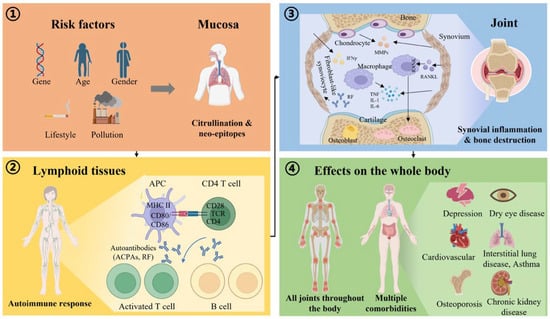
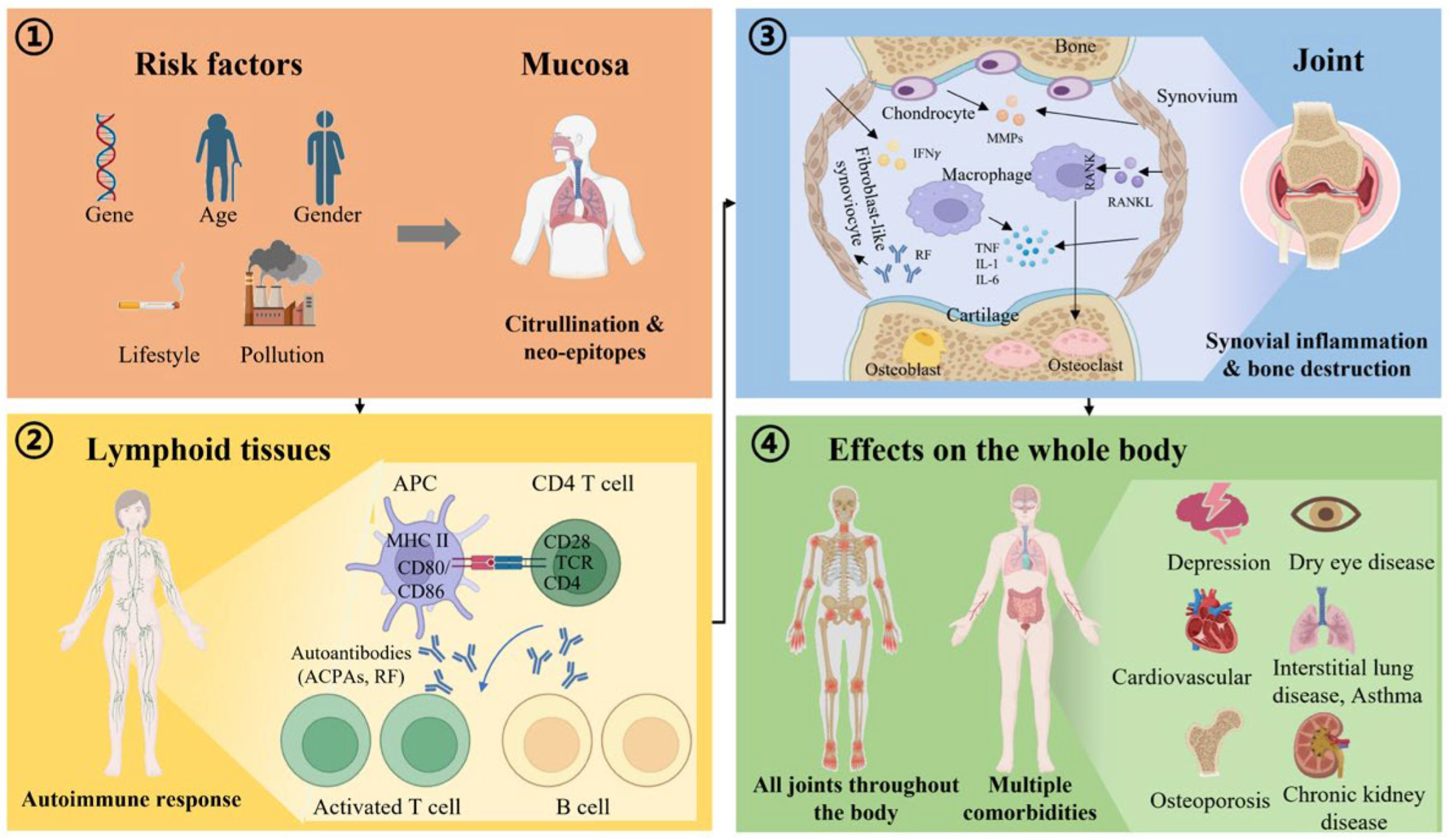
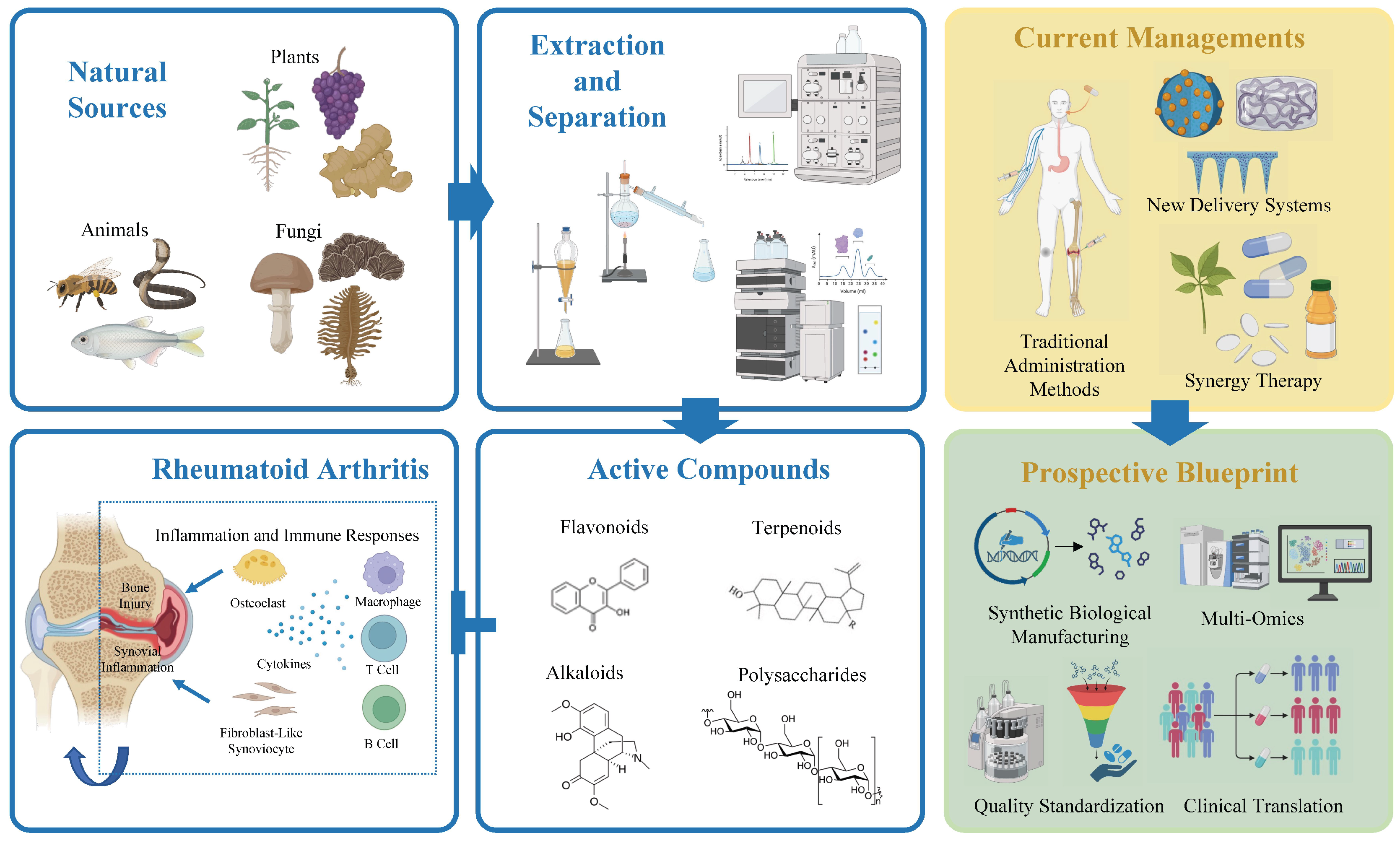

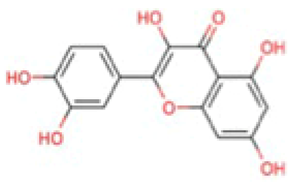
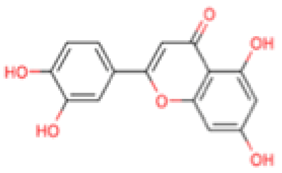
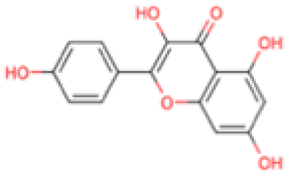
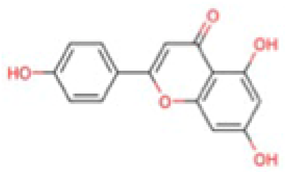
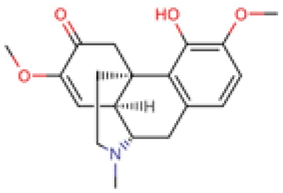
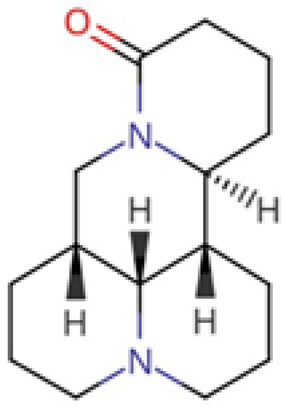
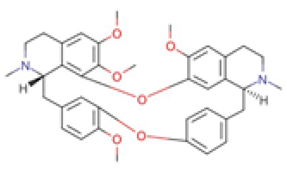
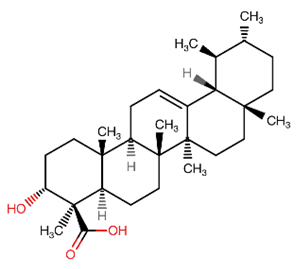
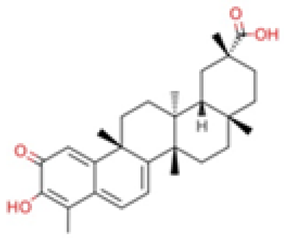
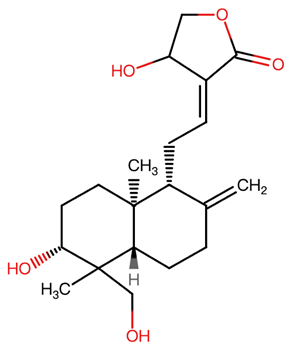
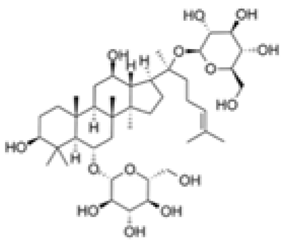
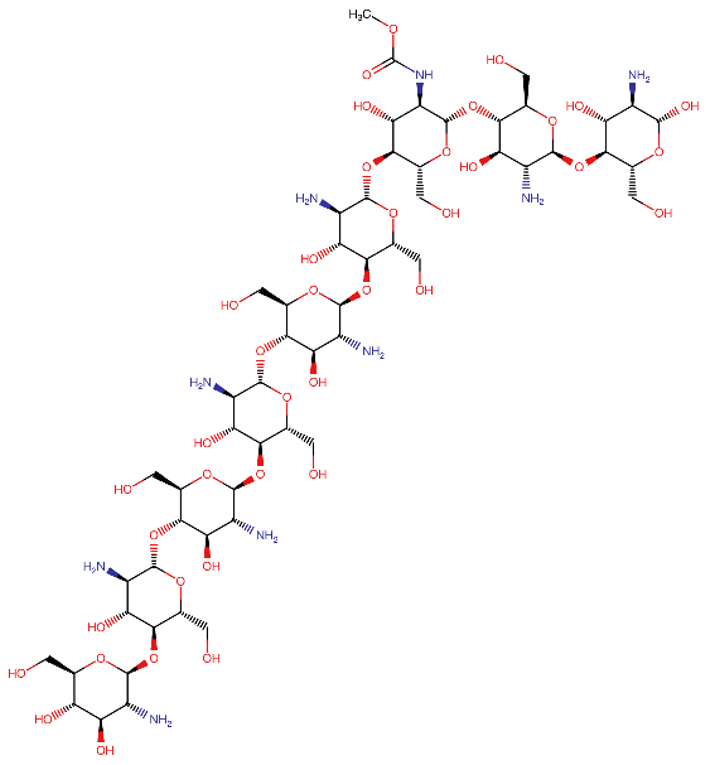
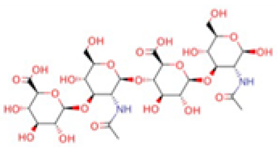
Disclaimer/Publisher’s Note: The statements, opinions and data contained in all publications are solely those of the individual author(s) and contributor(s) and not of MDPI and/or the editor(s). MDPI and/or the editor(s) disclaim responsibility for any injury to people or property resulting from any ideas, methods, instructions or products referred to in the content. |
© 2026 by the authors. Licensee MDPI, Basel, Switzerland. This article is an open access article distributed under the terms and conditions of the Creative Commons Attribution (CC BY) license.