


Abstract
Colitis-associated colorectal cancer (CAC) develops in the setting of long-standing intestinal inflammation and remains a major complication of inflammatory bowel disease (IBD). Although effective control of inflammation may reduce cancer risk, approaches that specifically prevent the progression from chronic colitis to neoplasia remain limited. Disruption of the gut microbiota–metabolism–immunity axis is increasingly implicated in this process, as microbial dysbiosis and altered metabolite production can compromise epithelial barrier integrity, sustain inflammatory signaling, and disturb mucosal immune homeostasis. This review examines how active components derived from traditional Chinese medicine (TCM), particularly flavonoids, alkaloids, saponins, and polysaccharides, influence this interconnected network in CAC-related models. Rather than treating these constituents as a single group, we compare the mechanistic patterns and evidence base associated with each class. Flavonoids and alkaloids have been studied mainly in relation to inflammatory signaling and epithelial barrier protection, whereas saponins are more often linked to regulation of the immune microenvironment. Polysaccharides have been studied most frequently in relation to microbiota remodeling, short-chain fatty acid production, and mucosal immune balance. These distinctions are not absolute, and substantial overlap exists across component classes. Moreover, most evidence is derived from animal or cell-based studies, with marked variation in experimental models, compound characterizations, dosing, and outcome assessments. The microbiota–metabolism–immunity axis provides a coherent framework for interpreting the multi-level actions of TCM-derived components, but their causal mechanisms and clinical relevance to human CAC require further validation.
1. Introduction
Colorectal cancer (CRC) remains a leading cause of cancer-related morbidity and mortality worldwide, and its global burden is projected to increase further over the coming decades [1]. Colitis-associated colorectal cancer (CAC) is a distinct subtype of CRC that arises in the context of chronic intestinal inflammation, particularly in patients with inflammatory bowel disease (IBD), including ulcerative colitis (UC) and, to a lesser extent, Crohn’s disease (CD). Unlike sporadic CRC, CAC generally follows an inflammation–dysplasia–carcinoma sequence characterized by recurrent epithelial injury, defective mucosal repair, immune dysregulation, microbial dysbiosis, and inflammation-driven molecular alterations [2,3]. Additional molecular changes, including miRNA-mediated dysregulation of inflammation-related pathways, may also contribute to UC-associated carcinogenesis [4].
Current first-line therapies for IBD, including aminosalicylates, glucocorticoids, immunomodulators, and biologics, can effectively control intestinal inflammation in many patients. Although sustained control of inflammatory activity may reduce CAC risk, these treatments do not completely prevent inflammation-associated neoplastic progression [2]. Their long-term use may also be limited by adverse effects, primary or secondary non-response, and relapse after treatment withdrawal [3,5,6]. Accordingly, effective and well-tolerated strategies capable of targeting multiple drivers of inflammation-associated tumorigenesis are still needed.
The gut microbiota has emerged as a central regulator of CAC pathogenesis [7]. Often described as the “second human genome”, the intestinal microbiome interacts closely with host metabolism, mucosal immunity, and epithelial barrier integrity [4,8]. Under homeostatic conditions, commensal microorganisms metabolize dietary and host-derived substrates into bioactive products, including short-chain fatty acids (SCFAs) [9], secondary bile acids, and tryptophan-derived indoles [10,11]. These metabolites regulate epithelial repair, inflammasome activity, regulatory T-cell differentiation, Th17 responses, and tumor-promoting inflammation. SCFAs, in particular, are major mediators of microbiota–immune communication and contribute to maintenance of barrier integrity and immune homeostasis [10,12,13].
In CAC, dysbiosis disrupts this microbiota–metabolism–immunity network. Common alterations include reduced microbial diversity, depletion of SCFA-producing taxa such as Roseburia, Faecalibacterium, and Butyricicoccus, and expansion of potentially pathogenic bacteria, including Fusobacterium nucleatum and adherent-invasive Escherichia coli [11,14]. Reduced SCFA availability compromises epithelial barrier integrity and facilitates the translocation of lipopolysaccharides and other microbial products, thereby sustaining TLR4/NF-κB signaling and associated STAT3- and NLRP3-dependent inflammatory programs [15].
Other microbial metabolites further shape host responses. Microbial transformation of primary bile acids generates diverse secondary bile acids that exert context-dependent effects on inflammation and tumorigenesis, partly through FXR- and TGR5-related signaling [16]. Tryptophan-derived indoles activate the aryl hydrocarbon receptor (AhR) to support epithelial barrier integrity and mucosal immune homeostasis [17]. Perturbation of these metabolic pathways may therefore accelerate the progression from chronic colitis to CRC.
Traditional Chinese medicine (TCM) has a long history of use in gastrointestinal disorders. Accumulating preclinical evidence, together with emerging clinical observations in IBD, suggests that TCM may have therapeutic potential in inflammation-associated intestinal tumorigenesis [18]. TCM-derived bioactive components—including flavonoids, alkaloids, saponins, and polysaccharides—often act on multiple targets, a property potentially suited to the multifactorial pathogenesis of CAC [19]. Representative constituents such as berberine, baicalin, ginsenosides, and Ganoderma lucidum polysaccharides have been reported to suppress pathogenic bacteria, enrich beneficial or SCFA-producing taxa, restore SCFA and bile acid homeostasis, inhibit NF-κB/STAT3/NLRP3 signaling, and rebalance Th17/Treg responses [16,17,20,21]. Through these coordinated actions, TCM-derived active components may interrupt the mutually reinforcing interactions among dysbiosis, metabolic disturbance, immune dysfunction, and tumorigenesis.
Recent evidence identifies the gut microbiota as an important mediator of the effects of Chinese herbal medicines on CRC through the regulation of microbial composition and metabolism, mucosal immunity, and the biotransformation of herbal constituents [22]. However, existing reviews have mainly discussed CRC as a whole, whereas evidence specific to CAC and to distinct classes of TCM-derived active components remains scattered. In addition, many mechanistic findings are derived from chemically induced animal models, experimental colitis models, sporadic colorectal cancer models, or in vitro experiments, and their relevance to human CAC has not been fully established.
Accordingly, this review compares four major classes of TCM-derived active components—flavonoids, alkaloids, saponins, and polysaccharides—within the microbiota–metabolism–immunity framework. The comparison is structured around a common set of mechanistic domains, including gut microbial composition, microbial metabolites, epithelial barrier function, inflammatory signaling, and innate and adaptive immune responses. Where possible, evidence obtained directly from CAC models is distinguished from findings in experimental colitis, sporadic colorectal cancer, non-intestinal models, and cell-based systems. Examining the four classes within this shared framework allows us to identify mechanisms that recur across component classes, as well as areas in which research has concentrated on particular types of constituents. Because the available studies differ substantially in model design, intervention, and outcome assessment, the purpose of this comparison is not to rank efficacy, but to clarify current mechanistic patterns, differences in the strength of CAC-specific evidence, and priorities for further investigation.
2. Class-Specific Regulation of the Microbiota–Metabolism–Immunity Axis by TCM-Derived Active Components
2.1. Flavonoids
Flavonoids are polyphenolic secondary metabolites widely distributed in medicinal plants such as Scutellaria baicalensis Georgi, Glycyrrhiza uralensis Fisch., and Pueraria lobata Ohwi. Owing to their specific chemical structures, most flavonoids exhibit low oral bioavailability and poor absorption in the upper gastrointestinal tract. This pharmacokinetic property enables substantial colonic accumulation, which may facilitate bidirectional crosstalk between flavonoids and the gut microbiota [19]. On one hand, gut microbiota can metabolize flavonoids into potentially more bioactive derivatives (e.g., converting baicalin into baicalein); on the other hand, flavonoids may reshape gut microbial composition and promote the production of beneficial metabolites such as SCFAs, thereby modulating the intestinal immune microenvironment and potentially interfering with the transition from colitis to cancer [23]. Preclinical evidence supporting these effects is summarized below.
Mechanism Summary: From Dysbiosis to Immune Regulation
Accumulating preclinical evidence suggests that flavonoids may exert their anti-CAC effects partly by reversing dysbiosis and enhancing metabolite-mediated barrier protection, as illustrated in Figure 1.
Figure 1.
Summary of flavonoids in CAC-related models through the microbiota–metabolism–immunity axis. TCM-derived flavonoids are associated with modulation of the gut microbiota and epithelial barrier, attenuation of NF-κB, JAK2/STAT3, and NLRP3 pro-inflammatory signaling, changes in the immune microenvironment, and regulation of Wnt/β-catenin, PI3K/Akt/mTOR, and lipid metabolism-related oncogenic pathways, thereby influencing CAC-related initiation and progression.
Microbial regulation: In experimental models, flavonoids have been reported to reverse the depletion of beneficial bacteria and inhibit the expansion of pathogenic bacteria. For example, baicalin, the dominant flavonoid in Scutellaria baicalensis, has been shown to increase the abundance of SCFA-producing bacteria including Butyricicoccus, Roseburia and Eubacterium, while reducing the level of Proteobacteria in TNBS-induced colitis [24]. Luteolin has also been reported to restore intestinal flora diversity in rats with UC, increasing the abundance of Lactobacillus and Bifidobacterium [25]. Baicalin has additionally been associated with an increasing firmicutes/bacteroides (F/B) ratio, which may contribute to an improvement in the intestinal microenvironment. Notably, these observations are derived from colitis models rather than classical CAC models; the direct relevance of these findings to CAC requires further validation in dedicated CAC models.
Metabolite-mediated barrier and immune regulation: The restoration of SCFA-producing bacteria by flavonoids has been associated with elevated colonic levels of acetate, propionate and butyrate, which are key mediators of the microbiota–metabolism–immunity axis. For example, baicalin has been reported to increase butyrate concentrations, promote Treg cell differentiation and suppress Th17 cell hyperactivation, thereby restoring Th17/Treg homeostasis in experimental settings [26]. Mechanistically, this immune modulation is often linked to inhibition of inflammatory signaling pathways. Oroxylin A has been shown to maintain colonic mucus barrier integrity and reduce colitis susceptibility by reshaping the intestinal microbiota under dietary fiber-deficient conditions, blocking NF-κB cascade activation, and decreasing IL-1β and IL-6 secretion [27]. Quercetin has been reported to alleviate UC by regulating the intestinal flora and tryptophan metabolism, promoting the production of AhR ligands (indole derivatives), and enhancing intestinal barrier function through upregulating ZO-1 and Occludin [28]. Collectively, these findings suggest that the anti-CAC potential of flavonoids may be largely attributed to prebiotic-like effects: selectively enriching butyrate-producing bacteria (e.g., Roseburia, Butyricicoccus) to elevate SCFA levels, strengthen intestinal barrier integrity, and inhibit NF-κB/STAT3-driven inflammatory responses. However, since the majority of these data is derived from colitis or in vitro models rather than CAC models, these mechanisms should be regarded as working hypotheses requiring further experimental verification.
Representative studies on TCM-derived flavonoids in CAC- or colitis-related models, including experimental models, microbiota/metabolic alterations, and key mechanisms, are summarized in Supplementary Table S1 [24,26,29,30,31,32,33,34,35,36].
2.2. Alkaloids
Alkaloids are nitrogen-containing organic compounds widely distributed in Chinese herbal medicines including Coptis chinensis, Sophora flavescens and Evodia rutaecarpa. Among these, berberine is the most extensively investigated alkaloid in the context of CAC. Despite its extremely low oral bioavailability (<1%), berberine has demonstrated gut-targeted anti-inflammatory and anti-tumor effects in preclinical models, suggesting the gut microbiota as a primary molecular target [37]. The representative TCM-derived active components in alkaloids with potential relevance to CAC and their microbiota–metabolism–immunity axis-mediated mechanisms are summarized in Figure 2.
Figure 2.
Summary of alkaloids in CAC-related models through the microbiota–metabolism–immunity axis. TCM-derived alkaloids support mucosal barrier and tight junction integrity, with potential inhibition of TLR4/MyD88/NF-κB and STAT3/JNK/AKT/MAPK signaling, and might interfere with tumor-proliferative pathways, which together might restrict CAC initiation and progression.
2.2.1. Pathogen Suppression and Barrier Restoration
Alkaloids have been reported to exert core functions by directly inhibiting opportunistic pathogens and restoring intestinal barrier integrity via metabolite-mediated signaling. In the AOM/DSS-induced CAC mouse model, berberine treatment significantly reduced the abundance of tumor-promoting bacteria including Fusobacterium nucleatum (F. nucleatum) and Peptostreptococcus, while enriching beneficial bacteria such as Akkermansia muciniphila and Bifidobacterium [38]. Matrine, a key alkaloid from Sophora flavescens, has been shown to remodel the gut microbiota by enriching Barnesiella and suppressing inflammation-associated Helicobacter [39]. Evodiamine has been reported to increase Lactobacillus acidophilus abundance and enhance acetate production, thereby ameliorating UC in experimental models [40]. These observations, while promising, are predominantly derived from preclinical studies and should not be interpreted as established clinical efficacy.
2.2.2. Metabolite-Mediated Barrier and Immune Modulation
Berberine has been reported to restore SCFA levels (notably butyrate) and modulate bile acid metabolism. Elevated butyrate subsequently inhibits the TLR4/MyD88/NF-κB signaling cascade, reduces pro-inflammatory cytokine expression (TNF-α, IL-6), and upregulates tight junction proteins (ZO-1, Occludin), thereby promoting intestinal barrier repair in experimental settings [41]. Oxymatrine has similarly been reported to ameliorate colitis via microbiota modulation and TLR/NF-κB pathway inhibition, a mechanism linked to the regulation of inflammatory dendritic cells (DCs) [42]. Sinophylline has been shown to mitigate DSS-induced colonic injury in mice by remodeling the gut microbiota (e.g., increasing the F/B ratio) and suppressing the NF-κB and HO-1/Nrf2 pathways [43]. The unique mechanistic feature of alkaloids (particularly berberine) appears to be their dual capacity to directly suppress CAC-associated pathogens (e.g., F. nucleatum) and promote barrier-repairing commensals (e.g., Akkermansia muciniphila). Their potential anti-CAC efficacy is hypothesized to rely heavily on the microbiota–SCFA–barrier axis to interrupt the inflammation-to-cancer transition. However, these effects have been characterized primarily in animal models and in vitro systems; whether they translate to clinical benefit in CAC patients remains to be established.
Representative studies on TCM-derived flavonoids in CAC- or colitis-related models, including experimental models, microbiota/metabolic alterations, and key mechanisms, are summarized in Supplementary Table S2 [38,39,40,42,44,45,46,47,48].
2.3. Saponins
Saponins are a class of glycoside compounds widely present in Chinese herbal medicines (including Panax ginseng, Astragalus membranaceus, Glycyrrhiza uralensis and Bupleurum chinense), consisting of aglycones (triterpenoids or steroids) conjugated with sugar chains [49]. Regarding pharmacokinetic characteristics, saponins usually exhibit extremely low oral bioavailability (<5%) due to their large molecular weight, strong water solubility and high polarity [50]. This “pharmacokinetic drawback” may translate into a colon-directed distribution pattern: unabsorbed saponins reach the colon in their prototype form, where they may serve as fermentable substrates for intestinal flora or undergo enzymatic hydrolysis to generate secondary metabolites with altered bioactivity [51]. This bidirectional “drug–microbe activation” interaction renders saponins candidate molecules for further investigation in CAC intervention [52].
Notably, the structural similarity between ginsenosides and bile acid skeletons has been proposed to facilitate their binding to FXR and TGR5, thereby potentially regulating the microbiota–bile acid–immunity axis [53], a regulatory effect far less prominent for flavonoids and alkaloids. This hypothesis, while mechanistically plausible, requires direct experimental validation in CAC-specific models.
From Dual “Microbiota–Bile Acid” Axis Regulation to Immune Microenvironment Remodeling
Detailed information on representative TCM-derived saponins, their experimental models, molecular targets, and microbiota-related effects is provided in Supplementary Table S3 [54,55,56,57,58,59,60,61,62,63,64,65,66,67].
Comparing between flavonoids (which exert prebiotic-like effects to enrich SCFA-producing bacteria) and alkaloids (which may directly suppress pathogenic bacteria), the potential anti-CAC mechanism of saponins has been proposed to involve a “dual metabolic channel” mode: simultaneously elevating SCFA levels and modulating bile acid metabolism, which may in turn trigger downstream immune regulatory effects. The following evidence, unless otherwise specified, is derived from preclinical studies and should be interpreted as mechanistic hypotheses rather than clinically validated effects.
In ApcMin/+ colon cancer mice, triterpenoid saponins have been reported to reduce the abundance of sulfate-reducing bacteria (e.g., Desulfovibrio) and enrich beneficial commensals (including Akkermansia), with associated suppression of the intestinal inflammatory microenvironment [54]. Astragaloside IV has been reported to elevate the abundance of Lactobacillus and Faecalibacterium, accompanied by enhancing colonic SCFA levels [68]. While these observations are mechanistically informative, the specific contribution of SCFA elevation to the observed anti-tumor effects has not been definitively established through loss-of-function or intervention experiments.
Ginsenoside (Compound K) has been reported to remodel intestinal microbiota composition to regulate bile acid-metabolizing bacteria, modulate bile acid homeostasis via the FXR signaling pathway, and enhance the 7α-hydroxylation activity of gut flora toward primary bile acids, thereby inhibiting excessive generation of deoxycholic acid and increasing the UDCA/DCA ratio [53,69,70]. This synergistic “SCFA–bile acid” dual metabolite model has been proposed as a distinctive feature of saponins in repairing metabolic homeostasis disruption during inflammation-to-cancer transformation; however, that direct evidence linking these bile acid modulations to CAC prevention in vivo remains incomplete.
At the innate immune level, astragaloside has been reported to promote the repolarization of tumor-associated macrophages from the pro-tumor M2 phenotype toward the anti-tumor M1 phenotype (characterized by elevated iNOS and CD86, reduced Arg-1 and CD206) by inhibiting macrophage AMPK signaling, while suppressing NLRP3 inflammasome activation and reducing IL-1α release [71,72]. Anemapasin AIII has been reported to alleviate intestinal inflammation in DSS-induced colitis mice by inhibiting the TLR4-NF-κB/MAPK signaling pathway and restoring the Th17/Treg immune balance [73]. At the adaptive immunity level, ginsenoside Rg3 has been reported to suppress colorectal cancer growth by downregulating the C/EBPβ/NF-κB signaling pathway [55] and to ameliorate inflammatory disorders by reducing the expression of core pro-inflammatory cytokines (IL-6, TNF-α, IL-17, IL-1β), inhibiting NF-κB/NLRP3 inflammasome signaling and rebalancing Th17/Treg subsets [74].
Within the microbiota–metabolism–immunity axis, the postulated anti-CAC mechanism of saponins may involve a multi-level regulatory cascade: (1) activation of a synergistic “SCFA + bile acid” dual metabolic pathway via modulation of microbial bile acid transformation; (2) dual barrier repair potentially mediated by butyrate/HDAC inhibition-associated transcriptional regulation and UDCA/TGR5 activation-mediated secretion promotion; and (3) immune microenvironment remodeling (from macrophage repolarization to Th17/Treg rebalancing) via multi-point blockade of signaling cascades such as TLR4-NF-κB. This multi-level, multi-target closed-loop regulatory mechanism positions saponins as pivotal active ingredients of TCM for CAC prevention and treatment, as summarized in Figure 3. These mechanistic proposals are supported by convergent preclinical observations, but none have been confirmed in clinical CAC settings, and the causal relationships among these events remain to be established.
Figure 3.
Summary of saponins in CAC-related models through the microbiota–metabolism–immunity axis. TCM-derived saponins may restore gut microbial homeostasis, protect colonic mucosa, attenuate NF-κB, NLRP3, Wnt/β-catenin, and lipogenic signaling, modulate immune balance, and induce tumor cell apoptosis, potentially blocking the colitis-to-cancer transition.
2.4. Polysaccharides
Polysaccharides are high-molecular-weight carbohydrates polymerized from multiple monosaccharide units via glycosidic bonds, widely distributed in TCM and edible fungi, including Astragalus membranaceus, Ganoderma lucidum, Lycium barbarum, Poria cocos and other medicinal fungi. Unlike small-molecule monomers (flavonoids, alkaloids, saponins), polysaccharides possess a large molecular weight (typically >10 kDa) and lack corresponding transmembrane transporters, rendering them barely absorbable in the upper gastrointestinal tract after oral administration; instead, they are believed to reach the colonic lumen in their intact form [75,76]. This unique pharmacokinetic property may endow polysaccharides with a distinctive niche in CAC prevention and treatment. As natural fermentable substrates for intestinal flora, polysaccharides may be gradually degraded by polysaccharide lyases secreted by Bacteroides, Bifidobacterium and other commensal bacteria, ultimately generating SCFAs via anaerobic fermentation [77,78]. If the dual metabolic channel of saponins is defined as a midstream axis intervention, polysaccharides may act as upstream substrate drivers to initiate positive feedback remodeling of the entire microbiota–metabolism–immunity axis.
From “Substrate-Driven” to Immune-Microenvironment-Level Remodeling
Gut dysbiosis during CAC progression has been characterized not only by depleted commensals, enriched pathogens and impaired microbial metabolic function, but also by compromised SCFA synthetic capacity [79,80]. Polysaccharides have been proposed to reconstruct the growth dominance of beneficial bacteria through trophic competition and ecological niche remodeling. However, the causal role of polysaccharide-driven microbiota changes in mediating anti-CAC efficacy has not been rigorously established; most studies to date report correlational observations rather than proof of causality.
Astragalus polysaccharide (APS), among the most extensively studied components in this field, has been reported in DSS-induced colitis mice to modulate the gut microbiota, enrich SCFA-producing bacteria, restore intestinal SCFA synthesis and secretion, and activate the SCFA-FFAR2/FFAR3 signaling pathway, thereby suppressing inflammation and re-establishing immune homeostasis [81]. Ganoderma lucidum polysaccharides (GLPs) have been reported in AOM/DSS-induced CAC mice to preserve the intestinal barrier by increasing goblet cell count, promoting MUC2 mucus secretion and upregulating tight junction proteins (ZO-1, Occludin), while also enriching beneficial genera including Lactobacillus and Bifidobacterium [82]. Poria cocos polysaccharides (PCPs) have been reported to enhance intestinal barrier function and reduce permeability in AOM/DSS-induced CAC mice by restoring the secretion of tight junction proteins (E-cadherin, ZO-1, Claudin-3) and MUC2 [83]. Hericium erinaceus polysaccharide (HEP) has been reported to regulate intestinal mucosal immunity in mice, upregulating small intestinal mucosal SIgA secretion and activating intestinal MAPK and AKT signaling pathways [84]. While these findings provide supportive evidence, the majority is derived from single studies with relatively small sample sizes.
At the innate immune level, butyrate has been proposed to inhibit HDAC activity and activate GPR43/GPR109A receptors to suppress transcriptional release of pro-inflammatory cytokines (TNF-α, IL-6, IL-1β) and drive macrophage polarization toward the anti-inflammatory M2 phenotype [23]. GLP has been reported to modulate gut flora and immune cell function to attenuate colonic inflammation and tumorigenesis in colitis and CAC models via modulating macrophage activity and reducing pro-inflammatory factor levels [82]. At the adaptive immune level, atractylodes macrocephala polysaccharides (AMPs) have been reported to rebalance Th17/Treg subsets in DSS-induced colitis mice by inhibiting the IL-6/STAT3 pathway [85]. Lentinan, an a-β-1,3-glucan with a unique triple helical conformation, has been reported to exhibit a distinctive immune activation pattern: recognizing and binding to the pattern recognition receptor Dectin-1 on macrophage surface, triggering immune crosstalk between macrophages and type III innate lymphocytes (ILC3s), activating the IL-22 signaling pathway, promoting damaged intestinal mucosal repair, and enhancing intestinal antibacterial defense in experimental UC models [86]. Notably, most of these findings are derived from colitis models rather than CAC models, and whether polysaccharide-mediated immune modulation translates to CAC prevention or therapy remains to be determined.
The proposed anti-CAC mechanism of polysaccharides centers on a “substrate-driving hierarchical amplification” model along the microbiota–metabolism–immunity axis. (1) As natural prebiotic substrates, polysaccharides may selectively enrich SCFA-producing bacteria via trophic ecological competition. (2) Butyrate may act as a core effector molecule mediating tight junction–mucus layer barrier repair through dual pathways (HDAC inhibition and GPR receptor activation). (3) Polysaccharides may induce M2 macrophage polarization and inhibit the IL-6/STAT3 pathway to rebalance Th17/Treg subsets, completing hierarchical immune microenvironment remodeling. In contrast to saponins whose dual metabolic regulation (SCFA + bile acid) occurs mainly at the midstream of the axis, polysaccharides tend to support a positive feedback loop across the entire axis by supplying upstream substrates. Accordingly, in intervention strategies targeting the microbiota–metabolism–immunity axis in CAC, polysaccharides may be considered a valuable complementary component, as shown in Figure 4. Representative polysaccharide-related studies, including their sources, disease models, microbiota/metabolite changes, immune regulation, and barrier-protective effects, are summarized in Supplementary Table S4 [81,82,85,87,88,89,90,91,92,93,94].
Figure 4.
Summary of polysaccharides in CAC-related models through the microbiota–metabolism–immunity axis. TCM-derived polysaccharides might regulate the composition of gut microbiota, affect the metabolism of short-chain fatty acids and bile acids, and strengthen the integrity of the epithelial barrier to some extent. It also has a regulatory effect on NF-κB, STAT3, MAPK, and NLRP3 signaling pathways. These multiple pathways may help restore immune and redox balance, potentially playing a role in slowing down the progression of colitis-related cancer.
3. Modulating Gut Microbiota Composition
3.1. The Crosstalk Between Gut Microbiota and CAC
Gut microbiota, a diverse community of bacteria, viruses, fungi and protozoa [95], has been suggested to be closely linked to host metabolism, immune function and intestinal barrier integrity. Accumulating evidence suggests that gut dysbiosis may act not merely as a concomitant feature of IBD, but potentially as a contributor to CAC initiation and progression [7].
Mechanistically, gut microbiota has been proposed to mediate the inflammation-to-cancer transition via three core pathways: (1) Pathogens may secrete genotoxins (e.g., colibactin) to induce oncogenic mutations [96] and pro-inflammatory mediators (e.g., LPS) that activate TLR4-dependent cascades, triggering NF-κB/STAT3 pathways and potentially sustaining a tumor-promoting microenvironment [17,97]. (2) Pathogenic taxa may disrupt the mucosal barrier, increase intestinal permeability, and drive inflammation-fueled tumorigenesis [83]. (3) Microbiota-derived SCFAs—critical energy sources for colonic epithelial cells—are thought to maintain barrier function and immune homeostasis [84,98]; reduced SCFA production in dysbiosis may impair epithelial repair and potentially accelerate inflammation-cancer transformation [9]. Thus, remodeling gut microbiota and elevating SCFAs to reinforce barrier function and suppress inflammation have been proposed as a core strategy against CAC.
3.2. Dysbiosis Signatures in CAC
CAC-associated gut dysbiosis has been reported to exhibit a characteristic signature: enrichment of pro-inflammatory/pro-tumorigenic bacteria and depletion of protective commensals.
F. nucleatum, considered the most well-characterized CAC-associated pathogen [99], is a Gram-negative anaerobe primarily residing in the oral cavity. Its colonic colonization has been correlated with IBD incidence and tumor invasiveness [100], with higher abundance in CAC tissues/feces than non-cancer IBD patients and detection rate reportedly increasing with tumor stage [101,102]. Mechanistically, its adhesin FadA has been shown to bind E-cadherin to activate the β-catenin pathway, potentially promoting epithelial hyperproliferation and epithelial–mesenchymal transition (EMT) [102]; it may also recruit tumor-associated macrophages (TAMs) and suppress the anti-tumor cytotoxicity of natural killer (NK) cells and T lymphocytes, potentially impairing immune surveillance [11,99].
Concurrently, protective commensals (e.g., Bifidobacterium, Lactobacillus, butyrate-producing Faecalibacterium prausnitzii and Roseburia) have been reported to be depleted in CAC [103,104], potentially leading to reduced colonic SCFAs (especially butyrate, a key energy source for intestinal epithelial cells). Butyrate deficiency has been suggested to impair barrier integrity, facilitating LPS translocation and chronic inflammation. Meanwhile, butyrate deficiency may inactivate GPR43, downregulate anti-inflammatory cytokines (e.g., TGF-β), and disrupt immune tolerance [105]. Reduced Akkermansia muciniphila (a mucus homeostasis regulator) has been correlated with mucosal damage and exacerbated inflammation [20], further compounding the loss of colonic SCFAs.
3.3. Two Pathways by Which TCM Active Components Modulate Gut Microbiota
TCM bioactive ingredients have been proposed to modulate the gut microbiota via two complementary, potentially synergistic pathways.
- (1)
- Direct inhibition of pathogenic/opportunistic pathogens
Certain alkaloids, phenolic acids, and polyphenols have been reported to exert direct bacteriostatic effects or suppress microbial virulence factors, constituting a potential “source control” strategy against pro-tumorigenic microbiota. Studies have demonstrated that berberine significantly inhibits F. nucleatum growth and adhesion in vitro [106], and suppresses LPS release from diverse Gram-negative pathogens [107]. This direct inhibition is hypothesized to reduce pro-inflammatory signal input and alleviate aberrant mucosal immune activation.
- (2)
- “Prebiotic-like” ecological niche reconstruction
Flavonoids, polyphenols, and polysaccharides exhibit low upper-gastrointestinal absorption, with most prototypes reaching the colon for microbial metabolism or fermentation [108]. These compounds conform to the classical definition of prebiotics [109]: they may serve as fermentable carbon sources for Bifidobacterium, Lactobacillus and other probiotics, and have been reported to stimulate the proliferation and metabolic activity of butyrate producers (e.g., Faecalibacterium, Roseburia) [110]. This effect is thought to restore SCFA-producing commensal abundance, potentially laying the microecological foundation for subsequent metabolite elevation and intestinal barrier repair [111].
3.4. Representative Evidence
Berberine has shown chemopreventive potential against CAC in preclinical models. In AOM/DSS-induced CAC mice, prophylactic berberine administration markedly reduces tumor burden and inflammatory scores, accompanied by favorable microbiota shifts: elevated abundance of Lactobacillus rhamnosus and suppressed levels of pro-inflammatory taxa such as Proteobacteria [45]. Further studies suggest that berberine may counteract F. nucleatum-mediated tumor promotion, primarily via microbiota remodeling and tumor immune microenvironment regulation [106].
Curcumin has also shown anti-CAC efficacy in preclinical studies. In IL-10 knockout mice (a spontaneous colitis-associated CRC model), curcumin intervention alleviates colitis symptoms and reduces tumor incidence, concurrent with restored Lactobacillus and Bifidobacterium abundances and decreased Enterobacteriaceae levels [112]. Recent AOM/DSS model studies verify that curcumin fosters the proliferation of Butyricicoccus and other butyrate producers, elevating fecal butyrate levels and further supporting its microbiota–metabolism-mediated anti-carcinogenic effects [113].
Targeting Akkermansia muciniphila represents a promising TCM-related intervention strategy. Animal studies demonstrated that supplementation with viable Akkermansia muciniphila or its major outer membrane protein Amuc 1100 ameliorates DSS-induced colitis and impedes CAC progression, via reinforcing the mucus layer, upregulating tight junction proteins (ZO-1, Occludin) and modulating CD8+ T cell activity [20]. These findings highlight Akkermansia muciniphila enrichment as a potential key target for microbiota-directed TCM interventions.
TCM active ingredients (e.g., berberine, curcumin) and probiotic mediators (e.g., A. muciniphila) have been proposed to reshape the gut microbiota ecological niche via a dual pathway: suppressing pro-inflammatory/pro-tumorigenic taxa and enriching beneficial commensals/SCFA producers. This microecological remodeling is thought to directly modulate the synthesis and release of key metabolites (notably SCFAs), thereby potentially driving intestinal barrier repair and immune rebalancing to block CAC development and progression, as shown in Figure 5.
Figure 5.
Gut microbiota remodeling by TCM-derived active components. TCM-derived flavonoids, alkaloids, saponins, and polysaccharides can adjust the composition of gut bacteria, increase beneficial bacteria and those that produce SCFAs, and to some extent reduce harmful bacteria and potential pathogens related to colorectal cancer.
4. Regulating Microbial Metabolites
4.1. Microbial Metabolites as Key Mediators in the Microbiota–Host Crosstalk
Gut microbial metabolites are considered pivotal messengers mediating host–microbe interactions, produced by microbiota metabolizing dietary components, host secretions and exogenous substances [12,114]. They act on intestinal epithelial/immune cells and distal organs, potentially shaping host physiology and pathology [15]. In CAC, dysregulated microbial metabolites have been proposed to drive the transition from gut dysbiosis to inflammation-driven carcinogenesis [9]. The most studied microbial metabolites are SCFAs, bile acids and tryptophan metabolites, with SCFAs being the primary target of TCM active ingredients due to their roles in intestinal homeostasis, immune regulation and anti-tumor effects [23,115].
4.2. Short-Chain Fatty Acids: The Central Metabolic Axis
SCFAs, main end-products of microbial fermentation of dietary fiber and resistant starch (acetate, propionate, butyrate; molar ratio of ~60:20:20) [116], are synthesized by Faecalibacterium prausnitzii, Roseburia, Eubacterium rectale and Clostridium clusters IV/XIVa [117]. These butyrate-producing bacteria have been reported to be significantly depleted in CAC, potentially leading to insufficient SCFA synthesis [118].
4.3. The Core Mechanism of Action of Butyric Acid
Butyrate, the primary energy source for colonic epithelial cells (~70% energy supply) [116], is proposed to exert protective effects via two core pathways:
- (1)
- As a ligand for GPR43 (FFAR2) and GPR109A (HCAR2) on epithelial/immune cells [13], butyrate has been shown to inhibit NF-κB signaling to reduce pro-inflammatory cytokines (IL-6, TNF-α, IL-1β) [13,119] and induce Treg differentiation/IL-10 secretion to sustain immune tolerance [120,121].
- (2)
- As an HDAC inhibitor, butyrate has been suggested to epigenetically regulate gene expression: (1) upregulating tight junction proteins (ZO-1, Occludin, Claudin-1) for barrier repair [122]; (2) blocking NF-κB/STAT3 signaling to abrogate pro-inflammatory/pro-carcinogenic effects [123]; and (3) inducing tumor cell cycle arrest and apoptosis [124].
4.4. TCM-Derived Active Components Promote SCFA Production
TCM-derived active components have been proposed to enhance SCFA biosynthesis via two complementary mechanisms: (1) serving as direct fermentable substrates for intestinal microbiota and (2) indirectly enriching SCFA-producing microbial communities by remodeling gut microbiota composition.
Quercetin, a dietary flavonoid abundant in fruits and vegetables, exhibits poor intestinal absorption after oral administration, with most unabsorbed molecules reaching the colon for microbial metabolism [125]. In DSS-induced colitis mice, quercetin intervention drastically reshapes gut microbiota structure, elevating the abundance of beneficial taxa including Bacteroides, Bifidobacterium and Clostridium cluster XIVa, and increasing fecal SCFA levels—particularly butyrate and propionate [126]. Mechanistic studies suggest that unabsorbed quercetin acts as a fermentation substrate, and its metabolites exert prebiotic-like effects; quercetin also modulates the AhR pathway and inhibits pro-inflammatory cytokine release, indirectly facilitating SCFA synthesis and exerting anti-inflammatory effects [28].
Resveratrol, a polyphenol with extremely low oral bioavailability [127], has been reported to have over 70% reaching the colon intact [128]. In AOM/DSS-induced CAC mice, it reduces tumor incidence, enriches Lactobacillus/Bifidobacterium, suppresses opportunistic pathogens, and elevates fecal butyrate (positively correlated with butyrate-producing Lachnospiraceae) [129,130,131].
APS, a major active component of Astragalus membranaceus with high-molecular-weight sugar chains, resists upper gastrointestinal hydrolysis and reaches the colon as a fermentable substrate [132,133]. In DSS-induced colitis mice, it enriches probiotics (Bifidobacterium, Lactobacillus) and butyrate-producing Faecalibacterium, significantly increasing cecal SCFAs (most notably butyrate) [81,134,135]. APS-derived SCFAs are proposed to exert anti-inflammatory/barrier-protective effects via GPR43 activation and NF-κB inhibition [120,121].
In addition to SCFAs, bile acid and tryptophan metabolites are also considered critical mediators of the microbiota–host crosstalk, although research on their regulation by TCM ingredients in CAC prevention and treatment remains relatively limited.
Bile acid metabolism: Gut microbiota has been proposed to mediate the conversion of primary bile acids synthesized by the liver (cholic acid, chenodeoxycholic acid) into secondary bile acids (deoxycholic acid, lithocholic acid). These secondary bile acids have been suggested to regulate intestinal inflammation and epithelial cell proliferation by activating FXR and TGR5 [136]. Gut dysbiosis may impair microbial bile acid deconjugation and dehydroxylation, reducing secondary bile acid production, downregulating the FXR-FGF15 axis and disrupting TGR5 expression—all of which have been hypothesized to promote CAC pathogenesis [137]. Emerging evidence suggests that certain TCM-derived active components modulate the microbiota–bile acid axis to exert biological effects. For instance, ginsenoside (Compound K, Rk3) has been reported to enrich beneficial microbes (Bacteroides, Akkermansia) and inhibit pathogens such as Clostridium scindens, thereby altering secondary bile acid synthesis and composition, activating FXR/TGR5 signaling to exert anti-inflammatory and anti-carcinogenic effects [69]. Berberine has been reported to inhibit gut microbial 7α-dehydroxylase activity, reduce the production of secondary bile acids (DCAs), activate the FXR pathway, regulate cholesterol metabolism and alleviate intestinal inflammation [138]. While preliminary studies support TCM-mediated regulation of microbial bile acid metabolism, the precise mechanisms underlying their potential anti-CAC effects require further elucidation.
Tryptophan metabolites: Gut microbiota metabolizes dietary tryptophan into indole and its derivatives (indole-3-acetic acid, indole-3-propionic acid), which act as endogenous ligands for AhR. AhR activation has been hypothesized to enhance intestinal barrier function and modulate mucosal immunity [139]. Existing studies indicate that some flavonoids indirectly regulate the tryptophan metabolic pathway and AhR signaling by reshaping gut microbiota composition or activity [140]. However, direct evidence for flavonoid-mediated regulation of tryptophan metabolism remains scarce, and the exact intestinal protective mechanisms require further experimental validation.
TCM-derived active components have been proposed to boost butyrate synthesis via two core pathways: acting as fermentable substrates for gut microbiota, and enriching SCFA-producing microbial communities. Butyrate is proposed to exert multi-faceted protective effects by activating GPR43/GPR109A signaling and inhibiting HDAC activity, including blocking NF-κB/STAT3 signaling, inducing Treg differentiation and preserving intestinal barrier integrity. These metabolic modifications are further hypothesized to remodel the intestinal immune microenvironment, regulating key processes such as Th17/Treg balance, macrophage polarization and inflammasome activation to potentially block CAC progression, as depicted in Figure 6.
Figure 6.
Microbial metabolite reprogramming by TCM-derived active components. It may facilitate microbial metabolite reprogramming, partly through elevated SCFAs, bile acid homeostasis restoration, and enhanced tryptophan-derived AhR signaling, potentially improving barrier integrity and impacting pro-carcinogenic inflammation.
5. Regulating Immune Homeostasis: A Core Strategy for Blocking Inflammation-Driven CAC
The transition from chronic colitis to CAC has been closely associated with sustained inflammation-mediated mechanisms, in which a dysregulated immune microenvironment is considered to act as both an initiator and a sustainer of tumorigenesis [141,142]. Within this pathological context, persistent activation of innate and adaptive immune responses may establish a feedback loop in which pro-inflammatory cytokines promote intestinal epithelial cell proliferation and survival while attenuating anti-tumor immune surveillance, thereby fostering a microenvironment permissive to tumor progression [143]. Accumulating preclinical evidence, predominantly from rodent models of chemically induced colitis-associated tumorigenesis (e.g., AOM/DSS) and from in vitro systems, suggests that diverse bioactive compounds derived from TCM may modulate this dysregulated immune response by targeting cytokine networks, influencing immune cell polarization, and regulating aberrant inflammasome activation. However, these models do not fully recapitulate the pathophysiology of human ulcerative colitis-associated neoplasia, and the following mechanistic observations should therefore be interpreted as hypothesis-generating rather than as clinically established effects.
5.1. Attenuation of Pro-Inflammatory Cytokine Network
IL-6, TNF-α, and IL-1β are the three core pro-inflammatory cytokines that form the inflammatory engine potentially fueling CAC progression. IL-6 activates the JAK/STAT3 signaling cascade in intestinal epithelial cells, thereby potentially enhancing cell proliferation, survival, and angiogenesis while inhibiting apoptosis [144,145]. TNF-α drives NF-κB-dependent transcriptional upregulation of chemokines and adhesion molecules, which may facilitate continuous immune cell infiltration into the colonic mucosa and sustain chronic inflammation [146]. IL-1β, primarily processed and matured via inflammasome activation, further amplifies the inflammatory microenvironment and may promote EMT [147].
Multiple TCM-derived active components have exhibited potent inhibitory effects on these pro-inflammatory cytokines in the AOM/DSS-induced CAC model. For example, berberine, a representative isoquinoline alkaloid from Coptis chinensis, has been reported to significantly decrease colon tissue levels of IL-6, TNF-α, and IL-1β in this model. Mechanistically, this effect is presumably mediated by inhibiting IκB-α phosphorylation, which stabilizes IκB-α and prevents its proteasomal degradation, thereby blocking nuclear translocation of the NF-κB p65 subunit [148]. Similarly, curcumin has been reported to suppress the AKT/NF-κB signaling pathway in both CAC induction and progression. It also reduces IL-6 activation while downregulating phosphorylated STAT3 and c-MYC expression in colon tissue, potentially disrupting the IL-6/STAT3 positive feedback loop that sustains the pro-tumor inflammatory microenvironment [149]. These mechanisms were observed in preclinical models and still need to be further validated in clinical settings.
5.2. Rebalancing Adaptive Immunity and Innate Immune Cell Polarization
Beyond soluble inflammatory mediators, the composition of immune infiltrates is thought to substantially shape CAC outcomes, with the Th17/Treg axis frequently proposed as a key regulatory node. In preclinical CAC models, IL-17A-producing Th17 cells undergo marked expansion [150], together with a relative depletion of Foxp3+ Treg cells [151]. This imbalance has been suggested to contribute to chronic mucosal inflammation and impaired immune surveillance. Additionally, in late-stage CAC, TAMs have been observed to shift from pro-inflammatory M1 macrophages toward an immunosuppressive M2 macrophages. M2-polarized macrophages are associated with secretion of immunosuppressive mediators (e.g., IL-10, TGF-β) and matrix metalloproteinases, which may facilitate tumor invasion and metastasis. Recent studies have further proposed that TAMs contribute to remodeling of the tumor collagen matrix, offering additional perspectives on their potential pro-tumorigenic roles in colorectal cancer [152].
TCM-derived active components have been reported to influence immune cell polarization in preclinical settings. Baicalin has been associated with attenuation of Th17/Treg imbalance in the colonic lamina propria of AOM/DSS mice [153], with apparent reductions in RORγt expression and increases in Foxp3+ cell frequency [154], effects that have been tentatively linked to inhibition of IL-6/STAT3 signaling pathway [155,156]. Astragaloside IV, a cycloartane-type saponin from Astragalus membranaceus, has been reported to be associated with a shift from M2 toward M1 macrophage polarization in the AOM/DSS tumor microenvironment, characterized by changes in iNOS/CD86 and Arg-1/CD206 expression, with suggested involvement of STAT3 and NF-κB signaling [95,157].
Nevertheless, the majority of these observations are derived from single-model preclinical studies with heterogeneous dosing regimens and limited mechanistic resolution in CAC-specific contexts. Direct evidence linking these immune-modulatory observations to reduced tumor incidence or improved outcomes in patients with inflammatory bowel disease remains absent.
5.3. Regulation of NLRP3 Inflammasome Activity: A Context-Dependent Mechanism
The NLRP3 inflammasome occupies a dual and context-dependent position in CAC pathogenesis. While excessive NLRP3 activation drives IL-1β and IL-18 maturation and may sustain chronic mucosal inflammation, experimental evidence has paradoxically indicated that NLRP3 may also function as a negative regulator of tumorigenesis during colitis-associated carcinogenesis, likely by supporting epithelial barrier integrity and IL-18-mediated anti-tumor responses [158,159]. Accordingly, the relationship between NLRP3 activity and CAC outcomes appears to be non-linear and context-dependent, suggesting that therapeutic strategies aiming for precise calibration, rather than wholesale inhibition, of NLRP3 activity may be more biologically rational.
Inflammatory activation induces NF-κB-driven transcription of NLRP3 and pro-IL-1β, which can lead to excessive inflammasome activation. Curcumin has been reported to mitigate acute inflammatory injury by inhibiting NLRP3 inflammasome activation through multiple mechanisms, including blocking K+ efflux, stabilizing lysosomes, and scavenging reactive oxygen species (ROS) [160]. However, complete suppression of NLRP3 signaling may not be desirable in CAC, because NLRP3- and caspase-1-dependent IL-18 signaling has been implicated in maintaining epithelial barrier integrity and supporting anti-tumor immune surveillance in experimental colitis-associated tumorigenesis [159,161]. Therefore, current evidence suggests that TCM-derived active components should be more appropriately considered as potential modulators of aberrant inflammasome activity rather than simple NLRP3 inhibitors. This concept requires further validation in CAC-specific models with cell-type disease, stage, and resolved analyses.
5.4. Convergence of Key Signaling Pathways: A Potential Multi-Target Feature of TCM-Derived Active Components
NF-κB, JAK/STAT3, and NLRP3 inflammasome signaling is closely interconnected in the CAC inflammatory microenvironment rather than acting as independent pathways. NF-κB activation may promote the transcription of IL-6, NLRP3 and pro-IL-1β, thereby contributing to STAT3 activation and inflammasome priming; meanwhile, persistent STAT3 signaling can further sustain inflammation-related survival and proliferation signals, forming a potential feed-forward inflammatory circuit [162,163,164]. Within this network, some TCM-derived active components have been reported to modulate multiple inflammatory signaling nodes in preclinical models, for example, berberine (targeting NF-κB, NLRP3, and STAT3) [21,165] and curcumin (targeting NF-κB and STAT3) [166,167]. These findings suggest that the multi-target characteristics of TCM-derived active components may be relevant to the regulation of inflammation-driven CAC progression as depicted in Figure 7.
Figure 7.
Immune microenvironment modulation by TCM-derived active components. TCM active components are associated with reduced pro-inflammatory cytokine signaling, improved T-cell and macrophage balance, and regulation of NLRP3 inflammasome activity, with potential relevance to limiting CAC-related progression.
However, most available evidence remains preclinical, and the potential advantages of multi-pathway modulation should not be directly interpreted as confirmed clinical efficacy. Further studies using standardized CAC models, cell-specific mechanistic analyses, and clinically relevant validation are needed to clarify whether coordinated regulation of these signaling networks can contribute to CAC prevention or intervention.
6. Discussion
The studies reviewed here point to a common theme: TCM-derived active components can affect several processes implicated in CAC, including gut microbial ecology, microbial metabolism, epithelial barrier function, and mucosal immunity. This interpretation must remain cautious. Most evidence comes from AOM/DSS models, experimental colitis induced by DSS or TNBS, sporadic colorectal cancer models, or cell-based experiments. These studies are informative for mechanisms, but they do not demonstrate clinical efficacy in patients with CAC [19,79].
6.1. Class-Specific Mechanistic Patterns
Comparison across chemical classes reveals considerable overlap as well as some useful differences. The boundaries are not absolute, because the activity of an individual compound depends on its dose, formulation, metabolism, and the model in which it is tested.
Among the flavonoids, baicalin, luteolin, quercetin, and wogonin have mainly been studied for their effects on inflammatory and oxidative stress pathways. Reported actions include inhibition of NF-κB, STAT3, MAPK, and NLRP3 signaling, lower expression of pro-inflammatory mediators, and improvement in epithelial barrier markers. Curcumin, a non-flavonoid polyphenol, shows a partly overlapping profile. Changes in microbial composition or metabolite production have also been reported for several of these compounds. Their low and variable oral bioavailability, however, makes it difficult to relate systemic effects directly to the administered parent compound [25].
Berberine is the most extensively studied alkaloid in this context. Its reported effects span microbial community structure, SCFA and bile acid metabolism, barrier function, and NF-κB- and IL-6/STAT3-related inflammation. The high intestinal exposure of berberine relative to its systemic availability suggests that local actions and microbial biotransformation may be especially important. Whether the same mechanisms operate in human CAC has not yet been shown.
Ginsenosides and astragaloside IV have been linked mainly to immune regulation, particularly macrophage polarization, cytokine production, and remodeling of the inflammatory tumor microenvironment. Much of this work was performed in sporadic colorectal cancer or other non-CAC models, so its relevance to CAC is indirect.
Polysaccharides from Ganoderma lucidum and Astragalus are more often discussed in relation to the gut microbiota. In experimental colitis and CAC-related models, they have been associated with enrichment of potentially beneficial bacteria, increased SCFA production, improved barrier integrity, and changes in the Th17/Treg balance [81,82]. Interpretation across studies is difficult because polysaccharide preparations vary markedly in source, extraction and purification, molecular-weight distribution, monosaccharide composition, and linkage structure.
Thus, the four groups converge on a limited set of biological processes but do not necessarily act through a single shared pathway. The microbiota–metabolism–immunity axis is best viewed as an organizing framework for these observations, not as proof that every reported anti-tumor effect is microbiota-dependent or applicable to human CAC.
6.2. Limitations of the Current Evidence Base
The main constraint is the limited disease specificity of the available models. AOM/DSS reproduces important features of inflammation-associated tumorigenesis, but not the prolonged course, treatment history, host diversity, or molecular heterogeneity of human CAC. DSS and TNBS models primarily represent inflammatory injury, while sporadic colorectal cancer models and isolated cell systems offer only indirect support.
Methods also differ substantially between studies. Animal strain, sex, age, housing, induction protocol, dose, route, treatment schedule, and outcome definition are rarely consistent. The problem is greater for extracts and polysaccharides, for which botanical origin, processing, chemical composition, purity, and structural characterization are often incompletely reported. These differences limit reproducibility and make dose or exposure comparisons unreliable.
Most experiments also emphasize short-term changes in cytokines, signaling proteins, microbiota profiles, or tumor burden. Far less is known about pharmacokinetics, intestinal exposure, active metabolites, target engagement, dose–response relationships, long-term toxicity, or recurrence. On this basis, the evidence remains exploratory.
6.3. Translational Research Priorities
The first priority is to connect chemical identity and exposure with biological activity. Studies should use well-characterized, batch-consistent materials and report both intestinal and systemic exposure. Identification of active metabolites, together with dose–response and safety data, is particularly important for compounds with poor oral bioavailability and for chemically complex extracts or polysaccharides.
The causal role of microbiota also needs to be tested rather than inferred from parallel changes. Fecal microbiota transplantation, antibiotic perturbation, germ-free or gnotobiotic models, defined microbial consortia, and metabolite depletion or rescue can help determine whether a microbial or metabolic change mediates the treatment effect. Longitudinal sampling would further distinguish early treatment responses from changes that simply follow improvement in inflammation or tumor burden.
Multi-omics and single-cell or spatial approaches can help resolve interactions among microbial functions, metabolites, epithelial cells, and immune populations, but broad profiling alone will add little unless it is followed by targeted functional experiments. Non-coding RNAs may form part of this regulatory network; their contribution to the effects of TCM-derived active components requires direct experimental evidence [29].
Early clinical studies should use standardized interventions, define pharmacokinetic and pharmacodynamic endpoints, and monitor safety systematically. Diet, recent antibiotic exposure, concomitant medication, disease activity, and baseline microbiome composition should be recorded prospectively because each may influence the observed response. Given the long interval over which CAC develops, validated inflammatory, epithelial, microbial, or metabolic markers may serve as intermediate outcomes, but they cannot substitute for histopathological and clinical endpoints.
6.4. Limitations of the Present Review
This review provides a narrative, literature-based comparison of TCM-derived active components in CAC-related and inflammation-associated intestinal tumorigenesis models. Because the available studies differ substantially in model type, intervention form, dosage, route of administration, treatment duration, and outcome measures, the strength of evidence cannot be judged using a single uniform standard. In addition, some mechanistic evidence was drawn from experimental colitis, sporadic colorectal cancer, non-intestinal disease models, and cell-based systems. These studies help explain possible biological pathways but are less directly relevant to human CAC than dedicated CAC models. Therefore, the comparisons among flavonoids, alkaloids, saponins, and polysaccharides should be interpreted as a qualitative overview of shared and class-associated mechanisms, rather than as a hierarchy of efficacy.
7. Conclusions
TCM-derived flavonoids, alkaloids, saponins, and polysaccharides have been associated in CAC-related and inflammation-associated intestinal tumorigenesis models with changes in gut microbial composition, microbial metabolites, epithelial barrier function, inflammatory signaling, and mucosal immune responses. Viewed together, the available evidence supports the microbiota–metabolism–immunity axis as a useful framework for comparing these component classes at the mechanistic level. Flavonoids and alkaloids are more frequently reported in relation to inflammatory signaling and epithelial barrier protection, saponins in relation to microbiota-dependent metabolism and host–microbe interactions, and polysaccharides in relation to microbiota remodeling, SCFA production, and immune homeostasis. These patterns should be interpreted as mechanistic associations rather than evidence of clinical efficacy, because the current evidence remains heterogeneous, largely preclinical, and only partly supported by causal validation.
Supplementary Materials
The following supporting information can be downloaded at: https://www.mdpi.com/article/10.3390/ijms27198836/s1.
Author Contributions
Writing—original draft, Q.C.; writing, H.Z.; methodology, L.F.; investigation, F.L.; visualization, Q.Y.; software, G.Z.; investigation, Y.H. and Y.Y.; funding acquisition and supervision, C.Y.; supervision and funding acquisition, Y.W.; supervision and review, Z.D.; writing (review and editing), supervision, and conceptualization, H.L. All authors have read and agreed to the published version of the manuscript.
Funding
This work was financially supported by the National Natural Science Foundation of China (82608311, 2024YFC3506700), the National Administration of Traditional Chinese Medicine–Guangxi Joint Special Project for the Inheritance, Innovation and Development of TCM Science and Technology (no. GZY-KJS-2026-064), Guangxi University of Chinese Medicine Foundation (2025JB002), Joint Laboratory for R&D and Transformation of Traditional Chinese Medicine Preparations (HUMRI-CP-101-2024), the Program for Innovative Talents of the National Natural Science Foundation of China (grant no. TP-001-2025), and “Guangxi Young Elite Scientist Sponsorship Program” (GXYESS2026036).
Data Availability Statement
No new data were created or analyzed in this study. Data sharing is not applicable to this article.
Acknowledgments
The authors acknowledge the use of BioRender.com, a web-based platform for which no specific version number is available, for the preparation of all figures presented in this manuscript. Available online: https://www.biorender.com/ accessed on 1 October 2026. Publication and licensing rights were obtained for all BioRender-generated figures.
Conflicts of Interest
The authors declare no conflicts of interest.
Abbreviations
The following abbreviations are used in this manuscript:
| CAC | colitis-associated colorectal cancer |
| IBD | inflammatory bowel disease |
| UC | ulcerative colitis |
| CD | Crohn’s disease |
| CRC | colorectal cancer |
| TCM | traditional Chinese medicine |
| SCFAs | short-chain fatty acids |
| GPR43/GPR109A | G protein-coupled receptor 43/109A |
| HDAC | histone deacetylase |
| NF-κB | nuclear factor kappa-B |
| Treg | regulatory T cell |
| Th17 | T helper 17 cell |
| LPS | lipopolysaccharide |
| TLR4 | Toll-like receptor 4 |
| JAK/STAT3 | Janus kinase/signal transducer and activator of transcription 3 |
| NLRP3 | NOD-like receptor family pyrin domain-containing 3 |
| FXR | farnesoid X receptor |
| TGR5 | Takeda G protein-coupled receptor 5 |
| AhR | aryl hydrocarbon receptor |
| F/B | firmicutes/bacteroidetes ratio |
| LRH | Lonicera rupicola Hook |
| TNBS | 2,4,6-trinitrobenzene sulfonic acid |
| DSS | dextran sulfate sodium |
| AOM | azoxymethane |
| ZO-1 | zonula occludens-1 |
| IL-1β | Interleukin-1β |
| TNF-α | tumor necrosis factor-α |
| IL-6 | Interleukin-6 |
| SIgA | secretory immunoglobulin A |
| RORγt | retinoic acid receptor-related orphan receptor gamma t |
| PI3K/AKT | phosphatidylinositol 3-kinase/protein kinase B |
| TGF-β | transforming growth factor-β |
| ARG-1 | arginase-1 |
| HBG | Hordeum secalinum bioactive glycoside |
| TFGU | total flavonoids of Glycyrrhiza uralensis |
| CPT-11 | irinotecan |
| ISL | isoliquiritigenin |
| ICA | Icariin |
| ACLY | ATP-citrate lyase |
| FAS | fatty acid synthase |
| HSL | hormone-sensitive lipase |
| ATGL | adipose triglyceride lipase |
| mTORC2 | mechanistic target of rapamycin complex 2 |
| ICAM-1 | intercellular adhesion molecule-1 |
| MCP-1 | monocyte chemoattractant protein-1 |
| COX-2 | cyclooxygenase-2 |
| MDA | malondialdehyde |
| GSH | glutathione |
| SOD | superoxide dismutase |
| BBR | berberine |
| DHBB | Dihydroberberine |
| EVO | Evodiamine |
| MyD88 | myeloid differentiation primary response 88 |
| OMT | Oxymatrine |
| DCs | dendritic cells |
| CPT | Camptothecin |
| HO-1/Nrf2 | heme oxygenase-1/nuclear factor erythroid 2-related factor 2 |
| AMP | Atractylodes macrocephala polysaccharide |
| PAMK | Atractylodes macrocephala Koidz |
| APS | Astragalus polysaccharide |
| GPS | Ginseng polysaccharide ameliorate |
| LBP | Lycium barbarum polysaccharide |
| ZOP-1 | Zingiber officinale polysaccharide |
| HCPs | Houttuynia cordata polysaccharides |
| Gal-3 | galectin-3 |
| LAG3 | lymphocyte activation gene-3 |
| GLP | Ganoderma lucidum polysaccharide |
| MDSCs | myeloid-derived suppressor cells |
| GPP | Glycyrrhiza polysaccharide |
| MUC2 | mucin 2; SCP, Schisandra chinensis polysaccharide |
| MPO | Myeloperoxidase |
| NO | nitric oxide |
| ROS | reactive oxygen species |
| DOP | Dendrobium officinale polysaccharide |
| EMT | epithelial–mesenchymal transition |
| TAMs | tumor-associated macrophages |
| NK | natural killer |
| FMT | fecal microbiota transplantation |
| 16S rRNA | 16S ribosomal RNA |
References
- Morgan, E.; Arnold, M.; Gini, A.; Lorenzoni, V.; Cabasag, C.J.; Laversanne, M.; Vignat, J.; Ferlay, J.; Murphy, N.; Bray, F. Global burden of colorectal cancer in 2020 and 2040: Incidence and mortality estimates from GLOBOCAN. Gut 2023, 72, 338–344. [Google Scholar] [CrossRef] [Scilit] [PubMed]
- Feuerstein, J.D.; Moss, A.C.; Farraye, F.A. Ulcerative Colitis. Mayo Clin. Proc. 2019, 94, 1357–1373, Correction in Mayo Clin. Proc. 2019, 94, 2149. [Google Scholar] [CrossRef] [Scilit] [PubMed]
- Cottone, M.; Renna, S.; Modesto, I.; Orlando, A. Is 5-ASA still the treatment of choice for ulcerative colitis? Curr. Drug Targets 2011, 12, 1396–1405. [Google Scholar] [CrossRef] [Scilit] [PubMed]
- Krautkramer, K.A.; Fan, J.; Bäckhed, F. Gut microbial metabolites as multi-kingdom intermediates. Nat. Rev. Microbiol. 2020, 19, 77–94. [Google Scholar] [CrossRef] [Scilit] [PubMed]
- Corrigan, G.; Stevens, P.E. Review article: Interstitial nephritis associated with the use of mesalazine in inflammatory bowel disease. Aliment. Pharmacol. Ther. 2000, 14, 1–6. [Google Scholar] [CrossRef] [Scilit] [PubMed]
- Stein, R.B.; Hanauer, S.B. Comparative tolerability of treatments for inflammatory bowel disease. Drug Saf. 2000, 23, 429–448. [Google Scholar] [CrossRef] [Scilit] [PubMed]
- Garrett, W.S. Cancer and the microbiota. Science 2015, 348, 80–86. [Google Scholar] [CrossRef] [Scilit] [PubMed]
- Human Microbiome Project, C. Structure, function and diversity of the healthy human microbiome. Nature 2012, 486, 207–214. [Google Scholar] [CrossRef] [Scilit] [PubMed]
- Louis, P.; Hold, G.L.; Flint, H.J. The gut microbiota, bacterial metabolites and colorectal cancer. Nat. Rev. Microbiol. 2014, 12, 661–672. [Google Scholar] [CrossRef] [Scilit] [PubMed]
- Liu, M.; Xie, W.; Wan, X.; Deng, T. Clostridium butyricum protects intestinal barrier function via upregulation of tight junction proteins and activation of the Akt/mTOR signaling pathway in a mouse model of dextran sodium sulfate-induced colitis. Exp. Ther. Med. 2020, 20, 10. [Google Scholar] [CrossRef] [Scilit] [PubMed]
- Kostic, A.D.; Chun, E.; Robertson, L.; Glickman, J.N.; Gallini, C.A.; Michaud, M.; Clancy, T.E.; Chung, D.C.; Lochhead, P.; Hold, G.L.; et al. Fusobacterium nucleatum potentiates intestinal tumorigenesis and modulates the tumor-immune microenvironment. Cell Host Microbe 2013, 14, 207–215. [Google Scholar] [CrossRef] [Scilit] [PubMed]
- Arpaia, N.; Campbell, C.; Fan, X.; Dikiy, S.; van der Veeken, J.; deRoos, P.; Liu, H.; Cross, J.R.; Pfeffer, K.; Coffer, P.J.; et al. Metabolites produced by commensal bacteria promote peripheral regulatory T-cell generation. Nature 2013, 504, 451–455. [Google Scholar] [CrossRef] [Scilit] [PubMed]
- Singh, N.; Gurav, A.; Sivaprakasam, S.; Brady, E.; Padia, R.; Shi, H.; Thangaraju, M.; Prasad, P.D.; Manicassamy, S.; Munn, D.H.; et al. Activation of Gpr109a, receptor for niacin and the commensal metabolite butyrate, suppresses colonic inflammation and carcinogenesis. Immunity 2014, 40, 128–139. [Google Scholar] [CrossRef] [Scilit] [PubMed]
- Gagniere, J.; Raisch, J.; Veziant, J.; Barnich, N.; Bonnet, R.; Buc, E.; Bringer, M.A.; Pezet, D.; Bonnet, M. Gut microbiota imbalance and colorectal cancer. World J. Gastroenterol. 2016, 22, 501–518. [Google Scholar] [CrossRef] [Scilit] [PubMed]
- Postler, T.S.; Ghosh, S. Understanding the Holobiont: How Microbial Metabolites Affect Human Health and Shape the Immune System. Cell Metab. 2017, 26, 110–130. [Google Scholar] [CrossRef] [Scilit] [PubMed]
- Liu, Y.; Liu, X.; Hua, W.; Wei, Q.; Fang, X.; Zhao, Z.; Ge, C.; Liu, C.; Chen, C.; Tao, Y.; et al. Berberine inhibits macrophage M1 polarization via AKT1/SOCS1/NF-kappaB signaling pathway to protect against DSS-induced colitis. Int. Immunopharmacol. 2018, 57, 121–131. [Google Scholar] [CrossRef] [Scilit] [PubMed]
- Peng, C.; Ouyang, Y.; Lu, N.; Li, N. The NF-kappaB Signaling Pathway, the Microbiota, and Gastrointestinal Tumorigenesis: Recent Advances. Front. Immunol. 2020, 11, 1387. [Google Scholar] [CrossRef] [Scilit] [PubMed]
- Feng, W.; Ao, H.; Peng, C.; Yan, D. Gut microbiota, a new frontier to understand traditional Chinese medicines. Pharmacol. Res. 2019, 142, 176–191. [Google Scholar] [CrossRef] [Scilit] [PubMed]
- Yang, L.; Luo, H.; Tan, D.; Zhang, S.; Zhong, Z.; Wang, S.; Vong, C.T.; Wang, Y. A recent update on the use of Chinese medicine in the treatment of inflammatory bowel disease. Phytomedicine 2021, 92, 153709. [Google Scholar] [CrossRef] [Scilit] [PubMed]
- Wang, L.; Tang, L.; Feng, Y.; Zhao, S.; Han, M.; Zhang, C.; Yuan, G.; Zhu, J.; Cao, S.; Wu, Q.; et al. A purified membrane protein from Akkermansia muciniphila or the pasteurised bacterium blunts colitis associated tumourigenesis by modulation of CD8+ T cells in mice. Gut 2020, 69, 1988–1997. [Google Scholar] [CrossRef] [Scilit] [PubMed]
- Li, C.; Ai, G.; Wang, Y.; Lu, Q.; Luo, C.; Tan, L.; Lin, G.; Liu, Y.; Li, Y.; Zeng, H.; et al. Oxyberberine, a novel gut microbiota-mediated metabolite of berberine, possesses superior anti-colitis effect: Impact on intestinal epithelial barrier, gut microbiota profile and TLR4-MyD88-NF-κB pathway. Pharmacol. Res. 2020, 152, 104603. [Google Scholar] [CrossRef] [Scilit] [PubMed]
- Hou, X.; Li, X.; Chen, W.; Zhu, W.; Guo, H.; Zhao, L. The interactions between gut microbiota and Chinese herbal medicine in colorectal cancer. Acupunct. Herb. Med. 2025, 5, 147–159. [Google Scholar] [CrossRef] [Scilit]
- Parada Venegas, D.; De la Fuente, M.K.; Landskron, G.; Gonzalez, M.J.; Quera, R.; Dijkstra, G.; Harmsen, H.J.M.; Faber, K.N.; Hermoso, M.A. Short Chain Fatty Acids (SCFAs)-Mediated Gut Epithelial and Immune Regulation and Its Relevance for Inflammatory Bowel Diseases. Front. Immunol. 2019, 10, 277, Corrigendum in Front. Immunol. 2019, 10, 1486. https://doi.org/10.3389/fimmu.2019.01486. [Google Scholar] [CrossRef] [Scilit] [PubMed]
- Cui, L.; Feng, L.; Zhang, Z.H.; Jia, X.B. The anti-inflammation effect of baicalin on experimental colitis through inhibiting TLR4/NF-kappaB pathway activation. Int. Immunopharmacol. 2014, 23, 294–303. [Google Scholar] [CrossRef] [Scilit] [PubMed]
- Li, B.; Du, P.; Du, Y.; Zhao, D.; Cai, Y.; Yang, Q.; Guo, Z. Luteolin alleviates inflammation and modulates gut microbiota in ulcerative colitis rats. Life Sci. 2021, 269, 119008. [Google Scholar] [CrossRef] [Scilit] [PubMed]
- Zhu, L.; Xu, L.; Zhao, S.; Shen, Z.; Shen, H.; Zhan, L. Protective effect of baicalin on the regulation of Treg/Th17 balance, gut microbiota and short-chain fatty acids in rats with ulcerative colitis. Appl. Microbiol. Biotechnol. 2020, 104, 5449–5460. [Google Scholar] [CrossRef] [Scilit] [PubMed]
- Bai, D.; Sun, T.; Zhao, J.; Du, J.; Bu, X.; Cao, W.; Zhao, Y.; Lu, N. Oroxylin A maintains the colonic mucus barrier to reduce disease susceptibility by reconstituting a dietary fiber-deprived gut microbiota. Cancer Lett. 2021, 515, 73–85. [Google Scholar] [CrossRef] [Scilit] [PubMed]
- Xiong, M.; Kuang, W.; Liu, Z.; Tong, R.; Deng, X.; Wang, N.; Wan, X.; Feng, M.; Luo, Y.; Zhang, B.; et al. Quercetin alleviates ulcerative colitis via regulating gut microbiota and tryptophan metabolism. mSystems 2025, 10, e0070325. [Google Scholar] [CrossRef] [Scilit] [PubMed]
- Chacon-Millan, P.; Lama, S.; Del Gaudio, N.; Gravina, A.; Federico, A.; Pellegrino, R.; Luce, A.; Altucci, L.; Facchiano, A.; Caraglia, M.; et al. A Combination of Microarray-Based Profiling and Biocomputational Analysis Identified miR331-3p and hsa-let-7d-5p as Potential Biomarkers of Ulcerative Colitis Progression to Colorectal Cancer. Int. J. Mol. Sci. 2024, 25, 5699. [Google Scholar] [CrossRef] [Scilit] [PubMed]
- Li, Z.; Lin, M.; Li, Y.; Shao, J.; Huang, R.; Qiu, Y.; Liu, Y.; Chen, L. Total flavonoids of Sophora flavescens and kurarinone ameliorated ulcerative colitis by regulating Th17/Treg cell homeostasis. J. Ethnopharmacol. 2022, 297, 115500. [Google Scholar] [CrossRef] [Scilit] [PubMed]
- Li, C.; Wang, L.; Zhao, J.; Wei, Y.; Zhai, S.; Tan, M.; Guan, K.; Huang, Z.; Chen, C. Lonicera rupicola Hook.f.et Thoms flavonoids ameliorated dysregulated inflammatory responses, intestinal barrier, and gut microbiome in ulcerative colitis via PI3K/AKT pathway. Phytomedicine 2022, 104, 154284. [Google Scholar] [CrossRef] [Scilit] [PubMed]
- Wu, Z.; Liu, W.; Wang, M.; Gebre, B.A.; Mekonnen, S.A.; Huang, W.; Sui, Z.; Corke, H. Phenolic Extracts of Hulless Barley Grass Alleviate Progression of Colitis-Related Colorectal Cancer by Inhibiting the Overexpression of Wnt/beta-Catenin Signaling Pathway. J. Food Sci. 2025, 90, e70681. [Google Scholar] [CrossRef] [Scilit] [PubMed]
- Yue, S.J.; Qin, Y.F.; Kang, A.; Tao, H.J.; Zhou, G.S.; Chen, Y.Y.; Jiang, J.Q.; Tang, Y.P.; Duan, J.A. Total Flavonoids of Glycyrrhiza uralensis Alleviates Irinotecan-Induced Colitis via Modification of Gut Microbiota and Fecal Metabolism. Front. Immunol. 2021, 12, 628358. [Google Scholar] [CrossRef] [Scilit] [PubMed]
- Wu, M.; Wu, Y.; Deng, B.; Li, J.; Cao, H.; Qu, Y.; Qian, X.; Zhong, G. Isoliquiritigenin decreases the incidence of colitis-associated colorectal cancer by modulating the intestinal microbiota. Oncotarget 2016, 7, 85318–85331. [Google Scholar] [CrossRef] [Scilit] [PubMed]
- Liu, M.; Yang, C.; Peng, X.; Zheng, S.; He, H.; Wang, W.; Li, Y. Formononetin suppresses colitis-associated colon cancer by targeting lipid synthesis and mTORC2/Akt signaling. Phytomedicine 2025, 142, 156665. [Google Scholar] [CrossRef] [Scilit] [PubMed]
- Chen, Y.; Qi, Y.; Jiang, Y.; Li, Y.; Yang, S.; Wang, L.; Li, M.; Chai, K.; Wang, Y. Icariin modulates the tumor microenvironment in colorectal cancer by targeting M2 macrophage polarization via PI3K/AKT pathway. Bioorg. Med. Chem. 2025, 129, 118317. [Google Scholar] [CrossRef] [Scilit] [PubMed]
- Jiang, X.; Jiang, Z.; Jiang, M.; Sun, Y. Berberine as a potential agent for the treatment of colorectal cancer. Front. Med. 2022, 9, 886996. [Google Scholar] [CrossRef] [Scilit] [PubMed]
- Yan, S.; Chang, J.; Hao, X.; Liu, J.; Tan, X.; Geng, Z.; Wang, Z. Berberine regulates short-chain fatty acid metabolism and alleviates the colitis-associated colorectal tumorigenesis through remodeling intestinal flora. Phytomedicine 2022, 102, 154217. [Google Scholar] [CrossRef] [Scilit] [PubMed]
- Yao, H.; Shi, Y.; Yuan, J.; Sa, R.; Chen, W.; Wan, X. Matrine protects against DSS-induced murine colitis by improving gut barrier integrity, inhibiting the PPAR-α signaling pathway, and modulating gut microbiota. Int. Immunopharmacol. 2021, 100, 108091. [Google Scholar] [CrossRef] [Scilit] [PubMed]
- Wang, M.; Zhou, B.; Cong, W.; Zhang, M.; Li, Z.; Li, Y.; Liang, S.; Chen, K.; Yang, D.; Wu, Z. AOM/DSS-induced murine colitis-associated cancer by evodiamine intervention is primarily associated with gut microbiota-metabolism-inflammatory signaling axis. Front. Pharmacol. 2021, 12, 797605. [Google Scholar] [CrossRef] [Scilit] [PubMed]
- Dong, Y.; Fan, H.; Zhang, Z.; Jiang, F.; Li, M.; Zhou, H.; Guo, W.; Zhang, Z.; Kang, Z.; Gui, Y.; et al. Berberine ameliorates DSS-induced intestinal mucosal barrier dysfunction through microbiota-dependence and Wnt/β-catenin pathway. Int. J. Biol. Sci. 2022, 18, 1381–1397. [Google Scholar] [CrossRef] [Scilit] [PubMed]
- Liu, M.; Liu, F.; Pan, Y.; Xiong, Y.; Zeng, X.; Zheng, L.; Zhao, H.; Li, Y.; Liu, D. Oxymatrine ameliorated experimental colitis via mechanisms involving inflammatory DCs, gut microbiota and TLR/NF-kappaB pathway. Int. Immunopharmacol. 2023, 115, 109612. [Google Scholar] [CrossRef] [Scilit] [PubMed]
- Niu, Z.; Li, X.; Yang, X.; Sun, Z. Protective effects of sinomenine against dextran sulfate sodium-induced ulcerative colitis in rats via alteration of HO-1/Nrf2 and inflammatory pathway. Inflammopharmacology 2024, 32, 2007–2022. [Google Scholar] [CrossRef] [Scilit] [PubMed]
- Wang, M.; Ma, Y.; Yu, G.; Zeng, B.; Yang, W.; Huang, C.; Dong, Y.; Tang, B.; Wu, Z. Integration of microbiome, metabolomics and transcriptome for in-depth understanding of berberine attenuates AOM/DSS-induced colitis-associated colorectal cancer. Biomed. Pharmacother. 2024, 179. [Google Scholar] [CrossRef] [Scilit] [PubMed]
- Deng, J.; Zhao, L.; Yuan, X.; Li, Y.; Shi, J.; Zhang, H.; Zhao, Y.; Han, L.; Wang, H.; Yan, Y.; et al. Pre-Administration of Berberine Exerts Chemopreventive Effects in AOM/DSS-Induced Colitis-Associated Carcinogenesis Mice via Modulating Inflammation and Intestinal Microbiota. Nutrients 2022, 14, 726. [Google Scholar] [CrossRef] [Scilit] [PubMed]
- Li, C.; Dong, N.; Wu, B.; Mo, Z.; Xie, J.; Lu, Q. Dihydroberberine, an isoquinoline alkaloid, exhibits protective effect against dextran sulfate sodium-induced ulcerative colitis in mice. Phytomedicine 2021, 90, 153631. [Google Scholar] [CrossRef] [Scilit] [PubMed]
- Zhang, Y.; Zhang, Y.; Zhao, Y.; Wu, W.; Meng, W.; Zhou, Y.; Qiu, Y.; Li, C. Protection against ulcerative colitis and colorectal cancer by evodiamine via anti-inflammatory effects. Mol. Med. Rep. 2022, 25, 188. [Google Scholar] [CrossRef] [Scilit] [PubMed]
- Wang, Y.; Liu, K.; Qi, Z.; Chen, T.; Yu, W.; Jiang, Y.; Li, G.; Xiao, H. Therapeutic Mechanism and Effect of Camptothecin on Dextran Sodium Sulfate-Induced Ulcerative Colitis in Mice. J. Immunol. Res. 2021, 2021, 5556659. [Google Scholar] [CrossRef] [Scilit] [PubMed]
- Güçlü-Üstündağ, Ö.; Mazza, G. Saponins: Properties, Applications and Processing. Crit. Rev. Food Sci. Nutr. 2007, 47, 231–258. [Google Scholar] [CrossRef] [Scilit] [PubMed]
- Xu, Q.F.; Fang, X.L.; Chen, D.F. Pharmacokinetics and bioavailability of ginsenoside Rb1 and Rg1 from Panax notoginseng in rats. J. Ethnopharmacol. 2003, 84, 187–192. [Google Scholar] [CrossRef] [Scilit] [PubMed]
- Kim, D.-H. Gut microbiota-mediated pharmacokinetics of ginseng saponins. J. Ginseng Res. 2018, 42, 255–263. [Google Scholar] [CrossRef] [Scilit] [PubMed]
- Chen, F.; Wen, Q.; Jiang, J.; Li, H.-L.; Tan, Y.-F.; Li, Y.-H.; Zeng, N.-K. Could the gut microbiota reconcile the oral bioavailability conundrum of traditional herbs? J. Ethnopharmacol. 2016, 179, 253–264. [Google Scholar] [CrossRef] [Scilit] [PubMed]
- Jia, W.; Xie, G.; Jia, W. Bile acid-microbiota crosstalk in gastrointestinal inflammation and carcinogenesis. Nat. Rev. Gastroenterol. Hepatol. 2018, 15, 111–128. [Google Scholar] [CrossRef] [Scilit] [PubMed]
- Chen, L.; Brar, M.S.; Leung, F.C.; Hsiao, W.L. Triterpenoid herbal saponins enhance beneficial bacteria, decrease sulfate-reducing bacteria, modulate inflammatory intestinal microenvironment and exert cancer preventive effects in ApcMin/+ mice. Oncotarget 2016, 7, 31226–31242. [Google Scholar] [CrossRef] [Scilit] [PubMed]
- Yang, X.; Zou, J.; Cai, H.; Huang, X.; Yang, X.; Guo, D.; Cao, Y. Ginsenoside Rg3 inhibits colorectal tumor growth via down-regulation of C/EBPβ/NF-κB signaling. Biomed. Pharmacother. 2017, 96, 1240–1245. [Google Scholar] [CrossRef] [Scilit] [PubMed]
- Shao, L.; Guo, Y.P.; Wang, L.; Chen, M.Y.; Zhang, W.; Deng, S.; Huang, W.H. Effects of ginsenoside compound K on colitis-associated colorectal cancer and gut microbiota profiles in mice. Ann. Transl. Med. 2022, 10, 408. [Google Scholar] [CrossRef] [Scilit] [PubMed]
- Wang, L.; Zhang, Q.Q.; Xu, Y.Y.; Zhang, R.; Zhao, Q.; Zhang, Y.Q.; Huang, X.H.; Jiang, B.; Ni, M. Ginsenoside Rb1 Suppresses AOM/DSS-induced Colon Carcinogenesis. Anticancer Agents Med. Chem. 2023, 23, 1067–1073. [Google Scholar] [CrossRef] [Scilit] [PubMed]
- Fu, Y.; Zhang, J.; Fang, X.; An, Y.; Huang, S.; Feng, X.; Jiang, X.; Chen, Z.; Quan, X.; Jin, D.; et al. Ginsenoside derivative AD-1 suppresses colitis-associated colorectal cancer progression by reprogramming tumor-associated macrophage polarization via the AMPK/mTOR-glycolysis pathway. Bioorg. Chem. 2026, 169, 109458. [Google Scholar] [CrossRef] [Scilit] [PubMed]
- Yu, C.; Wen, X.D.; Zhang, Z.; Zhang, C.F.; Wu, X.H.; Martin, A.; Du, W.; He, T.C.; Wang, C.Z.; Yuan, C.S. American ginseng attenuates azoxymethane/dextran sodium sulfate-induced colon carcinogenesis in mice. J. Ginseng Res. 2015, 39, 14–21. [Google Scholar] [CrossRef] [Scilit] [PubMed]
- Chen, L.; Chen, M.Y.; Shao, L.; Zhang, W.; Rao, T.; Zhou, H.H.; Huang, W.H. Panax notoginseng saponins prevent colitis-associated colorectal cancer development: The role of gut microbiota. Chin. J. Nat. Med. 2020, 18, 500–507. [Google Scholar] [CrossRef] [Scilit] [PubMed]
- Li, X.M.; Yuan, D.Y.; Liu, Y.H.; Zhu, L.; Qin, H.K.; Yang, Y.B.; Li, Y.; Yan, F.; Wang, Y.J. Panax notoginseng saponins prevent colitis-associated colorectal cancer via inhibition IDO1 mediated immune regulation. Chin. J. Nat. Med. 2022, 20, 258–269. [Google Scholar] [CrossRef] [Scilit] [PubMed]
- Guo, H.; Wan, B.; Wang, J.; Zhang, J.; Yao, W.; Shen, Z. Astragalus saponins inhibit cell growth, aerobic glycolysis and attenuate the inflammatory response in a DSS-induced colitis model. Int. J. Mol. Med. 2019, 43, 1041–1048. [Google Scholar] [CrossRef] [Scilit] [PubMed]
- Liang, J.; Yang, C.; Li, P.; Zhang, M.; Xie, X.; Xie, X.; Chen, Y.; Wang, Q.; Zhou, L.; Luo, X. Astragaloside IV inhibits AOM/DSS-induced colitis-associated tumorigenesis via activation of PPARgamma signaling in mice. Phytomedicine 2023, 121, 155116. [Google Scholar] [CrossRef] [Scilit] [PubMed]
- Han, J.; Tai, Y.; Cao, S.; Xu, R.; Liu, X.; Cao, S.; Xing, Y.; Li, M.; Zuo, H.; Ma, J.; et al. Platycodin D targets ZNF70 to inhibit NLRP3 inflammasome and STAT3 signaling pathway to ameliorate colitis. Int. Immunopharmacol. 2025, 165, 115422. [Google Scholar] [CrossRef] [Scilit] [PubMed]
- Niu, X.; Hou, S.; Yu, Y.; Liu, C.; Yang, Y.; Luo, Y.; Yan, X. Anemoside B4 alleviates colitis-associated colon cancer progression via Wnt/beta-catenin signaling pathway. Eur. J. Pharmacol. 2026, 1011, 178428. [Google Scholar] [CrossRef] [Scilit] [PubMed]
- Yang, X.; Jia, J.; Xie, X.X.; Wan, M.Q.; Feng, Y.L.; Luo, Y.Y.; Ouyang, H.; Yu, J. Anemoside B4 regulates fatty acid metabolism reprogramming in mice with colitis-associated cancer. Zhongguo Zhong Yao Za Zhi 2023, 48, 2325–2333. [Google Scholar] [CrossRef] [Scilit] [PubMed]
- Li, Y.; Sun, Y.; Fan, L.; Zhang, F.; Meng, J.; Han, J.; Guo, X.; Zhang, D.; Zhang, R.; Yue, Z.; et al. Paris saponin VII inhibits growth of colorectal cancer cells through Ras signaling pathway. Biochem. Pharmacol. 2014, 88, 150–157. [Google Scholar] [CrossRef] [Scilit] [PubMed]
- He, Q.; Han, C.; Huang, L.; Yang, H.; Hu, J.; Chen, H.; Dou, R.; Ren, D.; Lin, H. Astragaloside IV alleviates mouse slow transit constipation by modulating gut microbiota profile and promoting butyric acid generation. J. Cell. Mol. Med. 2020, 24, 9349–9361. [Google Scholar] [CrossRef] [Scilit] [PubMed]
- Zhang, K.X.; Zhu, Y.; Song, S.X.; Bu, Q.Y.; You, X.Y.; Zou, H.; Zhao, G.P. Ginsenoside Rb1, Compound K and 20(S)-Protopanaxadiol Attenuate High-Fat Diet-Induced Hyperlipidemia in Rats via Modulation of Gut Microbiota and Bile Acid Metabolism. Molecules 2024, 29, 1108. [Google Scholar] [CrossRef] [Scilit] [PubMed]
- Ridlon, J.M.; Kang, D.J.; Hylemon, P.B. Bile salt biotransformations by human intestinal bacteria. J. Lipid Res. 2006, 47, 241–259. [Google Scholar] [CrossRef] [Scilit] [PubMed]
- Xu, F.; Cui, W.Q.; Wei, Y.; Cui, J.; Qiu, J.; Hu, L.L.; Gong, W.Y.; Dong, J.C.; Liu, B.J. Astragaloside IV inhibits lung cancer progression and metastasis by modulating macrophage polarization through AMPK signaling. J. Exp. Clin. Cancer Res. 2018, 37, 207, Correction in J. Exp. Clin. Cancer Res. 2023, 42, 70. [Google Scholar] [CrossRef] [Scilit] [PubMed]
- Li, M.; Li, H.; Fang, F.; Deng, X.; Ma, S. Astragaloside IV attenuates cognitive impairments induced by transient cerebral ischemia and reperfusion in mice via anti-inflammatory mechanisms. Neurosci. Lett. 2017, 639, 114–119. [Google Scholar] [CrossRef] [Scilit] [PubMed]
- Lim, S.M.; Jeong, J.J.; Kang, G.D.; Kim, K.A.; Choi, H.S.; Kim, D.H. Timosaponin AIII and its metabolite sarsasapogenin ameliorate colitis in mice by inhibiting NF-kappaB and MAPK activation and restoring Th17/Treg cell balance. Int. Immunopharmacol. 2015, 25, 493–503. [Google Scholar] [CrossRef] [Scilit] [PubMed]
- Gao, L.; Xie, Q.; Zhou, Z.; Zhang, W.; Sun, H.; Yue, Z.; Jiang, C. Ginsenoside Rg3 Ameliorates Psoriasis-Like Dermatitis through Inhibition of NF-kappaB/NLRP3 Inflammasome Signaling and Regulating Th17/Treg Balance. Immun. Inflamm. Dis. 2026, 14, e70362. [Google Scholar] [CrossRef] [Scilit] [PubMed]
- Xu, X.; Xu, P.; Ma, C.; Tang, J.; Zhang, X. Gut microbiota, host health, and polysaccharides. Biotechnol. Adv. 2013, 31, 318–337. [Google Scholar] [CrossRef] [Scilit] [PubMed]
- Barrett, J.S.; Gearry, R.B.; Muir, J.G.; Irving, P.M.; Rose, R.; Rosella, O.; Haines, M.L.; Shepherd, S.J.; Gibson, P.R. Dietary poorly absorbed, short-chain carbohydrates increase delivery of water and fermentable substrates to the proximal colon. Aliment. Pharmacol. Ther. 2010, 31, 874–882. [Google Scholar] [CrossRef] [Scilit] [PubMed]
- Flint, H.J.; Scott, K.P.; Duncan, S.H.; Louis, P.; Forano, E. Microbial degradation of complex carbohydrates in the gut. Gut Microbes 2012, 3, 289–306. [Google Scholar] [CrossRef] [Scilit] [PubMed]
- Hu, Y.; Le Leu, R.K.; Christophersen, C.T.; Somashekar, R.; Conlon, M.A.; Meng, X.Q.; Winter, J.M.; Woodman, R.J.; McKinnon, R.; Young, G.P. Manipulation of the gut microbiota using resistant starch is associated with protection against colitis-associated colorectal cancer in rats. Carcinogenesis 2016, 37, 366–375. [Google Scholar] [CrossRef] [Scilit] [PubMed]
- Sepich-Poore, G.D.; Zitvogel, L.; Straussman, R.; Hasty, J.; Wargo, J.A.; Knight, R. The microbiome and human cancer. Science 2021, 371, eabc4552, Erratum in Science 2024, 385, eadt2260. https://doi.org/10.1126/science.adt2260. [Google Scholar] [CrossRef] [Scilit] [PubMed]
- Quaglio, A.E.V.; Grillo, T.G.; De Oliveira, E.C.S.; Di Stasi, L.C.; Sassaki, L.Y. Gut microbiota, inflammatory bowel disease and colorectal cancer. World J. Gastroenterol. 2022, 28, 4053–4060. [Google Scholar] [CrossRef] [Scilit] [PubMed]
- Zhang, Y.; Ji, W.; Qin, H.; Chen, Z.; Zhou, Y.; Zhou, Z.; Wang, J.; Wang, K. Astragalus polysaccharides alleviate DSS-induced ulcerative colitis in mice by restoring SCFA production and regulating Th17/Treg cell homeostasis in a microbiota-dependent manner. Carbohydr. Polym. 2025, 349, 122829. [Google Scholar] [CrossRef] [Scilit] [PubMed]
- Guo, C.; Guo, D.; Fang, L.; Sang, T.; Wu, J.; Guo, C.; Wang, Y.; Wang, Y.; Chen, C.; Chen, J.; et al. Ganoderma lucidum polysaccharide modulates gut microbiota and immune cell function to inhibit inflammation and tumorigenesis in colon. Carbohydr. Polym. 2021, 267, 118231. [Google Scholar] [CrossRef] [Scilit] [PubMed]
- Jobin, C. Colorectal cancer: Looking for answers in the microbiota. Cancer Discov. 2013, 3, 384–387. [Google Scholar] [CrossRef] [Scilit] [PubMed]
- Su, Q.; Hu, Q.; Wu, S.; Yang, S.; Su, H.; Zhang, Z.; Ling, C. Xuesanqi ameliorates DSS-induced colitis in mice by mediating gut microbiota dysbiosis and modulating MAPK/ERK/JNK pathway. Nat. Prod. Bioprospect. 2024, 14, 60. [Google Scholar] [CrossRef] [Scilit] [PubMed]
- Yang, M.; Zhang, Q.; Taha, R.; Abdelmotalab, M.; Wen, Q.; Yuan, Y.; Zhao, Y.; Li, Q.; Liao, C.; Huang, X.; et al. Polysaccharide from Atractylodes macrocephala Koidz. ameliorates DSS-induced colitis in mice by regulating the Th17/Treg cell balance. Front. Immunol. 2022, 13, 1021695. [Google Scholar] [CrossRef] [Scilit] [PubMed]
- Zhang, Y.; Zhou, Z.; Zhang, Z.; Liu, Y.; Ji, W.; Wang, J.; Wang, K.; Li, Q. Lentinan mitigates ulcerative colitis via the IL-22 pathway to repair the compromised mucosal barrier and enhance antimicrobial defense. Int. J. Biol. Macromol. 2025, 307, 141784. [Google Scholar] [CrossRef] [Scilit] [PubMed]
- Zong, G.; Deng, R.; Pan, Y.; Liu, M.; Zhu, H.; Tao, R.; Shan, Y.; Wei, Z.; Lu, Y. Ginseng polysaccharides ameliorate colorectal tumorigenesis through Lachnospiraceae-mediated immune modulation. Int. J. Biol. Macromol. 2025, 307, 142015. [Google Scholar] [CrossRef] [Scilit] [PubMed]
- Zeng, D.; Ren, W.; Zhao, B.; Li, Y.; Jiao, J.; Mo, T. Glycyrrhiza pallidiflora Polysaccharide Ameliorates DSS-Induced Colitis by Protecting Intestinal Barrier Integrity. Cell Biochem. Biophys. 2025, 83, 3919–3932. [Google Scholar] [CrossRef] [Scilit] [PubMed]
- Liu, Y.; Zhao, J.; Zhao, Y.; Zong, S.; Tian, Y.; Chen, S.; Li, M.; Liu, H.; Zhang, Q.; Jing, X.; et al. Therapeutic effects of lentinan on inflammatory bowel disease and colitis-associated cancer. J. Cell Mol. Med. 2019, 23, 750–760. [Google Scholar] [CrossRef] [Scilit] [PubMed]
- Li, R.; Yang, P.; Liu, B.; Ye, Z.; Zhang, P.; Li, M.; Gong, Y.; Huang, Y.; Yang, L.; Li, M. Lycium barbarum polysaccharide remodels colon inflammatory microenvironment and improves gut health. Heliyon 2024, 10, e30594. [Google Scholar] [CrossRef] [Scilit] [PubMed]
- Jing, Y.; Wang, Z.; Cheng, W.; Fan, H.; Zheng, K.; Zheng, Y.; Wu, L. Structure Characterization and Treatment Effect of Zingiber officinale Polysaccharide on Dextran Sulfate Sodium-Induced Ulcerative Colitis. Foods 2025, 14, 753. [Google Scholar] [CrossRef] [Scilit] [PubMed]
- Cen, L.; Yi, T.; Shi, Y.H.C.; Shi, X.; Lu, Y.; Chen, D.; Zhu, H. Houttuynia cordata polysaccharides alleviate ulcerative colitis by restoring intestinal homeostasis. Chin. J. Nat. Med. 2022, 20, 914–924. [Google Scholar] [CrossRef] [Scilit] [PubMed]
- Su, L.; Mao, C.; Wang, X.; Li, L.; Tong, H.; Mao, J.; Ji, D.; Lu, T.; Hao, M.; Huang, Z.; et al. The Anti-colitis Effect of Schisandra chinensis Polysaccharide Is Associated With the Regulation of the Composition and Metabolism of Gut Microbiota. Front. Cell. Infect. Microbiol. 2020, 10, 519479. [Google Scholar] [CrossRef] [Scilit] [PubMed]
- Li, J.; Tao, W.; Zhou, W.; Xing, J.; Luo, M.; Lu, S.; Yang, Y. Dendrobium officinale polysaccharides alleviated DSS-induced ulcerative colitis in mice through remolding gut microbiota to regulate purine metabolism. J. Funct. Foods 2024, 119. [Google Scholar] [CrossRef] [Scilit]
- Li, M.X.; Li, M.Y.; Lei, J.X.; Wu, Y.Z.; Li, Z.H.; Chen, L.M.; Zhou, C.L.; Su, J.Y.; Huang, G.X.; Huang, X.Q.; et al. Huangqin decoction ameliorates DSS-induced ulcerative colitis: Role of gut microbiota and amino acid metabolism, mTOR pathway and intestinal epithelial barrier. Phytomedicine 2022, 100, 154052. [Google Scholar] [CrossRef] [Scilit] [PubMed]
- Arthur, J.C.; Perez-Chanona, E.; Muhlbauer, M.; Tomkovich, S.; Uronis, J.M.; Fan, T.J.; Campbell, B.J.; Abujamel, T.; Dogan, B.; Rogers, A.B.; et al. Intestinal inflammation targets cancer-inducing activity of the microbiota. Science 2012, 338, 120–123. [Google Scholar] [CrossRef] [Scilit] [PubMed]
- Li, Q.; von Ehrlich-Treuenstatt, V.; Schardey, J.; Wirth, U.; Zimmermann, P.; Andrassy, J.; Bazhin, A.V.; Werner, J.; Kuhn, F. Gut Barrier Dysfunction and Bacterial Lipopolysaccharides in Colorectal Cancer. J. Gastrointest. Surg. 2023, 27, 1466–1472. [Google Scholar] [CrossRef] [Scilit] [PubMed]
- Hou, H.; Chen, D.; Zhang, K.; Zhang, W.; Liu, T.; Wang, S.; Dai, X.; Wang, B.; Zhong, W.; Cao, H. Gut microbiota-derived short-chain fatty acids and colorectal cancer: Ready for clinical translation? Cancer Lett. 2022, 526, 225–235. [Google Scholar] [CrossRef] [Scilit] [PubMed]
- Brennan, C.A.; Garrett, W.S. Fusobacterium nucleatum—Symbiont, opportunist and oncobacterium. Nat. Rev. Microbiol. 2019, 17, 156–166. [Google Scholar] [CrossRef] [Scilit] [PubMed]
- Strauss, J.; Kaplan, G.G.; Beck, P.L.; Rioux, K.; Panaccione, R.; Devinney, R.; Lynch, T.; Allen-Vercoe, E. Invasive potential of gut mucosa-derived Fusobacterium nucleatum positively correlates with IBD status of the host. Inflamm. Bowel Dis. 2011, 17, 1971–1978. [Google Scholar] [CrossRef] [Scilit] [PubMed]
- Dregelies, T.; Haumaier, F.; Sterlacci, W.; Backert, S.; Vieth, M. Detection of Fusobacterium nucleatum in Patients with Colitis-Associated Colorectal Cancer. Curr. Microbiol. 2023, 80, 293. [Google Scholar] [CrossRef] [Scilit] [PubMed]
- Rubinstein, M.R.; Wang, X.; Liu, W.; Hao, Y.; Cai, G.; Han, Y.W. Fusobacterium nucleatum Promotes Colorectal Carcinogenesis by Modulating E-Cadherin/β-Catenin Signaling via its FadA Adhesin. Cell Host Microbe 2013, 14, 195–206. [Google Scholar] [CrossRef] [Scilit] [PubMed]
- Chen, W.; Liu, F.; Ling, Z.; Tong, X.; Xiang, C. Human intestinal lumen and mucosa-associated microbiota in patients with colorectal cancer. PLoS ONE 2012, 7, e39743. [Google Scholar] [CrossRef] [Scilit] [PubMed]
- Lopez-Siles, M.; Martinez-Medina, M.; Abella, C.; Busquets, D.; Sabat-Mir, M.; Duncan, S.H.; Aldeguer, X.; Flint, H.J.; Garcia-Gil, L.J. Mucosa-associated Faecalibacterium prausnitzii phylotype richness is reduced in patients with inflammatory bowel disease. Appl. Environ. Microbiol. 2015, 81, 7582–7592. [Google Scholar] [CrossRef] [Scilit] [PubMed]
- Li, H.B.; Xu, M.L.; Xu, X.D.; Tang, Y.Y.; Jiang, H.L.; Li, L.; Xia, W.J.; Cui, N.; Bai, J.; Dai, Z.M.; et al. Faecalibacterium prausnitzii Attenuates CKD via Butyrate-Renal GPR43 Axis. Circ. Res. 2022, 131, e120–e134. [Google Scholar] [CrossRef] [Scilit] [PubMed]
- Yu, Y.N.; Yu, T.C.; Zhao, H.J.; Sun, T.T.; Chen, H.M.; Chen, H.Y.; An, H.F.; Weng, Y.R.; Yu, J.; Li, M.; et al. Berberine may rescue Fusobacterium nucleatum-induced colorectal tumorigenesis by modulating the tumor microenvironment. Oncotarget 2015, 6, 32013–32026. [Google Scholar] [CrossRef] [Scilit] [PubMed]
- Chu, M.; Ding, R.; Chu, Z.Y.; Zhang, M.B.; Liu, X.Y.; Xie, S.H.; Zhai, Y.J.; Wang, Y.D. Role of berberine in anti-bacterial as a high-affinity LPS antagonist binding to TLR4/MD-2 receptor. BMC Complement. Altern. Med. 2014, 14, 89. [Google Scholar] [CrossRef] [Scilit] [PubMed]
- Gibson, G.R.; Hutkins, R.; Sanders, M.E.; Prescott, S.L.; Reimer, R.A.; Salminen, S.J.; Scott, K.; Stanton, C.; Swanson, K.S.; Cani, P.D.; et al. Expert consensus document: The International Scientific Association for Probiotics and Prebiotics (ISAPP) consensus statement on the definition and scope of prebiotics. Nat. Rev. Gastroenterol. Hepatol. 2017, 14, 491–502. [Google Scholar] [CrossRef] [Scilit] [PubMed]
- Roberfroid, M.; Gibson, G.R.; Hoyles, L.; McCartney, A.L.; Rastall, R.; Rowland, I.; Wolvers, D.; Watzl, B.; Szajewska, H.; Stahl, B.; et al. Prebiotic effects: Metabolic and health benefits. Br. J. Nutr. 2010, 104, S1–S63. [Google Scholar] [CrossRef] [Scilit] [PubMed]
- Riviere, A.; Selak, M.; Lantin, D.; Leroy, F.; De Vuyst, L. Bifidobacteria and Butyrate-Producing Colon Bacteria: Importance and Strategies for Their Stimulation in the Human Gut. Front. Microbiol. 2016, 7, 979. [Google Scholar] [CrossRef] [Scilit] [PubMed]
- Feng, W.; Ao, H.; Peng, C. Gut Microbiota, Short-Chain Fatty Acids, and Herbal Medicines. Front. Pharmacol. 2018, 9, 1354. [Google Scholar] [CrossRef] [Scilit] [PubMed]
- McFadden, R.M.; Larmonier, C.B.; Shehab, K.W.; Midura-Kiela, M.; Ramalingam, R.; Harrison, C.A.; Besselsen, D.G.; Chase, J.H.; Caporaso, J.G.; Jobin, C.; et al. The Role of Curcumin in Modulating Colonic Microbiota During Colitis and Colon Cancer Prevention. Inflamm. Bowel Dis. 2015, 21, 2483–2494. [Google Scholar] [CrossRef] [Scilit] [PubMed]
- Deng, W.; Xiong, X.; Lu, M.; Huang, S.; Luo, Y.; Wang, Y.; Ying, Y. Curcumin suppresses colorectal tumorigenesis through restoring the gut microbiota and metabolites. BMC Cancer 2024, 24, 1141. [Google Scholar] [CrossRef] [Scilit] [PubMed]
- Peng, Y.; Nie, Y.; Yu, J.; Wong, C.C. Microbial Metabolites in Colorectal Cancer: Basic and Clinical Implications. Metabolites 2021, 11, 159. [Google Scholar] [CrossRef] [Scilit] [PubMed]
- Du, Y.; He, C.; An, Y.; Huang, Y.; Zhang, H.; Fu, W.; Wang, M.; Shan, Z.; Xie, J.; Yang, Y.; et al. The Role of Short Chain Fatty Acids in Inflammation and Body Health. Int. J. Mol. Sci. 2024, 25, 7379. [Google Scholar] [CrossRef] [Scilit] [PubMed]
- Cummings, J.H.; Pomare, E.W.; Branch, W.J.; Naylor, C.P.; Macfarlane, G.T. Short chain fatty acids in human large intestine, portal, hepatic and venous blood. Gut 1987, 28, 1221–1227. [Google Scholar] [CrossRef] [Scilit] [PubMed]
- Louis, P.; Young, P.; Holtrop, G.; Flint, H.J. Diversity of human colonic butyrate-producing bacteria revealed by analysis of the butyryl-CoA:acetate CoA-transferase gene. Environ. Microbiol. 2010, 12, 304–314. [Google Scholar] [CrossRef] [Scilit] [PubMed]
- Machiels, K.; Joossens, M.; Sabino, J.; De Preter, V.; Arijs, I.; Eeckhaut, V.; Ballet, V.; Claes, K.; Van Immerseel, F.; Verbeke, K.; et al. A decrease of the butyrate-producing species Roseburia hominis and Faecalibacterium prausnitzii defines dysbiosis in patients with ulcerative colitis. Gut 2014, 63, 1275–1283. [Google Scholar] [CrossRef] [Scilit] [PubMed]
- Maslowski, K.M.; Vieira, A.T.; Ng, A.; Kranich, J.; Sierro, F.; Yu, D.; Schilter, H.C.; Rolph, M.S.; Mackay, F.; Artis, D.; et al. Regulation of inflammatory responses by gut microbiota and chemoattractant receptor GPR43. Nature 2009, 461, 1282–1286. [Google Scholar] [CrossRef] [Scilit] [PubMed]
- Smith, P.M.; Howitt, M.R.; Panikov, N.; Michaud, M.; Gallini, C.A.; Bohlooly, Y.M.; Glickman, J.N.; Garrett, W.S. The microbial metabolites, short-chain fatty acids, regulate colonic Treg cell homeostasis. Science 2013, 341, 569–573. [Google Scholar] [CrossRef] [Scilit] [PubMed]
- Macia, L.; Tan, J.; Vieira, A.T.; Leach, K.; Stanley, D.; Luong, S.; Maruya, M.; Ian McKenzie, C.; Hijikata, A.; Wong, C.; et al. Metabolite-sensing receptors GPR43 and GPR109A facilitate dietary fibre-induced gut homeostasis through regulation of the inflammasome. Nat. Commun. 2015, 6, 6734. [Google Scholar] [CrossRef] [Scilit] [PubMed]
- Wang, H.B.; Wang, P.Y.; Wang, X.; Wan, Y.L.; Liu, Y.C. Butyrate enhances intestinal epithelial barrier function via up-regulation of tight junction protein Claudin-1 transcription. Dig. Dis. Sci. 2012, 57, 3126–3135. [Google Scholar] [CrossRef] [Scilit] [PubMed]
- Fung, K.Y.; Cosgrove, L.; Lockett, T.; Head, R.; Topping, D.L. A review of the potential mechanisms for the lowering of colorectal oncogenesis by butyrate. Br. J. Nutr. 2012, 108, 820–831. [Google Scholar] [CrossRef] [Scilit] [PubMed]
- Donohoe, D.R.; Collins, L.B.; Wali, A.; Bigler, R.; Sun, W.; Bultman, S.J. The Warburg effect dictates the mechanism of butyrate-mediated histone acetylation and cell proliferation. Mol. Cell 2012, 48, 612–626. [Google Scholar] [CrossRef] [Scilit]
- Lyu, Y.-L.; Zhou, H.-F.; Yang, J.; Wang, F.-X.; Sun, F.; Li, J.-Y.; Subramanian, V.S. Biological Activities Underlying the Therapeutic Effect of Quercetin on Inflammatory Bowel Disease. Mediat. Inflamm. 2022, 2022, 5665778. [Google Scholar] [CrossRef] [Scilit] [PubMed]
- Lin, R.; Piao, M.; Song, Y. Dietary Quercetin Increases Colonic Microbial Diversity and Attenuates Colitis Severity in Citrobacter rodentium-Infected Mice. Front. Microbiol. 2019, 10, 1092. [Google Scholar] [CrossRef] [Scilit] [PubMed]
- Walle, T.; Hsieh, F.; DeLegge, M.H.; Oatis, J.E., Jr.; Walle, U.K. High absorption but very low bioavailability of oral resveratrol in humans. Drug Metab. Dispos. 2004, 32, 1377–1382. [Google Scholar] [CrossRef] [Scilit] [PubMed]
- Hu, Y.; Chen, D.; Zheng, P.; Yu, J.; He, J.; Mao, X.; Yu, B. The Bidirectional Interactions between Resveratrol and Gut Microbiota: An Insight into Oxidative Stress and Inflammatory Bowel Disease Therapy. BioMed Res. Int. 2019, 2019, 5403761. [Google Scholar] [CrossRef] [Scilit] [PubMed]
- Li, F.; Han, Y.; Cai, X.; Gu, M.; Sun, J.; Qi, C.; Goulette, T.; Song, M.; Li, Z.; Xiao, H. Dietary resveratrol attenuated colitis and modulated gut microbiota in dextran sulfate sodium-treated mice. Food Funct. 2020, 11, 1063–1073. [Google Scholar] [CrossRef] [Scilit] [PubMed]
- Alrafas, H.R.; Busbee, P.B.; Chitrala, K.N.; Nagarkatti, M.; Nagarkatti, P. Alterations in the Gut Microbiome and Suppression of Histone Deacetylases by Resveratrol Are Associated with Attenuation of Colonic Inflammation and Protection Against Colorectal Cancer. J. Clin. Med. 2020, 9, 1796. [Google Scholar] [CrossRef] [Scilit] [PubMed]
- Chen, M.; Hou, P.; Zhou, M.; Ren, Q.; Wang, X.; Huang, L.; Hui, S.; Yi, L.; Mi, M. Resveratrol attenuates high-fat diet-induced non-alcoholic steatohepatitis by maintaining gut barrier integrity and inhibiting gut inflammation through regulation of the endocannabinoid system. Clin. Nutr. 2020, 39, 1264–1275. [Google Scholar] [CrossRef] [Scilit] [PubMed]
- Nie, Q.; Chen, H.; Hu, J.; Fan, S.; Nie, S. Dietary compounds and traditional Chinese medicine ameliorate type 2 diabetes by modulating gut microbiota. Crit. Rev. Food Sci. Nutr. 2019, 59, 848–863. [Google Scholar] [CrossRef] [Scilit] [PubMed]
- Holscher, H.D. Dietary fiber and prebiotics and the gastrointestinal microbiota. Gut Microbes 2017, 8, 172–184. [Google Scholar] [CrossRef] [Scilit] [PubMed]
- Zhuang, Q.; Ye, X.; Shen, S.; Cheng, J.; Shi, Y.; Wu, S.; Xia, J.; Ning, M.; Dong, Z.; Wan, X. Astragalus Polysaccharides Ameliorate Diet-Induced Gallstone Formation by Modulating Synthesis of Bile Acids and the Gut Microbiota. Front. Pharmacol. 2021, 12, 701003. [Google Scholar] [CrossRef] [Scilit] [PubMed]
- Zheng, Y.; Ren, W.; Zhang, L.; Zhang, Y.; Liu, D.; Liu, Y. A Review of the Pharmacological Action of Astragalus Polysaccharide. Front. Pharmacol. 2020, 11, 349. [Google Scholar] [CrossRef] [Scilit] [PubMed]
- Chiang, J.Y.L.; Ferrell, J.M. Bile Acids as Metabolic Regulators and Nutrient Sensors. Annu. Rev. Nutr. 2019, 39, 175–200. [Google Scholar] [CrossRef] [Scilit] [PubMed]
- Liu, L.; Yang, M.; Dong, W.; Liu, T.; Song, X.; Gu, Y.; Wang, S.; Liu, Y.; Abla, Z.; Qiao, X.; et al. Gut Dysbiosis and Abnormal Bile Acid Metabolism in Colitis-Associated Cancer. Gastroenterol. Res. Pract. 2021, 2021, 6645970. [Google Scholar] [CrossRef] [Scilit] [PubMed]
- Guo, Y.; Zhang, Y.; Huang, W.; Selwyn, F.P.; Klaassen, C.D. Dose-response effect of berberine on bile acid profile and gut microbiota in mice. BMC Complement. Altern. Med. 2016, 16, 394. [Google Scholar] [CrossRef] [Scilit] [PubMed]
- Scott, S.A.; Fu, J.; Chang, P.V. Microbial tryptophan metabolites regulate gut barrier function via the aryl hydrocarbon receptor. Proc. Natl. Acad. Sci. USA 2020, 117, 19376–19387. [Google Scholar] [CrossRef] [Scilit] [PubMed]
- Xiong, H.H.; Chen, H.; Chen, L.L.; Ouyang, K.H.; Lin, S.Y.; Wang, W.J. Understanding the mechanism underlying the anti-inflammatory effect of dietary flavonoids on IBD: A focus on gut microbiota and its metabolites involved in SCFA, bile acid, tryptophan and lipopolysaccharides. Food Sci. Hum. Wellness 2025, 14, 385–403, 9250078. [Google Scholar] [CrossRef] [Scilit]
- Grivennikov, S.I.; Greten, F.R.; Karin, M. Immunity, inflammation, and cancer. Cell 2010, 140, 883–899. [Google Scholar] [CrossRef] [Scilit] [PubMed]
- Lasry, A.; Zinger, A.; Ben-Neriah, Y. Inflammatory networks underlying colorectal cancer. Nat. Immunol. 2016, 17, 230–240. [Google Scholar] [CrossRef] [Scilit] [PubMed]
- Terzic, J.; Grivennikov, S.; Karin, E.; Karin, M. Inflammation and colon cancer. Gastroenterology 2010, 138, 2101–2114.e5. [Google Scholar] [CrossRef] [Scilit] [PubMed]
- Bollrath, J.; Phesse, T.J.; von Burstin, V.A.; Putoczki, T.; Bennecke, M.; Bateman, T.; Nebelsiek, T.; Lundgren-May, T.; Canli, O.; Schwitalla, S.; et al. gp130-mediated Stat3 activation in enterocytes regulates cell survival and cell-cycle progression during colitis-associated tumorigenesis. Cancer Cell 2009, 15, 91–102. [Google Scholar] [CrossRef] [Scilit] [PubMed]
- Grivennikov, S.; Karin, E.; Terzic, J.; Mucida, D.; Yu, G.Y.; Vallabhapurapu, S.; Scheller, J.; Rose-John, S.; Cheroutre, H.; Eckmann, L.; et al. IL-6 and Stat3 are required for survival of intestinal epithelial cells and development of colitis-associated cancer. Cancer Cell 2009, 15, 103–113, Erratum in Cancer Cell 2009, 15, 103–113. [Google Scholar] [CrossRef] [Scilit] [PubMed]
- Popivanova, B.K.; Kitamura, K.; Wu, Y.; Kondo, T.; Kagaya, T.; Kaneko, S.; Oshima, M.; Fujii, C.; Mukaida, N. Blocking TNF-alpha in mice reduces colorectal carcinogenesis associated with chronic colitis. J. Clin. Investig. 2008, 118, 560–570. [Google Scholar] [CrossRef] [Scilit] [PubMed]
- Dmitrieva-Posocco, O.; Dzutsev, A.; Posocco, D.F.; Hou, V.; Yuan, W.; Thovarai, V.; Mufazalov, I.A.; Gunzer, M.; Shilovskiy, I.P.; Khaitov, M.R.; et al. Cell-Type-Specific Responses to Interleukin-1 Control Microbial Invasion and Tumor-Elicited Inflammation in Colorectal Cancer. Immunity 2019, 50, 166–180 e167. [Google Scholar] [CrossRef] [Scilit] [PubMed]
- Zhang, L.C.; Wang, Y.; Tong, L.C.; Sun, S.; Liu, W.Y.; Zhang, S.; Wang, R.M.; Wang, Z.B.; Li, L. Berberine alleviates dextran sodium sulfate-induced colitis by improving intestinal barrier function and reducing inflammation and oxidative stress. Exp. Ther. Med. 2017, 13, 3374–3382. [Google Scholar] [CrossRef] [Scilit] [PubMed]
- Koh, Y.C.; Tsai, Y.W.; Lee, P.S.; Nagabhushanam, K.; Ho, C.T.; Pan, M.H. Amination Potentially Augments the Ameliorative Effect of Curcumin on Inhibition of the IL-6/Stat3/c-Myc Pathway and Gut Microbial Modulation in Colitis-Associated Tumorigenesis. J. Agric. Food Chem. 2022, 70, 14744–14754. [Google Scholar] [CrossRef] [Scilit] [PubMed]
- Omenetti, S.; Pizarro, T.T. The Treg/Th17 Axis: A Dynamic Balance Regulated by the Gut Microbiome. Front. Immunol. 2015, 6, 639. [Google Scholar] [CrossRef] [Scilit] [PubMed]
- Olguin, J.E.; Medina-Andrade, I.; Molina, E.; Vazquez, A.; Pacheco-Fernandez, T.; Saavedra, R.; Perez-Plasencia, C.; Chirino, Y.I.; Vaca-Paniagua, F.; Arias-Romero, L.E.; et al. Early and Partial Reduction in CD4+Foxp3+ Regulatory T Cells during Colitis-Associated Colon Cancer Induces CD4+ and CD8+ T Cell Activation Inhibiting Tumorigenesis. J. Cancer 2018, 9, 239–249. [Google Scholar] [CrossRef] [Scilit] [PubMed]
- Afik, R.; Zigmond, E.; Vugman, M.; Klepfish, M.; Shimshoni, E.; Pasmanik-Chor, M.; Shenoy, A.; Bassat, E.; Halpern, Z.; Geiger, T.; et al. Tumor macrophages are pivotal constructors of tumor collagenous matrix. J. Exp. Med. 2016, 213, 2315–2331. [Google Scholar] [CrossRef] [Scilit] [PubMed]
- Zou, Y.; Dai, S.X.; Chi, H.G.; Li, T.; He, Z.W.; Wang, J.; Ye, C.G.; Huang, G.L.; Zhao, B.; Li, W.Y.; et al. Baicalin attenuates TNBS-induced colitis in rats by modulating the Th17/Treg paradigm. Arch. Pharmacal Res. 2015, 38, 1873–1887. [Google Scholar] [CrossRef] [Scilit] [PubMed]
- Yang, J.; Yang, X.; Chu, Y.; Li, M. Identification of Baicalin as an immunoregulatory compound by controlling T(H)17 cell differentiation. PLoS ONE 2011, 6, e17164. [Google Scholar] [CrossRef] [Scilit] [PubMed]
- Xu, J.; Liu, J.; Yue, G.; Sun, M.; Li, J.; Xiu, X.; Gao, Z. Therapeutic effect of the natural compounds baicalein and baicalin on autoimmune diseases. Mol. Med. Rep. 2018, 18, 1149–1154. [Google Scholar] [CrossRef] [Scilit] [PubMed]
- Zhao, D.; Ge, A.; Yan, C.; Liu, X.; Yang, K.; Yan, Y.; Hao, M.; Chen, J.; Daga, P.; Dai, C.C.; et al. T helper cell 17/regulatory T cell balance regulates ulcerative colitis and the therapeutic role of natural plant components: A review. Front. Med. 2025, 11, 1502849. [Google Scholar] [CrossRef] [Scilit] [PubMed]
- Liu, F.; Ran, F.; He, H.; Chen, L. Astragaloside IV Exerts Anti-tumor Effect on Murine Colorectal Cancer by Re-educating Tumor-Associated Macrophage. Arch. Immunol. Ther. Exp. 2020, 68, 33. [Google Scholar] [CrossRef] [Scilit] [PubMed]
- Swanson, K.V.; Deng, M.; Ting, J.P. The NLRP3 inflammasome: Molecular activation and regulation to therapeutics. Nat. Rev. Immunol. 2019, 19, 477–489. [Google Scholar] [CrossRef] [Scilit] [PubMed]
- Allen, I.C.; TeKippe, E.M.; Woodford, R.M.; Uronis, J.M.; Holl, E.K.; Rogers, A.B.; Herfarth, H.H.; Jobin, C.; Ting, J.P. The NLRP3 inflammasome functions as a negative regulator of tumorigenesis during colitis-associated cancer. J. Exp. Med. 2010, 207, 1045–1056. [Google Scholar] [CrossRef] [Scilit] [PubMed]
- Gong, Z.; Zhou, J.; Li, H.; Gao, Y.; Xu, C.; Zhao, S.; Chen, Y.; Cai, W.; Wu, J. Curcumin suppresses NLRP3 inflammasome activation and protects against LPS-induced septic shock. Mol. Nutr. Food Res. 2015, 59, 2132–2142. [Google Scholar] [CrossRef] [Scilit] [PubMed]
- Zaki, M.H.; Boyd, K.L.; Vogel, P.; Kastan, M.B.; Lamkanfi, M.; Kanneganti, T.-D. The NLRP3 Inflammasome Protects against Loss of Epithelial Integrity and Mortality during Experimental Colitis. Immunity 2010, 32, 379–391. [Google Scholar] [CrossRef] [Scilit] [PubMed]
- Yu, H.; Pardoll, D.; Jove, R. STATs in cancer inflammation and immunity: A leading role for STAT3. Nat. Rev. Cancer 2009, 9, 798–809. [Google Scholar] [CrossRef] [Scilit] [PubMed]
- Taniguchi, K.; Karin, M. NF-kappaB, inflammation, immunity and cancer: Coming of age. Nat. Rev. Immunol. 2018, 18, 309–324. [Google Scholar] [CrossRef] [Scilit] [PubMed]
- Hou, J.; Karin, M.; Sun, B. Targeting cancer-promoting inflammation—Have anti-inflammatory therapies come of age? Nat. Rev. Clin. Oncol. 2021, 18, 261–279. [Google Scholar] [CrossRef] [Scilit] [PubMed]
- Liu, Y.; Liu, X.; Zhang, N.; Yin, M.; Dong, J.; Zeng, Q.; Mao, G.; Song, D.; Liu, L.; Deng, H. Berberine diminishes cancer cell PD-L1 expression and facilitates antitumor immunity via inhibiting the deubiquitination activity of CSN5. Acta Pharm. Sin. B 2020, 10, 2299–2312. [Google Scholar] [CrossRef] [Scilit] [PubMed]
- Guo, Y.; Wu, R.; Gaspar, J.M.; Sargsyan, D.; Su, Z.Y.; Zhang, C.; Gao, L.; Cheng, D.; Li, W.; Wang, C.; et al. DNA methylome and transcriptome alterations and cancer prevention by curcumin in colitis-accelerated colon cancer in mice. Carcinogenesis 2018, 39, 669–680. [Google Scholar] [CrossRef] [Scilit] [PubMed]
- Shehzad, A.; Lee, J.; Lee, Y.S. Curcumin in various cancers. Biofactors 2013, 39, 56–68. [Google Scholar] [CrossRef] [Scilit] [PubMed]
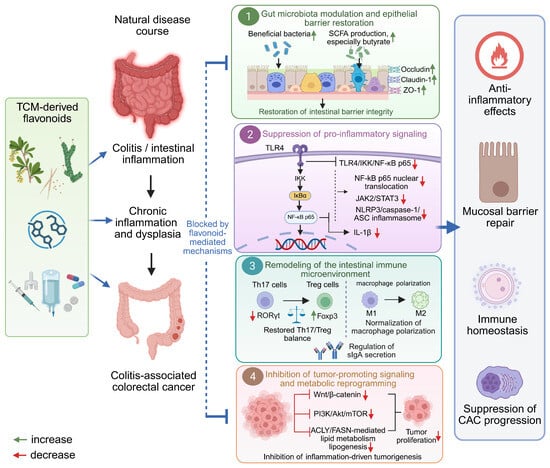
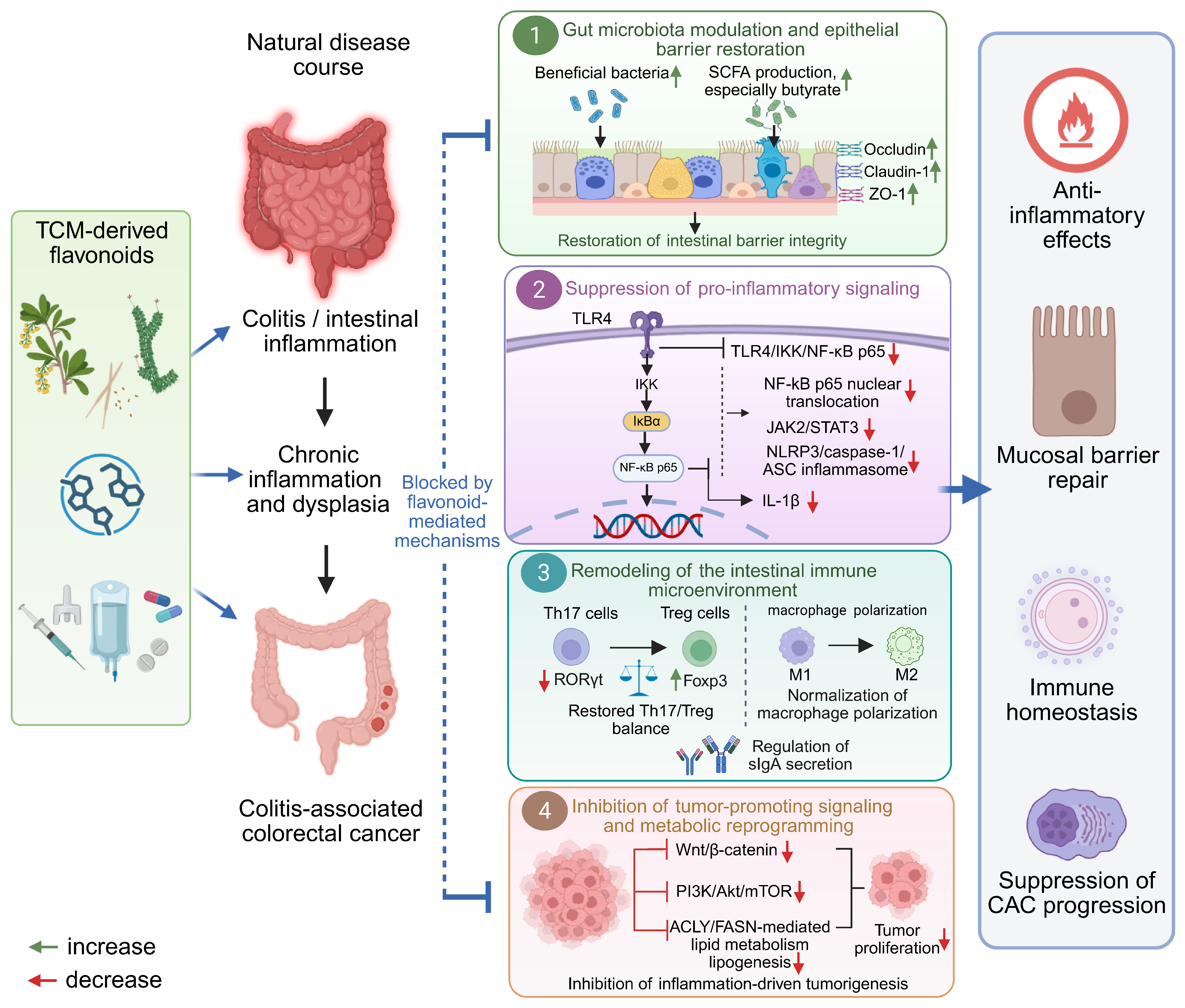
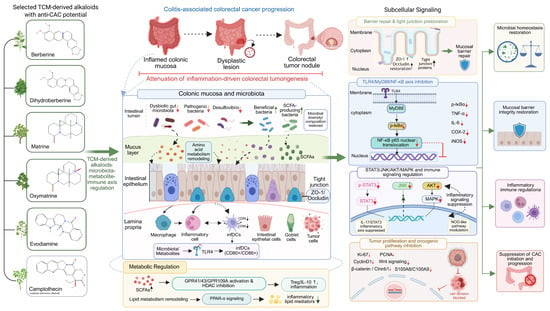
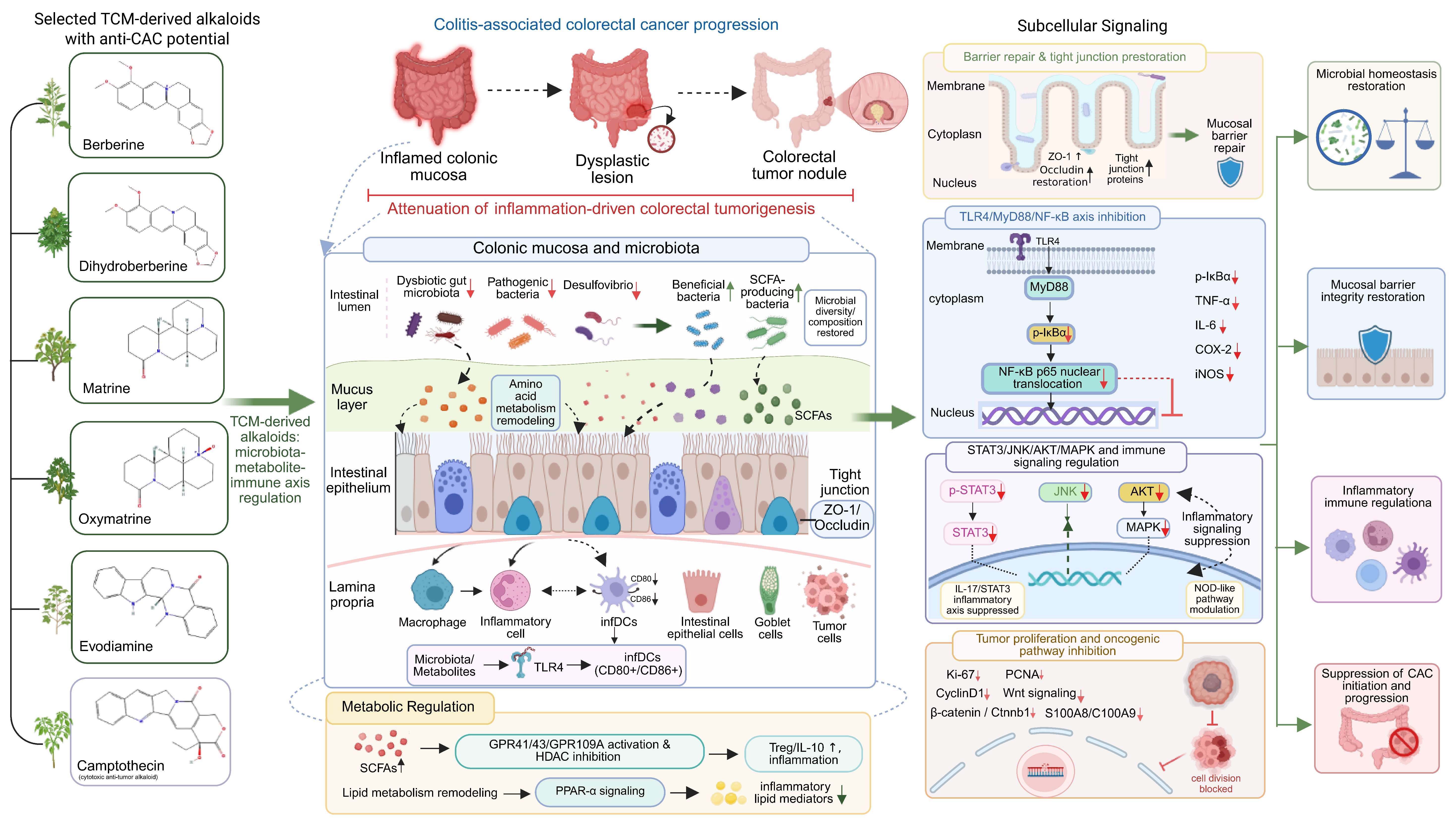
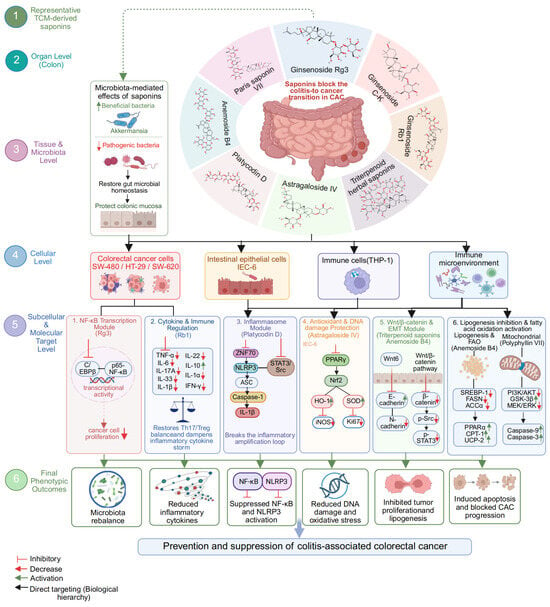
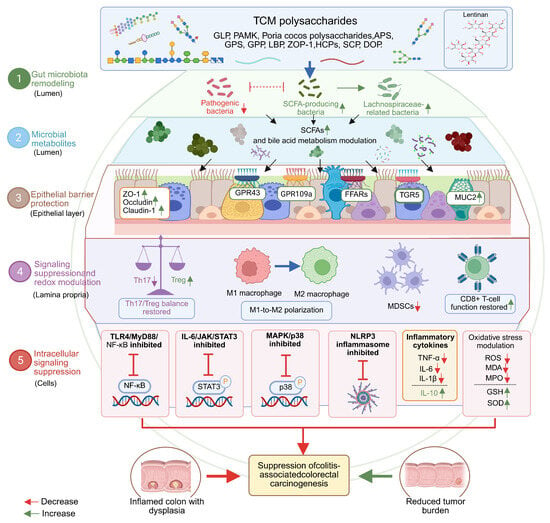
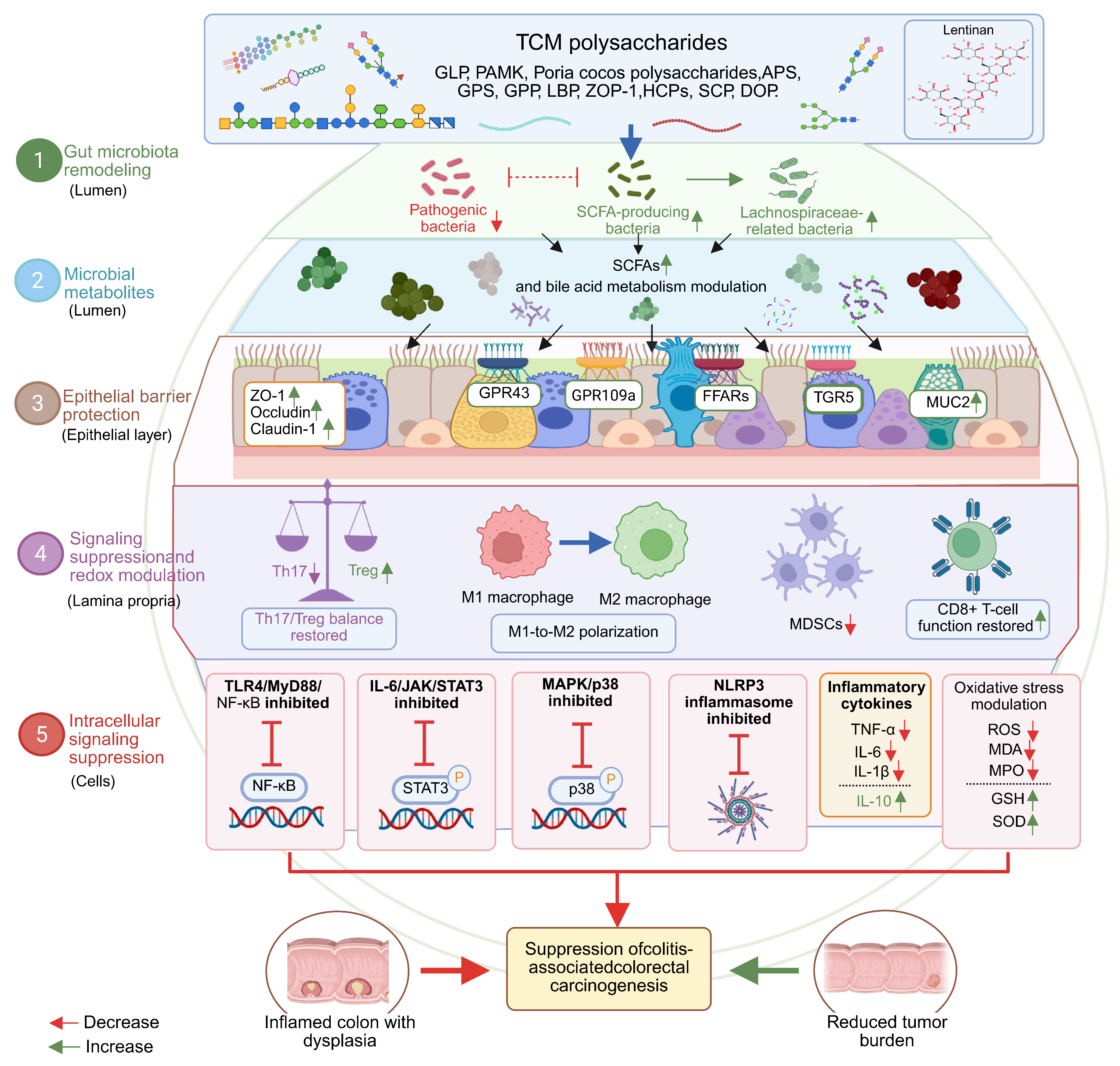
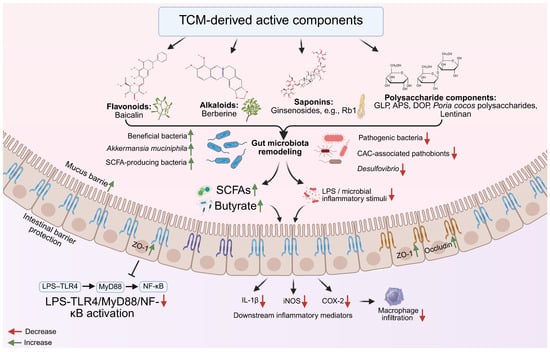
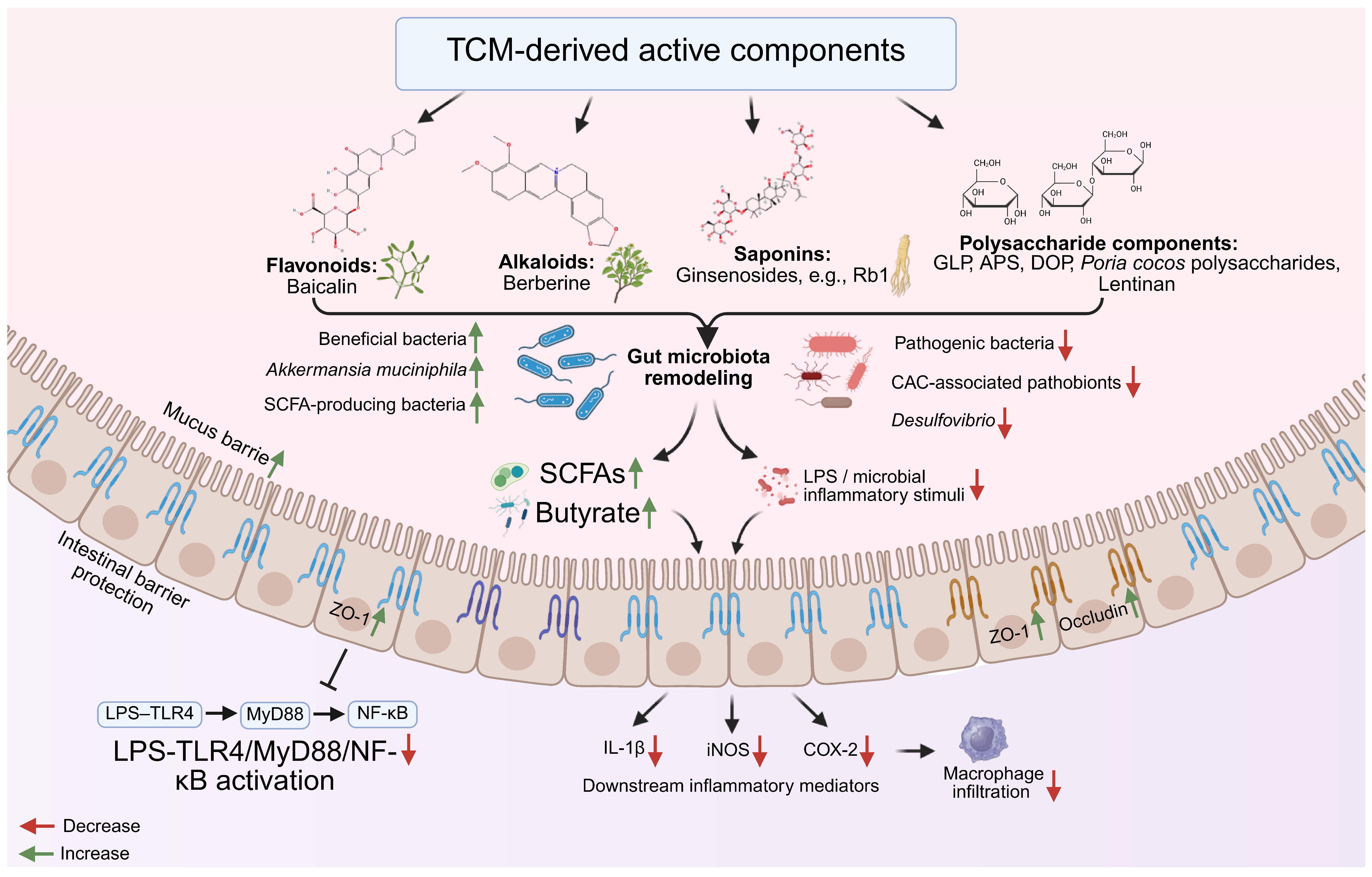
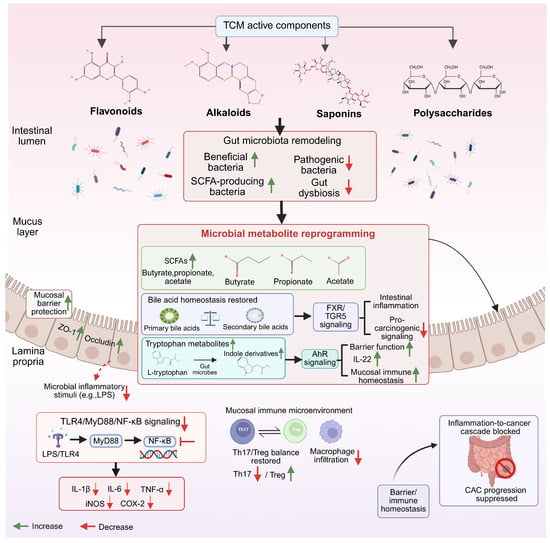
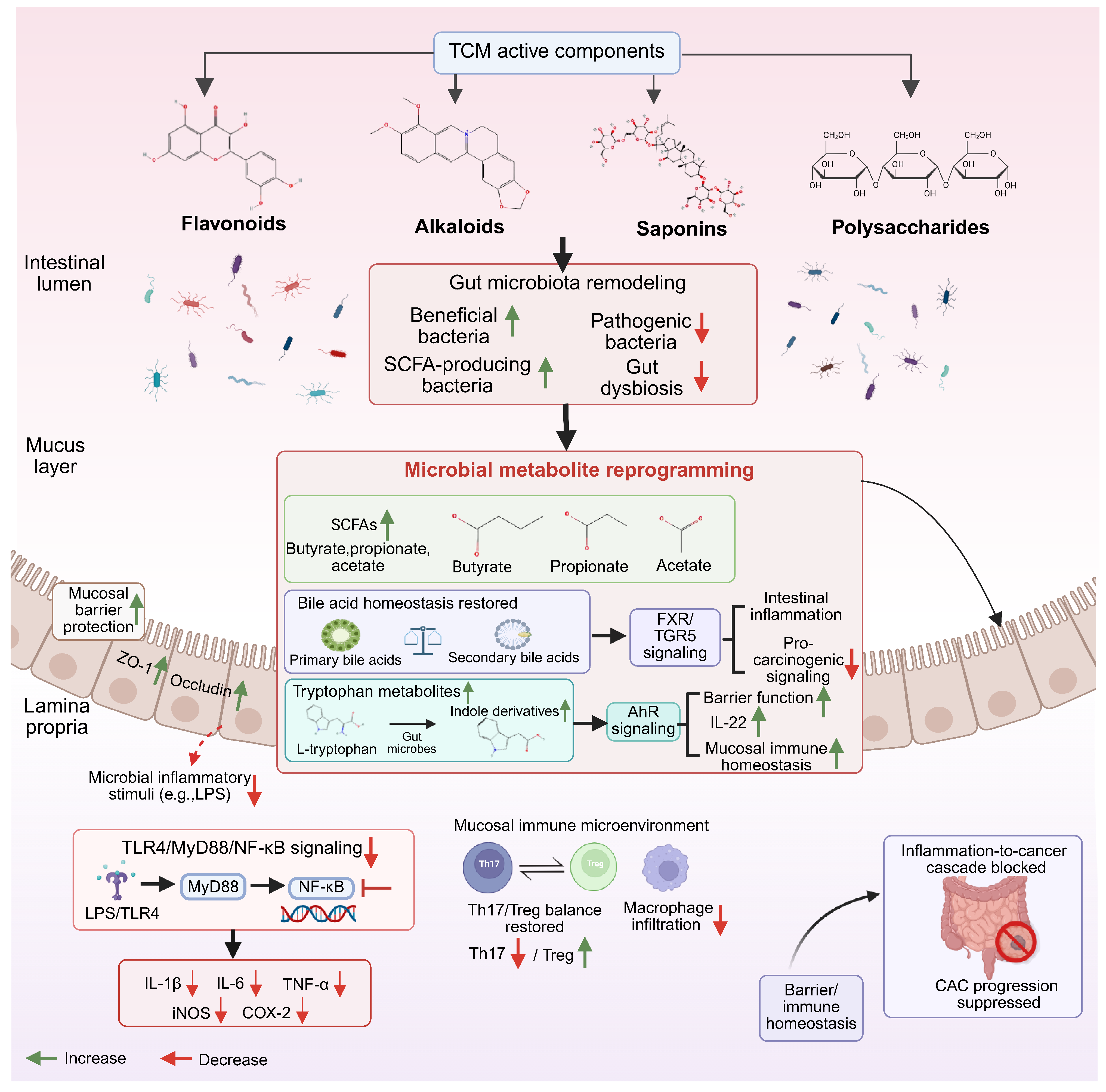
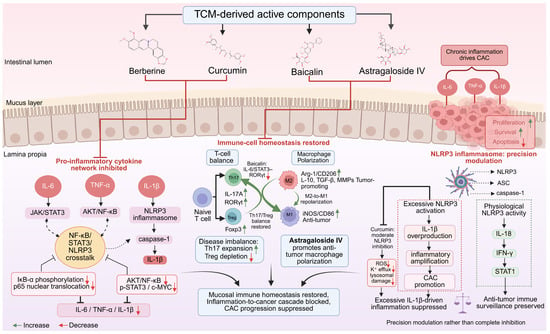
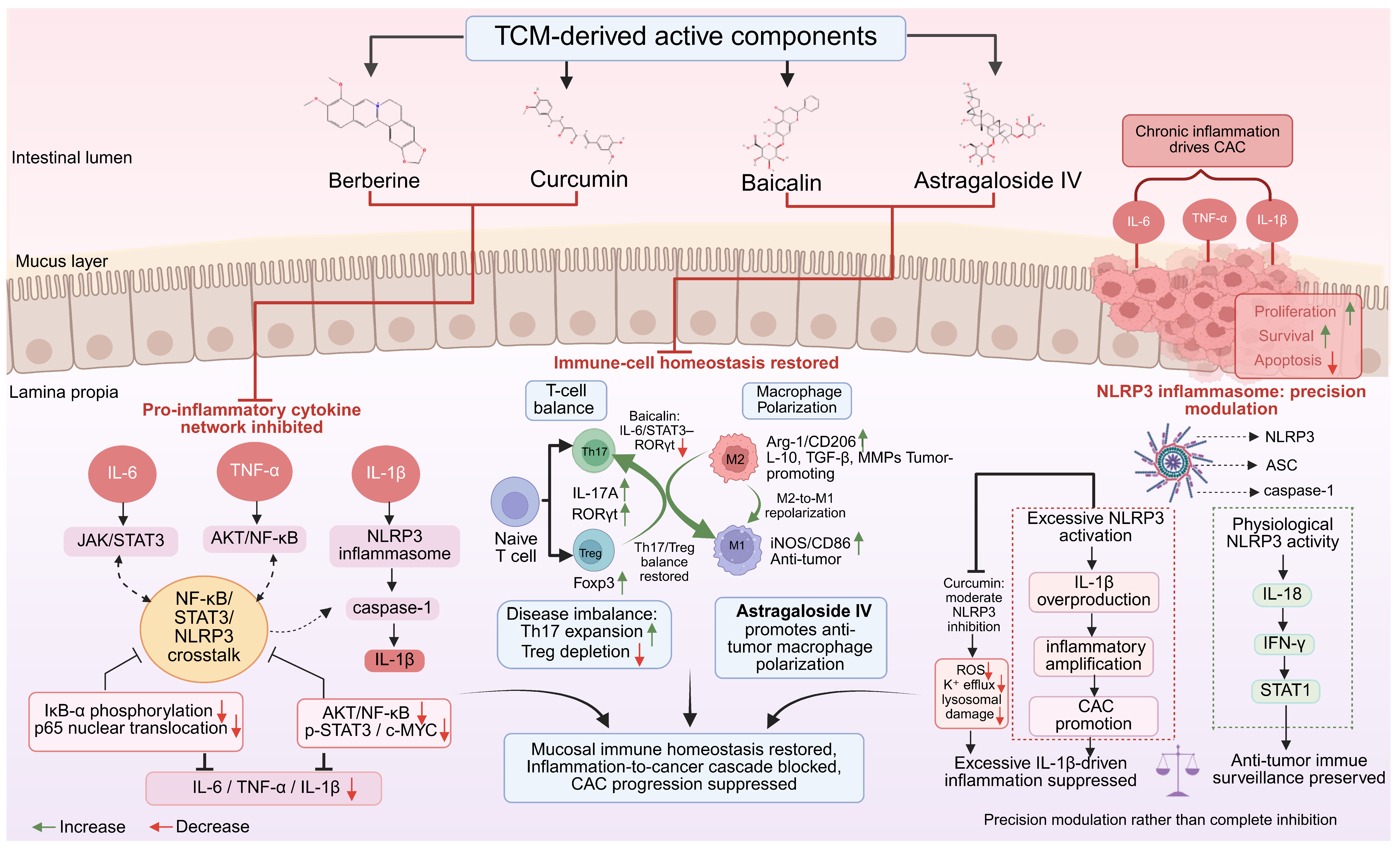
Disclaimer/Publisher’s Note: The statements, opinions and data contained in all publications are solely those of the individual author(s) and contributor(s) and not of MDPI and/or the editor(s). MDPI and/or the editor(s) disclaim responsibility for any injury to people or property resulting from any ideas, methods, instructions or products referred to in the content. |
© 2026 by the authors. Licensee MDPI, Basel, Switzerland. This article is an open access article distributed under the terms and conditions of the Creative Commons Attribution (CC BY) license.