


Abstract
Aging is associated with chronic, low-grade inflammation (“inflammaging”), which contributes to neuropsychiatric and neurodegenerative disorders such as depression, Alzheimer’s disease, and Parkinson’s disease. Conventional pharmacotherapies often provide limited benefit in older adults and are further complicated by polypharmacy and drug–drug interactions. Psilocybin, a serotonergic psychedelic acting primarily as a partial agonist at the 5-HT2A receptor and currently undergoing accelerated clinical development, has emerged as a potential multimodal therapeutic agent addressing these challenges. Acting via its active metabolite psilocin, 5-HT2A receptor-mediated signaling modulates cortical glutamatergic transmission, enhances tropomyosin receptor kinase B/brain-derived neurotrophic factor (TrkB/BDNF) pathways, and modulates neuroimmune cascades (includingnuclear factor kappa B (NF-κB), with convergent systems-level effects such as reorganization of the default mode network. Human studies report acute reductions in TNF-α with variable effects on IL-6 and CRP, consistent with an immunomodulatory profile. Pharmacokinetically, psilocybin shows properties advantageous in geriatric care: rapid onset, short half-life, and predominant phase-II glucuronidation, reducing interaction risk. Controlled studies demonstrate rapid antidepressant and anxiolytic effects in major depressive disorder, treatment-resistant depression, and existential distress, with emerging feasibility signals in neurodegeneration. Together, these findings support the hypothesis that a time-limited, mechanism-based intervention may improve mood and cognition while attenuating inflammation. This review integrates current evidence on psilocybin’s neuroimmune and pharmacokinetic mechanisms relevant to aging, outlining its potential role in inflammation-related disorders and highlighting the need for targeted studies in older adults, who remain underrepresented in psychedelic research.
Keywords:
psilocybin; inflammation; aged; 5-HT2A; receptor; serotonin; neuronal plasticity; depression; neurodegenerative diseases 1. Introduction
According to the World Health Organization (WHO), the proportion of the global population aged 65 and over is projected to nearly double, from 12% in 2015 to 22% by 2050. More than 20% of older adults suffer from either a mental or neurological disorder, with depression and dementia being among the most prevalent neuropsychiatric conditions in this age group [1,2].
Aging is increasingly recognized as a state of chronic, low-grade systemic inflammation—a phenomenon often referred to as inflammaging—characterized by elevated levels of pro-inflammatory cytokines such as interleukin-6 (IL-6), tumor necrosis factor-alpha (TNF-α), and C-reactive protein (CRP) in the absence of active infection. This immunosenescent state contributes to the pathogenesis of numerous age-related conditions, including cardiovascular disease, sarcopenia, frailty, and neuropsychiatric disorders [3,4,5].
Neuroinflammation, in particular, plays a central role in the progression of various neurodegenerative and psychiatric disorders, including Alzheimer’s disease (AD), Parkinson’s disease (PD), multiple sclerosis (MS), amyotrophic lateral sclerosis (ALS), and major depressive disorder (MDD) [6,7]. These conditions are characterised by chronic microglial activation, blood–brain barrier (BBB) disruption, oxidative stress, and dysregulated cytokine production, which together contribute to neuronal injury, demyelination, and synaptic dysfunction [8,9].
In AD, pro-inflammatory cytokines and microglial activation promote amyloid-β aggregation and tau hyperphosphorylation, thereby exacerbating cognitive decline [10]. In PD, neuroinflammation contributes to degeneration of dopaminergic neurons in the substantia nigra [11]. In MS, immune-mediated demyelination and glial activation lead to lesion formation and progressive disability [12], whereas in ALS, inflammatory responses correlate with motor neuron loss and disease progression [13]. Similarly, after traumatic brain injury (TBI) or stroke, neuroinflammation sustains secondary neuronal damage and impairs long-term recovery [14,15].
Moreover, elevated concentrations and activity of immune cells, along with increased levels of pro-inflammatory cytokines, have been observed in a subset of patients with depression, especially those with treatment-resistant depression (TRD) and suicidal behaviour [16,17]. Depression itself has been associated with an increased risk of subsequent dementia, suggesting a bidirectional and biologically intertwined relationship between affective and neurodegenerative pathology [18]. In older adults, this inflammatory burden is further exacerbated by elevated levels of pro-inflammatory cytokines (IL-6, TNF-α, IL-1β), dysregulation of the hypothalamic–pituitary–adrenal (HPA) axis, and disturbances in the gut microbiota [19].
Given the limitations of conventional therapies, which have shown limited long-term efficacy in managing chronic neuroinflammation, especially in older populations, there is an urgent need for novel interventions that can precisely modulate inflammatory pathways while simultaneously improving mood, cognition, and functional status.
Rapid-acting agents with antidepressant properties, including serotonergic psychedelics such as psilocybin, have attracted attention as candidate multimodal therapeutics. In clinical studies, psilocybin has shown promise for major depressive disorder (MDD), TRD, anxiety, and existential distress associated with life-threatening illness, with benefits that can persist for months after a single administration [20,21]. These compounds exert multimodal effects by modulating neuroplasticity, serotonergic and glutamatergic signaling, and immune activity [22]. Psychedelics have demonstrated the ability to reduce pro-inflammatory cytokine expression, regulate microglial activation, and promote synaptogenesis, making them attractive therapeutic tools for inflammation-driven psychiatric and neurodegenerative conditions [9,23,24].
Because inflammaging and multimorbidity frequently co-occur in older adults, the rationale for interventions that target both the immune and neural systems simultaneously is compelling. Polypharmacy, prevalent in this population, is associated with increased risks of cognitive impairment, drug–drug interactions, and poor adherence [25]. In geriatric care, the priority is often to simplify pharmacological regimens rather than to add new medications. Therefore, therapeutic agents that offer multimodal benefits—anti-inflammatory, neuroplastic, and mood-stabilizing effects—in a single compound are of particular interest in this population.
In this narrative review, we focus on psilocybin, a serotonergic psychedelic whose active metabolite, psilocin, acts primarily as a partial agonist at the 5-HT2A receptor and has the most advanced clinical evidence among psychedelic compounds. As the field of psychedelic-assisted therapy evolves, it is essential to critically assess existing data on its efficacy, safety, and underlying mechanisms, particularly in older adults, who are often burdened by complex comorbidities such as depression, anxiety, existential distress, chronic pain, and neurodegenerative conditions.
The aim of this review is to evaluate the therapeutic potential of psilocybin in geriatric neuropsychiatry by examining its pharmacokinetics, mechanisms of action, clinical efficacy, and safety, with a focus on inflammation-related disorders of aging. More importantly, we seek to highlight the critical need for greater inclusion of older adults in clinical trials involving psychedelics—a group that remains severely under-represented despite potentially benefiting the most from such interventions (Figure 1).
Figure 1.
Overview of psilocybin in the elderly: from natural origin to synaptic action. Green arrows/text indicate beneficial or therapeutic effects/pathways, whereas red arrows/text indicate pathological or inflammation-related processes. Created in BioRender, Stasiak, A. (2026) https://BioRender.com/6h2q8mg (licensed under CC BY 4.0) and MDL ISIS Draw version 2.3 (chemical formulas).
2. Psilocybin
Psilocybin has emerged as a compound of growing scientific interest for its unique ability to modulate consciousness, cognition, and emotional states. It is a naturally occurring tryptamine-derived psychedelic found in certain species of mushrooms, such as Psilocybe cubensis and Psilocybe Mexicana. These so-called “magic mushrooms” have a long history of ritual and therapeutic use among indigenous cultures in Central and South America. Archaeological findings, including ceremonial “mushroom stones,” suggest that psilocybin-containing mushrooms were used as early as 3000 years ago. The Aztecs called them teonanacatl, “the flesh of the gods,” and regarded them as sacred tools for spiritual insight and healing [26].
Modern scientific interest in psilocybin began in the late 1950s, when Swiss chemist Albert Hofmann first isolated and synthesised the compound. In the 1960s, psilocybin attracted broader attention in psychiatric research, notably through studies by Walter Pahnke and Timothy Leary that explored its effects on consciousness, behaviour, and mental health [27].
However, widespread recreational use and the era’s countercultural movement led to growing concerns about public safety and misuse. As a result, in 1963, the United States imposed strict legal restrictions on the production, distribution, and use of serotonergic psychedelics, including psilocybin and lysergic acid diethylamide (LSD). Psilocybin was subsequently classified as a Schedule I substance under the Controlled Substances Act, defined as having a high potential for abuse and no accepted medical use. Similar restrictions were adopted in many other countries, effectively halting research for decades [28].
In recent years, growing interest in psychedelic-assisted therapies has renewed attention to psilocybin’s clinical potential. Several preclinical and clinical studies have demonstrated its potential efficacy in treating a range of psychiatric conditions, including depression, anxiety, and substance use disorders. In recognition of these findings, the U.S. Food and Drug Administration (FDA) granted psilocybin “Breakthrough Therapy” designation in 2018 for its use in TRD, thereby facilitating accelerated clinical evaluation and regulatory support [29].
While regulatory progress has been most notable in the United States, European frameworks have been slower to adapt [30]. Given the rising global burden of mental illness and the specific needs of aging populations, including military veterans exposed to chronic psychological stress, there is growing momentum to accelerate clinical research and policy reform. Recent geopolitical events, including large-scale armed conflicts, may further catalyse interest in novel therapies to address trauma, depression, and existential distress in affected populations.
3. Pharmacokinetics of Psilocybin
Understanding the pharmacokinetic profile of psilocybin is essential for interpreting its therapeutic effects, safety profile, and clinical applicability, particularly in older adults exposed to polypharmacy and age-related physiological changes. Psilocybin is a prodrug whose pleiotropic effects are mediated by its pharmacologically active metabolite, psilocin, which is formed rapidly during first-pass metabolism via dephosphorylation by alkaline phosphatases and non-specific esterases. Following oral administration, plasma psilocin reaches peak concentrations at approximately 2 h (Cmax 15–20 ng/mL), whereas subjective effects begin within 20–40 min after dosing, peak at 60–90 min, and generally persist for 4–6 h. The elimination half-life of psilocin is approximately 2–3 h. These pharmacokinetic parameters have been reported in studies using both fixed oral dosing (e.g., 25 mg) and weight-adjusted regimens (typically 0.2–0.3 mg/kg) [31,32,33].
Approximately 80% of psilocin undergoes phase II metabolism, predominantly via glucuronidation catalyzed by UGT1A10 (intestinal) and UGT1A9 (hepatic) isoenzymes (Figure 2). The resulting metabolite, psilocin-O-glucuronide, is pharmacologically inactive and is excreted primarily in urine, with elimination largely complete within 24 h. Only approximately 1.5% of the administered psilocybin dose is excreted unchanged as free psilocin [34].
Figure 2.
Synthesis and metabolic pathways of psilocin. Created with MDL ISIS Draw version 2.3. The primary active metabolites (highlighted in green) include psilocin-O-glucuronide (the most abundant) and 4-Hydroxyindole-3-acetic acid (4-HIAA). The intermediate metabolite (4-HIA, 4-Hydroxyindole-3-acetaldehyde) is shown in green brackets, while potential or unconfirmed metabolites are displayed on a grey background [35].
The remaining fraction of psilocin is metabolized via minor oxidative pathways involving monoamine oxidase (MAO) and aldehyde dehydrogenase (ALDH), yielding 4-hydroxyindole-3-acetaldehyde (4-HIA) as an intermediate. This compound is then converted either to 4-hydroxyindole-3-acetic acid (4-HIAA), a major urinary metabolite, or to 4-hydroxytryptophol (4-HTP), likely via alcohol dehydrogenase (ADH) [36].
From a clinical perspective, this metabolic profile may confer several potentially relevant advantages in later life. The predominant reliance on phase II conjugation, which is generally better preserved with aging than phase I oxidative metabolism, together with minimal CYP450 involvement, suggests a comparatively lower potential for pharmacokinetic drug–drug interactions than many conventional psychotropics or certain other serotonergic compounds [33]. This consideration is particularly relevant for patients with multimorbidity and polypharmacy. Across the studied dose ranges, psilocin exhibits approximately linear pharmacokinetics, and interindividual variability does not appear to be meaningfully explained by body weight [37]. Additionally, the relatively short half-life of psilocin (2–3 h) may reduce the risk of drug accumulation and allow for time-limited therapeutic windows. Compared with commonly prescribed psychotropic agents—such as benzodiazepines, which often have prolonged half-lives and are associated with sedation, falls, and cognitive impairment, or antipsychotics, which may confer extrapyramidal and metabolic adverse effects—the pharmacokinetic and administration profile of psilocybin may offer practical and safety-related advantages, particularly in older adults when used within structured clinical settings.
4. Mechanism of Action of Psilocybin
The therapeutic effects of psilocybin are mediated by psilocin, its pharmacologically active metabolite. Psilocin is a tryptamine structurally analogous to serotonin (5-HT) and acts primarily as a partial agonist at the 5-HT2A receptor subtype. Earlier models proposed that psychedelic ligands exhibit functional selectivity (biased agonism), preferentially engaging Gq/PLC-linked signalling pathways rather than recruiting β-arrestin. However, more recent in vitro evidence suggests that classical psychedelics may act as partial, relatively unbiased agonists, with their distinct profile potentially reflecting greater signalling efficacy rather than pathway selectivity alone [38,39]. These receptors are highly expressed in brain regions involved in cognition, emotion regulation, and perception, including the prefrontal cortex, anterior cingulate cortex, and visual cortex [26,40].
The psychedelic effects of psilocin, understood as alterations in perception, cognition, and self-referential processing, are largely mediated by 5-HT2A receptor activation and by downstream intracellular signalling patterns distinct from those induced by endogenous serotonin. This is associated with increased cortical glutamatergic signalling and subsequent activation of neuroplasticity-related cascades, including upregulation of brain-derived neurotrophic factor (BDNF) and engagement of tropomyosin receptor kinase B (TrkB) signalling [41,42]. Notably, recent data suggest that psilocin may also act as an allosteric modulator of TrkB, thereby enhancing BDNF-driven neuroplasticity independently of serotonergic pathways [43].
These mechanisms are particularly relevant in the context of aging, as neuroplasticity and BDNF signalling decline with age and are further impaired in neuropsychiatric and neurodegenerative disorders [44]. By modulating plasticity-related signalling, psilocybin may help counteract age-related synaptic rigidity and support adaptive emotional and cognitive functioning among older adults [39].
Psilocybin also modulates large-scale brain networks. Functional neuroimaging studies have consistently shown altered activity and connectivity within the default mode network (DMN)—a system implicated in self-referential thought, rumination, and affect regulation—which is often hyperactive in depression and functionally disrupted in aging and dementia [45,46,47]. In older adults, age-related changes in DMN integrity may influence both the subjective and therapeutic effects of psilocybin, possibly shifting the mechanism of benefit from intense perceptual experiences towards improved emotional regulation and psychological flexibility [48].
At the cellular level, preclinical studies suggest that psilocybin induces rapid structural plasticity, including increased dendritic spine density and synaptogenesis in key regions such as the medial prefrontal cortex and hippocampus, areas known to atrophy with aging and neuroinflammation. These neuroadaptive effects may underpin the sustained improvements in mood and anxiety observed even after a single administration, offering a potential therapeutic avenue for older adults with depression or neurodegenerative conditions [5,49].
Although 5-HT2A receptor activation is central to psilocybin’s mechanism of action, psilocin also binds to other serotonergic receptor subtypes (5-HT1A, 5-HT2C, 5-HT1D) with lower affinity and modulates glutamatergic and dopaminergic systems [26]. Consistent with this, indirect dopaminergic modulation, including increased extracellular dopamine in frontal and limbic regions, has been reported following psilocybin administration, potentially enhancing reward processing and motivational drive, both of which may be blunted in late-life depression [50,51,52].
In sum, psilocybin engages a network of molecular and systems-level mechanisms—serotonergic signalling, glutamate transmission, neurotrophic modulation, and DMN reorganization—that may be particularly suited to addressing the multifactorial neurobiology of mood and cognitive disorders in older adults. Its ability to influence synaptic remodeling, emotional processing, and inflammation-related pathways distinguishes it from conventional monoaminergic antidepressants and highlights its potential for geriatric neuropsychiatry (Table 1).
Table 1.
Mechanisms of action of psilocybin/psilocin and their relevance to aging. Summary of receptor-level, synaptic, intracellular, neuroimmune, and network-level processes potentially engaged by psilocybin/psilocin, with concise aging relevance statements (right column). ↑ indicates increase/upregulation; ↓ indicates decrease/downregulation.
5. Anti-Inflammatory Action of Psilocybin
Psilocybin has emerged as a compound with immunomodulatory properties, which may be particularly relevant in the context of inflammation-driven disorders of aging (Table 2). These effects are primarily mediated by agonism of the serotonin 5-HT2A receptor, which is expressed in the central nervous system and on peripheral immune cells. Activation of these receptors has been implicated in regulating key inflammatory pathways, including modulation of pro-inflammatory cytokine production and NF-κB-dependent transcription [23,63].
Consistent with this framework, preclinical studies indicate that psilocybin and its active metabolite, psilocin, modulate immune responses in a context- and dose-dependent manner. In microglial models, psilocin attenuates inflammatory activation, reducing TLR4 expression and NF-κB signaling [64]. In macrophage systems, psilocin decreases TNF-α and increases IL-10, whereas psilocybin itself exhibits variable and context-dependent effects, influenced by the timing of administration and inflammatory state [65]. Importantly, recent in vitro data indicate that psilocybin does not exert uniformly anti-inflammatory effects but instead induces dose-dependent, bidirectional immune responses, including suppression of IL-1β, IL-6, and COX-2 at higher concentrations and pro-inflammatory signaling at lower doses [66,67]. Additional evidence from human-derived tissue models indicates that psilocybin may attenuate inflammatory cytokine responses, including TNF-α, IL-6, and MCP-1, under inflammatory stimulation; however, these findings are limited by supraphysiological concentrations and non-neuronal experimental systems [66]. In vivo, psilocybin has been reported to reduce markers of neuroinflammation in LPS-induced models, supporting its potential relevance to central inflammatory processes, although the effects are modest and context-dependent [58].
In humans, available evidence remains limited and inconsistent. In healthy volunteers, a single dose of psilocybin was associated with acute reductions in TNF-α and sustained decreases in IL-6 and C-reactive protein (CRP) [60]. In contrast, another study did not observe significant changes in inflammatory biomarkers, suggesting that these effects may depend on baseline inflammatory status, dosing, and the timing of assessment [59].
At the molecular level, 5-HT2A receptor activation triggers intracellular signaling cascades via Gq/PLC pathways and downstream effectors such as MAPK/ERK, PI3K/Akt, and mTOR, which are implicated in both neuroplasticity and immune regulation [9]. Experimental studies using selective 5-HT2A agonists support a mechanistic link between serotonergic signaling and inhibition of TNF-α and NF-κB pathways [68]. Notably, psychedelics may not act as classical anti-inflammatory agents but rather as modulators of neuroimmune signaling, shifting immune responses in a state-dependent manner.
Psilocybin may also influence inflammatory processes through serotonergic regulation of metabolic pathways linked to neuroinflammation, although direct evidence remains limited. In particular, modulation of the kynurenine pathway has been proposed as a potential mechanism linking serotonergic signaling to neuroimmune regulation [9,61]. In parallel, psilocybin has been shown to modulate glutamatergic transmission in cortical circuits, which may indirectly reduce excitotoxicity—a process closely associated with neuroinflammation [39,62].
Taken together, current evidence indicates that psilocybin exerts complex, context-dependent immunomodulatory effects rather than uniform anti-inflammatory effects. These properties, together with their effects on neuroplasticity, may be particularly relevant to disorders of aging characterized by chronic, low-grade inflammation.
Table 2.
The anti-inflammatory effects of psilocybin across preclinical and human studies.
6. Clinical Applications in Inflammation-Linked Conditions
6.1. Depression and Anxiety
Psilocybin has demonstrated clinically meaningful antidepressant and anxiolytic effects in randomised and open-label clinical studies in populations with MDD and TRD. Symptom reduction typically occurs within days and, when embedded within structured psychotherapeutic support, may persist for weeks to months.
MDD/TRD. In MDD, a randomized, waiting-list–controlled study with two supported psilocybin dosing sessions (20 mg/70 kg followed by 30 mg/70 kg; mean interval of ~1.6 weeks) reported a 71% response rate and a 54% remission rate at 4 weeks, with sustained benefit in a substantial subset at 12 months [71,72]. In a head-to-head phase-2 trial, two 25 mg psilocybin sessions (3 weeks apart) outperformed escitalopram on multiple secondary outcomes, including changes in the Beck Depression Inventory (BDI-1A), Hamilton Depression Rating Scale (HAM-D-17), Montgomery–Åsberg Depression Rating Scale (MADRS), State–Trait Anxiety Inventory (STAI), and measures of well-being and functional impairment, with higher response (70% vs. 48%) and remission (57% vs. 28%) rates at week 6 [73]. In TRD, open-label protocols administering psilocybin at 10 mg followed by 25 mg seven days later produced marked short-term improvements, with persistence in a subset at 3–6 months [74]. A larger phase 2b study found that a single 25 mg session produced the greatest short-term improvement at week 3, with between-group differences narrowing by week 12—useful context when setting expectations for durability after one dose [75]. Complementing SSRI-washout paradigms, an exploratory open-label study in which a single 25 mg psilocybin session was added to ongoing SSRI therapy achieved week 3 response and remission rates of 42% each, indicating that efficacy signals can emerge without suspending background antidepressants [76].
Beyond symptomatic improvement, attention has increasingly focused on the role of inflammation in depression. Treatment-resistant and late-life depression are frequently associated with elevated inflammatory markers, and evidence suggests that patients with higher baseline inflammation may derive greater benefit from immunomodulatory interventions [17]. Although psilocybin has been proposed to interact with neuroimmune pathways, clinical evidence supporting its anti-inflammatory effects in patient populations remains limited.
Serious illness and death anxiety. Two double-blind, crossover RCTs in patients with life-threatening cancer demonstrated rapid and sustained reductions in anxiety and depressive symptoms after a single moderate-to-high psilocybin dose, with approximately 60–80% of participants maintaining clinically significant improvements at 6 months [31,77]. Reductions in death anxiety and changes in perceptions of mortality were assessed using validated instruments, including the Death Transcendence Scale. Patients frequently reported profound shifts in their perspectives on life and death, and the intensity of “mystical-type” experiences statistically mediated clinical benefit—phenomena particularly relevant to existential distress in later life [31,32].
6.2. Neurodegenerative Disorders
Across neurodegenerative diseases, neuroinflammation, synaptic vulnerability, and impaired neuroplasticity converge to create a shared therapeutic target profile for serotonergic psychedelics. Mechanistically, 5-HT2A–biased signalling has been shown to attenuate NF-κB–dependent transcription and peripheral cytokine production, with complementary effects on microglial states and mTOR/BDNF-linked structural plasticity—an immune-neuroplastic “double hit” particularly relevant to diseases such as PD and AD [24,78]. Recent preclinical evidence further supports a potential role of psilocybin in modulating biological aging processes. In a murine model, psilocybin administration increased survival in aged animals and extended cellular lifespan, effects associated with reduced oxidative stress, preservation of telomere length, and upregulation of longevity-related pathways such as SIRT1 signalling [79].
Parkinson’s disease. First-in-disease clinical data now indicate that psilocybin therapy is feasible in PD and may benefit domains beyond mood. In an open-label pilot (NCT04932434), 12 adults with mild–moderate PD and comorbid depression and/or anxiety received two supported doses (10 mg then 25 mg) alongside structured psychotherapy. The intervention was well tolerated, with no serious adverse events or exacerbation of psychosis. Clinically, non-motor symptoms and activities of daily living improved substantially, with smaller but significant gains on standardized motor assessments and better performance on selected cognitive tasks in memory and executive function. Depressive and anxiety symptoms decreased and remained lower at 3 months in exploratory follow-up. Notably, nine participants continued on stable carbidopa–levodopa without apparent signs of interaction [80]. Complementing these pilot data, a detailed case report described a 43-year-old person with PD without depression who underwent four high-dose psilocybin-assisted psychotherapy sessions over one year. Treatment was well tolerated and associated with durable reductions in anxious ruminations, improved dispositional optimism and disease acceptance, and stable motor status, underscoring potential quality-of-life benefits even when a mood disorder is subthreshold [81]. Together, these signals justify controlled trials to clarify the specific effects on mood, non-motor burden, motor function, and cognition in PD.
Alzheimer’s disease. Initial clinical trials are underway: an open-label pilot at Johns Hopkins is testing two psilocybin sessions at weeks 4 and 6, embedded within eight weeks of weekly psychological support, to alleviate depressive symptoms in people with MCI or early AD, with outcomes tracked for up to ~6 months (NCT04123314).
Neuropathic pain. Early evidence suggests that psilocybin may provide clinically meaningful analgesia for neuropathic pain. Case reports and small series in conditions such as complex regional pain syndrome and phantom-limb pain describe marked reductions in pain intensity and interference, sometimes accompanied by reduced analgesic use, after one or a few supported dosing sessions [82,83]. Preclinical data align with these observations: a single psilocybin dose produces persistent antinociception in neuropathic models and engages 5-HT2A-linked plasticity mechanisms relevant to central sensitization [83,84]. Trial readiness also appears high—most patients (~77%) in the PEACE-PAIN prospective assessment expressed willingness to enrol in an RCT, citing the importance of credible controls and structured psychological support [85].
Figure 3 summarizes the basic neuroprotective mechanisms of psilocybin and its therapeutic potential for treating CNS diseases.
Figure 3.
Main pathways through which psilocybin may protect and restore the brain and its therapeutic potential in CNS diseases. Brain icon was created in BioRender. Stasiak, A. (2026) https://BioRender.com/o7xxvb2 (licensed under CC BY 4.0).
6.3. Effectiveness of Psilocybin in Older Adults
6.3.1. Neurobiological Considerations
Given psilocybin’s favourable pharmacokinetic profile in older adults—including preserved phase II metabolism, low risk of CYP450 interactions, and a short half-life—an important question arises: can psilocybin be equally effective in this population, whose neurobiology may differ significantly from that of younger patients? The effectiveness of psilocybin in this population may be modulated by age-related alterations in the serotonergic system. While serotonergic neuron firing rates and central serotonin synthesis decline with age, this may not necessarily impair the pharmacodynamic response to psilocybin [86]. Unlike selective serotonin reuptake inhibitors (SSRIs), psilocybin, via its active metabolite, acts as a direct partial agonist at 5-HT2A receptors, thereby bypassing the need for elevated endogenous serotonin levels.
Moreover, recent meta-analytic data indicate that serotonin transporter (SERT) availability declines moderately with age, potentially prolonging synaptic serotonin activity by slowing reuptake [87]. This compensatory mechanism could mitigate the impact of reduced presynaptic activity and support sufficient receptor engagement. Importantly, vesicular monoamine transporter 2 (VMAT2)—which packages serotonin into presynaptic vesicles—appears to remain largely stable across the adult lifespan, suggesting that vesicular 5-HT content is preserved in the aging brain [88]. However, the density and functional sensitivity of 5-HT2A receptors, which mediate the psychedelic effects of psilocybin, may also decline with age, particularly in cortical regions involved in mood and cognition [89]. As a result, older adults might exhibit greater variability in how they perceive responses, tolerate treatments, and determine optimal dosing.
In older adults, age-related gut dysbiosis and impaired intestinal barrier integrity may be clinically relevant modifiers of psilocybin response. Aging is associated with increased intestinal permeability, systemic translocation of microbe-derived products, and chronic low-grade inflammation, all of which may contribute to neuroinflammatory vulnerability [90]. Emerging experimental evidence further indicates that psilocybin may directly affect peripheral gut physiology. In a recent mouse study, chronic psilocybin administration produced dose-dependent changes in gut motility and altered specific microbial taxa, including Lactobacillus and Alistipes species, with sex-dependent effects observed predominantly in male animals [91]. In parallel, the concept of the “psilocybiome” suggests that baseline microbiome composition may influence preparation, acute treatment response, and post-session integration, thereby contributing to inter-individual variability in psychedelic outcomes [92]. Because orally administered psilocybin undergoes gastrointestinal absorption and is converted to psilocin, age-related changes in gut function and microbiome composition may partly influence tolerability, pharmacokinetic variability, and therapeutic response in later life.
Beyond age-related central and peripheral changes, biological sex may further modulate 5-HT2A receptor signalling and responsiveness to psilocybin. Sex differences in serotonergic neurotransmission, cortical receptor expression, and hormone-dependent plasticity are well documented across the lifespan, suggesting that menopausal and postmenopausal endocrine changes may alter sensitivity to psilocin in older women [26,89]. Emerging preclinical evidence also indicates sex-specific responses to psychedelics at behavioral, circuit, and molecular levels. A recent preclinical study demonstrated that psilocybin reduced conditioned opioid reward in male but not female mice via 5-HT2A receptor activation in frontal cortex neurons projecting to the nucleus accumbens, accompanied by sex-dependent enhancer activity and changes in structural plasticity [93]. More broadly, sex-dimorphic patterns of vulnerability and resilience to stress-related disorders have been reported in rodent models, including female-predominant depressive-like phenotypes associated with distinct signatures of hippocampal neuroplasticity and oxidative stress [94]. These observations suggest that sex-specific neurobiology may contribute to interindividual variability in psilocybin efficacy, tolerability, and optimal dosing in later life, underscoring the importance of sex-stratified analyses in future clinical trials with older adults.
Overall, whether these age-related modifiers result in diminished, preserved, or heightened sensitivity to psilocybin remains unclear and likely varies between individuals depending on receptor expression, gut physiology, inflammatory status, and cortical plasticity.
6.3.2. Emerging Clinical Evidence
Although older adults remain severely underrepresented in clinical trials involving psychedelic compounds—with only 1.4% of participants aged 65 or older enrolled in such studies since 1965—a recent systematic review underscores the urgent need for age-inclusive research in this field [20]. In one of the earliest prospective observational studies focused specifically on this population, Kettner and colleagues (2024) followed 62 individuals aged 60 years or older who voluntarily participated in group-based psilocybin ceremonies [48]. The study found statistically significant improvements in psychological well-being, as measured by the Warwick-Edinburgh Mental Well-being Scale (WEMWBS), particularly at two and four weeks post-session. Notably, these effects were most pronounced among participants with a history of mental health diagnoses, suggesting potential relevance of psilocybin-assisted interventions for older adults with longstanding psychological distress.
Interestingly, although older adults reported lower intensity of classic psychedelic experiences—such as ego dissolution or mystical-type states—than younger controls, their improvements in well-being were comparable. This suggests that therapeutic efficacy in older adults may be mediated by partially distinct mechanisms. The attenuated acute phenomenology may reflect age-related reductions in cortical 5-HT2A receptor density, together with altered responsiveness of large-scale brain networks, particularly the DMN, while still permitting clinically meaningful psychological benefit. Indeed, in this age group, the strongest predictor of improved outcomes was the degree of communitas—a sense of emotional connectedness and belonging experienced during the group session. These findings indicate that relational and contextual factors may be particularly important therapeutic mediators in later life, potentially compensating for attenuated acute psychedelic effects. However, interpretation of these findings requires caution, as the study used a naturalistic observational design, involved self-selected participants, and was conducted in group ceremonial settings, which may limit generalizability to routine clinical practice.
7. Adverse Effects and Safety Considerations of Psilocybin
Psilocybin was classified as a Schedule I substance, in part due to concerns about its potential to trigger persistent psychiatric conditions, such as psychosis [95]. However, subsequent analyses have shown that these risks are substantially elevated primarily among individuals with a personal or family history of psychotic disorders. For example, a recent case series examining the long-term psychological consequences of psychedelic use found that all participants who received a psychiatric diagnosis after a psychedelic experience had pre-existing mental illness [96].
Psilocybin-assisted therapy has consistently demonstrated a favourable safety profile when administered in controlled clinical settings with appropriate psychological support. Across multiple trials, most reported adverse events have been transient, mild to moderate in intensity, and typically confined to the acute drug-effect window [97,98]. The most commonly observed somatic symptoms include headache, nausea, and dizziness, which generally resolve spontaneously without medical intervention [98]. Transient psychological discomfort, such as anxiety or emotional unease, has also been noted but was rarely associated with lasting consequences when managed by trained therapists [74].
Importantly, extensive participant screening has played a critical role in minimizing the incidence of serious adverse events. Most clinical protocols excluded individuals with a personal or family history of psychosis or bipolar disorder—conditions considered relative contraindications to psychedelic therapy [71,74]. When such precautions are taken, the risk of severe psychiatric sequelae appears low in screened populations. A 12-month follow-up study found no evidence of persistent perceptual disturbances, emergent psychosis, or signs of dependence after psilocybin treatment [71].
A recent comprehensive safety review of 214 studies (including more than 3500 participants) reported delayed serious adverse events in 3.9% (23/584) of outpatients in high-dose psilocybin trials, predominantly among those with pre-existing neuropsychiatric disorders. These events included transient suicidality, worsening depression, and isolated episodes of psychosis or convulsions. Notably, no serious adverse events were observed in healthy individuals [97]. However, the analysis highlighted considerable heterogeneity in the monitoring and reporting of adverse events—only 23.5% of studies used systematic pharmacovigilance protocols—indicating a need for greater consistency in future research.
Although generally well tolerated, psilocybin may cause transient increases in blood pressure and heart rate, which could pose a risk for older adults with poorly controlled cardiovascular disease [99] (Table 3). Nevertheless, compared with conventional psychotropic agents commonly prescribed for geriatric populations—such as benzodiazepines or antipsychotics—psilocybin may pose a lower risk of cognitive impairment, sedation, falls, and extrapyramidal symptoms [73]. Given the high prevalence of polypharmacy in later life, potential drug–drug interactions should also be considered. Psilocin is metabolized predominantly via phase II glucuronidation, with limited CYP450 involvement, which may reduce the likelihood of multiple metabolic drug–drug interactions compared with many psychotropic and cardiovascular medications commonly used in older adults. However, pharmacodynamic considerations remain relevant, particularly in patients receiving antihypertensive, serotonergic, or CNS-active medications. Because psilocybin is typically administered intermittently rather than chronically, the cumulative interaction burden may be lower than with chronically administered daily therapies. Frailty, reduced physiological reserve, and multimorbidity may further increase vulnerability to acute haemodynamic or psychological stressors during psilocybin administration.
Table 3.
Adverse effects of psilocybin in older adult patients (≥65 years).
While the overall safety profile of psilocybin is reassuring, data on adverse effects in older adults remain sparse. In a recent systematic review, detailed safety data were available for only 10 older adults (≥60 years) who received psilocybin-assisted therapy for serious illness [20]. Among them, four individuals reported mild-to-moderate, transient psychiatric adverse events—primarily anxiety, paranoid ideation, or thought disturbance—all of which were successfully managed by study therapists without the need for pharmacological intervention or psychiatric hospitalization. No cases of persistent psychosis or hallucinogen-persisting perceptual disorder were observed. Transient episodes of hypertension were observed during dosing, with the highest recorded systolic pressure at 186 mmHg. These did not require medical intervention or result in long-term sequelae. Such haemodynamic responses may be clinically relevant in older individuals with underlying cardiovascular disease. Additionally, time-limited headaches and mild gastrointestinal symptoms were reported in a small subset [77,101]. These findings suggest that psilocybin, when administered in controlled clinical settings, may be well tolerated even among older adults. However, the small sample sizes and the absence of systematic age-stratified reporting across most trials highlight the urgent need for dedicated safety studies in geriatric populations.
In contrast to controlled clinical settings, a recent case report described prolonged and clinically significant adverse effects in a 71-year-old participant following repeated high-dose psilocybin use in an unregulated training environment, ultimately requiring electroconvulsive therapy [102]. Although this case does not reflect the safety profile observed in regulated clinical trials, it underscores the importance of careful screening, dose control, and structured clinical oversight, particularly for older adults.
8. Perspectives
As the global population ages, the prevalence of chronic neuroinflammatory and neuropsychiatric disorders—including treatment-resistant depression, anxiety, neurodegeneration, and multimorbidity—continues to rise. Older adults often require multiple medications to manage these conditions, increasing the risk of polypharmacy, adverse drug interactions, and treatment non-adherence. Psychedelic-assisted therapy, particularly with psilocybin, offers the possibility of addressing multiple age-related pathologies through a single pharmacological intervention that modulates both immune and neural pathways [25].
Given its anti-inflammatory, neuroplastic, and affective-regulatory properties, psilocybin may serve as a multimodal therapeutic agent for this population. However, this potential can only be realised through rigorous clinical investigation that includes older adults, who have thus far been routinely excluded from psychedelic trials. Importantly, this gap is now being addressed by large-scale initiatives such as the NIH-funded INSPIRE Network (1UG3AG094957–01), which aims to establish a geriatric psychedelic research consortium to evaluate the safety of psilocybin and LSD in older adults, followed by clinical trials targeting pain-related conditions. Carefully designed studies must account for the unique physiological and psychological characteristics of aging, including altered serotonin signalling, cardiovascular vulnerability, and emotional processing in later life. Equally important is ensuring that participants are cognitively intact and able to comprehend and integrate the psychedelic experience [9].
In parallel, regulatory reconsideration of psilocybin’s legal status may be warranted. In many jurisdictions, psilocybin remains in the most restrictive schedule (e.g., Schedule I), a classification that materially hinders clinical trials and the regulated supply. Reclassification from prohibition-only schedules to research-permissive categories (e.g., Schedule II/III, depending on jurisdiction) would lower administrative barriers, enable standardized manufacturing and controlled access for studies, and allow an evidence-based evaluation of benefit–risk while maintaining strict safeguards.
Despite growing enthusiasm, integrating psychedelics into mainstream medicine faces ethical, logistical, and societal challenges. Public perception remains clouded by decades of stigma linked to recreational use, and concerns persist over variability in response, the risk of abuse, and long-term safety [103]. Ethical concerns in clinical research are particularly pronounced in psychedelic therapy: informed consent must be robust, protocols must be trauma-informed, and long-term psychological support should be guaranteed [104,105]. The success of clinical interventions depends heavily on access to trained psychedelic therapists—currently a scarce resource—and on the infrastructure required to deliver preparation and integration, which can be resource-intensive and cost-prohibitive.
Addressing these barriers will require multi-level efforts, including standardized training programmes, development of clinical guidelines, public education, and progressive regulatory reform. Moreover, interdisciplinary research integrating neuroimaging, immunology, aging science, and psychotherapy is needed to optimize treatment protocols and ensure safety in vulnerable populations, such as older adults. The therapeutic promise of psilocybin is real, but its realization depends on the integrity, inclusivity, and sustainability of the systems we build around it.
9. Conclusions
Psilocybin is a mechanistically distinct therapeutic candidate for late-life neuropsychiatric disorders, particularly where depression, anxiety, chronic inflammation, and multimorbidity coexist. Its rapid central effects, downstream effects on neuroplasticity and immune-related pathways, short half-life, and limited CYP450 involvement may be advantageous in polypharmacy-prone older populations.
However, current enthusiasm outstrips the available age-specific evidence. Older adults remain markedly under-represented in psychedelic trials, and important uncertainties persist regarding optimal dosing, cardiovascular safety, cognitive vulnerability, sex-specific responses, and peripheral mechanisms, such as the microbiota–gut–brain axis. Emerging data further suggest that clinical benefit in later life may occur even when acute psychedelic experiences are attenuated.
Priority research needs include: (1) dedicated randomised controlled trials in adults aged ≥65 years; (2) pharmacokinetic and pharmacodynamic studies across strata of frailty and multimorbidity; (3) sex-stratified analyses; (4) long-term safety registries; and (5) biomarker-guided studies integrating neuroimaging, inflammatory markers, and functional outcomes.
At present, psilocybin should be regarded as an investigational intervention in geriatric neuropsychiatry. With rigorous regulation, therapist training, and age-adapted protocols, it may become a valuable option for selected older patients with limited therapeutic alternatives.
Author Contributions
M.J.-B. conceived the concept of the review and supervised the project. M.J.-B. conducted the literature search and wrote the initial draft. A.S., M.J.-B. and P.K. prepared the figures. M.J.-B., A.S., M.S., P.K. and E.K. reviewed and approved the final version of the manuscript. All authors have read and agreed to the published version of the manuscript.
Funding
This study was supported by the statutory activity of the Medical University of Lodz (503/1-108-01/503-11-001; 503/1-156-06/503-11-01).
Institutional Review Board Statement
Not applicable.
Informed Consent Statement
Not applicable.
Data Availability Statement
The original contributions presented in this study are included in the article. Further inquiries can be directed to the corresponding author.
Acknowledgments
The authors acknowledge the use of BioRender.com.
Conflicts of Interest
The authors declare no conflicts of interest.
Abbreviations
The following abbreviations are used in this manuscript:
| AD | Alzheimer’s disease |
| ALS | amyotrophic lateral sclerosis |
| BBB | blood–brain barrier |
| BDNF | brain-derived neurotrophic factor |
| CRP | C-reactive protein |
| DMN | default mode network |
| FDA | Food and Drug Administration |
| HPA | hypothalamic–pituitary–adrenal |
| IL-1β | interleukin-1 beta |
| IL-6 | interleukin-6 |
| LPS | lipopolysaccharide |
| LSD | lysergic acid diethylamide |
| MCI | mild cognitive impairment |
| MDD | major depressive disorder |
| MS | multiple sclerosis |
| mTOR | mammalian target of rapamycin |
| NF-κB | nuclear factor-kappa B |
| NSAIDs | nonsteroidal anti-inflammatory drugs |
| PD | Parkinson’s disease |
| SSRI | selective serotonin reuptake inhibitor |
| TBI | traumatic brain injury |
| TNF-α | tumor necrosis factor-alpha |
| TRD | treatment-resistant depression |
| TrkB | tropomyosin receptor kinase B |
| WHO | World Health Organization |
| 5-HT | serotonin |
| 5-HT2A | serotonin 2A receptor |
References
- Mental Health of Older Adults. Available online: https://www.who.int/news-room/fact-sheets/detail/mental-health-of-older-adults (accessed on 27 August 2025).
- Elshaikh, U.; Sheik, R.; Saeed, R.K.M.; Chivese, T.; Alsayed Hassan, D. Barriers and Facilitators of Older Adults for Professional Mental Health Help-Seeking: A Systematic Review. BMC Geriatr. 2023, 23, 516. [Google Scholar] [CrossRef] [Scilit]
- Franceschi, C.; Garagnani, P.; Parini, P.; Giuliani, C.; Santoro, A. Inflammaging: A New Immune-Metabolic Viewpoint for Age-Related Diseases. Nat. Rev. Endocrinol. 2018, 14, 576–590. [Google Scholar] [CrossRef] [Scilit]
- Furman, D.; Campisi, J.; Verdin, E.; Carrera-Bastos, P.; Targ, S.; Franceschi, C.; Ferrucci, L.; Gilroy, D.W.; Fasano, A.; Miller, G.W.; et al. Chronic Inflammation in the Etiology of Disease across the Life Span. Nat. Med. 2019, 25, 1822–1832. [Google Scholar] [CrossRef] [Scilit] [PubMed]
- Blossom, V.; Ullal, S.D.; D’Souza, M.M.; Ranade, A.V.; Kumar, N.A.; Rai, R. Implicating Neuroinflammation in Hippocampus, Prefrontal Cortex and Amygdala with Cognitive Deficit: A Narrative Review. 3 Biotech 2025, 15, 320. [Google Scholar] [CrossRef] [Scilit]
- Aquino, Y.C.; Cabral, L.M.; Miranda, N.C.; Naccarato, M.C.; Falquetto, B.; Moreira, T.S.; Takakura, A.C. Respiratory Disorders of Parkinson’s Disease. J. Neurophysiol. 2022, 127, 1–15. [Google Scholar] [CrossRef] [Scilit]
- Lassmann, H. Multiple Sclerosis Pathology. Cold Spring Harb. Perspect. Med. 2018, 8, a028936. [Google Scholar] [CrossRef] [Scilit]
- Jia, P.; Peng, Q.; Fan, X.; Zhang, Y.; Xu, H.; Li, J.; Sonita, H.; Liu, S.; Le, A.; Hu, Q.; et al. Immune-Mediated Disruption of the Blood-Brain Barrier after Intracerebral Hemorrhage: Insights and Potential Therapeutic Targets. CNS Neurosci. Ther. 2024, 30, e14853. [Google Scholar] [CrossRef] [Scilit]
- de Deus, J.L.; Maia, J.M.; Soriano, R.N.; Amorim, M.R.; Branco, L.G.S. Psychedelics in Neuroinflammation: Mechanisms and Therapeutic Potential. Prog. Neuropsychopharmacol. Biol. Psychiatry 2025, 137, 111278. [Google Scholar] [CrossRef] [Scilit]
- Wang, S.-M.; Kim, S.; Choi, W.-S.; Lim, H.K.; Woo, Y.S.; Pae, C.-U.; Bahk, W.-M. Current Understanding on Psilocybin for Major Depressive Disorder: A Review Focusing on Clinical Trials. Clin. Psychopharmacol. Neurosci. 2024, 22, 222–231. [Google Scholar] [CrossRef] [Scilit]
- Lal, R.; Singh, A.; Watts, S.; Chopra, K. Experimental Models of Parkinson’s Disease: Challenges and Opportunities. Eur. J. Pharmacol. 2024, 980, 176819. [Google Scholar] [CrossRef] [Scilit]
- Zveik, O.; Rechtman, A.; Ganz, T.; Vaknin-Dembinsky, A. The Interplay of Inflammation and Remyelination: Rethinking MS Treatment with a Focus on Oligodendrocyte Progenitor Cells. Mol. Neurodegener. 2024, 19, 53. [Google Scholar] [CrossRef] [Scilit]
- Dharmadasa, T.; Pavey, N.; Tu, S.; Menon, P.; Huynh, W.; Mahoney, C.J.; Timmins, H.C.; Higashihara, M.; van den Bos, M.; Shibuya, K.; et al. Novel Approaches to Assessing Upper Motor Neuron Dysfunction in Motor Neuron Disease/Amyotrophic Lateral Sclerosis: IFCN Handbook Chapter. Clin. Neurophysiol. 2024, 163, 68–89. [Google Scholar] [CrossRef] [Scilit] [PubMed]
- Negro-Demontel, L.; Maleki, A.F.; Reich, D.S.; Kemper, C. The Complement System in Neurodegenerative and Inflammatory Diseases of the Central Nervous System. Front. Neurol. 2024, 15, 1396520. [Google Scholar] [CrossRef] [Scilit]
- Obukohwo, O.M.; Oreoluwa, O.A.; Andrew, U.O.; Williams, U.E. Microglia-Mediated Neuroinflammation in Traumatic Brain Injury: A Review. Mol. Biol. Rep. 2024, 51, 1073. [Google Scholar] [CrossRef] [Scilit] [PubMed]
- Pitharouli, M.C.; Hagenaars, S.P.; Glanville, K.P.; Coleman, J.R.I.; Hotopf, M.; Lewis, C.M.; Pariante, C.M. Elevated C-Reactive Protein in Patients With Depression, Independent of Genetic, Health, and Psychosocial Factors: Results from the UK Biobank. AJP 2021, 178, 522–529. [Google Scholar] [CrossRef] [Scilit]
- Jóźwiak-Bębenista, M.; Sokolowska, P.; Wiktorowska-Owczarek, A.; Kowalczyk, E.; Sienkiewcz, M. Ketamine—A New Antidepressant Drug with Anti-Inflammatory Properties. J. Pharmacol. Exp. Ther. 2023, 388, 134–144. [Google Scholar] [CrossRef] [Scilit]
- Haniff, Z.R.; Bocharova, M.; Mantingh, T.; Rucker, J.J.; Velayudhan, L.; Taylor, D.M.; Young, A.H.; Aarsland, D.; Vernon, A.C.; Thuret, S. Psilocybin for Dementia Prevention? The Potential Role of Psilocybin to Alter Mechanisms Associated with Major Depression and Neurodegenerative Diseases. Pharmacol. Ther. 2024, 258, 108641. [Google Scholar] [CrossRef] [Scilit]
- Amorim, M.R.; de Deus, J.L.; Cazuza, R.A.; Mota, C.M.D.; da Silva, L.E.V.; Borges, G.S.; Batalhão, M.E.; Cárnio, E.C.; Branco, L.G.S. Neuroinflammation in the NTS Is Associated with Changes in Cardiovascular Reflexes during Systemic Inflammation. J. Neuroinflammation 2019, 16, 125. [Google Scholar] [CrossRef] [Scilit] [PubMed]
- Bouchet, L.; Sager, Z.; Yrondi, A.; Nigam, K.B.; Anderson, B.T.; Ross, S.; Petridis, P.D.; Beaussant, Y. Older Adults in Psychedelic-Assisted Therapy Trials: A Systematic Review. J. Psychopharmacol. 2024, 38, 33–48. [Google Scholar] [CrossRef] [Scilit]
- Haikazian, S.; Chen-Li, D.C.J.; Johnson, D.E.; Fancy, F.; Levinta, A.; Husain, M.I.; Mansur, R.B.; McIntyre, R.S.; Rosenblat, J.D. Psilocybin-Assisted Therapy for Depression: A Systematic Review and Meta-Analysis. Psychiatry Res. 2023, 329, 115531. [Google Scholar] [CrossRef] [Scilit]
- Lowe, H.; Toyang, N.; Steele, B.; Valentine, H.; Grant, J.; Ali, A.; Ngwa, W.; Gordon, L. The Therapeutic Potential of Psilocybin. Molecules 2021, 26, 2948. [Google Scholar] [CrossRef] [Scilit]
- Flanagan, T.W.; Nichols, C.D. Psychedelics as Anti-Inflammatory Agents. Int. Rev. Psychiatry 2018, 30, 363–375. [Google Scholar] [CrossRef] [Scilit]
- Lashgari, N.-A.; Khalaji, M.; Rana, P.; Badrabadi, F.; Rahnama, M.; Nasoori, H.; Momeni Roudsari, N.; Khosravi Nia, M.M.; Shafaroodi, H. Psychedelics in the Treatment of Neurologic and Psychiatric Disorders: Coincidence or a New Point of View. Mol. Neurobiol. 2025, 62, 15070–15092. [Google Scholar] [CrossRef] [Scilit]
- Maia, M.C.B.; Albuquerque, L.L.M.; Oliveira, A.A.; Neto, M.R.F.R.; de Abreu, L.M.; de Matos E Souza , F.G.; Bisol, L.W. Psychedelics in Older Adults: Difficulties of a Clear Therapeutic Evidence. Am. J. Geriatr. Psychiatry 2025, 33, 116–117. [Google Scholar] [CrossRef] [Scilit]
- Nichols, D.E. Psilocybin: From Ancient Magic to Modern Medicine. J. Antibiot. 2020, 73, 679–686. [Google Scholar] [CrossRef] [Scilit] [PubMed]
- Tabaac, B.J.; Shinozuka, K.; Arenas, A.; Beutler, B.D.; Cherian, K.; Evans, V.D.; Fasano, C.; Muir, O.S. Psychedelic Therapy: A Primer for Primary Care Clinicians-Historical Perspective and Overview. Am. J. Ther. 2024, 31, e97–e103. [Google Scholar] [CrossRef] [Scilit]
- Sharma, P.; Nguyen, Q.A.; Matthews, S.J.; Carpenter, E.; Mathews, D.B.; Patten, C.A.; Hammond, C.J. Psilocybin History, Action and Reaction: A Narrative Clinical Review. J. Psychopharmacol. 2023, 37, 849–865. [Google Scholar] [CrossRef] [Scilit] [PubMed]
- Siegel, J.S.; Daily, J.E.; Perry, D.A.; Nicol, G.E. Psychedelic Drug Legislative Reform and Legalization in the US. JAMA Psychiatry 2023, 80, 77–83. [Google Scholar] [CrossRef] [Scilit]
- Nutt, D.; Carhart-Harris, R. The Current Status of Psychedelics in Psychiatry. JAMA Psychiatry 2021, 78, 121–122. [Google Scholar] [CrossRef] [Scilit]
- Griffiths, R.R.; Johnson, M.W.; Carducci, M.A.; Umbricht, A.; Richards, W.A.; Richards, B.D.; Cosimano, M.P.; Klinedinst, M.A. Psilocybin Produces Substantial and Sustained Decreases in Depression and Anxiety in Patients with Life-Threatening Cancer: A Randomized Double-Blind Trial. J. Psychopharmacol. 2016, 30, 1181–1197. [Google Scholar] [CrossRef] [Scilit] [PubMed]
- Johnson, M.W.; Griffiths, R.R. Potential Therapeutic Effects of Psilocybin. Neurotherapeutics 2017, 14, 734–740. [Google Scholar] [CrossRef] [Scilit]
- Holze, F.; Becker, A.M.; Kolaczynska, K.E.; Duthaler, U.; Liechti, M.E. Pharmacokinetics and Pharmacodynamics of Oral Psilocybin Administration in Healthy Participants. Clin. Pharmacol. Ther. 2023, 113, 822–831. [Google Scholar] [CrossRef] [Scilit] [PubMed]
- Meshkat, S.; Al-Shamali, H.; Perivolaris, A.; Tullu, T.; Zeifman, R.J.; Zhang, Y.; Burback, L.; Winkler, O.; Greenshaw, A.; Husain, M.I.; et al. Pharmacokinetics of Psilocybin: A Systematic Review. Pharmaceutics 2025, 17, 411. [Google Scholar] [CrossRef] [Scilit]
- Thomann, J.; Kolaczynska, K.E.; Stoeckmann, O.V.; Rudin, D.; Vizeli, P.; Hoener, M.C.; Pryce, C.R.; Vollenweider, F.X.; Liechti, M.E.; Duthaler, U. In vitro and in vivo metabolism of psilocybin’s active metabolite psilocin. Front. Pharmacol. 2024, 15, 1391689. [Google Scholar] [CrossRef] [Scilit]
- Otto, M.E.; van der Heijden, K.V.; Schoones, J.W.; van Esdonk, M.J.; Borghans, L.G.J.M.; Jacobs, G.E.; van Hasselt, J.G.C. Clinical Pharmacokinetics of Psilocin After Psilocybin Administration: A Systematic Review and Post-Hoc Analysis. Clin. Pharmacokinet. 2025, 64, 53–66, Erratum in Clin. Pharmacokinet. 2025, 64, 465. https://doi.org/10.1007/s40262-025-01487-3. [Google Scholar] [CrossRef] [Scilit]
- MacCallum, C.A.; Lo, L.A.; Pistawka, C.A.; Deol, J.K. Therapeutic Use of Psilocybin: Practical Considerations for Dosing and Administration. Front. Psychiatry 2022, 13, 1040217. [Google Scholar] [CrossRef] [Scilit]
- Nichols, D.E. Psychedelics. Pharmacol. Rev. 2016, 68, 264–355. [Google Scholar] [CrossRef] [Scilit]
- Vargas, M.V.; Dunlap, L.E.; Dong, C.; Carter, S.J.; Tombari, R.J.; Jami, S.A.; Cameron, L.P.; Patel, S.D.; Hennessey, J.J.; Saeger, H.N.; et al. Psychedelics Promote Neuroplasticity through the Activation of Intracellular 5-HT2A Receptors. Science 2023, 379, 700–706. [Google Scholar] [CrossRef] [Scilit] [PubMed]
- Madsen, M.K.; Fisher, P.M.; Burmester, D.; Dyssegaard, A.; Stenbæk, D.S.; Kristiansen, S.; Johansen, S.S.; Lehel, S.; Linnet, K.; Svarer, C.; et al. Psychedelic Effects of Psilocybin Correlate with Serotonin 2A Receptor Occupancy and Plasma Psilocin Levels. Neuropsychopharmacology 2019, 44, 1328–1334, Erratum in Neuropsychopharmacology 2019, 44, 1336–1337. https://doi.org/10.1038/s41386-019-0360-5. [Google Scholar] [CrossRef] [Scilit] [PubMed]
- Wojtas, A.; Bysiek, A.; Wawrzczak-Bargiela, A.; Szych, Z.; Majcher-Maślanka, I.; Herian, M.; Maćkowiak, M.; Gołembiowska, K. Effect of Psilocybin and Ketamine on Brain Neurotransmitters, Glutamate Receptors, DNA and Rat Behavior. Int. J. Mol. Sci. 2022, 23, 6713. [Google Scholar] [CrossRef] [Scilit]
- Ly, C.; Greb, A.C.; Cameron, L.P.; Wong, J.M.; Barragan, E.V.; Wilson, P.C.; Burbach, K.F.; Zarandi, S.S.; Sood, A.; Paddy, M.R.; et al. Psychedelics Promote Structural and Functional Neural Plasticity. Cell Rep. 2018, 23, 3170–3182. [Google Scholar] [CrossRef] [Scilit]
- Moliner, R.; Girych, M.; Brunello, C.A.; Kovaleva, V.; Biojone, C.; Enkavi, G.; Antenucci, L.; Kot, E.F.; Goncharuk, S.A.; Kaurinkoski, K.; et al. Psychedelics Promote Plasticity by Directly Binding to BDNF Receptor TrkB. Nat. Neurosci. 2023, 26, 1032–1041. [Google Scholar] [CrossRef] [Scilit]
- Xue, B.; Waseem, S.M.A.; Zhu, Z.; Alshahrani, M.A.; Nazam, N.; Anjum, F.; Habib, A.H.; Rafeeq, M.M.; Nazam, F.; Sharma, M. Brain-Derived Neurotrophic Factor: A Connecting Link Between Nutrition, Lifestyle, and Alzheimer’s Disease. Front. Neurosci. 2022, 16, 925991. [Google Scholar] [CrossRef] [Scilit]
- Ranasinghe, P.V.N.N.; Mapa, M.S.T. Functional Connectivity and Cognitive Decline: A Review of Rs-fMRI, EEG, MEG, and Graph Theory Approaches in Aging and Dementia. Explor. Med. 2024, 5, 797–821. [Google Scholar] [CrossRef] [Scilit]
- Kim, J.; Kim, Y.-K. Crosstalk between Depression and Dementia with Resting-State fMRI Studies and Its Relationship with Cognitive Functioning. Biomedicines 2021, 9, 82. [Google Scholar] [CrossRef] [Scilit] [PubMed]
- Carhart-Harris, R.L.; Erritzoe, D.; Williams, T.; Stone, J.M.; Reed, L.J.; Colasanti, A.; Tyacke, R.J.; Leech, R.; Malizia, A.L.; Murphy, K.; et al. Neural Correlates of the Psychedelic State as Determined by fMRI Studies with Psilocybin. Proc. Natl. Acad. Sci. USA 2012, 109, 2138–2143. [Google Scholar] [CrossRef] [Scilit]
- Kettner, H.; Roseman, L.; Gazzaley, A.; Carhart-Harris, R.L.; Pasquini, L. Effects of Psychedelics in Older Adults: A Prospective Cohort Study. Am. J. Geriatr. Psychiatry 2024, 32, 1047–1059. [Google Scholar] [CrossRef] [Scilit] [PubMed]
- Chisamore, N.; Kaczmarek, E.; Le, G.H.; Wong, S.; Orsini, D.; Mansur, R.; McIntyre, R.; Rosenblat, J. Neurobiology of the Antidepressant Effects of Serotonergic Psychedelics: A Narrative Review. Curr. Treat. Options Psychiatry 2024, 11, 90–105. [Google Scholar] [CrossRef] [Scilit]
- Bysiek, A.; Wojtas, A.; Szpręgiel, I.; Wawrzczak-Bargieła, A.; Maćkowiak, M.; Gołembiowska, K. The Effect of Low-Dose Psilocybin on Brain Neurotransmission and Rat Behavior. Prog. Neuropsychopharmacol. Biol. Psychiatry 2025, 138, 111347. [Google Scholar] [CrossRef] [Scilit]
- Wojtas, A.; Bysiek, A.; Wawrzczak-Bargiela, A.; Maćkowiak, M.; Gołembiowska, K. Limbic System Response to Psilocybin and Ketamine Administration in Rats: A Neurochemical and Behavioral Study. Int. J. Mol. Sci. 2023, 25, 100. [Google Scholar] [CrossRef] [Scilit]
- Vollenweider, F.X.; Vontobel, P.; Hell, D.; Leenders, K.L. 5-HT Modulation of Dopamine Release in Basal Ganglia in Psilocybin-Induced Psychosis in Man--a PET Study with [11C]Raclopride. Neuropsychopharmacology 1999, 20, 424–433. [Google Scholar] [CrossRef] [Scilit]
- Zhao, X.; Gao, Z.; Wen, W.; Zheng, S. Impacts of Delta 9-Tetrahydrocannabinol against Myocardial Ischemia/Reperfusion Injury in Diabetic Rats: Role of PTEN/PI3K/Akt Signaling Pathway. J. Physiol. Investig. 2023, 66, 446. [Google Scholar] [CrossRef] [Scilit] [PubMed]
- Puighermanal, E.; Busquets-Garcia, A.; Maldonado, R.; Ozaita, A. Cellular and Intracellular Mechanisms Involved in the Cognitive Impairment of Cannabinoids. Philos. Trans. R. Soc. Lond. B Biol. Sci. 2012, 367, 3254–3263. [Google Scholar] [CrossRef] [Scilit] [PubMed]
- Roseman, L.; Demetriou, L.; Wall, M.B.; Nutt, D.J.; Carhart-Harris, R.L. Increased Amygdala Responses to Emotional Faces after Psilocybin for Treatment-Resistant Depression. Neuropharmacology 2018, 142, 263–269. [Google Scholar] [CrossRef] [Scilit]
- Kraehenmann, R.; Preller, K.H.; Scheidegger, M.; Pokorny, T.; Bosch, O.G.; Seifritz, E.; Vollenweider, F.X. Psilocybin-Induced Decrease in Amygdala Reactivity Correlates with Enhanced Positive Mood in Healthy Volunteers. Biol. Psychiatry 2015, 78, 572–581. [Google Scholar] [CrossRef] [Scilit]
- Kozlowska, U.; Nichols, C.; Wiatr, K.; Figiel, M. From Psychiatry to Neurology: Psychedelics as Prospective Therapeutics for Neurodegenerative Disorders. J. Neurochem. 2022, 162, 89–108. [Google Scholar] [CrossRef] [Scilit]
- Zanikov, T.; Gerasymchuk, M.; Ghasemi Gojani, E.; Robinson, G.I.; Asghari, S.; Groves, A.; Haselhorst, L.; Nandakumar, S.; Stahl, C.; Cameron, M.; et al. The Effect of Combined Treatment of Psilocybin and Eugenol on Lipopolysaccharide-Induced Brain Inflammation in Mice. Molecules 2023, 28, 2624. [Google Scholar] [CrossRef] [Scilit] [PubMed]
- Burmester, D.R.; Madsen, M.K.; Szabo, A.; Aripaka, S.S.; Stenbæk, D.S.; Frokjaer, V.G.; Elfving, B.; Mikkelsen, J.D.; Knudsen, G.M.; Fisher, P.M. Subacute Effects of a Single Dose of Psilocybin on Biomarkers of Inflammation in Healthy Humans: An Open-Label Preliminary Investigation. Compr. Psychoneuroendocrinol. 2023, 13, 100163. [Google Scholar] [CrossRef] [Scilit] [PubMed]
- Mason, N.L.; Szabo, A.; Kuypers, K.P.C.; Mallaroni, P.A.; de la Torre Fornell, R.; Reckweg, J.T.; Tse, D.H.Y.; Hutten, N.R.P.W.; Feilding, A.; Ramaekers, J.G. Psilocybin Induces Acute and Persisting Alterations in Immune Status in Healthy Volunteers: An Experimental, Placebo-Controlled Study. Brain Behav. Immun. 2023, 114, 299–310. [Google Scholar] [CrossRef] [Scilit]
- Campanale, A.; Inserra, A.; Comai, S. Therapeutic Modulation of the Kynurenine Pathway in Severe Mental Illness and Comorbidities: A Potential Role for Serotonergic Psychedelics. Prog. Neuro-Psychopharmacol. Biol. Psychiatry 2024, 134, 111058. [Google Scholar] [CrossRef] [Scilit]
- Villalba, S.; González, B.; Junge, S.; Bernardi, A.; González, J.; Fagúndez, C.; Torterolo, P.; Carrera, I.; Urbano, F.J.; Bisagno, V. 5-HT2A Receptor Knockout Mice Show Sex-Dependent Differences Following Acute Noribogaine Administration. Int. J. Mol. Sci. 2024, 25, 687. [Google Scholar] [CrossRef] [Scilit] [PubMed]
- Szabo, A. Psychedelics and Immunomodulation: Novel Approaches and Therapeutic Opportunities. Front. Immunol. 2015, 6, 128584. [Google Scholar] [CrossRef] [Scilit] [PubMed]
- Kozłowska, U.; Klimczak, A.; Wiatr, K.; Figiel, M. The DMT and Psilocin Treatment Changes CD11b+ Activated Microglia Immunological Phenotype. bioRxiv 2021. [Google Scholar] [CrossRef] [Scilit]
- Laabi, S.; LeMmon, C.; Vogel, C.; Chacon, M.; Jimenez, V.M. Deciphering Psilocybin: Cytotoxicity, Anti-Inflammatory Effects, and Mechanistic Insights. Int. Immunopharmacol. 2024, 130, 111753. [Google Scholar] [CrossRef] [Scilit]
- Robinson, G.I.; Li, D.; Wang, B.; Rahman, T.; Gerasymchuk, M.; Hudson, D.; Kovalchuk, O.; Kovalchuk, I. Psilocybin and Eugenol Reduce Inflammation in Human 3D EpiIntestinal Tissue. Life 2023, 13, 2345. [Google Scholar] [CrossRef] [Scilit]
- Ghasemi Gojani, E.; Wang, B.; Li, D.; Kovalchuk, O.; Kovalchuk, I. The Effects of Psilocybin on Lipopolysaccharide-Induced Inflammation in THP-1 Human Macrophages. Psychoactives 2024, 3, 48–64. [Google Scholar] [CrossRef] [Scilit]
- Yu, B.; Becnel, J.; Zerfaoui, M.; Rohatgi, R.; Boulares, H.; Nichols, C. Serotonin 5-Hydroxytryptamine2A Receptor Activation Suppresses Tumor Necrosis Factor- -Induced Inflammation with Extraordinary Potency. J. Pharmacol. Exp. Ther. 2008, 327, 316–323. [Google Scholar] [CrossRef] [Scilit] [PubMed]
- Nkadimeng, S.M.; Nabatanzi, A.; Steinmann, C.M.L.; Eloff, J.N. Phytochemical, Cytotoxicity, Antioxidant and Anti-Inflammatory Effects of Psilocybe Natalensis Magic Mushroom. Plants 2020, 9, 1127. [Google Scholar] [CrossRef] [Scilit]
- Nkadimeng, S.M.; Steinmann, C.M.; Eloff, J.N. Anti-Inflammatory Effects of Four Psilocybin-Containing Magic Mushroom Water Extracts in Vitro on 15-Lipoxygenase Activity and on Lipopolysaccharide-Induced Cyclooxygenase-2 and Inflammatory Cytokines in Human U937 Macrophage Cells. J. Inflamm. Res. 2021, 14, 3729–3738. [Google Scholar] [CrossRef] [Scilit]
- Gukasyan, N.; Davis, A.K.; Barrett, F.S.; Cosimano, M.P.; Sepeda, N.D.; Johnson, M.W.; Griffiths, R.R. Efficacy and Safety of Psilocybin-Assisted Treatment for Major Depressive Disorder: Prospective 12-Month Follow-Up. J. Psychopharmacol. 2022, 36, 151–158. [Google Scholar] [CrossRef] [Scilit]
- Davis, A.K.; Barrett, F.S.; May, D.G.; Cosimano, M.P.; Sepeda, N.D.; Johnson, M.W.; Finan, P.H.; Griffiths, R.R. Effects of Psilocybin-Assisted Therapy on Major Depressive Disorder: A Randomized Clinical Trial. JAMA Psychiatry 2021, 78, 481–489, Erratum in JAMA Psychiatry 2021, 78, 569. https://doi.org/10.1001/jamapsychiatry.2020.4714. [Google Scholar] [CrossRef] [Scilit]
- Carhart-Harris, R.; Giribaldi, B.; Watts, R.; Baker-Jones, M.; Murphy-Beiner, A.; Murphy, R.; Martell, J.; Blemings, A.; Erritzoe, D.; Nutt, D.J. Trial of Psilocybin versus Escitalopram for Depression. N. Engl. J. Med. 2021, 384, 1402–1411. [Google Scholar] [CrossRef] [Scilit]
- Carhart-Harris, R.L.; Bolstridge, M.; Rucker, J.; Day, C.M.J.; Erritzoe, D.; Kaelen, M.; Bloomfield, M.; Rickard, J.A.; Forbes, B.; Feilding, A.; et al. Psilocybin with Psychological Support for Treatment-Resistant Depression: An Open-Label Feasibility Study. Lancet Psychiatry 2016, 3, 619–627. [Google Scholar] [CrossRef] [Scilit]
- Goodwin, G.M.; Aaronson, S.T.; Alvarez, O.; Arden, P.C.; Baker, A.; Bennett, J.C.; Bird, C.; Blom, R.E.; Brennan, C.; Brusch, D.; et al. Single-Dose Psilocybin for a Treatment-Resistant Episode of Major Depression. N. Engl. J. Med. 2022, 387, 1637–1648. [Google Scholar] [CrossRef] [Scilit] [PubMed]
- Goodwin, G.M.; Croal, M.; Feifel, D.; Kelly, J.R.; Marwood, L.; Mistry, S.; O’Keane, V.; Peck, S.K.; Simmons, H.; Sisa, C.; et al. Psilocybin for Treatment Resistant Depression in Patients Taking a Concomitant SSRI Medication. Neuropsychopharmacology 2023, 48, 1492–1499. [Google Scholar] [CrossRef] [Scilit]
- Ross, S.; Bossis, A.; Guss, J.; Agin-Liebes, G.; Malone, T.; Cohen, B.; Mennenga, S.E.; Belser, A.; Kalliontzi, K.; Babb, J.; et al. Rapid and Sustained Symptom Reduction Following Psilocybin Treatment for Anxiety and Depression in Patients with Life-Threatening Cancer: A Randomized Controlled Trial. J. Psychopharmacol. 2016, 30, 1165–1180. [Google Scholar] [CrossRef] [Scilit]
- Saeger, H.N.; Olson, D.E. Psychedelic-Inspired Approaches for Treating Neurodegenerative Disorders. J. Neurochem. 2022, 162, 109–127. [Google Scholar] [CrossRef] [Scilit] [PubMed]
- Kato, K.; Kleinhenz, J.M.; Shin, Y.-J.; Coarfa, C.; Zarrabi, A.J.; Hecker, L. Psilocybin Treatment Extends Cellular Lifespan and Improves Survival of Aged Mice. npj Aging 2025, 11, 55. [Google Scholar] [CrossRef] [Scilit]
- Bradley, E.R.; Sakai, K.; Fernandes-Osterhold, G.; Szigeti, B.; Ludwig, C.; Ostrem, J.L.; Tanner, C.M.; Bock, M.A.; Llerena, K.; Finley, P.R.; et al. Psilocybin Therapy for Mood Dysfunction in Parkinson’s Disease: An Open-Label Pilot Trial. Neuropsychopharmacology 2025, 50, 1200–1209. [Google Scholar] [CrossRef] [Scilit] [PubMed]
- Fleury, V.; Tomkova, E.; Catalano Chiuvé, S.; Penzenstadler, L. Psilocybin-Assisted Psychotherapy for Parkinson’s Disease without Depression: A Case-Report. J. Park. Dis. 2025, 15, 440–444. [Google Scholar] [CrossRef] [Scilit]
- Jevotovsky, D.S.; Chopra, H.; Wing, C.; Spotswood, C.J.; Castellanos, J. Refractory CRPS Pain Treated with Psilocybin: A Case Report. Clin. Case Rep. 2024, 12, e9421. [Google Scholar] [CrossRef] [Scilit]
- Askey, T.; Lasrado, R.; Maiarú, M.; Stephens, G.J. Psilocybin as a Novel Treatment for Chronic Pain. Br. J. Pharmacol. 2024, 1–14. [Google Scholar] [CrossRef] [Scilit]
- De Gregorio, D.; Aguilar-Valles, A.; Preller, K.H.; Heifets, B.D.; Hibicke, M.; Mitchell, J.; Gobbi, G. Hallucinogens in Mental Health: Preclinical and Clinical Studies on LSD, Psilocybin, MDMA, and Ketamine. J. Neurosci. 2021, 41, 891–900. [Google Scholar] [CrossRef] [Scilit] [PubMed]
- Lee, J.; Philip, K.; Wijeysundera, D.N.; Clarke, H.; Pritlove, C.; Katz, J.; Ritvo, P.; Goel, A.; Husain, M.I.; Ladha, K.S. Prospective Preference Assessment for the Psilocybin for Enhanced Analgesia in Chronic nEuropathic PAIN (PEACE-PAIN) Trial. Can. J. Pain 2024, 8, 2406285. [Google Scholar] [CrossRef] [Scilit]
- Pho, H.; Amorim, M.R.; Qiu, Q.; Shin, M.-K.; Kim, L.J.; Anokye-Danso, F.; Jun, J.J.; Ahima, R.S.; Branco, L.G.S.; Kuhn, D.M.; et al. The Effect of Brain Serotonin Deficiency on Breathing Is Magnified by Age. Physiol. Rep. 2022, 10, e15245. [Google Scholar] [CrossRef] [Scilit]
- Karrer, T.M.; McLaughlin, C.L.; Guaglianone, C.P.; Samanez-Larkin, G.R. Reduced Serotonin Receptors and Transporters in Normal Aging Adults: A Meta-Analysis of PET and SPECT Imaging Studies. Neurobiol. Aging 2019, 80, 1–10. [Google Scholar] [CrossRef] [Scilit] [PubMed]
- Fidalgo, S.; Yeoman, M.S. Age-Related Changes in Central Nervous System 5-Hydroxytryptamine Signalling and Its Potential Effects on the Regulation of Lifespan. In Biochemistry and Cell Biology of Ageing: Part III Biomedical Science; Harris, J.R., Korolchuk, V.I., Eds.; Subcellular Biochemistry; Springer International Publishing: Cham, Switzerland, 2023; Volume 102, pp. 379–413. ISBN 978-3-031-21409-7. [Google Scholar]
- Moses-Kolko, E.L.; Price, J.C.; Shah, N.; Berga, S.; Sereika, S.M.; Fisher, P.M.; Coleman, R.; Becker, C.; Mason, N.S.; Loucks, T.; et al. Age, Sex, and Reproductive Hormone Effects on Brain Serotonin-1A and Serotonin-2A Receptor Binding in a Healthy Population. Neuropsychopharmacology 2011, 36, 2729–2740. [Google Scholar] [CrossRef] [Scilit]
- Maia, J.M.; Solon, I.G.; Soriano, R.N.; Branco, L.G.S. Exploring the Links between Pro-Inflammatory Diets, Gut Dysbiosis, Serotonin, and Their Implications for Psychiatric and Neurodegenerative Disorders. Brain Behav. Immun. Integr. 2024, 8, 100097. [Google Scholar] [CrossRef] [Scilit]
- Gattuso, J.J.; Kong, G.; Bezcioglu, B.; Lu, D.; Ekwudo, M.N.; Wilson, C.; Gubert, C.; Hannan, A.J.; Renoir, T. Chronic Psilocybin Administration Increases Sociability and Alters the Gut Microbiome in Male Wild-Type Mice but Not in a Preclinical Model of Obsessive-Compulsive Disorder. Neuropharmacology 2025, 279, 110648, Erratum in Neuropharmacology 2025, 280, 110679. https://doi.org/10.1016/j.neuropharm.2025.110679. [Google Scholar] [CrossRef] [Scilit] [PubMed]
- Kelly, J.R.; Clarke, G.; Harkin, A.; Corr, S.C.; Galvin, S.; Pradeep, V.; Cryan, J.F.; O’Keane, V.; Dinan, T.G. Seeking the Psilocybiome: Psychedelics Meet the Microbiota-Gut-Brain Axis. Int. J. Clin. Health Psychol. 2023, 23, 100349. [Google Scholar] [CrossRef] [Scilit]
- Jaster, A.M.; Hadlock, T.M.; Buzzi, B.; Maltman, J.L.; Silva, G.M.; Saha, S.; Koseli, E.; Pondelick, A.M.; Thakur, N.; Zhang, X.; et al. Sex-Specific Role of the 5-HT2A Receptor in Psilocybin-Induced Extinction of Opioid Reward. Nat. Commun. 2025, 16, 10206. [Google Scholar] [CrossRef] [Scilit]
- Fidilio, A.; Grasso, M.; Caruso, G.; Musso, N.; Begni, V.; Privitera, A.; Torrisi, S.A.; Campolongo, P.; Schiavone, S.; Tascedda, F.; et al. Prenatal Stress Induces a Depressive-like Phenotype in Adolescent Rats: The Key Role of TGF-Β1 Pathway. Front. Pharmacol. 2022, 13, 1075746. [Google Scholar] [CrossRef] [Scilit]
- Friesen, P. Psychosis and Psychedelics: Historical Entanglements and Contemporary Contrasts. Transcult. Psychiatry 2022, 59, 592–609. [Google Scholar] [CrossRef] [Scilit]
- Bremler, R.; Katati, N.; Shergill, P.; Erritzoe, D.; Carhart-Harris, R.L. Case Analysis of Long-Term Negative Psychological Responses to Psychedelics. Sci. Rep. 2023, 13, 15998. [Google Scholar] [CrossRef] [Scilit] [PubMed]
- Hinkle, J.T.; Graziosi, M.; Nayak, S.M.; Yaden, D.B. Adverse Events in Studies of Classic Psychedelics: A Systematic Review and Meta-Analysis. JAMA Psychiatry 2024, 81, 1225–1235. [Google Scholar] [CrossRef] [Scilit]
- von Rotz, R.; Schindowski, E.M.; Jungwirth, J.; Schuldt, A.; Rieser, N.M.; Zahoranszky, K.; Seifritz, E.; Nowak, A.; Nowak, P.; Jäncke, L.; et al. Single-Dose Psilocybin-Assisted Therapy in Major Depressive Disorder: A Placebo-Controlled, Double-Blind, Randomised Clinical Trial. eClinicalMedicine 2022, 56, 101809, Erratum in eClinicalMedicine 2023, 56, 101841. https://doi.org/10.1016/j.eclinm.2023.101841. [Google Scholar] [CrossRef] [Scilit] [PubMed]
- Johnston, C.B.; Mangini, M.; Grob, C.; Anderson, B. The Safety and Efficacy of Psychedelic-Assisted Therapies for Older Adults: Knowns and Unknowns. Am. J. Geriatr. Psychiatry 2023, 31, 44–53. [Google Scholar] [CrossRef] [Scilit] [PubMed]
- Family, N.; Maillet, E.L.; Williams, L.T.J.; Krediet, E.; Carhart-Harris, R.L.; Williams, T.M.; Nichols, C.D.; Goble, D.J.; Raz, S. Safety, Tolerability, Pharmacokinetics, and Pharmacodynamics of Low Dose Lysergic Acid Diethylamide (LSD) in Healthy Older Volunteers. Psychopharmacology 2020, 237, 841–853. [Google Scholar] [CrossRef] [Scilit]
- Anderson, B.T.; Danforth, A.; Daroff, P.R.; Stauffer, C.; Ekman, E.; Agin-Liebes, G.; Trope, A.; Boden, M.T.; Dilley, P.J.; Mitchell, J.; et al. Psilocybin-Assisted Group Therapy for Demoralized Older Long-Term AIDS Survivor Men: An Open-Label Safety and Feasibility Pilot Study. EClinicalMedicine 2020, 27, 100538. [Google Scholar] [CrossRef] [Scilit]
- Perna, J.; Trop, J.; Palitsky, R.; Bosshardt, Z.; Vantine, H.; Dunlop, B.W.; Zarrabi, A.J. Prolonged Adverse Effects from Repeated Psilocybin Use in an Underground Psychedelic Therapy Training Program: A Case Report. BMC Psychiatry 2025, 25, 184. [Google Scholar] [CrossRef] [Scilit]
- Abuhasira, R.; Schleider, L.B.-L.; Mechoulam, R.; Novack, V. Epidemiological Characteristics, Safety and Efficacy of Medical Cannabis in the Elderly. Eur. J. Intern. Med. 2018, 49, 44–50. [Google Scholar] [CrossRef] [Scilit] [PubMed]
- Aday, J.S.; Heifets, B.D.; Pratscher, S.D.; Bradley, E.; Rosen, R.; Woolley, J.D. Great Expectations: Recommendations for Improving the Methodological Rigor of Psychedelic Clinical Trials. Psychopharmacology 2022, 239, 1989–2010. [Google Scholar] [CrossRef] [Scilit] [PubMed]
- Schlag, A.K.; Aday, J.; Salam, I.; Neill, J.C.; Nutt, D.J. Adverse Effects of Psychedelics: From Anecdotes and Misinformation to Systematic Science. J. Psychopharmacol. 2022, 36, 258–272. [Google Scholar] [CrossRef] [Scilit] [PubMed]
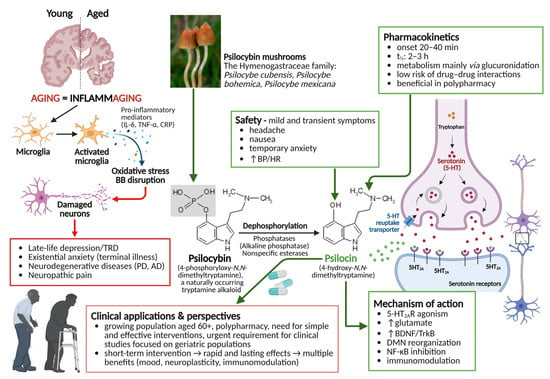
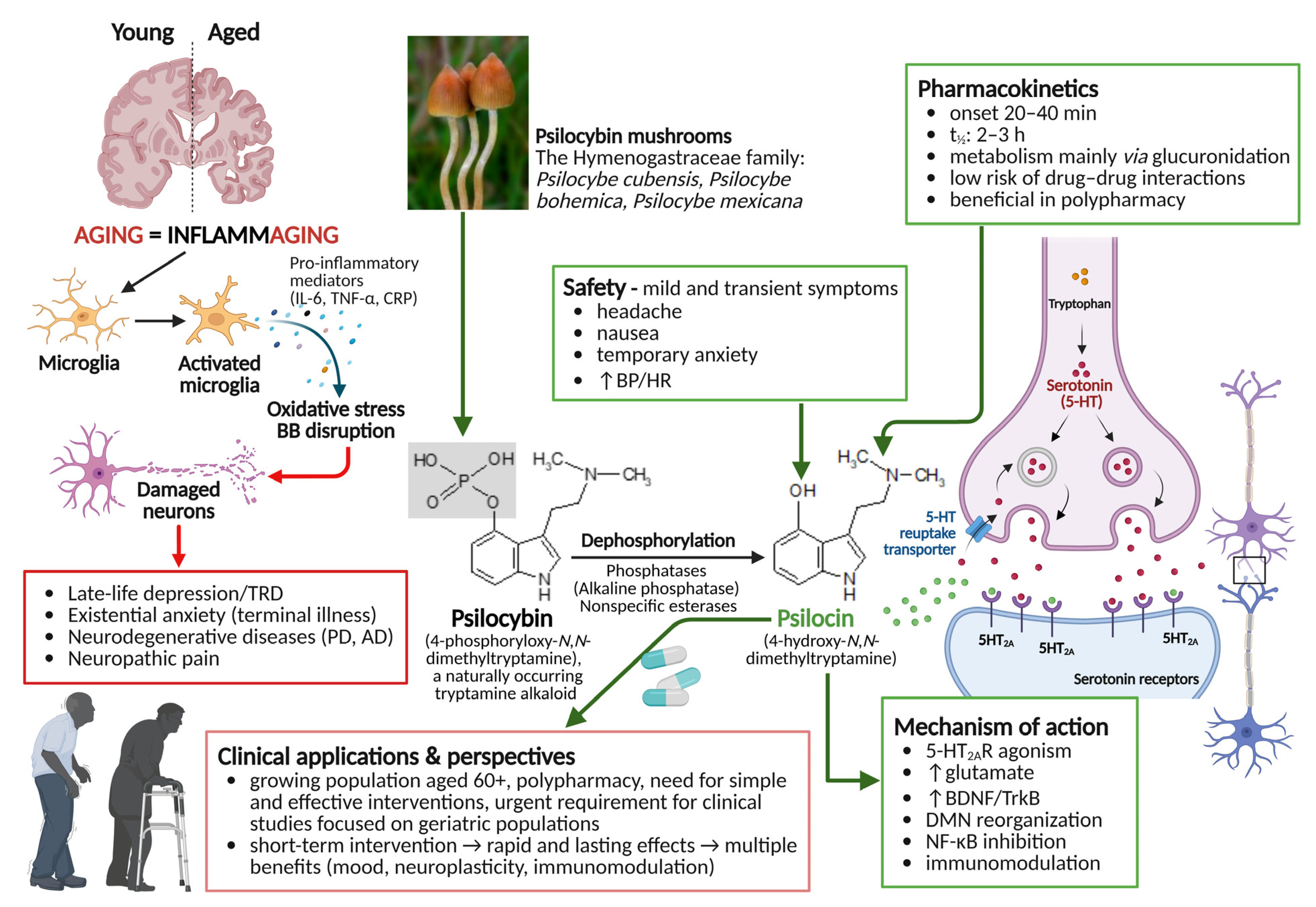
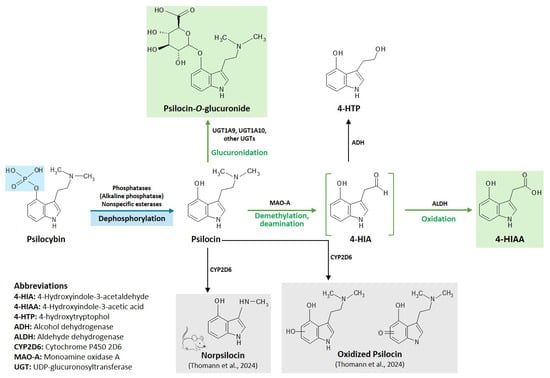
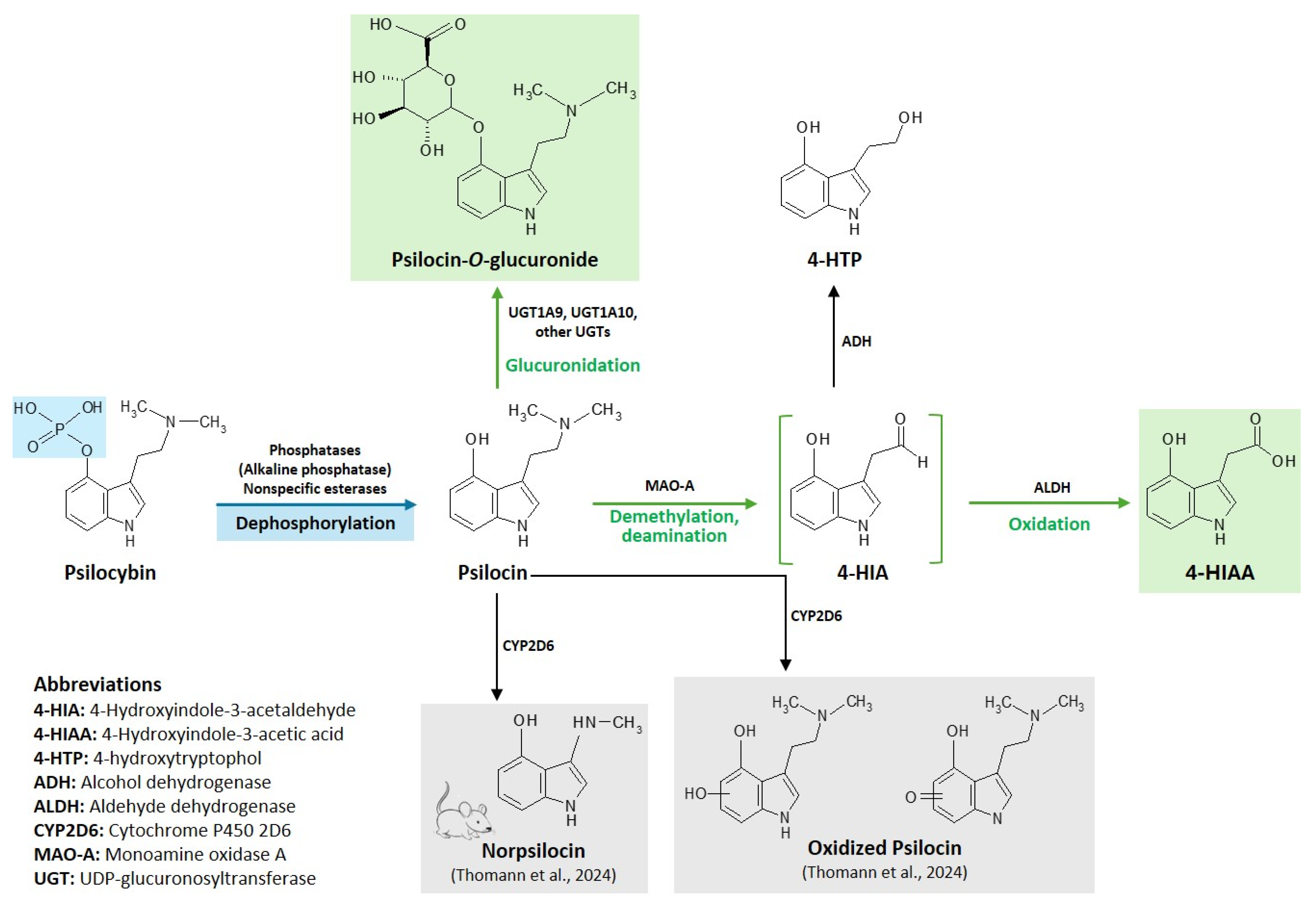
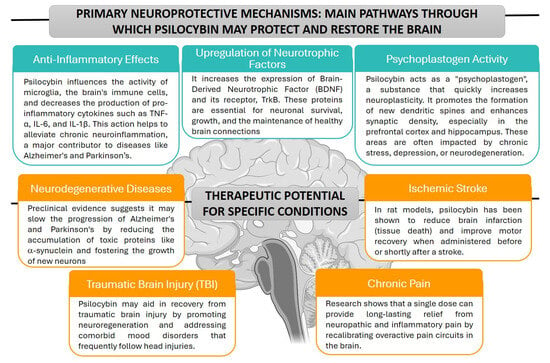
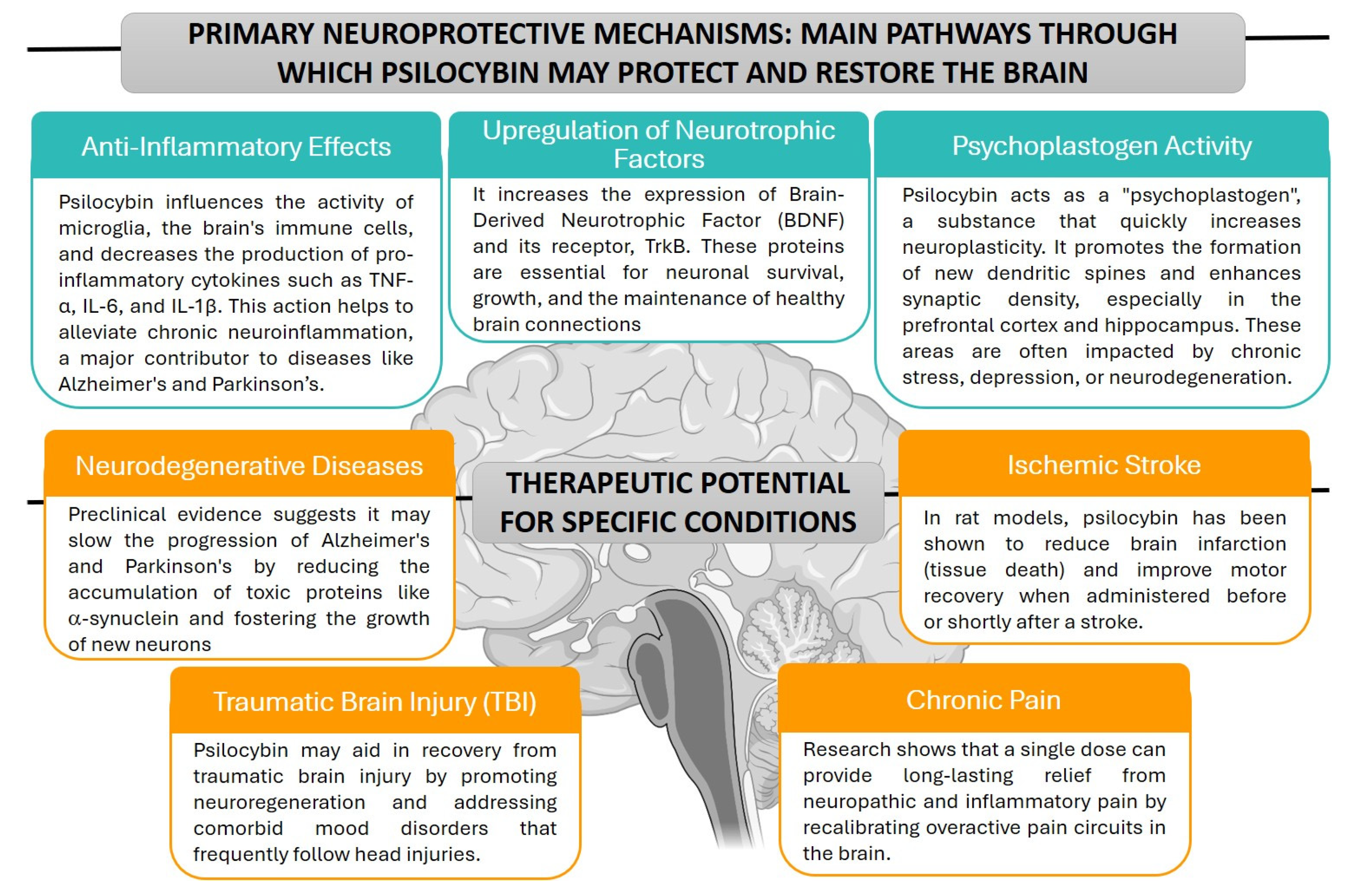

Disclaimer/Publisher’s Note: The statements, opinions and data contained in all publications are solely those of the individual author(s) and contributor(s) and not of MDPI and/or the editor(s). MDPI and/or the editor(s) disclaim responsibility for any injury to people or property resulting from any ideas, methods, instructions or products referred to in the content. |
© 2026 by the authors. Licensee MDPI, Basel, Switzerland. This article is an open access article distributed under the terms and conditions of the Creative Commons Attribution (CC BY) license.