


Abstract
Ginkgo biloba L. is a dioecious medicinal plant that is rich in biologically active substances, including phenolic compounds. This study aimed to determine the optimal conditions for G. biloba seed germination, and to evaluate the effects of initial substrate composition, amino acid biostimulant (AAB) use, and plant sex on the growth and biochemical characteristics of seedlings. Seeds were germinated in six substrate treatments based on soil and sphagnum, with or without the addition of an amino acid biostimulant (AAB). After two months, the seedlings were transplanted into an identical universal potting mix. Germination rates and biometric parameters were assessed, and the sex, photosynthetic pigment content and soluble phenolic compound content of 9-month-old plants were determined. Germination rates ranged from 50% in treatment I (soil) to 100% in treatment VI (sphagnum + AAB). Treatment VI also resulted in the highest mean biometric values during early seedling development. Differences in growth and biochemical characteristics associated with the initial growing conditions were still observed after all seedlings had been transplanted into the same growing medium. Total soluble phenolic compound content ranged from 2.009 ± 0.047 to 3.104 ± 0.082 mg GAE/g fresh weight (FW) and was higher on average in male plants. However, according to Bonferroni-adjusted pairwise comparisons, statistically significant differences between the sexes were found only in treatments I and IV (p < 0.05), whereas in treatments II, III, V, and VI, the differences did not reach statistical significance (p > 0.05). The extent of sex differences depended on the substrate–AAB combination. The content of chlorophylls and carotenoids also depended on the factors under study. Therefore, the composition of the substrate during germination affects not only seed germination but also the subsequent development of G. biloba seedlings. In practice, treatment VI (sphagnum + AAB) shows promise for producing planting stock, whereas soil-containing treatments (I–IV) appear more promising for obtaining plants with higher total soluble phenolic content. Further studies are needed to confirm these findings and to investigate the content of individual biologically active compounds, antioxidant activity, and markers of oxidative stress.
1. Introduction
Ginkgo biloba L. (G. biloba) is a distinctive tree species and the only extant representative of the family Ginkgoaceae (order Ginkgoales). Its ancestors existed hundreds of millions of years ago, which is why it is often referred to as a “living fossil” [1]. Currently, G. biloba is widely cultivated in many countries as an ornamental and medicinal plant. It is a large, deciduous, dioecious tree that reaches 30–40 m in height and has a remarkably long lifespan. A distinctive feature of the plant is its fan-shaped leaves with dichotomous venation [2]. G. biloba is one of the best-known medicinal plants in modern phytotherapy. The primary medicinal raw material is the leaves, which contain a complex mixture of biologically active substances. Among these, flavonoids and terpene lactones are particularly important [3]. The flavonoid fraction primarily consists of flavonol glycosides derived from quercetin, kaempferol, and isorhamnetin, whereas the characteristic terpene lactones include ginkgolides and bilobalide. Proanthocyanidins, phenolic acids, organic acids, and other compounds have also been identified in the leaves. Many phenolic compounds have antioxidant properties that protect plant cells from oxidative stress. The pharmacological properties of G. biloba preparations are due to the combined effects of the compounds found in the leaves. The extracts’ components have been reported to possess antioxidant, anti-inflammatory, neuroprotective, and vasoprotective properties [4,5]. Standardized dry leaf extracts are used to treat certain age-related cognitive impairments and improve quality of life for elderly patients [6,7]. However, the potential benefits of G. biloba preparations should be interpreted with caution, as their effectiveness in preventing dementia or Alzheimer’s disease has not yet been conclusively established [8]. This underscores the need for judicious use of G. biloba preparations, as well as strict quality control and standardization of the raw plant material [9,10]. Standardization is of fundamental importance since the content of biologically active substances in the plant material can vary significantly depending on genotype, age of plants, growing conditions, time of leaf harvest, and processing methods [10,11]. It is also necessary to monitor the content of undesirable components, particularly the potentially toxic ginkgolic acids [12]. The quality of the raw material depends not only on the amount of leaf biomass obtained, but also on the content of target biologically active compounds. It is important to study factors influencing the physiological state of plants and the accumulation of secondary metabolites. Growing conditions during the early stages of development are of particular interest. Substrate composition and nutrient availability can influence seed germination, seedling growth, formation of the photosynthetic apparatus, and subsequently, the metabolic profile of the leaves. However, conditions that are most favorable for germination and vigorous growth are not necessarily optimal for the accumulation of secondary metabolites. Phenolic compounds are important components of plants’ non-enzymatic antioxidant defense, and their accumulation varies in response to environmental conditions [13,14]. When cultivating G. biloba, it is important to consider the plant’s sex. As a dioecious species, G. biloba exhibits physiological and metabolic differences between male and female individuals. These differences in resource allocation among growth, maintenance of the photosynthetic apparatus, and secondary metabolism may affect the content of photosynthetic pigments and phenolic compounds in the leaves. Assessing the combined effects of growing conditions and plant sex is important for understanding the physiology of G. biloba and producing medicinal plant raw materials with more consistent biochemical characteristics. This study aimed to determine the effects of seed germination and early growth conditions on the subsequent development of G. biloba seedlings and the content of photosynthetic pigments and soluble phenolic compounds in their leaves. The study also aimed to assess sex differences in these parameters. Particular attention was paid to establishing whether favourable conditions for seed germination and initial seedling growth also result in higher levels of phenolic compounds at later stages of development.
2. Results
2.1. Seed Germination
2.1.1. Effects of Growing Conditions on Seed Germination and Biometric Parameters of Two-Month-Old G. biloba Seedlings
Before sowing, 10 seeds were dissected, and all were found to contain a fully developed embryo (Figure 1).
Figure 1.
Embryo dissected from a G. biloba seed before sowing.
The growing conditions significantly affected seed germination and the biometric parameters of two-month-old G. biloba seedlings (Table 1). The earliest seedling emergence was observed in treatments V (sphagnum) and VI (sphagnum + AAB), with germination beginning on day 20 after sowing, whereas in treatments I–IV, the first seedlings emerged only on day 30. The highest germination percentages were also recorded in treatments V and VI, reaching 90% and 100%, respectively, compared with 50–75% in the other treatments. The lowest germination percentage (50%) was observed in treatment I (soil). A permutation-based one-way analysis of variance, accounting for three containers per treatment, revealed statistically significant differences in seed germination among the experimental treatments: F(5, 12) = 38.743, p < 0.0001. Thus, the use of sphagnum was associated with earlier seedling emergence and increased germination percentage, with the highest value achieved when sphagnum was combined with AAB. Growing conditions also had a pronounced effect on seedling growth. The highest mean values of all biometric parameters were recorded in treatment VI: shoot length was 6.18 ± 0.33 cm, root length was 6.91 ± 0.36 cm, and root collar diameter was 3.44 ± 0.16 mm. High growth values were also observed in treatment V, with corresponding measurements of 5.30 ± 0.29 cm, 6.55 ± 0.27 cm, and 3.22 ± 0.10 mm. The lowest shoot and root lengths were recorded in treatment III (soil + sphagnum without AAB), at 2.74 ± 0.10 and 4.04 ± 0.16 cm, respectively. The addition of AAB to this substrate (treatment IV) was associated with an increase in shoot length to 5.13 ± 0.28 cm and root length to 5.92 ± 0.28 cm (Table 1, Figure 2).
Table 1.
Biometric parameters of two-month-old G. biloba seedlings under different growing conditions.
Figure 2.
G. biloba seedlings grown in different substrates after two months of cultivation.
Differences between treatments V and VI were also observed in root system development. Lateral roots formed on the taproot in 100% of the seedlings in treatment VI and in 35% of the seedlings in treatment V (Figure 3). This indicates more intensive root system development when sphagnum and AAB were used together. Thus, during the early stage of development, the most favorable germination and growth parameters for seedlings were observed in treatment VI (sphagnum + AAB), which yielded 100% germination, maximum shoot length and root collar diameter, as well as vigorous lateral root formation.
Figure 3.
Lateral root formation in 30-day-old G. biloba seedlings.
2.1.2. Effects of Initial Growing Conditions on the Biometric Parameters of Four-Month-Old G. biloba Seedlings
Four months after sowing, differences among the growing treatments persisted and became more pronounced (Table 2). As at the previous observation stage, the highest values of the biometric parameters were recorded in treatment VI (sphagnum + AAB). In this treatment, mean shoot length was 13.70 ± 0.42 cm, root length was 12.14 ± 0.29 cm, and root collar diameter was 3.50 ± 0.12 mm. Shoot length in treatment VI was significantly greater than in all other treatments. High shoot lengths were also observed in treatments V (12.11 ± 0.31 cm) and IV (11.31 ± 0.31 cm). The greatest root lengths were recorded in treatments V and VI, with no statistically significant difference between them. The lowest shoot and root lengths were observed in treatment I (soil). Root collar diameter showed less variation among treatments (Table 2, Figure 4). Although the mixed-design analysis of variance with repeated measures revealed significant main effects of substrate type (p = 0.005) and AAB application (p = 0.003), pairwise comparisons among the six experimental treatments at four months did not reveal statistically significant differences in this parameter (p > 0.05) (Table 3).
Table 2.
Biometric parameters of four-month-old G. biloba seedlings initially grown in different substrates.
Figure 4.
G. biloba seedlings initially grown in different substrates after four months of cultivation.
Table 3.
Results of the mixed-design ANOVA assessing the effects of time, initial substrate type, and AAB application on the biometric parameters of G. biloba seedlings at two and four months after sowing.
The results of the mixed-design analysis of variance with repeated measures (Mixed ANOVA) revealed a statistically significant effect of time on shoot and root length in G. biloba seedlings (p < 0.001). Substrate type and AAB application had significant effects on all biometric parameters examined (p < 0.05). The significant substrate × AAB interaction for shoot and root length (p < 0.001) indicated that the effect of the biostimulant depended on the growing conditions. Furthermore, the time × AAB interaction was significant for shoot length (p < 0.001), whereas the three-way interaction time × substrate × AAB was significant for root length (p = 0.010). The effect of time on root collar diameter was not statistically significant (p = 0.787) (Table 3, Figure 5).
Figure 5.
Effects of initial substrate type and AAB application on shoot (A) and root (B) length of G. biloba seedlings at two and four months after sowing.
Thus, growing G. biloba seedlings in sphagnum resulted in greater shoot and root growth compared with the soil substrate. Overall, AAB application had a positive effect on seedling growth, although the magnitude of its effect depended on substrate type and observation time. Under the experimental conditions, the combination of sphagnum and AAB proved to be the most favorable treatment, producing the highest mean values of the biometric parameters four months after sowing.
2.2. PCR Analysis of DNA from Nine-Month-Old G. biloba Seedlings
A fragment of the chloroplast rbcL gene (encoding the large subunit of ribulose-1,5-bisphosphate carboxylase/oxygenase) was used as an internal control due to its high copy number (GenBank: NC_016986.1, GeneID: 11935012, positions 59807–61234). The amplified fragment was 427 bp in length. Amplification of the RbcL internal control fragment was successful in all G. biloba DNA samples, confirming the quality of the extracted DNA and its suitability for subsequent sex determination (Figure 6 and Supplementary Materials Figure S1).
Figure 6.
PCR amplification of DNA from G. biloba seedlings using RbcL primers. 1–8—G. biloba seedlings; M—DNA molecular weight marker; C—negative PCR control.
PCR-based sex determination of G. biloba plants was performed using markers described by Liao et al. (2020) [15] and Zhao et al. (2022) [16,17]. Liao et al. (2020) used a 1030 bp fragment of the G. biloba MADS-box protein 18 (MADS18) gene (GenBank: MN548764) for sex determination [15]. For the same purpose, Zhao et al. (2022) developed the GbSD primers based on the sequence of a unique 2.7 Mb region of the putative Y chromosome (chromosome 2), which amplify a 617 bp fragment [17]. BLAST analysis of this fragment revealed partial sequence homology with the gene encoding the MADS-box transcription factor GbMADS9. When the GbSD marker was used with the control plants (I and II), the results were consistent with the sex determined based on reproductive characteristics: the 617 bp fragment was amplified in the male plant but was absent in the female plant. However, when seedlings grown from seeds of a different origin were analyzed, the GbSD results were inconsistent in some cases with those obtained using the male-specific MADS18 marker. As shown in Figure 7, the GbSD marker was detected in all seedlings except seedlings № 6 and 8 (Figure 7A), whereas the MADS18 marker was detected only in seedlings № 1, 3 and 5 (Figure 7B).
Figure 7.
PCR amplification of DNA from G. biloba seedlings using three primer pairs: (A) GbSD, (B) MADS18, and (C) M812. 1–8—G. biloba seedlings; C—negative PCR control; M—DNA molecular weight marker; I—male G. biloba tree; II—female G. biloba tree.
Amplification with the MADS18 primers resulted in nonspecific PCR products in some samples (Figure 7B). Samples № 1, 3 and 5 were positive for the MADS18 marker, containing the expected 1030 bp fragment (indicating male sex), along with additional fragments of approximately 600, 750, 900, and 1500 bp. In addition, samples lacking the expected 1030 bp MADS18 fragment exhibited additional amplification products of approximately 950 and 1050 bp along with other minor nonspecific fragments. The similarity in size between these nonspecific products and the expected fragment considerably complicated the interpretation of PCR results and plant sex determination (Figure 7B). To improve primer annealing specificity for the MADS18 and GbSD markers, PCR conditions were modified by increasing the annealing temperature from 57 °C to 62 °C, reducing the Mg2+ concentration from 2.5 to 1.5 mM, and applying hot-start PCR using BioMaster HS-Taq PCR-Color (2×) (Biolabmix, Novosibirsk, Russia). However, these modifications did not substantially improve amplification specificity. Since the MADS18 primer pair produced nonspecific amplification products and the GbSD primer pair yielded false-positive signals, a new pair of primers targeting a fragment of the MADS18 gene was designed for sex identification, following an approach similar to that described by [15]. Among the tested primer pairs, the best results were obtained with a pair amplifying an 812 bp fragment (M812) (Figure 7C). Subsequently, two primer pairs, MADS18 and M812, were used for sex identification (Supplementary Materials Figures S2 and S3). As shown in Figure 7B,C the MADS18 and M812 primers produced consistent results, providing additional confirmation and increasing the reliability of sex identification. All 50 samples examined either contained both fragments (MADS18 and M812) or lacked both fragments. No ambiguous results were observed (Supplementary Materials Figures S2 and S3). The amplification results are summarized in Table 4.
Table 4.
Male and female G. biloba plants identified using MADS18 and M812 primers.
PCR analysis identified 23 male and 27 female plants. The observed sex ratio did not differ significantly from the expected 1:1 ratio (exact binomial test, p = 0.67).
2.3. Effects of Initial Growing Conditions and Sex on the Biometric Parameters of Nine-Month-Old G. biloba Seedlings
At the early stages of development, the effects of growing conditions on the biometric parameters of G. biloba seedlings were assessed without considering plant sex. At nine months after sowing, a separate sample of 50 seedlings from the same sowing cohort, which had not previously been used for biometric measurements, was additionally examined. This sample included 23 male and 27 female plants. The most pronounced differences among experimental treatments and between plants of different sexes were observed in shoot length (Table 5). The highest values of this parameter were recorded in treatment VI (sphagnum + AAB): 9.11 ± 0.42 cm in male plants and 10.51 ± 0.24 cm in female plants. In treatments I–IV, mean shoot length was greater in male plants, whereas in treatments V and VI, it was greater in female plants. According to pairwise comparisons with Bonferroni correction, statistically significant differences in shoot length between male and female plants were detected in treatments I and II (soil without and with AAB, respectively), as well as in treatment IV (soil + sphagnum with AAB) (p < 0.05). No statistically significant differences between male and female plants were found in treatment III, V, or VI (p > 0.05) (Table 5, Figure 8).
Table 5.
Biometric parameters of nine-month-old male (♂) and female (♀) G. biloba seedlings initially grown in different substrates.
Figure 8.
G. biloba seedlings initially grown in different substrates after nine months of cultivation.
The results of the three-way analysis of variance (Three-way ANOVA) revealed statistically significant effects of substrate type, AAB application, and plant sex on shoot length in nine-month-old G. biloba seedlings (p < 0.001). The substrate × AAB and substrate × sex interactions were also significant (p < 0.001), as was the three-way substrate × AAB × sex interaction (p = 0.036). These findings indicate that the effect of AAB on shoot length depended on the combination of substrate type and plant sex. For root length, significant effects of substrate type and plant sex (p < 0.001), as well as their interaction (p = 0.002), were detected. The highest mean values were recorded in female plants of treatment V (7.08 ± 0.36 cm) and male plants of treatment VI (7.04 ± 0.59 cm). However, the overall effect of AAB did not reach statistical significance (p = 0.061). Despite the significant main effect of plant sex (p < 0.001) and the substrate × sex interaction (p = 0.002), Bonferroni-adjusted pairwise comparisons revealed a significant difference in root length between sexes only in treatment IV (p < 0.05), whereas in the other treatments the differences were not significant (p > 0.05). In contrast to shoot and root length, root collar diameter was not significantly affected by any of the factors examined or their interactions (p > 0.05) (Table 6, Figure 9).
Table 6.
Results of the three-way ANOVA assessing the effects of initial substrate type, AAB application, and plant sex on the biometric parameters of G. biloba seedlings at nine months after sowing.
Figure 9.
Effects of initial substrate type and AAB application on shoot (A) and root (B) length of G. biloba seedlings at nine months after sowing.
Thus, the results showed that shoot and root length in nine-month-old G. biloba seedlings depended on their initial growing conditions and plant sex. The most pronounced differences were observed in shoot length, with the effect of AAB depending on the combination of substrate type and plant sex. A statistically significant substrate × sex interaction was detected for root length, whereas root collar diameter was not significantly affected by any of the factors examined.
2.4. Effects of Initial Growing Conditions and Plant Sex on Photosynthetic Pigment Content in the Leaves of Nine-Month-Old G. biloba Seedlings
Photosynthetic pigment content in the leaves of nine-month-old G. biloba seedlings varied considerably depending on the initial growing conditions (Table 7). The highest chlorophyll and carotenoid contents were recorded in treatment II (soil + AAB). Total chlorophyll a and b content was 12.912 ± 0.174 mg/g fresh weight (FW) in male plants and 12.591 ± 0.146 mg/g FW in female plants. The highest carotenoid content was also observed in this treatment, reaching 1.804 ± 0.031 mg/g FW in male plants and 1.680 ± 0.024 mg/g FW in female plants. The lowest total chlorophyll content was recorded in treatment V (sphagnum): 4.440 ± 0.111 mg/g FW in male plants and in female plants of treatment IV (5.312 ± 0.135 mg/g FW). The lowest carotenoid content was also observed in treatment V, with values of 0.304 ± 0.020 mg/g FW in male plants and 0.489 ± 0.016 mg/g FW in female plants (Table 7).
Table 7.
Photosynthetic pigment content in the leaves of nine-month-old male (♂) and female (♀) G. biloba seedlings initially grown in different substrates.
The results of the three-way analysis of variance (Three-way ANOVA) revealed statistically significant effects of substrate type and AAB application on total chlorophyll and carotenoid content (p < 0.001). A significant main effect of plant sex was also detected for total chlorophyll content (p = 0.023), whereas the effect of sex on carotenoid content was not statistically significant (p = 0.368). For both parameters, significant two-way interactions were found between substrate type and AAB application (substrate × AAB), substrate type and plant sex (substrate × sex), and AAB application and plant sex (AAB × sex) (p < 0.001). The three-way interaction (substrate × AAB × sex) was also significant for both total chlorophyll (p < 0.001) and carotenoid content (p = 0.002) (Table 8). AAB application was associated with increased total chlorophyll and carotenoid content in plants of both sexes initially grown in soil and sphagnum (treatments II and VI compared with I and V, respectively). In contrast, AAB application was associated with decreased levels of both pigments in plants initially grown in a soil-sphagnum mixture (treatment IV compared with III) (Table 8, Figure 10).
Table 8.
Results of the three-way ANOVA assessing the effects of initial substrate type, AAB application, and plant sex on photosynthetic pigment content in the leaves of G. biloba seedlings at nine months after sowing.
Figure 10.
Effects of initial substrate type, AAB application, and plant sex on total chlorophyll (A) and carotenoid (B) content in the leaves of G. biloba seedlings at nine months after sowing.
In treatments I–IV, the mean values of most of the pigments examined were higher in male plants, whereas in treatments V and VI they were higher in female plants. Thus, the photosynthetic pigment content in the leaves of nine-month-old G. biloba seedlings depended on the type of initial substrate and AAB application, while the magnitude and direction of sex-related differences were determined by the combination of growing conditions (Figure 10).
2.5. Effects of Initial Growing Conditions and Plant Sex on Total Soluble Phenolic Content in the Leaves of Nine-Month-Old G. biloba Seedlings
Total soluble phenolic content in the leaves of nine-month-old G. biloba seedlings varied depending on the initial growing conditions and plant sex, ranging from 2.009 to 3.104 mg gallic acid equivalents (GAE)/g fresh weight (FW) (Table 9). The highest value was recorded in male plants of treatment IV (soil + sphagnum + AAB), at 3.104 ± 0.082 mg GAE/g FW, whereas the lowest value was observed in female plants of treatment VI (sphagnum + AAB), at 2.009 ± 0.047 mg GAE/g FW. In all six treatments, mean total soluble phenolic content was higher in male plants than in female plants. However, according to Bonferroni-adjusted pairwise comparisons, statistically significant differences between sexes were detected only in treatments I and IV (p < 0.05), whereas differences in treatments II, III, V, and VI did not reach statistical significance (p > 0.05) (Table 10).
Table 9.
Total soluble phenolic content in the leaves of nine-month-old male (♂) and female (♀) G. biloba seedlings initially grown in different substrates.
Table 10.
Results of the three-way ANOVA assessing the effects of initial substrate type, AAB application, and plant sex on total soluble phenolic content in the leaves of G. biloba seedlings at nine months after sowing.
The results of the three-way analysis of variance (Three-way ANOVA) revealed statistically significant effects of substrate type and plant sex on total soluble phenolic content (p < 0.001). However, the main effect of AAB application was not statistically significant (p = 0.781). Significant interactions were detected between substrate type and AAB application (substrate × AAB; p < 0.001), substrate type and plant sex (substrate × sex; p = 0.016), and substrate type, AAB application, and plant sex (substrate × AAB × sex; p = 0.026). These findings indicate that the effect of the biostimulant AAB depended on the combination of substrate type and plant sex (Table 10, Figure 11).
Figure 11.
Effects of initial substrate type, AAB application, and plant sex on total soluble phenolic content in the leaves of G. biloba seedlings at nine months after sowing.
Overall, treatments containing soil were characterized by higher total soluble phenolic content, whereas the lowest values in plants of both sexes were observed when sphagnum was combined with AAB. In soil-grown plants, AAB application was associated with an increase in mean phenolic content in female plants, while this parameter remained virtually unchanged in male plants. In sphagnum-grown plants, AAB application was associated with a decrease in phenolic content in both sexes (Figure 11).
Thus, total soluble phenolic content in the leaves of nine-month-old G. biloba seedlings depended on initial substrate type and plant sex, while the response to AAB application was determined by the combination of the factors examined. Notably, treatment VI (sphagnum + AAB), which resulted in the highest seed germination percentage and the highest mean biometric values during the early stages of development, was associated with the lowest phenolic content in the leaves of nine-month-old plants.
3. Discussion
3.1. Effects of Initial Germination Conditions and Substrate Type on the Development of G. biloba Seedlings
Seed propagation is one of the main methods for producing G. biloba planting material. However, seed germination can be prolonged and uneven and is strongly influenced by seed physiological status, collection time, and germination conditions. Based on previous studies [18,19], fallen seeds were collected in late November in the present study. After collection, the seeds were cleaned by mechanically removing the remaining sarcotesta, following an approach similar to that described by Koczka et al. [18]. No stratification was performed. Different pre-sowing treatments aimed at improving and accelerating G. biloba seed germination have been described in the literature, including cold stratification [20], hot-water treatment [18,21], and sequential exposure to low temperature and increased air pressure, followed by high temperature and reduced pressure [22]. The effectiveness of these methods may depend on seed origin, maturity, and physiological status, while some require prolonged preparation or specialized equipment. Therefore, developing relatively simple germination conditions that ensure high germination percentages and subsequent normal seedling development is of practical interest. In the present study, germination conditions substantially affected both seed germination and subsequent seedling growth. The most favorable results were obtained in variant VI, where germination reached 100%, and the first seedlings emerged as early as 20 days after sowing. After four months, seedlings in this variant exhibited the greatest shoot length (13.7 cm). High growth parameters were also observed in variant V, indicating the important role of the substrate properties in seed germination and subsequent seedling development. The positive effects observed in treatments V and VI may be primarily associated with the physical properties of sphagnum. Sphagnum are characterized by an exceptionally high water-holding capacity and can retain amounts of water many times greater than their dry weight [23]. This high water-holding capacity results from the combination of a well-developed system of intercellular capillary spaces and large dead hyaline cells in the leaves that absorb and retain water [24]. The use of living sphagnum as a substrate may provide additional advantages related to its ability to acidify the surrounding environment and release water-soluble organic compounds, including phenolic acids [25,26]. Water-soluble compounds released by sphagnum have been shown to alter the activity and structure of associated microbial communities [27], while sphagnum extracts, including those from S. magellanicum, and some of their constituent compounds exhibit antimicrobial activity in vitro [28]. Owing to these properties, sphagnum can create a moist, well-aerated environment with antimicrobial properties, potentially providing favorable conditions for seed imbibition, seedling emergence, and root system development. Peat-based substrates have previously been successfully used for G. biloba seed germination, which is consistent with the findings of the present study. However, previous studies used mixtures of dried peat and field soil collected from beneath the parent trees to ensure the presence of native soil microbiota. These mixtures were moistened before use [29]. In contrast, living sphagnum was used as a substrate in the present study. Moreover, the highest growth parameters were obtained when sphagnum was combined with an amino acid-based biostimulant (AAB) in treatment VI. AAB application was also associated with enhanced seedling growth in other substrate types. After four months, shoot lengths in treatments II, IV, and VI were greater than those in the corresponding treatments without AAB (I, III, and V). However, the magnitude of this effect depended on substrate type, suggesting an interaction between the properties of the growing medium and the action of the biostimulant. The AAB used in this study contains free L-amino acids of plant origin and total nitrogen. The application of amino acid-based biostimulants and protein hydrolysates may influence plant carbon and nitrogen metabolism, enzyme activity, nutrient uptake, and physiological responses to unfavorable environmental conditions [30,31]. Exogenous amino acids can be absorbed by plants and incorporated into organic nitrogen metabolism, as well as serve as precursors for other nitrogen-containing compounds [32]. Therefore, the enhanced seedling growth observed in treatment with AAB may potentially be associated with both the uptake of readily available organic forms of nitrogen and the stimulation of nitrogen metabolism and overall plant metabolic activity. However, in the present study, AAB was applied without an additional nutrient-matched control. The uptake of individual amino acids and parameters of nitrogen metabolism were not directly assessed. Therefore, further studies are required to elucidate the specific mechanisms of AAB action. Interestingly, the pronounced differences in plant growth did not fully correspond to changes in photosynthetic pigment content after nine months of cultivation. The highest chlorophyll and carotenoid contents were observed in variant II, whereas variant VI, which provided the highest germination percentage and high growth parameters during the early stages of development, did not exhibit the highest pigment content. Moreover, the response of the photosynthetic pigment system to AAB application depended on substrate composition: in some variants, AAB addition was associated with increased pigment content, whereas in others, the opposite trend was observed.
Thus, the conditions most favorable for seed germination and vigorous seedling growth did not necessarily result in the highest accumulation of photosynthetic pigments at later stages of development. The results indicate that the combination of conditions used in treatment VI is promising for the production of G. biloba seedlings, as it promoted early seedling emergence, achieved 100% germination, and resulted in high growth values during the initial stages of development. The beneficial effects of this treatment may be associated with the water-retention and antimicrobial properties of sphagnum, as well as the application of a commercial amino acid-based biostimulant (AAB). However, the individual contributions of substrate properties and biostimulant components were not assessed in the present study.
3.2. Sex Determination of G. biloba Using PCR
The early determination of sex in G. biloba is of practical interest because this species has a prolonged juvenile period. It is extremely difficult to distinguish between male and female plants based on their external characteristics before they reach reproductive maturity. However, the development of molecular genetic methods has significantly simplified this task. Liao et al. (2020), using whole-genome resequencing of 100 G. biloba plants (50 males and 50 females), confirmed the XY sex determination system and localized the sex-associated region on chromosome 2 [15]. Lower genetic variability was observed in this region in male plants, consistent with suppressed recombination in sex-specific genomic regions. K-mer analysis (analysis of short DNA sequences of a fixed length) identified sex-specific sequences, most of which were male-specific. Among the assembled male-specific genomic sequences, the authors identified the GbMADS18 gene, which was used to develop PCR primers [15]. These primers were used in the present study. However, additional amplification products were observed alongside the expected fragment in several samples, making interpretation of the results difficult. This does not contradict the reported high conservation of GbMADS18 in male-specific sequences, since target sequence conservation and primer specificity are distinct characteristics. Even a highly conserved region may share sequence similarity with other genomic regions, potentially resulting in nonspecific amplification under certain PCR conditions. To improve PCR specificity, we designed a new primer pair targeting GbMADS18, which provided clearer detection of the target amplification product (M812) under our experimental conditions. Nevertheless, further validation using plants of different origins is required to assess the broad applicability of this primer pair. In the present study, seedlings derived from seeds collected in one region (Adygea) and control plants originating from another region (Sochi) were used, which limits the generalizability of the M812 primer. Additional sequencing of GbMADS18 in representatives of different G. biloba populations would help evaluate variability in primer-binding sites and identify sequences combining high conservation with high amplification specificity. Zhao et al. (2022) developed another sex-specific marker for G. biloba, GbSD, based on the sequence of a unique 2.7 Mb region of the putative Y chromosome (chromosome 2) [17]. First, the authors analyzed resequencing data from 421 plants (130 males and 291 females) and identified a genomic region strongly associated with sex. Subsequently, following additional sequencing of the male genome, they identified approximately 2.7 Mb of sequences present in male plants but absent from the female reference genome. Regions within these male-specific sequences were then selected for the development of the GbSD PCR markers. The patent does not indicate that the GbSD sequence belongs to any particular annotated gene, and its biological function has not been described. This distinguishes GbSD from the GbMADS18 marker, which was developed based on an annotated gene belonging to the MADS-box family [17]. When the GbSD marker was tested on control plants originally obtained as seedlings from Sochi (Russia), the results were consistent with the sex determined from reproductive characteristics: an approximately 617 bp fragment was amplified in the male plant but was absent in the female plant. However, when seedlings grown from seeds of Adygea (Russia) origin were analyzed, the GbSD results were inconsistent in some cases with those obtained using the MADS18 marker, despite increasing the annealing temperature, reducing the Mg2+ concentration, and applying hot-start PCR. Since the GbSD marker was developed from a sequence identified as Y-chromosome-specific, the observed discrepancies may be associated with genetic polymorphism in this region among plants of different geographical origins. Sequencing of the amplicons obtained with the GbSD primers is necessary to test this hypothesis.
3.3. Effects of Initial Growing Conditions, Plant Age, and Sex on Phenolic Compound Content
The accumulation of phenolic compounds in G. biloba leaves depends on several factors, including plant age, leaf developmental stage, harvesting season, growing conditions, and plant sex. The effects of individual factors may vary considerably, which is likely one of the reasons for the conflicting reports on flavonoid and other secondary metabolite contents in male and female plants. Pronounced seasonal variation was demonstrated in early studies. Fan et al. (1998) reported that flavonol glycoside content was highest in May (0.96%), gradually decreased thereafter, and remained at approximately 0.5% from August to November, reaching its lowest value in fallen leaves (0.44%) [33]. More recent studies have confirmed that not only the total content of individual groups of compounds but also the relative proportions of different flavonoid metabolites change throughout the growing season. Guo et al. (2022), using untargeted LC-MS metabolomics, demonstrated that individual flavonoids may exhibit opposite seasonal patterns [34]. Moreover, differences among developmental stages were more pronounced than those between male and female plants. Thus, the timing of leaf sampling is an important factor that should be considered when comparing their chemical composition [34]. Seasonal changes may also influence the magnitude of sex-related differences. Zhao et al. (2026) showed that flavonoid content was higher in male plants at the green-leaf stage, whereas this trend was reversed during leaf yellowing: flavonoid content decreased in male plants but remained relatively stable in female plants [35]. Consequently, higher values were observed in female plants at the later stage of leaf development. Therefore, the advantage of either sex in flavonoid accumulation is not constant and may change throughout the growing season [35]. Plant age also has a substantial influence on the chemical composition of G. biloba leaves. Yao et al. (2012) reported that the highest contents of flavonol glycosides and terpene lactones were found in the leaves of one- to three-year-old G. biloba plants, whereas their contents generally decreased with increasing tree age [36]. Therefore, plant age should be considered when comparing results from different studies. This is particularly important for the present study, which was conducted on young seedlings, since our findings should not be directly extrapolated to reproductively mature trees. The available evidence regarding the influence of plant sex on secondary metabolite accumulation in G. biloba is inconsistent. Several studies have reported higher flavonoid contents in female plants. Liao et al. (2020) found higher expression levels of several genes involved in flavonoid biosynthesis, as well as higher catechin and epicatechin contents, in young female plants [15]. Gao et al. (2024), studying an F1 hybrid population, also reported significantly higher total flavonoid content in female seedlings than in male seedlings (18.89 ± 1.47 vs. 16.93 ± 1.04 mg/g, respectively) [16]. Fu et al. (2024) observed a similar trend: the contents of terpene lactones, flavonol glycosides, and most of their major components were higher in the leaves of female plants, although statistically significant sex-related differences were detected only for quercetin [37].
In contrast, other studies have reported greater accumulation of phenolic compounds in male plants. Fan et al. (1998) found higher flavonol glycoside content in the leaves of male trees [33]. Yao et al. (2012) also found higher total flavonol glycoside and terpene lactone contents in the leaves of male plants compared with female plants [36]. Stefanovits-Bányai et al. (2006) reported higher total polyphenol content in the leaves of male G. biloba trees [38]. When recalculated on a fresh weight basis, the values reported by the authors were 14.91 mg gallic acid equivalents (GAE)/g in male trees and 10.39 mg GAE/g in female trees [38]. Koczka et al. (2015) also found higher phenolic compound content in the leaves of male trees (21.40–79.77 mg GAE/g dry weight) compared with female trees (16.46–55.22 mg GAE/g dry weight) [39]. In both studies, the results depended on the extraction method. Stefanovits-Bányai et al. (2006) reported that phenolic content was consistent with the antioxidant parameters [38]. Koczka et al. (2015) also identified a positive correlation between phenolic content and the antioxidant activity of the extracts [39]. The results of the present study are consistent with these findings in terms of the overall direction of sex-related differences. In all experimental treatments, the mean total soluble phenolic content was higher in male seedlings than in female seedlings. However, the magnitude and statistical significance of these differences depended on the combination of initial substrate type and AAB application, as confirmed by a significant three-way interaction (p = 0.026). The highest phenolic content was recorded in male plants of treatment IV (3.104 mg GAE/g fresh weight), whereas the lowest values for both sexes were observed in treatment VI (2.192 and 2.009 mg GAE/g fresh weight in male and female plants, respectively). Direct quantitative comparison of these results with those reported by [38,39] is limited by differences in plant age, growing conditions, sample preparation and extraction procedures, analytical methods, and units of measurement. In particular, the Folin–Denis method was used in the present study, whereas the Folin–Ciocalteu method was employed in the aforementioned studies. Although Nikolaeva et al. (2021) demonstrated that the two methods can yield comparable results under appropriately optimized analytical conditions [40], the influence of the analytical procedure on the observed differences cannot be excluded without a direct comparison of the methods using the same samples. Furthermore, the Folin–Denis method is not strictly specific to phenolic compounds, as other reducing substances, particularly ascorbic acid and reducing sugars, may also react with the reagent [41,42,43]. Their potential contribution to the results of the present study was not assessed. Therefore, the values obtained should be regarded as estimates of total soluble phenolic content rather than direct measurements of specific pharmacologically relevant constituents of G. biloba, including flavonol glycosides and terpene lactones. The observed differences also do not allow conclusions to be drawn regarding the antioxidant activity or medicinal value of the investigated plants without additional analyses. Further studies using high-performance liquid chromatography (HPLC) or liquid chromatography–mass spectrometry (LC-MS) would be required to determine the concentrations of individual bioactive compounds. The influence of environmental conditions on secondary metabolism in G. biloba is also supported by previous studies. Guo et al. (2020), investigating clonally propagated male and female G. biloba plants under different environmental and climatic conditions, identified pronounced changes in the transcriptome and metabolome, including metabolic pathways associated with flavonoid biosynthesis [44]. When plants were grown under the same conditions, sex-related differences in gene expression were considerably less pronounced, and overall gene expression patterns were more strongly influenced by environmental conditions [44]. These observations are consistent with the dependence of phenolic compound content on initial growing conditions observed in the present study. Thus, plant sex should be considered one of the factors associated with phenolic compound accumulation in G. biloba, with the magnitude of its effect depending on growing conditions, plant age, leaf collection time, environmental conditions, genotypic characteristics, and differences in the composition of the metabolites analyzed.
4. Materials and Methods
4.1. Seed Germination and Seedling Cultivation
4.1.1. Seed Germination Conditions, Substrate Treatments, and Substrate Preparation
Seeds of G. biloba (harvested in late November 2025) were collected from mother trees growing at a private nursery in the foothill zone of the North-Western Caucasus (Abadzekhskaya, Maykopsky District, Republic of Adygea, Russia; 44°23′ N, 40°13′ E, USDA hardiness zone 6a). The seeds were sown immediately upon receipt without prior storage. Prior to sowing, 10 seeds were dissected, and the presence of an embryo in each seed was assessed visually. Germination was carried out in 1000-mL plastic containers. Each container was filled with 500 g of substrate. The substrate consisted of a universal potting soil and sphagnum (Sphagnum magellanicum). According to the manufacturer’s specifications, the universal potting soil (Garden Star, Saint Petersburg, Russia) had a pH range of 5.5–6.5 and a moisture content of 55%. Potting soil nutrient content was 300 mg/100 L of nitrogen (N), 300 mg/100 L of phosphorus (P), and 400 mg/100 L of potassium (K). The sphagnum was added fresh, green, and unprocessed (ErtsevDrev; sole proprietor A. A. Ertsev; Russia). An invention patent application has been filed for this method. Three substrate treatments were studied: soil; a mixture of soil and sphagnum (1:1, w/w); and sphagnum alone. Each variant was tested with and without a biostimulant containing amino acids (AAB), resulting in six experimental treatments (Table 11).
Table 11.
Substrate treatments used for seed germination.
The commercial preparation Protium12 (Fertival, Villena, Spain) was used as the AAB. It contains 12% (w/w) free L-amino acids, 3% (w/w) total nitrogen (N) and 72.9% (w/w) organic matter. According to the manufacturer, the free amino acids were obtained through the enzymatic hydrolysis of plant materials. The product is intended to stimulate vegetative growth and increase plant resistance to adverse conditions. Prior to sowing, the substrates for treatments I, III and V were moistened with 150 mL of distilled water, while the substrates for treatments II, IV and VI were moistened with the same volume of an aqueous AAB solution at a concentration of 5 mL/L.
4.1.2. Seedling Cultivation and Growth Assessment
For each substrate treatment, 60 seeds were sown in three containers, with 20 seeds per container. The seeds were germinated in a phytotron chamber at 21 ± 1 °C under a 16 h photoperiod. Illumination was provided by white fluorescent lamps at a light intensity of 3000 lx. After 60 days, 30 seedlings were selected from each treatment (for the soil treatment, these represented all seedlings that had germinated). For the remaining treatments, efforts were made to select approximately equal numbers of seedlings from each container. Of the 30 selected seedlings, 20 were used for biometric measurements, while the remaining 10 were reserved for subsequent investigations. Shoot length (cm), root length (cm), and root collar diameter (mm) were measured in two-month-old seedlings. For these measurements, the plants were carefully removed from the substrate. Subsequently, all 30 seedlings from each treatment were transplanted into individual pots containing universal potting soil (Garden Star, Saint Petersburg, Russia). The seedlings were then grown in a greenhouse at 20–25 °C, a relative humidity of 60–70%, a 16 h photoperiod, and a light intensity of 3000 lx. No additional fertilizers or amino acid-based biostimulant were applied after transplantation. Four months after sowing, the biometric parameters were reassessed in the same 20 seedlings from each experimental treatment. Before measurement, the plants were carefully removed from the soil, taking care to preserve the integrity of the root systems. The seedlings were subsequently replanted in pots; however, they either died or exhibited severely impaired growth, making it impossible to continue the experiment with these plants. A separate cohort of seedlings from the same sowing, which had not previously been subjected to biometric measurements, was used for the investigation of nine-month-old plants. At the time of assessment, 50 plants originally germinated under the six substrate treatments had survived. For each plant, shoot length (cm), root length (cm), and root collar diameter (mm) were measured. In addition, plant sex was determined by PCR, and the contents of photosynthetic pigments and total soluble phenolic compounds in the leaves were assessed.
4.2. Sex Determination of Nine-Month-Old G. biloba Seedlings Using PCR
4.2.1. DNA Extraction
DNA was extracted from nine-month-old seedlings obtained from six germination treatments (see Table 11). Fifty G. biloba plants were used for analysis. DNA was extracted from 10 mg of leaf tissue. To extract G. biloba DNA suitable for subsequent amplification, a modified protocol based on Devey et al. (1996) was used, incorporating 10% polyvinylpyrrolidone (MW 40,000) to bind polyphenolic compounds [45]. The protocol was adapted for small volumes. The quality and quantity of the extracted DNA were assessed using a Varian Cary 50 Tablet Bio UV–Visible Spectrophotometer (Varian Australia Pty Ltd., Mulgrave, VIC, Australia).
4.2.2. DNA Amplification
PCR amplification was performed in a 25 µL reaction mixture containing 0.25 µM of each primer (Litekh, Moscow, Russia), 0.25 mM of each dNTP, 2 U of Taq DNA polymerase, and 1× PCR buffer (70 mM Tris-HCl, pH 8.6, 16.6 mM (NH4)2SO4, and 2.5 mM MgCl2; Sileks, Moscow, Russia). A total of 30 ng of extracted DNA was added to each reaction, and the mixture was overlaid with 50 µL of mineral oil. To check for PCR contamination, a negative control (C-) was prepared by replacing the template DNA with water. Amplification was carried out using a programmable MC2 thermal cycler (DNA-Technology, Protvino, Russia). DNA from a G. biloba tree identified as male based on reproductive characteristics (I) was used as a positive control for amplification with the MADS18, GbSD and M812 primers. DNA from a G. biloba tree identified as female based on reproductive characteristics (II) was used as an additional negative control with the MADS18, GbSD and M812 primers. For PCR-based sex determination, samples containing both the MADS18 (1030 bp) and M812 (812 bp) diagnostic fragments were classified as male, whereas samples lacking both fragments were classified as female. The following PCR conditions and primers were used (Table 12):
Table 12.
Primers, PCR amplification conditions, and expected amplicon sizes.
The following PCR conditions and primers were used. The RbcL primers (internal control, 427 bp) were F: 5′-TGCCGAATCTTCCACTGGTACA-3′ and R: 5′-TAGTAAATCAAGTCCACCACGAA-3′. The amplification program consisted of initial denaturation at 94 °C for 2 min; 5 cycles of denaturation at 94 °C for 20 s, annealing at 62 °C for 10 s, and extension at 72 °C for 10 s; 35 cycles of denaturation at 94 °C for 5 s, annealing at 62 °C for 5 s, and extension at 72 °C for 5 s; and final extension at 72 °C for 2 min. The MADS18 primers (sex determination, 1030 bp) were F: 5′-TATAATTGGGGATGAGCTTTA-3′ and R: 5′-GGGGTGCAAGACAATTTT-3′ [15]. The M812 primers (sex determination, 812 bp) were F: 5′-GCCAACTATGATAACTATCTTCTG-3′ and R: 5′-TAGAAAAATATATGCAGATAAATGTTTGTG-3′. The amplification program for both primer pairs consisted of initial denaturation at 94 °C for 5 min; 32 cycles of denaturation at 94 °C for 30 s, annealing at 57 °C for 30 s, and extension at 72 °C for 45 s; and final extension at 72 °C for 5 min. The GbSD primers (sex determination, 617 bp) were F: 5′-TCAAGACACATAAAAACGCAATG-3′ and R: 5′-GGTGCATTCAACATTGTACACC-3′. The amplification program consisted of initial denaturation at 98 °C for 3 min; 35 cycles of denaturation at 98 °C for 10 s, annealing at 62 °C for 10 s, and extension at 72 °C for 20 s; and final extension at 72 °C for 2 min [16].
4.2.3. Gel Electrophoresis
Amplification products were separated by electrophoresis in a 2% agarose gel using TBE buffer under a constant electric field. DNA was visualized by ethidium bromide staining under ultraviolet (UV) light. The Step100 Long DNA ladder (Biolabmix, Novosibirsk, Russia) was used as a molecular weight marker (M).
4.3. Determination of Photosynthetic Pigments in Nine-Month-Old Seedlings
Photosynthetic pigment content was determined in the leaves of nine-month-old G. biloba seedlings initially grown under different substrate treatments (n = 50 plants). Chlorophyll a, chlorophyll b, total chlorophyll (a + b), and carotenoids were determined in freshly collected leaf samples. For each plant, three leaves were collected and thoroughly homogenized in a porcelain mortar at room temperature (23 ± 1 °C) to obtain a uniform homogenate. Three subsamples of 0.1 g each were taken from the homogenate (three analytical replicates). To each subsample, 10 mL of 95% ethanol was added, and extraction was carried out in the dark at +4 °C for 2 h. The extracts were then filtered through filter paper, and the volume of each filtrate was adjusted to 10 mL. Before absorbance measurements, the extracts were allowed to equilibrate at room temperature for 10 min. Absorbance was measured using a Varian Cary 50 Tablet Bio UV–Visible spectrophotometer (Varian Australia Pty Ltd., Mulgrave, VIC, Australia) at wavelengths of 665, 649, and 470 nm for the determination of chlorophyll a, chlorophyll b, and carotenoids, respectively. The concentrations of photosynthetic pigments in the extracts were calculated using the equations reported by Lichtenthaler (1987) [46], with absorbance measured at 665, 649, and 470 nm:
where D665, D649, and D470 represent the absorbance of the extracts at the corresponding wavelengths; Ca and Cβ are the concentrations of chlorophyll a and b, respectively; Ca+β is the total concentration of chlorophyll a and b; and Ck is the total carotenoid concentration (mg/L). The pigment content in the leaves was calculated using the following equation:
where A is the content of the corresponding pigment in the leaf tissue (mg/g fresh weight); C is the pigment concentration in the extract (mg/L); V is the total volume of the extract (mL); and m is the mass of the plant material sample (g).
Chlorophyll a: Ca = 13.36 D665 − 5.19 D649
Chlorophyll b: Cβ = 27.43 D649 − 8.12 D665
Total chlorophylls (a + b): Ca+β = 5.24 D665 + 22.24 D649
Carotenoids: Ck = (1000 D 470 − 2.13 Ca − 97.64 Cβ)/209
A = CV/(1000 m),
4.4. Determination of Total Phenolic Content in Nine-Month-Old Seedlings
Total soluble phenolic content was determined in the leaves of nine-month-old G. biloba seedlings initially grown under different substrate treatments (n = 50 plants). For analysis, three leaves were collected from each plant and thoroughly homogenized in a porcelain mortar to obtain a uniform homogenate at room temperature (23 ± 1 °C). Three subsamples of 0.1 g each were taken from the resulting homogenate (three analytical replicates). To each subsample, 10 mL of cold 96% ethanol was added. Extraction was carried out in the dark at +4 °C for 2 h with occasional shaking. The extracts were then centrifuged at 10,000 × g for 2 min to remove the sediment. The supernatant was separated from the sediment, and its volume was adjusted to 10 mL with 96% ethanol. For the colorimetric reaction, 0.075 mL of the supernatant was mixed with 0.075 mL of Folin–Denis reagent. After 3 min, 0.150 mL of 20% Na2CO3 solution and 1.200 mL of distilled water were added. The reaction mixture was thoroughly mixed and incubated in the dark at 23 ± 1 °C for 1 h. The absorbance of the solutions was measured at 725 nm using a Varian Cary 50 Tablet Bio UV–Visible spectrophotometer (Varian Australia Pty Ltd., Mulgrave, VIC, Australia) equipped with cuvettes featuring a narrow optical window and a 1 cm optical path length [40,47]. Total soluble phenolic content was quantified using a calibration curve constructed with gallic acid standard solutions (Serva, Heidelberg, Germany) over a concentration range of 10–150 µg/mL. The standard solutions were subjected to the same colorimetric reaction as the sample extracts. Total soluble phenolic content was calculated using the following equation:
where TPC is the total soluble phenolic content, mg gallic acid equivalents per gram of fresh weight (mg GAE/g FW); C is the concentration of gallic acid equivalents determined from the calibration curve and expressed relative to the original extract, µg/mL; Ve is the total volume of the original extract, mL; m is the mass of the plant material sample, g; and 1000 is the conversion factor from µg to mg. The results were expressed as milligrams of gallic acid equivalents per gram of leaf fresh weight (mg GAE/g FW).
TPC = (C × Ve)/1000 × m,
When Ve = 10 mL and m = 0.1 g, the equation simplifies to: TPC = C × 0.1 [47].
4.5. Statistical Analysis
4.5.1. General Principles of Statistical Analysis
Statistical analyses were performed using IBM SPSS Statistics version 27.0 (IBM Corp., Armonk, NY, USA). Individual plants were considered biological observational units for biometric and biochemical analyses. For parameters measured in three analytical replicates, the mean value was calculated for each plant prior to statistical analysis. Results were expressed as the mean ± standard error (M ± SE). At each observation time point, differences among experimental groups were assessed using one-way analysis of variance (One-way ANOVA), followed by Bonferroni-adjusted pairwise comparisons. These comparisons were used to assign lowercase significance letters in Table 1, Table 2, Table 5, Table 7 and Table 9. Six experimental groups were compared at two and four months, whereas 12 groups, defined by treatment and plant sex, were compared at nine months. The original container identity of individual plants was not included in these analyses.
4.5.2. Analysis of Seed Germination
Seed germination was assessed using three containers per treatment, with 20 seeds in each container. Differences in germination percentages among the six treatments were evaluated using a permutation-based one-way ANOVA, with individual containers considered the units of replication. The F-statistic was used as the test statistic, and statistical significance was assessed using 1,000,000 random permutations. Statistical analyses were performed using IBM SPSS Statistics version 27.0 (IBM Corp., Armonk, NY, USA).
4.5.3. Analysis of Biometric Parameters in Two- and Four-Month-Old Seedlings
Biometric analyses were performed using data from 120 seedlings distributed among six experimental treatments (20 plants per treatment). Shoot length, root length, and root collar diameter were measured in the same plants at 2 and 4 months after sowing. To evaluate the effects of substrate type and AAB application on changes in biometric parameters over time, a mixed analysis of variance with repeated measures (Mixed ANOVA) was performed. Time (2 and 4 months) was considered the within-subject factor, whereas initial substrate type (soil, soil–sphagnum mixture, and sphagnum) and AAB application (without or with treatment) were considered between-subject factors. The main effects of these factors and their two-way and three-way interactions were evaluated.
4.5.4. Analysis of Biometric and Biochemical Parameters in Nine-Month-Old Seedlings
A separate group of 50 seedlings from the same sowing cohort, which had not been included in the previous biometric measurements, was used for the analysis of nine-month-old plants. Following the initial germination period, all plants were grown in the same universal potting soil without further AAB application. Twelve experimental groups, comprising 3–6 plants each, were defined according to the combination of initial substrate type, AAB application, and plant sex. A three-way analysis of variance (Three-way ANOVA) was performed to evaluate the effects of the investigated factors. Initial substrate type (three levels), AAB application during the germination stage (two levels), and plant sex (two levels) were considered fixed factors. Separate models were fitted for shoot length, root length, root collar diameter, total chlorophyll content, carotenoid content, and total soluble phenolic content. The main effects of each factor, as well as their two-way and three-way interactions, were evaluated. Type III sums of squares were used to account for unequal group sizes.
4.5.5. Analysis of the Sex Ratio
A two-sided exact binomial test was used to determine whether the observed ratio of male to female plants differed significantly from the expected 1:1 ratio. The null hypothesis assumed equal probabilities of male and female plants (p0 = 0.5). The analysis included 50 nine-month-old seedlings whose sex had been determined by PCR.
4.5.6. Assessment of Statistical Assumptions and Significance
The assumptions of the ANOVA models were evaluated by examining residual distributions and homogeneity of variances. Residual normality was assessed using the Shapiro–Wilk test and diagnostic plots, whereas homogeneity of variances was evaluated using Levene’s test. Where appropriate, follow-up comparisons of estimated marginal means (EMMs) from factorial ANOVA models were performed with Bonferroni adjustment within the corresponding families of comparisons. These comparisons were interpreted separately from the pairwise comparisons used to assign significance letters in the descriptive tables. Partial eta-squared (η2p) was calculated to quantify effect sizes. Statistical significance was set at p < 0.05.
5. Limitations
It should be noted that the experiment was conducted under a single set of controlled environmental conditions, without independent replication of the growing environment, which limits the generalizability of the results to other cultivation conditions for G. biloba. Furthermore, due to the limited number of available seeds, the commercial amino acid-based biostimulant (AAB) was applied at only one concentration (5 mL/L), as recommended by the manufacturer. Therefore, it was not possible to determine the optimal AAB concentration. Further studies involving independent replication of growing environments and a range of AAB concentrations are needed to confirm and extend the present findings. Although seed germination was analyzed using containers as units of replication, container identity could not be incorporated into the subsequent biometric and biochemical analyses. Therefore, potential within-container dependence may have affected the precision of the statistical estimates.
6. Conclusions
The present study demonstrated that initial growing conditions affected seed germination, growth, and biochemical characteristics of G. biloba seedlings. Treatment VI (sphagnum + AAB) was the most favorable for seed germination and early growth, achieving 100% germination and high biometric values. However, the lowest total soluble phenolic content in the leaves of nine-month-old plants was recorded in this treatment. Total soluble phenolic content was significantly affected by both initial substrate type (p < 0.001) and plant sex (p < 0.001), while the magnitude of sex-related differences depended on the combination of substrate type and AAB application (p = 0.026). Soil-containing substrates may be of interest for obtaining plants with relatively high total soluble phenolic content. The highest mean total soluble phenolic content was observed in male seedlings of treatment IV (soil + sphagnum + AAB), although this value was not significantly different from those recorded in treatments I-III. These findings suggest that substrate composition and AAB application may influence phenolic accumulation differently depending on plant sex. However, total soluble phenolic content alone cannot establish the medicinal value of the resulting plant material, since individual bioactive compounds, antioxidant activity, and leaf biomass production were not evaluated. Further studies should therefore focus on identifying and quantifying specific bioactive compounds, assessing their biological activities, and optimizing cultivation conditions, including hydroponic cultivation and in vitro culture, to obtain plant material with standardized concentrations of target compounds.
Supplementary Materials
The following supporting information can be downloaded at: https://www.mdpi.com/article/10.3390/molecules31224227/s1. Figure S1: PCR amplification of DNA from G. biloba seedlings (1–8 and 29–50) using RbcL primers. Figure S2: PCR amplification of DNA from G. biloba seedlings (1–24) using MADS18 and M812 primers. Figure S3: PCR amplification of DNA from G. biloba seedlings (25–50) using MADS18 and M812 primers.
Author Contributions
Conceptualization: E.A.K., E.S.O., R.N.K., E.A.G., O.S.N.; methodology: E.A.K., E.S.O., R.N.K., E.A.G., O.S.N.; resources: E.A.K., E.S.O., R.N.K., E.A.G., O.S.N.; experimental work: E.A.K., E.S.O., O.S.N. (additional contribution: R.N.K., E.A.G.); data analysis: E.A.K., E.S.O., O.S.N. (additional contribution: R.N.K., E.A.G.); writing—original draft: E.A.K., E.S.O., O.S.N. (additional contribution: R.N.K., E.A.G.); writing—review & editing: E.A.K., E.S.O., R.N.K., E.A.G., O.S.N. All authors have read and agreed to the published version of the manuscript.
Funding
The research was carried out within the state assignment of Ministry of Science and Higher Education of the Russian Federation (theme No. 126012615951-9).
Institutional Review Board Statement
Not applicable.
Informed Consent Statement
Not applicable.
Data Availability Statement
The data presented in this study are available upon request from the corresponding author.
Acknowledgments
The authors would like to thank Raldugina G.N. for her help with the analysis of photosynthetic pigments in nine-month-old G. biloba seedlings.
Conflicts of Interest
The authors declare no conflicts of interest.
References
- Zhou, Z.; Zheng, S. The missing link in Ginkgo evolution. Nature 2003, 423, 821–822. [Google Scholar] [CrossRef] [Scilit]
- Lin, H.-Y.; Li, W.-H.; Lin, C.-F.; Wu, H.-R.; Zhao, Y.-P. International Biological Flora: Ginkgo biloba. J. Ecol. 2022, 110, 951–982. [Google Scholar] [CrossRef] [Scilit]
- Singh, B.; Kaur, P.; Gopichand; Singh, R.D.; Ahuja, P.S. Biology and Chemistry of Ginkgo biloba. Fitoterapia 2008, 79, 401–418. [Google Scholar] [CrossRef] [Scilit]
- Rather, L.J.; Mir, S.S.; Ganie, S.A.; Assiri, M.A.; Li, Q. Ginkgo biloba: The Traditional Use, Phytochemistry, Pharmacology, and Therapeutic Applications. Am. J. Chin. Med. 2025, 53, 2403–2434. [Google Scholar] [CrossRef] [Scilit]
- Tabassum, N.E.; Das, R.; Lami, M.S.; Chakraborty, A.J.; Mitra, S.; Tallei, T.E.; Idroes, R.; Mohamed, A.A.; Hossain, M.J.; Dhama, K.; et al. Ginkgo biloba: A Treasure of Functional Phytochemicals with Multimedicinal Applications. Evid.-Based Complement. Altern. Med. 2022, 2022, 8288818. [Google Scholar] [CrossRef] [Scilit]
- Herrschaft, H.; Nacu, A.; Likhachev, S.; Sholomov, I.; Hoerr, R.; Schlaefke, S. Ginkgo biloba Extract EGb 761® in Dementia with Neuropsychiatric Features: A Randomised, Placebo-Controlled Trial to Confirm the Efficacy and Safety of a Daily Dose of 240 mg. J. Psychiatr. Res. 2012, 46, 716–723. [Google Scholar] [CrossRef] [Scilit]
- Riepe, M.; Hoerr, R.; Schlaefke, S. Ginkgo biloba Extract EGb 761 Is Safe and Effective in the Treatment of Mild Dementia—A Meta-Analysis of Patient Subgroups in Randomised Controlled Trials. World J. Biol. Psychiatry 2025, 26, 119–129. [Google Scholar] [CrossRef] [Scilit]
- DeKosky, S.T.; Williamson, J.D.; Fitzpatrick, A.L.; Kronmal, R.A.; Ives, D.G.; Saxton, J.A.; Lopez, O.L.; Burke, G.; Carlson, M.C.; Fried, L.P.; et al. Ginkgo biloba for Prevention of Dementia: A Randomized Controlled Trial. JAMA 2008, 300, 2253–2262. [Google Scholar] [CrossRef] [Scilit]
- Liu, L.; Wang, Y.; Zhang, J.; Wang, S. Advances in the Chemical Constituents and Chemical Analysis of Ginkgo biloba Leaf, Extract, and Phytopharmaceuticals. J. Pharm. Biomed. Anal. 2021, 193, 113704. [Google Scholar] [CrossRef] [Scilit]
- Liu, X.-G.; Lu, X.; Wang, J.-X.; Wu, B.; Lin, L.; Wang, H.-Y.; Guo, R.-Z.; Li, P.; Yang, H. Combining Paired Analytical Metabolomics and Common Garden Trial to Study the Metabolism and Gene Variation of Ginkgo biloba L. Cultivated Varieties. RSC Adv. 2017, 7, 55309–55317. [Google Scholar] [CrossRef] [Scilit]
- Hu, C.; Wang, Y.; Deng, Y.; Yao, J.; Min, H.; Hu, J.; Fan, X.; Wang, S. Identification and Quantification of the Antioxidants in Ginkgo biloba Leaf. Biomed. Chromatogr. 2024, 38, e5980. [Google Scholar] [CrossRef] [Scilit]
- Liu, Y.; Xin, H.; Zhang, Y.; Che, F.; Shen, N.; Cui, Y. Leaves, Seeds and Exocarp of Ginkgo biloba L. (Ginkgoaceae): A Comprehensive Review of Traditional Uses, Phytochemistry, Pharmacology, Resource Utilization and Toxicity. J. Ethnopharmacol. 2022, 298, 115645. [Google Scholar] [CrossRef] [Scilit]
- Sakihama, Y.; Cohen, M.F.; Grace, S.C.; Yamasaki, H. Plant Phenolic Antioxidant and Prooxidant Activities: Phenolics-Induced Oxidative Damage Mediated by Metals in Plants. Toxicology 2002, 177, 67–80. [Google Scholar] [CrossRef] [Scilit]
- Dehghanian, Z.; Habibi, K.; Dehghanian, M.; Aliyar, S.; Asgari Lajayer, B.; Astatkie, T.; Minkina, T.; Keswani, C. Reinforcing the Bulwark: Unravelling the Efficient Applications of Plant Phenolics and Tannins against Environmental Stresses. Heliyon 2022, 8, e09094. [Google Scholar] [CrossRef] [Scilit]
- Liao, Q.; Du, R.; Gou, J.; Guo, L.; Shen, H.; Liu, H.; Nguyen, J.K.; Ming, R.; Yin, T.; Huang, S.; et al. The Genomic Architecture of the Sex-Determining Region and Sex-Related Metabolic Variation in Ginkgo biloba. Plant J. 2020, 104, 1399–1409. [Google Scholar] [CrossRef] [Scilit]
- Gao, X.; Hu, Y.; Li, F.; Cao, F.; Guo, Q. Sex Identification and Male–Female Differences in Ginkgo biloba Hybrid F1 Generation Seedlings. Forests 2024, 15, 1636. [Google Scholar] [CrossRef] [Scilit]
- Zhao, Y.; Gu, K.; Sun, Y.; Fan, G.; Zhang, R. Molecular Marker, Primer Pair and Method for Identifying Sex of Ginkgo biloba. 4 January 2022. Available online: https://patents.google.com/patent/CN110923304B (accessed on 8 October 2026).
- Koczka, N.; Orlóczi, L.; Ferenczy, A.Z.; Stefanovits-Bányai, É.; Dimény, J. Effect of Physical Treatments on Germination of Ginkgo biloba L. Int. J. Hortic. Sci. 2000, 6, 31–34. [Google Scholar] [CrossRef] [Scilit]
- Feng, J.; Shen, Y.; Shi, F.; Li, C. Embryo Development, Seed Germination, and the Kind of Dormancy of Ginkgo biloba L. Forests 2018, 9, 700. [Google Scholar] [CrossRef] [Scilit]
- Sofi, P.A.; Rasheid, N.; Masoodi, T.H.; Parray, A. Standardization of Pre-Sowing Treatments for Seed Germination and Seedling Growth of Ginkgo biloba L. under Temperate Conditions of Kashmir Himalayas. J. Pharmacogn. Phytochem. 2018, 7, 1249–1253. [Google Scholar]
- Bärtels, A. Gehölzvermehrung, 3rd ed.; Verlag Eugen Ulmer: Stuttgart, Germany, 1989; pp. 327–328. [Google Scholar]
- Wang, Z. Pretreatment Method of Physical Method for Germination Promotion of Ginkgo Seeds. Chinese Patent CN103636310A, 19 March 2014. [Google Scholar] [CrossRef] [Scilit]
- Coelho, M.C.M.; Gabriel, R.; Ah-Peng, C. Characterizing and Quantifying Water Content in 14 Species of Bryophytes Present in Azorean Native Vegetation. Diversity 2023, 15, 295. [Google Scholar] [CrossRef] [Scilit]
- Hayward, P.M.; Clymo, R.S. Profiles of Water Content and Pore Size in Sphagnum and Peat, and Their Relation to Peat Bog Ecology. Proc. R. Soc. Lond. B 1982, 215, 299–325. [Google Scholar] [CrossRef] [Scilit]
- Clymo, R.S. Ion Exchange in Sphagnum and Its Relation to Bog Ecology. Ann. Bot. 1963, 27, 309–324. [Google Scholar] [CrossRef] [Scilit]
- Rasmussen, S.; Wolff, C.; Rudolph, H. Compartmentalization of Phenolic Constituents in Sphagnum. Phytochemistry 1995, 38, 35–39. [Google Scholar] [CrossRef] [Scilit]
- Hamard, S.; Robroek, B.J.M.; Allard, P.-M.; Signarbieux, C.; Zhou, S.; Saesong, T.; de Baaker, F.; Buttler, A.; Chiapusio, G.; Wolfender, J.-L.; et al. Effects of Sphagnum Leachate on Competitive Sphagnum Microbiome Depend on Species and Time. Front. Microbiol. 2019, 10, 2042. [Google Scholar] [CrossRef] [Scilit]
- Montenegro, G.; Portaluppi, M.C.; Salas, F.A.; Díaz, M.F. Biological Properties of the Chilean Native Moss Sphagnum magellanicum. Biol. Res. 2009, 42, 233–237. [Google Scholar] [CrossRef] [Scilit]
- Holt, B.F.; Rothwell, G.W. Is Ginkgo biloba (Ginkgoaceae) Really an Oviparous Plant? Am. J. Bot. 1997, 84, 870–872. [Google Scholar] [CrossRef] [Scilit]
- Ertani, A.; Cavani, L.; Pizzeghello, D.; Brandellero, E.; Altissimo, A.; Ciavatta, C.; Nardi, S. Biostimulant Activity of Two Protein Hydrolyzates in the Growth and Nitrogen Metabolism of Maize Seedlings. J. Plant Nutr. Soil Sci. 2009, 172, 237–244. [Google Scholar] [CrossRef] [Scilit]
- Colla, G.; Hoagland, L.; Ruzzi, M.; Cardarelli, M.; Bonini, P.; Canaguier, R.; Rouphael, Y. Biostimulant Action of Protein Hydrolysates: Unraveling Their Effects on Plant Physiology and Microbiome. Front. Plant Sci. 2017, 8, 2202. [Google Scholar] [CrossRef] [Scilit]
- Näsholm, T.; Kielland, K.; Ganeteg, U. Uptake of Organic Nitrogen by Plants. New Phytol. 2009, 182, 31–48. [Google Scholar] [CrossRef] [Scilit]
- Fan, Y.; Wang, Y.; Tan, R.; Zhang, Z. Seasonal and Sexual Variety of Ginkgo Flavonol Glycosides in the Leaves of Ginkgo biloba L. Zhongguo Zhong Yao Za Zhi 1998, 23, 267–269+319. [Google Scholar]
- Guo, J.; Wu, Y.; Jiang, M.; Wu, C.; Wang, G. An LC–MS-Based Metabolomic Approach Provides Insights into the Metabolite Profiles of Ginkgo biloba L. at Different Developmental Stages and in Various Organs. Food Res. Int. 2022, 159, 111644. [Google Scholar] [CrossRef] [Scilit]
- Zhao, Z.; Zhang, J.; Wang, T.; Liu, S.; Yi, Z.; Wang, X.; Chen, X.; Sun, Q.; Sun, H. Phenology-Dependent Sex Identification in Mature Ginkgo biloba Using Hyperspectral Imaging. Plants 2026, 15, 2255. [Google Scholar] [CrossRef] [Scilit]
- Yao, X.; Shang, E.; Zhou, G.; Tang, Y.; Guo, S.; Su, S.; Jin, C.; Qian, D.; Qin, Y.; Duan, J.-A. Comparative Characterization of Total Flavonol Glycosides and Terpene Lactones at Different Ages, from Different Cultivation Sources and Genders of Ginkgo biloba Leaves. Int. J. Mol. Sci. 2012, 13, 10305–10315. [Google Scholar] [CrossRef] [Scilit]
- Fu, Y.; Zhong, Y.; Xu, W.; Liu, Y.; Zhang, X.; Wei, Q.; Cao, F.; Fu, F. Differential Analysis of the Main Medicinal Components Contents and the Transcriptome in the Female and Male Ginkgo biloba Leaves. J. Cent. South Univ. For. Technol. 2024, 44, 162–174. [Google Scholar] [CrossRef]
- Stefanovits-Bányai, É.; Szentmihályi, K.; Hegedűs, A.; Koczka, N.; Váli, L.; Taba, G.; Blázovics, A. Metal Ion and Antioxidant Alterations in Leaves between Different Sexes of Ginkgo biloba L. Life Sci. 2006, 78, 1049–1056. [Google Scholar] [CrossRef] [Scilit]
- Koczka, N.; Móczár, Z.; Stefanovits-Bányai, É.; Ombódi, A. Differences in Antioxidant Properties of Ginkgo Leaves Collected from Male and Female Trees. Acta Pharm. 2015, 65, 99–104. [Google Scholar] [CrossRef] [Scilit]
- Nikolaeva, T.N.; Lapshin, P.V.; Zagoskina, N.V. Method for determining the total content of phenolic compounds in plant extracts with Folin–Denis reagent and Folin–Ciocalteu reagent: Modification and comparison. Chem. Plant Raw Mater. 2021, 2, 291–299. (In Russian) [Google Scholar] [CrossRef] [Scilit]
- Abeysuriya, H.I.; Bulugahapitiya, V.P.; Loku Pulukkuttige, J. Total Vitamin C, Ascorbic Acid, Dehydroascorbic Acid, Antioxidant Properties, and Iron Content of Underutilized and Commonly Consumed Fruits in Sri Lanka. Int. J. Food Sci. 2020, 2020, 4783029. [Google Scholar] [CrossRef] [Scilit]
- Everette, J.D.; Bryant, Q.M.; Green, A.M.; Abbey, Y.A.; Wangila, G.W.; Walker, R.B. Thorough Study of Reactivity of Various Compound Classes toward the Folin–Ciocalteu Reagent. J. Agric. Food Chem. 2010, 58, 8139–8144. [Google Scholar] [CrossRef] [Scilit]
- Platzer, M.; Kiese, S.; Herfellner, T.; Schweiggert-Weisz, U.; Eisner, P. How Does the Phenol Structure Influence the Results of the Folin-Ciocalteu Assay? Antioxidants 2021, 10, 811. [Google Scholar] [CrossRef] [Scilit]
- Guo, Y.; Gao, C.; Wang, M.; Fu, F.-F.; El-Kassaby, Y.A.; Wang, T.; Wang, G. Metabolome and Transcriptome Analyses Reveal Flavonoids Biosynthesis Differences in Ginkgo biloba Associated with Environmental Conditions. Ind. Crops Prod. 2020, 158, 112963. [Google Scholar] [CrossRef] [Scilit]
- Devey, M.E.; Bell, J.C.; Smith, D.N.; Neale, D.B.; Moran, G.F. A Genetic Linkage Map for Pinus radiata Based on RFLP, RAPD, and Microsatellite Markers. Theor. Appl. Genet. 1996, 92, 673–679. [Google Scholar] [CrossRef]
- Lichtenthaler, H.K. Chlorophylls and Carotenoids: Pigments of Photosynthetic Biomembranes. Methods Enzymol. 1987, 148, 350–382. [Google Scholar] [CrossRef] [Scilit]
- Zaprometov, M.N. Phenolic Compounds and Methods for Their Investigation. In Biochemical Methods in Plant Physiology; Pavlinova, O.A., Ed.; Nauka: Moscow, Russian, 1971; pp. 185–197. (In Russian) [Google Scholar]
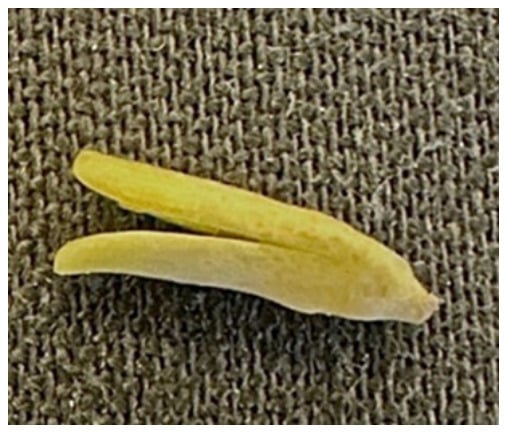
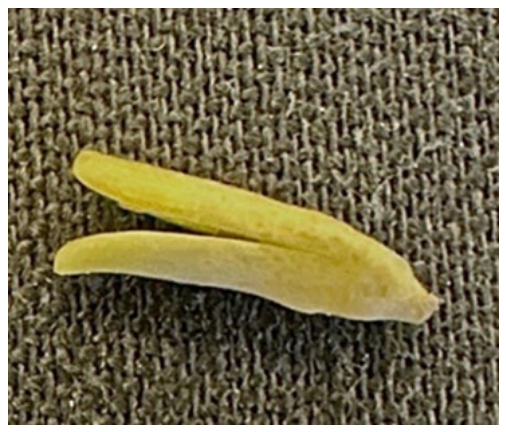
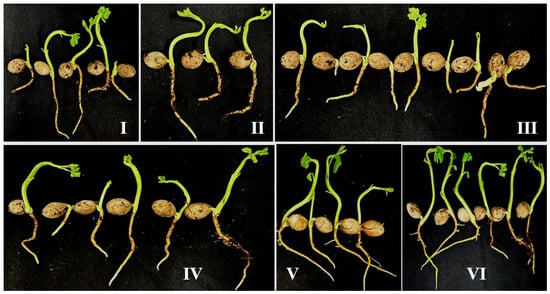
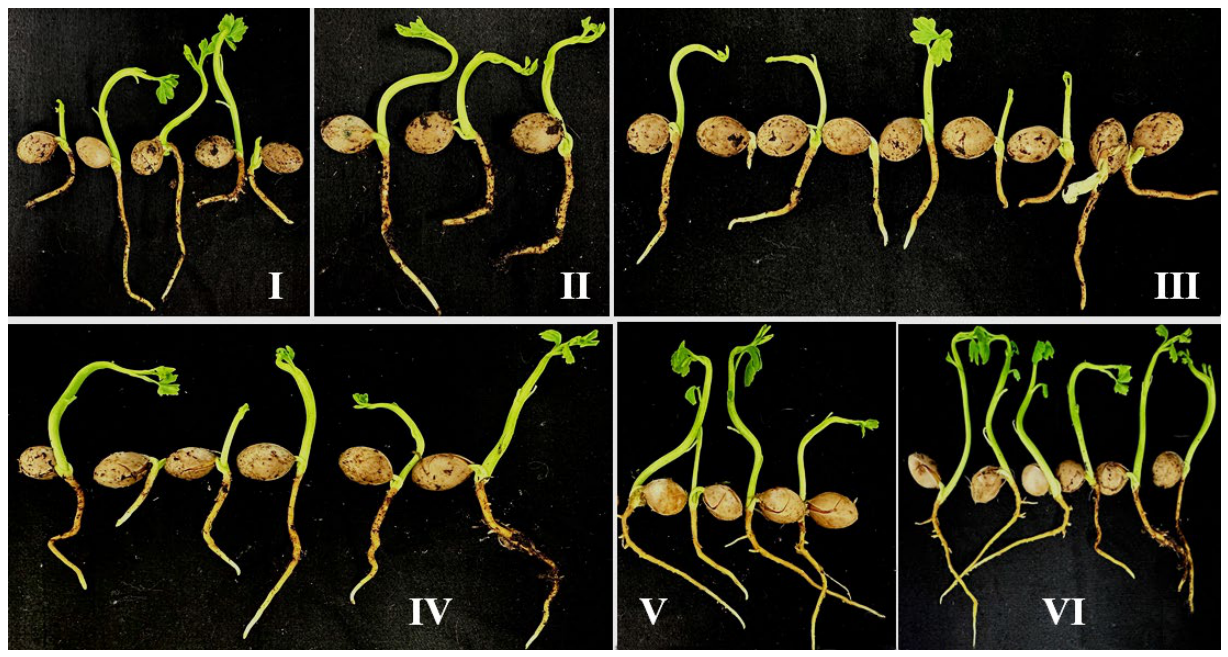
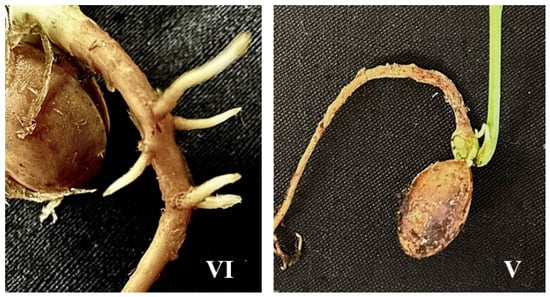
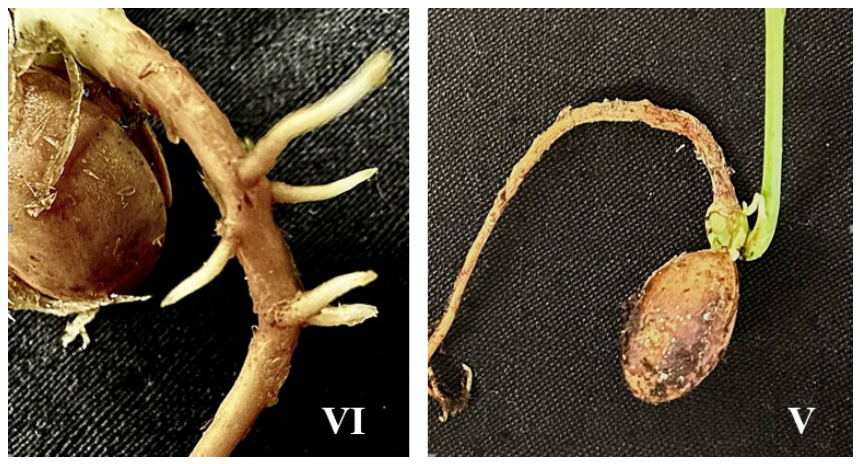
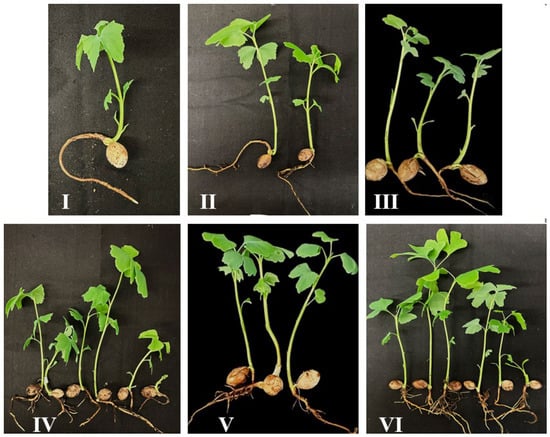
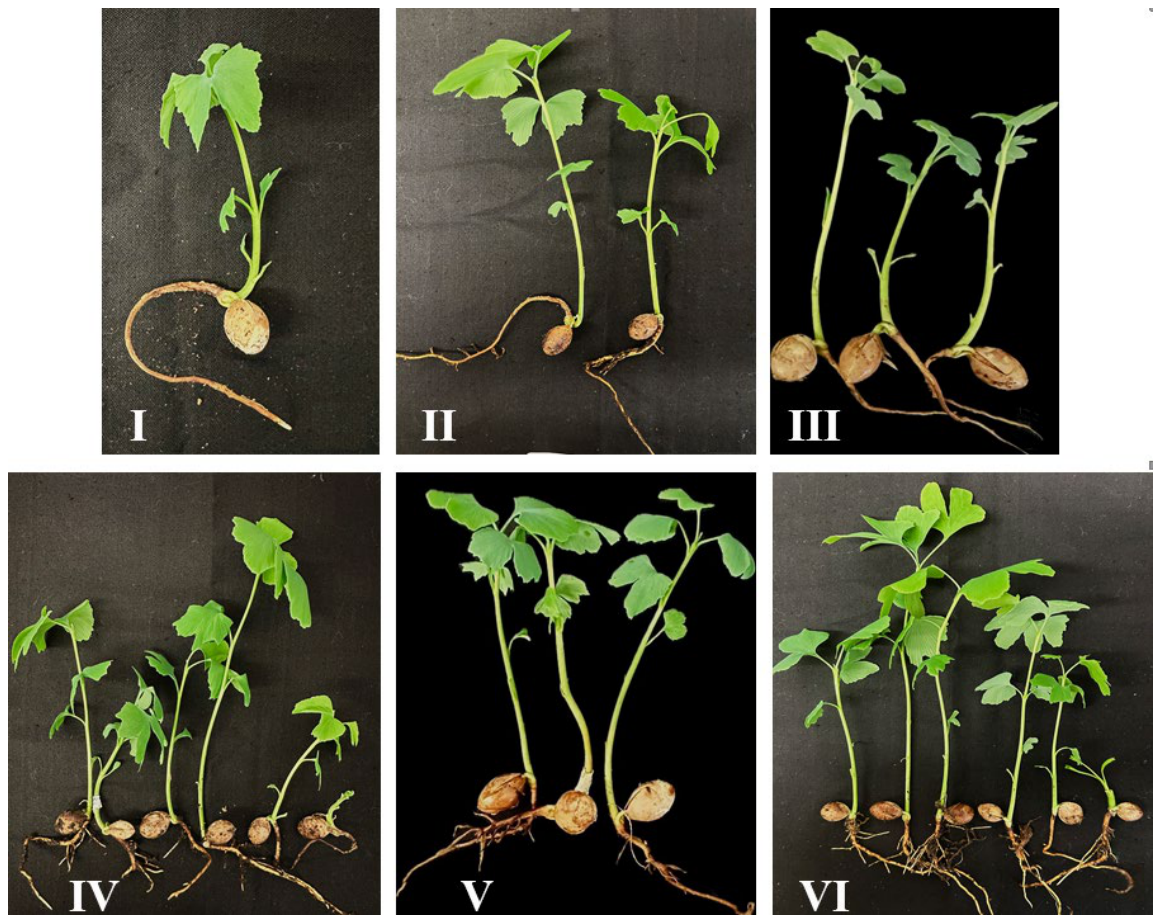
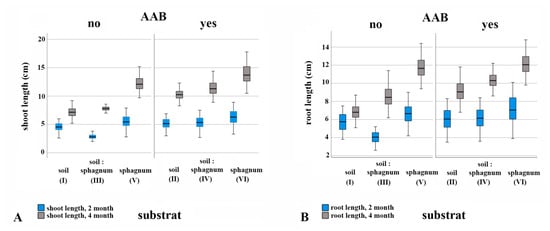
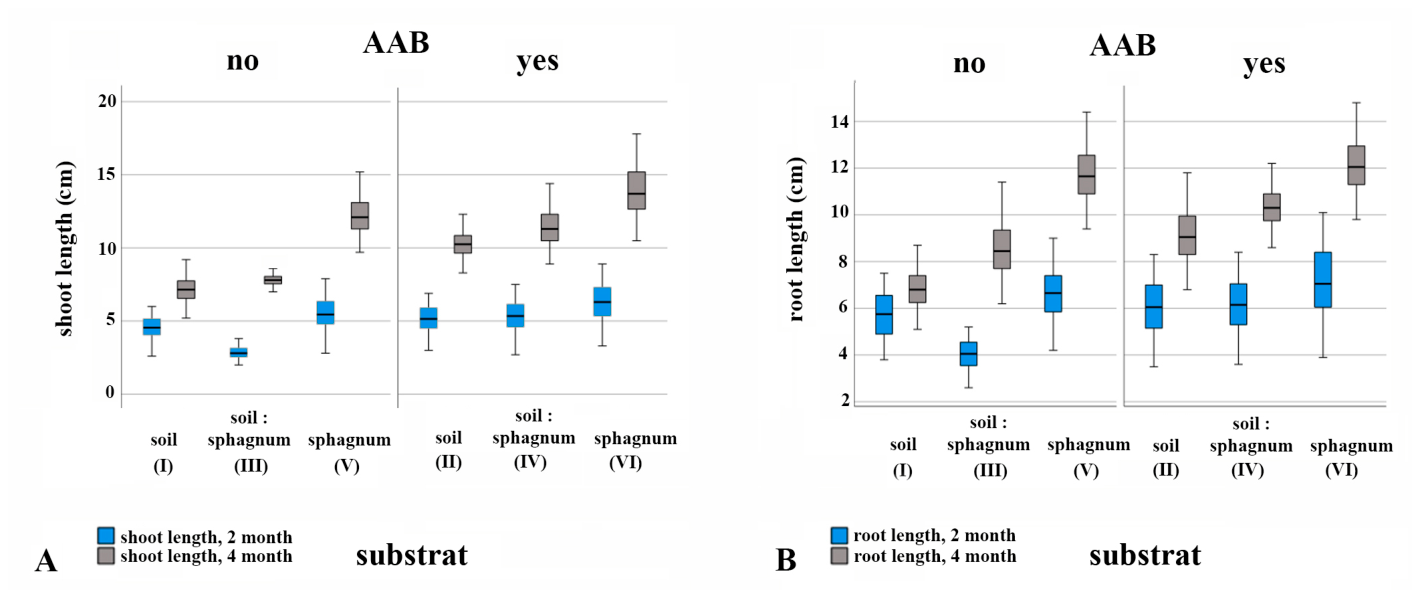
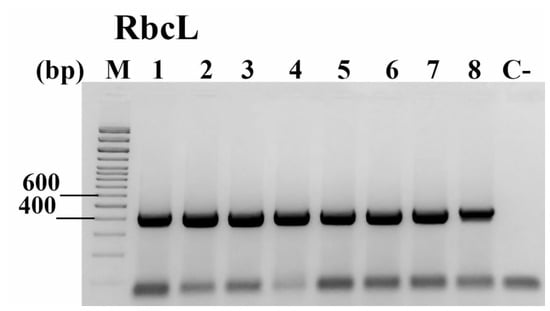
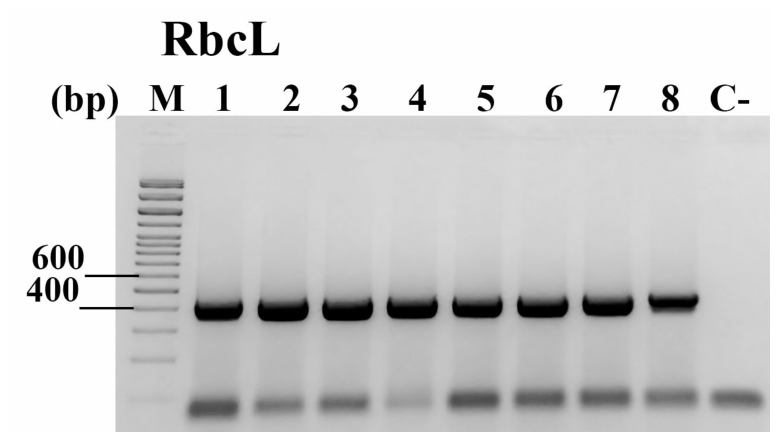
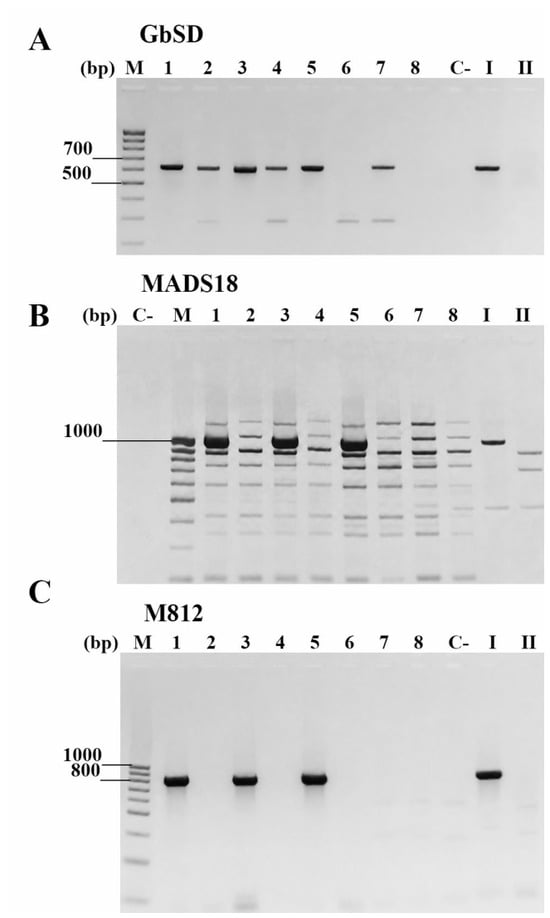
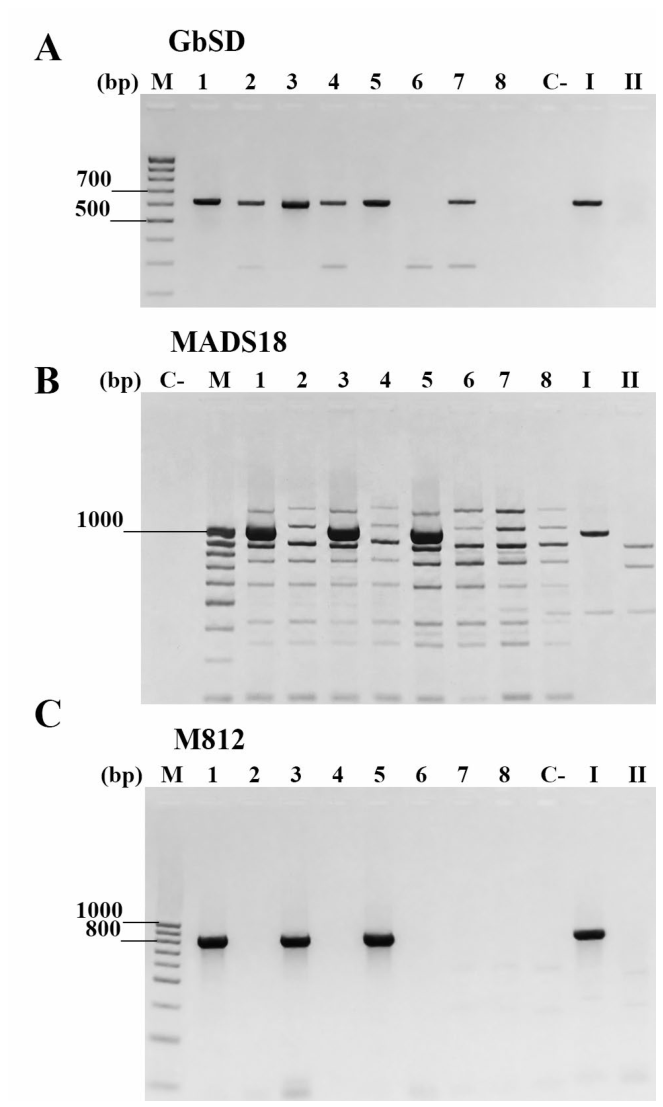
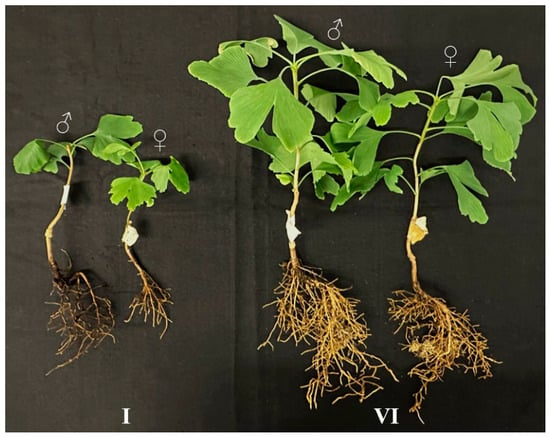
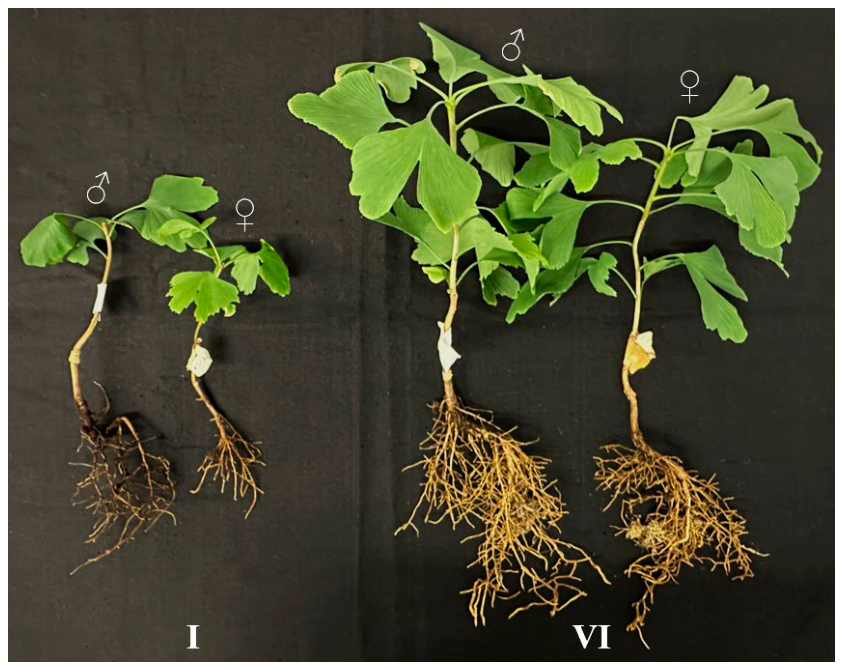
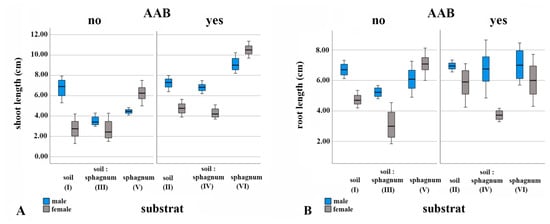
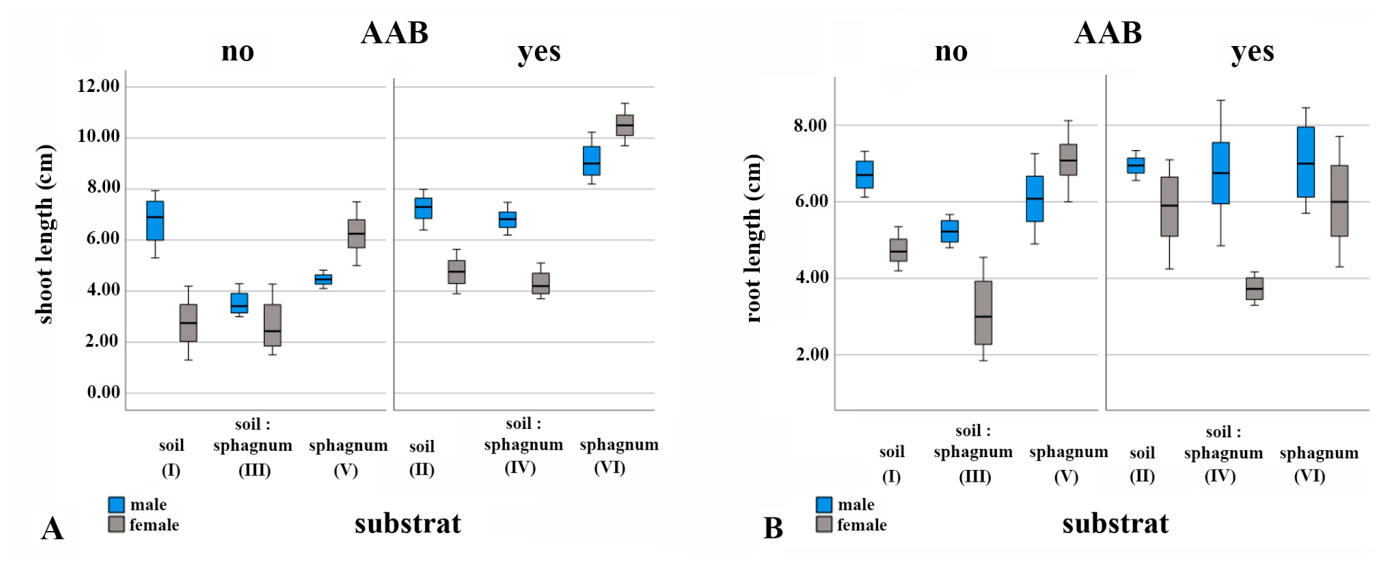
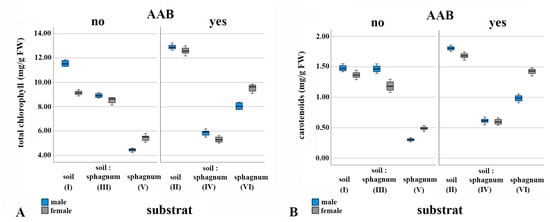
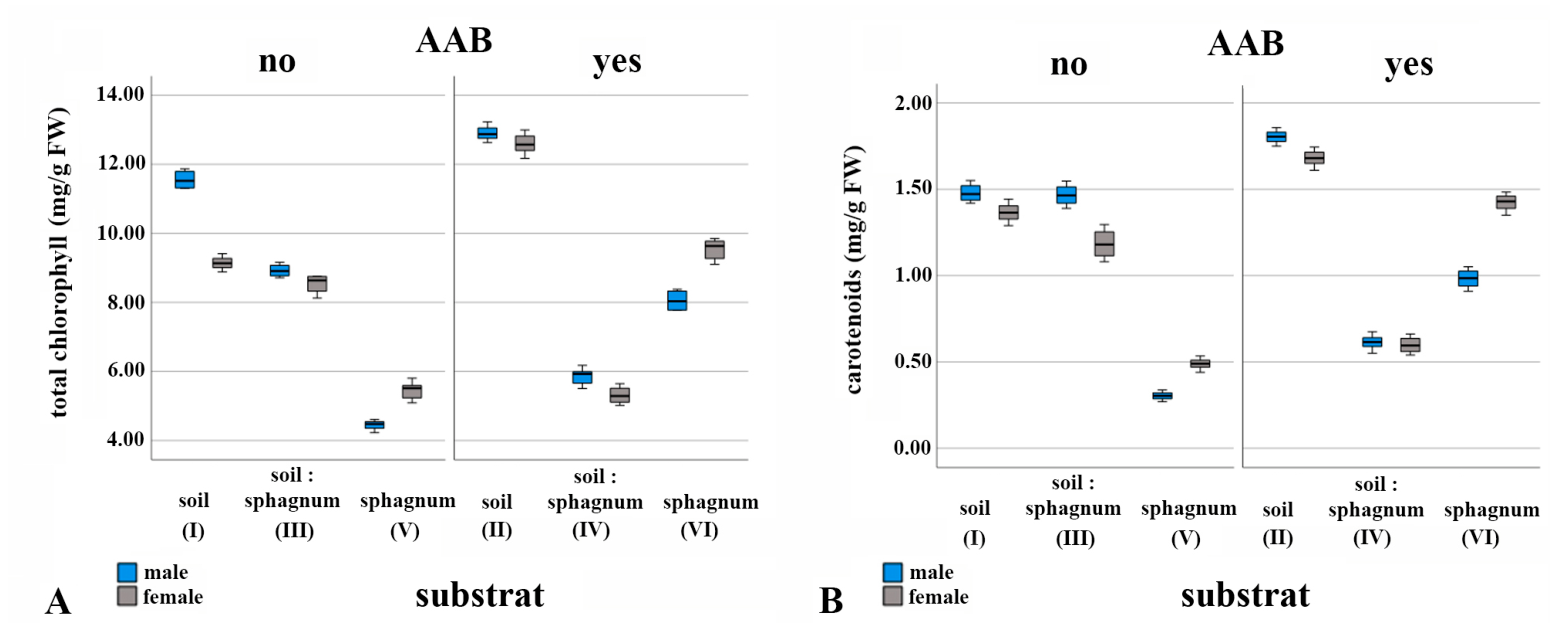
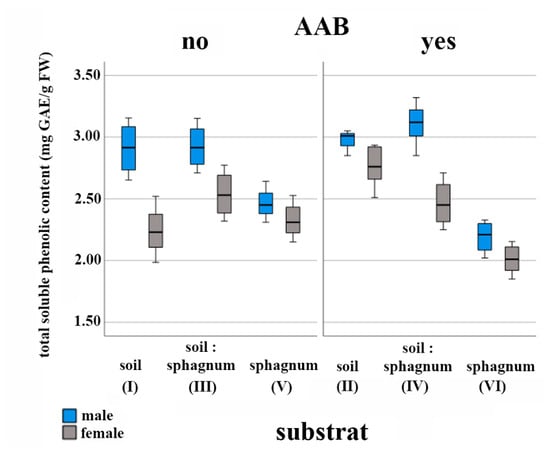
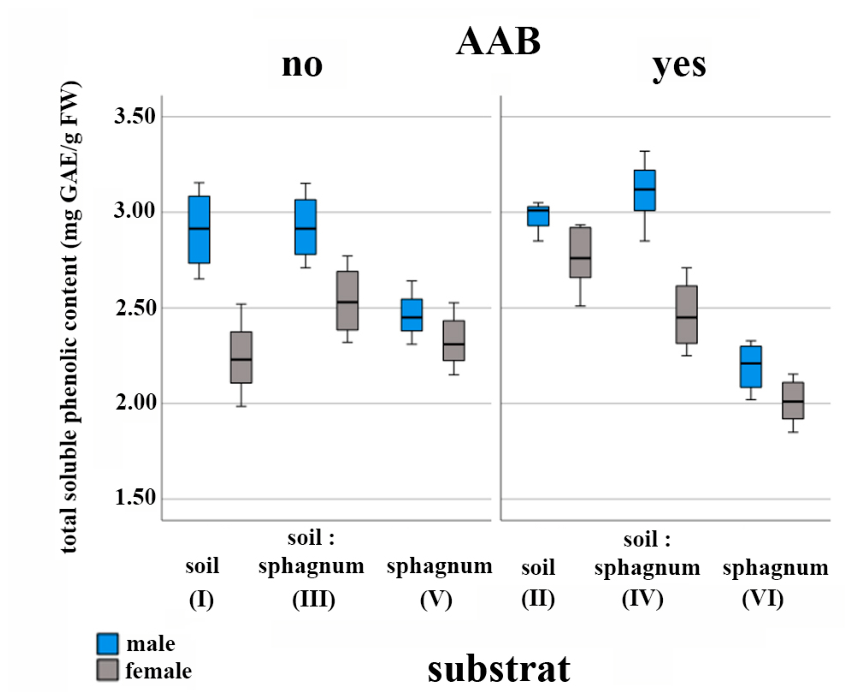

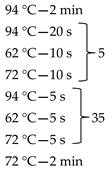
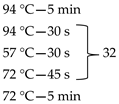
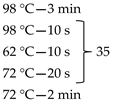
Disclaimer/Publisher’s Note: The statements, opinions and data contained in all publications are solely those of the individual author(s) and contributor(s) and not of MDPI and/or the editor(s). MDPI and/or the editor(s) disclaim responsibility for any injury to people or property resulting from any ideas, methods, instructions or products referred to in the content. |
© 2026 by the authors. Licensee MDPI, Basel, Switzerland. This article is an open access article distributed under the terms and conditions of the Creative Commons Attribution (CC BY) license.