


Abstract
Platycodon grandiflorum (PG), a quintessential medicinal and edible plant in Traditional Chinese Medicine, has been extensively utilized for millennia to treat respiratory system diseases, including cough, excessive phlegm, and sore throat. This review systematically synthesizes the current literature to provide an updated overview of PG, focusing specifically on its botanical characterization and distribution, traditional uses and ethnopharmacology, processing methods, phytochemistry, pharmacology, and application. Phytochemical investigations have identified diverse bioactive constituents in PG, predominantly saponins, flavonoids, phenolic acids, polyacetylenes, sterols, polysaccharides, volatile oils, and fatty acids. Modern pharmacological studies have demonstrated its traditional efficacies, revealing potent antitussive, expectorant, anti-inflammatory, and immunomodulatory properties. Furthermore, PG exhibits emerging therapeutic potential in antitumor, antioxidant, anti-obesity, anti-diabetic, hepatoprotective, and cardiovascular-protective applications. Crucially, this review highlights the traditional processing methods of PG, which serve to optimize its lung-meridian tropism and mitigate potential gastrointestinal irritation. Beyond traditional therapeutics, the translational potential of PG has expanded into functional foods, nutraceuticals, cosmetics, and horticulture. Ultimately, by evaluating its chemical composition, processing methods, and pharmacological efficacies, this review establishes a robust theoretical foundation for the future modernization, quality standardization, and innovative product development of PG.
1. Introduction
In recent years, the exploration of natural products derived from medicinal and edible plants has become a focal point of research, driven by the increasing global recognition of Traditional Chinese Medicine (TCM). Platycodon grandiflorum (Jacq.) A. DC (PG), a perennial herb of the genus Platycodon (Campanulaceae), boasts a millennia-old application history in East Asia, particularly in China, Japan, and South Korea [1]. As an archetypal medicinal and edible plant variety designated by the National Health Commission of China, PG has been widely utilized to treat respiratory system diseases and incorporated into daily diets, embodying the integration of TCM wisdom and modern health concepts [2].
A comprehensive literature search was conducted across PubMed, Web of Science, ScienceDirect, Scopus, CNKI, and VIP databases using the following keywords: Platycodon grandiflorum, platycodin, phytochemistry, chemical constituents, pharmacological activity, pharmacology, processing, quality control, safety, and toxicity. Inclusion criteria comprised original research and review articles published in English or Chinese that provided full texts or complete abstracts detailing the phytochemistry, pharmacology, processing, quality, or safety of PG. Exclusion criteria included duplicate records, conference abstracts, popular science articles, and studies evaluating complex herbal formulations where PG was a minor component without independent analysis. While seminal classic papers were retained, priority was given to the recent literature published within the past 5 to 10 years, yielding a final selection of approximately 170 articles.
According to TCM theory, PG is neutral in nature, bitter and pungent. It possesses the therapeutic effects of ventilating the lung, soothing the throat, expelling phlegm, and discharging pus [3]. Modern pharmacological research has shown that PG exhibits diverse pharmacological properties, including antitussive, expectorant, anti-inflammatory, antitumor, antioxidant, immunostimulatory, anti-obesity, and anti-diabetic properties [4]. The rich biological activities of PG are closely associated with its complex chemical constituents, among which triterpenoid saponins are recognized as the primary bioactive constituents [5]. To date, more than 80 saponins, along with flavonoids, phenolic acids, polyacetylenes, sterols, polysaccharides, volatile oils, fatty acids, vitamins, amino acids, and inorganic elements, have been isolated and identified from PG. In addition to its medicinal efficacy, PG serves as a common culinary additive in kimchi, sausages, and beverages in China and South Korea.
Based on the recent literature, this review provides a comprehensive summary of the botanical characterization and distribution, traditional uses and ethnopharmacology, processing methods, phytochemistry, pharmacology, and applications of PG. This work aims to establish a reliable theoretical foundation for the further development and utilization of PG as a highly valued medicinal and edible product.
Distinct from previous reviews that predominantly focus on the main active ingredients, this work introduces three novel contributions. First, it systematically compiles the structural, distributional, and molecular weight data of non-saponin constituents, including phenolic acids, sterols, and polyacetylenes. Second, a separate section for processing is included to document the history of traditional processing and detailed processing protocols. Finally, it broadens application discussion across medicines, foods, functional foods and cosmetics, together with safety evaluation and scenario-specific exposure limits. Overall, by comprehensively integrating multi-component phytochemistry, processing methods, cross-sector applications, and safety considerations, this review provides a unique perspective that extends beyond conventional summaries of PG.
2. Botanical Characterization and Distribution
As a perennial herb, PG can grow to a height of 20 to 120 cm, and the stem is typically unbranched or rarely branched in the upper part, usually glabrous, and occasionally densely covered with fine hairs [6]. Leaves are all verticillate, partially verticillate to entirely alternate, sessile or subsessile. The leaf blades are ovate, elliptic or lanceolate, measuring 2–7 cm in length and 0.5–3.5 cm in width, featuring a broadly cuneate to rounded-obtuse base and an acute apex [7]. The upper leaf surface is green and glabrous, while the lower surface is often glabrous and glaucous, occasionally bearing short or tubercular-based hairs along the veins (Figure 1A) [1]. The flowers are solitary and terminal, or several are arranged in a pseudoraceme. The calyx tube is hemispherical or obconical–globose, and the corolla is large, measuring 1.5–4.0 cm in length, exhibiting a blue or purple hue (Figure 1B). The flowering period spans from July to September, and the fruiting period from August to October. Its roots are carrot-shaped and usually harvested in February and August (Figure 1C).
Figure 1.
Leaves (A), flowers (B) and roots (C) of PG.
PG is a medicinal and edible plant with strong climatic adaptability and broad geographic distribution. It is commonly found in sunny grassland areas and thickets at altitudes below 2000 m, and less frequently in forests [8]. The plant resources of PG are abundant in China, with major production regions including the Northeast, North, and East China regions, as well as Guangdong, Guizhou, Sichuan, and Shaanxi provinces [9].
Among them, it can be divided into two types: one known as Northern Jiegeng, which has a high yield in Northeast China and North China, and the other as Southern Jiegeng, which originates from East China and is widely regarded to be of superior quality [10]. This geographical variation offers a critical basis for further research regarding the differences in its active components and overall quality evaluation. In addition, it is also distributed in South Korea, Japan, and Russia.
3. Traditional Uses and Ethnopharmacology
As a traditional medicinal and edible resource, PG has a history of application exceeding 2000 years in East Asia [11]. It not only embodies the profound wisdom of traditional medicine but also highlights the development potential of its dual food–medicinal properties and modern versatile applications.
The primary therapeutic efficacy of PG lies in the treatment of respiratory system diseases. As early as around 300 AD, it was recorded in Shennong Ben Cao Jing, which established its status as a TCM for resolving phlegm, soothing the throat, and discharging pus [3]. According to TCM theory, it is bitter and pungent in taste, neutral in nature, and attributive to the lung meridian [1]. Its principal functions include ventilating lung qi, soothing the throat, resolving phlegm, and expelling pus. It is widely used for symptoms such as productive cough, chest tightness, pharyngitis, hoarseness, and lung abscess with purulent expectoration [12].
The medicinal history of PG runs through the development of TCM, with successive generations of medical texts continually enriching and expanding its applications. During the Han Dynasty, Shanghan Lun recorded its use for treating “Shaoyin disease with sore throat” and “lung abscess with cough and chest fullness” [13]. The classic formulation Jiegeng Tang (a decoction combining PG and Glycyrrhiza uralensis Fisch.), originating from this book, was specifically formulated for expelling pus, and became the fundamental formula for treating lung abscess in later generations. In the Ming Dynasty, the BenCao Gangmu summarized previous experiences, noting that PG could mainly treat oral and lingual ulcers, as well as ocular erythema, swelling, and pain [14]. Medical works from the Ming and Qing Dynasties, such as Wanbing Huichun further documented its applications in treating mastitis, measles, dermatitis, and dysentery, reflecting the expansion of its medicinal scope [15].
In terms of compatibility, PG is commonly used in combination with herbs such as Glycyrrhiza uralensis Fisch., Pinellia ternata (Thunb.) Breit., and Polygala tenuifolia Willd. In these formulations, PG guides other herbs upward and enhances the effects of dispersing stagnated lung qi and resolving phlegm. These records not only confirm the transmission of its therapeutic efficacy across generations but also reflect the deepening understanding of its medicinal properties by experts in different periods.
The application of PG exhibits significant cross-cultural characteristics. Beyond China, it also holds an important position in traditional medical systems of Japan and Korea. In Japan, PG is an integral component herb in many classical compound formulas. For instance, in Jingjie Lianqiao Tang, it is combined with Schizonepeta tenuifolia Briq. and Forsythia suspensa to alleviate craniofacial inflammatory diseases such as chronic rhinitis and tonsillitis. In Shiwei Baidu Tang, it is utilized to alleviate various skin disorders including eczema, urticaria, and purulent infections. In South Korea, PG is widely utilized for treating respiratory diseases such as bronchitis, asthma, and pneumonia [16]. Additionally, it serves as an adjuvant therapy for diabetes mellitus and various inflammatory conditions.
Moreover, PG serves as a model example of the concept of the homology of medicine and food, possessing an equally extensive culinary history. As early as the Northern and Southern Dynasties, Bencao Jing Jizhu recorded that PG could be cooked and consumed as food [11]. During the Ming Dynasty, the Jiuhuang Ben Cao provided more detailed instructions on harvesting its tender leaves and removing their bitterness. In contemporary culinary cultures, PG remains a crucial ingredient for traditional Korean kimchi, while in China and Japan, it is frequently served as cold dishes, pickles, or incorporated into soups [15]. This profound culinary foundation has rendered its social demand beyond the scope of a purely medicinal product.
In addition, the industry of PG has developed diversified channels. Beyond its traditional medicinal and culinary uses, its extracts are widely utilized in nutraceuticals, cosmetics, functional foods, and beverages.
4. Processing Methods
PG has long been renowned for its remarkable therapeutic effects on the lung. In TCM, it is traditionally described as the “boat and oar” (Zhou-Ji) among medicinal herbs. It not only conveys the active components of other herbs upward to the upper respiratory tract but also moderates the harsh effects of bitter-purgative drugs. The processing of PG was first documented in the Jin Dynasty, with a long-standing tradition [17]. Beyond the cleaning, cutting, and honey-frying methods still employed today for enhancing its lung-targeted efficacy, ancient processing techniques also included stir-frying, wine processing, ginger-processing, rice-water processing, and lily bulb processing. These methods were primarily used to modulate its medicinal properties or reduce potential irritancy [18]. Ancient physicians believed that processing could enhance its ability to ventilate lung qi, soothe the throat, and alleviate cough, which were closely related to its application in treating lung disorders.
The Zhouhou Beiji Fang by Ge Hong of the Eastern Jin Dynasty first recorded the processing of PG, which was administered as a powder after charring [19]. During the Southern and Northern Dynasties, Lei Xiao first proposed the method of “lily bulb processing” for PG in Leigong Paozhi Lun, and provided detailed operational descriptions [20]. In the Ming Dynasty, Zhu Su added wine-stir-frying into the processing methods in Puji Fang, which also proposed specific requirements for the degree of processing [9]. Furthermore, Li Shizhen, the eminent Ming Dynasty pharmacologist, first explicitly stated that the outer skin of PG should be removed prior to processing in Bencao Gangmu [14]. The evolution of PG processing methods documented in herbal classics across successive dynasties is summarized in Table 1.
Table 1.
Processing methods of PG recorded in herbal classics of successive dynasties.
As specified in the Chinese Pharmacopoeia (2025 Edition), the standardized processing method for PG is streamlined: “Wash, remove fibrous roots, peel or not peel while fresh, and dry.” Simplifying this processing procedure not only standardizes the production of PG decoction pieces but also significantly reduces the processing costs, laying a solid foundation for the industrialization and quality control of this medicinal herb.
5. Phytochemistry
5.1. Saponins
Saponins, predominantly of the oleanane type, represent the predominant bioactive components of PG. To date, 89 saponins [12] have been isolated and structurally elucidated from PG (Table 2). Chemically, these are typical bidesmosidic saponins characterized by glycosyl attached at the C-3 and C-28 positions of the aglycone [35]. These sugar moieties mainly include D-glucose, L-arabinose, L-rhamnose, D-xylose, D-apiose, and their derivatives. Based on their specific aglycone structures, saponins are systematically classified by platycodon saponins type (A), polygonae saponins type (B), platycodon dicarboreal acid type (C), platycodon saponins lactone type (D) and other atypical triterpene saponins (E/F/G/H) (Figure 2).
Table 2.
Saponins in PG.
Figure 2.
The skeletal structures of saponins from PG.
5.2. Flavonoids
Flavonoids mainly accumulate in the aerial parts of PG such as flowers, stems, leaves and seeds and rarely in the roots [54]. To date, 19 flavonoid constituents have been isolated, mainly including flavones, dihydroflavonoids, flavonoid glycosides and their derivatives. Their structures are shown in Figure 3 and the compounds are listed in Table 3.
Figure 3.
Structure of flavonoids in PG. Chemical structures of flavonoids isolated from PG.
Table 3.
Flavonoids in PG.
5.3. Phenolic Acids
Phenolic acid compounds in PG, mainly including gallic acid, ellagic acid, and phenylpropanoid derivatives, confer distinct pharmacological properties and therapeutic advantages. To date, 16 phenolic constituents have been isolated and identified from PG (Figure 4). Notably, with the exception of coniferyl palmitate and coniferyl oleate, which are extracted from the roots [57], the remaining compounds are found in the aerial parts of the plant [59].
Figure 4.
Structure of phenolic acids in PG. Chemical structures of phenolic acids isolated from PG.
5.4. Polyacetylenes
To date, seven polyacetylenes analogs have been isolated and identified from PG [61], including lobetyol (124), lobetyolin (125), lobetyolinin (126), platetyolin A (127), platetyolin B (128) and isolobetyol (129) (Figure 5). Lobetyol, lobetyolin, and lobetyolinin serve as crucial chemotaxonomic markers for the Campanulaceae family, whereas platetyolin A and platetyolin B are newly reported compounds [62].
Figure 5.
Structure of polyacetylenes in PG. Chemical structures of polyacetylenes isolated from PG.
5.5. Sterols
Sterols, an essential class of steroid alcohols characterized by a fundamental cyclopentanoperhydrophenanthrene skeleton, are ubiquitous in living organisms and exert diverse biological functions. Recent phytochemical investigations have successfully isolated five specific sterols from PG, namely, α-spinasterol (130), α-spinasteryl-β-D-glucoside (131), Δ7-stigmastenol (132), betulin (133), and β-sitosterol (134) [6]. These compounds play pivotal roles and exhibit a wealth of biological activities and functions (Figure 6).
Figure 6.
Structure of sterols in PG. Chemical structures of sterols isolated from PG.
5.6. Polysaccharides
As vital bioactive macromolecules in PG, polysaccharides predominantly consist of Platycodon glycans and inulin-type fructans [63]. These complex carbohydrates are primarily assembled from specific monosaccharide building blocks, including fructose, glucose, galactose, arabinose, rhamnose, and mannose. Phytochemical investigations have isolated 21 distinct polysaccharides from PG, notably including a specific series of PG glycans designated as GF2 through GF9 [64].
5.7. Volatile Oils
The volatile oils of PG are primarily characterized by hydrocarbons and hydrocarbon derivatives. An investigation detected 75 volatile components, of which 21 were successfully identified, representing 57.06% of the total volume of volatile oils [65]. Notably, unsaturated compounds constituted the major fraction, accounting for 44.50% of the total oil and comprising 77.98% of the identified constituents. The relevant components are shown in Table 4.
Table 4.
Volatile oils in PG.
5.8. Fatty Acids
Phytochemical analyses indicate that the lipid content of PG is approximately 0.92%, characterized by a high proportion of unsaturated compounds. To date, 34 fatty acids have been identified from PG. These comprise 15 unsaturated fatty acids, such as linoleic, palmitoleic, and linolenic acids, as well as 19 saturated fatty acids, including palmitic, stearic, and arachidic acids [66].
5.9. Vitamins
As with other herbs, the roots of PG possess notable vitamins. Specifically, quantitative analyses report that, per 100 g of root material, the plant yields 8.80 mg of carotenoids, 138 mg of vitamin B, 0.3 mg of nicotinic acid, and 2.67 mg of vitamin C [11].
5.10. Amino Acids
A total of 16 distinct amino acids have been identified in the roots of PG, yielding a total amino acid content of 15.01% [67]. Crucially, it encompasses eight essential amino acids, which collectively account for 6.44% of the total amino acid present.
5.11. Inorganic Elements
A comprehensive analysis of the inorganic elements in PG has revealed the presence of over 22 essential elements. Notably, the plant accumulates substantial concentrations of Cu, Zn, and Mn, alongside other biologically significant elements, including Ni, Cr, Sr, and Fe [68].
6. Pharmacology
PG is rich in chemical constituents with high edible and medicinal value. The pharmacological effects of PG mainly include antitussive and expectorant, anti-inflammatory, antitumor, antioxidant, immunostimulatory, anti-obesity, and anti-diabetic effects (Figure 7).
Figure 7.
Pharmacological mechanism, animal models and related compounds of PG.
6.1. Antitussive and Expectorant
Cough is a common symptom of many acute and chronic respiratory diseases, such as upper respiratory tract infections, asthma, and lung cancer, and is often accompanied by sputum production [69]. As a traditional antitussive and expectorant drug, PG has been applied for centuries to treat respiratory disorders. Modern pharmacological studies have revealed its mechanisms of antitussive and expectorant actions from multiple levels, mainly including the inhibition of inflammation, regulation of mucus production, and modulation of relevant signaling pathways [3].
Cough is often accompanied by airway inflammation; mitigating this inflammatory response is crucial. Huang [70] reported that administering a PG aqueous extract (PGAE) significantly prolonged the cough latency period in mice compared to the model group, demonstrating a potent inhibitory effect on ammonia-induced cough.
The antitussive effect of PG is closely associated with airway inflammation. Choi [71] demonstrated that PGAE effectively attenuates ovalbumin (OVA)-induced airway inflammation in a mouse asthma model. Specifically, the administration of PGAE at a dose of 50 mg/kg significantly inhibited asthma responses by reducing leukocyte recruitment in lung tissue and decreasing the levels of Th1- and Th2-associated cytokines, immunoglobulin E (IgE), and the monocyte chemoattractant protein-1 (MCP-1) [2]. Furthermore, PGAE downregulated reactive oxygen species (ROS) production, nuclear factor-κB (NF-κB) nuclear translocation, and matrix metalloproteinase (MMP) activity in OVA-induced airway inflammatory responses [71].
Similarly, Sun [72] found that, after 30 days of treatment with PG saponin (PGS), the total number of leukocytes in the lung tissue of rats was significantly reduced, while the proportions of lymphocytes and macrophages were increased. Furthermore, all PGS dose groups prolonged the latency period of histamine-induced asthma and reduced the cough frequency induced by citric acid in guinea pigs. These results indicate that the alleviation of inflammation indirectly relieves cough triggered by inflammatory stimulation. In the OVA-induced cough variant asthma (CVA) model of aged rats, PG polysaccharides (PGPs) were demonstrated to significantly reduce the cough frequency. PGP administration significantly alleviated inflammatory cell infiltration in lung tissues and downregulated the expression of inflammation-related proteins, including matrix metallopeptidase 9 (MMP-9), tissue inhibitor of metalloproteinase-1 (TIMP-1), transforming growth factor-β1 (TGF-β1), and NF-κB p65 [73]. Additionally, PGP markedly restored lung tissue morphology, while alleviating mucosal edema and airway stenosis, thereby mitigating the symptoms of CVA in aged rats [73].
Zhang [74] demonstrated that platycodin D (PD), a major saponin component of PG, could significantly prolong the latency period and reduce the cough frequency in a mouse model with concentrated ammonia-induced cough. Metabolomic analysis revealed that PG exerts its antitussive effects by regulating metabolic pathways, including the biosynthesis of phenylalanine, tyrosine, and tryptophan, linoleic acid metabolism, phenylalanine metabolism, glycerophospholipid metabolism, and tyrosine metabolism (Zhang [74]). Concurrently, it produces expectorant effects by modulating metabolic pathways, such as linoleic acid metabolism, glyoxylate and dicarboxylate metabolism, glycerophospholipid metabolism, the citrate cycle, and arachidonic acid metabolism [75].
In terms of mucus regulation, mucins are the main component of sputum. PG not only promotes the production of saliva and bronchial secretions and enhances airway mucin release to thin viscous sputum for improved expectoration, but also inhibits the excessive secretion of mucins (MUC5AC, MUC2) in chronic airway diseases, thereby helping to balance airway mucus homeostasis [76].
PGS could stimulate the respiratory mucosa, promote mucus secretion and thin sputum. Among its components, PD and platycodin D3 (PD3) can both promote mucin release in rat airways. In vitro experiments showed that PD and PD3 (200 mg/L) increased mucin production in airway epithelial cells by 252.7% and 370.2%, respectively. Notably, in vivo experiments revealed that PD3 was even more effective than the positive control drug ambroxol in promoting airway mucin release in rats [76]. These findings suggest that PD and PD3 represent the predominant active constituents responsible for the expectorant efficacy of PG.
PGAE inhibited acrolein-induced generation of ROS in A549 cells, blocked NF-κB activation via ROS-PKCδ-MAPK signaling cascade, and concurrently downregulated airway MUC5AC expression, indicating its therapeutic potential for chronic airway disorders [71].
Furthermore, in a rat model of SO2-induced chronic bronchitis, after treatment with PD, PGP, or their combination, both the PD group and the PD+PGP combination significantly reduced acidic mucin secretion and the expression of MUC2 and TNF-α in lung tissues compared to the model group [77]. These results indicate that PD and PGP exert synergistic therapeutic efficacy against chronic bronchitis (Figure 8).
Figure 8.
Antitussive and antiphlegm activity of PG.
6.2. Anti-Inflammatory
PG exhibits anti-inflammatory activity and is extensively employed to treat multiple chronic inflammatory disorders. In the lipopolysaccharide (LPS)-induced acute lung injury (ALI) model, PGAE significantly downregulated the expression of IL-1β, IL-6, and TNF-α in lung tissue, while upregulating the expression of Bcl-2 and downregulating the expression of Bax. These findings indicate that PGAE could alleviate inflammatory responses in ALI via suppressing the PI3K/Akt signaling pathway [78]. Following PGAE treatment, the expression levels of TNF-α, iNOS, and COX-2 were significantly decreased [79]. PD exerted a dose-dependent reduction in the lung wet/dry weight ratio, the total leukocyte count and neutrophil percentage in bronchoalveolar lavage fluid (BALF), and the activity of myeloperoxidase (MPO) in lung tissue [80]. In vitro, PD significantly downregulates TNF-α, IL-6, NF-κB, Caspase-3, and Bax, while upregulating Bcl-2 expression in MLE-12 cells, supporting PD as the core bioactive component against ALI [81].
The therapeutic efficacy of PD against airway inflammation was also evaluated using an OVA-induced asthmatic mouse model. Compared with the control group, after PD treatment, the number of eosinophils in BALF was reduced, and the expression of IL-4, IL-5, and IL-13 was significantly decreased [82]. Additionally, the expression of NF-κB p65 signaling pathway-related proteins was significantly downregulated in the PD-treated group [83]. Similarly, PGP dose-dependently ameliorates airway dysfunction, reduces Th2 cytokines and serum IgE, and alleviates mucus hypersecretion and airway remodeling in vivo [84].
PD significantly reduces smoke-triggered pulmonary inflammation, as evidenced by attenuated inflammatory cell infiltration, reduced total and differential leukocyte counts in BALF [85]. Additionally, PD reduces the production of ROS, TNF-α, IL-6, and IL-1β in rat microglia by activating the LXR-ABCA1 pathway [86].
The ethanol extract of PG (PGEE) mitigates house dust mite-induced allergic airway inflammation in mice via inhibiting NF-κB signaling and endoplasmic reticulum stress, showing promise as a preventive and therapeutic agent [87].
In a rat model of rheumatoid arthritis (RA), PGEE effectively reduces the degree of paw swelling. Concurrently, PGEE dose-dependently decreased the levels of IL-8, CRP, and TNF-α, thereby conferring anti-inflammatory activity [88]. Similarly, PGS exerted significant inhibitory effects on paw swelling induced by carrageenan and acetic acid, and suppressed cotton pellet granuloma development in rats [89]. Fermented PG extract (PGFE) ameliorates murine ulcerative colitis via AMPK pathway activation, NF-κB signaling inhibition, and downregulation of the NLRP3 inflammasome, thereby reducing pro-inflammatory cytokine release [67]. Furthermore, in the DSS-induced ulcerative colitis model, PD markedly decreased the expression of TNF-α, IL-6, and IL-1β, while facilitating the polarization of macrophages from the M1 phenotype to the M2 phenotype. This indicates that PD alleviates ulcerative colitis by activating the AMPK pathway and modulating macrophage polarization [90] (Figure 9).
Figure 9.
Anti-inflammatory activity of PG.
6.3. Antitumor
6.3.1. Anti-Gastric Cancer
PD exerts dose-dependent inhibitory effects on gastric cancer cell growth via inducing the inactivation of the p21/CDK2-cyclin E pathway, upregulating the expression of microRNA-34a (miR-34a), and downregulating the expression of baculovirus IAP repeat containing 5 (BIRC5)/survivin protein [91]. Similarly, PD significantly reduces the viability of AZ521 and NUGC3 gastric cancer cells by promoting the degradation of the myelocytomatosis oncogene (c-Myc) protein, and induces the inactivation of the p21/CDK2-cyclin E pathway, leading to cell cycle arrest at the G1 phase and thereby inhibiting the proliferation and growth of gastric cancer cells [92]. Additionally, PD promotes apoptosis in SGC-7901 tumor vascular endothelial cells by upregulating the expression of miR-34a and downregulating the expression of survivin protein [93].
6.3.2. Anti-Hepatocellular Carcinoma
PD, polygalacin D (PGD) and polygalacin P (PP) from PG can inhibit the growth and regulate the apoptosis of hepatocellular carcinoma cells. In HA22T cells, PD exerts antiproliferative and pro-apoptotic effects by inhibiting the ERK1/2 signaling pathway, targeting phosphorylated cofilin-1 (CFL-1), and reversing the resistance of hepatocellular carcinoma cells to histone deacetylase inhibitors (HDACi) [94]. Furthermore, PGD induces cell death in HepG2 and HC-CLM3 cells primarily by inducing BNIP3L-mediated mitophagy and apoptosis [95]. Similarly, PP significantly reduces the viability of Huh-7 cells, enhances cancer cell apoptosis capacity, and increases the Bax/Bcl-2 ratio. Furthermore, PP inhibits the proliferation and colony formation of hepatocellular carcinoma cells and promotes their apoptosis by upregulating the expression of the long non-coding RNA LINC01554 [96].
6.3.3. Anti-Lung Cancer
PG and its active constituents exhibit potent efficacy against lung cancer. In A549 lung cancer cells, PD inhibits proliferation and induces apoptosis via regulating the p53/VEGF/MMP2 pathway and ribonucleotide reductase M1 [97].
Cytochrome P450 1A1 (CYP1A1) plays a crucial role in the metabolism of anticancer drugs. After metabolic activation by the CYP1A1 enzyme, PD significantly reduced the viability of A549 cells to inhibit their proliferation [98]. Additionally, PD inhibits the proliferation, migration, and invasion of A549 cells by regulating the EphA2/AKT/mTOR signaling pathway, downregulating the expression of EphA2, p-EphA2, p-AKT, and mTOR proteins, and regulating the levels of TNF-α and IL-6 [99]. Furthermore, PD has been confirmed to induce autophagy in A549 cells. It triggers this autophagic response by simultaneously blocking the PI3K/Akt/mTOR signaling pathway and activating the JNK/p38 MAPK pathways, which upregulates the expression of key autophagy-related proteins (ATG-3, ATG-7, Beclin-1, and LC3-II) [100]. Other PGSs also demonstrate significant anti-lung cancer activities. PGD dose-dependently inhibited the growth of A549 and H460 cells by triggering the cleavage of caspase-3, caspase-9, and PARP, while concurrently downregulating survivin, c-IAP-1, and c-IAP-2 [101].
Beyond saponins, PGP also exhibits notable antitumor potential. PGP (Se-PGP40-1) dose-dependently inhibits A549 cell proliferation in vitro and effectively suppresses tumor growth, migration, and neovascularization in zebrafish models in vivo [9]. Furthermore, its antitumor activity was significantly higher than that of non-selenylated PGP40-1, demonstrating that selenylation modification efficiently enhanced its antitumor efficacy.
Crucially, PGAE shows promising synergistic and anti-metastatic effects. In an A549-Luc xenograft nude mouse model, the combination of PGAE with cisplatin significantly enhanced the tumor inhibition rate compared the to cisplatin monotherapy group [102].
6.3.4. Anti-Colorectal Cancer
PD demonstrates potent anti-colorectal cancer (CRC) activity by suppressing tumor proliferation, invasion, and migration. In LoVo and OR-LoVo CRC cells, PD exerts these inhibitory effects by regulating the Hippo signaling pathway, downregulating the expression of LATS2/YAP1 and the survival marker p-AKT, while upregulating the expression of p21 and p27 proteins [99]. Additionally, PD induces G1 phase cell cycle arrest in SW620 cells by regulating the expression of cyclin D1, c-Myc, and CDK6 [103].
Crucially, PD reduces the resistance of KRAS-mutant CRC cell lines to cetuximab (CTX). By inhibiting the PI3K/AKT signaling pathway, the combination of PD and CTX can effectively inhibit cancer cell growth, invasion, and migration [104].
Furthermore, PD effectively inhibits proliferation and restores chemosensitivity in the oxaliplatin (Oxa)-resistant CRC cell line SW1463/Oxa. This effect is mediated by the targeted downregulation of DNMT3a, DNA double-strand repair protein RAD51, and STAT3, coupled with increased expression of γ-H2AX [105]. This finding provides compelling experimental evidence for the treatment of colorectal cancer.
6.3.5. Anti-Other Cancers
Beyond respiratory and gastrointestinal malignancies, PG and its active constituents exhibit broad-spectrum inhibitory effects across various other tumor types.
PD reduces the migratory and invasive capabilities of human endometrial carcinoma cells by regulating the TGF-β1/Smad2/3 and PI3K/AKT/mTOR signaling pathways. PD inhibits the mRNA and protein expression of PI3K, AKT, mTOR, c-Myc, and CDK6, while promoting the expression of E-cadherin [106]. In cervical cancer, PGP significantly suppressed U14 tumor growth in vivo by increasing Bax and p19ARF expression while decreasing mutant p53 levels [107]. Regarding ovarian and breast cancers, PGAE and PD primarily induce mitochondria-mediated apoptosis. In SKOV3 ovarian cancer cells and MCF-7 breast cancer cells, PGAE treatments promote cytochrome c release, activating Caspase-8 and Caspase-9, upregulating Bax, and downregulating Bcl-2 [108,109]. PD also inhibits the growth of bladder urothelial carcinoma EJ cells by inactivating the ROS-mediated PBK/AKT/mTOR signaling pathway [110]. In prostate cancer, PGS dose-dependently induces both caspase-dependent and caspase-independent apoptosis. PGS also effectively induces apoptosis in HT-1080 cells by dose-dependently reducing the PKC-enhanced activities of MMP-9 and MMP-2 [111]. PD exerts dose-dependent cytotoxicity in K562 cells by transcriptionally and translationally suppressing the expression of telomerase reverse transcriptase (TERT) [112]. Additionally, PD triggers ROS-dependent apoptosis in U937 cells, a process closely associated with mitochondrial dysfunction, Caspase-3 activation, and the upregulation of EGR-1 and NAG-1 [113].
6.4. Antioxidant
Intracellular oxidative stress, primarily driven by free radical-mediated lipid peroxidation, induces severe metabolic dysfunction and is closely associated with chronic conditions such as inflammation, neurodegenerative diseases, and aging. PG exhibits potent free radical scavenging and antioxidant capacities.
PGP1 is a polysaccharide isolated from PG. At the cellular level, it inhibits cell apoptosis by preventing the increase in lactate dehydrogenase (LDH) release, reducing cell membrane permeability, alleviating membrane damage, suppressing intracellular ROS production, decreasing lipid peroxidation, and enhancing the activity of the antioxidant enzyme superoxide dismutase (SOD) [114]. Furthermore, PGP-I-I enhances the antioxidant defense capacity of intestinal IPEC-J2 cells by restoring the expression of Nrf2 and upregulating the expression of zonula occludens-1 (ZO-1) [80]. Similarly, PGP-W-1 and LMw-PGP exhibit dose-dependent DPPH, ABTS and hydroxyl radical scavenging activities in vitro, highlighting their potential as natural free radical scavengers [97]. In vivo, PGEE significantly enhances the activities of total SOD (T-SOD) and copper–zinc superoxide dismutase (CuZn-SOD) while attenuating the accumulation of ROS and malondialdehyde (MDA) in Caenorhabditis elegans [115]. PGS exhibited a protective effect against tert-butyl hydroperoxide (t-BHP)-induced intracellular ROS production and DNA damage. It dose-dependently inhibits the increase in ALT and AST and reduces lipid peroxidation [116].
Beyond saponins and polysaccharides, other components of PG also possess antioxidant activity. The total flavonoids of PG exhibit radical scavenging capacities comparable to those of vitamin C [117]. Additionally, paeonol-7-O-glucoside, coniferyl alcohol palmitate and coniferyl alcohol oleate also play a major role in antioxidant activity [79].
6.5. Immunostimulatory
PG and its active constituents exert immunomodulatory effects through multiple targets and signaling pathways, enhancing immune responses. PGEE exerts an immunoenhancing effect by increasing the secretion levels of IgA, IgG, IL-2, IL-12, TNF-α, and IFN-γ, enhancing the activities of NK cells and cytotoxic T lymphocytes (CTLs), and preventing myelosuppression induced by cyclophosphamide [118]. PGFE exerts immunostimulatory activity by increasing the phosphorylation levels of p65, ERK, and JNK [119].
PGP upregulated the expression of CD40, CD80, and CD86 on the surface of dendritic cells (DCs) and promoted the production of TNF-α, IL-1β, IL-6, IL-10, IL-12, and interferon-β via the TLR4-mediated downstream MAPK and NF-κB signaling pathways [120]. Moreover, PGP selectively activates B cells, promotes lymphocyte cell cycle progression, increases the levels of CD4+ and CD8+ T cells, and exhibits a synergistic effect with phytohemagglutinin (PHA) in stimulating T lymphocyte proliferation [121,122]. Furthermore, PD can serve as an adjuvant for infectious bronchitis virus (IBV) vaccines, significantly enhancing both humoral and cellular immune responses in poultry without observed adverse effects [123].
6.6. Anti-Obesity and Anti-Diabetic
PG and its active constituents exert anti-obesity effects primarily by modulating lipid metabolism, enhancing thermogenesis, and reshaping the gut microbiota. In a high-fat-diet-induced obese mouse model, PGAE reduces body weight gain, restricts intestinal fat absorption, and regulates lipid metabolism by reducing triglyceride content, and decreasing low-density lipoprotein (LDL) levels [124]. Similarly, PGEE reduces serum free fatty acids, promotes fecal lipid excretion, and induces the browning of white adipose tissue by upregulating uncoupling protein 1 (UCP1) and other thermogenic genes [125,126].
In HepG2 cells, PD inhibits hepatic lipogenesis by activating the AMPK signaling pathway via the SIRT1/CaMKKβ axis [127]. During adipogenesis in 3T3-L1 cells, PD potently suppresses intracellular triglyceride accumulation by upregulating the expression of KLF-2 and downregulating the expression of PPARγ, which consequently reduces the expression of downstream lipid metabolism genes, including FABP4 and LPL [128]. Furthermore, PD inhibits pancreatic lipase activity, thereby limiting dietary fat absorption [129]. Beyond direct metabolic regulation, PGP enhanced the species diversity of intestinal microbiota and ameliorated intestinal microbiota dysbiosis in high-fat-diet-fed mice [130].
PG exhibits anti-diabetic effects by enhancing insulin sensitivity, protecting pancreatic function, and modulating adipokines. PGEE alleviates glucose-induced hyperglycemia and enhances the hypoglycemic efficacy of exogenous insulin without stimulating endogenous insulin secretion in diabetic mice, indicating it can improve insulin sensitivity [131]. Simultaneously, PGAE improves glucose tolerance and the insulin sensitivity index (ISI) while also markedly reducing the degree of pancreatic damage.
At the cellular level, PG significantly promotes glucose uptake in both normal and palmitate-induced myocytes. It has an anti-diabetic effect by inhibiting α-glucosidase activity, ameliorating insulin resistance in myocytes, and alleviating inflammatory responses in adipose tissue [132]. PG upregulates the expression of adiponectin in mouse adipose tissue, reduces the content of resistin and leptin, and inhibits the expression of TNF-α [133].
Furthermore, the total flavonoids from PG stimulate insulin secretion by blocking the ATP-sensitive potassium channel pathway in diabetic zebrafish models [54]. Moreover, the phenolic acid components of PG effectively inhibit the formation of advanced glycation end products (AGEs), highlighting their therapeutic potential in preventing and alleviating diabetic complications [3].
6.7. Hepatoprotective and Cardiovascular Activity
PG and its active constituents exhibit hepatoprotective and anti-fibrotic properties, effectively mitigating various forms of liver injury. PG prevents alcoholic hepatic steatosis by inhibiting the expression of cytochrome P450 2E1 (CYP2E1), reducing triglyceride accumulation [134]. PG protects against chronic ethanol-induced fatty liver by scavenging free radicals, blocking CYP2E1-mediated ethanol bioactivation, and activating the cAMP-PKA pathway [135]. In high-fat-diet-fed models, PGS combats fatty liver by inhibiting hepatic lipogenesis, accelerating energy expenditure, and modulating the activities of fatty acid synthase and carnitine palmitoyltransferase [136]. Furthermore, PD ameliorates non-alcoholic fatty liver disease via alleviating oxidative stress and modulating cellular autophagy. PG blocks hepatic stellate cell activation by preventing the upregulation of type I collagen and α-smooth muscle actin in the liver of CCl4-intoxicated rats [79]. Moreover, PGP significantly alleviates LPS/D-GalN-induced acute liver injury by reducing the activities of AST and ALT, downregulating the expression of Caspase-3 and Bax, and upregulating the expression of Bcl-2 [137]. PGAE exerted hepatoprotective effects by reducing nitric oxide (NO) levels and serum enzyme activities in a dose-dependent manner [138].
Beyond hepatic tissues, PG demonstrates significant therapeutic potential against cardiovascular diseases. PGEE protects H9c2 cardiomyocytes from Angiotensin II (Ang II)-induced injury by suppressing JNK activation and SIRT1 degradation and cell membrane translocation [139]. PG protects against anthracycline-triggered acute and chronic cardiac damage in early breast cancer patients while preserving the antitumor potency of chemotherapy [140]. PD dose-dependently protects against concentric myocardial hypertrophy and cardiac hypertrophy by downregulating the expression of FGF2, uPA, MMP2, MMP9, TGF-β1, and CTGF [141].
6.8. Others
The pharmacological activities, experimental models, and mechanisms of the main extracts and active compounds from PG are shown in Table 5. Beyond the pharmacological effects discussed above, PG exhibits additional biological activities. These include sedative, analgesic, and antipyretic actions, as well as central inhibitory effects. Additionally, PG exhibits diuretic and anti-edematous properties and anti-gastric ulcer, and downregulates tyrosinase activity [91].
Table 5.
Pharmacological activities, experimental models, and mechanisms of main extracts and active compounds from PG.
7. Toxicity
Saponins, the principal bioactive constituents of PG, are the primary agents responsible for its hemolytic activity, exhibiting a hemolytic index of approximately 1:10,000. Consequently, parenteral administration is strictly contraindicated. Following oral ingestion, these saponins are hydrolyzed within the gastrointestinal tract, substantially lowering the hemolytic risk. Toxicological data demonstrate that the oral LD50 in mice is 24 g/kg for PG decoction and the LD50 of the saponin fraction is 420 mg/kg [148]. Furthermore, the no-observed-adverse-effect level (NOAEL) for fermented PG extracts has been established at 2250 mg/kg in subchronic toxicity tests [149]. Although no conclusive genotoxicity has been reported, chronic high-dose intake may disrupt gut microbiota homeostasis, inducing metabolic disorders and, in severe cases, intestinal pseudo-obstruction. Gastrointestinal irritation is the predominant adverse reaction, and allergic reactions occur occasionally. PG should be administered with caution in pregnant women, infants, and patients with gastroduodenal ulcers or yin-deficiency hemoptysis. The standard recommended pharmacological dosage is 3–10 g/day [1], a threshold that also serves as a critical reference limit for functional food formulations. In the food industry, raw PG materials undergo specific processing to diminish saponin levels prior to their incorporation into pickles and beverages, necessitating stringent regulatory oversight for their use in functional foods. Ultimately, the safety profile of PG is highly contingent upon the administration route and processing methodologies, which highlights the need to establish scenario-specific quality criteria and exposure limits.
8. Application
As a highly valued medicinal and edible plant, PG continues to attract extensive attention for its commercial development. Currently, a series of Traditional Chinese Patent Medicine based on classical prescriptions, along with various related nutraceuticals, have been developed. Furthermore, an increasing number of leisure foods, cosmetics, and daily necessities using PG as the primary raw material will continue to emerge, highlighting its immense commercial potential (Figure 10).
Figure 10.
Application of PG.
8.1. Application in Classical Traditional Chinese Medicine Formulas
PG has a long history of application in classical Traditional Chinese Medicine formulas (Table 6), predominantly acting as an assistant and envoy ingredient. Historically, Jiegeng Tang, a renowned classical formula featuring PG as the principal component, was first documented in the ancient medical classic Jinkui Yaolue. In 2018, the National Administration of Traditional Chinese Medicine compiled, formulated, and issued a catalog of 100 classical TCM formulas, which records the classic prescriptions containing PG as the primary medicinal material, such as Qingjin Huatan Decoction, Tuoli Xiaodu Powder, Qingfei Decoction and Shengxian Decoction [150].
Table 6.
List of classic Traditional Chinese Medicine formulas containing PG.
8.2. Chinese Patent Medicine
PG serves as a core botanical component in numerous Chinese patent medicines (CPMs). According to statistics, it is included in 1826 TCM formulas and 685 CPM [9]. Leveraging these classical prescriptions, modern research has developed various PG extract-based formulations. For instance, PG-derived antitussive syrups are extensively utilized to treat bronchitis and productive coughs. Furthermore, Jiegeng Heba Yin, an optimized formulation derived from the traditional Zhike San, exhibits enhanced efficacy against exogenous coughs [151]. Similarly, the Huatan Pill primarily made from PG has shown notable efficacy in the treatment of pharyngitis, acute and chronic bronchitis, emphysema, tonsillitis, and cough caused by excessive smoking [152]. In addition, Jiegeng Canger Decoction was specifically developed to effectively treat purulent nasal discharge [153].
At present, a series of products with PG as a characteristic ingredient have been formed in the market, such as Compound Jiegeng Zhike Tablets, Ke Chuanning, Jiegeng Donghua Tablets, Ke Daiyin Jiegeng Tablets and PG Liquid Extract (Table 7). Among these, Compound Jiegeng Zhike Tablets and Jiegeng Donghua Tablets are particularly prevalent CPM for treating productive coughs and bronchitis. Both primarily contain four medicinal herbs, PG, Tussilago farfara L., Polygala tenuifolia Willd., and Glycyrrhiza uralensis Fisch [153,154]. There are many other CPMs using PG as the primary raw material, including Juhong Wan and Xuanmai Ganjie Granules [155].
Table 7.
Chinese patent medicine products related to PG on the market.
8.3. Nutraceuticals
Driven by the growing public emphasis on preventive healthcare and the TCM philosophy of “treating pre-disease”, the health-related research based on the principle of medicinal and edible homology has attracted extensive attention. In 2002, PG was included in the first batch of the medicinal and edible resource list in China. Beyond its medicinal value, PG also contains various nutrients including proteins, soluble sugars, dietary fiber, essential amino acids and beneficial mineral elements. Notably, it provides over 16 amino acids, including 8 essential amino acids for the human body [2].
Currently, a total of 67 nutraceuticals have been approved with PG or its extracts as raw materials. These products’ health functions mainly include soothing the throat and moistening the pharynx, assisting in blood glucose reduction, assisting in blood lipid reduction, regulating immunity, alleviating physical fatigue, improving sleep quality, promoting bowel movements, and treating sores and ulcers [15]. Among these, products targeting throat soothing and pharynx moistening are the most numerous, with 51 types accounting for 76.1% of the total. These products are classified into five dosage forms, oral liquids, tablets, capsules, granules, and gummy candies [3]. In addition, derivative products such as PG wine and green plum tea bags are also available on the market [15].
PG was also frequently combined with other Chinese medicinal herbs to develop products with novel health functions. In recent years, the State Administration for Market Regulation (SAMR) of China has successively approved a series of PG-related nutraceuticals (Table 8). As the primary export destination of Chinese PG, South Korea processes high-quality PG not only into pharmaceuticals but also into convenient and palatable nutraceuticals [155]. The products such as PG-pear syrup, PG-pear extract, and PG-papaya liquid have achieved significant market popularity in South Korea (Table 9).
Table 8.
Nutraceuticals related to PG approved by SAMR.
Table 9.
Nutraceuticals related to PG.
8.4. Food Products
As a medicinal and edible herb, PG represents not only a traditional medicinal herb but also a multifunctional nutritional food with immense development potential [77]. Food products formulated with PG successfully satisfy modern consumer demands by combining favorable taste and texture with prominent nutritional and therapeutic properties. Thus, these products have emerged as a preferred choice for health-conscious populations in modern society and driving their widespread application in the food industry [11].
Fresh PG contains major nutrients including proteins, lipids, and carbohydrates, as well as minerals such as calcium, phosphorus, and iron. It was also rich in various vitamins, including carotene, vitamin C, and riboflavin [3]. In Northeastern China and Southeast Asian countries, fresh PG serves as a common vegetable. In South Korea, fresh PG was often packaged in small portions, frozen for preservation, and processed into an appetizer or side dish [156].
The production of low-salt PG pickles effectively preserves the structural integrity and nutritional profile of the raw material. Compared to ordinary pickles, they exhibit enhanced tastes and retain significantly higher concentrations of key bioactive compounds, including saponins, polysaccharides, and amino acids [157]. In the meat industry, the long-term consumption of conventional sausages is associated with hypertension, hyperlipidemia and obesity. However, incorporating 2% PG powder into sausages successfully replaces 5% of the fat content, thereby enhancing both the nutritional value and flavor profile while mitigating health risks [158]. Meanwhile, PG is an excellent raw material for health beverages. The clarified beverage made from PG has anti-asthmatic and antioxidant effects [159].
The tender shoots and roots of PG are rich in starch, proteins, and vitamins. Specifically, PG contains approximately 61.2% carbohydrates, carotene (8.8 mg/100 g), vitamin B1 (3.8 mg/100 g) and vitamin B2 (2.44 mg/100 g). These nutritional characteristics enable PG to be processed into delicious foods, such as noodles and steamed buns, which not only retain its medicinal value but also preserve its unique flavor and color [160].
Furthermore, as consumer demand for health-oriented snack foods expands, PG exhibits substantial potential in the functional snack industry. PG has been incorporated into crispy rice crackers. This product not only highly retains the nutrients of rice, including carbohydrates, fats, proteins, vitamins, and essential minerals, but also exerts enhanced health benefits attributed to the addition of PG, such as soothing the throat, promoting blood circulation and improving appetite. Additionally, PG has been processed into various other healthy and tasty snack foods, such as preserved fruits, sausages, and cookies. The application of PG in food production provides more alternatives for modern medicine and healthcare.
8.5. Other Applications
Beyond pharmaceuticals, functional foods, and nutraceuticals, the application of PG extends into diverse industrial sectors, including cosmetics, oral care, agriculture, and ornamental horticulture. In the cosmetic industry, PG extracts inhibit mucopolysaccharide degradation and effectively scavenge reactive oxygen species. These antioxidant properties highlight their immense potential in anti-aging cosmetics. Furthermore, Ma [161] was the first to achieve the isolation and purification of the whitening-active extract from PG, which contains 45 chemical components, notably Platycodin D, Luteolin, Platycoside E, Platycodin D3, and Baicalin. These compounds exert synergistic skin-lightening effects mediated by their dual anti-inflammatory and antioxidant activities, providing a scientific basis for their incorporation into skincare products and cosmetics.
In the personal care sector, herbal toothpastes formulated with PG extracts demonstrate remarkable cost-effectiveness alongside potent anti-cariogenic and dental stain-removing properties. In agriculture, poultry feed enriched with PGS promotes intestinal development and enhances the overall health of chickens. Additionally, botanical fungicides and biosurfactants derived from PG are applied to crops to stimulate growth while ensuring ecological safety and avoiding phytotoxicity [9]. Horticulturally, PG possesses considerable ornamental value. Due to its long flowering period and diverse flower colors, it is widely used in making flower baskets and bouquets in daily life [162].
As a representative medicinal and edible herb, PG deserves further resource exploitation and technology-driven product innovation to support the modern pharmaceutical and functional food industries.
9. Conclusions
As a quintessential medicinal and edible resource, PG possesses a millennia-long history in TCM for respiratory system diseases. It integrates pharmacological efficacies with nutritional value, driving its extensive application across the pharmaceutical, food, nutraceutical, and cosmetic industries. This review systematically synthesizes current knowledge on PG, encompassing its botanical characterization and distribution, traditional uses and ethnopharmacology, processing methods, phytochemistry, pharmacology, and application. By evaluating these aspects, this article aims to establish a robust theoretical foundation for the advanced exploration and comprehensive utilization of this vital resource.
This review comprehensively summarizes the diverse phytochemical constituents of PG, including saponins, flavonoids, phenolic acids, polyacetylenes, sterols, polysaccharides, volatile oils, and fatty acids, correlating them with its pharmacological activities, such as antitussive and expectorant, anti-inflammatory, antitumor, antioxidant, immunostimulatory, anti-obesity and anti-diabetic, hepatoprotective and cardiovascular activity. Beyond basic traditional preparations such as cleaning processing and cutting processing, the processing methods of PG incorporate advanced techniques, including stir-frying processing, lily bulb processing, ginger juice processing, honey processing, wine processing, and rice washing water processing, specifically designed to enhance its lung-meridian tropism and mitigate potential gastrointestinal irritation. By systematically synthesizing these traditional processing methods alongside the phytoconstituents and pharmacological activities of PG, this review lays a robust theoretical foundation for its future mechanistic investigations and clinical translations.
Beyond conventional medicinal and culinary uses, PG demonstrates remarkable translational potential, having been successfully integrated into functional foods, nutraceuticals, anti-aging cosmetics, and urban horticulture, thereby underscoring its immense comprehensive economic value.
Although the basic toxicology of PG is documented, studies remain largely confined to acute toxicity tests of crude extracts and specific components. To transition from descriptive toxicology to mechanistic understanding and standardized regulation, future research must address three core priorities. Firstly, establishing a rigorous quality control system via multi-marker quantification analytical methods is essential to mitigate compositional variability. Secondly, clarifying the in vivo material basis requires deep investigation into components and their synergistic or antagonistic interactions. Particularly, exploring gut microbiota-mediated biotransformation will help decode the toxicity disparities between administration routes and the mechanisms underlying long-term intestinal dysbiosis. Finally, research should refocus on clinical safety and controllable application. Research efforts need to be translated from animal experiments into well-designed clinical trials to accumulate real safety data. Meanwhile, stringent control over raw material quality and germplasm stability, together with optimized manufacturing workflows, is essential to ensure experimental reproducibility. Systematic full-chain research serves as a prerequisite for the safe and efficient exploitation of PG resources.
In summary, as a traditional medicinal herb characterized by broad applicability, marked biological activities, and reliable efficacy, PG warrants further comprehensive research. However, its immense potential remains largely underexplored. Given the complexity of its bioactive compounds, our current understanding likely represents merely the tip of the iceberg regarding its mechanisms of action. Therefore, guided by the foundational theories of traditional medicine, further systematic investigations into its chemical composition and pharmacological characteristics will help elucidate its ethnopharmacological value and facilitate the development of nutraceuticals, thus constituting a pivotal focus for future research. Furthermore, under the guidance of TCM wisdom, numerous untapped domains remain to be scientifically explored. Addressing these gaps will significantly accelerate the modernization and efficient utilization of ethnobotanical resources.
Author Contributions
Y.L.: Data analysis, validation, writing—original draft; X.S.: Conceptualization, situation analysis; Y.W.: Data analysis; Y.Z.: Supervision, funding acquisition; Z.F.: Visualization, writing—review. All authors have read and agreed to the published version of the manuscript.
Funding
This work was financially supported by Natural Science Foundation of Shandong Province (ZR2026QC0939), Medical and Health Technology of Shandong Province (202413050767), and Scientific Research Fund Project of Shandong University of Traditional Chinese Medicine (KYZK2024Q43).
Institutional Review Board Statement
Not applicable.
Data Availability Statement
No new data were created or analyzed in this study. Data sharing is not applicable to this article.
Conflicts of Interest
The authors declare no conflict of interest.
References
- Chinese Pharmacopoeia Commission. Pharmacopoeia of the People’s Republic of China; China Medical Science and Technology Press: Beijing, China, 2025. [Google Scholar]
- Liu, W.; Jia, S.; Ma, X.; Lu, D.; Du, Y.; Zhou, Z.; Yuan, L.; Yu, R.; Nan, Y. Platycodon grandiflorum, as a medicinal and food homologous plant: A comprehensive review of anti-tumor components, mechanisms, modern applications, and preventive healthcare. Front. Nutr. 2025, 12, 1674705. [Google Scholar] [CrossRef] [Scilit] [PubMed]
- Zhang, L.Y.; Wang, X.R.; Zhang, J.Z.; Liu, D.L.; Bai, G. Ethnopharmacology, phytochemistry, pharmacology and product application of Platycodon grandiflorum: A review. Chin. Herb. Med. 2024, 16, 327–343. [Google Scholar] [CrossRef] [Scilit] [PubMed]
- Lee, J.Y.; Yoon, J.W.; Kim, C.T.; Lim, S.T. Antioxidant activity of phenylpropanoid esters isolated and identified from Platycodon grandiflorum A. DC. Phytochemistry 2004, 65, 3033–3039. [Google Scholar] [CrossRef] [Scilit] [PubMed]
- Ru, W. Chemical constituents and bioactivities of Panax ginseng (C. A. Mey.). Drug Discov. Ther. 2015, 9, 23–32. [Google Scholar] [CrossRef] [Scilit] [PubMed]
- Zhang, L.; Wang, Y.L.; Yang, D.W.; Zhang, C.H.; Zhang, N.; Li, M.H.; Liu, Y.Z. Platycodon grandiflorus-An Ethnopharmacological, phytochemical and pharmacological review. J. Ethnopharmacol. 2015, 164, 147–161. [Google Scholar] [CrossRef] [Scilit] [PubMed]
- Hong, D.Y.; Klein, L.L.; Lammers, T.G. Platycodon grandiflorus (Jacq.) A. DC., Flora of China; Science Press: Beijing, China, 2011; Volume 19, pp. 528–529. [Google Scholar]
- Li, C.J.; Xie, X.T.; Shi, T. Distribution patterns of Platycodon grandiflorus from the last interglacial period to the future by ecological niche modeling. Ecol. Evol. 2025, 15, e71198. [Google Scholar] [CrossRef] [Scilit] [PubMed]
- Zhang, S.N.; Chai, X.Y.; Hou, G.G.; Zhao, F.L.; Meng, Q.G. Platycodon grandiflorum (Jacq.) A. DC.: A review of phytochemistry, pharmacology, toxicology and traditional use. Phytomedicine 2022, 106, 154422. [Google Scholar] [CrossRef] [Scilit] [PubMed]
- Lu, H.Y.; Ju, M.Z.; Chu, S.S.; Xu, T.; Huang, Y.Z.; Chan, Q.Y.; Peng, H.S.; Gui, S.Y. Quantitative and chemical fingerprint analysis for the quality evaluation of Platycodi radix collected from various regions in China by HPLC coupled with chemometrics. Molecules 2018, 23, 1823. [Google Scholar] [CrossRef] [Scilit] [PubMed]
- Ji, M.Y.; Bo, A.; Yang, M.; Xu, J.F.; Jiang, L.L.; Zhou, B.C.; Li, M.H. The pharmacological effects and health benefits of Platycodon grandiflorus—A medicine food homology species. Foods 2020, 9, 142. [Google Scholar] [CrossRef] [Scilit] [PubMed]
- Xu, W.C.; Luo, Z.C.; Xie, T.; Di, L.Q.; Guo, Q.; Shan, J.J. Advance in research on Platycodonis Radix and preliminary analysis of its quality marker prediction. J. Nanjing Univ. Chin. Med. 2021, 37, 294–302. [Google Scholar]
- Xie, X.M.; Zhao, Y.; Zheng, Y.; Li, Y.L. Historical evolution of the clinical applications of Platycodonis Radix in traditional Chinese medicine. Chin. J. Med. Hist. 2023, 53, 89–94. [Google Scholar] [CrossRef] [Scilit] [PubMed]
- Li, S.Z. Compendium of Materia Medica (Ben Cao Gang Mu); Cambridge University Press: Cambridge, UK, 2019. [Google Scholar]
- Jiang, L.L.; Niu, H.; Chen, Y.; Li, X.; Zhao, Y.L.; Zhang, C.H.; Li, M.H. Quality control of Platycodon grandiflorum (Jacq.) A. DC. based on value chains and food chain analysis. Sci. Rep. 2023, 13, 14048. [Google Scholar] [CrossRef] [Scilit] [PubMed]
- Lee, E.B. Pharmacological studies on Platycodon grandiflorum A. DC. IV. A comparison of experimental pharmacological effects of crude platycodin with clinical indications of Platycodi Radix. Yakugaku Zasshi 1973, 93, 1188–1194. [Google Scholar] [CrossRef] [Scilit] [PubMed]
- Deng, Y.L.; Ren, H.M.; Ye, X.W.; Xia, L.T.; Zhu, J.; Yu, H.; Zhang, P.Z.; Yang, M.; Zhang, J.L.; Xu, S.B. Research progress on processing history, chemical constituents and pharmacological effects of Platycodonis Radix. Chin. J. Exp. Tradit. Med. Formulae. 2019, 26, 194–202. [Google Scholar]
- Guan, R.W.; Guo, R.Q.; Zhan, Z.L.; Lin, H.B. Herbal textual research on Platycodonis Radix in famous classical formulas. Chin. J. Exp. Tradit. Med. Formulae. 2022, 28, 82–91. [Google Scholar]
- Zhang, Y.; Zhang, Y.; Liang, J.; Kuang, H.X.; Xia, Y.G. Exploring the effects of different processing techniques on the composition and biological activity of Platycodon grandiflorus (Jacq.) A.DC. by metabonomics and pharmacologic design. J. Ethnopharmacol. 2022, 289, 114991. [Google Scholar] [CrossRef] [Scilit] [PubMed]
- Lei, X. Leigong Paozhi Lun; People’s Medical Publishing House: Beijing, China, 1985. [Google Scholar]
- Ge, H. Zhou Hou Bei Ji Fang; People’s Medical Publishing House: Beijing, China, 1963. [Google Scholar]
- Chen, J. Xianshou Lishang Xuduan Mifang; Jiangsu Science and Technology Press: Nanjing, China, 2019. [Google Scholar]
- Wang, K. Quan Sheng Zhi Mi Fang; People’s Medical Publishing House: Beijing, China, 1986. [Google Scholar]
- Xu, S.W. Pu Ji Ben Shi Fang; Shanghai Science and Technology Press: Shanghai, China, 1959. [Google Scholar]
- Hong, Z. Hong Shi Ji Yan Fang; The Commercial Press: Shanghai, China, 1956. [Google Scholar]
- Pang, A.S. Shang Han Zong Bing Lun; People’s Medical Publishing House: Beijing, China, 2007. [Google Scholar]
- Wang, H. Huoyou Xinshu; Zhejiang Press of Traditional Chinese Medicine: Hangzhou, China, 2020. [Google Scholar]
- Zhu, Z.H. Dan Xi Xin Fa; China Bookstore: Beijing, China, 1986. [Google Scholar]
- Wang, K.T. Zheng Zhi Zhun Sheng; Shanghai Science and Technology Press: Shanghai, China, 1959. [Google Scholar]
- Zhu, S. Pu Ji Fang; People’s Medical Publishing House: Beijing, China, 1959. [Google Scholar]
- Li, S.Z. Ben Cao Gang Mu; People’s Medical Publishing House: Beijing, China, 1957. [Google Scholar]
- Li, Z.Z. Ben Cao Tong Xuan; China Press of Traditional Chinese Medicine: Beijing, China, 2015. [Google Scholar]
- Wang, A. Ben Cao Bei Yao; People’s Medical Publishing House: Beijing, China, 2017. [Google Scholar]
- Qi, K. Wai Ke Da Cheng; Shanghai Health Press: Shanghai, China, 1957. [Google Scholar]
- Fu, W.W. Chemistry Composition Study of Platycodon grandiflorum. Master’s Thesis, Shenyang Pharmaceutical University, Shenyang, China, 2005. [Google Scholar]
- Kubota, T.; Kitatani, H.; Hinoh, H. The structure of platycogenic acids A, B, and C, further triterpenoid constituents of Platycodon grandiflorum A. De Candolle. J. Chem. Soc. 1969, 22, 1313. [Google Scholar] [CrossRef] [Scilit]
- Ha, Y.W.; Na, Y.C.; Ha, I.J.; Kim, D.H.; Kim, Y.S. Liquid chromatography/mass spectrometry-based structural analysis of new platycoside metabolites transformed by human intestinal bacteria. J. Pharm. Biomed. Anal. 2010, 51, 202–209. [Google Scholar] [CrossRef] [Scilit] [PubMed]
- Choi, Y.; Yoo, D.; Choi, C.; Cha, M.R.; Kim, Y.; Lee, H.; Ryu, S. Platyconic acid A, a genuine triterpenoid saponin from the roots of Platycodon grandiflorum. Molecules 2008, 13, 2871–2879. [Google Scholar] [CrossRef] [Scilit] [PubMed]
- Ida, Y.; Fukumura, M.; Iwasaki, D.; Hirai, Y.; Hori, Y.; Toriizuka, K.; Kenny, P.M.; Kuchino, Y. Eight new oleanane-type triterpenoid saponins from Platycodon root. Heterocycles 2010, 81, 2793. [Google Scholar] [CrossRef] [Scilit]
- Na, Y.C.; Ha, Y.W.; Kim, Y.S.; Kim, K.J. Structural analysis of platycosides in Platycodi Radix by liquid chromatography/electrospray ionization-tandem mass spectrometry. J. Chromatogr. A 2008, 1189, 467–475. [Google Scholar] [CrossRef] [Scilit] [PubMed]
- Jeong, E.K.; Hai, J.; Kim, Y.S.; Na, Y.C. Glycosylated platycosides: Identification by enzymatic hydrolysis and structural determination by LC-MS/MS. J. Sep. Sci. 2014, 37, 61–68. [Google Scholar] [CrossRef] [Scilit] [PubMed]
- Choi, Y.H.; Yoo, D.S.; Cha, M.R.; Choi, C.W.; Kim, Y.S.; Chou, S.U.; Lee, K.R.; Ryu, S.R. Antiproliferative effects of saponins from the roots of Platycodon grandiflorum on cultured human tumor cells. J. Nat. Prod. 2010, 73, 1863–1867. [Google Scholar] [CrossRef] [Scilit] [PubMed]
- Nikaido, T.; Koike, K.; Mitsunaga, K.; Saeki, T. Triterpenoid saponins from root of Platycodon grandiflorum. Nat. Med. 1998, 52, 54–59. [Google Scholar]
- Nikaido, T.; Koike, K.; Mitsunaga, K.; Saeki, T. Two new triterpenoid saponins from Platycodon grandiflorum. Chem. Pharm. Bull. 1999, 47, 903–904. [Google Scholar] [CrossRef] [Scilit] [PubMed]
- He, Z.D.; Qiao, C.F.; Han, Q.B.; Wang, Y.; Ye, W.C.; Xu, H.X. New triterpenoid saponins from the roots of Platycodon grandiflorum. Tetrahedron 2005, 61, 2211–2215. [Google Scholar] [CrossRef] [Scilit]
- Qiu, L.; Xiao, Y.; Liu, Y.Q.; Peng, L.X.; Liao, W.; Fu, Q. Platycosides P and Q, two new triterpene saponins from Platycodon grandiflorum. J. Asian Nat. Prod. Res. 2019, 21, 419–425. [Google Scholar] [CrossRef] [Scilit] [PubMed]
- Zhan, Q.; Zhang, F.; Sun, L.N.; Wu, Z.J.; Chen, W.S. Two new oleanane-type triterpenoids from Platycodi Radix and anti-proliferative activity in HSC-T6 cells. Molecules 2012, 17, 14899–14907. [Google Scholar] [CrossRef] [Scilit] [PubMed]
- Ishii, H.; Tori, K.; Tozyo, T.; Yoshimura, Y. Saponins from roots of Platycodon grandiflorum. Part 1. structure of prosapogenins. J. Chem. Soc. 1981, 1928–1933. [Google Scholar] [CrossRef] [Scilit]
- Li, W.; Zhang, W.; Xiang, L.; Wang, Z.; Zheng, Y.N.; Wang, Y.P.; Zhang, J.; Chen, L. Platycoside A: A new oleanane-type triterpenoid saponin from the roots of Platycodon grandiflorum. Molecules 2010, 15, 8702–8708. [Google Scholar] [CrossRef] [Scilit] [PubMed]
- Ishii, H.; Tori, K.; Tozyo, T.; Yoshimura, Y. Saponins from roots of Platycodon grandiflorum. Part 2. Isolation and structure of new triterpene glycosides. J. Chem. Soc. 1984, 10, 661–668. [Google Scholar] [CrossRef] [Scilit]
- Li, W.; Xiang, L.; Zhang, J.; Zheng, Y.N.; Han, L.K.; Saito, M. A new triterpenoid saponin from the roots of Platycodon grandiflorum. Chin. Chem. Lett. 2007, 18, 306–308. [Google Scholar] [CrossRef] [Scilit]
- Zhang, L.; Liu, Z.H.; Tian, J.K. Cytotoxic triterpenoid saponins from the roots of Platycodon grandiflorum. Molecules 2007, 12, 832–841. [Google Scholar] [CrossRef] [Scilit] [PubMed]
- Ma, G.X.; Guo, W.J.; Zhao, L.Z.; Zheng, Q.X.; Sun, Z.C.; Wei, J.H.; Yang, J.S.; Xu, X.D. Two new triterpenoid saponins from the root of Platycodon grandiflorum. Chem. Pharm. Bull. 2013, 61, 101–104. [Google Scholar] [CrossRef] [Scilit] [PubMed]
- Nam, Y.H.; Kim, E.B.; Kang, J.E.; Kim, J.S.; Jeon, Y.; Shin, S.W.; Kang, T.H.; Kwak, J.H. Ameliorative effects of flavonoids from Platycodon grandiflorus aerial parts on alloxan-induced pancreatic islet damage in zebrafish. Nutrients 2023, 15, 1798. [Google Scholar] [CrossRef] [Scilit] [PubMed]
- Ma, J.L.; Li, N.; Li, X. Chemical constituents of Lonicera japonica leaves. J. Shenyang Pharm. Univ. 2009, 26, 868–870. [Google Scholar]
- Liu, Q.D.; Xie, C.Y.; Yan, L.L.; Xu, X.J.; Yang, D.P. Analysis of chemical constituents in Exocarpium citri grandis by HPLC-DAD-MS/MS. World Sci.-Tech. 2011, 13, 864–867. [Google Scholar]
- Jang, D.S.; Lee, Y.M.; Jeong, I.H.; Kim, J.S. Constituents of the flowers of Platycodon grandiflorum with inhibitory activity on advanced glycation end products and rat lens aldose reductase in vitro. Arch. Pharm. Res. 2010, 33, 875–880. [Google Scholar] [CrossRef] [Scilit] [PubMed]
- Inada, A.; Murata, H.; Somekawa, M.; Nakanishi, T. Phytochemical studies of seeds of medicinal plants. II. A new dihydroflavonol glycoside and a new 3-methyl-1-butanol glycoside from seeds of Platycodon grandiflorum A. DE Candolle. Chem. Pharm. Bull. 1992, 40, 3081–3083. [Google Scholar] [CrossRef] [Scilit]
- Mazol, I.; Glensk, M.; Cisowski, W. Polyphenolic compounds from Platycodon grandiflorum A. DC. Acta Pol. Pharm. 2004, 61, 203–208. [Google Scholar] [PubMed]
- Jin, Z. Advances in chemical composition, pharmacology and clinical research of Platycodon grandiflorum. Lishizhen Med. Mater. Med. Res. 2007, 2, 506–509. [Google Scholar]
- Kwon, B.M.; Ro, S.H.; Kim, M.K.; Nam, J.Y.; Jung, H.J.; Le, I.R.; Kim, Y.K.; Bok, S.H. Polyacetylene analogs isolated from hairy roots of Panax ginseng inhibit Acyl-CoA:Cholesterol acyltransferase. Planta Med. 1997, 63, 552–553. [Google Scholar] [CrossRef] [Scilit] [PubMed]
- Chen, B.; Liu, Z.B.; Zhang, Y.W.; Li, W.; Sun, Y.J.; Wang, Y.F.; Wang, Y.H.; Sun, Y.S. Application of high-speed counter-current chromatography and HPLC to separate and purify three polyacetylenes from Platycodon grandiflorum. J. Sep. Sci. 2018, 41, 789–796. [Google Scholar] [CrossRef] [Scilit] [PubMed]
- Zhang, Y.P.; Sun, M.H.; He, Y.J.; Gao, W.Y.; Wang, Y.; Yang, B.Y.; Sun, Y.P.; Kuang, H.X. Polysaccharides from Platycodon grandiflorum: A review of their extraction, structures, modifications, and bioactivities. Int. J. Biol. Macromol. 2024, 271, 132617. [Google Scholar] [CrossRef] [Scilit] [PubMed]
- Oka, M.; Ota, N.; Mino, Y.; Iwashita, T.; Komura, H. Studies on the conformational aspects of inulin oligomers. Chem. Pharm. Bull. 1992, 40, 1203–1207. [Google Scholar] [CrossRef] [Scilit] [PubMed]
- Gong, M.; Lu, J.Q.; Liu, J. Analysis of volatile components of Platycodon grandiflorum (Jacq.) A.DC. and its processed products by HS-SPME-GC-MS. CJTCMP 2020, 35, 1462–1465. [Google Scholar]
- Gong, X.; Wang, J.G. GC-MS analysis of fatty acid components in Platycodon grandiflorum. Anhui Agric. Sci. 2010, 38, 11780–11782. [Google Scholar]
- Lee, J.; Cho, J.J.; Hong, S.J.; Kim, D.S.; Boo, C.G.; Shin, E.C. Platycodon grandiflorum roots: A comprehensive study on odor/aroma and chemical properties during roasting. J. Food Biochem. 2020, 44, e13344. [Google Scholar] [CrossRef] [Scilit] [PubMed]
- Zhang, C.Y.; Fei, N.; Li, M.Z.; Li, D.X.; Huang, X.Z.; Li, C. Origin traceability of Platycodon grandiflorum based on inorganic element fingerprint analysis. Chin. J. Inorg. Anal. Chem. 2024, 14, 1006–1014. [Google Scholar]
- Chung, K.F.; Pavord, I.D. Prevalence, pathogenesis, and causes of chronic cough. Lancet 2008, 371, 1364–1374. [Google Scholar] [CrossRef] [Scilit] [PubMed]
- Huang, W.X. Experimental study on anti-inflammatory and antitussive effects of Platycodon grandiflorum granules. Asia-Pac. Tradit. Med. 2015, 11, 16–17. [Google Scholar]
- Choi, J.H.; Hwang, Y.P.; Lee, H.S.; Jeong, H.G. Inhibitory effect of Platycodi Radix on ovalbumin-induced airway inflammation in a murine model of asthma. Food Chem. Toxicol. 2009, 47, 1272–1279. [Google Scholar] [CrossRef] [Scilit] [PubMed]
- Sun, R.R.; Zhang, M.Y.; Chen, Q. Study on anti-inflammatory, antitussive and antiasthmatic effects of Platycodon grandiflorum saponin capsules. Pharmacol. Clin. Chin. Mater. Med. 2010, 26, 27–29. [Google Scholar]
- Lin, J.; Chen, L.J.; Wang, M.; Hu, P.; Yu, X.; Gao, W.K.; Qin, Y. Intervention effect of Platycodon grandiflorum polysaccharides on cough variant asthma in aged rats based on NF-κB signaling pathway. Chin. J. Gerontol. 2023, 43, 3217–3221. [Google Scholar]
- Zhang, X.Y.; Zhong, Y.H.; Feng, Y.; Zhang, X.M.; Zhang, S.W.; Zeng, J.X. Antitussive and expectorant activities and mechanism of platycodin D based on metabolomics. Acta Pharm. Sin. 2023, 59, 724–734. [Google Scholar]
- Zhong, Y.H.; Liang, J.; Qin, Q.; Wang, Y.J.; Peng, Y.M.; Zhang, T.; Liu, F.Y.; Zhang, X.Y.; He, J.W.; Zhang, S.W.; et al. The activities and mechanisms of intestinal microbiota metabolites of TCM herbal ingredients could be illustrated by a strategy integrating spectrum-effects, network pharmacology, metabolomics and molecular docking analysis: Platycodin D as an example. Phytomedicine 2023, 115, 154831. [Google Scholar] [CrossRef] [Scilit] [PubMed]
- Shin, C.Y.; Lee, W.J.; Lee, E.B.; Choi, E.Y.; Ko, K.H. Platycodin D and D3 increase airway mucin release in vivo and in vitro in rats and hamsters. Planta Med. 2002, 68, 221–225. [Google Scholar] [CrossRef] [Scilit] [PubMed]
- Liu, Y.; Chen, Q.; Ren, R.; Zhang, Q.; Yan, G.; Yin, D.; Zhang, M.; Yang, Y. Corrigendum: Platycodon grandifloras polysaccharides deeply participate in the anti-chronic bronchitis effects of Platycodon grandiflorus decoction, a representative of "the lung and intestine are related. Front. Pharmacol. 2025, 16, 1566123. [Google Scholar] [CrossRef] [Scilit] [PubMed]
- Fu, J.M.; Liu, Z.L.; Feng, Z.Y.; Huang, J.W.; Shi, J.N.; Wang, K.Y.; Jiang, X.L.; Yang, J.X.; Ning, Y.; Lu, F.G.; et al. Platycodon grandiflorum exosome-like nanoparticles: The material basis of fresh Platycodon grandiflorum optimality and its mechanism in regulating acute lung injury. J. Nanobiotechnol. 2025, 23, 270. [Google Scholar] [CrossRef] [Scilit] [PubMed]
- Lee, K.J.; Kim, J.Y.; Jung, K.S.; Choi, C.Y.; Chung, Y.C.; Kim, D.H.; Jeong, H.G. Suppressive effects of Platycodon grandiflorum on the progress of carbon tetrachloride-induced hepatic fibrosis. Arch. Pharm. Res. 2004, 27, 1238–1244. [Google Scholar] [CrossRef] [Scilit]
- Zou, Y.F.; Chen, M.; Fu, Y.P.; Zhu, Z.K.; Zhang, Y.Y.; Paulsen, B.S.; Rise, F.; Chen, Y.L.; Yang, Y.Z.; Jia, R.Y.; et al. Characterization of an antioxidant pectic polysaccharide from Platycodon grandiflorus. Int. J. Biol. Macromol. 2021, 175, 473–480. [Google Scholar] [CrossRef] [Scilit] [PubMed]
- Tao, J.; Nie, Y.; Hou, Y.; Ma, X.; Ding, G.; Gao, J.; Jiang, M.; Bai, G. Chemomics-Integrated Proteomics analysis of Jie-Geng-Tang to ameliorate lipopolysaccharide-induced acute lung injury in mice. Altern. Med. 2016, 2016, 7379146. [Google Scholar] [CrossRef] [Scilit] [PubMed]
- Lee, E.G.; Kim, J.H.; Park, S.Y.; Kim, H.J.; Kim, Y.H. Platycodin D attenuates airway inflammation via suppression Th2 transcription factor in a murine model of acute asthma. J. Asthma 2021, 59, 1279–1289. [Google Scholar] [CrossRef] [Scilit]
- Zhang, T.Z.; Yang, S.H.; Du, J.; Yao, J.F.; Wang, S.M. Platycodin D attenuates airway inflammation in a mouse model of allergic asthma by regulation NF-κB pathway. Inflammation 2015, 38, 1221–1228. [Google Scholar] [CrossRef] [Scilit] [PubMed]
- Feng, L.L.; Shi, Y.J.; Zou, J.B.; Zhang, X.F.; Zhai, B.T.; Guo, D.Y.; Sun, J.; Wang, M.; Luan, F. Recent advances in Platycodon grandiflorum polysaccharides: Preparation techniques, structural features, and bioactivities. Int. J. Biol. Macromol. 2024, 259, 129047. [Google Scholar] [CrossRef] [Scilit] [PubMed]
- Xu, C.; Xu, H.L.; Dai, X.Y.; Gui, S.Y.; Chen, J. Effects and mechanism of combination of Platycodon grandiflorum polysaccharides and Platycodon saponins in the treatment of chronic obstructive pulmonary disease rats through the gut-lung axis. J. Ethnopharmacol. 2025, 341, 119305. [Google Scholar] [CrossRef] [Scilit]
- Fu, Y.H.; Xin, Z.Y.; Liu, B.; Wang, J.X.; Wang, J.J.; Zhang, X.; Wang, Y.N.; Li, F. Platycodin D inhibits inflammatory response in LPS-stimulated primary rat microglia cells through activating LXRα-ABCA1 signaling pathway. Front. Immunol. 2018, 8, 1929. [Google Scholar] [CrossRef] [Scilit] [PubMed]
- Lee, G.; Park, J.; Lee, H.; Kim, K.S.; Park, J.H.; Kyung, S.Y.; Kim, H.S.; Yang, H.O.; Jung, B.H. Anti-inflammatory effect and metabolic mechanism of BS012, a mixture of Asarum sieboldii, Platycodon grandiflorum, and Cinnamomum cassia extracts, on atopic dermatitis in vivo and in vitro. Phytomedicine 2023, 115, 154818. [Google Scholar] [CrossRef] [Scilit] [PubMed]
- Yang, X.; Wang, L. Anti-inflammatory effect of Platycodon grandiflorum extract on rats with rheumatoid arthritis. Mod. Food Sci. Technol. 2020, 36, 22–27. [Google Scholar]
- Buchwald, W.; Szulc, M.; Baraniak, J.; Derebecka, N.; Kania-Dobrowolska, M.; Piasecka, A.; Bogacz, A.; Karasiewicz, M.; Bartkowiak-Wieczorek, J.; Kujawski, R.; et al. The effect of different water extracts from Platycodon grandiflorum on selected factors associated with pathogenesis of chronic bronchitis in rats. Molecules 2020, 25, 5020. [Google Scholar] [CrossRef] [Scilit]
- Guo, R.Q.; Meng, Q.Y.; Wang, B.S.; Li, F. Anti-inflammatory effects of Platycodin D on dextran sulfate sodium (DSS) induced colitis and E. coli Lipopolysaccharide (LPS) induced inflammation. Int. Immunopharmacol. 2021, 94, 107474. [Google Scholar] [CrossRef] [Scilit] [PubMed]
- Li, T.; Xu, W.S.; Li, X.W.; Chen, X.P.; Lu, J.J. Research progress on modern pharmacological studies of Platycodon grandiflorum. Chin. Pharmacol. Clin. 2013, 29, 205–208. [Google Scholar]
- Xu, Q.Q.; Pan, G.Z.; Wang, Z.L.; Wang, L.L.; Tang, Y.C.; Dong, J.Y.; Qin, J.J. Platycodin-D exerts its anti-cancer effect by promoting c-Myc protein ubiquitination and degradation in gastric cancer. Front. Pharmacol. 2023, 14, 1138658. [Google Scholar] [CrossRef] [Scilit]
- Peng, Y.; Fan, J.Y.; Xiong, J.; Lou, Y.; Zhu, Y. MiR-34a Enhances the Susceptibility of Gastric Cancer to Platycodin D by Targeting Survivin. Pathobiology 2019, 86, 296–305. [Google Scholar] [CrossRef] [Scilit] [PubMed]
- Hsu, W.C.; Ramesh, S.; Shibu, M.A.; Chen, M.C.; Wang, T.F.; Day, C.H.; Chen, R.J.; Padma, V.V.; Li, C.C.; Tseng, Y.C.; et al. Platycodin D reverses histone deacetylase inhibitor resistance in hepatocellular carcinoma cells by repressing ERK1/2-mediated cofilin-1 phosphorylation. Phytomedicine 2021, 82, 153442. [Google Scholar] [CrossRef] [Scilit] [PubMed]
- Nan, F.L.; Nan, W.L.; Yu, Z.J.; Wang, H.; Cui, X.N.; Jiang, S.S.; Zhang, X.J.; Li, J.; Wang, Z.F.; Zhang, S.Y.; et al. Polygalacin D inhibits the growth of hepatocellular carcinoma cells through BNIP3L-mediated mitophagy and endogenous apoptosis pathways. Chin. J. Nat. Med. 2023, 21, 346–358. [Google Scholar] [CrossRef] [Scilit] [PubMed]
- Cai, Y.W.; Yao, Y.J. Molecular mechanism of Platycodon grandiflorum polysaccharide affecting proliferation and apoptosis of hepatocellular carcinoma cells via LINC01554. Chin. J. Cell Stem Cell 2022, 12, 14–18. [Google Scholar]
- Li, W.; Fang, L.L.; Zhang, Y.Q.; Xie, J.B. Compound enzyme extraction of Platycodon grandiflorum polysaccharides and its structure and antioxidant activity characterization. Sci. Technol. Food Ind. 2023, 44, 112–119. [Google Scholar] [CrossRef]
- Song, D.N.; Chen, S.Q.; Guan, W.Y.; Zhou, X.C.; Zhang, Z.G.; Guo, Y.Y. Effect of platycodin D on inhibition of A549 cell activity by CYP1A1 metabolic activation. Mod. J. Integr. Tradit. Chin. West. Med. 2022, 31, 2647–2651. [Google Scholar]
- Yim, N.H.; Hwang, Y.H.; Liang, C.; Ma, J.Y. A platycoside-rich fraction from the root of Platycodon grandiflorum enhances cell death in A549 human lung carcinoma cells via mainly AMPK/mTOR/AKT signal-mediated autophagy induction. J. Ethnopharmacol. 2016, 194, 1060–1068. [Google Scholar] [CrossRef] [Scilit] [PubMed]
- Zhao, R.L.; Chen, M.J.; Jiang, Z.Q.; Zhao, F.M.; Xi, B.L.; Zhang, X.; Fu, H.A.; Zhou, K.F. Platycodin-D induced autophagy in non-small cell lung cancer cells via PI3K/Akt/mTOR and MAPK signaling pathways. J. Cancer 2015, 6, 623–631. [Google Scholar] [CrossRef] [Scilit] [PubMed]
- Seo, Y.S.; Kang, O.H.; Kong, R.; Zhou, T.; Kim, S.A.; Ryu, S.; Kim, H.R.; Kwon, D.Y. Polygalacin D induces apoptosis and cell cycle arrest via the PI3K/Akt pathway in non-small cell lung cancer. Oncol. Rep. 2018, 39, 1702–1710. [Google Scholar] [CrossRef] [Scilit] [PubMed]
- Park, D.I.; Lee, J.H.; Moon, S.K.; Kim, C.H.; Lee, Y.T.; Cheong, J.; Choi, B.T.; Choi, Y.H. Induction of apoptosis and inhibition of telomerase activity by aqueous extract from Platycodon grandiflorum in human lung carcinoma cells. Pharmacol. Res. 2005, 51, 437–443. [Google Scholar] [CrossRef] [Scilit] [PubMed]
- Lv, Y.M.; Wang, W.H.; Liu, Y.F.; Yi, B.; Chu, T.H.; Feng, Z.Q.; Liu, J.; Wan, X.H.; Wang, Y.J. Platycodin D represses β-catenin to suppress metastasis of cetuximab-treated KRAS wild-type colorectal cancer cells. Clin. Exp. Metastasis 2023, 40, 339–356. [Google Scholar] [CrossRef] [Scilit] [PubMed]
- Liu, Y.F.; Tian, S.F.; Yi, B.; Feng, Z.Q.; Chu, T.H.; Liu, J.; Zhang, C.Z.; Zhang, S.W.; Wang, Y.J. Platycodin D sensitizes KRAS-mutant colorectal cancer cells to cetuximab by inhibiting the PI3K/Akt signaling pathway. Front. Oncol. 2022, 12, 1046143. [Google Scholar] [CrossRef] [Scilit] [PubMed]
- Yan, J.; Feng, Y.A.; Shi, Y.K.; Zhao, Z.H.; Ni, H.L.; Yang, W.Z. Platycodon grandiflorum saponin D enhances the sensitivity of human rectal cancer cell strain SW1463/Oxa with drug resistance to oxaliplatin. Basic Clin. Med. 2023, 43, 603–609. [Google Scholar]
- Bao, H.; Sun, X.D.; Qiao, J.; He, J. Effect of platycodin D on proliferation, invasion and migration of endometrial cancer cell line ECC-1 through PI3K/AKT/mTOR signaling pathway. Chin. J. Birth Health Hered. 2022, 30, 1289–1293. [Google Scholar]
- Liu, W.H.; Zhang, J.J.; Li, Y.L.; Nakajima, A.; Lee, D.; Xu, J.; Guo, Y.Q. Structure, anti-cancer properties, and potential mechanism of a biological active polysaccharide from Platycodon grandiflorum. Int. J. Biol. Macromol. 2024, 281, 136153. [Google Scholar] [CrossRef] [Scilit] [PubMed]
- Hu, Q.; Pan, R.L.; Wang, L.W.; Peng, B.; Tang, J.T.; Liu, X.M. Platycodon grandiflorum induces apoptosis in SKOV3 human ovarian cancer cells through mitochondrial-dependent pathway. Am. J. Chin. Med. 2010, 38, 373–386. [Google Scholar] [CrossRef] [Scilit] [PubMed]
- Yu, J.S.; Kim, A.K. Platycodin D induces apoptosis in MCF-7 human breast cancer cells. J. Med. Food 2010, 13, 298–305. [Google Scholar] [CrossRef] [Scilit] [PubMed]
- Wu, H.; Fu, L.Z.; Zhao, Y.; Ke, W.C.; Zhuang, Y.J. Platycodin D ameliorates renal injury via regulating oxidative stress by mediating the PI3K/Akt/mTOR signaling pathway in diabetic nephropathy model rats. Chin. J. Pharmacol. Toxicol. 2022, 36, 170–176. [Google Scholar]
- Lee, K.J.; Hwang, S.J.; Choi, J.H.; Jeong, H.G. Saponins derived from the roots of Platycodon grandiflorum inhibit HT-1080 cell invasion and MMPs activities: Regulation of NF-kappaB activation via ROS signal pathway. Cancer Lett. 2008, 268, 233–243. [Google Scholar] [CrossRef] [Scilit] [PubMed]
- Kim, M.O.; Moon, D.O.; Choi, Y.H.; Lee, J.D.; Kim, N.D.; Kim, G.Y. Platycodin D induces mitotic arrest in vitro, leading to endoreduplication, inhibition of proliferation and apoptosis in leukemia cells. Int. J. Cancer 2008, 122, 2674–2681. [Google Scholar] [CrossRef] [Scilit] [PubMed]
- Shin, D.Y.; Kim, G.Y.; Li, W.; Choi, B.T.; Kim, N.D.; Kang, H.S.; Choi, Y.H. Implication of intracellular ROS formation, caspase-3 activation and Egr-1 induction in platycodon D-induced apoptosis of U937 human leukemia cells. Biomed. Pharmacother. 2009, 63, 86–94. [Google Scholar] [CrossRef] [Scilit] [PubMed]
- Sheng, Y.; Liu, G.C.; Wang, M.L.; Lv, Z.Y.; Du, P.G. A selenium polysaccharide from Platycodon grandiflorum rescues PC12 cell death caused by H2O2 via inhibiting oxidative stress. Int. J. Biol. Macromol. 2017, 104, 393–399. [Google Scholar] [CrossRef] [Scilit] [PubMed]
- Choi, C.Y.; Kim, J.Y.; Kim, Y.S.; Chung, Y.C.; Hahm, K.S.; Jeong, H.G. Augmentation of macrophage functions by an aqueous extract isolated from Platycodon grandiflorum. Cancer Lett. 2001, 166, 17–25. [Google Scholar] [CrossRef] [Scilit] [PubMed]
- Leng, J.; Wang, Z.; Fu, C.L.; Zhang, J.; Ren, S.; Hu, J.N.; Jiang, S.; Wang, Y.P.; Chen, C.; Li, W. NF-κB and AMPK/PI3K/Akt signaling pathways are involved in the protective effects of Platycodon grandiflorum saponins against acetaminophen-induced acute hepatotoxicity in mice. Phytother. Res. 2018, 32, 2235–2246. [Google Scholar] [CrossRef] [Scilit] [PubMed]
- Sun, X.C.; Huang, W.J.; Ren, F. Optimization of extraction process and antioxidant activity of total flavonoids from Platycodonis radix. North. Hortic. 2021, 20, 104–110. [Google Scholar]
- Noh, E.M.; Kim, J.M.; Lee, H.Y.; Song, H.K.; Joung, S.O.; Yang, H.J.; Kim, M.J.; Kim, K.S.; Lee, Y.R. Immuno-enhancement effects of Platycodon grandiflorum extracts in splenocytes and a cyclophosphamide-induced immunosuppressed rat model. BMC Complement. Altern. Med. 2019, 19, 322. [Google Scholar] [CrossRef] [Scilit] [PubMed]
- Jung, J.I.; Lee, H.S.; Kim, S.M.; Kim, S.; Lim, J.; Woo, M.; Kim, E.J. Immunostimulatory activity of hydrolyzed and fermented Platycodon grandiflorum extract occurs via the MAPK and NF-κB signaling pathway in RAW 264.7 cells. Nutr. Res. Pract. 2022, 16, 685–699. [Google Scholar] [CrossRef] [Scilit] [PubMed]
- Park, M.J.; Ryu, H.S.; Kim, J.S.; Lee, H.K.; Kang, J.S.; Yun, J.; Kim, S.Y.; Lee, M.K.; Hong, J.T.; Kim, Y.; et al. Platycodon grandiflorum polysaccharide induces dendritic cell maturation via TLR4 signaling. Food Chem. Toxicol. 2014, 72, 212–220. [Google Scholar] [CrossRef] [Scilit] [PubMed]
- Yoon, Y.D.; Han, S.B.; Kang, J.S.; Lee, C.W.; Park, S.K.; Lee, H.S.; Kang, J.S.; Kim, H.M. Toll-like receptor 4-dependent activation of macrophages by polysaccharide isolated from the radix of Platycodon grandiflorum. Int. Immunopharmacol. 2003, 3, 1873–1882. [Google Scholar] [CrossRef] [Scilit] [PubMed]
- Zhao, X.N.; Wang, Y.G.; Yan, P.; Cheng, G.D.; Wang, C.; Geng, N.; Wang, X.P.; Liu, J.Z. Effects of Polysaccharides from Platycodon grandiflorum on Immunity-Enhancing Activity In Vitro. Molecules 2017, 22, 1918. [Google Scholar] [CrossRef] [Scilit] [PubMed]
- Zhou, Y.F.; Zhou, M.X.; Mao, S.G. Adjuvant Effects of Platycodin D on Immune Responses to Infectious Bronchitis Vaccine in Chickens. J. Poult. Sci. 2020, 57, 160–167. [Google Scholar] [CrossRef] [Scilit] [PubMed]
- Chung, M.J.; Kim, S.H.; Park, J.W.; Lee, Y.J.; Ham, S.S. Platycodon grandiflorum root attenuates vascular endothelial cell injury by oxidized low-density lipoprotein and prevents high-fat diet-induced dyslipidemia in mice by up-regulating antioxidant proteins. Nutr. Res. 2012, 32, 365–373. [Google Scholar] [CrossRef] [Scilit] [PubMed]
- Hwang, K.A.; Hwang, Y.J.; Im, P.R.; Hwang, H.J.; Song, J.; Kim, Y.J. Platycodon grandiflorum extract reduces high-fat diet-induced obesity through regulation of adipogenesis and lipogenesis pathways in mice. J. Med. Food 2019, 22, 993–999. [Google Scholar] [CrossRef] [Scilit] [PubMed]
- Kim, Y.J.; Kwon, E.Y.; Kim, J.W.; Lee, Y.; Ryu, R.; Yun, J.; Kim, M.; Choi, M.S. Intervention study on the efficacy and safety of Platycodon grandiflorus ethanol extract in overweight or moderately obese adults: A single-center, randomized, double-blind, placebo-controlled trial. Nutrients 2019, 11, 2445. [Google Scholar] [CrossRef] [Scilit] [PubMed]
- Hwang, Y.P.; Choi, J.H.; Kim, H.G.; Khanal, T.; Song, G.Y.; Nam, M.S.; Lee, H.S.; Chung, Y.C.; Lee, Y.C.; Jeong, H.G. Saponins, especially platycodin D, from Platycodon grandiflorum modulate hepatic lipogenesis in high-fat diet-fed rats and high glucose-exposed HepG2 cells. Toxicol. Appl. Pharmacol. 2013, 267, 174–183. [Google Scholar] [CrossRef] [Scilit] [PubMed]
- Lee, E.J.; Kang, M.; Kim, Y.S. Platycodin D inhibits lipogenesis through AMPKα-PPARγ2 in 3T3-L1 cells and modulates fat accumulation in obese mice. Planta Med. 2012, 78, 1536–1542. [Google Scholar] [CrossRef] [Scilit] [PubMed]
- Zhao, H.L.; Kim, Y.S. Determination of the kinetic properties of platycodin D for the inhibition of pancreatic lipase using a 1, 2-diglyceride-based colorimetric assay. Arch. Pharm. Res. 2004, 27, 968–972. [Google Scholar] [CrossRef] [Scilit] [PubMed]
- Song, J.; Liu, Q.; Hao, M.Q.; Zhai, X.H.; Chen, J. Effects of neutral polysaccharide from Platycodon grandiflorum on high-fat diet-induced obesity via the regulation of gut microbiota and metabolites. Front. Endocrinol. 2023, 14, 1078593. [Google Scholar] [CrossRef] [Scilit] [PubMed]
- Zheng, J.; He, J.; Ji, B.; Li, Y.; Zhang, X. Antihyperglycemic effects of Platycodon grandiflorum (Jacq.) A. DC. extract on streptozotocin-induced diabetic mice. Plant Foods Hum. Nutr. 2007, 62, 7–11. [Google Scholar] [CrossRef] [Scilit] [PubMed]
- Luo, Z.C.; Xu, W.C.; Yuan, T.J.; Shi, C.; Jin, T.Z.; Chong, Y.; Ji, J.J.; Lin, L.L.; Xu, J.Y.; Zhang, Y.; et al. Platycodon grandiflorus root extract activates hepatic PI3K/PIP3/Akt insulin signaling by enriching gut Akkermansia muciniphila in high fat diet fed mice. Phytomedicine 2023, 109, 154595. [Google Scholar] [CrossRef] [Scilit] [PubMed]
- Ahn, Y.M.; Kim, S.K.; Kang, J.S.; Lee, B.C. Platycodon grandiflorum modifies adipokines and the glucose uptake in high-fat diet in mice and L6 muscle cells. J. Pharm. Pharmacol. 2012, 64, 697–704. [Google Scholar] [CrossRef] [Scilit] [PubMed]
- Khanal, T.; Choi, J.H.; Hwang, Y.P.; Chung, Y.C.; Jeong, H.G. Protective effects of saponins from the root of Platycodon grandiflorum against fatty liver in chronic ethanol feeding via the activation of AMP-dependent protein kinase. Food Chem. Toxicol. 2009, 47, 2749–2754. [Google Scholar] [CrossRef] [Scilit] [PubMed]
- Noh, J.R.; Kim, Y.H.; Gang, G.T.; Hwang, J.H.; Kim, S.K.; Ryu, S.Y.; Kim, Y.S.; Lee, H.S.; Lee, C.H. Hepatoprotective effect of Platycodon grandiflorum against chronic ethanol-induced oxidative stress in C57BL/6 mice. Ann. Nutr. Metab. 2011, 58, 224–231. [Google Scholar] [CrossRef] [Scilit] [PubMed]
- Noh, J.R.; Kim, Y.H.; Gang, G.T.; Yang, K.J.; Kim, S.K.; Ryu, S.Y.; Kim, Y.S.; Lee, C.H.; Lee, H.S. Preventative effects of Platycodon grandiflorum treatment on hepatic steatosis in high fat diet-fed C57BL/6 mice. Biol. Pharm. Bull. 2010, 33, 450–454. [Google Scholar] [CrossRef] [Scilit] [PubMed]
- Kim, S.R.; Park, E.J.; Dusabimana, T.; Je, J.; Jeong, K.; Yun, S.P.; Kim, H.J.; Cho, K.M.; Kim, H.; Park, S.W. Platycodon grandiflorus fermented extracts attenuate endotoxin-induced acute liver injury in mice. Nutrients 2020, 12, 2802. [Google Scholar] [CrossRef] [Scilit] [PubMed]
- Lim, J.H.; Kim, T.W.; Park, S.J.; Song, I.B.; Kim, M.S.; Kwon, H.J.; Cho, E.S.; Son, H.Y.; Lee, S.W.; Suh, J.W.; et al. Protective Effects of Platycodon grandiflorum Aqueous Extract on Thioacetamide-induced fulminant hepatic failure in mice. J. Toxicol. Pathol. 2011, 24, 223–228. [Google Scholar] [CrossRef] [Scilit] [PubMed]
- Lin, Y.C.; Lin, C.H.; Yao, H.T.; Kuo, W.W.; Shen, C.Y.; Yeh, Y.L.; Ho, T.J.; Padma, V.V.; Lin, Y.C.; Huang, C.Y.; et al. Platycodon grandiflorum (PG) reverses angiotensin II-induced apoptosis by repressing IGF-IIR expression. J. Ethnopharmacol. 2017, 205, 41–50. [Google Scholar] [CrossRef] [Scilit] [PubMed]
- Hao, W.; Shi, Y.Y.; Qin, Y.N.; Sun, C.P.; Chen, L.Y.; Wu, C.Y.; Bao, Y.J.; Liu, S. Platycodon grandiflorum protects against anthracycline-induced cardiotoxicity in early breast cancer patients. Integr. Cancer Ther. 2020, 19, 1–9. [Google Scholar] [CrossRef] [Scilit] [PubMed]
- Lin, Y.C.; Lin, Y.C.; Kuo, W.W.; Shen, C.Y.; Cheng, Y.C.; Lin, Y.M.; Chang, R.L.; Padma, V.V.; Huang, C.Y.; Huang, C.Y. Platycodin D reverses pathological cardiac hypertrophy and fibrosis in spontaneously hypertensive rats. Am. J. Chin. Med. 2018, 46, 537–549. [Google Scholar] [CrossRef] [Scilit] [PubMed]
- Sun, P.; Xu, H.; Liu, Y.; Zhang, T.T.; Wang, S.S.; Li, Z.R.; Nie, Y.P.; Liu, J.J. Study on the mechanism of Platycodon grandiflorum total saponins on gouty aarthritis mice. China Food Addit. 2024, 35, 91–98. [Google Scholar]
- Lee, J.H.; Choi, Y.H.; Kang, H.S.; Choi, B.T. An Aqueous Extract of Platycodi radix inhibits LPS-induced NF-κB nuclear translocation in human cultured airway epithelial cells. Int. J. Mol. Med. 2004, 13, 843–847. [Google Scholar] [CrossRef] [Scilit]
- Hou, W.; Hou, L.R.; Zhang, Y.J.; Zheng, X.F.; Li, G.S.; Peng, X.; Gao, J.B. Protective effect of nano-selenium-platycodon grandiflorum polysaccharide complex against CCl4-induced liver injury in mice. Sci. Technol. Food Ind. 2018, 39, 308–311. [Google Scholar]
- Lu, W.Z.; Gao, F.; Guo, R.; Zhao, C.; Jia, G.F. Response surface methodology for optimization of extraction and anticancer activity of platycodon grandiflorum polysaccharides. J. Xi An. Technol. Univ. 2015, 35, 534–539. [Google Scholar]
- Wang, J.; Liang, L. Effects of Platycodon grandiflorum polysaccharide on tumor growth and immune function in S180 tumor-bearing mice. Mod. Immunol. 2021, 41, 462–467. [Google Scholar]
- Han, S.B.; Park, S.H.; Lee, K.H.; Lee, C.W.; Lee, S.H.; Kim, H.C.; Kim, H.M. Polysaccharide isolated from the radix of Platycodon grandiflorum selectively activates B cells and macrophages but Not T cells. Int. Immunopharmacol. 2001, 1, 1969–1978. [Google Scholar] [CrossRef] [Scilit] [PubMed]
- Lee, W.H.; Gam, C.O.; Ku, S.K.; Choi, S.H. Single oral dose toxicity test of platycodin D, a saponin from Platycodin Radix in mice. Toxicol. Res. 2011, 27, 217–224. [Google Scholar] [CrossRef] [Scilit] [PubMed]
- Meng, Y.L.; Liu, N.N.; Jiang, Y.; Wang, X.X.; Wang, W.M. An experimental study of acute toxicity and pharmacology of fermented Platycodonis Radix. Chin. J. Chin. Mater. Med. 2023, 48, 5576–5582. [Google Scholar] [CrossRef] [Scilit] [PubMed]
- Zhang, Z.J. Essentials of the Golden Chamber (Jinkui Yaolue); Hunan Science & Technology Press: Changsha, China, 1986. [Google Scholar]
- Li, W.L. Treatment of exogenous cough with Jiegeng Heba Yin. J. Tradit. Chin. Med. 1986, 26, 521–523. [Google Scholar]
- Zhang, L.; Liu, H. Clinical observation of Huatan Pill in treating respiratory diseases with phlegm-heat syndrome. Chin. J. Exp. Tradit. Med. Formulae. 2018, 24, 132–136. [Google Scholar]
- Yang, C.; Deng, X.; Zhou, J. Study on quality standard of compound Platycodon grandiflorum antitussive tablets. China Pharm. 2019, 30, 3074–3078. [Google Scholar]
- Cai, X.S. Study on content determination of Compound Jiegeng Zhike Tablets. J. Shandong Med. Coll. 2019, 41, 318–319. [Google Scholar]
- Chen, H.; Shen, Q.; Li, W. Processing, stir-frying and medicinal-food application status of Platycodon grandiflorum producing areas in China. Chin. Wild Plant Resour. 2025, 44, 85–91. [Google Scholar]
- Wang, X.Y.; Wang, W.M.; Wang, N.; Shi, L.; Wu, R.N. Functional characteristics of Platycodon grandiflorum and its research progress in food development. Food Res. Dev. 2022, 43, 199–206. [Google Scholar]
- Li, F.Y.; Zhou, Q.C. Development of low-salt health pickled Platycodon grandiflorum. China Condiment 2008, 5, 59–60. [Google Scholar]
- Zhang, Y.F.; Zhu, Z.Y.; Lin, X.L.; Huang, D.X.; Yu, L.H. Effects of addition amount and mesh number of Platycodon grandiflorum powder on quality characteristics of smoked and cooked sausages. Meat Res. 2019, 33, 38–45. [Google Scholar]
- Li, G.; Ma, Y.F.; Zhao, Y.; Ding, C.; Zhu, F.T.; Chu, L. Optimization of enzymatic hydrolysis for production of Platycodon grandiflorum juice and antioxidant activity. Food Sci. Technol. 2021, 46, 64–69. [Google Scholar]
- Wang, W.L.; Wang, Z.F. Nutritional value and comprehensive development of Platycodon grandiflorum. Agric. Prod. Process. 2008, 148, 12–13. [Google Scholar]
- Ma, X.T.; Shao, S.; Xiao, F.Q.; Zhang, H.Y.; Zhang, R.R.; Wang, M.; Li, G.Z.; Yan, M.M. Platycodon grandiflorum extract: Chemical composition and whitening, antioxidant, and anti-inflammatory effects. RSC Adv. 2021, 11, 10814–10826. [Google Scholar] [CrossRef] [Scilit] [PubMed]
- Jiang, Y.L.; Shi, J.L.; Du, X.H.; Dong, S.H.; Li, J.P. Fresh-keeping effects of different preservatives on cut Eustoma grandiflorum flowers. Mod. Agric. Sci. Technol. 2022, 13, 80–84. [Google Scholar]
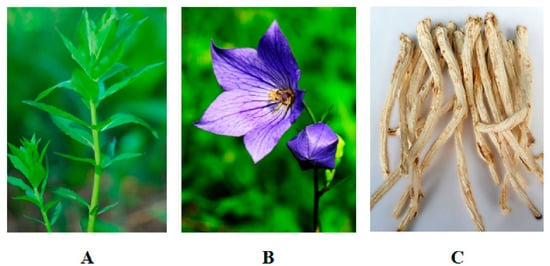
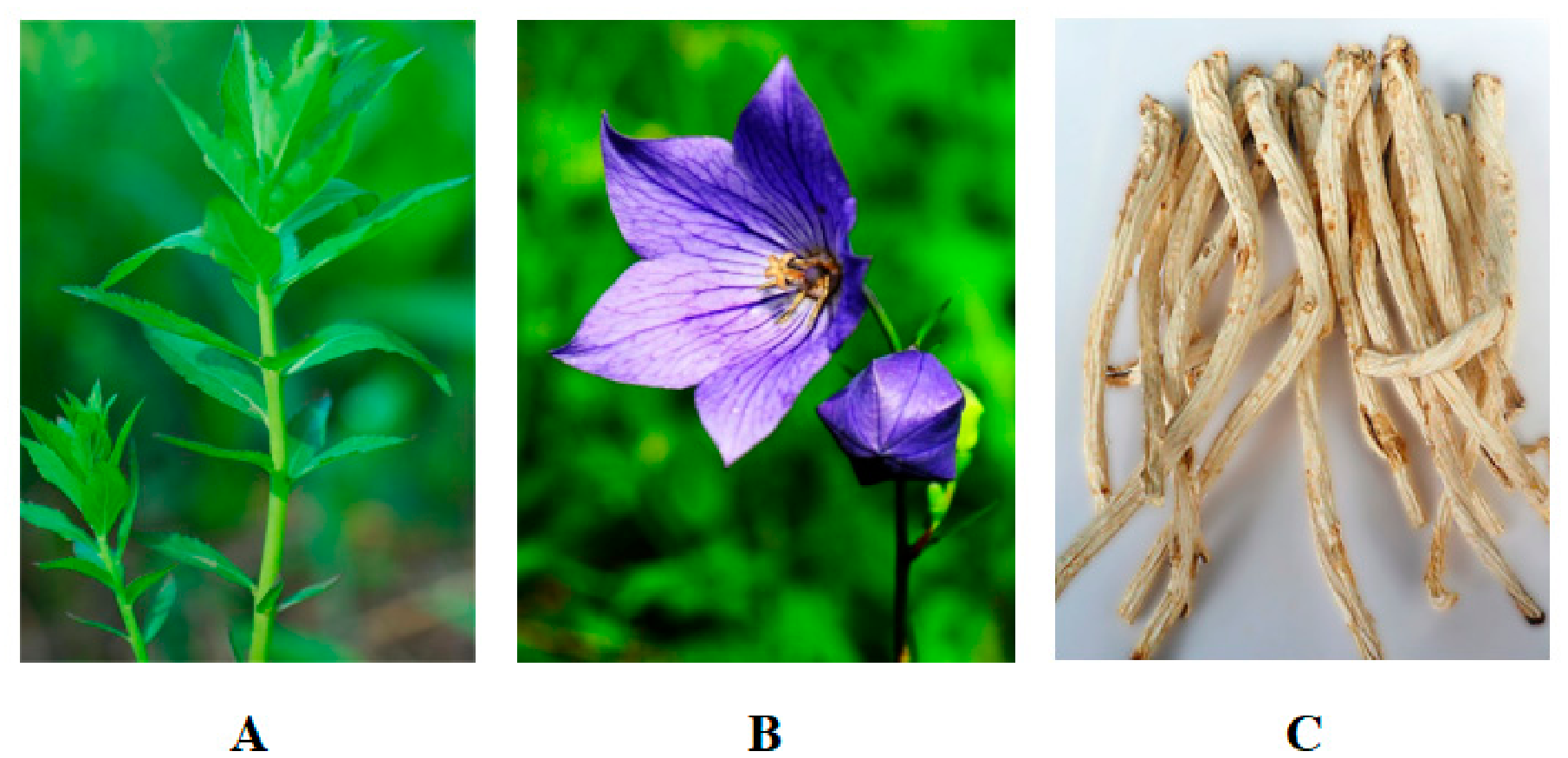
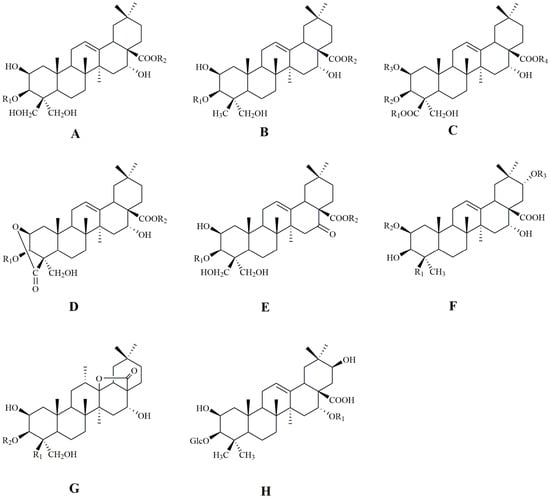
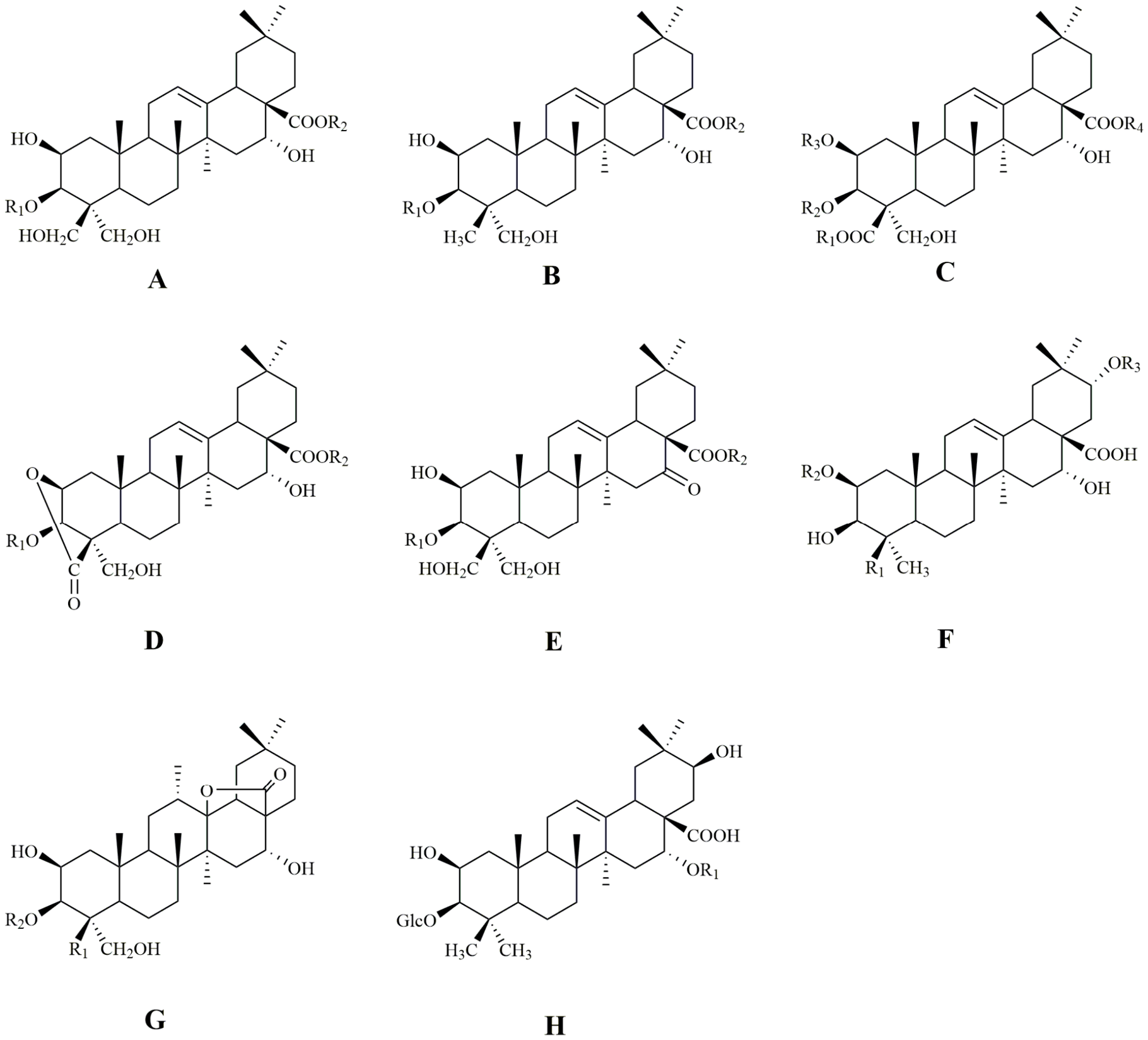
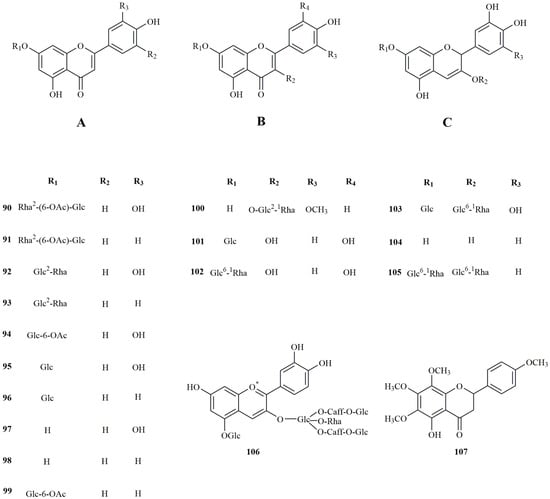
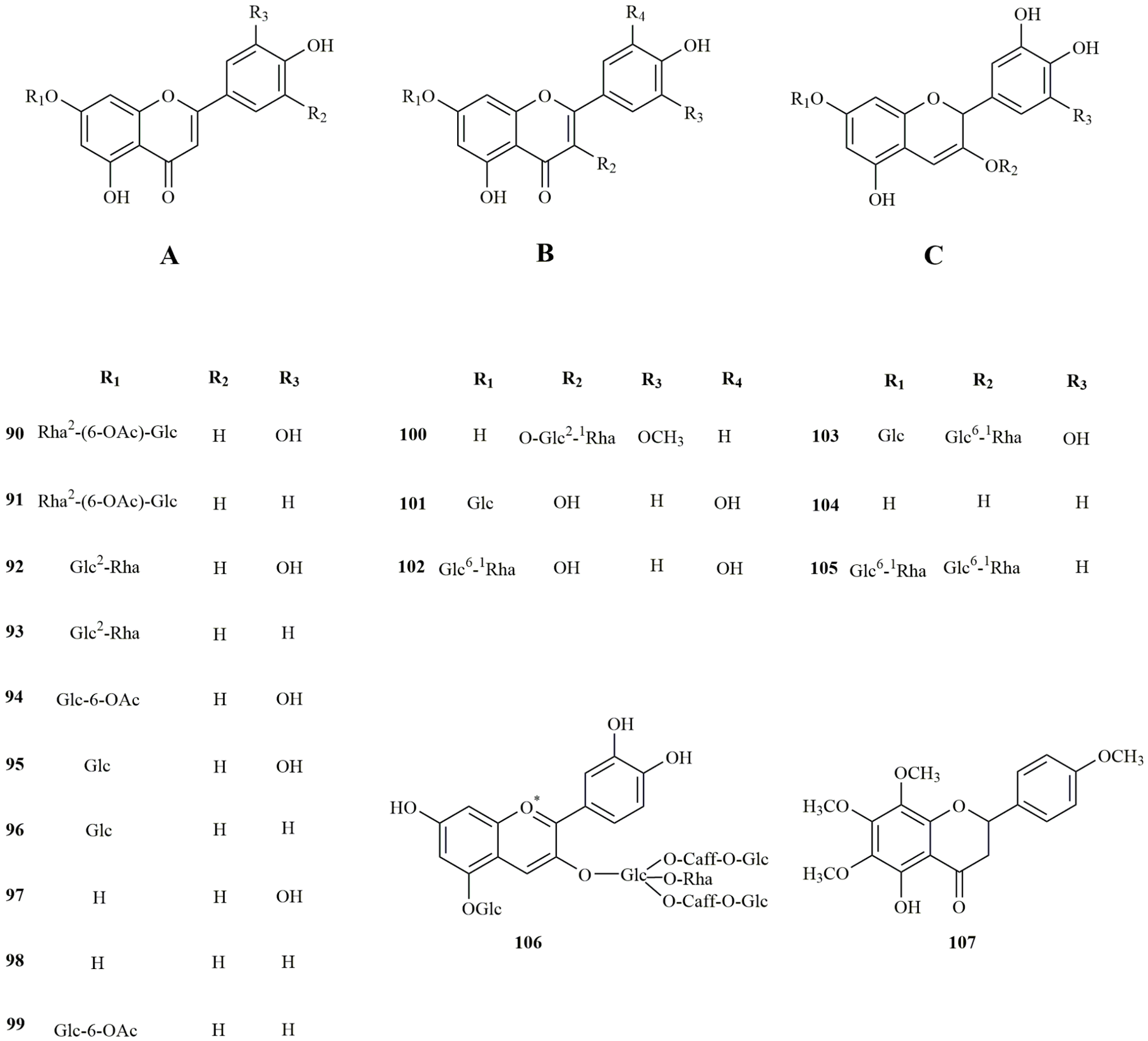
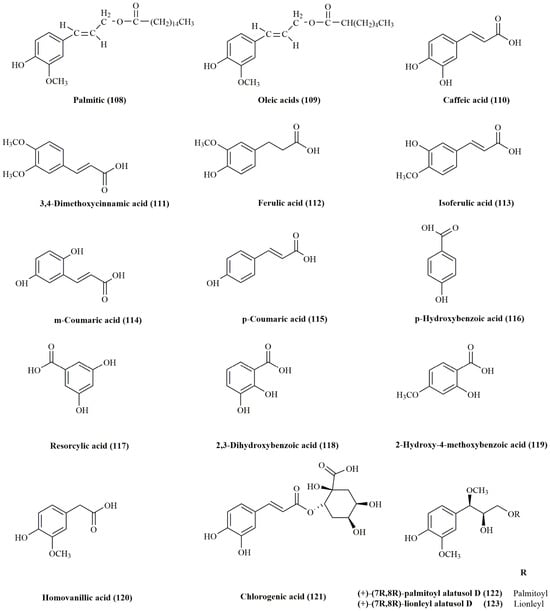
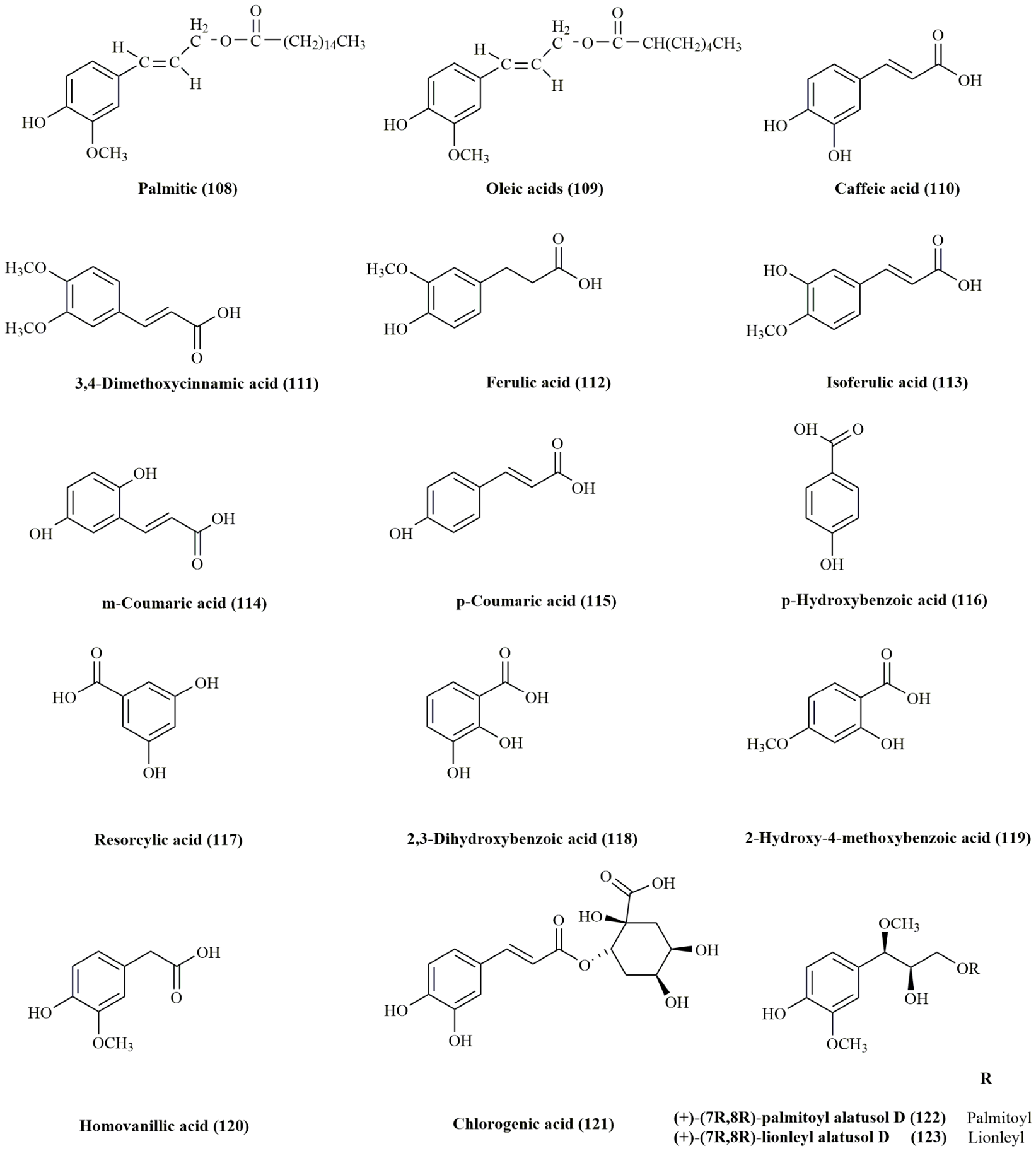
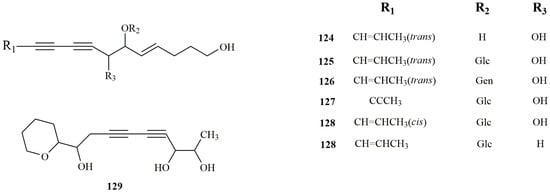
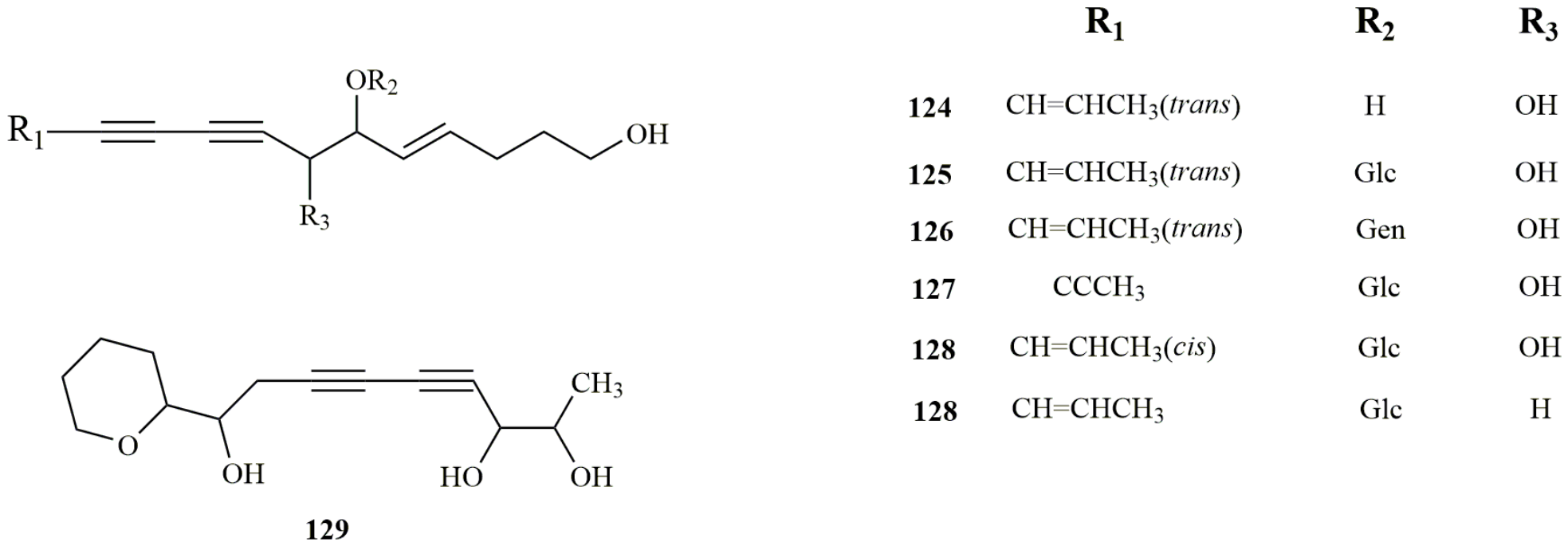
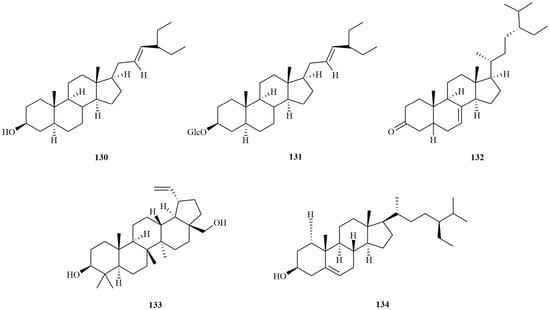
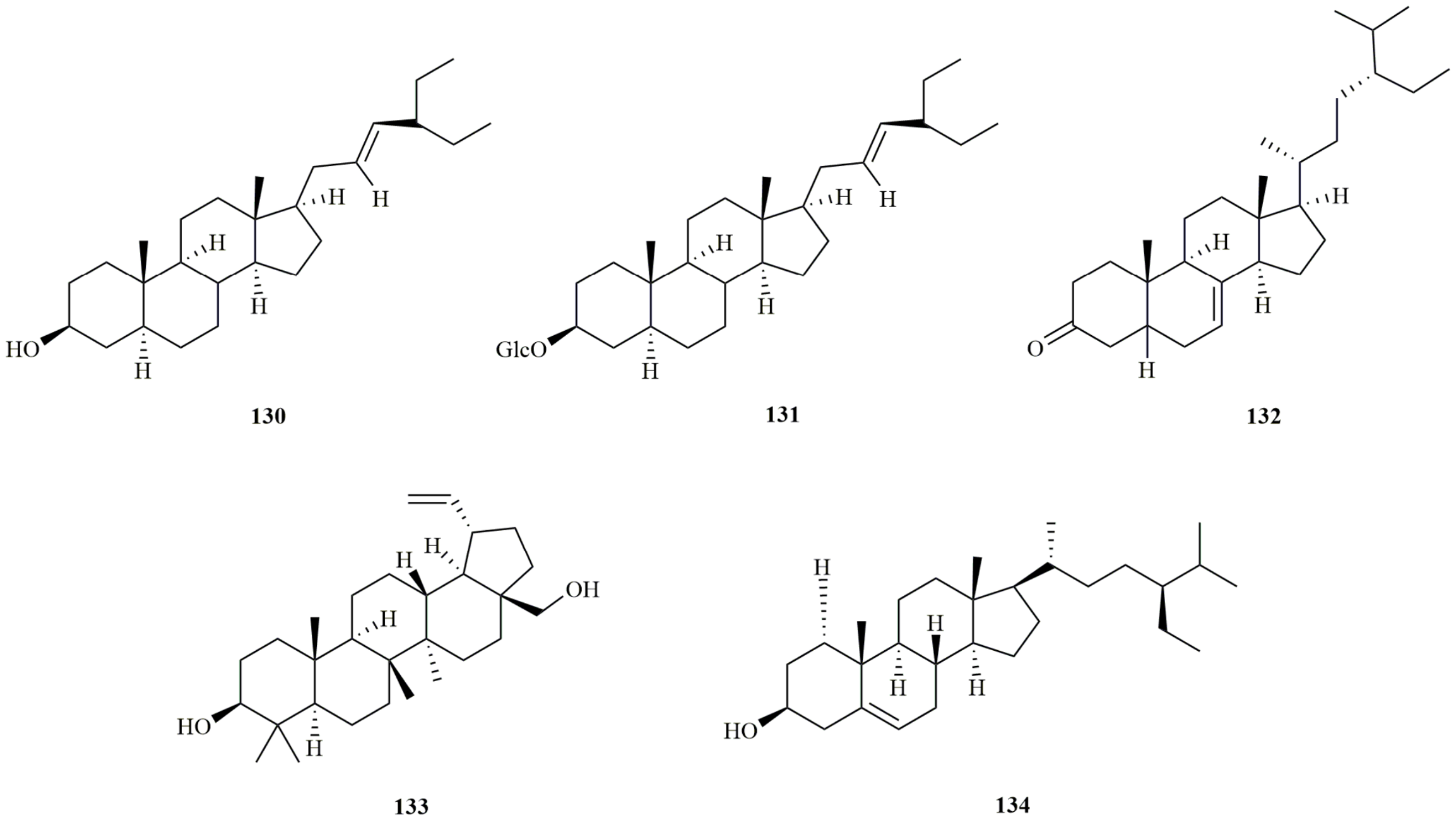
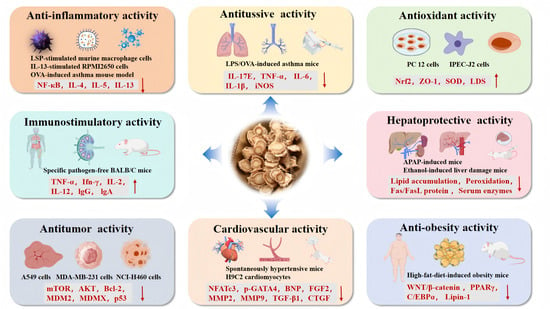
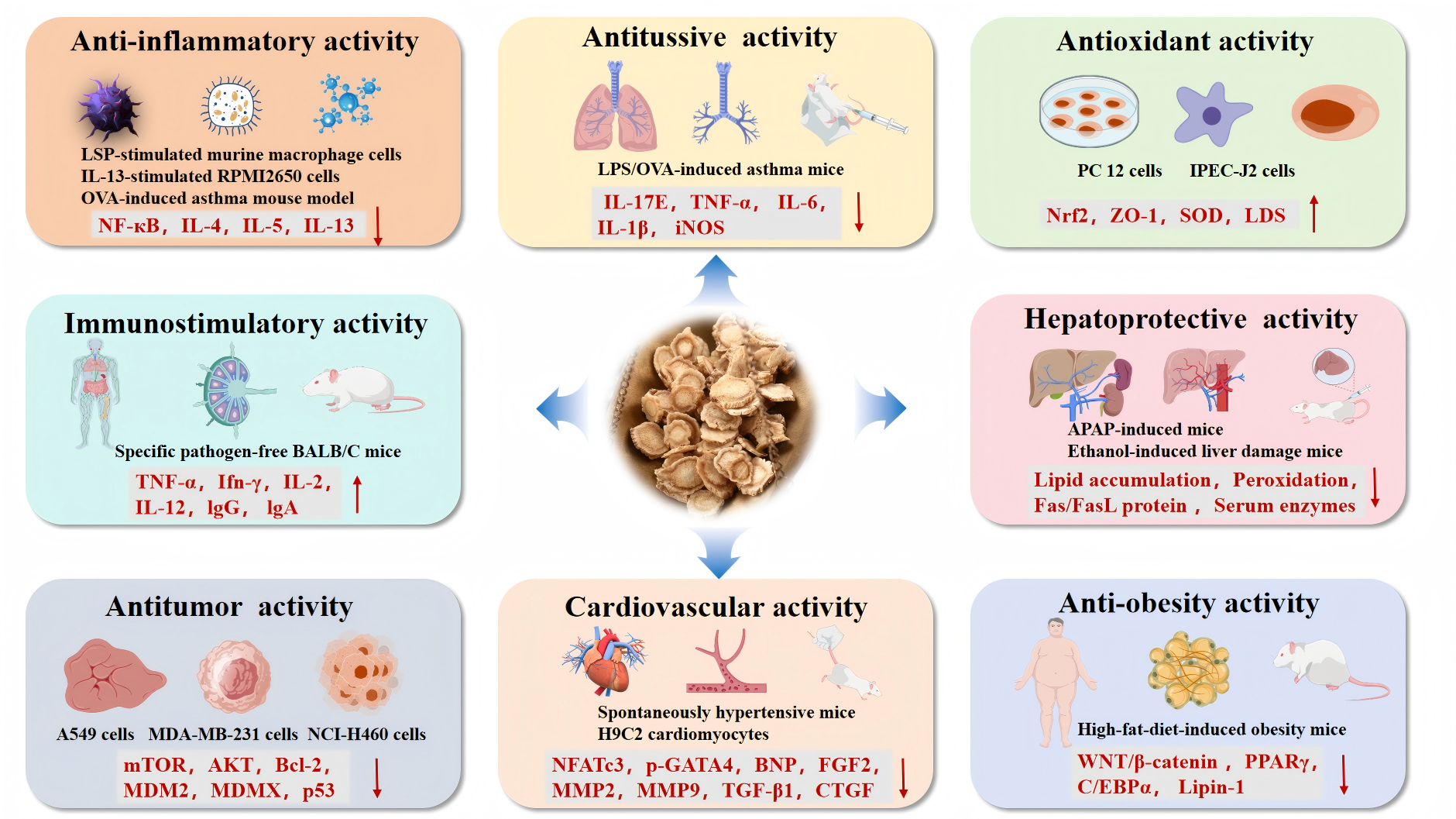
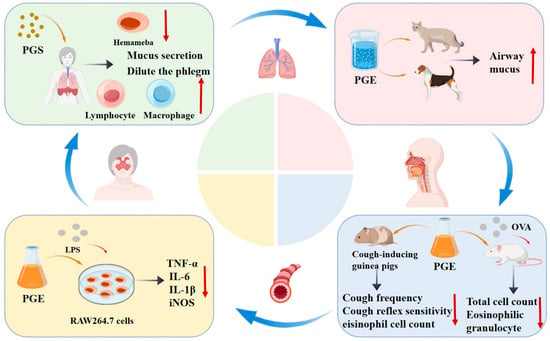
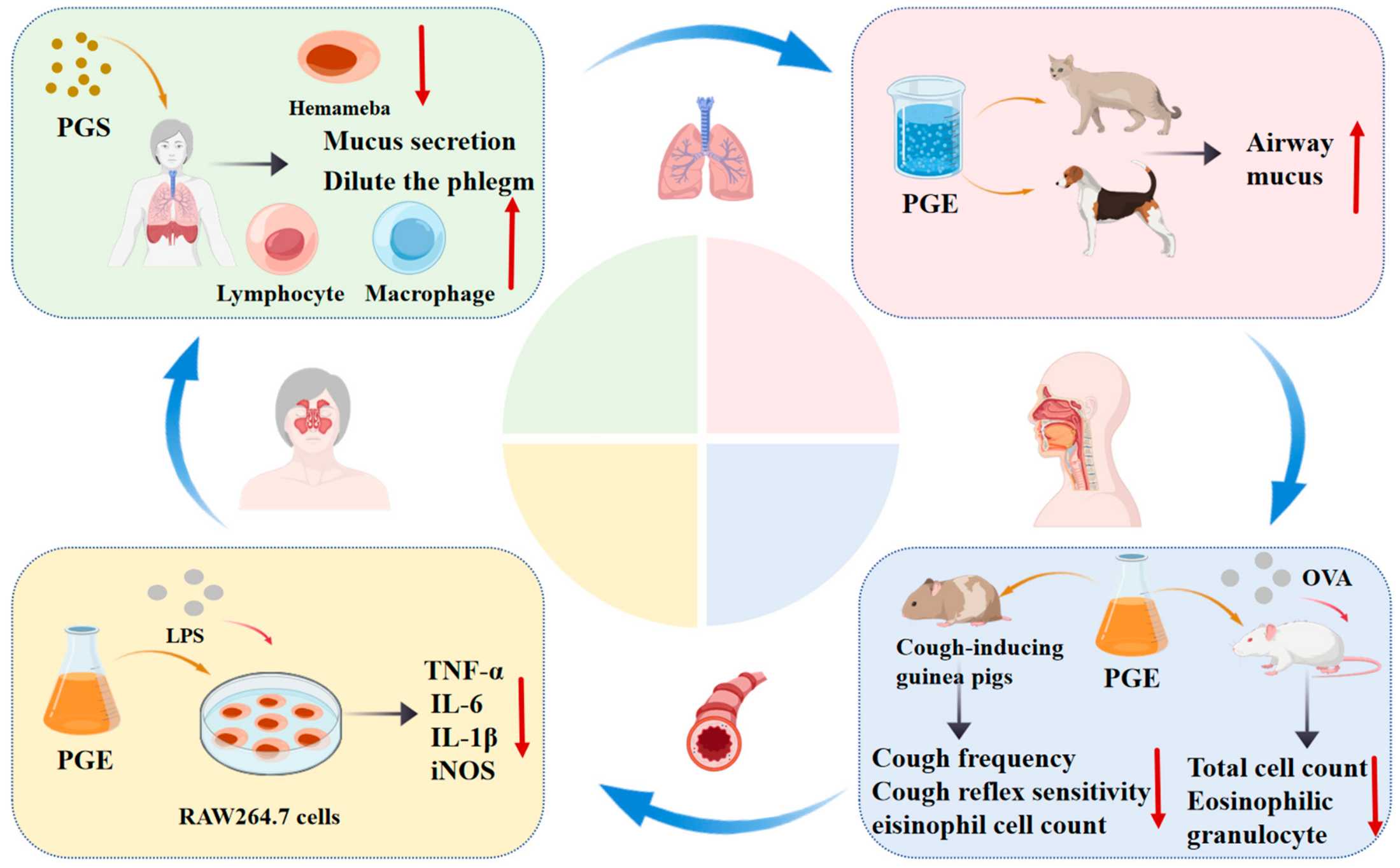
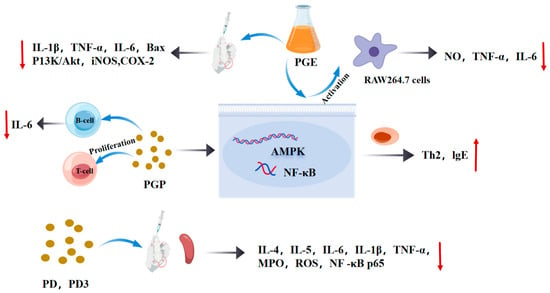
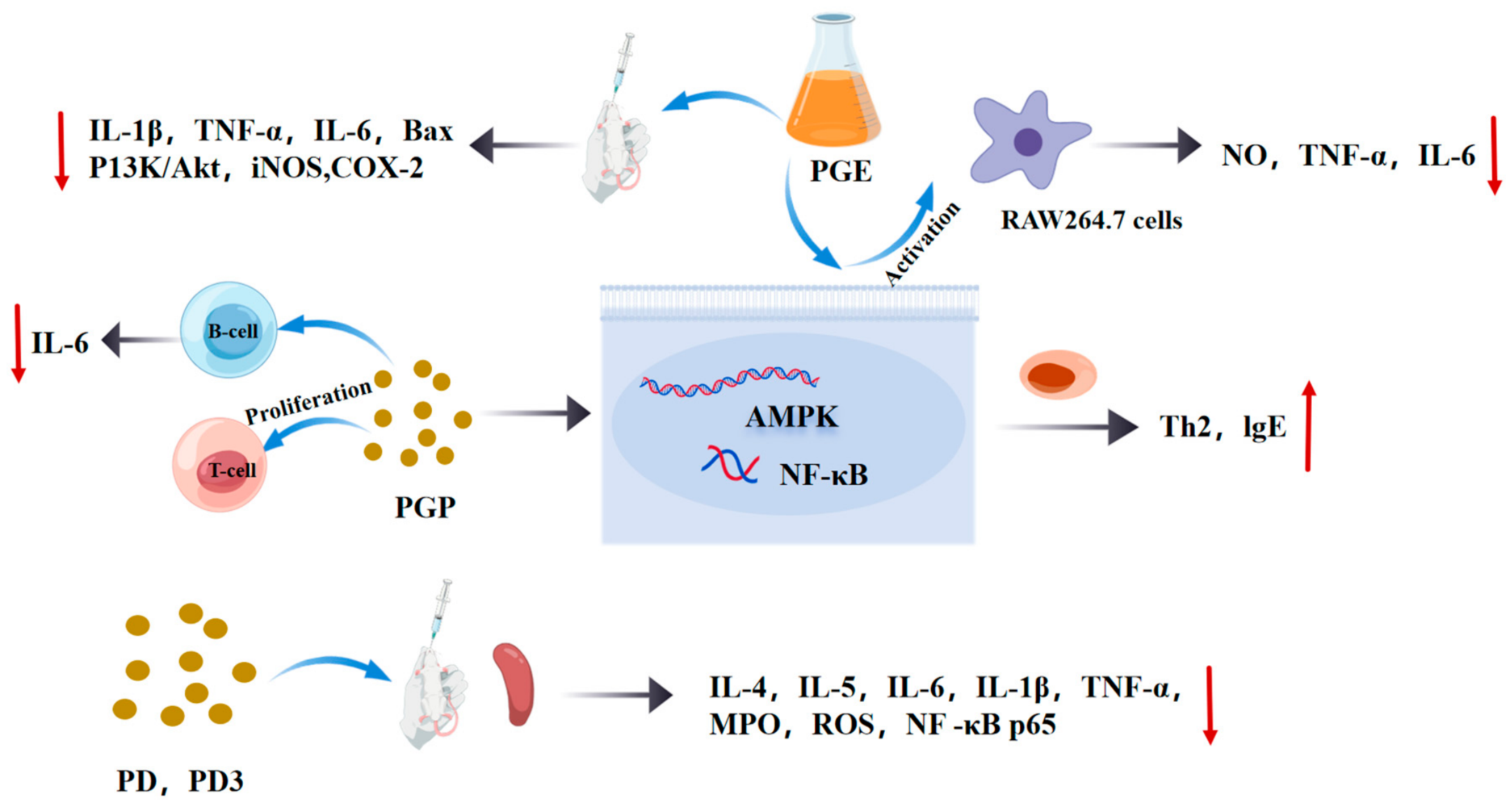
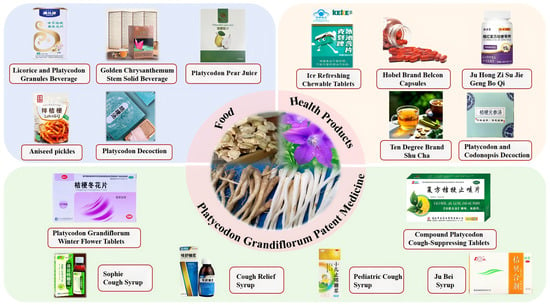
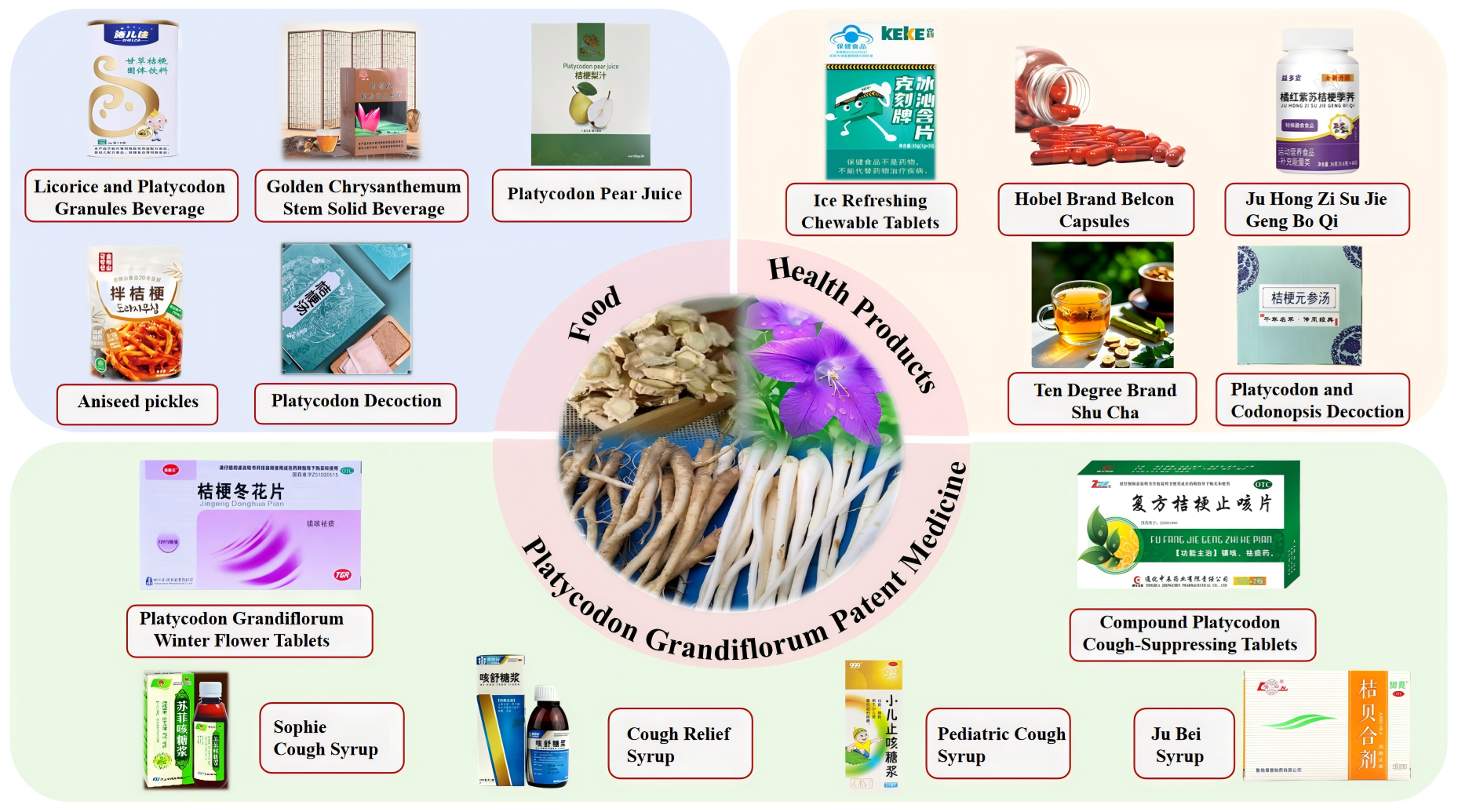

Disclaimer/Publisher’s Note: The statements, opinions and data contained in all publications are solely those of the individual author(s) and contributor(s) and not of MDPI and/or the editor(s). MDPI and/or the editor(s) disclaim responsibility for any injury to people or property resulting from any ideas, methods, instructions or products referred to in the content. |
© 2026 by the authors. Licensee MDPI, Basel, Switzerland. This article is an open access article distributed under the terms and conditions of the Creative Commons Attribution (CC BY) license.