Article

Inhibitory Effects of Erythrosine/Curcumin Derivatives/Nano-Titanium Dioxide-Mediated Photodynamic Therapy on Candida albicans

by
Kasama Kanpittaya
1,2,
Aroon Teerakapong
1,3,
Noppawan Phumala Morales
4,
Doosadee Hormdee
1,
Aroonsri Priprem
5,
Wilawan Weera-archakul
6 and
Teerasak Damrongrungruang
3,7,8,*
1
Division of Periodontology, Department of Oral Biomedical Sciences, Faculty of Dentistry, Khon Kaen University, Khon Kaen 40002, Thailand
2
Dental Department, Chumphae Hospital, Khon Kaen 40130, Thailand
3
Laser in Dentistry Research Group, Khon Kaen University, Khon Kaen 40002, Thailand
4
Department of Pharmacology, Faculty of Sciences, Mahidol University, Bangkok 10400, Thailand
5
Faculty of Pharmacy, Mahasarakham University, Maha Sarakham 44150, Thailand
6
Division of Dental Public Health, Department of Preventive Dentistry, Faculty of Dentistry, Khon Kaen University, Khon Kaen 40002, Thailand
7
Research and Academic Services, Khon Kaen University, Khon Kaen 40002, Thailand
8
Division of Oral Diagnosis, Department of Oral Biomedical Sciences, Faculty of Dentistry, Khon Kaen University, Khon Kaen 40002, Thailand
*
Author to whom correspondence should be addressed.
Molecules 2021, 26(9), 2405; https://doi.org/10.3390/molecules26092405

Submission received: 25 March 2021 / Revised: 16 April 2021 / Accepted: 19 April 2021 / Published: 21 April 2021
(This article belongs to the Special Issue Advances in Lasers and Optoelectronics)

Abstract

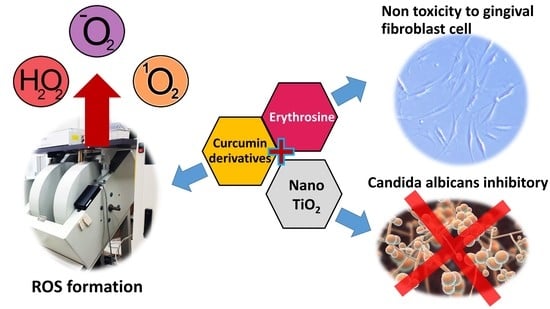
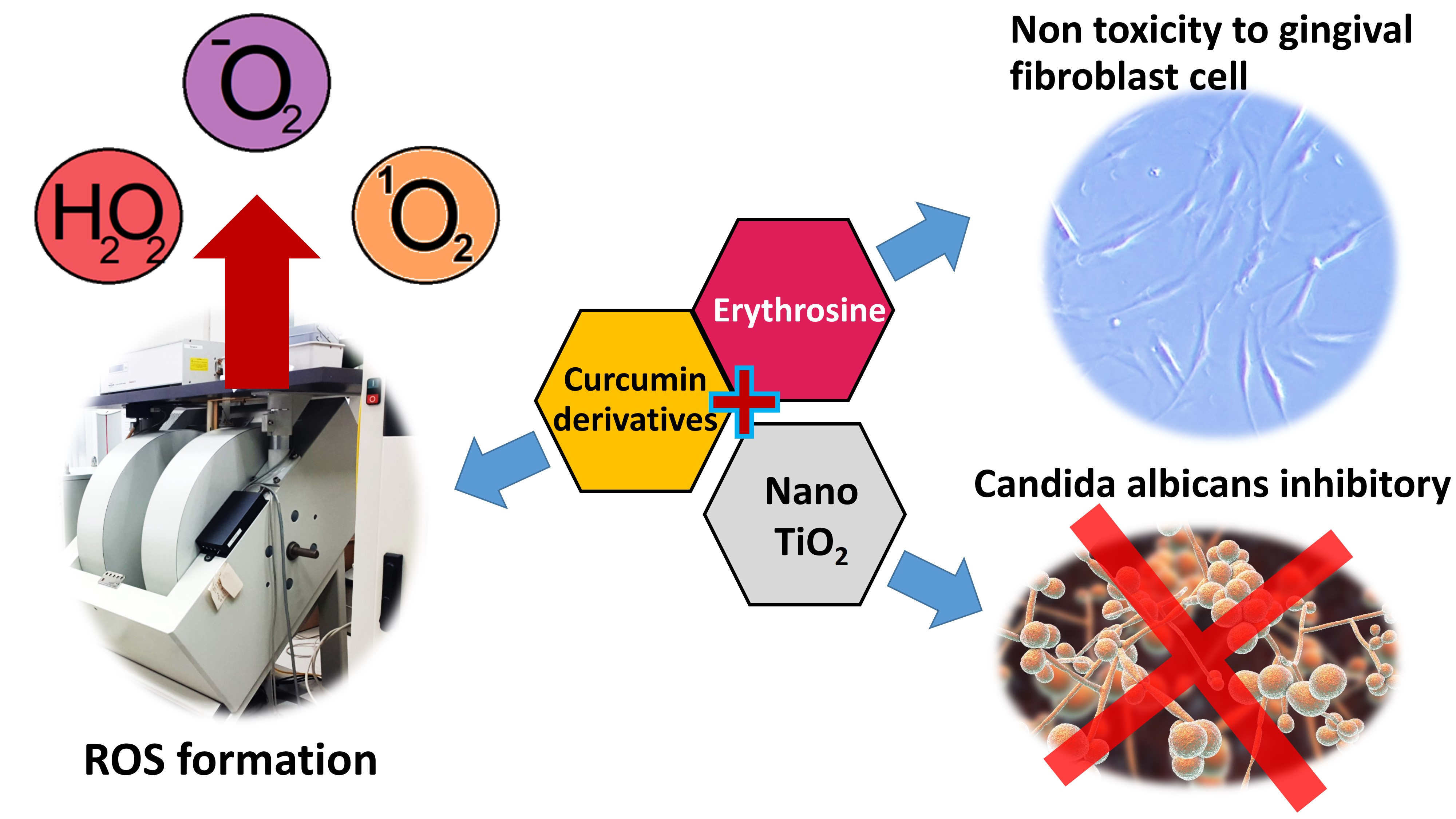
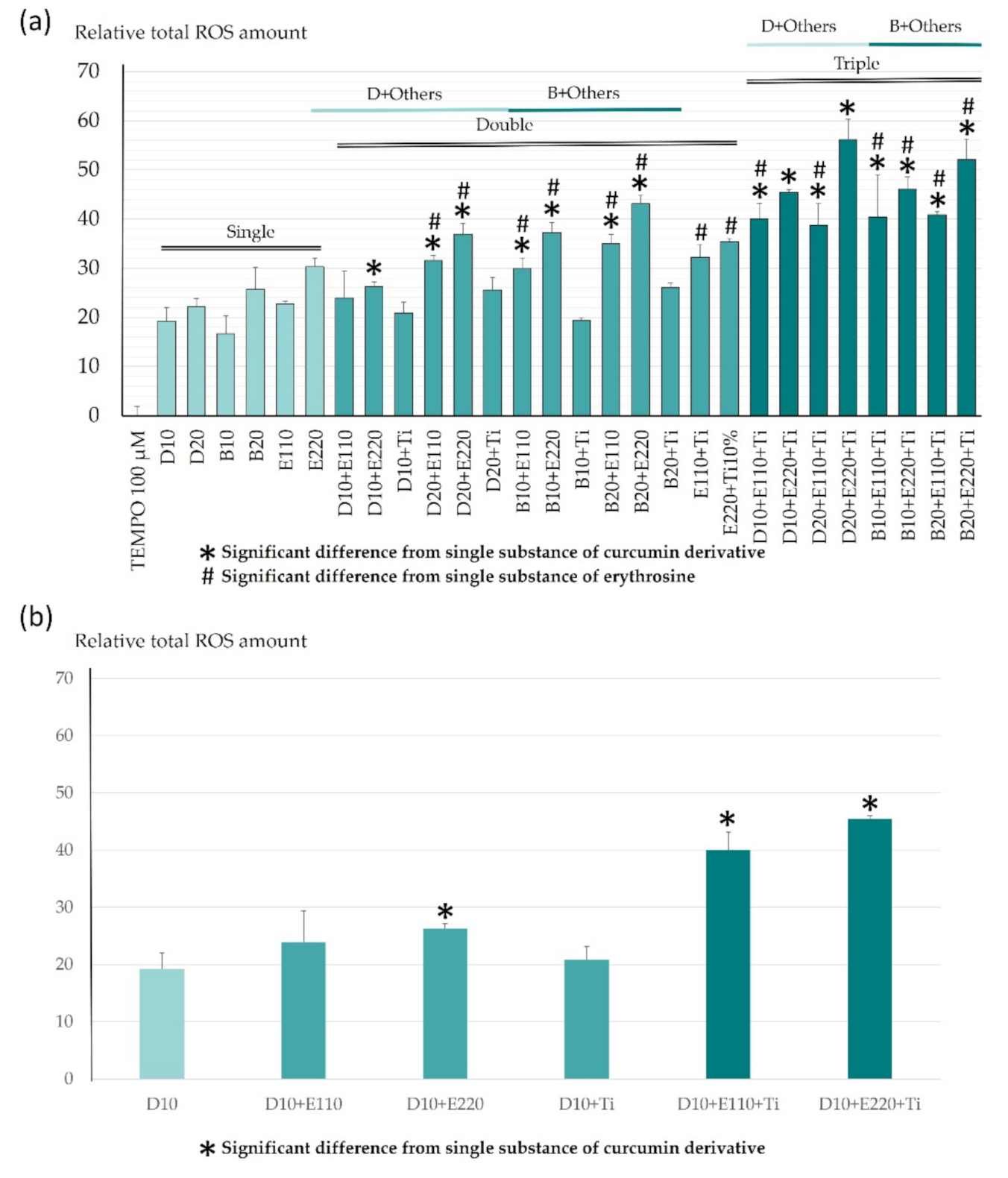
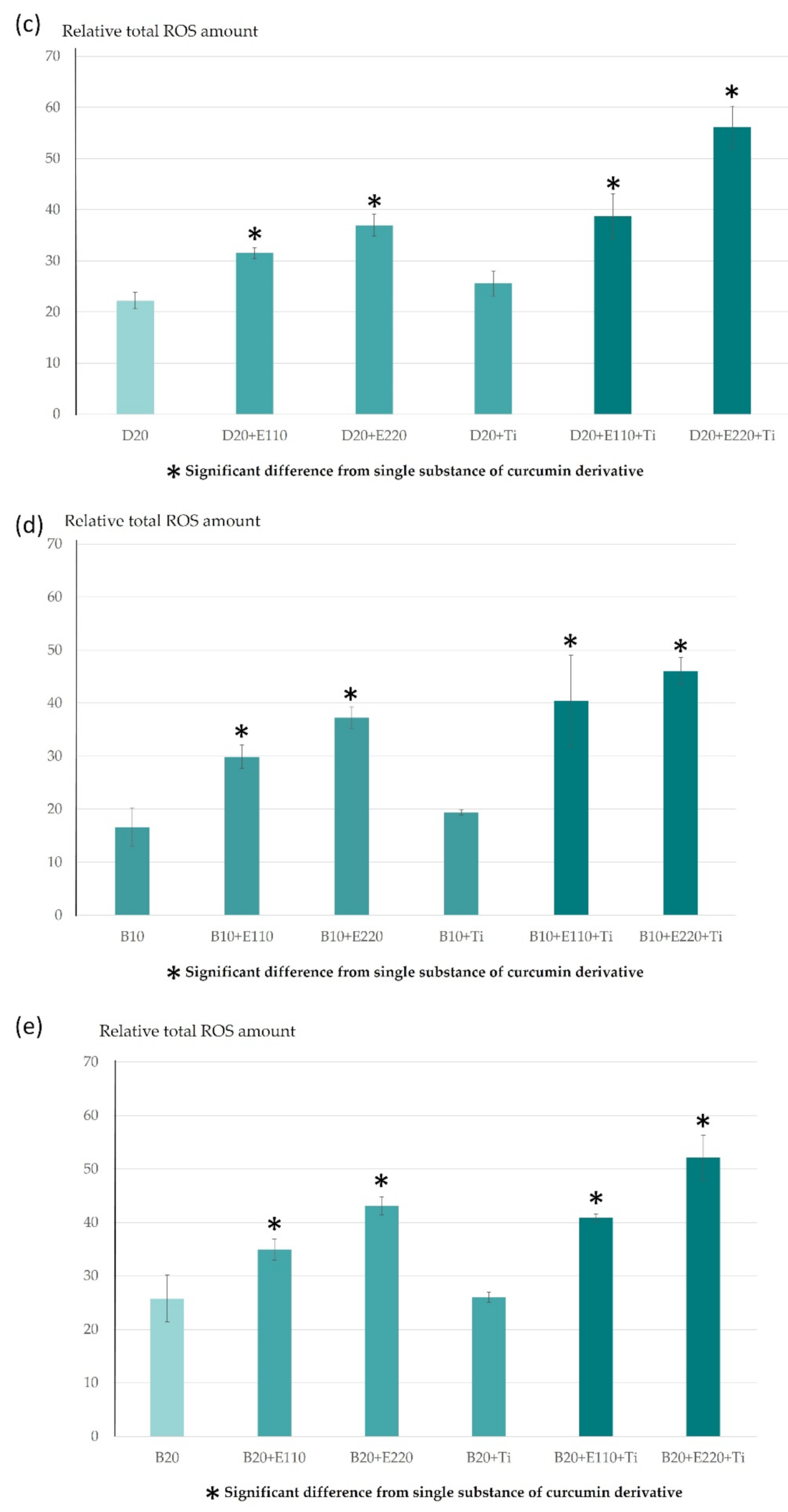
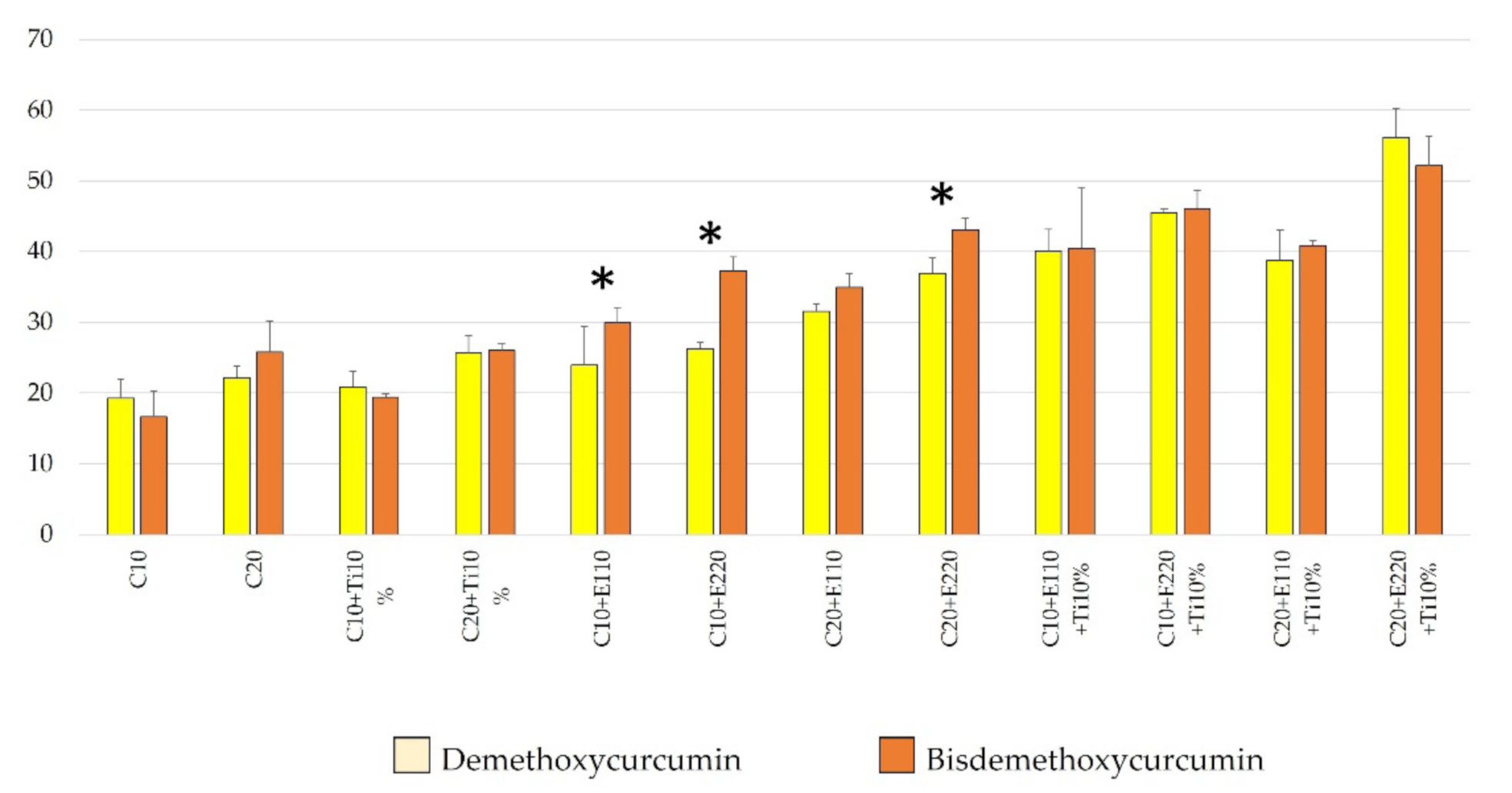
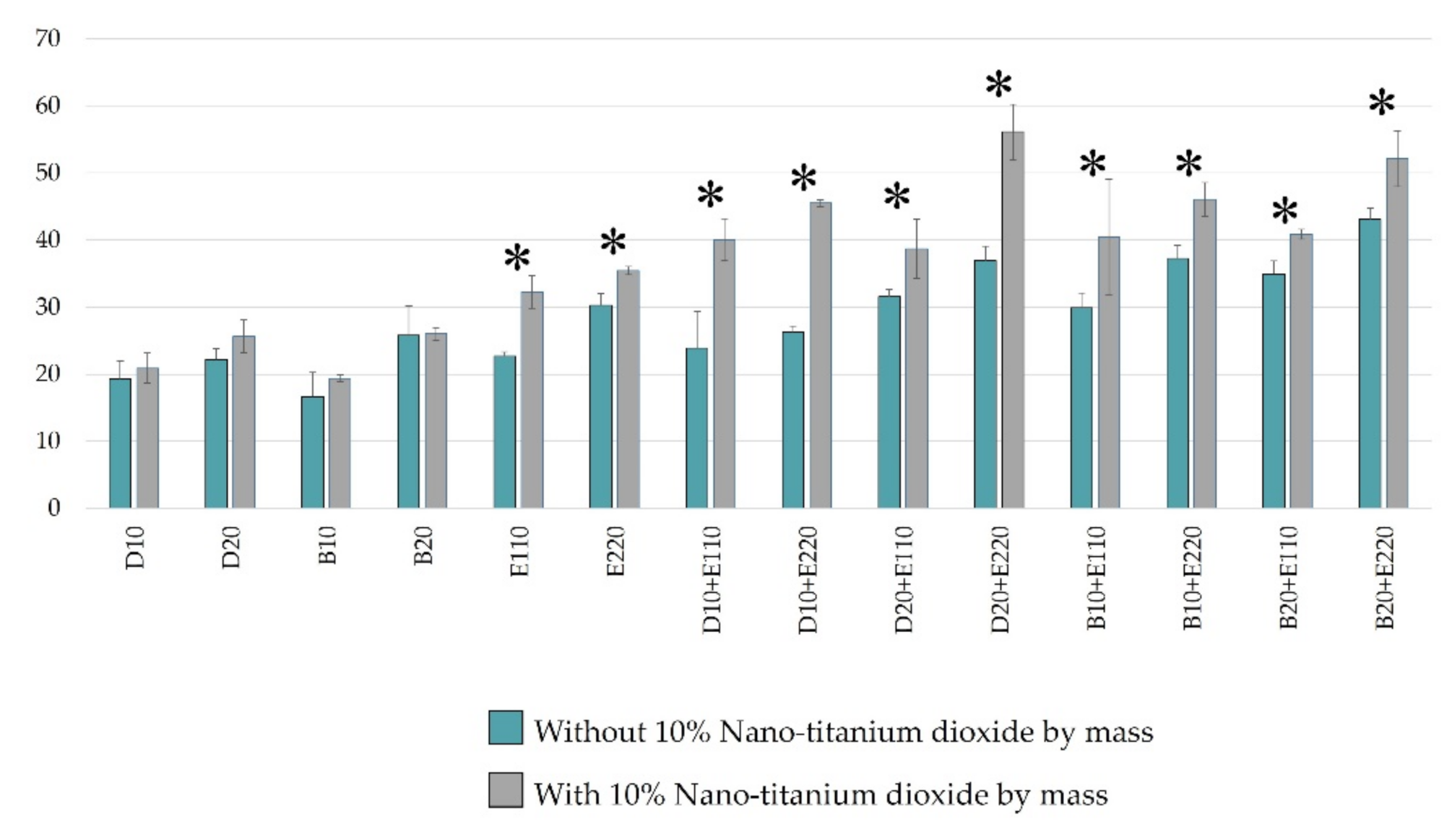
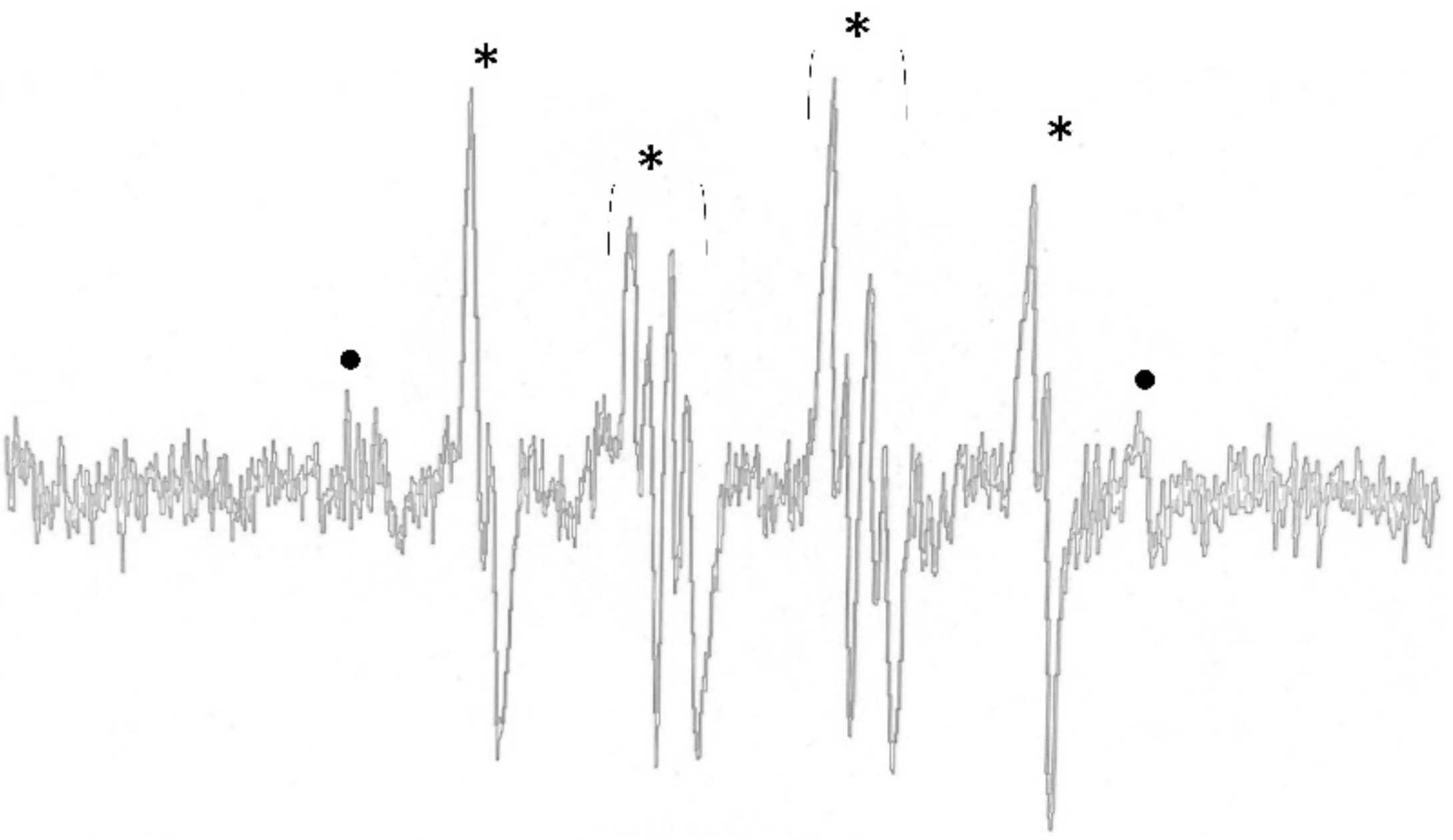
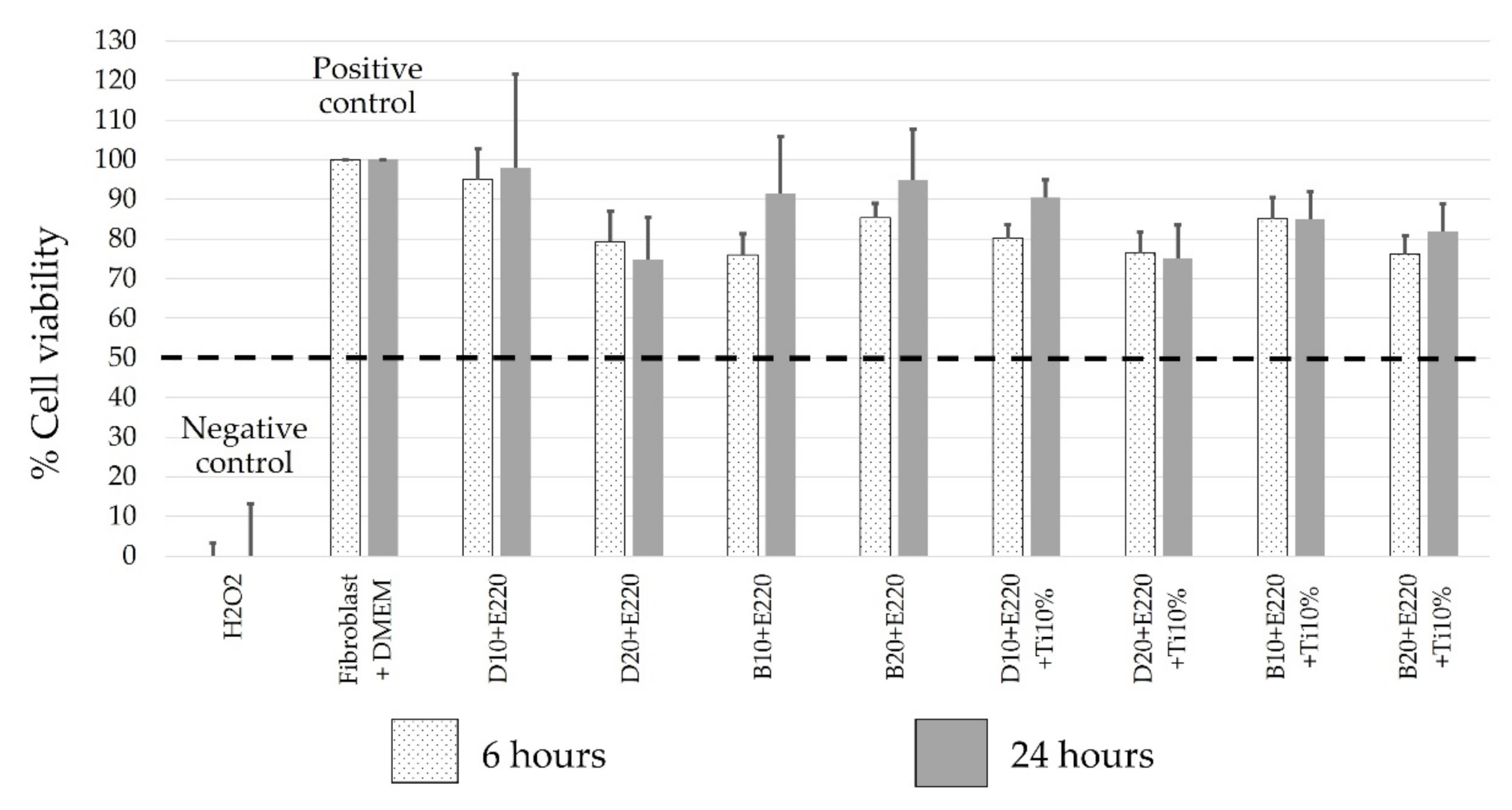
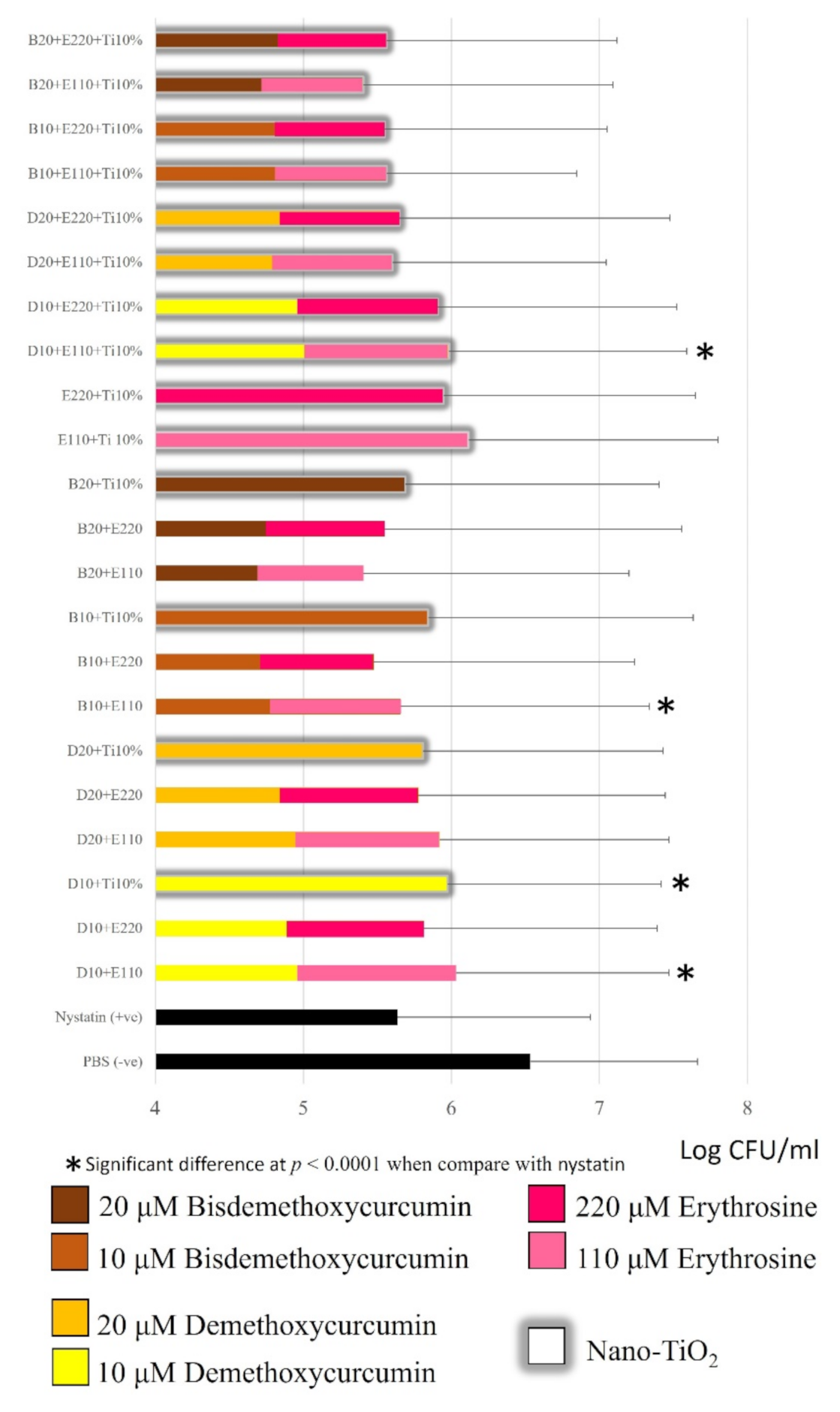
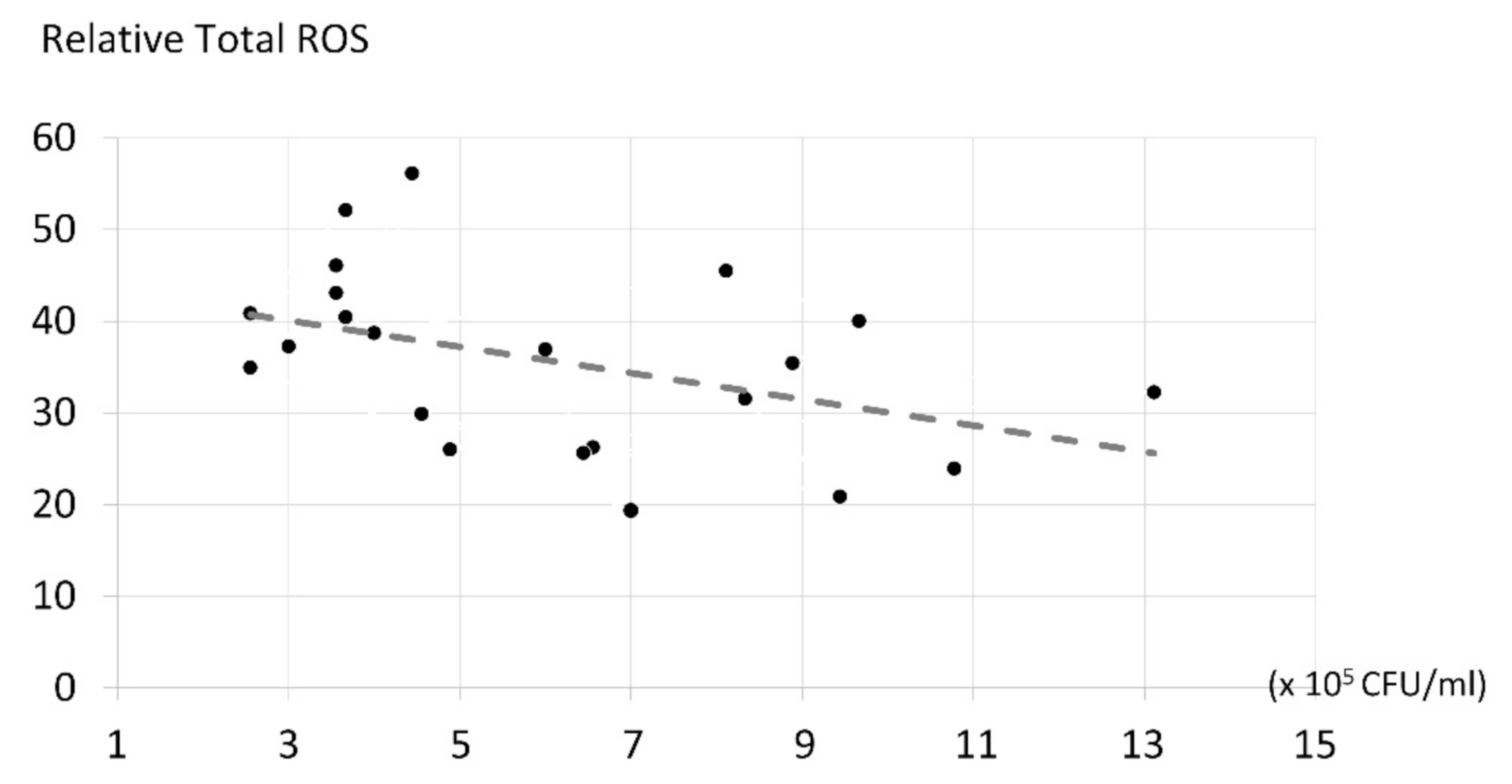
This study focuses on the role of photosensitizers in photodynamic therapy. The photosensitizers were prepared in combinations of 110/220 µM erythrosine and/or 10/20 µM demethoxy/bisdemethoxy curcumin with/without 10% (w/w) nano-titanium dioxide. Irradiation was performed with a dental blue light in the 395–480 nm wavelength range, with a power density of 3200 mW/cm2 and yield of 72 J/cm2. The production of ROS and hydroxyl radical was investigated using an electron paramagnetic resonance spectrometer for each individual photosensitizer or in photosensitizer combinations. Subsequently, a PrestoBlue® toxicity test of the gingival fibroblast cells was performed at 6 and 24 h on the eight highest ROS-generating photosensitizers containing curcumin derivatives and erythrosine 220 µM. Finally, the antifungal ability of 22 test photosensitizers, Candida albicans (ATCC 10231), were cultured in biofilm form at 37 °C for 48 h, then the colonies were counted in colony-forming units (CFU/mL) via the drop plate technique, and then the log reduction was calculated. The results showed that at 48 h the test photosensitizers could simultaneously produce both ROS types. All test photosensitizers demonstrated no toxicity on the fibroblast cells. In total, 18 test photosensitizers were able to inhibit Candida albicans similarly to nystatin. Conclusively, 20 µM bisdemethoxy curcumin + 220 µM erythrosine + 10% (w/w) nano-titanium dioxide exerted the highest inhibitory effect on Candida albicans.
Keywords: biofilm; erythrosine; curcumin derivatives; Candida albicans; photodynamic therapy biofilm; erythrosine; curcumin derivatives; Candida albicans; photodynamic therapy
Graphical Abstract