Current Status, Distribution, and Future Directions of Natural Products against Colorectal Cancer in Indonesia: A Systematic Review
 ,
,  ,
,  ,
, 
Abstract
1. Introduction
2. Objective of the Review
- What evidence literature and data exist on the application of natural products from Indonesian plants in colorectal cancer?
- What are the available trends and study distribution of colorectal cancer in Indonesia?
- What are the used approaches and indicators for colorectal cancer derived from natural products in Indonesia?
- What are the challenges and gaps in the science and application of natural products in colorectal cancer in Indonesia?
3. The Scope of the Review
- Population: Colorectal cancer in Indonesia.
- Intervention: Any secondary metabolites and natural products used for colorectal cancer from Indonesian plants. These common approaches include in vitro and in vivo.
- Comparator: Any indicators used to monitor the success of anti-colorectal cancer activity by the use of natural products or secondary metabolites.
- Outcome: Inhibited colorectal cancer or no proliferation activity of colorectal cancer.
4. Methods
4.1. Literature Search
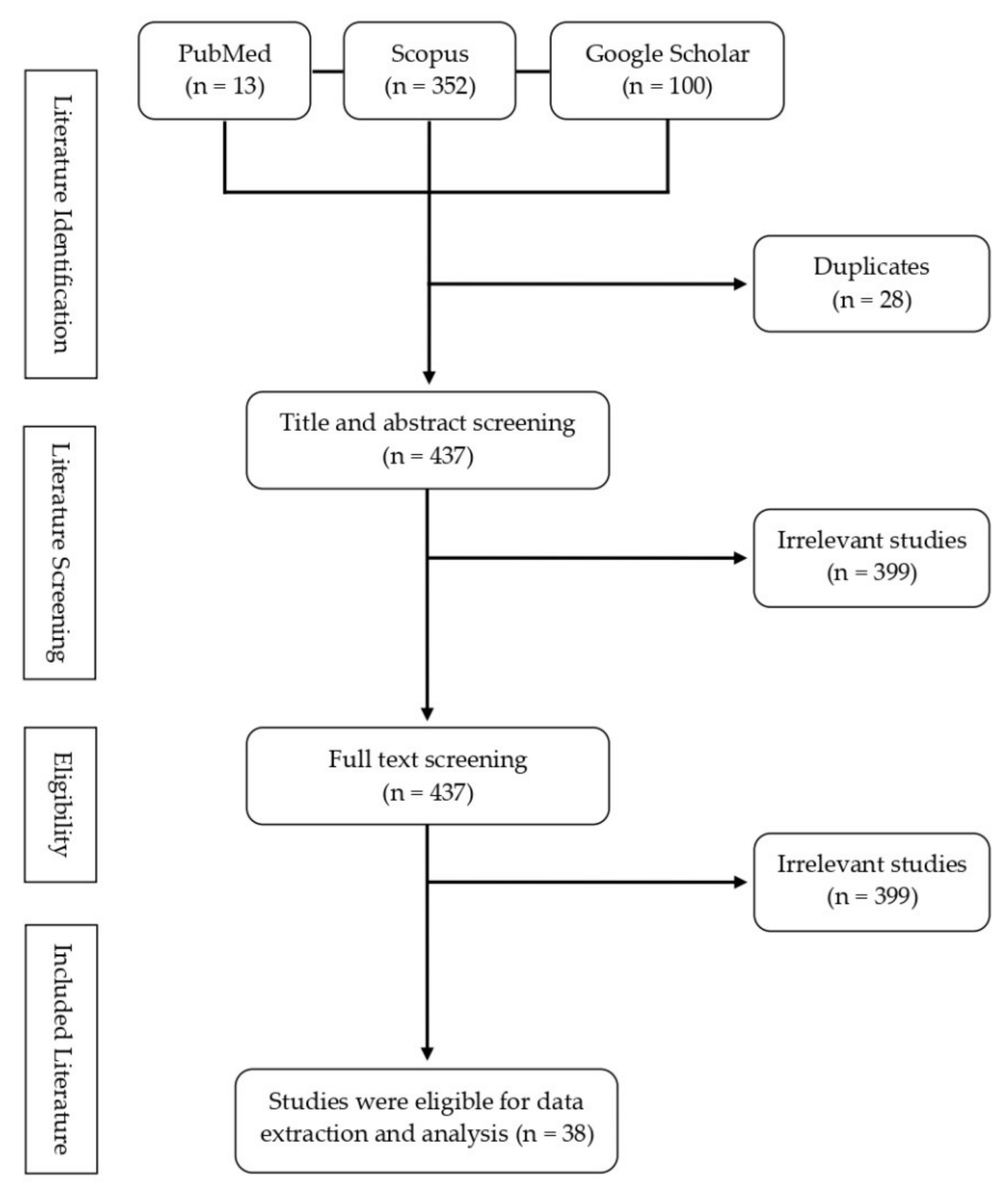
4.2. Literature Screening
4.3. Reporting and Presentation
5. Results
6. Discussion and Future Directions
7. Conclusions
Author Contributions
Funding
Institutional Review Board Statement
Informed Consent Statement
Data Availability Statement
Conflicts of Interest
References
- WHO. Latest Global Cancer Data: Cancer Burden Rises to 18.1 Million New Cases and 9.6 Million Cancer Deaths in 2018. Available online: https://www.who.int/cancer/PRGlobocanFinal.pdf (accessed on 14 May 2021).
- Kuipers, E.J.; Grady, W.M.; Lieberman, D.; Seufferlein, T.; Sung, J.J.; Boelens, P.G.; van de Velde, C.J.H.; Watanabe, T. Colorectal Cancer. Nat. Rev. Dis. Prim. 2015, 5, 15065. [Google Scholar] [CrossRef] [Scilit]
- Aakif, M.; Balfe, P.; Elfaedy, O.; Awan, F.N.; Pretorius, F.; Silvio, L.; Castinera, C.; Mustafa, H. Study on Colorectal Cancer Presentation, Treatment and Follow-Up. Int. J. Colorectal Dis. 2016, 31, 1361–1362. [Google Scholar] [CrossRef] [Scilit]
- Leung, W.K.; Ho, K.Y.; Kim, W.; Lau, J.Y.W.; Ong, E.; Hilmi, I.; Kullavanijaya, P.; Wang, C.; Li, C.; Fujita, R.; et al. Colorectal Neoplasia in Asia: A Multicenter Colonoscopy Survey in Symptomatic Patients. Gastrointest. Endosc. 2006, 64, 751–759. [Google Scholar] [CrossRef] [Scilit]
- Ng, S.C.; Zeng, Z.; Niewiadomski, O.; Tang, W.; Bell, S.; Kamm, M.A.; Hu, P.; de Silva, J.; Niriella, M.A.; Udara, W.S.A.A.Y.; et al. Early Course of Inflammatory Bowel Disease in a Population-Based Inception Cohort Study from 8 Countries in Asia and Australia. Gastroenterology 2016, 150, 86–95. [Google Scholar] [CrossRef] [Scilit]
- Abdullah, M.; Sudoyo, A.W.; Utoma, A.R.; Fauzi, A.; Rani, A.A. Molecular Profile of Colorectal Cancer in Indonesia: Is There Another Pathway? Gastroenterol. Hepatol. Bed Bench 2012, 5, 71–78. [Google Scholar]
- Conze, D.; Weiss, L.; Regen, P.S.; Bhushan, A.; Weaver, D.; Johnson, P.; Rincon, M. Autocrine Production of Interleukin 6 Causes Multidrug Resistance in Breast Cancer Cells. Cancer Res. 2001, 61, 8851–8858. [Google Scholar] [PubMed]
- Shapiro, G.I.; Harper, J.W. Anticancer Drug Targets: Cell Cycle and Checkpoint Control. J. Clin. Investig. 1999, 104, 1645–1653. [Google Scholar] [CrossRef] [Scilit] [PubMed]
- Kitagawa, S. Inhibitory Effects of Polyphenols on P-Glycoprotein-Mediated Transport. Biol. Pharm. Bull. 2006, 29, 1–6. [Google Scholar] [CrossRef] [Scilit]
- Adina, A.B.; Goenadi, F.A.; Handoko, F.F.; Nawangsari, D.A.; Hermawan, A.; Jenie, R.I.; Meiyanto, E. Combination of Ethanolic Extract of Citrus Aurantifolia Peels with Doxorubicin Modulate Cell Cycle and Increase Apoptosis Induction on MCF-7 Cells. Iran. J. Pharm. Res. 2014, 13, 919–926. [Google Scholar] [PubMed]
- Sudiana, I.K. Patobiologi Molekular Kanker; Salemba Medika: Jakarta, Indonesia, 2008. [Google Scholar]
- Knödler, M.; Buyel, J.F. Plant-Made Immunotoxin Building Blocks: A Roadmap for Producing Therapeutic Antibody-Toxin Fusions. Biotechnol. Adv. 2021, 47, 107683. [Google Scholar] [CrossRef] [Scilit]
- Cragg, G.M.; Newman, D.J. A Tale of Two Tumor Targets: Topoisomerase I and Tubulin. The Wall and Wani Contribution to Cancer Chemotherapy. J. Nat. Prod. 2004, 67, 232–244. [Google Scholar] [CrossRef] [Scilit]
- Stohrl, W.R. The Role of Natural Products in a Modern Drug Discovery Program. Drug Discov. Today 2000, 5, 39–41. [Google Scholar] [CrossRef]
- Methley, A.M.; Campbell, S.; Chew-Cheraghi-Sohi, C. PICO, PICOS and SPIDER: A Comparison Study of Specificity and Sensitivity in Three Search Tools for Qualitative Systematic Reviews. BMC Health Serv. Res. 2014, 14, 1–10. [Google Scholar] [CrossRef] [Scilit]
- Johnson, B.T.; Hennessy, E.A. Systematic Reviews and Meta-Analyses in the Health Sciences: Best Practice Methods for Research Syntheses. Soc. Sci. Med. 2019, 233, 237–251. [Google Scholar] [CrossRef] [Scilit]
- Charrois, T.L.; Durec, T.; Tsuyuki, R.T. Systematic Reviews of Pharmacy Practice Research: Methodologic Issues in Searching, Evaluating, Interpreting, and Disseminating Results. Ann. Pharmacother. 2009, 43, 118–122. [Google Scholar] [CrossRef] [Scilit] [PubMed]
- Munn, Z.; Peters, M.D.J.; Stern, C.; Tufanaru, C.; McArthur, A.; Aromataris, E. Systematic Review or Scoping Review? Guidance for Authors When Choosing between a Systematic or Scoping Review Approach. BMC Med. Res. Methodol. 2018, 18, 1–7. [Google Scholar] [CrossRef] [PubMed]
- Chen, T.R.; Drabkowski, D.; Hay, R.J.; Macy, M.; Peterson, W., Jr. WiDr Is a Derivative of Another Colon Adenocarcinoma Cell Line, HT-29. Cancer Genet. Cytogenet. 1987, 27, 125–134. [Google Scholar] [CrossRef] [Scilit]
- Waly, M.I.; Al-Rawahi, A.S.; Al Riyami, M.; Al-Kindi, M.A.; Al-Issaei, H.K.; Farooq, S.A.; Al-Alawi, A.; Rahman, M.S. Amelioration of Azoxymethane Induced-Carcinogenesis by Reducing Oxidative Stress in Rat Colon by Natural Extracts. BMC Complement. Altern. Med. 2014, 14, 1–10. [Google Scholar] [CrossRef] [Scilit]
- Reddy, B.S. Animal Models for Colon Cancer Chemoprevention. In Encyclopedia of Cancer; Bertino, J.R., 2nd, Ed.; Elsevier Science: New York, NY, USA, 2002; Volume 1, pp. 49–55. [Google Scholar] [CrossRef] [Scilit]
- Kuete, V.; Efferth, T. African Flora Has the Potential to Fight Multidrug Resistance of Cancer. BioMed Res. Int. 2015, 2015, 914813. [Google Scholar] [CrossRef] [Scilit] [PubMed]
- Tanaka, T.; Sugie, S. Inhibition of Colon Carcinogenesis by Dietary Non-Nutritive Compounds. J. Toxicol. Pathol. 2007, 20, 215–235. [Google Scholar] [CrossRef] [Scilit]
- Shwter, A.N.; Abdullah, N.A.; Alshawsh, M.A.; El-Seedi, H.R.; Al-Henhena, N.A.; Khalifa, S.A.M.; Abdulla, M.A. Chemopreventive Effect of Phaleria Macrocarpa on Colorectal Cancer Aberrant Crypt Foci in vivo. J. Ethnopharmacol. 2016, 193, 195–206. [Google Scholar] [CrossRef] [Scilit] [PubMed]
- Nurdin, S.U.; Le Leu, R.K.; Aburto-Medina, A.; Young, G.P.; Stangoulis, J.C.R.; Ball, A.S.; Abbott, C.A. Effects of Dietary Fibre from the Traditional Indonesian Food, Green Cincau (Premna Oblongifolia Merr.) on Preneoplastic Lesions and Short Chain Fatty Acid Production in an Azoxymethane Rat Model of Colon Cancer. Int. J. Mol. Sci. 2018, 19, 2593. [Google Scholar] [CrossRef] [Scilit] [PubMed]
- Tatsuta, T.; Hosono, M.; Rotinsulu, H.; Wewengkang, D.S.; Sumilat, D.A.; Namikoshi, M.; Yamazaki, H. Lissoclibadin 1, a Polysulfur Aromatic Alkaloid from the Indonesian Ascidian Lissoclinum Cf. Badium, Induces Caspase-Dependent Apoptosis in Human Colon Cancer Cells and Suppresses Tumor Growth in Nude Mice. J. Nat. Prod. 2017, 80, 499–502. [Google Scholar] [CrossRef] [Scilit] [PubMed]
- Yamazaki, H.; Wewengkang, D.S.; Nishikawa, T.; Rotinsulu, H.; Mangindaan, R.E.P.; Namikoshi, M. Two New Tryptamine Derivatives, Leptoclinidamide and (−)-Leptoclinidamine B, from an Indonesian Ascidian Leptoclinides Dubius. Mar. Drugs 2012, 10, 349–357. [Google Scholar] [CrossRef] [Scilit]
- Arifni, F.R.; Hasan, A.E.Z.; Julistiono, H.; Bermawie, N.; Riyanti, E.I. Anticancer Activities of Endophytic Fungi Isolated from Soursop Leaves (Annonamuricata L.) against WiDr Cancer Cells. Annu. Res. Rev. Biol. 2017, 18, 1–11. [Google Scholar] [CrossRef] [Scilit]
- Zubair, M.S.; Alarif, W.M.; Ghandourah, M.A.; Anam, S.; Jantan, I. Cytotoxic Activity of 2-o-β-Glucopyranosil Cucurbitacin d from Benalu Batu (Begonia Sp.) Growing in Morowali, Central Sulawesi. Indones. J. Chem. 2020, 20, 766–772. [Google Scholar] [CrossRef] [Scilit]
- Widyarini, S.; Hartanto, N.L.; Pratiwi, R. Phytochemical Analysis and Cytotoxic Activities of Two Distinct Cultivars of Ganyong Rhizomes (Canna Indica) against the Widr Colon Cancer Cell Line. Biodiversitas 2020, 21, 1660–1669. [Google Scholar] [CrossRef] [Scilit]
- Sari, D.P.; Basyuni, M.; Hasibuan, P.A.Z.; Sumardi, S.; Nuryawan, A.; Wati, R. Cytotoxic and Antiproliferative Activity of Polyisoprenoids in Seventeen Mangroves Species against WiDr Colon Cancer Cells. Asian Pac. J. Cancer Prev. 2018, 19, 3393–3400. [Google Scholar] [CrossRef] [Scilit]
- Sari, D.P.; Basyuni, M.; Hasibuan, P.A.Z.; Wati, R. The Inhibition of Polyisoprenoids from Nypa Fruticans Leaves on Cyclooxygenase 2 Expression of WiDr Colon Cancer Cells. Asian J. Pharm. Clin. Res. 2018, 11, 154–157. [Google Scholar] [CrossRef] [Scilit]
- Arsianti, A.; Fadilah, F.; Wibisono, L.K.; Kusmardi, S.; Azizah, N.N.; Putrianingsih, R.; Murniasih, T.; Rasyid, A.; Pangesti, R. Phytochemical Composition and Anticancer Activity of Seaweeds Ulva Lactuca and Eucheuma Cottonii against Breast MCF-7 and Colon HCT-116 Cells. Asian J. Pharm. Clin. Res. 2016, 9, 115–119. [Google Scholar] [CrossRef] [Scilit]
- Nugraha, A.S.; Pratoko, D.K.; Damayanti, Y.D.; Lestari, N.D.; Laksono, T.A.; Addy, H.S.; Untari, L.F.; Kusumawardani, B.; Wangchuk, P. Antibacterial and Anticancer Activities of Nine Lichens of Indonesian Java Island. J. Biol. Act. Prod. Nat. 2019, 9, 39–46. [Google Scholar] [CrossRef] [Scilit]
- Ahmad, R.; Sahidin, I.; Taher, M.; Low, C.; Noor, N.M.; Sillapachaiyaporn, C.; Chuchawankul, S.; Sarachana, T.; Tencomnao, T.; Iskandar, F.; et al. Polygonumins A, a Newly Isolated Compound from the Stem of Polygonum Minus Huds with Potential Medicinal Activities. Sci. Rep. 2018, 8, 1–15. [Google Scholar] [CrossRef] [Scilit]
- Ariati, V. Uji Sitotoksisitas Dan Apoptosis Ekstrak Kloroform Daun Kayu Kuning (Arcangelisia Flava, L. Merr) Terhadap Kultur Sel Kanker Kolon WiDr In Vitro. Undergraduate Thesis, Universitas Jember, Jember, East Java, Indonesia, 2015. [Google Scholar]
- Utami, M.T. Pengaruh Ekstrak Etanolik Daun Sirih Merah (Piper Crocatum Ruiz and Pav) Terhadap Sel Kanker Kolon WiDr. Sanata Darma University, Yogyakarta, Indonesia, 2015. [Google Scholar]
- Artasasta, M.A.; Yanwirasati, A.D.; Handayani, D. Cytotoxic Activity Screening of Ethyl Acetate Fungal Extracts Derived from the Marine Sponge Neopetrosia ChaliniformisAR-01. J. Appl. Pharm. Sci. 2017, 7, 174–178. [Google Scholar] [CrossRef] [Scilit]
- Illian, D.N.; Basyuni, M.; Wati, R.; Hasibuan, P.A.Z. Polyisoprenoids from Avicennia Marina and Avicennia Lanata Inhibit WiDr Cells Proliferation. Pharmacogn. Mag. 2018, 14, 513–518. [Google Scholar] [CrossRef] [Scilit]
- Illian, D.N.; Hasibuan, P.A.Z.; Sumardi, N.A.; Wati, R.; Basyuni, M. Anticancer Activity of Polyisoprenoids from Avicennia Alba Blume. in WiDr Cells. Iran. J. Pharm. Res. 2019, 18, 1477–1487. [Google Scholar]
- Sari, D.P.; Basyuni, M.; Hasibuan, P.A.Z.; Wati, R. Cytotoxic Effect of Polyisoprenoids from Rhizophora Mucronata and Ceriops Tagal Leaves against WiDr Colon Cancer Cell Lines. Sains Malays. 2018, 47, 1953–1959. [Google Scholar] [CrossRef] [Scilit]
- Setyowati, E.P.; Pratiwi, S.; Purwatiningsih, P.I. In-Vitro Cytotoxicity and Apoptosis Mechanism of Ethyl Acetate Extract from Trichoderma Reesei Strain TV221 Associated with Marine Sponge: Stylissa Flabelliformis. J. Appl. Pharm. Sci. 2018, 8, 151–157. [Google Scholar] [CrossRef] [Scilit]
- Sumilat, D.A.; Wewengkang, D.S.; Rotinsulu, H.; Yamazaki, H.; Oda, T.; Ukai, K.; Namikoshi, M. Bioactivity of Extracts from Ascidians Collected in North Sulawesi as Seeds of Marine-Derived Drugs. AACL Bioflux 2018, 11, 516–524. [Google Scholar]
- Aminah, I.; Putra, A.E.; Arbain, D.; Handayani, D. Screening of Cytotoxic Activities toward WiDr and Vero Cell Lines of Ethyl Acetate Extracts of Fungi Derived from the Marine Sponge Acanthostrongylophora Ingens. J. Appl. Pharm. Sci. 2019, 9, 1–5. [Google Scholar] [CrossRef] [Scilit]
- Herlina, T.; Haraswati, N.; Apriani, R.; Nishinarizki, V.; Gaffar, S.; Supratman, U. Cytotoxic Activity of Alpinumisoflavone from Erythrina Poeppigiana (Leguminosae) Against Colon Cancer (WiDr), Cervical Cancer (Hela), and Hepatoma Cancer (HepG2) Cells. HAYATI J. Biosci. 2019, 26, 96–100. [Google Scholar] [CrossRef] [Scilit]
- Subroto, P.A.M.; Arsianti, A.; Lesmana, E. Phytochemical Analysis and Anticancer Activity of Seaweed Eucheuma Sp. against Colon HCT-116 Cells. 3rd Biomedical Engineering’s Recent Progress in Biomaterials, Drugs Development, and Medical Devices: Proceedings of the International Symposium of Biomediacal Enginering (ISBE) 2018, Jakarta, Indonesia, 6–8 August 2018; Gozan, M., Astutiningsih, S., Wulan, P.P.D.K., Ramahdita, G., Dhelika, R., Kreshanti, P., Eds.; AIP Conference Proceedings: Jakarta, Indonesia, 2019; Volume 2092, p. 030015. [Google Scholar] [CrossRef] [Scilit]
- Artasasta, M.A.; Yanwirasti, T.M.; Djamaan, A.; Handayani, D. Cytotoxic and Antibacterial Activities of Marine Sponge-Derived Fungus Aspergillus Nomius NC06. Rasayan J. Chem. 2019, 12, 1463–1469. [Google Scholar] [CrossRef] [Scilit]
- Insanu, M.; Anggadiredja, J.; Kayser, O. Curcacycline A and B—New Pharmacological Insights to an Old Drug. Int. J. Appl. Res. Nat. Prod. 2012, 5, 26–34. [Google Scholar]
- Leong, K.H.; Looi, C.Y.; Loong, X.M.; Cheah, F.K.; Supratman, U.; Litaudon, M.; Mustafa, M.R.; Awang, K. Cycloart-24-Ene-26-Ol-3-One, a New Cycloartane Isolated from Leaves of Aglaia Exima Triggers Tumour Necrosis Factor-Receptor 1-Mediated Caspase-Dependent Apoptosis in Colon Cancer Cell Line. PLoS ONE 2016, 11, 1–17. [Google Scholar] [CrossRef] [Scilit]
- Nurdiani, R.; Vasilijevic, T.; Yeager, T.; Singh, T.K.; Donkor, O.N. Bioactive Peptides with Radical Scavenging and Cancer Cell Cytotoxic Activities Derived from Flathead (Platycephalus Fuscus) by-Products. Eur. Food Res. Technol. 2017, 243, 627–637. [Google Scholar] [CrossRef] [Scilit]
- Mohamed, G.A.; Al-Abd, A.M.; El-Halawany, A.M.; Abdalla, H.M.; Ibrahim, S.R.M. New Xanthones and Cytotoxic Constituents from Garcinia Mangostana Fruit Hulls against Human Hepatocellular, Breast, and Colorectal Cancer Cell Lines. J. Ethnopharmacol. 2017, 23, 302–312. [Google Scholar] [CrossRef] [Scilit]
- Istiqomah, M.A.; Hasibuan, P.A.Z.; Sumardi, S.; Nuryawan, A.; Wati, R.; Basyuni, M. Apoptotic with Double-Staining Test, P53, and Cyclooxygenase-2 to Proliferation Colon Cancer Cell (WiDr) of Dolichol in Three Mangrove Leaves. Open Access Maced. J. Med. Sci. 2020, 8, 37–42. [Google Scholar] [CrossRef] [Scilit]
- Istiqomah, M.A.; Hasibuan, P.A.Z.; Sumaiyah, S.; Yusraini, E.; Oku, H.; Basyuni, M. Anticancer Effects of Polyisoprenoid From Nypa Fruticans Leaves by Controlling Expression of P53, EGFR, PI3K, AKT1, and MTOR Genes in Colon Cancer (WiDr) Cells. Nat. Prod. Commun. 2020, 15, 1–8. [Google Scholar] [CrossRef] [Scilit]
- Forestrania, R.C.; Anaya-Eugenio, G.D.; Acuña, U.M.; Ren, Y.; Elya, B.; de Blanco, E.C. Secondary Metabolites from Garcinia Daedalanthera Pierre Leaves (Clusiaceae). Nat. Prod. Res. 2020, 1–7. [Google Scholar] [CrossRef] [Scilit] [PubMed]
- Wardana, T.A.P.; Nuringtyas, T.R.; Wijayanti, N.; Hidayati, L. Phytochemical Analysis of Agarwood (Gyrinops Versteegii (Gilg.) Domke) Leaves Extracts as Anticancer Using GC-MS. In Proceedings of the 2nd International Conference on Science, Mathematics, Environment, and Education, Surakarta, Indonesia, 26–28 July 2019; AIP Conference Proceedings: Surakarta, Indonesia, 2019; Volume 2194, p. 020136. [Google Scholar] [CrossRef] [Scilit]
- Kurniasari, K.D.; Arsianti, A.; Astika, Y.; Mandasari, B.K.D.; Masita, R.; Zulfa, F.R.; Dewi, M.K.; Zagloel, C.R.Z.; Azizah, N.N.; Putrianingsih, R. Phytochemical Analysis and Anticancer Activity of Seaweed Gracilaria Verrucosa against Colorectal HCT-116 Cells. Orient. J. Chem. 2018, 34, 1257–1262. [Google Scholar] [CrossRef] [Scilit]
- Kardono, L.B.S.; Tsauri, S.; Padmawinata, K.; Pezzuto, J.M.; Kinghorn, A.D. Cytotoxic Constituents of the Bark of Plumeria Rubra Collected in Indonesia. J. Nat. Prod. 1990, 53, 1447–1455. [Google Scholar] [CrossRef] [Scilit]
- Kimman, M.; Norman, R.; Jan, S.; Kongston, D.; Woodward, M. The Burden of Cancer in Member Countries of the Association of Southeast Asian Nations (ASEAN). Asian Pac. J. Cancer Prev. 2012, 13, 411–420. [Google Scholar] [CrossRef] [Scilit] [PubMed]
- McDonald, M.; Hertz, R.P.; Lowenthal, S.W.P. The Burden of Cancer in Asia. Available online: https://cdn.pfizer.com/pfizercom/products/cancer_in_asia.pdf (accessed on 14 May 2021).
- Sigmond, J.; Backus, H.H.J.; Wouters, D.; Temmik, O.H.; Jansen, G.; Peters, G.J. Induction of Resistance to the Multitargeted Antifolate Pemetrexed (ALIMTA) in WiDr Human Colon Cancer Cells Is Associated with Thymidylate Synthase Overexpression. Biochem. Pharmacol. 2003, 66, 431–438. [Google Scholar] [CrossRef] [Scilit]
- Ahmed, D.; Eide, P.W.; Eilertsen, I.A.; Danielsen, S.A.; Eknaes, M.; Hektoen, M.; Lind, G.E.; Lothe, R.A. Epigenetic and Genetic Features of 24 Colon Cancer Cell Lines. Oncogenesis 2013, 2, e71. [Google Scholar] [CrossRef] [Scilit] [PubMed]
- BPOM. Dorong Percepatan Pengembangan Industri Fitofarmaka, Bdan POM Sampaikan Strategi Tingkat Global. Available online: https://www.pom.go.id/new/view/more/pers/484/Dorong-Percepatan-Pengembangan-Industri-Fitofarmaka--Badan-POM-Sampaikan-Strategi-di-Tingkat-Global.html (accessed on 14 May 2021).
- BPOM. Potensi Obat Herbal Indonesia. Available online: https://www.pom.go.id/new/view/more/pers/531/Potensi-Obat-Herbal-Indonesia.html (accessed on 14 May 2021).
- Elfahmi, W.H.J.; Woerdenbag, H.; Kayser, O.; Handayani, L. Jamu: Indonesian Traditional Herbal Medicine towards Rational Phytopharmacological Use. J. Herb. Med. 2014, 4, 51–73. [Google Scholar] [CrossRef] [Scilit]
- Handayani, L.; Suparto, H.; Suprapto, A. Traditional System of Medicine in Indonesia. In Traditional Medicine in Asia; Chaudhury, R.R., Rafei, U.M., Eds.; WHO Regional Office for South-East Asia: New Delhi, India, 2001; pp. 47–68. [Google Scholar]
- Husain, F.; Wahidah, B.F. Traditional Medicine and Medical Pluralism in Eastern Indonesia (A Literature Review). In The 5th International Conference on Education & Social Sciecnces (ICESS) “The Asia Network: Bringing Time, Space and Social Life Together”, Sydney, Australia, 11–13 December 2017; Singh, B., Talib, K.A., Weintre, J., Wasino, Eds.; Fakultas Ilmu Sosial, Universitas Negeri Semarang: Semarang, Indonesia, 2017; pp. 198–205. [Google Scholar]
- WHO. National Policy on Traditional Medicine and Regulation of Herbal Medicines: Report of a WHO Global Survey; WHO: Geneva, Switzerland, 2005. [Google Scholar]
- Kurniawan, R.A.; Aprilianto, S. The Integration Traditional Medicine Practice at National Health Insurance in Indonesia. In Proceedings of the International Law Conference (iN-LAC 2018)—Law, Technology and the Imperative of Change in the 21st Century, Surabaya, Indonesia, 4–5 September 2018; pp. 13–17. [Google Scholar] [CrossRef] [Scilit]
- Noolvi, M.N.; Patel, H.M.; Bhardwaj, V.; Chauhan, A. Synthesis and in vitro Antitumor Activity of Substituted Quinazoline and Quinoxaline Derivatives: Search for Anticancer Agent. Eur. J. Med. Chem. 2011, 46, 2327–2346. [Google Scholar] [CrossRef] [Scilit]
- Jayaraj, R.L.; Ranjani, V.; Manigandan, K.; Elangovan, N. Insilico Docking Studies to Identify Potent Inhibitors of Alpha-Synuclein Aggregation in Parkinson Disease. Asian J. Pharm. Clin. Res. 2013, 6, 127–131. [Google Scholar]
- Terstappen, G.C.; Reggiani, A. In silico Research in Drug Discovery. Trends Pharmacol. Sci. 2001, 22, 23–26. [Google Scholar] [CrossRef] [Scilit]


| Language | Geographical Location | Population Search Terms | Intervention Search Terms |
|---|---|---|---|
| English | Indonesia | Colorectal cancer* OR “colorectal cancer*” | Secondary metabolite* OR natural product* |
| Bahasa Indonesia | Indonesia | “Kanker kolon” atau kanker usus besar* | Produk bahan alam* atau metabolit sekunder* |
| No. | Database | Search String | Date of Literature Search | Search Results |
|---|---|---|---|---|
| 1 | Scopus | ((Indonesia) AND (natural product OR secondary metabolite) AND (colorectal cancer OR rectum OR colon OR bowel cancer OR adenocarsinoma)) | 13/02/2021 | 291 |
| 2 | PubMed | ((Indonesia) AND (natural product OR secondary metabolite) AND (colorectal cancer OR rectum OR colon OR bowel cancer OR adenocarsinoma)) | 13/02/2021 | 13 |
| 3 | Google Scholar English | ((Indonesia) AND (natural product OR secondary metabolite) AND (colorectal cancer OR rectum OR colon OR bowel cancer OR adenocarsinoma)) | 13/02/2021 | 50 |
| 4 | Google Scholar Bahasa Indonesia | ((Indonesia)AND (Produk alami OR matabolit sekunder) AND (Kanker kolorektal OR kanker usus besar OR usus besar OR kolorektal OR kanker rektum)) | 13/02/2021 | 50 |
| Screening Stages | Questions | Screening Outcome |
|---|---|---|
| Title and abstract screening |
| Studies are included if satisfy all questions |
| Full-text screening |
For included studies, additional following open questions are given to identify general information of the studies:
| Studies are included if satisfy at least two screening questions |
| Year | Number of Publication (a) |
|---|---|
| 1990 | 1 |
| 2007 | 1 |
| 2008 | 2 |
| 2012 | 2 |
| 2013 | 1 |
| 2015 | 2 |
| 2016 | 4 |
| 2017 | 5 |
| 2018 | 8 |
| 2019 | 7 |
| 2020 | 5 |
| Types of Publication | Publication Reported (b) |
| Book/Book Chapter | 1 |
| Journal Article | 35 |
| Thesis | 2 |
| Types of Natural Product | Number of Natural Product Reported (a) |
|---|---|
| Phenolic | 8 |
| Phytosterol | 9 |
| Carotenoid | 1 |
| Terpenoid | 17 |
| Alkaloid | 8 |
| Flavonoid | 5 |
| Peptide | 3 |
| Polyketide | 2 |
| Polyisoprenoid | 5 |
| Carbolyc acid | 1 |
| Fatty acid | 5 |
| Glycoside | 2 |
| Aromatic compound | 1 |
| Types of Cell Lines | Number of Used Cell Lines (b) |
| HCT-15 | 3 |
| Colo205 | 1 |
| HT-29 | 5 |
| CaCo-2 | 2 |
| HCT-116 | 6 |
| SW-480 | 1 |
| CRC | 2 |
| Colo320DM | 1 |
| WiDr | 16 |
| ADC | 1 |
| AOM CRC Rat Model | 2 |
| Colorectal Cancer Cytotoxicity Analysis Method | Number of Used Method (c) |
| MTT in vitro assay | 22 |
| In vivo | 3 |
| Others in vitro | 8 |
| Types Method | Colorectal Cancer Cytotoxic Analysis Method | Types of Object/CRC Cell Lines | Types of Natural Products | The Concentration of the Tested Samples | IC50 Value / % Cell Viability / % Inhibition | Cytotoxicity Categorize [22] | Mechanism of Actions |
|---|---|---|---|---|---|---|---|
| In vivo | Colonic lesions induced by azoxymethane (AOM) | Rats | Non-nutritive compounds in fruits, vegetables, and fruits [23] | ― | ― | ― | Control of cell proliferation in ACFs and/or normal-appearing crypts of rats exposed to AOM [23]. |
| Rats | Ethanol extract of Phaleria macrocarpa fruits (mostly flavonoids contains) [24] | ― | ― | ― | The crude ethanolic extract of P. macrocarpa had high antioxidant activity and it modulated the oxidative stress as proved by the up-regulation of glutathione-s-transferase and superoxide dismutase [24]. | ||
| Rats | Water extract of Premna oblongifolia Merr. Leaves (polyphenolic compound) [25] | ― | ― | ― | Natural dietary fiber and antioxidant sources (as found in fruits, vegetables, and plant extracts) may exhibit a protective effect against CRC [25]. | ||
| Xenograft model nude mice (carrying HCT-15 cells) [26] | Mice | Lissoclibadins (polysulfur aromatic alkaloids) from Ascidian lissoclinum [26] | ― | ― | ― | Lissoclibadin 1 suppressed tumor growth in nude mice. Lissoclibadin 1 induced cell death via apoptosis due to the mitochondrial cytochrome dependent activation (intrinsic pathway) of the caspase-9 and caspase-3 cascade pathway [26]. | |
| In vitro | MTT assay [27,28,29,30,31,32,33,34,35,36,37,38,39,40,41,42,43,44,45,46,47]; MTS assay [48,49,50]; WST assay [26]; SRB assay [51]; apoptosis with double staining method [34,45,47,52]; cell cycle analysis [53] gene expression analysis [36,37]; mitochondrial membrane potential ѱm (MMP), cytochrome c release analysis and NFkB translocation [49]; caspase activity and inhibitor assays [49]; protein extraction, protein array and western blotting analyses [49]; computational molecular docking and statistical analyses [45,50] | HT-29 [24,49,50,54]; HCT-15 [26,27,43]; Colo205 [48]; WiDr [28,30,31,32,34,36,37,38,39,40,41,42,44,45,53]; HCT-116 [29,33,35,46,47,51]; CaCo-2 [49] | Catechin 7-O-apiofuranoside and didesmethyl tocotrienol [24] | 12.5–200 µg/mL | 68% (inhibition) | Not classified | The fraction of P. macrocarpa exhibited the highest activity as anti-proliferative against HT-29 cells. The compounds had antioxidant activity leading to a cytoprotective effect. The mechanisms of this chemoprevention included up-regulation of Bax and proliferation-promoting proteins (PCNA) [24]. |
| Lissoclibadins (polysulfur aromatic alkaloids) from Ascidian lissoclinum [26] | 5 μM | 4.0 μM | Significant / strong | Lissoclibadin 1 exerted the most potent cytotoxic effects and mainly promoted apoptosis through an intrinsic pathway with the activation of a caspase-dependent pathway in HCT-15 cells [26]. | |||
| Leptoclinidamide and (−)-leptoclinidamine from Leptoclinides dubuis [27] | 0 to 27 μM | The compounds not displayed activity against cell line | Not classified | Not active against cancer cell line [24,26]. | |||
| Curacyclin A and B from the latex of Jatropha curcas L. [48] | 1–1000 µg/mL | The compounds did not have any effect on cell line | No cytotoxicity | ||||
| The ethanol extracts from 95 ascidians collected at North Sulawesi, Indonesia; shermilamine B and kuanoniamine D [43] | 0 to 27 μM | 6.7 µM (shermilamine B) and 4.1 μM (kuanoniamine D) | Significant / strong | Shermilamine B and kuanoniamine D was classified in the pyridoacridine alkaloids, which have been known to exhibit various bioactivities such as cytotoxicity, inhibition of topoisomerase II, anti-HIV activity, Ca2+ releasing activity, and intercalation with DNA [43]. | |||
| Crude ethyl acetate extract of endophytic fungi isolated from Annona muricata leaves; alkaloid compounds [28] | 25; 50; 100; 200; 400 µg/mL | 20.80 µg/mL | Moderate | Alkaloid compounds in endophytic fungal extract of isolate Sir-SM2 had a high cytotoxic effect on the colon cancer cell and the lowest toxicity to normal cells compared with other fungal extracts. The compounds have an alkylating activity that can cause breakage and damage of DNA strands, leading to the cancer cells death [28]. | |||
| Fungi derived from the marine sponge Neopetrosia chaliniformis [38], Acanthostrongylophora ingens [44], Aspergillus nomius NC06 [47] | 100 ppm [38] | 70.31% (cell viability) [38] | Not classified | Marine-derived fungus NC06 from sponge N. chaliniformis AR-01 showed the most selective cytotoxicity against the WiDr cell line compared to the Vero cell line [38]. | |||
| 100 µg/mL [44] | 12.88% (cell viability) [44] | Strong cytotoxicity (≤ 50%) | Not presented | ||||
| 100; 10; 1; 0.1 µg/mL [47] | 5.28 µg/mL [48] | Significant / strong | Not presented | ||||
| Polyisoprenoids (polyprenol and dolichol) from Nypa fruticans, Rhizophora mucronata, Ceriops tagal, Avicennia alba, Avicennia marina and Avicennia lanata leaves [31,32,39,40,41,53] | 15.625; 31.25; 62.50; 125; 250; 500 μg/mL [41] | 276 µg/mL (C. tagal) and 278 µg/mL (R. mucronata) [41] | No cytotoxicity | Polyisoprenoids induced apoptosis in the early-apoptosis phase and caused cell cycle arrest in the G0-G1 stage while decreasing the expression of Bcl-2 and cyclin-D1. In addition, the polyisoprenoid had a SI value for classification as highly selective and enables the suppression of COX-2 expression in WiDr cells [39,40,41]. | |||
| 15.625; 31.25; 62.525; 125; 250; 500 µg/mL [31] | 180.2 µg/mL (N. fruticans) [31] | Low | |||||
| 15.625; 31.25; 62.525; 125; 250; 500 μg/mL [32] | 180.186 μg/mL (N. fruticans) [32] | Low | |||||
| 500; 250; 125; 62.5; 31.25 µg/mL [39] | 154.987 µg/mL (A. marina) and 305.928 µg/mL (A. lanata) [39] | Low and no cytotoxicity | |||||
| 500; 250; 125; 62.5; 31.25; 15.625 µg/mL [40] | 173.775 μg/mL (A. alba) [40] | Low | |||||
| Ethyl acetate extract from Trichoderma reesei strain TV221 (EAFTrR) associated with marine sponge: Stylissa flabelliformis [41] | 2000, 1000, 500; 400; 300; 250; 200; 150; 125; 100; 75; 62,5; 50; 25 µg/mL | 88.88 µg/mL | Low | The extract has the potential of having anti-cancer genes through the capability to spur apoptosis. The mechanism of inhibition of cancer cell growth may go by cell cycle arrest, cell cycle delay, or apoptotic mechanism [42]. | |||
| Alpinumisoflavone from Erythrina poeppigiana [45] | 100.0; 50.0; 25.0; 12.5; 6.25; 3.25 μg/mL | 5.63 µg/mL | Significant / strong | Alpinumisoflavone is a flavonoid that has a pyran ring as pyranisoflavonoid. The presence of hydroxyl group in A-ring in position 5 increase the cytotoxic activity of flavonoids. The presence of hydroxyl group in B-ring in positions 4’ is shown to increase the cytotoxicity of flavonoids [45]. | |||
| Dichloromethane extract of Canna indica rhizomes [30] | 2000, 1500, 1000, 750; 500; 250; 125 ppm | 361.83 ppm | No cytotoxicity | The extract contained a compound that could induce apoptotic activity and cell cycle in the WiDr cells [30]. | |||
| Nine lichen species from six different locations in East Java, Indonesia [34] | 1024, 512; 256; 128; 64; 32 μg/mL | 324 μg/mL | No cytotoxicity | Not presented | |||
| Arcangelisia flava L. Merr chloroform extract [35] | 50; 100; 200; 300; 400 µg/mL | 121.637 µg/mL | Low | The chloroform extract of A. Flava was capable to trigger apoptosis in the WiDr cells [36]. | |||
| Piper crocatum Ruiz & Pav ethanol extract [37] | 1; 10; 100; 500; 1000, 2000, 4000 µg/mL | 727 μg/mL | No cytotoxicity | The ethanol extract of P. crocatum had an activity to induce apoptosis and suppress COX-2 protein expression in WiDr cells [37]. | |||
| Peptides from Platycephalus fuscus [50] | 0.005 mg protein/mL | 91.04% (inhibition) | Not classified | The further cell-based study is essential to observe the mechanistic pathways and structure or function relationship of peptides in stimulating apoptosis [50]. | |||
| Cycloart-24-ene-26-ol-3-one from Aglaia exima leaves [49] | 0.39–200 μM | 2.4 µM (HT-29); 5.6 µM (CaCo-2) | Significant / strong | It is bound to tumor necrosis factor-receptor 1 (TNF-R1) leading to the initiation of caspase-8 and, through the activation of Bid, in the activation of caspase-9. This activity causes a reduction in mitochondrial membrane potential (MMP) and the release of cytochrome-C. The activation of caspase-8 and -9 both acts to commit the cancer cells to apoptosis through downstream caspase-3/7 activation, PARP cleavage and the lack of NFkB translocation into the nucleus [49]. | |||
| Seaweeds (extracted in four kind of organic solvents): Gracilaria verrucose [55]; Ulva luctuca and Eucheuma cottonii [33]; Eucheuma Sp. [46] | 200; 100; 50; 25; 12.5; 6.25; 3.125; 1.5625 μg/mL [55] | 43.9 μg/mL (G. verrucose) [55] | Moderate | Not presented | |||
| 51.2; 25.6; 12.8; 6.4; 3.2; 1.6; 0.8; 0.4 µg/mL [33] | 69.3 μg/mL (U. luctuca) and 21.4 μg/mL (E. cottonii) [33] | Low and moderate | |||||
| 51.2; 25.6; 12.8; 6.4; 3.2; 1.6; 0.8; 0.4 μg/mL [46] | 16.82 μg/mL (Eucheuma Sp.) [46] | Significant / strong | |||||
| 2-O-β-glucopyranosil cucurbitacin D, isolated from the ethyl acetate soluble fraction of Benalu batu (Begonia sp.) [29] | 6.25; 12.5; 25; 50 μg/mL | 0.002 μg/mL and 6.88% (cell viability) | Significant / strong | The presence of cucurbitacin type triterpenoid could be a marker compound for Begonia plant species. It exhibited potent cytotoxic activity against HCT-116 via apoptosis induction with a significant percentage of early and late apoptosis [29]. | |||
| Chloroform fraction of Garcinia mangostana fruits hulls [51] | 0.01–100 μM | 15.8 µM | Moderate | The chloroform fraction contained bioactive compounds that induced significant antiproliferative and cytotoxic potentials via induction of apoptosis and cell cycle arrest at G0/G1-phase, necrosis, and apoptosis in HCT-116 cells [51]. | |||
| Polygonumins A from Polygonum minus [35] | 100; 50; 25; 12.5; 6.25; 3.13 µg/mL | 3.24 µg/mL | Significant / strong | The sugar moiety, a sucrose unit, was recognized to be critical to the topoisomerase inhibition activity as antitumor drugs [35]. | |||
| Gyrinops versteegii (Gilg.) Domke leaves extract (chloroform and ethanol solvents). The most abundant compounds detected in both extracts were fatty acids, namely palmitic acid, stearic acid, and pentadecanoic acid [55] | ― | Not determined | ― | Not presented (the first reported study on metabolite profiling of G. versteegii leaves extract, the result supported further study on G. versteegii as the anticancer-resource plant) | |||
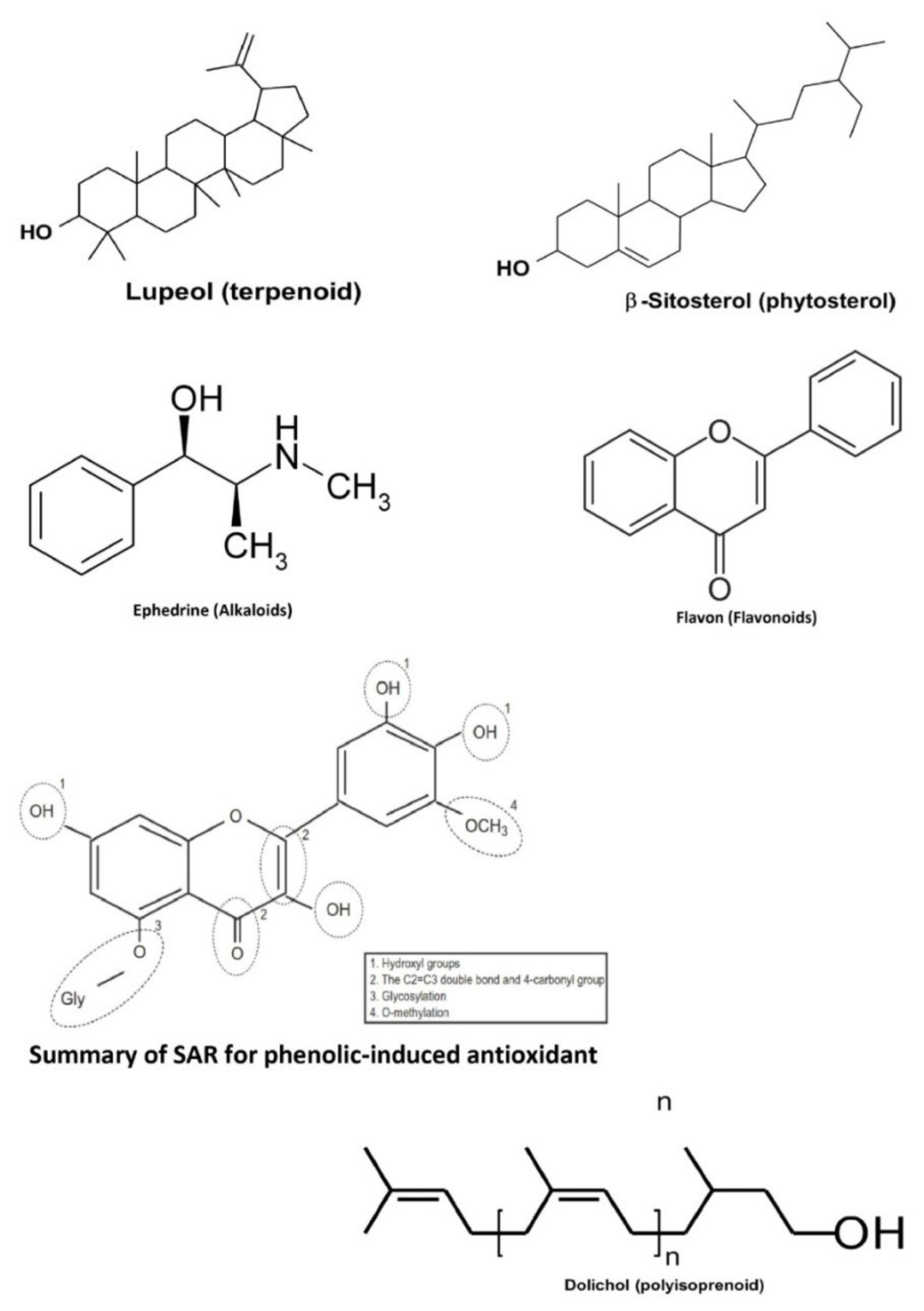
| (S)-2-hydroxy-3-(octanoyloxy)propyl tetracosanoate, (S)-3-(((S)-11-acetoxy octadecanoyl)oxy)propane-1,2-diyl diacetate, docosanedioic acid, 2,5-dimethylnonadecane, lupeol, stigmasterol, b-sitosterol, heptadecanoic acid, hexanedioic acid, 1,6-bis[(2R)-ethylhexyl] ester, and 1,3-di-O-[2′,2′-di- (p-phenylene)] were isolated from the leaves of Garcinia daedalanthera Pierre, collected from Indonesia [56] | Not displayed | 19.2 μM (lupeol) | Moderate | Not presented | |||
| Fulvoplumierin; allamcin; allamandin; 2,5-dimethoxy-p-benzoquinone; plumericine; and lignan liriodendrin (from bark or Plumeria rubra) [57] | Not displayed | 0.1 µg/mL (plumericine); 0.3 µg/mL (allamcin and allamandin); 1.3 µg/mL (fulvoplumierin); 1.4 µg/mL (2,5-dimethoxy-p-benzoquinone); 16 µg/mL (liriodendrin) | Significant / strong | Not presented |
Publisher’s Note: MDPI stays neutral with regard to jurisdictional claims in published maps and institutional affiliations. |
© 2021 by the authors. Licensee MDPI, Basel, Switzerland. This article is an open access article distributed under the terms and conditions of the Creative Commons Attribution (CC BY) license (https://creativecommons.org/licenses/by/4.0/).
Share and Cite
Illian, D.N.; Hafiz, I.; Meila, O.; Utomo, A.R.H.; Nuryawan, A.; Siregar, G.A.; Basyuni, M. Current Status, Distribution, and Future Directions of Natural Products against Colorectal Cancer in Indonesia: A Systematic Review. Molecules 2021, 26, 4984. https://doi.org/10.3390/molecules26164984
Illian DN, Hafiz I, Meila O, Utomo ARH, Nuryawan A, Siregar GA, Basyuni M. Current Status, Distribution, and Future Directions of Natural Products against Colorectal Cancer in Indonesia: A Systematic Review. Molecules. 2021; 26(16):4984. https://doi.org/10.3390/molecules26164984
Chicago/Turabian StyleIllian, Didi Nurhadi, Ihsanul Hafiz, Okpri Meila, Ahmad Rusdan Handoyo Utomo, Arif Nuryawan, Gontar Alamsyah Siregar, and Mohammad Basyuni. 2021. "Current Status, Distribution, and Future Directions of Natural Products against Colorectal Cancer in Indonesia: A Systematic Review" Molecules 26, no. 16: 4984. https://doi.org/10.3390/molecules26164984
APA StyleIllian, D. N., Hafiz, I., Meila, O., Utomo, A. R. H., Nuryawan, A., Siregar, G. A., & Basyuni, M. (2021). Current Status, Distribution, and Future Directions of Natural Products against Colorectal Cancer in Indonesia: A Systematic Review. Molecules, 26(16), 4984. https://doi.org/10.3390/molecules26164984