Review

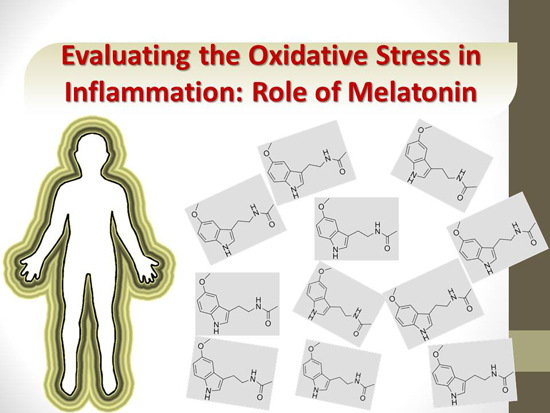
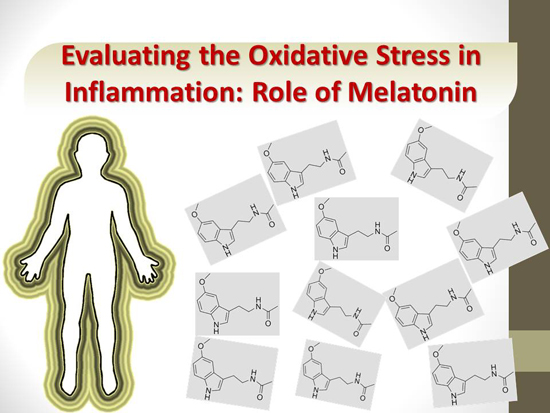
Evaluating the Oxidative Stress in Inflammation: Role of Melatonin
by
Aroha Sánchez
1,†,
Ana Cristina Calpena
1,† and
Beatriz Clares
2,*,†
1
Department of Pharmacy and Pharmaceutical Technology, School of Pharmacy, University of Barcelona, Joan XXIII Avenue, Barcelona 08028, Spain
2
Department of Pharmacy and Pharmaceutical Technology, School of Pharmacy, University of Granada, Campus of Cartuja Street, Granada 18071, Spain
*
Author to whom correspondence should be addressed.
These authors contributed equally to this work.
Int. J. Mol. Sci. 2015, 16(8), 16981-17004; https://doi.org/10.3390/ijms160816981
Submission received: 28 June 2015 / Revised: 13 July 2015 / Accepted: 15 July 2015 / Published: 27 July 2015
(This article belongs to the Special Issue Antioxidant 2.0——Redox Modulation by Food and Drugs)

Abstract

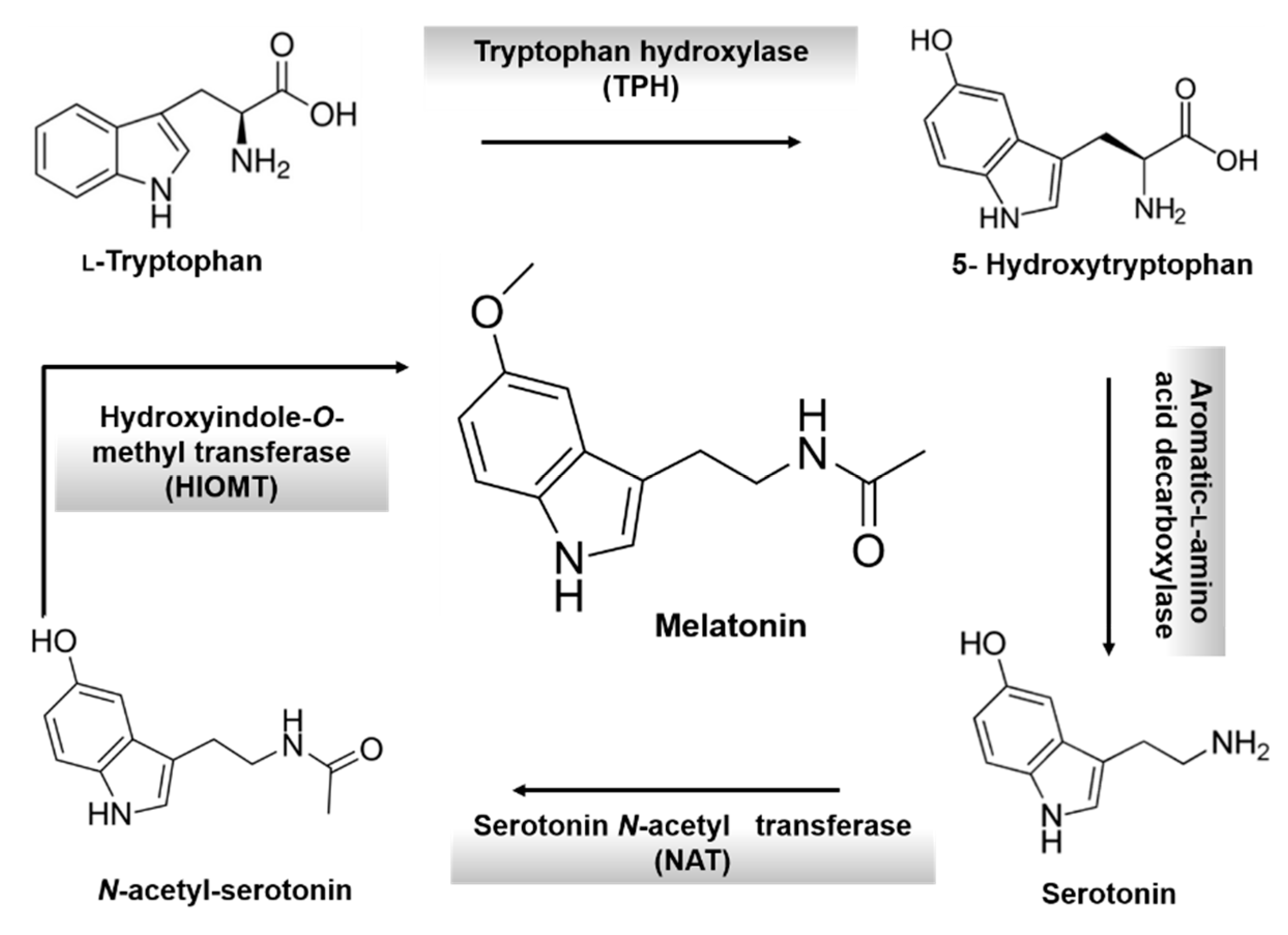
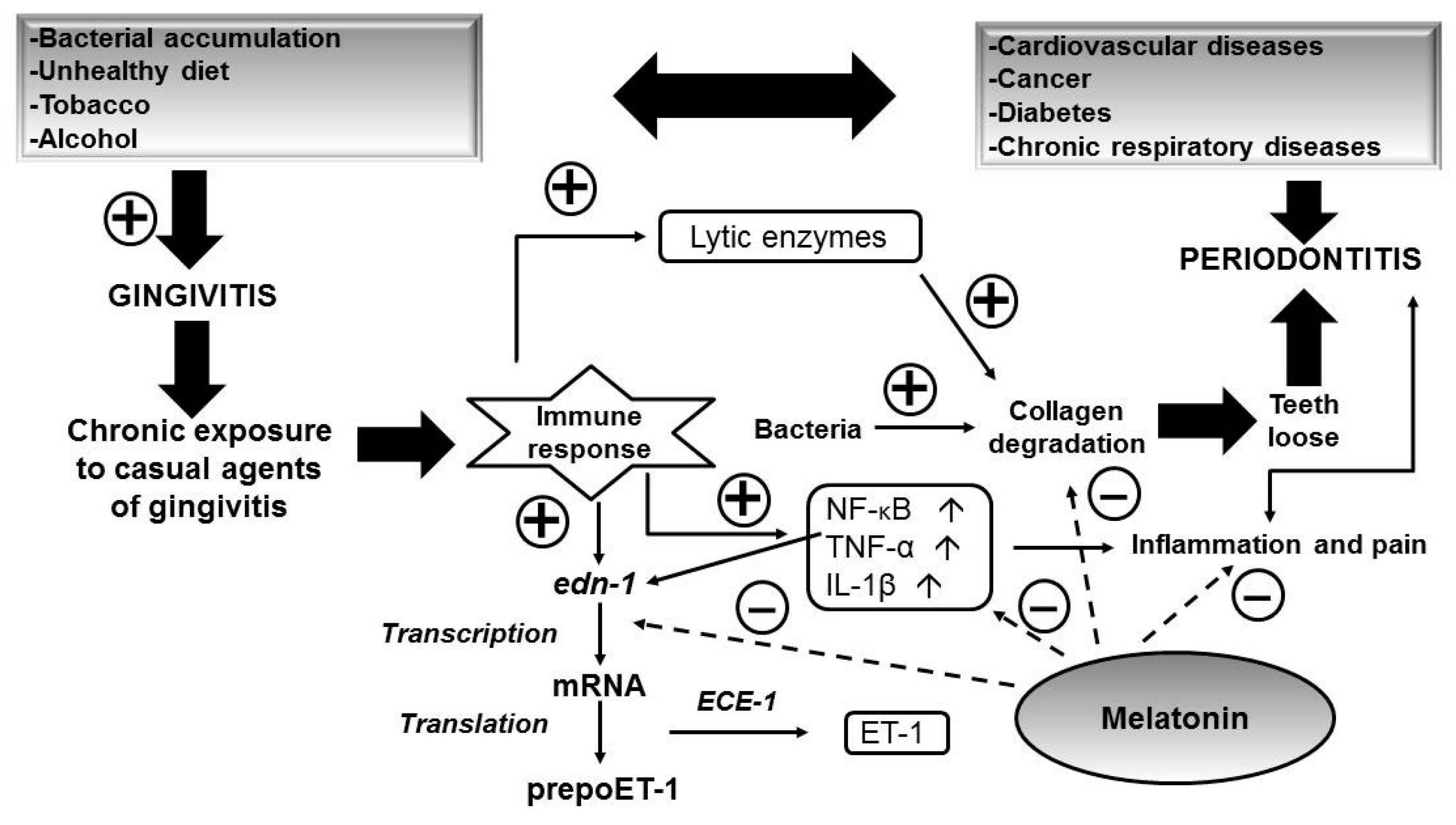
Oxygen is used by eukaryotic cells for metabolic transformations and energy production in mitochondria. Under physiological conditions, there is a constant endogenous production of intermediates of reactive oxygen (ROI) and nitrogen species (RNI) that interact as signaling molecules in physiological mechanisms. When these species are not eliminated by antioxidants or are produced in excess, oxidative stress arises. Oxidative stress can damage proteins, lipids, DNA, and organelles. It is a process directly linked to inflammation; in fact, inflammatory cells secrete a large number of cytokines and chemokines responsible for the production of ROI and RNI in phagocytic and nonphagocytic cells through the activation of protein kinases signaling. Currently, there is a wide variety of diseases capable of producing inflammatory manifestations. While, in the short term, most of these diseases are not fatal they have a major impact on life quality. Since there is a direct relationship between chronic inflammation and many emerging disorders like cancer, oral diseases, kidney diseases, fibromyalgia, gastrointestinal chronic diseases or rheumatics diseases, the aim of this review is to describe the use and role of melatonin, a hormone secreted by the pineal gland, that works directly and indirectly as a free radical scavenger, like a potent antioxidant.
Keywords: antioxidant; melatonin; oxidative stress; inflammation; chronic diseases antioxidant; melatonin; oxidative stress; inflammation; chronic diseases
Graphical Abstract