


Abstract
Immersive technologies such as augmented reality (AR), virtual reality (VR), and the metaverse are transforming contemporary consumer experiences. While prior research has largely emphasized their ability to enhance engagement, enjoyment, and decision-making, less is known about how these technologies shape consumer well-being through diverse experiential processes. Addressing this gap, this study systematically reviews 97 studies on immersive technologies and consumer well-being, drawing on the ADO-TCM framework and co-citation analysis. Moving beyond descriptive classification, the review conceptualizes consumer well-being as a distinct, multidimensional outcome and identifies the dominant antecedent–response–outcome pathways through which it is shaped. The findings reveal that immersive technologies rarely influence consumer well-being directly; rather, technological characteristics operate through interconnected cognitive, psychological, and social response mechanisms, generating both positive and negative consequences depending on technological and contextual conditions. Based on these insights, the study proposes a process-oriented conceptual framework and outlines a structured agenda for future consumer research. This review contributes to the consumer behavior literature by reconceptualizing well-being as a dynamic, multidimensional outcome of immersive consumption experiences and by offering implications for researchers and practitioners designing technology-mediated consumer environments.
1. Introduction
As immersive technologies become increasingly embedded in everyday consumption, understanding how they shape consumer experiences and well-being has become an important issue in consumer research [1,2]. Technologies such as augmented reality (AR), virtual reality (VR), and the metaverse are reshaping how consumers interact with products, brands, and services by enabling highly interactive, sensory-rich, and personalized experiences [3,4]. Prior studies have largely emphasized the positive potential of these technologies, highlighting outcomes such as enhanced enjoyment, engagement, and decision-making quality [5,6]. However, emerging evidence suggests that immersive experiences may also generate unintended negative consequences, including cognitive overload, dependency, privacy concerns, and emotional fatigue, which may undermine consumer well-being [2,7].
Despite growing scholarly attention, existing research on consumer well-being in immersive technology contexts remains limited in providing an integrated understanding. Prior studies have largely focused on isolated constructs, such as technology adoption, usability, or affective responses, without sufficiently explaining how these elements jointly shape consumer well-being [2,3]. Although recent studies have expanded this perspective by emphasizing AI-enabled personalization, trust, and psychological responses in immersive commerce, their findings remain largely technology- or context-specific, providing limited understanding of how these mechanisms collectively contribute to consumer well-being across immersive environments [8,9].
Moreover, although recent systematic reviews have holistically examined immersive technologies’ influence on consumer behavior across multiple technologies and sectors [10], such reviews have primarily centered on general behavioral and attitudinal outcomes, such as purchase intention, brand attitude, and satisfaction, rather than treating consumer well-being as a distinct, multidimensional outcome in its own right. As a result, an integrated understanding of how immersive technologies shape consumer well-being, as opposed to behavioral or attitudinal responses more broadly, remains underdeveloped. Reviews that do place well-being at the center have emerged primarily in clinical contexts, evaluating the therapeutic efficacy of VR for hospitalized patients [11], leaving well-being formation in everyday consumption contexts largely unexamined at the review level. Meanwhile, emerging empirical work has begun to uncover the cognitive architecture of immersive experiences, showing, for example, that presence enhances experience memorability through serially mediated attentional and appraisal processes whose effects decay over time [12]; however, such process-oriented insights remain confined to single contexts and have not yet been integrated at the review level. As a result, there remains a lack of an integrated understanding of the cognitive, psychological, and social mechanisms, as well as the boundary conditions, through which immersive experiences influence consumer well-being.
To address this gap, this study reconceptualizes consumer well-being in immersive technology contexts by developing a multidimensional framework of consumer experiences. Specifically, it identifies key cognitive, psychological, and social response mechanisms through which immersive technologies shape consumer well-being and proposes a dual-pathway perspective that captures both positive and negative processes. By integrating prior research, this study offers an integrated understanding of how immersive experiences influence consumer well-being and offers a structured foundation for future research in immersive consumer environments.
This study makes three contributions to the literature. First, it reconceptualizes consumer well-being in immersive technology contexts as a distinct, multidimensional outcome and maps the pathways through which immersive technology experiences shape it. Second, by identifying dominant antecedent–response–outcome pathways, this study offers a process-oriented explanation of how immersive technologies shape consumer well-being through distinguishable cognitive, psychological, and social response mechanisms, rather than through a single undifferentiated process. Third, it provides a structured research agenda that identifies underexplored antecedents, response mechanisms, and outcome dimensions to guide future consumer behavior research on technology-mediated experiences.
2. Theoretical Background
2.1. Consumer Well-Being in Consumption Experiences
Consumer well-being has become a central focus in consumer research, particularly in examining how consumption experiences shape individuals’ quality of life. Ref. [13] redefined consumer well-being as a state in which individual and social needs—physical, psychological, economic, and social—are aligned through consumption, emphasizing that well-being is created through consumption experiences rather than consumption itself. Similarly, ref. [14] defined consumer well-being as a state in which the consumption of products or services contributes to long-term improvements in quality of life, highlighting the role of consumption outcomes in enhancing life satisfaction.
Building on these foundational perspectives, refs. [15,16] conceptualized consumer well-being as a multidimensional construct encompassing psychological, emotional, social, economic, physical, spiritual, environmental, and political dimensions. Accordingly, consumer well-being is understood not only through objective conditions but also through consumers’ subjective evaluations of their experiences, reflecting how individuals interpret and internalize consumption experiences [17]. In particular, hedonic well-being (pleasure- and enjoyment-based evaluations) and eudaimonic well-being (meaning- and growth-based evaluations) represent two central sub-dimensions frequently examined in this domain [18,19]. Despite its close association with related consumer constructs, consumer well-being remains conceptually distinct. Specifically, constructs such as satisfaction, enjoyment, attitude, and engagement capture consumers’ transaction-specific, evaluative or behavioral reactions to a particular experience, and continuance intention and loyalty reflect behavioral persistence toward a product, service, or technology. In contrast, consumer well-being refers to the cumulative and enduring impact of consumption experiences on individuals’ overall quality of life, extending beyond immediate evaluative or behavioral responses to a given technology-mediated encounter.
This general boundary requires further specification for two constructs in particular—enjoyment and escapism—which appear in this review in two different roles depending on how each study measures them. When a study treats enjoyment or escapism as an immediate reaction that then drives later behavior (e.g., continued use, purchase), we code it as an affective antecedent (Section 4.1.1). When a study instead treats enjoyment or escapism as the evaluative outcome of the overall experience—the thing being measured, not a step toward something else—we code it as hedonic well-being (Table 1). This antecedent-versus-outcome distinction, consistently applied across the coded studies and recorded in Appendix A, follows the hedonic tradition in well-being research [19], which treats momentary pleasure as a legitimate component of well-being when it is the outcome being evaluated rather than a transient input to behavior. Accordingly, classification was based not simply on the duration of a construct, but on its analytical role in the reviewed study: a transient state was coded as a well-being outcome when it represented the evaluative endpoint of the consumption experience, but as a response mechanism when it functioned as an intermediate process leading to subsequent outcome. The same principle applies to affective states such as mood: constructs coded under emotional well-being (e.g., positive affect) are included only when a study measures them as an evaluative endpoint of the overall experience, rather than as a transient state assessed at a single point during the experience. Notably, subjective well-being (e.g., life satisfaction, happiness) is treated in this review not as a competing construct but as one empirical dimension through which consumer well-being has been operationalized [20], consistent with its established use as a measure of consumer well-being in prior consumer research.
Table 1.
Outcome dimensions of consumer well-being.
As digital technologies increasingly mediate consumption, the nature of consumer well-being is evolving. Immersive technologies, such as augmented and virtual reality, enable highly interactive and hybrid experiences that reshape how consumers engage with products and services [1]. By extending consumers’ sensory, cognitive, and emotional experiences beyond physical environments, immersive technologies have the potential to enhance engagement, enjoyment, presence, and other psychological processes that ultimately contribute to consumer well-being.
While these technologies have been associated with enhanced engagement and enriched experiences, their implications for consumer well-being remain insufficiently understood. In particular, prior research has not fully explained how immersive experiences shape consumer well-being across multiple dimensions or how different types of consumer responses contribute to these outcomes.
Furthermore, although immersive technologies have demonstrated considerable potential for enhancing consumer experiences, recent studies have also highlighted their potential adverse consequences, including physical discomfort (e.g., motion sickness and cybersickness), psychological risks (e.g., addiction and excessive use), and social challenges (e.g., cyberbullying and malicious behaviors) [2,21]. Therefore, understanding consumer well-being in immersive environments requires considering both the positive and negative consequences of technology-mediated consumption experiences. Accordingly, there is a need for a more integrative perspective that captures the complexity of consumer experiences and explains how immersive technologies influence consumer well-being through diverse underlying processes. Building on these multidimensional conceptualizations, this review adopts a multidimensional lens on consumer well-being, systematically mapping the dimensions identified across the reviewed literature onto this conceptual foundation in the analysis that follows.
2.2. Immersive Technologies in Consumer Experiences
Researchers have proposed diverse conceptualizations of immersive technologies; however, most converge on the notion that these systems create a strong sense of immersion in technology-mediated consumer experiences. Prior research suggests that immersive technologies influence consumer experiences through multiple dimensions, including cognitive, psychological, and affective responses [5,22,23,24]. These responses are shaped by technological characteristics such as vividness, interactivity, and embodiment, which enhance consumers’ sense of presence and engagement within digital environments [1,25].
While immersive technologies have been widely associated with enriched consumer experiences and positive outcomes, existing research has largely emphasized their experiential benefits, such as enjoyment, escapism, and engagement [26,27,28]. As a result, there remains limited understanding of how these technologies influence consumer well-being across diverse experiential processes. In particular, prior research has not sufficiently explained how different types of consumer responses interact to shape well-being or how immersive experiences may give rise to both positive and negative processes.
In this study, immersive technologies are conceptualized as computer-mediated systems that extend or transform users’ perception of reality by enabling interactive and sensory-rich experiences. This conceptualization encompasses technologies such as augmented reality (AR), virtual reality (VR), mixed reality (MR/XR), and metaverse environments [1,2,29]. Focusing on retail and service contexts, this study examines immersive technology-mediated consumer experiences in which users directly engage with spatial, sensory, or socially interactive environments. Service contexts are understood broadly to include technology-mediated experiential services in health, leisure, and care settings, insofar as individuals engage with them as consumers of the service experience. This perspective provides a foundation for understanding how immersive technologies shape consumer well-being through underlying experiential mechanisms.
3. Methodology
3.1. Analytical Approach
This study adopts a structured and theory-driven approach to develop a comprehensive understanding of consumer well-being in immersive technology contexts. This scoping review followed the PRISMA extension for Scoping Reviews (PRISMA-ScR) guidelines.
To structure prior research, we employ the ADO-TCM framework, which enables the organization of literature in terms of antecedents, consumer responses, outcomes, as well as underlying theories, contexts, and methods [30]. This framework provides a systematic way to capture the complexity of immersive technology-mediated consumer experiences and to identify key patterns across studies.
To further uncover the intellectual structure of the field, we incorporate co-citation analysis, which identifies relationships among frequently cited studies and reveals core research streams [31,32]. This approach allows us to complement the conceptual framework by mapping key theoretical foundations and thematic clusters within the literature [33,34,35].
In addition, a structured review protocol was applied to ensure analytical rigor, including predefined inclusion criteria and systematic coding procedures. Two researchers, both experienced in systematic literature review methodology, independently coded the selected studies according to a predefined coding scheme covering antecedents, decisions/responses, outcomes, theories, contexts, and methods (ADO-TCM categories). Because the same construct (e.g., telepresence, enjoyment, escapism) can occupy different causal positions across studies—for instance, functioning as an antecedent in one study and as a response mechanism mediating antecedents and outcomes in another—classification in this review reflects the role a construct plays within each individual study’s tested model, rather than an invariant conceptual identity. Coders recorded the specific role (antecedent, response, or outcome) tested in each study, and constructs appearing in multiple roles across the corpus are reported separately within each relevant category (e.g., telepresence as a cognitive antecedent in Section 4.1.1 and as a cognitive response mechanism in the pathway analysis, Section 4.1.3). Across studies, presence-related constructs did not occupy a single functional position within the ADO framework, reflecting different conceptual orderings across studies. For example, [36] positioned telepresence as an antecedent of flow and subsequent value and purchase-related outcomes, whereas [37] treated telepresence as a response mechanism through which interactivity and vividness were associated with downstream consumer responses. In the well-being literature, ref. [25] further positioned presence upstream of flow, which was subsequently associated with hedonic and eudaimonic well-being. Specifically, telepresence or presence is positioned as an antecedent when the conceptual chain begins with the broader immersive experience or its experiential characteristics (e.g., telepresence → flow → downstream outcomes, as in [36]; presence → flow → well-being, as in [25]), and as a response mechanism when the chain begins with discrete technological properties that presence is theorized to mediate (e.g., interactivity/vividness → telepresence → evaluations, as in [37]). This distinction in conceptual starting point, rather than an arbitrary per-study designation, organizes the observed variation into a coherent pattern (see Appendix A). Because each study was coded holistically across these interrelated categories rather than through separate independent passes, intercoder reliability was assessed at the overall coding level rather than for each dimension individually. Specifically, Cohen’s κ was calculated at the level of the overall ADO-TCM category assignment per study (i.e., whether the two coders agreed on the complete set of antecedent, response, and outcome categories assigned to a given study), rather than for each individual construct or dimension separately, yielding strong agreement (Cohen’s κ = 0.82). Studies coded with multiple labels within a category (e.g., multiple well-being dimensions) were treated as a single joint coding decision for reliability purposes. We acknowledge that this holistic approach cannot isolate reliability for specific sub-dimensions (e.g., hedonic vs. eudaimonic well-being), which we note as a methodological limitation (Section 5.5). Discrepancies were resolved through discussion and expert consultation, ensuring consistency and minimizing subjective bias. The full coding scheme, including category definitions, coding rules, and example constructs, is provided in Appendix A. To identify dominant antecedent–response–outcome pathway patterns, we further examined the relationships among the coded ADO components at the study level. Each study was assigned to one primary antecedent–response–outcome pathway based on the central relationship examined in the study. Where multiple relationships were reported, the pathway most directly corresponding to the study’s focal analytical model was coded as the primary pathway. One of the 97 included studies did not report a codable antecedent–response–outcome structure and was therefore excluded from the pathway analysis, resulting in an analytical sample of n = 96. Less frequently observed configurations were aggregated into the “Other mixed pathways” category.
3.2. Data Collection
This study analyzed articles from the Web of Science (WoS) consumer field to explore consumer well-being in immersive technology services and identify key research topics. The WoS Core Collection was selected as the sole academic data source due to its high-quality, interdisciplinary coverage of consumer research, technology, and well-being. Recognized for its rigorous indexing, WoS includes top journals across business, psychology, and information systems. To ensure consistency and avoid duplication, a single-source strategy was adopted. While a multi-database search (e.g., incorporating Scopus or EBSCO) could further enhance coverage, WoS Core Collection alone was deemed sufficient for this review given its emphasis on high-impact, peer-reviewed journals across the psychology, business, and health-related fields most relevant to consumer well-being research, consistent with prior single-source systematic reviews in this domain.
The PRISMA (Preferred Reporting Items for Systematic Reviews and Meta-Analyses) framework [38] was used to identify peer-reviewed articles indexed in the WoS Core Collection. Book chapters, editorials, dissertations, review articles, and conference proceedings were excluded. The search was limited to the Social Sciences Citation Index (SSCI), Science Citation Index (SCI), and Science Citation Index Expanded (SCIE), covering articles published from January 2014, to August 2025. Immersive technology keywords included “AR/Augmented reality,” “VR/Virtual reality,” “Metaverse,” “XR/Extended reality,” and “Teleimmersion.” Keywords related to “MR/Mixed reality” were not separately included because they are subsumed under the encompassing term “XR/Extended reality.” Similarly, “wearable devices” were intentionally excluded because the review focuses on consumer well-being derived from immersive service experiences, rather than the technological development or usability evaluation of the hardware itself. Studies on “AI-integrated immersive technology” were also excluded when the primary focus was algorithmic design or system performance rather than user presence, experience, or well-being.
Notably, the search string deliberately omitted consumer-specific terms such as consumer, retail, commerce, or shopping, because research on consumer well-being in immersive contexts is published across marketing, information systems, psychology, tourism, and health-related journals and frequently does not carry such terms in titles, abstracts, or keywords; imposing them at the search stage would have prematurely narrowed the corpus. Consumer relevance was instead enforced downstream through two mechanisms: the WoS category filter, which restricted records to consumer-adjacent fields (e.g., business, management, communication, psychology), and the independent title/abstract screening, at which 516 records lacking a consumer perspective were excluded. Studies conducted in health, therapeutic, sports, disability, or elderly-care settings were retained only when individuals engaged with immersive technologies as users of technology-mediated services and their experiential or well-being responses were measured from the user’s perspective—for example, VR leisure services for older adults or mixed-reality interaction programs—consistent with the transformative consumer research tradition, in which health- and care-related consumption constitutes a core domain of consumer well-being [13,15]. Studies evaluating clinical efficacy without reference to the user’s service experience were excluded at screening.
For consumer well-being, terms such as “wellbeing,” “well-being,” “mental health,” “therapy,” and “healing” were combined with the immersive-technology keywords in 40 Boolean combinations. The final search string was: (AR OR “Augmented reality” OR VR OR “Virtual reality” OR Metaverse OR XR OR “Extended reality” OR Teleimmersion) AND (“wellbeing” OR “well-being” OR “mental health” OR therapy OR healing). Applying this string to the selected indices resulted in 6494 records. The literature search was conducted in early September 2025, retrieving records published through 31 August 2025; records published after this cut-off date were not captured in the search and are therefore not reflected in the review. Studies published after this cut-off that are cited in this manuscript (e.g., [8]) serve solely to position the review within current scholarly debates; they are not part of the reviewed corpus, and all analyses reported in Section 4.1 and Section 4.2 draw exclusively on the 97 studies retrieved by the search. Corpus studies retrieved in online-first form before the cut-off are cited with their final publication details, which may therefore bear a later publication year (e.g., [39]).
To refine the results toward consumer-related topics, only journal articles were retained, and relevant WoS categories were selected through discussion among the researchers (Psychology, all fields; behavioral sciences; business; communication; health care services; humanities multidisciplinary; management; multidisciplinary sciences; telecommunications; women’s studies). After this filtering step, 614 records remained. All data, including references, were exported in plain text format, and non-English records were removed (n = 9), leaving 605 records for title and abstract screening. Two reviewers independently screened the 605 records, and 516 records were excluded because they focused solely on technological development or did not involve consumer perspectives. This screening resulted in 89 records proceeding to full-text assessment. Disagreements identified during the screening process were subsequently reviewed through discussion with a third researcher, resulting in the inclusion of 5 additional studies (n = 94). A subsequent reference check identified 3 further eligible studies, yielding a final dataset of 97 studies (Figure 1).
Figure 1.
PRISMA-ScR flow diagram of the study selection process (n = 97).
3.3. Conceptual Framework for Consumer Well-Being
Consumer well-being has been conceptualized in the literature as a multidimensional construct comprising multiple dimensions of well-being. However, empirical studies have operationalized this concept using diverse outcome constructs. To ensure conceptual clarity and consistency throughout the review, the present study synthesized the literature by grouping conceptually similar outcome constructs into broader well-being dimensions. Each study was coded for all well-being dimensions it examined, based on the coding scheme and intercoder agreement procedures described above; studies addressing multiple dimensions were coded with multiple non-exclusive labels rather than reduced to a single primary construct. The distribution of these dimensions was subsequently analyzed within the ADO-TCM framework (Table 1).
4. Results
The earliest included study was published in 2014 and few articles were published from 2014 to 2020. However, publication increased sharply after 2021 (see Figure 2).
Figure 2.
Annual number of publications on consumer well-being in immersive technology (2014~August 2025; n = 97).
4.1. Content Analysis: ADO-TCM Framework
4.1.1. Antecedents
The analysis reveals that antecedents of consumer well-being in immersive technology contexts can be categorized into technological, cognitive, psychological, and affective dimensions (Figure 3).
Figure 3.
ADO-TCM Framework about Immersive Technology and Consumer Well-Being. Note: The connecting lines represent the organizational relationships identified across the reviewed studies and do not imply causal relationships.
Technological antecedents serve as foundational drivers of immersive experiences. Implementation-related factors such as vividness and elaboration [40,41] enhance telepresence and immersion [23,42]. Interactivity and controllability [24,41] are associated with responsiveness and engagement, while ease of use and usefulness [5,43,44] reflect functional value. VR-specific elements such as visual–spatial cues further reinforce sensory immersion [44].
Cognitive antecedents represent an extensively examined category. Experience quality and prior expectations [45,46] shape consumer interpretations, while telepresence-related constructs such as flow and embodiment (coded here as antecedents; see Section 3.1 for role-based classification) capture levels of immersion [4,47]. Sensory elements, including esthetics, authenticity, and novelty [26,48,49], influence experiential evaluations, and informativeness and utilitarian value contribute to cognitive assessments [6]. Involvement frequently moderates these relationships [50].
Psychological antecedents exhibit a dual orientation. Negative states such as anxiety, depression, discomfort, and loneliness operate as antecedents that motivate engagement with immersive experiences designed to alleviate them [51,52,53,54], while positive factors such as curiosity and optimism-related future orientation draw consumers toward immersive experiences [49,55]. Notably, constructs such as inspiration and nostalgia, although occasionally modeled as antecedents in individual studies [23], predominantly functioned as psychological response mechanisms in the reviewed pathways and are therefore classified as responses in the framework (Figure 3; Section 4.1.2).
Affective antecedents reflect hedonic responses. Emotions such as enjoyment, playfulness, escapism, and entertainment [55,56] play a central role in shaping consumer well-being in immersive environments. In contrast, negative affective states—most notably fear—also emerged as antecedents in immersive contexts, with several studies examining how immersive experiences attenuate or are shaped by fear responses [53,54].
4.1.2. Responses
The analysis indicates that consumer responses in immersive technology contexts can be understood as cognitive, social, and psychological processes that mediate the relationship between antecedents and consumer well-being.
Cognitive Responses emerged as significant mechanisms shaping consumer evaluations prior to well-being outcomes. Choice and expectation confidence [46,57], as well as self-related processes such as mental imagery and app congruence [6], influence how consumers interpret immersive experiences. In addition, brand recall and consumer creativity [58] suggest that cognitive engagement extends to higher-order processes related to meaning and self-expression.
Social responses reflect the role of interaction and influence in shaping consumer well-being. Social influence [59,60] enhances engagement by fostering connectedness and shared experience, contributing to enjoyment and social belonging.
Psychological responses capture internal states such as inspiration, nostalgia, mindfulness, engagement, and trust that arise as consumers interact with immersive environments. Consistent with the classification noted in Section 4.1.1, inspiration and nostalgia—although occasionally modeled as antecedents in individual studies—predominantly functioned as psychological response mechanisms in the reviewed pathways, emerging as consumers engage with immersive content [23,61], and mindfulness cultivated within immersive experiences operates in a similar manner [51]. In addition, engagement reflects consumers’ sustained absorption in the experience [62,63], and trust [64] shapes well-being and subsequent behavior.
Overall, these response mechanisms rarely operate independently. Instead, the reviewed studies indicate that technological antecedents primarily influence consumer well-being through interconnected cognitive, social, and psychological responses, supporting a process-oriented understanding of immersive consumer experiences.
4.1.3. Outcomes
The analysis reveals that outcomes of immersive technology-mediated experiences can be categorized into consumer well-being and consumer behavioral outcomes.
As summarized in Table 1, consumer well-being has been conceptualized through multiple outcome dimensions. Psychological well-being [43,65] is the most frequently examined outcome dimension (61.9%), followed by hedonic well-being (49.5%) and mental health [66] (41.2%). Other dimensions include emotional well-being [67] (18.6%), subjective well-being [68] (10.3%), eudaimonic well-being [69] (5.2%), and consumer well-being (2.1%). Representative constructs include psychological well-being and psychological state, hedonic shopping value, hedonic and eudaimonic well-being, mental health, emotional well-being, subjective well-being, and consumer happiness, reflecting the multidimensional nature of consumer well-being in immersive technology contexts. Representative studies examined psychological well-being in VR-based physical activity and inclusive metaverse environments, subjective well-being through copresence in the metaverse, emotional well-being in restorative virtual environments, hedonic and eudaimonic well-being in virtual tourism and value co-creation, and consumer happiness in luxury metaverse experiences.
In contrast, consumer behavioral outcomes represent an extensively investigated outcome category (n = 39 of the 96 studies with a codable pathway; 40.6%, see Table 2). Following [20], purchase intention reflects the acquisition stage, whereas reuse intention and continuous use intention correspond to the consumption stage [70]. Customer loyalty represents the maintenance stage [50], while attitude is also one of the most frequently examined behavioral outcomes.
Table 2.
Dominant Antecedent–Response–Outcome Pathway Patterns Identified Across the Reviewed Studies.
Overall, these findings suggest that immersive technologies influence consumers not only by enhancing multiple dimensions of consumer well-being but also by promoting favorable behavioral responses, highlighting the close interrelationship between consumer well-being and consumer behavior. Notably, although social well-being features prominently in conceptual accounts of consumer well-being (Section 2.1), it did not emerge as a distinct outcome dimension in the reviewed corpus: social processes appeared primarily as response mechanisms (Section 4.1.2) or were captured within subjective well-being through constructs such as copresence [68]. This absence parallels the underrepresentation of social response pathways (Table 2) and designates social well-being as an underexplored outcome dimension (Figure 4).
Figure 4.
Conceptual framework and research gaps in consumer well-being in immersive technology. Note. Italicized blue text indicates areas where research is insufficient. Social response mechanisms, although empirically identified as an emerging pathway in the reviewed corpus (Table 2), are not represented as a separate category here; the proposed extension to affective responses reflects a distinct, currently unstudied mechanism.
Table 2 summarizes the dominant modeled pathways identified across the reviewed studies. The most prevalent pathway, accounting for 37.5% of the sample, links technological antecedents to consumer well-being through psychological response mechanisms such as trust and engagement. This finding indicates that consumer well-being is rarely modeled as a direct effect of immersive technologies themselves. Instead, studies more frequently model technological characteristics as operating through internal response mechanisms, particularly psychological responses such as trust and engagement, which are in turn associated with well-being outcomes. The second-most common pattern (19.8%) channels technological antecedents toward behavioral outcomes through cognitive response mechanisms, such as telepresence (coded here as a response mechanism; see Section 3.1), suggesting that cognitive engagement remains central to purchase- and loyalty-related consumer behavior. A further 13.5% of studies show technological antecedents leading to behavioral outcomes via psychological responses, while cognitive antecedents paired with cognitive responses account for 7.3% of behavioral-outcome pathways. By contrast, the pathway linking technological antecedents to consumer well-being through cognitive responses accounts for only 5.2% of the reviewed studies—a notable asymmetry given that the same cognitive mechanisms dominate behavioral-outcome pathways (19.8%). This suggests that cognitive processes such as telepresence have been extensively leveraged to explain purchase- and loyalty-related behavior but have rarely been extended to well-being outcomes. Pathways involving social response mechanisms and psychological/affective antecedents remain comparatively emerging (5.2% and 4.2%, respectively), pointing to these as priority areas for future research given their limited empirical representation relative to their theoretical relevance. The remaining 7.3% comprises heterogeneous pathway combinations observed too infrequently to constitute distinct patterns.
4.1.4. Theories
The analysis indicates that theoretical perspectives explaining consumer well-being in immersive technology contexts can be broadly organized into cognitive, sensory, affective, and motivational domains.
Cognitive perspectives emphasize how consumers interpret and evaluate immersive experiences in relation to the self. Theories such as self-discrepancy, self-congruence, extended-self, and embodied cognition highlight how alignment between the self and virtual possessions contributes to well-being [57,61,71]. In addition, balance theory explains how the fulfillment of expectations shapes consumer well-being [46]. Relatedly, the dual mediation model explains how cognitive evaluations of immersive content shape attitudes through parallel affective routes. Technology acceptance-related frameworks, including the theory of reasoned action (TRA), the technology acceptance model (TAM), and the unified theory of acceptance and use of technology (UTAUT) [39,58,59], further explain how perceived usefulness, ease of use, and enjoyment influence adoption and subsequent evaluations, while post-acceptance models extend this perspective to continuance intention [46].
Sensory perspectives focus on how immersive environments shape experiential engagement through perception and interaction. Uses and gratification theory explains how consumers derive satisfaction and socialization through interactive features [72], while telepresence theory captures the perceived realism and emotional engagement associated with immersive experiences.
Affective perspectives address emotional responses and their role in shaping well-being. Theories such as pleasure–arousal–dominance (PAD) and mood management explain how immersive environments generate positive emotional states [73]. In addition, the cognition–affect–conation framework [70] explains how cognitive evaluations of immersive experiences translate into affective responses and subsequent behavioral tendencies. The experience economy framework highlights the role of entertainment and experiential engagement [58], cognitive appraisal theory explains how immersive experiences lead to emotional uplift, and regulatory engagement theory addresses how the strength of engagement intensifies the perceived value of immersive experiences. Flow theory further emphasizes deep emotional immersion and its contribution to well-being [74].
Motivational and integrative perspectives provide additional explanations for consumer well-being. Self-determination and expectancy theories explain how motivation and goal achievement contribute to well-being, while stimulus–organism–response (SOR) theory captures how external stimuli from immersive environments influence consumer responses, although its direct application to consumer well-being remains limited [75].
Overall, these theoretical perspectives highlight that consumer well-being in immersive technology contexts is shaped by multiple, interrelated processes, yet their application remains uneven, indicating the need for more integrative theoretical development.
4.1.5. Contexts and Methods
The analysis indicates that prior research on immersive technology and consumer well-being varies across contexts and methodological approaches.
Country context remains concentrated in a limited number of regions, with the United States accounting for the largest share of studies, followed by South Korea and China. Most studies rely on single-country designs, while cross-national comparisons remain limited.
Population context is relatively narrow, with a substantial proportion of studies focusing on college students and millennials. Some studies examine online shoppers, whereas research on underrepresented groups, such as older adults and children, remains limited [76].
Service settings are more diverse but predominantly centered on commerce-related applications. Most studies examine VR/AR-based retail and shopping experiences [47], while a smaller number explore alternative contexts, including virtual try-on, tourism simulations, gaming environments, advertising, metaverse platforms, and virtual pets [77].
Methodological approaches are largely quantitative, with surveys and experiments being the most common. A smaller number of studies adopt qualitative or mixed methods, including netnography and semi-structured interviews [48], as well as experimental designs incorporating psycho-physiological measures.
Overall, these findings suggest that existing research is limited in contextual diversity and methodological breadth, highlighting opportunities for more varied and integrative approaches in future studies.
4.2. Multiple Perspectives Document Co-Citation Analysis
4.2.1. Landmark Reference as Intellectual Bases
An analysis of 97 major articles reveals key landmark studies in immersive technology (Table 3). Reference [78] developed AR marketing theory focusing on consumer perceptions and brand attitudes, while Reference [1] proposed a reality–virtuality continuum to define hybrid consumer experiences. Reference [79] introduced a needs and gratifications model, and References [80,81] developed the AR-TAM scale. Reference [82] expanded TAM by adding hedonism in a study on Pokémon Go. Agenda-setting research includes [2] on the metaverse and References [83,84] on multidisciplinary directions.
Studies also addressed various variables: Reference [85] on value creation, Reference [71] on motivation, Reference [86] on fluency and load, and Reference [87] on engagement. Reference [88] explored privacy concerns in AR retail, while other works examined experience quality [89], brand experience [90], and AR characteristics [6]. Research on consumer well-being includes [23] on awe and meaning, [91] on VR enjoyment, and [92] on AR try-on for those with low self-image. Marketing strategies for luxury brands were also examined [93,94].
Table 3.
Top 30 landmark references (with high citations).
4.2.2. Six Main Clusters: Structure of Intellectual Bases
Clustering is performed based on references cited in CiteSpace, and labeling using keywords derived from the log-likelihood ratio (LLR). The time span was set from 2014 to 2025 with a 1-year time slice, following the default parameter settings. The selection criteria were set to Top N = 50 per slice and g-index (k = 25) as the thresholding rule. The network pruning employed Pathfinder and pruning sliced networks to simplify the structure and highlight key connections. The resulting network exhibited good quality, with a modularity Q value of 0.79 and a mean silhouette value of 0.819, indicating well-defined and reliable clusters. The six clusters identified are inspiration (#0), involvement (#1), value co-creation (#2), copresence (#3), spatial immersion (#4), and enriched user experience (#6). Cluster #5 was excluded because it fell below the standard silhouette threshold. “Research fronts of a document co-citation cluster are characterized by terms extracted from the citer of the cluster” [32] (p. 1398). Table 4 highlights dominant topics derived from terms in titles, keywords, and abstracts extracted using CiteSpace. The emerging topics include main variables (e.g., inspiration, subjective well-being, involvement, self-concept, time convenience, continuous use), theories (e.g., gratifications theory), methodologies (e.g., comparative study, big-data approach, process macro), and contexts (e.g., augmented reality-based filters, navigating metaverse augmentation technologies, web-based product presentations) used in research on consumer well-being in immersive technology. These topics enable the identification of the structural characteristics of intellectual foundations. Additionally, content analysis is conducted to examine more specific variables and theories.
Table 4.
Details of knowledge clusters and label terms selected by the LLR method.
Beyond descriptive labeling, each cluster maps onto distinct components of the ADO-TCM framework and contributes a specific theoretical function. Cluster #0 (inspiration) reflects the psychological-response mechanism through which technological antecedents, such as media usefulness, translate into inspiration-driven consumer–brand relationships. Cluster #1 (involvement) reflects the cognitive-antecedent literature on AR-based engagement, connecting involvement and self-concept to well-being and loyalty-related outcomes. Cluster #2 (value co-creation) is notable in that it foregrounds social engagement and service co-creation far more prominently than the pathways identified in our analysis, where social response mechanisms remain comparatively underrepresented; this divergence suggests that social mechanisms may be conceptually emphasized in the broader citation network even though they remain empirically underexamined relative to technological and psychological pathways, reinforcing social response as a priority for future research. Clusters #3 (copresence) and #4 (spatial immersion) both underscore that presence- and immersion-related cognitive mechanisms rarely operate in isolation, but tend to work alongside psychological processes such as trust and engagement in shaping consumer well-being. Finally, Cluster #6 (enriched user experience), grounded in gratifications theory, illustrates how enriched cognitive responses simultaneously shape well-being and behavioral continuance, underscoring that these two outcome categories are not mutually exclusive but often co-occur within the same studies. Collectively, these clusters demonstrate that research on immersive technologies has progressively shifted from identifying isolated determinants of consumer behavior toward explaining the underlying mechanisms through which immersive experiences shape consumer well-being.
5. Discussion and Agenda for Future Research
This study reconceptualizes consumer well-being in immersive technology contexts by proposing an integrative framework that captures underlying cognitive, psychological, and social response mechanisms. The findings highlight the dual pathways through which immersive experiences shape consumer well-being and provide a structured foundation for future research. Building on this framework, several research directions are proposed (Figure 4, Table 5).
Table 5.
Research questions for future research agenda.
5.1. Technological and Contextual Directions
Research on immersive technologies has largely focused on general system characteristics, with limited attention to how specific technological and contextual factors shape consumer well-being. In particular, issues such as personal data intrusion and manipulative design practices, both of which raise concerns about consumer privacy and psychological vulnerability, require further investigation. Moreover, cultural and socioeconomic conditions may influence how consumers engage with immersive environments, yet remain underexplored.
RQ1. How do immersive technological characteristics (e.g., invasion of personal information, manipulative design features, and real–virtual integration quality) influence both positive and negative consumer responses in immersive retail and service experiences?
RQ2. How do contextual factors (e.g., cultural diversity and socioeconomic conditions) shape positive and negative consumer responses in immersive experiences?
5.2. Mechanism Directions
Consumer well-being in immersive technology contexts is shaped by multiple underlying mechanisms; however, existing research has predominantly examined these processes in isolation, offering limited insight into how they operate in an integrated and dynamic manner. In immersive environments, cognitive, psychological, and affective responses are not discrete but continuously interact, reinforcing or counteracting one another as consumers engage with evolving digital experiences. These mechanisms are inherently processual and temporally unfolding. For instance, initial cognitive engagement and affective stimulation may enhance immersion and perceived well-being, yet over time, repeated exposure and intensified psychological involvement may lead to cognitive strain, emotional fatigue, or diminished sensitivity. Such dynamics suggest that the same mechanisms that enhance well-being in the short term may simultaneously carry the potential to undermine it in the longer term. Furthermore, the interaction among these mechanisms is likely to vary depending on contextual conditions and individual differences, leading to heterogeneous well-being outcomes across consumers and consumption situations.
Empirical support for this interdependence among response mechanisms can be found in the dominant pathways identified in this review, where the same technological antecedents were found to operate through both cognitive and psychological response mechanisms rather than a single exclusive route. Such overlap suggests that cognitive and psychological responses may not simply operate in parallel, but may sequentially or reciprocally shape one another, for instance, when cognitive engagement with an immersive experience subsequently intensifies psychological involvement, which then feeds back to alter how the experience is cognitively processed. Notably, while affective factors such as enjoyment and escapism were predominantly examined as antecedents in the reviewed literature (Section 4.1.1), the proposed framework extends them as potential response mechanisms in their own right—a possibility that RQ5 explicitly targets. This complexity highlights the need to develop a more theoretically grounded understanding of how multiple mechanisms co-evolve and jointly shape consumer well-being in immersive technology-mediated experiences.
RQ3. How do cognitive responses (e.g., time orientation, economic value, customer journey, distorted judgment, cognitive overload, and choice difficulty) influence consumer well-being in immersive experiences?
RQ4. How do psychological responses (e.g., inspiration, self-concept, dependency, and perceived loss of control) shape consumer well-being in immersive experiences, and do these effects differ across vulnerable populations such as minors and older adults?
RQ5. How do affective responses (e.g., escapism, hedonism, emotional regulation, exhaustion, numbness, and dissonance) influence consumer well-being in immersive experiences?
RQ6. How do cognitive, psychological, and affective response mechanisms interact, reinforcing, offsetting, or sequentially triggering one another over the course of an immersive experience, and under what boundary conditions do these interactions shift from enhancing to undermining consumer well-being?
5.3. Outcome Directions
Consumer well-being in immersive technology contexts has predominantly been conceptualized as an immediate and outcome-based construct, with limited attention to its temporal, dynamic, and processual nature. However, immersive experiences are inherently continuous and evolving, suggesting that consumer well-being is not a static endpoint but a fluid process that unfolds over time and across consumption stages. In this regard, consumer well-being may vary depending on the accumulation of experiences, repeated exposure to immersive environments, and shifting consumer interpretations. For instance, experiences that initially enhance well-being may, over time, lead to adaptation, diminished effects, or even negative consequences. Furthermore, existing research has largely focused on surface-level outcomes, such as satisfaction or immediate emotional responses, while overlooking deeper dimensions of well-being, including meaning, personal growth, and long-term psychological development. This limitation highlights the need to reconceptualize consumer well-being as a multidimensional and temporally evolving construct within immersive technology-mediated experiences. As immersive platforms increasingly incorporate AI-driven personalization, understanding how trust in these systems develops and sustains continued use over time becomes particularly relevant to whether well-being gains are maintained or eroded across repeated engagement.
RQ7. How do trust in immersive technologies and the continued use of these technologies, particularly as they increasingly incorporate AI-driven personalization, shape the long-term trajectory of consumer well-being, including the potential for initial gains to diminish or reverse with repeated exposure?
5.4. Theory and Method Directions
Various theoretical perspectives have been introduced in research on immersive technology and consumer well-being; however, their application remains limited in explaining how consumer experiences are shaped within immersive environments. While prior studies have drawn on selected frameworks, there is still insufficient understanding of how established theories can be systematically applied to capture the complexity of immersive consumer experiences. In particular, theories such as construal level theory and broaden-and-build theory offer meaningful opportunities to explain how consumers interpret, regulate, and accumulate experiences in immersive contexts. For instance, psychological distance in virtual environments may alter cognitive processing, while positive emotional experiences may accumulate and influence subsequent engagement over time. In addition, well-being-related frameworks, including multidimensional approaches to well-being such as the PERMA model (positive emotion, engagement, relationships, meaning, and accomplishment), can provide deeper insight into how immersive experiences contribute to broader aspects of consumer well-being beyond immediate responses. However, existing research has not sufficiently examined how these theoretical perspectives operate under conditions of high interactivity, real–virtual integration, and personalized user experiences. This limitation restricts the development of a more theoretically grounded understanding of consumer well-being in immersive technology contexts and highlights the need to extend and adapt existing theories to better reflect the dynamic nature of immersive consumption.
RQ8. How can existing theoretical perspectives (e.g., construal level theory, broaden-and-build theory, and related well-being frameworks) explain consumer well-being in immersive technology experiences?
Methodological approaches in immersive technology research also remain limited in capturing the complexity and temporality of consumer experiences. In immersive environments, consumer responses unfold continuously and involve simultaneous cognitive, psychological, and affective processes, yet existing studies predominantly rely on cross-sectional or single-point measurements. This limits the ability to capture how consumer responses and well-being evolve, accumulate, or diminish over time. Addressing this temporal limitation is a methodological prerequisite for the outcome-related questions raised above (RQ7), which cannot be answered with single-point measurements.
Moreover, immersive experiences are highly interactive and often involve implicit and real-time reactions that are not fully captured by self-reported measures. As a result, there is a need for methodological approaches capable of capturing dynamic and real-time consumer responses, including behavioral tracking and implicit measures such as the implicit association test (IAT). Expanding methodological approaches in this direction would enable a more nuanced understanding of how immersive experiences shape consumer well-being across time and contexts.
RQ9. How can advanced methodological approaches (e.g., longitudinal and experience-sampling designs, neuroscientific and unconscious methods) enhance the understanding of immersive consumer experiences and well-being as they unfold over time?
5.5. Discussion
This study contributes to the immersive technology literature by demonstrating that consumer well-being is not a peripheral or aggregated outcome of technology adoption, but a distinct, multidimensional construct shaped through identifiable antecedent–response–outcome pathways. Unlike previous immersive technology reviews that primarily synthesized behavioral and attitudinal outcomes, this review explains how immersive technologies influence consumer well-being through empirically identifiable response mechanisms. Whereas prior reviews of immersive technology and consumer behavior have predominantly examined general behavioral and attitudinal outcomes, the process-oriented analysis conducted here indicates that well-being-related outcomes are associated with specific, frequently modeled mechanisms: technological antecedents most frequently operate through cognitive and psychological response pathways, while psychological antecedents operate primarily through psychological response mechanisms such as trust, engagement, and inspiration. This distinction between response mechanisms, rather than a single undifferentiated pathway from antecedents to outcomes, offers a more granular account of how technological and psychological antecedents connect to well-being outcomes specifically, extending prior understanding of immersive technologies beyond general adoption or engagement drivers. As immersive technologies become increasingly embedded in consumer and retail contexts, this study develops a structured research agenda and outlines key directions for advancing the understanding of consumer well-being.
A primary direction for future research is to achieve a more precise and differentiated understanding of the mechanisms underlying consumer well-being in immersive environments. Although prior research has examined cognitive, psychological, and affective responses, these elements have often been treated in an aggregated manner, limiting insight into their distinct roles. In particular, cognitive processes such as temporal interpretation and multi-stage experience formation, as well as psychological and affective factors such as ownership and emotional regulation, remain underexplored. This highlights the need for more fine-grained theoretical and methodological approaches that disentangle these mechanisms and explain how cognitive, psychological, and social responses interact dynamically to shape consumer well-being across different immersive consumption contexts.
Another important direction is to adopt a more balanced perspective that considers both positive and negative mechanisms. While prior research has predominantly emphasized the benefits of immersive experiences, negative mechanisms may exert equally, if not more, influential effects on consumer well-being. In particular, processes such as overuse, dependency, and perceived loss of control warrant greater attention. Future research should therefore examine how positive and negative mechanisms coexist and interact, rather than treating them as separate or independent influences. Extending this need for a more balanced perspective, some of these negative mechanisms carry particularly serious implications for consumer welfare that warrant explicit attention: privacy and manipulation risks. Immersive technologies often collect extensive behavioral, biometric, and contextual data to personalize experiences, raising concerns about privacy intrusion and the potential for manipulative design practices that exploit consumers’ psychological vulnerabilities, such as heightened suggestibility or diminished self-regulation during highly immersive states. These risks may be particularly pronounced for vulnerable populations, including minors and older adults, who may be more susceptible to overuse, dependency, or manipulation due to differences in digital literacy, self-regulatory capacity, or cognitive vulnerability. Despite these concerns, research examining how immersive technologies affect these populations, or how privacy and manipulation risks shape consumer well-being more broadly, remains scarce, underscoring the need for future research that explicitly incorporates protective and regulatory perspectives alongside the promotive mechanisms emphasized in prior work.
This study also underscores the need to reconceptualize consumer well-being outcomes as multidimensional and temporally evolving constructs. Existing research has largely focused on immediate outcomes such as satisfaction and continuance intention, overlooking how well-being unfolds over time, varies across consumption stages, and extends to deeper dimensions such as meaning and personal development. A more comprehensive understanding of consumer well-being requires capturing these temporal and multidimensional aspects within immersive experiences.
This research is subject to several limitations. The analysis is based on a single academic database, which may restrict the scope of the reviewed literature. Future research could incorporate additional sources, including alternative databases and non-academic data, to provide a more comprehensive perspective. In addition, because intercoder reliability was assessed holistically at the study level rather than separately for each well-being sub-dimension (Section 3.1), the reported Cohen’s κ cannot confirm the reliability of specific dimensional distinctions (e.g., hedonic vs. eudaimonic well-being) reported in Table 1; future work could employ dimension-specific reliability coefficients to strengthen this aspect of reproducibility. Moreover, as immersive technologies continue to evolve, new forms of consumer experiences and well-being outcomes are likely to emerge, requiring ongoing refinement of the proposed framework and research agenda.
5.6. Conclusions
This review synthesizes research on immersive technologies and consumer well-being through an integrated ADO-TCM and co-citation analysis, moving beyond descriptive synthesis to explain how technological, cognitive, psychological, and affective antecedents influence consumer well-being through distinguishable response mechanisms. The pathway analysis indicates that response mechanisms are rarely examined in isolation, with several studies modeling both cognitive and psychological pathways from the same technological antecedents (Section 4.1.3). Building on this pattern, the proposed framework advances the theoretical proposition—formalized as RQ6—that these mechanisms may interact, reinforce, or sequentially trigger one another, and may shift from enhancing to undermining consumer well-being over time; this remains an extension proposed for future empirical testing rather than a finding established by the reviewed corpus, given the scarcity of longitudinal designs (Section 4.1.5).
Author Contributions
Conceptualization, S.E.L. and N.J.; Analysis, S.E.L. and N.J.; Writing—Original Draft Preparation, N.J.; Writing—Review and Editing, S.E.L.; Visualization, N.J.; Supervision, S.E.L.; Funding Acquisition, S.E.L. All authors have read and agreed to the published version of the manuscript.
Funding
This research was funded by Ministry of Education of the Republic of Korea and the National Research Foundation of Korea, grant number NRF-2023S1A5B5A16078539.
Institutional Review Board Statement
Not applicable.
Informed Consent Statement
Not applicable.
Data Availability Statement
No new data were created or analyzed in this study. Data sharing is not applicable to this article.
Conflicts of Interest
The authors declare no conflicts of interest.
Appendix A. Coding Scheme
| ADO-TCM Category | Sub-Categories | Definition/Coding Rule | Example Constructs | Example Studies |
| Antecedents | Technological (implementation/user-related) | Technology attributes preceding the experience; role recorded per study, not fixed (e.g., telepresence coded as antecedent in [36], ref. [25] vs. response in [37]; see Section 3.1). | vividness, interactivity, ease of use | [5,40,41] |
| Cognitive | Interpretive/evaluative inputs | experience quality, telepresence, novelty | [45,46] | |
| Psychological | Internal states preceding response | curiosity, optimism, anxiety | [49,53,54,55] | |
| Affective | Hedonic emotional inputs | enjoyment, playfulness, escapism | [55,56] | |
| Decisions (Responses) | Cognitive/Social/Psychological | Mediating processes between antecedents and outcomes; coded by the role tested in the study (see Section 3.1). | mental imagery; social influence; trust, engagement; mindfulness, inspiration, nostalgia | [6,23,51,59,61,64] |
| Outcomes | Consumer well-being (6 dimensions, per Table 1)/Behavioral (acquisition–consumption–maintenance, attitude) | Well-being dimensions coded with multiple non-exclusive labels per study (§ Section 3.3); behavioral outcomes coded separately by acquisition, consumption, and maintenance stage. Hedonic well-being constructs (e.g., enjoyment, escapism) are coded as outcomes when framed as evaluative endpoints of the overall experience, and as antecedents/responses when framed as process-embedded reactions feeding into subsequent behavior (see Section 2.1). The same outcome-versus-process logic applies to emotional well-being constructs (e.g., positive affect). | psychological WB, hedonic WB; purchase intention, loyalty | Table 1; [20,70] |
| Theories | Cognitive/Sensory/Affective/Motivational | Explanatory framework(s) invoked | TAM, flow, PAD, SDT | Section 4.1.4 |
| Contexts | Country/Population/Service setting | Study setting descriptors | US, students, VR retail | Section 4.1.5 |
| Methods | Quantitative/Qualitative/Analytical techniques | Primary data-collection and analytic approach; for studies employing multiple methods, the dominant design was coded as primary, with mixed-methods designs noted separately. See Figure 3 and Section 4.1.5 for the complete taxonomy of techniques identified. | survey, experiment; ethnography, netnography; SEM, ANOVA | Section 4.1.5 |
References
- Flavián, C.; Ibáñez-Sánchez, S.; Orús, C. The impact of virtual, augmented and mixed reality technologies on the customer experience. J. Bus. Res. 2019, 100, 547–560. [Google Scholar] [CrossRef] [Scilit]
- Dwivedi, Y.K.; Hughes, L.; Baabdullah, A.M.; Ribeiro-Navarrete, S.; Giannakis, M.; Al-Debei, M.M.; Dennehy, D.; Metri, B.; Buhalis, D.; Cheung, C.M.K.; et al. Metaverse beyond the hype: Multidisciplinary perspectives on emerging challenges, opportunities, and agenda for research, practice and policy. Int. J. Inf. Manag. 2022, 66, 102542. [Google Scholar] [CrossRef] [Scilit]
- Hilken, T.; Chylinski, M.; Keeling, D.I.; Heller, J.; de Ruyter, K.; Mahr, D. How to strategically choose or combine augmented and virtual reality for improved online experiential retailing. Psychol. Mark. 2022, 39, 495–507. [Google Scholar] [CrossRef] [Scilit]
- McLean, G.; AlYahya, M.; Barhorst, J.B.; Osei-Frimpong, K. Examining the influence of virtual reality tourism on consumers’ subjective wellbeing. Tour. Manag. Perspect. 2023, 46, 101088. [Google Scholar] [CrossRef] [Scilit]
- Yim, M.Y.C.; Chu, S.C.; Sauer, P.L. Is augmented reality technology an effective tool for e-commerce? An interactivity and vividness perspective. J. Interact. Mark. 2017, 39, 89–103. [Google Scholar] [CrossRef] [Scilit]
- Kowalczuk, P.; Siepmann, C.; Adler, J. Cognitive, affective, and behavioral consumer responses to augmented reality in e-commerce: A comparative study. J. Bus. Res. 2021, 124, 357–373. [Google Scholar] [CrossRef] [Scilit]
- Barchielli, C.; Jayousi, S.; Guarducci, S.; Caputo, S.; Alaimo, M.; Capanni, L.; Serafini, G.; Serrano, M.; Zoppi, P.; Mucchi, L. Extended reality and information and communications technology in therapy: Enhancing remote artistic and recreational engagement for physically impaired and socially isolated patients. Digit. Health 2025, 11, 20552076251350440. [Google Scholar] [CrossRef] [Scilit] [PubMed]
- Hu, J.; Lee, E.T. The impact of integrated AI and AR in e-commerce: The roles of personalization, immersion, and trust in influencing continued use. J. Theor. Appl. Electron. Commer. Res. 2026, 21, 33. [Google Scholar] [CrossRef] [Scilit]
- Yu, T.; Pan, Y.; Jang, W. Modeling consumer reactions to AI-generated content on e-commerce platforms: A trust–risk dual pathway framework with ethical and platform responsibility moderators. J. Theor. Appl. Electron. Commer. Res. 2025, 20, 257. [Google Scholar] [CrossRef] [Scilit]
- Ambika, A.; Shin, H.; Jain, V. Immersive technologies and consumer behavior: A systematic review of two decades of research. Aust. J. Manag. 2025, 50, 55–79. [Google Scholar] [CrossRef] [Scilit]
- du Plessis, J.; Jordaan, J. The impact of virtual reality on the psychological well-being of hospitalised patients: A critical review. Heliyon 2024, 10, e24831. [Google Scholar] [CrossRef] [Scilit] [PubMed]
- Liu, B.; Kralj, A.; Moyle, B.; Li, Y. Virtual reality and memory retention: The cognitive architecture of virtual memorable tourism experiences. J. Travel Res. 2026, 65, 2082–2101. [Google Scholar] [CrossRef] [Scilit]
- Burroughs, J.E.; Rindfleisch, A. What welfare? On the definition and domain of transformative consumer research and the foundational role of materialism. In Transformative Consumer Research for Personal and Collective Well-Being; Mick, D.G., Pettigrew, S., Pechmann, C., Ozanne, J.L., Eds.; Taylor & Francis: New York, NY, USA, 2012; pp. 249–266. [Google Scholar]
- Sirgy, M.J.; Lee, D.J.; Rahtz, D. Research in consumer well-being (CWB): Overview of the field and introduction to the special issue. J. Macromark. 2007, 27, 341–349. [Google Scholar] [CrossRef] [Scilit]
- Mick, D.G.; Pettigrew, S.; Pechmann, C.; Ozanne, J.L. Origins, qualities, and envisionments of transformative consumer research. In Transformative Consumer Research for Personal and Collective Well-Being; Routledge: New York, NY, USA, 2012; pp. 3–24. [Google Scholar] [CrossRef] [Scilit]
- Zeng, T.; Botella-Carrubi, D. Improving societal benefit through transformative consumer research: A descriptive review. Technol. Forecast. Soc. Change 2023, 190, 122435. [Google Scholar] [CrossRef] [Scilit]
- Eshaghi, M.S.; Afshardoost, M.; Bowden, J.L.H. Consumer well-being (CWB): Conceptualisation, contextualisation and a research agenda. Serv. Ind. J. 2023, 43, 618–641. [Google Scholar] [CrossRef] [Scilit]
- Ryff, C.D. Happiness is everything, or is it? Explorations on the meaning of psychological well-being. J. Pers. Soc. Psychol. 1989, 57, 1069–1081. [Google Scholar] [CrossRef]
- Diener, E.; Suh, E.M.; Lucas, R.E.; Smith, H.L. Subjective well-being: Three decades of progress. Psychol. Bull. 1999, 125, 276–302. [Google Scholar] [CrossRef]
- Lee, D.J.; Sirgy, M.J.; Larsen, V.; Wright, N.D. Developing a subjective measure of consumer well-being. J. Macromark. 2002, 22, 158–169. [Google Scholar] [CrossRef] [Scilit]
- Msweli, N.T.; Phahlane, M. Health-related issues of immersive technologies: A systematic literature review. Informatics 2025, 12, 47. [Google Scholar] [CrossRef] [Scilit]
- Huang, T.L.; Chung, H.F. Impact of delightful somatosensory augmented reality experience on online consumer stickiness intention. J. Res. Interact. Mark. 2024, 18, 6–30. [Google Scholar] [CrossRef] [Scilit]
- Hinsch, C.; Felix, R.; Rauschnabel, P.A. Nostalgia beats the wow-effect: Inspiration, awe and meaningful associations in augmented reality marketing. J. Retail. Consum. Serv. 2020, 53, 101987. [Google Scholar] [CrossRef] [Scilit]
- Alimamy, S.; Jung, T. The AR cloud: Navigating metaverse augmentation technologies for enhanced co-creation of value within services. J. Serv. Res. 2025, 28, 580–597. [Google Scholar] [CrossRef] [Scilit]
- Chang, Y.C.; Yang, C.C. Examining the mechanisms of virtual reality tourism’s impact on the mental well-being of long-term care facility residents: Perspectives on presence and flow. Behav. Sci. 2024, 14, 781. [Google Scholar] [CrossRef] [Scilit] [PubMed]
- Sung, E.C. The effects of augmented reality mobile app advertising: Viral marketing via shared social experience. J. Bus. Res. 2021, 122, 75–87. [Google Scholar] [CrossRef] [Scilit]
- Sung, E.; Han, D.I.D.; Choi, Y.K. Augmented reality advertising via a mobile app. Psychol. Mark. 2022, 39, 543–558. [Google Scholar] [CrossRef] [Scilit]
- Jiang, Q.; Kim, M.; Ko, E.; Kim, K.H. The metaverse experience in luxury brands. Asia Pac. J. Mark. Logist. 2023, 35, 2501–2520. [Google Scholar] [CrossRef] [Scilit]
- Milgram, P.; Kishino, F. A taxonomy of mixed reality visual displays. IEICE Trans. Inf. Syst. 1994, E77-D, 1321–1329. [Google Scholar]
- Paul, J.; Benito, G. A review of research on outward foreign direct investment from emerging countries, including China: What do we know, how do we know and where should we be heading? Asia Pac. Bus. Rev. 2018, 24, 90–115. [Google Scholar] [CrossRef] [Scilit]
- Garfield, E. Is citation analysis a legitimate evaluation tool? Scientometrics 1979, 1, 359–375. [Google Scholar] [CrossRef] [Scilit]
- Chen, C.; Ibekwe-SanJuan, F.; Hou, J. The structure and dynamics of cocitation clusters: A multiple-perspective cocitation analysis. J. Am. Soc. Inf. Sci. Technol. 2010, 61, 1386–1409. [Google Scholar] [CrossRef] [Scilit]
- Chen, C. CiteSpace II: Detecting and visualizing emerging trends and transient patterns in scientific literature. J. Am. Soc. Inf. Sci. Technol. 2006, 57, 359–377. [Google Scholar] [CrossRef] [Scilit]
- Chen, C. Science mapping: A systematic review of the literature. J. Data Inf. Sci. 2017, 2, 1–40. [Google Scholar] [CrossRef] [Scilit]
- Chen, C.; Song, M. Visualizing a field of research: A methodology of systematic scientometric reviews. PLoS ONE 2019, 14, e0223994. [Google Scholar] [CrossRef] [Scilit] [PubMed]
- Park, Y.; Ko, E.; Do, B. The perceived value of digital fashion product and purchase intention: The mediating role of the flow experience in metaverse platforms. Asia Pac. J. Mark. Logist. 2023, 35, 2645–2665. [Google Scholar] [CrossRef] [Scilit]
- Kim, J.H.; Kim, M.; Park, M.; Yoo, J. How interactivity and vividness influence consumer virtual reality shopping experience: The mediating role of telepresence. J. Res. Interact. Mark. 2021, 15, 502–525. [Google Scholar] [CrossRef] [Scilit]
- Moher, D.; Liberati, A.; Tetzlaff, J.; Altman, D.G.; The PRISMA Group. Preferred reporting items for systematic reviews and meta-analyses: The PRISMA statement. PLoS Med. 2009, 6, e1000097. [Google Scholar] [CrossRef] [Scilit] [PubMed]
- Kim, S.; Johnson, A.R.; Wolpe, S.M.; Volodina, E. Exploring the feasibility of social skills programs for autistic youth through virtual reality. J. Autism Dev. Disord. 2026, 56, 851–864. [Google Scholar] [CrossRef] [Scilit] [PubMed]
- Cheng, L.K.; Chieng, M.H.; Chieng, W.H. Measuring virtual experience in a three-dimensional virtual reality interactive simulator environment: A structural equation modeling approach. Virtual Real. 2014, 18, 173–188. [Google Scholar] [CrossRef] [Scilit]
- Park, M.; Yoo, J. Effects of perceived interactivity of augmented reality on consumer responses: A mental imagery perspective. J. Retail. Consum. Serv. 2020, 52, 101912. [Google Scholar] [CrossRef] [Scilit]
- Smink, A.R.; Frowijn, S.; van Reijmersdal, E.A.; van Noort, G.; Neijens, P.C. Try online before you buy: How does shopping with augmented reality affect brand responses and personal data disclosure. Electron. Commer. Res. Appl. 2019, 35, 100854. [Google Scholar] [CrossRef] [Scilit]
- Chekembayeva, G.; Garaus, M.; Schmidt, O. The role of time convenience and (anticipated) emotions in AR mobile retailing application adoption. J. Retail. Consum. Serv. 2023, 72, 103260. [Google Scholar] [CrossRef] [Scilit]
- Farah, M.F.; Ramadan, Z. Toward an inclusive metaverse: Maneuvering between acceptance of disability and need for uniqueness. J. Res. Interact. Mark. 2024, 18, 741–758. [Google Scholar] [CrossRef] [Scilit]
- Jeng, M.Y.; Pai, F.Y.; Yeh, T.M. The virtual reality leisure activities experience on elderly people. Appl. Res. Qual. Life 2017, 12, 49–65. [Google Scholar] [CrossRef] [Scilit]
- Chung, N.; Lee, H.; Kim, J.Y.; Koo, C. The role of augmented reality for experience-influenced environments: The case of cultural heritage tourism in Korea. J. Travel Res. 2018, 57, 627–643. [Google Scholar] [CrossRef] [Scilit]
- Lombart, C.; Untilov, O.; Charton-Vachet, F.; Louis, D. The virtual store: A new shopping channel that generates value and well-being for Gen Z customers. J. Consum. Behav. 2025, 24, 1522–1540. [Google Scholar] [CrossRef] [Scilit]
- El-Shamandi Ahmed, K.; Ambika, A.; Belk, R. Augmented reality magic mirror in the service sector: Experiential consumption and the self. J. Serv. Manag. 2023, 34, 56–77. [Google Scholar] [CrossRef] [Scilit]
- Habak, S.; Bennett, J.; Davies, A.; Davies, M.; Christensen, H.; Boydell, K.M. Edge of the present: A virtual reality tool to cultivate future thinking, positive mood and wellbeing. Int. J. Environ. Res. Public Health 2021, 18, 140. [Google Scholar] [CrossRef] [Scilit] [PubMed]
- Serravalle, F.; Vanheems, R.; Viassone, M. Does product involvement drive consumer flow state in the AR environment? A study on behavioural responses. J. Retail. Consum. Serv. 2023, 72, 103279. [Google Scholar] [CrossRef] [Scilit]
- Gomez, J.; Hoffman, H.G.; Bistricky, S.L.; Gonzalez, M.; Rosenberg, L.; Sampaio, M.; Gracia-Palacios, A.; Navarro-Haro, M.; Alhalabi, W.; Rosenberg, M.; et al. The use of virtual reality facilitates dialectical behavior therapy® “observing sounds and visuals” mindfulness skills training exercises for a latino patient with severe burns: A case study. Front. Psychol. 2017, 8, 1611. [Google Scholar] [CrossRef] [Scilit] [PubMed]
- Chung, K.S.; Goebert, C.; Johnson, J.D. Virtual reality and higher education sporting events: Social anxiety perception as an outcome of VR simulation. Behav. Sci. 2024, 14, 695. [Google Scholar] [CrossRef] [Scilit] [PubMed]
- Miloff, A.; Lindner, P.; Dafgård, P.; Deak, S.; Garke, M.; Hamilton, W.; Heinsoo, J.; Kristoffersson, G.; Rafi, J.; Sindemark, K.; et al. Automated virtual reality exposure therapy for spider phobia vs. in-vivo one-session treatment: A randomized non-inferiority trial. Behav. Res. Ther. 2019, 118, 130–140. [Google Scholar] [CrossRef] [Scilit] [PubMed]
- Zhang, Q.; Peng, A.; He, L.; Li, X. Virtual reality gaming: A tool for reducing fear and anxiety in university students. Front. Psychol. 2025, 16, 1532753. [Google Scholar] [CrossRef] [Scilit] [PubMed]
- Ibáñez-Sánchez, S.; Orús, C.; Flavián, C. Augmented reality filters on social media. Analyzing the drivers of playability based on uses and gratifications theory. Psychol. Mark. 2022, 39, 559–578. [Google Scholar] [CrossRef] [Scilit]
- Pizzi, G.; Scarpi, D.; Pichierri, M.; Vannucci, V. Virtual reality, real reactions?: Comparing consumers’ perceptions and shopping orientation across physical and virtual-reality retail stores. Comput. Hum. Behav. 2019, 96, 1–12. [Google Scholar] [CrossRef] [Scilit]
- Aleem, A.; Loureiro, S.M.C.; Martinho, J. From tech to touch: Self-concept and testimonials in AR try-on versus website. J. Res. Interact. Mark. 2024, 18, 446–462. [Google Scholar] [CrossRef]
- Martínez-Navarro, J.; Bigné, E.; Guixeres, J.; Alcañiz, M.; Torrecilla, C. The influence of virtual reality in e-commerce. J. Bus. Res. 2019, 100, 475–482. [Google Scholar] [CrossRef] [Scilit]
- Calderón-Fajardo, V.; Carrasco-Santos, M.J.; Rossi Jiménez, C. The intention of consumers to use augmented reality apps in gastronomy–case of Málaga. Curr. Issues Tour. 2023, 26, 1446–1462. [Google Scholar] [CrossRef] [Scilit]
- Laor, T. The race to escape: Location-based escapism and physical activity as a motivator in the consumption of the AR game Pokémon Go. Cyberpsychology 2020, 14, 6. [Google Scholar] [CrossRef] [Scilit]
- Kumar, H.; Agarwal, M.N. Filtering the reality: Exploring the dark and bright sides of augmented reality–based filters on social media. Aust. J. Manag. 2025, 50, 152–172. [Google Scholar] [CrossRef] [Scilit]
- Leveau, P.H.; Camus, E.S. Embodiment, immersion, and enjoyment in virtual reality marketing experiences. Psychol. Mark. 2023, 40, 1329–1343. [Google Scholar] [CrossRef] [Scilit]
- Talwar, S.; Kaur, P.; Escobar, O.; Lan, S. Virtual reality tourism to satisfy wanderlust without wandering: An unconventional innovation to promote sustainability. J. Bus. Res. 2022, 152, 128–143. [Google Scholar] [CrossRef] [Scilit]
- Arghashi, V.; Yuksel, C.A. Interactivity, Inspiration, and Perceived Usefulness! How retailers’ AR-apps improve consumer engagement through flow. J. Retail. Consum. Serv. 2022, 64, 102756. [Google Scholar] [CrossRef] [Scilit]
- Dai, X.; Yu, W. Students’ physical activity and psychological state: Psychological approaches with virtual technologies. Curr. Psychol. 2024, 43, 35152–35163. [Google Scholar] [CrossRef] [Scilit]
- Wang, H. Study of the influence of psychological mood on the performance and mental health of athletes in VR-aided basketball training. Front. Psychol. 2024, 15, 1334111. [Google Scholar] [CrossRef] [Scilit] [PubMed]
- Hao, S.; Zhang, L.; Hou, R.; Lau, S.S.; Lau, S.S.Y. Research on the physiological and psychological impacts of extraordinary nature on emotions and restorative effects for young adults. J. Environ. Psychol. 2024, 97, 102345. [Google Scholar] [CrossRef] [Scilit]
- Kim, D.Y.; Choi, D.; Yoon, N.; Lee, H.K. The feeling of being together in the metaverse: The positive influence of copresence on subjective well-being. J. Res. Interact. Mark. 2025, 19, 287–306. [Google Scholar] [CrossRef] [Scilit]
- Aldossary, M.; McLean, G. Prolonging the influence of a vacation experience on consumers’ wellbeing—Is there a role for virtual reality? Ann. Tour. Res. 2022, 97, 103500. [Google Scholar] [CrossRef] [Scilit]
- Qin, H.; Osatuyi, B.; Xu, L. How mobile augmented reality applications affect continuous use and purchase intentions: A cognition-affect-conation perspective. J. Retail. Consum. Serv. 2021, 63, 102680. [Google Scholar] [CrossRef] [Scilit]
- Scholz, J.; Duffy, K. We ARe at home: How augmented reality reshapes mobile marketing and consumer-brand relationships. J. Retail. Consum. Serv. 2018, 44, 11–23. [Google Scholar] [CrossRef] [Scilit]
- Gatter, S.; Hüttl-Maack, V.; Rauschnabel, P.A. Can augmented reality satisfy consumers’ need for touch? Psychol. Mark. 2022, 39, 508–523. [Google Scholar] [CrossRef] [Scilit]
- Slevitch, L.; Chandrasekera, T.; Mejia-Puig, L.; Korneva, K.; Akosa, J.S. Virtual reality images’ impact on cognition and affect in hotel promotions: Application of self-reported and psycho-physiological measures. J. Hosp. Tour. Manag. 2022, 53, 176–187. [Google Scholar] [CrossRef] [Scilit]
- Maksatbekova, A.; Argan, M. Virtual reality’s dual edge: Navigating mental health benefits and addiction risks across timeframes. Curr. Psychol. 2025, 44, 6469–6480. [Google Scholar] [CrossRef] [Scilit]
- Arghashi, V. Shopping with augmented reality: How wow-effect changes the equations! Electron. Commer. Res. Appl. 2022, 54, 101166. [Google Scholar] [CrossRef] [Scilit]
- Sayis, B.; Ramirez, R.; Pares, N. Mixed reality or LEGO game play? Fostering social interaction in children with Autism. Virtual Real. 2022, 26, 771–787. [Google Scholar] [CrossRef] [Scilit]
- Na, H.; Dong, S.Y. Mixed-reality-based human-animal interaction can relieve mental stress. Front. Vet. Sci. 2023, 10, 1102937. [Google Scholar] [CrossRef] [Scilit] [PubMed]
- Rauschnabel, P.A.; Felix, R.; Hinsch, C. Augmented reality marketing: How mobile AR-apps can improve brands through inspiration. J. Retail. Consum. Serv. 2019, 49, 43–53. [Google Scholar] [CrossRef] [Scilit]
- Rauschnabel, P.A. Virtually enhancing the real world with holograms: An exploration of expected gratifications of using augmented reality smart glasses. Psychol. Mark. 2018, 35, 557–572. [Google Scholar] [CrossRef] [Scilit]
- Pantano, E.; Rese, A.; Baier, D. Enhancing the online decision-making process by using augmented reality: A two country comparison of youth markets. J. Retail. Consum. Serv. 2017, 38, 81–95. [Google Scholar] [CrossRef] [Scilit]
- Rese, A.; Baier, D.; Geyer-Schulz, A.; Schreiber, S. How augmented reality apps are accepted by consumers: A comparative analysis using scales and opinions. Technol. Forecast. Soc. Change 2017, 124, 306–319. [Google Scholar] [CrossRef] [Scilit]
- Rauschnabel, P.A.; Rossmann, A.; tom Dieck, M.C. An adoption framework for mobile augmented reality games: The case of Pokémon Go. Comput. Hum. Behav. 2017, 76, 276–286. [Google Scholar] [CrossRef] [Scilit]
- Loureiro, S.M.C.; Guerreiro, J.; Eloy, S.; Langaro, D.; Panchapakesan, P. Understanding the use of virtual reality in marketing: A text mining-based review. J. Bus. Res. 2019, 100, 514–530. [Google Scholar] [CrossRef] [Scilit]
- Bonetti, F.; Warnaby, G.; Quinn, L. Augmented reality and virtual reality in physical and online retailing: A review, synthesis and research agenda. In Augmented Reality and Virtual Reality: Empowering Human, Place and Business; Jung, T., tom Dieck, M.C., Eds.; Springer: Cham, Switzerland, 2018; pp. 119–132. [Google Scholar] [CrossRef] [Scilit]
- Dacko, S.G. Enabling smart retail settings via mobile augmented reality shopping apps. Technol. Forecast. Soc. Change 2017, 124, 243–256. [Google Scholar] [CrossRef] [Scilit]
- Fan, X.; Chai, Z.; Deng, N.; Dong, X. Adoption of augmented reality in online retailing and consumers’ product attitude: A cognitive perspective. J. Retail. Consum. Serv. 2020, 53, 101986. [Google Scholar] [CrossRef] [Scilit]
- McLean, G.; Wilson, A. Shopping in the digital world: Examining customer engagement through augmented reality mobile applications. Comput. Hum. Behav. 2019, 101, 210–224. [Google Scholar] [CrossRef] [Scilit]
- Poushneh, A. Augmented reality in retail: A trade-off between user’s control of access to personal information and augmentation quality. J. Retail. Consum. Serv. 2018, 41, 169–176. [Google Scholar] [CrossRef] [Scilit]
- Wei, W.; Qi, R.; Zhang, L. Effects of virtual reality on theme park visitors’ experience and behaviors: A presence perspective. Tour. Manag. 2019, 71, 282–293. [Google Scholar] [CrossRef] [Scilit]
- Bogicevic, V.; Seo, S.; Kandampully, J.A.; Liu, S.Q.; Rudd, N.A. Virtual reality presence as a preamble of tourism experience: The role of mental imagery. Tour. Manag. 2019, 74, 55–64. [Google Scholar] [CrossRef] [Scilit]
- Tussyadiah, I.P.; Wang, D.; Jung, T.H.; tom Dieck, M.C. Virtual reality, presence, and attitude change: Empirical evidence from tourism. Tour. Manag. 2018, 66, 140–154. [Google Scholar] [CrossRef] [Scilit]
- Yim, M.Y.C.; Park, S.Y. “I am not satisfied with my body, so I like augmented reality (AR)”: Consumer responses to AR-based product presentations. J. Bus. Res. 2019, 100, 581–589. [Google Scholar] [CrossRef] [Scilit]
- Hilken, T.; de Ruyter, K.; Chylinski, M.; Mahr, D.; Keeling, D.I. Augmenting the eye of the beholder: Exploring the strategic potential of augmented reality to enhance online service experiences. J. Acad. Mark. Sci. 2017, 45, 884–905. [Google Scholar] [CrossRef] [Scilit]
- Javornik, A.; Duffy, K.; Rokka, J.; Scholz, J.; Nobbs, K.; Motala, A.; Goldenberg, A. Strategic approaches to augmented reality deployment by luxury brands. J. Bus. Res. 2021, 136, 284–292. [Google Scholar] [CrossRef] [Scilit]
- Jessen, A.; Hilken, T.; Chylinski, M.; Mahr, D.; Heller, J.; Keeling, D.I.; de Ruyter, K. The playground effect: How augmented reality drives creative customer engagement. J. Bus. Res. 2020, 116, 85–98. [Google Scholar] [CrossRef] [Scilit]
- Rauschnabel, P.A.; He, J.; Ro, Y.K. Antecedents to the adoption of augmented reality smart glasses: A closer look at privacy risks. J. Bus. Res. 2018, 92, 374–384. [Google Scholar] [CrossRef] [Scilit]
- Wang, C.L. New frontiers and future directions in interactive marketing: Inaugural editorial. J. Res. Interact. Mark. 2021, 15, 1–9. [Google Scholar] [CrossRef] [Scilit]
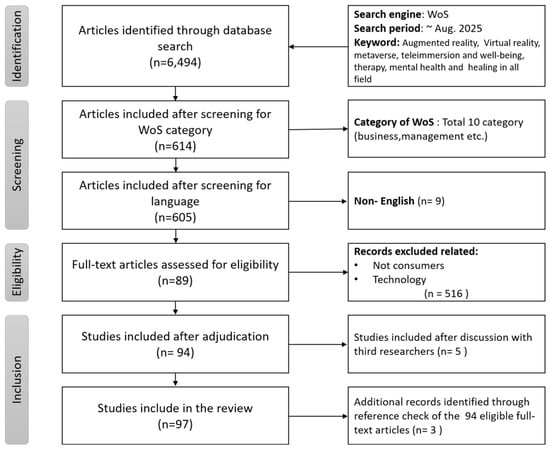
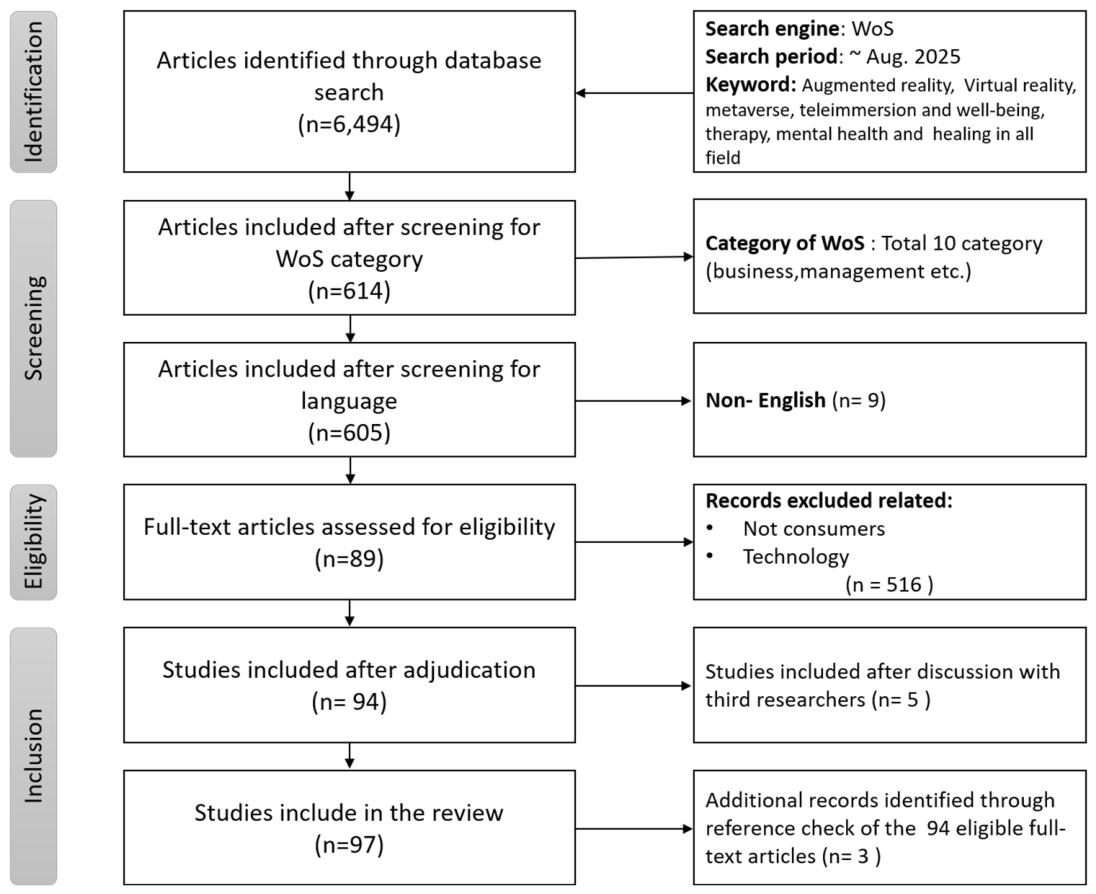
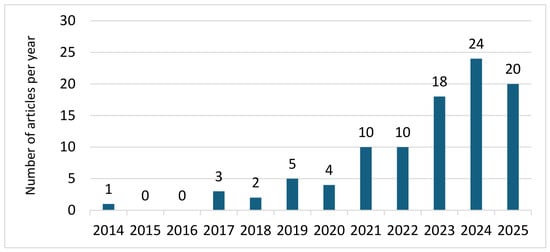
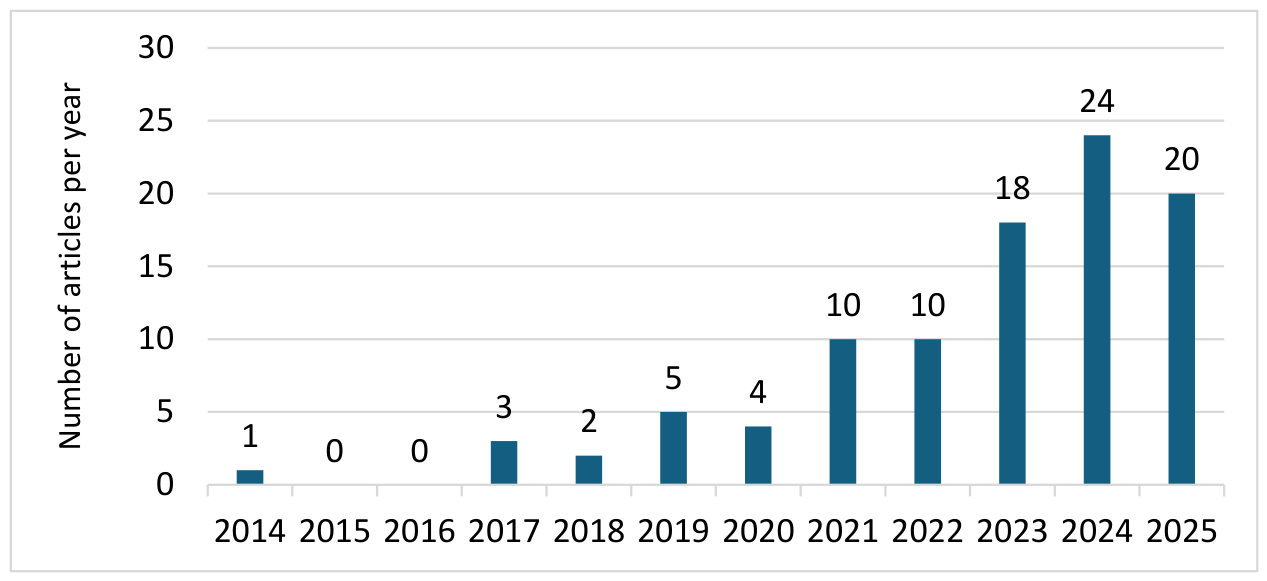
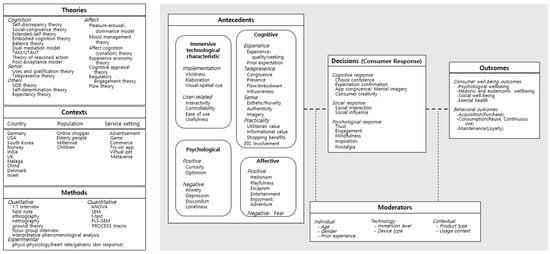
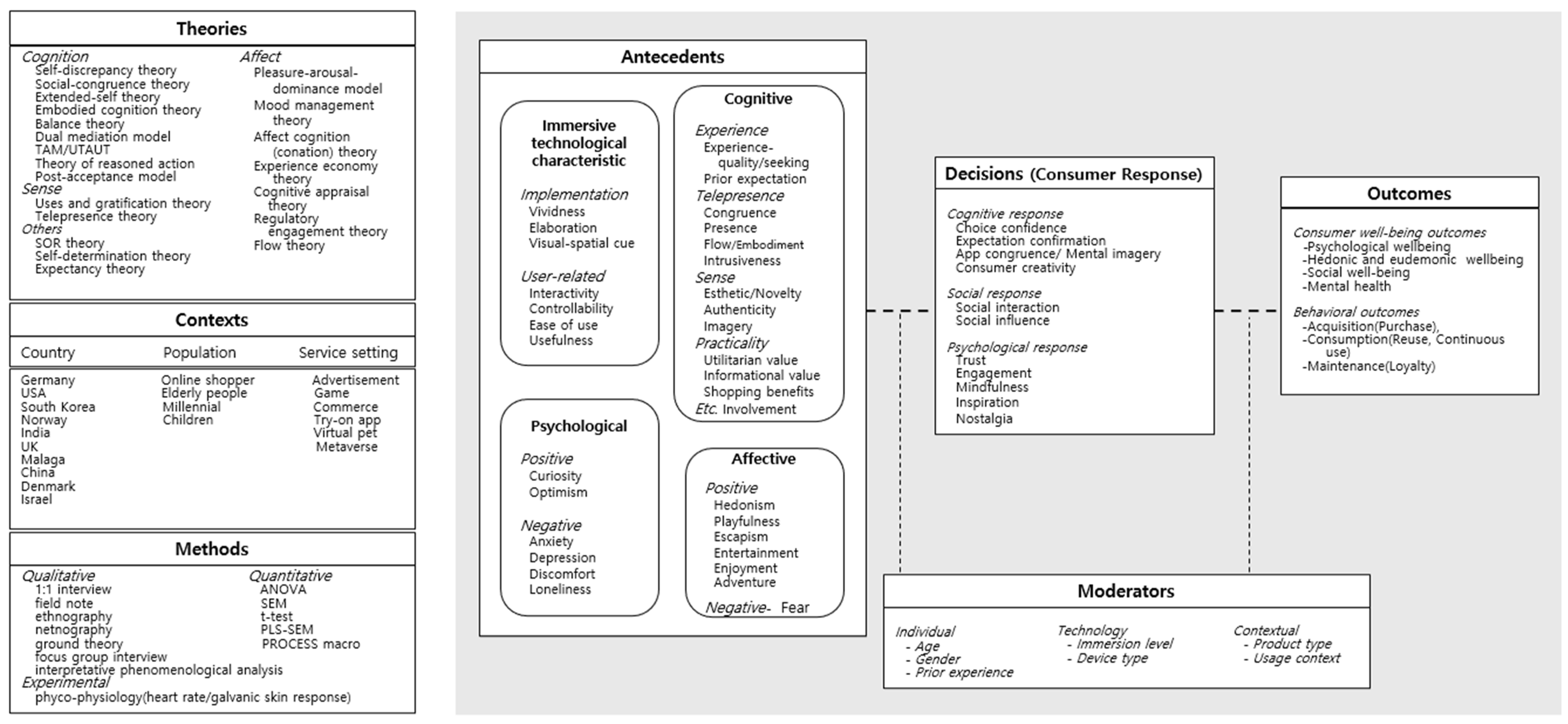
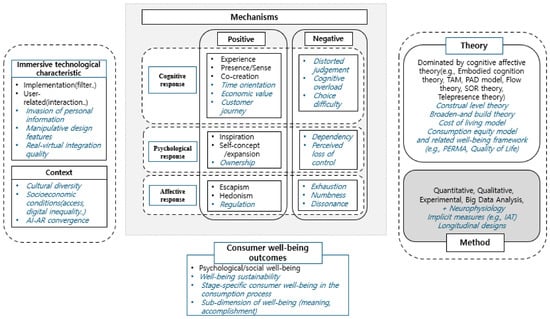
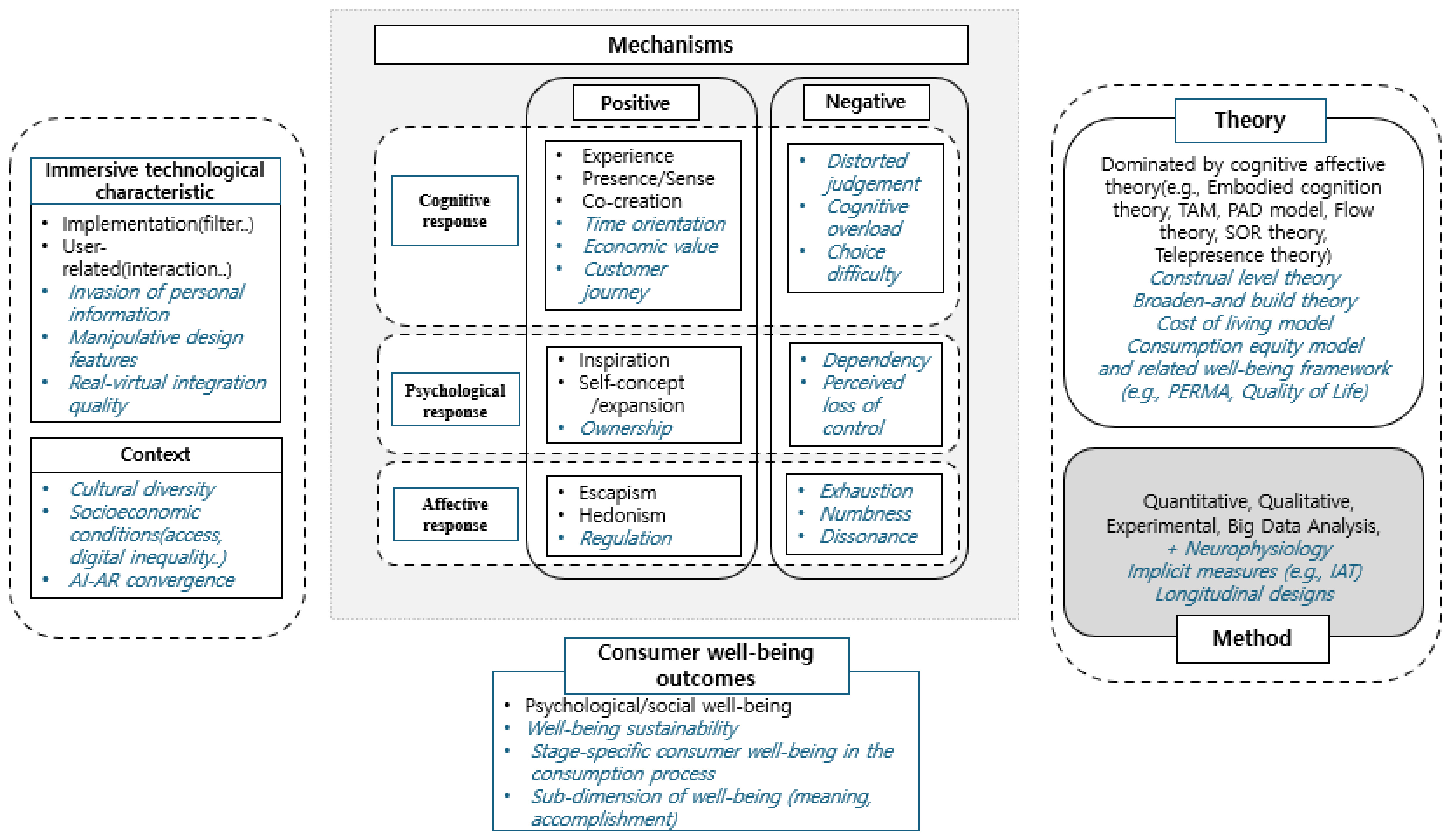

Disclaimer/Publisher’s Note: The statements, opinions and data contained in all publications are solely those of the individual author(s) and contributor(s) and not of MDPI and/or the editor(s). MDPI and/or the editor(s) disclaim responsibility for any injury to people or property resulting from any ideas, methods, instructions or products referred to in the content. |
© 2026 by the authors. Licensee MDPI, Basel, Switzerland. This article is an open access article distributed under the terms and conditions of the Creative Commons Attribution (CC BY) license.