


Abstract
Short-form video platforms have become deeply embedded in everyday digital life, where algorithmic recommendation enhances user experience but also raises concerns about invasiveness and manipulativeness. Drawing on the Cognitive–Affective–Conative (CAC) framework, this study examines the relationships between users’ cognitive evaluations of recommendation algorithms and continuance intention through algorithm dependence and algorithm aversion, while also identifying configurational pathways associated with high continuance intention. Based on 547 valid responses from short-form video users in China, we measured personalization, diversity, invasiveness, manipulativeness, algorithm dependence, algorithm aversion, and continuance intention. PLS-SEM was used to test direct and mediating effects, and fsQCA was employed to identify sufficient configurations associated with high continuance intention. The results show that personalization and diversity positively predict continuance intention and exert significant indirect effects through algorithm dependence, whereas manipulativeness negatively predicts continuance intention; invasiveness and algorithm aversion show no significant direct effects. The fsQCA results identify three dependence-maintenance pathways—experience-reinforced dependence, risk-buffered dependence, and risk-tolerant dependence—with algorithm dependence serving as a core condition across all four sufficient configurations. Notably, algorithm dependence and algorithm aversion coexist in two risk-tolerant configurations associated with high continuance intention. By distinguishing algorithm dependence from algorithm aversion, this study refines the affective dimension of the CAC framework, clarifies their differentiated roles in continuance intention, and provides configurational insights for responsible recommendation-system governance.
1. Introduction
With the deep integration of mobile internet and intelligent technologies, short-form video has become a central medium for everyday information consumption and emotional expression, owing to its brevity, efficiency, and interactivity. The core technology of these platforms—recommendation algorithms—analyzes users’ browsing trajectories, interactive behaviors, and interest tags in real time to achieve a “content-finds-user” matching model. This mechanism not only relieves users of the burden of filtering information but also substantially improves platforms’ retention and engagement. Recent research on TikTok further shows that intelligent recommendation can enhance users’ satisfaction and engagement by improving their content experience [1]. According to the China Online Audio-Visual Development Report (2025), by December 2024, the number of short-form video users in China had reached 1.04 billion, with an average daily usage of 156 min, ranking first among all internet applications [2]. The efficiency and adaptability of recommendation algorithms have reshaped users’ information consumption habits and become a key driver of platforms’ competitive advantage.
As algorithmic intelligence advances, users may also encounter new risks while enjoying personalized recommendations. On one hand, algorithmic systems rely on extensive behavioral and contextual data to infer users’ preferences, interests, and consumption tendencies, which may trigger concerns about privacy intrusion and data security [3,4]. On the other hand, recommendation mechanisms may shape users’ exposure to information through content ranking, repeated pushing, and personalized filtering, thereby raising concerns about manipulativeness [5,6]. In this sense, recommendation algorithms are not merely technical tools for improving matching efficiency; they also influence how users perceive platform control, information choice, and algorithmic risk. These contradictory experiences suggest that short-form video use involves both algorithmic benefits and perceived algorithmic risks.
However, it remains insufficiently understood how these positive and negative perceptions jointly shape users’ continuance intention. On the one hand, algorithmic recommendation may create positive perceptions by providing users with convenient, relevant, and diverse content. On the other hand, it may also generate negative perceptions when users feel that their privacy boundaries or freedom of choice are being challenged [7,8]. The coexistence of these positive and negative perceptions raises an important question: why may users continue engaging with algorithmically recommended content even when they perceive certain algorithmic risks? Rather than treating continuance intention as a purely positive response to algorithmic benefits, it is necessary to examine the tension between algorithm dependence and algorithm aversion. This tension is particularly important in short-form video platforms, where algorithmic recommendation has become deeply embedded in users’ everyday content consumption.
Existing research on short-form video algorithms and user behavior has made progress but still leaves several issues unresolved. From a research perspective, most studies emphasize the positive impacts of algorithmic benefits on continuance intention [9,10], or examine risk factors in isolation, such as privacy concerns [11] or transparency issues [12]. However, relatively limited attention has been paid to how algorithmic benefits and perceived risks operate simultaneously within the same explanatory framework. In particular, existing studies have not fully clarified whether positive perceptions mainly sustain continuance through algorithm dependence, or whether negative perceptions reduce continuance through algorithm aversion. This is important because the roles of algorithm dependence and algorithm aversion in shaping continuance intention remain insufficiently understood, particularly when users perceive both benefits and risks in algorithmic recommendation.
The Cognitive–Affective–Conative (CAC) framework provides a suitable lens for this study [13]. Recommendation algorithms may first shape users’ cognitive evaluations of platform functions and algorithmic risks. These evaluations can subsequently give rise to affective orientations toward algorithmic recommendation, which constitute an intermediate stage between cognition and conative intention. In technology-use research, the affective component of CAC has been represented not only by emotional experiences but also by evaluative psychological states such as attitudes and satisfaction [14]. In this study, algorithm dependence (AD) and algorithm aversion (AA) represent two such affective orientations. AD reflects users’ positively valenced psychological reliance on recommendation algorithms, whereas AA captures a negatively valenced emotional and evaluative orientation toward them. These affective orientations may subsequently shape users’ conative response, namely continuance intention. Beyond these individual relationships, prior studies have largely relied on net-effect approaches, such as Partial Least Squares Structural Equation Modeling (PLS-SEM), to examine linear relationships among variables. Although such approaches are useful for identifying direct and mediating relationships, they are less able to capture how different cognitive and affective conditions combine to produce high continuance intention. Therefore, a configurational perspective is needed to complement the net-effect analysis and reveal whether different combinations of algorithm-related perceptions, algorithm dependence, and algorithm aversion can lead to the same behavioral outcome.
In sum, current research has not sufficiently explained how users’ cognitive evaluations of algorithmic recommendation are linked to distinct affective orientations and subsequent continuance intention, nor has it fully revealed the configurational pathways through which high continuance intention emerges. To address this gap, this study applies the Cognitive–Affective–Conative (CAC) framework to develop a theoretical model and explores the following research questions:
RQ1: How do users’ cognitive evaluations of algorithmic recommendation shape continuance intention through algorithm dependence and algorithm aversion?
RQ2: What configurations of algorithm-related perceptions, algorithm dependence, and algorithm aversion are sufficient for high continuance intention?
2. Literature Review and Research Hypotheses
2.1. Cognitive-Affective-Conative Framework
The CAC framework is a foundational model for explaining psychological processes and behavioral intentions, rooted in the integration of philosophy and psychology. Aristotle’s tripartite division of the soul into reason, emotion, and desire provided the foundation for this triadic structure. In modern psychology, McDougall [15] introduced the concept of “conation” as an instinctive tendency toward goal pursuit, emphasizing it as the core of motivation and challenging cognition-dominant perspectives. Lewin’s [16] field theory further highlighted the dynamic balance among cognition, affect, and conation within the “field” of individual–environment interaction. Recent studies extend this line of inquiry. For instance, Paul et al. [17] demonstrated how positive affect interacts with cognitive processing to shape behavioral tendencies, while Maggino [13] showed how cognitive evaluations of external information directly shape affective experiences, which in turn regulate conative drive.
Structurally, CAC divides psychological activity into three interrelated dimensions [18]: cognition (information processing and understanding), affect (subjective experiences and physiological responses), and conation (willpower and action tendencies bridging cognition, affect, and behavior). These dimensions dynamically interact: cognition influences affect and conation, affect feeds back into cognition and conation, and conative outcomes reshape both cognition and affect, forming a complete psychological–behavioral chain.
Applied to technology contexts, CAC posits that both cognition and affect jointly shape behavioral intentions [19]. Cognition involves rational perceptions of technology attributes [20], whereas the affective stage concerns users’ affective orientations formed in response to those evaluations before a behavioral intention is formed. Although affect is often represented by emotions and feelings, technology studies using the CAC framework have also operationalized this stage through broader evaluative states, including attitude and satisfaction [14]. Thus, the boundary between cognition and affect in CAC is better understood in terms of psychological function rather than whether a construct contains only emotion: cognition concerns what users believe or perceive about a technology, whereas the affective stage concerns the positively or negatively valenced orientations users develop toward it following those evaluations. Conation, in turn, concerns intended or enacted behavioral responses [21].
Following this distinction, algorithm dependence and algorithm aversion are conceptualized as two affective orientations toward recommendation algorithms. Algorithm dependence reflects a positively valenced reliance orientation, whereas algorithm aversion reflects a negatively valenced emotional and evaluative orientation. These orientations occupy the affective stage between users’ cognitive evaluations of algorithmic recommendation and their subsequent continuance intention.
2.2. User Cognition of Algorithms and Continuance Intention
CAC emphasizes that cognition directly or indirectly shapes behavioral intention, a logic widely validated in technology adoption studies [14,22]. In short-form video platforms, users’ cognition of algorithms—formed from technical attributes and usage experiences—is a core determinant of their continuance intention [23]. The present study focuses on cognitive appraisals arising directly from users’ recurring interactions with algorithmically curated feeds. These appraisals concern two fundamental aspects of recommendation use: the content delivered by the algorithm and the process through which recommendation is performed. At the recommendation-output level, personalization refers to the perceived extent to which the algorithm identifies users’ preferences and tailors content accordingly, thereby facilitating access to personally relevant content. Diversity refers to the perceived breadth and variation in recommended content across categories, themes, creators, and repeated usage occasions. Together, they capture complementary evaluations of the relevance and variety of recommendation outputs [23,24]. At the recommendation-process level, invasiveness specifically concerns perceived encroachment on users’ informational privacy boundaries through the collection, knowledge, or use of personal information, whereas manipulativeness concerns perceived algorithmic influence over users’ attention, viewing choices, and autonomy [23,25,26]. Together, these four constructs capture distinct but complementary cognitive appraisals of what recommendation algorithms deliver and how the recommendation process is experienced by users.
Continuance intention refers to users’ willingness to continue engaging with algorithmically recommended content through the platform’s recommendation function [23]. Appraisals of recommendation relevance and variety can enhance the perceived value of continued algorithm use, whereas concerns about data boundaries and autonomy can weaken it. In short-form video, these cognitive dimensions affect behavior via benefit or risk perceptions [27].
From the perspective of personalization, algorithms analyze users’ browsing histories, likes, and interactions to deliver content closely aligned with their interests. This process substantially reduces the cost of information filtering and enables users to quickly obtain the information or emotional gratification they seek [28]. When users perceive a higher degree of personalization, they are more likely to believe that continuance use of algorithms will yield stable and sustained value, thereby reinforcing their continuance intention. For example, Zhang et al. [29] found that users’ perceptions of content quality and matching significantly increased their tendency to continue viewing. Regarding diversity, algorithms provide a wide variety of content—such as educational knowledge, lifestyle documentation, and creative storytelling—which helps users break free from filter bubbles, satisfy their exploratory needs, and expand cognitive boundaries. Once users perceive the recommended content as sufficiently diverse to prevent fatigue and continuously deliver novelty, they are more likely to consider long-term algorithm use valuable, thus strengthening their behavioral intention [30]. Li and Tuzhilin [31] further demonstrated that users’ novelty-seeking preferences align with “serendipitous” recommendations to enhance engagement and acceptance, as diverse content sustains long-term interest and mitigates boredom caused by content homogeneity.
Based on the above discussion, the following hypotheses are proposed:
H1.
Personalization positively influences continuance intention.
H2.
Diversity positively influences continuance intention.
Cognitive perceptions of invasiveness are closely linked to users’ privacy concerns. When users realize that algorithms excessively collect sensitive information—such as location data, voice recordings, and social connections—without explicit notice or sufficient authorization, they develop a perception of privacy risk. This perception generates doubts about continuing to use the algorithm and, in turn, weakens their continuance intention [32]. In the short-form video context, Xie et al. [33] found that when users feel they are being tracked, they often adopt algorithm-resisting strategies, thereby suppressing continuance. From the perspective of manipulativeness, platform interfaces and algorithmic strategies (e.g., infinite scrolling, autoplay, frequent reminders/push notifications) undermine users’ autonomy. When users feel that the system deliberately prolongs their usage time or restricts their choices, they experience a sense of control loss and resentment, which reduces continuance intention or triggers resistance behaviors (e.g., reducing interactions, shortening use time, or deliberately “feeding false data” to the algorithm). Prior studies confirm this pattern: manipulative interfaces significantly alter user behavior and evoke resistance intentions [34]; algorithmic monitoring/control diminishes autonomy and strengthens resistance compared with human monitoring [26]; in short-form video scenarios, users counter algorithms through avoidance (less use/abandonment) and obfuscation (deliberately feeding false data) [33]; frequent push notifications further intensify disturbance and fatigue, prompting users to disable features and reduce subsequent usage intention [35].
Based on the preceding literature review, we propose the following hypotheses:
H3.
Invasiveness negatively influences continuance intention.
H4.
Manipulativeness negatively influences continuance intention.
2.3. User Cognition of Algorithms and Affective Orientations
In the short-form video context, users’ cognition of algorithms often gives rise to specific affective orientations. Affective orientations refer to positively or negatively valenced psychological stances toward an object that emerge from users’ cognitive evaluations and experiences. Among these, algorithm dependence and algorithm aversion are two important affective orientations toward recommendation algorithms [36,37]. Algorithm dependence refers to users’ psychological reliance on recommendation algorithms for content discovery, information filtering, and entertainment gratification. It captures the extent to which users come to rely on algorithmic recommendation as a convenient and effective way to access desired content. This form of reliance centers on users’ subjective dependence on algorithm-supported content access and differs conceptually from behavioral automaticity, trust judgments, emotional attachment, and compulsive use [23,38,39,40]. In contrast, algorithm aversion refers to users’ negatively valenced orientation toward recommendation algorithms, manifested as distrust, resentment, discomfort, dissatisfaction, or concern toward algorithmic recommendations. It reflects unfavorable emotional and evaluative responses to algorithmic recommendation and is conceptually distinct from perceived risk, psychological reactance, and overt avoidance behavior [41].
Cognitive perceptions of personalization and diversity are important antecedents of dependence. When algorithms continuously adapt to user preferences and deliver highly relevant content, they reduce search costs and increase users’ psychological inclination to accept and rely on them. For example, in news recommendation systems, users who perceive that algorithms consistently push relevant topics and articles tend to reduce active searching and place greater trust in algorithmic judgments [42]. Similarly, in short-form video platforms, when algorithms respond flexibly to shifting user interests and provide contextually relevant content, users are more likely to develop greater psychological reliance on algorithm-supported content discovery [23]. Perceptions of diversity also significantly affect users’ positive affective orientation toward algorithmic recommendation. When algorithms cover a wide range of categories and introduce novel topics in a timely manner, they maintain users’ exploratory excitement and psychological satisfaction, thereby deepening positive attitudes and reinforcing dependence [24].
Conversely, cognitive perceptions of invasiveness and manipulativeness are more likely to trigger negative affective orientations. When algorithms are perceived to excessively access or exploit unnecessary personal data—such as contact lists or real-time location—users often experience privacy anxiety and distrust, which contribute to unfavorable evaluations of algorithmic recommendations [26]. Studies show that younger users are particularly sensitive to the transparency of personal data usage; once they perceive boundary violations, their emotional responses tend to be negative [43]. Moreover, when users realize that algorithms extend usage time or narrow content choices through autoplay, ranking mechanisms, or reward systems, they may experience psychological resistance and a sense of self-control failure [44,45]. These negative emotional and evaluative experiences can strengthen users’ algorithm aversion. Hence, the following hypotheses are proposed:
H5.
Personalization positively influences algorithm dependence.
H6.
Diversity positively influences algorithm dependence.
H7.
Invasiveness positively influences algorithm aversion.
H8.
Manipulativeness positively influences algorithm aversion.
2.4. Affective Orientations and Continuance Intention
Algorithm dependence, as a positively valenced reliance orientation toward recommendation algorithms, is expected to strengthen continuance intention. Users who rely on algorithms often experience convenience and enjoyment, which makes them more willing to continue obtaining content through algorithms and form stable usage patterns [46]. Thurman et al. [39] examined audience attitudes and trust toward “algorithmically curated news” and found that when users recognized the matching accuracy and convenience of algorithms, they were more inclined to rely on platform distribution. Similarly, research on intelligent voice assistants shows that the stronger users’ emotional dependence on technology, the higher their long-term usage intentions [40]. Jo [46] also confirmed that positive affective factors in AI personal assistant usage are positively associated with continuance intention. Studies on short-form video platforms likewise indicate that dependence and reliance-related tendencies are important antecedents of sustained user engagement [36]. Thus, stronger psychological reliance on recommendation algorithms is associated with a greater willingness to continue using algorithm-supported content services.
In contrast, algorithm aversion represents a negatively valenced emotional and evaluative orientation toward recommendation algorithms. When users experience resentment, distrust, discomfort, or concern toward algorithms, these unfavorable orientations may reduce their willingness to continue using algorithmic recommendations [47,48]. Negative evaluations of algorithmic recommendation can weaken users’ acceptance and increase their tendency to disengage from recommendation systems. For instance, Lukoff et al. [42] demonstrated that autoplay and forceful recommendations diminish users’ sense of autonomy and evoke negative experiences, thereby lowering acceptance and long-term motivation. Xie et al. [33], in a short-form video study, found that when users develop distrust or aversion toward algorithms, they adopt avoidance or obfuscation strategies, such as reducing usage frequency or deliberately interfering with recommendations. These findings suggest that stronger algorithm aversion is associated with lower continuance intention.
This discussion relates to the following hypotheses:
H9.
Algorithm dependence positively influences continuance intention.
H10.
Algorithm aversion negatively influences continuance intention.
2.5. Mediating Role of Affective Orientations
Within the CAC framework, affective orientations constitute an important intermediate mechanism linking users’ cognitive evaluations to behavioral intentions. Cognitive evaluations of algorithmic features can shape users’ positive or negative orientations toward recommendation algorithms, which in turn influence their continuance intention [49,50]. Specifically, benefit-based cognitions such as personalization and diversity can strengthen algorithm dependence as a positive reliance orientation, which in turn strengthens continuance intention. Conversely, risk-based cognitions such as invasiveness and manipulativeness are more likely to strengthen algorithm aversion as a negative affective orientation, thereby suppressing continuance intention [23,26,29].
This mediating pathway has been validated across multiple technologies and contexts. In the case of TikTok, empirical evidence shows that users’ perceptions of recommendation accuracy affect continuance intention through the mediating role of satisfaction and enjoyment [51]. In intelligent service robots, studies reveal that various cognitions influence usage intention via the mediation of trust [52]. In e-commerce environments, perceived value fosters platform attachment, which subsequently enhances purchase intention and stickiness [53]. Conversely, perceptions of privacy intrusion generate anxiety and distrust, reducing continuance intention [54]. Similarly, perceptions of manipulativeness or restricted choice evoke psychological resistance, diminishing engagement [55]. Research on technostress also identifies fatigue and stress as negative emotions that mediate the link between overload and discontinuance intention, as observed in contexts such as WeChat [56,57]. Together, these findings indicate that cognitive evaluations of technology can influence subsequent behavioral intentions through affective and evaluative orientations toward the technology.
Therefore, this study proposes the following hypotheses:
H11.
Algorithm dependence mediates the relationship between personalization and continuance intention.
H12.
Algorithm dependence mediates the relationship between diversity and continuance intention.
H13.
Algorithm aversion mediates the relationship between invasiveness and continuance intention.
H14.
Algorithm aversion mediates the relationship between manipulativeness and continuance intention.
3. Research Design
3.1. Methodology
The primary objective of this study is to examine the hypothesized relationships among users’ cognition of algorithmic features, affective responses toward algorithms, and continuance intention, as well as to uncover the configurational mechanisms through which multiple conditions jointly lead to high continuance intention. The proposed research model is presented in Figure 1. Achieving this objective requires analytical tools capable of handling both linear relationships among variables and multiple conjunctural causation.
Figure 1.
Research model.
PLS-SEM is employed as the key technique for testing direct and mediating effects, because the study adopts an explanatory–predictive orientation, seeking not only to estimate the proposed relationships but also to explain and predict variance in the endogenous constructs. As a variance-based structural equation modeling approach, PLS-SEM is particularly suitable when prediction and explained variance are central analytical objectives, while also allowing simultaneous assessment of the measurement and structural models [58]. Specifically, reliability and validity analyses of the measurement model (including composite reliability, Cronbach’s α, convergent validity, and discriminant validity) are conducted, along with evaluations of path significance, R2, and out-of-sample predictive performance in the structural model, to assess the proposed relationships among the cognitive, affective, and conative constructs.
However, single linear regression analysis cannot adequately reveal mechanisms of “multiple conjunctural causation.” Therefore, this study further applies fsQCA to examine configurational effects of antecedent conditions [59]. Cognitive variables (personalization, diversity, invasiveness, manipulativeness) and affective variables (algorithm dependence, algorithm aversion) are treated as condition variables, enabling identification of multiple conjunctural paths leading to high continuance intention and unveiling the complex interaction patterns between cognition and affect.
3.2. Variable Measurement
This study involves seven constructs: personalization, diversity, invasiveness, manipulativeness, algorithm dependence, algorithm aversion, and continuance intention. To ensure reliability and validity, established scales from prior studies were adopted, with contextual modifications and item reductions where appropriate. Because the original scales were developed in English, the items were translated into Chinese and then back-translated into English. The original and back-translated versions were compared through reconciliation meetings, and discrepancies in wording or meaning were discussed until semantic consistency was achieved. Subsequently, five scholars with expertise in e-commerce reviewed the translated items in terms of semantic clarity, construct relevance, and contextual appropriateness for short-form video recommendation. Their feedback was used to refine the wording and inform item-retention decisions while preserving the intended conceptual meaning of the original scales. All items were measured using a 7-point Likert scale (1 = “strongly disagree,” 7 = “strongly agree”), with higher scores indicating stronger agreement. The measurement items and corresponding sources are listed in Table 1. The constructs were operationalized in accordance with their conceptual roles in the short-form video recommendation context. Personalization captures users’ perceived preference-based tailoring of recommended content, encompassing the algorithm’s ability to identify preferences, provide personally relevant content, and facilitate access to preferred videos. Diversity captures the perceived breadth and variation in recommendation outputs across content categories, themes, creators, and usage occasions. Invasiveness refers specifically to perceived intrusion into informational privacy boundaries associated with the platform’s knowledge, use, and protection of users’ personal information, whereas manipulativeness captures perceived algorithmic influence over users’ attention, viewing choices, and browsing autonomy. Continuance intention refers specifically to users’ intention to continue engaging with algorithmically recommended videos through the focal platform’s recommendation function.
Table 1.
Questionnaire items.
3.3. Questionnaire Design and Data Collection
Data were collected using a non-probability recruitment strategy combining online recruitment and network-based snowball recruitment. Online respondents were recruited through the sample service provided by Tencent Questionnaire and received RMB 3 for completing the survey, whereas the network-based sample was recruited through the research team’s social networks and subsequent referrals. Regardless of recruitment source, all respondents completed the same questionnaire through Tencent Questionnaire. The study protocol was approved by the Ethics Committee of the School of Economics and Management, Xiamen University of Technology. Participation was voluntary, and respondents were informed that their responses would remain confidential and be used solely for academic purposes.
The survey was conducted between 21 September and 27 November 2024. A total of 733 questionnaires were collected, and responses with identical or highly patterned answers or excessively short completion times were excluded. After screening, 547 valid responses remained, including 282 from the online-recruitment channel and 265 from the network-based recruitment channel, yielding a valid response rate of 74.6%. Independent-samples t-tests were conducted to compare the two recruitment groups in terms of gender, age, and education. The results showed no significant differences between the two groups in these demographic characteristics.
Descriptive statistics for the 547 valid respondents are shown in Table 2. Among the sample, 265 were male (48.4%) and 282 were female (51.6%), indicating a relatively balanced gender distribution. Regarding age, 182 respondents (33.3%) were aged 20–29, 226 (41.3%) were aged 30–39, 82 (15.0%) were aged 40–49, and 57 (10.4%) were aged 50 and above, reflecting broad age coverage but a concentration in the 20–39 age range, consistent with the main demographic of short-form video users. Regarding education, 94 respondents (17.2%) had secondary vocational school, high school or below, 179 (32.7%) had junior college, 221 (40.4%) held a bachelor’s degree, and 53 (9.7%) held a master’s degree or above, reflecting diverse educational backgrounds.
Table 2.
Descriptive analysis of respondents (n = 547).
4. Results
4.1. Common Method Bias Tests
Common method bias arises when consistent measurement methods introduce spurious correlations among variables, thereby threatening the validity of research findings. To assess the potential impact of common method bias, we conducted Harman’s single-factor test, which is based on exploratory factor analysis. The logic is that if a single factor accounts for more than half of the total variance, then significant common method bias exists [66]. The questionnaire items converged into five factors with eigenvalues greater than 1. Without rotation, the first factor accounted for only 29.178% of the variance, far below the 50% threshold. Meanwhile, the cumulative variance explained by all factors reached 64.284%. However, Harman’s single-factor test has been criticized for its limited sensitivity in detecting common method bias. Consequently, we also applied the unmeasured common method factor approach proposed by Liang et al. [67] as an additional assessment. Results (Table 3) showed that the average substantive explained variance was 0.705, whereas the average method-based variance was only 0.0016, yielding a ratio of approximately 438.773:1. All substantive factor loadings were significant, whereas none of the method-factor loadings was significant. Taken together with the Harman test, these results suggest that common method bias is unlikely to materially affect the findings.
Table 3.
Common method factor analysis.
4.2. Assessment of Measurement Model
The measurement model is a core component of PLS-SEM, serving to evaluate whether observed variables effectively capture their latent constructs. This study adopted common indicators—including factor loadings, variance inflation factor (VIF), Cronbach’s α, average variance extracted (AVE), and CR—to assess the measurement model’s quality. As shown in Table 4, all item loadings exceeded the conventional threshold of 0.7, with the lowest loading reaching 0.784, confirming strong construct validity [68]. All VIF values were below 3 [69], indicating that multicollinearity was not a serious concern. The lowest Cronbach’s α was 0.726, above the 0.7 benchmark [70], demonstrating acceptable internal consistency. CR values ranged from 0.846 to 0.923, well above the recommended 0.7 threshold Gefen et al. [71] confirming stability and reliability. Additionally, AVE values ranged from 0.643 to 0.748, exceeding the recommended cutoff of 0.50 Fornell and Larcker [72], thereby establishing satisfactory convergent validity for all constructs.
Table 4.
Measurement model analysis results.
Discriminant validity is another crucial standard for evaluating measurement models. This study employed both the Heterotrait–Monotrait ratio (HTMT) and the Fornell–Larcker criterion to test whether constructs are distinct and non-confounding. As shown in Table 5, HTMT values ranged from 0.045 to 0.759, significantly below the threshold of 0.85 proposed by Henseler et al. [73]. This indicates that the constructs maintained clear independence at the measurement level. Table 6 further presents the Fornell–Larcker criterion results. For each construct, the square root of AVE (on the diagonal, in bold) exceeded its correlations with other constructs, once again confirming discriminant validity [72].
Table 5.
Discriminant validity: HTMT.
Table 6.
Discriminant validity: Fornell–Larcker criterion.
4.3. Assessment of Structural Model
The structural model was assessed in terms of explained variance and out-of-sample predictive performance. R2 was used to evaluate the proportion of variance explained in the endogenous constructs. In addition, PLSpredict was employed to assess out-of-sample predictive relevance. Q2 predict values greater than zero indicate predictive relevance, while RMSE and MAE reflect prediction errors, with lower values indicating greater predictive accuracy [74,75].
As shown in Table 7, the R2 values were 0.527 for AA, 0.404 for AD, and 0.476 for CI, indicating meaningful explanatory power. The corresponding Q2 predict values were 0.518, 0.392, and 0.384, respectively, and were all above zero. The RMSE values ranged from 0.697 to 0.789, while the MAE values ranged from 0.524 to 0.604. These results indicate that the model demonstrates out-of-sample predictive relevance for all three endogenous constructs.
Table 7.
Results of structural model analysis.
In this study, we further conducted hypothesis testing using the bootstrapping method. Table 8 presents the regression coefficients and significance levels of the direct effects.
Table 8.
Results of hypotheses validation.
First, we tested the impact of algorithmic features on continuance intention. Results showed that personalization and diversity significantly and positively influenced continuance intention (β = 0.259, p < 0.001; β = 0.149, p < 0.05), supporting H1 and H2. Manipulativeness significantly and negatively influenced continuance intention (β = −0.151, p < 0.05), supporting H4. Although invasiveness negatively influenced continuance intention (β = −0.052), the effect was nonsignificant (p > 0.05), thus H3 was not supported.
Second, we tested the impact of algorithmic features on algorithm dependence and algorithm aversion. Results showed that personalization and diversity significantly and positively influenced algorithm dependence (β = 0.302, p < 0.001; β = 0.413, p < 0.01), supporting H5 and H6. Invasiveness and manipulativeness significantly and positively influenced algorithm aversion (β = 0.372, p < 0.001; β = 0.424, p < 0.01), supporting H7 and H8.
Finally, we examined the impact of algorithm dependence and algorithm aversion on continuance intention. Results indicated that algorithm dependence significantly and positively influenced continuance intention (β = 0.335, p < 0.001), supporting H9. Algorithm aversion showed a small positive but statistically nonsignificant coefficient (β = 0.004, p > 0.05); therefore, H10 was not supported.
This study further verified the mediating effects proposed in the model by examining the significance levels of the outputs and the corresponding 95% confidence intervals. The judgment criterion was as follows: if the p-value was less than 0.05 and the 95% confidence interval did not include zero, then the mediating effect was considered supported [76]. As shown in Table 9, the mediation path PE → AD → CI had a confidence interval of [0.057, 0.155], which did not include zero, with p < 0.001; thus, H11 was supported. The mediation path DI → AD → CI yielded a confidence interval of [0.082, 0.210], which also did not include zero, with p < 0.001; hence, H12 was supported. In contrast, the mediation paths IN → AA → CI and MA → AA → CI had confidence intervals of [−0.040, 0.042] and [−0.044, 0.049], respectively, both including zero. Their corresponding p-values (0.940 and 0.939) exceeded the 0.05 threshold. Therefore, H13 and H14 were not supported.
Table 9.
Results of indirect effect.
4.4. Fuzzy-Set Qualitative Comparative Analysis Results
In the above analysis, this study employed PLS-SEM to estimate the hypothesized relationships among latent variables. While PLS-SEM excels at quantifying path coefficients, CI is often driven by interactions and combinations of multiple conditions. Traditional structural models are limited in capturing causal complexity and equifinality. To address this limitation, we further adopted fsQCA [59], which—under a configurational lens—systematically examines how different combinations of conditions jointly produce CI and thereby uncovers more complex mechanisms.
Calibration is a key step in fsQCA that transforms raw observations into set-membership scores to support configurational analysis. Concretely, we first computed the sample means of all variables and then followed Ragin’s [77] direct calibration strategy. Using the 95th, 50th, and 5th percentiles as anchors for full membership, crossover, and full non-membership, respectively, we mapped raw values into the [0, 1] interval. The specific calibration anchors for all constructs are reported in Table A1.
Within the fsQCA framework, necessity analysis precedes configurational modeling and tests whether any single condition (and its negation) is indispensable for the outcome. We evaluated all antecedent conditions and their negations, adopting 0.90 as the necessity consistency threshold [59]. As shown in Table 10, none of the conditions reached 0.90, indicating that no single necessary condition exists for CI. We therefore proceeded to examine the sufficiency of condition combinations.
Table 10.
Results of Necessity Analysis.
In the configurational analysis, we specified sets of conditions featuring presence/absence and different combinations, and then used fuzzy-set logic and Boolean algebra to assess their relationships with CI. We computed consistency as an indicator of sufficiency and coverage as an indicator of empirical relevance. Following Fiss [78], we set the consistency threshold at 0.80, the PRI-consistency threshold at 0.70, and the case frequency threshold at 3. As reported in Table 11, four sufficient configurations were identified, with configuration consistency values ranging from 0.922 to 0.943. The overall solution consistency was 0.912, and the solution coverage was 0.671, indicating that the identified configurations exhibit high consistency and substantial empirical coverage.
Table 11.
Results of Configurational Analysis.
Across the four configurations, AD appears as a core condition in all solutions, indicating its stable role within the sufficient configurations associated with high CI. PE and DI also emerge as core conditions in several configurations, whereas IN, MA, and AA vary across different configurational contexts. Based on their structural characteristics, the four configurations can be grouped into three dependence-maintenance pathways: experience-reinforced dependence, risk-buffered dependence, and risk-tolerant dependence.
First, Configuration 1 (PE*DI*MA*AD) represents the experience-reinforced dependence pathway. In this configuration, PE, DI, and AD are core conditions, while MA is a peripheral condition. The simultaneous presence of personalization and diversity indicates that users perceive the recommendation system as both personally relevant and sufficiently varied. Together with algorithm dependence, these positive algorithm-related perceptions form a sufficient configuration associated with high CI, even when some degree of manipulativeness is present.
Second, Configuration 2 (PE*~IN*~MA*AD*~AA) represents the risk-buffered dependence pathway. PE, the absence of IN, and AD constitute core conditions, while the absence of MA and AA are peripheral conditions. This configuration indicates that high CI can emerge when personalization and algorithm dependence coexist with low invasiveness, accompanied by relatively weak perceptions of manipulativeness and algorithm aversion. This pattern suggests that the attenuation of negative algorithm-related perceptions may coexist with personalized recommendation and dependence in configurations associated with high CI.
Third, Configurations 3 and 4 represent the risk-tolerant dependence pathway. Configuration 3 (PE*DI*IN*AD*AA) combines the core presence of PE, DI, IN, and AD with the peripheral presence of AA. Configuration 4 (DI*IN*MA*AD*AA) combines the core presence of DI, IN, and AD with the peripheral presence of MA and AA. These two configurations are particularly noteworthy because algorithm dependence and algorithm aversion coexist within sufficient configurations associated with high CI. This indicates that the presence of algorithm aversion does not necessarily preclude high continuance intention when algorithm dependence remains a core condition and is accompanied by supportive conditions such as personalization or diversity.
To assess robustness, three additional fsQCA analyses were conducted. Raising the consistency threshold to 0.85 reproduced the same four configurations [79] (Table A2). Increasing the case frequency threshold from 3 to 4 again yielded four configurations, with AD remaining present across all configurations and AD and AA continuing to coexist in two configurations associated with high CI (Table A3). Finally, alternative calibration anchors were employed following recent fsQCA studies [80,81], and the central role of AD and the overall dependence-maintenance pattern remained stable (Table A4). Overall, the main configurational findings remained substantively stable across alternative analytical specifications.
5. Discussion
Grounded in the CAC framework, this study employed direct effect analysis, mediation testing, and configurational analysis to systematically examine how short-form video recommendation algorithms shape users’ CI. The key findings are discussed below.
5.1. Interpreting the Findings Through the Cognitive-Affective-Conative Lens
The results show that PE and DI exert significant positive effects on CI, consistent with prior studies [30,82,83]. This finding reaffirms that algorithmic recommendation systems can enhance user experience and continued engagement by precisely matching user interests and providing a rich variety of content. Personalization reduces users’ information-filtering costs, while diversity mitigates fatigue from content narrowness; together, they encourage sustained behavioral intention.
In addition, MA negatively affects CI, echoing Cheng and Peng [55] and indicating users’ psychological resistance to perceived manipulation. By contrast, the negative impact of IN on CI was not statistically significant, diverging from prior research. Previous studies have suggested that privacy intrusion directly reduces usage intention [84,85,86]. In short-form video use, privacy concerns may coexist with the convenience, relevance, and entertainment benefits provided by algorithmic recommendation, reflecting a possible gap between privacy concerns and continued platform use. Repeated exposure to data collection practices may also normalize such practices and reduce their salience in continuance decisions. Moreover, differences in algorithmic literacy and perceived privacy-control options may shape how users evaluate invasiveness and incorporate privacy concerns into their usage decisions. These factors suggest that the relationship between invasiveness and CI may vary across users and platform-use contexts.
5.2. Mediating Roles of Algorithm Dependence and Algorithm Aversion
Mediation analysis reveals different roles of AD and AA in the relationships between algorithm-related cognition and CI. AD significantly mediates the effects of both PE and DI on CI, whereas AA’s mediation effect is non-significant. This pattern highlights the differentiated roles of the two affective orientations in the cognition–affect–conation process. AD reflects a positively valenced reliance orientation through which favorable algorithmic perceptions are associated with continued use. When users perceive recommendation algorithms as relevant and diverse, they are more likely to rely on the platform for content discovery and information filtering, thereby strengthening CI. This finding is consistent with research showing that algorithm dependence develops as users obtain gratification from algorithm-supported services and increasingly rely on them in their usage process [63].
By contrast, AA neither significantly predicts CI nor mediates the effects of IN and MA. AA reflects a negatively valenced emotional and evaluative orientation toward recommendation algorithms, encompassing feelings such as annoyance, discomfort, dissatisfaction, and unease. Such an orientation is conceptually different from overt algorithm rejection or avoidance, which involves a behavioral tendency to discount or refrain from using algorithmic recommendations [64,65,87]. The nonsignificant relationship between AA and CI suggests that unfavorable evaluations of recommendation algorithms do not necessarily correspond to reduced continuance intention. Negative affect may remain primarily evaluative when its behavioral intensity is limited, while habitual platform use, functional reliance on recommendation systems, switching costs, or limited alternatives may weaken its relationship with discontinuance. This pattern points to a possible evaluative–behavioral gap in which unfavorable algorithm evaluations coexist with continued use. This distinction is also consistent with research showing that negative reactions to recommendation algorithms can take different forms, including psychological resistance and behavioral avoidance [33,55], and that these responses should not be treated as interchangeable. In algorithmic environments, users may therefore experience a disjunction between affective orientation and behavioral intention: they may evaluate algorithms negatively yet continue usage due to functional dependence.
5.3. Configurational Analysis
The configurational analysis identified three dependence-maintenance pathways to high CI, reflecting the complexity of user decision-making. The experience-reinforced dependence pathway indicates that favorable algorithmic perceptions combined with algorithm dependence are sufficient for high CI, whereas the risk-buffered dependence pathway shows that high CI can also arise when negative algorithm-related perceptions are relatively weak. Notably, although algorithm aversion shows no significant net effect on continuance intention in the PLS-SEM results, it coexists with algorithm dependence and high continuance intention in the two configurations of the risk-tolerant dependence pathway. This suggests that aversion may fail to translate into behavioral disengagement when algorithm dependence and perceived benefits, such as personalization and diversity, remain sufficiently strong: the functional reliance and gratification that sustain usage may outweigh negative evaluations, such that aversion is tolerated rather than acted upon. High continuance intention is thus maintained not by the absence of aversion, but by the dominance of dependence over aversion within users’ overall configurational profile. This coexistence captures the “Cannot Stop, Yet Resent It” phenomenon highlighted in this study and suggests that whether algorithm aversion leads to disengagement depends on the strength of the coexisting dependence-supporting conditions.
6. Implications, Limitations, and Future Research
6.1. Theoretical Contributions
First, this study extends the application of the affective stage of the CAC framework to algorithm-mediated platform use by distinguishing algorithm dependence and algorithm aversion as two affective orientations toward recommendation algorithms. Algorithm dependence reflects a positively valenced reliance orientation, whereas algorithm aversion reflects a negatively valenced emotional and evaluative orientation. This distinction helps explain how users’ cognitive evaluations of algorithmic affordances and risks may be translated into different affective orientations, which in turn shape continuance intention. In doing so, this study provides a more specific account of the cognition–affect–conation process in algorithm-mediated platform use.
Second, this study reveals differentiated relationships between the two affective orientations and algorithmic continuance. The findings show that algorithm dependence significantly mediates the effects of positive algorithmic perceptions on continuance intention, whereas algorithm aversion neither significantly predicts continuance intention nor mediates the effects of negative algorithmic perceptions. This pattern suggests that positively valenced reliance and negatively valenced aversion do not relate to continuance intention in symmetrical ways. In the short-form video context, recommendation algorithms are deeply embedded in everyday content access and provide immediate gratification. Under such conditions, negative emotional and evaluative orientations may remain salient without necessarily translating into reduced continuance intention, whereas psychological reliance on recommendation algorithms is more closely associated with continued use. This finding adds nuance to the CAC framework by showing that differently valenced affective orientations can exhibit different relationships with subsequent conative intention.
Third, this study uses the configurational findings to identify three dependence-maintenance pathways underlying high continuance intention: experience-reinforced dependence, risk-buffered dependence, and risk-tolerant dependence. These mechanisms show that algorithm dependence is not only an affective orientation in the cognition–affect–conation process, but also a common anchoring condition across different configurations leading to high continuance intention. High continuance intention may be reinforced by positive algorithmic experiences, stabilized when negative algorithm-related perceptions are limited, or maintained even when certain negative conditions coexist with positive algorithmic perceptions. This configurational explanation extends the understanding of algorithmic continuance from a single linear pathway to multiple dependence- maintenance pathways.
6.2. Practical Implication
Platforms should optimize positive algorithmic experiences by improving both personalization and diversity. Personalization helps users access content that matches their interests, while diversity prevents repetitive recommendations and sustains novelty. Rather than simply increasing recommendation intensity, platforms should provide adjustable personalization, exploration-oriented modes, and diverse adjacent or cross-domain content so that users can actively shape their recommendation environment. This approach can preserve the benefits of algorithmic assistance while fostering functional, controllable reliance rather than excessive dependency.
Platforms should reduce negative algorithmic perceptions, especially perceived manipulativeness and privacy-related concerns. Since perceived manipulativeness negatively affects continuance intention, platforms should avoid designs that undermine perceived autonomy, including excessive push notifications, aggressive autoplay, or interaction patterns intended primarily to prolong use. Greater emphasis should instead be placed on meaningful user control through features such as “not interested,” “reduce similar content,” recommendation explanations, and adjustable recommendation settings. Although invasiveness did not show a significant direct relationship with CI, transparent data practices and accessible privacy controls remain important components of responsible algorithm design and long-term user trust.
More broadly, platform governance should distinguish healthy functional reliance on recommendation algorithms from problematic dependency or compulsive use. The configurational findings show that high continuance intention can emerge under different combinations of positive and negative algorithm-related conditions, with algorithm dependence appearing as a core condition across the identified configurations. Accordingly, algorithm dependence should not be treated as an unqualified retention objective. Platforms should provide recommendation-reset functions, usage-management tools, and appropriate friction against compulsive consumption, while incorporating user-welfare indicators such as perceived control, autonomy, and balanced use alongside conventional engagement metrics. These measures can support sustainable engagement while balancing user experience, user welfare, and responsible platform governance.
6.3. Limitations and Future Research
Despite its valuable contributions, this study has several limitations. First, the generalizability of our findings is bounded by the sampling context and recruitment approach. The data were collected from 547 short-form video users in China through non-probability online and snowball recruitment, which limits the representativeness of the sample. Although the high penetration of short-form video use in China offers a meaningful setting for examining deeply embedded algorithmic recommendation, users’ perceptions of algorithmic personalization, privacy, manipulation, dependence, and aversion may differ across countries, cultures, platforms, and regulatory environments—for instance, privacy expectations and tolerance for data collection may vary under different data-protection regimes. Our findings should therefore be generalized to other populations and settings with caution, and future research could employ probability-based samples and conduct cross-country or cross-platform comparisons to test the boundary conditions of the proposed framework. Second, the cross-sectional design limits the ability to establish temporal ordering among the variables and to capture the dynamic evolution of user–algorithm interactions; therefore, alternative directional relationships among cognition, affective orientations, and continuance intention cannot be excluded. Future research may adopt longitudinal designs to track changes in users’ perceptions and behaviors toward algorithms over time, thereby better revealing proposed mechanisms and long-term effects. Finally, the study mainly focuses on algorithmic features and user emotional responses, while the moderating roles of individual differences, contextual factors, and platform-level environments are not fully considered. Future studies could incorporate moderators such as digital literacy, privacy concerns, and platform-specific policies (e.g., push-notification settings, algorithm audits) to explore heterogeneous responses across different groups and contexts.
6.4. Conclusions
This study examined the relationships among users’ cognitive evaluations of short-form video recommendation algorithms, algorithm dependence, algorithm aversion, and continuance intention. The PLS-SEM results show that personalization and diversity are positively associated with continuance intention and exert significant indirect effects through algorithm dependence, whereas manipulativeness is negatively associated with continuance intention. Invasiveness and algorithm aversion show no significant direct relationships with continuance intention. The fsQCA results further identify three dependence-maintenance pathways associated with high continuance intention, with algorithm dependence appearing as a core condition across all four configurations. In two risk-tolerant configurations, algorithm dependence and algorithm aversion coexist alongside other algorithm-related conditions, reflecting a form of the “Cannot Stop, Yet Resent It” phenomenon. Overall, the findings suggest that continued engagement with short-form video recommendation systems is closely related to users’ reliance on algorithmic recommendations, while unfavorable evaluations do not necessarily translate into reduced continuance intention. They also show that high continuance intention can emerge through different combinations of positive and negative algorithm-related perceptions and affective orientations.
Author Contributions
Conceptualization, X.C.; methodology, X.C. and W.Z.; software, X.C.; validation, X.C. and Q.S.; formal analysis, X.C.; investigation, Q.S.; resources, W.Z.; data curation, X.C.; writing—original draft preparation, X.C.; writing—review and editing, X.C. and W.Z.; visualization, Q.S.; supervision, Q.S.; project administration, W.Z.; funding acquisition, X.C. and W.Z. All authors have read and agreed to the published version of the manuscript.
Funding
This research was supported by the Special Project on the Social science research Fund of Xiamen University of Technology (grant YSK24013R), and the Fujian Provincial Social Science Fund Project (grant FJ2025BF046).
Institutional Review Board Statement
The study was conducted in accordance with the Declaration of Helsinki, and approved by the Ethics Committee of School of Economics and Management, Xiamen University of Technology (No. SEM-XMUT MSS-E-2024-029; 17 September 2024).
Informed Consent Statement
Informed consent was obtained from all subjects involved in the study.
Data Availability Statement
The data that support the findings of this study are available from the corresponding author upon reasonable request.
Acknowledgments
We also thank the anonymous reviewers who provided valuable comments on the manuscript.
Conflicts of Interest
The authors declare no conflicts of interest.
Appendix A
Table A1.
Calibration Anchors.
Table A2.
Robustness Test: Consistency Threshold = 0.85.


Table A3.
Robustness Test: Frequency Cutoff = 4.
Table A4.
Robustness Test: Alternative Calibration Anchors (95th/45th/5th Percentiles).
References
- Wang, S.; Yang, D.; Shehata, B.; Li, M. Exploring effects of intelligent recommendation, interactivity, and playfulness on learning engagement: An application of TikTok considering the meditation of anxiety and moderation of virtual reward. Comput. Hum. Behav. 2023, 149, 107951. [Google Scholar] [CrossRef] [Scilit]
- China Netcasting Services Association. China Network Audiovisual Development Research Report. Available online: https://t.m.youth.cn/transfer/index/url/news.youth.cn/jsxw/202503/t20250326_15905854.htm (accessed on 3 May 2026).
- Martin, K. Ethical implications and accountability of algorithms. J. Bus. Ethics 2019, 160, 835–850. [Google Scholar] [CrossRef] [Scilit]
- Zuboff, S. The Age of Surveillance Capitalism: The Fight for a Human Future at the New Frontier of Power; PublicAffairs: New York, NY, USA, 2019. [Google Scholar]
- Cinelli, M.; De Francisci Morales, G.; Galeazzi, A.; Quattrociocchi, W.; Starnini, M. The echo chamber effect on social media. Proc. Natl. Acad. Sci. USA 2021, 118, e2023301118. [Google Scholar] [CrossRef] [Scilit] [PubMed]
- Sunstein, C.R. Republic: Divided Democracy in the Age of Social Media; Princeton University Press: Princeton, NJ, USA, 2018. [Google Scholar]
- Barth, S.; De Jong, M.D. The privacy paradox–Investigating discrepancies between expressed privacy concerns and actual online behavior–A systematic literature review. Telemat. Inform. 2017, 34, 1038–1058. [Google Scholar] [CrossRef] [Scilit]
- Kokolakis, S. Privacy attitudes and privacy behaviour: A review of current research on the privacy paradox phenomenon. Comput. Secur. 2017, 64, 122–134. [Google Scholar] [CrossRef] [Scilit]
- Lim, C.; Kim, S. Examining factors influencing the user’s loyalty on algorithmic news recommendation service. Humanit. Soc. Sci. Commun. 2024, 11, 10. [Google Scholar] [CrossRef] [Scilit]
- Yang, X. Determinants of consumers’ continuance intention to use social recommender systems: A self-regulation perspective. Technol. Soc. 2021, 64, 101464. [Google Scholar] [CrossRef] [Scilit]
- Neves, J.; Turel, O.; Oliveira, T. Privacy concerns in social media use: A fear appeal intervention. Int. J. Inf. Manag. Data Insights 2024, 4, 100260. [Google Scholar] [CrossRef] [Scilit]
- Wanner, J.; Herm, L.-V.; Heinrich, K.; Janiesch, C. The effect of transparency and trust on intelligent system acceptance: Evidence from a user-based study. Electron. Mark. 2022, 32, 2079–2102. [Google Scholar] [CrossRef] [Scilit]
- Maggino, F. Encyclopedia of Quality of Life and Well-Being Research; Springer: Berlin/Heidelberg, Germany, 2023. [Google Scholar]
- Qin, H.; Osatuyi, B.; Xu, L. How mobile augmented reality applications affect continuous use and purchase intentions: A cognition-affect-conation perspective. J. Retail. Consum. Serv. 2021, 63, 102680. [Google Scholar] [CrossRef] [Scilit]
- McDougall, W. An Introduction to Social Psychology (1913). In Early Media Effects Theory & the Suggestion; Methuen & Co.: London, UK, 1921; p. 101. [Google Scholar]
- Lewin, K. A dynamic theory of personality: Selected papers. J. Nerv. Ment. Dis. 1936, 84, 612–613. [Google Scholar]
- Paul, K.; Pourtois, G.; van Steenbergen, H.; Gable, P.; Dreisbach, G. Finding a balance: Modulatory effects of positive affect on attentional and cognitive control. Curr. Opin. Behav. Sci. 2021, 39, 136–141. [Google Scholar] [CrossRef] [Scilit]
- Ju, I.; Yel, E.; Song, H. Exploring the Cognitive, Affective, and Conative Factors of Bystander Intervention to Improve Protective Measures During Health Emergencies. Health Commun. 2024, 40, 2099–2109. [Google Scholar] [PubMed]
- Bagozzi, R.P. The self-regulation of attitudes, intentions, and behavior. Soc. Psychol. Q. 1992, 55, 178–204. [Google Scholar] [CrossRef] [Scilit]
- Venkatesh, V.; Davis, F.D. A theoretical extension of the technology acceptance model: Four longitudinal field studies. Manag. Sci. 2000, 46, 186–204. [Google Scholar] [CrossRef] [Scilit]
- Venkatesh, V.; Thong, J.Y.; Xu, X. Consumer acceptance and use of information technology: Extending the unified theory of acceptance and use of technology. MIS Q. 2012, 36, 157–178. [Google Scholar] [CrossRef] [Scilit]
- Huang, D.; Chen, Q.; Huang, S.; Liu, X. Consumer intention to use service robots: A cognitive–affective–conative framework. Int. J. Contemp. Hosp. Manag. 2024, 36, 1893–1913. [Google Scholar] [CrossRef] [Scilit]
- Yang, H.; Zhang, S.; Diao, Z.; Sun, D. What motivates users to continue using current short video applications? A dual-path examination of flow experience and cognitive lock-in. Telemat. Inform. 2023, 85, 102050. [Google Scholar] [CrossRef] [Scilit]
- Duricic, T.; Kowald, D.; Lacic, E.; Lex, E. Beyond-accuracy: A review on diversity, serendipity, and fairness in recommender systems based on graph neural networks. Front. Big Data 2023, 6, 1251072. [Google Scholar] [CrossRef] [Scilit] [PubMed]
- Mathur, A.; Kshirsagar, M.; Mayer, J. What makes a dark pattern… dark? Design attributes, normative considerations, and measurement methods. In Proceedings of the 2021 CHI Conference on Human Factors in Computing Systems, Yokohama, Japan, 8–13 May 2021; pp. 1–18. [Google Scholar]
- Schlund, R.; Zitek, E.M. Algorithmic versus human surveillance leads to lower perceptions of autonomy and increased resistance. Commun. Psychol. 2024, 2, 53. [Google Scholar] [CrossRef] [Scilit] [PubMed]
- Le, C.; Wang, Z.; Kong, W. Algorithm Appreciation VS Algorithm Aversion?A Study of User “Algorithm Paradox” Under Short Video Intelligent Recommendation. J. Intell. 2024, 43, 170–181, (Translated in Chinese). [Google Scholar]
- Covington, P.; Adams, J.; Sargin, E. Deep neural networks for youtube recommendations. In Proceedings of the 10th ACM Conference on Recommender Systems, Boston, MA, USA, 7 September 2016; pp. 191–198. [Google Scholar]
- Zhang, Q.; Wang, Y.; Ariffin, S.K. Keep scrolling: An investigation of short video users’ continuous watching behavior. Inf. Manag. 2024, 61, 104014. [Google Scholar] [CrossRef] [Scilit]
- Liu, C.; Jiang, M.; Muhammad, Z.A. The impact of TikTok short video factors on tourists’ behavioral intention among Generation Z and Millennials: The role of flow experience. PLoS ONE 2024, 19, e0315140. [Google Scholar] [CrossRef] [Scilit] [PubMed]
- Li, P.; Tuzhilin, A. When variety seeking meets unexpectedness: Incorporating variety-seeking behaviors into design of unexpected recommender systems. Inf. Syst. Res. 2024, 35, 1257–1273. [Google Scholar] [CrossRef] [Scilit]
- Maqableh, M.; Hmoud, H.Y.; Jaradat, M.; Masa’deh, R.E. Integrating an information systems success model with perceived privacy, perceived security, and trust: The moderating role of Facebook addiction. Heliyon 2021, 7, e07899. [Google Scholar] [CrossRef] [Scilit] [PubMed]
- Xie, X.; Du, Y.; Bai, Q. Why do people resist algorithms? From the perspective of short video usage motivations. Front. Psychol. 2022, 13, 941640. [Google Scholar] [CrossRef] [Scilit] [PubMed]
- Luguri, J.; Strahilevitz, L.J. Shining a light on dark patterns. J. Leg. Anal. 2021, 13, 43–109. [Google Scholar] [CrossRef] [Scilit]
- He, Q.; Zeng, Z. The dark side of smartphone application’s smart push function: Exploring its impact on fear of missing out and smartphone addiction. Commun. Public 2024, 9, 178–198. [Google Scholar] [CrossRef] [Scilit]
- Galanis, P.; Katsiroumpa, A.; Moisoglou, I.; Konstantakopoulou, O. The TikTok addiction scale: Development and validation. AIMS Public Health 2024, 11, 1172. [Google Scholar] [CrossRef] [Scilit] [PubMed]
- Kirshner, S.N. Psychological Distance and Algorithm Aversion: Congruency and Advisor Confidence. Serv. Sci. 2024, 17, 74–91. [Google Scholar] [CrossRef] [Scilit]
- Lee, J.D.; See, K.A. Trust in automation: Designing for appropriate reliance. Hum. Factors 2004, 46, 50–80. [Google Scholar] [CrossRef] [Scilit] [PubMed]
- Limayem, M.; Hirt, S.G.; Cheung, C.M. How habit limits the predictive power of intention: The case of information systems continuance1. MIS Q. 2007, 31, 705–737. [Google Scholar] [CrossRef] [Scilit]
- Mamun, M.R.A.; Prybutok, V.R.; Peak, D.A.; Torres, R.; Pavur, R.J. The role of emotional attachment in IPA continuance intention: An emotional attachment model. Inf. Technol. People 2023, 36, 867–894. [Google Scholar] [CrossRef] [Scilit]
- Dietvorst, B.J.; Simmons, J.P.; Massey, C. Algorithm aversion: People erroneously avoid algorithms after seeing them err. J. Exp. Psychol. General. 2015, 144, 114. [Google Scholar] [CrossRef] [Scilit] [PubMed]
- Thurman, N.; Moeller, J.; Helberger, N.; Trilling, D. My friends, editors, algorithms, and I: Examining audience attitudes to news selection. Digit. J. 2019, 7, 447–469. [Google Scholar]
- Shin, D.; Kee, K.F.; Shin, E.Y. Algorithm awareness: Why user awareness is critical for personal privacy in the adoption of algorithmic platforms? Int. J. Inf. Manag. 2022, 65, 102494. [Google Scholar] [CrossRef] [Scilit]
- Lukoff, K.; Lyngs, U.; Zade, H.; Liao, J.V.; Choi, J.; Fan, K.; Munson, S.A.; Hiniker, A. How the design of youtube influences user sense of agency. In Proceedings of the 2021 CHI Conference on Human Factors in Computing Systems, Yokohama, Japan, 8–13 May 2021; pp. 1–17. [Google Scholar]
- Rixen, J.O.; Meinhardt, L.-M.; Glöckler, M.; Ziegenbein, M.-L.; Schlothauer, A.; Colley, M.; Rukzio, E.; Gugenheimer, J. The loop and reasons to break it: Investigating infinite scrolling behaviour in social media applications and reasons to stop. Proc. ACM Hum.-Comput. Interact. 2023, 7, 228. [Google Scholar] [CrossRef] [Scilit]
- Logg, J.M.; Minson, J.A.; Moore, D.A. Algorithm appreciation: People prefer algorithmic to human judgment. Organ. Behav. Hum. Decis. Process. 2019, 151, 90–103. [Google Scholar] [CrossRef] [Scilit]
- Blassnig, S.; Mitova, E.; Strikovic, E.; Urman, A.; de Vreese, C.; Hannák, A.; Esser, F. User Perceptions of News Recommender Systems and Trust in Media Outlets: A Five-Country Study. J. Stud. 2024, 25, 1182–1204. [Google Scholar] [CrossRef] [Scilit]
- Lee, J.; Kim, C.; Lee, K.C. Exploring the personalization-intrusiveness-intention framework to evaluate the effects of personalization in social media. Int. J. Inf. Manag. 2022, 66, 102532. [Google Scholar] [CrossRef] [Scilit]
- Huang, F.; Liu, S. If I enjoy, I continue: The mediating effects of perceived usefulness and perceived enjoyment in continuance of asynchronous online English learning. Educ. Sci. 2024, 14, 880. [Google Scholar] [CrossRef] [Scilit]
- Zeng, R.; Guo, S.; Evans, R. Intentional news avoidance on short-form video platforms: A moderated mediation model of psychological reactance and relative entertainment motivation. Humanit. Soc. Sci. Commun. 2024, 11, 248. [Google Scholar] [CrossRef] [Scilit]
- Zhao, H.; Wagner, C. How TikTok leads users to flow experience: Investigating the effects of technology affordances with user experience level and video length as moderators. Internet Res. 2023, 33, 820–849. [Google Scholar] [CrossRef] [Scilit]
- Kraus, J.; Miller, L.; Klumpp, M.; Babel, F.; Scholz, D.; Merger, J.; Baumann, M. On the role of beliefs and trust for the intention to use service robots: An integrated trustworthiness beliefs model for robot acceptance. Int. J. Soc. Robot. 2024, 16, 1223–1246. [Google Scholar] [CrossRef] [Scilit]
- Lu, B.; Yan, L.; Chen, Z. Perceived values, platform attachment and repurchase intention in on-demand service platforms: A cognition-affection-conation perspective. J. Retail. Consum. Serv. 2022, 67, 103024. [Google Scholar] [CrossRef] [Scilit]
- Alzaidi, M.S.; Agag, G. The role of trust and privacy concerns in using social media for e-retail services: The moderating role of COVID-19. J. Retail. Consum. Serv. 2022, 68, 103042. [Google Scholar] [CrossRef] [Scilit]
- Cheng, X.; Peng, G. Study on the behavioral motives of algorithmic avoidance in intelligent recommendation systems. J. Glob. Inf. Manag. 2024, 32, 1–22. [Google Scholar] [CrossRef] [Scilit]
- Farooq, A.; Dahabiyeh, L.; Maier, C. Social media discontinuation: A systematic literature review on drivers and inhibitors. Telemat. Inform. 2023, 77, 101924. [Google Scholar] [CrossRef] [Scilit]
- Zhang, Q. Exploring the effects of overload and stress factors on WeChat moments users’ discontinuous usage intention: An SSO perspective. In Proceedings of the SHS Web of Conferences; EDP Sciences: Les Ulis, France, 2023; p. 02024. [Google Scholar]
- Hair, J.F.; Risher, J.J.; Sarstedt, M.; Ringle, C.M. When to use and how to report the results of PLS-SEM. Eur. Bus. Rev. 2019, 31, 2–24. [Google Scholar] [CrossRef] [Scilit]
- Schneider, C.Q.; Wagemann, C. Set-Theoretic Methods for the Social Sciences: A Guide to Qualitative Comparative Analysis; Cambridge University Press: Cambridge, UK, 2012. [Google Scholar]
- Dokoupil, P.; Boratto, L.; Peska, L. User perceptions of diversity in recommender systems. In Proceedings of the 32nd ACM Conference on User Modeling, Adaptation and Personalization, Cagliari, Italy, 1–4 July 2024; pp. 212–222. [Google Scholar]
- Chen, L.; Yang, Y.; Wang, N.; Yang, K.; Yuan, Q. How serendipity improves user satisfaction with recommendations? A large-scale user evaluation. In Proceedings of the World Wide Web Conference, San Francisco, CA, USA, 13–17 May 2019; pp. 240–250. [Google Scholar]
- Stevic, A.; Schmuck, D.; Koemets, A.; Hirsch, M.; Karsay, K.; Thomas, M.F.; Matthes, J. Privacy concerns can stress you out: Investigating the reciprocal relationship between mobile social media privacy concerns and perceived stress. Communications 2022, 47, 327–349. [Google Scholar] [CrossRef] [Scilit]
- Qiao, R.; Liu, C.; Xu, J. Making algorithmic app use a virtuous cycle: Influence of user gratification and fatigue on algorithmic app dependence. Humanit. Soc. Sci. Commun. 2024, 11, 775. [Google Scholar] [CrossRef] [Scilit]
- Castelo, N. Perceived corruption reduces algorithm aversion. J. Consum. Psychol. 2024, 34, 326–333. [Google Scholar] [CrossRef] [Scilit]
- Liu, N.T.Y.; Kirshner, S.N.; Lim, E.T. Is algorithm aversion WEIRD? A cross-country comparison of individual-differences and algorithm aversion. J. Retail. Consum. Serv. 2023, 72, 103259. [Google Scholar] [CrossRef] [Scilit]
- Podsakoff, P.M.; MacKenzie, S.B.; Lee, J.-Y.; Podsakoff, N.P. Common method biases in behavioral research: A critical review of the literature and recommended remedies. J. Appl. Psychol. 2003, 88, 879. [Google Scholar] [CrossRef] [Scilit] [PubMed]
- Liang, H.; Saraf, N.; Hu, Q.; Xue, Y. Assimilation of enterprise systems: The effect of institutional pressures and the mediating role of top management1. MIS Q. 2007, 31, 59–87. [Google Scholar] [CrossRef] [Scilit]
- Hair, J.F. A Primer on Partial Least Squares Structural Equation Modeling (PLS-SEM); Sage: Thousand Oaks, CA, USA, 2014. [Google Scholar]
- Kock, N. Common method bias in PLS-SEM: A full collinearity assessment approach. Int. J. E-Collab. 2015, 11, 1–10. [Google Scholar]
- Raykov, T.; Marcoulides, G.A. Introduction to Psychometric Theory; Routledge: New York, NY, USA, 2011. [Google Scholar]
- Gefen, D.; Straub, D.; Boudreau, M.-C. Structural equation modeling and regression: Guidelines for research practice. Commun. Assoc. Inf. Syst. 2000, 4, 7. [Google Scholar] [CrossRef] [Scilit]
- Fornell, C.; Larcker, D.F. Evaluating structural equation models with unobservable variables and measurement error. J. Mark. Res. 1981, 18, 39–50. [Google Scholar] [CrossRef] [Scilit]
- Henseler, J.; Ringle, C.M.; Sarstedt, M. A new criterion for assessing discriminant validity in variance-based structural equation modeling. J. Acad. Mark. Sci. 2015, 43, 115–135. [Google Scholar] [CrossRef] [Scilit]
- Hair, J.F., Jr.; Hult, G.T.M.; Ringle, C.M.; Sarstedt, M.; Danks, N.P.; Ray, S. Partial Least Squares Structural Equation Modeling (PLS-SEM) Using R: A Workbook; Springer Nature: London, UK, 2021. [Google Scholar]
- Shmueli, G.; Sarstedt, M.; Hair, J.F.; Cheah, J.-H.; Ting, H.; Vaithilingam, S.; Ringle, C.M. Predictive model assessment in PLS-SEM: Guidelines for using PLSpredict. Eur. J. Mark. 2019, 53, 2322–2347. [Google Scholar] [CrossRef] [Scilit]
- Hayes, A.F.; Rockwood, N.J. Regression-based statistical mediation and moderation analysis in clinical research: Observations, recommendations, and implementation. Behav. Res. Ther. 2017, 98, 39–57. [Google Scholar] [CrossRef] [Scilit] [PubMed]
- Ragin, C.C. Redesigning Social Inquiry: Fuzzy Sets and Beyond; University of Chicago press: Chicago, IL, USA, 2009; p. 77. [Google Scholar]
- Fiss, P.C. Building better causal theories: A fuzzy set approach to typologies in organization research. Acad. Manag. J. 2011, 54, 393–420. [Google Scholar] [CrossRef] [Scilit]
- Tsiotsou, R.H.; Papastathopoulos, A.; Boukis, A. Unveiling the drivers of remote employees’ intentions to use home as a service consumption hub: A configurational approach. J. Serv. Mark. 2026, 40, 113–129. [Google Scholar] [CrossRef] [Scilit]
- Jin, L.; Zhou, M. Configurational Analysis of the Driving Paths of University EFL Teachers’ Digital Competence. Sage Open 2026, 16, 21582440261469085. [Google Scholar] [CrossRef] [Scilit]
- Liu, Y.; Wang, Y.; Wang, R.; Feng, X.; Huang, J.; Li, W.; Mi, Y. Equity in the allocation of professional public health human resources and its improvement path in China. BMC Health Serv. Res. 2026, 26, 400. [Google Scholar] [CrossRef] [Scilit] [PubMed]
- Lee, S.Y.; Lee, S.W. Normative or effective? The role of news diversity and trust in news recommendation services. Int. J. Hum.–Comput. Interact. 2023, 39, 1216–1229. [Google Scholar] [CrossRef] [Scilit]
- Haqqo, C.I.; Isharina, I.K. The Influence of Content Quality and Personalization on Continuous Intention to Subscribe Netflix through the Mediation Of Perceived Value. J. Bus. Manag. Rev. 2024, 5, 407–425. [Google Scholar] [CrossRef] [Scilit]
- Jozani, M.; Ayaburi, E.; Ko, M.; Choo, K.-K.R. Privacy concerns and benefits of engagement with social media-enabled apps: A privacy calculus perspective. Comput. Hum. Behav. 2020, 107, 106260. [Google Scholar] [CrossRef] [Scilit]
- Lutz, C.; Tamò-Larrieux, A. Do privacy concerns about social robots affect use intentions? Evidence from an experimental vignette study. Front. Robot. AI 2021, 8, 627958. [Google Scholar] [CrossRef] [Scilit] [PubMed]
- Wu, B.; Luo, P.; Li, M.; Hu, X. The impact of health information privacy concerns on engagement and payment behaviors in online health communities. Front. Psychol. 2022, 13, 861903. [Google Scholar] [CrossRef] [Scilit] [PubMed]
- Filiz, I.; Judek, J.R.; Lorenz, M.; Spiwoks, M. The extent of algorithm aversion in decision-making situations with varying gravity. PLoS ONE 2023, 18, e0278751. [Google Scholar] [CrossRef] [Scilit] [PubMed]
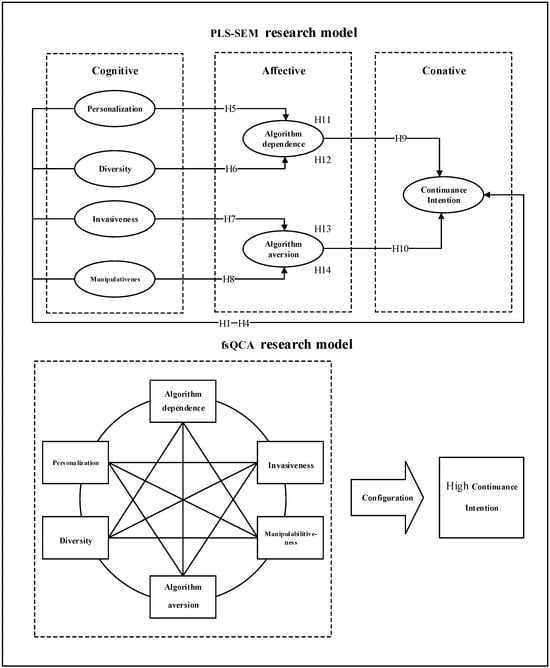
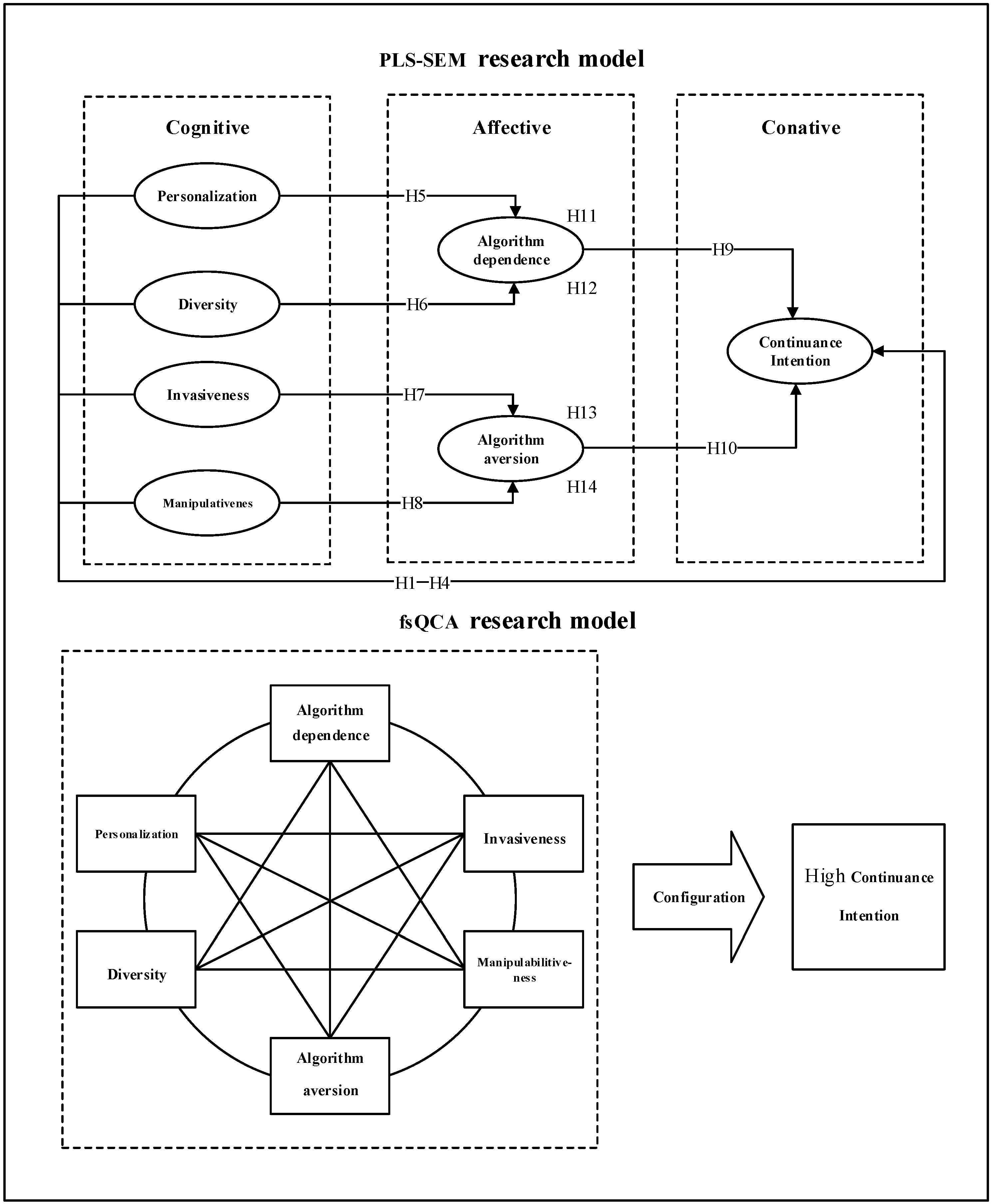

Disclaimer/Publisher’s Note: The statements, opinions and data contained in all publications are solely those of the individual author(s) and contributor(s) and not of MDPI and/or the editor(s). MDPI and/or the editor(s) disclaim responsibility for any injury to people or property resulting from any ideas, methods, instructions or products referred to in the content. |
© 2026 by the authors. Licensee MDPI, Basel, Switzerland. This article is an open access article distributed under the terms and conditions of the Creative Commons Attribution (CC BY) license.