


Abstract
This study examines whether perceived interactivity is associated with tourists’ continuance intention toward generative AI travel assistants through two parallel post-use evaluations—perceived usefulness and flow experience—while accounting for individual technology-related dispositions. Drawing on the Stimulus–Organism–Response (S–O–R) framework, the model conceptualizes perceived usefulness as a cognitive–instrumental evaluation and flow experience as an experiential–absorptive evaluation, while examining personal innovativeness in information technology and technology anxiety as focal moderators, selected on theoretical grounds, of the interactivity–flow and interactivity–usefulness associations, respectively. Data were obtained through a purposive online survey of 853 tourists with prior experience using generative AI for travel-related purposes, and the proposed relationships were tested using partial least squares structural equation modeling (PLS-SEM). The findings show that perceived interactivity is positively associated with continuance intention, perceived usefulness, and flow experience. Both perceived usefulness and flow experience are positively associated with continuance intention and exhibit significant indirect associations between perceived interactivity and continuance intention when estimated simultaneously. The indirect association through perceived usefulness is numerically larger than that through flow experience, while the remaining direct association is consistent with the two evaluations providing a complementary but non-exhaustive account of continuance. Personal innovativeness is positively associated with flow experience, and the positive interactivity–flow association is estimated to be stronger at higher levels of personal innovativeness. Technology anxiety is negatively associated with perceived usefulness, and the positive interactivity–usefulness association is estimated to be weaker at higher levels of technology anxiety. Although statistically significant, both interaction magnitudes are small and therefore provide limited rather than strong evidence of association-specific heterogeneity across tourists. The model demonstrates moderate explanatory performance and positive but limited benchmark-relative out-of-sample predictive relevance. The study contributes to research on generative AI-enabled tourism by showing that perceived interactivity is concurrently associated with distinct and nonredundant instrumental and experiential forms of post-use value, each of which retains a separate association with continuance intention. This dual pattern is particularly relevant to travel decision-making, in which tourists frequently navigate complex and interdependent choices under experiential uncertainty while remaining engaged in an evolving planning process. Within the S–O–R framework, the study specifies a context-bound dual-evaluation account of generative AI post-adoption rather than claiming that the inclusion of additional mediators or moderators constitutes a general extension of the framework. The findings offer general practical considerations for designing generative AI travel assistants that combine responsive interaction with functional value and engaging user experiences. However, disposition-specific design and segmentation implications should be treated as tentative given the small interaction magnitudes.
1. Introduction
Generative artificial intelligence (GenAI) is altering the way tourists engage with digital information not simply by adding another source to the travel information ecosystem, but by changing the nature of information search itself [1]. Conventional search engines, online travel agencies, and review platforms largely require travelers to locate, filter, and reconcile information distributed across multiple sources [2]. Generative AI assistants introduce a more dialogical process in which tourists can articulate a need, refine it through follow-up questions, request alternatives, and progressively shape the information they receive [3]. Such interaction is particularly relevant to travel planning because tourism decisions frequently concern intangible experiences evaluated before consumption, involve substantial experiential uncertainty, and require travelers to coordinate interdependent choices concerning destinations, accommodation, transportation, activities, timing, and personal preferences [4]. A change in one element—such as destination, budget, timing, or accommodation—may require reconsideration of several others. Research has shown that GenAI applications can support itinerary development, customized recommendations, and travel decision-making, while tourists appear particularly receptive to responses that correspond to their stated preferences and informational needs [5,6]. The significance of these systems therefore lies not only in their capacity to generate travel information, but also in the interactive experience through which that information is obtained [7].
Yet, the opportunity to use a generative AI assistant does not establish its place in a tourist’s future travel behavior [8]. Initial adoption and continued use represent conceptually different decisions. Whereas adoption concerns whether a technology is tried or accepted, continuance reflects a post-use judgment about whether the technology deserves an enduring role in subsequent activities. This distinction has long been central to information systems research, where post-use beliefs and evaluations, including perceived usefulness, are central to explaining continuance intention [9]. It is especially consequential for GenAI travel assistants because their long-term value depends on tourists returning to them for future information searches, travel planning, and related tasks rather than treating them as tools of temporary curiosity [10]. Recent tourism research has consequently begun to examine the continued use of ChatGPT (version GPT-5.6) and other AI-based chatbots [11,12]. Satisfaction has been identified as an important precursor of tourists’ continued use of ChatGPT for travel services, while newer work shows that communication modality, perceived authenticity, usefulness, enjoyment, and other post-interaction evaluations are associated with intentions to reuse AI-enabled travel tools [13,14]. These findings shift the relevant question from whether tourists are willing to encounter GenAI to what makes an experienced user willing to return to it.
Perceived interactivity offers a particularly useful point of departure for answering that question because it captures what distinguishes conversational assistance from relatively passive forms of digital information consumption [7]. Interactivity is experienced when users perceive that they can influence the exchange, control its pace and direction, obtain responses to their inputs, and receive information that reflects their needs [15]. In a GenAI-assisted travel encounter, these properties are not peripheral interface features [5]. A tourist who can redirect a conversation, request clarification, pursue additional travel questions, and obtain prompt responses occupies a different decision-making position from one who simply consumes a predetermined set of information [16]. Recent evidence involving AI conversational agents has associated perceived interactivity with continuance intention through evaluations such as trust and social presence [17]. However, demonstrating that interactivity is associated with continuance does not establish which forms of post-use value it represents for travelers or whether functionally useful and experientially engaging evaluations provide distinct explanatory content when considered together.
A central possibility is that tourists evaluate the same perceived interactive experience in two qualitatively different ways. The first is instrumental. An interactive assistant may become useful when the exchange allows travelers to obtain relevant information more quickly, accomplish travel-related tasks efficiently, and reduce the effort involved in navigating dispersed information [15]. Perceived usefulness is therefore not simply a favorable evaluation of AI sophistication; it reflects the practical contribution that the assistant makes to task performance. Its relevance to post-adoption behavior is well established in information systems research and has also been demonstrated in research positioning ChatGPT as a digital travel advisor [9,11,12]. The second evaluation is experiential. Interaction may hold the tourist’s attention, provide a sense of control, and make the activity itself absorbing and enjoyable. Flow research conceptualizes such experiences through concentrated attention and compelling engagement with an interactive environment rather than through functional efficiency alone [18,19]. Neither perceived usefulness nor flow is theoretically novel as an explanation of technology use on its own. The unresolved issue is whether they retain distinct explanatory roles when modeled simultaneously as parallel evaluations associated with the same interactive GenAI experience. Evidence that each evaluation is associated with continuance when examined separately cannot reveal whether one subsumes the explanatory content of the other, whether both remain relevant after accounting for their shared variance, or whether their joint inclusion provides a more complete account of the interactivity–continuance association [15]. This issue is particularly relevant to GenAI-assisted travel because the same conversational session may involve goal-directed task completion—such as comparing accommodations or refining an itinerary—and open-ended experiential exploration of destinations and alternatives [5]. Examining usefulness and flow together therefore assesses whether post-adoption intention is associated with what the assistant helps tourists accomplish, how they experience the interaction, or both forms of value concurrently.
These internal responses, however, are unlikely to display uniform associations across tourists. The same perceived interactive functionality may be evaluated differently depending on the user approaching it [20]. The focal moderator assignments in this study are based on proximal conceptual alignment rather than on the assumption that each disposition can be relevant to only one internal evaluation. Personal innovativeness in information technology reflects an individual tendency to experiment with new information technologies and may condition how perceptions of a technology are associated with subsequent evaluations and responses [21,22]. Its exploratory and approach-oriented character is more directly aligned with flow because realizing the experiential possibilities of an interactive GenAI assistant requires users to experiment with prompts, pursue alternative conversational directions, and remain actively involved as the exchange develops [3]. These behaviors correspond closely to the control, focused attention, and absorption represented by flow experience. Accordingly, personal innovativeness is examined as a moderator of the perceived interactivity–flow association. This allocation does not imply that innovativeness is theoretically irrelevant to functional evaluations; rather, the experiential association represents the more proximal focus given the construct’s defining emphasis on experimentation and exploration [6].
Technology anxiety captures a different orientation characterized by intimidation, unfamiliarity, and perceived difficulty in dealing with a technological system [23,24]. These characteristics are more directly aligned with perceived usefulness as operationalized in this study because anxiety may increase the subjective effort required to manage an AI interaction, making its potential contributions to productivity, speed, and convenience less readily apparent. Technology anxiety is therefore examined as a moderator of the perceived interactivity–usefulness association [25]. This focus does not assume that anxiety could not also be relevant to experiential involvement; instead, it reflects the more immediate conceptual correspondence between technology-related difficulty and the cognitive–functional appraisal captured by usefulness. Prior tourism research has likewise identified technology anxiety as a moderator of a post-use association related to continuance intention [26], while broader research on GenAI-supported travel planning shows that individual differences and psychological resistance are relevant to tourists’ evaluations of AI-generated recommendations [27]. The two moderator assignments should therefore be understood as parsimonious, theory-driven focal relationships rather than as an exhaustive or exclusive allocation of the dispositions across all possible organismic evaluations.
This argument also reveals a more specific gap in the developing literature on GenAI continuance. Existing studies have established several plausible mechanisms, but they remain theoretically fragmented. In tourism, anthropomorphic characteristics of ChatGPT have been linked to trust, attitude, satisfaction, and subsequent continuance intention within an S–O–R framework (e.g., [26,28]). Research on AI conversational agents has instead shown how perceived interactivity operates through trust and social presence [17], whereas more recent GenAI continuance research positions interactivity within system quality and explains continued use through empowerment and satisfaction [29]. Other tourism studies approach continued GenAI use through authenticity created by different communication modalities and interaction styles (e.g., [6,30]). Therefore, the gap is not that interactivity, continuance, usefulness, or experiential evaluations have been neglected individually. Rather, existing studies do not establish whether cognitive–instrumental and experiential–absorptive evaluations provide distinct explanatory content when they are modeled concurrently in relation to the same perceived interactive experience (e.g., [5,22]). Studies that examine isolated mechanisms cannot determine whether the association of usefulness with continuance remains after flow is considered, whether flow contributes beyond instrumental task value, or whether the two evaluations together exhaust the association between interactivity and continuance. A parallel specification addresses these questions by estimating the two indirect associations within the same model, thereby accounting for the contribution of each evaluation while the other is present. The theoretical value of combining usefulness and flow therefore lies not in rediscovering an established utilitarian–experiential distinction, but in clarifying whether GenAI post-adoption is better characterized as a dual-evaluation structure in which functional task value and experiential involvement coexist as nonredundant correlates of continuance.
The Stimulus–Organism–Response (S–O–R) framework provides a coherent structure for organizing these relationships. S–O–R organizes the relationships among environmental stimuli, internal cognitive and affective states, and subsequent behavioral responses [31]. Its applicability to AI-enabled tourism has already been demonstrated in studies linking characteristics of ChatGPT and AI-generated travel information to tourists’ internal evaluations and subsequent behavioral responses [32]. Within the present study, perceived interactivity constitutes the stimulus (S) because it represents tourists’ subjective experience of the responsive, controllable, and reciprocal character of interaction with a generative AI travel assistant [5]. The organism (O) is represented through two complementary internal states. Perceived usefulness captures the cognitive–utilitarian assessment that the assistant facilitates travel-related tasks, whereas flow experience represents the experiential state characterized by enjoyment, control, absorption, and focused attention [33,34]. Continuance intention constitutes the response (R) because it reflects tourists’ willingness to maintain their use of the assistant for future travel information, searches, and planning [26]. Personal innovativeness and technology anxiety are positioned as focal moderators of the perceived interactivity–flow and perceived interactivity–usefulness associations, respectively. This allocation reflects the proximal alignment of an exploratory technology orientation with experiential involvement and of technology-related intimidation and difficulty with functional appraisal [5,21]. It is not intended to establish that either disposition is relevant exclusively to its specified association. The present study does not treat the coexistence of cognitive and experiential organismic states as a newly discovered property of S–O–R. Instead, it uses the framework’s established capacity to accommodate distinct internal states to examine a more specific post-adoption question: whether the same perceived interactive GenAI experience is concurrently associated with instrumental and experiential evaluations that each provide distinct explanatory content for continuance intention.
Against this background, the present study examines whether perceived interactivity is directly and indirectly associated with tourists’ continuance intention toward generative AI travel assistants through perceived usefulness and flow experience, while also examining the moderating roles of personal innovativeness in information technology and technology anxiety. The study addresses the emerging literature in three specific ways. First, it estimates usefulness and flow simultaneously as parallel evaluations associated with the same perceived-interactivity stimulus. This specification makes it possible to assess whether each retains a distinct indirect association with continuance intention when the other is included and whether the two evaluations provide a complementary or redundant account of the interactivity–continuance association. Second, the study develops a context-specific dual-evaluation account of GenAI post-adoption in tourism. Generative AI travel assistants can operate simultaneously as task-support tools and as interactive environments through which tourists explore intangible destinations, coordinate interdependent travel choices, and refine preferences under experiential uncertainty. The model therefore examines whether continuance intention is associated with both the instrumental value tourists obtain and the experiential quality of the planning interaction. Third, the study examines two theoretically selected individual contingencies: whether the interactivity–flow association varies with personal innovativeness and whether the interactivity–usefulness association varies with technology anxiety. These focal assignments reflect the closer conceptual correspondence of innovativeness with exploratory experiential engagement and of anxiety with effort-sensitive functional appraisal. They provide a parsimonious examination of theoretically proximal associations and are not intended to demonstrate that the dispositions operate exclusively through their assigned relationships. Together, these contributions provide a context-specific account of how perceived interactive characteristics are associated with post-adoption intention in GenAI-assisted tourism decision-making. They do not rest on the number of mediators or moderators included in the model or claim that the S–O–R framework itself has been theoretically extended by their inclusion.
2. Literature Review and Hypotheses Development
2.1. Theoretical Framework
The Stimulus–Organism–Response (S–O–R) framework provides the theoretical foundation for the proposed model. Rather than assuming that individuals respond mechanically or directly to external stimuli, S–O–R organizes the relationships among perceived environmental cues, internal cognitive and affective evaluations, and subsequent behavioral responses [35]. This organizing logic is relevant to generative AI travel assistants because post-adoption intention may be associated not only with the technological characteristics that tourists perceive during interaction but also with the qualitatively different evaluations they form concerning that interaction. Established post-adoption frameworks, particularly the expectation-confirmation model, provide a strong account of how confirmation, satisfaction, and perceived usefulness relate to continuance intention [9]. The present study addresses a different but complementary question: whether a specific interactional cue—perceived interactivity—is associated concurrently with cognitive–instrumental and experiential–absorptive evaluations that each provide distinct explanatory content for continuance. S–O–R is therefore selected not because it supersedes established post-adoption frameworks, but because its stimulus–internal evaluation–response structure aligns directly with this dual-evaluation research question. Its previous application to tourists’ continued use of ChatGPT further supports its contextual suitability [11,14].
Within this structure, perceived interactivity constitutes the stimulus (S). Its role does not derive simply from the technical capacity of a generative AI system to communicate, but from the degree to which tourists perceive the interaction as responsive, controllable, and sensitive to their travel-related information needs [36]. A tourist who can guide the exchange, influence the information received, regulate its pace, ask additional questions, and obtain timely responses is actively shaping the interaction rather than passively consuming information. These perceptions make interactivity an appropriate external cue to examine in relation to tourists’ subsequent internal evaluations [17,37]. Importantly, perceived interactivity is conceptually distinguished from enjoyment, absorption, usefulness, or other favorable evaluations of the interaction [38]. It describes tourists’ perceived ability to influence and obtain responsive feedback from the exchange, whereas the organismic constructs describe how that exchange is cognitively or experientially evaluated [39]. Although control-related language appears in both perceived interactivity and flow experience, the referent of control differs between the constructs. In perceived interactivity, control refers to a perceived property of the communication process: the user’s ability to direct the pace, content, and progression of the exchange and to influence the responses received [40]. In flow, control refers to an internal experiential state—the user’s subjective sense of agency and involvement while performing the activity [41]. Perceived interactivity is additionally defined by responsiveness, reciprocity, and sensitivity to users’ information needs, whereas flow includes enjoyment, calmness, absorption, and focused attention [42]. These nonshared elements further distinguish the perceived characteristics of the exchange from the psychological experience occurring during it. This separation corresponds with the operationalization of the constructs in the present study and prevents the stimulus from being defined partly by the internal responses it is proposed to precede conceptually. Although S–O–R supplies this theoretical ordering, the cross-sectional design used in the present study empirically estimates associations among the constructs rather than establishing their temporal or causal sequence [11,17].
The organism (O) is represented by two distinct but complementary internal states: perceived usefulness and flow experience. Perceived usefulness captures a cognitive–utilitarian appraisal of the interaction [43]. When tourists perceive that a generative AI assistant enables them to perform travel-related tasks more quickly, productively, and conveniently, they evaluate the interaction as providing functional task value [10]. Flow experience captures a different form of internal processing [44]. It concerns the experiential quality of using the assistant, reflected in enjoyment, perceived control, absorption, and focused attention during the activity [19]. The control component of flow should therefore not be interpreted as duplicating perceived interactivity. A tourist may perceive that an assistant permits substantial control over the dialogue without becoming absorbed in or enjoying the activity [45]. Conversely, a tourist may experience considerable involvement and focused attention even when the perceived capacity to redirect the exchange is not especially high [46]. Focused attention and absorption describe the user’s psychological engagement with the activity, whereas responsiveness and control over conversational progression describe perceived qualities of the interaction itself [47]. Thus, the two organismic states should not be interpreted as alternative measures of the same favorable reaction. A generative AI travel assistant may be considered useful because it improves task accomplishment without necessarily producing deep involvement; conversely, an engaging interaction may be associated with flow beyond the instrumental benefits tourists derive from it [48]. The theoretical purpose of incorporating both states is therefore not simply to acknowledge that technology use can have utilitarian and experiential dimensions. Rather, their simultaneous inclusion permits an assessment of whether each evaluation retains a distinct association with continuance intention after the other is taken into account. It also allows the study to examine whether the indirect association between perceived interactivity and continuance is represented primarily by functional task value, experiential involvement, or two complementary forms of post-use value. This joint specification provides information that could not be obtained by examining usefulness and flow in separate models or by treating post-interaction experience as a single generalized favorable evaluation.
Continuance intention represents the response (R) because it captures tourists’ post-adoption orientation toward future use [26]. In the present context, it refers specifically to tourists’ willingness to continue using generative AI assistants for travel-related information, searches, planning, and similar purposes. This emphasis distinguishes continued use from initial technology acceptance: the respondent has already interacted with the technology and is evaluating whether that experience warrants future use [49]. Previous tourism research has similarly treated continuance intention as a post-use response associated with tourists’ evaluations of generative AI travel services [10,14]. The proposed model nevertheless retains a direct path from perceived interactivity to continuance intention. This path permits an assessment of whether usefulness and flow jointly account for the entire statistical association between interactivity and continuance or whether a residual direct association remains. Accordingly, the model does not presume that the two organismic evaluations provide an exhaustive account of GenAI continuance, nor does it interpret the indirect associations as evidence of an established temporal process.
The model further recognizes that the associations between the stimulus and the two organismic evaluations may vary across tourists. Personal innovativeness in information technology and technology anxiety are therefore introduced as proposed individual contingencies rather than being incorporated into the organism itself. This distinction is conceptually important because both constructs describe relatively enduring orientations toward technology rather than psychological states produced by a particular AI encounter [21,24,50]. The allocation of each disposition to a focal association is based on the conceptual proximity between its defining characteristics and the corresponding organismic evaluation [51].
Personal innovativeness reflects an individual’s willingness to experiment with new information technologies and was originally proposed as a construct capable of conditioning relationships surrounding technology-related perceptions [21,52]. Its defining emphasis is on exploration and experimentation rather than on assessments of technological efficiency or task performance. In an interactive GenAI encounter, tourists higher in personal innovativeness may be more willing to vary prompts, pursue alternative conversational directions, test unfamiliar functions, and remain actively involved as the exchange develops. These exploratory behaviors correspond more proximally to the control, focused attention, and absorption represented by flow experience [3]. Personal innovativeness is therefore proposed to moderate the perceived interactivity–flow association. Although innovativeness could also be relevant to functional evaluations, its defining exploratory orientation provides a more direct theoretical basis for focusing on experiential involvement in the present model.
Technology anxiety represents a distinct orientation characterized by intimidation, unfamiliarity, and perceived difficulty in using technological systems [10,24]. These characteristics correspond more proximally to perceived usefulness because usefulness is assessed here in terms of productivity, speed, and convenience in completing travel-related tasks. When interacting with a GenAI assistant feels intimidating or difficult to manage, the additional subjective effort involved may make the potential functional benefits of a responsive and controllable interaction less readily apparent [53]. Technology anxiety is therefore proposed to moderate the perceived interactivity–usefulness association. Anxiety could plausibly also be relevant to experiential involvement; however, its emphasis on perceived difficulty and effort provides a more immediate conceptual connection with the task-performance appraisal captured by usefulness [54]. Hence, the two moderator assignments represent parsimonious, a priori theoretical choices based on proximal conceptual correspondence. They are not intended to imply that personal innovativeness and technology anxiety can operate only in their specified associations or that alternative moderating relationships are conceptually impossible.
Accordingly, S–O–R serves in this study as an organizing architecture for a conditional, associative model rather than as a basis for claiming that the organismic stage has only now been shown to be multidimensional. The framework places perceived interactivity as a shared interactional stimulus, perceived usefulness and flow as conceptually distinct organismic evaluations, and continuance intention as the post-adoption response. Its value for the present study lies in enabling the two evaluations to be examined simultaneously relative to the same stimulus and outcome, thereby assessing whether they provide non-redundant and complementary explanatory content. Personal innovativeness and technology anxiety further permit examination of two theory-selected focal contingencies: whether the interactivity–flow association varies with an exploratory orientation toward new technologies and whether the interactivity–usefulness association varies with technology-related intimidation and difficulty. These assignments provide a parsimonious test of the most proximally aligned relationships rather than an exhaustive mapping of every possible moderating role. The resulting theoretical contribution is therefore a context-specific dual-evaluation account of GenAI post-adoption in tourism, not a broad redefinition or extension of the established S–O–R framework.
Figure 1 illustrates the proposed research model and the hypothesized relationships among the study constructs.
Figure 1.
Proposed model.
2.2. Perceived Interactivity and Travelers’ Responses to Generative AI
Perceived interactivity reflects the extent to which an interaction allows users to shape an exchange rather than merely receive information from it. In the context of generative AI travel assistants, this distinction is particularly important because the value of the interaction may depend partly on whether tourists can direct the conversation, refine their requests, control its pace, ask additional questions, and receive responses that correspond to their evolving travel-information needs [15]. Interactivity should therefore not be understood simply as the availability of communication between a user and an AI system [55]. Its more consequential feature is the degree of reciprocal influence embedded in that communication: tourists act on the system, observe how it responds, and continually adjust the exchange according to the information they seek. Accordingly, perceived interactivity is conceptualized here as an experiential property of the encounter rather than as a purely technical characteristic of the assistant [56,57].
Such an interaction may also be relevant to tourists’ behavioral evaluations beyond the immediate session. Continuance intention represents a post-use orientation in which tourists evaluate whether their prior experience provides sufficient reason to return to the technology [58]. In this respect, an interactive assistant narrows the distance between what tourists initially request and what they ultimately need [59]. The ability to redirect an answer, clarify an ambiguous recommendation, or pursue a new line of travel inquiry allows the interaction to accommodate changing informational requirements without requiring the tourist to restart the search process elsewhere. This adaptability makes the assistant more relevant across successive travel-related tasks [25]. Importantly, the proposed relationship does not assume that interactivity automatically guarantees continued use; a highly interactive system may still fail if its responses are irrelevant or unhelpful [51]. Rather, the theoretical expectation is that, other conditions being equal, an interaction that gives tourists greater influence over the exchange is more likely to provide a basis for future use than one in which they remain largely passive recipients of information [17,57,60].
The same interactive qualities also inform tourists’ judgments of usefulness, although through a more instrumental route. In this study, perceived usefulness concerns whether the assistant enables travel-related tasks to be completed more quickly, productively, and conveniently [33]. Interactivity contributes to this evaluation when control and responsiveness help tourists reduce unnecessary search effort and move more directly toward the information required for a particular travel decision [54]. A traveler who can progressively narrow a request, specify constraints, or seek clarification does not merely experience a more conversational interface; the interaction may be associated with greater efficiency in performing the underlying task. This distinction matters because interactivity is not inherently useful [25]. Additional conversational exchanges could instead create friction if they make information retrieval slower or more complicated. Its functional value is therefore theoretically expected to be greater when reciprocal interaction helps tourists obtain relevant information with less effort and greater task efficiency [61]. Under these conditions, higher perceived interactivity is expected to be positively associated with perceived usefulness [62].
A different theoretical logic supports the expected association between interactivity and flow experience. Whereas usefulness is concerned with what the assistant enables the tourist to accomplish, flow concerns the quality of involvement during the interaction itself [19,63]. Generative AI conversations are sequential and contingent: each response creates opportunities for another question, refinement, or decision. When tourists perceive that their actions meaningfully influence what happens next, their attention remains anchored to the evolving exchange. Control over the pace and direction of interaction may further help limit disruptions that would otherwise break concentration, while responsive feedback helps sustain the sense that the activity is progressing in accordance with the user’s intentions [32]. These conditions are theoretically compatible with the experiential elements captured by flow in the present study, including enjoyment, perceived control, absorption, and focused attention [64]. At the same time, flow should not be equated with interactivity. A system may be highly responsive without becoming absorbing, just as an enjoyable interaction is not necessarily interactive. The expected relationship instead rests on the proposition that reciprocal control and timely feedback are theoretically associated with conditions favorable to deeper involvement [15].
Perceived interactivity is therefore expected to be associated with three related but conceptually distinct responses. At the behavioral level, it can be positively associated with tourists’ willingness to regard the assistant as worth using again [65]. At the cognitive–utilitarian level, it may correspond to stronger perceptions of the efficiency and convenience of accomplishing travel-related tasks [66]. At the experiential level, it can be associated with a more absorbing and focused interaction [67]. Within the S–O–R logic adopted in this study, these distinctions are important because perceived usefulness and flow represent different forms of organismic processing rather than duplicate consequences of the same stimulus. Accordingly, perceived interactivity is expected to display a positive direct association with continuance intention and positive associations with both functional and experiential evaluations.
Hypothesis H1.
Perceived interactivity is positively associated with continuance intention toward generative AI travel assistants.
Hypothesis H2.
Perceived interactivity is positively associated with perceived usefulness of generative AI travel assistants.
Hypothesis H3.
Perceived interactivity is positively associated with flow experience when using generative AI travel assistants.
2.3. Perceived Usefulness and Flow Experience as Mechanisms of Continuance
Tourists’ willingness to continue using a generative AI travel assistant may depend on whether their prior interaction provides value that extends beyond the immediate encounter. This makes continuance fundamentally different from initial experimentation [30]. Curiosity may be sufficient to prompt first use, but repeated reliance on the assistant for travel information and planning is theoretically expected to rest on a more durable basis for returning to it [68]. Two such bases are particularly relevant in the present context. One concerns whether the assistant improves the performance of travel-related tasks; the other concerns whether using it constitutes an involving experience. Perceived usefulness and flow experience capture these two forms of post-use value without reducing one to the other. Their distinction is important because an efficient tool need not be engaging, while an enjoyable interaction need not necessarily make a travel task easier to accomplish [10,65].
The functional case for continuance rests on whether prior use indicates that the assistant can contribute meaningfully to future tasks. Perceived usefulness, as operationalized here, concerns gain in productivity, speed, and convenience rather than a broad favorable impression of the technology [69]. This distinction matters in travel planning, where tourists frequently work through multiple pieces of information and revise choices as plans develop [70]. If using a generative AI assistant helps complete such activities more quickly or conveniently, future use may be easier to justify because the prior experience signals practical utility rather than merely technological novelty [71]. The post-adoption literature similarly treats usefulness as consequential after initial acceptance: Bhattacherjee’s continuance model positions the perceived usefulness of continued use as an antecedent of continuance intention [9]. Yet usefulness should not be regarded as sufficient for continuance under all circumstances. A tourist may acknowledge the efficiency of an assistant but still abandon it when alternative sources provide comparable benefits or when the task no longer requires AI support [16].
Flow provides a different theoretical basis for expecting continued use. Its relevance does not depend primarily on efficiency but on the psychological quality of the activity while it unfolds. When interaction is enjoyable, maintains attention, provides a sense of control, and absorbs the user in the task, the experience itself may acquire value. Flow research has long distinguished this form of involvement from instrumental evaluations and associate’s enjoyment, control, and focused attention with subsequent usage responses [19,64]. This distinction is particularly pertinent to generative AI travel use because interaction can evolve over several conversational turns as tourists explore destinations, revise itineraries, compare possibilities, or pursue emerging ideas [3]. An experience characterized by absorption and sustained attention is consequently associated with a stronger willingness to re-engage with the assistant later. Nevertheless, flow is not synonymous with satisfaction or entertainment. An interaction may be pleasant yet too superficial to become absorbing, while concentration may occur without producing a broader commitment to future use [51]. The expected positive association between flow and continuance intention therefore rests on the combined experiential state captured in this study—enjoyment, calmness, control, absorption, and focused attention—rather than on enjoyment alone [54].
More importantly, usefulness and flow provide two theoretically distinct explanations for why perceived interactivity may be associated with continuance intention. A direct association between perceived interactivity and continuance intention would indicate that the two constructs covary, but it would not identify the post-use evaluations that may statistically account for part of that association [72]. The utilitarian explanation addresses this gap. Tourists who perceive an interaction as more responsive and controllable may also evaluate the assistant as more efficient and helpful for completing travel-related tasks [25]. Perceived usefulness may, in turn, provide an instrumental basis for intending to use the assistant again. It is therefore expected to account statistically for part of the positive association between perceived interactivity and continuance intention [60,73]. This proposed indirect association is consistent with the S–O–R view that tourists cognitively evaluate an interactive stimulus in terms of what it enables them to accomplish. However, the cross-sectional design of the present study can test whether the observed associations conform to this theoretical ordering; it cannot establish that the evaluations occurred in this temporal or causal sequence.
Flow offers a different theoretical explanation for an indirect association. Interactivity gives tourists an active role in shaping how the conversation develops, but active participation does not itself constitute flow [74]. Flow may be more likely when this reciprocal exchange is accompanied by sustained involvement—when tourists remain attentive, feel in control, and become absorbed in the activity [75]. Higher flow may then be associated with a stronger intention to return to the assistant, reflecting not only the information obtained but also the experiential quality of obtaining it [76]. The indirect association through flow therefore represents a statistical pattern consistent with an experiential explanation that is distinct from usefulness, rather than demonstrating the temporal process itself. Tourists’ continuance intentions may be stronger partly when interacting with the assistant is engaging, even when competing information sources could potentially perform similar functional tasks [25,61]. Conversely, usefulness may remain positively associated with continuance intention even when the interaction is not particularly absorbing. Treating the two intervening evaluations in parallel consequently avoids assuming that continuance is associated with a single undifferentiated positive response and allows the model to compare instrumental and experiential explanations of continuance intention [15].
Within the proposed S–O–R framework, perceived usefulness and flow experience therefore perform complementary explanatory roles [32]. Perceived usefulness represents the task-related value associated with interactivity, whereas flow represents experiential involvement associated with the interaction. Both are expected to be independently associated with continuance intention, while each also provides a theoretically distinct indirect association linking perceived interactivity with that behavioral intention. These expectations concern the pattern of relationships specified by the theoretical model and should not be interpreted as establishing temporal ordering or causal mediation. On this basis, the following hypotheses are proposed:
Hypothesis H4.
Perceived usefulness is positively associated with continuance intention toward generative AI travel assistants.
Hypothesis H5.
Flow experience is positively associated with continuance intention toward generative AI travel assistants.
Hypothesis H6.
Perceived interactivity has a positive indirect association with continuance intention through perceived usefulness.
Hypothesis H7.
Perceived interactivity has a positive indirect association with continuance intention through flow experience.
2.4. Personal Innovativeness and Technology Anxiety as Individual Boundary Conditions
Perceived interactivity is not evaluated independently of tourists’ existing orientations toward technology. Even when tourists perceive comparable levels of responsiveness, controllability, and adaptability in a generative AI assistant, they may engage with those characteristics differently because they approach technology with different predispositions [77]. This heterogeneity is particularly relevant to the theoretically proposed relationships between the stimulus and organismic evaluations in this study. Whereas perceived interactivity captures qualities experienced during a specific AI encounter [17], personal innovativeness in information technology and technology anxiety reflects more enduring orientations toward technology [24,50]. The former represents a willingness to experiment with new information technologies, whereas the latter captures intimidation, unfamiliarity, and difficulty associated with their use [72]. Treating these dispositions as proposed individual contingencies therefore recognizes that the associations of perceived interactivity with experiential and functional evaluations may vary according to the person engaging with the system [54].
Personal innovativeness is especially relevant to flow because absorption in an unfamiliar technological activity may be more likely among individuals who are willing to explore how that activity unfolds. Individuals high in personal innovativeness characteristically seek opportunities to experiment with new information technologies rather than approaching them hesitantly [21,52]. In a generative AI travel context, this exploratory orientation encourages tourists to pursue alternative prompts, refine requests, test different conversational directions, and remain involved as the interaction develops. Such behavior provides conditions compatible with the enjoyment, control, focused attention, and absorption captured by flow experience [5,30]. Innovativeness alone, however, does not guarantee flow: an experimental user may still disengage if the interaction is cumbersome or unrewarding. The expected positive association instead rests on the proposition that tourists who are more willing to experiment with technology may also be more receptive to deeper experiential engagement with it. Importantly, personal innovativeness reflects willingness to experiment rather than technological competence or a direct assessment of task efficiency [52]. Its definitional content is therefore more closely aligned with exploratory involvement than with the productivity, speed, and convenience represented by perceived usefulness.
The proposed role of personal innovativeness becomes more relevant when considered together with perceived interactivity. A highly interactive assistant provides opportunities for control, reciprocal exchange, and continuous adjustment, but the extent to which tourists engage with these opportunities may differ [20,61]. Tourists with greater personal innovativeness may be more inclined to explore what the system allows them to do and to sustain interaction beyond the most basic informational exchange [78]. In contrast, tourists who are less inclined to experiment with unfamiliar information technologies may use the same interactive capabilities more conservatively, such that the positive association between perceived interactivity and concentrated involvement may be weaker [79]. Personal innovativeness was originally conceptualized not only as a technology-related disposition but also as a potential moderator of relationships surrounding individuals’ perceptions of new information technologies [21,80]. A moderating role of innovativeness in the interactivity–usefulness association is also theoretically conceivable: users who experiment more extensively may discover functional capabilities that other users overlook. Nevertheless, this alternative is less proximal to the construct’s defining content because willingness to experiment does not necessarily imply that the interaction will be evaluated as more productive, faster, or more convenient. By contrast, the active exploration enabled by interactivity corresponds directly with the sustained involvement, perceived control, and focused attention represented by flow [15]. The present study therefore focuses on the interactivity–flow association as the theoretically more immediate locus of moderation, without treating innovativeness as irrelevant to every functional evaluation. Applied here, this reasoning supports the theoretical expectation that the positive association between perceived interactivity and flow experience will be stronger among tourists with higher personal innovativeness [54].
Technology anxiety represents a different proposed individual contingency. Its relevance to perceived usefulness rests on the theoretical possibility that tourists may recognize what an AI assistant is technically capable of while still finding its use intimidating or difficult [81]. Perceived usefulness in this study refers specifically to whether the assistant helps tourists perform travel-related tasks more productively, quickly, and conveniently. Technology anxiety can be associated with less favorable usefulness evaluations when tourists’ attention is directed away from task accomplishment and toward uncertainty about interacting with the technology itself [11]. A tourist who feels uncomfortable communicating with an AI system or has difficulty understanding technological aspects of its use may require greater cognitive effort to obtain the same travel-related outcome [49]. Under such conditions, capabilities that could objectively save time or simplify a task can nevertheless be perceived as less functionally beneficial. The expected negative association between technology anxiety and perceived usefulness is also consistent with accumulated technology-acceptance evidence, although its magnitude is generally smaller than its relationship with perceived ease of use [82]. This qualification is important: anxiety does not imply that users regard the technology as inherently useless; rather, higher anxiety may be associated with a more limited perception of its functional benefits [54]. This correspondence is especially relevant because the technology-anxiety items employed in the present study emphasize intimidation, unfamiliarity, and difficulty in understanding technological aspects of use, all of which are conceptually close to the effort–benefit appraisal underlying perceived usefulness.
The proposed interaction involving technology anxiety follows from this distinction between available interactivity and perceived utility. Responsiveness and user control can be positively associated with perceived usefulness when they allow tourists to progressively refine information and steer the system toward their immediate travel needs [79]. Among less anxious users, the positive association between these interactive qualities and perceptions of efficiency and convenience is theoretically expected to be stronger [83]. More anxious tourists may evaluate the same qualities differently. Intimidation or uncertainty may be associated with less extensive exploration of the system, greater perceived demands during iterative interaction, or lower confidence in navigating conversational possibilities [54]. Consequently, the positive association between perceived interactivity and perceived usefulness is expected to be weaker when technology anxiety is high. Positioning anxiety as a proposed contingency is also compatible with its established role in conditioning post-adoption relationships involving generative AI for travel services, rather than treating it merely as another direct antecedent of technology behavior [26].
Technology anxiety could also plausibly be associated with lower absorption or a weaker interactivity–flow association if intimidation disrupts users’ involvement [84]. However, the construct as operationalized here does not directly measure loss of enjoyment, attention, or absorption; it focuses on difficulty, unfamiliarity, and intimidation in dealing with the technology. These characteristics have a more immediate conceptual correspondence with the effort required to obtain functional value and with whether the assistant is perceived as improving task productivity, speed, and convenience. The interactivity–usefulness association was therefore selected as the more proximal focal relationship, without assuming that anxiety is incapable of relating to experiential outcomes in other theoretical specifications. So, the association-specific assignments were guided by two criteria: the defining content of each disposition and its conceptual proximity to the organismic evaluation under consideration. Personal innovativeness emphasizes approach, exploration, and experimentation, which align most directly with the active engagement represented by flow. Technology anxiety emphasizes intimidation, difficulty, and the effort of dealing with technology, which align most directly with the functional appraisal represented by usefulness [85]. The resulting assignments are parsimonious, a priori theoretical choices rather than claims of exclusive operation. Alternative moderating relationships remain conceptually plausible, but the present hypotheses focus on the pairings for which the constructs provide the clearest proximal rationale.
Personal innovativeness and technology anxiety are thus proposed to represent two different conditional patterns within the S–O relationships examined in the model. Higher personal innovativeness is expected to coincide with a stronger positive association between interactivity and experiential involvement, whereas higher technology anxiety is expected to coincide with a weaker positive association between interactivity and functional evaluation [15,85]. Importantly, neither disposition substitutes for perceived interactivity. Instead, incorporating them allows the model to examine whether the associations between perceived interactivity and the two organismic evaluations differ across levels of these technology-related dispositions. This reasoning leads to the following hypotheses:
Hypothesis H8.
Personal innovativeness in information technology is positively associated with flow experience when using generative AI travel assistants.
Hypothesis H9.
Technology anxiety is negatively associated with perceived usefulness of generative AI travel assistants.
Hypothesis H10.
The positive association between perceived interactivity and flow experience is stronger at higher levels of personal innovativeness in information technology.
Hypothesis H11.
The positive association between perceived interactivity and perceived usefulness is weaker at higher levels of technology anxiety.
3. Methods
3.1. Sample and Data Collection
This study focused on tourists who had previously used generative AI assistants for travel-related purposes. This requirement was particularly important because the study examines continuance intention, which presupposes prior use rather than the hypothetical acceptance of an unfamiliar technology. Accordingly, a non-probability purposive sampling strategy was adopted to recruit respondents with direct experience relevant to the research context. The individual tourist constituted the unit of analysis.
Eligibility was established before respondents proceeded to the main questionnaire. Two screening questions were used. The first asked whether the respondent had taken at least one trip for travel or tourism purposes during the previous 12 months. The second asked whether the respondent had personally used a generative AI assistant for travel-related activities, such as searching for destination information, planning a trip or itinerary, comparing travel alternatives, obtaining travel recommendations, or supporting other travel decisions. Only individuals who answered “Yes” to both questions were permitted to continue. This procedure helped ensure that evaluations of perceived interactivity, perceived usefulness, flow experience, personal innovativeness, technology anxiety, and continuance intention were grounded in respondents’ prior travel-related use of generative AI.
Data were collected between January and June 2026 through an online questionnaire. Recruitment was geographically unrestricted, and no particular country or region was specifically targeted. The questionnaire link was circulated through approximately 14 travel- and tourism-related groups and communities across Facebook, LinkedIn, WhatsApp, Telegram, and Instagram. These communities were purposively selected based on their direct relevance to travel and tourism, visible level of recent activity and member interaction, and relatively large membership base. An initial recruitment invitation containing both English and Arabic text was posted once in each community, and follow-up reminders were subsequently used to maintain visibility during the data-collection period. Eligibility was determined exclusively through the screening questions rather than respondents’ geographic location. Country of residence was not collected; consequently, the geographic composition of the final sample cannot be disaggregated or inferred reliably from membership in the recruitment communities.
Before completing the assistant-specific measurement items, eligible respondents were instructed to recall the single generative AI assistant they used most regularly for travel-related purposes and to keep that same assistant in mind throughout the questionnaire. The research team did not nominate a particular provider or brand; instead, each respondent selected the focal assistant based on their own usage experience. Accordingly, the singular expression “this generative AI travel assistant” referred consistently to that respondent’s focal assistant rather than to a general experience averaged across multiple systems. This procedure maintained the study’s category-level focus across the sample without comparing individual brands while providing a stable reference point within each respondent’s answers.
Participation was voluntary, and no monetary or non-monetary incentives were provided. The survey introduction explained the academic purpose of the research and emphasized that respondents should answer according to their actual experiences and perceptions of the focal assistant they had identified. Participants were also informed that there were no correct or incorrect responses. These procedural measures were intended to reduce evaluation apprehension and socially desirable responding while encouraging candid assessments of their experiences with generative AI-assisted travel activities.
Overall, 1339 responses were received. Application of the predefined eligibility criteria resulted in the exclusion of 486 respondents who did not satisfy one or both screening requirements. The remaining 853 respondents met the eligibility conditions and constituted the final analytical sample. Of these respondents, 577 (67.6%) completed the English questionnaire and 276 (32.4%) completed the Arabic questionnaire. Thus, approximately 63.7% of the responses received were retained for analysis. Respondent characteristics, travel behavior, and patterns of generative AI use are reported in Table 1.
Table 1.
Respondent characteristics and generative AI travel-use profile.
Because the survey link was distributed across multiple travel-related social media groups, the total number of individuals exposed to the invitation could not be reliably determined; therefore, a conventional response rate could not be calculated. In addition, the voluntary online recruitment procedure resulted in a self-selected purposive sample rather than a probability sample. Accordingly, the findings should be interpreted as reflecting tourists with prior experience using generative AI for travel-related purposes and should not be considered statistically representative of the broader tourist population.
3.2. Measures
All constructs were measured using established multi-item scales drawn from prior research. Because several of the original measures were developed in technological or service contexts other than generative AI-assisted travel, minor contextual rewording was undertaken to align the items with the present research setting. Respondents evaluated all measurement items on a five-point Likert scale ranging from 1 (strongly disagree) to 5 (strongly agree). For all assistant-specific constructs—perceived interactivity, perceived usefulness, flow experience, technology anxiety, and continuance intention—the expression “this generative AI travel assistant” referred to the single assistant that each respondent had been instructed to recall as the one they used most regularly for travel-related purposes. Respondents maintained the same focal assistant when answering all items associated with these constructs. Personal innovativeness in information technology was excluded from this focal-assistant instruction because it was measured as a general disposition toward new information technologies.
The questionnaire was prepared in both English and Arabic. To establish semantic and conceptual equivalence between the two language versions, a translation and back-translation procedure was employed. The English questionnaire was initially translated into Arabic by a specialist familiar with tourism, artificial intelligence, and consumer behavior terminology. A second specialist independently back-translated the Arabic version into English without reference to the original wording. The original and back-translated English versions were subsequently compared, and any discrepancies in wording or conceptual interpretation were reviewed and resolved before the questionnaire proceeded to pretesting. This process was intended to ensure that the two language versions conveyed equivalent meanings rather than merely achieving literal linguistic correspondence.
Prior to the main data collection, the resulting questionnaire was pilot-tested with 66 participants who had prior experience using generative AI for travel-related purposes. The pilot assessment focused on item clarity and comprehensibility, contextual relevance, wording, questionnaire flow, and the ease with which respondents could relate the statements to their own travel-related use of generative AI. Participants were also invited to identify wording that appeared ambiguous, repetitive, or difficult to interpret. Their feedback resulted in minor adjustments to wording and presentation to improve readability and contextual fit. Where linguistic refinements were required, corresponding wording was reviewed across the two language versions to preserve equivalence. No construct or measurement item was removed, and no modification altered the conceptual meaning of the original scales.
Perceived interactivity (PI) was measured with eight items adapted from the interactivity scale used by [37,86]. The items capture respondents’ perceptions of the conversational and reciprocal character of the exchange, sensitivity to their travel-information needs, responsiveness, their ability to influence the information received, control over the interaction and its pace, and their ability to continue the exchange through further questions. Representative items included: “I perceive this generative AI travel assistant to be sensitive to my travel information needs,” “I am in control of my interaction with this generative AI travel assistant,” and “I am in total control over the pace of my interaction with this generative AI travel assistant.” Thus, the control-related PI items refer specifically to users’ perceived capacity to direct the communication process, including its pace, progression, and informational output.
Perceived usefulness (PU) was assessed using three items adapted from [87], reflecting the extent to which generative AI improves the efficiency of travel-related tasks. Illustrative items were: “Using this generative AI travel assistant increases my productivity when performing travel-related tasks” and “Using this generative AI travel assistant helps me accomplish travel-related tasks more quickly.”
Flow experience (FE) was operationalized using six items adapted from [19,64]. The measure reflects the experiential quality of interacting with generative AI through fun and enjoyment, calmness, a subjective sense of control during use, absorption, and focused attention. Examples included: “I feel that using this generative AI travel assistant is enjoyable,” “When using this generative AI travel assistant, I feel in control,” and “When using this generative AI travel assistant, I become deeply absorbed in the activity.” Although the word “control” appears in both PI and FE items, its measurement referent differs. In PI, control concerns the structure and conduct of the exchange—specifically the user’s ability to direct the interaction and regulate its pace. In FE, “I feel in control” describes the respondent’s internal experiential state while performing the activity and is measured alongside enjoyment, calmness, absorption, and focused attention. Accordingly, PI captures perceived characteristics and affordances of the communication process, whereas FE captures the psychological quality of involvement during use.
Personal innovativeness in information technology (PIIT) was measured with four items originating from [21,52]. Unlike the context-specific measures, PIIT was retained as a general dispositional measure toward new information technologies. Representative statements were: “If I heard about a new information technology, I would look for ways to experiment with it” and “I like to experiment with new information technologies.”
Technology anxiety (TA) was assessed with three items adapted from [14]. The items capture intimidation, unfamiliarity with AI interaction, and perceived difficulty in dealing with the technology. Representative items were: “Using this generative AI travel assistant is somewhat intimidating to me” and “I have difficulty understanding technological matters related to using this generative AI travel assistant.” Finally, continuance intention (CI) was measured using three items adapted from [88]. These items assess respondents’ willingness and intention to continue relying on generative AI for travel information and planning. Illustrative statements included: “I intend to continue using this generative AI travel assistant for travel-related information and planning” and “I am willing to continue using this generative AI travel assistant for travel-related purposes.” The complete wording and sources of all measurement indicators are provided in Appendix A.
3.3. Common Method Bias
Because the focal variables were obtained from the same respondents through a self-administered questionnaire, the possibility of common method bias was addressed at both the survey-design and post-data-collection stages. Rather than relying exclusively on a statistical diagnostic after data collection, the questionnaire was designed to limit response tendencies that could artificially strengthen associations among the constructs. Participation was anonymous and voluntary, respondents were instructed to report their own travel-related experiences with generative AI, and the survey explicitly emphasized that there were no correct or incorrect answers. Established measurement scales were used with only minor contextual rewording, thereby limiting wording-related ambiguity and unnecessary departures from the original measures. These procedural safeguards were intended to lessen evaluation apprehension, socially desirable responding, and consistency-driven answering. Such ex-ante controls are recommended because method effects can arise from characteristics of the measurement process itself rather than from the substantive relationships under investigation [89]. These procedures were intended to reduce potential method-related influences, but they cannot ensure their complete elimination.
The possibility of common method bias was initially examined using two preliminary statistical diagnostics. First, all measurement items were entered simultaneously into an unrotated exploratory factor analysis. The first factor accounted for 33.2% of the total variance, below the conventional 50% benchmark. Thus, the analysis did not produce a single factor accounting for the majority of the item variance. This result should be treated as a preliminary diagnostic rather than as evidence that common method variance was absent. An additional full-collinearity assessment was therefore conducted. The resulting construct-level VIF values ranged from 1.739 to 2.338, with the highest value remaining below the threshold of 3.3 proposed for identifying potential common method contamination in PLS-SEM [90]. Accordingly, the full-collinearity assessment did not produce a warning under the applied criterion.
Taken alone, these two preliminary diagnostics indicate that the data did not exhibit either a dominant single-factor pattern or construct-level collinearity exceeding the criterion applied in the full-collinearity assessment. However, neither diagnostic can estimate the amount of common method variance, establish its absence, or determine whether the structural associations were affected by shared measurement conditions. A stronger common-latent-method-factor sensitivity analysis was therefore additionally conducted using covariance-based SEM. The detailed estimation procedure is described in the Data Analysis subsection, and the corresponding results are reported before the structural model assessment. Because all focal constructs were reported by the same respondents through the same questionnaire at a single point in time, residual common method variance remains possible regardless of the outcomes of these statistical assessments.
3.4. Data Analysis
Preliminary data screening was conducted using IBM SPSS Statistics 29.0. Horn’s parallel analysis was performed using R version 4.5.1 and the psych package, version 2.5.6 [91,92], whereas the PLS-SEM measurement, structural, moderation, MICOM, CTA-PLS, higher-order, predictive, supplementary CB-SEM, and common-latent-method-factor analyses were conducted using SmartPLS 4.1.1.8 [93]. Responses that failed one or both eligibility-screening questions were excluded before establishing the final analytical sample. The 853 eligible submissions were subsequently screened for duplicate responses, out-of-range values, invariant response patterns, and implausibly short completion times. This assessment identified no eligible case that warranted additional exclusion on data-quality grounds. Because responses to all scale items were mandatory, the retained dataset contained no item-level missing values; consequently, no imputation or mean-replacement procedure was applied. Indicator distributions were also inspected using histograms and skewness and kurtosis statistics to identify severe distributional irregularities.
Partial least squares structural equation modeling (PLS-SEM) was selected rather than covariance-based SEM because the study aimed not only to examine the proposed theoretical relationships but also to explain and predict the endogenous constructs, particularly continuance intention. The primary analysis further involved parallel indirect associations and two hypothesized interaction effects, followed by supplementary measurement-, specification-, alternative-path-, and estimator-robustness assessments. PLS-SEM was therefore consistent with the study’s explanation-and-prediction orientation because it emphasizes the explained variance of endogenous constructs and enables an explicit assessment of out-of-sample predictive performance through PLSpredict [94,95]. Covariance-based SEM could also be used to examine the proposed theoretical structure; however, reproducing the observed covariance matrix and evaluating global model fit were not the principal analytical objectives. The selection of PLS-SEM was thus based primarily on the research objectives rather than merely on sample size, data nonnormality, or software convenience.
All constructs in the primary model were specified as reflective measurement models. The PLS-SEM algorithm was run using the standardized-results option and the path-weighting scheme. A maximum of 3000 iterations and a convergence criterion of 10−7 were applied. Model evaluation proceeded sequentially through assessment of the measurement model and evaluation of the structural model.
The reflective measurement model was assessed using indicator loadings, Cronbach’s alpha, rho_A, composite reliability (rho_C), and average variance extracted (AVE). Discriminant validity was evaluated primarily using the heterotrait–monotrait ratio of correlations (HTMT), applying the conservative threshold of 0.85, while the Fornell–Larcker criterion was reported as complementary evidence.
Before estimating the pooled measurement and structural models, measurement invariance across the English- and Arabic-language questionnaire versions was assessed using the measurement invariance of composite models (MICOM) procedure [96]. The English-language group comprised 577 respondents, whereas the Arabic-language group comprised 276 respondents. MICOM was implemented in SmartPLS 4.1.1.8 using 5000 permutations, a 5% significance level, 95% permutation-based confidence intervals for the composite mean and variance differences, and a fixed random seed of 12,345.
The assessment proceeded through the three MICOM stages. Configural invariance was examined by confirming that both language groups used the same indicators, construct specifications, response scales, data treatment, PLS algorithm settings, and model structure. Compositional invariance was evaluated by comparing each construct’s original cross-group correlation, c, with the corresponding fifth percentile of the permutation distribution. Compositional invariance was supported when c was not significantly lower than one, exceeded the fifth-percentile criterion, and had a permutation p-value greater than 0.05. Equality of composite means and variances was subsequently evaluated by examining whether the observed mean and variance differences fell within their respective 95% permutation-based confidence intervals and had p-values greater than 0.05. Establishment of the first two stages was interpreted as partial measurement invariance, whereas establishment of all three stages was interpreted as full measurement invariance.
As a supplementary assessment of potential indicator overlap, the complete cross-loadings of all measurement indicators were examined. PI2 and PI8 were identified on conceptual grounds as the perceived-interactivity indicators most plausibly associated with personalization, response relevance, or efficiency. A sensitivity model was therefore estimated after excluding these two indicators and re-estimating the complete measurement and structural models using the same algorithmic and bootstrapping settings as the primary analysis. Robustness was assessed by comparing the reliability and convergent validity of perceived interactivity, its correlation and HTMT value with perceived usefulness, the direct and specific indirect associations, the interaction estimates, and the R2 values across the full and reduced specifications. The exclusion of PI2 and PI8 was undertaken solely as a diagnostic sensitivity assessment rather than as a data-driven respecification of the primary measurement model.
Because the flow-experience measure incorporated enjoyment, calmness, subjective control, absorption, and focused attention, supplementary analyses were conducted to assess whether its reflective unidimensional specification was empirically defensible. Horn’s parallel analysis was performed in R 4.5.1 using the psych package, version 2.5.6 [92,97]. Because the indicators were measured using five-point ordinal response scales, the analysis was based on the polychoric correlation matrix. The principal-component implementation of parallel analysis generated 1000 random datasets matching the empirical sample size (n = 853) and the number of flow-experience indicators (six), using a fixed random seed of 12,345. The observed eigenvalues were compared with the 95th percentile of the corresponding random-data eigenvalues. An underlying dimension was retained only when its observed eigenvalue exceeded the corresponding 95th-percentile random-data criterion.
The reflective specification of flow experience was additionally examined using confirmatory tetrad analysis in PLS-SEM (CTA-PLS) in SmartPLS 4.1.1.8 [98]. Statistical inference for the 15 nonredundant tetrads was based on 5000 bootstrap resamples, two-tailed tests at the 5% significance level, and 95% percentile bootstrap confidence intervals. To control the familywise error rate arising from the simultaneous assessment of multiple tetrads, the bootstrap p-values produced by CTA-PLS were subsequently adjusted using Hochberg’s step-up procedure [99]. Evidence against the reflective specification would have been indicated by one or more nonredundant tetrads remaining statistically significant after the Hochberg adjustment.
As a further robustness assessment, the original unidimensional flow-experience construct was compared with a reflective–reflective higher-order model comprising hedonic enjoyment (FE1–FE2), experiential calmness/control (FE3–FE4), and attentional absorption (FE5–FE6). The alternative model was estimated in SmartPLS using the disjoint two-stage approach [100]. In Stage 1, the three lower-order components were estimated without the higher-order construct, and their standardized latent-variable scores were obtained. In Stage 2, these three lower-order-component scores served as indicators of the higher-order flow-experience construct, and the complete structural model was re-estimated with the higher-order construct replacing the original six-item flow measure. Statistical inference in the higher-order model used 5000 bootstrap resamples, two-tailed tests at the 5% significance level, and 95% percentile bootstrap confidence intervals. Robustness was assessed by comparing the directions, magnitudes, statistical significance, confidence intervals, specific indirect association, and R2 values across the original unidimensional and higher-order specifications. Because each lower-order facet was represented by only two indicators, the higher-order model was treated as a supplementary robustness specification rather than as a replacement for the primary measurement model.
Before interpreting the structural relationships, inner-model collinearity was assessed using variance inflation factor (VIF) values for each set of predictor constructs. The structural model was subsequently evaluated using standardized path coefficients, R2, adjusted R2, and f2 effect sizes. Statistical significance was assessed through nonparametric bootstrapping with 5000 resamples, using two-tailed tests at the 5% significance level and 95% percentile bootstrap confidence intervals.
The hypothesized indirect associations were evaluated using the bootstrapped specific indirect effects, together with the corresponding direct and total effects. Moderation was examined using the two-stage approach implemented in SmartPLS [101]. In the first stage, the main-effects model was estimated without the interaction terms, and standardized latent-variable scores were obtained for perceived interactivity and the respective moderators. Because the standardized scores had a mean of zero, the predictor and moderator components were effectively mean-centered before multiplication. In the second stage, the relevant scores were multiplied to create the PI × PIIT and PI × TA interaction terms, which were entered into the corresponding structural equations together with the predictor and moderator main effects. The resulting product terms were not restandardized after multiplication. Statistically significant interaction coefficients were further interpreted using simple-slope estimates at low (−1 SD), mean, and high (+1 SD) levels of the respective moderator.
To assess whether the proposed roles of personal innovativeness and technology anxiety were specific to their hypothesized pathways, a supplementary augmented-model analysis was conducted. The augmented model retained all relationships in the primary model and simultaneously added two theoretically plausible cross-paths, PIIT → PU and TA → FE, together with two alternative interaction effects, PI × PIIT → PU and PI × TA → FE. The alternative interaction terms were generated using the same two-stage procedure and standardized latent-variable scores applied in the primary moderation analysis. All original and alternative effects were therefore estimated simultaneously rather than in separate models. Statistical inference was based on 5000 bootstrap resamples, two-tailed tests at the 5% significance level, and 95% percentile bootstrap confidence intervals. Collinearity and f2 effect sizes were also examined for the additional predictors. To avoid inferring pathway differences merely because one coefficient was statistically significant and another was not, paired contrasts between the corresponding original and alternative coefficients were calculated from the matched bootstrap estimates. The robustness assessment considered the stability of the originally hypothesized coefficients, the magnitude and statistical significance of the alternative effects, the paired coefficient contrasts, and changes in the R2 and adjusted R2 values of perceived usefulness and flow experience. Because these analyses were conducted as post hoc robustness checks, they were not treated as confirmatory tests of additional prespecified hypotheses.
The model’s out-of-sample predictive performance was evaluated using PLSpredict. The procedure employed 10-fold cross-validation with 10 repetitions, the earliest-antecedents prediction option, and a fixed random seed of 12,345. Predictive performance was evaluated at the indicator level for all endogenous constructs. Q2predict values were used to compare the PLS-SEM prediction errors with those of the naïve indicator-mean benchmark, while RMSE and MAE values were compared with the corresponding linear-model benchmark. A positive Q2predict value was interpreted as indicating lower prediction error than the naïve mean-based benchmark but not, by itself, as evidence of strong predictive accuracy. The magnitude of the Q2predict values and the absolute differences between the PLS-SEM and linear-model prediction errors were therefore considered jointly when evaluating the model’s predictive performance.
As an estimator-robustness assessment, the measurement and structural models were re-estimated using covariance-based structural equation modeling (CB-SEM) in SmartPLS 4.1.1.8 [102]. The CB-SEM analysis used maximum-likelihood estimation based on the covariance matrix, with no mean structure. Each factor was identified using the reference-indicator method by fixing its first indicator loading to 1.0, and correlations among the exogenous constructs were freely estimated. The default starting-value strategy that mimics lavaan was applied. The optimizer was allowed a maximum of 5000 iterations, with a gradient convergence criterion of 10−6 and a function-value criterion of 10−9. No correlated measurement-error terms or post hoc model modifications were introduced.
The CB-SEM measurement and linear structural models were evaluated using the chi-square statistic, comparative fit index (CFI), Tucker–Lewis index (TLI), root mean square error of approximation (RMSEA) with its 90% confidence interval, and standardized root mean square residual (SRMR). Statistical inference for the standardized structural coefficients and specific indirect effects was based on 5000 bootstrap resamples, two-tailed tests at the 5% significance level, 95% percentile bootstrap confidence intervals, and a fixed random seed of 12,345.
The two latent interaction effects were subsequently estimated in separate CB-SEM moderation extensions using the product-indicator approach applied to standardized indicators. Each extension retained the complete linear structural model together with the corresponding predictor and moderator main effects. The product indicators were not restandardized after multiplication. Global fit indices were reported for the confirmatory factor model and the linear structural model, whereas the interaction extensions were evaluated using their standardized interaction coefficients, bootstrap confidence intervals, and p-values. The CB-SEM results were interpreted as an assessment of the convergence of substantive inferences across estimators rather than as an assumption that PLS-SEM and CB-SEM estimate identical population models.
Finally, a common-latent-method-factor sensitivity analysis was conducted using covariance-based SEM to examine whether the substantive estimates were sensitive to a modeled source of common method variance. Three measurement specifications were compared: a single-factor model in which all 27 indicators loaded on one factor; the hypothesized six-factor trait-only measurement model; and a six-factor trait model supplemented by an unmeasured common latent method factor loading on all indicators. In the latter specification, each indicator retained its loading on its theoretically assigned construct and simultaneously loaded on the common method factor. The method factor was constrained to be orthogonal to the six substantive constructs, its variance was fixed at 1.0 for identification, and no correlated indicator residuals or post hoc model modifications were introduced.
The three measurement specifications were estimated using maximum-likelihood estimation in SmartPLS 4.1.1.8. Model comparisons considered the chi-square statistic, CFI, TLI, RMSEA with its 90% confidence interval, and SRMR. The standardized method-factor loadings were additionally examined, and their squared values were averaged to estimate the average proportion of indicator variance associated with the modeled method factor. To assess the sensitivity of the substantive conclusions, the direct, specific indirect, and interaction coefficients were subsequently re-estimated under the common-method-factor specification and compared with their counterparts from the corresponding trait-only CB-SEM models. The interaction comparisons were conducted in corresponding product-indicator extensions using the same construction and estimation procedures described above. Statistical inference for the adjusted structural coefficients was based on 5000 bootstrap resamples, two-tailed tests at the 5% significance level, 95% percentile bootstrap confidence intervals, and a fixed random seed of 12,345.
The questionnaire did not include an a priori marker-variable scale that was theoretically unrelated to the focal constructs. A measured marker-variable analysis could therefore not be implemented retrospectively without arbitrarily designating substantive indicators as markers. The common-latent-method-factor model was consequently treated as a supplementary sensitivity assessment rather than as proof that common method variance was absent or had been completely controlled.
4. Results
4.1. Respondent Characteristics and Generative AI Travel-Use Profile
As shown in Table 1, the final sample comprised 853 respondents, of whom 52.3% were male, 46.2% were female, and 1.5% preferred not to disclose their gender. In terms of age, 33.7% were between 25 and 34 years, followed by 27.4% aged 35–44, 16.8% aged 45–54, 13.1% aged 18–24, and 9.0% aged 55 years or above. Regarding educational attainment, 55.5% held a bachelor’s degree, 16.1% a diploma, 14.3% had completed high school or below, 8.9% held a master’s degree, and 5.2% held a doctorate. With respect to travel frequency during the previous 12 months, 46.1% reported taking two to three trips, 23.1% four to five trips, 18.4% one trip, and 12.4% six or more trips. The frequency of generative AI use for travel-related purposes varied across the sample, with 38.0% reporting use one to three times per month, 27.4% one to two times per week, 20.6% less than monthly, and 14.0% three or more times per week. Regarding prior experience with generative AI for travel purposes, 33.7% reported 13–24 months of experience, 30.8% six to twelve months, 19.0% less than six months, and 16.5% more than 24 months. Respondents reported using generative AI for a range of travel-related activities, most frequently for destination information searches (79.0%) and itinerary planning (73.6%), followed by attractions and activities (60.0%), accommodation search or comparison (57.3%), comparison of travel alternatives (52.9%), transportation information (46.5%), and other travel-related purposes (10.1%).
4.2. Measurement Model Assessment
Table 2 summarizes the assessment of the reflective measurement model. The results indicate strong indicator reliability, with all outer loadings exceeding 0.80 and ranging from 0.801 to 0.947. The highest loading was observed for PI4 (0.947), while even the lowest loading remained comfortably above the conventional acceptance criterion, and therefore no item required removal. Internal consistency was also well established across the six constructs. Cronbach’s alpha values ranged from 0.807 to 0.938, rho_A values from 0.818 to 0.941, and composite reliability values from 0.886 to 0.949, demonstrating consistently satisfactory reliability across the different estimators. Perceived interactivity exhibited the highest composite reliability (0.949), whereas continuance intention recorded the lowest (0.886), although both remained within acceptable levels. Convergent validity was similarly supported, as all AVE values exceeded the recommended threshold of 0.50 and ranged from 0.685 to 0.739. Perceived usefulness showed the highest AVE (0.739), followed closely by technology anxiety (0.736) and continuance intention (0.722), while flow experience recorded the lowest AVE (0.685), which nevertheless remained well above the required level. Collectively, the findings indicate that the measurement items adequately represent their respective constructs and provide satisfactory evidence of indicator reliability, internal consistency, and convergent validity, allowing the analysis to proceed to the assessment of discriminant validity.
Table 2.
Measurement model assessment.
Table 3 and Table 4 provide complementary evidence regarding the discriminant validity of the six constructs. Under the Fornell–Larcker criterion, the square roots of the AVE values, shown on the diagonal, ranged from 0.827 to 0.859 and were consistently higher than the corresponding inter-construct correlations. The largest correlation was observed between perceived usefulness and continuance intention (r = 0.536), followed by perceived interactivity and perceived usefulness (r = 0.530), while these values remained clearly below the relevant diagonal entries. Technology anxiety was negatively correlated with the other constructs, with coefficients ranging from −0.126 to −0.291, consistent with its conceptually adverse orientation in the model. The HTMT results further reinforced discriminant validity, with values ranging from 0.192 to 0.621. The highest HTMT value occurred between perceived usefulness and continuance intention (0.621), followed by perceived interactivity and perceived usefulness (0.612), yet all pairwise values remained below the conservative threshold of 0.85.
Table 3.
Fornell–Larcker criterion.
Table 4.
Heterotrait–monotrait ratio (HTMT).
Of particular relevance to the potential overlap between perceived interactivity and flow experience, their inter-construct correlation was 0.494, which remained below the square roots of the AVE for PI (0.836) and FE (0.827). Their HTMT value was 0.574, also well below the applied threshold. These results indicate that PI and FE are empirically related but not redundant. The statistical evidence is interpreted alongside their conceptual and operational distinction: PI assesses perceived responsiveness, reciprocity, and control over the communication process and its pace, whereas FE assesses the internal experiential state of enjoyment, calmness, subjective control, absorption, and focused attention during use. Thus, the shared control-related wording does not result in the two scales representing the same empirical construct.
Overall, the Fornell–Larcker and HTMT results indicate that the constructs capture empirically distinct concepts and that discriminant validity was satisfactorily established before proceeding to the structural model assessment. These statistical diagnostics complement, rather than substitute for, the theoretical and measurement-based distinction between PI and FE.
Additional analyses examining potential indicator overlap and the dimensionality and reflective specification of flow experience are reported in the supplementary robustness subsections following the primary structural and predictive assessments.
Before pooling respondents who completed the English- and Arabic-language questionnaires, measurement invariance was examined using the three-step MICOM procedure. Configural invariance was established because identical indicators, construct specifications, response scales, data-treatment procedures, algorithm settings, and model structures were applied across the two language groups. Compositional invariance was established for all six constructs because the original cross-group correlations exceeded their corresponding fifth-percentile permutation criteria, and none of the permutation tests rejected compositional invariance. In the third MICOM stage, all observed differences in composite means and variances fell within their respective 95% permutation-based confidence intervals, and none of the corresponding equality tests was statistically significant. Hence, the three MICOM stages supported full measurement invariance across the English-language and Arabic-language questionnaire versions. The results therefore support pooling the two language groups for the primary measurement- and structural-model analyses. This conclusion concerns the statistical equivalence of the composite measurement models and should not be interpreted as demonstrating that the two questionnaire versions were linguistically identical in every respect. The complete MICOM results are reported in Appendix B.
4.3. Common Method Variance Diagnostics and Sensitivity Analysis
Because all constructs were measured from the same respondents at a single point in time, common method variance was examined using several complementary diagnostics. Harman’s single-factor test and the previously reported full-collinearity VIF values were interpreted only as preliminary checks and not as evidence capable of ruling out common method variance. As reported in Appendix C, the single-factor measurement model provided a poor representation of the data, χ2(324) = 4378.126, CFI = 0.563, TLI = 0.526, RMSEA = 0.121, 90% CI [0.118, 0.124], and SRMR = 0.118. By comparison, the hypothesized six-factor trait-only model demonstrated substantially better fit, χ2(309) = 534.218, CFI = 0.976, TLI = 0.972, RMSEA = 0.029, 90% CI [0.025, 0.033], and SRMR = 0.035. This comparison indicates that the covariance among the indicators was not adequately represented by a single general factor. Nevertheless, the poor fit of the single-factor model does not, by itself, demonstrate the absence of common method variance.
Adding an orthogonal common latent method factor produced a statistically significant improvement in fit relative to the trait-only model, Δχ2(27) = 77.314, p < 0.001. The trait-plus-method-factor model also demonstrated satisfactory approximate fit, χ2(282) = 456.904, CFI = 0.981, TLI = 0.978, RMSEA = 0.027, 90% CI [0.022, 0.031], and SRMR = 0.028. Because the method-factor model estimated additional parameters, the improvement in fit was not interpreted by itself as evidence of substantively important method variance.
The absolute standardized method-factor loadings ranged from 0.104 to 0.323. Their squared values indicated that the method factor accounted for an average of 5.6% of indicator variance, compared with an average of 63.8% attributable to the substantive constructs. No indicator loaded more strongly on the method factor than on its theoretically assigned construct. The results therefore indicate the presence of a limited general method-related component rather than the complete absence of common method variance. More importantly, the structural estimates remained stable after the common method factor was included. The maximum absolute change in any direct or interaction coefficient was 0.011, and all hypothesized coefficients retained their original directions and statistical significance. The two specific indirect coefficients also remained positive and statistically significant. The R2 values declined only slightly, with absolute reductions ranging from 0.012 to 0.014. These findings indicate that the substantive conclusions were not highly sensitive to the inclusion of a single general latent method factor. The findings should nevertheless be interpreted cautiously. The common-latent-method-factor analysis represents a model-based sensitivity assessment and cannot detect every possible source or form of method-related bias. Accordingly, common method variance cannot be conclusively ruled out, particularly given the cross-sectional, single-source design.
4.4. Structural Model
Table 5 reports the structural path estimates for the direct hypotheses. All seven hypothesized associations were statistically significant, with the corresponding 95% confidence intervals excluding zero. Perceived interactivity had a positive standardized path coefficient in relation to continuance intention (β = 0.205, t = 5.856, p < 0.001), supporting H1. The coefficients linking perceived interactivity with perceived usefulness (β = 0.491, t = 15.345, p < 0.001) and flow experience (β = 0.417, t = 12.266, p < 0.001) were numerically larger, supporting H2 and H3, respectively. Perceived usefulness (β = 0.318, t = 8.596, p < 0.001) and flow experience (β = 0.274, t = 7.212, p < 0.001) were both positively associated with continuance intention, providing support for H4 and H5. Personal innovativeness in information technology also showed a statistically significant positive association with flow experience (β = 0.241, t = 6.695, p < 0.001), supporting H8, whereas technology anxiety was negatively associated with perceived usefulness (β = −0.188, t = 5.698, p < 0.001), supporting H9. Regarding the f2 values, the largest value was observed for the path linking perceived interactivity with perceived usefulness (f2 = 0.340), followed by the path linking it with flow experience (f2 = 0.228); the remaining values ranged from f2 = 0.045 to 0.118. Overall, the structural path estimates provided statistical support for H1–H5 and H8–H9.
Table 5.
Direct effects and hypothesis testing.
4.4.1. Mediation Analysis
Table 6 reports the specific indirect associations between perceived interactivity and continuance intention. The specific Indirect coefficient through perceived usefulness was positive and statistically significant (β = 0.156, SE = 0.022, t = 7.098, p < 0.001, 95% CI [0.114, 0.200]), supporting H6. A positive and statistically significant specific indirect coefficient was also observed through flow experience (β = 0.114, SE = 0.019, t = 6.015, p < 0.001, 95% CI [0.078, 0.152]), providing support for H7. The combined specific indirect coefficient for the two intervening constructs was 0.270. At the same time, the direct path coefficient linking perceived interactivity with continuance intention remained positive and statistically significant (β = 0.205, p < 0.001), resulting in an overall total coefficient of 0.475.
Table 6.
Mediation analysis.
The pattern in which the direct and specific indirect coefficients were simultaneously significant and operated in the same direction is conventionally described as complementary partial mediation. In the present study, however, this classification is interpreted as a statistical decomposition of the observed associations and not as evidence establishing their temporal ordering or causal mediation. Accordingly, H6 and H7 were supported at the level of the hypothesized indirect associations.
4.4.2. Moderation Analysis
Table 7 presents the interaction results, while Figure 2 and Figure 3 illustrate the corresponding simple-slope patterns. The interaction coefficient between perceived interactivity and personal innovativeness in information technology was positive and statistically significant in relation to flow experience (β = 0.124, SE = 0.035, t = 3.544, p < 0.001, 95% CI [0.056, 0.194]), supporting H10. The simple-slope estimates shown in Figure 2 indicate that the positive association between perceived interactivity and flow experience was stronger at higher levels of PIIT. Specifically, the estimated slope increased from approximately 0.293 at low PIIT (−1 SD) to 0.417 at its mean level and 0.541 at high PIIT (+1 SD).
Table 7.
Moderation analysis.
Figure 2.
Interaction effect of Personal Innovativeness on the PI → FE relationship.
Figure 3.
Interaction effect of Technology Anxiety on the PI → PU relationship.
By contrast, the interaction coefficient between perceived interactivity and technology anxiety was negative and statistically significant in relation to perceived usefulness (β = −0.091, SE = 0.034, t = 2.675, p = 0.008, 95% CI [−0.159, −0.025]), providing support for H11. As depicted in Figure 3, perceived interactivity remained positively associated with perceived usefulness across all examined levels of technology anxiety, but the estimated strength of this association was lower at higher levels of anxiety. The estimated slope declined from approximately 0.582 at low TA (−1 SD) to 0.491 at its mean level and 0.400 at high TA (+1 SD).
The inner-model VIF values were 1.126 for the PI × PIIT interaction term and 1.071 for the PI × TA interaction term. Both values were well below conventional collinearity thresholds, indicating that problematic multicollinearity was not evident in the estimation of the two interaction coefficients. The corresponding f2 values (f2 = 0.023 for H10 and f2 = 0.013 for H11) indicate that both interaction coefficients were limited in substantive magnitude, particularly the interaction involving technology anxiety, despite their statistical significance. Accordingly, H10 and H11 received statistical support, with the positive interactivity–flow association estimated to be stronger at higher levels of PIIT and the positive interactivity–usefulness association estimated to be weaker at higher levels of technology anxiety. These results describe differences in the estimated associations and should not be interpreted as demonstrating that either disposition causally changed the corresponding organismic evaluation.
4.5. Robustness of the Proposed Disposition-Specific Pathways
To examine whether the assignment of personal innovativeness and technology anxiety to the flow and usefulness pathways was overly selective, a supplementary augmented structural model was estimated. The augmented model retained all relationships specified in the primary model and simultaneously added two theoretically plausible cross-paths, PIIT → PU and TA → FE, together with the alternative interaction effects PI × PIIT → PU and PI × TA → FE. The added relationships were treated as post hoc robustness tests rather than as additional hypotheses.
As reported in Appendix D, the originally specified disposition-related coefficients remained stable after the alternative relationships were included. The PIIT → FE coefficient changed only from 0.241 in the primary model to 0.236 in the augmented model and remained positive and statistically significant (p < 0.001). Similarly, the TA → PU coefficient changed from −0.188 to −0.184 and remained statistically significant (p < 0.001). The originally hypothesized PI × PIIT → FE and PI × TA → PU interaction coefficients also retained their directions and statistical significance.
By contrast, none of the four added relationships was statistically significant. PIIT was not uniquely associated with perceived usefulness after accounting for the remaining predictors (β = 0.041, p = 0.186), while technology anxiety was not uniquely associated with flow experience (β = −0.034, p = 0.257). The alternative PI × PIIT interaction in relation to perceived usefulness was nonsignificant (β = 0.028, p = 0.382), as was the PI × TA interaction in relation to flow experience (β = −0.026, p = 0.402). Their f2 values ranged from 0.001 to 0.002, indicating negligible incremental contributions.
Because statistical significance in one equation and nonsignificance in another do not, by themselves, establish that two coefficients differ, paired contrasts were additionally calculated from the matched bootstrap estimates. The PIIT coefficient was significantly larger for flow experience than for perceived usefulness (Δβ = 0.195, p < 0.001), whereas the negative TA coefficient was significantly larger in absolute magnitude for perceived usefulness than for flow experience (Δβ = −0.150, p = 0.001). The PI × PIIT interaction was also significantly stronger for flow experience than for perceived usefulness (Δβ = 0.092, p = 0.036), while the PI × TA interaction was significantly more negative for perceived usefulness than for flow experience (Δβ = −0.062, p = 0.041).
Adding the four alternative relationships increased the R2 values of perceived usefulness and flow experience by only 0.003 each and did not alter the explained variance in continuance intention. The supplementary findings are therefore consistent with a pathway-differentiated pattern in which PIIT was more closely aligned with the experiential flow pathway and TA with the instrumental usefulness pathway. However, they do not demonstrate that either disposition operates exclusively through one mechanism or establish causal pathway specificity.
4.6. Explanatory and Predictive Performance
Table 8 and Table 9 summarizes the explanatory and out-of-sample predictive performance of the structural model. As shown in Table 8, the model accounted for 32.3% of the variance in perceived usefulness, 31.2% in flow experience, and 41.3% in continuance intention, with adjusted R2 values of 0.321, 0.309, and 0.410, respectively. The close correspondence between the R2 and adjusted R2 values indicates only minimal adjustment for model complexity.
Table 8.
Explanatory and predictive assessment of the structural model. Explanatory Power.
Table 9.
Explanatory and predictive assessment of the structural model. Out-of-Sample Predictive Performance (PLSpredict).
Table 9 reports the model’s predictive performance at the indicator level. All Q2predict values were positive, ranging from 0.218 to 0.341, indicating that the PLS-SEM predictions produced lower prediction errors than the naïve indicator-mean benchmark. However, the absolute magnitudes of these values are modest and therefore indicate limited, rather than strong, indicator-level predictive relevance. For all twelve endogenous indicators, the PLS-SEM model also produced lower RMSE and MAE values than the corresponding linear-model benchmark. Nevertheless, the differences between the PLS-SEM and LM prediction errors are relatively small. The benchmark comparison should therefore be interpreted as evidence of positive but limited relative predictive performance, rather than as demonstrating uniformly strong out-of-sample predictive accuracy. Overall, the PLSpredict results provide supplementary, benchmark-relative support for the model and should not be regarded as its principal contribution.
4.7. Assessment of Potential Item Overlap and Robustness
As a supplementary assessment of discriminant validity, the cross-loadings of all measurement indicators were examined to address the possibility that some perceived interactivity items captured aspects of personalization, response relevance, efficiency, or system quality. As reported in Appendix E, every indicator loaded more strongly on its theoretically assigned construct than on any alternative construct. PI2 and PI8 exhibited the highest secondary loadings on perceived usefulness, at 0.506 and 0.492, respectively. Nevertheless, these values remained substantially below their loadings on perceived interactivity, which were 0.819 for PI2 and 0.812 for PI8. The corresponding loading differences were 0.313 and 0.320. Thus, although the two indicators shared some variance with perceived usefulness, neither was represented more strongly by perceived usefulness than by its theoretically assigned construct.
A supplementary sensitivity analysis was subsequently conducted by excluding PI2 and PI8 and re-estimating the complete measurement and structural models. As shown in Appendix F, the reduced six-item perceived interactivity measure retained satisfactory reliability and convergent validity (Cronbach’s α = 0.919, rho_A = 0.923, rho_C = 0.936, and AVE = 0.709). The PI–PU correlation decreased from 0.530 to 0.497, while the corresponding HTMT value decreased from 0.612 to 0.561. More importantly, the direction, statistical significance, and substantive interpretation of all direct, indirect, and interaction coefficients remained unchanged. The PI → PU coefficient changed only modestly, as did the PI → CI and PI → FE coefficients, while the explained variance remained broadly stable across the endogenous constructs.
In this vein, the cross-loading and sensitivity results indicate that the substantive conclusions were not materially dependent on the inclusion of PI2 or PI8. Both indicators were retained in the primary measurement model because the full model demonstrated satisfactory indicator separation and discriminant validity, while their exclusion produced substantively consistent results. Conceptually, PI2 reflects the assistant’s adaptive responsiveness to tourists’ expressed information needs, whereas PI8 primarily reflects the specificity and timeliness of feedback within the interaction, although its efficiency-related wording makes it the clearest candidate for potential overlap with perceived usefulness. Retaining both indicators preserves the intended coverage of response sensitivity and response speed within perceived interactivity, while the supplementary analysis provides evidence that their inclusion did not materially alter the study’s conclusions.
4.8. Robustness of the Flow-Experience Measurement Specification
Because the flow-experience measure incorporated enjoyment, calmness, subjective control, absorption, and focused attention, supplementary analyses were conducted to examine whether its reflective unidimensional specification was empirically defensible. Conceptually, the indicators were specified reflectively because they were treated as manifestations of an underlying experiential state rather than as independently contributing components that collectively formed flow. A stronger experience of flow was therefore expected to be reflected jointly in greater enjoyment, calmness, perceived control, absorption, and focused attention.
The empirical results were consistent with this specification. The six indicators displayed strong and relatively homogeneous loadings ranging from 0.811 to 0.853, while internal consistency and convergent validity were satisfactory. Parallel analysis retained one factor: the first observed eigenvalue was 4.108 and exceeded the corresponding random-data criterion of 1.149, whereas the second observed eigenvalue was 0.584 and fell below its random-data criterion of 1.081. The first factor accounted for 68.5% of the indicator variance. In addition, none of the 15 nonredundant tetrads was statistically significant after correction for multiple testing, providing no tetrad-based evidence against the reflective specification (Appendix G).
The original unidimensional specification was subsequently compared with a reflective–reflective higher-order model comprising hedonic enjoyment, experiential calmness/control, and attentional absorption. The higher-order model was estimated using the disjoint two-stage approach and produced satisfactory lower- and higher-order loadings, composite reliability, and convergent validity. More importantly, estimating flow as a higher-order construct did not materially alter the structural results. The associations linking perceived interactivity, personal innovativeness, and their interaction with flow, as well as the association between flow and continuance intention and the corresponding specific indirect association, retained their directions, statistical significance, and substantive interpretations. So, the theoretical rationale, parallel-analysis results, absence of significant nonvanishing tetrads, and higher-order robustness assessment are consistent with retaining flow experience as a unidimensional reflective construct. The higher-order specification was also empirically viable but did not provide a substantively different representation of the structural relationships and relied on lower-order facets measured with only two indicators each. The original specification was therefore retained as the more parsimonious representation of the theoretically holistic flow experience, while the higher-order model was treated as a supplementary robustness assessment rather than as a replacement for the primary measurement model.
4.9. Covariance-Based SEM Robustness Assessment
A supplementary CB-SEM analysis was conducted to examine whether the substantive findings were sensitive to the use of composite-based PLS-SEM rather than a common-factor-based estimator. The confirmatory factor model demonstrated acceptable approximate fit, χ2(309) = 534.218, p < 0.001, CFI = 0.976, TLI = 0.972, RMSEA = 0.029, 90% CI [0.025, 0.033], and SRMR = 0.035. Standardized factor loadings ranged from 0.792 to 0.944 and were statistically significant at p < 0.001. No inadmissible estimates were detected, including negative residual variances or standardized loadings exceeding one.
The linear structural model likewise demonstrated acceptable approximate fit, χ2(314) = 558.912, p < 0.001, CFI = 0.974, TLI = 0.970, RMSEA = 0.030, 90% CI [0.026, 0.034], and SRMR = 0.038. Although the chi-square statistics were statistically significant, they were interpreted alongside the approximate-fit indices rather than as the sole basis for model evaluation, particularly given the sensitivity of the chi-square statistic to sample size and minor model discrepancies.
As reported in Appendix H, all hypothesized direct and specific indirect associations retained the same directions and statistical significance as their PLS-SEM counterparts. The absolute differences between the corresponding standardized coefficients did not exceed 0.013. The two interaction extensions produced the same directional and inferential patterns as the primary PLS-SEM moderation analysis. The PI × PIIT interaction remained positively associated with flow experience (β = 0.118, p = 0.001), whereas the PI × TA interaction remained negatively associated with perceived usefulness (β = −0.085, p = 0.015). The R2 values obtained from CB-SEM were also close to their PLS-SEM counterparts, with absolute differences not exceeding 0.008.
Overall, the CB-SEM findings were consistent with the substantive conclusions of the primary PLS-SEM analysis. The directions, statistical inferences, and substantive interpretations of the hypothesized relationships were therefore not materially sensitive to the choice between the two estimators. This comparison is interpreted as an estimator-robustness assessment and not as evidence that composite-based PLS-SEM and common-factor-based CB-SEM estimate identical population models or are methodologically interchangeable.
5. Discussion
The coefficient pattern provides further insight into the value of examining usefulness and flow together. Perceived usefulness displayed a descriptively stronger association with continuance intention than flow experience, and the indirect association through usefulness was also numerically larger than that through flow. Because the study did not conduct a formal inferential comparison between these relationships, this pattern should not be interpreted as evidence that the indirect association through usefulness is statistically larger than the indirect association through flow. More importantly, both relationships remained significant when usefulness and flow were included concurrently. Thus, the positive association between perceived usefulness and continuance intention did not subsume the distinct positive association between flow and continuance intention. Conversely, the association involving flow did not displace the association involving usefulness. Batouei et al. [33] similarly identified functional evaluations as relevant to travelers’ acceptance of ChatGPT as an auxiliary travel tool, whereas Al-Romeedy and Alharethi [11] emphasized usefulness and usability in responses to ChatGPT as a digital travel advisor. Flow has also been associated with subsequent behavioral intentions in AI-enabled and digitally mediated experiences [44,64]. The theoretical value of the present pattern therefore lies in identifying a hybrid basis for GenAI continuance intention: experienced users may consider both what the assistant enables them to accomplish and how engaging the interaction is while they accomplish it.
The distinction between perceived interactivity and flow further informs this coefficient pattern. Perceived interactivity concerns tourists’ appraisal of the communication process, particularly whether they can direct its pace and progression, influence the information received, continue the exchange, and obtain responsive feedback [37]. Flow instead concerns the internal psychological quality of engagement during use, including enjoyment, calmness, absorption, focused attention, and a subjective sense of control over the activity [19]. Although both constructs contain control-related language, the referent differs: interactivity concerns control over the structure and conduct of the exchange, whereas flow concerns feeling personally in control while engaged in the activity. A conversational system may therefore be perceived as highly controllable and responsive without necessarily producing enjoyment or absorption, while psychological involvement is not equivalent to the ability to redirect the conversation. The discriminant-validity findings support this interpretation by indicating that PI and FE are related but empirically nonredundant. Accordingly, the positive interactivity–flow association should be understood as a relationship between a perceived interactional characteristic and a distinct experiential evaluation rather than as a result of the two constructs measuring the same phenomenon.
The significant indirect associations make this distinction more consequential, but they should be interpreted as statistical rather than causal mediation. The results are consistent with perceived interactivity being linked to continuance intention through perceived usefulness and flow experience; however, the cross-sectional, single-source design cannot establish the temporal sequence implied by a causal mediation process. Moreover, the direct association between perceived interactivity and continuance intention remained significant after both internal evaluations were included. Consequently, usefulness and flow appear to provide complementary but non-exhaustive explanations of the interactivity–continuance association. This residual association is theoretically plausible because adjacent research has identified other relevant post-interaction evaluations. Xu et al. [65], for example, examined parasocial interaction in tourists’ acceptance of ChatGPT, whereas Zhang et al. [17] emphasized trust and social presence. Foroughi et al. [10] likewise associated trust with sustained GenAI travel adoption. The present study therefore does not claim that usefulness and flow constitute a complete psychological mechanism. Instead, it shows that two theoretically distinct evaluations retain unique explanatory relevance within a wider post-adoption architecture that may also include trust, satisfaction, authenticity, social presence, and other relational or affective responses.
The coefficient pattern also has implications for understanding GenAI-assisted tourism decision-making. Travel planning frequently involves intangible destinations, incomplete information, uncertain future experiences, multiple interdependent choices, and constraints that may change as an itinerary develops [103]. Within this setting, the usefulness pathway reflects tourists’ evaluation of whether an interactive assistant helps them organize information, compare alternatives, and manage interconnected travel decisions more efficiently. The flow pathway captures a different aspect of the same decision process: whether tourists remain attentive, involved, and subjectively in control while exploring destinations and progressively refining their preferences. The coexistence of these associations suggests that continued use may be connected not only with obtaining functionally valuable recommendations but also with sustaining an interaction through which complex and uncertain travel choices can be explored without disrupting engagement. Accordingly, the two evaluations should not be treated as competing explanations. They represent complementary instrumental and experiential considerations that may become jointly relevant when tourists use a conversational system to navigate evolving travel decisions. Because the study examined respondents’ accumulated perceptions rather than particular decision episodes, however, future research should determine whether the relative salience of these evaluations differs across destination exploration, itinerary development, accommodation comparison, transportation planning, and real-time travel support.
The findings concerning personal innovativeness provide evidence of statistically significant but substantively limited heterogeneity in the interactivity–flow association. Personal innovativeness was positively associated with flow experience, and the positive association between perceived interactivity and flow was estimated to be modestly stronger at higher levels of personal innovativeness. This pattern is consistent with the view that tourists who are more willing to experiment with unfamiliar technologies may engage more extensively with conversational flexibility, alternative prompts, and evolving interaction routes. Such an interpretation accords with the conceptualization of personal innovativeness as a relatively enduring willingness to experiment with information technologies [21] and with subsequent research relating this disposition to responses toward emerging technologies [50,52]. Yu et al. [104] also incorporated consumer innovativeness into an account of continued use of intelligent service technologies in hospitality. However, the interaction was limited in substantive magnitude. Statistical significance in a large sample should therefore not be equated with strong substantive importance. The result supports a modest conditional association rather than establishing personal innovativeness as a powerful or exclusive boundary condition of the experiential pathway.
Technology anxiety displayed a contrasting but similarly modest pattern. It was negatively associated with perceived usefulness, and the positive association between perceived interactivity and usefulness was estimated to be slightly weaker at higher levels of technology anxiety. These results are consistent with anxiety being associated with a less favorable functional appraisal of an interactive GenAI assistant. Prior studies have likewise positioned technology anxiety as a disposition relevant to users’ evaluations of emerging technological systems [24,83], including technology-mediated hospitality experiences [23]. GenAI-assisted travel planning may introduce additional cognitive demands related to prompting, interpreting, and evaluating generated recommendations, potentially making functional benefits less readily apparent to anxious users [49,105]. Nevertheless, the interaction was very limited in substantive magnitude and therefore represents only a slight difference in the estimated interactivity–usefulness association across levels of anxiety, rather than the disappearance of that association among anxious tourists. Any design or segmentation recommendations based on this interaction should consequently be presented as tentative possibilities requiring further experimental or subgroup-based validation.
Beyond the structural associations, the model displayed moderate explanatory performance and positive but limited out-of-sample predictive relevance. The positive Q2predict values indicate predictive relevance relative to the naïve indicator-mean benchmark, but their modest magnitudes should not be interpreted as evidence of strong indicator-level predictive accuracy. The PLS-SEM prediction errors were also lower than those of the linear-model benchmark across the endogenous indicators; however, the differences between the two sets of prediction errors were relatively small. The results therefore provide limited benchmark-relative predictive evidence rather than demonstrating uniformly strong predictive performance. The predictive assessment offers supplementary support for the model and does not represent its principal contribution. Future research should examine predictive stability using independent samples, alternative tourism contexts, and additional benchmark models.
Viewed through S–O–R, these findings do not demonstrate for the first time that the organism can contain multiple cognitive and affective states, as such multidimensional treatment is already accommodated within the framework. The more specific contribution lies in applying S–O–R to organize and jointly evaluate established but theoretically distinct post-use assessments relative to the same GenAI travel stimulus and continuance outcome. The results indicate that perceived usefulness and flow each provide unique explanatory content, that the instrumental indirect association is descriptively stronger without displacing the experiential association, and that both remain incomplete in light of the residual direct association. Personal innovativeness and technology anxiety provide evidence of limited heterogeneity around the focal stimulus–organism relationships, although their small interaction magnitudes preclude treating them as strong boundary conditions. Overall, the findings support a context-specific dual-evaluation account of GenAI travel-assistant continuance intention: perceived interactivity is associated with both instrumental and experiential value, these evaluations are independently associated with continuance intention, and the strengths of the focal associations vary only modestly across the examined technology dispositions. This narrower interpretation extends understanding of post-adoption behavior toward GenAI travel assistants without claiming either a new cognitive–affective distinction or a causal process that the research design cannot establish.
6. Theoretical Implications
The study offers a more circumscribed contribution to research on generative AI continuance and technology-mediated tourism behavior. First, it clarifies what can be learned by examining perceived usefulness and flow experience jointly rather than treating them as separate predictors in different models or research streams. Both constructs are established in technology-adoption and tourism research, and the present study does not claim that the distinction between instrumental and experiential evaluation is itself novel. Its contribution lies instead in showing that, when related to the same perceived interactive experience and continuance outcome, each evaluation retains unique explanatory relevance in the presence of the other. Perceived usefulness captures tourists’ assessment of whether a GenAI assistant supports the productivity, efficiency, and convenience of travel-related tasks, whereas flow captures the absorbing, enjoyable, and attention-sustaining quality of the interaction. Their simultaneous significance indicates that the two evaluations are complementary but not interchangeable.
This joint pattern provides a more differentiated account of continuance intention toward GenAI travel assistants. The findings are consistent with tourists’ post-use intentions being associated with both the instrumental value obtained from the assistant and the experiential quality of interacting with it. The indirect association through perceived usefulness was descriptively larger than that through flow, but no formal comparison was conducted to establish whether the difference was statistically significant. The results therefore do not support the dominance of one evaluation over the other. Instead, they indicate that an assistant may remain worth using because it contributes to travel-task accomplishment while also offering an engaging form of interaction. The theoretical implication is not simply that two favorable evaluations are associated with the same outcome, but that each retains a distinct association with continuance intention after accounting for the other.
This dual-evaluation pattern can be situated more explicitly within two established tourism perspectives: tourist information-search and decision-making research and technology-enhanced tourism-experience research. Tourist information-search models conceptualize vacation planning as a contingent process shaped by travelers’ information needs, prior knowledge, involvement, and the perceived costs and benefits of acquiring information. Research on technology-enhanced tourism experiences likewise recognizes that digital technologies can become embedded in the planning and shaping of tourism experiences. Travel planning commonly involves intangible future experiences, uncertainty, interdependent choices, and the coordination of destinations, accommodation, transportation, activities, timing, and personal preferences. Within such a setting, an iterative GenAI interaction can be evaluated in terms of its practical contribution to navigating complex travel decisions and in terms of the involvement sustained during exploration. Against this theoretical background, perceived usefulness reflects the assistant’s instrumental value for tourism information processing and choice coordination, whereas flow reflects the experiential involvement sustained during technology-mediated pre-trip exploration. The present study did not compare specific travel tasks or directly test whether the relative relevance of these evaluations changes between goal-directed and exploratory activities. This interpretation should consequently be regarded as a tourism-specific theoretical proposition that can guide future research rather than as an empirically established task difference.
The significant indirect associations and the remaining direct association further delimit the dual-evaluation account. The results are consistent with usefulness and flow statistically accounting for distinct portions of the association between perceived interactivity and continuance intention, while neither evaluation exhausts that association. This leaves theoretical space for other post-interaction evaluations, including trust, satisfaction, authenticity, and social presence. The study therefore positions usefulness and flow within a broader post-adoption architecture rather than presenting them as a complete explanation of GenAI continuance. Because the evidence was obtained from a cross-sectional, single-source survey, these indirect associations should not be interpreted as establishing temporal ordering or causal mediation. Their theoretical value lies in identifying complementary explanatory relationships that warrant subsequent longitudinal or experimental examination.
Personal innovativeness and technology anxiety provide a further but deliberately qualified implication. The positive association between perceived interactivity and flow was estimated to be modestly stronger at higher levels of personal innovativeness, whereas the positive association between perceived interactivity and usefulness was estimated to be only slightly weaker at higher levels of technology anxiety. This pattern is consistent with the possibility that technology dispositions relate differently to instrumental and experiential evaluations. However, the interaction magnitudes were small, and the study did not test every theoretically plausible alternative interaction—for example, whether innovativeness also moderates the interactivity–usefulness association or whether anxiety moderates the interactivity–flow association. The results should therefore be understood as preliminary evidence of association-specific heterogeneity rather than evidence that the moderating roles of the two dispositions are exclusive to their specified associations. This qualification narrows the theoretical claim while identifying a useful direction for future studies employing a more comprehensive set of competing moderation specifications.
Finally, the study provides a context-specific application of S–O–R rather than a broad refinement of the framework itself. S–O–R has long accommodated multiple cognitive and affective organismic states; consequently, the inclusion of usefulness and flow does not newly establish that the organism is multidimensional. The framework’s value in the present study lies in providing an organizing architecture through which an interactive technological stimulus can be examined in relation to two concurrent internal evaluations and a post-use response. The results indicate that these evaluations provide nonredundant explanatory content, that they do not fully account for the interactivity–continuance association, and that the focal stimulus–organism associations vary only modestly across the examined technology dispositions. Taken together, the study advances a context-bound dual-evaluation account of GenAI travel-assistant continuance intention without claiming a new cognitive–experiential distinction, an exclusive allocation of individual dispositions, or a causal sequence that the research design cannot demonstrate.
7. Practical Implications
Because the study measured tourists’ perceptions and continuance intentions rather than manipulating interface characteristics or testing specific design interventions, the following implications should be interpreted as theoretically informed possibilities for design and evaluation, not as empirically demonstrated solutions.
The positive associations involving perceived interactivity suggest that organizations deploying generative AI travel assistants may consider evaluating interactivity as an operational design capability rather than merely as a conversational add-on. Because perceived interactivity was positively associated with continuance intention, perceived usefulness, and flow experience, potential design features worth examining include those that provide tourists with visible control over the exchange. Such features could allow users to refine previous requests without restarting the conversation; modify constraints such as budget, dates, destination, or travel preferences; ask follow-up questions within the same context; and move easily between alternative recommendations. Response speed may also be relevant, although responsiveness could be evaluated according to whether the assistant addresses the user’s specific request rather than only how rapidly it produces an answer. Potential performance indicators could therefore extend beyond response time to include successful clarification, contextual continuity, completion of follow-up requests, and the proportion of interactions in which users obtain the information they intended to find. The usefulness of these indicators for predicting actual continued use would require separate empirical validation.
The positive associations involving perceived usefulness suggest that task-related value may be an important consideration when evaluating GenAI travel-assistant designs. Platforms could therefore consider organizing GenAI assistance around measurable task outcomes rather than conversational sophistication alone. For common activities such as itinerary development, accommodation comparison, destination-information search, or evaluation of travel alternatives, a possible design objective would be to reduce unnecessary steps and retain relevant information already provided by the tourist. Interfaces could allow users to convert conversational outputs into structured itineraries, comparison summaries, saved options, or editable plans without manually reconstructing the information elsewhere. Such features are conceptually aligned with the dimensions of usefulness captured in this study—productivity, speed, and convenience—and could provide managers with more task-oriented success metrics than conversation volume or session duration. However, the study did not test whether introducing these features would increase perceived usefulness or continuance intention.
The positive association involving flow suggests that experiential design considerations may complement, rather than replace, task efficiency. Functional efficiency need not require reducing every interaction to the shortest possible exchange. Tourists engaged in exploratory planning may derive value from progressively developing an itinerary, considering alternatives, and refining preferences through dialogue. Designers could therefore examine whether preserving conversational continuity, providing manageable rather than overwhelming sets of alternatives, and enabling tourists to explore options without losing their current planning context are associated with more favorable experiences. Features that visibly show how earlier inputs relate to subsequent recommendations may support perceived control, while coherent conversational progression may help users maintain focused attention. The objective would not be to make the assistant artificially entertaining, but to investigate how an interaction might remain sufficiently fluid and involving for tourists to stay engaged with the planning activity. These proposed features are derived from the conceptual dimensions of flow and were not individually measured or tested in the present study.
The specific indirect associations offer a tentative basis for identifying priorities for subsequent design evaluation rather than for recommending immediate implementation. Perceived usefulness and flow each statistically accounted for part of the association between perceived interactivity and continuance intention. This pattern does not demonstrate that interventions designed to increase usefulness or flow will cause greater continuance. Moreover, these two evaluations did not account for the entire interactivity–continuance association. Organizations could therefore examine additional reasons for return and abandonment through short in-product feedback, behavioral analytics, and targeted usability studies. For example, platforms might investigate whether users discontinue because they question the reliability of recommendations, prefer human verification, distrust generated information, perceive insufficient personalization, or encounter other barriers not represented by usefulness and flow. This approach could provide a more granular understanding than treating continuance intention as a single satisfaction score and is consistent with the finding that the direct association between perceived interactivity and continuance intention remained significant after usefulness and flow were included.
The interaction involving personal innovativeness was statistically significant but limited in magnitude. It indicates that the positive association between perceived interactivity and flow was estimated to be somewhat stronger at higher levels of personal innovativeness; it does not establish that innovative tourists require a different assistant or that segmentation based on innovativeness would produce better outcomes. Nevertheless, platforms could experimentally evaluate whether optional features—such as iterative itinerary refinement, alternative-scenario generation, deeper customization, or exploratory prompts—are particularly useful to tourists who voluntarily engage with them. Providing these capabilities as optional rather than mandatory features may allow interested users to explore the system without increasing complexity for others. Their proposed relevance to innovative users remains a theoretically informed possibility that requires direct testing.
The interaction involving technology anxiety was also statistically significant but very limited in magnitude. The positive association between perceived interactivity and perceived usefulness was estimated to be slightly weaker at higher levels of anxiety, but it remained positive across the examined levels. This finding is insufficient to prescribe a separate intervention for anxious tourists or to conclude that adding interactive functionality is necessarily counterproductive for them. Instead, platforms could test whether features such as suggested prompts for common travel tasks, clearly labeled actions, examples of acceptable questions, editable request templates, and concise explanations of what the assistant can and cannot do help users who find AI unfamiliar or intimidating. Options to correct, undo, or reformulate requests and to move to conventional search or human support could also be evaluated. These features were neither measured nor manipulated in the present study and should therefore be treated as candidate design possibilities rather than as demonstrated remedies for technology anxiety.
In this vein, the findings provide a tentative framework for evaluating GenAI travel-assistant designs rather than a validated differentiated implementation strategy. Managers could assess an assistant along at least three operational dimensions: whether tourists can meaningfully control and refine the interaction, whether they perceive the interaction as supporting travel-related task completion, and whether they experience involvement without unnecessary cognitive burden. These dimensions could also be explored across users reporting different levels of technological comfort. Given the small interaction magnitudes, such comparisons should initially serve exploratory design evaluation rather than justify strong user segmentation or personalized deployment decisions. This approach does not validate any particular design intervention; instead, it aligns potential design testing with the associations identified in the model and provides an agenda for future experimental and behavioral research into the conditions under which tourists find GenAI travel assistants useful, engaging, and worth using again.
8. Limitations and Future Research
Several limitations define the boundaries of the present findings and provide directions for further research. First, the study employed a cross-sectional design, with all constructs measured at a single point in time. Although the proposed relationships are theoretically grounded, this design does not establish temporal ordering or causal direction among perceived interactivity, the intervening evaluations, and continuance intention. Alternative or reciprocal orderings remain plausible; for example, respondents with stronger continuance intentions may also report more favorable retrospective evaluations of interactivity, usefulness, or flow. Accordingly, the specific indirect and interaction estimates should be interpreted as associative patterns consistent with the proposed theoretical model rather than as verification of causal mediation, causal moderation, or an observed temporal process. Future research could employ longitudinal or multi-wave designs in which perceptions of interactivity, subsequent internal evaluations, and continuance responses are measured at different stages of use. Experimental studies could further strengthen causal inference by manipulating specific interactive characteristics and examining their effects on perceived usefulness, flow experience, and subsequent usage decisions.
Second, the study examines continuance intention rather than actual continued use. Although intention provides an important indication of users’ post-adoption orientation, it does not necessarily correspond to sustained behavior. Future studies could combine perceptual measures with behavioral indicators such as return frequency, repeated sessions, duration of engagement, continued use across different stages of travel planning, or platform log data. Such evidence would help determine whether the functional and experiential relationships examined here also account for variation in actual persistence in GenAI-assisted travel behavior.
Third, perceived usefulness and flow experience were intentionally examined as two distinct intervening evaluations associated with perceived interactivity and continuance intention. The positive specific indirect associations, together with the remaining direct association, indicate that these evaluations do not statistically account for the entire interactivity–continuance relationship. Future research could therefore investigate additional intervening evaluations or explanatory correlates, where theoretically justified, including trust, perceived credibility, satisfaction, authenticity, or perceived risk. Rather than simply expanding the model with additional variables, future studies could examine whether particular evaluations become more salient under different travel tasks, levels of decision complexity, or stages of the travel journey. Longitudinal and experimental evidence would help clarify the broader set of psychological relationships connecting interactive GenAI experiences with continued use and determine whether the proposed temporal ordering is supported.
Fourth, although each respondent was instructed to anchor their answers to the single generative AI assistant they used most regularly for travel-related purposes, the focal assistants could differ across respondents. This instruction provided a stable within-respondent referent and explains the singular wording of the assistant-specific measurement items, while remaining consistent with the study’s focus on generative AI travel assistants as a technology category rather than on brand comparisons. Nevertheless, individual systems may differ in conversational sophistication, interface design, personalization capabilities, response quality, and available functionalities, potentially introducing between-system heterogeneity that was not examined in the present model. The findings should therefore be interpreted as category-level associations and should not be assumed to apply identically to every GenAI platform. In addition, respondents evaluated their accumulated experience with their most regularly used assistant rather than a single recent interaction episode, meaning that their assessments may integrate experiences across multiple encounters or travel tasks. Although Table 1 reports respondents’ overall frequency of GenAI travel use, duration of prior experience, and broad categories of travel-related use, these profile variables did not identify the specific travel task or recent interaction episode that served as the basis for each respondent’s construct evaluations. Future research could record and compare focal platforms, measure the recency of the focal experience, anchor responses to specific interaction episodes, and test whether the proposed associations differ according to usage frequency, duration of experience, and travel task, including destination exploration, itinerary development, accommodation comparison, transportation planning, and real-time travel support.
Fifth, the study relied on a non-probability purposive and self-selected sample recruited through travel- and tourism-related social media communities. Although the communities were selected based on their topical relevance, activity, member interaction, and relatively large membership, voluntary online recruitment may have disproportionately attracted individuals who were more digitally engaged or interested in emerging technologies. In addition, recruitment was geographically unrestricted and country of residence was not collected. The geographic composition of the sample and the extent to which particular countries or regions may be over- or underrepresented therefore cannot be established. These limitations restrict both statistical generalizability to the broader tourist population and the ability to assess whether the observed associations vary across national or cultural environments. Future studies should collect respondents’ country of residence and employ probability-based, geographically stratified, or multi-country sampling designs. Cross-national replication and measurement-invariance assessment would also help determine whether the proposed relationships remain stable across environments characterized by different cultural conditions, levels of technological familiarity, and patterns of AI adoption.
Finally, the study relied primarily on respondents’ self-reported perceptions and recollections of their prior travel-related use of generative AI. The cross-sectional, single-source survey design therefore creates a continuing possibility of common method variance. Although the single-factor model provided poor fit and the common-latent-method-factor sensitivity analysis indicated that method-related variance was limited relative to substantive trait variance, adding the method factor produced a statistically significant improvement in model fit. Common method variance therefore cannot be ruled out. The stability of the direct, indirect, and interaction estimates suggests that the reported associations were not highly sensitive to the inclusion of a single general method factor, but this evidence should not be interpreted as eliminating method bias, covering every possible method-related influence, or establishing causal ordering. Self-reported measures may also be affected by recall inaccuracies and differences between perceived and objectively observed interaction quality. Future research should employ temporal separation, multiple data sources, longitudinal measurement, behavioral usage records, objective task-performance indicators, or an a priori theoretically unrelated marker variable.
Funding
Ongoing Research Funding program, (ORF-2026-1753), King Saud University, Riyadh, Saudi Arabia.
Institutional Review Board Statement
The study was conducted according to the guidelines of the Declaration of Helsinki and approved by the Permanent Subcommittee for Humanities and Social Research Ethics, King Saud University (IRB approval: 26-1185).
Informed Consent Statement
Informed consent was obtained from all subjects involved in this study.
Data Availability Statement
Data are available upon request from researchers who meet the eligibility criteria. Kindly contact the first author privately through e-mail.
Conflicts of Interest
The author declares no conflicts of interest.
Appendix A. Measurement Items
Table A1.
Measurement items scales.
Appendix B. Measurement Invariance Across the English- and Arabic-Language Questionnaires (MICOM)
Table A2.
Measurement Invariance Across the English- and Arabic-Language Questionnaires (MICOM).
Appendix C. Common Method Variance Diagnostics and Sensitivity Analysis
Table A3.
Common Method Variance Diagnostics and Sensitivity Analysis.
Appendix D. Robustness Assessment of the Proposed Disposition-Specific Pathways
Table A4.
Robustness Assessment of the Proposed Disposition-Specific Pathways.
Appendix E. Indicator Cross-Loadings for the Full Measurement Model
Table A5.
Indicator Cross-Loadings for the Full Measurement Model.
Appendix F. Robustness Assessment Following the Exclusion of Potentially Overlapping Perceived Interactivity Indicators
Table A6.
Robustness Assessment Following the Exclusion of Potentially Overlapping Perceived Interactivity Indicators.
Appendix G. Assessment and Robustness of the Reflective Unidimensional Specification of Flow Experience
Table A7.
Assessment and Robustness of the Reflective Unidimensional Specification of Flow Experience.
Appendix H. Covariance-Based SEM Robustness Assessment
Table A8.
Covariance-Based SEM Robustness Assessment.
References
- Lu, Q.; Chen, T.; Duan, H.; Zhou, X.; Lin, Z. How generative artificial intelligence transforms destination cultural narratives: From a media ecology perspective. J. Travel Res. 2026, 00472875261441570. [Google Scholar] [CrossRef] [Scilit]
- Gong, Y.; Schroeder, A.; Pan, B.; Sundar, S.S.; Mowen, A.J. Does algorithmic filtering lead to filter bubbles in online tourist information searches? Inf. Technol. Tour. 2024, 26, 183–217. [Google Scholar] [CrossRef] [Scilit]
- Mai, S.; Liu, Z. Generative AI and the tourist experience: Reconfiguring en-route and post-trip value co-creation and co-destruction. Curr. Issues Tour. 2026. [Google Scholar] [CrossRef] [Scilit]
- Backhaus, C.; Heussler, T.; Croce, V. Planning horizon in international travel decision-making: The role of individual and cultural determinants. J. Travel Res. 2023, 62, 432–447. [Google Scholar] [CrossRef] [Scilit]
- La Ragione, G.; Mostafavi, S.S.; Franzese, G. Prompting Wanderlust: Examining artificial intelligence assisted tourist decisions. Manag. Decis. 2026, 1–25. [Google Scholar] [CrossRef] [Scilit]
- Nicolau, J.L. When ChatGPT designs your trip: How GenAI adds a cognitive layer to smart tourism. J. Smart Tour. 2025, 5, 137–151. [Google Scholar] [CrossRef] [Scilit]
- Marconi, L.; Longo, L.; Cabitza, F. Assessing interaction quality in human–AI dialogue: An integrative review and multi-layer framework for conversational agents. Mach. Learn. Knowl. Extr. 2026, 8, 28. [Google Scholar] [CrossRef] [Scilit]
- Wong, I.A.; Lian, Q.L.; Sun, D. Autonomous travel decision-making: An early glimpse into ChatGPT and generative AI. J. Hosp. Tour. Manag. 2023, 56, 253–263. [Google Scholar] [CrossRef] [Scilit]
- Bhattacherjee, A. Understanding information systems continuance: An expectation-confirmation model1. MIS Q. 2001, 25, 351–370. [Google Scholar] [CrossRef] [Scilit]
- Foroughi, B.; Vu, H.T.M.; Thaichon, P. Building trust for sustained generative AI travel adoption. Tour. Rev. 2026, 81, 718–754. [Google Scholar] [CrossRef] [Scilit]
- Al-Romeedy, B.S.; Alharethi, T. ChatGPT as an emerging digital travel advisor: Insights into AI usefulness, usability, and consumer decision behavior. J. Theor. Appl. Electron. Commer. Res. 2026, 21, 6. [Google Scholar] [CrossRef] [Scilit]
- Dwivedi, Y.K.; Pandey, N.; Currie, W.; Micu, A. Leveraging ChatGPT and other generative artificial intelligence (AI)-based applications in the hospitality and tourism industry: Practices, challenges and research agenda. Int. J. Contemp. Hosp. Manag. 2024, 36, 1–12. [Google Scholar] [CrossRef] [Scilit]
- Choi, H.; Park, E. ChatGPT and travel: Examining the relationship between choice attributes, positive emotions, satisfaction, and behavioral intention. Int. J. Tour. Res. 2026, 28, e70200. [Google Scholar] [CrossRef] [Scilit]
- Pham, H.C.; Duong, C.D.; Nguyen, G.K.H. What drives tourists’ continuance intention to use ChatGPT for travel services? A stimulus-organism-response perspective. J. Retail. Consum. Serv. 2024, 78, 103758. [Google Scholar] [CrossRef] [Scilit]
- Farahat, E. Applications of Artificial Intelligence as a Marketing Tool and Their Impact on the Competitiveness of the Egyptian Tourist Destination. PhD’s Thesis, Minia University, Minya, Egypt, 2023. [Google Scholar]
- Kim, J.H.; Kim, J.; Park, J.; Kim, C.; Jhang, J.; King, B. When ChatGPT gives incorrect answers: The impact of inaccurate information by generative AI on tourism decision-making. J. Travel Res. 2025, 64, 51–73. [Google Scholar] [CrossRef] [Scilit]
- Zhang, K.; Luo, J.; Huang, Q.; Zhang, K.; Du, J. The effect of perceived interactivity on continuance intention to use AI conversational agents: A two-stage hybrid PLS-ANN approach. J. Theor. Appl. Electron. Commer. Res. 2025, 20, 255. [Google Scholar] [CrossRef] [Scilit]
- Oliveira, W.; Hamari, J. Flow experience in gameful approaches: A systematic literature review, scientometric analysis, and research agenda. Int. J. Hum.-Comput. Interact. 2025, 41, 13113–13139. [Google Scholar] [CrossRef] [Scilit]
- Zhou, T. The effect of flow experience on user adoption of mobile TV. Behav. Inf. Technol. 2013, 32, 263–272. [Google Scholar] [CrossRef] [Scilit]
- Virvou, M. Artificial Intelligence and User Experience in reciprocity: Contributions and state of the art. Intell. Decis. Technol. 2023, 17, 73–125. [Google Scholar] [CrossRef] [Scilit]
- Agarwal, R.; Prasad, J. A conceptual and operational definition of personal innovativeness in the domain of information technology. Inf. Syst. Res. 1998, 9, 204–215. [Google Scholar] [CrossRef] [Scilit]
- Al-Adwan, A.S.; Li, N.; Al-Adwan, A.; Abbasi, G.A.; Albelbisi, N.A.; Habibi, A. Extending the technology acceptance model (TAM) to predict university students’ intentions to use metaverse-based learning platforms. Educ. Inf. Technol. 2023, 28, 15381–15413. [Google Scholar] [CrossRef] [Scilit] [PubMed]
- Hernandez, A.; DeFranco, A.; Park, H.; Min, J.; Lee, M. Navigating the impact of technology anxiety on guest experience: The dynamic roles of organizational support. Int. J. Contemp. Hosp. Manag. 2026, 38, 2448–2470. [Google Scholar] [CrossRef] [Scilit]
- Kwarteng, M.A.; Ntsiful, A.; Osakwe, C.N.; Jibril, A.B.; Chovancova, M. Cultural influences on future transportation technology usage: The role of personal innovativeness, technology anxiety and desire. Int. J. Consum. Stud. 2023, 47, 629–651. [Google Scholar] [CrossRef] [Scilit]
- Correia, R.; Martins, M.; Fontes, R. AI Innovations for Travel and Tourism; IGI Global: Palmdale, PA, USA, 2024. [Google Scholar]
- Chu, M.; Liu, M. From perception to behavior: ChatGPT’s impact on tourists’ motivation and continuance intention in heritage tourism. npj Herit. Sci. 2026, 14, 418. [Google Scholar] [CrossRef] [Scilit]
- Tay, K.X.; Mujin, K.A.; Chan, J.K.L. Beyond intention: Gendered and tourist-type perceptions of post-GenAI-usage satisfaction. Int. J. Tour. Cities 2026, 14. [Google Scholar] [CrossRef] [Scilit]
- Gao, J.; Guo, J.; Yao, S.; Yin, Y. The impact of anthropomorphic AI devices on tourists’ revisit intentions: Based on the stimulus-organism-response framework. Tour. Rev. 2026, 81, 1631–1648. [Google Scholar] [CrossRef] [Scilit]
- Agarwal, A.; Sebastian, M.P.; Krishnan, S. Understanding GenAI teammates in the workplace: A sensemaking and sensegiving analysis of user reviews. Inf. Syst. Front. 2026, 28, 803–825. [Google Scholar] [CrossRef] [Scilit]
- Yang, L.; Leung, X.Y.; Xiong, W. Authenticity in the age of generative AI: Reimagining host-guest relations in travel planning. J. Travel Res. 2026, 00472875261420609. [Google Scholar] [CrossRef] [Scilit]
- Schreuder, E.; Van Erp, J.; Toet, A.; Kallen, V.L. Emotional responses to multisensory environmental stimuli: A conceptual framework and literature review. Sage Open 2016, 6, 2158244016630591. [Google Scholar]
- Alshiha, A.A. From Personalization to Loyalty: How Generative AI Shapes Tourist Brand Loyalty Through Transparency and Trust in Smart Tourism Platforms. J. Theor. Appl. Electron. Commer. Res. 2026, 21, 244. [Google Scholar] [CrossRef] [Scilit]
- Batouei, A.; Nikbin, D.; Foroughi, B. Acceptance of ChatGPT as an auxiliary tool enhancing travel experience. J. Hosp. Tour. Insights 2025, 8, 2744–2763. [Google Scholar] [CrossRef] [Scilit]
- Karasakal, S.; Albayrak, T. How to create flow experience during travel: The role of destination attributes. J. Vacat. Mark. 2022, 28, 303–318. [Google Scholar] [CrossRef] [Scilit]
- Hao, Y.; Hasna, M.F.; Abdul Aziz, F. The role of emotional mediation in visitor experiences in art tourism: Based on stimulus-organism-response model. Curr. Psychol. 2024, 43, 34018–34034. [Google Scholar] [CrossRef] [Scilit]
- Huang, Y.; Jiao, J. The impact of virtual digital human interactivity on customer’s continuance usage intention: A cognitive and emotional perspective. J. Hosp. Mark. Manag. 2026, 35, 837–873. [Google Scholar] [CrossRef] [Scilit]
- Wu, G.; Wu, G. Conceptualizing and measuring the perceived interactivity of websites. J. Curr. Issues Res. Advert. 2006, 28, 87–104. [Google Scholar] [CrossRef] [Scilit]
- Al-Adwan, A.S.; Yaseen, H.; Jafar, R.M.S.; Falahat, M.; Abdulmuhsin, A.A.; Habibi, A. Bridging e-commerce and the metaverse: A flow theory approach to consumer behavior. Hum. Syst. Manag. 2025, 01672533261467180. [Google Scholar] [CrossRef] [Scilit]
- Wu, R.; Gao, L.; Li, J.; Xie, A.; Zhang, X. Exploring key factors influencing the processual experience of visitors in metaverse museum exhibitions: An approach based on the experience economy and the SOR model. Electronics 2025, 14, 3045. [Google Scholar] [CrossRef] [Scilit]
- Cyr, D.; Head, M.; Ivanov, A. Perceived interactivity leading to e-loyalty: Development of a model for cognitive–affective user responses. Int. J. Hum.-Comput. Stud. 2009, 67, 850–869. [Google Scholar] [CrossRef] [Scilit]
- Vuorre, M.; Metcalfe, J. The relation between the sense of agency and the experience of flow. Conscious. Cogn. 2016, 43, 133–142. [Google Scholar] [CrossRef] [Scilit] [PubMed]
- Chniti, N.A.; Bouslama, N. Effects of perceived interactivity on commercial web sites’ experiential value. Int. J. Innov. Sci. Res. 2015, 16, 514–525. [Google Scholar]
- Camilleri, M.A.; Kozak, M. Utilitarian motivations to engage with travel websites: An interactive technology adoption model. J. Serv. Mark. 2023, 37, 96–109. [Google Scholar] [CrossRef] [Scilit]
- Liu, C.; Jiang, M.; Muhammad, Z.A. The impact of TikTok short video factors on tourists’ behavioral intention among Generation Z and Millennials: The role of flow experience. PLoS ONE 2024, 19, e0315140. [Google Scholar] [CrossRef] [Scilit] [PubMed]
- Bartie, P.; Mackaness, W.; Lemon, O.; Dalmas, T.; Janarthanam, S.; Hill, R.L.; Liu, X. A dialogue based mobile virtual assistant for tourists: The SpaceBook Project. Comput. Environ. Urban Syst. 2018, 67, 110–123. [Google Scholar] [CrossRef] [Scilit]
- Chen, X.; Cheng, Z.F.; Kim, G.B. Make it memorable: Tourism experience, fun, recommendation and revisit intentions of Chinese outbound tourists. Sustainability 2020, 12, 1904. [Google Scholar] [CrossRef] [Scilit]
- Sundar, S.S.; Bellur, S.; Oh, J.; Jia, H.; Kim, H.S. Theoretical importance of contingency in human-computer interaction: Effects of message interactivity on user engagement. Commun. Res. 2016, 43, 595–625. [Google Scholar]
- Zhao, H.; Yuan, B.; Liu, Y.; Liao, Y. Unlocking co-creation in travel: How generative AI sparks Aha Moments and the behavioral outcome. J. Hosp. Tour. Manag. 2026, 66, 101396. [Google Scholar] [CrossRef] [Scilit]
- Mladenović, D.; Ismagilova, E.; Mogaji, E.; Dwivedi, Y.K. Travel recommendations of tomorrow: Generative artificial intelligence and travel planning. J. Consum. Behav. 2026, 25, 1365–1384. [Google Scholar] [CrossRef] [Scilit]
- Thatcher, J.B.; Stepina, L.P.; Srite, M.; Liu, Y. Culture, overload and personal innovativeness with information technology: Extending the nomological net. J. Comput. Inf. Syst. 2003, 44, 74–81. [Google Scholar]
- Al-Romeedy, B.; Singh, A. Reimagining customer relations through AI innovation. In Utilizing AI and Machine Learning in Financial Analysis; Darwish, D., Kumar, S., Eds.; IGI Global Scientific Publishing: Hershey, PA, USA, 2025; pp. 351–368. [Google Scholar] [CrossRef] [Scilit]
- Twum, K.K.; Yalley, A.A. Marketing analytics acceptance: Using the UTAUT, perceived trust, personal innovativeness in information technology and user attitude. J. Sci. Technol. Policy Manag. 2025, 16, 1271–1295. [Google Scholar] [CrossRef] [Scilit]
- Wang, S.J.; Huang, H.C. To ask is human, to answer divine: How awe-inspiring generative AI leads to self-enhancement and imposter anxiety. Inf. Technol. People 2026, 39, 1415–1446. [Google Scholar] [CrossRef] [Scilit]
- Shalan, I. The Impact of Artificial Intelligence on Improving Tourism Service Quality in The Egyptian Destination. PhD’s Thesis, University of Sadat City, Sadat, Egypt, 2025. [Google Scholar]
- Tække, J. Interactivity under generative AI: A systems-theoretical analysis of media transformation. Inf. Technol. People 2026, 1–19. [Google Scholar] [CrossRef] [Scilit]
- Hussain, K.; Wong, P.P.W.; Chong, K.L.; Stephenson, M.L.; Abbasi, A.Z. The effect of social media influencers’ synchronous and asynchronous interactivity on revisit intention: Mediating effects of inspiration and travel aspiration. J. Hosp. Tour. Insights 2026, 9, 1467–1487. [Google Scholar] [CrossRef] [Scilit]
- Ye, H.; Law, R.; Fong, L.H.N.; Li, N. How do interactive online travel agencies affect customers’ reuse intention? Int. J. Hosp. Manag. 2026, 133, 104497. [Google Scholar] [CrossRef] [Scilit]
- Sun, Y.; Li, S.; Yu, L. The dark sides of AI personal assistant: Effects of service failure on user continuance intention. Electron. Mark. 2022, 32, 17–39. [Google Scholar] [CrossRef] [Scilit]
- Jiménez-Barreto, J.; Rubio, N.; Mura, P.; Sthapit, E.; Campo, S. “Ask Google Assistant where to travel” tourists’ interactive experiences with smart speakers: An assemblage theory approach. J. Travel Res. 2023, 62, 734–752. [Google Scholar] [CrossRef] [Scilit]
- Kang, W.; Shao, B.; Zhang, Y. How does interactivity shape users’ continuance intention of intelligent voice assistants? Evidence from SEM and fsQCA. Psychol. Res. Behav. Manag. 2024, 17, 867–889. [Google Scholar] [CrossRef] [Scilit] [PubMed]
- Egger, R. Applied Data Science in Tourism; Springer: Cham, Switzerland, 2022. [Google Scholar]
- Abdullah, D.; Jayaraman, K.; Shariff, D.N.; Bahari, K.A.; Nor, N.M. The effects of perceived interactivity, perceived ease of use and perceived usefulness on online hotel booking intention: A conceptual framework. Int. Acad. Res. J. Soc. Sci. 2017, 3, 16–23. [Google Scholar]
- Frochot, I.; Elliot, S.; Kreziak, D. Digging deep into the experience–flow and immersion patterns in a mountain holiday. Int. J. Cult. Tour. Hosp. Res. 2017, 11, 81–91. [Google Scholar] [CrossRef] [Scilit]
- Mathur, S.; Vishnoi, S.K.; Tripathi, A.P.; Panjwani, N. Meta AI features on users’ flow experience and acceptance in the beauty and cosmetics industry: Moderating role of Meta AI literacy. J. Syst. Inf. Technol. 2026, 28, 369–390. [Google Scholar] [CrossRef] [Scilit]
- Xu, H.; Law, R.; Lovett, J.; Luo, J.M.; Liu, L. Tourist acceptance of ChatGPT in travel services: The mediating role of parasocial interaction. J. Travel Tour. Mark. 2024, 41, 955–972. [Google Scholar] [CrossRef] [Scilit]
- Chen, Y.K.; Chiu, F.R.; Huang, T.L. Travelers’ intentions to adopt travel AI chatbot services: An integrated multi-theory and multi-method analysis. J. Hosp. Tour. Technol. 2025, 1–21. [Google Scholar] [CrossRef] [Scilit]
- Chatterjee, R.; George, S.R.; Verma, J.S.; Heggde, G.; Gadhavi, D.D. Impact of human and AI-agent services on customer learning, immersion and loyalty: The role of interactivity. J. Serv. Theory Pract. 2025, 35, 668–692. [Google Scholar] [CrossRef] [Scilit]
- Shafiei, B.; McLennan, C.L.; Mathews, S. The role of curiosity in travellers’ transformation. J. Hosp. Tour. Manag. 2026, 67, 101435. [Google Scholar] [CrossRef] [Scilit]
- Hurani, J.; Abdel-Haq, M.K. Factors influencing FinTech adoption among bank customers in Palestine: An extended technology acceptance model approach. Int. J. Financ. Stud. 2025, 13, 11. [Google Scholar] [CrossRef] [Scilit]
- Shin, S.; Kim, J.; Lee, E.; Yhee, Y.; Koo, C. ChatGPT for trip planning: The effect of narrowing down options. J. Travel Res. 2025, 64, 247–266. [Google Scholar] [CrossRef] [Scilit]
- Marr, B. Generative AI in Practice: 100+ Amazing Ways Generative Artificial Intelligence Is Changing Business and Society; John Wiley & Sons: Hoboken, NJ, USA, 2024. [Google Scholar]
- Lee, K.Y.; Sheehan, L.; Lee, K.; Chang, Y. The continuation and recommendation intention of artificial intelligence-based voice assistant systems (AIVAS): The influence of personal traits. Internet Res. 2021, 31, 1899–1939. [Google Scholar] [CrossRef] [Scilit]
- Shi, Y.; Dong, Q.; Chen, J.; Wu, M.; Shen, J.; Chen, M.; Xu, H. The Effects of Perceived Usefulness, AI Self-efficacy, and AI Interaction Positivity on the Continuance Intention of Generative Artificial Intelligence in Education. In International Conference on Algorithms and Architectures for Parallel Processing; Springer Nature: Singapore, 2025; pp. 303–314. [Google Scholar]
- Yu, K.; He, Z.; Xie, J. Performative motivations in immersive cultural tourism: Reframing tourist experience as co-created leisure. World Leis. J. 2025, 1–22. [Google Scholar] [CrossRef] [Scilit]
- Armağan, E.; Temel, E. Flow experience in tourism activities. In Handbook of Research on Interdisciplinary Reflections of Contemporary Experiential Marketing Practices; IGI Global Scientific Publishing: Hershey, PA, USA, 2022; pp. 166–200. [Google Scholar]
- Triantafillidou, A.; Siomkos, G. Consumption experience outcomes: Satisfaction, nostalgia intensity, word-of-mouth communication and behavioural intentions. J. Consum. Mark. 2014, 31, 526–540. [Google Scholar] [CrossRef] [Scilit]
- Kim, J.H.; Kim, J.; Kim, C.; Kim, S. Do you trust ChatGPTs? Effects of the ethical and quality issues of generative AI on travel decisions. J. Travel Tour. Mark. 2023, 40, 779–801. [Google Scholar] [CrossRef] [Scilit]
- Tavitiyaman, P.; Zhang, X.; Tsang, W.Y. How tourists perceive the usefulness of technology adoption in hotels: Interaction effect of past experience and education level. J. China Tour. Res. 2022, 18, 64–87. [Google Scholar] [CrossRef] [Scilit]
- Valeri, M. Tourism Innovation in the Digital Era: Big Data, AI and Technological Transformation; Emerald Group Publishing: Leeds, UK, 2023. [Google Scholar]
- Moon, H.G.; Lho, H.L.; Han, H. Self-check-in kiosk quality and airline non-contact service maximization: How to win air traveler satisfaction and loyalty in the post-pandemic world? J. Travel Tour. Mark. 2021, 38, 383–398. [Google Scholar] [CrossRef] [Scilit]
- Kishore, D.; Raju, S.S.; Rana, V. Exploring the impact of emerging technologies on the hospitality industry. In Marketing Technology-Infused Hospitality: Upskilling Frontline Employees for Competitiveness; IGI Global Scientific Publishing: Hershey, PA, USA, 2025; pp. 337–364. [Google Scholar]
- Balaskas, S.; Tsiantos, V.; Chatzifotiou, S.; Lourida, L.; Rigou, M.; Komis, K. Understanding behavioral intention to use Moodle in higher education: The role of technology acceptance, cognitive factors, and motivation. Systems 2025, 13, 412. [Google Scholar] [CrossRef] [Scilit]
- Saadé, R.G.; Kira, D. Mediating the impact of technology usage on perceived ease of use by anxiety. Comput. Educ. 2007, 49, 1189–1204. [Google Scholar] [CrossRef] [Scilit]
- An, J.; Xiang, Z.; Wan, K.; Yang, Y.; Zhu, X.; An, J. Effects of psychological resilience on social media information-sharing behavior in older adults: Mediating role of technology anxiety and perceived enjoyment. Front. Psychol. 2025, 16, 1595688. [Google Scholar] [CrossRef] [Scilit] [PubMed]
- Liu, R.; Li, X. Digital technology anxiety and teacher digital literacy development: A longitudinal examination of cognitive appraisal mechanisms. BMC Psychol. 2026, 14, 527. [Google Scholar] [CrossRef] [Scilit] [PubMed]
- Habib, S.M.A.S.; Saleem, I.; Rauf, A. Beyond likes and follows: How social media influencers’ community orchestrate customer engagement behavior through perceived interactivity and digital rituals. J. Prod. Brand Manag. 2026, 35, 906–920. [Google Scholar] [CrossRef] [Scilit]
- Niu, B.; Mvondo, G.F.N. I Am ChatGPT, the ultimate AI Chatbot! Investigating the determinants of users’ loyalty and ethical usage concerns of ChatGPT. J. Retail. Consum. Serv. 2024, 76, 103562. [Google Scholar] [CrossRef] [Scilit]
- Han, H.; Kim, S.; Hailu, T.B.; Al-Ansi, A.; Lee, J.; Kim, J.J. Effects of cognitive, affective and normative drivers of artificial intelligence ChatGPT on continuous use intention. J. Hosp. Tour. Technol. 2024, 15, 629–647. [Google Scholar] [CrossRef] [Scilit]
- Podsakoff, P.M.; Podsakoff, N.P.; Williams, L.J.; Huang, C.; Yang, J. Common method bias: It’s bad, it’s complex, it’s widespread, and it’s not easy to fix. Annu. Rev. Organ. Psychol. Organ. Behav. 2024, 11, 17–61. [Google Scholar]
- Kock, N. Common method bias in PLS-SEM: A full collinearity assessment approach. Int. J. E-Collab. 2015, 11, 1–10. [Google Scholar]
- R Core Team. R: A Language and Environment for Statistical Computing, Version 4.5.1; R Foundation for Statistical Computing: Vienna, Austria, 2025. Available online: https://www.R-project.org/ (accessed on 2 September 2026).
- Revelle, W. Psych: Procedures for Psychological, Psychometric, and Personality Research, Version 2.5.6. [R Package]. Northwestern University: Evanston, IL, USA, 2025. Available online: https://CRAN.R-project.org/package=psych (accessed on 2 September 2026).
- Ringle, C.M.; Wende, S.; Becker, J.-M. SmartPLS 4; [Computer Software]; SmartPLS GmbH: Monheim am Rhein, Germany, 2024; Available online: https://www.smartpls.com (accessed on 2 September 2026).
- Hair, J.F.; Risher, J.J.; Sarstedt, M.; Ringle, C.M. When to use and how to report the results of PLS-SEM. Eur. Bus. Rev. 2019, 31, 2–24. [Google Scholar] [CrossRef] [Scilit]
- Shmueli, G.; Sarstedt, M.; Hair, J.F.; Cheah, J.H.; Ting, H.; Vaithilingam, S.; Ringle, C.M. Predictive model assessment in PLS-SEM: Guidelines for using PLSpredict. Eur. J. Mark. 2019, 53, 2322–2347. [Google Scholar] [CrossRef] [Scilit]
- Henseler, J.; Ringle, C.M.; Sarstedt, M. Testing measurement invariance of composites using partial least squares. Int. Mark. Rev. 2016, 33, 405–431. [Google Scholar] [CrossRef] [Scilit]
- Horn, J.L. A rationale and test for the number of factors in factor analysis. Psychometrika 1965, 30, 179–185. [Google Scholar] [CrossRef] [Scilit] [PubMed]
- Gudergan, S.P.; Ringle, C.M.; Wende, S.; Will, A. Confirmatory tetrad analysis in PLS path modeling. J. Bus. Res. 2008, 61, 1238–1249. [Google Scholar] [CrossRef] [Scilit]
- Hochberg, Y. A sharper Bonferroni procedure for multiple tests of significance. Biometrika 1988, 75, 800–802. [Google Scholar] [CrossRef] [Scilit]
- Sarstedt, M.; Hair, J.F., Jr.; Cheah, J.H.; Becker, J.M.; Ringle, C.M. How to specify, estimate, and validate higher-order constructs in PLS-SEM. Australas. Mark. J. 2019, 27, 197–211. [Google Scholar] [CrossRef] [Scilit]
- Becker, J.M.; Ringle, C.M.; Sarstedt, M. Estimating Moterating effects in PLS-SEM andPLSc-SEM: Interaction term gerneration* data treatment. J. Appl. Struct. Equ. Model. 2018, 2, 1–21. [Google Scholar]
- Hair, J.F.; Babin, B.J.; Ringle, C.M.; Sarstedt, M.; Becker, J.-M. Covariance-based structural equation modeling (CB-SEM): A SmartPLS 4 software tutorial. J. Mark. Anal. 2025, 13, 709–724. [Google Scholar] [CrossRef] [Scilit]
- Karl, M. Risk and uncertainty in travel decision-making: Tourist and destination perspective. J. Travel Res. 2018, 57, 129–146. [Google Scholar] [CrossRef] [Scilit]
- Yu, T.; Teoh, A.P.; Liao, J.; Wang, C. What drives the continuance intention of service robots in the hospitality industry? An integrated model of motivated consumer innovativeness and extended technology continuance theory. J. Hosp. Mark. Manag. 2026, 35, 608–653. [Google Scholar] [CrossRef] [Scilit]
- Kumar, S.; Malhotra, D. Dark side of generative AI in tourism: A stressor-strain-outcome perspective; using a mixed-methods approach. Tour. Recreat. Res. 2025, 51, 1155–1168. [Google Scholar] [CrossRef] [Scilit]
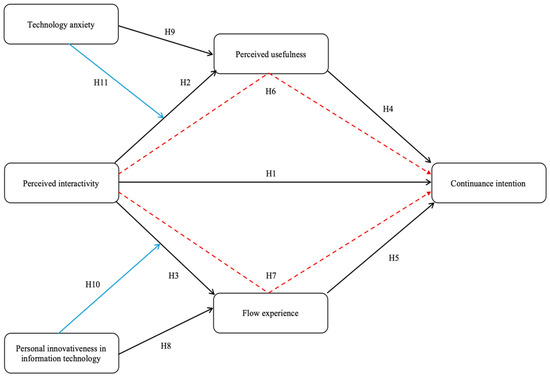
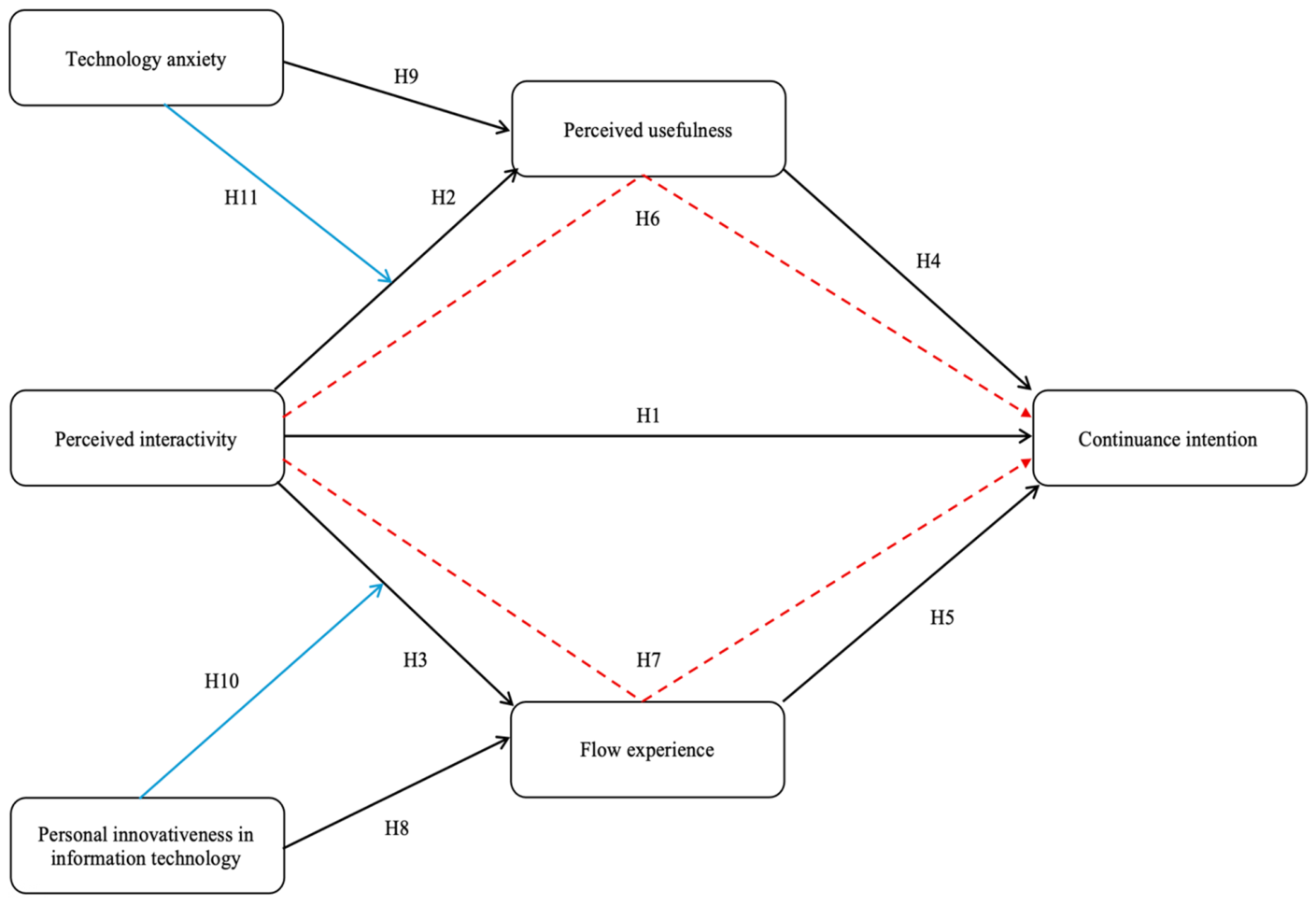
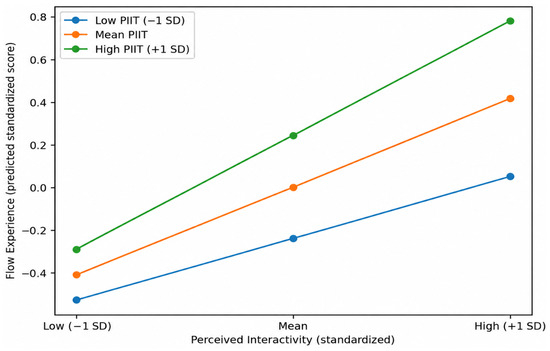
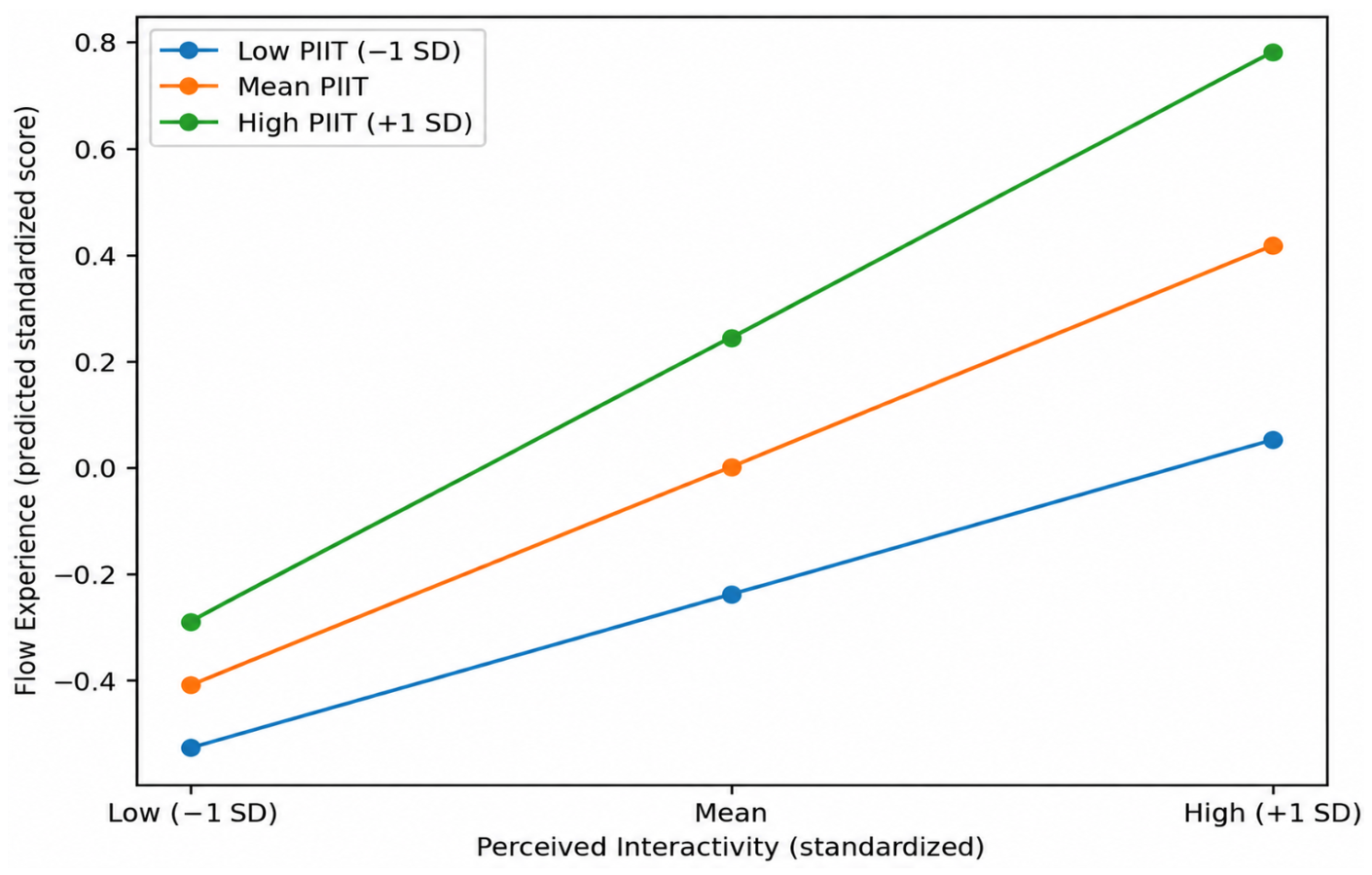
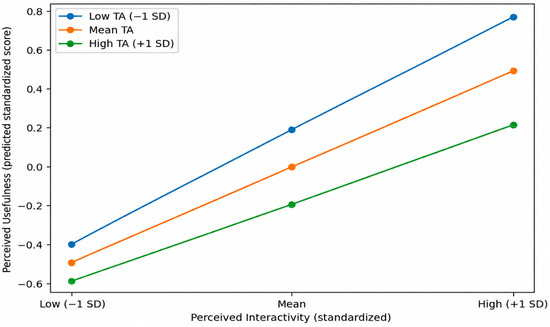
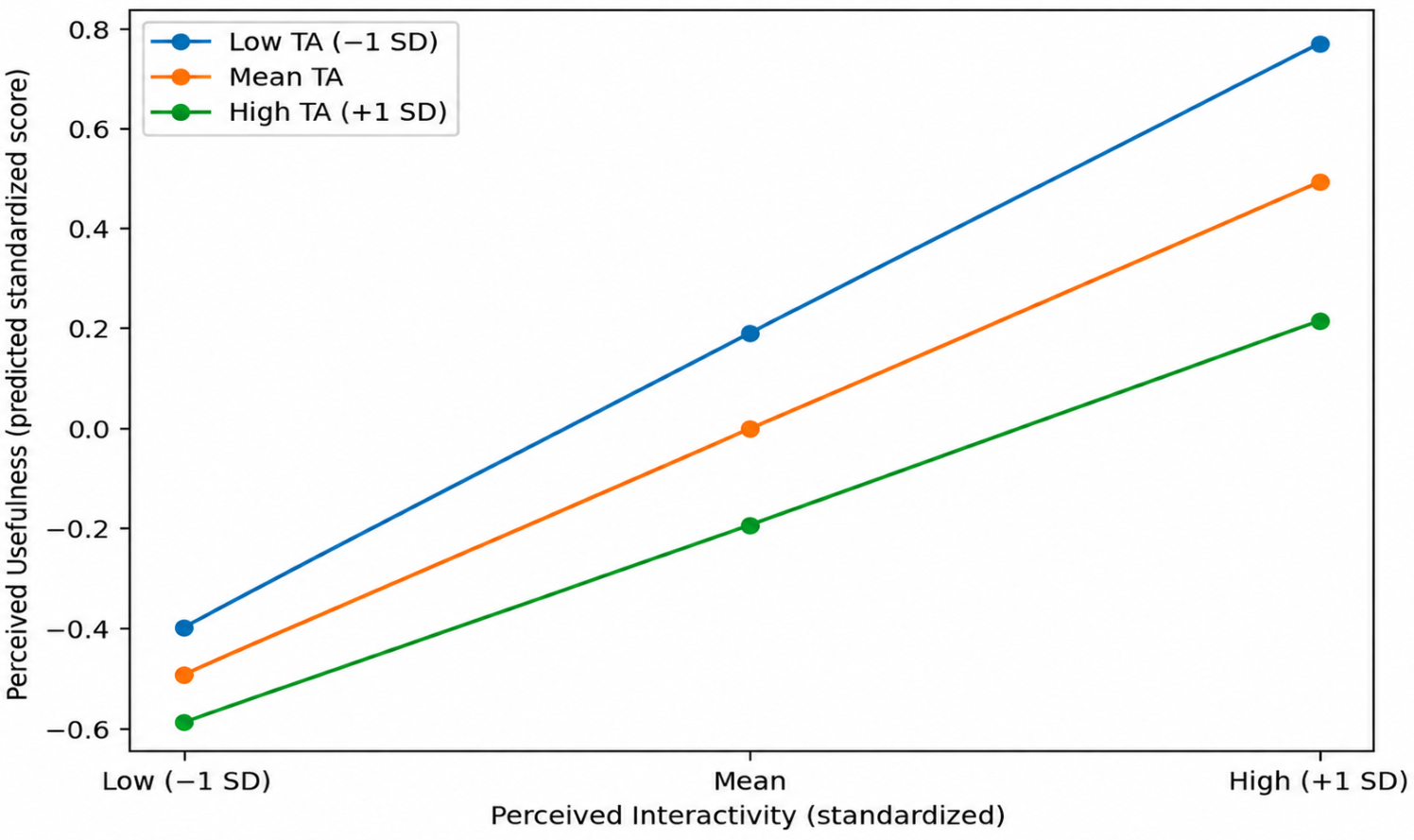

Disclaimer/Publisher’s Note: The statements, opinions and data contained in all publications are solely those of the individual author(s) and contributor(s) and not of MDPI and/or the editor(s). MDPI and/or the editor(s) disclaim responsibility for any injury to people or property resulting from any ideas, methods, instructions or products referred to in the content. |
© 2026 by the author. Licensee MDPI, Basel, Switzerland. This article is an open access article distributed under the terms and conditions of the Creative Commons Attribution (CC BY) license.