


Abstract
Although AI streamers are increasingly used in live commerce, it remains unclear when they are more persuasive than human streamers for green products and through which psychological mechanisms their influence operates. Using a fictitious plant-based hand wash, we conducted a 2 × 2 between-subjects experiment with 408 Chinese consumers; confirmatory factor analysis was performed using IBM SPSS Amos 26.0, whereas two-way ANOVA and moderated parallel mediation analysis were conducted using IBM SPSS Statistics 26.0. Human streamers increased green purchase intention through greater perceived authenticity, whereas AI streamers did so through weaker inferences of personal selling motive. The authenticity pathway was stronger under experiential positioning, whereas the selling-motive pathway was stronger under utilitarian positioning; these opposing indirect effects partially offset one another, resulting in a nonsignificant total effect of streamer type. By identifying these competitive dual pathways and their positioning-dependent boundary condition, this study extends research on AI-mediated persuasion and provides e-commerce platforms and green-product brands with guidance for aligning streamer type with product-positioning strategy.
1. Introduction
Live commerce has quickly become a major retail channel in China’s digital marketplace. By 2024, China’s livestream-commerce user base had approached 600 million, while market penetration increased from 4.9% in 2019 to 37.8% [1]. At the same time, artificial-intelligence-enabled digital humans have moved rapidly from experimental applications to commercially deployable marketing tools. According to the International Data Corporation [2], the Chinese AI digital-human market reached approximately RMB 4.12 billion in 2024. Live commerce integrates product presentation, real-time interaction, entertainment, and immediate purchase opportunities within a single environment. In this context, streamers play an important role in shaping consumers’ purchase decisions. They function as central persuasive agents who shape consumers’ product evaluations and purchase intentions. Prior research on live-commerce marketing has shown that streamers’ responsiveness, attractiveness, communication style, and credibility significantly affect consumer attitudes and purchase decisions [3,4]. Recent advances in generative AI and digital-human technology have expanded the role of the streamer beyond human hosts to AI streamers [5,6]. AI streamers offer several practical advantages, including standardized product information, operational efficiency, and consistent broadcast quality [7]. Because of these advantages, a growing number of live-commerce providers have rapidly adopted AI streamers as primary hosts [8]. However, the literature has not reached a consistent conclusion about whether AI streamers can match or surpass human streamers. Some studies suggest that human streamers are more persuasive because they are perceived as more responsive and socially present [9], whereas others indicate that AI or virtual communicators can be effective under certain conditions [10,11]. The more important question, therefore, is not whether one type of streamer is universally superior, but when and through which psychological pathways AI and human streamers persuade consumers. This question is especially important in the context of green products. Unlike many general goods, green products are evaluated not only on functional performance and price but also on the credibility of environmental claims, the sincerity of the message, and the motives attributed to the communicators. Consumers are often sensitive to whether a green claim reflects genuine values and experience or whether it has been strategically constructed for commercial gain [12]. Accordingly, understanding the effect of streamer type in live commerce for eco-friendly products requires more than a focus on moral obligations. It requires attention to the psychological mechanisms through which consumers interpret the communicator.
This study proposes two distinct pathways. First, human streamers tend to evoke stronger perceived authenticity, drawing on a real identity, embodied expression, spontaneous interaction, and narratives grounded in personal experience. In an eco-friendly product context, where sincerity and value congruence matter, authenticity can play a critical role in shaping consumers’ purchase decisions. Second, AI streamers tend to reduce inferences of personal selling motives relative to human streamers. Consumers readily associate human streamers with commissions, sponsorships, and reputational incentives, whereas AI streamers are seen as having weaker personal stakes in the recommendation [12]. As a result, consumers may interpret the AI streamer’s communication as less self-serving and more informational, which in turn can enhance green purchase intention. In short, human streamers hold a relative advantage on the authenticity pathway, whereas AI streamers hold a relative advantage on the selling-motive pathway. This study further examines whether the relative strength of these pathways depends on product positioning. Product positioning shapes the frame through which consumers interpret product value. Utilitarian positioning emphasizes objective and instrumental benefits such as functional performance, efficiency, ingredient safety, and monetary value, whereas experiential positioning emphasizes subjective and affective benefits such as comfort, emotional reassurance, lifestyle meaning, and user experience [13,14]. In experiential positioning, where personal expression and emotional resonance matter more, the authenticity advantage of human streamers would become more consequential. In utilitarian positioning, where objective information and functional explanation are more central, the lower personal selling motive attributed to AI streamers would be more beneficial.
To test these hypotheses, we conducted a 2 × 2 between-subjects experiment that manipulated streamer type (AI vs. human) and product positioning (utilitarian vs. experiential) in a live-commerce setting. Participants were exposed to one of four versions of the same green product, with only streamer type and positioning varied. This experiment allows us to explain the effect of streamer type on green purchase intention through the parallel pathways of perceived authenticity and personal selling motive inference, and to examine how the strength of those pathways is moderated by product positioning. Moreover, recent studies have explained purchase intention through influencer trust and attachment in live-streaming e-commerce [15], AI digital-human responsiveness and trust [16], and AI virtual-streamer characteristics and scenario fit [17]. Building on this work, the present study shifts attention from a single positive mechanism to two competing psychological pathways in the green-product context.
This study makes three contributions. First, it extends research on the effectiveness of streamer communication in live commerce by conceptualizing the effects of AI and human streamers not as a simple comparison of overall superiority, but as a competitive structure of opposing psychological pathways. Second, it connects persuasion knowledge theory with AI communication by showing how consumers infer motives from AI-based persuasive agents. Third, it contributes to green marketing and live-commerce practice by identifying when particular streamer types are better aligned with particular forms of product positioning.
2. Theoretical Background and Hypotheses
2.1. A Competitive Dual-Path Framework of Authenticity and Persuasion Knowledge
This study integrates persuasion knowledge theory, the machine heuristic, anthropomorphism, and an authenticity perspective to explain why AI and human streamers may influence green purchase intention through different psychological pathways. Persuasion knowledge theory suggests that consumers interpret marketing communications by inferring the communicator’s persuasive goals and potential self-interest [18,19]. In live commerce, human streamers may be associated with commissions, sponsorships, reputational incentives, or other personal benefits, whereas AI streamers may be perceived as having less personal stake in a recommendation. Streamer type may therefore affect consumers’ inference of personal selling motive, which subsequently shapes their purchase responses. An authenticity perspective provides a complementary explanation. Consumers evaluate communicators according to their perceived genuineness, realism, and consistency with the communication context [20,21]. Human streamers possess a real identity and embodied social presence, which may strengthen perceived authenticity. In contrast, the machine heuristic leads consumers to associate AI agents with objectivity, consistency, and reduced personal bias [22]. Anthropomorphic visual cues may make AI streamers appear more socially present and relatable, but they do not necessarily eliminate consumers’ recognition of them as nonhuman agents [8,9]. Related evidence indicates that anthropomorphism does not produce uniformly positive effects; instead, different levels of virtual-influencer realism may affect purchase intention nonlinearly through algorithmic aversion [23]. These perspectives therefore predict competing effects: human streamers may hold an advantage through perceived authenticity, whereas AI streamers may hold an advantage by eliciting weaker inferences of personal selling motive.
Product positioning determines which of these psychological pathways becomes more influential. Experiential positioning emphasizes sensory, emotional, and identity-related value, making the communicator’s authenticity especially relevant. Utilitarian positioning emphasizes functional performance, efficiency, and objective product information, making reduced self-interest and machine-associated impartiality more diagnostic [13,14]. Accordingly, the present study develops a competitive dual-path framework in which product positioning moderates the relative strength of the authenticity and selling-motive-inference pathways.
2.2. Live Commerce and AI Streamers
Live commerce is a retail format that combines real-time product demonstration, interactive communication, and immediate purchase opportunities within a digital environment. In this setting, streamers do more than relay product information; they explain product features, respond to viewer questions, and guide purchase decisions. Prior studies have shown that streamers’ responsiveness, attractiveness, communication style, and credibility shape consumers’ perceived shopping value, trust, engagement, and purchase intention [3,4,24]. As AI and digital-human technologies continue to develop, AI streamers are becoming increasingly visible in live commerce. They offer standardized product descriptions, repeatable broadcast operations, and a high degree of consistency. The commercial use of virtual or AI-based streamers has therefore expanded rapidly, raising the question of whether they can perform a persuasive role comparable to that of human streamers [9,11,25]. However, findings regarding the communication effectiveness of AI streamers versus human streamers remain mixed. Recent research on live commerce has identified influencer trust and attachment [15], AI digital-human responsiveness [16], and AI streamer characteristics and scenario fit [17] as important antecedents of purchase intention in live-streaming e-commerce.
Several studies suggest that human streamers enjoy an advantage because they are perceived as more intimate and responsive [5,9], whereas others indicate that AI or virtual communicators can be effective depending on product type or message context [10,11,26,27]. These mixed findings suggest that the key issue is not whether one type of streamer is universally better, but through which psychological pathways each type exerts persuasive influence. This mechanism is particularly salient for eco-friendly products. Consumers evaluate green products not only in terms of functional performance and price but also in terms of the credibility of environmental claims, the sincerity of the communicator, and the motive behind the recommendation [28,29]. To understand how AI and human streamers influence consumer responses in green live commerce, it is therefore necessary to examine the psychological mechanisms through which consumers interpret them.
3. Research Model and Hypotheses
We propose two main mechanisms: perceived authenticity and inference of personal selling motive. Human streamers tend to evoke stronger authenticity because they possess a real identity, embodied expression, spontaneous responsiveness, and experience-based narratives. AI streamers, in contrast, are often perceived as having fewer personal economic interests than human streamers, and therefore tend to activate weaker inferences of personal selling motive. Put differently, human streamers hold a relative advantage on the authenticity pathway, whereas AI streamers hold a relative advantage on the selling-motive pathway. The research model is presented in Figure 1.
Figure 1.
Research model.
3.1. Streamer Type and Perceived Authenticity
Perceived authenticity refers to the extent to which consumers regard a communicator and the message as natural, sincere, and grounded in genuine experience. Moulard et al. [20] define authenticity as the perception that an actor behaves in a manner consistent with the true self. Several studies on influencer marketing have identified authenticity as a core source of persuasive effectiveness [21,30]. Even when a communicator delivers a commercial message, consumers are more likely to trust and accept that message when they believe it reflects real experience and genuine values [21,31].
Human streamers are likely to generate higher perceived authenticity than AI streamers. They can draw on a real identity, everyday experience, natural facial expressions and gestures, and spontaneous reactions when presenting a product, which make their recommendations appear more realistic and experientially grounded. Prior research suggests that consumers perceive human streamers as more intimate and responsive than AI or virtual streamers [9,32,33]. AI streamers, by contrast, can deliver polished and consistent messages, but those messages may also read as technologically generated or externally scripted rather than emerging from spontaneous, lived experience [34,35]. This limitation is likely to be especially salient when persuasion depends on sensory, emotional, or experience-based expression. In green-product communication, what matters is not only the accuracy of the message but also whether the message appears to arise from sincere values and meaningful experience [36,37]. This study therefore predicts that human streamers evoke greater authenticity than AI streamers in the context of green products.
H1a.
Human streamers generate higher perceived authenticity than AI streamers.
Authenticity matters especially in the context of green products. Because green products are characterized by information asymmetry and frequent concerns about greenwashing, consumers may care less about bare product claims than about whether the communicator appears genuinely aligned with the product and its values. When a streamer’s product presentation is perceived as natural, truthful, and grounded in real experience, the message becomes more credible and persuasive, thereby increasing purchase intention.
H1b.
Perceived authenticity positively affects green purchase intention.
If human streamers evoke greater authenticity, and authenticity increases green purchase intention, then the effect of streamer type on purchase intention would be transmitted through authenticity.
H1c.
Perceived authenticity mediates the relationship between streamer type and green purchase intention.
3.2. Streamer Type and Inference of Personal Selling Motive
Consumers do not passively accept persuasive messages. Rather, they actively infer why a communicator is recommending a product. According to persuasion knowledge theory, consumers use their knowledge of persuasion attempts to interpret the communicator’s motives, tactics, and goals [18]. Campbell and Kirmani [19] further argue that consumers can infer self-serving motives behind sales recommendations, and that such inferences foster suspicion and negative evaluations. Inference of personal selling motive refers to the extent to which consumers believe that a streamer’s recommendation is driven by private interests such as self-benefit, monetary reward, sales performance, or reputational gain. In live commerce, streamers are often associated with brand partnerships, commissions, and sales targets, which makes it easy for consumers to question whether the communication reflects actual product experience or private gain [38,39]. From this perspective, human streamers are likely to elicit stronger inferences of personal selling motive than AI streamers. Human streamers are more readily interpreted as agents with personal stakes in sales outcomes, sponsorships, reputation management, and fan relationships. AI streamers, by contrast, may still be recognized as operating on behalf of a brand or platform, but the visible communicator itself is less likely to be perceived as a personal agent pursuing direct private gain [26]. This reasoning is consistent with the machine heuristic, which suggests that people often view machine agents as more objective and less self-interested than human agents [22]. Related research likewise shows that consumers tend to attribute weaker intentionality and lower self-interest to AI agents than to human agents [32]. In this vein, AI streamers would trigger weaker inferences of personal selling motive than human streamers, even in the green-product context.
H2a.
AI streamers generate lower inferences of personal selling motive than human streamers.
Inference of personal selling motive would, in turn, reduce consumers’ purchase intention toward eco-friendly products. Because green products are associated with ethics, public value, and sustainability, consumers may react negatively when a recommendation appears self-serving: the message is seen as strategic rather than informative, trust in the green claim declines, and purchase intention weakens.
H2b.
Inference of personal selling motive negatively affects green purchase intention.
If AI streamers evoke weaker inferences of personal selling motive, and lower selling-motive inference increases green purchase intention, then the effect of streamer type on purchase intention would also be mediated through this pathway.
H2c.
Inference of personal selling motive mediates the relationship between streamer type and green purchase intention.
3.3. The Moderating Role of Product Positioning
Product positioning shapes the frame through which consumers interpret product value. Utilitarian positioning emphasizes functional performance, efficiency, practical benefits, and value for money, whereas experiential positioning emphasizes sensory gratification, emotional reassurance, lifestyle fit, and subjective user experience [13,14,40]. Prior research suggests that the relative effectiveness of human and AI communicators can vary by product type or message framing [40,41]. Human communicators tend to be more persuasive in experiential or hedonic contexts, whereas AI communicators may be better received in utilitarian or functional contexts [10,11,27].
Green products can likewise activate different persuasive pathways depending on how they are positioned. The same products can be framed in utilitarian terms by emphasizing cleaning performance, ingredient safety, and environmental efficacy, or in experiential terms by emphasizing comfort, reassurance, and a nature-oriented lifestyle. Under experiential positioning, where personal expression and emotional resonance become more important, the authenticity advantage of human streamers should be amplified. Under utilitarian positioning, where consumers focus more on objective information and functional explanation, the lower personal selling motive attributed to AI streamers would become more influential [42]. We therefore expect the authenticity advantage of human streamers to be stronger under experiential positioning than under utilitarian positioning.
H3.
The authenticity advantage of human streamers is stronger under experiential positioning than under utilitarian positioning.
We also expect the selling-motive advantage of AI streamers to be stronger under utilitarian positioning than under experiential positioning. In utilitarian contexts, consumers place greater value on objective explanation and information-rich communication, which is likely to lead them to see AI streamers as less self-interested and more informational than human streamers.
H4.
The advantage of AI streamers in reducing personal selling motive inference is stronger under utilitarian positioning than under experiential positioning.
3.4. Moderated Parallel Mediation Model
AI and human streamers are expected to influence green purchase intention through two distinct psychological pathways in live commerce. Human streamers should increase green purchase intention by eliciting greater perceived authenticity through embodied expression, real experience, and natural interaction. AI streamers, by contrast, should increase green purchase intention by eliciting weaker inferences of personal selling motive, because they are perceived as having fewer personal interests at stake. These pathways are competitive in the sense that they favor different streamer types, but they can coexist in parallel within the same live-commerce context.
Product positioning would moderate the relative strength of these two indirect effects. The authenticity pathway would be stronger under experiential positioning, whereas the selling-motive pathway would be stronger under utilitarian positioning. We therefore propose a moderated parallel mediation model in which the indirect effects of streamer type on green purchase intention depend on product positioning.
H5.
Product positioning moderates the indirect effect of streamer type on green purchase intention through perceived authenticity, such that the indirect effect is stronger under experiential positioning than under utilitarian positioning.
H6.
Product positioning moderates the indirect effect of streamer type on green purchase intention through inference of personal selling motive, such that the indirect effect is stronger under utilitarian positioning than under experiential positioning.
4. Materials and Methods
4.1. Research Design
This study employed a 2 (streamer type: AI vs. human) × 2 (product positioning: utilitarian vs. experiential) between-subjects experimental design to examine how streamer type and product positioning affect green purchase intention in live commerce [43]. The independent variable, streamer type, consisted of two conditions: AI streamer and human streamer. The second independent variable, product positioning, also consisted of two conditions: utilitarian positioning and experiential positioning. Crossing these factors yielded four experimental conditions: (1) AI streamer × utilitarian positioning, (2) AI streamer × experiential positioning, (3) human streamer × utilitarian positioning, and (4) human streamer × experiential positioning.
The study focuses not on differences across product categories, but on how the green product is positioned and who delivers the message. Accordingly, the product itself was held constant across conditions, and only streamer type and positioning were manipulated. This design makes it possible to isolate the interaction between streamer type and positioning while controlling for confounds associated with differences in product category. It also extends the methodological logic of prior work on utilitarian versus experiential value [14] and on the context-dependent effects of AI versus human streamers [10,11].
4.2. Stimuli and Data Collection Procedure
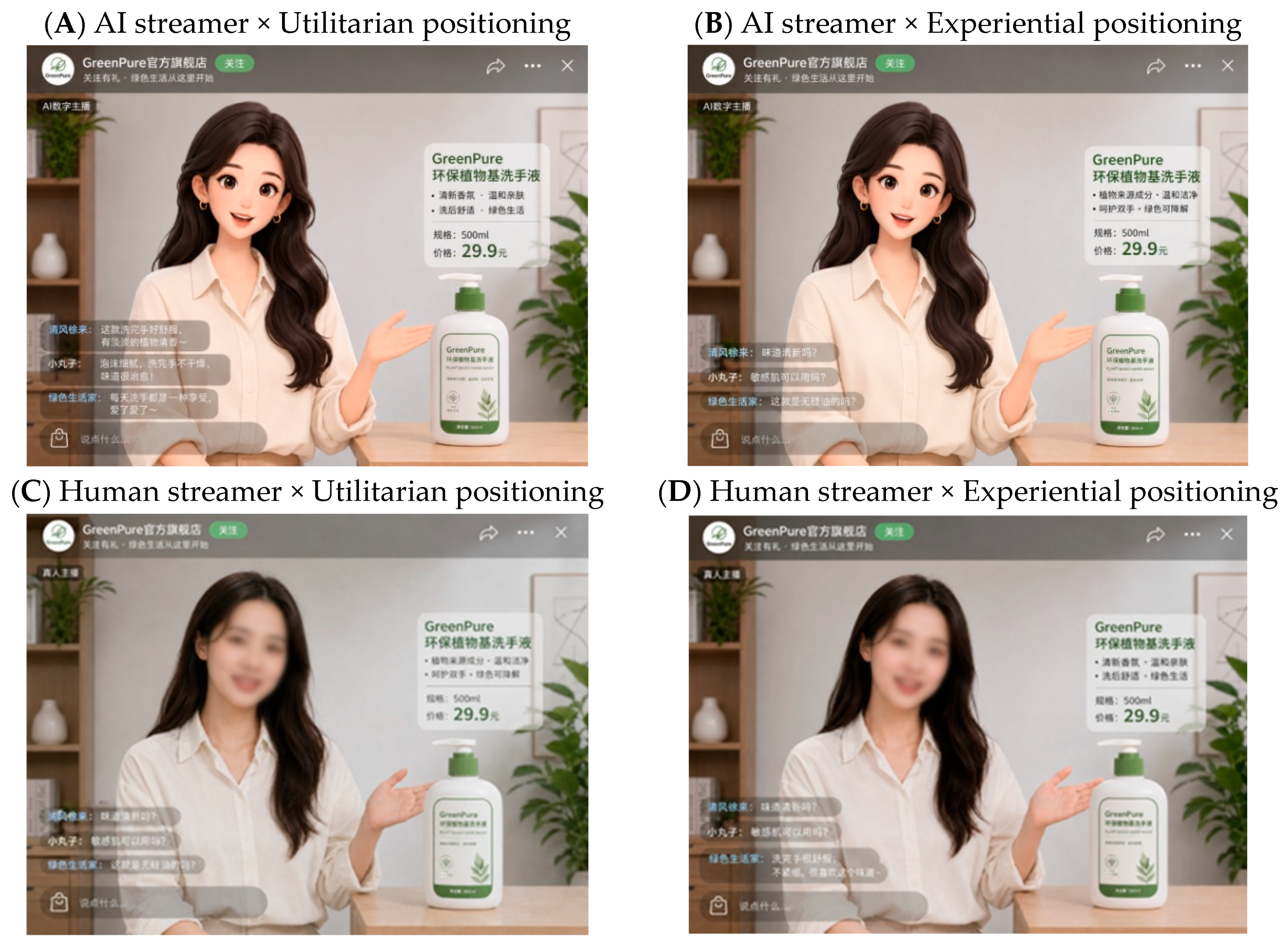
The experimental stimuli consisted of four live-commerce screenshots designed to simulate a streaming interface. The experimental stimuli are shown in Appendix A. The focal product was a fictitious green hand wash, GreenPure Plant-Based Hand Wash. Hand wash was selected because it is a familiar everyday consumer good for which both functional benefits, such as cleansing performance and ingredient safety, and experiential benefits, such as comfort and reassurance, can be communicated plausibly. Its plant-based formulation and recyclable packaging also provided clear green-product cues, while the use of a fictitious brand minimized potential bias arising from prior brand familiarity or preference. No separate product-category pretest was conducted to establish moderate involvement or perceived greenness. Across all four stimuli, the product name, product category, package size, price, core product information, interface layout, product placement, and overall screen structure were held constant.
Streamer type was manipulated through the visual depiction of the host and an identity cue embedded in the stimulus. In the AI-streamer condition, the host was presented as an AI-generated digital streamer; in the human-streamer condition, the host was presented as a real human streamer. To minimize extraneous visual confounds, the two versions were designed to be as similar as possible in gender, approximate age, clothing style, background, product placement, and interface structure. Product positioning was manipulated through the wording of the product description and the emphasis of supporting message cues. The utilitarian positioning condition highlighted instrumental benefits such as cleansing performance, ingredient safety, environmental efficacy, functional value, and economic efficiency. The experiential positioning condition emphasized sensory and affective benefits such as comfort in use, reassurance, a nature-friendly atmosphere, and alignment with a green lifestyle. Product information unrelated to the positioning manipulation was kept constant across conditions.
Data were collected through Wenjuanxing, a major Chinese online survey platform comparable to Qualtrics. Respondents were randomly assigned to one of the four survey versions. The survey followed the same sequence across conditions. Participants first read a short scenario instructing them to imagine a live-commerce shopping situation and then viewed the assigned stimulus. After viewing the assigned stimulus, participants first completed measures of perceived authenticity, inference of personal selling motive, and green purchase intention. They then completed the streamer-type and product-positioning manipulation checks, followed by the control-variable measures. Accordingly, the categorical AI-versus-human streamer identification item was presented after, rather than before, the focal measures, thereby avoiding order-induced priming from the explicit categorization question. The manipulation-check responses were used solely to assess the effectiveness of the experimental manipulations and were not applied as post hoc exclusion criteria; therefore, all participants were retained in their originally assigned conditions. Manipulation effectiveness was evaluated using all 408 cases. Correct streamer identification reached 97.5% in the AI-streamer condition and 94.6% in the human-streamer condition, and all continuous streamer-type and product-positioning checks differed significantly in the intended directions (all p < 0.001). Demographic questions, including gender, age, education, and monthly income, were placed at the end of the survey to reduce priming effects on the focal constructs. A total of 408 completed questionnaires were obtained across the four survey versions. Because respondents were recruited through an online panel administered via Wenjuanxing rather than from a predefined invitation list, the total number of individuals invited to participate was not available; therefore, an invitation-based response rate could not be calculated. Screening for missing data, abnormal response patterns, and inconsistencies between survey version and experimental assignment identified no cases requiring exclusion. Consequently, all 408 completed questionnaires were retained for analysis, corresponding to a valid-case retention rate of 100%. The final sample comprised 102 respondents in the AI streamer × utilitarian positioning condition, 102 in the AI streamer × experiential positioning condition, 103 in the human streamer × utilitarian positioning condition, and 101 in the human streamer × experiential positioning condition.
The target population comprised adult consumers in China. Because recruitment was conducted through an online survey panel rather than from a finite sampling frame, the exact size of the target population could not be enumerated. As no a priori power analysis was conducted before data collection, the adequacy of the achieved sample was evaluated through a sensitivity analysis for the fixed-effects 2 × 2 ANOVA. With an alpha level of 0.05, statistical power of 0.80, one numerator degree of freedom, and four experimental groups, a total sample of 408 was sufficient to detect an effect size of Cohen’s f = 0.139 (partial η2 = 0.019). For comparison, detecting a conservative small-to-medium effect of f = 0.15 under the same assumptions would require a minimum total sample of 351 participants, or approximately 88 participants per condition. Thus, the achieved sample of 408, with 101–103 participants in each condition, exceeded this minimum requirement.
4.3. Measures
The focal constructs in this study were perceived authenticity, inference of personal selling motive, and green purchase intention. All questionnaires were adapted from established scales in prior research and tailored to the context of green live commerce. All items were measured on seven-point Likert scales (1 = strongly disagree, 7 = strongly agree).
Perceived authenticity was measured using three items adapted from Lee and Eastin [21]. These items capture the extent to which the streamer’s product presentation is perceived as natural, realistic, and consistent with an authentic live-commerce context. Inference of personal selling motive was measured using three items adapted from Campbell and Kirmani [19], assessing the extent to which respondents inferred that the recommendation was driven by self-interest, monetary gain, or profit-oriented motives. Green purchase intention was measured using three items adapted from Dodds, Monroe, and Grewal [44] and revised for the GreenPure context. The measurement items used in the formal survey are provided in Appendix B (Table A1). Manipulation checks were also included. For streamer type, respondents were asked whether they perceived the host as an AI digital streamer or as a real human streamer, and they also rated the extent to which the host appeared to be a real person versus an AI-generated entity. For product positioning, respondents evaluated the extent to which the stimulus emphasized utilitarian/functional attributes versus experiential/affective attributes. The complete wording and response formats of the manipulation-check items used in the formal survey are provided in Appendix B (Table A2). To assess robustness, several control variables were included. Environmental concern was measured using the revised NEP scale [45]. We also included general attitudes toward AI, prior live-shopping experience, and prior experience purchasing green products. Gender, age, education, and monthly income were collected as demographic controls.
4.4. Data Analysis
All statistical analyses were conducted using IBM SPSS Statistics 26.0 and IBM SPSS Amos 26.0. Amos was used for confirmatory factor analysis, whereas SPSS was used for descriptive statistics, reliability and correlation analyses, 2 × 2 ANOVA, simple-effects tests, and moderated parallel mediation analysis using PROCESS Model 7 with 5000 bootstrap samples.
We examined data quality by checking for missing values, abnormal response patterns, and consistency between survey version and experimental assignment. No meaningful missing values were detected in the analytical variables, and the condition assignments were verified as accurate. We then assessed the reliability and validity of the multi-item constructs. Internal consistency was evaluated with Cronbach’s alpha, and the measurement model was examined through confirmatory factor analysis to assess model fit, convergent validity, and discriminant validity. Streamer type and product positioning were experimentally manipulated binary variables. The measurement analyses focused only on the three reflective constructs: perceived authenticity, inference of personal selling motive, and green purchase intention.
Hypothesis testing proceeded in several stages. First, we calculated descriptive statistics and correlations for the key variables. Second, we conducted a series of 2 × 2 analyses of variance (ANOVA) to examine the main and interaction effects of streamer type and product positioning on perceived authenticity, inference of personal selling motive, and green purchase intention. When a significant interaction emerged, we conducted simple-effects analyses. Third, to examine the indirect effects of streamer type on green purchase intention together with the moderating role of product positioning, we estimated a moderated parallel mediation model. Streamer type was coded as AI streamer = 1 and human streamer = 0, and product positioning was coded as utilitarian = 1 and experiential = 0. Perceived authenticity and inference of personal selling motive were modeled as parallel mediators, and product positioning was specified as moderating the first-stage paths from streamer type to each mediator. The significance of indirect effects and moderated mediation was tested using 5000 bootstrap resamples. Effects were considered significant when the 95% bias-corrected confidence interval did not include zero [46]. Finally, to assess robustness, we conducted supplementary analyses including environmental concern, attitudes toward AI, live-shopping experience, green purchase experience, and demographic variables as covariates.
5. Results
5.1. Sample Profile and Data Screening
The final analytic sample consisted of 408 valid responses obtained from the 2 (streamer type: AI vs. human) × 2 (product positioning: utilitarian vs. experiential) between-subjects experiment. The four experimental cells were well balanced: 102 in the AI streamer × utilitarian positioning condition, 102 in the AI streamer × experiential positioning condition, 103 in the human streamer × utilitarian positioning condition, and 101 in the human streamer × experiential positioning condition, yielding 204 respondents per streamer-type condition and 205 and 203 respondents in the utilitarian and experiential positioning conditions, respectively. No missing values were identified in the variables entered into the analyses, and condition coding was cross-checked against the four survey versions to confirm assignment accuracy. The demographic characteristics of the sample are presented in Table 1.
Table 1.
Sample Profile and Experimental Cell Sizes.
5.2. Common Method Bias, Reliability, and Validity Assessment
Before conducting the substantive analyses, common method variance (CMV) was assessed using a single-factor confirmatory factor analysis in which all nine self-reported items were specified to load on a single latent factor. The single-factor model exhibited poor fit: χ2(27) = 583.947, p < 0.001, χ2/df = 21.628, GFI = 0.715, AGFI = 0.525, NFI = 0.558, CFI = 0.566, TLI = 0.422, and RMSEA = 0.225 (90% CI [0.209, 0.241]). By comparison, the theoretically specified three-factor measurement model reported below exhibited excellent fit. The substantial deterioration in model fit under the single-factor specification indicates that the covariance among the self-reported measures was not adequately explained by a single common factor. Therefore, serious common method bias was unlikely to threaten the substantive conclusions of the study.
We assessed the reliability and validity of the focal multi-item constructs. Because streamer type and product positioning are experimentally manipulated binary variables rather than reflective latent constructs, the measurement model focused on the three constructs of perceived authenticity (AUTH), inference of personal selling motive (SMI), and green purchase intention (GPI).
Internal consistency was assessed with Cronbach’s alpha, and all three constructs exceeded the recommended threshold of 0.70 (AUTH α = 0.811, SMI α = 0.805, GPI α = 0.780), indicating satisfactory reliability. All standardized factor loadings exceeded 0.60, ranging from 0.680 to 0.835, confirming the adequacy of the measurement items. Convergent validity was further supported by composite reliability (CR) values ranging from 0.781 to 0.814 and average variance extracted (AVE) values ranging from 0.544 to 0.596, both exceeding the 0.70 and 0.50 thresholds, respectively. These results, summarized in Table 2, establish adequate convergent validity for all three constructs.
Table 2.
Reliability, Convergent Validity, and Maximum Shared Variance.
In addition, the AVE of each construct exceeded its corresponding MSV (AUTH: 0.596 > 0.339; SMI: 0.581 > 0.339; GPI: 0.544 > 0.079), providing further evidence of discriminant validity. Discriminant validity was further assessed using both the Fornell–Larcker criterion and the heterotrait–monotrait ratio (HTMT). As reported in Table 3, the square root of the AVE for each construct exceeded its largest correlation with any other construct, satisfying the Fornell–Larcker criterion. As shown in Table 4, all HTMT values fell well below the recommended threshold of 0.85, with the highest value of 0.582 observed for the AUTH–SMI pair, indicating that the three focal constructs are empirically distinct.
Table 3.
Discriminant Validity—Fornell-Larcker Criterion.
Table 4.
Discriminant Validity—HTMT Results.
5.3. Manipulation Checks
Before testing the hypotheses, manipulation checks were conducted to verify that respondents accurately perceived the experimental treatments. The streamer-type manipulation was first assessed with a categorical identification item. In the AI streamer condition, 97.5% of respondents correctly identified the host as an AI streamer, and in the human streamer condition, 94.6% correctly identified the host as a human streamer. A chi-square test confirmed a significant association between assigned streamer type and respondents’ identification responses (χ2(2) = 374.911, p < 0.001).
Respondents in the human-streamer condition rated the host as significantly more human-like than did respondents in the AI-streamer condition (M = 5.93 vs. M = 2.31, t(405.651) = 44.592, p < 0.001). Conversely, respondents in the AI-streamer condition rated the host as significantly more AI-generated than did respondents in the human-streamer condition (M = 6.07 vs. M = 2.05, t(406) = 41.941, p < 0.001). The product-positioning manipulation was also successful. Respondents in the utilitarian-positioning condition reported significantly stronger perceptions of utilitarian positioning than did respondents in the experiential-positioning condition (M = 5.67 vs. M = 2.98, t(406) = 56.547, p < 0.001), and conversely, respondents in the experiential-positioning condition reported significantly stronger perceptions of experiential positioning (M = 5.63 vs. M = 2.84, t(406) = 61.976, p < 0.001). Table 5 shows the manipulation check results. Taken together, these results confirm that both experimental treatments were perceived as intended, providing a satisfactory basis for the subsequent hypothesis tests.
Table 5.
Manipulation Check Results.
5.4. Preliminary Analyses
Table 6 presents the means, standard deviations, and correlations for the constructs and control variables. Perceived authenticity was positively correlated with green purchase intention (r = 0.23, p < 0.01), providing support for the authenticity pathway, whereas inference of personal selling motive was not significantly correlated with green purchase intention (r = −0.06, p > 0.05).
Table 6.
Descriptive Statistics and Correlations.
The pattern of correlations among the constructs was consistent with discriminant Svalidity and did not indicate serious multicollinearity concerns for the intended analyses. The largest correlation among the focal predictors was observed between perceived authenticity and inference of personal selling motive (r = 0.47, p < 0.01), which is well below the level typically associated with estimation instability. The positive direction of this correlation warrants brief comment: because human streamers simultaneously elevated both perceived authenticity and inference of personal selling motive, this association reflects the shared experimental origin of the two mediators rather than a positive conceptual relationship between authenticity and inferred selling motive. Green purchase intention was additionally correlated with environmental concern (r = 0.17, p < 0.01) and prior green-purchase experience (r = 0.13, p < 0.05), indicating that respondents with stronger environmental orientations and more green-product experience expressed higher purchase intention for the focal product, which justifies including these variables as covariates in the robustness analyses.
5.5. Effects of Streamer Type and Product Positioning
A series of 2 × 2 ANOVA was conducted to examine the main and interaction effects of streamer type and product positioning on perceived authenticity, inference of personal selling motive, and green purchase intention. Means and ANOVA results are reported in Table 7.
Table 7.
Cell Means and Two-Way ANOVA Results.
For perceived authenticity, the main effect of streamer type was significant (F(1, 404) = 414.093, p < 0.001), with human streamers perceived as substantially more authentic than AI streamers, supporting H1a. The main effect of product positioning was not significant (F(1, 404) = 1.321, p = 0.251). However, the streamer type × product positioning interaction was significant (F(1, 404) = 51.933, p < 0.001). The authenticity advantage of human streamers was considerably larger under experiential positioning than under utilitarian positioning, supporting H3.
For inference of personal selling motive, the main effect of streamer type was also significant (F(1, 404) = 326.963, p < 0.001), confirming that AI streamers elicited lower selling-motive inference than human streamers and supporting H2a. The main effect of product positioning was also significant (F(1, 404) = 18.613, p < 0.001), indicating that selling-motive inference was generally higher under experiential positioning than under utilitarian positioning. The interaction effect was also significant (F(1, 404) = 11.977, p = 0.001): the AI streamer’s advantage in suppressing selling-motive inference was more pronounced under utilitarian positioning than under experiential positioning, supporting H4.
For green purchase intention, neither the main effect of streamer type (F(1, 404) = 0.205, p = 0.651) nor the main effect of product positioning (F(1, 404) = 1.520, p = 0.218) was significant, but the interaction was significant (F(1, 404) = 12.632, p < 0.001). This result indicates that neither AI streamers nor human streamers were uniformly more effective at generating green purchase intention; rather, purchase intention depended on the fit between streamer type and product positioning. AI streamers generated higher green purchase intention under utilitarian positioning, whereas human streamers generated higher green purchase intention under experiential positioning. The interaction patterns for all three dependent variables are depicted in Figure 2.
Figure 2.
Interaction effects of streamer type and product positioning on (a) perceived authenticity, (b) inference of personal selling motive, and (c) green purchase intention.
Table 8 presents the simple effects of human and AI streamers within each product-positioning condition. Under experiential positioning, human streamers elicited significantly higher perceived authenticity (t(201) = −20.056, p < 0.001) and higher green purchase intention (t(201) = −2.879, p = 0.004), along with higher inference of personal selling motive (t(201) = −11.810, p < 0.001). Under utilitarian positioning, human streamers likewise elicited higher authenticity (t(203) = −9.048, p < 0.001) and higher selling-motive inference (t(203) = −13.741, p < 0.001), but in this condition AI streamers generated significantly higher green purchase intention (t(203) = 2.160, p = 0.032). These simple-effects results are consistent with the proposed alignment logic: human streamers generated higher green purchase intention under experiential positioning, whereas AI streamers generated higher green purchase intention under utilitarian positioning.
Table 8.
Simple Effects of Streamer Type within Product Positioning Conditions.
5.6. Moderated Parallel Mediation and Hypothesis Testing
To examine whether perceived authenticity and inference of personal selling motive carried the effect of streamer type on green purchase intention, and whether these indirect effects varied by product positioning, we conducted a moderated parallel mediation analysis following the logic of PROCESS Model 7 with 5000 bootstrap samples. Streamer type was coded as AI streamer = 1 and human streamer = 0, and product positioning was coded as utilitarian = 1 and experiential = 0. Perceived authenticity and inference of personal selling motive were specified as parallel mediators, and product positioning was specified as moderating the paths from streamer type to each mediator. All coefficients reported in the conditional process analyses are unstandardized regression coefficients.
5.6.1. Mediator Models
As reported in Panel A of Table 9, streamer type had a significant negative effect on perceived authenticity ( = −1.665, SE = 0.086, t = −19.437, p < 0.001), confirming that AI streamers were perceived as substantially less authentic than human streamers. The streamer type × product positioning interaction was also significant ( = 0.871, SE = 0.121, t = 7.206, p < 0.001), indicating that the AI streamer’s authenticity deficit was attenuated under utilitarian positioning relative to experiential positioning, consistent with H3. Streamer type also had a significant negative effect on inference of personal selling motive ( = −1.002, SE = 0.097, t = −10.314, p < 0.001), and the streamer type × product positioning interaction was significant as well ( = −0.474, SE = 0.137, t = −3.461, p = 0.001), indicating that the AI streamer’s advantage in suppressing selling-motive inference was amplified under utilitarian positioning, consistent with H4.
Table 9.
Moderated Parallel Mediation Results.
It is worth noting that in this mediator model, the regression coefficient for product positioning represents the simple effect within the human-streamer condition (where streamer type is coded 0), which differs in nature from the main effect averaged across both streamer types reported earlier in the ANOVA (Table 7). For perceived authenticity, for example, the simple effect of positioning was significant within the human-streamer condition ( = −0.505, SE = 0.085, p < 0.001), but its direction reversed within the AI-streamer condition because of the significant interaction (simple effect = −0.505 + 0.871 = 0.366). The offsetting simple effects across the two conditions explain why the overall main effect of positioning was not significant in the ANOVA (Table 7); this is not a contradiction between the two analyses but rather a further confirmation of the strong interaction.
5.6.2. Outcome Model
In the outcome model reported in Panel B, perceived authenticity had a significant positive effect on green purchase intention, supporting H1b ( = 0.333, SE = 0.053, t = 6.323, p < 0.001), and inference of personal selling motive had a significant negative effect, supporting H2b ( = −0.108, SE = 0.048, t = −2.278, p = 0.023). Streamer type retained a significant positive direct effect even after controlling for both mediators ( = 0.243, SE = 0.109, t = 2.220, p = 0.027). This result should be interpreted alongside the earlier ANOVA finding that the unconditional main effect of streamer type on green purchase intention was not significant. The emergence of a significant direct effect after controlling for the two mediators is consistent with a pattern of opposing indirect effects operating through the two mediating pathways in different directions [47]. The fact that a significant negative coefficient for inference of personal selling motive emerged once perceived authenticity was controlled for, despite a nonsignificant zero-order correlation between selling-motive inference and green purchase intention, likewise reflects a suppression pattern in which the two mediators mask each other’s association with the outcome [48]. In this study, the authenticity pathway operated in a direction unfavorable to AI streamers, whereas the selling-motive-inference pathway operated in a direction favorable to AI streamers. These opposing forces attenuated the effect of streamer type at the total-effect level but remained theoretically meaningful within the conditional process model.
5.6.3. Conditional Indirect Effects
The conditional indirect effects reported in Panel C provide further evidence for the competing-pathways logic. The indirect effect through perceived authenticity was significant under both positioning conditions but differed in magnitude. This effect was substantially larger under experiential positioning (indirect effect = −0.554, 95% CI [−0.737, −0.352]) than under utilitarian positioning (indirect effect = −0.264, 95% CI [−0.366, −0.164]), and the index of moderated mediation was significant (index = 0.290, 95% CI [0.168, 0.420]), confirming that product positioning moderates the strength of the authenticity pathway. These results support H1c and H5.
The indirect effect through inference of personal selling motive was significant under both positioning conditions (experiential positioning indirect effect = 0.109, 95% CI [0.015, 0.213]; utilitarian positioning indirect effect = 0.160, 95% CI [0.022, 0.309]). The index of moderated mediation was significant (index = 0.051, 95% CI [0.006, 0.112]), indicating that the selling-motive-inference pathway was somewhat stronger under utilitarian positioning and supporting H2c and H6. The relatively small magnitude of this index compared with the authenticity pathway suggests that the moderation of the SMI mediating pathway, while statistically reliable, is more modest in practical magnitude and should be interpreted with appropriate caution.
5.6.4. Robustness Checks
To evaluate the stability of the moderated parallel mediation results, the model was re-estimated with environmental concern, attitude toward AI, live-shopping experience, green-product purchase experience, gender, age, education, and monthly income entered simultaneously as covariates. As reported in Table 10, all four conditional indirect effects remained statistically significant after covariate adjustment. The index of moderated mediation remained significant for both the authenticity pathway (index = 0.256, 95% CI [0.139, 0.378]) and the selling-motive-inference pathway (index = 0.069, 95% CI [0.019, 0.137]). The directions and inferential conclusions were consistent with those of the primary model, indicating that the proposed moderated mediation pattern was robust to demographic, attitudinal, and experience-related covariates.
Table 10.
Covariate-Adjusted Robustness Results.
Table 11 summarizes the results of the hypothesis tests. Taken together, the results support the proposed competing-pathways framework: human streamers increased green purchase intention through heightened perceived authenticity, and AI streamers did so through suppressed inference of personal selling motive, with product positioning determining the relative dominance of the two pathways. The authenticity-mediated pathway was somewhat stronger under experiential positioning, and the selling-motive-mediated pathway was somewhat stronger under utilitarian positioning.
Table 11.
Summary of Hypothesis Tests.
6. Discussion
6.1. Discussion of Hypothesis Testing
This study explains how AI and human streamers shape consumers’ purchase decisions for green products in live commerce through two competing psychological pathways. The results support all proposed hypotheses and clarify that human streamers benefit from greater perceived authenticity, whereas AI streamers benefit from weaker inferences of personal selling motive. Product positioning determines the relative strength of these two pathways.
H1a predicted that human streamers would generate higher perceived authenticity than AI streamers. The significant effect of streamer type on perceived authenticity supported this prediction. H1b proposed that perceived authenticity would positively affect green purchase intention, and this relationship was also supported. Consistent with H1c, the indirect effect of streamer type through perceived authenticity was significant under both product-positioning conditions. These results can be explained by the authenticity perspective, according to which consumers respond more favorably to communicators whose messages appear natural, sincere, and grounded in genuine experience [20,21]. Human streamers possess embodied identities and can be associated with spontaneous expression and lived experience, whereas AI streamers may be perceived as technologically generated or externally scripted. The results therefore support previous research identifying authenticity as an important source of persuasive effectiveness in influencer communication [21,30,31], while demonstrating that this mechanism also applies to green products in live commerce.
H2a predicted that AI streamers would elicit weaker inferences of personal selling motive than human streamers. The results supported this hypothesis. H2b, which proposed that inference of personal selling motive would negatively affect green purchase intention, was likewise supported in the outcome model. The significant indirect effects through selling-motive inference under both positioning conditions consequently supported H2c. These findings are consistent with persuasion knowledge theory, which suggests that consumers evaluate persuasive messages by inferring the communicator’s goals and potential self-interest [18,19]. Human streamers can readily be associated with commissions, sponsorships, reputational benefits, and sales performance, whereas the visible AI communicator may be perceived as having fewer personal interests at stake. This interpretation is also consistent with the machine heuristic, according to which machine agents are sometimes regarded as more objective and less personally biased than human agents [22]. Although selling-motive inference was not significantly correlated with green purchase intention at the zero-order level, its significant negative effect after perceived authenticity was controlled for indicates a suppression pattern produced by the two opposing mediators [47,48]. Thus, AI streamers were not persuasive because they appeared more authentic, but because consumers attributed weaker personal selling motives to them.
H3 proposed that the authenticity advantage of human streamers would be stronger under experiential positioning than under utilitarian positioning. The significant interaction between streamer type and product positioning supported H3. This result indicates that authenticity becomes especially diagnostic when a green product is framed around comfort, reassurance, lifestyle meaning, and subjective experience. H4 predicted that the advantage of AI streamers in reducing personal selling motive inference would be stronger under utilitarian positioning. This hypothesis was also supported. When the product message emphasized functional performance, ingredient safety, environmental efficacy, and economic value, the AI streamer’s lower perceived self-interest became more influential. These findings are consistent with research showing that human communicators tend to perform better in experiential or hedonic contexts, whereas AI communicators may be better aligned with utilitarian and information-oriented contexts [10,11,27,40,41,42]. Product positioning therefore does more than directly frame product value; it determines which psychological cue—authenticity or inferred self-interest—becomes more important in consumers’ evaluations.
The conditional indirect effects further supported H5 and H6. In support of H5, the indirect effect through perceived authenticity was stronger under experiential positioning (indirect effect = −0.554, 95% CI [−0.737, −0.352]) than under utilitarian positioning (indirect effect = −0.264, 95% CI [−0.366, −0.164]). The significant index of moderated mediation (index = 0.290, 95% CI [0.168, 0.420]) confirms that product positioning altered the strength of the authenticity pathway. In support of H6, the indirect effect through inference of personal selling motive was stronger under utilitarian positioning (indirect effect = 0.160, 95% CI [0.022, 0.309]) than under experiential positioning (indirect effect = 0.109, 95% CI [0.015, 0.213]). Its index of moderated mediation was also significant (index = 0.051, 95% CI [0.006, 0.112]). However, because this second index was comparatively small, the moderation of the selling-motive pathway should be interpreted as statistically reliable but more modest in magnitude than the moderation of the authenticity pathway.
Finally, the nonsignificant unconditional effect of streamer type on green purchase intention should not be interpreted as evidence that streamer type is unimportant. Instead, it reflects the partial cancellation of two indirect effects operating in opposite directions: the authenticity pathway favored human streamers, whereas the reduced-selling-motive pathway favored AI streamers. This competitive pattern extends recent JTAER research emphasizing trust, attachment, responsiveness, anthropomorphism, and scenario fit in AI- and influencer-based live commerce [15,16,17,23]. The present findings show that streamer effectiveness depends not only on whether the communicator is human or AI, but also on which psychological pathway is activated and how that pathway fits the product-positioning strategy.
6.2. Theoretical Implications
The findings have several implications for research on AI-mediated persuasion, persuasion knowledge, and green live commerce.
At the level of AI and human streamer research, this study replaces a simple superiority comparison with a competitive dual-path explanation. Recent JTAER research has explained purchase intention in live-streaming e-commerce through influencer trust and attachment [15], AI digital-human responsiveness and trust [16], and the characteristics and scenario fit of AI virtual streamers [17]. These studies identify important positive antecedents of consumer responses, but they provide less explanation of why AI and human communicators may each possess a persuasive advantage within the same commercial context. The present study addresses this issue by showing that human streamers benefit from greater perceived authenticity, whereas AI streamers benefit from weaker inferences of personal selling motive. The nonsignificant unconditional effect of streamer type is therefore theoretically meaningful rather than uninformative, because it masks two opposing mechanisms that partially offset one another. The incremental contribution lies in identifying these competing mechanisms and specifying the conditions under which each becomes more influential.
The integration of the authenticity perspective and the machine heuristic provides a further theoretical implication. The authenticity perspective suggests that embodied identity, spontaneous expression, and experience-based communication favor human streamers [20,21,30,31]. In contrast, the machine heuristic suggests that AI agents may be associated with greater objectivity, consistency, and freedom from personal bias [22]. Research on anthropomorphic virtual influencers further indicates that increasing human realism does not necessarily generate uniformly positive responses and may produce nonlinear effects through algorithmic aversion [23]. The present findings reconcile these perspectives by showing that human and AI identity cues produce simultaneous advantages and disadvantages. Human identity strengthens authenticity but also increases the attribution of personal selling motives, whereas AI identity weakens authenticity but reduces perceived personal self-interest. Streamer effectiveness should therefore be conceptualized as a multidimensional attributional trade-off rather than as a single continuum running from artificiality to human realism.
The findings also refine persuasion knowledge theory by distinguishing between the commercial principal behind a message and the visible agent delivering it. Traditional applications of persuasion knowledge theory have generally examined human salespeople, endorsers, or influencers whose commercial roles and personal incentives are closely connected [18,19]. In AI-mediated live commerce, however, consumers may recognize that an AI streamer operates on behalf of a commercial brand or platform while still attributing fewer private interests to the visible AI communicator. Persuasion knowledge thus depends not only on whether consumers recognize the commercial purpose of a message, but also on how much agency, intentionality, and personal self-interest they attribute to the communicator [22,38,39]. This agent-specific motive attribution explains how an AI streamer can acquire a persuasive advantage even when it is not perceived as equally authentic as a human streamer.
Product positioning emerges as an important theoretical boundary condition that determines which psychological pathway becomes more diagnostic. Prior research has shown that responses to AI and human communicators vary across utilitarian, hedonic, and experiential contexts [10,11,27,40,41,42]. The present study extends this reasoning by holding the product category constant and changing only how the same green product is positioned. Experiential positioning increases the relevance of sincerity, embodied experience, and emotional resonance, thereby strengthening the authenticity pathway and the relative advantage of human streamers. Utilitarian positioning increases the relevance of functional information, efficiency, and perceived objectivity, thereby strengthening the reduced-selling-motive pathway and the relative advantage of AI streamers. Product positioning is therefore not merely a message characteristic or a direct predictor of consumer evaluation; it functions as a diagnosticity mechanism that determines which attribution consumers prioritize. This contribution is deliberately conditional and does not imply that human streamers are always preferable for green products or that AI streamers are universally superior for functional products. Instead, it specifies how the alignment between streamer type and positioning frame shapes persuasion within green live commerce.
6.3. Managerial Implications
The findings offer actionable implications for e-commerce platform operators, green-product brands, and AI-streamer technology providers. The central managerial implication is that streamer selection should be based on alignment with product positioning rather than on an assumption that either AI or human streamers are universally more effective.
From a platform-management perspective, product positioning can serve as an input for streamer allocation and content-recommendation decisions. Campaigns emphasizing experiential benefits, such as comfort, emotional reassurance, lifestyle meaning, and personal connection to sustainability, are more likely to benefit from human streamers whose embodied expression and experience-based narratives strengthen perceived authenticity. Campaigns emphasizing utilitarian benefits, such as functional performance, ingredient safety, environmental efficiency, and economic value, may be better aligned with AI streamers, whose recommendations are perceived as involving less personal self-interest. Platforms could therefore incorporate positioning-related metadata into streamer-matching and scheduling systems rather than assigning AI or human streamers solely according to availability or production cost. Controlled A/B testing across product categories and audience segments could further refine these allocation decisions.
For green-product brands, the results indicate that streamer selection and script design should be coordinated. Human-streamer scripts can emphasize personal experience, product-use narratives, emotional reassurance, and value congruence when a product is positioned experientially. AI-streamer scripts can place greater emphasis on standardized product explanations, ingredient information, performance comparisons, and verifiable environmental attributes when utilitarian positioning is adopted. This alignment is particularly important in green marketing because unsupported environmental claims may increase consumer skepticism. Regardless of streamer type, brands should provide specific and verifiable evidence for environmental benefits and avoid relying on generalized sustainability language. The choice of streamer should support the positioning strategy rather than substitute for credible product information.
For AI-streamer technology providers, the authenticity disadvantage of AI streamers identifies a specific design challenge. Improvements in conversational continuity, context-sensitive responses, natural speech patterns, and coherent persona development may help AI streamers communicate in a less mechanical manner. However, greater anthropomorphic realism should not be treated as an unqualified objective, because highly human-like presentation may create discomfort or increase consumers’ awareness of algorithmic simulation. Technology providers could instead develop adjustable presentation modes that allow brands to vary informational precision, emotional expressiveness, and interaction style according to the positioning of the product. Transparent disclosure of the streamer’s AI identity should also be maintained so that improved naturalness does not become deceptive imitation.
At the campaign-portfolio level, AI and human streamers can be treated as complementary resources rather than mutually exclusive substitutes. AI streamers can be deployed for repeated product education, feature comparison, and information-intensive segments, while human streamers can support demonstrations, personal storytelling, community interaction, and experience-oriented communication. Hybrid live-commerce formats could assign these functions to different communicators within the same campaign. Because perceptions of authenticity, AI objectivity, and green claims may vary across countries and platform environments, firms should validate this alignment strategy through localized experiments before applying it across markets. The findings therefore provide a decision framework for streamer deployment while avoiding a universal recommendation that would disregard product positioning, audience characteristics, and market context.
6.4. Limitations and Future Research
This study has several limitations that define the boundary conditions of its findings and indicate directions for future research.
The cultural and sampling context constitutes an important boundary condition. Participants were adult consumers recruited through Wenjuanxing in China, where live commerce and AI-mediated commercial communication are relatively mature. Although this setting increases the contextual relevance of the study, the findings may not generalize fully to markets characterized by different technological infrastructures, cultural norms, green-consumption practices, or levels of familiarity with AI streamers. The sample was also concentrated among respondents aged 26–40 years (77.70%), those holding a bachelor’s degree (58.82%), and those reporting a monthly income of RMB 5000–7999 (59.31%). Recruitment through an online survey panel may consequently underrepresent older adults, consumers with limited digital literacy, and individuals at the lower and upper ends of the income distribution. Future studies should employ more demographically diverse or stratified samples and replicate the model across countries, age groups, income groups, and live-commerce platforms, including Western markets and markets in which AI-mediated commerce is less developed.
The use of static screenshots within an online questionnaire also limits the ecological and construct validity of the experiment. Actual live-commerce broadcasts include speech, real-time comments, responsiveness, turn-taking, promotions, platform-generated recommendations, social presence, and other viewers’ reactions. These dynamic and temporal cues may influence perceived authenticity, inference of personal selling motive, and purchase decisions in ways that cannot be reproduced through static visual materials. Accordingly, the present manipulation primarily captured consumers’ responses to the visual identity of AI versus human streamers within a controlled simulated interface rather than their responses to the complete behavioral experience of an interactive live stream. The findings should therefore be interpreted within this controlled visual context. Future research should test the proposed dual-path framework using video-based stimuli, simulated interactive broadcasts, and field experiments conducted on actual live-commerce platforms.
A related limitation concerns the visual implementation of streamer type. Although the overall interface, product, positioning information, and other design elements were held constant, visual rendering differences between the AI and human streamer conditions could not be eliminated completely. Some observed responses may therefore have reflected differences in perceived realism, artificiality, or anthropomorphism in addition to streamer type itself. Subsequent research could employ multiple streamer identities, matched human and AI-generated versions of the same identity, or experimental designs that independently manipulate streamer labels and visual characteristics. Such designs would help distinguish the effect of streamer type from the effects of visual realism and anthropomorphic appearance.
The use of a single fictitious plant-based hand-wash product further constrains the scope of generalization. This product provided a familiar, relatively low-risk consumer context in which utilitarian and experiential positioning appeals could be implemented while avoiding prior brand familiarity. However, the product category was selected for experimental control and was not independently validated through a separate pretest of moderate involvement or perceived green attributes. The findings therefore should not be assumed to apply automatically to durable goods, high-involvement products, luxury products, or categories involving greater functional, financial, or symbolic risk. Future studies should pretest product involvement and perceived greenness and examine whether the competitive dual-path framework generalizes across household cleaning products, food, cosmetics, fashion, appliances, and other green-product categories.
6.5. Conclusions
This study explains persuasion by AI and human streamers in green live commerce not as a simple comparison of overall superiority, but as a structure in which different psychological pathways operate in parallel. Human streamers increase green purchase intention by enhancing perceived authenticity, whereas AI streamers do so by reducing inference of personal selling motive. The relative strength of these pathways depends on product positioning: the authenticity pathway is stronger under experiential positioning, whereas the selling-motive pathway is stronger under utilitarian positioning.
The most important implication is that the critical question in green live commerce is not which streamer type is categorically better, but which streamer becomes persuasive under which conditions and through which psychological mechanism. AI and human streamers are not interchangeable persuasive agents. They are distinct strategic resources whose effectiveness depends on the fit between product positioning and consumer interpretation.
Author Contributions
Conceptualization, Y.Z.; methodology, Y.Z.; software, Y.Z.; validation, Y.Z.; formal analysis, B.K.; investigation, B.K.; resources, Y.Z.; data curation, B.K.; writing—original draft preparation, Y.Z.; writing—review and editing, B.K.; visualization, B.K.; supervision, B.K.; project administration, B.K.; funding acquisition, B.K. All authors have read and agreed to the published version of the manuscript.
Funding
This research received no external funding.
Institutional Review Board Statement
Ethical review and approval were not required for this study under Article 32 of the Measures for Ethical Review of Life Science and Medical Research Involving Human Beings (Guo Wei Ke Jiao Fa [2023] No. 4), jointly issued by the National Health Commission, the Ministry of Education, the Ministry of Science and Technology, and the National Administration of Traditional Chinese Medicine of the People’s Republic of China. The study involved adult consumers who viewed one of four simulated live-commerce screenshots featuring a fictitious green hand-wash brand and completed non-distressing self-report measures. The study posed no more than minimal risk, involved no sensitive personal information as defined under Article 28 of the Personal Information Protection Law of the People’s Republic of China, and involved no commercial interests. Although the online survey platform automatically recorded IP addresses, the researchers did not use them as study variables or disclose them in any report or publication. No names, contact details, or other direct personal identifiers were collected. The questionnaire responses used for statistical analysis were de-identified, and all findings were reported only in aggregate. All procedures were conducted in accordance with the ethical principles of the Declaration of Helsinki and its subsequent amendments.
Informed Consent Statement
Before beginning the survey, participants were provided with an introductory statement explaining the purpose and procedures of the study, its minimal-risk nature, the voluntary nature of participation, their right to decline or discontinue participation at any time without penalty, the de-identification of the collected data, and the use of the data solely for academic research. Informed consent was implied by participants’ voluntary decision to proceed with, complete, and submit the online questionnaire after reading this information.
Data Availability Statement
The data presented in this study are available on request from the corresponding author.
Conflicts of Interest
The authors declare no conflicts of interest.
Appendix A
The four stimulus images used in the experiment are presented below. Across conditions, the focal product, product name, package size, price, livestream interface, background, product placement, and overall visual layout were held constant. Streamer type was manipulated through the presenter’s visual identity and the identity label displayed in the livestream interface. Product positioning was manipulated through the product description and viewer-comment wording, which emphasized either utilitarian or experiential product benefits.
Figure A1.
The Chinese text is retained because the images reproduce the original experimental stimuli presented to Chinese participants. The key Chinese labels translate as “AI streamer,” “human streamer,” and “eco-friendly plant-based hand wash,” respectively. The remaining Chinese text comprises livestream-interface labels, product descriptions, and viewer comments included in the original stimuli; the product descriptions and viewer comments were used to manipulate utilitarian versus experiential positioning”.
Appendix B
Measurement Items Used in the Formal Survey
Table A1.
Measurement Items for the Focal Constructs.
Table A2.
Manipulation-Check Items Used in the Formal Survey.
References
- CyberspaceAdministration of China. China’s New E-Commerce Development Report (2025): Five Highlights of the Future Digital Economy; Cyberspace Administration of China: Beijing, China, 2025. Available online: https://www.cac.gov.cn/2025-07/28/c_1755417344368120.htm (accessed on 22 July 2026).
- International Data Corporation. China AI Digital Human Market Share, 2024: 2D Digital Humans Dominate and Development Accelerates; Doc# CHC53138325; IDC: Framingham, MA, USA, 2025. [Google Scholar]
- Guo, Y.; Zhang, K.; Wang, C. Way to success: Understanding top streamer’s popularity and influence from the perspective of source characteristics. J. Retail. Consum. Serv. 2022, 64, 102786. [Google Scholar] [CrossRef] [Scilit]
- Zhang, S.; Huang, C.; Li, X.; Ren, A. Characteristics and roles of streamers in e-commerce live streaming. Serv. Ind. J. 2022, 42, 1001–1029. [Google Scholar] [CrossRef] [Scilit]
- Dondapati, A.; Dehury, R.K. Virtual vs. human influencers: The battle for consumer hearts and minds. Comput. Hum. Behav. Artif. Hum. 2024, 2, 100059. [Google Scholar] [CrossRef] [Scilit]
- Liu, H.; Zhang, P.; Cheng, H.; Hasan, N.; Chiong, R. Impact of AI-generated virtual streamer interaction on consumer purchase intention: A focus on social presence and perceived value. J. Retail. Consum. Serv. 2025, 85, 104290. [Google Scholar] [CrossRef] [Scilit]
- Yao, R.; Qi, G.; Wu, Z.; Sun, H.; Sheng, D. Digital human calls you dear: How do customers respond to virtual streamers’ social-oriented language in e-commerce livestreaming? A stereotyping perspective. J. Retail. Consum. Serv. 2024, 79, 103872. [Google Scholar] [CrossRef] [Scilit]
- Kim, I.; Ki, C.W.; Lee, H.; Kim, Y.K. Virtual influencer marketing: Evaluating the influence of virtual influencers’ form realism and behavioral realism on consumer ambivalence and marketing performance. J. Bus. Res. 2024, 176, 114611. [Google Scholar] [CrossRef] [Scilit]
- Gao, J.; Zhao, X.; Zhai, M.; Zhang, D.; Li, G. AI or human? The effect of streamer types on consumer purchase intention in live streaming. Int. J. Hum. Comput. Interact. 2025, 41, 305–317. [Google Scholar] [CrossRef] [Scilit]
- Longoni, C.; Cian, L. Artificial intelligence in utilitarian vs. hedonic contexts: The “word-of-machine” effect. J. Mark. 2022, 86, 91–108. [Google Scholar] [CrossRef] [Scilit]
- Yan, R.; Tang, Z.; Liu, D. Can virtual streamers replace human streamers? The interactive effect of streamer type and product type on purchase intention. Mark. Intell. Plan. 2025, 43, 297–322. [Google Scholar] [CrossRef] [Scilit]
- Gerrath, M.H.; Olya, H.; Shah, Z.; Li, H. Virtual influencers and pro-environmental causes: The roles of message warmth and trust in experts. J. Bus. Res. 2024, 175, 114520. [Google Scholar] [CrossRef] [Scilit]
- Amatulli, C.; De Angelis, M.; Donato, C. An investigation on the effectiveness of hedonic versus utilitarian message appeals in luxury product communication. Psychol. Mark. 2020, 37, 523–534. [Google Scholar] [CrossRef] [Scilit]
- Voss, K.E.; Spangenberg, E.R.; Grohmann, B. Measuring the hedonic and utilitarian dimensions of consumer attitude. J. Mark. Res. 2003, 40, 310–320. [Google Scholar] [CrossRef] [Scilit]
- Chen, N.; Yang, Y. The role of influencers in live streaming e-commerce: Influencer trust, attachment, and consumer purchase intention. J. Theor. Appl. Electron. Commer. Res. 2023, 18, 1601–1618. [Google Scholar] [CrossRef] [Scilit]
- Wen, J.; Li, X. AI digital human responsiveness and consumer purchase intention: The mediating role of trust. J. Theor. Appl. Electron. Commer. Res. 2025, 20, 246. [Google Scholar] [CrossRef] [Scilit]
- Shui, X.; Bian, S.; Zhang, P. How can AI virtual streamers gain consumer trust to influence purchase intention in live-streaming e-commerce? J. Theor. Appl. Electron. Commer. Res. 2025, 20, 325. [Google Scholar] [CrossRef] [Scilit]
- Friestad, M.; Wright, P. The persuasion knowledge model: How people cope with persuasion attempts. J. Consum. Res. 1994, 21, 1–31. [Google Scholar] [CrossRef] [Scilit] [PubMed]
- Campbell, M.C.; Kirmani, A. Consumers’ use of persuasion knowledge: The effects of accessibility and cognitive capacity on perceptions of an influence agent. J. Consum. Res. 2000, 27, 69–83. [Google Scholar] [CrossRef] [Scilit] [PubMed]
- Moulard, J.G.; Garrity, C.P.; Rice, D.H. What makes a human brand authentic? Identifying the antecedents of celebrity authenticity. Psychol. Mark. 2015, 32, 173–186. [Google Scholar] [CrossRef] [Scilit]
- Lee, J.A.; Eastin, M.S. Perceived authenticity of social media influencers: Scale development and validation. J. Res. Interact. Mark. 2021, 15, 822–841. [Google Scholar] [CrossRef] [Scilit]
- Sundar, S.S.; Kim, J. Machine heuristic: When we trust computers more than humans with our personal information. In Proceedings of the 2019 CHI Conference on Human Factors in Computing Systems, Glasgow, UK, 4–9 May 2019; pp. 1–9. [Google Scholar] [CrossRef] [Scilit]
- Pan, S.; Qin, Z.; Zhang, Y. More realistic, more better? How anthropomorphic images of virtual influencers impact the purchase intentions of consumers. J. Theor. Appl. Electron. Commer. Res. 2024, 19, 3229–3252. [Google Scholar] [CrossRef] [Scilit]
- Wongkitrungrueng, A.; Assarut, N. The role of live streaming in building consumer trust and engagement with social commerce sellers. J. Bus. Res. 2020, 117, 543–556. [Google Scholar] [CrossRef] [Scilit]
- Gao, W.; Jiang, N.; Guo, Q. How do virtual streamers affect purchase intention in the live streaming context? A presence perspective. J. Retail. Consum. Serv. 2023, 73, 103356. [Google Scholar] [CrossRef] [Scilit]
- Jiang, K.; Zheng, J.; Luo, S. Green power of virtual influencer: The role of virtual influencer image, emotional appeal, and product involvement. J. Retail. Consum. Serv. 2024, 77, 103660. [Google Scholar] [CrossRef] [Scilit]
- Wien, A.H.; Peluso, A.M. Influence of human versus AI recommenders: The roles of product type and cognitive processes. J. Bus. Res. 2021, 137, 13–27. [Google Scholar] [CrossRef] [Scilit]
- Wang, J.; Ye, G.; Yang, J. Not a human, not for green? The effectiveness of virtual influencers endorsing green products. J. Prod. Brand Manag. 2025, 34, 468–485. [Google Scholar] [CrossRef] [Scilit]
- Wu, H.; Li, W. Environmental guardians: How virtual influencers and human influencers can more effectively promote green products. J. Retail. Consum. Serv. 2026, 88, 104553. [Google Scholar] [CrossRef] [Scilit]
- Koles, B.; Audrezet, A.; Moulard, J.G.; Ameen, N.; McKenna, B. The authentic virtual influencer: Authenticity manifestations in the metaverse. J. Bus. Res. 2024, 170, 114325. [Google Scholar] [CrossRef] [Scilit]
- Audrezet, A.; De Kerviler, G.; Moulard, J.G. Authenticity under threat: When social media influencers need to go beyond self-presentation. J. Bus. Res. 2020, 117, 557–569. [Google Scholar] [CrossRef] [Scilit]
- Garvey, A.M.; Kim, T.; Duhachek, A. Bad news? Send an AI. Good news? Send A Human. J. Mark. 2023, 87, 10–25. [Google Scholar] [CrossRef] [Scilit]
- Ju, N.; Kim, T.; Im, H. Fake human but real influencer: The interplay of authenticity and humanlikeness in virtual influencer communication. Fash. Text. 2024, 11, 16. [Google Scholar] [CrossRef] [Scilit]
- Lou, C.; Kiew, S.T.J.; Chen, T.; Lee, T.Y.M.; Ong, J.E.C.; Phua, Z. Authentically fake? How consumers respond to the influence of virtual influencers. J. Advert. 2023, 52, 540–557. [Google Scholar] [CrossRef] [Scilit]
- Hu, H.H.; Ma, F. Human-like bots are not humans: The weakness of sensory language for virtual streamers in livestream commerce. J. Retail. Consum. Serv. 2023, 75, 103541. [Google Scholar] [CrossRef] [Scilit]
- Song, X.; Lu, Y.; Yang, Q. The negative effect of virtual endorsers on brand authenticity and potential remedies. J. Bus. Res. 2024, 185, 114898. [Google Scholar] [CrossRef] [Scilit]
- Zhou, X.; Yan, X.; Jiang, Y. Making sense? The sensory-specific nature of virtual influencer effectiveness. J. Mark. 2024, 88, 84–106. [Google Scholar] [CrossRef] [Scilit]
- Kim, D.Y.; Kim, H.Y. Influencer advertising on social media: The multiple inference model on influencer–product congruence and sponsorship disclosure. J. Bus. Res. 2021, 130, 405–415. [Google Scholar] [CrossRef] [Scilit]
- Gerrath, M.H.; Usrey, B. The impact of influencer motives and commonness perceptions on follower reactions toward incentivized reviews. Int. J. Res. Mark. 2021, 38, 531–548. [Google Scholar] [CrossRef] [Scilit]
- Liu, F.; Lee, Y.H. Virtually authentic: Examining the match-up hypothesis between human vs. virtual influencers and product types. J. Prod. Brand Manag. 2024, 33, 287–299. [Google Scholar] [CrossRef] [Scilit]
- Wang, B.; Xie, F.; Kandampully, J.; Wang, J. Increase hedonic products purchase intention through livestreaming: The mediating effects of mental imagery quality and customer trust. J. Retail. Consum. Serv. 2022, 69, 103109. [Google Scholar] [CrossRef] [Scilit]
- Belanche, D.; Casaló, L.V.; Flavián, M. Human versus virtual influences, a comparative study. J. Bus. Res. 2024, 173, 114493. [Google Scholar] [CrossRef] [Scilit]
- Puntoni, S.; Reczek, R.W.; Giesler, M.; Botti, S. Consumers and artificial intelligence: An experiential perspective. J. Mark. 2021, 85, 131–151. [Google Scholar] [CrossRef] [Scilit]
- Dodds, W.B.; Monroe, K.B.; Grewal, D. Effects of price, brand, and store information on buyers’ product evaluations. J. Mark. Res. 1991, 28, 307–319. [Google Scholar] [CrossRef] [Scilit]
- Dunlap, R.E.; Van Liere, K.D.; Mertig, A.G.; Jones, R.E. New trends in measuring environmental attitudes: Measuring endorsement of the new ecological paradigm: A revised NEP scale. J. Soc. Issues 2000, 56, 425–442. [Google Scholar] [CrossRef] [Scilit]
- Hayes, A.F. Introduction to Mediation, Moderation, and Conditional Process Analysis: A Regression-Based Approach, 2nd ed.; Guilford Press: New York, NY, USA, 2018. [Google Scholar]
- Zhao, X.; Lynch, J.G., Jr.; Chen, Q. Reconsidering Baron and Kenny: Myths and truths about mediation analysis. J. Consum. Res. 2010, 37, 197–206. [Google Scholar] [CrossRef] [Scilit]
- MacKinnon, D.P.; Krull, J.L.; Lockwood, C.M. Equivalence of the mediation, confounding and suppression effect. Prev. Sci. 2000, 1, 173–181. [Google Scholar] [CrossRef] [Scilit] [PubMed]
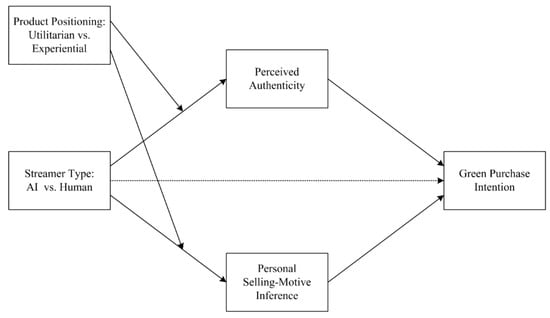
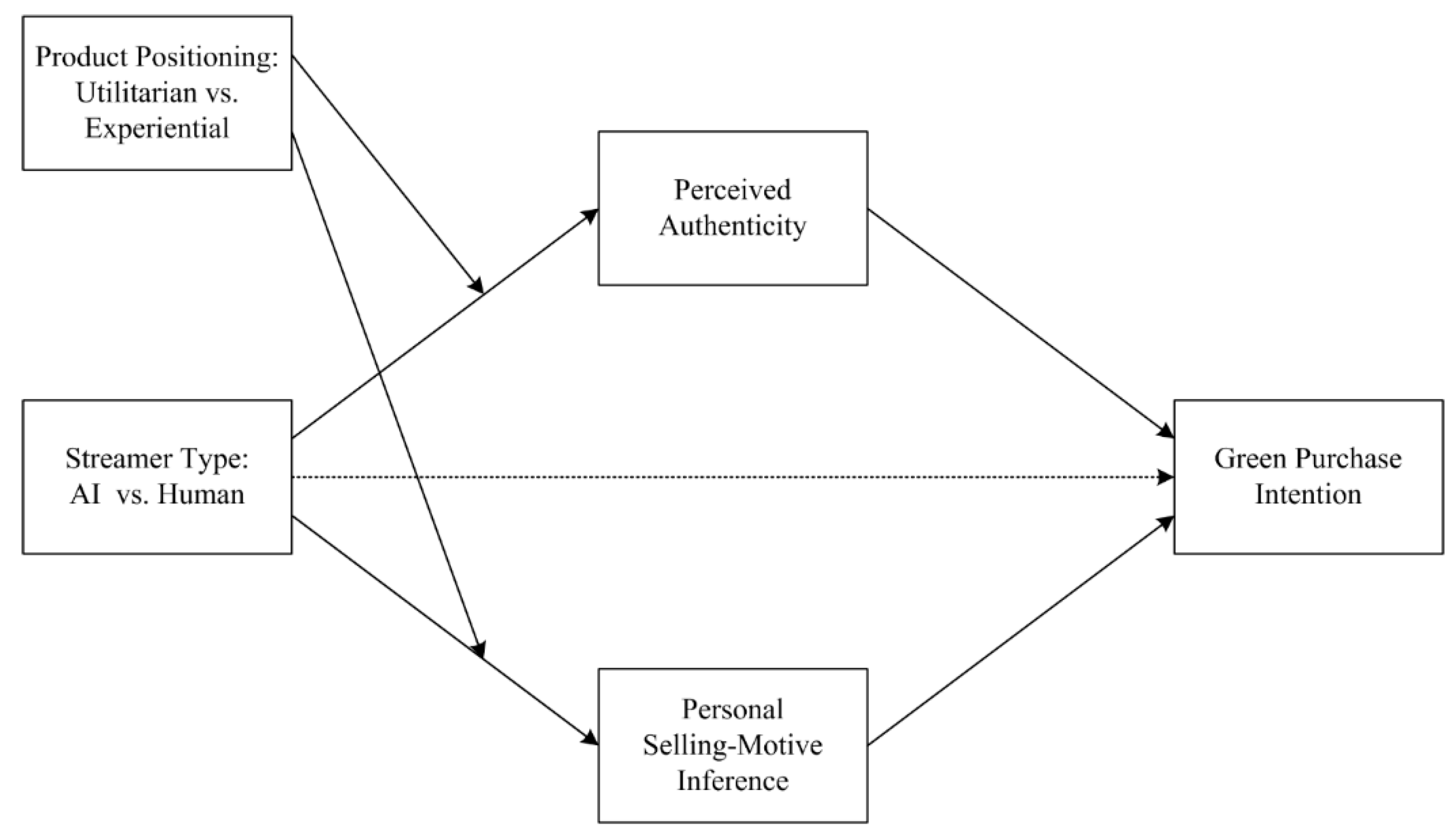
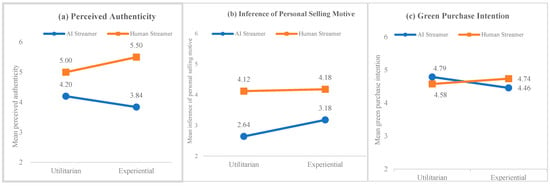
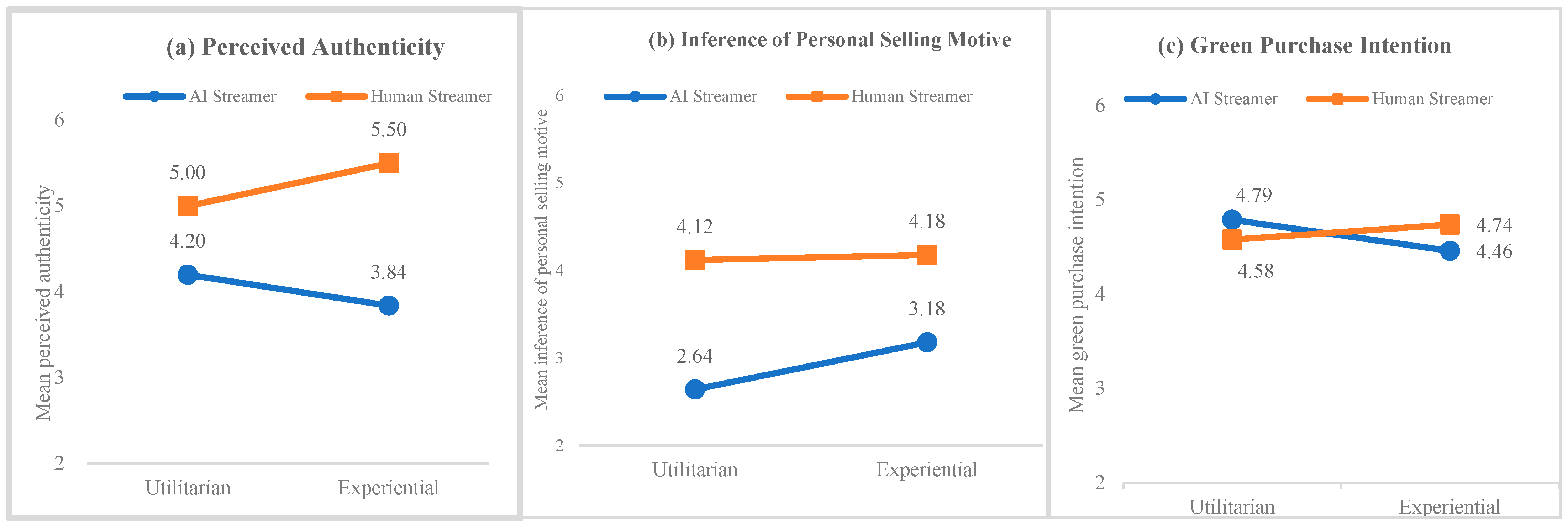

Disclaimer/Publisher’s Note: The statements, opinions and data contained in all publications are solely those of the individual author(s) and contributor(s) and not of MDPI and/or the editor(s). MDPI and/or the editor(s) disclaim responsibility for any injury to people or property resulting from any ideas, methods, instructions or products referred to in the content. |
© 2026 by the authors. Licensee MDPI, Basel, Switzerland. This article is an open access article distributed under the terms and conditions of the Creative Commons Attribution (CC BY) license.