


Abstract
House rules are a central governance mechanism in peer-to-peer accommodation, yet prior research reports mixed effects on guests’ booking behaviors. We propose that these inconsistencies arise from overlooking the intertemporal spillover of rules, the extent to which the consequences of violation extend beyond the focal stay. Drawing on construal level theory, we distinguish between High-Spillover Rules, which protect long-term property quality and future guest experience, and Low-Spillover Rules, which regulate encounter-bounded behaviors and operational procedures. Using natural language processing and hierarchical regression, we analyzed 883 P2P accommodation listings from a Chinese context. The results show that High-Spillover Rules increase booking volume, whereas Low-Spillover Rules decrease it only when host identity-relevant expressions are absent. The second experiment, with 138 samples, provides causal evidence that these effects are mediated by perceived quality and perceived threats to freedom, respectively. A third experiment, with 183 samples, further demonstrates that host identity-relevant expressions attenuate both effects by weakening the quality-signaling advantage of High-Spillover Rules and reducing autonomy-related resistance to Low-Spillover Rules. This research advances understanding of governance disclosures in P2P markets and offers actionable guidance for rule design and platform communication strategies.
1. Introduction
Peer-to-peer (P2P) accommodation platforms such as Airbnb and Xiaozhu have expanded rapidly with advances in digital technologies and platform-based market arrangements [1]. In China, the short-term rental market exceeded USD 22 billion in 2023 and continues to grow [2]. Unlike traditional hotels relying on standardized service protocols and brand-backed guarantees [3], P2P accommodation exchanges are organized through decentralized interactions between individual hosts and guests [4,5,6,7,8]. Given that most hosts are non-professional service providers [9,10], guests face heightened pre-booking uncertainty and a lack of institutional safeguards at the decision stage. This makes property information disclosure a core governance mechanism for aligning expectations, reducing perceived risk, and regulating guest behavior.
Among multiple disclosure cues available on platforms, such as property descriptions and host profiles [11,12,13], house rules occupy a unique position. Unlike descriptive information that characterizes the property and stay experience, house rules are explicitly normative: they articulate behavioral boundaries and exchange expectations to help manage risks that platforms cannot fully standardize. Yet rules can also backfire: they may be interpreted as restrictive, unfriendly, or autonomy-threatening. Reflecting this tension, prior studies report mixed and sometimes nonlinear effects of rules on booking behaviors. House rules with richer informational content can increase booking volume by reducing uncertainty [14], while they are also regarded as territorial control signals that reduce booking intentions [15]. At the same time, the number of rules may follow an inverted-U relationship with rental performance [16], and rule depth appears beneficial only at moderate levels—too little depth can signal uncertainty, whereas excessive depth can signal unfriendliness [17]. However, these findings treat rule content as largely homogeneous. By aggregating all rules into surface metrics alone (e.g., quantity or depth), they overlook a central feature of real-world listings: hosts use rules to pursue different governance objectives, and guests may interpret these objectives differently.
To address this gap, we theorize that house rules are not merely quantified by number or depth but differ systematically in what they govern and thus in the consequences they imply. We introduce the concept of the intertemporal spillover of house rules, defined as the extent to which the consequences of violating a rule extend beyond the focal stay and affect subsequent guests. Some house rules implicate outcomes that persist across guest cycles, whereas others regulate encounter-bounded procedures and behaviors whose consequences are largely confined to the focal stay. We refer to these two categories as High-Spillover Rules and Low-Spillover Rules, respectively.
Conceptually, intertemporal spillover differs from three related constructs. First, it is distinct from asset protection, which concerns what resource is safeguarded but does not necessarily imply cross-stay consequences for later guests [18]. Second, it differs from future orientation, which is a general preoccupation with the future rather than a property of a specific rule [19]. Third, it is not equivalent to collective benefit, which concerns who benefits but does not by itself capture whether consequences persist across guest cycles [20,21]. Importantly, intertemporal spillover should be considered not only as a content-based potential implied by the rule but also as a guest inference from rule texts.
To explain how High- versus Low-Spillover Rules affect booking behaviors, we draw on construal level theory (CLT). Drawing on CLT, we argue that the intertemporal spillover of house rules systematically alters psychological distance and, in turn, construal level. High-Spillover Rules, whose consequences extend beyond the focal stay and implicate future others, create greater temporal and social distance and activate high-level construal. Under this abstract, goal-oriented processing mode, guests are more likely to interpret such rules as signals of property quality, increasing booking behaviors. In contrast, Low-Spillover Rules emphasize immediate behavioral compliance, thereby generating psychological proximity, activating low-level construal, heightening perceived threats to personal freedom, and reducing booking behaviors. Despite its importance, the intertemporal spillover of house rules has received little systematic attention, leaving unresolved how different types of governance disclosures shape booking behaviors in P2P accommodation markets.
Moreover, guests’ interpretations of house rules depend not only on their intertemporal spillover but also on the contextual cues that accompany them. One salient cue is host identity-relevant expressions, which frequently appear alongside house rules in listing disclosures. By emphasizing personal ownership or emotional attachment, such expressions may reframe house rules from impersonal governance mechanisms to personalized boundary assertions. As a result, host identity cues may attenuate the quality-signaling effect of High-Spillover Rules while mitigating resistance to Low-Spillover Rules, suggesting a critical moderating role.
Based on the preceding discussion, this study aims to explore how the intertemporal spillover of house rules shapes booking behaviors in peer-to-peer accommodation markets. Using natural language processing to classify house rules into High-Spillover and Low-Spillover categories, combined with field data and controlled experiments, we examine how these house rules influence booking behaviors through perceived quality and perceived threats to freedom, and how host identity-relevant expressions moderate these effects. Such multi-source validation is particularly important in platform-mediated markets, which require evidence from both naturalistic and controlled settings to rule out confounding factors [22].
This study makes three primary contributions. First, it introduces the intertemporal spillover of House Rules as a novel content-based property of governance disclosures. By distinguishing High-Spillover from Low-Spillover Rules, we move beyond prior approaches that treat rules as homogeneous or rely mainly on surface metrics such as quantity, depth, or topic diversity, showing that guests respond to the temporal reach of rule consequences. Second, this study develops a dual-pathway account of rule interpretation. Drawing on construal level theory, we show that High-Spillover Rules increase booking behaviors by signaling property quality, whereas Low-Spillover Rules decrease booking behaviors by heightening perceived threats to freedom. This account reconciles competing views of house rules as beneficial governance signals and autonomy-threatening restrictions. Third, this study identifies host identity-relevant expressions as a critical contextual cue that reframes rule interpretation. By making personal ownership and lived-in space salient, identity cues weaken the quality-signaling advantage of High-Spillover Rules while mitigating the freedom threat associated with Low-Spillover Rules. These contributions advance research on governance disclosures and consumer decision-making in peer-to-peer markets and offer practical insights for balancing control, hospitality, and booking performance.
2. Literature Review
2.1. The Role of House Rules in Peer-to-Peer Accommodation
A defining feature of P2P accommodation is the transformation of privately owned homes into temporary rental spaces. This market is characterized by pronounced pre-booking uncertainty: many hosts are non-professional service providers, and listings vary widely in cleanliness, maintenance, and operational reliability. Accordingly, host disclosures serve as important governance mechanisms that reduce information asymmetry and help guests form expectations about the stay [23,24,25,26].
Within the set of disclosure cues available on P2P platforms, house rules are distinctive because they provide normative information [14,27], and communicate how the stay is governed and what behaviors the host anticipates. As such, rules can function as informative cues about host effort, operational competence, and the property’s consumption environment, thereby serving as quality-related signals that reduce uncertainty [14,28].
At the same time, because P2P accommodation involves sharing spaces that are often imbued with personal meaning and emotional attachment [29,30], the setting can intensify hosts’ psychological ownership [31], and motivate territorial tendencies and boundary-setting behaviors aimed at protecting one’s perceived domain [32,33]. As territoriality is a latent orientation that guests cannot directly observe, guests may infer it from hosts’ observable behaviors and disclosure cues on the platform [31,33]. House rules constitute one salient and highly visible form of territorial behaviors. By emphasizing restrictions and compliance requirements, rules may be interpreted as control signals that constrain guest autonomy and trigger avoidance or resistance [15,34].
Taken together, house rules can simultaneously function as quality-related signals and as autonomy-restricting control cues. However, the literature remains inconclusive regarding when rules function primarily as quality-enhancing signals versus autonomy-restricting constraints.
2.2. The Roles of House Rules in Shaping Guests’ Booking Behaviors
Prior research has examined how various characteristics of house rules influence guests’ booking behaviors, but the findings are mixed. Some studies frame rules as territorial control signals that reduce booking willingness [15], while others position them as quality-related signals that enhance booking performance [14]. In addition, existing research identifies contextual contingencies of effects of rules, such as review availability [35]. Recent studies have found a non-linear relationship between the number and depth of house rules and guests’ booking behaviors [16,17].
As presented above, the literature reveals no consensus on whether house rules facilitate or hinder guests’ booking behaviors. While some studies emphasize their role as signals of control and territoriality, others highlight their informational value in conveying quality and professionalism. We argue that these inconsistencies stem from treating house rules as a largely homogeneous construct. By focusing primarily on surface characteristics such as quantity, topic diversity, or depth, prior research has paid limited attention to systematic differences in the temporal scope of consequences of rules. As a result, an important question remains unresolved: when and why do house rules function as quality-enhancing signals versus autonomy-restricting constraints?
2.3. Intertemporal Spillover of Rules
To address this gap, we introduce the concept of the intertemporal spillover of rules, defined as the extent to which the consequences of violating a house rule extend beyond the focal stay and affect subsequent guests. This concept captures the temporal reach of rule consequences. Conceptually, intertemporal spillover is distinct from rule strictness or number of rules, and it concerns how far the governed behavior’s consequences can travel over time, rather than how restrictive or how extensively articulated the rule is.
The intertemporal spillover of house rules is rooted in the types of resources that rules are designed to protect [18]. Some rules focus on protecting core property assets and condition-related elements (e.g., facility integrity or neighborhood relations), such that violations may generate consequences that persist across guest cycles and shape the experiences of future guests. Other rules primarily regulate encounter-bounded procedures and behaviors aimed at conserving hosts’ operational resources, such as time, effort, and coordination during the stay. The consequences of violating these rules are typically reversible and absorbed within the focal encounter.
These differences imply meaningful heterogeneity in the temporal scope of rule consequences. Rules that implicate enduring property conditions are more likely to generate cross-stay consequences, whereas rules aimed at managing within-stay operations tend to produce effects that terminate at the end of the stay. We therefore distinguish between High-Spillover Rules, whose consequences extend beyond the focal stay, and Low-Spillover Rules, whose consequences are largely confined to the focal encounter.
Two implications follow. First, resource protection constitutes the source of intertemporal spillover rather than the property itself: what a rule safeguards determines how far the consequences of violation reach. Second, although intertemporal spillover is conceptually an objective property of rule consequences, guests’ perceived intertemporal spillover can vary with how the rule is articulated. Even a High-Spillover Rule may appear less spillover-prone when its wording foregrounds within-stay outcomes and downplays cross-stay implications. For example, a no-smoking rule can be framed as “No smoking indoors to protect your health during the stay,” which directs attention to immediate, stay-bounded consequences rather than longer-term effects on subsequent guests.
Recognizing the intertemporal spillover of rules is important because differences in consequence scope systematically alter how guests evaluate and interpret rules. Rules that draw attention to future-oriented outcomes may be processed differently from rules that emphasize immediate behavioral compliance. By focusing on this temporal property, we move beyond surface-level descriptions of rule content and provide a theoretically grounded basis for explaining why house rules sometimes enhance booking behaviors and sometimes undermine them.
2.4. Construal Level Theory and Rule Interpretation
Construal level theory posits that individuals mentally represent events and objects at varying levels of abstraction depending on their perceived psychological distance [36]. When an event is psychologically distant (temporally, socially, spatially, or hypothetically) individuals adopt a high-level construal, characterized by abstract, decontextualized, and goal-oriented representations. In contrast, psychologically proximate events are processed under low-level construal, which emphasizes concrete details, contextual constraints, and immediate feasibility [37]. Extensive research shows that greater psychological distance systematically induces higher-level construal, whereas reduced distance leads to lower-level construal [38,39,40].
Beyond shaping mental representation, psychological distance also affects evaluative focus; that is, whether individuals emphasize benefits or costs when interpreting the same information. Under distant psychological distance, individuals tend to focus on abstract, long-term benefits and overarching goals, whereas under closer psychological distance, they attend more closely to concrete, immediate costs and constraints [37,41,42,43]. Bornemann and Homburg [44], for example, show that consumers who are psychologically distant are more likely to interpret price as a signal of quality, while those who are psychologically near are more likely to perceive it as a direct monetary sacrifice. This work illustrates how construal level fundamentally shapes the meaning ascribed to identical informational cues.
In the context of peer-to-peer accommodation, we argue that psychological distance plays a central role in how guests interpret house rules. When guests are psychologically distant, they are more likely to view house rules as abstract indicators of property standards, host professionalism, and long-term value, leading rules to function as quality-related signals. Conversely, when guests are psychologically near, they focus on the immediate behavioral implications of rules, interpreting them as constraints on personal autonomy and manifestations of host control. Accordingly, whether house rules enhance or undermine booking behaviors depends critically on the psychological distance activated during rule evaluation.
This perspective provides a psychologically grounded explanation for why house rules sometimes increase booking behaviors and sometimes reduce them.
3. Hypotheses Development
3.1. Classification of House Rules Based on Intertemporal Spillover
Building on the concept of the intertemporal spillover of rules, we categorize disclosed house rules into two types: High-Spillover Rules and Low-Spillover Rules. This classification reflects whether the consequences of violating a rule extend beyond the focal stay and affect subsequent guests or are largely confined to the current encounter.
To ensure objectivity and minimize researcher subjectivity, we established an a priori classification rubric. As shown in Table 1, each rule is evaluated along three observable dimensions of its content-inherent consequence structure: (1) the target resource being protected, (2) the reversibility and remediation cost of violation consequences, and (3) the temporal persistence of violation impact. These dimensions serve as diagnostic indicators of a rule’s intertemporal spillover: a rule cluster is classified as HSR when it exhibits the HSR profile across all three dimensions, and as LSR otherwise.
Table 1.
The criteria of HSR and LSR classification.
High-Spillover Rules primarily govern behaviors that protect core property assets and condition-related elements that sustain a listing’s long-term service capacity (e.g., building structure, furnishings, facilities, and community reputation). Because violations of these rules may generate consequences that persist across guest cycles, their effects extend beyond the current stay and shape the experiences of future guests. Examples include rules such as “please take care of furniture and appliances,” “no smoking indoors,” or “no drilling or nailing on walls.”
In contrast, Low-Spillover Rules primarily regulate encounter-bounded procedures and behaviors aimed at conserving hosts’ operational resources, such as time, effort, and coordination during the stay. The consequences of violating these rules are typically reversible and absorbed within the focal encounter, with no direct implications for future guests. Examples include rules such as “no eating in bed,” or “check-in time: 14:00–20:00.”
This distinction concerns the temporal reach of their consequences. High-Spillover Rules implicate outcomes into future, whereas Low-Spillover Rules emphasize immediate behavioral compliance, the two types of rules are expected to differ systematically in the psychological distance they evoke.
3.2. The Effect of High-Spillover Rules on Guests’ Booking Behaviors
High-Spillover Rules draw attention to future-oriented, collective outcomes rather than encounter-specific costs. According to construal level theory, outcomes that are temporally and socially distant are processed at a high level of construal, characterized by abstract, goal-oriented thinking that prioritizes overarching purposes and long-term benefits over concrete personal costs [36].
When operating under high-level construal, guests are more likely to interpret governance cues in terms of their symbolic and diagnostic value. In the context of peer-to-peer accommodation, High-Spillover Rules are therefore less likely to be construed as direct constraints on personal autonomy. Instead, they are interpreted as signals that the host actively safeguards property standards to ensure consistent quality across guest cycles. By highlighting durable outcomes that affect future users, these rules shift attention away from immediate behavioral sacrifices and toward the broader benefits of a well-maintained accommodation, thereby reducing uncertainty about the expected stay experience [14,16,45,46].
As a result, High-Spillover Rules enhance perceived quality, which serves as a key evaluative criterion in environments characterized by information asymmetry. Elevated perceptions of quality, in turn, make guests more likely to book the property. Accordingly, we propose that High-Spillover Rules exert both a direct and an indirect influence on booking behaviors through perceived quality.
H1.
High-Spillover Rules increase guests’ booking behaviors, reflected in higher booking volume and willingness to book.
H2.
Perceived quality mediates the positive effect of High-Spillover Rules on guests’ willingness to book.
3.3. The Effect of Low-Spillover Rules on Guests’ Booking Behaviors
In contrast, Low-Spillover Rules regulate behaviors whose consequences are largely confined to the focal stay. These rules emphasize immediate, encounter-bounded compliance and primarily serve to streamline hosts’ operational coordination. As such, they highlight outcomes that are temporally and socially proximate.
According to construal level theory, psychologically proximal outcomes are processed at a low level of construal, characterized by concrete, detail-oriented thinking that focuses on feasibility, effort, and personal costs [36]. When guests process Low-Spillover Rules under low-level construal, they are more likely to attend to how these rules constrain their immediate autonomy rather than to any abstract efficiency rationale.
This interpretation is especially salient in shared accommodation contexts, where guests occupy spaces associated with private ownership and emotional attachment. In such settings, immediate behavioral restrictions are more likely to be interpreted as control signals, triggering perceptions that one’s freedom is being constrained. As perceived threats to freedom increase, guests experience psychological reactance, leading them to resist the exchange and reduce their likelihood of booking the property. Accordingly, Low-Spillover Rules are expected to reduce booking behaviors, with this effect operating through heightened perceived threats to freedom.
H3.
Low-Spillover Rules decrease guests’ booking behaviors, reflected in lower booking volume and willingness to book.
H4.
Perceived threats to freedom mediate the negative effect of Low-Spillover Rules on guests’ willingness to book.
3.4. Host Identity-Relevant Expressions as Moderator
Host identity-relevant expressions (e.g., “my home”) frequently appear alongside house rules and serve as territorial markers that signal personal ownership and emotional attachment [47]. Because guests interpret house rules within this broader disclosure context, identity cues should shape which meaning guests assign to rules and, consequently, which psychological pathway links rules to booking behaviors. We therefore examine whether host identity-relevant expressions condition the indirect effects of High- and Low-Spillover Rules on guests’ willingness to book through perceived quality and perceived threats to freedom.
For High-Spillover Rules, guests typically focus on future-oriented, collective consequences and interpret such rules as signals of property standards, increasing perceived quality. However, when identity-relevant expressions are present, attention is redirected toward the host’s personal ownership and emotional attachment, weakening the extent to which High-Spillover Rules are construed as impersonal quality safeguards. Accordingly, the positive indirect effect of High-Spillover Rules on willingness to book through perceived quality should be weaker when identity cues are present than when they are absent.
H5a.
Host identity-relevant expressions weaken the indirect effect of High-Spillover Rules (vs. Low-Spillover Rules) on guests’ willingness to book via perceived quality.
For Low-Spillover Rules, guests focus on immediate compliance demands and interpret such rules as constraints, heightening perceived threats to freedom and reducing willingness to book. When identity cues are present, the same restrictions are reattributed to the protection of a personally meaningful space. This shift from “control over me” to “care for my space” increases the perceived legitimacy of the rules [48], thereby buffering the reactance that low-level construal would otherwise produce. Thus, identity expressions weaken the negative indirect effect of Low-Spillover Rules on willingness to book through perceived threats to freedom.
H5b.
Host identity-relevant expressions weaken the indirect effect of Low-Spillover Rules (vs. High-Spillover Rules) on guests’ willingness to book via perceived threats to freedom.
Because identity cues dampen both the quality pathway for High-Spillover Rules and the freedom-threat pathway for Low-Spillover Rules, differences in guests’ willingness to book between High- and Low-Spillover Rules should be more pronounced when identity cues are absent and attenuated when identity cues are present.
H5c.
The difference in willingness to book between High-Spillover and Low-Spillover Rules is smaller when host identity-relevant expressions are present (vs. absent).
4. Overview of Studies
We conducted one field study and two online experiments to test our hypotheses. Figure 1 presents the theoretical framework. Study 1 uses large-scale listing data from the Xiaozhu platform to examine the effects of house rules in a naturalistic setting. Using natural language processing, we classify disclosed house rules into High-Spillover Rules and Low-Spillover Rules based on their intertemporal spillover. We then estimate the effects of the two rule types on booking volume and test the moderating role of host identity-relevant expressions.
Figure 1.
The theoretical framework of this study.
Study 2 employs a controlled online experiment to test the proposed psychological mechanisms. Specifically, we examine whether perceived quality mediates the effect of High-Spillover Rules on willingness to book and whether perceived threats to freedom mediate the effect of Low-Spillover Rules on willingness to book.
Study 3 integrates the proposed mediation and moderation processes within a single experimental design. This study examines whether host identity-relevant expressions condition the indirect effects of High- and Low-Spillover Rules on willingness to book through perceived quality and perceived threats to freedom.
5. Study 1
5.1. Data
We collected listing-level data from Xiaozhu, a major P2P accommodation platform in China, and constructed a city-stratified cross-sectional dataset for subsequent natural language processing analyses. Data were retrieved from 20 August to 30 August 2022 on publicly accessible listing pages.
To ensure geographic diversity and market representativeness, we sampled listings from six major cities (Beijing, Shanghai, Guangzhou, Nanjing, Chengdu, and Changsha), which are popular destinations for both domestic and international travelers and offer a wide range of hosted accommodations. Within each city, we first generated a sampling frame consisting of all active listings returned under the platform’s city filter. We then randomly selected 300 listings per city using the Python 3.10 randomization procedure, yielding an initial sample of 1800 listings.
For each sampled listing, we extracted (1) property characteristics (e.g., location, nightly price, and platform-recognized badges such as good house), (2) host characteristics (e.g., real-name verification status and host-level badges such as good host), (3) review information (e.g., average rating and number of reviews), and (4) the disclosed house-rules text. Listings were excluded if key variables required for the main analyses (price and average rating) were missing. Specifically, we first excluded 523 samples with missing prices; second, we excluded 394 samples with missing average ratings. Finally, we performed a chi-square test on the key variables [49], and the results showed no significant difference between the excluded and retained samples. The results are shown in Supplementary Material S1. The final analytical sample consisted of 883 listings. Variable definitions are reported in Table 2.
Table 2.
Definition and operationalization of key variables.
5.2. Design and Procedure of Study 1
5.2.1. Categorization of House Rules
The large volume of unstructured house rule text authored by hosts in the dataset rendered manual classification infeasible due to the heterogeneity, variable length, and long-tailed distribution of these disclosures. Consequently, a natural language processing pipeline was employed to systematically classify house rules into analytically meaningful categories.
As illustrated in Figure 2, the classification procedure comprised four steps. First, we preprocessed the raw text by segmenting each listing’s house rules into discrete, concise rule statements and removing noise through standard text-cleaning procedures. Second, we applied the jieba tokenizer to perform Chinese word segmentation, stop-word removal, and synonym consolidation, thereby standardizing textual inputs across listings. Third, we transformed the processed rule texts into vector representations using the Chinese-RoBERTa-WWM-Large pre-trained language model [50]. Built on the Transformer architecture, RoBERTa improves upon BERT through optimized training strategies such as dynamic masking and larger batch sizes [51]. Specifically, we utilized the “Large” version, which consists of 24 layers and a hidden state dimension of 1024. To better capture Chinese semantic nuances, the model incorporates the Whole Word Masking (WWM) strategy. We extracted the embeddings from the final hidden layer and applied a mean-pooling strategy to generate a 1024-dimensional vector for each rule statement. Finally, we applied the K-means clustering algorithm to the RoBERTa-based embeddings to identify latent semantic categories of house rules. To determine the optimal number of clusters (k), we relied on the Silhouette Coefficient [52], which evaluates clustering quality based on intra-cluster cohesion and inter-cluster separation.
Figure 2.
Text processing workflow.
We computed the Silhouette Coefficient across a range of k values (from 2 to 500) to determine the optimal cluster granularity. As shown in Figure 3A, the coefficient exhibits a clear local maximum at k = 27. While the coefficient shows a gradual upward trend beyond k = 100, such high values would lead to excessive fragmentation and redundant categories, undermining the goal of a parsimonious and interpretable solution. Therefore, k = 27 was selected, as it represents the optimal balance between statistical cohesion and semantic distinctiveness.
Figure 3.
The results of text clustering.
To validate the quality of the clustering solution and address the potential limitations of purely visual interpretations, we employed a dual-validation approach. First, we employed Uniform Manifold Approximation and Projection (UMAP), a nonlinear dimensionality reduction technique that preserves local and global structure when projecting high-dimensional data into low-dimensional space [53]. As illustrated in Figure 3B, the UMAP visualization reveals distinct, non-overlapping clusters with high density, suggesting a robust underlying structure. Second, to supplement this visual evidence, we calculated the Davies-Bouldin Index (DBI = 1.42) for the final 27-cluster model. These quantitative metrics confirmed that the clusters achieved significant intra-cluster cohesion and inter-cluster separation. The clustering results are displayed in Supplementary Material S2.
Following clustering, we manually labeled the resulting clusters and mapped individual rule phrases to these labels. Specifically, the three coders back-to-back categorized the 27 rules based on the differences between the two rule types in Table 1 across three core dimensions (High-Spillover = 1; Low-Spillover = 0). Only clusters where all three dimensions pointed in the same direction were grouped into the same category. Interrater agreement was very high (Cohen’s k = 0.97). Any discrepancies were resolved through discussion, yielding a final consensus classification.
After coding, the 24 clusters of rules were categorized into High-Spillover Rules and Low-Spillover Rules. Three categories were considered to be informational rather than house rules. These three categories are instruction for the booking process, instruction for parking and fees, and instruction for communication with the host.
To operationalize spillover intensity at the listing level, we aggregated information from the segmented short-rule units. For each cluster i, we computed a weight , where denotes the number of short rules in cluster i, and denotes the total number of short rules classified as Low-Spillover or High-Spillover, respectively. For each listing, High-Spillover Rule and Low-Spillover Rule scores were calculated by summing the weights of the corresponding short rules present. These weighted scores capture both the composition and intensity of spillover-related governance within each listing.
5.2.2. Coding of Host Identity-Relevant Expressions
To examine the moderating role of host identity-relevant expressions, we coded whether listings contained disclosures that emphasized personal ownership or emotional attachment to the accommodation. Following prior experimental manipulations in the territoriality literature [47], expressions such as “my home,” “my house,” and “I designed and furnished it myself” were classified as identity-relevant. The presence of such expressions in a listing’s description was coded as 1, and their absence was coded as 0.
To minimize subjectivity, we employed a back-to-back coding procedure. Three trained coders independently reviewed all house descriptions and coded the presence of host identity-relevant expressions. Interrater reliability was high (Cohen’s k = 0.97), indicating strong consistency across coders. Any discrepancies were subsequently discussed in a face-to-face meeting, and a final consensus coding was reached.
5.3. Empirical Model and Variables
To examine the effects of different types of house rules on booking volume, we employed hierarchical regression. Although ordinary least squares estimation is suitable for baseline inference, listings are nested within cities. Hierarchical modeling allows us to account for city-level heterogeneity via random intercepts while assessing the incremental explanatory power of spillover scores and interaction terms.
Consistent with prior research, we used the number of user reviews (Rev_num) as a proxy for booking volume [14,16,26]. Because only guests who complete a booking can post reviews on Xiaozhu, review counts reflect realized demand. We log-transformed this variable (logRev_num) to address skewness.
The key independent variables were the High-Spillover Rule score, Low-Spillover Rule score, and host identity-relevant expressions (HIE). Interaction terms between spillover scores and HIE captured the hypothesized moderating effects. Following established practice [14,16,26], we controlled for listing characteristics, host attributes, and review-related factors. Price and description length were log-transformed to reduce scale-related bias.
5.4. Results of Study 1
Table 3 presents the descriptive statistics of key variables, and Table 4 reports the correlation coefficient among variables.
Table 3.
Descriptive statistics of key variables.
Table 4.
Correlation coefficient among variables.
The results of the hierarchical regression analyses are presented in Table 5. Column 1 includes only the High-Spillover Rule score and the Low-Spillover Rule score. Column 2 adds host identity-relevant expressions (HIE), and Column 3 further incorporates the interaction terms between rule type and host identity-relevant expressions.
Table 5.
The result of HR regression.
As shown in Columns 1–3, the High-Spillover Rule score is positively associated with booking volume. In contrast, the Low-Spillover Rule score exhibits a negative association with booking volume only when the interaction terms are included (Column 3). Host identity-relevant expressions themselves do not display a main effect on booking volume (Column 3).
Column 3 further demonstrates that host identity-relevant expressions significantly moderate the effects of both types of house rules on booking volume. Specifically, the interaction between High-Spillover Rules and host identity-relevant expressions is negative, indicating that the positive effect of High-Spillover Rules on booking volume is attenuated when identity-relevant expressions are present rather than absent.
Similarly, the interaction between Low-Spillover Rules and host identity-relevant expressions is positive, indicating that host identity-relevant expressions weaken the negative effect of Low-Spillover Rules on booking volume. When identity-relevant expressions are present, the detrimental impact of Low-Spillover Rules on booking volume is reduced.
The interaction terms substantially alter the estimated coefficients of the two rule types and improve overall model fit, as reflected in an increase in the log-likelihood. However, the inclusion of interaction terms does not meaningfully affect the estimated coefficients of control variables such as price or the number of property photos. This pattern suggests that the additional explanatory power arises from the theorized interaction between house rule type and host identity-relevant expressions, rather than from spurious correlations with control variables. These results underscore the importance of accounting for contextual moderators when assessing the effects of governance disclosures on booking volume.
More specifically, when host identity-relevant expressions are absent, High-Spillover Rules are positively associated with booking volume, whereas Low-Spillover Rules are negatively associated with booking volume, providing support for H1 and H3. In contrast, when host identity-relevant expressions are present, the direction of these relationships reverses: High-Spillover Rules are negatively associated with booking volume, while Low-Spillover Rules are positively associated with booking volume.
5.5. Discussion of Study 1
Study 1 provides initial evidence for the central premise of this research: that the effects of house rules on booking volume depend on their intertemporal spillover and the contextual cues that accompany them. Study 1 further demonstrates the critical moderating role of host identity-relevant expressions. When such expressions are present, the effects of both High- and Low-Spillover Rules on booking volume are attenuated. Specifically, when host identity-relevant expressions are present, Low-Spillover Rules are positively associated with bookings, while High-Spillover Rules are negatively associated with bookings. This indicates that host identity-relevant expressions have a significant impact on guests’ understanding of the meaning of house rules, not only weakening the role of house rules but also potentially altering the direction of influence of rules with different spillover levels. These findings highlight the importance of considering not only the content of house rules but also the broader interpretive context in which they are embedded.
Although the number of second-level units (six cities) is limited, the adoption of the hierarchical model is primarily determined by the nature of our data. Theoretically, listings nested within cities constitute a natural hierarchical data structure. Systematic city-level factors, such as the policy environment, market characteristics, and regulatory frameworks, may theoretically influence listing booking volume. A hierarchical model is therefore conceptually most consistent with this data-generating process. Methodologically, even if the ICC value of the final model is low, ignoring the clustered structure may still lead to downwardly biased standard errors. By explicitly modeling random variation at the city level, the hierarchical model provides more robust statistical inference.
In addition, to further enhance the robustness of our findings, we conducted robustness checks using both OLS and fixed-effects models. The results of the robustness checks for Study 1 are reported in Supplementary Material S3.
6. Pilot Study
Although we recruited three coders to assess the intertemporal spillover of the 24 categories of rules, we further conducted a questionnaire survey to enhance the objectivity of the rule classification.
6.1. Design and Procedure of Pilot Study
The 24 categories of rules were randomly divided into six groups, and participants were randomly assigned to one of these groups. Participants were instructed to imagine that they were planning a trip and needed to book a room on a shared accommodation platform. During the booking process, they encountered the house rules posted by the host on the platform and were asked to indicate how they would interpret these rules in that context.
Participants then rated the intertemporal spillover of the rules using three items on a 7-point Likert scale, 1 = strongly disagree; 7 = strongly agree. Three items measuring the intertemporal spillover of rules were derived from Table 1: “The host disclosed these rules to protect the core assets of the listing”; “If these rules are violated, the resulting consequences will persist and affect the experience of future guests, rather than disappearing automatically after the current stay ends”; and “If these rules are violated, the host will incur relatively high subsequent costs.”
Finally, to validate the relationship between the intertemporal spillover of rules and psychological distance, three items were adapted to measure perceived psychological distance after reading these rules [54,55]. The three items were as follows (α = 0.68 (The relatively modest reliability (α = 0.68) is acceptable for a newly developed three-item measure in an exploratory pilot context, and the significant ANOVA result provides convergent validity evidence for the measure)): “These rules make me think about the condition of this listing at some point in the future”; “These rules take into account not only my own interests but, to a greater extent, the interests of future guests”; and “These rules make me think about matters beyond my current stay.”
6.2. Result of Pilot Study
A total of 240 samples were collected through the Credamo platform. Among them, 24 participants failed the attention check (participants were asked to identify the category to which the rules they evaluated belonged). After excluding these participants, 216 valid responses remained. Participants’ evaluations of the 24 clusters of rules are presented in Table 6.
Table 6.
The score of 24 clusters of rules.
Based on the mean of rule spillover, we classified the rules into Low-Spillover and High-Spillover Rules. Except for the category of neighborhood relations and noise, which differed from the coders’ classification, the classifications of all other rules were consistent with those made by the coders. After discussion among the three coders, neighborhood relations and noise was ultimately classified as a High-Spillover Rule.
We further conducted a one-way ANOVA to examine the relationship between the intertemporal spillover of rules and perceived psychological distance. The analysis revealed a significant main effect of rule type, F(1,862) = 32.09, p < 0.001, η2 = 0.036. Consistent with our expectations, participants reported significantly greater psychological distance when the listing featured High-Spillover Rules than when it featured Low-Spillover Rules (Mhigh = 5.38, SD = 0.85 vs. Mlow = 5.01, SD = 1.04).
7. Study 2
While the findings of Study 1 are consistent with our theoretical framework, the observational nature of Study 1 does not allow us to directly test the proposed psychological mechanisms. The primary objective of Study 2 is therefore to provide causal evidence for the mediating roles of perceived quality and perceived threats to freedom.
In Study 1, we classified rules based on actual house rules and the scope of consequences implied by those rules, and then determined their degree of spillover by asking coders to rate the rules. In Study 2, we kept the rule content constant and manipulated the perceived intertemporal spillover of the rules by explicitly varying the scope of the rules’ consequences. This design follows directly from our definition of spillover as a property of consequence reach rather than of rule strictness or enforcement intensity.
In addition, we used the number of reviews as a proxy for guests’ booking behavior in Study 1. However, in Studies 2 and 3, we measured guests’ willingness to book to reflect their booking behaviors.
7.1. Design and Procedure of Study 2
Since Study 2 was the first experimental study of our research, we undertook statistical power analysis using G*Power 3.1 program (F-test [ANOVA: Fixed effects, omnibus, one-way]) to determine the sample size. Results indicate that for a medium effect size of 0.25 at a significance level of 0.05, a minimum sample size of 128 was required to achieve a statistical power of 80%. A total of 158 participants were recruited from Credamo, of whom 20 failed the attention test (participants were asked to identify the category to which the rules they evaluated belonged). Participants who did not select the no-smoking option were excluded. Ultimately, 138 participants (Mage = 30.9; 60.87% female) received monetary compensation for their participation. Participants were randomly assigned to one of two conditions in a between-subjects design that manipulated the type of house rules (High-Spillover Rules vs. Low-Spillover Rules). The study was approved by the ethics committee of the authors’ institution.
Participants were instructed to imagine that they were booking a room on a peer-to-peer accommodation platform and were presented with the host’s disclosure of house rules. The experimental stimuli were developed based on our conceptual definitions and on actual house rule content observed on the Xiaozhu platform.
In the Low-Spillover Rules condition, the house rules emphasized immediate, encounter-bounded behavioral restrictions without reference to future consequences (e.g., “No smoking indoors, to keep the room pleasant during your stay; No smelly food, to avoid discomfort during your stay.”). In the High-Spillover Rules condition, the same behavioral requirements were framed in terms of their intertemporal consequences for future guests and long-term property quality (e.g., “No smoking indoors, to keep the room pleasant for future guests as well; No smelly food, to avoid affecting future guests’ experience”).
A separate pretest (N = 93) drawn from the same participant pool was conducted to validate the effectiveness of the manipulation. The results indicated that the High-Spillover Rules were perceived as having greater long-term implications than the Low-Spillover Rules (Mhigh = 4.96, SD = 1.29 vs. Mlow = 4.35, SD = 1.57; F(1,91) = 4.22, p = 0.043, η2 = 0.044), supporting the validity of the manipulation.
After reviewing the stimulus, participants completed three multi-item measures using seven-point Likert scales (1 = strongly disagree; 7 = strongly agree). Willingness to book was measured with a three-item scale (α = 0.96) [56]. Perceived threats to freedom were assessed using a validated scale (α = 0.92) [57], and perceived quality was measured using a well-established scale (α = 0.90) [58]. All scale items are reported in Table 7. Finally, participants provided demographic information, including gender, age, education level, and frequency of peer-to-peer accommodation platform use.
Table 7.
The measurement of key variables.
7.2. Results of Study 2
Willingness to Book. We conducted a one-way ANOVA to examine the effect of house rule type on participants’ willingness to book (WTB). The analysis revealed a significant main effect of rule type, F(1,136) = 25.21, p < 0.001, η2 = 0.156. Consistent with our expectations, participants reported significantly higher willingness to book when the listing featured High-Spillover Rules compared with Low-Spillover Rules (Mhigh = 5.76, SD = 0.85 vs. Mlow = 4.70, SD = 1.56).
Perceived threats to freedom and perceived quality. We conducted a one-way ANOVA to examine the effects of house rule type on perceived threats to freedom and perceived quality. The results revealed significant main effects of rule type on both perceived threats to freedom, F(1,136) = 18.64, p < 0.001, η2 = 0.121, and perceived quality, F(1,136) = 17.26, p < 0.001, η2 = 0.113.
Consistent with our theorizing, listings featuring High-Spillover Rules elicited higher perceived quality than those featuring Low-Spillover Rules (Mhigh = 5.82, SD = 0.68 vs. Mlow = 5.16, SD = 1.14). In contrast, Low-Spillover Rules elicited significantly higher perceived threats to freedom than High-Spillover Rules (Mlow = 3.62, SD = 1.64 vs. Mhigh = 2.60, SD = 1.10).
Mediation of perceived threats to freedom and perceived quality. To test the proposed mediating mechanisms, we conducted mediation analyses using PROCESS Model 4 [59]. Bootstrapped confidence intervals (5000 resamples) were used to assess the significance of indirect effects. The mediation coefficients are shown in Figure 4. The results reveal a significant indirect effect of house rule types on willingness to book through perceived threats to freedom (indirect effect = 0.4296, 95% CI [0.2054, 0.7049]) and through perceived quality (indirect effect = 0.4557, 95% CI [0.2138, 0.7387]). Because the confidence intervals for both indirect effects do not include zero, the mediation effects are statistically significant. The direct effect of rule types on willingness to book was not significant (direct effect = 0.1745, 95% CI [−0.0591, 0.4081]). Therefore, perceived threats to freedom and perceived quality fully mediate these effects. Thus, H2 and H4 are supported.
Figure 4.
The coefficient of mediated effects. Note: *** p < 0.01.
7.3. Discussion of Study 2
The results of Study 2 provide strong support for the proposed mediating mechanisms. Specifically, perceived quality and perceived threats to freedom explain how different types of house rules influence guests’ willingness to book. Compared with Low-Spillover Rules, High-Spillover Rules are more likely to enhance perceived quality, which in turn increases willingness to book. Conversely, compared with High-Spillover Rules, Low-Spillover Rules are more likely to heighten perceived threats to freedom, thereby reducing guests’ willingness to book. These findings offer causal evidence that differences in intertemporal spillover shape booking decisions through distinct psychological pathways.
8. Study 3
The primary goal of Study 3 was to test H5. Specifically, we examined whether host identity-relevant expressions moderate the effects of High- and Low-Spillover Rules on guests’ willingness to book, and whether such moderation operates through the proposed psychological pathways, perceived quality and perceived threats to freedom, thereby providing an integrated test of the moderated mediation model.
8.1. Design and Procedure of Study 3
Study 3 used G*Power 3.1 program (F-test [ANOVA: Fixed effects, special, main effects and interactions]) to determine the sample size. Results indicate that for a medium effect size of 0.25 at a significance level of 0.05, a minimum sample size of 128 was required to achieve a statistical power of 80%. 195 participants were recruited from Credamo. 12 participants failed the same attention test and ultimately 183 participants (Mage = 29.68; 61.2% female) received monetary compensation for their participation. Participants were randomly assigned to one of four conditions in a 2 (High-Spillover Rules vs. Low-Spillover Rules) × 2 (host identity-relevant expressions: present vs. absent) between-subjects design. Participants were instructed to imagine that they were booking a room on a peer-to-peer accommodation platform and were presented with disclosure information provided by the host, including house rules and (depending on condition) host identity-related descriptions. The study was approved by the ethics committee of the authors’ institution.
Consistent with Kirk et al. [47], host identity-relevant expressions were designed to signal personal ownership and emotional investment in the accommodation. In the identity-present condition, the description included phrasing such as “Welcome to my home; I carefully built this property myself.” In the identity-absent condition, it adopted a neutral, service-oriented tone (e.g., “You’re welcome to book this listing; the property has been carefully prepared for you.”).
A separate pretest (N = 97) drawn from the same participant pool confirmed the effectiveness of this manipulation. Listings with identity-relevant expressions were perceived as signaling stronger personal ownership than those without such expressions (Mpresent = 5.71, SD = 1.54 vs. Mabsent = 4.71, SD = 1.81; F(1,95) = 8.43, p = 0.005, η2 = 0.082).
The manipulation of High-Spillover Rules and Low-Spillover Rules was identical to that used in Study 2. The measures of willingness to book, perceived threats to freedom, and perceived quality were the same as study 2. Finally, participants provided demographic information, including gender, age, education level, and frequency of peer-to-peer accommodation platform use.
8.2. Results
Willingness to Book. A two-way ANOVA confirmed that the main effect of house rule type is significant with High-Spillover Rules generating higher willingness to book than Low-Spillover Rules overall (Mhigh = 5.44, SD = 1.22 vs. Mlow = 4.75, SD = 1.67; F(1,179) = 10.59, p = 0.001, η2 = 0.056). The main effect of host identity-relevant expressions is not significant (F(1,179) = 0.75, p = 0.387). The interaction between house rule type and host identity-relevant expressions is significant (F(1,179) = 5.81, p = 0.017, η2 = 0.031). Planned contrasts further clarify the interaction pattern. When host identity-relevant expressions were absent, participants reported significantly higher willingness to book for listings featuring High-Spillover Rules compared with Low-Spillover Rules (Mhigh = 5.61, SD = 1.06 vs. Mlow = 4.41, SD = 1.76; F(1,179) = 15.81, p < 0.001, η2 = 0.081). In contrast, when host identity-relevant expressions were present, willingness to book did not differ significantly between High- and Low-Spillover Rules (Mhigh = 5.29, SD = 1.34 vs. Mlow = 5.11, SD = 1.52; F(1,179) = 0.36, p = 0.549). This attenuation of differences provides direct support for H5c. Figure 5 shows the results of the comparative analysis.
Figure 5.
The interaction between the intertemporal spillover of rules and host identity-relevant expressions.
Perceived threats to freedom and perceived quality. We conducted two separate two-way analyses of variance (ANOVAs) to examine the effects of house rule type (High-Spillover vs. Low-Spillover) and host identity-relevant expressions (present vs. absent) on perceived threats to freedom and perceived quality.
The two-way ANOVA revealed a significant main effect of house rule type on perceived threats to freedom (F(1,179) = 4.82, p = 0.029, η2 = 0.026), with Low-Spillover Rules leading to higher perceived threats to freedom than High-Spillover Rules overall (Mlow = 3.47, SD = 1.76 vs. Mhigh = 2.96, SD = 1.39). The main effect of host identity-relevant expressions is not significant, F(1,179) = 0.05, p = 0.832. The interaction between house rule type and host identity-relevant expressions on perceived threats to freedom is significant, F(1,179) = 4.07, p = 0.045, η2 = 0.022. Planned contrasts further clarify the interaction pattern. When host identity-relevant expressions were absent, Low-Spillover Rules generated significantly higher perceived threats to freedom than High-Spillover Rules (Mlow = 3.72, SD = 1.86 vs. Mhigh = 2.74, SD = 1.19; F(1,179) = 8.74, p = 0.004, η2 = 0.047). In contrast, when host identity-relevant expressions were present, perceived threats to freedom did not differ between rule types (Mlow = 3.21, SD = 1.62 vs. Mhigh = 3.16, SD = 1.53; F(1,179) = 0.02, p = 0.899).
A parallel two-way ANOVA revealed a marginally significant main effect of house rule type on perceived quality (F(1,179) = 3.08, p = 0.081, η2 = 0.017), with High-Spillover Rules eliciting higher perceived quality than Low-Spillover Rules (Mhigh = 5.57, SD = 0.91 vs. Mlow = 5.30, SD = 1.22). The main effect of host identity-relevant expressions is nonsignificant, F(1,179) = 1.86, p = 0.175. The interaction between house rule type and host identity-relevant expressions on perceived quality is significant, F(1,179) = 4.54, p = 0.034, η2 = 0.025. Planned contrasts indicate that this difference was significant when host identity-relevant expressions were absent, with High-Spillover Rules enhancing perceived quality relative to Low-Spillover Rules (Mhigh = 5.58, SD = 1.11 vs. Mlow = 5.03, SD = 1.27; F(1,179) = 7.44, p = 0.007, η2 = 0.040). However, when host identity-relevant expressions were present, perceived quality did not differ between High- and Low-Spillover Rules (Mhigh = 5.52, SD = 0.96 vs. Mlow = 5.62, SD = 0.86; F(1,179) = 0.07, p = 0.789).
Moderated mediation of perceived threats to freedom and perceived quality. To test the proposed moderated mediating mechanisms, we conducted these analyses using PROCESS Model 7 [59,60]. Bootstrapped confidence intervals (5000 resamples) were used to assess the significance of indirect effects. The analyses reveal significant indices of moderated mediation for both mediators. Specifically, the index of moderated mediation is significant for perceived threats to freedom (index = −0.3521, 95% CI [−0.7683, −0.0057]) and for perceived quality (index = −0.5134, 95% CI [−1.0524, −0.0584]), indicating that the indirect effects of house rule type on willingness to book vary systematically with the presence of host identity-relevant expressions.
Examining conditional indirect effects provides further insight into these patterns. Perceived threats to freedom significantly mediated the effect of Low-Spillover Rules (vs. High-Spillover Rules) on willingness to book when host identity-relevant expressions were absent (indirect effect = 0.3676, 95% CI [0.1147, 0.6833]), but not when such expressions were present (indirect effect = 0.0155, 95% CI [−0.2281, 0.2617]). This finding indicates that identity cues attenuate the autonomy-threatening interpretation of Low-Spillover Rules. Thus, H5b is supported.
Similarly, perceived quality mediated the effect of High-Spillover Rules (vs. Low-Spillover Rules) on willingness to book in the absence of host identity-relevant expressions (indirect effect = 0.4681, 95% CI [0.1307, 0.8528]), but not when identity-relevant expressions were present (indirect effect = −0.0453, 95% CI [−0.3723, 0.2796]). This pattern suggests that identity cues weaken the quality-signaling advantage of High-Spillover Rules. Thus, H5a is supported.
8.3. Discussion of Study 3
Study 3 shows a significant interaction between house rule type (High- vs. Low-Spillover) and host identity-relevant expressions (present vs. absent) on guests’ willingness to book. Moderated mediation results further indicate that identity-relevant expressions shift the mechanisms of rule interpretation: when identity cues are present, Low-Spillover (vs. High-Spillover) rules evoke weaker perceived threats to freedom, and High-Spillover (vs. Low-Spillover) rules generate weaker perceived quality inferences. Thus, host identity cues simultaneously reduce the autonomy cost of Low-Spillover Rules and erode the quality-signaling benefit of High-Spillover Rules, explaining why booking-intention differences between rule types shrink when identity-relevant expressions are salient.
9. Conclusions
This research examines how the intertemporal spillover of house rules influences guests’ booking behaviors in P2P accommodation and how these effects vary with host identity-relevant expressions. Prior research on house rules has primarily focused on quantity, topic diversity, or depth of rules, treating them as a relatively uniform category [14,16,35]. However, this perspective overlooks a fundamental structural property of rule content: the temporal scope of its consequences. Using a large-scale field study with natural language processing and hierarchical regression (Study 1) and two online experiments (Studies 2–3), we propose and test an intertemporal spillover framework. Three findings emerge.
First, the temporal scope of rule consequences determines the direction of their effects on booking behaviors. Our study 1 demonstrates that High-Spillover Rules are associated with increased booking volume. However, Low-Spillover Rules are associated with decreased booking volume only in the absence of host identity-relevant expression. By distinguishing intertemporal spillover from related constructs such as asset type, future orientation, and collective benefit, we show that the temporal scope of consequences is a distinct content-inherent property that shapes guest interpretation.
Second, the effects operate via distinct mechanisms. High-Spillover Rules raise willingness to book by enhancing perceived quality, signaling sustained standards and future-oriented collective benefits. Low-Spillover Rules lower willingness to book by increasing perceived threats to freedom, highlighting immediate behavioral restrictions and personal costs. These findings provide a psychologically grounded explanation for when house rules function as quality-enhancing governance mechanisms versus autonomy-restricting controls.
Third, host identity-relevant expressions attenuate both pathways: they reduce autonomy-related resistance to Low-Spillover Rules while also weakening the quality-signaling advantage of High-Spillover Rules. Moderated mediation indicates that identity cues shift attention toward the host’s personal ownership and emotional attachment, thereby shrinking differences in willingness to book across rule types.
9.1. Contributions
9.1.1. Theoretical Contributions
This research advances the literature on P2P accommodation and governance disclosures in three key ways.
First, we introduce intertemporal spillover of rules as a novel content-inherent property of house rules. Prior research has largely examined surface characteristics of rules, such as rule quantity, topic diversity, or depth [14,16,17]. Such approaches implicitly treat rules as psychologically equivalent once their formal features are accounted for. We challenge this equivalence assumption by showing that rules differ in the temporal reach of the consequences they imply. Intertemporal spillover captures the extent to which violating a rule is perceived to compromise the experience of subsequent guests beyond the focal stay. This construct is distinct from asset protection, general future orientation, or collective benefit because it specifically links a present guest’s conduct to the welfare of future guests [18,19,20,21]. By distinguishing High-Spillover Rules from Low-Spillover Rules, this study shows that formally similar governance disclosures can produce opposite consumer responses depending on the perceived reach of their consequences. In doing so, we reframe house rules not merely as restrictions or generic signals, but as temporally consequential governance mechanisms.
Second, we extend construal level theory to the domain of platform governance disclosures by explaining how the temporal scope embedded in rule content shapes consumer interpretation. High-Spillover Rules direct attention beyond the immediate stay to future guests and downstream consequences, thereby encouraging a higher-level construal of rules as indicators of care, reliability, and quality management. In contrast, Low-Spillover Rules keep attention anchored in the focal stay and the guest’s own constrained actions, thereby encouraging a lower-level construal of rules as concrete restrictions on autonomy. Consistent with this account, our findings show that High-Spillover Rules increase willingness to book through enhanced perceived quality, whereas Low-Spillover Rules reduce willingness to book through heightened perceived threats to freedom. This dual-pathway account reconciles prior views of house rules as quality signals and autonomy threats by identifying the content condition under which each interpretation prevails.
Third, the study identifies host identity-relevant expressions as a critical boundary condition that reshapes rule interpretation. While prior work has examined house rules and identity cues as independent signals of territoriality [15,47], our findings demonstrate that identity-relevant expressions interact with rule type in a paradoxical manner [61]. Specifically, identity cues attenuate the quality-signaling advantage of High-Spillover Rules while simultaneously softening the autonomy-threatening effects of Low-Spillover Rules. This moderated mediation pattern advances territoriality research by showing how ownership-related identity cues can simultaneously undermine and legitimize different forms of rule-based governance.
These contributions advance theory by integrating intertemporal spillover, construal-based interpretation, and identity framing into a unified account of how governance disclosures influence consumer decision-making in peer-to-peer markets.
9.1.2. Practical Contributions
This study also offers actionable implications for platforms and hosts. First, platforms should distinguish between what a rule says and how it is said. On current platforms such as Airbnb and Xiaozhu, house rules are typically displayed as an undifferentiated list, where operational constraints (e.g., check-in times) appear alongside property-care rules (e.g., no smoking) without any visual or categorical distinction. This presentation format implicitly treats all rules as functionally equivalent and potentially off-putting. Our findings suggest that platforms can help hosts improve their listings without asking them to remove necessary operational rules.
Second, hosts should recognize that while they cannot change the inherent temporal scope of a rule, they can decide whether to disclose it at all and how to frame it if they do. Especially for Low-Spillover Rules, although hosts cannot modify the content of the rules, they can mitigate the negative effects of such rules by using more service-oriented expressions or adding information related to the host’s identity. For example, “Please do not put trash in public areas” can be expressed as “Welcome to my home, please do not put trash in public areas during your stay.” Conversely, for High-Spillover Rules, hosts should avoid having them appear simultaneously with hosts’ identity-related information.
9.2. Limitations and Future Research
Despite its contributions, this study has several limitations that open avenues for future research. First, we classify house rules by intertemporal spillover (High- vs. Low-Spillover). While this captures an important temporal feature of rule consequences, it does not fully represent the heterogeneity of rule content. Future work could develop alternative or complementary typologies, such as whether rules rely on moral versus instrumental justifications, imply greater flexibility or negotiability, or are framed as prohibitions versus cooperative requests. Testing these dimensions would deepen understanding of how consumers interpret rules and translate them into booking decisions.
Second, our empirical focus is limited to P2P accommodation. Although this setting is theoretically salient due to ambiguous ownership and high pre-exchange uncertainty, governance disclosures are increasingly common across other platform-mediated markets. Future studies should examine whether spillover-based effects generalize to contexts such as car or bike sharing, coworking, and equipment rentals, where anonymity, asset standardization, and usage duration differ and may shift reactions to behavioral constraints [62,63,64]. Such comparisons would clarify the boundary conditions of our framework.
Third, rule interpretation may be dynamic. Repeated exposure, accumulated platform experience, and reputation signals may reduce perceived threats to freedom or strengthen quality inferences over time. Longitudinal designs could investigate how learning, habituation, and reputation systems interact with rule design to shape consumer responses.
Fourth, in our online experiments, to eliminate the influence of confounding factors, we manipulated the spillover effect of house rules by keeping the rules constant and changing only the stated consequences. Future research could employ more stringent manipulation methods of rule spillover to verify the effect of rule spillover.
Supplementary Materials
The test for sample differences, the rule classification results of Study 1, and the robustness checks for Study 1 are presented in the Supplementary Materials. The following supporting information can be downloaded at: https://www.mdpi.com/article/10.3390/jtaer21090292/s1, Table S1: The analysis of systematic differences between retained and excluded samples; Table S2: Summary of semantic clustering results for house rules; Table S3: The result of HR and OLS regression; Table S4: The result of HR and fixed-effects regression; Table S5: The result of descriptive statistics of residuals.
Author Contributions
Conceptualization, D.G. and X.F.; Methodology, J.W. and L.B.; Formal analysis, J.W.; Investigation, X.H.; Writing—original draft, J.W.; Writing—review & editing, D.G. and M.Z.; Supervision, X.F.; Project administration, X.F.; Funding acquisition, X.F. All authors have read and agreed to the published version of the manuscript.
Funding
This research was supported by National Natural Science Foundation of China (grant # 71672150) to Xiaorong Fu.
Institutional Review Board Statement
This research project complies with the relevant rules in the Declaration of Helsinki of 1975. Given that author’s affiliation has not yet established an independent Institutional Review Board (IRB)/Ethics Committee, and that this research project is non-interventional studies, thereby the author’s affiliation certifies that: this research was designed and conducted in strict compliance with academic integrity principles and relevant ethical standards, and raises no ethical controversies or violations.
Informed Consent Statement
Informed consent was obtained from all subjects involved in the study.
Data Availability Statement
We have made the study data and provenance information publicly available on AsCollected. This information is publicly available at: https://ascollected.org/AK4_E2Z. (Accessed on 2 June 2026).
Conflicts of Interest
The authors declare no conflicts of interest.
References
- Um, T.; Lee, M.; Back, K.-J.; Dogru, T. Professionalization and Performance of Multi-Unit Airbnb Hosts: The Effect of Geographical Distance and Geographical Diversification. Int. J. Hosp. Manag. 2025, 131, 104315. [Google Scholar] [CrossRef] [Scilit]
- Intelligence Research Group. Available online: https://www.chyxx.com/research/1145613.html (accessed on 12 November 2025).
- Bardhi, F.; Eckhardt, G.M. Access-Based Consumption: The Case of Car Sharing. J. Consum. Res. 2012, 39, 881–898. [Google Scholar] [CrossRef] [Scilit] [PubMed]
- Barari, M.; Paul, J.; Ross, M.; Thaichon, S.; Surachartkumtonkun, J. Relationships among Actors within the Sharing Economy: Meta-Analytics Review. Int. J. Hosp. Manag. 2022, 103, 103215. [Google Scholar] [CrossRef] [Scilit]
- Culiberg, B.; Kos Koklic, M.; Kukar-Kinney, M.; Vida, I. Vulnerability and Perceived Risks in the Peer-to-peer Sharing Economy. Int. J. Consum. Stud. 2024, 48, e13028. [Google Scholar] [CrossRef] [Scilit]
- Guaita Martínez, J.M.; Martín Martín, J.M.; Salinas Fernández, J.A.; Ribeiro Soriano, D.E. Tourist Accommodation, Consumption and Platforms. Int. J. Consum. Stud. 2023, 47, 1011–1022. [Google Scholar] [CrossRef] [Scilit]
- Jia, Y.; Gao, S.; Gao, L.; Gao, J.; Wang, T. Gratitude Expression in the Sharing Economy: A Perspective of Interactive Marketing Communication between Peer Service Providers and Consumers. J. Res. Interact. Mark. 2025, 19, 527–548. [Google Scholar] [CrossRef] [Scilit]
- Yuan, J.; Ahmad, B.; Yang, Z.; Ye, Q. Buyer-Seller Interaction Dynamics: A Multidimensional Assessment of Seller Reputation and Perceived Freedom in Curbing Opportunism in Online Platforms. J. Res. Interact. Mark. 2025, 19, 608–629. [Google Scholar] [CrossRef] [Scilit]
- Filieri, R.; Alguezaui, S.; Galati, F.; Raguseo, E. Customer Experience with Standard and Premium Peer-To-Peer Offerings: A Mixed-Method Combining Text Analytics and Qualitative Analysis. J. Bus. Res. 2023, 167, 114128. [Google Scholar] [CrossRef] [Scilit]
- Xie, K.; Heo, C.Y.; Mao, Z.E. Do Professional Hosts Matter? Evidence from Multi-Listing and Full-Time Hosts in Airbnb. J. Hosp. Tour. Manag. 2021, 47, 413–421. [Google Scholar] [CrossRef] [Scilit]
- Mauri, A.G.; Minazzi, R.; Nieto-García, M.; Viglia, G. Humanize Your Business. The Role of Personal Reputation in the Sharing Economy. Int. J. Hosp. Manag. 2018, 73, 36–43. [Google Scholar] [CrossRef] [Scilit]
- Sun, X.; Gui, L.; Cai, B. To Be Honest or Positive? The Effect of Airbnb Host Description on Consumer Behavior. Decis. Support Syst. 2024, 181, 114200. [Google Scholar] [CrossRef] [Scilit]
- Tussyadiah, I.P.; Park, S. When Guests Trust Hosts for Their Words: Host Description and Trust in Sharing Economy. Tour. Manag. 2018, 67, 261–272. [Google Scholar] [CrossRef] [Scilit]
- Gao, L.; Li, H.; Liang, S.; Yang, J.; Law, R. How Does Constraining Description Affect Guest Booking Decisions and Satisfaction? Tour. Manag. 2022, 93, 104607. [Google Scholar] [CrossRef] [Scilit]
- Wang, Y.; Li, X. Human Territoriality in P2P Accommodation: An Examination of Guest Experience. J. Travel Res. 2021, 60, 1735–1751. [Google Scholar] [CrossRef] [Scilit]
- Wang, Y.; Fu, Y.; Li, X. Guided yet Constrained: The Inverted U-Shaped Effect of House Rules on P2P Accommodation Rental Performance. Tour. Manag. 2025, 107, 105081. [Google Scholar] [CrossRef] [Scilit]
- Yin, Y.; Xiang, D.; Zheng, Y.; Chen, Y. Signaling House Rules: Perceptions of Dual Signals and Nonlinear Effects of House Rule Depth on Guest Bookings in P2P Accommodation. Int. J. Hosp. Manag. 2026, 133, 104422. [Google Scholar] [CrossRef] [Scilit]
- Hobfoll, S.E. Conservation of Resources: A New Attempt at Conceptualizing Stress. Am. Psychol. 1989, 44, 513–524. [Google Scholar] [CrossRef] [Scilit] [PubMed]
- Strathman, A.; Gleicher, F.; Boninger, D.S.; Edwards, C.S. The Consideration of Future Consequences: Weighing Immediate and Distant Outcomes of Behavior. J. Pers. Soc. Psychol. 1994, 66, 742–752. [Google Scholar] [CrossRef] [Scilit]
- Bornstein, G. Intergroup Conflict: Individual, Group, and Collective Interests. Personal. Soc. Psychol. Rev. 2003, 7, 129–145. [Google Scholar] [CrossRef] [Scilit] [PubMed]
- Van Lange, P.A.M.; Joireman, J.; Parks, C.D.; Van Dijk, E. The Psychology of Social Dilemmas: A Review. Organ. Behav. Hum. Decis. Process. 2013, 120, 125–141. [Google Scholar] [CrossRef] [Scilit]
- Wang, C. Basic but Frequently Overlooked Issues in Manuscript Submissions: Tips from an Editor’s Perspective. J. Appl. Bus. Behav. Sci. 2025, 1, 139–143. [Google Scholar] [CrossRef] [Scilit]
- Goh, K.-Y.; Heng, C.-S.; Lin, Z. Social Media Brand Community and Consumer Behavior: Quantifying the Relative Impact of User- and Marketer-Generated Content. Inf. Syst. Res. 2013, 24, 88–107. [Google Scholar] [CrossRef] [Scilit]
- Jang, S.; Farajallah, M.; So, K.K.F. The Effect of Quality Cues on Travelers’ Demand for Peer-to-Peer Ridesharing: A Neglected Area of the Sharing Economy. J. Travel Res. 2021, 60, 446–461. [Google Scholar] [CrossRef] [Scilit]
- Liang, S.; Schuckert, M.; Law, R.; Chen, C.-C. Be a “Superhost”: The Importance of Badge Systems for Peer-to-Peer Rental Accommodations. Tour. Manag. 2017, 60, 454–465. [Google Scholar] [CrossRef] [Scilit]
- Liang, S.; Schuckert, M.; Law, R.; Chen, C.-C. The Importance of Marketer-Generated Content to Peer-to-Peer Property Rental Platforms: Evidence from Airbnb. Int. J. Hosp. Manag. 2020, 84, 102329. [Google Scholar] [CrossRef] [Scilit]
- Scerri, M.A.; Presbury, R. Airbnb Superhosts’ Talk in Commercial Homes. Ann. Tour. Res. 2020, 80, 102827. [Google Scholar] [CrossRef] [Scilit]
- Tadelis, S.; Zettelmeyer, F. Information Disclosure as a Matching Mechanism: Theory and Evidence from a Field Experiment. Am. Econ. Rev. 2015, 105, 886–905. [Google Scholar] [CrossRef] [Scilit]
- Porteous, J.D. Home: The Territorial Core. Geogr. Rev. 1976, 66, 383. [Google Scholar] [CrossRef] [Scilit] [PubMed]
- Zhu, Y.; Cheng, M.; Wang, J.; Ma, L.; Jiang, R. The Construction of Home Feeling by Airbnb Guests in the Sharing Economy: A Semantics Perspective. Ann. Tour. Res. 2019, 75, 308–321. [Google Scholar] [CrossRef] [Scilit]
- Avey, J.B.; Avolio, B.J.; Crossley, C.D.; Luthans, F. Psychological Ownership: Theoretical Extensions, Measurement and Relation to Work Outcomes. J. Organ. Behav. 2009, 30, 173–191. [Google Scholar] [CrossRef] [Scilit]
- Brown, G.; Lawrence, T.B.; Robinson, S.L. Territoriality in Organizations. Acad. Manag. Rev. 2005, 30, 577–594. [Google Scholar] [CrossRef] [Scilit]
- Edney, J.J. Human Territoriality. Psychol. Bull. 1974, 81, 959–975. [Google Scholar] [CrossRef] [Scilit]
- Wang, Y.; Li, X. Developing and Validating a Scale of Host Territoriality in Peer-to-Peer Accommodation. Tour. Manag. 2022, 88, 104425. [Google Scholar] [CrossRef] [Scilit]
- Yao, B.; Qiu, R.T.R.; Fan, D.X.F.; Liu, A.; Buhalis, D. Standing out from the Crowd—An Exploration of Signal Attributes of Airbnb Listings. Int. J. Contemp. Hosp. Manag. 2019, 31, 4520–4542. [Google Scholar] [CrossRef] [Scilit]
- Trope, Y.; Liberman, N. Construal-Level Theory of Psychological Distance. Psychol. Rev. 2010, 117, 440–463. [Google Scholar] [CrossRef] [Scilit] [PubMed]
- Trope, Y.; Liberman, N.; Wakslak, C. Construal Levels and Psychological Distance: Effects on Representation, Prediction, Evaluation, and Behavior. J. Consum. Psychol. 2007, 17, 83–95. [Google Scholar] [CrossRef] [Scilit] [PubMed]
- Dhar, R.; Kim, E.Y. Seeing the Forest or the Trees: Implications of Construal Level Theory for Consumer Choice. J. Consum. Psychol. 2007, 17, 96–100. [Google Scholar] [CrossRef] [Scilit]
- Huang, J.; Li, Y.; Zhang, H. The Application and Development of Construal Level Theory. Adv. Psychol. Sci. 2015, 23, 110–119. [Google Scholar] [CrossRef] [Scilit]
- Zhang, M.; Wang, J. Psychological Distance Asymmetry: The Spatial Dimension vs. Other Dimensions. J. Consum. Psychol. 2009, 19, 497–507. [Google Scholar] [CrossRef] [Scilit]
- Castaño, R.; Sujan, M.; Kacker, M.; Sujan, H. Managing Consumer Uncertainty in the Adoption of New Products: Temporal Distance and Mental Simulation. J. Mark. Res. 2008, 45, 320–336. [Google Scholar] [CrossRef] [Scilit]
- Eyal, T.; Liberman, N.; Trope, Y.; Walther, E. The Pros and Cons of Temporally Near and Distant Action. J. Pers. Soc. Psychol. 2004, 86, 781–795. [Google Scholar] [CrossRef] [Scilit] [PubMed]
- Guizzardi, A.; Mariani, M.M.; Stacchini, A. A Temporal Construal Theory Explanation of the Price-Quality Relationship in Online Dynamic Pricing. J. Bus. Res. 2022, 146, 32–44. [Google Scholar] [CrossRef] [Scilit]
- Bornemann, T.; Homburg, C. Psychological Distance and the Dual Role of Price. J. Consum. Res. 2011, 38, 490–504. [Google Scholar] [CrossRef] [Scilit] [PubMed]
- Agag, G.; Gherissi Labben, T.; Abdelwahab, M.; Elsotouhy, M.M.; Ghonim, M.A.; Khashan, M.A. Understanding Guests’ Distrust of P2P Accommodation: A Dual-Stage Analysis Using PLS-SEM and fsQCA. J. Hosp. Tour. Manag. 2026, 66, 101390. [Google Scholar] [CrossRef] [Scilit]
- Hsieh, Y.-C.; Chen, Y.-L.; Yin, P. Peer-to-Peer Accommodation Risk Perceptions and Risk-Reduction Strategies: A Cross-Cultural Perspective. J. Hosp. Tour. Manag. 2022, 51, 279–288. [Google Scholar] [CrossRef] [Scilit]
- Kirk, C.P.; Peck, J.; Swain, S.D. Property Lines in the Mind: Consumers’ Psychological Ownership and Their Territorial Responses. J. Consum. Res. 2018, 45, 148–168. [Google Scholar] [CrossRef] [Scilit]
- Pavey, L.; Churchill, S.; Sparks, P. Proscriptive Injunctions Can Elicit Greater Reactance and Lower Legitimacy Perceptions than Prescriptive Injunctions. Pers. Soc. Psychol. Bull. 2022, 48, 676–689. [Google Scholar] [CrossRef] [Scilit] [PubMed]
- Liu, X.; Bao, M.; Wang, X.; Zhou, G. A Longitudinal Investigation of Mental Health Outcomes after the HENAN Floods in CHINA: Examining Predictors of Resilience Trajectories. PsyCh J. 2024, 13, 993–1003. [Google Scholar] [CrossRef] [Scilit] [PubMed]
- Cui, Y.; Che, W.; Liu, T.; Qin, B.; Yang, Z. Pre-Training with Whole Word Masking for Chinese BERT. IEEE/ACM Trans. Audio Speech Lang. Process. 2021, 29, 3504–3514. [Google Scholar] [CrossRef] [Scilit]
- Liu, Y.; Ott, M.; Goyal, N.; Du, J.; Joshi, M.; Chen, D.; Levy, O.; Lewis, M.; Zettlemoyer, L.; Stoyanov, V. RoBERTa: A Robustly Optimized BERT Pretraining Approach. arXiv 2019, arXiv:1907.11692. [Google Scholar]
- Rousseeuw, P.J. Silhouettes: A Graphical Aid to the Interpretation and Validation of Cluster Analysis. J. Comput. Appl. Math. 1987, 20, 53–65. [Google Scholar] [CrossRef] [Scilit]
- McInnes, L.; Healy, J.; Melville, J. UMAP: Uniform Manifold Approximation and Projection for Di-mension Reduction. arXiv 2018, arXiv:1802.03426. [Google Scholar]
- Van Boven, L.; Kane, J.; McGraw, A.P.; Dale, J. Feeling Close: Emotional Intensity Reduces Perceived Psychological Distance. J. Pers. Soc. Psychol. 2010, 98, 872–885. [Google Scholar] [CrossRef] [Scilit] [PubMed]
- Li, X.; Sung, Y. Anthropomorphism Brings Us Closer: The Mediating Role of Psychological Distance in User–AI Assistant Interactions. Comput. Hum. Behav. 2021, 118, 106680. [Google Scholar] [CrossRef] [Scilit]
- Tao, D.; Fang, W.; Luo, B.; Wan, L. Which Marketer-Generated-Content Is More Effective? An Experimental Study in the Context of a Peer-to-Peer Accommodation Platform. Int. J. Hosp. Manag. 2022, 100, 103089. [Google Scholar] [CrossRef] [Scilit]
- Kavvouris, C.; Chrysochou, P.; Thøgersen, J. “Be Careful What You Say”: The Role of Psychological Reactance on the Impact of pro-Environmental Normative Appeals. J. Bus. Res. 2020, 113, 257–265. [Google Scholar] [CrossRef] [Scilit]
- Dodds, W.B.; Monroe, K.B.; Grewal, D. Effects of Price, Brand, and Store Information on Buyers’ Product Evaluations. J. Mark. Res. 1991, 28, 307–319. [Google Scholar] [CrossRef] [Scilit]
- Hayes, A.F. Introduction to Mediation, Moderation, and Conditional Process Analysis: A Regression-Based Approach; Methodology in the Social Sciences; The Guilford Press: New York, NY, USA, 2017. [Google Scholar]
- Han, L.; Wang, T.; Jia, Y.; Ye, Y.; Liu, T.; Lv, J. The Influence of Service Provider’s Role Overload on Value Co-creation Behavior in the Sharing Economy: A Mediated Moderation Model. J. Res. Interact. Mark. 2024, 18, 570–587. [Google Scholar]
- Wang, C.L. Editorial: Demonstrating Contributions through Storytelling. J. Res. Interact. Mark. 2025, 19, 1–4. [Google Scholar] [CrossRef] [Scilit]
- Wang, C.L. Editorial—What Is an Interactive Marketing Perspective and What Are Emerging Research Areas? J. Res. Interact. Mark. 2024, 18, 161–165. [Google Scholar] [CrossRef] [Scilit]
- Peltier, J.W.; Dahl, A.J.; Drury, L.; Khan, T.; Wang, C. Where’s the Interactive Marketing in the Interactive Marketing Literature? A State-of-the-Art Review and Research Agenda. J. Res. Interact. Mark. 2026, 20, 397–439. [Google Scholar] [CrossRef] [Scilit]
- Shen, P.; Nie, X.; Tong, C. Does Disclosing Commercial Intention Benefit Brands? Mediating Role of Perceived Manipulative Intent and Perceived Authenticity in Influencer Hidden Advertising. J. Res. Interact. Mark. 2025, 19, 673–693. [Google Scholar] [CrossRef] [Scilit]
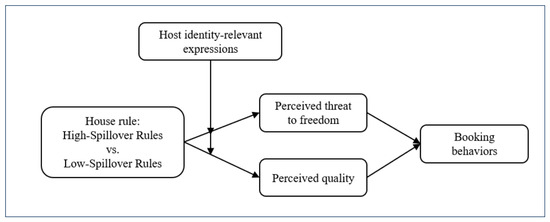
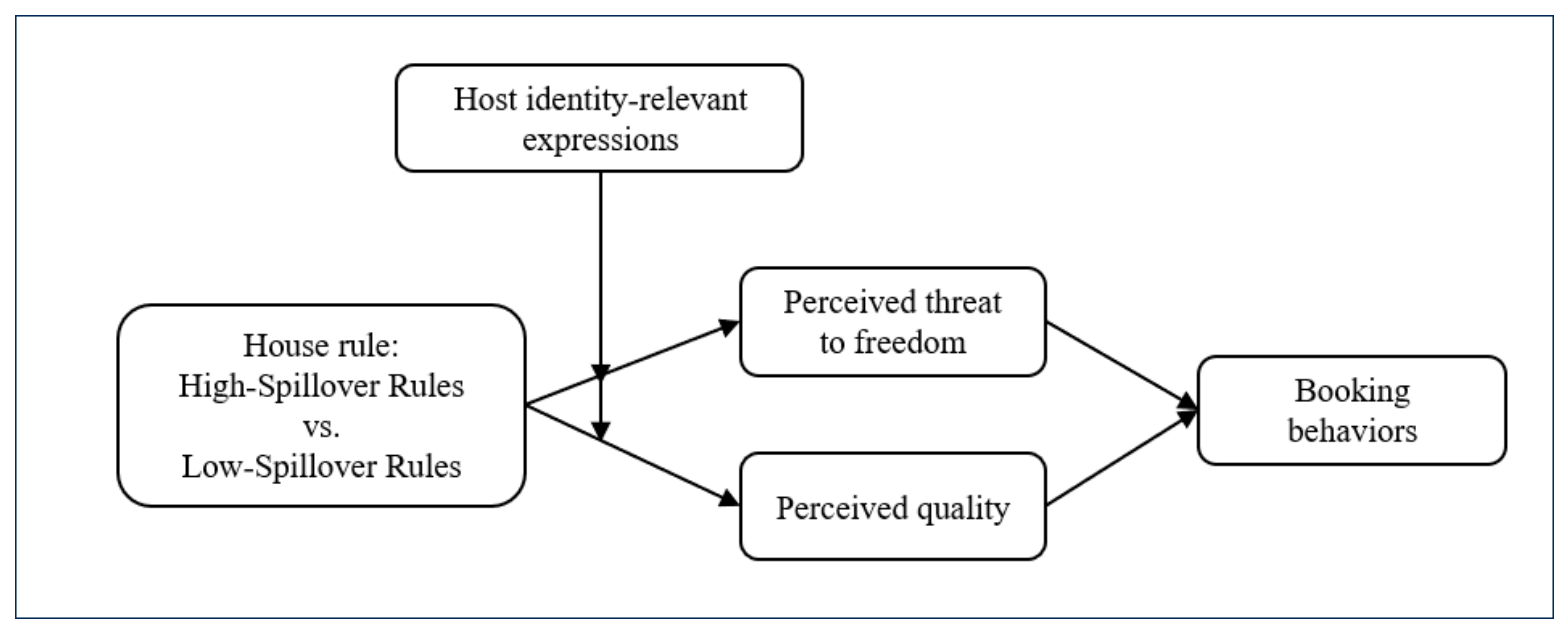
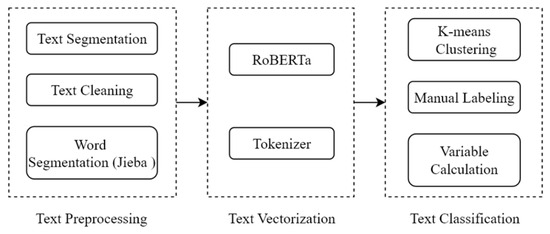
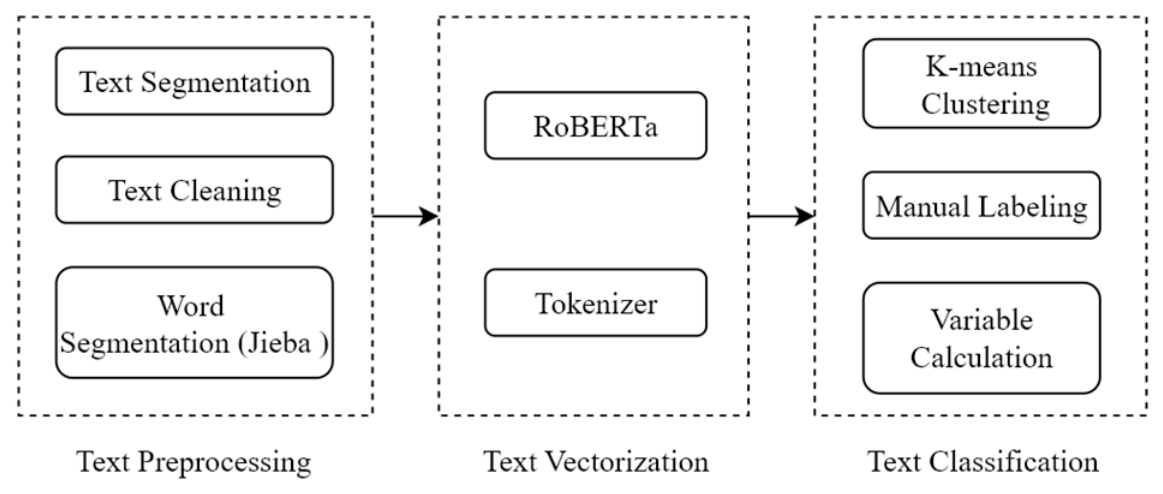
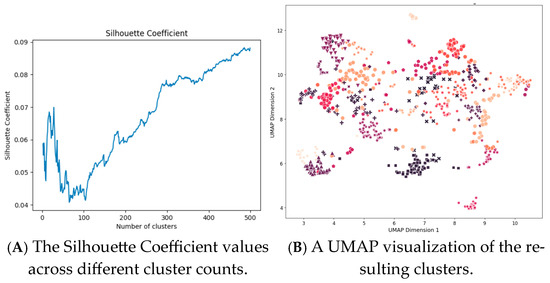
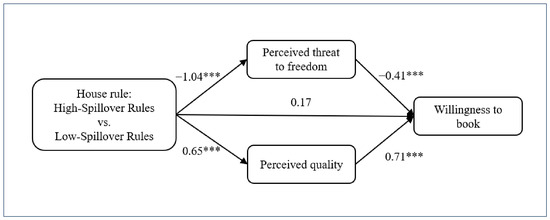
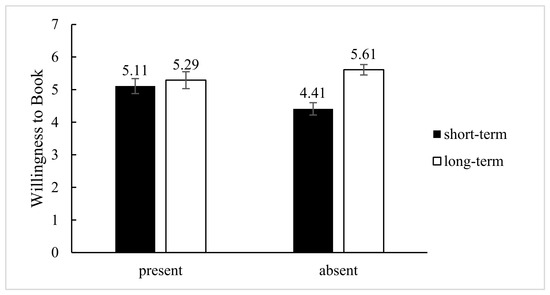
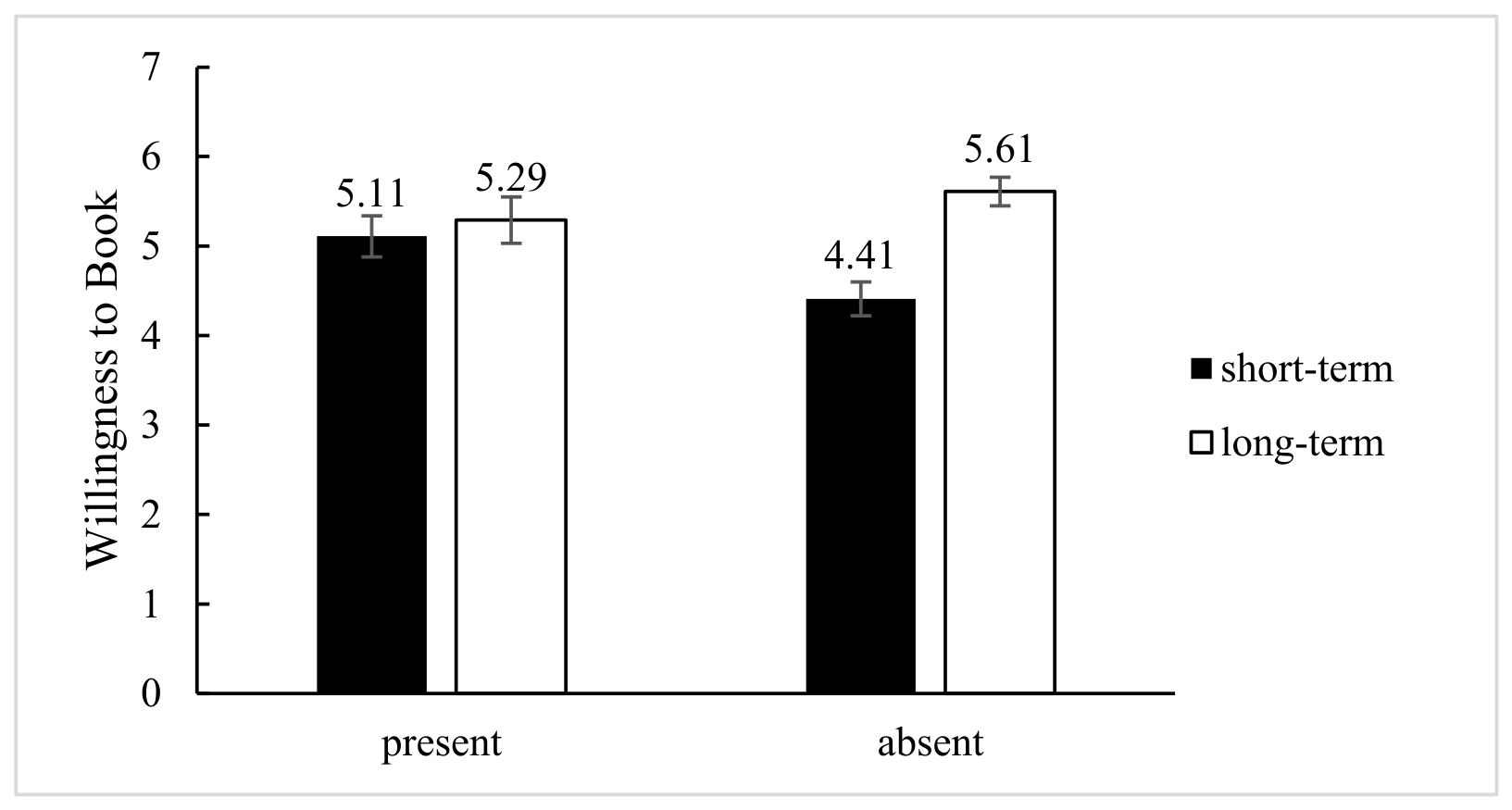

Disclaimer/Publisher’s Note: The statements, opinions and data contained in all publications are solely those of the individual author(s) and contributor(s) and not of MDPI and/or the editor(s). MDPI and/or the editor(s) disclaim responsibility for any injury to people or property resulting from any ideas, methods, instructions or products referred to in the content. |
© 2026 by the authors. Licensee MDPI, Basel, Switzerland. This article is an open access article distributed under the terms and conditions of the Creative Commons Attribution (CC BY) license.