


Abstract
With the gradual maturation of live-streaming e-commerce, some merchants invest substantial resources in hiring celebrity streamers, attempting to leverage their influence and credibility to enhance consumer trust and achieve long-term growth. However, against the backdrop of high return rates and low repurchase rates, whether this celebrity-driven operational model can truly achieve sustainable development remains questionable, and relevant research on this issue remains limited. Therefore, guided by Source Credibility Theory and informed by the post-consumption perspective of Expectation–Confirmation Theory, this study employs partial least squares structural equation modeling (PLS-SEM) to examine consumer trust formation and repurchase intention. The results indicate that perceived product quality, perceived interactivity, and perceived attractiveness significantly enhance consumer trust, which in turn positively influences repurchase intention. However, perceived discount has no significant effect on trust, suggesting that relying solely on low-price strategies may be insufficient to support trust-based repurchase intention. Furthermore, the MGA results show that streamer type does not significantly moderate the relationship between perceived characteristics and consumer trust. These findings suggest that celebrity identity alone may not be sufficient to reshape the trust-formation mechanism in live-streaming e-commerce. This study provides theoretical and practical insights for understanding consumer trust formation and promoting the sustainable development of live-streaming e-commerce.
1. Introduction
According to data released by the Zhongshang Industry Research Institute, the transaction volume of China’s live-streaming e-commerce market reached RMB 5.33 trillion in 2024, representing a year-on-year increase of 8.31%, and is projected to increase further to RMB 5.60 trillion in 2025 [1]. This growth indicates that live-streaming e-commerce is becoming an increasingly important component of China’s online retail market. As an innovative retail format in the 5G era, live-streaming e-commerce integrates real-time product demonstrations, interactive communication, and immediate consumer feedback. Nevertheless, after nearly a decade of rapid development, the industry is gradually entering a more mature stage. Therefore, it is important to explore how live-streaming e-commerce can achieve sustainable development.
Previous studies have explored how live-streaming shopping (LSS) characteristics rapidly attract users. Firstly, in the business model of LSS, a live streamer serves as the core communication agent who directly interacts with consumers. The streamer’s ability to provide professional product explanations, together with their distinctive personal charm, can significantly enhance consumers’ favorable attitudes toward and acceptance of the recommended products [2]. Moreover, high-frequency interaction mechanisms, such as bullet comments and virtual gifts, facilitate real-time communication and emotional engagement between streamers and consumers, further narrowing the psychological distance between the two parties, strengthening trust, and thereby improving consumers’ attitudes and purchase intentions [3]. Secondly, high-quality products and services are highly attractive to users, effectively increasing the likelihood of purchase [4]. Finally, substantial price discounts can stimulate consumers’ purchasing motivation in the short term [5].
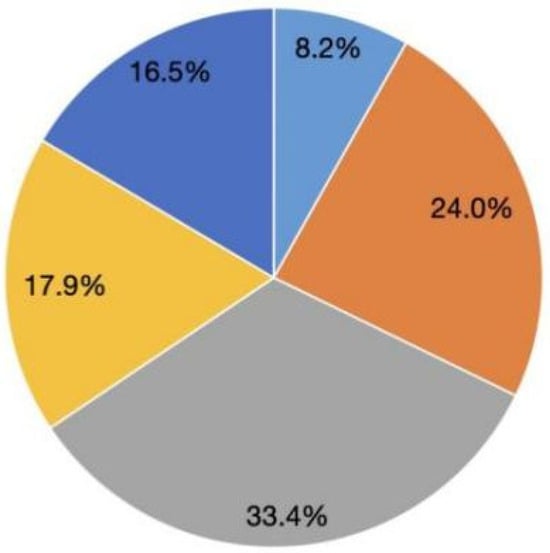
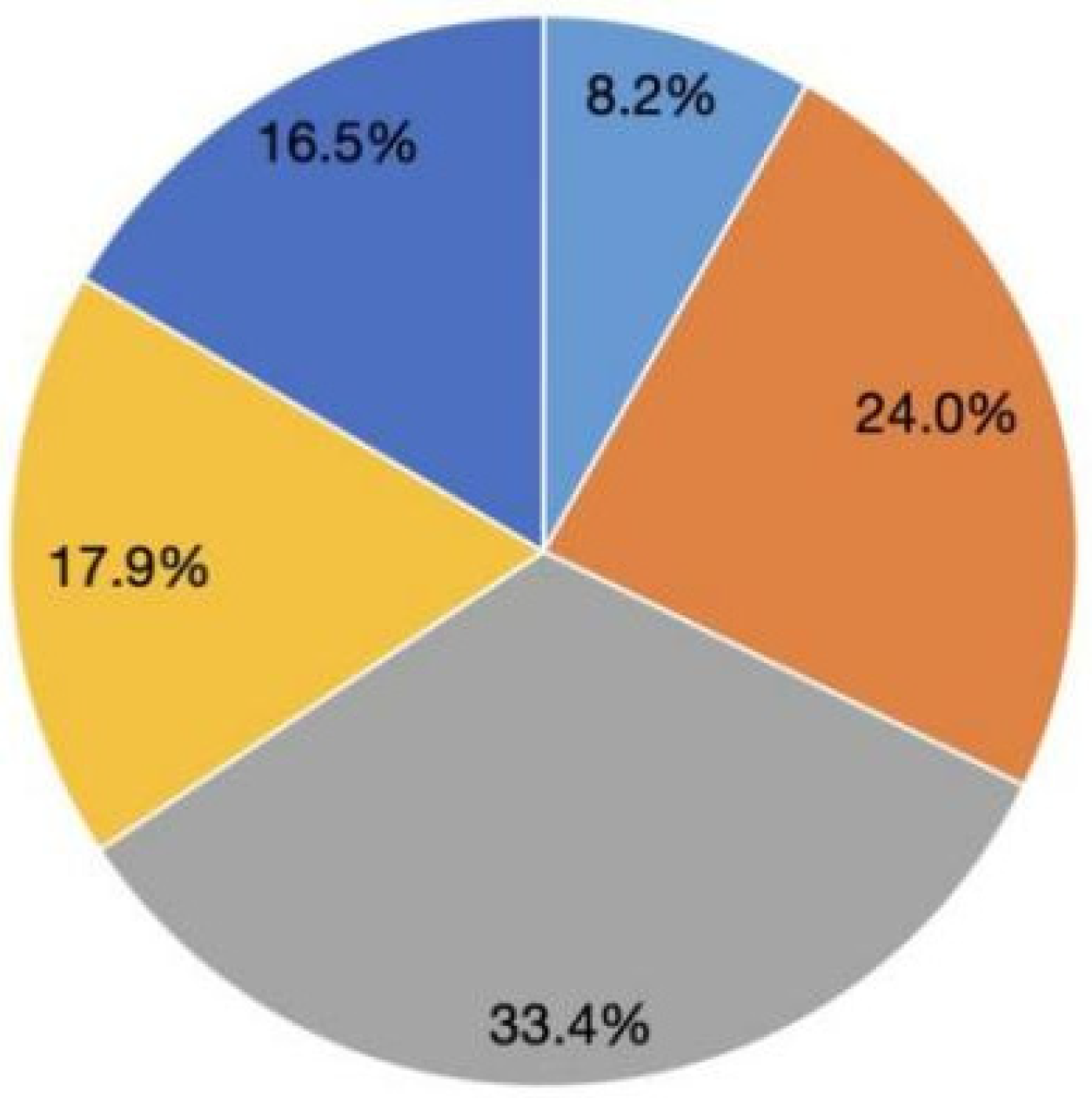
Nevertheless, after years of development, the industry still faces challenges such as high return rates and low repurchase rates. As shown in Figure 1, 65.6% of respondents selected one of the three higher-frequency categories for returning products or cancelling orders, including “Often” (33.4%), “Frequent” (24.0%), and “Very frequently” (8.2%), indicating that LSS still faces significant development challenges. At the same time, it is important to reassess whether consumers’ responses to live-streaming characteristics have changed as the industry has matured. Prior research generally suggests that perceived product quality, perceived interactivity, perceived streamer attractiveness, and perceived discount can strengthen consumer trust and consequently increase purchase intention. However, Yi et al. [6] found that the effects of certain factors may gradually weaken. For example, perceived discount can indirectly affect repurchase behavior through consumer satisfaction only when discounts substantially exceed consumers’ expectations. In this context, the first research question (RQ1) is raised: As the live-streaming shopping market matures, do different perceived live-streaming shopping characteristics have different effects on consumer trust and repurchase intention in the current market context?
Figure 1.
Frequency of Order Cancellations and Product Returns among Live-Streaming Shopping Users in China [7].
It is worth noting that streamers, as the core communication subjects directly facing consumers, serve as carriers that provide cues for the user experience. Therefore, users often regard them as a core source of information about the user experience [2]. Accordingly, to achieve the sustainable development of the live-streaming sales business, some merchants invite celebrity streamers to participate in product sales, regarding this as an important means of promoting sales growth and brand exposure. Celebrities accumulate popularity through films, television programs, and variety shows, drawing a substantial volume of traffic within a brief timeframe through the fan effect, and subsequently, they can provide a certain driving force for the sustainable development of live-streaming shopping. However, this approach comes with some potential risks. Some celebrity live-streaming campaigns have performed poorly, and the traffic has not been effectively converted into actual sales. In some cases, celebrity streamers have even triggered negative public opinion due to product quality or reputation issues, thus raising public doubts about their contribution to sustainability [8]. However, research on the effectiveness of celebrity sales remains relatively limited. Therefore, this study further raises a second research question (RQ2): Can recruiting celebrity streamers effectively strengthen the trust-formation mechanism in live-streaming shopping, or is consumer trust mainly shaped by concrete shopping-related cues rather than streamer identity?
To address the research questions, this study employs partial least squares structural equation modeling (PLS-SEM) using data from 430 valid responses. The results show that perceived product quality, perceived interactivity, and perceived streamer attractiveness significantly enhance consumer trust, which in turn promotes repurchase intention. In contrast, perceived discount has no significant effect on trust or repurchase intention, suggesting that price-based incentives alone may be insufficient to foster sustainable repurchase behavior based on trust. Moreover, the multi-group analysis indicates that streamer type does not significantly moderate the effects of perceived product quality, perceived interactivity, perceived attractiveness, or perceived discount on consumer trust. These findings suggest that celebrity identity alone may not significantly reshape the trust-formation mechanism in live-streaming shopping. Instead, consumer trust appears to depend more on concrete shopping-related cues, such as product quality, interaction experience, streamer attractiveness, rather than on discount information. Theoretically, while ECT provides a broad post-consumption perspective for situating the study of repurchase intention, this study does not test the complete expectation–confirmation mechanism. Instead, it clarifies the role of consumer trust in linking consumers’ evaluations of live-streaming shopping characteristics to repurchase intention and examines whether streamer identity serves as a boundary condition from a source credibility perspective. Practically, it offers insights for rationally evaluating celebrity endorsement and promoting sustainable platform development.
2. Literature Review
2.1. Expectation–Confirmation Theory as a Post-Consumption Perspective
Expectation–Confirmation Theory was developed to explain consumers’ post-consumption evaluations and subsequent behavioral intentions [9]. According to classical ECT, consumers form expectations before purchasing or using a product or service and subsequently assess its performance through their actual experience. The comparison between perceived performance and prior expectations results in confirmation or disconfirmation, which in turn influences satisfaction and subsequent behavioral intentions.
In the context of live-streaming shopping, previous studies have examined how consumers’ post-consumption evaluations influence trust and repurchase-related outcomes. Yi et al. [6] showed that user experience influences repurchase behavior in live-streaming shopping. Ko and Ho [10] also found that, in the live-streaming shopping context, consumers’ positive confirmation of the quality of information provided by streamers strengthens their continued trust in streamers, thereby increasing their repurchase intentions.
Accordingly, this study draws on ECT to provide a broad post-consumption perspective for situating the examination of repurchase intention among consumers with prior live-streaming shopping experience. However, because pre-purchase expectations, confirmation or disconfirmation, and satisfaction are not modeled as separate constructs, the present study does not test the complete expectation–confirmation–satisfaction mechanism. Instead, the empirical model examines a trust-based pathway in which consumers’ perceptions of concrete live-streaming shopping characteristics are examined as antecedents of consumer trust, which is subsequently associated with repurchase intention. Consumer trust is not treated as a substitute for confirmation or satisfaction, and this trust-based pathway is not presented as an extension of the core expectation–confirmation mechanism.
2.2. Source Credibility Theory (SCT)
Source credibility theory (SCT) was originally proposed by Hovland et al. [11] to explain how the characteristics of an information source influence message persuasiveness. In its early formulation, source credibility was primarily conceptualized in terms of two core dimensions: expertise, which refers to the extent to which an information source is perceived as having relevant knowledge and competence, and trustworthiness, which refers to the extent to which an information source is perceived as honest and sincere [11]. These two dimensions jointly determine the extent to which message recipients accept and internalize persuasive information. Building on this foundation, Ohanian [12] extended source credibility theory by introducing a third dimension, namely physical attractiveness, thereby forming a three-dimensional framework consisting of expertise, trustworthiness, and attractiveness. This model has been widely applied in advertising and influencer endorsement research, and the three dimensions have been shown to significantly influence consumer attitudes and behavioral intentions [13,14].
With the rapid development of live-streaming e-commerce, source credibility theory has been further extended to highly interactive and real-time digital environments. In such contexts, credibility is not only derived from static source attributes but is also jointly shaped by real-time interaction, product presentation, platform affordances, and promotional information [15,16]. Existing studies generally suggest that streamer credibility is an important antecedent of consumer trust formation and can further promote consumers’ purchase decisions. For example, Wongkitrungrueng and Assarut [16] found that streamer credibility and interactive relationships in live-streaming shopping can effectively enhance consumer trust. Building on this line of research, Jiang et al. [17] further confirmed that streamer expertise can enhance consumers’ purchase intention and follow intention by increasing consumer trust.
This study draws on Ohanian’s source credibility framework to explain the role of perceived attractiveness in live-streaming shopping. In this study, perceived attractiveness is conceptualized as a consumer-perceived characteristic of the streamer rather than as an identity-based source cue. Attractiveness plays a particularly salient role in visually driven and time-sensitive live-streaming shopping environments. In the context of this study, attractiveness includes not only physical attractiveness but also the streamer’s communication style and personal charisma, both of which serve as important heuristic cues in consumers’ early-stage evaluations [18,19]. By contrast, streamer type is treated as an identity-based source cue that may imply differences in expertise, social influence, and symbolic appeal [14,20,21]. Specifically, professional streamers are generally associated with product knowledge, sales expertise, and professional product explanations, whereas celebrity streamers are associated with public visibility, symbolic appeal, and fan-based influence [14,21,22]. In addition, this study distinguishes between trustworthiness as a source credibility attribute and consumer trust as a psychological outcome. While trustworthiness refers to the perceived honesty and reliability of the information source, trust in this study represents consumers’ overall confidence in the streamer and the live-streaming shopping process [11,12,23]. Therefore, trust is modeled as a mediating mechanism through which credibility-related cues and perceived live-streaming characteristics influence repurchase intention.
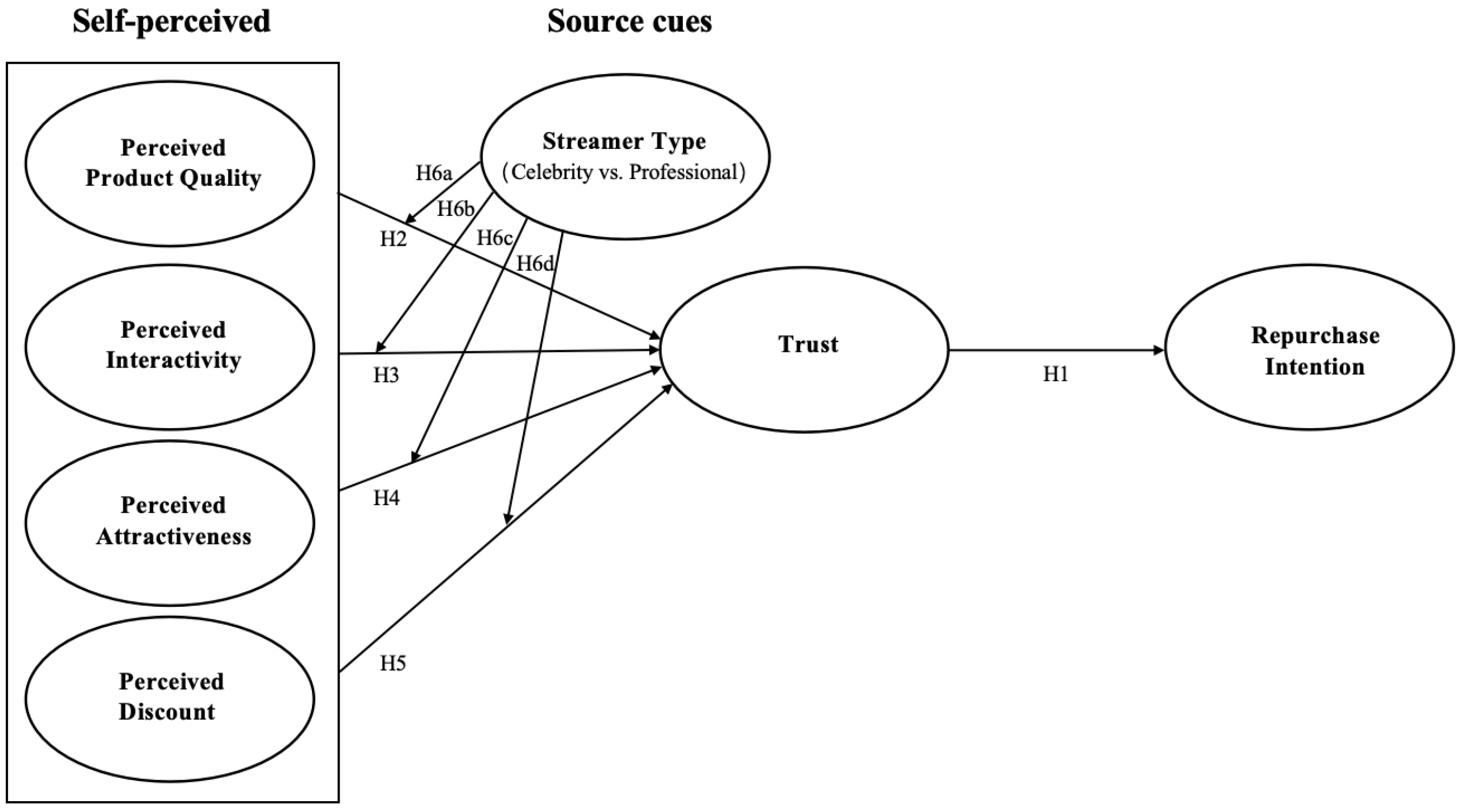
Accordingly, this study regards streamer type, namely celebrity streamers and professional streamers, as a key source cue and examines whether it moderates the relationship between perceived live-streaming characteristics and consumer trust.
3. Research Hypotheses
3.1. Trust and Repurchase Intention
Trust theory, as developed by Luhmann [23], holds that trust is a positive psychological expectation formed by individuals to reduce perceived risk when facing uncertainty and serves as the foundation of stable social interaction. In this study, LSS users determine whether to continue using live-streaming channels for future purchases based on their previous shopping experiences. Although multiple factors influence repurchase intention, trust is considered one of the crucial elements [24]. Previous studies have demonstrated a positive association between trust and repurchase intention. Lu and Yi [25] conducted an empirical study of users of shared accommodation platforms in China and found that consumers’ confidence in the platform system and community service providers, such as landlords, can substantially increase their intention to reuse the platform. Fang et al. [26] confirmed the significant positive effect of customer trust on repurchase intention in the context of e-commerce. In the context of live-streaming sales, Wu and Huang [27] found that consumer trust in streamers and products positively influences continuous purchase intention. Based on these findings, the following hypothesis is proposed:
H1:
Trust has a positive effect on repurchase intention in LSS.
3.2. Perceived LSS Characteristics and Trust
Product quality is typically measured by objective standards established by professional organizations, industry associations, or standardized instruments. However, consumers’ perceptions of product quality are highly subjective and are influenced by a range of internal and external factors. Internal factors include demographic characteristics, such as gender and age, and psychological variables, such as consumers’ cognitive judgments and emotional experiences. External factors mainly arise from information sources, such as marketing communications, recommendations from others, online reviews, and brand reputation [28]. Existing research indicates that in the online shopping environment, perceived product quality is one of the crucial factors influencing consumer trust formation [29]. In the context of LSS, when consumers perceive higher product quality, they are more likely to develop greater trust in the streamer and the product [4]. Further research shows that perceived product quality not only elevates consumer trust but also indirectly affects purchase intention through trust [30]. Consequently, the following hypothesis is proposed:
H2:
Perceived product quality has a positive effect on trust in LSS.
The effect of perceived interactivity can be explained by Social Presence Theory. Interactivity enhances consumers’ participation, responsiveness, and social presence in live-streaming shopping, enabling them to receive timely responses and perceive authentic communication from streamers, thereby reducing uncertainty and strengthening trust in streamers and their recommended products [31]. In the realm of social commerce, higher perceived interactivity can substantially enhance consumers’ initial trust in sellers [32]. In the context of LSS, this kind of interaction is mainly manifested through real-time communication between consumers and streamers regarding product information, such as instant Q&A, bullet comments, gift-giving, likes, and shares, forming a dynamic two-way communication mechanism. Wang et al. [33] found that the abundant and varied interactive features of live-streaming platforms not only significantly enhance consumers’ participation experiences but also effectively create an immersive social shopping atmosphere, thereby strengthening consumers’ trust in streamers. Wongkitrungrueng and Assarut [16] further demonstrated that frequent and authentic engagement in LSS can effectively reduce the psychological distance between consumers and streamers and enhance emotional ties and trust between the two parties. Consequently, the following hypothesis is proposed:
H3:
Perceived interactivity has a positive effect on trust in LSS.
Perceived attractiveness refers to consumers’ subjective feelings of attraction toward the overall characteristics displayed by a streamer during live-streaming e-commerce, including the streamer’s appearance, behavioral style, language expression, and interaction methods [12]. Studies of social media influencers have found that influencers’ physical and behavioral attractiveness can not only enhance users’ identification with the brands they endorse but also significantly increase consumer trust in these brands [13]. In the context of LSS, streamers can effectively attract consumers’ attention through their charming appearance, vivid language expression, friendly interaction style, and personalized content presentation, form positive subjective assessments, and thereby elevate their trust in the information conveyed by the streamers [18]. Streamers with high perceived attractiveness cause consumers to be more confident in the authenticity and reliability of the products or services they promote, leading to a greater overall credibility of the streamer as well as the platform. This results in the formulation of this hypothesis:
H4:
Perceived attractiveness has a positive effect on trust in LSS.
Perceived discount refers to consumers’ subjective evaluation of the overall economic benefits associated with price reductions in live-streaming shopping (LSS) [34]. It is a multidimensional cognitive construct that encompasses not only the magnitude of price reductions but also broader promotional advantages, such as coupons, special offers, and price advantages compared with other shopping channels. Streamers often employ time-limited flash sales, exclusive discounts, and threshold-based promotions to create scarcity and urgency, thereby enhancing consumers’ perceived value of discounts [35]. Prior studies have shown that price-related benefits serve as important utilitarian cues in live-streaming e-commerce, significantly influencing consumers’ purchase intentions [27,36,37].
From a trust perspective, perceived discount may also function as an informational cue that influences consumers’ evaluations of streamer credibility and promotional sincerity. Prior studies have indicated that perceived price fairness is an important antecedent of consumer trust; when consumers perceive discounts as fair and reasonable, they are more likely to form positive trust perceptions toward merchants [4]. In the LSS context, fair and transparent discounts may signal that streamers possess bargaining power, platform support, or the ability to provide consumers with genuine economic benefits. However, excessively large or overly frequent discounts may raise consumers’ concerns about product quality or promotional authenticity, thereby weakening trust [38]. Therefore, the effect of perceived discount on trust depends on whether consumers perceive the discount as credible, reasonable, and beneficial. When discounts are perceived as fair and trustworthy, they are more likely to strengthen consumer trust in LSS. Accordingly, we propose:
H5:
Perceived discount has a positive effect on trust in LSS.
3.3. The Moderating Effect of Different Streamer Types
Streamer type refers to the identity-based classification of streamers in live-streaming shopping (LSS), such as celebrity streamers and professional streamers, which may shape consumers’ perceptions of source credibility, emotional appeal, and social influence [21]. Prior research has shown that streamer identity can influence how consumers perceive and interpret informational signals, thereby affecting trust formation [14,20]. In this study, celebrity streamers are defined as traditional public figures who have gained fame outside the live-streaming e-commerce context (e.g., actors, singers, entertainers, and media personalities), whereas professional streamers are defined as e-commerce-oriented streamers whose influence is grounded in product knowledge, sales experience, and live-streaming expertise [17]. These two categories are conceptually distinct.
Compared with professional streamers, celebrity streamers may possess stronger symbolic capital and social influence derived from their public visibility and fan bases, which may enhance their perceived trustworthiness and facilitate emotional connections. As a result, consumers may be more likely to interpret informational cues conveyed by celebrity streamers, such as perceived product quality, perceived interactivity, perceived attractiveness, and perceived discount, through the lens of celebrity credibility and symbolic appeal. These effects can be explained by endorsement credibility, halo effects, parasocial interaction, and heuristic-based processing, which jointly shape trust formation in live-streaming contexts [14,20,39,40,41,42,43]. Overall, streamer type is expected to function as a boundary condition that moderates the effects of these perceived live-streaming characteristics on consumer trust in LSS. Therefore, we propose the following hypothesis:
H6:
The type of streamer can substantially moderate the impact of perceived product quality (H6a), perceived interactivity (H6b), perceived attractiveness (H6c), and perceived discount (H6d) on trust so that such impact can be more pronounced among celebrity streamers compared to professional streamers.
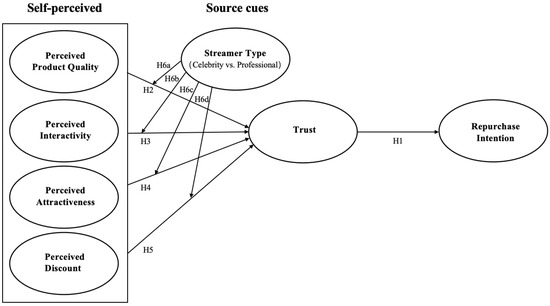
Figure 2 presents the research model:
Figure 2.
Research model.
4. Research Methods
The study used the partial least squares structural equation modeling (PLS-SEM) technique suggested by Hair et al. [44]. This method is beneficial for assessing intricate research models that encompass multiple constructs, indicators, and structural pathways, and it is particularly suitable for research designs with relatively small sample sizes [45]. Model evaluation was conducted using SmartPLS software (version 3) following a two-stage procedure outlined by Esposito Vinzi et al. [46]. The first stage involved assessing the measurement model (outer model), while the second stage evaluated the structural model (inner model).
4.1. Data Collection
The proposed research model was tested using an online questionnaire survey. The questionnaire was developed and administered through the online survey platform Credamo (https://www.credamo.com) between 20 September and 30 September 2025, and was distributed and collected through social media platforms such as Weibo and WeChat. Prior to the official launch, two rounds of pretesting were conducted, and the wording of some questions was revised based on feedback to reduce ambiguity in respondents’ interpretations. After excluding incomplete or invalid questionnaires, a total of 430 usable questionnaires were obtained, representing 92.8% of all collected responses.
The questionnaire consisted of three parts. This study examined the repurchase intention of LSS users. Hence, in the first section, respondents were required to confirm whether they had previous live-streaming shopping experience. Those without such experience were instructed to end the questionnaire immediately to safeguard the validity of the sample. Respondents who proceeded to the second section were randomly allocated to either the “celebrity streamer” or “professional streamer” scenario and viewed the corresponding live-streaming sales video. After watching the video, they were required to answer questions regarding their perceptions of the streamer’s identity, such as social recognition and representative works. They then completed a series of questions (the specific measurement items are presented in Appendix A) related to perceived LSS characteristics [2,19,31,47,48,49,50], trust [16,51], and repurchase intention [52,53]. All scales used a 7-point Likert scale to measure the six constructs in the model. The third section collected basic demographic information about the respondents, such as gender, age, and educational background. Ultimately, 219 valid responses were obtained in the celebrity streamer scenario, and 211 valid responses were obtained in the professional streamer scenario.
4.2. Data Screening
4.2.1. Descriptive Statistics
As shown in Table 1, the proportion of male respondents was higher than that of female respondents (56.05% vs. 43.95%). The respondents were mainly young adults. Those aged 19 to 35 accounted for a total of 69.07% of the sample, while respondents under 18 accounted for 2.56%, those aged 36 to 50 accounted for 22.09%, and those over 50 accounted for 6.28%. Corporate employees constituted the largest occupational group, accounting for 47.21% of the sample. In terms of monthly income, 37.21% of respondents reported earning between RMB 5001 and RMB 10,000, representing the largest income group in the sample. As a relatively recent shopping format, LSS appears to attract a relatively high proportion of highly educated consumers. A total of 82.56% of the respondents held a bachelor’s degree or higher.
Table 1.
Demographic overview of respondents.
The consumption behaviors of live-streaming shopping users are summarized in Table 2. Table 2 shows that 50.93% of users made their first live-streaming purchase within the past five years, and 84.42% of users spent less than RMB 2000 per month on live-streaming shopping, suggesting that this shopping format has gradually become a routine consumption channel for many users.
Table 2.
Descriptive statistics on the fundamental usage patterns of live-streaming users.
4.2.2. Reliability and Validity
Table 3 presents the outcomes of the measurement model. Firstly, the Cronbach’s α coefficient and composite reliability (CR) of each latent variable surpass the standard criterion of 0.70, indicating good internal consistency. In addition, all factor loadings exceeded the recommended threshold of 0.70 proposed by Hair et al. [54]. Combining the average variance extracted (AVE) spanning from 0.616 to 0.759, it can be confirmed that the constructs in this study exhibit good convergent validity [55].
Table 3.
Dependability of individual items for potential user group.
In this study, the discriminant criterion proposed by Fornell and Larcker [56] is employed to assess the discriminant validity and the heterotrait–monotrait ratio (HTMT) put forward by Henseler et al. [57]. The square roots of AVE on the diagonal in Table 4 all exceed the correlation coefficients between latent variables, providing additional evidence for the discriminant validity of the measurement model. Concurrently, in line with the HTMT criterion, the correlation value between latent variables ought to be under 0.85. As evident from Table 5, all HTMT values adhere to this criterion, indicating satisfactory discriminant validity.
Table 4.
Fornell and Larcker’s criterion for distinctiveness.
Table 5.
Heterotrait–Monotrait Ratio (HTMT).
Additionally, in this research, the standardized root mean square residual (SRMR) is 0.073 < 0.08, and the normed fit index (NFI) is 0.861 > 0.8. These figures both meet the assessment standards suggested by Tabachnick and Fidell [58]. Consequently, the research model exhibits a good model fit.
Finally, during the questionnaire survey, differences in scale items, questionnaire content, and the survey administration environment may lead to a certain degree of response bias [59,60]. To control for common method bias, this study employed Harman’s single-factor test. The results showed that the variance explained by a single common factor was below 50%, indicating that common method bias was not a serious concern in this study [59,61]. This study also extracted the first 15% and the last 15% of responses from each of the two scenario groups and conducted independent-samples t-tests on the mean values of the six research variables. The results showed no significant differences between the early and late response groups, suggesting that response bias was not a significant issue. In addition, to ensure the stability of the structural equation model estimation, this study examined multicollinearity using the variance inflation factor (VIF). The results showed that all VIF values were below 5, indicating that serious multicollinearity was not present.
5. Results
5.1. Manipulation Check
Prior to the structural model analysis, an independent-samples t-test was conducted to examine whether respondents could distinguish between the celebrity streamer and professional streamer scenarios. The results are presented in Table 6.
Table 6.
Independent test.
As shown in Table 6, the score of celebrity streamer group (n = 219) in “celebrity streamer degree” (M = 5.59, SD = 1.59) is markedly higher than that of the professional streamer group (n = 211, M = 3.08, SD = 1.59) (t = 16.418, p < 0.001). The identical trend is also noted in the “popularity” dimension. The celebrity streamer group (M = 5.51, SD = 1.53) is notably higher than the professional streamer group (M = 3.41, SD = 1.56) (t = 14.097, p < 0.001). These findings validate the efficacy of the scenario manipulation, declaring that respondents could clearly differentiate between the two types of streamers.
5.2. Hypothesis Testing
5.2.1. Direct Effects
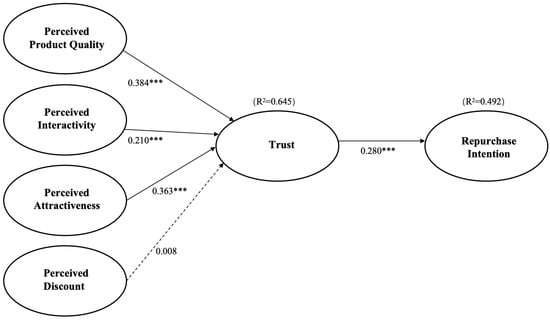
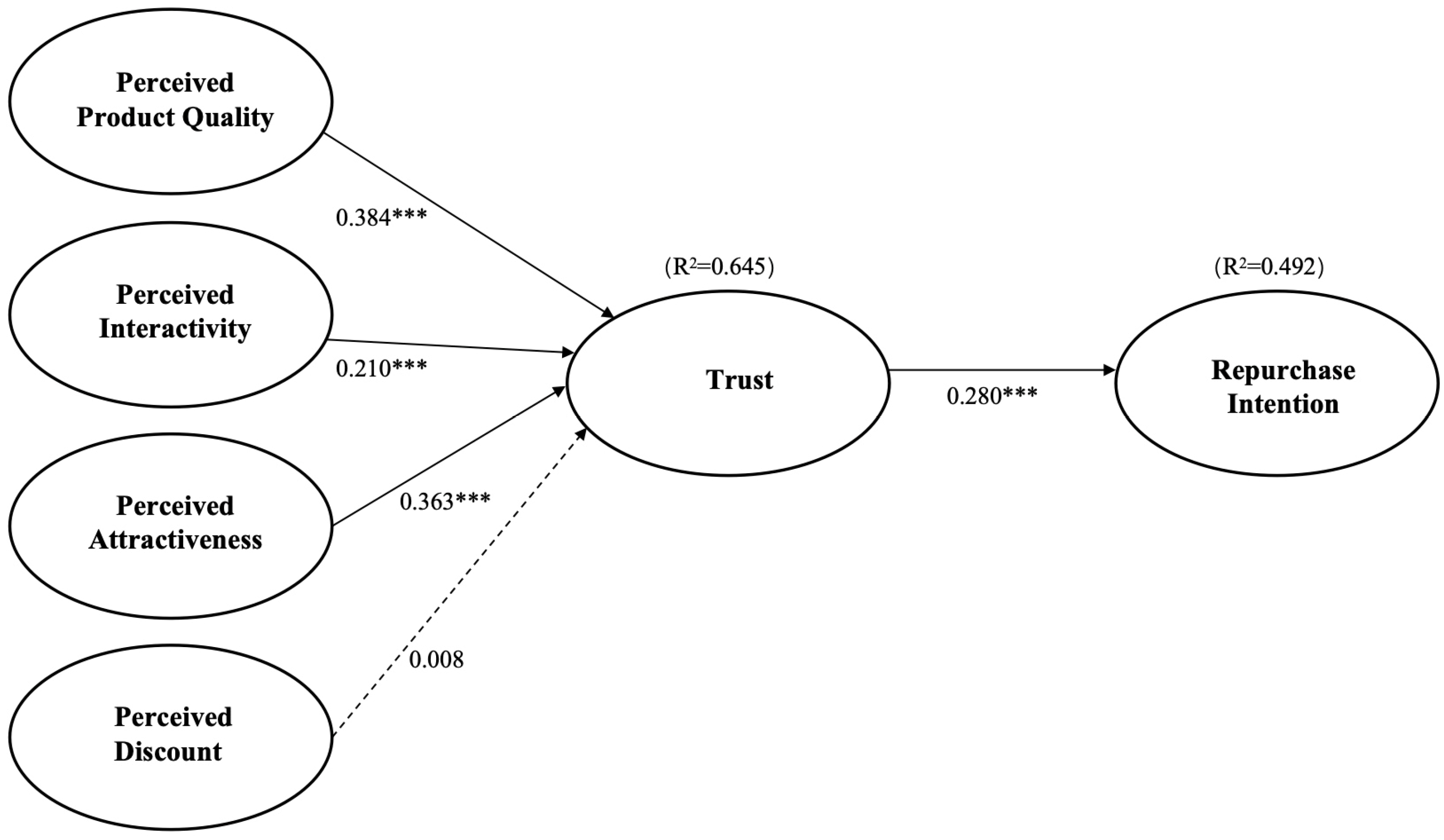
As shown in Figure 3, trust exerts a notable positive influence on repurchase intention (β = 0.280, p < 0.001), thus the hypothesis H1 is upheld. Additionally, perceived product quality (β = 0.384, p < 0.001), perceived interactivity (β = 0.210, p < 0.001), and perceived attractiveness (β = 0.363, p < 0.001) all exert a significant beneficial impact on consumer trust, thereby corroborating hypotheses H2, H3, and H4.
Figure 3.
Path investigation of the research model. Notes: *** p < 0.001; ---- signifies ns (not supported).
Nonetheless, the impact of perceived discount on trust is not significant (β = 0.008; p > 0.05), so H5 is not validated. To some degree, low prices and discounts can indeed lure users into selecting live-streaming shopping platforms. Nevertheless, since users are more sensitive to financial costs, their perception of the value brought by price discounts is often a gradual accumulation and long-term formation process. As a result, this leads to discounts failing to directly enhance consumers’ trust.
5.2.2. Mediation Analysis
The mediating effects of trust on the relationships between the perceived LSS characteristics and repurchase intention are presented in Table 7. The mediation effects were examined using a bootstrapping procedure with 5000 resamples and 95% confidence intervals. An indirect effect was considered statistically significant when its corresponding confidence interval did not include zero. After trust was incorporated into the model, the direct effects of perceived product quality and perceived interactivity on repurchase intention remained significant, indicating that trust partially mediated these relationships. This finding suggests that perceived product quality and perceived interactivity not only indirectly influence repurchase intention by enhancing consumer trust but may also affect repurchase intention directly through other mechanisms, such as reducing perceived risk or increasing decision certainty.
Table 7.
Mediation effect analysis.
In contrast, after trust was introduced into the model, the direct effect of perceived attractiveness (PA) on repurchase intention was no longer significant, while the indirect effect through trust remained significant, indicating that trust completely mediated the relationship between perceived attractiveness and repurchase intention. This result suggests that although streamer attractiveness may stimulate consumers’ attention and favorable impressions in the initial stage, its influence may not directly translate into sustained repurchase behavior. Only when this attractiveness is further transformed into trust in the streamer and the recommended content does it exert a significant effect on repurchase intention.
As for perceived discount (PD), its indirect effect on repurchase intention through trust was not significant, and its direct effect was also not significant, indicating that trust did not play a significant mediating role in the relationship between perceived discount and repurchase intention. A plausible explanation is that price discounts serve primarily as short-term promotional cues that stimulate immediate purchase behavior but may be insufficient to influence long-term repurchase intention through a trust-based mechanism.
5.3. Structural Model Assessment
The predictive relevance of the structural model was assessed using the blindfolding procedure. As reported in Table 8, the values for consumer trust and repurchase intention were 0.470 and 0.357, respectively. Both values exceeded zero and fell between 0.25 and 0.50, indicating moderate predictive relevance for both endogenous constructs.
Table 8.
Blindfolding Analysis Results.
The effect-size results reported in Table 9 indicate that perceived product quality, perceived interactivity, and perceived attractiveness had small effects on consumer trust, with values of 0.099, 0.039, and 0.077, respectively. Perceived discount had a negligible effect on consumer trust (), consistent with its nonsignificant path coefficient. Consumer trust had a large effect on repurchase intention (). Overall, the and results provide a more comprehensive assessment of the effect sizes of the structural relationships and the predictive relevance of the model.
Table 9.
f2 Result.
5.4. Moderating Effect of Stamer Type
In this study, streamer type was treated as a categorical variable, and the sample was divided into a celebrity streamer group and a professional streamer group (celebrity streamer = 1; professional streamer = 2). Before conducting the multi-group analysis (PLS-MGA), the Measurement Invariance of Composite Models (MICOM) procedure was performed to assess measurement invariance between the celebrity streamer group and the professional streamer group. As shown in Table 10, all constructs established at least partial measurement invariance, satisfying the prerequisite for comparing structural path coefficients across groups. A multi-group analysis (MGA) was then conducted to examine whether the structural path coefficients differed significantly between the two groups. As shown in Table 11, none of the examined paths exhibited a significant between-group difference. This indicates that the effects of the core perceived characteristics on consumer trust did not differ significantly between celebrity streamers and professional streamers.
Table 10.
Results of MICOM Measurement Invariance Testing.
Table 11.
Multi-Group Analysis Results for Celebrity and Professional Streamer Groups.
These results further indicate that streamer type does not significantly moderate the effects of perceived product quality, perceived interactivity, perceived attractiveness, and perceived discount on consumer trust. Therefore, H6a, H6b, H6c, and H6d are not supported. Compared with professional streamers, celebrity streamers do not significantly strengthen or weaken the relationships between the core perceived characteristics and trust.
This finding suggests that the identity-related advantages of celebrity streamers do not significantly alter the consumer trust-formation process. Although celebrity streamers usually possess greater public visibility, symbolic appeal, and social influence, consumer trust in live-streaming shopping still appears to depend mainly on consumers’ evaluations of concrete shopping-related characteristics. Combined with the main-effect results of this study, perceived product quality, perceived interactivity, and perceived attractiveness significantly enhance consumer trust, whereas the effect of perceived discount is not significant. This indicates that, compared with streamer identity or simple price incentives, consumers are more likely to form trust based on perceived product quality, perceived interactivity, and streamer attractiveness presented during the live-streaming process. Therefore, although celebrity streamers may attract attention and evoke emotional responses, such identity-related advantages do not appear to replace the role of concrete shopping-related cues in trust formation.
6. Discussion
6.1. Key Findings
Informed by the post-consumption perspective of Expectation–Confirmation Theory and guided by Source Credibility Theory, this study examines a trust-based pathway to repurchase intention in the context of live-streaming shopping.
In the context of mature live-streaming shopping, different perceived characteristics do not exert the same effects on consumer trust and repurchase intention. The results show that perceived product quality, perceived interactivity, and perceived attractiveness significantly enhance consumer trust, while consumer trust further significantly promotes repurchase intention. Among these factors, perceived product quality and perceived interactivity not only indirectly promote repurchase intention through trust but also have direct effects on repurchase intention. This indicates that product quality evaluation, interaction experience, and information value are important factors driving consumers’ continued engagement and repurchase intention. By contrast, perceived attractiveness mainly influences repurchase intention indirectly through trust, suggesting that streamer attractiveness itself does not necessarily translate directly into repurchase behavior; rather, it is more likely to promote repurchase intention when it further enhances consumer trust. In addition, perceived discount has no significant effect on either consumer trust or repurchase intention, indicating that relying solely on price discounts is insufficient to establish consumer trust and may not effectively support long-term repurchase [62]. Therefore, in the current live-streaming shopping market, perceived product quality and perceived interactivity influence repurchase intention both directly and indirectly through trust, whereas perceived attractiveness operates primarily through trust and the role of perceived discount remains limited.
Furthermore, regarding whether celebrity streamers can strengthen the trust-formation mechanism, the results show that streamer type does not significantly moderate the effects of perceived product quality, perceived interactivity, perceived attractiveness, and perceived discount on consumer trust. In other words, compared with professional streamers, celebrity streamers do not significantly strengthen or weaken the relationships between these core perceived characteristics and consumer trust. This finding suggests that although celebrity streamers may have higher public visibility, symbolic appeal, and fan-based influence, these identity-related advantages are insufficient to significantly alter the process through which consumers translate perceived live-streaming shopping characteristics into trust [63]. In the context of live-streaming shopping, whether consumers form trust mainly depends on their evaluations of concrete shopping-related cues, such as product quality, interaction experience, streamer attractiveness, and discount information, rather than on streamer identity itself. Therefore, hiring celebrity streamers does not necessarily strengthen the consumer trust-formation mechanism and cannot serve alone as a sufficient condition for promoting sustainable repurchase.
Overall, the sustainable development of live-streaming e-commerce should not overly rely on celebrity effects or price incentives. Instead, greater emphasis should be placed on product quality, meaningful interaction, and the development of consumer trust through credible shopping experiences [20].
6.2. Theoretical Implications
First, this study provides a more nuanced understanding of the foundations of consumer trust formation in the current live-streaming shopping context. Existing studies have examined the antecedents of consumer trust from the perspectives of product quality, interactivity, streamer attractiveness, and discounts, but they have often focused on the effect of a single factor or a limited set of factors, with less attention paid to understanding these perceived characteristics within a unified trust-formation framework. This study incorporates these factors into an integrated analytical framework, reflecting the specific shopping-related cues that consumers encounter and evaluate in live-streaming shopping from the dimensions of product, interaction, streamer, and price. Accordingly, the findings indicate that different shopping-related cues do not explain consumer trust in the same way. Therefore, this study refines the generalized explanation of the antecedents of consumer trust in live-streaming shopping and provides a more context-specific theoretical account of the perceptual foundations underlying consumer trust formation in the current live-streaming shopping context.
Second, this study identifies a trust-based pathway associated with repurchase intention in live-streaming shopping. While ECT provides a broad post-consumption perspective for situating the examination of repurchase intention, the empirical findings show that perceived product quality, perceived interactivity, and perceived attractiveness contribute to repurchase intention by strengthening consumer trust. This pathway is examined separately from the classical expectation–confirmation–satisfaction mechanism and should not be interpreted as a test or extension of that mechanism. In addition, the findings provide a more context-specific understanding of SCT by showing that streamer identity, as a source-related cue, does not necessarily strengthen the effects of perceived live-streaming shopping characteristics on consumer trust.
Third, this study further clarifies the theoretical boundary of celebrity streamer identity in the trust-formation mechanism of live-streaming e-commerce. Existing studies and practices generally assume that celebrity streamers can enhance consumers’ acceptance of live-streaming shopping information through their public visibility, symbolic appeal, and fan-based influence, thereby further promoting consumer trust. However, based on the specific streamer stimuli adopted in this study, the findings indicate that celebrity identity did not generate a stronger trust-formation effect compared with the professional streamer condition. This suggests that, within the experimental setting examined in this study, celebrity identity alone may not be sufficient to significantly strengthen the consumer trust-formation mechanism. Accordingly, this study shifts the focus of celebrity streamer research from the traffic-attracting role of celebrity identity to whether celebrity identity can serve as an effective trust cue, thereby providing a more cautious and context-specific theoretical explanation of the boundary of celebrity streamers’ role in live-streaming e-commerce.
6.3. Practical Implications
The maturity of a business model depends on whether users continue to use it for shopping. Therefore, the post-purchase research on LSS users is essential for helping the LSS platform and merchants to optimize their services more effectively. Based on this study’s results, the practical contributions are as follows:
Firstly, interactivity should be designed to enhance trust rather than merely stimulate engagement. Interactions need to emphasize authenticity, timeliness, and informational value by offering targeted responses about product functions, usage scenarios, and after-sales issues. Such trust-oriented interaction signals streamers’ professionalism and responsibility, reduces decision uncertainty, and facilitates the transformation of short-term engagement into stable repurchase behavior.
Secondly, although discounts are effective in attracting traffic, they are insufficient for sustaining long-term loyalty. Merchants should therefore treat discounts as supplementary tools rather than core strategies. Instead, improving product quality and service transparency-through certifications, quality inspection reports, and reliable after-sales mechanisms-plays a more decisive role in building trust and repurchase intention.
Finally, firms should rationally allocate streamer resources. The findings based on the streamer stimuli examined in this study do not demonstrate that the selected celebrity streamer was more effective than the selected professional streamer, or vice versa, in strengthening the consumer trust-formation mechanism. Therefore, firms should not assume that celebrity identity alone can improve consumer trust or long-term repurchase behavior. Instead, streamer selection should be based on shopping-related capabilities, such as product knowledge, interaction quality, communication effectiveness, and the ability to provide credible product information.
6.4. Future Research and Research Limitations
This study has several limitations. First, its cross-sectional and scenario-based design limits the ability to capture changes in consumer trust and repurchase intention over time and may not fully reproduce the real-time interaction, spontaneous consumer responses, and actual purchasing conditions of live-streaming shopping. Moreover, this study used one celebrity streamer and one professional streamer to represent the two streamer-type conditions. Although this approach helped maintain experimental control, the findings may be influenced by the specific streamer exemplars selected. Future research could adopt longitudinal designs, field experiments, or actual live-streaming settings and incorporate multiple streamer exemplars to further validate and generalize the findings.
Second, this study did not explicitly examine differences across product categories. Consumers may evaluate perceived product quality, perceived interactivity, perceived attractiveness, and perceived discount differently depending on whether the product is utilitarian, hedonic, high-involvement, or low-involvement. Therefore, future studies could compare different product categories to examine whether the relationships proposed in this study remain consistent across different consumption contexts.
Third, this study did not incorporate additional psychological variables, such as parasocial interaction and perceived risk. These variables may further explain how consumers respond to different streamer types and develop trust and repurchase intention. Future research could integrate these psychological mechanisms to improve the explanatory scope of the proposed framework.
Author Contributions
Conceptualization, J.D.; methodology, J.D.; software, J.W.; validation, J.D., J.W. and K.K.; formal analysis, J.D.; investigation, J.D. and J.W.; resources, J.D.; data curation, J.W.; writing—original draft preparation, J.D.; writing—review and editing, J.D. and J.W.; visualization, J.D. and K.K.; supervision, K.K.; project administration, J.D.; funding acquisition, J.W. All authors have read and agreed to the published version of the manuscript.
Funding
This research was funded by Zhejiang Provincial Philosophy and Social Science Planning Project, grant number 21NDJC028Z.
Institutional Review Board Statement
This study was exempt from ethical review and approval, while strictly abiding by the ethical guidelines outlined in the Declaration of Helsinki. The Institutional Review Board of Wenzhou Vocational College of Science and Technology waived the requirement for ethical review and approval in line with existing Chinese regulations. The research utilized fully anonymized data without personal identifiers such as names or national ID numbers. This meets the provisions of Article 16 of the Ethical Review Measures for Biomedical Research Involving Humans (National Health Commission Order No. 11, 2016), which grants exemption from ethical approval for studies using non-traceable anonymized data. Additionally, Article 4 of China’s Personal Information Protection Law (2021) legally classifies anonymized data outside the scope of personal information, freeing it from restrictions under personal data protection rules.
Informed Consent Statement
Informed consent was obtained from all subjects involved in the study.
Data Availability Statement
Data are available on request from the authors.
Conflicts of Interest
The authors declare no conflicts of interest.
Appendix A
Table A1.
The online survey questionnaire.
References
- Zhongshang Industry Research Institute. Forecast Analysis of China’s Live-Streaming e-Commerce and MCN Market Size in 2025. 2025. Available online: https://www.askci.com/news/chanye/20250807/092440275452987916873281.shtml (accessed on 16 August 2026).
- Zou, J.; Fu, X. Understanding the purchase intention in live streaming from the perspective of social image. Humanit. Soc. Sci. Commun. 2024, 11, 1500. [Google Scholar] [CrossRef] [Scilit]
- Lu, Z.; Xia, H.; Heo, S.; Wigdor, D. You watch, you give, and you engage: A study of live streaming practices in China. In Proceedings of the 2018 CHI Conference on Human Factors in Computing Systems; ACM: Montreal, QC, Canada, 2018; pp. 1–13. [Google Scholar] [CrossRef] [Scilit]
- Chandrruangphen, E.; Assarut, N.; Sinthupinyo, S. The effects of live streaming attributes on consumer trust and shopping intentions for fashion clothing. Cogent Bus. Manag. 2022, 9, 2034238. [Google Scholar] [CrossRef] [Scilit]
- Chen, H.-W.; Chen, K.-C.; Liu, L.-W.; Guo, Z.-H.; Tsai, C.-W. The effects of brand awareness and price promotion on purchase intention: A moderating role of impulsive buying traits. Int. J. Asian Bus. Inf. Manag. 2024, 15, 1–15. [Google Scholar] [CrossRef] [Scilit]
- Yi, M.; Chen, M.; Yang, J. Understanding the self-perceived customer experience and repurchase intention in live streaming shopping: Evidence from China. Humanit. Soc. Sci. Commun. 2024, 11, 202. [Google Scholar] [CrossRef] [Scilit]
- iiMedia Research. 2025–2029 China Live E-Commerce Industry Operation Big Data Analysis and Trend Research Report. 2025. Available online: https://report.iimedia.cn/repo100-0/57811.html (accessed on 16 August 2026).
- Knittel, C.R.; Stango, V. Celebrity endorsements, firm value, and reputation risk: Evidence from the Tiger Woods scandal. Manag. Sci. 2014, 60, 21–37. [Google Scholar] [CrossRef] [Scilit]
- Oliver, R.L. A cognitive model of the antecedents and consequences of satisfaction decisions. J. Mark. Res. 1980, 17, 460–469. [Google Scholar] [CrossRef] [Scilit]
- Ko, H.-C.; Ho, S.-Y. Continued purchase intention in live-streaming shopping: Roles of expectation confirmation and ongoing trust. Cogent Bus. Manag. 2024, 11, 2397563. [Google Scholar] [CrossRef] [Scilit]
- Hovland, C.I.; Janis, I.L.; Kelley, H.H. Communication and Persuasion: Psychological Studies of Opinion Change; Yale University Press: New Haven, CT, USA, 1953. [Google Scholar]
- Ohanian, R. Construction and validation of a scale to measure celebrity endorsers’ perceived expertise, trustworthiness, and attractiveness. J. Advert. 1990, 19, 39–52. [Google Scholar] [CrossRef] [Scilit]
- Wiedmann, K.-P.; Von Mettenheim, W. Attractiveness, trustworthiness and expertise—Social influencers’ winning formula? J. Prod. Brand Manag. 2021, 30, 707–725. [Google Scholar] [CrossRef] [Scilit]
- Wang, S.W.; Scheinbaum, A.C. Enhancing brand credibility via celebrity endorsement: Trustworthiness trumps attractiveness and expertise. J. Advert. Res. 2018, 58, 16–32. [Google Scholar] [CrossRef] [Scilit]
- Van Reijmersdal, E.A.; Walet, M.; Gudmundsdóttir, A. Influencer marketing: Explaining the effects of influencer self-presentation strategies on brand responses through source credibility. Mark. Intell. Plan. 2024, 42, 1214–1233. [Google Scholar] [CrossRef] [Scilit]
- Wongkitrungrueng, A.; Assarut, N. The role of live streaming in building consumer trust and engagement with social commerce sellers. J. Bus. Res. 2020, 117, 543–556. [Google Scholar] [CrossRef] [Scilit]
- Jiang, Y.; Lee, H.-T.; Li, W. The effects of live streamer’s expertise and entertainment on the viewers’ purchase and follow intentions. Front. Psychol. 2024, 15, 1383736. [Google Scholar] [CrossRef] [Scilit] [PubMed]
- Zhou, R.; Baskaran, A. Influencing mechanisms of live streaming influencer characteristics on purchase intention: The mediating role of emotional trust. PLoS ONE 2025, 20, e0322294. [Google Scholar] [CrossRef] [Scilit] [PubMed]
- Shi, R.; Wang, M.; Qiao, T.; Shang, J. The effects of live streamer’s facial attractiveness and product type on consumer purchase intention: An exploratory study with eye tracking technology. Behav. Sci. 2024, 14, 375. [Google Scholar] [CrossRef] [Scilit] [PubMed]
- Djafarova, E.; Rushworth, C. Exploring the credibility of online celebrities’ Instagram profiles in influencing the purchase decisions of young female users. Comput. Hum. Behav. 2017, 68, 1–7. [Google Scholar] [CrossRef] [Scilit]
- Schouten, A.P.; Janssen, L.; Verspaget, M. Celebrity vs. Influencer endorsements in advertising: The role of identification, credibility, and product-endorser fit. In Leveraged Marketing Communications; Routledge: London, UK, 2021; pp. 208–231. [Google Scholar]
- Lou, C.; Yuan, S. Influencer marketing: How message value and credibility affect consumer trust of branded content on social media. J. Interact. Advert. 2019, 19, 58–73. [Google Scholar] [CrossRef] [Scilit]
- Luhmann, N. Trust and Power: Two Works; John Wiley & Sons: Chichester, UK, 1979. [Google Scholar]
- Zhang, M.; Liu, Y.; Wang, Y.; Zhao, L. How to retain customers: Understanding the role of trust in live streaming commerce with a socio-technical perspective. Comput. Hum. Behav. 2022, 127, 107052. [Google Scholar] [CrossRef] [Scilit]
- Lu, B.; Yi, X. Institutional trust and repurchase intention in the sharing economy: The moderating roles of information privacy concerns and security concerns. J. Retail. Consum. Serv. 2023, 73, 103327. [Google Scholar] [CrossRef] [Scilit]
- Fang, Y.; Qureshi, I.; Sun, H.; McCole, P.; Ramsey, E.; Lim, K.H. Trust, satisfaction, and online repurchase intention: The moderating role of perceived effectiveness of e-commerce institutional mechanisms1. MIS Q. 2014, 38, 407–428. [Google Scholar] [CrossRef] [Scilit]
- Wu, Y.; Huang, H. Influence of perceived value on consumers’ continuous purchase intention in live-streaming e-commerce—Mediated by consumer trust. Sustainability 2023, 15, 4432. [Google Scholar] [CrossRef] [Scilit]
- Suhud, U.; Allan, M.; Rahayu, S.; Prihandono, D. When brand image, perceived price, and perceived quality interplay in predicting purchase intention: Developing a rhombus model. Acad. J. Interdiscip. Stud. 2022, 11, 232. [Google Scholar] [CrossRef] [Scilit]
- Jarvenpaa, S.L.; Tractinsky, N.; Vitale, M. Consumer trust in an internet store. Inf. Technol. Manag. 2000, 1, 45–71. [Google Scholar] [CrossRef] [Scilit]
- Jiang, H.-B.; Fan, Z.-Y.; Wang, J.-L.; Liu, S.-H.; Lin, W.-J. The determinants of product trust in live streaming e-commerce: A hybrid method integrating SEM and fsQCA. Asia Pac. J. Mark. Logist. 2025, 37, 273–293. [Google Scholar] [CrossRef] [Scilit]
- Chang, C.-M. Understanding social networking sites continuance: The perspectives of gratifications, interactivity and network externalities. Online Inf. Rev. 2018, 42, 989–1006. [Google Scholar] [CrossRef] [Scilit]
- Lu, B.; Fan, W.; Zhou, M. Social presence, trust, and social commerce purchase intention: An empirical research. Comput. Hum. Behav. 2016, 56, 225–237. [Google Scholar] [CrossRef] [Scilit]
- Wang, Y.; Lu, Z.; Cao, P.; Chu, J.; Wang, H.; Wattenhofer, R. How live streaming changes shopping decisions in e-commerce: A study of live streaming commerce. Comput. Support. Coop. Work (CSCW) 2022, 31, 701–729. [Google Scholar] [CrossRef] [Scilit]
- Darke, P.R.; Dahl, D.W. Fairness and discounts: The subjective value of a bargain. J. Consum. Psychol. 2003, 13, 328–338. [Google Scholar] [CrossRef] [Scilit] [PubMed]
- Zhou, R. The impact of scarcity promotions in live streaming e-commerce on purchase intention: The mediating effect of emotional experience. Asia Pac. J. Mark. Logist. 2025, 37, 1733–1749. [Google Scholar] [CrossRef] [Scilit]
- Liu, Z.; Li, J.; Wang, X.; Guo, Y. How search and evaluation cues influence consumers’ continuous watching and purchase intentions: An investigation of live-stream shopping from an information foraging perspective. J. Bus. Res. 2023, 168, 114233. [Google Scholar] [CrossRef] [Scilit]
- Zhang, Q.; Wang, Y.; Ariffin, S.K. Consumers purchase intention in live-streaming e-commerce: A consumption value perspective and the role of streamer popularity. PLoS ONE 2024, 19, e0296339. [Google Scholar] [CrossRef] [Scilit] [PubMed]
- Joo, J. Roles of the buyer’s trust in seller in posted-price model of consumer to consumer e-commerce. J. Theor. Appl. Electron. Commer. Res. 2015, 10, 30–44. [Google Scholar] [CrossRef] [Scilit]
- Lili, Z.; Al Mamun, A.; Hayat, N.; Salamah, A.A.; Yang, Q.; Ali, M.H. Celebrity endorsement, brand equity, and green cosmetics purchase intention among Chinese youth. Front. Psychol. 2022, 13, 860177. [Google Scholar] [CrossRef] [Scilit] [PubMed]
- Maharani, N.Z.; Eitiveni, I.; Purwandari, B.; Purwaningsih, E.H. How do celebrity characteristics as streamers in live-streaming commerce influence impulsive buying? A case study of Shopee Live. Hum. Behav. Emerg. Technol. 2025, 2025, 6977436. [Google Scholar] [CrossRef] [Scilit]
- Al-Romeedy, B.S.; Zaki, H.S. How celebrity-endorsed travel livestreaming triggers impulsive buying? The role of trust and positive emotions. J. Vacat. Mark. 2026, 32, 107–123. [Google Scholar] [CrossRef] [Scilit]
- Zhang, L.; Shi, D.; Huang, Z.; Zhang, A.; Zhang, B. How celebrity endorsement affects travel intention: Evidence from tourism live streaming. J. Hosp. Tour. Res. 2024, 48, 1493–1506. [Google Scholar] [CrossRef] [Scilit]
- Qiu, L.; Chen, X.; Lee, T.J. How can the celebrity endorsement effect help consumer engagement? A case of promoting tourism products through live streaming. Sustainability 2021, 13, 8655. [Google Scholar] [CrossRef] [Scilit]
- Hair, J.F.; Hult, G.T.M.; Ringle, C.M.; Sarstedt, M.; Danks, N.P.; Ray, S. Partial Least Squares Structural Equation Modeling (PLS-SEM) Using R: A Workbook; Springer Nature: Cham, Switzerland, 2021. [Google Scholar]
- Hair, J.; Alamer, A. Partial least squares structural equation modeling (PLS-SEM) in second language and education research: Guidelines using an applied example. Res. Methods Appl. Linguist. 2022, 1, 100027. [Google Scholar] [CrossRef] [Scilit]
- Vinzi, V.E.; Chin, W.W.; Henseler, J.; Wang, H. (Eds.) Handbook of Partial Least Squares: Concepts, Methods and Applications; Springer Nature: Berlin/Heidelberg, Germany, 2010. [Google Scholar]
- Brucks, M.; Zeithaml, V.A.; Naylor, G. Price and brand name as indicators of quality dimensions for consumer durables. J. Acad. Mark. Sci. 2000, 28, 359–374. [Google Scholar] [CrossRef] [Scilit]
- Berkowitz, E.N.; Walton, J.R. Contextual influences on consumer price responses: An experimental analysis. J. Mark. Res. 1980, 17, 349–358. [Google Scholar] [CrossRef] [Scilit]
- Kim, C.; Galliers, R.D.; Shin, N.; Ryoo, J.-H.; Kim, J. Factors influencing internet shopping value and customer repurchase intention. Electron. Commer. Res. Appl. 2012, 11, 374–387. [Google Scholar] [CrossRef] [Scilit]
- Chen, C.-C.; Lin, Y.-C. What drives live-stream usage intention? The perspectives of flow, entertainment, social interaction, and endorsement. Telemat. Inform. 2018, 35, 293–303. [Google Scholar] [CrossRef] [Scilit]
- McKnight, D.H.; Choudhury, V.; Kacmar, C. Developing and validating trust measures for e-commerce: An integrative typology. Inf. Syst. Res. 2002, 13, 334–359. [Google Scholar] [CrossRef] [Scilit]
- Parasuraman, A.; Zeithaml, V.A.; Malhotra, A. E-S-QUAL: A multiple-item scale for assessing electronic service quality. J. Serv. Res. 2005, 7, 213–233. [Google Scholar] [CrossRef] [Scilit]
- Lin, W.-S.; Wang, C.-H. Antecedences to continued intentions of adopting e-learning system in blended learning instruction: A contingency framework based on models of information system success and task-technology fit. Comput. Educ. 2012, 58, 88–99. [Google Scholar] [CrossRef] [Scilit]
- Hair, J.F. Multivariate Data Analysis, 6th ed.; Pearson Education: New Delhi, India, 2009. [Google Scholar]
- Taber, K.S. The use of Cronbach’s alpha when developing and reporting research instruments in science education. Res. Sci. Educ. 2018, 48, 1273–1296. [Google Scholar] [CrossRef] [Scilit]
- Fornell, C.; Larcker, D.F. Evaluating structural equation models with unobservable variables and measurement error. J. Mark. Res. 1981, 18, 39–50. [Google Scholar] [CrossRef] [Scilit]
- Henseler, J.; Ringle, C.M.; Sarstedt, M. A new criterion for assessing discriminant validity in variance-based structural equation modeling. J. Acad. Mark. Sci. 2015, 43, 115–135. [Google Scholar] [CrossRef] [Scilit]
- Tabachnick, B.G.; Fidell, L.S. SAS for Windows Workbook for Tabachnick and Fidell, Using Multivariate Statistics, 4th ed.; Allyn & Bacon: Boston, MA, USA, 2001. [Google Scholar]
- Ramadhoni, M.F.; Prassida, G.F. The impact of perceived value on engagement, purchase intention, and continuance usage intention: A PLS-SEM study on social commerce live streaming context. J. Sist. Inf. Bisnis 2025, 15, 310–320. [Google Scholar] [CrossRef] [Scilit]
- Reio, T.G. The threat of common method variance bias to theory building. Hum. Resour. Dev. Rev. 2010, 9, 405–411. [Google Scholar] [CrossRef] [Scilit]
- Harman, H.H. Modern Factor Analysis, 3rd ed.; University of Chicago Press: Chicago, IL, USA, 1976. [Google Scholar]
- DelVecchio, D.; Henard, D.H.; Freling, T.H. The effect of sales promotion on post-promotion brand preference: A meta-analysis. J. Retail. 2006, 82, 203–213. [Google Scholar] [CrossRef] [Scilit]
- Yun, R.; Meng, J. Investigating the streamer’s halo and viewer’s bandwagon effects in live-stream sales. Int. J. Electron. Commer. 2025, 29, 557–592. [Google Scholar] [CrossRef] [Scilit]

Disclaimer/Publisher’s Note: The statements, opinions and data contained in all publications are solely those of the individual author(s) and contributor(s) and not of MDPI and/or the editor(s). MDPI and/or the editor(s) disclaim responsibility for any injury to people or property resulting from any ideas, methods, instructions or products referred to in the content. |
© 2026 by the authors. Licensee MDPI, Basel, Switzerland. This article is an open access article distributed under the terms and conditions of the Creative Commons Attribution (CC BY) license.