


Abstract
As hospitality e-commerce expands, consumers in emerging markets may face uncertainty about the accuracy and credibility of online hotel information. This study examines resilient online booking intention, defined as consumers’ willingness to continue booking through digital platforms despite uncertainty and perceived risk. Drawing on signaling theory and cognitive appraisal theory, it investigates how digital ESG signaling is associated with resilient booking intention in Ethiopia through perceived transparency, perceived value, and platform trust, while considering the moderating role of AI literacy. Survey data from 457 hotel consumers were analyzed using partial least squares structural equation modeling (PLS-SEM) and fuzzy-set qualitative comparative analysis (fsQCA). The results show that digital ESG signaling is positively associated with perceived transparency, perceived value, and platform trust, while platform trust is strongly associated with resilient booking intention. AI literacy modestly strengthens the associations of digital ESG signaling with perceived transparency and perceived value. The fsQCA results identify alternative configurations for high ROBI, with perceived value and platform trust present in all retained configurations. These findings show how verifiable digital responsibility signals can support platform credibility and resilient online booking decisions in AI-enabled hospitality environments.
1. Introduction
Digitalization is reshaping hospitality and tourism by changing how customers search for information, compare alternatives, and complete reservations [1,2]. Online travel agencies, hotel-owned websites, and mobile applications have become central touchpoints through which customers evaluate service quality, price fairness, reviews, data security, platform credibility, and responsible business practices before booking [3,4]. AI further shapes these decisions through recommendation systems, chatbots, personalized rankings, review filtering, and dynamic pricing [5,6]. Together, these developments make digital booking interfaces central to how hospitality providers communicate responsibility and build consumer trust.
Hotels, hotel-owned websites, OTAs, and third-party certification bodies play different roles in the booking process. Hotels implement ESG practices, while hotel-owned websites communicate those practices directly. OTAs mediate hotel-supplied information and may add sustainability labels or evidence of external certification. Signal credibility may therefore differ because hotel disclosures are self-reported, OTA information is mediated, and independent certification provides external assurance [7,8]. Respondents evaluated ESG information displayed on the interface used during their recent online booking. Because the survey did not record the platform type or signal origin, the study examines interface-level perceptions and does not compare source-specific credibility.
Ethiopia offers a relevant context because rapid digital-service expansion coexists with uneven adoption and effective use. At the beginning of 2025, internet penetration was approximately 21.3%, while mobile broadband coverage had reached 94%, indicating a substantial gap between network availability and actual use [9,10]. Digital transactions nevertheless reached ETB 9.7 trillion during the 2023/2024 fiscal year [11], although infrastructure, education, income, security, and trust continue to influence digital-service adoption [12]. Institutional attention to AI and ESG is also increasing. Ethiopia approved its first National Artificial Intelligence Policy in 2024, while the International Finance Corporation launched its first Ethiopia-focused ESG program in 2023 [13,14]. Ethiopian studies further indicate that technology perceptions influence AI adoption, while reliability, trust, ease of use, perceived usefulness, and relative advantage shape customer loyalty among users of online hotel booking systems [15,16]. Together, these conditions make Ethiopia a relevant setting for examining how consumers evaluate DESG and maintain online booking intentions under uncertainty.
Although digital ESG signaling (DESG) has received growing attention, evidence from hospitality booking contexts remains concentrated in developed or digitally mature markets [8,17]. Previous studies have examined green certifications, sustainability labels, and ESG-related booking cues [18,19,20]. Still, little is known about how consumers interpret such information in Ethiopia’s rapidly expanding yet unevenly used digital-service environment.
In this context, the study shifts attention from general booking intention to resilient online booking intention (ROBI), defined as consumers’ intention to continue or repeat online hotel booking despite salient uncertainty, perceived risk, conflicting information, privacy concerns, technical disruptions, or platform-related doubts. We conceptualize ROBI as an adversity-qualified extension of continuance intention rather than an entirely new category of behavioral intention. Traditional continuance intention concerns maintaining system use after adoption and is generally explained by expectation confirmation, perceived usefulness, and satisfaction [21]. Reuse or repurchase intention concerns selecting the same service again [22]. Conventional online transaction and booking intentions capture transaction likelihood [23,24], whereas loyalty reflects broader commitment and repeated patronage [25]. These constructs do not necessarily require behavioral intention to persist once adversity becomes salient. ROBI also differs from intolerance of uncertainty because it represents a specific behavioral intention rather than a general psychological disposition. Its defining feature is continued online hotel booking under residual uncertainty. Accordingly, the study examines whether DESG influences ROBI through perceived transparency, perceived value, and platform trust and whether AI literacy moderates the DESG–transparency and DESG–value relationships.
To address these gaps, this study integrates signaling theory with cognitive appraisal theory (CAT) to develop a receiver-centered account of DESG. Signaling theory explains how platforms use observable ESG cues to communicate difficult-to-verify qualities such as responsibility, integrity, and reliability [7,26]. However, signal availability alone does not ensure that consumers will notice, trust, or use the information [27]. CAT addresses this limitation by explaining consumers’ primary and secondary appraisal processes [28,29]. Perceived transparency captures the signal’s evidential credibility, while perceived value captures its relevance to consumers’ booking goals. Platform trust represents confidence in the platform as an external coping resource, whereas AI literacy functions as an internal interpretive resource. Thus, signaling theory identifies the signal and its underlying qualities, while CAT explains how consumers appraise the signal and translate those appraisals into platform trust and ROBI.
AI literacy is positioned as a boundary condition because it shapes how consumers evaluate AI-mediated ESG information. Greater AI literacy may improve consumers’ ability to assess the credibility and usefulness of platform claims. However, it may also increase skepticism toward opaque algorithmic curation, selective disclosure, privacy risks, and unsupported ESG claims [5,30,31,32]. Consumers with lower AI literacy may instead rely on surface cues or distrust automated information. Accordingly, AI literacy represents a conditional influence rather than a prerequisite for DESG effectiveness.
This study makes three contributions. First, it develops a receiver-centered extension of signaling theory by using CAT to explain how consumers appraise DESG and translate it into platform trust and ROBI. Second, it clarifies ROBI as an adversity-qualified, domain-specific extension of continuance intention, distinguishing booking persistence under residual uncertainty from conventional continuance. Third, it extends DESG research to Ethiopian hospitality e-commerce, where digital service growth coexists with uneven internet adoption and use, and positions AI literacy as a boundary condition for signal appraisal. Together, these contributions explain how and under what conditions DESG supports continued online booking despite uncertainty.
2. Review of the Literature
2.1. Digital ESG Signaling in Hospitality Platforms
Digital ESG signaling (DESG) refers to the communication of environmental, social, and governance commitments through hotel websites, mobile applications, and OTAs. These signals may appear as responsibility disclosures, sustainability badges, certification labels, privacy protections, accessibility programs, fair-labor practices, and community initiatives [17,18,33]. Because consumers cannot verify many ESG practices before booking, credible, verifiable signals may reduce information asymmetry and communicate the platform’s responsibility [7,34]. This study therefore examines DESG from the consumer perspective, focusing on whether ESG cues are visible, identifiable, and verifiable during online hotel booking.
DESG may be especially relevant in emerging markets, where uneven digital infrastructure and consumer-protection arrangements can increase transaction uncertainty. Verifiable ESG information can support perceived transparency, value, and trust by helping consumers assess platform responsibility and credibility [4]. Transparent and high-quality ESG disclosures can strengthen brand credibility and consumers’ behavioral intentions [35].
2.2. Perceived Transparency
Perceived transparency refers to consumers’ belief that a platform provides clear, accurate, and sufficient information about its policies, practices, and responsibility claims [34,36,37]. In this study, perceived transparency represents an evidential appraisal of whether DESG information is understandable, traceable, and supported by verifiable sources. Relevant disclosures include ESG commitments, certification sources, privacy practices, data use, and the role of ESG information in platform rankings. Such transparency reduces uncertainty by enabling consumers to assess platform accountability and credibility, thereby supporting trust [34,38].
2.3. Perceived Value
Perceived value refers to consumers’ evaluation of received benefits relative to the monetary, time, effort, and psychological costs of using a service [39,40]. In digital hospitality, these benefits may be functional, such as reliable information and fair pricing; emotional, such as reassurance; or ethical, such as supporting responsible and sustainable hotel practices. DESG may enhance perceived value by helping consumers identify hotels aligned with environmental responsibility, social welfare, and ethical governance [41]. Within CAT, perceived value represents a goal-relevance appraisal of whether DESG provides benefits that support consumers’ booking objectives.
2.4. Platform Trust
Platform trust refers to consumers’ willingness to rely on a digital platform during online transactions [42]. It includes confidence in the platform’s ability to provide accurate information, protect personal and payment data, apply booking terms fairly, and manage customer reviews responsibly. These conventional trust cues concern the platform’s general transaction performance. DESG provides additional responsibility-related evidence concerning ethical governance, privacy protection, customer welfare, and environmental and social commitments [33,41].
Trust is especially important in hospitality because consumers evaluate intangible services before consumption and cannot fully verify booking information in advance [4,43,44]. In AI-enabled interfaces, trust also depends on whether consumers perceive recommendations, rankings, and other platform decisions as understandable and fair [30]. Within CAT, platform trust represents confidence in the platform as an external coping resource for managing transaction vulnerability. It therefore connects consumers’ transparency and value appraisals with ROBI.
2.5. Resilient Online Booking Intention
Resilient online booking intention (ROBI) refers to consumers’ willingness to continue or repeat online hotel booking when uncertainty, perceived risk, conflicting information, or platform-related concerns remain salient. It is conceptualized as an adversity-qualified extension of continuance intention rather than as a completely new category of behavioral intention. ROBI contains two constitutive components: continued online booking intention and an explicit adversity condition.
Continuance intention captures willingness to maintain system use after adoption [21], while reuse or repurchase intention concerns selecting the same platform or service again [22]. Conventional booking intention reflects the likelihood of a future transaction, usually without requiring persistent adversity [24]. ROBI differs because adversity is constitutive: consumers may intend to reuse a platform under favorable conditions but withdraw when confronted with conflicting information, privacy concerns, technical disruptions, or transaction risk.
ROBI also differs from intolerance of uncertainty and loyalty. Intolerance of uncertainty is a general disposition toward ambiguity [45], whereas loyalty reflects enduring attachment to a brand, platform, or provider [25]. ROBI is behavior-specific and does not require attachment to the same hotel or platform. Platform trust may support ROBI, but it is an antecedent rather than a defining component. Thus, ROBI captures continued online hotel booking under residual adversity.
2.6. Artificial Intelligence Literacy
Artificial intelligence literacy (AIL) refers to a person’s capacity to identify, understand, evaluate, and engage critically with AI systems [31,46]. In digital hospitality, AI literacy helps consumers understand AI-supported recommendations, rankings, chatbots, dynamic pricing, and personalized ESG information. It also helps them evaluate how algorithms influence information visibility and whether AI-mediated claims are credible, useful, or biased [32,47].
Ethiopia scored 38.34 in the 2024 Government AI Readiness Index, including 51.46 for the government pillar, 21.57 for the technology-sector pillar, and 41.98 for data and infrastructure [48]. This pattern suggests stronger policy readiness than supporting technological capacity. However, national AI readiness does not measure individual knowledge or skills. This study therefore measures AIL at the consumer level rather than assuming that Ethiopian consumers possess uniformly high or low AI literacy.
Within CAT, AIL represents an internal interpretive resource that conditions consumers’ appraisals of DESG [28]. Accordingly, it is examined as a moderator of the DESG–transparency and DESG–value relationships; the theoretical rationale is developed in Section 2.8.6.
2.7. Theoretical Development
This study integrates signaling theory and cognitive appraisal theory (CAT) to explain how consumers translate digital ESG signaling (DESG) into resilient online booking intention (ROBI). Signaling theory identifies informational cues and unobservable platform qualities, while CAT explains receiver-side appraisal and coping processes.
2.7.1. Signaling Theory
Signaling theory argues that actors use observable cues to reduce information asymmetry and communicate unobservable qualities [7,26]. In digital hospitality, consumers cannot directly verify a hotel’s environmental practices, social responsibility, privacy safeguards, or governance before booking. DESG can therefore signal responsibility and credibility when it is visible, consistent, and supported by evidence.
Signal credibility increases when claims are difficult to imitate and supported by third-party certification, transparent reporting, or consistent platform practices [7,26,35]. However, signaling theory does not fully explain why identical disclosures produce different judgments; signal effectiveness also depends on receiver attention and interpretation amid competing digital cues [27]. CAT addresses this receiver-side appraisal process.
2.7.2. Cognitive Appraisal Theory
Cognitive appraisal theory explains how external cues shape responses through primary and secondary appraisal [28,29]. Primary appraisal evaluates an encounter’s meaning and goal relevance. In this study, perceived transparency captures the evidential credibility of DESG, whereas perceived value captures its relevance to consumers’ booking goals. Both are receiver-generated appraisals rather than platform signals, distinguishing what the platform communicates from what consumers infer.
Secondary appraisal evaluates the resources available for managing uncertainty. Platform trust represents an external relational resource, whereas AI literacy represents an internal interpretive resource [31,32,46,47]. AI literacy may improve consumers’ understanding of DESG or increase their scrutiny of unsupported claims. CAT therefore complements signaling theory by explaining how receiver appraisals translate DESG into platform trust and ROBI.
Receiver capabilities help explain why identical DESG cues generate different appraisals. AI literacy shapes consumers’ ability to interpret signal sources and algorithmic presentation while encouraging greater scrutiny of opaque or unsupported claims. CAT therefore extends signaling theory by showing that signal availability alone cannot reduce information asymmetry; consumers must appraise the information as credible, relevant, and sufficiently supported.
2.7.3. Integration of Signaling Theory and Cognitive Appraisal Theory
The integrated framework follows four stages. First, platforms communicate DESG cues about unobservable responsibility-related qualities. Second, consumers appraise the cues’ evidential credibility and goal relevance through perceived transparency and perceived value, with AI literacy conditioning these appraisals. Third, DESG and the resulting appraisals shape platform trust. Finally, platform trust supports ROBI by making residual uncertainty manageable [27,28].
Signaling theory explains why ESG cues communicate unobservable qualities, while CAT explains differences in receiver appraisal and coping. Together, they connect platform communication with behavioral responses. H1–H4 test the direct pathways, H5–H6 test the indirect mechanisms, and H7 tests the moderating role of AI literacy.
2.8. Hypothesis Development
2.8.1. Digital ESG Signaling, Perceived Transparency, Perceived Value, and Platform Trust
Digital ESG signaling is expected to shape consumers’ evaluations of hospitality platforms by reducing information asymmetry and providing cues about environmental, social, governance, privacy, and digital-responsibility practices [7,26]. However, signals influence judgment only when receivers attend to and interpret them [27]. CAT explains this receiver-side process. Perceived transparency captures an appraisal of DESG’s evidential credibility. Perceived value captures its relevance to consumers’ booking goals. Platform trust represents confidence that the platform provides sufficient external assurance for reliance [28,29].
DESG should strengthen perceived transparency when ESG claims are clear, source-identifiable, and supported by certifications or other verifiable evidence. Such information enables consumers to evaluate platform practices and reduces ambiguity about responsibility claims. Previous research indicates that sustainability labels can shape consumers’ evaluations [18,19,20], while clear organizational and platform disclosures can support perceived transparency and trust [34,36,37,38].
DESG may also strengthen perceived value by providing functional reassurance and supporting consumers’ ethical or sustainability goals. Certifications, privacy assurances, and responsibility disclosures can communicate benefits beyond the basic booking transaction. Prior research suggests that ESG practices influence perceived benefits, brand evaluations, and platform judgments [33,39,41].
Finally, DESG may strengthen platform trust by signaling integrity, accountability, customer protection, and responsible governance. In AI-enabled environments, disclosures concerning algorithmic fairness and explainability may further support trust by making platform decisions more understandable and accountable [30,41,47,49]. Within CAT, this trust represents confidence in the platform as an external resource for managing transaction vulnerability. Therefore:
H1a.
Digital ESG signaling is positively associated with perceived transparency.
H1b.
Digital ESG signaling is positively associated with perceived value.
H1c.
Digital ESG signaling is positively associated with platform trust.
2.8.2. Perceived Transparency, Perceived Value, and Platform Trust
Within CAT, perceived transparency and perceived value represent primary appraisals that help consumers determine whether DESG is credible and relevant. Favorable appraisals can strengthen platform trust by increasing confidence in the platform as an external resource for managing transaction uncertainty.
Perceived transparency reduces ambiguity and enables consumers to evaluate a platform’s competence, integrity, and accountability [34,50,51]. Research on AI-enabled services also indicates that transparent and explainable processes support trust by helping users assess system reliability and capability [30,47]. Therefore, clear and verifiable ESG disclosures should strengthen consumers’ confidence that the platform is honest and dependable. Accordingly:
H2.
Perceived transparency is positively associated with platform trust.
Perceived value can strengthen trust when consumers interpret the platform’s benefits as evidence of its ability to deliver desirable outcomes, honor commitments, and protect customer welfare [50]. Research in e-commerce and digital tourism indicates that favorable value assessments support trust in digital services [52,53,54]. ESG practices may provide additional ethical and relational value, further strengthening confidence in the platform [41]. Accordingly:
H3.
Perceived value is positively associated with platform trust.
2.8.3. Platform Trust and Resilient Online Booking Intention
ROBI concerns consumers’ willingness to continue booking online when residual uncertainty remains. Within CAT, platform trust represents confidence in the platform as an external coping resource. It provides relational assurance that the platform will perform reliably, protect consumer information, resolve booking problems fairly, and limit opportunistic behavior. Previous e-commerce research identifies trust as an important predictor of online purchase and continued-use intentions under uncertainty [42,55,56]. Trust does not imply that consumers disregard uncertainty; rather, it makes the remaining vulnerability manageable enough to support continued booking. Accordingly:
H4.
Platform trust is positively associated with resilient online booking intention.
2.8.4. Mediating Roles of Perceived Transparency, Perceived Value, and Platform Trust
Digital ESG signaling may strengthen platform trust directly and indirectly through perceived transparency and perceived value. Signaling theory identifies DESG as the informational input, while CAT explains how consumers appraise its credibility and relevance before deciding whether the platform is dependable [7,26,28]. Perceived transparency and perceived value therefore represent theoretically specified appraisal mechanisms rather than merely statistical mediators.
Clear and verifiable DESG may strengthen transparency by reducing ambiguity about platform competence and integrity [34,37]. DESG may also enhance value by communicating functional, ethical, and social benefits [39,40,41,57]. These appraisals can strengthen platform trust, which supports ROBI by making residual transaction vulnerability manageable. Hospitality research links trust to online booking intentions [3,24], while ESG research links responsible practices to consumer trust and behavioral intentions [33,58]. Accordingly:
H5a.
Perceived transparency mediates the positive association between digital ESG signaling and platform trust.
H5b.
Perceived value mediates the positive association between digital ESG signaling and platform trust.
H5c.
Platform trust mediates the positive association between digital ESG signaling and resilient online booking intention.
2.8.5. Sequential Mediating Roles of Perceived Transparency, Perceived Value, and Platform Trust
Whereas H5 examines individual indirect effects, H6 tests whether appraisal and platform trust operate sequentially in linking DESG with ROBI.
The first pathway, DESG → perceived transparency → platform trust → ROBI, represents an evidential mechanism. Clear and verifiable DESG may reduce ambiguity about platform responsibility and accountability, thereby strengthening platform trust [30,34]. Trust can then provide sufficient relational assurance to support continued booking despite residual uncertainty [55].
The second pathway, DESG → perceived value → platform trust → ROBI, represents a goal-relevance mechanism. DESG may communicate functional and ethical benefits aligned with consumers’ booking goals [39,41,57]. These benefits can strengthen confidence in the platform, while trust supports continued booking despite uncertainty [3,54,55]. Transparency and value therefore provide distinct but complementary appraisal routes through platform trust to ROBI. Accordingly:
H6a.
Perceived transparency and platform trust sequentially mediate the positive association between digital ESG signaling and resilient online booking intention.
H6b.
Perceived value and platform trust sequentially mediate the positive association between digital ESG signaling and resilient online booking intention.
2.8.6. Moderating Role of AI Literacy
AI literacy may condition how consumers translate DESG into perceived transparency and perceived value. In AI-enabled booking interfaces, algorithms influence which ESG information consumers encounter and how platforms present it [47]. Consumers with greater AI literacy may better recognize algorithmic curation, identify signal sources, and evaluate the credibility and relevance of ESG claims [31,32,46,47]. Within the framework, AI literacy therefore functions as a receiver-side interpretive resource [27,28].
Greater AI literacy may improve consumers’ understanding of credible DESG while increasing their scrutiny of opaque algorithms, selective disclosures, and unsupported claims. Consumers with lower AI literacy may rely more heavily on surface cues or struggle to evaluate AI-mediated disclosures. Nevertheless, we expect a positive net moderation effect because greater literacy should improve consumers’ use of clear and verifiable DESG evidence; this expectation does not imply uncritical acceptance. Accordingly:
H7a.
AI literacy positively moderates the association between digital ESG signaling and perceived transparency, such that the association is stronger among consumers with greater AI literacy.
H7b.
AI literacy positively moderates the association between digital ESG signaling and perceived value, such that the association is stronger among consumers with greater AI literacy.
2.9. Conceptual Framework
Figure 1 summarizes the proposed receiver-centered model. DESG is expected to influence perceived transparency, perceived value, and platform trust; transparency and value are expected to strengthen platform trust, which subsequently supports ROBI. These relationships form individual and sequential indirect pathways, while AI literacy moderates the DESG–transparency and DESG–value relationships.
Figure 1.
Proposed conceptual model. Mediation hypotheses H5a–H5c and H6a–H6b were tested as indirect effects and are therefore not shown as separate paths. The arrows from AI literacy to the H1a and H1b paths indicate the moderating effects proposed in H7a and H7b, respectively.
3. Research Methods and Data Sources
3.1. Research Design
This study used a cross-sectional survey to examine the associations among DESG, perceived transparency, perceived value, platform trust, AI literacy, and ROBI. PLS-SEM was used to test the hypothesized net associations, mediation pathways, and moderation effects, whereas fsQCA identified configurations sufficient for high and low ROBI [59,60].
3.2. Measurement of Variables
Data were collected using a structured questionnaire with two sections. The first recorded gender, age, education, income, and online hotel booking frequency. The second measured DESG, perceived transparency, perceived value, platform trust, AI literacy, and ROBI. All constructs used five-point Likert scales ranging from 1 = strongly disagree to 5 = strongly agree.
The measurement items were obtained through contextual adaptation and deductive formulation, as summarized in Table 1. Perceived transparency was measured using items adapted from Montecchi et al. [36]. Perceived value was adapted from the PERVAL scale [39] and informed by Zeithaml’s value framework [40]. Platform trust was adapted from McKnight et al. [51] and Kim et al. [56], whereas AI literacy was adapted from Wang et al. [6]. No item was adopted verbatim; the wording was adjusted to the online hotel booking context.
Table 1.
Measurement Items.
We formulated DESG deductively because prior hospitality studies have commonly focused on discrete sustainability cues, such as green certification labels and sustainability badges, rather than an integrated set of platform-mediated environmental, social, and governance cues [18,19,20]. DESG1–DESG6 assess the visibility and decision usefulness of ESG information during online hotel comparison and booking. Thus, DESG captures the ESG cues communicated through the booking interface, whereas perceived transparency, perceived value, and platform trust capture consumers’ appraisals of those cues.
ROBI was formulated because conventional measures of continuance intention, repurchase intention, and online booking intention capture continued use, repeat purchase, or future booking likelihood but do not make persistence under adversity a constitutive condition [21,22,24]. Each ROBI item combines an intention to continue online hotel booking with uncertainty, mixed information, perceived risk, doubts, or platform-related concerns—conditions commonly associated with online exchange relationships [55]. Thus, ROBI captures adversity-qualified booking persistence rather than conventional continuance intention, loyalty, or general psychological resilience.
Three experts assessed the DESG and ROBI items for clarity, relevance, domain coverage, and distinctiveness. The questionnaire was subsequently pilot-tested with 35 consumers who had booked a five-star hotel online during the preceding six months. Ambiguous wording was revised before the main survey.
The English questionnaire was translated into Amharic by a bilingual expert and independently back-translated into English by a second bilingual expert. The research team compared the original and back-translated versions, resolved discrepancies, and adjusted wording for cultural clarity while preserving construct meaning.
3.3. Sample and Data Collection
The target population was restricted to consumers who had booked a five-star hotel through an online platform during the preceding six months and were residing in or visiting Addis Ababa. This scope ensured that respondents had recent experience evaluating hotel information, booking conditions, platform credibility, and sustainability-related cues. Previous Ethiopian studies have also demonstrated the relevance of online marketing and booking-system attributes among hotel customers in Addis Ababa [16]. The five-star hotel setting therefore provided a relatively information-rich and comparable context for examining DESG, platform trust, and AI-mediated booking decisions. It was not intended to represent all Ethiopian hospitality consumers.
The study did not focus on a single platform. Respondents evaluated the booking interface used for their qualifying hotel reservation, which could have been a hotel-owned website, an OTA, or another digital booking channel. Because the questionnaire did not record the platform name, type, or ESG-information source, the findings represent aggregate interface-level perceptions and do not support platform- or source-specific comparisons.
A complete sampling frame of recent online hotel bookers was unavailable; therefore, purposive and convenience sampling were employed. We collected data from 1 December 2025, to 30 January 2026. We distributed the Google Forms survey link through social media groups, online travel communities, and networks associated with five selected five-star hotels. Permission was obtained from hotel management where required. The invitation explained the study’s purpose, voluntary participation, confidentiality, and eligibility criteria. Required screening questions confirmed that respondents had completed an online five-star hotel booking during the preceding six months and were residing in or visiting Addis Ababa. We therefore established participant eligibility through self-reported booking experience rather than verified booking records. This approach provided respondents with relevant experience but introduced potential self-selection bias and did not produce a nationally representative sample.
We screened all responses for incompleteness, eligibility failures, low-quality response patterns, and potential duplicates. To identify likely duplicate submissions, we compared submission timestamps, demographic profiles, and complete response patterns. Google Forms did not collect persistent personal identifiers; therefore, we could not technically eliminate duplicate participation. Of the 575 submitted questionnaires, we retained 457 for analysis and excluded 118 because they failed one or more eligibility, completeness, data-quality, or duplication criteria.
To reduce common method bias, we implemented several procedural remedies. We assured respondents of anonymity and confidentiality and informed them that there were no correct or incorrect answers. We also wrote the questionnaire items in clear, straightforward language and arranged them to minimize patterned responding. Common method variance was subsequently assessed using Harman’s unrotated single-factor test and full-collinearity VIFs, with 3.3 used as the diagnostic threshold [61,62]. These assessments provide diagnostic evidence but cannot eliminate common method variance arising from single-source, self-reported, cross-sectional data.
3.4. Data Analysis Strategy
PLS-SEM and fsQCA addressed distinct but complementary questions. PLS-SEM estimated the average net relationships and tested the proposed mediation and moderation effects. However, a significant net relationship does not establish that a condition is necessary or present in every successful case. The fsQCA therefore identified alternative combinations of DESG, perceived transparency, perceived value, platform trust, and AI literacy sufficient for high or low ROBI. PLS-SEM evaluates average relationships, whereas fsQCA reveals substitution, complementarity, equifinality, and causal asymmetry across cases [60,63]. The calibration anchors, truth-table thresholds, solution criteria, and robustness assessments are reported in Section 5.
Potential endogeneity was assessed using the Gaussian copula procedure [64]. The potentially endogenous regressors were first examined to confirm the nonnormality required by the procedure. We incorporated the copula terms into the principal structural relationships and assessed their significance using bootstrapping with 5000 resamples. A significant copula term would indicate the presence of endogeneity in the corresponding structural relationship.
Out-of-sample predictive performance was assessed using PLSpredict with 10-fold cross-validation and 10 repetitions [65]. Predictive relevance was evaluated using Q2predict, and PLS-SEM prediction errors were compared with the linear-model benchmark using RMSE. These diagnostics assess predictive performance but do not establish causality, particularly given the cross-sectional design.
4. Results
4.1. Demographic Characteristics
Table 2 presents the demographic characteristics of the 457 respondents. The sample was predominantly male, aged 30–39 years, and relatively well educated, with a substantial proportion holding at least a bachelor’s degree. Many respondents were also in the middle-income category. The largest group reported booking hotels online three times per year, indicating recurring experience with online booking platforms. This profile supports the sample’s relevance for examining ESG-related perceptions and booking behavior among digitally engaged five-star hotel consumers. However, it should not be interpreted as representative of all Ethiopian hotel customers or the broader hospitality e-commerce market.
Table 2.
Demographic Profile of Respondents (n = 457).
4.2. Measurement Model
We assessed the measurement model by examining indicator reliability, internal consistency, convergent validity, and discriminant validity. As shown in Table 3, all indicator loadings exceeded 0.70, ranging from 0.702 to 0.842. Cronbach’s alpha values ranged from 0.758 to 0.874, and composite reliability values ranged from 0.768 to 0.875, exceeding the recommended threshold of 0.70. The average variance extracted (AVE) values ranged from 0.521 to 0.666 and exceeded the recommended threshold of 0.50.
Table 3.
Reliability and Convergent Validity of the Measurement Model.
Discriminant validity was evaluated using the heterotrait–monotrait ratio (HTMT) and the Fornell–Larcker criterion. As reported in Table 4, all HTMT values were below 0.85, with the highest value being 0.769, supporting the empirical distinctiveness of the constructs [66]. The Fornell–Larcker results in Table 5 provided further support: the square root of the AVE for each construct exceeded its correlations with all other constructs [59].
Table 4.
Discriminant validity: HTMT ratio.
Table 5.
Fornell–Larcker criterion.
ROBI demonstrated adequate discriminant validity from all constructs in the model. Its HTMT values ranged from 0.206 to 0.769, and the square root of its AVE (0.805) exceeded its correlations with other constructs. These results distinguish ROBI from DESG, perceived transparency, perceived value, platform trust, and AI literacy. However, because we did not measure continuance intention separately, we could not establish empirical separation between the two constructs. ROBI is therefore conceptualized as an adversity-qualified extension capturing continued online booking intention under adverse conditions that remain salient.
Cross-loadings and indicator-level VIFs were also examined. Each indicator loaded more strongly on its assigned construct than on any competing construct. The intended loadings ranged from 0.702 to 0.842, whereas the cross-loadings on competing constructs ranged from 0.045 to 0.584. The differences between each intended loading and its highest cross-loading ranged from 0.242 to 0.549, supporting indicator-level discriminant validity. The complete cross-loading matrix is presented in Appendix A (Table A1). As reported in Table 3, indicator-level VIF values ranged from 1.333 to 2.217 and remained below the conservative threshold of 3.00, indicating no problematic indicator-level collinearity [67].
Overall, the measurement model demonstrated satisfactory reliability, convergent validity, and discriminant validity, providing an adequate basis for evaluating the structural model.
Assessment of Common Method Bias
Harman’s single-factor test was conducted by entering all 29 measurement items into an unrotated principal component analysis. Five components had eigenvalues greater than 1. The first component had an eigenvalue of 9.713 and explained 33.49% of the total variance, below the 50% diagnostic threshold. The construct-level full-collinearity VIF values were 1.962 for DESG, 1.650 for perceived transparency, 1.742 for perceived value, 2.318 for platform trust, 1.124 for AI literacy, and 1.971 for ROBI. The values ranged from 1.124 to 2.318 and remained below the 3.3 threshold [61]. Together, these results suggest that common method variance was unlikely to dominate the observed relationships. Nevertheless, these diagnostics cannot eliminate common method bias arising from the single-source, self-reported, and cross-sectional design [62].
4.3. Structural Model Assessment
As shown in Table 6, the structural model explained 34.0% of the variance in perceived transparency (R2 = 0.340), 29.9% in perceived value (R2 = 0.299), 46.8% in platform trust (R2 = 0.468), and 42.8% in ROBI (R2 = 0.428), indicating modest-to-moderate explanatory power. Platform trust was explained collectively by DESG, perceived transparency, and perceived value, whereas ROBI was explained by platform trust. All endogenous constructs had positive Q2 values, supporting in-sample predictive relevance. The SRMR values for the saturated model (0.051) and estimated model (0.066) were below 0.08, indicating an acceptable approximate model fit.
Table 6.
Hypothesis-Testing Results.
4.4. Hypothesis Testing
Hypotheses were tested using bootstrapping with 5000 resamples. The structural model results are presented in Figure 2, while Table 6 reports the standardized path coefficients, t values, p values, and effect sizes for the direct, indirect, and interaction effects.
Figure 2.
Structural Model Results. Solid arrows represent the direct structural relationships, whereas dashed arrows represent the moderating effects of AI literacy.
DESG was positively associated with perceived transparency (β = 0.495, p = 0.001), perceived value (β = 0.505, p < 0.001), and platform trust (β = 0.424, p < 0.001), supporting H1a–H1c. The corresponding effect sizes were large for perceived transparency (f2 = 0.350) and moderate for perceived value (f2 = 0.342) and platform trust (f2 = 0.209). Perceived transparency (β = 0.165, p = 0.002, f2 = 0.033) and perceived value (β = 0.224, p < 0.001, f2 = 0.062) were positively associated with platform trust, supporting H2 and H3. Although statistically significant, both relationships had small effect sizes. Platform trust was positively associated with ROBI (β = 0.654, p = 0.001, f2 = 0.747), supporting H4. This was the strongest structural relationship and made a large incremental contribution to the explained variance in ROBI.
The indirect-effect results supported the proposed mediation hypotheses. DESG was indirectly associated with platform trust through perceived transparency (β = 0.081, p = 0.001) and perceived value (β = 0.113, p = 0.001), supporting H5a and H5b. The indirect effect through perceived value was numerically larger. However, we did not conduct a formal statistical test to compare the two indirect effects. DESG was also indirectly associated with ROBI through platform trust (β = 0.277, p < 0.001), supporting H5c. Furthermore, the sequential indirect effects through perceived transparency and platform trust (β = 0.053, p = 0.003) and through perceived value and platform trust (β = 0.074, p = 0.001) were significant, supporting H6a and H6b. These findings support the proposed receiver-side process through which DESG is associated with ROBI through appraisal and trust mechanisms.
As shown in Table 6 and Figure 3, AI literacy positively moderated the associations of DESG with perceived transparency (β = 0.104, p = 0.038, f2 = 0.025) and perceived value (β = 0.109, p = 0.047, f2 = 0.026), supporting H7a and H7b. Although statistically significant, both interaction effect sizes were small. The simple slopes for perceived transparency increased from 0.391 at low AI literacy (−1 SD) to 0.495 at the mean and 0.599 at high AI literacy (+1 SD). For perceived value, the corresponding slopes were 0.396, 0.505, and 0.614. Thus, DESG remained positively associated with both outcomes at all examined levels of AI literacy, but these associations strengthened incrementally as AI literacy increased. AI literacy should therefore be interpreted as a modest boundary condition rather than a dominant predictor of consumer evaluations.
Figure 3.
Moderating effect of AI literacy on the relationships between digital ESG signaling and (a) perceived transparency and (b) perceived value. The simple slopes indicate that the positive relationships become stronger as AI literacy increases.
4.5. Model Diagnostics and Predictive Assessment
Additional analyses assessed potential endogeneity and out-of-sample predictive performance. These diagnostics complement the structural coefficients, effect sizes, R2, and Q2 values reported previously.
4.5.1. Endogeneity Assessment
Potential endogeneity was examined using the Gaussian copula procedure [64]. The required nonnormality of the potentially endogenous predictors was confirmed using the Cramér–von Mises test, which rejected normality for DESG (W2 = 2.370, p < 0.001), perceived transparency (W2 = 1.639, p < 0.001), perceived value (W2 = 1.620, p < 0.001), and platform trust (W2 = 2.620, p < 0.001). We then added the copula terms to the principal structural relationships and assessed them using bootstrapping with 5000 resamples. As shown in Table 7, the Gaussian copula coefficients ranged from 0.033 to 0.296, with p values ranging from 0.051 to 0.794. None was statistically significant at the 5% level. The VIF values ranged from 1.639 to 2.217 and remained below the conservative threshold of 3.3, indicating no problematic multicollinearity.
Table 7.
Gaussian Copula Endogeneity Test Results.
However, the copula terms for the DESG–platform trust relationship (p = 0.051) and the DESG–perceived transparency relationship (p = 0.059) were close to the 0.05 threshold, so the findings should be interpreted cautiously. The Gaussian copula procedure cannot fully rule out endogeneity from omitted variables, reverse causality, measurement error, or the cross-sectional design.
4.5.2. Out-of-Sample Predictive Performance
Out-of-sample predictive performance was assessed using PLSpredict with 10-fold cross-validation and 10 repetitions [65]. Because the prediction errors showed no substantial asymmetry, RMSE was used as the primary evaluation criterion.
As shown in Table 8, all 18 endogenous indicators had positive Q2predict values, ranging from 0.129 to 0.281, confirming predictive relevance. In addition, the PLS-SEM RMSE values were lower than the corresponding linear-model RMSE values for all indicators of platform trust, perceived transparency, perceived value, and resilient online booking intention. These results indicate moderate-to-high out-of-sample predictive performance, including satisfactory predictive performance for ROBI, the principal target construct.
Table 8.
PLSpredict Results.
Overall, the Gaussian copula and PLS predictive analyses provided complementary diagnostic evidence. Critical endogeneity was not detected at the 0.05 level, and the model showed high predictive power, with positive Q2predict values and lower PLS-SEM RMSE values than the linear-model benchmark across all endogenous indicators. Nevertheless, these diagnostics do not establish causality, and the findings remain limited by the cross-sectional, self-reported design.
5. Fuzzy-Set Qualitative Comparative Analysis
Following PLS-SEM, fuzzy-set qualitative comparative analysis (fsQCA) was used to identify configurations sufficient for high and low resilient online booking intention (ROBI). Whereas PLS-SEM estimates average net relationships among constructs, fsQCA examines how different combinations of conditions are associated with the same outcome. This approach is appropriate because high and low ROBI may arise from alternative combinations of DESG, perceived transparency, perceived value, platform trust, and AI literacy.
Construct scores were calculated by averaging the retained indicators and calibrated using the direct method. Because established external membership standards were unavailable, the 95th, 50th, and 5th percentiles were used as the anchors for full membership, crossover, and full non-membership, respectively [60,63]. These anchors corresponded to fuzzy-set membership scores of 0.95, 0.50, and 0.05. Calibrated scores equal to 0.50 were adjusted by 0.001 to avoid ambiguity in truth-table assignment. The construct-specific calibration anchors are presented in Table 9. For ROBI, the crossover value was 3.750; raw scores above and below this value produced membership scores above and below 0.50, respectively.
Table 9.
Calibration anchors for fsQCA.
Truth tables were constructed separately for high ROBI and its negation. Given the sample of 457 respondents, a minimum frequency threshold of five cases was applied, ensuring that each retained configuration represented at least 1% of the sample. Configurations were retained when their raw consistency was at least 0.80, and their proportional reduction in inconsistency (PRI) consistency was at least 0.65. The PRI threshold reduced the likelihood of retaining configurations associated with both the outcome and its negation. A condition was considered necessary when its necessity consistency reached 0.90. We used the complex solution for substantive interpretation because it relied on empirically observed configurations without incorporating unobserved logical remainders [60,63]. Robustness was assessed using alternative calibration and analytical thresholds, as reported after the main configurational results.
5.1. Necessary-Condition Analysis
The necessary-condition analysis examined whether any individual condition was indispensable for membership in the set of high ROBI. A condition is generally considered necessary when its consistency reaches or exceeds 0.90 [63]. As shown in Table 10, none of the conditions met this threshold. Platform trust had the highest necessity consistency (0.848), followed by DESG (0.792), perceived value (0.750), perceived transparency (0.748), and AI literacy (0.700). Platform trust was therefore prominent but not formally necessary. These findings indicate that no individual condition constitutes a prerequisite for high ROBI, supporting the subsequent examination of sufficient configurations of conditions.
Table 10.
Necessity Analysis for High ROBI.
5.2. Sufficiency Analysis for High ROBI
As shown in Table 11, four configurations were sufficient for high ROBI. The solution had an overall coverage of 0.622 and an overall consistency of 0.912. Perceived value and platform trust were present in all four configurations, indicating their configurational centrality.
Table 11.
Configurations Sufficient for High ROBI.
Configuration H1 comprised the joint presence of all five conditions. H2 showed that high DESG, perceived value, perceived transparency, and platform trust were sufficient for high ROBI even when AI literacy was low. Thus, AI literacy was not a prerequisite when the platform-related conditions were collectively strong. H3 indicated that DESG, perceived value, platform trust, and AI literacy could compensate for low perceived transparency. H4 showed that perceived value, perceived transparency, platform trust, and AI literacy were sufficient for high ROBI even when DESG was weak. Notably, platform trust was present—and was not low—in every retained high-ROBI configuration.
5.3. Sufficiency Analysis for Low ROBI
To examine causal asymmetry, fsQCA was also conducted for low ROBI. As shown in Table 12, two configurations were sufficient for low ROBI. The solution coverage was 0.520, indicating that the configurations jointly covered 52.0% of membership in the low-ROBI outcome. The solution consistency was 0.922, exceeding the recommended threshold of 0.80 and supporting the sufficiency of the identified configurations.
Table 12.
Configurations Sufficient for Low ROBI.
Both configurations contained the joint absence of DESG, perceived value, perceived transparency, and platform trust. AI literacy was present in L1 and absent in L2, indicating that it was not decisive when the platform-related conditions were collectively weak. L2 had the highest raw and unique coverage, indicating that the joint absence of all five conditions covered the largest and most distinctive share of low-ROBI membership.
These results demonstrate causal asymmetry. Low ROBI was not simply the inverse of any single high-ROBI configuration; instead, it was associated primarily with the combined absence of DESG, perceived value, perceived transparency, and platform trust, regardless of the level of AI literacy.
5.4. Robustness Analysis
The robustness of the fsQCA findings was assessed using three alternative specifications. First, the calibration anchors were changed from the 95th, 50th, and 5th percentiles to the 90th, 50th, and 10th percentiles. Second, the raw-consistency threshold was increased from 0.80 to 0.85. Third, the frequency threshold was increased from five to ten cases. Increasing the consistency and frequency thresholds reproduced the same four high-ROBI and two low-ROBI configurations, with unchanged solution coverage and consistency.
Using the alternative calibration anchors produced eight high-ROBI configurations, with solution coverage of 0.552 and consistency of 0.884. Although the number of configurations increased, perceived value and platform trust remained present across all high-ROBI configurations. The two low-ROBI configurations also remained substantively stable, with solution coverage of 0.463 and consistency of 0.895.
Thus, the number of configurations was sensitive to the calibration anchors, but the principal configurational patterns remained stable. High-ROBI configurations were consistently characterized by the joint presence of perceived value and platform trust, whereas low ROBI was associated with the combined absence of DESG, perceived value, perceived transparency, and platform trust. The findings therefore demonstrate substantive, rather than complete numerical, robustness [68]. Table 13 summarizes the robustness results.
Table 13.
Robustness Assessment of fsQCA Solutions for High and Low ROBI.
6. Discussion
This study examined how digital ESG signaling (DESG) is associated with resilient online booking intention (ROBI) through perceived transparency, perceived value, and platform trust, and how AI literacy conditions the appraisal of DESG. The findings indicate that DESG is positively associated with transparency, value, and trust. Because consumers cannot directly verify hotels’ ESG practices or platform governance before booking, credible digital ESG cues can reduce information uncertainty and support evaluations of platform responsibility. This interpretation is consistent with evidence that ESG practices contribute to stakeholder trust and platform legitimacy [41] and that trust in digital hospitality technologies depends on reliability and credibility [4]. However, vague or unverifiable ESG information may be discounted or interpreted as greenwashing. Signal effectiveness therefore depends on credibility, provenance, verification, and consistency with platform practices.
DESG should not be treated as another label for conventional trust-building signals. Reviews and ratings communicate previous service experiences, platform reputation reflects accumulated market credibility, and general certifications commonly indicate service quality or regulatory compliance. DESG instead communicates responsibility-specific information concerning environmental practices, social conduct, governance, privacy, fairness, and digital accountability. Nevertheless, consumers may process these cues as part of a broader signal set in which ESG disclosures, reviews, ratings, certifications, and platform reputation reinforce or contradict one another [7,27]. The results show that DESG is empirically distinguishable from platform trust and is associated with trust both directly and indirectly through transparency and value. However, because we did not model reviews, ratings, general certifications, and platform reputation as separate constructs, our findings do not establish that consumers distinguish digital ESG signaling (DESG) from every conventional trust-building cue.
The significant indirect effects clarify how DESG is associated with ROBI through two appraisal routes. Perceived transparency serves as an evidential mediator by capturing whether consumers view ESG cues as clear and credible, whereas perceived value serves as a goal-relevance mediator by capturing whether those cues support their booking objectives. Both appraisals were positively associated with platform trust. Platform trust subsequently mediates the association between DESG and ROBI by providing relational assurance under transaction vulnerability. Together, the results support two sequential pathways: one through perceived transparency and platform trust, and the other through perceived value and platform trust [27,28].
The Ethiopian context provides a specific interpretation of these relationships. Limited regular internet use, rapid digital-payment expansion, and the established importance of trust in Ethiopian hotel booking systems indicate that digital-service adoption is expanding despite uneven internet use [11,16]. Under these conditions, information credibility, perceived value, and platform trust may be especially relevant to online booking decisions. These findings should nevertheless be interpreted as associations within a sample obtained through purposive and convenience sampling and comprising digitally engaged consumers with recent online five-star hotel booking experience in Addis Ababa, rather than as population estimates for Ethiopian hospitality consumers. Accordingly, the results should not be generalized to rural consumers, less digitally experienced users, customers of other accommodation categories, or consumers in other national or platform contexts.
AI literacy positively moderated the relationships between DESG and perceived transparency and perceived value. Consumers with greater AI literacy may be better able to recognize algorithmic curation, identify information sources, and evaluate whether ESG claims are credible and relevant [30,32]. However, the interaction effect sizes were small. The interaction plots showed that DESG remained positively associated with transparency and value at low levels of AI literacy, with the relationships becoming incrementally stronger as AI literacy increased. AI literacy should therefore be interpreted as a modest boundary condition rather than a prerequisite for DESG effectiveness.
Greater AI literacy may also increase scrutiny of personalization, data use, selective disclosure, and unsupported ESG claims. Consumers may discount information that lacks clear provenance, independent verification, or an explanation of its influence on platform rankings and recommendations [31,32]. This critical scrutiny may partly explain the small positive interaction effects, which represent average net effects rather than universal acceptance of AI-mediated ESG information.
The fsQCA findings complement the PLS-SEM results by demonstrating equifinality and causal asymmetry. PLS-SEM identified platform trust as the strongest average predictor of ROBI, while fsQCA showed that high ROBI resulted from four alternative configurations. Perceived value and platform trust were present in every retained high-ROBI configuration, indicating their configurational centrality. However, platform trust’s necessity consistency of 0.848 remained below the 0.90 threshold; Accordingly, we describe this condition as configurationally prominent rather than formally necessary because it does not satisfy the criteria for necessity.
The configurations further clarify the roles of DESG, transparency, and AI literacy. One high-ROBI pathway combined strong DESG, value, transparency, and trust despite low AI literacy, consistent with the small PLS-SEM moderation effects. Other pathways showed that AI literacy operated with value and trust when either transparency or DESG was weak. Conversely, low ROBI reflected the joint absence of DESG, value, transparency, and trust, regardless of AI literacy. Robustness tests confirmed that value and trust remained present across the high-ROBI solutions, whereas DESG, transparency, and AI literacy varied. Thus, significant average effects need not appear in every successful configuration.
6.1. Theoretical Implications
First, the study’s central theoretical contribution is a receiver-centered extension of signaling theory through cognitive appraisal theory (CAT). Signaling theory explains how observable cues communicate unobservable qualities and reduce information asymmetry [7,26], but often leaves receiver interpretation implicit. Building on the cognitive view of signaling [27], this study specifies and empirically examines a receiver-side mechanism through which DESG is associated with ROBI. Perceived transparency captures evidential credibility, perceived value captures goal relevance, and platform trust represents confidence in an external resource for managing transaction vulnerability. The integrated framework therefore extends signaling theory by explaining how receivers translate platform-generated ESG cues into platform trust and ROBI.
This integration also conceptualizes AI-enabled platforms as signal curators rather than passive information channels. Platforms influence which ESG disclosures consumers encounter, how prominently they are presented, and whether they appear alongside reviews, ratings, certifications, and personalized rankings. Signal effectiveness may therefore depend on provenance, verification, algorithmic presentation, and consistency with other platform cues. This receiver-centered signal-set perspective explains why ESG information may support trust when accompanied by verifiable evidence. However, consumers may discount it when it conflicts with reviews, ratings, or platform reputation [7,27].
Second, the study clarifies ROBI’s conceptual boundary within continuance research. ROBI identifies when continuance becomes adversity-qualified in information-asymmetric hospitality transactions. It distinguishes booking persistence under residual uncertainty from continued use under ordinary conditions. Thus, ROBI represents a domain-specific refinement of continuance intention rather than a form of psychological resilience. Because the study did not measure conventional continuance intention separately, the findings support boundary clarification rather than definitive evidence of empirical independence.
Third, AI literacy is positioned as an internal interpretive resource that conditions the appraisal of DESG. Consumers with greater AI literacy may be better able to understand algorithmically mediated ESG information and assess its credibility and relevance [31,32]. However, the small moderation effects indicate that AI literacy is a modest boundary condition rather than a prerequisite for DESG effectiveness. This finding refines the integrated framework by showing that receiver capabilities influence the strength of signal appraisal without determining the response. Greater AI literacy may improve the interpretation of credible information while also increasing scrutiny of unsupported claims.
Finally, the configurational findings extend the theoretical explanation beyond a single linear pathway. Although platform trust was the strongest average predictor of ROBI, no individual condition was formally necessary, and high ROBI emerged through alternative configurations. DESG, perceived transparency, and AI literacy exhibited compensatory variation, whereas perceived value and platform trust were configurationally central across the retained solutions. The contribution therefore lies not in proposing another universal trust-based sequence but in developing a receiver-centered and configurational account of continued online booking under residual uncertainty.
6.2. Practical Implications
The findings offer several practical implications for hotel managers, online booking platforms, and technology developers. Hotel and platform managers should make ESG communication clear, specific, verifiable, and relevant to booking decisions. Hotels should support their claims with evidence of environmental practices, social responsibility, ethical governance, privacy protection, and customer safeguards. Platforms should clearly present prices, cancellation and refund policies, data-use practices, review-verification procedures, and ranking logic. Because perceived transparency and perceived value were positively associated with platform trust, and platform trust showed the strongest association with ROBI, managers should prioritize secure payments, reliable booking confirmations, responsive complaint handling, and transparent dispute resolution.
To operationalize digital ESG communication, hotel managers should maintain a standardized ESG profile for each property, organized by environmental, social, and governance dimensions. Each claim should state its verification status, reporting period, and most recent update. Online booking platforms should provide links to supporting evidence and filters that allow customers to compare verified ESG attributes. Managers should also assign responsibility for periodically reviewing claims and removing expired or unsupported labels and certifications.
Managers should treat AI literacy as a complementary consideration rather than the main condition for DESG effectiveness. The small moderation effects indicate that clear and credible ESG communication benefits consumers across different levels of AI literacy. Nevertheless, platforms can support informed decision-making by explaining in plain language how recommendations, rankings, personalized offers, and dynamic pricing affect the information presented to users. Consumers should be encouraged to evaluate ESG claims alongside reviews, ratings, prices, booking conditions, and evidence of independent verification.
To implement AI-supported customer engagement, online booking platforms should configure recommender systems and chatbots to explain why ESG information appears, indicate uncertainty, and allow users to adjust their sustainability preferences. Platforms should obtain consent for personalized recommendations and monitor recommendation accuracy, potential bias, privacy complaints, and customer outcomes. These measures can strengthen transparency, perceived value, and platform trust while mitigating privacy concerns.
Hospitality platforms and technology developers should distinguish responsibility-related information from conventional service-quality signals while explaining how these cues relate. ESG claims should identify whether their source is the hotel, platform, certification body, or verified customer evidence. Platforms should present environmental, social, governance, privacy, and algorithmic-responsibility information separately from star ratings and review scores. Sustainability badges should include essential verification details, while AI-generated ESG summaries should be clearly labeled, linked to their underlying sources, and subjected to human review when inconsistencies arise. These practices can make DESG more verifiable and distinguishable from traditional reputation and service-quality signals while reducing greenwashing concerns [18,20,47].
6.3. Limitations and Future Research
This study used cross-sectional, single-source, and self-reported data; therefore, it cannot establish causality and remains susceptible to common method bias, reverse causality, and omitted-variable bias. Although the diagnostic tests did not indicate dominant common method effects or statistically significant endogeneity, they cannot eliminate these concerns. Longitudinal, experimental, or instrumental-variable designs incorporating behavioral data, such as verified booking records or clickstream activity, would strengthen causal inference.
The study established ROBI’s discriminant validity relative to the constructs included in the model. However, because continuance intention, reuse intention, intolerance of uncertainty, loyalty, and general psychological resilience were not measured as separate constructs, ROBI’s empirical distinctiveness from these related concepts could not be directly evaluated. Subsequent validation should compare ROBI with these constructs using confirmatory factor analysis, HTMT, competing measurement models, and incremental validity assessments. The newly formulated ROBI and DESG measures should also be validated in independent samples, and their measurement invariance should be examined across different contexts and populations.
The nonprobability sample comprised digitally engaged consumers with recent online five-star hotel booking experience in Addis Ababa who were recruited through social media and travel communities. This approach may have introduced self-selection bias and excluded rural consumers, less digitally experienced users, and customers of other accommodation categories. Booking experience was self-reported, and duplicate participation could not be completely excluded. The findings should therefore not be generalized to Ethiopia’s entire hospitality market. Future research should use probability-based or stratified sampling across different locations, accommodation categories, booking channels, and levels of digital experience.
The study did not distinguish hotel-owned websites from online travel agencies or identify whether ESG information originated from hotels, platforms, or independent certifiers. Comparative research could examine platform types and experimentally vary the source, verification, and presentation of ESG signals.
Finally, green skepticism, privacy concerns, perceived ESG credibility, algorithm aversion, perceived risk, and trust propensity may also influence consumer responses to DESG. Further work should examine these factors as mediators or boundary conditions across African, other emerging-market, and digitally mature contexts.
Author Contributions
Conceptualization, Y.T.G. and P.Y.; methodology, Y.T.G. and P.Y.; software, Y.T.G.; validation, Y.T.G. and P.Y.; formal analysis, Y.T.G.; investigation, Y.T.G.; resources, Y.T.G. and P.Y.; data curation, Y.T.G.; writing—original draft preparation, Y.T.G.; writing—review and editing, P.Y.; visualization, Y.T.G.; supervision, P.Y.; project administration, P.Y. All authors have read and agreed to the published version of the manuscript.
Funding
This research received no external funding.
Institutional Review Board Statement
This study received ethical approval from the Academic Ethics Committee of the School of Economics and Management, Beijing Jiaotong University (Approval No.: AEC20251201). All procedures were conducted in accordance with the university’s ethical guidelines and relevant international research standards.
Informed Consent Statement
Informed consent was obtained from all participants involved in the study.
Data Availability Statement
Data are available from the corresponding author upon reasonable request.
Conflicts of Interest
The authors declare no conflicts of interest.
Abbreviations
The following abbreviations are used in this manuscript.
| AIL | artificial intelligence literacy |
| AVE | average variance extracted |
| CR | composite reliability |
| CAT | cognitive appraisal theory |
| DESG | digital ESG signaling |
| ESG | environmental, social, and governance |
| fsQCA | fuzzy-set qualitative comparative analysis |
| OTA | online travel agency |
| PLS-SEM | partial least squares structural equation modeling |
| PT | perceived transparency |
| PV | perceived value |
| PFT | platform trust |
| ROBI | resilient online booking intention |
| VIF | variance inflation factor |
Appendix A
Table A1.
Indicator Cross-Loadings.
References
- Buhalis, D.; Harwood, T.; Bogicevic, V.; Viglia, G.; Beldona, S.; Hofacker, C. Technological disruptions in services: Lessons from tourism and hospitality. J. Serv. Manag. 2019, 30, 484–506. [Google Scholar] [CrossRef] [Scilit]
- Gretzel, U.; Sigala, M.; Xiang, Z.; Koo, C. Smart tourism: Foundations and developments. Electron. Mark. 2015, 25, 179–188. [Google Scholar] [CrossRef] [Scilit]
- Wang, L.; Law, R.; Guillet, B.D.; Hung, K.; Fong, D.K.C. Impact of hotel website quality on online booking intentions: eTrust as a mediator. Int. J. Hosp. Manag. 2015, 47, 108–115. [Google Scholar] [CrossRef] [Scilit]
- Lee, M.; Seonjeong, A.; Shin, H.H.; Jeong, M. Revisiting and exploring trust in the digital era: Conceptualization and scale development of digital trust in hospitality and tourism. Inf. Technol. Tour. 2025, 27, 125–155. [Google Scholar] [CrossRef] [Scilit]
- Shin, H.H.; Shin, S.; Gim, J. Looking back three decades of hospitality and tourism technology research: A bibliometric approach. Int. J. Contemp. Hosp. Manag. 2023, 35, 563–588. [Google Scholar] [CrossRef] [Scilit]
- Wang, B.; Rau, P.-L.P.; Yuan, T. Measuring user competence in using artificial intelligence: Validity and reliability of artificial intelligence literacy scale. Behav. Inf. Technol. 2023, 42, 1324–1337. [Google Scholar] [CrossRef] [Scilit]
- Connelly, B.L.; Certo, S.T.; Ireland, R.D.; Reutzel, C.R. Signaling theory: A review and assessment. J. Manag. 2011, 37, 39–67. [Google Scholar] [CrossRef] [Scilit]
- Tseng, S.-M.; Hori, N. What you see isn’t always what you get: Investigating the impact of the information disclosure gap in online travel agencies. J. Theor. Appl. Electron. Commer. Res. 2025, 20, 167. [Google Scholar] [CrossRef] [Scilit]
- Kemp, S. Digital 2025: Ethiopia. Available online: https://datareportal.com/reports/digital-2025-ethiopia (accessed on 23 July 2026).
- UNESCO. Assessing Internet Development in Ethiopia: Using UNESCO’s Internet Universality ROAM-X Indicators. Available online: https://www.unesco.org/en/articles/assessing-internet-development-ethiopia (accessed on 23 July 2026).
- National Bank of Ethiopia. Ethiopia Launches Phase Two of National Digital Payments Strategy, Building on Strong Momentum from Phase One. Available online: https://nbe.gov.et/nbe_news/ethiopia-launches-phase-two-of-national-digital-payments-strategy-building-on-strong-momentum-from-phase-one/ (accessed on 28 March 2026).
- Andaregie, A.; Abebe, G.K.; Gupta, P.; Worku, G.; Matsumoto, H.; Astatkie, T.; Takagi, I. Exploring individuals’ socioeconomic characteristics and digital infrastructure determinants of digital payment adoption in Ethiopia. Digit. Bus. 2024, 4, 100092. [Google Scholar] [CrossRef] [Scilit]
- Ethiopian News Agency. Ethiopia Gives Priority to Enhance National Capacity in AI. Available online: https://www.ena.et/web/eng/w/eng_4858408 (accessed on 18 July 2026).
- International Finance Corporation. IFC Launches ESG Program in Ethiopia to Boost Sustainable Growth, Spur Investment. Available online: https://www.ifc.org/en/pressroom/2023/ifc-launches-esg-program-in-ethiopia-to-boost-sustainable-growth-spur-investment (accessed on 18 July 2026).
- Tessema, B.; Demissie, E.D.; Prasad, S.; Melese, E.; Molnár, E. Customer perceptions driving the adoption of artificial intelligence products in Ethiopian market. Discov. Artif. Intell. 2025, 5, 289. [Google Scholar] [CrossRef] [Scilit]
- Zerihun, A. The Effect of Online Booking System on Customer Loyalty: A Case of Selected Hotels in Addis Abeba. Master’s Thesis, Addis Ababa University, Addis Ababa, Ethiopia, 2020. [Google Scholar]
- Kim, E.J.; Lee, S.; Kim, E.L.; Kim, M. ESG in the digital age: Enhancing customer perception through strategic communication in restaurant mobile ordering. Int. J. Contemp. Hosp. Manag. 2025, 37, 3772–3790. [Google Scholar] [CrossRef] [Scilit]
- Assaker, G.; O’Connor, P. The importance of green certification labels/badges in online hotel booking choice: A conjoint investigation of consumers’ preferences pre-and post-COVID-19. Cornell Hosp. Q. 2023, 64, 401–414. [Google Scholar] [CrossRef] [Scilit]
- Khan, U.; Ali, F.; Ali, L.; Parvez, M.O.; Alotaibi, S. The Effectiveness of Sustainability Badges in Hospitality: Examining Credibility and Its Impact on Booking Intentions. Int. J. Tour. Res. 2025, 27, e70142. [Google Scholar] [CrossRef] [Scilit]
- Godovykh, M.; Fyall, A.; Baker, C. Sustainable labels in tourism practice: The effects of sustainable hotel badges on guests’ attitudes and behavioral intentions. Sustainability 2024, 16, 2484. [Google Scholar] [CrossRef] [Scilit]
- Bhattacherjee, A. Understanding information systems continuance: An expectation-confirmation model. Manag. Inf. Syst. Q. 2001, 25, 351–370. [Google Scholar] [CrossRef] [Scilit]
- Hellier, P.K.; Geursen, G.M.; Carr, R.A.; Rickard, J.A. Customer repurchase intention: A general structural equation model. Eur. J. Mark. 2003, 37, 1762–1800. [Google Scholar] [CrossRef] [Scilit]
- Pavlou, P.A. Consumer acceptance of electronic commerce: Integrating trust and risk with the technology acceptance model. Int. J. Electron. Commer. 2003, 7, 101–134. [Google Scholar] [CrossRef] [Scilit]
- Li, L.; Peng, M.; Jiang, N.; Law, R. An empirical study on the influence of economy hotel website quality on online booking intentions. Int. J. Hosp. Manag. 2017, 63, 1–10. [Google Scholar] [CrossRef] [Scilit]
- Oliver, R.L. Whence consumer loyalty? J. Mark. 1999, 63, 33–44. [Google Scholar] [CrossRef] [Scilit]
- Spence, M. Job Market Signaling. Q. J. Econ. 1973, 87, 355–374. [Google Scholar] [CrossRef] [Scilit]
- Drover, W.; Wood, M.S.; Corbett, A.C. Toward a cognitive view of signaling theory: Individual attention and signal set interpretation. J. Manag. Stud. 2018, 55, 209–231. [Google Scholar] [CrossRef] [Scilit]
- Folkman, S.; Lazarus, R.S. Stress processes/and depressive symptomatology. J. Abnorm. Psychol. 1986, 95, 107. [Google Scholar] [CrossRef] [PubMed]
- Lazarus, R.S.; Folkman, S. Stress, Appraisal, and Coping; Springer Publishing Company: Berlin/Heidelberg, Germany, 1984. [Google Scholar]
- Glikson, E.; Woolley, A.W. Human trust in artificial intelligence: Review of empirical research. Acad. Manag. Ann. 2020, 14, 627–660. [Google Scholar] [CrossRef] [Scilit]
- Long, D.; Magerko, B. What is AI literacy? Competencies and design considerations. In Proceedings of the 2020 CHI Conference on Human Factors in Computing Systems, Honolulu, HI, USA, 25–30 April 2020; pp. 1–16. [Google Scholar]
- Pinski, M.; Benlian, A. AI literacy for users—A comprehensive review and future research directions of learning methods, components, and effects. Comput. Hum. Behav. Artif. Hum. 2024, 2, 100062. [Google Scholar] [CrossRef] [Scilit]
- Waites, S.F. Decoding ESG: Consumer Perceptions, Ethical Signals and Financial Outcomes. J. Risk Financ. Manag. 2025, 18, 361. [Google Scholar] [CrossRef] [Scilit]
- Schnackenberg, A.K.; Tomlinson, E.C. Organizational transparency: A new perspective on managing trust in organization-stakeholder relationships. J. Manag. 2016, 42, 1784–1810. [Google Scholar]
- Cheng, L.K.; Huang, H.-L. Influence of environmental, social and governance (ESG) disclosures on consumer brand perceptions and behavioral intentions. Asia Pac. J. Mark. Logist. 2025, 37, 1955–1971. [Google Scholar] [CrossRef] [Scilit]
- Montecchi, M.; Plangger, K.; West, D.; de Ruyter, K. Perceived brand transparency: A conceptualization and measurement scale. Psychol. Mark. 2024, 41, 2274–2297. [Google Scholar] [CrossRef] [Scilit]
- Sansome, K.; Wilkie, D.; Conduit, J. Beyond information availability: Specifying the dimensions of consumer perceived brand transparency. J. Bus. Res. 2024, 170, 114358. [Google Scholar] [CrossRef] [Scilit]
- Li, Y.; Deng, X.; Hu, X.; Liu, J. The effects of e-commerce recommendation system transparency on consumer trust: Exploring parallel multiple mediators and a moderator. J. Theor. Appl. Electron. Commer. Res. 2024, 19, 2630–2649. [Google Scholar] [CrossRef] [Scilit]
- Sweeney, J.C.; Soutar, G.N. Consumer perceived value: The development of a multiple item scale. J. Retail. 2001, 77, 203–220. [Google Scholar] [CrossRef] [Scilit]
- Zeithaml, V.A. Consumer perceptions of price, quality, and value: A means-end model and synthesis of evidence. J. Mark. 1988, 52, 2–22. [Google Scholar] [CrossRef] [Scilit]
- Li, L.; Wang, M.; Zhou, X. Creating value beyond commercial outcomes: The ESG practices of online marketplaces for sustainable development. Electron. Mark. 2023, 33, 62. [Google Scholar] [CrossRef] [Scilit]
- Gefen, D.; Straub, D.W. Consumer trust in B2C e-Commerce and the importance of social presence: Experiments in e-Products and e-Services. Omega 2004, 32, 407–424. [Google Scholar] [CrossRef] [Scilit]
- Handoyo, S. Purchasing in the digital age: A meta-analytical perspective on trust, risk, security, and e-WOM in e-commerce. Heliyon 2024, 10, e29714. [Google Scholar] [CrossRef] [Scilit] [PubMed]
- Soleimani, M. Buyers’ trust and mistrust in e-commerce platforms: A synthesizing literature review. Inf. Syst. E-Bus. Manag. 2022, 20, 57–78. [Google Scholar] [CrossRef] [Scilit]
- Buhr, K.; Dugas, M.J. The intolerance of uncertainty scale: Psychometric properties of the English version. Behav. Res. Ther. 2002, 40, 931–945. [Google Scholar] [CrossRef] [Scilit] [PubMed]
- Ng, D.T.K.; Leung, J.K.L.; Chu, S.K.W.; Qiao, M.S. Conceptualizing AI literacy: An exploratory review. Comput. Educ. Artif. Intell. 2021, 2, 100041. [Google Scholar] [CrossRef] [Scilit]
- Shin, D. The effects of explainability and causability on perception, trust, and acceptance: Implications for explainable AI. Int. J. Hum. Comput. Stud. 2021, 146, 102551. [Google Scholar] [CrossRef] [Scilit]
- Oxford Insights. Government AI Readiness Index 2024; Oxford Insights: Great Malvern, UK, 2024. [Google Scholar]
- Shin, D.; Park, Y.J. Role of fairness, accountability, and transparency in algorithmic affordance. Comput. Hum. Behav. 2019, 98, 277–284. [Google Scholar] [CrossRef] [Scilit]
- Mayer, R.C.; Davis, J.H.; Schoorman, F.D. An integrative model of organizational trust. Acad. Manag. Rev. 1995, 20, 709–734. [Google Scholar] [CrossRef] [Scilit]
- McKnight, D.H.; Choudhury, V.; Kacmar, C. The impact of initial consumer trust on intentions to transact with a web site: A trust building model. J. Strateg. Inf. Syst. 2002, 11, 297–323. [Google Scholar] [CrossRef] [Scilit]
- Kitsios, F.; Mitsopoulou, E.; Moustaka, E.; Kamariotou, M. User-Generated Content behavior and digital tourism services: A SEM-neural network model for information trust in social networking sites. Int. J. Inf. Manag. Data Insights 2022, 2, 100056. [Google Scholar] [CrossRef] [Scilit]
- Pan, X.; Xiong, W.; Pu, S.; Han, F.; Zhang, A. Trust, perceived benefits, and purchase intention in C2C E-commerce: An empirical testing in China. J. Organ. End User Comput. (JOEUC) 2023, 35, 1–15. [Google Scholar] [CrossRef] [Scilit]
- Wu, Y.; Huang, H. Influence of perceived value on consumers’ continuous purchase intention in live-streaming e-commerce—Mediated by consumer trust. Sustainability 2023, 15, 4432. [Google Scholar] [CrossRef] [Scilit]
- Pavlou, P.A.; Liang, H.; Xue, Y. Understanding and mitigating uncertainty in online exchange relationships: A principal–agent perspective1. Manag. Inf. Syst. Q. 2007, 31, 105–136. [Google Scholar] [CrossRef] [Scilit]
- Kim, D.J.; Ferrin, D.L.; Rao, H.R. A trust-based consumer decision-making model in electronic commerce: The role of trust, perceived risk, and their antecedents. Decis. Support Syst. 2008, 44, 544–564. [Google Scholar] [CrossRef] [Scilit]
- Yu, J.; Chiriko, A.Y.; Kim, S.S.; Moon, H.G.; Choi, H.; Han, H. ESG management of hotel brands: A management strategy for benefits and performance. Int. J. Hosp. Manag. 2025, 125, 103998. [Google Scholar] [CrossRef] [Scilit]
- Hasan, M.B.; Verma, R.; Sharma, D.; Moghalles, S.A.M.; Hasan, S.A.S. The impact of environmental, social, and governance (ESG) practices on customer behavior towards the brand in light of digital transformation: Perceptions of university students. Cogent Bus. Manag. 2024, 11, 2371063. [Google Scholar] [CrossRef] [Scilit]
- Hair, J.F.; Sarstedt, M.; Ringle, C.M. Rethinking some of the rethinking of partial least squares. Eur. J. Mark. 2019, 53, 566–584. [Google Scholar] [CrossRef] [Scilit]
- Pappas, I.O.; Woodside, A.G. Fuzzy-set qualitative comparative analysis (fsQCA): Guidelines for research practice in information systems and marketing. Int. J. Inf. Manag. 2021, 58, 102310. [Google Scholar] [CrossRef] [Scilit]
- Kock, N. Common method bias in PLS-SEM: A full collinearity assessment approach. Int. J. E-Collab. 2015, 11, 1–10. [Google Scholar] [CrossRef] [Scilit]
- Podsakoff, P.M.; MacKenzie, S.B.; Lee, J.-Y.; Podsakoff, N.P. Common method biases in behavioral research: A critical review of the literature and recommended remedies. J. Appl. Psychol. 2003, 88, 879. [Google Scholar] [CrossRef] [Scilit] [PubMed]
- Ragin, C.C. Redesigning Social Inquiry: Fuzzy Sets and Beyond; University of Chicago Press: Chicago, IL, USA, 2008. [Google Scholar]
- Hult, G.T.M.; Hair, J.F., Jr.; Proksch, D.; Sarstedt, M.; Pinkwart, A.; Ringle, C.M. Addressing endogeneity in international marketing applications of partial least squares structural equation modeling. J. Int. Mark. 2018, 26, 1–21. [Google Scholar] [CrossRef] [Scilit]
- Shmueli, G.; Sarstedt, M.; Hair, J.F.; Cheah, J.-H.; Ting, H.; Vaithilingam, S.; Ringle, C.M. Predictive model assessment in PLS-SEM: Guidelines for using PLSpredict. Eur. J. Mark. 2019, 53, 2322–2347. [Google Scholar] [CrossRef] [Scilit]
- Henseler, J.; Ringle, C.M.; Sarstedt, M. A new criterion for assessing discriminant validity in variance-based structural equation modeling. J. Acad. Mark. Sci. 2015, 43, 115–135. [Google Scholar] [CrossRef] [Scilit]
- Sarstedt, M.; Hair, J.F.; Pick, M.; Liengaard, B.D.; Radomir, L.; Ringle, C.M. Progress in partial least squares structural equation modeling use in marketing research in the last decade. Psychol. Mark. 2022, 39, 1035–1064. [Google Scholar] [CrossRef] [Scilit]
- Oana, I.-E.; Schneider, C.Q. A robustness test protocol for applied QCA: Theory and R software application. Sociol. Methods Res. 2024, 53, 57–88. [Google Scholar] [CrossRef] [Scilit]
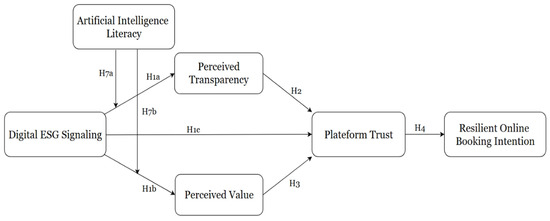
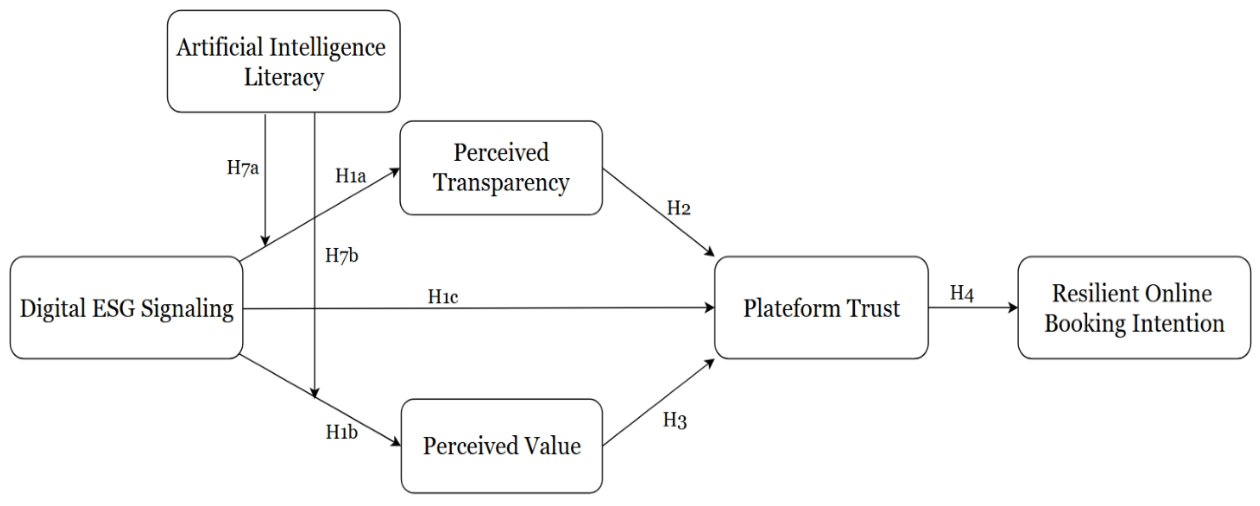
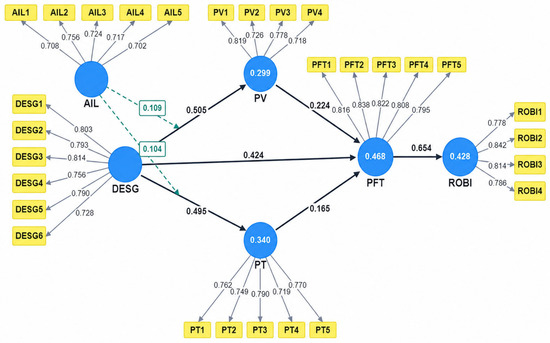
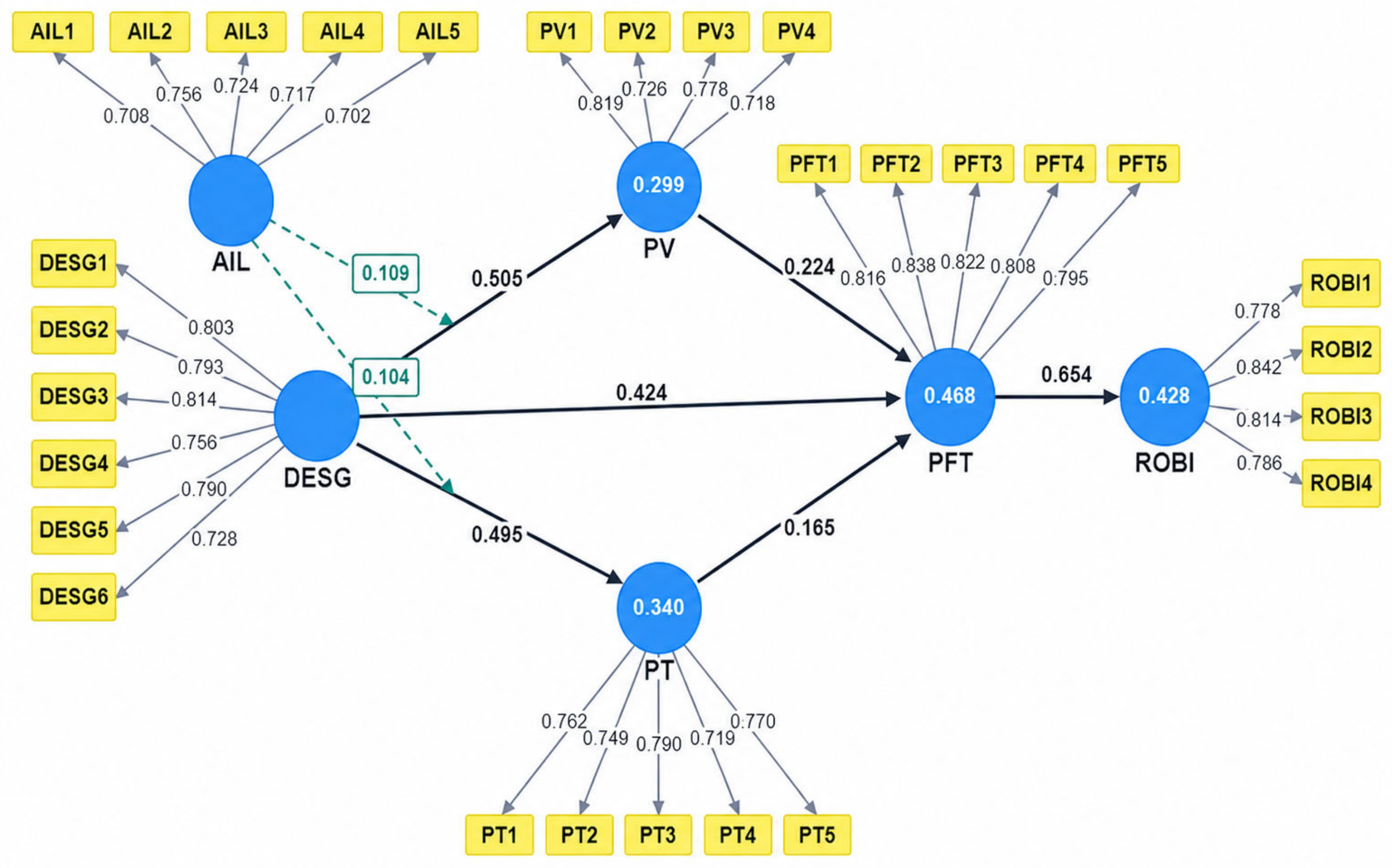
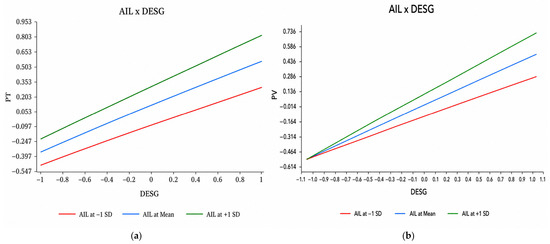
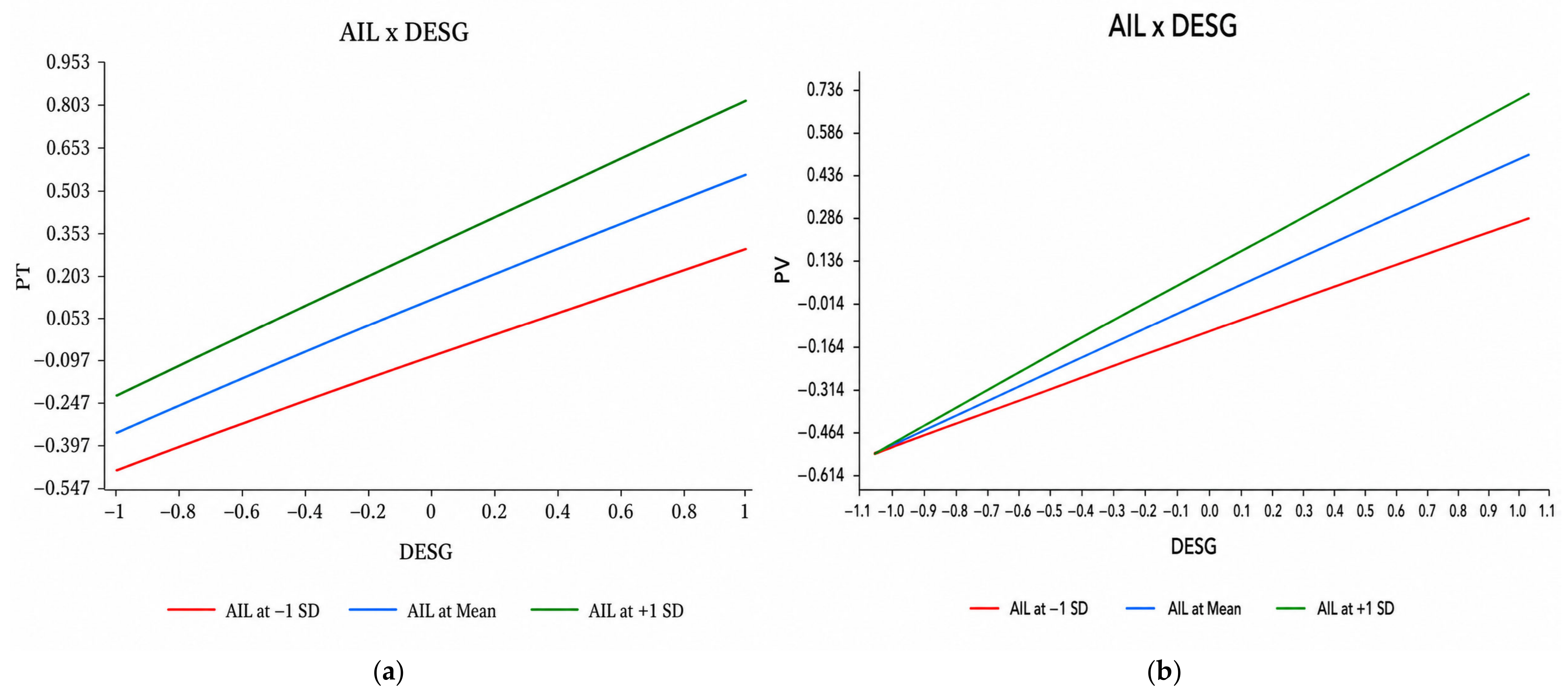

Disclaimer/Publisher’s Note: The statements, opinions and data contained in all publications are solely those of the individual author(s) and contributor(s) and not of MDPI and/or the editor(s). MDPI and/or the editor(s) disclaim responsibility for any injury to people or property resulting from any ideas, methods, instructions or products referred to in the content. |
© 2026 by the authors. Licensee MDPI, Basel, Switzerland. This article is an open access article distributed under the terms and conditions of the Creative Commons Attribution (CC BY) license.