


Abstract
Artificial intelligence (AI) has transformed programmatic advertising (PA) by enabling automated, data-driven personalization within digital marketing ecosystems. However, this transformation has also intensified concerns regarding privacy, consumer trust, and the long-term sustainability of these ecosystems. In this study, sustainability is conceptualized as the capacity of digital marketing systems to maintain long-term functionality without eroding consumer trust or amplifying privacy-related tensions that may undermine system stability over time. This study addresses the research question: How does AI-driven PA affect the sustainability of digital marketing ecosystems through the personalization–privacy paradox? A systematic literature review, conducted in line with PRISMA guidelines, synthesizes prior research across four interrelated clusters: AI-driven personalization, privacy concerns, consumer trust, and consumer attitudes and behavior. The findings indicate that consumer responses to AI-driven personalization are not linear and are shaped by factors such as transparency, perceived control, and the perceived legitimacy of data practices. The review further shows that the paradox of personalization and privacy operates as a persistent condition within AI-driven advertising ecosystems, where the benefits of personalization coexist with ongoing privacy-related tensions. This study contributes to the literature by synthesizing fragmented research on AI-driven PA and by highlighting the central role of trust and transparency in understanding how personalization and privacy tensions shape consumer responses in digital marketing ecosystems.
1. Introduction
Programmatic advertising (PA) refers to the automated real-time buying and selling of digital ad impressions through algorithmic platforms that use behavioral, location, demographic, and contextual data to target consumers without manual negotiation or traditional insertion orders [1]. Artificial intelligence (AI) and machine learning (ML) have significantly transformed PA by improving targeting precision, operational efficiency, and consumer engagement [2]. Future developments indicate a deeper integration between programmatic buying and programmatic creative, increasing automation in advertising ecosystems [3]. AI-driven analytics enable PA systems to process large-scale behavioral data and deliver highly personalized advertising experiences in real time [4]. However, evidence also indicates that hyper-personalization does not produce linear improvements in outcomes, with an inverted U-shaped relationship observed between personalization intensity and customer loyalty, where moderate levels generate optimal effects [5]. According to a 2024 market report, the global PA market reached approximately USD 678.37 billion in 2023 and is projected to reach USD 2753.03 billion by 2030 [6].
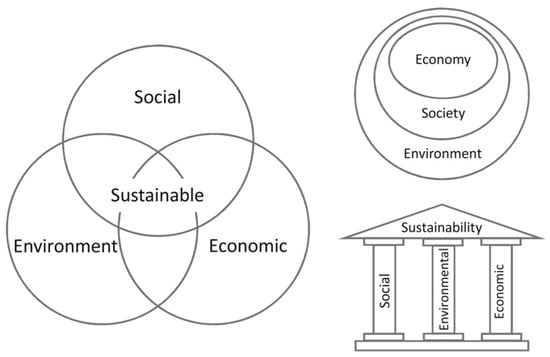
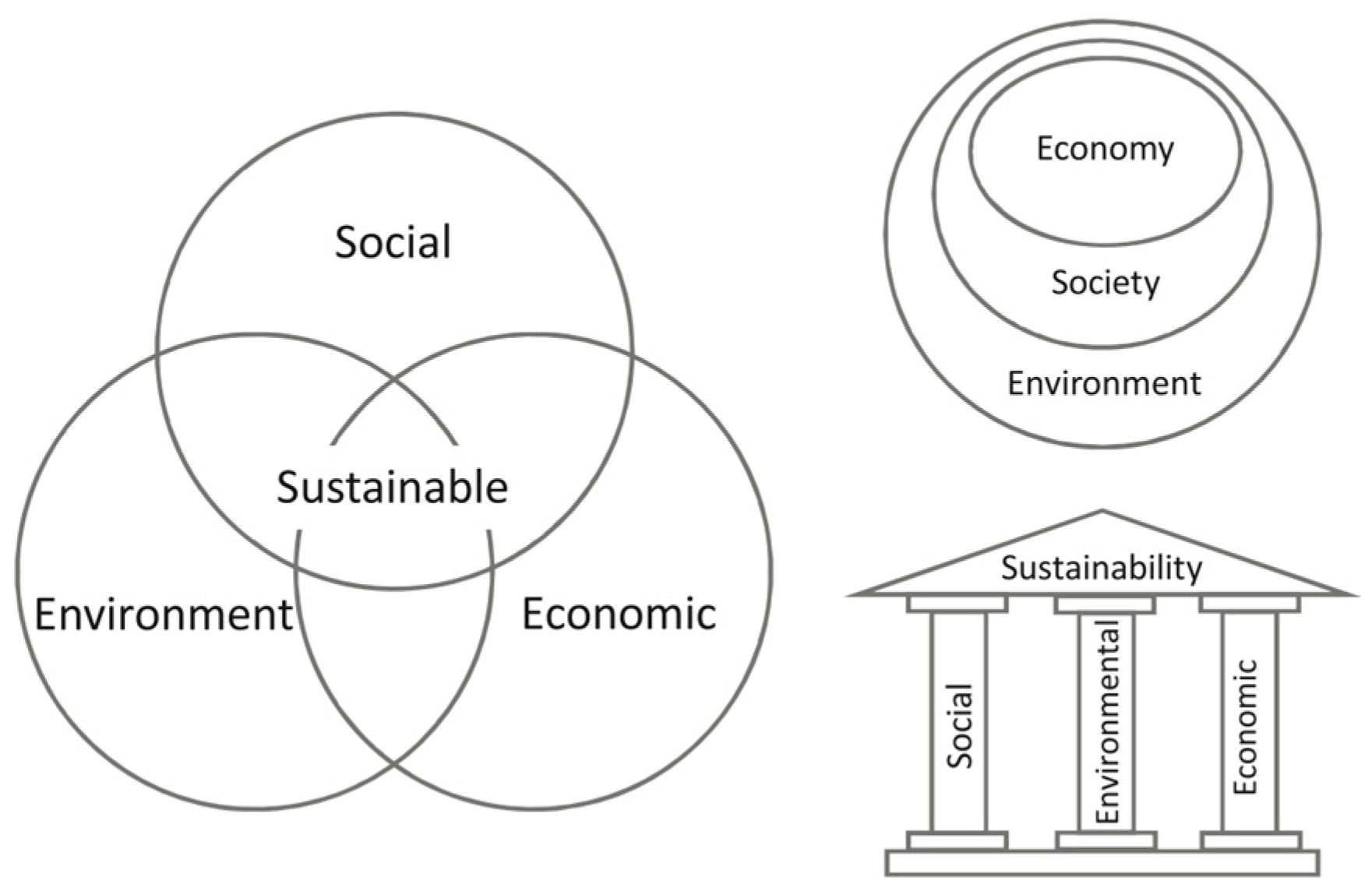
PA ecosystems rely on extensive data collection practices, where retailers and platforms gather behavioral signals to construct detailed user profiles and optimize ad delivery [7]. These data originate from first-, second-, and third-party sources and are processed by AI systems to facilitate audience segmentation and targeting in real time. While these practices increase relevance and efficiency, they also raise concerns about continuous behavioral monitoring and data extraction [8]. Within this context, the paradox of personalization and privacy has become a central construct in digital advertising research, describing the coexistence of perceived benefits of personalization (e.g., relevance, convenience) and perceived risks related to privacy and surveillance [9]. Sustainability in digital marketing extends beyond environmental concerns to include economic and social dimensions of long-term system viability. As illustrated in Figure 1, sustainability is commonly conceptualized through three interdependent pillars: economic, social, and environmental [10,11]. The figure provides a visual overview of the economic, social, and environmental dimensions and their interrelationships. It depicts sustainability as a roof that brings together the economic, social, and environmental pillars, highlighting their interconnected nature within a unified system.
Figure 1.
Three pillars of sustainability [11].
Sustainable digital marketing is defined as the integration of social and environmental considerations into digital marketing practices to ensure long-term organizational and ecosystem viability [11]. In PA contexts, economic sustainability refers to the continued efficiency and profitability of data-driven advertising systems, while social sustainability relates to trust, legitimacy, and the acceptance of data practices. This study primarily focuses on social and economic dimensions, as they are most directly affected by AI-driven personalization and consumer data practices. Within AI-driven PA ecosystems, the personalization privacy paradox represents a persistent structural tension rather than a temporary imbalance. Increasing personalization enhances relevance and user experience, but simultaneously increases perceptions of surveillance, intrusion, and loss of control. These opposing effects continuously reshape consumer trust and engagement in digital advertising environments.
Research in marketing and information systems has approached this tension from multiple perspectives. One stream emphasizes the performance benefits of personalization enabled by AI-driven data analytics [7,9]. Another highlights privacy-related resistance behaviors, including ad avoidance, platform withdrawal, and reduced engagement [8,11]. Together, these perspectives establish the personalization–privacy paradox as a defining issue in contemporary PA research [12]. These dynamics can be understood through four interrelated thematic clusters: AI-driven personalization, privacy concerns, consumer trust, and consumer attitudes and behavior. These clusters are structurally interconnected, as personalization strategies generate privacy concerns, which influence trust formation and ultimately shape consumer behavioral responses. In turn, these responses feed back into the effectiveness and legitimacy of PA ecosystems. While personalization increases perceived relevance, it may simultaneously heighten vulnerability perceptions, producing ambivalent behavioral outcomes [7].
Against this background, this study conducts a systematic literature review of AI-driven PA. The guiding research question is as follows: How does AI-driven PA affect the sustainability of digital marketing ecosystems through the paradox of personalization and privacy? This study identifies the four thematic clusters and examines their interrelationships. This study moves beyond a linear cost–benefit interpretation and conceptualizes the personalization privacy paradox as an enduring structural condition in AI-driven advertising ecosystems. This study contributes in three ways. First, it systematically consolidates fragmented literature across marketing, information systems, and consumer behavior domains. Second, it conceptualizes the personalization–privacy paradox as a structural condition shaped by data asymmetries, transparency limitations, and perceived legitimacy gaps. Third, it provides a foundation for future research by identifying persistent tensions and boundary conditions that affect the sustainability of AI-driven PA systems. Subsequent sections present the methodology, findings, and implications for digital marketing ecosystem sustainability.
2. Materials and Methods
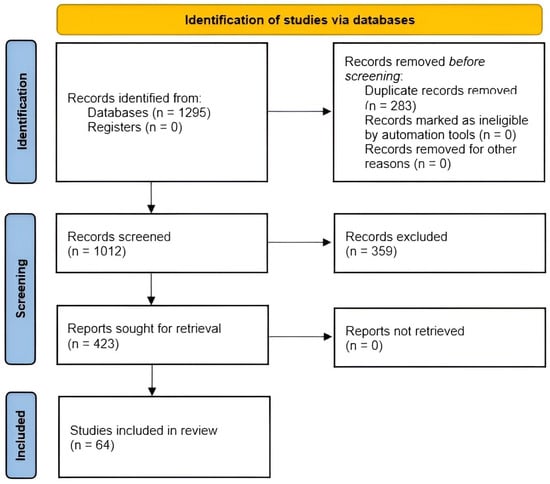
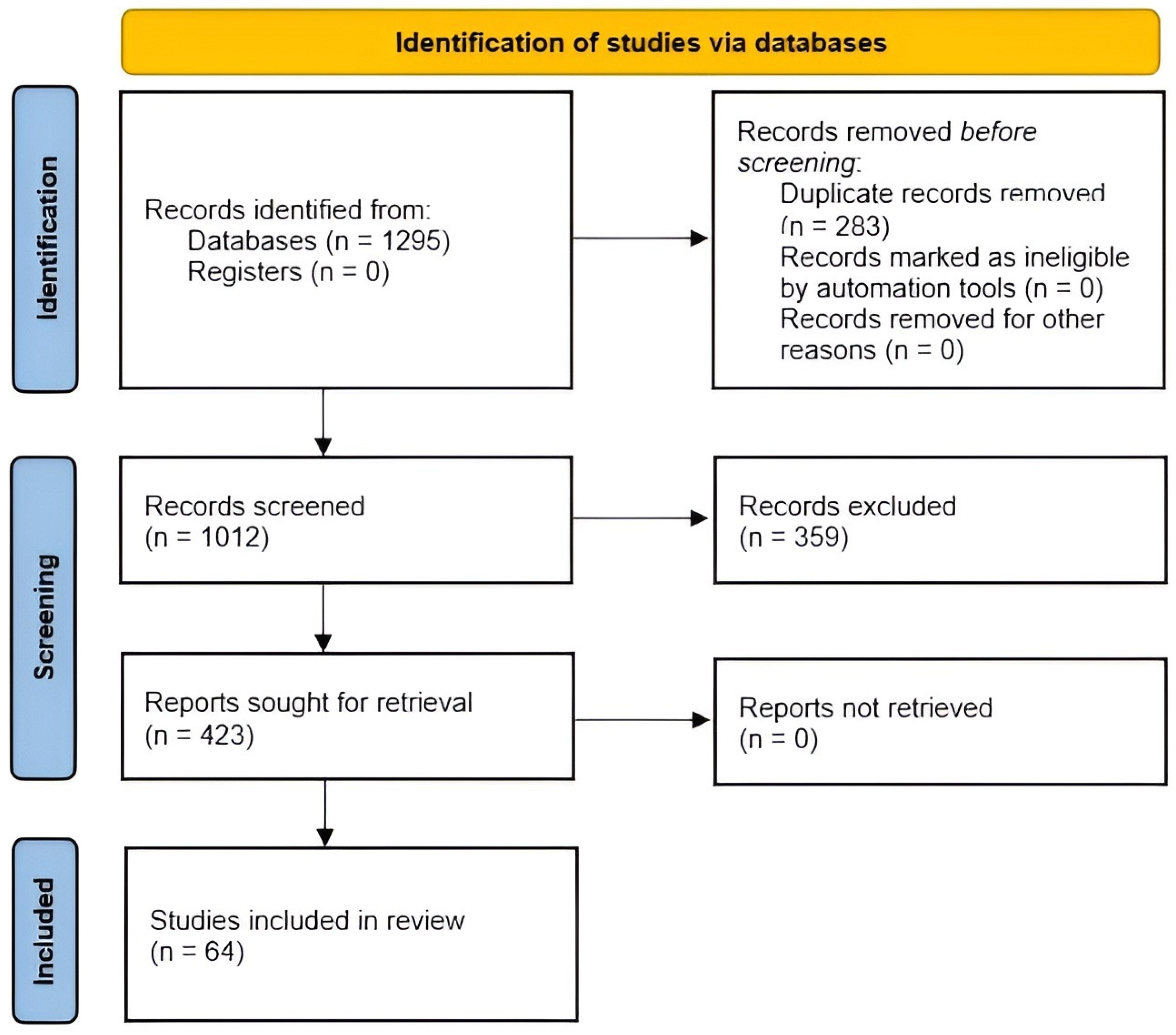
This study follows the Preferred Reporting Items for Systematic Reviews and Meta Analyses (PRISMA) guidelines to ensure transparency, rigor, and reproducibility. A systematic literature search was conducted in January 2026 using three databases: Scopus, Web of Science, and ScienceDirect. The search was performed in the TITLE ABS KEY fields using the keywords programmatic advertising, AI-driven advertising, personalization, privacy, trust, and sustainability.
After the removal of duplicates, 1012 unique records remained. These records were screened at the title and abstract level to exclude studies that did not directly address AI-driven PA, personalization–privacy dynamics, consumer perceptions, behavioral outcomes, or sustainability implications in digital marketing contexts.
Full text eligibility was assessed based on three predefined criteria: (i) explicit relevance to AI-driven PA and personalization–privacy dynamics, (ii) inclusion of consumer-related constructs such as trust, attitudes, or behavioral responses, and (iii) discussion of implications for digital marketing sustainability. Following this assessment, 186 studies were reviewed in detail and 64 studies met all inclusion criteria and were included in the final sample. The study selection process is presented in Figure 2 in accordance with PRISMA guidelines.
Figure 2.
PRISMA flowchart (source: authors’ own elaboration).
The final set of studies was analyzed using thematic analysis following Braun and Clarke’s six-phase framework [13], which includes data familiarization, initial coding, theme generation, iterative refinement of themes, definition and naming of final thematic clusters, and synthesis of findings. This approach enabled an inductive yet structured identification of recurring conceptual patterns across the literature and resulted in four overarching thematic clusters.
3. Results
This section presents the results of the systematic literature review organized around four thematic clusters identified in the analysis: AI-driven personalization, privacy concerns, consumer trust, and consumer attitudes and behavior. Each cluster is examined in relation to the personalization–privacy paradox and its implications for the sustainability of digital marketing ecosystems.
The four thematic clusters were not predefined but emerged inductively through the iterative thematic analysis described in Section 2. Each of the selected studies (n = 64) was subjected to line-by-line coding, and initial codes were organized based on conceptual similarity. Through iterative refinement and constant comparison, four distinct thematic clusters were identified and consolidated: AI-driven personalization, privacy concerns, consumer trust, and consumer attitudes and behavior.
The assignment of studies to clusters followed a dominant concept criterion, whereby each study was categorized according to its primary analytical focus, while secondary themes were cross coded to capture conceptual overlap. For example, studies examining algorithmic tailoring of advertising content were assigned to the personalization cluster, whereas studies focusing on consumer responses to data collection practices were assigned to the privacy concerns cluster.
Sustainability was not treated as a separate thematic cluster but rather as a cross-cutting analytical lens applied across all clusters, enabling an integrated evaluation of long-term technological, behavioral, and regulatory viability of AI-driven PA ecosystems.
3.1. AI-Driven Personalization in Programmatic Advertising
PA has become the dominant infrastructure for online display advertising, accounting for a substantial share of total spending in many markets as automated real-time bidding systems increasingly replace traditional ad placement mechanisms [14,15]. At the core of this transformation are AI and machine learning techniques, which enable advertisers to move beyond broad audience segmentation toward individualized message delivery. Digital personalization now operates across multiple touchpoints including email, websites, social media, and mobile devices by analyzing user location, demographics, behavior, and contextual signals to tailor advertising content in real time [9,16]. This evolution has been conceptualized in the literature as advanced forms of personalization, often described as smart personalization or algorithmic hyper-personalization, referring to systems characterized by higher predictive accuracy, temporal responsiveness, and cross-channel integration [5,17]. Recent developments in large language models and big data analytics further extend these capabilities by enabling real-time content generation, dynamic pricing strategies, and adaptive interface design [18,19].
The strategic value of AI-driven personalization is well-documented in the literature. PA is widely documented to enhance brand awareness, engagement, and sales performance [20,21,22]. From an organizational perspective, hyper-personalization—understood as the increasingly fine-grained adaptation of messages based on user data—represents a continued progression in marketing capability [23,24]. However, this development intensifies a well-recognized tension in the literature known as the personalization–privacy paradox: as firms increase the collection and use of consumer data to improve relevance, they heighten the risk of perceived privacy violations and reduced trust [7,25,26]. As a result, consumers may experience personalized advertising as both beneficial (e.g., reduced information overload and increased relevance) and intrusive (e.g., perceived surveillance and loss of control), leading to ambivalent responses that complicate advertising effectiveness [27,28].
Increasingly granular use of consumer data to enable personalization can intensify privacy concerns, which in turn may lead to avoidance behaviors, negative brand attitudes, and reduced campaign effectiveness [29,30]. Prior research indicates that when consumers become aware of extensive behavioral tracking—commonly referred to as online behavioral advertising (OBA)—levels of perceived intrusiveness and distrust tend to increase, potentially undermining the engagement benefits that personalization is intended to generate [31,32]. Approaches such as conversational interfaces, transparent data practices, and restrained personalization cues have been discussed in the literature as potential mechanisms for mitigating privacy concerns and sustaining user trust [33,34]. This non-linear pattern aligns with Mohiuddin’s [5] inverted U-shaped relationship between hyper-personalization and customer loyalty, whereby moderate levels of personalization maximize loyalty, while both insufficient and excessive levels are associated with diminished outcomes. Similarly, Hanson et al. [23] report that approximately half of consumers exposed to hyper-personalized advertisements experience adverse reactions, including feelings of being “creeped out,” anger, or alarm, thereby reinforcing the notion that personalization effectiveness operates within a bounded optimal range.
The tension between personalization and privacy also raises broader questions about the sustainability of current digital marketing ecosystems. As media companies pursue AI-based monetization models—including PA and dynamic paywalls—distinct privacy concerns emerge, particularly regarding how consumer data are collected, shared, and inferred across platforms [32]. Recent reviews identify AI and humanization in personalization, algorithm–platform dynamics, and behavioral responses to privacy trade-offs as promising future research directions [35].
The literature suggests that AI-driven personalization may enhance PA effectiveness, although its outcomes are likely to depend on users’ privacy perceptions and trust in data practices. This highlights that the success of personalization strategies is not determined solely by technological capability, but also by the responsible and transparent management of consumer data.
The findings indicate that AI-driven PA influences the sustainability of digital marketing ecosystems through the creation of both consumer value and privacy-related tensions. While AI-based personalization enhances advertising relevance, consumer engagement, and operational efficiency, the increasing intensity of data collection and behavioral tracking also amplifies perceptions of surveillance, intrusiveness, and loss of control among consumers. The literature further demonstrates that the effects of personalization are not linear, as moderate levels of personalization may strengthen consumer satisfaction and loyalty, whereas excessive personalization can undermine trust and trigger negative behavioral responses. Extending this line of reasoning, Gündüzyeli [36] argues that the sustainability of AI-driven PA depends not only on personalization accuracy but also on the transparency and accountability of AI decision-making processes within adtech ecosystems. Without governance mechanisms that render algorithmic decisions interpretable and contestable, even well-calibrated personalization strategies may fail to sustain long-term consumer trust. Consequently, the sustainability of digital marketing ecosystems depends not only on the technological sophistication of AI-driven personalization but also on firms ability to implement transparent, responsible, and trustworthy data practices that balance personalization benefits with consumer privacy expectations over time.
3.2. Privacy Concerns in Programmatic Advertising Ecosystems
The persistence of this paradox despite regulatory interventions such as the GDPR reflects “collective accountability” problems, whereby the distributed and multi-actor structure of adtech supply chains makes meaningful user consent difficult to operationalize in practice [37]. Privacy concerns refer to individuals’ worries about the unauthorized collection, storage, use, and misuse of personal information during digital interactions, particularly where users have limited control over data flows [32,38]. Although survey evidence consistently indicates that more than 70% of consumers report privacy concerns [26,38], the behavioral implications of these concerns remain inconsistent. This gap between stated attitudes and observed behavior suggests that privacy concerns are weak predictors of actual disclosure behavior. Instead, contextual factors such as perceived benefit salience, situational constraints, and choice architecture may override privacy preferences in digital decision-making [39,40]. In this context, personalized content may be perceived as useful and relevant; however, the same perceived relevance can simultaneously generate suspicion, leading consumers to interpret firms’ data practices as intrusive or manipulative, thereby reducing purchase intention [23,41].
Kokolakis [39] defines the privacy paradox as the inconsistency between stated privacy attitudes and actual disclosure behavior across different digital contexts. Kuzmanovic and Savic [42] specifically examine this paradox within online social networks, showing that users’ privacy concerns do not always predict their actual data-sharing behavior. In practice, individuals may strongly value data privacy while accepting partial privacy loss as a functional trade-off for participation in digital ecosystems, including online platforms and loyalty programs, despite explicitly stated concerns [29,40]. This inconsistency is not merely an individual-level cognitive bias but reflects a structural tension embedded within digital service ecosystems, which firms actively manage and strategically leverage. Accordingly, consumers’ preference for personalization coexists with their demand for transparency and meaningful control over personal data [24,35]. The paradox thus reflects a broader ambivalence in which users derive value from relevance while simultaneously experiencing what has been described as “autonomy-related psychological friction” [20,27].
Table 1 shows four interrelated dimensions of the privacy paradox. Attitude behavior inconsistency reflects the gap between stated concerns and actual disclosure [26,38,39]. Contextual conditionality shows that situational factors override stable preferences [39,40,43]. Pragmatic acceptance captures deliberate trade-offs for convenience or discounts [7,28,44]. Structural resignation highlights how adtech architectures constrain user control regardless of individual preferences [32,37,44].
Table 1.
Dimensions of the privacy paradox.
This ambivalence extends beyond subjective discomfort and manifests in market-level outcomes. Privacy concerns have been shown to mediate the negative effects of personalized advertising on ad evaluation and constitute a key determinant of users’ decisions to restrict tracking, block cookies, or avoid specific platforms [16,45]. When personalized messages are perceived as intrusive or manipulative, they may evoke fear, uncertainty, and doubt (FUD), delaying the adoption of unfamiliar technologies, while negative electronic word-of-mouth and perceptions of excessive brand intrusion further reduce campaign effectiveness [22,46]. Although some scholars argue that privacy considerations should take precedence over personalization benefits, actual market behavior remains more nuanced. Despite increasing awareness and concern, many consumers continue to accept privacy risks in exchange for convenience, reflecting a pragmatic rather than purely normative evaluation of data practices [28,43].
Regulatory and structural developments increasingly shape how this tension evolves within PA ecosystems. European regulators have considered limiting the duration of online tracking to strengthen consumer privacy protections, while Google’s 2020 announcement regarding the phase-out of third-party cookies in its Chrome browser represented a major structural shift in targeted advertising practices [14,47]. However, such regulatory interventions face significant structural constraints. Data and advertising infrastructures are highly concentrated within a small number of large technology firms, enabling extensive data collection, processing, and sharing practices with limited meaningful user control or informed consent [44]. In parallel, the rise in AI-generated content (AIGC) further intensifies these challenges, as the datasets required for training and deployment raise unresolved issues related to data sovereignty, security, and governance [19]. In response, contextual advertising has regained attention as a partial alternative to personal-data-dependent targeting, particularly under increasing legal and ethical constraints [15]. Nevertheless, the paradox persists: while automated personalization enhances marketing efficiency, it may increase mismatches between messages and contexts, thereby gradually undermining the trust required for long-term consumer relationships [30]. Furthermore, Pinto and Prazeres [44] demonstrate that the concentration of data power within a small number of large technology firms further limits the effectiveness of individual-level privacy controls, as users face structural constraints in understanding, tracing, or meaningfully governing cross-platform data aggregation.
Privacy concerns are not peripheral but a structurally embedded challenge within PA ecosystems. These concerns significantly shape consumer attitudes and behaviors toward personalized advertising, influencing perceived intrusiveness, trust formation, and willingness to share personal data. At the same time, they interact with regulatory developments and platform-level structural constraints, suggesting that the effectiveness of AI-driven personalization increasingly depends on firms’ ability to balance data-driven targeting with transparency, user autonomy, and compliance with evolving privacy expectations.
When the findings of this section are evaluated in relation to the research question, it becomes evident that privacy concerns represent a structurally embedded constraint on the sustainability of AI-driven PA ecosystems. The privacy paradox, the persistent gap between consumers’ expressed concerns and their actual disclosure behavior, suggests that sustainability does not depend on eliminating privacy concerns, but rather on managing them within socially and commercially tolerable limits. This tension is shaped not only by consumers’ willingness to exchange data for services, but also by their expectations of transparency, autonomy, and meaningful control over personal information. The literature further indicates that platform architectures and evolving regulatory frameworks, including the phase-out of third-party cookies, are actively reshaping the balance between personalization and privacy. Consequently, sustainability depends on firms’ ability to balance personalization efficiency with transparent and accountable data practices that sustain consumer trust under technological and regulatory change.
3.3. Consumer Trust as a Mediating Mechanism in Programmatic Advertising
Consumer trust occupies a central but fragile position in PA ecosystems. Defined as a willingness to accept vulnerability under risk, trust operates as a psychological mechanism through which consumers evaluate personalized advertising [29]. Trust is commonly framed as a mediating construct that shapes consumer responses to personalized advertising [29]. However, existing research rarely disaggregates causal pathways, leaving directionality and boundary conditions of trust effects unspecified [35,48]. In AI-driven marketing contexts, trust extends beyond a relational sentiment and functions as a determinant of advertising effectiveness, influencing continued usage intentions, customer engagement, and overall campaign performance [28,34]. Recent reviews identify trust as a key mediating construct linking AI advertising practices to consumer behavioral outcomes, although its effects are highly contingent on contextual variables such as transparency, perceived control, and brand credibility [35,48]. When trust is established, personalized content is more likely to be interpreted as meaningful, transforming relevance into consumer engagement [24]. This mechanism helps explain the heterogeneous effects of personalized advertising across contexts: in high-trust environments, personalization is perceived as value-enhancing, whereas in low-trust environments, the same targeting intensity may trigger suspicion, perceived creepiness, or outright rejection [9,18].
Table 2 synthesizes key determinants of consumer trust in AI-driven PA. Transparency and perceived user control consistently enhance trust by reducing uncertainty and enabling informed consent [7,17,24,32,34]. Brand credibility moderates the relationship between privacy concerns and trust [18,43,49]. Conversely, perceived intrusiveness and algorithmic opacity undermine trust by triggering surveillance feelings and reducing interpretability [5,23,30,50,51].
Table 2.
Determinants of consumer trust in AI-driven PA.
As firms pursue increasingly granular consumer data, deeper data extraction increases perceived intrusiveness and erodes consumer trust [30]. This tension is further amplified by consumer perceptions of AI-driven marketing systems. Empirical evidence suggests that many consumers exhibit negative attitudes toward AI applications in marketing, including distrust of algorithmic recommendations, decisions, and outputs [50]. Moreover, discomfort arising from excessive contextual awareness directly undermines trust formation [5]. When consumers feel surveilled or “overly known,” their willingness to accept vulnerability decreases, thereby disrupting the trust-mediated pathway between personalization and engagement.
Trust-building in PA ecosystems primarily relies on transparency, perceived control, and credible data governance. Firms can mitigate privacy concerns and strengthen trust by offering clear, accessible, and comprehensible privacy policies that explain how user data are collected, processed, and utilized [7,17]. Perceived control over personal data is a particularly important determinant of disclosure behavior, as individuals with different privacy orientations demonstrate varying preferences for data-sharing and monetization models [32]. In AI-enabled interfaces such as chatbots, trust plays an especially critical role, as users tend to avoid sharing personal information when trust is insufficient [33]. Brand trust further moderates these dynamics by attenuating the negative effects of privacy concerns on consumer well-being, suggesting that established credibility can buffer resistance to data-driven personalization [18]. Similarly, trust in platform providers increases willingness to disclose information, as users who perceive platforms as reliable are more likely to develop positive attitudes and share personal data without heightened anxiety [49]. Consumer trust in digital marketing ecosystems is shaped by transparency, user control, and the perceived credibility of data-handling entities [43]. In the absence of these conditions, the mediating function of trust weakens, and the efficiency gains of PA may be offset by consumer resistance and disengagement.
The mediating role of trust is further reinforced by Samuel et al. [30], who demonstrate that perceptions of manipulation or insufficient transparency in AI-driven advertising can erode trust even when the delivered content is objectively relevant. Similarly, Chen et al. [50] find that consumers often display negative attitudes toward AI-generated marketing recommendations, including distrust of algorithmic decision-making, regardless of recommendation accuracy. Extending this evidence to interactive AI environments, Jenneboer et al. [33] show that users are reluctant to disclose personal information to AI chatbots when trust is weak, although trust-building mechanisms such as social presence cues can partially mitigate this reluctance. Collectively, these findings highlight that trust is not only an outcome of perceived performance but also a precondition for effective interaction in AI-mediated advertising environments.
Consumer trust plays a critical mediating role in PA by shaping how personalization translates into engagement and behavioral responses. While AI-driven targeting can enhance perceived relevance and effectiveness, its success depends fundamentally on whether trust in advertisers, platforms, and data practices is established and sustained. At the same time, trust is highly sensitive to perceived transparency, user control, and experiences of intrusiveness, meaning that even technically optimized personalization strategies may fail if they undermine consumer confidence.
When the findings of this section are evaluated in relation to the research question, it becomes evident that consumer trust functions as a critical mediating mechanism shaping the sustainability of AI-driven PA ecosystems. The effectiveness of AI-driven personalization depends not only on technological sophistication or data-processing capability, but also on whether consumers perceive the actors and systems involved as trustworthy. In this context, trust transforms perceived relevance into engagement and continued interaction, whereas low levels of trust amplify perceptions of surveillance, manipulation, and intrusiveness. Trust in PA ecosystems is highly contingent on transparency, user control, and credible data governance practices. However, consumer trust remains inherently fragile, as even accurate and relevant personalization strategies may generate resistance when users perceive excessive monitoring or algorithmic opacity. Consequently, sustainability depends on firms’ ability to deliver personalized value while maintaining transparent, accountable, and human-centered data practices. Without these conditions, even highly sophisticated AI-driven personalization strategies risk undermining the trust necessary for long-term consumer engagement and ecosystem viability.
3.4. Consumer Attitudes and Behavioral Responses to Programmatic Advertising
Retail consumers value personalization outcomes yet remain reluctant to share the information required to enable such tailored experiences [26]. Perceived personalization exerts a positive effect on attitudes through informativeness and relevance, while simultaneously exerting a negative effect through heightened privacy concerns [27,31]. The literature posits a dual-pathway model in which perceived personalization produces positive effects via informativeness and negative effects via privacy concerns [27,31]. The relative strength of these competing pathways determines overall attitude valence. Evidence suggests that the positive effect often outweighs the negative, resulting in an overall favorable impact of perceived personalization on consumer responses [31]. However, this aggregate effect conceals substantial heterogeneity across individuals, contexts, and personalization modalities.
The behavioral consequences of this ambivalence are most clearly captured by the privacy paradox: individuals express strong privacy concerns yet continue to disclose personal information in exchange for relatively modest benefits such as discounts or convenient service access [39,52]. Consumers often grant firms access to their personal data through technology-mediated channels without fully understanding the terms of consent and the privacy costs of such exchanges often remain implicit or unclear [29,40]. This gap between attitudes and behavior does not simply reflect irrationality but rather a perceived trade-off where consumers accept privacy risks when the perceived benefits of personalization such as convenience relevance and time savings outweigh the perceived costs of disclosure [7,44]. However, when privacy concerns become salient, a backfire effect may emerge, whereby highly intrusive, personally identifiable personalization performs no better than generic messaging and significantly worse than moderate, contextual personalization [41].
The specific characteristics of personalization further shape consumer responses. Personalized ads based on private communication channels (e.g., direct messages) generate lower perceived privacy than those relying on public data, while information related to personal life triggers stronger privacy concerns than business-related information [21]. When personalization reaches hyper-personalized levels, consumer reactions may become strongly negative. Approximately half of participants exposed to highly personalized advertisements report adverse reactions such as feeling creeped out, angry, or alarmed [23]. This pattern is consistent with an inverted U-shaped relationship between hyper-personalization and customer loyalty, where moderate levels maximize loyalty while both low and excessive levels reduce it [5].
Consumer demographics and individual differences moderate these effects. Female and younger consumers report higher infotainment value and more favorable attitudes toward personalized advertising, although younger users also report higher irritation levels [43]. Privacy-sensitive users exhibit greater appraisal sensitivity, with privacy concerns strengthening the negative relationship between AI personalization and psychological reactance [20]. The US internet user base can be segmented into distinct groups, with approximately 26% demonstrating strong acceptance of relevant advertising and industry privacy frameworks, while others show higher resistance [14]. Some consumers increasingly adopt ad blockers, private browsers, or other tracking-reduction tools, particularly among Gen Z users who actively manage digital privacy through privacy calculus reasoning [16].
Contextual advertising—placing ads in favorable media environments to improve brand perception or click-through rates—offers an alternative to data-intensive targeting [15]. In e-commerce settings, AI customer service reduces sales for experience goods unless accompanied by sufficient informational depth and breadth, suggesting that personalization strategies must adapt to product characteristics [53]. Notably, after controlling for perceived online trust, message credibility, and perceived risks and benefits, personalization alone does not significantly affect attitude toward the ad, whereas transparency features such as the AdChoices Icon do [29]. This highlights that the implementation and signaling of personalization may be as important as personalization itself. Without ethical data practices and transparent privacy controls, the effectiveness of PA may be undermined by consumer resistance, negative word-of-mouth, and avoidance behaviors [17].
The literature suggests that consumer attitudes and behavioral responses to PA are shaped by a complex interplay between perceived personalization benefits and privacy-related concerns. While personalization can enhance perceived relevance, informativeness, and convenience, its effectiveness is often constrained by rising sensitivity to data use, intrusiveness, and perceived over-specificity, which may trigger negative emotional and behavioral reactions. These effects vary across individuals and contexts, with demographic factors, privacy orientation, and personalization intensity all moderating outcomes. Importantly, the evidence also indicates that transparency mechanisms and contextual design choices may be as influential as personalization itself, highlighting that consumer acceptance ultimately depends on how well personalization practices align with perceived fairness, control, and informational expectations. The heterogeneity of consumer responses is systematically documented in the literature, with approximately 26% of US internet users exhibiting strong acceptance of relevant advertising, while the remaining population demonstrates varying degrees of resistance [14]. Female and younger consumers tend to report more favorable attitudes toward personalized advertising; however, younger users also exhibit higher levels of irritation, indicating that demographic factors significantly moderate the personalization–privacy trade-off [43]. Gen Z users actively manage digital privacy through ad blockers and privacy-enhancing browsers, engaging in deliberate privacy calculus processes that weigh perceived benefits against perceived privacy costs [16].
When the findings of this section are evaluated in relation to the research question, it becomes evident that consumer attitudes and behavioral responses constitute a key mechanism through which AI-driven PA affects the sustainability of digital marketing ecosystems. The literature indicates that consumers simultaneously value the relevance and convenience of personalized advertising while remaining concerned about surveillance and intrusive targeting practices. This ambivalence reflects the personalization–privacy paradox at the behavioral level. The findings further demonstrate that consumer responses are highly heterogeneous and shaped by factors such as privacy sensitivity, personalization intensity, perceived fairness, and transparency mechanisms. Moderate and contextually appropriate personalization tends to generate more favorable attitudes, whereas excessive or intrusive personalization may trigger psychological reactance, avoidance behaviors, and reduced trust. The literature also suggests that transparency features, contextual advertising strategies, and perceived user control can mitigate these negative responses by enhancing perceptions of legitimacy and fairness. Consequently, the sustainability of digital marketing ecosystems depends on firms’ ability to align personalization practices with consumers’ evolving expectations regarding privacy, transparency, fairness, and control.
3.5. Illustrative Cases of AI-Driven PA for Sustainable Digital Marketing
This section complements the theoretical and empirical synthesis by providing illustrative case-based evidence of how AI-driven PA operationalizes the interplay between personalization, privacy, trust, and sustainability outcomes in real-world applications. The cases are intentionally diversified across platform ecosystems, retail media networks, and sustainability-oriented advertising technologies to enhance analytical generalizability and reflect dominant actors in the PA landscape [54,55]. Table 3 summarizes six illustrative cases demonstrating how AI-driven PA translates key theoretical constructs, namely personalization efficiency, privacy governance, trust mediation, and environmental impact, into observable outcomes within digital marketing ecosystems. These cases are not intended to be exhaustive but rather to provide representative examples of how different organizational actors operationalize AI-driven personalization under varying technological and regulatory conditions.
Table 3.
AI-driven PA initiatives and sustainability outcomes.
Three structural transformations in PA infrastructure merit particular attention, as they redefine the conditions under which personalization operates. First, the Google Privacy Sandbox represents a shift away from third-party cookies toward cohort-based and on-device processing mechanisms such as the Topics API. This transition responds to regulatory pressure and consumer privacy concerns while attempting to preserve targeting effectiveness [62,63,64].
Second, Amazon’s demand-side platform (DSP) illustrates the growing role of retail media networks in AI-driven advertising. Burt’s Bees linked Amazon purchase data with Prime Video viewing habits to deliver personalized skincare routines within the Amazon ecosystem [59]. Unlike traditional PA, which infers preferences from behavioral signals, this approach shifts personalization toward transactional intelligence based on actual purchases rather than browsing behavior. This distinction has implications for trust: when personalization is grounded in disclosed purchase histories rather than passive tracking, consumers may perceive the exchange as more legitimate, potentially reducing privacy concerns.
Third, Meta’s Advantage+ system represents full automation in PA, where AI manages audience selection, creative variation, and budget allocation. Evidence suggests that such systems improve return-on-ad spend by optimizing cross-platform engagement patterns [51]. However, this automation introduces tensions: algorithmic opacity reduces advertiser control, and consumers may struggle to understand why they are targeted, potentially increasing perceptions of creepiness or manipulation. Advantage+, therefore, illustrates that while automation enhances efficiency, it may also intensify trust-related concerns if transparency is limited.
Beyond platform-level shifts, several initiatives demonstrate how AI-driven PA can simultaneously support performance and sustainability objectives. The Chevrolet Arabia campaign used carbon-efficient programmatic streaming, achieving a 70% higher click-through rate compared to benchmarks while reducing data transmission by 9.2 terabytes and avoiding over one ton of CO2 emissions [56]. This case challenges the assumption that environmental sustainability and marketing performance are necessarily in tension, suggesting that data minimization can improve both ecological and economic outcomes. In contrast, the Yobi Microsoft partnership developed a behavioral foundation model based on consumer consent and privacy-preserving data practices, enabling broader early funnel reach while maintaining identifiable user privacy [57,58]. This demonstrates that privacy-preserving personalization can be implemented at the machine learning architecture level, indicating that the personalization–privacy paradox is not technologically predetermined but design-dependent.
The Burt’s Bees case further illustrates the value of first-party data integration. By linking purchase history with streaming behavior, the brand acquired 62% new customers and achieved a 36% sales uplift while reducing reliance on third-party tracking [59]. This suggests that when personalization is transparently grounded in existing commercial relationships rather than covert tracking, consumers may perceive the value exchange as more fair, potentially weakening negative effects on trust. Similarly, KNOREX demonstrates scalable AI-driven cross-channel optimization, achieving a cost per mille below $2.50 and attributing over 54,000 offline dealership visits to programmatic campaigns [60]. The Schroders programmatic digital out-of-home campaign for sustainable investment products further expands the application domain, using dayparting and weather signals to reach sustainable finance audiences in Southeast Asia [61].
Overall, the illustrative cases suggest that AI-driven PA is increasingly shaped by attempts to reconcile performance objectives with privacy, trust, and sustainability considerations. Across different platform ecosystems and industry applications, AI enables substantial gains in targeting efficiency, conversion rates, and cost optimization, while emerging privacy-preserving architectures and first-party data strategies indicate that personalization can be redesigned to reduce reliance on intrusive tracking. At the same time, the cases highlight that automation and algorithmic opacity may introduce new challenges for transparency and consumer trust, reinforcing the idea that the benefits of AI-driven PA are contingent not only on technical efficiency but also on governance choices and perceived legitimacy of data use.
4. Discussion
The findings show that AI-driven PA affects the sustainability of digital marketing ecosystems not by resolving the personalization–privacy paradox but by shaping the conditions under which consumers evaluate data-driven exchanges. The key issue is not the existence of the paradox but the contexts in which it becomes behaviorally relevant. Consumer responses depend primarily on perceived legitimacy of data practices rather than on personalization intensity alone. Transparency, consent, and transaction-linked data are more likely to be perceived as acceptable, whereas passive tracking and cross-platform inference are more often perceived as intrusive [7,31]. Trust plays a central role in this process. Higher trust is associated with greater willingness to disclose personal data in personalized environments [28,34]. However, trust may reduce users’ scrutiny of data practices, raising concerns about whether consent reflects fully informed decision-making [29,44]. The evidence suggests that personalization effects are not linear. A non-linear pattern is consistent with the literature, where moderate personalization generates more favorable responses than low or high levels [5,23,41]. This implies that effectiveness depends on perceived relevance, legitimacy of data use, and user control. Beyond a certain threshold, personalization may lead to diminishing or negative effects when perceived as intrusive [23,41]. In line with this, Duan et al. [20] show that privacy concerns intensify psychological reactance toward AI-driven personalization, while Bai et al. [53] demonstrate that effectiveness varies depending on product type and contextual conditions.
Consumer responses vary across demographic and psychographic groups, although findings remain mixed [43]. Much of the literature relies on self-reported measures, which may not accurately reflect behavioral responses. Evidence further indicates substantial heterogeneity in privacy sensitivity, with only a subset of users consistently accepting personalized advertising [14]. This suggests that personalization strategies are unlikely to be universally effective and require segmentation-based adaptation. Platform architecture also conditions these dynamics. Cohort-based systems reduce individual identifiability while maintaining targeting functionality [62], whereas transaction-based systems derive legitimacy from direct commercial relationships [59]. Fully automated systems prioritize optimization but may reduce transparency and interpretability for users [51]. These differences indicate that user responses depend not only on outcomes of personalization but also on the visibility of underlying data logic. Evidence on the long-term behavioral effects of these architectures remains limited. Structural constraints shape the effectiveness of privacy and personalization mechanisms. Transparency and consent are widely emphasized but their effectiveness is limited by cross-platform tracking and large-scale data aggregation [37,44]. Regulatory interventions such as GDPR and restrictions on third-party cookies have modified data practices but have not fully resolved structural asymmetries [37,47]. Supporting this, Shin [32] shows that platform defaults and choice architectures can have stronger effects on disclosure behavior than stated privacy preferences. In addition, Li et al. [19] highlight emerging challenges in generative AI systems, particularly regarding data reuse and consent in AI-generated content pipelines.
The findings suggest that AI-driven PA influences sustainability through ongoing tensions between personalization and privacy rather than through their resolution. The paradox of personalization and privacy should therefore be understood as a context-dependent governance issue shaped by trust, platform design, and regulatory constraints [35].
5. Conclusions
The main contribution of this study is to clarify the structure of the personalization–privacy paradox in AI-driven PA rather than simply reaffirming its existence. The findings suggest that the paradox should not be understood as a simple trade-off between personalization benefits and privacy risks. Rather, it represents a structural condition shaped by asymmetries in transparency, interpretability, and perceived legitimacy of data practices. Consumer responses are influenced less by personalization itself than by whether data practices align with context-specific expectations regarding fairness, transparency, and user control.
Four main findings emerge from the review. First, personalization effects are non-linear. Moderate and contextually appropriate personalization tends to generate more positive outcomes, whereas excessive personalization may reduce trust and trigger resistance behaviors. Second, consumer trust functions as a central mediating mechanism linking personalization practices to behavioral outcomes. Third, consumer responses are highly heterogeneous across demographic and psychographic groups, indicating that no single personalization strategy is universally effective. Fourth, individual-level privacy management remains structurally constrained by platform architectures and cross-platform data aggregation practices.
The findings further indicate that the effectiveness of AI-driven PA is conditional rather than universal. Personalization improves engagement primarily when consumers perceive data practices as legitimate, transparent, and controllable. Beyond this threshold, increasing levels of targeting and behavioral inference may generate diminishing or negative effects, including avoidance behaviors, distrust, and negative brand perceptions. In this respect, the study suggests a structural tension between the efficiency-oriented logic of AI-driven advertising systems and consumers’ expectations regarding privacy and autonomy.
This study contributes to the literature in three ways. First, it synthesizes fragmented research on AI-driven personalization, privacy concerns, trust, and consumer behavior within an integrated analytical framework. Second, it conceptualizes the paradox of personalization and privacy as a structural governance issue rather than a purely individual-level inconsistency. Third, it clarifies that sustainability in AI-driven PA is primarily associated with the long-term social and economic viability of digital marketing ecosystems, particularly the preservation of trust, legitimacy, and consumer engagement.
Directly addressing the research question, the findings demonstrate that AI-driven PA affects the sustainability of digital marketing ecosystems through the interaction of personalization intensity, privacy concerns, trust formation, and platform-level governance structures. Sustainable digital marketing ecosystems depend not only on technological optimization but also on transparent, accountable, and privacy-sensitive data practices that sustain long-term consumer trust and perceived legitimacy.
Future research may examine personalization thresholds, cross-cultural differences in privacy perceptions, and long-term implications of privacy-preserving advertising architectures.
Author Contributions
Conceptualization, B.G.; methodology, B.G.; investigation, N.Y.; resources, B.G.; writing—original draft preparation, N.Y.; writing—review and editing, B.G.; supervision, B.G. All authors have read and agreed to the published version of the manuscript.
Funding
This research received no external funding.
Institutional Review Board Statement
Not applicable.
Informed Consent Statement
Not applicable.
Data Availability Statement
No new data were created or analyzed in this study. The research did not involve the use of publicly archived datasets or any proprietary data. If any questions arise regarding the methodologies used or the findings reported, please contact the author for further information.
Conflicts of Interest
The authors declared no potential conflicts of interest with respect to the research, authorship, and publication of this article.
References
- Busch, O. Programmatic Advertising; Springer International Publishing: Cham, Switzerland, 2015. [Google Scholar]
- Neves, J.; Pereira, M.C. A marketing perspective on the roles of AI and ML in shaping contemporary programmatic advertising. Int. J. Digit. Mark. Manag. Innov. 2025, 1, 1–14. [Google Scholar] [CrossRef] [Scilit]
- Chen, G.; Xie, P.; Dong, J.; Wang, T. Understanding programmatic creative: The role of AI. J. Advert. 2019, 48, 347–355. [Google Scholar] [CrossRef] [Scilit]
- Singhal, A. The role of artificial intelligence in enhancing Ad personalization: A study on programmatic advertising. J. Artif. Intell. Gen. Sci. 2024, 3, 431–445. [Google Scholar] [CrossRef] [Scilit]
- Mohiuddin, D. Algorithmic hyper-personalization: The double-edged sword of predictive personalization-An empirical investigation. J. Eng. Comput. Intell. Rev. 2024, 2, 82–94. [Google Scholar]
- Grand View Research. Programmatic Advertising Market Size Report, 2024–2030. Available online: https://www.grandviewresearch.com (accessed on 15 January 2026).
- Aguirre, E.; Mahr, D.; Grewal, D.; De Ruyter, K.; Wetzels, M. Unraveling the personalization paradox: The effect of information collection and trust-building strategies on online advertisement effectiveness. J. Retail. 2015, 91, 34–49. [Google Scholar] [CrossRef] [Scilit]
- Boerman, S.C.; Kruikemeier, S.; Zuiderveen Borgesius, F.J. Online behavioral advertising: A literature review and research agenda. J. Advert. 2017, 46, 363–376. [Google Scholar] [CrossRef] [Scilit]
- Boerman, S.C.; Smit, E.G. Advertising and privacy: An overview of past research and a research agenda. Int. J. Advert. 2023, 42, 60–68. [Google Scholar] [CrossRef] [Scilit]
- Purvis, B.; Mao, Y.; Robinson, D. Three pillars of sustainability: In search of conceptual origins. Sustain. Sci. 2019, 14, 681–695. [Google Scholar] [CrossRef] [Scilit]
- Bashar, A.; Alkadash, T.; Nyagadza, B.; Muposhi, A. Sustainable digital marketing (SDM): Review, taxonomy, conceptualisation and future research avenues mapping. Qual. Quant. 2025, 60, 4045–4070. [Google Scholar] [CrossRef] [Scilit]
- Liu-Thompkins, Y. A decade of online advertising research: What we learned and what we need to know. J. Advert. 2019, 48, 1–13. [Google Scholar] [CrossRef] [Scilit]
- Braun, V.; Clarke, V. Using thematic analysis in psychology. Qual. Res. Psychol. 2006, 3, 77–101. [Google Scholar] [CrossRef] [Scilit]
- Cooper, D.A.; Yalcin, T.; Nistor, C.; Macrini, M.; Pehlivan, E. Privacy considerations for online advertising: A stakeholder’s perspective to programmatic advertising. J. Consum. Mark. 2023, 40, 235–247. [Google Scholar] [CrossRef] [Scilit]
- Häglund, E.; Björklund, J. AI-driven contextual advertising: Toward relevant messaging without personal data. J. Curr. Issues Res. Advert. 2024, 45, 301–319. [Google Scholar] [CrossRef] [Scilit]
- McKee, K.M.; Dahl, A.J.; Peltier, J.W. Gen Z’s personalization paradoxes: A privacy calculus examination of digital personalization and brand behaviors. J. Consum. Behav. 2024, 23, 405–422. [Google Scholar] [CrossRef] [Scilit]
- Saura, J.R.; Škare, V.; Dosen, D.O. Is AI-based digital marketing ethical? Assessing a new data privacy paradox. J. Innov. Knowl. 2024, 9, 100597. [Google Scholar] [CrossRef] [Scilit]
- Aydin, S. Brand Trust in AI-Driven E-Commerce Personalization: The Well-Being–Privacy Trade-Off. Sustainability 2026, 18, 1073. [Google Scholar] [CrossRef] [Scilit]
- Li, J.; Qu, L.; Cai, T.; Zhao, Z.; Haldar, N.A.H.; Krishna, A.; Kong, X.; Macau, F.R.; Chakraborty, T.; Deroy, A.; et al. AI-generated content in cross-domain applications: Research trends, challenges and propositions. Knowl. Based Syst. 2025, 330, 114634. [Google Scholar] [CrossRef] [Scilit]
- Duan, H.; Dawod, A.Y.; Wan, G. The personalization paradox in AI-driven tourism e-commerce: Psychological reactance, threat-substitution, and the moderating role of privacy concerns. J. Theor. Appl. Electron. Commer. Res. 2026, 21, 127. [Google Scholar] [CrossRef] [Scilit]
- Zhu, Y.Q.; Kanjanamekanant, K. No trespassing: Exploring privacy boundaries in personalized advertisement and its effects on ad attitude and purchase intentions on social media. Inf. Manag. 2021, 58, 103314. [Google Scholar] [CrossRef] [Scilit]
- Dwivedi, Y.K.; Hughes, L.; Ismagilova, E.; Aarts, G.; Coombs, C.; Crick, T.; Duan, Y.; Dwivedi, R.; Edwards, J.; Eirug, A.; et al. Artificial Intelligence (AI): Multidisciplinary perspectives on emerging challenges, opportunities, and agenda for research, practice and policy. Int. J. Inf. Manag. 2021, 57, 101994. [Google Scholar] [CrossRef] [Scilit]
- Hanson, J.; Wei, M.; Veys, S.; Kugler, M.; Strahilevitz, L.; Ur, B. Taking Data Out of Context to Hyper-Personalize Ads: Crowdworkers’ Privacy Perceptions and Decisions to Disclose Private Information. In Proceedings of the 2020 CHI Conference on Human Factors in Computing Systems; ACM: New York, NY, USA, 2020; pp. 1–13. [Google Scholar]
- Madane, Y.; Azeroual, M. Perceived Intrusiveness vs. Relevance: A PLS-SEM Analysis of Personalized Advertising in Morocco. Digital 2025, 5, 63. [Google Scholar] [CrossRef] [Scilit]
- Cloarec, J. The personalization–privacy paradox in the attention economy. Technol. Forecast. Soc. Change 2020, 161, 120299. [Google Scholar] [CrossRef] [Scilit]
- Martin, K.D.; Palmatier, R.W. Data privacy in retail: Navigating tensions and directing future research. J. Retail. 2020, 96, 449–457. [Google Scholar] [CrossRef] [Scilit]
- De Groot, J.I.M. The personalization paradox in Facebook advertising: The mediating effect of relevance on the personalization–brand attitude relationship and the moderating effect of intrusiveness. J. Interact. Advert. 2022, 22, 57–74. [Google Scholar] [CrossRef] [Scilit]
- Lee, J.M.; Rha, J.Y. Personalization–privacy paradox and consumer conflict with the use of location-based mobile commerce. Comput. Hum. Behav. 2016, 63, 453–462. [Google Scholar] [CrossRef] [Scilit]
- Brinson, N.H.; Eastin, M.S. Juxtaposing the persuasion knowledge model and privacy paradox: An experimental look at advertising personalization, public policy and public understanding. Cyberpsychol. J. Psychosoc. Res. Cyberspace 2016, 10, 7. [Google Scholar] [CrossRef] [Scilit]
- Samuel, A.; White, G.R.; Thomas, R.; Jones, P. Programmatic advertising: An exegesis of consumer concerns. Comput. Hum. Behav. 2021, 116, 106657. [Google Scholar] [CrossRef] [Scilit]
- Mo, L.; Zhang, X.; Lin, Y.; Yuan, Z.; Peng, Z. Consumers’ attitudes towards online advertising: A model of personalization, informativeness, privacy concern and flow experience. Sustainability 2023, 15, 4090. [Google Scholar] [CrossRef] [Scilit]
- Shin, J.W. AI-Driven Privacy Trade-Offs in Digital News Content: Consumer Perception of Personalized Advertising and Dynamic Paywall. J. Media 2025, 6, 170. [Google Scholar] [CrossRef] [Scilit]
- Jenneboer, L.; Herrando, C.; Constantinides, E. The impact of chatbots on customer loyalty: A systematic literature review. J. Theor. Appl. Electron. Commer. Res. 2022, 17, 212–229. [Google Scholar] [CrossRef] [Scilit]
- Lee, D.H.; Gottlieb, U. Back to the future via human-centered artificial intelligence. Asia Pac. J. Mark. Logist. 2026, 38, 1168–1196. [Google Scholar] [CrossRef] [Scilit]
- Duralia, O.; Ogrean, C.; Țichindelean, M.; Țichindelean, M. Decoding the Personalization-Privacy Paradox: From Thematic Scholarly Clusters to Practical Insights. Stud. Bus. Econ. 2025, 20, 70–97. [Google Scholar] [CrossRef] [Scilit]
- Gündüzyeli, B. AI-Driven Decision-Making in Programmatic Advertising (PA) for Sustainable Digital Marketing. NMIMS Manag. Rev. 2026, 34, 09711023261427972. [Google Scholar] [CrossRef] [Scilit]
- Veale, M.; Borgesius, F.Z. Adtech and real-time bidding under European data protection law. Ger. Law J. 2022, 23, 226–256. [Google Scholar] [CrossRef] [Scilit]
- White, G.R.; Samuel, A. Programmatic Advertising: Forewarning and avoiding hype-cycle failure. Technol. Forecast. Soc. Change 2019, 144, 157–168. [Google Scholar] [CrossRef] [Scilit]
- Kokolakis, S. Privacy attitudes and privacy behaviour: A review of current research on the privacy paradox phenomenon. Comput. Secur. 2017, 64, 122–134. [Google Scholar] [CrossRef] [Scilit]
- Plesch, J.; Wolff, I. Personal-data disclosure in a field experiment: Evidence on explicit prices, political attitudes, and privacy preferences. Games 2018, 9, 24. [Google Scholar] [CrossRef] [Scilit]
- Kim, H.; Han, S. Triggering the Personalization Backfire Effect: The Moderating Role of Situational Privacy Concern. Behav. Sci. 2025, 15, 1323. [Google Scholar] [CrossRef] [Scilit] [PubMed]
- Kuzmanovic, M.; Savic, G. Avoiding the privacy paradox using preference-based segmentation: A conjoint analysis approach. Electronics 2020, 9, 1382. [Google Scholar] [CrossRef] [Scilit]
- Chaudhary, S. The privacy paradox in personalised advertising: Insights from demographic and behavioural data in Delhi NCR. Int. J. Soc. Sci. Res. Rev. 2025, 8, 499–508. [Google Scholar] [CrossRef] [Scilit]
- Pinto, G.P.; Prazeres, C. Data Privacy in the Internet of Things: A Perspective of Personal Data Store-Based Approaches. J. Cybersecur. Priv. 2025, 5, 25. [Google Scholar] [CrossRef] [Scilit]
- Kim, J.J.; Kim, T.; Wojdynski, B.W.; Jun, H. Getting a little too personal? Positive and negative effects of personalized advertising on online multitaskers. Telemat. Inform. 2022, 71, 101831. [Google Scholar] [CrossRef] [Scilit]
- Shankar, V. Marketing of technology-intensive products: An AI-driven approach. Mark. Strategy J. 2025, 2, 100008. [Google Scholar] [CrossRef] [Scilit]
- Miller, K.M.; Skiera, B. Economic consequences of online tracking restrictions: Evidence from cookies. Int. J. Res. Mark. 2024, 41, 241–264. [Google Scholar] [CrossRef] [Scilit]
- Ford, J.; Jain, V.; Wadhwani, K.; Gupta, D.G. AI advertising: An overview and guidelines. J. Bus. Res. 2023, 166, 114124. [Google Scholar] [CrossRef] [Scilit]
- Kim, B.; Kim, D. Understanding the key antecedents of users’ disclosing behaviors on social networking sites: The privacy paradox. Sustainability 2020, 12, 5163. [Google Scholar] [CrossRef] [Scilit]
- Chen, H.; Chan-Olmsted, S.; Kim, J.; Mayor Sanabria, I. Consumers’ perception on artificial intelligence applications in marketing communication. Qual. Mark. Res. Int. J. 2022, 25, 125–142. [Google Scholar] [CrossRef] [Scilit]
- Sahni, N.S.; Narayanan, S.; Kalyanam, K. An experimental investigation of the effects of retargeted advertising: The role of frequency and timing. J. Mark. Res. 2019, 56, 401–418. [Google Scholar] [CrossRef] [Scilit]
- Jackson, C.B.; Wang, Y. Addressing the privacy paradox through personalized privacy notifications. In Proceedings of the ACM on Interactive, Mobile, Wearable and Ubiquitous Technologies; Association for Computing Machinery: New York, NY, USA, 2018; Volume 2, pp. 1–25. [Google Scholar]
- Bai, S.; Wang, X.; Xia, J. AI-Powered Customer Service in Online Retail: Product-Type Differences, Information Asymmetry, and Seller Interventions. J. Theor. Appl. Electron. Commer. Res. 2026, 21, 97. [Google Scholar] [CrossRef] [Scilit]
- Li, W.; Qi, Q.; Wang, C.; Yu, C. Optimally integrating ad auction into e-commerce platforms. Theor. Comput. Sci. 2023, 976, 114141. [Google Scholar] [CrossRef] [Scilit]
- Tucker, C. Digital Data, Platforms and the Usual [Antitrust] Suspects: Network Effects, Switching Costs, Essential Facility. Rev. Ind. Organ. 2019, 54, 683–694. [Google Scholar] [CrossRef] [Scilit]
- PubMatic. Chevrolet Arabia Exceeds CTR Benchmarks by 70% While Avoiding over 1 Tonne of Carbon Emissions. Available online: https://pubmatic.com/case-studies/chevrolet-arabia-exceeds-ctr-benchmarks-by-70-while-avoiding-over-1-tonne-of-carbon-emissions/ (accessed on 15 January 2026).
- MarTech Series. Yobi and Microsoft Partner on Consent-Based Behavioral Foundation Model. Available online: https://martechseries.com (accessed on 20 January 2026).
- Yahoo Tech. Microsoft Backs Yobi Behavioral AI for Privacy-Preserving Advertising. Available online: https://tech.yahoo.com/ai/copilot/articles/microsoft-backs-yobi-behavioral-ai-130000753.html (accessed on 20 January 2026).
- Echo Awards. ScreenCare: Best Use of 1st Party Data—Burt’s Bees by FCB Canada. Available online: https://echo-awards.org/screencare/ (accessed on 20 May 2026).
- Knorex. Knorex XPO: AI-powered Cross-Channel Programmatic Advertising Platform. Available online: https://www.knorex.com (accessed on 20 January 2026).
- Marketing Interactive Schroders Launches First Programmatic DOOH Campaign for Sustainable Investment in SEA. Available online: https://www.marketing-interactive.com/schroders-and-yahoo-turn-heads-with-first-programmatic-ooh-campaign (accessed on 20 January 2026).
- Johnson, G. Unearthing Privacy-Enhancing Ad Technologies (Peat): The Adoption of Google’s Privacy Sandbox. 2025. Available online: https://www.bu.edu/dbi/2025/04/17/unearthing-privacy-enhancing-ad-technologies-peat-the-adoption-of-googles-privacy-sandbox/ (accessed on 4 May 2026).
- Google. The Privacy Sandbox: Building a More Private Web. Available online: https://privacysandbox.com (accessed on 20 January 2026).
- Utami, R.D.; Aimin, W. Balancing Personalization, Privacy, and Value: A Systematic Literature Review of AI-Enabled Customer Experience Management. Information 2026, 17, 115. [Google Scholar] [CrossRef] [Scilit]

Disclaimer/Publisher’s Note: The statements, opinions and data contained in all publications are solely those of the individual author(s) and contributor(s) and not of MDPI and/or the editor(s). MDPI and/or the editor(s) disclaim responsibility for any injury to people or property resulting from any ideas, methods, instructions or products referred to in the content. |
© 2026 by the authors. Licensee MDPI, Basel, Switzerland. This article is an open access article distributed under the terms and conditions of the Creative Commons Attribution (CC BY) license.