


Abstract
In social shopping communities, where e-commerce and social media converge, the business performance of platform-dependent entrepreneurs increasingly depends on online social connections. However, how these digital ties affect sales performance remains ambiguous. This study aims to examine the correlations between structural, cognitive, and relational dimensions of online social capital and the sales performance of platform-dependent entrepreneurs, including the moderating role of creation experience. Using a unique panel dataset of 13,552 observations from 847 sellers on the Rednote platform, we identify a crucial inverted U-shaped relationship between follower count and sales performance, suggesting that network benefits may not increase continuously with network size. Importantly, the negative association at higher follower levels is attenuated by entrepreneurs’ content creation experience within the empirically supported range. Beyond structural indicators, we also find that cognitive indicators in personal brand community (value-post engagement and shared language) and relational indicators (proportion of fan groups and KOL relationships) are positively associated with sales. Our study moves beyond a simple linear view of social capital, providing a more nuanced understanding of the relationships between multidimensional social capital and the commercial performance of platform-dependent entrepreneurs in SSCs.
1. Introduction
The rise of social shopping communities (SSCs) like Instagram and Pinterest, which integrate social interaction with e-commerce, has empowered a new generation of platform-dependent entrepreneurs [1,2]. These entrepreneurs convert community engagement and content creation into commercial opportunities by launching their own brand products [3]. This model contrasts with how entrepreneurship research has traditionally viewed social media: as a peripheral tool for established, external brands to conduct advertising or sponsorship [3,4,5,6]. However, the entire operational lifecycle of platform-dependent entrepreneurs is deeply embedded within the SSC ecosystem, making them highly dependent on its unique fusion of social and commercial functions.
Compared to traditional e-commerce sellers, SSC entrepreneurs face a dual imperative: managing conventional business operations while simultaneously cultivating brand communities and social networks. In this context, a seller often acts as a key opinion leader, forming a star-shaped network with consumers and peers [7]. This relational network provides SSC entrepreneurs with accessible resources, which are conceptualized as online social capital [8]. While substantial evidence demonstrates that social capital enhances traditional venture performance by mitigating information asymmetries and reducing financing costs [9,10], it can act as a double-edged sword in the digital environment. Social networking sites (SNSs) facilitate a massive expansion of weak ties, but these low-cost, transient interactions often result in fragile structures, making it difficult to cultivate the high-quality relationships necessary for commercial exchange [7,11]. It is therefore crucial to examine how SSC entrepreneurs can effectively manage and utilize online social capital.
However, the role of social capital in the digital context remains ambiguous for two key reasons. First, existing research on digital entrepreneurship primarily examines the role of two types of online social capital—bridging and bonding—based on the closeness of relationships [11,12,13], or measures it solely through the number of relational connections [6,14,15]. This simplistic categorization fails to capture the full scope of online social resources available to SSC entrepreneurs. Consequently, it is imperative to explore online social capital within SSC platforms across multiple dimensions. Second, existing studies have mainly examined multidimensional online social capital from the perspective of participants in interest-based communities [16,17,18]. Yet, these studies explain how social capital facilitates outcomes such as emotional support and knowledge exchange within communities formed around pre-existing shared interests and identities. Furthermore, prior studies have predominantly focused on relationships among participants with relatively similar roles. Whether this multidimensional framework can be directly extended to explain the sales performance of platform-dependent entrepreneurs, who must establish and maintain relationships with heterogeneous actors, remains unclear [13]. Based on this analysis, we propose the following research question:
RQ1.
What forms of online social capital do SSC entrepreneurs build on the platform, and how do these forms influence their sales performance?
To address this question, we draw on Nahapiet and Ghoshal’s multidimensional framework [8], which distinguishes between structural, relational, and cognitive social capital. Although this framework has been widely applied to explain social interactions in interest-based online communities, its applicability to platform-dependent entrepreneurs remains largely unexplored. In particular, platform-dependent entrepreneurs interact with heterogeneous actors under conditions of information asymmetry rather than within communities characterized by pre-existing shared identities [11,13,19]. These different relational conditions may alter how the three dimensions of online social capital are accumulated and how they contribute to sales performance. Within this integrated framework, we address RQ1 with a two-fold objective: (1) to examine the correlations between structural, cognitive, and relational dimensions of online social capital and the sales performance of platform-dependent entrepreneurs, and (2) to explore the moderating role of entrepreneurs’ content creation experience on these correlations. Our theoretical model is tested using a unique panel dataset comprising 13,552 observations from 847 independent sellers on the Rednote platform.
Our study makes three primary contributions. First, we extend the literature on platform-dependent entrepreneurship by focusing on the unique business model in SSCs, an emerging platform context that integrates social interaction and commercial exchange [3,4,5,6]. Second, we extend the empirical applicability of the multidimensional social capital framework by examining whether its structural, cognitive, and relational dimensions affect the sales performance of platform-dependent entrepreneurs, whose online relationships develop under different relational conditions from those of participants in interest-based communities [11,12,16,17]. Finally, we complement prior research on social media engagement and influencer performance by extending the focus to commercial outcomes, identifying an inverted U-shaped association between indegree and sales performance, and revealing the conditional moderating role of content creation experience [14,18,20].
2. Theoretical Background and Literature Review
2.1. Social Shopping Communities and Platform-Dependent Entrepreneurship
The evolution of digital platforms has continuously expanded the frontiers of platform-dependent entrepreneurship research, from early studies on app developers to more recent work on content creators [3,21,22,23,24]. Social shopping communities (SSCs) represent the latest frontier in this evolution, pioneering a model that deeply fuses social interaction with commerce [1,25,26]. The immense scale and commercial potential of these communities—evidenced by platforms like Rednote, with its 300 million active users, and Instagram, where millions of micro-influencers drive purchasing decisions—make them a critical context for studying novel forms of venture creation [1]. In fact, platform-dependent entrepreneurs in SSCs do not have much access to external organizational resources. They need to continuously create content and maintain relationships to build their personal brands, and monetize social activities through the platform’s native commercial mechanisms.
While prior platform-dependent entrepreneurship research has often focused on individual-level factors like entrepreneurial experience [23,27,28] or discrete signals like reputation and UGC intentions [21,22,29,30], we argue that such perspectives are insufficient to fully capture the dynamics of the SSC context. In these highly interactive ecosystems, where opportunities are co-created, the platform-dependent entrepreneur’s social network becomes a primary determinant of success. By building and integrating into communities, entrepreneurs establish social networks that allow them to identify market opportunities, cultivate customer loyalty, and ultimately scale their ventures [3,31]. Consequently, platform-dependent entrepreneurs are not isolated actors but are embedded in a dense web of relationships, co-existing and co-evolving with a diverse set of users [32].
While the role of social networks in business activities has been widely discussed, existing research offers fragmented perspectives. One stream, focusing on network structure, tends to reduce complex social dynamics to quantifiable metrics like network size [7,33,34,35]. While valuable, this structural approach often overlooks the underlying relational quality and trust. Another stream, centered on social interaction, is predominantly demand-side oriented, examining consumer engagement and feedback [3,36,37]. These streams lack a unified framework that systematically explains how platform-dependent entrepreneurs manage social relationships as commercial resources [14]. Therefore, we adopt multidimensional social capital theory to address this gap.
2.2. Social Capital
The actual and potential resources that individuals or organizations acquire through their network of relationships are defined as social capital [8]. To systematically analyze this intangible asset, we adopt the classic framework by Nahapiet and Ghoshal [8], which proposes three distinct dimensions. Specifically, structural social capital pertains to the overall pattern of connections within a network, addressing “who you know” and “who knows you.” Cognitive social capital refers to the shared understanding and knowledge among network members. Relational social capital encompasses the trust-based relationships that are forged through repeated interactions within the social network, providing assurances for future cooperation [10].
While the performance benefits of face-to-face social capital in traditional entrepreneurship are well documented [9,10], its role in the digital context remains comparatively undertheorized, especially concerning its direct impact on the sales performance of platform-dependent entrepreneurs. Existing research on online social capital has largely focused on its formation process and measurement metrics rather than its performance outcomes [11,12,13]. However, online networks are inherently more complex than their offline counterparts. Due to low-cost interactions and information transparency, social relationships on platforms tend to be large-scale and characterized by weak ties [7], making it difficult for platform-dependent entrepreneurs to maintain high-quality relationships and extract useful resources. Yet, existing research on digital entrepreneurship primarily examines the role of two types of online social capital—bridging and bonding—based on the closeness of relationships [11,12,13], or reduces its measurement to the sheer number of connections [6,14,38]. We contend that such approaches fail to capture the full scope of online social resources available to SSC entrepreneurs. Therefore, a central gap remains in our understanding of how the distinct dimensions of social capital—structural, cognitive, and relational—are uniquely manifested within SSCs and how they affect sales performance.
Furthermore, existing studies investigate online social capital from the perspective of participants in interest-based communities, such as patients in online health communities and consumers in brand communities. These participants often engage in social interactions around shared interests, identities, or needs, with social capital facilitating outcomes such as knowledge exchange, emotional support, and community engagement [17,18,39,40]. Although SSCs are similarly built around interest-based interactions, the relational conditions faced by platform-dependent entrepreneurs differ in important ways. The distinction lies in entrepreneurs’ need to actively mobilize interest-based connections to establish and sustain their own brand communities for commercial purposes. Whereas prior studies of social capital in interest-based communities have predominantly focused on relationships among members with relatively similar roles, such as patients in online health communities or consumers in brand communities [17,18,39,40], SSC entrepreneurs must establish and maintain relationships with multiple types of platform actors, including potential consumers, peer sellers, and influencers [11,13,19]. Consequently, entrepreneurs’ social capital is accumulated across heterogeneous relationships, rather than primarily through interactions among members occupying similar roles.
These conditions have important implications for the formation and commercial value of social capital. Specifically, structural social capital is defined as the overall pattern of an entrepreneur’s connections within the online social network [10,11,12]. The expansion of a social network is associated with greater visibility and emotional support [17], but may not necessarily translate into greater commercial benefits. Cognitive social capital requires entrepreneurs to actively cultivate shared brand values and align their communication with audiences, rather than relying exclusively on pre-existing shared identities [10,19,41]. Relational social capital refers to the deeply relationships an entrepreneur fosters with followers and other influencers. It reflects the reputation and credibility that the entrepreneur accumulates through long-term interactions [19,42]. In summary, due to these differences in the relational conditions under which online social capital develops, it remains unclear whether findings derived from interest-based community participants can be directly extended to explain how social capital influences the performance of platform-dependent entrepreneurs.
According to Nahapiet and Ghoshal [8], social capital supports commercial activities in two primary ways. First, it enhances the efficiency of information flow between entrepreneurs and network members, reducing opportunism and uncertainty for both parties. Second, social capital facilitates knowledge sharing and collaboration, thereby enhancing creativity and innovativeness [8]. Consequently, drawing upon these two mechanisms, this study examines the impact of online social capital on the sales performance of SSC entrepreneurs.
3. Conceptual Model and Hypothesis
Drawing upon social capital theory and the unique context of SSCs, we develop the theoretical model depicted in Figure 1. We acknowledge that entrepreneurs possess a certain amount of offline social capital, such as support from friends and former colleagues, or credit references from banks. It is important to note, however, that the objective of this study is not to provide a comprehensive examination of all forms of social resources. Rather, we aim to isolate and examine the performance implications of online social capital endogenously generated and accumulated within the SSC platform’s ecosystem. Building on the two primary functions of social capital—reducing uncertainty and enhancing creativity—we subsequently elaborate on how the three dimensions of online social capital affect the sales performance of entrepreneurs within SSC platforms.
Figure 1.
A conceptual framework of social capital in SSC platforms.
3.1. Structural Social Capital and Sales Performance
Structural social capital in SSCs is manifested in the pattern of connections established through the act of “following” [10,11,12]. Following others represents a conscious social act that builds weak but broad online connections. Outdegree indicates the extent to which platform-dependent entrepreneurs build connections by following peers and other stakeholders [43]. Although these digital ties are often casual and infrequent, they prevent entrepreneurs from becoming isolated actors [17]. First, a high outdegree increases the likelihood of forming reciprocal relationships with peers, which facilitates collaboration. According to Tafesse and Wood [30], users with a higher followee count are active members of the social media community. They are willing to keep up with other users on the platform and provide social support. Therefore, outdegree can serve as a signal of reciprocity that demonstrates entrepreneur’s commitment to cooperation with others [17]. Second, a high outdegree facilitates ongoing peer learning. De Veirman et al. [43] indicate that following others gives social media users more opportunities to learn about different topics and perspectives, thereby enabling them to transcend their own social environments. Entrepreneurs can easily observe, compare, and learn from the successful content formats and product marketing strategies within their follow list, thereby driving higher sales [7]. Therefore, we propose the following hypothesis:
H1a.
Outdegree is positively associated with the sales performance of SSC entrepreneurs.
An entrepreneur’s indegree, represented the number of other users following them, serves as social proof [35,44]. The follower count is often perceived as an indicator of a platform-dependent entrepreneur’s popularity [30,44]. When the platform’s recommendation algorithm distributes an entrepreneur’s post to potential customers, these users typically visit the seller’s homepage to assess their credibility before buying. A high follower count can lower perceived risk and positively influence purchase intention [30]. Previous research has confirmed a positive correlation between existing connections on social media and engagement such as receiving informational support and emotional support online [14,17]. However, a larger follower base does not affect sales performance in a simple linear fashion. In SSCs, where information asymmetry is high, consumers rely heavily on perceived authenticity and intimacy to reduce uncertainty and make purchasing decisions [45]. Yet, an entrepreneur’s attention is a finite resource. Research by Wies et al. [35] has shown that because intimacy is formed through interaction with followers, influencers with a large follower base experience a decline in the average intimacy per follower due to their limited attentional capacity. Therefore, the relationship between follower count and interaction with sponsored content may be non-linear. Based on this finding, we infer that a decline in intimacy creates a perceived relational distance, undermining the persuasiveness of entrepreneurs with large followings and the credibility of their recommendations [46,47]. Consequently, the per-follower conversion rates may decline, as marketing efforts appear less personalized and more commercialized [35]. In contrast, entrepreneurs with a more manageable follower base are better positioned to cultivate high-quality, intimate relationships, making their marketing efforts appear more authentic and tailored, thereby increasing conversion rates. Equation (1) illustrates this non-linear relationship:
where the entrepreneur’s performance (Salesi) is conceptualized as the product of two competing factors that are both functions of indegree. The first term, a × Indegreei, represents the amplification effect. The second term, (b − c × Indegreei), models the dilution effect on relational intimacy. The parameter b represents the maximum level of persuasive influence or intimacy an entrepreneur can achieve when their audience is small and manageable, and c is the rate of intimacy dilution per additional follower. The coefficients a, b, c > 0, and Indegreei < b/c.
Taken together, we argue that while a larger indegree provides SSC entrepreneurs with a means to enhance credibility, it simultaneously diminishes the perceived intimacy with their followers [35,44]. The combined effect of these two competing mechanisms on sales performance is expected to be curvilinear. Thus, we hypothesize:
H1b.
Indegree has an inverted U-shaped effect on the sales performance of SSC entrepreneurs.
3.2. Cognitive Social Capital and Sales Performance
Cognitive social capital within SSCs manifests as the shared values and language that create a common frame of reference among community members, fostering alignment and mutual identification [19,41]. Shared values represent common visions and goals [19]. When platform-dependent entrepreneurs express unique values through posts, they communicate a broader brand identity beyond product-specific information [30]. Through such content, entrepreneurs seek to establish shared values with their audiences [19,41]. Greater engagement with value-expressing posts may indicate stronger audience interest in such brand-related content. Research confirms that recognition of brand value helps satisfy followers’ sense of community belonging and stimulate their brand passion, thereby increasing the likelihood of purchase [18]. Therefore, we propose the following hypothesis:
H2a.
Relative value-post engagement is positively associated with the sales performance of SSC entrepreneurs.
Shared language refers to the linguistic styles and community terminology that are familiar to the target audience, functioning as a fundamental cognitive mechanism for efficient information transmission [18,19]. In the context of SSCs, where users face high information density, language alignment not only connects community participants but also significantly reduces the cognitive load required for consumers to comprehend commercial information [48]. Entrepreneurs reduce cognitive barriers by employing expressions familiar to consumers, enabling them to process product information more rapidly and minimize mental effort [10,19,48]. This enhanced comprehension efficiency diminishes consumers’ perceived uncertainty surrounding transactions. Concurrently, a shared professional lexicon among entrepreneurs acts as a standardized protocol, reducing ambiguity in knowledge exchange and facilitating the integration and internalization of novel knowledge, which ultimately spurs innovation and strategic adaptation [48]. Therefore, we hypothesize:
H2b.
Shared language is positively associated with the sales performance of SSC entrepreneurs.
3.3. Relational Social Capital and Sales Performance
Relational social capital signifies the reciprocal relationships formed through long-term interactions with followers and other influencers [17]. Unlike structural social capital, which reflects the existence and breadth of social connections, relational social capital emphasizes the quality of these connections. In SSCs, relationships between platform-dependent entrepreneurs and followers remain weak ties because following requires little commitment or interaction. Through continuous communication, however, some followers voluntarily develop closer relationships with entrepreneurs by participating in fan groups [49]. Through fan groups, platform-dependent entrepreneurs can disseminate information more effectively, including offering previews and trials of new products, as well as sharing brand narratives and cultural values. In this process, entrepreneurs demonstrate their expertise and transparency, thereby establishing a solid foundation of credibility [50]. Moreover, followers actively share product experiences, suggest improvements, and even co-create content. This direct interaction allows entrepreneurs to rapidly refine their offerings to better match customer needs. The repeated interactions could develop into more reliable social relations such as mutual trust, hence reflecting relational capital between individuals [17].
Following prior research that operationalizes relational capital using the proportion of strong ties embedded in a social network, we contend that the fan group proportion (the proportion of followers who voluntarily join fan groups) reflects the entrepreneur’s ability to convert weak connections into high-quality relational assets [19]. Given the same number of followers, entrepreneurs with a higher proportion of fan group members are more likely to receive timely feedback, repeated interactions, and reciprocal support from community members. These stronger relational ties facilitate more effective information exchange, strengthen customer commitment, and enhance consumers’ confidence in entrepreneurial recommendations, ultimately contributing to higher sales performance. Therefore, we propose the following hypothesis:
H3a.
Fan group proportion is positively associated with the sales performance of SSC entrepreneurs.
The KOL relationship represents the collaborative ties that entrepreneurs establish with key opinion leaders through repeated commercial partnerships [33,51]. This form of commercial collaboration primarily involves KOLs selectively recommending products from e-commerce entrepreneurs to their audience, initially aimed at generating one-time profits. Repeated collaborations reflect the continuity of entrepreneur–KOL relationships, which may facilitate mutual familiarity, coordination, and the development of trust over time, although such collaborations may also be sustained by economic incentives.
On the one hand, repeated collaborations facilitate more efficient resource exchange between entrepreneurs and KOLs. As partners become familiar with each other’s products, audiences, and communication styles, they can coordinate promotional activities more effectively and reduce the uncertainty associated with new collaborations [52]. On the other hand, the repeated and long-term collaboration facilitates reputation sharing and trust transfer. In digital marketplaces characterized by high information asymmetry, consumers often rely on trusted intermediaries to validate product quality [33]. KOLs, having cultivated strong parasocial relationships with their followers, act as these high-trust nodes. Repeated endorsements of sellers by KOLs imply confidence in their product quality and business reliability, thereby reducing the uncertainty consumers perceive in transactions [33,52]. Consequently, entrepreneurs who maintain stronger collaborative relationships with KOLs are more likely to achieve superior sales performance. Therefore, we propose the following hypothesis:
H3b.
The KOL relationship is positively associated with the sales performance of SSC entrepreneurs.
3.4. The Moderating Role of Content Creation Experience
In SSCs, content—in the form of posts, images, and videos—is the primary vehicle for both community building and commerce. Unlike traditional search-driven e-commerce, purchasing decisions in SSCs are content-driven, with users discovering products organically through engaging posts [2,53]. The ability to create compelling content is therefore a critical entrepreneurial capability. Prior work has shown a strong link between such experience and influencer success [2,54,55,56,57]. These studies viewed content creation experience as an informational resource, serving as a marketing tool to reduce consumer uncertainty about products and foster understanding and recognition of the brand [44].
The study by Shao and Sun [10] suggests that structural and cognitive social capital influence entrepreneurial behavior through information and knowledge mechanisms, respectively. We therefore propose that, since content creation experience reflects entrepreneurs’ accumulated capability in producing, interpreting, and communicating commercial content, it strengthens both the information mechanism underlying structural social capital and the knowledge mechanism underlying cognitive social capital. In contrast, relational social capital primarily operates through a trust mechanism [10]. This depends on repeated reciprocal interactions and the quality of mutual exchanges with specific users [50,56] rather than the capability of a single actor. Specifically, cultivating high-quality relationships with fan-group members or maintaining long-term collaborations with KOLs requires personalized interactions and continuous relationship maintenance. The experience of creating content for a broad audience is not sufficient to support private interactions [10,58]. Therefore, we believe that content creation experiences can serve as boundary conditions for structural and cognitive social capital, but do not affect relational social capital within the trust mechanism.
Content creation experience, accumulated through the iterative process of publishing posts, reflects an entrepreneur’s investment in community contribution and deepens their professional expertise [59,60]. Posts that promote the store and its products are a manifestation of the entrepreneur’s professional knowledge and level of innovation. Research indicates that social media users prefer and trust information published by creators with strong expertise. While outdegree provides access to a flow of raw information, content creation experience enhances an entrepreneur’s absorptive capacity—their ability to identify, assimilate, and apply this external knowledge [61]. In other words, experienced entrepreneurs are better equipped to interpret the strengths of popular posts from peers they follow, and translate their interpretation into superior product offerings and marketing strategies. This enhanced capability amplifies the value derived from their network connections. Therefore, we argue that an entrepreneur’s content creation experience strengthens the positive relationship between their outdegree and performance.
Responding to comments on posts is a primary mechanism through which entrepreneurs interact with users. Entrepreneurs with rich content creation experience are more likely to extract valuable information from user feedback [62]. Through the likes and comments on their posts, entrepreneurs can better understand market trends and user needs, which in turn allows them to optimize their products and services. More importantly, a consistent history of high-quality content creation, which involves diverse formats like videos and images, enhances an entrepreneur’s perceived authenticity and accessibility [6,35]. These signals of genuine engagement and openness can mitigate the social distance that often emerges in large networks. Consequently, for entrepreneurs with high levels of content activity, users perceive stronger interactivity and authenticity, which should buffer the negative impact of indegree on perceived intimacy. Equation (2) illustrates this moderating process.
where the term [b − (c + z) × Indegreei] represents the negative relationship between indegree and perceived intimacy. The new parameter, z, represents the entrepreneur’s content creation experience. The negative relationship is attenuated by the content creation experience. The coefficients a, b, c > 0, z < 0, and Indegreei < b/(c + z).
In summary, we propose the following hypotheses:
H4a.
The content creation experience of SSC entrepreneurs positively moderates the relationship between outdegree and sales performance.
H4b.
The content creation experience of SSC entrepreneurs weakens the inverted U-shaped effect of indegree on sales performance.
Furthermore, the accumulation of experience is also instrumental in amplifying the effects of cognitive social capital [9]. A longer history of content creation provides audiences with more opportunities to learn about the entrepreneur’s products and brand positioning. When value-expressing posts receive relatively high engagement, accumulated content may offer interested audiences additional information about the seller’s offerings, potentially reinforcing the association between such engagement and sales performance [59,63]. Moreover, historical content serves as experiential evidence, helping users assess the authenticity and sincerity of an entrepreneur’s values. Extensive content creation experience reflects the entrepreneur’s level of effort, signaling their long-term commitment to the venture [10,64].
Second, content creation experience heightens entrepreneurs’ sensitivity to linguistic changes within communities [44]. By publishing posts and gathering feedback, entrepreneurs can learn the linguistic habits of their followers. Extensive experience enables entrepreneurs to dynamically adjust language complexity to match the consumers’ processing capacity, thereby maximizing consumer reception of information [19,48]. Consequently, the positive impact of shared language on sales is amplified, as experienced entrepreneurs can enhance the persuasiveness of marketing content by fine-tuning linguistic alignment, thereby reducing information asymmetry more effectively than their less experienced counterparts. Therefore, we propose the following hypotheses:
H4c.
The content creation experience of SSC entrepreneurs positively moderates the relationship between relative value-post engagement and sales performance.
H4d.
The content creation experience of SSC entrepreneurs positively moderates the relationship between shared language and sales performance.
4. Research Methodology
4.1. Contextual Setting
To test our hypotheses, we collected data from a sample of independent entrepreneurs on the Rednote platform. Similar to Instagram and TikTok, Rednote integrates the functionalities of both social media and e-commerce to facilitate content sharing and online shopping, representing a strategic development direction for global digital platforms. Unlike other platforms, Rednote is unique in its ecosystem centered around interest-based communities and its information architecture that integrates both textual and visual content [65]. These features provide an ideal context for our discussion of social capital. Moreover, in 2024, the number of small and medium-sized sellers on Rednote increased by 379% year-on-year, with their gross merchandise volume (GMV) growing by 436%. These independent sellers, typically individuals or small teams that transitioned from ordinary users [66], represent an ideal setting for our study for two primary reasons.
First, their ventures align with the classic opportunity-based definition of entrepreneurship: they discover, evaluate, and exploit opportunities through content creation, community engagement, and low-cost store setup [30]. Their business activities fully embody the key elements of entrepreneurship, including capabilities, motivation, opportunity recognition, and institutional adaptation [67]. More importantly, compared to organizational brands that possess substantial capital and multi-channel resources, the survival and growth of independent sellers are more heavily dependent on the intangible assets they accumulate within the platform. Their success is directly contingent upon their ability to harness the platform’s social resources. This specific context allows us to more effectively isolate the effects of online social capital from other confounding factors, enabling a more precise examination of its true impact on sales performance. Figure 2 provides an example of a typical independent seller’s account homepage.
Figure 2.
An example of a typical independent seller’s account homepage.
4.2. Sampling and Data Collection
To construct a robust dataset of independent entrepreneurs, we employed a multi-stage, category-based sampling strategy focused on five high-engagement categories: apparel, beauty, handmade crafts, home goods, and pet supplies. These categories were selected because they represent the most active segments for individual sellers on the platform. Sample screening was completed through the following three steps. First, between 14 July and 27 July 2024, we used a Python 3.12 program to collect data on Rednote by performing daily keyword (as shown in Supplementary Material A1) searches for each category. To ensure the impartiality of the results, we adhered to specific data collection rules: (1) we used a new account on a new computer; (2) our keywords were selected from the official secondary product categories published by Rednote; (3) we compiled a list of sellers from the first 20 pages for each keyword, sorted by the most recent and most popular [68]. After the exclusion of accounts without online stores and duplicate entries, we obtained an initial sample comprising 2401 accounts. Second, we applied three criteria for selection: (1) we excluded accounts whose store names contained indicators of official or flagship operations, such as “flagship store” or “official specialty store”; (2) we excluded accounts displaying visible cross-account references, such as “@username,” in their public profiles; (3) we retained accounts that displayed personal characteristics labels (such as gender, age and educational background). These criteria were applied simultaneously, excluding 1546 accounts that met at least one of the following screening indicators: official or specialty store indicators, visible cross-account links, or a lack of personal characteristics labels (see Supplementary Material A2 for details of the screening examples). This left 855 accounts for subsequent observation. For this sample, we tracked sellers’ accounts on the Rednote platform and the Dandelion business collaboration platform over 18 consecutive observation weeks, from 28 July to 30 November 2024, with data collected every Saturday. We contend that an observational window of about four months is sufficient to capture meaningful performance fluctuations and the dynamic accumulation of social capital, while being short enough to minimize the influence of potential structural shocks, such as major platform algorithm or policy changes.
These data encompass (1) personal information, which includes nicknames, profile descriptions, verification status, the number of followees and followers, account labels, and the number of fan groups; (2) post information, which includes post creation time, text content, the number of likes and favorites, and comment content and timestamps; and (3) online store information, which includes sales volume, the quantity and price of the products, customer ratings, and the number and sales volume of KOL endorsements. During data processing, we removed sellers whose product count and business-related post count both remained zero throughout the observation period, as they were not engaged in active commercial operations. The resulting sample comprised 847 sellers with complete records across all 18 weeks, yielding 15,246 seller-week observations, including 163 sellers from apparel, 172 sellers from beauty, 201 sellers from handmade crafts, 182 sellers from home goods, and 129 sellers from pet supplies. No intermittent weekly observations were removed from these retained seller records. To account for the temporal structure of our variables, the first week was used to obtain historical user comments for constructing SharedLanguage in the second week (as shown in Section Shared Language), while the second week provided the initial lagged independent variables for predicting sales in the third week (as shown in Section 4.4). Consequently, the first two weeks were excluded from the estimation period, leaving 16 weeks of observations per seller.
4.3. Variables and Measurement
4.3.1. Dependent Variable
Following prior literature on digital platforms [30], we operationalized Sales as the weekly sales volume of a seller’s online store, excluding sales generated through KOL collaborations. We obtained the sellers’ weekly total sales volume from Rednote, and the corresponding weekly sales volume attributed to KOL collaborations from the Dandelion platform. These volumes reflect completed purchases rather than orders merely placed or pending payment. We then calculated Sales by subtracting the sales volume attributed to KOL collaborations from the seller’s total sales volume. This measure mitigates the impact of KOL promotional transactions to the relationship between sellers’ social capital and their own sales performance.
4.3.2. Structural Social Capital
Structural social capital refers to an entrepreneur’s overall pattern of connections, encapsulating both “who I know” and “who knows me.” On the SSC platform, Outdegree is measured by the number of other accounts a seller follows. This metric reflects the breadth of an entrepreneur’s information input channels. Indegree is measured by the number of a seller’s followers [35]. This metric reflects the breadth of their information dissemination. Together, these two measures depict the core configuration and scale of an entrepreneur’s position within the platform’s information network.
4.3.3. Cognitive Social Capital
Relative Value-Post Engagement
RelaValueEngage refers to the extent to which the values expressed by sellers receive relative endorsement from their audiences. To cultivate brand communities, sellers convey brand values within posts to attract like-minded audiences. Social media users express endorsement and willingness to reference post content through actions such as “likes” and “favorites” [44]. On this basis, we compared the average number of likes and favorites received by value-expressing posts with those received by product-only posts from the same seller.
As “likes” and “favorites” may also reflect other motivations (such as the product attributes, post imagery, and textual content), we conducted a randomized scenario-based experiment (as shown in Supplementary Material B) to provide the possible interpretation that this metric captures the relative endorsement of value-driven content [69,70,71]. The experiment results revealed that value-expressing posts increased participants’ intention to like and favorite posts based on perceived value resonance (B = 0.26, 95%CI = [0.04, 0.48]). We therefore interpret RelaValueEngage as an engagement-based proxy for audience endorsement of sellers’ expressed values. The methodology comprises two primary stages: screening value-expressing posts and calculating the logarithmic difference.
An LLM-assisted content analysis method was applied to screen posts expressing brand values [43]. First, we developed a value-coding scheme by referencing brand value literature [41,72,73] and invited two trained researchers to independently annotate 800 sample posts. Discrepancies in labeling were analyzed and discussed, with coding standards revised until achieving a Cohen’s kappa of 0.95 in the final independent coding round before reconciliation [74] (see the “# Definitions & Standards” section in Supplementary Material C for coding rules). Secondly, following De Kok’s [75] few-shot approach, we generated an initial prompt (encompassing task statements, value definitions, examples, and platform introductions). Subsequently, we utilized OpenAI’s GPT-5 API (model: gpt-5-2025-08-07) to classify 800 posts with the default reasoning effort (medium), without specifying custom sampling parameters. The model was instructed to return a binary classification label (1 = value-expressing post; 0 = product-only post) and a brief justification in JSON format. Third, we iteratively refined the prompt by comparing LLM predictions with human labels on the 800 development posts, achieving 95% accuracy. We then evaluated the finalized prompt on an additional independent test set of 500 manually annotated posts, with classification performance reported in Table 1. Finally, we classified the remaining 81,652 posts using the final prompt, with value-expressing posts accounting for 38.6%. The complete classification prompt, coding criteria, decision rules, and few-shot examples are provided in Supplementary Material C.
Table 1.
Classification performance report.
Equation (3) calculates the logarithmic difference in average engagement (likes and favorites) between value-expressing posts and product-only posts published by the same seller. Higher scores indicate greater relative engagement with value-expressing content. It is worth noting that 41.1% of seller-week observations contain no value-expressing posts. Consequently, the mean value of RelaValueEngage may be negative because the numerator of Equation (3) equals zero in weeks without value-expressing posts.
Among these, avg_Approvalvalue refers to the average number of likes and favorites for value-expressing posts published within a week. avg_Approvalproduct denotes the average number of likes and saves for product-only posts published within a week. For weeks without value-expressing posts, avg_Approvalvalue was assigned zero, which differs conceptually from weeks in which value-expressing posts were published but received no engagement, although both yield zero values in Equation (3). If no product-only posts were published that week, we used the average engagement recorded in the most recent preceding week containing such posts, with a maximum lookback of two weeks (one week for the first estimation period). Likes and favorites were recorded as cumulative counts during the weekly data collection conducted every Saturday. Therefore, posts published earlier in the observation week had more time to accumulate engagement than those published later, and differences in the publication timing of posts may influence RelaValueEngage. To address these measurement concerns, we conducted an additional sensitivity analysis accounting for post age and distinguishing weeks without value-expressing posts from those with zero engagement (shown in Section 5.3.6).
4.3.4. Relational Social Capital
Proportion of Fan Group
In SSCs, joining a fan group involves greater relational engagement than merely following a seller, as it provides opportunities for repeated interactions and ongoing communication [50,79]. Therefore, we measured the PropFanGroup as the proportion of followers who voluntarily joined the seller’s fan group (fan group members divided by total followers). Following prior research that operationalizes relational capital through the proportion of strong ties embedded in a social network, this measure captures the quality rather than the scale of sellers’ relational assets [17]. This measure serves as an observable proxy for relational embeddedness rather than a direct measure of trust or reciprocity, as fan-group participation may also be motivated by instrumental benefits, such as discounts or access to product updates.
KOL Relationship
Based on data characteristics and the economic realities of small and medium-sized sellers on the platform, we operationalized KolRelation as the average number of collaborations per KOL partner, calculated by dividing the cumulative number of livestream collaborations by the number of unique KOLs collaborating with the seller [17]. This measure captures the continuity of entrepreneur–KOL relationships rather than the frequency of one-off promotional arrangements. Although repeated collaborations may facilitate mutual familiarity, coordination, and trust, they may also reflect economic incentives. Accordingly, KolRelation is interpreted as a behavioral proxy for sustained collaborative relationships rather than a direct measure of relational quality or trust. Our dependent variable does not include transaction volumes generated by collaborations, which mitigates the direct impact of livestream traffic on current-period sales. Nevertheless, this adjustment does not fully rule out delayed promotional effects or spillover traffic to sellers’ online stores, which were further considered in our robustness analyses. The static promotional post collaborations were included as a control variable in our robustness checks to ensure model stability.
4.3.5. Moderating Variable
Cumulative posting volume serves as a proxy for content creation experience because it captures the extent of entrepreneurs’ prior engagement in the specific task of producing business-related content. Each post release represents a process of content creation, providing an opportunity to review the seller’s work and observe audience responses. Prior research has confirmed that users gain experience from their previously published content [80] and that this experience is positively correlated with the number of posts published [63]. We therefore measured Experience using the cumulative number of business-related posts regarding brands and products [53], while excluding personal posts about daily life.
4.3.6. Control Variables
To mitigate potential omitted variable bias that may influence sales performance, several control variables were included. Store rating, a five-point scale displayed on the seller’s homepage, serves as a crucial reputation signal influencing consumer trust and purchase decisions [56]. The verified account badge was incorporated into the control variables, as it serves as a seller quality signal [51]. We controlled for new products—the weekly count of new items launched—as product introductions are often accompanied by promotional activities that can drive sales [81]. Offline store is a dummy variable that accounts for alternative resource channels and customer bases outside the platform [82], and this indicator exhibited within-seller variation for 18 sellers during the observation period. We further included the average product price to account for the influence of pricing strategies and economies of scale on performance [4]. As livestreaming is a key sales channel on the platform, we controlled for the frequency of self-conducted livestreaming to isolate the effects of our focal variables from this distinct marketing activity [83]. The differences in the average number of images and text length between value-expressing posts and product-only posts was determined to mitigate the impact of post characteristics on likes and favorites [84]. Finally, in order to distinguish between accumulated content creation experience and recent posting activity, and to mitigate the direct impact of that week’s posts on sales, we controlled the frequency of weekly post publication [85].
4.4. Model Description
Given the panel nature of the data and theoretical model’s focus on dynamic processes, we employed a two-way fixed-effects model for our analysis, as specified in Equation (8). First, we constructed a main-effects model to examine the impact of social capital on sales performance. To mitigate potential simultaneity bias, we lagged all independent variables by one period. Second, we introduced the entrepreneur’s content experience as a moderator and created interaction terms. To address potential multicollinearity issues, we mean-centered the constituent variables before creating the interaction terms.
where the vector Controlsi,t includes the nine control variables: store rating, new products, offline store, average price, livestreaming frequency, verified account, difference in image and text, and weekly number of posts. μi, represents the seller fixed effects that control for all time-invariant, unobserved heterogeneity across sellers, and νt represents the week fixed effects that account for common shocks affecting all entrepreneurs in a given week.
5. Empirical Results
5.1. Descriptive Statistics
Table 3 provides the descriptive statistics for the variables. Notably, the standard deviations for key variables, such as sales, outdegree, and indegree, are greater than their respective means, indicating substantial variation across the individuals in our sample. To reduce right-skewness and accommodate zero values, we applied the ln(1 + x) transformation to nonnegative count variables [35]. For the nonlinear specification, the squared follower-count term was constructed after logarithmic transformation. For moderation analyses, the constituent variables were mean-centered after the applicable transformations and before constructing their interaction terms. As shown in Table S5 of the Supplementary Materials, the correlation coefficients among the variables are all below the common threshold of 0.7, suggesting that severe multicollinearity is unlikely to be a major concern, particularly in a panel data setting [86].
Table 3.
Variable definitions and descriptive statistics.
5.2. Hypothesis Test Results
5.2.1. Main Effects of Social Capital
We tested hypotheses using hierarchical regression. Table 4 presents the main estimation results. Model (1) tests the main effects of social capital on sales performance; Models (2) and (3) test the moderating effects of experience on structural and cognitive social capital, respectively; and Model (4) is the full model that includes all explanatory variables and interaction terms.
Table 4.
Estimation results.
As shown in Model (1) of Table 4, for structural social capital, the Outdegree has a significant positive effect on sales performance (β1 = 0.189, p < 0.01). The Indegree and its quadratic term have a significant positive and a significant negative effect on sales performance, respectively (β2 = 0.601, p < 0.01; β3 = −0.039, p < 0.01), providing initial evidence for an inverted U-shaped relationship. Following Lind and Mehlum [87], we further examined the slopes at both ends of the observed range. The slope was significantly positive at the lower bound (β = 0.449, p < 0.01) and significantly negative at the upper bound (β = −0.297, p < 0.01). The estimated turning point was −β2/2β3 = 7.69, corresponding to approximately 2186 followers, with a 95% confidence interval of [4.885, 10.494], equivalent to approximately 131 to 36,100 followers. Of the 13,552 seller-week observations, 7250 (53.50%) fell below the turning point and 6302 (46.50%) fell above it. We further estimated a piecewise linear spline model with a threshold placed at the estimated turning point (7.69). The slope before the threshold is significantly positive (β = 0.724, p < 0.01) and the slope beyond the threshold becomes significantly negative (β = −0.204, p < 0.01). The spline results were consistent with the quadratic specification, providing additional evidence of the robustness of the inverted U-shaped pattern to an alternative functional form. Thus, the estimation results support H1a and H1b.
For cognitive social capital, both RelaValueEngage (β4 = 0.173, p < 0.01) and ShareLanguage (β5 = 0.257, p < 0.01) are positively associated with sales performance. For relational social capital, both PropFanGroup (β6 = 0.549, p < 0.01) and KolRelation (β7 = 0.166, p < 0.01) also have significant positive effects on sales performance. Therefore, the results support H2a, H2b, H3a, and H3b.
5.2.2. Moderating Effect of Content Creation Experience
As shown in Model (2) of Table 4, the interaction term between Experience and Outdegree has a significant positive effect on sales performance (β9 = 0.028, p < 0.10). This suggests that content creation experience strengthens the positive relationship between outdegree and performance, as illustrated in Figure 3.
The interaction term between Experience and Indegree2 is also significantly positive (β11 = 0.121, p < 0. 01), indicating that an entrepreneur’s content experience may, to some extent, flattens the inverted U-shaped relationship between Indegree and sales performance. We further examined the conditional quadratic relationship across the observed range of Experience. Based on Model (2), the quadratic coefficient remains negative when mean-centered log Experience is below approximately 1.058. However, the estimated turning point (−(β2 + β10 Experience)/2(β3 + β11 Experience)) falls within the overall observed range of log follower count when mean-centered log Experience ranges from −6.052 to approximately 0.718. These results suggest that the attenuating effect of experience on the inverted U-shaped relationship is conditional rather than uniform across all experience levels. We then evaluated the derivative of the turning point ((β2β11 − β3β10)/2(β3 + β11 Experience)2) with respect to Experience at the 10th, 50th, and 90th percentiles within this supported range using the delta method, based on the seller-clustered variance–covariance matrix of the estimated coefficients. The derivatives were positive and statistically significant at all three levels (P10: β = 0.781, SE = 0.313; P50: β = 3.285, SE = 1.279; P90: β = 9.302, SE = 4.140). Figure 4 shows a schematic diagram of an inverted U-shaped curve moderated by experience.
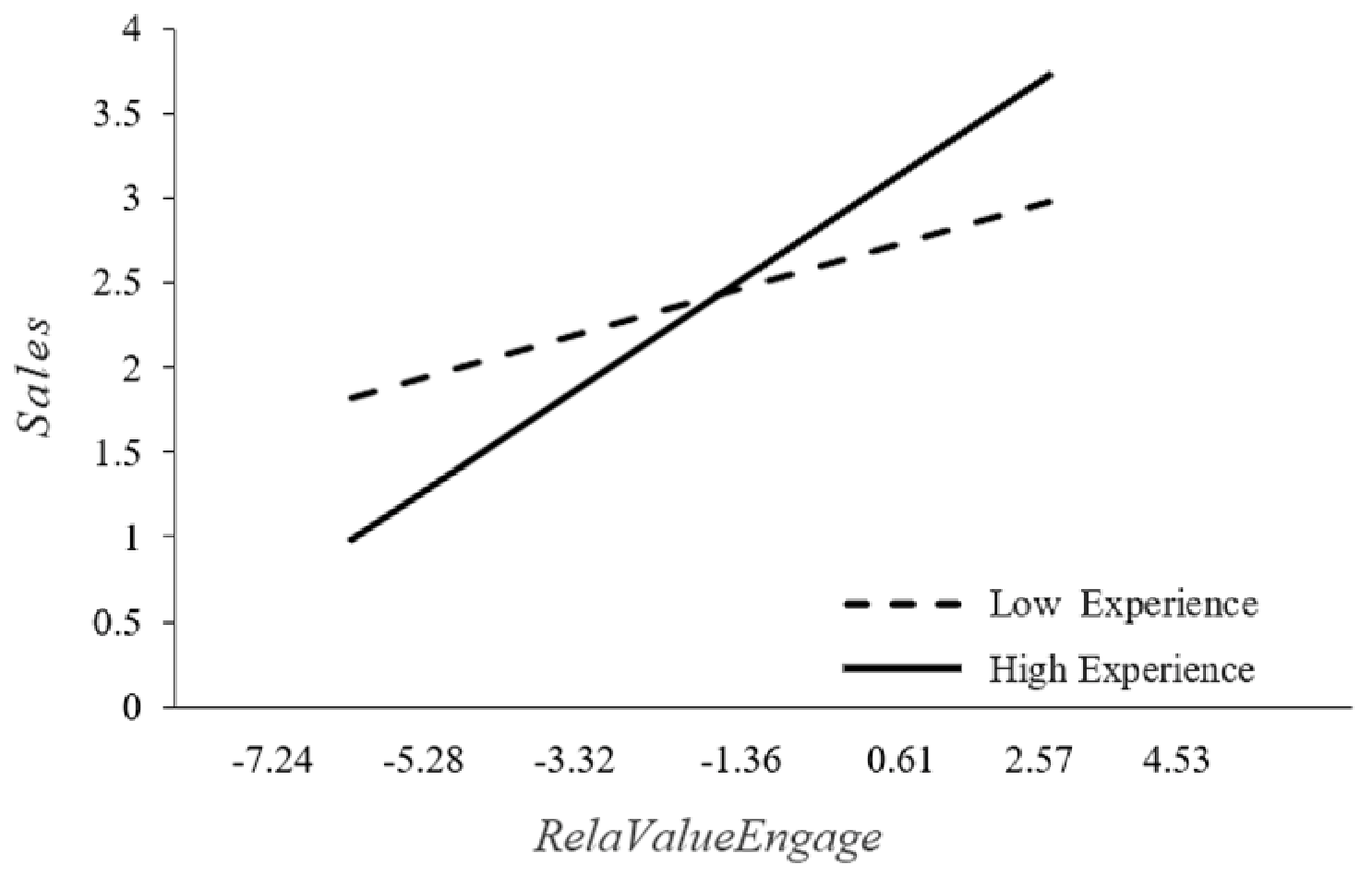
From Model (3) of Table 4, the interaction term between Experience and RelaValueEngage is positive and statistically significant (β12 = 0.193, p < 0.01), as plotted in Figure 5. This indicates that the estimated association between relative value-post engagement and sales performance varies with content creation experience. However, the interaction term between Experience and ShareLanguage is not significant (β13 = 0.026, p > 0.10). In summary, the estimation results provide support for H4a, H4b, and H4c, while H4d is not supported. The results from the Model 4 of Table 4, which includes all explanatory variables, are consistent with those of the preceding models.
Figure 3.
Schematic diagram showing Outdegree moderated by Experience. Notes: Low and high Experience are derived by adding and subtracting one standard deviation. The same applies to Figure 5.
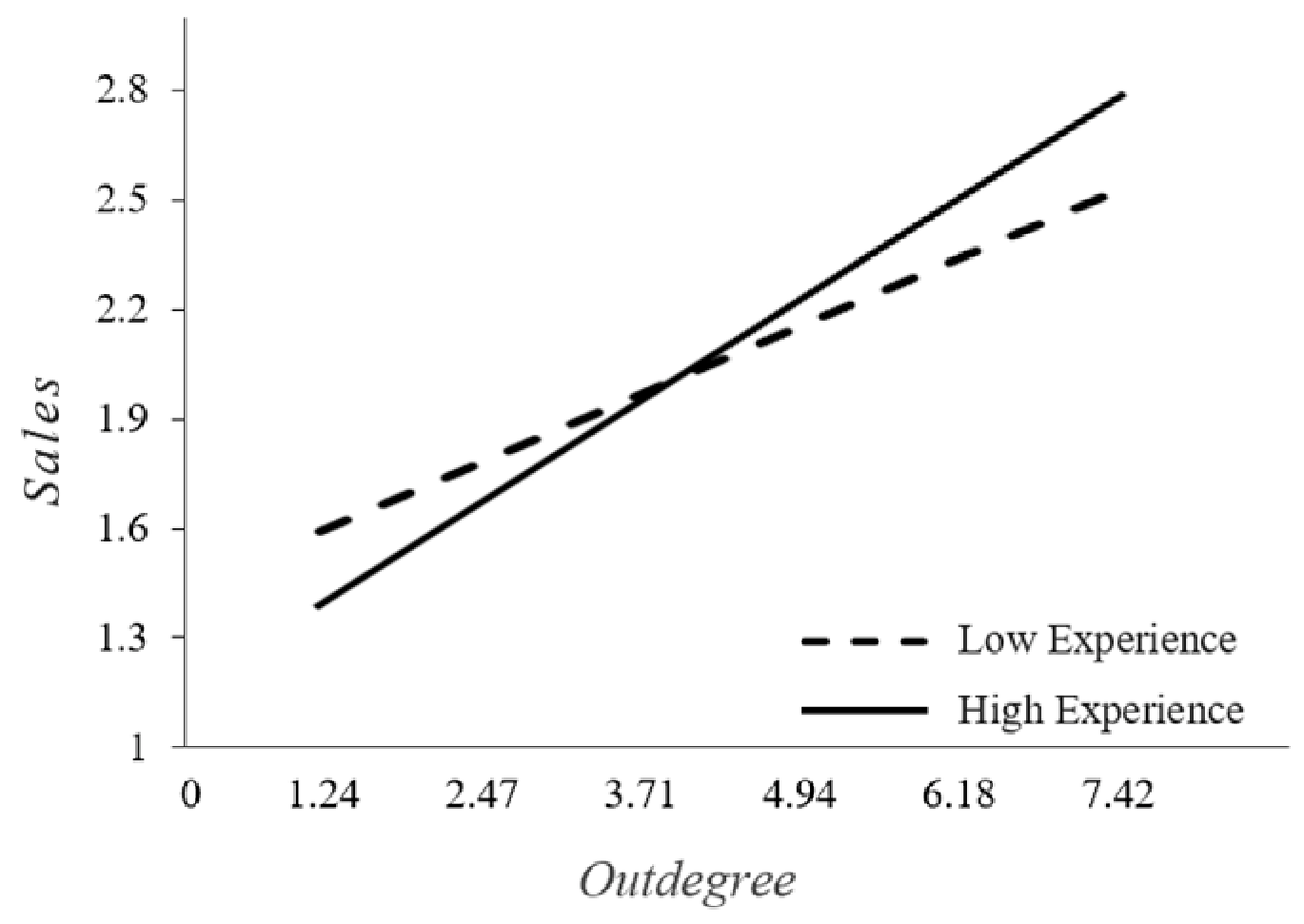
Figure 4.
Schematic diagram of an inverted U-shaped curve moderated by Experience. Notes: The shaded areas represent 95% pointwise confidence intervals based on seller-clustered standard errors. Low and high Experience are defined as the 10th (P10 = −1.01) and 90th (P90 = 0.46) percentiles of mean-centered log Experience within the supported range [−6.052, 0.718], rather than the full sample. This range includes 11,889 seller-week observations (87.73% of the full sample).
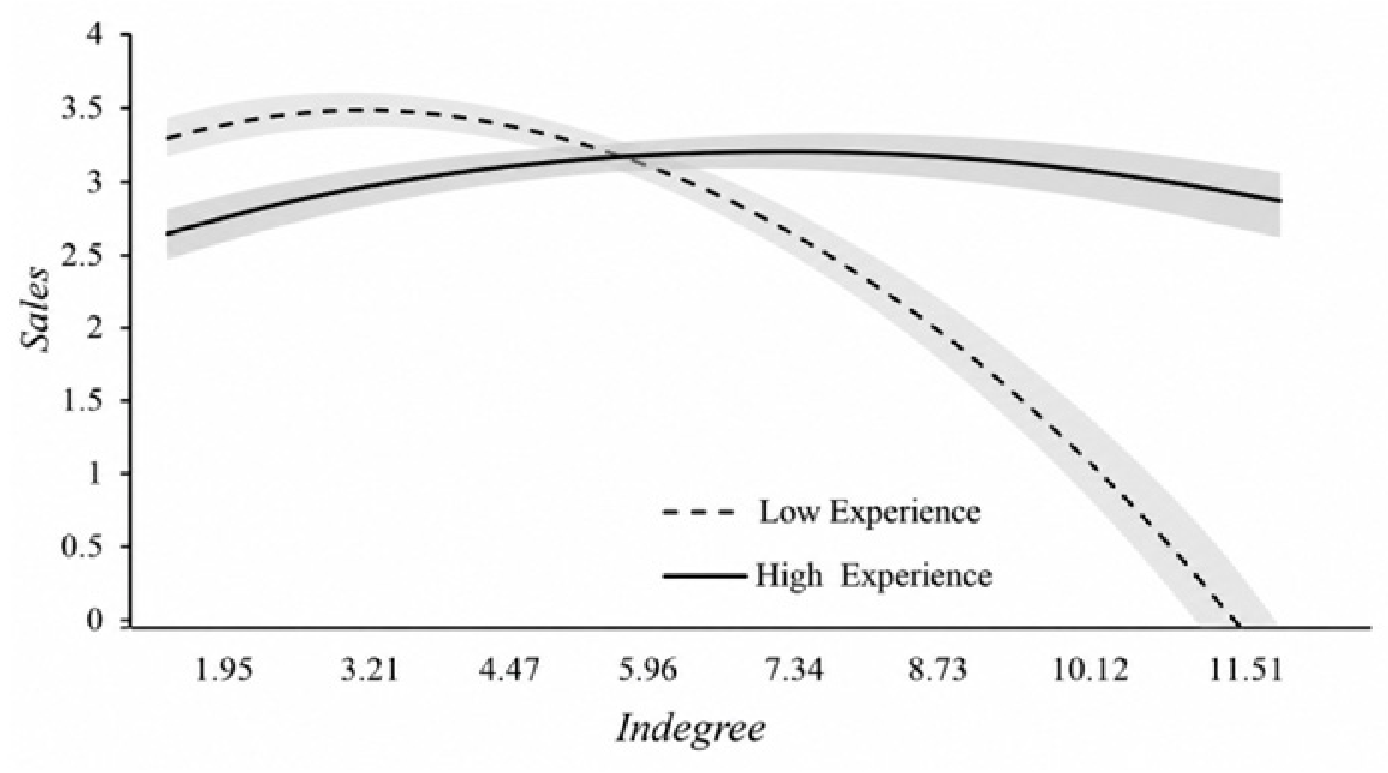
Figure 5.
Schematic diagram showing RelaValueEngage moderated by Experience.
5.3. Identification Strategy and Robustness Tests
5.3.1. Controlling for Platform Seasonal Promotion Shocks
To account for the potentially confounding effects of a major platform-wide sales promotion in November, we excluded this month from our sample. The results from this narrower August–October time window remained robust (Table S6 of Supplementary Materials, Models 1–2).
5.3.2. Controlling for Time-Varying Shocks in Specific Product Categories
To further address the potential for fluctuations in platform traffic across different product categories, we re-estimated the baseline models by additionally absorbing category-by-week fixed effects. This specification controls for all common shocks affecting sellers operating in the same product category during each week, including category-specific platform exposure and seasonal demand changes. The estimation results were robust (Table S6 of Supplementary Materials, Models 3–4).
5.3.3. Controlling for Individual Growth Trends
To further mitigate potential bias arising from gradually evolving but unobserved seller characteristics, we additionally estimated models with seller-specific linear trends. As shown in Table S6 of Supplementary Materials (Models 5–6), the interaction between Experience and RelaValueEngage remained positive and statistically significant (β = 0.067, SE = 0.030, 95% CI = [0.008, 0.126]), although its estimated magnitude was attenuated relative to the baseline full-model estimate (β = 0.178, CI = [0.127, 0.229]). This finding suggests that the positive moderating association persists after accounting for seller-specific growth trends, while indicating that such trends may contribute to the moderating association estimated in the baseline model.
5.3.4. Controlling for Dynamic Endogeneity
To further address potential endogeneity, we estimated a dynamic panel model using two-step system GMM. The model incorporates lagged sales to account for persistence in entrepreneurial performance. All time-varying independent variables, including the squared term and interaction terms when applicable, were treated as potentially endogenous, while time dummies were considered strictly exogenous. We used lagged internal instruments, restricting the lag ranges to 1–2 for the lagged dependent variable and 2–3 for the explanatory variables. The instrument matrix was collapsed to limit instrument proliferation. The main coefficients generally retained their directions and remained statistically significant (Table S6 of Supplementary Materials, Models 7–8). The AR(1) tests were significant, whereas the AR(2) tests were not (z = 1.07 and 1.12, respectively). The Hansen tests did not reject the overidentifying restrictions (p = 0.787 and 0.880), with 39 and 57 collapsed instruments in the respective models.
5.3.5. Sensitivity Analysis of the Measurement of RelaValueEngage
To assess whether the measurement of RelaValueEngage is sensitive to the absence of either post type, we restricted the sample to seller-week observations containing at least one value-expressing post and one product-only post. This restriction retained 5569 seller-week observations from 624 sellers. We re-estimated the main-effects and fully interacted models using the same specifications as Models (1) and (4) in Table 4, respectively, while maintaining consistent centering across samples. In the main-effects model, the coefficient of RelaValueEngage remained positive in the restricted sample (β = 0.219, CI = [0.066, 0.372]), compared with the full-sample estimate (β = 0.173, CI = [0.057, 0.289]). Similarly, in the fully interacted model, the coefficient of RelaValueEngage remained positive in both the full sample (β = 0.129, CI = [0.013, 0.245]) and the restricted sample (β = 0.221, CI = [0.066, 0.376]). The interaction between Experience and RelaValueEngage was also positive in both samples (full sample: β = 0.178, CI = [0.127, 0.229]; restricted sample: β = 0.233, CI = [0.160, 0.306]). The results suggested that the positive associations persist within the restricted sample (Table S7 of Supplementary Materials, Models 1–2).
5.3.6. Sensitivity Analysis Accounting for Post Age
To assess the sensitivity of our results to unequal engagement accumulation times, we additionally controlled for post age. We calculated the average age of value-expressing posts (AgeValue) and product-only posts (AgeProduct) based on the number of days between the publication date and the date on which that week’s engagement data were collected. For weeks without product-only posts, AgeProduct was calculated from the historical posts whose engagement values were carried forward, with a maximum lookback of two weeks. For weeks without value-expressing posts, AgeValue was assigned zero accompanied by a dummy variable (NoValuePost = 1) to distinguish these observations from posts receiving zero engagement. We then included these three controls in the baseline specifications. As shown in Models 3–4 in Table S7 of Supplementary Materials, RelaValueEngage remained positively associated with sales performance in the main-effects model (β = 0.193, 95% CI = [0.073, 0.313]). Similarly, in the fully interacted model, both RelaValueEngage (β = 0.137, 95% CI = [0.019, 0.255]) and its interaction with Experience (β = 0.164, 95% CI = [0.109, 0.219]) remained significantly positive. The three additional controls were not statistically significant. These findings suggest that the positive associations persist after accounting for observed differences in post age.
5.3.7. Sensitivity Analysis of the Measurement of SharedLanguage
To assess whether the results were sensitive to the measurement of SharedLanguage, we conducted an additional test by excluding seller-week observations for which either the text of posts or comments made during the week were unavailable. The results (as shown in Table S7 of Supplementary Materials, Models 5–6) remained consistent with the baseline findings, suggesting that the estimated relationship between SharedLanguage and sales performance is not sensitive to the imputation of previous comments or the assignment of zero ELSM scores for missing posts.
5.3.8. Verification of the Sensitivity of Delayed Promotions by KOLs
To further address potential promotional spillovers from KOL collaborations, we additionally controlled for the transaction volume associated with KOL promotional activities in the current and preceding two weeks. The results (Table S7 of Supplementary Materials, Models 7–8) remained consistent with the baseline findings, suggesting that the association between KolRelation and sales performance persists after accounting for observed current and lagged KOL promotional transactions.
5.3.9. Additional Robustness Tests
We conducted several robustness checks to validate our findings. First, to mitigate the influence of outliers, we winsorized key variables (e.g., sales performance, follower count, shared language) at the 1st and 99th percentiles. The results from our re-estimated fixed-effects models remained consistent with our main findings (Table S8, Models 1–2). Second, to address the concern that a small number of sellers might pay KOLs for product promotion posts to inflate sales, we included the number of advertising posts as an additional control variable. Our findings held after accounting for this channel (Table S8 of Supplementary Materials, Models 3–4). Third, given that our dependent variable consists of over-dispersed count data, we re-estimated our models using negative binomial and Poisson regressions. Both models used untransformed sales counts as the dependent variable, with standard errors clustered at the seller level. In the Poisson models, four sellers with zero sales throughout the observation period were excluded due to separation associated with seller fixed effects. The key associations remained statistically significant and retained their expected directions (Table S8 of Supplementary Materials, Models 5–8).
6. Discussion and Implications
6.1. Main Findings
This study investigates how platform-dependent entrepreneurs within social shopping communities (SSCs) exhibit correlations between online social capital and sales performance.
First, a higher outdegree is positively associated with sales performance. Interestingly, contrary to a simple “more is better” assumption, we find an inverted U-shaped association between a seller’s follower count and performance. The positive correlation between follower count and sales performance gradually weakens as follower count increases, becoming negative beyond the estimated turning point of approximately 2186 followers. Nevertheless, the turning point is a sample-dependent estimate with statistical uncertainty and should not be interpreted as a universally applicable threshold.
Furthermore, our findings reveal that content creation experience moderates the estimated inverted U-shaped relationship between follower count and sales performance. Specifically, within the supported range of Experience (mean-centered log values from −6.052 to approximately 0.718), greater experience is associated with a flatter inverted U-shaped relationship and a rightward shift in the estimated turning point. However, at higher experience levels, the turning point may fall outside the observed follower-count range, or the estimated curvature may become nonnegative. Thus, estimated moderating pattern should not be generalized across all experience levels. Moreover, as Experience is measured by cumulative posting volume, this measure captures accumulated posting activity rather than directly measuring learning, content quality, or engagement capabilities.
Second, RelaValueEngage, measured by the relative approval intensity of value-expressing posts, is positively correlated with sales performance. This finding draws attention to the fact that, compared to product-only content, engagement with value-expressing posts is also crucial to performance. Similarly, ShareLanguage, measured by linguistic similarity between sellers’ posts and previous user comments, is positively correlated with sales performance. This finding suggests that sellers whose language use more closely aligns with their audience’s previously expressed linguistic patterns tend to achieve higher sales performance, highlighting the relevance of linguistic alignment in SSCs.
However, the main regression results indicate a positive interaction between Experience and RelaValueEngage, suggesting that the correlation between relative audience endorsement of value-expressing content and sales performance varies with accumulated posting activity. In contrast, the interaction between Experience and ShareLanguage is not statistically significant, providing insufficient evidence that the association between linguistic similarity and sales performance varies with Experience.
Finally, the positive association of PropFanGroup suggests that, beyond the total number of followers, the proportion participating in seller-managed fan groups is also relevant to sales performance. Likewise, the positive association of KolRelation indicates that sellers who collaborate more frequently with their existing KOL partners tend to achieve higher sales, highlighting the relevance of partnership continuity.
6.2. Theoretical Implications
Our study makes several theoretical contributions. First, this study extends the literature on platform-dependent entrepreneurship by examining the associations between online social capital and sales performance in social shopping communities, an emerging yet understudied platform context. Prior research on platform-dependent entrepreneurs has largely focused on app developers or content creators [3,4,5,6], examining the influence of individual-level characteristics and simple social network metrics on their behavior [23,27,28,33,34]. These studies overlook the unique characteristics of SSCs that deeply integrate social and commercial functions. To that end, we examine the correlation between online social capital and sales performance by using objective observational data as a proxy for the various forms of social capital of platform-dependent entrepreneurs. In doing so, we respond to recent calls to explore how digital platforms reshape entrepreneurship.
Second, we extend the application of multidimensional social capital theory to the context of platform-dependent entrepreneurship in social shopping communities. Existing research has conceptualized online social capital either through two distinctions, such as bridging and bonding ties, or from the perspective of interest-based community peers, where participants belong to the same role group [10,11,12,13,17]. In contrast, platform-dependent entrepreneurs must actively establish and maintain relationships with heterogeneous platform actors, including potential consumers, peer sellers, and influencers, to support their commercial activities. This distinction provides an opportunity to identify empirical proxies for the structural, cognitive, and relational dimensions of social capital from entrepreneurs’ relationships with different types of platform actors. Through empirical testing, we provide new insights into the correlation between various aspects of social capital and entrepreneurs’ sales performance.
Importantly, our findings distinguish observable platform behaviors from the underlying mechanisms. Specifically, relative engagement with value-expressing posts, linguistic similarity between sellers and commenters, fan-group participation, and repeated KOL collaborations are positively associated with subsequent sales performance. These findings identify observable correlates of entrepreneurial performance, rather than directly establishing shared values, mutual understanding, or trust. Thus, our contribution lies in identifying the performance relevance of these observable social and commercial interactions, while recognizing that their underlying social capital mechanisms require further investigation.
Finally, our study offers additional insights into existing research on social media engagement and influencer performance. Prior research on online social capital has primarily focused on outcomes such as knowledge exchange, emotional support, and community engagement [17,18,39,40]. Moreover, several studies have documented positive linear associations between social connections and engagement-related outcomes [14,17]. However, research on influencer performance suggests that an expanding follower base may reduce the average intimacy between influencers and their followers, potentially limiting the benefits of a larger audience for content engagement [35]. Building on this insight, we further investigate whether a similar nonlinear relationship exists between entrepreneurs’ indegree and sales performance. Moreover, our finding also identifies the conditional attenuating role of content creation experience within the empirically supported range.
6.3. Practical Implications
Our findings offer several practical implications for both SSC entrepreneurs and the platform administrators. For entrepreneurs, first, the inverted U-shaped association between indegree and sales performance suggests that expanding follower networks does not necessarily lead to continuously increasing sales benefits. For instance, entrepreneurs could monitor follower engagement and respond to audience feedback to maintain relationships as their follower base grows. Second, the positive association between linguistic similarity and sales performance suggests that entrepreneurs should pay attention to the language used by their audiences when presenting product information. We also recommend reviewing the language styles and common terminology used in fan comments, enabling entrepreneurs to present product information in a way that consumers can easily understand.
Furthermore, our findings on outdegree suggest that entrepreneurs should consider the role of outward network connections rather than focusing exclusively on attracting followers. For example, they may establish connections with other relevant sellers and platform accounts to broaden their networks. Moreover, entrepreneurs can consider maintaining relationships with KOLs as part of their broader network strategies.
For platform administrators, first, we recommend optimizing the customer management tools. Specifically, platforms could provide entrepreneurs with accessible information on follower growth and engagement patterns, helping them monitor audience development Second, platforms could consider developing tools that support linguistic alignment between entrepreneurs and their audiences. A trending-keyword analysis tool could also be developed to summarize frequently used expressions in public comments, offering entrepreneurs insights into audience language preferences.
Beyond offering operational support, platforms can play a crucial role in facilitating social interactions among entrepreneurs. This could involve features that facilitate connections among relevant platform actors, including peer sellers and KOLs. For example, platforms like Rednote could display mutual following lists between users and the accounts they browse. Additionally, organizing offline networking events, like Douyin’s “DouLink” initiative, can promote efficient collaboration among influencers and merchants.
6.4. Limitations and Future Directions
This study has several limitations that offer fruitful avenues for future research. First, our sampling approach may limit the generalizability of the findings. Although we used a new account and computer to reduce personalization effects, ranked keyword searches may favor more visible or popular sellers, while the requirement for complete records may bias the sample toward more stable businesses. Moreover, our identification of individual-operated sellers relied on observable profile indicators, which cannot definitively establish independent ownership or single-account operation. Thus, our findings may not generalize to all platform-dependent entrepreneurs. Future research could adopt broader sampling strategies and independently verified ownership information to improve generalizability.
Second, because likes and favorites were collected weekly rather than at a fixed interval after post publication, posts published at different times may have had unequal opportunities to accumulate engagement. This variation may introduce measurement bias into RelaValueEngage, which should be addressed in future research using standardized post-publication observation windows. Additionally, although the current method of measuring the SharedLanguage variable largely reflects the shared code and linguistic style between sellers and audiences, silent potential consumers are not observed. Future research could explore the mechanisms through which sellers’ cognitive social capital influences brand love and consumption tendencies among silent community members.
Third, our exploration of the moderating role of content creation experience was limited to the quantitative metric of post count. However, different platforms emphasize different content presentation formats. Future studies could expand on this by examining the specific effects of various content formats (e.g., text vs. image vs. video) and more nuanced content characteristics (e.g., content elaborateness, subjectivity, or distinctiveness) on the entrepreneurial process. In particular, future research could investigate whether different content formats constitute boundary conditions for the risk of fan-base saturation.
Finally, our measures capture observable platform behaviors rather than the underlying psychological or relational mechanisms. For example, fan-group participation may be motivated by discounts or product information, and repeated KOL collaborations may reflect interpersonal trust. Likewise, learning may remain plausible interpretations of the cumulative posting volume. Future research could combine behavioral data with surveys, interviews, or experimental designs to directly examine these mechanisms.
Supplementary Materials
The following supporting information can be downloaded at: https://www.mdpi.com/article/10.3390/jtaer21120442/s1, A: Search terms and seller screening examples; B: Validation of the RelaValueEngage based on randomized scenario experiments; C: LLM prompt for analyzing “brand values”; D: Results of the correlation analysis; E: The results of identification strategy and robustness tests.
Author Contributions
Conceptualization, X.W.; methodology, X.W.; software, X.W.; validation, Q.Z.; formal analysis, X.W.; investigation, X.W.; resources, X.W.; data curation, X.W.; writing—original draft preparation, X.W.; writing—review and editing, X.W.; visualization, X.W.; supervision, Q.Z.; project administration, Q.Z.; funding acquisition, Q.Z. All authors have read and agreed to the published version of the manuscript.
Funding
This work was supported by the Major Program of National Natural Science Foundation of China [grant number: 72394360 and 72394364].
Institutional Review Board Statement
The study was conducted in accordance with the Declaration of Helsinki and approved by the Ethics Committee of the School of Digital Economics, Shanghai University of Finance and Economics (No. 20250613, 13 June 2025).
Informed Consent Statement
Informed consent was obtained from all subjects involved in the study.
Data Availability Statement
The data supporting the findings of this study are available from the corresponding author upon request.
Acknowledgments
The authors thank all the participants in this study for their time and willingness to share their experiences and feelings.
Conflicts of Interest
The authors declare no conflicts of interest.
Abbreviations
The following abbreviations are used in this manuscript:
| SSCs | Social Shopping Communities |
| SNSs | Social Networking Sites |
| UGC | User-Generated Content |
| KOL | Key Opinion Leader |
| GMV | Gross Merchandise Volume |
References
- Jin, X.-L.; Chen, X.; Zhou, Z. The impact of cover image authenticity and aesthetics on users’ product-knowing and content-reading willingness in social shopping community. Int. J. Inf. Manag. 2022, 62, 102428. [Google Scholar] [CrossRef] [Scilit]
- Zheng, X.; Men, J.; Xiang, L.; Yang, F. Role of technology attraction and parasocial interaction in social shopping websites. Int. J. Inf. Manag. 2020, 51, 102043. [Google Scholar] [CrossRef] [Scilit]
- Mei, M.Q.; Genet, C. Social media entrepreneurship: A study on follower response to social media monetization. Eur. Manag. J. 2024, 42, 23–32. [Google Scholar] [CrossRef] [Scilit]
- Cao, Z.K.; Chu, J.H.; Hui, K.L.; Xu, H. The Relationship Between Online Referral Marketing and Price Promotion: Evidence from a Large E-Commerce Platform. J. Manag. Inf. Syst. 2021, 38, 855–888. [Google Scholar] [CrossRef] [Scilit]
- Wang, P.; Huang, Q.; Davison, R.M. How do digital influencers affect social commerce intention? The roles of social power and satisfaction. Inf. Technol. People 2020, 34, 1065–1086. [Google Scholar] [CrossRef] [Scilit]
- Yang, Y.; Guo, X.; Wu, T.; Vogel, D. The effects of social media use and consumer engagement on physician online return: Evidence from Weibo. Internet Res. 2023, 34, 371–397. [Google Scholar] [CrossRef] [Scilit]
- Rishika, R.; Ramaprasad, J. The Effects of Asymmetric Social Ties, Structural Embeddedness, and Tie Strength on Online Content Contribution Behavior. Manag. Sci. 2019, 65, 3398–3422. [Google Scholar] [CrossRef] [Scilit]
- Nahapiet, J.; Ghoshal, S. Social capital, intellectual capital, and the organizational advantage. Acad. Manag. Rev. 1998, 23, 242–266. [Google Scholar] [CrossRef] [Scilit]
- Alomani, A.; Baptista, R.; Athreye, S.S. The interplay between human, social and cognitive resources of nascent entrepreneurs. Small Bus. Econ. 2022, 59, 1301–1326. [Google Scholar] [CrossRef] [Scilit]
- Shao, Y.; Sun, L. Entrepreneurs’ social capital and venture capital financing. J. Bus. Res. 2021, 136, 499–512. [Google Scholar] [CrossRef] [Scilit]
- Lee, C.; Hallak, R. Investigating the effects of offline and online social capital on tourism SME performance: A mixed-methods study of New Zealand entrepreneurs. Tour. Manag. 2020, 80, 104128. [Google Scholar] [CrossRef] [Scilit]
- Larsson, Z.Y.; Di Gangi, P.M.; Teigland, R. Sharing my way to success: A case study on developing entrepreneurial ventures using social capital in an OSS community. Inf. Organ. 2019, 29, 23–40. [Google Scholar] [CrossRef] [Scilit]
- Smith, C.; Smith, J.B.; Shaw, E. Embracing digital networks: Entrepreneurs’ social capital online. J. Bus. Ventur. 2017, 32, 18–34. [Google Scholar] [CrossRef] [Scilit]
- Cho, D.; Choi, L.; Hertzel, M.; Wang, J.J. It’s Not Who You Know—It’s Who Knows You: Employee Social Capital and Firm Performance. Manag. Sci. 2025, 72, 3948–3973. [Google Scholar] [CrossRef] [Scilit]
- Li, H.; Simchi-Levi, D.; Wu, M.X.; Zhu, W. Estimating and Exploiting the Impact of Photo Layout: A Structural Approach. Manag. Sci. 2023, 69, 5209–5233. [Google Scholar] [CrossRef] [Scilit]
- Li, H.F.; Fang, Y.L.; Lim, K.H.; Wang, Y.W. Platform-Based Function Repertoire, Reputation, and Sales Performance of E-Marketplace Sellers. MIS Q. 2019, 43, 207–236. [Google Scholar] [CrossRef] [Scilit]
- Liu, X.; Lin, S.; Jiang, S.; Chen, M.; Li, J. Social support acquisition in online health communities: A social capital perspective. Internet Res. 2022, 33, 664–695. [Google Scholar] [CrossRef] [Scilit]
- Wong, A.M.Y. How social capital builds online brand advocacy in luxury social media brand communities. J. Retail. Consum. Serv. 2023, 70, 103143. [Google Scholar] [CrossRef] [Scilit]
- Zhang, H.; Gupta, S.; Sun, W.; Zou, Y. How social-media-enabled co-creation between customers and the firm drives business value? The perspective of organizational learning and social Capital. Inf. Manag. 2020, 57, 10320. [Google Scholar] [CrossRef] [Scilit]
- Liu, S.Q.; Wu, L.L.; Yu, X.; Huang, H. Marketing online food images via color saturation: A sensory imagery perspective. J. Bus. Res. 2022, 151, 366–378. [Google Scholar] [CrossRef] [Scilit]
- Chen, L.; Yi, J.; Li, S.; Tong, T.W. Platform Governance Design in Platform Ecosystems: Implications for Complementors’ Multihoming Decision. J. Manag. 2021, 48, 630–656. [Google Scholar] [CrossRef] [Scilit]
- Eckhardt, J.T.; Ciuchta, M.P.; Carpenter, M. Open innovation, information, and entrepreneurship within platform ecosystems. Strateg. Entrep. J. 2018, 12, 369–391. [Google Scholar] [CrossRef] [Scilit]
- Fan, T.; Schwab, A.; Geng, X. Habitual entrepreneurship in digital platform ecosystems: A time-contingent model of learning from prior software project experiences. J. Bus. Ventur. 2021, 36, 106140. [Google Scholar] [CrossRef] [Scilit]
- Wollborn, P.; Dornekott, D.; Holder, U. Entrepreneurial efforts and opportunity costs: Evidence from twitch streamers. Int. Entrep. Manag. J. 2023, 19, 1209–1238. [Google Scholar] [CrossRef] [Scilit]
- Chen, X.; Li, Y.; Davison, R.M.; Liu, Y. The impact of imitation on Chinese social commerce buyers’ purchase behavior: The moderating role of uncertainty. Int. J. Inf. Manag. 2021, 56, 102262. [Google Scholar] [CrossRef] [Scilit]
- Yoo, J.J.; Choi, S.; Song, H. Effect of brand prominence on fashion advertising images on Instagram: A computational analysis. Int. J. Advert. 2022, 42, 384–407. [Google Scholar] [CrossRef] [Scilit]
- Nambisan, S.; Baron, R.A. On the costs of digital entrepreneurship: Role conflict, stress, and venture performance in digital platform-based ecosystems. J. Bus. Res. 2021, 125, 520–532. [Google Scholar] [CrossRef] [Scilit]
- O’neil, I.; Ucbasaran, D.; York, J.G. The evolution of founder identity as an authenticity work process. J. Bus. Ventur. 2022, 37, 106031. [Google Scholar] [CrossRef] [Scilit]
- Fu, J.R.; Lu, I.W.; Chen, J.H.F.; Farn, C.K. Investigating consumers’ online social shopping intention: An information processing perspective. Int. J. Inf. Manag. 2020, 54, 102189. [Google Scholar] [CrossRef] [Scilit]
- Taeuscher, K. Reputation and new venture performance in online markets: The moderating role of market crowding. J. Bus. Ventur. 2019, 34, 105944. [Google Scholar] [CrossRef] [Scilit]
- Delacroix, E.; Parguel, B.; Benoit-Moreau, F. Digital subsistence entrepreneurs on Facebook. Technol. Forecast. Soc. 2019, 146, 887–899. [Google Scholar] [CrossRef] [Scilit]
- Fu, X.; Ghauri, P.; Ogbonna, N.; Xing, X. Platform-based business model and entrepreneurs from Base of the Pyramid. Technovation 2023, 119, 102451. [Google Scholar] [CrossRef] [Scilit]
- Liu, J.; Nandhakumar, J.; Zachariadis, M. When guanxi meets structural holes: Exploring the guanxi networks of Chinese entrepreneurs on digital platforms. J. Strateg. Inf. Syst. 2018, 27, 311–334. [Google Scholar] [CrossRef] [Scilit]
- Peng, Y.; Lu, L. Untangling influence: The effect of follower-followee comparison on social media engagement. J. Retail. Consum. Serv. 2024, 78, 103747. [Google Scholar] [CrossRef] [Scilit]
- Wies, S.; Bleier, A.; Edeling, A. Finding Goldilocks Influencers: How Follower Count Drives Social Media Engagement. J. Mark. 2022, 87, 383–405. [Google Scholar] [CrossRef] [Scilit]
- Da Fonseca, A.L.A.; Chimenti, P.; Campos, R.D. ‘Take my advice’: Entrepreneurial consumers and the ecosystemic logics of digital platforms. Technol. Forecast. Soc. 2023, 193, 122601. [Google Scholar] [CrossRef] [Scilit]
- Lysyakov, M.; Kannan, P.K.; Viswanathan, S.; Zhang, K.P. Retailer Differentiation in Social Media: An Investigation of Firm-Generated Content on Twitter. J. Mark. 2025, 89, 39–58. [Google Scholar] [CrossRef] [Scilit]
- Li, J.; Xu, X.; Ngai, E.W.T. Presentational effects of photos and text in electronic word-of-mouth on consumer decisions. Internet Res. 2023, 33, 473–499. [Google Scholar] [CrossRef] [Scilit]
- Lee, C.T.; Hsieh, S.H. Can social media-based brand communities build brand relationships? Examining the effect of community engagement on brand love. Behav. Inf. Technol. 2021, 41, 1270–1285. [Google Scholar] [CrossRef] [Scilit]
- Li, S.; Modi, P.; Wu, M.-S.; Chen, C.-H.; Nguyen, B. Conceptualising and validating the social capital construct in consumer-initiated online brand communities (COBCs). Technol. Forecast. Soc. 2019, 139, 303–310. [Google Scholar] [CrossRef] [Scilit]
- Jeong, S.W.; Ha, S.; Lee, K.-H. How to measure social capital in an online brand community? A comparison of three social capital scales. J. Bus. Res. 2021, 131, 652–663. [Google Scholar] [CrossRef] [Scilit]
- Sussan, F.; Acs, Z.J. The digital entrepreneurial ecosystem. Small Bus. Econ. 2017, 49, 55–73. [Google Scholar] [CrossRef] [Scilit]
- De Veirman, M.; Cauberghe, V.; Hudders, L. Marketing through Instagram influencers: The impact of number of followers and product divergence on brand attitude. Int. J. Advert. 2017, 36, 798–828. [Google Scholar] [CrossRef] [Scilit]
- Zhuang, W.; Zeng, Q.; Zhang, Y.; Liu, C.; Fan, W. What makes user-generated content more helpful on social media platforms? Insights from creator interactivity perspective. Inf. Process. Manag. 2023, 60, 103201. [Google Scholar] [CrossRef] [Scilit]
- Ye, G.Q.; Hudders, L.; De Jans, S.; De Veirman, M. The Value of Influencer Marketing for Business: A Bibliometric Analysis and Managerial Implications. J. Advert. 2021, 50, 160–178. [Google Scholar] [CrossRef] [Scilit]
- Park, J.; Lee, J.M.; Xiong, V.Y.; Septianto, F.; Seo, Y. David and Goliath: When and Why Micro-Influencers Are More Persuasive Than Mega-Influencers. J. Advert. 2021, 50, 584–602. [Google Scholar] [CrossRef] [Scilit]
- Sokolova, K.; Kefi, H. Instagram and YouTube bloggers promote it, why should I buy? How credibility and parasocial interaction influence purchase intentions. J. Retail. Consum. Serv. 2020, 53, 101742. [Google Scholar] [CrossRef] [Scilit]
- Chiu, C.-M.; Hsu, M.-H.; Wang, E.T.G. Understanding knowledge sharing in virtual communities: An integration of social capital and social cognitive theories. Decis. Support. Syst. 2006, 42, 1872–1888. [Google Scholar] [CrossRef] [Scilit]
- Chong, A.Y.L.; Lacka, E.; Li, B.Y.; Chan, H.K. The role of social media in enhancing guanxi and perceived effectiveness of E-commerce institutional mechanisms in online marketplace. Inf. Manag. 2018, 55, 621–632. [Google Scholar] [CrossRef] [Scilit]
- Wu, W.; Wang, S.; Ding, G.; Mo, J. Elucidating trust-building sources in social shopping: A consumer cognitive and emotional trust perspective. J. Retail. Consum. Serv. 2023, 71, 103217. [Google Scholar] [CrossRef] [Scilit]
- Liao, C.H.; Hsieh, J.-K.; Kumar, S. Does the verified badge of social media matter? The perspective of trust transfer theory. J. Res. Interact. Mark. 2023, 18, 1017–1033. [Google Scholar] [CrossRef] [Scilit]
- Zhao, J.-D.; Huang, J.-S.; Su, S. The effects of trust on consumers’ continuous purchase intentions in C2C social commerce: A trust transfer perspective. J. Retail. Consum. Serv. 2019, 50, 42–49. [Google Scholar] [CrossRef] [Scilit]
- Audrezet, A.; De Kerviler, G.; Moulard, J.G. Authenticity under threat: When social media influencers need to go beyond self-presentation. J. Bus. Res. 2020, 117, 557–569. [Google Scholar] [CrossRef] [Scilit]
- Liu, X.M.; Wang, G.A.; Fan, W.G.; Zhang, Z.J. Finding Useful Solutions in Online Knowledge Communities: A Theory-Driven Design and Multilevel Analysis. Inf. Syst. Res. 2020, 31, 731–752. [Google Scholar] [CrossRef] [Scilit]
- Wang, W.; Qin, Y.; Zheng, X.; Mou, J. Effect of cover image content orientation on crowdfunding performance: The role of narrative emotion and campaign nature. Inf. Manag. 2026, 63, 104257. [Google Scholar] [CrossRef] [Scilit]
- Zeng, Q.F.; Zhuang, W.; Guo, Q.; Fan, W.G. What factors influence grassroots knowledge supplier performance in online knowledge platforms? Evidence from a paid Q&A service. Electron. Mark. 2022, 32, 2507–2523. [Google Scholar] [CrossRef] [Scilit]
- Zhang, Y.; Zhang, M.L.; Luo, N.; Wang, Y.; Niu, T. Understanding the formation mechanism of high-quality knowledge in social question and answer communities: A knowledge co-creation perspective. Int. J. Inf. Manag. 2019, 48, 72–84. [Google Scholar] [CrossRef] [Scilit]
- Colombelli, A.; Paolucci, E.; Raguseo, E.; Elia, G. The creation of digital innovative start-ups: The role of digital knowledge spillovers and digital skill endowment. Small Bus. Econ. 2023, 62, 917–937. [Google Scholar] [CrossRef] [Scilit]
- Casaló, L.V.; Flavián, C.; Ibáñez-Sánchez, S. Influencers on Instagram: Antecedents and consequences of opinion leadership. J. Bus. Res. 2020, 117, 510–519. [Google Scholar] [CrossRef] [Scilit]
- Tafesse, W.; Wood, B.P. Followers’ engagement with instagram influencers: The role of influencers’ content and engagement strategy. J. Retail. Consum. Serv. 2021, 58, 102303. [Google Scholar] [CrossRef] [Scilit]
- Hughes, C.; Swaminathan, V.; Brooks, G. Driving Brand Engagement Through Online Social Influencers: An Empirical Investigation of Sponsored Blogging Campaigns. J. Mark. 2019, 83, 78–96. [Google Scholar] [CrossRef] [Scilit]
- Harrigan, P.; Daly, T.M.; Coussement, K.; Lee, J.A.; Soutar, G.N.; Evers, U. Identifying influencers on social media. Int. J. Inf. Manag. 2021, 56, 102246. [Google Scholar] [CrossRef] [Scilit]
- Zhuang, W.; Zeng, Q.; Zhang, Y.; Lin, D.; Fan, W. What makes UGC more popular on social media platforms? Insights from information adoption theory. Behav. Inform. Technol. 2024, 44, 1521–1538. [Google Scholar] [CrossRef] [Scilit]
- Naeem, M.; Ozuem, W. Understanding the social consumer fashion brand engagement journey: Insights about reputed fashion brands. J. Brand. Manag. 2021, 28, 510–525. [Google Scholar] [CrossRef] [Scilit]
- Chen, Y.; Chen, L.; Zou, S.; Hou, H. Easy to Start, Hard to Persist: Antecedents and Outcomes of Entrepreneurial Persistence in Online Marketplaces. Int. J. Electron. Comm. 2021, 25, 469–496. [Google Scholar] [CrossRef] [Scilit]
- Larrañeta, B.; Galán González, J.L.; Aguilar, R. Early efforts to develop absorptive capacity and their performance implications: Differences among corporate and independent ventures. J. Technol. Transf. 2016, 42, 485–509. [Google Scholar] [CrossRef] [Scilit]
- Gala, K.; Schwab, A.; Mueller, B.A. Star entrepreneurs on digital platforms: Heavy-tailed performance distributions and their generative mechanisms. J. Bus. Ventur. 2024, 39, 106347. [Google Scholar] [CrossRef] [Scilit]
- Wang, M.; Li, X.; Liu, Y.; Chau, P.; Chen, Y. A contrast-composition-distraction framework to understand product photo background’s impact on consumer interest in E-commerce. Decis. Support Syst. 2024, 178, 114124. [Google Scholar] [CrossRef] [Scilit]
- Hayes, A.F. Introduction to Mediation, Moderation, and Conditional Process Analysis; The Guilford press: New York, NY, USA, 2013. [Google Scholar]
- Lin, K.-Y.; Lu, H.-P. Intention to continue using Facebook fan pages from the perspective of social capital theory. Cyberpsych. Beh. Soc. N. 2011, 14, 565–570. [Google Scholar] [CrossRef] [Scilit] [PubMed]
- Triantafillidou, A.; Yannas, P. Social media crisis communication in racially charged crises: Exploring the effects of social media and image restoration strategies. Comput. Hum. Behav. 2020, 106, 106269. [Google Scholar] [CrossRef] [Scilit]
- Dominick, P.G.; Iordanoglou, D.; Prastacos, G.; Reilly, R.R. Espoused Values of the “Fortune 100 Best Companies to Work For”: Essential Themes and Implementation Practices. J. Bus. Ethics 2021, 173, 69–88. [Google Scholar] [CrossRef] [Scilit]
- Mehedi, S.; Nahar, S.; Jalaludin, D. Determinants of corporate climate change disclosure: Is the mediating role of corporate strategic response to environmental governance and policy matter? Evidence from emerging market. Sustain. Dev. 2024, 32, 195–210. [Google Scholar] [CrossRef] [Scilit]
- Neuendorf, K.A. The Content Analysis Guidebook; Sage Publications: Thousand Oaks, CA, USA, 2002; 301p. [Google Scholar]
- De Kok, T. ChatGPT for Textual Analysis? How to Use Generative LLMs in Accounting Research. Manag. Sci. 2025, 71, 7888–7906. [Google Scholar] [CrossRef] [Scilit]
- Ren, X.; Wang, L.; Luo, X.R. How customized managerial responses influence subsequent consumer ratings: The language style matching perspective. Decis. Support. Syst. 2024, 180, 114188. [Google Scholar] [CrossRef] [Scilit]
- China Standard Application Online. E-Commerce Business Terminology; China Standard Application Online: Beijing, China, 2020. [Google Scholar]
- Xie, Y.; Wang, C.; Ma, Z.; Miao, F. Are large language models chronically online surfers? A dataset for Chinese internet meme explanation. In Proceedings of the 2025 Conference on Empirical Methods in Natural Language Processing, Suzhou, China, 4–9 November 2025. [Google Scholar]
- Ou, C.X.; Pavlou, P.A.; Davison, R.M. Swift Guanxi in Online Marketplaces: The Role of Computer-Mediated Communication Technologies. MIS Q. 2014, 38, 209–230. [Google Scholar] [CrossRef] [Scilit]
- Shi, C.; Hu, P.; Fan, W.; Qiu, L. How learning effects influence knowledge contribution in online Q&A community? A social cognitive perspective. Decis. Support Syst. 2021, 149, 113610. [Google Scholar] [CrossRef] [Scilit]
- Chen, L.; Zhang, P.; Li, S.; Turner, S.F. Growing pains: The effect of generational product innovation on mobile games performance. Strateg. Manag. J. 2021, 43, 792–821. [Google Scholar] [CrossRef] [Scilit]
- Kang, H.Y.; Grodal, S. How optimal distinctiveness shapes platform complementors’ adoption of boundary resources. Strateg. Entrep. J. 2024, 19, 145–170. [Google Scholar] [CrossRef] [Scilit]
- Zhang, S.L.; Tang, T.Y.; Krallman, A. Navigating livestream commerce: A dual-lens framework of influencers’ impact on product sales. J. Bus. Res. 2024, 185, 114919. [Google Scholar] [CrossRef] [Scilit]
- Chen, C.; Hu, Y.; Lu, Y.; Hong, Y. Two Streams to Success: Unpacking the Informational and Relational Roles of Live Streaming in Online Shopping. Prod. Oper. Manag. 2026, 35, 2302–2320. [Google Scholar] [CrossRef] [Scilit]
- Lifang, L.I.; Zhiqiang, W.A.N.G.; Hong, W.E.N. Effect of anger, anxiety, and sadness on the propagation scale of social media posts after natural disasters. Inform. Process. Manag. 2020, 57, 102313. [Google Scholar] [CrossRef] [Scilit]
- Cai, S.; Luo, Q.F.; Fu, X.; Fang, B. What drives the sales of paid knowledge products? A two-phase approach. Inf. Manag. 2020, 57, 103264. [Google Scholar] [CrossRef] [Scilit]
- Lind, J.T.; Mehlum, H. With or Without U? The Appropriate Test for a U-Shaped Relationship. Oxf. Bull. Econ. Stat. 2010, 72, 109–118. [Google Scholar] [CrossRef] [Scilit]
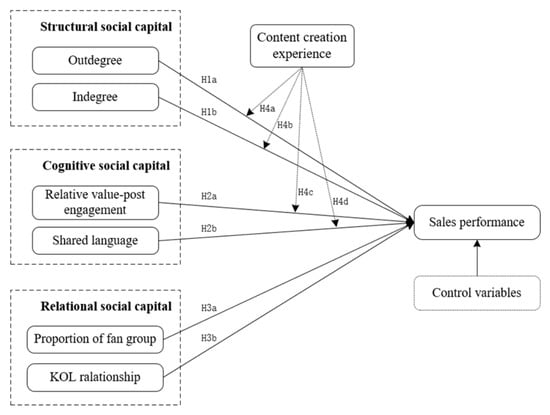
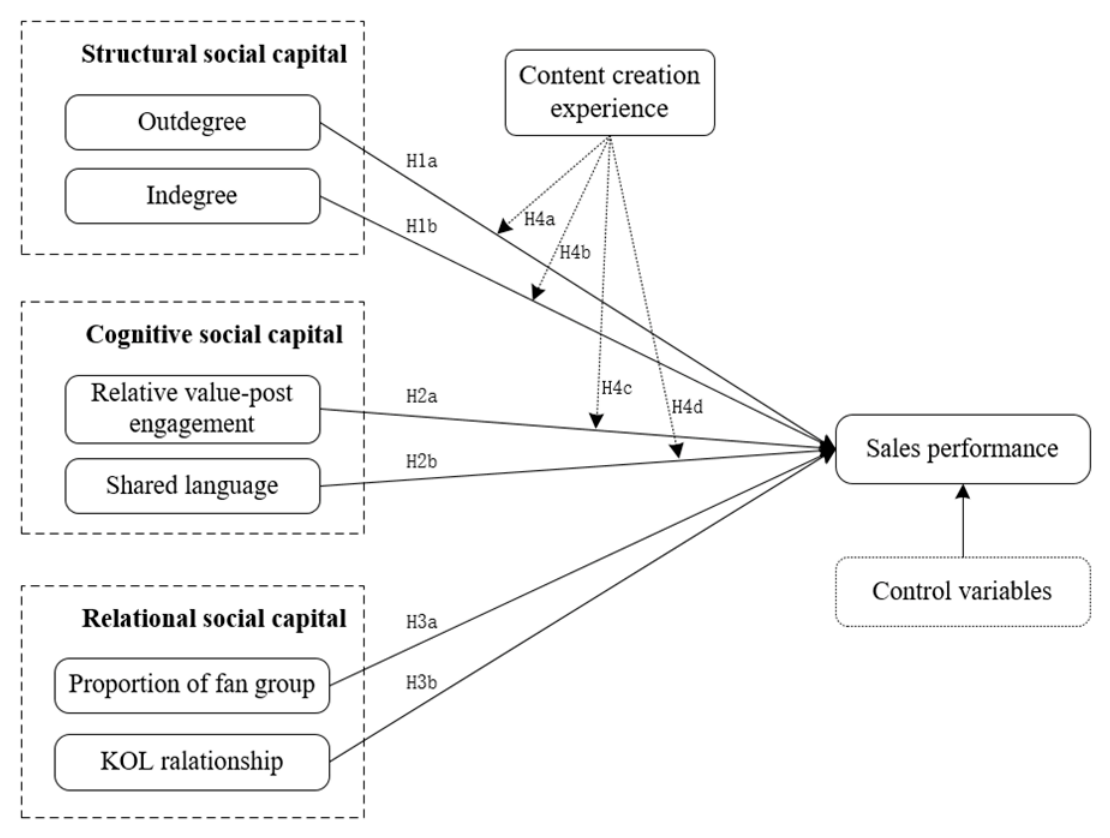



Disclaimer/Publisher’s Note: The statements, opinions and data contained in all publications are solely those of the individual author(s) and contributor(s) and not of MDPI and/or the editor(s). MDPI and/or the editor(s) disclaim responsibility for any injury to people or property resulting from any ideas, methods, instructions or products referred to in the content. |
© 2026 by the authors. Licensee MDPI, Basel, Switzerland. This article is an open access article distributed under the terms and conditions of the Creative Commons Attribution (CC BY) license.