


Abstract
Generative artificial intelligence (AI) offers new possibilities for product visualization in electronic commerce, yet how consumers evaluate AI-generated fashion imagery remains insufficiently understood. This study examines the relationships between image quality and consumer satisfaction in online apparel retailing, considering perceived authenticity and perceived usefulness as potential mediators. Drawing on research on AI-generated content, online visual merchandising, and consumer behavior, the proposed framework distinguishes three quality dimensions: garment information quality, model visual quality, and background congruence quality. Survey data from 298 Chinese consumers who evaluated a single static fashion model image were analyzed using multiple regression. All three quality dimensions positively affected consumer satisfaction. Perceived authenticity retained a significant positive association after accounting for image quality, whereas perceived usefulness did not. The regression pattern was consistent with the proposed authenticity pathway, although indirect effects were not formally established. These findings contribute to electronic commerce research by providing a multidimensional framework for evaluating AI-generated apparel imagery and distinguishing visual believability from perceived utility in consumers’ immediate image evaluations. For online apparel retailers, the framework supports image development and review focused on clear garment information, appropriate model presentation, coherent backgrounds, and visual realism.
1. Introduction
Visual product presentation has become a fundamental component of online apparel retail because consumers cannot physically inspect garments before purchase and therefore rely heavily on digital visual cues to evaluate product quality, fit, aesthetics, and purchase risk. As electronic commerce (e-commerce) platforms increasingly compete through immersive shopping experiences, high-quality visual merchandising has become a strategic determinant of consumer engagement, trust, and conversion [1]. Recent studies revealed that the quality of images, presentation situation, and visual realism has a significant impact on consumers’ cognitive assessment, emotional reaction and purchase intention when buying in digital retail settings [2,3]. Therefore, enhancing visual information quality has emerged as a major priority for apparel e-retailers who are trying to improve their customers’ experience and give them a competitive advantage [4].
Research on conventional online apparel presentation provides an important foundation for understanding these relationships. Zhang et al. [5] found that presenting apparel on models whose body size matched consumers’ own size reduced perceived fit risk and increased purchase intention, highlighting the importance of visual presentation in helping consumers evaluate apparel online. SanMiguel et al. [6] found that detailed product information significantly influenced purchase intention in fashion e-commerce, whereas product images, although valued by consumers, did not have a decisive effect. Similarly, Wang et al. [3] linked clothing photograph backgrounds and composition to consumer interest. These findings suggest that visual presentation can attract consumer interest, while detailed product information remains important in supporting purchase decisions. These findings indicate that visual presentation contributes to product evaluation through both informational and experiential responses, while also showing that favorable image evaluations do not necessarily translate directly into purchasing intentions.
Studies examining satisfaction more directly establish the relevance of visual presentation in online apparel retailing. Kim and Lennon [7] found that the amount of website information affected perceived risk and satisfaction, demonstrating the importance of information provision beyond visual attractiveness alone. Ha and Lennon [8] showed that apparel website merchandising cues elicited pleasure and arousal that were positively related to satisfaction; the effects of these cues differed between browsing and purchasing situations. Shaban et al. [9] extended this research by examining static images, zoom images, and videos in online clothing shopping, linking visually evoked tactile sensations to choice satisfaction through affective experience. Together, these studies suggest that satisfaction depends on both the information consumers obtain and the experience created by its presentation. However, website satisfaction and satisfaction with a product choice are distinct from satisfaction with an individual image, and findings on conventional presentation formats do not establish how consumers evaluate the quality of AI-generated fashion imagery.
Generative artificial intelligence (GenAI) introduces new possibilities for producing such visual content. Retailers can use image-generation tools to create fashion model images and vary styling, poses, and settings, potentially reducing production demands and supporting more flexible visual merchandising [4]. However, production efficiency does not establish whether consumers find the resulting images informative, convincing, or satisfying. This makes consumers’ evaluations of AI-generated image quality an important question for online apparel retailing.
AI-generated fashion imagery also raises a distinction between visual plausibility and product accuracy. An image may appear photographic without faithfully depicting the characteristics of a particular garment. Research on AI-generated content has drawn attention to perceived authenticity and consumer responses across fashion design and tourism settings [10,11]. In apparel retailing, these concerns motivate closer examination of whether garment details, model presentation, and the surrounding setting provide a coherent and useful visual experience. Here, perceived authenticity concerns visual naturalness and photographic believability; it should not be treated as evidence that the image accurately represents a physical product.
Recent research has examined the marketing potential of AI-generated visual content while identifying conditions that shape its effectiveness. Hartmann et al. [4] found that AI-generated marketing images can outperform human-made images in perceived quality, realism, and aesthetics, with selected AI-generated advertisements also achieving higher click-through rates. However, greater engagement does not necessarily indicate more favorable consumer evaluations. Hanson et al. [12] demonstrated that making AI involvement salient increased online engagement but also elicited negative emotions and psychological reactance, leading to less favorable advertising attitudes. Research has also identified competing mechanisms underlying responses to AI-generated advertising images. Shi and Jiang [13] found that AI disclosure labels enhanced advertising attitudes, product attitudes, and purchase intention through perceived novelty, while weakening these outcomes through reduced perceived authenticity. In the related field of virtual-influencer marketing, Barari et al. [14] showed that effectiveness depends on anthropomorphic design and its alignment with brand, product, and message characteristics, with novelty and credibility serving as distinct explanatory mechanisms. Collectively, these findings suggest that AI-generated visual content can influence consumer responses in digital commerce, but its effectiveness depends on how consumers evaluate its visual qualities, recognize its artificial origin, and perceive its credibility and authenticity.
Against this background, the research gap concerns the extension of established visual presentation research to consumer evaluations of AI-generated fashion model images. First, prior apparel studies show that product information, presentation formats, and merchandising cues matter for consumer responses [5,6], including satisfaction [7,8,9], but they do not explain how consumers’ assessments of the garment, model, and background within an AI-generated image relate to satisfaction with that image. Second, studies of AI-generated marketing content address outcomes such as attractiveness, engagement, and behavioral intentions across different settings [4,11,12], leaving limited evidence on these distinct quality dimensions in online apparel retailing. Third, the informational and experiential pathways identified in conventional presentation research [7,8,9] provide a basis for considering perceived usefulness [2] and perceived authenticity [13] together, but their respective roles in the relationship between AI-generated fashion image quality and satisfaction remain insufficiently understood. The contribution therefore lies in specifying and examining these relationships rather than in establishing that visual presentation matters for online shoppers.
Addressing this gap can help apparel retailers evaluate AI-generated images beyond their overall aesthetic appeal. Distinguishing the communication of garment features, the visual presentation of the model, and the congruence of the background offers a more specific basis for identifying strengths and weaknesses in a generated image. It also allows examination of whether satisfaction is associated with an image’s perceived usefulness for product evaluation, its visual believability, or both.
Accordingly, this study examines the relationships between AI-generated fashion model image quality and consumer satisfaction among Chinese consumers. Drawing on online visual merchandising, information quality, and AI-generated content research, the proposed framework distinguishes garment information quality, model visual quality, and background congruence quality, with perceived authenticity and perceived usefulness considered as potential mediators. The empirical analysis uses evaluations of a single static AI-generated image from 298 respondents. Satisfaction refers to the immediate image-viewing experience rather than satisfaction after purchasing or wearing the garment. Because participants were not informed that the image was AI-generated, the study examines responses to its perceived visual attributes rather than reactions to disclosed AI use. The framework extends apparel presentation research to AI-generated imagery and provides a basis for evaluating its informational, visual, and contextual qualities.
2. Literature Review and Hypothesis Development
2.1. Theoretical Foundations
This study draws on Expectation-Confirmation Theory (ECT) and the information quality perspective to explain consumer satisfaction with AI-generated fashion imagery. ECT provides an account of satisfaction formation, whereas information quality research specifies the characteristics of information that users evaluate. Their complementary roles support a framework linking perceived image quality to satisfaction, with perceived authenticity and perceived usefulness proposed as intervening evaluations.
2.1.1. Expectation-Confirmation Theory
ECT explains satisfaction in relation to expectations and the extent to which an experience confirms or disconfirms them. Oliver [15] proposed that expectations and expectancy disconfirmation jointly shape satisfaction. Bhattacherjee [16] adapted this reasoning to information systems continuance, finding that confirmation and perceived usefulness were associated with satisfaction. This adaptation is relevant because consumers evaluate digital experiences as well as physical products. In online apparel presentation, viewers may assess whether an image provides the detail, clarity, and visual coherence they expect from a useful product display.
The present study applies this evaluative logic to the experience of viewing an image. Satisfaction concerns respondents’ overall assessment of the presentation, including whether it addresses their product-related doubts and exceeds their expectations. It does not refer to satisfaction after receiving or wearing a garment. Although one satisfaction item refers to prior expectations, expectations and confirmation were not measured as separate constructs. ECT therefore informs the rationale for the proposed relationships; the study does not test the complete expectation-confirmation process or continuance behavior.
2.1.2. Information Quality Theory
Information Quality Theory (IQT) is used here to refer to the multidimensional information quality perspective, rather than a single universally specified causal model. Wang and Strong [17] distinguish intrinsic, contextual, representational, and accessibility aspects of data quality. Their framework emphasizes that quality includes believability, relevance, completeness, and ease of interpretation as well as accuracy. Related information systems research places information quality alongside system and service quality in explaining user satisfaction and other outcomes [18]. These perspectives support evaluating visual information according to its suitability for the consumer’s task.
Applied to apparel imagery, this perspective directs attention to whether garment features are clearly conveyed, the model supports interpretation of the clothing, and the setting is appropriate to the presentation. The three image quality dimensions developed in this study are context-specific applications informed by apparel visual merchandising research [2,3], rather than direct reproductions of established information quality categories. Because respondents could not compare the image with a physical garment, their judgments concern perceived presentation quality and do not verify product accuracy.
2.1.3. Rationale for Integrating ECT and IQT
The two perspectives address different parts of the same evaluation. IQT helps identify the attributes of a presentation that consumers assess, while ECT explains why an experience evaluated against expectations can produce satisfaction or dissatisfaction. Image quality can therefore be understood as an input to performance appraisal, rather than as confirmation itself. Clear garment details, an appropriate model, and a coherent background may make the viewing experience more likely to meet consumers’ informational and visual expectations. This reasoning motivates positive relationships between the three quality dimensions and satisfaction, without assuming that confirmation has been observed.
Perceived authenticity and perceived usefulness specify two proposed pathways within this integration. Authenticity captures whether the overall image looks natural and photographically believable; usefulness captures whether it helps viewers evaluate the garment and its possible use. An image can appear realistic yet offer little decision-relevant information, or be informative despite visible synthetic features. The two judgments are therefore conceptually distinguishable. The usefulness pathway builds on the role of usefulness in Bhattacherjee’s expectation-confirmation model [16]. The authenticity pathway is a context-specific extension motivated by research on authenticity in consumption and AI-generated visual content [13], rather than an original ECT construct. Together, the theories motivate direct quality–satisfaction relationships and potential indirect relationships through these evaluations. The cross-sectional design and separate regression analyses, however, cannot establish the temporal sequence or confirm indirect effects.
2.2. Consumer Satisfaction
Consumer satisfaction has a long-standing recognition as one of the most significant outcomes of online shopping given that it represents consumers’ post-consumption assessment about whether their expectations have been met. Expectation-Confirmation Theory (ECT) posits that satisfaction is based on consumers’ comparison of expectations prior to purchasing with satisfaction received after consumption. In digital commerce, consumers’ satisfaction is being measured not only by the quality of the product, but also by online information, online presentation, and the interface design [16,19]. More recently, a visual-driven experience is considered an important factor concerning the satisfaction of consumers, as the product images are the main information source for online apparel shopping when physical product inspection is impossible [20]. Visual merchandising therefore evolved from a solely aesthetic role to an essential instrument for minimizing ambiguity, promoting product appraisals, and enhancing customer experience.
Previous studies have demonstrated that high-quality product images enhance consumers’ confidence in product evaluation, reduce perceived purchase risk, and strengthen satisfaction with both products and retailers [3]. As AI’s visual content is increasingly used in online retailing, consumers’ satisfaction with image attractiveness is being replaced by concern with whether AI-generated images are an appropriate representation of product features and trustworthy information [9]. Hence, the display quality of AI-generated fashion model images has become a crucial antecedent of consumers’ satisfaction in apparel e-commerce.
2.3. AI-Generated Fashion Model Image Quality
GenAI, a novel technology recently developed, has revolutionized digital content creation to the unique extent that apparel retailers are able to generate realistic product images, virtual fashion models, and personalized visual marketing materials with unprecedented efficiency and flexibility. Compared with traditional studio photography, AI-generated imagery significantly decreases production expenses, accelerates the product introduction process, enhances extensive personalization, and allows brands to quickly refresh product displays distributed among various online channels [4,10,11]. Therefore, AI-generated fashion model images are playing an increasingly important part in online apparel retailer visual merchandising strategies that help to improve their image portfolio performance and improve operational effectiveness.
However, the technical success of AI-generated fashion imagery mainly depends on its perceived quality rather than on the technology itself. According to Information Quality Theory (IQT), consumers evaluate online information based on its accuracy, completeness, relevance, and credibility before making purchase decisions. In apparel e-commerce, product images act as the primary source of information as consumers cannot inspect garments in person prior to purchase. Thus, the quality of visual information significantly affects consumers’ cognitive evaluation, perceived risk, and trust and consequently purchase behavior [2,3]. Recent AI marketing studies confirm that the impact of AI-generated visual content is influenced by consumers’ perceptions of realism, informativeness, contextual appropriateness, and authenticity, rather than simply the novelty of AI technology [4,21].
Previous studies on online fashion display have revealed various visual features that influence consumer evaluation. Visual merchandising research consistently demonstrates that model display, garment display, the contextual background, color harmony, lighting and interface design are significant influence factors on consumers’ visual attention, judgment of product and purchase intention [2,3]. Similarly, the field of virtual fitting and digital fashion studies has suggested that realistic model features (body structure, posture, face, model-wear fit) enhance consumers’ ability to evaluate garments and strengthen shopping confidence [2,22]. Recent studies further reveal that AI-generated ads and virtual influencer content are more likely to lead to an improvement in consumer reaction when the visual information seems realistic, aesthetically attractive and in context [10,23].
Nevertheless, although AI-generated fashion imagery has been adopted rapidly, the literature has largely centered on acceptance of AI technology, AI-generated vs. human-generated models’ comparison, AI disclosure, or general assessment of AI-generated content quality [4,24]. There has been comparatively minimal attention to exploring the multidimensional quality of AI-generated fashion model images or explaining how different quality attributes influence consumers’ psychological responses in online apparel shopping. Consequently, extant literature provides limited theoretical guidance for evaluating AI-generated fashion imagery or for understanding how image quality translates into consumer satisfaction.
Based on IQT, visual merchandising literature, and AI-enabled digital marketing research, this study conceptualizes AI-generated fashion model image quality as a multidimensional construct comprising three interrelated dimensions. AI garment information quality: the extent to which AI-generated images communicate garment features accurately, such as color, texture, silhouette, fabric, and design details [4]. Visual quality of the AI models describes the realism, attractiveness, and style compatibility of AI-generated fashion models used for consumers to accurately evaluate the fit of the garment and its overall wearing effects [2,4]. AI background congruence quality refers to the consistency between the background scene, fashion model and apparel style, thereby enhancing situational realism and minimizing cognitive inconsistency during product evaluation. This trio of dimensions embodies the most powerful visual cues of perception that consumers draw on to evaluate AI-generated fashion model images in apparel e-commerce [3,5]. High-quality AI-generated fashion model images are expected to reduce information uncertainty, improve the confidence of consumers in evaluating the products, strengthen the visual experience, and ultimately enhance consumer satisfaction. Accordingly, the following hypotheses are formulated.
H1a.
AI garment information quality affects consumer satisfaction positively.
H1b.
AI model visual quality affects consumer satisfaction positively.
H1c.
AI background congruence quality affects consumer satisfaction positively.
2.4. The Mediating Role of Perceived Authenticity
Perceived authenticity refers to consumers’ subjective evaluation that information or content is genuine, credible, and faithfully represents reality [25]. Prior authenticity research differentiates between objective authenticity, which considers the actual truth about an object or representation, and experiential authenticity, which reflects consumers’ perceived naturalness and emotional reality during consumption experiences [26]. Perceived authenticity as an information cue plays a vital role in online retailing, in which consumers use digital product information to determine purchase choice and decrease uncertainty. Recent advances in generative AI have greatly enabled the realism and presentation of AI-generated images. However, consumers persist in asking themselves whether AI-generated content authentically reflects products versus generating more aesthetically pleasing but potentially deceptive images [4,22]. While current generative AI models have been shown to generate very realistic fashion images, concerns regarding image manipulation, hallucination, and synthetic realism may deter consumers from trusting AI-generated visual content [4,27]. Thus, consumers assess AI-generated fashion images in terms of not just aesthetics, but also whether the images look authentic, credible, and are aligned with specific properties of the product.
Recent studies indicate that perceived authenticity is one of the most potent psychological mediators that lead consumers to react with characteristics towards AI-generated content. Research on AI-generated advertising shows that authentic content positively affects consumers’ trust, emotional engagement and purchase intention [28]. Likewise, AI-generated tourism images, virtual influencers and algorithmically generated marketing content reveal that consumers show more favorable attitudes, stronger behavioral intentions and higher trust in the AI-generated visual content if it is seen as credible [5,10]. Hartmann et al. [4] further suggest that the marketing efficacy of generative AI relies less on the novelty of AI technologies themselves but more on consumers’ trust in the realism and credibility of AI-generated content.
For apparel e-commerce, image authenticity is paramount as consumers do not physically inspect apparel before acquiring it. Images featuring AI fashion models can give better information regarding apparel details, accurately represent the image of a virtual model without losing any understanding of context, and will be seen as authentic representations of a physical item. Proper apparel visualization allows consumers to assess texture, color, silhouette, and design features of apparel better. Similarly, realistic model features and natural body positions enhance consumers’ perceptions of apparel fit and wearing effects, while contextually consistent backgrounds contribute to improving the perceived credibility of the shopping environment and reducing cognitive inconsistency during product appraisal [2,3,5]. Through these mechanisms, improvements in AI-generated image quality are expected to contribute to perceived authenticity that would lead to further consumer confidence in product evaluation, thus increasing customer satisfaction. Although there is an increasing number of studies on AI-generated content, almost none have investigated perceived authenticity as the psychological factor that associates the quality of AI-produced fashion model images with consumer satisfaction. Extant research has mainly investigated authenticity in AI-generated advertising, virtual influencers, and tourism marketing; however, empirical evidence remains lacking for online apparel retailers. Therefore, this study proposes that perceived authenticity functions as an important mediating mechanism through which different dimensions of AI-generated fashion model image quality influence consumer satisfaction.
H2a.
Perceived authenticity mediates the relationship between AI apparel information quality and consumer satisfaction.
H2b.
Perceived authenticity mediates the relationship between AI model visual quality and consumer satisfaction.
H2c.
Perceived authenticity mediates the relationship between AI background congruence quality and consumer satisfaction.
2.5. The Mediating Role of Perceived Usefulness
Perceived usefulness refers to consumers’ beliefs that a technology, system, or information source enhances the effectiveness and efficiency of their decision-making [29]. Within apparel e-commerce, perceived usefulness reflects the extent to which product display images provide sufficient, accurate, and valuable information to facilitate consumers’ product evaluation and purchase decisions. As consumers cannot physically inspect apparel before purchase, product images function as one of the primary information sources for reducing uncertainty and supporting online purchase decision-making. Consequently, the usefulness of visual information has become an important determinant of consumers’ evaluations of digital shopping experiences [12,18].
Technology Acceptance Model (TAM) research consistently identifies perceived usefulness as a key antecedent of technology adoption and behavioral intention [29]. Studies on AI-enabled retailing and the TAM have extended this perspective by demonstrating that consumers evaluate AI-generated content according to its informational value, credibility, and decision-support capability before developing favorable attitudes and behavioral intentions [30]. In AI-assisted shopping environments, perceived usefulness therefore reflects consumers’ judgments regarding whether AI-generated content facilitates product understanding, reduces cognitive effort, and improves purchase confidence.
Recent studies further demonstrate that AI-generated visual content can significantly improve consumers’ product evaluation when images provide rich, accurate, and contextually relevant information. AI-generated advertising, virtual influencers, and intelligent product presentation have been shown to enhance consumers’ engagement, decision quality, and purchase intention by increasing the perceived usefulness of digital content [10,12]. Likewise, AI-generated fashion images that accurately represent apparel attributes, realistically display wearing effects, and provide contextually appropriate usage scenarios enable consumers to evaluate products more efficiently and reduce uncertainty associated with online apparel purchases [2,5].
Higher-quality AI-generated fashion model images should enhance consumers’ perceptions of usefulness because they provide clearer apparel details, more realistic model presentations, and more informative shopping contexts [4]. AI apparel information quality helps consumers accurately evaluate product characteristics such as color, fabric texture, silhouette, and design details. AI model visual quality enables consumers to better assess apparel fit, style compatibility, and expected wearing effects, thereby improving the diagnostic value of product images. AI background congruence quality provides contextual cues regarding product usage occasions and strengthens consumers’ understanding of apparel style and consumption scenarios. Collectively, these three dimensions improve the informational value of AI-generated fashion model images, facilitate product evaluation, and support more confident purchase decisions.
Previous research consistently reports that higher perceived usefulness strengthens consumers’ trust, purchase intention, and satisfaction with digital products and online retail services [2,31]. Consumers who perceive AI-generated fashion model images as useful are more likely to experience efficient product evaluation, reduced decision uncertainty, and greater confidence in their purchase decisions, ultimately leading to higher satisfaction with the online shopping experience. Nevertheless, empirical evidence regarding the mediating role of perceived usefulness in AI-generated fashion imagery remains limited. Most extant studies examine perceived usefulness in the contexts of AI adoption, virtual assistants, or AI-generated advertising rather than AI-generated product images within apparel e-commerce [32,33]. Therefore, this study proposes that perceived usefulness serves as an important psychological mechanism linking AI-generated fashion model image quality to consumer satisfaction. Accordingly, the following hypotheses are proposed.
H3a.
Perceived usefulness mediates the relationship between AI garment information quality and consumer satisfaction.
H3b.
Perceived usefulness mediates the relationship between AI model visual quality and consumer satisfaction.
H3c.
Perceived usefulness mediates the relationship between AI background congruence quality and consumer satisfaction.
3. Proposed Research Model and Survey Instrument
Based on the extensive review of the literature, a research model incorporating all nine proposed hypotheses is illustrated in Figure 1. Three dimensions of AI-generated fashion model image quality—AI garment information quality, AI model visual quality, and AI background congruence quality—are proposed to positively affect Chinese consumers’ satisfaction. In addition, perceived authenticity and perceived usefulness are proposed to mediate the relationships between each of these image quality dimensions and consumer satisfaction.
Figure 1.
Proposed research model.
The survey instrument includes measurement items adapted from relevant literature to fit the context of AI-generated fashion model images in online apparel retailing. AI garment information quality, AI model visual quality, and AI background congruence quality are each measured using five items, while perceived authenticity, perceived usefulness, and consumer satisfaction are each measured using four items. All 27 items are assessed using a five-point Likert scale. The measurement items and their corresponding sources are presented in Table 1. The survey instrument also collects information on respondents’ age, gender, education level, occupation, and monthly apparel purchase frequency to describe the sample characteristics.
Table 1.
Constructs and measurement items.
4. Methodology
A flat-lay apparel product image (Figure 2) was generated using the Doubao AI platform and then uploaded to the same platform with the prompt: “Present the clothing on an Asian model with shoes, standing on the street and facing the viewer.” This process produced a single fashion model image, which was retained without further screening. The “Doubao AI-generated” watermark was removed, but the image was otherwise unaltered. The final image (Figure 3) was embedded in the questionnaire as the sole visual stimulus for all respondents. No alternative images were used for comparison.
Figure 2.
Randomly AI-generated flat clothing product image.
Figure 3.
Official stimulus image.
4.1. Data Collection and Analysis
The survey instrument was distributed through Wenjuanxing (https://www.wjx.cn, accessed on 30 August 2026), a widely used online survey platform in China, via an online questionnaire link between 29 May and 30 August 2026, with respondents recruited from China. Informed consent was obtained from all participants. Respondents viewed the stimulus as a conventional product photograph without being informed that it was AI-generated. No participation incentives were offered. Initial recruitment involved general online distribution, followed by targeted recruitment through direct distribution of the questionnaire link to demographic groups that were underrepresented in the initial responses, with the aim of improving the age and gender balance of the sample. Of the 305 responses received, seven were excluded because of excessively short completion times, repetitive or patterned answers, or other indications of careless responding. The remaining 298 responses were retained for analysis, representing 97.7% of the responses collected.
Table 2 presents the respondents’ demographic characteristics. Men accounted for 48.3% of the sample and women for 51.7%. Respondents aged 26–35 constituted the largest age group (44.3%), followed by those aged 18–25 (32.9%). Together, these groups accounted for 77.2% of the sample. Regarding education, 52.0% held a bachelor’s degree and 30.2% held a postgraduate degree or higher. Company employees represented the largest occupational group (35.2%), followed by public servants (19.1%), students (17.8%), individual business operators (11.1%), and freelancers (10.4%). Most respondents purchased apparel two or three times per month (57.0%), while 23.5% reported four or five purchases and 14.1% reported one purchase or fewer. The sample included respondents from several occupational groups but was concentrated among younger, college-educated consumers. This composition should be considered when interpreting the findings and their applicability to the broader Chinese consumer population.
Table 2.
Survey respondent profiles.
4.2. Data Analysis
The KMO test and Bartlett’s sphericity test were conducted for the scales of AI-generated fashion model image quality, perceived authenticity, perceived usefulness and consumer satisfaction. The KMO values were 0.859, 0.888 and 0.795, respectively, all exceeding 0.700. Meanwhile, the p-values of Bartlett’s sphericity test were close to 0.000, reaching the significance level of 0.05, which verified that all scales were suitable for factor analysis. Principal component analysis was performed combined with orthogonal rotation of the maximum variance method and the corresponding results are presented in Table 3.
Table 3.
Factor load.
The measurement model was evaluated for unidimensionality, reliability, convergent validity, and discriminant validity. Reliability was assessed using Cronbach’s alpha (≥0.70), while convergent validity was examined through average variance extracted (AVE ≥ 0.50). Discriminant validity was established when each construct’s AVE exceeded its squared correlations with other constructs [42,43]. Once satisfactory measurement properties were confirmed, mean scores were calculated for each construct and used in subsequent analyses [44].
Statistical assumptions were examined before hypothesis testing. Normality was assessed using skewness and kurtosis, with values between −2.0 and +2.0 considered acceptable [42]. Multicollinearity was evaluated using variance inflation factors (VIFs), with values below 5.0 indicating no serious concerns. Pearson correlation analysis was conducted to assess relationships among constructs, with coefficients interpreted as weak (0.10–0.29), moderate (0.30–0.49), or strong (0.50–1.00) [43].
Finally, multiple regression analysis was performed to test the proposed hypotheses and examine the effects of the independent variables on the dependent variables [45]. Regression coefficients, statistical significance, and explained variance were used to assess the hypothesized relationships and the relative contributions of individual predictors [46]. Regression assumptions were evaluated for all six models. Linearity was assessed using residual-versus-fitted plots and Ramsey RESET tests, while homoscedasticity was examined using Breusch–Pagan tests. Residual normality was assessed using Q–Q plots and Shapiro–Wilk tests [47,48]. Potential outliers and influential observations were identified using externally studentized residuals and Cook’s distance, respectively [49]. HC3 heteroscedasticity-robust standard errors were calculated as a robustness check [50].
5. Results and Discussion
5.1. Psychometric Properties of Investigated Constructs
Table 4 summarizes the correlations and descriptive characteristics of all constructs. Skewness and kurtosis values range from −2.0 to +2.0, supporting the normality assumption. All variance inflation factor (VIF) values are below five, indicating no problematic multicollinearity among the variables. The retained measurement items load strongly and significantly on their intended constructs, with factor loadings of at least 0.70, while cross-loadings do not exceed 0.30. These results support construct unidimensionality. In addition, for all six constructs, the first eigenvalues range from 2.590 to 3.263, exceeding 1.0, whereas the second eigenvalues range from 0.432 to 0.775, remaining below 1.0. The first principal component explains between 62.615% and 73.128% of the total variance, providing support for the unidimensionality of the constructs.
Table 4.
Correlations and psychometric properties of all constructs.
Moreover, Cronbach’s alpha values for all constructs range from 0.818 to 0.877, exceeding the recommended threshold of 0.70 and indicating satisfactory internal consistency reliability. All constructs demonstrate average variance extracted (AVE) values ranging from 0.529 to 0.643, surpassing the recommended threshold of 0.50 and providing evidence of convergent validity. Furthermore, all AVE values exceed the corresponding squared correlations between constructs (r2 = 0.133–0.480), providing preliminary support for discriminant validity.
5.2. Hypothesis Testing and Results
A series of regression analyses was conducted to examine the relationships among the three dimensions of AI-generated fashion model image quality, perceived authenticity, perceived usefulness, and consumer satisfaction. AI garment information quality, AI model visual quality, and AI background congruence quality served as the independent variables, perceived authenticity and perceived usefulness as the proposed mediators, and consumer satisfaction as the dependent variable. Table 5 presents the results of the six regression models and the corresponding hypothesis testing results.
Table 5.
Regression analysis and hypothesis testing results.
Model I examined the associations between the three image quality dimensions and consumer satisfaction without including the proposed mediators. Models II and III assessed whether these dimensions predicted perceived authenticity and perceived usefulness, respectively. Model IV examined the associations of both proposed mediators with consumer satisfaction. Models V and VI then added perceived authenticity and perceived usefulness, respectively, alongside the three image quality dimensions to predict consumer satisfaction. Comparing these models with Model I allowed an assessment of changes in the image quality coefficients after accounting for each proposed mediator. Together, these analyses examined the component relationships underlying the proposed mediation pathways.
As reported in Table 5, Model I shows that all three dimensions of AI-generated fashion model image quality are positively associated with consumer satisfaction at the 1% significance level. The coefficients for AI garment information quality, AI model visual quality, and AI background congruence quality are 0.415, 0.497, and 0.386, respectively. These results support H1a, H1b, and H1c, suggesting that consumers’ satisfaction is associated with the presentation of garment information, the visual quality of the model, and the suitability of the background.
In Models II and III, all three image quality dimensions are positively associated with perceived authenticity and perceived usefulness (p < 0.01). For perceived authenticity, the coefficients are 0.196 for garment information quality, 0.363 for model visual quality, and 0.439 for background congruence quality. The corresponding coefficients for perceived usefulness are 0.315, 0.353, and 0.373. These findings suggest that favorable evaluations of the garment, model, and background are associated with both a stronger sense of visual realism and a greater perceived ability to use the image to evaluate the apparel. Model IV further shows that perceived authenticity and perceived usefulness are positively associated with consumer satisfaction when entered together, with coefficients of 0.550 and 0.505, respectively. This model, however, does not account for the three image quality dimensions.
Model V adds perceived authenticity alongside the three image quality dimensions. Perceived authenticity remains positively associated with satisfaction (coefficient = 0.187, p < 0.01), while the coefficients for garment information quality, model visual quality, and background congruence quality declined from 0.415, 0.497, and 0.386 to 0.379, 0.429, and 0.304, respectively. All three image quality coefficients remain significant at the 1% level. This pattern is consistent with the proposed partial mediation relationships in H2a, H2b, and H2c: perceived authenticity may account for part of the association between image quality and satisfaction, while each quality dimension retains an association with satisfaction beyond authenticity. Nevertheless, coefficient reductions and significant component paths alone do not establish significant indirect effects. The mediation hypotheses should therefore be evaluated using indirect effect estimates and bootstrap confidence intervals.
Model VI presents a different pattern for perceived usefulness. After the three image quality dimensions are included, the coefficient for perceived usefulness is 0.085 and is not statistically significant at the 5% level. Meanwhile, garment information quality, model visual quality, and background congruence quality remain positively associated with satisfaction, with coefficients of 0.388, 0.467, and 0.354, respectively (p < 0.01). Thus, although usefulness is associated with satisfaction in Model IV, it does not explain a statistically significant additional association after accounting for image quality in Model VI. The reported regressions therefore provide less support for the proposed usefulness pathways than for the authenticity pathways. However, the nonsignificant usefulness coefficient should not, by itself, be treated as conclusive evidence that the indirect effects specified in H3a, H3b, and H3c are absent.
The results suggest that perceived authenticity has a more distinct association with satisfaction beyond the three image quality dimensions than perceived usefulness does. One possible explanation is that usefulness evaluations overlap with assessments of how well the image communicates garment information and presents the product. The use of a single static image may also limit the information available for judging fit, texture, and construction. These explanations remain tentative because the study did not directly test construct overlaps or compare different image formats. Moreover, Models V and VI examine the mediators separately; a model including both mediators and all three image quality dimensions would allow their unique indirect associations with satisfaction to be assessed more directly.
Regression diagnostics showed no significant evidence of functional-form misspecification across the six models (Ramsey RESET tests, all p > 0.05). Heteroscedasticity was detected in Models I, IV, V, and VI, and residual normality was rejected in all six models. Nevertheless, using HC3 robust standard errors left the statistical significance classifications of all regression coefficients unchanged at the 5% level, supporting the robustness of the reported significance patterns to heteroscedasticity. Two observations with large externally studentized residuals were identified in Model VI and retained in the primary analysis. A sensitivity analysis excluding these observations yielded a statistically significant perceived usefulness coefficient (p = 0.026). This finding warrants caution specifically when interpreting the nonsignificant perceived usefulness association in Model VI.
5.3. Discussion
This study extends research on online apparel presentation by examining how consumers evaluate the garment, model, and background within AI-generated fashion imagery. The following discussion interprets the hypotheses in relation to existing research, emphasizing differences in presentation formats, consumer evaluations, and theoretical scope.
The evidence concerning H1a reinforces the importance of garment information in online apparel presentation. Kim and Lennon [7] demonstrated that website information provision contributes to consumer satisfaction. The present study extends this understanding to information conveyed visually within an AI-generated image. Color, texture, silhouette, and design details provide cues through which viewers can form an impression of the garment. The contribution lies in distinguishing this informational function from the presentation of the model and background, showing why garment detail deserves separate consideration when evaluating generated apparel imagery. Perceived informativeness nevertheless remains distinct from correspondence with an actual product.
H1b draws attention to the model’s function in presenting clothing. Kim and Park [51] linked the perceived anthropomorphism of virtual influencers to satisfaction with social media endorsements. Their findings and the present study both suggest that the representation of a digital person matters to the consumer experience, although the relevant attributes differ. Anthropomorphism concerns human-like characteristics, whereas model visual quality encompasses posture, expression, appearance, and compatibility with the garment. This distinction extends the discussion beyond whether a digital figure appears human to whether it presents the clothing effectively. A model’s visual appeal is therefore best considered alongside its ability to communicate the garment’s style and wearing effects.
The interpretation of H1c complements Wang et al.’s [3] analysis of contrast, composition, and distraction in clothing photographs. Their study examined photographic features in relation to consumer interest; the present study considers consumers’ evaluations of the background in relation to satisfaction with generated imagery. Together, the studies indicate that a background is an active part of product presentation. The current contribution is to connect its perceived suitability and visual coherence to the viewing experience while accounting for garment and model evaluations. Because the measure includes layout, aesthetic appeal, and color harmony, this interpretation applies to background presentation broadly rather than to contextual congruence alone.
H2a brings together two strands of research: the informational role of apparel presentation and the believability of AI-generated content. Kim and Lennon [7] showed that visual and verbal apparel information shape cognitive and affective attitudes, while Bui et al. [37] demonstrated the relevance of perceived authenticity to trust and patronage intentions in tourism imagery. The present study connects these concerns within apparel presentation. Discernible garment details may contribute both to understanding the product and to perceiving the image as visually plausible. This offers a basis for considering authenticity when assessing how consumers respond to garment information, while distinguishing apparent realism from verified product accuracy.
H2b concerns how the model’s presentation contributes to the believability of the overall image. A pose that suits the garment, a natural expression, and coordinated styling may make the composition appear convincing. This interpretation differs from the social presence mechanism examined by Kim and Park [51], who did not find that social presence mediated the relationship between virtual-influencer anthropomorphism and satisfaction. Social presence concerns the sense of another person’s presence, whereas authenticity in this study concerns photographic believability. The comparison suggests that different evaluations may be relevant when a digital figure serves as a social endorser versus when it primarily displays apparel. The present study identifies visual authenticity as a candidate explanation in the latter setting.
H2c extends the background literature by considering believability alongside attention. Wang et al. [3] explained how photographic backgrounds can direct attention toward the product or compete with it. In generated imagery, the relationship between the setting, garment, and model may also influence whether the composition appears plausible. A visually coordinated setting could support the impression of a coherent scene, whereas inconsistencies may make its synthetic characteristics more noticeable. This interpretation adds an authenticity perspective to existing explanations based on contrast and distraction, although the study does not compare these mechanisms directly.
The meaning of authenticity is central to these comparisons. Bui et al. [37] examined AI- and human-made destination images under different labeling conditions, whereas participants in the present study evaluated apparel imagery without being informed of its AI origin. The contribution therefore concerns authenticity inferred from visual characteristics. It does not establish how consumers would respond to an equally realistic image explicitly identified as AI-generated. This distinction helps separate the evaluation of an image’s appearance from judgments about its source.
H3a raises a question about the role of usefulness across different consumption tasks. Bhattacherjee [16] positioned usefulness as a determinant of satisfaction among experienced information-system users, for whom the system’s contribution to accomplishing a task was central to its evaluation. Viewing an apparel image involves a different level of engagement. The viewer can assess whether garment details are informative without using that information to complete a purchase or evaluate a received product. The comparison suggests that the usefulness–satisfaction relationship may depend on what consumers are trying to accomplish and how directly the presentation supports that objective. The present study consequently extends the discussion from usefulness in system use to its role in an immediate visual evaluation.
For H3b, Dai et al. [2] provide a relevant comparison through their research on interactive virtual clothing presentation. Their participants could change model poses and explore other display features, linking the presentation to an active evaluation process. In the present setting, the model supplied visual cues through a fixed pose and appearance. This difference distinguishes information that consumers can actively obtain from information made available in a predetermined composition. It suggests that the model’s decision-support value should be examined in relation to the opportunities consumers have to inspect the clothing, rather than inferred solely from favorable evaluations of its appearance.
H3c concerns the contribution of the setting to consumers’ understanding of apparel use. Dai et al. [2] treated presentation space as part of an interactive environment, whereas the present study examined a background embedded in a single composition. Ha and Lennon [8] further showed that responses to apparel merchandising cues vary between browsing and purchasing situations. These studies provide a basis for considering whether contextual information serves different purposes across shopping tasks. A background may contribute to visual enjoyment during browsing but help consumers assess occasion suitability when they are evaluating a specific purchase. The current findings make this distinction relevant to future research, without establishing shopping purpose as a moderator.
Across the usefulness hypotheses, the broader implication is that decision-support value should be interpreted in relation to the task and outcome under examination. Satisfaction with an image, confidence in a product choice, and satisfaction with an information system represent different evaluations. Comparisons across these settings can clarify when usefulness becomes central to the experience and when other judgments, such as visual coherence or believability, warrant greater attention.
The study contributes a framework for examining distinct components of AI-generated apparel imagery within a common evaluation. Dai et al. [2] investigated interactive virtual presentation, while Hartmann et al. [4] compared AI-generated and human-made marketing visuals. The present research complements these approaches by focusing on consumers’ assessments of the garment, model, and background within a generated fashion image. Its contribution is to specify the presentation attributes relevant to that evaluation, rather than to establish the comparative superiority of AI-generated content.
A further contribution is the conceptual separation of visual believability from decision-support value. An image may look convincing without providing all the information needed for a purchase decision; conversely, useful details may remain discernible in a presentation with visible synthetic features. Treating authenticity and usefulness as distinct evaluations provides a more precise basis for studying consumer responses than assuming that realism, informativeness, and satisfaction are interchangeable.
This distinction also clarifies the complementary roles of IQT and ECT. IQT directs attention to the characteristics that make visual information relevant and interpretable, while ECT provides a rationale for understanding satisfaction as an evaluation of an experience against expectations. These perspectives connect the attributes of apparel imagery with the judgments consumers make when viewing it. The resulting contribution is a context-specific account of image evaluation that can guide further research on generated product presentations, with the empirical boundaries of the proposed processes set out in the preceding methodology section.
6. Conclusions
AI-generated fashion imagery offers apparel retailers new ways to present products, making it important to understand how consumers evaluate these visual displays. This study examined how garment information quality, model visual quality, and background congruence quality relate to Chinese consumers’ satisfaction, while considering the roles of perceived authenticity and perceived usefulness.
All three image quality dimensions were positively associated with satisfaction. These findings suggest that consumers value clear garment details, an appropriate model presentation, and a background that complements the clothing. Evaluating these components separately provides a more detailed understanding of consumers’ responses than treating image quality as a single overall impression.
Perceived authenticity remained positively associated with satisfaction after accounting for the three quality dimensions. Consumers who viewed the image as natural and photographically realistic tended to report greater satisfaction beyond their evaluations of its individual components. The reduction in image quality coefficients after authenticity was included was consistent with the proposed mediation relationships, although indirect-effect testing is needed to establish these pathways.
Perceived usefulness showed a different pattern. Although it was positively associated with satisfaction in the model containing both proposed mediators, this relationship became nonsignificant after image quality was included. Thus, usefulness did not explain an additional association with satisfaction beyond the measured presentation attributes. This finding does not imply that the image lacked practical value; usefulness judgments may partly reflect the same information captured by consumers’ assessments of image quality.
The findings identify visual presentation and perceived realism as relevant considerations in consumers’ satisfaction with AI-generated fashion imagery. Their application is limited to immediate evaluations of a static image presented without disclosure of its AI origin. For apparel retailers, the study provides a framework for assessing consumer responses to generated visuals, while leaving product accuracy and subsequent purchasing outcomes to be established through further research.
7. Implications
7.1. Theoretical Implications
This study contributes to research on digital apparel presentation by distinguishing three dimensions of AI-generated fashion image quality: garment information quality, model visual quality, and background congruence quality. Previous research examined components of interactive virtual apparel presentation [2] and compared the effectiveness of AI-generated and human-created marketing visuals [4]. The present study extends this work to consumers’ evaluations of a static AI-generated apparel image. Each quality dimension retained a positive association with satisfaction when examined alongside the others, supporting their separate consideration within the proposed framework. The contribution is therefore a more specific account of the presentation attributes associated with image satisfaction, rather than a general claim that higher-quality imagery improves consumer responses.
A second contribution is the distinction between component-level presentation quality and overall perceived authenticity. Garment, model, and background quality describe consumers’ evaluations of particular elements, whereas authenticity captures whether the complete image appears natural and photographically believable. Authenticity remained associated with satisfaction after accounting for the three quality dimensions, suggesting that overall visual believability captures an aspect of image evaluation beyond the assessed components. This extends authenticity research on AI-generated destination imagery [11] to apparel presentation and identifies a potential explanatory role for authenticity within a multidimensional image-quality framework. Because participants were not informed of the image’s AI origin, this contribution concerns authenticity inferred from appearance, rather than authenticity attributed to human authorship or acceptance of disclosed AI use.
Third, the study clarifies the conceptual distinction between perceived authenticity and perceived usefulness. Authenticity concerns visual believability, while usefulness concerns the image’s value for evaluating the garment. Their different conditional relationships with satisfaction suggest that these judgments should not be treated as interchangeable indicators of a favorable visual experience. In particular, usefulness did not retain a significant association with satisfaction after image quality was included, whereas authenticity did. This finding qualifies the expectation, informed by information systems research, that usefulness necessarily contributes a distinct association with satisfaction across digital contexts. Its theoretical value lies in identifying immediate image evaluation as a setting in which the contribution of usefulness requires closer examination. It does not establish that usefulness is unimportant, that the two coefficients differ significantly, or that their proposed indirect effects are present or absent.
Finally, the framework specifies complementary roles for IQT and ECT in studying AI-generated apparel imagery. IQT informs the identification of presentation attributes that consumers evaluate, while ECT provides a rationale for relating evaluations of the viewing experience to satisfaction. Perceived authenticity and perceived usefulness represent proposed appraisals connecting these attributes to the overall experience. The study thus develops a context-specific application of the two perspectives, rather than a complete empirical validation of their integration. Separate measures of expectations and confirmation, together with direct tests of indirect effects, would be needed to establish the proposed processes. The present contribution is the specification of these relationships and evidence concerning their component associations, providing a foundation for subsequent theory testing.
7.2. Managerial Implications
The findings offer apparel retailers a practical framework for evaluating AI-generated fashion model images across three dimensions: garment information quality, model visual quality, and background congruence quality. These dimensions can guide image development and review, with attention to both the clarity of product information and the coherence of the overall presentation.
First, retailers should prioritize the visibility of garment attributes, including color, fabric texture, silhouette, and design details. Prompts can specify these features, but precise wording alone does not ensure accurate representation. Generated images should therefore be checked against product photographs and specifications before use, particularly for details that may influence purchasing decisions. This distinction is important because the study assessed perceived information quality rather than verified product accuracy.
Second, model selection and presentation should support the display of the clothing. Retailers can specify poses that reveal garment features, natural facial expressions, and styling appropriate to the intended audience and wearing occasion. Reviews should focus on whether the model presents the garment clearly and convincingly, including the plausibility of body proportions and garment drape. The significant association between perceived authenticity and satisfaction also suggests the value of checking for visible synthetic artifacts and unnatural visual details.
Third, backgrounds should complement the garment and model through appropriate color coordination, layout, and contextual fit. Retailers can use settings suited to the clothing’s intended occasion while keeping product details easy to distinguish. Rather than relying on a uniform background formula, image review should consider whether the setting supports a coherent presentation without competing with the garment for attention.
These recommendations can be incorporated into a review checklist covering product detail, model presentation, background suitability, and visual realism. Consumer testing can then help retailers assess whether generated images meet viewers’ informational and aesthetic expectations. Because the study examined satisfaction with a single static image, improvements in purchasing outcomes or reductions in returns would require separate evaluations.
8. Limitations and Future Research
Several limitations define the scope of the findings and suggest specific directions for further investigation. First, all respondents evaluated the same static AI-generated apparel image. The observed relationships therefore reflect differences in consumers’ perceptions of one composition and cannot establish whether the proposed framework applies across images. A follow-up study should use multiple independently generated images spanning garment categories, model appearances, and settings, with respondents randomly assigned to evaluate several images. Multilevel analysis could then distinguish variation attributable to respondents from variation attributable to the images. This design would help determine whether the relationships are consistent across presentations or depend on particular visual characteristics.
Second, the sample consisted of Chinese consumers and was concentrated among younger, college-educated respondents. This limits conclusions about consumers with different demographic characteristics and shopping experiences. Replication should recruit participants across age and education groups and measure prior exposure to AI-generated content and online apparel shopping. These characteristics could then be examined as potential sources of variation in image evaluation. Cross-country comparisons should use equivalent stimuli and establish measurement invariance before comparing relationships, allowing researchers to distinguish substantive differences from differences in how respondents interpret the measures.
Third, garment, model, and background characteristics were presented together without independent manipulation. Their regression coefficients therefore cannot be interpreted as the causal effects of changing individual image components. A factorial experiment could vary garment-detail clarity, model–garment compatibility, and background congruence while holding the underlying garment and other visual properties constant. Pretests should verify that each manipulation changes its intended attribute without substantially altering the others. Such a design would test both the separate effects of these components and their interactions—for example, whether a congruent background enhances satisfaction only when garment details are sufficiently clear. A separate experiment comparing a static image with multiple views of the same garment could assess whether additional visual information changes the role of perceived usefulness.
Fourth, participants were not informed that the image was AI-generated. The authenticity measure consequently captured visual naturalness and photographic believability without identifying the effect of source disclosure. A follow-up experiment should randomly present the same AI-generated images with an accurate AI label or without source information. Holding the images constant would isolate the effect of disclosure on authenticity, usefulness, and satisfaction. Measuring whether participants independently recognized the images as AI-generated would also help distinguish the effect of an explicit label from prior source inference.
Fifth, respondents could not compare the image with a corresponding physical garment. Favorable evaluations therefore do not demonstrate that the presentation communicates accurate product information or produces realistic purchase expectations. Future research should generate images of existing garments and compare them with standardized product photographs and the garments themselves. Participants could first evaluate expected color, texture, silhouette, and fit, then reassess these attributes after inspecting the physical item. This design would identify discrepancies between perceived image quality and representational accuracy and test whether those discrepancies predict post-inspection satisfaction or return intentions.
Finally, the cross-sectional measures and separate regression models do not establish the temporal ordering or unique indirect effects of authenticity and usefulness. Both proposed mediators should be included in a joint model, with bootstrap confidence intervals for each indirect effect. Because image quality, usefulness, and satisfaction all involve favorable evaluations of the same presentation, additional measurement work should examine their empirical distinctiveness and refine overlapping items. A stronger design would manipulate image attributes, measure authenticity and usefulness after exposure, and assess satisfaction subsequently. To test the proposed ECT foundation directly, expectations should be measured before exposure and confirmation assessed separately afterward. These changes would allow researchers to evaluate the proposed mechanisms more directly rather than infer them from contemporaneous associations.
Author Contributions
Conceptualization, Y.H. and H.Q.; methodology, Y.H. and H.Q.; validation, Y.H. and H.Q.; formal analysis, Y.H.; investigation, Y.H. and W.X.; resources, W.X. and H.Q.; data curation, Y.H.; writing—original draft preparation, Y.H.; writing—review and editing, Y.H., H.Q. and T.C.; visualization, Y.H.; supervision, H.Q.; project administration, Y.H. and H.Q.; funding acquisition, H.Q. All authors have read and agreed to the published version of the manuscript.
Funding
This research received no external funding.
Institutional Review Board Statement
This study was conducted in accordance with the Declaration of Helsinki and approved by the Institutional Review Board of Shanghai University of Engineering Science (protocol code EST-2026-039 and 28 May 2026).
Informed Consent Statement
Informed consent was obtained from all subjects involved in the study.
Data Availability Statement
The data presented in this study are available on request from the corresponding author due to privacy and ethical restrictions involving participants’ personal information.
Acknowledgments
During the preparation of this study, the authors used Doubao-Seed-2.1 for generating AI fashion model images applied in the questionnaire experiment. The authors have reviewed and edited all generated visual materials and take full responsibility for the content of this publication.
Conflicts of Interest
The authors declare no conflicts of interest.
References
- Tai, Y.N.; Chi, T. Unveiling the factors influencing US consumer adoption of the apparel digital retail theater. J. Theor. Appl. Electron. Commer. Res. 2025, 20, 60. [Google Scholar] [CrossRef] [Scilit]
- Dai, S.; Xiao, P.; Li, H. Disassembling the components of virtual clothing presentation: Exploring their impact on consumers’ perception and purchase intention. Asia Pac. J. Mark. Logist. 2024, 36, 3388–3409. [Google Scholar] [CrossRef] [Scilit]
- Wang, M.; Li, X.; Liu, Y.; Chau, P.; Chen, Y. A contrast-composition-distraction framework to understand product photo background’s impact on consumer interest in E-commerce. Decis. Support Syst. 2024, 178, 114124. [Google Scholar] [CrossRef] [Scilit]
- Hartmann, J.; Exner, Y.; Domdey, S. The power of generative marketing: Can generative AI create superhuman visual marketing content? Int. J. Res. Mark. 2025, 42, 13–31. [Google Scholar] [CrossRef] [Scilit]
- Zhang, Y.; Ikonen, I.; Eelen, J.; Sotgiu, F. One size does not fit all: Optimizing size-inclusive model photography mitigates fit risk in online fashion retailing. J. Acad. Mark. Sci. 2025, 53, 643–672. [Google Scholar] [CrossRef] [Scilit]
- SanMiguel, P.; Sánchez-Blanco, C.; González-Tosat, C.; Sánchez-Hualde, A. Click to chic: Decoding the impact of fashion product page design on online purchase intention. J. Glob. Fash. Mark. 2025, 16, 322–348. [Google Scholar] [CrossRef] [Scilit]
- Kim, J.-H.; Lennon, S.J. Information available on a web site: Effects on consumers’ shopping outcomes. J. Fash. Mark. Manag. Int. J. 2010, 14, 247–262. [Google Scholar] [CrossRef] [Scilit]
- Ha, Y.; Lennon, S.J. Online visual merchandising (VMD) cues and consumer pleasure and arousal: Purchasing versus browsing situation. Psychol. Mark. 2010, 27, 141–165. [Google Scholar] [CrossRef] [Scilit]
- Shaban, A.; Saraeva, A.; Rose, S.; Clark, M. The invisible hand of touch: Testing a tactile sensation-choice satisfaction model in online shopping. J. Sens. Stud. 2024, 39, e12897. [Google Scholar] [CrossRef] [Scilit]
- Gan, C.L.; Lee, Y.Y.; Liew, T.W.; Tan, S.M.; Ahmad, F.; Prasetio, A. Cognitive and affective factors in AI virtual influencer marketing: A stimulus–organism–response and pleasure–arousal–dominance model approach. Digit. Bus. 2025, 5, 100150. [Google Scholar] [CrossRef] [Scilit]
- Qin, M.; Jiang, K.; Bao, X. Falsity images also have real benefits? The impact of AI-generated advertisements’ visual styles and reach methods on consumer consultation intentions. J. Retail. Consum. Serv. 2026, 91, 104772. [Google Scholar] [CrossRef] [Scilit]
- Hanson, S.; Carlson, J.; Pressler, H. The differential impact of AI salience on advertising engagement and attitude: Scary good AI advertising. J. Advert. Res. 2025, 65, 190–201. [Google Scholar] [CrossRef] [Scilit]
- Shi, Y.; Jiang, Z. Consumer responses to AI disclosure labels: The role of novelty and authenticity. SAGE Open 2026, 16, 1–18. [Google Scholar] [CrossRef] [Scilit]
- Barari, M.M.; Eisend, M.; Kulczynski, A. Virtual influencer marketing: A meta-analytic review. J. Acad. Mark. Sci. 2026, 54, 1209–1233. [Google Scholar] [CrossRef] [Scilit]
- Oliver, R.L. A cognitive model of the antecedents and consequences of satisfaction decisions. J. Mark. Res. 1980, 17, 460–469. [Google Scholar] [CrossRef] [Scilit]
- Bhattacherjee, A. Understanding information systems continuance: An expectation-confirmation model. MIS Q. 2001, 25, 351–370. [Google Scholar] [CrossRef] [Scilit]
- Wang, R.Y.; Strong, D.M. Beyond accuracy: What data quality means to data consumers. J. Manag. Inf. Syst. 1996, 12, 5–33. [Google Scholar] [CrossRef] [Scilit]
- DeLone, W.H.; McLean, E.R. The DeLone and McLean model of information systems success: A ten-year update. J. Manag. Inf. Syst. 2003, 19, 9–30. [Google Scholar] [CrossRef] [Scilit]
- Taherdoost, H.; Madanchian, M. Empirical modeling of customer satisfaction for e-services in cross-border e-commerce. Electronics 2021, 10, 1547. [Google Scholar] [CrossRef] [Scilit]
- Chawla, N.; Anute, N.; Patil, K.; Ranadive, A.; Pathak, G.; Mangaonkar, M.U. Neuro marketing perspective on online purchase decision making for decoding the digital consumer. Res. Econ. 2026, 80, 101111. [Google Scholar] [CrossRef] [Scilit]
- Kim, S.; Cho, E. How AI involvement affects curiosity and content engagement in AI-generated advertisements. J. Retail. Consum. Serv. 2026, 92, 104756. [Google Scholar] [CrossRef] [Scilit]
- Lee, G.; Kim, H.-Y. Human vs. AI: The battle for authenticity in fashion design and consumer response. J. Retail. Consum. Serv. 2024, 77, 103690. [Google Scholar] [CrossRef] [Scilit]
- Chen, S.X.; Lim, A.C.; Liu, Y.; Sen, P.; Sra, M. SiCo: An interactive size-controllable virtual try-on approach for informed decision-making. In Proceedings of the 2025 ACM Designing Interactive Systems Conference, Funchal, Portugal, 5–9 July 2025; pp. 1815–1825. [Google Scholar] [CrossRef] [Scilit]
- Ngo, T.T.A.; Nguyen, N.D.M.; Nguyen, N.A. Understanding the adoption of AI-generated deepfake content on social media: An extended Information Acceptance Model (IACM) approach. Telemat. Inform. Rep. 2026, 22, 100327. [Google Scholar] [CrossRef] [Scilit]
- Grayson, K.; Martinec, R. Consumer perceptions of iconicity and indexicality and their influence on assessments of authentic market offerings. J. Consum. Res. 2004, 31, 296–312. [Google Scholar] [CrossRef] [Scilit]
- Wang, N. Rethinking authenticity in tourism experience. Ann. Tour. Res. 1999, 26, 349–370. [Google Scholar] [CrossRef] [Scilit]
- Grigsby, J.L.; Michelsen, M.; Zamudio, C. Service ads in the era of generative AI: Disclosures, trust, and intangibility. J. Retail. Consum. Serv. 2025, 84, 104231. [Google Scholar] [CrossRef] [Scilit]
- Jung, T.; Koghut, M.; Lee, E.; Kwon, O. Artificial creativity in luxury advertising: How trust and perceived humanness drive consumer response to AI-generated content. J. Retail. Consum. Serv. 2025, 87, 104403. [Google Scholar] [CrossRef] [Scilit]
- Davis, F.D. Perceived usefulness, perceived ease of use, and user acceptance of information technology. MIS Q. 1989, 13, 319–340. [Google Scholar] [CrossRef] [Scilit] [PubMed]
- Shehawy, Y.M.; Faisal Ali Khan, S.M.; Ali M Khalufi, N.; Abdullah, R.S. Customer adoption of robot: Synergizing customer acceptance of robot-assisted retail technologies. J. Retail. Consum. Serv. 2025, 82, 104062. [Google Scholar] [CrossRef] [Scilit]
- Sarkar, S.; Chauhan, S.; Khare, A. A meta-analysis of antecedents and consequences of trust in mobile commerce. Int. J. Inf. Manag. 2020, 50, 286–301. [Google Scholar] [CrossRef] [Scilit]
- Chi, T. Understanding Chinese consumer adoption of apparel mobile commerce: An extended TAM approach. J. Retail. Consum. Serv. 2018, 44, 274–284. [Google Scholar] [CrossRef] [Scilit]
- Ahmed, T.; Rahman, S.; Rocky, K.H.; Sukrana, B.; Tabassum, T.; Hasan, M.J. Extending the information adoption model to explain consumer adoption of AI-generated advertising through credibility, relevance, transparency, trust, risk, experience, and usefulness. SAGE Open 2026, 16, 21582440261500232. [Google Scholar] [CrossRef] [Scilit]
- Li, H.M. Effect of Virtual Garment Presentation on the Consumer’s Purchase Intention. Master’s Thesis, Donghua University, Shanghai, China, 2022. [Google Scholar] [CrossRef]
- Li, D. The influence of visual presentation effect on consumers’ online purchase intention: A mediating perspective of perceived risk and telepresence. J. Commer. Econ. 2025, 18, 62–65. [Google Scholar]
- Dong, X.Y.; Qu, H.J. Effect of 3D virtual fitting elements on consumers’ purchase intention: Based on the mediating effect of sense of presence and flow experience. J. Silk 2025, 62, 88–98. [Google Scholar] [CrossRef]
- Bui, H.T.; Filimonau, V.; Sezerel, H. AI-thenticity: Exploring the effect of perceived authenticity of AI-generated visual content on tourist patronage intentions. J. Destin. Mark. Manag. 2024, 34, 100956. [Google Scholar] [CrossRef] [Scilit]
- Kramer, R.S.S.; Jones, A.L.; Fitousi, D.; Tree, J.J. AI-generated images of familiar faces are indistinguishable from real photographs. Cogn. Res. Princ. Implic. 2025, 10, 70. [Google Scholar] [CrossRef] [Scilit] [PubMed]
- Han, Y.Z.; Qu, H.J. The influence of AI-generated product text quality on consumers’ clothing purchase intention. J. Donghua Univ. (Nat. Sci.), 2026; in press. [CrossRef]
- Shi, J.H. Research on the strategy of virtual clothing display based on multimodal interaction. Master’s thesis, Beijing Institute of Fashion Technology, Beijing, China, 2023. [Google Scholar] [CrossRef]
- Cuesta-Valiño, P.; Kazakov, S.; Durán-Álamo, P.; Gutiérrez-Rodríguez, P. The role of AI as an unconventional salesperson in consumer buying decisions, satisfaction and happiness. Eur. Res. Manag. Bus. Econ. 2025, 31, 100278. [Google Scholar] [CrossRef] [Scilit]
- Nunnally, J.C.; Bernstein, I.H. Psychometric Theory, 2nd ed.; McGraw-Hill: New York, NY, USA, 1978. [Google Scholar]
- Fornell, C.; Larcker, D.F. Structural equation models with unobservable variables and measurement error: Algebra and statistics. J. Mark. Res. 1981, 18, 382–388. [Google Scholar] [CrossRef] [Scilit]
- Chi, T.; Sun, Y. Development of firm export market oriented behavior: Evidence from an emerging economy. Int. Bus. Rev. 2013, 22, 339–350. [Google Scholar] [CrossRef] [Scilit]
- George, D.; Mallery, P. IBM SPSS Statistics 26 Step by Step: A Simple Guide and Reference; Routledge: Oxfordshire, UK, 2019. [Google Scholar]
- Fox, J. Applied Regression Analysis and Generalized Linear Models, 3rd ed.; SAGE Publications: Thousand Oaks, CA, USA, 2016. [Google Scholar]
- Ramsey, J.B. Tests for specification errors in classical linear least-squares regression analysis. J. R. Stat. Soc. Ser. B (Methodological) 1969, 31, 350–371. [Google Scholar] [CrossRef] [Scilit]
- Breusch, T.S.; Pagan, A.R. A simple test for heteroscedasticity and random coefficient variation. Econometrica 1979, 47, 1287–1294. [Google Scholar] [CrossRef] [Scilit]
- Cook, R.D. Detection of influential observation in linear regression. Technometrics 1977, 19, 15–18. [Google Scholar] [CrossRef] [Scilit]
- MacKinnon, J.G.; White, H. Some heteroskedasticity-consistent covariance matrix estimators with improved finite sample properties. J. Econom. 1985, 29, 305–325. [Google Scholar] [CrossRef] [Scilit]
- Kim, H.; Park, M. When digital celebrity talks to you: How human-like virtual influencers satisfy consumer’s experience through social presence on social media endorsements. J. Retail. Consum. Serv. 2024, 76, 103581. [Google Scholar] [CrossRef] [Scilit]
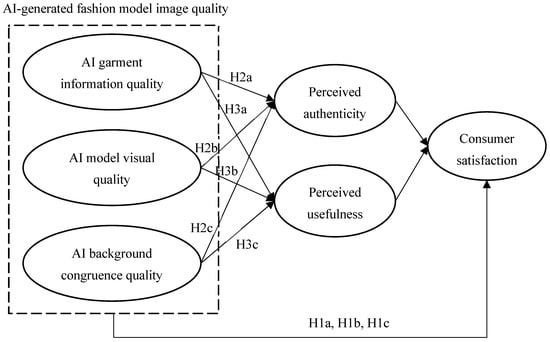
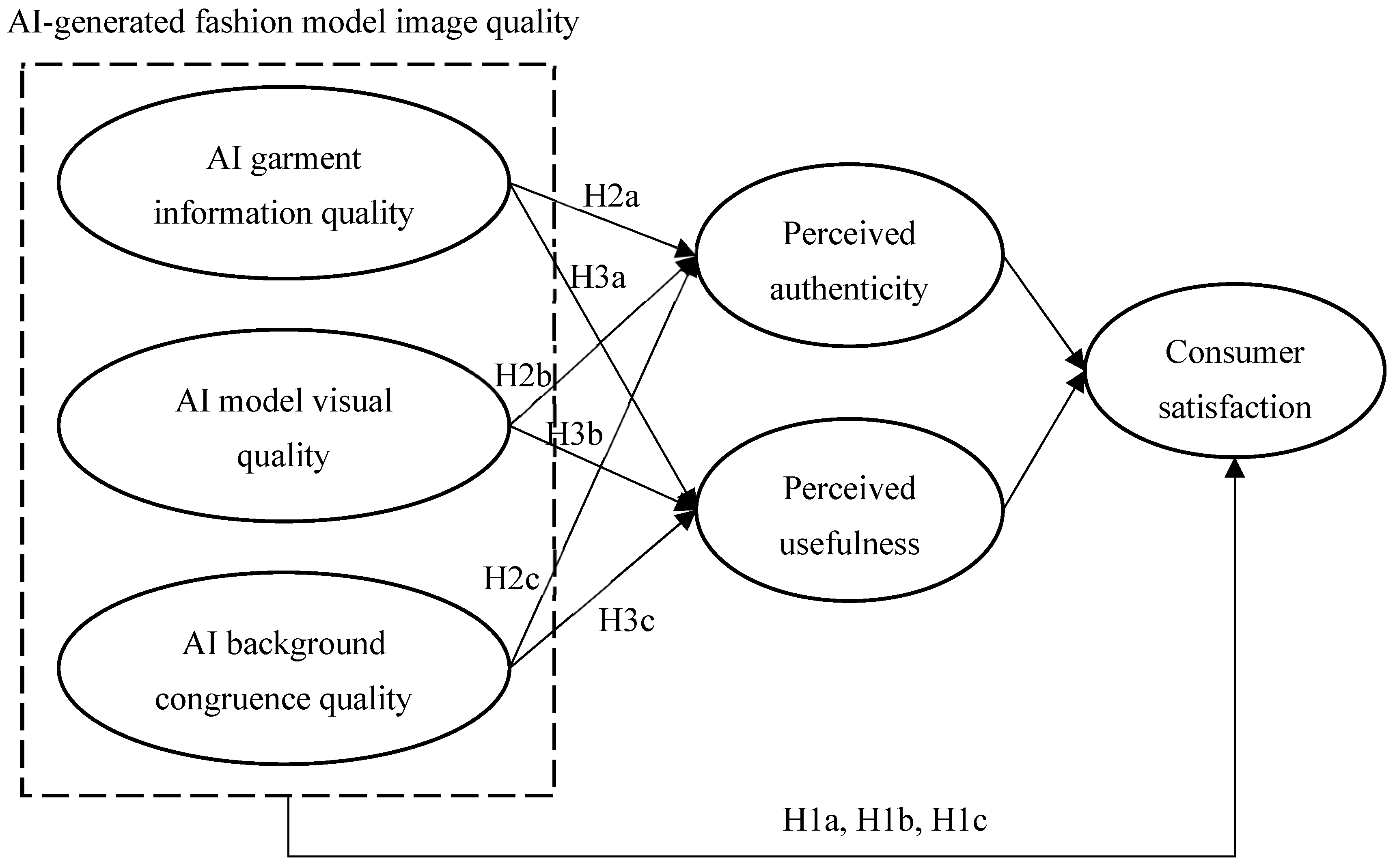
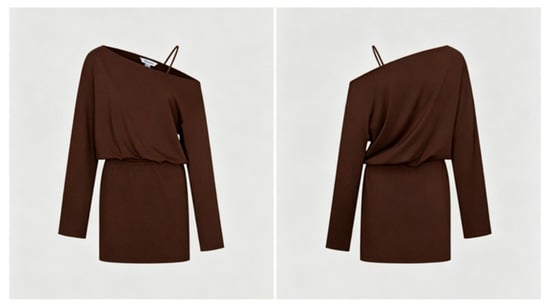
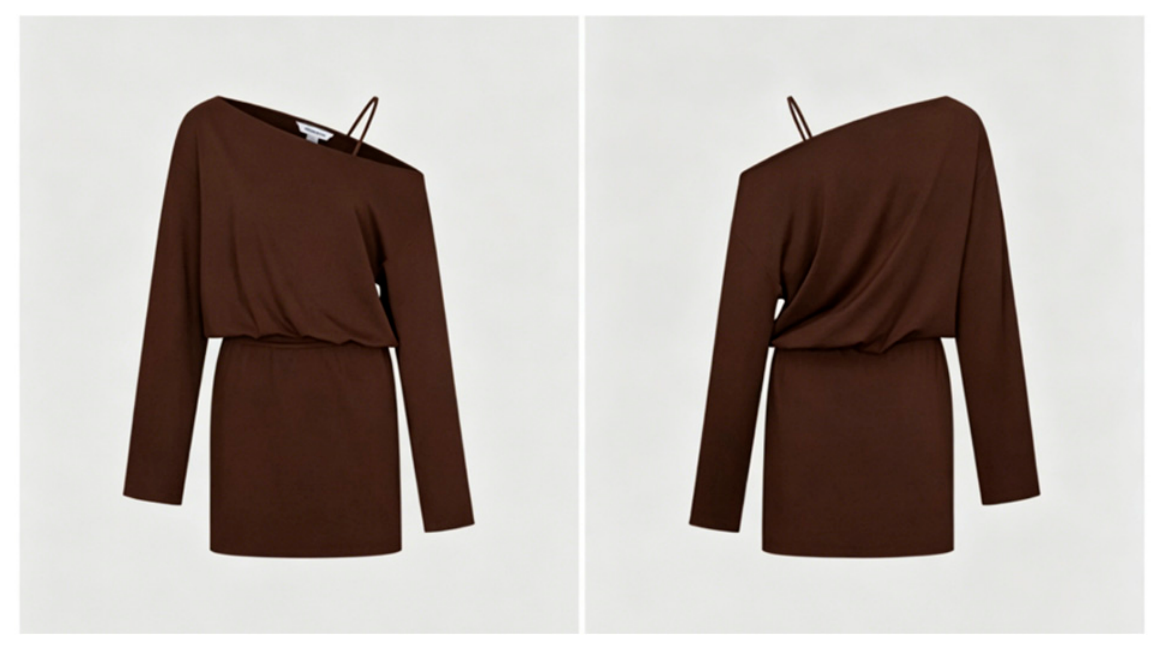



Disclaimer/Publisher’s Note: The statements, opinions and data contained in all publications are solely those of the individual author(s) and contributor(s) and not of MDPI and/or the editor(s). MDPI and/or the editor(s) disclaim responsibility for any injury to people or property resulting from any ideas, methods, instructions or products referred to in the content. |
© 2026 by the authors. Licensee MDPI, Basel, Switzerland. This article is an open access article distributed under the terms and conditions of the Creative Commons Attribution (CC BY) license.