


Abstract
Background: Professional sport clubs are adopting three-dimensional stores, augmented reality, conversational agents, personalization, gamification, and digitally co-present fan communities, while the evidence needed to evaluate these investments remains dispersed across research domains. Purpose: This review explains how immersive and AI-enabled interfaces may generate commercial and relational value in professional sport. Method: A theory-building integrative review synthesizes an 80-source corpus across electronic commerce, immersive technology, AI-enabled service, consumer psychology, and sport management. Source roles and author-developed propositions are distinguished. Findings: The reviewed studies support particular experiential and relational mechanisms, but do not validate an integrated professional-club commerce chain. The Immersive Sport Commerce Conversion Framework proposes a functional route from fan experience to access and transaction outcomes and a relational route through identification, belonging, authenticity, trust, and psychological ownership to relationship and community outcomes. Responsible data exchange is assessed across these outcome domains. Usability, AI accuracy, privacy, accessibility, autonomy, and novelty condition the proposed pathways. Contribution: The framework integrates mechanisms examined across different research domanin, specifies eight testable propositions, and distinguishes governance as a trust pathway, a moderator, and a boundary on implementation.
1. Introduction
Professional sport increasingly operates through continuous digital touchpoints rather than isolated match-day encounters. PwC’s 2026 Global Sports Survey covered 517 executives in 48 countries and reported an expected 7.4% annual market growth rate, with merchandise among the expanding revenue contributors [1]. IBM’s 2026 survey of more than 20,000 fans in 12 countries found that 72% used sports applications, 69% used AI for sports-related activities, and 29% had purchased merchandise through an application [2]. These industry figures document scale and managerial attention rather than causal technology effects. The research problem is therefore not whether digital sport commerce matters, but how richer interfaces can create incremental value without reducing an identity-laden club relationship to surveillance or transactional pressure.
Immersive and AI-enabled interfaces offer several distinct possibilities. Telepresence concerns the mediated experience of “being there” [3], whereas visual and functional control can support product learning [4]. AR may spatially embed products and improve service experience [5]; VR and mixed-reality formats can alter shopping orientation and customer experience [6,7]. AI can scale service and prediction [8,9], but consumers also evaluate how automated agency enters the relationship [10]. Chatbots may improve task completion while raising disclosure and compliance questions [11]. Accordingly, technology labels should not be cited as if they produced one uniform outcome: each affordance, mechanism, and risk requires its own evidentiary warrant.
Sport changes the meaning of these mechanisms. Brand-community theory identifies shared consciousness and ritual [12], member practices that create value [13], and the possibility of normative pressure or resistance [14]. Team-identification research establishes enduring psychological connection to a team [15], while professional-sport engagement research links that connection to cognitive, emotional, and behavioral participation [16]. Digital sport research shows how fan activity extends across platforms and contexts [17]. Recent work also examines adoption of AI-supported devices for sport services [18] and shows that AI-personalized sport experiences depend partly on fan identification [19]. Thus, personalization can feel like welcome recognition or commercial intrusion depending on source, framing, competence, and authenticity.
Current practice demonstrates deployment, not effectiveness. SL Benfica announced on 11 June 2025 a browser-based 3D locker-room store with a multilingual AI concierge supplied through Infinite Reality [20]. Fenerbahçe announced on 26 August 2025 a browser-based, gamified 3D Fenerium store with more than 50 modeled products and an embodied multilingual assistant supplied by Napster, formerly Infinite Reality [21]. The Charlotte Hornets launched on 9 October 2023 a web- and mobile-accessible virtual replica of the Spectrum Center fan shop developed with MeetKai and linked to Fanatics fulfillment [22]. These announcements do not establish incremental sales, repeat use, accessibility, profitability, or consumer-welfare effects.
The empirical motivation is fragmentation. Reviews of AR and VR retailing synthesize general consumer evidence [23,24], and a recent meta-analysis estimates aggregate purchase-related associations across heterogeneous VR contexts [25]. Direct professional-sport commerce evidence is limited to earlier web and service environments: website-induced flow has been linked to satisfaction, loyalty, and word of mouth [26]; e-service quality and team-brand strength have been linked to trust, loyalty, and survey-reported purchase frequency [27]; and licensed-merchandise website quality has been connected to flow, satisfaction, and shopping well-being [28]. These studies establish relevant sport-specific mechanisms, but they do not test immersive presentation and disclosed AI assistance together in a club-authorized merchandise journey.
Recent adjacent evidence sharpens, but does not close, the gap. Gamified fashion commerce on Roblox illustrates how monetization can be embedded in progression and status [29]. Explainable AI and AR have been examined jointly in general immersive retail [30]. GenAI-personalized social commerce reveals a trust–privacy calculus [31], while sport scholarship identifies both engagement opportunities and integrity risks from generative AI [32]. Based on the peer-reviewed literature identified in this review, we found no study that jointly tested immersive store format and a disclosed AI shopping assistant in a professional-club merchandise journey while modeling team identification and observing verified purchasing outcomes.
Existing perspectives explain distinct parts of the proposed journey: telepresence and customer experience [3,4,7], AI service and agency [8,10], sport adoption [18], and identity and community [12,13,15,16]. None specifies when a functional search benefit in a club store requires relational change, whether AI and immersion complement each other, or how governance conditions those paths. The ISCCF integrates these antecedents without claiming their component mechanisms as new.
Relative to these antecedent frameworks, the ISCCF proposes five relationships that are not jointly specified elsewhere: (1) realized affordances shape proximal outcomes through fan-experience mechanisms; (2) functional gains in search or evaluation may occur without a change in team identification or trust, while durable relationship and community value is expected to depend on relational mechanisms; (3) immersive affordances and conversational AI can interact when assistance reduces spatial search cost; (4) prior team identification may strengthen responses to authentic club cues independently of purchasing history, while any moderation of incremental conversion requires a separate test; and (5) transparency can influence trust and preference control can condition personalization effects within governance boundaries. These cross-domain relationships constitute a testable theoretical integration rather than an already validated chain.
Four research questions address the operative affordances, functional and relational mechanisms, conditions on their effects, and measures that distinguish immediate activity from durable value:
RQ1.
Which affordances of immersive and AI-enabled interfaces are most relevant to professional sport commerce?
RQ2.
Through which experiential and relational mechanisms can those affordances influence fan behavior?
RQ3.
Which fan, interface, market, and governance conditions strengthen, weaken, or reverse their effects?
RQ4.
Which research designs and managerial metrics are required to distinguish novelty, substitution, and short-term conversion from durable relationship value?
The review compares heterogeneous evidence at the level of relationships, records source roles and conflicting findings, and derives testable propositions. Section 2 reports the search architecture, coding, and interpretive safeguards.
Across domains, the synthesis connects realized affordances to telepresence, diagnosticity, relevance, belonging, and trust. Usability failures, unreliable AI, intrusive data use, exclusion, and pressure explain why several proposed paths can fail or reverse.
The paper contributes an affordance-to-outcome architecture with distinct functional and relational routes; an explicit separation of direct, adjacent, transferred, and conceptual claims; four outcome domains with responsible data exchange assessed across them; and specified trust and control pathways operating within legal and ethical boundaries. These elements form the ISCCF and eight propositions rather than an empirically validated professional sport-commerce model.
2. Review Design and Analytical Approach
2.1. Review Purpose and Design
An integrative theory-building review systematically compares and recombines heterogeneous empirical and conceptual studies to develop a new explanatory configuration. Whittemore and Knafl describe integrative review as a method for combining diverse methodologies [33]. Torraco emphasizes critical synthesis and theory development [34]. Snyder distinguishes review designs by purpose [35], and Jaakkola requires conceptual relationships and boundary conditions to be made explicit [36]. Later guidance explains how integrative review uses past and present knowledge to generate a future research agenda [37], while Post et al. specify how review articles can advance theory through integration and problematization [38]. These principles support a transparent, concept-centric synthesis rather than an author-by-author summary.
The review is bounded to digital merchandise discovery and purchasing journeys owned, operated, or formally authorized by professional clubs, teams, or leagues. The boundary is theoretically meaningful because the seller carries an identity-bearing institutional relationship, controls or authorizes the commerce touchpoint, and can connect interface conduct to trust, belonging, and longitudinal fan value. Ticketing, media, sponsorship, and social engagement are included only when they clarify a mechanism relevant to that merchandise journey. Athlete performance, coaching, officiating, and back-office AI remain outside scope. The unit of analysis is the relationship through which a technology-enabled affordance shapes a fan experience, a relational mechanism, and a commercial or relationship outcome under contextual and governance conditions.
Theory building is required because customer-experience, technology-acceptance, telepresence, flow, social-presence, trust, brand-community, and team-identification perspectives explain different segments of the focal chain but do not jointly specify how immersive affordances and AI agency acquire sport-identity meaning, how experiential states become relational value, or how governance changes those pathways. The ISCCF is a middle-range integration that preserves these established explanations while locating them in a common conditional architecture. The purpose is conceptual integration rather than exhaustive enumeration, prevalence estimation, or effect-size aggregation. Accordingly, the article is an integrative theory-building review, not a systematic review, bibliometric census, or meta-analysis; PRISMA is not claimed because no exhaustive intervention-oriented evidence sample was constructed [39].
Before the search blocks were applied, the review process was organized in six stages: (1) define the professional-club merchandise boundary and four research questions; (2) discover literature across immersive retail, AI-enabled service, consumer psychology, brand community, and sport management; (3) verify bibliographic records and reconcile duplicates; (4) assess full-text conceptual relevance and assign source roles; (5) code technologies, affordances, mechanisms, outcomes, moderators, risks, designs, and contextual directness; and (6) compare convergent, contradictory, and missing relationships to develop the ISCCF and propositions. Targeted searching and citation chaining were repeated when a proposed relationship lacked a clear basis or boundary condition.
2.2. Evidence Identification and Search Orientation
Searches located conceptually informative evidence through Google Scholar, OpenAlex, Crossref, PubMed, and publisher search interfaces, supplemented by backward and forward citation chaining. Foundational work from 1992 onward was retained where it defined a construct used in the framework, with concentrated attention to 2015–2026. Original searches were conducted iteratively through 20 August 2026; a revision-stage update was run on 4 September 2026. Table A1 reports the platform-adapted query syntax, date information, and function of each source. Search strings were in English.
Three concept blocks guided discovery and targeted gap checking:
- Immersive commerce: immersive commerce/retail, virtual store/showroom, 3D retail, VR, or AR, combined with consumer, shopping, purchase, telepresence, product experience, or customer experience.
- AI-enabled commerce: AI assistant, chatbot, conversational agent/commerce, recommender, personalization, or explainable AI, combined with trust, disclosure, purchase, service, customer experience, or data privacy.
- Sport and fandom: sport, fan, club, team, league, team identification, or sport brand, combined with e-commerce, merchandise, digital engagement, metaverse, VR, loyalty, or purchase.
Mechanism extensions covered telepresence, flow, social presence, control, diagnosticity, authenticity, belonging, psychological ownership, trust, privacy, accessibility, autonomy, cognitive load, and governance. Search terms were adapted to each platform and expanded when full-text reading or citation chaining revealed alternative terminology. Backward chaining examined reference lists of anchor reviews and foundational papers; forward chaining used citing-document links and title/DOI searches. Potential duplicates were reconciled first by DOI and then by normalized title, author, and year; one bibliographic record was retained for the same work. Consistent with concept-centric guidance, synthesis focused on relationships among ideas rather than separate author summaries [40].
Title and abstract inspection first removed clearly out-of-scope material; full text was then assessed for contribution to an affordance, mechanism, outcome, moderator, contradiction, or governance requirement within the focal conversion chain. The retained corpus contains exactly 80 sources: 73 peer-reviewed sources (3 direct professional sport-commerce, 12 adjacent sport, 50 transfer, and 8 methodological), 5 practice or industry-context sources, and 2 regulatory sources. Candidate-level yields, duplicate counts, and exclusion counts were not prospectively logged during the original iterative search. They cannot be reconstructed retrospectively without false precision; the absence of that audit trail is stated explicitly here and in Section 7. The manuscript therefore reports the verifiable retained corpus and search architecture but makes no claim about retrieval completeness or publication prevalence.
2.3. Eligibility Boundaries and Evidence Roles
Peer-reviewed journal articles constituted the principal evidentiary base. Empirical studies, conceptual articles, and prior reviews were eligible when they informed at least one element of the proposed conversion chain: (a) a relevant technology-enabled affordance; (b) an experiential or relational mechanism; (c) a commercial, relationship, community, or data-exchange outcome; or (d) a boundary condition, friction, or governance risk. Relevant outcomes included product exploration, perceived diagnosticity, decision confidence, purchase intention or verified purchasing, willingness to pay, basket development, returns, repeat patronage, loyalty, advocacy, electronic word of mouth (eWOM), and willingness to disclose or retain preference data.
At full-text review, inclusion required both relevance to an authorized professional-sport merchandise journey or to a mechanism transferable to that journey and an identifiable contribution to at least one defined coding domain—affordance, experiential or relational mechanism, outcome, moderator, contradiction or backfire path, or governance requirement. A source that only mentioned a focal technology or sport without specifying a consumer-relevant construct or relationship was excluded. Peer-reviewed work outside professional sport could be retained only as T evidence and could not warrant a sport-specific effect; official or provider material could be retained only as P evidence of deployment. Source role was assigned before theoretical synthesis.
Direct evidence (D) is peer-reviewed research in professional sport commerce or club merchandise environments. Adjacent sport evidence (A) concerns fan identification, engagement, community, authenticity, or digital behavior that can specify a sport boundary condition without directly testing the focal merchandise journey. Transfer evidence (T) comes from retail, AI-enabled service, HCI, or consumer research and is used to establish mechanism plausibility, not a sport-specific effect. Methodological sources define the review or theory-building process; practice and industry sources document context or deployment; regulatory sources establish obligations. Separately, C marks an author-developed conceptual inference or proposition. Source role and claim status are not interchangeable: a practice illustration is a source type, whereas C denotes an inferential status.
The review excluded work concerned only with athlete performance, coaching, officiating, injury prediction, or back-office operations; broadcast technology without a consumer-engagement or commerce implication; purely engineering-focused prototypes without a consumer-relevant construct; betting-only research, except where it informed governance or vulnerable-consumer concerns; and cryptocurrency or non-fungible-token speculation detached from durable club relationship value.
Official club, league, regulatory, or technology-partner materials were eligible only for clearly delimited purposes. Club and partner pages were used to establish that an interface configuration had been publicly deployed, while regulatory texts were used to identify applicable governance principles. Practice materials were coded separately from peer-reviewed scholarship and were not treated as evidence of causal effectiveness, profitability, consumer welfare, or generalizability.
2.4. Concept-Centric Coding and Synthesis
The concept-centric working matrix was initialized deductively from the four research questions and the provisional affordance–experience–relationship–outcome chain [40]. Initial fields covered context, source role, technology, operative affordance, theoretical lens, interface stimulus, experiential mechanism, relational mechanism, outcome, moderator, friction or risk, study design, outcome type, and professional sport-merchandise relevance. During full-text analysis, categories were refined when a source introduced a distinct mechanism, boundary condition, contradiction, or negative case; earlier records were revisited to maintain consistent coding. Technology and affordance remained separate—for example, AR was coded as a technology, while spatial embedding, augmentation quality, self-referencing, and product visualization were coded as affordances. The updated source-level matrix is provided in Supplementary Table S1.
For each retained source, collaborative coding followed a common sequence: (1) record context, study design, and outcome type; (2) assign evidence role; (3) distinguish the implemented technology from the affordance it enabled; (4) identify experiential and relational mechanisms, outcomes, moderators, and risks; (5) record the direction and design warrant of each relevant relationship; and (6) mark any professional-sport extension not directly supported by the source as C. A source could inform several constructs, but each coded relationship retained its source role and contextual directness. When a definition or category was refined, earlier records were revisited.
Synthesis used three iterative passes. The first compared recurring affordance–mechanism–outcome relationships across immersive retail and AI-enabled commerce. The second introduced sport-specific constructs—identification, community, authenticity, symbolic ownership, geography, and event timing—that could alter those relationships. The third logged null, mixed, adverse, or context-dependent evidence in the matrix’s outcome/risk and framework-relevance fields, including cognitive load, weak usability, inaccurate or uncanny agents, personalization discomfort, privacy concerns, accessibility barriers, coercive gamification, and novelty decay. Ambiguous mappings were discussed collaboratively against the full source text; a consensus code was used only when the team could agree on a defensible interpretation. Otherwise, the ambiguity was retained as a tension or boundary condition rather than forced into a single direction.
The unit of synthesis was a relationship between constructs rather than a publication. Convergence was stronger when a relationship appeared across technologies, designs, or contexts. Divergence generated moderators, confidence boundaries, or rival explanations. For each proposition, the authors traced the theoretical basis, supporting sources, source-role mix, unresolved contradiction, and expected relationship; Table 4 makes that derivation visible. The process remained collaborative rather than independently dual coded, so consensus discussion should not be interpreted as an inter-rater reliability procedure. The propositions are falsifiable, theory-grounded expectations—not effects already established in professional-club commerce.
2.5. Evidence Interpretation and Transparency Safeguards
Eligibility was determined by conceptual relevance rather than by a single design hierarchy; evidentiary weight determined the permitted scope of inference. Four dimensions were applied: source role, design warrant, outcome proximity, and contextual directness. Randomized, field, and longitudinal behavioral evidence received priority for causal or managerial claims, whereas cross-sectional intention studies informed association and mechanism plausibility. Conceptual and review sources were primary for construct definition or integration. Observed purchases, returns, retention, and service behavior received greater weight than attitudes or intentions when evaluating commercial outcomes. Contextual directness was assessed separately: a rigorous general-retail experiment can support a transferable mechanism but cannot establish a professional-sport effect.
Conflicting studies were retained rather than averaged away or suppressed. Design warrant, outcome proximity, and contextual directness guided their relative interpretation, while unresolved differences became explicit gaps, moderators, or backfire paths. Practice examples were used only to document deployment. Where evidence was indirect, heterogeneous, or inconsistent, the text uses qualified language such as “suggests”, “is associated with”, “may”, or “is expected”. No numerical quality score was imposed because the heterogeneous studies are not commensurable on one scale.
Safeguards included DOI and publisher-metadata verification; separation of purchase intention from observed purchasing; causal language only for appropriate designs; separation of promotional practice sources from evidence of effectiveness; explicit D/A/T/C claim status; and targeted searches for friction, null pathways, and adverse effects. Source identification, coding, and synthesis were conducted collaboratively without independent dual screening or coding. No inter-rater agreement statistic was calculated, and the resulting interpretive and selection risk is retained as a limitation.
Table 1 summarizes the design choices, evidence boundaries, coding dimensions, and validity safeguards applied in the integrative synthesis.
Table 1.
Design choices and analytical coding framework for the integrative theory-building review.
Figure 1 visualizes the concept-centric workflow through which immersive-retail, AI-enabled-commerce, and professional-sport evidence was identified, separated by evidence role, coded, and integrated.
Figure 1.
Conceptual integration workflow linking immersive-retail, AI-enabled-commerce, and professional-sport evidence. The figure depicts the analytical logic of the integrative theory-building review rather than a systematic-review screening flow.
3. Evidence Synthesis and Interpretive Assessment
The synthesis distinguishes source roles from claim status. D denotes direct peer-reviewed professional sport-commerce evidence; A denotes adjacent peer-reviewed sport evidence; T denotes transfer evidence from retail, AI-enabled service, HCI, or consumer research; and C denotes an author-developed conceptual inference or proposition. Practice/context (P), methodological (M), and regulatory (R) sources are identified where applicable. C-labeled relationships are testable expectations and should not be read as established effects.
3.1. Why Sport Commerce Is Not Ordinary E-Commerce
Online-store atmospherics influence perceptions and responses because interface cues operate as environmental stimuli rather than neutral containers [41,42]. Customer-experience research likewise emphasizes that value develops across journeys and touchpoints, not at checkout alone [43]. These principles apply to professional sport, but the underlying object is unusually symbolic. A club product may index geographic belonging, family history, status within a supporter group, a memorable season, or allegiance despite poor performance. The commercial object carries relational and autobiographical meaning.
Team identification captures the extent to which supporters perceive psychological connection with a team. Early work established meaningful differences between low- and high-identification fans [15]. Professional-sport research subsequently linked identification to cognitive, emotional, and behavioral engagement [16]. Football-club social-media research also links fan motives to consumption, contribution, and creation [44]. A meta-analysis connects team identification to multiple consumption behaviors [45], while team-managed social media research links contextualized engagement to purchase intention [46]. Interest in virtual sport environments is also conditioned by prior experience and involvement rather than youth alone [47]. These findings do not establish immersive merchandise-store effects, but they define sport-specific relational and adoption conditions.
This creates both an advantage and a complication for immersive commerce. The advantage is a reservoir of pre-existing meaning. A virtual locker room does not need to manufacture relevance from nothing; it can activate symbols already embedded in fan identity. The complication is that high baseline attachment can obscure incremental technology effects. Highly identified supporters may already intend to purchase, producing ceiling effects on intention scales. Conversely, casual or geographically distant fans may have more room to respond to immersion but less initial motivation to enter. A rigorous study must therefore distinguish activation of identity, persuasion of marginal fans, facilitation of an intended purchase, and genuinely incremental demand.
Brand-community theory offers a second point of distinction. Communities are characterized by shared consciousness, rituals and traditions, and a sense of moral responsibility [12]. Participation in brand communities can strengthen intentions and loyalty, but it can also create normative pressure or resistance when managerial actions appear inauthentic [14]. Community members generate value through practices such as social networking, impression management, engagement, and brand use [13]. Sport clubs possess many of these conditions before launching a digital commerce environment. The strategic issue is therefore not whether to “add community” as a feature, but whether the interface recognizes and supports existing fan practices.
Evidence assessment (D/A/C). Direct sport-commerce studies connect flow or trust with loyalty and survey-reported purchase frequency [26,27,28]; adjacent sport work adds identification and AI-adoption boundaries [15,16,18,19]. None tests 3D and AI together.
3.2. Technology Is Not an Affordance
Operationally, a technology is the implemented artifact or interface configuration, such as AR, VR, a 3D store, or a conversational agent. An affordance is a user-perceivable possibility for action that is actually realized by that configuration, such as spatial navigation, product manipulation, dialog, or adaptive relevance; a feature that is unavailable, unusable, or inaccessible is not treated as a realized affordance. A mechanism is the intervening experiential or relational process through which an affordance may shape response, such as telepresence, perceived control, diagnosticity, belonging, authenticity, or trust. An outcome is an observable or reportable endpoint at the access, transaction, relationship, community, or responsible-data-exchange level. Technologies are therefore coded as inputs, affordances as action possibilities, mechanisms as explanatory processes, and outcomes as endpoints; moderators alter the strength or direction of these links.
The literature often groups studies by AR, VR, metaverse, chatbot, or gamification. For explanation and design, however, it is more useful to ask what a configuration allows the user to perceive or do. Telepresence refers to a mediated sense of being in an environment [3]. Interactivity and vividness can contribute to that experience, but technological complexity alone does not guarantee it. A fast, controllable browser-based 3D room may produce a stronger sense of agency than a poorly rendered headset application. Conversely, a conventional product page can offer excellent diagnosticity, speed, and accessibility despite limited spatial immersion.
Immersive-retail research supports this affordance perspective. AR can embed digital content in the consumer’s physical environment, improve product visualization, and alter service experience [5,48]. VR and virtual stores can affect engagement, attitudes, product examination, and choice through vividness, interactivity, and presence [6,7]. Interactive imagery can create mental simulation and product experience [4], while visual and functional control of virtual products can increase perceived diagnosticity and flow [49]. Virtual customer-service agents influence service encounters through social presence and personalization [50]. Yet reviews also document heterogeneous definitions, devices, products, and outcomes [23,25]. The common explanatory currency is not “being in VR”; it is the configuration of spatial immersion, control, sensory richness, product interaction, and fit with the task.
The same reasoning applies to AI. A recommender, text chatbot, embodied agent, voice assistant, and generative AI concierge differ in surface form, but relevant affordances include conversational agency, adaptive relevance, explanation, language translation, continuity, and service availability. AI can scale service and prediction [8,9], but consumers respond to how it enters the relationship. Disclosure that an agent is automated can change purchase responses [51], and the social cues of an anthropomorphic chatbot can shape satisfaction through perceived humanness and social presence [52]. AI should therefore be treated as a bundle of potentially valuable and potentially unsettling affordances.
Table 2 translates the principal technological configurations into the affordances, fan-relevant value mechanisms, candidate outcomes, and potential frictions used throughout the synthesis.
Table 2.
Affordance taxonomy for immersive and AI-enabled sport commerce.
Evidence assessment (D/T/C). Retail work distinguishes usable affordances from technology labels [4,5], but configurations and outcomes vary [23,25]. Earlier sport-website findings [26,28] do not establish immersive AI effects.
3.3. Spatial Immersion, Telepresence, and Product Experience
Spatial immersion can make a commerce journey more than an information-retrieval task. Telepresence theory suggests that mediated environments can shift attention from the physical setting toward a represented one [3]. In online commerce, flow and compelling experience depend on focused attention, perceived control, challenge–skill fit, and interactivity [53]. Digital engagement similarly combines cognitive and affective absorption with active participation [54]. Together, these perspectives explain why a 3D club store might produce value: it can focus attention, stage a meaningful environment, and invite exploration that a flat catalog does not.
The crucial mechanisms are separable. Telepresence concerns felt location; enjoyment concerns positive affect; control concerns the user’s capacity to navigate and act; flow concerns absorbed, intrinsically rewarding interaction; and diagnosticity concerns whether the experience helps the consumer evaluate the product. A visually impressive environment may generate presence without improving diagnosticity. An AR jersey overlay may improve self-referencing but provide inaccurate sizing. A virtual trophy room may deepen emotional attachment while delaying product discovery. Outcomes therefore depend on matching the affordance to the job the fan is trying to complete.
Empirical studies in AR and virtual retail generally support benefits to experience, evaluation, and behavioral intention, while also showing that the pathway varies. AR service augmentation can create value by supporting interaction with products and environments [5]. Mobile AR may alter affective, cognitive, and behavioral responses through augmentation quality, informativeness, and enjoyment [55,56]. AR imagery can generate ownership-like responses and self-related processing [57], and virtual store formats can influence engagement and choice through their experiential qualities [6]. These findings provide plausible mechanisms for sport merchandise, but they should not be assumed to transfer without qualification. Team symbolism, high existing knowledge, counterfeit sensitivity, and event-timed urgency may change the balance between experience and efficiency.
Recent evidence extends this literature beyond intentions. An exploratory field-based VR study observed real-money purchases and linked active in-environment exploration with higher conversion, although its small self-selected sample and non-randomized design limit causal inference [58]. A 2 × 2 × 3 experiment likewise found that interactivity, virtual embodiment, and virtual-crowd cues shaped local presence, telepresence, social presence, playfulness, and impulse-buying urge [59]. These studies strengthen the behavioral basis for immersive commerce but remain outside professional sport and do not test AI assistance.
Evidence assessment (T/C). Immersive retail links telepresence and diagnosticity to purchase-related responses [5,6,58,59]; verified purchasing and returns in club stores remain untested.
3.4. Interactivity, Agency, and the Friction Paradox
Interactivity can increase control and learning, but it also creates work. Rotating an object, walking through a virtual space, opening narrative elements, or configuring a jersey may heighten involvement when the user wants exploration. The same actions become obstacles when the user wants a known product before stock disappears. This produces a friction paradox: the interaction that creates experiential value can simultaneously reduce transactional efficiency.
Interactive AR can strengthen engagement when vividness and control support the task [60]. Consumer acceptance nevertheless varies with usefulness, ease, and implementation quality [61]. AR may also reshape consumer–brand relationships rather than merely product evaluation [62]. More vividness is therefore not always better: excess animation can increase cognitive load, spatial navigation can hide inventory, mandatory registration can interrupt flow, and decorative avatars can occlude product information. A post-match visitor may value speed, whereas a distant off-season supporter may welcome exploratory storytelling.
An effective architecture should therefore support progressive immersion. Consumers should be able to enter through a conventional, accessible route; opt into richer spatial or social layers; maintain a visible search and cart; and exit immersion without losing context. The design goal is not to maximize time spent in every case. It is to minimize unwanted effort while enabling meaningful exploration. This distinction also affects evaluation: dwell time can signal engagement or confusion. It should be interpreted alongside navigation paths, task completion, errors, add-to-cart behavior, and direct experience measures.
Evidence assessment (T/C). Interactivity can aid diagnosticity when task fit is high [4,60,61], while friction or urgency may offset that gain; P2 states the conditional test.
3.5. Conversational Agency, Personalization, and Social Presence
AI can intervene at multiple points in the journey: acquisition, discovery, evaluation, customization, service recovery, and retention. Marketing frameworks distinguish mechanical, thinking, and feeling-related contributions of AI and emphasize that task structure should determine where automation is appropriate [9]. In service encounters, AI can scale availability and consistency, but human and automated agency may need to be combined rather than treated as substitutes [8,63]. For a global club, multilingual guidance, size support, delivery explanations, and navigation across a large catalog are credible high-value applications.
Conversational agents add a social layer. Anthropomorphic cues and conversational style can enhance perceived humanness and social presence [52], while users’ satisfaction and continuance depend on usefulness, service quality, and trust [64]. Social cues are not unconditionally beneficial. An agent that appears human but answers poorly, conceals its automated nature, or adopts an inauthentic club voice can violate expectations. Disclosure may reduce purchase responses in some conditions because consumers change how they interpret the encounter [51], yet non-disclosure creates ethical and regulatory risks and can cause a sharper trust loss if discovered. The managerial problem is not to hide automation, but to design disclosed AI that is demonstrably useful, bounded, and easy to escalate.
Personalization has a similar dual structure. Relevant recommendations can reduce search costs and make a large catalog manageable. They can also imply surveillance. The personalization paradox describes how data collection that enables relevance can simultaneously increase vulnerability and reduce response [65]. Privacy scholarship shows that consumer decisions are context-dependent, difficult to make under uncertainty, and influenced by how organizations frame control and benefits [66,67]. In sport, the data may include location, attendance, content consumption, ticket history, family status, and highly expressive affiliations. Combining those signals without clear necessity can feel more intrusive than ordinary product recommendation.
Recent adjacent evidence makes these tensions especially salient. Explainable AI and AR can jointly shape trust and purchase decisions in general immersive retail [30]. GenAI-personalized social commerce connects algorithmic trust and privacy calculus with purchase intention [31]. In sport, AI personalization is associated with authenticity and satisfaction, with effects contingent on fan identification [19]. These studies support the plausibility of governance and moderation paths, but none tests disclosed club-branded AI, immersive navigation, and observed merchandise purchasing in one design.
The appropriate standard is relational relevance, not maximum prediction. A recommendation should be explainable in a way consistent with the supporter relationship: selected size, chosen team collection, explicitly followed player, delivery region, or voluntarily saved preference. Sensitive inference and cross-context combination should be minimized. Fans should be able to understand why a suggestion appears, alter the preference, browse without personalization, and reach a human where consequences are significant.
Evidence assessment (A/T/C). Service, disclosure, and personalization findings are mixed [50,51,65,66], and fan identification can condition sport responses [19]. Their joint club-store effects remain untested.
3.6. Team Identification, Belonging, Authenticity, and Psychological Ownership
The experiential mechanisms above explain attention and interaction but not why the experience matters to a fan. The relational layer of the proposed framework consists of team identification, community belonging, trust, perceived authenticity, and psychological ownership. These constructs connect a momentary interface response to the continuing club relationship.
Team identification is both a prior state and an activated experience. A highly identified supporter brings attachment into the store; the environment can make that identity more salient through colors, histories, players, rituals, and social cues. The resulting purchase may function as identity enactment. Organizational-identification research explains why consumers build relationships with identity-relevant organizations [68], while sport research demonstrates the behavioral significance of identification and engagement [16]. Digital fan experiences can extend this relationship beyond the venue, particularly for supporters separated by geography or limited access [69,70].
Belonging operates at the fan-to-fan level. A commerce environment can display community creations, allow friends to visit together, connect purchases to collective milestones, or make match-day rituals visible. Brand engagement comprises cognitive, emotional, and behavioral investment [71,72], and online brand-community engagement can include enthusiasm, attention, absorption, interaction, and identification [73]. In sport, however, visible community signals require careful moderation. Rivalry, harassment, status hierarchies, and pressure to demonstrate “real” fandom can exclude newcomers or vulnerable users.
Authenticity concerns whether the experience feels consistent with the club’s history, voice, conduct, and supporters. High visual fidelity is neither necessary nor sufficient. A stylized environment can feel authentic if it respects shared meanings; a photorealistic avatar can feel inauthentic if it uses generic sales language or invents club facts. This insight is consequential for generative AI. The agent should retrieve from controlled sources, distinguish official information from recommendation, avoid impersonating players without explicit authorization, and communicate uncertainty rather than fabricate an answer.
Psychological ownership refers here to a sense that an object is “mine” before legal ownership. Interactive product manipulation, self-referencing, personalization, and imagined use can intensify that state. AR and virtual product experience provide plausible routes [57,74]. Sport merchandise is particularly suited because names, numbers, memories, and supporter status make customization identity-relevant. Yet ownership-like feelings can be exploited through scarcity timers or default configurations. The same mechanism that increases attachment can also enable pressure, so its welfare implications depend on autonomy and transparency.
Evidence assessment (A/T/C). Sport identification and community studies support relational relevance [16,45,69,70], and AR work supports ownership mechanisms [57]. The combined merchandise pathway remains conceptual.
3.7. From Proximal Responses to an Outcome Architecture
Many immersive and AI studies end with attitudes or purchase intention. These outcomes are useful but insufficient for investment decisions. The ISCCF organizes evaluation into four outcome domains and a cross-cutting data-exchange dimension:
- Access and exploration: entry, load success, search completion, product views, interaction depth, and assisted queries.
- Transaction: add-to-cart, conversion, revenue per visitor, basket composition, willingness to pay, return rate, and service cost.
- Relationship: repeat visits, retention, loyalty, satisfaction, and cross-touchpoint continuity.
- Community: contribution, referrals, eWOM, advocacy, and constructive fan-to-fan participation.
Responsible data exchange (cross-cutting): informed and voluntary preference saving or disclosure, consent comprehension, opt-out and revocation behavior, and willingness to continue or decline a data relationship; these measures apply across access, transaction, relationship, and community outcomes.
Responsible data exchange is neither a fifth behavioral step nor itself a governance mechanism. It is a governance-conditioned value dimension that captures whether information exchange supporting future personalization is voluntary, intelligible, controllable, and trust-preserving. Transparency, data minimization, preference control, accessibility, security, and human escalation are design features and constraints operating across the framework. Evaluating data exchange alongside each outcome domain avoids treating more disclosure as inherently better or implying a fixed sequence from exploration to community participation.
The four outcome domains are not a required user sequence or a value ranking. A design may improve exploration without conversion, increase conversion and returns together, generate initial sales without retention, or elicit data while reducing trust. Separate measures prevent a favorable proxy from standing in for total value.
Sport-specific timing further complicates measurement. Demand fluctuates around fixture releases, transfers, victories, defeats, championships, player milestones, and product drops. An immersive-store launch timed to a trophy celebration may appear effective because demand would have risen anyway. Experiments and quasi-experiments should include contemporaneous controls, pre-period behavior, inventory availability, traffic source, and campaign exposure. Incrementality—not gross revenue—is the appropriate test.
Evidence assessment (D/T/C). Direct sport websites connect flow and trust to relational outcomes and survey-reported purchase frequency [26,27,28]; VR retail adds behavioral or impulse outcomes [58,59]. Longitudinal effects across the four club-store domains remain untested.
3.8. Boundary Conditions and Backfire Effects
Five groups of moderators recur across the integrated evidence.
Fan characteristics. Team identification, product involvement, prior club knowledge, technology readiness, privacy sensitivity, and shopping goal can change the direction or magnitude of effects. Identification may amplify the relational response to authentic cues; any separate effect on incremental purchasing must be tested after accounting for buying history and product familiarity. Less attached consumers may appreciate functional assistance while ignoring heritage content.
Interface characteristics. Speed, navigability, device fit, accessibility, information quality, AI accuracy, disclosure, and human escalation determine whether affordances are realized. A feature unavailable on lower-end devices is not an affordance for those users. Accessibility should include keyboard navigation, screen-reader semantics, captions, contrast, reduced motion, language, and a robust 2D path.
Product characteristics. Identity expressiveness, uncertainty, customization, scarcity, price, and returnability influence value. AR or 3D may be more useful for configurable or high-uncertainty products than for familiar goods.
Market and cultural conditions. Club scale, supporter geography, payment infrastructure, language, data expectations, and local norms matter. A globally distributed fan base may gain more from multilingual assistance and virtual access; a locally concentrated base may place greater weight on integration with venue retail.
Temporal conditions. Match outcomes, season stage, product launch, transfer events, and novelty affect both emotion and demand. The same interface may perform differently in a celebratory period and after a disappointing result.
Backfire can occur through four paths. First, performance failure occurs when load, navigation, fit visualization, or AI accuracy is poor. Second, expectation violation occurs when a humanlike or club-branded agent is generic, deceptive, or incorrect. Third, autonomy threat occurs when gamification, scarcity, or personalization feels coercive. Fourth, identity violation occurs when commercial design trivializes a ritual, excludes a supporter group, or misuses player and heritage symbols. These pathways help explain why technology richness can have nonlinear or negative effects.
Evidence assessment (D/A/T/C). Usability, disclosure, involvement, identification, and privacy sensitivity recur as plausible moderators across retail, AI, and adjacent sport research [47,51]. Richer interfaces can raise presence without satisfaction, disclosure can reduce immediate response, and personalization can create vulnerability [65,66]. These tensions specify the conditional forms of P2–P7.
3.9. Governance as a Value Mechanism
Privacy, transparency, consumer autonomy, algorithmic bias, cybersecurity, intellectual property, and the protection of minors define constraints on implementation. Within those constraints, governance features also have distinct behavioral roles. Clear and accurate AI disclosure may precede perceived transparency and institutional trust; usable preference control may moderate whether personalization feels relevant or intrusive. Data minimization limits what information is collected, while voluntary data exchange and repeat patronage are outcomes rather than governance inputs. Trust in e-commerce depends on beliefs about competence, benevolence, integrity, and institutional safeguards [75,76]. A competent but poorly explained assistant may weaken integrity beliefs, and personalization without meaningful control may reduce willingness to return.
The regulatory environment reinforces these design requirements. The General Data Protection Regulation establishes principles including lawfulness, fairness, transparency, purpose limitation, data minimization, and rights related to personal data [77]. The European Union Artificial Intelligence Act introduces risk-based obligations and transparency requirements for specified AI uses [78]. This review does not provide legal advice; the strategic point is that privacy and AI governance should be translated into observable design choices: visible disclosure, constrained data collection, clear purposes, preference controls, audit logs, content provenance, model testing, escalation routes, and age-appropriate safeguards.
Minors warrant particular attention because clubs attract young supporters and may combine gaming, rewards, influencers, and merchandise. Emerging sport-AI scholarship identifies children and adolescents as particularly vulnerable to targeted content, gamification, and data-driven commercial influence [32], while analysis of immersive fashion commerce on Roblox shows how monetization cues can be embedded in progression, status, and habitual return [29]. Variable rewards, countdowns, and social-status mechanics can therefore exert disproportionate pressure. A responsible system should avoid exploitative design, distinguish play from purchasing, use age-appropriate language, obtain required consent, and provide guardian controls where applicable. Governance-by-design protects consumer welfare and reduces the chance that a short-term conversion tactic damages the club’s long-term legitimacy.
Evidence assessment (T/R/C). Trust and privacy studies motivate the transparency–trust and control–intrusion pathways [65,67,75,76], whereas GDPR and the EU AI Act specify obligations, not causal consumer effects [77,78]. No cited club-commerce study tests these governance pathways jointly. P8 is therefore a conceptual prediction about trust and moderation within applicable legal and ethical requirements.
3.10. Evidence Tensions and Confidence Boundaries
The integrated evidence is directionally informative but not uniformly positive. Immersive formats can increase presence and exploration, yet usability costs and heterogeneous implementations weaken generalization [24,25]. In VR commerce, observed purchasing has been reported without random assignment [58], whereas experimental virtual-crowd and embodiment effects concern impulse-buying urge rather than observed purchase [59]. AI can improve service availability [8], but chatbot disclosure can lower immediate purchase response [51], and personalization can simultaneously increase relevance and perceived vulnerability [65]. These tensions support conditional, mediated, and potentially nonlinear propositions rather than main-effect claims.
These confidence judgments concern specific relationships, not a score assigned to every source. Confidence is highest that mechanisms such as telepresence and product diagnosticity can be defined and studied in their source contexts: conceptual work specifies telepresence [3], and empirical product-presentation studies measure related experience and evaluation [4,6]. Confidence is more limited for transfer to club merchandise: the professional-sport website survey [27] concerns trust, loyalty, and survey-reported purchasing frequency, but is cross-sectional and predates combined immersion and AI. Confidence is lowest for the proposed 3D × AI interaction, whether identification moderates verified conversion, and long-term governance effects because the cited studies do not test those integrated relationships in a club store. For example, observed VR purchases in a small nonrandomized sample [58] cannot establish a causal club-commerce effect, and regulatory texts [77,78] cannot establish one either. Design warrant, proximity of the measured outcome, and contextual directness thus explain the ranking without a numerical quality score or invented search counts.
Table 3 consolidates the evidence assessment, identifies source status, and separates established or plausible mechanisms from unresolved professional sport-commerce tests.
Table 3.
Evidence synthesis, claim status, and unresolved sport-commerce questions.
4. Theory Development: The ISCCF and Propositions
4.1. Architecture of the ISCCF
The Immersive Sport Commerce Conversion Framework (ISCCF) integrates a limited direct professional sport-commerce base with adjacent sport evidence and transferable mechanisms from retail, AI-enabled service, HCI, and consumer research. It has not been empirically validated as an integrated model. Technology must yield a usable affordance and an experienced benefit before it can influence behavior. The framework then separates two proposed routes: telepresence, control, relevance, or diagnosticity may improve search, product evaluation, and transactions through a functional path without changing identification or belonging; sustained relationship and community outcomes are theorized through activated identity, authenticity, trust, belonging, or psychological ownership. Relational mechanisms can also influence transactions, but they are not a required mediator of every proximal outcome. Each relationship is an empirical question, and its source-specific warrant is recorded separately.
The framework contains five layers:
- Technology-enabled affordances: spatial immersion, interactivity and functional control, conversational agency, adaptive personalization, and gamified/social co-presence.
- Fan-experience mechanisms: telepresence, enjoyment, flow, perceived control, diagnosticity, relevance, and social presence.
- Relational mechanisms: activated team identification, community belonging, authenticity, trust, and psychological ownership.
- Outcome architecture: exploration, transaction, relationship continuity, and community value, with responsible data exchange as a cross-cutting value dimension.
- Conditional system: fan, interface, product, market, and temporal moderators operate alongside governance filters concerning privacy, transparency, autonomy, bias, accessibility, and minors.
A feedback loop connects outcomes to future personalization. Behavioral data can improve relevance, but only when the data exchange is legitimate, proportionate, secure, and understandable. The loop is therefore filtered by governance rather than treated as an unrestricted optimization cycle.
Figure 2 separates functional access and transaction outcomes from relational relationship and community outcomes, with responsible data exchange across all four. At the component-link level, direct sport-commerce studies report associations among absorbing website experience, flow, satisfaction, and loyalty [26]; online trust, website loyalty, and survey-reported purchase frequency [27]; and website quality, flow, and satisfaction [28]. None tests an integrated 3D–AI club-store arrow. Adjacent and transferable components and their limits appear in Table 4 and Supplementary Table S1. All figure arrows represent conceptual integration, not uniform direct support.
Figure 2.
Immersive Sport Commerce Conversion Framework (ISCCF). Technology-enabled affordances may shape fan-experience mechanisms. Proximal search and transaction outcomes may follow a functional route without a change in identity, whereas relationship and community outcomes are proposed to depend on relational mechanisms; these may also influence purchasing. Responsible data exchange applies across all four outcome domains rather than forming a final step. Context and governance condition the routes. Arrows depict conceptual relationships, not uniform empirical warrant; relationship-specific sources and proposed tests appear in Table 4 and Table 5 and Supplementary Table S1. AI = artificial intelligence. The purple arrow links affordances to fan-experience mechanisms; magenta arrows indicate the relational route, and the teal arrow indicates the direct functional route to outcomes. Box colors visually distinguish components and do not encode quantitative information.
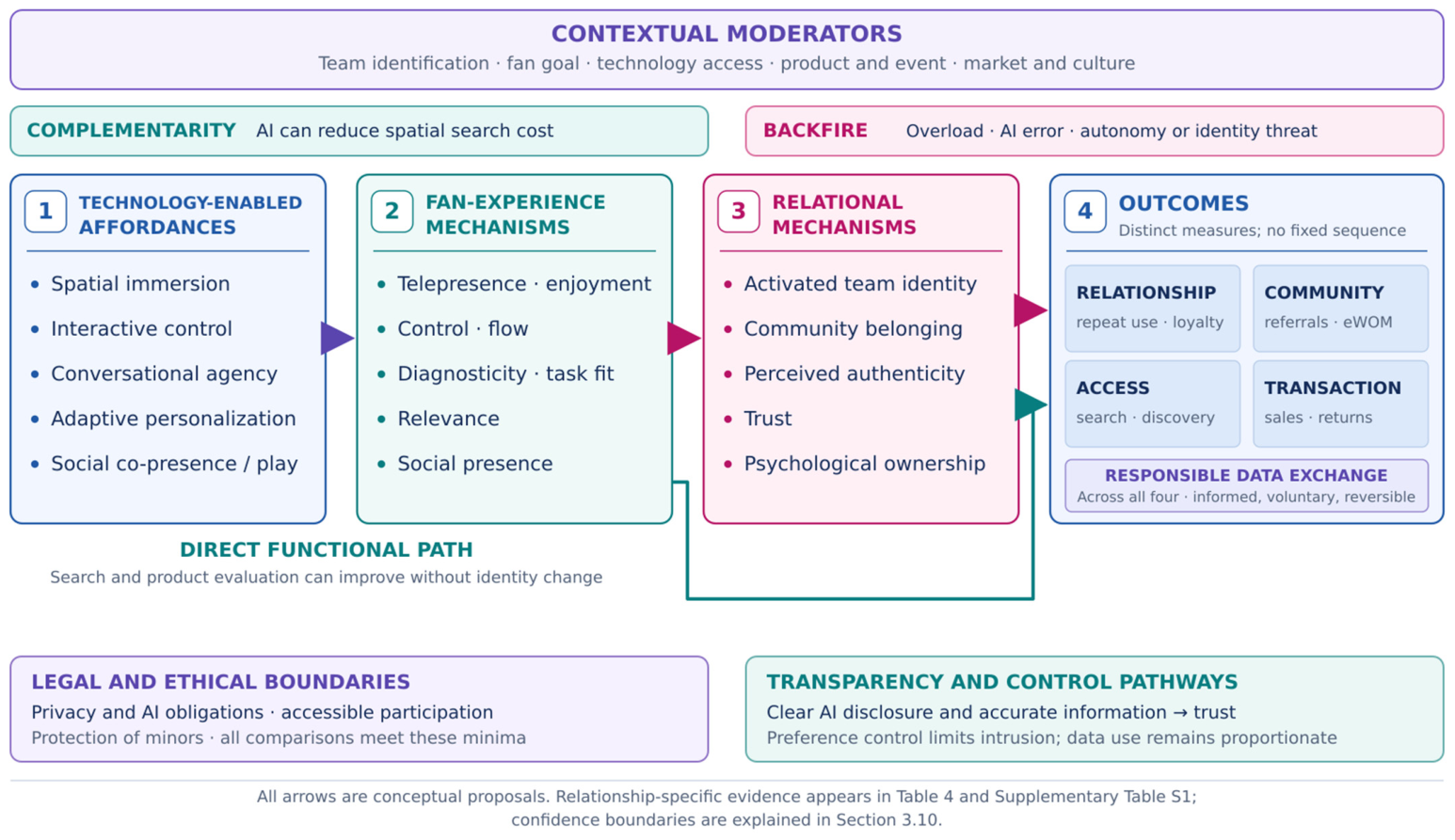
Table 4.
Evidence-to-proposition derivation matrix.
Table 5.
Propositions and recommended empirical tests.
4.2. Propositions
Evidence-status combinations accompany each proposition. D, A, T, and R identify the role of cited evidence, whereas + C denotes an author-developed relationship or professional sport-commerce extension. A source can warrant one component without validating an entire pathway. Table 4 and Table 5 and Supplementary Table S1 identify the supporting sources, limits, and proposed tests for each proposition.
Proposition 1
(T + C). The immersive mediation pathway. Telepresence theory establishes mediated “being there” [3]. VR research separately connects store experience to shopping orientation [6], while mixed-reality research identifies customer-experience mechanisms [7]. These T-status findings support mediation plausibility, not a direct professional-sport effect. Symbolic club cues may make presence identity-relevant, but visual complexity without presence or relevance should not improve outcomes.
P1.
Spatial-immersion affordances are hypothesized to support greater product exploration and stronger purchase-related outcomes indirectly through telepresence and enjoyment; this indirect association is expected to be stronger when environmental cues are recognizably and authentically connected to the club.
Proposition 2
(T + C). Control creates value only under usable task fit. Visual and functional control can improve diagnosticity and flow [4]. AR studies show that response depends on interactivity [60] and consumer acceptance [61]. Because interactivity can also impose effort, control should mediate benefit only when navigation is responsive and task-congruent; urgency, latency, or cognitive load can reverse the effect.
P2.
Interactivity is expected to support product exploration and decision confidence through perceived control, flow, and diagnosticity when task–interface fit is high; the relationship may weaken or reverse as navigation cost, latency, or cognitive load increases.
Proposition 3
(T + C). Task-relevant conversational assistance. Chatbot response [11], disclosure [51], and agency-framing [52] studies do not test a club-branded shopping assistant as a package. P3 isolates disclosed, accurate guidance → perceived answer relevance → completion of information-intensive search. Trust under answer errors or confusing explanations is a secondary response requiring a separate assistant-only test. Competence, disclosure comprehension, and social presence are not bundled mediators in the main assistant-versus-search comparison.
P3.
Relative to a functionally equivalent conventional search interface, an accurately answering and clearly identified AI assistant is expected to increase completion of guidance-intensive product searches through perceived answer relevance. Trust responses to answer errors or explanation clarity require separate assistant-only tests.
Proposition 4
(T + C). Complementarity is conditional. General immersive reviews identify potential benefits and friction [24,25], and AI-service theory specifies task fit [8,9]. No identified professional-club study directly estimates the joint effect. A 2D/3D × assistant/no-assistant experiment can test whether the assistant produces a larger gain in search completion in a 3D store than in a 2D store, with identical products and an accurately identified, competent assistant. A positive interaction, rather than separate positive effects of 3D and AI, is the distinctive prediction; overload or interruption can reduce it.
P4.
The assistant-related increase in product-search completion is expected to be larger in a 3D than a 2D interface when assistance reduces spatial navigation cost. This positive interaction on the absolute completion-rate scale may disappear or reverse when interruptions, overload, or uncanniness offset the guidance benefit.
Proposition 5
(A + C). Identification and relational response. Team identification is measurable among supporters [15] and associated with sport consumption [45]; adjacent work suggests it can condition responses to AI-personalized sport experiences [19]. These sources support an identity-relevance rationale, not a verified nonlinear club-store purchase effect. Authentic club cues may strengthen belonging, psychological ownership, and advocacy among strongly identified fans. A weaker purchase lift at high identification could instead reflect baseline purchase propensity, existing product knowledge, or the upper bound of purchase probability; those explanations must be separated in the empirical test.
P5 treats pre-exposure team identification as a moderator of the relational response to authentic cues, not as a proxy for buying history. An independently measured product familiarity or information need can change the functional value of additional guidance; baseline purchasing propensity changes the available room on an absolute probability scale. Neither mechanism follows automatically from identification. Accordingly, the directional P5 prediction concerns relational outcomes, while the shape of verified transaction lift across identification levels remains an explicitly open secondary question.
Team identification should be measured before exposure with a validated multi-item scale [15] and kept continuous. A randomized comparison with a functionally equivalent control should measure verified pre-period purchase history, product familiarity, shopping goal, category involvement, and campaign exposure separately. The primary relational test is the condition × identification interaction for belonging, psychological ownership, and advocacy. For the secondary transaction question, define incremental conversion as the adjusted difference in verified purchase probabilities between conditions at each identification level; report baseline risks and sensitivity on a relative or log-odds scale to identify probability-bound artifacts. A flat or declining absolute difference alone cannot be attributed to identification.
P5.
Pre-exposure team identification is expected to strengthen the effect of authentic club cues on belonging, psychological ownership, and advocacy after prior purchasing behavior is accounted for. No directional moderation of verified conversion is assumed without separately testing baseline risk and product familiarity.
Proposition 6
(A/T + C). Community converts experience into advocacy. Brand communities depend on shared consciousness and ritual [12], while members create value through practices [13]. Adjacent sport evidence connects fan-community membership to affective and social-capital outcomes [69,70]. The commerce pathway remains untested; poor moderation, status pressure, or rivalry hostility may reverse otherwise positive belonging effects.
P6.
Social co-presence and community affordances are expected to be associated with loyalty and eWOM through belonging and perceived authenticity, with positive relationships contingent on inclusive participation rules and effective moderation.
Proposition 7
(T + C). Gamification has a temporal split. Recent VR-commerce studies connect gamified exploration to observed purchase [58] and virtual embodiment or crowd cues to impulse-buying urge [59]. Self-determination theory distinguishes autonomy-supportive from controlled motivation [79], while brand-community research links gamification to engagement and equity [80]. P7 uniquely separates short-term activation from motivationally sustainable loyalty; neither impulse urge nor initial exploration establishes durable attachment.
P7.
Gamified commerce is expected to be associated with greater short-term exploration and stronger impulse-related responses, whereas durable loyalty gains are expected only when mechanics support autonomy, competence, and club-relevant participation rather than relying on pressure, variable rewards, or extrinsic incentives alone.
Proposition 8
(T/R + C). Governed personalization. Personalization may increase relevance while creating vulnerability [65], and privacy choices depend on context [66]. E-commerce trust work distinguishes competence, integrity, and perceived safeguards [75,76]. P8 assigns different roles to design features: perceived transparency is an antecedent of trust, preference control conditions the personalization–intrusion relationship, and voluntary data exchange and later patronage are outcomes. Data minimization and accessible alternatives set design boundaries, alongside applicable legal duties [77,78]. These are author-developed club-commerce pathways, not causal effects established by regulatory texts.
P8.
Within legally and ethically compliant personalization designs, clearer explanations are expected to increase trust through perceived transparency, while usable preference control is expected to weaken the association between personalization intensity and perceived intrusion. Higher trust and lower intrusion should support informed, voluntary data exchange and repeat patronage.
Table 4 traces each proposition from its theoretical basis and supporting evidence to the unresolved tension and expected relationship.
Table 5 operationalizes the eight propositions by pairing each core relationship with a preferred empirical design and primary outcome set.
4.3. Research Agenda
Seven priorities follow from the distinct predictions:
First, test incrementality in live club stores. Professional-sport website studies connect flow and service quality to relational outcomes and survey-reported purchase frequency [26,27]; general immersive retail offers preliminary observed-purchase evidence [58]. A 2D/3D × assistant/no-assistant field experiment with identical assortment, prices, stock, promotion, and checkout should preregister the interaction on the absolute search-completion scale, alongside the two technology main effects. Measure load success, search time, verified purchase, returns, escalation, and later behavior. A positive 3D × assistant interaction supports complementarity; two positive main effects without an interaction do not.
Second, test identification separately from buying history. Team identification is associated with sport consumption [45] and conditions some AI-personalized sport responses [19], but these associations do not predict the shape of incremental conversion. Measure identification, pre-period transactions, product familiarity, and shopping goals before exposure. Preregister the relational condition × identification test in P5, and estimate verified conversion risk differences and a sensitivity analysis on another scale. Compare any apparent high-identification plateau with baseline risk and familiarity before inferring an identity-specific mechanism.
Third, distinguish novelty from learning. Observed VR purchasing [58] and impulse-related responses [59] cannot establish persistence. Repeated exposure, delayed outcomes, and reward withdrawal can separate novelty, learning, fatigue, and durable value.
Fourth, measure value across touchpoints. Commerce extends beyond checkout [43], while sport-site trust and loyalty relate to survey-reported purchasing [27]. Privacy-respecting persistent assignment should estimate total purchasing, returns, service costs, and substitution among mobile, venue, service, and later channels.
Fifth, evaluate access. AR acceptance varies by usability and configuration [61], and virtual-sport interest by prior experience [47]. Report eligible entry and task completion by device, disability, age, language, digital confidence, and infrastructure. Retain a fully functional 2D route so improved conversion among entrants does not hide exclusion.
Sixth, test governance within common legal and ethical minima [77,78]. Independently randomize compliant low versus high use of permissioned preferences and standard usable versus enhanced preference controls; the interaction tests whether control attenuates personalization-related intrusion. Separately compare standard versus enhanced accurate explanations to test perceived transparency and trust. Retain mandatory safeguards, opt-out, accessible alternatives, and data minimization in every arm. Measure intrusion, transparency, trust, comprehension, voluntary preference saving, revocation, and later patronage [65,66].
Seventh, compare products and settings. Community outcomes [69,70] and virtual-environment interest [47] vary with context. Multi-club and cross-market studies should test whether category, price, event timing, ownership, commercialization, and culture change the mechanisms, with measurement-invariance checks.
The decisive unresolved combination is a professional-club 2D/3D × disclosed-assistant test that measures identification and verified purchasing. No reviewed peer-reviewed study manipulated this combination; direct sport-site [27,28] and immersive-retail [58,59] studies establish only components. This claim does not cover unpublished internal experiments.
5. Discussion
5.1. Theoretical Contributions
The first contribution is a two-route affordance-to-outcome architecture integrating mechanisms from different streams. Prior work examines telepresence [3], product control and diagnosticity [4], flow [53], social presence [50], and e-commerce trust [75]. The ISCCF locates functional gains in search and product evaluation at the experience layer without requiring a change in club identification. It separately predicts that authentic cues and trust can connect an encounter to later relational and community value. This distinction yields different tests for immediate task performance and longer-term attachment in an identity-bearing professional-sport merchandise journey.
From a socio-technical perspective, the ISCCF frames value as alignment rather than technological sophistication. Customer-experience research locates value across touchpoints [43], AI-service theory specifies task-dependent automation [8,9], and sport research establishes identity and community mechanisms [15,16]. The middle-range integration explains why spatial immersion, conversational AI, personalization, and gamification create value only when they fit fan goals, club routines, service capacity, accessibility, and governance. Misalignment can convert richness into friction, relevance into surveillance, or social presence into inauthenticity.
The second contribution is the distinction between experiential intensity and relational authenticity. Immersion can intensify experience, but intensity is not equivalent to authenticity. A high-fidelity space can feel generic; a lightweight interface can feel deeply club-specific. Conversational AI increases this distinction because the agent’s wording, knowledge boundaries, and disclosure become part of the organization’s voice. Relational authenticity is expected to depend on consistency with shared history, transparent agency, accurate knowledge, and respect for fan practices.
Third, the framework predicts conditional complementarity between immersion and AI. Immersion can make exploration meaningful but also increase spatial search cost; a competent assistant can reduce that cost. The relevant prediction is an interaction: the assistant-related improvement in search completion should be greater in 3D than in 2D when spatial guidance matters. If the two tools merely have separate benefits, or if interruption and uncanniness cancel the benefit, the complementarity claim is not supported.
Fourth, the framework separates relational identification effects from transaction effects. Highly identified fans may respond more strongly to authentic club cues in belonging, psychological ownership, and advocacy even after purchase history is accounted for. Their incremental conversion response has no predetermined shape: a small absolute purchase difference can reflect high baseline risk, familiar products, or a probability ceiling. Direct tests of relational moderation and adjusted purchase-risk differences are needed before attributing a sales plateau to identification.
Fifth, the outcome architecture separates access, transaction, relationship, and community outcomes from a cross-cutting data-exchange value dimension. Much digital-commerce research treats intention or dwell time as a sufficient endpoint. For sport organizations, these metrics can be misleading. Time may represent confusion; an impulse sale may produce a return; community participation may create advocacy without immediate revenue; and data acquisition may undermine trust. Multi-level evaluation therefore treats responsible data exchange as a distinct form of reciprocal value rather than as a later behavioral stage.
Finally, the governance contribution specifies pathways rather than treating every safeguard as one mechanism. Accurate AI disclosure and explanations can shape perceived transparency and trust; preference control can moderate the intrusion felt under personalization. Data minimization, accessibility, and protections for minors limit permissible design, while informed data exchange and repeat patronage are outcomes. These relationships remain conceptual in professional-club commerce and require compliant, ethically reviewed tests.
5.2. Interpretation of Current Practice
Current cases illustrate deployment, not effectiveness: Benfica’s 2025 browser-based locker room and AI concierge [20], Fenerbahçe’s 2025 game-like Fenerium and embodied assistant [21], and the Hornets’ 2023 digital twin with optional VR [22]. They are P-status context, not causal evaluations.
On 4 September 2026, Fenerbahçe’s endpoint was reachable, but individual AI and checkout functions were not independently tested; Benfica blocked retrieval, and the original Hornets immersive URL redirected to a conventional shop. No independent store-level conversion, revenue, retention, welfare, or profitability metrics were found for these cases. Provider-wide metrics are not club-specific.
5.3. Implications for Digital Sport and Electronic Commerce Research
For digital sport research, the framework directs attention from content engagement toward owned commerce infrastructure. Social media remains important, but clubs do not fully control platform rules, data access, or monetization. A club-owned immersive store can become a relationship space, provided that it does not simply reproduce platform-like surveillance or pressure. This raises questions about how fan engagement transfers across owned and external touchpoints and how commercial encounters reshape perceptions of club authenticity.
For AI research, the setting foregrounds delegated voice. A chatbot in a generic store represents a retailer; an AI assistant wearing club colors may be interpreted as speaking for a cherished institution. Errors, recommendations, humor, and persuasion can therefore have relational effects beyond service satisfaction. Future research should examine attribution: when do users blame the agent, the technology supplier, the commerce partner, or the club?
6. Managerial Implications
6.1. Begin with the Fan Job, Not the Technology
Clubs should diagnose the fan task before selecting a format. Distant supporters may seek symbolic access; new buyers need product guidance; existing buyers need sizes and rapid reordering; collectors may value provenance, while groups may seek shared discovery. One maximally immersive interface is unlikely to serve every task.
Choose the minimum useful affordance: better sizing or AR for fit confidence, conversational search for a large catalog, or browser-based 3D for heritage exploration. The fan task, rather than a technology label, should determine the format.
6.2. Build Progressive Immersion and Preserve an Accessible Route
Immersion should be optional, fast, and reversible. Retain search, prices, stock, delivery, cart, and checkout context and a fully functional 2D route. Test keyboard and screen-reader access, contrast, reduced motion, captions, language, and lower-performance devices from the start.
Set load-time, memory, latency, and failure thresholds by device; degrade gracefully when 3D assets fail. Monitor eligible entry and technical abandonment before interpreting conversion.
6.3. Give AI a Bounded, Disclosed Service Role
Disclose the assistant as automated and bound its scope. Useful tasks include product retrieval, availability, delivery, returns, approved size guidance, translation, and navigation. Ground club facts and product provenance in controlled sources, with uncertainty when needed.
Provide human escalation, a reviewed knowledge base, incident logging, answer sampling, and rapid correction. Distinguish recommendations from facts and paid placement; prohibit invented quotations, impersonation, and emotional pressure to purchase.
6.4. Personalize Proportionately
Begin personalization with session context and volunteered preferences; use purchase or size history only where expected and needed. Avoid sensitive inference and unrelated cross-context data. Explain and permit editing or resetting recommendations, and offer browsing without personalization.
Assess consent through comprehension, control use, revocation, and continued use without personalization, not acceptance rate alone. Limit data retention and model memory.
6.5. Experiment for Incrementality
Launch metrics should be defined before rollout. A practical scorecard combines:
- Technical access: load success, device coverage, latency, crashes, accessibility completion.
- Journey quality: search success, navigation errors, assisted resolution, task time, direct satisfaction.
- Commercial incrementality: conversion lift against a concurrent control, revenue per eligible visitor, margin, return rate, service cost, and channel substitution.
- Relationship value: repeat use, retention, loyalty, trust, and perceived authenticity.
- Community value: referrals, constructive contribution, eWOM, moderation incidents.
- Governance quality: disclosure comprehension, consent quality, opt-out and revocation, AI error severity, bias indicators, escalation success, and incidents involving minors.
Randomized rollout is preferable when feasible. At minimum, teams should use holdouts or phased deployment and control for campaigns, match outcomes, traffic sources, stock, and product drops. Gross sales after a launch are not evidence of causal return.
6.6. Organize for Lifecycle Governance
Lifecycle ownership spans commerce, fan engagement, service, accessibility, data protection, security, legal, and youth safeguards. Assign responsibility for model changes, 3D updates, product facts, suppliers, incidents, and sunset decisions.
Table 6 converts these principles into a staged implementation roadmap, from diagnosis and prototyping to governance, experimentation, integration, and scaling.
Table 6.
Managerial implementation roadmap.
7. Limitations
This integrative review favors conceptual breadth over exhaustive retrieval. Candidate-level yields and exclusion counts were not retained prospectively, so a retrospective PRISMA-like flow would mislead. We report the retained 80-source corpus, queries, dates, selection logic, and audit limitation instead. No prevalence or completeness inference is warranted; English-language selection may omit relevant work.
The vocabulary and databases span sport management, marketing, e-commerce, HCI, AI, and consumer research. English-language and familiar disciplinary labels may be overrepresented despite term expansion and citation chaining.
Collaborative source selection and coding did not involve independent dual screening. Evidence-role separation, contradiction logs, bibliographic checks, and Supplementary Table S1 aid auditability but cannot eliminate selection bias. Future updates should document independent coding and reconciliation. Study settings and outcomes also remain too heterogeneous for a pooled effect.
Direct evidence for immersive, AI-enabled professional-club merchandise stores remains sparse. The functional and relational routes, 3D × AI interaction, identification and conversion questions, longitudinal outcomes, and governance pathways require direct tests. Technology and regulation also change, requiring evidence updates.
Industry and club sources document visible deployment, not causal effectiveness, profitability, or welfare. The status audit found no independent store-level outcome data for the three cases. Pre-registered club studies should report null and adverse results as well as favorable ones.
8. Conclusions
Immersive and AI-enabled commerce may add functional and relational value to a professional-club store when an interface supplies useful, accessible affordances. Evidence from separate retail, service, consumer, and sport studies supports parts of this account, but the integrated ISCCF has not been validated in a professional-club merchandise experiment. The framework distinguishes immediate gains in search or evaluation from potential relationship effects through identification, belonging, authenticity, trust, and psychological ownership.
Its predictions remain conditional. AI may reduce search cost in an immersive store, while overload can erase a positive interaction; identification is expected to strengthen relational responses to authentic cues, while its separate transaction effect is unresolved. Clear disclosure and preference control may shape trust and intrusion within binding legal and ethical boundaries. Four distinct outcome domains should be assessed alongside responsible data exchange across them.
For scholars, the immediate priority is a program of live, longitudinal, and cross-market tests using verified behavior rather than intention alone. For clubs, the practical standard is incremental, inclusive, and governable value—not novelty. A well-designed experience should help a fan accomplish a meaningful job, preserve choice, respect the club relationship, and remain credible after the launch attention has passed. That is the point at which immersive sport commerce moves from spectacle to strategy.
Supplementary Materials
The following supporting information can be downloaded at https://www.mdpi.com/article/10.3390/jtaer21100350/s1, Table S1: Source-level evidence and coding matrix for the 80-source corpus underpinning the revised integrative theory-building review. References [1,2,3,4,5,6,7,8,9,10,11,12,13,14,15,16,17,18,19,20,21,22,23,24,25,26,27,28,29,30,31,32,33,34,35,36,37,38,39,40,41,42,43,44,45,46,47,48,49,50,51,52,53,54,55,56,57,58,59,60,61,62,63,64,65,66,67,68,69,70,71,72,73,74,75,76,77,78,79,80] have been cited in Supplementary Material file.
Author Contributions
Conceptualization, D.C.M., A.A.G., M.-C.R., I.M.C., C.D.P., L.M.M., V.M.Z., A.M.M. and C.G.; methodology, D.C.M., A.A.G., M.-C.R., I.M.C., C.D.P., L.M.M., V.M.Z., A.M.M. and C.G.; investigation, D.C.M., A.A.G., M.-C.R., I.M.C., C.D.P., L.M.M., V.M.Z., A.M.M. and C.G.; resources, D.C.M., A.A.G., M.-C.R., I.M.C., C.D.P., L.M.M., V.M.Z., A.M.M. and C.G.; writing—original draft preparation, D.C.M., A.A.G., M.-C.R., I.M.C., C.D.P., L.M.M., V.M.Z., A.M.M. and C.G.; writing—review and editing, D.C.M., A.A.G., M.-C.R., I.M.C., C.D.P., L.M.M., V.M.Z., A.M.M. and C.G.; visualization, D.C.M., A.A.G., M.-C.R., I.M.C., C.D.P., L.M.M., V.M.Z., A.M.M. and C.G.; project administration, D.C.M., A.A.G., M.-C.R., I.M.C., C.D.P., L.M.M., V.M.Z., A.M.M. and C.G. All authors contributed equally to this work. All authors have read and agreed to the published version of the manuscript.
Funding
This research received no external funding.
Institutional Review Board Statement
Not applicable.
Informed Consent Statement
Not applicable.
Data Availability Statement
No primary data were generated. The review analyzes cited published scholarship and public practice, industry, and regulatory materials. The updated source-level coding matrix for all 80 retained sources is provided as Supplementary Table S1.
Conflicts of Interest
The authors declare no conflicts of interest.
Abbreviations
The following abbreviations are used in this manuscript:
| AI | Artificial intelligence |
| AR | Augmented reality |
| eWOM | Electronic word of mouth |
| ISCCF | Immersive Sport Commerce Conversion Framework |
| VR | Virtual reality |
| 2D | Two-dimensional |
| 3D | Three-dimensional |
Appendix A. Search Audit Trail, Query Architecture, and Evidence-Role Scheme
This appendix records the platform-adapted query architecture and audit boundary. Original searches were iterative through 20 August 2026; exact per-run timestamps and candidate-level counts were not retained. A targeted update was conducted on 4 September 2026. Table A1 provides reproducible query syntax and platform function without implying an exhaustive systematic-review sampling frame.
Table A1.
Platform-specific search and audit record.
Block A—immersive commerce
- (immersive commerce OR immersive retail OR virtual store OR virtual showroom OR 3D store OR three-dimensional store OR virtual reality OR augmented reality) AND (consumer OR shopping OR retail OR purchase OR customer experience OR product experience)
Block B—AI-enabled commerce
- (artificial intelligence OR generative AI OR AI assistant OR chatbot OR conversational agent OR conversational commerce OR recommender OR personalization OR explainable AI) AND (trust OR disclosure OR purchase OR retail OR service OR customer experience OR data privacy OR transparency)
Block C—sport and fandom
- (sport OR sports OR fan OR club OR team OR league OR team identification OR sport brand) AND (e-commerce OR merchandise OR digital engagement OR social media OR metaverse OR virtual reality OR loyalty OR purchase)
Mechanism extension
Each block can be combined with (telepresence OR flow OR social presence OR enjoyment OR perceived control OR diagnosticity OR authenticity OR belonging OR psychological ownership OR trust OR privacy OR autonomy OR accessibility OR cognitive load OR governance).
Citation chaining and full-text relevance. Influential conceptual papers, prior reviews, and empirically relevant studies were used as citation anchors. Their reference lists and subsequent citations were examined to identify alternative terminology, foundational constructs, contradictory results, and applications outside the initial disciplinary vocabulary. Inclusion in the synthesis depended on full-text contribution to the focal conversion chain rather than on keyword occurrence alone.
Evidence-role scheme. Sources were coded as: D—direct peer-reviewed professional sport-commerce evidence; A—adjacent peer-reviewed sport evidence; T—transfer evidence from retail, service, AI, HCI, consumer psychology, or brand-community research; M—methodological foundation; P—practice or industry context; and R—regulatory/governance source. Separately, C identifies an author-developed conceptual inference or proposition. A source can inform more than one mechanism, but P or R evidence is never treated as causal outcome evidence, and T evidence never establishes a professional-sport effect.
References
- PwC. PwC Global Sports Survey 2026: Athlete-Driven Growth and an Expanding Media Ecosystem. Available online: https://www.pwc.ch/en/insights/sport/sports-survey-2026.html (accessed on 4 September 2026).
- IBM. IBM Study: Sports Fans Want Streamlined Digital Experiences as Platform Choices Expand. Available online: https://newsroom.ibm.com/2026-08-24-ibm-study-sports-fans-want-streamlined-digital-experiences-as-platform-choices-expand (accessed on 4 September 2026).
- Steuer, J. Defining virtual reality: Dimensions determining telepresence. J. Commun. 1992, 42, 73–93. [Google Scholar] [CrossRef] [Scilit]
- Li, H.; Daugherty, T.; Biocca, F. Impact of 3-D advertising on product knowledge, brand attitude, and purchase intention: The mediating role of presence. J. Advert. 2002, 31, 43–57. [Google Scholar] [CrossRef] [Scilit]
- Hilken, T.; de Ruyter, K.; Chylinski, M.; Mahr, D.; Keeling, D.I. Augmenting the eye of the beholder: Exploring the strategic potential of augmented reality to enhance online service experiences. J. Acad. Mark. Sci. 2017, 45, 884–905. [Google Scholar] [CrossRef] [Scilit]
- Pizzi, G.; Scarpi, D.; Pichierri, M.; Vannucci, V. Virtual reality, real reactions? Comparing consumers’ perceptions and shopping orientation across physical and virtual-reality retail stores. Comput. Hum. Behav. 2019, 96, 1–12. [Google Scholar] [CrossRef] [Scilit]
- Flavián, C.; Ibáñez-Sánchez, S.; Orús, C. The impact of virtual, augmented and mixed reality technologies on the customer experience. J. Bus. Res. 2019, 100, 547–560. [Google Scholar] [CrossRef] [Scilit]
- Huang, M.-H.; Rust, R.T. Artificial intelligence in service. J. Serv. Res. 2018, 21, 155–172. [Google Scholar] [CrossRef] [Scilit]
- Huang, M.-H.; Rust, R.T. A strategic framework for artificial intelligence in marketing. J. Acad. Mark. Sci. 2021, 49, 30–50. [Google Scholar] [CrossRef] [Scilit]
- Puntoni, S.; Reczek, R.W.; Giesler, M.; Botti, S. Consumers and artificial intelligence: An experiential perspective. J. Mark. 2021, 85, 131–151. [Google Scholar] [CrossRef] [Scilit]
- Adam, M.; Wessel, M.; Benlian, A. AI-based chatbots in customer service and their effects on user compliance. Electron. Mark. 2021, 31, 427–445. [Google Scholar] [CrossRef] [Scilit]
- Muñiz, A.M., Jr.; O’Guinn, T.C. Brand community. J. Consum. Res. 2001, 27, 412–432. [Google Scholar] [CrossRef] [Scilit]
- Schau, H.J.; Muñiz, A.M., Jr.; Arnould, E.J. How brand community practices create value. J. Mark. 2009, 73, 30–51. [Google Scholar] [CrossRef] [Scilit]
- Algesheimer, R.; Dholakia, U.M.; Herrmann, A. The social influence of brand community: Evidence from European car clubs. J. Mark. 2005, 69, 19–34. [Google Scholar] [CrossRef] [Scilit]
- Wann, D.L.; Branscombe, N.R. Sports fans: Measuring degree of identification with their team. Int. J. Sport Psychol. 1993, 24, 1–17. [Google Scholar]
- Yoshida, M.; Gordon, B.; Nakazawa, M.; Biscaia, R. Conceptualization and measurement of fan engagement: Empirical evidence from a professional sport context. J. Sport Manag. 2014, 28, 399–417. [Google Scholar] [CrossRef] [Scilit]
- Filo, K.; Lock, D.; Karg, A. Sport and social media research: A review. Sport Manag. Rev. 2015, 18, 166–181. [Google Scholar] [CrossRef] [Scilit]
- Gerke, A.; Le Dean, R.; Bawack, R. Consumer adoption of artificially intelligence-supported devices for sports services: An empirical validation. Int. J. Sports Mark. Spons. 2025, 26, 694–712. [Google Scholar] [CrossRef] [Scilit]
- Lee, D.; Kwon, W.; Maeng, I.; Cho, M.; Cottingham, M. AI-personalized sports experiences: The moderating role of fan identification. Int. J. Sports Mark. Spons. 2026, 1–14. [Google Scholar] [CrossRef] [Scilit]
- Benfica, S.L. Benfica Launches First Immersive Store with AI Assistant. Available online: https://www.slbenfica.pt/en-us/agora/noticias/2025/06/11/clube-benfica-lanca-primeira-loja-imersiva-com-assistente-de-ia (accessed on 20 August 2026).
- Fenerbahçe, S.K. Napster Partners with Fenerbahçe SK to Launch 3D, AI-Powered Virtual Store for Its Millions of Global Fans. Available online: https://www.fenerbahce.org/haberler/fenerium/2025/8/napster-partners-with-fenerbahce-sk-to-launch-3d-%C2%A0ai-powered-virtual-store-for-its-millions-of-globa (accessed on 20 August 2026).
- Charlotte Hornets. Leading AI Company MeetKai Partners with Charlotte Hornets to Launch the NBA’s First-Ever Virtual Fan Store. Available online: https://www.nba.com/hornets/news/leading-ai-company-meetkai-partners-with-charlotte-hornets-to-launch-the-nbas-first-ever-virtual-fan-store (accessed on 20 August 2026).
- Javornik, A. Augmented reality: Research agenda for studying the impact of its media characteristics on consumer behaviour. J. Retail. Consum. Serv. 2016, 30, 252–261. [Google Scholar] [CrossRef] [Scilit]
- Xi, N.; Hamari, J. Shopping in virtual reality: A literature review and future agenda. J. Bus. Res. 2021, 134, 37–58. [Google Scholar] [CrossRef] [Scilit]
- Mishra, S.; Mishra, A.; Dubey, A.; Dwivedi, Y.K. Virtual reality in retailing: A meta-analysis to determine the purchase and non-purchase behavioural intention of consumers. Ind. Manag. Data Syst. 2024, 124, 212–252. [Google Scholar] [CrossRef] [Scilit]
- O’Cass, A.; Carlson, J. Examining the effects of website-induced flow in professional sporting team websites. Internet Res. 2010, 20, 115–134. [Google Scholar] [CrossRef] [Scilit]
- Carlson, J.; O’Cass, A. Optimizing the online channel in professional sport to create trusting and loyal consumers: The role of the professional sports team brand and service quality. J. Sport Manag. 2012, 26, 463–478. [Google Scholar] [CrossRef] [Scilit]
- Paek, B.; Morse, A.; Kim, M.; Jung, H. Sport consumer flow and shopping well-being in online shopping. Int. J. Sports Mark. Spons. 2021, 22, 721–736. [Google Scholar] [CrossRef] [Scilit]
- Martínez Moriel, M.; García-Badell Delibes, G. Immersive fashion commerce and persuasive interface design in DressGO on Roblox. J. Theor. Appl. Electron. Commer. Res. 2026, 21, 218. [Google Scholar] [CrossRef] [Scilit]
- Nofal, R. Algorithmic transparency and immersive retail: Investigating the joint effects of explainable AI and augmented reality on consumer trust and purchase decisions. J. Theor. Appl. Electron. Commer. Res. 2026, 21, 229. [Google Scholar] [CrossRef] [Scilit]
- Nusir, O.M.; Wel, C.A.C.; Ab Hamid, S.N. When AI conversations become advertising data: Algorithmic trust, privacy calculus, and purchase intention in GenAI-personalized social commerce. J. Theor. Appl. Electron. Commer. Res. 2026, 21, 197. [Google Scholar] [CrossRef] [Scilit]
- Westerbeek, H. Algorithmic fandom: How generative AI is reshaping sports marketing, fan engagement, and the integrity of sport. Front. Sports Act. Living 2025, 7, 1597444. [Google Scholar] [CrossRef] [Scilit] [PubMed]
- Whittemore, R.; Knafl, K. The integrative review: Updated methodology. J. Adv. Nurs. 2005, 52, 546–553. [Google Scholar] [CrossRef] [Scilit] [PubMed]
- Torraco, R.J. Writing integrative literature reviews: Guidelines and examples. Hum. Resour. Dev. Rev. 2005, 4, 356–367. [Google Scholar] [CrossRef] [Scilit]
- Snyder, H. Literature review as a research methodology: An overview and guidelines. J. Bus. Res. 2019, 104, 333–339. [Google Scholar] [CrossRef] [Scilit]
- Jaakkola, E. Designing conceptual articles: Four approaches. AMS Rev. 2020, 10, 18–26. [Google Scholar] [CrossRef] [Scilit]
- Torraco, R.J. Writing integrative literature reviews: Using the past and present to explore the future. Hum. Resour. Dev. Rev. 2016, 15, 404–428. [Google Scholar] [CrossRef] [Scilit]
- Post, C.; Sarala, R.; Gatrell, C.; Prescott, J.E. Advancing theory with review articles. J. Manag. Stud. 2020, 57, 351–376. [Google Scholar] [CrossRef] [Scilit]
- Page, M.J.; McKenzie, J.E.; Bossuyt, P.M.; Boutron, I.; Hoffmann, T.C.; Mulrow, C.D.; Shamseer, L.; Tetzlaff, J.M.; Akl, E.A.; Brennan, S.E.; et al. The PRISMA 2020 statement: An updated guideline for reporting systematic reviews. BMJ 2021, 372, n71. [Google Scholar] [CrossRef] [Scilit] [PubMed]
- Webster, J.; Watson, R.T. Analyzing the past to prepare for the future: Writing a literature review. MIS Q. 2002, 26, xiii–xxiii. [Google Scholar] [CrossRef] [Scilit]
- Eroglu, S.A.; Machleit, K.A.; Davis, L.M. Atmospheric qualities of online retailing: A conceptual model and implications. J. Bus. Res. 2001, 54, 177–184. [Google Scholar] [CrossRef] [Scilit]
- Eroglu, S.A.; Machleit, K.A.; Davis, L.M. Empirical testing of a model of online store atmospherics and shopper responses. Psychol. Mark. 2003, 20, 139–150. [Google Scholar] [CrossRef] [Scilit]
- Lemon, K.N.; Verhoef, P.C. Understanding customer experience throughout the customer journey. J. Mark. 2016, 80, 69–96. [Google Scholar] [CrossRef] [Scilit]
- Vale, L.; Fernandes, T. Social media and sports: Driving fan engagement with football clubs on Facebook. J. Strateg. Mark. 2018, 26, 37–55. [Google Scholar] [CrossRef] [Scilit]
- Kwon, H.; Pyun, D.Y.; Lim, S.H. Relationship between team identification and consumption behaviors: Using a meta-analysis. Front. Psychol. 2022, 13, 869275. [Google Scholar] [CrossRef] [Scilit] [PubMed]
- Steiner, E.; Pittman, M.; Boatwright, B. When sports fans buy: Contextualizing social media engagement behavior to predict purchase intention. Int. J. Sport Commun. 2023, 16, 136–146. [Google Scholar] [CrossRef] [Scilit]
- Schlimm, J.; Breuer, C. Taking fan engagement to a new level—Assessing sports consumer interest in virtual environments and Web3 activations. Int. J. Sports Mark. Spons. 2023, 24, 928–949. [Google Scholar] [CrossRef] [Scilit]
- Javornik, A. ‘It’s an illusion, but it looks real!’ Consumer affective, cognitive and behavioural responses to augmented reality applications. J. Mark. Manag. 2016, 32, 987–1011. [Google Scholar] [CrossRef] [Scilit]
- Jiang, Z.; Benbasat, I. Virtual product experience: Effects of visual and functional control of products on perceived diagnosticity and flow in electronic shopping. J. Manag. Inf. Syst. 2004, 21, 111–147. [Google Scholar] [CrossRef] [Scilit]
- Verhagen, T.; van Nes, J.; Feldberg, F.; van Dolen, W. Virtual customer service agents: Using social presence and personalization to shape online service encounters. J. Comput.-Mediat. Commun. 2014, 19, 529–545. [Google Scholar] [CrossRef] [Scilit]
- Luo, X.; Tong, S.; Fang, Z.; Qu, Z. Frontiers: Machines vs. humans: The impact of artificial intelligence chatbot disclosure on customer purchases. Mark. Sci. 2019, 38, 937–947. [Google Scholar] [CrossRef] [Scilit]
- Araujo, T. Living up to the chatbot hype: The influence of anthropomorphic design cues and communicative agency framing on conversational agent and company perceptions. Comput. Hum. Behav. 2018, 85, 183–189. [Google Scholar] [CrossRef] [Scilit]
- Hoffman, D.L.; Novak, T.P. Marketing in hypermedia computer-mediated environments: Conceptual foundations. J. Mark. 1996, 60, 50–68. [Google Scholar] [CrossRef] [Scilit]
- Mollen, A.; Wilson, H. Engagement, telepresence and interactivity in online consumer experience: Reconciling scholastic and managerial perspectives. J. Bus. Res. 2010, 63, 919–925. [Google Scholar] [CrossRef] [Scilit]
- Poushneh, A.; Vasquez-Parraga, A.Z. Discernible impact of augmented reality on retail customer’s experience, satisfaction and willingness to buy. J. Retail. Consum. Serv. 2017, 34, 229–234. [Google Scholar] [CrossRef] [Scilit]
- McLean, G.; Wilson, A. Shopping in the digital world: Examining customer engagement through augmented reality mobile applications. Comput. Hum. Behav. 2019, 101, 210–224. [Google Scholar] [CrossRef] [Scilit]
- Carrozzi, A.; Chylinski, M.; Heller, J.; Hilken, T.; Keeling, D.I.; de Ruyter, K. What’s mine is a hologram? How shared augmented reality augments psychological ownership. J. Interact. Mark. 2019, 48, 71–88. [Google Scholar] [CrossRef] [Scilit]
- Grande, R.; Albusac, J.; Sanchez Sobrino, S.; Vallejo, D.; Castro-Schez, J.J. Gamifying virtual reality shopping experiences: A case study on a real-world scenario. Virtual Real. 2026, 30, 65. [Google Scholar] [CrossRef] [Scilit]
- Ha, Q.-A.; Chen, J.V.; Nguyen, T.H.N. Exploring the impacts of interactivity, virtual embodiment and virtual crowd on virtual reality experiences and impulsive buying behavior. Comput. Hum. Behav. Rep. 2026, 22, 101040. [Google Scholar] [CrossRef] [Scilit]
- Yim, M.Y.-C.; Chu, S.-C.; Sauer, P.L. Is augmented reality technology an effective tool for e-commerce? An interactivity and vividness perspective. J. Interact. Mark. 2017, 39, 89–103. [Google Scholar] [CrossRef] [Scilit]
- Rese, A.; Baier, D.; Geyer-Schulz, A.; Schreiber, S. How augmented reality apps are accepted by consumers: A comparative analysis using scales and opinions. Technol. Forecast. Soc. Change 2017, 124, 306–319. [Google Scholar] [CrossRef] [Scilit]
- Scholz, J.; Duffy, K. We ARe at home: How augmented reality reshapes mobile marketing and consumer–brand relationships. J. Retail. Consum. Serv. 2018, 44, 11–23. [Google Scholar] [CrossRef] [Scilit]
- van Doorn, J.; Mende, M.; Noble, S.M.; Hulland, J.; Ostrom, A.L.; Grewal, D.; Petersen, J.A. Domo arigato Mr. Roboto: Emergence of automated social presence in organizational frontlines and customers’ service experiences. J. Serv. Res. 2017, 20, 43–58. [Google Scholar] [CrossRef] [Scilit]
- Ashfaq, M.; Yun, J.; Yu, S.; Loureiro, S.M.C. I, chatbot: Modeling the determinants of users’ satisfaction and continuance intention of AI-powered service agents. Telemat. Inform. 2020, 54, 101473. [Google Scholar] [CrossRef] [Scilit]
- Aguirre, E.; Mahr, D.; Grewal, D.; de Ruyter, K.; Wetzels, M. Unraveling the personalization paradox: The effect of information collection and trust-building strategies on online advertisement effectiveness. J. Retail. 2015, 91, 34–49. [Google Scholar] [CrossRef] [Scilit]
- Acquisti, A.; Brandimarte, L.; Loewenstein, G. Privacy and human behavior in the age of information. Science 2015, 347, 509–514. [Google Scholar] [CrossRef] [Scilit] [PubMed]
- Martin, K.D.; Murphy, P.E. The role of data privacy in marketing. J. Acad. Mark. Sci. 2017, 45, 135–155. [Google Scholar] [CrossRef] [Scilit]
- Bhattacharya, C.B.; Sen, S. Consumer–company identification: A framework for understanding consumers’ relationships with companies. J. Mark. 2003, 67, 76–88. [Google Scholar] [CrossRef] [Scilit]
- Mastromartino, B.; Zhang, J.J. Affective outcomes of membership in a sport fan community. Front. Psychol. 2020, 11, 881. [Google Scholar] [CrossRef] [Scilit] [PubMed]
- Mastromartino, B.; Wang, J.J.; Suggs, D.W.; Hollenbeck, C.R.; Zhang, J.J. Dimensions of sense of membership in a sport fan community: Factors, outcomes, and social capital implications. Commun. Sport 2022, 10, 1229–1256. [Google Scholar] [CrossRef] [Scilit]
- Brodie, R.J.; Ilic, A.; Juric, B.; Hollebeek, L. Consumer engagement in a virtual brand community: An exploratory analysis. J. Bus. Res. 2013, 66, 105–114. [Google Scholar] [CrossRef] [Scilit]
- Hollebeek, L.D.; Glynn, M.S.; Brodie, R.J. Consumer brand engagement in social media: Conceptualization, scale development and validation. J. Interact. Mark. 2014, 28, 149–165. [Google Scholar] [CrossRef] [Scilit]
- Dessart, L.; Veloutsou, C.; Morgan-Thomas, A. Consumer engagement in online brand communities: A social media perspective. J. Prod. Brand Manag. 2015, 24, 28–42. [Google Scholar] [CrossRef] [Scilit]
- Kang, H.J.; Shin, J.-H.; Ponto, K. How 3D virtual reality stores can shape consumer purchase decisions: The roles of informativeness and playfulness. J. Interact. Mark. 2020, 49, 70–85. [Google Scholar] [CrossRef] [Scilit]
- McKnight, D.H.; Choudhury, V.; Kacmar, C. Developing and validating trust measures for e-commerce: An integrative typology. Inf. Syst. Res. 2002, 13, 334–359. [Google Scholar] [CrossRef] [Scilit]
- Pavlou, P.A. Consumer acceptance of electronic commerce: Integrating trust and risk with the technology acceptance model. Int. J. Electron. Commer. 2003, 7, 101–134. [Google Scholar] [CrossRef] [Scilit]
- European Parliament and Council of the European Union. Regulation (EU) 2016/679 (General Data Protection Regulation). Off. J. Eur. Union 2016, L119, 1–88. Available online: https://eur-lex.europa.eu/eli/reg/2016/679/oj (accessed on 20 August 2026).
- European Parliament and Council of the European Union. Regulation (EU) 2024/1689 laying down harmonised rules on artificial intelligence (Artificial Intelligence Act). Off. J. Eur. Union 2024. Available online: https://eur-lex.europa.eu/eli/reg/2024/1689/oj (accessed on 20 August 2026).
- Deci, E.L.; Ryan, R.M. The ‘what’ and ‘why’ of goal pursuits: Human needs and the self-determination of behavior. Psychol. Inq. 2000, 11, 227–268. [Google Scholar] [CrossRef] [Scilit]
- Xi, N.; Hamari, J. Does gamification affect brand engagement and equity? A study in online brand communities. J. Bus. Res. 2020, 109, 449–460. [Google Scholar] [CrossRef] [Scilit]
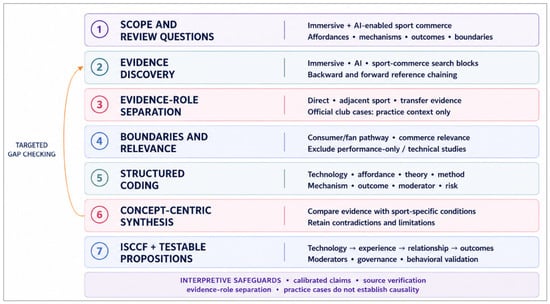
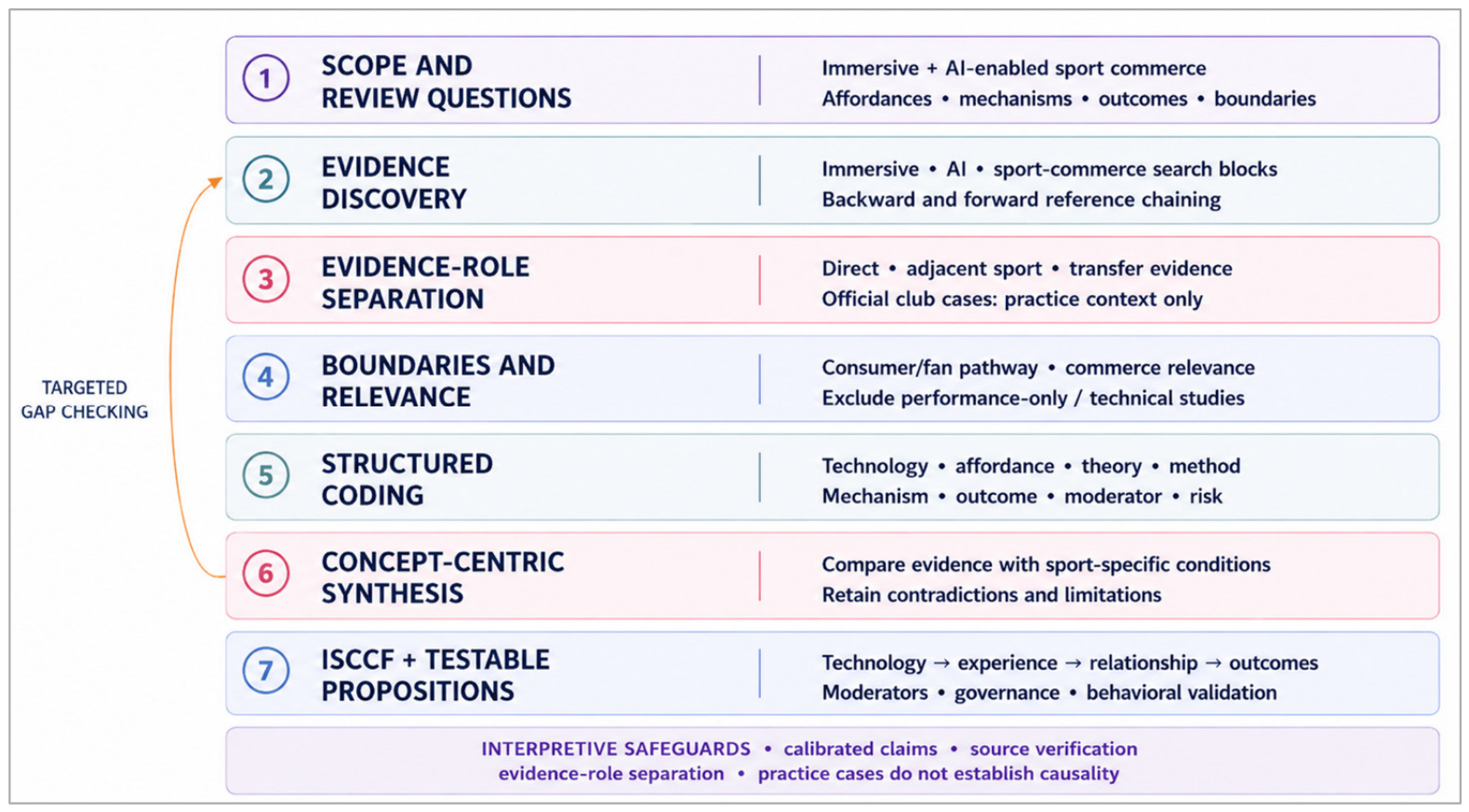

Disclaimer/Publisher’s Note: The statements, opinions and data contained in all publications are solely those of the individual author(s) and contributor(s) and not of MDPI and/or the editor(s). MDPI and/or the editor(s) disclaim responsibility for any injury to people or property resulting from any ideas, methods, instructions or products referred to in the content. |
© 2026 by the authors. Licensee MDPI, Basel, Switzerland. This article is an open access article distributed under the terms and conditions of the Creative Commons Attribution (CC BY) license.