Journal Description
Women
Women
is an international, peer-reviewed, open access journal on women's medicine and healthcare published quarterly online by MDPI.
- Open Access— free for readers, with article processing charges (APC) paid by authors or their institutions.
- High Visibility: indexed within ESCI (Web of Science) and other databases.
- Journal Rank: JCR - Q2 (Womens Studies)
- Rapid Publication: manuscripts are peer-reviewed and a first decision is provided to authors approximately 16.6 days after submission; acceptance to publication is undertaken in 4.2 days (median values for papers published in this journal in the second half of 2025).
- Recognition of Reviewers: APC discount vouchers, optional signed peer review, and reviewer names published annually in the journal.
Impact Factor:
1.6 (2024);
5-Year Impact Factor:
1.6 (2024)
Latest Articles
A Call to Action: Addressing the Public Health Crisis of Racial Inequities in Maternal Mortality and Pregnancy-Associated Breast Cancer
Women 2026, 6(2), 33; https://doi.org/10.3390/women6020033 - 8 May 2026
Abstract
►
Show Figures
The United States faces a worsening maternal mortality crisis that starkly contrasts with trends in other high-income nations. Maternal mortality rates (MMRs) have more than doubled over the past two decades, rising from 9.65 deaths per 100,000 live births in 1999–2002 to 23.6
[...] Read more.
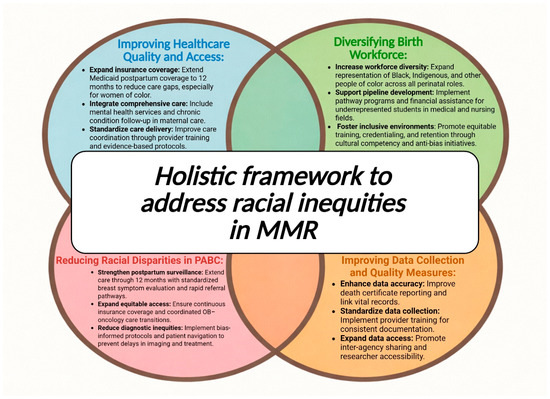
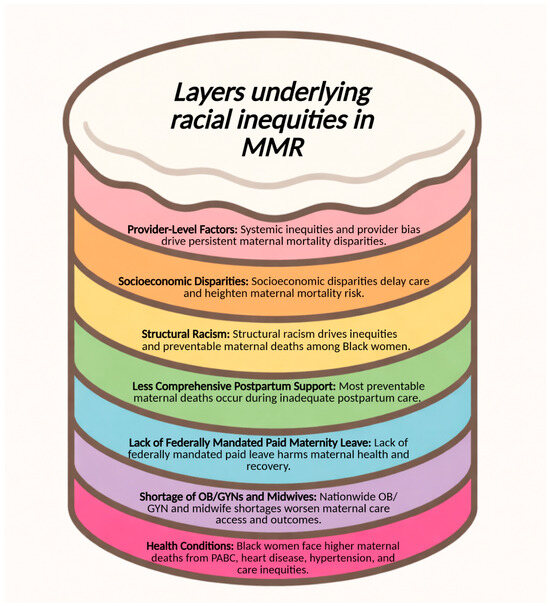
The United States faces a worsening maternal mortality crisis that starkly contrasts with trends in other high-income nations. Maternal mortality rates (MMRs) have more than doubled over the past two decades, rising from 9.65 deaths per 100,000 live births in 1999–2002 to 23.6 in 2018–2021, with approximately 700 deaths annually. Black and American Indian/Alaska Native women experience maternal mortality rates two to three times higher than their White counterparts, reflecting persistent structural inequities rather than biological differences. This narrative review synthesizes current evidence on the underlying drivers of racial inequities in maternal mortality and evaluates evidence-based interventions and policy strategies to address these disparities. A comprehensive literature review between 2000 and 2025 was conducted using databases including PubMed, Scopus, Web of Science, and Google Scholar, focusing on studies examining clinical, social, and structural determinants of maternal health outcomes, as well as evidence-based interventions and maternal health policy. Targeted searches of policy reports and grey literature were also performed to identify relevant policy initiatives and system-level interventions. Key contributors to disparities include underlying health conditions, postpartum mental health inequities, provider shortages, and limited access to postpartum care, with pregnancy-associated breast cancer (PABC) representing a less common but clinically significant risk factor that warrants further investigation in the context of racial inequities. Structural racism and socioeconomic disparities further exacerbate inequities through differential access to care, treatment bias, and barriers to healthcare utilization. System-level challenges, including workforce shortages, maternity care deserts, and the absence of federally mandated paid maternity leave, disproportionately impact marginalized populations. Although policy initiatives such as Medicaid postpartum coverage extensions, the Maternal Health Momnibus Act, and Maternal Mortality Review Committees represent important progress, they remain insufficient without broader structural reform. Evidence-based interventions, including midwife- and doula-led care, community-based peer support, and culturally tailored mental health programs, demonstrate measurable improvements in maternal outcomes. Outcomes of this review highlight the need for a comprehensive, equity-centered approach to reducing maternal mortality disparities, emphasizing structural reform, expanded access to care, strengthened data systems, and community-driven solutions.
Full article
Open AccessArticle
Trauma-Related Distress, Attachment Patterns and Cumulative Stress in Women with Breast and Gynecological Cancers: An Exploratory Clinical Study
by
Mădălina Daniela Meoded, Mariana Tănase, Mihai Covaci, Claudia Mehedințu, Aida Petca and Ciprian Cirimbei
Women 2026, 6(2), 32; https://doi.org/10.3390/women6020032 - 6 May 2026
Abstract
Emerging evidence suggests that psychological trauma, chronic stress, and unresolved emotional conflict may influence cancer-related processes through neuroendocrine and immunological pathways. However, the clinical relevance of trauma-related psychological profiles in oncology remains insufficiently defined, particularly in women with breast and gynecological cancers. This
[...] Read more.
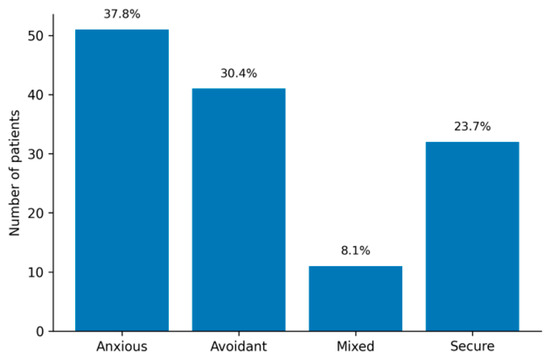
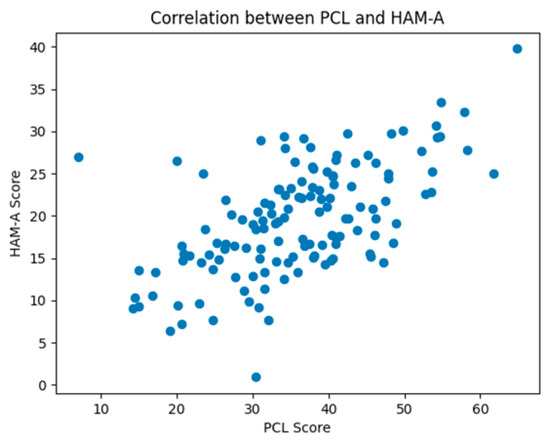
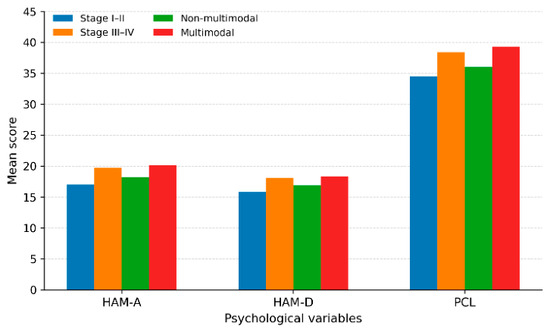
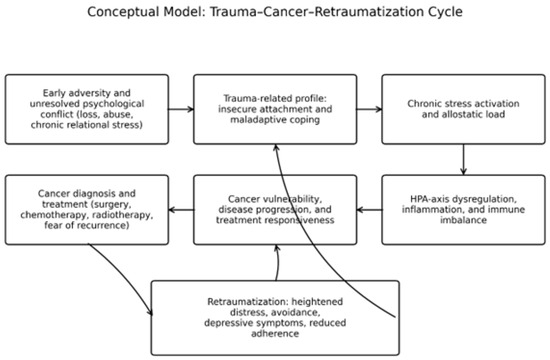
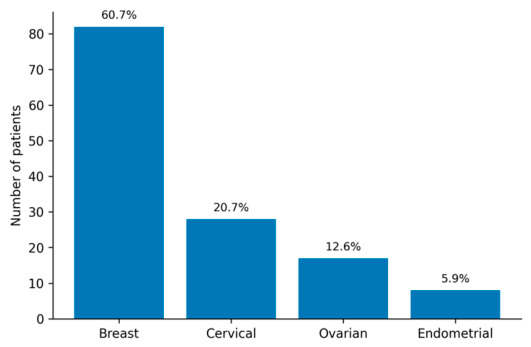
Emerging evidence suggests that psychological trauma, chronic stress, and unresolved emotional conflict may influence cancer-related processes through neuroendocrine and immunological pathways. However, the clinical relevance of trauma-related psychological profiles in oncology remains insufficiently defined, particularly in women with breast and gynecological cancers. This exploratory observational study included 135 women with breast, cervical, ovarian, and endometrial cancers undergoing multimodal oncological treatment. Psychological assessments were performed using validated instruments, including the PTSD Checklist (PCL), Hamilton Anxiety and Depression Scales (HAM-A, HAM-D), the Adult Attachment Scale (AAS), and a Lazarus-based checklist of stressful life events to assess cumulative stress exposure. Descriptive and exploratory analyses were conducted to identify clinically relevant patterns. A high prevalence of anxiety, depressive symptoms, and trauma-related distress was observed. Insecure attachment patterns were frequent and associated with increased psychological burden. Many patients reported moderate-to-high cumulative stress exposure, suggesting broader vulnerability profiles characterized by emotional dysregulation. These findings support a biopsychosocial model in which trauma, attachment insecurity, and cumulative stress are associated with psychological vulnerability in oncology. Although causal relationships cannot be established, these factors may influence coping and adaptation to disease. Integrating trauma-informed psychological assessment into oncology care may enhance patient-centered management.
Full article
(This article belongs to the Special Issue Breast Cancer: Causes and Prevention)
►▼
Show Figures

Figure 1
Open AccessSystematic Review
Association Between the Systemic Immune Inflammation Index and Systemic Inflammatory Response Index with Gestational Diabetes Mellitus and Preeclampsia: A Systematic Review and Meta-Analysis
by
María Ruiz-García, Irene Martínez-García, Andrea Herreros-Solano, Silvana Patiño-Cardona, Elena Moreno-Charco, Laura Martínez-Cabrera, Adrián González-Sánchez and Carlos Pascual-Morena
Women 2026, 6(2), 31; https://doi.org/10.3390/women6020031 - 6 May 2026
Abstract
►▼
Show Figures
Systemic inflammation plays a key role in the pathophysiology of pre-eclampsia (PE) and gestational diabetes mellitus (GDM). Recently, the Systemic Immune Inflammation (SII) and Systemic Inflammation Response Index (SIRI) indices have emerged as potential risk predictors, but current evidence shows mixed results. The
[...] Read more.
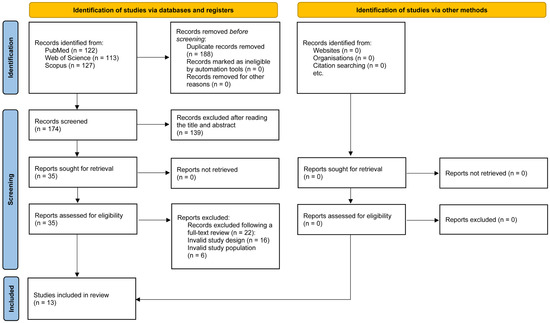
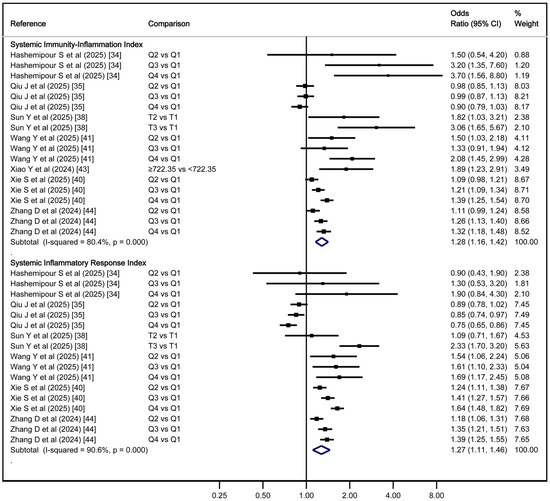
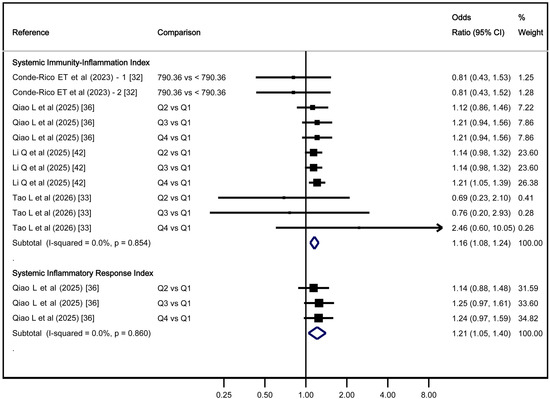
Systemic inflammation plays a key role in the pathophysiology of pre-eclampsia (PE) and gestational diabetes mellitus (GDM). Recently, the Systemic Immune Inflammation (SII) and Systemic Inflammation Response Index (SIRI) indices have emerged as potential risk predictors, but current evidence shows mixed results. The aim of this meta-analysis was to assess the association between elevated SII/SIRI levels and the development of both complications. In accordance with the PRISMA guidelines, a search was conducted in PubMed, Scopus and Web of Science (up to February 2026). Observational studies linking the SII and SIRI indices to PE and GDM were included. Methodological quality (NHLBI tools) and evidence (GRADE) were assessed, and a random-effects meta-analysis was applied to synthesise the measures of association. Thirteen studies involving more than 150,000 pregnant women were included. The meta-analyses demonstrated that elevated levels of SII and SIRI are associated with an increased risk of GDM by 28% (OR = 1.28; 95% CI: 1.16–1.42) and 27% (OR = 1.27; 95% CI: 1.11–1.48) respectively, albeit with considerable heterogeneity. They also increase the risk of PE by 16% (OR = 1.16; 95% CI: 1.08–1.24) and 21% (OR = 1.21; 95% CI: 1.05–1.40), without significant heterogeneity. Although the quality of the studies was good, the strength of the evidence was low for GDM and very low for PE. Therefore, while these indices show potential as early biomarkers, these findings should be considered suggestive and require further validation and standardisation across diverse populations.
Full article

Figure 1
Open AccessArticle
Profile of Women Victims of Gender Violence in Rural Settings: Mental Health and Risk Perception
by
Belén Olmedilla-Caballero, Mavi Alcántara, Rosa M. Patro-Hernández and Jesús J. García-Jiménez
Women 2026, 6(2), 30; https://doi.org/10.3390/women6020030 - 23 Apr 2026
Abstract
Gender-based violence constitutes a major public health and social concern, with particularly complex implications in structurally vulnerable contexts such as rural settings. However, empirical evidence regarding the specific profile and risk perception of women experiencing gender-based violence in small municipalities remains limited. The
[...] Read more.
Gender-based violence constitutes a major public health and social concern, with particularly complex implications in structurally vulnerable contexts such as rural settings. However, empirical evidence regarding the specific profile and risk perception of women experiencing gender-based violence in small municipalities remains limited. The aim of this study was to analyze the sociodemographic characteristics of women victims of gender-based violence residing in small rural municipalities and to examine their associations with mental health indicators and perceived risk of future violence. The sample comprised 30 women receiving support at a Specialized Care Centre for Victims of Gender-Based Violence (CAVI) serving three small municipalities in the Vega Media region (Region of Murcia, Spain). Standardized measures of depression, anxiety, and stress were administered, together with an assessment of perceived risk. The findings suggest a specific sociodemographic profile characterized by moderate levels of depression, anxiety, and stress symptoms and generally low perceived risk. Women without children reported higher levels of psychological distress and perceived risk than those with children, although these differences should be interpreted with caution given the sample size. Overall, these findings provide preliminary insights into the characteristics and risk perception of women experiencing gender-based violence in rural settings and highlight the need for context-sensitive prevention and intervention strategies.
Full article
Open AccessArticle
Modern Motherhood Between Fulfillment and Vulnerability: Mothers’ Perceptions and Needs—An Observational Study in Romanian Population
by
Daniela Eugenia Popescu, Ioana Roșca, Alina Turenschi, Andreea Teodora Constantin, Alexandru Dinulescu, Alexandru-Cosmin Palcău, Ciprian Andrei Coroleuca, Elena Poenaru and Leonard Năstase
Women 2026, 6(2), 29; https://doi.org/10.3390/women6020029 - 23 Apr 2026
Abstract
Motherhood is a profoundly transformative stage, associated with both emotional fulfillment and psychological and physical vulnerability. The aim of this study was to assess the perceptions, difficulties and resources needed by mothers in the experience of motherhood. We conducted an exploratory cross-sectional observational
[...] Read more.
Motherhood is a profoundly transformative stage, associated with both emotional fulfillment and psychological and physical vulnerability. The aim of this study was to assess the perceptions, difficulties and resources needed by mothers in the experience of motherhood. We conducted an exploratory cross-sectional observational study, based on an online questionnaire administered to 172 mothers. We analyzed socio-demographic data, experiences related to pregnancy and childbirth, perceived level of support, emotional difficulties, and resources considered useful in the role of motherhood. Most participants were women aged 30 to 45, with university or postgraduate education, married and with one or more children. Although motherhood was predominantly described in positive terms such as “fulfillment”, “love” and “joy”, a significant percentage of mothers reported increased fatigue, lack of personal time and emotional difficulties. The resources considered essential for maternal balance were family support, personal time, emotional support and access to clear and empathetic medical information. In conclusion motherhood is perceived as a complex experience, in which fulfillment frequently coexists with emotional overload and vulnerability. This exploratory study highlights the complex emotional and psychosocial dimensions of motherhood among Romanian women. The findings suggest the need for accessible emotional and social support resources. A comprehensive approach addressing both emotional and practical needs may contribute to improved maternal well-being.
Full article
(This article belongs to the Special Issue Women’s Mental Health—in Honor of Prof. Mary Seeman)
Open AccessArticle
Development of a Percentile-Based Rating Scale for the GDLAM Protocol to Assess Functional Autonomy in Older Chilean Women
by
Álvaro Huerta Ojeda, Emilio Jofré-Saldía, Sergio Galdames Maliqueo, Guillermo Barahona-Fuentes, Regina de Villa Garduño, Carlos Jorquera-Aguilera, Paola Ruiz-Araya, María-Mercedes Yeomans-Cabrera and Maximiliano Bravo Yapur
Women 2026, 6(2), 28; https://doi.org/10.3390/women6020028 - 20 Apr 2026
Abstract
►▼
Show Figures
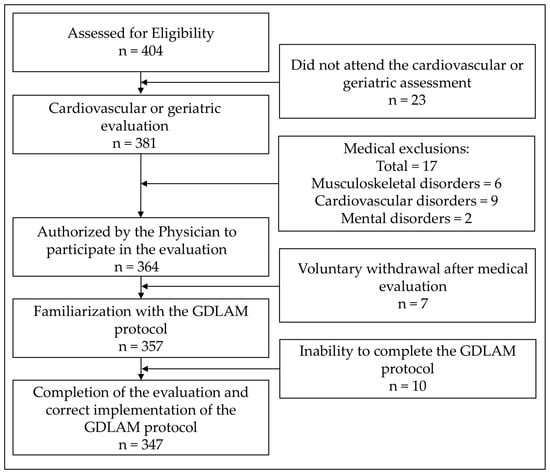
The Latin American Development Group for Maturity (GDLAM) protocol has been widely used to assess functional autonomy (FA) in community-dwelling older adults. However, to date, no percentile-based rating scale has been established for older Chilean women living in the community. The aim was
[...] Read more.
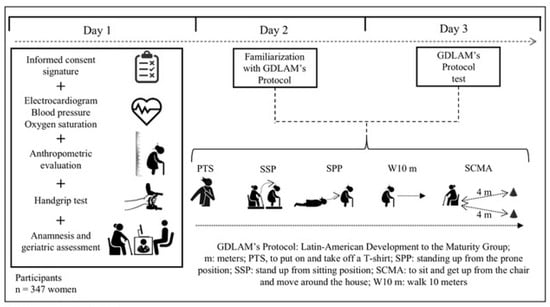
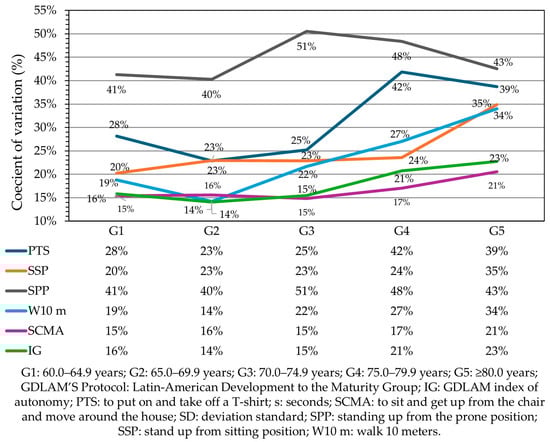
The Latin American Development Group for Maturity (GDLAM) protocol has been widely used to assess functional autonomy (FA) in community-dwelling older adults. However, to date, no percentile-based rating scale has been established for older Chilean women living in the community. The aim was to create a percentile-based rating scale for the GDLAM protocol in community-dwelling older Chilean women. 347 older women volunteered for this study. The sample was divided into five groups by age ranges (G1: 60.0–64.9 years, G2: 65.0–69.9 years, G3: 70.0–74.9 years, G4: 75.0–79.9 years, and G5: ≥80.0 years). The research had an observational, cross-sectional design with a descriptive strategy. The GDLAM protocol included (a) Putting on and taking off a T-shirt (PTS), (b) Standing up from the sitting position (SSP), (c) Standing up from the prone position (SPP), (d) Walking 10 m (W10 m), and (e) Sit-ting and getting up from the chair and moving around the house (SCMA), all assessed in seconds (s), while the General Index of Autonomy (GI) was calculated in points (p). The percentile-based classification was developed with the following thresholds: percentile ≤ 0.15: “Very Good,” percentile 0.16–0.49: “Good,” percentile 0.50–084: “Regular,” and percentile ≥ 0.85: “Poor.” After creating the percentile-based ranking scale for the five age ranges, it was observed that the older the age, the lower the FA, as represented by the five tests and the GI. The percentile-based ranking scale presented in this research will enable us to accurately assess and interpret the FA of older and community-dwelling women in Chile. However, the study is limited to women and cannot be generalized to older adults in general.
Full article

Figure 1
Open AccessArticle
Plasma Estrone Concentration Is Associated with Physical Activity Levels in Postmenopausal Breast Cancer Survivors
by
Mayra Alejandra Mafla-España, Javier García Sánchez, Lucía Ortega-Pérez de Villar, Guillermo Casero-García, María Dolores Torregrosa and Omar Cauli
Women 2026, 6(2), 27; https://doi.org/10.3390/women6020027 - 20 Apr 2026
Abstract
The protective effect of physical activity on breast cancer recurrence may be mediated changes in by sex hormone levels. In this study, we examined the association between habitual physical activity and estrogen and androgen plasma levels in postmenopausal women with localised breast cancer.
[...] Read more.
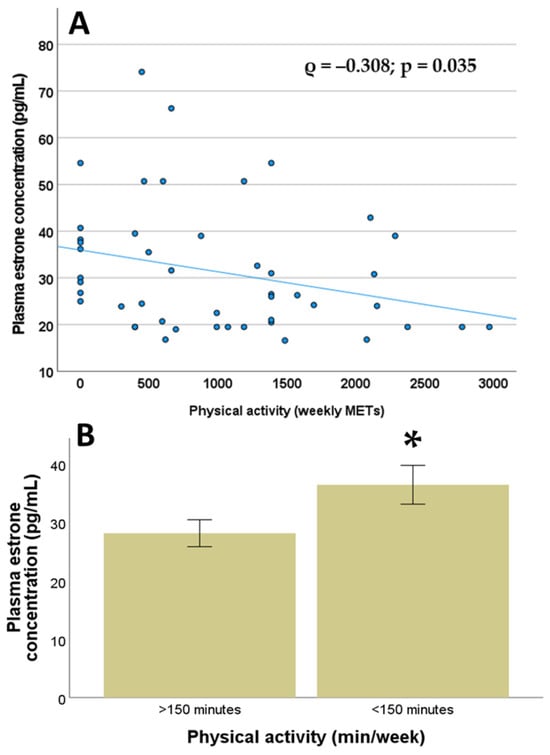
The protective effect of physical activity on breast cancer recurrence may be mediated changes in by sex hormone levels. In this study, we examined the association between habitual physical activity and estrogen and androgen plasma levels in postmenopausal women with localised breast cancer. We conducted a cross-sectional study among 47 postmenopausal women who were breast cancer survivors with estrogen receptor-positive tumours (enrolled at the Medical Oncology Department of University Hospital Dr. Peset, Valencia, Spain). Habitual physical activity was assessed using the International Physical Activity Questionnaire (IPAQ), and a weighted estimate of total physical activity per week (MET∙min∙wk−1) was calculated. Total plasma levels of estrone, 17β-estradiol, progesterone, androstenedione, testosterone, and dehydroepiandrosterone-sulphate (DHEA-sulphate) were measured. Bivariate analyses by the Spearman correlation test were done between physical activity and each hormone concentration. Multivariate analyses (linear regression) using concentration of each hormone as the dependent variable and physical activity, age, marital status, BMI, Charlson Comorbidity Index, tumour stage, previous radiotherapy, or previous chemotherapy as predictor variables. Estrone concentration was positively and significantly correlated with BMI (ρ = 0.332, p = 0.022), but no other correlations were found between BMI and the other hormone concentrations, nor were concentrations of any hormone associated with age or Charlson Comorbidity Index (p > 0.05 in all cases). Physical activity was significantly and inversely correlated with estrone concentration (ρ = −0.308; p = 0.035). Linear regression analysis confirmed a statistically significant association between estrone concentration and BMI and physical activity, after adjusting for all potential confounders (for BMI: standardised β coefficient = 0.407; non-standardised β coefficient = 1.054; t = 2.898; p = 0.006; 95% CI for non-standardised beta: 0.318- to 1.790; for physical activity: standardised β coefficient = −0.300; non-standardised β coefficient = −0.005; t = −2.135; p = 0.039; 95% CI for non-standardised beta: −0.010- to 0.000). The relationship between estrone concentration and physical activity may be further explored as a biomarker for evaluating the protective effect of physical activity against breast cancer recurrence in women receiving anti-estrogen therapies.
Full article
(This article belongs to the Special Issue Breast Cancer: Causes and Prevention)
►▼
Show Figures

Figure 1
Open AccessArticle
FABP4 as a Potential Early Biomarker of Gestational Diabetes Mellitus in Mexican Women: A Pilot Study
by
Samantha Arias-Covarrubias, Perla E. Hernández-Marcelo, Evelyn Regalado-Rentería, David S. Díaz-Ortegón, Eduardo Castaño-Tostado, José A. Enciso-Moreno, David G. García-Gutiérrez and Iza F. Pérez-Ramírez
Women 2026, 6(2), 26; https://doi.org/10.3390/women6020026 - 10 Apr 2026
Abstract
►▼
Show Figures
Gestational diabetes mellitus (GDM) is a prevalent metabolic disorder associated with adverse maternal and fetal outcomes. However, current diagnostic strategies have a limited capacity to identify women at risk early in pregnancy. In this longitudinal prospective pilot study, 200 pregnant Mexican women were
[...] Read more.
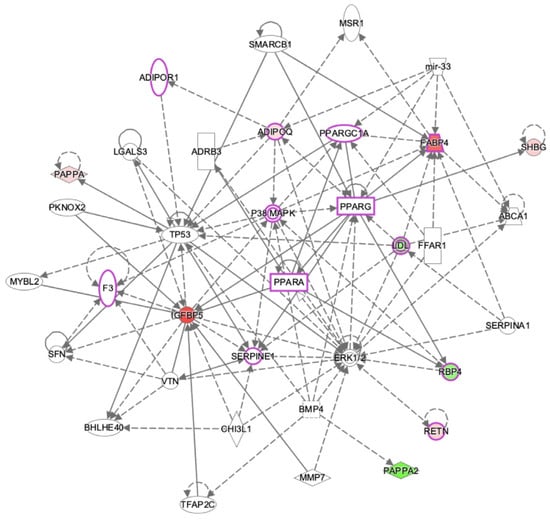
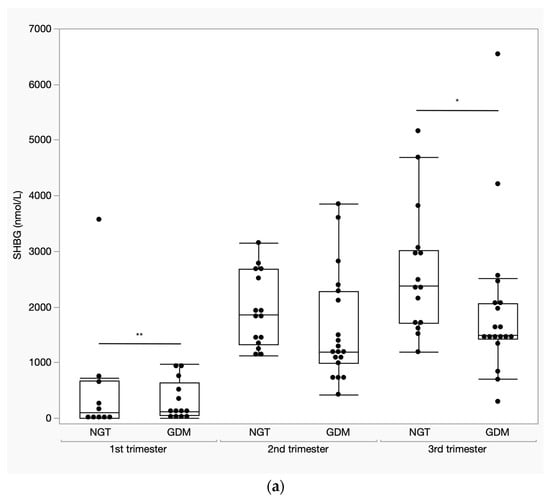
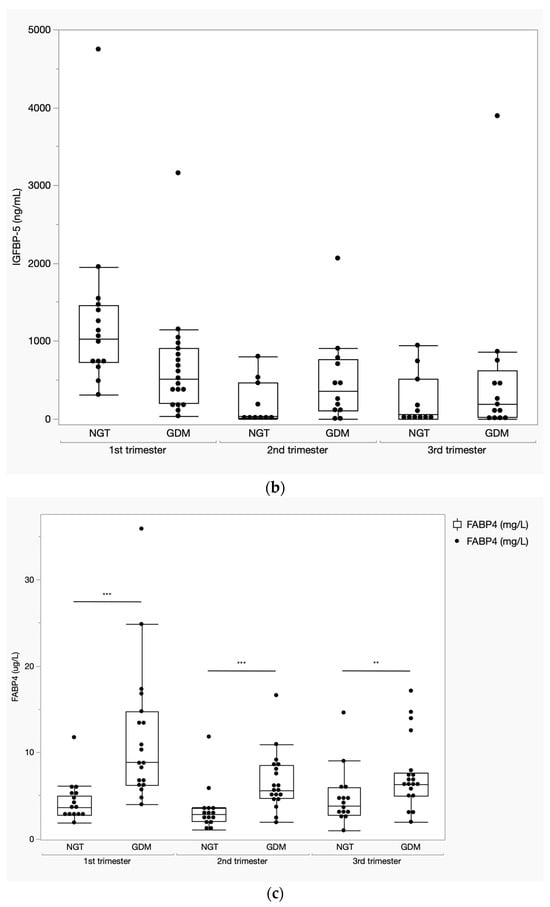
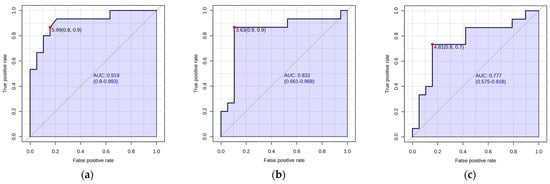
Gestational diabetes mellitus (GDM) is a prevalent metabolic disorder associated with adverse maternal and fetal outcomes. However, current diagnostic strategies have a limited capacity to identify women at risk early in pregnancy. In this longitudinal prospective pilot study, 200 pregnant Mexican women were recruited at 11–14 weeks and underwent follow-up throughout pregnancy. Of these, 34 women (19 with GDM and 15 with normal glucose tolerance [NGT]) completed follow-up and were included in the final analyses. Most withdrawals were due to logistical constraints, although the reduced final sample size should be considered when interpreting generalizability. Nine serum proteins (ADIPOQ, AFM, FABP4, IGFBP-5, PAPP-A, PAPP-A2, RBP4, RETN, SHBG) were measured simultaneously using an antibody array and subsequently validated by ELISA. FABP4 showed the greatest increase in the first trimester (4.9-fold, p = 0.0105) and the highest apparent discriminative performance (AUC = 0.91), which declined in the second and third trimesters. Exploratory, hypothesis-generating multivariable analyses suggested a stronger association when FABP4 was combined with gravidity and serum triglycerides (AUC up to 0.97). Overall, FABP4 emerged as a promising candidate biomarker for early GDM detection in Mexican women; however, these findings are preliminary and require validation in larger, independent cohorts to support early risk stratification.
Full article

Figure 1
Open AccessArticle
Parenting Self-Efficacy and Infant Feeding Experiences in Lower-Income Mothers Receiving Home Visitation
by
Rebecca G. Renegar and Heidi E. Stolz
Women 2026, 6(2), 25; https://doi.org/10.3390/women6020025 - 9 Apr 2026
Abstract
►▼
Show Figures
The purpose of this study was to examine relationships between infant feeding and parenting self-efficacy. Mothers (N = 121) receiving home visiting reported on PSE and infant feeding at two times (e.g., longitudinally). Mothers were exclusively formula feeding (46.7%), exclusively breastfeeding (19.8%)
[...] Read more.
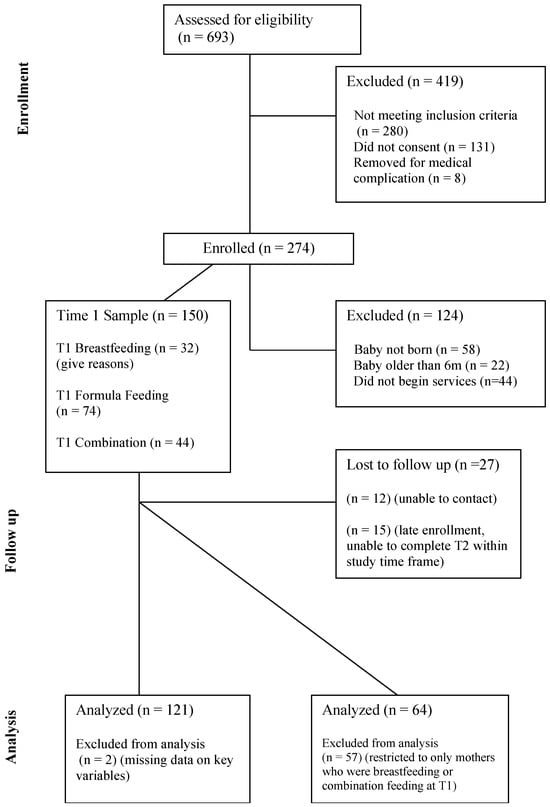
The purpose of this study was to examine relationships between infant feeding and parenting self-efficacy. Mothers (N = 121) receiving home visiting reported on PSE and infant feeding at two times (e.g., longitudinally). Mothers were exclusively formula feeding (46.7%), exclusively breastfeeding (19.8%) or combining breastfeeding and formula (33.1%). Infant feeding was regressed on parenting self-efficacy and relevant demographics using logistic regression. Mothers with higher parenting self-efficacy were more likely to be exclusively formula feeding or combination feeding at Time 1. Continued breastfeeding was not predicted by self-efficacy but rather by working status and earlier supplementation. Results suggest higher parenting self-efficacy associated with formula feeding suggests social reinforcement or feelings of success around the enactment of or choice in infant feeding method. Lower parenting self-efficacy associated with initial breastfeeding suggests unsuccessful enactment (i.e., breastfeeding challenges) or negative social reinforcement. More research is needed to understand infant feeding norms and practices in relationship to parenting self-efficacy to best promote breastfeeding intervention and support maternal mental health. Practitioners should work to extend exclusive breastfeeding through supportive positive reinforcement, while limiting formula supplementation. The importance of parental leave for longer breastfeeding duration should be considered when establishing leave policies.
Full article

Figure 1
Open AccessArticle
Effects of High-Intensity Interval Training on Functional Fitness, Body Composition, and Quality of Life in Older Women: A Randomized Controlled Trial
by
André Schneider, Luciano Bernardes Leite, José E. Teixeira, Pedro Forte, Tiago M. Barbosa and António M. Monteiro
Women 2026, 6(2), 24; https://doi.org/10.3390/women6020024 - 1 Apr 2026
Abstract
►▼
Show Figures
High-intensity interval training (HIIT) has emerged as a time-efficient exercise strategy with potential benefits for older adults. However, evidence regarding its effects on functional fitness, body composition, and quality of life in older women remains limited. This randomized controlled trial included community-dwelling older
[...] Read more.
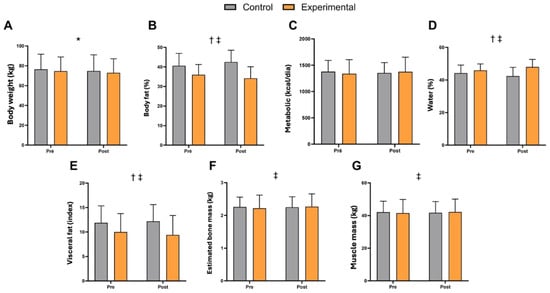
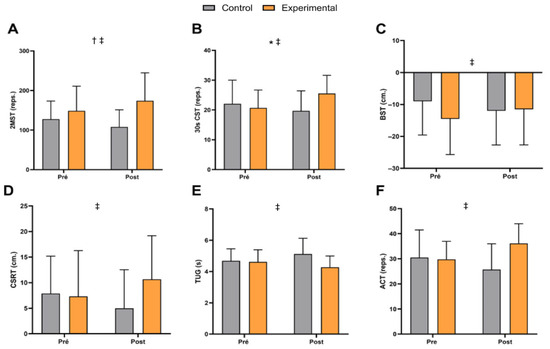
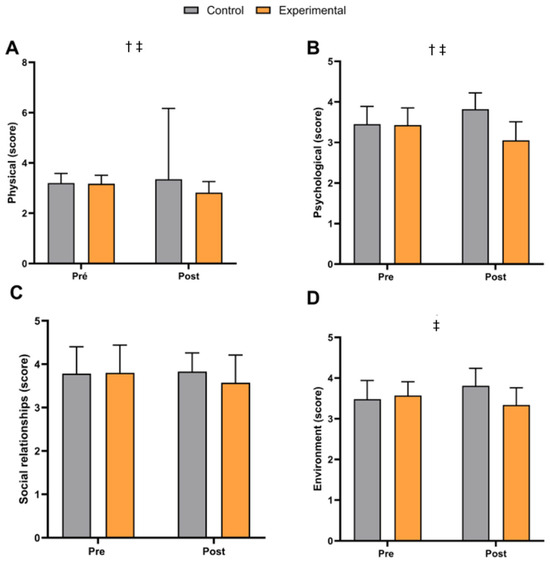
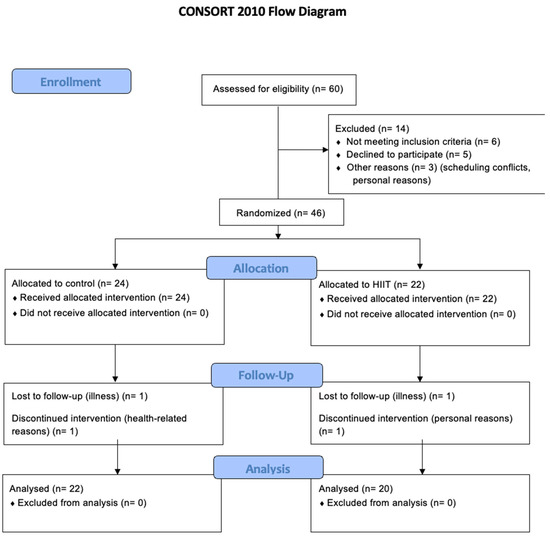
High-intensity interval training (HIIT) has emerged as a time-efficient exercise strategy with potential benefits for older adults. However, evidence regarding its effects on functional fitness, body composition, and quality of life in older women remains limited. This randomized controlled trial included community-dwelling older women allocated to a HIIT group or a control group. The intervention consisted of a 65-week HIIT program (3 sessions/week), while the control group maintained usual activities. Functional fitness was assessed using standardized field-based tests, body composition was evaluated by bioelectrical impedance analysis, and quality of life was measured using the WHOQOL-BREF questionnaire. Pre- and post-intervention assessments were performed under standardized conditions. Data were analyzed using mixed ANOVA models, with significance set at p < 0.05. Compared with the control group, the HIIT group significantly improved aerobic capacity (2MST: +25.4 vs. −19.6 repetitions; p < 0.001), lower-limb strength (30s CST: +4.8 vs. −2.6 repetitions; p < 0.001), and mobility (TUG: −0.3 vs. +0.4 s; p < 0.001). Body composition improved with reductions in body fat percentage (−1.8% vs. +1.9%; p < 0.001) and visceral fat index (−0.6 vs. +0.3; p < 0.001), alongside increased total body water (+2.3% vs. −1.8%; p < 0.001). Quality of life improved significantly in physical, psychological, and environmental domains (p < 0.001). HIIT was associated with improvements in functional fitness, body composition, and quality of life, with no major adverse events reported. These findings support the use of HIIT as a practical intervention to enhance health and functional independence in aging populations.
Full article

Figure 1
Open AccessSystematic Review
Racial Disparities in Respiratory Syncytial Virus Vaccination in Pregnant Black Women: A Rapid Literature Review
by
Gustavo Gonçalves dos Santos, Débora de Souza Santos, Reginaldo Roque Mafetoni, Clara Fróes de Oliveira Sanfelice, Janize Silva Maia, Karina Franco Zihlmann, Ricardo José Oliveira Mouta, Cindy Ferreira Lima, Patrícia Wottrich Parenti, Joaquim Guerra de Oliveira Neto, Wágnar Silva Morais Nascimento, Telma Maria Evangelista de Araújo, Cesar Henrique Rodrigues Reis, Carolliny Rossi de Faria Ichikawa, Júlia Maria das Neves Carvalho, Ana Cristina Ribeiro da Fonseca Dias, Maria Luísa Santos Bettencourt and Maria João Jacinto Guerra
Women 2026, 6(2), 23; https://doi.org/10.3390/women6020023 - 24 Mar 2026
Abstract
►▼
Show Figures
Respiratory Syncytial Virus infection is a significant cause of morbidity and mortality in infants. Maternal vaccination with the bivalent vaccine Abrysvo® in the third trimester (24–36 weeks) is an effective strategy to prevent severe respiratory illnesses in newborns. However, the introduction of
[...] Read more.
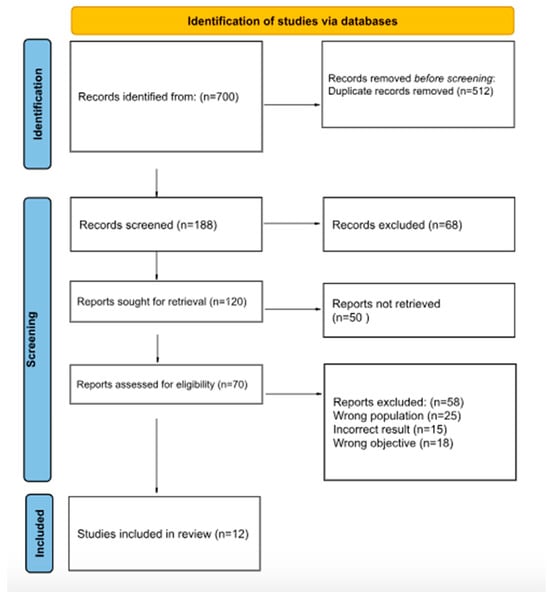
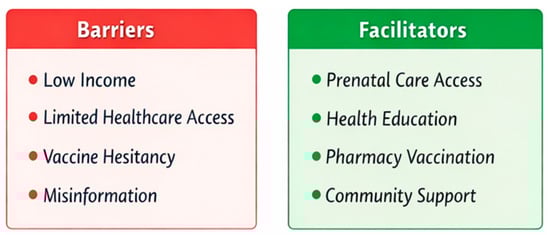
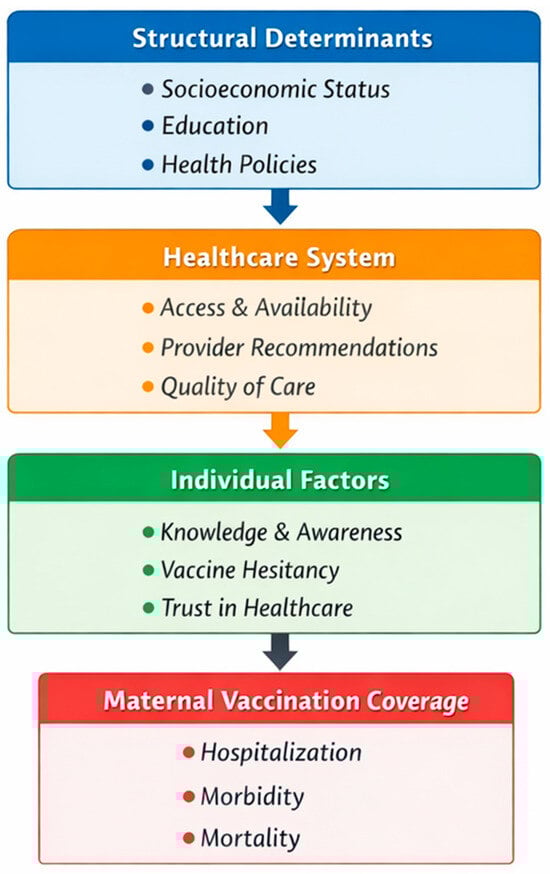
Respiratory Syncytial Virus infection is a significant cause of morbidity and mortality in infants. Maternal vaccination with the bivalent vaccine Abrysvo® in the third trimester (24–36 weeks) is an effective strategy to prevent severe respiratory illnesses in newborns. However, the introduction of this new technology faces structural obstacles that amplify inequalities. This rapid literature review sought to map and synthesize evidence on inequalities and inequities in adherence and accessibility to maternal vaccination among Black pregnant women. A rapid literature review was conducted using a mixed-methods approach (narrative synthesis and thematic analysis), following guidelines adapted from the Preferred Reporting Items for Systematic Reviews and Meta-Analyses and the Cochrane Handbook. The research question was structured using the acronym Population/Problem, Exposure, Comparison, and Outcome, focusing on Black pregnant women, maternal vaccination, comparison with other groups, and barriers/determinants. The search was conducted in databases such as PubMed (via Medical Literature Analysis and Retrieval System Online), Scopus and Literatura Latino-Americana e do Caribe em Ciências da Saúde, covering studies published between 2022 and 2025 that presented disaggregated analysis by race. The analysis and interpretation of the findings were guided by Critical Race Theory. The analysis of the twelve included studies (mainly from the United States, the United Kingdom, and Brazil) revealed systematic and robust disparities. Black pregnant women had lower vaccination coverage and were less likely to receive timely recommendations compared to White pregnant women. The barriers identified include: institutional distrust (resulting from structural racism), poor access to prenatal care, inadequate communication, and socioeconomic factors. Inequities are structural and multifactorial phenomena. To ensure that the benefits of the vaccine are distributed equitably, strategies such as anti-racist training for healthcare teams, active vaccination outreach, and continuous monitoring of data disaggregated by race are essential.
Full article

Figure 1
Open AccessArticle
Web-Based Psycho-Emotional Support Platform for Women Affected by the COVID-19 Pandemic: A Pilot Study
by
Ana Leticia Becerra-Gálvez, Erick Alberto Medina Jiménez, Alejandro Pérez-Ortiz, América Genevra Franco Moreno, Sandra Angélica Anguiano Serrano, César Augusto de León Ricardi and Gabriela Ordaz Villegas
Women 2026, 6(1), 22; https://doi.org/10.3390/women6010022 - 20 Mar 2026
Abstract
►▼
Show Figures
During the COVID-19 pandemic, women have had to face different psychosocial problems. For this reason, psychoeducational interventions based on web-based resources have been developed to address their mental health. This study aimed to evaluate the pilot of a psycho-emotional support web platform based
[...] Read more.
During the COVID-19 pandemic, women have had to face different psychosocial problems. For this reason, psychoeducational interventions based on web-based resources have been developed to address their mental health. This study aimed to evaluate the pilot of a psycho-emotional support web platform based on elements of cognitive-behavioural therapy in Mexican women during the COVID-19 pandemic. Through a pre-experimental design with pre-test and post-test evaluations, 73 women between 18 and 68 years old (M = 43.42 years, SD = 12.40) had access to this platform for one month, which contained four thematic modules (stress, anxiety, depression and violence). They also received two complementary three-hour synchronous sessions. All participants reported similar levels of emotional symptoms (p > 0.05), as well as perceiving violence exerted by their partners (p > 0.05). The web platform and its psychoeducational content turned out to be quality informative resources; however, no statistically significant changes were observed in the psychological variables in question. Web platforms and emotional support applications should be developed according to the needs and characteristics of the population for which they are designed; this will promote greater satisfaction and reduce therapeutic abandonment.
Full article

Figure 1
Open AccessArticle
Social Support and Maternal Mental Health: Investigating How Social Capital Influences Postpartum Depression
by
Emily E. Pulsipher and Mikaela J. Dufur
Women 2026, 6(1), 21; https://doi.org/10.3390/women6010021 - 19 Mar 2026
Abstract
►▼
Show Figures
Social capital has been well established to have beneficial effects on a variety of behavioral, developmental, and health outcomes across the life course. In particular, social capital has been proven to be a protective factor benefiting health, particularly among young people. However, we
[...] Read more.
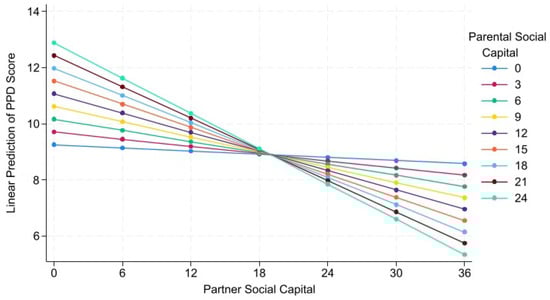
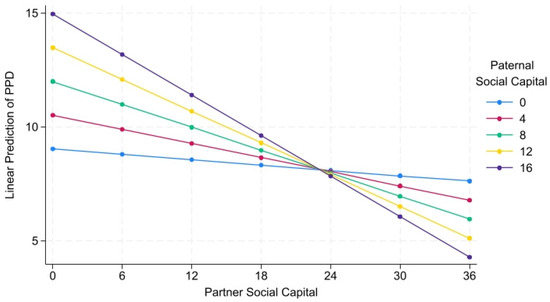
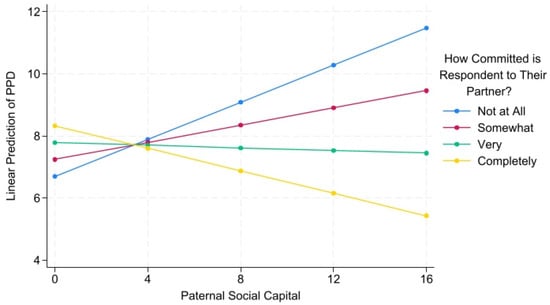
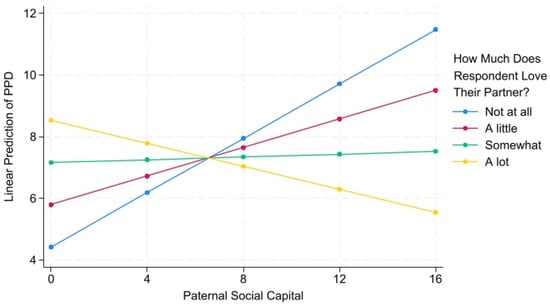
Social capital has been well established to have beneficial effects on a variety of behavioral, developmental, and health outcomes across the life course. In particular, social capital has been proven to be a protective factor benefiting health, particularly among young people. However, we know little about whether or how social capital might provide a protective effect against a very specific mental health challenge of young and mid-adult life: experiencing postpartum depression. Using linear regression models and restricted-use data from the National Study of Adolescent to Adult Health (five waves conducted beginning in 1995 when respondents were in grades 7–12 and following them into adulthood) on women who gave birth during early adulthood, and controlling for a variety of demographic factors (such as race, parental and partner social capital, SES), we aim to understand potential associations between social capital derived from families and romantic partners and postpartum depression symptomology. Our findings suggest the need for approaches that help pregnant women build and maintain key social connections and resources with fathers and partners.
Full article

Figure 1
Open AccessArticle
Sexual Harassment Among Women in Higher Education: Psychological Distress as a Mediator of Coping Strategies
by
Francisca Expósito, M. Dolores Sánchez-Hernández, Marta Badenes-Sastre, Ana M. Beltrán-Morillas and Laura Villanueva-Moya
Women 2026, 6(1), 20; https://doi.org/10.3390/women6010020 - 12 Mar 2026
Abstract
►▼
Show Figures
Sexual harassment remains a widespread issue in higher education, with serious consequences, especially for women within the university setting. In this research, we explored the mediating role of psychological distress in the link between sexual harassment and coping strategies among women in higher
[...] Read more.
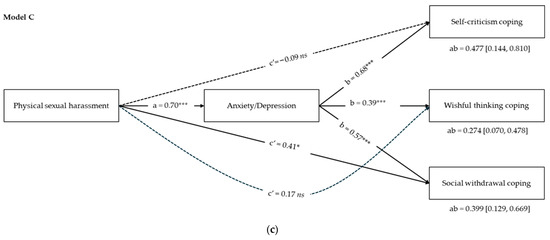
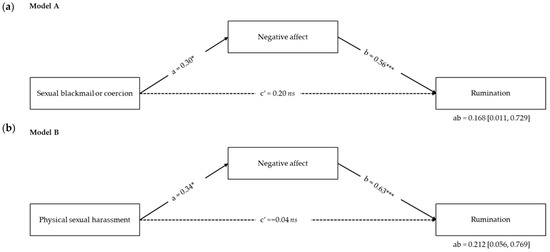
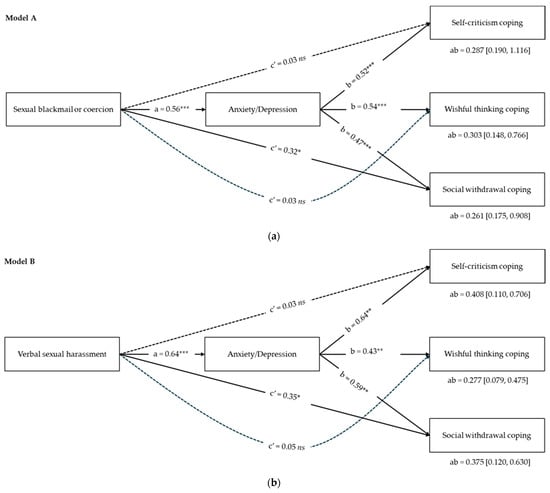
Sexual harassment remains a widespread issue in higher education, with serious consequences, especially for women within the university setting. In this research, we explored the mediating role of psychological distress in the link between sexual harassment and coping strategies among women in higher education. In total, 637 women from the university community participated in this study, of whom 100 were victims of sexual harassment at their university. In Study 1, sexual harassment was found to predict higher levels of anxiety and depression, which were in turn associated with greater use of coping strategies focused on self-criticism, wishful thinking, and social withdrawal. In Study 2, sexual harassment predicted increased negative affect, which was subsequently associated with a stronger reliance on rumination. Taken together, the findings could suggest that the psychological distress women experience due to sexual harassment may determine their coping strategies. These results underscore the importance of adopting institutional measures that not only address the psychological impact of sexual harassment but also promote more adaptive coping strategies to reduce its long-term impact on women in higher education.
Full article

Figure 1

Open AccessBrief Report
A Pilot and Feasibility Study of Combined Oral Contraceptive Pills and Metabolic Outcomes in Premenopausal Women with Overweight or Obesity
by
Adnin Zaman, Aaron Lazorwitz, Myla Strawderman, Hong Hong Liu, Sarah A. Tydings, Susan W. Groth, Victoria A. Catenacci and Elizabeth A. Thomas
Women 2026, 6(1), 19; https://doi.org/10.3390/women6010019 - 4 Mar 2026
Abstract
►▼
Show Figures
Combined oral contraceptive pills (COCPs) are commonly used by reproductive-aged women with overweight or obesity, but their metabolic effects remain understudied. This pilot study examined the feasibility of recruiting and retaining women with overweight or obesity initiating COCPs and evaluated changes in body
[...] Read more.
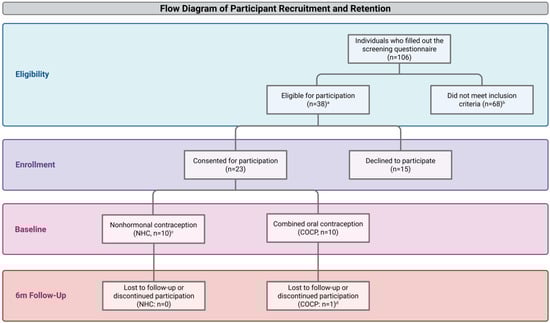
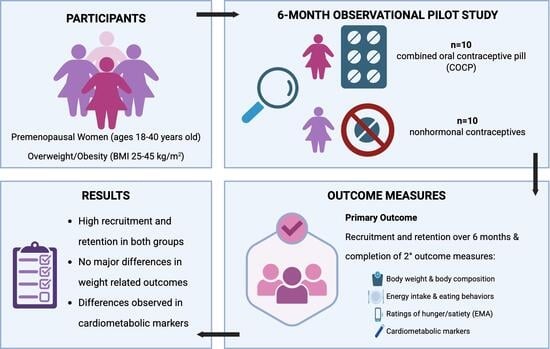
Combined oral contraceptive pills (COCPs) are commonly used by reproductive-aged women with overweight or obesity, but their metabolic effects remain understudied. This pilot study examined the feasibility of recruiting and retaining women with overweight or obesity initiating COCPs and evaluated changes in body weight, body composition, energy intake (EI), eating behaviors, and cardiometabolic markers. Premenopausal women aged 18–40 years with a body mass index between 25 and 45 kg/m2 initiating COCPs (n = 10) or using nonhormonal contraception (NHC; n = 10) were followed for six months. Outcome measures included body weight, body composition, EI, eating behavior questionnaires, ecological momentary assessment of appetite and satiety, and fasting laboratory measures. There were no between-group differences in changes in weight, EI, or appetite. Binge-eating severity decreased in COCP users and increased in NHC users, though the within-group change in COCP users was not statistically significant. Exploratory analyses demonstrated increases in hemoglobin A1c and triglycerides among COCP users compared to NHC users, while bioavailable testosterone decreased in COCP users only. This study demonstrates high retention and feasibility among women with overweight/obesity undergoing intensive dietary and metabolic monitoring. Although weight outcomes were similar between groups, these preliminary findings identify potential metabolic signals warranting confirmation in adequately powered studies.
Full article

Graphical abstract
Open AccessArticle
Evolution, Distribution and Prediction of Cervical Cancer Mortality in a Central Mexican State Using a Dynamic Model
by
Yolanda Terán-Figueroa, Darío Gaytán-Hernández, Omar Parra-Rodríguez, Carlos Daniel Coronado-Ruis, Sandra Olimpia Gutiérrez-Enríquez and Efraín Gaytán-Jiménez
Women 2026, 6(1), 18; https://doi.org/10.3390/women6010018 - 2 Mar 2026
Abstract
►▼
Show Figures
This study analyzes the evolution and spatial distribution of cervical cancer mortality. Furthermore, it develops a dynamic simulation model for estimating the evolution of the disease up to 2040. This manuscript details an ecological and retrospective study that analyzed official mortality, morbidity, and
[...] Read more.
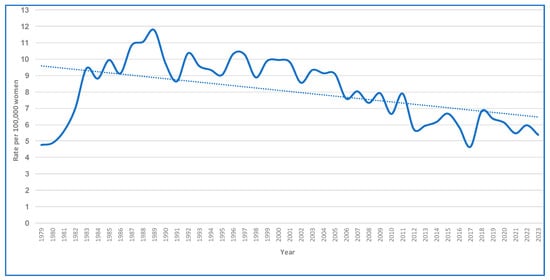
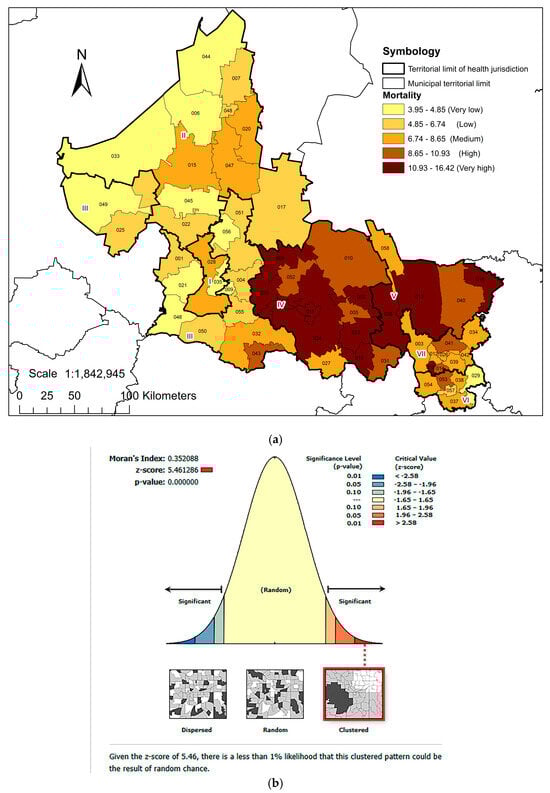
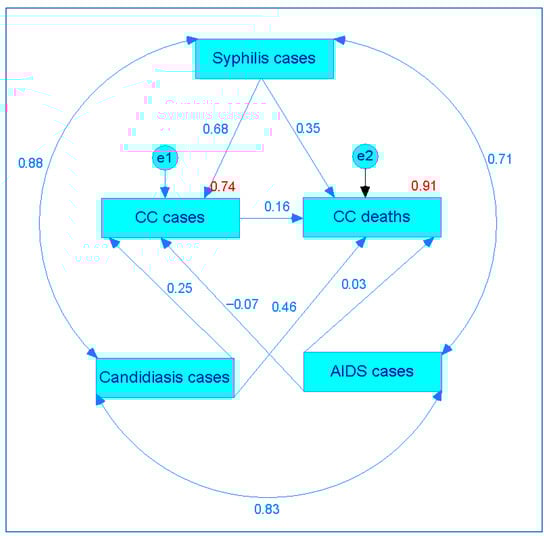
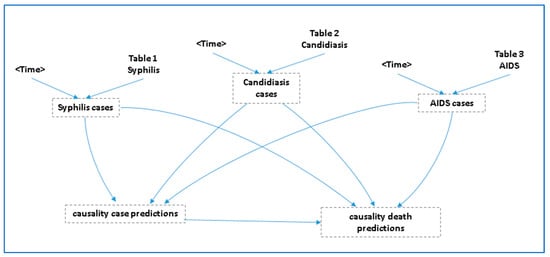
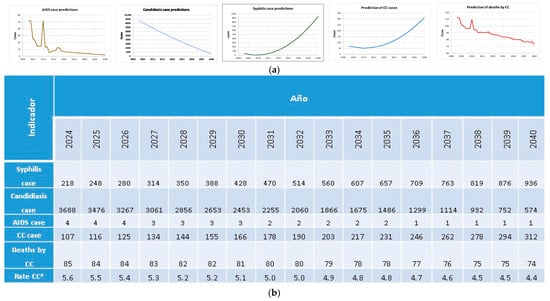
This study analyzes the evolution and spatial distribution of cervical cancer mortality. Furthermore, it develops a dynamic simulation model for estimating the evolution of the disease up to 2040. This manuscript details an ecological and retrospective study that analyzed official mortality, morbidity, and population data from the 58 municipalities that constitute the state of San Luis Potosi. We used Moran’s index, linear correlation, structural equation modeling, Excel predictions, and Vensim PLE x64 simulation software to conduct this study. The evolution of deaths from cervical cancer shows a downward trend; mortality follows a clustered distribution pattern, and it is not random. The structural model showed standardized regression coefficients of 0.68 between syphilis cases and cervical cancer cases, with a coefficient of 0.35 for deaths; candidiasis cases with cervical cancer at a coefficient of 0.25 and with deaths from the same disease at a coefficient of 0.46. The coefficients of determination for cervical cancer cases and deaths were 0.74 and 0.91, respectively. This shows that these co-infections—syphilis and candidiasis—are a risk factor for cervical cancer mortality. The estimated mortality rates per 100,000 inhabitants for 2025, 2030, 2035, and 2040 were 5.5, 5.1, 4.8, and 4.4, respectively. The prediction indicates an increase in the number of CC cases and deaths from this cause.
Full article

Figure 1

Open AccessReview
Metacognitive Dysfunction in Women with Eating Disorders: A Narrative Review
by
Fabiola Raffone, Serena Testa, Concetta Iaccarino, Miriam Olivola, Tommaso Barlattani, Domenico De Berardis, Francesca Pacitti and Vassilis Martiadis
Women 2026, 6(1), 17; https://doi.org/10.3390/women6010017 - 2 Mar 2026
Abstract
►▼
Show Figures
Eating disorders (EDs) disproportionately affect women and are associated with substantial morbidity, chronicity, and mortality. While established psychological models focus on the content of maladaptive cognitions related to body weight, shape, and eating behaviors, growing evidence suggests that additional process-level mechanisms contribute to
[...] Read more.
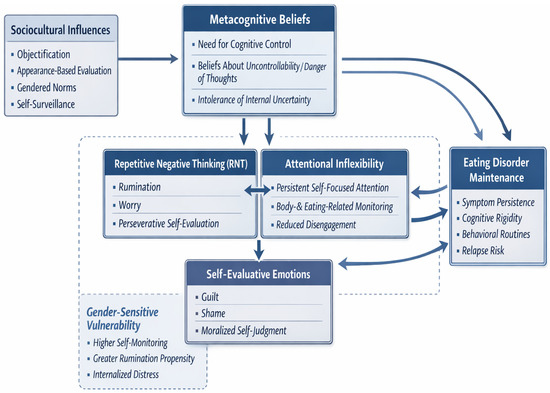
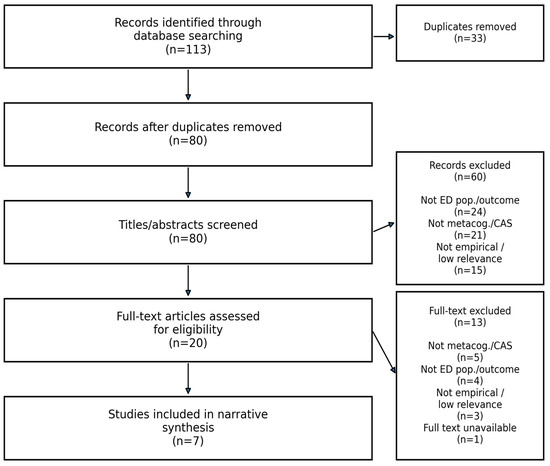
Eating disorders (EDs) disproportionately affect women and are associated with substantial morbidity, chronicity, and mortality. While established psychological models focus on the content of maladaptive cognitions related to body weight, shape, and eating behaviors, growing evidence suggests that additional process-level mechanisms contribute to symptom persistence and treatment resistance. Metacognitive models emphasize how individuals relate to their thoughts, emotions, and internal experiences, highlighting maladaptive beliefs about thinking and the resulting cognitive–attentional patterns (e.g., repetitive negative thinking, self-focused attention, and inflexible attentional control) as potential maintaining factors across psychopathology. This narrative review synthesizes the theoretical and empirical literature on metacognitive dysfunction in EDs, with a focus on mechanisms that may be particularly relevant for women. We integrate epidemiological data and gender-sensitive frameworks, and review evidence on metacognitive beliefs and cognitive–attentional syndrome (CAS)-related processes across anorexia nervosa, bulimia nervosa, and binge-eating disorder. Overall, studies indicate that dysfunctional beliefs about the uncontrollability and danger of thoughts, alongside perseverative cognitive styles, are associated with greater ED symptom severity. We discuss diagnosis-relevant patterns as clinically useful heuristics, interactions with sociocultural and emotional vulnerability factors, and implications for assessment, treatment integration, and prevention. The evidence base is largely correlational and derived from predominantly female samples, underscoring the need for longitudinal research and studies that explicitly test sex/gender as a moderator.
Full article

Figure 1
Open AccessArticle
Body Dissatisfaction and Eating Disorder Risk Indicators in Older Women: Associations with Medically Supervised Dietary Treatment
by
Patrizia Carmen Marruffi-Bonfante, Manuel Rosety-Rodríguez, Alberto Bable-Marruffi, Javier Choquet de Isla and Javier Riscart-López
Women 2026, 6(1), 16; https://doi.org/10.3390/women6010016 - 26 Feb 2026
Abstract
►▼
Show Figures
Body dissatisfaction and eating disorder (ED) risk indicators can persist into later life but are less frequently assessed in routine care for older women. Among women aged 50 years and older, attendance on dietary care pathways in clinical settings may offer a pragmatic
[...] Read more.
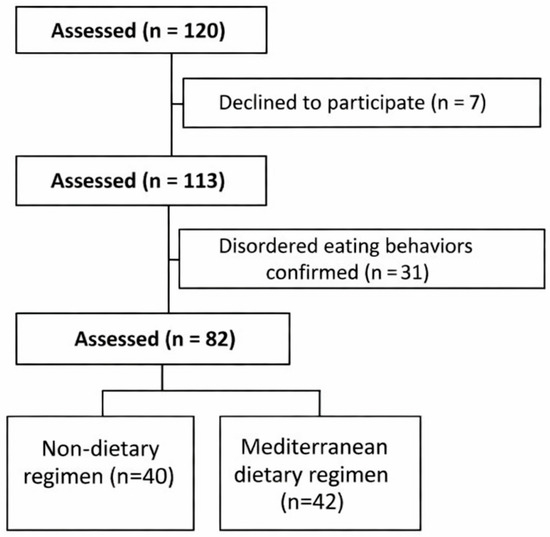
Body dissatisfaction and eating disorder (ED) risk indicators can persist into later life but are less frequently assessed in routine care for older women. Among women aged 50 years and older, attendance on dietary care pathways in clinical settings may offer a pragmatic opportunity for early identification (screening) of ED risk indicators and related psychological distress, particularly during the menopausal transition. Thus, the aim of this study was to compare body dissatisfaction and ED risk indicators in older women attending dietary treatment versus those not following a dietary regimen. This cross-sectional study compared women aged ≥50 years without a prior ED diagnosis who were receiving medically supervised dietary treatment (DTG; n = 42) with peers not following any dietary regimen (NDG; n = 40) in Cádiz (Spain). Participants completed the Eating Disorder Inventory-3 Referral Form (EDI-3RF), AF-5 Self-Concept Questionnaire, List of Brief Symptoms (LBS-50), and the International Physical Activity Questionnaire (IPAQ) and underwent anthropometric assessment. Compared with those women in the NDG, those in the DTG had a higher body mass index (p = 0.002), higher drive for thinness (p < 0.001) and body dissatisfaction (p < 0.001), lower physical self-concept (p = 0.001), and higher total EDI-3RF scores (p < 0.001). Based on the EDI-3RF, 11.9% of the DTG met clinical referral criteria versus none in the NDG (p = 0.031). These findings indicate that, in this sample of women aged ≥ 50 years, women attending dietary care pathways exhibited a higher ED risk profile, higher psychopathological symptom levels, and lower physical self-concept than women not following a dietary regimen. Given the cross-sectional design, results should be interpreted as associations and may reflect pre-existing differences among women who enter dietary care; nonetheless, dietary care pathways may represent a practical opportunity to incorporate brief screening for body image concerns and ED risk indicators in older women.
Full article

Figure 1
Open AccessArticle
Feminine Gender Norms Among Women with Eating Disorders: Findings from an Exploratory Pilot Study
by
Rosa M. Limiñana-Gras, María Patiño-Ortega, Paloma López-Hernández and Carmen M. Galvez-Sánchez
Women 2026, 6(1), 15; https://doi.org/10.3390/women6010015 - 24 Feb 2026
Abstract
Eating disorders are multifactorial mental health conditions that predominantly affect adolescent girls and young women and constitute a major public health concern due to their severe and often chronic impact on physical, psychological, and psychosocial functioning. Although existing research suggests that gender-related constructs
[...] Read more.
Eating disorders are multifactorial mental health conditions that predominantly affect adolescent girls and young women and constitute a major public health concern due to their severe and often chronic impact on physical, psychological, and psychosocial functioning. Although existing research suggests that gender-related constructs and traditional gender roles may be associated with the development and expression of eating disorders, empirical evidence using validated measures remains limited. Accordingly, the present study examines health-related variables from a gender-sensitive perspective in a clinical sample of women diagnosed with an eating disorder. Forty women aged 14 to 50 years completed an assessment protocol including measures of gender norms, eating disorder symptoms, mental health, and self-perceived overall health. Results indicated that poorer mental health and self-perceived overall health were significantly associated with higher levels of eating disorder symptomatology. In an exploratory hierarchical regression analysis, overall conformity to traditional feminine gender norms was associated with eating disorder symptomatology after accounting for health-related variables. Exploratory analyses of individual gender norm dimensions indicated that only a small number of associations remained statistically significant after applying a false discovery rate correction. In sum, within the limitations of a modest and heterogeneous clinical sample, the findings suggest that conformity to traditional feminine gender norms is associated with less favorable health indicators and greater eating disorder symptomatology among women with EDs. These results underscore the potential value of incorporating gender-informed perspectives into future research and clinical reflection, while highlighting the need for replication in larger and longitudinally designed studies.
Full article
Open AccessArticle
Physical Activity and Depressive Symptoms in Adult Women: A Cross-Sectional Study on the Mediating Role of Perceived Stress
by
Adrianna Maria Kosior-Lara, Jacek Wąsik, Małgorzata Kuchta and Dorota Ortenburger
Women 2026, 6(1), 14; https://doi.org/10.3390/women6010014 - 10 Feb 2026
Abstract
This cross-sectional study aimed to assess the relationship between the level of physical activity and the severity of depressive symptoms in adult women, taking into account the mediating role of perceived stress and differences in this relationship across levels of depressive symptom severity.
[...] Read more.
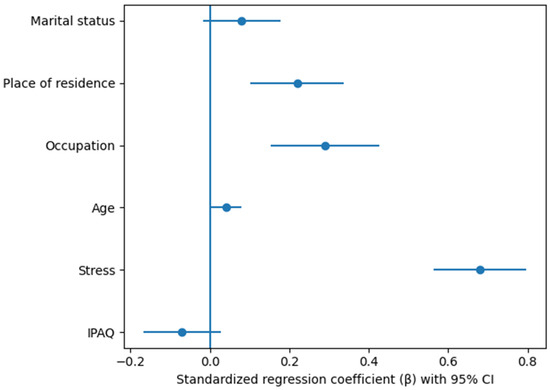
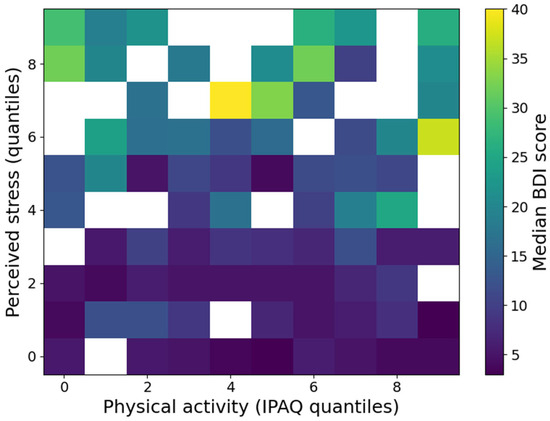
This cross-sectional study aimed to assess the relationship between the level of physical activity and the severity of depressive symptoms in adult women, taking into account the mediating role of perceived stress and differences in this relationship across levels of depressive symptom severity. The study included 200 women aged 18–65 years. Physical activity was assessed using the International Physical Activity Questionnaire (IPAQ), depressive symptom severity was measured with the Beck Depression Inventory (BDI), and perceived stress was evaluated using a standardized stress scale. Descriptive statistics, non-parametric tests, hierarchical regression, mediation analysis with bootstrapping, and quantile regression (Q25, Q50, Q75) were applied, controlling for selected sociodemographic variables. The results showed that perceived stress was the strongest predictor of depressive symptom severity. Physical activity was not a significant independent predictor of depression after adjustment for stress; however, it demonstrated a significant indirect effect through stress reduction. Quantile regression analysis revealed that the protective effect of physical activity was more pronounced in the lower and middle quantiles of depressive symptom severity and attenuated at higher levels of severity. These findings indicate that the relationship between physical activity and depressive symptoms is predominantly indirect and conditional, supporting the integration of physical activity promotion with stress-reduction–focused interventions.
Full article
(This article belongs to the Special Issue Women’s Mental Health—in Honor of Prof. Mary Seeman)
►▼
Show Figures

Figure 1
Highly Accessed Articles
Latest Books
E-Mail Alert
News
Topics
Topic in
Clinics and Practice, Medicina, Nutrients, Women
Maternal Nutrition from Preconception, Through Pregnancy and Lactation
Topic Editors: Themistoklis Dagklis, Panos J. AntsaklisDeadline: 31 July 2026
Conferences
Special Issues
Special Issue in
Women
Breast Cancer: Causes and Prevention
Guest Editor: Ronald BrownDeadline: 30 October 2026
Special Issue in
Women
Women’s Mental Health—in Honor of Prof. Mary Seeman
Guest Editors: Alexandre González-Rodríguez, Susana OchoaDeadline: 30 December 2026
Special Issue in
Women
New Advances in Endometriosis
Guest Editors: Angela Musella, Maria Grazia PorporaDeadline: 30 March 2027
Special Issue in
Women
Integrating Biopsychosocial Influences on Women’s Nutrition and Physical Exercise for Enhanced Wellbeing
Guest Editors: Maria Grazia Tarsitano, Edoardo Mocini, Francesca GrecoDeadline: 30 April 2027