
Topic Editors

Third Department of Obstetrics and Gynecology, School of Medicine, Faculty of Health Sciences, Aristotle University of Thessaloniki, Thessaloniki, Greece
Dr. Panos J. Antsaklis
First Department of Obstetrics and Gynecology, Alexandra Hospital, National and Kapodistrian University of Athens, 80 Vasilissis Sofias Avenue, Athens, Greece

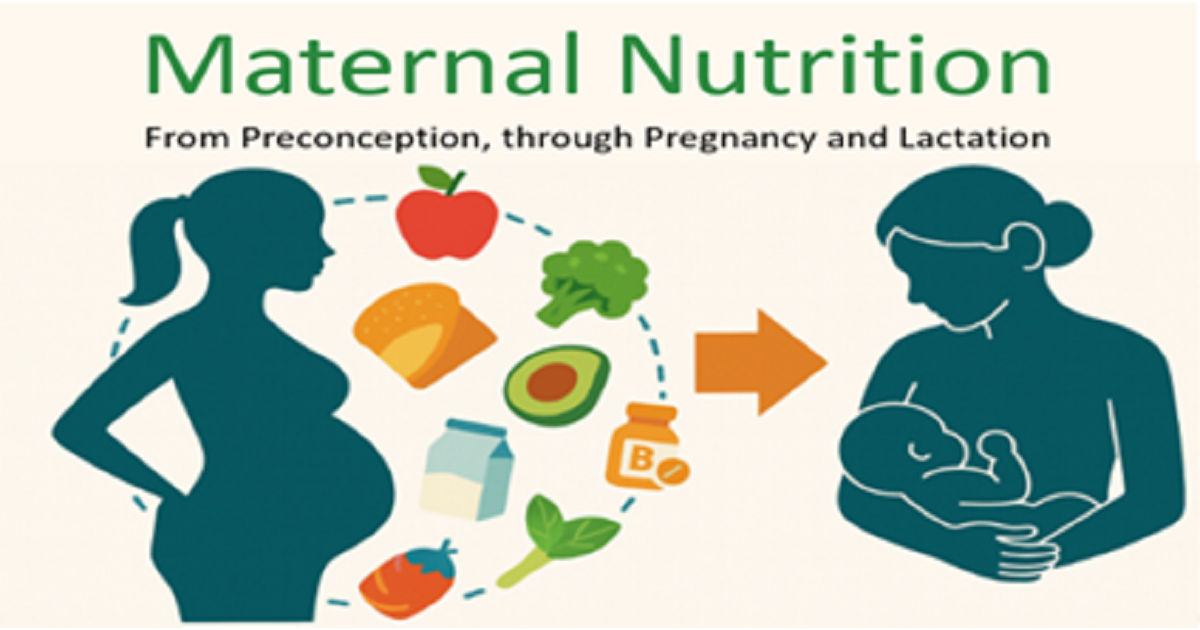
Maternal Nutrition from Preconception, Through Pregnancy and Lactation
Abstract submission deadline
31 May 2026
Manuscript submission deadline
31 July 2026
Viewed by
4991

Topic Information

Dear Colleagues,

Optimal maternal nutrition is crucial for ensuring healthy pregnancy outcomes, influencing both maternal well-being and fetal development. The proposed Topic, "Maternal Nutrition from Preconception, Through Pregnancy and Lactation", seeks contributions that explore the multifaceted relationship between nutritional factors and pregnancy, including preconception care, gestational nutrition, and lactation, dietary patterns, nutrient deficiencies, supplementation strategies and probiotic use, microbiomes, pregnancy-related metabolic disorders, and long-term effects on offspring health. We welcome research from diverse disciplines, such as obstetrics, midwifery, pediatrics, nutrition science, endocrinology, and public health, aiming to foster a multidisciplinary perspective. Clinical trials, systematic reviews, basic research, and epidemiological studies are all encouraged.

Dr. Themistoklis Dagklis
Dr. Panos J. Antsaklis
Topic Editors

Keywords

  • pregnancy nutrition
  • maternal diet
  • prenatal care
  • micronutrients
  • gestational diabetes
  • fetal development
  • maternal health
  • obstetric outcomes
  • perinatal nutrition
  • lactation
  • nutritional epidemiology

Participating Journals

Journal Name Impact Factor CiteScore Launched Year First Decision (median) APC
Clinics and Practice
clinpract
2.2 2.8 2011 22.7 Days CHF 1600 Submit
Medicina
medicina
2.4 4.1 1920 17.5 Days CHF 2200 Submit
Nutrients
nutrients
5.0 9.1 2009 12.9 Days CHF 2900 Submit
Women
women
1.6 - 2021 15.1 Days CHF 1200 Submit

Preprints.org is a multidisciplinary platform offering a preprint service designed to facilitate the early sharing of your research. It supports and empowers your research journey from the very beginning.

MDPI Topics is collaborating with Preprints.org and has established a direct connection between MDPI journals and the platform. Authors are encouraged to take advantage of this opportunity by posting their preprints at Preprints.org prior to publication:

  1. Share your research immediately: disseminate your ideas prior to publication and establish priority for your work.
  2. Safeguard your intellectual contribution: Protect your ideas with a time-stamped preprint that serves as proof of your research timeline.
  3. Boost visibility and impact: Increase the reach and influence of your research by making it accessible to a global audience.
  4. Gain early feedback: Receive valuable input and insights from peers before submitting to a journal.
  5. Ensure broad indexing: Web of Science (Preprint Citation Index), Google Scholar, Crossref, SHARE, PrePubMed, Scilit and Europe PMC.

Published Papers (4 papers)

Order results
Result details
Journals
Select all
Export citation of selected articles as:
29 pages, 1254 KB  
Review
Choline in Adolescent Pregnancy: The Impact on Fetal Brain Development and Long-Term Cognitive Outcomes of Offspring
by Abdul Jabar Khudor, Marius Alexandru Moga, Oana Gabriela Dimienescu, Andrada Camelia Nicolau, Cristian Andrei Arvătescu, Mircea Daniel Hogea and Natalia Ciobanu
Medicina 2025, 61(11), 2057; https://doi.org/10.3390/medicina61112057 - 18 Nov 2025
Viewed by 1156
Abstract
Pregnancy in adolescence represents a major nutritional challenge, with competing demands between maternal development and fetal growth. Choline is the essential nutrient with a critical role for fetal brain development and exhibits distinct metabolic patterns in pregnant adolescents aged 15–19 years compared to [...] Read more.
Pregnancy in adolescence represents a major nutritional challenge, with competing demands between maternal development and fetal growth. Choline is the essential nutrient with a critical role for fetal brain development and exhibits distinct metabolic patterns in pregnant adolescents aged 15–19 years compared to adult pregnant women. This narrative review examines the specific impact of choline status on fetal neurodevelopment in adolescent pregnancies. A comprehensive literature review was conducted using PubMed and Web of Science databases from 2000 to 2025, focusing on choline metabolism, placental transport mechanisms, and neurodevelopmental outcomes in adolescent pregnancy. Adolescent pregnant women demonstrate reduced choline clearance (0.8 ± 0.2 vs. 1.2 ± 0.3 mL/min/kg), decreased choline kinase activity (25–30% reduction), and reduced placental transporter expression (CTL1 reduced by 15–20%) compared to adults. These metabolic differences result in maternal–fetal competition for limited choline resources, potentially compromising fetal brain development during critical neurodevelopmental windows. The consequences include increased risk of neural tube defects, altered hippocampal development, and long-term cognitive impairments in offspring. Adolescent pregnancy creates a unique biochemical environment that may predispose to choline deficiency with lasting neurodevelopmental consequences, and current supplementation guidelines do not address adolescent-specific needs, pointing out the urgent requirement for appropriate age recommendations and targeted interventions to optimize maternal and fetal outcomes in this vulnerable population. Full article
Show Figures

Graphical abstract

20 pages, 4008 KB  
Article
Supplementation with hArg During the Rapid Growth of the Placenta Modulates Final Placental Angiogenesis and Pregnancy Outcomes
by Huijuan Li, Feng Yong, Lixue Liu, Na Ren, Rui Han, Tianrui Zhang and Dongsheng Che
Nutrients 2025, 17(22), 3563; https://doi.org/10.3390/nu17223563 - 14 Nov 2025
Viewed by 509
Abstract
Background: Placental angiogenesis is crucial for ensuring placental function and normal fetal development. It has been demonstrated that elevated plasma levels of homoarginine (hArg), an endogenous amino acid, during pregnancy correlate with enhanced vascular endothelial function. However, the effect of hArg in placental [...] Read more.
Background: Placental angiogenesis is crucial for ensuring placental function and normal fetal development. It has been demonstrated that elevated plasma levels of homoarginine (hArg), an endogenous amino acid, during pregnancy correlate with enhanced vascular endothelial function. However, the effect of hArg in placental angiogenesis during pregnancy is still ambiguous. This study seeks to evaluate the impact of supplemental hArg during the rapid placental growth phase in early pregnancy, a key moment for placental angiogenesis, on ultimate pregnancy outcomes and placental angiogenesis in rats, as well as its potential processes. Methods: This study utilized thirty 8-week-old female Sprague Dawley rats as pregnant animals, which were randomly allocated to control and treatment groups (15 per group) and administered 20 mg/kg of hArg from embryonic day 0.5 (E0.5) to E13. The dams were euthanized on E21. Results: Maternal hArg dietary supplementation positively influenced pregnancy outcomes, resulting in a significant increase in the number of live-born offspring and total placental weight, alongside elevated maternal circulating reproductive hormone levels. Additionally, the upregulation of the amino acid transporter in the placenta of the treatment group established a basis for hArg accumulation in the placenta, hence promoting hArg-specific augmentation of eNOS-mediated NO production. The treated group simultaneously demonstrated an expanded labyrinthine zone, increased blood sinusoids area, enhanced vascular density, and raised levels of proangiogenic factors. Mechanistically, hArg enhanced the expression of proteins linked with the PI3K/AKT signaling pathway. Conclusions: Supplementation with hArg during the placenta’s rapid growth phase enhances placental angiogenesis, ultimately enhancing pregnancy outcomes. This effect may be attributed to the regulation of the PI3K/AKT signaling pathway. Full article
Show Figures

Figure 1

9 pages, 932 KB  
Brief Report
Impact of Diet and Maternal Obesity on Human Milk Hyaluronan
by Christopher Hoover, Karni S. Moshal, Jeffrey V. Eckert, Adam P. Wilson, Kathryn Y. Burge, David A. Fields and Hala Chaaban
Nutrients 2025, 17(22), 3560; https://doi.org/10.3390/nu17223560 - 14 Nov 2025
Viewed by 404
Abstract
Background: Human milk hyaluronan (HA), a glycosaminoglycan with barrier-protective and immunomodulatory functions, may be influenced by maternal characteristics. The effects of maternal obesity and acute dietary intake on milk HA concentrations remain unclear. Methods: This secondary analysis included 35 lactating mothers (n [...] Read more.
Background: Human milk hyaluronan (HA), a glycosaminoglycan with barrier-protective and immunomodulatory functions, may be influenced by maternal characteristics. The effects of maternal obesity and acute dietary intake on milk HA concentrations remain unclear. Methods: This secondary analysis included 35 lactating mothers (n = 19 normal weight [NW], n = 16 obese [OB]) at 6 weeks postpartum who participated in two separate, but standardized, protocols: (1) Study One, which consisted of hourly milk collections for six hours following a standardized high-fat meal with a sugar-sweetened beverage beginning at 6:00 am, and (2) Study Two, which consisted of daily morning milk collections for seven consecutive days to assess temporal stability (Monday-Sunday). HA concentrations were quantified by an ELISA and analyzed using a mixed-effects and repeated-measures ANOVA. Results: In Study One, postprandial HA concentrations remained stable with no effect of time, BMI, or time × BMI interaction (p > 0.05). In Study Two, HA did not vary significantly by day (p = 0.082) but was higher in OB versus NW mothers (151.9 ± 18.7 vs. 96.5 ± 12.4 ng/mL; p = 0.0396), with the largest difference observed on Day 1 (p = 0.0117). Mean HA values trended upward later in the week (Day 6 and 7), suggesting potential influences of habitual dietary intake or weekend energy patterns. Conclusions: Milk HA concentrations were not altered by acute dietary intake but were consistently higher across multiple days in mothers with obesity. These results indicate that milk HA varies with maternal metabolic status and may also be influenced by habitual dietary patterns, including fluctuations between weekday and weekend intake. Full article
Show Figures

Figure 1

12 pages, 407 KB  
Article
Maternal Dietary Patterns, Food Security and Multivitamin Use as Determinants of Non-Syndromic Orofacial Clefts Risk in Ghana: A Case–Control Study
by Samuel Atta Tonyemevor, Mary Amoako, Lord Jephthah Joojo Gowans, Alexander Kwarteng, Collins Afriyie Appiah, Solomon Obiri-Yeboah, Daniel Kwesi Sabbah and Peter Donkor
Women 2025, 5(3), 34; https://doi.org/10.3390/women5030034 - 19 Sep 2025
Viewed by 2302
Abstract
Non-syndromic Orofacial clefts (NSOFCs) are among the most common congenital anomalies globally, yet evidence on maternal dietary and nutritional risk factors in sub-Saharan Africa is limited. A matched case–control study with 103 mothers of children with non-syndromic OFCs and 103 control mothers of [...] Read more.
Non-syndromic Orofacial clefts (NSOFCs) are among the most common congenital anomalies globally, yet evidence on maternal dietary and nutritional risk factors in sub-Saharan Africa is limited. A matched case–control study with 103 mothers of children with non-syndromic OFCs and 103 control mothers of unaffected children was conducted to assess dietary patterns, food security, and supplement use. Dietary intake was assessed using a food frequency questionnaire, and patterns were identified through principal component analysis. Household food security was measured using the USDA 18-item scale, and periconceptional multivitamin and folic acid use were recorded. Logistic regression models examined the associations. Three major dietary patterns emerged: Sweet and Energy-Dense, Staple Plant-Based, and Animal Protein–Vegetable. Higher adherence to Sweet and Energy-Dense (Highest tertile, T3: OR = 22.27; 95% CI: 8.71–56.91, p < 0.001) and Staple Plant-Based (T3: OR = 4.07; 95% CI: 1.70–9.73, p = 0.002) was associated with increased OFC odds, while the Animal Protein–Vegetable pattern suggested a borderline protective association (T3: OR = 0.44; 95% CI: 0.19–1.03, p = 0.048). Severe food insecurity was more common among case-mothers (49.5%) than controls (39.8%). Periconceptional use of multivitamins and folic acid was low (<15%) in both groups. These findings highlight the importance of improving maternal diet quality and addressing food insecurity in resource-limited settings. Full article
Back to TopTop
