

You are currently viewing a new version of our website. To view the old version click .

Toxins

Toxins is an international, peer-reviewed, open access journal related to toxinology and all kinds of toxins (biotoxins) from animals, microbes and plants, and is published monthly online by MDPI. 
The French Society of Toxinology (SFET)International Society for Mycotoxicology (ISM)Japanese Society of Mycotoxicology (JSMYCO) and European Uremic Toxins (EUTox) Work Group are affiliated with Toxins and their members receive a discount on the article processing charges.
Indexed in PubMed | Quartile Ranking JCR - Q1 (Toxicology)

All Articles (7,584)

Parasitoid wasp venoms represent highly specialized biochemical arsenals that evolved to manipulate host physiology and ensure successful development of the parasitoid offspring. However, the molecular targets and mechanisms underlying this complex host modulation remain poorly understood. To address this, we employed an AI-driven discovery pipeline, integrating the sequence-based predictor D-SCRIPT with the structural modeler AlphaFold3, to characterize LjSPI-1, a venom serpin from Liragathis javana. This computational workflow highlighted a previously unreported candidate partner—a host serine carboxypeptidase (Chr09G02510). Crucially, we detected a direct physical interaction between these two proteins through both in vitro pull-down and in vivo yeast two-hybrid assays, supporting this AI-prioritized interaction under experimental conditions. Our study identifies a high-priority molecular pairing and demonstrates the utility of an AI-guided strategy for uncovering candidate targets of venom proteins. In addition, guided by the predicted biochemical role of Chr09G02510, we propose several plausible physiological hypotheses linking this interaction to host peptide metabolism and immune modulation. These hypotheses serve as a conceptual basis for future mechanistic and toxicological investigations.

16 December 2025

Multiple sequence alignment of LjSPI-1 with representative serpins. Alignment of LjSPI-1 with serpins from Manduca sexta (serpin 1K), Homo sapiens (α1-antitrypsin), Pteromalus puparum (PpSPI_5), and other insects. Conserved secondary structural elements and four key motifs (shutter, breach, hinge, and gate) are highlighted. The reactive center loop (RCL) is marked by a red line, and its intermittent sections reflect its inherent flexibility and sequence variability.

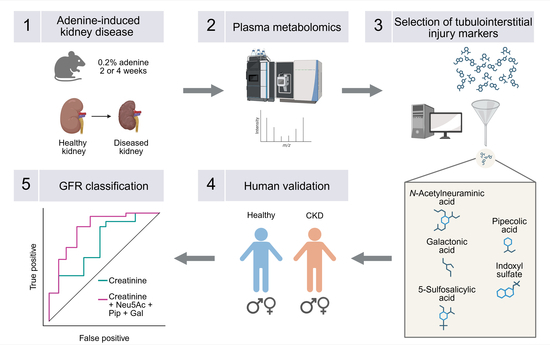
The interaction between gut microbiota dysbiosis and CKD progression via the “gut–kidney axis” is increasingly recognized. Gut-derived uremic toxins (e.g., indoxyl sulfate and p-cresyl sulfate) accumulate systemically, while beneficial metabolites like short-chain fatty acids (SCFAs) decrease, contributing to inflammation, oxidative stress, and kidney fibrosis. Traditional Chinese Medicine (TCM), including complex formulae, single herbs, and active ingredients, has long been used to manage CKD. Emerging evidence—primarily from animal studies—highlights its potential to alleviate the disease by modulating the gut microbiota. This review summarizes how TCM interventions re-establish gut microbial symbiosis by regulating microbial composition, reducing toxin load, and reinforcing intestinal barrier integrity, thereby ameliorating systemic inflammation and protecting kidney function. Targeting the gut microbiota represents a promising therapeutic frontier for CKD, and TCM offers a rich resource for developing novel microbiota-modulating strategies. However, future research must focus on validating molecular mechanisms, standardizing TCM preparations, and conducting rigorous clinical trials to facilitate clinical translation.

15 December 2025

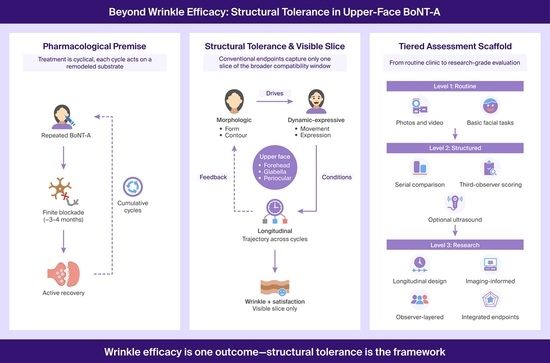
Recent botulinum neurotoxin type A (BoNT/A) formulations have shifted towards the use of polysorbate 20 (PS20) and polysorbate 80 (PS80) as a non-human-derived excipient to enhance product stability. Polysorbates are a distinct class of synthetic non-ionic surfactants with high heterogeneity in chemical structure and properties. Accumulating mechanistic and clinical evidence suggests that they may trigger immunological reactions, including hypersensitivity and immunogenicity. Such risks are largely associated with their susceptibility to degradation via hydrolysis and oxidation, forming reactive byproducts that can interact with proteins and immune pathways. Despite these mechanistic insights, data on the association between polysorbate excipients and observed immune outcomes in practice is relatively sparse and excipient-related immunogenicity and hypersensitivity is often underrecognized in practice. This review provides a summary of polysorbate excipients in BoNT/A formulations, focusing on their chemical properties and degradation pathways, characterizing downstream immune effects and appraising available clinical data of polysorbate-containing BoNT/A formulations. Finally, we discuss potential risk mitigation strategies including process modifications that could prevent degradation, and consideration of alternative excipients, such as human serum albumin, that has been shown to be immunologically inert and has an established safety profile. By integrating chemical, mechanistic, and clinical perspectives, this review seeks to clarify the implications of polysorbate use in BoNT/A formulations and inform both clinical practice and future formulation strategies.
15 December 2025

Facial palsy affects millions worldwide. Botulinum toxin Type A (BoNT-A) is an established treatment for non-flaccid facial palsy, yet objective evidence remains limited. This study evaluates the effects of BoNT-A using AI-based tools and patient-reported outcome measures (PROMs). In this prospective observational study, patients with non-flaccid facial palsy received individualized BoNT-A injections. Exclusion criteria included age < 18, hypersensitivity to BoNT-A, or lack of follow-up. Assessments were conducted before and 3 weeks after treatment, including facial symmetry (Emotrics®), emotion expression (FaceReader™), and PROMs (FaCE and FDI). Eleven patients (mean age 50.1 ± 18 years) were included. BoNT-A significantly improved dynamic facial symmetry: eyebrow raising (p = 0.032), smile angle (p = 0.005), and lower lip height (p = 0.042). Emotion analysis showed no significant changes. PROMs revealed improvements in social well-being (FDI, p = 0.004) and aesthetic satisfaction (FaCE, p = 0.035), while functional FDI scores remained unchanged (p = 0.406). BoNT-A improves objective symmetry and patient satisfaction in non-flaccid facial palsy. The lack of change in emotional expression may reflect improved symmetry at the cost of dynamic muscle activation.
15 December 2025

News & Conferences

Issues

Open for Submission

Editor's Choice

Reprints of Collections

Botulinum Toxins
Reprint

Botulinum Toxins

New Uses in the Treatment of Diseases (2nd Edition)
Editors: Siro Luvisetto
Mycotoxins and Fungal Toxins
Reprint

Mycotoxins and Fungal Toxins

Current Status and Future Perspectives
Editors: Jianhua Wang, Josefa Tolosa

Get Alerted

Add your email address to receive forthcoming issues of this journal.

XFacebookLinkedIn
Toxins - ISSN 2072-6651