


- 4.0Impact Factor
- 8.2CiteScore
- 20 daysTime to First Decision
Leading Opinions (Closed)
Special Issue Information
Dear Colleagues,
Toxins are the poisonous products of organisms, such as plants, animals, or a wide variety of microorganisms. They are small molecules, peptides, or proteins, respectively. Despite their chemical variety, all toxins are biological weapons that allow the producing organism to hunt for prey or to defend itself.
In this Topical Collection of Toxins we are presenting “Leading Opinions” in:
1. Animal venoms
Venomous animals produce their venom secretion in specialized cells. The venom is delivered to a target animal through evocation of a wound. Once inside the target animal the venom disrupts endophysiological or biochemical processes in order to facilitate feeding, defense, or competition.
2. Bacterial toxins
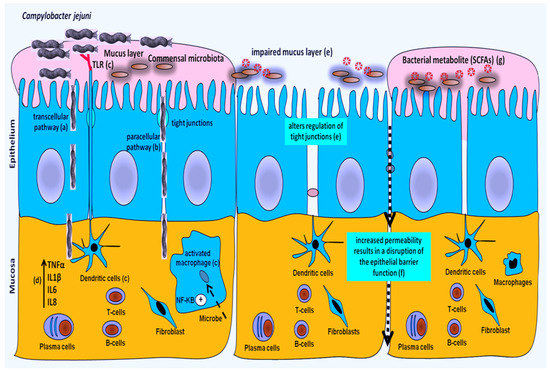
Pathogenic bacteria produce a cocktail of protein toxins, which support their survival in the host organism. The toxins trigger the behavior of eukaryotic cells by diverse, but mostly highly-specific, mechanisms. Reprogramming of host cells includes inhibition of the immune cells, as well as a weakening of the barrier function of epithelia.
The growing knowledge about cellular receptors, uptake mechanisms, and molecular action of bacterial toxins open new fields for inhibition of the bacterial weapons and, on the other hand, allows the targeted use of these highly efficient enzymes for cell biological and therapeutic applications.
3. Mycotoxins
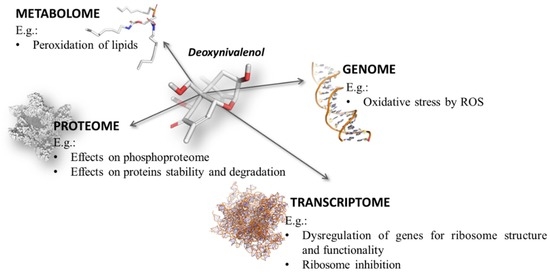
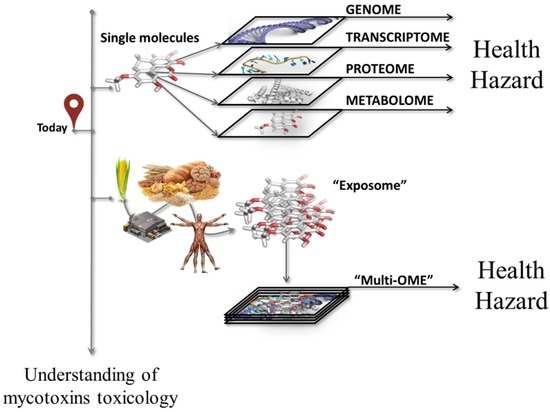
Mycotoxins are small molecules corresponding to secondary metabolites produced by pathogenic molds that infect plants and crops. It is now clear that these toxins play a critical role during host colonization. Unfortunately, in addition to cause massive damages in crops, mycotoxins, due to their high stability and prevalence in the food chain, cause also collateral victims: animals and humans ingesting contaminated foods. To limit the economical and health impacts of mycotoxins, we need to better understand the role played by mycotoxins during plant infection, to perform comparative studies of the effects of mycotoxins in plants and animals and to identify mechanisms able to confer resistance to mycotoxin effects.
Advancement in the understanding of how toxins are administered and act, as well as how they can be targeted, is happening at fast pace and in a wide range of scientific disciplines. Leading scientists will be invited to present current developments and ideas to the “Leading Opinions” Topical Collection of Toxins.
Prof. Dr. Holger Scheib
Prof. Dr. Gudula Schmidt
Dr. Marc Maresca
Collection Editors
Manuscript Submission Information
Manuscripts should be submitted online at www.mdpi.com by registering and logging in to this website. Once you are registered, click here to go to the submission form. Manuscripts can be submitted until the deadline. All submissions that pass pre-check are peer-reviewed. Accepted papers will be published continuously in the journal (as soon as accepted) and will be listed together on the special issue website. Research articles, review articles as well as short communications are invited. For planned papers, a title and short abstract (about 250 words) can be sent to the Editorial Office for assessment.
Submitted manuscripts should not have been published previously, nor be under consideration for publication elsewhere (except conference proceedings papers). All manuscripts are thoroughly refereed through a double-blind peer-review process. A guide for authors and other relevant information for submission of manuscripts is available on the Instructions for Authors page. Toxins is an international peer-reviewed open access monthly journal published by MDPI.
Please visit the Instructions for Authors page before submitting a manuscript. The Article Processing Charge (APC) for publication in this open access journal is 2700 CHF (Swiss Francs). Submitted papers should be well formatted and use good English. Authors may use MDPI's English editing service prior to publication or during author revisions.
Benefits of Publishing in a Special Issue
- Ease of navigation: Grouping papers by topic helps scholars navigate broad scope journals more efficiently.
- Greater discoverability: Special Issues support the reach and impact of scientific research. Articles in Special Issues are more discoverable and cited more frequently.
- Expansion of research network: Special Issues facilitate connections among authors, fostering scientific collaborations.
- External promotion: Articles in Special Issues are often promoted through the journal's social media, increasing their visibility.
- e-Book format: Special Issues with more than 10 articles can be published as dedicated e-books, ensuring wide and rapid dissemination.