You are currently viewing a new version of our website. To view the old version click .

Soils

  • Please note that, as of 1 January 2018, Soils has been renamed to Soil Systems and is now published here.
Soils is an international scientific peer-reviewed open access journal on Soils published quarterly online by MDPI.
The first issue has been released in December 2017. Note that from Volume 2 (2018), Soils has been renamed Soil Systems.

All Articles (573)

Effects of Iron Amendments on the Speciation of Arsenic in the Rice Rhizosphere after Drainage

  • Noriko Yamaguchi,
  • Toshiaki Ohkura and
  • Atsuko Hikono
  • + 3 authors

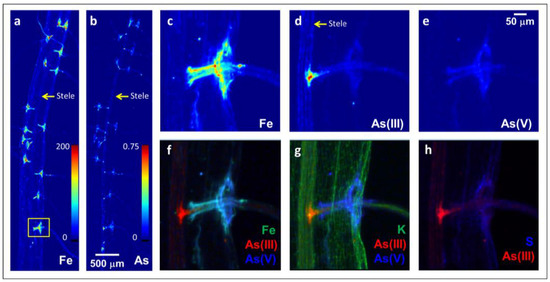
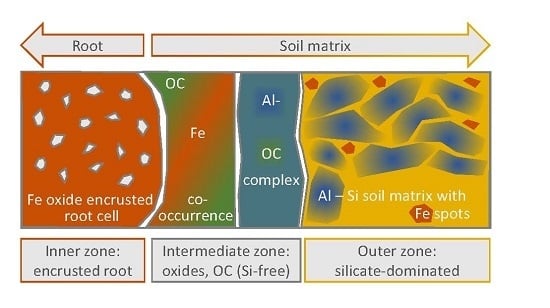
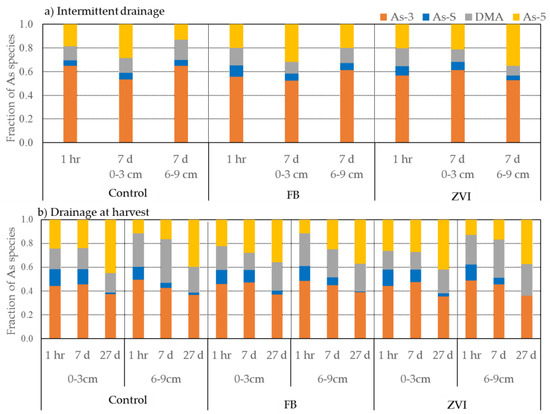
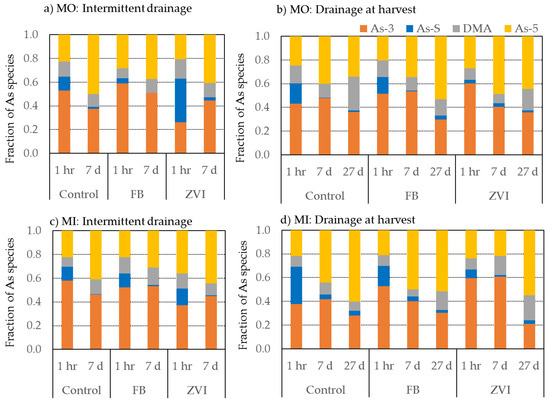
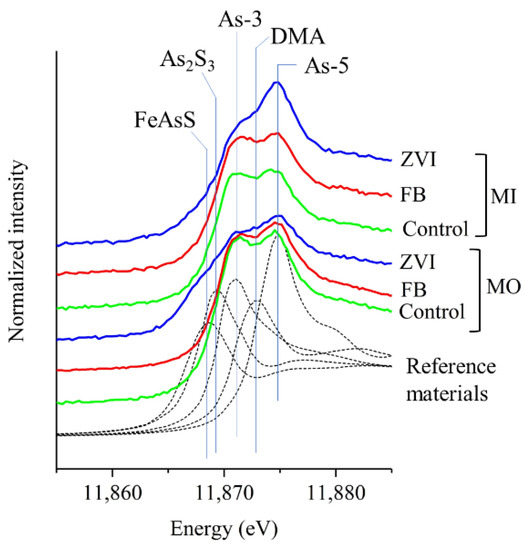
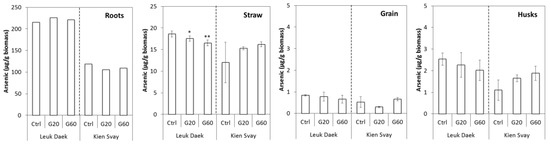
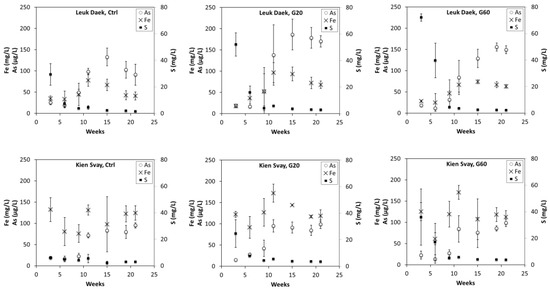
Applications of iron- (Fe-) bearing materials represent an effective countermeasure for decreasing the dissolution of arsenic (As) in soil under anaerobic conditions. In this study, we investigated the effects of Fe amendments (ferrihydrite-based and zero-valent iron- (ZVI-) based materials) on the speciation of As in rice cultivated soils and root-attached materials including Fe plaque when the soil shifts from anaerobic to aerobic conditions. Rice (Oryza sativa L.) was cultivated in pots filled with soil under continuous flooding conditions, and root distribution in the soil was restricted inside a cylinder made by nylon mesh. Soil and root samples were collected after drainage at different growth stages of the rice plants, which are represented by intermittent drainage and drainage at harvest. The speciation of As was determined by As K-edge X-ray absorption near edge structure (XANES) spectroscopy. The proportion of arsenite did not differ between the bulk soil and root-attached materials including Fe plaque, whereas a larger proportion of dimethylarsinic acid was found in the root-attached materials regardless of the application of Fe amendments. Observation of soil thin-sections showed that the application of Fe amendments caused an increase in Fe (hydr)oxide deposition around the roots as well as on the soil particles. In addition to Fe (hydr)oxide, sulfide was found to be associated with As under anaerobic conditions, notably for the ZVI-amended soil at the time of intermittent drainage. The concentration of As in the soil solution and As uptake by rice grains decreased, while As speciation near the roots was not influenced by the application of Fe amendments. In conclusion, Fe amendments mitigated As dissolution in the soil solution by providing a sorption site for As in bulk soil without altering As speciation near the roots.
1 December 2017

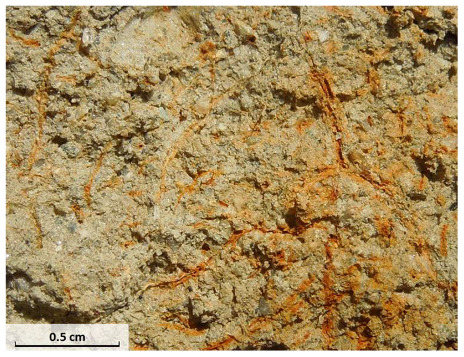
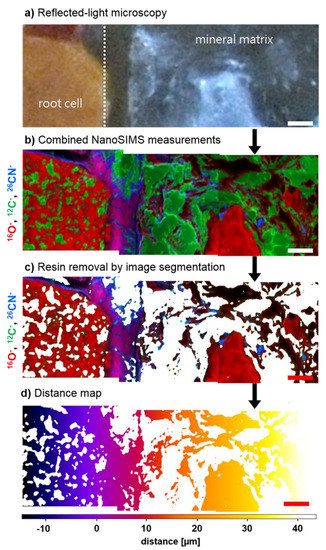
Scanned images of the soil thin-section. ID: intermittent drainage, HV: drainage at harvest. Area of reddish color shows signs of Fe (hydr)oxide deposition. Black bar indicates 10 mm.

Soils are crucial for life.[...]

20 December 2017

Ectomycorrhizal Fungi and Mineral Interactions in the Rhizosphere of Scots and Red Pine Seedlings

  • Zsuzsanna Balogh-Brunstad,
  • C. Kent Keller and
  • Zhenqing Shi
  • + 2 authors

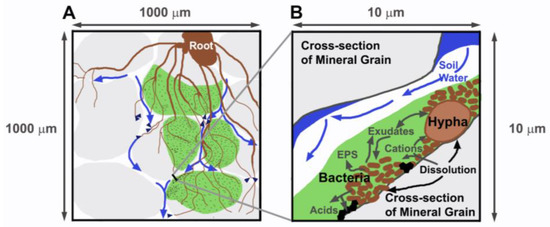
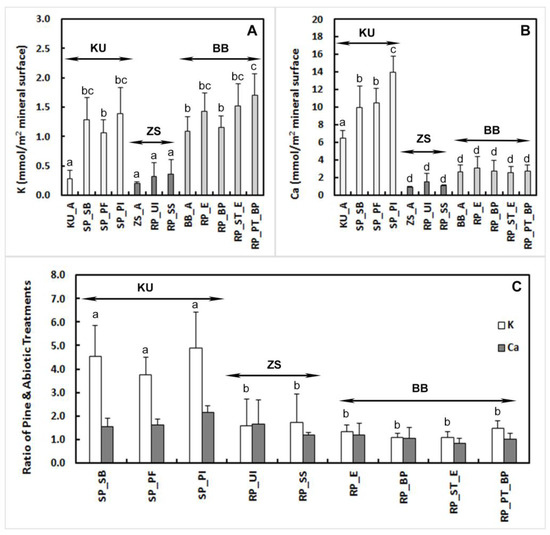
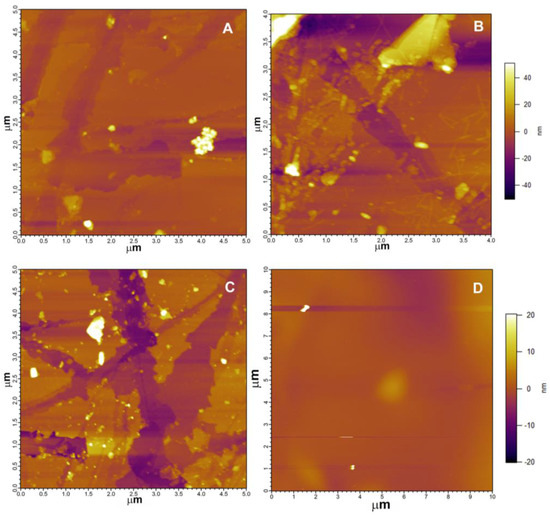
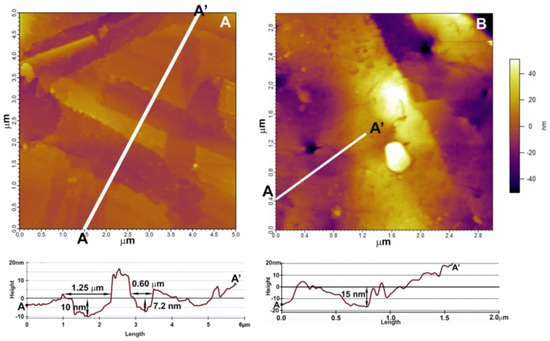
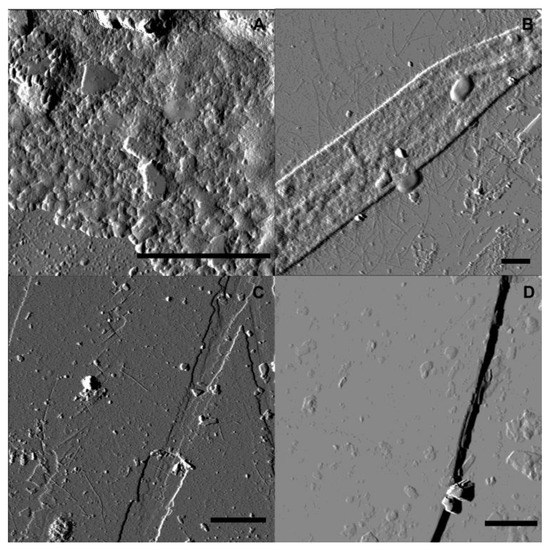
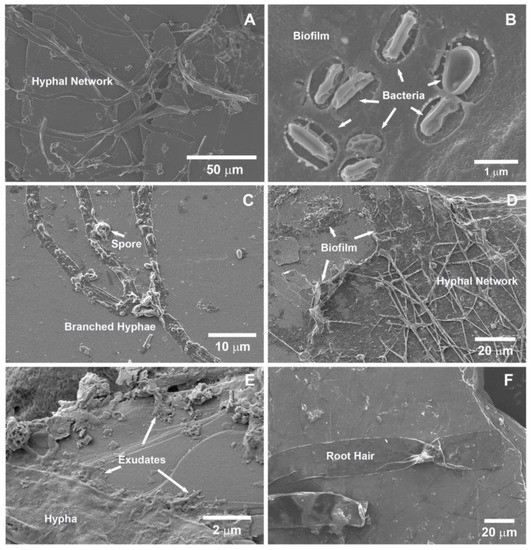
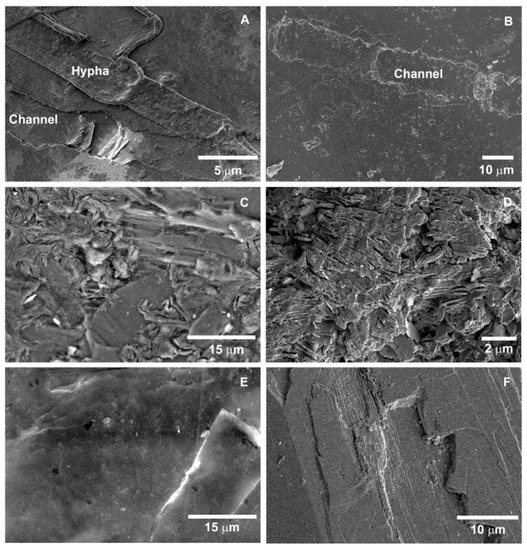
Ectomycorrhizal fungi and associated bacteria play a key role in plant-driven mineral weathering and uptake of mineral-derived nutrients in the rhizosphere. The goal of this study was to investigate the physical and chemical characteristics of bacteria-fungi-mineral interactions in biofilms of Scots and red pine rhizospheres. In three experiments, seedlings were grown in columns containing silica sand amended with biotite and calcium-feldspar, and inoculated with pure cultures of ectomycorrhizal fungi or a soil slurry. Uninoculated seedlings and unplanted abiotic columns served as controls. After nine months, the columns were destructively sampled and the minerals were analyzed using scanning electron and atomic force microscopy. Element release rates were determined from cation concentrations of input and output waters, soil exchange sites, and plant biomass, then normalized to geometric surface area of minerals in each column. The results revealed that various ectomycorrhizal fungal species stimulate silicate dissolution, and biofilm formation occurred at low levels, but direct surface attachment and etching by fungal hyphae was a minor contributor to the overall cation release from the minerals in comparison to other environmental conditions such as water applications (rain events), which varied among the experiments. This research highlights the importance of experimental design details for future exploration of these relationships.

19 September 2017

Molecular and Microscopic Insights into the Formation of Soil Organic Matter in a Red Pine Rhizosphere

  • Alice C. Dohnalkova,
  • Malak M. Tfaily and
  • A. Peyton Smith
  • + 8 authors

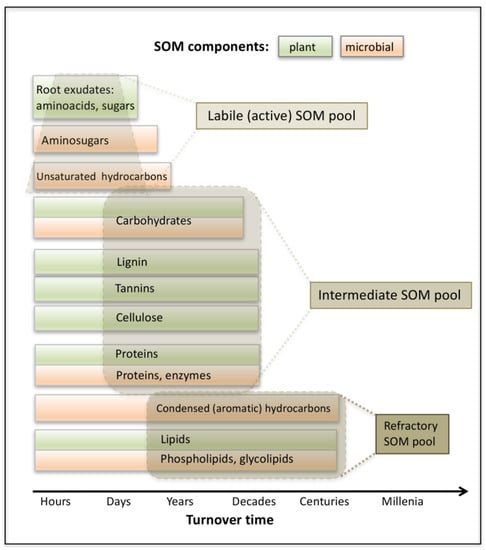
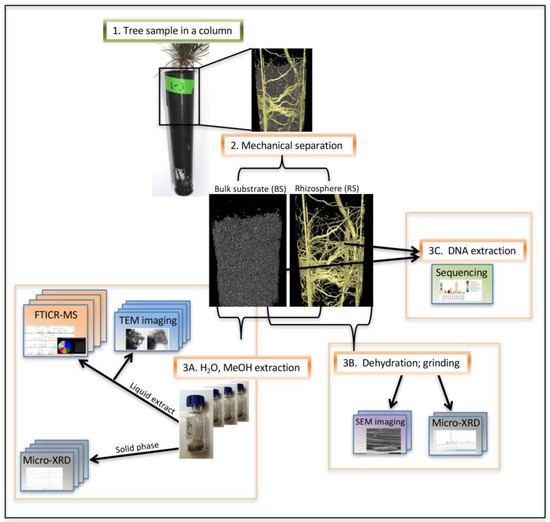
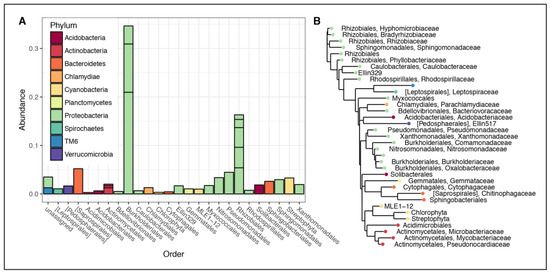
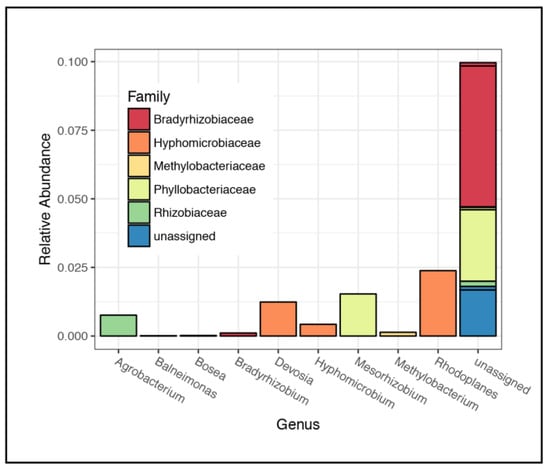
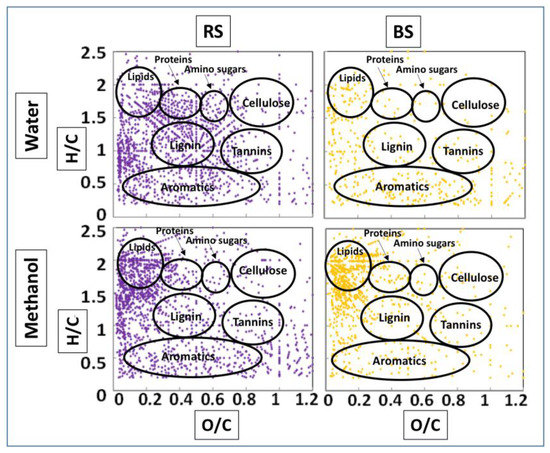
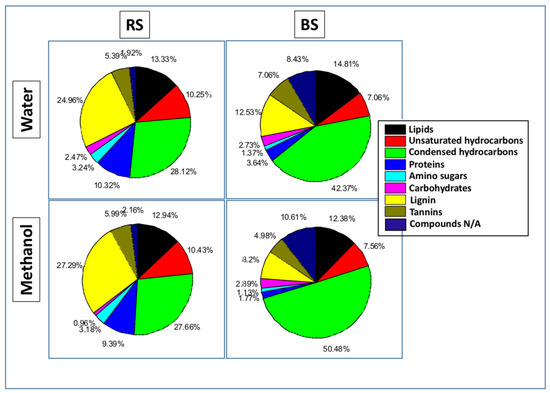
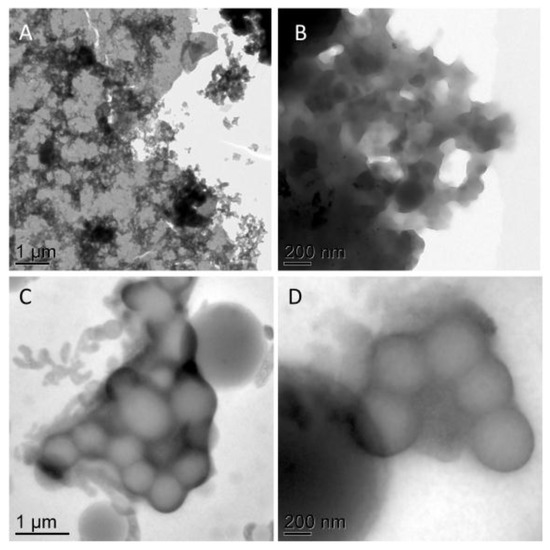
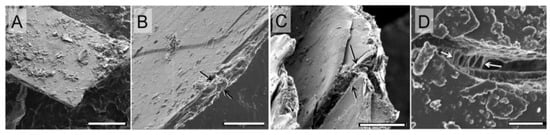
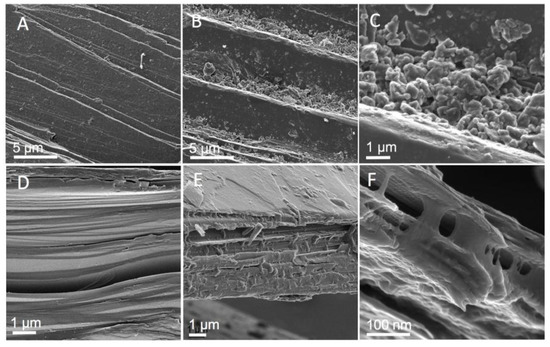
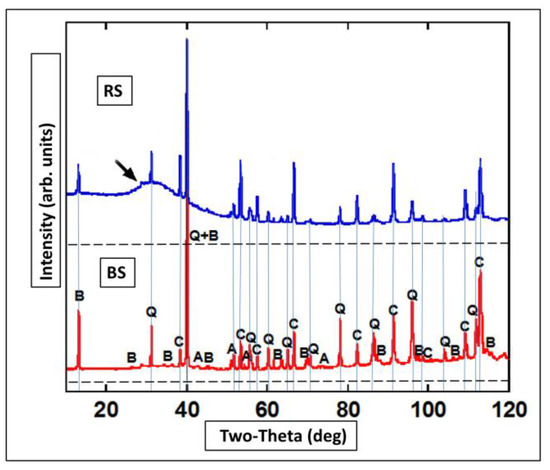
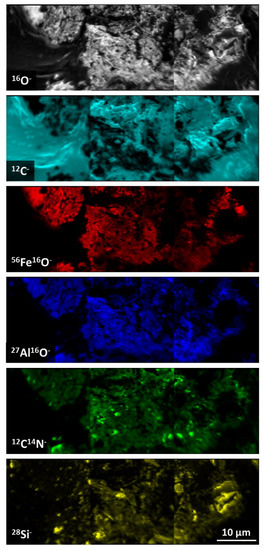
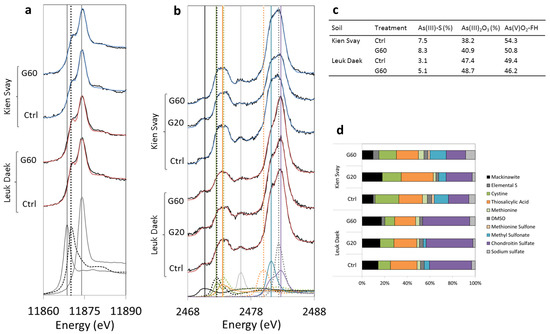
Microbially-derived carbon inputs to soils play an important role in forming soil organic matter (SOM), but detailed knowledge of basic mechanisms of carbon (C) cycling, such as stabilization of organic C compounds originating from rhizodeposition, is scarce. This study aimed to investigate the stability of rhizosphere-produced carbon components in a model laboratory mesocosm of Pinus resinosa grown in a designed mineral soil mix with limited nutrients. We utilized a suite of advanced imaging and molecular techniques to obtain a molecular-level identification of newly-formed SOM compounds, and considered implications regarding their degree of long-term persistence. The microbes in this controlled, nutrient-limited system, without pre-existing organic matter, produced extracellular polymeric substances that formed associations with nutrient-bearing minerals and contributed to the microbial mineral weathering process. Electron microscopy revealed unique ultrastructural residual signatures of biogenic C compounds, and the increased presence of an amorphous organic phase associated with the mineral phase was evidenced by X-ray diffraction. These findings provide insight into the formation of SOM products in ecosystems, and show that the plant- and microbially-derived material associated with mineral matrices may be important components in current soil carbon models.

26 August 2017

News & Conferences

Issues

Open for Submission

Editor's Choice

Get Alerted

Add your email address to receive forthcoming issues of this journal.

XFacebookLinkedIn
Soils - ISSN 2411-5126