Physiologia 2026, 6(2), 38; https://doi.org/10.3390/physiologia6020038 - 19 May 2026
Abstract
Background/Objectives: Chronic ethanol consumption damages erythrocyte membranes, reducing their deformability and disrupting erythropoiesis. Dopaminergic signalling plays an important role in regulating haematopoietic stem cells. However, the impact of genetic alterations in the dopamine system on the functional properties of erythrocytes and their
[...] Read more.
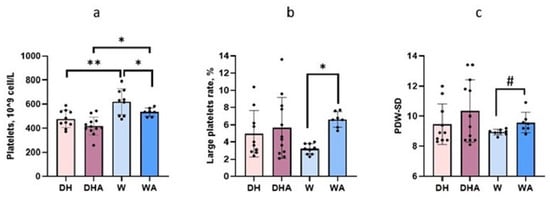
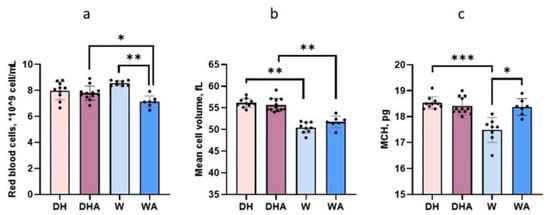
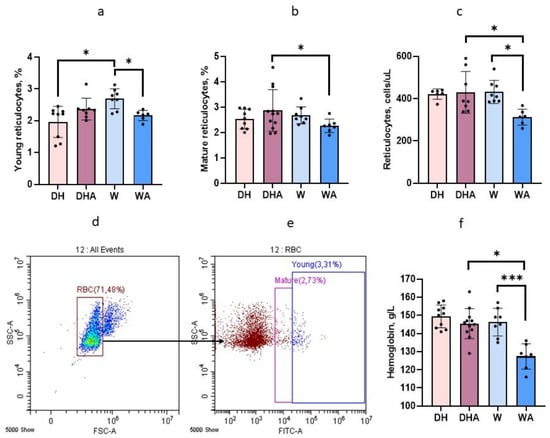
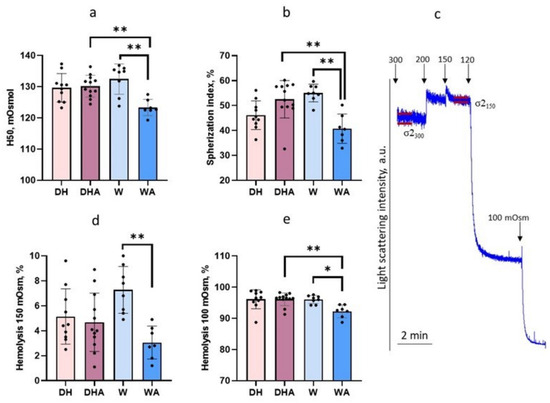
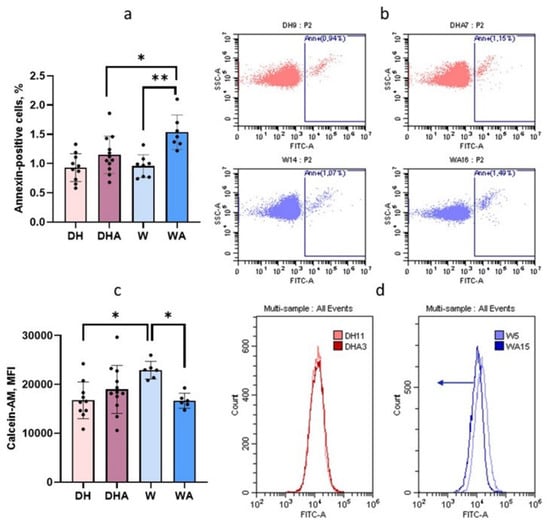
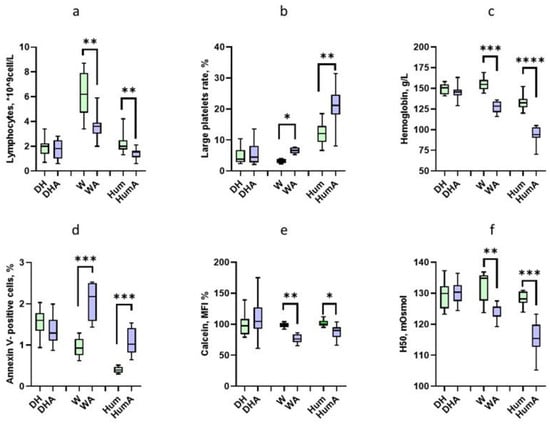
Background/Objectives: Chronic ethanol consumption damages erythrocyte membranes, reducing their deformability and disrupting erythropoiesis. Dopaminergic signalling plays an important role in regulating haematopoietic stem cells. However, the impact of genetic alterations in the dopamine system on the functional properties of erythrocytes and their resistance to the toxic effects of alcohol remains understudied. In this study, we evaluated haematological parameters and the sensitivity of erythrocytes to chronic ethanol exposure in DAT-HET rats (heterozygous for the dopamine transporter gene) compared to Wistar rats. Methods: Both lines of rats were subjected to chronic alcoholisation (10% ethanol for six months). Flow cytometry was used to assess reticulocyte production, intracellular esterase activity (cell viability), and membrane lipid asymmetry disruptions. Laser diffraction was used to evaluate osmotic resistance (deformability). Results: The partial knockout of the DAT gene significantly altered the baseline haematological profile, resulting in pronounced leukopenia, moderate thrombocytopenia, moderate erythrocyte macrocytosis, and reduced intracellular esterase activity. The consequences of chronic ethanol consumption in Wistar rats (anaemia, decreased reticulocyte count, increased osmotic rigidity of erythrocytes, and an increased proportion of annexin-positive cells) were similar to those observed in humans, thus confirming the validity of the experimental model. In contrast, chronic alcohol exposure did not significantly influence haematopoiesis parameters or erythrocyte biophysical properties in DAT-HET rats, indicating that even a 50% loss of the dopamine transporter strongly prevented ethanol’s damaging effects on blood cells. Conclusions: The marked contrast between Wistar rats (which develop alcohol-induced anaemia and erythrocyte dysfunction similar to humans) and DAT-HET rats (which remain largely unaffected) demonstrates that dopaminergic signalling plays a previously unrecognised role in determining erythrocyte sensitivity to alcohol toxicity.
Full article
(This article belongs to the Topic Animal Models of Human Disease 3.0)
►
Show Figures
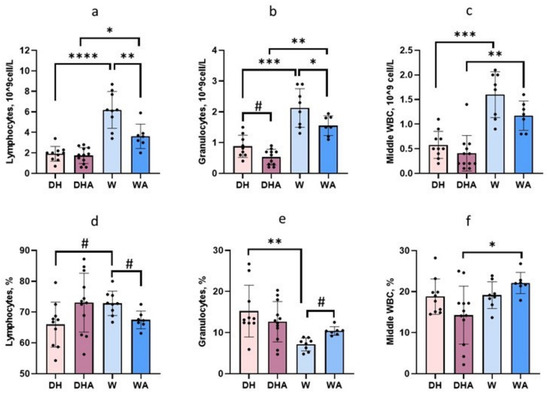
Figure 1