

Topical Advisory Panel applications are now closed. Please contact the Editorial Office with any queries.
-
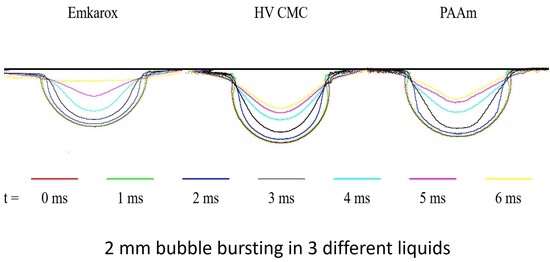
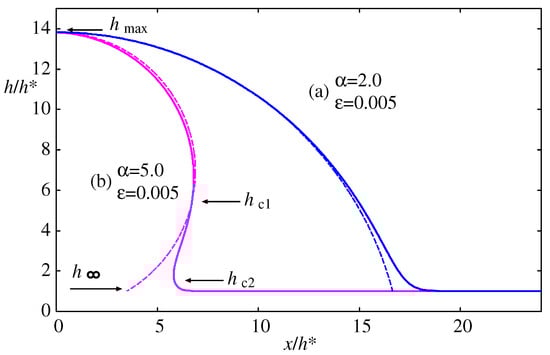
Droplets Sliding Down Partially Wetted (Non-Superhydrophobic) Surfaces: A Review -
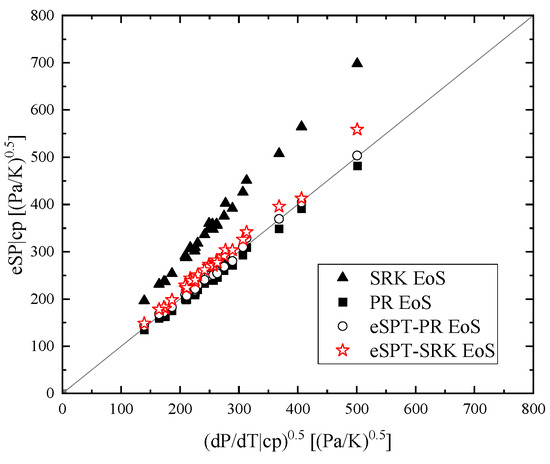
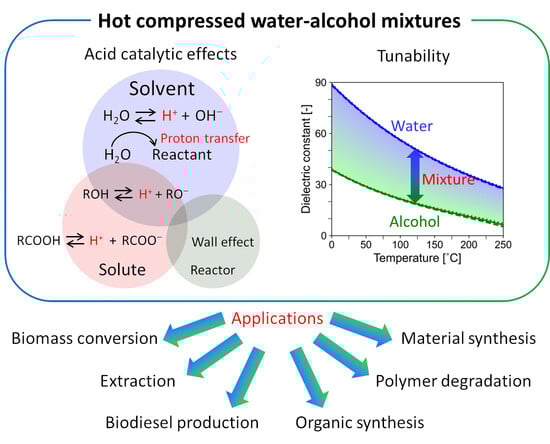
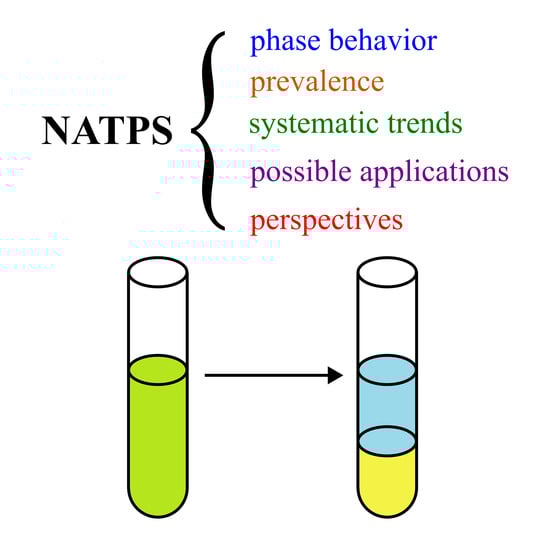
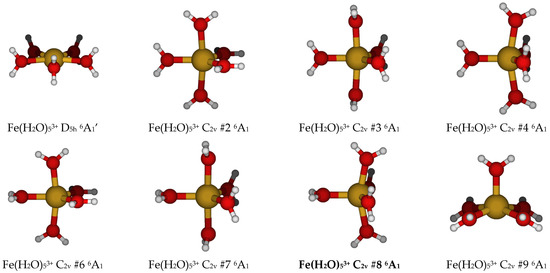
A Coherent Electrodynamics Theory of Liquid Water -
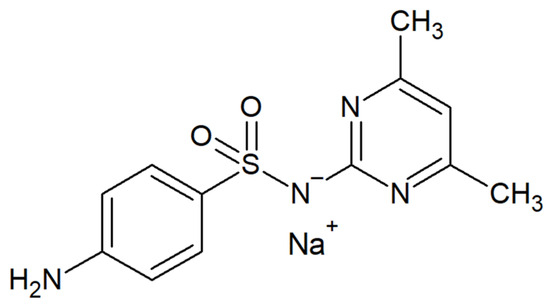
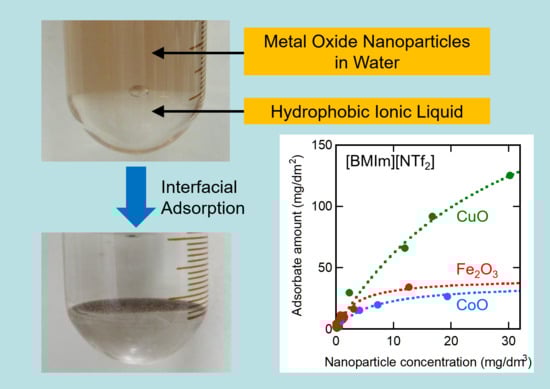
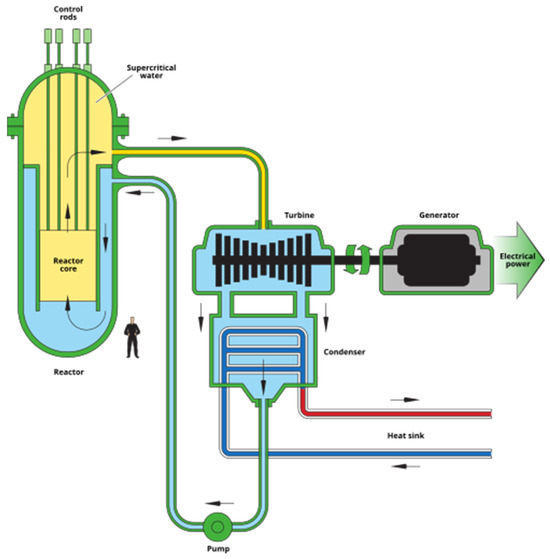
Allyldiamidinium and Diamidinium Salts: Are Dicationic Ionic Liquids in Fact Superionic? -
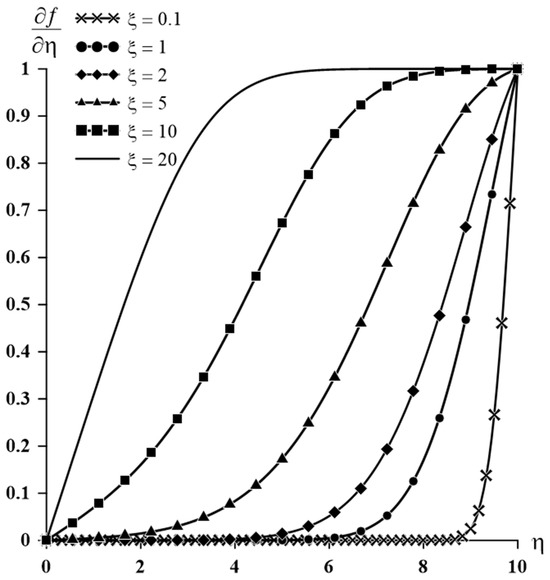
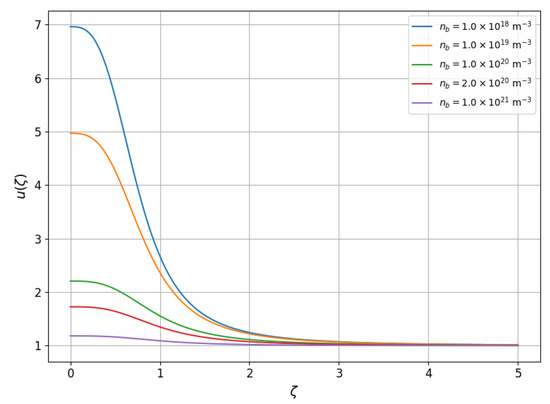
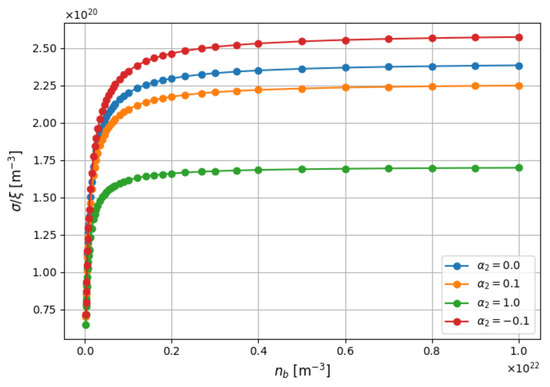
Self- and Fick Diffusion Coefficients in Implicit Solvent Simulations: Influence of Local Aggregation Effects and Thermodynamic Factors
Journal Description
Liquids
Liquids
is an international, peer-reviewed, open access journal on all aspects of liquid material research published quarterly online by MDPI.
- Open Access— free for readers, with article processing charges (APC) paid by authors or their institutions.
- High Visibility: indexed within ESCI (Web of Science), Scopus, AGRIS, and other databases.
- Rapid Publication: manuscripts are peer-reviewed and a first decision is provided to authors approximately 35.3 days after submission; acceptance to publication is undertaken in 4.3 days (median values for papers published in this journal in the second half of 2025).
- Recognition of Reviewers: APC discount vouchers, optional signed peer review, and reviewer names published annually in the journal.
Latest Articles
Design and Characterization of a Fully Automated Free-Standing Liquid Crystal Film Holder
Liquids 2026, 6(1), 7; https://doi.org/10.3390/liquids6010007 - 25 Jan 2026
Abstract
We present the design and characterization of a fully automated free-standing liquid crystal (FSLC) film holder, enabling remote and precise control of liquid crystal (LC) volume release, wiping speed, and temperature. Using 4-octyl-4′-cyanobiphenyl (8CB) as a test material, we systematically investigated the influence
[...] Read more.
We present the design and characterization of a fully automated free-standing liquid crystal (FSLC) film holder, enabling remote and precise control of liquid crystal (LC) volume release, wiping speed, and temperature. Using 4-octyl-4′-cyanobiphenyl (8CB) as a test material, we systematically investigated the influence of formation parameters on the resulting film thickness and temporal evolution. Thickness measurements performed by monitoring the difference in optical path lengths of two arms of a standard optical intensity autocorrelation setup reveal that the wiping speed is the dominant factor determining both the initial film thickness and the subsequent annealing dynamics, while temperature becomes relevant only at the highest wiping speeds. Faster wiping speeds consistently produce thinner and more uniform FSLC films on the order of 3 µm, due to reduced LC mass deposition. Time-resolved optical and X-ray scattering measurements confirm the presence of an annealing phase following film formation, which can last for between 1 s and 10 min time scales, until a stable smectic configuration is reached. The holder provides a reliable and fully remote tool for generating high-quality FSLC films at rates up to 1 Hz, suitable for optical to hard X-ray experiments where direct access to the sample environment is limited.
Full article
(This article belongs to the Section Physics of Liquids)
►
Show Figures
Open AccessArticle
Fluorinated Alcohol Biosolvents and α-Helix Peptide Secondary Structure: A Molecular Dynamics Study on the Solvent Concentration Effect
by
Michele Casoria, Marco Pagliai, Claudia Andreini, Anna Maria Papini, Piero Procacci and Marina Macchiagodena
Liquids 2026, 6(1), 6; https://doi.org/10.3390/liquids6010006 - 23 Jan 2026
Abstract
An upgraded GAFF2 force field has been used to simulate two fluorinated alcohols, TFE and HFIP, in aqueous solutions at several concentrations. The same force field has also been employed to simulate a 26-residue amphiphilic peptide in several cosolvent/water mixtures to verify and
[...] Read more.
An upgraded GAFF2 force field has been used to simulate two fluorinated alcohols, TFE and HFIP, in aqueous solutions at several concentrations. The same force field has also been employed to simulate a 26-residue amphiphilic peptide in several cosolvent/water mixtures to verify and clarify its efficacy in stabilizing the secondary structure. The calculated thermodynamic and structural properties are in agreement with experimental findings. The force field allows a correct description of the secondary structure and affords an accurate characterization of the spatial organization of cosolvent molecules around the peptide.
Full article
(This article belongs to the Special Issue Energy Transfer in Liquids)
►▼
Show Figures

Graphical abstract

Open AccessArticle
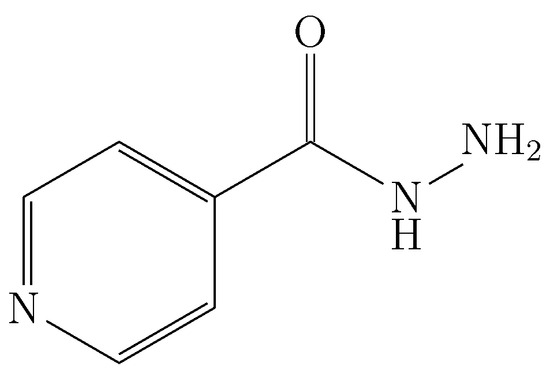
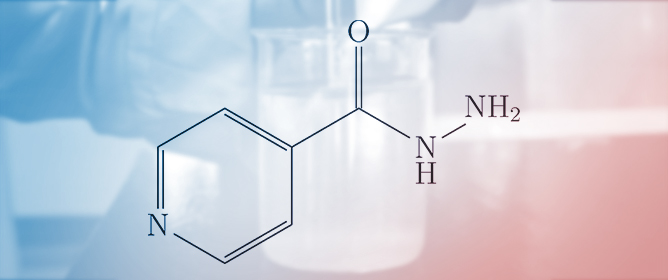
Solution Thermodynamics of Isoniazid in PEG 400 + Water Cosolvent Mixtures
by
Diego Ivan Caviedes-Rubio, Claudia Patricia Ortiz, Rossember Edén Cardenas-Torres, Fleming Martinez and Daniel Ricardo Delgado
Liquids 2026, 6(1), 5; https://doi.org/10.3390/liquids6010005 - 15 Jan 2026
Abstract
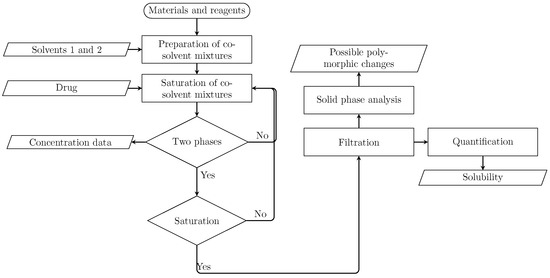
Solubility studies are an essential requirement for the development of more efficient industrial processes. In this context, the use of cosolvents is a relevant strategy in pharmaceutical sciences, especially when dealing with green solvents such as water (W (2)) and Polyethylene glycol 400
[...] Read more.
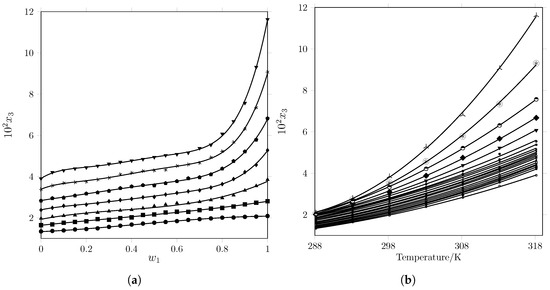
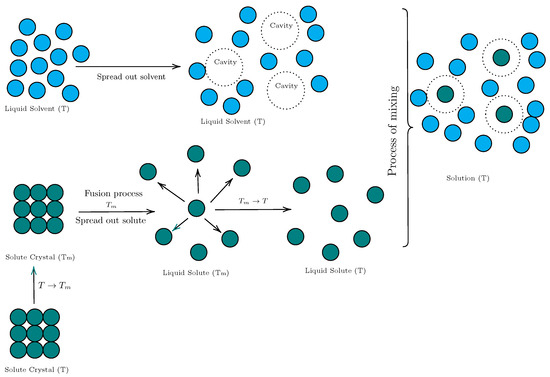
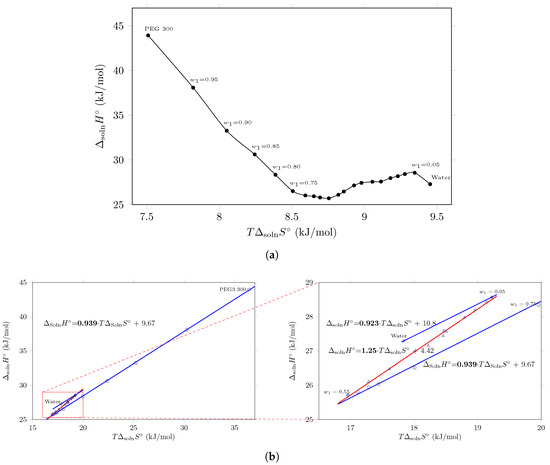
Solubility studies are an essential requirement for the development of more efficient industrial processes. In this context, the use of cosolvents is a relevant strategy in pharmaceutical sciences, especially when dealing with green solvents such as water (W (2)) and Polyethylene glycol 400 (PEG 400 (1)). The objective of this study is to thermodynamically analyze the solubility of isoniazid in {PEG 400 (1) + W (2)} cosolvent mixtures at seven temperatures (288.15 to 318.15 K). The study was conducted by calculating thermodynamic functions from experimental solubility data determined using the flask shaking method, employing UV spectrophotometry as the quantification technique. The dissolution process was shown to be endothermic and entropy-driven. Although maximum solubility would be expected to be achieved in a cosolvent mixture, given that the solubility parameter of isoniazid (30.54 MPa1/2) has an intermediate value between the two pure solvents (PEG 400 ≈ 22.5 MPa1/2; Water MPa1/2), maximum solubility is achieved in pure PEG 400 and the lowest solubility is achieved in pure water.
Full article
(This article belongs to the Collection Feature Papers in Solutions and Liquid Mixtures Research)
►▼
Show Figures

Figure 1
Open AccessArticle
Filtration of Emulsions: The Population Balance Modeling
by
Simon Papine-Paktoris, Julia Trancoso Fernandes dos Santos, Simon Ivar Andersen and Alexander A. Shapiro
Liquids 2026, 6(1), 4; https://doi.org/10.3390/liquids6010004 - 11 Jan 2026
Abstract
Filtration of emulsions is an important operation in multiple processes of chemical, environmental, and petroleum engineering. The primary concern of the present study is cleaning of water produced from a petroleum reservoir. The produced water is filtered from the oil droplets before being
[...] Read more.
Filtration of emulsions is an important operation in multiple processes of chemical, environmental, and petroleum engineering. The primary concern of the present study is cleaning of water produced from a petroleum reservoir. The produced water is filtered from the oil droplets before being dumped into the sea or reinjected into the reservoir. Efficiency of filtration is determined, in particular, by the droplet size distribution and interfacial properties. We have developed a new population balance model of emulsion filtration, based on the Boltzmann–Smoluchowski approach. The model accounts for the droplet size distribution, as well as for the different mechanisms of the droplet capture: attachment to the surface and straining in the pore constrictions. The model can not only be applied to filtering of the produced water, but also to more general emulsion processing. It is capable of reproducing experimental data on the droplet production history and dynamic permeability decline. The sensitivity study indicates low sensitivity of the permeability decline curves to the model parameters. The production histories or other kinds of experimental data are necessary to discriminate between the different parametrizations of the model.
Full article
(This article belongs to the Section Physics of Liquids)
►▼
Show Figures

Figure 1
Open AccessArticle
Influence of Rheological, Ionic–Electrostatic, and Van Der Waals Forces on the Flow Structure of Water–Coal Fuel in Pipeline
by
Eugene Semenenko, Oleksandr Krut’ and Artur Zaporozhets
Liquids 2026, 6(1), 3; https://doi.org/10.3390/liquids6010003 - 24 Dec 2025
Abstract
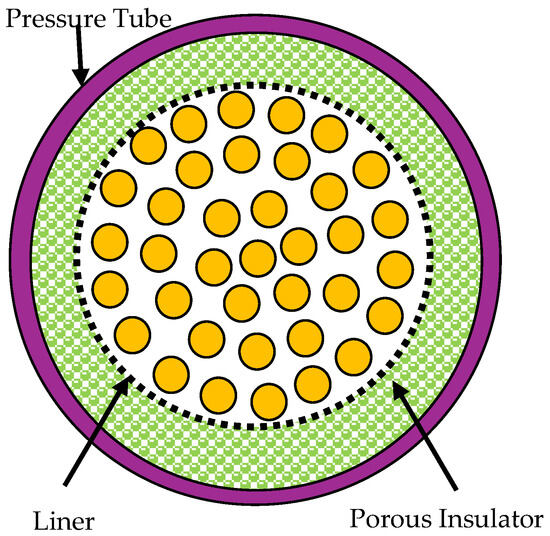
It has been shown for the first time that in the case of a pressure flow of a Newtonian fluid in a circular pipeline, the influence of forces of rheological origin, ion electrostatic and Van der Waals nature on the radius of the
[...] Read more.
It has been shown for the first time that in the case of a pressure flow of a Newtonian fluid in a circular pipeline, the influence of forces of rheological origin, ion electrostatic and Van der Waals nature on the radius of the undeformed flow core is described by a third-degree polynomial with respect to the thickness of the layer, where the suspension structure is destroyed and its shear flow occurs. In this polynomial, the contributions of rheological forces and the influence of the hydraulic size of the solid-phase particles in the suspension enter as linear terms; ionic electrostatic and Van der Waals forces enter as quadratic and constant terms, respectively. For conditions typical of water–coal fuel, we demonstrate that the hydraulic (size) term is several orders of magnitude smaller than the leading terms and may be neglected, and that the quadratic term is negligible compared with the constant (free) term, so that the limiting value of the undeformed core radius is obtained as the real root of a cubic equation containing cubic, linear and constant terms. At DLVO equilibrium, the constant term vanishes, and the limiting relative core radius reduces to the rheological–hydraulic expression; away from equilibrium, the constant term becomes positive or negative, thereby altering the admissible interval of the relative core radius. Using Cardan’s method, we show analytically that (i) when the cubic discriminant is positive, a single real root exists and physically admissible solutions occur only for a negative constant term; (ii) when the discriminant is negative, three real roots exist and the maximum relative radius at which the suspension structure is preserved shifts above or below the rheological-only radius depending on the sign of the constant term. Numerical evaluation of the proposed lyophobicity model for proportionality coefficients k1 in the range 1–10 yields a lyophobicity function varying approximately from 0.67 to 1.06, confirming the modest but non-negligible role of interparticle interaction energy in modifying the undeformed core size under water–coal fuel conditions. These results quantify the competing roles of rheology and interparticle forces in determining the stability and extent of the undeformed core in pipeline transport of structured suspensions.
Full article
(This article belongs to the Section Physics of Liquids)
►▼
Show Figures

Figure 1
Open AccessArticle
Performance Analysis of Seawater Desalination Using Reverse Osmosis and Energy Recovery Devices in Nouadhibou
by
Ahmed Ghadhy, Amine Lilane, Hamza Faraji, Said Ettami, Abdelkader Boulezhar and Dennoun Saifaoui
Liquids 2026, 6(1), 2; https://doi.org/10.3390/liquids6010002 - 24 Dec 2025
Abstract
Arid zones, such as the MENA regions and the Sahara countries, are experiencing significant water stress. To address this global challenge, desalination technologies provide a crucial solution, particularly the reverse osmosis (RO) technique, which is widely used to treat Seawater or Brackish water.
[...] Read more.
Arid zones, such as the MENA regions and the Sahara countries, are experiencing significant water stress. To address this global challenge, desalination technologies provide a crucial solution, particularly the reverse osmosis (RO) technique, which is widely used to treat Seawater or Brackish water. Mauritania is among the countries facing a scarcity of potable water resources and relies on desalination technologies to meet its water demand. In this work, a numerical and experimental study was carried out on the functional and productive parameters of the Nouadhibou desalination plant in Mauritania using MATLAB/Simulink (R2016a). The study considered two operating scenarios: with and without the energy recovery unit. The objective of this paper is to perform an analytical study of the operating procedures of the Nouadhibou RO desalination plant by varying several parameters, such as the pressure exchanger, and the feed water mixing ratio in the pressure exchanger unit, etc., in order to determine the system’s optimal operating point. This paper analyzes the system’s performance under different conditions, including recovery rate, feed water temperature, and PEX splitter ratio. In Case No. 1 (without a pressure recovery unit), and with a recovery rate of 20%, doubling the plant’s productivity from 400 to 800 m3/d requires 400 kW of power. In contrast, in Case No. 2 (with a pressure recovery unit), achieving the same productivity requires only 100 kW, with a 75% of energy saving. When the desalination plant operates at a productivity of 400 m3/d@40%, the SPC decreases from 6 kWh/m3 (Case No. 1) to 2.7 kWh/m3 (Case No. 2), resulting in a 55% specific power consumption saving. The results also indicate that power consumption increases with both feed water temperature and PEX splitter ratio, while variations in these parameters have a negligible effect on permeate salinity.
Full article
(This article belongs to the Special Issue Energy Transfer in Liquids)
►▼
Show Figures

Figure 1
Open AccessReview
Broadband and Intense Terahertz Time-Domain Spectroscopy for Investigating Liquid Solutions
by
Domenico Paparo, Anna Martinez and Andrea Rubano
Liquids 2026, 6(1), 1; https://doi.org/10.3390/liquids6010001 - 23 Dec 2025
Abstract
Over the past two decades, terahertz (THz) spectroscopy has demonstrated remarkable potential for the investigation of liquids, including studies of living organisms and biological components in their natural, aqueous environments. The main advantages of THz radiation lie in its ability to interact with
[...] Read more.
Over the past two decades, terahertz (THz) spectroscopy has demonstrated remarkable potential for the investigation of liquids, including studies of living organisms and biological components in their natural, aqueous environments. The main advantages of THz radiation lie in its ability to interact with collective and low-energy vibrational modes of macromolecules and microorganisms, while being non-harmful due to the low photon energy involved. These characteristics make THz spectroscopy particularly valuable for research in liquids compared to other well-established techniques such as Raman and infrared spectroscopy. In this study, we offer a concise overview and comparison of two case studies from our earlier publications, highlighting how Ultrabroadband THz spectroscopy and Intense THz Spectroscopy serve as complementary methods for advancing research in liquids. Ultrabroadband THz spectroscopy enables simultaneous probing of both intermolecular and intramolecular interactions in a single experiment. On the other hand, intense THz spectroscopy greatly simplifies the determination of the optical constants of liquid solutions, eliminating the need for additional assumptions or prior knowledge. Moreover, it offers high sensitivity, allowing the detection of dilute solutions and subtle spectral variations. Currently, these two techniques typically rely on different THz sources, as achieving both broadband coverage and high intensity in a single setup remains challenging. In fact, the experimental results reviewed here were obtained at two different times and within two distinct scientific collaborations. In particular, the intense source was accessed through a collaboration with Prof. Novelli at Ruhr University in Bochum. Integrating both capabilities into a single apparatus would be highly desirable. Therefore, we also present a theoretical investigation of a novel experimental approach that could enable combined ultrabroadband and intense THz spectroscopy, merging the strengths of both methods.
Full article
(This article belongs to the Collection Feature Papers in Solutions and Liquid Mixtures Research)
►▼
Show Figures

Figure 1
Open AccessArticle
Self- and Fick Diffusion Coefficients in Implicit Solvent Simulations: Influence of Local Aggregation Effects and Thermodynamic Factors
by
Samuel Tovey, Christian Holm and Jens Smiatek
Liquids 2025, 5(4), 36; https://doi.org/10.3390/liquids5040036 - 10 Dec 2025
Abstract
In this article, we discuss the relationship and transition between self- and Fick diffusion coefficients in continuous implicit solvents across different particle densities. By applying the established expressions for self-diffusion and Fick diffusion coefficients in binary solutions, we analyze how the local environment
[...] Read more.
In this article, we discuss the relationship and transition between self- and Fick diffusion coefficients in continuous implicit solvents across different particle densities. By applying the established expressions for self-diffusion and Fick diffusion coefficients in binary solutions, we analyze how the local environment influences diffusion through thermodynamic factors, which can be readily evaluated within the framework of Kirkwood–Buff (KB) theory. These thermodynamic factors, originally defined as derivatives of thermodynamic activity, vary with changes in local particle densities, particularly in the presence of aggregation effects. Consequently, the transition from self- to Fick diffusion coefficients can be understood as a reflection of variations in these thermodynamic factors. Langevin Dynamics simulations at low number densities show excellent agreement with the analytical expressions derived. Overall, our findings provide deeper insight into how local structural environments shape particle dynamics, clarifying the connection between KB theory and the transition from self- to Fick diffusion coefficients.
Full article
(This article belongs to the Section Chemical Physics of Liquids)
►▼
Show Figures

Figure 1
Open AccessArticle
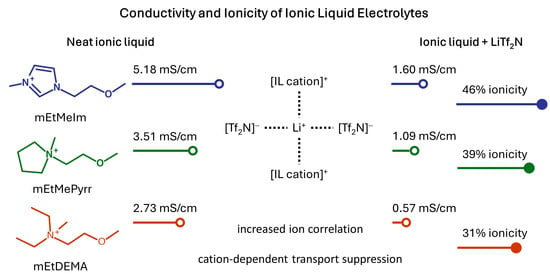
Allyldiamidinium and Diamidinium Salts: Are Dicationic Ionic Liquids in Fact Superionic?
by
Swathy Akhil, Owen J. Curnow and Ruhamah Yunis
Liquids 2025, 5(4), 35; https://doi.org/10.3390/liquids5040035 - 8 Dec 2025
Abstract
This work reports on novel acid–base conjugate pairs of monocationic allyldiamidinium and dicationic diamidinium salts, some of which are ionic liquids (ILs) at ambient temperatures. A series of allyldiamidinium salts of the general formula [C3H(NRMe)4]X (R = Me, Et,
[...] Read more.
This work reports on novel acid–base conjugate pairs of monocationic allyldiamidinium and dicationic diamidinium salts, some of which are ionic liquids (ILs) at ambient temperatures. A series of allyldiamidinium salts of the general formula [C3H(NRMe)4]X (R = Me, Et, Pr, allyl, CH2CH2OMe; X = Cl, bistriflimide, dicyanamide) were prepared from C3Cl4 or C3Cl5H and the appropriate secondary amine, RNMeH. Alkylated ethylenediamines similarly yield bicyclic allyldiamidinium salts, whereas longer diamines (H2N(CH2)nNH2 (n = 3, 4, 5)) were isolated as their conjugate acids, the diamidinium dicationic salts [C3H2(HN(CH2)nNH)2]X2. The salts were characterized by NMR, ES-MS, DSC, TGA, and miscibility or solubility studies. Additionally, the ILs were characterized by their viscosities. The conductivities of the diamidinium ILs were also measured, and this allowed for an investigation of their Walden parameters. In contrast to expectations, since the ion pairing and clustering were expected to be significant, this showed them to be “superionic”. Previous reports of Walden plots of dicationic ILs were found to be erroneous, and a reanalysis of the literature data found that all reported dicationic and even tetracationic ILs can be classified as superionic. The salts [C3H(NMe2)4]Cl, [C3H(EtN(CH2)2NEt)2]OTf, and [C3H2(HN(CH2)nNH)2]Cl2 (n = 3, 4, 5) were also characterized by single-crystal X-ray diffraction.
Full article
(This article belongs to the Section Physics of Liquids)
►▼
Show Figures

Graphical abstract
Open AccessArticle
In-Vitro Dissolution Profile Comparison of Fixed Dose Combination Suspension Containing Ibuprofen and Loratadine with Their Corresponding Marketed Suspensions
by
Muhammad Faheem, Lateef Ahmad and Muhammad Hashim
Liquids 2025, 5(4), 34; https://doi.org/10.3390/liquids5040034 - 3 Dec 2025
Abstract
(1) Background: Fixed-dose combination (FDC) improves patient convenience and therapeutic adherence by combining suitable drugs in a single dose form. This study examined the in vitro dissolution of an ibuprofen-loratadine FDC oral suspension to commercial reference formulations. (2) Methods: The FDC suspension (ibuprofen
[...] Read more.
(1) Background: Fixed-dose combination (FDC) improves patient convenience and therapeutic adherence by combining suitable drugs in a single dose form. This study examined the in vitro dissolution of an ibuprofen-loratadine FDC oral suspension to commercial reference formulations. (2) Methods: The FDC suspension (ibuprofen 200 mg/5 mL, loratadine 5 mg/5 mL) was tested against Fenbro 8 Plus and Lorid on USP Apparatus II at 50 rpm and 37 ± 0.5 °C. Dissolution testing was carried out in 900 mL of phosphate buffer (pH 7.2) for ibuprofen and 0.1 N HCl (pH 3.3) for loratadine. Quantification was performed using validated high-performance liquid chromatography linked with ultraviolet detector (HPLC-UV) procedures complying with the ICH Q2 (R2) guidelines. (3) Results: The linearity of the HPLC methods for ibuprofen and loratadine was (R2 > 0.99), accuracy (99.6–100.18%), and precision (%RSD < 2). For both loratadine and ibuprofen, the FDC suspension’s Q15, Q30, T50, T90, and DE% values nearly matched those of the commercial products. Over 95% of both drugs were released within 60 min. The dissolution equivalence between the FDC and the reference formulations was demonstrated by the calculated similarity (f2) and difference (f1) factors, which were f1 = 3 and f2 = 70 for ibuprofen, and f1 = 4 and f2 = 64 for loratadine. (4) Conclusions: The FDC suspension of ibuprofen and loratadine showed dissolving behavior comparable to commercial formulations, confirming its applicability for the practical and efficient treatment of allergy symptoms and inflammatory pain.
Full article
(This article belongs to the Collection Feature Papers in Solutions and Liquid Mixtures Research)
►▼
Show Figures

Graphical abstract

Open AccessArticle
Development of a Test Bed to Investigate Wetting Behaviours of High-Temperature Heavy Liquid Metals for Advanced Nuclear Applications
by
Abhishek Saraswat, Rajendraprasad Bhattacharyay, Paritosh Chaudhuri and Sateesh Gedupudi
Liquids 2025, 5(4), 33; https://doi.org/10.3390/liquids5040033 - 26 Nov 2025
Abstract
Specifically engineered heavy liquid metals are proposed as candidate coolants and tritium breeders for advanced nuclear applications. Understanding the wetting behaviours of these liquids on relevant substrate configurations is crucial to tackle the challenges associated with corrosion protection and flow diagnostics development. However,
[...] Read more.
Specifically engineered heavy liquid metals are proposed as candidate coolants and tritium breeders for advanced nuclear applications. Understanding the wetting behaviours of these liquids on relevant substrate configurations is crucial to tackle the challenges associated with corrosion protection and flow diagnostics development. However, detailed investigations are scarce in the literature. In this experimental study, an apparatus is designed to measure contact angles of different liquid metals over a mirror-polished horizontal SS-304 substrate. This paper presents design aspects of the developed test facility, as well as initial results obtained using direct imaging and the Low-Bond Axisymmetric Drop Shape Analysis algorithm-based image processing technique. Methodological validation is achieved through surrogate liquids/liquid metals (H2O, Hg, Ga, GaInSn), prior to taking measurements from molten lead (Pb) droplets at 425 °C. Estimated contact angles obtained using the two techniques lie within ±10% deviation. Towards the end, the paper lays out plans for future upgrades for studies of wetting behaviours of molten Pb/Pb alloys on substrates with relevant surface properties, including bare P-91 and reduced-activation ferritic–martensitic steels, along with Al2O3/Er2O3-coated versions of these materials, to generate a database for Gen-IV fission reactors and fusion power plants.
Full article
(This article belongs to the Section Physics of Liquids)
►▼
Show Figures

Figure 1
Open AccessArticle
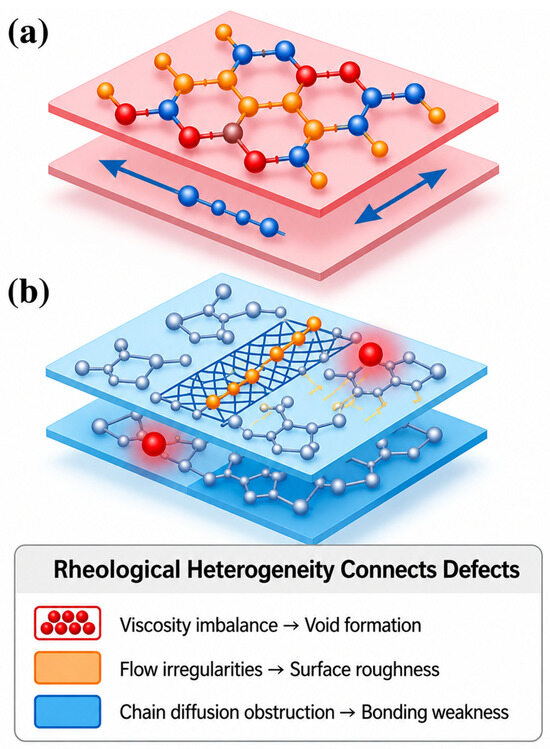
The Rheology of Graphene Oxide Dispersions in Highly Viscous Epoxy Resin: The Anomalies in Properties as Advantages for Developing Film Binders
by
Liliya M. Amirova, Artur Khannanov, Ayrat M. Dimiev and Rustem R. Amirov
Liquids 2025, 5(4), 32; https://doi.org/10.3390/liquids5040032 - 21 Nov 2025
Abstract
Graphene oxide (GO) has been successfully used as a filler to modify various properties of polymers and fiber-reinforced composites. The resulting properties depend on the filler content and on the distribution of GO in the polymer matrix. In this work, for the first
[...] Read more.
Graphene oxide (GO) has been successfully used as a filler to modify various properties of polymers and fiber-reinforced composites. The resulting properties depend on the filler content and on the distribution of GO in the polymer matrix. In this work, for the first time, we introduced GO into the highly viscous DEN-438 epoxy novolac resin and investigated rheological properties of the resulting compositions. In particular, we studied the functions of complex viscosity, storage and loss moduli, and mechanical loss tangent on temperature and GO content. The unusual behavior of the newly prepared formulations compared to typical GO/epoxy mixtures was discovered. At low GO content, introduction of GO led not to an increase, but to a decrease in the resin viscosity, with the minimum registered at 0.29 wt.% GO. After this threshold value, viscosity increased with GO content, which we explained by formation of the liquid crystalline structure. At higher GO concentrations, the formulations changed their state from solid-like at rest to liquid-like under load, with the properties being highly desired for film binders. The discovered properties of the GO/novolac epoxy resin formulations suggest their potential use as the new generation of film binders for Resin Film Infusion technology.
Full article
(This article belongs to the Special Issue Nanocarbon-Liquid Systems)
►▼
Show Figures

Figure 1
Open AccessArticle
Towards Hybrid 2D Nanomaterials: Covalent Functionalization of Boron Nitride Nanosheets
by
Freskida Goni, Angela Chemelli and Frank Uhlig
Liquids 2025, 5(4), 31; https://doi.org/10.3390/liquids5040031 - 19 Nov 2025
Abstract
In contrast to the typically electrically conductive nanocarbon systems, boron nitride nanosheets (BNNSs) are particularly attractive for the fabrication of polymers that require high thermal conductivity while maintaining electrical insulation. However, their tendency to aggregate and the weak interfacial interaction with the polymer
[...] Read more.
In contrast to the typically electrically conductive nanocarbon systems, boron nitride nanosheets (BNNSs) are particularly attractive for the fabrication of polymers that require high thermal conductivity while maintaining electrical insulation. However, their tendency to aggregate and the weak interfacial interaction with the polymer matrix limit their effectiveness in enhancing thermal conductivity. To address these challenges, BNNSs can be chemically modified to improve dispersion and compatibility within the matrix. Nonetheless, the inherent chemical inertness of boron nitride poses a significant obstacle to functionalization. In this work, we demonstrate the successful covalent modification of BNNSs using three different silane coupling agents: (3-aminopropyl)dimethylmethoxysilane, (3-aminopropyl)diethoxymethylsilane, and (3-aminopropyl)trimethoxysilane. FT-IR, SEM/EDX, and WAXS confirm the successful functionalization and reveal that the number of alkoxy groups in the silane strongly influences siloxane network formation and the extent of surface coverage on BNNSs.
Full article
(This article belongs to the Special Issue Nanocarbon-Liquid Systems)
►▼
Show Figures

Figure 1
Open AccessArticle
A Coherent Electrodynamics Theory of Liquid Water
by
Antonella De Ninno and Luca Gamberale
Liquids 2025, 5(4), 30; https://doi.org/10.3390/liquids5040030 - 5 Nov 2025
Abstract
This study presents a quantum electrodynamics (QED) framework that explains the anomalous behavior of liquid water. The theory posits that water consists of two coexisting phases: a coherent phase, in which molecules form phase-locked coherence domains (CDs), and an incoherent phase that behaves
[...] Read more.
This study presents a quantum electrodynamics (QED) framework that explains the anomalous behavior of liquid water. The theory posits that water consists of two coexisting phases: a coherent phase, in which molecules form phase-locked coherence domains (CDs), and an incoherent phase that behaves like a dense van der Waals fluid. By solving polynomial-type equations, we derive key thermodynamic properties, including the minima in the isobaric heat capacity per particle (IHCP) and the isothermal compressibility, as well as the divergent behavior observed near 228 K. The theory also accounts for water’s high static dielectric constant. These results emerge from first-principles QED, integrating quantum coherence with macroscopic thermodynamics. The framework offers a unified explanation for water’s anomalies and has implications for biological systems, materials science, and fundamental physics. Future work will extend the theory to include phase transitions, solute interactions, and the freezing process.
Full article
(This article belongs to the Special Issue Energy Transfer in Liquids)
►▼
Show Figures

Graphical abstract

Open AccessReview
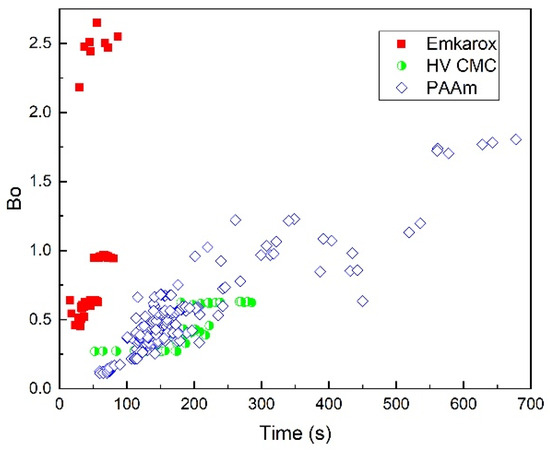
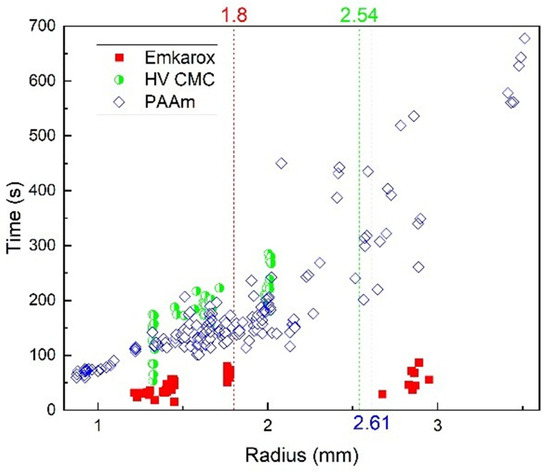
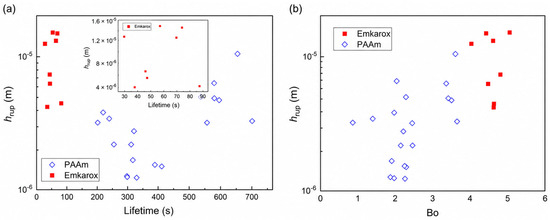
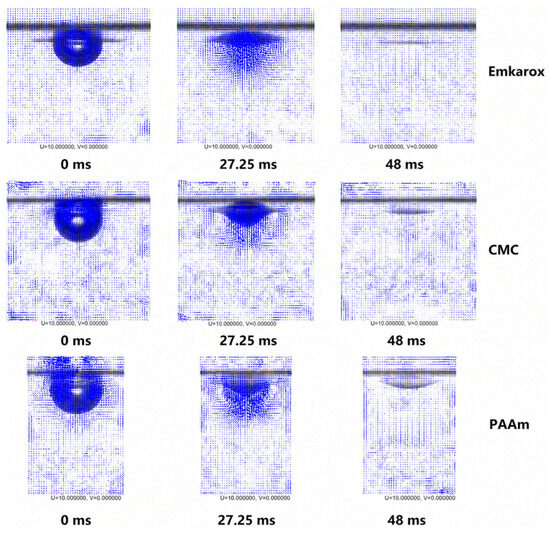
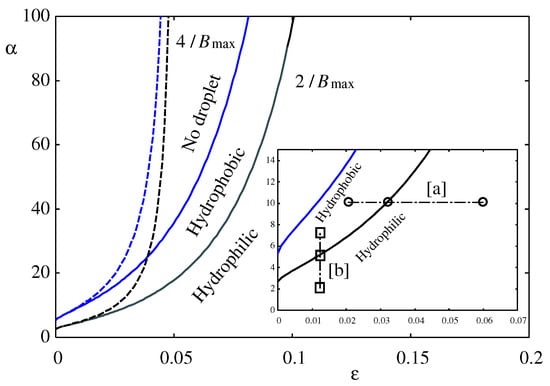
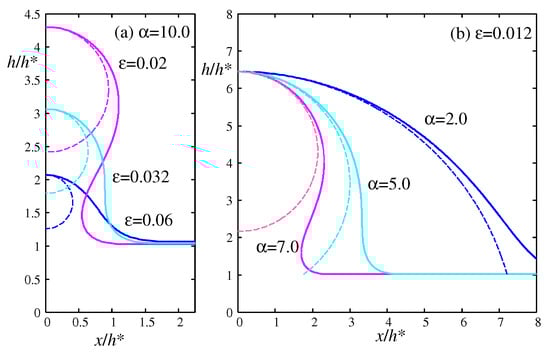
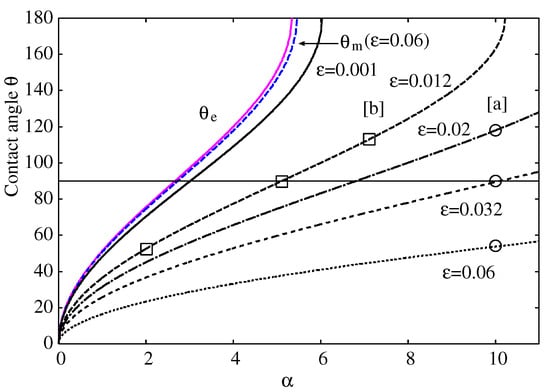
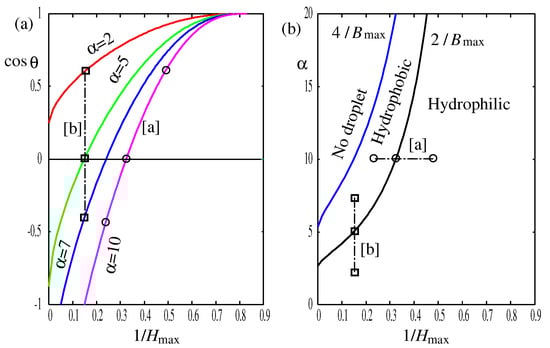
Droplets Sliding Down Partially Wetted (Non-Superhydrophobic) Surfaces: A Review
by
Silvia Varagnolo
Liquids 2025, 5(4), 29; https://doi.org/10.3390/liquids5040029 - 31 Oct 2025
Abstract
Droplets sliding down a partially wetted surface are a ubiquitous phenomenon in nature and everyday life. Despite its apparent simplicity, it hinders complex intricacies for theoretical and numerical descriptions matching the experimental observations, even for the simplest case of a drop sliding down
[...] Read more.
Droplets sliding down a partially wetted surface are a ubiquitous phenomenon in nature and everyday life. Despite its apparent simplicity, it hinders complex intricacies for theoretical and numerical descriptions matching the experimental observations, even for the simplest case of a drop sliding down a homogeneous surface. A key aspect to be considered is the distribution of contact angles along the droplet perimeter, which can be challenging to include in the theoretical/numerical analysis. The scenario can become more complex when considering geometrically or chemically patterned surfaces or complex fluids. Indeed, these aspects can provide strategies to passively control the droplet motion in terms of velocity or direction. This review gathers the state of the art of experimental, numerical, and theoretical research about droplets made of Newtonian and non-Newtonian fluids sliding down homogeneous, chemically heterogeneous, or geometrically patterned surfaces.
Full article
(This article belongs to the Section Physics of Liquids)
►▼
Show Figures

Graphical abstract

Open AccessArticle
Tuning of the Viscosity Maximum and the Temperature Effect on Wormlike Micelle Solutions Using Hydrotropic and Inorganic Salts
by
Kamilla B. Shishkhanova, Vyacheslav S. Molchanov and Olga E. Philippova
Liquids 2025, 5(4), 28; https://doi.org/10.3390/liquids5040028 - 26 Oct 2025
Abstract
The rheological properties of aqueous solutions of wormlike micelles (WLMs) of cationic surfactant erucyl bis(hydroxyethyl)methylammonium chloride (EHAC) in the presence of hydrotropic salt sodium salicylate (NaSal) and inorganic salt sodium chloride (NaCl) have been studied. The conditions for maximum zero-shear viscosity at fixed
[...] Read more.
The rheological properties of aqueous solutions of wormlike micelles (WLMs) of cationic surfactant erucyl bis(hydroxyethyl)methylammonium chloride (EHAC) in the presence of hydrotropic salt sodium salicylate (NaSal) and inorganic salt sodium chloride (NaCl) have been studied. The conditions for maximum zero-shear viscosity at fixed surfactant concentration were investigated. It has been shown that charged WLMs in the presence of NaSal have higher viscosities than well-screened micelles in the presence of NaCl. This is because the adsorption of hydrophobic salicylate ions onto the micelles increases their length more significantly than the presence of a large amount of sodium ions in the solution. It was discovered that the effect of temperature on the rheological properties depends on both the type of salt used and the salt/surfactant molar ratio. An unusual increase in zero-shear viscosity and elastic modulus was observed at a NaSal concentration that corresponds to the maximum zero-shear viscosity when the WLMs are linear, charged, and “unbreakable”. These results expand the possibilities of using hydrotropic salts to create stable, highly viscous systems in various fields, and opening up new horizons for applications in oil production, cosmetics, and household chemicals.
Full article
(This article belongs to the Section Chemical Physics of Liquids)
►▼
Show Figures

Graphical abstract
Open AccessArticle
Mesoscopic Liquids Emit Thermal Waves Under Shear Strain or Microflow
by
Laurence Noirez, Eni Kume and Patrick Baroni
Liquids 2025, 5(4), 27; https://doi.org/10.3390/liquids5040027 - 9 Oct 2025
Abstract
Liquids like water are not expected to produce a thermal change under shear strain or flow (away from extreme conditions). In this study, we reveal experimental conditions for which the conventional athermal hydrodynamic assumption is no longer valid. We highlight the establishment of
[...] Read more.
Liquids like water are not expected to produce a thermal change under shear strain or flow (away from extreme conditions). In this study, we reveal experimental conditions for which the conventional athermal hydrodynamic assumption is no longer valid. We highlight the establishment of non-equilibrium hot and cold thermal states occurring when a mesoscopic confined liquid is set in motion. Two stress situations are considered: low-frequency shear stress at large strain amplitude and microfluidic transport (pressure gradient). Two liquids are tested: water and glycerol at room temperature. In confined conditions (submillimeter scale), these liquids exhibit stress-induced thermal waves. We interpret the emergence of non-equilibrium temperatures as a consequence of the solicitation of the mesoscopic liquid elasticity. In analogy with elastic deformation, the mesoscopic volume decreases or increases slightly, which leads to a change in temperature (thermo-mechanical energy conversion). The energy acquired or released is converted to heat or cold, respectively. To account for these non-equilibrium temperatures, the mesoscopic flow is no longer considered as a complete dissipative process but as a way of propagating shear and thus compressive waves. This conclusion is consistent with recent theoretical developments showing that liquids propagate shear elastic waves at small scales.
Full article
(This article belongs to the Section Physics of Liquids)
►▼
Show Figures

Figure 1
Open AccessArticle
Hydroxyl Radical Formation and Its Mechanism in Cavitation Bubble Plasma-Treated Water: A Chemical Probe Study
by
Kotaro Kawano and Yoshihiro Oka
Liquids 2025, 5(4), 26; https://doi.org/10.3390/liquids5040026 - 1 Oct 2025
Abstract
This study investigates the formation of hydroxyl radicals (OH radicals) in cavitation bubble plasma-treated water (CBPTW) using a chemical probe method. CBPTW samples were prepared with different electrode materials (W, Fe, Cu, and Ag), and the chemical scavenger was added two minutes after
[...] Read more.
This study investigates the formation of hydroxyl radicals (OH radicals) in cavitation bubble plasma-treated water (CBPTW) using a chemical probe method. CBPTW samples were prepared with different electrode materials (W, Fe, Cu, and Ag), and the chemical scavenger was added two minutes after the completion of cavitation and plasma treatments. The concentrations of metal ions and hydrogen peroxide (H2O2) generated in the CBPTW were also measured over time. This study reveals a novel mechanism whereby metal nanoparticles and ions released from electrodes catalyze the continuous generation of hydroxyl radicals in CBPTW, which has not been fully addressed in previous studies. The results suggest a continuous generation of OH radicals in CBPTW prepared with W, Fe, and Cu electrodes, with the amount of OH radicals produced in the order Cu > Fe > W. The study reveals a correlation between OH radical production and electrode wear, suggesting that the continuous generation of OH radicals in CBPTW results from the catalytic decomposition of H2O2 by metal nanoparticles or ions released from the electrodes. It should be noted that cavitation bubble plasma (CBP) is fundamentally different from sonochemistry. While sonochemistry utilizes ultrasound-induced cavitation to generate radicals, CBP relies on plasma discharge generated inside cavitation bubbles. No ultrasound was applied in this study; therefore, all observed radical formation is attributable exclusively to plasma processes rather than sonochemical effects. However, the precise mechanism of continuous OH radical formation in CBPTW remains unclear and requires further investigation. These findings provide new insights into the role of electrode materials in continuous OH radical generation in cavitation bubble plasma treated water, offering potential applications in water purification and sterilization technologies.
Full article
(This article belongs to the Section Molecular Liquids)
►▼
Show Figures

Figure 1
Open AccessArticle
Dispersion, Polar, and Hydrogen-Bonding Contributions to Solvation Free Energies
by
William E. Acree, Jr. and Costas Panayiotou
Liquids 2025, 5(4), 25; https://doi.org/10.3390/liquids5040025 - 25 Sep 2025
Cited by 1
Abstract
A new method is presented for the estimation of contributions to solvation free energy from dispersion, polar, and hydrogen-bonding (HB) intermolecular interactions. COSMO-type quantum chemical solvation calculations are used for the development of four new molecular descriptors of solutes for their electrostatic interactions.
[...] Read more.
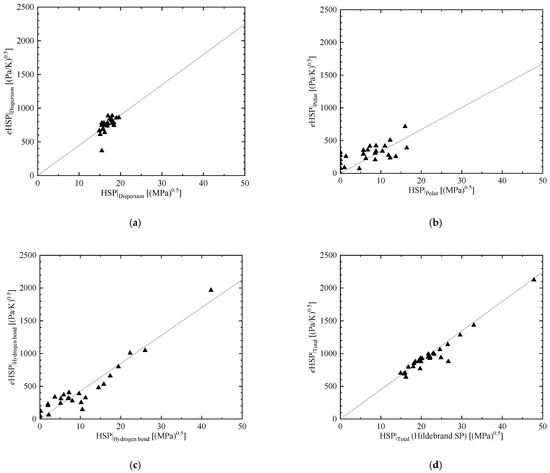
A new method is presented for the estimation of contributions to solvation free energy from dispersion, polar, and hydrogen-bonding (HB) intermolecular interactions. COSMO-type quantum chemical solvation calculations are used for the development of four new molecular descriptors of solutes for their electrostatic interactions. The new model needs one to three solvent-specific parameters for the prediction of solvation free energies. The widely used Abraham’s LSER model is used for providing the reference solvation free energy data for the determination of the solvent-specific parameters. Extensive calculations in 80 solvent systems have verified the good performance of the model. The very same molecular descriptors are used for the calculation of solvation enthalpies. The advantages of the present model over Abraham’s LSER model are discussed along with the complementary character of the two models. Enthalpy and free-energy solvation information for pure solvents is translated into partial solvation parameters (PSP) analogous to the widely used Hansen solubility parameters and enlarge significantly their range of applications. The potential and the perspectives of the new approach for further molecular thermodynamic developments are discussed.
Full article
(This article belongs to the Special Issue Energy Transfer in Liquids)
Open AccessArticle
Thermodynamic Constraints on the “Hidden” Folding Intermediates
by
Timur A. Mukhametzyanov, Mikhail I. Yagofarov and Christoph Schick
Liquids 2025, 5(3), 24; https://doi.org/10.3390/liquids5030024 - 13 Sep 2025
Abstract
Experimental data on the folding and unfolding of small globular proteins are often well described assuming a two-state equilibrium process. It means that after careful analysis by a combination of experimental techniques, only folded and unfolded states of the protein are found to
[...] Read more.
Experimental data on the folding and unfolding of small globular proteins are often well described assuming a two-state equilibrium process. It means that after careful analysis by a combination of experimental techniques, only folded and unfolded states of the protein are found to be populated under various external conditions with no detectable intermediates. One of the consequences of the two-state behavior is that the equilibrium ratio of the folded to unfolded protein states follows a simple thermodynamic relation, and the enthalpy difference between states can be obtained from the temperature dependence of the equilibrium constant. In this paper, we theoretically investigate the criteria for the two-state equilibrium behavior and discuss the thermodynamic constraint on the properties of the “hidden” folding intermediates. The literature data on the folding mechanism of lysozyme in water and glycerol, which follows a two-state equilibrium behavior but includes kinetic intermediates, is analysed in light of this constraint.
Full article
(This article belongs to the Section Chemical Physics of Liquids)
►▼
Show Figures

Figure 1
Highly Accessed Articles
Latest Books
E-Mail Alert
News
Topics
Conferences
Special Issues
Special Issue in
Liquids
Electrolytes for High-Performance Energy Storage
Guest Editor: Dmitrii RakovDeadline: 31 October 2026
Special Issue in
Liquids
Hydration of Ions in Aqueous Solution, 2nd Edition
Guest Editor: Cory PyeDeadline: 31 December 2026
Topical Collections
Topical Collection in
Liquids
Feature Papers in Solutions and Liquid Mixtures Research
Collection Editors: Enrico Bodo, Federico Marini