Topical Advisory Panel applications are now closed. Please contact the Editorial Office with any queries.
Journal Description
Knowledge
Knowledge
is an international, peer-reviewed, open access journal on knowledge and knowledge-related technologies published quarterly online by MDPI.
- Open Access— free for readers, with article processing charges (APC) paid by authors or their institutions.
- Rapid Publication: manuscripts are peer-reviewed and a first decision is provided to authors approximately 46.7 days after submission; acceptance to publication is undertaken in 8.9 days (median values for papers published in this journal in the second half of 2025).
- Recognition of Reviewers: APC discount vouchers, optional signed peer review, and reviewer names published annually in the journal.
Latest Articles
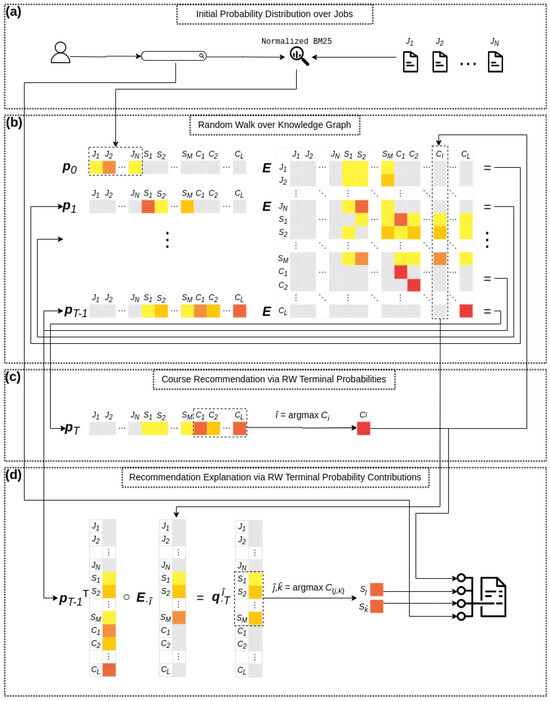
Recommendations for Smoothing the Transition from Education to Career: A Heterogeneous Knowledge Graph Architecture for Career-Motivated Explainable Course Recommendation
Knowledge 2026, 6(1), 5; https://doi.org/10.3390/knowledge6010005 - 9 Feb 2026
Abstract
►
Show Figures
Complexity science studies systems in which properties and behaviors emerge at meso- and macroscales that are difficult to predict and model by observing the properties and behaviors exhibited by the system’s components at smaller scales. The set of relationships that exist among post-secondary
[...] Read more.
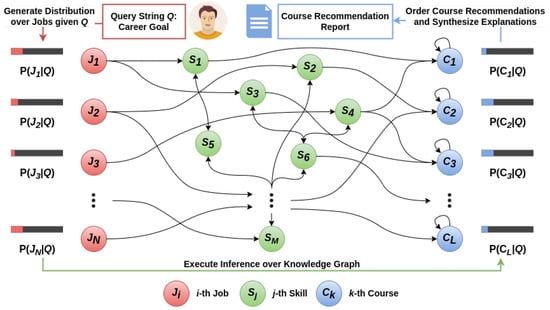
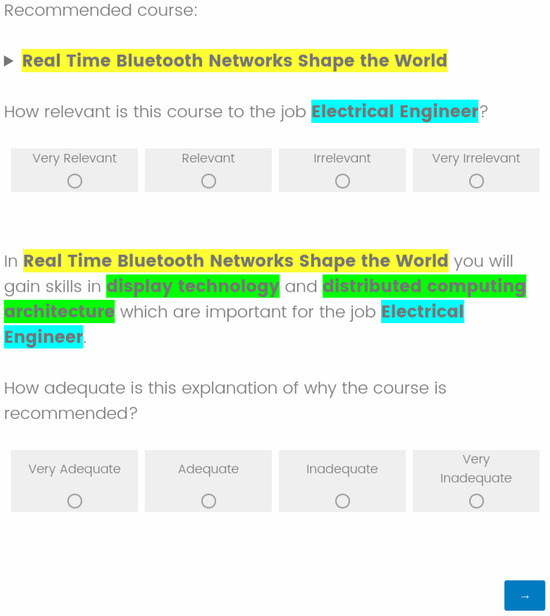
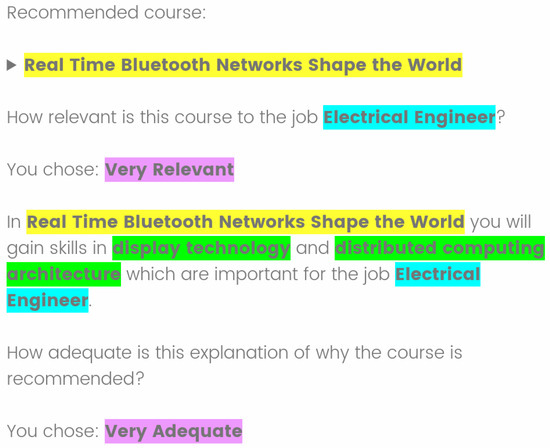
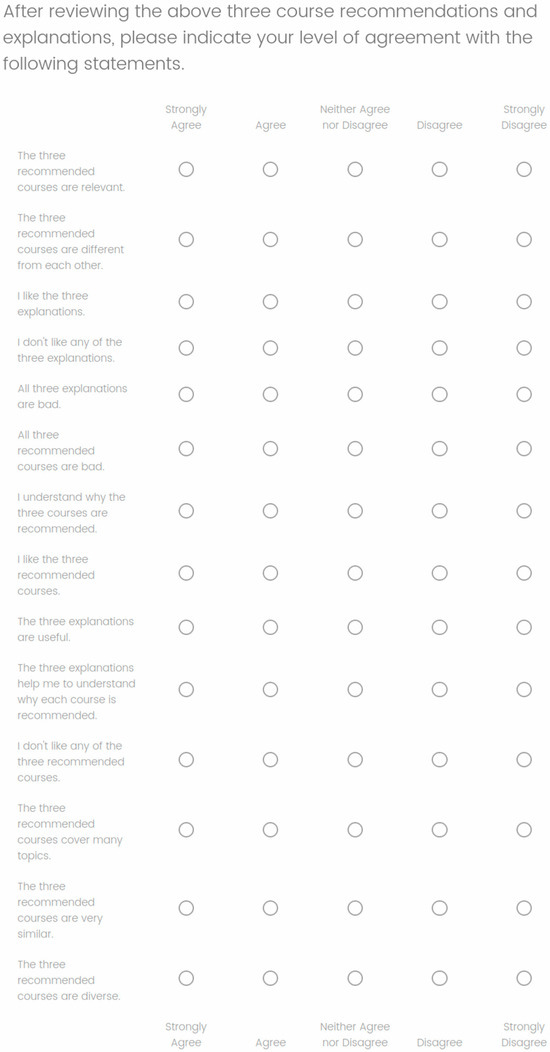
Complexity science studies systems in which properties and behaviors emerge at meso- and macroscales that are difficult to predict and model by observing the properties and behaviors exhibited by the system’s components at smaller scales. The set of relationships that exist among post-secondary school curricula and job markets is one example of such a system. Prior work has undertaken the challenge of modeling this system for several purposes, one of which has been to develop retrieval and ranking algorithms in the education–career domain. A particular emergent property that is closely bound up with this prior work, and that is the focus of the present work, is the salience of a course with respect to a specific objective. The specific objective that we are interested in here is career usefulness, which means that our overall task is to rank order courses based on their usefulness in helping a student to obtain and perform a specific job. One aspect of this overall task that remains understudied concerns how it can best be performed in an interpretable manner and whether existing interpretable methods that may be applied to it, such as text-based similarity measures and document-ranking functions, represent workable solutions or whether an approach involving more detailed modeling of the underlying complex system may prove more effective. The purpose of this article is to answer this question, and, in order to do this, most of this article’s content is devoted to the latter kind of approach, because the former kind is described in detail in the existing literature. The specific approach of the latter kind that we investigate is based on, first, developing a heterogeneous knowledge graph model of the overall complex system, and, second, developing a procedure that quantifies salience using the strength of the skill-dependency chains that link a course to a specified job. To evaluate our methods, we perform a human subjects study in which we leverage the domain expertise of fifty participants. The results of the study demonstrate that the latter approach produces career-motivated course recommendations, as well as accompanying explanations, which systematically exceed those produced by the former approach, in terms of both their quality and usability.
Full article
Open AccessArticle
Sustaining Citizen Science in Academic Libraries: The Vital Role of Collaboration
by
Modiehi Winnie Rammutloa
Knowledge 2026, 6(1), 4; https://doi.org/10.3390/knowledge6010004 - 21 Jan 2026
Abstract
►▼
Show Figures
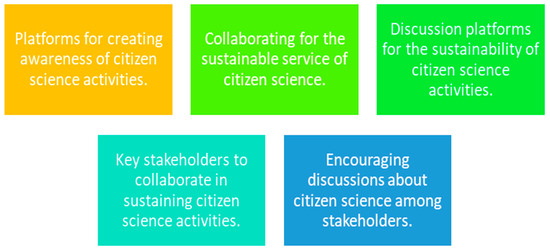
The paper sought to examine the role of collaboration in sustaining citizen science activities and projects in academic libraries. The study applied a quantitative approach and a survey design to assess knowledge and understanding of citizen science by academic librarians to advance research
[...] Read more.
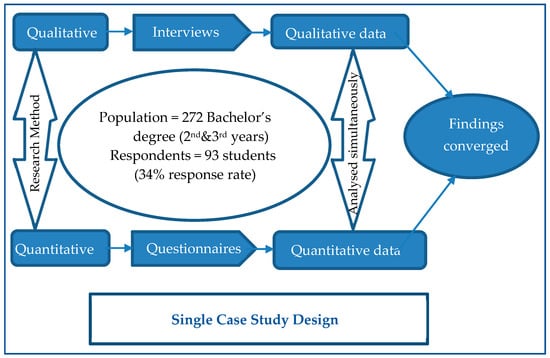
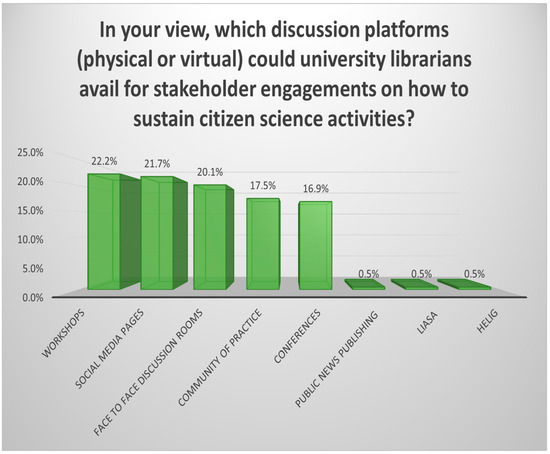
The paper sought to examine the role of collaboration in sustaining citizen science activities and projects in academic libraries. The study applied a quantitative approach and a survey design to assess knowledge and understanding of citizen science by academic librarians to advance research relevant to SDGs. A standardised questionnaire was distributed to 185 academic librarians affiliated with the Higher Education and Libraries Interest Group (HELIG). The survey yielded a response rate of 34% since only 63 academic librarians volunteered to participate in the completion of the questionnaire. Data was analysed using SPSS version 29. Findings revealed that citizen science is a new concept in academic libraries in South Africa. To advance the use of citizen science in contributing towards SDGs, academic librarians need to raise awareness, foster collaborations, and initiate advocacy efforts to promote and support citizen science activities. The research further revealed that a work-integrated learning and community engagement department should be established within the library to advocate for citizen science activities. There is a need to visit schools to introduce citizen science at the grassroots level to increase the visibility of the field and to lay a foundation for scientific literacy at an early stage. Although the research setting was in academic libraries, for future research, it will be beneficial to conduct such a study in a public library setting to achieve varying perspectives from the community members where the concept of citizen science emanates.
Full article

Figure 1
Open AccessArticle
Machine Understanding of Harms: Theory and Implementation
by
Joseph Jebari and Ariel M. Greenberg
Knowledge 2026, 6(1), 3; https://doi.org/10.3390/knowledge6010003 - 4 Jan 2026
Abstract
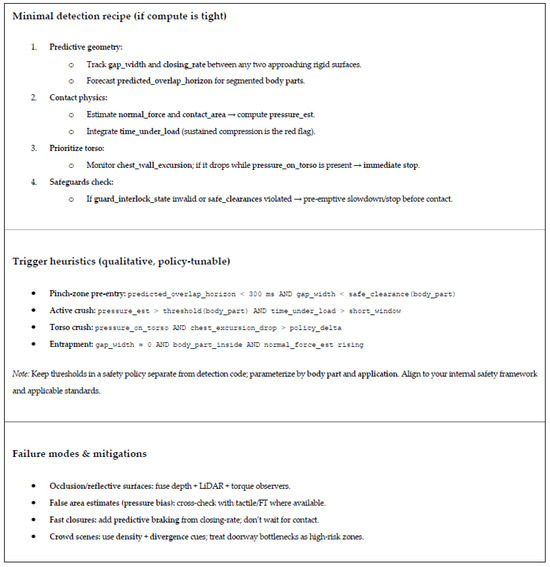
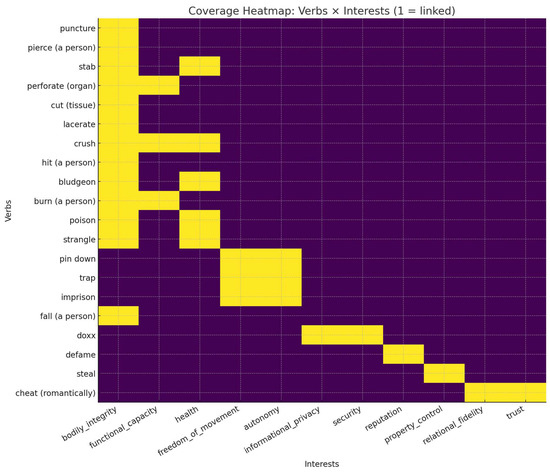
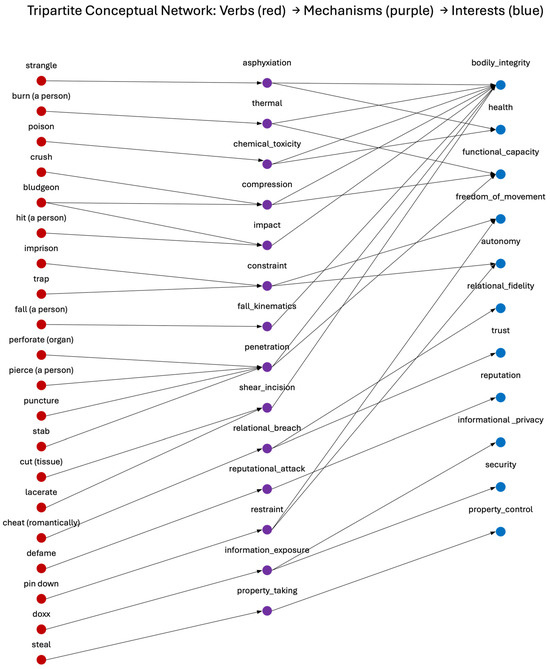
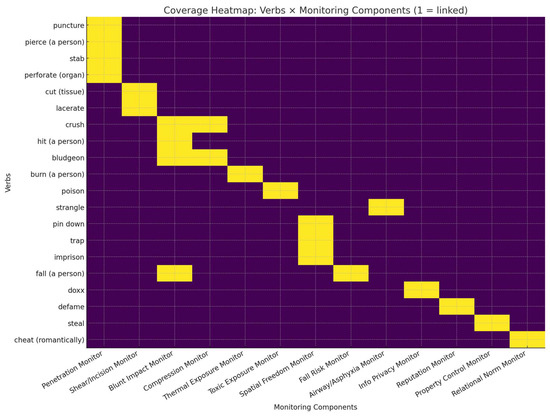
The deployment of autonomous systems in human environments demands sophisticated mechanisms for recognizing and preventing harm. This paper proposes an innovative discovery method for identifying harm-relevant features through the systematic analysis of thick harm verbs—semantically and pragmatically rich linguistic concepts like “puncture”, “crush”,
[...] Read more.
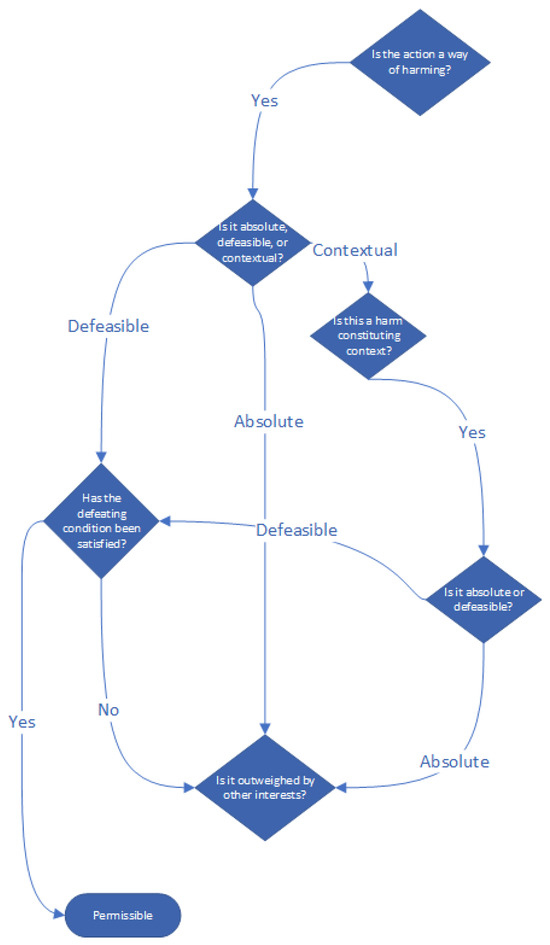
The deployment of autonomous systems in human environments demands sophisticated mechanisms for recognizing and preventing harm. This paper proposes an innovative discovery method for identifying harm-relevant features through the systematic analysis of thick harm verbs—semantically and pragmatically rich linguistic concepts like “puncture”, “crush”, or “poison” that encode both the mechanics and normative evaluations of specific harm types. By analyzing thick harm verbs to extract the information they encode, we can systematically identify the objects, properties, mechanisms, and contextual conditions that autonomous systems need to track to recognize and prevent harm. We demonstrate how this discovery method can be implemented with the support of large language models as analytical assistance tools, showing how human analysts can operationalize the framework with current technology. The resulting feature specifications discovered through this method provide foundations for constructing harm ontologies that bridge abstract ethical principles and concrete system requirements, addressing a critical gap in autonomous systems design while maintaining explanatory transparency essential for safe deployment in human environments.
Full article
(This article belongs to the Special Issue Autonomous Human-Machine Teams: Knowledge, Information, and Information Gaps in Knowledge)
►▼
Show Figures

Figure 1
Open AccessArticle
Enriching Human–AI Collaboration: The Ontological Service Framework Leveraging Large Language Models for Value Creation in Conversational AI
by
Abid Ali Fareedi, Muhammad Ismail, Shehzad Ahmed, Stephane Gagnon, Ahmad Ghazawneh, Zartashia Arooj and Hammad Nazir
Knowledge 2026, 6(1), 2; https://doi.org/10.3390/knowledge6010002 - 26 Dec 2025
Abstract
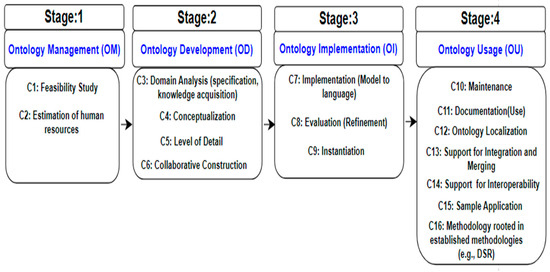
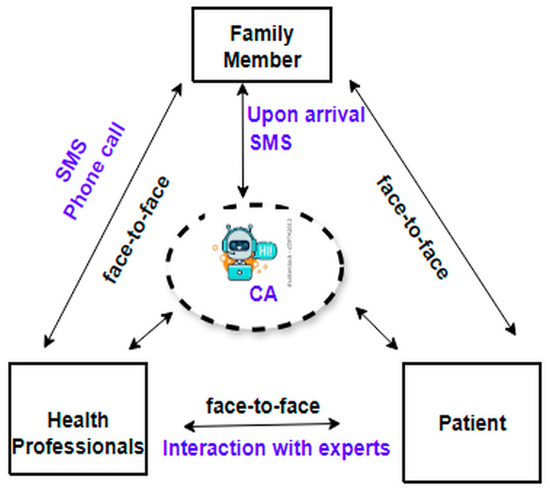
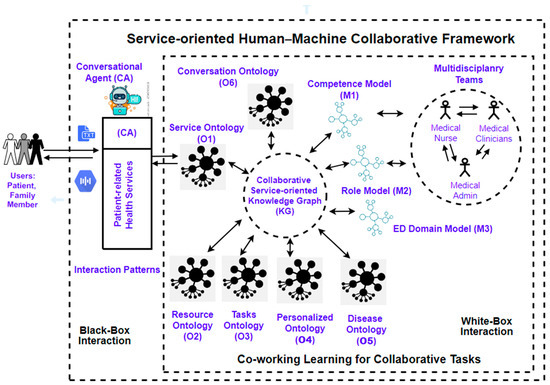
This research focuses on ontology-driven conversational agents (CAs) that harness large language models (LLMs) and their mediating role in performing collective tasks and facilitating knowledge-sharing capabilities among multiple healthcare stakeholders. The research addresses how CAs can promote a therapeutic working alliance and foster
[...] Read more.
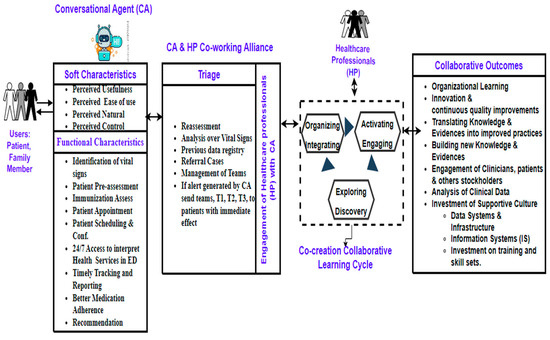
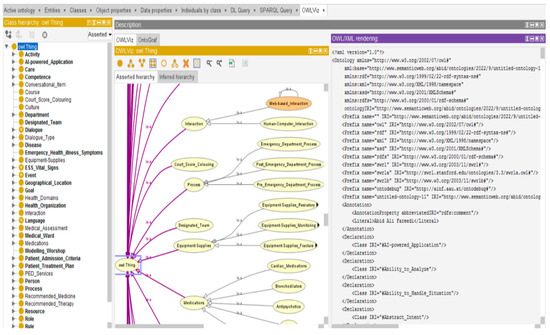
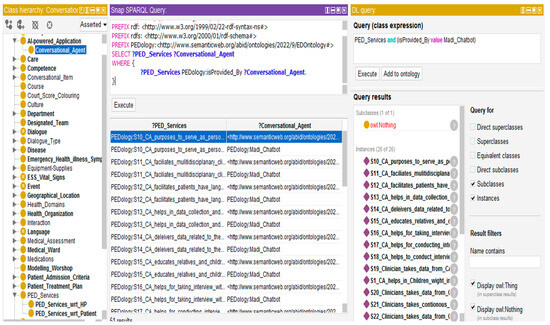
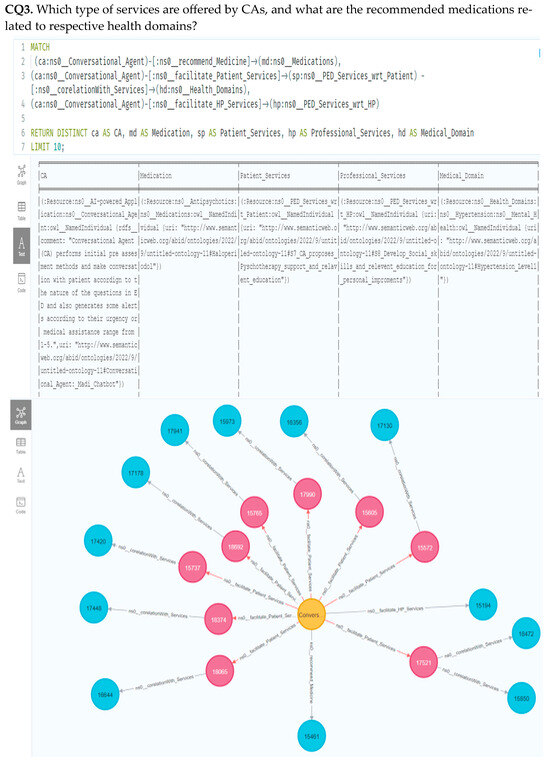
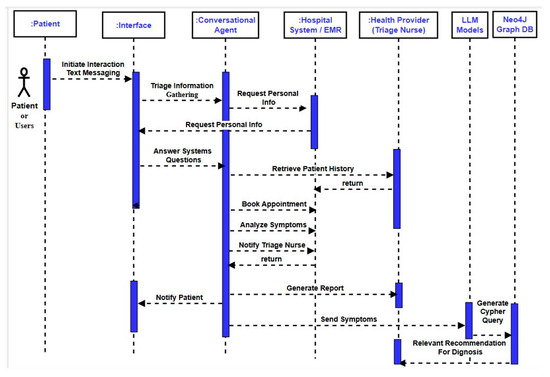
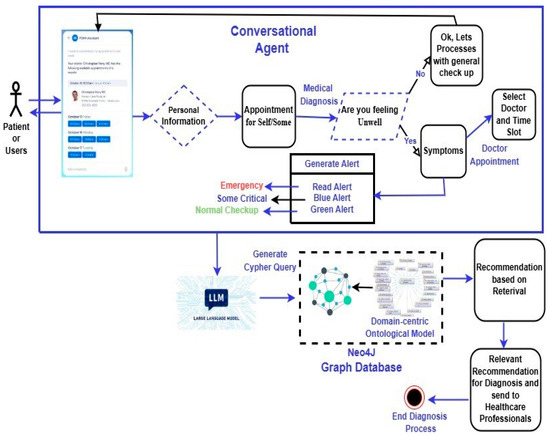
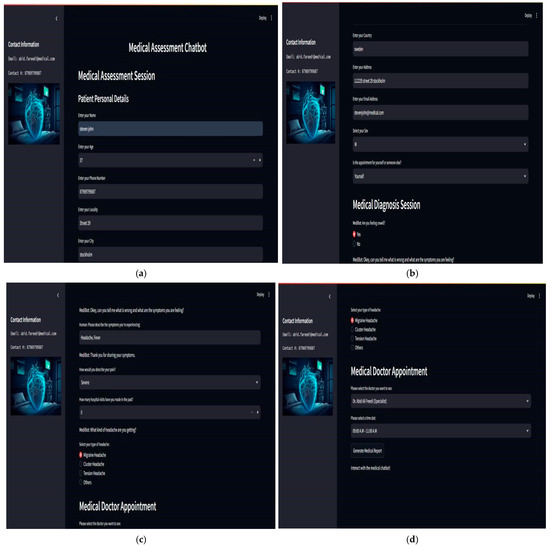
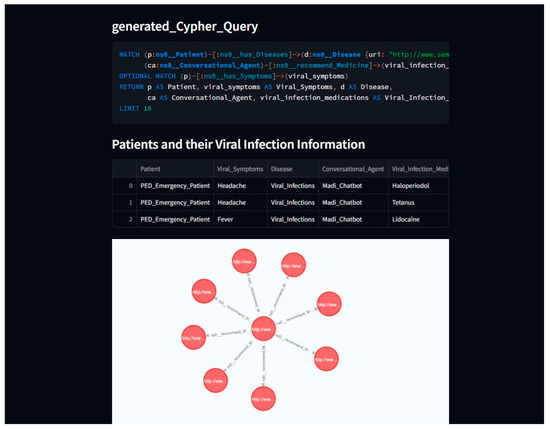
This research focuses on ontology-driven conversational agents (CAs) that harness large language models (LLMs) and their mediating role in performing collective tasks and facilitating knowledge-sharing capabilities among multiple healthcare stakeholders. The research addresses how CAs can promote a therapeutic working alliance and foster trustful human–AI collaboration between emergency department (ED) stakeholders, thereby supporting collaborative tasks with healthcare professionals (HPs). The research contributes to developing a service-oriented human–AI collaborative framework (SHAICF) to promote co-creation and collaborative learning among patients, CAs, and HPs, and improve information flow procedures within the ED. The research incorporates agile heavy-weight ontology engineering methodology (OEM) rooted in the design science research method (DSRM) to construct an ontological metadata model (PEDology), which underpins the development of semantic artifacts. A customized OEM is used to address the issues mentioned earlier. The shared ontological model framework helps developers to build AI-based information systems (ISs) integrated with LLMs’ capabilities to comprehend, interpret, and respond to complex healthcare queries by leveraging the structured knowledge embedded within ontologies such as PEDology. As a result, LLMs facilitate on-demand health-related services regarding patients and HPs and assist in improving information provision, quality care, and patient workflows within the ED.
Full article
(This article belongs to the Special Issue Autonomous Human-Machine Teams: Knowledge, Information, and Information Gaps in Knowledge)
►▼
Show Figures

Figure 1
Open AccessSystematic Review
Unveiling the Unspoken: A Conceptual Framework for AI-Enabled Tacit Knowledge Co-Evolution
by
Nasser Khalili and Mohammad Jahanbakht
Knowledge 2026, 6(1), 1; https://doi.org/10.3390/knowledge6010001 - 23 Dec 2025
Abstract
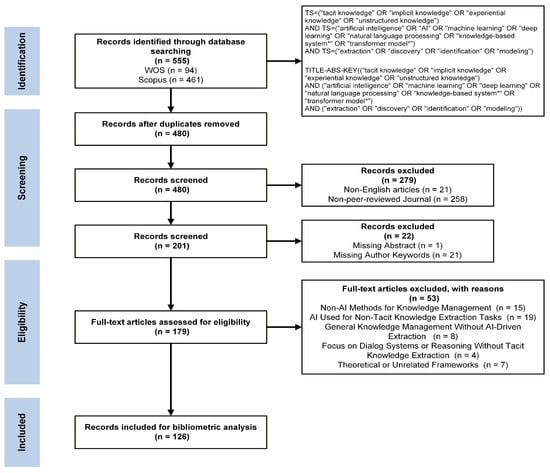
This study conducts a systematic bibliometric review of artificial intelligence (AI)-based approaches to tacit knowledge extraction and management. Drawing on data retrieved from Scopus and Web of Science, this study analyzes 126 publications published between 1985 and 2025 using VOSviewer and Biblioshiny to
[...] Read more.
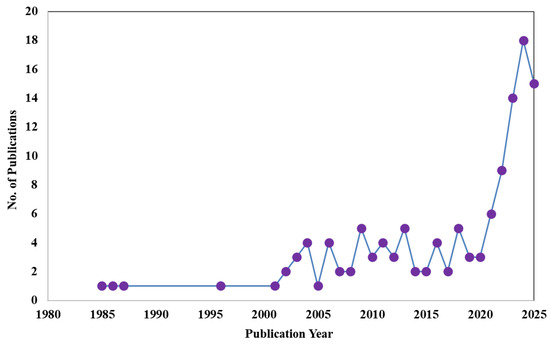
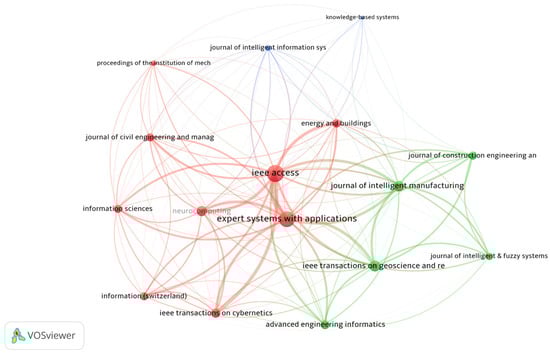
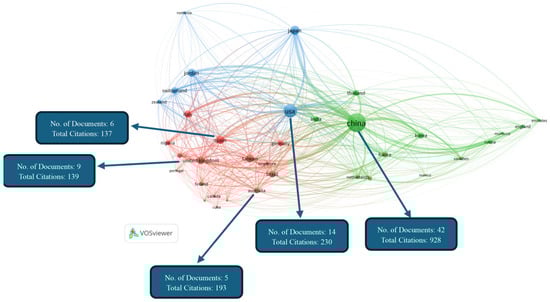
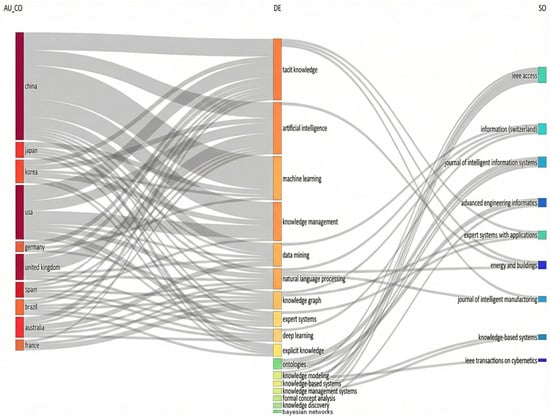
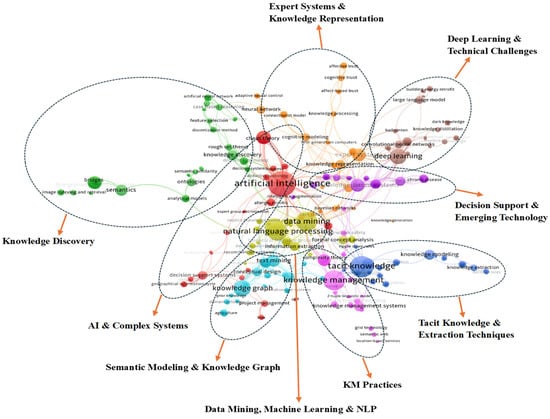
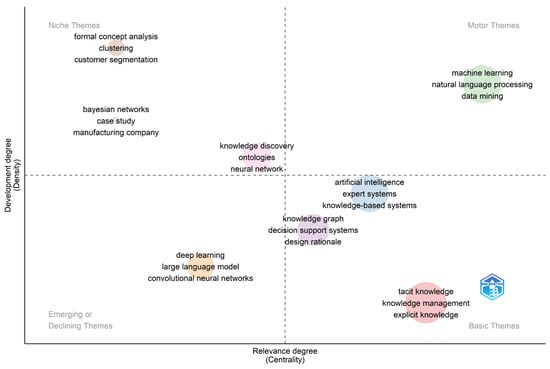
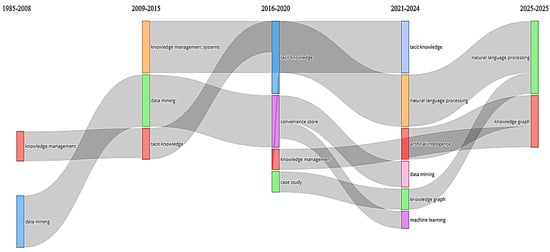
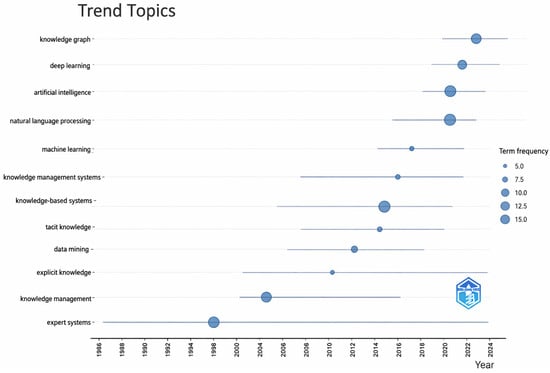
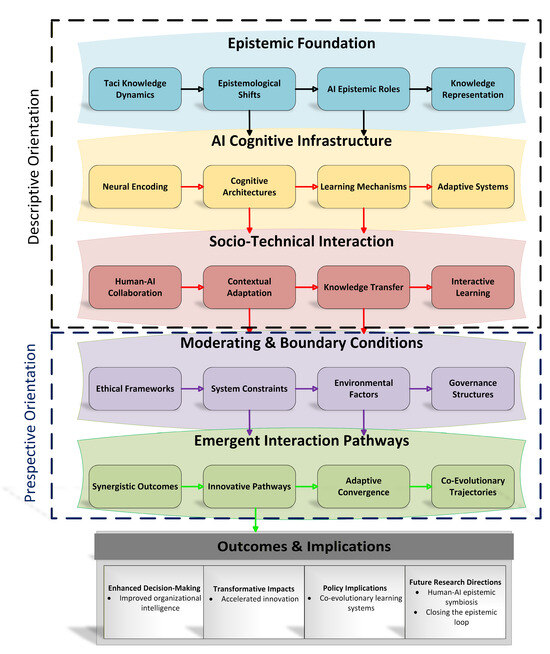
This study conducts a systematic bibliometric review of artificial intelligence (AI)-based approaches to tacit knowledge extraction and management. Drawing on data retrieved from Scopus and Web of Science, this study analyzes 126 publications published between 1985 and 2025 using VOSviewer and Biblioshiny to map citation networks, keyword co-occurrence patterns, and thematic evolution. The results identify nine major clusters spanning machine learning, natural language processing, semantic modeling, expert systems, knowledge-based decision support, and emerging hybrid techniques. Collectively, these findings indicate a field-wide shift from manual codification toward scalable, context-aware, and semantically enriched approaches that better support tacit knowing in organizational practice. Building on these insights, the paper introduces the AI–Tacit Knowledge Co-Evolution Model, which situates AI as an epistemic partner—augmenting human interpretive processes rather than merely codifying experience. The framework integrates Polanyi’s concept of tacit knowing, Nonaka’s SECI model, and sociotechnical learning theories to elucidate how human–AI interaction transforms the dynamics of knowledge creation. The review consolidates fragmented research streams and provides a conceptual foundation for guiding future methodological development in AI-enabled tacit knowledge management.
Full article
(This article belongs to the Special Issue Knowledge Management in Learning and Education)
►▼
Show Figures

Figure 1
Open AccessEssay
Can the JUSTICE Framework Help Assess the Ethics of Artificial Intelligence (AI)?
by
John Hulpke, Aidan Kelly, Cubie Lau and Ming Li
Knowledge 2025, 5(4), 28; https://doi.org/10.3390/knowledge5040028 - 15 Dec 2025
Abstract
Artificial Intelligence, now commonly called AI, is having an increasingly big impact on society. There are fears that may be negatives or downsides, especially when Artificial Intelligence is used unethically. But how are humans guiding these machines to know whether the choice, the
[...] Read more.
Artificial Intelligence, now commonly called AI, is having an increasingly big impact on society. There are fears that may be negatives or downsides, especially when Artificial Intelligence is used unethically. But how are humans guiding these machines to know whether the choice, the decision, is ethical? Since 2007, one way to check the ethicality of any choice has been to apply the JUSTICE model. This framework helps practitioners decide whether a specific action is or is not ethical by looking through one or more of the seven JUSTICE lenses: Justice, Utilitarian, Spiritual Values, TV rule or Transparency, Influence, Core, and Emergency. Now, in this era of increasing prevalence of Artificial Intelligence, with humans making decisions often together with machines, can the JUSTICE framework still be useful? Yes, it can. We look at each of those seven components. Each may give guidance in some situations. Of the seven, it seems that T or the TV test is most likely to give guidance in this new era.
Full article
Open AccessSystematic Review
The Intersection of Knowledge Management and Digital Transformation in SMEs: Success Factors, Barriers, and a Research Framework
by
Bonginkosi A. Thango, Ralebitso K. Letshaba and Lerato Matshaka
Knowledge 2025, 5(4), 27; https://doi.org/10.3390/knowledge5040027 - 2 Dec 2025
Abstract
►▼
Show Figures
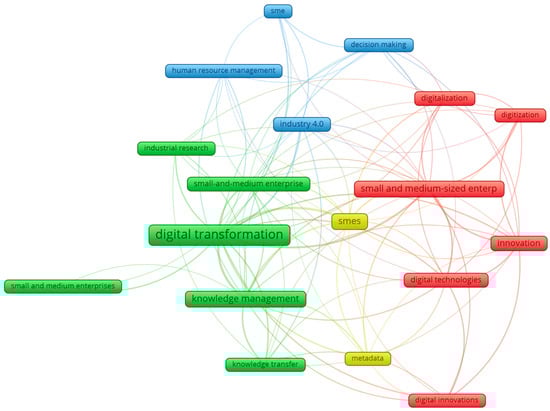
Small- and medium-sized enterprises (SMEs) are increasingly embracing digital transformation (DT) to remain competitive; however, the enabling role of knowledge management (KM) remains underexplored. This systematic literature review investigates how KM supports DT in SMEs, focusing on strategic processes, tools, barriers, and policy
[...] Read more.
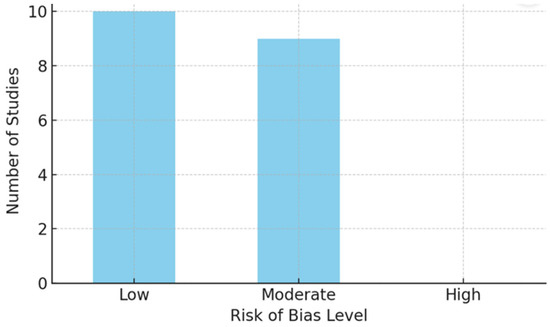
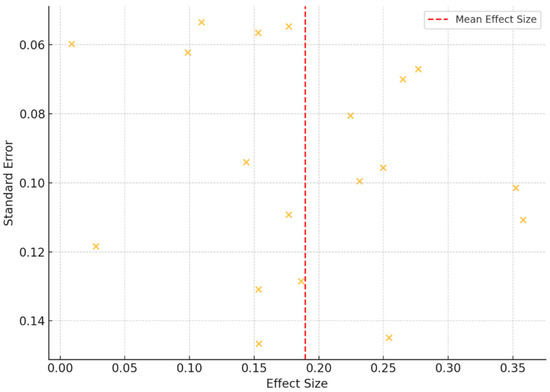
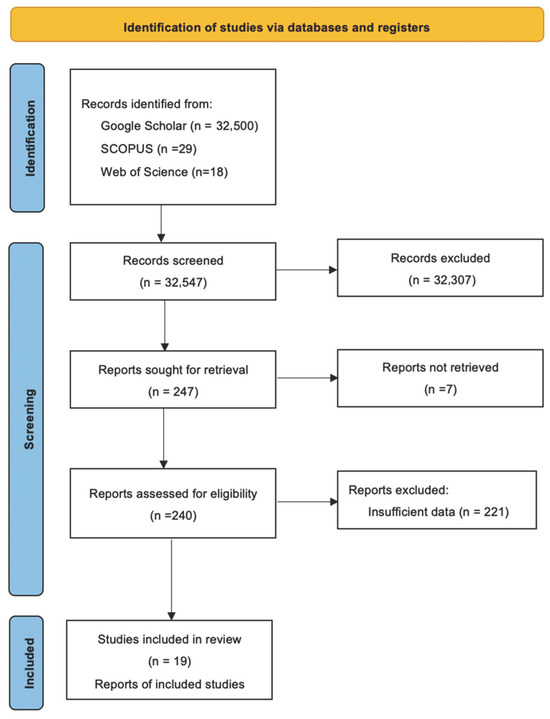
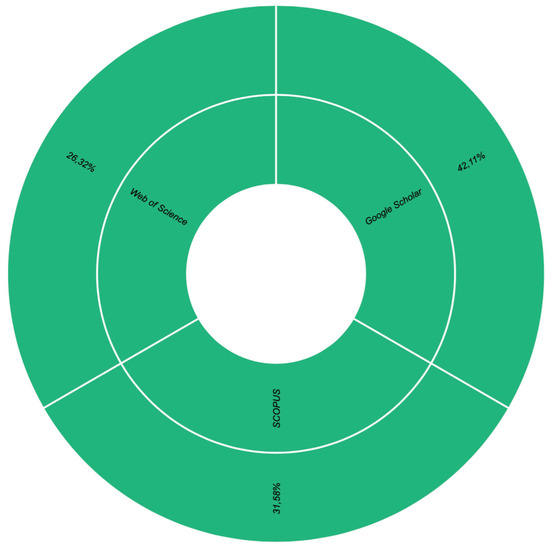
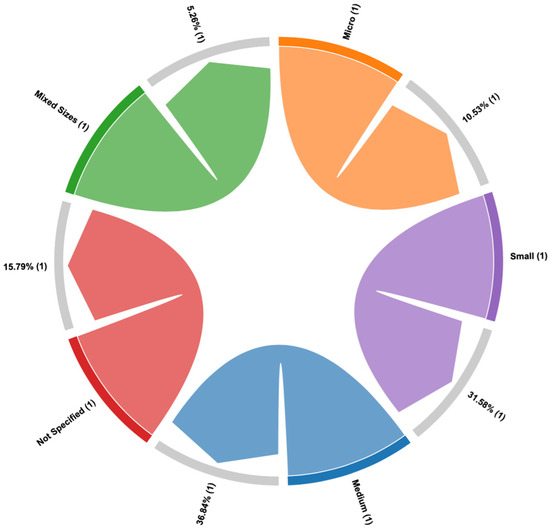
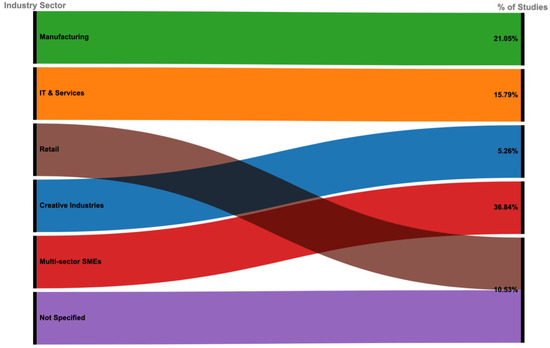
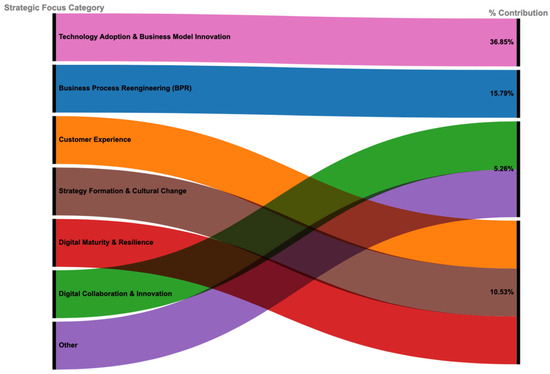
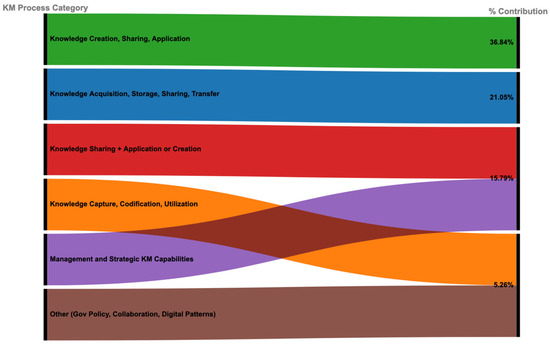
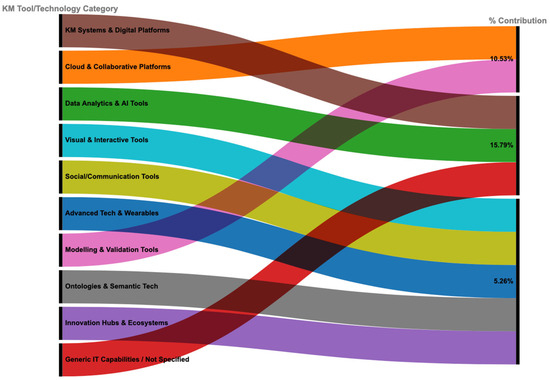
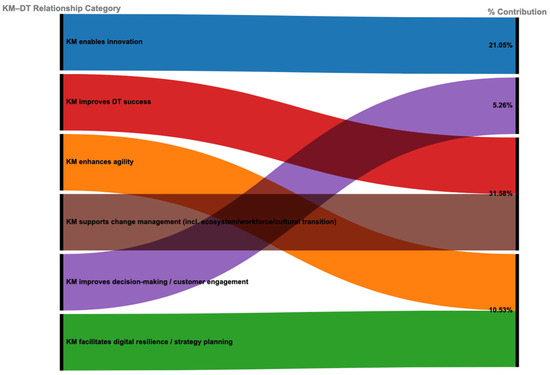
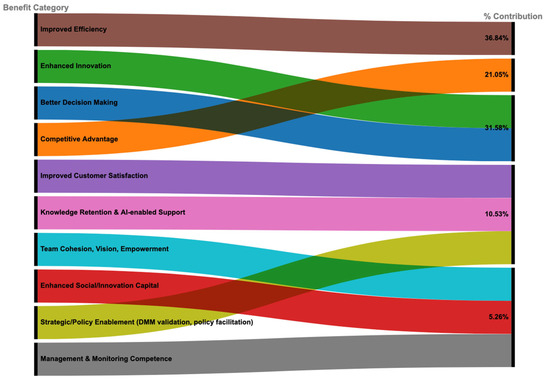
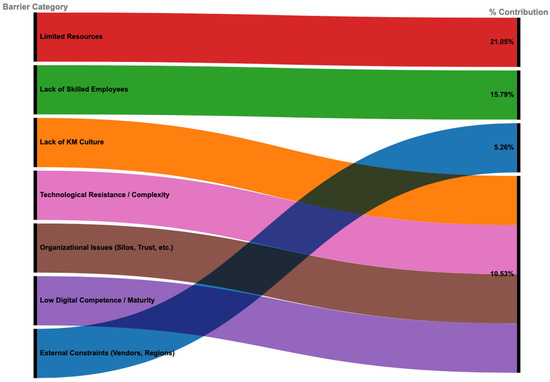
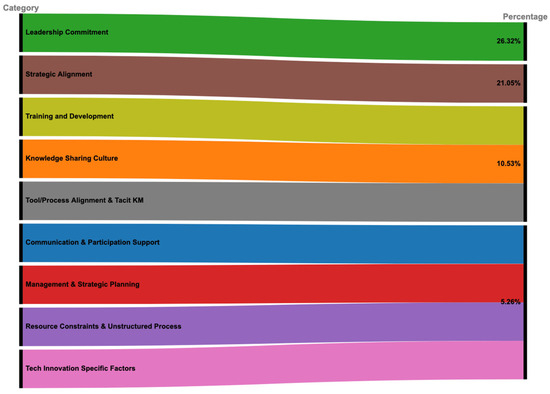
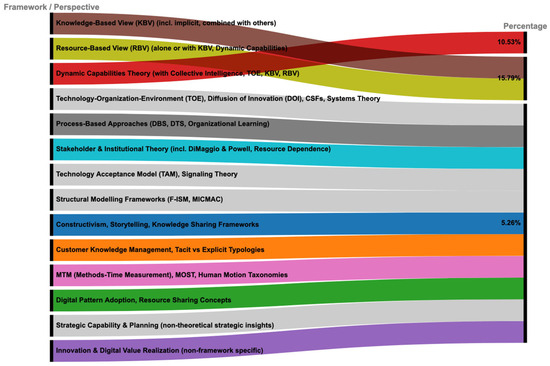
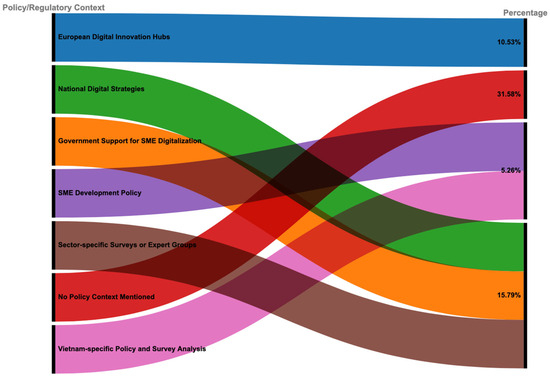
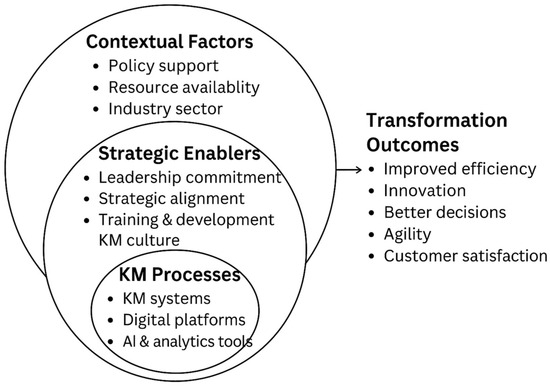
Small- and medium-sized enterprises (SMEs) are increasingly embracing digital transformation (DT) to remain competitive; however, the enabling role of knowledge management (KM) remains underexplored. This systematic literature review investigates how KM supports DT in SMEs, focusing on strategic processes, tools, barriers, and policy contexts. A structured search was conducted in Google Scholar, Scopus, and Web of Science using the string: (“knowledge management” OR “KM”) AND (“digital transformation” OR “DT”) AND (“small and medium enterprises” OR “SME”). The search yielded 32,547 results, from which 19 studies met the eligibility criteria (English, 2020–2025, KM–DT focus, clear methodology). Results indicate that KM supports DT primarily through change management (31.58%), innovation enablement (21.05%), as well as improved decision-making and agility (15.79%). The most cited tools include KM systems, AI/analytics, and collaborative platforms. Major barriers include limited resources, lack of digital skills, and poor KM culture. Critical success factors identified are leadership commitment (26.32%) and strategic alignment (21.05%). Theoretical foundations are dominated by the Resource-Based View and Dynamic Capabilities Theory. While KM is proven to be a strategic driver of DT in SMEs, more empirical and policy-grounded studies are needed. This review provides a framework to guide future research and inform SME practitioners and policymakers.
Full article

Figure 1
Open AccessArticle
An Online Collaborative Approach to Developing Ontologies to Study Questions About Behaviour
by
Suvodeep Mazumdar, Fatima Maikore, Vitaveska Lanfranchi, Harriet Baird, Fabio Ciravegna, Vyv Huddy, Paul Norman, Richard Rowe, Alexander J. Scott and Thomas L. Webb
Knowledge 2025, 5(4), 26; https://doi.org/10.3390/knowledge5040026 - 26 Nov 2025
Abstract
►▼
Show Figures
Almost all societal grand challenges, whether concerning the environment, health, well-being, or the development of sustainable economic models, have at their heart a need to understand people’s behaviour. However, uniting data and insights across disparate fields requires an explicit and shared understanding of
[...] Read more.
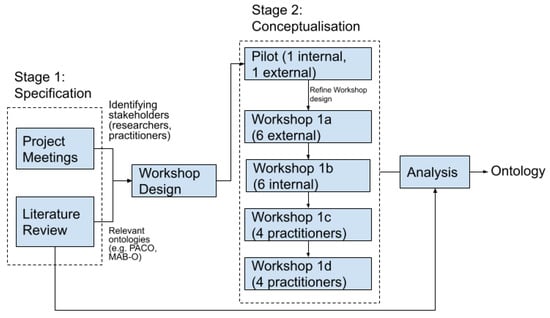
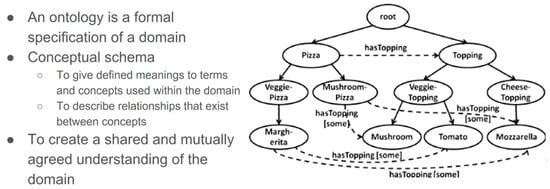
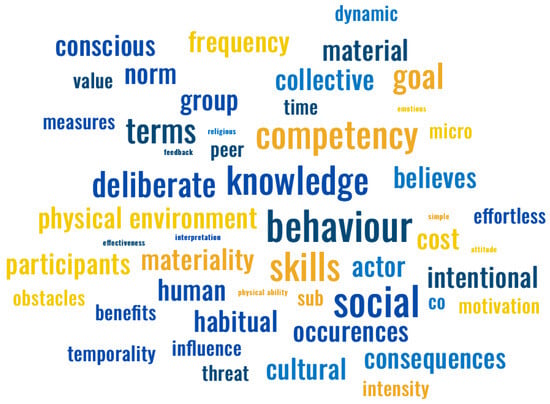
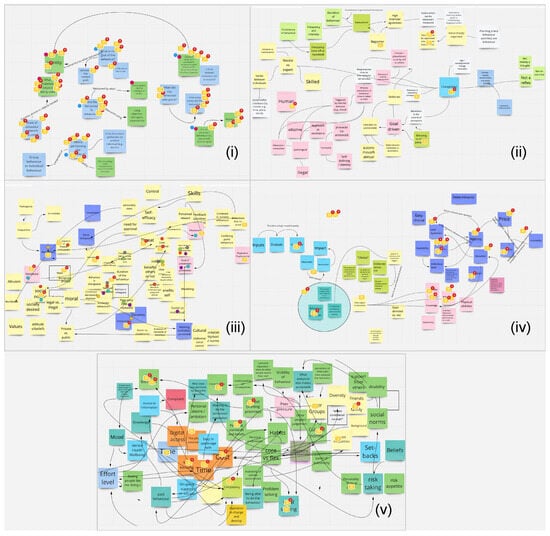
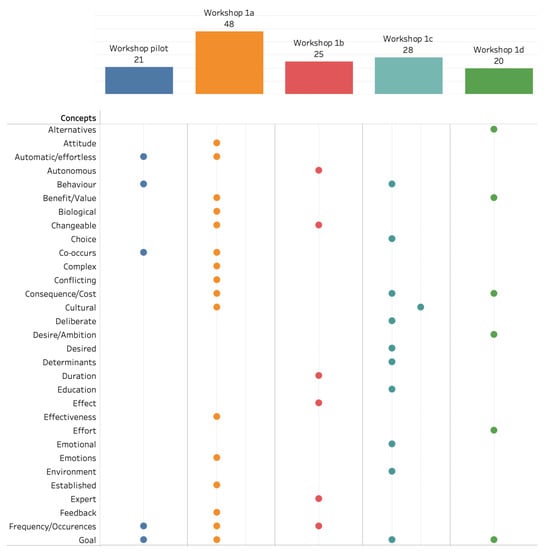
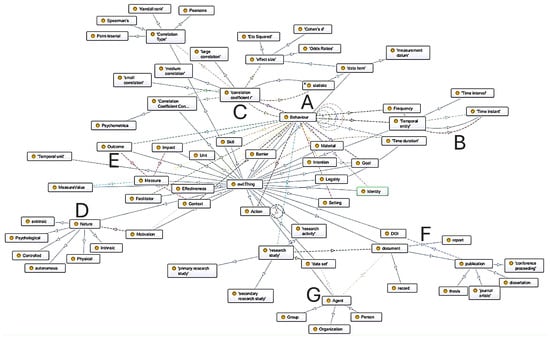
Almost all societal grand challenges, whether concerning the environment, health, well-being, or the development of sustainable economic models, have at their heart a need to understand people’s behaviour. However, uniting data and insights across disparate fields requires an explicit and shared understanding of concepts, variables, and ideas (e.g., how to characterise and differentiate behaviours). Ontologies provide a mechanism for creating this explicit and shared understanding and are starting to be developed and used in the social and behavioural sciences. This paper proposes an online co-design approach to use and develop ontologies of behaviour to specify the characteristics of behaviour (e.g., habitual, changeable, effortless) and studies that investigate behaviour as part of a project designed to understand how behaviours are related. We report on our experience of collaborative co-development of ontologies using real-time interactive tools and reflect on the benefits and challenges of our approach. We also offer a set of recommendations for researchers interested in applying such methods to co-develop ontologies. The work contributes to efforts to understand the characteristics of behaviour and enable these to be used to understand questions about behaviour (e.g., is poor sleep associated with greater engagement in habitual behaviours?).
Full article

Figure 1
Open AccessArticle
Enhancing Chatbot Performance in a SaaS Platform Through Retrieval-Augmented Generation and Prompt Engineering: A Case Study in Behavioral Safety Analysis
by
Jorge Rivera, Scarlett Zapata, Ricardo Pizarro and Brian Keith
Knowledge 2025, 5(4), 25; https://doi.org/10.3390/knowledge5040025 - 5 Nov 2025
Abstract
►▼
Show Figures
This article presents a case study showing the development of a chatbot, named Selene, in a Software-as-a-Service platform for behavioral analysis using Retrieval-Augmented Generation (RAG) integrating domain-specific knowledge and enforcing adherence to organizational rules to improve response quality. Selene is designed to provide
[...] Read more.
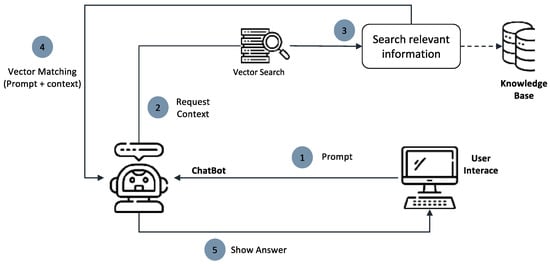
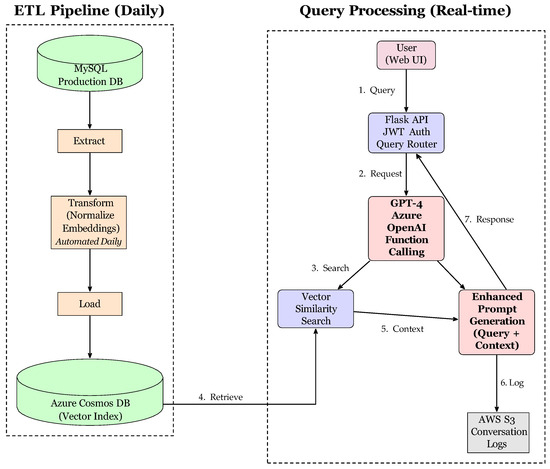
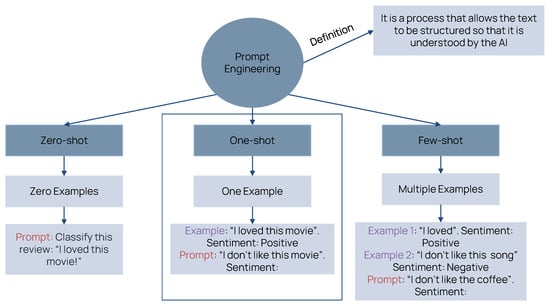
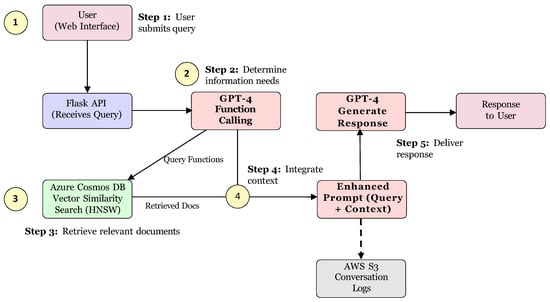
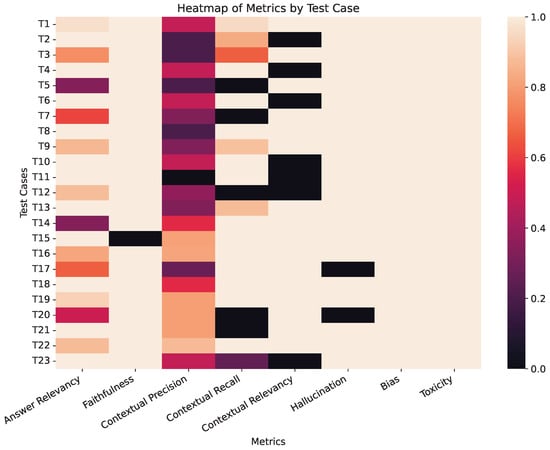
This article presents a case study showing the development of a chatbot, named Selene, in a Software-as-a-Service platform for behavioral analysis using Retrieval-Augmented Generation (RAG) integrating domain-specific knowledge and enforcing adherence to organizational rules to improve response quality. Selene is designed to provide deep analyses and practical recommendations that help users optimize organizational behavioral development. To ensure that the RAG pipeline had updated information, we implemented an Extract, Transform, and Load process that updated the knowledge base of the pipeline daily and applied prompt engineering to ensure compliance with organizational rules and directives, using GPT-4 as the underlying language model of the chatbot, which was the state-of-the-art model at the time of deployment. We followed the Generative AI Project Life Cycle Frameworkas the basic methodology to develop this system. To evaluate Selene, we used the DeepEval library, showing that it provides appropriate responses and aligning with organizational rules. Our results show that the system achieves high answer relevancy in 78% of the test cases achieved and a complete absence of bias and toxicity issues. This work provides practical insights for organizations deploying similar knowledge-based chatbot systems.
Full article

Figure 1

Open AccessArticle
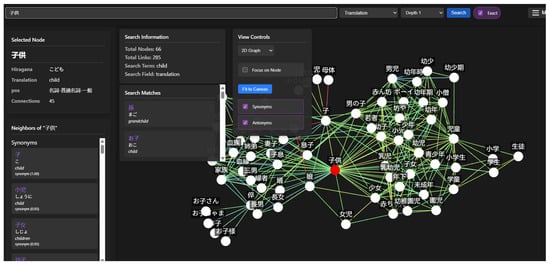
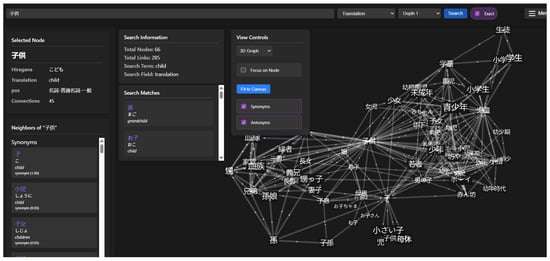
Automating Lexical Graph Construction with Large Language Models: A Scalable Approach to Japanese Multi-Relation Lexical Networks
by
Benedikt Perak and Dragana Špica
Knowledge 2025, 5(4), 24; https://doi.org/10.3390/knowledge5040024 - 27 Oct 2025
Abstract
In recent advancements within natural language processing (NLP), lexical networks play a crucial role in representing semantic relationships between words, enhancing applications from word sense disambiguation to educational tools. Traditional methods for constructing lexical networks, however, are resource-intensive, relying heavily on expert lexicographers.
[...] Read more.
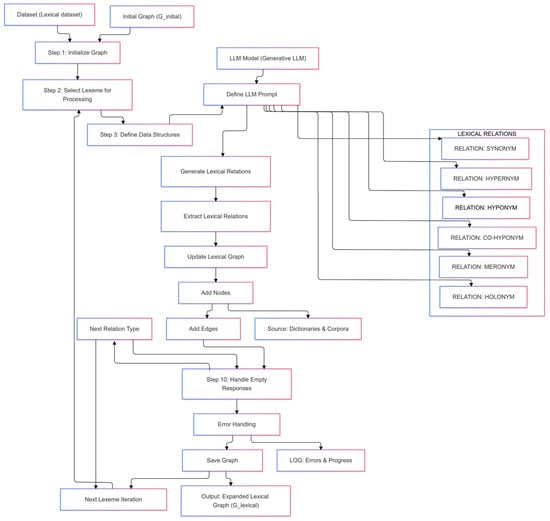
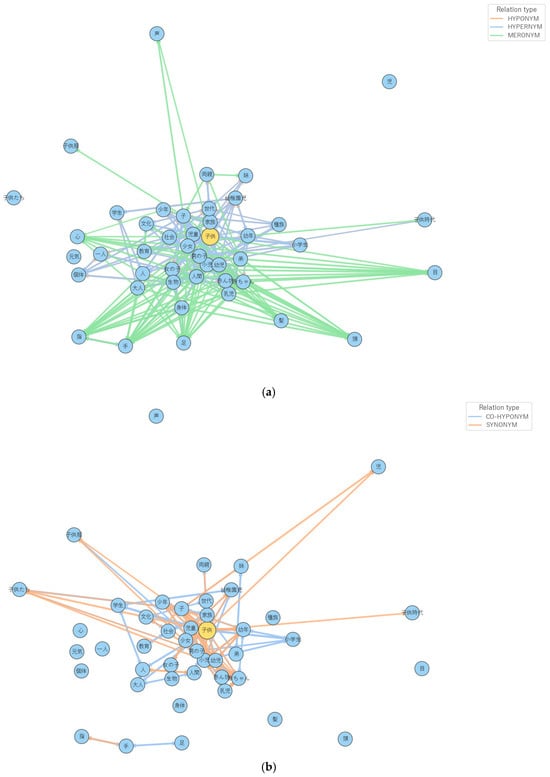
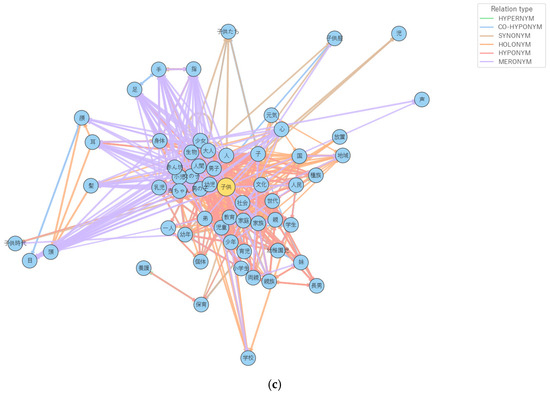
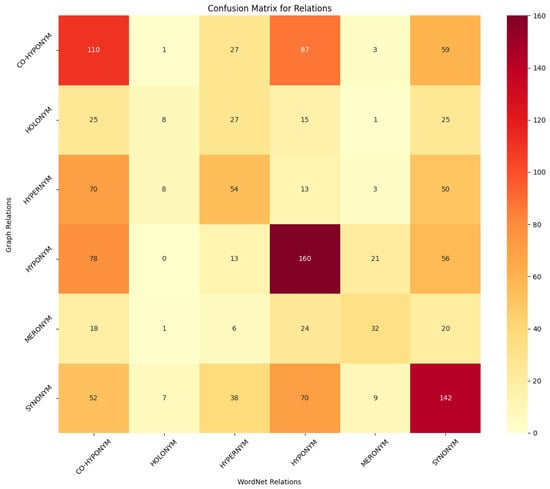
In recent advancements within natural language processing (NLP), lexical networks play a crucial role in representing semantic relationships between words, enhancing applications from word sense disambiguation to educational tools. Traditional methods for constructing lexical networks, however, are resource-intensive, relying heavily on expert lexicographers. Leveraging GPT-4o, a large language model (LLM), our study presents an automated, scalable approach to creating multi-relational Japanese lexical networks for the general Japanese language. This study builds on previous methods of integrating synonyms but extends to other relations such as hyponymy, hypernymy, meronymy, and holonomy. Using a combination of structured prompts and graph-based data storage, the model extracts detailed lexical relationships, which are then systematically validated and encoded. Results reveal a substantial expansion in network size, with over 155,000 nodes and 700,000 edges, enriching Japanese lexical associations with nuanced hierarchical and associative layers. Comparisons with WordNet show substantial alignment in relation types, particularly with soft matching, underscoring the model’s efficacy in reflecting the multifaceted nature of lexical semantics. This work contributes a versatile framework for constructing expansive lexical resources that hold promises for enhancing NLP tasks and educational applications across various languages and domains.
Full article
(This article belongs to the Special Issue Knowledge Management in Learning and Education)
►▼
Show Figures

Figure 1
Open AccessArticle
Navigating Emotional Barriers and Cognitive Drivers in Mobile Learning Adoption Among Greek University Students
by
Stefanos Balaskas, Vassilios Tsiantos, Sevaste Chatzifotiou, Dionysia Filiopoulou, Kyriakos Komis and George Androulakis
Knowledge 2025, 5(4), 23; https://doi.org/10.3390/knowledge5040023 - 11 Oct 2025
Cited by 1
Abstract
Mobile learning (m-learning) technologies are gaining popularity in universities but not uniformly across institutions because of cognitive, affective, and behavior obstacles. This research tested and applied an expansion of the Technology Acceptance Model (TAM) with technostress (TECH) and resistance to change (RTC) as
[...] Read more.
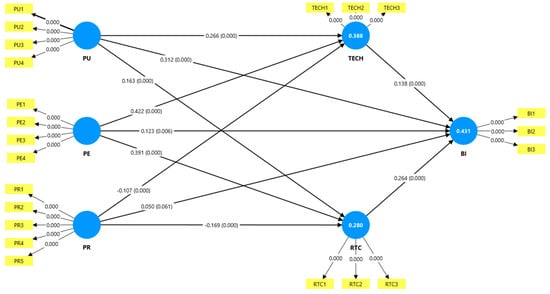
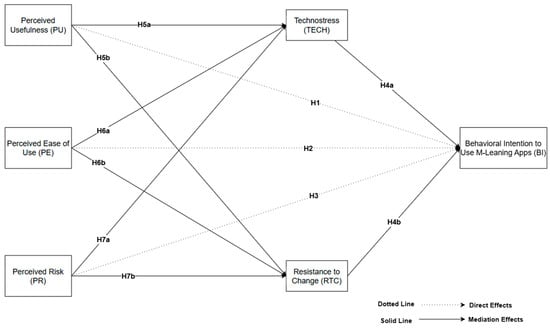
Mobile learning (m-learning) technologies are gaining popularity in universities but not uniformly across institutions because of cognitive, affective, and behavior obstacles. This research tested and applied an expansion of the Technology Acceptance Model (TAM) with technostress (TECH) and resistance to change (RTC) as affective obstacles, as well as the core predictors of perceived usefulness (PU), perceived ease of use (PE), and perceived risk (PR). By employing a cross-sectional survey of Greek university students (N = 608) and partial least squares structural equation modeling (PLS-SEM), we tested direct and indirect impacts on behavioral intention (BI) to apply m-learning applications. The results affirm that PU and PE are direct predictors of BI, while PR has no direct impact on BI but acts indirectly through TECH and RTC. Mediation is partial in terms of PE and PU and indirect-only (complete) in terms of PR with respect to the impact of affective states on adoption. Multi-group comparisons found differences in terms of gender, age, confidence, and years of use but not frequency of use, implying that psychological and experiential characteristics have a greater impact on intention than habitual patterns. These results offer theory-driven and segment-specific guidelines for psychologically aware, user-focused m-learning adoption in higher education.
Full article
(This article belongs to the Special Issue Knowledge Management in Learning and Education)
►▼
Show Figures

Figure 1
Open AccessArticle
The New Normal and the Era of Misknowledge—Understanding Generative AI and Its Impacts on Knowledge Work
by
Zhiguo Yang, Xiang Guo and Peng Zhang
Knowledge 2025, 5(4), 22; https://doi.org/10.3390/knowledge5040022 - 9 Oct 2025
Abstract
►▼
Show Figures
The revealed capability of generative AI tools can significantly transform the way knowledge work is conducted. With more tools being built and implemented, generative AI-aided knowledge work starts to emerge as a new normal, where knowledge workers shift a significant portion of their
[...] Read more.
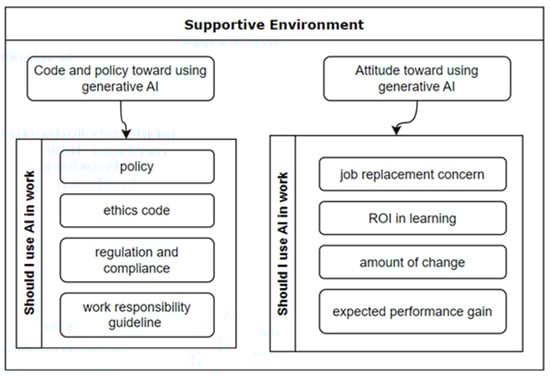
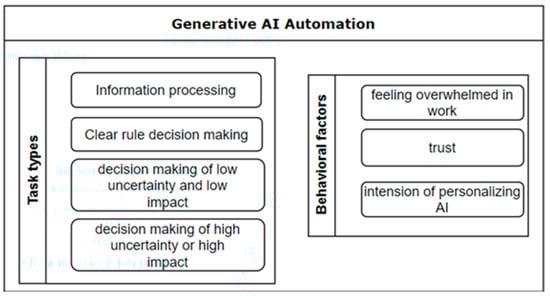
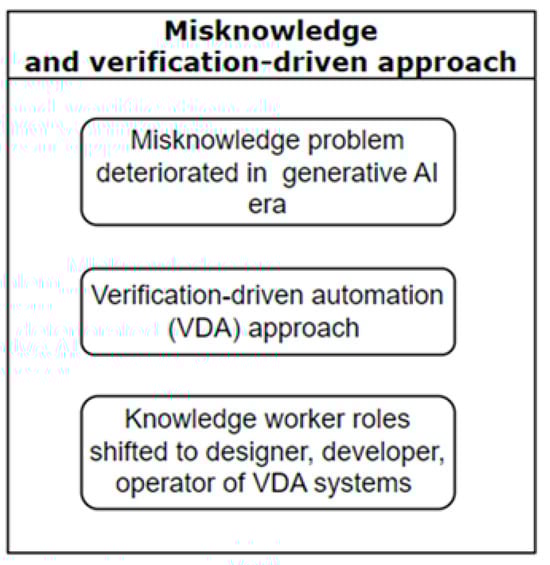
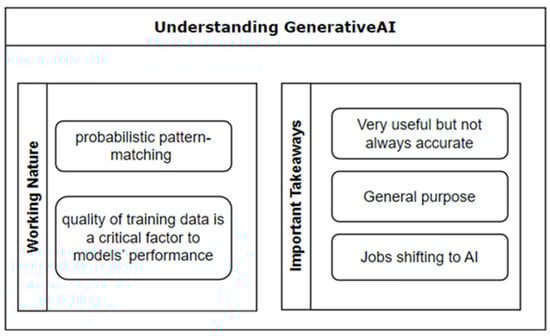
The revealed capability of generative AI tools can significantly transform the way knowledge work is conducted. With more tools being built and implemented, generative AI-aided knowledge work starts to emerge as a new normal, where knowledge workers shift a significant portion of their workloads to the tools. This new normal can lead to many concerns and issues including workers’ mental health, employees’ confusion in production, and potential spreading misknowledge. Considering the substantial portion of knowledge work in the US economy, this paper calls for more research to be conducted on this important area. This paper synthesizes relevant economic and behavioral research findings in the AI automation field and opinions of field experts, and presents a comprehensive framework, “generative AI-aided knowledge work”. This framework theoretically addresses concerns such as job replacement and organizational and behavioral factors in using generative AI and provides directions for future research and guidelines for practitioners in incorporating generative AI tools. This is one of the early attempts to provide a comprehensive overview of generative AI’s impacts on knowledge workers and production. It has the potential to seed future research in many areas such as countering misknowledge and employees’ mental health.
Full article

Figure 1
Open AccessReview
A Review of Ethical Challenges in AI for Emergency Management
by
Xiaojun (Jenny) Yuan, Qingyue Guo, Yvonne Appiah Dadson, Mahsa Goodarzi, Jeesoo Jung, Yanjun Dong, Nisa Albert, DeeDee Bennett Gayle, Prabin Sharma, Oyeronke Toyin Ogunbayo and Jahnavi Cherukuru
Knowledge 2025, 5(3), 21; https://doi.org/10.3390/knowledge5030021 - 21 Sep 2025
Abstract
►▼
Show Figures
As artificial intelligence (AI) technologies are increasingly integrated into emergency management, ethical considerations demand greater attention. Essential components of comprehensive emergency management include mitigation, preparedness, response, and recovery, which should serve as the foundation for integrating AI-driven science and technologies to effectively safeguard
[...] Read more.
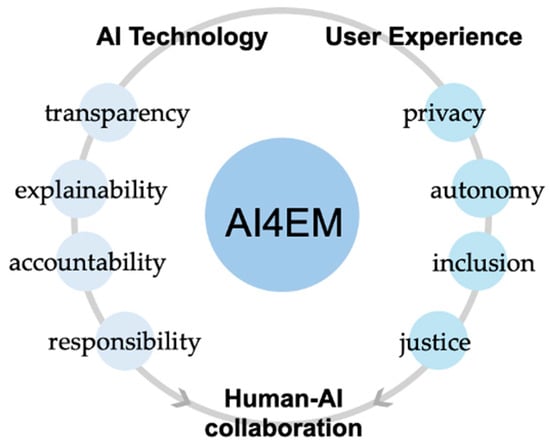
As artificial intelligence (AI) technologies are increasingly integrated into emergency management, ethical considerations demand greater attention. Essential components of comprehensive emergency management include mitigation, preparedness, response, and recovery, which should serve as the foundation for integrating AI-driven science and technologies to effectively safeguard populations and infrastructure in times of crisis. This paper reviewed the ethical challenges of AI in emergency management in terms of critical issues, best practices, applications, emerging ethical considerations, and strategies addressing ethical challenges. Three core ethical themes are identified: algorithmic bias; privacy, transparency and accountability; and human–AI collaboration. This paper thoroughly analyzed the associated ethical challenges, reviewed the theoretical frameworks and proposed strategies to mitigate ethical challenges by strengthening the audits of algorithms, enhancing transparency in AI decision-making, and incorporating stakeholder engagement. Finally, the importance of creating policies to govern AI ethics was discussed.
Full article

Figure 1
Open AccessEssay
Generative Artificial Intelligence and the Future of Public Knowledge
by
Dirk H. R. Spennemann
Knowledge 2025, 5(3), 20; https://doi.org/10.3390/knowledge5030020 - 17 Sep 2025
Abstract
Generative artificial intelligence (AI), in particular large language models such as ChatGPT, have reached public consciousness with a wide-ranging discussion of their capabilities and suitability for use in various professions. Following the printing press and the internet, generative AI language models are the
[...] Read more.
Generative artificial intelligence (AI), in particular large language models such as ChatGPT, have reached public consciousness with a wide-ranging discussion of their capabilities and suitability for use in various professions. Following the printing press and the internet, generative AI language models are the third transformative technological invention, with truly cross-sectoral impact on knowledge transmission and knowledge generation. While the printing press allowed for the transmission of knowledge that is independent of the physical presence of the knowledge holder, with publishers emerging as gatekeepers, the internet added levels of democratization, allowing anyone to publish, along with global immediacy. The development of social media resulted in an increased fragmentation and tribalization in online communities regarding their ways of knowing, resulting in the propagation of alternative truths that resonate in echo chambers. It is against this background that generative AI language models have entered public consciousness. Using the strategic foresight methodology, this paper will examine the proposition that the age of generative AI will emerge as an age of public ignorance.
Full article
Open AccessArticle
A Mathematical Model on Brain’s Ability of Learning
by
Eleftherios Protopapas
Knowledge 2025, 5(3), 19; https://doi.org/10.3390/knowledge5030019 - 17 Sep 2025
Abstract
The human brain is one of the most complex parts of the human body. Its function has been studied extensively in biology and medicine. Along this line, applied mathematics plays a crucial role through the formulation and analysis of mathematical models. A student’s
[...] Read more.
The human brain is one of the most complex parts of the human body. Its function has been studied extensively in biology and medicine. Along this line, applied mathematics plays a crucial role through the formulation and analysis of mathematical models. A student’s ability to learn is an important aspect of these studies. In this paper, a theoretical mathematical model is presented to study the brain’s ability to learn, with parameters such as human intelligence, the expected amount of knowledge a student seeks to acquire, and the tendency to forget. A parametric study of the obtained model is conducted, and by taking into account actual data from the literature, the values of the parameters that fit these data are derived, demonstrating the validity of the model. The findings of this study indicate that the proposed model accurately embodies the core principles of mastery learning and offers a practical framework that educators can employ to improve instructional planning, thereby optimizing students’ readiness for examinations scheduled on fixed dates.
Full article
(This article belongs to the Special Issue Knowledge Management in Learning and Education)
►▼
Show Figures

Figure 1
Open AccessReview
Generative AI as a Sociotechnical Challenge: Inclusive Teaching Strategies at a Hispanic-Serving Institution
by
Víctor D. Carmona-Galindo, Hou Ung, Manhao Zeng, Christine Broussard, Elizaveta Taranenko, Yousef Daneshbod, David Chappell and Todd Lorenz
Knowledge 2025, 5(3), 18; https://doi.org/10.3390/knowledge5030018 - 10 Sep 2025
Abstract
Generative artificial intelligence (GenAI) is reshaping science, technology, engineering, and mathematics (STEM) education by offering new strategies to address persistent challenges in equity, access, and instructional capacity—particularly within Hispanic-Serving Institutions (HSIs). This review documents a faculty-led, interdisciplinary initiative at the University of La
[...] Read more.
Generative artificial intelligence (GenAI) is reshaping science, technology, engineering, and mathematics (STEM) education by offering new strategies to address persistent challenges in equity, access, and instructional capacity—particularly within Hispanic-Serving Institutions (HSIs). This review documents a faculty-led, interdisciplinary initiative at the University of La Verne (ULV), an HSI in Southern California, to explore GenAI’s integration across biology, chemistry, mathematics, and physics. Adopting an exploratory qualitative design, this study synthesizes faculty-authored vignettes with peer-reviewed literature to examine how GenAI is being piloted as a scaffold for inclusive pedagogy. Across disciplines, faculty-reported benefits such as simplifying complex content, enhancing multilingual comprehension, and expanding access to early-stage research and technical writing. At the same time, limitations—including factual inaccuracies, algorithmic bias, and student over-reliance—underscore the importance of embedding critical AI literacy and ethical reflection into instruction. The findings highlight equity-driven strategies that position GenAI as a complement, not a substitute, for disciplinary expertise and culturally responsive pedagogy. By documenting diverse, practice-based applications, this review provides a flexible framework for integrating GenAI ethically and inclusively into undergraduate STEM instruction. The insights extend beyond HSIs, offering actionable pathways for other minority-serving and resource-constrained institutions.
Full article
(This article belongs to the Special Issue Knowledge Management in Learning and Education)
►▼
Show Figures

Figure 1
Open AccessArticle
Gen2Gen: Efficiently Training Artificial Neural Networks Using a Series of Genetic Algorithms
by
Ioannis G. Tsoulos and Vasileios Charilogis
Knowledge 2025, 5(3), 17; https://doi.org/10.3390/knowledge5030017 - 22 Aug 2025
Abstract
►▼
Show Figures
Artificial neural networks have been used in a multitude of applications in various research areas in recent decades, providing excellent results in both data classification and data fitting. Their success is based on the effective identification (training) of their parameters using optimization techniques,
[...] Read more.
Artificial neural networks have been used in a multitude of applications in various research areas in recent decades, providing excellent results in both data classification and data fitting. Their success is based on the effective identification (training) of their parameters using optimization techniques, and hence a series of programming methods have been developed for training these models. However, many times these techniques either can identity only some local minima of the error function with poor overall results or present overfitting problems in which the performance of the artificial neural network is significantly reduced when it is applied to different data from the training set. This manuscript introduces a method for the efficient training of artificial neural networks, where a series of genetic algorithms is applied to the network parameters in several stages. In the first stage, an initial identification of the network value interval is performed; in the second stage, the initial estimate of the value interval is improved; and in the third stage, the final adjustment of the network parameters within the previously identified value interval takes place. The new method was tested on some classification and regression problems found in the relevant literature, and the experimental results were compared against the results obtained by the application of other well-known methods used for neural network training.
Full article

Figure 1

Open AccessArticle
FEA-Assisted Test Bench to Enhance the Comprehension of Vibration Monitoring in Electrical Machines—A Practical Experiential Learning Case Study
by
Jose E. Ruiz-Sarrio, Carlos Madariaga-Cifuentes and Jose A. Antonino-Daviu
Knowledge 2025, 5(3), 16; https://doi.org/10.3390/knowledge5030016 - 12 Aug 2025
Abstract
Rotating electrical machine maintenance is a core component of engineering education curricula worldwide. Within this context, vibration monitoring represents a widespread methodology for electrical rotating machinery monitoring. However, the multi-physical nature of vibration monitoring presents a complex learning scenario, including concepts from both
[...] Read more.
Rotating electrical machine maintenance is a core component of engineering education curricula worldwide. Within this context, vibration monitoring represents a widespread methodology for electrical rotating machinery monitoring. However, the multi-physical nature of vibration monitoring presents a complex learning scenario, including concepts from both mechanical and electrical engineering domains. This article proposes a novel knowledge-based educational experience design leveraging an integrated FEA-assisted test bench aimed at comprehensively addressing the electromechanical link between stator current and frame vibration. To this aim, a Finite Element Analysis (FEA) model is utilized to link excitation electrical signals with airgap radial forces acting in the stator. The subsequent correlation of these FEA predictions with measured frame vibrations on a physical test bench provides students with the theoretical concepts and practical tools to adequately comprehend this complex multi-physical phenomenon of wide application in real industrial scenarios. The pedagogical potential of the method also includes the development of critical thinking and problem-solving soft skills, and foundational understanding for digital twin concepts. A Delphi-style expert survey conducted with 25 specialists yielded strong support for the pedagogical robustness and relevance of the method, with mean ratings between 4.32 and 4.64 out of 5 across key dimensions. These results confirm the potential to enhance deep understanding and practical skills in vibration-based electrical machine diagnosis.
Full article
(This article belongs to the Special Issue Knowledge Management in Learning and Education)
►▼
Show Figures

Figure 1
Open AccessArticle
A Structural Causal Model Ontology Approach for Knowledge Discovery in Educational Admission Databases
by
Bern Igoche Igoche, Olumuyiwa Matthew and Daniel Olabanji
Knowledge 2025, 5(3), 15; https://doi.org/10.3390/knowledge5030015 - 4 Aug 2025
Abstract
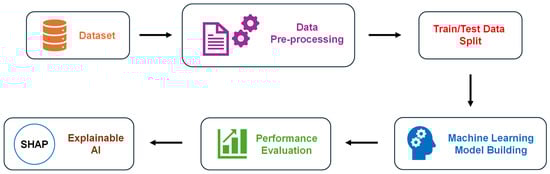
Educational admission systems, particularly in developing countries, often suffer from opaque decision processes, unstructured data, and limited analytic insight. This study proposes a novel methodology that integrates structural causal models (SCMs), ontological modeling, and machine learning to uncover and apply interpretable knowledge from
[...] Read more.
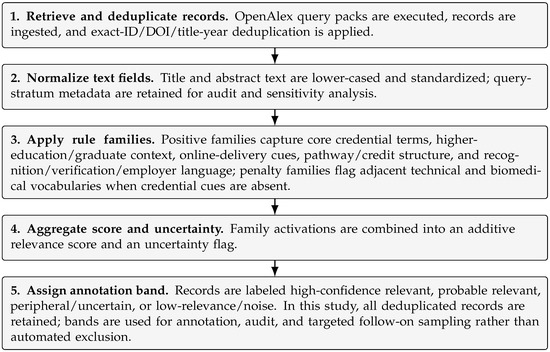
Educational admission systems, particularly in developing countries, often suffer from opaque decision processes, unstructured data, and limited analytic insight. This study proposes a novel methodology that integrates structural causal models (SCMs), ontological modeling, and machine learning to uncover and apply interpretable knowledge from an admission database. Using a dataset of 12,043 records from Benue State Polytechnic, Nigeria, we demonstrate this approach as a proof of concept by constructing a domain-specific SCM ontology, validate it using conditional independence testing (CIT), and extract features for predictive modeling. Five classifiers, Logistic Regression, Decision Tree, Random Forest, K-Nearest Neighbors (KNN), and Support Vector Machine (SVM) were evaluated using stratified 10-fold cross-validation. SVM and KNN achieved the highest classification accuracy (92%), with precision and recall scores exceeding 95% and 100%, respectively. Feature importance analysis revealed ‘mode of entry’ and ‘current qualification’ as key causal factors influencing admission decisions. This framework provides a reproducible pipeline that combines semantic representation and empirical validation, offering actionable insights for institutional decision-makers. Comparative benchmarking, ethical considerations, and model calibration are integrated to enhance methodological transparency. Limitations, including reliance on single-institution data, are acknowledged, and directions for generalizability and explainable AI are proposed.
Full article
(This article belongs to the Special Issue Knowledge Management in Learning and Education)
►▼
Show Figures

Figure 1
Open AccessArticle
Artificial Intelligence in Curriculum Design: A Data-Driven Approach to Higher Education Innovation
by
Thai Son Chu and Mahfuz Ashraf
Knowledge 2025, 5(3), 14; https://doi.org/10.3390/knowledge5030014 - 29 Jul 2025
Cited by 6
Abstract
This paper shows that artificial intelligence is fundamentally transforming college curricula by enabling data-driven personalization, which enhances student outcomes and better aligns educational programs with evolving workforce demands. Specifically, predictive analytics, machine learning algorithms, and natural language processing were applied here, grounded in
[...] Read more.
This paper shows that artificial intelligence is fundamentally transforming college curricula by enabling data-driven personalization, which enhances student outcomes and better aligns educational programs with evolving workforce demands. Specifically, predictive analytics, machine learning algorithms, and natural language processing were applied here, grounded in constructivist learning theory and Human–Computer Interaction principles, to evaluate student performance and identify at-risk students to propose personalized learning pathways. Results indicated that the AI-based curriculum achieved much higher course completion rates (89.72%) as well as retention (91.44%) and dropout rates (4.98%) compared to the traditional model. Sentiment analysis of learner feedback showed a more positive learning experience, while regression and ANOVA analyses proved the impact of AI on enhancing academic performance to be real. Therefore, the learning content delivery for each student was continuously improved based on individual learner characteristics and industry trends by AI-enabled recommender systems and adaptive learning models. Its advantages notwithstanding, the study emphasizes the need to address ethical concerns, ensure data privacy safeguards, and mitigate algorithmic bias before an equitable outcome can be claimed. These findings can inform institutions aspiring to adopt AI-driven models for curriculum innovation to build a more dynamic, responsive, and learner-centered educational ecosystem.
Full article
(This article belongs to the Special Issue Knowledge Management in Learning and Education)
►▼
Show Figures

Figure 1
Highly Accessed Articles
Latest Books
E-Mail Alert
News
Topics
Topic in
Education Sciences, Knowledge, Sustainability, Social Sciences, World
Formal and Non-Formal Learning Contexts: Interdisciplinary Perspectives in Educational Sciences
Topic Editors: Davide Di Palma, Domenico Tafuri, Antonio AscioneDeadline: 31 May 2027
Conferences
Special Issues
Special Issue in
Knowledge
Knowledge Management in Learning and Education
Guest Editors: Dan-Alexandru Szabo, Carmen Pârvu, George MocanuDeadline: 1 June 2026