Journal Description
Journal of Respiration
is an international, peer-reviewed, open access journal on all aspects of respiratory science in humans published quarterly online by MDPI.
- Open Access— free for readers, with article processing charges (APC) paid by authors or their institutions.
- Rapid Publication: manuscripts are peer-reviewed and a first decision is provided to authors approximately 52.3 days after submission; acceptance to publication is undertaken in 4.9 days (median values for papers published in this journal in the second half of 2025).
- Recognition of Reviewers: APC discount vouchers, optional signed peer review, and reviewer names published annually in the journal.
Latest Articles
Gastroesophageal Reflux and Recurrent Wheezing in Preschool Children: An Update on Pathophysiology, Diagnosis, and Management
J. Respir. 2026, 6(2), 10; https://doi.org/10.3390/jor6020010 - 19 May 2026
Abstract
►
Show Figures
Recurrent wheezing represents a significant cause of respiratory morbidity in preschool children. While viral infections in the context of immune dysregulation are primary drivers, gastroesophageal reflux disease (GERD) and laryngopharyngeal reflux (LPR) are increasingly recognized as critical triggers. The link between GERD and
[...] Read more.
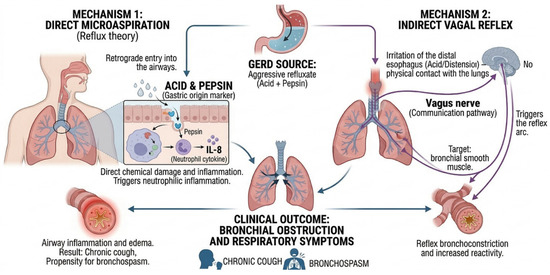
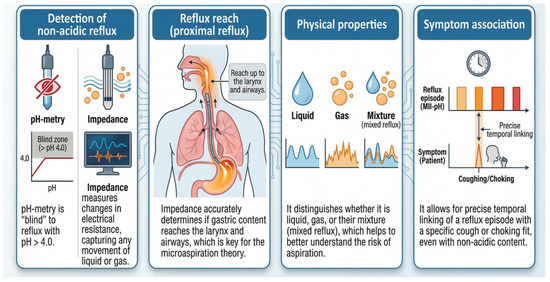
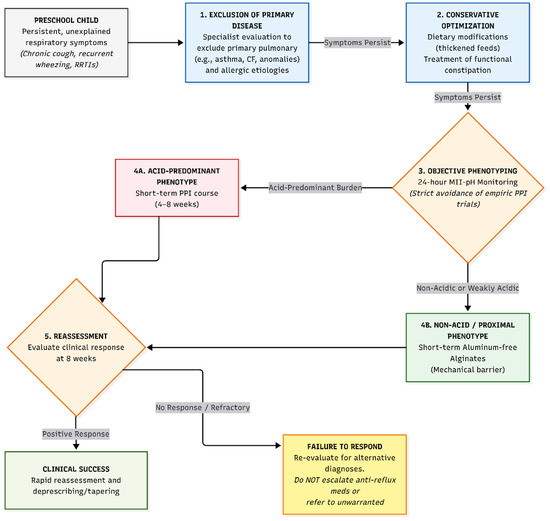
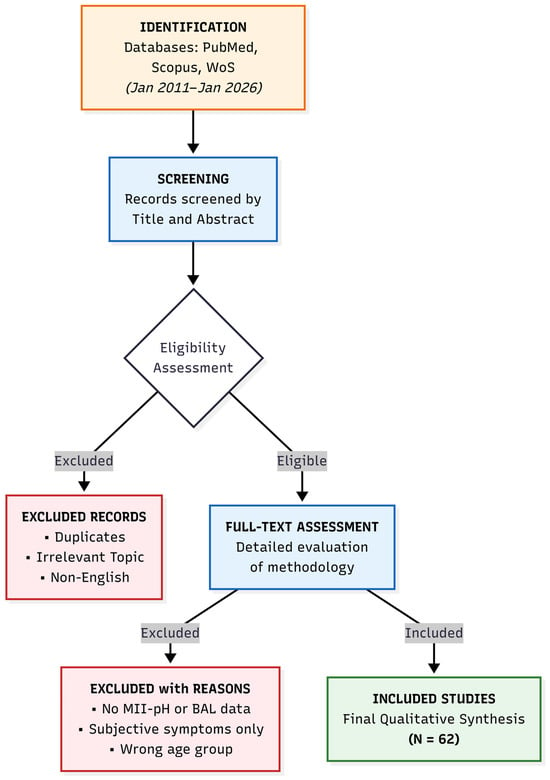
Recurrent wheezing represents a significant cause of respiratory morbidity in preschool children. While viral infections in the context of immune dysregulation are primary drivers, gastroesophageal reflux disease (GERD) and laryngopharyngeal reflux (LPR) are increasingly recognized as critical triggers. The link between GERD and respiratory symptoms has historically been controversial; however, recent advances necessitate a re-evaluation of this relationship. This review critically analyzes the pathophysiological nexus between reflux and airway hyperresponsiveness, emphasizing the dual mechanism of microaspiration and vagal reflex, while integrating the concept of reverse causality (where respiratory effort actively exacerbates reflux). We highlight that the “respiratory reflux” phenotype in preschoolers is often characterized by non-acid and proximal episodes, which standard pH-metry fails to detect. Consequently, we discuss the diagnostic shift towards multichannel intraluminal impedance-pH (MII-pH) monitoring and the incorporation of novel metrics defined by the Lyon Consensus 2.0 (MNBI, PSPW index), alongside specific biomarkers such as pepsin. Finally, we propose a phenotype-driven management algorithm, differentiating between acid-suppressive therapy and alginate-based interventions, to mitigate disease burden and improve clinical outcomes in refractory cases.
Full article
Open AccessArticle
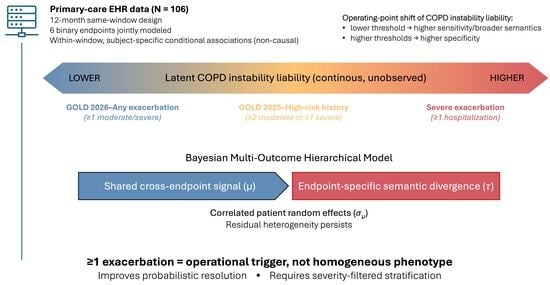
Reframing COPD Instability Under GOLD 2026: A Bayesian Multi-Outcome Retrospective EHR Analysis in Primary Care
by
José Manuel Helguera Quevedo, Pedro Mesa Rodríguez, Luis Richard Rodríguez, Zaira María Correcher Salvador, José Manuel Paredero Domínguez, Francisco Javier Plaza Zamora, Fernando María Navarro Ros and José David Maya Viejo
J. Respir. 2026, 6(2), 9; https://doi.org/10.3390/jor6020009 (registering DOI) - 11 May 2026
Abstract
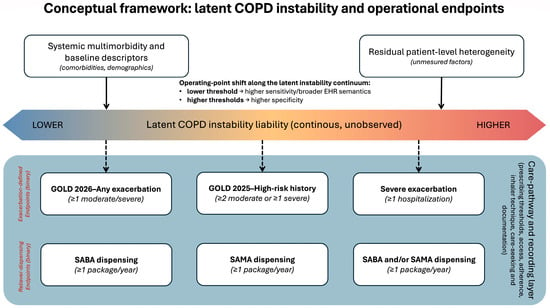
Background/Objectives: COPD instability is heterogeneous; GOLD 2026 lowers the prior-year threshold to ≥1 moderate or severe exacerbation. We assessed whether this low-threshold criterion behaves as a high-sensitivity operational signal in primary-care EHRs. Methods: A retrospective multicenter same-window EHR pilot study in two Spanish
[...] Read more.
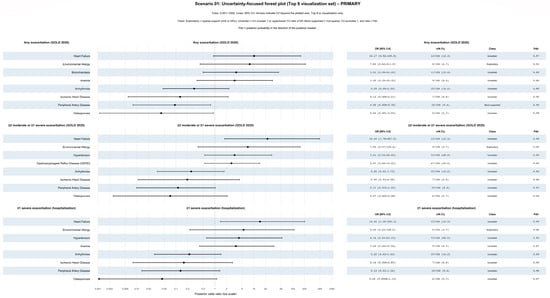
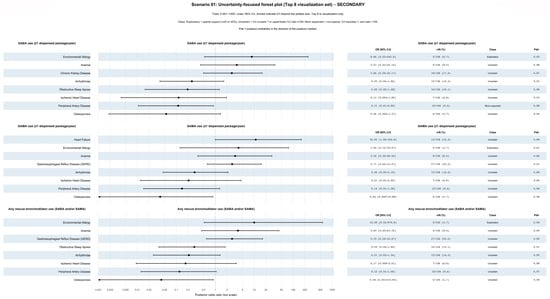
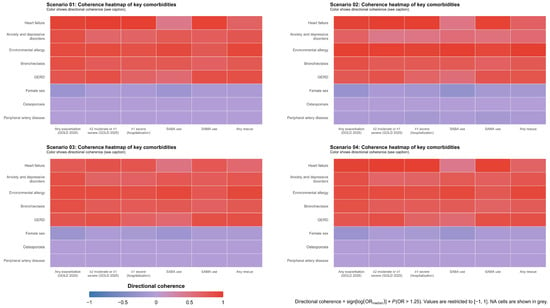
Background/Objectives: COPD instability is heterogeneous; GOLD 2026 lowers the prior-year threshold to ≥1 moderate or severe exacerbation. We assessed whether this low-threshold criterion behaves as a high-sensitivity operational signal in primary-care EHRs. Methods: A retrospective multicenter same-window EHR pilot study in two Spanish primary-care centers (n = 106). Predictors and six binary endpoints were aggregated over the same 12-month window: any exacerbation, high-risk history, severe hospitalization, SABA dispensing, SAMA dispensing, and any rescue dispensing. We fitted Bayesian multi-outcome hierarchical logistic models with patient-level random intercepts, cross-endpoint partial pooling, regularizing priors, and missingness indicators. Robustness used prespecified scenarios, 10-fold ELPD cross-validation, and high-missingness exclusion. Results: Any exacerbation occurred in 53/106 patients; high-risk history in 25/106; hospitalization in 16/106; and any rescue dispensing in 65/106. Diagnostics were stable, and posterior predictive checks supported marginal adequacy. Heart failure showed the clearest positive pattern across exacerbation-defined endpoints; reliever-dispensing endpoints showed a distinct care-pathway-sensitive pattern. No scenario improved out-of-sample adequacy. High-missingness exclusion preserved directionality in 120/120 overlapping pairs; the median |ΔlogOR| was 0.061; and 119/120 remained within ±log(1.25). Conclusions: GOLD 2026 “any exacerbation” behaved as a high-sensitivity operational signal in an endpoint-operating-point sense, not as a homogeneous phenotype. Findings are within-window associations, not causal, medication-effect, or prospective prediction estimates; external validation is required.
Full article
(This article belongs to the Collection Feature Papers in Journal of Respiration)
►▼
Show Figures

Graphical abstract
Open AccessOpinion
Management of Persistent Air Leak
by
Santiago Serna, Marium Khan, Krupa Shingada, Shreya Podder, Harpreet Singh, Bryan S. Benn, Steven Verga, Elizabeth Malsin and Jonathan S. Kurman
J. Respir. 2026, 6(2), 8; https://doi.org/10.3390/jor6020008 - 30 Apr 2026
Abstract
Alveolar–pleural or broncho-pleural fistulas, leading to persistent air leaks (PALs), are associated with prolonged hospitalization and substantial morbidity. While guidelines advocate surgical repair as the primary treatment, its efficacy is limited. For patients recently subjected to thoracic surgery or those for whom surgery
[...] Read more.
Alveolar–pleural or broncho-pleural fistulas, leading to persistent air leaks (PALs), are associated with prolonged hospitalization and substantial morbidity. While guidelines advocate surgical repair as the primary treatment, its efficacy is limited. For patients recently subjected to thoracic surgery or those for whom surgery is contraindicated due to severe illness, viable treatment alternatives have been lacking. This article reviews the newer and less invasive treatment options for PALs. Further research is crucial, including randomized controlled trials comparing these options, and long-term monitoring of intervention outcomes is warranted.
Full article
(This article belongs to the Special Issue Interventional Pulmonology: An Exciting New Subspecialty Within Pulmonary Medicine)
Open AccessArticle
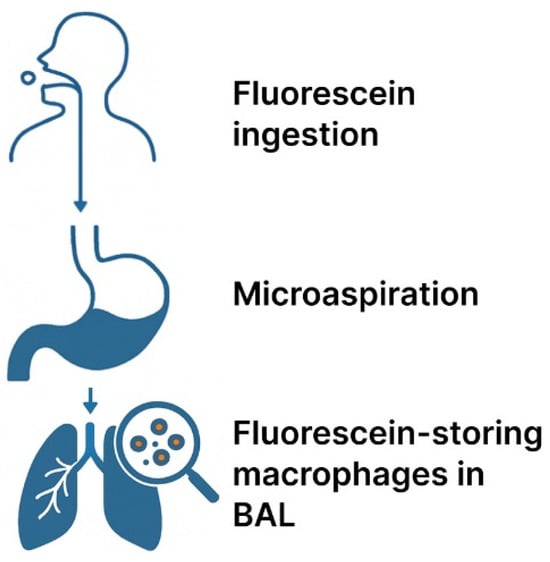
Bacterial Load in Bronchial Washing Fluid Samples of Patients Undergoing Proton Pump Inhibitor Therapy: A Retrospective Observational Study Using Fluorescein as a Marker of Micro-Aspiration
by
Lukas Neumann, Christine Wagenlechner, Peter Starzengruber, Daniela Gompelmann, Marco Idzko and Ahmed El-Gazzar
J. Respir. 2026, 6(2), 7; https://doi.org/10.3390/jor6020007 - 28 Apr 2026
Abstract
►▼
Show Figures
Background: Proton pump inhibitors (PPIs) have been associated with lung dysbiosis and increased respiratory risk. Micro-aspiration is a proposed mechanism, but reliable biomarkers remain elusive. This study evaluates the potential of fluorescein as a biomarker of micro-aspiration and PPI-associated pulmonary risk. Methods: We
[...] Read more.
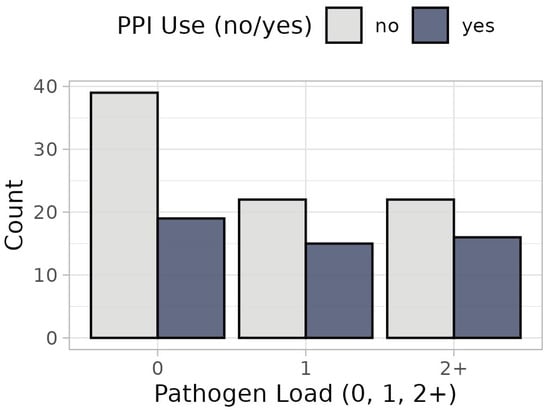
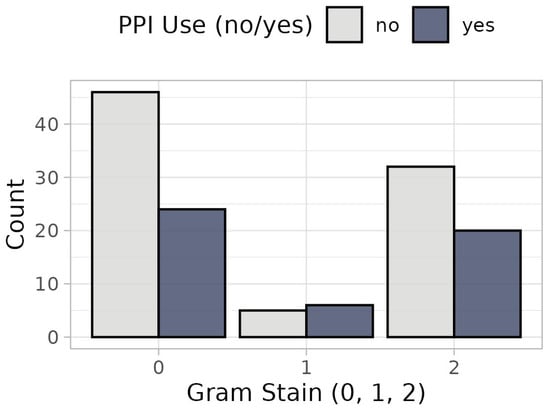
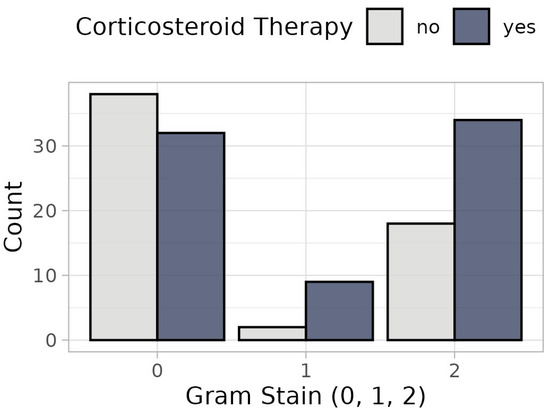
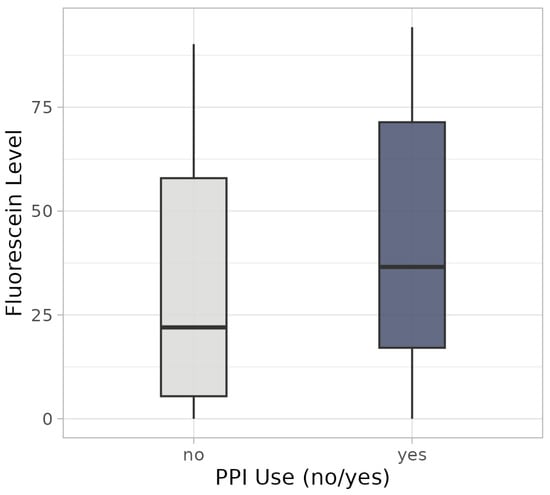
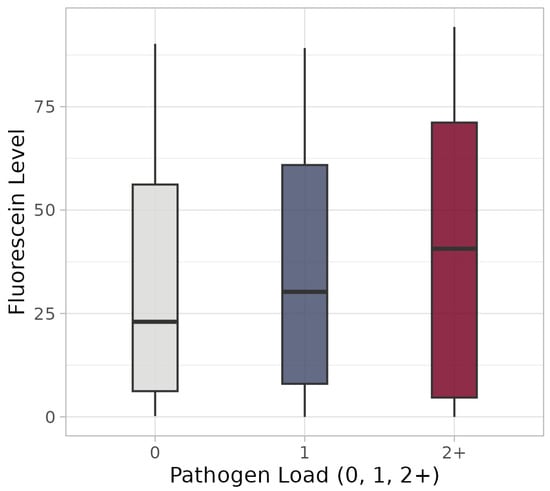
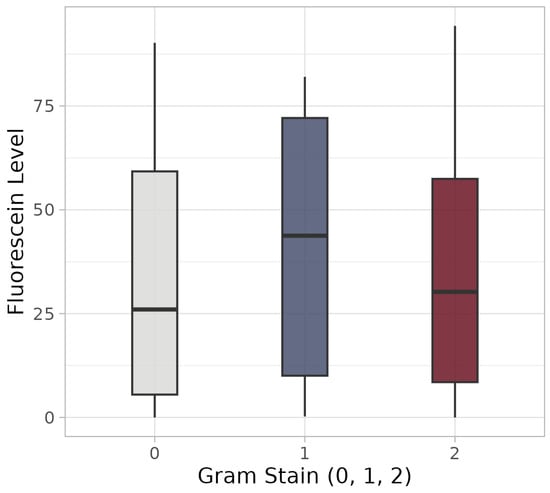
Background: Proton pump inhibitors (PPIs) have been associated with lung dysbiosis and increased respiratory risk. Micro-aspiration is a proposed mechanism, but reliable biomarkers remain elusive. This study evaluates the potential of fluorescein as a biomarker of micro-aspiration and PPI-associated pulmonary risk. Methods: We conducted a retrospective analysis of 137 bronchial washing fluid samples from patients with pulmonary conditions to assess microbial colonization in relation to PPI use. Bacterial burden was determined by culture and PCR and categorized as 0, 1 or ≥2 pathogens. Micro-aspiration was evaluated by quantifying fluorescein-laden macrophages in bronchoalveolar lavage following oral fluorescein administration. Associations between PPI use, fluorescein levels and pathogen burden were analyzed using adjusted ordinal regression models. Results: PPI use was associated with higher odds of increased pathogen burden, though not statistically significant (OR = 1.40, 95% CI: 0.71–2.75, p = 0.33). Fluorescein-laden macrophages were higher in PPI users (41.5 versus 31.2 ng/mL), but showed no meaningful correlation with pathogen load (p = 0.09). Corticosteroid therapy was significantly associated with Gram stain results (OR = 2.37, 95% CI: 1.12–5.15, p = 0.03). Conclusions: These findings suggest a potential link between PPI use and airway colonization. Fluorescein shows promise as a biomarker for micro-aspiration, but its clinical utility requires further validation.
Full article

Figure 1
Open AccessArticle
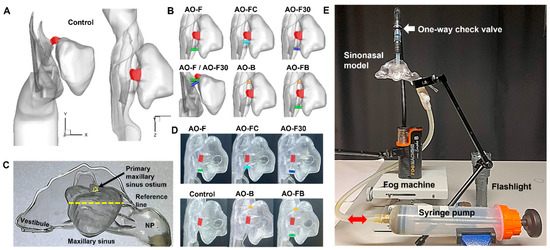
Experimental and Computational Analyses of Accessory Ostia Effects on Maxillary Sinus Ventilation
by
Amr Seifelnasr, Xiuhua Si and Jinxiang Xi
J. Respir. 2026, 6(1), 6; https://doi.org/10.3390/jor6010006 - 6 Mar 2026
Abstract
►▼
Show Figures
Background: Accessory ostia (AOs) can notably alter maxillary sinus ventilation, yet configuration-specific effects remain unclear. This study quantified how AO location and orientation regulate sinus ventilation using in vitro measurements and numerical analyses. Methods: One patient-specific sinonasal geometry (control) was used to reconstruct
[...] Read more.
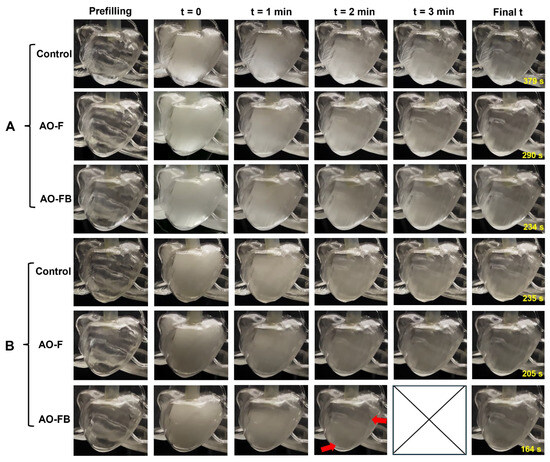
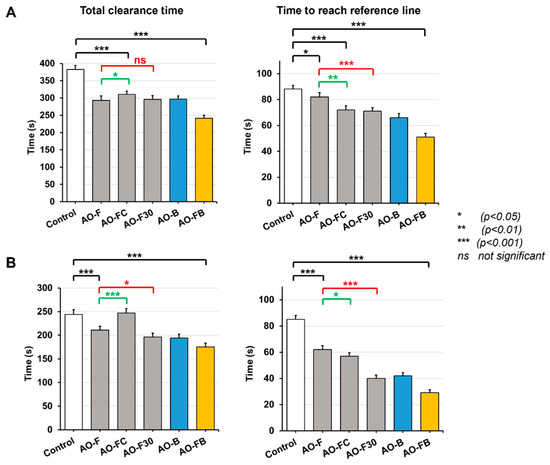
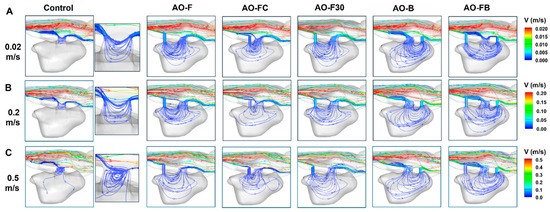
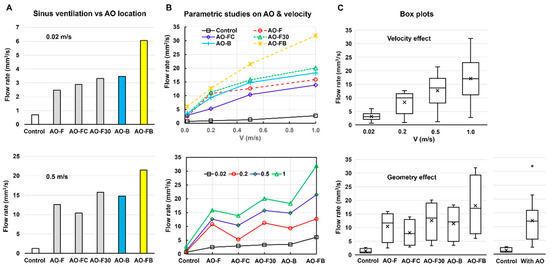
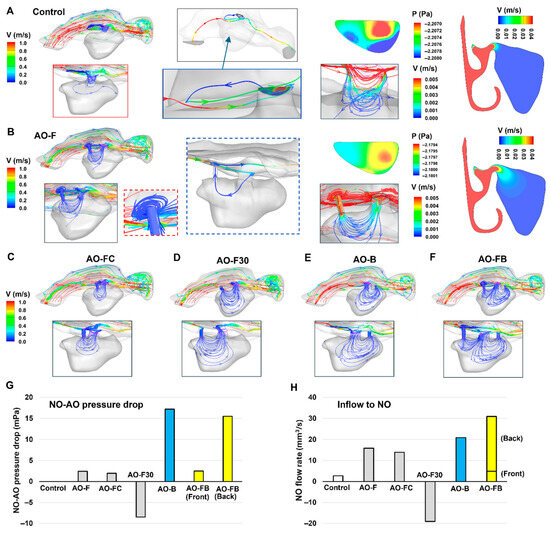
Background: Accessory ostia (AOs) can notably alter maxillary sinus ventilation, yet configuration-specific effects remain unclear. This study quantified how AO location and orientation regulate sinus ventilation using in vitro measurements and numerical analyses. Methods: One patient-specific sinonasal geometry (control) was used to reconstruct five models with varying AO numbers, locations, and orientations (AO-F, AO-FC, AO-F30, AO-B, AO-FB). E-vapor was used as a visual tracer for sinus clearance under breath-hold and quiet breathing conditions. Complementary simulations characterized flow dynamics and sinus ventilation rates. Results: Both inhalation and AO presence accelerate e-vapor clearance for all conditions considered. The e-vapor clearance time in AO-FB decreases from 51 s under breath-hold to 29 s under quiet breathing (1 m/s). Configuration-wise, posterior AO ventilates the sinus faster than anterior AO, with dual anterior–posterior ostia (AO-FB) consistently performing the best. Among the three anterior AO, an uptilt AO ventilates the sinus faster than a parallel one, which is in turn faster than an AO located closer to the natural ostium (NO), i.e., AO-F30 > AO-F > AO-FC. CFD predictions provide a mechanistic understanding of the configuration-specific differences observed in vitro. Flow patterns in the ostium–sinus region, as well as the ventilation rate and driving pressure, show high sensitivities to AO location and orientation. At 1 m/s, the predicted AO-NO pressure drop ranges 2–18 mPa, with the lowest in AO-FC and highest in AO-B. Conclusions: The high sensitivity of sinus ventilation to AO configurations underscores the clinical importance of examining NO-adjacent openings in surgical planning and physiological interpretation.
Full article

Figure 1
Open AccessSystematic Review
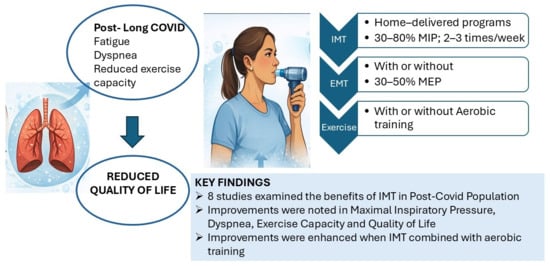
The Effect of Home-Based Inspiratory Muscle Training in Post-COVID Population—Systematic Review
by
Stiliani Andreadou, Georgia Tziouvara, Georgios Mitsiou, Aphrodite Evangelodimou, Stavros Dimopoulos and Irini Patsaki
J. Respir. 2026, 6(1), 5; https://doi.org/10.3390/jor6010005 - 5 Mar 2026
Abstract
►▼
Show Figures
Background/Objective: Post-COVID survivors present significant respiratory deficiency that has been associated with ongoing shortness of breath and impaired lung function. Inspiratory muscle training (IMT) is increasingly used in survivors of COVID-19 rehabilitational programs as a means to facilitate recovery of the respiratory system.
[...] Read more.
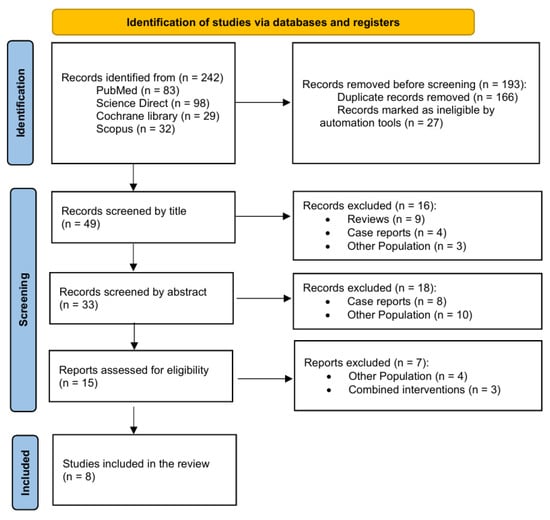
Background/Objective: Post-COVID survivors present significant respiratory deficiency that has been associated with ongoing shortness of breath and impaired lung function. Inspiratory muscle training (IMT) is increasingly used in survivors of COVID-19 rehabilitational programs as a means to facilitate recovery of the respiratory system. Yet, its home-based effectiveness across clinically relevant outcomes remains unclear. This systematic review aimed to present current evidence on home- or tele-delivered IMT in the post-COVID-19 population. Methods: PubMed, Scopus, Cochrane library and Science Direct were systematically searched for studies evaluating home-based (or telerehabilitation) IMT, alone or as part of a respiratory muscle training program, in adults with post-COVID-19 symptoms. The primary outcome was inspiratory muscle strength. Secondary outcomes included dyspnea, pulmonary function, exercise capacity and health-related quality of life. The methodological quality of the included studies was assessed via the PEDro scale. Owing to clinical and methodological heterogeneity, we performed only a qualitative synthesis. Results: Eight studies met the inclusion criteria. Two included both inspiratory and expiratory muscles training and three included physical training as well. The methodological quality was found to be good. IMT consistently increased inspiratory muscle strength across trials. Respiratory muscle training (RMT) programs that combined inspiratory and expiratory training also improved maximal expiratory pressure. IMT reduced dyspnea versus control/sham or baseline and several studies reported improvements in exercise capacity and physical function. Spirometry/DLCO changes were small or null in most cohorts. HRQoL gains were domain-specific in anxiety and depression. Adherence was generally good. No serious adverse events attributable to IMT were reported. Conclusions: Home-based IMT for adults with post-COVID-19 conditions is safe and seems to improve inspiratory muscle strength and dyspnea, with signs of benefit for exercise capacity, physical function, and selected HRQoL domains. Effects on ventilatory efficiency and conventional lung function appear limited. Future multicenter, sham-controlled RCTs should further explore the characteristics of IMT, employ core outcome sets, include longer follow-up, and predefine phenotype-based subgroups.
Full article

Graphical abstract
Open AccessSystematic Review
Post-COVID-19 Cardiovascular Complications: An Updated Systematic Review
by
Alexandru Stoichita, Beatrice Mahler, Silviu Vlasceanu, Oana Parliteanu, Justina Antonela Dragomir, Mara Balteanu, Alexandru Daniel Radu, Cristina Teleaga, Dragos Baiceanu, Traian Constantin Panciu, Mosteanu Madalina, Elmira Ibraim, Madalina Mariuca Ciupan and Adriana Iliesiu Mihaela
J. Respir. 2026, 6(1), 4; https://doi.org/10.3390/jor6010004 - 25 Feb 2026
Abstract
►▼
Show Figures
Background: Severe Acute Respiratory Syndrome Coronavirus 2 (SARS-CoV-2) can cause persistent, multisystem complications collectively termed long COVID. Cardiovascular sequelae are among the most clinically significant yet remain incompletely characterized. This review aimed to synthesize current evidence on objective cardiovascular outcomes in long COVID
[...] Read more.
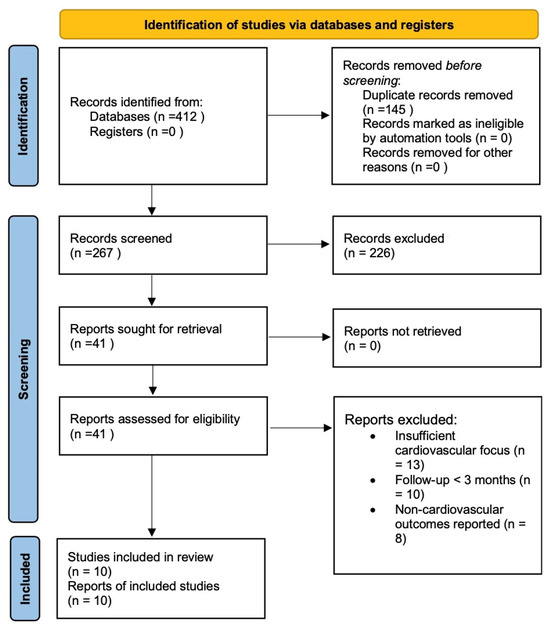
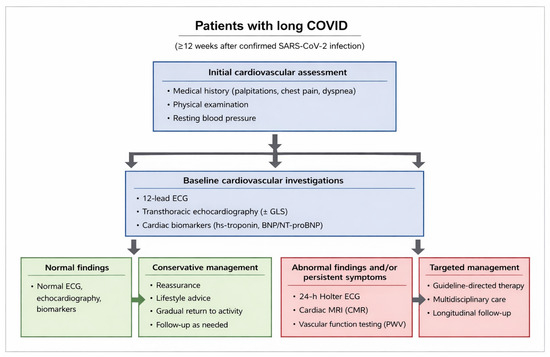
Background: Severe Acute Respiratory Syndrome Coronavirus 2 (SARS-CoV-2) can cause persistent, multisystem complications collectively termed long COVID. Cardiovascular sequelae are among the most clinically significant yet remain incompletely characterized. This review aimed to synthesize current evidence on objective cardiovascular outcomes in long COVID and explore underlying mechanisms. Methods: A systematic review was conducted using PubMed, Scopus, and Web of Science for studies published between January 2020 and March 2024. Search terms included “COVID-19,” “long COVID,” “post-acute sequelae,” “cardiovascular,” “echocardiography,” “biomarkers,” and “imaging.” Only studies reporting at least one cardiovascular outcome, defined as either objectively measured parameters (e.g., echocardiography, cardiac biomarkers, ECG findings, or vascular function indices) or clinically relevant cardiovascular symptoms during follow-up, were included. From 412 identified records, ten recent, high-quality studies with a primary cardiovascular focus were selected. This systematic review was conducted in accordance with the PRISMA 2020 guidelines. Results: Long COVID is associated with subclinical myocardial dysfunction, arrhythmias, endothelial injury, vascular stiffness, and a prothrombotic state. Reported findings included reduced left ventricular ejection fraction, impaired global longitudinal strain, increased arterial stiffness, elevated cardiac biomarkers, new-onset hypertension, and persistent ECG changes, even in non-hospitalized patients without prior cardiovascular disease. Proposed mechanisms include myocardial inflammation, endothelial dysfunction, renin–angiotensin–aldosterone system dysregulation, autonomic imbalance, and chronic inflammation. Secondary bacterial and fungal infections were noted in critically ill survivors but did not fully explain the breadth or persistence of symptoms. Conclusions: Long COVID is a heterogeneous entity with substantial cardiovascular implications across all levels of acute disease severity. Early detection through longitudinal monitoring, standardized definitions, and multidisciplinary care is essential to reduce long-term cardiovascular risk.
Full article

Figure 1
Open AccessCase Report
Beyond the Ordinary: Diagnosing a Case with Urinothorax
by
Tarneem M. Alghamdi, Mohammed M. Mergani, Habib Abdulnabi, Abdulaziz K. AlNaimi, Mohammed D. Al Shubbar, Hisham Y. Alouhali and Mahmoud I. Mahmoud
J. Respir. 2026, 6(1), 3; https://doi.org/10.3390/jor6010003 - 3 Feb 2026
Abstract
►▼
Show Figures
Urinothorax, the presence of urine in the pleural space, is an exceptionally rare cause of pleural effusion, with fewer than 100 cases described in the literature. It most often follows trauma or urological procedures, though obstructive uropathy is also a recognized mechanism. We
[...] Read more.
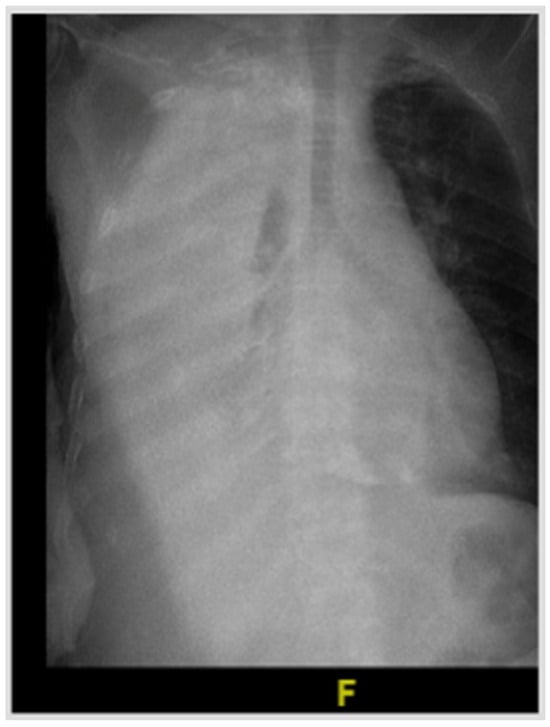
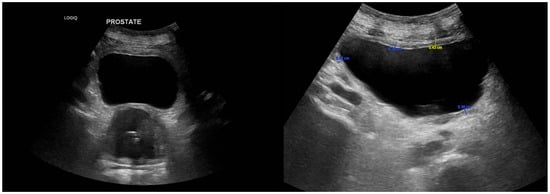
Urinothorax, the presence of urine in the pleural space, is an exceptionally rare cause of pleural effusion, with fewer than 100 cases described in the literature. It most often follows trauma or urological procedures, though obstructive uropathy is also a recognized mechanism. We report an 83-year-old man with chronic kidney disease and benign prostatic hyperplasia who presented with acute dyspnea and a massive right-sided pleural effusion. Thoracentesis yielded clear yellow fluid with an ammonia-like odor, while imaging revealed chronic bladder outlet obstruction with bilateral hydroureteronephrosis. Despite inconclusive scintigraphy, the effusion resolved completely after urinary decompression with Foley catheterization, confirming the diagnosis. This case underscores the diagnostic challenges of urinothorax, which may be overlooked due to its rarity and variable biochemical profile, and highlights the importance of correlating clinical, radiologic, and pleural fluid findings. Early recognition is crucial, as timely relief of urinary obstruction provides both definitive diagnosis and curative treatment.
Full article

Figure 1
Open AccessArticle
Effect of Medical Comorbidities on Procedural Success in Bronchoscopic Lung Volume Reduction
by
Christopher N. Nemeh, William F. Parker, Douglas K. Hogarth and Ajay A. Wagh
J. Respir. 2026, 6(1), 2; https://doi.org/10.3390/jor6010002 - 14 Jan 2026
Abstract
Background: Chronic obstructive pulmonary disease (COPD) is a major cause of morbidity, mortality, and healthcare utilization. Lung volume reduction surgery improves outcomes in a select cohort but portends high morbidity. Bronchoscopic lung volume reduction (BLVR) is a less invasive, reversible manner of lung
[...] Read more.
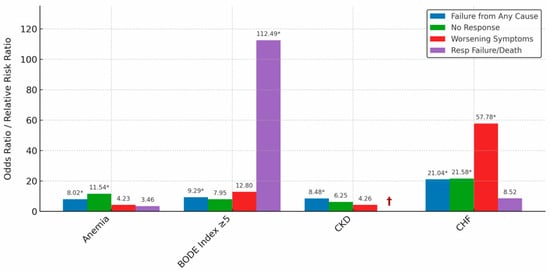
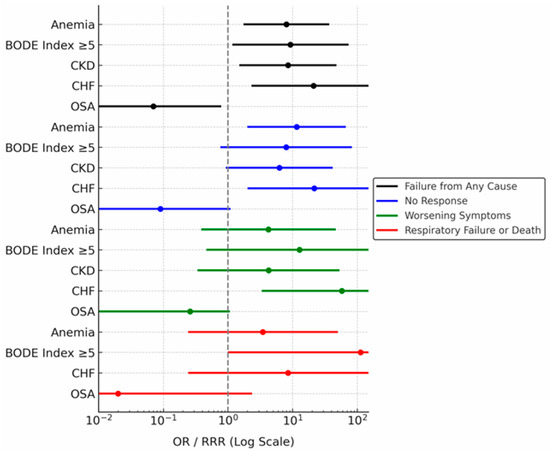
Background: Chronic obstructive pulmonary disease (COPD) is a major cause of morbidity, mortality, and healthcare utilization. Lung volume reduction surgery improves outcomes in a select cohort but portends high morbidity. Bronchoscopic lung volume reduction (BLVR) is a less invasive, reversible manner of lung volume reduction, using one-way valves to improve lung function, quality of life, and exercise capacity. Nevertheless, knowledge gaps persist regarding factors that predict procedural success. Methods: We retrospectively reviewed 142 patients who underwent BLVR at the University of Chicago between December 2018 and July 2024 to assess the relationship between comorbidities and procedural outcomes. Using logistic and multinomial regression, we determined odds ratios (ORs) for a binary outcome of success and failure and relative risk ratios (RRRs) for failure sub-categories relative to procedural success. Results: We observed a procedural success rate of 48.1% and pneumothorax prevalence of 21.8%. After adjusting for age, sex, race, and body mass index (BMI), comorbidities associated with procedural failure included chronic kidney disease (CKD), congestive heart failure (CHF), anemia, and a BMI, Obstruction, Dyspnea and Exercise (BODE) Index of 5 or greater. Obstructive sleep apnea (OSA) was associated with procedural success. Conclusions: Comorbidities associated with dyspnea appear to have a significant effect on procedural success in BLVR.
Full article
(This article belongs to the Special Issue Interventional Pulmonology: An Exciting New Subspecialty Within Pulmonary Medicine)
►▼
Show Figures

Figure 1
Open AccessArticle
Feasibility and Effectiveness of the Passio™ Digital Drainage System in Reducing Chest Pain During Indwelling Pleural Catheter Drainage
by
Thisarana Wijayaratne, Akash Mavilakandy, Faye Hinchcliffe, Sarah Johnstone, Rajini C. Sudhir and Rakesh K. Panchal
J. Respir. 2026, 6(1), 1; https://doi.org/10.3390/jor6010001 - 5 Jan 2026
Abstract
►▼
Show Figures
(1) Background: Indwelling pleural catheters (IPCs) with vacuum-based drainage can cause pain, especially in patients with a non-expandable lung (NEL). This evaluation assessed whether the Passio™ digital drainage system offers a viable alternative for patients experiencing pain during IPC drainage. (2) Methods
[...] Read more.
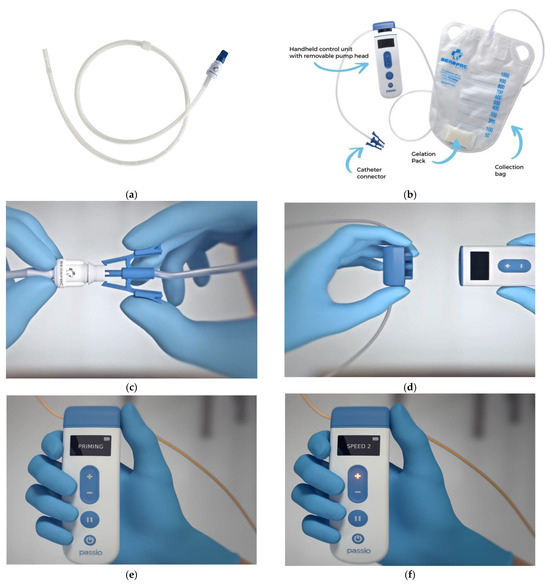
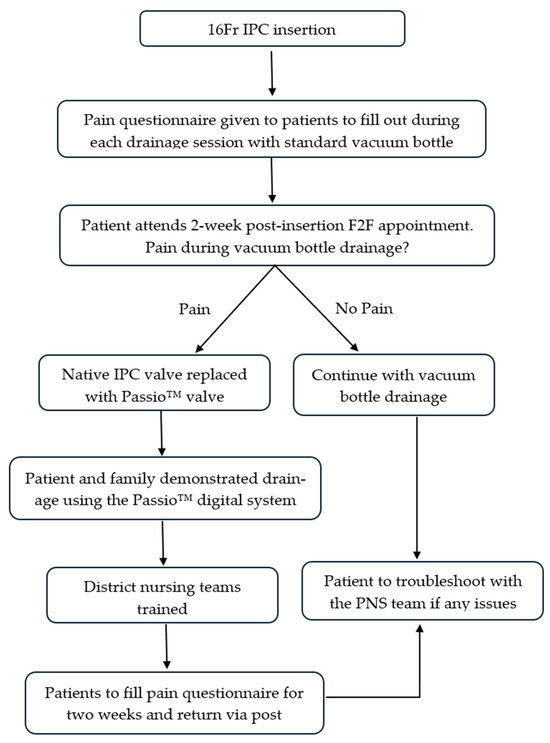
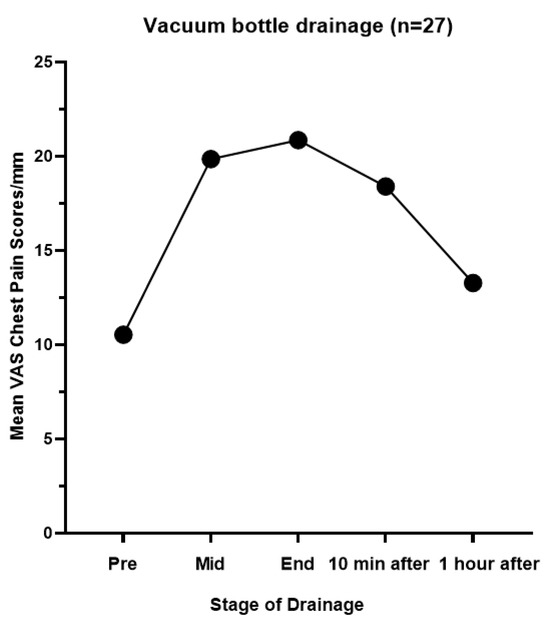
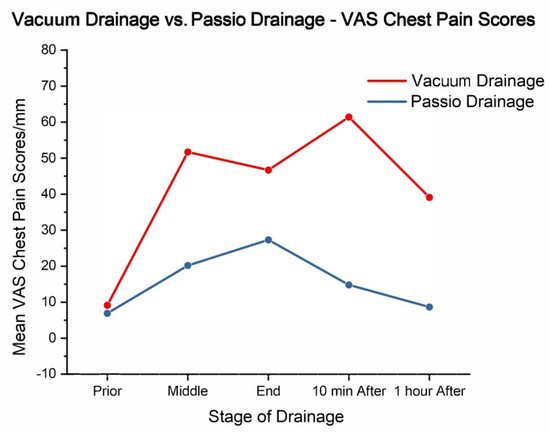
(1) Background: Indwelling pleural catheters (IPCs) with vacuum-based drainage can cause pain, especially in patients with a non-expandable lung (NEL). This evaluation assessed whether the Passio™ digital drainage system offers a viable alternative for patients experiencing pain during IPC drainage. (2) Methods: All IPC patients between November 2023 and April 2024 completed questionnaires assessing pain severity on a 10-point visual analogue scale (VAS) at four points during drainage. Patients reporting drainage-related pain at the 2-week post-IPC appointment had their existing valve replaced with a Passio™ valve (n = 5). (3) Results: Twenty-seven patients (59% male) were included in this analysis. The mean VAS scores for pain with a standard vacuum bottle were not statistically different at mid-drainage and the end of drainage compared with pre-drainage. Patients who experienced pain with the vacuum bottle (n = 5) had higher mean VAS scores at mid-drainage (51.68 mm ± 16.29; p = 0.13), end of drainage (46.68 mm ± 19.45; p = 0.19), and 10 min post-drainage (61.38 mm ± 9.81; p = 0.06) compared with pre-drainage (9.16 mm ± 4.01). Post-Passio™ valve replacement (n = 5), patients had a lower VAS pain score mid-drainage (20.15 mm ± 9.34; p = 0.25), end of drainage (27.28 mm ± 12.69; p = 0.84), and 10 min post-drainage (14.81 mm ± 3.33; p = 0.0079) when compared with vacuum bottle drainage. There were no complications with the Passio™ drainage system. (4) Conclusions: Controlled pleural drainage using a digital drainage device such as Passio™ may have a role in IPC patients who experience pain with vacuum bottle drainage, especially in those with an NEL.
Full article

Figure 1
Open AccessReview
Asthma, Infections and Immunodeficiency
by
Alberto García de la Fuente, Ebymar Arismendi, Mariona Pascal and César Picado
J. Respir. 2025, 5(4), 20; https://doi.org/10.3390/jor5040020 - 8 Dec 2025
Abstract
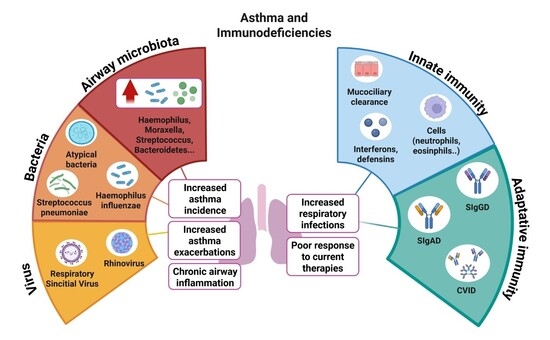
The relationship between asthma, infections, and immunodeficiencies is complex and affects disease progression. Immune deficiencies can occur independently or because of the inflammatory processes associated with asthma. Early viral infections like respiratory sinticial virus and rhinovirus trigger asthma attacks, while bacteria such as
[...] Read more.
The relationship between asthma, infections, and immunodeficiencies is complex and affects disease progression. Immune deficiencies can occur independently or because of the inflammatory processes associated with asthma. Early viral infections like respiratory sinticial virus and rhinovirus trigger asthma attacks, while bacteria such as Haemophilus influenzae, Streptococcus pneumoniae, Mycoplasma pneumoniae, and Chlamydia pneumoniae worsen airway inflammation. People with asthma often have defects in innate (mucociliary clearance, interferons, defensins, NK cell, and eosinophils) and adaptive immunity such as immunoglobulin (Ig) deficiencies, making them more vulnerable to lung infections. Combined and selective deficiencies of IgA, IgG, IgM, and IgE are linked to higher asthma rates and reduced effectiveness of treatments, but immunoglobulin therapy can help control symptoms. Biologic therapies also decrease asthma exacerbations during periods of high viral activity by boosting immune responses and airway defenses. However, the link between asthma and higher infection risk is not well studied or understood, so guidelines do not recommend routinely checking for immunodeficiencies in cases of poor treatment response. Further investigation is required to elucidate these relationships and enhance management approaches.
Full article
(This article belongs to the Collection Feature Papers in Journal of Respiration)
►▼
Show Figures

Graphical abstract
Open AccessReview
Immunology and Biologics in the Treatment of Allergic Bronchopulmonary Aspergillosis in Cystic Fibrosis
by
Esther S. Kim and Janice Wang
J. Respir. 2025, 5(4), 19; https://doi.org/10.3390/jor5040019 - 14 Nov 2025
Abstract
►▼
Show Figures
Allergic bronchopulmonary aspergillosis (ABPA) is mediated by hypersensitivity reactions to Aspergillus fumigatus, which is ubiquitous in the environment. People with Cystic Fibrosis (PwCF) are at an increased risk for developing ABPA, which can lead to frequent pulmonary exacerbations and progressive decline in
[...] Read more.
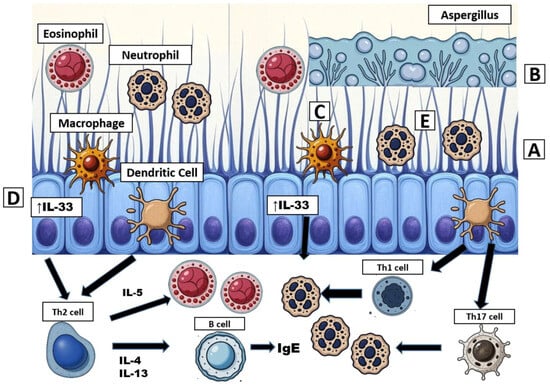
Allergic bronchopulmonary aspergillosis (ABPA) is mediated by hypersensitivity reactions to Aspergillus fumigatus, which is ubiquitous in the environment. People with Cystic Fibrosis (PwCF) are at an increased risk for developing ABPA, which can lead to frequent pulmonary exacerbations and progressive decline in lung function. In the age of highly effective modulator therapies (HEMT), PwCF have improved clinical outcomes and overall life expectancy, but they continue to suffer from comorbidities such as ABPA, which may be difficult to diagnose and treat. Establishing the diagnosis of ABPA in PwCF requires high clinical suspicion due to similarities in symptoms with the underlying disease. First-line treatment involves corticosteroids and anti-fungals, which have multiple side effects and drug interactions, especially with HEMT. Given this challenge, biologics have gained attention as potential agents directly targeting the Th-2 inflammatory pathway of ABPA with good tolerability and without significant drug interactions with HEMT. In this review, we discuss the diagnostic process and management of ABPA in PwCF, including a brief overview of the current literature on biologic agents.
Full article

Figure 1
Open AccessArticle
TUS-EPIC: Thoracic Ultrasonography for Exclusion of Iatrogenic Pneumothorax in Post Transbronchial Lung Cryobiopsy—A Safe Alternative to Chest X-Ray
by
Ismael Matus, Sameer Akhtar and Vamsi Matta
J. Respir. 2025, 5(4), 18; https://doi.org/10.3390/jor5040018 - 5 Nov 2025
Abstract
►▼
Show Figures
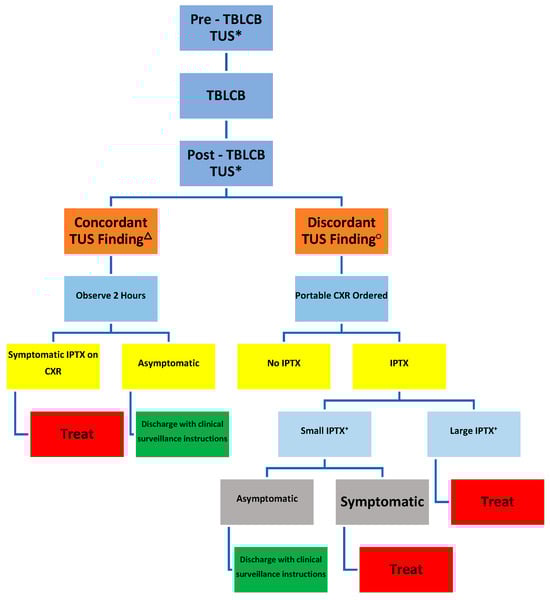
Background: The incidence of iatrogenic pneumothorax (IPTX) following transbronchial lung cryobiopsy (TBLCB) ranges from 1.4% to 20.2%. While chest X-ray (CXR) is the standard imaging modality to exclude IPTX, thoracic ultrasound (TUS) has demonstrated superior accuracy in detecting pneumothorax across various contexts. This
[...] Read more.
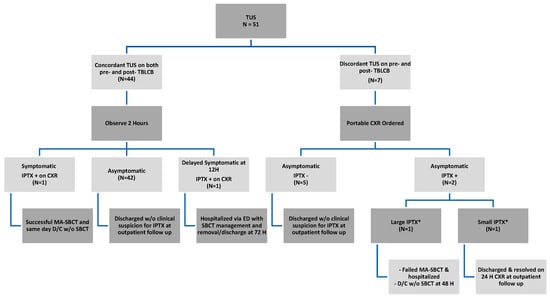
Background: The incidence of iatrogenic pneumothorax (IPTX) following transbronchial lung cryobiopsy (TBLCB) ranges from 1.4% to 20.2%. While chest X-ray (CXR) is the standard imaging modality to exclude IPTX, thoracic ultrasound (TUS) has demonstrated superior accuracy in detecting pneumothorax across various contexts. This study evaluates TUS as a reliable alternative to routine CXR for ruling out IPTX after TBLCB. Methods: A retrospective observational study included 51 patients undergoing ambulatory TBLCB. Pre- and post-TBLCB TUS were performed. CXR was reserved for cases where TUS findings were inconclusive (absence of sliding lung [SL] and seashore sign [SS] in any lung zones) or if patients exhibited symptoms or signs of IPTX. Results: TUS findings were concordant in 44 (86.1%) patients, of whom 42 (95.5%) did not require CXR. Two patients (4.5%) with symptomatic IPTX were identified and managed. Among the seven patients (13.7%) requiring CXR due to inconclusive TUS or symptoms, five (71.4%) were negative for IPTX, and two (28.6%) had asymptomatic IPTX. Conclusion: Our TUS protocol effectively ruled out clinically significant IPTX, eliminating routine CXR in 95.5% of patients. TUS is a safe alternative to CXR post-TBLCB, with CXR reserved for inconclusive TUS findings or symptomatic cases.
Full article

Figure 1
Open AccessArticle
LAMAs in Real-Life Asthma Management—The 2023 EU-LAMA Survey Results
by
Michał Panek, Robab Breyer-Kohansal, Paschalis Steiropoulos, Peter Kopač, Maciej Wojakiewicz, Tomasz Dębowski, Christer Janson and Maciej Kupczyk
J. Respir. 2025, 5(4), 17; https://doi.org/10.3390/jor5040017 - 31 Oct 2025
Abstract
►▼
Show Figures
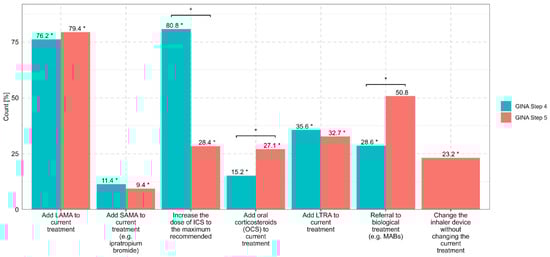
Background: Triple therapy (long-acting muscarinic antagonists (LAMAs), long-acting beta agonists (LABAs) and inhaled corticosteroids (ICSs)) is a recommended treatment for moderate-to-severe asthma at GINA Steps 4 and 5. However, little is known about the acceptance and use of triple therapy in everyday practice.
[...] Read more.
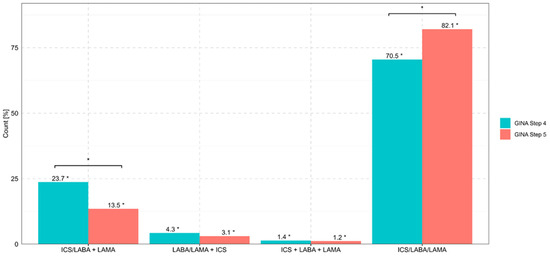
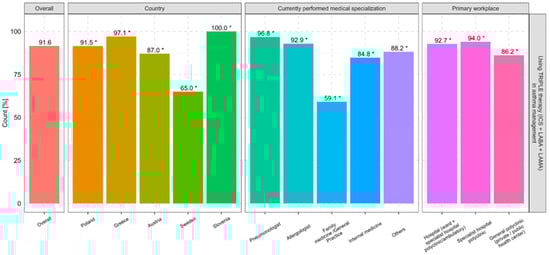
Background: Triple therapy (long-acting muscarinic antagonists (LAMAs), long-acting beta agonists (LABAs) and inhaled corticosteroids (ICSs)) is a recommended treatment for moderate-to-severe asthma at GINA Steps 4 and 5. However, little is known about the acceptance and use of triple therapy in everyday practice. The EU-LAMA Survey assessed specialists’ knowledge and views on triple therapy in daily practice. Methods: A 19-question survey was administered to 630 pulmonologists, allergologists, general practitioners, and internal medicine specialists in Poland (58%), Greece (27%), Sweden (6.3%), Slovenia (5.4%), and Austria (3.7%) using a dedicated online platform and computer-assisted web interviews. Results: The majority of the physicians were pulmonologists (59%), followed by allergologists (15.7%). For uncontrolled asthma at GINA Step 4, 81% of the respondents preferred increasing the ICS dose to the maximum level, whereas 76% opted to add LAMAs to medium-dose ICSs. At GINA Step 5, 79% of the respondents chose LAMAs first, followed by biological therapy (51%). Oral corticosteroids were favored over increasing the ICS dose and adding LAMAs. Triple therapy was mostly administered in one inhaler (70% and 82% at GINA Steps 4 and 5, respectively). Barriers to the use of LAMAs included a lack of reimbursement (31%), unclear guidelines (24%), lack of experience (18%), insufficient evidence (13%), fear of step-up regimens (10%), and the ease of increasing ICS doses (9%). Conclusion: Many physicians continue to rely on oral corticosteroids at GINA Steps 4 and 5 and infrequently refer patients to triple therapy or biological treatments at GINA Step 5.
Full article

Figure 1
Open AccessSystematic Review
Health Effects and Preventive Strategies for Radon Exposure: A Systematic Review of the Literature
by
Luigi Cofone, Marise Sabato, Chiara Colombo, Stefania Scalingi, Antonio Montesi, Lorenzo Paglione and Federica Patania
J. Respir. 2025, 5(4), 16; https://doi.org/10.3390/jor5040016 - 10 Oct 2025
Cited by 2
Abstract
►▼
Show Figures
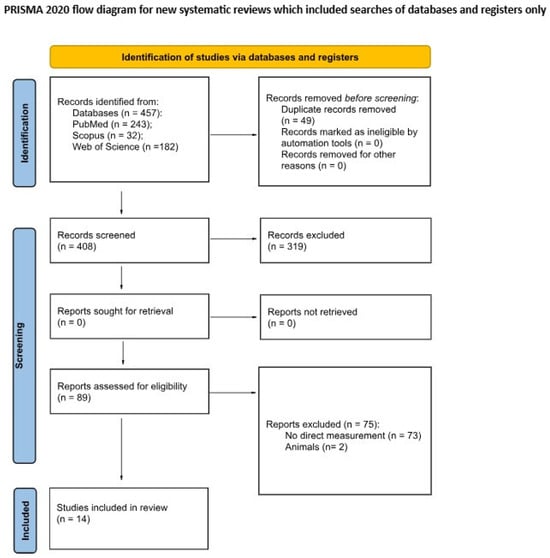
Introduction: Radon is a radioactive noble gas formed from uranium decay in the Earth’s crust. The most significant isotope, 222Rn, emits alpha particles capable of damaging lung tissue and inducing cancer. Radon exposure is affected by geophysical and building characteristics and is
[...] Read more.
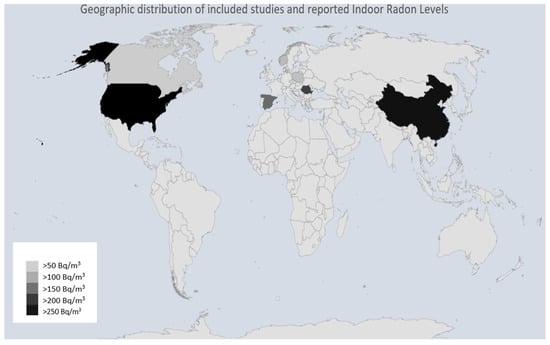
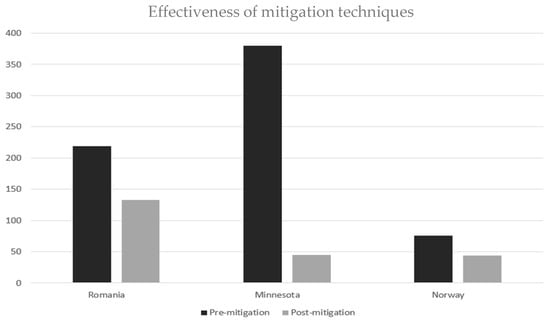
Introduction: Radon is a radioactive noble gas formed from uranium decay in the Earth’s crust. The most significant isotope, 222Rn, emits alpha particles capable of damaging lung tissue and inducing cancer. Radon exposure is affected by geophysical and building characteristics and is recognized as a Group 1 carcinogen by the IARC. Despite regulatory thresholds (e.g., EURATOM standards), health risks remain. Various mitigation methods aim to reduce indoor radon exposure and its impact. Materials and Methods: This systematic review followed PRISMA guidelines. PubMed, Scopus, and Web of Science were searched up to 28 February 2025, using a defined string. Studies with original data on radon exposure and lung cancer risk or mitigation efficacy were included. Independent screening and quality assessment (Newcastle–Ottawa Scale) were conducted by multiple reviewers. Results: Of the 457 studies identified, 14 met the inclusion criteria. Eleven of these investigated the link between indoor radon and lung cancer risk, and three evaluated mitigation strategies. Radon levels were commonly measured using passive alpha track detectors. Levels varied depending on geographical location, season, building design and ventilation, these were higher in rural homes and during the colder months. Case–control studies consistently found an increased lung cancer risk with elevated radon exposure, especially among smokers. Effective mitigation methods included sub-slab depressurisation and balanced ventilation systems, which significantly reduced indoor radon concentrations. Adenocarcinoma was the most common lung cancer subtype in non-smokers, whereas squamous and small cell carcinomas were more prevalent in smokers exposed to radon. Discussion and Conclusions: This review confirms the robust association between indoor radon exposure and lung cancer. Risks persist even below regulatory limits and are amplified by smoking. While mitigation techniques are effective, their application remains uneven across regions. Stronger public education, building codes, and targeted interventions are needed, particularly in high-risk areas. To inform future prevention and policy, further research should seek to clarify radon’s molecular role in lung carcinogenesis, especially among non-smokers.
Full article

Figure 1
Open AccessArticle
Emergency Department Management of Asthma Patients in a Regional Hospital: A Cohort Study
by
Pranav Kumar, Matthew Hiskens, Yi Tat Lo, Muhammad Jawwad Nazmi, Sarah Wright and Lauren McGrath
J. Respir. 2025, 5(3), 15; https://doi.org/10.3390/jor5030015 - 8 Sep 2025
Abstract
►▼
Show Figures
Background/Objectives: Asthma remains a prevalent cause of emergency department (ED) visits worldwide, necessitating prompt and effective intervention to prevent severe morbidity and mortality. This study evaluates the management of asthma patients presenting to the ED, focusing on clinical assessment, treatment strategies, diagnostic evaluations,
[...] Read more.
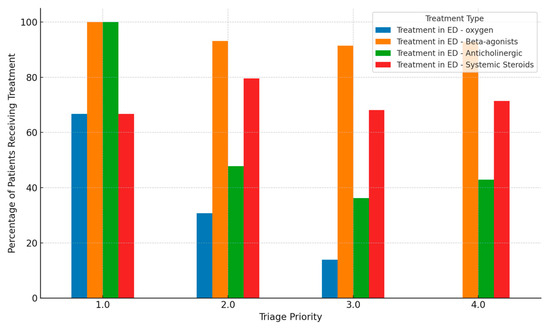
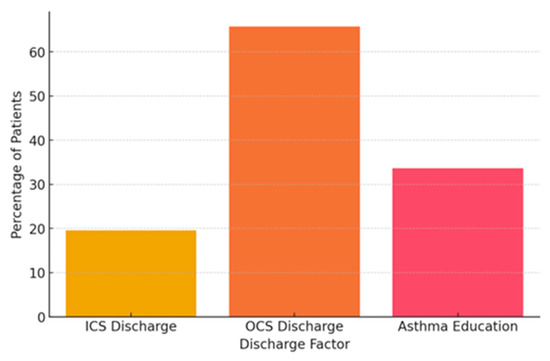
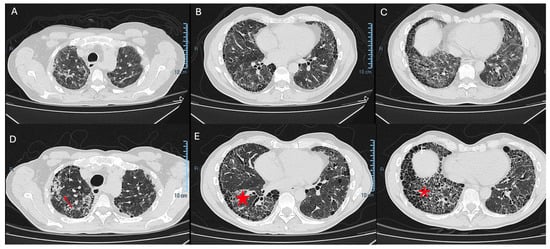
Background/Objectives: Asthma remains a prevalent cause of emergency department (ED) visits worldwide, necessitating prompt and effective intervention to prevent severe morbidity and mortality. This study evaluates the management of asthma patients presenting to the ED, focusing on clinical assessment, treatment strategies, diagnostic evaluations, and discharge practices. Methods: This retrospective audit was conducted in a regional hospital in Queensland, Australia. All ED patients between July 2023 and June 2024 with a diagnosis of asthma were included. Findings were benchmarked against international asthma guidelines to assess adherence to best practice. Results: A total of 199 patients were included. This study found that bronchodilator therapy was administered in 92.5% of cases and systemic steroids were given to 73.4% of patients, aligning with guidelines. However, significant deficiencies were noted in using objective lung function assessments, with only 1% of patients undergoing peak expiratory flow measurement and none undergoing spirometry, despite guideline recommendations advocating for their routine use. Additionally, inhaled corticosteroid prescriptions upon discharge were recorded in 19.6% of cases, compared to the recommended target of over 80%. There was a 6% relapse rate within a month of ED discharge. Conclusions: These gaps indicate potential areas for improvement, particularly in structured airflow assessment and post-discharge asthma management.
Full article

Figure 1
Open AccessPerspective
Evolving Concepts in Progressive Pulmonary Fibrosis: A Clinical Update
by
María Belén Noboa-Sevilla, Fernanda Hernández-González, Sandra Cuerpo-Cardeñosa, Xavier Alsina-Restoy, Nancy Pérez-Rodas, Alejandro Frino-García, Miguel Alonso-Villares, Elvis Matheus-Ramírez and Jacobo Sellarés
J. Respir. 2025, 5(3), 14; https://doi.org/10.3390/jor5030014 - 1 Sep 2025
Abstract
Progressive pulmonary fibrosis (PPF) is a clinical syndrome associated with worsening quality of life and increased mortality among patients with various interstitial lung diseases. This review aims to update the concepts and criteria that adequately define PPF, aiming to facilitate earlier recognition and
[...] Read more.
Progressive pulmonary fibrosis (PPF) is a clinical syndrome associated with worsening quality of life and increased mortality among patients with various interstitial lung diseases. This review aims to update the concepts and criteria that adequately define PPF, aiming to facilitate earlier recognition and optimize clinical management. Fibrosing interstitial lung disease (ILD-f) can progress over time despite optimal management of the underlying conditions. Current criteria for defining PPF include worsening respiratory symptoms, decline in pulmonary function tests (particularly forced vital capacity and diffusing capacity), and radiographic progression over a 1-year follow-up period. However, implementation of these criteria in clinical practice poses challenges. This review discusses the limitations of current evaluation methods and proposes future directions, including the need for validated symptom assessment tools, standardization of pulmonary function testing, and improvements in quantitative radiological evaluation methods.
Full article
(This article belongs to the Special Issue Advances in Interstitial Lung Diseases: From Diagnosis to Treatment)
►▼
Show Figures

Figure 1
Open AccessArticle
Independent Predictors of Mycoplasma pneumoniae Infection: A Retrospective Cohort Study Among Hospitalized Adults in an East Texas Health Facility
by
Menkeoma Laura Okoli, Ibuchim Chinemerem Okoli, Abuoma Chisom Okoli, Ikechukwu Umezurike and Celestine Ishiekwene
J. Respir. 2025, 5(3), 13; https://doi.org/10.3390/jor5030013 - 8 Aug 2025
Cited by 1
Abstract
Background: Community-acquired pneumonia in the United States accounts for over five million cases annually, with an estimated one million hospitalizations. About two million of these annual cases and over 100,000 annual hospitalizations are caused by mycoplasma pneumonia. Although mycoplasma can sometimes present as
[...] Read more.
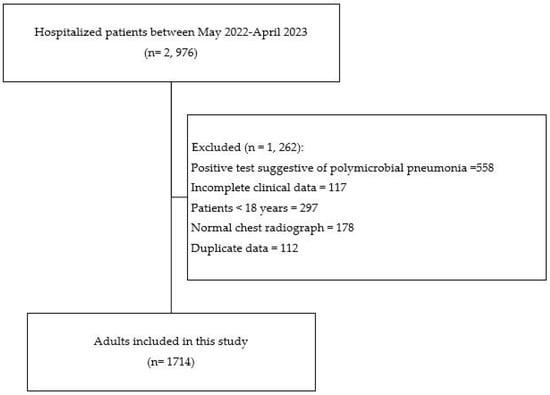
Background: Community-acquired pneumonia in the United States accounts for over five million cases annually, with an estimated one million hospitalizations. About two million of these annual cases and over 100,000 annual hospitalizations are caused by mycoplasma pneumonia. Although mycoplasma can sometimes present as a benign disease, it can cause severe complications, which are referred to as pulmonary and extrapulmonary complications. This study aims to identify independent predictors of Mycoplasma pneumoniae infection among adult patients in our facility in East Texas. Methods: This retrospective cohort study used data from the electronic health record (EPIC Systems). Multivariate analyses were conducted to determine variables independently associated with mycoplasma pneumonia. The main outcome variable was the presence of mycoplasma pneumonia as indicated by serology testing. Results: Among 1714 adult patients in our study population who underwent antibody testing, 297 (17.3%) tested positive for mycoplasma pneumonia. Mycoplasma pneumonia was significantly associated with age, sex, race, season, and tobacco use after controlling for other variables. Adults who do not use tobacco had lower odds of having mycoplasma pneumonia compared to adults who are currently using tobacco (OR = 0.64, C.I. = 0.48–0.75). Also, these adults are more likely to have MP during non-respiratory season as compared to respiratory season (OR = 1.25, C.I. = 1.10–1.61). Conclusions: Tobacco use, season, age, race, and sex were all significant predictors of mycoplasma pneumonia. These findings highlight target areas for health care professionals and organizations to tackle to help improve patient health outcomes.
Full article
(This article belongs to the Collection Feature Papers in Journal of Respiration)
►▼
Show Figures

Figure 1
Open AccessReview
Connecting the Dots: Beetroot and Asthma
by
Madiha Ajaz, Indu Singh, Lada Vugic, Rati Jani, Shashya Diyapaththugama and Natalie Shilton
J. Respir. 2025, 5(3), 12; https://doi.org/10.3390/jor5030012 - 5 Aug 2025
Abstract
►▼
Show Figures
Asthma is a persistent ailment that impacts the respiratory system and stands as a formidable public health challenge globally. Inhaled corticosteroids and bronchodilators, while effective in asthma management, are accompanied by side effects and high costs. Recently, nutraceuticals have gained significant attention as
[...] Read more.
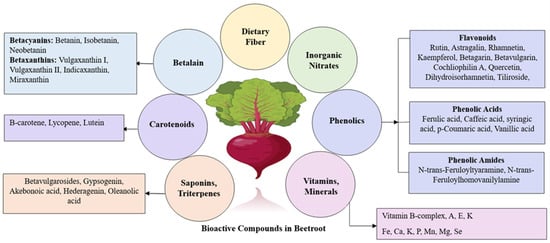
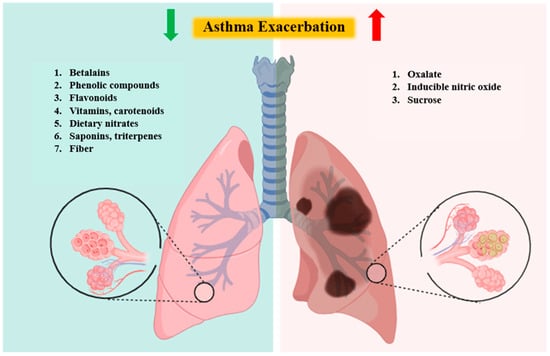
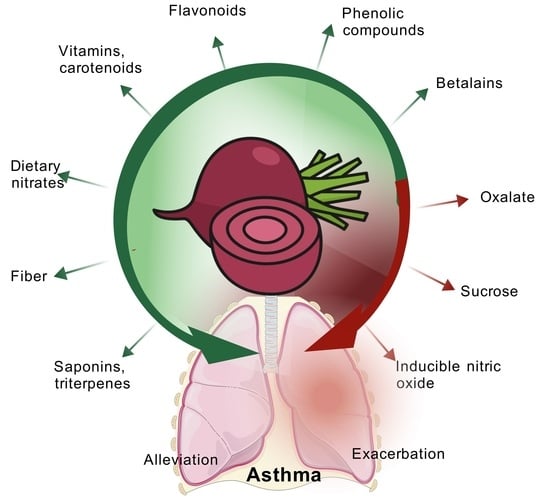
Asthma is a persistent ailment that impacts the respiratory system and stands as a formidable public health challenge globally. Inhaled corticosteroids and bronchodilators, while effective in asthma management, are accompanied by side effects and high costs. Recently, nutraceuticals have gained significant attention as adjuvant therapy due to their promising outcomes. Given the antioxidant properties, nutrient richness, and an array of health benefits, beetroot and its bioactive compounds have been tested as an adjuvant therapy for asthma management. Although its main bioactive compound, betalains (betanin), has demonstrated promising results in mouse studies, beetroot juice has been found to worsen asthma. This review investigated the full spectrum of active compounds associated with beetroots to understand the underlying factors contributing to the conflicting findings. The finding suggests that individual bioactive compounds, such as phenolic compounds, flavonoids, nitrates, betalains, saponins, vitamins, fiber, and carotenoids, possess asthma-managing properties. However, the consumption of juice may exacerbate the condition. This discrepancy may be attributed to the presence of sugars and oxalates in the juice, which could counteract the beneficial effects of the bioactive compounds.
Full article

Graphical abstract
Open AccessArticle
Nomogram Based on the Most Relevant Clinical, CT, and Radiomic Features, and a Machine Learning Model to Predict EGFR Mutation Status in Non-Small Cell Lung Cancer
by
Anass Benfares, Abdelali yahya Mourabiti, Badreddine Alami, Sara Boukansa, Ikram Benomar, Nizar El Bouardi, Moulay Youssef Alaoui Lamrani, Hind El Fatimi, Bouchra Amara, Mounia Serraj, Mohammed Smahi, Abdeljabbar Cherkaoui, Mamoun Qjidaa, Ahmed Lakhssassi, Mohammed Ouazzani Jamil, Mustapha Maaroufi and Hassan Qjidaa
J. Respir. 2025, 5(3), 11; https://doi.org/10.3390/jor5030011 - 23 Jul 2025
Cited by 2
Abstract
►▼
Show Figures
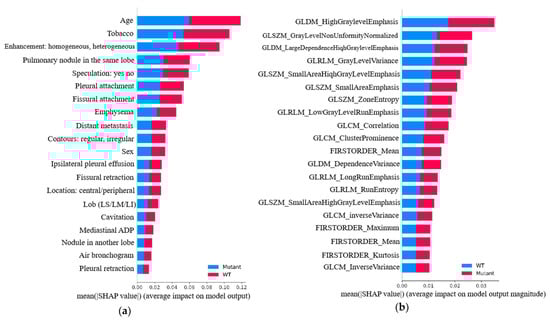
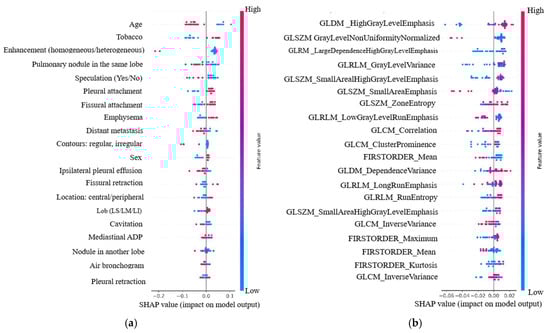
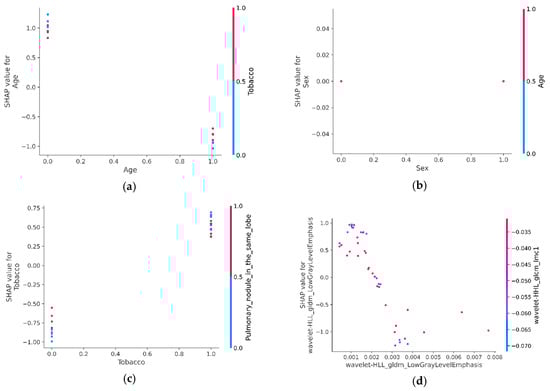
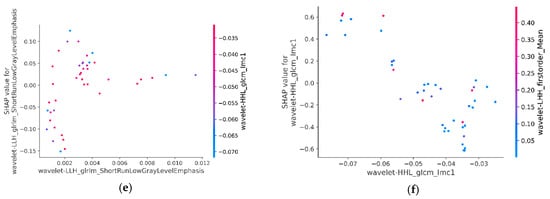
Background: This study aimed to develop a nomogram based on the most relevant clinical, CT, and radiomic features comprising 11 key signatures (2 clinical, 2 CT-based, and 7 radiomic) for the non-invasive prediction of the EGFR mutation status and to support the timely
[...] Read more.
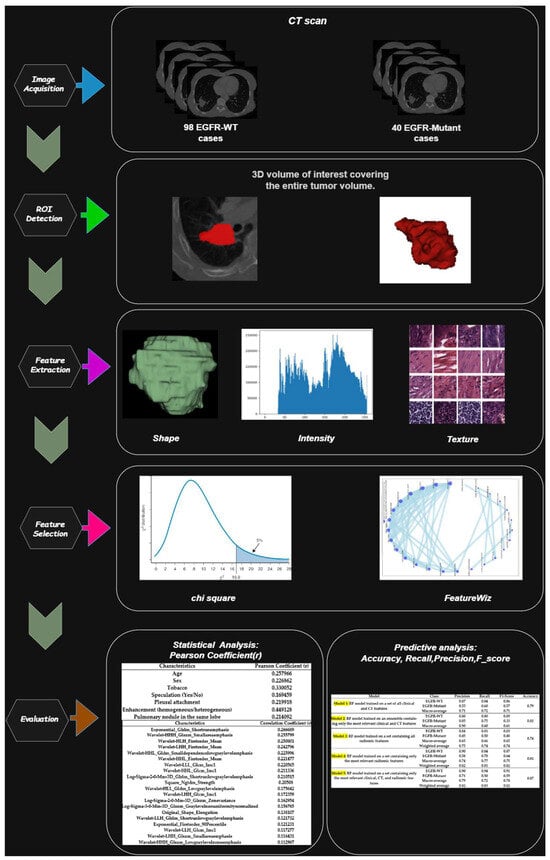
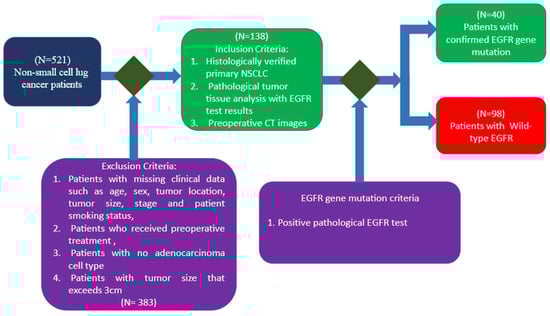
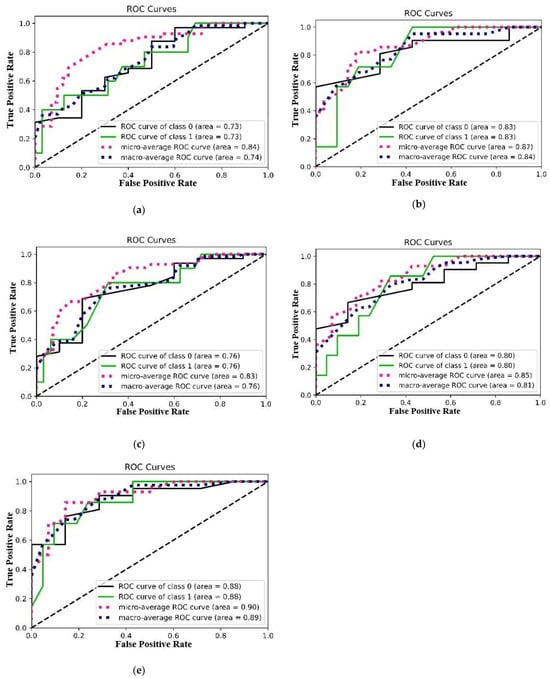
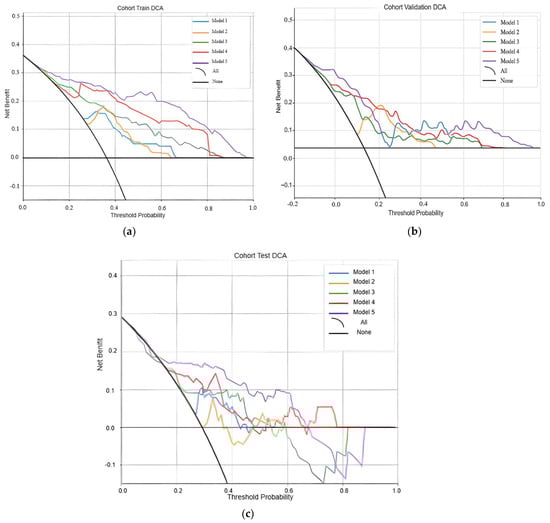
Background: This study aimed to develop a nomogram based on the most relevant clinical, CT, and radiomic features comprising 11 key signatures (2 clinical, 2 CT-based, and 7 radiomic) for the non-invasive prediction of the EGFR mutation status and to support the timely initiation of tyrosine kinase inhibitor (TKI) therapy in patients with non-small cell lung cancer (NSCLC) adenocarcinoma. Methods: Retrospective real-world data were collected from 521 patients with histologically confirmed NSCLC adenocarcinoma who underwent CT imaging and either surgical resection or pathological biopsy for EGFR mutation testing. Five Random Forest classification models were developed and trained on various datasets constructed by combining clinical, CT, and radiomic features extracted from CT image regions of interest (ROIs), with and without feature preselection. Results: The model trained exclusively on the most relevant clinical, CT, and radiomic features demonstrated superior predictive performance compared to the other models, with strong discrimination between EGFR-mutant and wild-type cases (AUC = 0.88; macro-average = 0.90; micro-average = 0.89; precision = 0.90; recall = 0.94; F1-score = 0.91; and accuracy = 0.87). Conclusions: A nomogram constructed using a Random Forest model trained solely on the most informative clinical, CT, and radiomic features outperformed alternative approaches in the non-invasive prediction of the EGFR mutation status, offering a promising decision-support tool for precision treatment planning in NSCLC.
Full article

Figure 1
Highly Accessed Articles
Latest Books
E-Mail Alert
News
Topics
Topic in
Diagnostics, JoR, IJMS, Biomedicines, Pathogens
Discriminating Tuberculosis Infection States: Immunological Signatures and Emerging Diagnostics
Topic Editors: Ying Luo, Ying XueDeadline: 30 October 2027
Special Issues
Special Issue in
JoR
Respiratory Manifestations of Immune Dysregulation: From Immunodeficiency to Autoimmunity
Guest Editors: Giuseppe Murdaca, Sebastiano GangemiDeadline: 31 July 2026
Special Issue in
JoR
Advances in Interstitial Lung Diseases: From Diagnosis to Treatment
Guest Editors: Jacobo Sellarés, Jaume Bordas-MartinezDeadline: 30 September 2026
Special Issue in
JoR
Emerging Bronchoscopic Treatments: Procedures, Risks, and Outcomes
Guest Editors: D. Kyle Hogarth, Ajay A. Wagh, Shreya PodderDeadline: 20 October 2026
Special Issue in
JoR
Pulmonary Hypertension: New Insights and Recent Advances
Guest Editors: Salim Surani, Mohamed Hasham Varwani, Munish SharmaDeadline: 20 November 2026