Journal Description
Journal of Functional Morphology and Kinesiology
is a peer-reviewed, open access journal on functional morphology and kinesiology research dealing with the analysis of structure, function, development, and evolution of cells and tissues of the musculoskeletal system and the whole body related to the movement exercise-based approach, published quarterly online by MDPI.
- Open Access— free for readers, with article processing charges (APC) paid by authors or their institutions.
- High Visibility: indexed within ESCI (Web of Science), Scopus, PubMed, PMC, FSTA, and other databases.
- Journal Rank: JCR - Q2 (Sport Sciences) / CiteScore - Q2 (Physical Therapy, Sports Therapy and Rehabilitation)
- Rapid Publication: manuscripts are peer-reviewed and a first decision is provided to authors approximately 22.5 days after submission; acceptance to publication is undertaken in 2.4 days (median values for papers published in this journal in the second half of 2025).
- Recognition of Reviewers: reviewers who provide timely, thorough peer-review reports receive vouchers entitling them to a discount on the APC of their next publication in any MDPI journal, in appreciation of the work done.
Impact Factor:
2.5 (2024)
Latest Articles
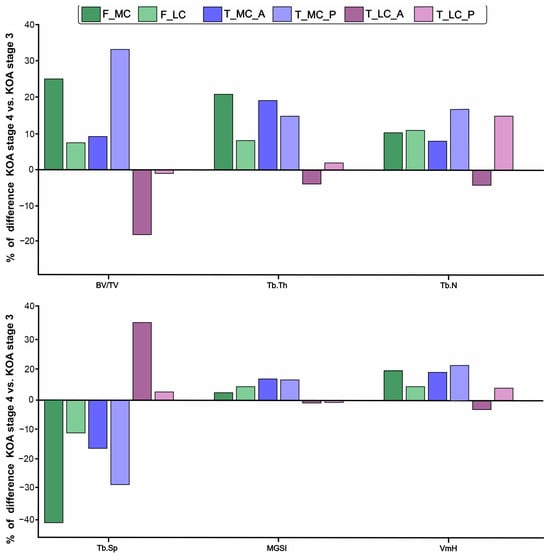
Stage-Dependent Changes in Subchondral Trabecular Bone Mechano-Structure in Primary Knee Osteoarthritis with Varus Malalignment
J. Funct. Morphol. Kinesiol. 2026, 11(2), 210; https://doi.org/10.3390/jfmk11020210 - 26 May 2026
Abstract
Background: Reports on subchondral bone mechano-structure in individuals with various stages of knee osteoarthritis (KOA) are limited and often conflicting in contemporary literature. Our study aimed to assess differences in subchondral trabecular bone mechano-structure across late KOA stages in a homogenous group of
[...] Read more.
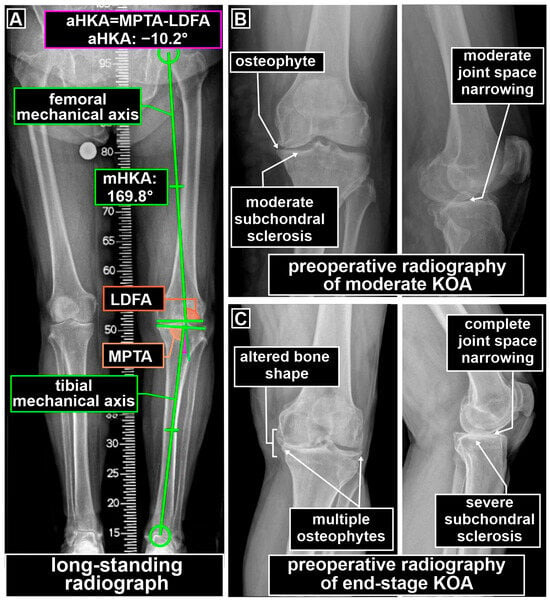
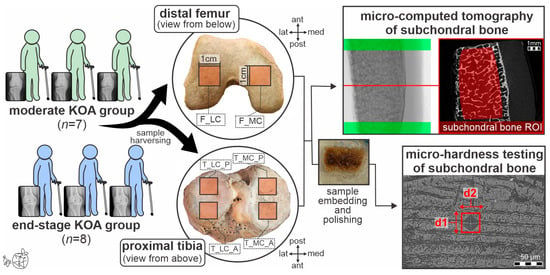
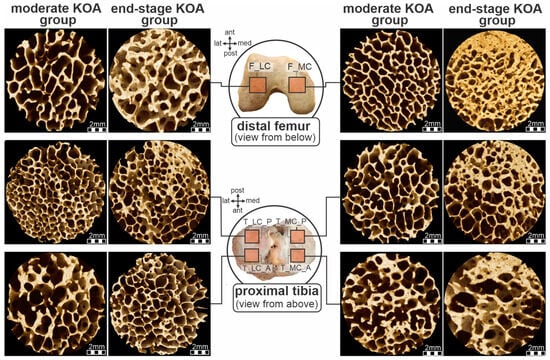
Background: Reports on subchondral bone mechano-structure in individuals with various stages of knee osteoarthritis (KOA) are limited and often conflicting in contemporary literature. Our study aimed to assess differences in subchondral trabecular bone mechano-structure across late KOA stages in a homogenous group of patients with varus malalignment (confirmed by negative hip-knee-ankle-angle values). Methods: This retrospective cross-sectional study included micro-computed tomography scanning and Vickers micro-hardness testing of 90 bone samples (30 femoral and 60 tibial) collected from 15 adult patients with primary KOA undergoing total knee arthroplasty (TKA). The Kellgren–Lawrence grading system was used to assess the severity of KOA lesions in the included individuals, and bone samples were divided into the following groups: moderate KOA (42 samples from seven patients, age: 70 ± 7 years, females: 3/7) and end-stage KOA (48 samples from eight patients, age: 70 ± 6 years, females: 5/8). Results: Our data revealed site-specific sclerotic alterations in subchondral trabecular bone mechano-structure (thicker trabeculae, coupled with higher bone mineral content and increased bone micro-hardness) in individuals with end-stage KOA compared to moderate KOA, supporting its role in KOA pathogenesis beyond the exclusive cartilage degeneration effect. Our data also revealed that most heterogeneous subchondral trabecular mechano-structure was present in bone samples obtained from the medial part of the tibial and femoral condyle, revealing the substantial effect of mechanical loading during varus knee malalignment. Conclusions: Observed site-specific alterations in subchondral bone mechano-structure in individuals with end-stage KOA supported the role of subchondral sclerosis in primary KOA pathogenesis beyond its exclusive effect on cartilage degeneration.
Full article
(This article belongs to the Section Functional Anatomy and Musculoskeletal System)
►
Show Figures
Open AccessArticle
The Glenohumeral Ligaments of the Anterior Aspect of the Shoulder: Anatomical Patterning and Morphometry
by
Emilio González-Arnay, Artimes García-Parra, Isabel Pérez-Santos, Marye Merce Méndez-Ojeda, Elena Bañón-Boulet, Pablo Díaz-Rojas, Lidia Real-Yanes, Noé Liria-Martín, Marta Rodríguez-Padrón and Mario Fajardo-Pérez
J. Funct. Morphol. Kinesiol. 2026, 11(2), 209; https://doi.org/10.3390/jfmk11020209 - 26 May 2026
Abstract
Background: The glenohumeral ligaments are key stabilizers of the glenohumeral joint. Three distinct fascicles are usually described from the anterior surface of the shoulder joint: a superior glenohumeral ligament (SGHL); a middle glenohumeral ligament (MGHL); and an anteroinferior glenohumeral ligament (AIGHL). A
[...] Read more.
Background: The glenohumeral ligaments are key stabilizers of the glenohumeral joint. Three distinct fascicles are usually described from the anterior surface of the shoulder joint: a superior glenohumeral ligament (SGHL); a middle glenohumeral ligament (MGHL); and an anteroinferior glenohumeral ligament (AIGHL). A remarkable interindividual variation has been reported, and there are few data about the patterns of insertion of these ligaments. A recent study provided a much-needed insight into the quantitative details of the glenohumeral ligament insertions. However, there is a lack of studies describing linear measurements (closer to real-life surgical anatomy) of glenohumeral ligamentous insertions according to their pattern. Methods: Hereby, we present a Thiel-based anatomical study describing proximal (glenoid) insertions of glenohumeral ligaments in 39 specimens from volunteer body donors to the Applied Anatomy Laboratory at the Autonomous University of Madrid. Results: Only 30.8% of cases showed a canonical pattern of SGHL, MGHL, and AIGHL, with scapular insertions ranging from 0.28 to 1.58 cm for SGHL, 0.1–3.6 cm for MGHL, and 0.45–2.05 cm for AIGHL, frequently mixed between the labrum and the osseous edge of the glenoid surface. Most cases show a single glenohumeral ligament inserted, usually in the labrum. A wide range of patterns regarding the number of insertions and their labral or osseous nature is present in our sample. Conclusions: Overall, there are three different patterns of glenohumeral ligaments in the anterior aspect of the shoulder joint, with the canonical pattern (three ligaments) represented in less than half of the cases. The morphometric study of the glenohumeral ligaments should consider their pattern of distribution. Also, insertions vary between the labrum and the scapular osseous articular surface.
Full article
(This article belongs to the Section Functional Anatomy and Musculoskeletal System)
Open AccessArticle
Improving Diagnostic Accuracy for Peripheral Neuropathy: Use of Tibial Nerve Somatosensory Evoked Potentials
by
Miki Oka, Shozo Tobimatsu, Akira Yokote, Ayako Sakoda, Saeko Inamizu, Yuri Nakamura, Keiko Haro, Yuki Yanagihara, Yasutaka Iwanaga, Ken-Ichiro Yamashita and Jun-Ichi Kira
J. Funct. Morphol. Kinesiol. 2026, 11(2), 208; https://doi.org/10.3390/jfmk11020208 - 26 May 2026
Abstract
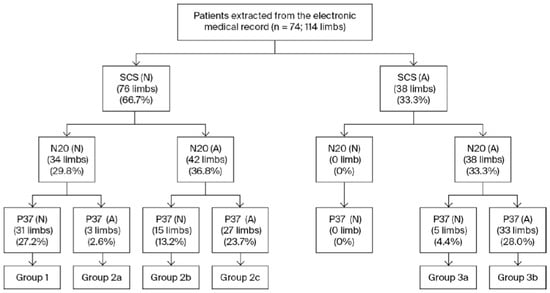
Background: We investigated whether combining a sural nerve sensory conduction study (s-SCS) and tibial nerve SEPs (t-SEPs) improves diagnostic accuracy for peripheral sensory neuropathy. Methods: We retrospectively reviewed 74 consecutive cases (114 lower limbs) of patients suspected of having neuropathy or
[...] Read more.
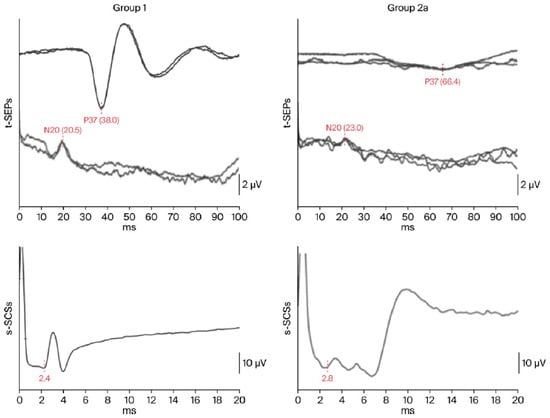
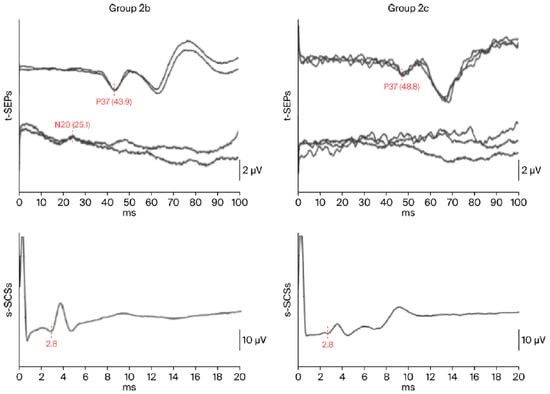
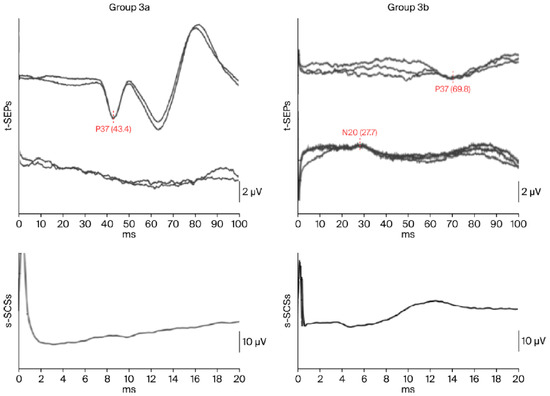
Background: We investigated whether combining a sural nerve sensory conduction study (s-SCS) and tibial nerve SEPs (t-SEPs) improves diagnostic accuracy for peripheral sensory neuropathy. Methods: We retrospectively reviewed 74 consecutive cases (114 lower limbs) of patients suspected of having neuropathy or radiculopathy who underwent s-SCSs and t-SEPs between July 2021 and December 2024. Abnormal S-SCSs were defined as a reduction in amplitude or a slowing of conduction velocity. Abnormal t-SEPs were defined as failure to evoke N20 or P37, or prolonged latency of either. Results: No cases showed s-SCS abnormalities with normal t-SEPs. Then, we classified the groups based on the combination of abnormality of s-SCSs and t-SEPs. Group 1 (G1) had normal s-SCSs and normal t-SEPs, which were observed in 31 limbs (27.2%). Group 2 (G2) had normal s-SCSs and abnormal t-SEPs, which were found in 45 limbs (39.5%). Subgroups of G2 included normal N20 with abnormal P37, abnormal N20 with normal P37, and N20/P37 abnormalities. Group 3 (G3) had abnormal s-SCSs with abnormal t-SEPs, which were seen in 38 limbs (33.3%). Conclusions: Electrophysiological testing reveals normal distal and proximal sensory nerves in G1, suggesting preserved sensory nerve function. The distal sensory nerves are normal in G2. However, abnormal N20/P37 and abnormal N20 with normal P37 indicate proximal sensory nerve involvement. Normal N20 with abnormal P37 indicates posterior column dysfunction. In G3, both the distal and proximal sensory nerve segments are abnormal. Therefore, adding t-SEPs to s-SCSs allows us to evaluate the full length of the peripheral nerves, which is useful for diagnosis and assessing treatment efficacy.
Full article
(This article belongs to the Special Issue Peripheral Neuropathies: Morphological, Biomechanical, and Motor Function Insights)
►▼
Show Figures

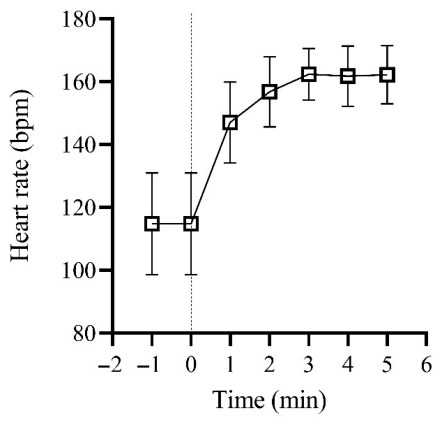
Figure 1

Open AccessArticle
Enhancing Coordination Skills and Upper-Limb Symmetry Through a Mobile-Application-Based Training Program in 12–14-Year-Old Basketball Players
by
Steff Norbert, Ioan Sabin Sopa, Dionisie-Vladimir Turcu, Iulian Stoian, Ioan Teodor Hășmășan, Hășmășan Denisa Elena, Sonia Gabriela Neagu and Radu Antonia
J. Funct. Morphol. Kinesiol. 2026, 11(2), 207; https://doi.org/10.3390/jfmk11020207 - 25 May 2026
Abstract
Background: Smartphones are an integral part of young people’s everyday lives and offer an interactive digital environment that can be incorporated into sport training to support engagement and skill development. Methods: A total of 40 male basketball players aged 12–14 years
[...] Read more.
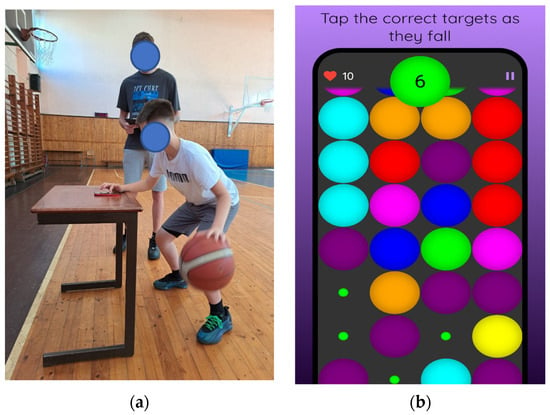
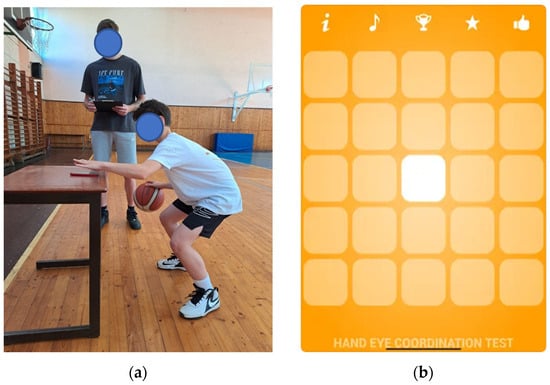
Background: Smartphones are an integral part of young people’s everyday lives and offer an interactive digital environment that can be incorporated into sport training to support engagement and skill development. Methods: A total of 40 male basketball players aged 12–14 years participated in this quasi-experimental study. Participants were allocated by existing school teams, with one team assigned to the experimental group (n = 20) and the other to the control group (n = 20). Both groups completed a six-month training period consisting of three sessions per week. Hand–eye coordination and dribbling-related performance were evaluated using two standardized mobile-application-based field tests with both hands during initial and final assessments. The data were analyzed using mixed-design repeated-measures ANOVA, with time as the within-subject factor and group as the between-subject factor. Results: The mixed-design repeated-measures ANOVA showed significant time × group interactions for all assessed outcomes, indicating greater improvements in coordination performance and bilateral upper-limb performance in the experimental group compared with the control group. Conclusions: These results indicate that mobile-application-based training can be a practical and effective approach for developing coordination and supporting bilateral upper-limb performance in youth basketball players.
Full article
(This article belongs to the Section Athletic Training and Human Performance)
►▼
Show Figures

Figure 1
Open AccessCase Report
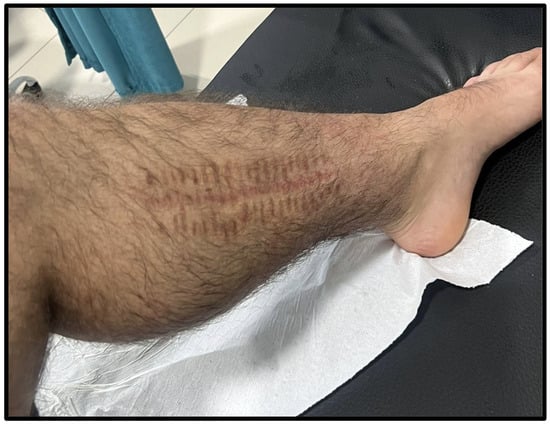
Acute Compartment Syndrome Following Repeated Calf Kicks in an Elite-Level Kickboxing Athlete: A Case Report of a Rare Non-Fracture-Related Complication
by
Sacha Beca, Bonnange-Michael Fundu Ngoie Zola, Kalenga Gracia Bundo, Arnaud Delafontaine and Virginie Cordemans
J. Funct. Morphol. Kinesiol. 2026, 11(2), 206; https://doi.org/10.3390/jfmk11020206 - 23 May 2026
Abstract
Background: Acute compartment syndrome (ACS) is a limb-threatening surgical emergency most commonly associated with fractures or high-energy trauma. Non-fracture-related ACS in athletes is uncommon and may lead to delayed diagnosis. Repetitive blunt trauma during combat sports has rarely been described as a potential
[...] Read more.
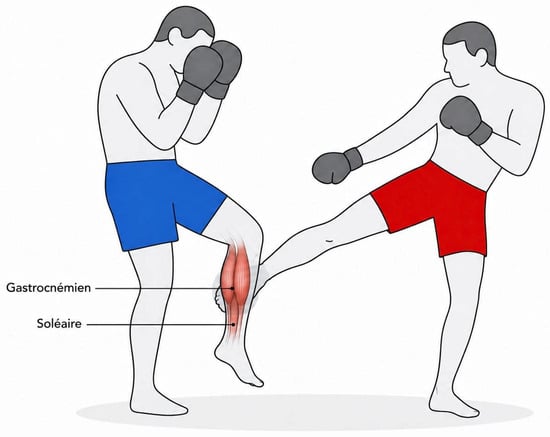
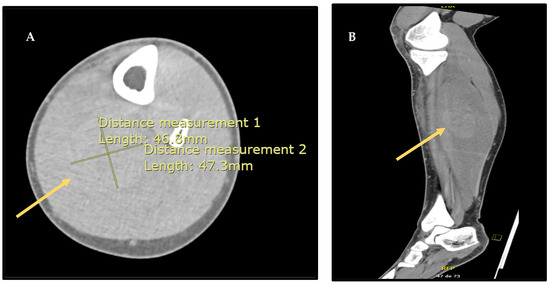
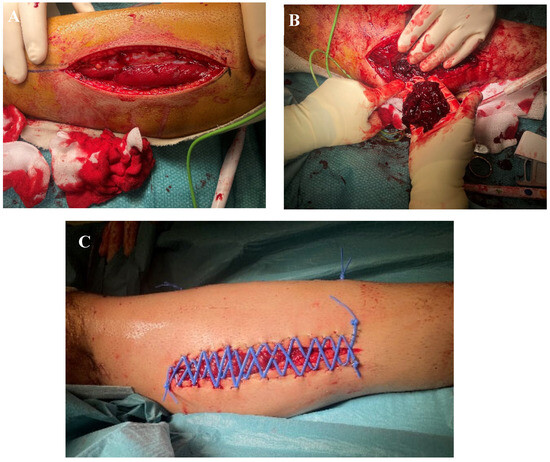
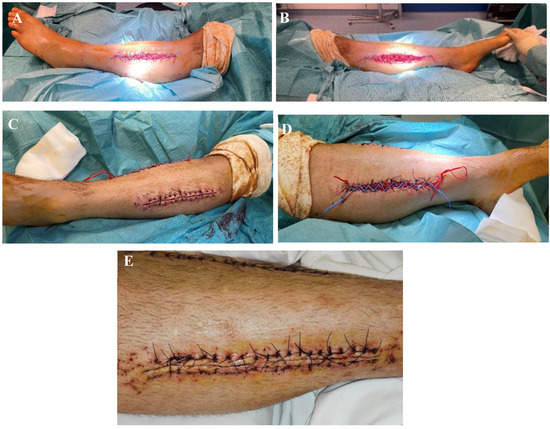
Background: Acute compartment syndrome (ACS) is a limb-threatening surgical emergency most commonly associated with fractures or high-energy trauma. Non-fracture-related ACS in athletes is uncommon and may lead to delayed diagnosis. Repetitive blunt trauma during combat sports has rarely been described as a potential mechanism. Case Methods: The case concerns a 21-year-old elite-level kickboxing athlete who developed acute compartment syndrome of the left lower leg following repeated calf kicks sustained during sparring. The patient presented with rapidly progressive calf pain, swelling, compartment firmness, paresthesias and weight bearing difficulties. CT angiography demonstrated diffuse edema of the posterior compartments associated with a large intramuscular soleus hematoma without active arterial bleeding. Results: In view of the severity of the symptoms and the characteristic clinical presentation, an emergency fasciotomy was performed in operating room. Progressive closure was achieved using the vessel loop shoelace technique, allowing gradual tension-free closure. Wound healing progressed without infection, and physiotherapy was introduced with joint mobilization. The patient achieved full functional recovery after 6 months. Conclusions: This case illustrates an atypical etiology of ACS—repetitive targeted calf strikes—and underscores the importance of early recognition even in the absence of fracture or major trauma. Clinical vigilance remains paramount, and prompt surgical intervention is critical to prevent irreversible muscle and nerve damage. Awareness of such mechanisms is particularly relevant for clinicians managing athletes in combat sports. To our knowledge, this is the first documented case of ACS secondary to repeated calf kicks in kickboxing.
Full article
(This article belongs to the Special Issue Perspectives and Challenges in Sports Medicine for Combat Sports)
►▼
Show Figures

Figure 1

Open AccessArticle
Postural Control During Single-Leg Stance Under Degraded and Occluded Visual Conditions in Healthy Young Adults
by
Anna Chalkia, Georgios Tsigaras, Alexandra Kallistratou, Paris Iakovidis, Dimitrios Lytras, Christoforos Pando and Ilias Kallistratos
J. Funct. Morphol. Kinesiol. 2026, 11(2), 205; https://doi.org/10.3390/jfmk11020205 - 23 May 2026
Abstract
Background: Vision is a key sensory system for postural regulation; however, the effects of degraded visual input and complete visual occlusion on static balance are not fully understood. The aim of the present study was to compare postural control during single-leg stance under
[...] Read more.
Background: Vision is a key sensory system for postural regulation; however, the effects of degraded visual input and complete visual occlusion on static balance are not fully understood. The aim of the present study was to compare postural control during single-leg stance under two reduced-vision conditions (eyes open in darkness vs. complete visual occlusion) in healthy young adults and examine the potential influence of sex and mild visual deficits. Materials and Methods: This within-subject laboratory study included 42 healthy young adults (21 males, 21 females; mean age 20.67 ± 0.48 years). Participants performed three valid 20 s single-leg stance trials on a force platform under two visual conditions: eyes open in darkness and complete visual occlusion using an opaque mask. The order of conditions was randomized and counterbalanced, and the mean value of the three valid trials under each condition was used for analysis. Postural sway outcome variables included CoP Area, Oscillation Width, Oscillation Height, Total Displacement, and Mean Velocity. A two-way mixed-design ANOVA examined the effects of visual condition and sex. Additional mixed ANCOVA analyses were performed using body weight as a covariate to verify whether the sex-related findings remained after adjustment for body weight. Exploratory subgroup analyses based on mild visual deficits were performed using independent-samples t-tests. Results: No significant overall main effect of visual condition was observed for any postural sway variable (all p > 0.05). However, a significant condition × sex interaction was found for CoP Area (F(1,40) = 9.910, p = 0.003, η2p = 0.199), indicating different response patterns between males and females across conditions. Significant main effects of sex were also found for Total Displacement (F(1,40) = 9.212, p = 0.004, η2p = 0.187) and Mean Velocity (F(1,40) = 9.090, p = 0.004, η2p = 0.185), with males showing higher values overall. The sex-related findings for CoP Area, Total Displacement, and Mean Velocity remained significant after adjustment for body weight. No significant sex effects were found for Oscillation Width or Oscillation Height, and no significant differences were observed between participants with and without mild visual deficits in either condition (all p > 0.05). Conclusions: Altered visual input did not produce a uniform overall effect on postural sway during single-leg stance in healthy young adults. Instead, the findings indicate a more differentiated pattern, with a sex-specific response for CoP Area and overall sex-related differences in Total Displacement and Mean Velocity that were not explained by body weight. Mild visual deficits were not associated with significant balance alterations under the present experimental conditions. These findings support a more nuanced interpretation of postural regulation under reduced visual input and highlight the importance of considering individual characteristics, particularly sex, in balance assessment.
Full article
(This article belongs to the Special Issue Postural and Neuromuscular Mechanisms in Balance and Postural Re-Education: Technological and Clinical Advances)
Open AccessReview
Injury Prediction and Risk Modelling in Team Sports Using Artificial Intelligence and Sensor-Based Monitoring: A Scoping Review
by
Michail Tsenos, Christos Kokkotis, Dimitrios Draganidis, Nikos Alibertis, Dimitrios Pantazis, Panagiotis Tsimeas, Athanasios Poulios, Nikolaos Zaras, Paraskevi Malliou, Ilias Tsaousidis, Maria Michalopoulou, Dimitris Tsakalidis, Alexandra Avloniti, Ioannis G. Fatouros and Athanasios Chatzinikolaou
J. Funct. Morphol. Kinesiol. 2026, 11(2), 204; https://doi.org/10.3390/jfmk11020204 - 22 May 2026
Abstract
Sports-related injuries remain a major challenge in team sports, with important consequences for athlete health, performance, and team success. Recent advances in artificial intelligence (AI) and sensor-based monitoring technologies have enabled the integration of large volumes of training, competition, and physiological data to
[...] Read more.
Sports-related injuries remain a major challenge in team sports, with important consequences for athlete health, performance, and team success. Recent advances in artificial intelligence (AI) and sensor-based monitoring technologies have enabled the integration of large volumes of training, competition, and physiological data to support injury prediction and risk modelling. However, the literature is characterised by substantial methodological diversity, limiting the ability to draw consistent conclusions. Hence, this scoping review aimed to map the existing evidence on the use of AI and sensor-based monitoring technologies for injury prediction and risk modelling in team sports, and to identify key methodological trends and research gaps. The scoping review was conducted in accordance with the PRISMA-ScR guidelines. Systematic searches were performed in PubMed and Scopus. Eligible studies included team-sport athletes and applied AI or machine learning approaches to predict injury occurrence, injury risk, or related outcomes using data derived from wearable or monitoring systems. Data were charted on study characteristics, sports and competition level, data sources, modelling techniques, validation strategies, and performance metrics. The database search yielded 123 records (PubMed: n = 37; Scopus: n = 86). After screening and eligibility assessment, 11 studies met the inclusion criteria. Most studies focused on football and rugby and relied primarily on wearable-derived data, particularly GPS and inertial sensor outputs. Common predictors included external workload variables, training exposure, previous injury history, and, in some studies, wellness or physiological markers. A wide range of models was reported, including logistic regression, decision trees, random forests, support vector machines, and neural networks. Validation strategies and reported performance varied markedly, and external validation was rarely undertaken. Across the included studies, injury risk was most consistently associated with external workload metrics, previous injury history, and internal or physiological indicators of recovery and readiness. However, current models remain limited by heterogeneous methodologies, single-team datasets, and the lack of external validation. Future research should emphasise multimodal data integration and multi-centre validation to develop reliable, interpretable, and practically applicable AI-based injury prediction systems.
Full article
(This article belongs to the Special Issue Advances in Performance Analysis and Monitoring in Sport and Exercise: Bridging the Research–Practice Gap)
Open AccessArticle
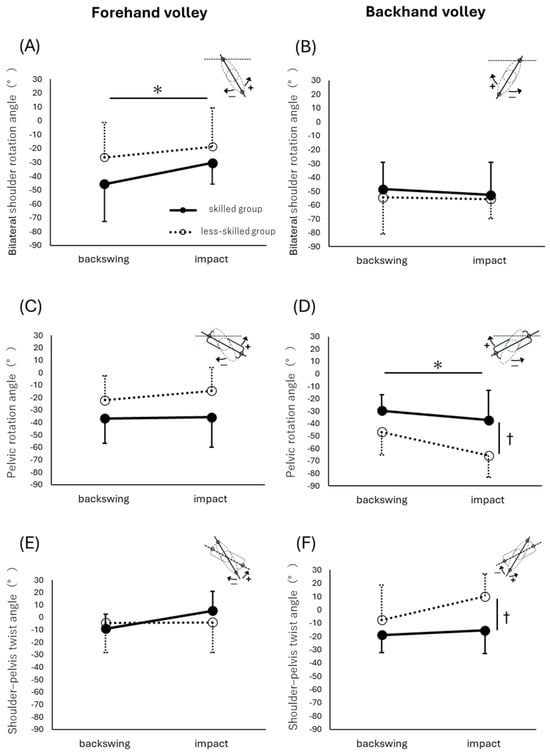
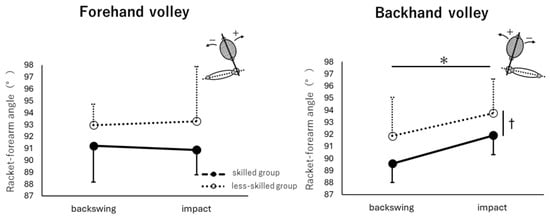
Analysis of Upper-Limb Movement Characteristics in Tennis Volleys Based on Skill-Level Differences: Kinematic Features of the Backhand Versus Forehand Volley
by
Kohei Katsumi, Hitoshi Koda and Noriyuki Kida
J. Funct. Morphol. Kinesiol. 2026, 11(2), 203; https://doi.org/10.3390/jfmk11020203 - 22 May 2026
Abstract
Background: In tennis, the volley is an important shot; however, studies describing its movement characteristics have been limited to the forehand volley (FV). In this study, we analyzed the characteristics of upper-limb movement during FV and backhand volley (BV) in skilled and
[...] Read more.
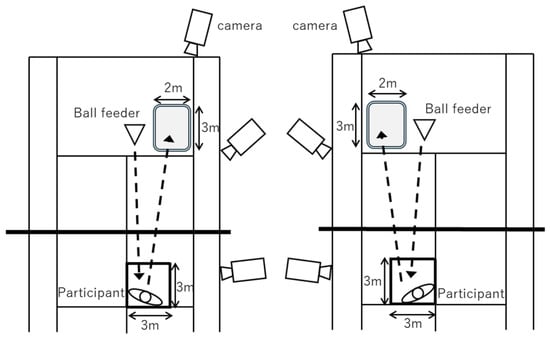
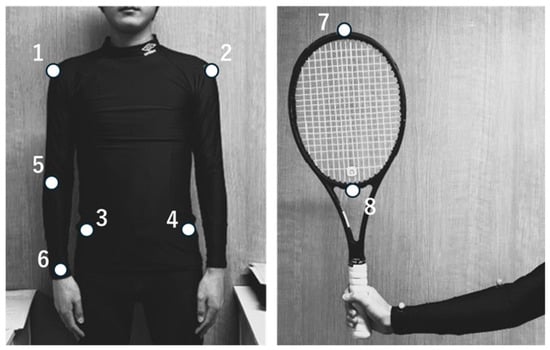
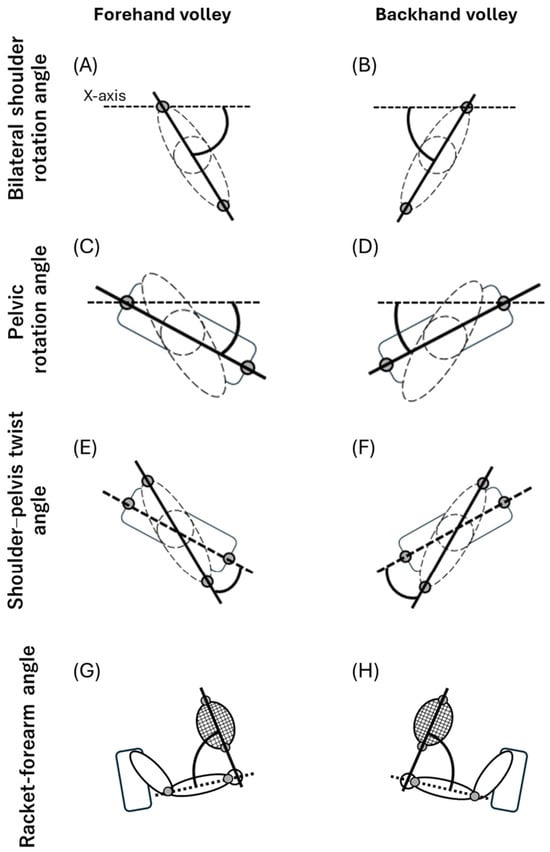
Background: In tennis, the volley is an important shot; however, studies describing its movement characteristics have been limited to the forehand volley (FV). In this study, we analyzed the characteristics of upper-limb movement during FV and backhand volley (BV) in skilled and less-skilled tennis players. Methods: Twelve tennis players with experience (skilled group) and eight with little experience (less-skilled group) were included. The participants stood in front of a simulated net and volleyed balls were fed toward the target. Movements were recorded using three video cameras, and three-dimensional coordinates were obtained using the direct linear transformation method. The measured variables were bilateral shoulder rotation angle, pelvic rotation angle, shoulder–pelvis twist angle, and the racket–forearm angle. A two-way analysis of variance (ANOVA) was conducted with player level (skilled vs. less skilled) and time point (backswing event vs. impact event) as factors. Results: In the FV, a significant main effect of time point was observed for the bilateral shoulder rotation angle (F1,18 = 7.471, p = 0.014, η2 = 0.293). In the BV, significant main effects at both player level and time point were observed for the pelvic rotation (player level; F1,18 = 8.759, p = 0.008, η2 = 0.327, time point; F1,18 = 13.351, p = 0.002, η2 = 0.426). Also, significant main effects at both player level and time point were observed for racket–forearm angles (player level; F1,18 = 6.752, p = 0.018, η2 = 0.273, time point; F1,18 = 10.213, p = 0.005, η2 = 0.362). However, a significant main effect of the player level was observed for the shoulder–pelvis twist angle (F1,18 = 12.124, p = 0.003, η2 = 0.402). Conclusions: In contrast to FV, BV prioritizes ball control by maintaining the shoulder–pelvis angular relationship without releasing the twist. These results suggest that skill-related differences in volleying are more pronounced in the BV than in the FV.
Full article
(This article belongs to the Section Athletic Training and Human Performance)
►▼
Show Figures

Figure 1
Open AccessArticle
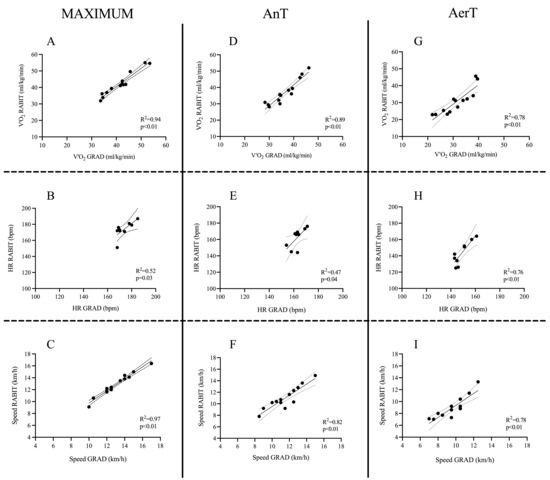
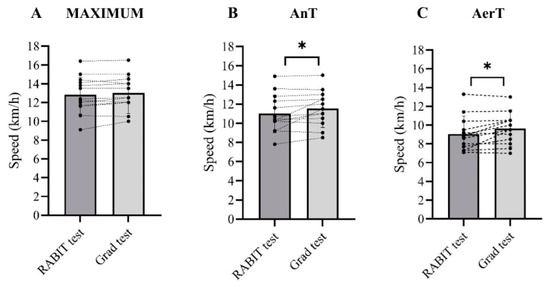
Assessing Training Zones in Adult Men with Obesity: A New Field Test
by
Mattia D’Alleva, Luca Innella, Nicola Giovanelli, Lara Mari, Jacopo Stafuzza, Simone Zaccaron, Francesco Graniero, Véronique Billat, Enrico Rejc and Stefano Lazzer
J. Funct. Morphol. Kinesiol. 2026, 11(2), 202; https://doi.org/10.3390/jfmk11020202 - 21 May 2026
Abstract
Background: The aim of this study was to investigate the preliminary evidence supporting the validity of the Running Advisor Billat Training test (RABIT®) in determining the three intensity domains in male adults with obesity. Methods: Thirteen male adults with obesity completed
[...] Read more.
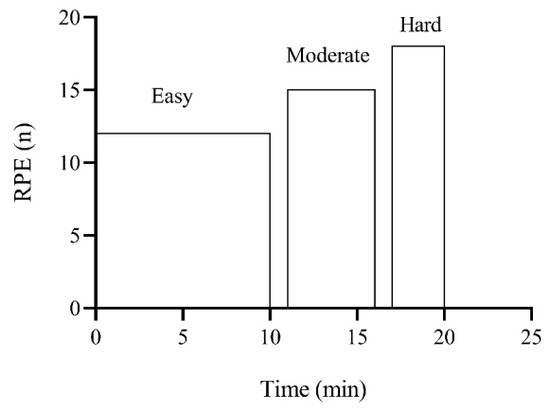
Background: The aim of this study was to investigate the preliminary evidence supporting the validity of the Running Advisor Billat Training test (RABIT®) in determining the three intensity domains in male adults with obesity. Methods: Thirteen male adults with obesity completed a graded (GRAD) and a RABIT® test. The RABIT® test consisted of three fixed levels of perceived exertion (RPE): (1) 10 min at RPE 13, (2) 5 min at RPE 16, and (3) 3 min at RPE 18. GRAD was composed of 1 min step, increasing speed by 0.5 km/h every minute until volitional exhaustion. Results: At RPE 18, maximal oxygen consumption ( O2max), minute ventilation ( E), maximal heart rate (HRmax), and running speed were not significantly different from the values measured during the GRAD. As well, oxygen consumption ( O2), E, and HR measured during RPE 16 and RPE 13 of the RABIT® test were not significantly different from the anaerobic threshold (AnT) and aerobic Threshold (AerT) values measured during GRAD. However, running speed at RPE 16 and RPE 13 of the RABIT® test was lower by −5.03% (p = 0.041) and −7.00% (p < 0.001), compared to GRAD. Conclusions: The data obtained in our study provide preliminary evidence supporting the ability of the RABIT® test to estimate maximal exercise parameters, as well as most parameters associated with AerT and AnT. Consequently, the test may be useful for identifying the three training intensity domains and for planning training sessions for adults with obesity.
Full article
(This article belongs to the Section Physical Exercise for Health Promotion)
►▼
Show Figures

Figure 1
Open AccessArticle
Task-Dependent Reorganization of Ankle–Knee Mechanical Coordination Revealed by Moment–Moment Phase Space Analysis
by
Alessandro Garofolini, William Anthony Sparrow and Rezaul Begg
J. Funct. Morphol. Kinesiol. 2026, 11(2), 201; https://doi.org/10.3390/jfmk11020201 - 19 May 2026
Abstract
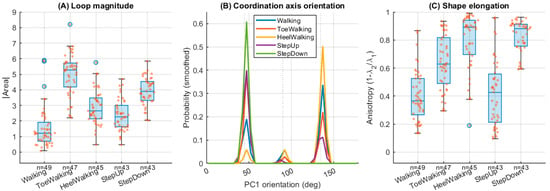
Background: Human locomotion requires coordinated torque production across multiple joints, yet conventional gait analysis typically evaluates joint behavior independently, limiting insight into inter-joint coordination. This study aimed to quantify task-dependent reorganization of ankle–knee mechanical coordination using a moment–moment phase space framework. Methods: A
[...] Read more.
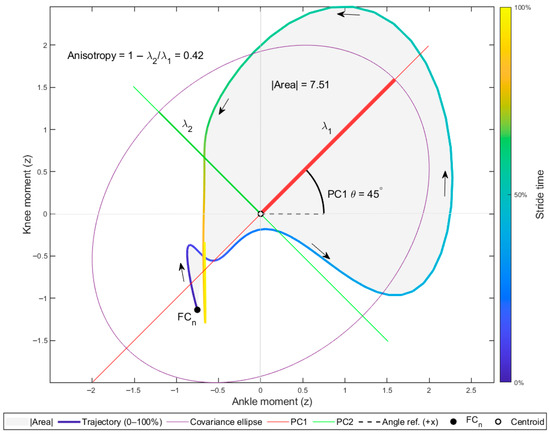
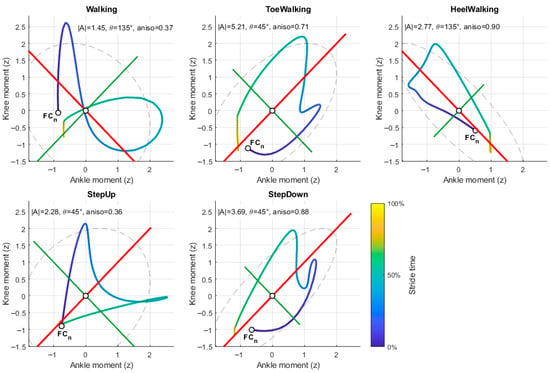
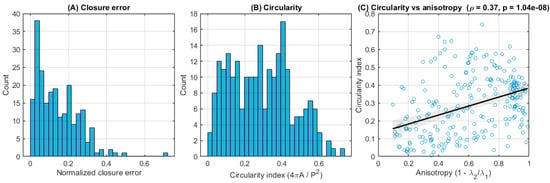
Background: Human locomotion requires coordinated torque production across multiple joints, yet conventional gait analysis typically evaluates joint behavior independently, limiting insight into inter-joint coordination. This study aimed to quantify task-dependent reorganization of ankle–knee mechanical coordination using a moment–moment phase space framework. Methods: A normative dataset of healthy adults (N = 50) performing natural-speed walking, toe walking, heel walking, stair ascent, and stair descent was analyzed. Sagittal-plane external ankle and knee moments were extracted from time-normalized stride cycles and z-score normalized within each stride to emphasize coordination topology. Ankle–knee trajectories were represented in moment–moment space and characterized using three geometric metrics: loop magnitude (|Area|), principal axis orientation, and anisotropy. Metrics were aggregated within subject and analyzed using linear mixed-effects models with planned contrasts against walking. Results: Loop magnitude differed significantly across tasks (p < 0.001), with the largest increases observed during toe walking (+3.45 relative to walking) and stair descent (+2.41). Principal axis orientation also showed a significant task effect (p = 0.026), with stair descent producing the largest rotation of the coordination axis (−29.8°). Anisotropy varied significantly across tasks (p < 0.001), indicating systematic changes in the dimensionality and strength of inter-joint torque coupling. Conclusions: Locomotor tasks induce structured, task-dependent reorganization of ankle–knee coordination topology. Moment–moment phase space analysis provides a compact and interpretable framework for quantifying inter-joint torque coupling, with potential applications in biomechanics research and the development of activity-aware assistive technologies.
Full article
(This article belongs to the Special Issue 10th Anniversary of JFMK: Advances in Kinesiology and Biomechanics)
►▼
Show Figures

Figure 1
Open AccessArticle
A Comparison of Methods for Tracking Muscle Quality During Early-Phase Rehabilitation Following Anterior Cruciate Ligament Reconstruction
by
Matt S. Stock, Heather N. Fowler, Ashleigh L. Ditmyer, Charles E. Nyberg, Debbie L. Hahs-Vaughn and Randi M. Richardson
J. Funct. Morphol. Kinesiol. 2026, 11(2), 200; https://doi.org/10.3390/jfmk11020200 - 17 May 2026
Abstract
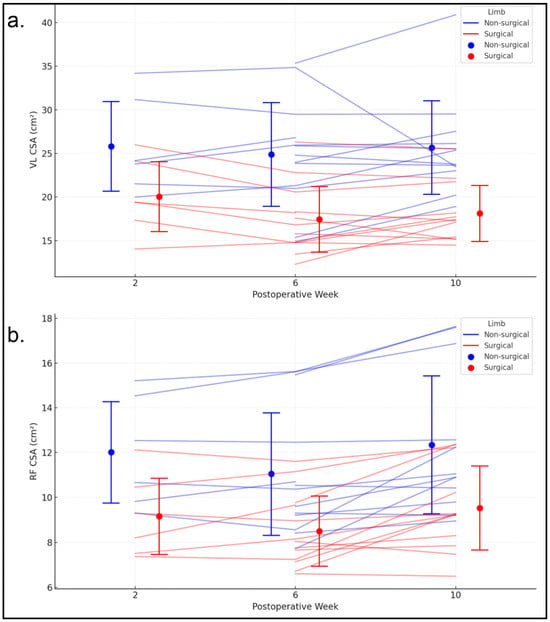
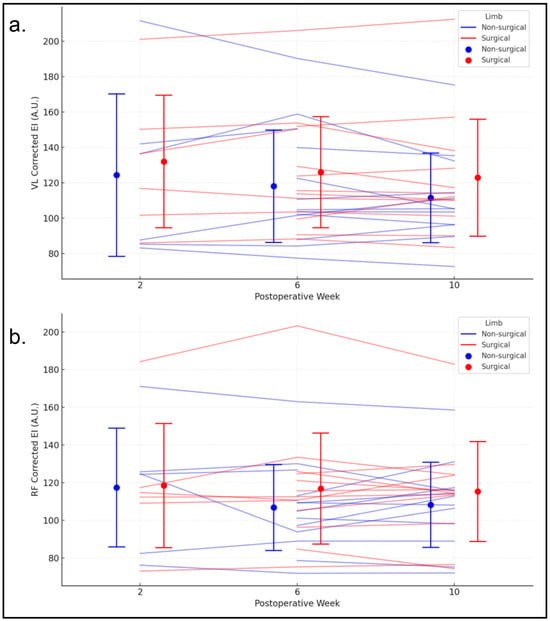
Background: Echo intensity (EI) has emerged as a promising and accessible tool for tracking changes in skeletal muscle quality; however, its utility during early-phase rehabilitation has not been studied. Using an observational cohort design, we examined changes in quadriceps muscle strength, size, and
[...] Read more.
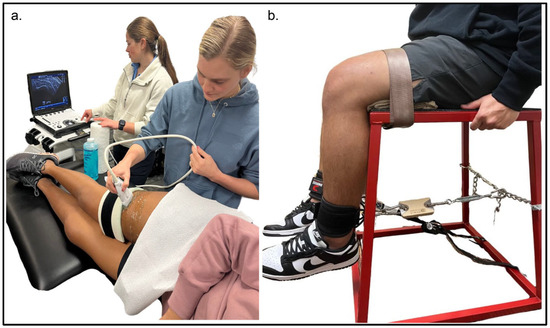
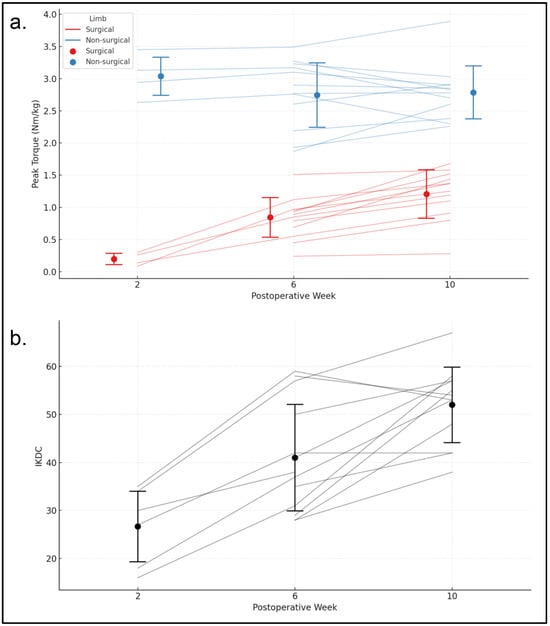
Background: Echo intensity (EI) has emerged as a promising and accessible tool for tracking changes in skeletal muscle quality; however, its utility during early-phase rehabilitation has not been studied. Using an observational cohort design, we examined changes in quadriceps muscle strength, size, and quality, along with self-reported knee function, 2, 6, and/or 10 weeks following anterior cruciate ligament reconstruction (ACLR). Methods: Thirteen participants (4 males, 9 females; mean age = 23 years) were assessed for bilateral isometric peak torque and cross-sectional area (CSA) and corrected EI of the vastus lateralis and rectus femoris. Self-reported knee function was measured using the International Knee Documentation Committee (IKDC) questionnaire. Results: Quadriceps peak torque was significantly lower in the surgical limb at 2 weeks following surgery but increased from weeks 2 to 10, while the nonsurgical limb remained stable. IKDC scores improved significantly over time. Vastus lateralis CSA decreased in the surgical limb between weeks 2 and 6, while rectus femoris CSA increased between weeks 6 and 10 in both limbs. Corrected EI values did not change over time. No significant correlations were observed among changes in muscle strength, size, quality, or self-reported knee function. Conclusions: We conclude that quadriceps strength, size, quality, and self-reported knee function change independently and do not follow a shared recovery trajectory.
Full article
(This article belongs to the Special Issue Basis of Applied Kinesiology, Innovations and Clinical Applications in Musculoskeletal Health, 2nd Edition)
►▼
Show Figures

Figure 1
Open AccessCommunication
Hydrorelease Within the Paraneural Sheath: A Cadaveric Study
by
Kousuke Shiwaku, Carmelo Pirri, Hidenori Otsubo, Andrea Porzionato, Rikiya Itagaki, Daiki Nishikawa, Tomoaki Kamiya, Daisuke Suzuki, Hiroyuki Takashima, Makoto Emori, Atsushi Teramoto and Carla Stecco
J. Funct. Morphol. Kinesiol. 2026, 11(2), 199; https://doi.org/10.3390/jfmk11020199 - 17 May 2026
Abstract
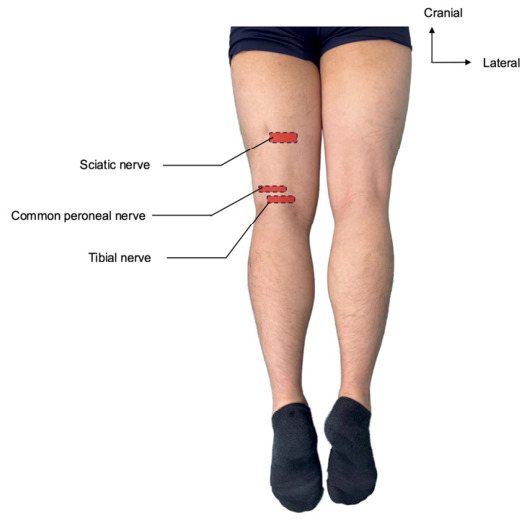
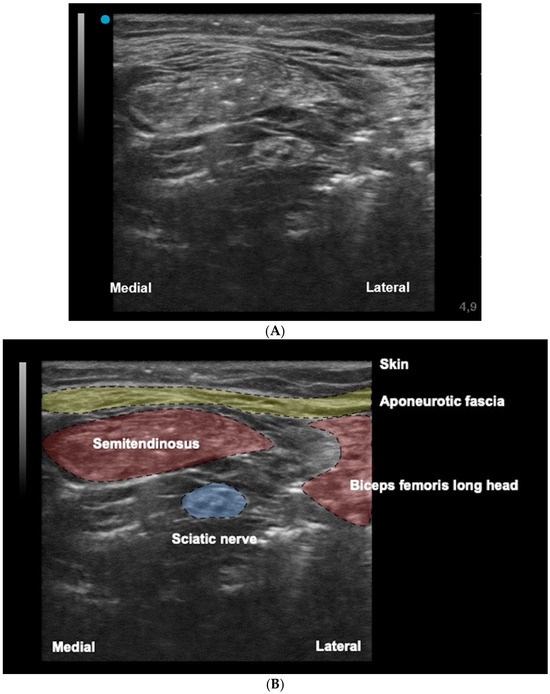
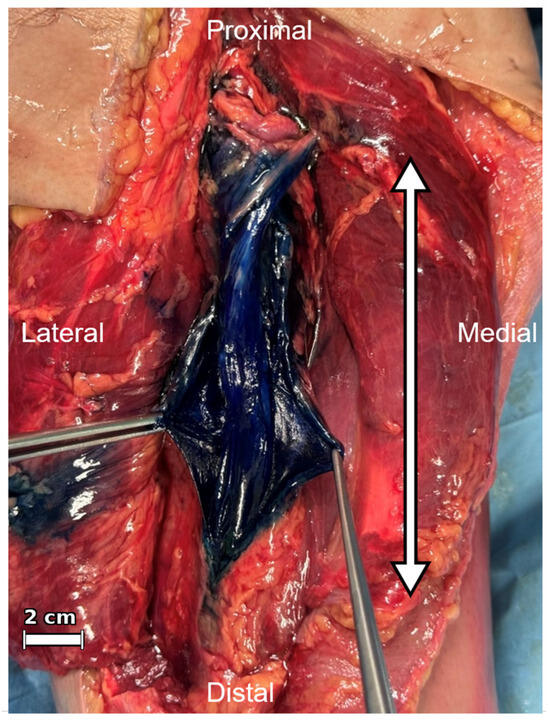
Background: Definitive quantification of fluid spread within the paraneural sheath (PNS) but external to the epineurium during hydrorelease (HR)-like procedures is lacking. We aimed to investigate the spread of low-volume HR within the intra-PNS surrounding the sciatic, tibial, and common peroneal nerves using
[...] Read more.
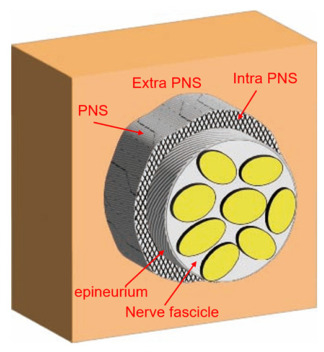
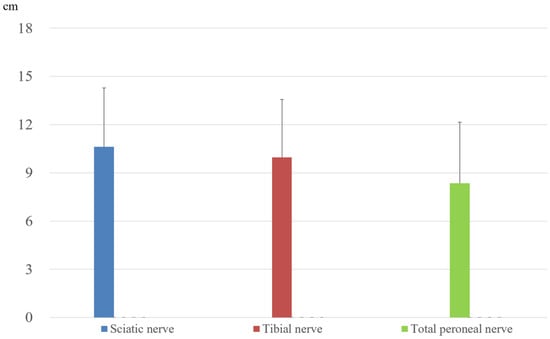
Background: Definitive quantification of fluid spread within the paraneural sheath (PNS) but external to the epineurium during hydrorelease (HR)-like procedures is lacking. We aimed to investigate the spread of low-volume HR within the intra-PNS surrounding the sciatic, tibial, and common peroneal nerves using human cadaveric specimens. Methods: HR with 2.5 mL of dye-mixed saline was performed under ultrasound guidance into the intra-PNS of seven lower limbs from four fresh-frozen cadavers. Dye spread was quantified by measuring longitudinal distance and circumferential dispersion, followed by anatomical dissection within 1 min of injection. Results: All injections demonstrated consistent longitudinal spread along the intra-PNS layer without intraneural infiltration. The mean spread distances were 10.63 ± 3.66, 9.97 ± 3.60, and 8.36 ± 3.04 cm in the sciatic, tibial, and common peroneal nerves, respectively, indicating no significant differences. An opposite-side circumferential spread was observed in all cases, with mean scores indicating mild-to-moderate extension. Conclusions: Low-volume HR selectively spreads within the intra-PNS layer, suggesting that this anatomical layer is a structurally valid and reproducible target for perineural injection techniques.
Full article
(This article belongs to the Section Functional Anatomy and Musculoskeletal System)
►▼
Show Figures

Figure 1
Open AccessArticle
Relationship Between Lower-Body Power and Sport-Specific Start Performance in International-Level BMX Riders
by
Noel Marcen-Cinca, Pablo Jesús Bascuas and Juan Rabal-Pelay
J. Funct. Morphol. Kinesiol. 2026, 11(2), 198; https://doi.org/10.3390/jfmk11020198 - 17 May 2026
Abstract
Background: Bicycle Motocross (BMX) performance is strongly influenced by the start phase, which requires rapid force and power production to achieve optimal race posi-tioning; however, the relationship between lower-body power and sport-specific start performance remains insufficiently investigated. Objectives: The aim of this cross-sectional
[...] Read more.
Background: Bicycle Motocross (BMX) performance is strongly influenced by the start phase, which requires rapid force and power production to achieve optimal race posi-tioning; however, the relationship between lower-body power and sport-specific start performance remains insufficiently investigated. Objectives: The aim of this cross-sectional study was to assess lower-body muscular performance and analyze its relationship with start performance in international BMX riders. Methods: Ten international-level BMX riders (n = 10) completed a testing battery including squat jump and countermovement jump, force–velocity profile assessment, and a Wingate test preceded by 5 s maximal sprints to determine peak power (PP1, PP2), peak power during the 30 s Wingate test, and mean power. A sport-specific start test was performed on a BMX ramp, with time over the first 15 m recorded using photocell timing gates. Results: StartGate 15 m time showed a large negative correlation with PP2 (r = −0.800, 95% CI: −0.95 to −0.33, p = 0.05), whereas no significant correlations were observed with vertical jump performance or Power Mean Wingate. Strong correlations were observed among laboratory-based power variables. Conclusions: These findings suggest that short-duration peak cycling power may be associated with BMX start performance. However, given the small sample size and the borderline p-value, this relationship should be interpreted with caution. Sport-specific start testing may provide relevant information for performance assessment and training monitoring in international BMX riders.
Full article
(This article belongs to the Special Issue Strength Training and Performance Enhancement in Athletes, 3rd Edition)
Open AccessArticle
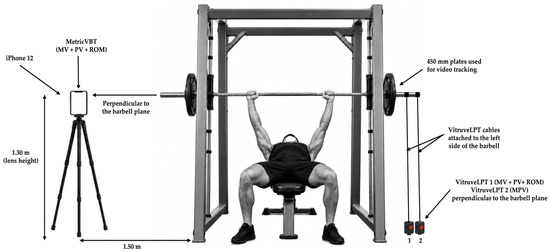
Comparison of the MetricVBT App and the Vitruve Linear Position Transducer for Assessing Execution Velocity and ROM
by
Tommaso Grossi, Lorenzo Micheli, Matteo Magnoni, Vahid Shoaei, Piero Benelli, Carlo Ferri Marini and Francesco Lucertini
J. Funct. Morphol. Kinesiol. 2026, 11(2), 197; https://doi.org/10.3390/jfmk11020197 - 16 May 2026
Abstract
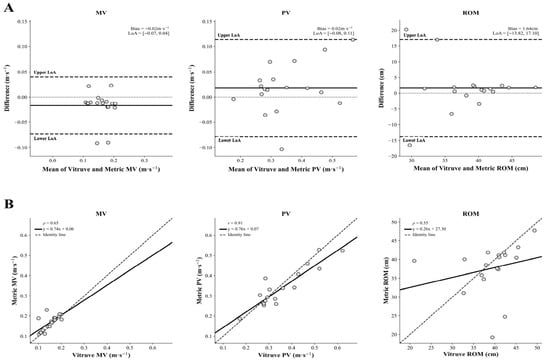
Background: The primary aim of this study is to evaluate the concurrent validity and practical applicability of the MetricVBT smartphone application compared with the Vitruve linear position transducer (VitruveLPT) for measuring mean velocity (MV) and peak velocity (PV) at one-repetition maximum (1-RM)
[...] Read more.
Background: The primary aim of this study is to evaluate the concurrent validity and practical applicability of the MetricVBT smartphone application compared with the Vitruve linear position transducer (VitruveLPT) for measuring mean velocity (MV) and peak velocity (PV) at one-repetition maximum (1-RM) during the Smith machine bench press (SMBP). A secondary aim is to assess the range of motion (ROM). Methods: Eighteen resistance-trained men completed a single 1-RM SMBP exercise test, with barbell kinematics simultaneously recorded using VitruveLPT and MetricVBT. Between-device differences were assessed using Wilcoxon signed-rank and paired-sample t-tests with Bonferroni correction (α ≤ 0.05). Associations were examined using Spearman’s (ρ) and Pearson’s (r) correlations, and absolute agreement was evaluated via intraclass correlation coefficients (ICC) and Bland-Altman analyses. Results: Significant differences were observed for MV (p = 0.026), but not for PV (p = 0.143) or ROM (p = 0.130). PV showed a very high correlation (r = 0.91, p < 0.001), whereas MV (ρ = 0.65, p = 0.002) and ROM (ρ = 0.55, p = 0.018) demonstrated moderate correlations. Agreement was good for PV (ICC = 0.888), moderate for MV (ICC = 0.612), and poor for ROM (ICC = 0.236). Mean bias was small for MV (−0.02 m·s−1) and PV (0.02 m·s−1), whereas ROM showed a larger bias (1.64 cm) and wide limits-of-agreement (LoA) for all variables (MV: −0.07 to 0.04 m·s−1; PV: −0.08 to 0.11 m·s−1; ROM: −13.82 to 17.10 cm). Conclusions: Although no statistically significant differences were observed, MetricVBT did not meet the reliability criteria for velocity monitoring. Despite small mean bias, the wide LoA for MV, PV, and ROM indicates that MetricVBT and VitruveLPT are not interchangeable for assessing performance parameters.
Full article
(This article belongs to the Special Issue Optimizing Performance: Training Strategies to Improve Strength, Speed, Power, and Endurance, 2nd Edition)
►▼
Show Figures

Figure 1
Open AccessReview
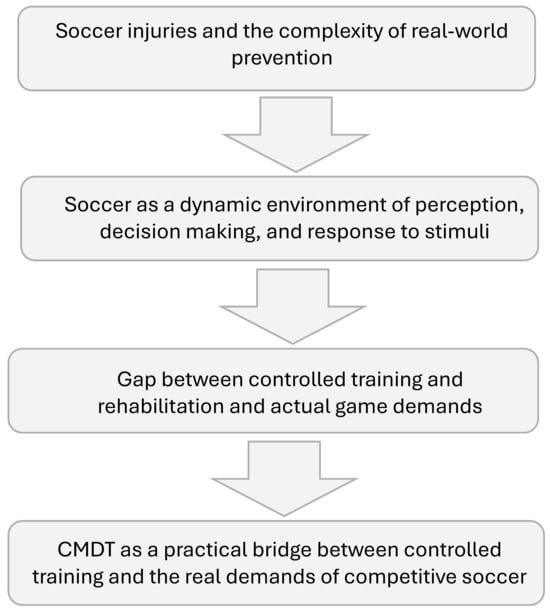
Cognitive–Motor Dual-Task Training (CMDT) Approaches for Performance, Recovery, Injury Prevention, Rehabilitation, and Return to Sport in Soccer: A Narrative Review with Practical Recommendations for Soccer Clubs
by
Asaf Shalom, Roni Gottlieb and Julio Calleja-Gonzalez
J. Funct. Morphol. Kinesiol. 2026, 11(2), 196; https://doi.org/10.3390/jfmk11020196 - 15 May 2026
Abstract
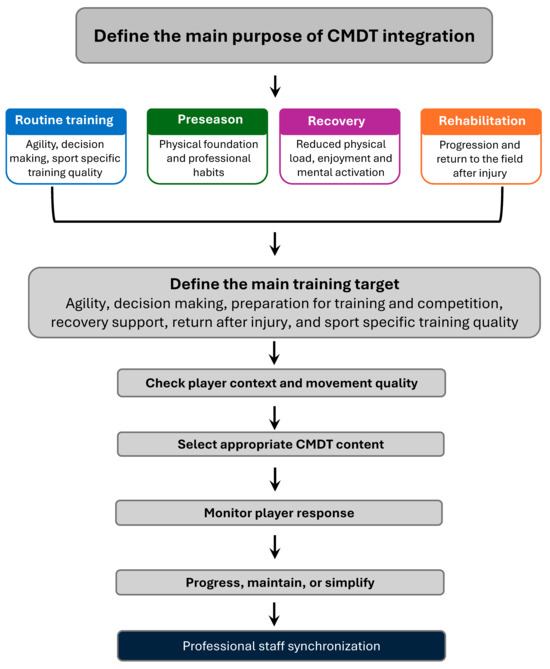
This narrative review explores the potential role of cognitive–motor dual-task training (CMDT) approaches within training methods used in sports clubs, with particular emphasis on soccer clubs, to support performance enhancement, recovery, and injury prevention; improve agility, decision making, and functional readiness; and enhance
[...] Read more.
This narrative review explores the potential role of cognitive–motor dual-task training (CMDT) approaches within training methods used in sports clubs, with particular emphasis on soccer clubs, to support performance enhancement, recovery, and injury prevention; improve agility, decision making, and functional readiness; and enhance training quality and specificity. The review discusses how CMDT may be integrated as part of the broader and more comprehensive planning of the club’s full training program, including during the preseason period, as part of preparation for training and competition, within recovery sessions, during periods of high load, and throughout the rehabilitation process and the transition back to team training and contact exposure, while also potentially contributing to variety, mental stimulation, enjoyment, and player engagement. The review also emphasizes the importance of implementing CMDT within a coordinated professional framework, through collaboration and synchronization within the professional and medical staff of the club, and in broad alignment with club goals, player characteristics, and sport-specific demands. The key insight is that CMDT has the potential to serve as a practical, complementary approach that helps bridge the gap between controlled training and rehabilitation settings and the dynamic demands of soccer participation. Based on this review, practical recommendations and future research directions are presented, while emphasizing that CMDT should be applied with caution, through gradual and context-specific progression, and in line with established training, recovery, and rehabilitation principles.
Full article
(This article belongs to the Special Issue Integrative Perspectives on Functional Morphology, Performance and Injury Prevention in Soccer)
►▼
Show Figures

Figure 1
Open AccessArticle
Subsequent Injury Risk Following Concussion in Australian Football League (AFL) Male Athletes: Is It a Case of a Player Being ‘Luckless’?
by
Alan J. Pearce, Samuel Hardy, Kane Middleton and Doug King
J. Funct. Morphol. Kinesiol. 2026, 11(2), 195; https://doi.org/10.3390/jfmk11020195 - 14 May 2026
Abstract
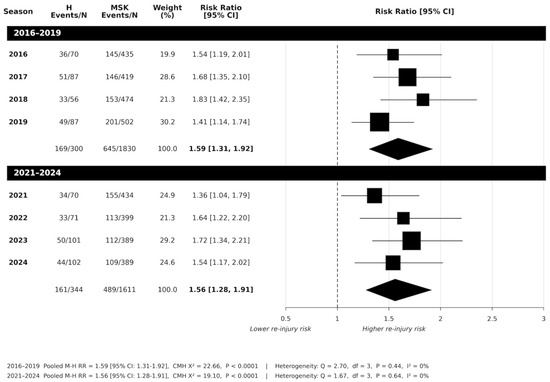
Background: Sports-related concussion (SRC) is associated with elevated subsequent musculoskeletal (MSK) injury risk, yet no study has examined whether a mandatory post-concussion rest period mitigates this risk in professional Australian rules football. The aim of this study was to compare subsequent injury risk
[...] Read more.
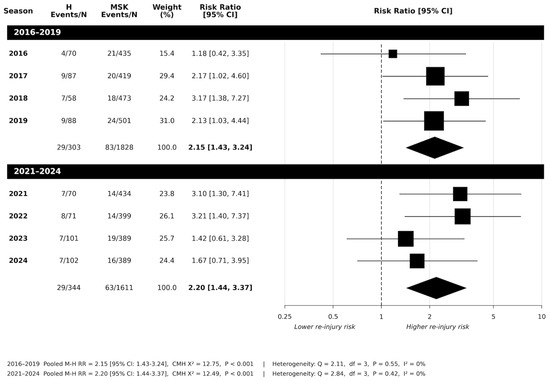
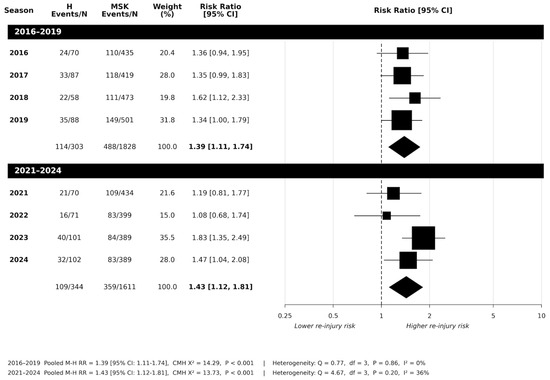
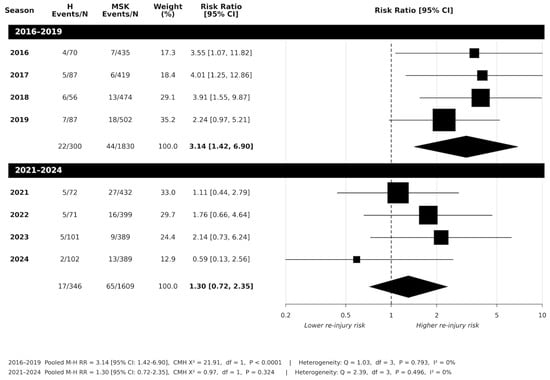
Background: Sports-related concussion (SRC) is associated with elevated subsequent musculoskeletal (MSK) injury risk, yet no study has examined whether a mandatory post-concussion rest period mitigates this risk in professional Australian rules football. The aim of this study was to compare subsequent injury risk following SRC in Australian Football League (AFL) male athletes across two periods: a discretionary return-to-play period (2016 to 2019) and a mandatory 12-day non-competition period (2021 to 2024). Methods: Injury data were extracted from publicly available AFL injury reports across eight seasons (n = 4351 players). Risk ratios (RRs) with 95% confidence intervals were calculated using log-binomial methods, with pooled estimates derived via the Mantel–Haenszel approach. Results: Across both periods, SRC significantly increased overall MSK injury risk compared to MSK-first injury risk (2016 to 2019: RR:1.59 [95%CI:1.31 to 1.92]; p < 0.001; 2021 to 2024: RR:1.56 [95%CI:1.28 to 1.91]; p < 0.001). Upper and lower limb injury risks were similarly elevated across both eras. Notably, the risk of subsequent concussion was significantly elevated during 2016 to 2019 (RR:3.14, p < 0.001), whereas no statistically significant elevation was demonstrated during 2021 to 2024 (RR:1.30, p = 0.324). Conclusions: During the 12-day rest period, subsequent concussion risk was no longer significantly elevated, while MSK injury risk remained increased, suggesting longer recovery periods may be warranted for full neuromuscular recovery following SRC.
Full article
(This article belongs to the Special Issue Advances in Sports-Related Concussion and CTE)
►▼
Show Figures

Figure 1
Open AccessArticle
Hematological and Biochemical Responses During and After a 12-h Track Ultra-Marathon Race
by
Prokopios Chatzakis, Giorgos Paradisis, Kostas Patas, Stylianos Chatzipanagiotou, Chrysoula Nikolaou and Elias Zacharogiannis
J. Funct. Morphol. Kinesiol. 2026, 11(2), 194; https://doi.org/10.3390/jfmk11020194 - 13 May 2026
Abstract
Objectives: The purpose of the present study was to examine the acute effects on hematological, inflammatory, cellular, muscular, myocardial, liver, biliary, and humoral immunity biomarkers during and after a 12-h track ultra-marathon event. Methods: Twelve healthy male ultra-marathon runners completed the
[...] Read more.
Objectives: The purpose of the present study was to examine the acute effects on hematological, inflammatory, cellular, muscular, myocardial, liver, biliary, and humoral immunity biomarkers during and after a 12-h track ultra-marathon event. Methods: Twelve healthy male ultra-marathon runners completed the race and all measurements, including venous blood sampling performed before the race (PRE), at 6 h during the race (MID), and immediately after finishing (POST). Results: White blood cells, neutrophils, monocytes, basophils, and platelets increased at 6 h (MID) and remained elevated after the finish (POST), while eosinophils and lymphocytes decreased at mid-race and remained suppressed until post-race. The immunoglobulin G and C-reactive protein increased post-race compared to pre- and mid-race values, while lactate dehydrogenase and interleukin-6 increased at mid-race, with no further change until post-race. Creatine kinase, creatine kinase-MB, high-sensitivity cardiac troponin I, aspartate aminotransferase, and alanine aminotransferase significantly increased mid-race and showed a further significant increase post-race. Significant correlations were found between total distance covered and the percentage of PRE-MID difference of interleukin-6 and the percentage of PRE-POST difference of interleukin-6 and lactate dehydrogenase. Conclusions: The results of the present study indicate that participation in a 12-h track ultra-marathon is associated with marked exercise-induced alterations in multiple hematological and biochemical biomarkers, with several responses already evident at mid-race (6 h).
Full article
(This article belongs to the Special Issue Optimizing Performance: Training Strategies to Improve Strength, Speed, Power, and Endurance, 2nd Edition)
Open AccessReview
Effects of Physical Exercise on Anxiety and Depression of People with Fibromyalgia: Umbrella Review of Systematic Reviews and Meta-Analyses
by
Nuria Pérez-Romero, Annais Rubilar-Barrera, Constanza Carolina Salinas-Parada, Karen Navarrete-Valenzuela, Valentina Paz Vera-Espinoza, Oscar Núñez and Enrique Cerda-Vega
J. Funct. Morphol. Kinesiol. 2026, 11(2), 193; https://doi.org/10.3390/jfmk11020193 - 12 May 2026
Abstract
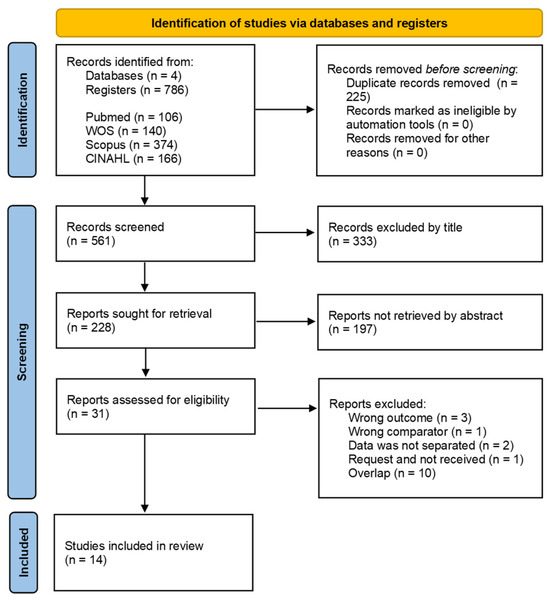
Background: Fibromyalgia is a chronic nociplastic pain condition often accompanied by mental health comorbidities, with anxiety and depression being the most prevalent. The objective of this umbrella review is to analyze the effects of physical exercise on anxiety and depression symptoms in individuals
[...] Read more.
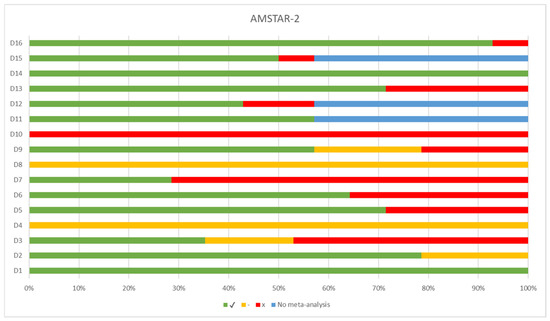
Background: Fibromyalgia is a chronic nociplastic pain condition often accompanied by mental health comorbidities, with anxiety and depression being the most prevalent. The objective of this umbrella review is to analyze the effects of physical exercise on anxiety and depression symptoms in individuals with fibromyalgia. Methods: Following Cochrane and PRIOR guidelines, a systematic search was conducted in PubMed, Web of Science, Scopus, and CINAHL Complete up to 28 August 2025. Systematic reviews with or without meta-analyses that evaluated physical exercise interventions in adults with fibromyalgia and reported anxiety or depressive symptom outcomes were included. Risk of bias was assessed with AMSTAR-2; overlap was evaluated using MOoR and CCA. Results: Fourteen reviews (eight meta-analyses, three systematic reviews, two meta-analyses treated as descriptive, and one network meta-analysis) were included, synthesizing 98 randomized controlled trials (RCTs) with 4325 participants (in the 12 reviews that provided data). The majority of the patients were women and people aged between 10 and 65. Regarding anxiety, five of seven reviews reported significant improvements. Aquatic exercise showed the greatest effect (SMD = −1.14). Regarding depression, eight of 11 reviews reported significant benefits. Aquatic exercise again stood out with the highest effect (SMD = −1.18). Adherence varied between 64% and 97%. Methodological quality according to AMSTAR-2 showed considerable heterogeneity. Conclusions: Physical exercise, especially aerobic and aquatic modalities, may support the reduction of symptoms of anxiety and depression in people with fibromyalgia. These findings support its inclusion in rehabilitation programs, although methodological and prescription variability suggests caution in interpreting optimal parameters. PROSPERO-ID: CRD42024590799.
Full article
(This article belongs to the Special Issue Health and Performance Through Sports at All Ages: 4th Edition)
►▼
Show Figures

Figure 1
Open AccessReview
Active Video Gaming and Obesity in Children 6–12 Years Old: A Systematic Review
by
Dimitra P. Sklavou, George S. Metsios, Antonios Stavropoulos-Kalinoglou, Claire Chrysanthi Karpodini, Apostolos Vantarakis and Yiannis Koutedakis
J. Funct. Morphol. Kinesiol. 2026, 11(2), 192; https://doi.org/10.3390/jfmk11020192 - 12 May 2026
Abstract
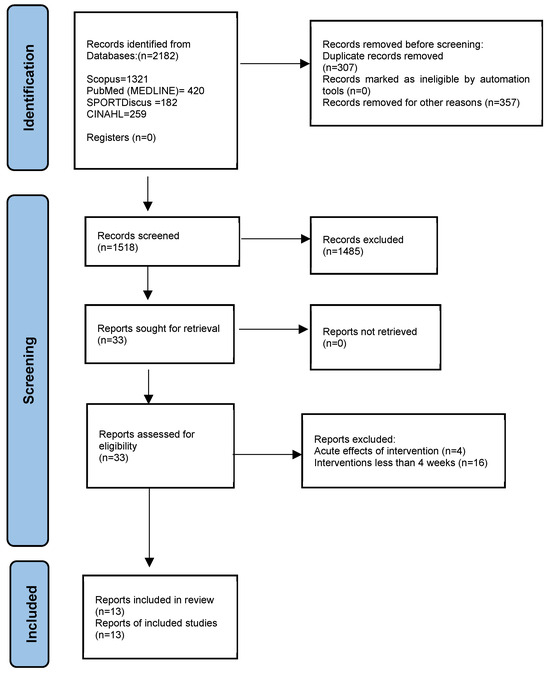
Objectives: Although many governments and scientific organisations have developed strategies to combat the epidemic of childhood obesity, the unsatisfactory results thus far warrant further studies. The aim of this systematic review is to investigate the effects of active video games (AVGs) on physical
[...] Read more.
Objectives: Although many governments and scientific organisations have developed strategies to combat the epidemic of childhood obesity, the unsatisfactory results thus far warrant further studies. The aim of this systematic review is to investigate the effects of active video games (AVGs) on physical activity (PA) levels and BMI (body mass index)/body composition in overweight and obese children 6–12 years of age. Methods: Articles were retrieved from the databases of Scopus, PubMed (MEDLINE), SPORTDiscus, and CINAHL. Thirteen articles met the inclusion criteria and were categorised according to the AVG intervention length. Results: AVG intervention periods of 4–12 weeks seem to moderately improve PA levels and refine BMI/body composition levels. In contrast, interventions lasting 13–24 weeks revealed encouraging results for improving PA, but had little effect on BMI/body composition levels. Conclusions: AVGs can generally help overweight and obese children 6–12 years of age to improve their PA levels and reduce BMI and/or improve body composition.
Full article
(This article belongs to the Special Issue 10th Anniversary of JFMK: Advances in Athletic Training and Human Performance)
►▼
Show Figures

Figure 1
Open AccessReview
The Effect of Fatigue on Throwing Performance in Handball Players: Systematic Review with Meta-Analysis
by
Stelios Hadjisavvas, Irene-Chrysovalanto Themistocleous, Michalis A. Efstathiou, Elena Papamichael, Christina Michailidou and Manos Stefanakis
J. Funct. Morphol. Kinesiol. 2026, 11(2), 191; https://doi.org/10.3390/jfmk11020191 - 12 May 2026
Abstract
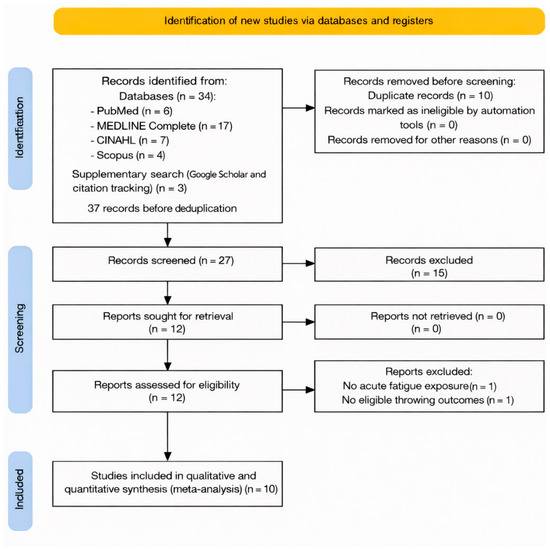
Background: Acute fatigue is frequently experienced during handball training and match play and may impair throwing performance; however, findings across studies are inconsistent. This systematic review and meta-analysis examined the acute effects of fatigue on throwing velocity and accuracy in handball. Methods
[...] Read more.
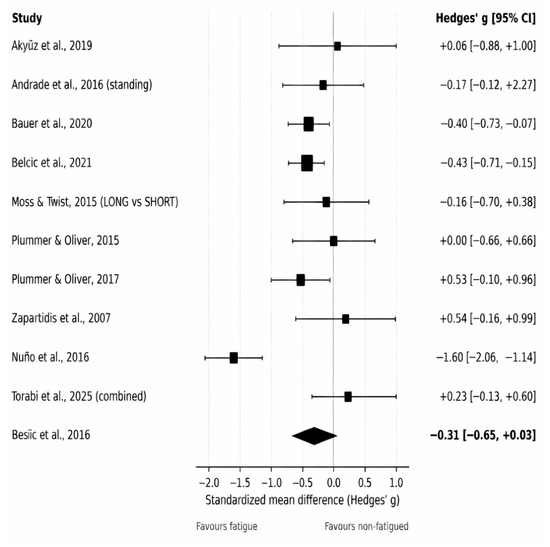
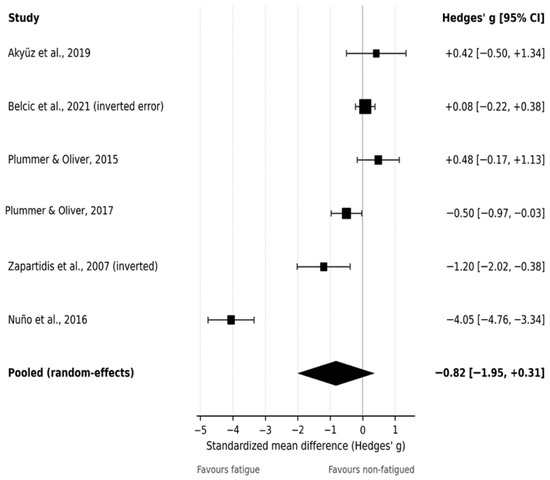
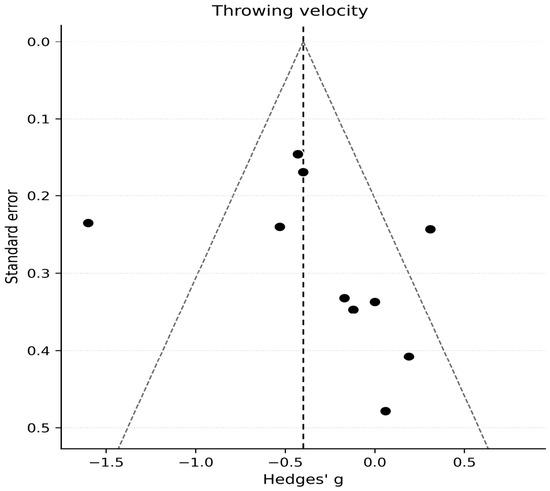
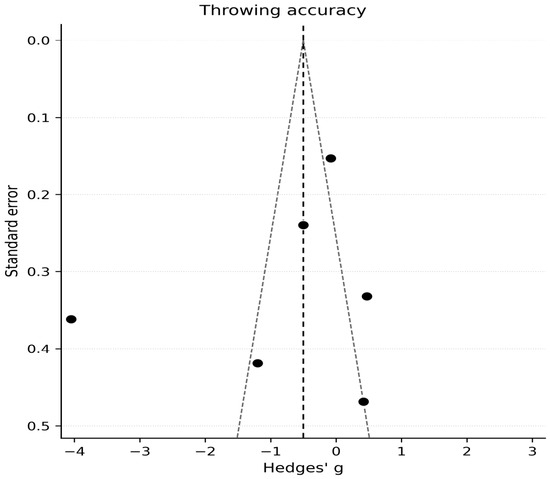
Background: Acute fatigue is frequently experienced during handball training and match play and may impair throwing performance; however, findings across studies are inconsistent. This systematic review and meta-analysis examined the acute effects of fatigue on throwing velocity and accuracy in handball. Methods: PubMed, MEDLINE Complete, CINAHL, and Scopus were searched from inception to 24 January 2026, supplemented by Google Scholar and citation tracking. Eligible studies included handball players exposed to an acute fatigue protocol with throwing-performance outcomes. Random-effects meta-analyses were conducted using standardized mean differences (Hedges’ g), oriented so that negative values indicated worse performance under fatigue. Results: Τen studies met the inclusion criteria for qualitative synthesis. For quantitative synthesis, 10 comparisons contributed to the throwing-velocity meta-analysis and 6 comparisons contributed to the throwing-accuracy meta-analysis. Fatigue showed a small-to-moderate tendency to reduce throwing velocity (g = −0.31, 95% CI −0.65 to 0.03; I2 = 77.8%). For throwing accuracy, the pooled estimate suggested a possible decline under fatigue (g = −0.82, 95% CI −1.95 to 0.31), but heterogeneity was very high (I2 = 95.8%) and findings were sensitive to influential effects. Conclusions: Acute fatigue showed a small-to-moderate tendency to reduce throwing velocity in handball players, with more consistent impairments observed during jump-shot tasks and after localized upper-limb fatigue protocols. In contrast, no robust conclusion can be drawn for throwing accuracy/precision because heterogeneity was extremely high and studies used substantially different outcome definitions, including hit counts, success percentages, points-based scores, and spatial error. Therefore, accuracy findings should be interpreted with considerable caution.
Full article
(This article belongs to the Special Issue Strength and Conditioning in Indoor Team Sports: Strategies for Performance Optimization)
►▼
Show Figures

Figure 1
Highly Accessed Articles
Latest Books
E-Mail Alert
News
Topics
Topic in
JFMK, Medicina, Therapeutics, Healthcare, JCM, Rheumato
New Trends in Physiotherapy Care: Improvements in Functionality, Pain Management, and Quality of Life
Topic Editors: Carlos Bernal-Utrera, Ernesto Anarte-Lazo, Juan José González GerezDeadline: 30 June 2026
Topic in
Applied Sciences, Brain Sciences, JFMK, Nutrients, Sports
Exercise and Nutrition for Physical Performance, Mental Health and General Well-Being
Topic Editors: Gian Mario Migliaccio, Luca RussoDeadline: 12 July 2026
Topic in
Biology, Brain Sciences, Sports, Biomechanics, JFMK, Physiologia
The Mechanics of Movement: Biomechanics in Sports Performance
Topic Editors: Mario Bernardo-Filho, Danúbia Da Cunha De Sá-Caputo, Redha TaiarDeadline: 31 July 2026
Topic in
Behavioral Sciences, Children, Healthcare, IJERPH, JFMK, Obesities
The Effect of Physical Activity on the Population's Health
Topic Editors: Stefania Paduano, Federica ValerianiDeadline: 31 August 2026
Special Issues
Special Issue in
JFMK
Wearable Technology and Movement Analysis in Athletic Performance and Rehabilitation
Guest Editor: Juri TaborriDeadline: 31 May 2026
Special Issue in
JFMK
Optimizing Strength and Resistance Training: Best Practices Applied to Sports Disciplines and Performance—2nd Edition
Guest Editors: Luis Manuel Martínez Aranda, Javier Raya-GonzálezDeadline: 31 May 2026
Special Issue in
JFMK
Optimizing Performance: Training Strategies to Improve Strength, Speed, Power, and Endurance, 2nd Edition
Guest Editor: Athanasios TsoukosDeadline: 31 May 2026
Special Issue in
JFMK
Current Horizons in Orthopaedic Surgery: Innovations, Outcomes, and Complication Management
Guest Editor: Carlo PerisanoDeadline: 31 May 2026
Topical Collections
Topical Collection in
JFMK
Feature Papers in Journal of Functional Morphology and KinesiologyCollection Editor: Giuseppe Musumeci
Topical Collection in
JFMK
Advances in Rehabilitation and Injury Management
Collection Editor: Andrea Demeco