Journal Description
Journal of Experimental and Theoretical Analyses — Advanced Methods for Science, Engineering, and Technology
Journal of Experimental and Theoretical Analyses
— Advanced Methods for Science, Engineering, and Technology is an international, peer-reviewed, open access journal published quarterly online by MDPI, and is dedicated to the methods and applications of experimental and theoretical analysis across science and engineering.
- Open Access— free for readers, with article processing charges (APC) paid by authors or their institutions.
- Rapid Publication: manuscripts are peer-reviewed and a first decision is provided to authors approximately 29.1 days after submission; acceptance to publication is undertaken in 6.7 days (median values for papers published in this journal in the second half of 2025).
- Recognition of Reviewers: APC discount vouchers, optional signed peer review, and reviewer names published annually in the journal.
- JETA is a companion journal of Applied Sciences.
Latest Articles
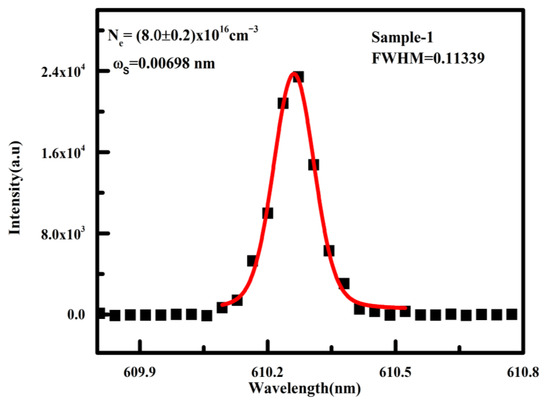
Compositional Analysis of South Punjab Soil Using Calibration-Free Laser-Induced Breakdown Spectroscopy (CF-LIBS) for Agricultural and Environmental Applications
J. Exp. Theor. Anal. 2026, 4(2), 17; https://doi.org/10.3390/jeta4020017 - 30 Apr 2026
Abstract
►
Show Figures
This study demonstrates the application of Laser-Induced Breakdown Spectroscopy (LIBS) for the elemental analysis of agricultural soils in South Punjab, Pakistan. Soil degradation due to intensive farming, imbalanced fertilizer use, and declining organic matter has reduced crop productivity in the region. To address
[...] Read more.
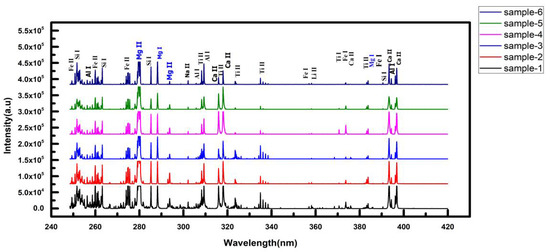
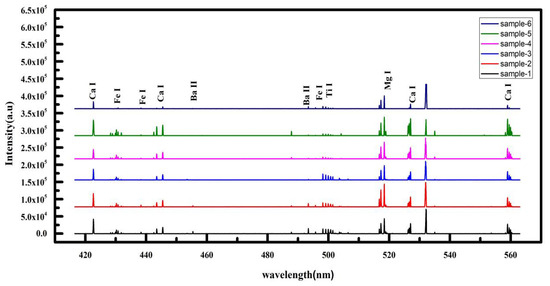
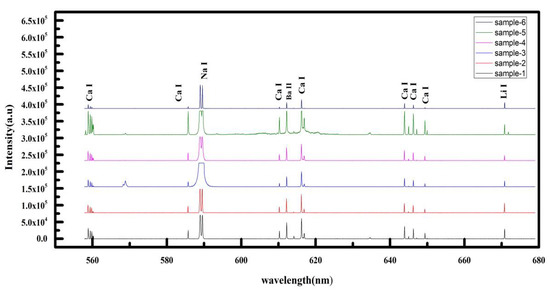
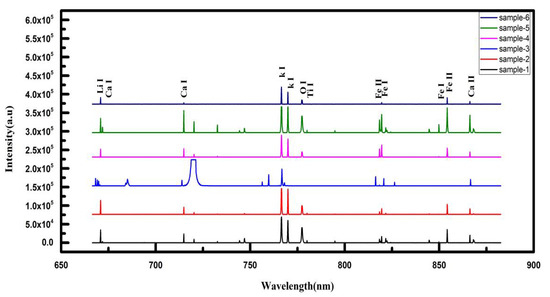
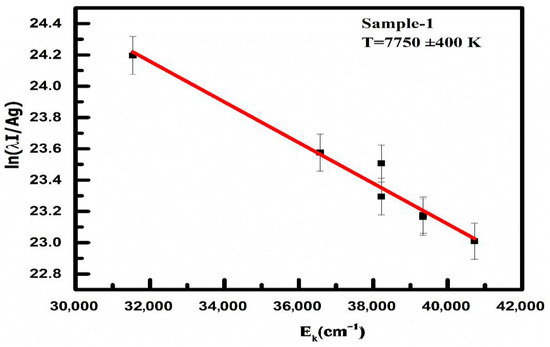
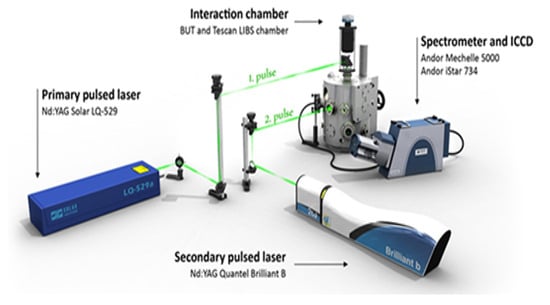
This study demonstrates the application of Laser-Induced Breakdown Spectroscopy (LIBS) for the elemental analysis of agricultural soils in South Punjab, Pakistan. Soil degradation due to intensive farming, imbalanced fertilizer use, and declining organic matter has reduced crop productivity in the region. To address this, rapid and accurate soil diagnostics are essential. LIBS, coupled with Calibration-Free analysis (CF-LIBS), was employed to quantitatively determine the concentrations of major and trace elements—including calcium, silicon, iron, aluminum, magnesium, titanium, potassium, sodium, lithium, and barium—without requiring chemical standards. Plasma characterization was performed using the Boltzmann plot method, yielding temperatures between 7750 and 9000 K, and electron number densities were derived from Stark-broadened spectral profiles. The results reveal significant spatial variability in elemental composition, reflecting differences in land use and irrigation sources. This work confirms LIBS as a versatile, efficient, and reliable tool for soil health assessment, offering a practical solution for monitoring soil nutrients and supporting sustainable agricultural management in resource-limited settings.
Full article
Open AccessArticle
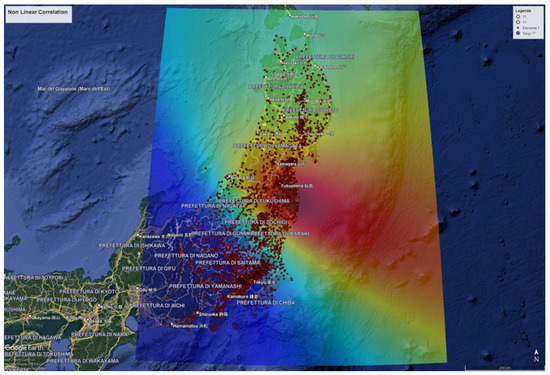
The TWC Sigma Model: A Nonlinear Correlation and Neural Network Approach for Spatial Source Detection
by
Paolo Massimo Buscema, Marco Breda, Riccardo Petritoli, Giulia Massini and Guido Ferilli
J. Exp. Theor. Anal. 2026, 4(2), 16; https://doi.org/10.3390/jeta4020016 - 22 Apr 2026
Abstract
►▼
Show Figures
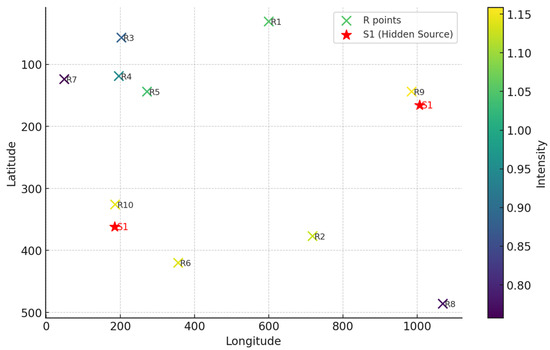
The TWC Sigma model, part of the Topological Weighted Centroid (TWC) family, is introduced as a spatial framework for source localization in systems where network information is incomplete or unavailable. Its architecture relies on two alternative approaches: one based on nonlinear correlation, capable
[...] Read more.
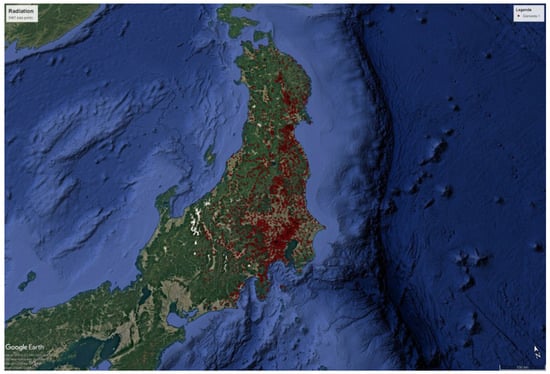
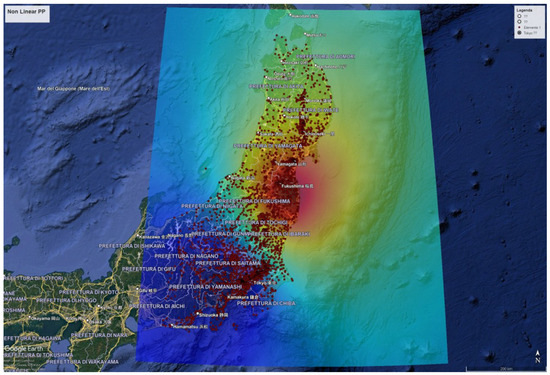
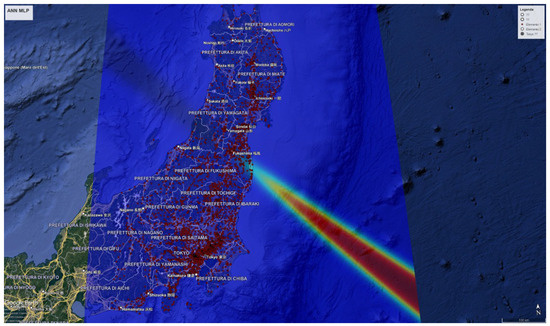
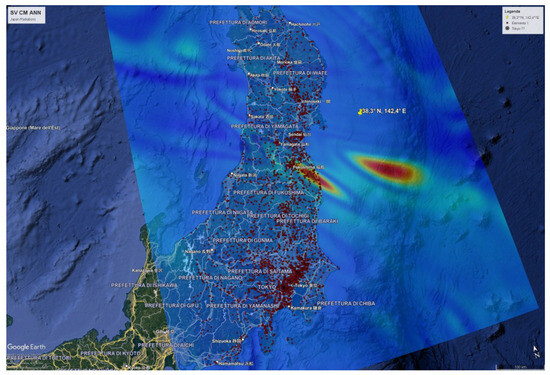
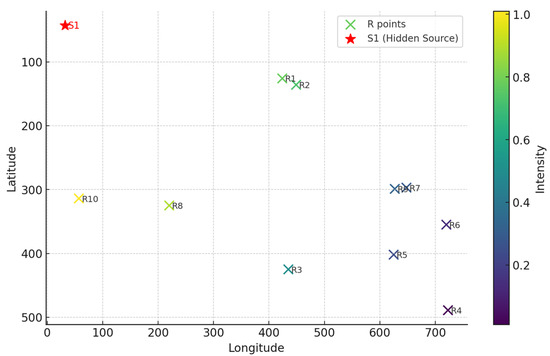
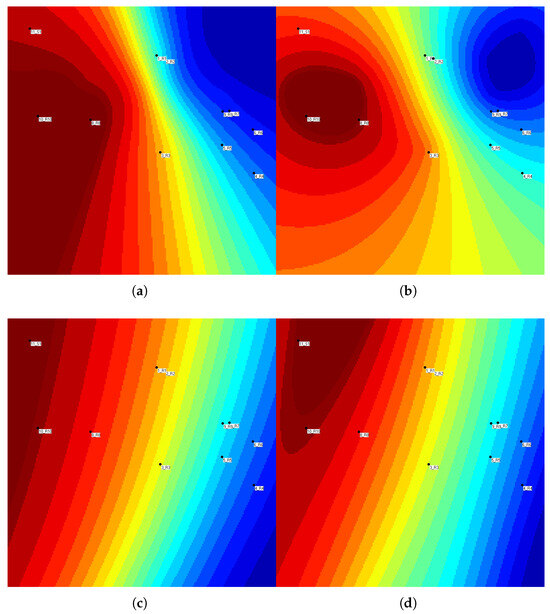
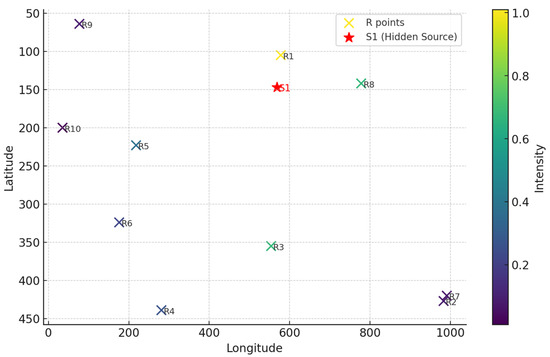
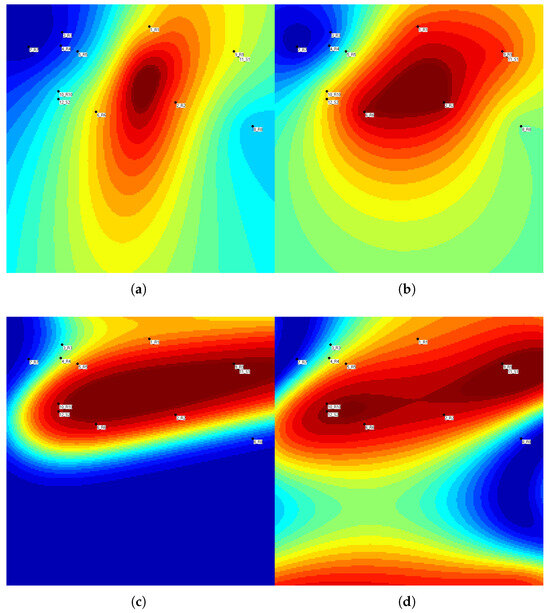
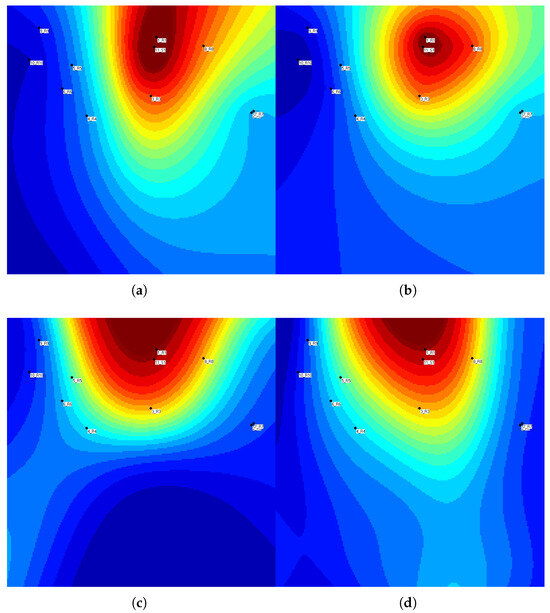
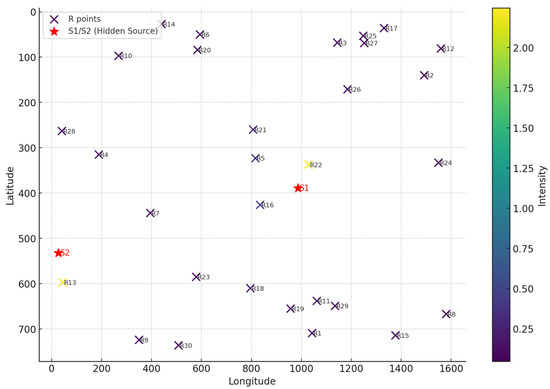
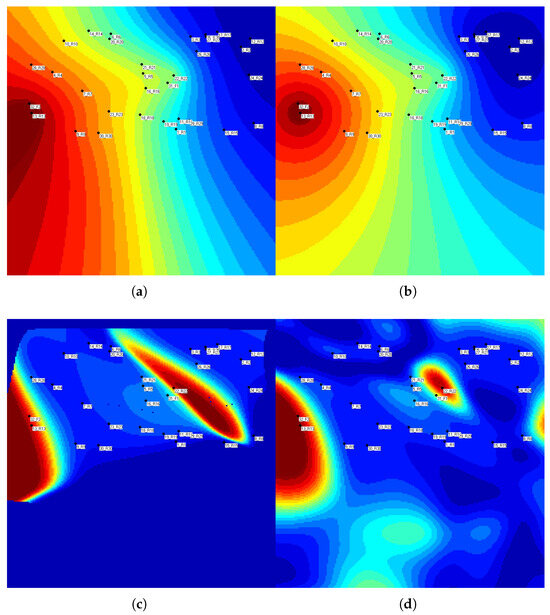
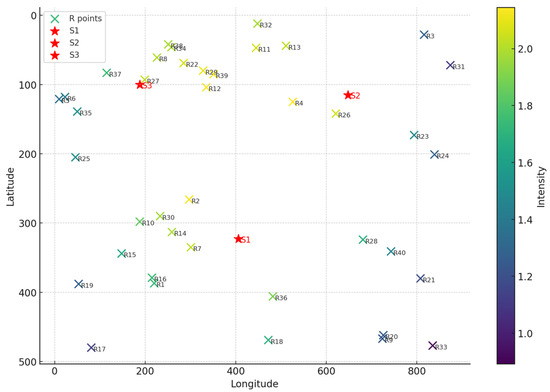
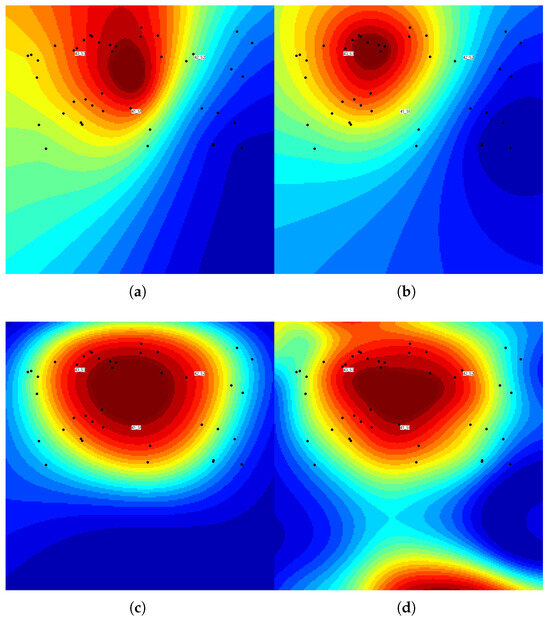
The TWC Sigma model, part of the Topological Weighted Centroid (TWC) family, is introduced as a spatial framework for source localization in systems where network information is incomplete or unavailable. Its architecture relies on two alternative approaches: one based on nonlinear correlation, capable of capturing complex spatial dependencies among observed signals, and another based on supervised neural networks, which use adaptive learning on a discretized spatial grid to estimate the probability of hidden source localization. In both cases, TWC Sigma provides a robust and consistent mechanism to estimate the probable positions of hidden sources using only spatial coordinates and signal intensity. Applications on both synthetic and real-world datasets—such as those collected by Minna-no Data Site on post-Fukushima radiocesium contamination—confirm the model’s ability to identify both primary and secondary emission zones with strong spatial coherence. These results highlight TWC Sigma as an efficient and interpretable model that can be used both independently and as a complementary tool to more complex network-based frameworks, offering rapid and reliable localization even in the presence of sparse, noisy, or heterogeneous data.
Full article

Figure 1
Open AccessArticle
Resilient Control with Adaptive Control Allocation for Uncertain Over-Actuated Systems in the Presence of Unknown Actuator Degradation
by
Kyle Vernyi, Matthew Stanko and K. Merve Dogan
J. Exp. Theor. Anal. 2026, 4(2), 15; https://doi.org/10.3390/jeta4020015 - 13 Apr 2026
Abstract
►▼
Show Figures
Robust control, adaptive control, and adaptive control allocation methods can create resilient systems that are able to handle uncertainties as well as unknown deficiencies in actuator effectiveness. The capabilities of these methods can further enable advanced missions for autonomous space systems. Thus, in
[...] Read more.
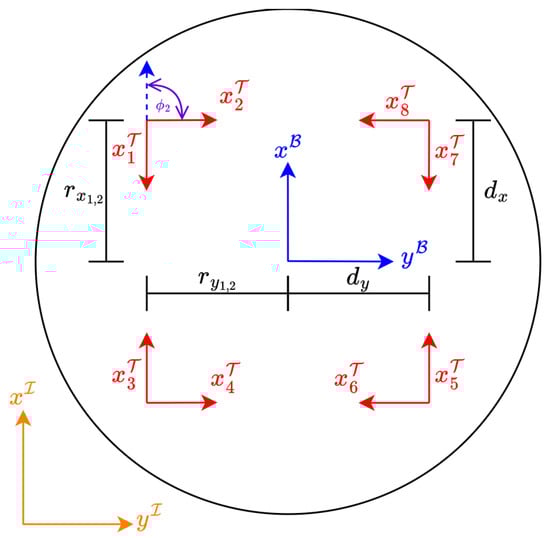
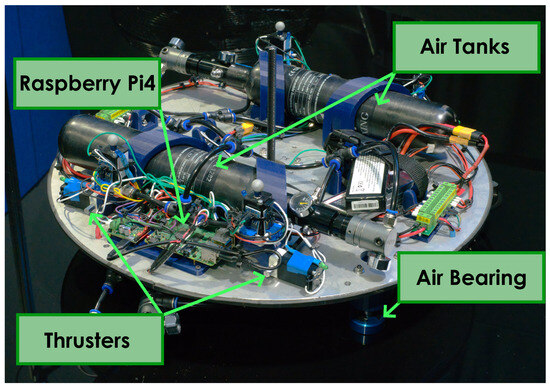
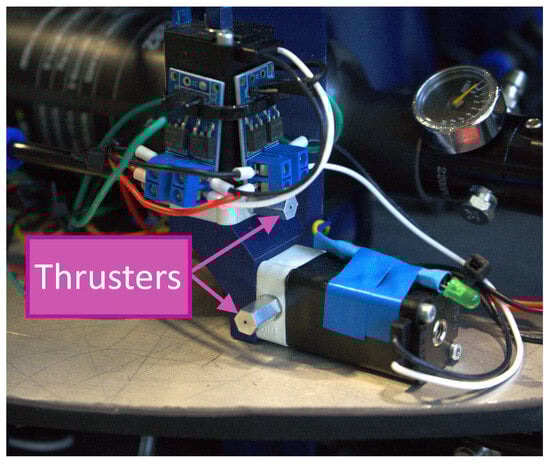
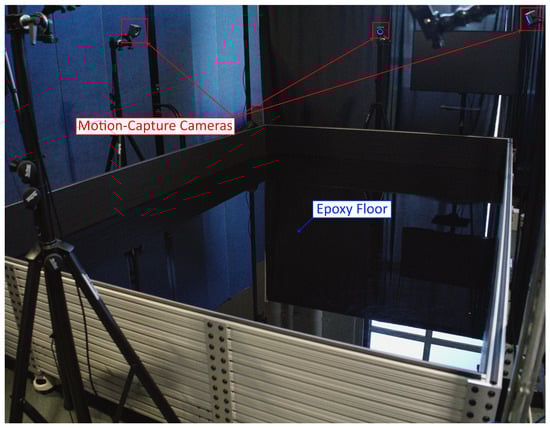
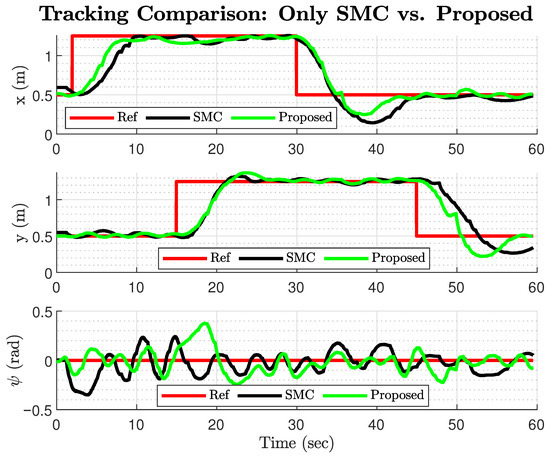
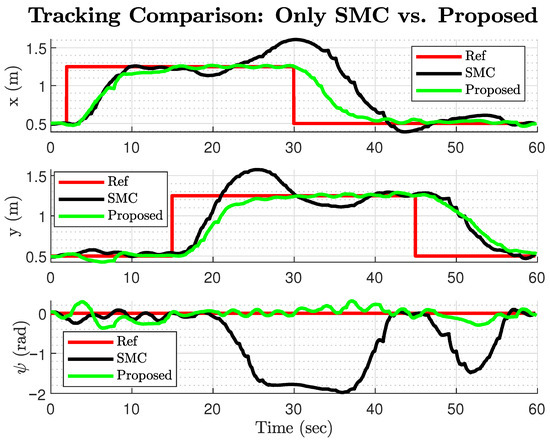
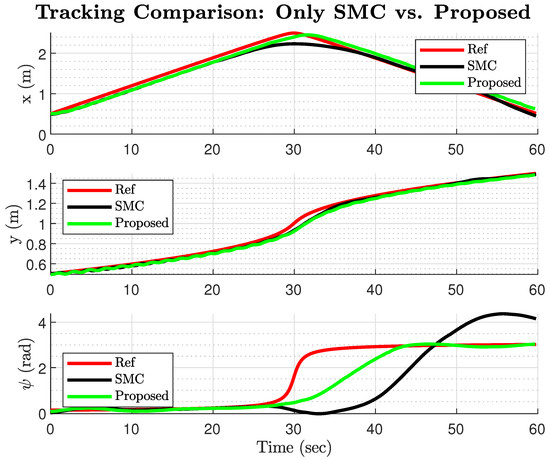
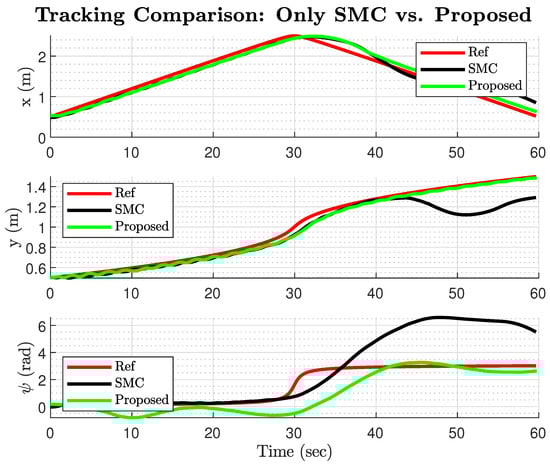
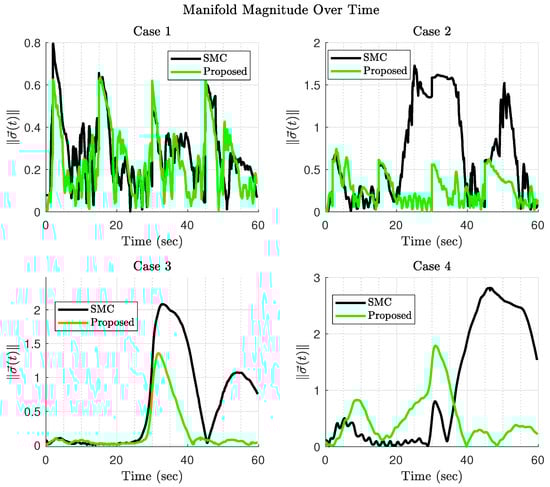
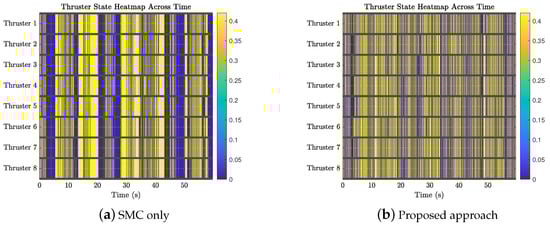
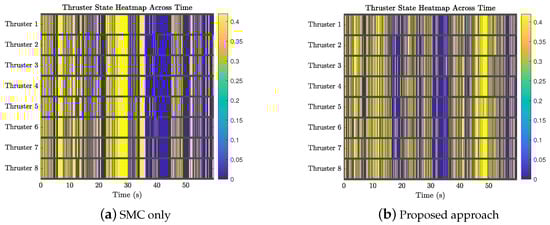
Robust control, adaptive control, and adaptive control allocation methods can create resilient systems that are able to handle uncertainties as well as unknown deficiencies in actuator effectiveness. The capabilities of these methods can further enable advanced missions for autonomous space systems. Thus, in this paper, a resilient control with an adaptive control allocation method is proposed and implemented on a vehicle with 3 degrees of freedom (DoF) that operates with eight thrusters to reduce the impact of external uncertainties as well as unknown effects of the actuator. Specifically, the method includes a combination of sliding mode and novel adaptive control design elements to ensure trajectory tracking in the presence of uncertainties. Moreover, an adaptive control allocation method is also introduced to obtain the desired forces and moments in the presence of unknown effects of the actuator. The boundedness of the closed-loop system is proven with Lyapunov stability analysis. The proposed controller results are compared to a baseline sliding mode controller without adaptive control and adaptive control allocation enhancement, where different uncertainties and unknown actuator degradation, as well as failure cases, are considered within several experimental cases under external fan-induced disturbances. The experimental metrics, including integral squared tracking error, maximum tracking error, actuator effort, actuator impulse, and settling time, are provided. Across all cases, the proposed method reduces the integral squared tracking error, improves settling time, and significantly improves yaw regulation compared to a baseline sliding mode controller. This, in turn, yields a slightly increased control effort for the proposed method.
Full article

Figure 1
Open AccessArticle
Understanding the Impact of Noise on ECG Biometrics: A Comparative Theoretical and Experimental Analysis
by
David Velez, André Lourenço, Miguel Pereira, David P. Coutinho and Carlos Carreiras
J. Exp. Theor. Anal. 2026, 4(2), 14; https://doi.org/10.3390/jeta4020014 - 31 Mar 2026
Abstract
►▼
Show Figures
Electrocardiogram (ECG)-based biometrics have emerged as a promising solution for continuous and intrinsic human identification; nevertheless, the robustness of these systems under realistic noise conditions remains a critical challenge for practical deployment. This work presents a theoretical and experimental analysis of how different
[...] Read more.
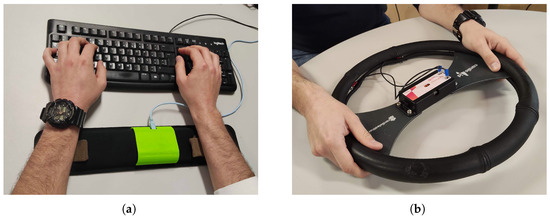
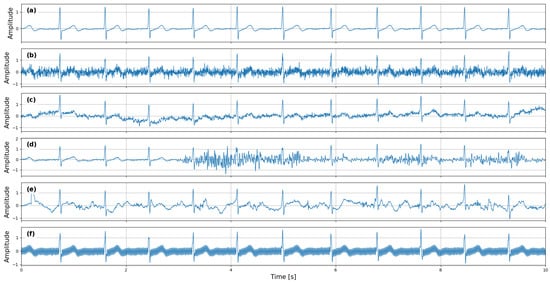
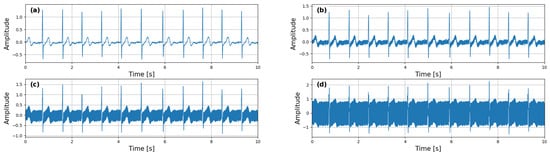
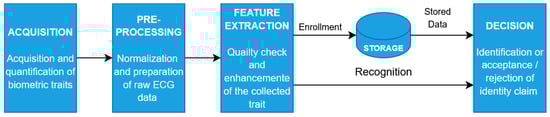
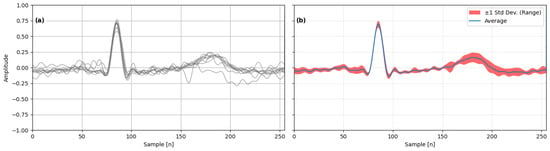
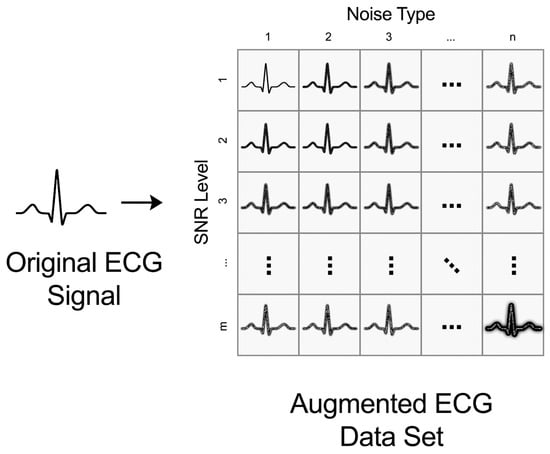
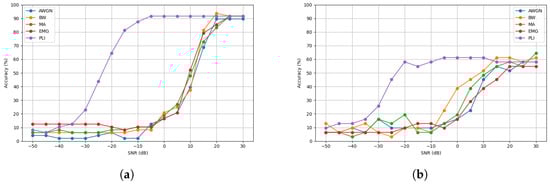
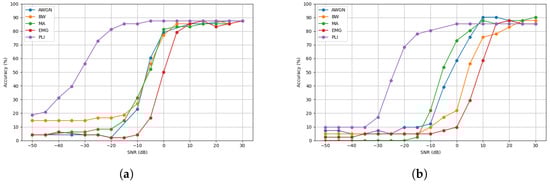
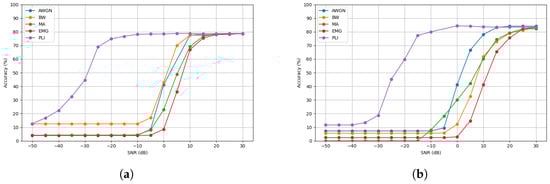
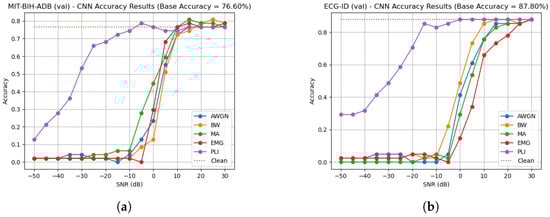
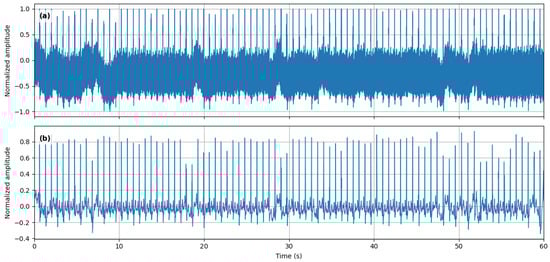
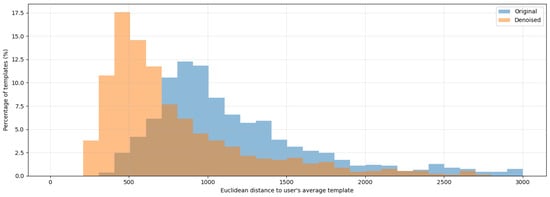
Electrocardiogram (ECG)-based biometrics have emerged as a promising solution for continuous and intrinsic human identification; nevertheless, the robustness of these systems under realistic noise conditions remains a critical challenge for practical deployment. This work presents a theoretical and experimental analysis of how different noise types and levels affect ECG biometric recognition by comparing three methodological families: fiducial-based approaches using morphological features with traditional classifiers such as SVM and k-NN, non-fiducial methods based on signal compression and global descriptors, and Deep Learning models. Controlled distortions and additive noise injection into public ECG databases enable systematic quantification of feature degradation. Experimental validation is performed using the CardioWheel system, a real-world in-vehicle ECG acquisition platform, to evaluate performance under realistic motion and noise conditions. The methodological framework proposed for robustness evaluation and noise-aware training is inherently generic and can be extended to other biometric tasks subject to noise. Results show that different algorithmic families exhibit distinct resilience profiles under noise contamination and reveal a practical signal quality boundary for reliable ECG biometric recognition, with performance deteriorating under severe noise conditions. Noise-aware training improves robustness, particularly for Deep Learning and SVM-based classifiers, highlighting the trade-off between interpretability and robustness. By bridging theoretical analysis and applied experimentation, this work provides practical signal quality guidelines for real-world ECG biometric systems.
Full article

Figure 1
Open AccessArticle
Optimizing Predictive and Prescriptive Maintenance Using Unified Namespace (UNS) for Industrial Equipments
by
Renjithkumar Surendran Pillai, Patrick Denny, Eoin O'Connell, Adam Dooley and Mihai Penica
J. Exp. Theor. Anal. 2026, 4(1), 13; https://doi.org/10.3390/jeta4010013 - 19 Mar 2026
Abstract
This paper proposes a new Unified Namespace (UNS)-based architecture to improve predictive and prescriptive maintenance of industrial equipment and overcome challenges such as incomplete data, poor interoperability, and disconnected IT/OT environments. The framework combines interoperable data formats in real-time sensor data, predictive modeling,
[...] Read more.
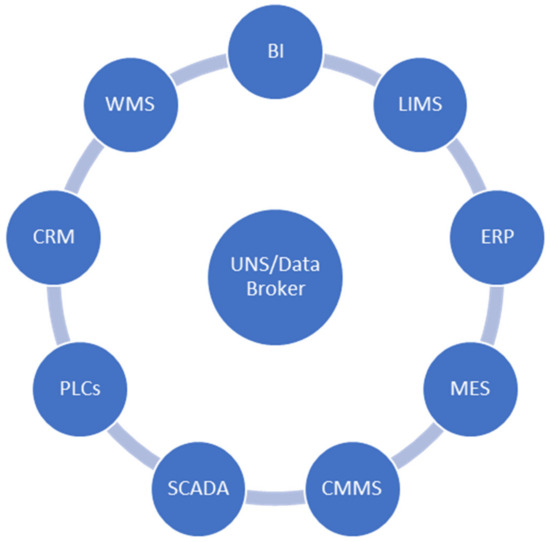
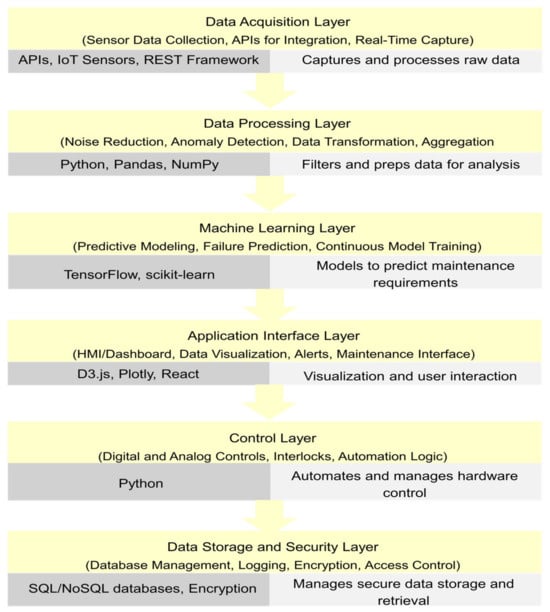
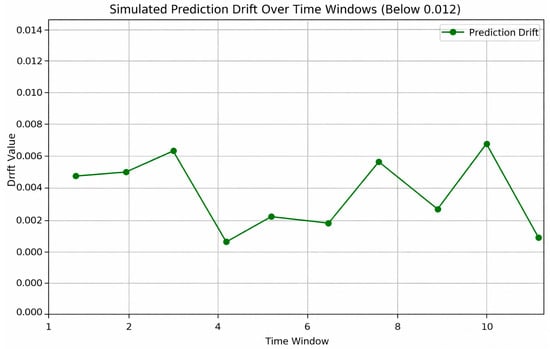
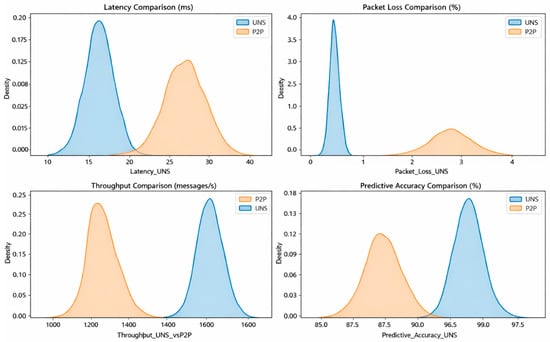
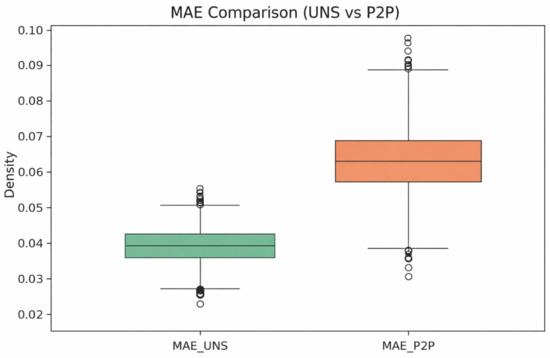
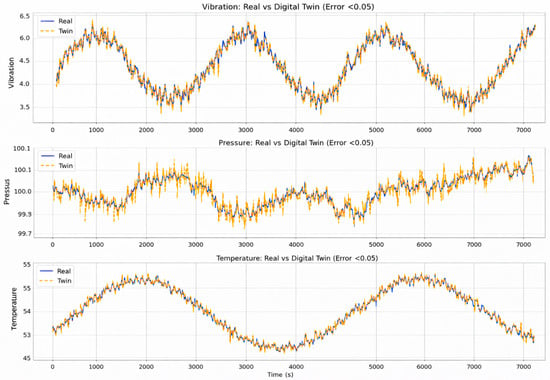
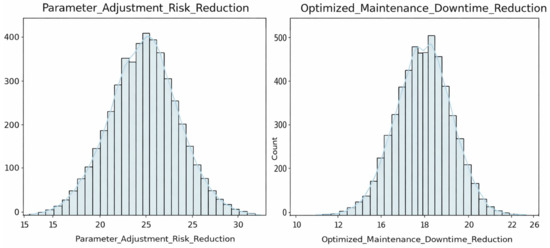
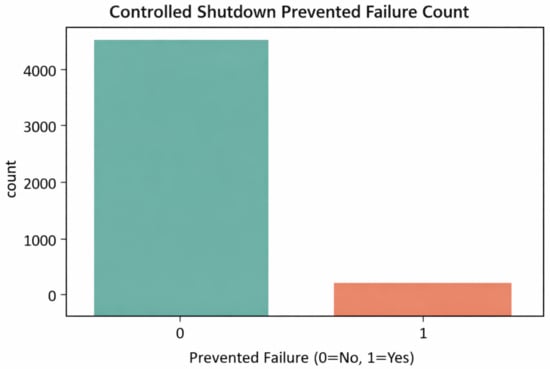
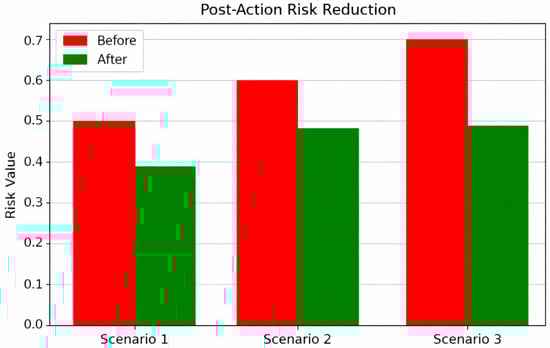
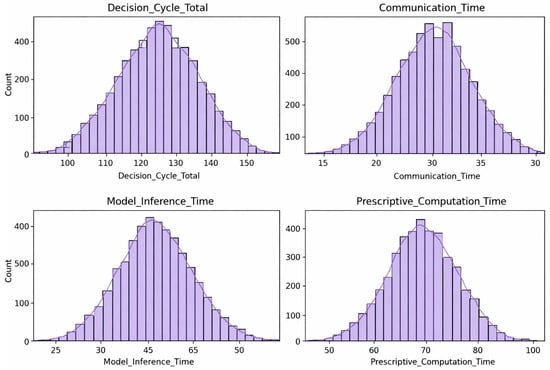
This paper proposes a new Unified Namespace (UNS)-based architecture to improve predictive and prescriptive maintenance of industrial equipment and overcome challenges such as incomplete data, poor interoperability, and disconnected IT/OT environments. The framework combines interoperable data formats in real-time sensor data, predictive modeling, prescriptive analytics, and simulations of digital twins, using UNS as a centralized, protocol-agnostic data layer that is scalable and complies with Industry 4.0 and Pharma 4.0 standards. The suggested methodology increases data accessibility, reduces integration complexity, and allows low-latency analytics and automated decision-making. Machine learning predictive models achieved more than 94% accuracy in predicting equipment failures. Prescriptive analytics provides maintenance recommendations to reduce downtime and risks. The feedback loops of digital twins can enhance the accuracy of predictions and allow decision optimization through what-if analysis. A test-bench deployment showed a higher performance compared to traditional point-to-point integration, with lower latency (approximately 18 ms vs. approximately 31 ms), decreasing packet loss (0.40% vs. 3.11%), and higher model accuracy (94.20% vs. 87.51%). The structure avoided more than 4000 simulated breakdowns in the test-bench environment, indicating dependability. The study connects the theoretical applications of the UNS with the actual maintenance processes and provides a sound approach to the industrial analytics and optimization of the equipment.
Full article
(This article belongs to the Special Issue Digital Twin Technologies: Concepts, Methods, and Applications)
►▼
Show Figures

Figure 1
Open AccessReview
Review on Use of Robots in Electrochemical Machining
by
Pranav Avinash Khadkotkar, André Martin and Ingo Schaarschmidt
J. Exp. Theor. Anal. 2026, 4(1), 12; https://doi.org/10.3390/jeta4010012 - 11 Mar 2026
Abstract
►▼
Show Figures
Electrochemical machining (ECM) offers precise shaping by material dissolution with negligible mechanical or thermal impact on the workpiece. Metal parts with three-dimensional shapes, such as freeform surfaces or additively manufactured parts, can be addressed by robots with up to six degrees of freedom
[...] Read more.
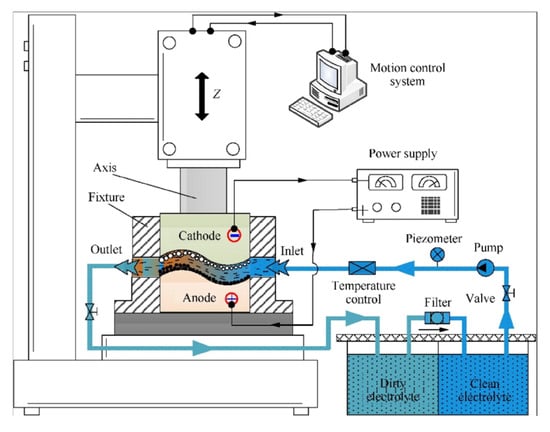
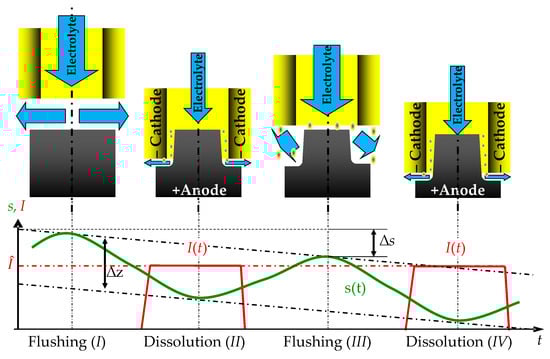
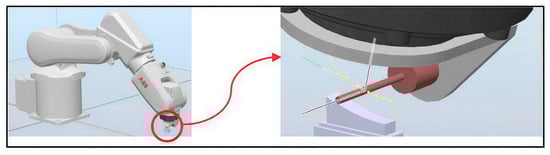
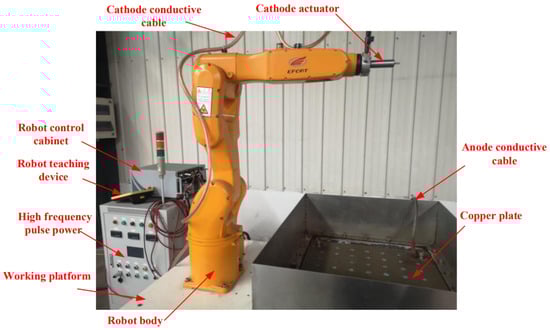
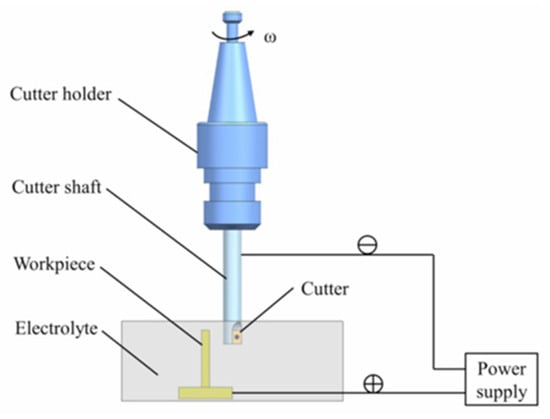
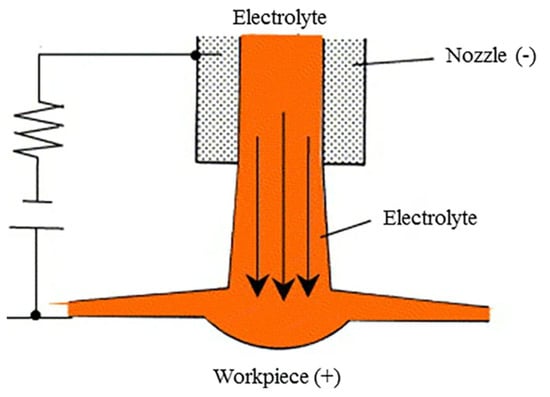
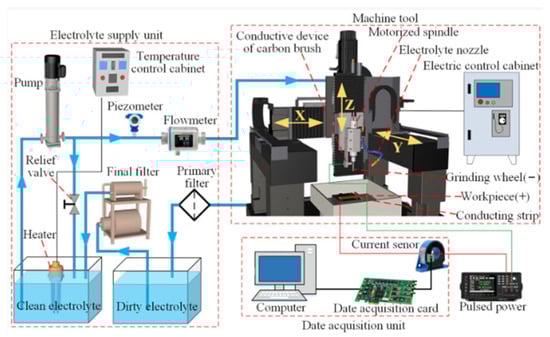
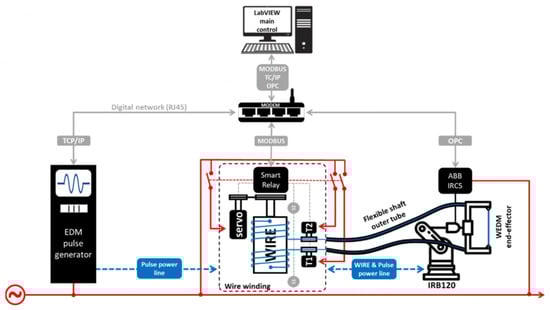
Electrochemical machining (ECM) offers precise shaping by material dissolution with negligible mechanical or thermal impact on the workpiece. Metal parts with three-dimensional shapes, such as freeform surfaces or additively manufactured parts, can be addressed by robots with up to six degrees of freedom without significant mechanical impacts on the end-effectors and robots. This study summarizes the state-of-the-art of the use of robots in ECM by assessing the relevant literature. Several investigations were found that implemented or conceptualized the use of robotic arms in ECM sinking, jet-ECM or wire ECM, mainly for effective utilization of the processes. This study includes results of pure ECM, as well as hybrid ECM processes and the use of robots considering their accuracy, degrees of freedom and their application potential. Special emphasis is given to the role of robots in improving machining accessibility and their usability for valuable components in the aerospace, biomedical, and tooling industries. Furthermore, the review provides insights into electrolyte delivery mechanisms and pump configurations that facilitate efficient process performance. Overall, the utilization of robots in ECM not only enhances the process flexibility and surface quality but also aligns well with the aim of intelligent, automated, and high-precision manufacturing.
Full article

Figure 1
Open AccessArticle
Investigating Epistemic Uncertainty in PCB Defect Detection: A Comparative Study Using Monte Carlo Dropout
by
Efosa Osagie and Rebecca Balasundaram
J. Exp. Theor. Anal. 2026, 4(1), 11; https://doi.org/10.3390/jeta4010011 - 27 Feb 2026
Abstract
►▼
Show Figures
Deep learning models have become central to automated Printed Circuit Board (PCB) defect detection. However, recent work has raised concerns about how reliably these models express confidence in their predictions, particularly when deployed in safety-critical inspection systems. This study conducts an empirical investigation
[...] Read more.
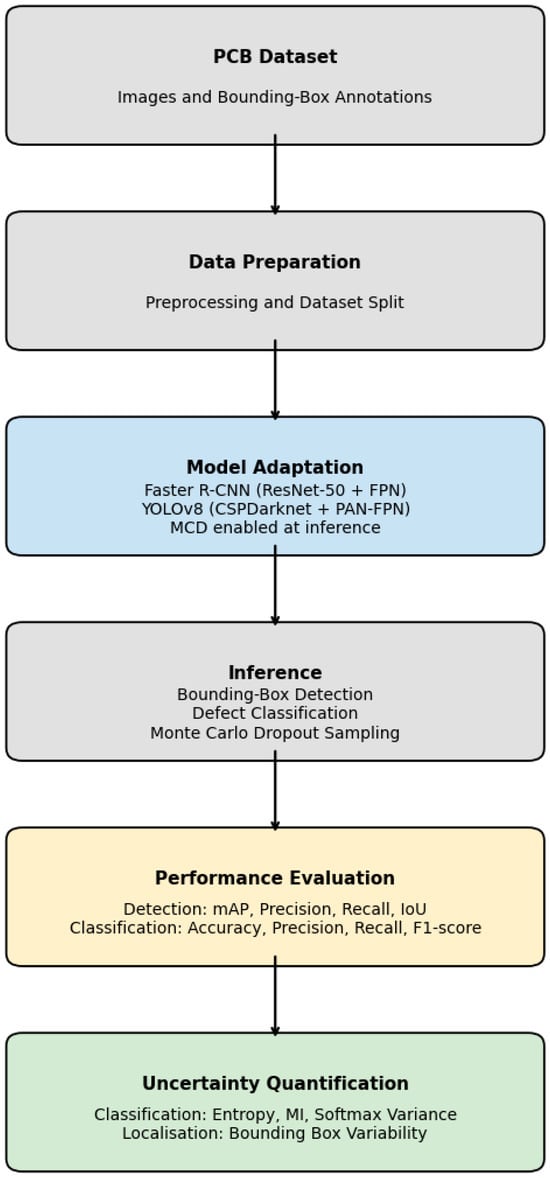
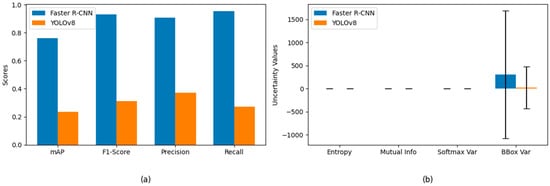
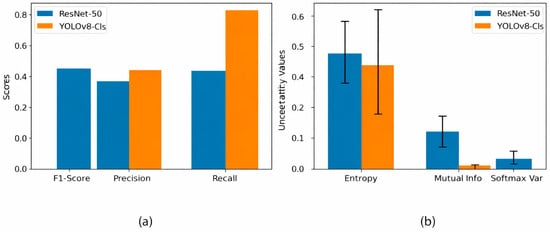
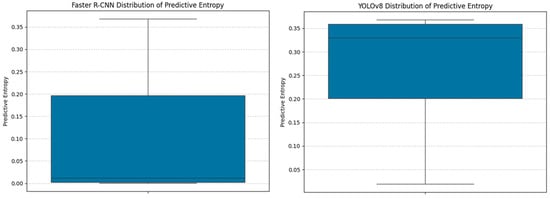
Deep learning models have become central to automated Printed Circuit Board (PCB) defect detection. However, recent work has raised concerns about how reliably these models express confidence in their predictions, particularly when deployed in safety-critical inspection systems. This study conducts an empirical investigation of epistemic uncertainty across representative architectures used in PCB inspection: the two-stage Faster R-CNN detector, the one-stage YOLOv8 detector, and their corresponding classification counterparts, ResNet-50 and YOLOv8-Cls. Monte Carlo Dropout (MCD) was applied during inference to compute predictive entropy, mutual information, softmax variance, and bounding-box variability across multiple stochastic forward passes on both multiclass and binary inspection datasets. On the multiclass SolDef_AI dataset, Faster R-CNN achieved substantially stronger detection performance (mAP = 0.7607, F1 = 0.9304) and lower predictive entropy, with more stable localisation. In contrast, YOLOv8 produced markedly weaker performance (mAP = 0.2369, F1 = 0.3130) alongside higher entropy and greater bounding-box variability. On the binary Jiafuwen datasets, the YOLOv8-Cls model achieved higher overall performance (F1 = 0.6493) compared with the ResNet-50 classifier (F1 = 0.4904), reflecting its strength in simpler binary inspection tasks. Across uncertainty metrics, predictive entropy and mutual information were more sensitive to dataset size, showing higher and more variable values in the smaller multiclass dataset, whereas softmax variance and bounding-box variability appeared more architecture-dependent. These findings demonstrate that architectural choice, dataset structure, and task formulation jointly influence both performance and uncertainty behaviour. By integrating conventional metrics with uncertainty estimates, this study provides a transparent benchmark for assessing model confidence in automated optical inspection of PCBs.
Full article

Figure 1
Open AccessArticle
Optical Dilatometry and Push-Rod Dilatometry—A Case Study for Sintering Steel and Zirconia Tapes
by
Daniel Gruner, Tim Gestrich, Mathias Herrmann, Anne Günther, Jan Mahling, Chao Liu, Christoph Broeckmann and Alexander Michaelis
J. Exp. Theor. Anal. 2026, 4(1), 10; https://doi.org/10.3390/jeta4010010 - 17 Feb 2026
Abstract
►▼
Show Figures
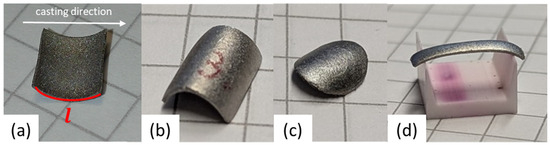
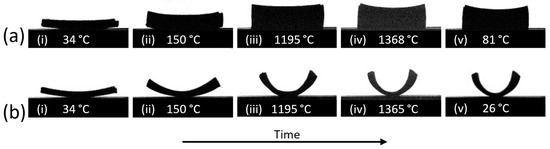
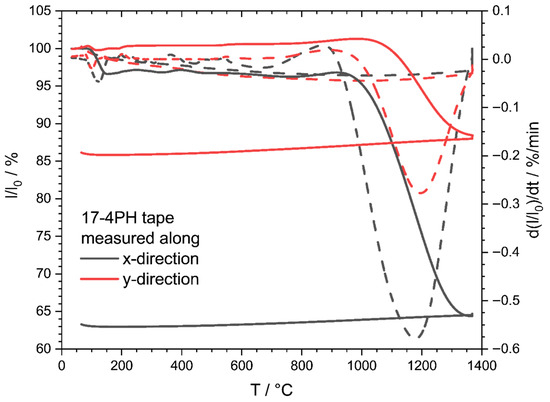
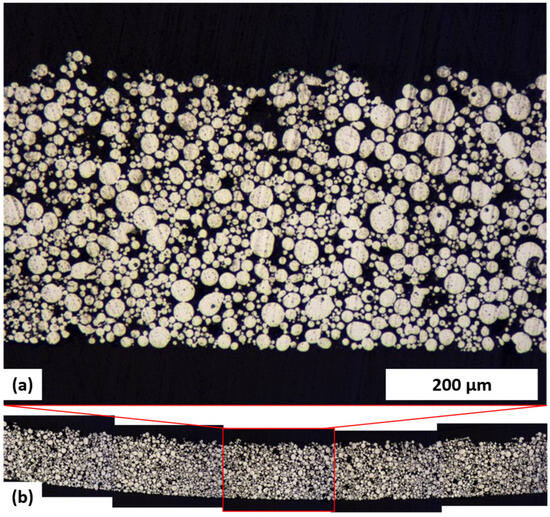
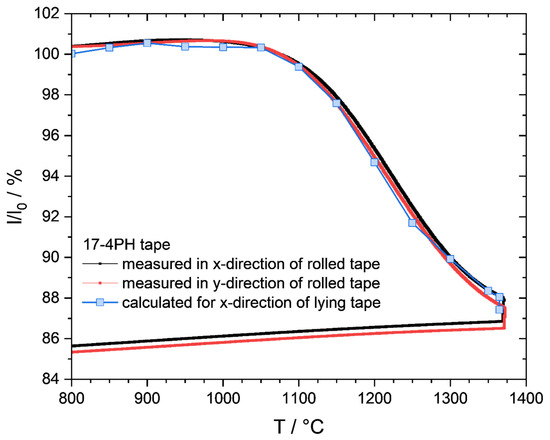
In this work, the sintering behavior of tapes prepared via tape casting from stainless-steel and zirconia powders is investigated by optical—as well as push-rod—dilatometry. Both methods are compared in terms of sample preparation, measurement conditions, and advantages and disadvantages. The experimental work shows
[...] Read more.
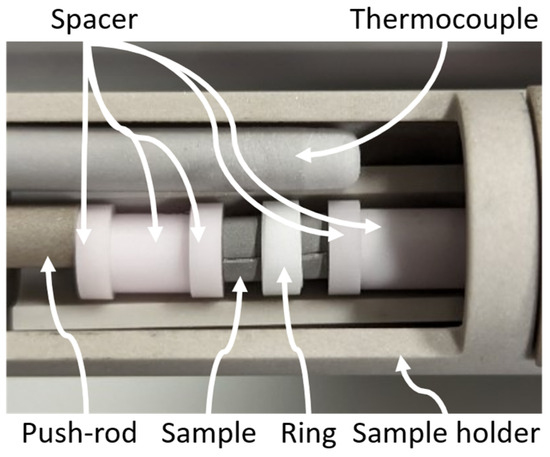
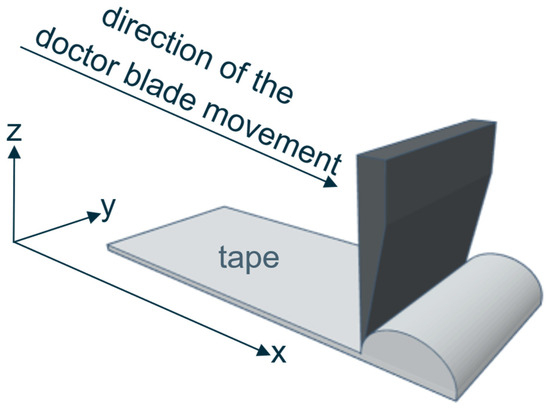
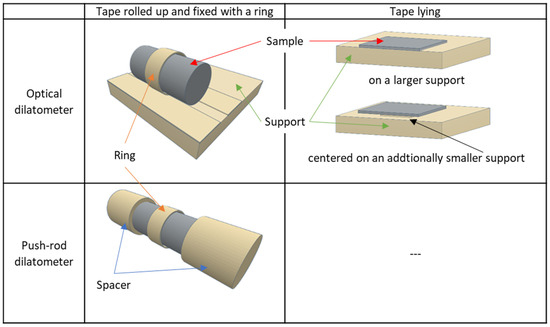
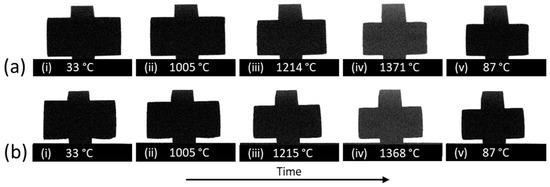
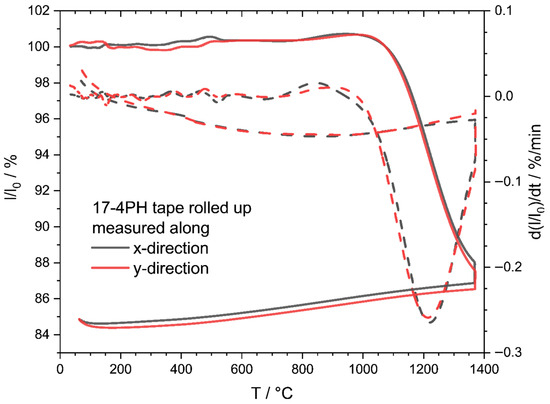
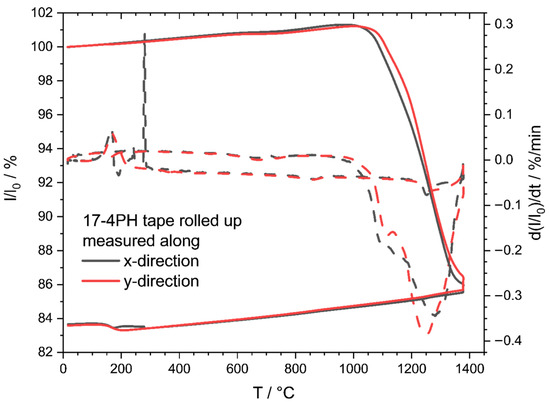
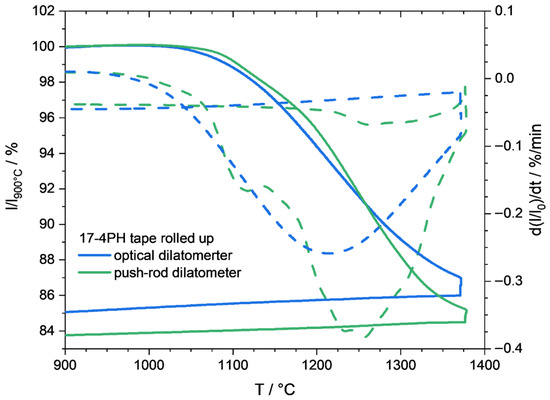
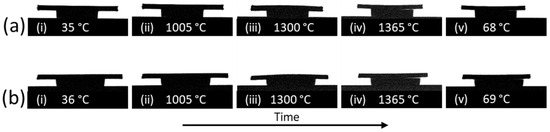
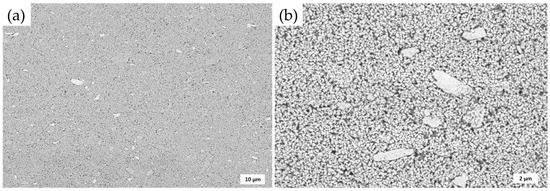
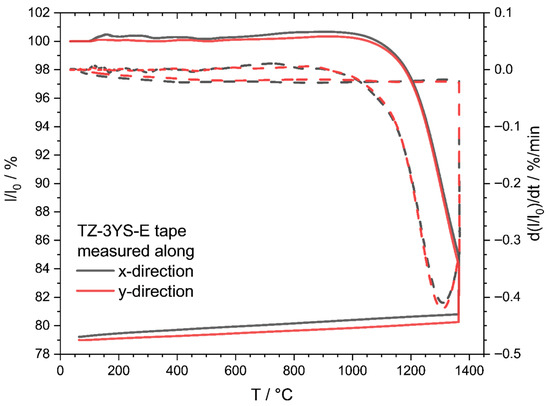
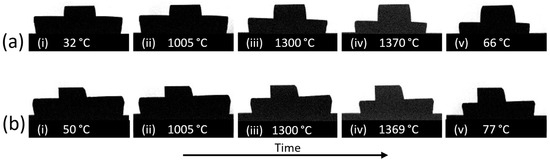
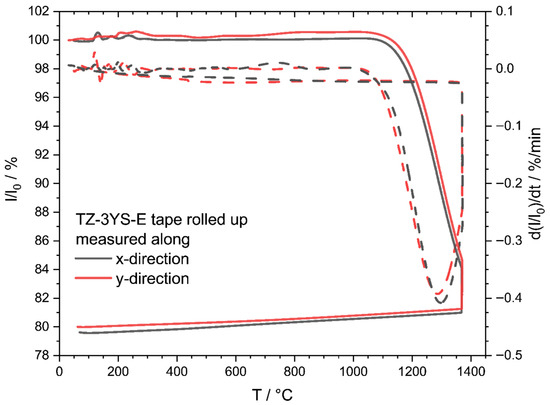
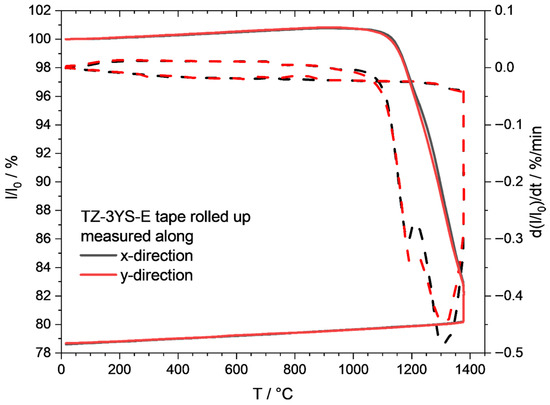
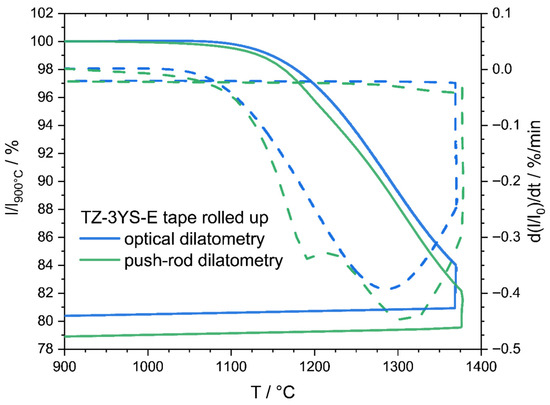
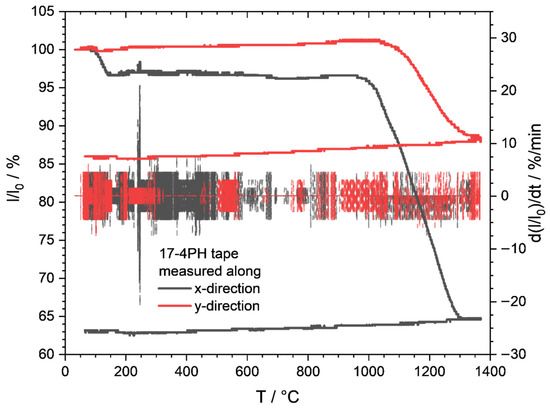
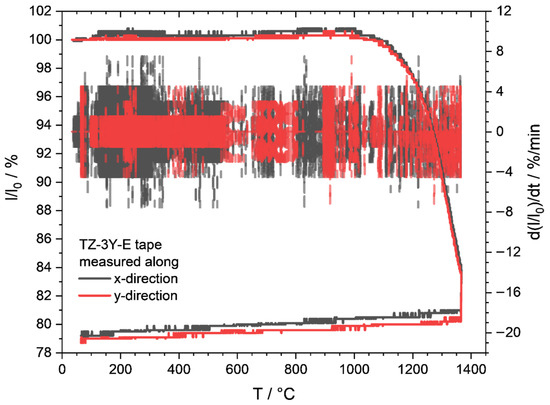
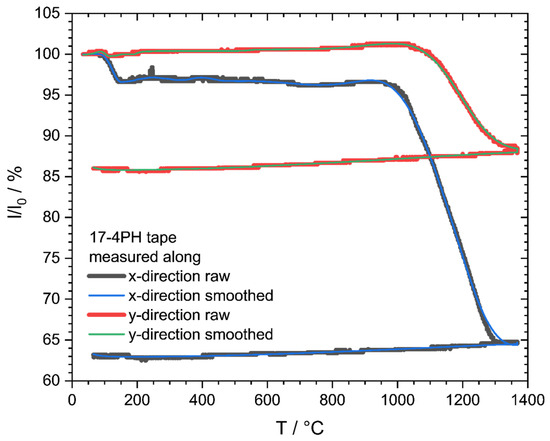
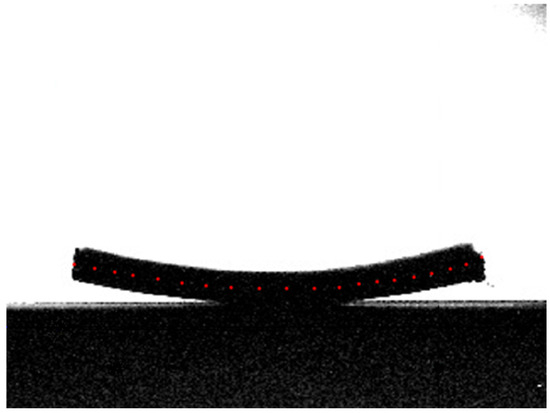
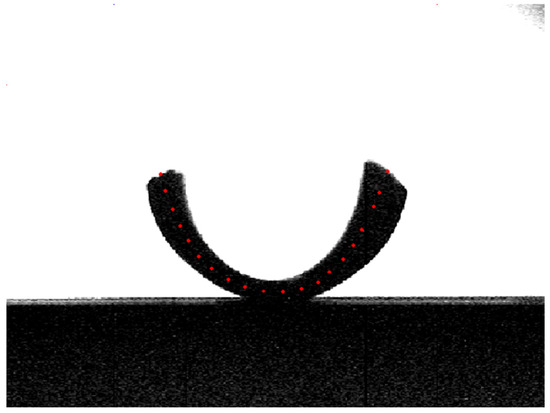
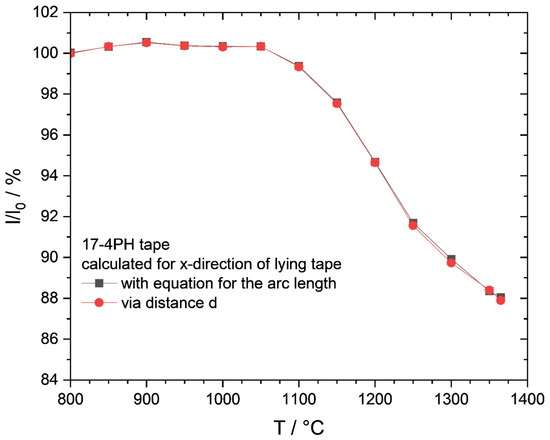
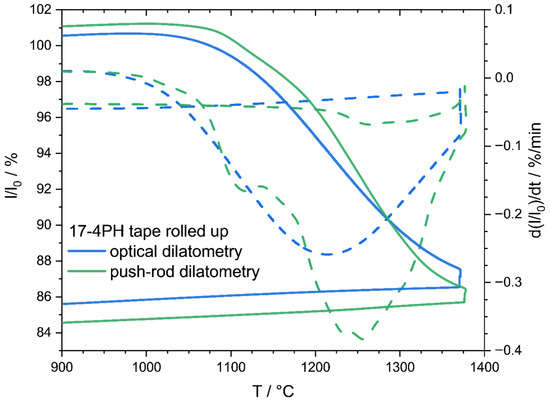
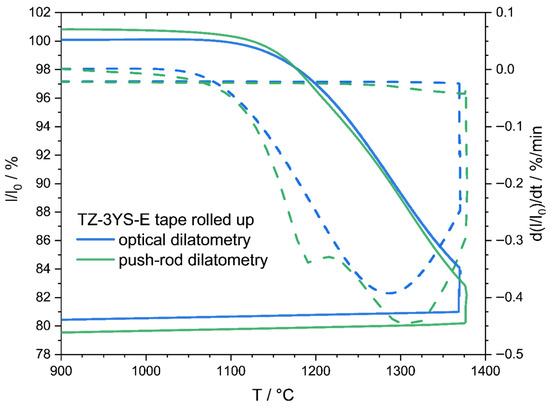
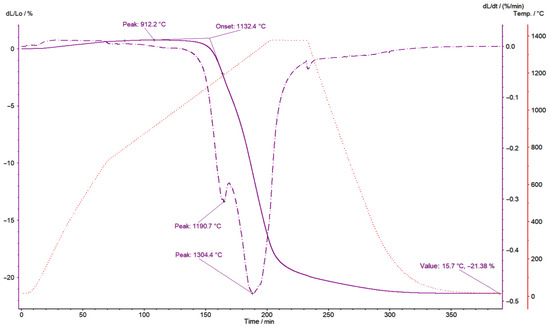
In this work, the sintering behavior of tapes prepared via tape casting from stainless-steel and zirconia powders is investigated by optical—as well as push-rod—dilatometry. Both methods are compared in terms of sample preparation, measurement conditions, and advantages and disadvantages. The experimental work shows the advantages of optical dilatometry in the characterization of the sintering behavior of load-free sintering tapes and the possibility of simultaneously observing sample warpage and deformation. Push-rod dilatometry requires a constant load on the sample, which influences measurement in the case of tapes with lower mechanical stability due to their sensitivity to deformation, but it has advantages because of its higher accuracy in measuring dimensional changes. In the case of warpage, shrinkage due to the sintering of the sample is superimposed by an irregular deformation process that can be separated by analytical methods. No in-plane shrinkage anisotropy of the tapes is observed for either type of tape. In the case of the push-rod dilatometer, an additional peak in the shrinkage rate is observed in the early stage of compaction, along with a slight shift and an increased maximum in the compaction rate. This is most likely due to the effects of the contact pressure of the push-rod.
Full article

Figure 1
Open AccessArticle
Experimental and Analytical Study of Cutting Force Components and Form Errors in Tangential Turning of 42CrMo4 Steel
by
István Sztankovics
J. Exp. Theor. Anal. 2026, 4(1), 9; https://doi.org/10.3390/jeta4010009 - 14 Feb 2026
Abstract
►▼
Show Figures
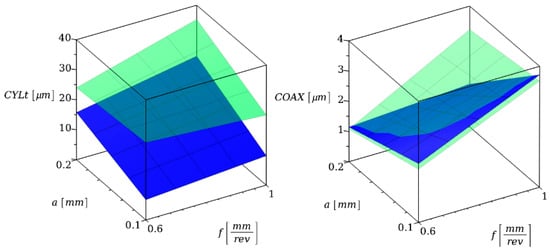
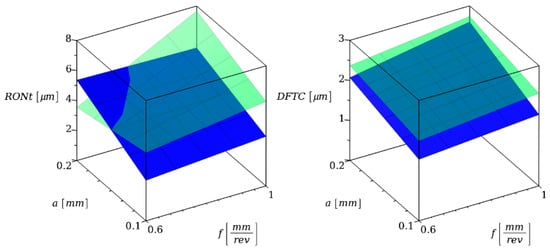
Tangential turning produces an asymmetric cutting-force system that may cause tool and workpiece deflection, leading to cylindricity, coaxiality, and roundness deviations in practice. This study investigates the relationships between three cutting force components and form errors during tangential turning of 42CrMo4 steel. Tangential,
[...] Read more.
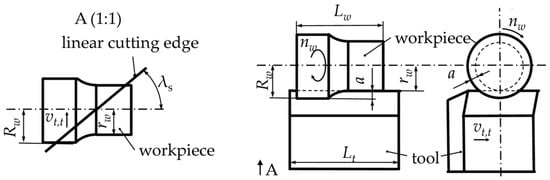
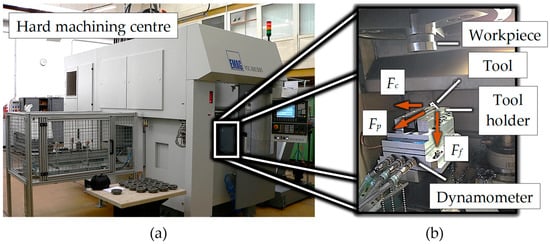
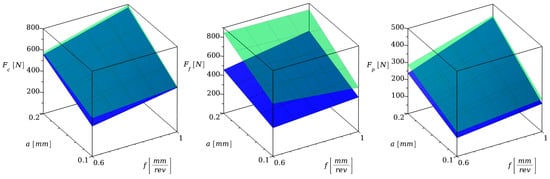
Tangential turning produces an asymmetric cutting-force system that may cause tool and workpiece deflection, leading to cylindricity, coaxiality, and roundness deviations in practice. This study investigates the relationships between three cutting force components and form errors during tangential turning of 42CrMo4 steel. Tangential, axial, and radial forces were measured under systematically varied cutting speed, feed, and depth of cut, and the resulting cylindricity, coaxiality, and roundness parameters were obtained through precision form measurements. The depth of cut showed the strongest influence on cutting forces, with high correlations to all components (r = 0.709–0.870). Feed was most closely associated with coaxiality error (r = 0.730), while cutting speed was primarily related to cylindricity deviation (r = 0.766). The novelty of this work lies in the combined and quantitative analysis of full cutting-force components and multiple form–accuracy descriptors within a single experimental framework for tangential turning. The results directly link process load to geometric accuracy and provide guidance for selecting cutting parameters to improve dimensional precision in tangential turning of alloy steels.
Full article

Figure 1

Open AccessEditorial
Journal of Experimental and Theoretical Analyses—Advanced Methods for Science, Engineering, and Technology—Updates to JETA’s Definition, Aims and Scope for a Renewed Vision and Direction
by
Marco Rossi
J. Exp. Theor. Anal. 2026, 4(1), 8; https://doi.org/10.3390/jeta4010008 - 11 Feb 2026
Abstract
The open access Journal of Experimental and Theoretical Analyses (JETA) [...]
Full article
Open AccessArticle
Design of a Vibration Energy Harvester Powered by Machine Vibrations for Variable Frequencies and Accelerations
by
Axel Wellendorf, Leonard Klemenz, Sebastian Trampnau, Anton Güthenke, Jan Madalinski, Nils Landefeld and Joachim Uhl
J. Exp. Theor. Anal. 2026, 4(1), 7; https://doi.org/10.3390/jeta4010007 - 5 Feb 2026
Abstract
►▼
Show Figures
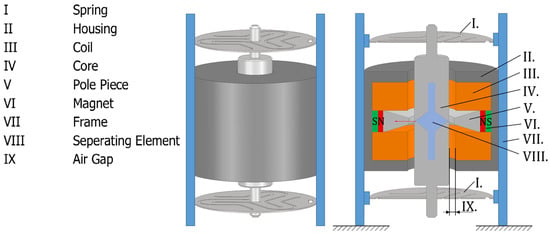
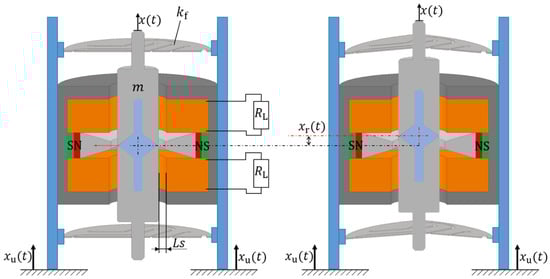
A vibration energy harvester (VEH) based on the principle of variable magnetic reluctance has been developed to enable wireless and maintenance-free power supply for condition monitoring sensors in vibrating machinery. Conventional battery or wired solutions are often impractical due to limited lifetime and
[...] Read more.
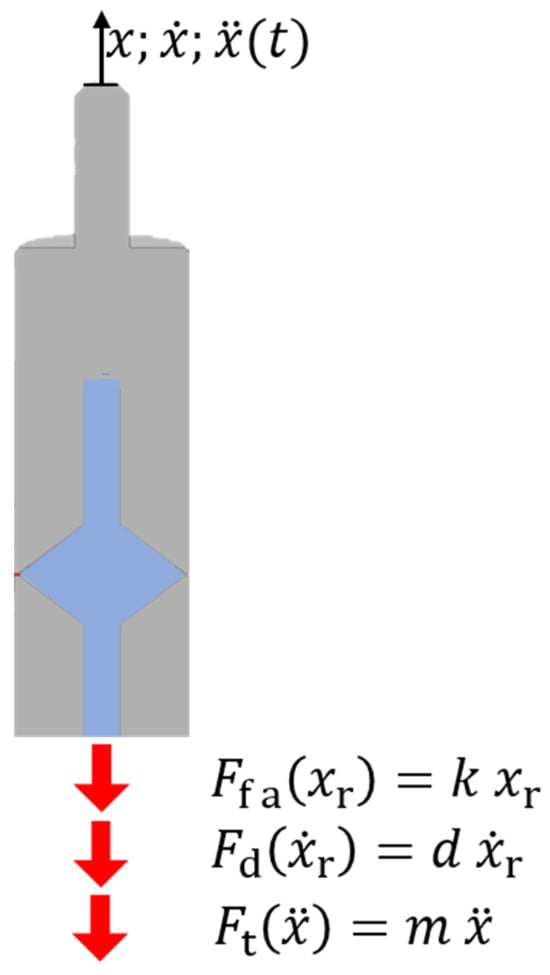
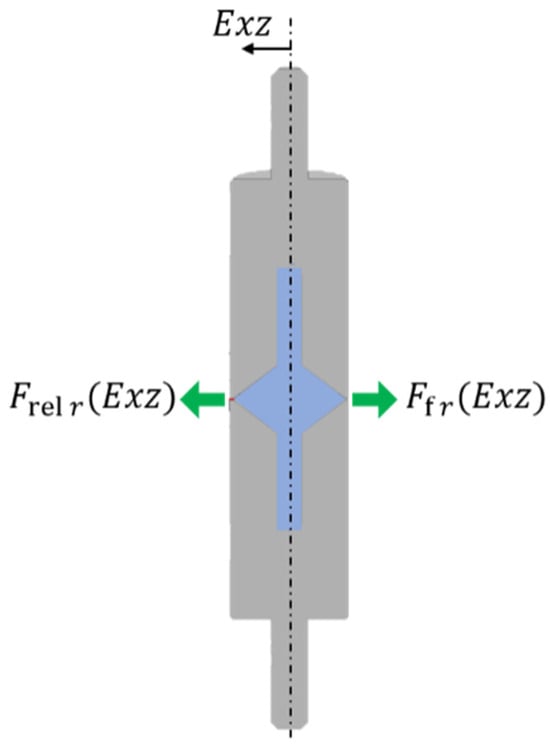
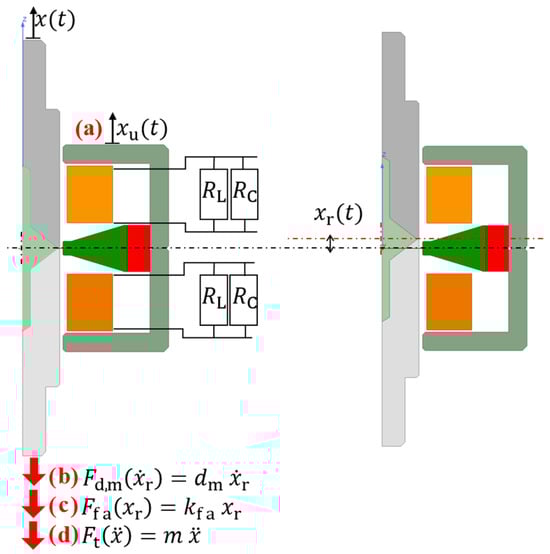
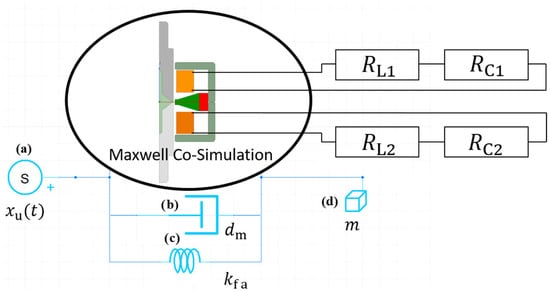
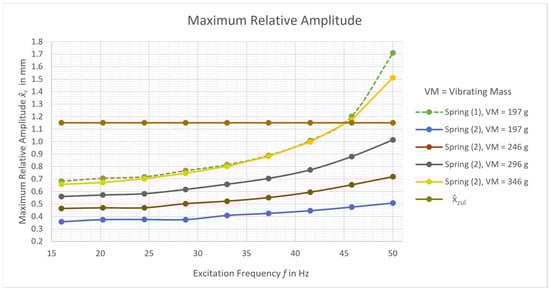
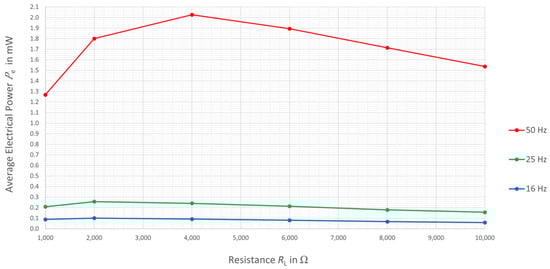
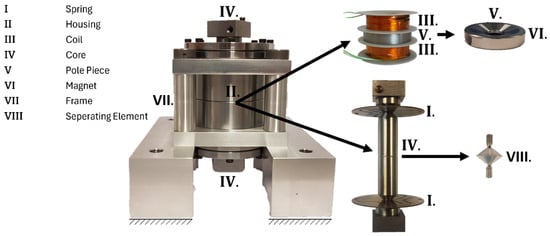
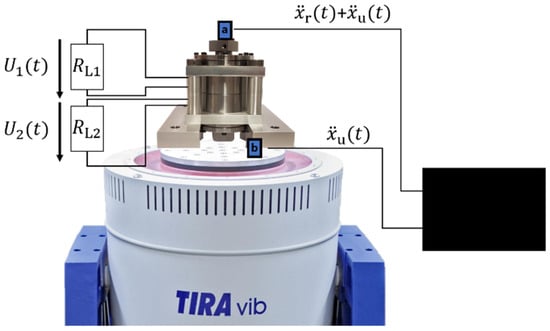
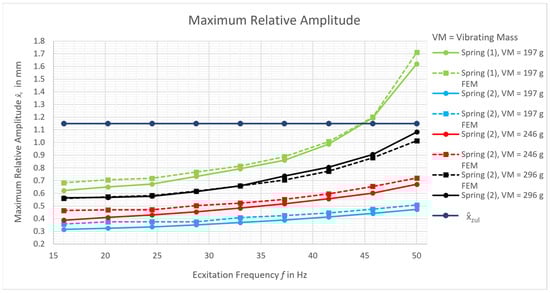
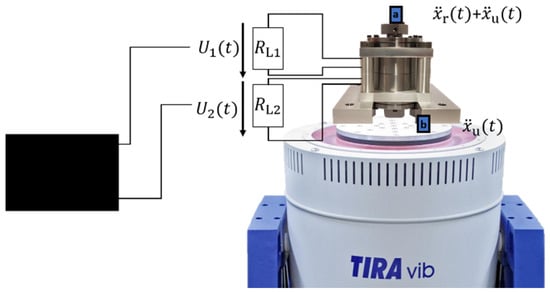
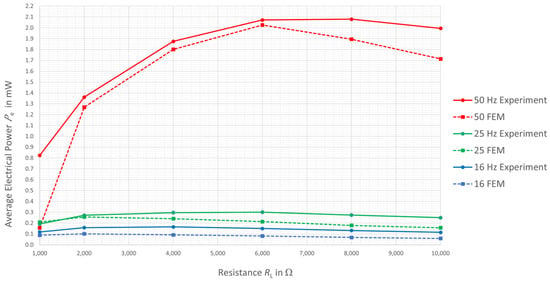
A vibration energy harvester (VEH) based on the principle of variable magnetic reluctance has been developed to enable wireless and maintenance-free power supply for condition monitoring sensors in vibrating machinery. Conventional battery or wired solutions are often impractical due to limited lifetime and high installation costs, motivating the use of vibration-based energy harvesting. The proposed VEH converts mechanical vibrations into electrical energy through the relative motion of a movable ferromagnetic core within a magnetic circuit. Unlike conventional VEH designs, where the magnet is the moving element, this concept utilizes a movable ferromagnetic core in combination with a stationary pole piece for voltage induction. This configuration enables a compact and easily adjustable proof mass, as neither the coil nor the magnet needs to be moved. The VEH is designed to operate effectively under excitation frequencies between and and acceleration levels from (equivalent to ) up to (equivalent to ). To ensure a reliable power supply, the VEH must deliver a minimum electrical output of at the lowest excitation ( ) while maintaining structural integrity. Additionally, the maximum permissible displacement amplitude of the movable core is limited to to avoid mechanical damage and ensure durability over long-term operation. Coupled magnetic-transient and mechanical finite element method (FEM) simulations were conducted to analyze the system’s dynamic behavior and electrical power output across varying excitation frequencies and accelerations. A laboratory prototype was developed and tested under controlled vibration conditions to validate the simulation results. The experimental measurements confirm that the VEH achieves an electrical output of at and , while maintaining the maximum allowable displacement amplitude of , even at ( ) and . The strong agreement between simulation and experimental data demonstrates the reliability of the coupled FEM approach. Overall, the proposed VEH design meets the defined performance targets and provides a robust solution for powering wireless sensor systems under a wide range of vibration conditions.
Full article

Figure 1
Open AccessArticle
Thermal Deformation Analysis of Large-Scale High-Aspect-Ratio Parts Fabricated Using Multi-Laser Powder Bed Fusion
by
Riddhiman Raut and Amrita Basak
J. Exp. Theor. Anal. 2026, 4(1), 6; https://doi.org/10.3390/jeta4010006 - 29 Jan 2026
Abstract
Multi-laser powder bed fusion is an emerging additive manufacturing technology that enables the production of high-performance components with intricate geometries and large aspect ratios. These tall, slender structures are highly susceptible to steep thermal gradients and residual stress, leading to deformation that compromises
[...] Read more.
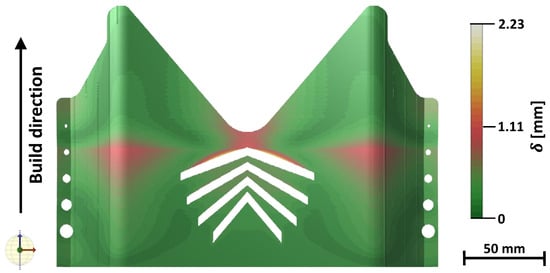
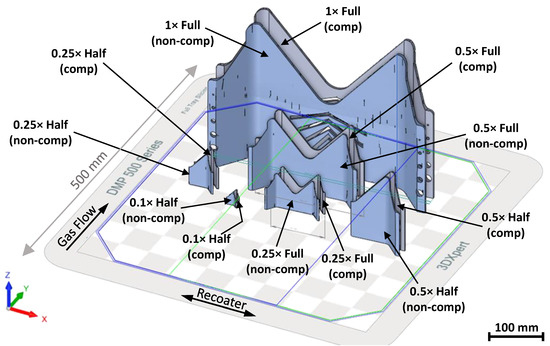
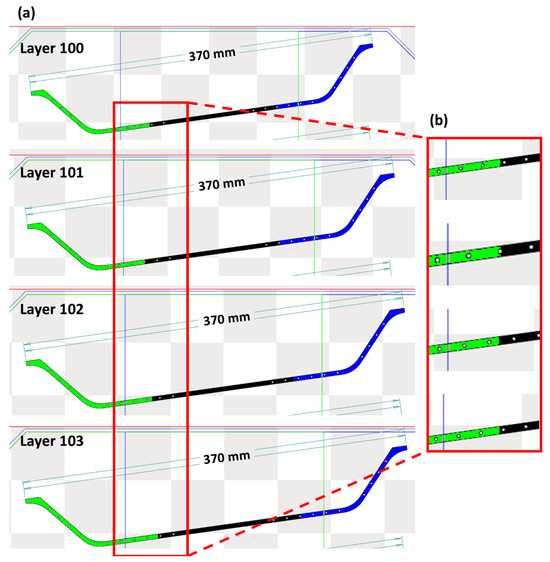
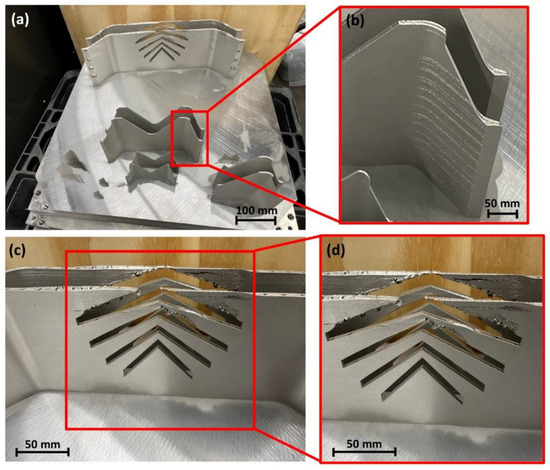
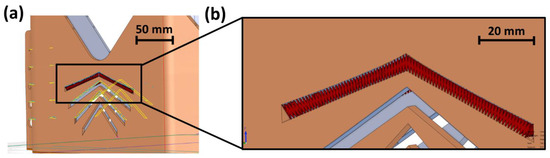
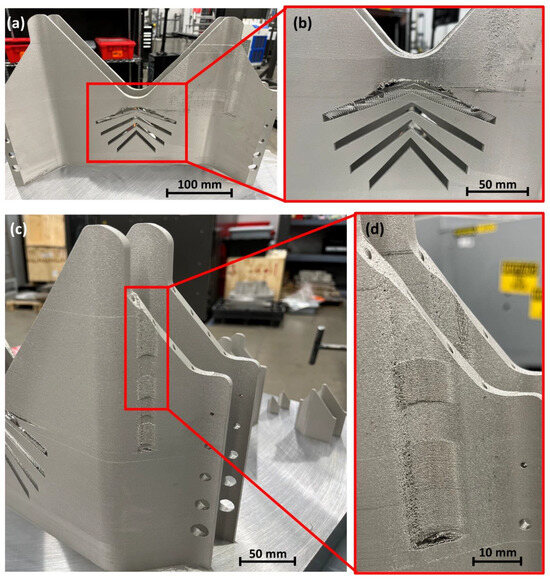
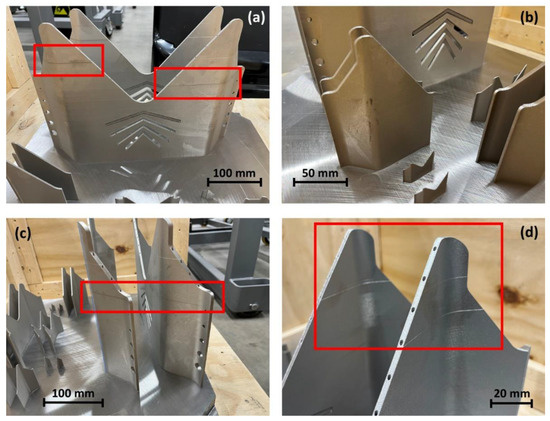
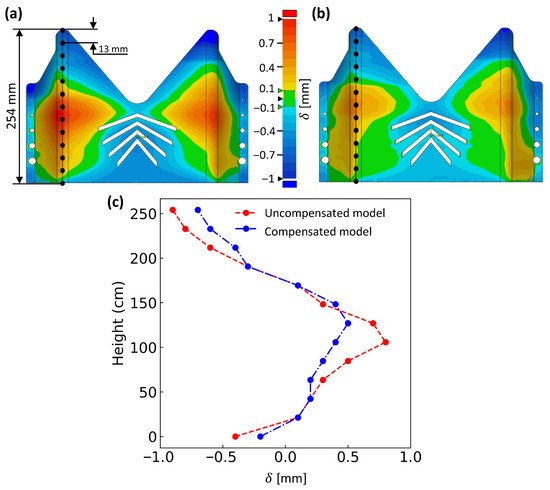
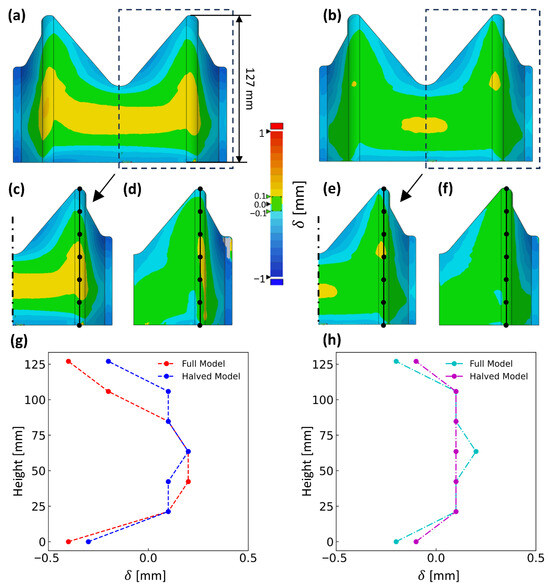
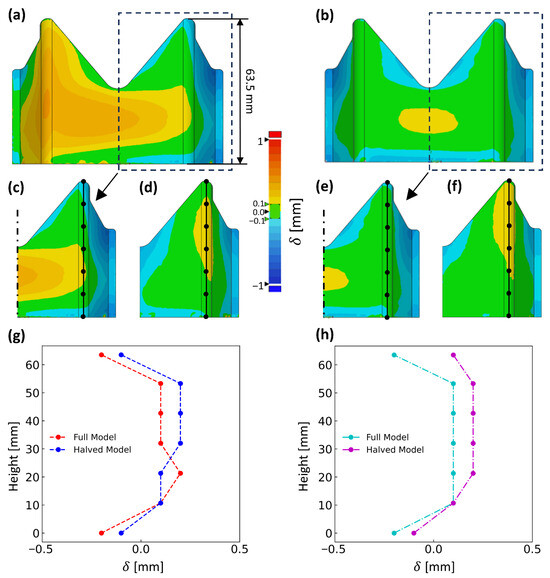
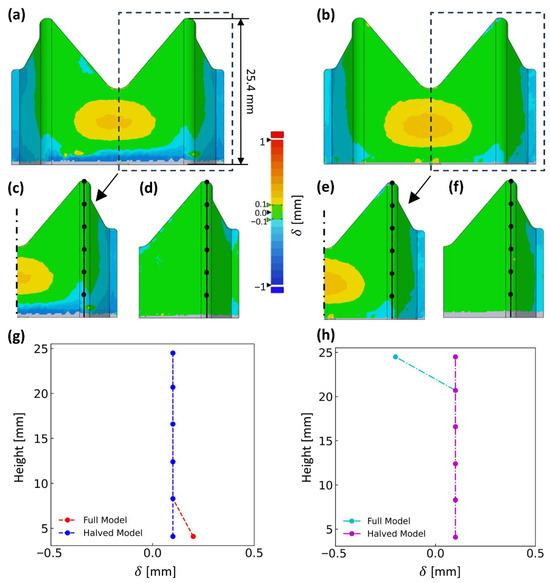
Multi-laser powder bed fusion is an emerging additive manufacturing technology that enables the production of high-performance components with intricate geometries and large aspect ratios. These tall, slender structures are highly susceptible to steep thermal gradients and residual stress, leading to deformation that compromises dimensional accuracy and structural integrity. This study investigates how geometric compensation, support structure design, and part scaling influence thermal deformation in Inconel 718 components fabricated via multi-laser powder bed fusion. Using pre-compensation, iterative support refinements, and scaled experimental builds, the deformation response across multiple geometries and print strategies is evaluated. Both compensated and original designs are printed on a commercial system equipped with three simultaneously operating lasers. Results show that printing high-angle surfaces without support structures is infeasible, as thermally induced warping and delamination lead to catastrophic failures. Conical support structures spanning critical regions reduce deformation by more than 50% compared to unsupported builds. Reduced-scale parts, however, do not reliably replicate full-scale deformation behavior due to altered boundary conditions and thermal pathways. These findings highlight the need for integrated design-for-AM workflows where compensation, support design, and scale effects are addressed jointly. The study demonstrates that deformation mechanisms do not scale linearly, emphasizing the limitations of small-scale proxies and the necessity of full-scale validation when developing reliable, deformation-aware design strategies for multi-laser powder bed fusion.
Full article
(This article belongs to the Special Issue Featured Papers for Journal of Experimental and Theoretical Analyses (JETA))
►▼
Show Figures

Figure 1
Open AccessArticle
Experimental and Numerical Analysis of a Compressed Air Energy Storage System Constructed with Ultra-High-Performance Concrete and Steel
by
Greesh Nanda Vaidya, Arya Ebrahimpour and Bruce Savage
J. Exp. Theor. Anal. 2026, 4(1), 5; https://doi.org/10.3390/jeta4010005 - 16 Jan 2026
Abstract
This study explores the viability of ultra-high-performance concrete (UHPC) as a structural material for compressed air storage (CAES) systems, combining comprehensive experimental testing and numerical simulations. Scaled (1:20) CAES tanks were designed and tested experimentally under controlled pressure conditions up to 4 MPa
[...] Read more.
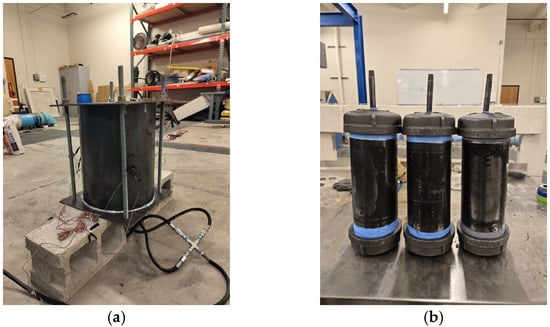
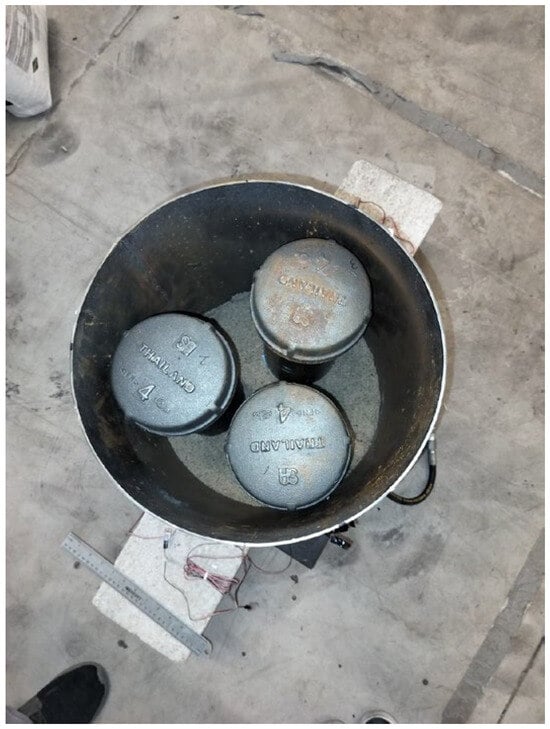
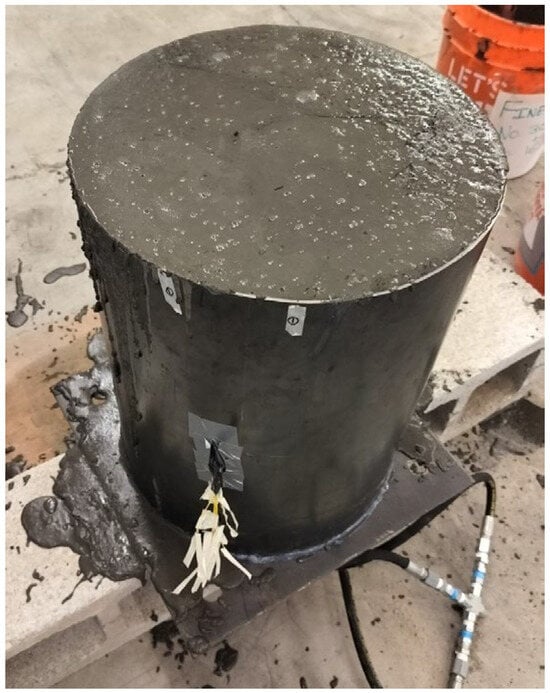
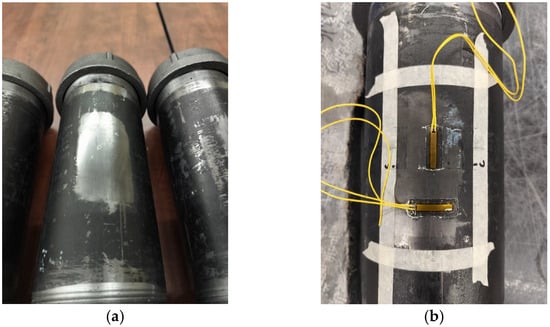
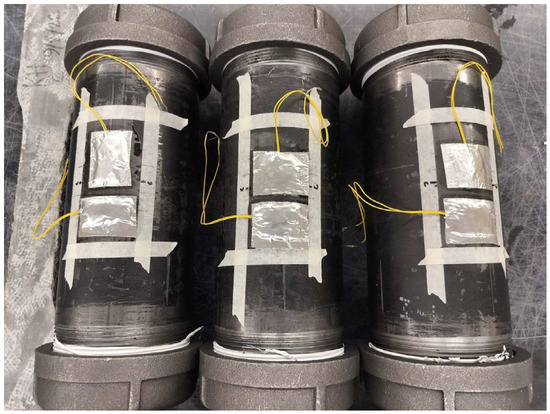
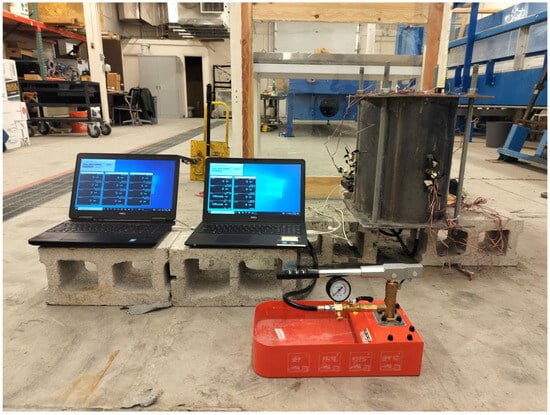
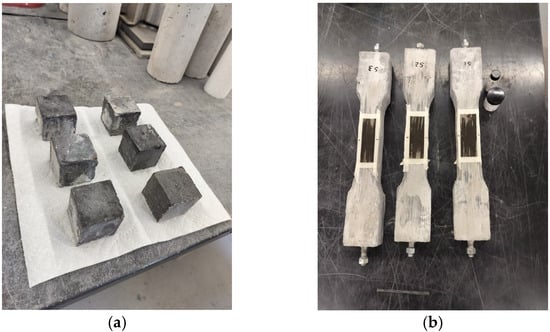
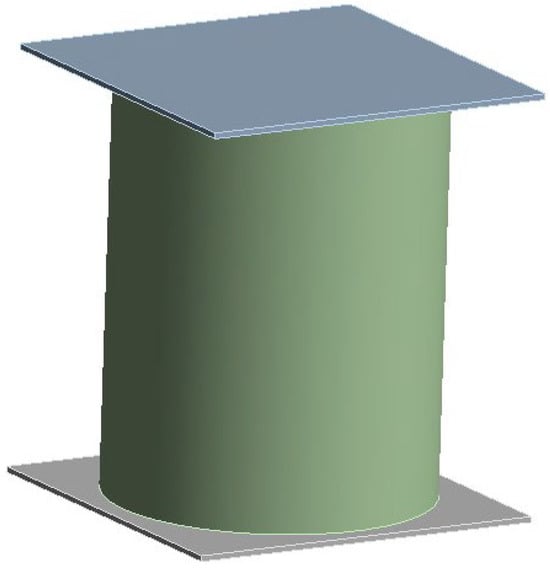
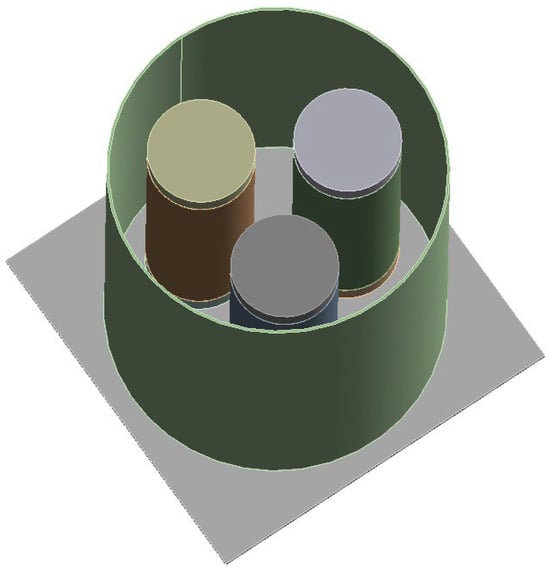
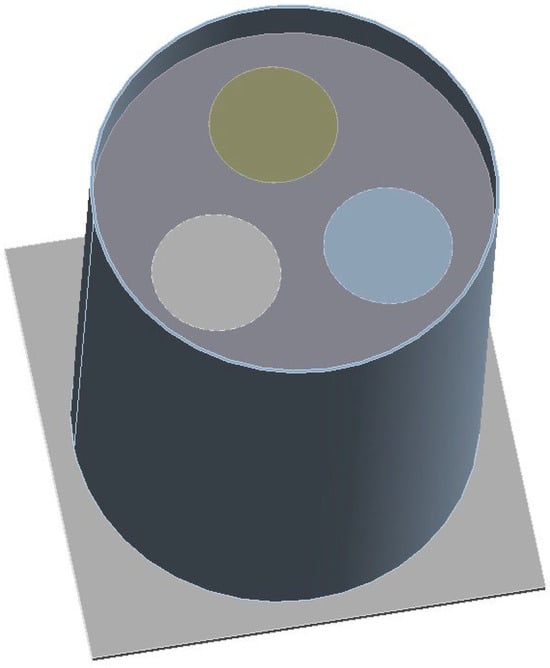
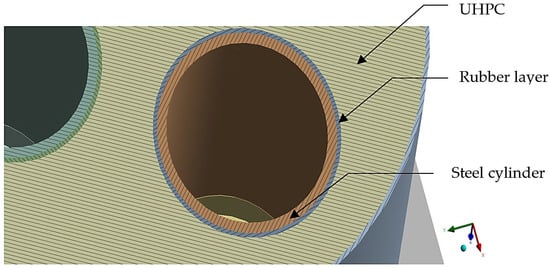
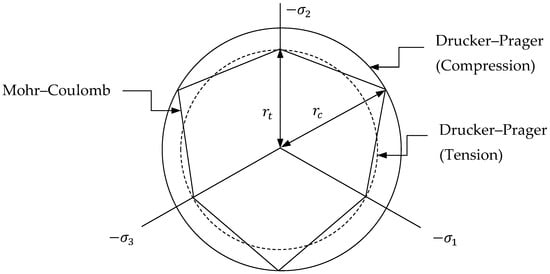
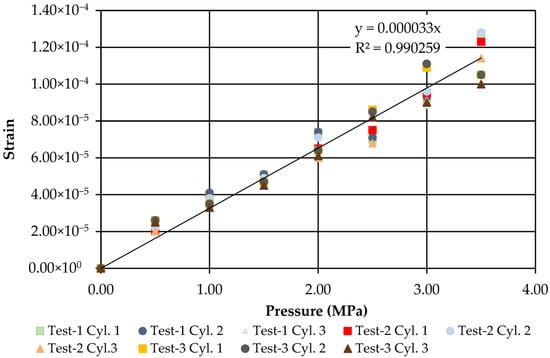
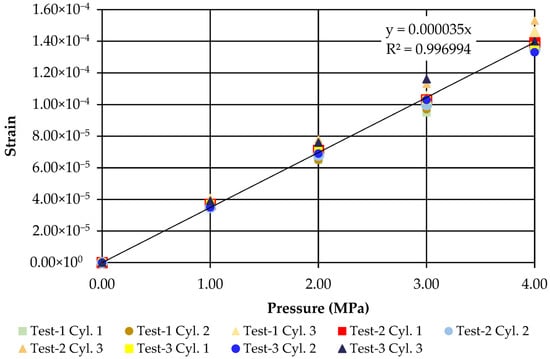
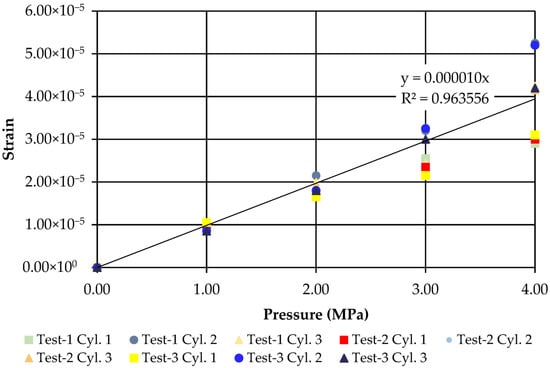
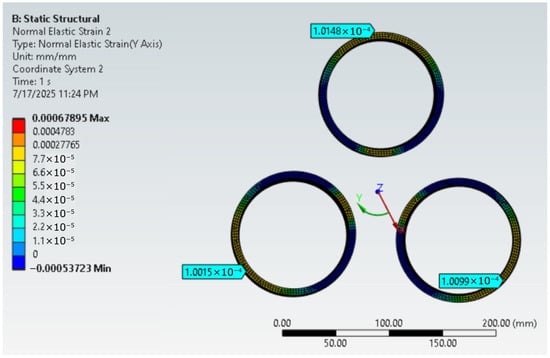
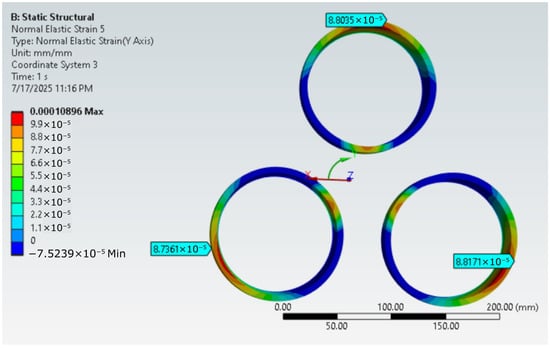
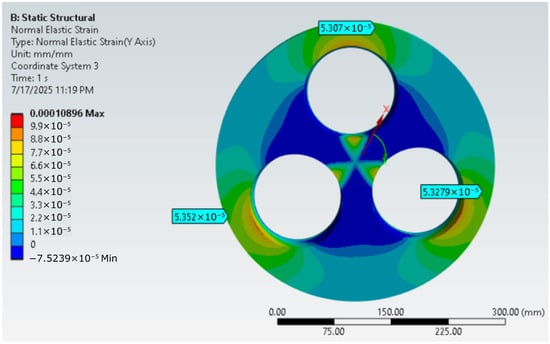
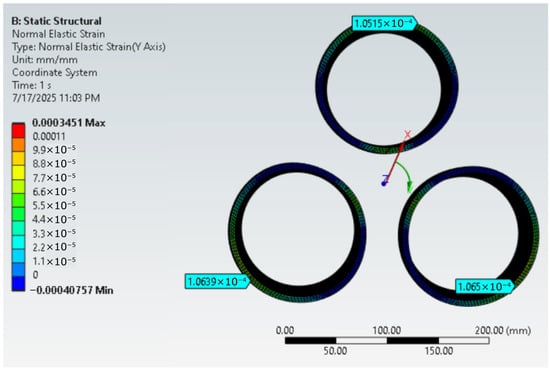
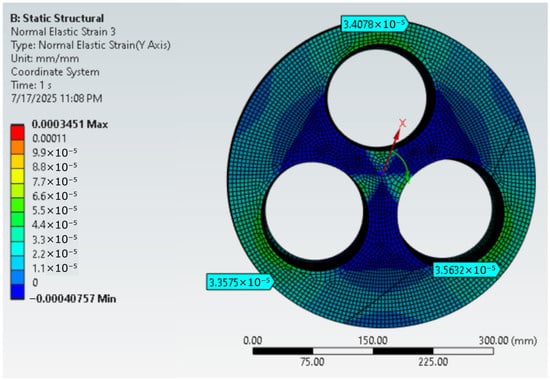
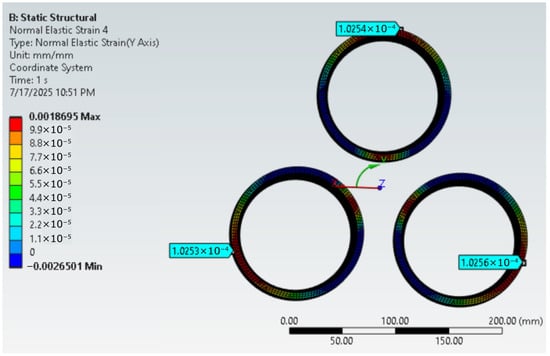
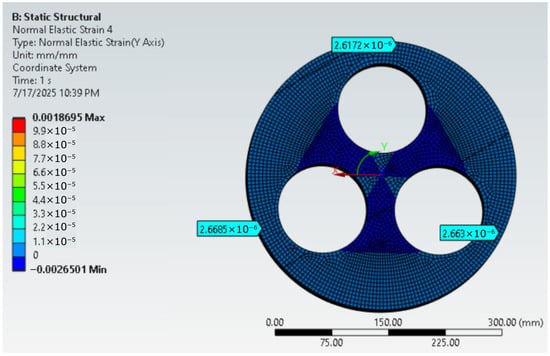
This study explores the viability of ultra-high-performance concrete (UHPC) as a structural material for compressed air storage (CAES) systems, combining comprehensive experimental testing and numerical simulations. Scaled (1:20) CAES tanks were designed and tested experimentally under controlled pressure conditions up to 4 MPa (580 psi), employing strain gauges to measure strains in steel cylinders both with and without UHPC confinement. Finite element models (FEMs) developed using ANSYS Workbench 2024 simulated experimental conditions, enabling detailed analysis of strain distribution and structural behavior. Experimental and numerical results agreed closely, with hoop strain relative errors between 0.9% (UHPC-confined) and 1.9% (unconfined), confirming the numerical model’s accuracy. Additionally, the study investigated the role of a rubber interface layer integrated between the steel and UHPC, revealing its effectiveness in mitigating localized stress concentrations and enhancing strain distribution. Failure analyses conducted using the von Mises criterion for steel and the Drucker–Prager criterion for UHPC confirmed adequate safety factors, validating the structural integrity under anticipated operational pressures. Principal stresses from numerical analyses were scaled to real-world operational pressures. These thorough results highlight that incorporating rubber enhances the system’s structural performance.
Full article
(This article belongs to the Special Issue Featured Papers for Journal of Experimental and Theoretical Analyses (JETA))
►▼
Show Figures

Figure 1
Open AccessArticle
An Evaluation Method to Estimate a Vehicle’s Center of Gravity During Motion Based on Acceleration Relationships
by
Francisco Castro, Francisco Queirós de Melo, David Faria, Job Silva, João Nunes, Pedro José Sousa, Mário Augusto Pires Vaz and Pedro M. G. P. Moreira
J. Exp. Theor. Anal. 2026, 4(1), 4; https://doi.org/10.3390/jeta4010004 - 15 Jan 2026
Abstract
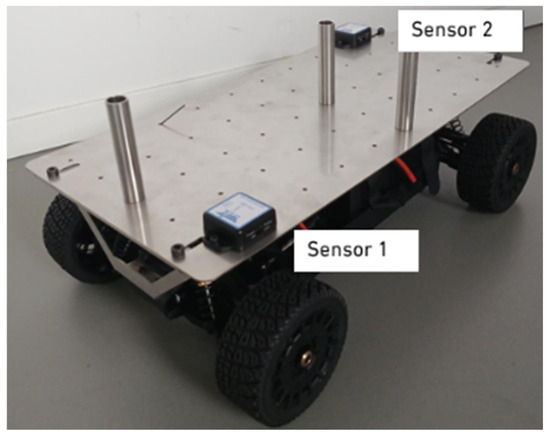
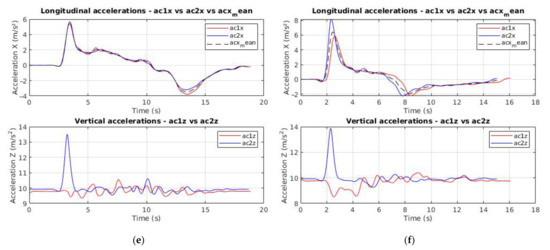
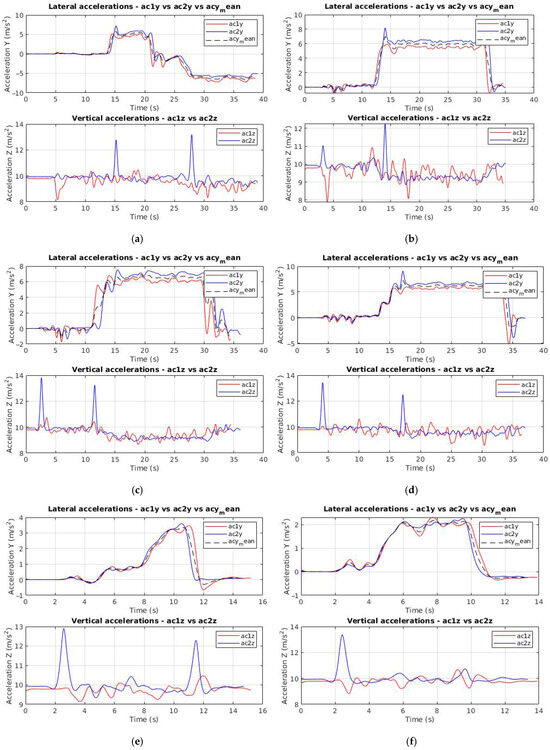
This paper presents a practical and cost-effective method for in-motion estimation of a vehicle’s CoG position in all three directions by measuring accelerations during two types of maneuvers: braking (longitudinal and vertical CoG estimation) and cornering (lateral and vertical CoG estimation). The proposed
[...] Read more.
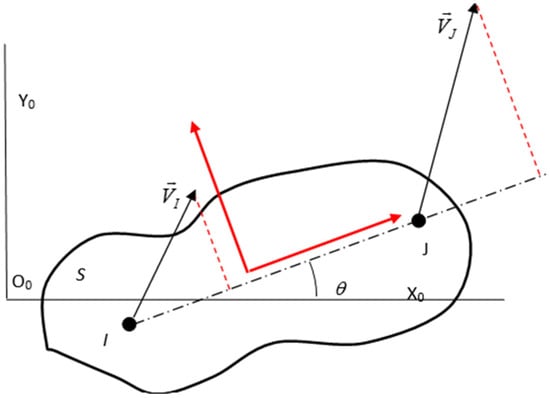
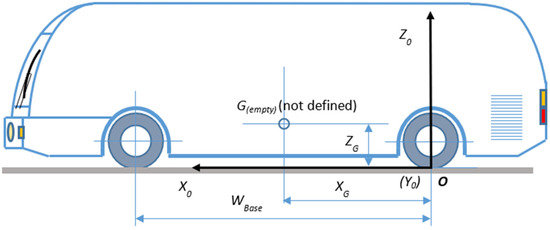
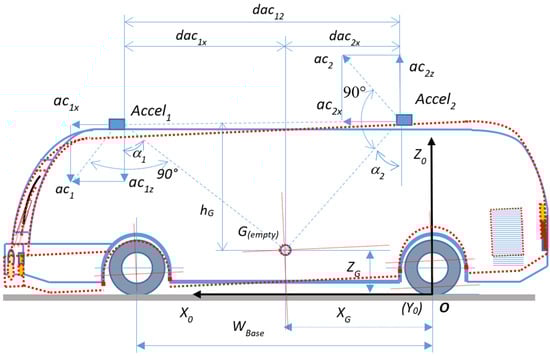
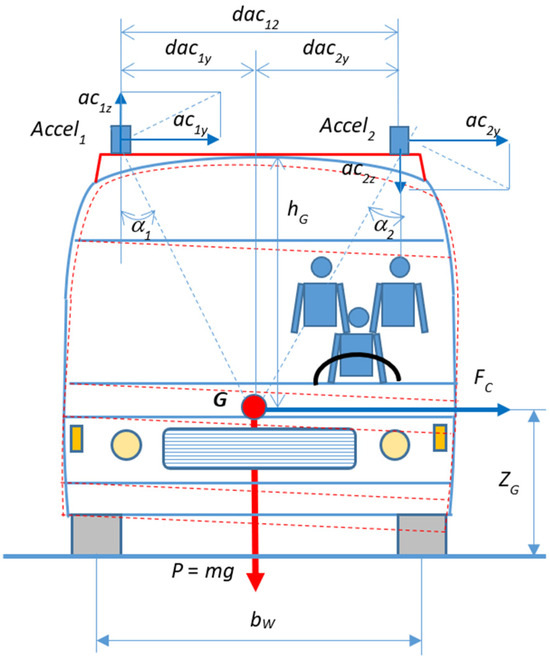
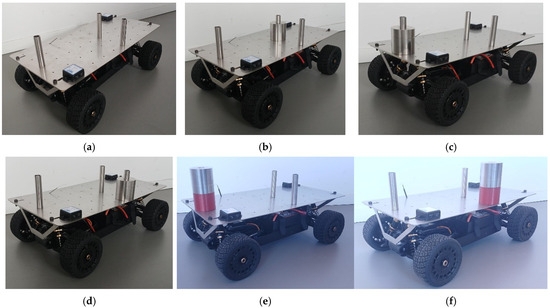
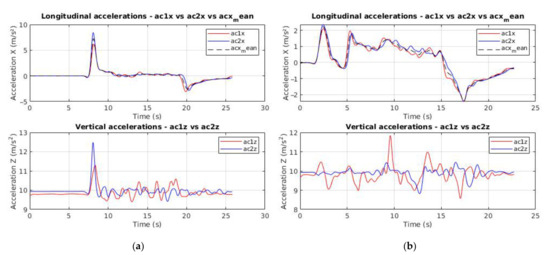
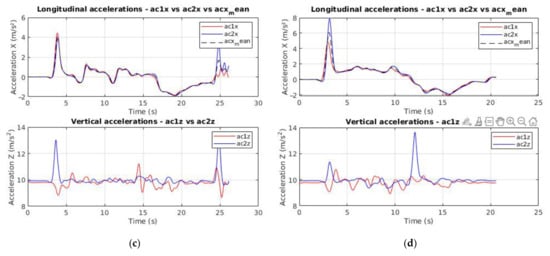
This paper presents a practical and cost-effective method for in-motion estimation of a vehicle’s CoG position in all three directions by measuring accelerations during two types of maneuvers: braking (longitudinal and vertical CoG estimation) and cornering (lateral and vertical CoG estimation). The proposed method’s main advantage is that it does not require knowledge of vehicle characteristics, such as mass distribution, suspension geometry, or inertia parameters. It relies solely on the known distances between the sensors and their positions relative to a defined reference point on the vehicle. To validate the developed method, experimental tests were conducted on a prototype vehicle, varying the load conditions for the proposed driving scenarios. The CoG position obtained from dynamic maneuvers was compared with reference values derived from static measurements. The results showed that the proposed method could estimate the CoG position with an average error of 3% in the longitudinal direction, a maximum error of 12% in the lateral direction, and a maximum error of 14% in the vertical direction.
Full article
(This article belongs to the Special Issue Featured Papers for Journal of Experimental and Theoretical Analyses (JETA))
►▼
Show Figures

Figure 1
Open AccessCommunication
Large-Scale Fluorescence Microscopy Analysis of Lipid Membrane Conformational Changes Optimized and Enabled by an AI-Guided Image Detection Method
by
Lillian Chang, Diya Devendiran, Julian Gard, Tiffany Gu, Annie Guan, Akira Yamamoto, Tapash Jay Sarkar, Edward Njoo and Joseph Pazzi
J. Exp. Theor. Anal. 2026, 4(1), 3; https://doi.org/10.3390/jeta4010003 - 5 Jan 2026
Abstract
►▼
Show Figures
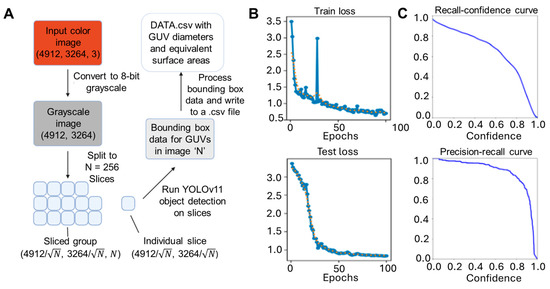
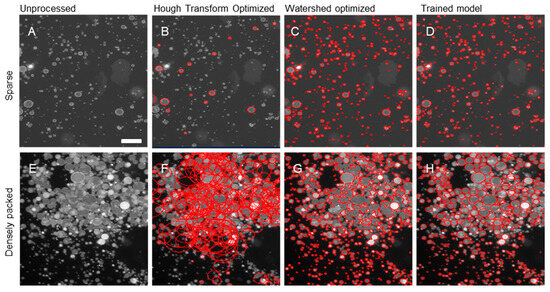
Simplified and scalable models of physical systems are extremely valuable in a variety of different engineering fields to test and diagnose particular modes of failure and optimize build conditions. In this work, we develop a practical method to prepare and analyze giant unilamellar
[...] Read more.
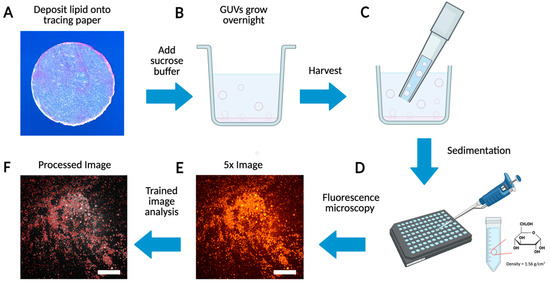
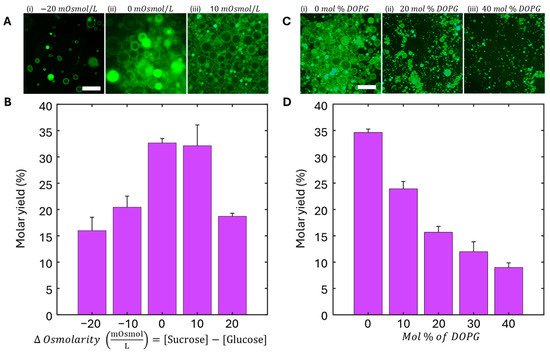
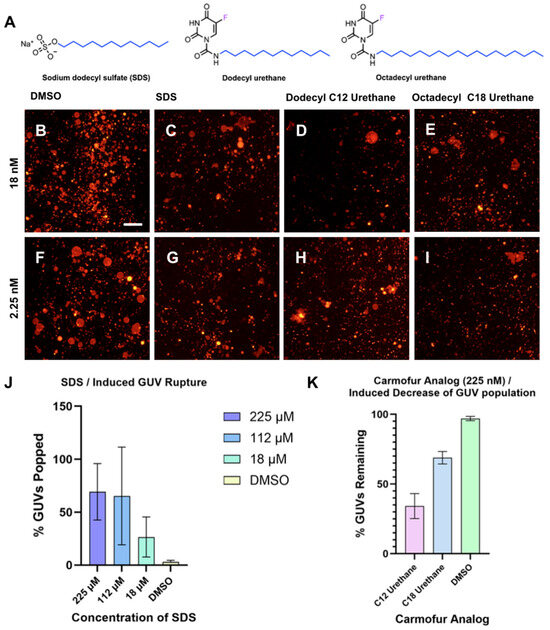
Simplified and scalable models of physical systems are extremely valuable in a variety of different engineering fields to test and diagnose particular modes of failure and optimize build conditions. In this work, we develop a practical method to prepare and analyze giant unilamellar vesicles (GUVs) for detailed biophysical interrogations. The method is rapid, scalable, and versatile, where characterization of lipid membrane conformational changes can be performed on multiplexed samples using tissue culture plates and a convenient, high-throughput fluorescence microscopy setup. The simplicity of the setup is enabled by an AI image recognition model that, when trained on the appearance of GUVs in the images, outperforms other image segmentation methods such as the watershed algorithm or the Hough transform. The method allows for the rapid quantification of entire 96-well plates containing in total O (1,000,000) GUVs and provides a potential testbed for the development of drugs. We highlight the power of our system by including large-scale data on the screening of lipophilic analogs of the small molecule antimetabolite carmofur.
Full article

Figure 1

Open AccessArticle
Fatigue Strength Analysis and Structural Optimization of Motor Hangers for High-Speed Electric Multiple Units
by
Rui Zhang, Chi Yang and Youwei Song
J. Exp. Theor. Anal. 2026, 4(1), 2; https://doi.org/10.3390/jeta4010002 - 31 Dec 2025
Abstract
►▼
Show Figures
This study investigates the fatigue strength of a motor hanger used in high-speed electric multiple units (EMUs). Finite element analysis and field measurements revealed that reduced weld penetration significantly increases stresses in welded regions. Line tests demonstrated that a 100 Hz torque ripple
[...] Read more.
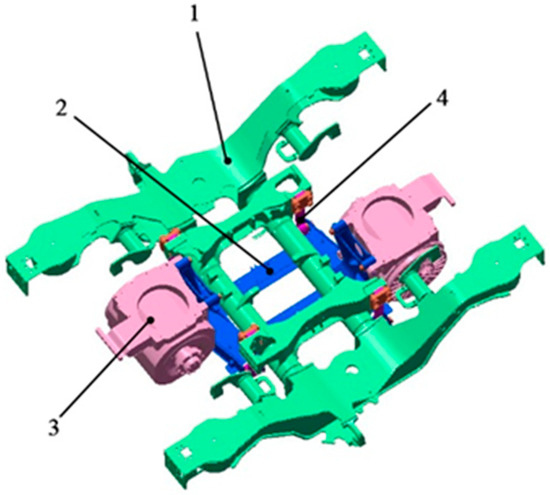
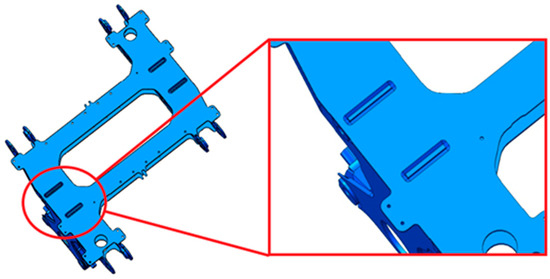
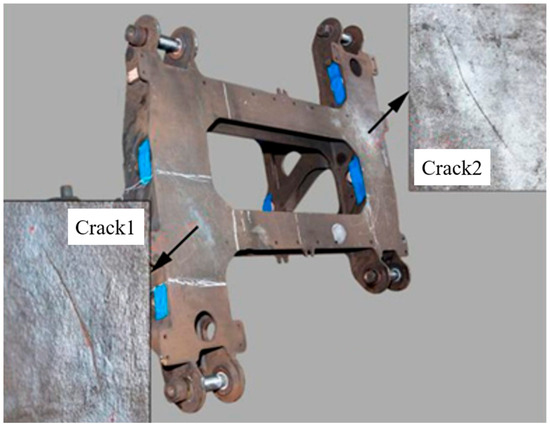
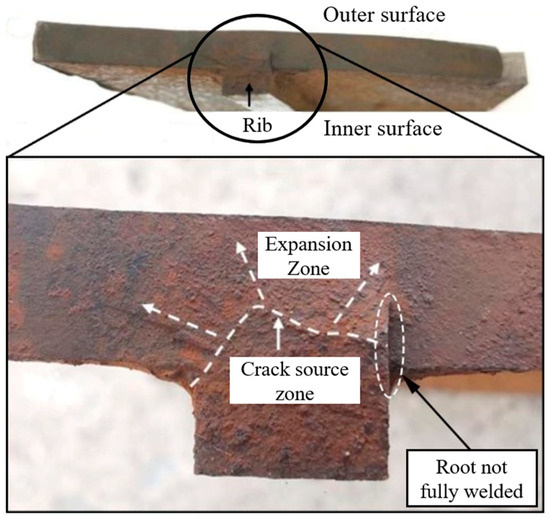
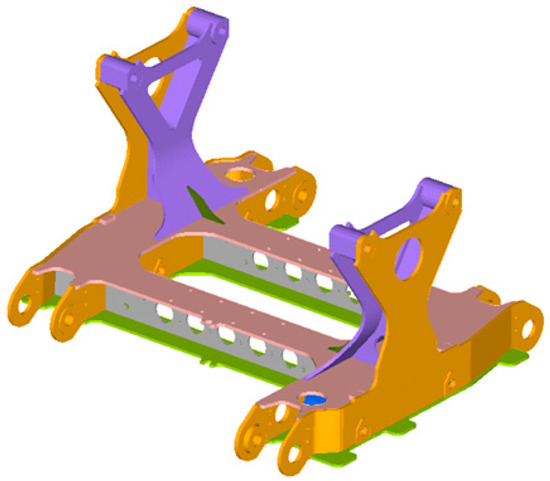
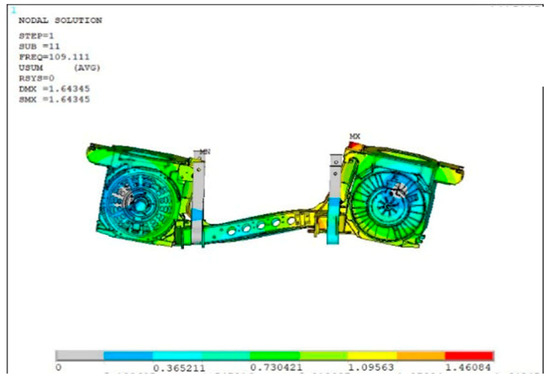
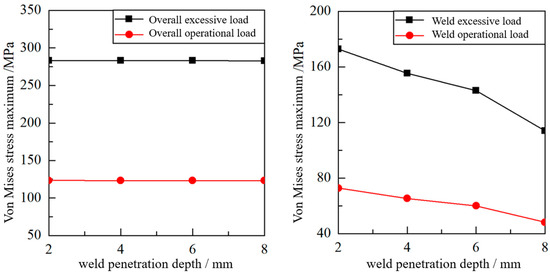
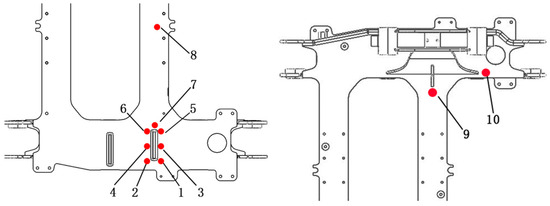
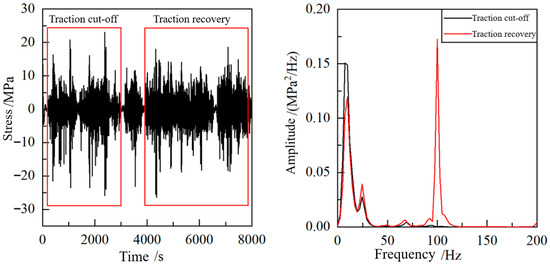
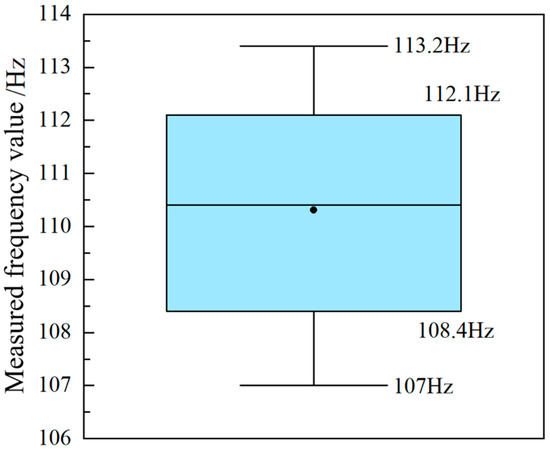
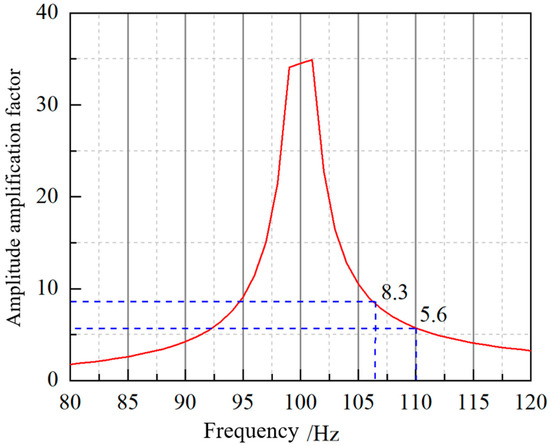
This study investigates the fatigue strength of a motor hanger used in high-speed electric multiple units (EMUs). Finite element analysis and field measurements revealed that reduced weld penetration significantly increases stresses in welded regions. Line tests demonstrated that a 100 Hz torque ripple induces elastic vibration of the hanger, serving as the primary driver of stress propagation, with stress and acceleration levels increasing proportionally with the torque ripple amplitude. This 100 Hz excitation lies close to the hanger’s constrained modal frequency of about 109 Hz, creating a near-resonance condition that amplifies dynamic deformation at the welded joints and accelerates fatigue crack initiation. Hangers with lower in situ modal frequencies exhibited higher equivalent stresses. Joint dynamic simulation further showed that increasing motor mass reduces the longitudinal acceleration of the hanger, while enhancing the radial stiffness of rubber nodes markedly decreases both longitudinal and vertical vibration accelerations as well as stress responses. Based on these insights, a structural improvement scheme was developed. Strength analysis and on-track tests confirmed substantial reductions in overall and weld stresses after modification. Fatigue bench tests indicated that the critical welds of the improved hanger achieved a service life of 15 million km, more than twice that of the original structure (7.08 million km), thereby satisfying operational safety requirements.
Full article

Figure 1
Open AccessArticle
Expediting Convergence via Polling Optimisation for Gradient Descent in Neural Networks
by
Ren Kai Tan, Zi Jie Choong and Michael Lau
J. Exp. Theor. Anal. 2026, 4(1), 1; https://doi.org/10.3390/jeta4010001 - 25 Dec 2025
Abstract
►▼
Show Figures
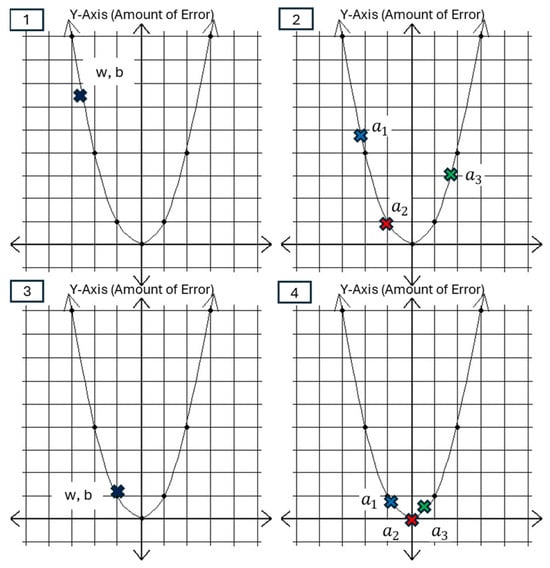
Optimising the learning rate is essential for efficient neural network training, but static methods can cause overshooting or undershooting, while adaptive techniques like ADAM often struggle to balance exploration and exploitation. We introduce the Polling Method, an ensemble-based optimisation approach that dynamically selects
[...] Read more.
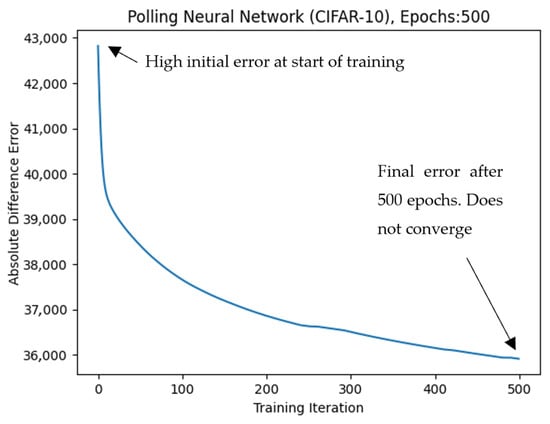
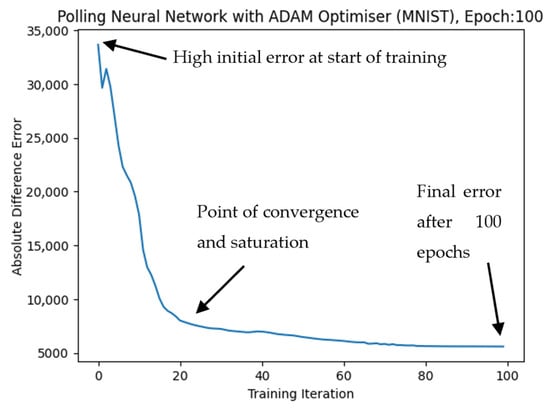
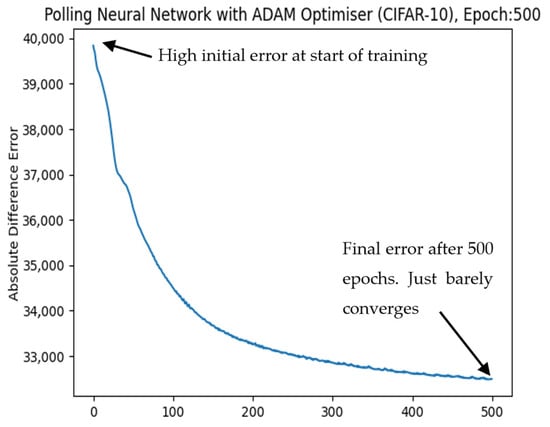
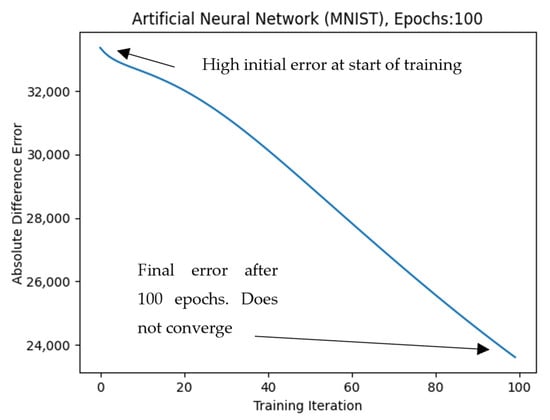
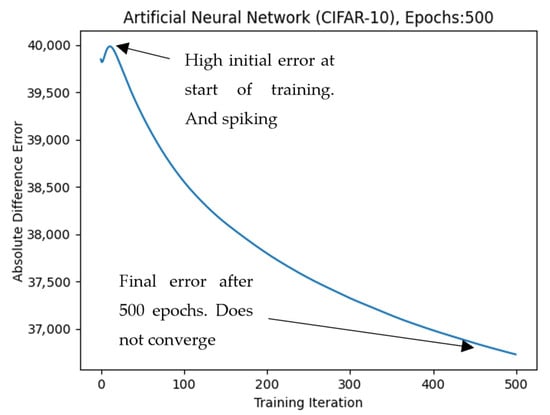
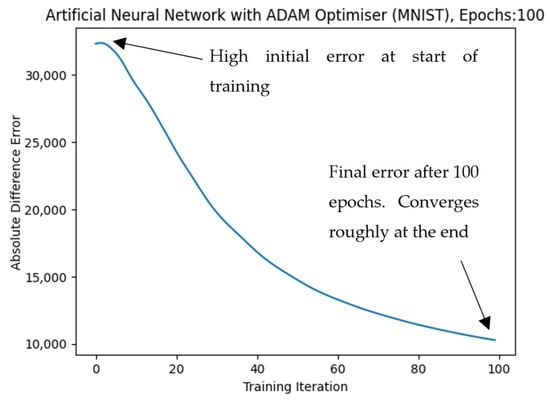
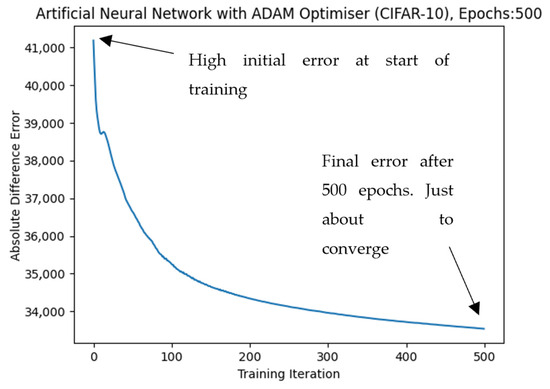
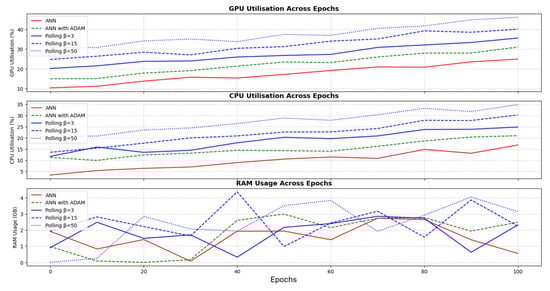
Optimising the learning rate is essential for efficient neural network training, but static methods can cause overshooting or undershooting, while adaptive techniques like ADAM often struggle to balance exploration and exploitation. We introduce the Polling Method, an ensemble-based optimisation approach that dynamically selects the most effective learning rate at each step, improving convergence and mitigating issues inherent in traditional optimisation strategies. By evaluating base models with varying learning rates at each epoch, the method adaptively balances exploration and exploitation without being constrained by predefined functions or gradient noise. This study details the theoretical foundation, implementation, and integration of the Polling Method with the ADAM optimiser, demonstrating its effectiveness in Artificial Neural Networks and Bayesian variational inference. The results demonstrate that Polling Method-ADAM reduces absolute error by 50% compared to ADAM alone, while also accelerating convergence. In Bayesian optimisation, it reduces the mean gradient shift from 0.85 to 0.7835 over 500 iterations, indicating improved stability in high-dimensional problems. By introducing adaptive learning rate selection within training, the Polling Method enhances optimisation efficiency while mitigating noise accumulation. This framework provides a computationally efficient, flexible alternative for deep learning applications, offering significant improvements over traditional optimisers and a potential breakthrough in neural network training strategies.
Full article

Figure 1
Open AccessArticle
Preliminary Numerical Modelling of the Ionization Region to Model Ionic Propulsion
by
Jason Knight, Mojtaba Ghodsi, Bradley Horne, Edward John Taylor, Niah Laurel Virhuez Montaño, Daniel George Chattock, James Buick, Ethan Krauss and Andrew Lewis
J. Exp. Theor. Anal. 2025, 3(4), 42; https://doi.org/10.3390/jeta3040042 - 11 Dec 2025
Abstract
►▼
Show Figures
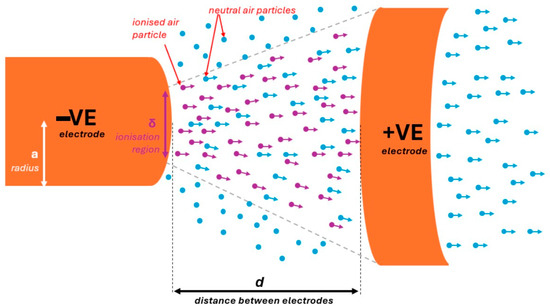
Ionic propulsion, where charged particles, ions, are produced between electrodes and accelerate towards the negative electrode, has practical applications as a propulsion system in the space industry; however, its adoption to in-atmosphere ionic propulsion is relatively new and faces different challenges. A high
[...] Read more.
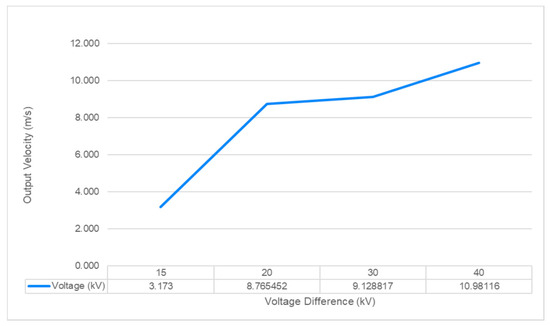
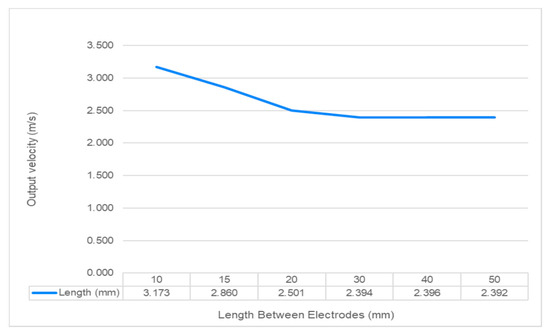
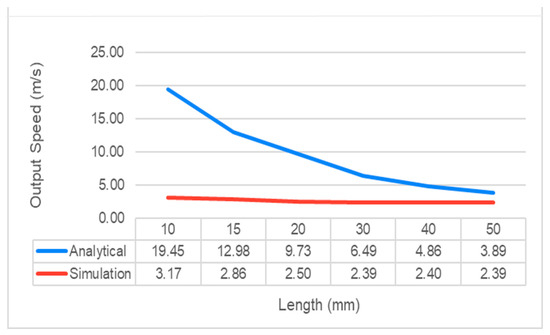
Ionic propulsion, where charged particles, ions, are produced between electrodes and accelerate towards the negative electrode, has practical applications as a propulsion system in the space industry; however, its adoption to in-atmosphere ionic propulsion is relatively new and faces different challenges. A high potential difference is required to achieve a corona discharge between a positive and negative electrode. In this work, we will explore the feasibility of ionic propulsion using CFD modelling to replicate the effect of the ions, with a future aim of improving efficiency. The ionization region is modelled for a 15 kV potential difference, which is replicated with a velocity inlet, based on experimental data. The output velocity from the numerical simulation shows the same trend as theoretical predictions but significantly underestimates the magnitude of the ionic wind when compared with theoretical estimates. Further modelling is highlighted to improve predictions and assess if the theoretical model overestimates the ionic wind.
Full article

Figure 1

Open AccessFeature PaperArticle
Design Interaction Diagrams for Shear Adequacy Using MCFT-Based Strength of AS 5100.5—Advantages of Using Monte Carlo Simulation
by
Koon Wan Wong and Vanissorn Vimonsatit
J. Exp. Theor. Anal. 2025, 3(4), 41; https://doi.org/10.3390/jeta3040041 - 5 Dec 2025
Abstract
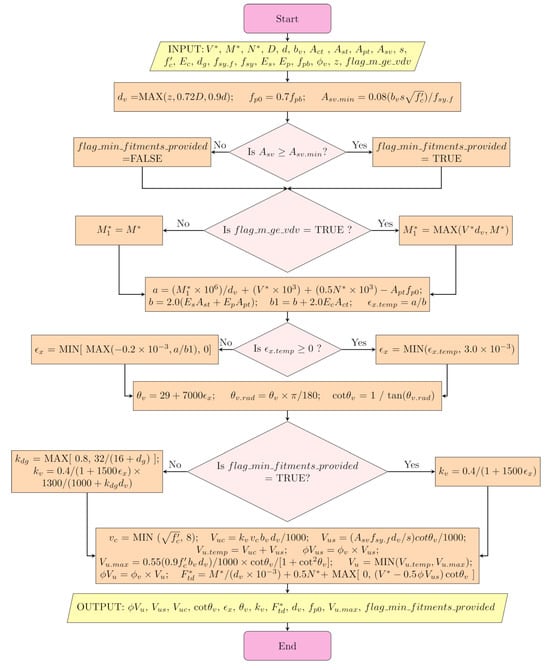
This paper presents three different approaches for generating points along the interaction diagram corresponding to design load effects—shear, bending moment, and axial force—to achieve optimal shear strength adequacy with the Australian bridge design standard AS 5100.5. The methodology targets the optimal shear condition
[...] Read more.
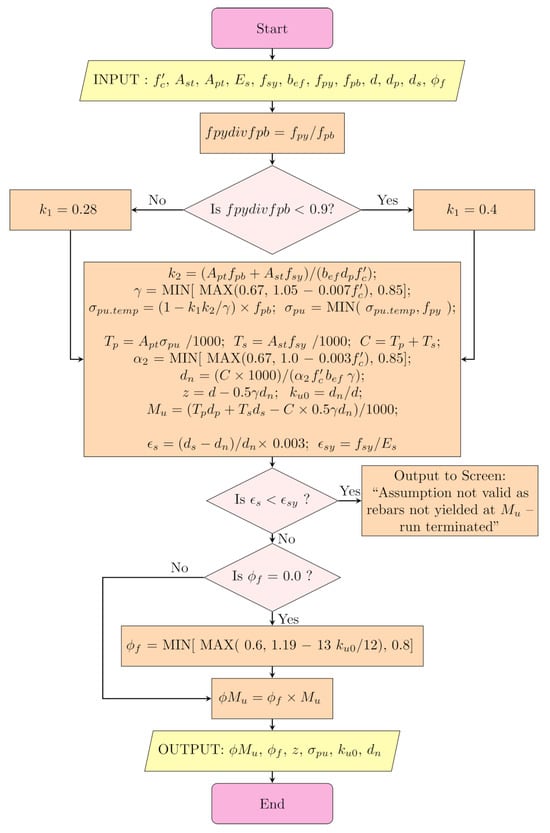
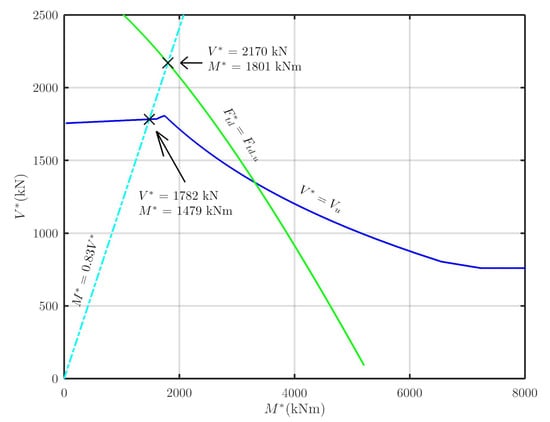
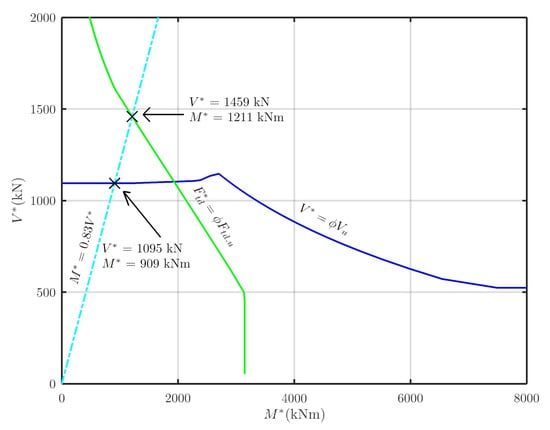
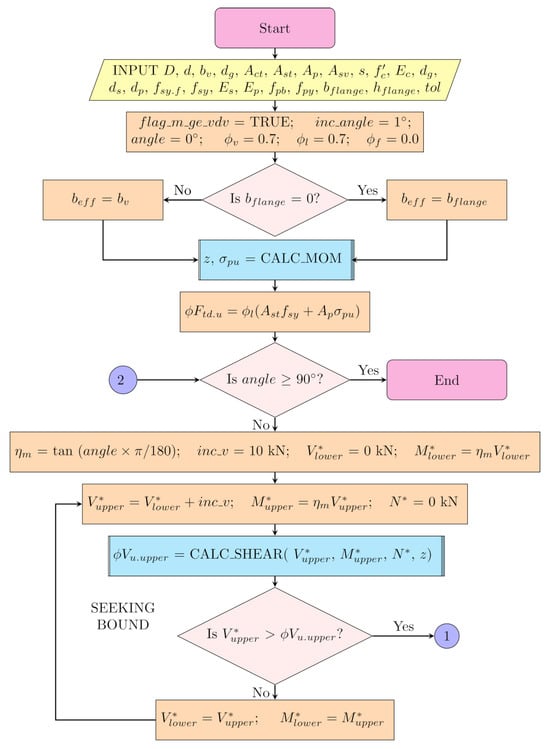
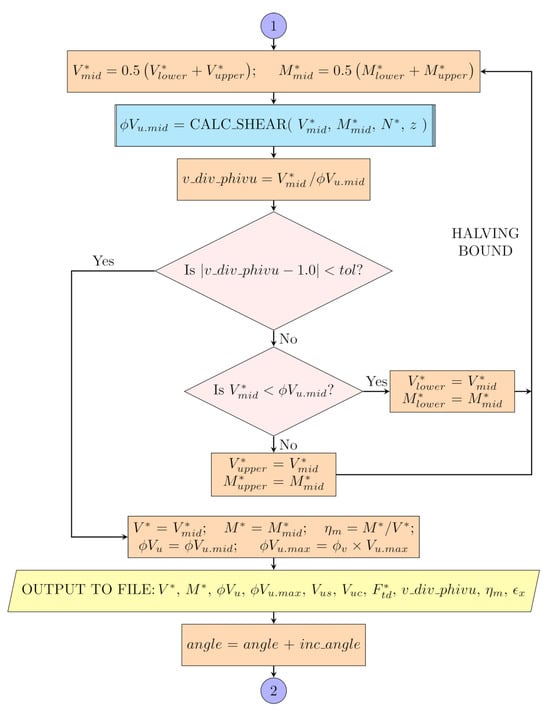
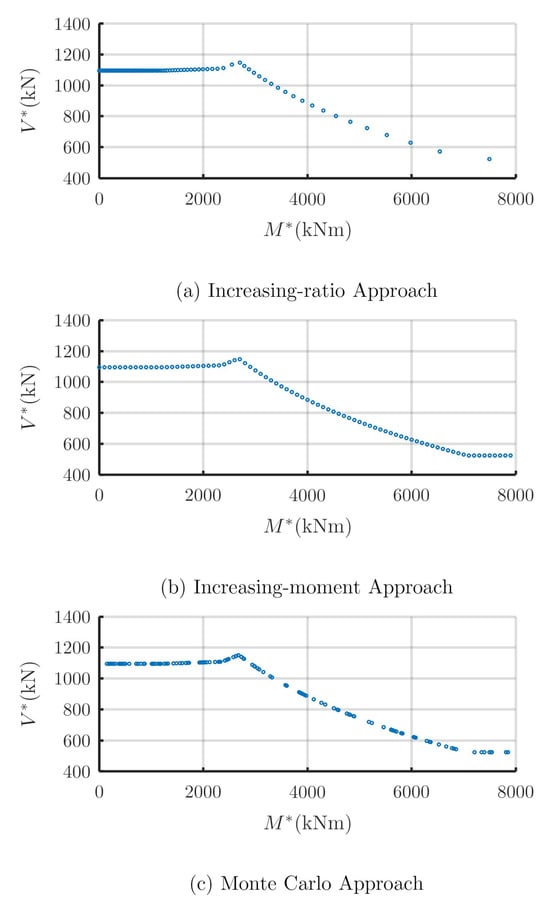
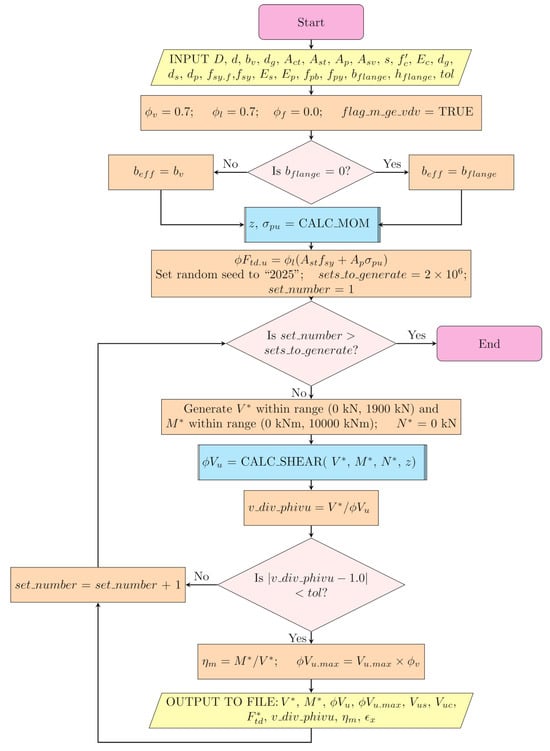
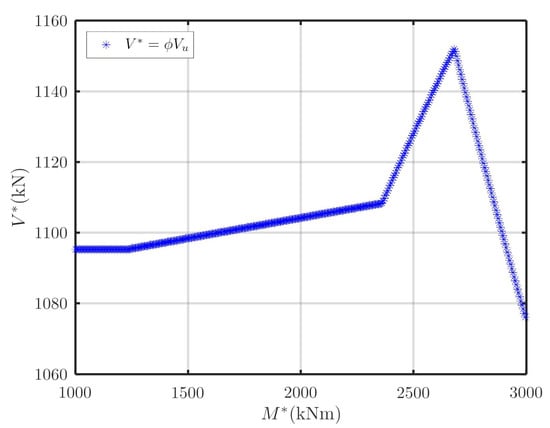
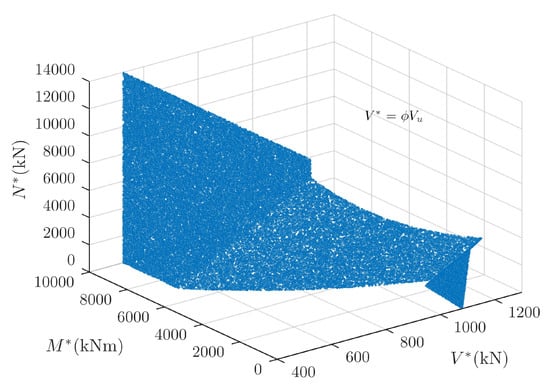
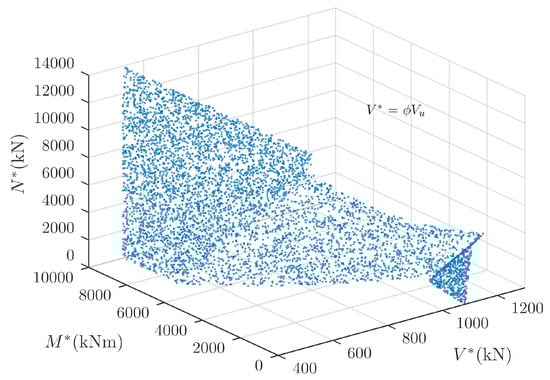
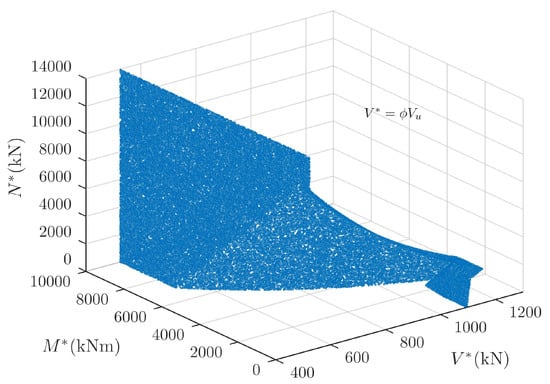
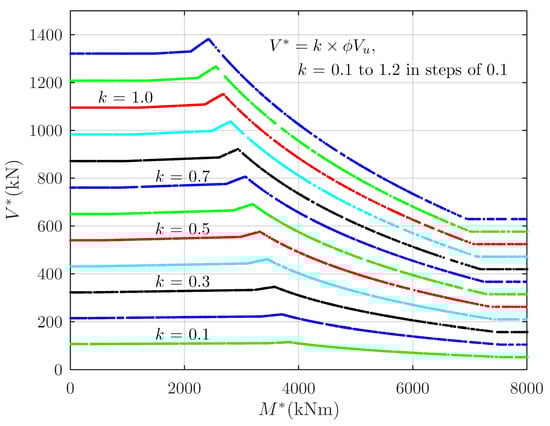
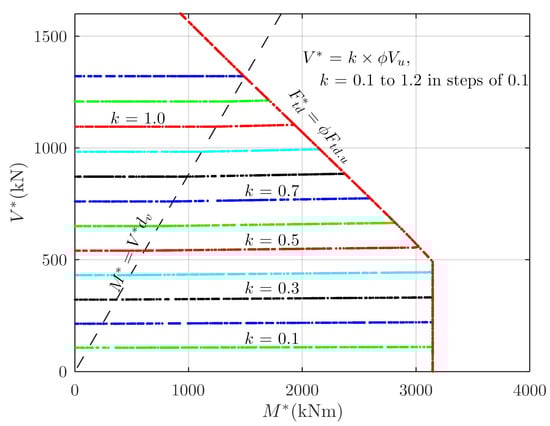
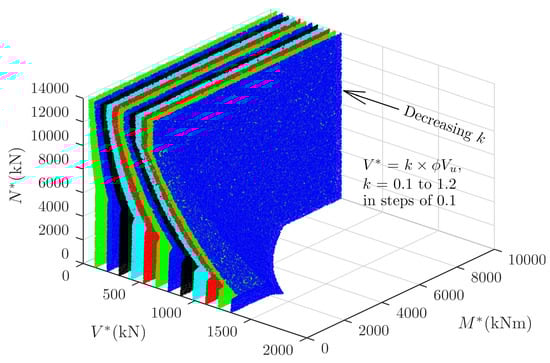
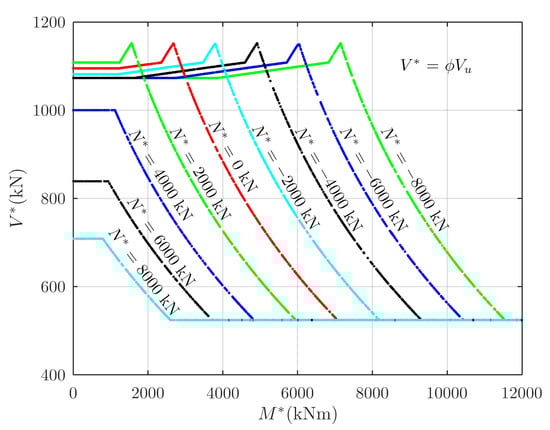
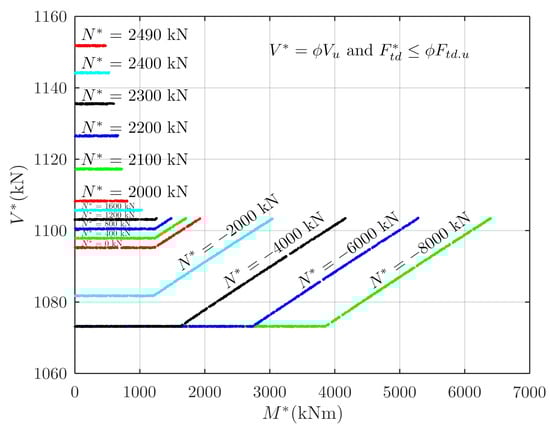
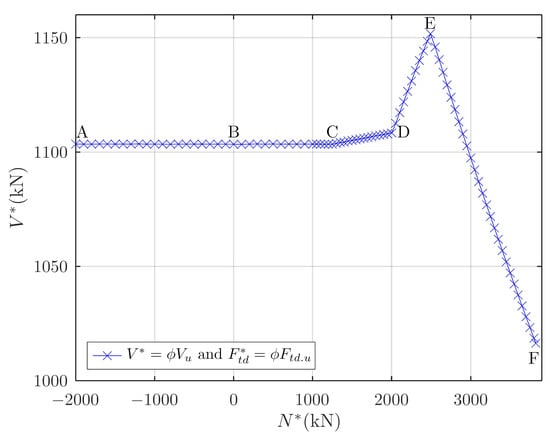
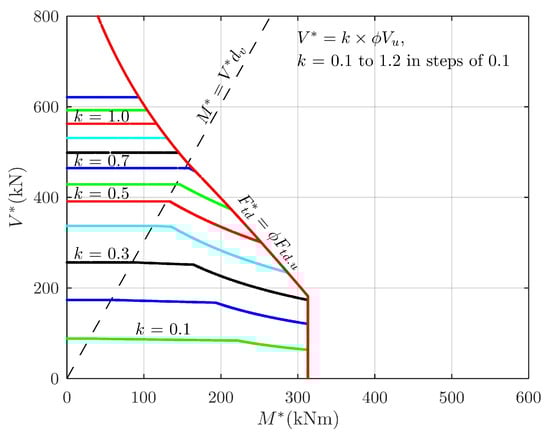
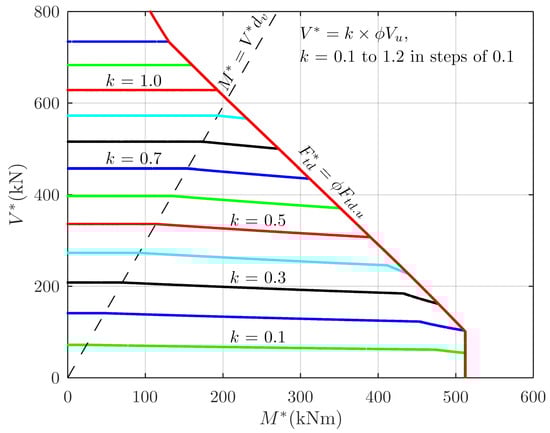
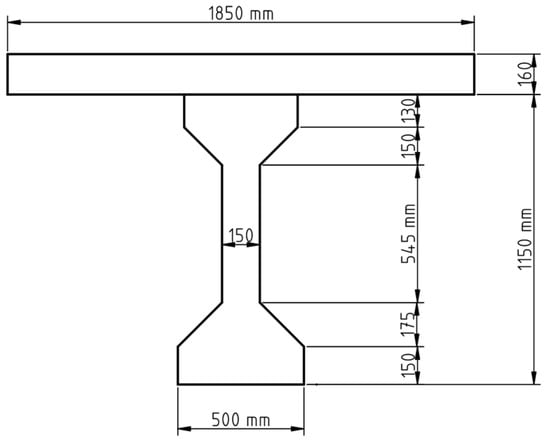
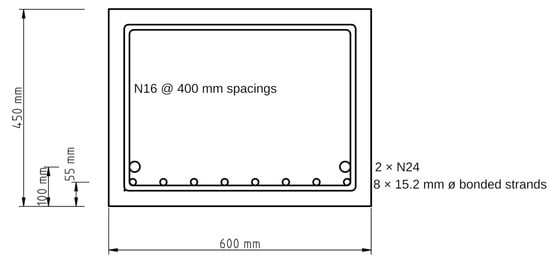
This paper presents three different approaches for generating points along the interaction diagram corresponding to design load effects—shear, bending moment, and axial force—to achieve optimal shear strength adequacy with the Australian bridge design standard AS 5100.5. The methodology targets the optimal shear condition by matching the design shear with the capacity , which represents achieving a load rating factor of unity within the specified tolerance limits. The first typical approach for generating points for two load effects is by increasing the moment–shear ratio in small increments from zero to a large value (theoretically infinity), and for each increment, to goal-seek the condition. The other approaches investigated are the use of increasing factored moment and the use of Monte Carlo simulation. A pretensioned bridge I-girder section reported in the literature was used in the study. The Monte Carlo simulation method was found to be the simplest to program. It allows an interaction surface for the influence of three load effects for optimal shear adequacy to be obtained with minimal program coding and outperforms the goal–seeking approaches for multi-variable interactions. It can create 2-D interaction lines for various levels of shear adequacy for the interaction of and , and 3-D interaction surfaces for , , and . The potential use of interaction diagrams was explored, and the advantages and limitations of using each method are presented. The interaction curves of two typical pretensioned concrete sections of a plank girder, one next to an end support and the other close to mid-span, were created to show the distinguishing features resulting from their reinforcement.
Full article
(This article belongs to the Special Issue Featured Papers for Journal of Experimental and Theoretical Analyses (JETA))
►▼
Show Figures

Figure 1
Open AccessFeature PaperArticle
Probabilistic Cumulative Damage Analysis of Aluminum Light Pole Handholes
by
Cameron Rusnak, Aya Al-hamami and Craig Menzemer
J. Exp. Theor. Anal. 2025, 3(4), 40; https://doi.org/10.3390/jeta3040040 - 2 Dec 2025
Abstract
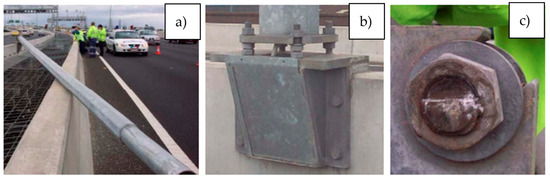
Aluminum light poles are essential components of modern infrastructure, providing illumination for highways, urban areas, and pedestrian pathways. Despite their importance, structural vulnerabilities in handholes—necessary for electrical access—can reduce fatigue life due to the structure’s response to wind. This study addresses a critical
[...] Read more.
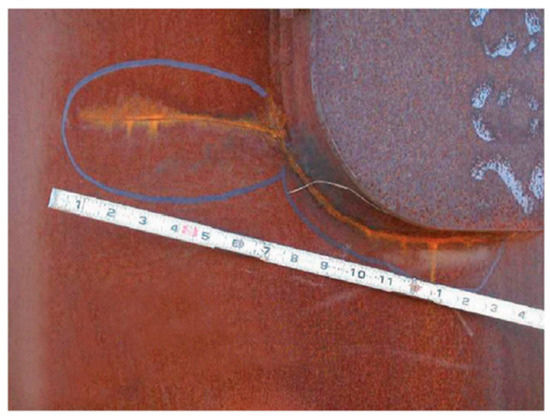
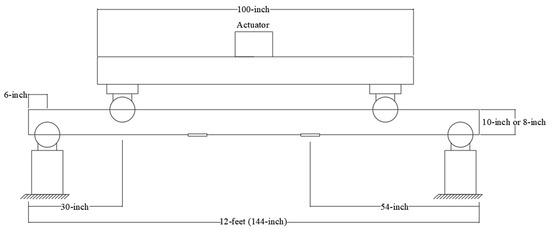
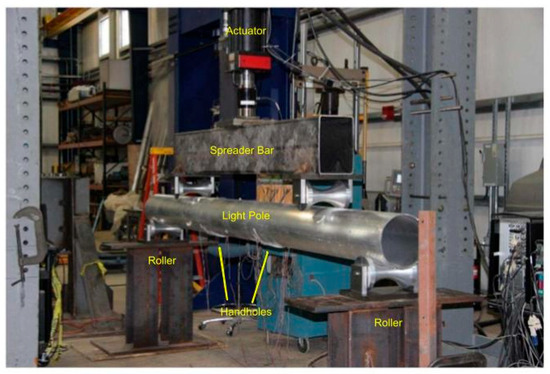
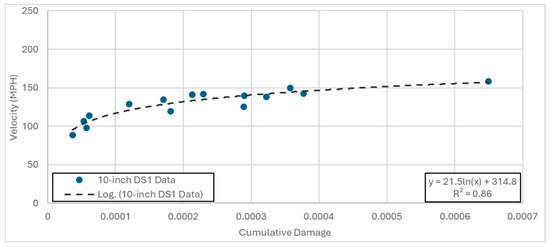
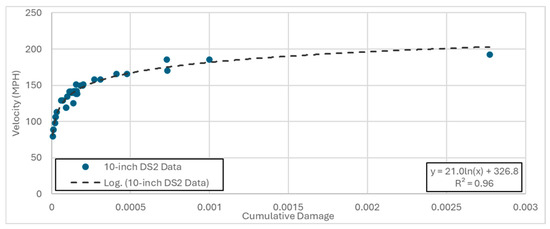
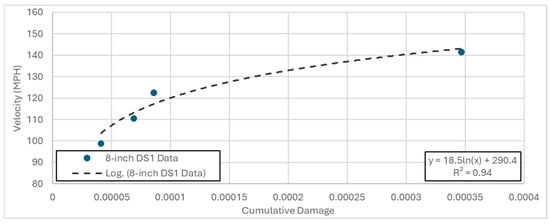
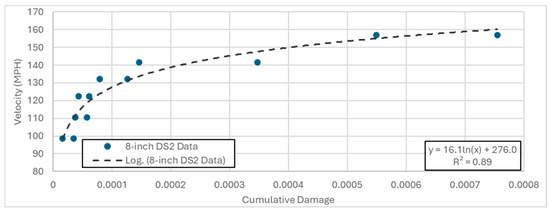
Aluminum light poles are essential components of modern infrastructure, providing illumination for highways, urban areas, and pedestrian pathways. Despite their importance, structural vulnerabilities in handholes—necessary for electrical access—can reduce fatigue life due to the structure’s response to wind. This study addresses a critical gap in translating laboratory-derived S–N data into field-applicable methods for assessing cumulative damage in these structures. A probabilistic cumulative damage analysis framework was developed to quantify the structural degradation of handholes due to variable wind velocities. Using a series of controlled cyclic fatigue tests and Miner’s Rule, the study establishes a methodology to convert stress ranges into equivalent wind velocities and correlate laboratory cycle counts with real-world loading conditions. The findings reveal a logarithmic progression of damage accumulation and highlight the utility of integrating standardized factors from ASCE-7 for scalable and geographically adaptable assessments. A proof-of-concept application demonstrates the model’s potential to predict failure risks during extreme wind events, such as hurricanes and tornadoes. This research provides a practical and predictive tool for engineers and contractors to evaluate the structural integrity of aluminum light poles, enabling proactive maintenance and reducing unplanned failures.
Full article
(This article belongs to the Special Issue Featured Papers for Journal of Experimental and Theoretical Analyses (JETA))
►▼
Show Figures

Figure 1
Highly Accessed Articles
Latest Books
E-Mail Alert
News
Topics
Topic in
Alloys, JETA, Materials, Metals, Sci, Applied Mechanics, Buildings
Advanced Failure Analysis of Materials
Topic Editors: Franco Concli, Isaac J. HongDeadline: 31 December 2026
Topic in
Processes, Separations, Water, JETA, ChemEngineering, Environments
Advanced Processes and Technologies for Wastewater: Collection, Treatment, and Resource, 2nd Edition
Topic Editors: Zhiqiang Zhang, Heliang PangDeadline: 30 September 2027
Topic in
Information, Applied Sciences, Biology, Bioengineering, JETA
AI-Driven Approaches for Biological Data Science
Topic Editors: Xiaoqi Wang, Song He, Yingbo CuiDeadline: 20 October 2027
Special Issues
Special Issue in
JETA
Digital Twin Technologies: Concepts, Methods, and Applications
Guest Editors: Shuhui Li, Hepeng LiDeadline: 30 June 2026
Special Issue in
JETA
Self-Driving Spectroscopy for Food Safety, Industrial and Cultural Heritage Applications
Guest Editor: Barry K. LavineDeadline: 31 July 2026
Special Issue in
JETA
Life Cycle Assessment: Methodological Advances and Practical Pathways for Sustainable Systems
Guest Editors: Claudia Bianchi, Serena BiellaDeadline: 31 August 2026
Special Issue in
JETA
Experimental and Theoretical Analysis of Composite Manufacturing:Processes, Modelling, and Digital Integration
Guest Editors: Jia Ge, Dan SunDeadline: 31 December 2026