
Journal Description
Corrosion and Materials Degradation
is an international, peer-reviewed, open access journal on corrosion, environment-assisted degradation, corrosion mitigation, corrosion mechanism and corrosion monitoring, published quarterly online by MDPI.
- Open Access— free for readers, with article processing charges (APC) paid by authors or their institutions.
- High Visibility: indexed within ESCI (Web of Science), Scopus, EBSCO, and other databases.
- Rapid Publication: manuscripts are peer-reviewed and a first decision is provided to authors approximately 19.2 days after submission; acceptance to publication is undertaken in 4.6 days (median values for papers published in this journal in the second half of 2025).
- Journal Rank: CiteScore - Q2 (Materials Science (miscellaneous))
- Recognition of Reviewers: APC discount vouchers, optional signed peer review, and reviewer names published annually in the journal.
Impact Factor:
2.4 (2024);
5-Year Impact Factor:
3.4 (2024)
Latest Articles
Elaboration and Solar Thermal Cycling of SiC/Al2O3/Fe–Cr–Al–Mo Multilayers
Corros. Mater. Degrad. 2026, 7(2), 28; https://doi.org/10.3390/cmd7020028 - 30 Apr 2026
Abstract
Concentrated Solar Power (CSP) tower systems require receiver materials capable of operating above 1000 °C to meet the efficiency targets of third-generation technologies (25–30%). Hybrid solutions, combining ceramic coatings with metallic substrates, offer promising thermomechanical stability under severe thermal cycling. This study investigates
[...] Read more.
Concentrated Solar Power (CSP) tower systems require receiver materials capable of operating above 1000 °C to meet the efficiency targets of third-generation technologies (25–30%). Hybrid solutions, combining ceramic coatings with metallic substrates, offer promising thermomechanical stability under severe thermal cycling. This study investigates the high-temperature behavior of silicon carbide (SiC) coatings deposited on Fe-C-Al-Mo alloys under concentrated solar flux. Substrates were pre-oxidized to form a continuous 1–2 µm α-Al2O3 interlayer, serving as a chemical and mechanical buffer. SiC coatings (10–24 µm thick) were deposited via High-Temperature Chemical Vapor Deposition (HT-CVD). Characterization using XRD, SEM, EDS, and optical spectrophotometry identified cubic 3C-SiC with a globular microstructure and high compressive residual stresses (−2000 to −2400 MPa), inducing microcracking. Stress relaxation was achieved by increasing coating thickness or post-deposition annealing. Controlled oxidation formed a thin silica layer, enhancing solar absorptivity to over 90%. Accelerated thermal cycling (up to ~900 kW/m2, 1050–1200 °C) revealed that coating stability depends on SiC thickness, residual stress evolution, α-Al2O3 interlayer thickness, and cycling severity. Optimizing these parameters is essential for ensuring the long-term durability of hybrid CSP receivers.
Full article
Open AccessReview
Modeling Crack Initiation in BWR and PWR Primary Coolant Circuits
by
Digby D. Macdonald and Balazs Fekete
Corros. Mater. Degrad. 2026, 7(2), 27; https://doi.org/10.3390/cmd7020027 - 27 Apr 2026
Abstract
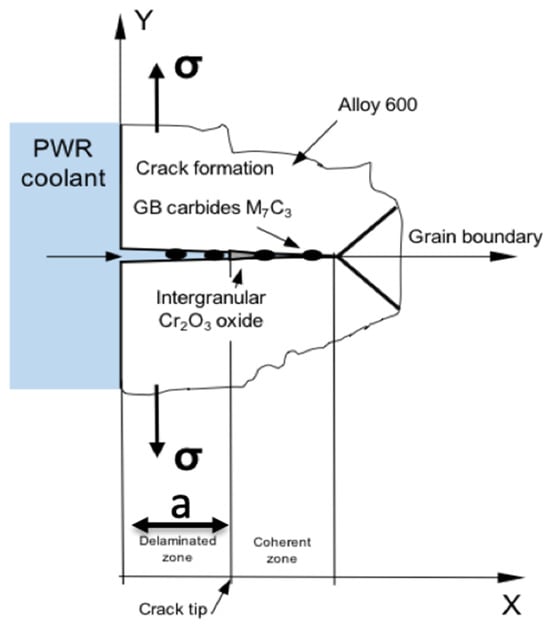
Models are described for calculating the crack initiation times for Alloy 600 and Type 304 SS in PWR and BWR primary coolant circuits, respectively. In PWRs, initiation is defined in terms of the grain boundary oxidation concept of Scott and Le Calvar, whereas
[...] Read more.
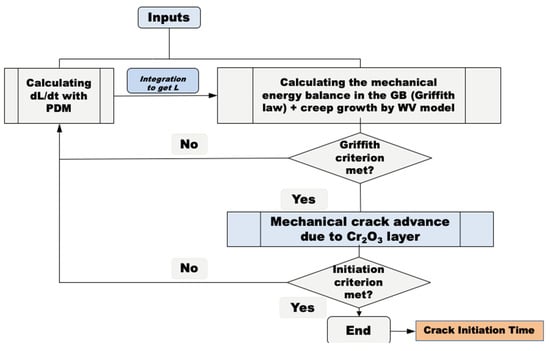
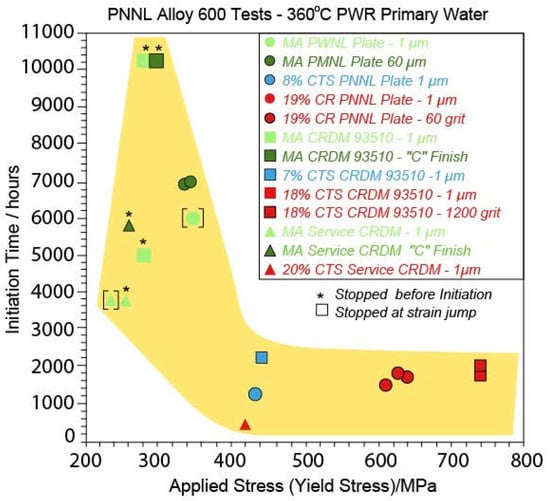
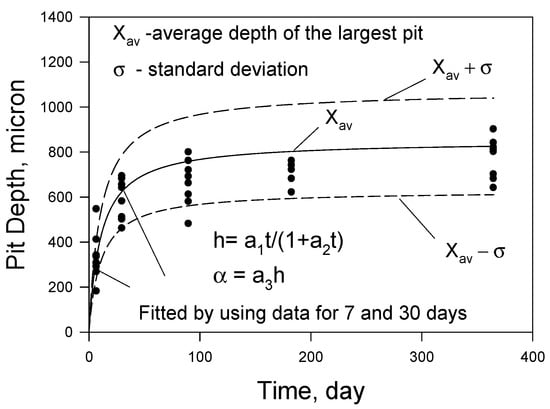
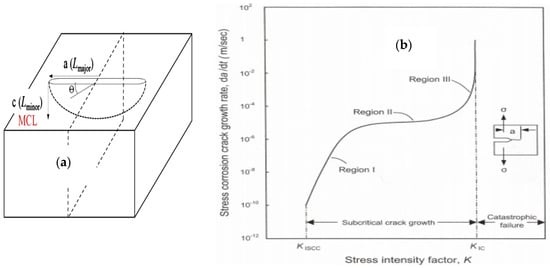
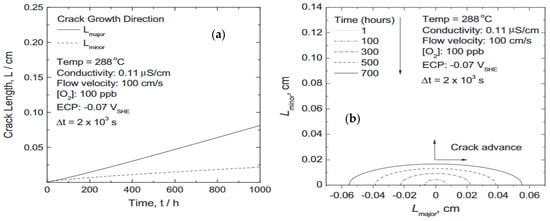
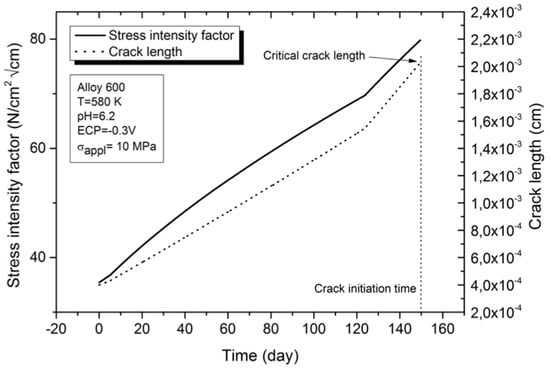
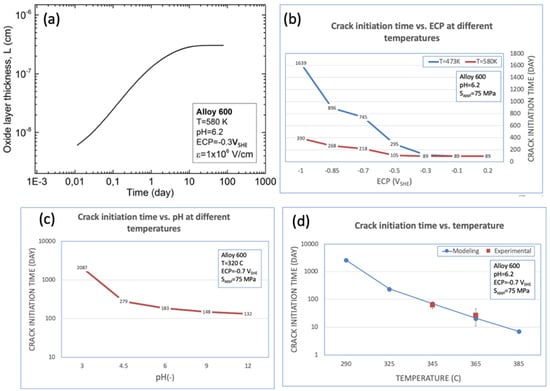
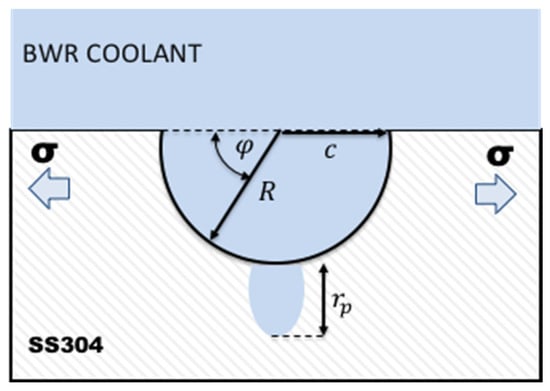
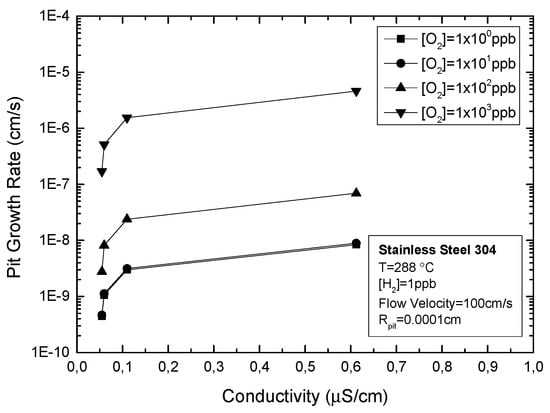
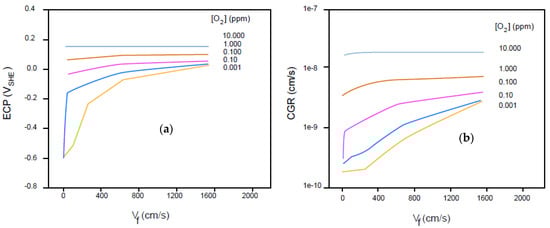
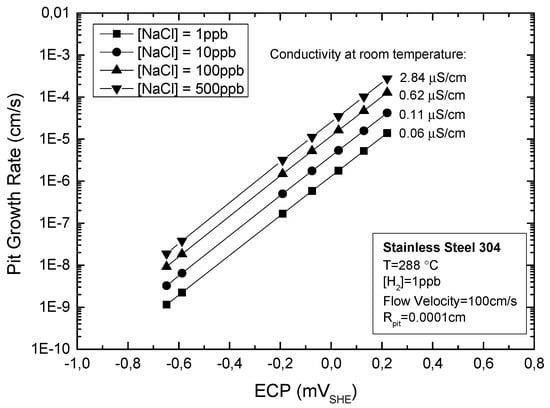
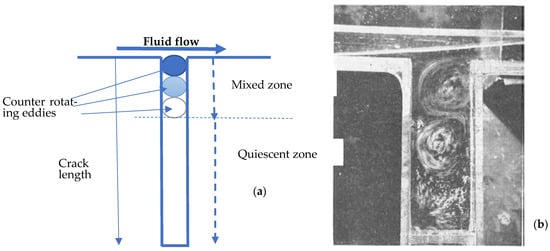
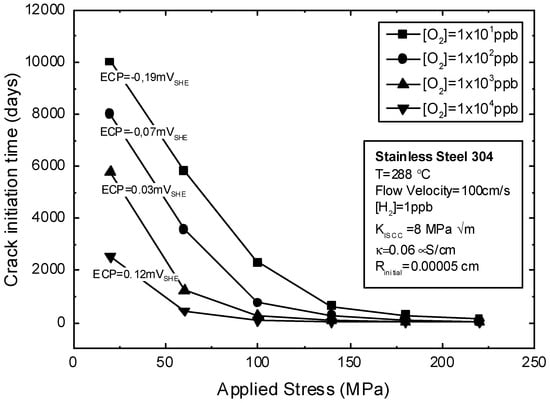
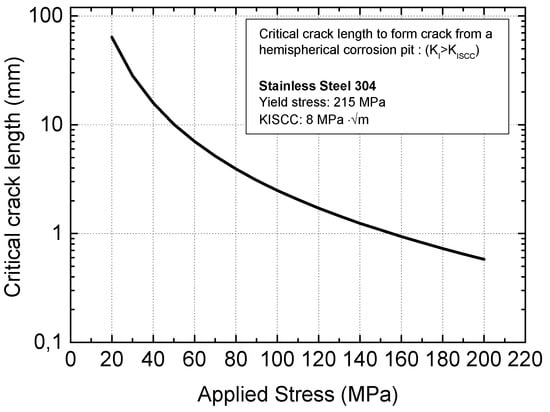
Models are described for calculating the crack initiation times for Alloy 600 and Type 304 SS in PWR and BWR primary coolant circuits, respectively. In PWRs, initiation is defined in terms of the grain boundary oxidation concept of Scott and Le Calvar, whereas in BWRs, cracks are envisioned to nucleate from corrosion pits. In contrast, in BWRs, we envision cracks to nucleate from corrosion pits, with the difference in the two systems being primarily due to electrochemical factors. Thus, in BWR primary coolant and the absence of hydrogen water chemistry (HWC), the oxidizing conditions due to the radiolytic production of H2O2 cause the ECP to be significantly more positive than the critical pitting potential. Accordingly, the nucleation and growth of pits due to passivity breakdown and the establishment of differential aeration between the pit nucleus’s internal and external environments, which results in growth of pits to the critical size necessary to satisfy the Kondo criteria for transition of a pit into a crack, is judged to be a realistic scenario. Contrariwise, in PWR primary coolant, the ECP is so negative [≈−1.0 Vshe] due to the large amount of pressurizing H2 present in the circuit [20–60 cm3(STP)/kg H2O] that the nucleation and growth of pits is not possible. However, Totsuka and Smialowska found that MA Alloy 600 suffers hydrogen-induced cracking (HIC) at an ECP < −0.85 Vshe, demonstrating that, in service with a high hydrogen concentration, brittle fractures will occur. The initiation sites were not identified. The crack initiation models for Alloy 600 in PWRs and Type 304 SS in BWRs reproduce the effects of the following independent variables: applied stress, temperature, cold work, grain boundary segregations, water chemistry, pH, and electrochemical potential. The origins of the observed scatter in experimentally measured crack initiation times are discussed, and the challenges of developing a more general crack initiation model (GCIM) are identified. From a mathematical viewpoint, the most significant challenge arises from the nested distributions involving the many parameters and expressions within the GCIM that are either distributed because of an imprecise definition or because some experimentally determined input parameters are experimentally scattered. Additionally, the evolution of semi-elliptical surface cracks resulting from the electrochemical crack length (ECL) being shorter than the classical mechanical crack length (MCL) must be incorporated if the GCIM is to find utility in the water-cooled nuclear power industry where semi-elliptical surface cracks are normally observed.
Full article
(This article belongs to the Special Issue Corrosion Mechanisms and Electrochemical Interfaces: In Honor of Prof. Digby Macdonald)
►▼
Show Figures

Figure 1
Open AccessCorrection
Correction: Alqahtani et al. The Corrosion Inhibition Effect of Salpn Schiff Base on Low-Carbon Steel in a Hydrochloric Acid Environment: An Integrated Study Combining Laboratory Experiments and Computational Modeling. Corros. Mater. Degrad. 2026, 7, 16
by
Huda Alqahtani, Amal El Tohamy, Ahmed Aboelmagd, Salah Rashwan, Abdel Aziz Fouda and Medhat Kamel
Corros. Mater. Degrad. 2026, 7(2), 26; https://doi.org/10.3390/cmd7020026 - 21 Apr 2026
Abstract
►▼
Show Figures
In the original publication [...]
Full article

Figure 6
Open AccessArticle
Corrosion–Cavitation Behaviour of the Extra-Low-Lead Brass CB773S in Marine Environments
by
Lourdes Merino-Galván and María V. Biezma-Moraleda
Corros. Mater. Degrad. 2026, 7(2), 25; https://doi.org/10.3390/cmd7020025 - 13 Apr 2026
Abstract
This study analyses the behaviour of brass CB773S with extra-low-lead content in relation to corrosion and the corrosion–cavitation phenomenon. Electrochemical corrosion tests, both potentiodynamic and potentiostatic, as well as corrosion–cavitation tests, were conducted. Various potentials were applied to brass, alongside cavitation generated by
[...] Read more.
This study analyses the behaviour of brass CB773S with extra-low-lead content in relation to corrosion and the corrosion–cavitation phenomenon. Electrochemical corrosion tests, both potentiodynamic and potentiostatic, as well as corrosion–cavitation tests, were conducted. Various potentials were applied to brass, alongside cavitation generated by an ultrasonic bath. Artificial seawater and artificial brackish water were used as electrolytes. Surface damage was evaluated using a stereo microscope and scanning electron microscopy. The results indicate that the interfaces between alpha and beta phases of brass serve as preferential sites for the nucleation and collapse of vapour bubbles under cavitation conditions, leading to a deep pitting, especially in artificial brackish water under this synergy. Susceptibility to a selective corrosion of the Zn-rich phase was observed, highly dependent on the test solution, as well as on the applied potential during the tests. The corrosion–cavitation synergistic damage was strongly dependent on the electrochemical parameters, particularly the applied potential, which plays a key role under cathodic protection conditions. In general, it can be concluded that low-lead brass behaviour is governed by a complex interaction between applied potential, electrolyte chemistry, microstructure, and mechanical effect. These findings provide valuable insights into brass’s performance under service conditions where corrosion and cavitation may appear simultaneously in marine environments.
Full article
Open AccessArticle
Corrosion of Extruded WE43, Mg10Gd, and ZX10: Correlation of Morphology and Stress Mapping to Residual Strength Using µCT and DIC
by
Agathi Dimakopoulou, Markus Brand, Jan Bohlen and Petra Maier
Corros. Mater. Degrad. 2026, 7(2), 24; https://doi.org/10.3390/cmd7020024 - 10 Apr 2026
Abstract
For the corrosion behavior of three extruded Mg alloys (WE43, Mg10Gd, ZX10), the corrosion morphology and the resulting local stress distribution are correlated with the residual strength using µCT, Digital Image Correlation and tensile tests. Samples are corroded in HBSS at 37 °C
[...] Read more.
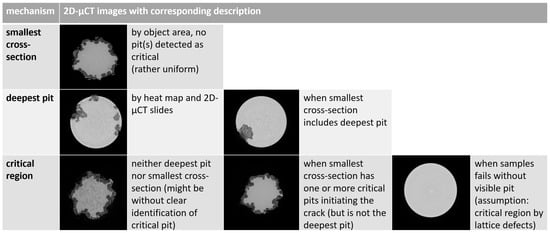
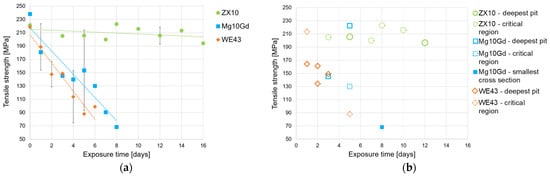
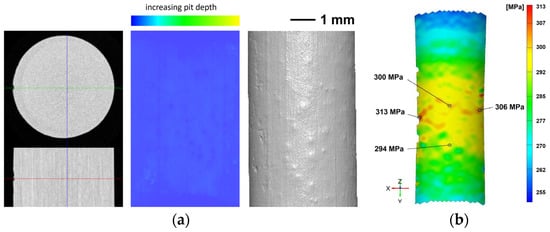
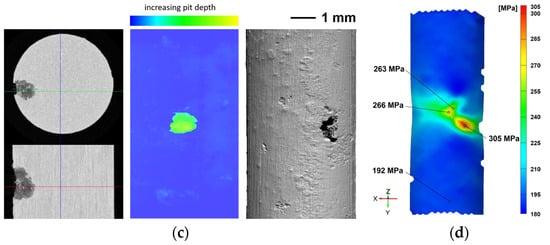
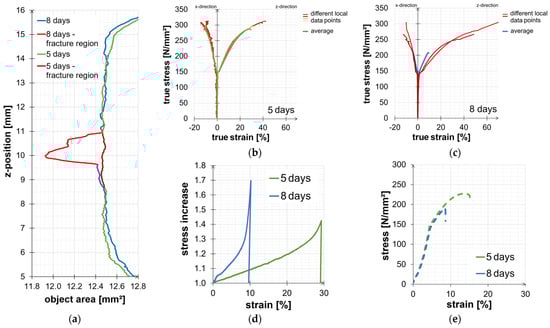
For the corrosion behavior of three extruded Mg alloys (WE43, Mg10Gd, ZX10), the corrosion morphology and the resulting local stress distribution are correlated with the residual strength using µCT, Digital Image Correlation and tensile tests. Samples are corroded in HBSS at 37 °C for various exposure times to increase the extent of corrosion. They are then examined by using the gravimetric method to determine the corrosion rate. Corroded tensile samples are subjected to µCT analysis before and after tensile testing. The crack formation originating from pitting corrosion is discussed on the basis of the stress distribution around local corrosion—its extent is clearly influenced on the morphology. µCT analyses reveals that fractures occur in different ways, either at the smallest cross section, at isolated deep pitting sites, or in other critical areas with critical pitting quantity or size. Mg10Gd has a slightly higher strength compared to WE43 and ZX10. ZX10 maintains superior residual strength over time. Pitting corrosion is mainly observed in Mg10Gd and WE43, with different degrees of residual strength. This study allows for a better understanding and prediction of critical areas of non-uniform corroded Mg alloys and provides information on the bearable stress concentration.
Full article
(This article belongs to the Special Issue Advances in Material Surface Corrosion and Protection)
►▼
Show Figures

Figure 1
Open AccessArticle
Detection of Pitting Corrosion in Stainless-Steel Sheet Pile Walls Using Deep Learning
by
Tetsuya Suzuki, Norihiro Otaka, Kazuma Shibano, Yuji Fujimoto and Taiki Hagiwara
Corros. Mater. Degrad. 2026, 7(2), 23; https://doi.org/10.3390/cmd7020023 - 7 Apr 2026
Abstract
►▼
Show Figures
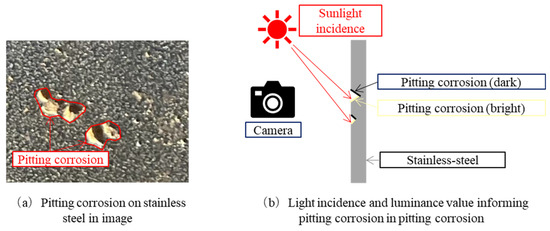
This study proposes a new deep learning-based approach for detecting pitting corrosion on stainless-steel sheet pile surfaces in drainage channels. Conventional ultrasonic thickness measurement methods cannot detect microscopic pitting corrosion that occurs before measurable thickness reduction. The research develops an automated detection system
[...] Read more.
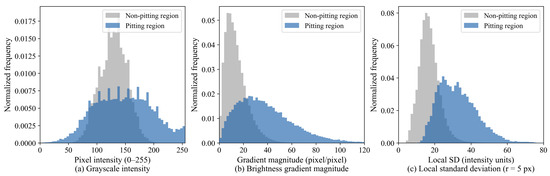
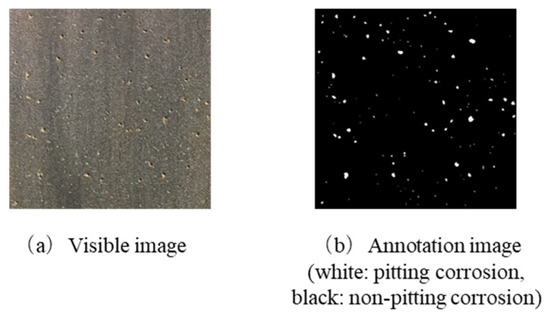
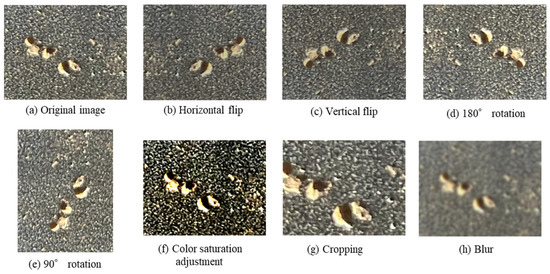
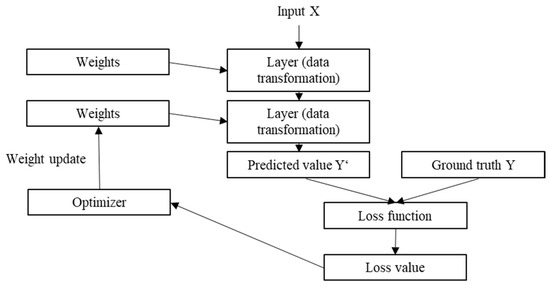
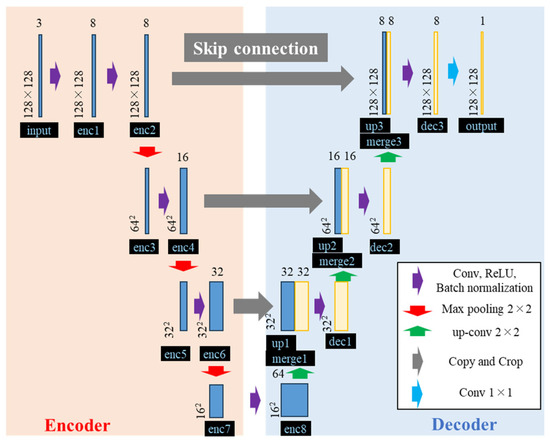
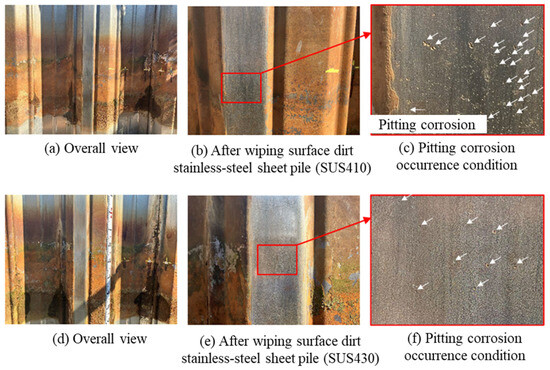
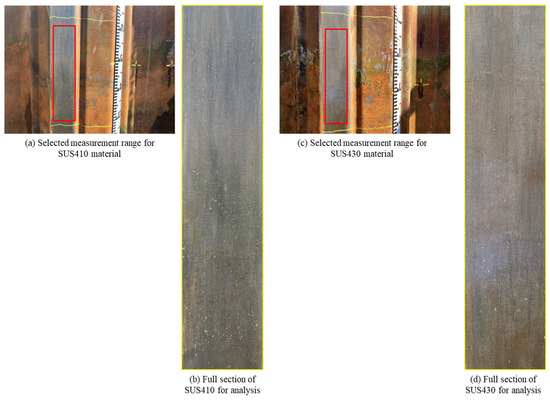
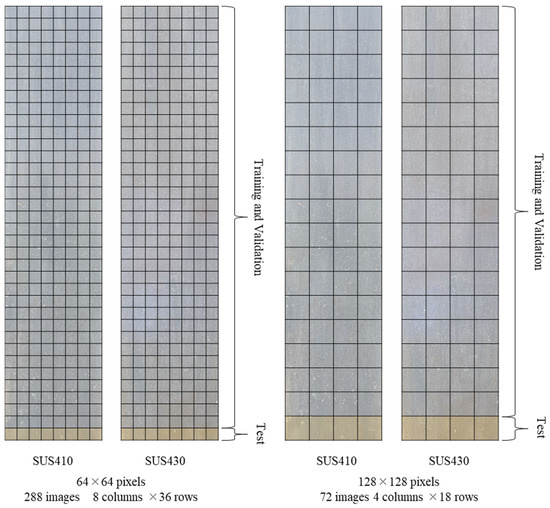
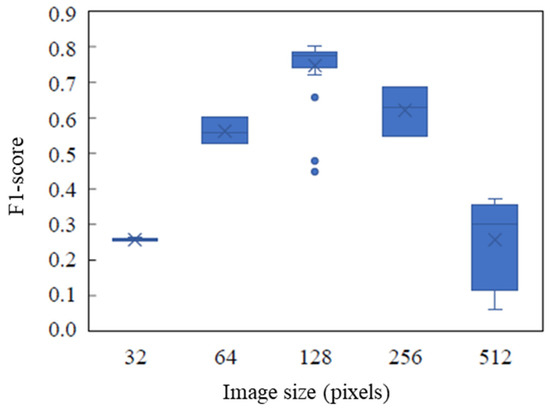
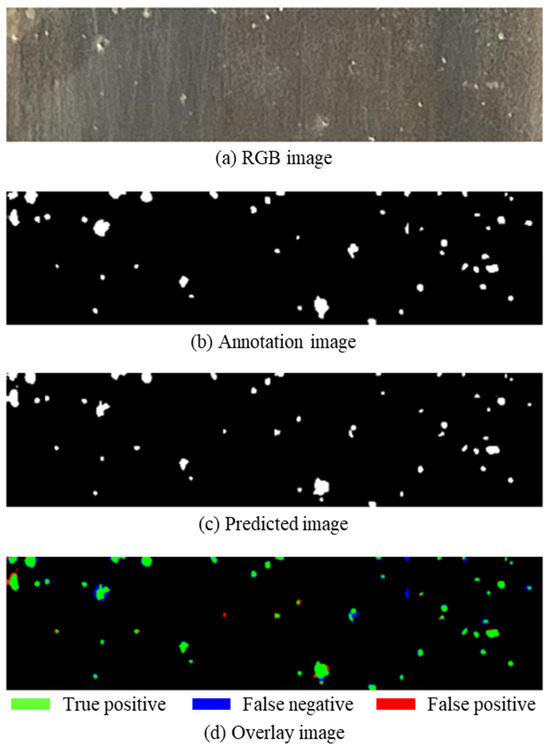
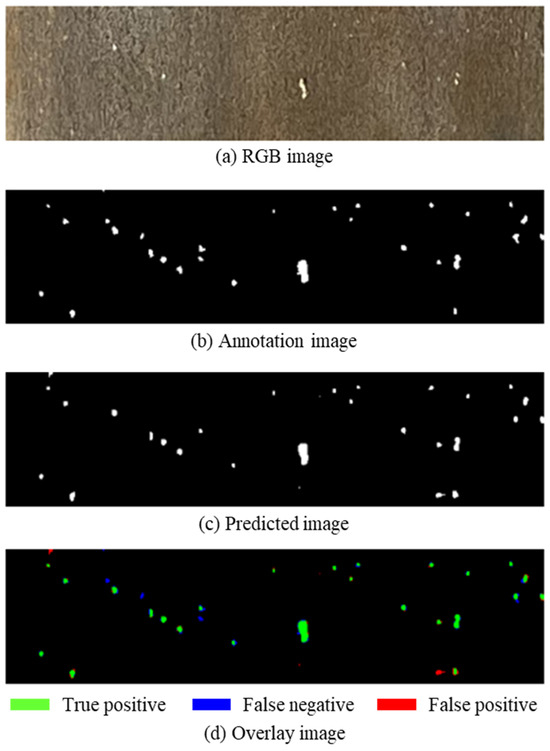
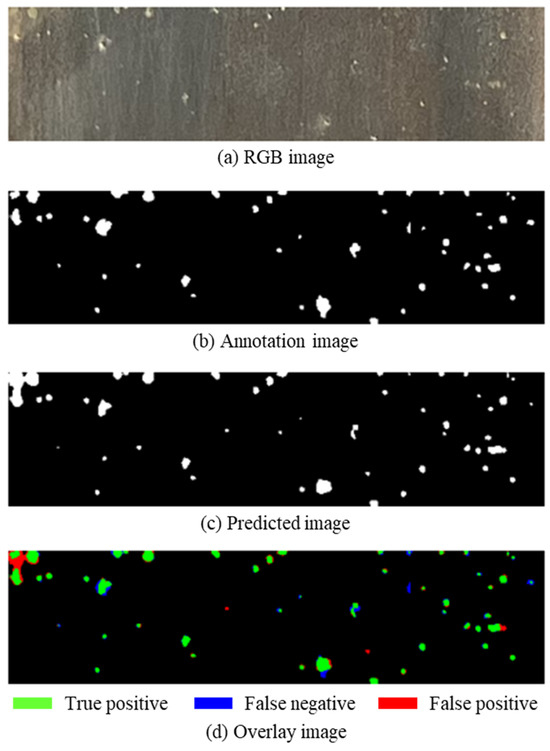
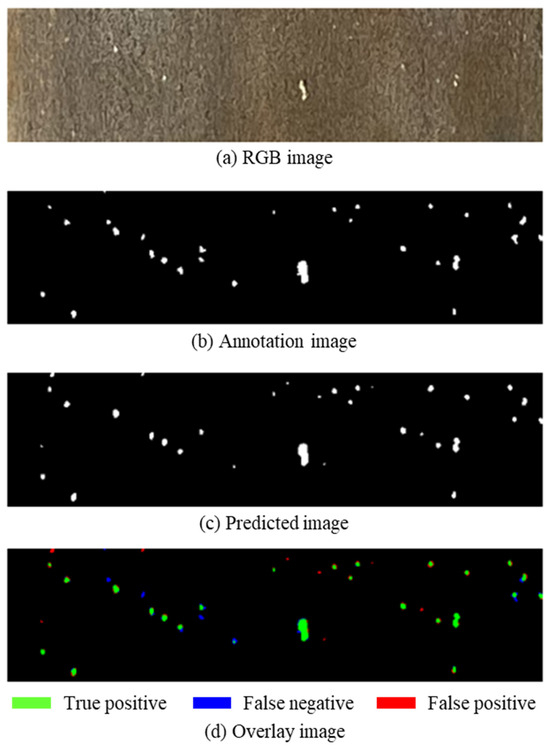
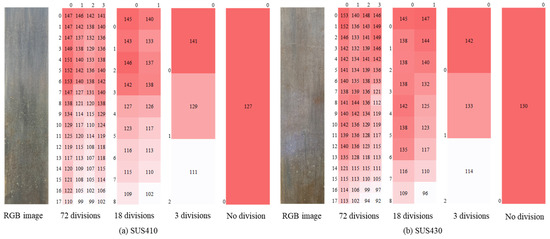
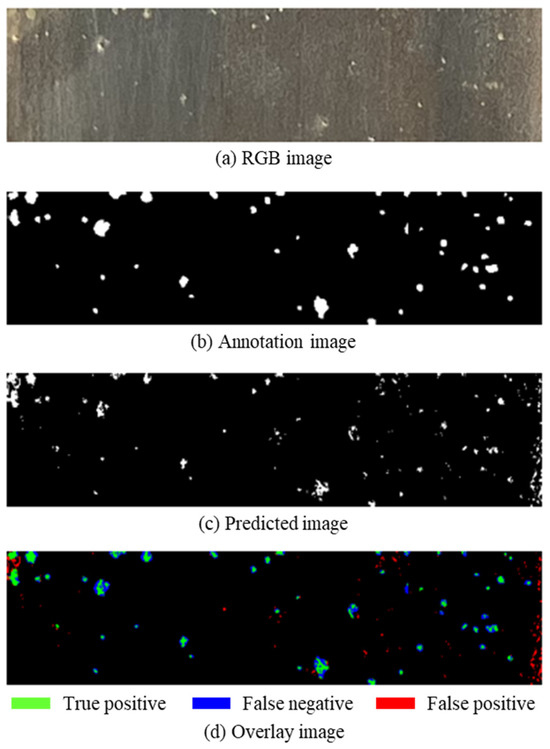
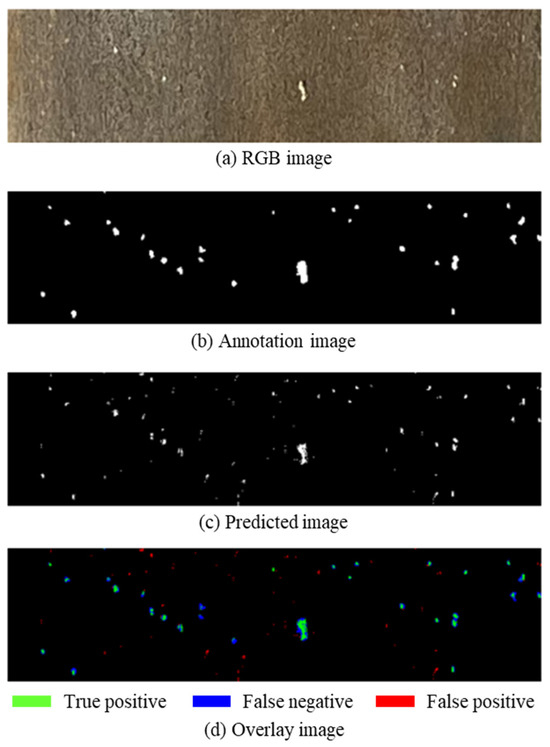
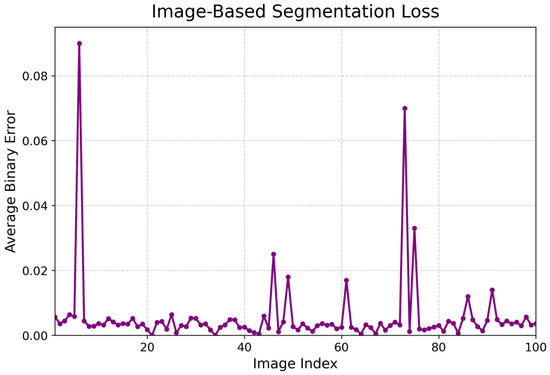
This study proposes a new deep learning-based approach for detecting pitting corrosion on stainless-steel sheet pile surfaces in drainage channels. Conventional ultrasonic thickness measurement methods cannot detect microscopic pitting corrosion that occurs before measurable thickness reduction. The research develops an automated detection system using visible images captured with smartphone cameras and U-net semantic segmentation. Two stainless steel grades (SUS410 and SUS430) were exposed for 5 years to a brackish water environment and analyzed. The deep learning approach achieved F1-scores of 0.831 (SUS410) and 0.808 (SUS430), outperforming binary thresholding methods (F1-scores: 0.407 and 0.329, respectively). Data augmentation improved performance by 1–3 percentage points. The method enabled non-destructive, quantitative assessment of early-stage corrosion using readily available equipment, providing a practical tool for infrastructure maintenance and long-term durability evaluation.
Full article
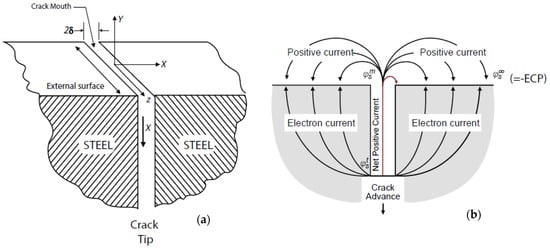
Figure 1
Open AccessArticle
Event-Based Evaluation of Short-Term Wettability Degradation of RTV Nanocomposite-Coated 150 kV Ceramic Insulators Under Tropical Flashover Stress
by
Yusreni Warmi, Nofriady Handra, Agus Sukarto Wismogroho, Syukri Syukri, Sitti Amalia, Andi M. Nur Putra, Hamdi Habdillah, Martini Martini and Muhammad Naufalun Nabil
Corros. Mater. Degrad. 2026, 7(2), 22; https://doi.org/10.3390/cmd7020022 - 30 Mar 2026
Abstract
►▼
Show Figures
Flashover events can induce rapid surface condition changes on outdoor ceramic insulators, while early-stage degradation is typically assessed indirectly through long-term ageing or electrical diagnostics. This study proposes an event-based, surface-focused evaluation framework to assess short-term flashover-induced surface degradation using normalized wettability indicators.
[...] Read more.
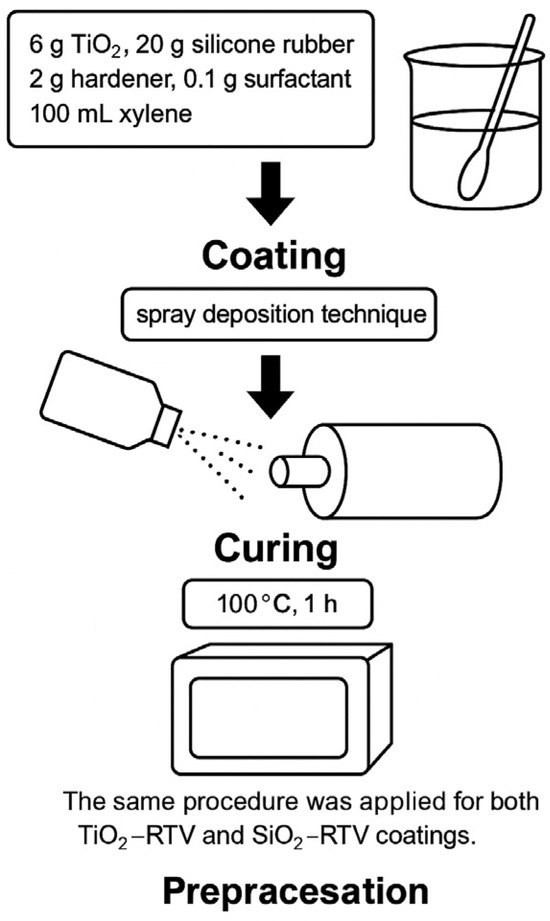
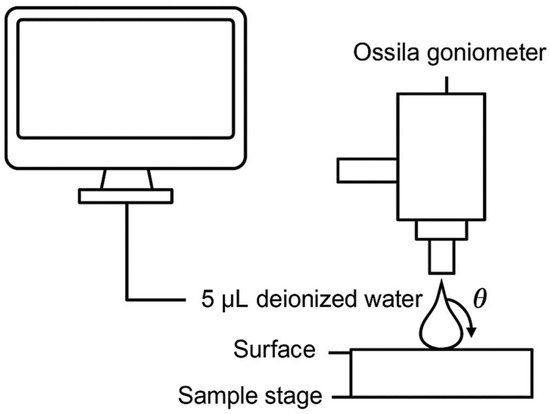
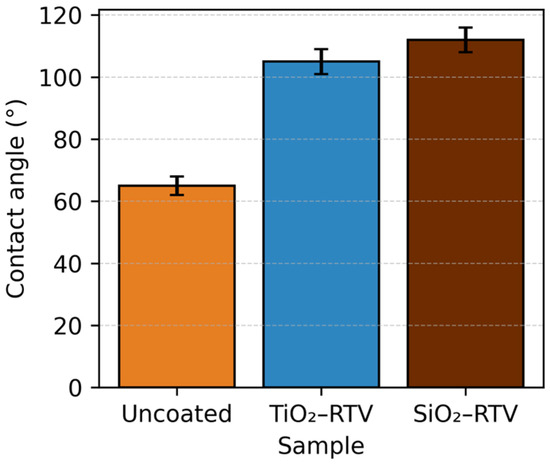
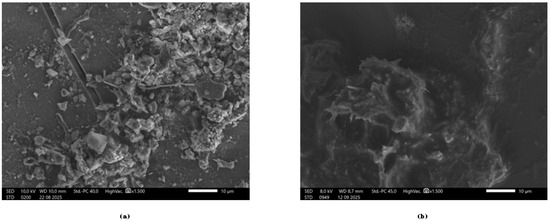
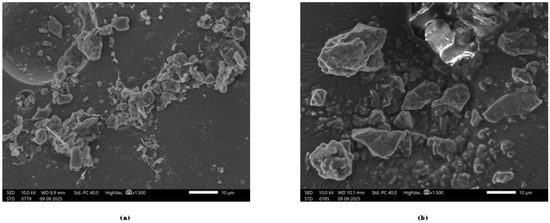
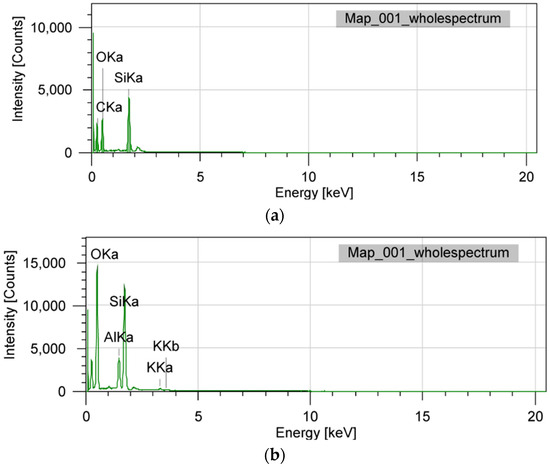
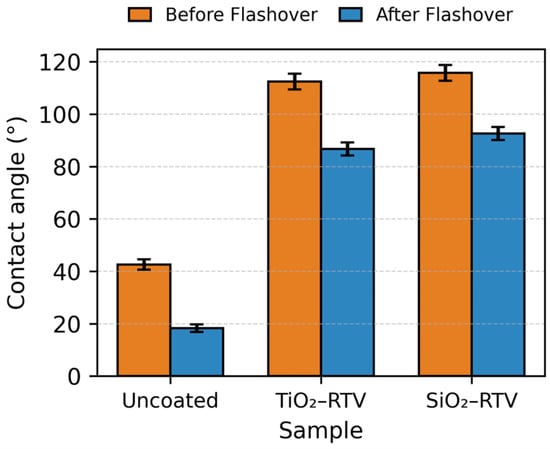
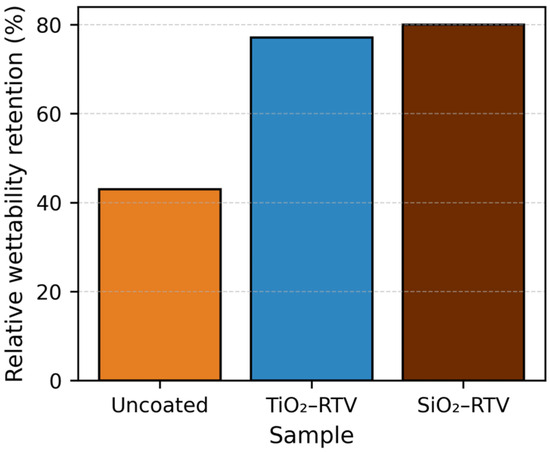
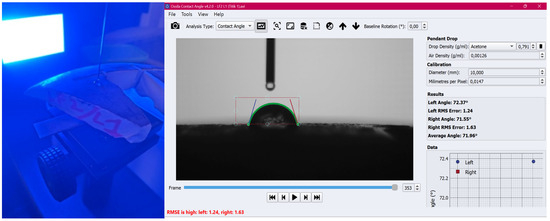
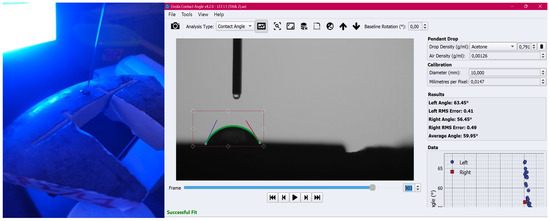
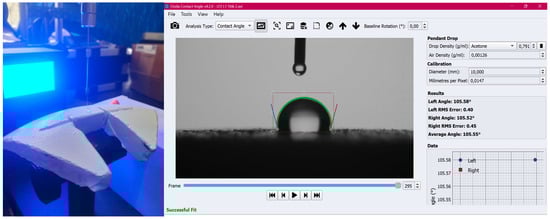
Flashover events can induce rapid surface condition changes on outdoor ceramic insulators, while early-stage degradation is typically assessed indirectly through long-term ageing or electrical diagnostics. This study proposes an event-based, surface-focused evaluation framework to assess short-term flashover-induced surface degradation using normalized wettability indicators. A controlled experimental comparison was conducted on uncoated, TiO2-RTV-coated, and SiO2-RTV-coated 150 kV ceramic insulators subjected to a single flashover pre-stress under humid tropical conditions. Static contact angles decreased from 42.6° to 18.3° for uncoated ceramic, from 112.4° to 86.7° for TiO2-RTV, and from 115.8° to 92.6° for SiO2-RTV after flashover exposure. The corresponding relative wettability retention values were 43.0%, 77.1%, and 80.0%, while the wettability degradation index values were 0.57, 0.23, and 0.20, respectively. Surface morphology and elemental presence were qualitatively examined via SEM–EDS. The results show that both nanocomposite coatings effectively preserve post-flashover surface hydrophobicity compared with uncoated ceramics, with the SiO2-RTV system exhibiting the highest short-term wettability retention. By integrating static contact-angle measurements, qualitative surface morphology, and normalized wettability indicators, this study proposes an event-based evaluation framework for RTV-coated ceramic insulators. Flashover-voltage and leakage-current measurements were included only as supplementary validation to support the surface-based interpretation, without implying direct electrical performance modeling. This surface-focused, event-based approach provides an experimental basis for post-flashover condition assessment of ceramic insulators operating in humid outdoor environments.
Full article
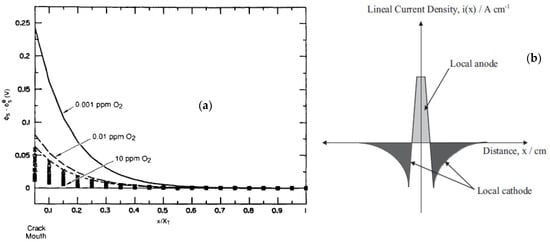
Figure 1
Open AccessArticle
Detection of Uniform Corrosion in Steel Pipes Using a Mobile Artificial Vision System
by
Rafael Antonio Rodríguez Ospino, Cristhian Manuel Durán Acevedo and Jeniffer Katerine Carrillo Gómez
Corros. Mater. Degrad. 2026, 7(1), 21; https://doi.org/10.3390/cmd7010021 - 20 Mar 2026
Abstract
►▼
Show Figures
Corrosion in steel pipelines can cause critical failures in industrial systems, while conventional inspection methods such as radiography and ultrasonic testing are costly and require specialized personnel. This study presents a mobile computer vision system for automated corrosion detection inside steel pipes using
[...] Read more.
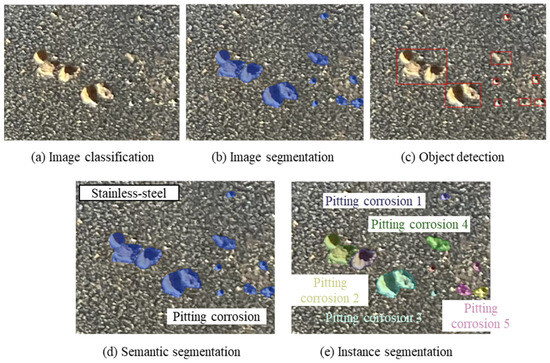
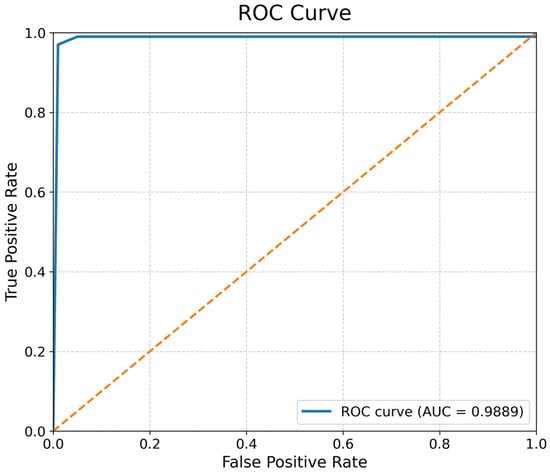
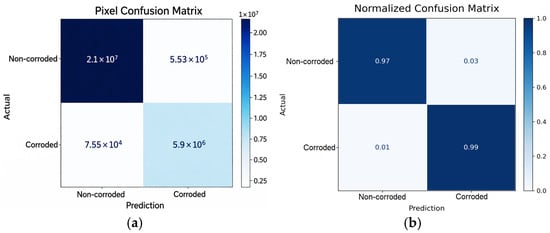
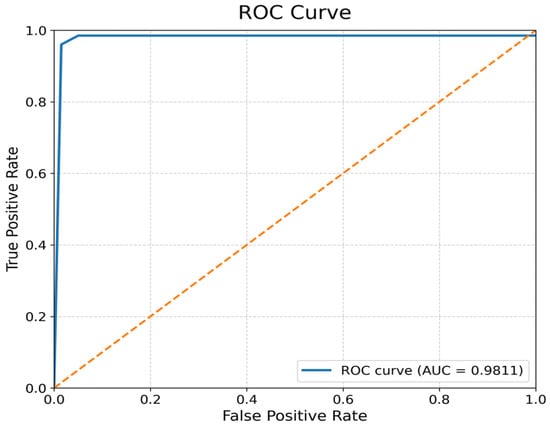
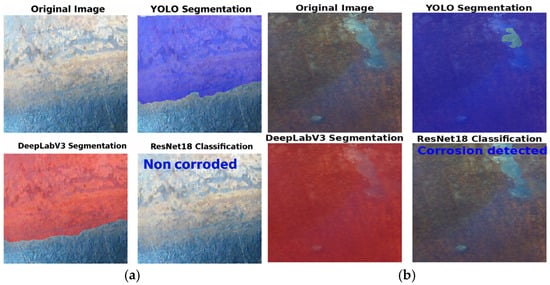
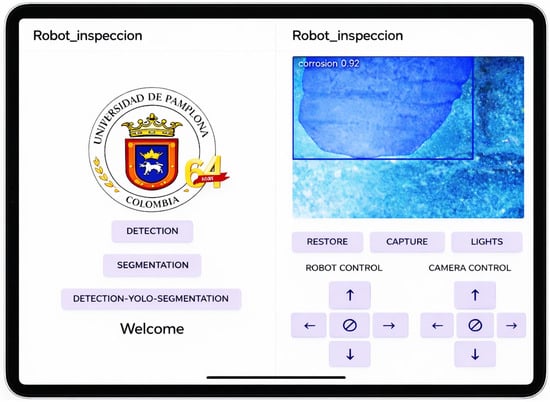
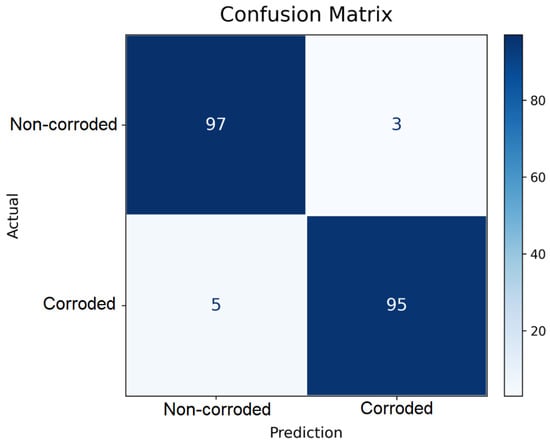
Corrosion in steel pipelines can cause critical failures in industrial systems, while conventional inspection methods such as radiography and ultrasonic testing are costly and require specialized personnel. This study presents a mobile computer vision system for automated corrosion detection inside steel pipes using deep learning-based visual analysis. The proposed system consists of a Raspberry Pi 4-based mobile robot equipped with a high-resolution camera for internal inspection. Acquired images were processed using color-space transformations (RGB–HSV), filtering, and segmentation. Convolutional neural networks and semantic segmentation models, including YOLOv8-seg (Instance segmentation) and DeepLabV3 (Semantic segmentation), were trained on a custom corrosion image dataset to identify corroded regions. Real-time visualization was implemented via Flask-based video streaming. Experimental results demonstrated high detection accuracy for uniform corrosion, achieving a mean Intersection over Union (mIoU) above 0.98 and a precision of 0.99 with the YOLOv8-seg model. These results indicate that the proposed system enables reliable and automated corrosion inspection, with the potential to reduce inspection costs and improve operational efficiency. Future work will focus on enhancing real-time performance through hardware optimization.
Full article
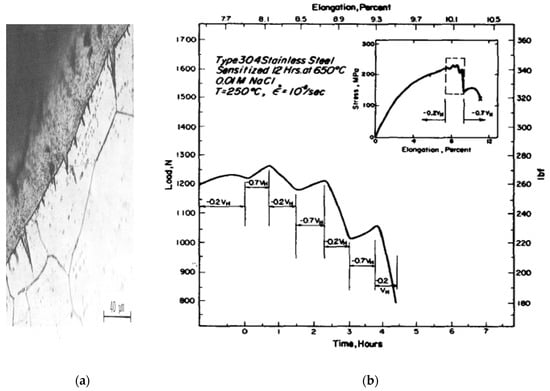
Figure 1
Open AccessArticle
Chemical Equilibrium Fracture Mechanics—Hydrogen-Induced Crack Growth Initiation
by
Andreas G. Varias
Corros. Mater. Degrad. 2026, 7(1), 20; https://doi.org/10.3390/cmd7010020 - 17 Mar 2026
Abstract
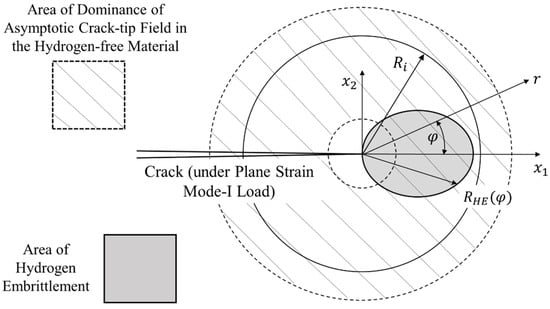
Hydrogen-induced crack growth initiation, in metallic structures, is studied under constant temperature and chemical equilibrium, by employing Chemical Equilibrium Fracture Mechanics (CEFM). The conditions of small-scale, contained and large-scale hydrogen embrittlement are introduced and the areas of material deterioration, together with the distributions
[...] Read more.
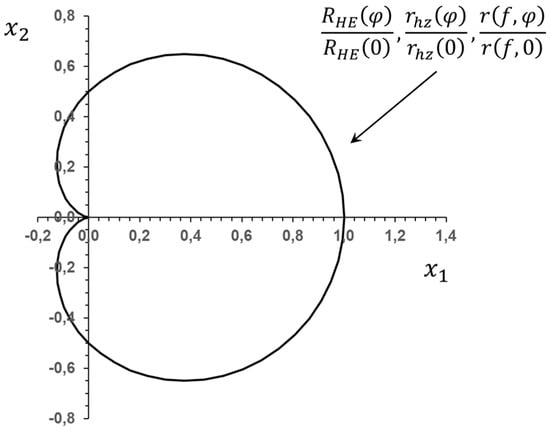
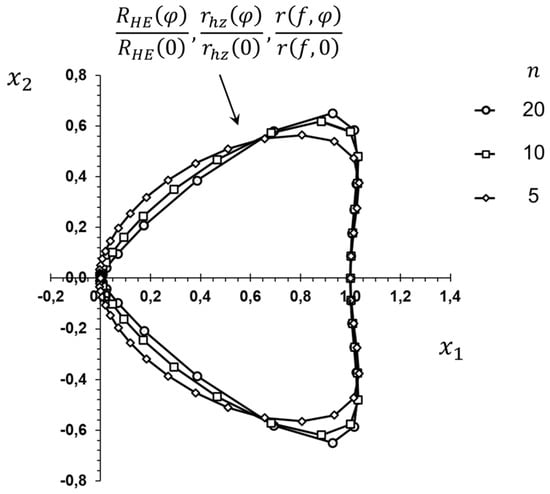
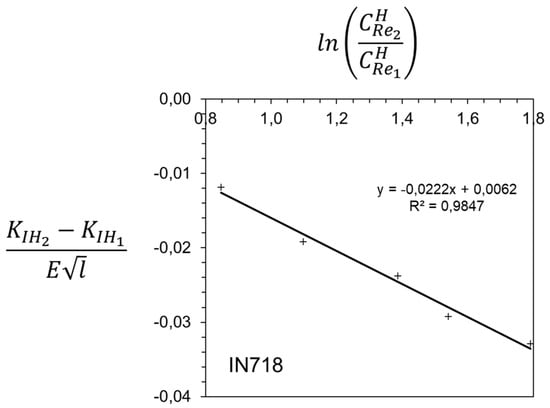
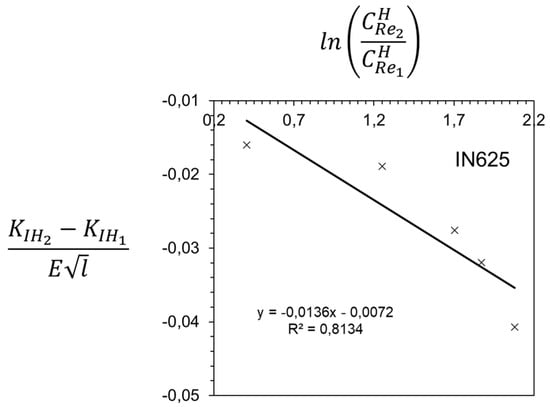
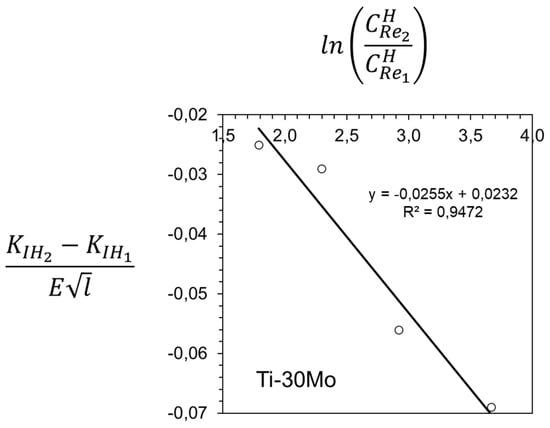
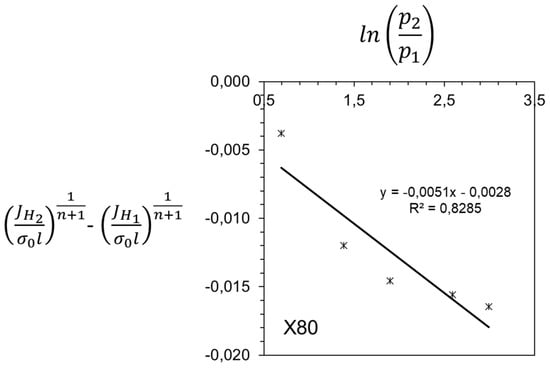
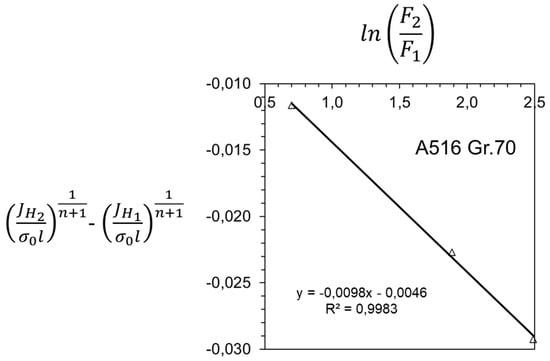
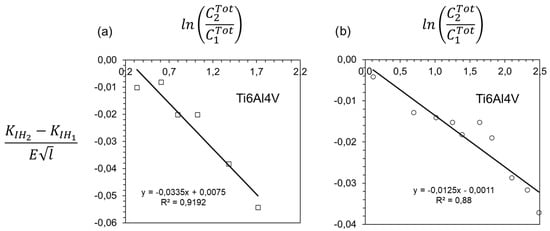
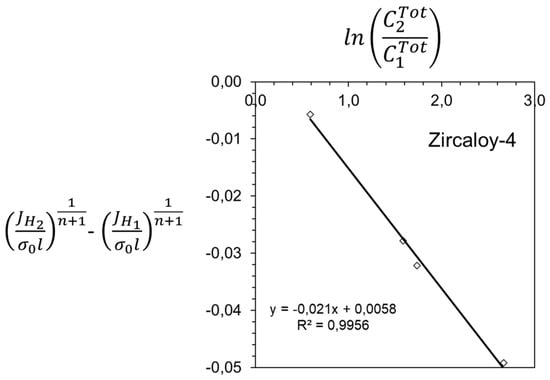
Hydrogen-induced crack growth initiation, in metallic structures, is studied under constant temperature and chemical equilibrium, by employing Chemical Equilibrium Fracture Mechanics (CEFM). The conditions of small-scale, contained and large-scale hydrogen embrittlement are introduced and the areas of material deterioration, together with the distributions of stress and hydrogen concentration, including hydride volume fraction, are derived analytically. It is shown that the shape of the material deterioration zone is identical for embrittlement caused either by hydrogen in solid solution or by hydride precipitation; the size depends on the strength of the asymptotic crack-tip field, which develops by the mechanical loading in the hydrogen-free structure, as well as on the average hydrogen content absorbed by the structure. It is also shown that a linear relation exists between a power of the threshold of crack-growth initiation and the logarithm of hydrogen content, depending on the extent of hydrogen embrittlement and material elastic-plastic deformation. These linearity trends, which are derived by the present analysis, are confirmed by published experimental fracture mechanics measurements on several non-hydride- and hydride-forming alloys, including α/β hydride-forming alloys. The present study promotes structural integrity assessments, without reliance on complicated coupled numerical analysis of material deformation, hydrogen diffusion and hydride precipitation.
Full article
(This article belongs to the Special Issue Hydrogen Embrittlement of Modern Alloys in Advanced Applications)
►▼
Show Figures

Figure 1
Open AccessArticle
Corrosion Resistance of Electrodeposited Zn-Fe-Cr Coatings on Sintered Nd-Fe-B
by
Rujian Chen, Chuanxiao Peng, Xianrui Wang, Mingxu Wang, Jiali Cui, Yuanjun Zhou and Li Wang
Corros. Mater. Degrad. 2026, 7(1), 19; https://doi.org/10.3390/cmd7010019 - 16 Mar 2026
Abstract
►▼
Show Figures
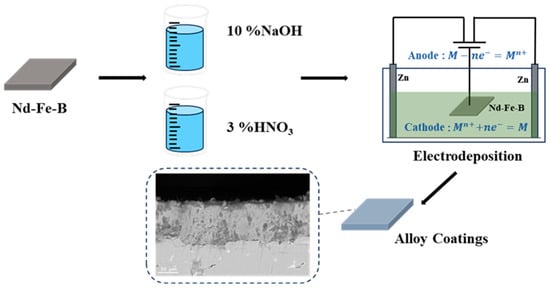
Zn-Fe-Cr coatings were successfully deposited on sintered Nd-Fe-B matrix through the addition of the complexing agent etidronic acid (HEDP) to the plating solution; the electrodeposited process of the metal elements and the corrosion behavior of the coatings were also investigated. Through cyclic voltammetry
[...] Read more.
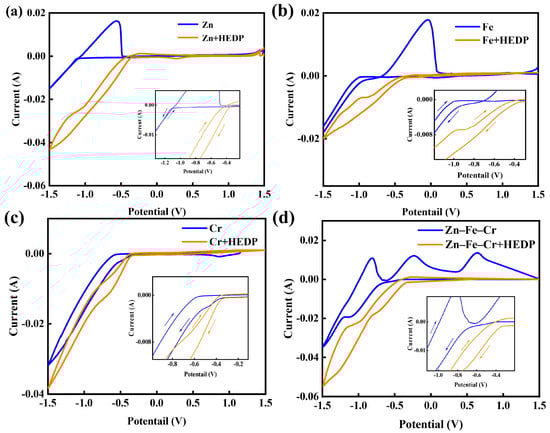
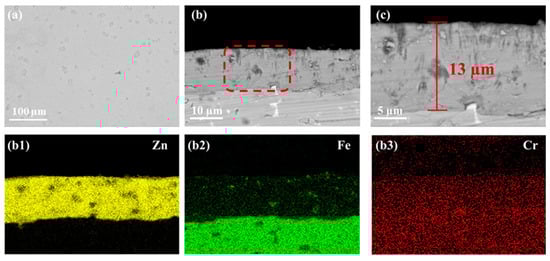
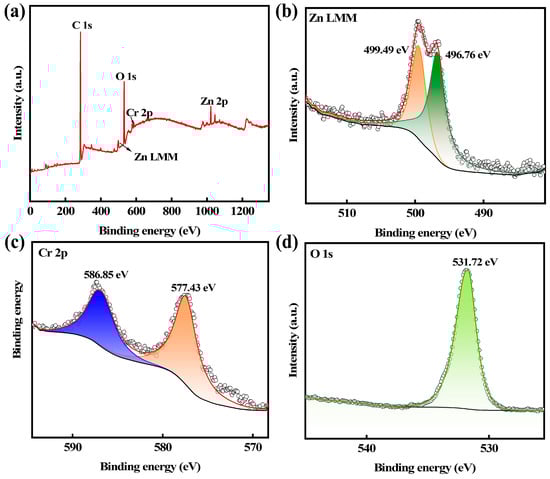
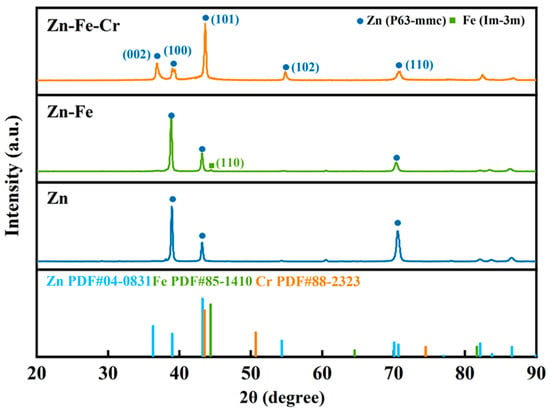
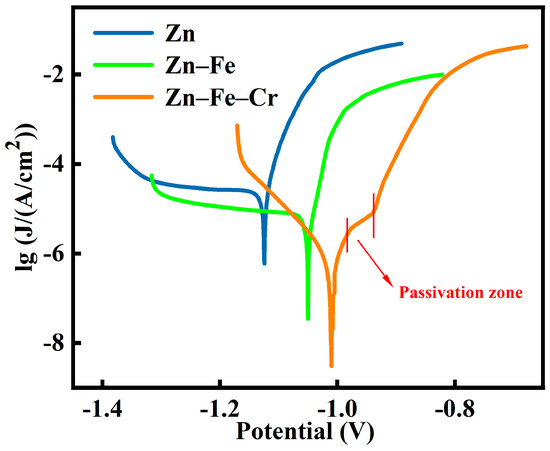
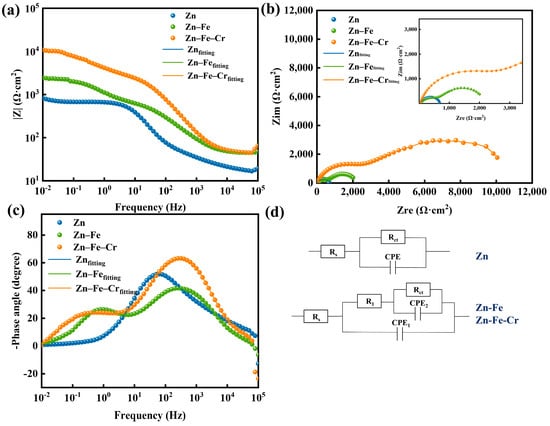
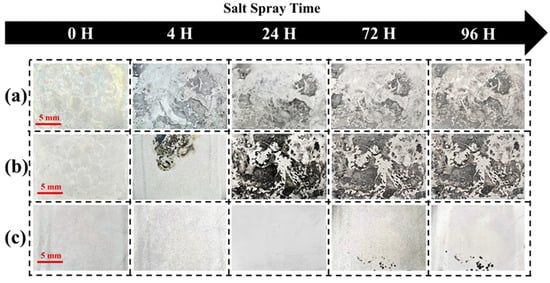
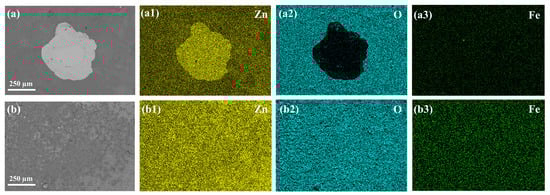
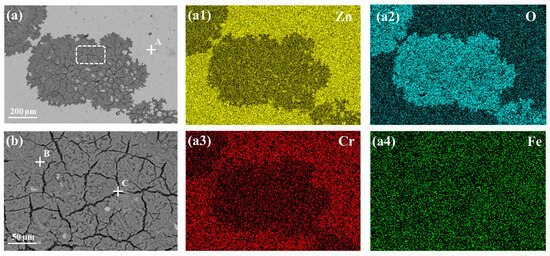
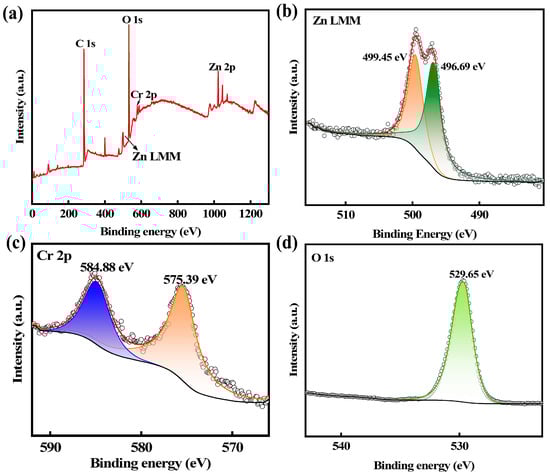
Zn-Fe-Cr coatings were successfully deposited on sintered Nd-Fe-B matrix through the addition of the complexing agent etidronic acid (HEDP) to the plating solution; the electrodeposited process of the metal elements and the corrosion behavior of the coatings were also investigated. Through cyclic voltammetry (CV) tests, it was observed that the reduction potential difference between the metal elements was reduced by the addition of HEDP, which contributed to a more feasible electrodeposited process. The surface of Zn-Fe-Cr coating was covered by a chromate conversion film, and its microstructure was identified as the solid solution of Fe and Cr in Zn matrix. Compared with Zn and Zn-Fe coatings, the corrosion current density (Jcorr) of Zn-Fe-Cr coating was decreased to 0.28 × 10⁻⁶ A·cm−2, and the corrosion potential (Ecorr) was increased to −1.01 V. Compared with the Zn and Zn-Fe coatings, the corrosion rate of the Zn-Fe-Cr coating has decreased by 90% and 98%, respectively. The corrosion resistance of coatings was further analyzed by neutral salt spray tests (NSS), and the analysis results showed that a composite oxide layer, composed of ZnO and Cr2O3, was formed in the corroded area of Zn-Fe-Cr coating during the corrosion process, which is capable of effectively inhibiting the expansion of the corrosion area. This research provides a promising strategy for ensuring the long-term service integrity of sintered Nd-Fe-B materials in marine environments.
Full article
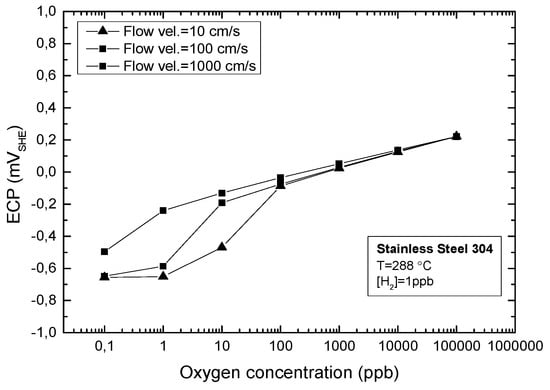
Figure 1
Open AccessArticle
Hydrogen Embrittlement Risk Analysis of Drill Pipes During Gas Kick and Throttling Circulation in Deep Well Drilling of Tarim Oilfield: A Case Study
by
Pengcheng Wang, Kun Li, Haiqing Guo, Jianwei Di, Yongde Zhang, Faling Yin and Yonghai Gao
Corros. Mater. Degrad. 2026, 7(1), 18; https://doi.org/10.3390/cmd7010018 - 16 Mar 2026
Abstract
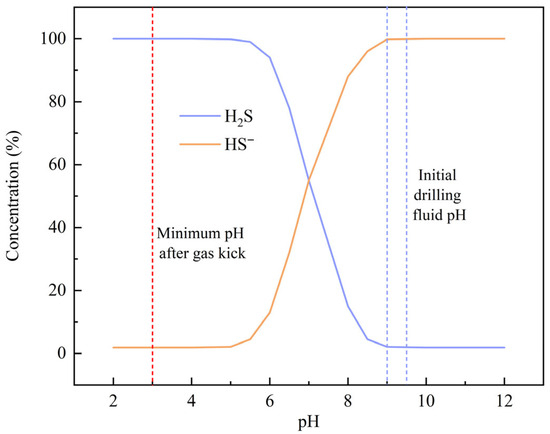
When a H2S-containing gas kick occurs during drilling, the formation fluid containing hydrogen sulfide is mixed into the drilling fluid. Drilling fluid containing hydrogen sulfide is prone to causing hydrogen embrittlement when it comes into contact with the drill string during
[...] Read more.
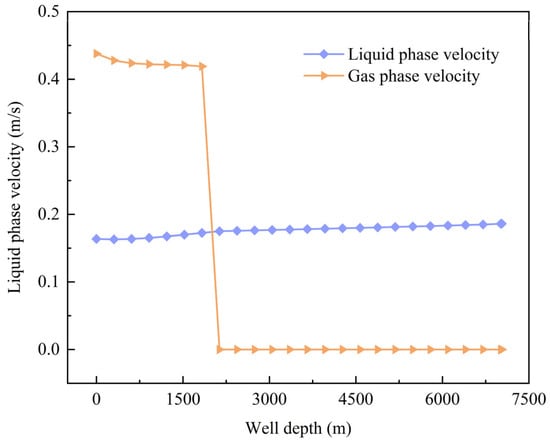
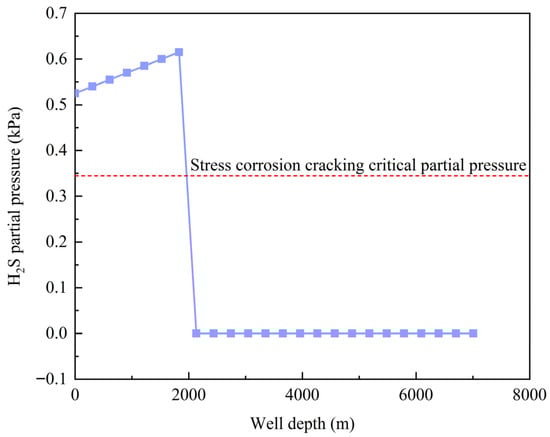
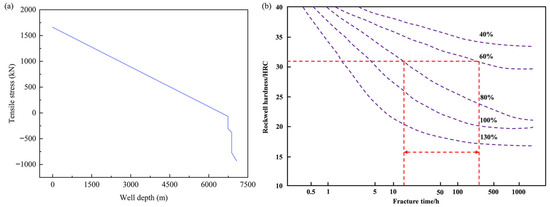
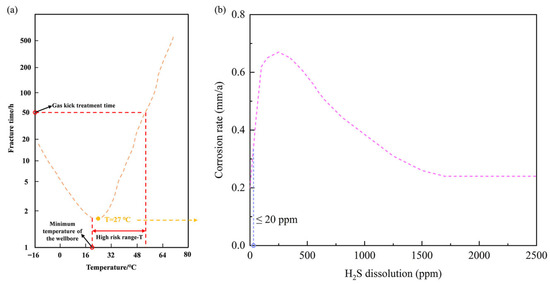
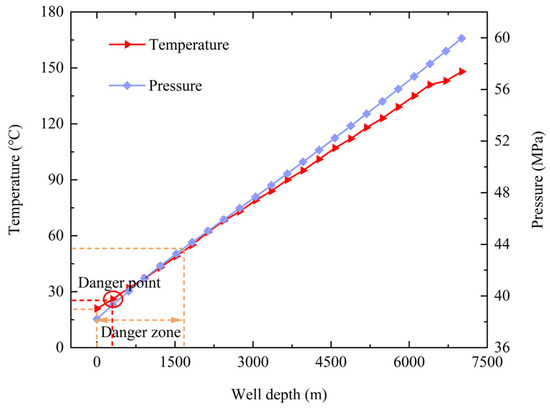
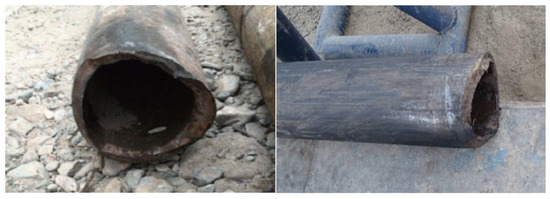
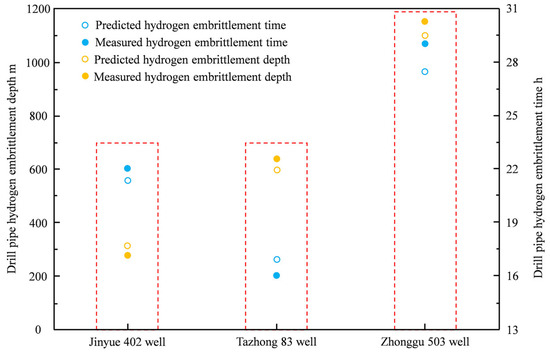
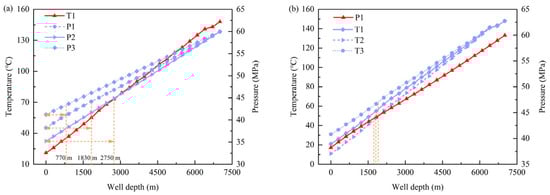
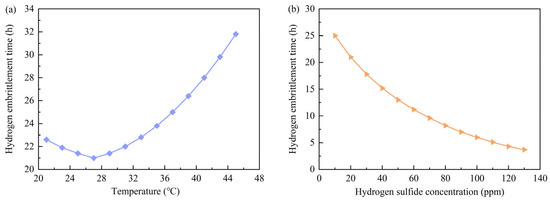
When a H2S-containing gas kick occurs during drilling, the formation fluid containing hydrogen sulfide is mixed into the drilling fluid. Drilling fluid containing hydrogen sulfide is prone to causing hydrogen embrittlement when it comes into contact with the drill string during the upward return process. However, research on the risk and timing of hydrogen embrittlement in drill pipes remains limited. This study constructed a risk area and hydrogen embrittlement time analysis model. The risk area and time of hydrogen embrittlement in the drill pipe of the Jinyue 402 well in Tarim Oilfield were analyzed using the constructed model. The results indicate that the concentration of hydrogen sulfide in the Jinyue 402 well is in the area where the corrosion rate of steel increases rapidly, and the partial pressure of hydrogen sulfide is higher than the critical partial pressure at which corrosion cracking occurs. Taking into account the pH of the drilling fluid, fluid flow rate, hydrogen sulfide partial pressure, drill pipe tensile stress, hydrogen sulfide concentration, and gas partial pressure, the high-risk area for hydrogen sulfide corrosion damage in the Jinyue 402 well is 0–1680 m. The predicted highest risk point location and hydrogen embrittlement time are at a well length of 280 m and 21 h. Further predictions were made for the hydrogen embrittlement length and time of the Tazhong 83 and Zhonggu 503 wells in the Tarim Oilfield. The maximum prediction errors for the hydrogen embrittlement position and time of the drill pipe in the three wells were 4.8% and 5.2%, respectively. This indicates that the model can be applied to wells with different geological conditions and hydrogen sulfide concentrations.
Full article
(This article belongs to the Special Issue Hydrogen Embrittlement of Modern Alloys in Advanced Applications)
►▼
Show Figures

Figure 1
Open AccessCorrection
Correction: Glawe, C.; Raupach, M. Quantitative Analysis of the Alkali Transport During Chemical Re-Alkalization Using Laser-Induced-Breakdown Spectroscopy. Corros. Mater. Degrad. 2025, 6, 43
by
Clarissa Glawe and Michael Raupach
Corros. Mater. Degrad. 2026, 7(1), 17; https://doi.org/10.3390/cmd7010017 - 6 Mar 2026
Abstract
In the original publication [...]
Full article
Open AccessArticle
The Corrosion Inhibition Effect of Salpn Schiff Base on Low-Carbon Steel in a Hydrochloric Acid Environment: An Integrated Study Combining Laboratory Experiments and Computational Modeling
by
Huda Alqahtani, Amal El Tohamy, Ahmed Aboelmagd, Salah Rashwan, Abdel Aziz Fouda and Medhat Kamel
Corros. Mater. Degrad. 2026, 7(1), 16; https://doi.org/10.3390/cmd7010016 - 3 Mar 2026
Cited by 1
Abstract
►▼
Show Figures
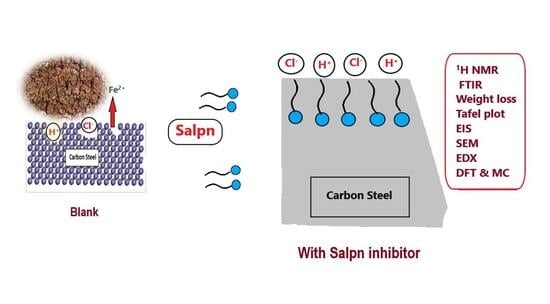
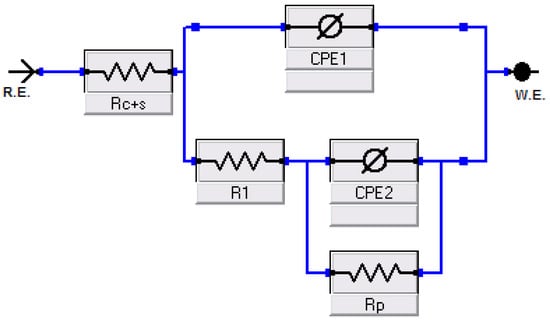
The N,N′-Bis(salicylidene)-1,3-propanediamine Schiff base (Salpn) was synthesized, characterized, and assessed as a corrosion inhibitor for low-carbon steel (LCS) in a 0.5 mol L−1 HCl solution. The study included chemical, electrochemical, and quantum mechanical methods to provide a comprehensive assessment. Experimental results revealed
[...] Read more.
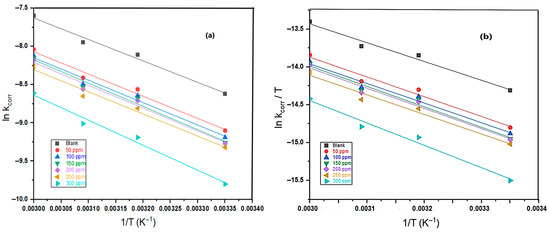
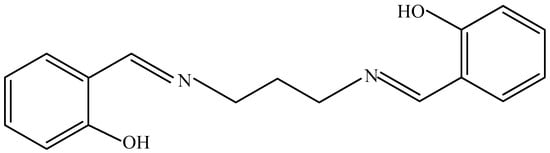
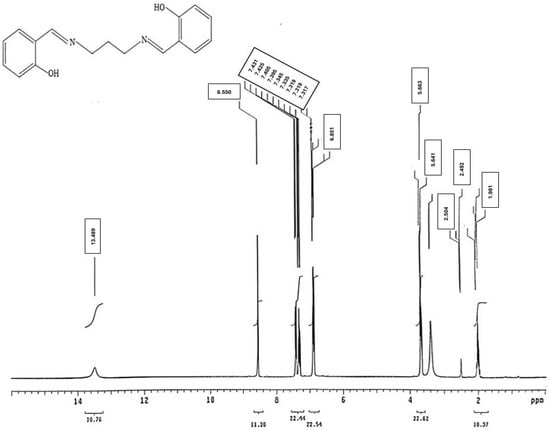
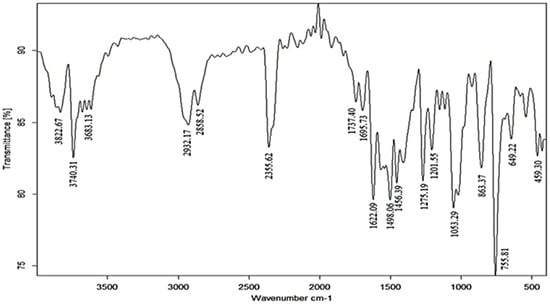
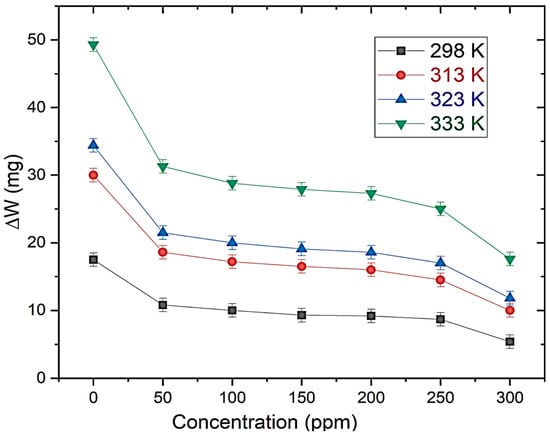
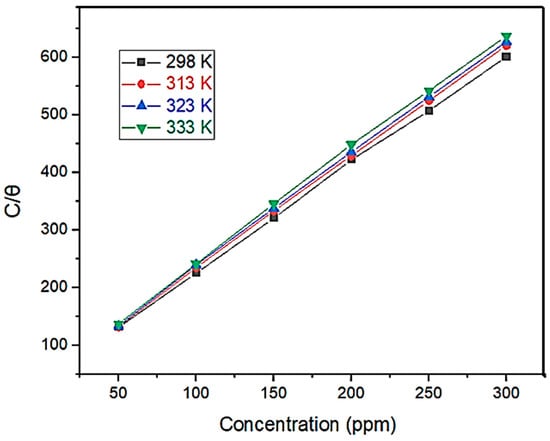
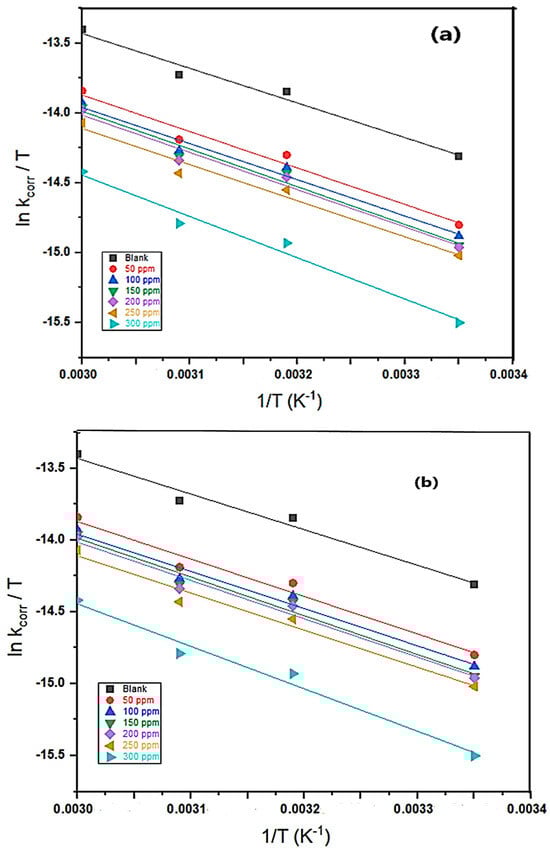
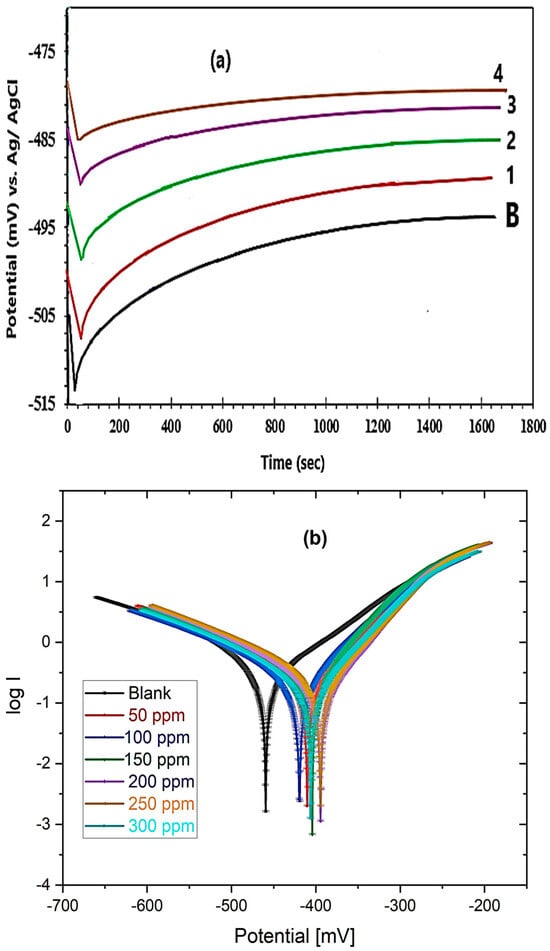
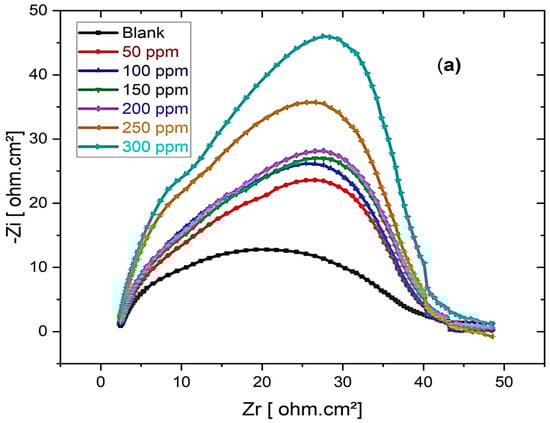
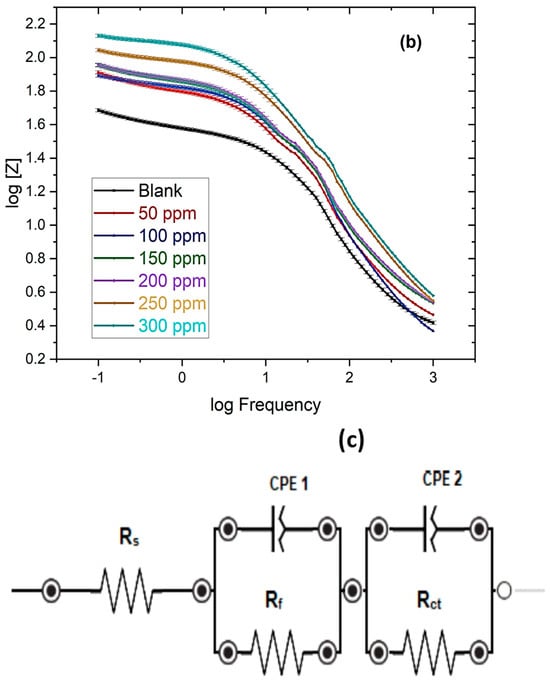
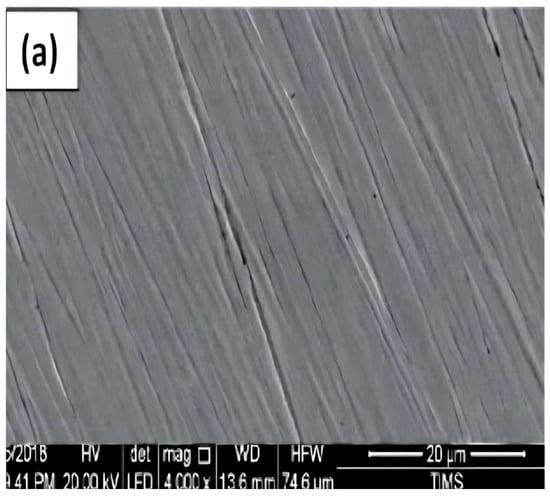
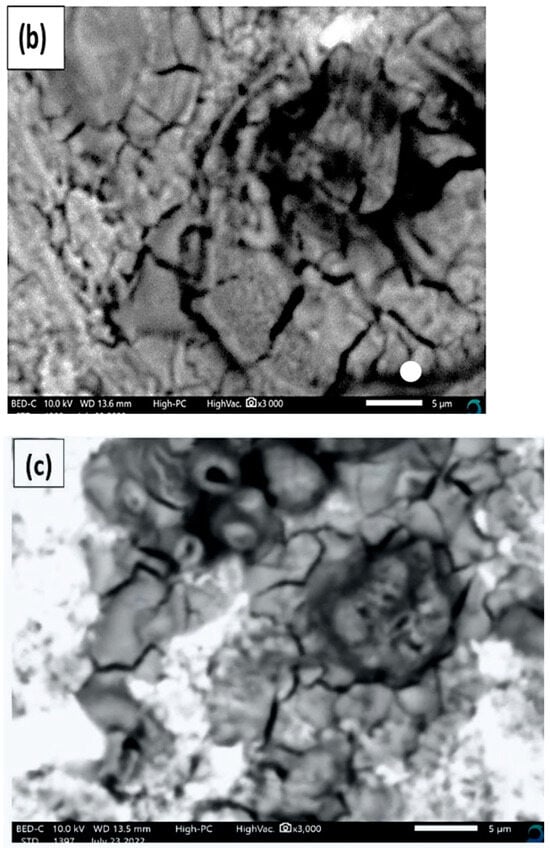
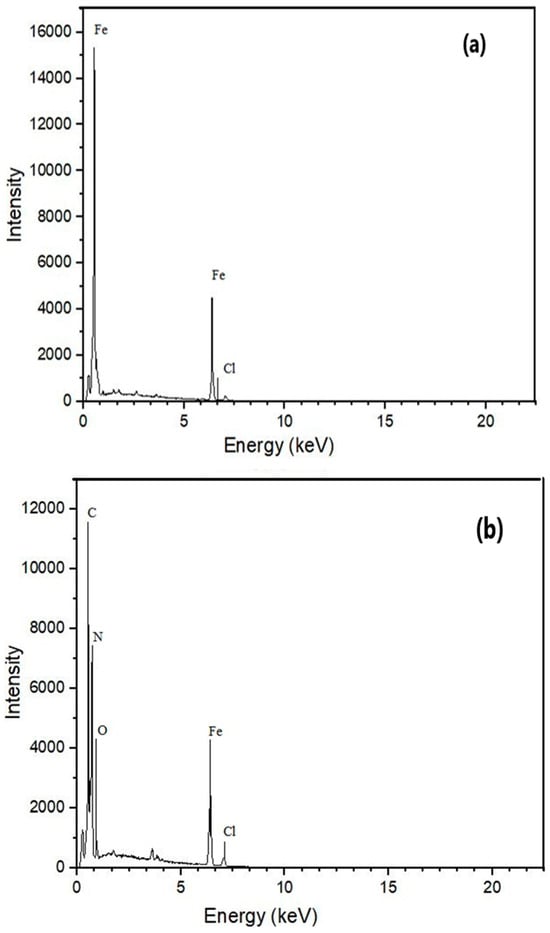
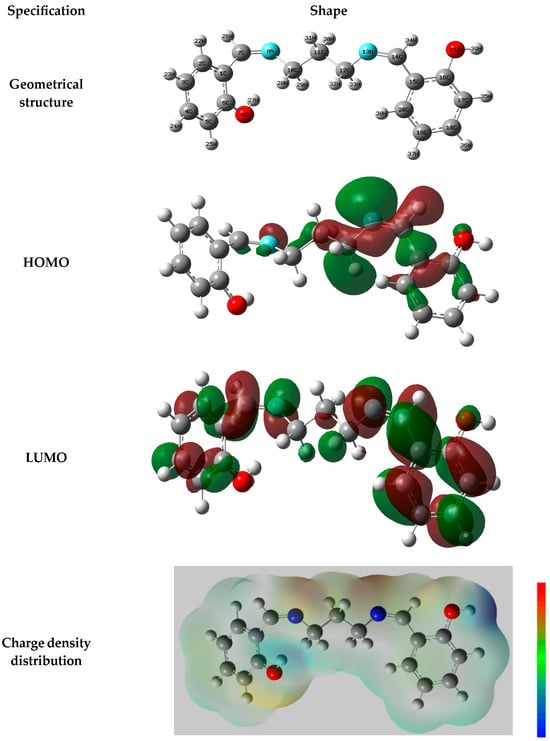
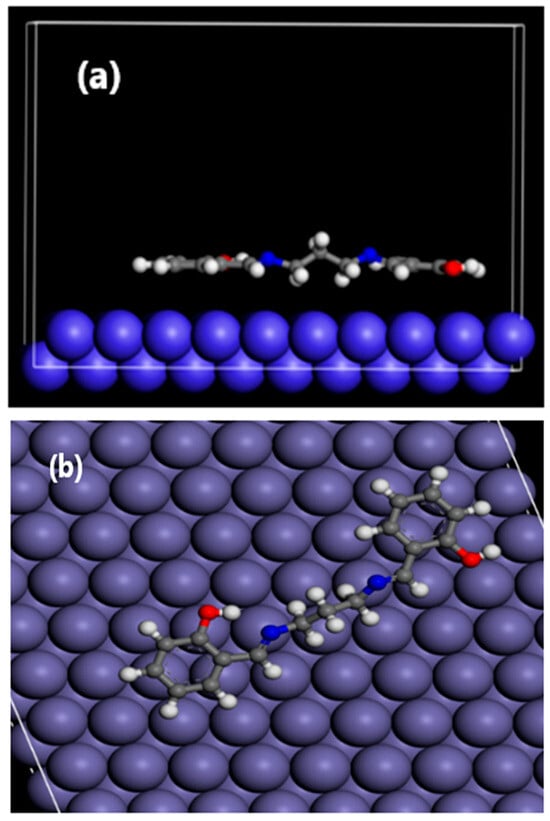
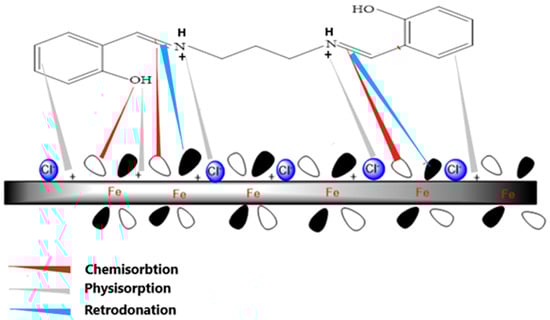
The N,N′-Bis(salicylidene)-1,3-propanediamine Schiff base (Salpn) was synthesized, characterized, and assessed as a corrosion inhibitor for low-carbon steel (LCS) in a 0.5 mol L−1 HCl solution. The study included chemical, electrochemical, and quantum mechanical methods to provide a comprehensive assessment. Experimental results revealed that the inhibition efficiency (IE) of Salpn increased with concentration, reaching a maximum of 69.1% at 300 ppm and 298 K, while a slight decrease to 64.3% was observed as the temperature increased. Tafel plot identified Salpn as a mixed-type inhibitor, while electrochemical impedance spectroscopy (EIS) revealed that the double layer capacitance decreased while the charge-transfer resistance increased as the concentration of Salpn increased. The thermodynamic study revealed that the adsorption of Salpn on the LCS surface follows the Langmuir isotherm model. The calculated standard free energy of adsorption (ΔG°ads) values ranged from −27.53 to −30.17 kJ mol−1, confirming that the inhibition process occurs via a mixed mechanism involving both physisorption and chemisorption. The presence of a protective film on the LCS surface was suggested by SEM observations, while EDX analysis showed an increase in C, O, and N signals, providing further indication of the inhibitor’s integration into the surface layer. Density functional tight-binding (DFTB+) calculations supported the high inhibitory performance by showing a low hardness value (0.091 eV). The compound’s high global softness (σ = 10.989 eV−1) suggested that it is an effective corrosion inhibitor. The Monte Carlo (MC) simulations demonstrated a strong interaction with a highly negative adsorption energy of −654.145 kJ mol−1. These findings collectively validate Salpn as an effective and strongly adsorbing corrosion inhibitor.
Full article
Graphical abstract
Open AccessArticle
Electrochemical Evaluation of an Alkali Activated Eco-Cellular Geopolymer Concrete for the Mitigation of Reinforcing Steel Corrosion in Chloride Containing Environments
by
Willian Aperador, Giovany Orozco-Hernández and Melquisedec Cortés-Zambrano
Corros. Mater. Degrad. 2026, 7(1), 15; https://doi.org/10.3390/cmd7010015 - 26 Feb 2026
Cited by 1
Abstract
The present study evaluates the electrochemical behaviour of reinforcing steel embedded in an alkali-activated eco-cellular geopolymer concrete designed for applications in environments with high chloride exposure. The material was formulated using a ternary precursor composed of fluid catalytic cracking residue (FCC), Class F
[...] Read more.
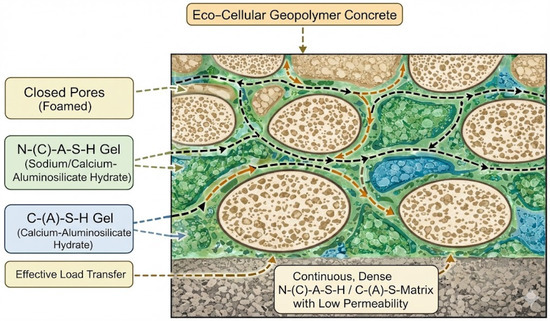
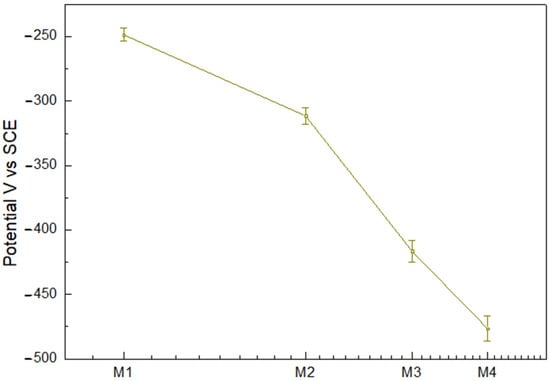
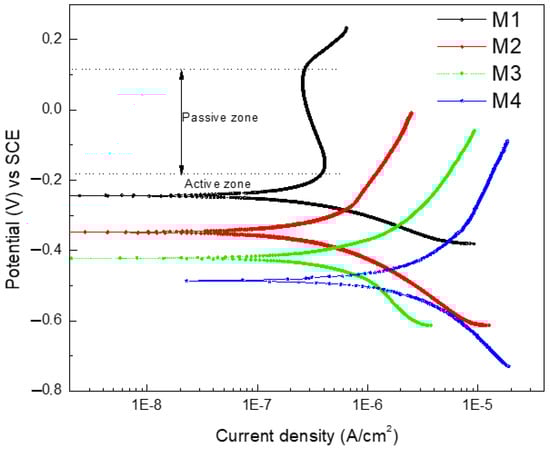
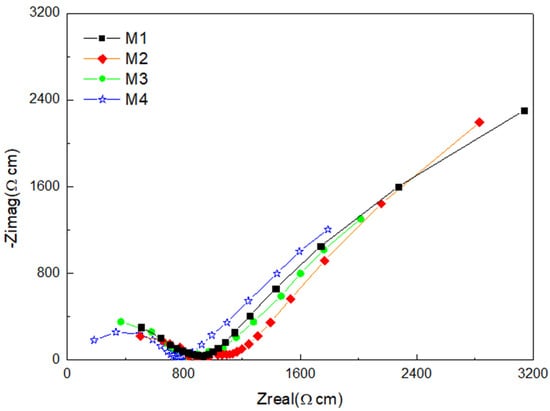
The present study evaluates the electrochemical behaviour of reinforcing steel embedded in an alkali-activated eco-cellular geopolymer concrete designed for applications in environments with high chloride exposure. The material was formulated using a ternary precursor composed of fluid catalytic cracking residue (FCC), Class F fly ash, and ground granulated blast furnace slag (BFS), activated with an alkaline solution and combined with preformed foam to generate a microstructure characterised by predominantly closed porosity and low capillary connectivity. The electrochemical response of the system was assessed through open circuit potential (OCP) measurements, Tafel polarisation curves, electrochemical impedance spectroscopy (EIS), and potentiodynamic tests under accelerated exposure to NaCl solutions. The results demonstrate a markedly improved electrochemical performance, evidenced by shifts in OCP towards more noble values, reductions of 45–65% in corrosion current density (Icorr), and increases of up to fourfold in charge transfer resistance (Rct), together with the development of broader and more stable passive regions. This behaviour is attributed to the synergistic interaction between the formation of dense N-(C)-A-S-H (sodium/calcium–aluminosilicate hydrate) and C-(A)-S-H (calcium–aluminosilicate hydrate) gels, the eco-cellular architecture with low capillary connectivity, and the stable high alkalinity of the activated matrix, which collectively restrict ionic transport and promote the passive stability of the reinforcing steel—defined here by noble OCP values, low Icorr, high Rct, and sustained passive domains in polarisation curves. Overall, the findings position the developed eco-cellular geopolymer concrete as a sustainable, high-performance alternative for infrastructure exposed to chloride-rich environments.
Full article
(This article belongs to the Special Issue Enhancing the Resilience of Reinforced Concrete Structures: Innovations in Monitoring, Assessment, and Retrofitting)
►▼
Show Figures

Figure 1
Open AccessArticle
Hydrogen-Induced Effects on Tensile Properties and Impact Toughness in Additively Manufactured vs. Wrought Austenitic Stainless Steels
by
Bohdan Efremenko, Yuliia Chabak, Ladislav Falat, Vasily Efremenko, Andriy Syrotyuk, Ivan Petrišinec, František Kromka and Volodymyr Kulyk
Corros. Mater. Degrad. 2026, 7(1), 14; https://doi.org/10.3390/cmd7010014 - 24 Feb 2026
Abstract
The growing demand for hydrogen-based energy systems has intensified the need for structural materials with enhanced resistance to hydrogen-induced degradation. This study presents a comparative investigation of hydrogen-induced mechanical behavior and embrittlement susceptibility of laser powder bed fusion (LPBF) manufactured 316L steel and
[...] Read more.
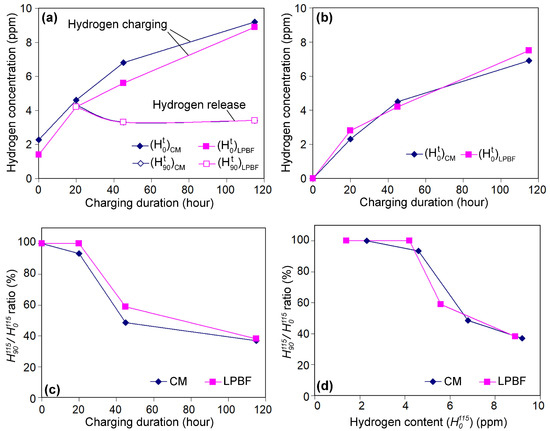
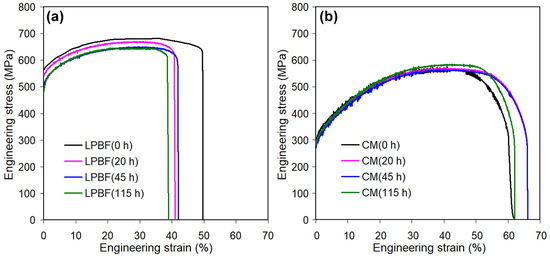
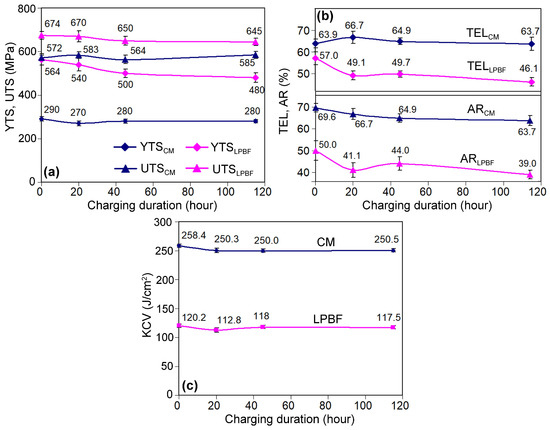
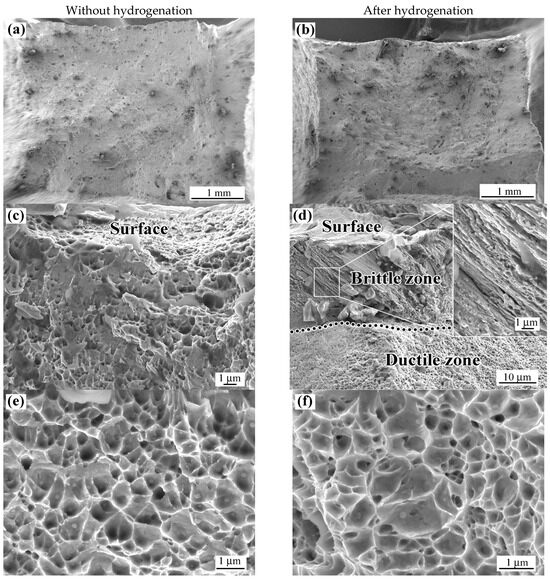
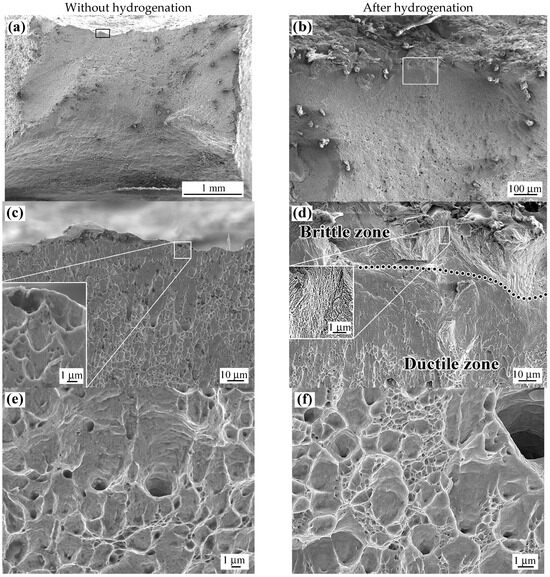
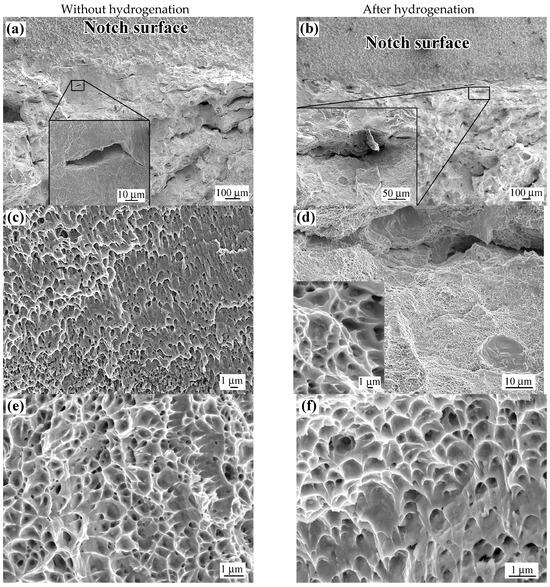
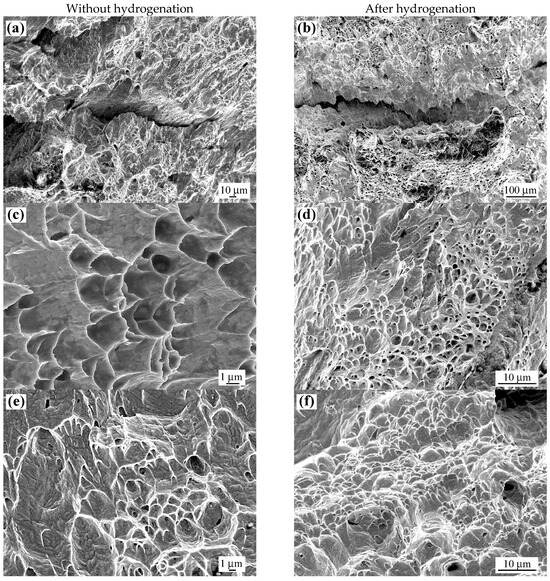
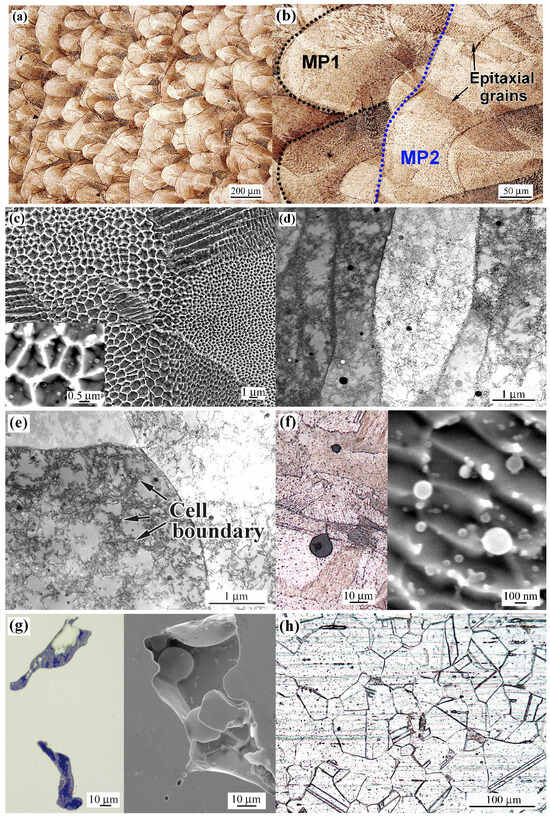
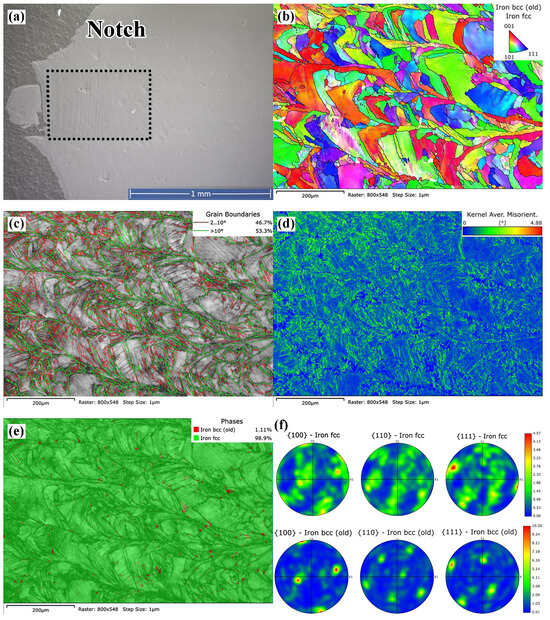
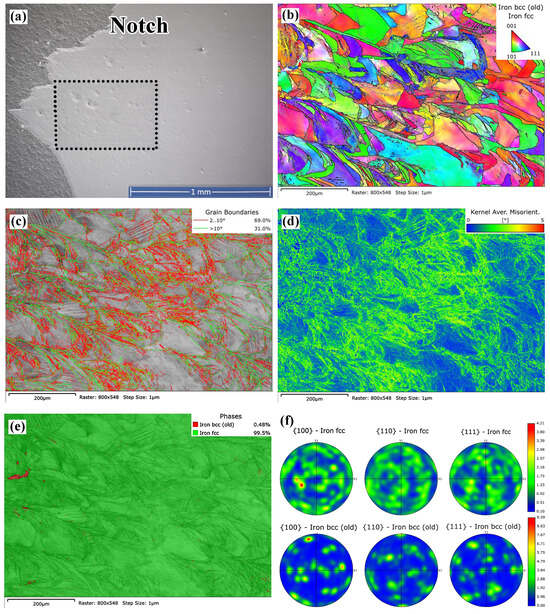
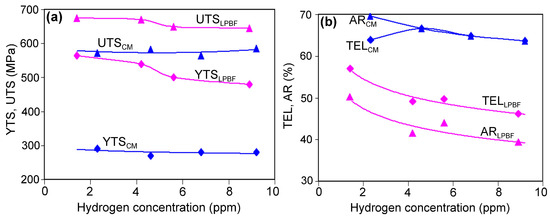
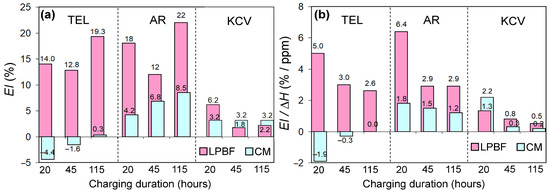
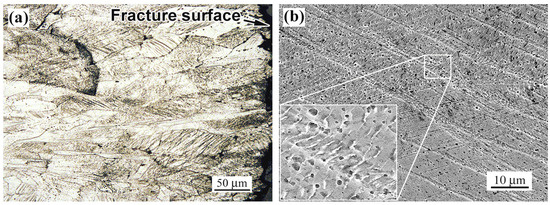
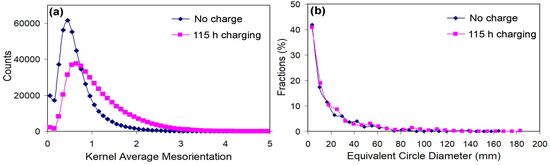
The growing demand for hydrogen-based energy systems has intensified the need for structural materials with enhanced resistance to hydrogen-induced degradation. This study presents a comparative investigation of hydrogen-induced mechanical behavior and embrittlement susceptibility of laser powder bed fusion (LPBF) manufactured 316L steel and conventionally manufactured (CM) 316H steel. Tensile/Charpy testing, hydrogen charging (up to 115 h), OM, SEM, TEM, and EBSD analysis were employed to assess microstructure, strength, ductility, fracture characteristics, and phase stability. In the uncharged state, LPBF steel exhibited significantly higher strength but lower ductility than CM steel, attributed to its fine cellular sub-grain microstructure. Both steels showed similar hydrogen saturation kinetics, reaching ~9 ppm, with residual hydrogen levels of ~3.3 ppm after 90 days of desorption. Hydrogen exposure led to a more pronounced degradation of the tensile properties of the LPBF steel, with an up to 22% reduction in the ductility-based embrittlement index, while CM steel remained much less affected. Impact toughness in both materials resisted hydrogen embrittlement, retaining over 96% of initial values. Fractographic analysis of tensile specimens revealed subsurface brittle zones consistent with calculated hydrogen diffusion depths. EBSD data indicated that hydrogen-stabilized austenite in LPBF steel was achieved by suppressing deformation-induced martensitic transformation, despite increased dislocation activity. These findings suggest that, while LPBF steel is more vulnerable to hydrogen embrittlement under tensile loading via the HELP mechanism, its microstructure mitigates impact toughness degradation through hydrogen-induced austenite stabilization.
Full article
(This article belongs to the Special Issue Environment-Assisted Cracking)
►▼
Show Figures

Figure 1
Open AccessArticle
Evaluating the Impact of Key Variables on Inhibitor Functionality Under Droplet Conditions
by
Chathumini Samarawickrama, Sebastian Pöhlker, Qiushi Deng, Paul White, Patrick Keil and Ivan Cole
Corros. Mater. Degrad. 2026, 7(1), 13; https://doi.org/10.3390/cmd7010013 - 13 Feb 2026
Abstract
►▼
Show Figures
This study investigates droplet-induced corrosion, a localized corrosion phenomenon driven by oxygen depletion within electrolyte droplets, distinct from bulk volume corrosion. To evaluate the performance of corrosion inhibitors under droplet conditions, a rapid screening electrochemical test method was employed, using a two-electrode setup
[...] Read more.
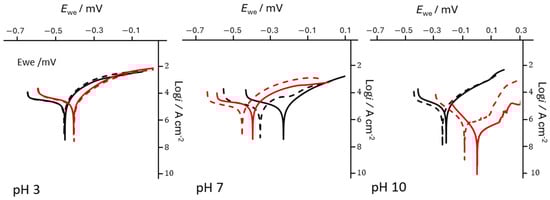
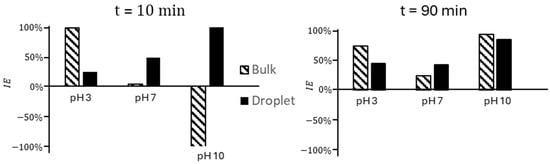
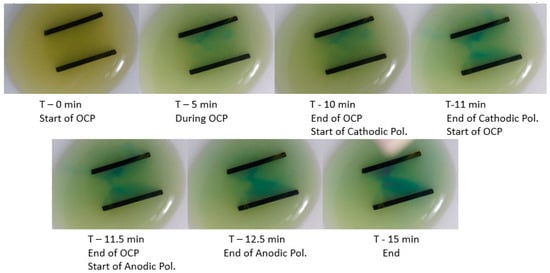
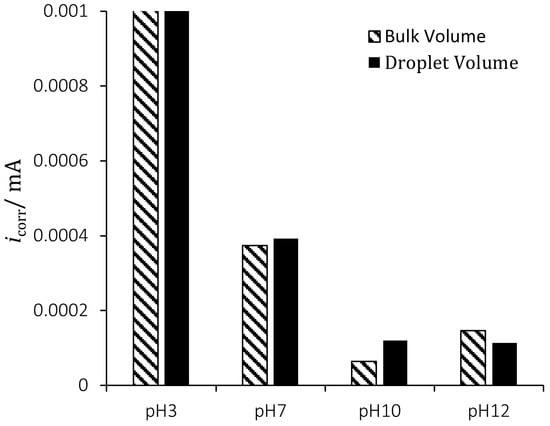
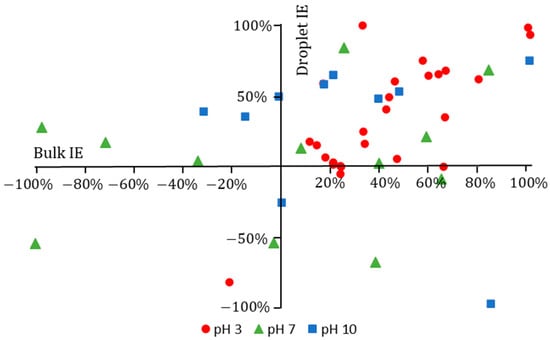
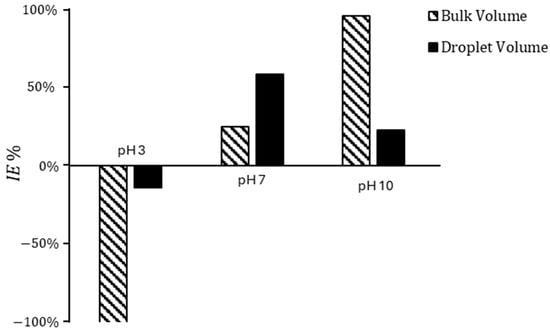
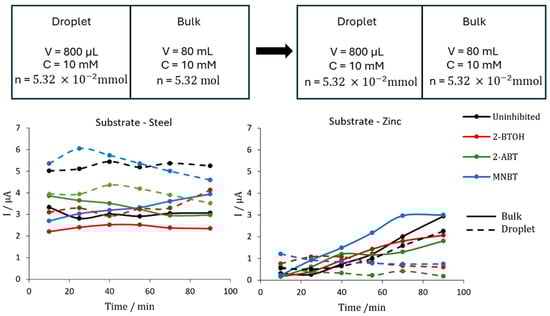
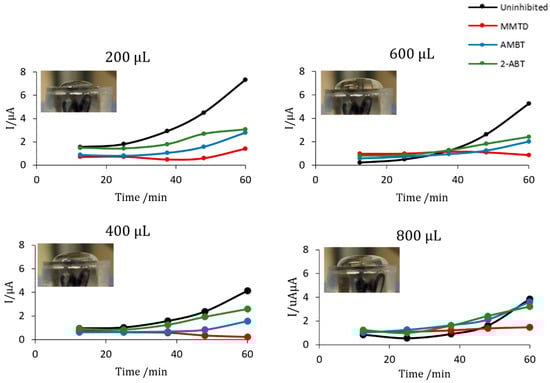
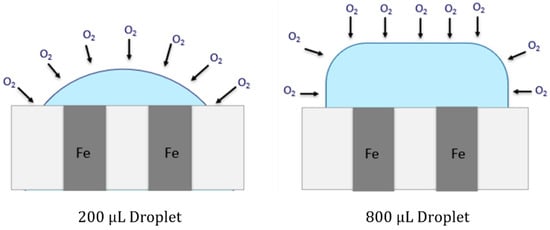
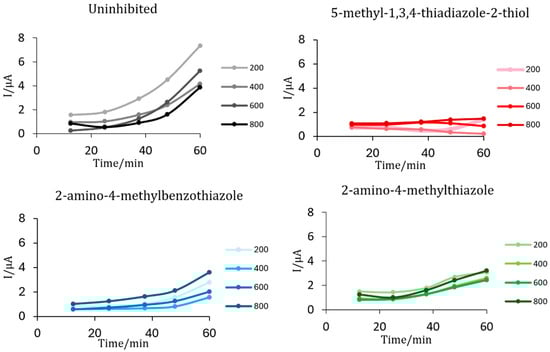
This study investigates droplet-induced corrosion, a localized corrosion phenomenon driven by oxygen depletion within electrolyte droplets, distinct from bulk volume corrosion. To evaluate the performance of corrosion inhibitors under droplet conditions, a rapid screening electrochemical test method was employed, using a two-electrode setup to monitor corrosion currents. The study examined systematically different exposure environments including dissolved oxygen, pH, electrolyte molarity, and droplet geometry as key factors influencing atmospheric corrosion. Results show that dissolved oxygen levels significantly affect corrosion mechanisms, while larger droplets amplify the Evans droplet effect. Importantly, effective corrosion inhibitors mitigate this effect by reducing the cathodic reaction rate in droplet conditions. These findings advance the understanding of droplet corrosion mechanisms and provide insights into designing sustainable protection strategies to improve the longevity of steel structures in aggressive environments.
Full article
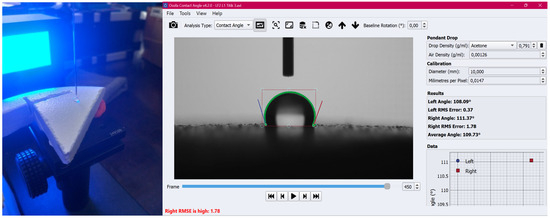
Figure 1
Open AccessArticle
Effects of Inhibitors on Corrosion Resistance of Acrylic–Amino Resin Coatings in Alkaline Solution for Industrial Measuring Tapes
by
Xingwei Hu, Wangping Wu, Ao Zhang, Yu-Ao An, Kunming Liu and Danfeng Li
Corros. Mater. Degrad. 2026, 7(1), 12; https://doi.org/10.3390/cmd7010012 - 10 Feb 2026
Abstract
►▼
Show Figures
During industrial construction, steel measuring tapes are frequently exposed to alkaline cement environments, leading to rapid degradation of protective coatings and corrosion of the steel substrate. In this study, acrylic–amino resin composite coatings incorporating three different inhibitor systems (RZ/ZMP, RZ/ZPO, and RZ/ZPA) were
[...] Read more.
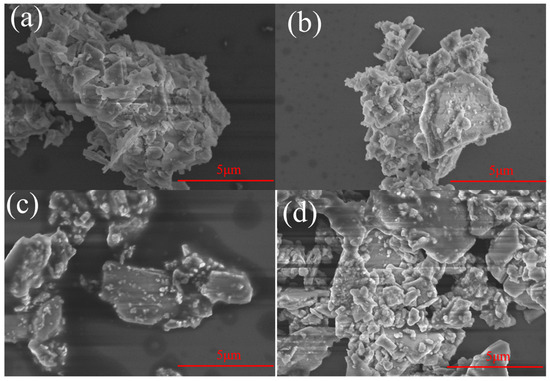
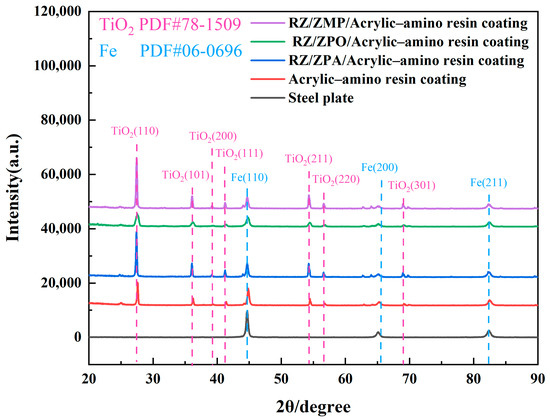
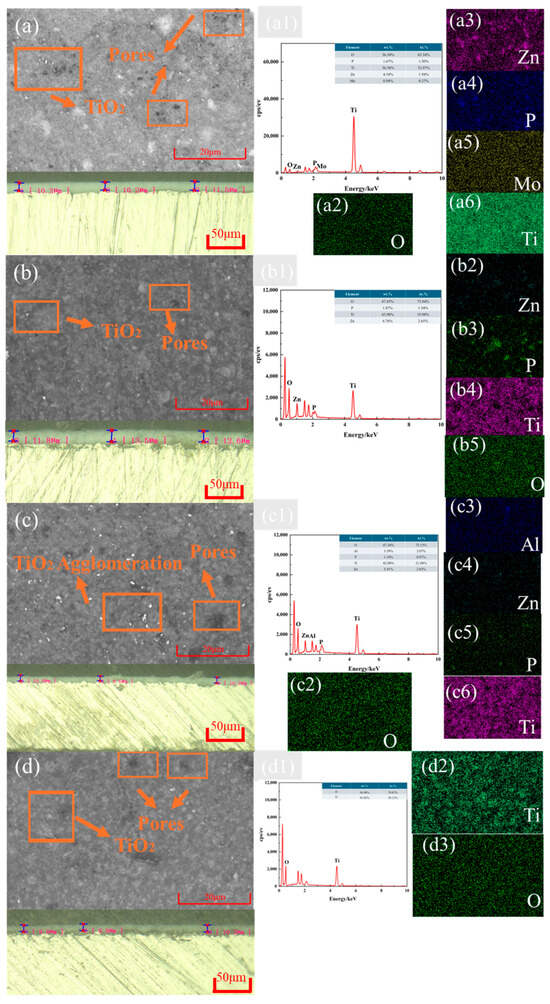
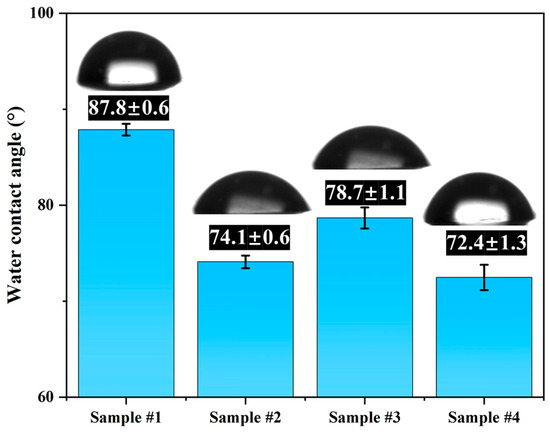
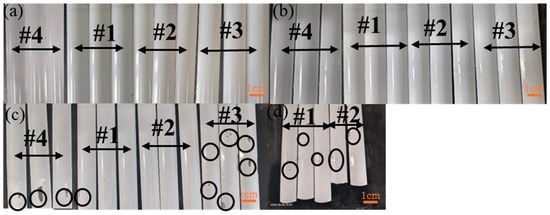
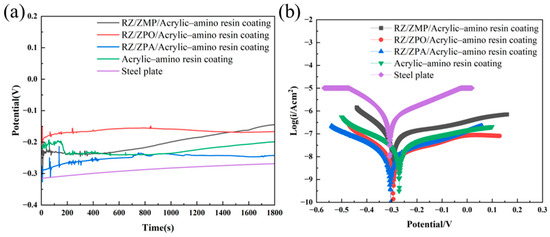
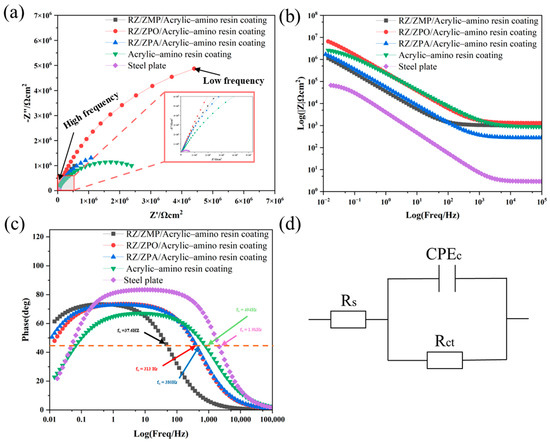
During industrial construction, steel measuring tapes are frequently exposed to alkaline cement environments, leading to rapid degradation of protective coatings and corrosion of the steel substrate. In this study, acrylic–amino resin composite coatings incorporating three different inhibitor systems (RZ/ZMP, RZ/ZPO, and RZ/ZPA) were prepared, and their corrosion resistance in alkaline media was systematically evaluated. The microstructure and composition of the coatings were characterized by SEM, EDS, and XRD, while surface wettability was assessed by water contact angle measurements. Corrosion protection performance was investigated using potentiodynamic polarization, electrochemical impedance spectroscopy (EIS), and long-term alkaline immersion tests. The results show that the incorporation of inhibitors significantly enhances the corrosion resistance of the coatings. Compared with the inhibitor-free acrylic–amino resin coating, the corrosion current density of the RZ/ZPA coating decreases by approximately 1.9 times, while that of the RZ/ZPO coating decreases by about 1.7 times. EIS analysis further reveals that the RZ/ZPO/acrylic–amino resin coating exhibits the highest coating resistance (1.41 × 10⁷ Ω·cm2), which is approximately 4.2 times higher than that of the inhibitor-free coating and 188 times higher than that of the steel substrate, indicating the strongest ion-blocking capability. Based on combined electrochemical parameters and long-term alkaline immersion behavior, the corrosion resistance of the coatings increases in the following order: acrylic–amino resin coating < RZ/ZPA < RZ/ZMP < RZ/ZPO. Overall, the synergistic effect of multiple inhibitors significantly improves both the electrochemical corrosion resistance and long-term alkaline durability of acrylic–amino resin coatings.
Full article
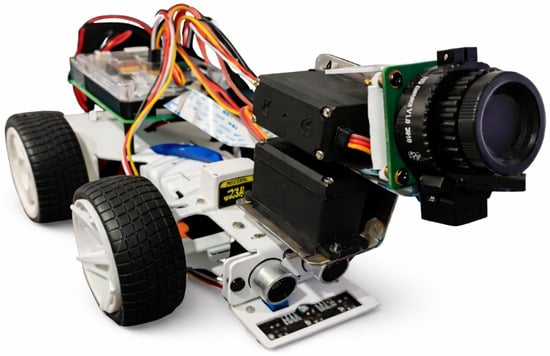
Figure 1
Open AccessArticle
Numerical Modeling of Galvanic Corrosion Between Stainless and Carbon Steels
by
Zouheir Morchid Elidrissi, Meriyem Mouloudi, Nabil Babassa, Mohamed Essahli and Mostafa Chhiba
Corros. Mater. Degrad. 2026, 7(1), 11; https://doi.org/10.3390/cmd7010011 - 10 Feb 2026
Abstract
►▼
Show Figures
Galvanic corrosion is an electrochemical phenomenon that arises due to the coupling of two different metals in an electrolytic environment, resulting in the deterioration of the less noble metal at an accelerated rate. This phenomenon poses a significant challenge in the economy of
[...] Read more.
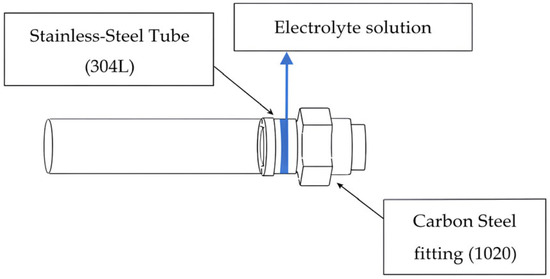
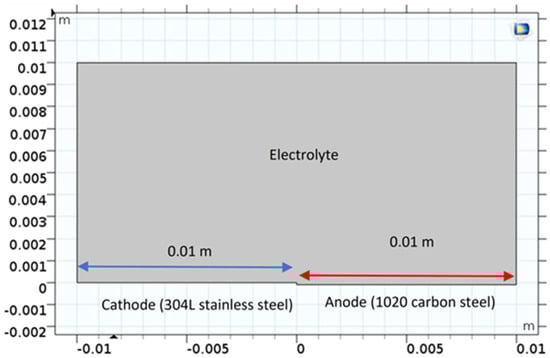
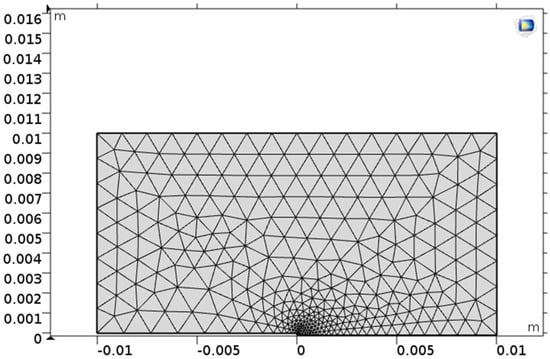
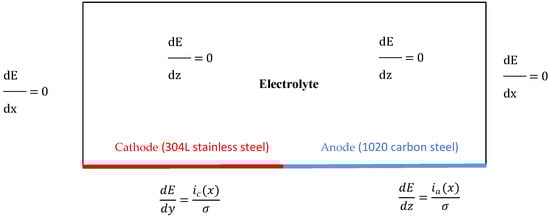
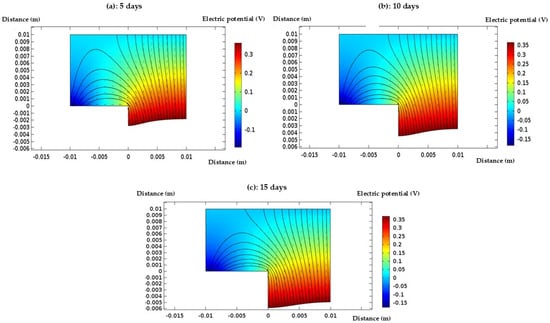
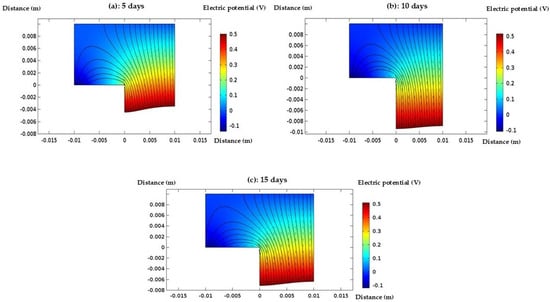
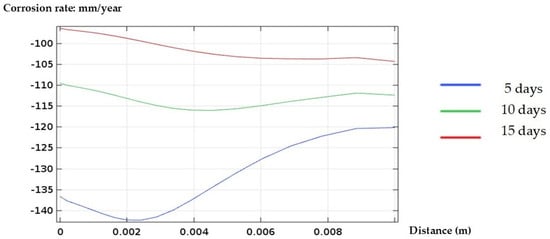
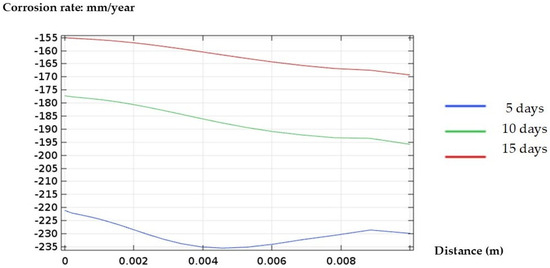
Galvanic corrosion is an electrochemical phenomenon that arises due to the coupling of two different metals in an electrolytic environment, resulting in the deterioration of the less noble metal at an accelerated rate. This phenomenon poses a significant challenge in the economy of mixed-metal assemblies in many industrial applications due to the high maintenance and replacement expenditures that such systems incur. In this study, a stainless steel tube was galvanically coupled with a carbon steel fitting, and both were immersed in a chloride solution to study the galvanic interactions. The electrochemical processes associated with galvanic corrosion were simulated using a finite element multiphysics modeling approach (COMSOL Multiphysics). The simulations reproduced the metal–electrolyte interface potential and current density as well as the preferential anodic dissolution of carbon steel over stainless steel, which was observed during the coupled polarization. The numerical results matched the results predicted using assumptions for the steels’ electrochemical behavior. The results of the study confirmed that finite element simulation is an effective means of modeling galvanic corrosion and optimizing the design and life of metal component assemblies that are subjected to highly aggressive environments such as high-chloride environments. The numerical results matched the trends observed from experimentation and those previously reported in the literature and serve to provide qualitative and semi-quantitative insight regarding galvanic corrosion mechanisms instead of complete corrosion predictions regarding long-term corrosion behavior.
Full article
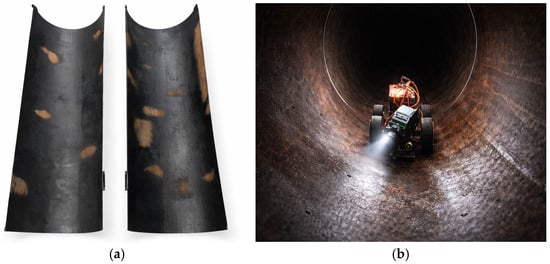
Figure 1
Open AccessArticle
Silane-Based Coatings Containing TiO2 for Corrosion Protection of 316L Stainless Steel
by
Ainhoa Altube, Estibaliz Rodríguez-Cambero, Ana I. Viñuales, Eva García-Lecina, José Antonio Díez and Hans Jürgen Grande
Corros. Mater. Degrad. 2026, 7(1), 10; https://doi.org/10.3390/cmd7010010 - 6 Feb 2026
Abstract
►▼
Show Figures
The present work aims to evaluate the electrochemical behaviour of 316L stainless steel flat sheets both uncoated and coated with an organic–inorganic silane hybrid formulation based on TEOS (tetraethyl orthosilicate) and TMES (Trimethylethoxysilane) as silane precursors. The influence of the modification of the
[...] Read more.
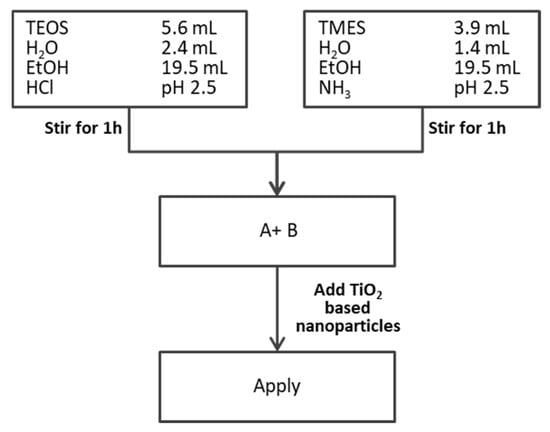
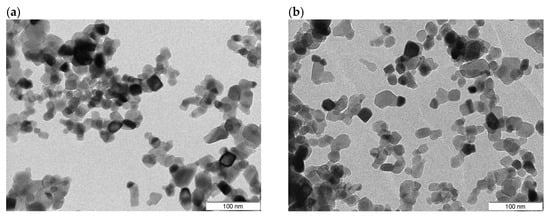
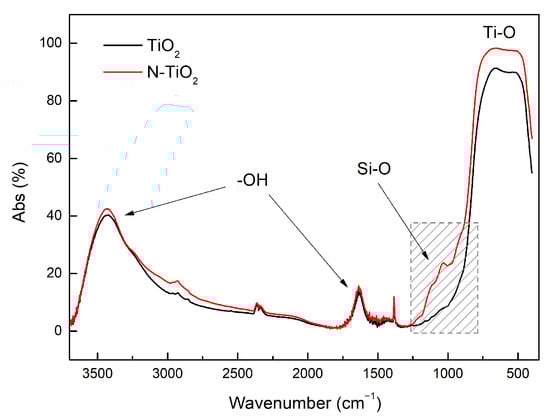
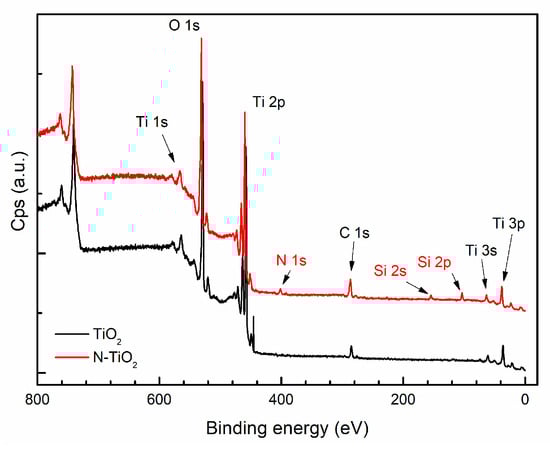
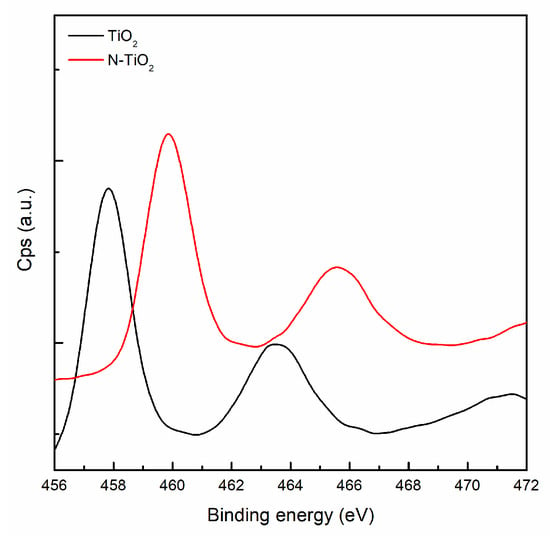
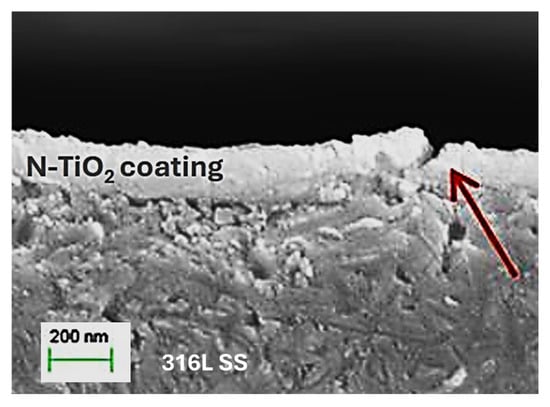
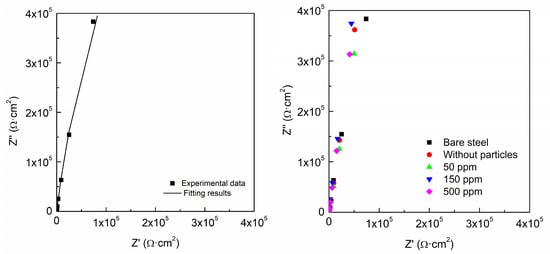
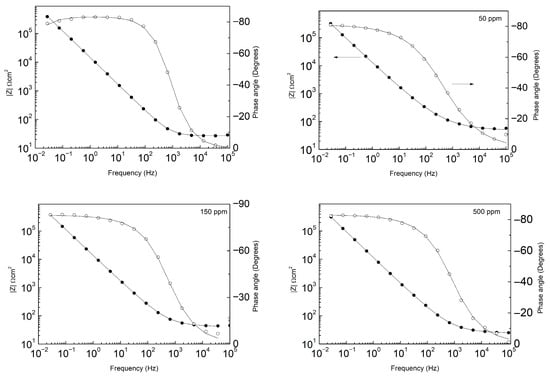
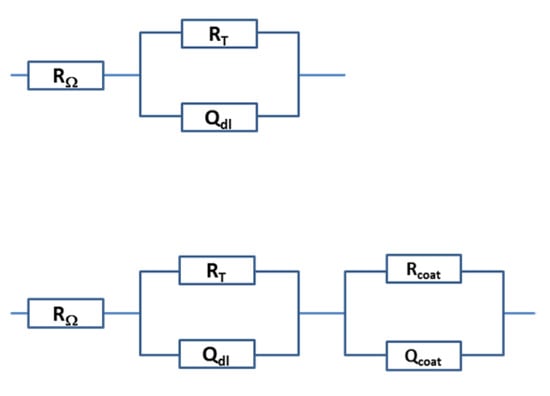
The present work aims to evaluate the electrochemical behaviour of 316L stainless steel flat sheets both uncoated and coated with an organic–inorganic silane hybrid formulation based on TEOS (tetraethyl orthosilicate) and TMES (Trimethylethoxysilane) as silane precursors. The influence of the modification of the silane-based layer by the incorporation of 3-aminopropyl trimethoxysilane (APS) doped TiO2 (N-TiO2) on the pitting properties of the coatings has been studied. The obtained protective films have been characterized from compositional (EDX), morphological (FE-SEM), and electrochemical (corrosion) points of view. Concerning their morphology, the coatings look continuous and smooth. Regarding their electrochemical properties, the results show that the application of the developed N-TiO2-containing silane coatings extends the passive potential range of 316L stainless steel in simulated body fluid; thus, it improves the pitting resistance of the substrate.
Full article
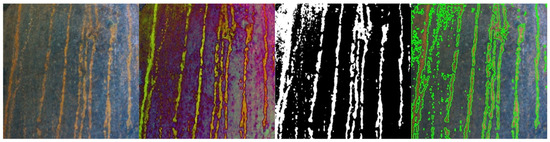
Figure 1
Open AccessReview
Advances in Understanding of Secondary Phases and Their Corrosion Implications in Stainless Steel Alloys—A Review
by
Ihsan Ulhaq Toor
Corros. Mater. Degrad. 2026, 7(1), 9; https://doi.org/10.3390/cmd7010009 - 30 Jan 2026
Abstract
The formation and evolution of secondary phases, such as sigma (σ), chi (χ), Laves, carbides (M23C6), and nitrides (Cr2N), have a fundamental impact on the corrosion resistance of stainless steels. These stages alter the matrix’s local chemistry,
[...] Read more.
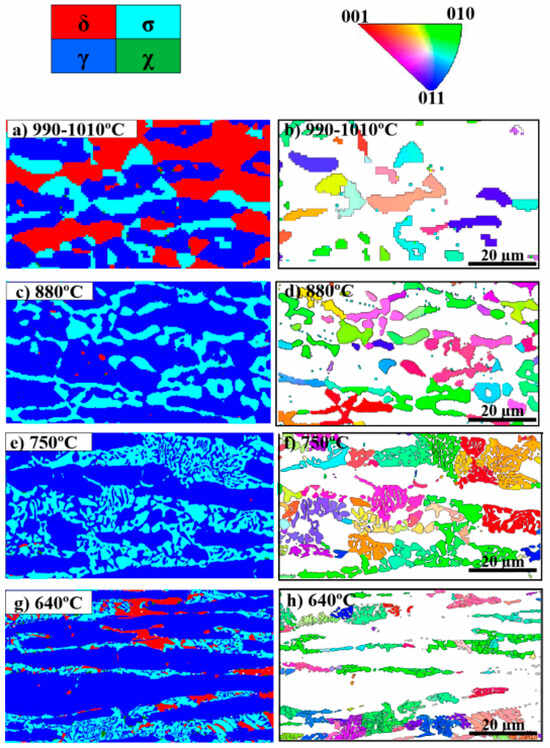
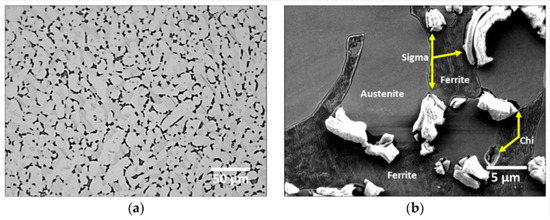
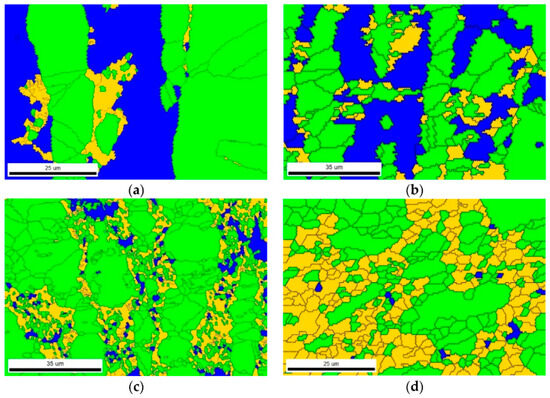
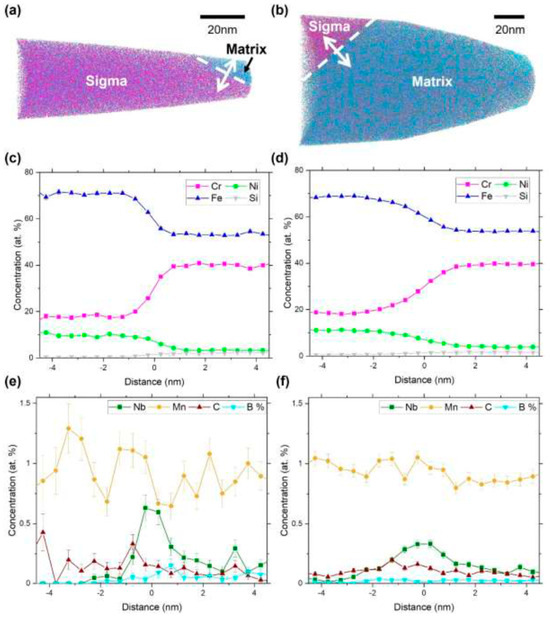
The formation and evolution of secondary phases, such as sigma (σ), chi (χ), Laves, carbides (M23C6), and nitrides (Cr2N), have a fundamental impact on the corrosion resistance of stainless steels. These stages alter the matrix’s local chemistry, compromise the passive film’s quality, and promote micro-galvanic interaction, which enhances localized corrosion issues. The thermodynamic stability, precipitation kinetics, and corrosion consequences of secondary phases in austenitic, ferritic, duplex, and lightweight (Fe–Mn–Al–C) stainless-steel systems are thoroughly reviewed and discussed in this paper. Advances in high-resolution characterization techniques, such as TEM, EBSD, atom-probe tomography, and in situ synchrotron techniques, have made it possible to map corrosion problems caused by secondary phases at the nanoscale. Computational thermodynamics (CALPHAD, DICTRA, TC-PRISMA) and emerging machine-learning models now provide quantitative prediction of phase formation and dissolution. Strategies for mitigation through alloy design, thermal treatment, and surface engineering are summarized, together with additive-manufacturing approaches for microstructural tailoring. Finally, this review highlights the integration of multi-scale modeling and sustainable alloy design to ensure phase-stable, corrosion-resistant stainless steels that enhance asset integrity and infrastructure reliability as per Sustainable Development Goals.
Full article
(This article belongs to the Special Issue Atmospheric Corrosion of Materials, 2nd Edition)
►▼
Show Figures

Figure 1
Highly Accessed Articles
Latest Books
E-Mail Alert
News
Topics
Topic in
Coatings, Lubricants, Metals, Applied Sciences, CMD, JMMP
Surface Modification and Durability Enhancement of Advanced Alloys
Topic Editors: Ping Zhang, Chuang He, Damian Przestacki, Yu-Cun GuDeadline: 5 October 2026
Topic in
Molecules, Solids, Materials, Applied Sciences, CMD, Buildings
Cement-Based Materials in Special Environments: Performance, Degradation, and Low-Carbon Engineering
Topic Editors: Peiyu Yan, Weipei XueDeadline: 31 December 2026
Conferences
Special Issues
Special Issue in
CMD
Enhancing the Resilience of Reinforced Concrete Structures: Innovations in Monitoring, Assessment, and Retrofitting
Guest Editors: Stefania Imperatore, Francesca Nerilli, Emilia Vasanelli, Luigi CapozzoliDeadline: 31 May 2026
Special Issue in
CMD
Corrosion and Corrosion Protection Strategies in the Marine Environment
Guest Editors: Ladislav Vrsalović, Philippe RefaitDeadline: 30 July 2026
Special Issue in
CMD
Advanced Corrosion Protection Systems—from Metal Passivity to Smart Coatings: In Honor of Prof. Dr. Mário Ferreira
Guest Editors: David M. Bastidas, Raman SinghDeadline: 31 July 2026
Special Issue in
CMD
Advances in Material Surface Corrosion and Protection
Guest Editor: Wei JiangDeadline: 31 August 2026