


Abstract
The N,N′-Bis(salicylidene)-1,3-propanediamine Schiff base (Salpn) was synthesized, characterized, and assessed as a corrosion inhibitor for low-carbon steel (LCS) in a 0.5 mol L−1 HCl solution. The study included chemical, electrochemical, and quantum mechanical methods to provide a comprehensive assessment. Experimental results revealed that the inhibition efficiency (IE) of Salpn increased with concentration, reaching a maximum of 69.1% at 300 ppm and 298 K, while a slight decrease to 64.3% was observed as the temperature increased. Tafel plot identified Salpn as a mixed-type inhibitor, while electrochemical impedance spectroscopy (EIS) revealed that the double layer capacitance decreased while the charge-transfer resistance increased as the concentration of Salpn increased. The thermodynamic study revealed that the adsorption of Salpn on the LCS surface follows the Langmuir isotherm model. The calculated standard free energy of adsorption (ΔG°ads) values ranged from −27.53 to −30.17 kJ mol−1, confirming that the inhibition process occurs via a mixed mechanism involving both physisorption and chemisorption. The presence of a protective film on the LCS surface was suggested by SEM observations, while EDX analysis showed an increase in C, O, and N signals, providing further indication of the inhibitor’s integration into the surface layer. Density functional tight-binding (DFTB+) calculations supported the high inhibitory performance by showing a low hardness value (0.091 eV). The compound’s high global softness (σ = 10.989 eV−1) suggested that it is an effective corrosion inhibitor. The Monte Carlo (MC) simulations demonstrated a strong interaction with a highly negative adsorption energy of −654.145 kJ mol−1. These findings collectively validate Salpn as an effective and strongly adsorbing corrosion inhibitor.
1. Introduction
Materials such as metals, alloys, and ceramic coatings naturally degrade when they react chemically or electrochemically with an aggressive environment, a process known as corrosion. The corrosion process results in considerable financial and safety problems in both industrial and non-industrial areas, with global costs estimated to be approximately 3.4% of the global GDP [1,2]. Oil and gas production systems and pipelines are typically built from LCS because of its great mechanical properties and cost-effectiveness [3,4,5,6,7]. However, this material is highly susceptible to the corrosive effects of hydrochloric acid. HCl is used extensively in the petroleum industry for processes like acid cleaning, and its aggressive nature damages metallic structures, causing substantial economic losses [8].
Corrosion inhibitors represent one of the most practical and cost-effective methods for managing corrosion [9]. These inhibitors, which include both organic and inorganic compounds, have been shown to be effective at protecting LCS from acidic media [10]. The ability of an inhibitor to suppress corrosion is related to its molecular structure, as this structure enables it to adsorb onto the metal surface and form a protective film. Organic inhibitors are particularly effective because they often contain heteroatoms like oxygen, sulfur, and nitrogen, along with specific functional groups such as -NH2, -COOH, or -OH, and π-electrons that help them bond to the surface [9,10]. Organic compounds known as Schiff bases contain an (R − CH = NR-) linkage and are highly effective at preventing material breakdown [11,12,13,14,15,16,17]. They offer better protection than their carbonyl components and amines. Researchers believe that the existence of empty π* orbitals in Schiff base molecules contributes to their high efficiency [18,19]. These orbitals facilitate a unique bonding mechanism by accepting electrons from the metal’s d-orbitals, a process called reverse donation, which stabilizes the inhibitor-metal connection. This specific type of bonding is not possible with the original amines [20]. Schiff bases are highly appealing for practical use because they are easy to synthesize from cheap and accessible starting materials.
Recent studies highlight the effectiveness of Schiff bases as corrosion inhibitors for various metals, including carbon steel and copper, in acidic and saltwater environments [21,22,23,24,25,26,27,28]. Many of these compounds are eco-friendly, derived from natural materials like amino acids and chitosan. They act by adsorbing onto the metal surface to form a protective film, with some achieving impressive inhibition efficiencies over 95%. Modwi et al. [21] created a new, eco-friendly Schiff base (Per/CS) from chitosan. The compound proved to be an excellent corrosion inhibitor for Q235 carbon steel in HCl, delivering an exceptional 97% inhibition even at a minimal concentration. Similarly, another new chitosan-based Schiff base, Isatin-Cs, was developed and found to be a potent corrosion inhibitor for the same type of steel, reaching 88.4% efficiency [22]. Both compounds work by forming a protective film on the steel surface through a mixed adsorption mechanism. Yousif et al. [23] investigated three new, eco-friendly Schiff bases (AIP, AMB, and AImP), derived from amino acids. The compounds are effective mixed-type inhibitors, significantly reducing corrosion of Q235 steel in hydrochloric acid. At a 10 mM concentration, they achieved high inhibition efficiencies, with AMB performing the best at 96.01%. Another study by Eltohamy et al. [24] focused on the Schiff base N,N′-bis(salicylidene)butylene-1,4-diamine (SB). They reported that SB effectively protects carbon steel in HCl, with the highest efficiency of 84% at 298 K. This study also showed that increasing the concentration of SB improved its ability to prevent corrosion. A new Schiff base called (Z)-2-((3-nitrobenzylidene)amino)phenol (NBAP) has shown to be highly effective at protecting XC70 steel from corrosion in acidic environments [25]. It works by creating a protective film on the steel via the chemisorption process, achieving up to 89% inhibition efficiency. Both practical tests and theoretical studies confirmed that NBAP could improve the lifespan of mild steel. Recent studies have highlighted the effectiveness of several new Schiff bases as corrosion inhibitors. Two previously unstudied compounds, PHA and BHA, were found to protect copper in saltwater with high efficiency (over 82%), acting as mixed-type inhibitors that primarily affect the cathodic reaction [26]. Similarly, researchers developed two eco-friendly Schiff base derivatives, IPY 1 and IPY 2, which proved to be excellent inhibitors for mild steel in acidic conditions, achieving over 94% efficiency [27]. These compounds are a promising sustainable option due to their low toxicity and biodegradability. In a related finding, a study by Deng et al. [28] revealed that aldehyde-terminated Schiff base polymers surprisingly perform better as corrosion inhibitors than their more planar amine-terminated counterparts. This improved performance is linked to how the aldehyde group influences the molecule’s structure.
N,N′-Bis(salicylidene)-1,3-propanediamine (also known as Salpn) is a type of Schiff base compound commonly used in various chemical applications, particularly in coordination chemistry and as a corrosion inhibitor [29]. It is a yellow crystalline solid with a melting point of 51–53 °C. It has a molecular formula of C17H18N2O2 and a molecular mass of 282.34 g/mol. The effectiveness of Salpn as an inhibitor is directly linked to its specific structural components.
The molecule contains nitrogen and oxygen atoms, which possess lone pairs of electrons that can be donated to the vacant d-orbitals of the Fe atoms on the steel surface, forming strong coordinate bonds (chemisorption). The two large aromatic (benzene) rings in the Salpn structure contain delocalized -electrons, which can bond with the steel surface, contributing to the adsorption process (physisorption). In addition, the planar structure of the Salpn molecule allows it to cover a significant portion of the metal’s surface area with a single molecule. This maximizes surface coverage and creates a more effective physical barrier, preventing corrosive species from reaching the steel.
While various Schiff bases have been explored as corrosion inhibitors, their effectiveness is highly dependent on their functional groups and the specific corrosive environment. For instance, ref. [30] investigated pyrrole-derived Schiff bases as effective inhibitors for mild steel in acidic solutions, correlating their efficiency with electronic properties via DFT calculations. Similarly, ref. [31] focused on amino acid-based ligands as eco-friendly alternatives, demonstrating their ability to form stable, non-toxic protective films on metal surfaces. Regarding the Salpn structure, ref. [32] explored the formation of self-assembled monolayers (SAMs) on iron surfaces through a pre-coating process, achieving high protection in dilute 0.1 mol L−1 HCl. Furthermore, ref. [33] evaluated a Salpn-like derivative for magnesium protection in 0.01 M HCl, noting that the adsorption followed a Freundlich isotherm. In a different acidic medium, ref. [34] compared a Schiff base with its cobalt complex in 1 mol L−1 H2SO4, revealing that the bulky complex provided superior surface coverage. Finally, ref. [35] utilized QSAR and DFT to investigate the effect of hydroxyl group positioning (ortho, meta, and para) on inhibition efficiency in 1 mol L−1 HCl, concluding that structural orientation significantly influences adsorption strength. Although Salpn and its derivatives have been explored in diluted acids or for different metals like magnesium their performance in concentrated HCl and at elevated temperatures remains poorly understood compared to the aforementioned investigations. Moreover, the molecular-level interaction between the inhibitor and the Fe (110) surface requires deeper investigation using MC simulations to complement experimental findings.
Therefore, unlike previous studies that focused on diluted media or different metals, this work provides a comprehensive evaluation of Salpn in an aggressive 0.5 mol L−1 HCl environment, combining high-resolution surface morphology with molecular-level MC simulations to bridge the gap between experimental observations and theoretical predictions. This study addresses these gaps by integrating electrochemical measurements with advanced computational modeling, providing a first-of-its-kind visualization of the adsorption configuration and thermodynamic stability of the Salpn protective film under industrial-like thermal stress.
The objective of this research is to synthesize, characterize, and assess the corrosion-inhibiting properties of the Schiff base compound, N,N′-Bis(salicylidene)-1,3-propanediamine (Salpn), on low-carbon steel (LCS) in a 0.5 mol L−1 HCl solution. The primary objective is to elucidate the inhibition mechanism and kinetics of Salpn on LCS surfaces. To do this, researchers used several methods, including potentiodynamic polarization (PDP), weight loss (WL), and EIS. The investigation also examined the relation between temperature, thermodynamic parameters, corrosion rate, and inhibition efficiency (IE). Surface analysis techniques like SEM and EDX were used to study the steel surface, while theoretical approaches such as MC simulations and DFTB+ were employed to understand how Salpn molecules interact with the LCS surface.
2. Materials and Methods
2.1. Equipment and Supplies
The corrosion experiments utilized low-carbon steel with a specific elemental composition determined by EDX analysis (wt.%): 0.20% C, 0.60% Mn, 0.04% P, 0.003% Si, and 0.05% S, with the remainder being iron. The chemicals used were 1,3-diaminopropane (Alfa Aesar, Ward Hill, MA, USA) and salicylaldehyde (Loba Chemie, Mumbai, India). For spectroscopic analysis, 1H NMR spectra were recorded on a Bruker Avance 300 MHz spectrometer (Bruker BioSpin, Karlsruhe, Germany) with DMSO as the solvent, while FTIR spectra were captured with a Bruker Alpha II infrared spectrometer (Bruker Optics, Ettlingen, Germany). The SEM photos were captured by BED−C 10 kV(JEOL Ltd., Tokyo, Japan), which was equipped with an EDX unit. This setup was used to analyze the surface morphology of the film that formed on the metal surface.
2.2. Preparation of N,N′-Bis(salicylidene)-1,3-propanediamine (Salpn)
The Salpn compound was synthesized by refluxing a mixture of salicylaldehyde (0.43 mL, 4 mmol) and 1,3-diaminopropane (0.17 mL, 2 mmol) in ethanol for 5 h. This procedure yielded a yellow product with a melting point of 51–53 °C and a high yield of 92.26%. The structural integrity of the synthesized Salpn was confirmed via FTIR and 1H NMR. The disappearance of the aldehyde carbonyl peak (C=O) and the emergence of the characteristic azomethine (C=N) stretching vibration at approximately 1630 cm−1 confirmed the successful formation of the Schiff base. The compound’s chemical structure is shown in Figure 1.
Figure 1.
N,N′-Bis(salicylidene)-1,3-propanediamine (C17H18O2N2) (Salpn).
2.3. WL Study
Following the guidelines of ASTM G1-03, the WL measurements were determined [36]. This study investigated the corrosion of a LCS surface in a 0.5 mol L−1 HCl medium to evaluate the effectiveness of a Salpn inhibitor. The LCS specimens were mechanically abraded using a series of silicon carbide papers of increasing grit sizes (from 400 to 1200). After polishing, the samples were degreased with analytical grade acetone, rinsed thoroughly with double-distilled water, and dried in a hot air stream before being stored in a desiccator to prevent atmospheric oxidation. The 0.5 mol L−1 HCl corrosive medium was prepared by diluting concentrated HCl (37%, Merck, Darmstadt, Germany) with double-distilled water. WL measurements were performed in a glass reactor containing 250 mL of the test solution to maintain a constant volume-to-surface area ratio. Specimens were fully immersed in triplicate for each condition (concentration and temperature). The standard deviation (±SD) was calculated for each set of measurements to ensure statistical reproducibility [37]. An LCS sample with an area of 9 cm2 was submerged for three hours at temperatures ranging from 298 to 333 K. The experiments included a control group (without the inhibitor) and test groups with inhibitor concentrations from 50 to 300 ppm. The methodology involved measuring the initial weight of the cleaned specimen. After immersion, the samples underwent a cleaning process: first, they were treated with a pickling solution (50 g SnCl2 + 50 g SbCl3 in 1 Liter of 1:1 HCl) to detach corrosion products, clean with a 5% NaHCO3 solution, and finally rinsed with distilled water before their final weight was taken [38]. The inclusion of a pickling step ensured that only the corrosion products were removed without attacking the base metal, following the strict protocols of ASTM G1-03. The corrosion rate is computed based on the initial weight of the LCS (W1) and its final weight after being submerged in the corrosion medium (W2). This is factored by the surface area of the LCS (A) in cm2 and the immersion time (t) in seconds.
To determine how well the inhibitor worked, the inhibition efficacy (IEw) and surface coverage (θ) were computed by comparing the weight loss without the inhibitor (W1) to the weight loss with the inhibitor (W2).
2.4. Electrochemical Investigation
Electrochemical corrosion tests were performed based on ASTM-G102 standards [39] using the BioLogic instrument OrigaLys Potentiostat (OGS 100) and the EC−LAB program 298 K. The electrochemical cell was a standard Pyrex glass vessel with a capacity of 150 mL. A key step in the design was the 30-min stabilization period at the open circuit potential (OCP), ensuring that the metal/electrolyte interface reached a quasi-steady state before data acquisition. The experiments employed a three-electrode cell configuration, including an LCS working electrode with a 1 cm2 exposed surface area, a platinum (Pt) auxiliary electrode, and an Ag/AgCl reference electrode. PDP curves were recorded within a potential range of ±250 mV versus the OCP at a scan rate of 1 mV s−1. To guarantee accuracy, each investigation was conducted in triplicate at a constant temperature of 298 K. The EIS was performed using AC signals with a 1 × 10⁻² V amplitude across a frequency range of 100 kHz to 5 × 10⁻⁴ Hz. EIS data were modeled using the ZSimpWin 3.21 software, where the quality of the fit was monitored by the χ2 values (typically <10−4) to guarantee the physical validity of the equivalent circuits. The resulting impedance data was fitted to equivalent circuits, and the parameters were derived from Nyquist and Bode plots. All EIS measurements were conducted three times to ensure reproducibility and data reliability.
2.5. Quantum Study
Computational studies were conducted to understand the relationship between the quantum chemical properties of the tested compound and its ability to inhibit corrosion, as well as to explain its adsorption mechanism. The two-step computational approach utilized in this study provided a comprehensive understanding of the Salpn inhibitor’s mechanism. The first step involved quantum mechanical calculations using Density Functional Tight-Binding (DFTB+ version 1.3) software package to characterize the inhibitor’s electronic behavior. This analysis focused on fundamental properties like the highest occupied molecular orbital energy (ΔEHOMO), the lowest unoccupied molecular orbital energy (ΔELUMO), and the energy gap (ΔE), with calculation parameters sourced from standard Slater-Koster files (specifically, trans3d for this system).
Subsequently, a Monte Carlo (MC) simulation was performed to investigate how the Salpn molecules physically attach to the steel surface, modeling the interaction using a periodic slab of Fe (110) with eight atomic layers, and incorporating a 30 Å vacuum layer in the C axis to prevent edge effects. The search for the most stable adsorption configurations was systematically conducted using a simulated annealing algorithm, with the entire surface behavior governed by the Compass force field. This combined approach successfully linked the intrinsic electronic properties of Salpn to its preferred orientation and stability on the Fe surface, clarifying its inhibition mechanism.
3. Results and Discussion
3.1. Structure Validation of Synthesized Salpn Compound
3.1.1. 1H NMR Analysis
Salpn’s structure was verified through 1H NMR spectroscopy. The spectrum (Figure 2) shows a multiplet between 1.98–2.04 ppm for the two protons of the middle methylene group in the propylene moiety (NCH2CH2CH2N) and a triplet at 3.66 ppm for the four protons of the two outer methylene groups. The eight aromatic protons were observed as three multiplet signals in the 6.86–7.43 ppm region. A singlet at 8.55 ppm was ascribed to the two protons of the CH=N groups, while the two broad OH protons appeared between 13.40–13.65 ppm.
Figure 2.
1H NMR spectrum of Salpn compound.
3.1.2. FTIR Analysis
The characteristic absorption bands confirm the successful formation of the Schiff base structure, Figure 3. A sharp and intense peak observed at 1622.09 cm−1 is attributed to the stretching vibration of the azomethine (C=N) group, which is a key indicator of the condensation reaction between the aldehyde and the amine. Regarding the phenolic O–H group, the spectrum exhibits a broad, shallow absorption region between 3300 and 3500 cm−1. This broadening and shifting to lower wavenumbers (compared to free O–H) is a direct consequence of the strong intramolecular hydrogen bonding occurring between the hydroxyl hydrogen and the lone pair of the nitrogen atom in the azomethine group. The peaks assigned at higher frequencies (3740–3822 cm−1) are considered non-structural vibrations, likely arising from atmospheric moisture during the measurement. Furthermore, the peaks at 2932.17 cm−1 and 2858.52 cm−1 correspond to the C–H stretching of the aliphatic chain, while the aromatic C=C skeleton vibrations appear at 1498.06 cm−1 and 1456.39 cm−1.
Figure 3.
FTIR spectra of Salpn compound.
3.2. WL Tests and Adsorption Isotherm
Figure 4 and Table 1 show that increasing the concentration of the Salpn compound leads to a decrease in mass loss (ΔW) and a corresponding reduction in the corrosion rate. This relationship is observed at all tested temperatures. For instance, at 298 K, the mass loss drops from 17.5 mg without the inhibitor to just 5.4 mg at 300 ppm. Table 1 quantifies this effectiveness by showing that as concentration rises, the inhibition efficiency (IEw) also increases. At 298 K, the IEw rises from 38.2% at 50 ppm to 69.1% at 300 ppm. This indicates that the compound molecules are being adsorbed at the LCS surface, creating a protective barrier that impedes corrosion [40]. The graphical representation in Figure 4 highlights the inhibition efficiency plateauing at higher dosages. This stabilization suggests that the optimum protection is achieved near 300 ppm, beyond which the LCS surface approaches maximum coverage. Table 1 provides a comprehensive summary of the weight loss parameters. A clear dose-dependent trend is observed, where the corrosion rate (CR) exhibits a monotonic decrease as the Salpn concentration increases across all investigated temperatures. The obtained inhibition efficiency, although lower than values reported in more diluted media [32,33], demonstrates the high stability of the Salpn film against the aggressive attack of 0.5 mol L−1 HCl. The concentration of the Salpn inhibitor was limited to 300 ppm as the inhibition efficiency exhibited a decreasing rate of improvement beyond 200 ppm, suggesting that the metal surface was approaching a state of saturation. According to the Langmuir adsorption model, this plateau indicates that the majority of active sites on the Fe (110) surface are occupied, and further increases in concentration would yield diminishing returns in efficiency while increasing the chemical cost and potential for molecular aggregation in the acidic medium.
Figure 4.
Effect of temperature on the WL of LCS in 0.5 mol L−1 HCl in the absence and presence of different concentrations of Salpn compound. Error bars represent the standard deviation of triplicate measurements.
Table 1.
Data of weight loss measurements at 180 min for LCS in 0.5 mol L−1 HCl in the absence and presence of different concentrations of Salpn compound different temperatures.
The inclusion of error bars (representing the standard deviation of triplicate measurements) in Figure 4 confirms the reliability of the WL data. The upward trend in IE% with concentration, followed by a stabilization phase, aligns with the Langmuir adsorption model, indicating the formation of a stable protective layer on the LCS surface [39].
The data consistently demonstrates that higher temperatures accelerate the corrosion process. For any given inhibitor’s concentration (or in its absence), the mass loss and corrosion rate increase as the temperature rises. Figure 4 visually represents this with the curves for higher temperatures consistently plotted above the curves for lower temperatures. Table 1 confirms this trend with specific data points; for example, in the absence of the inhibitor, the mass loss increases from 17.5 mg at 298 K to 49.3 mg at 333 K. The inhibitor’s effectiveness is a function of both concentration and temperature. Table 1 reveals that while the Salpn compound provides significant protection at all temperatures, its inhibition efficiency decreases as the temperature increases. For example, at a high concentration of 300 ppm, the IEw is 69.1% at 298 K but falls to 64.3% at 333 K. This suggests that the higher thermal energy at elevated temperatures makes it more difficult for the inhibitor molecules to maintain a stable, protective film on the LCS surface, likely due to a decrease in the strength of the inhibitor-metal bond [41]. Despite this decrease, the inhibitor still provides a substantial level of protection even at the highest temperature, with over 64% inhibition efficiency. The WL data reveals that the Salpn compound is an effective corrosion inhibitor for LCS in 0.5 mol L−1 HCl, and its protective capacity improves with increasing concentration but diminishes with rising temperature.
In acid chloride solutions with oxygen, the corrosion of LCS begins when iron reacts with H2O and Cl− ions to give an intermediate species, [FeClOH]−ads (Equation (4)) [42]. The process continues with a slow step that determines the overall reaction rate, where the intermediate decomposes to form ferrous ions, chloride ions, and water (Equations (5) and (6)). Parallel to this, cathodic reactions occur. The primary reaction is the hydrogen evolution (Equation (7)). In addition, oxygen is reduced to water by consuming protons (H+), and electrons (e−), (Equation (8)).
Fe + H2O + Cl− → [FeClOH]−ads + H+ + e−
[FeClOH]−ads ↔ [FeClOH]ads + e− (rate-determining step)
[FeClOH]ads + H+ ↔ Fe2+ + Cl− + H2O
2H+ + 2e → H2(g)
4H+ + O2 + 4e → 2H2O
In the aggressive acidic environment, the corrosion potential is primarily driven by the accumulation of excess electrons at the cathodic sites, resulting from the anodic dissolution of iron. These electrons are subsequently neutralized through the reduction of hydrogen ions (H+) to liberate hydrogen gas (H2). This cathodic hydrogen evolution reaction follows a multi-step mechanism involving adsorbed intermediates, as detailed in Equations (9)–(11) [42].
The insertion of the organic inhibitor, Salpn, decreases corrosion by creating a protective barrier on the LCS surface. This happens through a substitution process where inhibitor molecules displace water molecules from the metal surface (Equation (12)). The potency of this protection depends on the size ratio “x” and the shape of the inhibitor molecules [42]. Planar-shaped molecules typically provide better surface coverage, leading to more effective corrosion protection.
xH2O(ads) + Inh(sol) ⇒ Inh(ads) + xH2O(sol)
Inhibitors can attach to a metal surface through three main mechanisms: physical adsorption (electrostatic forces), chemisorption (chemical bonds), or complexation. The specific mechanism depends on several factors, including the metal’s properties, the inhibitor’s structure, and the surrounding electrolyte [43]. If the inhibitor’s behavior fits a specific model called the Langmuir adsorption isotherm, it is a strong sign that it is sticking via chemisorption. This model was specifically used in the cited research to figure out the bonding type [44,45].
Equation (13) describes the Langmuir adsorption isotherm. The equation shows how the degree of surface coverage (θ) by inhibitor molecules changes when its concentration (C) alters in the corrosive medium.
The adsorption constant (Kads) in this equation reflects how strongly the inhibitor binds to the surface. The Langmuir adsorption model for the Salpn compound on a LCS surface is shown in Figure 5, while the numerical data from that isotherm is listed in Table 2. The study analyzed the adsorption of a Salpn compound onto LCS surface, finding that the data closely fits the Langmuir adsorption isotherm model, as supported by R2 values near one (ranging from 0.9964 to 0.9997). However, the slopes of the linear plots were greater than one, suggesting that the adsorbed molecules interact with each other rather than being entirely independent. While the Langmuir model confirms the formation of a monomolecular layer, the specific nature of the adsorption—whether physical or chemical—is determined by the thermodynamic parameters.
Figure 5.
Dependence of (C/θ) on concentration of Salpn compound in the presence of 0.5 mol L−1 at different temperatures.
Table 2.
The values of equilibrium adsorption constant (Kads), free energy of adsorption (∆G°) and linear correlation coefficient (R2) for Salpn compound on LCS in 0.5 mol L−1 HCl at different temperatures.
The adsorption constant (Kads), which was derived from the interception, reflects the strength of the inhibitor’s bond to the surface, shows a clear trend. As the temperature increases from 298 to 333 K, the value of Kads decreases from 1209.48 to 975.13 mol−1. This indicates that the adsorption process is exothermic and becomes less favorable at higher temperatures. The standard free energy of adsorption (ΔG°ads) is a thermodynamic function used to determine if the adsorption process is spontaneous or not. It is calculated as follows [43]:
In this equation, T is defined as the absolute temperature and R as the universal gas constant. The constant 55.5 is included to account for the molar concentration of water.
Using the calculated Kads values, the ΔG°ads was found to be negative, confirming that the adsorption of Salpn compound is a spontaneous process, Table 2. The values of ΔG°ads obtained in this study (−27.53 to −30.17 kJ mol−1) occupy the intermediate range between pure physisorption (up to −20 kJ mol−1) and pure chemisorption (more negative than −40 kJ mol−1) [46,47]. This clearly indicates that the adsorption of Salpn is not restricted to a single mode but rather follows a comprehensive (mixed) mechanism. This involves electrostatic interactions between the charged metal surface and the inhibitor (physisorption) along with the sharing of electrons between the lone pairs of nitrogen/oxygen atoms and the vacant d-orbitals of LCS (chemisorption) [48].
3.3. Kinetic Corrosion Parameters
The apparent kinetic energy () for the corrosion of LCS in both inhibited and uninhibited 0.5 mol L−1 HCl was calculated using the Arrhenius equation (Equation (15)) after a three-hour immersion period. Equation (15) is employed to describe the temperature dependence of the overall corrosion rate (kcorr) of the low-carbon steel in the acidic medium. Specifically, it relates to the rate-determining step of the anodic dissolution of iron (Fe ⟶ Fe2+ + 2e−).
where A is the extrapolation factor, R is the gas constant and T is the Kelvin temperature. Based on the Arrhenius equation, a plot of (ln kcorr) versus (1/T) yields a straight line. The slope of the line equals to (/R), while the interception is the extrapolation factor (A). Figure 6a illustrates this relationship for the corrosion of LCS in 0.5 mol L−1 HCl, both without and with varying concentrations of the Salpn compound. The calculated activation energies are listed in Table 3. Table 3’s results indicate that the activation energy for the inhibited solutions is higher than for the free acid (23.32 kJ mol L−1). With the existence of 300 ppm of Salpn compound, the activation energy rises to 27.22 kJ mol L−1. This suggests that the Salpn compound is a good corrosion inhibitor because it increases the energy barrier required for the corrosion reaction via electrostatic adsorption [49]. The increase in energy of activation means that more energy is needed to initiate the reaction, which in turn slows down the rate of metal corrosion. In addition, the Salpn molecules form a physical barrier at the metal−solution boundary, which slows the metal’s dissolution by hindering the transport of corrosive ions and other species [50]. The ability of Salpn to maintain a significant protection level at 333 K distinguishes this study from previous works that focused solely on room temperature [30,31,33]. The calculated activation energy indicates a robust adsorption process even under thermal stress.
Figure 6.
The Arrhenius plots (a), and the transition-state plots (b) for the corrosion of LCS in 0.5 mol L−1 of HCl without and with different concentrations of Salpn compound.
Table 3.
The activation parameters for the corrosion of LCS in 0.5 mol L−1 of HCl in the absence and presence of various concentrations of Salpn compound.
The transition-state shown by Equation (16) was applied to calculate the enthalpy change (), and entropy change () for LCS corrosion in 0.5 mol L−1 HCl solution without and with distinct dosages of the Salpn compound.
For Equation (16), kB represents the constant of Boltzmann and h is the Plank constant. Transition_state plot () exhibit linear relationship, (Figure 6b). The slope corresponds to (−/R), while the intercept provides the value of . The enthalpy of activation represents the energy barrier that must be overcome for the corrosion reaction to occur. As shown in Table 3, the values increase with increasing concentration of the Salpn inhibitor, ranging from 20.64 kJ mol−1 for the blank solution to 24.58 kJ mol−1 at 300 ppm. This trend is consistent with the increasing values of the apparent activation energy and indicates that the inhibitor forms a more stable, protective layer on the metal surface as its concentration increases. A higher means that a greater amount of energy is needed to initiate the corrosion process, thus confirming the effectiveness of the Salpn compound as a corrosion inhibitor. The entropy of activation provides information about the change in randomness or disorder when the reactants form the activated complex. The negative values for in Table 3 suggest that the activated complex is more ordered than the reactants (the metal and the corrosive ions). The values for are relatively consistent, staying around 243–250 J K−1 mol−1. This indicates that the formation of the activated complex involves a similar degree of ordering, regardless of the inhibitor’s concentration [51]. The consistency of these negative values suggests that the rate-determining step of the corrosion reaction mechanism does not change significantly with the addition of the inhibitor. Instead, the inhibitor’s key role is to physically block the surface, raising the energy barrier for the reaction to take place, which is reflected in the increasing values.
3.4. Electrochemical Investigations
3.4.1. Open Circuit Potential (OCP)
Figure 7a shows the change in the OCP of LCS over time in a 0.5 mol L−1 HCl solution, both without and with varying doses of the Salpn inhibitor. All curves exhibit an initial period of fluctuation before stabilizing at a more constant OCP after a few hundred seconds. This stabilization indicates that the system is reaching a steady state, where the rates of the anodic and cathodic reactions on the steel surface have balanced. The potentials for all conditions fall within a narrow range (−475 to −510 mV vs. Ag/AgCl), which is typical for this system [52]. The blank solution begins with a more negative potential of −515 mV and shifts to a less negative value, indicating ongoing corrosion. The addition of the Salpn compound consistently shifts the OCP to a more noble potential relative to the blank solution (curve B). For example, the blank curve stabilizes at approximately −495 mV, while the curves with the inhibitor stabilize at progressively more positive potentials. The shift of the OCP to a more noble value is a strong indicator of corrosion inhibition, as it signifies a reduced thermodynamic tendency for the metal to dissolve [52]. Figure 7a clearly shows that as the concentration of the Salpn compound increases from 50 ppm (curve 1) to 300 ppm (curve 4), the OCP shifts to an even more noble potential. This direct relationship between inhibitor concentration and the OCP shift confirms that the corrosion inhibition efficacy of the Salpn compound increases with its concentration. This is a common characteristic for inhibitors that function by adsorbing onto the metal surface and blocking active corrosion sites [53].
Figure 7.
(a) OCP-time curves of LCS in 0.5 mol L−1 HCl acid in the absence and presence of different concentrations of the Salpn compound at 298 K. (B) Blank (0.5 mol L−1 HCl), (1) Blank + 50 ppm, (2) Blank + 100 ppm, (3) Blank + 200 ppm, and (4) Blank + 300 ppm of Salpn compound; (b) Tafel plots of LCS in 0.5 mol L−1 HCl in the absence and presence of different concentrations of Salpn compound at 298 K.
3.4.2. PDP Study
Figure 7b displays a series of Tafel plots, which are graphs of the logarithm of current density (log(I)) versus potential (E). The plots are used to study the kinetics of corrosion. Each line on the graph represents the corrosion behavior under a specific condition. The intersection of the anodic and cathodic branches of each Tafel plot gives the corrosion potential (Ecorr) and the corrosion current density (Icorr) for that specific condition. Based on the potentiodynamic polarization data from Table 4 and the Tafel plot in Figure 7b, Salpn compound is an effective corrosion inhibitor for LCS in 0.5 mol L−1 HCl. As the concentration of Salpn compound increases, the Tafel plots shift to lower current densities. The blank solution has the highest Icorr of 0.703 mA cm−2. At the highest concentration of the Salpn compound (300 ppm), Icorr significantly decreases to 0.210 mA cm−2. This reduction in Icorr directly corresponds to a decrease in the corrosion rate. All the Tafel plots for the inhibited solutions show a shift in the corrosion potential to more positive values relative to the blank solution. The Ecorr values for all inhibited solutions (−394.4 to −419.6 mV) show a maximum shift of about 65 mV relative to the blank solution (−459.5 mV). Since this shift is less than 85 mV, compound B is classified as a mixed-type inhibitor [54]. The Tafel plot, on the other hand, shows a much more significant effect on the cathodic branch, with its slope (βc) decreasing from 222.8 to 147.9 mV dec−1 at 300 ppm, while the anodic slope (βa) also decreases but with less change. This suggests that while the Salpn affects both reactions, the primary action is cathodic, i.e., the cathodic reaction (the reduction of hydrogen ions) is affected more significantly than the anodic one (the oxidation of iron, Fe). The parallel nature of the cathodic branches in Figure 7b confirmed this.
Table 4.
Potentiodynamic polarization parameters of LCS in 0.5 mol L−1 HCl without and with different concentrations of Salpn compound at 298 K.
As depicted in Figure 7b, the polarization curves shift toward lower current densities (Icorr) upon the addition of Salpn. The parallel nature of the cathodic branches indicates that the inhibitor suppresses the hydrogen evolution reaction without altering the underlying discharge mechanism
The molecules of Salpn adsorb onto both the anodic and cathodic centers of the metal surface, but they are more effective at inhibiting the cathodic reduction reaction. This leads to a reduction in both the cathodic reduction and anodic dissolution processes [55].
The Tafel extrapolation method was employed to compute the Ecorr and corrosion current Icorr [48], with the results detailed in Table 4. The corrosion current was determined using Equation (17).
Icorr = β/Rp
Equation (17) relates Icorr to the polarization resistance (Rp) and a constant (β) derived from the Stern-Geary relationship.
Equation (18) shows that the constant β is a function of the anodic (βa) and cathodic (βc) Tafel constants. Finally, the polarization inhibition efficiency (IEp) was computed by Equation (19).
where I(free) and I(inh) are the corrosion current densities devoid of and with the Salpn, respectively. The IEp increases from 38.3% at 50 ppm to a maximum of 70.1% at 300 ppm. This trend is visually supported by the Tafel plot (Figure 7b), where the intersection points of the curves shift to lower current densities as the concentration of Salpn compound increases.
3.4.3. EIS Study
Nyquist and Bode plots were used in an EIS study to understand the corrosion process and the inhibition mechanism of the Salpn compound on LCS. Figure 8a presents the Nyquist plot, while Figure 8b shows the Bode plot. The plots were created for a LCS without any inhibitor and with distinct dosages of the Salpn compound. Unlike the simplistic single-semicircle behavior, a closer inspection of the Nyquist plots (Figure 8a) reveals a more complex impedance response characterized by two overlapping time constants. The first response, observed at higher frequencies, is associated with the formation of a protective inhibitor film on the metal surface (Rf and CPE1). The second response, at lower frequencies, corresponds to the charge-transfer process occurring at the metal-solution interface (Rct and CPE2). The depressed nature of these capacitive loops is attributed to frequency dispersion, resulting from surface heterogeneity, roughness, and the non-ideal capacitive behavior of the adsorbed inhibitor layer. The most prominent feature of the Nyquist plot is the substantial expansion of the semicircle diameters as the Salpn concentration increases from the blank to 300 ppm. In this dual-layer model, the total polarization resistance (Rp), which is the sum of the film resistance (Rf) and the charge-transfer resistance (Rct), increases significantly with concentration. This indicates that the Salpn compound effectively adsorbs onto the LCS surface, creating a robust multi-layered barrier. This barrier not only increases the ohmic resistance to ionic transport but also hinders the fundamental charge-transfer reactions at the active sites, thereby drastically reducing the corrosion rate [56,57].
Figure 8.
(a) The Nyquist plot; (b) The Bode plot; (c) The equivalent circuit model (c) used to fit the experimental EIS data.
The Bode plot in Figure 8b shows the relationship between the logarithm of the impedance magnitude (log ∣Z∣) and the logarithm of the frequency (log f) for a LCS with varying concentrations of Salpn compound. The graph clearly shows that as the concentration of the Salpn increases from 50 to 300 ppm the impedance also increases. This is indicated by the lines shifting upwards on the y-axis. The highest impedance is observed at 300 ppm. The increase in impedance with increasing inhibitor concentration suggests that the inhibitor is forming a protective layer on the surface of the studied LCS [56]. A higher impedance indicates a greater resistance to charge-transfer, which is a sign of corrosion inhibition. The analysis of the log |Z| curves support the presence of two overlapping relaxation processes (two-time constants), as evidenced by the distinct change in the slope of the curves in the mid-frequency region. Instead of a single linear slope characteristic of a simple R−C circuit, the curves exhibit a more complex transition, indicating that the total impedance is a combination of the inhibitor film resistance (Rf) and the charge-transfer resistance (Rct). The data can be categorized into three physical regions. In the high-frequency region, the plots converge to a plateau representing the solution resistance (Rs). The minimal variation in this region suggests that the Salpn compound does not significantly alter the conductivity of the bulk electrolyte. The mid-frequency region is the most diagnostic part of the plot. The increase in the log |Z| values compared to the blank is attributed to the combined effect of the inhibitor film capacitance (CPE1) and the double-layer capacitance (CPE2). The shift reflects the replacement of water molecules and chloride ions at the interface by the adsorbed Salpn molecules, leading to a thicker and more dielectric protective barrier. The impedance values in the low-frequency region provide an estimate of the total polarization resistance (Rp = Rf + Rct). The substantial upward shift with increasing concentration is a clear indicator of successful corrosion inhibition, as the Salpn molecules effectively block the active sites on the LCS surface and hinder the electrochemical reduction reactions [56,57]. The Bode impedance data is in full agreement with the Nyquist analysis, confirming that the Salpn compound provides effective protection through a dual-action mechanism: creating a physical barrier (Rf) and increasing the resistance to charge transfer (Rct).
The experimental impedance data for LCS in a 0.5 mol L−1 HCl, both in the absence and presence of the Salpn compound, were analyzed and fitted using ZSimpWin software (version 3.21) [58]. To accurately represent the dual relaxation processes observed in the Nyquist and Bode plots, a nested equivalent circuit Rs(CPE1(Rf(CPE2 Rct))) was employed, as illustrated in Figure 8c. This model is specifically designed for inhibited systems where a protective organic film is formed on the metal surface [59]. In this circuit, Rs represents the solution resistance. CPE1 and Rf correspond to the constant phase element and resistance of the adsorbed inhibitor film, respectively. CPE2 and Rct represent the double-layer capacitance and the charge-transfer resistance at the metal/solution interface. Due to the depressed nature of the capacitive loops, constant phase elements (CPE) were utilized instead of ideal capacitors to account for surface heterogeneity, roughness, and frequency dispersion [58]. The impedance of the CPE is mathematically expressed as:
where Yo is the magnitude of the CPE, and n is the phase shift, which serves as a measure of surface non-ideality.
ZCPE = [Yo (jω)n] −1
The inhibition efficiency (IEEIS) was calculated using Equation (21), which is based on the charge-transfer resistance values, for the uninhibited solution and Rct for the inhibited one [55].
The results in Table 5 showed that as the concentration of Salpn increased, both the inhibition efficiency and Rct also increased, while Cdl decreased. The higher Rct values suggest that Salpn molecules hinder charge-transfer at the electrode-solution interface, effectively mitigating the corrosion process. The decrease in Cdl is consistent with the adsorption of Salpn molecules onto the LCS surface, which reduces the double-layer capacitance [56,57]. The inhibition efficacy steadily improved with increasing Salpn concentration, attaining 66.6% at 300 ppm, which confirms Salpn’s effectiveness as a corrosion inhibitor.
Table 5.
EIS data of LCS in 0.5 mol L−1 HCl in the absence and presence of different concentrations of the Salpn at 298 K.
3.5. Comparison of Inhibition Efficiencies Determined by Chemical and Electrochemical Methods
When assessing corrosion inhibitors, it is crucial to compare the inhibition efficiencies derived from various techniques because each method provides a unique perspective on the corrosion process and its mitigation. This comparison helps to validate the findings and provides a more comprehensive understanding of the inhibitor’s performance. The inhibition efficacy of the Salpn compound was measured using three different techniques, WL, PDP, and EIS. The results from all three methods show a consistent trend. The inhibition efficiency increases as the concentration of the Salpn compound increases. The inhibition efficacy values for the Salpn compound at a concentration of 300 ppm at room temperature were 69.1, 70.1, and 66.6% for WL, PDP, and EIS methods, respectively. These values are comparable, which confirms that the Salpn compound is an effective corrosion inhibitor for LCS in a 0.5 mol L−1 HCl solution. Notably, the inhibition efficiencies determined by WL, PDP, and EIS methods are in good quantitative agreement, reinforcing the reliability of the reported data.
3.6. Surface Examinations by SEM and EDX
Figure 9 presents a series of SEM images that visually demonstrate the effectiveness of the Salpn compound as a corrosion inhibitor. Figure 9a shows the surface of a polished LCS sample. The surface is smooth and uniform, with only minor scratches from the polishing process. This image serves as a baseline, showing the pristine state of the metal before it is exposed to the corrosive medium. Figure 9b shows the LCS surface after being immersed in 0.5 mol L−1 HCl for 72 h without an inhibitor. The surface is severely damaged, with visible pits, cracks, and a rough, porous texture [60]. This is evidence of extensive corrosion caused by the acid, where the metal has been aggressively attacked and dissolved.
Figure 9.
(a) SEM micrographs of polishing LCS; (b) after 72 h immersion in 0.5 mol L−1 HCl; (c) after 72 h immersion in 0.5 mol L−1 HCl + 300 ppm of the Salpn compound.
Figure 9c shows the LCS surface after being immersed in the same acidic solution for 72 h, but with the addition of 300 ppm of the Salpn compound. The surface is significantly more intact, and smoother compared to the sample in Figure 9b. While some minor imperfections are present, the overall integrity of the metal is preserved. The absence of deep pits and severe cracks indicates that the Salpn compound successfully formed a protective layer on the LCS surface, which inhibited the corrosion process [61]. The SEM images provide strong visual evidence that the Salpn compound effectively protects the LCS from acid corrosion by creating a barrier film on the metal’s surface.
Figure 10 shows the elemental composition of the LCS surface before and after corrosion, as determined by EDX analysis. The spectra reveal the effectiveness of the Salpn compound in protecting the metal by forming a protective layer. The EDX spectrum of the LCS sample immersed in 0.5 mol L−1 HCl without the Salpn compound shows distinct peaks for Fe and Cl, Figure 10a. The strong peak for Fe confirms the presence of the steel substrate. The significant peak for Cl is a clear indicator of active corrosion. Chloride ions from the HCl solution have reacted with the iron, forming iron chlorides on the metal’s surface because of the corrosion process. This spectrum provides direct elemental evidence of the corrosive attack. With the existence of 300 ppm of the Salpn compound, the EDX spectrum shows a different elemental profile, Figure 10b. New peaks for nitrogen (N), oxygen (O), and carbon (C) appear. These elements are not present in the original LCS or the HCl solution. Their presence on the metal surface indicated that the Salpn compound, which contains these elements, existed within the surface film [62]. This film acts as a barrier, inhibiting the chloride ions from attaining the steel surface and initiating corrosion.
Figure 10.
EDX spectra of LCS samples: (a) after immersion in 0.5 mol L−1 HCl without Salpn compound, and (b) with 300 ppm of the Salpn compound.
3.7. Quantum Chemistry Calculations
3.7.1. DFTB+ Analysis of Salpn Inhibitor on LCS Surface
A study was conducted using DFTB+ simulations to analyze how the Salpn inhibitor interacts with a LCS surface. The simulations provided a detailed look at the inhibitor’s electronic and structural properties, which are crucial for its performance as a corrosion inhibitor. The study determined the inhibitor’s optimized molecular structure, charge density distribution, and the geometric configuration of its HOMO and LUMO orbitals. This step was followed by the calculation of the resulting HOMO-LUMO energy gap (ΔE), along with other electronic properties crucial for understanding how the inhibitor interacts with the surface. These results, based on the methods from reference [41], are compiled in a Table 6.
Table 6.
The calculated quantum chemical parameters for the Salpn compound, obtained from DFTB+ data.
The computed energy level for the HOMO was −0.224 eV, and the LUMO energy level was found to be −0.043 eV. The HOMO represents the orbital of which an electron is most likely to be donated, while the LUMO is where an electron is most likely to be accepted [63]. The charge density distribution (Figure 11) shows the HOMO density is localized over the entire molecule, indicating that electrons are delocalized and readily available for donation. The LUMO density is similarly delocalized, suggesting multiple sites for electron acceptance. This delocalization makes the molecule highly reactive and adaptable in its interaction with the metal surface. The energy gap between the HOMO and LUMO is calculated as 0.181 eV. A smaller energy gap indicates a more reactive molecule [63,64]. Salpn’s small energy gap suggests that it is highly polarizable and can easily transfer electrons to or from the metal surface, a crucial step for effective chemisorption. The chemical hardness is the resistance of a molecule to changes in its electron distribution. Softness is the inverse of hardness. Salpn has a chemical hardness (η) of 0.091 eV and a chemical softness (σ) of 10.989 eV−1. In compliance with the HSAB (hard and soft acids and bases) concept, soft molecules (like Salpn) tend to interact more strongly with soft metal atoms (like iron in steel), forming strong chemical bonds [65]. The high softness of Salpn indicates a high tendency for electron donation, facilitating chemisorption [47].
Figure 11.
Geometrical structure and charge density distribution of HOMO and LUMO levels of the inhibitor compound Salpn.
The ionization potential (I) is the energy needed to detach an electron, while electron affinity (A) is the energy that evolved when an electron is introduced. Salpn has a low ionization potential of 0.224 eV and an electron affinity of −0.043 eV. The low ionization potential indicates that it is easy for Salpn to donate electrons, while the negative electron affinity suggests that it is thermodynamically unfavorable for it to accept an electron, though it is still possible under the right conditions [47]. The electrophilicity index (ω) is 0.097 eV, and the nucleophilicity (ϵ) is 10.309 eV. A high nucleophilicity index indicates that Salpn is a strong electron donor. This is the primary mechanism by which it can adsorb onto the positively charged metal surface [66,67]. The electrophilicity index, although lower, indicates its capacity to also accept electrons from the metal, a crucial aspect in back-donation and the formation of a stable, coordinated bond with the metal surface. The presence of heteroatoms like nitrogen and oxygen in the Salpn molecule likely contributes to its dual donor-acceptor nature. The Salpn molecule’s large molar volume of 191.938 cm3 mol−1 improves its ability to inhibit corrosion because the molecule occupies more space, allowing it to cover a larger area of the metal surface. This increased contact helps form a more effective protective barrier [68]. The data provided from the DFTB+ study of Salpn as a corrosion inhibitor in a 0.5 mol L−1 HCl medium reveals several key insights into its inhibiting properties. Corrosion inhibitors typically function by adsorbing onto the metal surface, developing a protective barrier that prevents the corrosive agent (HCl) from reaching the metal. This adsorption can be physical or chemical. Salpn’s effectiveness can be explained by analyzing its electronic properties, which dictate its ability to interact with the metal surface.
3.7.2. Monte Carlo Simulation of Salpn Inhibitor on LCS Surface
Unlike previous studies that relied on frontier orbital analysis (HOMO/LUMO) of isolated molecules [31,33], our Monte Carlo simulations account for the presence of water molecules and the specific interaction with the iron lattice. This provides the adsorption energy (Eads), which is a more definitive measure of inhibitor-surface affinity. Monte Carlo simulations are a powerful tool in computational chemistry to model and predict the most stable configurations of molecules on a surface [69]. The provided data, which includes both the numerical results (Table 7) from MC simulation and the conceptual description of the side and top views (Figure 12), paints a clear picture of how the Salpn inhibitor functions. The total energy of the system, −832.0 kJ mol−1, denotes the overall stability of the system when the Salpn molecule is adsorbed on the LCS surface [39]. The highly negative value refers to the fact that the combined system is energetically favorable and stable. The adsorption energy of −654.1 kJ mol−1 is a key finding. This large, negative value indicates that the adsorption process is highly exothermic and energetically very favorable. The Salpn molecule spontaneously attaches to the LCS surface with a strong, stabilizing interaction. This strong bonding is likely chemisorption, where the inhibitor forms chemical bonds with the metal atoms, as opposed to weaker physical attraction. The rigid adsorption energy, −580.2 kJ mol−1, is the energy of adsorption assuming that the inhibitor molecule does not change its shape upon binding. This provides a baseline for comparison. The deformation energy is the difference between the rigid adsorption energy and the adsorption energy (−654.1 − (−580.2) = −73.9 kJ mol−1). The deformation energy shows the energy cost or gain associated with the structural changes of the molecule during adsorption. The negative value indicates that the molecule’s structural change upon adsorption is energetically favorable and contributes to a stronger bond with the surface [44]. This suggests that the Salpn molecule adjusts its conformation to maximize contact and bonding sites with the LCS surface, which is a sign of effective inhibitory action. To calculate the adsorption energy (Eads), researchers use Equation (22) [70].
Eads = EFe−inh − (Einh + EFe)
Table 7.
The descriptors calculated by the Monte Carlo simulation for the adsorption of the Salpn compound on the LCS surface.
Figure 12.
(a) The side view and (b) the top view (b) for the adsorption of the Salpn compound on the LCS surface.
This equation determines the energy change when the Salpn compound adsorbs onto LCS surface. The calculation involves subtracting the combined total energies of the separate inhibitor molecule (Einh) and the Fe surface (EFe) from the total energy of the combined system (EFe−inh). In accordance with the computational procedure described by Guo et al. [71], the energy of the clean Fe (110) surface was calculated separately and used as a reference baseline for the adsorption energy calculations. This approach ensures that the resulting adsorption energy specifically represents the interaction between the inhibitor and the surface. The side view (a) and top view (b) of Figure 12 visually confirm the previous numerical results. The top view shows the Salpn molecule lying flat on the LCS surface, with its large, planar structure spreading out to cover a significant area. This flat-on configuration maximizes the surface area of contact, allowing the molecule’s active sites (the nitrogen and oxygen atoms) to interact directly with the metal. The side view would show the molecule’s proximity to the surface, confirming the strong interaction. This close, expansive coverage forms a dense protective film that physically blocks the corrosive agents (chloride ions from HCl) from reaching and damaging the LCS surface [53]. The combination of the strong negative adsorption energy, favorable deformation energy, and the flat-on orientation revealed by the figures all point to a highly efficient corrosion inhibition mechanism for the Salpn compound.
Although the Fe (110) surface used in the MC simulation represents an ideal crystalline plane, it provides a reliable fundamental framework to investigate the adsorption behavior of Salpn. The strong correlation between the calculated adsorption energy and the experimental inhibition efficiency validates the practical relevance of this computational model in predicting the inhibitor’s performance on real-world steel surfaces.
The Molecular Dynamics and Monte Carlo simulations yielded high negative adsorption energies indicating a very stable and spontaneous interaction between Salpn and the Fe (110) surface. It is important to note that these simulations were conducted in the gas phase, which typically results in significantly higher energy values due to the absence of solvent effects and the competition with water molecules. While these large negative values highlight the strong intrinsic binding affinity and the potential for chemical interaction, they complement the experimental findings of a mixed adsorption mechanism observed in the aqueous medium. The computational results support the high inhibition efficiency by showing that the molecule aligns flatly on the surface to maximize its protective coverage.
3.8. Inhibition Mechanism
Salpn is an organic compound that acts as a mixed inhibitor to prevent the corrosion of LCS in hydrochloric acid medium. It works by creating a protective layer on both the anodic and cathodic sites of the steel’s surface, effectively slowing down the entire corrosion process. Based on the ΔG°ads values, which fall in the range of −27.53 to −30.17 kJ mol−1, it can be concluded that the inhibitor’s adsorption onto the LCS surface is a mixed process, involving both physical and chemical adsorption [39]. Physisorption is a weaker interaction driven by electrostatic attraction. The nitrogen and oxygen atoms of the Salpn compound have lone pairs of electrons, which are attracted to the positively charged iron ions (Fe2+ and Fe3+) that form on the steel surface during corrosion (Figure 13) [72]. The interaction between the π-electron clouds of the aromatic rings in Schiff bases and the metal surface is what boosts the molecules’ adsorption. Weaker forces like Van der Waals forces and the protonation of the Schiff base also play a role in the adsorption process. Chemisorption is a stronger and more stable process involving the formation of chemical bonds. Salpn’s nitrogen and oxygen atoms, as well as the π-bond in its imine (C=N) group, donate their lone-pair electrons to the empty d-orbitals of the iron atoms on the steel, Figure 13. This creates a strong bond. The interaction is further strengthened by a synergistic effect. The iron atoms also donate electrons back to the π* antibonding orbitals of the imine group via retrodonation process (Figure 13) [52]. This mutual electron transfer creates a more robust and durable protective layer.
Figure 13.
Schematic figure of LCS corrosion inhibition in 0.5 mol L−1 HCl solution in the presence of Salpn compound.
3.9. Salpn Compound Versus the Other Schiff Bases Reported in the Literature
Table 8 provides a comparison of the corrosion inhibition efficacy of the prepared Salpn Schiff base against similar compounds documented in scientific literature; all assessed on steel. Based on the provided data, the Salpn Schiff base compound shows a 69.1% inhibition efficiency. When compared to the other Schiff bases in Table 8, its performance is moderate. It is more effective than some, like 4-(p-tolyldiazenyl)-2-((E)-(p-tolylimino)methyl)phenol (55%) and 3-(2-((4-hydroxybenzylidene)amino)thiazole-4-yl)-2H-chromen-2-one (52.9%). However, it is less effective than others, such as N,N′-bis(salicylidene)ethylene-1,2-diamine (84.0%) and N,N′-bis(salicylidene)butylene-1,4-diamine (77.03%), as well as the Schiff bases with IE% in the range of 87–89%. The different structures of these Schiff bases, particularly the type of linker group and substituents on the aromatic rings, likely account for the variation in their inhibition efficiencies [73]. A longer or more flexible linker, or different electron-donating/withdrawing groups on the aromatic rings, could influence how the molecule adsorbs onto the metal surface, thereby affecting its performance as a corrosion inhibitor. The data suggests that for this specific application, the Salpn Schiff base is a viable, but not top-tier, performer compared to the other compounds in the literature.
Table 8.
Evaluating the Salpn Schiff base performance through a literature comparison.
3.10. Comparative Evaluation of Salpn Performance with Related Schiff Bases in Terms of Experimental Conditions and Theoretical Depth
To highlight the scientific novelty and the relative effectiveness of the investigated Salpn Schiff base, a comprehensive comparison with other previously reported Schiff base inhibitors is presented in Table 9. This comparison evaluates the inhibition efficiency (IE%) in relation to the severity of the corrosive medium, temperature ranges, and the depth of the computational tools employed. The results presented in Table 9 demonstrate that while various Schiff bases, including Salpn derivatives, have been investigated, the present study offers a more robust evaluation under industrially relevant conditions. Unlike previous works (e.g., [32,33,35]) that focused on ambient temperatures, the given work explores the thermal stability of the Salpn film up to 333 K. Furthermore, the integration of Monte Carlo simulations provides a definitive mechanistic insight into the adsorption energy on the Fe (110) surface, a crucial theoretical dimension that was missing in earlier literature. This establishes the novelty of the current work as a comprehensive bridge between experimental findings and molecular surface dynamics.
Table 9.
Benchmarking the inhibitive efficacy of Salpn: A comparative study of experimental parameters and molecular modeling complexity.
Regarding the inhibition efficiency values observed in this study, it is crucial to interpret them within the context of the experimental severity. While some literature [32,33] reports for similar Schiff bases show higher efficiency, those studies were predominantly conducted in significantly lower acid concentrations or under idealized conditions such as pre-coating. In the present work, the use of a more aggressive 0.5 mol L−1 HCl medium increases the rate of hydrogen evolution and surface dissolution, which naturally challenges the stability of the adsorbed film. Furthermore, the efficiency was evaluated across a wide temperature range up to 333 K. The slight decrease in IE at elevated temperatures is expected due to the enhanced desorption of inhibitor molecules and the increased kinetic energy of the corrosive ions. However, the fact that Salpn maintains substantial protection under these rigorous conditions—supported by the high negative adsorption energies calculated in Monte Carlo simulations—proves its technical robustness for real-world industrial applications like high-temperature acid pickling.
4. Conclusions
This study demonstrates the successful synthesis and characterization of the Salpn compound as a highly effective, eco-friendly corrosion inhibitor for LCS in a 0.5 mol L−1 HCl environment. WL measurements confirmed a concentration-dependent performance, reaching a peak efficiency of 69.1% at 300 ppm and 298 K, while EIS and PDP revealed the formation of a robust protective film and classified the compound as a mixed-type inhibitor with a predominant cathodic influence. The adsorption process was found to follow the Langmuir isotherm, with thermodynamic descriptors (ΔG°ads) indicating a mixed mechanism of physisorption and chemisorption. Furthermore, computational modeling via DFTB+ and MC simulations perfectly aligned with experimental results, confirming a flat adsorption orientation and high negative adsorption energy. These findings, supported by SEM and EDX surface analyses, validate the reliability of Salpn as a promising and sustainable candidate for industrial corrosion protection.
Author Contributions
Conceptualization, M.K. and H.A.; Methodology, M.K. and A.E.T.; Software, A.A.; Validation, S.R. and A.A.F.; Formal Analysis, A.A.; Investigation, H.A. and A.E.T.; Resources, M.K.; Data Curation, A.A.F.; Writing—Original Draft Preparation, H.A. and M.K.; Writing—Review & Editing, M.K., S.R. and A.A.F.; Visualization, A.E.T. and A.A.; Supervision, M.K. and S.R.; Project Administration, M.K.; Funding Acquisition, H.A. All authors have read and agreed to the published version of the manuscript.
Funding
This research received no external funding.
Data Availability Statement
Data available on request from the corresponding author.
Acknowledgments
During the preparation of this study, the authors used Gemini 3 for the purposes of organizing the literature review section and summarizing key points. The authors have reviewed and edited the output and take full responsibility for the content of this publication.
Conflicts of Interest
The authors declare no conflicts of interest.
References
- Koch, G.; Varney, J.; Thompson, N.; Moghissi, O.; Gould, M.; Payer, J. International Measures of Prevention, Application, and Economics of Corrosion Technologies (IMPACT); NACE International: Houston, TX, USA, 2016. [Google Scholar]
- Popoola, L.T.; Grema, A.S.; Latinwo, G.K.; Gutti, B.; Balogun, A.S. Corrosion problems during oil and gas production and its mitigation. Int. J. Ind. Chem. 2013, 4, 35. [Google Scholar] [CrossRef] [Scilit]
- Tang, H.; Peng, J.; Peng, H.; Yang, Y.; Gao, Q.; Xiao, L.; Li, H.; Zheng, L.; Chen, Z.; Yang, Z. Test and theoretical investigations on flexural behavior of high-performance h-shaped steel beam with local corrosion in pure bending zone. Steel Res. Int. 2025, 96, 2400640. [Google Scholar] [CrossRef] [Scilit]
- Wang, H.; Qian, D.; Wang, F.; Dong, Z.; Chen, J. Predictive mechanical property and fracture behavior in high-carbon steel containing high-density carbides via artificial RVE modeling. Mater. Des. 2024, 247, 113383. [Google Scholar] [CrossRef] [Scilit]
- Zhang, H.; Liu, H.; Deng, Y.; Cao, Y.; He, Y.; Liu, Y.; Deng, Y. Fatigue behavior of high-strength steel wires considering coupled effect of multiple corrosion-pitting. Corros. Sci. 2025, 244, 112633. [Google Scholar] [CrossRef] [Scilit]
- Qu, X.; Li, X.; Zhang, L.; Yi, D.; Wang, J.; Wen, C.; Zhao, Z.; Gu, X.; Lin, Y.; Liu, B. Effect of construction angles on the microstructure and mechanical properties of LPBF-fabricated 15-5 PH stainless steel. Mater. Sci. Eng. A 2024, 900, 146423. [Google Scholar] [CrossRef] [Scilit]
- Deyab, M.; Abdeen, M.M.; Hussien, M.; El-Sayed, I.E.; Galhoum, A.; El-Shamy, O.A.; Abd Elfattah, M. Novel corrosion inhibitor for carbon steel in acidic solutions based on α-Aminophosphonate (Chemical, Electrochemical, and Quantum Studies). Molecules 2023, 28, 4962. [Google Scholar] [CrossRef] [Scilit]
- Abdu, A.N.; Migahed, M. Experimental and theoretical insights into synthesized Gemini corrosion inhibitor for X65-steel in 1M HCl. Egypt. J. Chem. 2022, 65, 845–867. [Google Scholar] [CrossRef] [Scilit]
- Ansari, K.R.; Chauhan, D.S.; Singh, A.; Saji, V.S.; Quraishi, M.A. Corrosion inhibitors for acidizing process in oil and gas sectors. In Corrosion Inhibitors in the Oil and Gas Industry; Wiley-VCH Verlag GmbH & Co. KGaA: Weinheim, Germany, 2020; pp. 151–176. [Google Scholar]
- Migahed, M.; El-Rabiei, M.; Nady, H.; Gomaa, H.; Zaki, E. Corrosion inhibition behavior of synthesized imidazolium ionic liquids for carbon steel in deep oil wells formation water. J. Bio-Tribo-Corros. 2017, 3, 22. [Google Scholar] [CrossRef] [Scilit]
- Nathiya, R.; Perumal, S.; Moorthy, M.; Murugesan, V.; Rangappan, R.; Raj, V. Synthesis, characterization and inhibition performance of Schiff bases for aluminium corrosion in 1 M H2SO4 solution. J. Bio-Tribo-Corros. 2020, 6, 5. [Google Scholar] [CrossRef] [Scilit]
- Ahmed, A.H.; Kuba, R.M.; Al-Majidi, S.M. Synthesis, identification, theoretical and experimental studies of carbon steel corrosion inhibition in sea water by some new diazine derivatives linked to 5-nitro isatin moiety. Iraqi J. Sci. 2018, 59, 1347–1365. [Google Scholar] [CrossRef] [Scilit]
- Kubba, R.M.; Ahmed, A.H.; Al-Majidi, S.M. Synthesis, characterization and quantum chemical studies of inhibition ability of novel 5-nitro isatin derivatives on the corrosion of carbon steel in sea water. Iraqi J. Sci. 2019, 60, 688–705. [Google Scholar]
- Debab, H.; Douadi, T.; Daoud, D.; Issaadi, S.; Chafaa, S. Electrochemical and quantum chemical studies of adsorption and corrosion inhibition of two new schiff bases on carbon steel in hydrochloric acid media. Int. J. Electrochem. Sci. 2018, 13, 6958–6977. [Google Scholar] [CrossRef] [Scilit]
- Dutta, A.; Saha, S.K.; Banerjee, P.; Patra, A.K.; Sukul, D. Evaluating corrosion inhibition property of some Schiff bases for mild steel in 1 M HCl: Competitive effect of the heteroatom and stereochemical conformation of the molecule. RSC Adv. 2016, 6, 74833–74844. [Google Scholar] [CrossRef] [Scilit]
- Murmu, M.; Saha, S.K.; Murmu, N.C.; Banerjee, P. Amine cured double Schiff base epoxy as efficient anticorrosive coating materials for protection of mild steel in 3.5% NaCl medium. J. Mol. Liq. 2019, 278, 521–535. [Google Scholar] [CrossRef] [Scilit]
- Murmu, M.; Saha, S.K.; Murmu, N.C.; Banerjee, P. Effect of stereochemical conformation into the corrosion inhibitive behaviour of double azomethine based Schiff bases on mild steel surface in 1 mol L−1 HCl medium: An experimental, density functional theory and molecular dynamics simulation study. Corros. Sci. 2019, 146, 134–151. [Google Scholar] [CrossRef] [Scilit]
- Tawfik, S.M. Corrosion inhibition efficiency and adsorption behavior of N, N-dimethyl-4-(((1-methyl-2-phenyl-2,3-dihydro-1H-pyrazol-4-yl)imino) methyl)-N-alkylbenzenaminium bromide surfactant at carbon steel/hydrochloric acid interface. J. Mol. Liq. 2015, 207, 185–194. [Google Scholar] [CrossRef] [Scilit]
- Hegazy, M.; Hasan, A.M.; Emara, M.; Bakr, M.F.; Youssef, A.H. Evaluating four synthesized Schiff bases as corrosion inhibitors on the carbon steel in 1 M hydrochloric acid. Corros. Sci. 2012, 65, 67–76. [Google Scholar] [CrossRef] [Scilit]
- Shaju, K.; Thomas, K.J.; Raphael, V.P.; Paul, A. Synergistic effect of KI on corrosion inhibition of mild steel by polynuclear Schiff base in sulphuric acid. Int. Sch. Res. Not. 2012, 2012, 425878. [Google Scholar] [CrossRef] [Scilit]
- Modwi, M.M.Y.; Liu, Y.; Li, F.; Lv, Y.; Albashir, A.I.M.; Hassan, D.; Feng, H. Theoretical and experimental investigation of chitosan/perillaldehyde Schiff base as a corrosion inhibitor for Q235 carbon steel in acidic medium. J. Mol. Struct. 2025, 1336, 142001. [Google Scholar] [CrossRef] [Scilit]
- Modwi, M.M.Y.; Feng, H.; Hadi, M.K.; Chen, N.; Hou, J.; Kamal, E.; Yang, K. Eco-friendly corrosion inhibitor of Q235 carbon steel in 1.0 M HCl by Isatin/Chitosan Schiff base. J. Mol. Struct. 2025, 1321, 139592. [Google Scholar] [CrossRef] [Scilit]
- Yousif, Q.A.; Abdel Nazeer, A.; Fadel, Z.; Al-Hajji, L.A.; Shalabi, K. Design of new ecofriendly schiff base inhibitors for carbon steel corrosion protection in acidic solutions: Electrochemical, surface, and theoretical studies. ACS Omega 2024, 9, 14153–14173. [Google Scholar] [CrossRef] [Scilit]
- Eltohamy, A.R.; Kamel, M.M.; Aboelmagd, A.; Rashwan, S.M.; Fouda, A.; Awad, M.; Atlam, F. Insights into using a Schiff base as corrosion inhibitor for carbon steel in HCl medium: Experimental and theoretical approaches. Catrina Int. J. Environ. Sci. 2024, 31, 25–39. [Google Scholar] [CrossRef] [Scilit]
- Recherache, A.; Benghanem, F.; Toukal, L.; Bounedjar, N.; Foudia, M.; Abebe, B.; Alam, M.W. Electrochemical, quantum chemical, and thermodynamic investigation of a Schiff base corrosion inhibitor for XC70 steel. Sci. Rep. 2025, 15, 19350. [Google Scholar] [CrossRef] [Scilit]
- Lasri, M.; Hassnaoui, A.; Idlahoussaine, N.; Ait-Karra, A.; Maatallah, M.; Zakir, O.; Idouhli, R.; Khadiri, M.E.; Ait Ali, M.; Abouelfida, A. Novel Schiff base derivatives: Enhanced corrosion protection for copper in NaCl solutions–Electrochemical insights and theoretical analysis. J. Ind. Eng. Chem. 2025, 146, 551–563. [Google Scholar] [CrossRef] [Scilit]
- Azzouzi, M.; Daoudi, W.; Dagdag, O.; Berisha, A.; Kim, H.; Oussaid, A.; El Aatiaoui, A.; Oussaid, A. Corrosion inhibition and in silico toxicity assessment of imidazo [1, 2-a] pyrimidine-Schiff base derivatives as effective and environmentally friendly corrosion inhibitors for mild steel. RSC Adv. 2025, 15, 12342–12363. [Google Scholar] [CrossRef] [Scilit] [PubMed]
- Deng, Y.; Chen, R.; Wang, J.; Cui, Y.; Zhao, Y.; Ge, H. Study of the adsorption behavior of Schiff base-type planar conjugated corrosion inhibitors on metal surfaces using DFT calculations and MD simulations. J. Mol. Struct. 2025, 1339, 142423. [Google Scholar] [CrossRef] [Scilit]
- Reddy, K.R.; Rajasekharan, M.; Tuchagues, J.-P. Synthesis, structure, and magnetic properties of Mn (salpn) N3, a helical polymer, and Fe (salpn) N3, a ferromagnetically coupled dimer (salpn H2 = N, N′-bis (Salicylidene)-1,3-diaminopropane). Inorg. Chem. 1998, 37, 5978–5982. [Google Scholar] [CrossRef] [Scilit] [PubMed]
- Al-Amiery, A.; Mahmoudi, E.; Allami, T. Corrosion inhibition of low-carbon steel in hydrochloric acid environment using a Schiff base derived from pyrrole: Gravimetric and computational studies. Int. J. Corros. Scale Inhib. 2021, 10, 749–765. [Google Scholar] [CrossRef] [Scilit]
- Thusavis, G.R.; Archana, T.V.; Palanisamy, P. Corrosion inhibition studies on low carbon steel in hydrochloric acid medium using o-vanillin-glutamine Schiff base. Corros. Sci. Technol. 2022, 21, 32–40. [Google Scholar]
- Hashemi, S.A.; Ghorbani, M.M.; Mousavi, S.M.; Ramakrishna, S.; Omidvar, N.; Bahrani, S.; Atapour, N. N,N′-bis(salicylidene)-1,2-phenylenediamine as an efficient corrosion inhibitor for mild steel in hydrochloric acid: Electrochemical, surface, and computational studies. J. Mol. Liq. 2021, 335, 116223. [Google Scholar]
- Seifzadeh, D.; Ghazvini, K.; Arshadi, M.R. Electrochemical and theoretical studies of some Schiff bases as corrosion inhibitors for Magnesium alloy in hydrochloric acid solution. J. Mol. Liq. 2016, 224, 131–141. [Google Scholar]
- Abdel-Gaber, A.M.; Abd-El-Nabey, B.A.; Khamis, E.; Abd-El-Khalek, D.E. Electrochemical study on the effect of Schiff base and its cobalt complex on the acid corrosion of steel. Corros. Sci. 2009, 51, 3021–3024. [Google Scholar] [CrossRef] [Scilit]
- Danaee, I.; Ghasemi, O.; Rashed, G.R.; Avei, M.R.; Maddahy, M.H. Effect of hydroxyl group position on adsorption behavior and corrosion inhibition of hydroxybenzaldehyde Schiff bases: Electrochemical and quantum calculations. J. Mol. Struct. 2013, 1035, 247–259. [Google Scholar] [CrossRef] [Scilit]
- ASTM G1-03; Standard Practice for Preparing, Cleaning, and Evaluating Corrosion Test Specimens. ASTM International: West Conshohocken, PA, USA, 2017.
- Punitha, N.; Priya, A.P. Corrosion prevention capability of 1,2,3–triazole derivative on mild steel in an acidic medium: Experimental and theoretical approach. Chem. Data Collect. 2024, 54, 101172. [Google Scholar] [CrossRef] [Scilit]
- El Aatiaoui, A.; Koudad, M.; Chelfi, T.; Erkan, S.; Azzouzi, M.; Aouniti, A.; Savaş, K.; Kaddouri, M.; Benchat, N.; Oussaid, A. Experimental and theoretical study of new Schiff bases based on imidazo (1, 2-a) pyridine as corrosion inhibitor of mild steel in 1M HCl. J. Mol. Struct. 2021, 1226, 129372. [Google Scholar] [CrossRef] [Scilit]
- ASTM Standard G102-89; Standard Practice for Calculation of Corrosion Rates and Related Information from Electrochemical Measurements. Annual Book of ASTM Standards; ASTM International: West Conshohocken, PA, USA, 2006; Volume 3.02.
- Muhammad, S.L. Corrosion inhibition of zinc in 0.5 M HNO3 using Azadirachta indica extract: Experimental and computational study. Bayero J. Pure Appl. Sci. 2022, 13, 149–162. [Google Scholar]
- Kamel, M.M.; Ghanem, M.A.; Rashwan, S.M.; Mahmoud, M.A.; El-Mekawy, S.A.; Mohammed, K.M.; Ibrahim, H.E. Synthesis of a resorcinol-based derivative as a corrosion inhibitor for low-carbon steel in 0.5 mol L−1 HCl medium: Chemical, electrochemical, and theoretical aspects. RSC Adv. 2024, 14, 19428–19445. [Google Scholar] [CrossRef] [Scilit]
- Chen, L.; Lu, D.; Zhang, Y. Organic compounds as corrosion inhibitors for carbon steel in HCl solution: A comprehensive review. Materials 2022, 15, 2023. [Google Scholar] [CrossRef] [Scilit]
- Wang, L.; Zhu, M.-J.; Yang, F.-C.; Gao, C.-W. Study of a triazole derivative as corrosion inhibitor for mild steel in phosphoric acid solution. Int. J. Corros. 2012, 2012, 573964. [Google Scholar] [CrossRef] [Scilit]
- Mu, G.; Zhao, T.; Liu, M.; Gu, T. Effect of metallic cations on corrosion inhibition of an anionic surfactant for mild steel. Corrosion 1996, 52, 853–856. [Google Scholar] [CrossRef] [Scilit]
- Tang, L.; Li, X.; Mu, G.; Li, L.; Liu, G. Synergistic effect between 4-(2-pyridylazo) resorcin and chloride ion on the corrosion of cold rolled steel in 1.0 M phosphoric acid. Appl. Surf. Sci. 2006, 253, 2367–2372. [Google Scholar] [CrossRef] [Scilit]
- Khaled, K. Molecular simulation, quantum chemical calculations and electrochemical studies for inhibition of mild steel by triazoles. Electrochim. Acta 2008, 53, 3484–3492. [Google Scholar] [CrossRef] [Scilit]
- Bentiss, F.; Lebrini, M.; Lagrenée, M. Thermodynamic characterization of metal dissolution and inhibitor adsorption processes in mild steel/2, 5-bis (n-thienyl)-1,3,4-thiadiazoles/hydrochloric acid system. Corros. Sci. 2005, 47, 2915–2931. [Google Scholar] [CrossRef] [Scilit]
- Kamel, M.M.; Rashwan, S.M.; Mahmoud, M.A.; El-Mekawy, S.A.; Awad, M.K.; Ibrahim, H.E. Resorcinol derivative as an environmentally friendly low carbon steel inhibitor in HCl medium. ACS Omega 2022, 7, 17609–17619. [Google Scholar] [CrossRef] [Scilit]
- Saraswat, V.; Yadav, M. Improved corrosion resistant performance of mild steel under acid environment by novel carbon dots as green corrosion inhibitor. Colloids Surf. A Physicochem. Eng. Asp. 2021, 627, 127172. [Google Scholar] [CrossRef] [Scilit]
- Rahiman, A.F.S.A.; Sethumanickam, S. Corrosion inhibition, adsorption and thermodynamic properties of poly (vinyl alcohol-cysteine) in molar HCl. Arab. J. Chem. 2017, 10, S3358–S3366. [Google Scholar] [CrossRef] [Scilit]
- Latour, R.A. The langmuir isotherm: A commonly applied but misleading approach for the analysis of protein adsorption behavior. J. Biomed. Mater. Res. Part A 2015, 103, 949–958. [Google Scholar] [CrossRef] [Scilit]
- Hegazy, M.A.; Rashwan, S.M.; Meleek, S.; Kamel, M.M. Synthesis, characterization and mitigation action of innovative Schiff base on steel disintegration in sulfuric acid solution. Mater. Chem. Phys. 2021, 267, 124697. [Google Scholar] [CrossRef] [Scilit]
- Al-Ahmed, Z.A.M.; Kamel, M.M.; Mahmoud, M.A.A.; Ali, S.A.M.; Ibrahim, A.Z.; Alshehri, B.M. 4-amino-5-(trifluoromethyl)-4H-1,2,4-triazole-3-thiol as an effective corrosion inhibitor for low carbon steel in HCl environment: Experimental and theoretical studies. BMC Chem. 2025, 19, 205. [Google Scholar] [CrossRef] [Scilit]
- Qiang, Y.; Zhang, S.; Yan, S.; Zou, X.; Chen, S. Three indazole derivatives as corrosion inhibitors of copper in a neutral chloride solution. Corros. Sci. 2017, 126, 295–304. [Google Scholar] [CrossRef] [Scilit]
- Singh, A.K.; Quraishi, M. Effect of Cefazolin on the corrosion of mild steel in HCl solution. Corros. Sci. 2010, 52, 152–160. [Google Scholar] [CrossRef] [Scilit]
- Amin, M.A.; Abd El-Rehim, S.S.; El-Sherbini, E.; Bayoumi, R.S. The inhibition of low carbon steel corrosion in hydrochloric acid solutions by succinic acid: Part I. Weight loss, polarization, EIS, PZC, EDX and SEM studies. Electrochim. Acta 2007, 52, 3588–3600. [Google Scholar] [CrossRef] [Scilit]
- Porcayo-Calderon, J.; Casales-Diaz, M.; Rivera-Grau, L.; Ortega-Toledo, D.; Ascencio-Gutierrez, J.; Martinez-Gomez, L. Effect of the diesel, inhibitor, and CO2 additions on the corrosion performance of 1018 carbon steel in 3% NaCl solution. J. Chem. 2014, 2014, 940579. [Google Scholar] [CrossRef] [Scilit]
- Kamel, M.M.; Mahmoud, M.A.A.; Rashwan, S.M.; El-Mekawy, S.A.; Ibrahim, H.E.; Awad, M.K. An eco-friendly Resorcinol Derivative as An inhibitor for Pitting and Microbial Corrosion: Experimental and Theoretical Inspections. Adv. Environ. Life Sci. 2022, 2, 1–17. [Google Scholar] [CrossRef] [Scilit]
- Orazem, M.E.; Tribollet, B. Electrochemical Impedance Spectroscopy; John Wiley & Sons: Hoboken, NJ, USA, 2008. [Google Scholar]
- Sadeek, S.A.; El Farrargy, A.F.; Abd El Raouf, M.; Negm, N.A. Gemini cationic Schiff Bases and their metal complexes in preventing carbon steel dissolution in acidic medium. Surf. Eng. Appl. Electrochem. 2018, 54, 307–318. [Google Scholar] [CrossRef] [Scilit]
- Nasr, D.N.; El-Hossiany, A.; Khaled, M.A.; Salem, A.M.; Fouda, A. Corrosion Inhibition of expired dogmatil drug on carbon steel in HCl solution: Experimental and theoretical approaches. Biointerface Res. Appl. Chem 2024, 14, 1–21. [Google Scholar]
- Chugh, B.; Singh, A.K.; Thakur, S.; Pani, B.; Lgaz, H.; Chung, I.-M.; Jha, R.; Ebenso, E.E. Comparative investigation of corrosion-mitigating behavior of thiadiazole-derived bis-schiff bases for mild steel in acid medium: Experimental, theoretical, and surface study. ACS Omega 2020, 5, 13503–13520. [Google Scholar] [CrossRef] [Scilit]
- Negm, N.; Migahed, M.; Farag, R.; Fadda, A.; Awad, M.; Shaban, M. High performance corrosion inhibition of novel tricationic surfactants on carbon steel in formation water: Electrochemical and computational evaluations. J. Mol. Liq. 2018, 262, 363–375. [Google Scholar] [CrossRef] [Scilit]
- Gece, G.; Bilgiç, S. Quantum chemical study of some cyclic nitrogen compounds as corrosion inhibitors of steel in NaCl media. Corros. Sci. 2009, 51, 1876–1878. [Google Scholar] [CrossRef] [Scilit]
- Parveen, M.; Mobin, M.; Zehra, S. Evaluation of L-tyrosine mixed with sodium dodecyl sulphate or cetyl pyridinium chloride as a corrosion inhibitor for mild steel in 1 M HCl: Experimental and theoretical studies. RSC Adv. 2016, 6, 61235–61248. [Google Scholar] [CrossRef] [Scilit]
- Khadom, A.A.; Kadhim, M.M.; Anaee, R.A.; Mahood, H.B.; Mahdi, M.S.; Salman, A.W. Theoritical evaluation of Citrus Aurantium leaf extract as green inhibitor for chemical and biological corrosion of mild steel in acidic solution: Statistical, molecular dynamics, docking, and quantum mechanics study. J. Mol. Liq. 2021, 343, 116978. [Google Scholar] [CrossRef] [Scilit]
- Ibrahim, M.A.A.; Moussa, N.A.M.; Mahmoud, A.H.M.; Sayed, S.R.M.; Sidhom, P.A.; Abd El-Rahman, M.K.; Shoeib, T.; Mohamed, L.A. Density functional theory study of the corrosion inhibition performance of 6-mercaptopurine and 6-thioguanine expired drugs toward the aluminium (111) surface. RSC Adv. 2023, 13, 29023–29034. [Google Scholar] [CrossRef] [Scilit]
- Khadom, A.A.; Jassim, S.A.; Kadhim, M.M.; Ali, N.B. Influence of apricot constituents as eco-friendly corrosion inhibitor for mild steel in acidic medium: A theoretical approach. J. Mol. Liq. 2022, 347, 117984. [Google Scholar] [CrossRef] [Scilit]
- Verma, C.; Lgaz, H.; Verma, D.; Ebenso, E.E.; Bahadur, I.; Quraishi, M. Molecular dynamics and monte carlo simulations as powerful tools for study of interfacial adsorption behavior of corrosion inhibitors in aqueous phase: A review. J. Mol. Liq. 2018, 260, 99–120. [Google Scholar] [CrossRef] [Scilit]
- Eltohamy, A.R.; Kamel, M.M.; Aboelmagd, A.; Rashwan, S.M.; Fouda, A.E.-A.E.; Awad, M.K.; Atlam, F.M. Assessment of Salen Schiff base as a corrosion inhibitor on low carbon steel in HCl media: Practical and computational studies. Catrina Int. J. Environ. Sci. 2024, 32, 97–113. [Google Scholar] [CrossRef] [Scilit]
- Guo, L.; Ren, X.; Zhou, Y.; Xu, S.; Gong, Y. Monte Carlo simulations of corrosion inhibition of copper by two Schiff bases. In Proceedings of the 2015 International Conference on Materials, Environmental and Biological Engineering, Guilin, China, 28–30 March 2015; Atlantis Press: Dordrecht, The Netherlands, 2015; pp. 622–625. [Google Scholar]
- Javidi, M.; Abadeh, H.K.; Namazi, F.; Yazdanpanah, H.R.; Shiri, N.S. A new perspective on the corrosion of carbon steels in H2SO4 acid environments: Statistical analysis of corrosion mechanisms by response surface modeling. Mater. Chem. Phys. 2024, 312, 128608. [Google Scholar] [CrossRef] [Scilit]
- Lordjames, A.; Temitope, S.J.; Ojo, A.D.; Adegalu, A.A. Schiff bases as effective and sustainable corrosion inhibitors. Saudi J. Eng. Technol. 2025, 10, 127–136. [Google Scholar] [CrossRef] [Scilit]
- Abakedi, O.U.; Mkpenie, V.N.; Ukpong, E.G. Anti-corrosion behaviour of 4(p-tolyldiazenyl)-2-((E)-(p-tolylimino) methyl) phenol on mild steel in 1M H2SO4: Experimental and theoretical studies. Sci. Afr. 2020, 7, e00256. [Google Scholar] [CrossRef] [Scilit]
- Mahalakshmi, D.; Hemapriya, V.; Subramaniam, E.P.; Chitra, S. Synergistic effect of antibiotics on the inhibition property of aminothiazolyl coumarin for corrosion of mild steel in 0.5 M H2SO4. J. Mol. Liq. 2019, 284, 316–327. [Google Scholar] [CrossRef] [Scilit]
- Jafari, H.; Ameri, E. Synthesis and evaluation of Schiff base as corrosion inhibitor for carbon steel in 1 M HCl solution. Anti-Corros. Methods Mater. 2024, 71, 632–639. [Google Scholar] [CrossRef] [Scilit]
- Zobeidi, A.; Neghmouche Nacer, S.; Atia, S.; Kribaa, L.; Kerassa, A.; Kamarchou, A.; AlNoaimi, M.; Ghernaout, D.; Ali, M.A.; Lagum, A.A.; et al. Corrosion inhibition of azo compounds derived from Schiff bases on mild steel (XC70) in (HCl, 1 M DMSO) Medium: An experimental and theoretical study. ACS Omega 2023, 8, 21571–21584. [Google Scholar] [CrossRef] [Scilit] [PubMed]
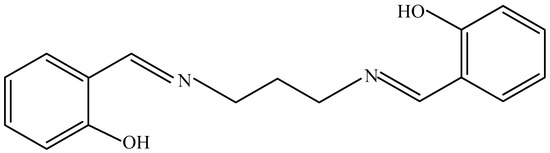
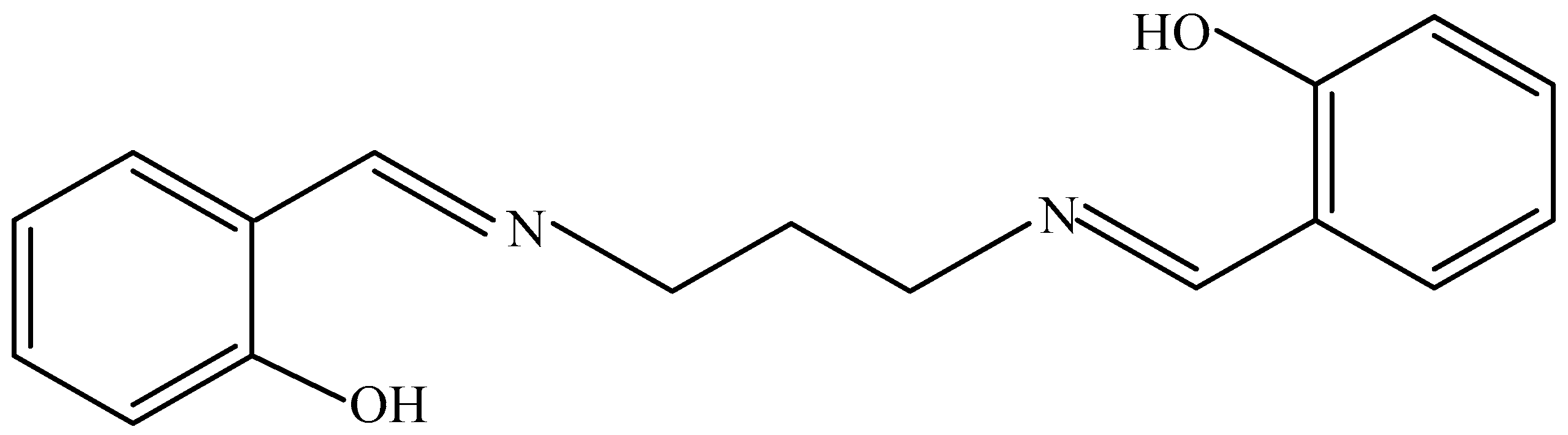
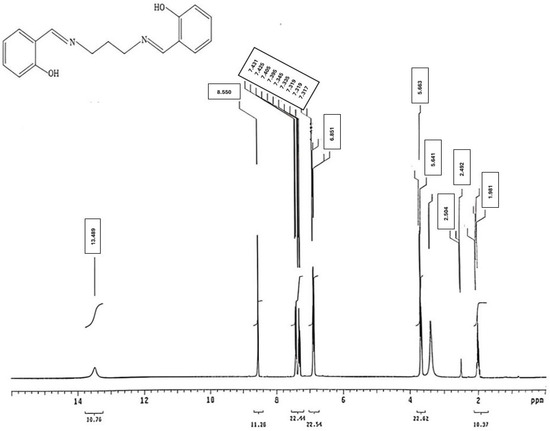
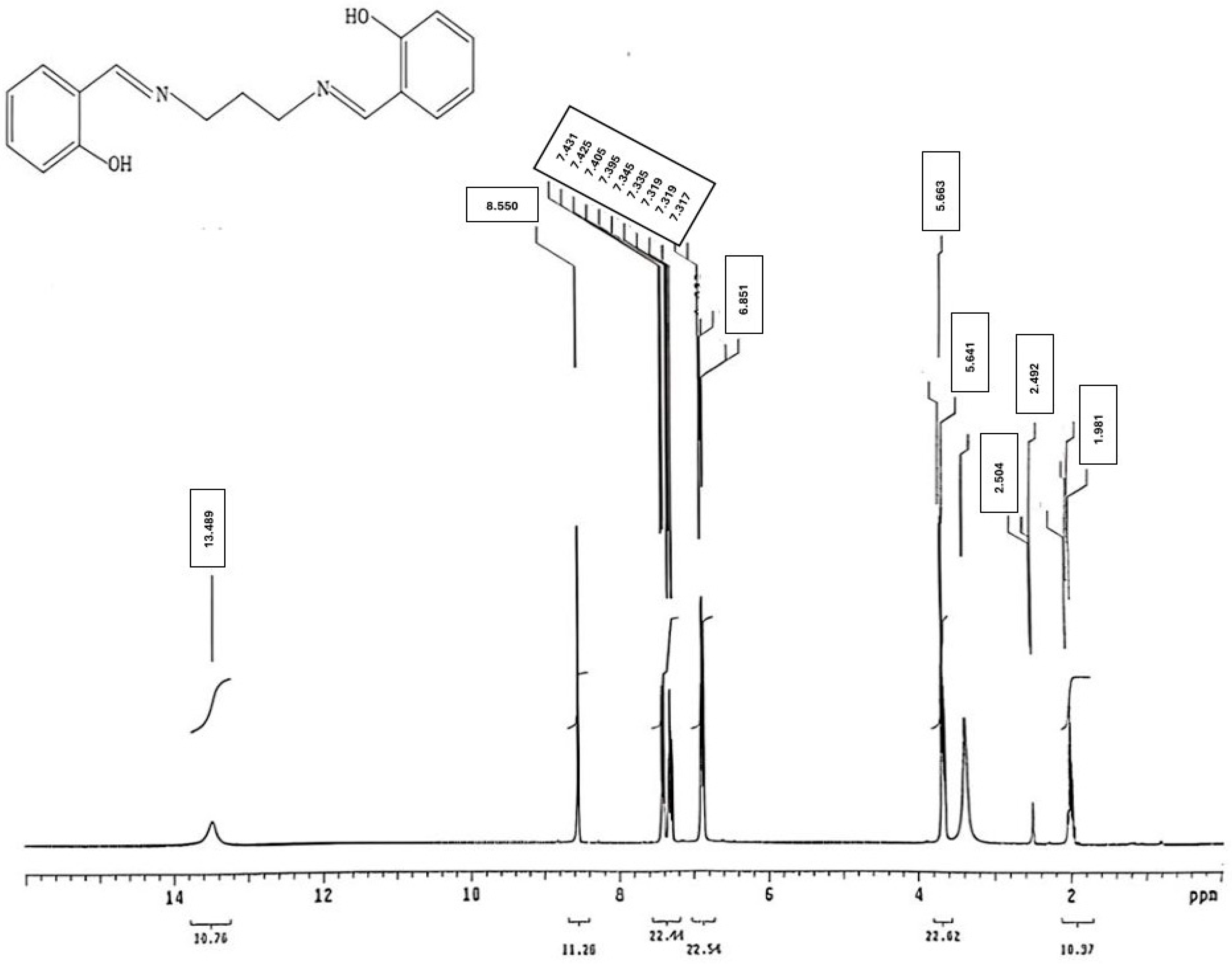
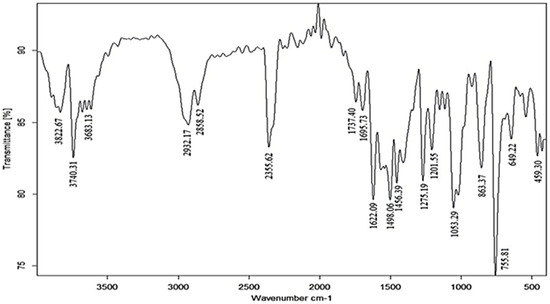
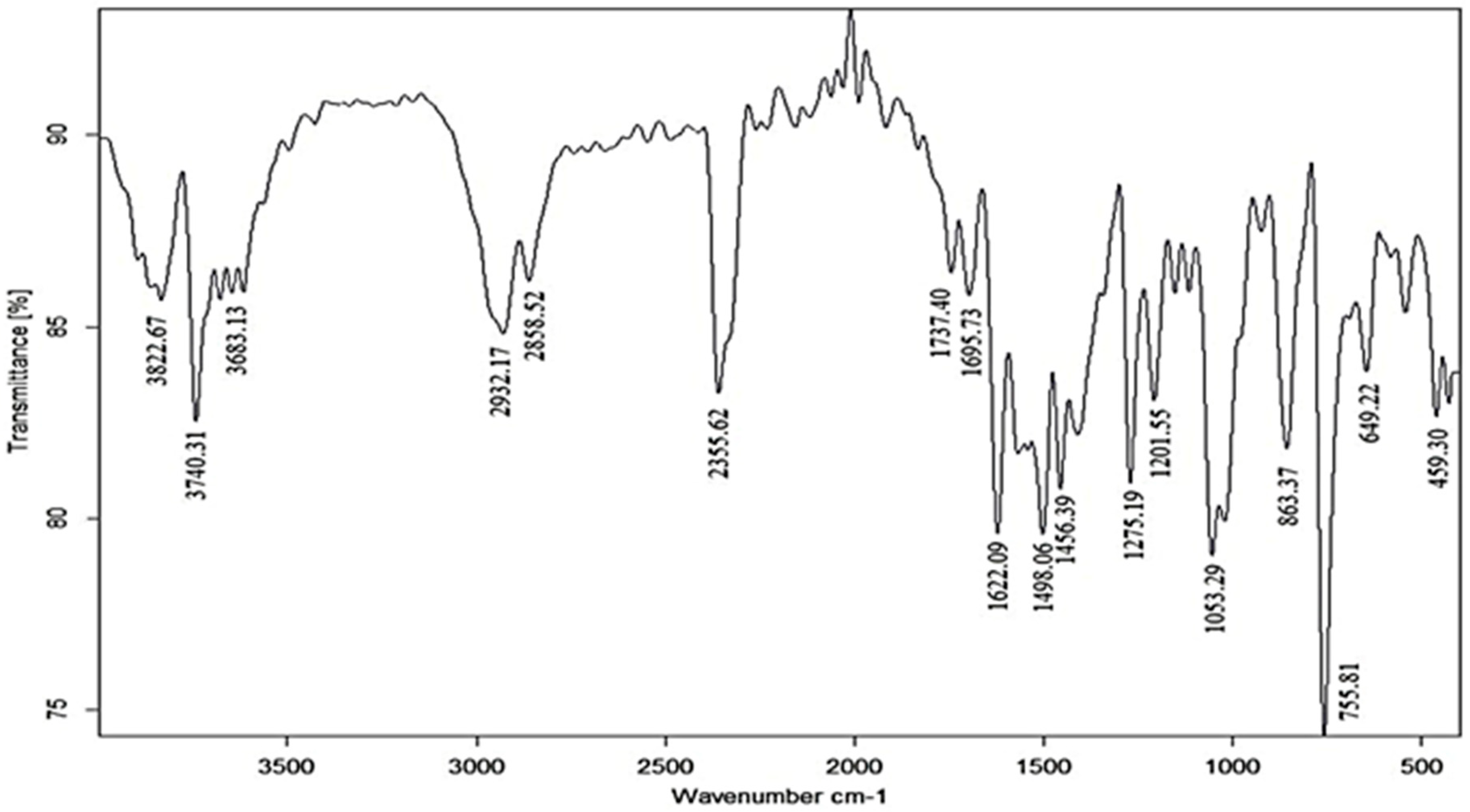
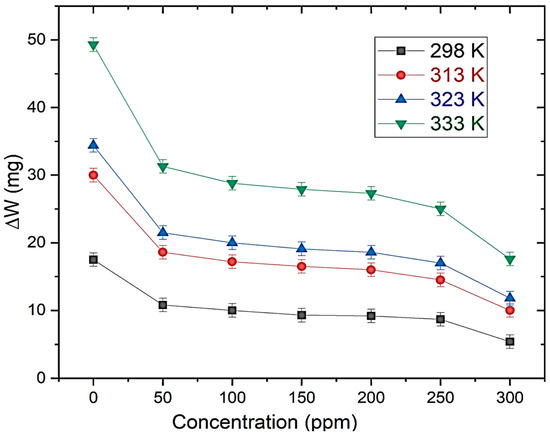
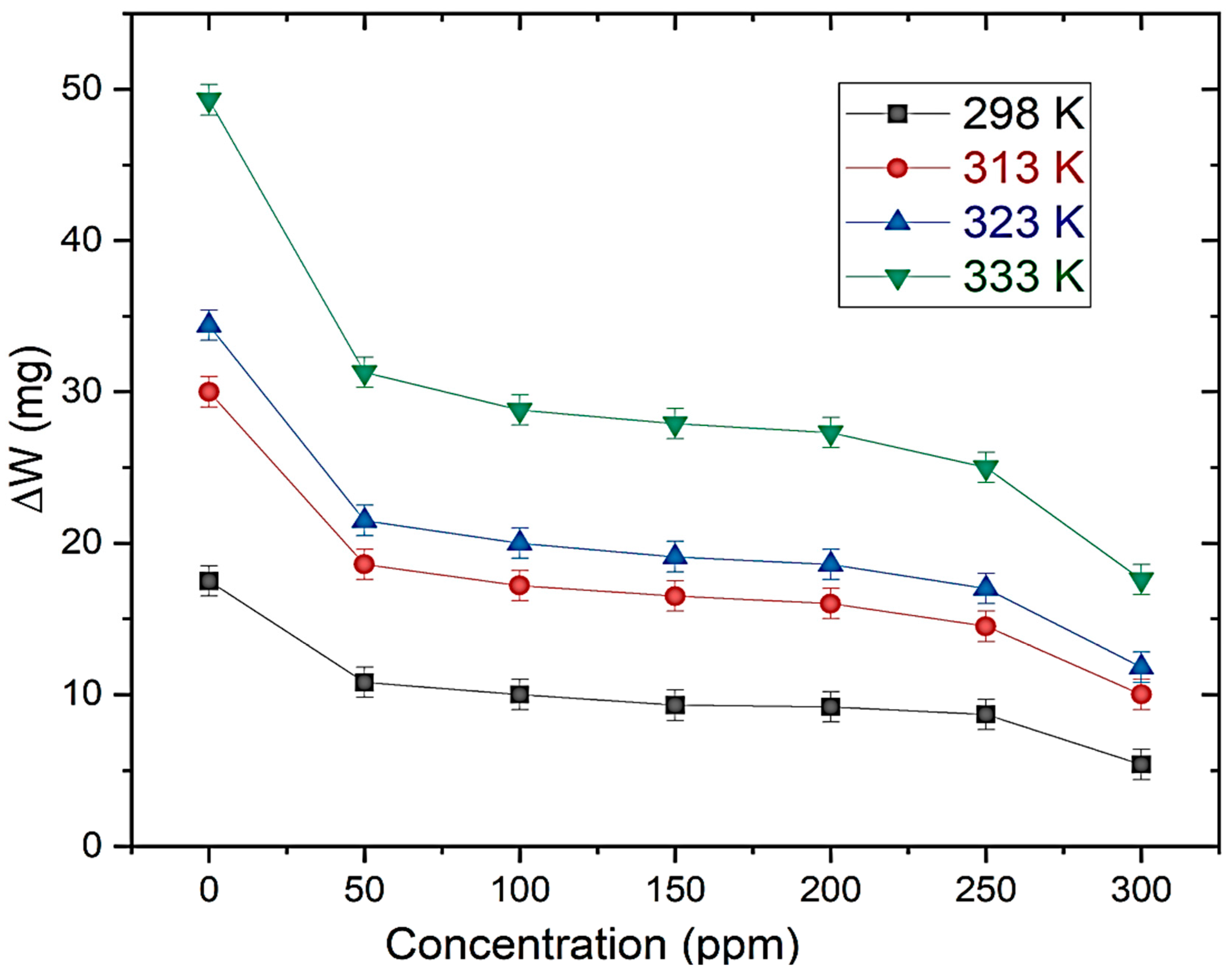
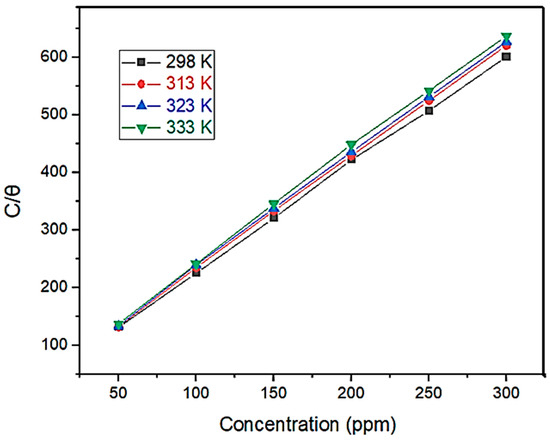
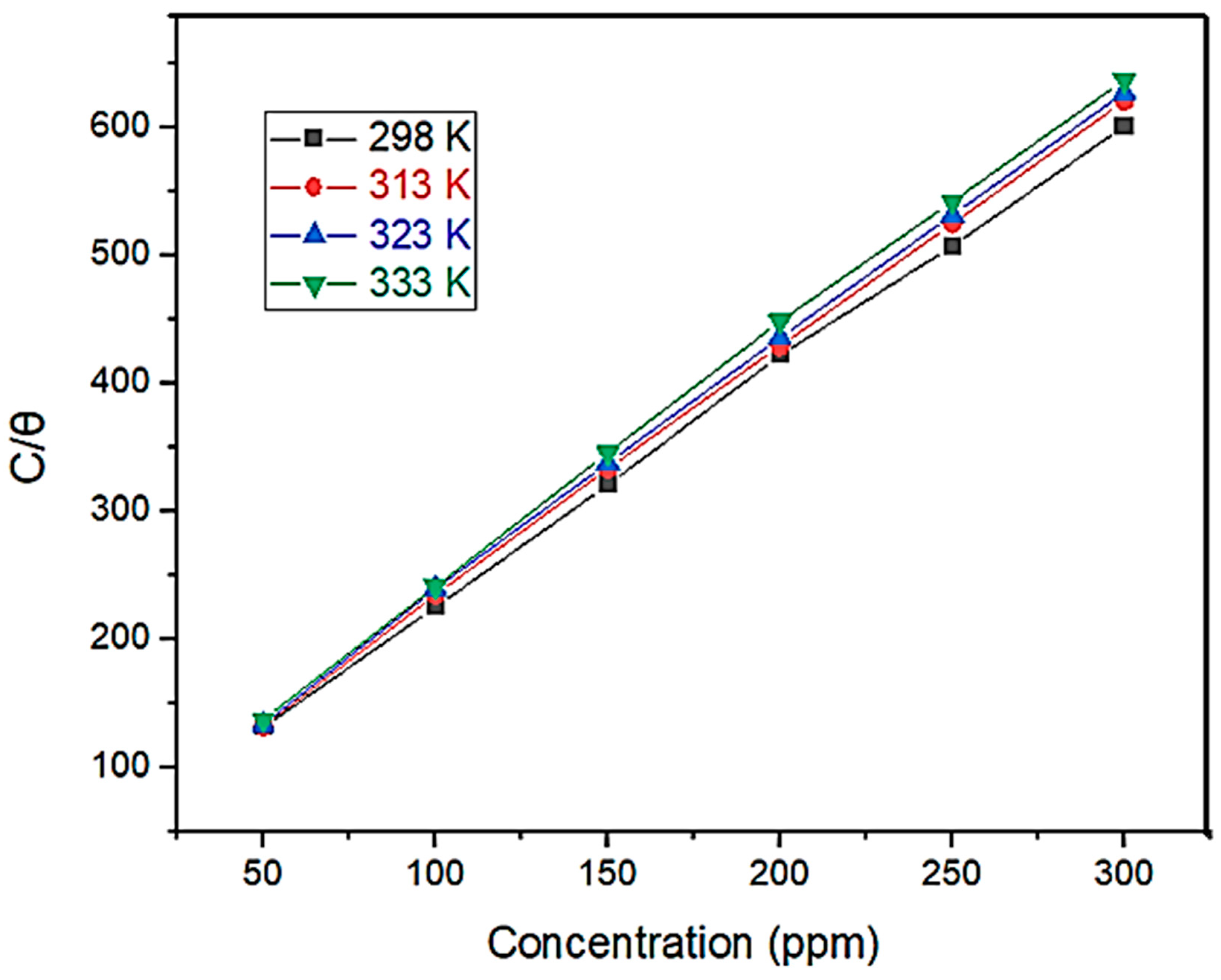
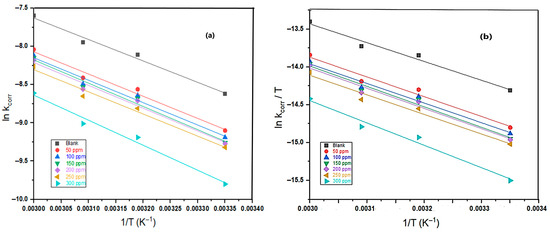
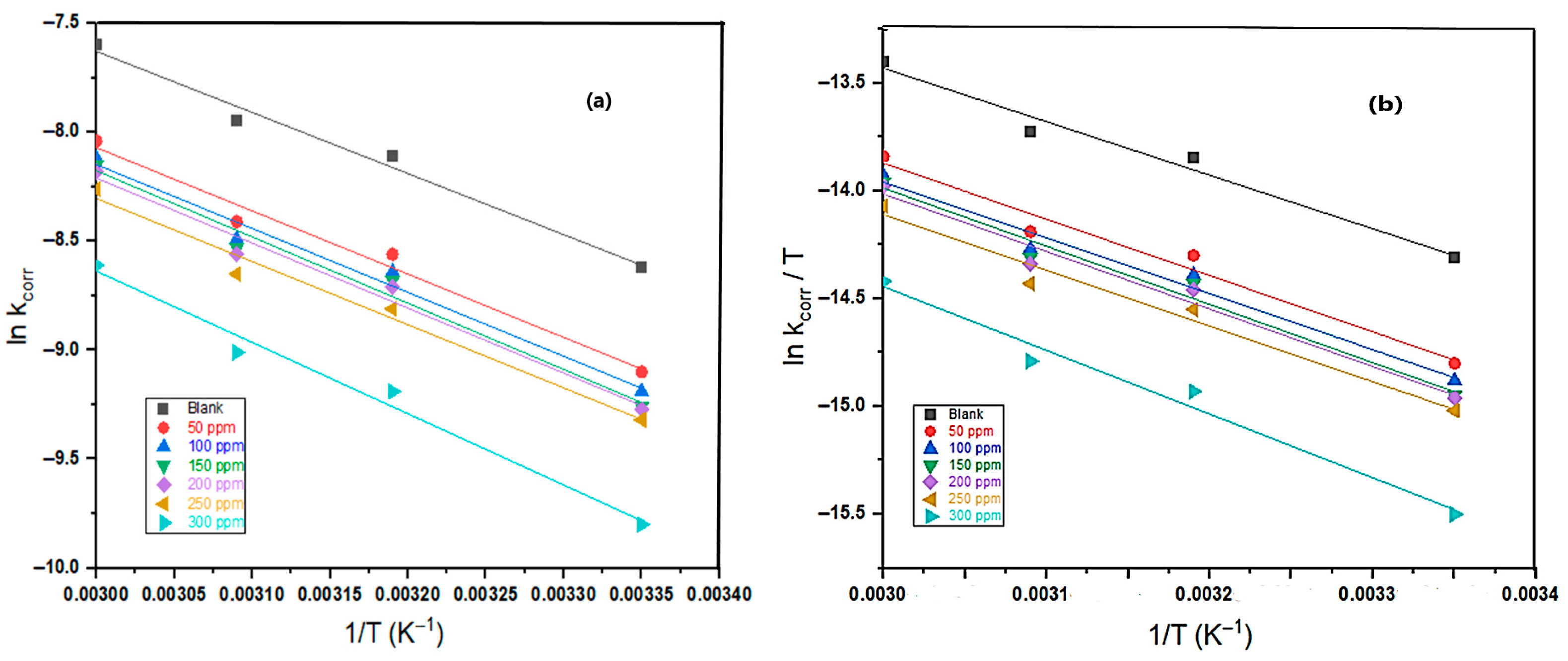
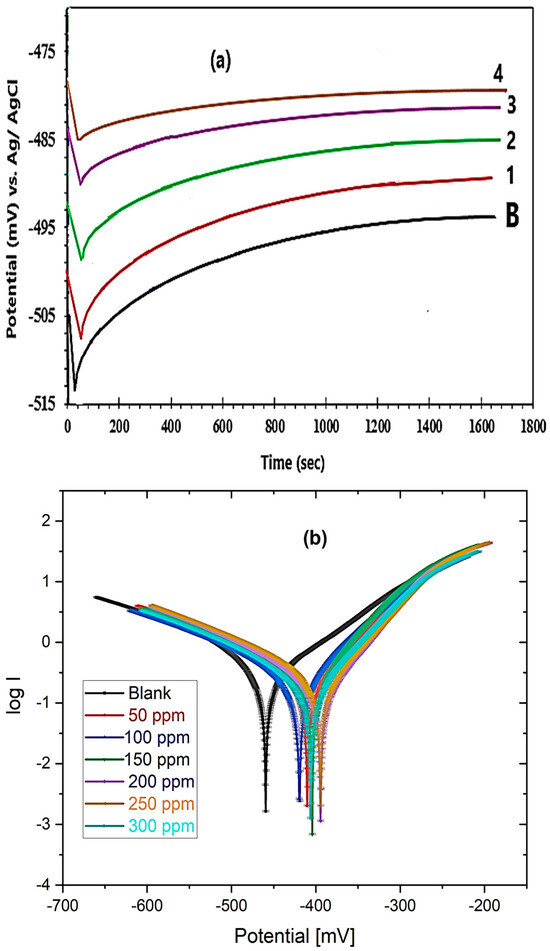
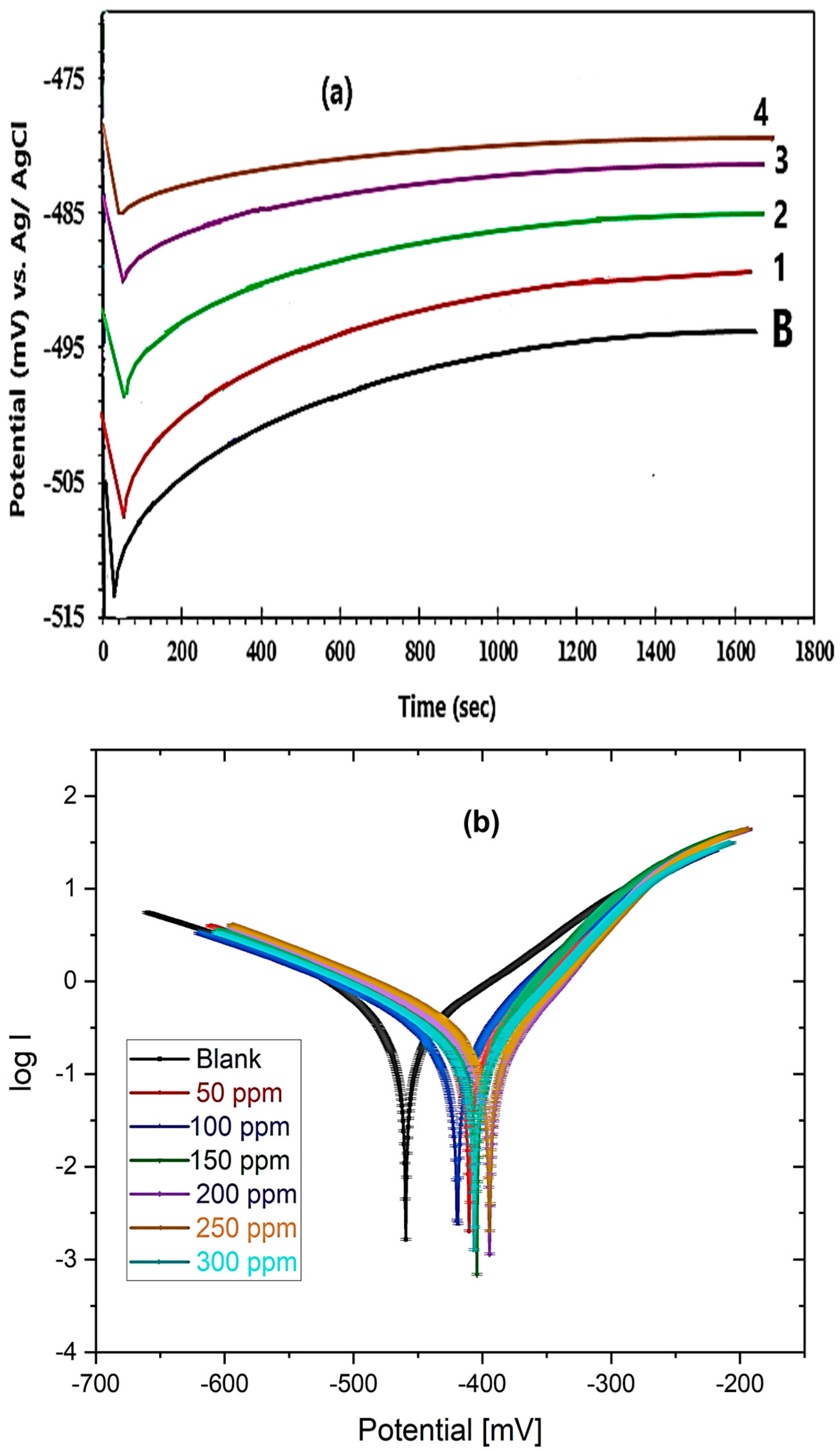
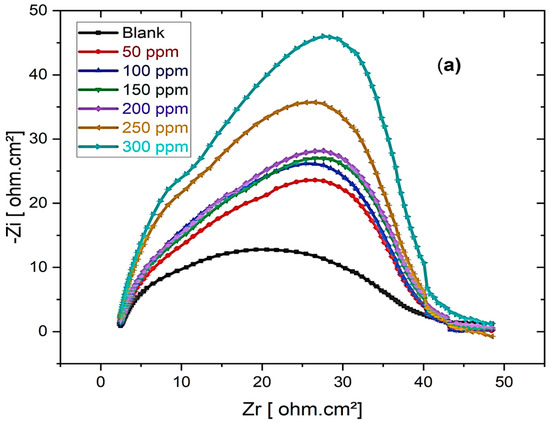
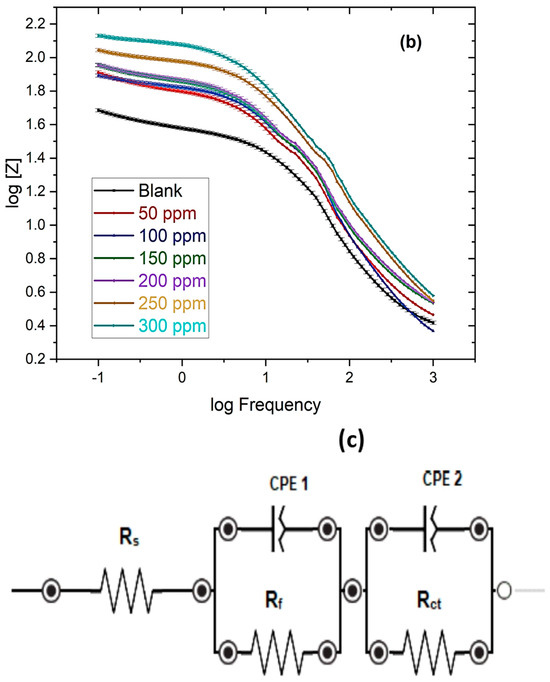
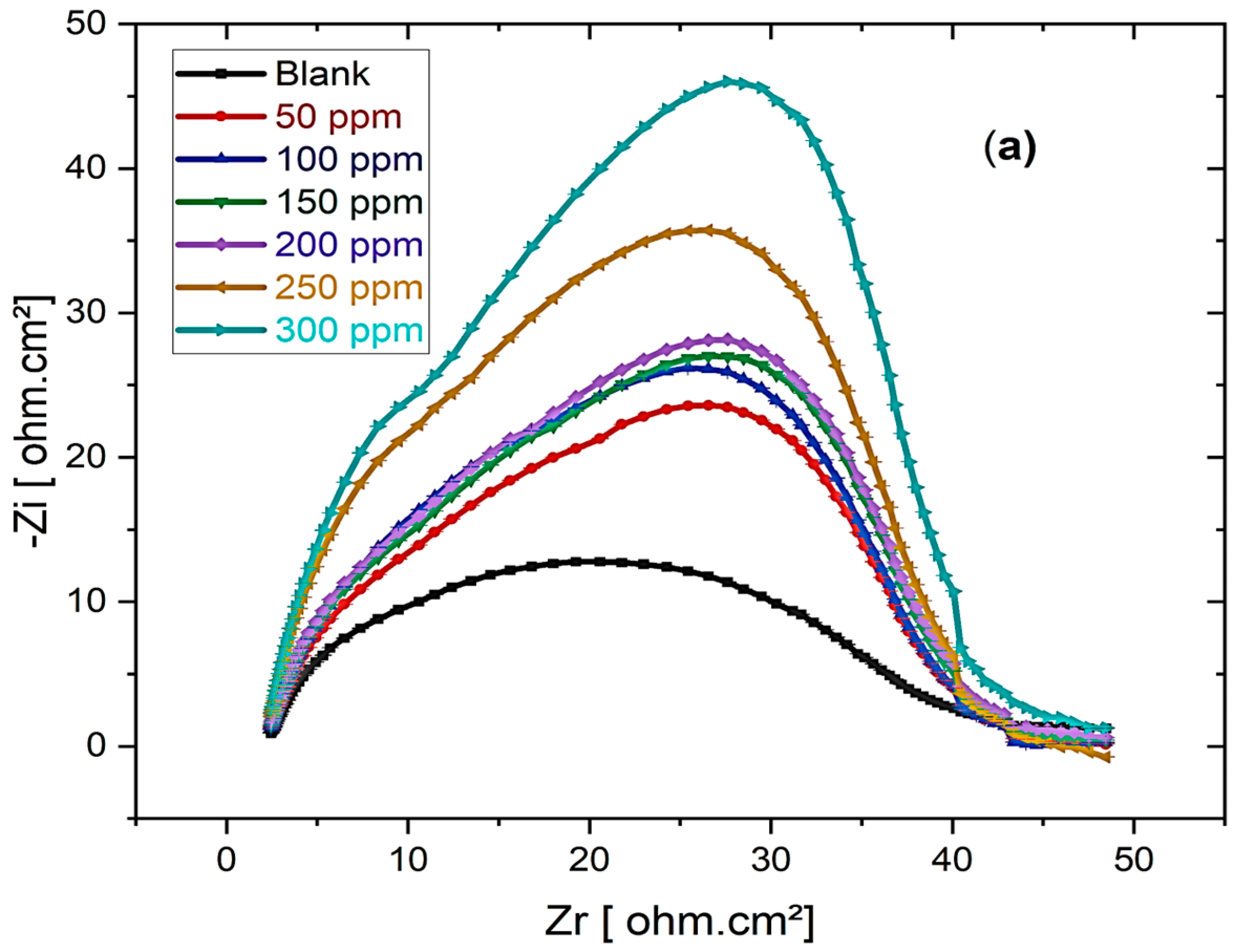
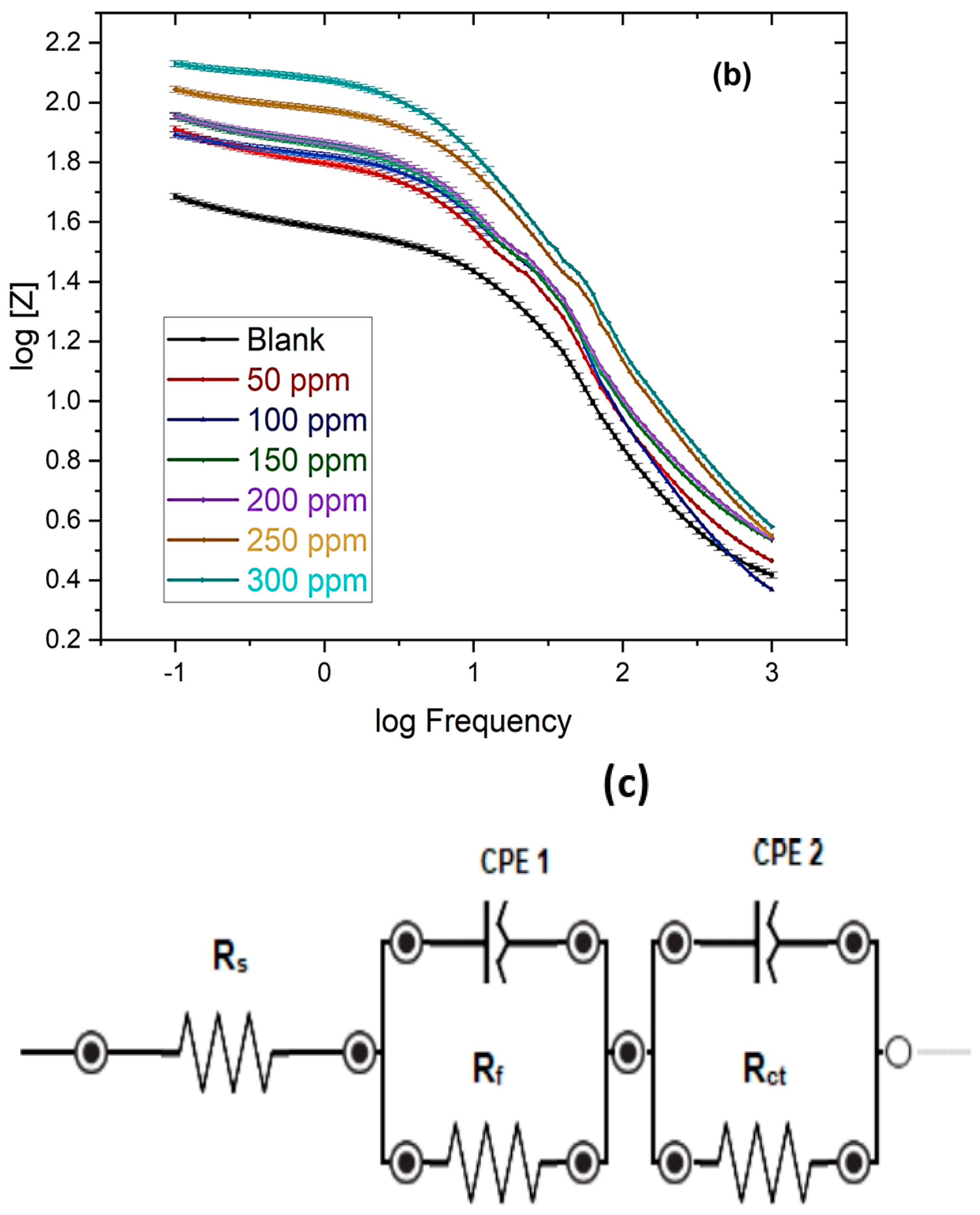
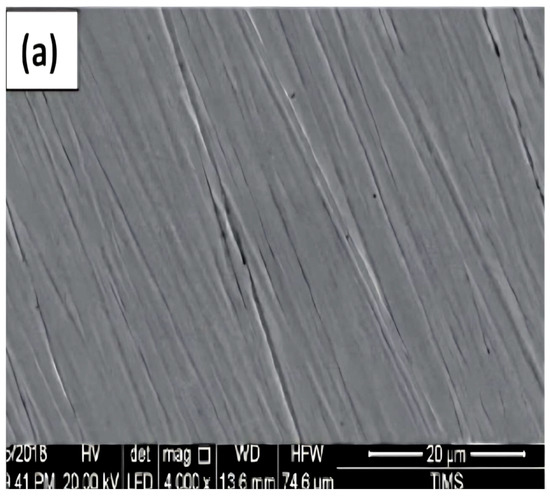
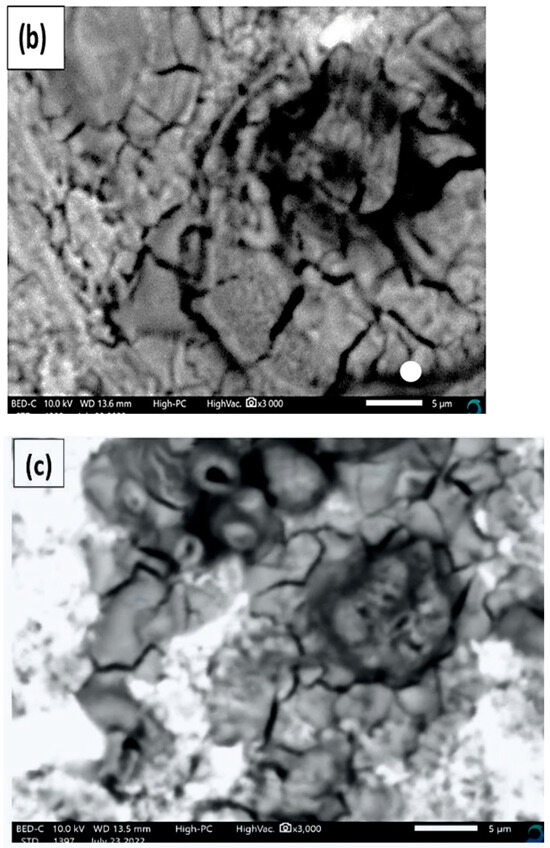
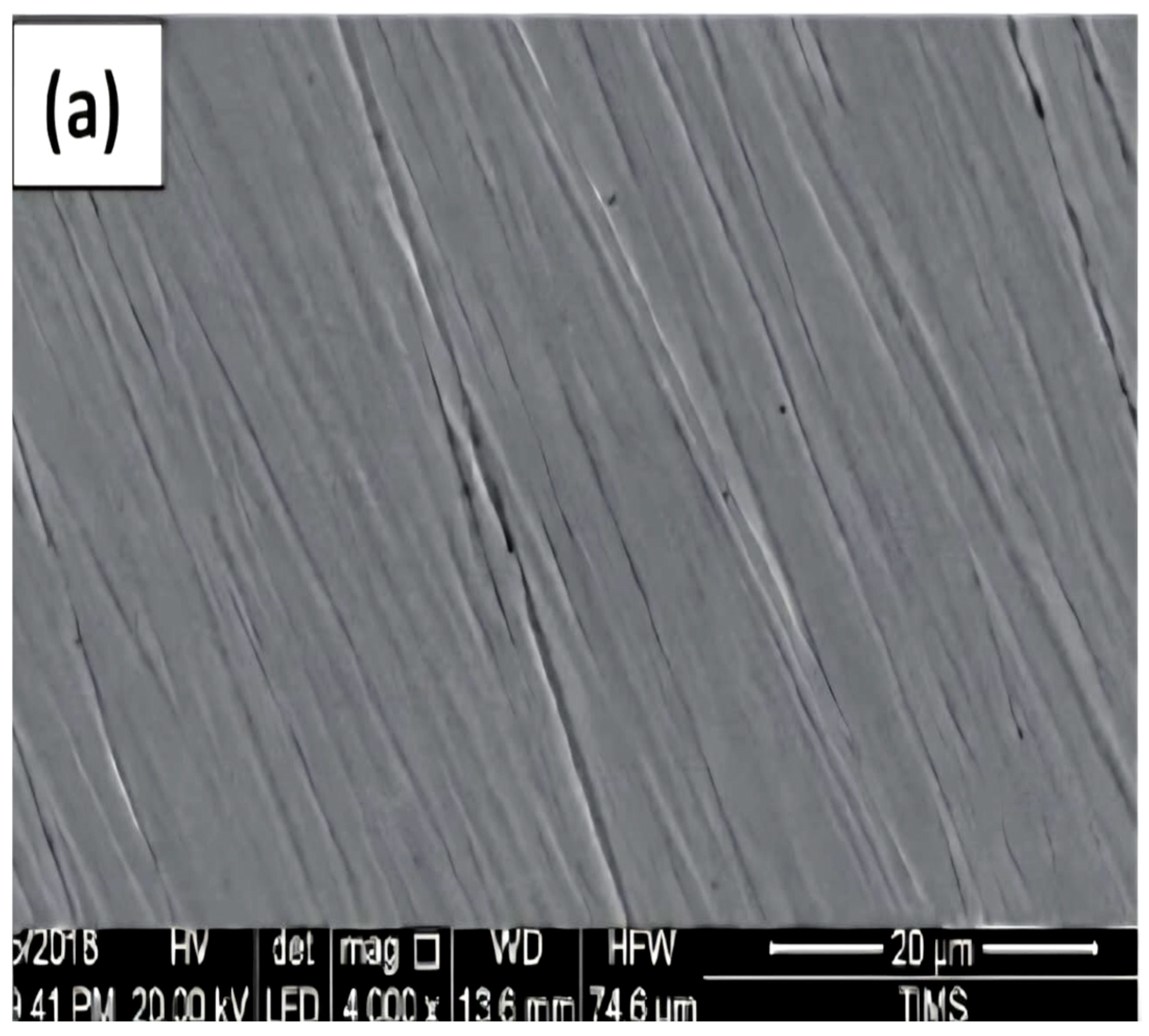
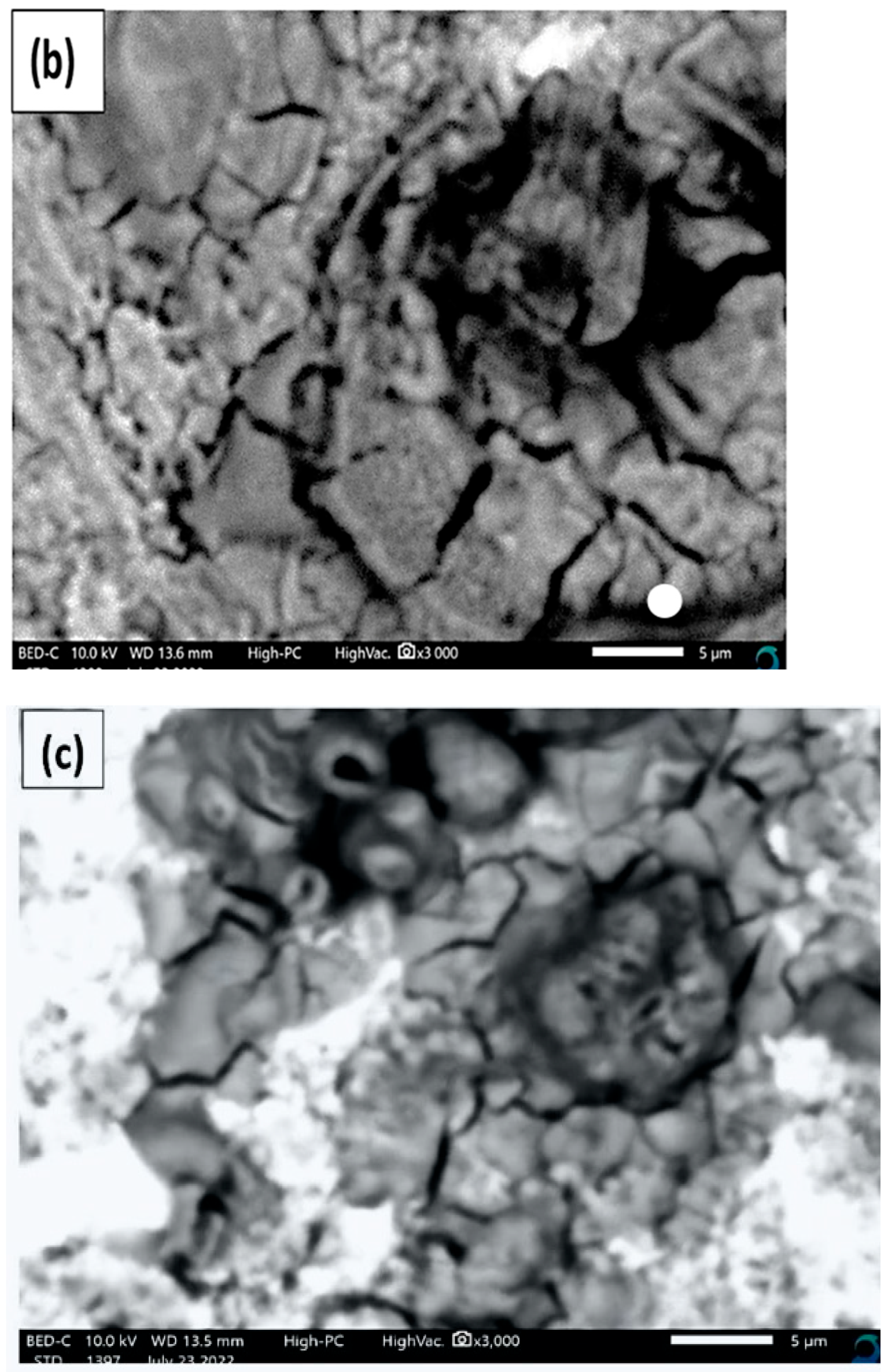
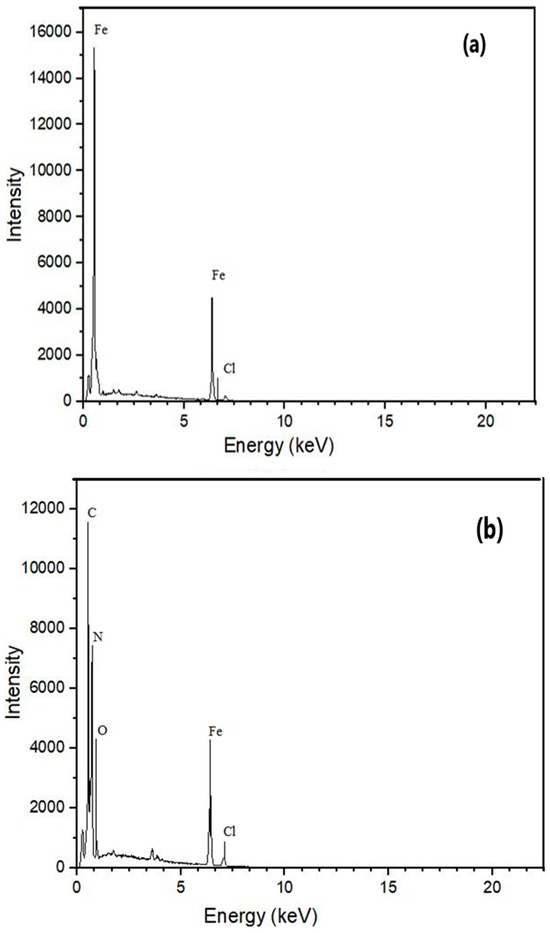
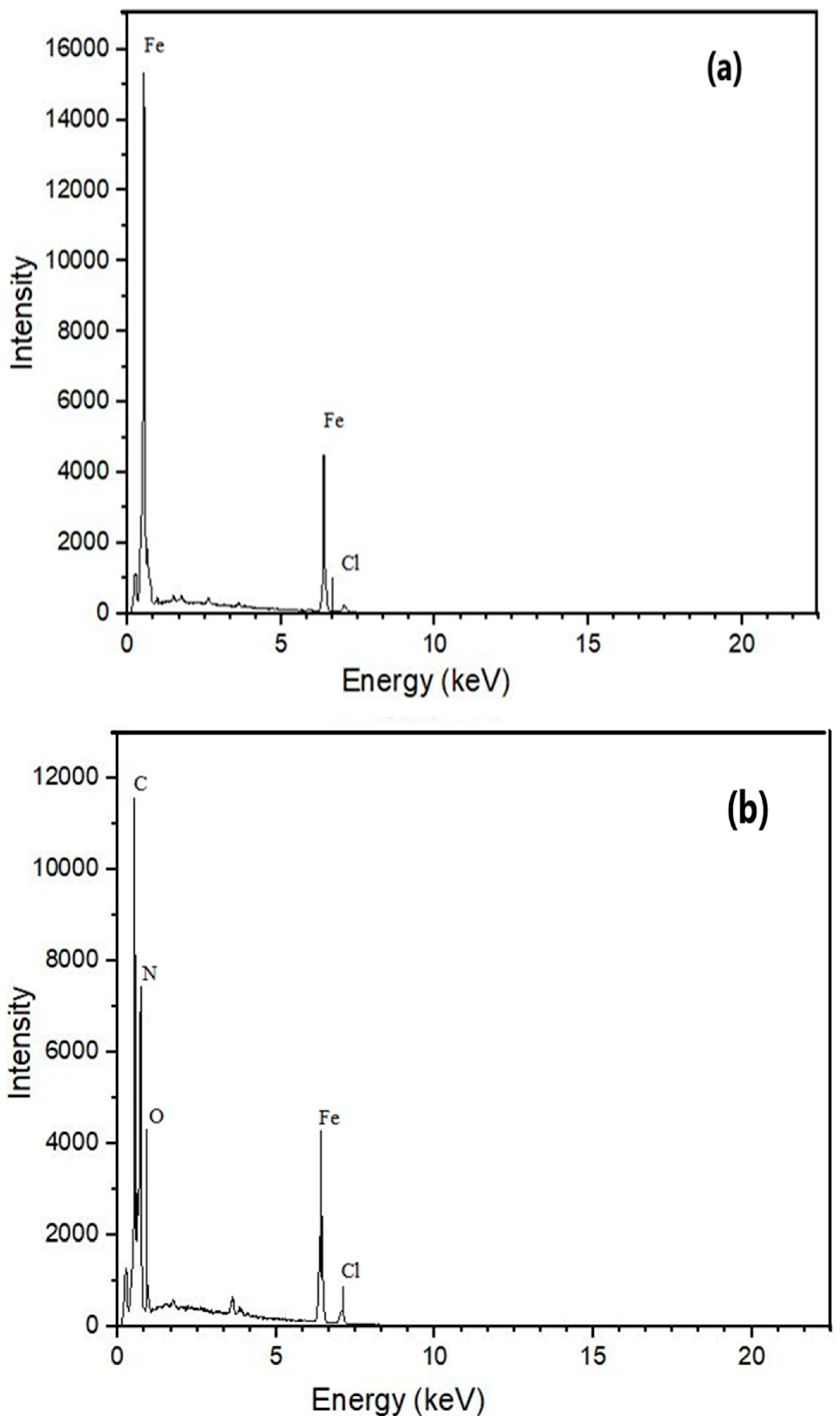
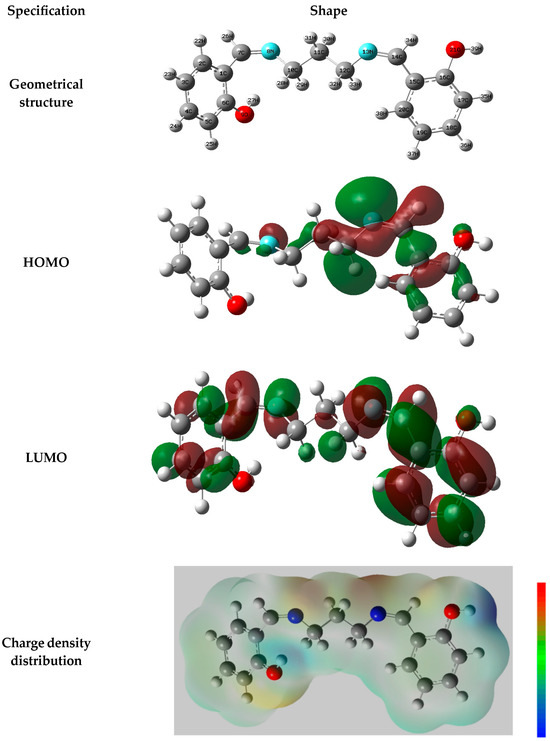
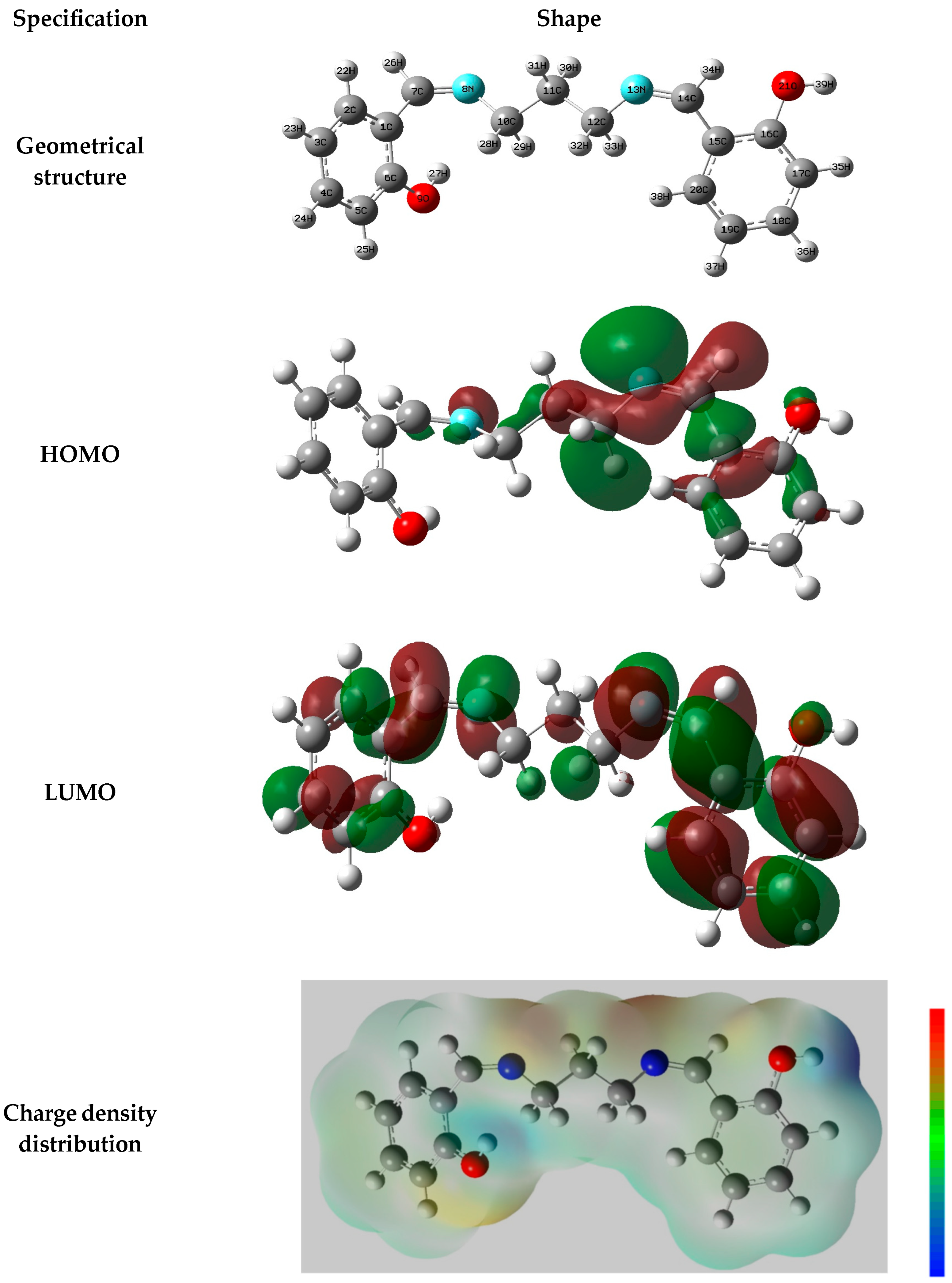
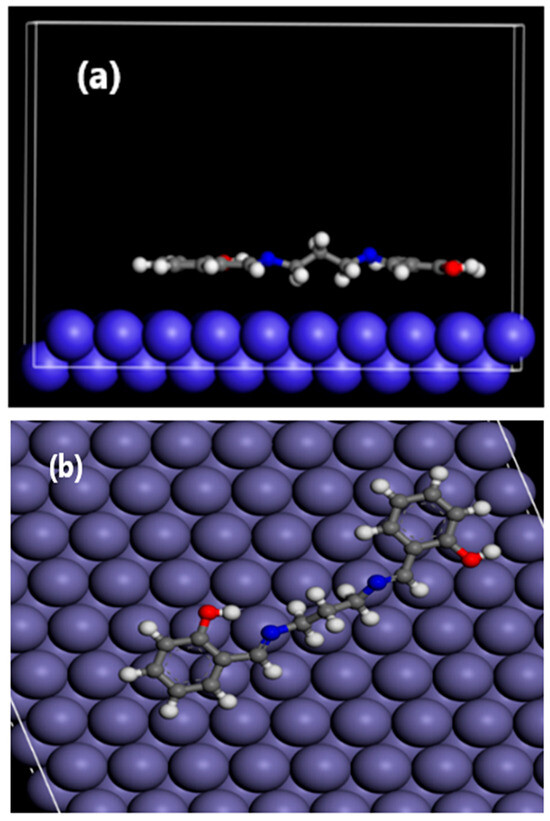
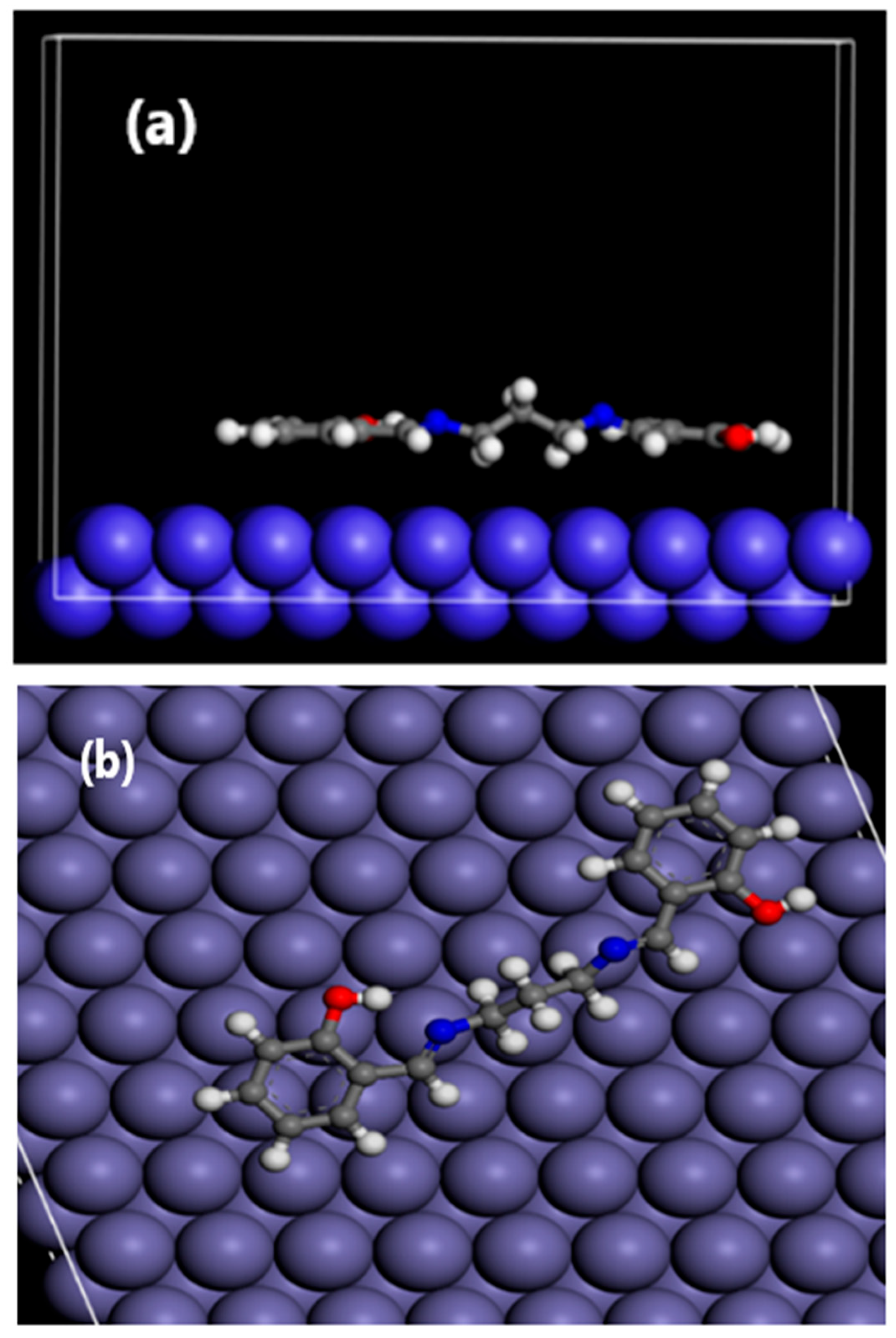
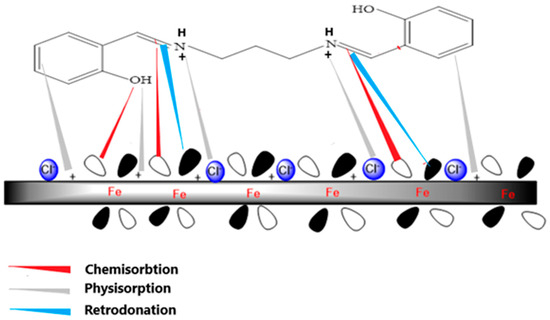
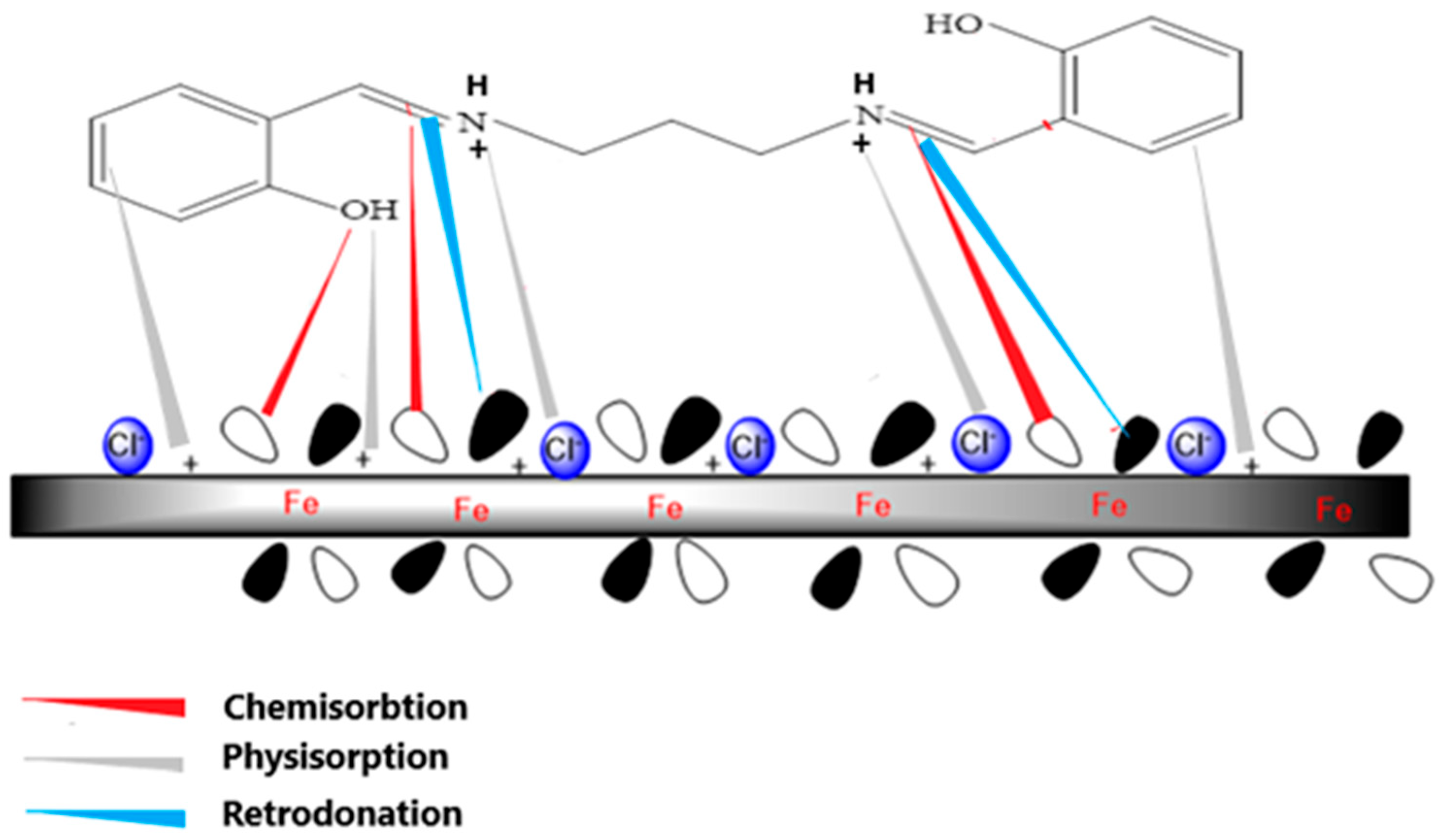

Disclaimer/Publisher’s Note: The statements, opinions and data contained in all publications are solely those of the individual author(s) and contributor(s) and not of MDPI and/or the editor(s). MDPI and/or the editor(s) disclaim responsibility for any injury to people or property resulting from any ideas, methods, instructions or products referred to in the content. |
© 2026 by the authors. Licensee MDPI, Basel, Switzerland. This article is an open access article distributed under the terms and conditions of the Creative Commons Attribution (CC BY) license.