Feature Papers in Molecular Biomarkers

A topical collection in Biomolecules (ISSN 2218-273X). This collection belongs to the section "Molecular Biomarkers".

Viewed by 49796

Editor


E-Mail
Collection Editor
Cardiology Section, Hospital “F. Perinei” Altamura (BA), 70022 Altamura, Italy
Interests: heart failure; preventive cardiology; vascular biology; endothelial function; cardiovascular pharmacology
Special Issues, Collections and Topics in MDPI journals

Topical Collection Information

Dear Colleagues,

This Topical Collection, “Feature Papers in Molecular Biomarkers”, will bring together high-quality research arti-cles, review articles, and communications on all aspects of molecular biomarkers. It is dedicated to diverse recent advances in biomarkers research, as highlighted in the topics below, and comprises a selection of exclusive papers from the Editorial Board Members (EBMs) of the Molecular Biomarkers Section as well as invited papers from relevant experts. We also welcome established experts in the field to make contributions to this Topical Collection. Please note that all invited papers will be published online once accepted. We aim to represent our Section as an attractive open access publishing platform for molecular biomarkers research.

Dr. Pietro Scicchitano
Collection Editor

Manuscript Submission Information

Manuscripts should be submitted online at www.mdpi.com by registering and logging in to this website. Once you are registered, click here to go to the submission form. All submissions that pass pre-check are peer-reviewed. Accepted papers will be published continuously in the journal (as soon as accepted) and will be listed together on the collection website. Research articles, review articles as well as short communications are invited. For planned papers, a title and short abstract (about 250 words) can be sent to the Editorial Office for assessment.

Submitted manuscripts should not have been published previously, nor be under consideration for publication elsewhere (except conference proceedings papers). All manuscripts are thoroughly refereed through a single-blind peer-review process. A guide for authors and other relevant information for submission of manuscripts is available on the Instructions for Authors page. Biomolecules is an international peer-reviewed open access monthly journal published by MDPI.

Please visit the Instructions for Authors page before submitting a manuscript. The Article Processing Charge (APC) for publication in this open access journal is 2700 CHF (Swiss Francs). Submitted papers should be well formatted and use good English. Authors may use MDPI's English editing service prior to publication or during author revisions.

Published Papers (16 papers)

2026

Jump to: 2025, 2024, 2023, 2022

22 pages, 8535 KB  
Article
Endogenous and Exogenous Small RNA Signatures as Novel Tools for Postmortem Interval Determination
by Yafei Wang, Botao Li, Yue Wang, Qinmin Chen, Zhonghua Wang, Guangping Fu, Shujin Li, Chenyu Zhang, Zhen Zhou and Bin Cong
Biomolecules 2026, 16(3), 474; https://doi.org/10.3390/biom16030474 - 22 Mar 2026
Viewed by 546
Abstract
Background: Accurate estimation of the postmortem interval (PMI), the time elapsed between death and body discovery, is a critical challenge in forensic science due to the complex interplay of factors affecting decomposition. Traditional methods based on macroscopic changes often lack precision, especially in [...] Read more.
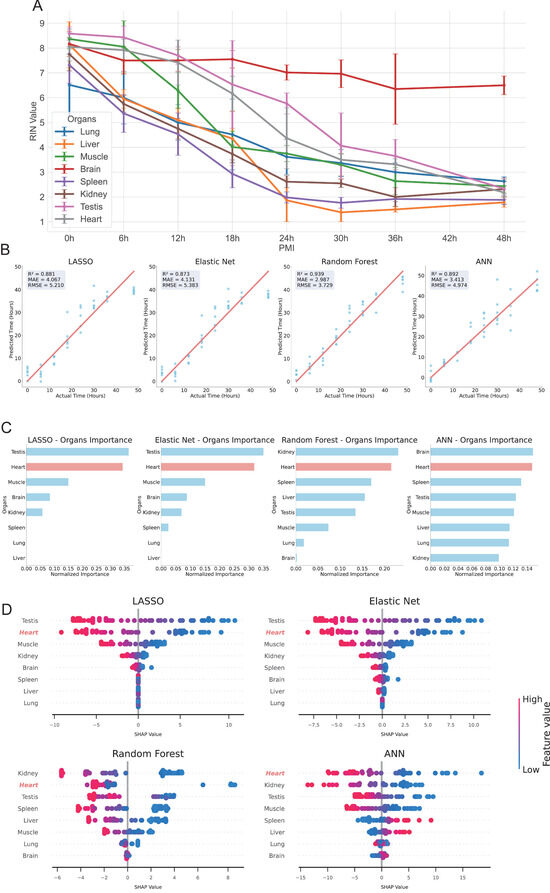
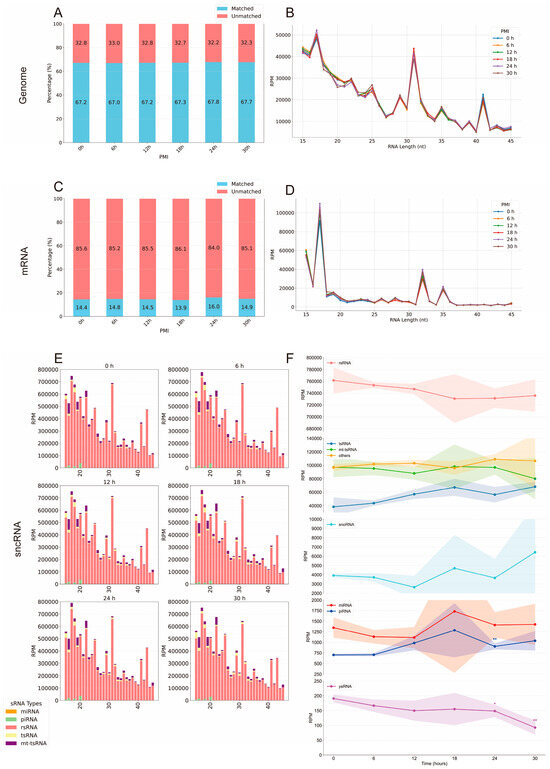
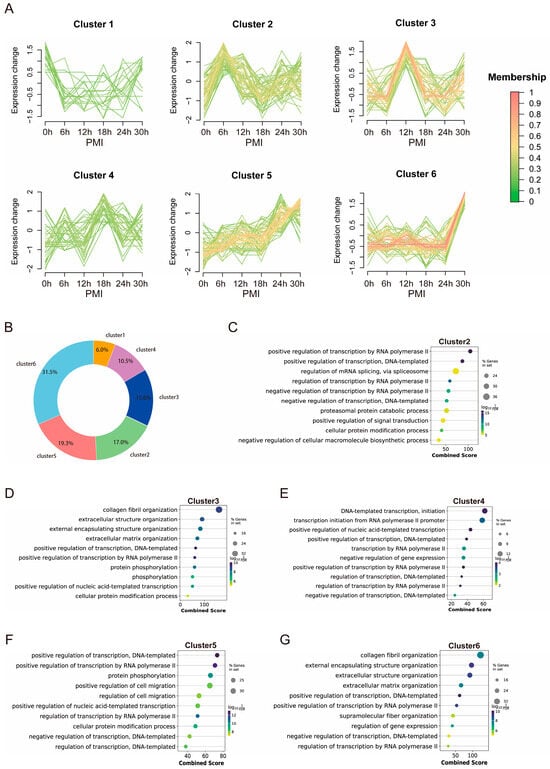
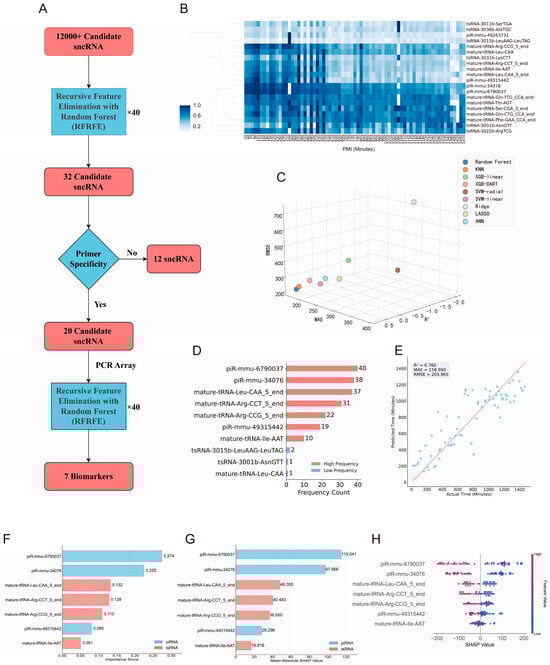
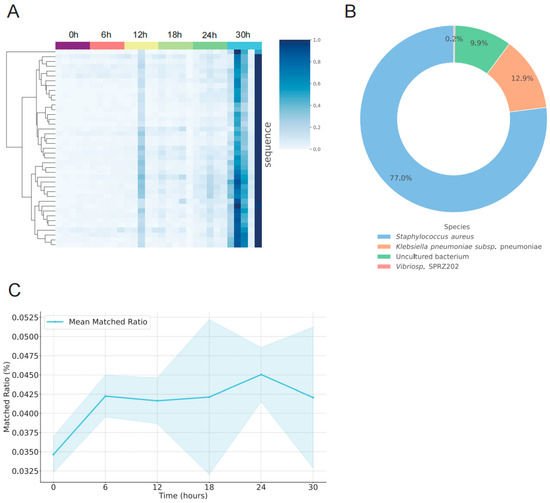
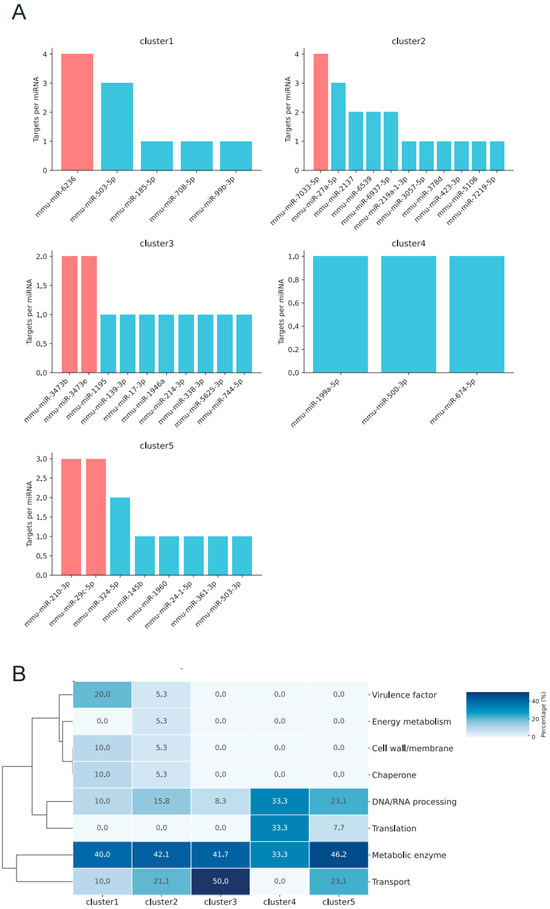
Background: Accurate estimation of the postmortem interval (PMI), the time elapsed between death and body discovery, is a critical challenge in forensic science due to the complex interplay of factors affecting decomposition. Traditional methods based on macroscopic changes often lack precision, especially in later postmortem stages. Methods: This study aimed to develop a novel PMI estimation framework by integrating the dynamics of endogenous small non-coding RNAs (sncRNAs) and exogenous bacterial-derived small RNAs (sRNAs) using sRNA transcriptomics and machine learning. Results: Cardiac RNA degradation strongly correlated with PMI, with a random forest (RF) model achieving high accuracy (coefficient of determination (R2) = 0.939, mean absolute error (MAE) = 2.987 h). Employing PANDORA-seq, we profiled temporal changes in sncRNAs (miRNAs, tsRNAs and piRNAs) in postmortem cardiac tissue within 30 h in a mouse model, while simultaneously assessing RNA integrity (RIN) across eight organs. PANDORA-seq revealed stable sncRNA landscapes with specific dynamic shifts, leading to the identification of seven novel biomarkers (four tsRNAs, three piRNAs) for PMI prediction (R2 = 0.760, MAE = 158.990 min). Bacterial-derived sRNAs, predominantly from Staphylococcus aureus, were upregulated at 30 h postmortem, suggesting complementary biomarker potential. Bioinformatics analysis indicated that host miRNAs may target bacterial mRNAs, hinting at cross-kingdom interactions. Conclusion: These findings highlight the potential of integrated endogenous and exogenous sRNA analysis in PMI estimation, providing a high-precision, rapid diagnostic tool and revealing complex postmortem molecular processes. Full article
Show Figures

Figure 1
15 pages, 597 KB  
Article
Association Between Biochemical, Inflammatory, Oxidative Stress and DNA Methylation Biomarkers with Perceived Stress in Mexican Individuals
by Heriberto Jacobo-Cuevas, Laura González-López, Saúl Ramírez-de-Los-Santos, Ana Míriam Saldaña-Cruz, Juan Manuel Ponce-Guarneros, Norma Alejandra Rodríguez-Jimenez and Aniel Jessica Leticia Brambila-Tapia
Biomolecules 2026, 16(3), 405; https://doi.org/10.3390/biom16030405 - 10 Mar 2026
Viewed by 449
Abstract
Stress is increasingly recognized as a complex, multidimensional phenomenon shaped by interacting biological, psychological, and social factors, and it has been linked to numerous physical conditions. Several inflammatory and oxidative stress markers have been correlated with perceived stress. However, the combined association of [...] Read more.
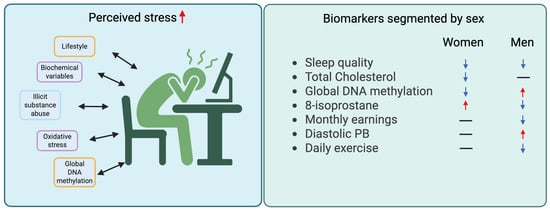
Stress is increasingly recognized as a complex, multidimensional phenomenon shaped by interacting biological, psychological, and social factors, and it has been linked to numerous physical conditions. Several inflammatory and oxidative stress markers have been correlated with perceived stress. However, the combined association of biochemical variables, inflammatory and oxidative stress biomarkers, and DNA methylation with perceived stress has not yet been examined in the Mexican population. Therefore, the objective of this study was to determine such an association in a sample of non-representative Mexican adult individuals. A total of 157 individuals were included, of whom 83 (53%) were women. Women showed higher values of stress than men. In the bivariate correlations, perceived stress correlated negatively with sleep quality, age, total cholesterol, monthly earnings and waist-to-hip ratio and positively with morbidity count, leucocytes and platelets. In the multivariable analyses, additional variables were associated with perceived stress, including a positive correlation with IL-1β in the total sample, a positive correlation with 8-isoprostane in the women’s sample, and a negative correlation with this molecule in the men’s sample. Similarly, perceived stress correlated positively with DNA global methylation in the men’s sample and negatively with this variable in the women’s sample. In conclusion, perceived stress showed correlations with many variables, including sociodemographic and behavioral ones, such as sex, age and sleep quality; biochemical variables, including serum lipids, platelets and leukocytes; and inflammation (IL-1β), oxidative stress (8-isoprostane) and DNA methylation (global DNA methylation) biomarkers, some of them showing opposite correlations in each sex. Full article
Show Figures

Figure 1
17 pages, 435 KB  
Review
Circulating Tumor Cells: Isolation, Preclinical Models, and Clinical Applications for Personalized Cancer Therapy
by Luisana Sisca, Mariam Grazia Polito, Michele Iuliani, Giuseppe Francesco Papalia, Giuseppe Tonini and Francesco Pantano
Biomolecules 2026, 16(3), 394; https://doi.org/10.3390/biom16030394 - 5 Mar 2026
Cited by 1 | Viewed by 736
Abstract
Circulating tumor cells (CTCs) represent a powerful, minimally invasive window into tumor biology and disease evolution. Technological progress over the past decade has markedly improved the ability to isolate, preserve, and interrogate viable CTCs, transforming them from simple prognostic markers to functional tools [...] Read more.
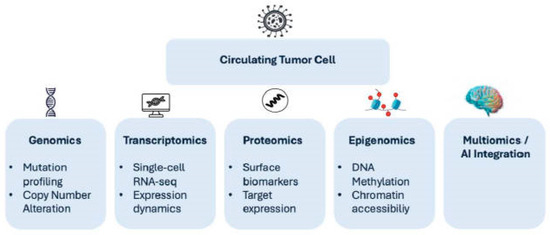
Circulating tumor cells (CTCs) represent a powerful, minimally invasive window into tumor biology and disease evolution. Technological progress over the past decade has markedly improved the ability to isolate, preserve, and interrogate viable CTCs, transforming them from simple prognostic markers to functional tools for precision oncology. Advances in microfluidic platforms, immunomagnetic enrichment, aptamer-based capture, and nanostructured interfaces have expanded the efficiency and fidelity of CTC recovery, enabling comprehensive molecular profiling and ex vivo analysis. These innovations have paved the way for the development of CTC-derived preclinical models, including xenografts, organoids, and chorioallantoic membrane assays, which recapitulate patient-specific tumor heterogeneity and support individualized drug-sensitivity testing. In this review, we summarize current technologies for CTC isolation, outline recent achievements in functional and pharmacological characterization, and discuss the translational impact of CTC-derived models. We further identify persistent challenges and emerging opportunities, highlighting how integration of multi-omics platforms, artificial intelligence, and standardized workflows may accelerate the clinical implementation of CTC-guided personalized therapy. Full article
Show Figures

Figure 1
17 pages, 1392 KB  
Article
Genomic Biomarkers and Mutational Landscape of Nonsyndromic Hearing Loss (NSHL) in the Singaporean Population: Clinical Translational Implications
by Che Kang Lim, Mei Shuang Cheng, Gerard Low, Joyce Zhi’en Tang, Jia Hui Ng, Ni Gin Ong, Pei Shan Leem, Su Ann Lim, Jiun Fong Thong and Vanessa Yee Jueen Tan
Biomolecules 2026, 16(3), 352; https://doi.org/10.3390/biom16030352 - 26 Feb 2026
Viewed by 593
Abstract
Nonsyndromic hearing loss (NSHL) is a highly prevalent, genetically heterogeneous condition, yet its molecular basis in the Singaporean population remains underexplored. We performed whole-exome sequencing and integrative bioinformatics analysis in 115 patients with NSHL to define population-specific genetic biomarkers. A molecular diagnosis was [...] Read more.
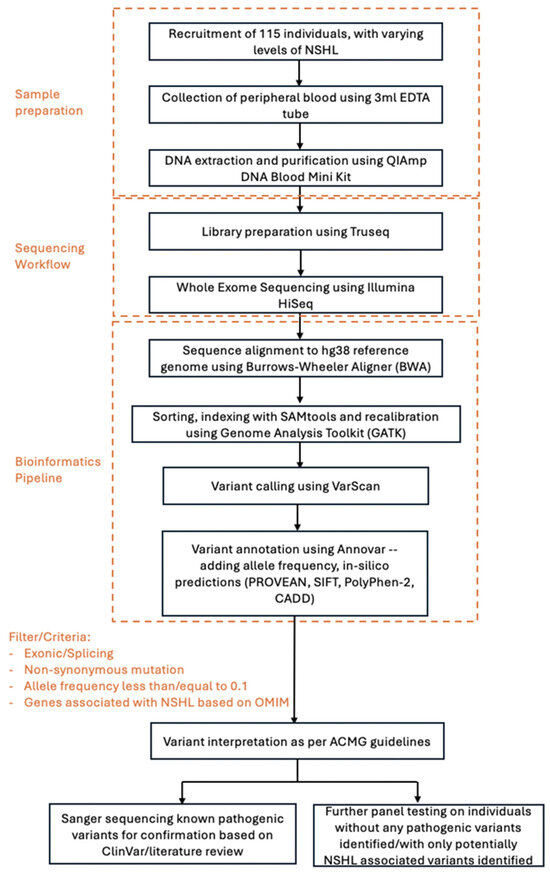
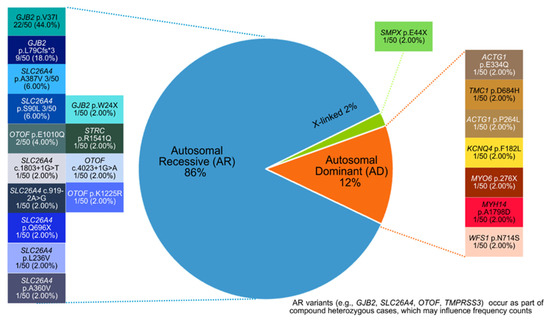
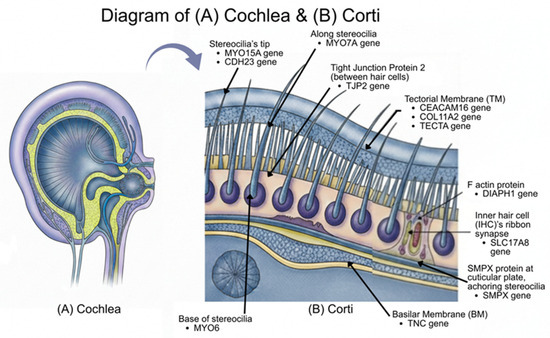
Nonsyndromic hearing loss (NSHL) is a highly prevalent, genetically heterogeneous condition, yet its molecular basis in the Singaporean population remains underexplored. We performed whole-exome sequencing and integrative bioinformatics analysis in 115 patients with NSHL to define population-specific genetic biomarkers. A molecular diagnosis was achieved in 57% of cases, with 76% of identified variants classified as pathogenic or likely pathogenic and 24% exhibiting high pathogenic potential. Common East Asian NSHL genes, including GJB2, SLC26A4, and OTOF, were frequently detected alongside less prevalent genes such as ACTG1, CEACAM16, COL11A2, DIAPH1, KCQN4, MYH14, MYO6, MYO7A, MYO15A, SLC17A8, SMPX, STRC, TJP2, TMC1, TMPRSS3, highlighting extensive genetic heterogeneity. Notably, multiple novel variants, including MYO6 c.554-2A>G, and TNC p.N750Y, were identified, expanding the known mutational spectrum of NSHL. Genotype–phenotype correlations revealed that GJB2 variants were primarily associated with mild to moderate hearing loss, whereas SLC26A4 variants correlated with severe to profound phenotypes in the Singaporean populations. Collectively, our study provides important insights into the genetic architecture of NSHL in Singapore’s population. In addition, it supports improved molecular diagnosis yield and informed clinical management decisions as well as the advancement of precision medicine approaches aimed at reducing the burden of hearing loss in the region. Full article
Show Figures

Figure 1
15 pages, 11276 KB  
Article
Investigation of BECN1-Mediated Autophagy Mechanisms Triggered by External Stimuli in Clinical Mastitis of Dairy Cows
by Nong Cai, Bohao Zhang, Na Chen, Jiayu Yue, Jianfu Li, Weitao Dong, Yong Zhang, Xingxu Zhao and Quanwei Zhang
Biomolecules 2026, 16(1), 133; https://doi.org/10.3390/biom16010133 - 12 Jan 2026
Viewed by 456
Abstract
Disruption of the blood–milk barrier and inhibition of enzymatic activity caused by abnormal external stimuli, accompanied by the occurrence of autophagy, are among the major factors contributing to the onset of clinical mastitis (CM) in dairy cows. However, the molecular mechanisms through which [...] Read more.
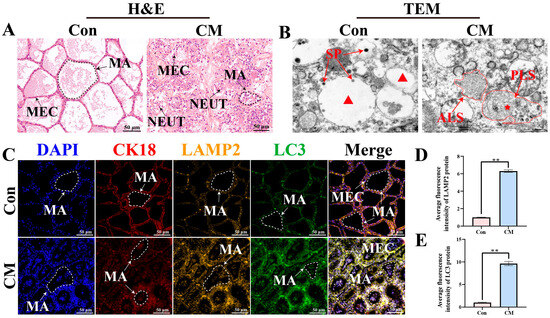
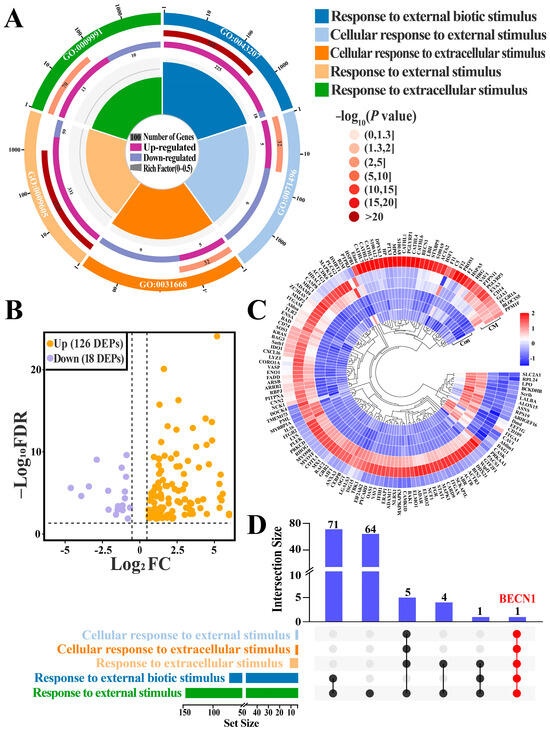
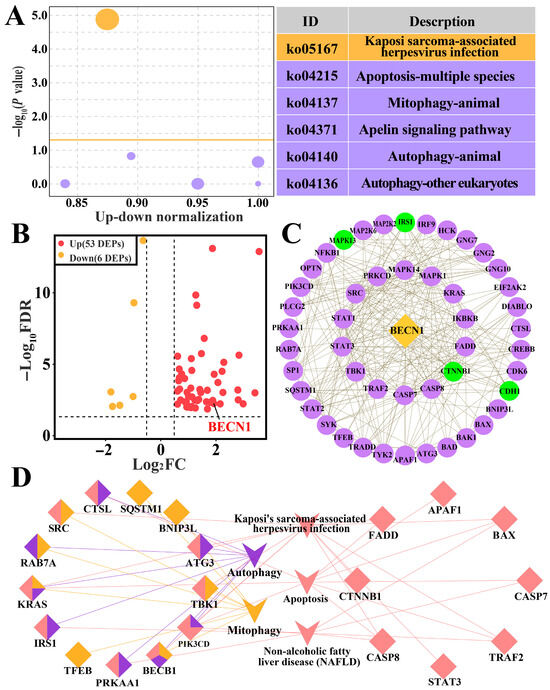
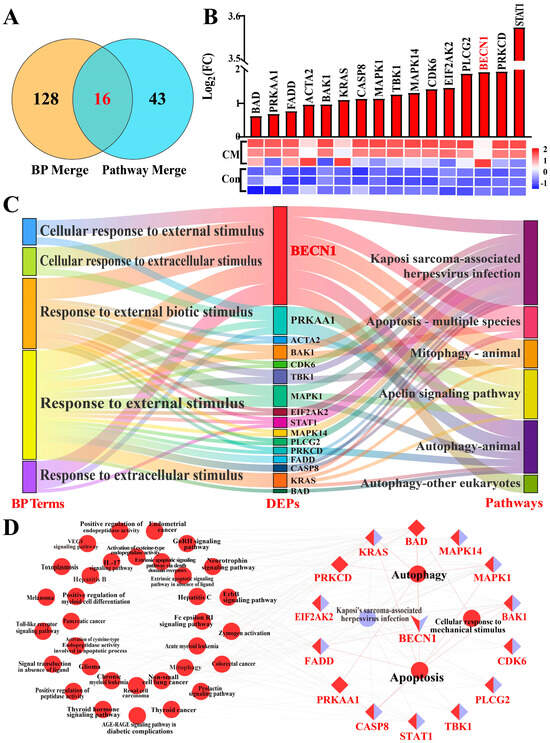
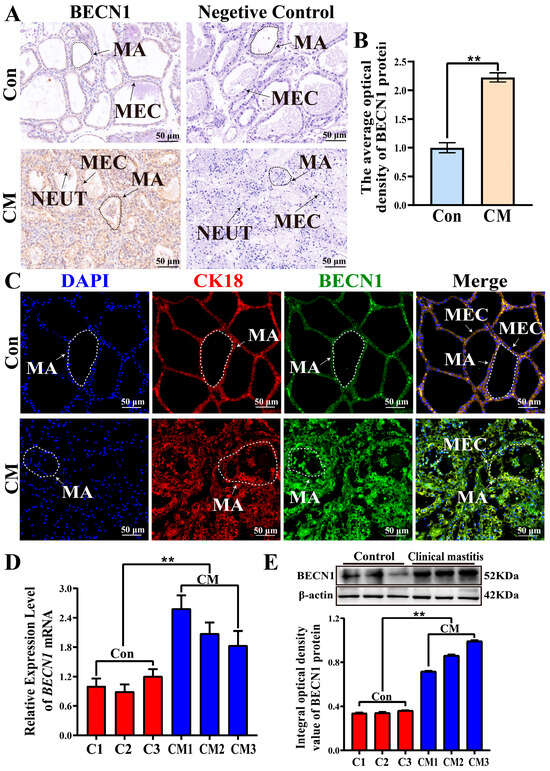
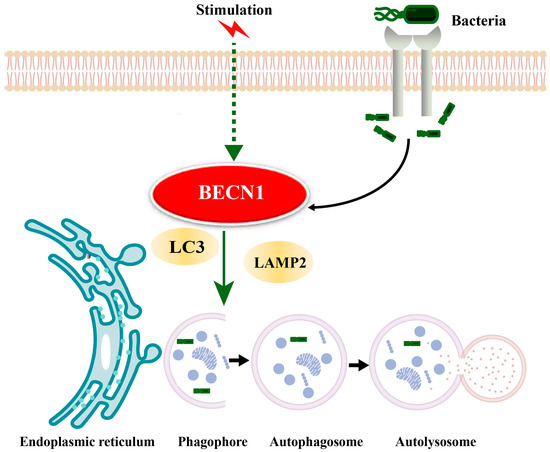
Disruption of the blood–milk barrier and inhibition of enzymatic activity caused by abnormal external stimuli, accompanied by the occurrence of autophagy, are among the major factors contributing to the onset of clinical mastitis (CM) in dairy cows. However, the molecular mechanisms through which external stimuli and autophagy regulate CM in dairy cows are not fully understood. This study examined mammary gland (MG) tissue samples collected from healthy dairy cows and those with CM caused by Staphylococcus aureus (n = 3 per group) to observe histological changes and autophagic phenomena, identify candidate biomolecular targets involved in external stimuli in dairy cows affected by mastitis through proteomic and bioinformatic analyses, and analyze their expression and distribution patterns in MG tissues. Pathological examination revealed that the MG tissues of the CM group exhibited significant alveoli collapse and inflammatory cell infiltration, accompanied by autolysosome and phagolysosome activation, and elevated expression of lysosomal and autophagic markers. Bioinformatic analysis identified five biological processes (BPs) and 144 differentially expressed proteins (DEPs) associated with external stimuli, among which beclin 1 (BECN1) was involved in all five BPs. Pathway enrichment analysis revealed that BECN1 participated in six autophagy-related signaling pathways. BECN1 was localized in the cytoplasm of mammary epithelial cells, and both mRNA and protein levels of BECN1 were significantly upregulated in the CM group compared with those in the controls (p < 0.01). These findings suggest that BECN1 expression is closely associated with CM in dairy cows and correlates with autophagy-related responses to external stimuli, and its elevated expression is positively correlated with Staphylococcus aureus–induced CM severity. Our results offer preliminary observations relevant to the molecular mechanisms by which BECN1, the autophagy-regulating biomolecule BECN1 influences the development of CM. Full article
Show Figures

Figure 1
2025

Jump to: 2026, 2024, 2023, 2022

16 pages, 278 KB  
Article
Association of Inflammatory and Oxidative Stress Biomarkers Adjusted by Personal, Psychological, Biochemical, Anthropometric, and Physiological Variables with Global DNA Methylation in a Sample of Mexican Individuals
by Heriberto Jacobo-Cuevas, Jorge Ivan Gamez-Nava, Saúl Ramírez-De los Santos, Carlos Alfonso Mercado-Calderón, Blanca Estela Ríos-González, Juan Manuel Ponce-Guarneros and Aniel Jessica Leticia Brambila-Tapia
Biomolecules 2025, 15(9), 1271; https://doi.org/10.3390/biom15091271 - 2 Sep 2025
Cited by 2 | Viewed by 1196
Abstract
Global DNA methylation has been associated with numerous traits and conditions; however, its relationship with inflammation and oxidative stress biomarkers has not been fully elucidated. The objective of this study is to determine the correlation between inflammatory and oxidative stress markers with global [...] Read more.
Global DNA methylation has been associated with numerous traits and conditions; however, its relationship with inflammation and oxidative stress biomarkers has not been fully elucidated. The objective of this study is to determine the correlation between inflammatory and oxidative stress markers with global DNA methylation after adjusting for personal, psychological, biochemical, anthropometric, and physiological variables in a non-representative sample of the Mexican population. An adult Mexican population was invited to participate and complete a questionnaire with personal and psychological variables. Additionally, anthropometric variables and blood pressure were measured in all the participants. Finally, general blood tests, global DNA methylation analysis, and measurements of inflammatory and oxidative stress markers were performed. A total of 157 participants were included, of which 83 (52.8%) were women, with a median age of 24 years and an age range of 18–58 years. In the comparison between sexes, men showed higher levels of global DNA methylation. In addition, men showed a higher number of correlations with this variable. The bivariate correlations showed low positive correlations of IL-8, IL-10, TNF-α, and 8-isoprostane with global DNA methylation in the total sample. In addition, BMI showed low negative and significant correlations with global DNA methylation in the total, women’s, and men’s samples, while blood pressure showed low negative correlations with global DNA methylation in the men’s sample. Men showed low negative correlations with personal and biochemical variables that were not found in the women’s group. In the multivariate analyses, the psychological variables (SOC-13 comprehensibility, perceived stress, and assertiveness) correlated negatively either in the total, or in men’s or women’s samples, and the daily intake of drugs correlated negatively with methylation in the women’s sample in the bivariate and multivariate analyses. In conclusion, global DNA methylation seems to be related to many variables, including the inflammatory and oxidative stress biomarkers, and this relationship is different in each sex. Full article
43 pages, 5026 KB  
Review
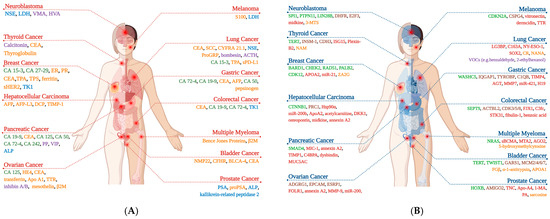
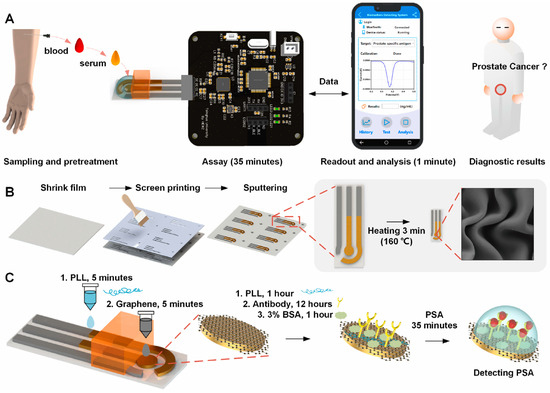
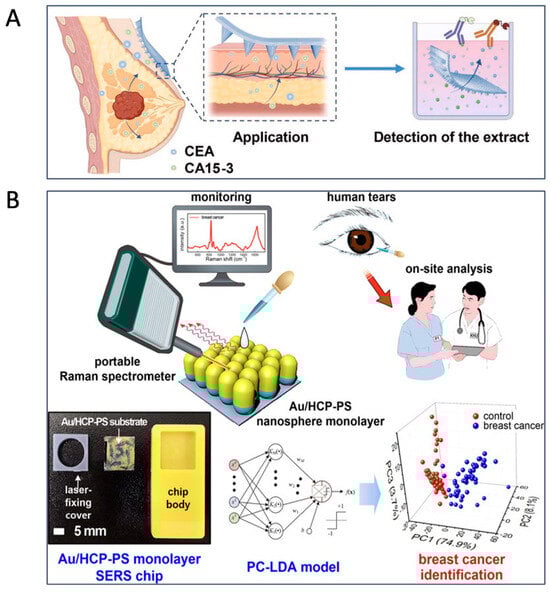
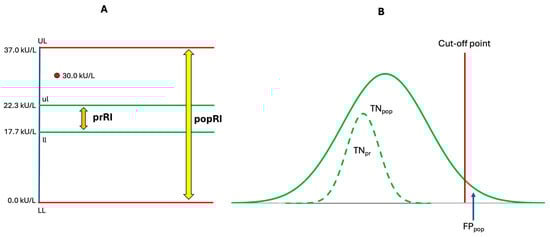
The Future of Tumor Markers: Advancing Early Malignancy Detection Through Omics Technologies, Continuous Monitoring, and Personalized Reference Intervals
by Irem Nur Savas and Abdurrahman Coskun
Biomolecules 2025, 15(7), 1011; https://doi.org/10.3390/biom15071011 - 14 Jul 2025
Cited by 10 | Viewed by 12347
Abstract
Malignant diseases represent a major global health challenge and are among the leading causes of death worldwide. Accurate early diagnosis is essential for improving outcomes and combating these conditions effectively. Currently, the diagnosis of malignancies relies heavily on radiological imaging and pathological examinations, [...] Read more.
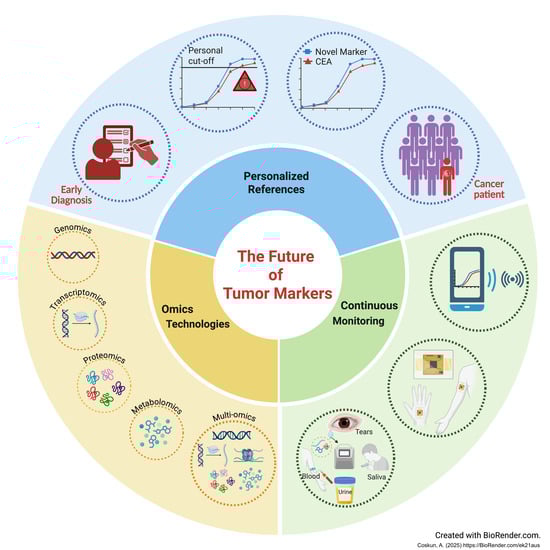
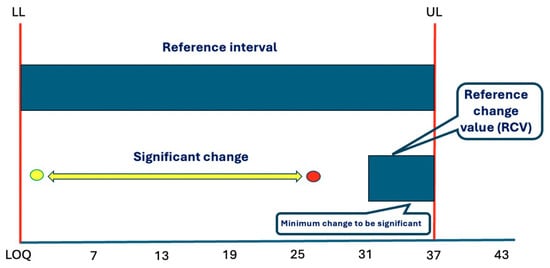
Malignant diseases represent a major global health challenge and are among the leading causes of death worldwide. Accurate early diagnosis is essential for improving outcomes and combating these conditions effectively. Currently, the diagnosis of malignancies relies heavily on radiological imaging and pathological examinations, which are often invasive and not cost-effective. As such, there is a growing need for non-invasive and accessible methods to detect cancer in its early stages. Tumor markers—biomolecules whose levels increase in malignancy and can be measured in blood or other biological tissues and fluids—offer a promising tool. However, the sensitivity and specificity of currently available tumor markers are insufficient for early detection, limiting their use primarily to disease monitoring rather than diagnosis. While ongoing research continues to identify novel tumor markers, the development of more effective early detection strategies requires more than the discovery of new biomarkers. The continuous monitoring of patients and individuals with a high tumor risk and the personalization of tumor marker interpretation are also critical. In this review, we (i) summarize the most commonly used tumor markers, (ii) examine strategies for developing novel biomarkers, particularly through omics technologies, (iii) explore the potential of continuous monitoring using wearable biosensors for early tumor detection, and (iv) discuss approaches to personalizing tumor marker interpretation to support early diagnosis and improve treatment outcomes. Full article
Show Figures

Graphical abstract

21 pages, 934 KB  
Review
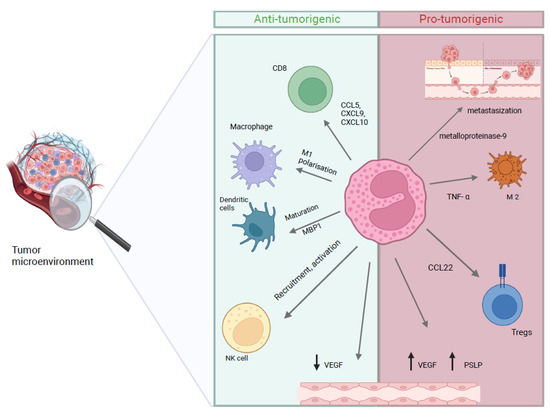
The Role of Eosinophils, Eosinophil-Related Cytokines and AI in Predicting Immunotherapy Efficacy in NSCLC
by Fausto Omero, Desirèe Speranza, Giuseppe Murdaca, Mariacarmela Cavaleri, Mariapia Marafioti, Vincenzo Cianci, Massimiliano Berretta, Marco Casciaro, Sebastiano Gangemi and Mariacarmela Santarpia
Biomolecules 2025, 15(4), 491; https://doi.org/10.3390/biom15040491 - 27 Mar 2025
Cited by 8 | Viewed by 4520
Abstract
Immunotherapy and chemoimmunotherapy are standard treatments for non-oncogene-addicted advanced non-small cell lung cancer (NSCLC). Currently, a limited number of biomarkers, including programmed death-ligand 1 (PD-L1) expression, microsatellite instability (MSI), and tumor mutational burden (TMB), are used in clinical practice to predict benefits from [...] Read more.
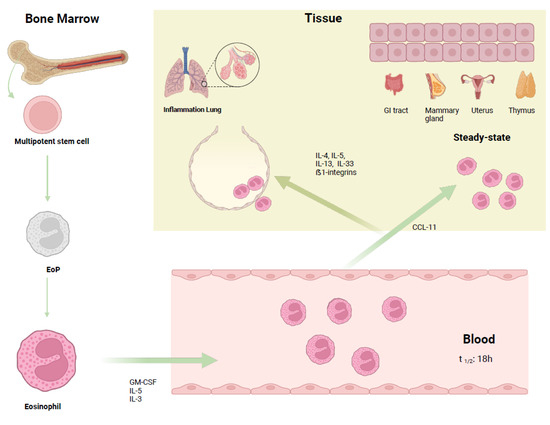
Immunotherapy and chemoimmunotherapy are standard treatments for non-oncogene-addicted advanced non-small cell lung cancer (NSCLC). Currently, a limited number of biomarkers, including programmed death-ligand 1 (PD-L1) expression, microsatellite instability (MSI), and tumor mutational burden (TMB), are used in clinical practice to predict benefits from immune checkpoint inhibitors (ICIs). It is therefore necessary to search for novel biomarkers that could be helpful to identify patients who respond to immunotherapy. In this context, research efforts are focusing on different cells and mechanisms involved in anti-tumor immune response. Herein, we provide un updated literature review on the role of eosinophils in cancer development and immune response, and the functions of some cytokines, including IL-31 and IL-33, in eosinophil activation. We discuss available data demonstrating a correlation between eosinophils and clinical outcomes of ICIs in lung cancer. In this context, we underscore the role of absolute eosinophil count (AEC) and tumor-associated tissue eosinophilia (TATE) as promising biomarkers able to predict the efficacy and toxicities from immunotherapy. The role of eosinophils and cytokines in NSCLC, treated with ICIs, is not yet fully understood, and further research may be crucial to determine their role as biomarkers of response. Artificial intelligence, through the analysis of big data, could be exploited in the future to elucidate the role of eosinophils and cytokines in lung cancer. Full article
Show Figures

Figure 1
11 pages, 643 KB  
Review
IgG Biomarkers in Multiple Sclerosis: Deciphering Their Puzzling Protein A Connection
by Leonard Apeltsin and Xiaoli Yu
Biomolecules 2025, 15(3), 369; https://doi.org/10.3390/biom15030369 - 4 Mar 2025
Cited by 1 | Viewed by 2366
Abstract
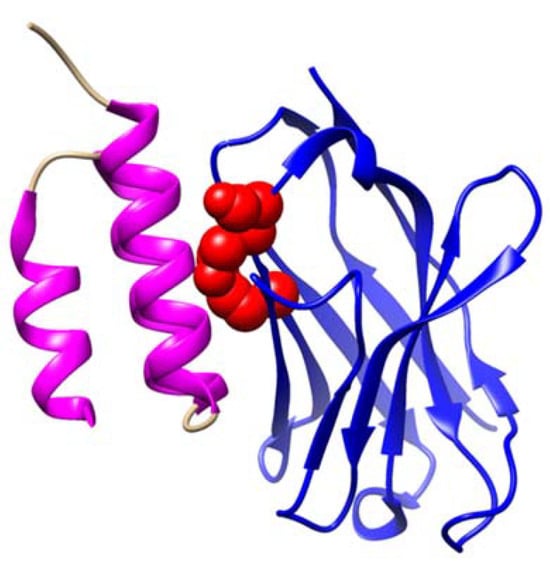
Identifying reliable biomarkers in peripheral blood is critical for advancing the diagnosis and management of multiple sclerosis (MS), particularly given the invasive nature of cerebrospinal fluid (CSF) sampling. This review explores the role of B cells and immunoglobulins (Igs), particularly IgG and IgM, [...] Read more.
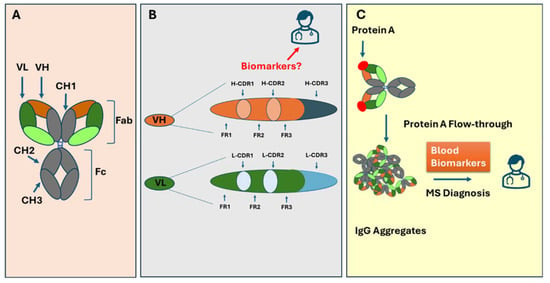
Identifying reliable biomarkers in peripheral blood is critical for advancing the diagnosis and management of multiple sclerosis (MS), particularly given the invasive nature of cerebrospinal fluid (CSF) sampling. This review explores the role of B cells and immunoglobulins (Igs), particularly IgG and IgM, as biomarkers for MS. B cell oligoclonal bands (OCBs) in the CSF are well-established diagnostic tools, yet peripheral biomarkers remain underdeveloped. Emerging evidence highlights structural and functional variations in immunoglobulin that may correlate with disease activity and progression. A recent novel discovery of blood IgG aggregates in MS patients that fail to bind Protein A reveals promising diagnostic potential and confirms previous findings of the unique features of immunoglobulin G in MS and the potential link between the superantigen Protein A and MS. These aggregates, enriched in IgG1 and IgG3 subclasses, exhibit unique structural properties, including mutations in the framework region 3 (FR3) of IGHV3 genes, and are associated with complement-dependent neuronal apoptosis. Data based on ELISA have demonstrated that IgG aggregates in plasma can distinguish MS patients from healthy controls and other central nervous system (CNS) disorders with high accuracy and differentiate between disease subtypes. This suggests a role for IgG aggregates as non-invasive biomarkers for MS diagnosis and monitoring. Full article
Show Figures

Figure 1
2024

Jump to: 2026, 2025, 2023, 2022

10 pages, 1280 KB  
Article
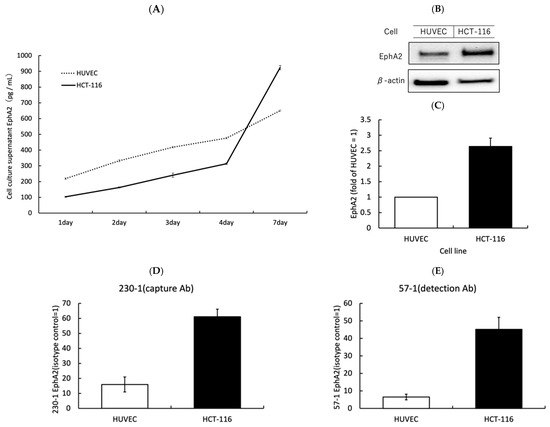
Serum EphA2 as a Promising Biomarker for the Early Detection and Diagnosis of Colorectal Cancer
by Shunsuke Sakuraba, Akihiro Koizumi, Takumi Iwasawa, Tomoaki Ito and Kazunori Kato
Biomolecules 2024, 14(12), 1504; https://doi.org/10.3390/biom14121504 - 26 Nov 2024
Cited by 2 | Viewed by 1954
Abstract
Background: EphA2, a receptor-type tyrosine kinase, is overexpressed in several cancers, including colorectal cancer (CRC), and can be detected as soluble EphA2 in serum. This study aimed to investigate the relationship between soluble EphA2 and CRC. Methods: Serum samples were collected from 65 [...] Read more.
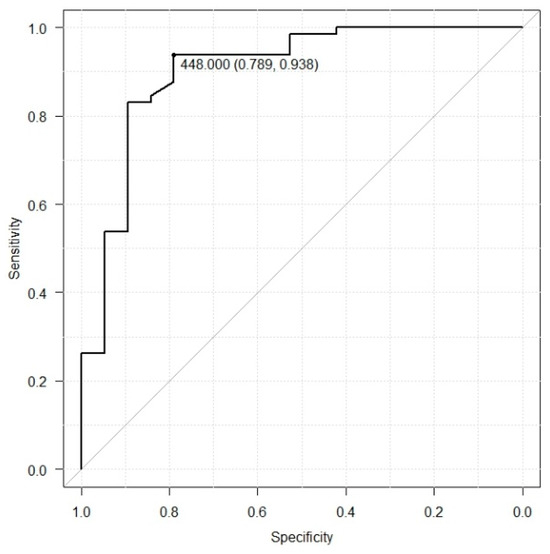
Background: EphA2, a receptor-type tyrosine kinase, is overexpressed in several cancers, including colorectal cancer (CRC), and can be detected as soluble EphA2 in serum. This study aimed to investigate the relationship between soluble EphA2 and CRC. Methods: Serum samples were collected from 65 patients with CRC and 19 healthy individuals. Time-series changes in soluble EphA2 levels were measured in CRC cell lines to verify the release of EphA2 into the culture medium. Results: Soluble EphA2 levels were significantly higher in patients than in healthy individuals (p < 0.0001). Specifically, even in early-stage cancer, there was a notable difference between healthy individuals and patients with Stage I CRC (p = 0.00298), highlighting the potential of EphA2 as a biomarker for early detection. Additionally, correlations were observed with tumor size (p = 0.0346), depth of invasion (p = 0.0311), and lymphatic invasion (p = 0.0431). A receiver operating characteristic (ROC) analysis yielded an area under the curve (AUC) of 0.90 with 93.8% sensitivity and 78.9% specificity at a cutoff value of 448 pg/mL. Conclusions: These findings suggest that serum EphA2 could serve as a valuable biomarker for the early detection of CRC, offering a practical and minimally invasive alternative to conventional tumor markers. Full article
Show Figures

Figure 1
17 pages, 4490 KB  
Article
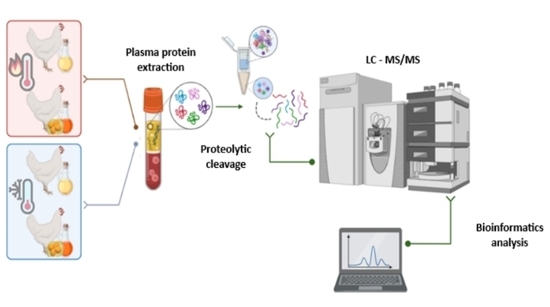
Plasma Proteome Alterations of Laying Hens Subjected to Heat Stress and Fed a Diet Supplemented with Pequi Oil (Caryocar brasiliense Camb.): New Insights in the Identification of Heat Stress Biomarkers
by Joyce da Silva, Luane Andrade, Paola Rodrigues, Laís Cordeiro, Gabrieli Lima, Júlia Lopes, Elis Castillo, Renata Martins, Andrey Assunção, José Vieira, Marília Busalaf, Jiri Adamec, José Sartori and Pedro Padilha
Biomolecules 2024, 14(11), 1424; https://doi.org/10.3390/biom14111424 - 8 Nov 2024
Cited by 4 | Viewed by 2450
Abstract
Heat stress can disrupt the balance between the heat poultry release into the environment and the heat they generate. Pequi oil has antioxidant properties, which may mitigate the heat stress effects. This study aimed to investigate the response of laying hens to pequi [...] Read more.
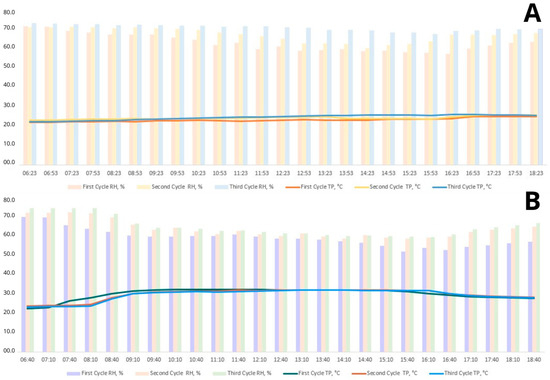
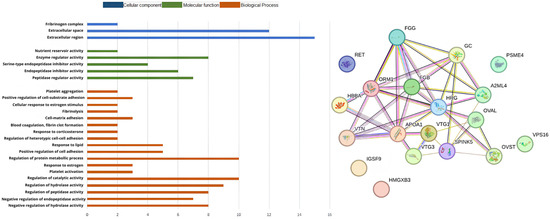
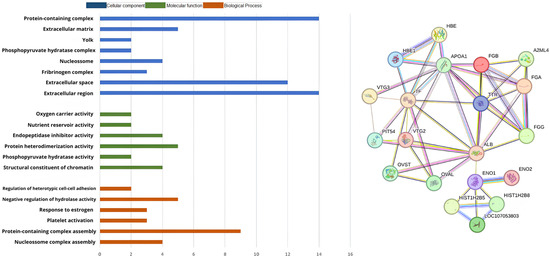
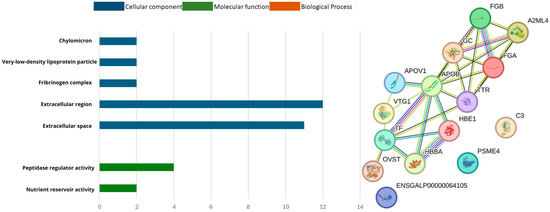
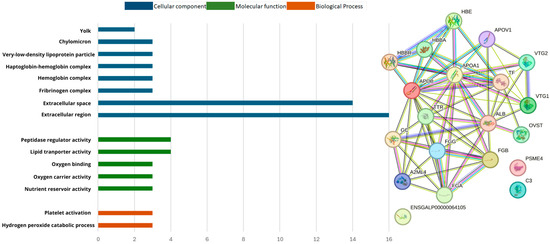
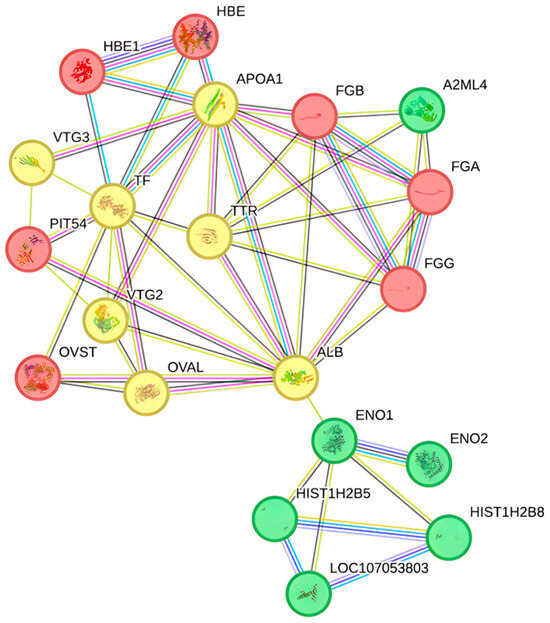
Heat stress can disrupt the balance between the heat poultry release into the environment and the heat they generate. Pequi oil has antioxidant properties, which may mitigate the heat stress effects. This study aimed to investigate the response of laying hens to pequi oil supplementation under heat stress using a proteomic approach. A total of 96 Lohmann White laying hens with 26 weeks old were housed in a completely randomized design with a 2 × 2 factorial arrangement. They were housed in two climate chambers, thermal comfort temperature ± 24.04 °C with the relative humidity ± 66.35 and heat stress (HS) ± 31.26 °C with the relative humidity ± 60.62. They were fed two diets: a control diet (CON), basal diet (BD) without additives, and with Pequi oil (PO), BD + 0.6% PO. After 84 days, plasma samples were analyzed using Shotgun and LC-MS/MS. Proteins related to anti-inflammation, transport, and the immune system were differentially expressed in hens fed PO and CON under heat stress compared to those in thermoneutral environments. This helps protect against oxidative stress and may support the body’s ability to manage heat-induced damage, stabilizing protein expression under stress conditions. The ovotransferrin proteins, fibrinogen isoforms, apolipoprotein A-I, Proteasome activator subunit 4, Transthyretin, and the enzyme serine Peptidase Inhibitor_Kazal Type 5, which presented Upregulated (Up) equal to 1, present characteristics that may be crucial for enhancing the adaptive responses of hens to thermal stress, thereby increasing their tolerance and minimizing the negative effects of heat on egg production. The data presented in this manuscript provides new insights into the plasma proteome alterations of laying hens fed a diet supplemented with pequi oil during heat stress challenges. Full article
Show Figures

Graphical abstract

2023

Jump to: 2026, 2025, 2024, 2022

16 pages, 1919 KB  
Article
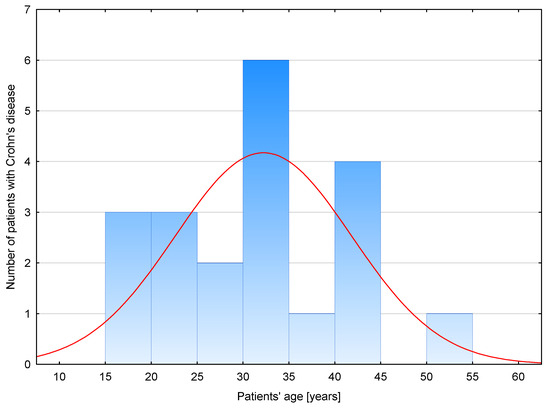
Usefulness of Proguanylin, Pentraxin 3 and S100A12 Serum Concentrations in Diagnosis and Monitoring the Disease Activity in Crohn’s Disease
by Aleksandra Kałużna, Agnieszka Jura-Półtorak, Alicja Derkacz, Krystyna Olczyk and Katarzyna Komosinska-Vassev
Biomolecules 2023, 13(10), 1448; https://doi.org/10.3390/biom13101448 - 26 Sep 2023
Cited by 1 | Viewed by 2151
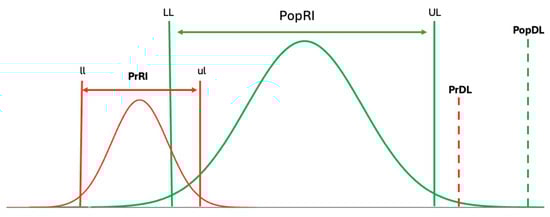
Abstract
The aim of our case-control study was to identify novel biomarkers of Crohn’s disease (CD) that hold the potential to be employed in both disease diagnosis and monitoring activity. In the context of the contribution of intestinal barrier integrity and immune response to [...] Read more.
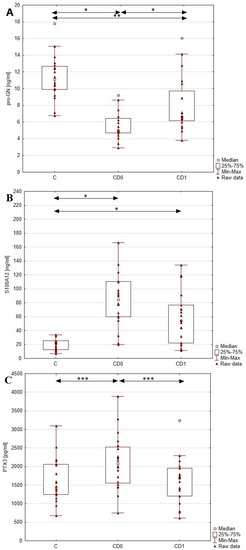
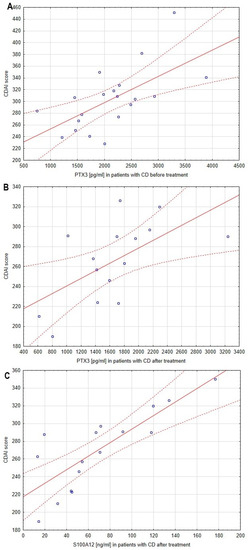
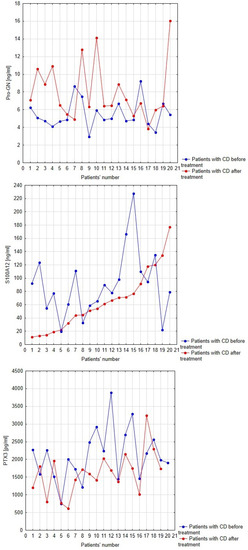
The aim of our case-control study was to identify novel biomarkers of Crohn’s disease (CD) that hold the potential to be employed in both disease diagnosis and monitoring activity. In the context of the contribution of intestinal barrier integrity and immune response to the pathogenesis of CD, we assessed the serum concentrations of proguanylin (pro-GN), pentraxin 3 (PTX3) and S100A12 in 20 patients before and after anti-inflammatory treatment, as well as in 20 healthy individuals. Statistical analyses revealed a significant difference in the levels of pro-GN (5.5 vs. 11.35, p < 0.001), PTX3 (2117.9 vs. 1608.37, p < 0.05) and S100A12 (79.4 vs. 19.74, p < 0.001) between pretreatment patients with CD and healthy individuals. Moreover, we noted a significant relationship between the serum profile of PTX3 and disease activity, expressed as CDAI, both before (p < 0.005, r = 0.63) and after (p < 0.05, r = 0.60) treatment. A similar correlation was noted in the case of S100A12 (p < 0.005, r = 0.81), albeit exclusively within the post-treatment group of patients. Anti-inflammatory treatment resulted in an elevation of pro-GN concentration (5.5 vs. 8.04, p < 0.001) and a reduction in PTX3 level (2117.9 vs. 1609.5, p < 0.05) in the serum of patients with CD. In comparison to our previous research conducted on a group of patients with ulcerative colitis (UC), those with CD exhibited reduced levels of PTX3 (2117.9 vs. 3197.05, p < 0.005) and elevated concentrations of S100A12 (79.4 vs. 39.36, p < 0.05). The results obtained from this investigation suggest that measurements of pro-GN, PTX3 and S100A12 could prove beneficial in the diagnosis of Crohn’s disease. Assessment of changes in the serum profile of PTX3 appears to be a good marker of response to treatment but also, along with analysis of S100A12 protein serum levels, a useful marker in differentiating CD from UC. Full article
Show Figures

Figure 1

19 pages, 6423 KB  
Article
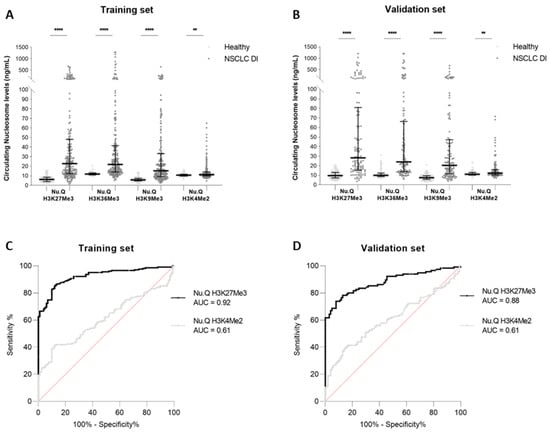
Circulating H3K27 Methylated Nucleosome Plasma Concentration: Synergistic Information with Circulating Tumor DNA Molecular Profiling
by Emmanuel Grolleau, Julie Candiracci, Gaelle Lescuyer, David Barthelemy, Nazim Benzerdjeb, Christine Haon, Florence Geiguer, Margaux Raffin, Nathalie Hardat, Julie Balandier, Rémi Rabeuf, Lara Chalabreysse, Anne-Sophie Wozny, Guillaume Rommelaere, Claire Rodriguez-Lafrasse, Fabien Subtil, Sébastien Couraud, Marielle Herzog and Lea Payen-Gay
Biomolecules 2023, 13(8), 1255; https://doi.org/10.3390/biom13081255 - 16 Aug 2023
Cited by 6 | Viewed by 4669
Abstract
The molecular profiling of circulating tumor DNA (ctDNA) is a helpful tool not only in cancer treatment, but also in the early detection of relapse. However, the clinical interpretation of a ctDNA negative result remains challenging. The characterization of circulating nucleosomes (carrying cell-free [...] Read more.
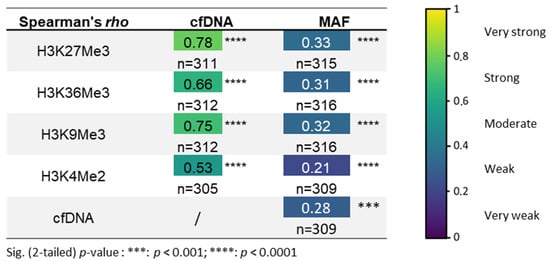
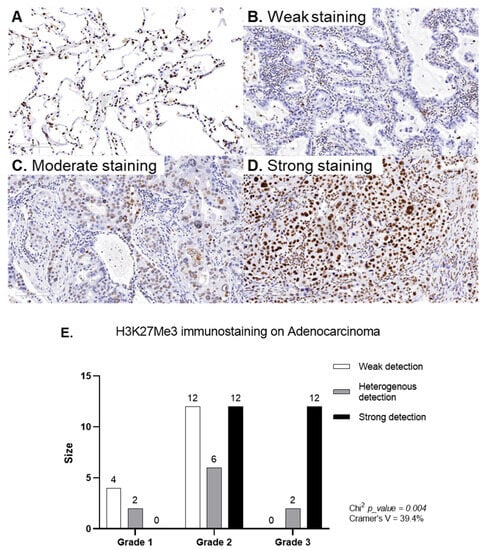
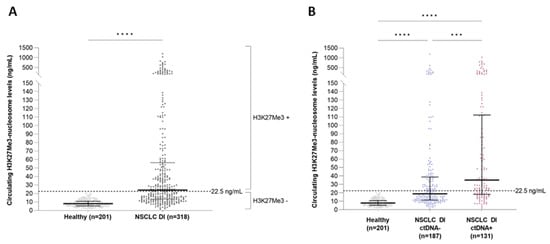
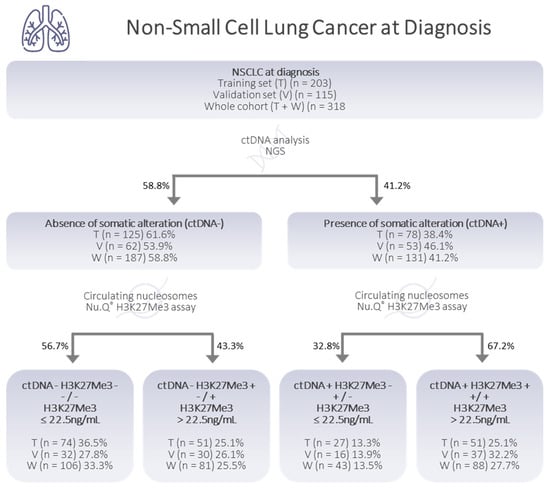
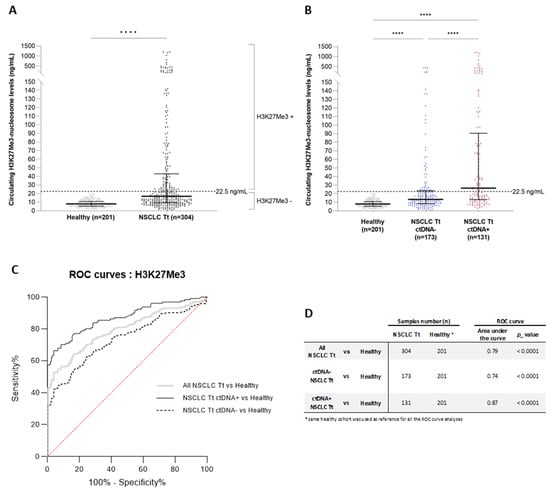
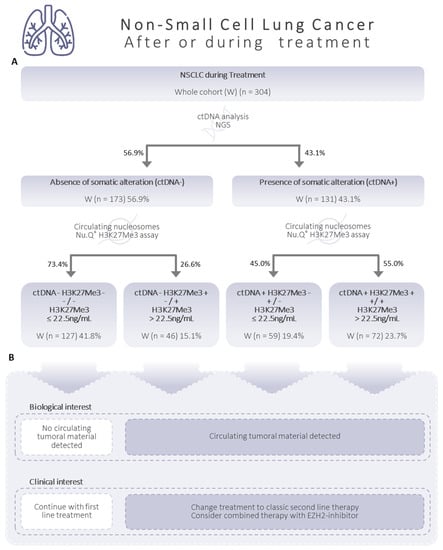
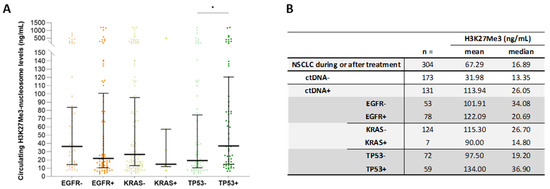
The molecular profiling of circulating tumor DNA (ctDNA) is a helpful tool not only in cancer treatment, but also in the early detection of relapse. However, the clinical interpretation of a ctDNA negative result remains challenging. The characterization of circulating nucleosomes (carrying cell-free DNA) and associated epigenetic modifications (playing a key role in the tumorigenesis of different cancers) may provide useful information for patient management, by supporting the contributive value of ctDNA molecular profiling. Significantly elevated concentrations of H3K27Me3 nucleosomes were found in plasmas at the diagnosis, and during the follow-up, of NSCLC patients, compared to healthy donors (p-value < 0.0001). By combining the H3K27Me3 level and the ctDNA molecular profile, we found that 25.5% of the patients had H3K27Me3 levels above the cut off, and no somatic alteration was detected at diagnosis. This strongly supports the presence of non-mutated ctDNA in the corresponding plasma. During the patient follow-up, a high H3K27Me3-nucleosome level was found in 15.1% of the sample, despite no somatic mutations being detected, allowing the identification of disease progression from 43.1% to 58.2% over molecular profiling alone. Measuring H3K27Me3-nucleosome levels in combination with ctDNA molecular profiling may improve confidence in the negative molecular result for cfDNA in lung cancer at diagnosis, and may also be a promising biomarker for molecular residual disease (MRD) monitoring, during and/or after treatment. Full article
Show Figures

Figure 1

2022

Jump to: 2026, 2025, 2024, 2023

16 pages, 2245 KB  
Review
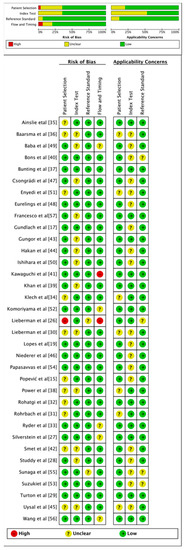
Performance of Serum Angiotensin-Converting Enzyme in Diagnosing Sarcoidosis and Predicting the Active Status of Sarcoidosis: A Meta-Analysis
by Xueru Hu, Li Zou, Shuyan Wang, Tingting Zeng, Ping Li, Yongchun Shen and Lei Chen
Biomolecules 2022, 12(10), 1400; https://doi.org/10.3390/biom12101400 - 30 Sep 2022
Cited by 17 | Viewed by 4645
Abstract
The usefulness of serum angiotensin-converting enzyme (sACE) for diagnosing sarcoidosis and determining the active status of sarcoidosis has been reported with varying outcomes. On the basis of the majority of published data, we conducted a meta-analysis to calculate the overall predictive accuracy of [...] Read more.
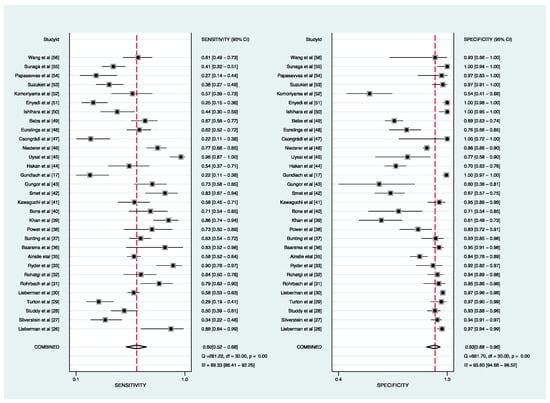
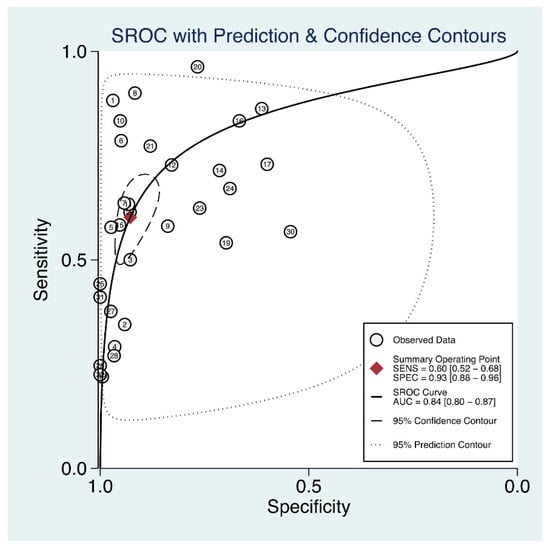
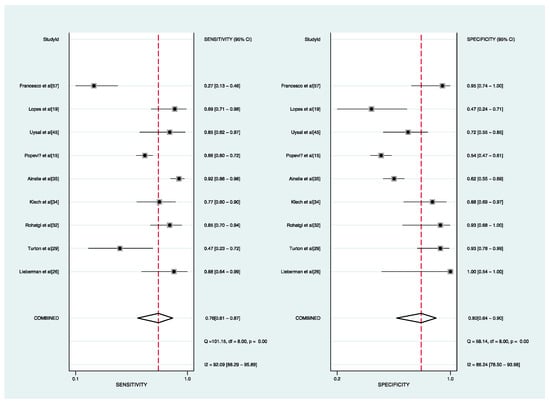
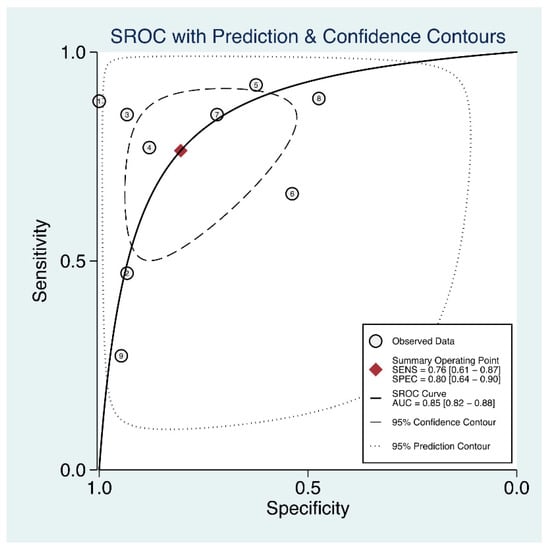
The usefulness of serum angiotensin-converting enzyme (sACE) for diagnosing sarcoidosis and determining the active status of sarcoidosis has been reported with varying outcomes. On the basis of the majority of published data, we conducted a meta-analysis to calculate the overall predictive accuracy of sACE in sarcoidosis disease and the active status of sarcoidosis. The inclusion of related research listed in Web of Science, PubMed, Scopus, and other literature databases was assessed. SROC curves were generated to characterize the overall test results after data on sensitivity, specificity, positive likelihood ratio (PLR), negative likelihood ratio (NLR), and diagnostic odds ratio (DOR) were combined. Publication bias was identified using Deeks’ funnel plot. Thirty-five publications with 8645 subjects met the inclusion criteria. The following are summary estimates of sACE diagnostic performance for sarcoidosis: sensitivity, 60% (95% confidence interval (CI), 52–68%); specificity, 93% (95% CI, 88–96%); PLR, 8.4 (95% CI, 5.3–13.3); NLR, 0.43 (95% CI, 0.36–0.52); and DOR, 19 (95% CI, 12–31). The area under the SROC curve (AUC) was 0.84 (95% CI, 0.80–0.87). Summary estimates for predicting the active status of sarcoidosis were as follows: sensitivity, 0.76 (95% CI, 0.61–0.87); specificity, 0.80 (95% CI, 0.64–0.90); PLR, 3.9 (95% CI, 2.1–7.3); NLR, 0.29 (95% CI, 0.17–0.49); and DOR, 13 (95% CI, 6–31). The AUC was 0.85 (95% CI, 0.82–0.88). There was no evidence of publication bias. Our meta-analysis suggests that measuring the sACE may assist in the diagnosis of sarcoidosis and predicting the active status of sarcoidosis, but the interpretation of the sACE results should be with caution. Future studies should validate our results. Full article
Show Figures

Figure 1

21 pages, 726 KB  
Review
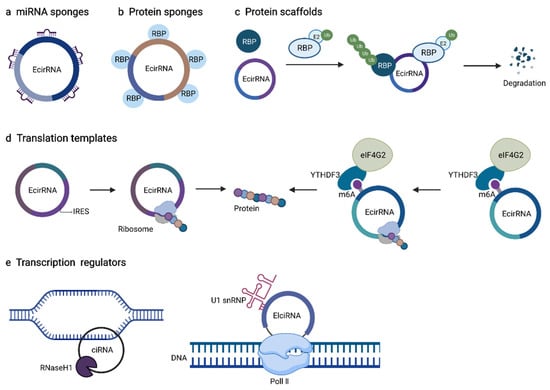
Promising Roles of Circular RNAs as Biomarkers and Targets for Potential Diagnosis and Therapy of Tuberculosis
by Yifan Huang, Ying Li, Wensen Lin, Shuhao Fan, Haorong Chen, Jiaojiao Xia, Jiang Pi and Jun-Fa Xu
Biomolecules 2022, 12(9), 1235; https://doi.org/10.3390/biom12091235 - 4 Sep 2022
Cited by 7 | Viewed by 4325
Abstract
Tuberculosis (TB), caused by Mycobacterium tuberculosis (Mtb) infection, remains one of the most threatening infectious diseases worldwide. A series of challenges still exist for TB prevention, diagnosis and treatment, which therefore require more attempts to clarify the pathological and immunological mechanisms in the [...] Read more.
Tuberculosis (TB), caused by Mycobacterium tuberculosis (Mtb) infection, remains one of the most threatening infectious diseases worldwide. A series of challenges still exist for TB prevention, diagnosis and treatment, which therefore require more attempts to clarify the pathological and immunological mechanisms in the development and progression of TB. Circular RNAs (circRNAs) are a large class of non-coding RNA, mostly expressed in eukaryotic cells, which are generated by the spliceosome through the back-splicing of linear RNAs. Accumulating studies have identified that circRNAs are widely involved in a variety of physiological and pathological processes, acting as the sponges or decoys for microRNAs and proteins, scaffold platforms for proteins, modulators for transcription and special templates for translation. Due to the stable and widely spread characteristics of circRNAs, they are expected to serve as promising prognostic/diagnostic biomarkers and therapeutic targets for diseases. In this review, we briefly describe the biogenesis, classification, detection technology and functions of circRNAs, and, in particular, outline the dynamic, and sometimes aberrant changes of circRNAs in TB. Moreover, we further summarize the recent progress of research linking circRNAs to TB-related pathogenetic processes, as well as the potential roles of circRNAs as diagnostic biomarkers and miRNAs sponges in the case of Mtb infection, which is expected to enhance our understanding of TB and provide some novel ideas about how to overcome the challenges associated TB in the future. Full article
Show Figures

Figure 1

21 pages, 3938 KB  
Article
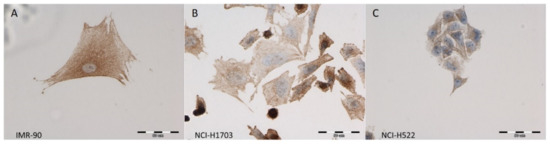
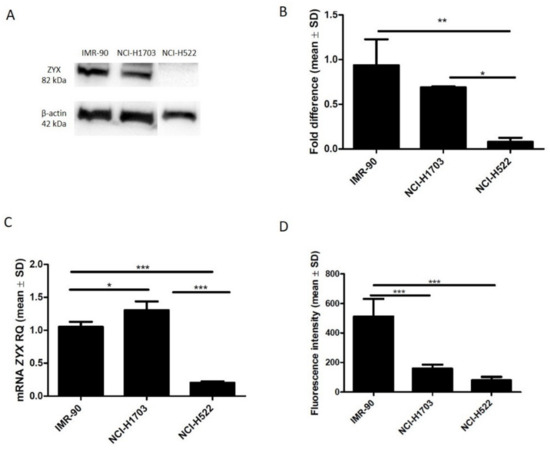
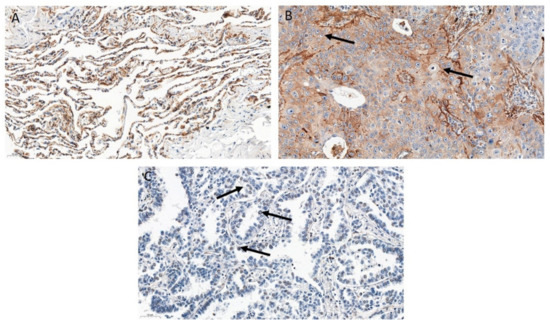
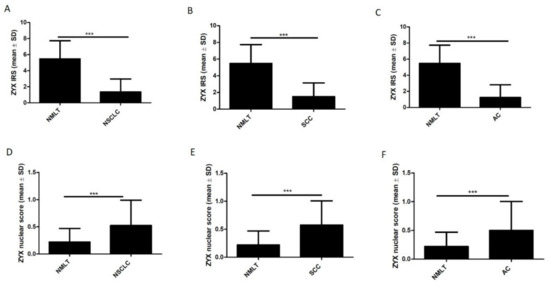
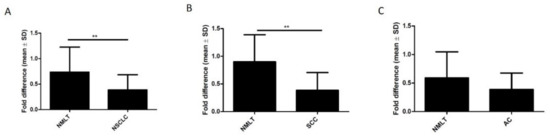
Expression of Zyxin in Non-Small Cell Lung Cancer—A Preliminary Study
by Aleksandra Partynska, Agnieszka Gomulkiewicz, Aleksandra Piotrowska, Jedrzej Grzegrzolka, Adam Rzechonek, Katarzyna Ratajczak-Wielgomas, Marzenna Podhorska-Okolow and Piotr Dziegiel
Biomolecules 2022, 12(6), 827; https://doi.org/10.3390/biom12060827 - 13 Jun 2022
Cited by 8 | Viewed by 3658
Abstract
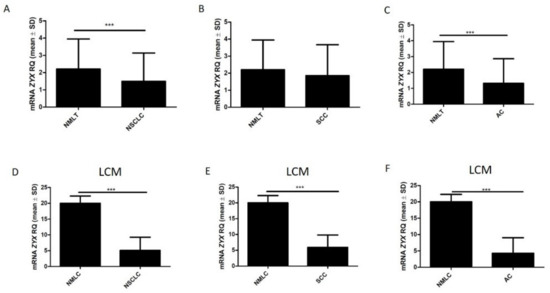
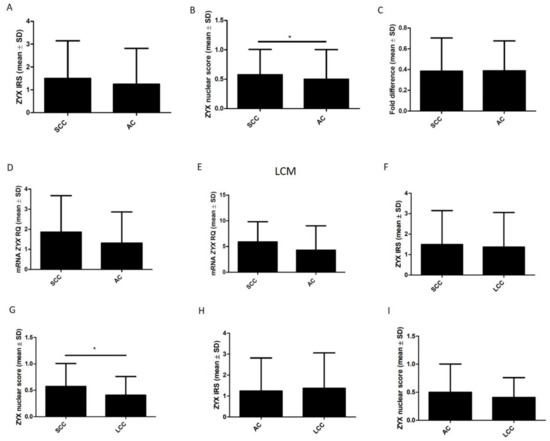
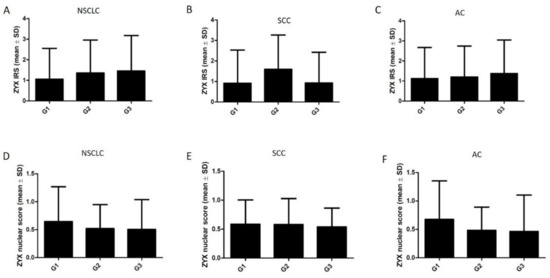
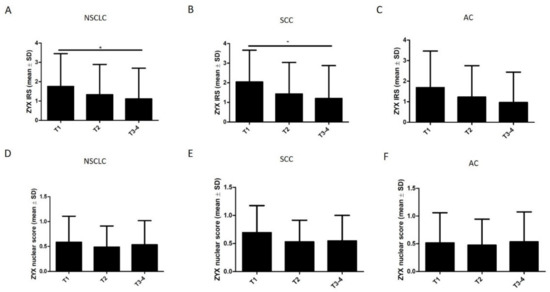
Background: The potential involvement of zyxin (ZYX) in carcinogenesis has been investigated in many cancer types. However, there are a limited number of studies on the role of ZYX in the progression of non-small cell lung cancer (NSCLC). Since lung cancer is one [...] Read more.
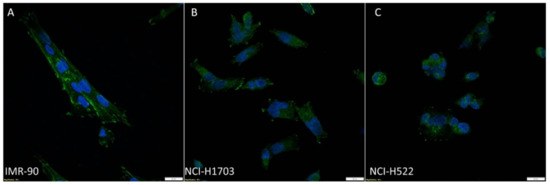
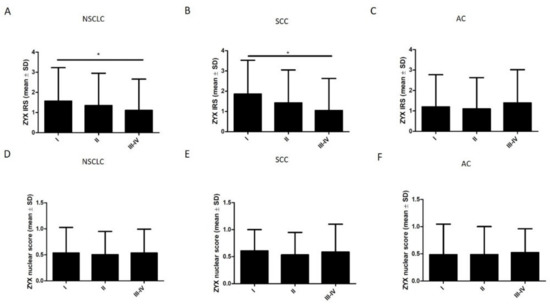
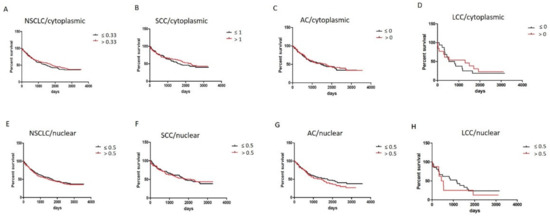
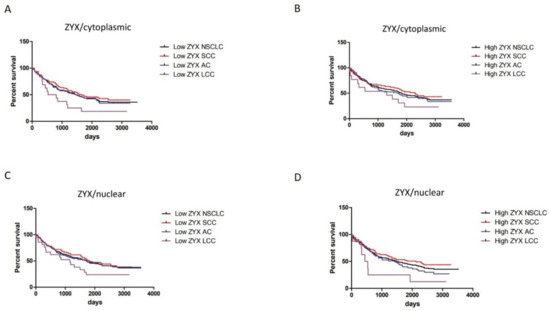
Background: The potential involvement of zyxin (ZYX) in carcinogenesis has been investigated in many cancer types. However, there are a limited number of studies on the role of ZYX in the progression of non-small cell lung cancer (NSCLC). Since lung cancer is one of the most frequently diagnosed carcinomas, the aim of our study was to determine the localization and expression levels of ZYX in NSCLC and to correlate the results with the clinicopathological data. Materials and Methods: The expression of ZYX was assessed in NSCLC cases and in cell lines representing this tumor type. Levels of ZYX were determined in the clinical material using immunohistochemistry (IHC) and Western Blot. Real-time PCR was used to assess ZYX mRNA levels. The expression of ZYX was also checked in NSCLC cell lines using real-time PCR, Western Blot, and immunofluorescence/immunocytochemistry. Results: The results showed lower levels of ZYX in NSCLC cells compared with control tissues. This trend was observed at the protein and mRNA levels. The assays on the NSCLC model also demonstrated lower levels of ZYX in cancer cells compared with control cells. Conclusions: The decreased expression of ZYX in NSCLC may indicate a suppressor role of this protein in NSCLC. Full article
Show Figures

Figure 1

Back to TopTop