
Special Issue "Renewable and Sustainable Energy Systems: Recent Developments, Challenges, and Future Perspectives"

A special issue of Applied Sciences (ISSN 2076-3417). This special issue belongs to the section "Energy".

Deadline for manuscript submissions: 11 November 2021.

Special Issue Editor

Dr. Alireza Dehghanisanij
E-Mail
Guest Editor
Waterloo Institute for Sustainable Energy (WISE), University of Waterloo, Waterloo, ON N2L 3G1, Canada
Interests: renewable and sustainable energy; energy sources; energy storage; energy conversion and management; geothermal energy; energy and environment; sustainable development
Special Issues and Collections in MDPI journals

Special Issue Information

Dear Colleagues,

Currently, a transition from non-renewable carbon-based fuels (mainly oil, coal, and natural gas) to renewable, eco-friendly, and sustainable energy sources (e.g., solar, wind, geothermal, hydro) is essential for a variety of reasons, the most important ones being the ongoing and emerging environmental problems and threats, the limited resources of fossil fuels, and fast-growing global demand for energy. Therefore, we need to pay more attention to and invest in clean, renewable, and sustainable energy technologies to overcome or minimize ongoing and emerging challenges facing the world today. Hence, submitting articles, including original research, reviews, case studies, and technical notes covering the following topics to this Special Issue is encouraged:

  • Hybrid, integrated renewable energy systems
  • Solar energy technology and uses
  • Wind energy technology and applications
  • Geothermal energy resources and applications
  • Wave, tide, and ocean/marine thermal energies
  • Bio-energy technology and uses
  • Hydrogen energy and fuel cells
  • Socio-economic and policy issues related to renewable energy
  • Energy conversion and storage technologies
  • Energy and exergy analysis of renewable energy systems
  • Life cycle assessment of renewable energy systems
  • Application of renewable energy sources in buildings
  • Renewable energy, sustainability, and climate change

The current Special Issue aims to fill knowledge gaps and address recent developments, challenges, and future outlooks associated with renewable and sustainable energy systems (both stand-alone and hybrid). Therefore, substantive and valuable articles addressing this Special Issue’s objectives will be selected and published after the peer-review process.

Dr. Alireza Dehghanisanij
Guest Editor

Manuscript Submission Information

Manuscripts should be submitted online at www.mdpi.com by registering and logging in to this website. Once you are registered, click here to go to the submission form. Manuscripts can be submitted until the deadline. All papers will be peer-reviewed. Accepted papers will be published continuously in the journal (as soon as accepted) and will be listed together on the special issue website. Research articles, review articles as well as short communications are invited. For planned papers, a title and short abstract (about 100 words) can be sent to the Editorial Office for announcement on this website.

Submitted manuscripts should not have been published previously, nor be under consideration for publication elsewhere (except conference proceedings papers). All manuscripts are thoroughly refereed through a single-blind peer-review process. A guide for authors and other relevant information for submission of manuscripts is available on the Instructions for Authors page. Applied Sciences is an international peer-reviewed open access semimonthly journal published by MDPI.

Please visit the Instructions for Authors page before submitting a manuscript. The Article Processing Charge (APC) for publication in this open access journal is 2000 CHF (Swiss Francs). Submitted papers should be well formatted and use good English. Authors may use MDPI's English editing service prior to publication or during author revisions.

Keywords

  • renewable energy
  • energy sources and production
  • energy conversion and storage
  • energy efficiency improvement
  • energy conservation and management
  • hybrid energy systems
  • energy quality
  • energy and buildings
  • climate change
  • sustainability

Published Papers (1 paper)

Order results
Result details
Select all
Export citation of selected articles as:

Research

Article
Application of Simultaneous Symmetric and Cambered Airfoils in Novel Vertical Axis Wind Turbines
Appl. Sci. 2021, 11(17), 8011; https://doi.org/10.3390/app11178011 (registering DOI) - 30 Aug 2021
Abstract
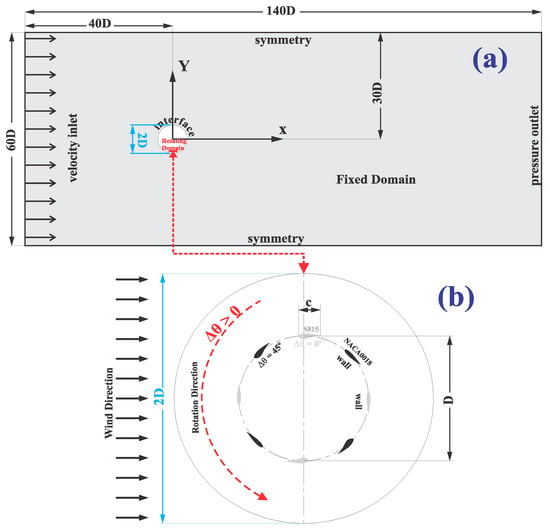
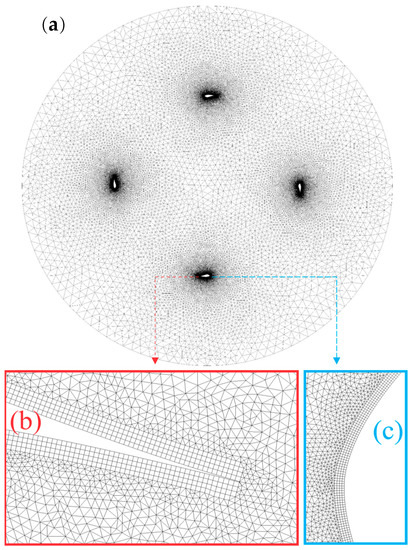
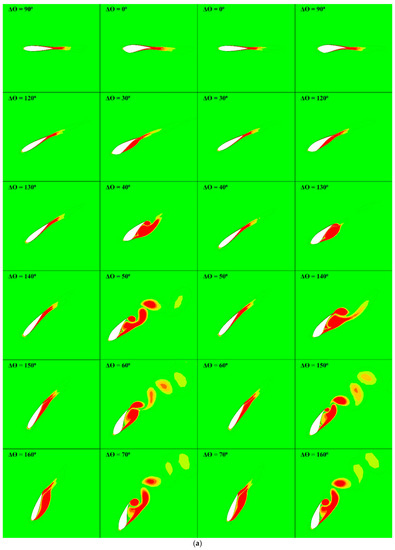
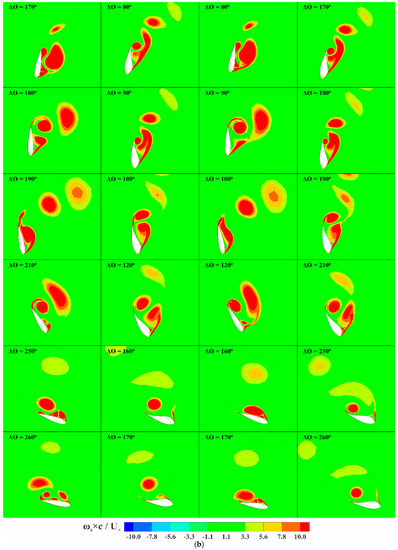
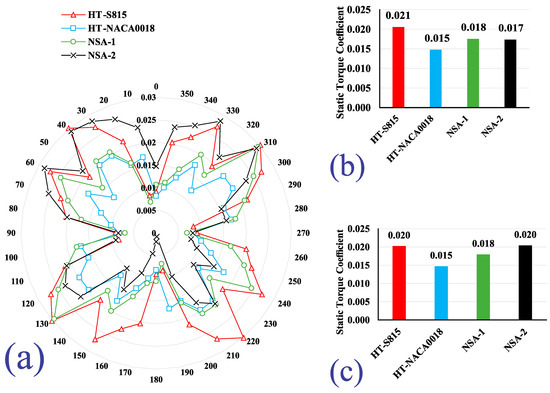
Two novel four-blade H-darrieus vertical axis wind turbines (VAWTs) have been proposed for enhancing self-start capability and power production. The two different airfoil types for the turbines are assessed: a cambered S815 airfoil and a symmetric NACA0018 airfoil. For the first novel wind [...] Read more.
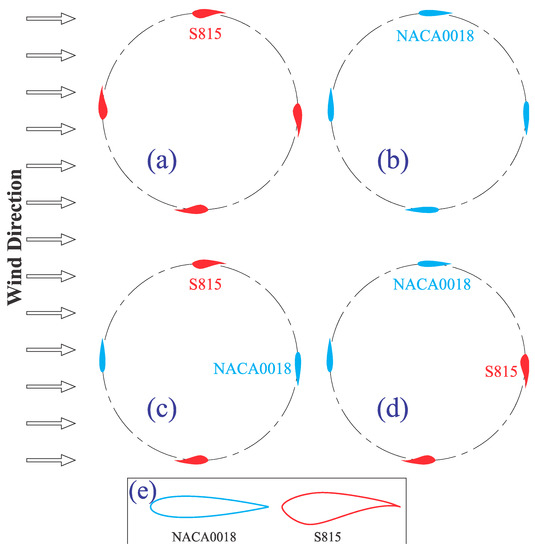
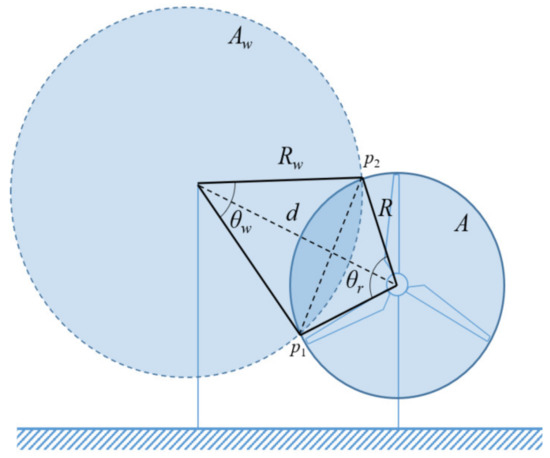
Two novel four-blade H-darrieus vertical axis wind turbines (VAWTs) have been proposed for enhancing self-start capability and power production. The two different airfoil types for the turbines are assessed: a cambered S815 airfoil and a symmetric NACA0018 airfoil. For the first novel wind turbine configuration, the Non-Similar Airfoils 1 (NSA-1), two NACA0018 airfoils, and two S815 airfoils are opposite to each other. For the second novel configuration (NSA-2), each of the S815 airfoils is opposite to one NACA0018 airfoil. Using computational fluid dynamics (CFD) simulations, static and dynamic conditions are evaluated to establish self-starting ability and the power coefficient, respectively. Dynamic stall investigation of each blade of the turbines shows that NACA0018 under dynamic stall impacts the turbine’s performance and the onset of dynamic stall decreases the power coefficient of the turbine significantly. The results show that NSA-2 followed by NSA-1 has good potential to improve the self-starting ability (13.3%) compared to the turbine with symmetric airfoils called HT-NACA0018. In terms of self-starting ability, NSA-2 not only can perform in about 66.67% of 360° similar to the wind turbine with non-symmetric airfoils (named HT-S815) but the power coefficient of NSA-2 at the design tip speed ratio of 2.5 is also 4.5 times more than the power coefficient of HT-S815; the power coefficient difference between HT-NACA0018 and HT-S815 (=0.231) is decreased significantly when HT-S815 is replaced by NSA-2 (=0.076). These novel wind turbines are also simple. Full article
Show Figures

Figure 1
Back to TopTop