Editorial Board Members' Collection Series: Structural Aspects of AMPs and Antimicrobials
A topical collection in Antibiotics (ISSN 2079-6382). This collection belongs to the section "Antimicrobial Peptides".
Submission Status:
Closed (25 June 2026)
|
Viewed by 33498
Share This Topical Collection
Editors
 Prof. Dr. J. Michael Conlon
Prof. Dr. J. Michael Conlon
E-Mail
Website
Collection Editor
Diabetes Research Group, School of Biomedical Sciences, Ulster University, Coleraine BT52 1SA, N. Ireland, UK
Interests: naturally occurring antimicrobial peptides; drug discovery
 Prof. Dr. Bong-Jin Lee
Prof. Dr. Bong-Jin Lee
E-Mail
Website1
Website2
Collection Editor
The Research Institute of Pharmaceutical Sciences, College of Pharmacy, Seoul National University, Gwanak-Gu, Seoul, Republic of Korea
Interests: peptide drug; antimicrobial peptide; structural study on antibiotic target proteins; toxin-antitoxin systems
Special Issues, Collections and Topics in MDPI journals
 Dr. Aurélie Tasiemski
Dr. Aurélie Tasiemski
E-Mail
Website
Collection Editor
Institut Pasteur of Lille, Center for Infection & Immunity of Lille, Inserm U1019, CNRS UMR9017, University of Lille, CHU, Lille, France
Interests: AMP; extremophiles; worms; immunity; adaptation; symbiosis
Topical Collection Information
Dear Colleagues,
We are pleased to announce this Topical Collection, titled “Editorial Board Members' Collection Series: Structural aspects of AMPs and antimicrobials”. This issue is dedicated to collecting papers from the Editorial Board Members. In the context of the rising global incidence of antibiotic resistance, antimicrobial peptides (AMPs), peptidomimetics and polymers have been proposed as realistic alternatives to conventional antibiotics. Conventional antibiotics target enzymes and proteins with resistance frequently arising from structural mutations. In contrast, antimicrobial peptides/peptidomimetics/polymers by virtue of their different targets (for example the bacterial membrane or nucleic acids) are active on antibiotic-resistant strains and are less likely to produce resistance. In addition, antimicrobial peptides/peptidomimetics/polymers are multifunctional and may possess additional activities such as wound healing, anti-inflammatory, antifungal, antiviral, antitumoral or antibiofilm properties and may act synergistically with conventional antibiotics. The aim of this Topical Collection is to provide a venue for networking and communication between Antibiotics and scholars in the field of structural aspects of antimicrobial peptides. Topics of interest include, but are not limited to, the following:
- Diversity of origin of antimicrobial agents (natural peptides, ribosomally produced, ribosomally synthesized and posttranslationally modified peptides non-ribosomally produced peptides), synthetic peptides, peptidomimetics, antimicrobial polymers)
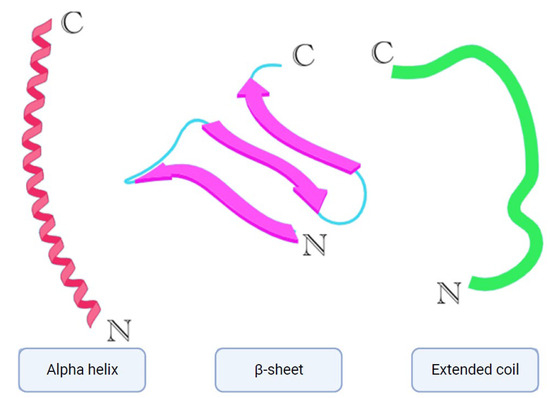
- Diversity of conformation of antimicrobial peptides, peptidomimetics and polymers (helical, beta sheet, beta hairpin etc)
- Diversity of activity of antimicrobial peptides, peptidomimetics and polymers (antibacterial, antifungal, antiviral, antitumoral, anti-inflammatory, antibiofilm, wound healing, synergy with antibiotics)
- Peptidase-resistance
- Host-defense, Innate immunity
- Cytotoxicity
- Bacterial antitoxins; Toxin-antitoxin complex; Antitoxin inhibition
- Allostery
- Circular Dichroism
- NMR
Prof. Dr. J. Michael Conlon
Dr. Marc Maresca
Prof. Dr. Bong-Jin Lee
Dr. Aurélie Tasiemski
Collection Editors
Manuscript Submission Information
Manuscripts should be submitted online at www.mdpi.com by registering and logging in to this website. Once you are registered, click here to go to the submission form. All submissions that pass pre-check are peer-reviewed. Accepted papers will be published continuously in the journal (as soon as accepted) and will be listed together on the collection website. Research articles, review articles as well as short communications are invited. For planned papers, a title and short abstract (about 250 words) can be sent to the Editorial Office for assessment.
Submitted manuscripts should not have been published previously, nor be under consideration for publication elsewhere (except conference proceedings papers). All manuscripts are thoroughly refereed through a single-anonymized peer-review process. A guide for authors and other relevant information for submission of manuscripts is available on the Instructions for Authors page. Antibiotics is an international peer-reviewed open access monthly journal published by MDPI.
Please visit the Instructions for Authors page before submitting a manuscript.
The Article Processing Charge (APC) for publication in this open access journal is 2900 CHF (Swiss Francs).
Submitted papers should be well formatted and use good English. Authors may use MDPI's
English editing service prior to publication or during author revisions.
Published Papers (7 papers)
Open AccessArticle
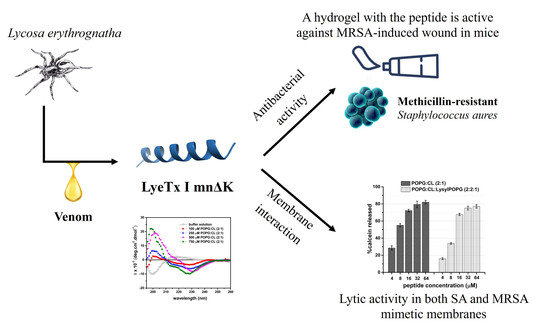
The Synthetic Peptide LyeTx I mn∆K, Derived from Lycosa erythrognatha Spider Toxin, Is Active against Methicillin-Resistant Staphylococcus aureus (MRSA) In Vitro and In Vivo
by
Ana Paula Gonçalves Coelho Vieira, Amanda Neves de Souza, William Gustavo Lima, Julio Cesar Moreira Brito, Daniela Carolina Simião, Lucas Vinícius Ribeiro Gonçalves, Lídia Pereira Barbosa Cordeiro, Denise de Oliveira Scoaris, Simone Odília Antunes Fernandes, Jarbas Magalhães Resende, Burkhard Bechinger, Rodrigo Moreira Verly and Maria Elena de Lima
Cited by 8 | Viewed by 3930
Abstract
The urgent global health challenge posed by methicillin-resistant
Staphylococcus aureus (MRSA) infections demands effective solutions. Antimicrobial peptides (AMPs) represent promising tools of research of new antibacterial agents and LyeTx I mn∆K, a short synthetic peptide based on the
Lycosa erythrognatha spider venom, is
[...] Read more.
The urgent global health challenge posed by methicillin-resistant
Staphylococcus aureus (MRSA) infections demands effective solutions. Antimicrobial peptides (AMPs) represent promising tools of research of new antibacterial agents and LyeTx I mn∆K, a short synthetic peptide based on the
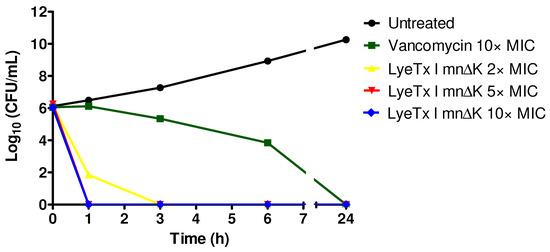
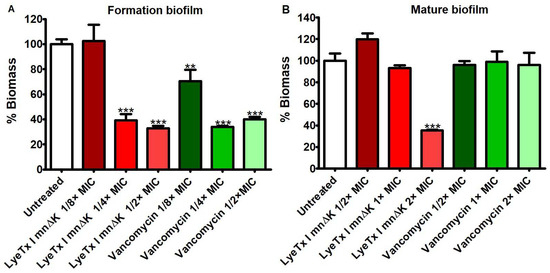
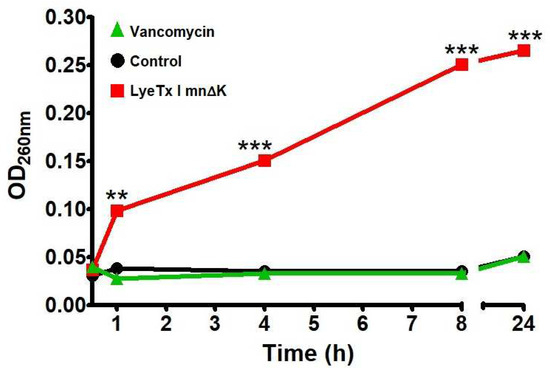
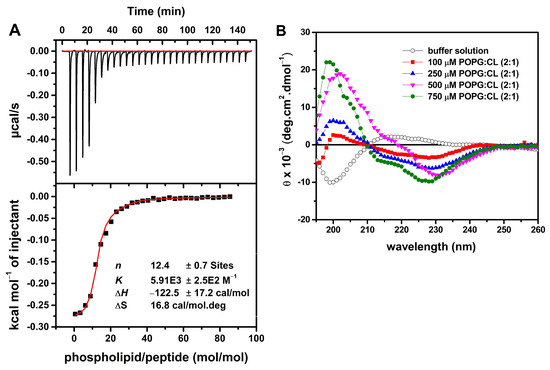
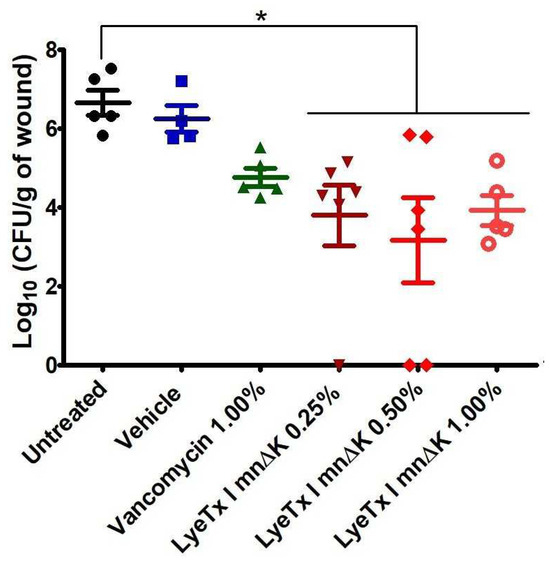
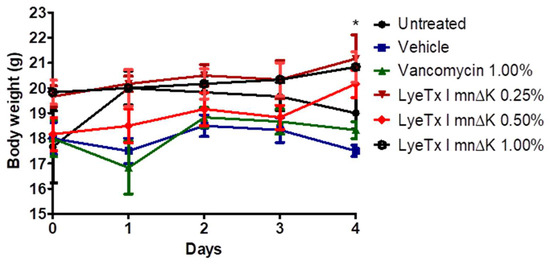
Lycosa erythrognatha spider venom, is a good representative. This study focused on analyzing the antimicrobial activities of LyeTx I mn∆K, including minimum inhibitory and bactericidal concentrations, synergy and resensitization assays, lysis activity, the effect on biofilm, and the bacterial death curve in MRSA. Additionally, its characterization was conducted through isothermal titration calorimetry, dynamic light scattering, calcein release, and finally, efficacy in a mice wound model. The peptide demonstrates remarkable efficacy against planktonic cells (MIC 8–16 µM) and biofilms (>30% of inhibition) of MRSA, and outperforms vancomycin in terms of rapid bactericidal action and anti-biofilm effects. The mechanism involves significant membrane damage. Interactions with bacterial model membranes, including those with lysylphosphatidylglycerol (LysylPOPG) modifications, highlight the versatility and selectivity of this compound. Also, the peptide has the ability to sensitize resistant bacteria to conventional antibiotics, showing potential for combinatory therapy. Furthermore, using an in vivo model, this study showed that a formulated gel containing the peptide proved superior to vancomycin in treating MRSA-induced wounds in mice. Together, the results highlight LyeTx I mnΔK as a promising prototype for the development of effective therapeutic strategies against superficial MRSA infections.
Full article
►▼
Show Figures
Open AccessReview
Diversity and Mechanisms of Action of Plant, Animal, and Human Antimicrobial Peptides
by
Galina Satchanska, Slavena Davidova and Alexandra Gergova
Cited by 44 | Viewed by 7774
Abstract
Antimicrobial peptides (AMPs) are usually made up of fewer than 100 amino acid residues. They are found in many living organisms and are an important factor in those organisms’ innate immune systems. AMPs can be extracted from various living sources, including bacteria, plants,
[...] Read more.
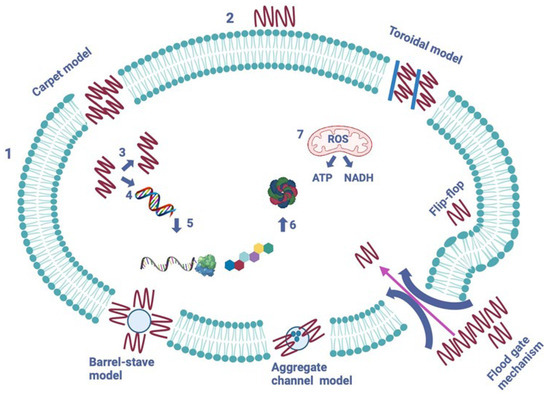
Antimicrobial peptides (AMPs) are usually made up of fewer than 100 amino acid residues. They are found in many living organisms and are an important factor in those organisms’ innate immune systems. AMPs can be extracted from various living sources, including bacteria, plants, animals, and even humans. They are usually cationic peptides with an amphiphilic structure, which allows them to easily bind and interact with the cellular membranes of viruses, bacteria, fungi, and other pathogens. They can act against both Gram-negative and Gram-positive pathogens and have various modes of action against them. Some attack the pathogens’ membranes, while others target their intracellular organelles, as well as their nucleic acids, proteins, and metabolic pathways. A crucial area of AMP use is related to their ability to help with emerging antibiotic resistance: some AMPs are active against resistant strains and are susceptible to peptide engineering. This review considers AMPs from three key sources—plants, animals, and humans—as well as their modes of action and some AMP sequences.
Full article
►▼
Show Figures
Open AccessArticle
Antiviral Activity of Anthranilamide Peptidomimetics against Herpes Simplex Virus 1 and a Coronavirus
by
Umme Laila Urmi, Samuel Attard, Ajay Kumar Vijay, Mark D. P. Willcox, Naresh Kumar, Salequl Islam and Rajesh Kuppusamy
Cited by 11 | Viewed by 4189
Abstract
The development of potent antiviral agents is of utmost importance to combat the global burden of viral infections. Traditional antiviral drug development involves targeting specific viral proteins, which may lead to the emergence of resistant strains. To explore alternative strategies, we investigated the
[...] Read more.
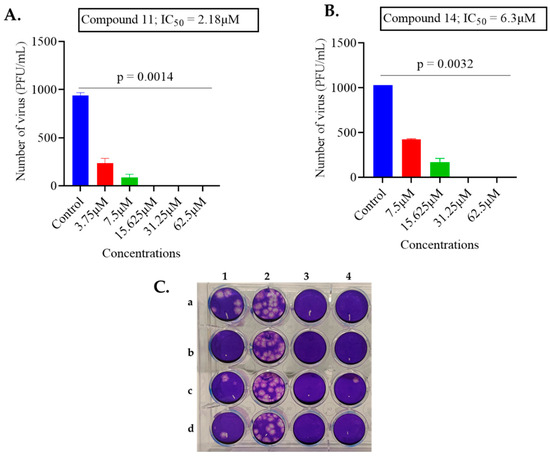
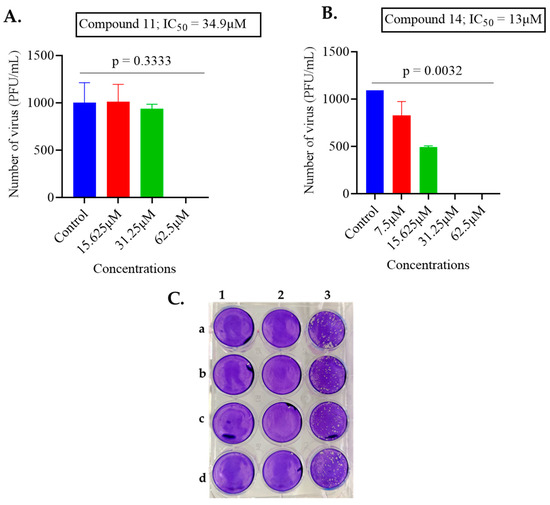
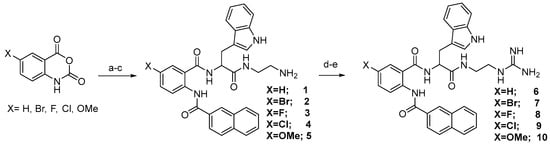
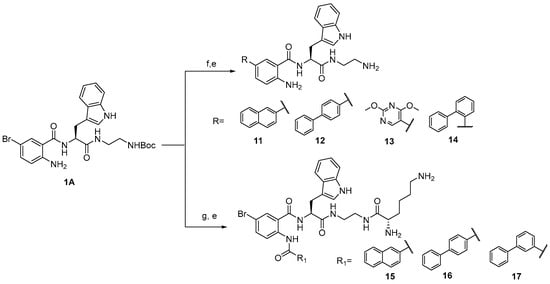
The development of potent antiviral agents is of utmost importance to combat the global burden of viral infections. Traditional antiviral drug development involves targeting specific viral proteins, which may lead to the emergence of resistant strains. To explore alternative strategies, we investigated the antiviral potential of antimicrobial peptidomimetic compounds. In this study, we evaluated the antiviral potential of 17 short anthranilamide-based peptidomimetic compounds against two viruses: Murine hepatitis virus 1 (MHV-1) which is a surrogate of human coronaviruses and herpes simplex virus 1 (HSV-1). The half-maximal inhibitory concentration (IC
50) values of these compounds were determined in vitro to assess their potency as antiviral agents. Compounds
11 and
14 displayed the most potent inhibitory effects with IC
50 values of 2.38 μM, and 6.3 μM against MHV-1 while compounds
9 and
14 showed IC
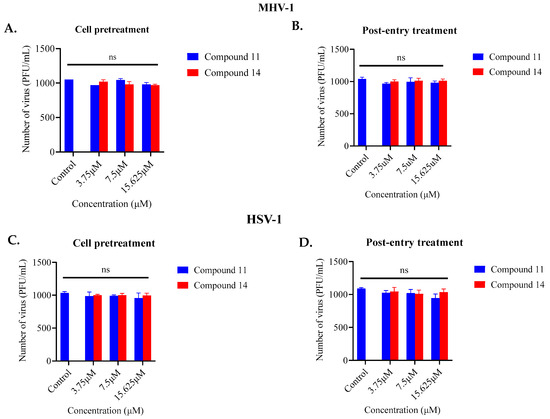
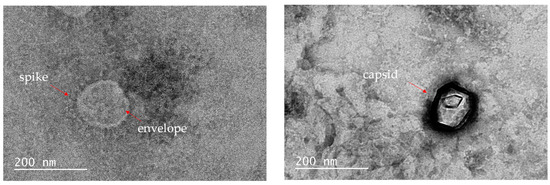
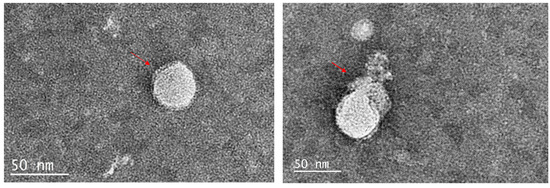
50 values of 14.8 μM and 13 μM against HSV-1. Multiple antiviral assessments and microscopic images obtained through transmission electron microscopy (TEM) collectively demonstrated that these compounds exert a direct influence on the viral envelope. Based on this outcome, it can be concluded that peptidomimetic compounds could offer a new approach for the development of potent antiviral agents.
Full article
►▼
Show Figures
Open AccessArticle
Identification of an Antimicrobial Peptide from the Venom of the Trinidad Thick-Tailed Scorpion Tityus trinitatis with Potent Activity against ESKAPE Pathogens and Clostridioides difficile
by
Milena Mechkarska, Taylor S. Cunning, Megan G. Taggart, Nigel G. Ternan, Jérôme Leprince, Laurent Coquet, Thierry Jouenne, Jordi Tena-Garcés, Juan J. Calvete and J. Michael Conlon
Cited by 9 | Viewed by 3462
Abstract
Envenomation by the Trinidad thick-tailed scorpion
Tityus trinitatis may result in fatal myocarditis and there is a high incidence of acute pancreatitis among survivors. Peptidomic analysis (reversed-phase HPLC followed by MALDI-TOF mass spectrometry and automated Edman degradation) of
T. trinitatis venom led to
[...] Read more.
Envenomation by the Trinidad thick-tailed scorpion
Tityus trinitatis may result in fatal myocarditis and there is a high incidence of acute pancreatitis among survivors. Peptidomic analysis (reversed-phase HPLC followed by MALDI-TOF mass spectrometry and automated Edman degradation) of
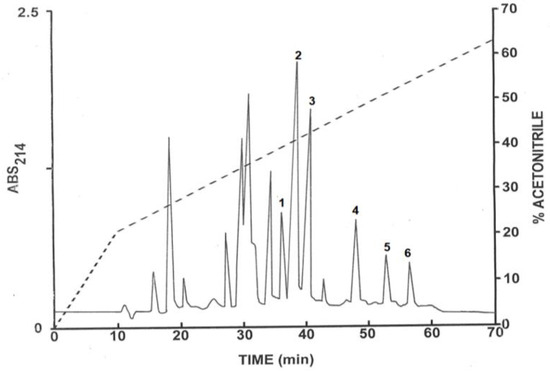
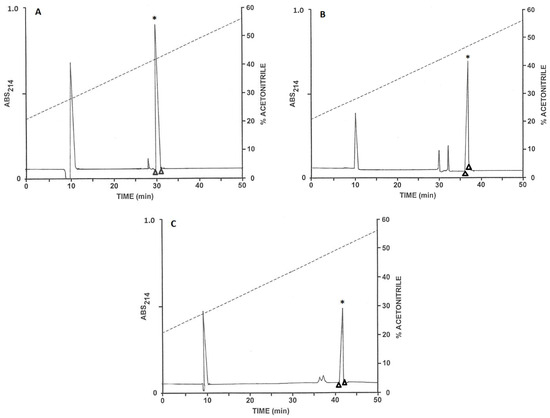
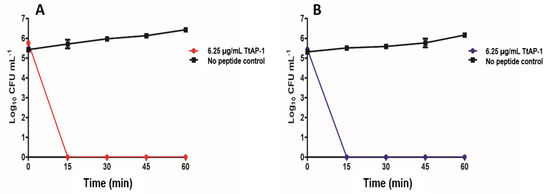
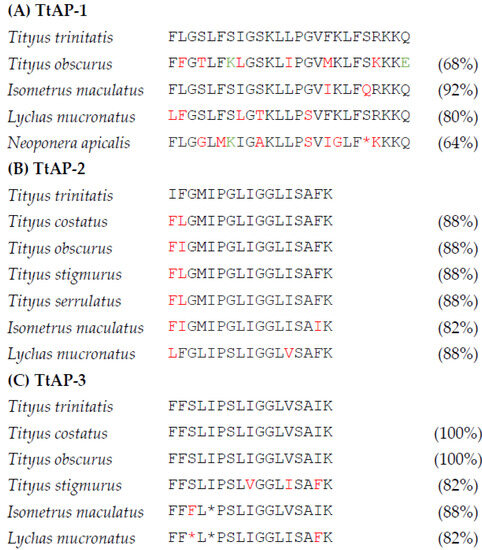
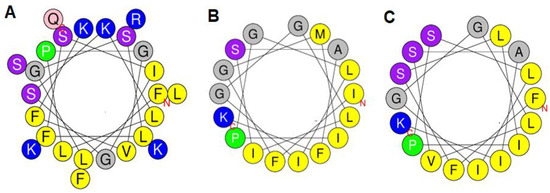
T. trinitatis venom led to the isolation and characterization of three peptides with antimicrobial activity. Their primary structures were established asTtAP-1 (FLGSLFSIGSKLLPGVFKLFSRKKQ.NH2), TtAP-2 (IFGMIPGLIGGLISAFK.NH2) and TtAP-3 (FFSLIPSLIGGLVSAIK.NH2). In addition, potassium channel and sodium channel toxins, present in the venom in high abundance, were identified by CID-MS/MS sequence analysis. TtAP-1 was the most potent against a range of clinically relevant Gram-positive and Gram-negative aerobes and against the anaerobe
Clostridioides difficile (MIC = 3.1–12.5 µg/mL). At a concentration of 1× MIC, TtAP-1 produced rapid cell death (<15 min against
Acinetobacter baumannii and
Staphylococcus aureus). The therapeutic potential of TtAP-1 as an anti-infective agent is limited by its high hemolytic activity (LC
50 = 18 µg/mL against mouse erythrocytes) but the peptide constitutes a template for the design of analogs that maintain the high bactericidal activity against ESKAPE pathogens but are less toxic to human cells. It is suggested that the antimicrobial peptides in the scorpion venom facilitate the action of the neurotoxins by increasing the membrane permeability of cells from either prey or predator.
Full article
►▼
Show Figures
Open AccessReview
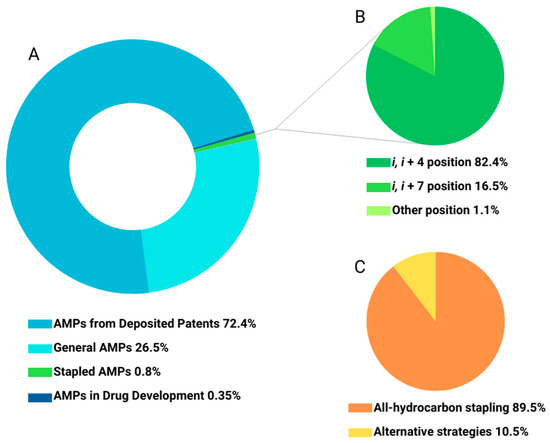
Peptide Stapling Applied to Antimicrobial Peptides
by
Ana Laura Pereira Lourenço, Thuanny Borba Rios, Állan Pires da Silva, Octávio Luiz Franco and Marcelo Henrique Soller Ramada
Cited by 32 | Viewed by 5088
Abstract
Antimicrobial peptides (AMPs) are considered a promising therapeutic approach against multi-drug resistant microorganisms. Besides their advantages, there are limitations to be overcome so that these molecules can become market competitive. One of the biggest limitations is proteolytic susceptibility, which could be overcome by
[...] Read more.
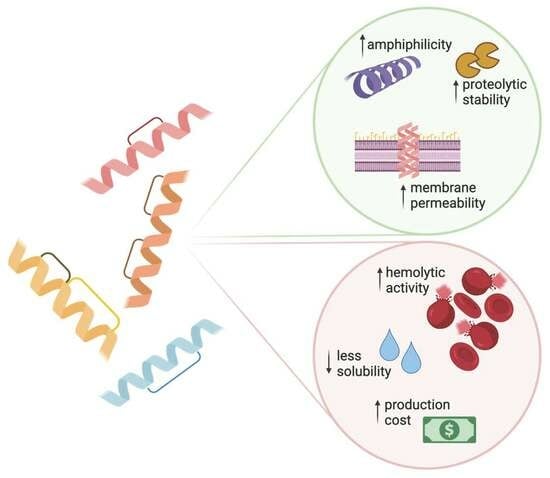
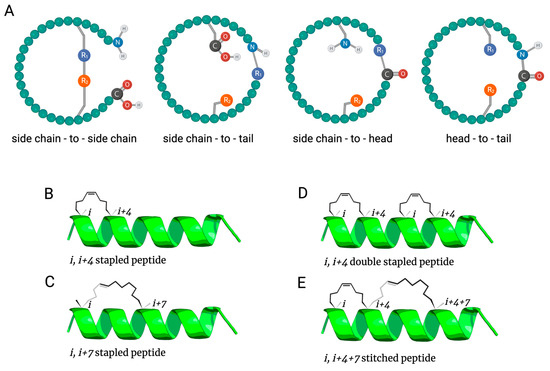
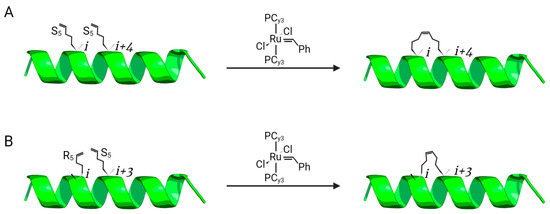
Antimicrobial peptides (AMPs) are considered a promising therapeutic approach against multi-drug resistant microorganisms. Besides their advantages, there are limitations to be overcome so that these molecules can become market competitive. One of the biggest limitations is proteolytic susceptibility, which could be overcome by structural modifications such as cyclization, especially for helix-constraining strategies. Over the years, many helix stabilization techniques have arisen, such as lactam-bridging, triazole-based, N-alkylation and all-hydrocarbon stapling. All-hydrocarbon stapling takes advantage of modified amino acid residues and olefinic cross-linking to constrain peptide helices. Despite being a well-established strategy and presenting efficient stability results, there are different limitations especially related to toxicity. In this review, recent studies on stapled AMPs for antimicrobial usage are explored with the aim of understanding the future of these molecules as putative antimicrobial agents.
Full article
►▼
Show Figures
Open AccessArticle
Purification, Conformational Analysis and Cytotoxic Activities of Host-Defense Peptides from the Giant Gladiator Treefrog Boana boans (Hylidae: Hylinae)
by
J. Michael Conlon, Laure Guilhaudis, Samir Attoub, Laurent Coquet, Jérôme Leprince, Thierry Jouenne and Milena Mechkarska
Cited by 8 | Viewed by 2738
Abstract
Frogs from the extensive amphibian family Hylidae are a rich source of peptides with therapeutic potential. Peptidomic analysis of norepinephrine-stimulated skin secretions from the Giant Gladiator Treefrog
Boana boans (Hylidae: Hylinae) collected in Trinidad led to the isolation and structural characterization of five
[...] Read more.
Frogs from the extensive amphibian family Hylidae are a rich source of peptides with therapeutic potential. Peptidomic analysis of norepinephrine-stimulated skin secretions from the Giant Gladiator Treefrog
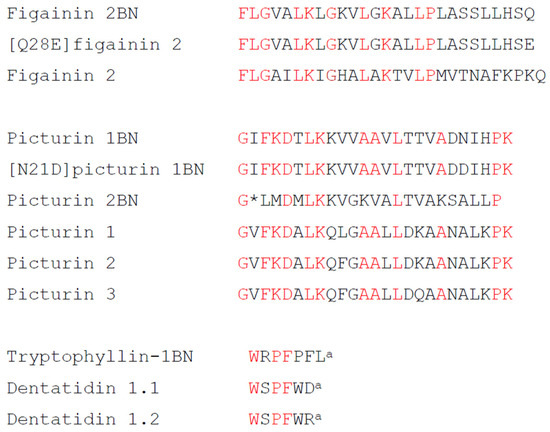
Boana boans (Hylidae: Hylinae) collected in Trinidad led to the isolation and structural characterization of five host-defense peptides with limited structural similarity to figainin 2 and picturin peptides from other frog species belonging to the genus
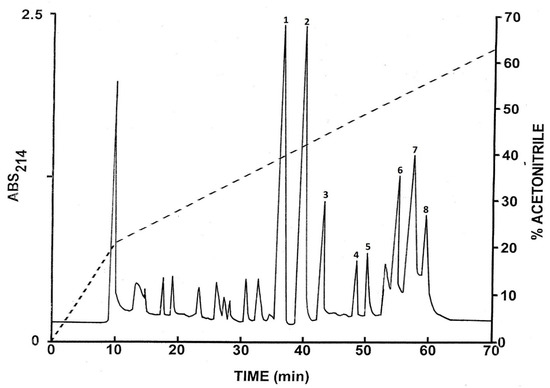
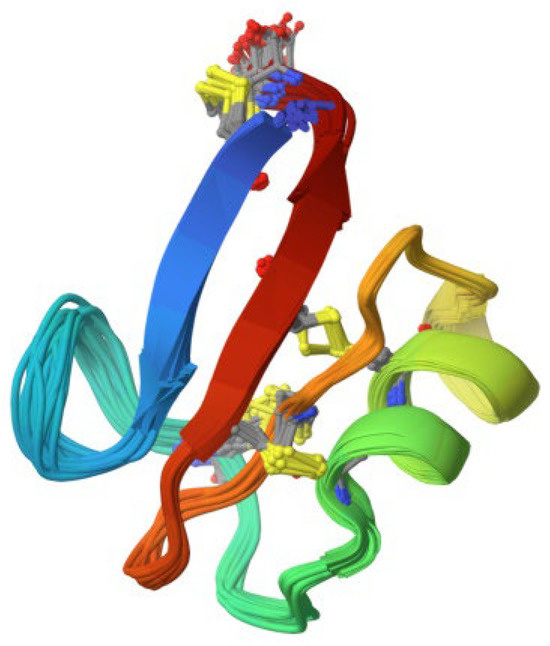
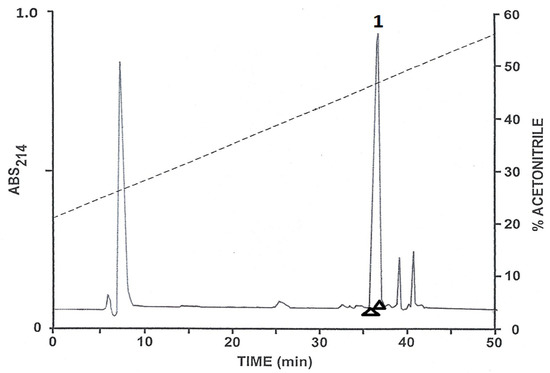
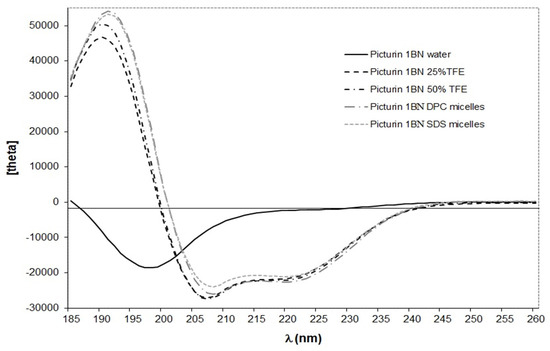
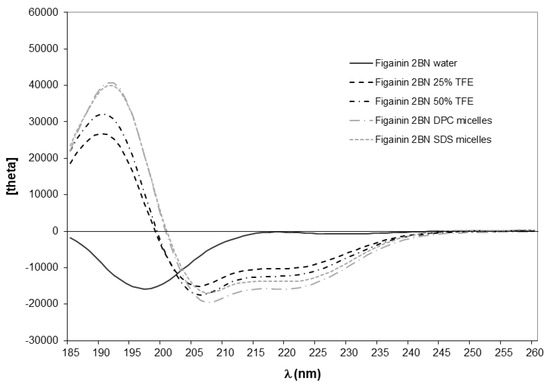
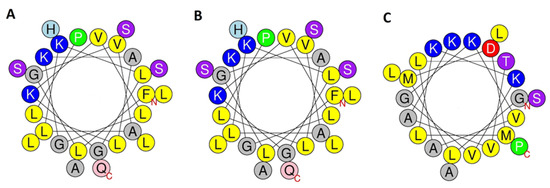
Boana. In addition, the skin secretions contained high concentrations of tryptophyllin-BN (WRPFPFL) in both C-terminally α-amidated and non-amidated forms. Figainin 2BN (FLGVALKLGKVLG KALLPLASSLLHSQ) and picturin 1BN (GIFKDTLKKVVAAVLTTVADNIHPK) adopt α-helical conformations in trifluroethanol–water mixtures and in the presence of cell membrane models (sodium dodecylsulfate and dodecylphosphocholine micelles). The CD data also indicate contributions from turn structures. Both peptides and picturin 2BN (GLMDMLKKVGKVALT VAKSALLP) inhibited the growth of clinically relevant Gram-negative and Gram-positive bacteria with MIC values in the range 7.8–62.5 µM. Figainin 2BN was potently cytotoxic to A549, MDA-MB-231 and HT-29 human tumor-derived cells (LC
50 = 7–14 µM) but displayed comparable potency against non-neoplastic HUVEC cells (LC
50 = 15 µM) indicative of lack of selectivity for cancer cells.
Full article
►▼
Show Figures
Open AccessPerspective
Dynamics-Based Regulatory Switches of Type II Antitoxins: Insights into New Antimicrobial Discovery
by
Ki-Young Lee and Bong-Jin Lee
Cited by 2 | Viewed by 3471
Abstract
Type II toxin-antitoxin (TA) modules are prevalent in prokaryotes and are involved in cell maintenance and survival under harsh environmental conditions, including nutrient deficiency, antibiotic treatment, and human immune responses. Typically, the type II TA system consists of two protein components: a toxin
[...] Read more.
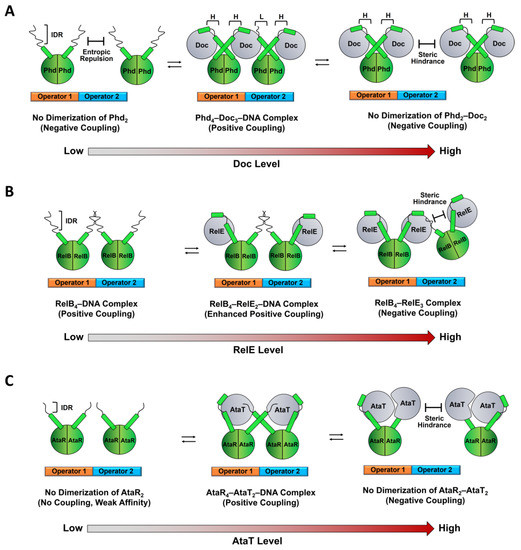
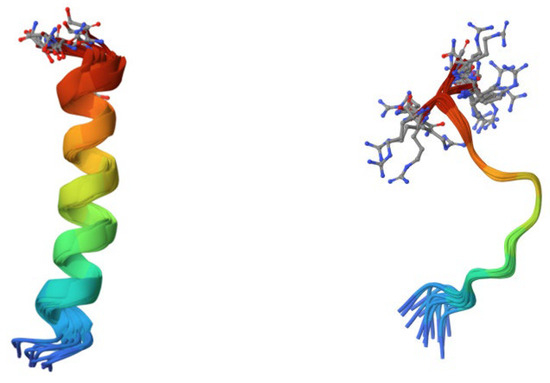
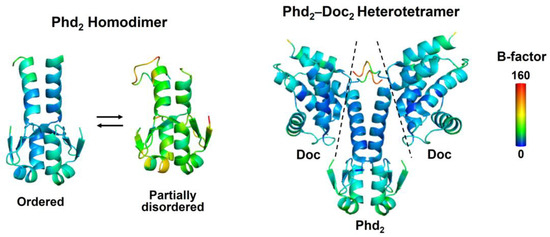
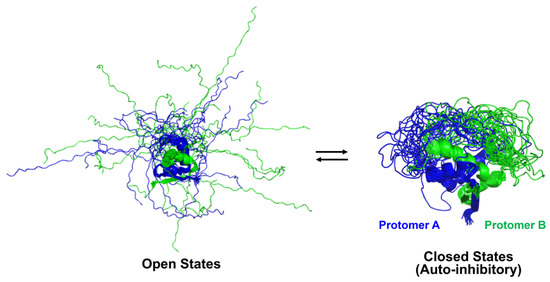
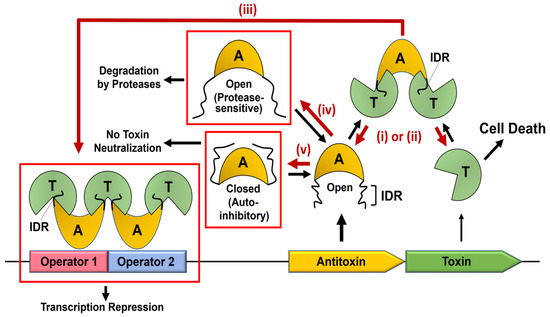
Type II toxin-antitoxin (TA) modules are prevalent in prokaryotes and are involved in cell maintenance and survival under harsh environmental conditions, including nutrient deficiency, antibiotic treatment, and human immune responses. Typically, the type II TA system consists of two protein components: a toxin that inhibits an essential cellular process and an antitoxin that neutralizes its toxicity. Antitoxins of type II TA modules typically contain the structured DNA-binding domain responsible for TA transcription repression and an intrinsically disordered region (IDR) at the C-terminus that directly binds to and neutralizes the toxin. Recently accumulated data have suggested that the antitoxin’s IDRs exhibit variable degrees of preexisting helical conformations that stabilize upon binding to the corresponding toxin or operator DNA and function as a central hub in regulatory protein interaction networks of the type II TA system. However, the biological and pathogenic functions of the antitoxin’s IDRs have not been well discussed compared with those of IDRs from the eukaryotic proteome. Here, we focus on the current state of knowledge about the versatile roles of IDRs of type II antitoxins in TA regulation and provide insights into the discovery of new antibiotic candidates that induce toxin activation/reactivation and cell death by modulating the regulatory dynamics or allostery of the antitoxin.
Full article
►▼
Show Figures