


Special Issue "Nanotechnology in Animal Science"

A special issue of Animals (ISSN 2076-2615).

Deadline for manuscript submissions: 31 March 2022.

Special Issue Editors

Dr. Antonio Gonzalez-Bulnes
E-Mail Website
Guest Editor
Departamento de Produccion y Sanidad Animal, Facultad de Veterinaria, Universidad Cardenal Herrera-CEU, CEU Universities, C/ Tirant lo Blanc, 7. Alfara del Patriarca, 46115-Valencia, Spain
Interests: developmental programming; environmental effects; embryo; foetus; genetic and epigenetic regulation; prenatal and postnatal development
Special Issues and Collections in MDPI journals
Prof. Dr. Nesreen Hashem
E-Mail Website
Guest Editor
Department of Animal and Fish Production, Faculty of Agriculture (El-Shatby), Alexandria University, Alexandria, Egypt
Interests: livestock; reproduction; assisted reproductive techniques; nanotechnology; ultrasound; endocrinology; phytochemicals; antioxidants; growth

Special Issue Information

Dear Colleagues,

Nanotechnology is an innovative multidisciplinary science, combining the sciences of physics, chemistry, biology, and mathematics, as well as engineering and computer sciences. Nanotechnology aims to transform chemical molecules into small particles for in order to obtain new physiochemical properties of such molecules (greater cellular uptake, reactivity, surface area and charge, binding properties) and opens a new platform for innovation in the biosciences. Recently, the nanotechnology revolution has pervaded all fields related to animal science; however, its application in animal medicine and production is still scarce. Different nanoparticles and nanoparticles-based systems have been developed for specific purposes, such as rapid and robust disease diagnosis and treatment, drug delivery systems, animal nutrition, reproduction management, and assisted reproductive techniques. It can also provide new tools for studying molecular and cellular biology and animal genetics. The differences in nanoparticle preparation protocols, physiochemical properties, and applications make this branch of science worthy of study, aiming to better understand the benefits, limitations, and hazards of this technology when is used in the field of animal science.

In this Special Issue, we invite original research papers and reviews or studies addressing nanotechnology applications in the fields of animal physiology, nutrition, reproduction, biotechnology, and health/disease, as well as issues related to the hazards and toxicity of nanomaterials.

Dr. Antonio Gonzalez-Bulnes
Prof. Dr. Nesreen Hashem
Guest Editors

Manuscript Submission Information

Manuscripts should be submitted online at www.mdpi.com by registering and logging in to this website. Once you are registered, click here to go to the submission form. Manuscripts can be submitted until the deadline. All papers will be peer-reviewed. Accepted papers will be published continuously in the journal (as soon as accepted) and will be listed together on the special issue website. Research articles, review articles as well as short communications are invited. For planned papers, a title and short abstract (about 100 words) can be sent to the Editorial Office for announcement on this website.

Submitted manuscripts should not have been published previously, nor be under consideration for publication elsewhere (except conference proceedings papers). All manuscripts are thoroughly refereed through a single-blind peer-review process. A guide for authors and other relevant information for submission of manuscripts is available on the Instructions for Authors page. Animals is an international peer-reviewed open access monthly journal published by MDPI.

Please visit the Instructions for Authors page before submitting a manuscript. The Article Processing Charge (APC) for publication in this open access journal is 1800 CHF (Swiss Francs). Submitted papers should be well formatted and use good English. Authors may use MDPI's English editing service prior to publication or during author revisions.

Keywords

  • Nanotechnology
  • Growth
  • Reproduction
  • Animal health
  • Biotechnology
  • Toxicity

Published Papers (9 papers)

Order results
Result details
Select all
Export citation of selected articles as:

Research

Jump to: Review

Article
Modified Spirulina maxima Pectin Nanoparticles Improve the Developmental Competence of In Vitro Matured Porcine Oocytes
Animals 2021, 11(9), 2483; https://doi.org/10.3390/ani11092483 - 24 Aug 2021
Viewed by 598
Abstract
Molecular approaches have been used to determine metabolic substrates involved in the early embryonic processes to provide adequate culture conditions. To investigate the effect of modified Spirulina maxima pectin nanoparticles (MSmPNPs) on oocyte developmental competence, cumulus–oocyte complexes (COCs) retrieved from pig slaughterhouse ovaries [...] Read more.
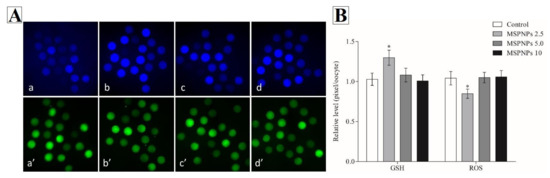
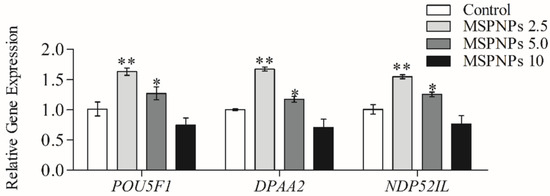
Molecular approaches have been used to determine metabolic substrates involved in the early embryonic processes to provide adequate culture conditions. To investigate the effect of modified Spirulina maxima pectin nanoparticles (MSmPNPs) on oocyte developmental competence, cumulus–oocyte complexes (COCs) retrieved from pig slaughterhouse ovaries were subjected to various concentrations of MSmPNPs (0, 2.5, 5.0, and 10 µg/mL) during in vitro maturation (IVM). In comparison to the control, MSmPNPs-5.0, and MSmPNPs-10 groups, oocytes treated with 2.5 µg/mL MSmPNPs had significantly increased glutathione (GSH) levels and lower levels of reactive oxygen species (ROS). Following parthenogenetic activation, the MSmPNPs-2.5 group had a considerably higher maturation and cleavage rates, blastocyst development, total cell number, and ratio of inner cell mass/trophectoderm (ICM:TE) cells, when compared with those in the control and all other treated groups. Furthermore, similar findings were reported for the developmental competence of somatic cell nuclear transfer (SCNT)-derived embryos. Additionally, the relative quantification of POU5F1, DPPA2, and NDP52 mRNA transcript levels were significantly higher in the MSmPNPs-2.5 group than in the control and other treated groups. Taken together, the current findings suggest that MSmPNP treatment alleviates oxidative stress and enhances the developmental competence of porcine in vitro matured oocytes after parthenogenetic activation and SCNT. Full article
(This article belongs to the Special Issue Nanotechnology in Animal Science)
Show Figures

Figure 1

Article
In Vitro and In Vivo Assessment of Dietary Supplementation of Both Natural or Nano-Zeolite in Goat Diets: Effects on Ruminal Fermentation and Nutrients Digestibility
Animals 2021, 11(8), 2215; https://doi.org/10.3390/ani11082215 - 27 Jul 2021
Viewed by 883
Abstract
This study aimed to evaluate in vitro and in vivo dietary supplementation with different levels of natural or nano-zeolite forms on rumen fermentation patterns and nutrient digestibility. In the in vitro experiment, a basal diet (50% concentrate: 50% forage) was incubated without additives [...] Read more.
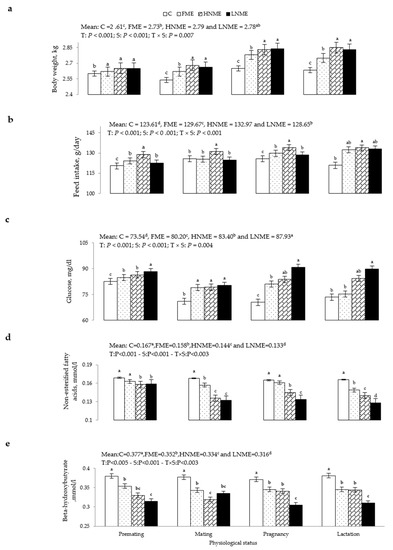
This study aimed to evaluate in vitro and in vivo dietary supplementation with different levels of natural or nano-zeolite forms on rumen fermentation patterns and nutrient digestibility. In the in vitro experiment, a basal diet (50% concentrate: 50% forage) was incubated without additives (control) and with natural zeolite (10, 20, 30 g/kg DM) or nano-zeolite (0.2, 0.3, 0.4, 0.5, 1.0 g/kg DM) for 24 h to assess their effect on ruminal fermentation, feed degradability, and gas and methane production using a semi-automatic system of in vitro gas production (GP). The most effective doses obtained from the in vitro experiment were evaluated in vivo using 30 Barki goats (26 ± 0.9 SE kg body weight). Goats were allocated into three dietary treatments (n = 10/treatment) as follows: control (basal diet without any supplementations), natural zeolite (20 g/kg DM diet), and nano-zeolite (0.40 g/kg DM diet). The in vitro results revealed that only the nano-zeolite supplementation form quadratically (p= 0.004) increased GP, and the level of 0.5 g/kg DM had the highest GP value compared to the control. Both zeolite forms affected the CH4 production, linear, and quadratic reductions (p < 0.05) in CH4 (mL/g DM), consistent with linear increases in truly degraded organic matter (TDOM) (p = 0.09), and propionate molar proportions (p = 0.007) were observed by nano zeolite treatment, while the natural form of zeolite resulted in a linear CH4 reduction consistent with a linear decrease (p = 0.004) in NH3-N, linear increases in TDOM (p = 0.09), and propionate molar proportions (p = 0.004). Results of the in vivo experiment demonstrated that the nutrient digestibility was similar among all treatments. Nano zeolite enhanced (p < 0.05) the total short-chain fatty acids and butyrate concentrations, while both zeolite forms decreased (p < 0.001) NH3-N compared to the control. These results suggested that both zeolite supplementation forms favorably modified the rumen fermentation in different patterns. Full article
(This article belongs to the Special Issue Nanotechnology in Animal Science)
Show Figures

Figure 1

Article
Antibacterial Potential of Biosynthesized Zinc Oxide Nanoparticles against Poultry-Associated Foodborne Pathogens: An In Vitro Study
Animals 2021, 11(7), 2093; https://doi.org/10.3390/ani11072093 - 14 Jul 2021
Viewed by 1319
Abstract
Since the emergence of multidrug-resistant bacteria in the poultry industry is currently a serious threat, there is an urgent need to develop a more efficient and alternative antibacterial substance. Zinc oxide nanoparticles (ZnO NPs) have exhibited antibacterial efficacy against a wide range of [...] Read more.
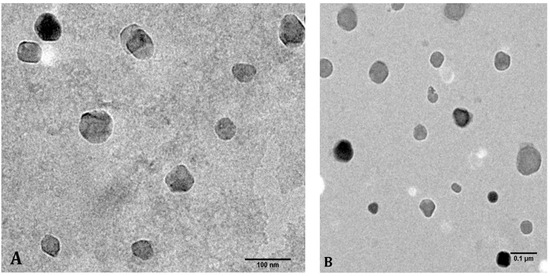
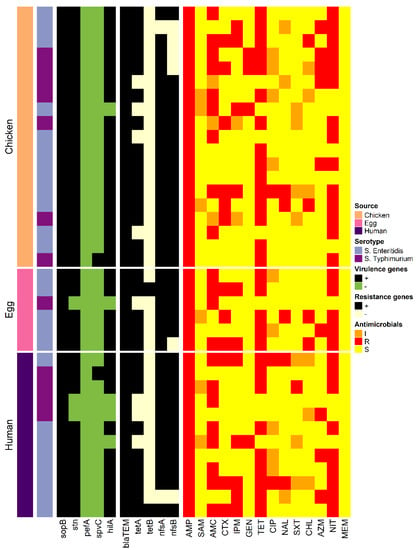
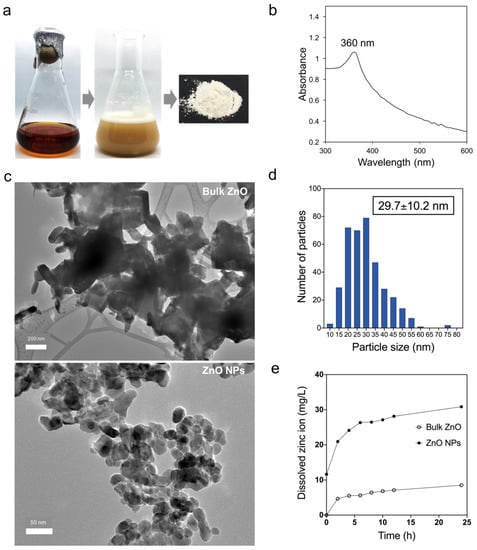
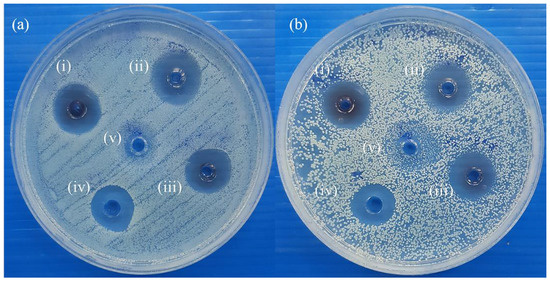
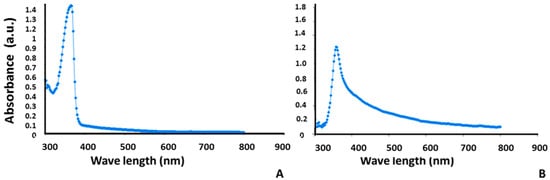
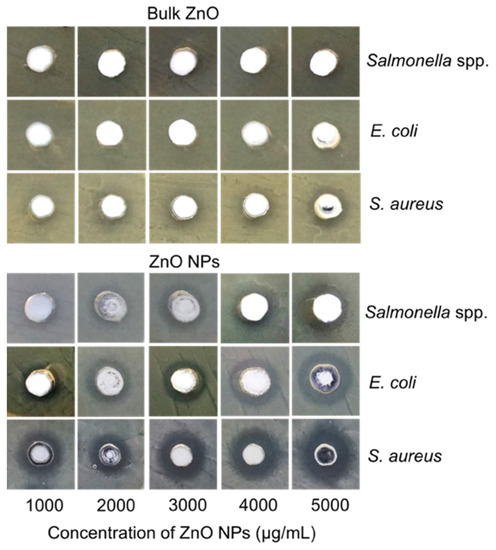
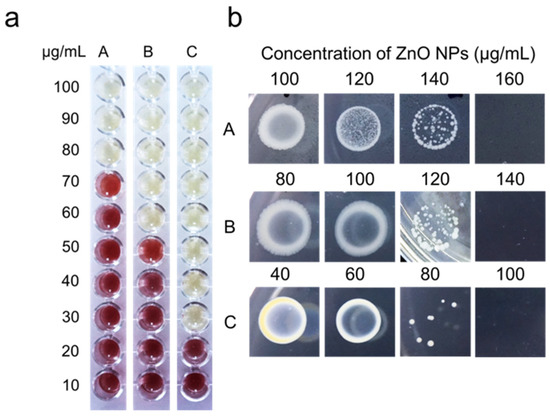
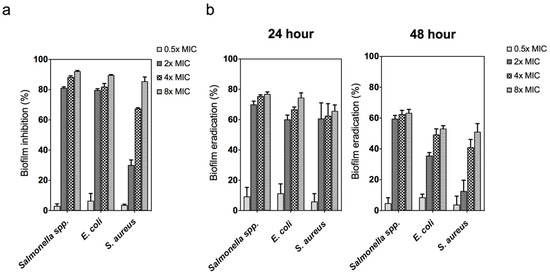
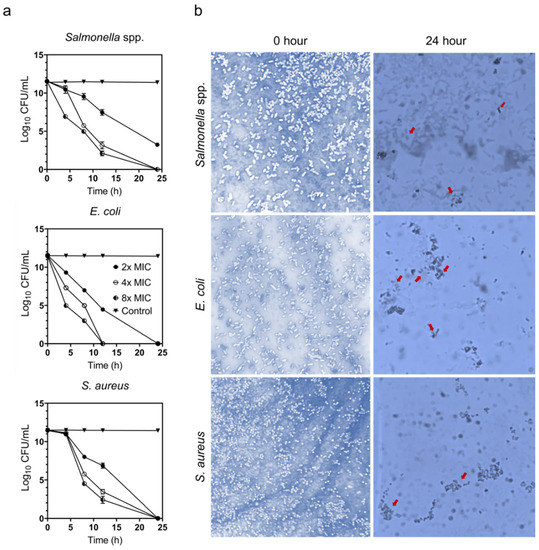
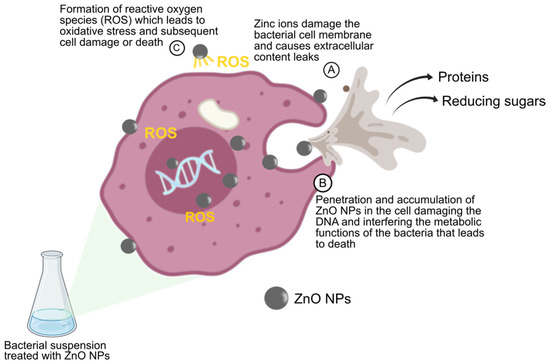
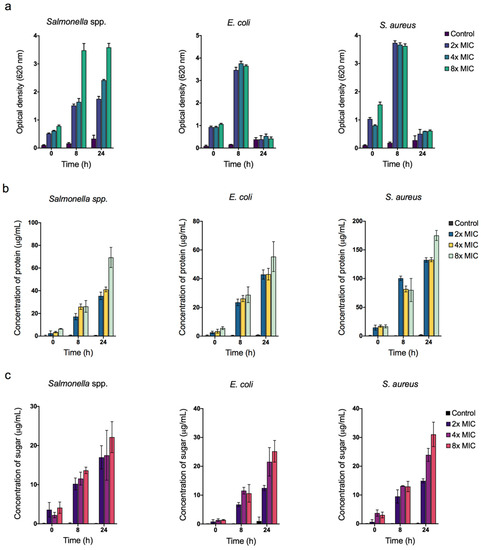
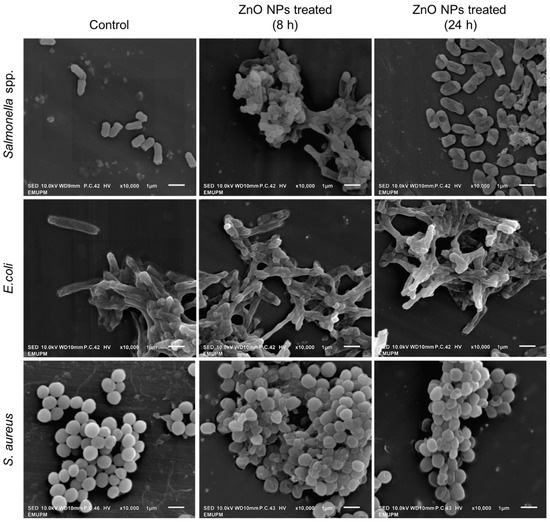
Since the emergence of multidrug-resistant bacteria in the poultry industry is currently a serious threat, there is an urgent need to develop a more efficient and alternative antibacterial substance. Zinc oxide nanoparticles (ZnO NPs) have exhibited antibacterial efficacy against a wide range of microorganisms. Although the in vitro antibacterial activity of ZnO NPs has been studied, little is known about the antibacterial mechanisms of ZnO NPs against poultry-associated foodborne pathogens. In the present study, ZnO NPs were successfully synthesized using Lactobacillus plantarum TA4, characterized, and their antibacterial potential against common avian pathogens (Salmonella spp., Escherichia coli, and Staphylococcus aureus) was investigated. Confirmation of ZnO NPs by UV-Visual spectroscopy showed an absorption band center at 360 nm. Morphologically, the synthesized ZnO NPs were oval with an average particle size of 29.7 nm. Based on the dissolution study of Zn2+, ZnO NPs released more ions than their bulk counterparts. Results from the agar well diffusion assay indicated that ZnO NPs effectively inhibited the growth of the three poultry-associated foodborne pathogens. The minimum inhibitory concentration (MIC) and minimum bactericidal concentration (MBC) were assessed using various concentrations of ZnO NPs, which resulted in excellent antibacterial activity as compared to their bulkier counterparts. S. aureus was more susceptible to ZnO NPs compared to the other tested bacteria. Furthermore, the ZnO NPs demonstrated substantial biofilm inhibition and eradication. The formation of reactive oxygen species (ROS) and cellular material leakage was quantified to determine the underlying antibacterial mechanisms, whereas a scanning electron microscope (SEM) was used to examine the morphological changes of tested bacteria treated with ZnO NPs. The findings suggested that ROS-induced oxidative stress caused membrane damage and bacterial cell death. Overall, the results demonstrated that ZnO NPs could be developed as an alternative antibiotic in poultry production and revealed new possibilities in combating pathogenic microorganisms. Full article
(This article belongs to the Special Issue Nanotechnology in Animal Science)
Show Figures

Figure 1

Article
Silver and Copper Nanoparticles Inhibit Biofilm Formation by Mastitis Pathogens
Animals 2021, 11(7), 1884; https://doi.org/10.3390/ani11071884 - 24 Jun 2021
Viewed by 468
Abstract
Bovine mastitis is a common bovine disease, frequently affecting whole herds of cattle. It is often caused by resistant microbes that can create a biofilm structure. The rapidly developing scientific discipline known as nanobiotechnology may help treat this illness, thanks to the extraordinary [...] Read more.
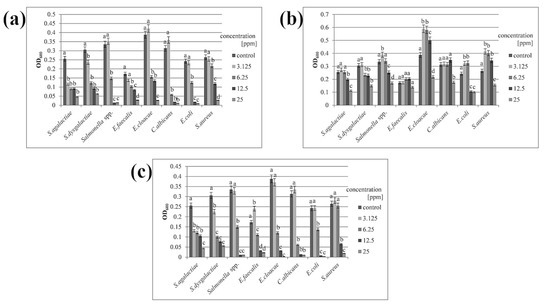
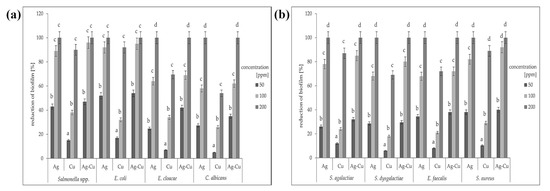
Bovine mastitis is a common bovine disease, frequently affecting whole herds of cattle. It is often caused by resistant microbes that can create a biofilm structure. The rapidly developing scientific discipline known as nanobiotechnology may help treat this illness, thanks to the extraordinary properties of nanoparticles. The aim of the study was to investigate the inhibition of biofilms created by mastitis pathogens after treatment with silver and copper nanoparticles, both individually and in combination. We defined the physicochemical properties and minimal inhibitory concentration of the nanoparticles and observed their interaction with the cell membrane, as well as the extent of biofilm reduction. The results show that the silver–copper complex was the most active of all nanomaterials tested (biofilm was reduced by nearly 100% at a concentration of 200 ppm for each microorganism species tested). However, silver nanoparticles were also effective individually (biofilm was also reduced by nearly 100% at a concentration of 200 ppm, but at concentrations of 50 and 100 ppm, the extent of reduction was lower than for the complex). Nanoparticles can be used in new alternative therapies to treat bovine mastitis. Full article
(This article belongs to the Special Issue Nanotechnology in Animal Science)
Show Figures

Figure 1

Article
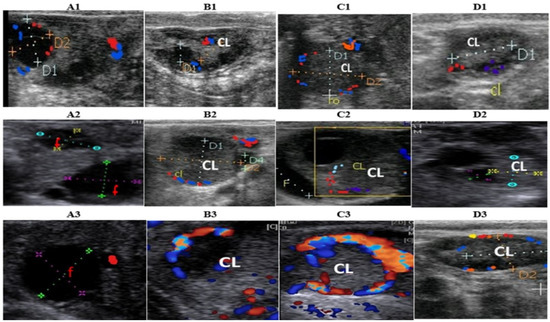
Efficiency of GnRH–Loaded Chitosan Nanoparticles for Inducing LH Secretion and Fertile Ovulations in Protocols for Artificial Insemination in Rabbit Does
Animals 2021, 11(2), 440; https://doi.org/10.3390/ani11020440 - 08 Feb 2021
Cited by 3 | Viewed by 734
Abstract
Gonadotropin-releasing hormone (GnRH)–loaded chitosan nanoparticles (GnRH–ChNPs) were used at different doses and routes of administration to induce ovulation in rabbits as an attempt to improve artificial insemination (AI) procedures and outcomes. In this study, the characteristics (size, polydispersity, loading efficiency, and zeta-potential) of [...] Read more.
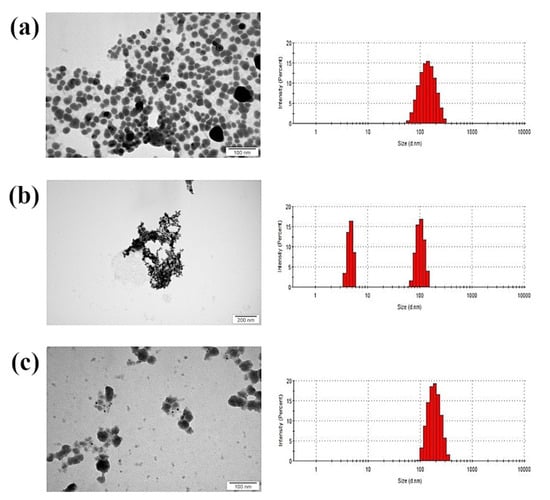
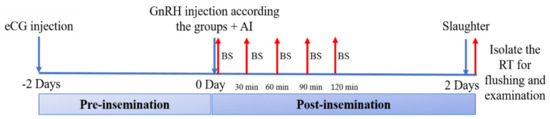
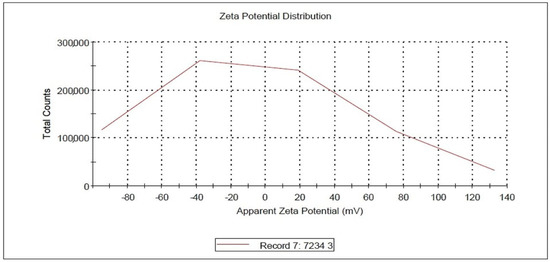
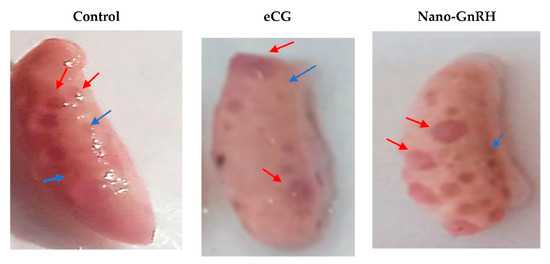
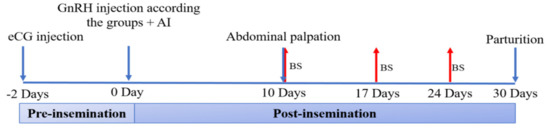
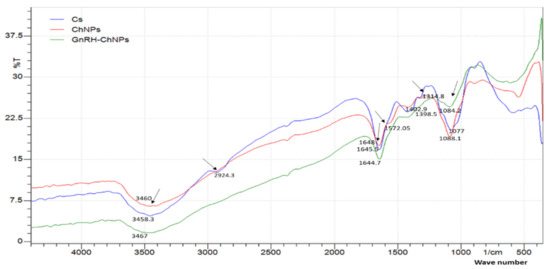
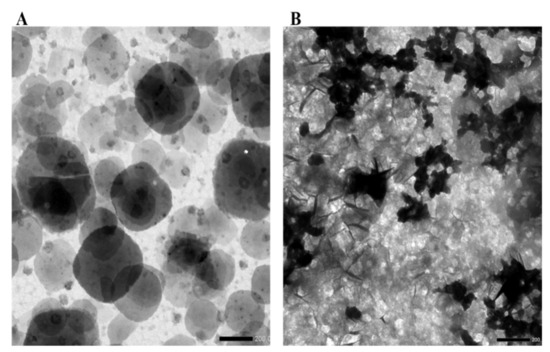
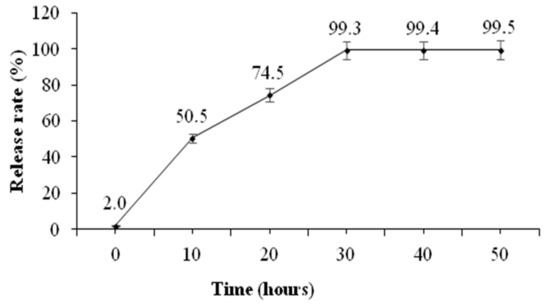
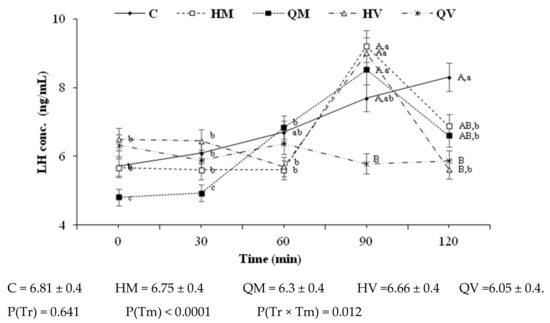
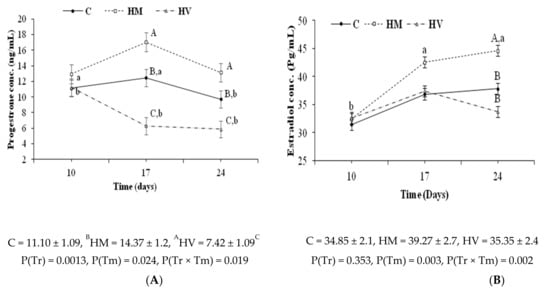
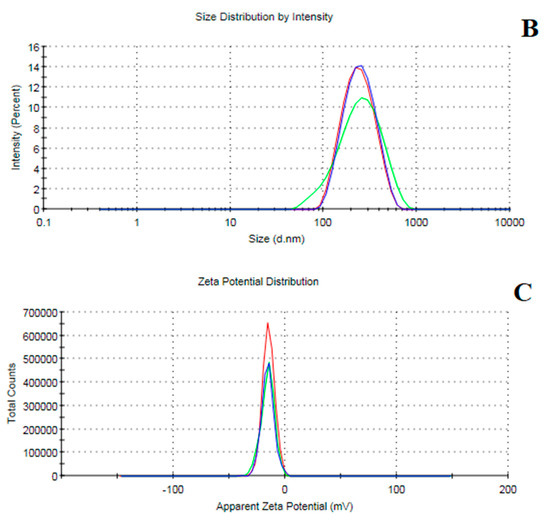
Gonadotropin-releasing hormone (GnRH)–loaded chitosan nanoparticles (GnRH–ChNPs) were used at different doses and routes of administration to induce ovulation in rabbits as an attempt to improve artificial insemination (AI) procedures and outcomes. In this study, the characteristics (size, polydispersity, loading efficiency, and zeta-potential) of GnRH–ChNPs and the GnRH release pattern were determined in an in vitro study. A first in vivo study assessed the pituitary and ovarian response to different GnRH–ChNPs doses and routes of administration (two i.m. doses, Group HM = 0.4 µg and Group QM = 0.2 µg, and two intravaginal doses, Group HV = 4 µg and Group QV = 2 µg) against a control group (C) receiving bare GnRH (0.8 µg). The HM, QM, and HV treatments induced an earlier LH-surge (90 min) than that observed in group C (120 min), whilst the QV treatment failed to induce such LH surge. The number of ovulation points was similar among treatments, except for the QV treatment (no ovulation points). A second in vivo study was consequently developed to determine the hormonal (progesterone, P4, and estradiol, E2) profile and pregnancy outcomes of both HM and HV treatments against group C. The treatment HM, but not the treatment HV, showed adequate P4 and E2 concentrations, conception and parturition rates, litter size, litter weight, and viability rate at birth. Overall, the use of GnRH–ChNPs allows for a reduction in the conventional intramuscular GnRH dose to half without compromising fertility. However, the addition of GnRH–ChNPs to semen extenders, although successfully inducing ovulation, has negative impacts on fertility. Thus, more studies are needed to explore this point and allow further adjustments. Full article
(This article belongs to the Special Issue Nanotechnology in Animal Science)
Show Figures

Figure 1

Review

Jump to: Research

Review
The Mechanistic Action of Biosynthesised Silver Nanoparticles and Its Application in Aquaculture and Livestock Industries
Animals 2021, 11(7), 2097; https://doi.org/10.3390/ani11072097 - 14 Jul 2021
Viewed by 913
Abstract
Nanotechnology is a rapidly developing field due to the emergence of various resistant pathogens and the failure of commercial methods of treatment. AgNPs have emerged as one of the best nanotechnology metal nanoparticles due to their large surface-to-volume ratio and success and efficiency [...] Read more.
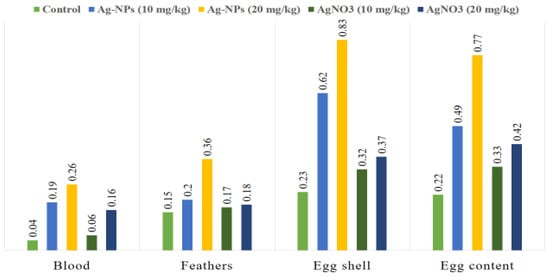
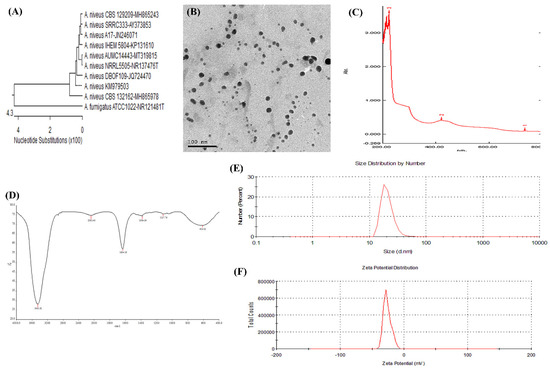
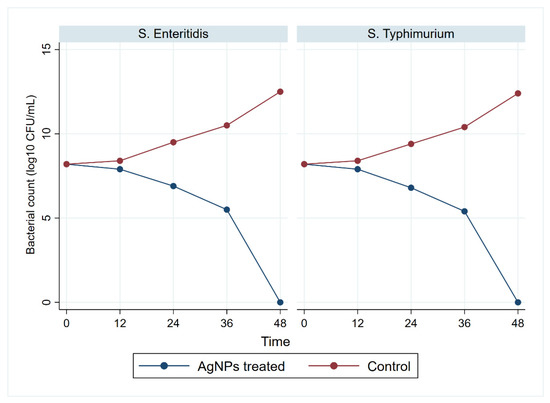
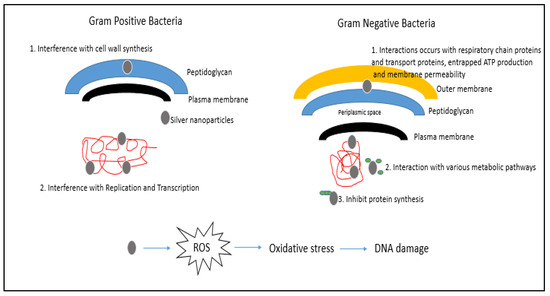
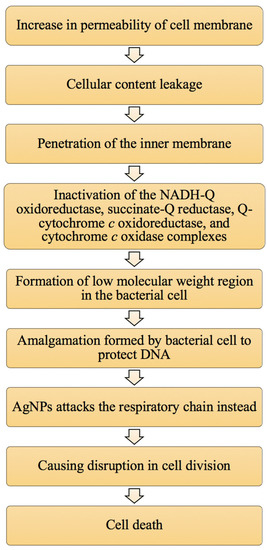
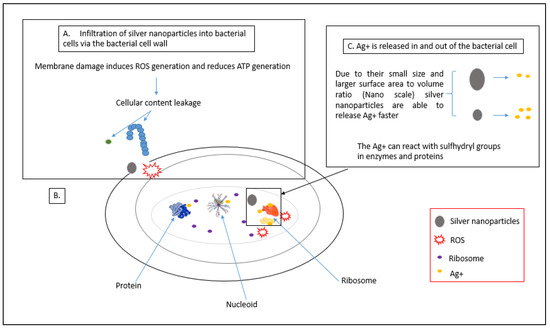
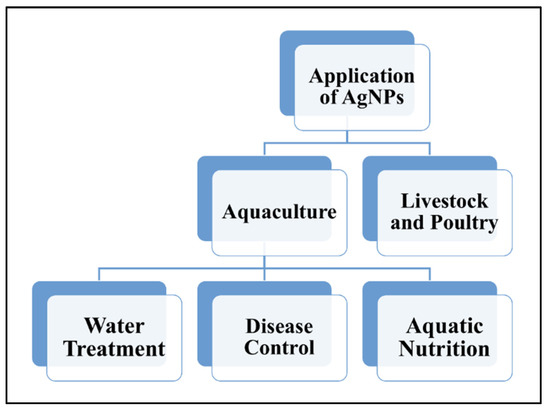
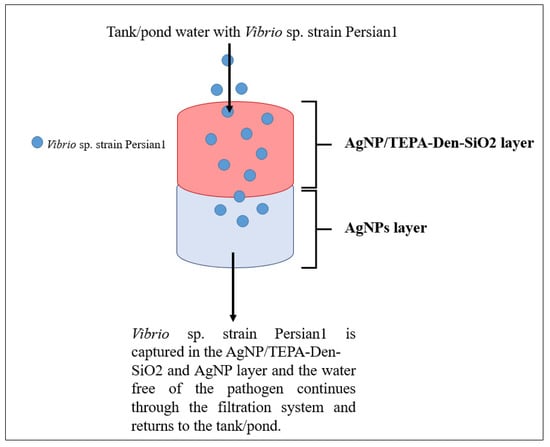
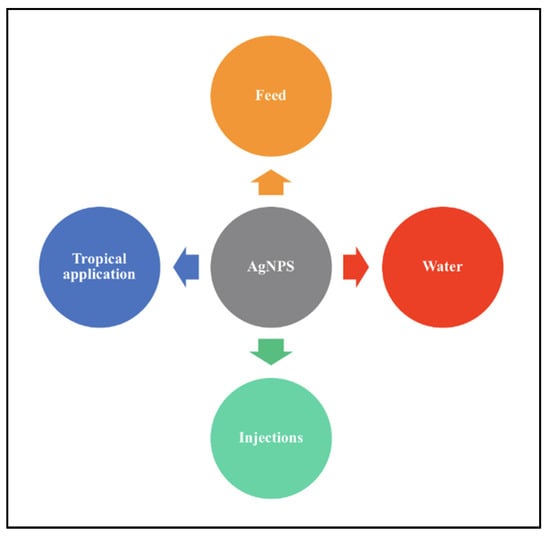
Nanotechnology is a rapidly developing field due to the emergence of various resistant pathogens and the failure of commercial methods of treatment. AgNPs have emerged as one of the best nanotechnology metal nanoparticles due to their large surface-to-volume ratio and success and efficiency in combating various pathogens over the years, with the biological method of synthesis being the most effective and environmentally friendly method. The primary mode of action of AgNPs against pathogens are via their cytotoxicity, which is influenced by the size and shape of the nanoparticles. The cytotoxicity of the AgNPs gives rise to various theorized mechanisms of action of AgNPs against pathogens such as activation of reactive oxygen species, attachment to cellular membranes, intracellular damage and inducing the viable but non-culturable state (VBNC) of pathogens. This review will be centred on the various theorized mechanisms of actions and its application in the aquaculture, livestock and poultry industries. The application of AgNPs in aquaculture is focused around water treatment, disease control and aquatic nutrition, and in the livestock application it is focused on livestock and poultry. Full article
(This article belongs to the Special Issue Nanotechnology in Animal Science)
Show Figures

Figure 1

Review
Nanotechnology and Reproductive Management of Farm Animals: Challenges and Advances
Animals 2021, 11(7), 1932; https://doi.org/10.3390/ani11071932 - 29 Jun 2021
Cited by 2 | Viewed by 657
Abstract
Reproductive efficiency of farm animals has central consequences on productivity and profitability of livestock farming systems. Optimal reproductive management is based on applying different strategies, including biological, hormonal, nutritional strategies, as well as reproductive disease control. These strategies should not only guarantee sufficient [...] Read more.
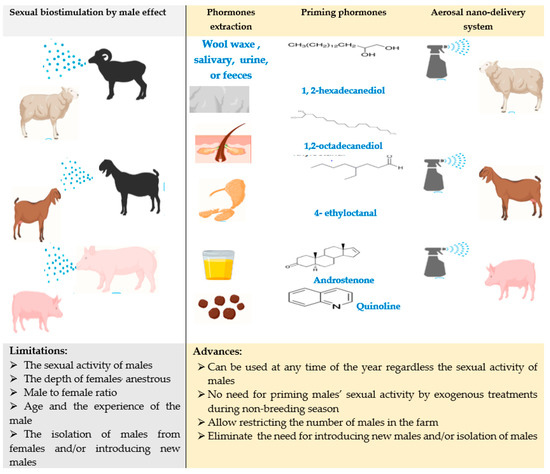
Reproductive efficiency of farm animals has central consequences on productivity and profitability of livestock farming systems. Optimal reproductive management is based on applying different strategies, including biological, hormonal, nutritional strategies, as well as reproductive disease control. These strategies should not only guarantee sufficient reproductive outcomes but should also comply with practical and ethical aspects. For example, the efficiency of the biological- and hormonal-based reproductive strategies is mainly related to several biological factors and physiological status of animals, and of nutritional strategies, additional factors, such as digestion and absorption, can contribute. In addition, the management of reproductive-related diseases is challenged by the concerns regarding the intensive use of antibiotics and the development of antimicrobial resistant strains. The emergence of nanotechnology applications in livestock farming systems may present innovative and new solutions for overcoming reproductive management challenges. Many drugs (hormones and antibiotics), biological molecules, and nutrients can acquire novel physicochemical properties using nanotechnology; the main ones are improved bioavailability, higher cellular uptake, controlled sustained release, and lower toxicity compared with ordinary forms. In this review, we illustrate advances in the most common reproductive management strategies by applying nanotechnology, considering the current challenges of each strategy. Full article
(This article belongs to the Special Issue Nanotechnology in Animal Science)
Show Figures

Figure 1

Review
Nanominerals: Fabrication Methods, Benefits and Hazards, and Their Applications in Ruminants with Special Reference to Selenium and Zinc Nanoparticles
Animals 2021, 11(7), 1916; https://doi.org/10.3390/ani11071916 - 28 Jun 2021
Cited by 4 | Viewed by 602
Abstract
Nanotechnology is one of the major advanced technologies applied in different fields, including agriculture, livestock, medicine, and food sectors. Nanomaterials can help maintain the sustainability of the livestock sector through improving quantitative and qualitative production of safe, healthy, and functional animal products. Given [...] Read more.
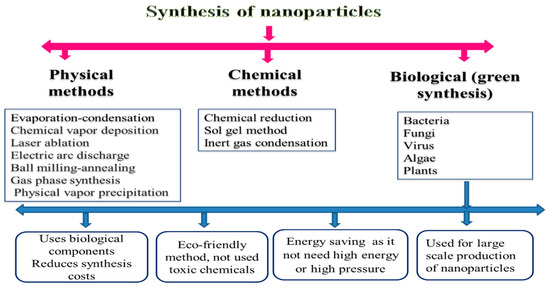
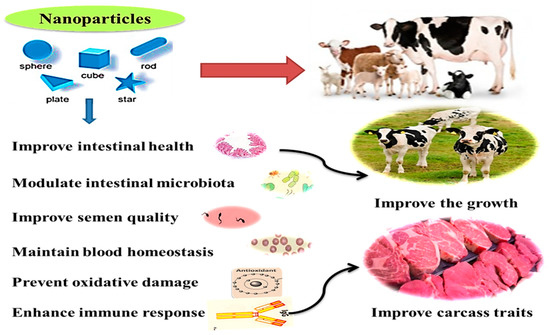
Nanotechnology is one of the major advanced technologies applied in different fields, including agriculture, livestock, medicine, and food sectors. Nanomaterials can help maintain the sustainability of the livestock sector through improving quantitative and qualitative production of safe, healthy, and functional animal products. Given the diverse nanotechnology applications in the animal nutrition field, the use of nanomaterials opens the horizon of opportunities for enhancing feed utilization and efficiency in animal production. Nanotechnology facilitates the development of nano vehicles for nutrients (including trace minerals), allowing efficient delivery to improve digestion and absorption for better nutrient metabolism and physiology. Nanominerals are interesting alternatives for inorganic and organic minerals for animals that can substantially enhance the bioavailability and reduce pollution. Nanominerals promote antioxidant activity, and improve growth performance, reproductive performance, immune response, intestinal health, and the nutritional value of animal products. Nanominerals are also helpful for improving assisted reproductive technologies (ART) outcomes by enriching media for cryopreservation of spermatozoa, oocytes, and embryos with antioxidant nanominerals. Despite the promising positive effects of nanominerals on animal performance and health, there are various challenges related to nanominerals, including their metabolism and fate in the animal’s body. Thus, the economic, legal, and ethical implications of nanomaterials must also be considered by the authority. This review highlights the benefits of including nanominerals (particularly nano-selenium and nano-zinc) in animal diets and/or cryopreservation media, focusing on modes of action, physiological effects, and the potential toxicity of their impact on human health. Full article
(This article belongs to the Special Issue Nanotechnology in Animal Science)
Show Figures

Figure 1

Review
Modulation of Bovine Endometrial Cell Receptors and Signaling Pathways as a Nanotherapeutic Exploration against Dairy Cow Postpartum Endometritis
Animals 2021, 11(6), 1516; https://doi.org/10.3390/ani11061516 - 23 May 2021
Viewed by 944
Abstract
In order to control and prevent bovine endometritis, there is a need to understand the molecular pathogenesis of the infectious disease. Bovine endometrium is usually invaded by a massive mobilization of microorganisms, especially bacteria, during postpartum dairy cows. Several reports have implicated the [...] Read more.
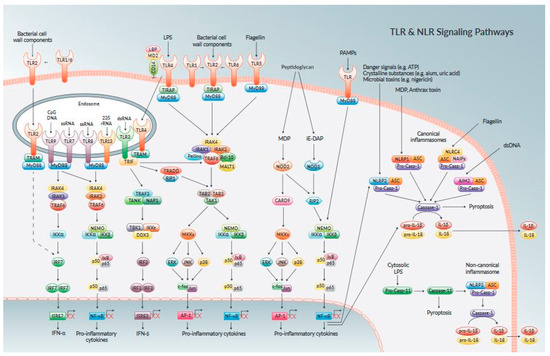
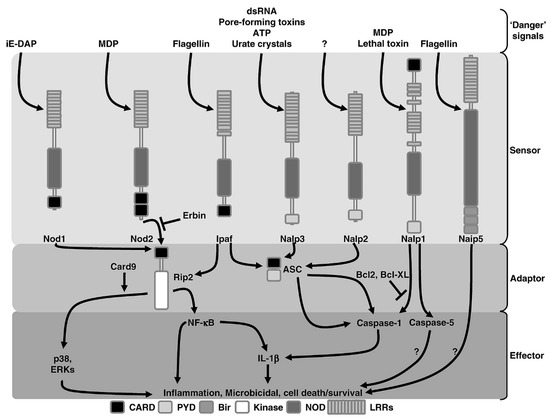
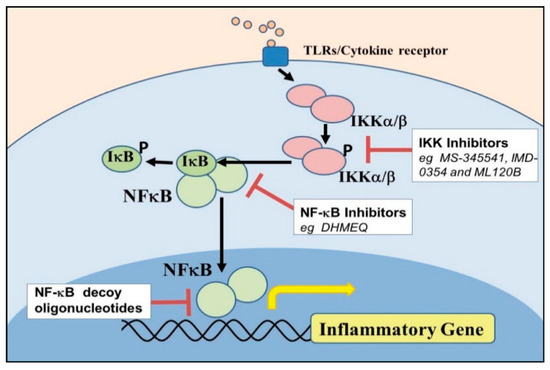
In order to control and prevent bovine endometritis, there is a need to understand the molecular pathogenesis of the infectious disease. Bovine endometrium is usually invaded by a massive mobilization of microorganisms, especially bacteria, during postpartum dairy cows. Several reports have implicated the Gram-negative bacteria in the pathogenesis of bovine endometritis, with information dearth on the potentials of Gram-positive bacteria and their endotoxins. The invasive bacteria and their ligands pass through cellular receptors such as TLRs, NLRs, and biomolecular proteins of cells activate the specific receptors, which spontaneously stimulates cellular signaling pathways like MAPK, NF-kB and sequentially triggers upregulation of pro-inflammatory cytokines. The cascade of inflammatory induction involves a dual signaling pathway; the transcription factor NF-κB is released from its inhibitory molecule and can bind to various inflammatory genes promoter. The MAPK pathways are concomitantly activated, leading to specific phosphorylation of the NF-κB. The provision of detailed information on the molecular pathomechanism of bovine endometritis with the interaction between host endometrial cells and invasive bacteria in this review would widen the gap of exploring the potential of receptors and signal transduction pathways in nanotechnology-based drug delivery system. The nanotherapeutic discovery of endometrial cell receptors, signal transduction pathway, and cell biomolecules inhibitors could be developed for strategic inhibition of infectious signals at the various cell receptors and signal transduction levels, interfering on transcription factors activation and pro-inflammatory cytokines and genes expression, which may significantly protect endometrium against postpartum microbial invasion. Full article
(This article belongs to the Special Issue Nanotechnology in Animal Science)
Show Figures

Figure 1

Back to TopTop