Journal Description
Anatomia
Anatomia
is an international, peer-reviewed, open access journal on anatomy published quarterly online by MDPI.
- Open Access free for readers, with article processing charges (APC) paid by authors or their institutions.
- Rapid Publication: manuscripts are peer-reviewed and a first decision is provided to authors approximately 26.1 days after submission; acceptance to publication is undertaken in 5.7 days (median values for papers published in this journal in the second half of 2025).
- Recognition of Reviewers: APC discount vouchers, optional signed peer review, and reviewer names published annually in the journal.
Latest Articles
Anatomical Investigation of the Transverse Dural Venous Sinuses
Anatomia 2026, 5(1), 8; https://doi.org/10.3390/anatomia5010008 - 23 Mar 2026
Abstract
►
Show Figures
Background and objectives: Accurate anatomical knowledge of the transverse dural venous sinuses (TS) is essential for safe neurosurgical procedures, particularly in resource-limited settings where advanced imaging modalities may be unavailable. Despite the TS’s clinical importance, detailed cadaveric studies focusing solely on its morphology
[...] Read more.
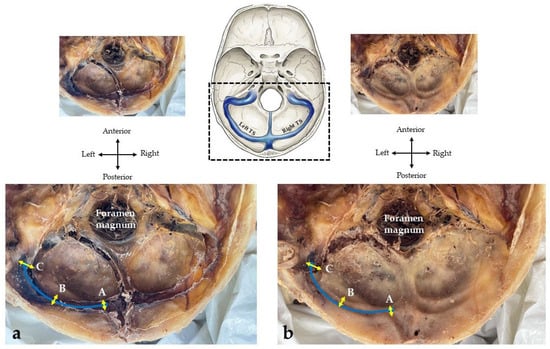
Background and objectives: Accurate anatomical knowledge of the transverse dural venous sinuses (TS) is essential for safe neurosurgical procedures, particularly in resource-limited settings where advanced imaging modalities may be unavailable. Despite the TS’s clinical importance, detailed cadaveric studies focusing solely on its morphology are scarce. This study investigated the length, width, and shape of the TS in adult human cadavers, assessing anatomical dominance and morphological variations relevant to surgical planning. Methods: A descriptive, cross-sectional study was conducted on 32 formalin-fixed adult cadavers (20 male, 12 female) at the University of Pretoria in South Africa. The TS was examined bilaterally within the dura mater and the corresponding transverse sulcus. Lengths were measured using a string and a ruler to accommodate curvature, while widths at the origin, midpoint, and termination were measured using digital calipers. Statistical analyses included Shapiro–Wilk tests, paired t-tests, and intra-class correlation to determine significance and reliability. Results: The average TS length was 72.54 mm (left) and 70.23 mm (right), with no statistically significant differences between sides. Right-sided dominance in TS width was observed in 71.88% of cases. A significant narrowing at the midpoint, followed by widening at the termination, was consistently noted, especially in males. Differences between dural and bony groove widths suggested that sulcal impressions may not accurately reflect TS dimensions. Conclusions: The TS demonstrates significant morphological variability, including asymmetry and abrupt dimensional changes. These findings underscore the importance of direct anatomical reference for surgical navigation, particularly in low-resource settings lacking advanced imaging.
Full article
Open AccessCase Report
Variant Superficial Epigastric Supply to the Anterior Abdominal Wall Arising from Inferior Epigastric Perforators: A Neonatal Case Report
by
Daniël J. van Tonder, Natalie Keough, Martin L. van Niekerk and Albert van Schoor
Anatomia 2026, 5(1), 7; https://doi.org/10.3390/anatomia5010007 - 20 Mar 2026
Abstract
►▼
Show Figures
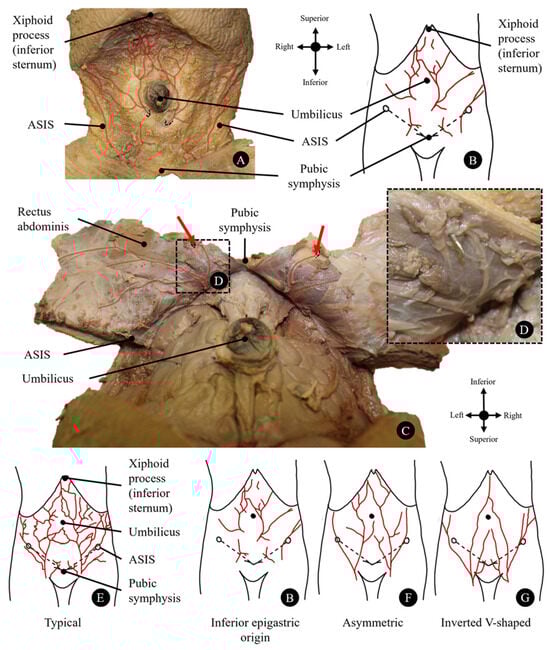
Introduction: Understanding superficial epigastric vessel anatomy is crucial for abdominal surgeries like laparoscopy, especially in neonates, to prevent injury. While standard courses are described, variations occur. This case report highlights a unique anatomical variation in the superficial epigastric artery found during the dissection
[...] Read more.
Introduction: Understanding superficial epigastric vessel anatomy is crucial for abdominal surgeries like laparoscopy, especially in neonates, to prevent injury. While standard courses are described, variations occur. This case report highlights a unique anatomical variation in the superficial epigastric artery found during the dissection of a stillborn neonatal cadaver. Case Report: In contrast to the usual origin from the femoral artery, this variation features the inferior epigastric artery penetrating the anterior abdominal wall near the umbilicus and branching superiorly to supply the superficial abdominal wall. Conclusions: This distinctive vascular configuration, which to the best of our knowledge has not been previously described in neonatal anatomical literature, diverges from the typical symmetrical arrangement and previously reported variations. The study stresses the clinical importance of this finding, especially for laparoscopic procedures in neonates. During trocar placement, surgeons should be cognizant of such variations to reduce the risk of iatrogenic injuries, including rectus sheath hematoma. The report highlights the need for further investigation to establish the prevalence of this variation and its potential effects on surgical safety and outcomes in a broader neonatal population, which may also reflect the dynamic vascular remodeling that occurs during early developmental stages.
Full article

Figure 1
Open AccessCase Report
Four-Headed Biceps Brachii Muscle, with a Rare Pectoralis Major Supernumerary Head: A Cadaveric Case Report
by
Sasha Mosig and Lané Prigge
Anatomia 2026, 5(1), 6; https://doi.org/10.3390/anatomia5010006 - 9 Mar 2026
Abstract
►▼
Show Figures
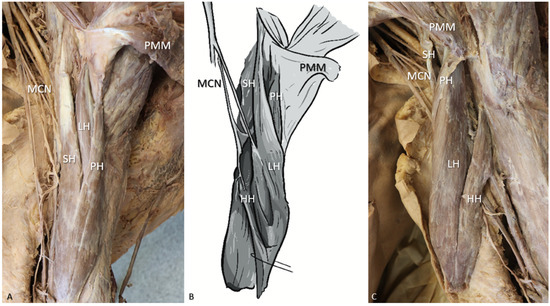
The biceps brachii muscle is a two-headed muscle located in the anterior compartment of the arm. Anatomical variations observed in the biceps brachii muscle are not uncommon. However, very few incidents are reported on a unilateral, rarely described accessory pectoral head in conjunction
[...] Read more.
The biceps brachii muscle is a two-headed muscle located in the anterior compartment of the arm. Anatomical variations observed in the biceps brachii muscle are not uncommon. However, very few incidents are reported on a unilateral, rarely described accessory pectoral head in conjunction with the more commonly seen accessory humeral head. This anatomical variation was encountered during routine educational dissection and is the first case of this specific type of four-headed biceps brachii muscle to be described in detail. Variations in the biceps brachii morphology are linked to neurovascular compression, kinematic irregularities and variations in the musculocutaneous nerve. Knowledge of anatomical variations in the biceps brachii muscle is essential for understanding kinematic abnormalities, preventing surgical complications, and diagnosing symptoms of neurovascular compression.
Full article

Figure 1
Open AccessArticle
Morphometric and Morphological Analysis of the Pulmonary Auscultatory Triangle in Human Fetuses: Anatomical Insights for Thoracic Surgery
by
Caio Siqueira Kuhn, Marcelo Lucas de Lima Prado, Iapunira Catarina Sant’Anna Aragão, Felipe Matheus Sant’Anna Aragão, Francisco Prado Reis, Deise Maria Furtado de Mendonça and José Aderval Aragão
Anatomia 2026, 5(1), 5; https://doi.org/10.3390/anatomia5010005 - 9 Feb 2026
Abstract
►▼
Show Figures
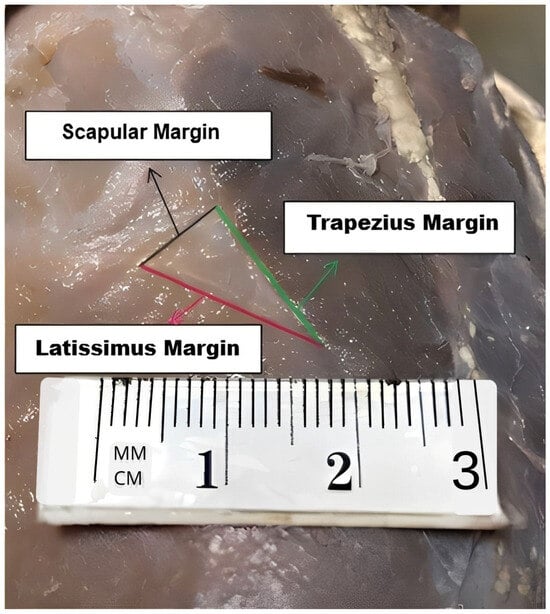
Objectives: The Pulmonary Auscultatory Triangle (PAT) is a bilateral region on the back delimited by the trapezius, latissimus dorsi, and scapula. Beyond its relevance for pulmonary auscultation, PAT also represents an important anatomical window for posterior thoracic approaches. While its anatomy has been
[...] Read more.
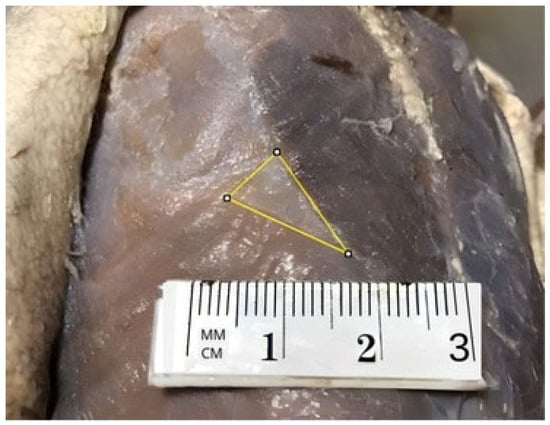
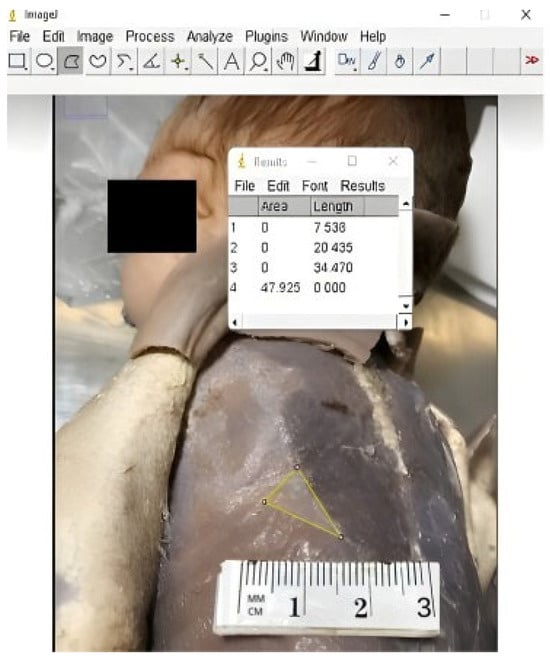
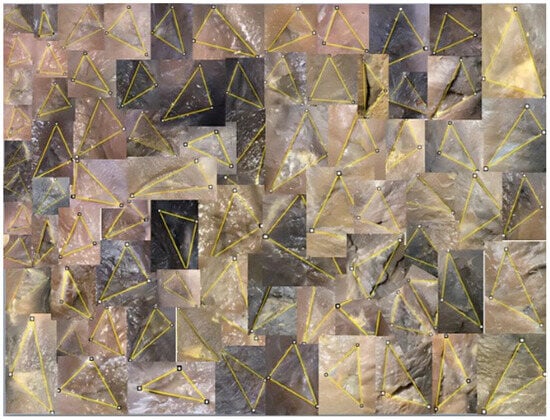
Objectives: The Pulmonary Auscultatory Triangle (PAT) is a bilateral region on the back delimited by the trapezius, latissimus dorsi, and scapula. Beyond its relevance for pulmonary auscultation, PAT also represents an important anatomical window for posterior thoracic approaches. While its anatomy has been extensively described in adults, data on its developmental morphology during fetal life remain scarce. This original morphometric study aimed to characterize the morphometry and morphology of the PAT in human fetuses and to evaluate differences according to sex, side, and gestational age. Methods: A total of 80 PATs from 40 human fetuses (20 male and 20 female) were examined. Using ImageJ software 1.54k, we measured margin lengths (inferior trapezius, medial scapular, and superior latissimus), area, and perimeter. Morphological classification was performed based on internal angles. Associations with sex, side, and gestational age were statistically assessed. Results: The mean gestational age was 28.6 weeks. PAT had a mean area of 103.2 mm2 and a mean perimeter of 49.1 mm. Mean margin lengths were 20.1 mm for the trapezius, 12.4 mm for the scapular margin, and 16.6 mm for the latissimus dorsi. Three morphologies were observed: acute (42.5%), obtuse (25.0%), and rectangular (32.5%). A significant asymmetry in shape distribution was found between sides (p = 0.034). Weak but statistically significant positive correlations with gestational age were found for perimeter and for the trapezius and latissimus dorsi margins, indicating progressive enlargement with fetal growth. Conclusions: This study provides the first detailed morphometric and morphological description of the PAT in human fetuses. The findings establish a developmental anatomical baseline for the posterior thoracic wall and highlight growth-related changes and side-related variability.
Full article

Figure 1

Open AccessReview
Lateral Patellar Compression Syndrome: Surgical Techniques and Treatment
by
Mason Nolan, Ethan Marting, Sarah Willard, James Applegate, Morgan Turnow, Taylor Manes and Benjamin C. Taylor
Anatomia 2026, 5(1), 4; https://doi.org/10.3390/anatomia5010004 - 22 Jan 2026
Abstract
►▼
Show Figures
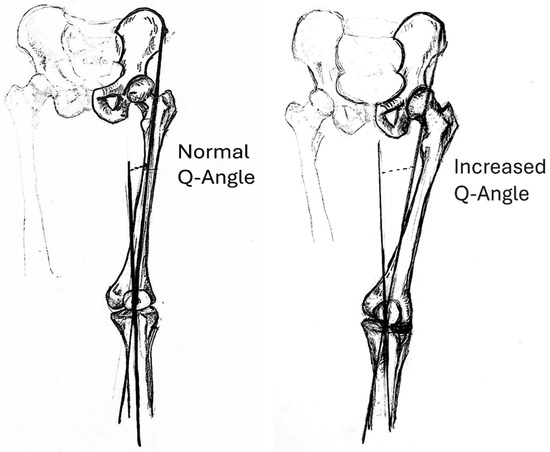
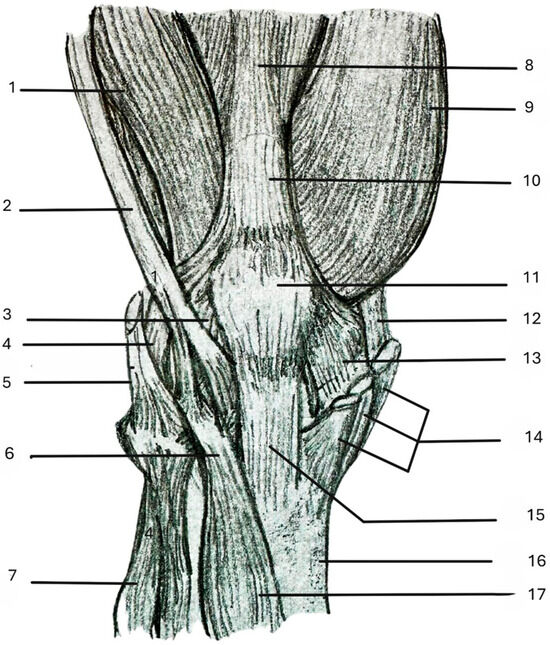
Anterolateral knee pain is a common complaint that can be debilitating for patients if not treated properly. Lateral Patellar Compression Syndrome (LPCS), characterized by the maltracking of the patella with flexion, placing undue stress on the lateral patellar facet, is a common mechanism
[...] Read more.
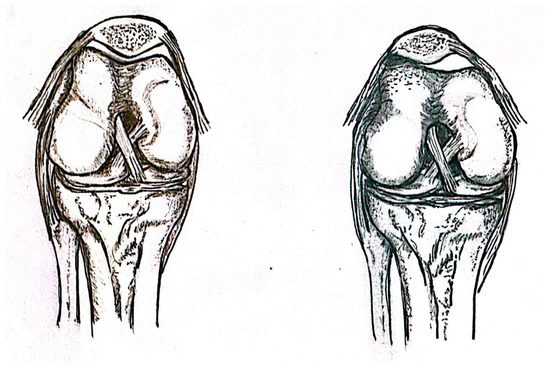
Anterolateral knee pain is a common complaint that can be debilitating for patients if not treated properly. Lateral Patellar Compression Syndrome (LPCS), characterized by the maltracking of the patella with flexion, placing undue stress on the lateral patellar facet, is a common mechanism causing anterolateral knee pain. Symptoms tend to be exacerbated with deep/prolonged flexion as the lateral patellar facet is compressed on the lateral trochlear groove of the femur. While conservative treatment methods are often sufficient, persistent pain may indicate surgical intervention to correct mechanical malalignment. The surgical treatment of LPCS is not widely agreed upon, with numerous techniques being practiced and no single procedure being considered optimal. This narrative review synthesizes the available literature on surgical techniques for LPCS treatment. A comprehensive search strategy was not employed, limiting the systematic nature of our findings.
Full article

Figure 1

Open AccessOpinion
The Building of the Triangular Locus of the Atrioventricular Node from Todaro to Tandler
by
Marcos C. De Almeida
Anatomia 2026, 5(1), 3; https://doi.org/10.3390/anatomia5010003 - 21 Jan 2026
Abstract
►▼
Show Figures
What is known today as the triangle of Koch (the triangular locus of the atrioventricular node, TLAVN) is bordered by the fibrous attachment of the septal cusp of tricuspid valve, the opening of the coronary sinus and tendon of valve of inferior vena
[...] Read more.
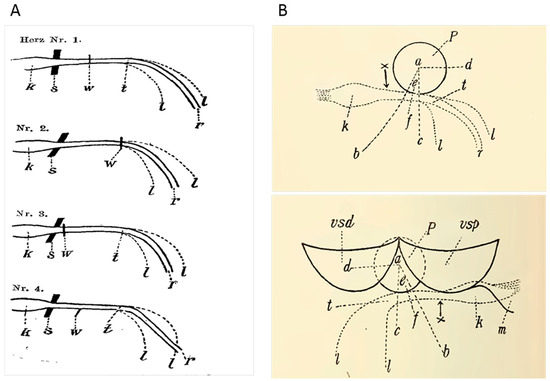
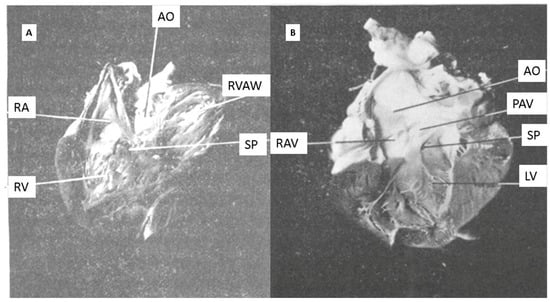
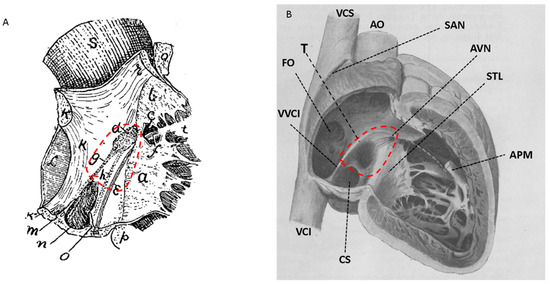
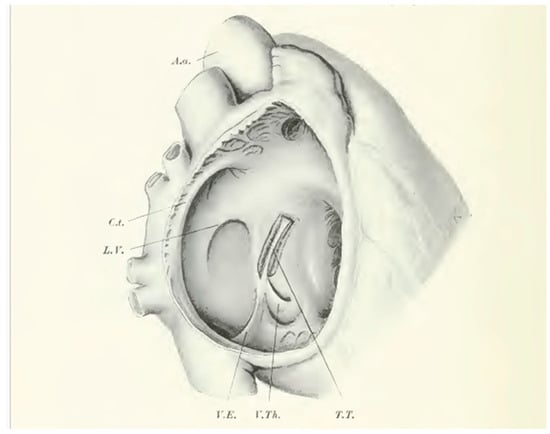
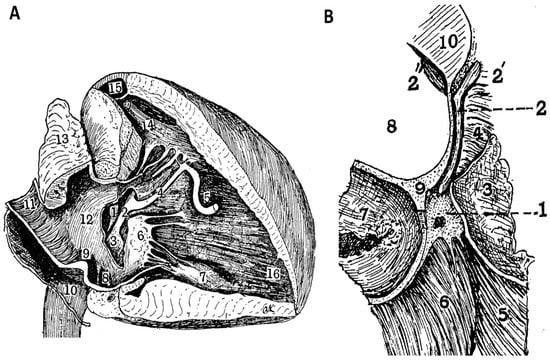
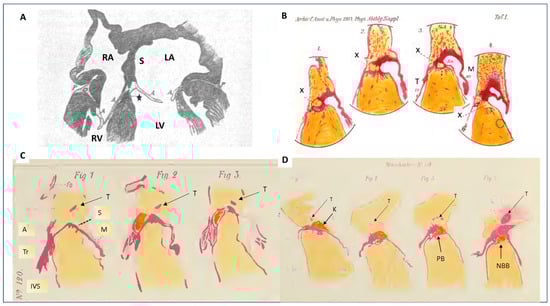
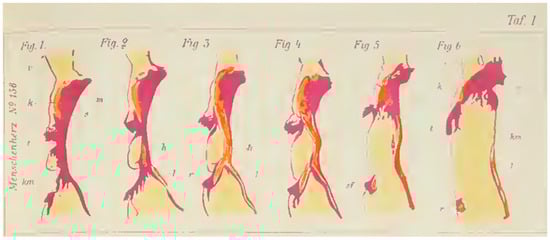
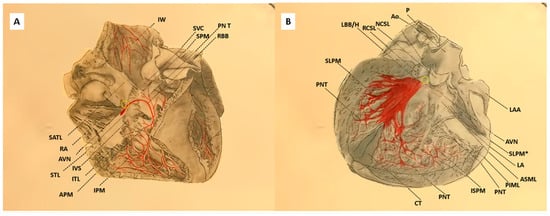
What is known today as the triangle of Koch (the triangular locus of the atrioventricular node, TLAVN) is bordered by the fibrous attachment of the septal cusp of tricuspid valve, the opening of the coronary sinus and tendon of valve of inferior vena cava (TIVCV). This is a concept developed cumulatively by several exceptional anatomists. The literature was reviewed with a focus on the discovery of the atrioventricular node by Sunao Tawara (January 1906), its previous announcement by Tawara’s mentor Ludwig Aschoff (1905), and the contributions of the authors who described the other components of the triangular locus. Francesco Todaro discovered the TIVCV (1865); Tawara described the atrioventricular node and its relationship with the fibrous attachment of the septal cusp of tricuspid valve and the opening of the coronary sinus. The first description of assembling all components was provided by Arthur Keith (March 1906). Keith was also the first to consider the triangular locus as a useful landmark for identifying the atrial structures of the conduction system discovered by Tawara and Wilhelm His Jr. (1893). Julius Tandler named the TLAVN as Koch’s triangle (1913). Keith’s contributions to this topic have been particularly overlooked. The “triangular locus of the atrioventricular node” or “triangle of the atrioventricular node” are more instructive and impartial names.
Full article

Figure 1
Open AccessCase Report
A Case of Double Superior Vena Cava with a Rare Accessory Hemiazygos Arch Crossing over the Descending Aorta in a Male Body Donor
by
Sandeep Silawal, Mustafa Kandemir, Franz Stelzl, Valentina Oberguggenberger, Kristinko Martinovic, Maria Kokozidou, Niels Hammer and Gundula Schulze-Tanzil
Anatomia 2026, 5(1), 2; https://doi.org/10.3390/anatomia5010002 - 2 Jan 2026
Abstract
►▼
Show Figures
While performing a routine anatomical dissection on a male donor, undergraduate medical students observed an uncommon vascular anomaly: a persistent left superior vena cava (LSVC). Prior to the anatomical dissection, computed tomography (CT) images were obtained in an embalmed condition. Relevant anatomical structures
[...] Read more.
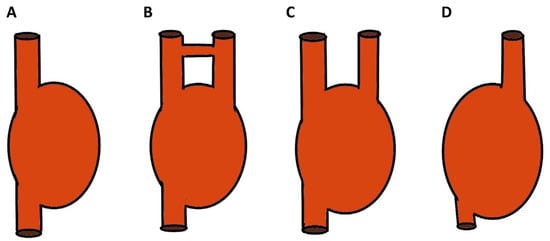
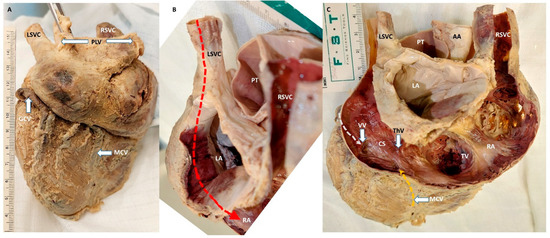
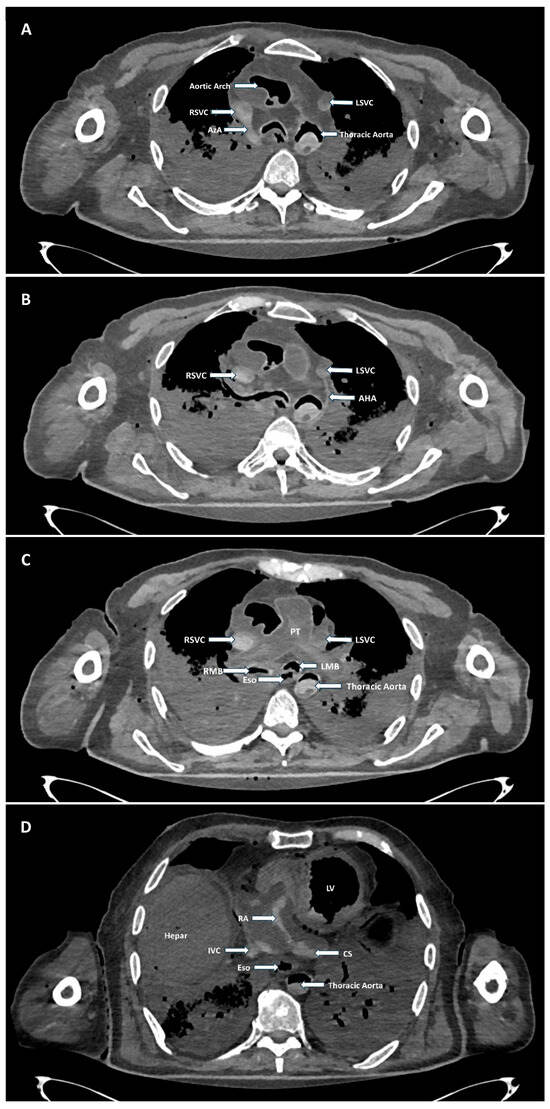
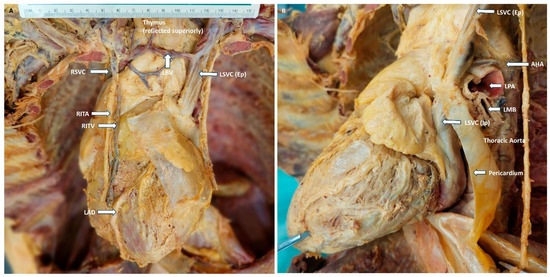
While performing a routine anatomical dissection on a male donor, undergraduate medical students observed an uncommon vascular anomaly: a persistent left superior vena cava (LSVC). Prior to the anatomical dissection, computed tomography (CT) images were obtained in an embalmed condition. Relevant anatomical structures were measured using the JiveX DICOM Viewer. The left brachiocephalic vein (LBV) was present as a communicating vessel with a markedly reduced diameter between the LSVC and the right superior vena cava (RSVC). The diameters of RSVC and LSVC averaged 19.4 mm and 15.2 mm, respectively. The LSVC drained into a dilated coronary sinus (CS), which measured 22.7 mm in diameter. In addition, the left accessory hemiazygos vein collected the 2nd to 5th left intercostal veins, forming a small-caliber venous arch (2.1 mm in diameter) at the T5 vertebral level, which crossed anterior to the thoracic aorta, before draining into the LSVC. In comparison, the azygos venous arch on the right side is connected to the RSVC at T4. Knowledge of such venous variations through preoperative imaging—such as CT, MRI, or echocardiography—can be essential for procedural planning and for minimizing inadvertent complications. This case also highlights a dual approach, combining anatomical dissection with detailed CT analysis of the same specimen, which can both enhance undergraduate anatomical education and contribute to high-quality morphological research.
Full article

Figure 1

Open AccessReview
Clinical Insights into Zenker’s Diverticulum: Anatomy, Pathophysiology, Diagnosis, and Evolving Treatments
by
Diego Panci, Francesco Carini, Riccardo Chiodo, Sabrina David, Francesco Cappello and Giovanni Tomasello
Anatomia 2026, 5(1), 1; https://doi.org/10.3390/anatomia5010001 - 28 Dec 2025
Abstract
►▼
Show Figures
Background/Objectives: Zenker’s diverticulum (ZD) is a rare but clinically relevant condition. It is a false, pulsion-type diverticulum due to the protrusion of mucosal and submucosal layers through the Killian’s Triangle. Its pathogenesis is multifactorial and entails cricopharyngeus muscle dysfunction and age-related tissue
[...] Read more.
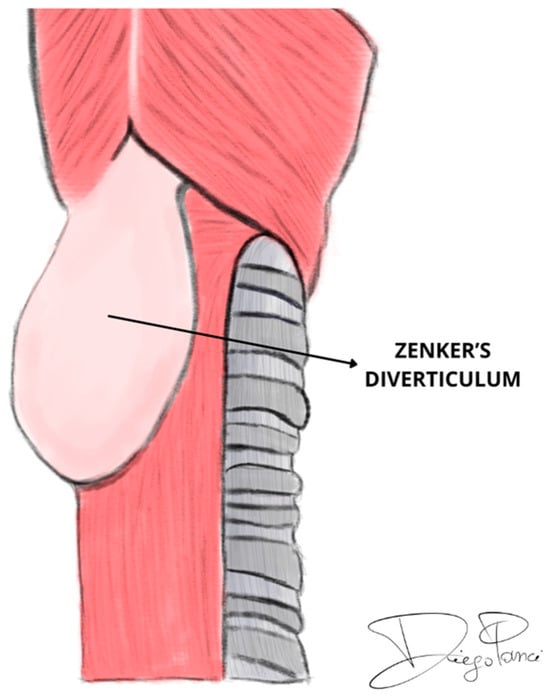
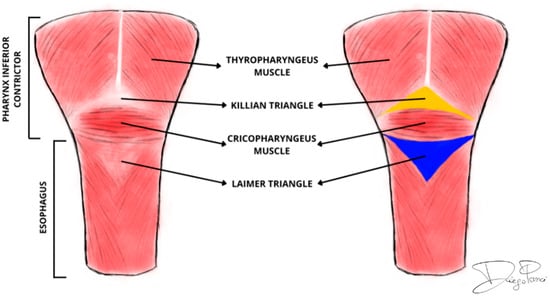
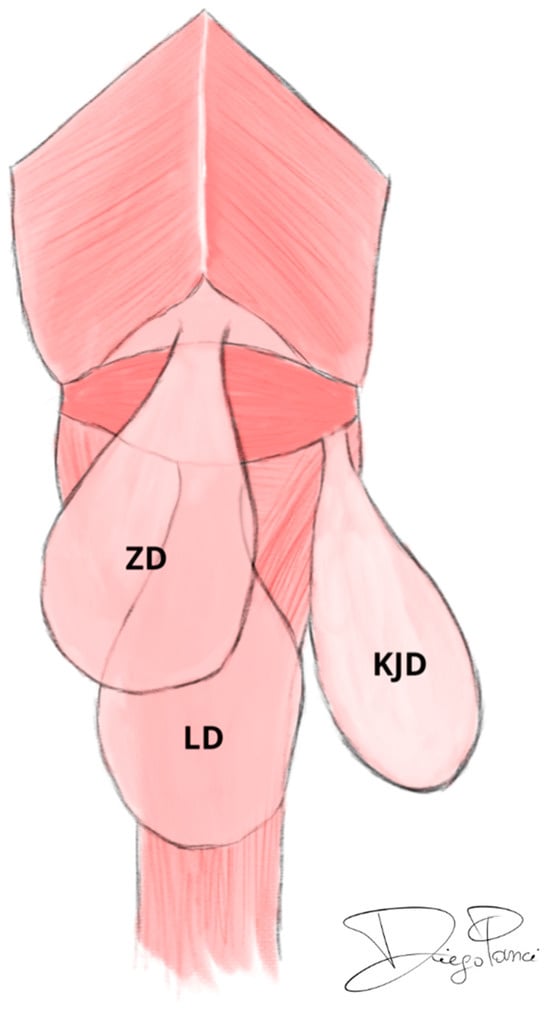
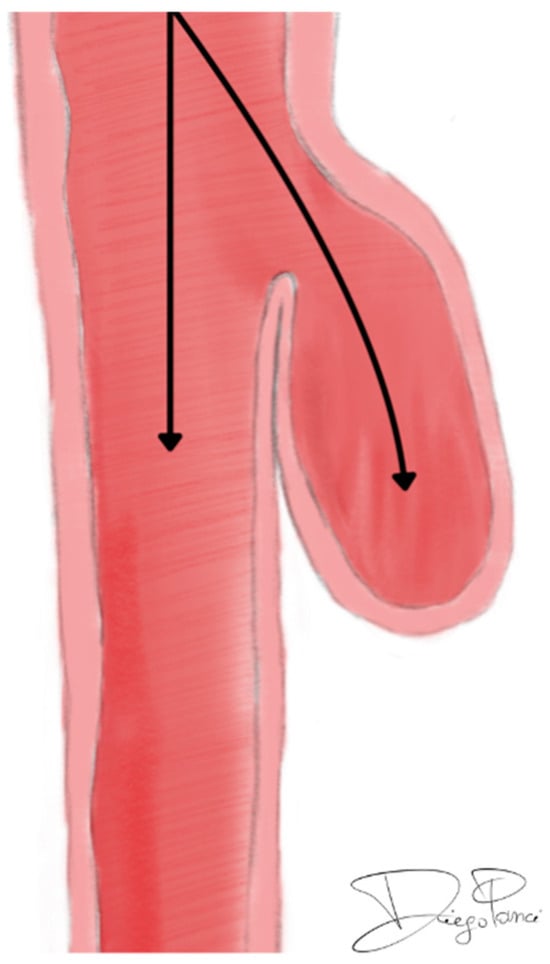
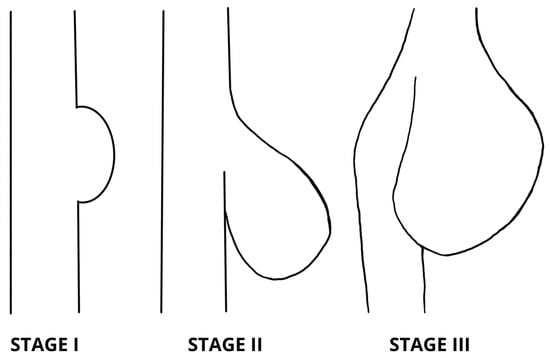
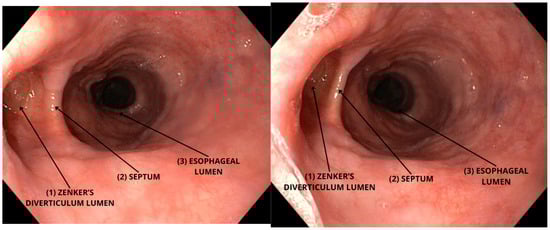
Background/Objectives: Zenker’s diverticulum (ZD) is a rare but clinically relevant condition. It is a false, pulsion-type diverticulum due to the protrusion of mucosal and submucosal layers through the Killian’s Triangle. Its pathogenesis is multifactorial and entails cricopharyngeus muscle dysfunction and age-related tissue degeneration. This review addresses the current evidence regarding the anatomy, pathophysiology, clinical presentation, diagnostic approach, and therapeutic management of ZD. Methods: For this literature review, we searched the PubMed and Scopus databases using combinations of keywords relevant to Zenker’s diverticulum, including “Zenker’s diverticulum,” “esophageal diverticula,” “diagnosis,” “endoscopic treatment,” and “surgery”. We included articles published in recent decades, with a focus on most recent ones regarding clinical studies, systematic reviews, meta-analyses, and descriptions of new diagnostic and therapeutic techniques. Results: Characteristic symptoms comprise progressive dysphagia, regurgitation of undigested food, halitosis, and, in advanced cases, aspiration-related respiratory complications. Diagnosis of ZD is primarily based on barium swallow esophagography and endoscopic evaluation, complemented by other imaging techniques. Current therapeutic options include traditional open surgery and endoscopic procedures, including newer minimally invasive techniques. Conclusions: ZD is the most common type of esophageal diverticulum and can have a disabling impact on a patient’s quality of life. It is commonly underdiagnosed or misdiagnosed as another condition, and prevalence is expected to increase with the growing population ageing. Improved understanding of its pathophysiology is needed to refine diagnostic and therapeutic strategies and minimize recurrences and risks.
Full article

Figure 1

Open AccessArticle
Osseous Changes and Morphometric Measurements in the Temporomandibular Joint in Different Malocclusion Types
by
Simge Eşme, Kaan Orhan, Aslıhan Akbulut, Emre Cesur and Bayram Ufuk Şakul
Anatomia 2025, 4(4), 20; https://doi.org/10.3390/anatomia4040020 - 10 Dec 2025
Abstract
Background/Objectives: The relationship between occlusion and temporomandibular joint is controversial in the scientific literature. The aim of this study is to evaluate the bone changes in the temporomandibular joint and surrounding bone structures and to determine the effect of malocclusions on the temporomandibular
[...] Read more.
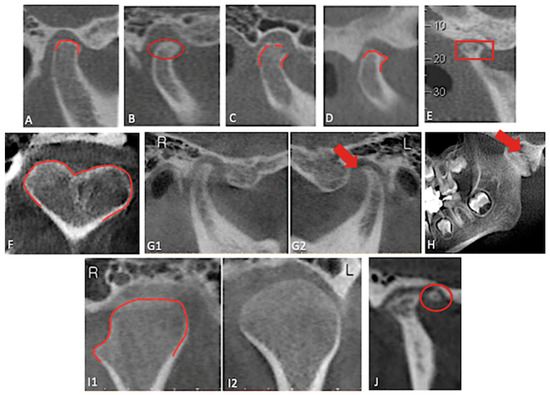
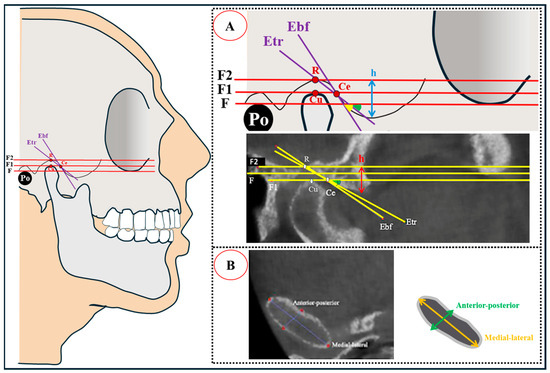
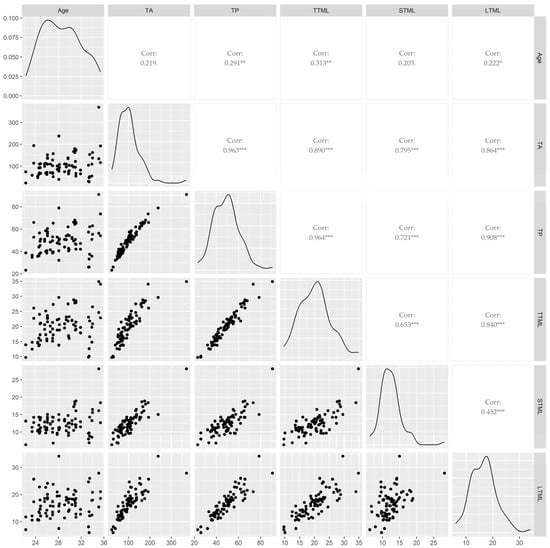
Background/Objectives: The relationship between occlusion and temporomandibular joint is controversial in the scientific literature. The aim of this study is to evaluate the bone changes in the temporomandibular joint and surrounding bone structures and to determine the effect of malocclusions on the temporomandibular joint by making morphometric measurements in different skeletal classes using three-dimensional cone beam computed tomography images. Methods: A total of 90 patients (30 class I, 30 class II and 30 class III) were included in the study. In each skeletal pattern, condylar osseous changes were evaluated and articular eminence inclination and height, condylar diameters were measured. It was also divided into two age groups: 18–29 and 30 and over. Results: Articular eminence inclination measured with the best-fit line method was significantly higher in Class II compared with class I and III, and in individuals aged ≥30 years. Among osseous changes, only condylar flattening showed a significant age-related increase. The mediolateral condylar diameter was greater in males than females, while the anteroposterior diameter was higher in the ≥30-year age group. Conclusions: Temporomandibular joint morphology demonstrates age- and function-related adaptive remodeling, particularly in articular eminence inclination and condylar dimensions. CBCT-based assessment of these morphological features may assist clinicians in diagnosis and treatment planning, although further studies with larger prospective cohorts are warranted.
Full article
(This article belongs to the Special Issue Oral and Maxillofacial Anatomy)
►▼
Show Figures

Figure 1
Open AccessCase Report
Triple Renal Artery and Anomalous Origin of the Inferior Phrenic Artery: A Case Report
by
Giovanna de Oliveira Sá Costa, Adler Oliveira Silva Jacó Carvalho, Henrique Montalvão Routman da Cunha, Wallance Geovane Alexandre Lima, Gilvan Paixão Santos Junior, Iapunira Catarina Sant’Anna Aragão, Felipe Matheus Sant’Anna Aragão, Rudvan Cicotti, Deise Maria Furtado de Mendonça, Francisco Prado Reis and José Aderval Aragão
Anatomia 2025, 4(4), 19; https://doi.org/10.3390/anatomia4040019 - 21 Nov 2025
Abstract
►▼
Show Figures
Background/Objectives: Understanding anatomical variations in the abdominal vasculature, particularly of the inferior phrenic arteries (IPAs) and renal arteries (RAs), is essential in surgery and radiology, as such variations directly influence preoperative planning and therapeutic strategies. Although IPAs most commonly arise from the abdominal
[...] Read more.
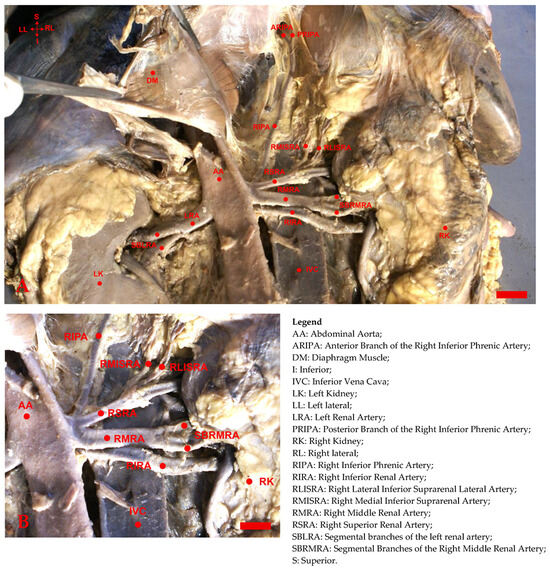
Background/Objectives: Understanding anatomical variations in the abdominal vasculature, particularly of the inferior phrenic arteries (IPAs) and renal arteries (RAs), is essential in surgery and radiology, as such variations directly influence preoperative planning and therapeutic strategies. Although IPAs most commonly arise from the abdominal aorta (AA) or the celiac trunk, and RAs from the AA, anomalous origins have clinical significance, notably the emergence of the IPA from the RA. This study reports the concomitant occurrence of a triple right renal artery and the atypical origin of the ipsilateral inferior phrenic artery. Case Report: During a routine cadaveric dissection, three right renal arteries (superior, middle, and inferior) were identified in an adult male specimen, along with an anomalous origin of the right inferior phrenic artery (RIPA). The RIPA originated from the superior renal artery (SRA), ascended superolaterally to the inferior vena cava and bifurcated at the diaphragmatic dome. The SRA also gave rise to two right inferior suprarenal arteries. Conclusions: The coexistence of a triple renal artery and anomalous origin of the IPA represents an exceptionally uncommon and scarcely reported vascular configuration. This finding underscores the importance of meticulous preoperative vascular mapping, crucial for preventing intraoperative and iatrogenic complications. Broader anatomical and radiological studies are warranted to better elucidate the prevalence, developmental basis, and clinical implications of such variations.
Full article

Figure 1

Open AccessArticle
Human Mandible: Anatomical Variation and Adaptations over the Last 2000 Years
by
Flavio De Angelis, Anna Russo, Antonio Nappo, Giovanna Cataldo, Marina Alessandrella, Silvia Iorio, Valentina Gazzaniga, Paola Francesca Rossi, Antonio De Luca, Dardo Menditti and Alfonso Reginelli
Anatomia 2025, 4(4), 18; https://doi.org/10.3390/anatomia4040018 - 7 Nov 2025
Abstract
Background/Objectives: This study explores the evolution and morphology of the human mandible, focusing on recent changes and adaptations over the last 2000 years. It aims to examine how functional, genetic, and environmental factors influence mandibular size, shape, and sexual dimorphism by analyzing key
[...] Read more.
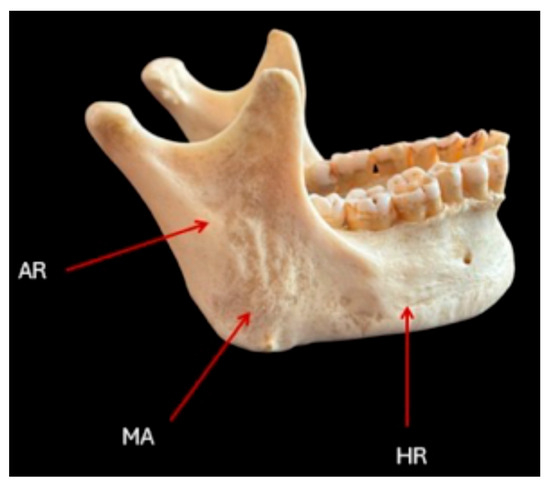
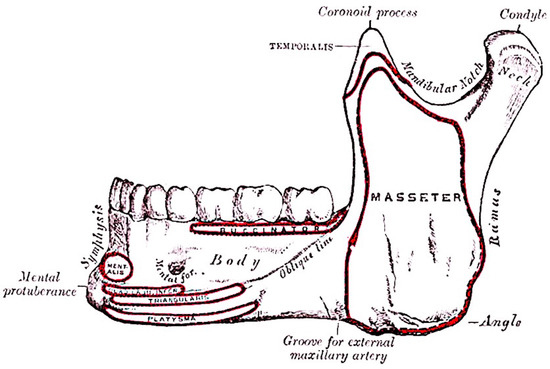
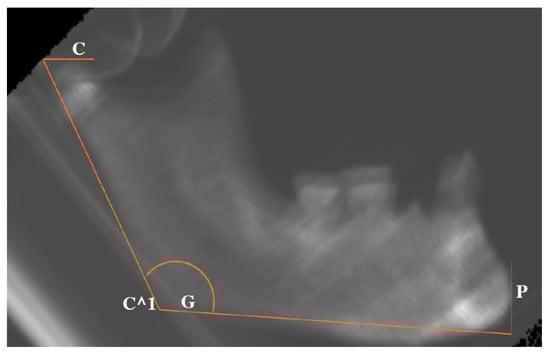
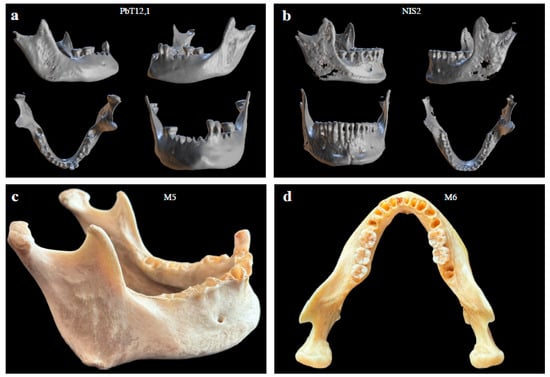
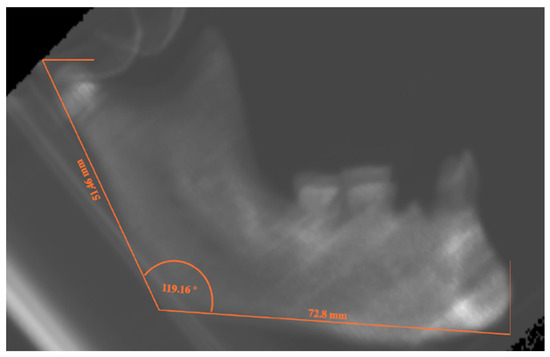
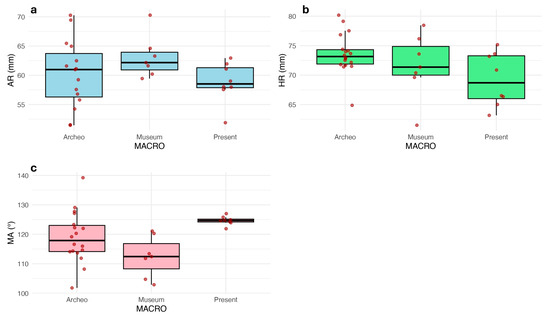
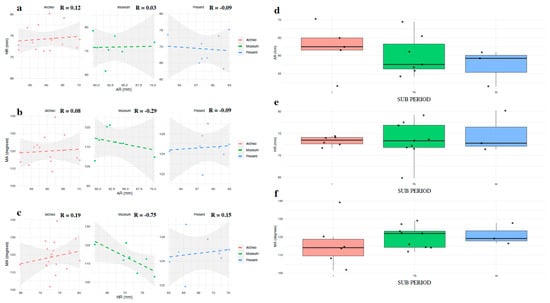
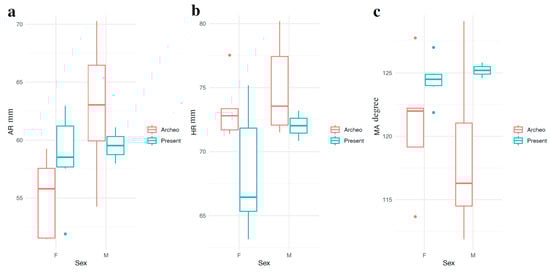
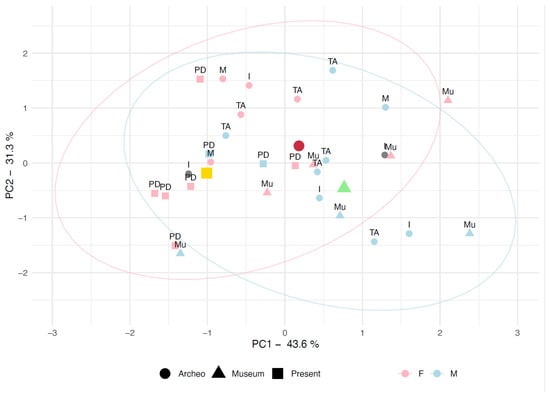
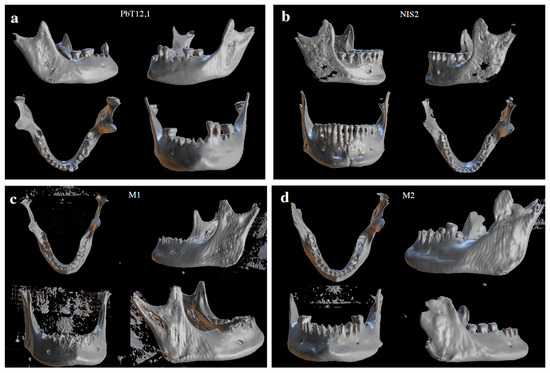
Background/Objectives: This study explores the evolution and morphology of the human mandible, focusing on recent changes and adaptations over the last 2000 years. It aims to examine how functional, genetic, and environmental factors influence mandibular size, shape, and sexual dimorphism by analyzing key anatomical landmarks—the horizontal ramus (HR), ascending ramus (AR), and mandibular angle (MA). Methods: A retrospective approach was employed using computed tomography (CT) scans of 39 mandibular samples from various historical periods, ranging from the Roman Imperial Age to the present day. Imaging was conducted using a 64-slice multislice computed tomography (MSCT) scanner, and the resulting data were processed to generate detailed 3D reconstructions for morphological assessment. Results: The analysis reveals that present-day samples exhibit significantly less variation in AR and MA compared to archaeological specimens, suggesting a trend of gracilization over time. Statistically significant differences were found in MA, likely influenced by environmental, dietary, and cultural factors. Correlation analysis showed moderate to weak relationships between AR, HR, and MA across sample groups, with significant sexual dimorphism in AR within the archaeological sample. Principal Component Analysis (PCA) further supported these findings, demonstrating a clear distinction between gracile modern mandibles and more robust ancient ones. Conclusions: These findings provide insights into the evolutionary trajectory of the human mandible, underscoring the influence of dietary and cultural shifts on mandibular structure over the past two millennia.
Full article
(This article belongs to the Special Issue Oral and Maxillofacial Anatomy)
►▼
Show Figures

Figure 1
Open AccessReview
Mental Eminence in the Historical, Surgical and Anthropological Perspective: A Scoping Review
by
Mauro Vaccarezza, Elena Varotto, Francesco Maria Galassi, Samanta Taurone, Luigi Cofone, Marco Artico and Veronica Papa
Anatomia 2025, 4(4), 17; https://doi.org/10.3390/anatomia4040017 - 6 Nov 2025
Abstract
►▼
Show Figures
The mental eminence (chin) is a uniquely human anatomical feature with critical relevance across multiple domains of biomedical and anthropological research. This transdisciplinary review aims to synthesize current knowledge regarding its morphology, population variability, evolutionary origin, and surgical relevance. A comprehensive scoping review
[...] Read more.
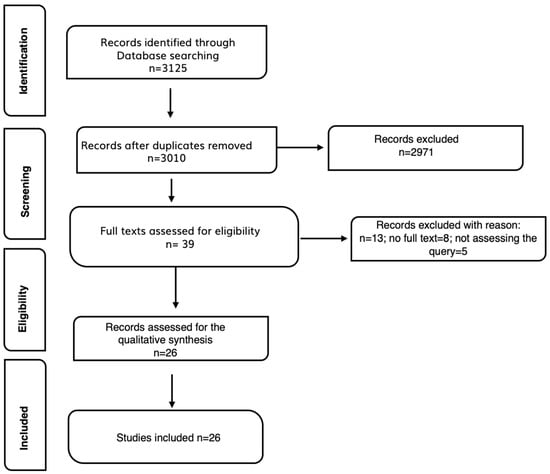
The mental eminence (chin) is a uniquely human anatomical feature with critical relevance across multiple domains of biomedical and anthropological research. This transdisciplinary review aims to synthesize current knowledge regarding its morphology, population variability, evolutionary origin, and surgical relevance. A comprehensive scoping review aims to map how the mental eminence has been defined and evaluated in anthropological, forensic research, identifying the main methodological approaches, anatomical landmarks, and sources of morphological variability, as well as the reliability and applicability of current assessment methods in clinical–forensic contexts. The search strategy was performed in October 2025. The authors initially identified 3125 records, and 26 studies were finally included and assessed for qualitative analysis. Moreover, the analysis integrates data from osteological collections, radiographic imaging, and modern morphometric studies. The mental eminence exhibits significant variability across human populations, with pronounced sexual dimorphism and evolutionary distinction from non-human primates. Its emergence in Homo sapiens is a key taxonomic trait. Clinically, the chin serves as a landmark in surgical procedures involving genioplasty, trauma reconstruction, and dental implantology. Recent advances in imaging and biometrics have refined its analysis in both anthropological and diagnostic contexts. Though often overlooked, mental eminence plays a vital role in craniofacial morphology and human evolution. Its study bridges osteology, anthropology, and surgery, offering insight into both phylogenetic development and applied anatomical practice. A multidisciplinary understanding of this structure enhances its diagnostic and therapeutic utility.
Full article

Figure 1
Open AccessArticle
Reaching Students Where They Scroll: A Pilot Study Using Facebook as a Supplementary Learning Platform in Undergraduate Anatomy and Physiology Education
by
Homaira M. Azim, Dimitrios E. Bakatsias, Brittnay K. Harrington, Patrick A. Vespa and Kristyn A. Spetz
Anatomia 2025, 4(4), 16; https://doi.org/10.3390/anatomia4040016 - 15 Oct 2025
Abstract
►▼
Show Figures
Background: Social networking platforms offer promising educational value, particularly for undergraduate students whose daily lives are deeply embedded in online spaces. Yet in most courses, instructional technologies remain limited to institutional learning management systems (LMSs), which often do not foster informal interaction or
[...] Read more.
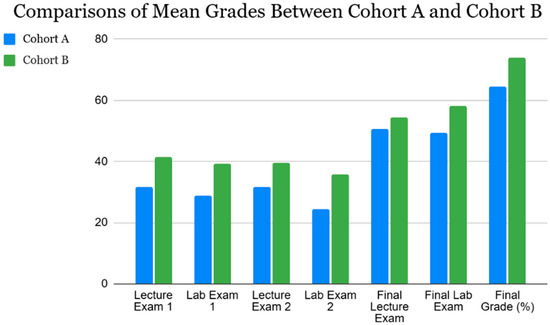
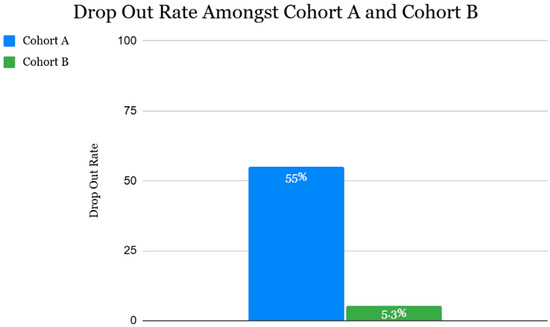
Background: Social networking platforms offer promising educational value, particularly for undergraduate students whose daily lives are deeply embedded in online spaces. Yet in most courses, instructional technologies remain limited to institutional learning management systems (LMSs), which often do not foster informal interaction or community. This study examined whether supplementing LMSs with a Facebook group could enhance academic outcomes and retention in undergraduate Anatomy and Physiology (A&P) courses. Methods: Over two semesters, two student cohorts (n = 39) were taught by the same instructor using identical materials; one cohort also used a closed Facebook group for course-related engagement. Results: While final course grades were not significantly different between groups (p = 0.186), students in the Facebook cohort scored significantly higher on mid-semester unit exams (p < 0.001 to p = 0.006). Regression analysis revealed a 9.4% higher mean final course grade among Facebook users. Importantly, the pass rate in the Facebook cohort was 94.7% compared to 45.0% in the control group, with dropout rates significantly lower (5.3% vs. 55%, p = 0.001). Conclusions: These findings suggest that incorporating social media into undergraduate science instruction may promote academic success and retention by providing a familiar, collaborative space for active learning and peer support.
Full article

Figure 1

Open AccessCase Report
Dual Origin of the Cephalic Vein with Double Fenestration: A Case Report
by
José Aderval Aragão, Guilherme Felício Matos, Gustavo Henrique Silva da Matta, Iapunira Catarina Sant’Anna Aragão, Felipe Matheus Sant’Anna Aragão, Rudvan Cicotti, Francisco Prado Reis and Deise Maria Furtado de Mendonça
Anatomia 2025, 4(4), 15; https://doi.org/10.3390/anatomia4040015 - 9 Oct 2025
Abstract
►▼
Show Figures
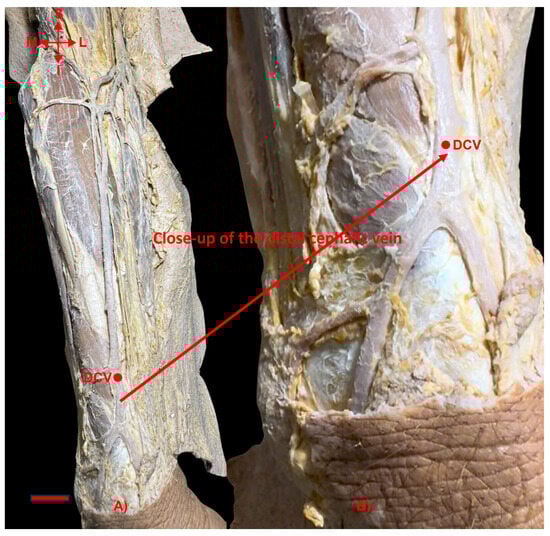
Background/Objectives: This article discusses the clinical–surgical relevance of vascular anatomical variations, such as fenestrations—the division of a vessel into multiple channels that subsequently rejoin distally. Although rare in peripheral veins, these variations, which originate from the incomplete condensation of the embryonic capillary plexus,
[...] Read more.
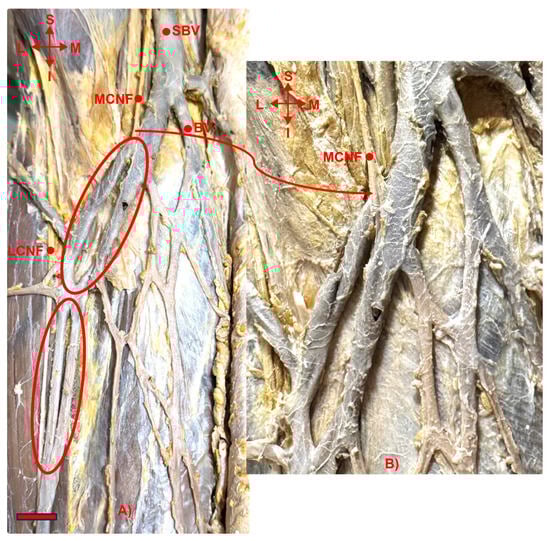
Background/Objectives: This article discusses the clinical–surgical relevance of vascular anatomical variations, such as fenestrations—the division of a vessel into multiple channels that subsequently rejoin distally. Although rare in peripheral veins, these variations, which originate from the incomplete condensation of the embryonic capillary plexus, can predispose thrombosis and necessitate preoperative recognition to avert complications during routine procedures. This study aims to report a rare case of dual origin and double fenestration of the cephalic vein. Methods: During a cadaveric dissection, a variation of the cephalic vein was identified. Results: In this case, an origin of the cephalic vein was observed arising from the dorsal venous network of the hand. It exhibited a double fenestration in the forearm, where a branch of the medial cutaneous nerve of the forearm perforated it before draining into the brachial vein. The second, a proximal origin, arose from the convergence of two tributaries—one originating from the subcutaneous tissue lateral to the brachial muscle and the other from the biceps brachii muscle, forming a single trunk that drained into the subclavian vein. Conclusions: This rare variation of the cephalic vein (dual origin and fenestration) carries significant hemodynamic implications, including an increased risk of turbulence and thrombosis. The atypical anatomical relationship between the nerve and the fenestrated vein also heightens the potential for iatrogenic injuries. In-depth knowledge of such anomalies is crucial for healthcare professionals to minimize complications and optimize the success of procedures like venous access and arteriovenous fistulas, ultimately ensuring patient safety.
Full article

Figure 1
Open AccessArticle
Scaling Down: Proportionally Smaller Corpora Callosa in Larger Brains
by
Caitlin Dale, Florian Kurth and Eileen Luders
Anatomia 2025, 4(4), 14; https://doi.org/10.3390/anatomia4040014 - 2 Oct 2025
Abstract
►▼
Show Figures
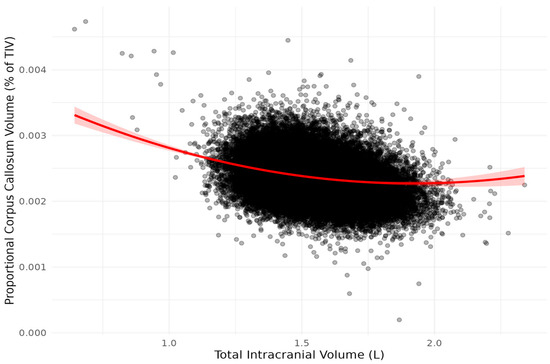
Background: Larger brains are believed to rely more heavily on intra-hemispheric than inter-hemispheric processing, which may lead to a proportionally reduced callosal size. Methods: To test this hypothesis, we used T1-weighted magnetic resonance images from a large population sample (n = 38,034).
[...] Read more.
Background: Larger brains are believed to rely more heavily on intra-hemispheric than inter-hemispheric processing, which may lead to a proportionally reduced callosal size. Methods: To test this hypothesis, we used T1-weighted magnetic resonance images from a large population sample (n = 38,034). The sample was drawn from the UK Biobank and included 19,947 females and 18,087 males, aged between 44 and 83 years (mean ± SD: 64 ± 7.72 years). Linear modelling was used to assess the relationship between proportional callosal volume and total intracranial volume, with sex, age, and handedness included as covariates and interaction terms. Results: We observed a significant negative relationship between proportional callosal volume and total brain volume, such that larger brains had proportionally smaller corpora callosa. Conclusion: These findings support the hypothesis that increasing brain size is associated with reduced inter-hemispheric connectivity, potentially due to conduction constraints that promote greater intra-hemispheric processing in larger brains.
Full article

Figure 1
Open AccessCase Report
Azygos Lobe in a 38-Year-Old Male Donor Diagnosed with Ogilvie’s Syndrome
by
David Johnson, Gary Wind, Maria Ximena Leighton, Kerrie Lashley, Juan Jose Valenzuela-Fuenzalida, Jordan Dimitrakoff, Yolanda Roth, Joanne Lenert and Guinevere Granite
Anatomia 2025, 4(3), 13; https://doi.org/10.3390/anatomia4030013 - 12 Sep 2025
Abstract
►▼
Show Figures
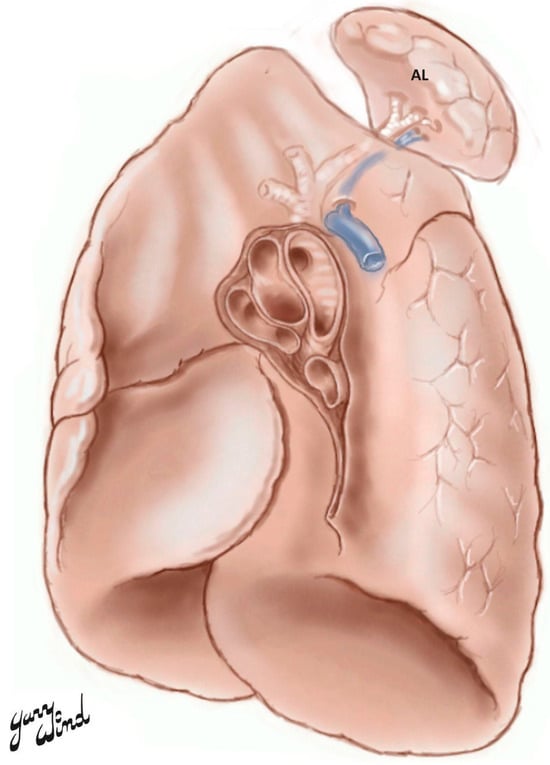
The azygos lobe (AL), an additional lung lobe most commonly found in the right apical lung region, is a rare anatomical variant present in approximately 1% of the population. It is embryological in origin and may form if the azygos vein fails to
[...] Read more.
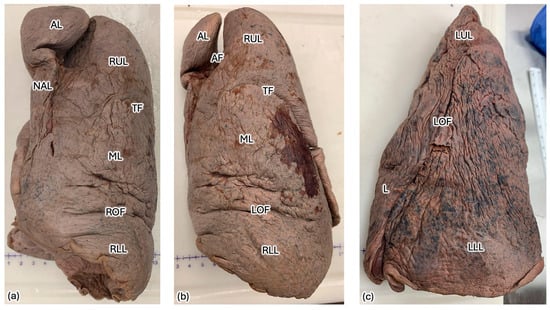
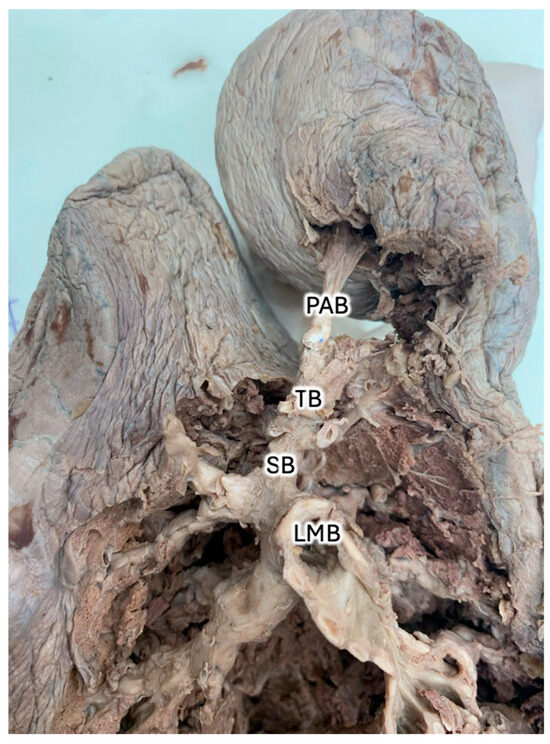
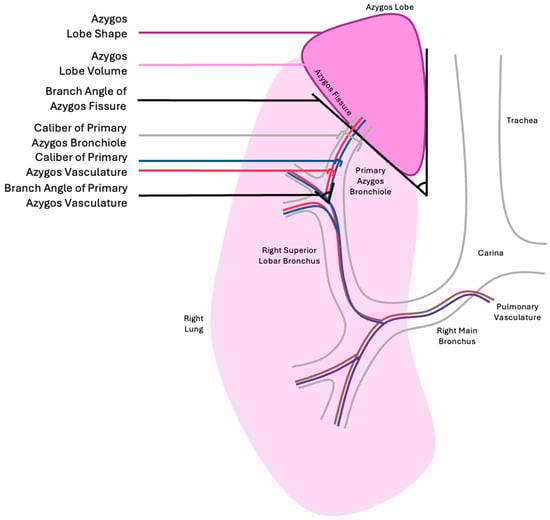
The azygos lobe (AL), an additional lung lobe most commonly found in the right apical lung region, is a rare anatomical variant present in approximately 1% of the population. It is embryological in origin and may form if the azygos vein fails to migrate medially over the lung. While it is normally clinically silent, it can have surgical and clinical implications. An AL can be the source of infection or disease, such as squamous cell carcinoma, and can also compress the upper lobe and lead to obstruction, infarction, and necrotic tissue. Additionally, it can present as an unforeseen surgical obstacle, specifically during a thoracotomy, and can be mistaken for a thoracic mass on radiographic imaging, potentially leading to unnecessary interventions. In this case report, a 38-year-old male donor with a history of Ogilvie’s syndrome, multiple traumatic brain injuries (TBIs), and chronic respiratory failure presented with an AL during routine donor dissection. The cause of death was listed as prostate cancer, hypertension, atrial fibrillation, and type II diabetes mellitus. The AL, located on the posterior apical surface of the right lung, measured 5 cm in width and 8 cm in length. The left lung showed signs of atrophy and discoloration, possibly the result of pollution exposure or smoking earlier in life. In this article, we describe the incidence, historical classification, embryology, and physiology associated with an AL and its clinical implication for this donor.
Full article

Figure 1
Open AccessArticle
CNS Axon Regeneration in the Long Primary Afferent System in E15/E16 Hypoxic-Conditioned Fetal Rats: A Thrust-Driven Concept
by
Frits C. de Beer and Harry W. M. Steinbusch
Anatomia 2025, 4(3), 12; https://doi.org/10.3390/anatomia4030012 - 1 Aug 2025
Abstract
Background: Lower phylogenetic species are known to rebuild cut-off caudal parts with regeneration of the central nervous system (CNS). In contrast, CNS regeneration in higher vertebrates is often attributed to immaturity, although this has never been conclusively demonstrated. The emergence of stem cells
[...] Read more.
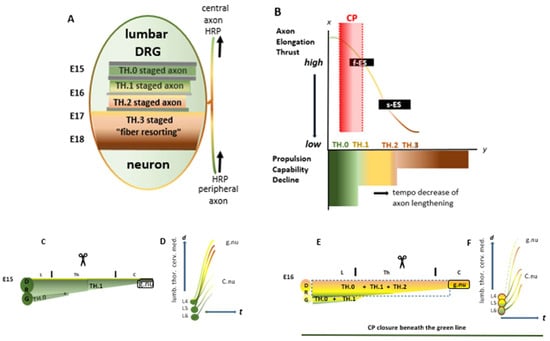
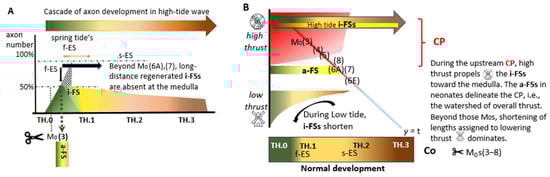
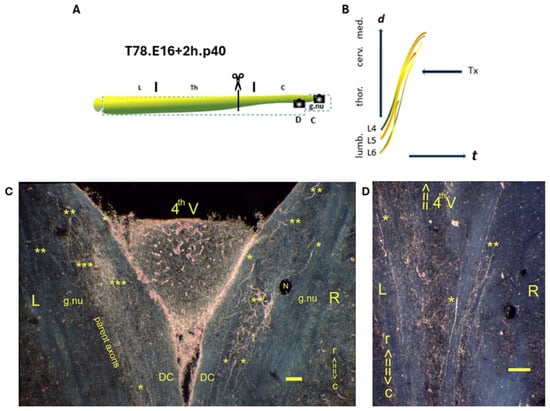
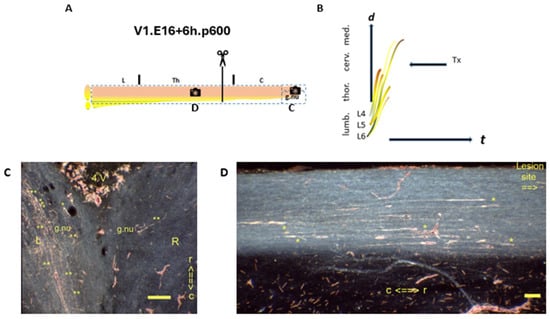
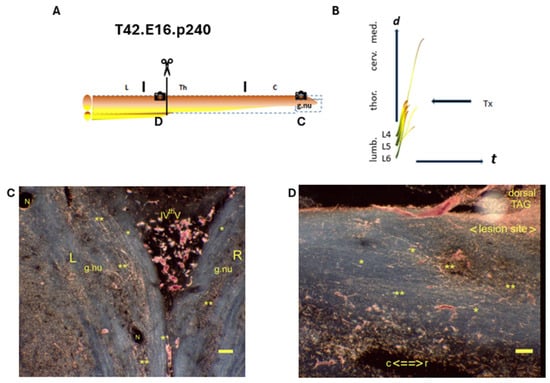
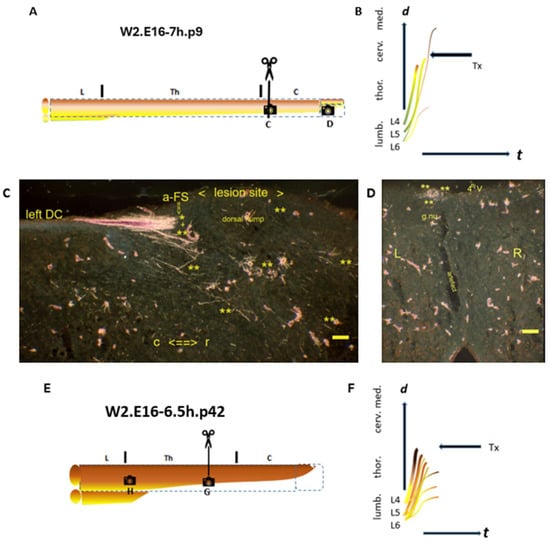
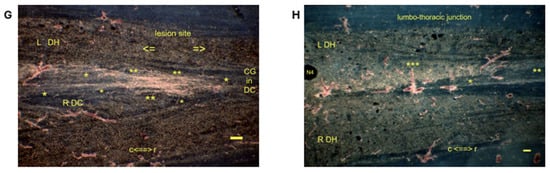
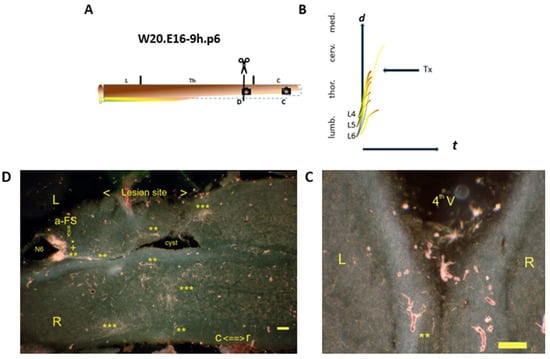
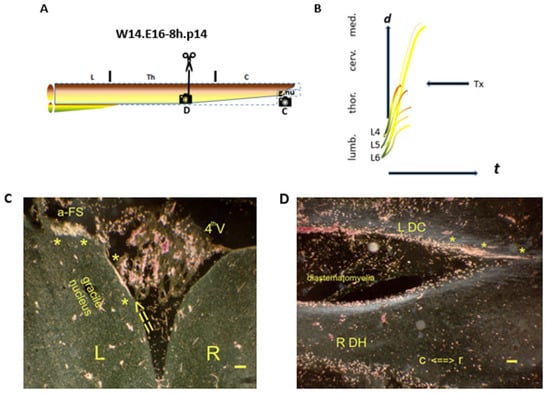
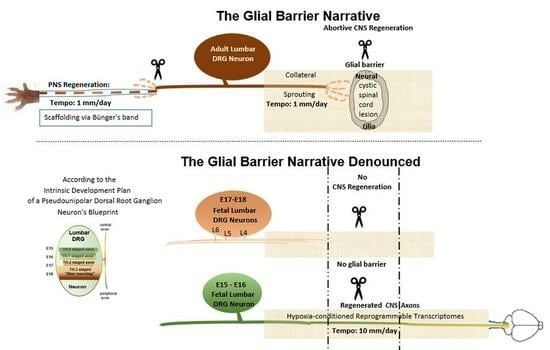
Background: Lower phylogenetic species are known to rebuild cut-off caudal parts with regeneration of the central nervous system (CNS). In contrast, CNS regeneration in higher vertebrates is often attributed to immaturity, although this has never been conclusively demonstrated. The emergence of stem cells and their effective medical applications has intensified research into spinal cord regeneration. However, despite these advances, the impact of clinical trials involving spinal cord-injured (SCI) patients remains disappointingly low. Long-distance regeneration has yet to be proven. Methods: Our study involved a microsurgical dorsal myelotomy in fetal rats. The development of pioneering long primary afferent axons during early gestation was examined long after birth. Results: A single cut triggered the intrinsic ability of the dorsal root ganglion (DRG) neurons to reprogram. Susceptibility to hypoxia caused the axons to stop developing. However, the residual axonal outgrowth sheds light on the intriguing temporal and spatial events that reveal long-distance CNS regeneration. The altered phenotypes displayed axons of varying lengths and different features, which remained visible throughout life. The previously designed developmental blueprint was crucial for interpreting these enigmatic features. Conclusions: This research into immaturity enabled the exploration of the previously impenetrable domain of early life and the identification of a potential missing link in CNS regeneration research. Central axon regeneration appeared to occur much faster than is generally believed. The paradigm provides a challenging approach for exhaustive intrauterine reprogramming. When the results demonstrate pre-clinical effectiveness in CNS regeneration research, the transformational impact may ultimately lead to improved outcomes for patients with spinal cord injuries.
Full article
(This article belongs to the Special Issue From Anatomy to Clinical Neurosciences)
►▼
Show Figures

Graphical abstract
Open AccessArticle
The Impact of Preoperative Breast Magnetic Resonance Imaging on Surgical Planning: A Retrospective Single-Center Study
by
Kristin Mayer-Zugai, Iris Georgiadou, Christel Weiss, Alexander Ast and Hans Scheffel
Anatomia 2025, 4(3), 11; https://doi.org/10.3390/anatomia4030011 - 25 Jul 2025
Cited by 1
Abstract
►▼
Show Figures
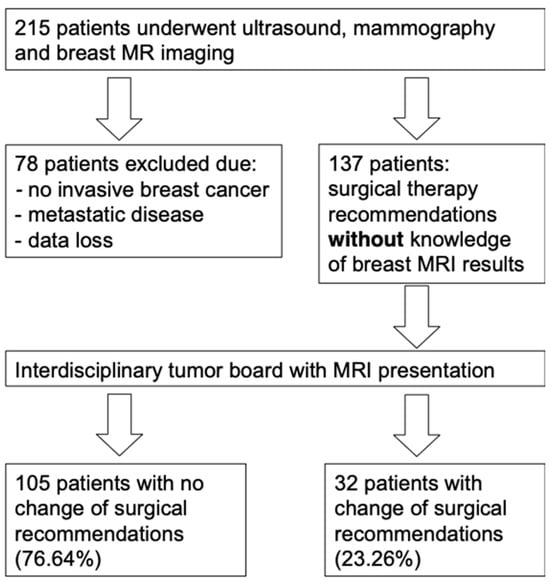
Objective: The aim of this study was to determine whether preoperative MRI has an impact on surgical planning in breast cancer patients. Tumor extent and molecular breast cancer subtypes were evaluated. Methods: This was a single-center study including 137 female patients with a
[...] Read more.
Objective: The aim of this study was to determine whether preoperative MRI has an impact on surgical planning in breast cancer patients. Tumor extent and molecular breast cancer subtypes were evaluated. Methods: This was a single-center study including 137 female patients with a first diagnosis of invasive breast cancer. Each patient had a standard clinical preoperative workup and an additional breast MRI. The interdisciplinary tumor board made written recommendations regarding the surgical therapy of each patient with and without the knowledge of the MRI findings. Results: The addition of MRI led to changes in surgical recommendations in 32 (23%) of the 137 patients. The highest rate of change in surgical therapy recommendations was observed in patients with multifocal tumors (53%). Molecular subtype had no influence on the changes in surgical therapy recommendations (p = 0.8). Conclusions: Patients with multifocal breast tumors were more likely to have a change in surgical therapy following MRI.
Full article

Figure 1
Open AccessArticle
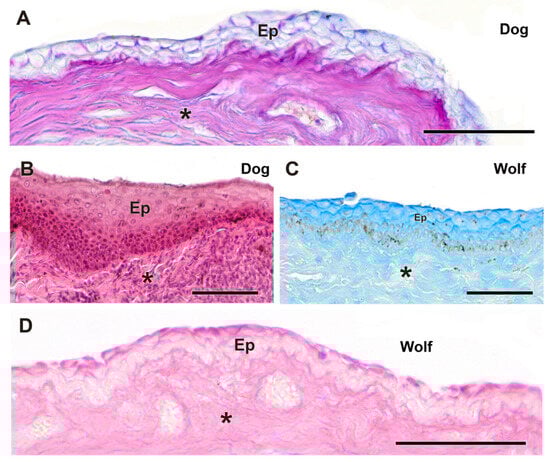
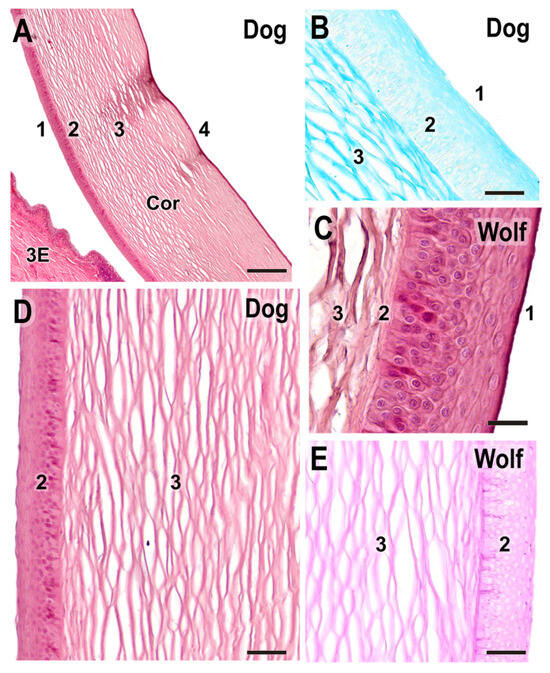
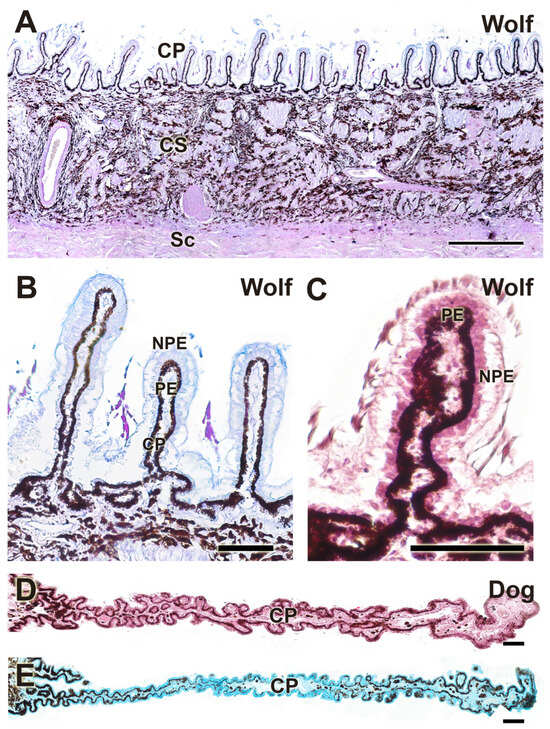
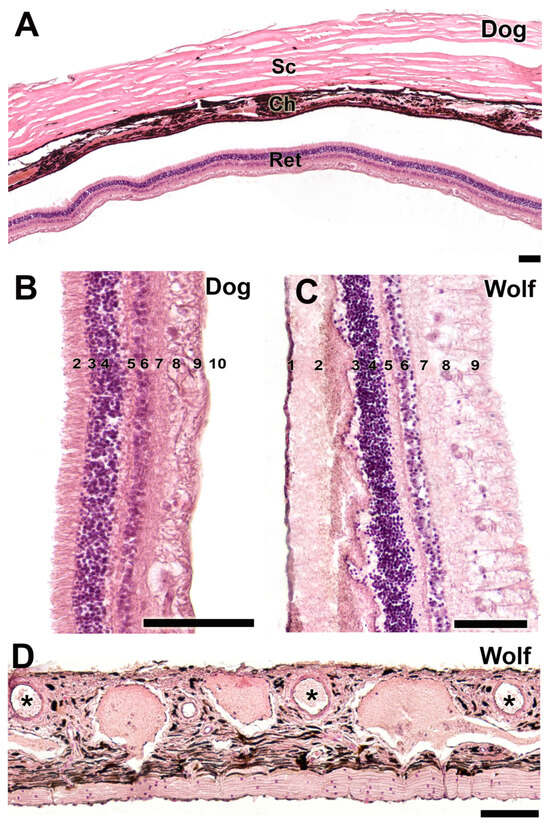
Histological Characterization of Ocular and Adnexal Tissues in Dogs (Canis familiaris) and Wolves (Canis lupus)
by
Abel Diz López, Mateo V. Torres, Fabio Martínez Gómez, Silvia Alejandra Fraga Abelleira, Ana López-Beceiro, Luis Fidalgo, Pablo Sanchez-Quinteiro and Irene Ortiz-Leal
Anatomia 2025, 4(3), 10; https://doi.org/10.3390/anatomia4030010 - 25 Jun 2025
Abstract
►▼
Show Figures
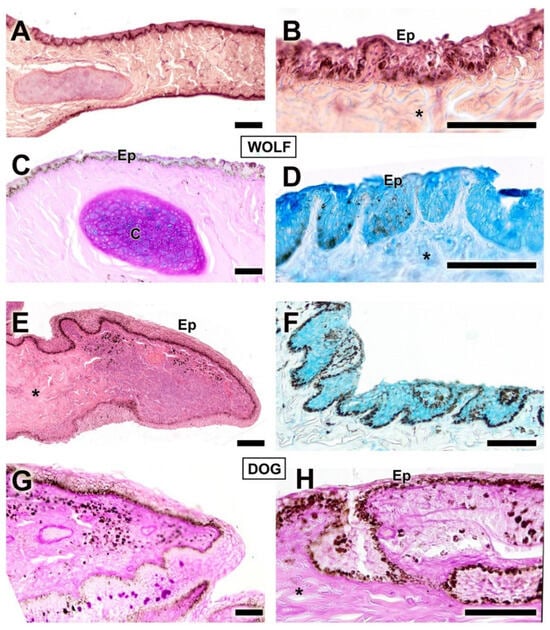
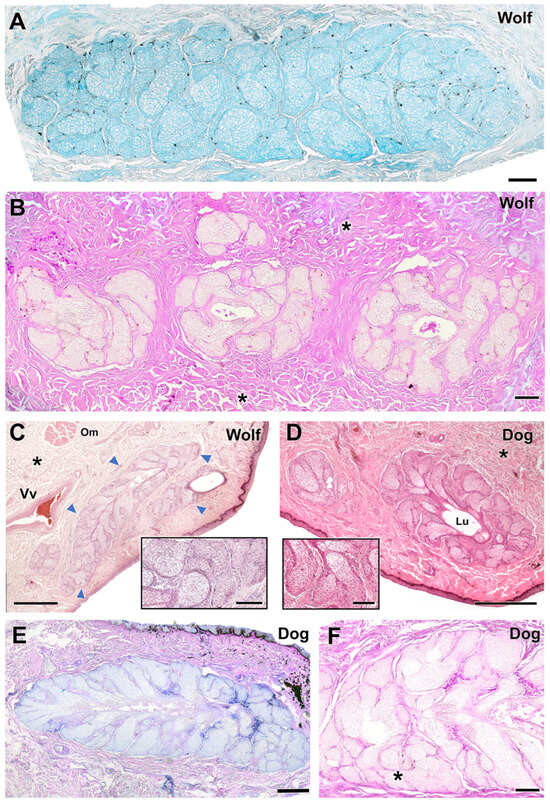
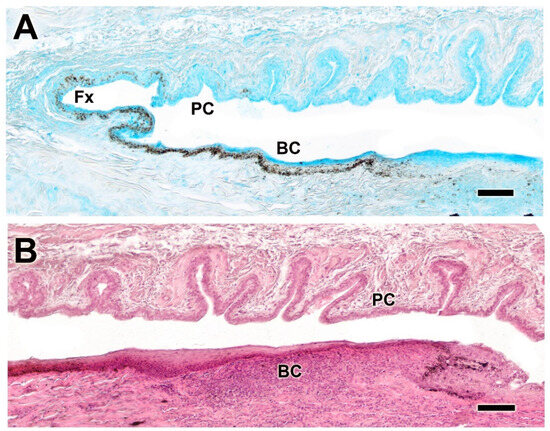
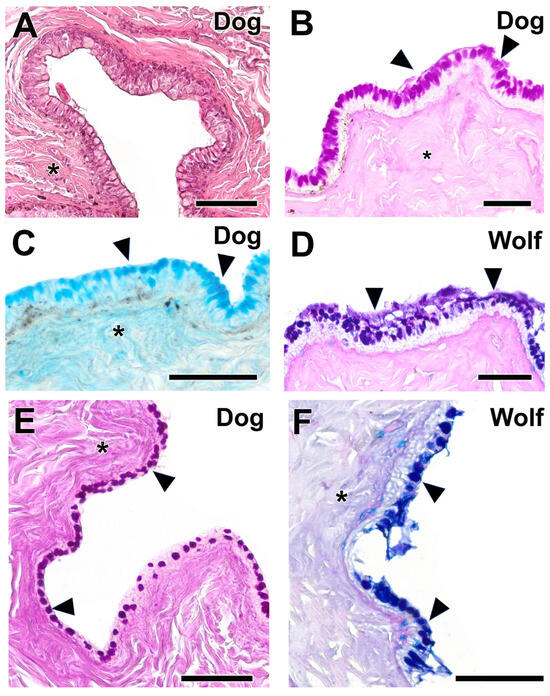
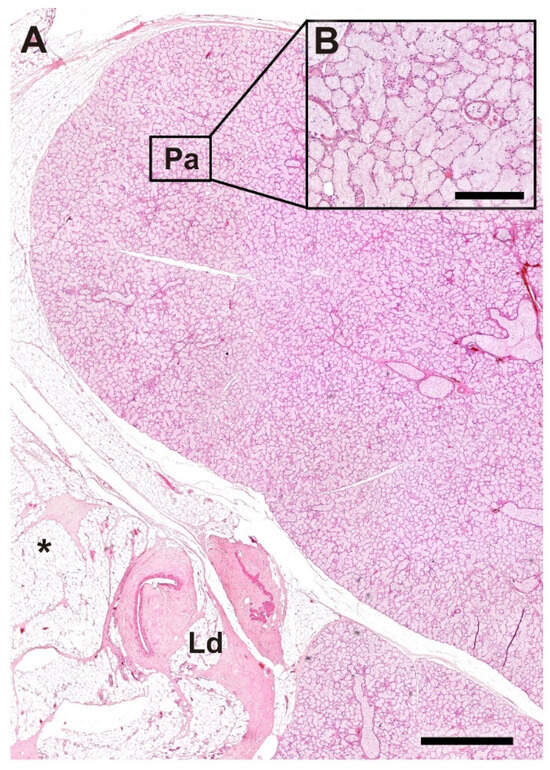
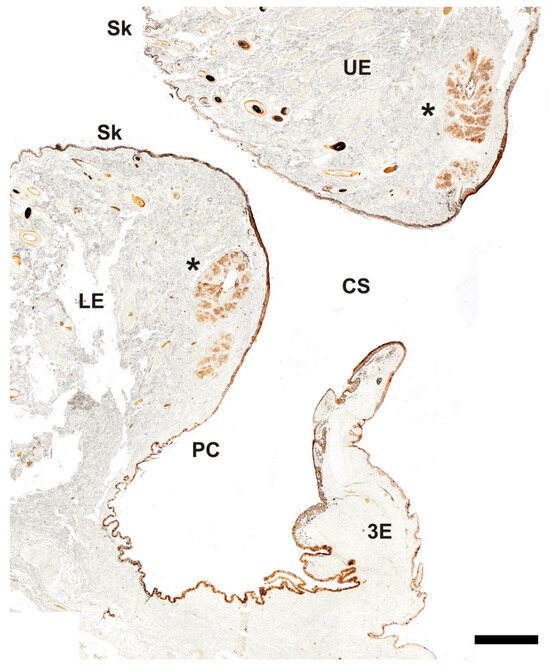
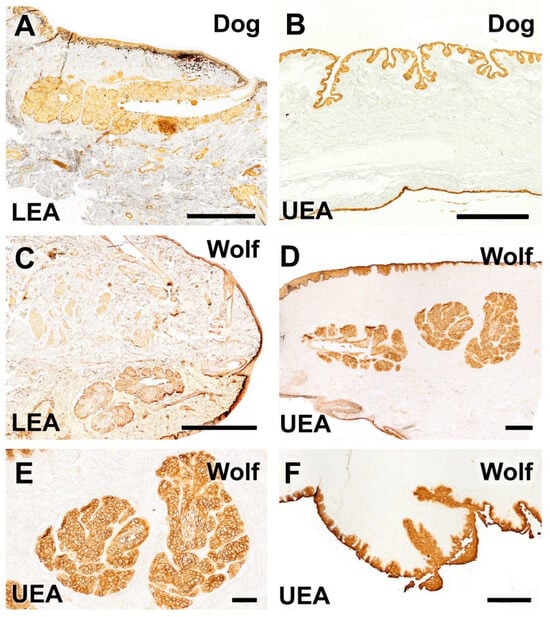
Background/Objectives: This study explores the ocular anatomy and glandular components of domestic dogs compared to their ancestor, the wolf, with the aim of identifying evolutionary changes due to domestication and their implications for ocular pathologies. Methods: Utilizing histological and histochemical techniques, including hematoxylin–eosin,
[...] Read more.
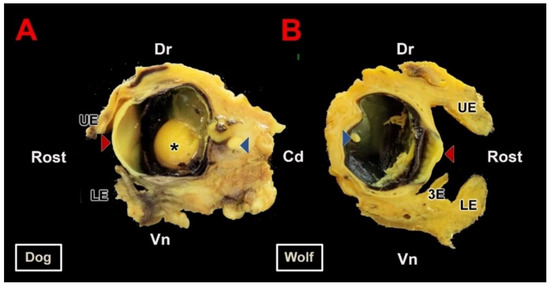
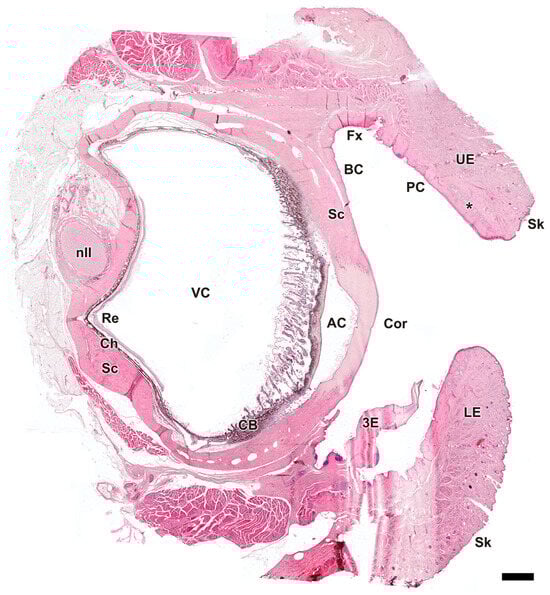
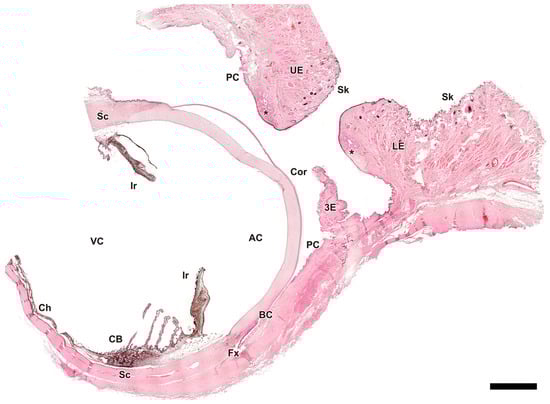
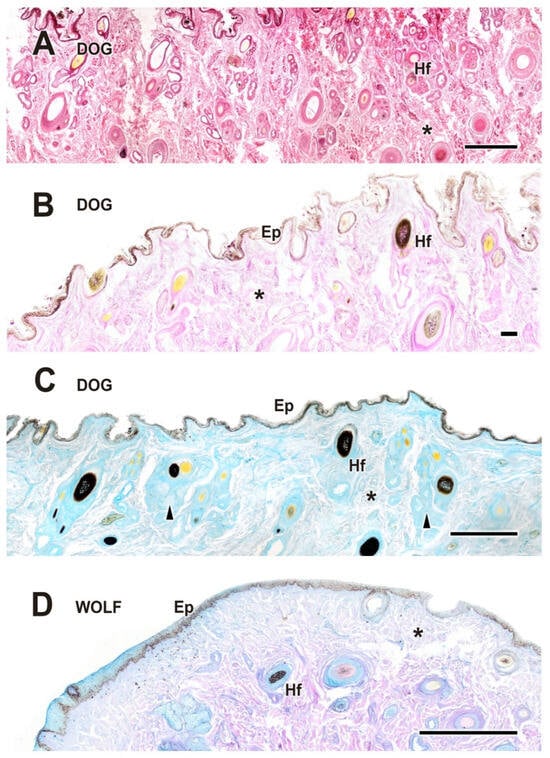
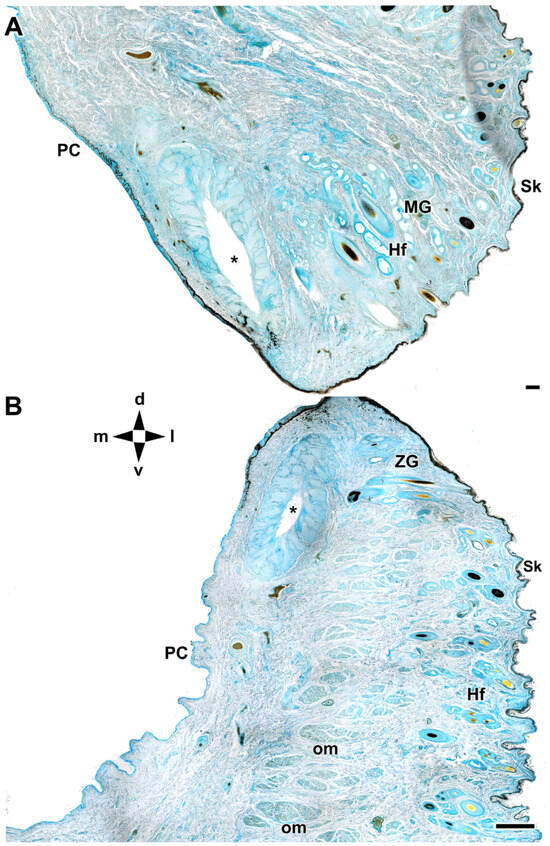
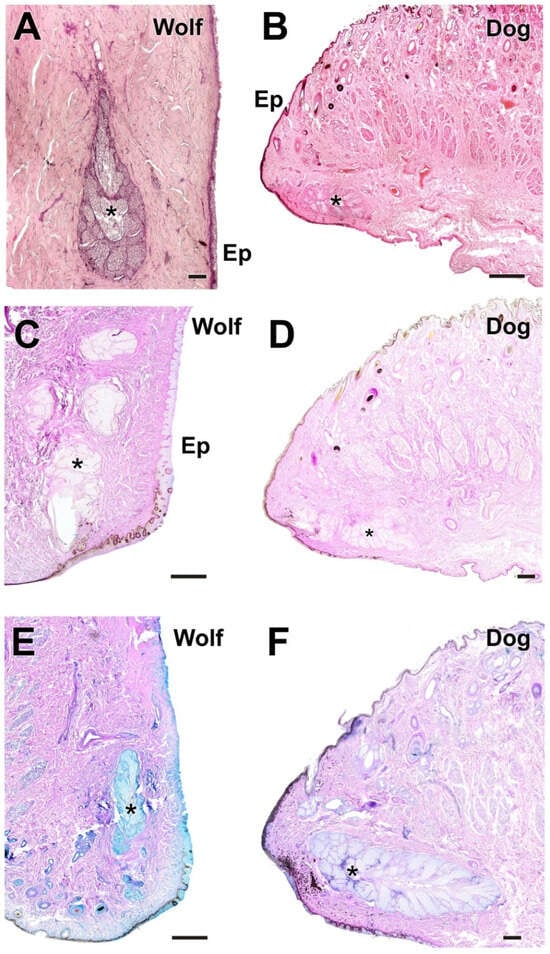
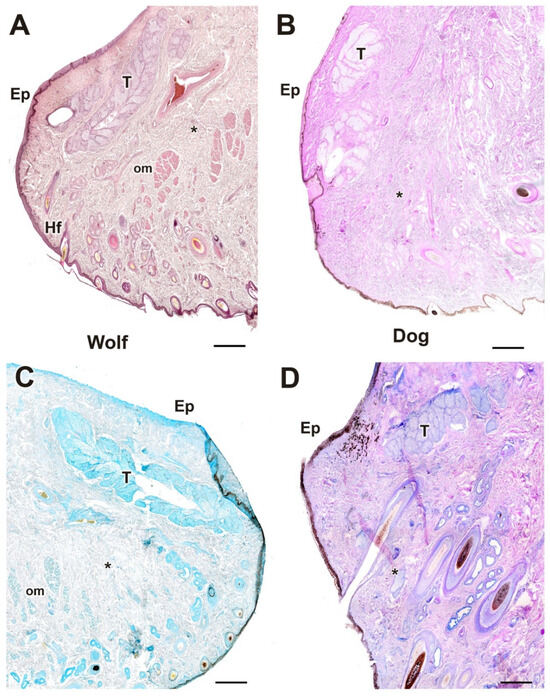
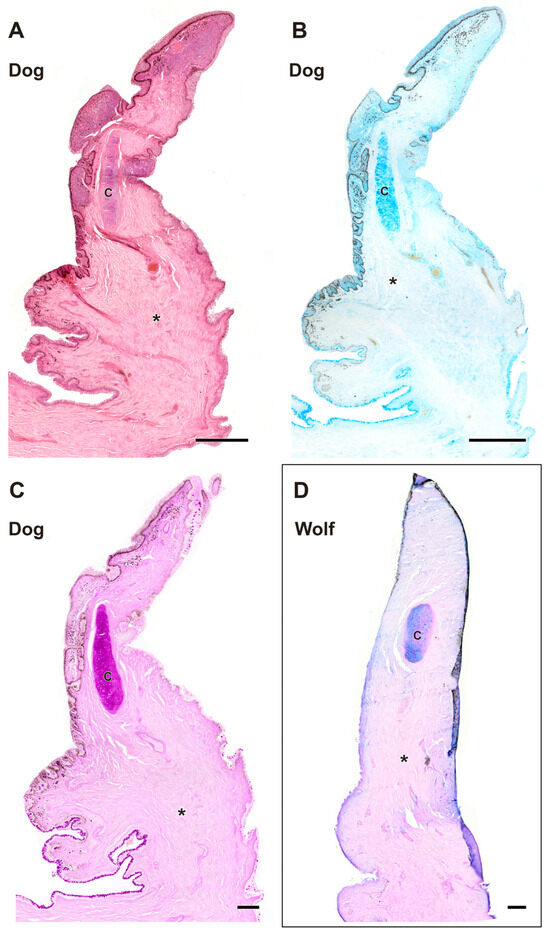
Background/Objectives: This study explores the ocular anatomy and glandular components of domestic dogs compared to their ancestor, the wolf, with the aim of identifying evolutionary changes due to domestication and their implications for ocular pathologies. Methods: Utilizing histological and histochemical techniques, including hematoxylin–eosin, Periodic Acid–Schiff, Alcian Blue, and lectins, this research conducts a detailed analysis of the canine and wolf ocular systems, focusing on the eyelids, tarsal glands, and conjunctival tissues. Results: There are marked histological differences between the two species, particularly in the thickness and secretion levels of the conjunctival epithelia and the structure of the tarsal glands. Dogs exhibit a thicker epithelium with greater Periodic Acid–Schiff and Alcian Blue positive secretion, suggesting enhanced ocular protection and lubrication adapted to domestic environments. Conversely, wolves display more concentrated glandular secretions and a predominance of acidic mucopolysaccharides, aligning with their adaptation to natural habitats. Conclusions: Although this study is constrained by the limited number of samples, the use of mixed dog breeds, and the focus on the Iberian wolf, it nonetheless suggests histological and evolutionary differences between domestic dogs and wolves, particularly in structures related to ocular surface protection and lubrication. These differences likely reflect adaptive responses to domestication in dogs and environmental demands in wolves. Importantly, the findings emphasize the clinical and translational potential of using dogs as comparative models for human ocular surface disorders, given their anatomical proximity to humans.
Full article

Figure 1
Open AccessReview
Evolving Anatomy Education: Bridging Dissection, Traditional Methods, and Technological Innovation for Clinical Excellence
by
Luis Alfonso Arráez-Aybar
Anatomia 2025, 4(2), 9; https://doi.org/10.3390/anatomia4020009 - 3 Jun 2025
Cited by 6
Abstract
Anatomy education has long served as a cornerstone of medical training, equipping healthcare professionals with the foundational knowledge necessary for clinical practice. However, the discipline has undergone significant transformations in response to evolving curricula, ethical considerations, and technological advancements. This paper explores the
[...] Read more.
Anatomy education has long served as a cornerstone of medical training, equipping healthcare professionals with the foundational knowledge necessary for clinical practice. However, the discipline has undergone significant transformations in response to evolving curricula, ethical considerations, and technological advancements. This paper explores the historical development, current state, and future trajectory of anatomy education, focusing on challenges such as ethical concerns regarding cadaveric dissection, and the need for cost-effective alternatives. The study examines innovative teaching methods, including virtual reality, augmented reality and artificial intelligence, which enhance anatomical learning by providing interactive, scalable educational experiences. Additionally, it discusses the integration of anatomy with clinical practice through imaging technologies, competency-based education, and evidence-based approaches. While modern innovations offer valuable learning tools, they cannot entirely replace the hands-on experience and professional identity formation fostered by cadaveric dissection. A balanced approach that combines traditional methodologies with digital advancements is essential for optimizing anatomy education. By leveraging both physical and virtual resources, educators can enhance anatomical comprehension, improve clinical preparedness, and ensure that future healthcare professionals develop both technical expertise and ethical awareness. This paper underscores the need for continued adaptation in anatomy education to align with the demands of modern medicine while preserving its core educational values.
Full article
Highly Accessed Articles
Latest Books
E-Mail Alert
News
Topics
Topic in
Anatomia, Biomedicines, IJMS, Medicina, Tomography
Human Anatomy and Pathophysiology, 3rd Edition
Topic Editors: Francesco Cappello, Mugurel Constantin RusuDeadline: 31 May 2026
Conferences
Special Issues
Special Issue in
Anatomia
Oral and Maxillofacial Anatomy
Guest Editor: Sven SchumannDeadline: 30 June 2026
Topical Collections
Topical Collection in
Anatomia
Editorial Board Members’ Showcase
Collection Editor: Francesco Fornai