

Journal Description
AppliedChem
AppliedChem
is an international, peer-reviewed, open access journal on all aspects of applied chemistry published quarterly online by MDPI.
- Open Access— free for readers, with article processing charges (APC) paid by authors or their institutions.
- High Visibility: indexed within ESCI (Web of Science), Scopus, CAPlus / SciFinder, and other databases.
- Rapid Publication: manuscripts are peer-reviewed and a first decision is provided to authors approximately 20.9 days after submission; acceptance to publication is undertaken in 6.9 days (median values for papers published in this journal in the second half of 2025).
- Recognition of Reviewers: APC discount vouchers, optional signed peer review and reviewer names are published annually in the journal.
- AppliedChem is a companion journal of Applied Sciences.
Latest Articles
Influence of the Acidity of Olive Oil on the Stability of O/W Nanoemulsions
AppliedChem 2026, 6(2), 33; https://doi.org/10.3390/appliedchem6020033 - 18 May 2026
Abstract
►
Show Figures
This study examines how olive oil acidity affects the stability of oil-in-water (O/W) nanoemulsions. Nanoemulsions were prepared using oils of 0.33, 4.67, and 12.66% w/w acidity, at 5, 10 and 15% v/v oil and 1.0, 1.5 and 2.0% v
[...] Read more.
This study examines how olive oil acidity affects the stability of oil-in-water (O/W) nanoemulsions. Nanoemulsions were prepared using oils of 0.33, 4.67, and 12.66% w/w acidity, at 5, 10 and 15% v/v oil and 1.0, 1.5 and 2.0% v/v Tween-80, and stored for 120 h at 25 °C. High-acidity oil (12.66% w/w) produced the most stable systems, with conductivity reduced by ~40–60% compared to low-acidity oils (e.g., 31–52 μS/cm vs. 80–145 μS/cm at 10–15% oil). Viscosity ranged from 1.55 mPa·s at 0.33% w/w to 1.87 mPa·s at 12.66% w/w. The optimal formulation—12.66% w/w acidity, 5% v/v oil, and 1.0% v/v Tween-80—yielded the smallest and most stable droplets, with low PDI (~0.26) and high negative ζ-potential (−36 to −44 mV). These results indicate that elevated free fatty acids and endogenous amphiphilic compounds can act as co-surfactants, enhancing interfacial stabilization and improving nanoemulsion performance.
Full article
Open AccessArticle
Antibacterial and Antivirulence Activity of Lyophilized Plumbago auriculata Flower Extract Against Escherichia coli and Proteus mirabilis
by
Alejandra Villarreal Araujo, Macdiel Acevedo Quiroz, Brenda Escamilla Sánchez, Verónica Martínez-Santos, Mónica Ramírez, Ricardo Salazar, Ma. Elena Moreno Godínez, Yaneth Castro Coronel, Daniel Tapia Maruri, Manasés González Cortazar, Natividad Castro Alarcón and Patricia Alvarez Fitz
AppliedChem 2026, 6(2), 32; https://doi.org/10.3390/appliedchem6020032 - 9 May 2026
Abstract
Medicinal plants are recognized for their rich bioactive compounds, offering significant potential in the development of therapeutic alternatives to address current public health challenges. Plumbago auriculata is a traditionally used plant with the potential to treat various conditions. Therefore, this study evaluated the
[...] Read more.
Medicinal plants are recognized for their rich bioactive compounds, offering significant potential in the development of therapeutic alternatives to address current public health challenges. Plumbago auriculata is a traditionally used plant with the potential to treat various conditions. Therefore, this study evaluated the physicochemical properties and antibacterial and antivirulence potential of the lyophilized extract from Plumbago auriculata (ELPa). Physicochemical analysis revealed a highly porous morphology (pore diameter 5–10 µm), a yellowish-green color (Hue angle of 182.92), and a water activity (aw) of 0.5. Antibacterial assays established a minimum inhibitory concentration (MIC) of 64 mg/mL for clinical isolates of Escherichia coli (E. coli), Staphylococcus sciuri (S. sciuri), Staphylococcus aureus (S. aureus), Candida tropicalis (C. tropicalis), Streptococcus agalactiae (S. agalactiae), and Salmonella Dublin (S. Dublin) and 16 mg/mL for the E. coli CFT073 strain. Furthermore, ELPa demonstrated significant antivirulence properties; at a concentration of 8 mg/mL, the extract inhibited 55% of the swarming mobility and 58% of biofilm production in E. coli CFT073 after 24 and 48 h of exposure, respectively. The finding suggests that ELPa is a viable source of bioactive compounds with both antibacterial and antivirulence capabilities.
Full article
(This article belongs to the Special Issue Research on Extraction and Application of Natural Extracts)
►▼
Show Figures

Graphical abstract
Open AccessArticle
Identifying Optimal Stirrer Geometries for Aqueous Textile Suspensions Using Material Extrusion Based Rapid Prototyping
by
Doris Ostner-Kaineder, Christoph Strasser, Barbara Liedl, Mark W. Hlawitschka and Christoph Burgstaller
AppliedChem 2026, 6(2), 31; https://doi.org/10.3390/appliedchem6020031 - 2 May 2026
Abstract
►▼
Show Figures
Increasing amounts of textile waste require rapid implementation of novel recycling technologies. Biocatalytic degradation via enzymatic hydrolysis can be used to separate blends, which are otherwise inaccessible. However, the complex nature of the substrate and narrow operating window of the reaction necessitates process
[...] Read more.
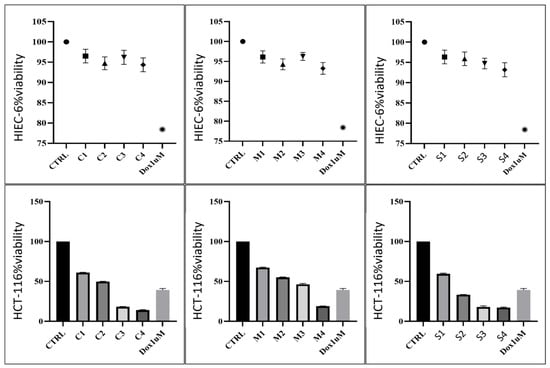
Increasing amounts of textile waste require rapid implementation of novel recycling technologies. Biocatalytic degradation via enzymatic hydrolysis can be used to separate blends, which are otherwise inaccessible. However, the complex nature of the substrate and narrow operating window of the reaction necessitates process optimization but also complicates computational approaches. The reaction is performed in aqueous suspension at ambient pressure and temperatures well below boiling. Due to the gentle process conditions, preliminary assessment of ideal stirrer geometries can be performed in water under ambient conditions, using stirrers produced from commodity plastics using material extrusion-based 3D-printing at both bench (2 L) and semi-pilot (30 L) scale. Eight geometries were assessed using suspension activity (via cloud height), mixing energy consumption, and mixing time assessment via tracer addition at the bench scale. Four of these geometries were chosen for scale-up in a 30 L conical vessel. While large, especially close-clearance mixing equipment performed well at both sizes, an increase in performance of the pitched-blade turbine was observed at 30 L. This highlights the necessity of experimental scaleup procedure as well as optimized stirrer geometries for enzymatic hydrolysis.
Full article

Figure 1
Open AccessArticle
Toxicity Screening of Wildfire-Impacted Residential Soils Using a Multi-Stress Escherichia coli Bioluminescent Bioreporter Panel
by
Liron Saar Makrabi, Gal Carmeli, Abraham Abbey Paul and Robert S. Marks
AppliedChem 2026, 6(2), 30; https://doi.org/10.3390/appliedchem6020030 - 2 May 2026
Abstract
Wildfires that destroy residential infrastructure can generate chemically complex soil contamination; however, post-fire screening is often limited and does not directly reflect biological hazards. Herein, we integrated a multi-stress lux-based whole-cell bioreporter panel of genetically engineered Escherichia coli strains with non-targeted LC-MS
[...] Read more.
Wildfires that destroy residential infrastructure can generate chemically complex soil contamination; however, post-fire screening is often limited and does not directly reflect biological hazards. Herein, we integrated a multi-stress lux-based whole-cell bioreporter panel of genetically engineered Escherichia coli strains with non-targeted LC-MS profiling to obtain a mechanism-informed assessment of soils collected from a residential property impacted by the January 2025 Los Angeles wildfires. The bioreporter panel resolved heterogeneous and statistically significant stress signatures across the analyzed samples. In particular, extracts from U3–U5 produced selective suppression of the membrane and fatty acid biosynthesis bioreporters, along with reduced growth. In contrast, extract U5 induced a proteotoxic heat-shock response signature. In parallel, non-targeted LC-MS detected 1813 chemical features and enabled the putative annotation of a subset of signals consistent with combustion-derived organics and reactive electrophiles, providing a chemical context for the observed bioassay fingerprints. The integrated workflow provides mechanism-resolved hazard triage within 48 h, as implemented herein (24 h elutriate preparation plus up to 20 h microplate kinetics), supporting the prioritization of hotspots for confirmatory analysis, remediation, and risk assessment.
Full article
(This article belongs to the Special Issue Feature Papers in AppliedChem, 2nd Edition)
►▼
Show Figures

Graphical abstract
Open AccessArticle
Biochar-Based Photothermal Membranes for Solar-Powered Distillation
by
Marcello Pagliero, Francesca Passaro, Antonio Comite, Ilaria Rizzardi, Lilia Longo, Giulia Forghieri and Michela Signoretto
AppliedChem 2026, 6(2), 29; https://doi.org/10.3390/appliedchem6020029 - 1 May 2026
Abstract
►▼
Show Figures
Biochar is a carbon-rich material produced from biomass pyrolysis whose properties can be tailored for various applications, including soil improvement, water purification, and catalysis. Its light absorption capacity also makes it promising for solar-driven processes like water evaporation. Photothermal membrane distillation (PMD) combines
[...] Read more.
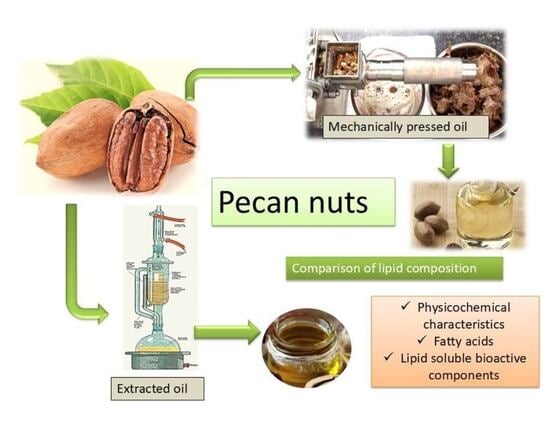
Biochar is a carbon-rich material produced from biomass pyrolysis whose properties can be tailored for various applications, including soil improvement, water purification, and catalysis. Its light absorption capacity also makes it promising for solar-driven processes like water evaporation. Photothermal membrane distillation (PMD) combines membrane separation with light-induced heating for efficient water purification. Unlike conventional membrane distillation, PMD utilizes light-absorbing materials to enhance vapor pressure and overcome temperature polarization, a common issue in membrane distillation. This study explored the potential of biochars and activated biochars, as filler materials for photothermal membranes, in line with circular economy principles. The mixed matrix membranes were prepared in a single step, via non-solvent induced phase separation starting from a uniform dispersion of the filler in a polyvinylidene fluoride solution. These materials exhibited great heating performance, reaching surface temperature up to 36 °C under a 125 W/m2 light source. Increasing the biochar loading up to 15 wt.% resulted in an 85% increase in distillation flux under light irradiation.
Full article

Figure 1
Open AccessReview
Environmental Fate, Transformation, and Interactions of Agrochemicals and Micro-Nano Plastics in Agricultural Ecosystem
by
Mohammad Mahmudul Hasan, Md. Sajjad Hossain, Most. Zakiya Islam, Saumik Das Pantha, Mahfuj Ahmed, Rifat Ara Hridi, Md. Hasanuzzaman and Imtiaz Faruk Chowdhury
AppliedChem 2026, 6(2), 28; https://doi.org/10.3390/appliedchem6020028 - 1 May 2026
Abstract
►▼
Show Figures
The extensive use of agrochemicals and plastic materials has led to the accumulation of persistent pollutants in agricultural soils, raising concerns about agroecosystems through posing potential risks to soil and environmental health. This review synthesizes recent knowledge on these pollutant sources, including their
[...] Read more.
The extensive use of agrochemicals and plastic materials has led to the accumulation of persistent pollutants in agricultural soils, raising concerns about agroecosystems through posing potential risks to soil and environmental health. This review synthesizes recent knowledge on these pollutant sources, including their distribution, fate, transformation pathways, and detection methods, as well as their impacts on soil physicochemical properties, microbial populations, plants, and ecosystems. Existing findings indicate that agrochemicals and micro-nano plastics (MPs-NPs) can significantly impede the stability of soil aggregation, increase soil water holding capacity (WHC) and porosity, reduce bulk density and infiltration, alter soil structure, and affect soil pH, cation exchange capacity (CEC), electrical conductivity (EC), and nutrient retention capacity. Moreover, exposure to these pollutants alters soil microbial communities, enzymatic activity, nitrification and denitrification processes, and arbuscular mycorrhizal fungi (AMF), thereby affecting carbon pools and fluxes as well as nutrient cycling. However, the magnitude and direction of these effects are strongly influenced by soil type, pollutant class, concentration, and physicochemical properties. Furthermore, terrestrial and aquatic ecosystems are negatively affected due to the presence of such persistent pollutants by impairing their physiological processes. Despite these findings, mechanistic understanding remains limited due to a lack of long-term field investigation and proper detection methods, particularly regarding NPs. A comprehensive understanding of agrochemical and MP-NP interactions is essential for developing sustainable soil management strategies and agroecosystems. Future studies should address the development of standardized NP detection methods and the conducting of long-term field studies to elucidate MP-NP and agrochemical interactions, soil impacts, and crop uptake mechanisms.
Full article

Graphical abstract
Open AccessArticle
Towards the Reuse of Sauce By-Product: Combining Analytical Chemistry and Chemometrics to Develop New Sustainable Products
by
Samuele Pellacani, Marina Cocchi, Enrico Busi, Stefano Raimondi, Silvia Grassi, Sara Limbo, Serena Gobbi, Caterina Durante and Lorenzo Strani
AppliedChem 2026, 6(2), 27; https://doi.org/10.3390/appliedchem6020027 - 29 Apr 2026
Abstract
Food waste valorization represents a critical challenge and opportunity for sustainable food systems. This study investigated the reuse of sauce production by-products through two approaches: (i) solvent-free recovery of an oil-rich fraction and (ii) development of polymeric films for potential edible or biodegradable
[...] Read more.
Food waste valorization represents a critical challenge and opportunity for sustainable food systems. This study investigated the reuse of sauce production by-products through two approaches: (i) solvent-free recovery of an oil-rich fraction and (ii) development of polymeric films for potential edible or biodegradable packaging. Centrifugation recovered approximately 10 g per 100 g of by-product. The recovered oil was characterized for total polyphenols and fatty acid composition, showing a profile consistent with vegetable oils (mainly olive oil), with minor contributions attributable to cheese and meat components. A full factorial design was used to prepare and test films and to study the effects of the three ingredients used, namely pectin, carvacrol, and sauce by-products, on their mechanical, surface, and antibacterial properties. Chemometric analysis based on principal component analysis (PCA) and regression-based modeling (multiple linear regression and response surface analysis) was applied to identify the relationships among the responses and the most influential factors. Among the tested formulations, N3 (low pectin and by-product; high carvacrol) showed the most favorable overall balance, combining the strongest antibacterial activity (mean inhibition halo diameter of 14.8 mm and 17.8 mm against Escherichia coli ATCC 11229 and Staphylococcus aureus ATCC 6538, respectively) with favorable mechanical performance, including the highest maximum force (0.53 ± 0.01 MPa) and elastic modulus, (6.8 ± 0.01 MPa) and intermediate elongation (12 ± 3%) and work at maximum force (11.9 ± 0.9 N mm).
Full article
(This article belongs to the Special Issue Women’s Special Issue Series: AppliedChem)
►▼
Show Figures

Graphical abstract
Open AccessArticle
Effects of Date Extract Addition on Kinetic and Physicochemical Parameters of Sour Craft Beer Fermented with Lachancea spp. Under Optimal Conditions
by
Ulin Antobelli Basilio-Cortes, Lourdes González-Salitre, David Cervantes-García, Ricardo Torres-Ramos, Mary Triny Beleño-Cabarcas, Dagoberto Durán-Hernández, José Gregorio Joya-Davila and Henry López López
AppliedChem 2026, 6(2), 26; https://doi.org/10.3390/appliedchem6020026 - 28 Apr 2026
Abstract
►▼
Show Figures
The style of a beer is determined by the combination of malts and hops, and the type of yeast used. The incorporation of date fruits into the fermentation process with non-conventional yeasts such as Lachancea spp. results in effective fermentation, influencing the kinetic
[...] Read more.
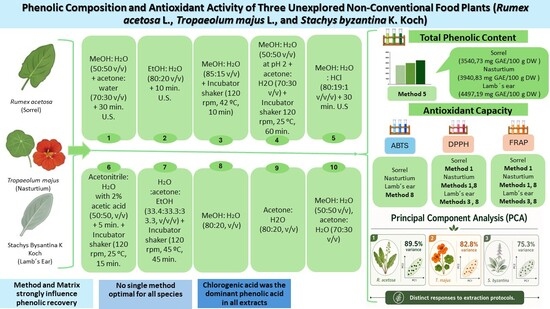
The style of a beer is determined by the combination of malts and hops, and the type of yeast used. The incorporation of date fruits into the fermentation process with non-conventional yeasts such as Lachancea spp. results in effective fermentation, influencing the kinetic parameters of yeast growth and prompting different physicochemical properties in the resulting beverage. The brewing process for a sour beer with Lachancea spp. yeast was optimized using a central composite rotational design and response surface methodology, and the growth kinetics were calculated. The optimal conditions required 500 g of dates, incorporated 59.46 h after starting the fermentation process. The results revealed a total phenolic content of 254.81 mg GAE/g, and the amount of titratable acidity was 2.66%. Under favorable operating conditions, the growth kinetic parameters of Lachancea spp. yeast revealed a rate of 0.78 μ.h−1 and a growth constant of 3.29 k (g/h). The addition of dates 60 h into fermentation with Lachancea spp. allows for technical control of acidity and efficient fermentation kinetics for the creation of sour craft beers.
Full article

Graphical abstract
Open AccessArticle
On Over-Parameterisation and Parameter Estimation of Enzyme Kinetics
by
Thomas Waluga and Paras Nagshi
AppliedChem 2026, 6(2), 25; https://doi.org/10.3390/appliedchem6020025 - 9 Apr 2026
Abstract
►▼
Show Figures
The estimation of kinetic parameters based on experiments is an important element in understanding the reaction mechanisms of enzymes and their intrinsic properties. However, increasing model complexity by introducing multiple parameters can lead to overparameterisation, resulting in poor parameter identifiability and potentially causing
[...] Read more.
The estimation of kinetic parameters based on experiments is an important element in understanding the reaction mechanisms of enzymes and their intrinsic properties. However, increasing model complexity by introducing multiple parameters can lead to overparameterisation, resulting in poor parameter identifiability and potentially causing the model to describe noise rather than underlying biochemical mechanisms. In this study, we use the total quasi-steady-state assumption to clarify whether the parameters of multi-parameter models can be correctly identified even with a high number of parameters. Therefore, a basic model was used, and the number of parameters was increased successively. A Bayesian optimisation approach was applied, which predicted the next experiments with the highest information density in order to reduce the experimental effort required for the experiments. The results show, on the one hand, that the parameters of multi-parameter models can indeed be correctly identified. On the other hand, it also shows that under certain conditions, incorrect values were estimated, even though the consideration of confidence intervals suggested correct identification.
Full article

Figure 1
Open AccessArticle
Efficient Removal of Fe and Cu from Industrial Wastewater Using Calcium Oxide and Polymeric Flocculants: Performance and Economic Assessment
by
Theeba Rajasegran, Shafreeza Sobri, Santheraleka Ramanathan and Kalaimani Markandan
AppliedChem 2026, 6(2), 24; https://doi.org/10.3390/appliedchem6020024 - 2 Apr 2026
Abstract
Industrial wastewater containing heavy metals such as iron (Fe) and copper (Cu) remains a major environmental concern in Malaysia, since industrial effluents significantly contribute to national water pollution loads. Without proper treatment, these contaminants can accumulate in the ecosystem and pose long term
[...] Read more.
Industrial wastewater containing heavy metals such as iron (Fe) and copper (Cu) remains a major environmental concern in Malaysia, since industrial effluents significantly contribute to national water pollution loads. Without proper treatment, these contaminants can accumulate in the ecosystem and pose long term risks to human health and aquatic life. This study evaluates the performance, sludge characteristics, and cost implications of alkaline precipitation using sodium hydroxide (NaOH) and calcium oxide (CaO) in the presence and absence of a polymeric flocculant (SW204) for heavy metal removal. Experimental findings reveal that both NaOH and CaO effectively removed heavy metals, where NaOH achieved removal efficiencies of 91.6% for Fe and 93.5% for Cu, while CaO removed 98.9% of Fe and 99.17% of Cu. The addition of polymer improved the treatment efficiency where removal up to 99.73% Fe and 99.80% Cu was achieved with the CaO and polymer system. Settling time improved drastically from 30 min when using NaOH to 2 min when using CaO and the polymer system, indicating the formation of denser and more compact flocs. The specific gravity and sludge weight also increased by approximately 4% with polymer addition, which may influence the disposal costs. Economic analysis revealed that CaO treatment is substantially more cost-effective than NaOH, yielding savings of approximately RM 15.77 per m−3 of effluent treated. Therefore, the combination of CaO and polymers provided the best balance of removal efficiency, settling performance, and cost reduction. The findings support the use of CaO-based systems as sustainable, high-efficiency alternatives for industrial wastewater treatment, all of which aligns with UN Sustainable Development Goals 6 (Clean Water and Sanitation) and 12 (Responsible Consumption and Production).
Full article
(This article belongs to the Special Issue Women’s Special Issue Series: AppliedChem)
►▼
Show Figures

Figure 1
Open AccessArticle
Resolution of Creatinine Interference in Dexamethasone Sodium Phosphate Injectable Preparations: A Validated First-Order Derivative Spectrophotometric Method Using Matrix Matching and Zero-Crossing Point Interpolation
by
Daniela-Mădălina Anghel, Anne-Marie Ciobanu, Daniela-Luiza Baconi, Mircea Bogdan Măciuceanu Zărnescu and George Traian Alexandru Burcea-Dragomiroiu
AppliedChem 2026, 6(2), 23; https://doi.org/10.3390/appliedchem6020023 - 2 Apr 2026
Abstract
►▼
Show Figures
Background: The quantification of Dexamethasone Sodium Phosphate (DSP) in injectable formulations is significantly hindered by the spectral overlap of the stabilizer creatinine within the UV region. This study aims to develop a green first-order derivative (D1) spectrophotometric method to resolve this
[...] Read more.
Background: The quantification of Dexamethasone Sodium Phosphate (DSP) in injectable formulations is significantly hindered by the spectral overlap of the stabilizer creatinine within the UV region. This study aims to develop a green first-order derivative (D1) spectrophotometric method to resolve this analytical challenge. Methods: Distilled water was utilized as a sustainable solvent, aligning with green chemistry principles. To ensure high specificity, a matrix-matching calibration strategy with a constant 1:2 (w/w) DSP:creatinine mass ratio across the entire concentration range was employed. DSP was determined using the zero-crossing technique, measuring the D1 amplitude at λZC ≅ 231.3 nm, where the creatinine contribution is nullified. Results: Linearity was established for DSP concentrations between 4.0–16.0 μg/mL (R2 > 0.99). Method validation, as per ICH Q2 (R1) guidelines (International Council for Harmonisation of Technical Requirements for Pharmaceuticals for Human Use), demonstrated excellent accuracy (mean recovery of 99.85%) and precision (RSD < 2%). Conclusions: The proposed method offers a rapid, cost-effective, and eco-friendly alternative for the routine quality control of DSP injectables, eliminating the necessity for complex chromatographic separation techniques.
Full article

Figure 1
Open AccessArticle
Sustainable Extraction of Tobacco Seed Oil Using Alternative Green Solvents
by
Liliya Stoyanova, Maria Angelova-Romova, Zhana Petkova and Olga Teneva
AppliedChem 2026, 6(2), 22; https://doi.org/10.3390/appliedchem6020022 - 1 Apr 2026
Abstract
►▼
Show Figures
The present study aimed to investigate the performance of two green solvents (2-methyloxolane (2-MeOx) and d-limonene) for the extraction of glyceride oil from tobacco seeds. Glyceride oil was isolated by three extraction methods with both solvents—Soxhlet extraction, maceration, and ultrasonic-assisted extraction. Soxhlet
[...] Read more.
The present study aimed to investigate the performance of two green solvents (2-methyloxolane (2-MeOx) and d-limonene) for the extraction of glyceride oil from tobacco seeds. Glyceride oil was isolated by three extraction methods with both solvents—Soxhlet extraction, maceration, and ultrasonic-assisted extraction. Soxhlet extraction with 2-MeOx gave the highest oil yield (35.0%), while maceration and ultrasonic methods resulted in lower yields (~25%). Tobacco seed oil extracted with 2-MeOx was rich in unsaturated fatty acids (69.2–84.0%), with linoleic acid predominating (38.0–68.5%). Soxhlet extraction with d-limonene resulted in the highest yield of glyceride oil (47%), while maceration and ultrasonic extraction produced 16% and 23%, respectively. Previous studies by the research group showed that Soxhlet extraction with n-hexane yielded 38.4 ± 0.5% oil. The fatty acid composition of oils obtained with d-limonene differed depending on extraction type—Soxhlet extraction showed higher saturated fatty acids (69.4%), whereas maceration and ultrasonic extraction produced a more unsaturated profile (57.4% and 72.4%, respectively). Ultrasonic extraction with both solvents generated oils approaching the ideal saturated: monounsaturated: polyunsaturated ratio. Lipid index evaluation indicated that oils extracted with 2-MeOx exhibit a healthier but thermally sensitive profile, while d-limonene oils are more stable and suitable for storage and processing.
Full article

Graphical abstract
Open AccessArticle
Synthesis of Novel Sesamol-Based Hybrids—In Silico Analysis and In Vitro Evaluation of Radical Scavenging Activity
by
Maria Bachvarova, Yordan Stremski, Desislava Kirkova, Stela Statkova-Abeghe and Margarita Docheva
AppliedChem 2026, 6(2), 21; https://doi.org/10.3390/appliedchem6020021 - 1 Apr 2026
Abstract
►▼
Show Figures
New benzazole–sesamol derivatives 6a–8c were synthesized via an easily accessible reaction based on the coupling of Sesamol with in situ generated electrophilic N-alkoxycarbonylbenzazolium ions. This strategy successfully integrated benzothiazole, benzimidazole, and 5,6-dimethylbenzimidazole fragments with the biologically active natural lignan Sesamol
[...] Read more.
New benzazole–sesamol derivatives 6a–8c were synthesized via an easily accessible reaction based on the coupling of Sesamol with in situ generated electrophilic N-alkoxycarbonylbenzazolium ions. This strategy successfully integrated benzothiazole, benzimidazole, and 5,6-dimethylbenzimidazole fragments with the biologically active natural lignan Sesamol. The structural integrity and the specific position of the newly formed C–C bond was confirmed by 1H-, 13C{1H}-, HSQC-NMR, FTIR, and HRMS analyses. The obtained compounds with yields in the range of 71–95% were evaluated for their in vitro radical scavenging activity and subjected to in silico predictions of mutagenicity and toxicity. Radical scavenging activity studies demonstrate that the introduction of a benzothiazoline ring (compounds 6a and 6b) enhances radical scavenging activity compared to Sesamol in the DPPH assay, outperforming the benzimidazole analogues. In silico analyses identified compounds 7b, 7c, 8a, 8b, and 8c as promising molecules due to the absence of mutagenic and irritant effects and their low toxicity profiles. In particular, compounds 7a, 7b, and 8a were found to be significantly safer than Sesamol. Compound 7a exhibited the highest safety profile, characterized by an LD50 value of 3046.92 mg/kg.
Full article

Graphical abstract
Open AccessArticle
Enhanced Sensitivity and Isomer Differentiation of Alkyl Nitrites Using a Pulsed DC SPI-MS
by
Yoko Nunome, Ayano Fujii, Chika Shimabukuro, Kenji Kodama, Kohei Kawabata and Hiroyuki Nishi
AppliedChem 2026, 6(2), 20; https://doi.org/10.3390/appliedchem6020020 - 31 Mar 2026
Abstract
►▼
Show Figures
Despite their significance as forensic targets, alkyl nitrites, classified as illegal drugs, have received little attention in forensic analysis due to their high volatility and chemical instability. Here, we present a high-performance analytical approach using a pulsed dc soft plasma ionization-quadrupole mass spectrometry
[...] Read more.
Despite their significance as forensic targets, alkyl nitrites, classified as illegal drugs, have received little attention in forensic analysis due to their high volatility and chemical instability. Here, we present a high-performance analytical approach using a pulsed dc soft plasma ionization-quadrupole mass spectrometry (pulsed dc SPI-MS) system, uniquely designed to operate using ambient air as the discharge gas. In this system, the modulation of the duty ratio functions as a “structural probe” to identify reactive isomers. Unlike conventional dielectric barrier discharge (DBD) sources that typically operate at atmospheric pressure, our SPI system utilizes a controlled pressure regime of several kPa, where the nitrogen in the ambient air effectively functions as a third-body gas to suppress excessive internal energy. The control of the duty ratio in our pulsed dc SPI source allowed for the successful manipulation of ion–molecule reaction pathways for highly reactive analytes. By optimizing several parameters, including duty ratio and discharge pressure, we achieved a unique ionization regime where the molecular-related ion [2 M − 3 H]+ was predominantly detected as the base peak with minimal fragmentation. Notably, by reducing the duty ratio from 50% to 5%, both the target ion occupancy and signal intensity were significantly enhanced, achieving a limit of detection (LOD) as low as 0.16 parts per million by volume (ppmv). This sensitivity is several orders of magnitude higher than previously reported thresholds, enabling rapid identification of C4–C6 alkyl nitrite isomers. This method transforms the duty ratio into a powerful diagnostic tool for identifying reactive intermediates, providing a practical and efficient approach for the onsite identification of illegal alkyl nitrites in forensic and security fields.
Full article

Graphical abstract
Open AccessArticle
Processing–Property Relationships in Melt Processing of Polyamide–Elastane Textile Blends
by
Sabrina Bianchi, Flavia Bartoli, Michele Pinna, Pierpaolo Minei, Daniele Filidei, Ilaria Canesi, Noemi Cei, Daniele Spinelli and Maria Beatrice Coltelli
AppliedChem 2026, 6(1), 19; https://doi.org/10.3390/appliedchem6010019 - 9 Mar 2026
Abstract
►▼
Show Figures
The recycling of polyamide 6 (PA) and elastane (EL) from post-consumer textiles is increasingly relevant for sustainable materials development. This study investigates blends obtained from a commercial PA fabric containing 16% EL, processed via extrusion under various conditions to evaluate the influence of
[...] Read more.
The recycling of polyamide 6 (PA) and elastane (EL) from post-consumer textiles is increasingly relevant for sustainable materials development. This study investigates blends obtained from a commercial PA fabric containing 16% EL, processed via extrusion under various conditions to evaluate the influence of temperature, screw type, and speed on phase morphology and thermo-mechanical performance. The results demonstrate that processing parameters, particularly temperature, significantly affect melt viscosity and the final mechanical properties of the blends. Enhanced ductility was observed in all recycled samples compared to pure PA, indicating that mechanical recycling is a promising strategy for PA/EL textile waste. These findings support the feasibility of this approach, while highlighting the need for further research into compatibilization techniques and industrial scalability.
Full article

Graphical abstract
Open AccessArticle
Visible-Light-Responsive PrFeTiO3 Perovskite Photocatalyst for Pollutant Degradation and Antibacterial Applications
by
Hyunhak Jung and Kyong-Hwan Chung
AppliedChem 2026, 6(1), 18; https://doi.org/10.3390/appliedchem6010018 - 5 Mar 2026
Abstract
►▼
Show Figures
PrFeTiO3 perovskite composite was synthesized, and its structural, morphological, chemical, and optical properties were comprehensively characterized. X-ray diffraction (XRD) and a selected area electron diffraction (SAED) confirm the formation of an orthorhombic distorted perovskite phase with no secondary impurities. Transmission electron microscope
[...] Read more.
PrFeTiO3 perovskite composite was synthesized, and its structural, morphological, chemical, and optical properties were comprehensively characterized. X-ray diffraction (XRD) and a selected area electron diffraction (SAED) confirm the formation of an orthorhombic distorted perovskite phase with no secondary impurities. Transmission electron microscope (TEM) observations show aggregated nanocrystalline domains, while EDS mapping reveals homogeneous cation distribution (Pr, Fe, Ti, O), confirming successful incorporation of Fe and Ti into the perovskite lattice. X-ray photoelectron spectroscopy (XPS) analysis identifies Pr3+, Fe3+, and Ti4+ as the dominant oxidation states, supporting charge-compensated B-site substitution. Optical analysis reveals a bandgap of ~2.0 eV, significantly narrower than pristine titanates, indicating enhanced visible-light absorption. This multi-modal characterization verifies the successful formation of PrFeTiO3 and highlights its potential as a visible-light-active photocatalyst. Although PrTiO3 showed little reactivity to visible light, PrFeTiO3 showed excellent efficiency in visible light photocatalytic reactions. PrFeTiO3 showed more than 20 times better performance than PrTiO3 in the photodegradation of methylene blue in the liquid phase and formaldehyde in the gas phase. Furthermore, PrFeTiO3 showed more than 95% superior bactericidal activity against the pathogenic bacterium Staphylococcus aureus than PrTiO3. Its high photocatalytic efficiency can be attributed to its strong photosensitivity to visible light and small band gap energy.
Full article

Graphical abstract
Open AccessArticle
Optimized Folin–Ciocalteu Method for Determination of Total Polyphenols in Medicinal Plants of the Peruvian Amazon: Validation and Application to Twelve Species
by
Liliana Ruiz-Vasquez, Lastenia Ruiz Mesia, Martha M. Maco, Jeef A. Zapata, Hivelli Ricopa Cotrina, Marianela Cobos, Viviana Pinedo-Cancino, Fernando Tello and Juan C. Castro
AppliedChem 2026, 6(1), 17; https://doi.org/10.3390/appliedchem6010017 - 2 Mar 2026
Cited by 1
Abstract
The Folin–Ciocalteu method remains the standard approach for quantifying total phenolics in plant extracts; however, matrix-specific optimization is essential for obtaining accurate results for chemically complex botanical materials. The Peruvian Amazon harbors extensive botanical biodiversity, including numerous medicinal species with uncharacterized phenolic profiles.
[...] Read more.
The Folin–Ciocalteu method remains the standard approach for quantifying total phenolics in plant extracts; however, matrix-specific optimization is essential for obtaining accurate results for chemically complex botanical materials. The Peruvian Amazon harbors extensive botanical biodiversity, including numerous medicinal species with uncharacterized phenolic profiles. This study developed and validated a Folin–Ciocalteu method specifically optimized for twelve ethnomedicinal plants representing eleven families from the Peruvian Amazon, following ICH Q2(R2) guidelines. Method optimization established optimal analytical conditions: 765 nm wavelength, 60 min reaction time, 14.05% sodium carbonate, and gallic acid as the reference standard. Comprehensive validation demonstrated excellent linearity (R2 = 0.995–1.000), specificity confirmed through parallel standard addition curves (slope differences < 3%), precision with relative standard deviations below 2.63% for both repeatability and intermediate precision, and accuracy with recovery of 89.43 ± 2.76% meeting AOAC guidelines for complex matrices (80–120%). Robustness testing via response surface methodology confirmed method stability across variations in sodium carbonate concentration (7.50–14.05%), Folin–Ciocalteu reagent dilution (50–100%), and reaction time (30–90 min). Limits of detection and quantification were 4.43 and 13.44 μg/mL, respectively. Application to the twelve species revealed 10-fold variation in total phenolic content (24.6 ± 2.1 to 256.8 ± 4.3 mg gallic acid equivalents per gram dry extract), with Aspidosperma schultesii leaves exhibiting the highest concentration. This validated methodology provides a reliable analytical framework for the quality control and standardization of Amazonian medicinal plants, supporting bioprospecting efforts and therapeutic development.
Full article
(This article belongs to the Special Issue Analytical Chemistry: Fundamentals, Current and Future Applications)
►▼
Show Figures

Figure 1
Open AccessArticle
Sustainable Plant-Based Biochar as Effective Methylene Blue Adsorbents: The Case of Alfalfa and Corn
by
Wioletta Barszcz, Monika Łożyńska, Maciej Życki, Anna Kowalik-Klimczak and Małgorzata Wojtkowska
AppliedChem 2026, 6(1), 16; https://doi.org/10.3390/appliedchem6010016 - 1 Mar 2026
Cited by 1
Abstract
►▼
Show Figures
A comprehensive study was conducted to determine the suitability of biochar produced from agricultural waste in the form of alfalfa (BL500) and corn (BC500) for methylene blue (MB) adsorption. As part of the research, biochar was produced at 500
[...] Read more.
A comprehensive study was conducted to determine the suitability of biochar produced from agricultural waste in the form of alfalfa (BL500) and corn (BC500) for methylene blue (MB) adsorption. As part of the research, biochar was produced at 500 °C by pyrolysis using a CO2 atmosphere. BL500 and BC500 biochar were characterised in terms of their physicochemical and structural properties using FTIR spectroscopy, Raman spectroscopy, and N2 adsorption–desorption. The produced biochars are characterised by a significant ash content and high carbon content. They have a specific surface area of 4.12 m2/g (BL500) and 19.84 m2/g (BC500), a micro-mesoporous structure and are rich in functional groups (including OH, COOH, CO). BL500 biochar showed greater effectiveness in removing methylene blue (MB) than BC500, with maximum sorption capacities of 39.94 mg/g and 19.47 mg/g, respectively. Furthermore, kinetic model fitting indicated that the adsorption process follows a pseudo-second-order model and a Langmuir monolayer model. However, the intramolecular diffusion model (IPD) and Bangham models confirmed that the adsorption process does not occur in a single stage. The produced biochar can be used as a sustainable adsorbent for MB from aqueous solutions.
Full article

Figure 1
Open AccessArticle
Inhibitory Effects of Imidazole Dipeptides and 2-Oxo-Imidazole Dipeptides on Intracellular ROS Generation and Degradation of Protein and DNA
by
Yasunari Yamada, Kohei Hayashi, Kenji Yoshimochi, Tsunehisa Hirose, Motoshi Shimotsuma, Takefumi Kuranaga, Hideaki Kakeya, Shozo Tomonaga and Makoto Ozaki
AppliedChem 2026, 6(1), 15; https://doi.org/10.3390/appliedchem6010015 - 1 Mar 2026
Abstract
►▼
Show Figures
Imidazole dipeptides (IDPs), including carnosine, anserine, and balenine, are functional food ingredients found in meats. They have been reported to exhibit high antioxidant activity. 2-Oxo-imidazole dipeptides (2-oxo-IDPs) are present in trace amounts in various tissues and show notably higher antioxidant activity compared with
[...] Read more.
Imidazole dipeptides (IDPs), including carnosine, anserine, and balenine, are functional food ingredients found in meats. They have been reported to exhibit high antioxidant activity. 2-Oxo-imidazole dipeptides (2-oxo-IDPs) are present in trace amounts in various tissues and show notably higher antioxidant activity compared with IDPs. Trace amounts of 2-oxo-IDPs are also present in commercial IDP reagents, suggesting that they affect the antioxidant activity of IDPs. Trace amounts of 2-oxo-IDPs were detected in IDP reagents from various manufacturers by HPLC. Some reagents with trace amounts of 2-oxo-IDPs exhibited higher antioxidant activity in a DPPH radical-scavenging assay compared with high-purity IDP reagents devoid of 2-oxo-IDPs. Therefore, it is important to use highly purified IDP reagents to measure antioxidant activity accurately. The antioxidant activity of highly purified IDPs and 2-oxocarnosine (2-oxo-Car) was evaluated through their ability to protect protein and DNA from ROS. 2-Oxo-Car markedly inhibited the protein and DNA degradation by ClO− and ONOO− compared with IDPs. Moreover, 2-oxo-Car was not cytotoxic, even at high concentrations, and suppressed pyocyanin-induced ROS generation in C2C12 cells compared with IDPs and glutathione. Overall, 2-oxo-IDPs are effective antioxidants and are equivalent or superior to known water-soluble antioxidants, such as glutathione and vitamin C.
Full article

Graphical abstract
Open AccessArticle
Interaction of Soluble and Insoluble Dietary Fibers with Syringic Acid: Adsorption, Kinetics and Antioxidant Activity
by
Petra Matić, Vanessa Sačić and Lidija Jakobek
AppliedChem 2026, 6(1), 14; https://doi.org/10.3390/appliedchem6010014 - 1 Mar 2026
Abstract
►▼
Show Figures
The positive effects of phenolic compounds in the gastrointestinal tract are influenced by dietary fibers. The aim of this work was to study the interactions between syringic acid and soluble and insoluble dietary fibers from the β-glucan group, including laminarin from Laminaria digitata
[...] Read more.
The positive effects of phenolic compounds in the gastrointestinal tract are influenced by dietary fibers. The aim of this work was to study the interactions between syringic acid and soluble and insoluble dietary fibers from the β-glucan group, including laminarin from Laminaria digitata, zymosan A from Saccharomyces cerevisiae and β-glucan from Euglena gracilis. Kinetic models of the pseudo-first and pseudo-second order were applied to describe the interactions in time. The stability of the complexes between syringic acid and dietary fibers was monitored at different times by the DPPH method. The water holding capacity, water swelling capacity and water solubility of dietary fibers were determined. FTIR spectra were recorded to characterize the possible binding of syringic acid and dietary fibers. The results showed that syringic acid adsorbed onto dietary fibers with different adsorption capacities. The highest adsorption capacity was observed for zymosan A (431 mg g−1), followed by laminarin (382 mg g−1) and β-glucan from Euglena gracilis (336 mg g−1). The parameters of the kinetic models showed good agreement with the experimental data. The highest antiradical activity was found for the complex of syringic acid—β-glucan from Euglena gracilis. The FTIR spectrum confirmed the bonding of syringic acid onto dietary fibers. The interactions of polyphenols and dietary fibers are important to understand the role of dietary fibers as carriers of polyphenols.
Full article

Graphical abstract
Highly Accessed Articles
Latest Books
E-Mail Alert
News
Topics
Topic in
Catalysts, Materials, Molecules, Nanomaterials, Photochem, Applied Nano, AppliedChem
Fabrication of Hybrid Materials for Catalysis, 2nd Edition
Topic Editors: Michael Arkas, Jerry J. Wu, Dimitrios GiannakoudakisDeadline: 30 June 2026
Topic in
AppliedChem, Catalysts, Chemistry, Clean Technol., Water
Multifunctional Water Valorization: From Strategies to Mechanisms
Topic Editors: Haiying Jiang, Ying ZhangDeadline: 31 January 2027
Topic in
Analytica, AppliedChem, Biosensors, Chemosensors, Electrochem, Sensors
Electrochemical Analysis/Electrochemical Sensors in Bioanalytical Applications and Environmental Monitoring
Topic Editors: Stella Girousi, Rigini M. Papi, Pavlos TziourrouDeadline: 31 March 2027
Topic in
IJMS, Pharmaceuticals, Foods, Antioxidants, AppliedChem
From Food to Medicine: Applications of Natural Bioactive Compounds
Topic Editors: Long Yu, Fan HeDeadline: 31 May 2027
Special Issues
Special Issue in
AppliedChem
Advances in Medicinal Chemistry for Drug Discovery and Development
Guest Editor: Suresh NarvaDeadline: 31 May 2026
Special Issue in
AppliedChem
New Advances in Electrochemical Extraction of Lithium
Guest Editor: Hongli SuDeadline: 30 June 2026
Special Issue in
AppliedChem
Research on Extraction and Application of Natural Extracts
Guest Editor: Dimitrios-Rafail KalompatsiosDeadline: 30 June 2026
Special Issue in
AppliedChem
Organic Synthesis: Novel Catalysts, Strategies, and Applications
Guest Editors: Anamarija Briš, Ivana AntolDeadline: 10 August 2026