


Abstract
Small intestinal bacterial overgrowth (SIBO) is characterized by an excessive proliferation of bacteria within the small intestine, resulting in chronic gastrointestinal symptoms, impaired quality of life, and frequent recurrence. Although rifaximin remains the cornerstone of treatment, increasing interest has focused on microbiota-directed therapeutic strategies aimed at restoring intestinal homeostasis and addressing mechanisms beyond bacterial eradication. This systematic review and meta-analysis evaluated the efficacy, safety, and clinical relevance of microbiota-directed interventions compared with conventional antibiotic therapy, placebo, or no intervention in adults with breath test-confirmed SIBO. A systematic search identified nine eligible studies involving 782 participants. Methodological quality was assessed using the CASP and PEDro tools, while risk of bias was evaluated using the Cochrane Risk of Bias 2 (RoB 2) tool and ROBINS-I. A random-effects meta-analysis was performed whenever clinically comparable studies reporting extractable dichotomous data were available. The primary meta-analysis demonstrated that adjunctive microbiota-directed therapies combined with antibiotics significantly improved breath test-confirmed SIBO eradication compared with antibiotic monotherapy (RR 1.36, 95% CI 1.13–1.65; I2 = 0%). An exploratory meta-analysis including all eligible interventions yielded consistent findings (RR 1.34, 95% CI 1.14–1.57; I2 = 1.1%). The qualitative synthesis identified symptomatic improvements in some individual studies; however, these findings were heterogeneous across symptom domains, assessment methods, and underlying clinical populations. Evidence regarding health-related quality of life and selected microbiota-related and inflammatory biomarkers was also limited, whereas adverse events were generally mild and infrequent. Overall, the available evidence suggests that microbiota-directed therapies, particularly when used as adjuncts to antibiotic treatment, may represent a promising complementary approach for improving SIBO eradication without compromising safety. However, the certainty of the available evidence remains limited by the small number of studies, heterogeneous interventions, and variability in outcome reporting. Larger, well-designed randomized controlled trials are warranted to confirm these findings and define the optimal microbiota-directed therapeutic strategy.
1. Introduction
Small intestinal bacterial overgrowth (SIBO) is a gastroenterological disorder characterized by an excessive proliferation of bacteria, typically of colonic origin, within the small intestine, leading to disruption of the normal intestinal microbiota. It is generally defined by a bacterial count exceeding 105 CFU/mL in jejunal aspirate or by the presence of an abnormal small intestinal microbiota [1,2]. SIBO is associated with non-specific symptoms, including abdominal pain, belching, bloating, flatulence, diarrhea and indigestion, mainly resulting from microbial fermentation of unabsorbed carbohydrates and the production of gases, including hydrogen and methane [3,4]. Its development has been linked to impaired intestinal motility, systemic diseases, prolonged use of proton pump inhibitors (PPIs) and alterations in the gut microbiota [5].
The estimated prevalence of SIBO is 15% in individuals without pre-existing conditions and is considerably higher among patients with comorbidities [6]. Its clinical relevance lies in its association with chronic gastrointestinal symptoms that impair quality of life and, in chronic cases, may lead to nutrient malabsorption, weight loss and metabolic disorders [7,8,9].
Given its non-specific clinical presentation, accurate diagnosis remains challenging. Current diagnostic strategies rely primarily on glucose and lactulose hydrogen/methane breath tests (GBT and LHBT), which quantify hydrogen and methane production resulting from bacterial fermentation. The GBT has greater specificity for proximal intestinal overgrowth, whereas the LHBT allows the detection of distal overgrowth, although with a higher risk of false-positive results [10,11].
Importantly, hydrogen-positive SIBO should be distinguished from intestinal methanogen overgrowth (IMO). SIBO refers to excessive bacterial colonization of the small intestine, whereas IMO reflects excessive methane production by methanogenic archaea and is not necessarily restricted to the small intestine. According to the North American Consensus criteria, an increase in breath H2 of ≥20 ppm above baseline within 90 min after glucose or lactulose ingestion supports a diagnosis of SIBO, whereas CH4 ≥ 10 ppm at any time during breath testing is considered positive for IMO [4]. Accordingly, methane-positive findings reported as “SIBO” in some earlier studies should be interpreted in the context of current IMO terminology.
Conventional treatment is based on antimicrobial therapy aimed at reducing the bacterial load. Rifaximin is considered the first-line antibiotic because of its broad spectrum of activity, minimal systemic absorption and favorable safety profile [12]. Other antibiotics, including metronidazole, ciprofloxacin, neomycin and tetracycline, have also been used, although supporting evidence is limited and they are associated with a higher incidence of adverse effects [3,13]. Despite these advantages, antibiotic therapy presents important limitations, including the lack of standardized treatment protocols, variability in eradication rates and frequent disease recurrence [3,14].
Consequently, increasing attention has been directed toward emerging therapies aimed at restoring the intestinal microbiota, improving intestinal motility and strengthening the mucosal barrier. Among the most promising approaches are probiotics such as Saccharomyces boulardii, prebiotics such as partially hydrolyzed guar gum (PHGG), herbal antimicrobials including berberine, ursodeoxycholic acid (UDCA), faecal microbiota transplantation (FMT), and complementary strategies such as a low-FODMAP diet and L-glutamine supplementation [15,16,17,18,19,20,21].
Despite advances in the understanding of SIBO, its management remains challenging because of heterogeneous evidence, the lack of standardized treatment regimens, and high recurrence rates. Although rifaximin remains the standard of care, its efficacy is variable, highlighting the need for therapeutic strategies that target pathophysiological mechanisms beyond bacterial eradication. However, the available evidence is characterized by small sample sizes, heterogeneous interventions, inconsistent outcome reporting, and the absence of a comprehensive quantitative synthesis. For this review, microbiota-directed therapies were operationally defined as non-conventional therapeutic strategies intended to modify the intestinal microbial ecosystem, its metabolic activity, or the host–microbiota interface, either directly or indirectly, to improve SIBO-related outcomes. Within this framework, probiotics were included because of their potential to modulate microbial interactions and host responses; prebiotics because they provide fermentable substrates capable of influencing microbial activity and ecosystem structure; and fecal microbiota transplantation because it directly introduces a complex microbial community with the aim of reshaping intestinal microbial ecology. Botanical antimicrobials were included because their antimicrobial and microbiota-modulating activities may influence intestinal microbial burden and composition, whereas UDCA was included because bile acids participate in bidirectional host–microbiota interactions and UDCA may indirectly modulate the intestinal microbial ecosystem through changes in bile acid composition and the intestinal environment [19]. Multimodal interventions were included when they combined two or more strategies acting through these microbiota-related pathways. Importantly, inclusion within this framework reflects a plausible microbiota-related mechanism of action and does not imply therapeutic or mechanistic equivalence among the interventions evaluated. Nor does classification as microbiota-directed imply that modification of microbial composition or function was directly demonstrated in every included study. Therefore, this systematic review and meta-analysis aimed to critically evaluate the efficacy, safety, and clinical relevance of gut microbiota-directed therapies compared with conventional antibiotic treatment, placebo, or no intervention in adults with breath test-confirmed SIBO. In addition to the qualitative synthesis of the available evidence, a quantitative synthesis was performed, whenever clinically appropriate, to estimate the pooled effect of microbiota-directed interventions on breath test-confirmed SIBO eradication and to explore the consistency of treatment effects across different microbiota-directed therapeutic strategies.
2. Materials and Methods
2.1. Protocol Registration and Search Strategy
The review protocol was developed according to the PICO framework to address the following research question: “Are gut microbiota-directed emerging therapies more effective than conventional antibiotics, placebo, or no intervention in eradicating SIBO in breath test-confirmed adults?” This systematic review and meta-analysis was prospectively registered in the International Prospective Register of Systematic Reviews (PROSPERO; registration number CRD420261463771) and conducted in accordance with the Preferred Reporting Items for Systematic Reviews and Meta-Analyses (PRISMA 2020) statement [22] (Supplementary Table S1). A structured literature search was performed in PubMed (MEDLINE), Web of Science, Scopus, and Cochrane CENTRAL, covering all records indexed up to 19 February 2026, without language restrictions. The search strategy combined Medical Subject Headings (MeSH) and free-text terms using Boolean operators, including terms related to SIBO, breath testing, microbiota-directed therapies (probiotics, prebiotics, fecal microbiota transplantation, ursodeoxycholic acid, and botanical antimicrobials), and conventional antibiotics. The complete search strategy for each database is provided in Supplementary Table S2.
2.2. Inclusion Criteria
Given the limited literature available on emerging therapies for SIBO, eligibility criteria were broadened beyond randomized controlled trials to capture the maximum available evidence, and no restrictions were applied regarding publication date. Eligible studies compared emerging therapies (as monotherapy or as adjuvants to antibiotics) with conventional antibiotics, placebo, no intervention, or alternative administration strategies (e.g., concomitant vs. sequential regimens), and included randomized controlled trials, non-randomized prospective studies with a comparator, and retrospective comparative studies (Table 1).
Table 1.
Inclusion and exclusion criteria.
Because methane-positive breath tests were classified as SIBO in some of the original studies, these studies were retained according to their original eligibility definitions. However, in accordance with contemporary terminology, methane positivity was distinguished from hydrogen-positive SIBO and interpreted within the framework of IMO, which reflects overgrowth of methanogenic archaea rather than bacterial overgrowth. Diagnostic classifications were not retrospectively reassigned; instead, the substrate, gases measured, and study-specific H2- and CH4-based diagnostic thresholds were extracted and reported separately for each included study. Similarly, post-treatment conversion from a positive to a negative breath test was recorded as breath-test normalization according to the criteria applied in each original study and constituted the operational basis for the primary outcome of breath test-confirmed SIBO eradication.
2.3. Data Extraction
After applying the selection criteria, the information was compiled and summarized in a standardized table for each article. The following data were included: first author, year, country, study design, participant characteristics (initial/final sample size, age, sex, dropouts), details of the intervention (dose, duration, comparator), primary outcome (breath test-confirmed SIBO eradication, operationally defined as post-treatment breath-test normalization) and secondary outcomes (symptoms, quality of life, adverse events and microbiota biomarkers), and key results (intra- and inter-group changes post-intervention). For each included study, we additionally extracted the breath-test substrate (glucose or lactulose), gas measurement (hydrogen and/or methane), diagnostic threshold used to define baseline positivity, and the criteria applied to define post-treatment breath-test normalization whenever these data were reported. The analysis population used for the reported outcomes (intention-to-treat, per-protocol, or complete-case) was also extracted whenever explicitly reported or unambiguously identifiable from the original study; when this information could not be reliably determined, it was classified as not clearly reported.
2.4. Quality Assessment Methodological Quality and Risk-of-Bias Assessment
The methodological assessment of the included studies was carried out using the PEDro (Physiotherapy Evidence Database) scale [23] and the CASP (Critical Appraisal Skills Program) tool [24] to conduct a critical appraisal. Both guidelines are suitable for assessing randomized and non-randomized studies, providing criteria for objectively assessing quality.
Risk of bias was assessed separately according to study design. Randomized controlled trials were evaluated using the revised Cochrane Risk of Bias tool for randomized trials (RoB 2), applying the version developed for individually randomized parallel-group trials [25]. RoB 2 evaluates bias arising from the randomization process, deviations from intended interventions, missing outcome data, outcome measurement, and selection of the reported result. Each domain and the overall judgment were classified as low risk of bias, some concerns, or high risk of bias.
Non-randomized comparative studies were evaluated using the Risk Of Bias In Non-randomized Studies of Interventions tool (ROBINS-I) [26]. This tool assesses bias due to confounding, participant selection, intervention classification, deviations from intended interventions, missing data, outcome measurement, and selection of the reported result. Overall judgments were classified as low, moderate, serious, or critical risk of bias, or as having insufficient information.
Risk-of-bias assessments were conducted at the outcome level for SIBO eradication, which was the primary outcome of the quantitative synthesis. Disagreements between reviewers were resolved by consensus.
RoB 2 is the appropriate tool for randomized parallel-group trials, whereas ROBINS-I was specifically developed for comparative non-randomized intervention studies.
2.5. Quantitative Synthesis and Statistical Analysis
A quantitative synthesis was undertaken when at least two studies evaluated clinically comparable interventions, comparators and outcomes and reported sufficient data to calculate effect estimates. The primary quantitative analysis was restricted to randomized controlled trials (RCTs) comparing adjunctive microbiota-directed therapy plus antibiotics versus antibiotic monotherapy, using breath test-confirmed SIBO eradication as the common dichotomous outcome. Accordingly, the primary meta-analysis represents the most methodologically restrictive RCT-only quantitative synthesis, thereby providing an estimate of the treatment effect that is not influenced by the inclusion of non-randomized studies. The quantitative analyses were planned a priori according to the study protocol and were conducted only when sufficient clinically comparable data were available.
For each study, treatment effects were expressed as risk ratios (RRs) with corresponding 95% confidence intervals (95% CIs). Pooled effect estimates were calculated using an inverse-variance random-effects model, with between-study variance estimated according to the DerSimonian and Laird method [27]. A random-effects approach was selected a priori to account for the expected clinical and methodological heterogeneity among the included studies.
Statistical heterogeneity was assessed using Cochran’s Q test, the I2 statistic, and the between-study variance (τ2) [28]. Heterogeneity was interpreted according to the guidance provided in the Cochrane Handbook for Systematic Reviews of Interventions [29], with I2 values of approximately 25%, 50%, and 75% conventionally representing low, moderate and high heterogeneity, respectively.
In addition to the primary meta-analysis, an exploratory meta-analysis was conducted including all studies providing extractable dichotomous data on breath test-confirmed SIBO eradication, irrespective of intervention type, to evaluate the consistency of treatment effects across microbiota-directed therapeutic strategies. Because this analysis combined clinically heterogeneous interventions and comparators, its findings were considered exploratory.
Predefined subgroup analyses were performed according to the type of microbiota-directed intervention, including adjunctive microbiota-directed therapy, stand-alone probiotic therapy, botanical antimicrobial therapy, and multimodal microbiota-directed interventions. Pooled estimates were calculated only when at least two clinically comparable studies were available; otherwise, results were presented descriptively.
Potential publication bias and small-study effects were explored by visual inspection of funnel plot asymmetry and formally assessed using Egger’s regression test [30] and Begg’s rank correlation test [31]. Consistent with current methodological recommendations, these analyses were interpreted cautiously because fewer than ten studies were available for quantitative synthesis [29].
All statistical analyses were performed using Stata version 14.0 (StataCorp LLC, College Station, TX, USA). Statistical significance was established at a two-sided p < 0.05.
2.6. Outcomes
The primary outcome of this systematic review was breath test-confirmed SIBO eradication, operationally defined as post-treatment breath-test normalization (i.e., conversion from a positive to a negative breath test) according to the H2- and/or CH4-based diagnostic criteria applied in each individual study. Throughout this review, the term “eradication” is used exclusively to denote this breath test-defined outcome and should not be interpreted as evidence of complete biological or symptomatic resolution of SIBO.
Secondary outcomes included changes in gastrointestinal symptoms, health-related quality of life, adverse events, and microbiota-related or systemic biomarkers, including measures of microbial diversity, inflammatory markers, intestinal permeability, and bacterial translocation.
For the quantitative synthesis, breath test-confirmed SIBO eradication was prespecified as the primary endpoint because it represented the most consistently reported dichotomous outcome across the included studies. Meta-analysis was performed only when studies reported sufficiently homogeneous interventions, comparators, and extractable dichotomous outcome data. Secondary outcomes were synthesized narratively because substantial clinical and methodological heterogeneity precluded meaningful quantitative pooling [29].
3. Results
3.1. Qualitative Synthesis
3.1.1. Study Selection
The literature search identified 129 records from four electronic databases, including PubMed/MEDLINE (n = 21), Web of Science (n = 7), Scopus (n = 37), and Cochrane CENTRAL (n = 64). After removal of 21 duplicate records, 108 unique citations underwent title and abstract screening.
Following initial screening, 56 records were excluded, primarily because they were not relevant to the review topic (n = 54) or did not correspond to clinical trials (n = 2). Consequently, 52 full-text articles were assessed for eligibility.
Of these, 43 studies were excluded after full-text review because SIBO was not confirmed by breath testing (n = 19), the comparison was restricted to conventional antibiotic regimens without a microbiota-directed intervention (n = 15), or breath test-confirmed SIBO eradication was not reported (n = 9). Ultimately, nine studies fulfilled the eligibility criteria and were included in the qualitative synthesis, of which six contributed to the quantitative synthesis (meta-analysis), while three were retained exclusively for qualitative evaluation because comparable dichotomous outcome data could not be extracted. The complete study selection process is presented in Figure 1.
Figure 1.
PRISMA 2020 flow diagram illustrating the study selection process. A total of 129 records were identified through database searching. After duplicate removal and title/abstract screening, 52 full-text articles were assessed for eligibility. Nine studies met the inclusion criteria for the systematic review, of which six provided sufficient dichotomous data to be included in the quantitative synthesis (meta-analysis).
3.1.2. Characteristics of the Included Studies
The qualitative synthesis included nine studies published between 2010 and 2025 [32,33,34,35,36,37,38,39,40], comprising eight prospective clinical trials [32,34,35,36,37,38,39,40] and one retrospective comparative cohort study [33]. Among the clinical trials, one was a double-blind randomized placebo-controlled trial [40], one was a single-blind randomized placebo-controlled trial [34], and six were open-label randomized or comparative clinical trials [32,35,36,37,38,39]. Overall, the available evidence was predominantly derived from randomized clinical research, although methodological approaches varied across studies (Table 2).
Table 2.
Summary of the studies included in the review, participants and characteristics of the intervention.
A total of 782 adult participants with breath test-confirmed SIBO were included, comprising 563 women and 215 men; sex could not be determined for four participants because of post-randomization withdrawals in one study [37]. Sample sizes ranged from 24 to 179 participants, reflecting considerable variability in study size. SIBO was diagnosed using either LHBT or GBT in all studies [32,33,34,35,36,37,38,39,40], thereby ensuring a consistent diagnostic approach despite differences in patient populations.
The included studies evaluated patients with uncomplicated SIBO as well as clinically relevant subgroups, including decompensated liver cirrhosis [34], systemic sclerosis [36], functional dyspepsia [37], irritable bowel syndrome [40], and long-term proton pump inhibitor use [38]. Consequently, the review encompasses evidence from heterogeneous clinical scenarios in which intestinal dysbiosis is considered to play an important pathogenic role.
Considerable diversity was observed in the microbiota-directed interventions investigated. These included rifaximin combined with multi-strain probiotics [32], rifaximin plus S. boulardii [38], S. boulardii administered alone or combined with metronidazole [34,36], rifaximin combined with partially hydrolysed guar gum (PHGG) [35], herbal therapy [33], UDCA [37], FMT [40], and a multimodal microbiota-directed protocol integrating antibiotics, probiotics, dietary intervention and phytotherapy [39]. Comparator groups included placebo [34,40], antibiotic monotherapy [33,35,36,38], no treatment [37], standard medical management [39], or an alternative administration strategy of the same therapeutic regimen [32].
Although breath test-confirmed SIBO eradication was the primary outcome assessed in all studies [32,33,34,35,36,37,38,39,40], several investigations additionally evaluated gastrointestinal symptom severity, quality of life, adverse events, and biomarkers related to bacterial translocation, systemic inflammation, intestinal barrier integrity, endothelial dysfunction, and gut microbiota composition [34,37,38,40], providing a broader assessment of the potential clinical effects of microbiota-directed therapies.
The studies were conducted across eight countries: Jordan [32], the United States [33], Russia [34,38], Italy [35], Mexico [36], South Korea [37], Spain [39], and China [40], illustrating the growing international interest in microbiota-targeted therapeutic strategies for SIBO (Table 2).
Overall, the included studies exhibited substantial clinical and methodological heterogeneity regarding patient populations, intervention protocols, comparator groups, treatment duration, and secondary outcome measures. Nevertheless, all studies evaluated microbiota-directed therapeutic strategies in patients with breath test-confirmed SIBO, allowing qualitative comparison across studies and supporting quantitative synthesis where sufficiently homogeneous outcome data were available.
This clinical heterogeneity was taken into account during data synthesis by separating the qualitative and quantitative analyses and by restricting the primary meta-analysis to studies with sufficiently homogeneous interventions, comparators, and dichotomous outcome data.
3.1.3. Quality Assessment
All the included studies met the minimum methodological quality requirements: CASP six points or more (“good–excellent”; Table 3) and PEDro five points or more (“moderate–excellent”; Table 4). They met these thresholds using both tools, with actual CASP scores ranging from eight to eleven points and PEDro scores ranging from five to ten points.
Table 3.
Results of the assessment of the methodological quality of the included studies using CASP.
Table 4.
Results of the assessment of the methodological quality of the included studies using PEDro.
3.1.4. Methodological Quality and Risk of Bias
Risk of bias was assessed separately according to study design and specifically for the primary outcome of breath test-confirmed SIBO eradication. Seven randomized trials were evaluated using the Cochrane Risk of Bias 2 tool [32,34,35,36,37,38,40], whereas the two non-randomized comparative studies were assessed using ROBINS-I [33,39].
Among the randomized trials, six studies were judged to raise some concerns in the overall RoB 2 assessment [32,34,35,36,38,40], while one study was considered at high risk of bias [37]. No randomized trial was classified as being at low overall risk of bias. The most frequent limitation concerned the randomization process, because none of the seven trials provided sufficiently detailed information on allocation concealment. Some concerns regarding deviations from the intended interventions were identified in five studies, mainly because of open-label designs and insufficient reporting of adherence, co-interventions, or analyses according to the originally assigned groups [32,35,36,37,38].
Risk of bias due to missing outcome data was considered low in six randomized trials. Kim et al. [38] was judged to be at high risk in this domain because five of the 24 randomized participants were excluded from the final complete-case analysis, including two participants in the UDCA group and three in the untreated group. The study therefore retained only 19 participants for the final analyses.
The risk of bias in outcome measurement was considered low across all randomized trials because SIBO eradication was evaluated using objective post-treatment glucose or lactulose breath-test criteria. Consequently, the absence of participant or personnel blinding in open-label trials did not automatically imply a high risk of bias in measurement of the primary outcome. Nevertheless, some concerns remained regarding selection of the reported result in all randomized trials because sufficiently detailed prespecified statistical analysis plans were unavailable or, in the case of Xu et al. [40], the trial was registered retrospectively.
The two non-randomized studies were judged to be at serious overall risk of bias [33,39]. In Chedid et al. [33], treatment was selected in routine clinical practice rather than randomly assigned, and only 104 of 165 treated participants underwent the required follow-up breath test. These features generated serious concerns regarding confounding, participant selection, and missing outcome data, although breath-test interpretation was performed blinded to the treatment received.
Redondo-Cuevas et al. [39] was also considered at serious risk of bias because treatment allocation depended on the recruiting center rather than on a randomized sequence. This design introduced substantial potential for confounding by center, clinical management, and patient selection. Furthermore, inclusion required adherence to the complete 3-month treatment protocol, which may have preferentially selected participants with better compliance. Detailed domain-level risk-of-bias assessments are presented in Table 5 and Table 6 and illustrated in Figure 2A,B and Figure 3.
Table 5.
Risk-of-bias assessment of randomized controlled trials using the Cochrane Risk of Bias 2 tool for breath test-confirmed SIBO eradication. D1, bias arising from the randomization process; D2, bias due to deviations from intended interventions; D3, bias due to missing outcome data; D4, bias in measurement of the outcome; D5, bias in selection of the reported result. Judgments were made for the primary outcome of breath test-confirmed SIBO eradication. RoB 2 categories: low risk, some concerns, and high risk.
Table 6.
Risk-of-bias assessment of non-randomized comparative studies using ROBINS-I for breath test-confirmed SIBO eradication.
Figure 2.
Risk-of-bias assessment of the randomized controlled trials using the Cochrane Risk of Bias 2 tool. (A) Study-level traffic-light plot showing judgments for each RoB 2 domain and the overall risk of bias. (B) Percentage distribution of low-risk, some-concerns, and high-risk judgments across the randomized trials. Assessments were conducted for the primary outcome of breath test-confirmed SIBO eradication [32,34,35,36,37,38,40].
Figure 3.
Risk-of-bias assessment of the non-randomized comparative studies using ROBINS-I. Study-level judgments are shown for the seven ROBINS-I domains and the overall risk of bias. Assessments were conducted for the primary outcome of breath test-confirmed SIBO eradication [33,39].
3.2. Qualitative Synthesis of Study Findings
3.2.1. Primary Outcome: Breath Test-Confirmed SIBO Eradication
Breath test-confirmed SIBO eradication was the primary efficacy outcome evaluated across all nine included studies [32,33,34,35,36,37,38,39,40]. Overall, four studies demonstrated statistically significant superiority of microbiota-directed interventions over their respective control groups [34,35,38,40], whereas the remaining five reported comparable eradication rates between intervention and comparator arms [32,33,36,37,39].
Among the studies showing positive results, adjunctive microbiota-directed therapies combined with rifaximin consistently improved treatment efficacy. Rifaximin combined with PHGG achieved a significantly higher eradication rate than rifaximin alone (85.0% vs. 62.1%; p = 0.036) in 77 patients [35], while the addition of S. boulardii to rifaximin increased eradication from 58.5% to 78.2% (p = 0.038) in a cohort of 108 patients receiving long-term proton pump inhibitor therapy [38]. Likewise, S. boulardii monotherapy was significantly more effective than placebo in patients with decompensated liver cirrhosis (80.0% vs. 23.1%; p = 0.002) [34], and FMT also demonstrated significantly higher eradication rates than placebo in patients with irritable bowel syndrome (p < 0.05) [40].
In contrast, five studies did not detect statistically significant between-group differences in SIBO eradication despite evaluating a broad range of microbiota-directed strategies. These included multi-strain probiotics combined with rifaximin [32], S. boulardii administered alone or in combination with metronidazole in patients with systemic sclerosis [36], herbal therapy compared with rifaximin [33], UDCA versus no treatment [37], and a multimodal therapeutic protocol combining antibiotics, phytotherapy, probiotics, prebiotics and a low-FODMAP diet compared with conventional antibiotic therapy [39]. Although these interventions did not achieve statistically significant superiority over their respective comparators, several studies reported favourable numerical trends or clinically relevant improvements in secondary outcomes, supporting the potential therapeutic role of microbiota-directed strategies in selected patient populations.
3.2.2. Gastrointestinal Symptoms
Gastrointestinal symptom burden was evaluated in eight of the nine included studies, most of which used validated symptom questionnaires or standardized clinical scales to assess treatment response [32,34,35,36,37,38,39,40]. Overall, three studies demonstrated a statistically significant improvement in gastrointestinal symptoms compared with the respective control groups [37,38,40], whereas the remaining studies reported either symptom improvement without significant between-group differences or benefits limited to specific patient subgroups [32,34,35,36,39].
Among the studies demonstrating superiority over the comparator, UDCA significantly improved epigastric pain, abdominal discomfort, early satiety, bloating and nausea in patients with functional dyspepsia [37]. Similarly, rifaximin combined with S. boulardii significantly reduced abdominal discomfort, bloating and diarrhoea in patients receiving long-term proton pump inhibitor therapy [38]. In patients with irritable bowel syndrome, FMT produced significant improvements across all domains of the SIBO-GSRS questionnaire, including reflux, abdominal pain, indigestion, diarrhoea and constipation (p < 0.05) [40].
Additional clinically relevant findings were reported in individual studies. In the trial by Redondo-Cuevas et al., symptom improvement was significantly greater in patients with methane-predominant SIBO (CH4-SIBO), whereas no significant between-group differences were observed in those with hydrogen-predominant SIBO (H2-SIBO) [39]. Likewise, rifaximin combined with a multi-strain probiotic significantly reduced abdominal bloating compared with baseline (p = 0.0403) [32]. In patients with systemic sclerosis, S. boulardii monotherapy improved reflux, dysphagia, diarrhoea, faecal incontinence, abdominal pain and bloating/flatulence, while the combination of S. boulardii with metronidazole was mainly associated with improvements in abdominal pain and bloating/flatulence [36].
Beyond gastrointestinal manifestations, one study involving patients with decompensated liver cirrhosis reported that S. boulardii significantly reduced ascites (p < 0.001) and hepatic encephalopathy (p = 0.048), suggesting potential benefits extending beyond intestinal symptom control [34].
Overall, several studies reported clinically meaningful improvements within the intervention groups despite the absence of statistically significant between-group differences [32,34,35,36]. These findings suggest that microbiota-directed interventions may contribute to symptom relief across different clinical settings, although the magnitude of benefit appears to depend on the underlying condition, therapeutic strategy and study design.
3.2.3. Quality of Life
Health-related quality of life was evaluated in only one study, which used the 36-Item Short Form Health Survey (SF-36) to assess both the physical and mental components of health status [38]. Following treatment, significant improvements were observed in both the intervention group (rifaximin plus S. boulardii) and the control group (rifaximin alone), indicating that antibiotic therapy was associated with an overall enhancement in quality of life. However, no statistically significant between-group differences were detected, suggesting that the addition of S. boulardii did not confer further measurable benefits in quality-of-life outcomes beyond those achieved with rifaximin monotherapy.
Given that quality of life was assessed in a single study, the available evidence remains insufficient to establish the impact of microbiota-directed interventions on this patient-reported outcome, highlighting the need for future randomized controlled trials incorporating validated quality-of-life measures.
3.2.4. Safety and Adverse Events
Safety outcomes were reported in seven of the nine included studies [33,34,36,37,38,39,40]. Overall, microbiota-directed interventions exhibited a favourable safety profile, with no study reporting statistically significant differences in adverse event rates compared with the respective control groups.
Two studies reported no adverse events in either the intervention or control arms, indicating excellent tolerability of multi-strain probiotics combined with rifaximin and PHGG administered as an adjunct to rifaximin [32,35]. Among studies reporting adverse events, these were generally infrequent, mild and self-limiting. Treatment with S. boulardii was associated with a 5% incidence of self-limited pruritus in patients with liver cirrhosis [34].
In the study by García-Collinot et al. [36], adverse event rates varied according to the therapeutic regimen. Patients receiving S. boulardii monotherapy experienced adverse events in 22% of cases, predominantly flatulence and diarrhoea, whereas those treated with S. boulardii plus metronidazole reported a higher incidence (36%), including heartburn, flatulence, constipation and diarrhoea. UDCA was associated with a single case of epigastric pain leading to treatment discontinuation [37], while FMT resulted in only one episode of mild, transient diarrhoea, with no significant differences compared with placebo [40].
Overall, the available evidence indicates that microbiota-directed interventions are well tolerated, with adverse events predominantly mild, transient and rarely leading to treatment discontinuation.
3.2.5. Microbiota-Related and Systemic Biomarkers
Microbiota-related and systemic biomarkers were evaluated in two studies, providing preliminary evidence on the biological effects of microbiota-directed interventions beyond SIBO eradication [34,40].
In patients with decompensated liver cirrhosis and SIBO, treatment with S. boulardii was associated with significant reductions in lipopolysaccharide (LPS) (p = 0.01) and C-reactive protein (CRP) (p = 0.036), suggesting improvements in bacterial translocation and systemic inflammation [34]. However, no significant differences were observed in claudin-3 or nitrate concentrations either between eradicated and non-eradicated patients or compared with the control group [34].
In contrast, the randomized trial evaluating FMT in patients with irritable bowel syndrome demonstrated significant changes in gut microbial composition. Specifically, α-diversity, reflecting bacterial richness, and β-diversity, indicating increased similarity to the donor microbiota, both increased significantly following FMT compared with baseline and placebo [40]. These findings provide mechanistic evidence supporting the capacity of FMT to restore microbial diversity and modify intestinal microbial communities.
Overall, the available biomarker data remain limited but suggest that microbiota-directed interventions may exert beneficial biological effects through modulation of systemic inflammation, intestinal barrier-related pathways, and gut microbial ecology. Further studies incorporating standardized biomarker panels are warranted to clarify the mechanisms underlying their clinical benefits.
3.3. Quantitative Synthesis
3.3.1. Primary Meta-Analysis
Nine studies were included in the qualitative synthesis, of which seven contributed to the quantitative synthesis. Table 7 summarizes the characteristics of the studies contributing to the quantitative synthesis, including study design, interventions, comparators, outcome definitions, analysis populations, and their eligibility for inclusion in the primary meta-analysis. The primary meta-analysis included three randomized controlled trials comprising 202 participants, all of which evaluated the efficacy of adjunctive microbiota-directed therapy administered in combination with antibiotics compared with antibiotic monotherapy for achieving breath test-confirmed SIBO eradication. These studies investigated the addition of PHGG or S. boulardii to standard antibiotic treatment and were considered sufficiently homogeneous regarding study design, intervention strategy, comparator, outcome definition and availability of dichotomous data to justify quantitative pooling [35,36,38]. Because the primary meta-analysis was restricted exclusively to randomized controlled trials, it also provides the RCT-only estimate requested for assessing the consistency of the findings after exclusion of non-randomized evidence.
Table 7.
Characteristics of the studies contributing to the quantitative synthesis. The table summarizes the intervention, comparator, primary outcome, event data, follow-up duration, analysis population, and the rationale for inclusion or exclusion from the primary meta-analysis. Studies were included in the primary quantitative synthesis only when dichotomous data on breath test-confirmed SIBO eradication could be extracted or reconstructed unambiguously from the published results.
The pooled analysis demonstrated that adjunctive microbiota-directed therapy significantly increased the probability of breath test-confirmed SIBO eradication compared with antibiotics alone (RR = 1.36; 95% CI 1.13–1.65; p = 0.002) (Table 8; Figure 4). The effect estimates of the individual studies consistently favoured the intervention group, with statistically significant results observed in both the Furnari et al. and Maev et al. trials [35,38], whereas the smaller García-Collinot et al. study showed a similar direction of effect despite wider confidence intervals attributable to its limited sample size [36].
Table 8.
Effect estimates for breath test-confirmed SIBO eradication in the primary meta-analysis. Effect estimates for the primary outcome of breath test-confirmed SIBO eradication in studies comparing adjunctive microbiota-directed therapy plus antibiotics with antibiotics alone. Individual and pooled risk ratios were calculated using an inverse-variance random-effects model. Between-study variance was estimated using the DerSimonian–Laird method. The pooled analysis included three studies and 202 participants. No statistical heterogeneity was detected (I2 = 0%; τ2 = 0.000; Cochran’s Q = 0.54; p = 0.765). Abbreviations: CI, confidence interval; PHGG, partially hydrolysed guar gum; RR, risk ratio; SIBO, small intestinal bacterial overgrowth.
Figure 4.
Adjunctive microbiota-directed therapy plus antibiotics alone: SIBO eradication [35,36,38].
Statistical heterogeneity was not detected (I2 = 0%; τ2 = 0.000; Cochran’s Q = 0.54; p = 0.765), indicating consistency in the observed effect estimates across the three trials. However, the absence of detectable statistical heterogeneity should not be interpreted as evidence of clinical homogeneity, particularly given the small number of studies and differences in the adjunctive interventions evaluated.
Overall, these findings indicate a statistically significant 36% relative increase in the likelihood of achieving breath test-confirmed SIBO eradication with adjunctive microbiota-directed therapies compared with antibiotic monotherapy. However, statistical significance should not be equated with established clinical significance. The clinical relevance of this relative effect remains uncertain because the primary meta-analysis included only three randomized controlled trials and was based on breath-test normalization, a surrogate diagnostic endpoint that does not necessarily parallel symptomatic or patient-reported improvement. Because this primary analysis was restricted to studies with comparable interventions and outcome definitions, it represents the most methodologically restrictive quantitative estimate generated in the present systematic review. To explore the consistency of this effect across a broader range of microbiota-directed interventions, an additional exploratory meta-analysis including clinically heterogeneous treatment strategies was subsequently performed.
3.3.2. Overall Exploratory Meta-Analysis
To evaluate whether the beneficial effect observed in the primary meta-analysis was consistent across a broader spectrum of microbiota-directed interventions, an exploratory random-effects meta-analysis was performed including six studies involving 518 participants [33,34,35,36,38,39]. In contrast to the primary analysis, this model incorporated studies evaluating clinically heterogeneous therapeutic approaches, including adjunctive microbiota-directed therapy combined with antibiotics, stand-alone probiotic therapy, botanical antimicrobial therapy, and multimodal microbiota-directed interventions, compared with their respective control treatments.
The pooled analysis demonstrated that microbiota-directed interventions were associated with a significantly greater probability of breath test-confirmed SIBO eradication than the corresponding comparator interventions (RR = 1.34; 95% CI 1.14–1.57; p < 0.001) (Figure 5). Despite the substantial clinical diversity among interventions and comparators, statistical heterogeneity remained negligible (I2 = 1.1%; τ2 = 0.001; Cochran’s Q = 5.06; p = 0.409), indicating a remarkably consistent direction of treatment effect across the included studies.
Figure 5.
Overall exploratory meta-analysis of microbiota-directed interventions for breath test-confirmed SIBO eradication [33,34,35,36,38,39].
Although the magnitude of the treatment effect varied according to the microbiota-directed strategy evaluated, the direction of effect consistently favoured the intervention across most studies. The largest effect estimate was observed for S. boulardii monotherapy versus placebo [34], whereas more modest effects were reported for botanical antimicrobial therapy [33] and the multimodal microbiota-directed protocol [39]. Importantly, the overall pooled estimate remained remarkably similar to that observed in the primary meta-analysis (RR 1.34 vs. RR 1.36), supporting the robustness of the association between microbiota-directed therapies and SIBO eradication across different clinical settings.
Nevertheless, this pooled estimate should be interpreted as exploratory, as it combines interventions with distinct mechanisms of action, treatment regimens, comparator groups and patient populations. Consequently, although the analysis provides supportive evidence for a beneficial overall effect of microbiota-directed strategies, it should not be interpreted as evidence of therapeutic equivalence among the different intervention types. These differences were explored further in the predefined subgroup analyses.
3.3.3. Subgroup Analyses
To further explore the consistency of treatment effects according to the type of microbiota-directed intervention, a predefined subgroup analysis was conducted (Figure 6; Table 9). Interventions were classified into four categories: adjunctive microbiota-directed therapy combined with antibiotics, botanical antimicrobial therapy, stand-alone probiotic therapy, and multimodal microbiota-directed interventions. Owing to the limited number of eligible studies, pooled effect estimates could only be calculated for the adjunctive therapy subgroup, whereas the remaining categories were represented by a single study and are therefore presented descriptively.
Figure 6.
Subgroup analysis according to microbiota-directed intervention type for breath test-confirmed SIBO eradication [33,34,35,36,38,39].
Table 9.
Summary of quantitative syntheses evaluating microbiota-directed interventions for breath test-confirmed SIBO eradication. Random-effects models using the DerSimonian–Laird estimator were applied for pooled analyses. No pooled estimate was calculated for subgroup categories represented by a single study; therefore, the reported effect corresponds to the individual study estimate. Abbreviations: CI, confidence interval; RR, risk ratio; SIBO, small intestinal bacterial overgrowth.
The adjunctive microbiota-directed therapy subgroup, comprising three randomized controlled trials and 202 participants, demonstrated a significant improvement in breath test-confirmed SIBO eradication compared with antibiotic monotherapy (RR = 1.36; 95% CI 1.13–1.65; p = 0.002), with no evidence of statistical heterogeneity (I2 = 0%) (Table 9). This finding was identical to that observed in the primary meta-analysis, reflecting the methodological equivalence between both analyses.
The remaining intervention categories were each represented by a single study and therefore did not permit quantitative pooling. Botanical antimicrobial therapy showed no statistically significant advantage over rifaximin (RR = 1.34; 95% CI 0.83–2.17) [33], whereas stand-alone probiotic therapy with S. boulardii demonstrated the largest individual treatment effect (RR = 3.47; 95% CI 1.23–9.82) [34]. In contrast, the multimodal microbiota-directed intervention, combining antibiotics, herbal therapy, probiotics, prebiotics and a low-FODMAP diet, showed a modest and non-significant effect compared with conventional management (RR = 1.10; 95% CI 0.79–1.53) [39].
The test for subgroup differences was not statistically significant (χ2 = 4.52; df = 3; p = 0.210), indicating that there was no statistical evidence that treatment effects differed according to the type of microbiota-directed intervention (Figure 6). However, this finding should be interpreted with caution because three of the four predefined subgroups contained only a single study, substantially limiting the statistical power to detect genuine between-subgroup differences. Consequently, these analyses should be considered hypothesis-generating rather than confirmatory.
3.3.4. Publication Bias
Potential publication bias and small-study effects were explored using funnel plot inspection, Egger’s regression test, and Begg’s rank correlation test (Figure 7). These analyses were performed on the six studies included in the overall exploratory meta-analysis to assess whether the distribution of effect estimates suggested systematic reporting bias.
Figure 7.
Funnel plot of microbiota-directed interventions for breath test-confirmed SIBO eradication [33,34,35,36,38,39]. Graphical elements: circles represent individual study effect estimates; the solid vertical line represents the pooled effect estimate (RR = 1.34); dashed lines represent the pseudo-95% confidence limits.
Visual inspection of the funnel plot did not reveal marked asymmetry, and neither Egger’s regression test (intercept = 1.35; 95% CI −0.78 to 3.48; p = 0.153) nor Begg’s rank correlation test (Kendall’s τ = 0.47; p = 0.272) provided statistically significant evidence of publication bias or small-study effects (Figure 7).
Nevertheless, these findings should be interpreted with caution because only six studies were available for quantitative synthesis. Current methodological recommendations indicate that formal tests for funnel plot asymmetry have limited statistical power when fewer than 10 studies are included, increasing the risk of false-negative results. Consequently, although no evidence of publication bias was identified, its presence cannot be definitively excluded, and these analyses should be regarded as exploratory rather than confirmatory.
Overall, the quantitative synthesis consistently supported a beneficial effect of microbiota-directed interventions on breath test-confirmed SIBO eradication, particularly when administered as an adjunct to antibiotic therapy, while also highlighting the need for larger, methodologically homogeneous randomized controlled trials to strengthen the current evidence base.
4. Discussion
This systematic review and meta-analysis provide preliminary evidence suggesting that microbiota-directed therapies, particularly when used as adjuncts to conventional antibiotic treatment, may improve breath test-confirmed SIBO eradication while maintaining a favorable safety profile. The primary quantitative synthesis demonstrated a significant 36% relative increase in eradication rates with adjunctive microbiota-directed interventions compared with antibiotic monotherapy, with negligible between-study heterogeneity. An exploratory meta-analysis including all eligible microbiota-directed strategies yielded consistent findings, supporting the robustness of the overall therapeutic effect despite differences in intervention type.
Beyond the quantitative findings, the qualitative synthesis indicated that these therapies may also improve gastrointestinal symptoms, although clinical responses were heterogeneous and not consistently associated with breath test-confirmed SIBO eradication, suggesting that treatment efficacy depends on multiple pathophysiological mechanisms extending beyond bacterial load reduction alone. Evidence regarding health-related quality of life, microbiota-related biomarkers, and long-term outcomes remains limited, precluding definitive conclusions. An integrated overview of the principal quantitative and qualitative findings of the present systematic review and meta-analysis is presented in Figure 8. These findings are discussed below in relation to participant characteristics, intervention-specific mechanisms, and their broader implications within the gut–brain axis.
Figure 8.
Integrated summary of the principal quantitative and qualitative findings of microbiota-directed therapies for small intestinal bacterial overgrowth (SIBO). The figure summarizes the main therapeutic strategies evaluated, the principal quantitative findings of the meta-analysis, and the main clinical and biological outcomes identified in the qualitative synthesis. Abbreviations: CI, confidence interval; FMT, fecal microbiota transplantation; PHGG, partially hydrolysed guar gum; RR, risk ratio; SIBO, small intestinal bacterial overgrowth.
4.1. Participant Characteristics
This review evaluated emerging therapies in 782 adult participants, with a marked female predominance (72.4%), consistent with previous meta-analyses and clinical cohorts reporting a higher risk of SIBO among women [41,42,43]. This pattern may be explained by slower intestinal motility influenced by progesterone, together with risk factors more common in this population such as constipation, functional gastrointestinal disorders, stress, and prior abdominal surgery [44]. Chronic PPI use, which raises gastric pH and reduces the acid barrier against bacterial translocation, may further explain the inclusion of PPI-exposed populations in some studies [38,45]. Additionally, the decline in oestrogen during the menopausal transition has been linked to microbiota alterations, increased inflammation, and greater intestinal permeability, which could account for the rise in SIBO risk observed after age 45 [43,46]. Overall, these findings suggest that SIBO occurs within a clinical context frequently shaped by hormonal, functional, and pharmacological factors. Taken together, these findings reinforce the concept that SIBO develops within a multifactorial clinical setting in which hormonal, functional, and pharmacological factors interact to influence disease susceptibility and may also contribute to the variability in therapeutic responses observed across studies.
4.2. Interventions Characteristics
Unlike conventional antibiotics, the emerging therapies evaluated appear to act on multiple pathophysiological targets, including inflammation, intestinal barrier function, motility, and microbial composition [47]. This multimodal mode of action may provide a biological rationale for the favorable treatment signal observed in the quantitative synthesis, particularly for adjunctive strategies combining antibiotics with microbiota-modulating interventions. Interventions combining antibiotics with probiotics or prebiotics, as well as FMT, showed the most consistent efficacy signal, whereas herbal therapy and UDCA monotherapy remain more exploratory. This is supported by prior evidence: S. boulardii has shown beneficial effects across various gastrointestinal disorders through microbiota regulation and immune modulation [48], while PHGG acts as a fermentable prebiotic substrate [49]. FMT has demonstrated the capacity to reshape intestinal bacterial composition across different conditions, although its efficacy may be modulated by the presence of bacterial overgrowth itself [50]. UDCA and compounds such as berberine have similarly been associated with effects on microbiota and intestinal permeability in non-SIBO-specific models, suggesting plausible adjunctive mechanisms [51,52]. Although these interventions differ substantially in their primary mechanisms of action, they were considered within the same microbiota-directed framework because each has a biologically plausible capacity to influence microbial composition or activity, intestinal microbial ecology, or host–microbiota interactions. This classification should therefore be interpreted as a mechanistic framework rather than as evidence of therapeutic equivalence or of experimentally demonstrated microbiome modification across all included interventions.
Botanical therapies warrant consideration because the available evidence involves heterogeneous phytotherapeutic approaches that cannot necessarily be considered interchangeable [33,39,47]. In the present review, botanical interventions ranged from herbal antimicrobial regimens evaluated as alternatives to rifaximin to complex multimodal strategies combining botanical supplements with antibiotics, probiotics, prebiotic fiber, dietary modification, and other supportive interventions [33,39]. This heterogeneity is clinically relevant because the reproducibility and translation of phytotherapeutic interventions depend on adequate botanical identification, extract standardization, phytochemical composition, administered dose, formulation, and manufacturing quality. Consequently, favorable findings obtained with a specific botanical preparation or commercial combination should not be extrapolated to other herbal products without evidence of comparable composition and standardization. This consideration is particularly relevant for compounds such as berberine, for which antimicrobial mechanisms have been described [52], but whose biological activity cannot be assumed to be equivalent across different extracts, formulations, or multicomponent products. Future clinical trials should therefore provide detailed information on botanical species, plant parts used, extraction procedures, relevant phytochemical constituents or marker compounds, dose, formulation, and manufacturing characteristics to improve reproducibility and facilitate meaningful comparisons across studies.
The quantitative synthesis demonstrated that adjunctive microbiota-directed therapies significantly improved breath test-confirmed SIBO eradication compared with antibiotic monotherapy, providing the strongest evidence generated by this review. The consistency of this effect across the pooled studies, together with the negligible between-study heterogeneity observed, suggests that combining antibiotics with microbiota-modulating interventions may enhance treatment efficacy through mechanisms that extend beyond bacterial eradication alone. The exploratory meta-analysis, which incorporated all eligible microbiota-directed interventions despite differences in therapeutic strategy, produced comparable findings, providing an exploratory signal consistent with the direction of effect observed in the primary analysis.
From a mechanistic perspective, these findings are biologically plausible. Rifaximin combined with PHGG or S. boulardii achieved higher eradication rates than antibiotic monotherapy [35,38], while S. boulardii monotherapy and FMT were also superior to placebo in individual studies [34,40]. These interventions may reduce early bacterial recolonisation, reinforce intestinal barrier integrity, modulate host immune responses, and promote restoration of a more stable microbial ecosystem, thereby addressing several mechanisms involved in SIBO pathogenesis simultaneously [48,49,50,53].
Conversely, the remaining studies did not demonstrate significant between-group differences [32,33,37,38,39]. However, these negative findings should be interpreted cautiously, as they likely reflect substantial clinical and methodological heterogeneity, including differences in patient populations, underlying comorbidities, intervention characteristics, treatment duration, and study design, rather than a true absence of therapeutic effect. Moreover, breath test normalization did not consistently correlate with symptomatic improvement, reinforcing the concept that treatment response in SIBO is multifactorial and cannot be explained solely by reductions in bacterial overgrowth.
Safety findings were remarkably consistent across the included studies. Adverse events were generally infrequent, mild, and self-limited, with no meaningful differences compared with placebo or conventional antibiotic therapy. The absence of treatment-related adverse events in some studies further supports the excellent tolerability of probiotic- and prebiotic-based adjunctive strategies administered alongside rifaximin [32,35]. This favorable safety profile is particularly relevant given the high recurrence rate of SIBO and the frequent need for repeated or prolonged therapeutic courses, in which microbiota-directed interventions may represent a valuable complementary approach [54].
Nevertheless, microbiological eradication represents only one dimension of therapeutic success in SIBO. Clinical improvement, particularly symptom relief, remains the outcome that is most relevant to patients and does not always parallel breath test normalization.
4.3. Gastrointestinal Symptoms Clinical Interpretation of Gastrointestinal Symptom Outcomes
Gastrointestinal symptom relief represents one of the principal therapeutic goals in SIBO management and is often the outcome of greatest clinical relevance to patients. However, the present review showed that symptomatic improvement did not consistently parallel breath test-confirmed SIBO eradication, highlighting the complex and multifactorial nature of symptom generation. Although several individual studies reported improvements in abdominal pain, bloating, flatulence, constipation, diarrhea, and overall gastrointestinal symptom scores following microbiota-directed interventions, these findings were heterogeneous and should not be interpreted as evidence of a consistent symptomatic benefit across SIBO populations. Symptom outcomes were assessed using different instruments and symptom domains and in clinically heterogeneous populations with distinct underlying conditions, including irritable bowel syndrome, systemic sclerosis, functional dyspepsia, decompensated cirrhosis, and prolonged proton pump inhibitor exposure. Consequently, the magnitude and generalizability of the observed symptomatic responses remain uncertain.
This apparent dissociation between microbiological and clinical outcomes is biologically plausible. Persistent symptoms following SIBO eradication may reflect residual alterations in intestinal permeability, low-grade mucosal inflammation, visceral hypersensitivity, dysregulated gastrointestinal motility, or coexisting disorders such as irritable bowel syndrome, all of which may continue to influence symptom perception despite normalization of breath test results [3,13]. Conversely, microbiota-directed therapies may alleviate symptoms through mechanisms that extend beyond bacterial reduction, including modulation of microbial metabolites, restoration of epithelial barrier integrity, and attenuation of local inflammatory responses.
In one included study [39], patients classified by the original investigators as having “CH4-SIBO” experienced greater symptomatic improvement than those classified as having “H2-SIBO”. As discussed above, methane-positive breath testing is currently interpreted within the framework of IMO rather than bacterial SIBO, and the historical terminology used in the original study has been retained here for accuracy. This finding should be considered exploratory and should not be generalized beyond the specific population and multimodal intervention evaluated. Methane production has been associated with delayed intestinal transit and constipation, whereas hydrogen positivity is more commonly associated with diarrheal symptom patterns [4,13]. Whether these gas-related phenotypes predict differential therapeutic response requires confirmation in appropriately designed prospective studies.
Taken together, the available evidence suggests that symptom improvement should be considered a complementary therapeutic endpoint rather than a direct surrogate of breath test normalization. Given the heterogeneity of symptom measures and underlying clinical populations, no definitive conclusions regarding the magnitude or consistency of symptomatic benefit can currently be established. Future clinical trials should therefore incorporate standardized, validated patient-reported outcome measures alongside breath testing to provide a more comprehensive assessment of treatment efficacy.
4.4. Health-Related Quality of Life
Health-related quality of life (HRQoL) represents a key patient-centered outcome in SIBO management, reflecting the overall impact of symptoms on daily functioning and well-being. Despite its clinical relevance, HRQoL remains one of the least investigated outcomes among microbiota-directed therapies.
Only one study evaluated HRQoL using the SF-36 in patients with SIBO associated with prolonged proton pump inhibitor use [38]. Participants receiving rifaximin combined with S. boulardii experienced significant improvements in HRQoL after treatment. However, these improvements were not significantly greater than those observed with rifaximin monotherapy, indicating that the addition of probiotic therapy did not provide an incremental quality-of-life benefit beyond that achieved with conventional antibiotic treatment.
Several factors may explain this apparent discrepancy between symptom improvement and HRQoL outcomes. Quality of life is a multidimensional construct influenced not only by gastrointestinal symptoms but also by psychological well-being, comorbidities, functional status, and patients’ expectations. Consequently, modest improvements in gastrointestinal symptoms may not necessarily translate into measurable gains in overall HRQoL, particularly when assessed over relatively short follow-up periods.
These findings highlight an important evidence gap. Future randomized controlled trials should incorporate validated disease-specific and generic HRQoL instruments as predefined outcomes and evaluate their evolution over longer follow-up periods to determine whether microbiota-directed therapies provide sustained benefits that extend beyond microbiological eradication and symptom control.
4.5. Safety and Tolerability
Overall, microbiota-directed therapies demonstrated a favorable safety profile across the included studies. Adverse events were generally infrequent, mild, and self-limited, with no clinically meaningful differences compared with placebo or conventional antibiotic therapy. Importantly, adjunctive probiotic- and prebiotic-based strategies did not appear to increase treatment-related adverse events, supporting their good tolerability when administered alongside rifaximin [32,35].
The favorable safety profile observed is particularly relevant given the recurrent nature of SIBO and the frequent need for repeated or prolonged therapeutic courses. In this context, microbiota-directed therapies may offer an attractive complementary strategy capable of enhancing treatment efficacy without increasing treatment burden or compromising patient safety [54]. Nevertheless, larger studies with longer follow-up are required to establish the long-term safety of these interventions, particularly for emerging approaches such as fecal microbiota transplantation.
4.6. Biomarkers, Microbiota Modulation, and the Gut–Brain Axis
The limited biomarker and microbiome evidence available provides preliminary mechanistic insights into selected microbiota-directed interventions. Reductions in LPS and CRP observed following S. boulardii administration suggest attenuation of bacterial translocation and systemic low-grade inflammation [34]. Likewise, the increases in α-diversity and β-diversity reported after FMT provide direct evidence of compositional changes in the microbiome for this specific intervention [40].
Importantly, the term “microbiota-directed” in the present review refers to the intended or biologically plausible therapeutic target and should not be interpreted as evidence that modification of the intestinal microbiota was directly demonstrated for every intervention. Only a small subset of the included studies directly assessed microbiome composition or related biological markers, and direct microbiome changes were demonstrated only for selected interventions. Consequently, the available evidence does not establish that the observed breath test or clinical outcomes were mediated by measurable changes in microbial composition or function.
These mechanisms may be further interpreted within the framework of the gut–brain axis, a bidirectional communication network linking the intestinal microbiota with the central nervous system through neural, endocrine, immune, and metabolic pathways [55]. Neuroactive microbial metabolites, vagal signaling, and immune modulation have all been implicated in the regulation of gastrointestinal function and symptom perception. However, because the included studies did not directly evaluate gut–brain axis signaling, its potential contribution to the observed clinical outcomes remains hypothetical and should be regarded as a mechanistic framework for future investigation rather than a demonstrated pathway of treatment response [55,56].
Overall, biomarker and direct microbiome data remain scarce and highly heterogeneous, preventing conclusions regarding whether microbiota modification represents a consistent mechanism underlying the observed treatment effects. Future studies should incorporate standardized analyses of inflammatory markers, intestinal permeability, microbial composition, microbial function, and microbial metabolites to better characterize the biological pathways through which microbiota-directed therapies may exert their therapeutic effects and to identify biomarkers that may predict treatment response.
Beyond the therapeutic strategies discussed above, diet represents a major modifiable determinant of gut microbial composition and function and therefore warrants specific consideration within the broader framework of microbiota-directed management of SIBO.
4.7. Role of Diet in Gut Microbiota Modulation and Microbiota-Directed Dietary Strategies
Diet represents a major modifiable determinant of gut microbial composition and function and is therefore particularly relevant within the broader framework of microbiota-directed management of SIBO. Dietary substrates influence microbial growth and metabolic activity by determining the availability of fermentable carbohydrates, fiber, and other nutrients within the intestinal lumen. In turn, diet-related changes in microbial metabolism may affect gas production, intestinal barrier integrity, immune–inflammatory signaling, and gastrointestinal symptoms. In patients with SIBO, nutritional management is additionally relevant because bacterial overgrowth and associated malabsorption may contribute to nutritional deficiencies, while dietary composition may influence both symptom expression and the intestinal environment in which microbial overgrowth occurs [8,9,21]. Importantly, however, improvement in diet-responsive gastrointestinal symptoms should not be interpreted as equivalent to microbiological eradication of SIBO.
Among dietary strategies, restriction FODMAPs has received particular attention because these poorly absorbed, rapidly fermentable carbohydrates can increase luminal osmotic load and microbial gas production, thereby contributing to bloating, abdominal pain, flatulence, and altered bowel habits [21,44]. Nevertheless, most evidence supporting the low-FODMAP diet derives from patients with irritable bowel syndrome rather than populations with breath test-confirmed SIBO, and evidence that this dietary approach can eradicate SIBO remains insufficient [21]. Moreover, prolonged restriction of fermentable substrates may have unintended effects on beneficial commensal microorganisms and should not be regarded as a strategy for indiscriminate long-term suppression of the gut microbiota. Accordingly, when clinically indicated for symptom control, restrictive dietary approaches should preferably be individualized and followed by structured food reintroduction rather than maintained unnecessarily over the long term [21].
Conversely, microbiota-directed dietary strategies may also involve the selective provision of substrates intended to beneficially modulate microbial activity rather than their restriction. This concept is particularly relevant to prebiotic fibers. In the present review, Furnari et al. demonstrated that partially PHGG, a soluble dietary fiber with prebiotic properties, administered as an adjunct to rifaximin resulted in greater breath test-confirmed SIBO eradication than rifaximin alone [35]. PHGG may therefore illustrate how nutritional modulation of the intestinal ecosystem can complement conventional antimicrobial treatment, although the available evidence remains limited and should not be generalized to other fibers or prebiotics [17,35,49]. Similarly, the multimodal strategy evaluated by Redondo-Cuevas et al. incorporated a low-FODMAP diet followed by FODMAP reintroduction together with antibiotics, probiotics, prebiotic fiber, L-glutamine, and phytotherapeutic compounds [39]. Because dietary modification formed part of a complex multicomponent intervention, however, its independent contribution to microbiological eradication or symptom improvement cannot be determined.
Taken together, these observations support a broader view of diet as a potentially relevant component of microbiota-directed SIBO management rather than as an established stand-alone eradication therapy. Current evidence does not support a single “SIBO diet”, and dietary strategies aimed primarily at reducing fermentative symptoms should be distinguished from interventions intended to modify microbial composition, metabolic function, or intestinal homeostasis [9,21]. Future randomized controlled trials should therefore evaluate well-defined dietary interventions independently whenever possible and incorporate standardized breath-test outcomes alongside validated gastrointestinal symptom scores, dietary adherence, nutritional status, microbial composition and function, recurrence, and long-term follow-up. Such studies would help determine whether personalized microbiota-directed dietary approaches can complement antimicrobial and other microbiota-targeted therapies while avoiding unnecessary or prolonged dietary restriction.
4.8. Strengths, Limitations, and Future Directions
This study has several strengths. To our knowledge, it represents the first systematic review and meta-analysis specifically evaluating microbiota-directed therapies for SIBO, integrating both quantitative and qualitative evidence across a broad spectrum of therapeutic approaches. The quantitative synthesis provided pooled estimates of treatment efficacy, while the complementary narrative synthesis allowed the interpretation of clinically relevant outcomes that could not be meta-analyzed, including gastrointestinal symptoms, health-related quality of life, biomarkers, and safety. Furthermore, methodological quality and risk of bias were assessed using validated appraisal tools, strengthening the overall reliability of the evidence synthesis.
Nevertheless, several limitations should be acknowledged. The number of eligible studies was limited, and only three randomized controlled trials were sufficiently homogeneous to be included in the primary meta-analysis. The exploratory meta-analysis incorporated different microbiota-directed interventions and should therefore be interpreted with caution despite the low statistical heterogeneity observed. Importantly, the absence of statistical heterogeneity in the primary meta-analysis (I2 = 0%) should not be interpreted as evidence of clinical homogeneity across the included studies. Substantial clinical heterogeneity remained in terms of participant characteristics and underlying conditions, intervention type and duration, comparator regimens, diagnostic methods, and outcome assessment. Therefore, although the consistency of effect estimates strengthens the internal coherence of the primary quantitative synthesis, the pooled estimate should be interpreted cautiously and within the specific clinical context of the studies included. An additional limitation concerns the use of breath testing to define both SIBO diagnosis and eradication. Glucose and lactulose breath tests are not interchangeable and have distinct diagnostic limitations. Glucose is rapidly absorbed in the proximal small intestine and may therefore fail to detect more distal bacterial overgrowth, whereas lactulose traverses the entire small intestine but is more susceptible to confounding by variations in orocecal transit time, potentially resulting in false-positive findings when rapid transit is interpreted as early colonic fermentation [4,10,11]. Differences across studies in breath test substrate, diagnostic thresholds, sampling protocols, and interpretation criteria may consequently influence reported eradication rates. Additional heterogeneity arose from differences in the gases measured and the criteria used to define H2- and CH4-positive breath tests. In particular, some studies classified methane-positive breath tests within the SIBO framework, whereas under current terminology methane positivity reflects IMO; therefore, these historical classifications were retained as originally reported but should not be interpreted as diagnostically equivalent to hydrogen-positive SIBO. Accordingly, breath-test normalization should be interpreted as a surrogate diagnostic endpoint rather than an unequivocal demonstration of complete biological or symptomatic resolution of SIBO, particularly when comparing studies using different diagnostic approaches. Future trials should adopt standardized breath-testing protocols and consensus-based diagnostic criteria to improve between-study comparability and strengthen the clinical interpretation of treatment response. Furthermore, only a small subset of the included studies directly assessed microbiome composition or function, precluding conclusions as to whether the observed treatment effects were mediated by measurable microbiota modification.
The certainty of the conclusions is further constrained by the methodological limitations identified in the risk-of-bias assessment. Notably, none of the randomized controlled trials was classified as having an overall low risk of bias, while the non-randomized studies also presented relevant methodological concerns. These limitations reduce confidence in the magnitude and generalizability of the observed treatment effects and reinforce the need to interpret the pooled estimates as preliminary rather than definitive evidence of clinical efficacy. Importantly, statistical significance should be distinguished from clinical significance. Although the primary meta-analysis demonstrated a statistically significant relative increase in breath test-confirmed SIBO eradication, the clinical relevance of this effect remains uncertain because breath-test normalization is a surrogate diagnostic endpoint and symptomatic and patient-reported outcomes were heterogeneous across studies. Accordingly, the pooled effect should be interpreted in conjunction with the underlying risk of bias and should not, in isolation, be considered evidence of established clinical effectiveness.
In addition, most studies had relatively small sample sizes and short follow-up periods, limiting the evaluation of long-term efficacy, recurrence rates, and sustained microbiota changes. Although publication bias analyses did not suggest significant small-study effects, these findings should also be interpreted cautiously because of the limited number of included studies.
From a clinical perspective, the present findings support a clear distinction between currently applicable principles and investigational therapeutic strategies. Conventional antibiotic therapy, particularly rifaximin, should remain the established therapeutic approach for appropriately diagnosed SIBO, while correction of underlying predisposing factors and individualized symptom management remain essential components of care. Microbiota-directed interventions may be considered promising adjunctive approaches, but the available evidence is not sufficiently robust to support their routine use, replacement of established antibiotic therapy, or preferential selection of any specific strategy. FMT, botanical therapies, UDCA, and other microbiota-directed approaches evaluated in limited or heterogeneous studies should currently be regarded as investigational in the context of SIBO. Probiotic and prebiotic adjunctive strategies also require further confirmation in adequately powered randomized controlled trials before specific formulations, doses, or treatment durations can be recommended. Clinical decisions should therefore remain individualized and evidence-based while awaiting more definitive comparative efficacy and safety data.
Taken together, the available evidence suggests that microbiota-directed therapies may represent a promising complementary strategy for SIBO management, particularly as adjuncts to conventional antibiotic therapy. However, current evidence remains insufficient to support their routine clinical implementation or to establish the superiority of any specific microbiota-directed intervention. Future research should prioritize adequately powered multicenter randomized controlled trials using standardized diagnostic criteria, harmonized outcome measures, and longer follow-up periods. Greater emphasis should also be placed on precision medicine approaches incorporating microbiome profiling, inflammatory biomarkers, and patient-reported outcomes to identify the individuals most likely to benefit from microbiota-directed therapies and to further clarify the role of the gut–brain axis in both gastrointestinal and extraintestinal manifestations of SIBO.
5. Conclusions
This systematic review and meta-analysis provide preliminary evidence suggesting that microbiota-directed therapies, particularly when used as adjuncts to conventional antibiotic treatment, may improve breath test-confirmed SIBO eradication while maintaining a favorable safety profile. Beyond breath test-confirmed eradication, improvements in gastrointestinal symptoms were reported in some individual studies; however, these findings were heterogeneous across symptom domains, assessment instruments, and underlying clinical populations and therefore do not support definitive conclusions regarding a consistent symptomatic benefit.
Despite these promising findings, the available evidence remains limited by the small number of studies, heterogeneous interventions, and variability in outcome assessment. Evidence regarding gastrointestinal symptom improvement, health-related quality of life, long-term clinical outcomes, and biomarker responses remains insufficient to establish definitive conclusions. Dietary modulation may also represent a relevant component of a broader microbiota-directed therapeutic framework; however, current evidence is insufficient to recommend any specific dietary strategy for SIBO eradication. Therefore, although microbiota-directed therapies represent a promising complementary strategy for SIBO management, particularly in patients with recurrent disease or inadequate response to conventional antibiotics, current evidence does not yet support their routine clinical implementation. Large, well-designed randomized controlled trials with standardized diagnostic criteria, longer follow-up, and integrated microbiome and biomarker analyses are required to define their optimal role in clinical practice. Future studies should also clarify the contribution of microbiota-directed dietary strategies and determine whether their integration with pharmacological and other microbiota-targeted interventions improves clinical and microbiological outcomes. Future advances in microbiome science and precision medicine may facilitate the development of personalized microbiota-directed therapeutic strategies capable of improving long-term outcomes in patients with SIBO.
Supplementary Materials
The following supporting information can be downloaded at: https://www.mdpi.com/article/10.3390/dietetics5040053/s1. Table S1: PRISMA 2020 checklist; Table S2: Search strategy. Reference [57] is cited in the supplementary materials.
Author Contributions
Conceptualization, D.F.L. and C.C.S.; methodology, formal analysis, data curation, project administration, and supervision, D.F.L.; investigation, D.F.L., I.M.-D.L.C., C.C.S., M.S.-C. and E.R.; writing—original draft preparation, D.F.L.; writing—review and editing, I.M.-D.L.C., C.C.S., E.G., M.S.-C., E.R. and D.F.L. All authors have read and agreed to the published version of the manuscript.
Funding
This study has been funded by the Department of Education of the Junta de Castilla y León and the European Regional Development Fund (FEDER) through the TCUE Plan 2024–2027, approved by the Order of 16 September 2024 (Grant No. 067/230003). Principal Investigator: Diego Fernández-Lázaro.
Institutional Review Board Statement
Not applicable.
Informed Consent Statement
Not applicable.
Data Availability Statement
The original contributions presented in this study are included in the article/Supplementary Materials. Further inquiries can be directed to the corresponding authors.
Acknowledgments
The authors would like to thank the Neurobiology Research Group, Faculty of Medicine, University of Valladolid, for its support and collaboration throughout this work. CIBEROBN is an initiative of the Instituto de Salud Carlos III (ISCIII), Spain. Artificial intelligence (AI)-based tools were used exclusively to assist with language editing, stylistic refinement, and improvements in the clarity, readability, and organization of the manuscript. All scientific content, study design, data analysis, interpretation of the findings, and conclusions were developed and critically reviewed by the authors, who assume full responsibility for the accuracy, integrity, and originality of the work.
Conflicts of Interest
The authors declare no conflicts of interest.
Abbreviations
| BID | twice daily |
| CASP | Critical Appraisal Skills Programme |
| CFUs | Colony-forming units |
| CG | control group |
| CH4-SIBO | methane-predominant SIBO |
| CIs | confidence intervals |
| CRP | C-reactive protein |
| FD | functional dyspepsia |
| FMT | fecal microbiota transplant |
| FODMAP | fermentable oligo-, di- and monosaccharides and polyols |
| GBT | glucose breath test |
| H2-SIBO | hydrogen predominant SIBO |
| HRQoL | Health-related quality of life |
| IBS | Irritable bowel syndrome |
| IG | Intervention group |
| ITT | intention-to-treat |
| LHBT | Lactulose hydrogen breath test |
| LPS | lipopolysaccharide |
| MeSH | Medical Subject Headings |
| NDI-K | Nepean Dyspepsia Index—Korean version |
| nf | final sample |
| ni | baseline sample |
| PEDro | Physiotherapy Evidence Database |
| PHGG | partially hydrolyzed guar gum |
| PICO | Patient, Intervention, Comparison, Outcome |
| PICOS | Patient, Intervention, Comparison, Outcome, Study design |
| PP | per protocol |
| PPI | proton pump inhibitors |
| PRISMA | Preferred Reporting Items for Systematic Reviews and Meta-Analyses |
| RoB 2 | Cochrane Risk of Bias 2 |
| ROBINS-I | Risk Of Bias In Non-randomized Studies of Interventions |
| RR | risk ratio |
| SD | standard deviation |
| SF-36 | 36-Item Short Form Health Survey |
| SIBO | Small intestinal bacterial overgrowth |
| SIBO-GSRS score | Gastrointestinal Symptom Rating Scale |
| SSc | systemic sclerosis |
| TID | three times a day |
| UDCA | ursodeoxycholic acid |
| VAS | visual analogue scale |
References
- Guardiola-Arévalo, A.; Mascort Roca, J.; Noguerol Álvarez, M.; Carrillo Muñoz, R.; Mendive Arbeloa, J.M.; Amador Romero, J. Small intestine bacterial overgrowth: Myths and realities. Aten. Primaria 2025, 57, 103201. [Google Scholar] [CrossRef] [Scilit]
- Polkowska-Pruszyńska, B.; Gerkowicz, A.; Rawicz-Pruszyński, K.; Krasowska, D. Gut microbiome in systemic sclerosis: A potential therapeutic target. Adv. Dermatol. Allergol. 2022, 39, 101–109. [Google Scholar] [CrossRef] [Scilit]
- Rao, S.S.C.; Bhagatwala, J. Small intestinal bacterial overgrowth: Clinical features and therapeutic management. Clin. Transl. Gastroenterol. 2019, 10, e00078. [Google Scholar] [CrossRef] [Scilit]
- Rezaie, A.; Buresi, M.; Lembo, A.; Lin, H.; McCallum, R.; Rao, S.; Schmulson, M.; Valdovinos, M.; Zakko, S.; Pimentel, M. Hydrogen and methane-based breath testing in gastrointestinal disorders: The North American Consensus. Am. J. Gastroenterol. 2017, 112, 775–784. [Google Scholar] [CrossRef] [Scilit]
- Quigley, E.M.M. Small intestinal bacterial overgrowth: What it is and what it is not. Curr. Opin. Gastroenterol. 2014, 30, 141–146. [Google Scholar] [CrossRef] [Scilit]
- Krajicek, E.J.; Hansel, S.L. Small intestinal bacterial overgrowth: A primary care review. Mayo Clin. Proc. 2016, 91, 1828–1833. [Google Scholar] [CrossRef] [Scilit]
- Chuah, K.H.; Hian, W.X.; Lim, S.Z.; Beh, K.H.; Mahadeva, S. Impact of small intestinal bacterial overgrowth on symptoms and quality of life in irritable bowel syndrome. J. Dig. Dis. 2023, 24, 194–202. [Google Scholar] [CrossRef] [Scilit]
- Adike, A.; DiBaise, J.K. Small intestinal bacterial overgrowth: Nutritional implications, diagnosis, and management. Gastroenterol. Clin. N. Am. 2018, 47, 193–208. [Google Scholar] [CrossRef] [Scilit]
- Wielgosz-Grochowska, J.P.; Domanski, N.; Drywień, M.E. Identification of SIBO subtypes along with nutritional status and diet as key elements of SIBO therapy. Int. J. Mol. Sci. 2024, 25, 7341. [Google Scholar] [CrossRef] [Scilit]
- Saad, R.J.; Chey, W.D. Breath testing for small intestinal bacterial overgrowth: Maximizing test accuracy. Clin. Gastroenterol. Hepatol. 2014, 12, 1964–1972. [Google Scholar] [CrossRef] [Scilit]
- Khoshini, R.; Dai, S.C.; Lezcano, S.; Pimentel, M. A systematic review of diagnostic tests for small intestinal bacterial overgrowth. Dig. Dis. Sci. 2008, 53, 1443–1454. [Google Scholar] [CrossRef] [Scilit]
- Gatta, L.; Scarpignato, C. Systematic review with meta-analysis: Rifaximin is effective and safe for the treatment of small intestinal bacterial overgrowth. Aliment. Pharmacol. Ther. 2017, 45, 604–616. [Google Scholar] [CrossRef] [Scilit]
- Ghoshal, U.C.; Shukla, R.; Ghoshal, U. Small intestinal bacterial overgrowth and irritable bowel syndrome: A bridge between functional-organic dichotomy. Gut Liver 2017, 11, 196–208. [Google Scholar] [CrossRef] [Scilit]
- Shah, S.C.; Day, L.W.; Somsouk, M.; Sewell, J.L. Meta-analysis: Antibiotic therapy for small intestinal bacterial overgrowth. Aliment. Pharmacol. Ther. 2013, 38, 925–934. [Google Scholar] [CrossRef] [Scilit]
- Zhong, C.; Qu, C.; Wang, B.; Liang, S.; Zeng, B. Probiotics for preventing and treating small intestinal bacterial overgrowth: A meta-analysis and systematic review of current evidence. J. Clin. Gastroenterol. 2017, 51, 300–311. [Google Scholar] [CrossRef] [Scilit]
- McFarland, L.V. Meta-analysis of probiotics for the prevention of antibiotic-associated diarrhea and the treatment of Clostridium difficile disease. Am. J. Gastroenterol. 2006, 101, 812–822. [Google Scholar] [CrossRef] [Scilit]
- Russo, L.; Andreozzi, P.; Zito, F.P.; Vozzella, L.; Savino, I.G.; Sarnelli, G.; Cuomo, R. Partially hydrolyzed guar gum in the treatment of irritable bowel syndrome with constipation: Effects of gender, age, and body mass index. Saudi J. Gastroenterol. 2015, 21, 104–109. [Google Scholar] [CrossRef] [Scilit]
- Zhang, Q.; Li, H.; Chen, C.; Li, M.; Song, J.; Pan, S.; Shen, B.; Huang, Y. Comparative efficacy of diverse therapeutic regimens for small intestinal bacterial overgrowth: A systematic network meta-analysis. Ther. Adv. Gastroenterol. 2025, 18, 17562848251399032. [Google Scholar] [CrossRef] [Scilit]
- Tang, R.; Wei, Y.; Li, Y.; Chen, W.; Chen, H.; Wang, Q.; Yang, F.; Miao, Q.; Xiao, X.; Zhang, H.; et al. Gut microbial profile is altered in primary biliary cholangitis and partially restored after UDCA therapy. Gut 2018, 67, 534–541. [Google Scholar] [CrossRef] [Scilit]
- Gu, L.; Ding, C.; Tian, H.; Yang, B.; Zhang, X.; Hua, Y.; Zhu, Y.; Gong, J.; Zhu, W.; Li, J.; et al. Serial frozen fecal microbiota transplantation in the treatment of chronic intestinal pseudo-obstruction: A preliminary study. J. Neurogastroenterol. Motil. 2017, 23, 289–297. [Google Scholar] [CrossRef] [Scilit]
- Velasco-Aburto, S.; Llama-Palacios, A.; Sánchez, M.C.; Ciudad, M.J.; Collado, L. Nutritional approach to small intestinal bacterial overgrowth: A narrative review. Nutrients 2025, 17, 1410. [Google Scholar] [CrossRef] [Scilit]
- Page, M.J.; Moher, D.; Bossuyt, P.M.; Boutron, I.; Hoffmann, T.C.; Mulrow, C.D.; Shamseer, L.; Tetzlaff, J.M.; Akl, E.A.; Brennan, S.E.; et al. PRISMA 2020 explanation and elaboration: Updated guidance and exemplars for reporting systematic reviews. BMJ 2021, 372, n160. [Google Scholar] [CrossRef] [PubMed]
- Moseley, A.M.; Elkins, M.R.; Van der Wees, P.J.; Pinheiro, M.B. Using research to guide practice: The Physiotherapy Evidence Database (PEDro). Braz. J. Phys. Ther. 2020, 24, 384–391. [Google Scholar] [CrossRef] [Scilit]
- Long, H.A.; French, D.P.; Brooks, J.M. Optimising the value of the Critical Appraisal Skills Programme (CASP) tool for quality appraisal in qualitative evidence synthesis. Res. Methods Med. Health Sci. 2020, 1, 31–42. [Google Scholar] [CrossRef] [Scilit]
- Sterne, J.A.C.; Savović, J.; Page, M.J.; Elbers, R.G.; Blencowe, N.S.; Boutron, I.; Cates, C.J.; Cheng, H.-Y.; Corbett, M.S.; Eldridge, S.M.; et al. RoB 2: A Revised Tool for Assessing Risk of Bias in Randomised Trials. BMJ 2019, 366, l4898. [Google Scholar] [CrossRef] [Scilit] [PubMed]
- Sterne, J.A.C.; Hernán, M.A.; Reeves, B.C.; Savović, J.; Berkman, N.D.; Viswanathan, M.; Henry, D.; Altman, D.G.; Ansari, M.T.; Boutron, I.; et al. ROBINS-I: A Tool for Assessing Risk of Bias in Non-Randomised Studies of Interventions. BMJ 2016, 355, i4919. [Google Scholar] [CrossRef] [Scilit]
- DerSimonian, R.; Laird, N. Meta-analysis in clinical trials. Control. Clin. Trials 1986, 7, 177–188. [Google Scholar] [CrossRef] [Scilit] [PubMed]
- Higgins, J.P.; Thompson, S.G.; Deeks, J.J.; Altman, D.G. Measuring inconsistency in meta-analyses. BMJ 2003, 327, 557–560. [Google Scholar] [CrossRef] [Scilit]
- Higgins, J.P.T.; Thomas, J.; Chandler, J.; Cumpston, M.; Li, T.; Page, M.J.; Welch, V.A. (Eds.) Cochrane Handbook for Systematic Reviews of Interventions, Version 6.5; Cochrane: London, UK, 2024. [Google Scholar]
- Egger, M.; Davey Smith, G.; Schneider, M.; Minder, C. Bias in meta-analysis detected by a simple, graphical test. BMJ 1997, 315, 629–634. [Google Scholar] [CrossRef] [Scilit]
- Begg, C.B.; Mazumdar, M. Operating characteristics of a rank correlation test for publication bias. Biometrics 1994, 50, 1088–1101. [Google Scholar] [CrossRef] [Scilit]
- Abu-Hammour, A.; Abu-Hammour, M.N.; Al-Sheyyab, A.; Dajani, A. Efficacy of rifaximin and probiotics in the treatment of small intestinal bacterial overgrowth when used concomitantly or sequentially. Jordan Med. J. 2024, 58, 389–400. [Google Scholar] [CrossRef] [Scilit]
- Chedid, V.; Dhalla, S.; Clarke, J.O.; Roland, B.C.; Dunbar, K.B.; Koh, J.; Justino, E.; Tomakin, E.; Mullin, G.E. Herbal therapy is equivalent to rifaximin for the treatment of small intestinal bacterial overgrowth. Glob. Adv. Health Med. 2014, 3, 16–24. [Google Scholar] [CrossRef] [Scilit]
- Efremova, I.; Maslennikov, R.; Zharkova, M.; Poluektova, E.; Benuni, N.; Kotusov, A.; Demina, T.; Ivleva, A.; Adzhieva, F.; Krylova, T.; et al. Efficacy and safety of a probiotic containing Saccharomyces boulardii CNCM I-745 in the treatment of small intestinal bacterial overgrowth in decompensated cirrhosis: Randomized, placebo-controlled study. J. Clin. Med. 2024, 13, 919. [Google Scholar] [CrossRef] [Scilit]
- Furnari, M.; Parodi, A.; Gemignani, L.; Giannini, E.G.; Marenco, S.; Savarino, E.; Assandri, L.; Fazio, V.; Bonfanti, D.; Inferrera, S.; et al. Clinical trial: The combination of rifaximin with partially hydrolysed guar gum is more effective than rifaximin alone in eradicating small intestinal bacterial overgrowth. Aliment. Pharmacol. Ther. 2010, 32, 1000–1006. [Google Scholar] [CrossRef] [Scilit]
- García-Collinot, G.; Madrigal-Santillán, E.O.; Martínez-Bencomo, M.A.; Carranza-Muleiro, R.A.; Jara, L.J.; Vera-Lastra, O.; Montes-Cortes, D.H.; Medina, G.; Cruz-Domínguez, M.P. Effectiveness of Saccharomyces boulardii and metronidazole for small intestinal bacterial overgrowth in systemic sclerosis. Dig. Dis. Sci. 2020, 65, 1134–1143. [Google Scholar] [CrossRef] [Scilit]
- Kim, B.T.; Kim, K.M.; Kim, K.N. The effect of ursodeoxycholic acid on small intestinal bacterial overgrowth in patients with functional dyspepsia: A pilot randomized controlled trial. Nutrients 2020, 12, 1410. [Google Scholar] [CrossRef] [Scilit]
- Maev, I.V.; Andreev, D.N.; Shaburov, R.I.; Zaborovskiy, A.V.; Fomenko, A.K.; Sokolov, P.S.; Tsaregorodtsev, S.V.; Devkota, M.K.; Dicheva, D.T.; Cheremushkin, S.V.; et al. Study on the efficacy of combination therapy with rifaximin and Saccharomyces boulardii CNCM I-745 in patients with small intestinal bacterial overgrowth associated with long-term use of proton pump inhibitors. Ther. Arch. 2025, 97, 660–667. [Google Scholar] [CrossRef] [Scilit]
- Redondo-Cuevas, L.; Belloch, L.; Martín-Carbonell, V.; Nicolás, A.; Alexandra, I.; Sanchis, L.; Ynfante, M.; Colmenares, M.; Mora, M.; Liebana, A.R.; et al. Do herbal supplements and probiotics complement antibiotics and diet in the management of SIBO? A randomized clinical trial. Nutrients 2024, 16, 1083. [Google Scholar] [CrossRef] [Scilit]
- Xu, F.; Li, N.; Wang, C.; Xing, H.; Chen, D.; Wei, Y. Clinical efficacy of fecal microbiota transplantation for patients with small intestinal bacterial overgrowth: A randomized, placebo-controlled clinical study. BMC Gastroenterol. 2021, 21, 45. [Google Scholar] [CrossRef] [Scilit]
- Madrid, S.A.M.; Defilippi, C.C.; Defilippi, G.C.; Slimming, A.J.; Quera, P.R. Small intestinal bacterial overgrowth in patients with functional gastrointestinal diseases. Rev. Med. Chil. 2007, 135, 1245–1252. [Google Scholar] [CrossRef] [Scilit]
- Plauzolles, A.; Uras, S.; Pénaranda, G.; Bonnet, M.; Dukan, P.; Retornaz, F.; Halfon, P. Small intestinal bacterial overgrowths and intestinal methanogen overgrowths breath testing in a real-life French cohort. Clin. Transl. Gastroenterol. 2023, 14, e00556. [Google Scholar] [CrossRef] [Scilit]
- Chen, B.; Kim, J.J.W.; Zhang, Y.; Du, L.; Dai, N. Prevalence and predictors of small intestinal bacterial overgrowth in irritable bowel syndrome: A systematic review and meta-analysis. J. Gastroenterol. 2018, 53, 807–818. [Google Scholar] [CrossRef] [Scilit]
- Magge, S.; Lembo, A. Low-FODMAP diet for treatment of irritable bowel syndrome. Gastroenterol. Hepatol. 2012, 8, 739–745. [Google Scholar]
- Lo, W.K.; Chan, W.W. Proton pump inhibitor use and the risk of small intestinal bacterial overgrowth: A meta-analysis. Clin. Gastroenterol. Hepatol. 2013, 11, 483–490. [Google Scholar] [CrossRef] [Scilit]
- Park, M.G.; Cho, S.; Oh, M.M. Menopausal changes in the microbiome: A review focused on the genitourinary microbiome. Diagnostics 2023, 13, 1193. [Google Scholar] [CrossRef] [Scilit]
- Nickles, M.A.; Hasan, A.; Shakhbazova, A.; Wright, S.; Chambers, C.J.; Sivamani, R.K. Alternative treatment approaches to small intestinal bacterial overgrowth: A systematic review. J. Altern. Complement. Med. 2021, 27, 108–119. [Google Scholar] [CrossRef] [Scilit]
- Kelesidis, T.; Pothoulakis, C. Efficacy and safety of the probiotic Saccharomyces boulardii for the prevention and therapy of gastrointestinal disorders. Ther. Adv. Gastroenterol. 2012, 5, 111–125. [Google Scholar] [CrossRef] [Scilit]
- Quartarone, G. Role of PHGG as a dietary fiber: A review article. Minerva Gastroenterol. Dietol. 2013, 59, 329–340. [Google Scholar]
- Wang, L.; Xu, Y.; Li, L.; Yang, B.; Zhao, D.; Ye, C.; Lin, Z.; Cui, J.; Liu, Y.; Zhu, W.; et al. The impact of small intestinal bacterial overgrowth on the efficacy of fecal microbiota transplantation in patients with chronic constipation. mBio 2024, 15, e02023-24. [Google Scholar] [CrossRef] [Scilit]
- Mao, Q.; Lin, B.; Zhang, W.; Zhang, Y.; Zhang, Y.; Cao, Q.; Xu, M. Understanding the role of ursodeoxycholic acid and gut microbiome in non-alcoholic fatty liver disease: Current evidence and perspectives. Front. Pharmacol. 2024, 15, 1371574. [Google Scholar] [CrossRef] [Scilit]
- Zhou, H.; Wang, W.; Cai, L.; Yang, T. Potentiation and mechanism of berberine as an antibiotic adjuvant against multidrug-resistant bacteria. Infect. Drug Resist. 2023, 16, 7313–7328. [Google Scholar] [CrossRef] [Scilit]
- Fernando Niño, S.; Santiesteban, M.; Valencia, G.M. Efficacy of probiotics in the treatment of small intestinal bacterial overgrowth: Systematic review and meta-analysis. Rev. Gastroenterol. Peru. 2024, 44, 245–251. [Google Scholar] [CrossRef] [Scilit]
- Lauritano, E.C.; Gabrielli, M.; Scarpellini, E.; Lupascu, A.; Novi, M.; Sottili, S.; Vitale, G.; Cesario, V.; Serricchio, M.; Cammarota, G.; et al. Small intestinal bacterial overgrowth recurrence after antibiotic therapy. Am. J. Gastroenterol. 2008, 103, 2031–2035. [Google Scholar] [CrossRef] [Scilit]
- Dezfouli, M.A.; Rashidi, S.K.; Yazdanfar, N.; Khalili, H.; Goudarzi, M.; Saadi, A.; Kiani, A.K.D. The emerging roles of neuroactive components produced by gut microbiota. Mol. Biol. Rep. 2024, 52, 97. [Google Scholar] [CrossRef] [Scilit]
- Matteoli, G.; Boeckxstaens, G.E. The vagal innervation of the gut and immune homeostasis. Gut 2013, 62, 1214–1222. [Google Scholar] [CrossRef] [Scilit]
- Page, M.J.; McKenzie, J.E.; Bossuyt, P.M.; Boutron, I.; Hoffmann, T.C.; Mulrow, C.D.; Shamseer, L.; Tetzlaff, J.M.; Akl, E.A.; Brennan, S.E.; et al. The PRISMA 2020 statement: An updated guideline for reporting systematic reviews. BMJ 2021, 372, n71. [Google Scholar] [CrossRef] [Scilit]
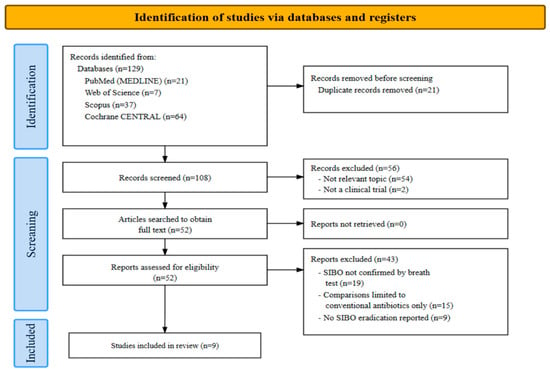
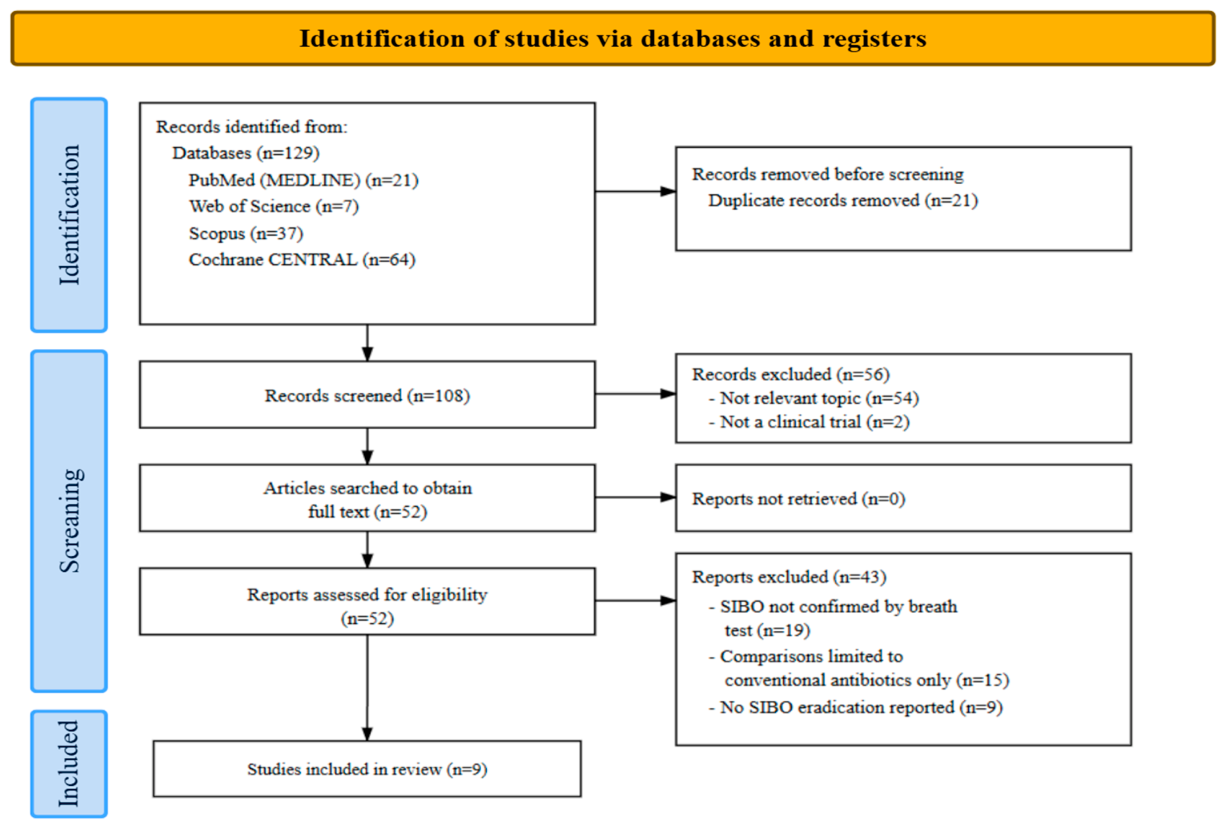
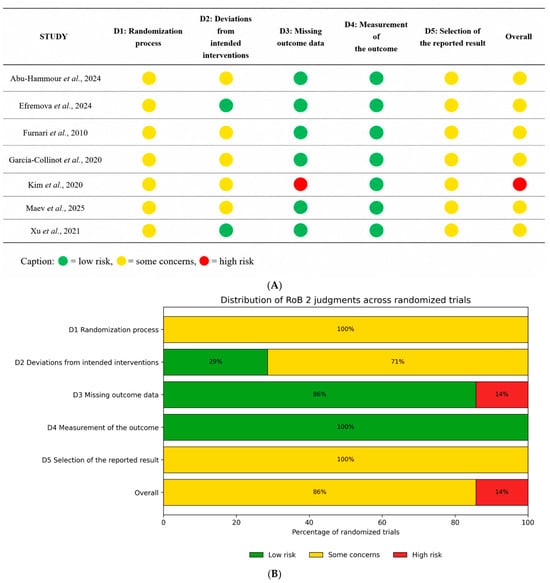
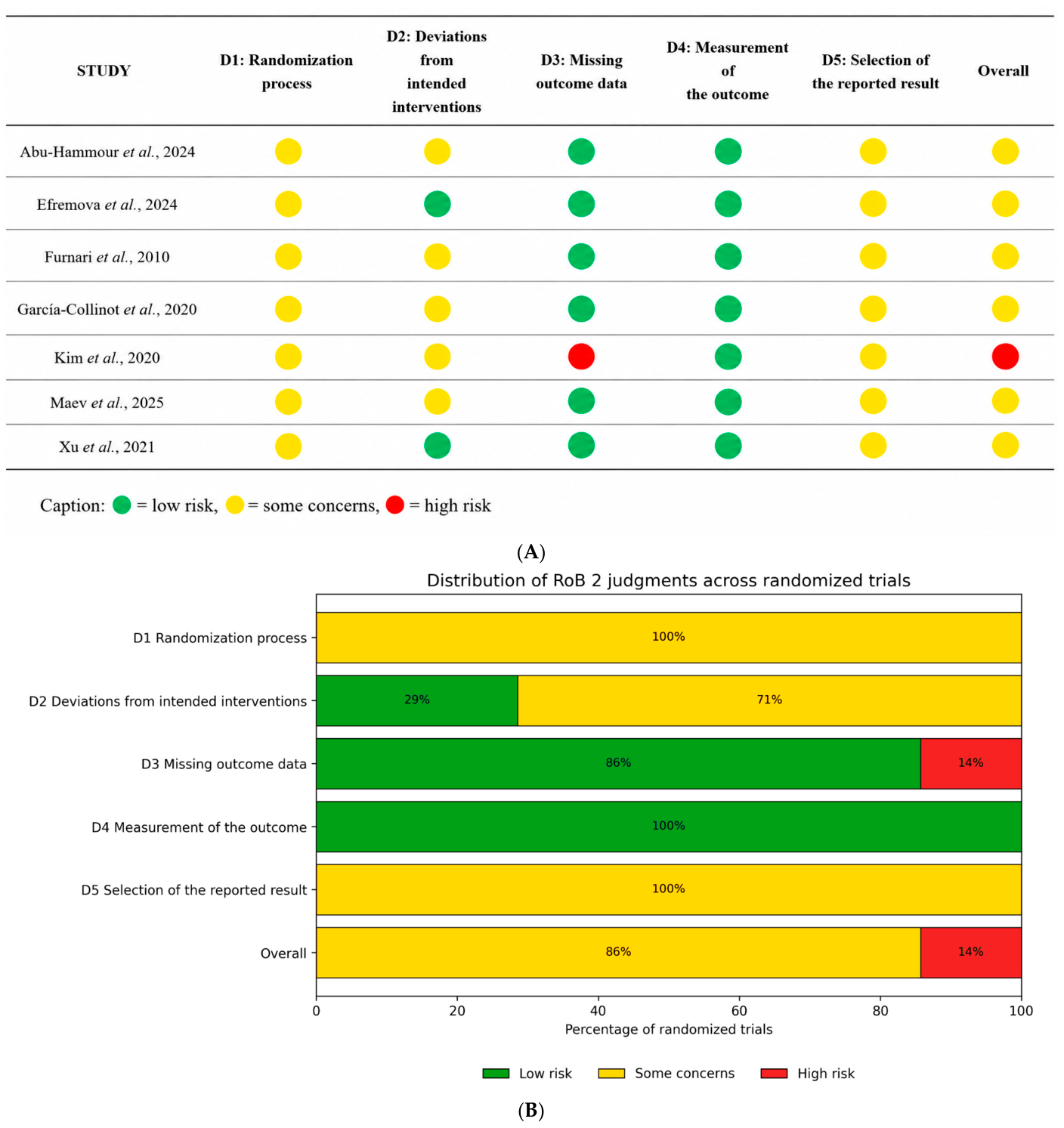
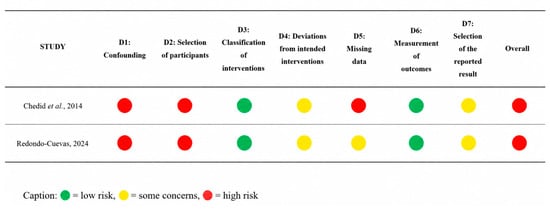
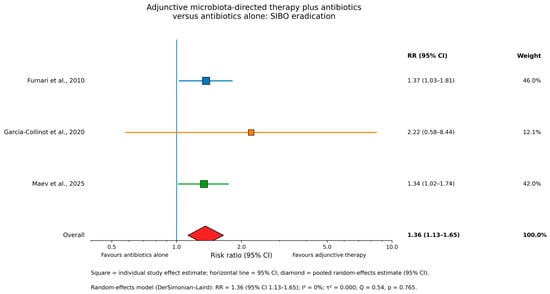
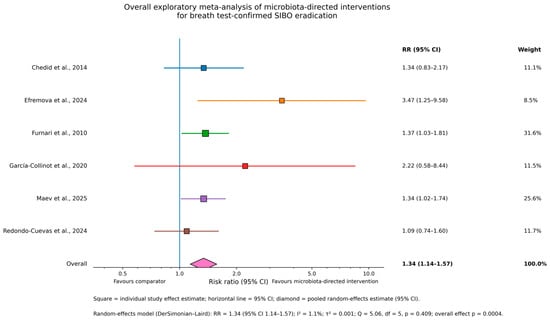
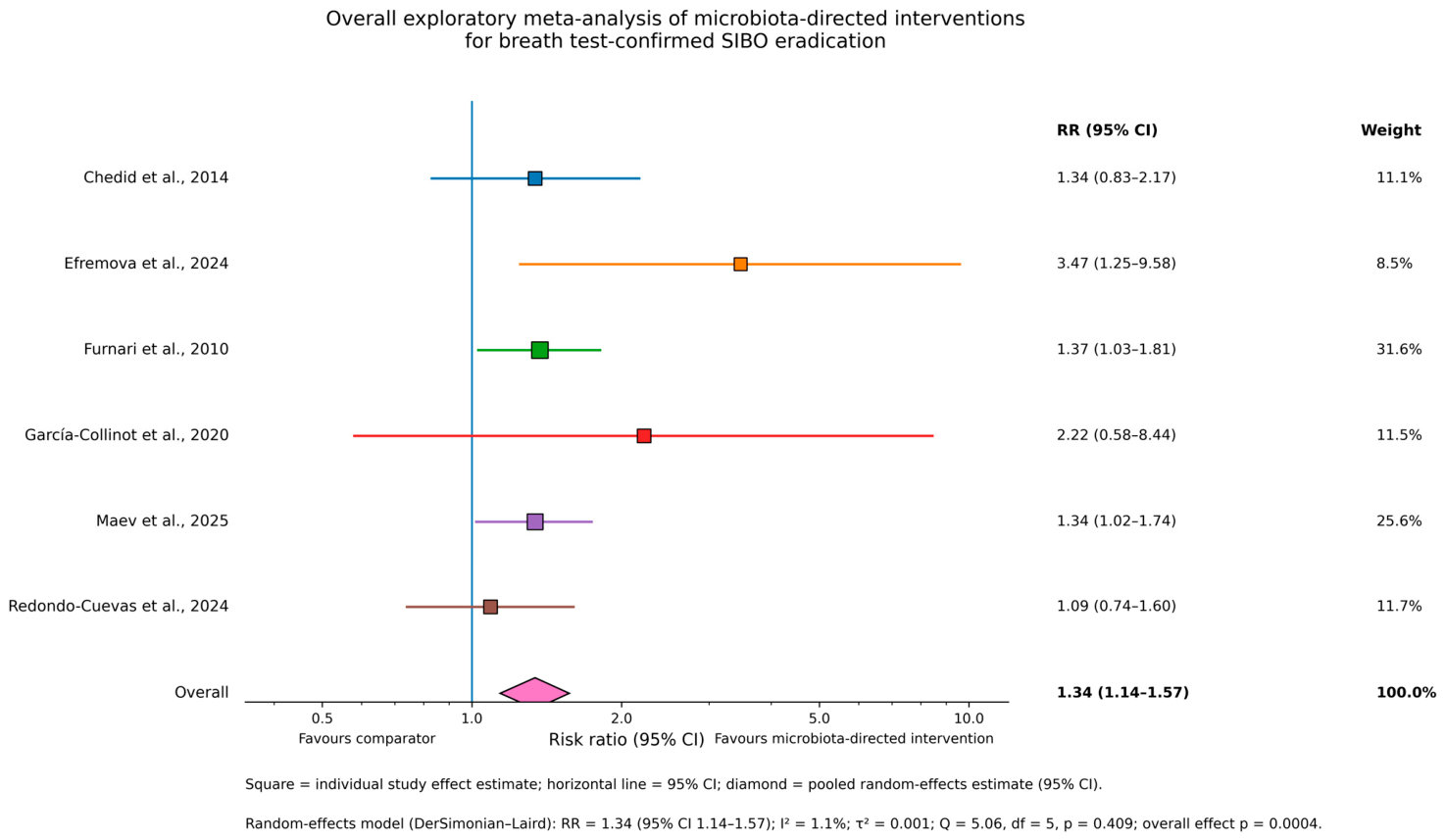
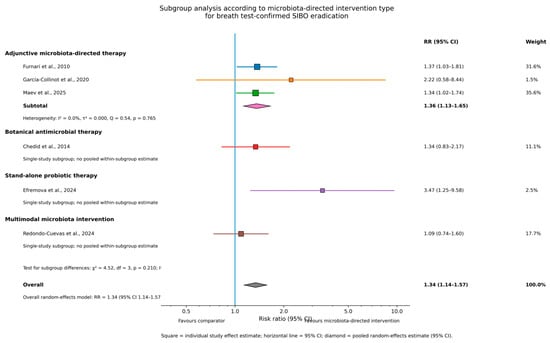
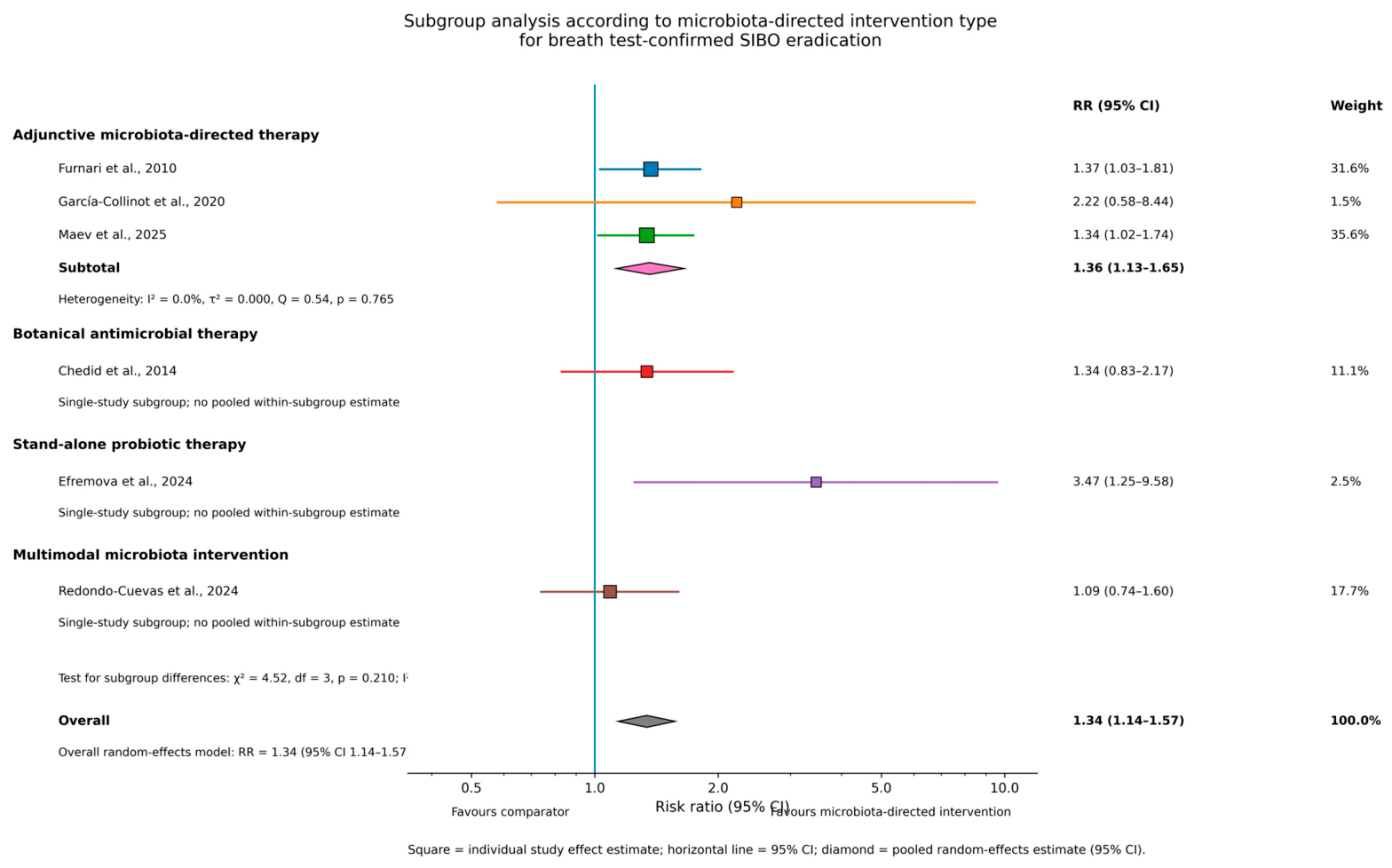
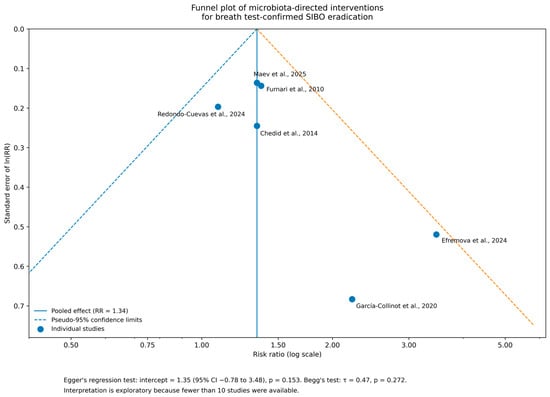
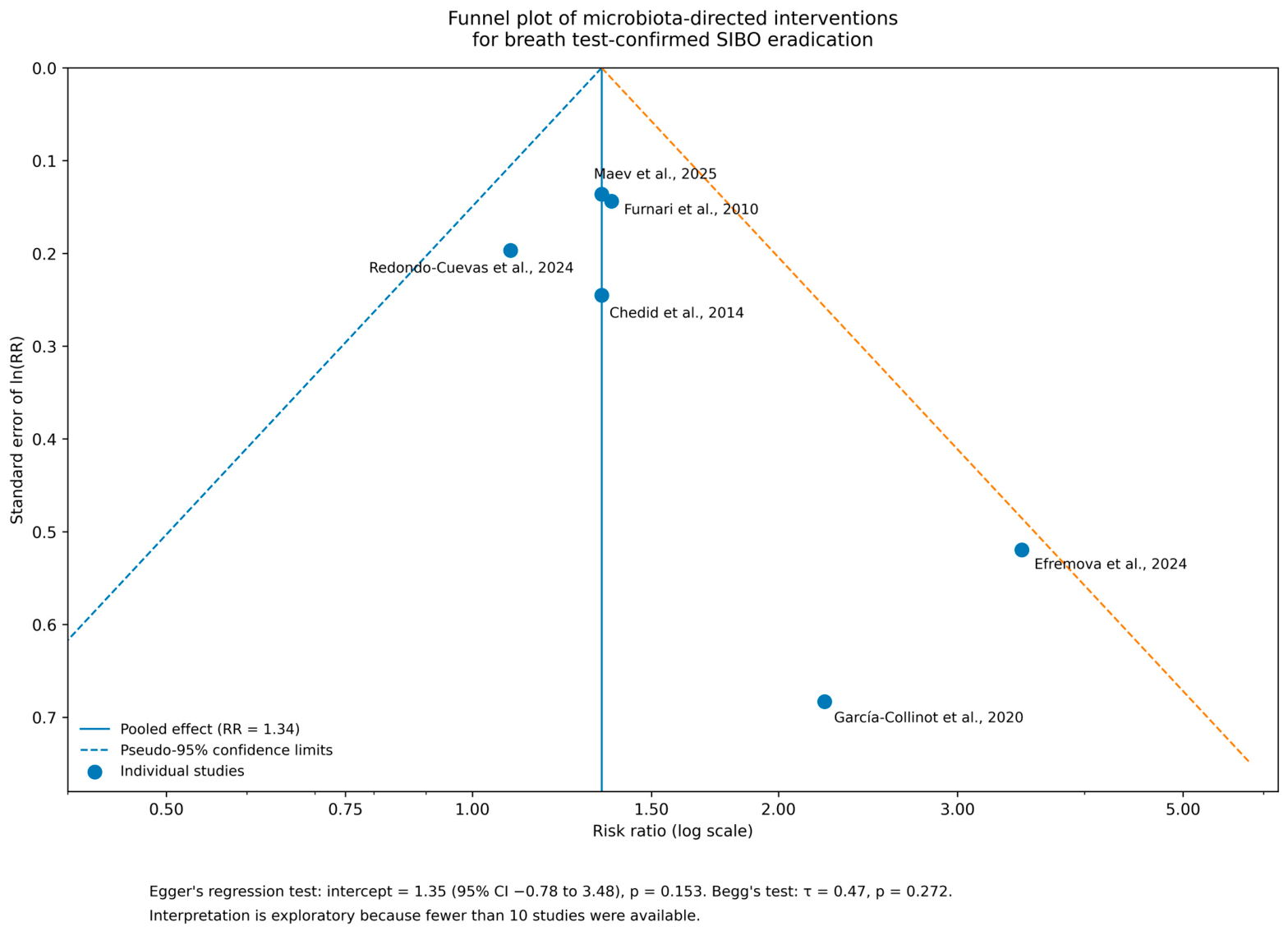
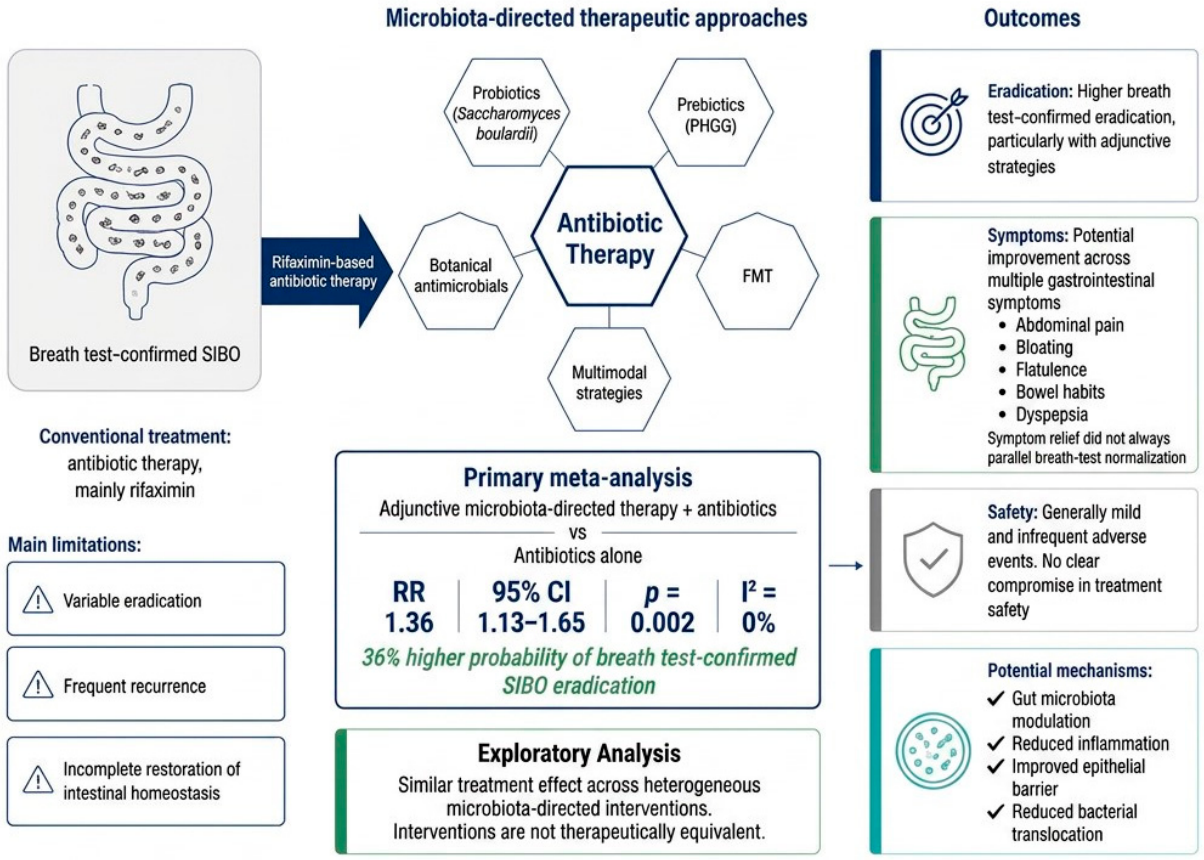

Disclaimer/Publisher’s Note: The statements, opinions and data contained in all publications are solely those of the individual author(s) and contributor(s) and not of MDPI and/or the editor(s). MDPI and/or the editor(s) disclaim responsibility for any injury to people or property resulting from any ideas, methods, instructions or products referred to in the content. |
© 2026 by the authors. Licensee MDPI, Basel, Switzerland. This article is an open access article distributed under the terms and conditions of the Creative Commons Attribution (CC BY) license.