


Abstract
Immersive virtual reality is increasingly used for safety training, yet many initiatives remain technology-led pilots that enhance scenario realism and engagement without explaining how training becomes embedded in everyday work (e.g., alignment with SOPs, assessment routines, scheduling, and accountable debrief practices) or how skills reliably transfer back to duty. This paper addresses that gap by introducing Work-Integrated Safety Training (WIST) as a socio-technical training approach that couples IVR-based immersion with work-integrated routines to develop competence in safety-critical, passenger-facing work. Using Action Design Research (ADR) with Sweden’s national rail operator (SJ), we iteratively designed and evaluated a gamified immersive prototype for onboard conflict management, drawing on interviews, incident reports, co-design workshops, and in situ evaluations. We formalize four transferable design principles—specified with mechanisms and boundary conditions that guide how immersive training can (i) scaffold composure before intervention, (ii) make dynamic risk legible through interpretable cues, (iii) support SOP-aligned adaptive communication with replay-based reflection, and (iv) strengthen team coordination through role-specific checkpoints and psychologically safe debriefs. The paper contributes design knowledge for moving from isolated IVR demonstrations to work-integrated training systems that are implementable in organizations and testable in further longitudinal evaluation.
1. Introduction
Immersive Virtual Reality (IVR) is increasingly applied in safety training, leveraging immersive experiences to simulate real-world training scenarios [1,2,3]. Incorporating gamification elements into immersive safety training experiences can enhance learning initiatives and outcomes by engaging participants and improving knowledge retention [4,5]. The use of Immersive Learning Environments (ILEs) and gamification elements, such as quests and badges, fosters a sense of autonomy and control in end-user training processes, thereby cultivating agency and self-efficacy [6,7]. Immersive safety training environments support both physical and psychological safety, allowing users to explore, experiment, and learn from their experiences without fear of failure or judgment [8,9]. By integrating gamification and IVR technologies, organizations and individuals can participate in simulated safety scenarios that encourage risk-taking, decision-making, and experiential learning in a supportive, non-threatening context [10].
However, many immersive safety training studies remain technology-centric: they demonstrate presence, usability, realism, or short-term engagement effects but provide limited guidance on organizational embedding and how immersive training aligns with SOPs, assessment and facilitation routines, scheduling constraints, and decision-useful data practices that enable repeatable delivery and credible skill transfer. In practice, this gap helps explain why promising pilots struggle to become sustainable training systems: organizations lack the design knowledge to link immersive experiences to routinized work practices, ensure accountable debriefing, and produce evidence suitable for institutional adoption. In this paper, we therefore distinguish immersive technology pilots (optimized for demonstration and experience quality) from work-integrated training systems (designed for routinization, accountability, and transfer). Our focus is not only whether the simulation “feels real,” but also whether it can be repeatedly delivered within operational constraints, assessed against SOP-relevant competence, and integrated into organizational learning cycles.
Currently, high-risk operational domains (e.g., transportation) demand rigorous, operationalizable safety training that traditional safety training methods lack, as they seldom simulate the complexity and risks of real incidents. This lack can lead to inadequate engagement and limited skills transfer [11,12]. Conversely, ILEs, especially those utilizing IVR, offer high-fidelity, interactive simulations that enable trainees to rehearse hazardous responses without exposure to actual danger or the substantial costs typically associated with physical drills [13]. The enhanced fidelity of these environments also facilitates the development of critical decision-making and psychomotor skills, effectively bridging theoretical and practical knowledge to manage complex and conflicted situations [14]. By simulating a broad spectrum of scenarios—from fire safety to conflict management—ILEs support skill acquisition within a secure environment, thereby minimizing real-world risks [14,15]. Such capabilities are, for instance, essential in railway operations, emergency services, and construction, where integrating theoretical understanding with practical intervention is critical for hazard recognition and mitigation [16].
Despite the proliferation of ILEs, current research initiatives at the intersection of ILEs and safety training tend to focus on the instrumental implications of technology-centered experiments with uncertain educational value, limited organizational uptake, or scant theoretical guidance for scaling up [17,18]. Against this background, this study aims to develop design knowledge for ILE-based safety training that is both pedagogically sound and operationally valuable for high-risk settings. Accordingly, we pose the following guiding research question for our study:
- How can ILEs be designed to facilitate Work-integrated Safety Training for practitioners who need practical skills to manage critical and uncertain safety situations?
To address the research question, this study employs an Action Design Research (ADR) approach in the context of safety training for personnel at Sweden’s largest train operating company, SJ. Together, participants from SJ, including train managers and drivers, engaged in ADR cycles to design and develop prototypes for a functional ILE that enhances train personnel’s conflict-management skills. As a result, this study reports findings that are both empirically and theoretically viable for research on ILEs for safety training. Accordingly, we contribute: (1) four design principles as transferable design knowledge for a class of gamified immersive learning environments intended for work-integrated safety training in passenger-facing, safety-critical contexts; and (2) the concept of WIST as a critical extension of WIL for immersive safety training, emphasizing that transfer depends on socio-technical embedding (SOP alignment, structured debrief and assessment, scheduling, and work practices), not immersion alone. Consequently, our work contributes to the ongoing discourse on how design-driven research can bridge knowledge development with practical solutions that are both valuable to organizations and their work-integrated learning, as well as to a body of design knowledge that advances the development of ILEs.
2. Related Research
This section reviews key related works that underpin our study. The related works outline research about ILEs and safety training, design principles, and WiL.
2.1. Research on Immersive Learning Environments and Safety Training
Before we engage with related research on ILEs for safety training, it is worth outlining how key concepts of VR, IVR, and ILE are interrelated, as these are foundational to the field of research within which this study is positioned. Subsequently, Table 1 summarizes the hierarchical relationships among these concepts.
Table 1.
Hierarchical Relation: VR, IVR, and ILE for Safety Training.
As depicted in Table 1, the main distinction between VR and IVR technology is that VR can be non-immersive and delivered via desktop solutions, whereas IVR is fundamentally immersive via HMDs. Consequently, ILEs are designed to leverage IVR technology. They are characterized by a bundle of characteristics and features (e.g., multimodal interaction, perspective switching, storytelling) that—together—reshape traditional safety training experiences [21]. ILEs’ power for mediating interactive manipulation and exploration stems from immersive, hands-on practice in otherwise hazardous conditions—allowing trainees to rehearse emergency procedures and equipment handling without exposure to real physical danger in the virtual environment [22,23]. This allows, for instance, trainers to repeat and learn from mistakes through trial-and-error [15], which can help balance the acquisition of practical skills with work-integrated learning [24].
Additionally, research emphasizes the benefits of ILEs for breaking conventional instruction, with higher engagement and knowledge retention that apply to critical training initiatives, such as fire safety, mining, and violence prevention [1,19,25]. Specific features of ILEs (e.g., immediate, context-specific feedback, spatial reasoning support, and psychomotor rehearsal) open new avenues for exploring different perspectives on situations during training [26,27]. For example, through the support of haptic interfaces, ILEs add tactile realism that can deepen engagement and broaden understanding of training situations, practical for reflection and work-integrated learning [28,29,30]. However, despite the potential pros of ILEs for safety training in particular, practical constraints remain, such as access to equipment, scalable delivery, and timely instructor support [14,31,32].
In summary, while the outlined corpus of literature reports the potential of ILEs for training, it provides limited guidance on how to design ILEs that can be integrated into organizations’ knowledge base and practices, such as Standard Operating Procedure (SOP) alignment, assessment routines, scheduling, and data use. Furthermore, evaluations of ILEs usually focus on scenario realism, engagement/retention, and spatial–psychomotor gains—including haptics—rather than on studying how ILEs can support a work-integrated learning [1,21,26,29]. To conclude, this study engages with the presented discourse on ILEs and safety training by exploring how knowledge can be developed to provide researchers and practitioners with guidance on ILE design, specifically how to design ILEs that support WIL approaches, such as work-integrated safety training. But what is WIL?
2.2. From Work-Integrated Learning Towards Work-Integrated Safety Training
WIL constitutes a central part of this study because we build upon it as a pedagogical approach and philosophy for systematically studying how theory can be bridged and integrated with work practices, which is reported by studies as a fundamental core of WIL initiatives [33,34,35]. For example, studies argue that by linking traditional learning approaches with workplace practices, WIL strategies might help enhance individuals’ employability, making workplace training initiatives directly relevant to managing real-world situations informed by tasks and professional roles [36,37]. This is also relevant for learning how to apply safety tasks in critical situations at work, thereby making workplace training initiatives grounded in work practices’ needs for competence development and skill acquisition, as something expressed and linked with employees’ needs [35,38,39,40].
As an example of applying WIL as a pedagogical approach and philosophy, studies emphasize how WIL concepts and strategies (e.g., pedagogically rich activities, job-readiness) can be integrated with safety training [41]. For example, by integrating training sessions with safety environments, procedures, and exercises, a sense of familiarity with problem-solving is simulated to balance familiarity with problem-solving [42,43,44]. This blend of theoretical and practical engagement can, according to research, prepare employees to tackle safety-critical challenges more prepared [45,46].
Building on WIL, this study sees potential in instantiating WIL for safety training and explores how WIST can be operationalized with ILEs. In safety training, authenticity is traditionally achieved through SOP-aligned scenarios and realistic decision points where guided participation takes the form of instructor-supported, team-based practice; reflection is organized via debriefs with replay and analytics, and formative assessment can be employed, scaffolding through increasing scenario complexity [41,42,43]. At the same time, prior research on WIL provides limited guidance on how ILEs can be designed to guide and support WIST initiatives. One way to tackle this gap is to examine how prevalent approaches in the field of Information Systems (IS) for design research can help develop design knowledge in the form of principles for guidance.
2.3. Research on Design Principles
Design Science Research (DSR) provides a robust methodological foundation for creating and evaluating innovative artfacts that solve real-world problems. This approach helps improve work-based safety training solutions [47,48,49]. DSR focuses on developing “successful artfacts,” such as models, methods, and design principles, which connect theoretical ideas with practical use in immersive learning environments [48,49,50,51,52]. Careful evaluation is key to this process, making sure that training artfacts are practical and meet their intended goals [53,54].
Within DSR, design principles serve as prescriptive, transferable knowledge segments that guide the creation of artifact classes to achieve specific outcomes [55,56]. They act as a bridge between theory and implementation by translating empirical insights and theoretical constructs into actionable design knowledge; guidelines view these principles as outputs that are both rigorous, based on established expertise, and relevant, validated within the problem environment [57,58]. The DSR process model operationalizes this cycle from problem identification through evaluation, making principles explicit and citable within research design [50]. Later work further clarifies their structure scope, constructs, mechanisms, and boundary conditions, setting them as design knowledge meant for reuse rather than universal rules [51,56,59].
Our contribution within this tradition involves applying Action Design Research (ADR) in an organizationally embedded VR safety-training context, specifically, SJ’s conflict-management training for train managers, to uncover and test mechanisms that link immersive practice to workplace routines [60]. Throughout ADR cycles, we (i) co-develop scenarios aligned with SOPs, assessment and debrief routines, and scheduled delivery, and (ii) make a Framework for Evaluation in Design Science Research (FEDS-aligned) evaluation decisions to manage design risks and ensure evidence utility [53]. These activities generate transferable design principles for immersive, work-integrated safety training and introduce WIST as a conceptual lens for integrating IVR within ILEs.
2.4. Gamification, Flow, and Safe-Space Design
Gamification involves intentionally using game elements in non-game settings to boost motivation, engagement, and performance in safety training [61]. In ILEs, structured challenges and short feedback cycles make practice more lively and interactive for trainees by maintaining focus on task-relevant actions [62]. Points, badges, and leaderboards offer immediate recognition that helps learners track progress against procedural goals during simulations and encourages deliberate practice of necessary actions [63]. Clear goal signals reduce confusion and guide learners toward the next correct step in a safety sequence during time-sensitive scenarios [64]. Aligning scores and prompts with standard operating procedure steps links recognition to mastery of required behaviors on site and enhances transfer to routine operations [15]. Ethical guidelines are essential to ensure reward systems do not favor speed over safety or competition over collaboration in high-risk situations [65]. Transparent criteria for earning points and badges direct effort toward competent performance instead of superficial point accumulation in repeated drills [63]. Instructor oversight ensures that feedback promotes sound judgment and teamwork rather than narrow metric optimization in simulated incidents [15].
Flow describes a state of deep absorption that occurs when challenge matches skill, goals are clear, and feedback is immediate during task performance [66]. Calibrating scenario difficulty to trainee proficiency helps prevent boredom and anxiety, which undermine concentration and retention during immersive practice [67]. Explicit objectives at each decision point help learners focus on the following safe action in a procedure sequence without cognitive overload [68]. Instant informational feedback allows for rapid error correction before misconceptions solidify and impair subsequent attempts [69]. Progressive scenario tiers support gradual increases in complexity while maintaining a sense of control and competence across sessions [70]. Gamified structures, such as level progression and performance thresholds, operationalize these flow conditions in virtual reality exercises to sustain engagement [71]. When flow is achieved, learners often report intrinsic interest that encourages deliberate practice over more extended periods in safety modules [72]. Sustained engagement under these conditions is linked to improved retention and transfer of safety tasks practiced in immersive environments [67].
Psychological safety is the shared belief that it is acceptable to take interpersonal risks, such as asking questions, trying alternatives, and admitting mistakes, without fear of embarrassment or punishment in a learning environment [73]. Creating this climate allows trainees to experiment and openly reflect on errors that happen during complex scenarios in immersive safety training [48]. Explicit participation norms and respectful facilitation show that reflective dialog is expected and valued during debriefs after simulations [74]. Inclusive interaction patterns encourage all participants to share observations and questions during review discussions following scenario runs [75]. Structured debrief protocols direct the focus toward decisions, outcomes, and corrective strategies rather than personal blame during feedback sessions [76]. Emphasizing emotional well-being helps trainees stay persistent when facing challenging or stressful simulations in practice [77]. When learners feel safe, they are more likely to disclose near misses, which then serve as valuable learning opportunities in subsequent program cycles [78].
Taken together, gamification, flow, and psychological safety offer practical guidance for this study by explaining the mechanisms and conditions under which gamification works in safety-critical VR [48]. First, match challenge with skill development to maintain engagement and focus during immersive practice [66]. Properly calibrated difficulty supports retention and enhances performance across repeated trials in safety tasks [67]. Second, set clear, nearby goals so learners understand exactly what to do at each decision point in a scenario [63]. Immediate feedback through scores and badges reinforces procedural accuracy within the context [64]. Event markers linked to SOP steps help trainees connect their actions to organizational standards during simulations [48]. This combination of clarity and rapid feedback operationalizes flow conditions in immersive drills [66].
Previous research indicates that gamification can boost motivation and performance in safety training [61]. It also shows that maintaining flow depends on balancing challenge with skill and providing immediate feedback [66]. Furthermore, psychological safety encourages honest reflection and learning from mistakes [73]. Studies in immersive environments support these effects through short feedback loops, clear goals, and increasing difficulty [63,67]. Ethical safeguards are also essential to prevent harmful competition or unsafe shortcuts [65]. However, the literature rarely explains how these three aspects are integrated into organizational routines, such as SOP-aligned objectives, evaluated debriefs, and scheduled implementations, that enable large-scale transfer [15]. Often, the focus is on engagement or immediate performance rather than proven methods for transferring skills in safety-critical workplaces [67]. Guidance on designing principles that combine gamification, flow states, and psychological safety within ILE is limited, especially for conflict management in passenger-facing operational roles [15,48].
2.5. Synthesis and Research Positioning
Prior research shows that VR-driven ILEs enable realistic, low-risk practice that improves engagement and retention in safety training [1,21]. Empirical studies further show that immediate, context-specific feedback, spatial reasoning support, psychomotor rehearsal, and haptics are associated with better performance on complex operational tasks [26,29]. Work-Integrated Learning provides the pedagogical rationale for linking such practice to workplace competence, while Design Science Research delivers a pathway for generating prescriptive, transferable design knowledge [47].
Across this literature, three gaps remain evident, namely: Firstly, organisational embedding is under-specified; most evaluations prioritie realism, engagement, and spatial–psychomotor gains but seldom explain how training is aligned with Standard Operating Procedures, assessed debriefs, scheduling, and data use that support transfer at scale [21,26]. Related delivery constraints, including access, scalability, and timely instructor support, are well noted but rarely connected to design decisions [14,31]. Secondly, while DSR outlines how to produce and evaluate design knowledge, few contributions make their evaluation choices explicit in relation to artifact maturity and design risk or demonstrate practitioner-engaged cycles in embedded settings [50,53]. Thirdly, interrelated levers for engagement and reflection are often treated in isolation: gamification, flow conditions, and psychological safety are each evidenced, yet their joint operationalisation within organizational routines remains limited, especially for conflict-management work [15,66,73].
In response, this study introduces a unifying concept that links IVR features with WIL-aligned practices within ILEs, expressed through prescriptive design principles. Methodologically, we adopt Action Design Research with SJ’s conflict-management training for on-board staff, iterating on SOP-aligned scenarios, structured debriefings and assessments, scheduled delivery, and simple data feedback loops, while aligning evaluation with design risk to demonstrate utility [53,60]. This approach allows for the contribution of transferable design principles and for an empirically grounded understanding of how immersive training can be integrated into organizational routines. The following section outlines the research approach and ADR process.
3. Research Approach
This paper adopts ADR as the methodological framework. ADR is a design-science approach that addresses an organizational problem while producing prescriptive and transferable design knowledge through four stages: problem formulation, building, intervention and evaluation, reflection and learning, and formalization of learning [60]. Further, it also provides an iterative, collaborative process model that involves designing an artifact and intervening in its host organization and evaluating it in practice, guided by principles such as practice-inspired research, theory-based artifacts, real-time evaluation, and results that can be transferred beyond the immediate case, as depicted in Figure 1 [60].
Figure 1.
Action Design Research (ADR): Stages and Principles (originally published in MIS Quarterly, Vol. 35, No. 1, pp. 37–56). Reprinted with permission from Ref. [79]. Copyright 2011 MIS Quarterly. Permission conveyed through Copyright Clearance Center, Inc. MN, USA (Adapted from [60]).
The choice of ADR aligns with Work-Integrated Learning because ADR emphasizes co-creation with practitioners, enactment in real-world settings, and structured reflection that connects learning to workplace competence [33,51].
3.1. The Research Setting
The project focuses on exploring how to prepare train managers and drivers to handle threats and potentially violent situations onboard trains by utilizing VR. The aim is to develop both an ILE in VR for SJ to use and generalizable design knowledge applicable to similar safety-critical situations [60]. As a train operator, SJ manages onboard passenger operations and provides workplace safety training for train managers and drivers. Passenger-facing rail operations require onboard staff to identify potential risks, de-escalate conflicts, and act in accordance with SOP under pressure. The current training regimen is mainly focused on theoretical knowledge, for example, de-escalation of conflicts and the management of people under various stages of irritation and anger. Initial discussions revealed that the traditional, theory-heavy training did not adequately reflect operational pressures or support transfer back to duty. Exposure to realistic, SOP-aligned practices was identified early in the project as key to developing skills needed to handle potentially dangerous situations onboard trains. Therefore, fundamental requirements in the project should emphasize authentic scenarios tailored to role and experience, clear immediate goals with prompt informational feedback at each decision point, scheduled delivery within duty rosters, and structured debriefs that ensure psychological safety and foster reflective dialog [73]. We considered practical constraints like equipment access, onboarding time, and instructor capacity as primary design factors rather than peripheral logistics, aligning with ADR’s practice-inspired approach [60]. This perspective positions the work to align technological, pedagogical, and organizational elements instead of pursuing a technology-centric pilot. The problem definition thus linked WIL’s focus on situated practice and guided participation with SJ’s operational realities and training outcomes [33].
The project team includes researchers, designers, and developers from University West; educators, drivers, and train managers from SJ; and VR developers from Tenstar in Gothenburg, Sweden, and Hypr10 in Stockholm, Sweden. This setup enabled us to align educational goals with organizational routines while building and testing artifacts under conditions similar to everyday work. The research team served as co-design facilitators and evaluators throughout ADR, which necessarily shaped what was prioritized, probed, and interpreted. We mitigated this influence through structured workshops, explicit capture of divergent stakeholder views (instructors, managers, drivers, and developers), member-checking of emerging interpretations in follow-up sessions, and triangulation across interviews, incident reports, workshop artifacts, and observations. We treat the resulting design principles as practice-grounded but conditional knowledge, explicitly bounded by the operational context and the maturity of the artifact.
3.2. Data Collection, Analysis, and General Design Process
ADR structured our work from requirement-setting through iterative scenario building and evaluation, to the synthesis of design principles for organizational use [51,60]. In the problem-formulation activity, we conducted 13 semi-structured interviews with instructors and managers from SJ (including follow-up interviews with some participants), along with an analysis of 55 text-based, anonymized incident reports from real-life events onboard trains, to explore the socio-technical aspects of the challenge and define a set of initial requirements that guide the rest of the project. The Scenario development followed a coverage rationale rather than an assumption of completeness. Interviews and incident material were used to identify recurring conflict “families” and their SOP-relevant triggers (e.g., proximity violations, fare disputes, intoxication-related escalation, crowd pressure). A scenario set is treated as sufficient for a release when it (i) represents the dominant incident families for the target role, (ii) contains decision points that operationalize critical SOP actions, and (iii) supports consistent facilitation and debrief scoring across instructors. The boundaries of the current scenario set are therefore defined by the incident families covered and by operational conditions under which the principles are expected to hold (e.g., staffing availability, crowd density, time pressure, and team support routines). The semi-structured interviews were conducted to gather background information, current practices, expectations of IVR, perceived risks and benefits, conflict management, challenges, visions for immersive safety training, and future organizational use; the interviews are summarized in Table 2. The data were pseudonymized; quotations are attributed by role and organization only (e.g., “Train Manager, SJ”).
Table 2.
Semi-structured interviews (Profiles and Durations).
In the BIE (building, intervention, and evaluation) stage of ADR, we took on a “design thinking” approach, going through iterative stages of empathize, define, ideate, prototype, and test. In the empathize and problem definition phases, we co-created personas and empathy maps, point-of-view statements, user stories, and “How Might We…?” questions based on the initial interviews and incident report analysis. This served as a basis for initial ideation activities and prototype development. Early prototypes focused on environmental issues within the train, such as the carriage’s spatiality and proximity management, using the VR-prototyping tool “ShapesXR (version 2.0)”. At the same time, we also simultaneously worked on creating specialized tools to aid in building, visualizing, and exploring the narrative of the scenario (i.e., how the simulation would play out). Both these prototypes were co-created and continuously evaluated together with stakeholders from SJ. Evaluation was authentic and concurrent, combining structured observation, think-aloud protocols, rapid feedback cards, and instructor-led debriefs to assess realism, clarity of objectives, immediacy, usefulness of feedback, usability, and organizational fit [60]. Findings from each round guided adjustments to the prototype, including VR modeling, general appearance, interactivity, and narrative design. These cycles of building and evaluation ensured the artifact developed alongside organizational constraints and pedagogical goals. They turned situated experiences into candidate mechanisms that explain why certain design moves supported transfer. The sessions and their linkage to ADR stages are shown in Table 3 [60].
Table 3.
Workshops and analysis pipeline (ADR support).
We translated empirical cues into scenario mechanics by systematically mapping codes and exemplar statements to design-relevant mechanisms and subsequent decision points. For example, frequent reports of safe early intervention—such as stepping back, activating recording, and calling support—were formalized as (i) an NPC proximity escalation trigger, (ii) an in-scene cue indicating a safe distance, and (iii) a decision node allowing these actions to be selected and logged for debriefing. This traceability framework is documented in the supplementary code–mechanism mapping, which associates empirical quotes with mechanisms, relevant design principles, and candidate evaluation hooks.
We employed empirical material in two analytically distinct ways. First, design-decision data enabled rapid iteration throughout ADR cycles, including clarifying requirements, revising interaction cues, adjusting progression, and enhancing feasibility within duty-roster and facilitation constraints. Second, formalization data enabled the abstraction of transferable design knowledge: a stable subset of interview and workshop materials was reanalyzed and triangulated with observations from prototype evaluations to identify recurring context–mechanism–outcome patterns and boundary conditions, thereby enabling generalization beyond the specific prototype instance. Maintaining these purposes as separate endeavors minimizes hindsight bias and clearly delineates claims derived from formative iterations from those proposed as reusable design principles.
The formalization of learning combines knowledge generated from interviews, observations, workshop activities, and prototype evaluations into design principles that can be reused in similar contexts. We used thematic analysis to code the material and grouped codes into themes. Then we mapped these themes to context, mechanism, and outcome connections that demonstrate how specific design choices produce effects under certain conditions [80]. Through iteration, these connections were refined into principles that define boundary conditions common in passenger-facing conflict situations, identify core mechanisms such as SOP-aligned proximal goals, immediate informational feedback, progressive scenario tiers, transparent recognition, and rubric-guided debrief, and provide guidance on scheduling within duty rosters and on evaluation options aligned with design risks in the evolution of the beta artifeact [51,53]. In ADR terms, this reflects the generalizable outcome of the project, grounded in real-world use and adaptable across safety-critical roles involving de-escalation and quick decision-making [60]. The final form embodies the Work-Integrated Safety Training concept by linking IVR features to WIL-aligned routines within an immersive learning environment.
The thematic analysis, progressing from inductive coding of interviews and workshop artfacts to theme development, then mapping themes to candidate mechanisms that guided subsequent iterations; member checks in follow-up workshops and triangulation of interviews, observations, and artfacts supported credible interpretation and transferability [53,80,81]. The resulting design principles reflect an ADR–WIL coupling in which co-creation, contextual learning, and iterative validation yield practice-grounded knowledge ready for organiational embedding, as depicted in Figure 2 [33,51].
Figure 2.
Research Process.
Three insights recurred and guided the subsequent design cycles. First, calibrating challenge to experience level should enhance engagement and reduce anxiety, aligning with evidence on the importance of clear goals and timely feedback for focus and performance. Second, prompts and recognition needed explicit links to SOP steps so that scores and badges reinforced competent actions rather than encouraging metric chasing or unsafe shortcuts. Third, psychologically safe facilitation during debriefs was essential for honest discussions of errors, alternatives, and underlying reasons, which in turn should strengthen judgment and coordination skills for future runs [73]. Reflection sessions, therefore, led to concrete changes in onboarding, progression logic, interaction cues, and debrief guide structure. This learning cycle operationalized WIL by linking situated practice with structured reflection and assessment, focusing on workplace competence rather than just abstract performance [33]. The reflective synthesis at the end of each cycle laid the groundwork for formalization based on core principles.
The artifact evaluated in this study is a prototype developed through ADR cycles. Accordingly, the evaluation emphasizes formative and explanatory approaches: we focus on feasibility, perceived fit with work routines, and the plausibility of proposed mechanisms derived from participant use, observations, and debriefing reflections. At this stage, we do not claim causal effectiveness or performance gains based on quantitative outcome measures, as the prototype has not yet been stabilized for controlled or longitudinal testing under routine operational conditions.
4. Results: Design Principles
This section presents four design principles derived from our Action Design Research process and the study’s empirical material (interviews, incident reports, workshops, observations, and prototype evaluations with SJ onboard staff). A concise overview of the design principles is provided in Table 4; here, we elaborate on each principle and its implications for design and evaluation. The principles collectively address: (i) composure before intervention; (ii) situational awareness via interpretable multimodal cues; (iii) adaptive communication with reflective de-escalation; and (iv) team coordination via role-specific checkpoints and psychologically safe debriefs. For each principle, we specify the intended mechanisms, boundary conditions, and provisional evaluation indicators for transfer and routine use. Figure 3, Figure 4, Figure 5 and Figure 6 illustrate how the principles are operationalized in representative scenarios.
Table 4.
Summary of design principles and brief descriptions.
Figure 3.
A Close-range NPC interaction inside the carriage.
Figure 4.
Long-carriage view with multiple Non Playable Character (NPCs) and annotations or situational awareness and anticipatory positioning.
Figure 5.
Dialog choice nodes and in-scene cues.
Figure 6.
Door area as a team-coordination waypoint for role-differentiated actions and synchronized events.
Furthermore, we present the following principles as design knowledge rather than implementation advice. Each principle abstracts (i) a recurring problem in the work-integrated training context, (ii) a proposed mechanism explaining how specific design features support competence development and transfer, and (iii) boundary conditions that indicate where the principle should (and should not) be expected to hold. This structure is intended to support reuse and evaluation across comparable safety-critical, passenger-facing settings, while avoiding over-claiming beyond the current artifact maturity.
4.1. DP1: Design for Gamified Emotional Regulation in Uncertain Encounters
The design principle “Design for Gamified Emotional Regulation in Uncertain Encounters” highlights that immersive scenarios should deliberately include challenging interpersonal situations while providing in-scene regulation [20,51,82]. Regulation cues are integrated into the scene and paired with clear, easy-to-understand feedback; repeated practice at different difficulty levels boosts self-efficacy while maintaining psychological safety [19,49]. Early observations indicate more measured responses and fewer emotion-driven escalation moves when prompt timing and intensity are carefully adjusted.
“VR is good because it forces employees to experience the training and reflect on it afterwards—while also giving immediate feedback on performance.”—HR Coordinator SJ.
“We trained in VR before for fire safety and driving; now, dealing with people is different, but repetition across varied difficulty levels builds practical skill.”—Train Manager SJ.
Immersive scenarios must support emotional regulation by offering timely prompts and calibrated stress cues. As one Train Manager recollects from a previous system, which informs this design principle on communication
“It felt like my heart was racing, but the system reminded me to breathe and keep calm—that’s when I handled it better.”—Train Manager, SJ.
This suggests that in-scene regulatory mechanisms help practitioners manage affective responses before they act. Likewise, a conductor highlighted how anticipatory cues influence self-control:
“Knowing the next step helps me slow down before it gets worse.”—Train Conductor/Instructor, SJ.
These quotes demonstrate that emotional regulation tools support measured interventions and reduce stress-driven escalation. As illustrated in Figure 3, a close-range non-playable character (NPC) interaction inside the carriage, which demonstrates in-scene regulation, supports interventions that precede it.
This principle is vital for building resilience and emotional control in high-pressure work environments, using immersive settings to train meta-emotional and socio-emotional skills [83,84]. Through gamified interactions and interactive technologies for emotion regulation [85,86], these platforms promote essential non-technical skills to prevent incidents and achieve safe outcomes [87,88]. This method ensures trainees are emotionally prepared to perform procedures under stress, boosting their self-efficacy and overall readiness for unpredictable workplace challenges [89,90].
4.2. Design for Gamified Situational Awareness
The design principle “Design for Gamified Situational Awareness” requires the ILE to display evolving risks through understandable multimodal cues such as crowd dynamics, proximity thresholds, and visual distinctions of safe and vulnerable zones and to recognize early, low-cost interventions [49,82]. Timely, clear signals represent risk; the increasing cost of delayed action promotes proactive positioning. Boundary conditions identified during trials include immediate on-site decipherability and alignment with SOP triggers [91].
“It is not always obvious when we are in danger because things can escalate so fast—we need to train when to stay within, or to cross, boundaries.”—Train Manager SJ.
Trainees must perceive evolving risks through multimodal boundary cues and spatial indicators. A Train Manager described this anticipatory skill as essential:
“You have to read the carriage like a storm—see where it might break out before it does.”—Train Manager, SJ.
Early interpretation of risk cues affects decision timing. One instructor illustrated safe early action directly:
“I backed off when he came closer, turned on the camera, and called for help.”—Train Conductor/Instructor, SJ
Together, these insights demonstrate how ILEs can incentivize early detection, positioning, and low-cost interventions before escalation. The long-carriage view with multiple NPCs and annotations is used to rehearse anticipation, spatial positioning, and timely calls for support, as illustrated in Figure 4.
This principle is crucial for encouraging proactive decision-making and improving hazard detection, especially in complex, high-risk environments. By integrating gamified elements and multimodal cues, immersive training effectively addresses risk habituation and enhances overall situational awareness, resulting in faster and more effective responses [68,92,93,94]. This approach gives trainees the chance to experience and grasp the growing consequences of delayed actions within a safe, controlled setting, thereby aiding the transfer of vital cognitive and behavioral skills needed for real-world safety performance and adherence to standard operating procedures [95,96,97,98]. Such a design encourages a deeper understanding of dynamic risk factors, enabling workers to make informed, proactive choices that help reduce potential hazards [94,99].
4.3. DP3. Design for Adaptive Communication and Reflective De-Escalation
The design principle “Design for Adaptive Communication & Reflective De-escalation” states that contingent dialogue, distance- or tone-sensitive prompts, and replay-based coaching should align with SOP rubrics and must transform conversations into an assessable craft, with short feedback loops that make the outcomes of conversational choices immediately understandable and correctable [19,51,100]. The approach shifts from script repetition to adaptive phrasing and respectful insistence, evaluated against clarity, empathy, fairness, and SOP consistency; replay anchors both reflection-in-action and reflection-on-action [82,101]. Immersive virtual reality training, especially when involving virtual humans, provides an innovative platform for developing these interpersonal skills by simulating social interaction scenarios and providing real-time feedback on verbal expression, active listening, and empathy [102,103]. Systems like Metalogue analyze voice performance, such as pauses, emphasis, and volume, and deliver feedback for debate and negotiation [104]. Additionally, the use of video-reflexivity and replay-based coaching, supported by detailed annotations, facilitates both reflection-in-action and reflection-on-action, enabling trainees to analyze and refine their conversational choices and de-escalation techniques critically [105,106]. The flexibility of VR allows for tailored scenarios and the inclusion of improvisation exercises to promote spontaneity and responsiveness [21,107].
“Virtual means give freedom to combine indicators and avatars to guide awareness and keep the experience engaging yet simple.”—Development Manager Tenstar.
The communication must shift from scripted lines to adaptive phrasing supported by feedback; a train manager reflected on the experience of a previous system on the impact of replay features:
“When I heard my tone in playback, I saw how I could have diffused it earlier.”—Train Conductor/Instructor, SJ.
This demonstrates how reflective audio review enhances awareness of conversational influence by reinforcing the role of immediate, SOP-linked feedback (immediate guidance in the ILE telling the trainee that their actions match organization protocols, e.g., approach, recording, backup position, etc.).
“Short feedback made me fix it before it got worse; seeing the marker at that step explained the consequence.”—HR Coordinator SJ.
These mechanisms combine to accelerate learning by making conversational decisions visible and communicable. The Design tensions addressed are script vs. dialog (branching prevents rote lines), as such, Figure 5 illustrates contingent and feedback-anchored reflections.
This principle ensures that trainees develop nuanced communication skills and emotional intelligence through practice, immediate feedback, and structured reflection; by fostering adaptive dialog and emphasizing the measurable impact of conversational choices in a psychologically safe environment, individuals are better equipped to de-escalate uncertain situations, leading to improved outcomes in real-world professional encounters [108,109,110].
4.4. DP4. Design for Gamified Team Cohesion and Safe-Space Collaboration
The design principle “Design for Gamified Team Cohesion & Safe-Space Collaboration” states that co-op checkpoints, role-differentiated objectives, synchronized events, and team dashboards should make coordination and hand-offs visible, discussable, and rewarding [111,112]. Using role-differentiated objectives within gamified simulations that highlight the importance of diverse roles for balanced team functionality can improve team cohesion and mutual respect [113]. Furthermore, team dashboards offer transparent feedback on individual and collective performance, supporting better decision-making and improving the quality of collaborative work [114,115]. Structured debriefs turn individual gains into shared routines within a psychologically safe reflective space [73,116]. Creating such safe spaces in immersive virtual reality is crucial for effective learning and development, as it allows open sharing and action without fear of harm [117]. The ILE should log who noticed what and when, support collaborative debriefs and ensure that lead and support hand-offs are time-limited; shared rewards should focus on coordinated outcomes rather than individual efforts. This approach helps strengthen shared understanding and fosters team cohesion, which is essential for achieving successful results in collaborative learning settings [118,119]. Boundary conditions include skilled facilitation to maintain a blame-free tone and rubrics that link actions or talk to SOP clarity and timing [120,121]. Effective facilitation during debriefing is crucial for maximizing learning and encouraging deep reflection on team performance [122,123].
“VR is good for experiencing the training, but we still need to talk and reflect as a group together, both during and after.”—Train Manager SJ.
“We want to evaluate our training in groups to strengthen our shared understanding as a team.”—Train Manager SJ.
The door zone is used as a shared checkpoint in the VR training where the team can clearly practice and see who leads, who supports, and when they hand over to each other as illustrated in Figure 6.
This principle leverages gamified interactions and psychologically safe debriefing environments to cultivate robust team cohesion and effective collaboration [49]. By integrating clear role objectives, transparent performance metrics through dashboards, and structured reflection on collective actions, immersive training significantly enhances inter-team coordination and the development of shared operational routines. This leads to improved collective performance and a deeper understanding of standard operating procedures in complex, high-pressure scenarios [124,125,126].
Taken together, the four design principles summarize converging insights from interviews, incident reports, workshops, observations, and early prototype evaluations with SJ onboard staff. Rather than describing a finished solution, they represent plausible, data-driven design hypotheses about what a gamified immersive learning environment should support in conflict-management training: composure before intervention (DP1), interpretable cues for early risk recognition (DP2), SOP-aligned adaptive talk with reflective correction (DP3), and team coordination through role-specific checkpoints and structured debriefs (DP4). The design principles are used to signal that the design process and stakeholder needs inform these principles but still require implementation and empirical testing in the beta artifact.
As the next step, these principles will guide the beta build by defining which mechanisms should be implemented in the training experience and which boundary conditions should be maintained. In practice, this involves prototyping in-scene regulation cues and calibrated stress prompts (DP1), multimodal boundary cues and incentives for early low-cost interventions (DP2), contingent dialog with replay-based coaching aligned with SOP rubrics (DP3), and co-op checkpoints such as the door zone, role-differentiated objectives, team dashboards, and facilitated debrief routines (DP4). Once put into place, these mechanisms can be assessed using provisional indicators (e.g., timing of interventions, SOP alignment, de-escalation outcomes, hand-off clarity, and quality of debrief reflections) to improve both the artifact and the principles based on what clearly translates into routine practice.
5. Discussion
This section presents WIST as a concept connecting the design principles with real-world, workplace-based safety learning in high-risk rail settings. It translates WIST into specific applications for conflict-management training, focusing on SOP-aligned scenarios, multimodal feedback, and psychologically safe debriefs. It demonstrates how ADR cycles and FEDS-based evaluation support expanding from pilot projects to fully integrated, competence-focused training programs. Lastly, it highlights current limitations (single environment, limited roles, short-term evidence) and advocates for broader, long-term, and comparative research on transfer, cost-effectiveness, and overall applicability.
5.1. Concept of the Work-Integrated Safety Training (WIST)
The evolving landscape of safety training in high-risk industries (e.g., the rail industry, SJ in this paper’s context), along with the limitations of traditional, prescriptive training methods, has led to the emergence of Work-Integrated Safety Training as a vital pedagogical approach [127,128,129]. Thus, we define WIST as the systematic integration of academic knowledge and on-the-job practical experience, designed to develop essential safety skills and emphasizing authentic activities and the involvement of external partners [35]. While WIL emphasizes integrating learning with workplace practice, WIST highlights that immersive safety training introduces additional socio-technical dependencies that WIL frameworks often under-specify: (a) the need for SOP-addressable competence constructs that can be enacted and assessed in simulation, (b) facilitated debriefing infrastructure that converts experience into accountable learning, and (c) organizational delivery constraints (equipment access, instructor capacity, scheduling) that can determine whether learning remains episodic or becomes routinized. In this sense, WIST is not only additive; it challenges the assumption that “integration” follows from placement or authenticity alone, arguing instead that transfer depends on explicitly designed embedding mechanisms.
This approach allows individuals to apply theoretical knowledge to real-world scenarios within their studies or professional growth [130]. The increasing complexity of work environments and the understanding that safety learning must be active, social, and grounded in real workplace contexts have driven the development of such integrated training models [12,129]. As such, WIST addresses a significant industry challenge: the lack of a cohesive concept for integrating ILEs to deliver pedagogically rigorous, practically impactful safety training [131]. Its evolution reflects a move toward second- and third-generation training models focused on enhancing the transfer of both technical and non-technical safety skills to the workplace [79,132]. Within this study, WIST emergence functions as the overarching conceptual lens through which our four proposed design principles are both interpreted and unified. These design principles, including composure before intervention, anticipatory situational awareness, adaptive, SOP-consistent communication with replay-anchored reflection, and team coordination via role-differentiated checkpoints and psychologically safe debriefs, are considered essential components for the successful implementation of WIST. Their collective goal is to significantly improve worker safety awareness and encourage safer behaviors in dynamic, high-risk environments, using immersive experiences to guide hazard recognition and comprehensive skill development [96,97,133].
Furthermore, drawing on the ADR cycles, this paper presents WIST as an emergent concept and uses it to consolidate the study’s findings. Specifically, we derive candidate design principles from the ADR data and specify their mechanisms, boundary conditions, and development-focused checks. We also show how these principles can be aligned with existing organizational routines and how evaluation choices were made in relation to artifact maturity and design risk. The core of effective WIST is ensuring that learned concepts are deeply embedded and aligned with current systems and routines, promoting the seamless transfer of knowledge and skills to the real workplace [12]. This requires careful consideration of suitable assessment methods that support ongoing learning and practical application of safety behaviors [134,135]. Finally, WIST is an emerging and highly promising pathway; It envisions transitioning from initial IVR pilot programs to fully integrated, competence-focused training solutions within organizations like SJ, outlining essential implications for training transfer and scalable implementation [20,136,137]. This forward-looking view emphasizes WIST’s potential to go beyond initial training efforts, fostering continuous skill development and ensuring ongoing application of both technical and non-technical safety skills in critical real-world situations [12,138,139].
5.2. Practical Implications
The WIST concept offers implications for conflict management training in passenger-focused rail settings under conditions of uncertainty. Curriculum and SOP alignment should present scenarios as near-term (the following immediate steps or actions to take in the current situation, e.g., verifying tickets for the present group within the carriage), SOP-related goals that highlight common triggers of volatile interactions (e.g., fare evasion, intoxication, crowding), with event markers that make procedural correctness visible during practice and in debrief artifacts [4,122]. This approach addresses a common weakness of IVR pilots’ technology-focused deployments, which often lack organizational integration and have unclear educational value, by linking immersive choices to de-escalation and removal procedures [17,18]. Assessment and data collection should combine immediate, informational feedback (such as clarity of communication, tone control, and distance management) with simple long-term traces (scores, annotated checklists) to support ongoing coaching while preventing unsafe metric-gaming [134,135,140]. Short feedback cycles make conversational decisions during tense exchanges easier to interpret and correct, allowing teams to converge on best practices when faced with high ambiguity and time pressure [96].
Furthermore, delivery and facilitation should involve short, repeatable sessions integrated into duty rosters and blame-free debriefs that turn individual practice into shared routines for uncertain situations [123,133]. Psychologically safe debriefing, supported by replay and redo modules, should analyze threshold decisions about when to warn, withdraw, record, or call support without personalization, thereby strengthening collective judgment for volatile passenger interactions [15,73,117,141,142]. For organizational change and scaling, incremental Action Design Research cycles pilot, refine, and routinize combined with FEDS-aligned evaluation choices that match design risk and maturity, ensuring evidence remains decision-useful as the artifact develops [51,53,136]. Collectively, these changes shift practice from isolated IVR demonstrations to embedded, competence-oriented training for conflict management in uncertain onboard conditions [131].
At this stage, our empirical findings primarily support the feasibility and perceived organizational congruence of workshop and initial in situ contexts; however, they do not yet substantiate sustainable transfer at a larger scale. Consequently, we conceptualize institutionalization as a staged design hypothesis: (1) establishing the stability of SOP-aligned scenarios, facilitation scripts, and debrief routines; (2) verifying assessment consistency, such as rubric application and inter-rater reliability; and (3) evaluating longitudinal transfer indicators within routine scheduling constraints. This approach reframes scaling as an evaluative pathway rather than an assumed outcome.
5.3. Limitations and Future Research
Focusing on SOP-aligned prompts, checkpoints, and gamified progression may inadvertently restrict improvisation—an essential skill in unpredictable interpersonal interactions—by encouraging trainees to “optimize for the rubric” rather than exercise judgment. To address this issue, principles should be applied with adaptive scaffolding (support that diminishes as competence develops), optional branches enabling multiple safe strategies, and debrief practices that explicitly compare different actions and emphasize reasoning over mere compliance. Future iterations and evaluations should explicitly explore this design tension.
Since rubric-guided debriefing is integral to WIST, a subsequent critical step involves verifying scoring reliability once the prototype reaches stability. Facilitator calibration sessions will be conducted using recorded scenario runs, followed by refinement of rubric anchors. Inter-rater agreement will then be assessed, employing metrics such as Cohen’s kappa for categorical decision points and ICC for scaled rubric dimensions. This process will ascertain whether performance evaluations exhibit sufficient consistency to justify broader deployment and cross-cohort comparisons. Scaling WIST is contingent upon organizational, rather than technical, factors, including facilitator training and availability, scheduling within duty rosters, equipment logistics such as headset access and hygiene, maintenance, and the organizational costs associated with updating scenarios to accommodate incident drift. Consequently, institutionalization will be approached in stages: first stabilizing scenario families and facilitation scripts, then validating rubric consistency, and ultimately expanding scenario coverage and cohorts under routine operational conditions.
The artifact evaluated in this study is a prototype developed through ADR cycles. Consequently, the current evaluation is primarily formative and mechanism-oriented, drawing on participant feedback, observations during scenario runs, and structured debrief reflections. While we do not claim quantitative effectiveness outcomes at this stage, we specify concrete evaluation hooks—loggable, rubric-compatible indicators linked to each design principle—to enable a subsequent summative evaluation once the artifact is stabilized for repeatable delivery under operational constraints. To address comparability with traditional specialist training formats, the next evaluation stage will use the same SOP-linked rubric and scenario family across conditions (e.g., instructor-led role play vs. immersive module), enabling a quasi-experimental or matched-cohort comparison. Candidate indicators (e.g., latency to safe intervention, SOP-consistent decision accuracy, escalation avoidance, and team hand-off completeness) are already defined as evaluation hooks in the supplementary mapping and can be captured through system logs and debrief scoring once the prototype is stabilized.
The current knowledge base on WIST derives from a single organizational setting with a limited set of roles and scenarios (ticketing in the context of SJ onboards train), which constrains heterogeneity in risks, infrastructures, and facilitation cultures; consequently, transferability beyond analogous rail or passenger-facing contexts requires systematic examination [20]. While the evidence to date supports feasibility, perceived utility, and short cycle learning indicators, durable skill transfer, cost-effectiveness, and equitable access under routine operational constraints (e.g., equipment availability, staffing levels) demand longitudinal designs with appropriate comparative baselines [138,139].
Future work should expand WIST across a broader range of scenarios and roles to examine boundary conditions under varying team sizes, crowd densities, and incident severities, thereby clarifying the scope of generalization [96,97]. It should also define and test rubric-based outcome measures that explicitly link replay/analytics to SOP constructs with transparent scoring methods and inter-rater procedures, enabling dependable assessment at scale [60,143,144,145]. Concurrently, comparative studies of delivery models such as on-site pods versus mobile kits are required to assess throughput, accessibility, scheduling compatibility, and total ownership costs, guiding decisions for sustainable scaling.
6. Conclusions
This paper makes a twofold contribution; first, it introduces WIST as an emerging, work-integrated approach that combines IVR-enabled ILEs with SOP-aligned goals, guided participation, rubric-based assessment, structured debriefing, progressive complexity, and scheduled delivery to enhance the transfer of safety competence [33,82]. Second, it offers empirically grounded design principles that focus on conflict management versus composure management, situational awareness, adaptive communication with replay-based reflection, and team cohesion, demonstrating how organizational embedding of IVR can improve learning transfer and foster a sustainable learning culture [51,66,73]. Additionally, the study clarifies the role of gamified structures such as clear proximal goals, level progression, event markers, and transparent recognition as mechanisms that facilitate flow conditions and immediate feedback while ethically aligning with safety priorities and SOPs, thus supporting deliberate practice without encouraging unsafe shortcuts [15,61,66].
The contribution is based on ADR cycles with SJ that translated empirical setups and practitioner knowledge into clear, transferable guidelines, while making mechanisms, boundary conditions, and development-focused checks explicit [15,53,60]—framing WIST as an emerging concept offers a practical path from isolated, technology-focused IVR trials to integrated, skill-based, and gamified training, laying the foundation for multi-site, long-term evaluation and scaling.
Author Contributions
Conceptualization, J.K. and A.H.-B.; methodology, J.K., A.H.-B. and L.C.; formal analysis, J.K.; writing—original draft preparation, J.K.; writing—review and editing, J.K., A.H.-B., S.N., L.C. and M.R.; supervision, A.H.-B., S.N. and L.C. All authors have read and agreed to the published version of the manuscript.
Funding
This research has received external funding from the Swedish Knowledge Foundation (Grant number: 20220179).
Institutional Review Board Statement
The study was conducted in Sweden and involved non-clinical observation studies and interviews with adult participants in an organizational context. No sensitive personal data was collected, and no medical or psychological intervention was involved. All interviews were conducted with informed consent and anonymized prior to analysis. According to the Swedish Ethical Review Act (SFS 2003:460), formal approval from a regional ethics review board is not required for this type of low-risk study.
Informed Consent Statement
Informed consent was obtained from all subjects involved in the study.
Data Availability Statement
The data presented in this study are available on request from the corresponding author.
Conflicts of Interest
The authors declare no conflicts of interest.
References
- Joshi, S.; Hamilton, M.; Warren, R.; Faucett, D.; Tian, W.; Wang, Y.; Ma, J. Implementing Virtual Reality technology for safety training in the precast/prestressed concrete industry. Appl. Ergon. 2021, 90, 103286. [Google Scholar] [CrossRef] [Scilit] [PubMed]
- Calandra, D.; De Lorenzis, F.; Cannavò, A.; Lamberti, F. Immersive virtual reality and passive haptic interfaces to improve procedural learning in a formal training course for first responders. Virtual Real. 2023, 27, 985–1012. [Google Scholar] [CrossRef] [Scilit]
- Seo, S.; Park, H.; Koo, C. Impact of interactive learning elements on personal learning performance in immersive virtual reality for construction safety training. Expert Syst. Appl. 2024, 251, 124099. [Google Scholar] [CrossRef] [Scilit]
- Asad, M.M.; Naz, A.; Churi, P.; Tahanzadeh, M.M. Virtual reality as a pedagogical tool to enhance experiential learning: A systematic literature review. Educ. Res. Int. 2021, 2021, 7061623. [Google Scholar] [CrossRef] [Scilit]
- Lampropoulos, G. Virtual reality and gamification in education: A systematic review. Educ. Technol. Res. Dev. 2024, 72, 1691–1785. [Google Scholar] [CrossRef] [Scilit]
- Hutson, J.; Hutson, P. Gamification. In Inclusive Smart Museums: Engaging Neurodiverse Audiences and Enhancing Cultural Heritage; Springer Nature: Cham, Switzerland, 2024; pp. 127–151. [Google Scholar]
- Zainuddin, Z.; Chu, S.K.W.; Perera, C.J. Gamification in Education. In Gamification in A Flipped Classroom: Pedagogical Methods and Best Practices; Springer Nature: Singapore, 2024; pp. 67–113. [Google Scholar]
- Nurse-Clarke, N.; Hernandez-Acevedo, B. An investigation of the effects of virtual gaming simulation with enhanced gaming elements: A pilot study. J. Interact. Learn. Res. 2023, 34, 455–474. [Google Scholar] [CrossRef] [Scilit]
- Molloy, C.; Farrell, R. Cultivating Positive Classroom Environments: Exploring the Efficacy of Immersive Technologies in Removing Barriers to Learning Among Primary School Students. Comput. Sch. 2024, 41, 164–192. [Google Scholar] [CrossRef] [Scilit]
- Jingili, N.; Oyelere, S.S.; Nyström, M.B.; Anyshchenko, L. A systematic review on the efficacy of virtual reality and gamification interventions for managing anxiety and depression. Front. Digit. Health 2023, 5, 1239435. [Google Scholar] [CrossRef] [Scilit]
- Hancko, D.; Majlingova, A.; Kačíková, D. Integrating Virtual Reality, Augmented Reality, Mixed Reality, Extended Reality, and Simulation-Based Systems into Fire and Rescue Service Training: Current Practices and Future Directions. Fire 2025, 8, 228. [Google Scholar] [CrossRef] [Scilit]
- Casey, T.; Turner, N.; Hu, X.; Bancroft, K. Making safety training stickier: A richer safety training engagement and transfer model. J. Saf. Res. 2021, 78, 303–313. [Google Scholar] [CrossRef] [Scilit]
- Wahidi, S.I.; Pribadi, T.W.; Rajasa, W.S.; Arif, M.S. Virtual reality-based application for safety training at shipyards. In IOP Conference Series: Earth and Environmental Science; IOP Publishing: Bristol, UK, 2022; Volume 972, p. 012025. [Google Scholar]
- Xie, B.; Liu, H.; Alghofaili, R.; Zhang, Y.; Jiang, Y.; Lobo, F.D.; Li, C.; Li, W.; Huang, H.; Akdere, M.; et al. A review on virtual reality skill training applications. Front. Virtual Real. 2021, 2, 645153. [Google Scholar] [CrossRef] [Scilit]
- Haj-Bolouri, A.; Katende, J.O.; Rossi, M. Gamified immersive safety training in virtual reality: A mixed methods approach. J. Workplace Learn. 2024, 36, 516–538. [Google Scholar] [CrossRef] [Scilit]
- Gao, T.; Zhang, T.; Zhu, L.; Gao, Y.; Qiu, L. Exploring psychophysiological restoration and individual preference in the different environments based on virtual reality. Int. J. Environ. Res. Public Health 2019, 16, 3102. [Google Scholar] [CrossRef] [Scilit] [PubMed]
- Southgate, E.; Smith, S.P.; Cividino, C.; Saxby, S.; Kilham, J.; Eather, G.; Scevak, J.; Summerville, D.; Buchanan, R.; Bergin, C. Embedding immersive virtual reality in classrooms: Ethical, organisational and educational lessons in bridging research and practice. Int. J. Child Comput. Interact. 2019, 19, 19–29. [Google Scholar] [CrossRef] [Scilit]
- Elms, S. Immersive Training Solutions: The Potential Role of XR for Safety and Skill Development in Offsite Construction [Poster presentation]. Transforming Construction with Offsite Methods and Technologies, Fredericton, New Brunswick, Canada. UCL Discovery. 2024, August 20–22. Available online: https://discovery.ucl.ac.uk/id/eprint/10195122 (accessed on 28 November 2025).
- Radhakrishnan, U.; Koumaditis, K.; Chinello, F. A systematic review of immersive virtual reality for industrial skills training. Behav. Inf. Technol. 2021, 40, 1310–1339. [Google Scholar] [CrossRef] [Scilit]
- Makransky, G.; Borre-Gude, S.; Mayer, R.E. Motivational and cognitive benefits of training in immersive virtual reality based on multiple assessments. J. Comput. Assist. Learn. 2019, 35, 691–707. [Google Scholar] [CrossRef] [Scilit]
- Vercelli, G.; Iacono, S.; Martini, L.; Minin, V. From Risk to Readiness: VR-Based Safety Training for Industrial Hazards. Procedia Comput. Sci. 2024, 241, 1684–1693. [Google Scholar]
- Asad, M.M.; Sherwani, F.; Rind, A.A.; Nawab, A.; Datoo, A.; Mahdi, M. Virtual Reality-based Vestibule Training and Teaching Aid for Safety and Health Education in Pakistani Oil and Gas Industries: A Systematic Literature Review. In 2024 IEEE 14th Symposium on Computer Applications Industrial Electronics (ISCAIE); IEEE: New York, NY, USA, 2024; pp. 192–197. [Google Scholar]
- Sidani, A.; Martins, J.; Soeiro, A.; Simões, M.D.L. Virtual Reality for Health and Safety Education and Training: A Case Study on Construction Site Risks. Available at SSRN 2024. Available online: https://ssrn.com/abstract=4827024 (accessed on 2 December 2025). [CrossRef] [Scilit]
- Norris, M.W.; Spicer, K.; Byrd, T. Virtual reality: The new pathway for practical safety training. Prof. Saf. 2019, 64, 36–39. [Google Scholar]
- Kanade, S.G.; Duffy, V.G. Use of virtual reality for safety training: A systematic review. In International Conference on Human-Computer Interaction; Springer International Publishing: Cham, Switzerland, 2022; pp. 364–375. [Google Scholar]
- Zhang, Y.; Zhang, B.; Jang, W.; Pan, Y. Enhancing spatial cognition in online virtual museum environments: Integrating game-based navigation strategies for improved user experience. Appl. Sci. 2024, 14, 4163. [Google Scholar] [CrossRef] [Scilit]
- Brucker, B.; Pardi, G.; Uehlin, F.; Moosmann, L.; Lachmair, M.; Halfmann, M.; Gerjets, P. How learners’ visuospatial ability and different ways of changing the perspective influence learning about movements in desktop and immersive virtual reality environments. Educ. Psychol. Rev. 2024, 36, 65. [Google Scholar] [CrossRef] [Scilit]
- Cherif, I.; Chellali, A.; Babahenini, M.C.; Simon, C.; Otrnane, S. The role of haptic feedback in enhancing basic technical skills acquisition and transfer in an immersive simulator: A user study. In 2024 IEEE Conference on Virtual Reality and 3D User Interfaces Abstracts and Workshops (VRW); IEEE: New York, NY, USA, 2024; pp. 691–692. [Google Scholar]
- Patel, S.; Rao, Z.; Yang, M.; Yu, C. Wearable haptic feedback interfaces for augmenting human touch. Adv. Funct. Mater. 2025, 36, 2417906. [Google Scholar] [CrossRef] [Scilit]
- Hornsby, J.H.; Arnwine, A.; Stowe, A.; Lin, M.; Mason, C.; Eakins, M.; Veller, D.; Mendoza, C.; Metcalf, D.; Oriaifo, V.; et al. VR haptics for glovebox operations training. Front. Virtual Real. 2025, 6, 1560713. [Google Scholar] [CrossRef] [Scilit]
- Curran, V.R.; Xu, X.; Aydin, M.Y.; Meruvia-Pastor, O. Use of extended reality in medical education: An integrative review. Med. Sci. Educ. 2023, 33, 275–286. [Google Scholar] [CrossRef] [Scilit] [PubMed]
- Kassutto, S.M.; Baston, C.; Clancy, C. Virtual, augmented, and alternate reality in medical education: Socially distanced but fully immersed. ATS Sch. 2021, 2, 651–664. [Google Scholar] [CrossRef] [Scilit] [PubMed]
- Cooper, L.; Orrell, J.; Bowden, M. Work-Integrated Learning: A Guide to Effective Practice; Routledge: Abingdon, UK, 2010. [Google Scholar]
- Sheridan, L.; Sheridan, L.; Price, O.M.; Pocius, R.; McDonnell, T.; Cunial, R. Work Integrated Learning (WIL) mainstreamed: The identity of the practitioner. Educ. Res. 2021, 63, 319–336. [Google Scholar] [CrossRef] [Scilit]
- Luwaali, P. Enhancing Work-Integrated Learning Quality Standards in Higher Education; Walter Sisulu University: Butterworth, South Africa, 2025. [Google Scholar]
- Crosbie, B.; Gerhardt, T.; Montgomery, J. The use of problem-solving methodology to develop institutional and curricular change: Work-integrated learning as a strategy of differentiation. High. Educ. Ski. Work. Based Learn. 2025, 15, 259–273. [Google Scholar] [CrossRef] [Scilit]
- Haddad-Adaimi, M.; Zeid-Daou, J.A.; Ducq, Y. Internship assessment and evaluation in higher education. Int. J. Integr. Technol. Educ. 2022, 11, 17–33. [Google Scholar] [CrossRef] [Scilit]
- Dernova, M. Experiential learning theory as one of the foundations in effective adult learning practice worldwide. Comp. Prof. Pedagog. 2015, 5, 52–57. [Google Scholar]
- Chmielewski-Raimondo, D.A.; McKeown, W.; Brooks, A. The field as our classroom: Applications in a business-related setting. J. Account. Educ. 2016, 34, 41–58. [Google Scholar] [CrossRef] [Scilit]
- Villarroel, V.; Benavente, M.; Chuecas, M.J.; Bruna, D. Experiential learning in higher education. A student-centered teaching method that improves perceived learning. J. Univ. Teach. Learn. Pract. 2020, 17, 1–16. [Google Scholar] [CrossRef] [Scilit]
- Jackson, D.; Cook, E.J. Benefits of Work-Integrated Learning for Students. In The Routledge International Handbook of Work-Integrated Learning; Routledge: London, UK, 2023; pp. 93–112. [Google Scholar] [CrossRef] [Scilit]
- Jackson, D. Employability skill development in work-integrated learning: Barriers and best practice. Stud. High. Educ. 2015, 40, 350–367. [Google Scholar] [CrossRef] [Scilit]
- Jackson, D.; Shan, H.; Meek, S. Enhancing graduates’ enterprise capabilities through work-integrated learning in co-working spaces. High. Educ. 2022, 84, 101–120. [Google Scholar] [CrossRef] [Scilit] [PubMed]
- Ruhanen, L. Bridging the divide between theory and practice: Experiential learning approaches for tourism and hospitality management education. J. Teach. Travel Tour. 2006, 5, 33–51. [Google Scholar] [CrossRef] [Scilit]
- Arnesson, K.; Albinsson, G. Integration of theory and practice in higher education. Int. J. Educ. Res. 2012, 53, 370–380. [Google Scholar] [CrossRef] [Scilit]
- Orozco, M.; Gijbels, D.; Timmerman, C. Empirical conceptualisation of integrative learning. A focus on theory-practice integration in technical vocational education and training. Vocat. Learn. 2019, 12, 405–424. [Google Scholar] [CrossRef] [Scilit]
- Hevner, A.R.; March, S.T.; Park, J.; Ram, S. Design science in information systems research. MIS Q. 2004, 28, 75–105. [Google Scholar] [CrossRef] [Scilit]
- Haj-Bolouri, A.; Katende, J.; Rossi, M. A mid-range theory for designing sustainable, safe spaces of immersive learning environments: A design-science-based gamification approach. In International Conference on Design Science Research in Information Systems and Technology; Springer Nature: Cham, Switzerland, 2023; pp. 449–469. [Google Scholar]
- Katende, J.; Haj-Bolouri, A.; Rossi, M. Design Principles for Immersive Virtual Safety Training: An Action Design Research Project. In International Conference on Advances in Education and Information Technology; Springer Nature: Singapore, 2025; pp. 83–94. [Google Scholar]
- Peffers, K.; Tuunanen, T.; Rothenberger, M.A.; Chatterjee, S. A design science research methodology for information systems research. J. Manag. Inf. Syst. 2007, 24, 45–77. [Google Scholar] [CrossRef] [Scilit]
- Gregor, S.; Hevner, A.R. Positioning and presenting design science research for maximum impact. MIS Q. 2013, 37, 337–355. [Google Scholar] [CrossRef] [Scilit]
- Dresch, A.; Lacerda, D.P.; Antunes, J.A.V., Jr. Design science research. In Design Science Research: A Method for Science and Technology Advancement; Springer International Publishing: Cham, Switzerland, 2014; pp. 67–102. [Google Scholar]
- Venable, J.; Pries-Heje, J.; Baskerville, R. FEDS: A framework for evaluation in design science research. Eur. J. Inf. Syst. 2016, 25, 77–89. [Google Scholar] [CrossRef] [Scilit]
- Kroop, S. Artifact Validity in Design Science Research (DSR): A Comparative Analysis of Three Influential Frameworks. In International Conference on Design Science Research in Information Systems and Technology; Springer Nature: Cham, Switzerland, 2025; pp. 199–215. [Google Scholar]
- Baskerville, R.; Baiyere, A.; Gregor, S.; Hevner, A.; Rossi, M. Design science research contributions: Finding a balance between artifact and theory. J. Assoc. Inf. Syst. 2018, 19, 358–376. [Google Scholar] [CrossRef] [Scilit]
- Gregor, S.; Chandra Kruse, L.; Seidel, S. Research perspectives: The anatomy of a design principle. J. Assoc. Inf. Syst. 2020, 21, 2. [Google Scholar] [CrossRef] [Scilit]
- Walls, J.G.; Widmeyer, G.R.; El Sawy, O.A. Building an information system design theory for vigilant EIS. Inf. Syst. Res. 1992, 3, 36–59. [Google Scholar] [CrossRef] [Scilit]
- Gregor, S.; Jones, D. The anatomy of a design theory. J. Assoc. Inf. Syst. 2007, 8, 312–335. [Google Scholar] [CrossRef] [Scilit]
- Kuechler, W.; Vaishnavi, V. A framework for theory development in design science research: Multiple perspectives. J. Assoc. Inf. Syst. 2012, 13, 3. [Google Scholar] [CrossRef] [Scilit]
- Sein, M.K.; Henfridsson, O.; Purao, S.; Rossi, M.; Lindgren, R. Action design research. MIS Q. 2011, 35, 37–56. [Google Scholar] [CrossRef] [Scilit]
- Dichev, C.; Dicheva, D. Gamifying education: What is known, what is believed and what remains uncertain: A critical review. Int. J. Educ. Technol. High. Educ. 2017, 14, 9. [Google Scholar] [CrossRef] [Scilit]
- Li, M.; Ma, S.; Shi, Y. Examining the effectiveness of gamification as a tool promoting teaching and learning in educational settings: A meta-analysis. Front. Psychol. 2023, 14, 1253549. [Google Scholar] [CrossRef] [Scilit]
- Jun, M.; Lucas, T. Gamification elements and their impacts on education: A review. Multidiscip. Rev. 2025, 8, 2025155. [Google Scholar] [CrossRef] [Scilit]
- Mitchell, B.; Co, M.J. The Impact of Implementing Gamification Elements on Motivation, Engagement, and Academic Achievement. In International Conference on Education Research, ICER 2024; Academic Conferences International Limited: Reading, UK, 2024; pp. 184–193. [Google Scholar]
- Klock, A.C.T.; Santana, B.S.; Hamari, J. Ethical challenges in gamified education research and development: An umbrella review and potential directions. In Gamification Design for Educational Contexts: Theoretical and Practical Contributions; Springer: Cham, Switzerland, 2023; pp. 37–48. [Google Scholar]
- Kiili, K.; De Freitas, S.; Arnab, S.; Lainema, T. The design principles for flow experience in educational games. Procedia Comput. Sci. 2012, 15, 78–91. [Google Scholar] [CrossRef] [Scilit]
- Motevalli, S.; Perveen, A.; Michael, M.T.A. Motivating students to learn: An overview of literature in educational psychology. Int. J. Acad. Res. Progress. Educ. Dev. 2020, 9, 63–74. [Google Scholar] [CrossRef] [Scilit]
- Zeng, J.; Rebelo, F.; He, R.; Noriega, P.; Vilar, E.; Wang, Z. Using virtual reality to explore the effect of multimodal alarms on human emergency evacuation behaviors. Virtual Real. 2025, 29, 1–15. [Google Scholar] [CrossRef] [Scilit]
- Kiili, K.; Lainema, T.; de Freitas, S.; Arnab, S. Flow framework for analyzing the quality of educational games. Entertain. Comput. 2014, 5, 367–377. [Google Scholar] [CrossRef] [Scilit]
- Nadeem, M.; Oroszlanyova, M.; Farag, W. Effect of digital game-based learning on student engagement and motivation. Computers 2023, 12, 177. [Google Scholar] [CrossRef] [Scilit]
- Issabek, A.; Oliveira, W.; Hamari, J.; Bogdanchikov, A. The effects of demographic factors on learners’ flow experience in gamified educational quizzes. Smart Learn. Environ. 2025, 12, 25. [Google Scholar] [CrossRef] [Scilit]
- Zwoliński, G.; Kamińska, D. Flowing Through Virtual Realms: Leveraging Artificial Intelligence for Immersive Educational Environments. In International Conference on Artificial Intelligence in Education; Springer Nature: Cham, Switzerland, 2024; pp. 44–57. [Google Scholar]
- Hardie, P.; O’Donovan, R.; Jarvis, S.; Redmond, C. Key tips to providing a psychologically safe learning environment in the clinical setting. BMC Med. Educ. 2022, 22, 816. [Google Scholar] [CrossRef] [Scilit]
- Han, S.; Liu, D.; Lv, Y. The influence of psychological safety on students’ creativity in project-based learning: The mediating role of psychological empowerment. Front. Psychol. 2022, 13, 865123. [Google Scholar] [CrossRef] [Scilit]
- Tu, X. The role of classroom culture and psychological safety in EFL students’ engagement. Front. Psychol. 2021, 12, 760903. [Google Scholar] [CrossRef] [Scilit]
- Herman, K.; Baaki, J. Ready to implement? An exploration of K12 faculty’s preparedness to create inclusive learning environments. TechTrends 2024, 68, 610–624. [Google Scholar] [CrossRef] [Scilit]
- Levitis, E.; Van Praag, C.D.G.; Gau, R.; Heunis, S.; DuPre, E.; Kiar, G.; Maumet, C. Centering inclusivity in the design of online conferences—An OHBM–Open Science perspective. GigaScience 2021, 10, giab051. [Google Scholar] [CrossRef] [Scilit]
- Vignoli, M.; Nielsen, K.; Guglielmi, D.; Mariani, M.G.; Patras, L.; Peirò, J.M. Design of a safety training package for migrant workers in the construction industry. Saf. Sci. 2021, 136, 105124. [Google Scholar] [CrossRef] [Scilit]
- Vaismoradi, M.; Jones, J.; Turunen, H.; Snelgrove, S. Theme development in qualitative content analysis and thematic analysis. Nurs. Health Sci. 2016, 18, 544–551. [Google Scholar] [CrossRef] [Scilit]
- Swain, J. A Hybrid Approach to Thematic Analysis in Qualitative Research: Using a Practical Example; Sage Research Methods; SAGE Publications: Thousand Oaks, CA, USA, 2018. [Google Scholar]
- Laine, J.; Rastas, E.; Seitamaa, A.; Hakkarainen, K.; Korhonen, T. Immersive virtual reality for complex skills training: Content analysis of experienced challenges. Virtual Real. 2024, 28, 61. [Google Scholar] [CrossRef] [Scilit]
- Chehayeb, L.; Bhuvaneshwara, C.; Anglet, M.; Hilpert, B.; Meyer, A.K.; Tsovaltzi, D.; Gebhard, P.; Biermann, A.; Auchtor, S.; Lauinger, N.; et al. MITHOS: Interactive mixed reality training to support professional socio-emotional interactions at schools. arXiv 2024, arXiv:2409.12968. [Google Scholar]
- Mitsea, E.; Drigas, A.; Skianis, C. A systematic review of serious games in the era of artificial intelligence, immersive technologies, the metaverse, and neurotechnologies: Transformation through meta-skills training. Electronics 2025, 14, 649. [Google Scholar] [CrossRef] [Scilit]
- Sadka, O.; Antle, A. Interactive technologies for emotion regulation training: A scoping review. Int. J. Hum. Comput. Stud. 2022, 168, 102906. [Google Scholar] [CrossRef] [Scilit]
- Zisquit, M.; Klomek, A.B.; Shoa, A.; Slater, M.; Spanlang, B.; Friedman, D. Intrapersonal emotion regulation training in virtual reality: Embodying self-talk. Virtual Real. 2025, 29, 1–13. [Google Scholar] [CrossRef] [Scilit]
- Chan, K.; Kor, P.P.K.; Liu, J.Y.W.; Cheung, K.; Lai, T.; Kwan, R.Y.C. The use of immersive virtual reality training for developing nontechnical skills among nursing students: Multimethods study. Asian Pac. Isl. Nurs. J. 2024, 8, e58818. [Google Scholar] [CrossRef] [Scilit]
- Mühling, T.; Späth, I.; Backhaus, J.; Milke, N.; Oberdörfer, S.; Meining, A.; Latoschik, M.E.; König, S. Virtual reality in medical emergencies training: Benefits, perceived stress, and learning success. Multimed. Syst. 2023, 29, 2239–2252. [Google Scholar] [CrossRef] [Scilit]
- Oliveira, J.; Dias, J.A.; Correia, R.; Pinheiro, R.; Reis, V.; Sousa, D.; Agostinho, D.; Simões, M.; Castelo-Branco, M. Exploring immersive multimodal virtual reality training, affective states, and ecological validity in healthy firefighters: Quasi-experimental study. JMIR Serious Games 2024, 12, e53683. [Google Scholar] [CrossRef] [Scilit]
- Pallavicini, F.; Orena, E.; Achille, F.; Cassa, M.; Vuolato, C.; Stefanini, S.; Caragnano, C.; Pepe, A.; Veronese, G.; Ranieri, P.; et al. Psychoeducation on stress and anxiety using virtual reality: A mixed-methods study. Appl. Sci. 2022, 12, 9110. [Google Scholar] [CrossRef] [Scilit]
- Hossain, M.I.; Hosen, M.M.; Sunny, M.A.U.; Tarapder, S.A. Implementing Advanced Technologies For Enhanced Construction Site Safety. Am. J. Adv. Technol. Eng. Solut. 2025, 1, 1–31. [Google Scholar] [CrossRef] [Scilit]
- Cooper, N.; Millela, F.; Can’t, I.; White, M.D.; Meyer, G. Transfer of training—Virtual reality training with augmented multisensory cues improves user experience during training and task performance in the real world. PLoS ONE 2021, 16, e0248225. [Google Scholar] [CrossRef] [Scilit] [PubMed]
- Kim, N.; Grégoire, L.; Razavi, M.; Yan, N.; Ahn, C.R.; Anderson, B.A. Virtual accident curb risk habituation in workers by restoring sensory responses to real-world warning. iScience 2023, 26, 105827. [Google Scholar] [CrossRef] [Scilit] [PubMed]
- Zhang, Z.; Guo, B.H.; Feng, Z.; Goh, Y.M. Investigating situation awareness transition in construction hazard recognition: A multimodal study of cognitive and neural mechanisms. Adv. Eng. Inform. 2025, 68, 103712. [Google Scholar] [CrossRef] [Scilit]
- Ahn, C. Preventing Struck-by Hazards: Defying Risk-Habituation via Virtual Accident Simulation. 2021. Available online: https://repository.lsu.edu/transet_pubs/122 (accessed on 5 November 2025).
- Albert, L.; Routh, C. Designing impactful construction safety training interventions. Safety 2021, 7, 42. [Google Scholar] [CrossRef] [Scilit]
- Luo, Y.; Ahn, S.; Abbas, A.; Seo, J.; Cha, S.H.; Kim, J.I. Investigating the impact of scenario and interaction fidelity on training experience when designing immersive virtual reality-based construction safety training. Dev. Built Environ. 2023, 16, 100223. [Google Scholar] [CrossRef] [Scilit]
- Wang, L.; Munawat, V.; Delatour, A.; Stewart, M.; Franco, G. Gamification for Immersive Hazard Identification and Safety Training in Construction. In International Conference on Computing in Civil and Building Engineering; Springer Nature: Cham, Switzerland, 2024; pp. 298–306. [Google Scholar]
- Han, Y.; Diao, Y.; Yin, Z.; Jin, R.; Kangwa, J.; Ebohon, O.J. Immersive technology-driven investigations on influence factors of cognitive load incurred in construction site hazard recognition, analysis and decision making. Adv. Eng. Inform. 2021, 48, 101298. [Google Scholar] [CrossRef] [Scilit]
- Daryanto, T.; Ding, X.; Wilhelm, L.T.; Stil, S.; Knutsen, K.M.; Rho, E.H. Conversate: Supporting reflective learning in interview practice through interactive simulation and dialogic feedback. Proc. ACM Hum. Comput. Interact. 2025, 9, 1–32. [Google Scholar] [CrossRef] [Scilit]
- Landers, R.N.; Sanchez, D.R. Game-based, gamified, and gamefully designed assessments for employee selection: Definitions, distinctions, design, and validation. Int. J. Sel. Assess. 2022, 30, 1–13. [Google Scholar] [CrossRef] [Scilit]
- Mast, M.S.; Kleinlogel, E.P.; Tur, B.; Bachmann, M. The future of interpersonal skills development: Immersive virtual reality training with virtual humans. Hum. Resour. Dev. Q. 2018, 29, 125–141. [Google Scholar] [CrossRef] [Scilit]
- Knutzen, K.; Rothenberger, L.; Tribusean, I.; Xu, Y. Using Social Virtual Reality in Teaching Intercultural Communication. Technol. Knowl. Learn. 2025, 30, 1167–1187. [Google Scholar] [CrossRef] [Scilit]
- Van Helvert, J.; Petukhova, V.; Stevens, C.; de Weerd, H.; Börner, D.; Van Rosmalen, P.; Alexandersson, J.; Taatgen, N. Observing, coaching and reflecting: Metalogue-a multi-modal tutoring system with metacognitive abilities. EAI Endorsed Trans. Future Intell. Educ. Environ. 2016, 2016, e6. [Google Scholar]
- Iedema, R.; Merrick, E.T.; Kerridge, R.; Herkes, R.; Lee, B.; Anscombe, M.; Rajbhandari, D.; Lucey, M.; White, L. Handover—Enabling Learning in Communication for Safety (HELiCS): A report on achievements at two hospital sites. Med. J. Aust. 2009, 190, S133–S136. [Google Scholar] [CrossRef] [Scilit]
- Guerrero-Sosa, J.D.; Romero, F.P.; Menéndez-Domínguez, V.H.; Serrano-Guerrero, J.; Montoro-Montarroso, A.; Olivas, J.A. A comprehensive review of multimodal analysis in education. Appl. Sci. 2025, 15, 5896. [Google Scholar] [CrossRef] [Scilit]
- Kent, J.A.; Hughes, C.E. Law enforcement training using simulation for locally customized encounters. Front. Virtual Real. 2022, 3, 960146. [Google Scholar] [CrossRef] [Scilit]
- Gerritsen, C.; Bosse, T. Virtual Communication Training for the Law Enforcement Domain. EAI Endorsed Trans. Creat. Technol. 2018, 5, e4. [Google Scholar] [CrossRef] [Scilit]
- Lavoie, J.A.; Alvarez, N.; Kandil, Y. Developing community co-designed scenario-based training for police mental health crisis response: A relational policing approach to de-escalation. J. Police Crim. Psychol. 2022, 37, 587–601. [Google Scholar] [CrossRef] [Scilit]
- Moore, N.; Ahmadpour, N.; Brown, M.; Poronnik, P.; Davids, J. Designing virtual reality–based conversational agents to train clinicians in verbal de-escalation skills: Exploratory usability study. JMIR Serious Games 2022, 10, e38669. [Google Scholar] [CrossRef] [Scilit]
- Chang, K.C.; Jensen, R.; Paleja, R.; Polk, S.L.; Seater, R.; Steilberg, J.; Schiefelbein, C.; Scheldrup, M.; Gombolay, M.; Ramirez, M.D. Asynchronous Training of Mixed-Role Human Actors in a Partially Observable Environment. arXiv 2024, arXiv:2412.17954. [Google Scholar] [CrossRef] [Scilit]
- Morschheuser, B.; Hamari, J.; Werder, K.; Abe, J. How to gamify? A method for designing gamification. In Proceedings of the Hawaii International Conference on System Sciences (HICSS), Hilton Waikoloa Village, HI, USA, 4–7 January 2017. [Google Scholar]
- Kabát, M.; Kovalcik, J.; Svecová, M. Enhancing team cohesion through a custom MOBA game: Development, implementation impact. In European Conference on Game Based Learning; Academic Conferences Ltd.: Reading, UK, 2023; Volume 18, pp. 471–479. [Google Scholar]
- Alfredo, R.; Echeverría, V.; Zhao, L.; Lawrence, L.; Fan, J.X.; Yan, L.; Li, X.; Swiecki, Z.; Gašević, D.; Martínez-Maldonado, R. Designing a human-centred learning analytics dashboard in use. J. Learn. Anal. 2024, 11, 62–81. [Google Scholar] [CrossRef] [Scilit]
- Farré, C.; López, L.; Oriol, M.; Franch, X. LD@ Taiga: An embedded learning dashboard for agile project management in student teams. In International Conference on Agile Software Development; Springer Nature: Cham, Switzerland, 2024; pp. 242–248. [Google Scholar]
- Haj-Bolouri, A. Safe spaces for immersive safety training in virtual reality: A phenomenological conceptualization. Int. J. Virtual Real. 2024, 24, 1–22. [Google Scholar] [CrossRef] [Scilit]
- Cole, C.; O’Connell, A.; Gong, Z.; Sridharan, V. What Factors Impact Psychological Safety in Engineering Student Teams? A Mixed-Method Longitudinal Investigation. J. Mech. Des. 2022, 144, 122302. [Google Scholar] [CrossRef] [Scilit]
- Uz Bilgin, C.; Gul, A. Investigating the effectiveness of gamification on group cohesion, attitude, and academic achievement in collaborative learning environments. TechTrends 2020, 64, 124–136. [Google Scholar] [CrossRef] [Scilit]
- Zamecnik, A.; Kovanović, V.; Joksimović, S.; Grossmann, G.; Ladjal, D.; Pardo, A. The perceptions of task cohesion in collaborative learning teams. Int. J. Comput. Support. Collab. Learn. 2024, 19, 369–393. [Google Scholar] [CrossRef] [Scilit]
- Sohlin, A.M.; Poulsen, A.; Hoffmann, I.M.; Gjærde, L.K.; Lund, S.; Overbeck, G.; Paulsen, L.; Chang, T.P.; Lee, J.Y.; Sørensen, J.L.; et al. Self-guided versus facilitator-guided debriefing in immersive virtual reality simulation: Protocol for a randomized controlled non-inferiority trial assessing teamwork skills in medical students. PLoS ONE 2025, 20, e0332309. [Google Scholar] [CrossRef] [Scilit] [PubMed]
- Wiltrakis, S.; Hwu, R.; Holmes, S.; Iyer, S.; Goodwin, N.; Mathai, C.; Gillespie, S.; Hebbar, K.B.; Colman, N. Debriefer cognitive load during traditional reflective debriefing vs. rapid cycle deliberate practice interdisciplinary team training. Adv. Simul. 2024, 9, 23. [Google Scholar] [CrossRef] [Scilit]
- Minotti, K.; Loup, G.; Harquin, T.; Bourgeois-République, R. Exploring Immersive Debriefing in Virtual Reality Training: A Comparative Study. In Proceedings of the 30th ACM Symposium on Virtual Reality Software and Technology, Trier, Germany, 9–11 October 2024. [Google Scholar]
- Smith-Jentsch, K.A.; Sierra, M.J. Houston We Have a Problem: How Debriefing Method Impacts Open Communication and the Depth of Team Reflexivity. J. Bus. Psychol. 2023, 38, 897–915. [Google Scholar] [CrossRef] [Scilit]
- Elsenbast, C.; Dahlmann, P.; Schnier, D. Virtual team training with Mixed Reality and Virtual Reality–benefits and limitations illustrated on the example of two paramedic classes. Multimed. Tools Appl. 2024, 83, 63871–63895. [Google Scholar] [CrossRef] [Scilit]
- Neher, A.N.; Wespi, R.; Rapphold, B.D.; Sauter, T.C.; Kämmer, J.E.; Birrenbach, T. Interprofessional team training with virtual reality: Acceptance, learning outcome, and feasibility evaluation study. JMIR Serious Games 2024, 12, e57117. [Google Scholar] [CrossRef] [Scilit]
- Paiva, P.V.D.F.; Machado, L.D.S.; Batista, T.V.V. A Collaborative and Immersive VR Simulator for Education and Assessment of Surgical Teams. In Proceedings of the 2015 XVII Symposium on Virtual and Augmented Reality, Foz do Iguaçu, Brazil, 24–27 November 2015; pp. 176–185. [Google Scholar] [CrossRef] [Scilit]
- Lekkas, A.B.; Dieckmann, P. The emergence of design practices in healthcare: Designing prevention in medical simulation. In 7th International Conference of Workingonsafety. Net: Learning from the Past to Shape a Safer Future; Institution of Occupational Safety and Health: Wigston, UK, 2014; pp. 135–137. [Google Scholar]
- Hansen, M.B. Implementation and integration of safety in the daily operations of a Danish haulage company. In 7th International Conference of Workingonsafety. Net: Learning from the Past to Shape a Safer Future; Institution of Occupational Safety and Health: Wigston, UK, 2014; pp. 40–41. [Google Scholar]
- Holdsworth, S.; Hayes, J.; Sandri, O.; Maslen, S. Developing professional expertise for safety: A learning design framework. Cogn. Technol. Work 2022, 24, 459–472. [Google Scholar] [CrossRef] [Scilit]
- Jackson, D.I.; Wongphothiphan, T.; Luna, J.; Maa, T.; Fristad, M.A.; Huang, Y.; Schaffner, B.; Reese, J.; Wheeler, J.; Abbott, B.; et al. Virtual Reality for Workplace Violence Training of Health Care Workers: Pilot Mixed Methods Usability Study. JMIR Serious Games 2025, 13, e70817. [Google Scholar] [CrossRef] [Scilit]
- Li, V.; Siniosoglou, I.; Sarigiannidis, P.; Argyriou, V. Enhancing manufacturing training through VR simulations. In Proceedings of the 2025 IEEE International Conference on Engineering, Technology, and Innovation (ICE/ITMC), 16–19 June 2025; Valencia, Spain; IEEE: New York, NY, USA, 2025; pp. 1–9. [Google Scholar]
- Skiba, R. Characteristics of Effective Health and Safety Training Environments and Trainers in Australian Vocational Education and Training. Int. J. Vocat. Educ. Train. Res. 2020, 6, 22–28. [Google Scholar] [CrossRef] [Scilit]
- Raeisinafchi, R.; Bhandari, S.; Perry, L.; Hallowell, M.R.; Albert, A.; Correll, J. Comparing training delivery methods: Impact on learning outcomes and engagement among construction workers. Saf. Sci. 2025, 187, 106870. [Google Scholar] [CrossRef] [Scilit]
- Alnizari, F. Evaluating the Effectiveness of Safety Training Programs in High-Risk Industries. Int. J. Sci. Res. Publ. 2024, 14, 1–8. [Google Scholar] [CrossRef] [Scilit]
- Luk, L.Y.Y.; Chan, C.K. Assessing student learning in work-integrated learning (WIL): A systematic review on assessment methods and purposes. Stud. Educ. Eval. 2024, 81, 101345. [Google Scholar] [CrossRef] [Scilit]
- Goppold, M.; Frenz, M. Work-based learning: Development, implementation, and evaluation of a further education workshop for manual assembly using authoring system tools. Z. Für Arbeitswissenschaft 2020, 74, 100–116. [Google Scholar] [CrossRef] [Scilit]
- Oliveira, J.; Saraiva, T.; Shah, H.M.; Mavrogiorgis, E.; Mavrogiorgou, A.; Kiourtis, A. XR Training in Industry 5.0: Advancing Human-Machine Collaboration with the XR5. 0 Training Platform. In International Conference on Extended Reality; Springer Nature: Cham, Switzerland, 2025; pp. 93–100. [Google Scholar]
- Nielsen, K.; Ng, K.; Guglielmi, D.; Lorente, L.; Pătraş, L.; Vignoli, M. The importance of training transfer of non-technical skills safety training of construction workers. Int. J. Occup. Saf. Ergon. 2023, 29, 444–452. [Google Scholar] [CrossRef] [Scilit] [PubMed]
- Nielsen, K.; Ng, K.; Vignoli, M.; Lorente, L.; Peiró, J.M. A mixed methods study of the training transfer and outcomes of safety training for low-skilled workers in construction. Work Stress 2023, 37, 127–147. [Google Scholar] [CrossRef] [Scilit]
- Sorensen, G.; Sparer, E.; Williams, J.A.; Gundersen, D.; Boden, L.I.; Dennerlein, J.T.; Hashimoto, D.; Katz, J.N.; McLellan, D.L.; Okechukwu, C.A.; et al. Measuring best practices for workplace safety, health, and well-being: The workplace integrated safety and health assessment. J. Occup. Environ. Med. 2018, 60, 430–439. [Google Scholar] [CrossRef] [Scilit]
- Kolbe, M.; Eppich, W.; Rudolph, J.W.; Meguerdichian, M.; Catena, H.; Cripps, A.; Grant, V.; Cheng, A. Managing psychological safety in debriefings: A dynamic balancing act. BMJ Simul. Technol. Enhanc. Learn. 2019, 6, 164–171. [Google Scholar] [CrossRef] [Scilit]
- Seelandt, J.; Grande, B.; Kriech, S.; Kolbe, M. DE-CODE: A coding scheme for assessing debriefing interactions. BMJ Simul. Technol. Enhanc. Learn. 2017, 4, 79–87. [Google Scholar] [CrossRef] [Scilit]
- He, Y.; Li, W.; Zhang, H.; Li, S.; Mandyam, K.; Khosla, S.; Xiong, Y.; Wang, N.; Peng, X.; Li, B.; et al. Rubric-Based Benchmarking and Reinforcement Learning for Advancing LLM Instruction Following. arXiv 2025, arXiv:2511.10507. [Google Scholar] [CrossRef] [Scilit]
- Feng, Z.; González, V.A.; Amor, R.; Lovreglio, R.; Cabrera-Guerrero, G. Immersive virtual reality serious games for evacuation training and research: A systematic literature review. Comput. Educ. 2018, 127, 252–266. [Google Scholar] [CrossRef] [Scilit]
- Bowman, S.; Hugaas, K.H. Philosophies of Psychological Safety in Analog Role-Playing Game Discourses. Int. J. Role Play. 2025, 16, 11–33. [Google Scholar] [CrossRef] [Scilit]
- Chen, S.Y.; Chien, W.C. Immersive virtual reality serious games with DL-assisted learning in high-rise fire evacuation on fire safety training and research. Front. Psychol. 2022, 13, 786314. [Google Scholar] [CrossRef] [Scilit] [PubMed]
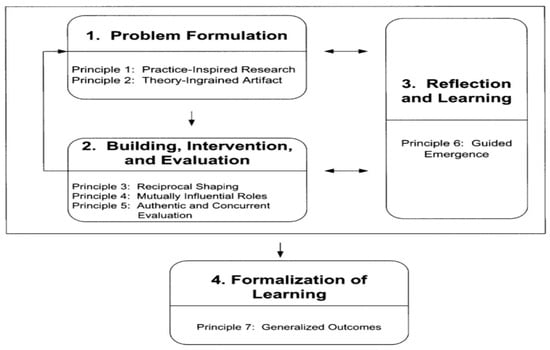
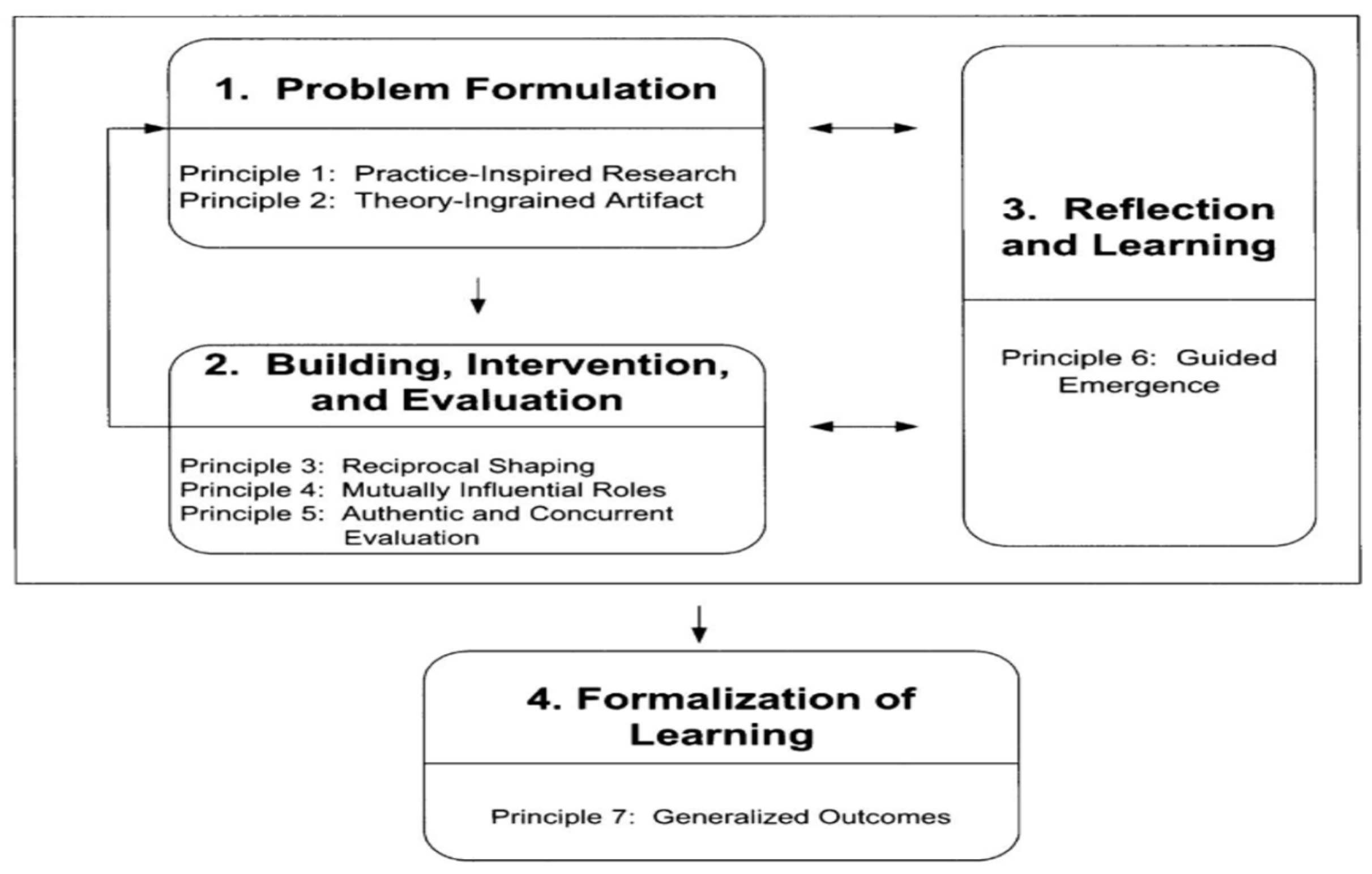
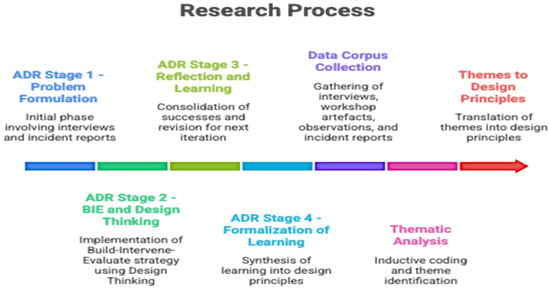
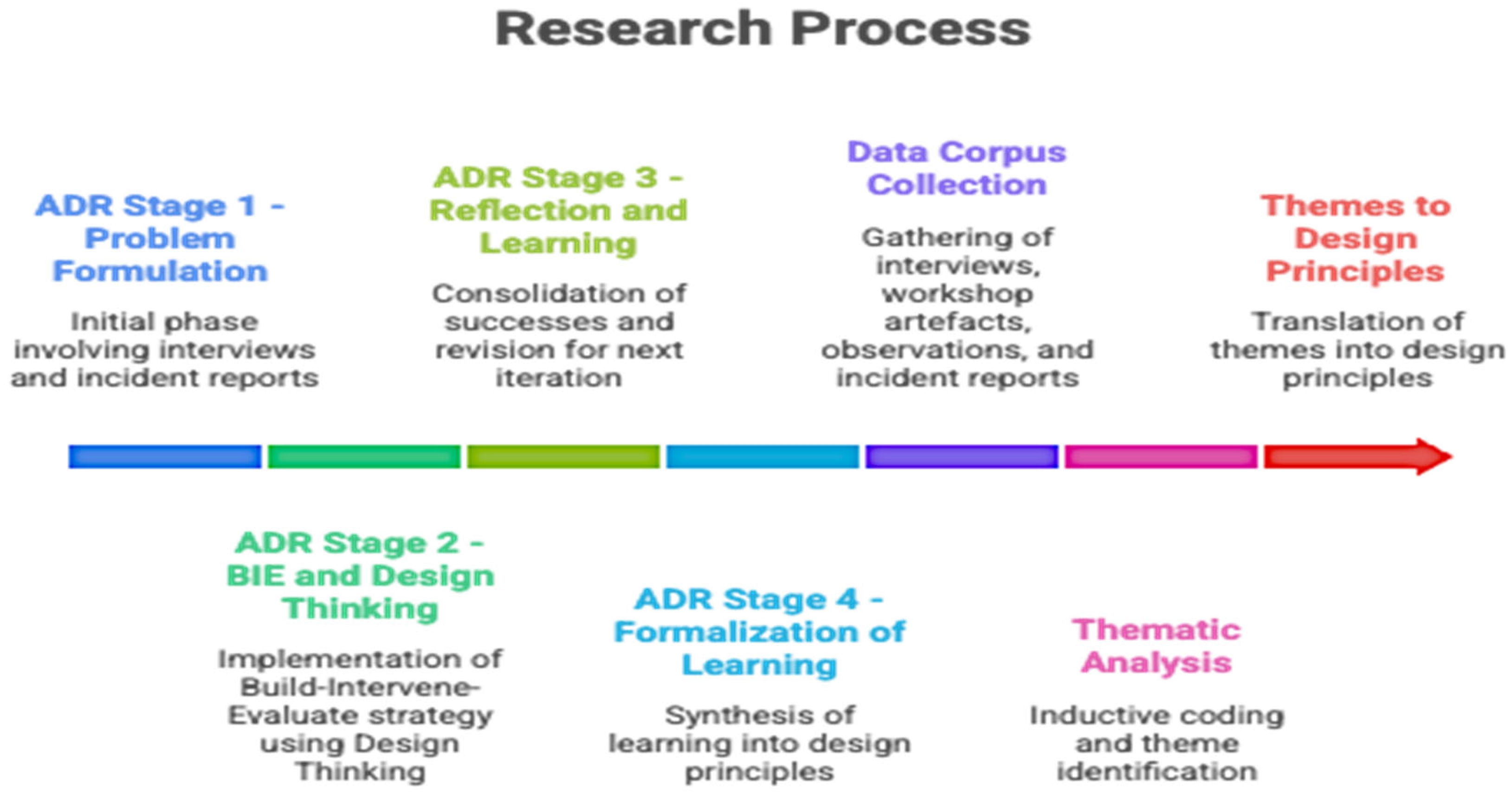


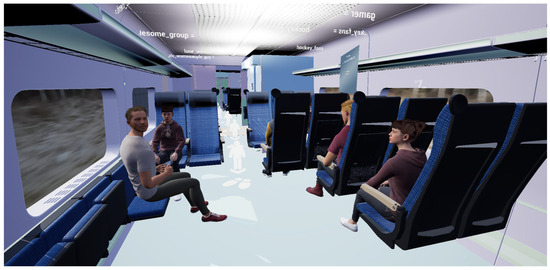
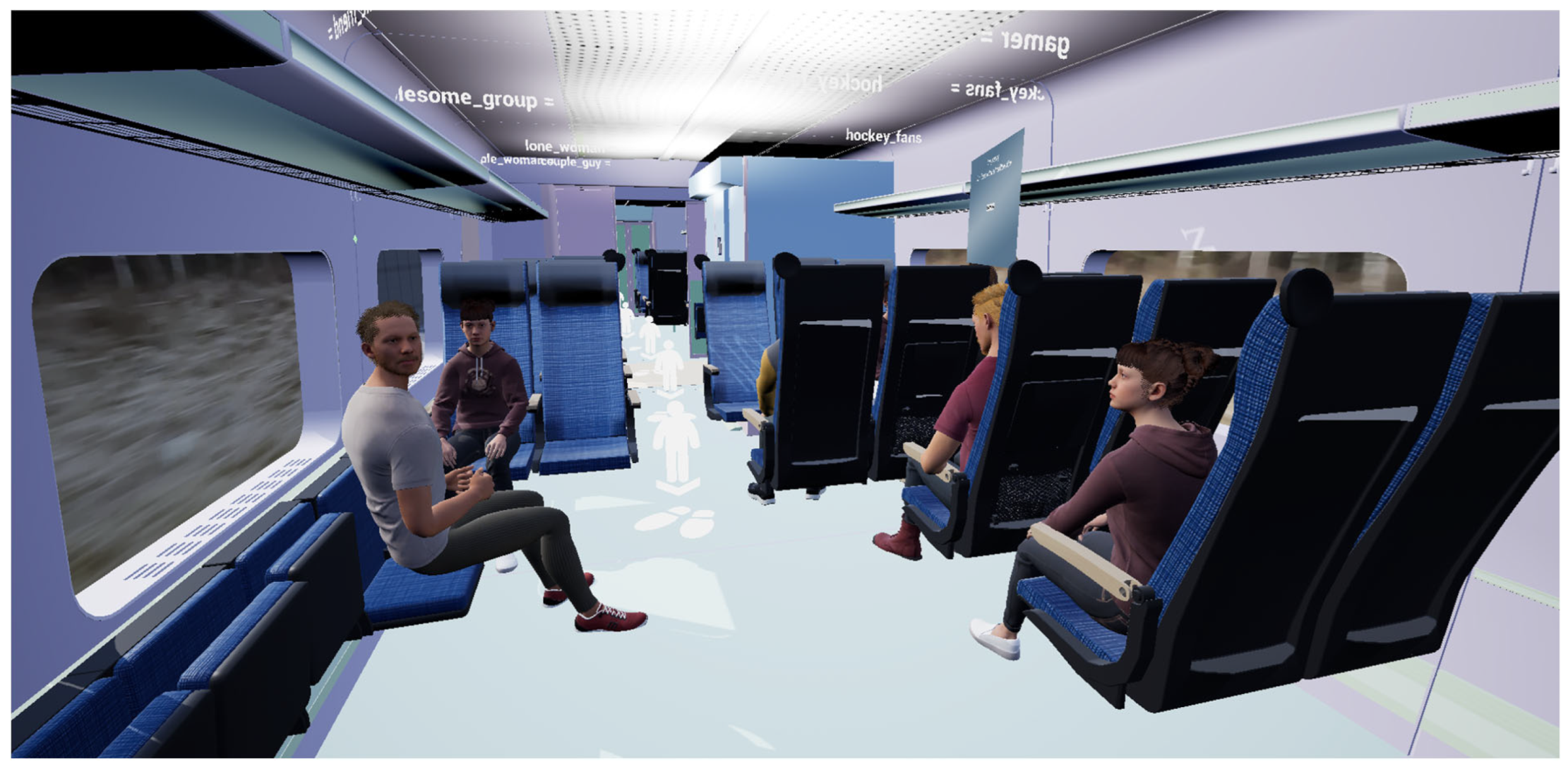
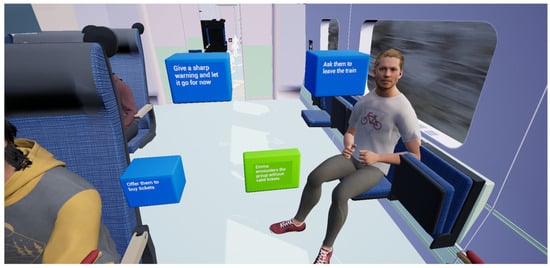
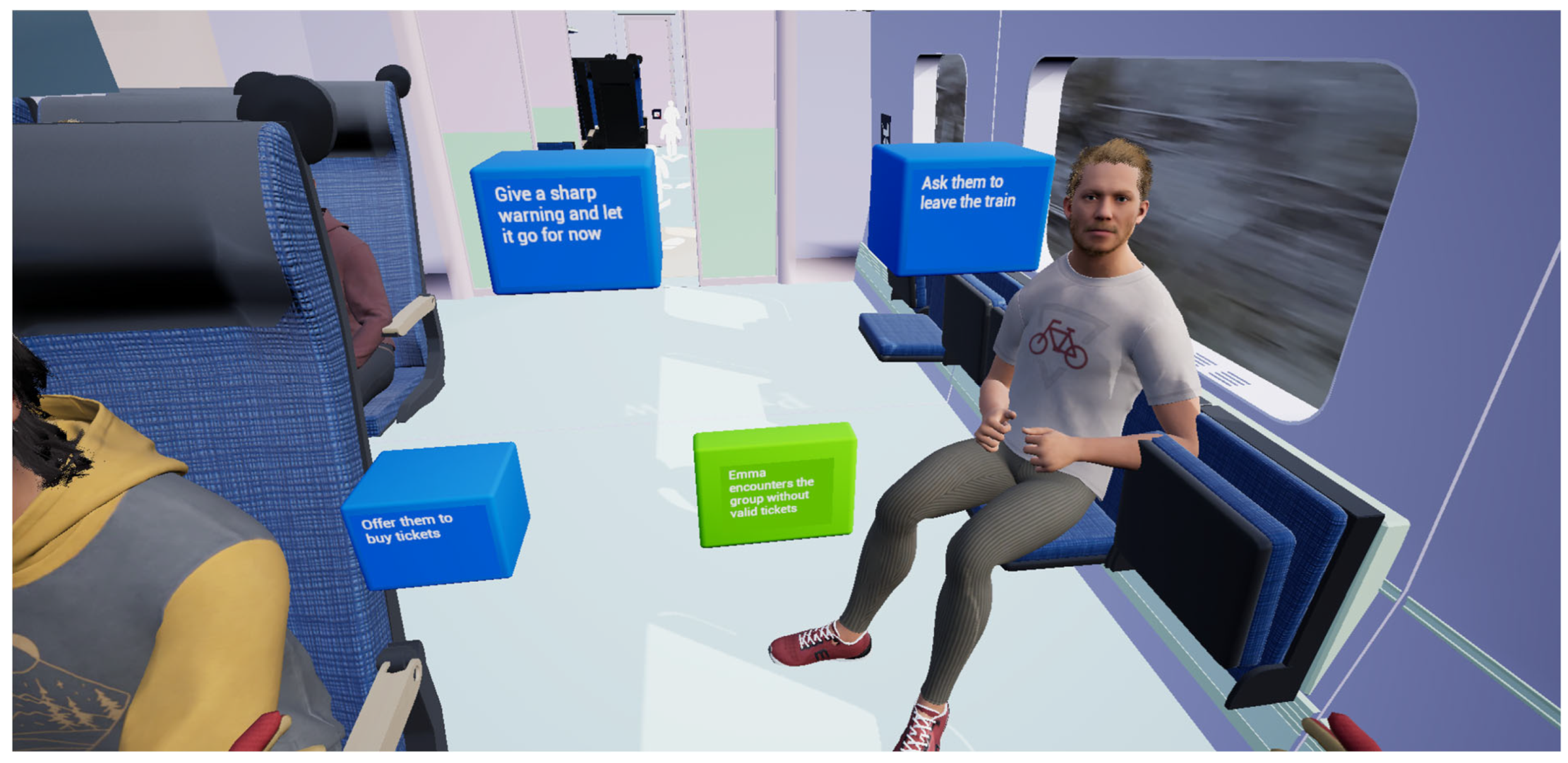
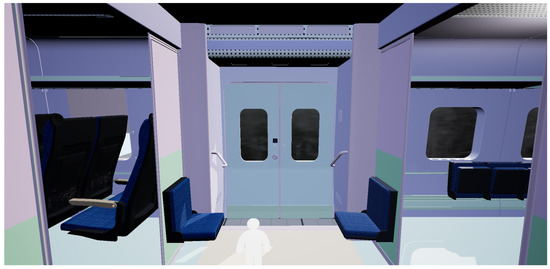
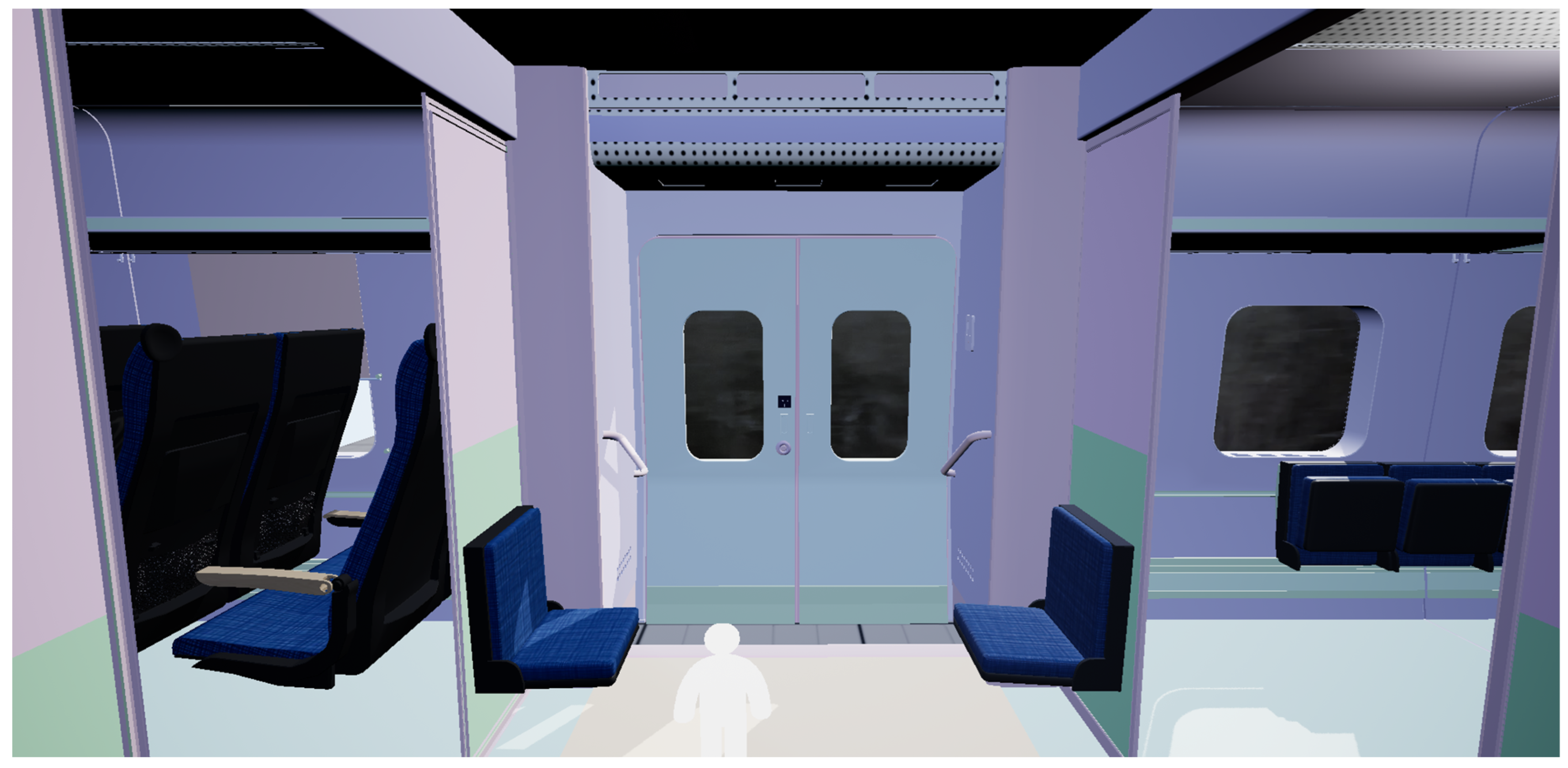

Disclaimer/Publisher’s Note: The statements, opinions and data contained in all publications are solely those of the individual author(s) and contributor(s) and not of MDPI and/or the editor(s). MDPI and/or the editor(s) disclaim responsibility for any injury to people or property resulting from any ideas, methods, instructions or products referred to in the content. |
© 2026 by the authors. Licensee MDPI, Basel, Switzerland. This article is an open access article distributed under the terms and conditions of the Creative Commons Attribution (CC BY) license.