Article

Spontaneous Endometrioma Rupture: A Retrospective Pilot Study and Literature Review of a Rare and Challenging Condition


1
Department of Obstetrics and Gynecology, Bern University Hospital, 3010 Bern, Switzerland
2
Faculty of Medicine, University of Bern, 3010 Bern, Switzerland
*
Author to whom correspondence should be addressed.
J. Clin. Med. 2025, 14(10), 3387; https://doi.org/10.3390/jcm14103387
Submission received: 24 March 2025 / Revised: 20 April 2025 / Accepted: 9 May 2025 / Published: 13 May 2025
(This article belongs to the Special Issue Current Advances in Endometriosis: An Update)

Abstract

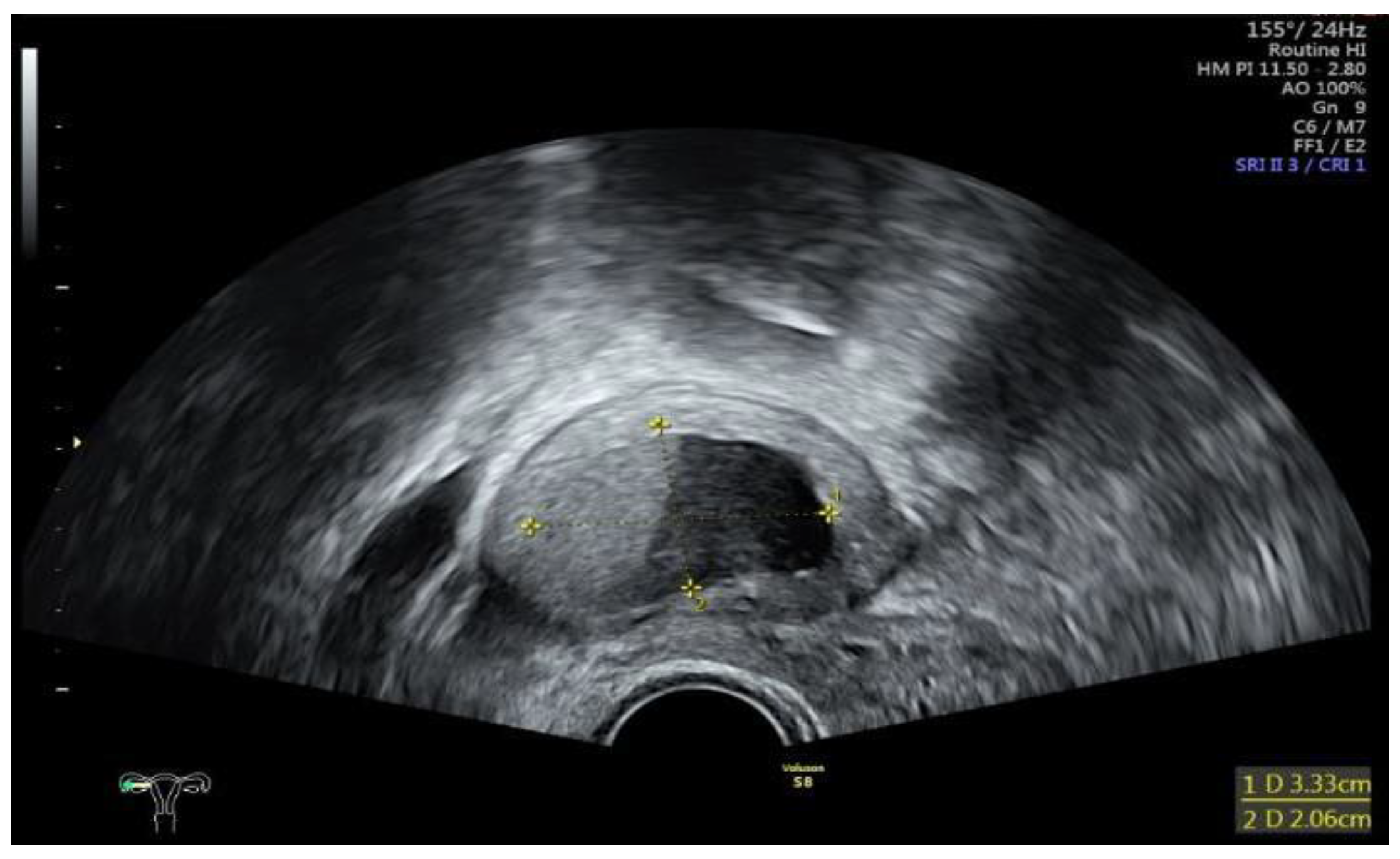
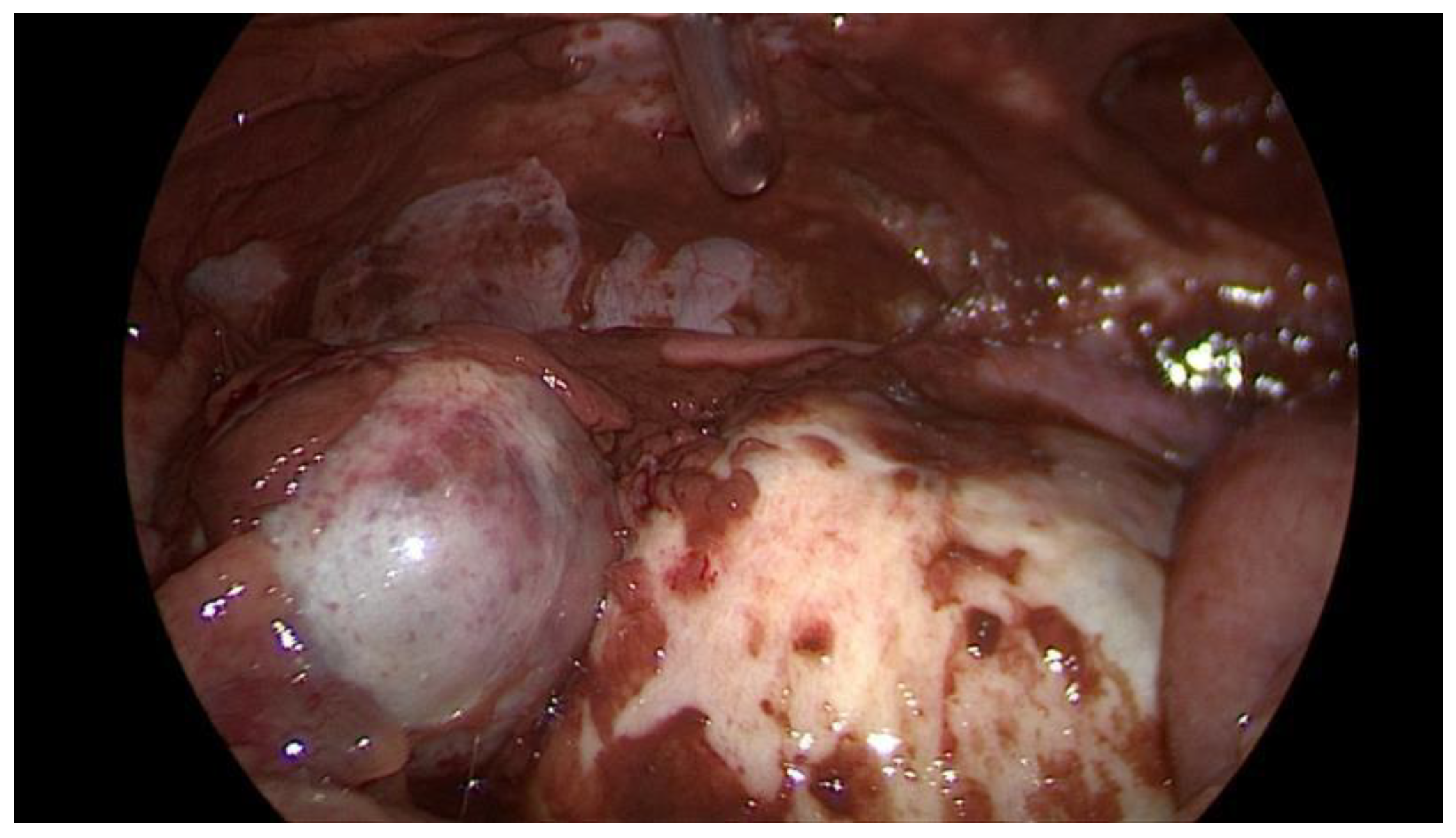
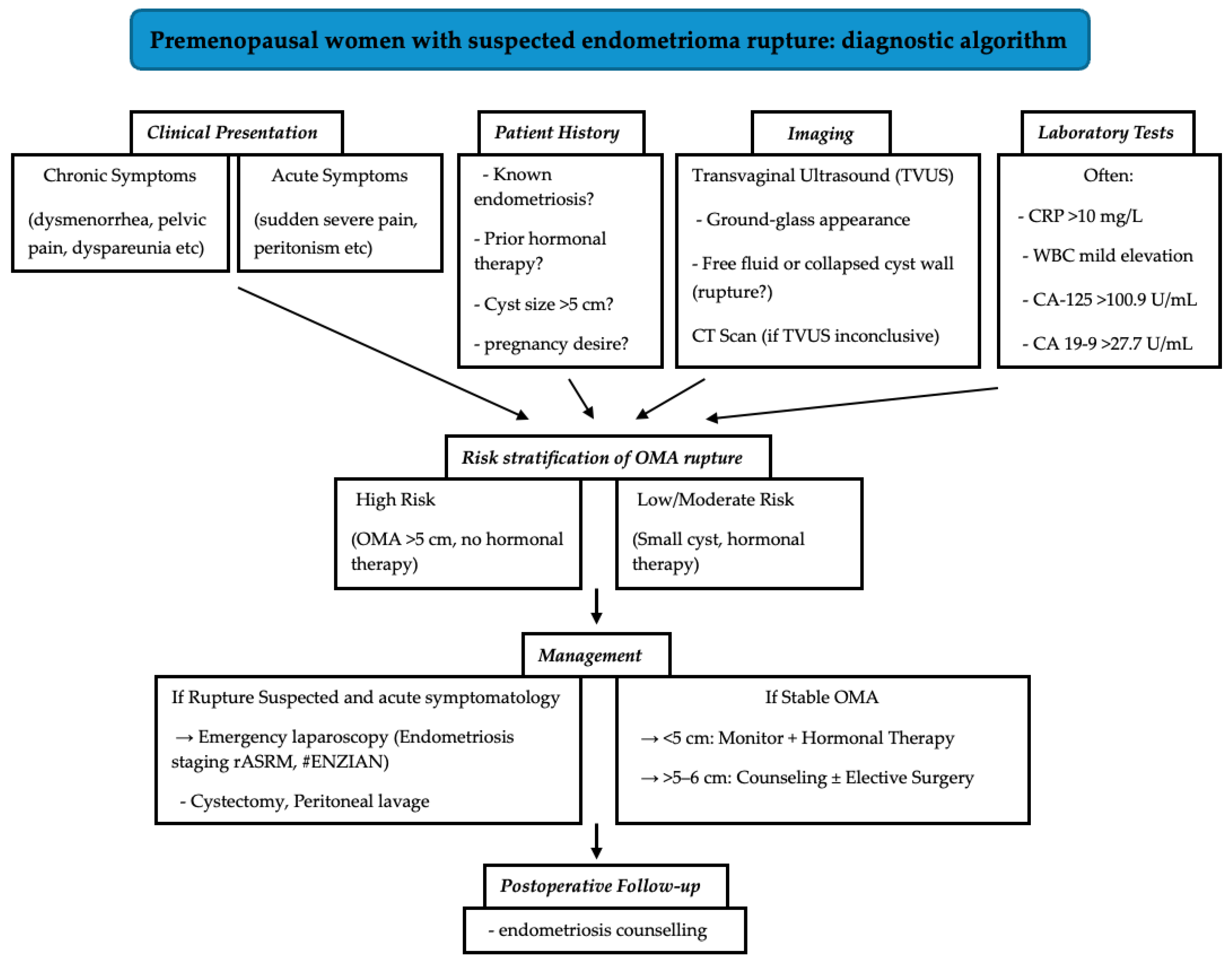
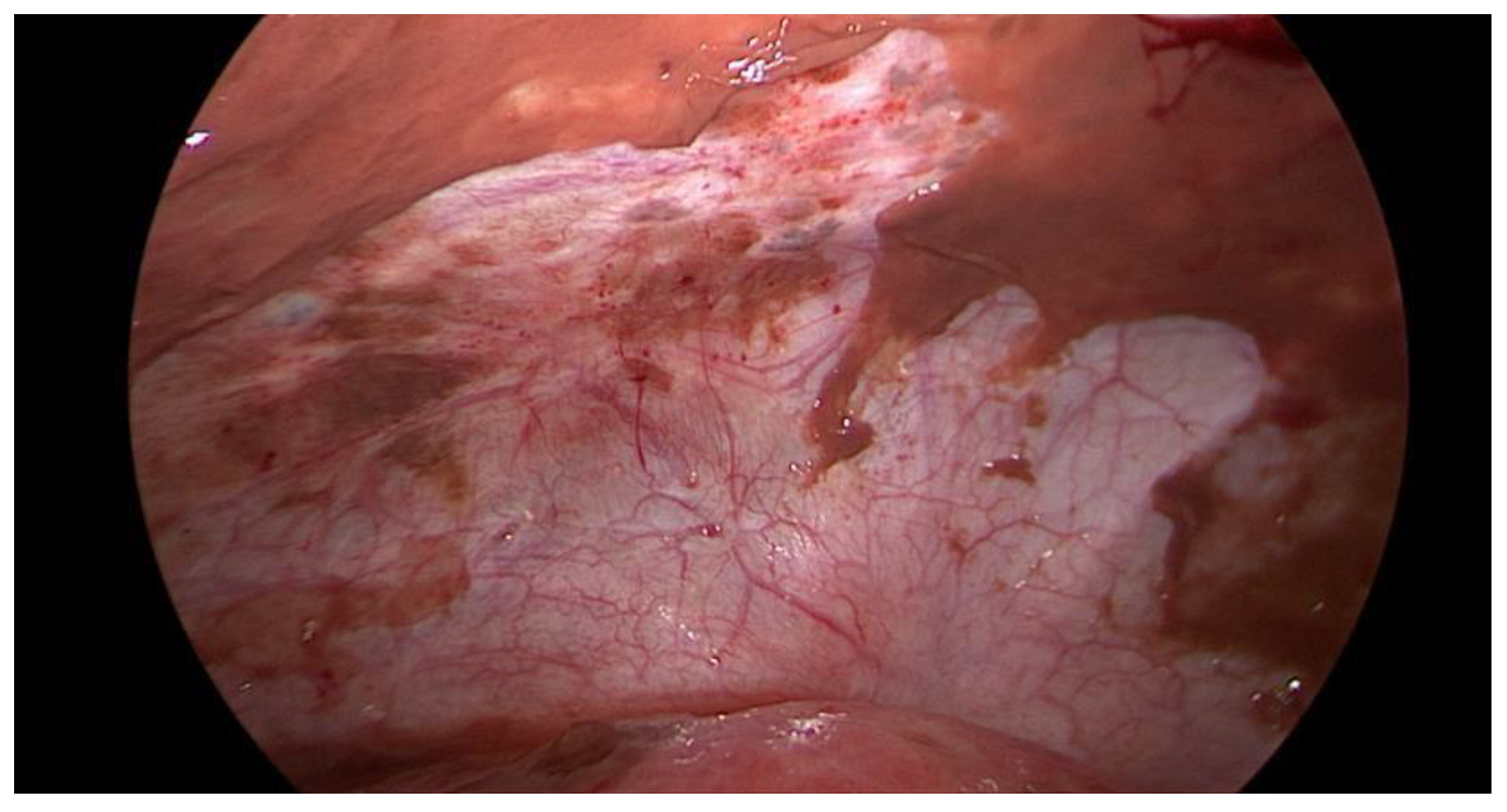
Background/Objectives: Endometriosis can present as ovarian endometriosis in 15–25% of the cases. While chronic pelvic pain and dysmenorrhea dominate its clinical presentation, acute complications, such as spontaneous OMA rupture, are rare (<3%), often mimicking acute abdominal pain and necessitating emergency surgery. Diagnostic delays persist due to the condition’s rarity and overlapping symptoms with ovarian torsion or appendicitis. This study investigates the clinical features of ruptured OMAs to enhance preoperative suspicion and optimize management. Methods: From February 2011 to August 2023, 14 patients with spontaneous rupture of histologically confirmed endometriomas underwent emergency laparoscopy for acute abdominal pain in the University Hospital of Bern, Switzerland. The clinical data of these patients were analyzed to find common patterns of spontaneous endometrioma ruptures. We also conducted a literature search in PubMed, Scopus, ScienceDirect, Cochrane, and Embase databases from inception to December 2023 in order to identify other possible confounding factors. The search was based on the keywords “ruptured endometrioma”. All English full-text prospective and retrospective observational and interventional studies with at least five patients that described the clinical features and findings of women diagnosed with ruptured endometrioma and treated surgically were included. Results: The median age at operation was 37.4 (23–49) years old, and all cases presented with acute abdominal pain, with/without peritonitis. Only 3/14 patients presented with fever, while the most common laboratory finding was an elevated CRP level of 45.6 mg/L (3–100 mg/L), while leukocytosis was less pronounced, with a median of 12.2 G/L (6.04–21.4 G/L). Notably, 64.3% (9 out of 14) of the patients reported experiencing dysmenorrhea, while for the remaining 5 individuals, the presence or absence of dysmenorrhea could not be obtained. Interestingly, only one patient had undergone hormonal treatment, with a combined oral contraceptive (COC) of Ethinylestradiol (0.02 mg) and Desogestrel (0.15 mg), while the other patients either lacked awareness of their endometriosis or expressed reluctance towards hormonal downregulation therapy. The median endometrioma size was 7 cm (3.5–18 cm), and 78.57% of the cases (11 out of 14 patients) had only ovarian endometriosis, while only 3 patients had involvement of compartment A, B, or C according to the # ENZIAN classification. Conclusions: Though rare, spontaneous OMA rupture should be considered in acute abdomen cases, especially with cysts > 5 cm. Hormonal therapy may reduce rupture risk, but more research is needed to confirm this and refine diagnostic strategies.
Keywords: ruptured endometrioma; ovarian endometriosis; acute abdominal pain; emergency laparoscopy ruptured endometrioma; ovarian endometriosis; acute abdominal pain; emergency laparoscopy