


Abstract
The common bean (Phaseolus vulgaris L.) is one of the most important grain legumes worldwide, providing essential proteins, minerals, vitamins, and dietary fiber for human nutrition. Originating in the Americas, the species underwent complex domestication processes in both Mesoamerican and Andean regions, leading to the development of diverse cultivated gene pools. Over time, breeding programs have focused on increasing yield potential, improving seed quality, and enhancing resistance to biotic and abiotic stresses, including diseases, drought, and heat stress. Recent advances in genomics and molecular breeding have accelerated common bean improvement through genome-wide association studies, genomic selection, high-throughput genotyping, and whole-genome resequencing approaches, enabling the identification of loci associated with yield, stress tolerance, and disease resistance. Furthermore, the integration of genomic prediction models and modern biotechnological tools is expected to enhance breeding efficiency and support the development of climate-resilient cultivars adapted to future agricultural challenges. This review summarizes the major milestones in common bean domestication, breeding, and genetic improvement, while highlighting current challenges and future research opportunities.
1. Introduction
The common bean (Phaseolus vulgaris L.) is one of the world’s most important grain legumes and a major source of plant-based protein, carbohydrates, dietary fiber, vitamins, and essential minerals, particularly in Latin America, Africa, and parts of Asia [1,2,3]. It is the most widely produced grain legume for direct human consumption, providing food for more than 300 million people worldwide [1,4]. According to FAO statistics, global dry bean production reached approximately 28.5 million tonnes in 2023, harvested from about 33 million hectares, with India, Brazil and Myanmar as the leading producers [5]. Production is concentrated in Asia (about 43%), the Americas (about 29%) and Africa (about 26%) [4]. Besides its nutritional importance, the common bean contributes to sustainable agriculture through symbiotic biological nitrogen fixation, reducing the need for synthetic nitrogen fertilizers and improving soil fertility [6,7].
Originating in the Americas, the common bean underwent two independent domestication events in the Mesoamerican and Andean regions, giving rise to two major cultivated gene pools that constitute the foundation of modern breeding programs [8,9]. Although domestication led to remarkable improvements in agronomic performance, it also reduced genetic diversity, emphasizing the importance of conserving and exploiting landraces and wild relatives as valuable sources of adaptive alleles for crop improvement [10,11]. In Europe, the common bean is regarded as a secondary centre of diversity: following its introduction from the Americas after 1492, mainly through the Iberian Peninsula, the crop spread across the continent and gave rise to numerous locally adapted landraces that combine Andean and Mesoamerican ancestry, including inter-gene-pool recombinant types [12,13]. In Romania, the common bean is a traditional staple with a long cultivation history, and a diverse set of landraces is conserved in the national gene bank; recent molecular and morphological characterization has shown that Romanian landraces derive predominantly from the Mesoamerican gene pool, with a smaller Andean component, and carry allelic variation at genes associated with drought and thermal-stress tolerance [14]. This European and Romanian germplasm represents an underexploited reservoir of adaptive diversity of direct relevance to breeding for the increasingly variable growing conditions of the region.
Breeding objectives have evolved from increasing grain yield and seed quality to improving resistance to diseases, tolerance to abiotic stresses, and nutritional value. Climate change has further intensified the need for cultivars capable of maintaining stable productivity under drought, heat, salinity, and low-input conditions [15,16].
Recent advances in genomics have transformed common bean improvement. High-throughput genotyping, genome-wide association studies (GWASs), genomic selection (GS), whole-genome sequencing, and pangenome analyses have accelerated the identification of genes and genomic regions controlling complex agronomic traits [11,17,18,19]. Furthermore, the integration of multi-omics approaches, high-throughput phenotyping, predictive breeding, and genome-editing technologies such as CRISPR/Cas is opening new opportunities for the development of high-yielding, climate-resilient, and nutritionally improved bean cultivars [18,20,21]. Although several reviews have addressed specific aspects of common bean genetics, the present review differs by integrating, within a single framework, the full continuum from domestication and germplasm conservation to conventional breeding and the most recent genomic, pangenomic and genome-editing approaches, with particular emphasis on how these tools can be combined to accelerate the development of climate-resilient cultivars. Accordingly, the objectives of this review are (i) to summarize the evolutionary and domestication history of the common bean and its consequences for genetic diversity; (ii) to review the achievements and limitations of conventional and molecular-assisted breeding; (iii) to synthesize current genomic resources and approaches for biotic and abiotic stress resistance; and (iv) to outline emerging technologies and future perspectives for common bean improvement. The overall genomics-assisted breeding framework discussed throughout this review is summarized in Figure 1.
Figure 1.
From genetic resources to climate-resilient common bean cultivars. Schematic overview of the genomics-assisted breeding pipeline in Phaseolus vulgaris L., linking (1) conservation and use of genetic resources (Andean and Mesoamerican gene pools, landraces, wild relatives and gene-bank collections); (2) genome-wide genotyping and high-throughput phenotyping; (3) dissection of the genetic architecture of target traits by GWASs and QTL mapping; (4) deployment through marker-assisted and genomic selection, speed breeding and CRISPR/Cas9 editing; and (5) development of improved cultivars combining disease resistance, drought and heat tolerance, biofortification and yield. The dashed arrow indicates the iterative nature of the breeding cycle.
2. Materials and Methods
This review is based on an integrative, narrative analysis of the scientific literature related to common bean (Phaseolus vulgaris L.) domestication, genetic diversity, breeding, and genomic improvement. Relevant publications were identified through searches in the Web of Science, Scopus, PubMed, ScienceDirect, and Google Scholar databases using keywords related to common bean genetics, breeding, genomics, abiotic and biotic stress tolerance, biofortification, genomic selection, and genome editing. The database searches combined the terms “Phaseolus vulgaris” or “common bean” with topic keywords such as “domestication”, “genetic diversity”, “germplasm”, “QTL”, “GWAS”, “genomic selection”, “pangenome”, “genome editing”, “drought”, “heat”, “disease resistance”, “seed quality” and “biofortification”, and were performed up to 2026; only peer-reviewed publications in English were considered, and the reference lists of retrieved articles were screened for additional sources. Priority was given to peer-reviewed articles published between 2000 and 2026, together with earlier landmark studies considered essential for understanding the evolution and genetic improvement of the common bean. The selected literature was critically evaluated and synthesized to provide a broad overview of recent advances and future perspectives in common bean research, rather than a systematic assessment.
3. Results and Discussion
Current research on the common bean spans multiple disciplines, from domestication and genetic diversity to advanced genomic technologies. The following sections integrate and discuss these findings to provide a comprehensive overview of the current state of knowledge and future directions for common bean genetic improvement.
3.1. Evolution, Origin and Domestication of Common Bean
3.1.1. Origin and Geographical Distribution
The common bean (Phaseolus vulgaris L.) is the most widely cultivated grain legume for direct human consumption and represents one of the most important domesticated species within the genus Phaseolus, which comprises more than 70 wild species native to the Americas. Archaeological, ecological, and molecular evidence indicates that the wild progenitor of the common bean originated in Mesoamerica and subsequently expanded southward through Central America into the Andean region, where genetically differentiated populations became established [8,22,23,24].
The evolutionary history of the common bean is particularly remarkable because the species experienced two independent domestication events, one in Mesoamerica and another in the Andes. This dual domestication process has been confirmed through molecular marker analyses, genome-wide resequencing studies, and comparative genomic investigations, which revealed the existence of two major cultivated gene pools characterized by substantial genetic divergence [8,9,25]. Beyond simple diversity loss, this history was shaped by the selective forces acting during cultivation—including selection for harvesting efficiency, seed quality and adaptation to new environments, together with seed exchange and human migration—and involved bottlenecks, adaptive introgression, recombination and gene-content change rather than a purely linear reduction in variation [7,9,10,26].
The Mesoamerican gene pool is generally considered the ancestral lineage and exhibits greater genetic diversity than the Andean gene pool. Wild populations are distributed from northern Mexico to northwestern Argentina, occupying a wide range of ecological niches and environmental conditions.
Such extensive geographic distribution has contributed to the remarkable adaptive diversity observed in the species today [22,27,28,29]. Current evidence suggests that the divergence between the Mesoamerican and Andean wild populations occurred approximately 100,000–165,000 years before present, long before the onset of human domestication. Subsequent domestication events took place independently approximately 8000 years ago, resulting in distinct cultivated populations that nevertheless display similar domestication-related phenotypes [9,25].
3.1.2. Domestication Process
The domestication of the common bean represents one of the best examples of parallel evolution in crop plants. Despite their independent origins, Mesoamerican and Andean farmers selected for similar agronomic traits, leading to the emergence of comparable domestication syndromes in both gene pools [8,26,30].
The most important domestication traits include: increased seed size; loss of pod dehiscence; reduced seed dormancy; modifications in growth habit; changes in flowering behavior; increased harvest index; reduced photoperiod sensitivity.
Among these traits, seed enlargement is considered one of the most evident consequences of domestication. Cultivated beans typically possess seeds that are several times larger than those of their wild relatives, reflecting strong selection for improved food value and ease of harvest. Genetic analyses have demonstrated that this phenotype is controlled by multiple quantitative trait loci (QTLs), some of which appear to have undergone strong selection in both domestication events [9,30].
Similarly, the reduction or complete elimination of pod shattering was crucial for increasing harvest efficiency. Wild beans naturally disperse their seeds through explosive pod dehiscence, whereas cultivated forms exhibit reduced shattering, facilitating seed retention until harvest. Several genomic regions controlling this trait have been identified through linkage mapping and comparative genomics studies.
Recent metabolomic investigations have shown that domestication affected not only morphology and agronomic performance but also metabolic diversity. Using untargeted metabolomics and molecular networking approaches, Ref. [31] demonstrated that cultivated beans exhibit lower metabolite diversity than wild populations, suggesting that domestication led to substantial modifications in specialized metabolic pathways.
3.1.3. Genetic Consequences of Domestication
Like most crop species, common bean experienced a significant reduction in genetic diversity during domestication. The selection of a limited number of favorable genotypes created population bottlenecks that reduced allelic richness and increased linkage disequilibrium in cultivated populations.
Genome-wide analyses have estimated that domestication reduced nucleotide diversity by approximately 40–60%, although the magnitude of diversity loss varies among genomic regions and between gene pools [8,9]. These reductions are particularly evident in loci associated with domestication traits, where strong directional selection has resulted in selective sweeps and fixation of favorable alleles [32].
However, domestication did not completely eliminate genetic exchange between cultivated and wild populations. Gene flow has occurred repeatedly throughout the evolutionary history of the common bean and has contributed significantly to the maintenance of adaptive variation. Wild-weedy-crop complexes remain common in several regions of Latin America and provide valuable reservoirs of genetic diversity that may be exploited in future breeding programs [33].
Recent studies have highlighted the importance of introgression in shaping common bean diversity. Genomic analyses revealed multiple historical introgression events among populations, facilitating adaptation to novel environments and contributing to the geographical expansion of cultivated beans beyond their centers of origin.
3.2. Genetic Diversity, Germplasm Resources and Conservation Strategies
Genetic diversity represents the fundamental basis of plant breeding and long-term crop improvement strategies, particularly in self-pollinated species such as the common bean (Phaseolus vulgaris L.) [10,34]. The availability of diverse allelic variation determines the potential for genetic gain in traits related to yield, stress tolerance, and nutritional quality.
In the common bean, genetic diversity is structured primarily into two major gene pools, Mesoamerican and Andean, which originated from independent domestication events [8,9]. These gene pools remain highly differentiated at the genomic level, showing clear separation in SNP-based analyses, population structure studies, and haplotype diversity patterns [17,25,35]. The value of characterising regionally distinct germplasm is increasingly recognised worldwide, for example in the Chinese national collection [36], in the diverse and still under-exploited landraces of the Indian Western Himalayas [37,38,39], and in Brazilian diversity panels that capture much of the variation in South American material [40].
Recent genome-wide studies have confirmed that despite the existence of strong population structure, substantial within-gene-pool diversity still persists, particularly in landraces and traditional cultivars. This hidden diversity is increasingly recognized as essential for future breeding efforts, especially under climate change scenarios [10,35] (the domestication bottleneck underlying this reduced diversity is detailed in Section 3.1.3).
The conservation of common bean genetic resources is ensured through a network of international genebanks. The largest collection is maintained by the Alliance of Bioversity International and CIAT, which conserves more than 37,000 accessions of Phaseolus species, including landraces, wild relatives, and breeding materials [41].
Other major repositories include the USDA National Plant Germplasm System, European genebanks (notably in Spain and Germany), and national collections in Brazil, Mexico, and China [41]. These collections play a central role in preserving allelic diversity and supporting global breeding programs.
Recent genomic characterization of genebank accessions has revealed that a significant proportion of stored germplasm remains underutilized in breeding programs [42]. High-throughput genotyping has enabled the identification of redundancy, mislabeling, and hidden structure within collections, improving the efficiency of germplasm utilization [42].
Furthermore, integration of genomic tools with genebank management has led to the development of “digital genebanks,” where SNP profiles, phenotypic data, and environmental metadata are integrated into searchable platforms [42]. These approaches are increasingly important for accelerating gene discovery and pre-breeding efforts. The main genetic and genomic resources currently available for the common bean are summarized in Table 1.
Table 1.
Major genetic and genomic resources available for common bean (Phaseolus vulgaris L.) improvement. PAV, presence–absence variation; GBS, genotyping-by-sequencing; NPGS, National Plant Germplasm System.
3.2.1. Landraces as Reservoirs of Adaptive Variation
Landraces of the common bean represent dynamic populations shaped by farmer selection and environmental adaptation over centuries [12,13]. Unlike modern cultivars, landraces maintain higher levels of heterogeneity, which allows them to adapt to variable environmental conditions [13].
Recent studies using SNP-based genotyping and GBS approaches have demonstrated that landraces harbor extensive allelic variation associated with drought tolerance, heat stress adaptation, and disease resistance. For example, African landraces show substantial admixture between Andean and Mesoamerican gene pools, generating novel genetic combinations not present in elite breeding lines [35].
European landraces also represent an important genetic resource, often containing rare alleles associated with photoperiod adaptation and abiotic stress tolerance [13,44]. These materials are increasingly being incorporated into pre-breeding programs aimed at broadening the genetic base of elite cultivars.
Recent pan-genomic studies have further confirmed that landraces contribute significantly to structural variation, including presence–absence variants (PAVs) and gene copy number variation, which are often absent in modern cultivars [11].
3.2.2. Wild Relatives and Their Role in Crop Improvement
Wild relatives of the common bean (Phaseolus vulgaris wild forms) constitute one of the most valuable reservoirs of genetic diversity for crop improvement [23,45]. These populations harbor alleles that were lost during domestication and subsequent breeding bottlenecks.
Wild accessions have been identified as sources of resistance to major diseases such as anthracnose (Colletotrichum lindemuthianum Sacc. & Magnus), angular leaf spot (Pseudocercospora griseola Sacc.), and common bacterial blight (Xanthomonas phaseoli pv. phaseoli) [15,43]. Additionally, they contribute alleles associated with drought tolerance, root architecture, and nutrient-use efficiency [46,47].
Recent genomic introgression studies have demonstrated that targeted incorporation of wild alleles into elite backgrounds is now feasible using marker-assisted backcrossing and genomic selection approaches [16,18]. These strategies help minimize linkage drag, which historically limited the use of wild germplasm.
Moreover, pan-genome analyses have revealed that wild relatives contribute a significant proportion of “dispensable genes,” including genes involved in stress response and environmental adaptation [11]. These findings highlight the importance of conserving wild populations as dynamic reservoirs of functional genetic variation.
3.2.3. Molecular Characterization of Genetic Diversity
The assessment of genetic diversity in the common bean has evolved significantly from morphological descriptors to advanced genomic approaches. Early studies based on phaseolin protein types and isozyme markers provided initial evidence for the existence of distinct gene pools [48].
Subsequently, DNA marker systems such as RFLP, RAPD, AFLP, and SSR markers enabled more precise genetic analyses [17]. However, the advent of next-generation sequencing technologies has transformed diversity studies by enabling genome-wide resolution of variation.
Currently, SNP-based genotyping platforms, including genotyping-by-sequencing (GBS), DArTseq, and whole-genome resequencing, are widely used to characterize genetic diversity in the common bean. These approaches have confirmed strong population structure and high differentiation between gene pools, while also revealing substantial admixture and gene flow in certain regions [17,33,35].
Recent GWASs and diversity studies have identified thousands of SNP markers associated with agronomic traits, including yield, seed size, disease resistance, and abiotic stress tolerance [35]. These datasets are now routinely integrated into genomic selection pipelines to improve prediction accuracy.
3.3. Conventional Breeding of Common Bean
Conventional breeding of the common bean (Phaseolus vulgaris L.) has historically focused on improving grain yield, seed quality, and adaptation to diverse agroecological environments [15,16,34]. Early breeding programs were primarily based on phenotypic selection within landraces and locally adapted populations, with limited knowledge of genetic architecture.
Over time, breeding objectives expanded to include resistance to major diseases, adaptation to abiotic stresses, and improvement of nutritional quality, particularly iron and zinc biofortification [3]. In recent decades, climate change has further reshaped breeding priorities, emphasizing drought tolerance, heat resilience, and yield stability under variable environments [15,46].
Despite these advances, yield stagnation in several regions has been reported, largely due to the narrow genetic base of elite cultivars and strong genotype × environment interactions.
Traditional breeding methods of the common bean include pedigree selection, bulk selection, backcrossing, and recurrent selection. These approaches have been widely used to develop improved cultivars with enhanced agronomic performance and disease resistance [49,50].
Pedigree selection remains one of the most widely used strategies, particularly for traits with moderate to high heritability. However, its efficiency is often limited for complex quantitative traits such as drought tolerance and yield stability.
Backcross breeding has been extensively used for introgression of resistance genes from landraces and wild relatives into elite backgrounds. This approach has been particularly effective in improving resistance to anthracnose (Colletotrichum lindemuthianum) and common bacterial blight (Xanthomonas spp.) [15,50].
Recurrent selection has been applied mainly in population improvement programs, particularly in Latin America and Africa, where it has contributed to gradual yield improvement and adaptation to stress environments [16,34].
3.3.1. Major Achievements and Limitations of Conventional Breeding
Conventional breeding has led to the development of numerous high-yielding and stress-resistant cultivars adapted to different agroecological zones. Significant progress has been achieved in improving resistance to major diseases such as anthracnose (Colletotrichum lindemuthianum), angular leaf spot (Pseudocercospora griseola), common bacterial blight (Xanthomonas phaseoli pv. phaseoli), rust (Uromyces appendiculatus Pers.), bean common mosaic virus (BCMV) and bean common mosaic necrosis virus (BCMNV) [49,50].
Many of these improvements were achieved through gene pyramiding strategies based on phenotypic selection and later marker-assisted selection.
In addition, breeding programs have made substantial progress in improving seed quality traits, including cooking time, seed size, color, and nutritional composition [3,51]. Biofortified varieties with increased iron and zinc content have been released in several countries through collaborations between CGIAR (Consultative Group on International Agricultural Research) centers and national breeding programs [45].
Despite its success, conventional breeding in the common bean faces several limitations. The most important constraint is the long breeding cycle, which typically ranges from 6 to 10 years for cultivar development. This slows the response to emerging challenges such as climate change and evolving pathogen populations.
Another major limitation is the narrow genetic base of elite cultivars, which results from repeated use of a limited number of parental lines [34]. This has contributed to reduced adaptive potential and increased vulnerability to environmental stress.
Furthermore, many economically important traits, such as drought tolerance and yield under stress conditions, are quantitatively inherited and strongly influenced by genotype × environment interactions, making phenotypic selection inefficient [16].
Common bean improvement is carried out predominantly by the public sector. It is led internationally by the Alliance Bioversity International–CIAT and delivered regionally through national programmes and networks such as the Pan-Africa Bean Research Alliance (PABRA), which links breeding to farmer-based seed multiplication across more than thirty African countries [52]. Private investment remains limited relative to major cereals, and advanced genomic and genome-editing platforms are concentrated in a small number of well-resourced institutions, so most national and public breeders continue to rely mainly on conventional and marker-assisted approaches; consequently, the majority of cultivars grown by farmers are conventionally bred, and genomics at present serves chiefly to accelerate and inform breeding rather than to dominate variety release. Improved seed reaches farmers largely through national seed systems and community-based multiplication, and breeding targets are increasingly matched to the specific environments where they are needed, as illustrated by spatially explicit characterisation of seasonal drought for East African breeding [53]. Genomics-assisted approaches therefore complement rather than replace conventional field breeding: phenotyping, multi-environment evaluation and selection for end-use quality remain indispensable.
Alongside yield and stress tolerance, common bean breeding is strongly structured by market class and end-use quality—including seed colour and size, cooking time, hydration, seed-coat darkening and canning quality—which can determine varietal adoption as much as yield itself. Recent genome-wide association studies have begun to resolve the genetic control of these end-use traits, including post-harvest seed-coat darkening in carioca beans [54] and cooking time [54], the latter increasingly evaluated jointly with yield and genotype × environment interaction in on-farm trials [55]. Representative market classes and their principal breeding objectives are summarized in Table 2.
Table 2.
Representative market classes of common bean (Phaseolus vulgaris L.), their principal producing regions, culinary uses and main breeding objectives [49,54,55].
3.3.2. Transition Toward Molecular-Assisted Breeding
The limitations of conventional breeding have accelerated the adoption of molecular tools in common bean improvement. Marker-assisted selection (MAS) has been successfully used for the introgression of major disease resistance genes, particularly for anthracnose and BCMV resistance [15,50].
More recently, genome-wide approaches such as genome-wide association studies (GWASs) and genomic selection (GS) have been increasingly integrated into breeding pipelines to improve selection efficiency and genetic gain [16,18].
High-throughput genotyping platforms, including SNP arrays and genotyping-by-sequencing (GBS), have enabled precise estimation of genetic relationships and breeding values, facilitating the implementation of predictive breeding strategies.
These developments mark a clear transition from phenotype-based selection to data-driven breeding, in which genomic information is used to accelerate cultivar development and improve selection accuracy [18,56].
3.4. Genomics and Molecular Breeding Approaches in Common Bean
The transition from conventional breeding to molecular breeding in the common bean (Phaseolus vulgaris L.) has been driven by the rapid development of DNA marker technologies and next-generation sequencing platforms. Early molecular studies relied on RFLP, RAPD, AFLP, and SSR markers, which provided the first insights into genome organization, population structure and trait mapping [17].
However, the advent of high-throughput sequencing technologies has fundamentally transformed bean genetics by enabling genome-wide analyses at unprecedented resolution [18]. Single nucleotide polymorphism (SNP)-based platforms, particularly genotyping-by-sequencing (GBS) and whole-genome resequencing, have become standard tools for genetic analysis, breeding, and germplasm characterization.
Genome-wide association studies (GWASs) have become one of the most powerful approaches for dissecting complex traits in the common bean. By exploiting natural genetic variation in diverse germplasm panels, GWASs allow the identification of marker–trait associations without the need for biparental populations [35].
In the common bean, GWASs have been extensively applied to traits such as seed size and shape, yield components, drought tolerance, flowering time, disease resistance, and mineral nutrient accumulation (iron and zinc).
Recent studies have identified multiple SNPs and candidate genes associated with drought adaptation, particularly those involved in root architecture, stomatal regulation, and osmotic adjustment [57].
Similarly, GWAS analyses of disease resistance have revealed major loci associated with resistance to anthracnose, angular leaf spot, and common bacterial blight, often corresponding to known resistance gene clusters [43,49]. Regional association panels continue to add new resistance sources, as shown for anthracnose in the African Yellow Bean Collection [58] and in Brazilian carioca germplasm [59].
3.4.1. Quantitative Trait Loci (QTL) Mapping and Candidate Genes
QTL mapping remains an essential tool for dissecting the genetic architecture of complex traits in the common bean. Numerous biparental populations have been developed to identify QTLs associated with yield, abiotic stress tolerance, and disease resistance [16,49].
Major QTLs have been reported for drought tolerance, heat tolerance during flowering and pod filling, resistance to BCMV and BCMNV, and resistance to anthracnose and angular leaf spot [16,49].
Several major anthracnose resistance loci (Co genes) have been characterized, many exhibiting race-specific interactions and strong signatures of selection [43].
More recently, the integration of QTL mapping with transcriptomic analyses has facilitated the identification of high-confidence candidate genes underlying agronomic traits, including transcription factors, transporters, and stress-responsive regulators involved in abiotic stress adaptation [57]. Representative QTLs for key agronomic and stress-tolerance traits are compiled in Table 3.
Table 3.
Representative quantitative trait loci (QTLs) and genomic regions reported for key agronomic and stress-tolerance traits in common bean. GWAS, genome-wide association study; GS, genomic selection; HSP, heat-shock protein; HSF, heat-shock transcription factor.
3.4.2. Genomic Selection (GS) and Predictive Breeding
Genomic selection represents a major paradigm shift in common bean breeding by enabling the prediction of breeding values using genome-wide marker information. Unlike marker-assisted selection, which targets specific loci, GS captures the effects of all markers simultaneously, including numerous loci with small individual effects [18,63]. It should be stressed, however, that most evidence for genomic selection in the common bean rests on cross-validation prediction accuracies rather than on demonstrated reductions in breeding-cycle length or released cultivars, and that reported accuracies depend strongly on training-population size and composition, relatedness between training and validation sets, environmental representation and genotype × environment interaction [64].
In the common bean, genomic selection has been successfully applied to improve grain yield, disease resistance, drought tolerance, and seed quality traits [16,65]. Recent studies have reported moderate to high prediction accuracies for complex traits, particularly when training populations are genetically representative and multi-environment phenotypic data are incorporated into prediction models [65,66].
The integration of genomic selection into breeding pipelines has shortened breeding cycles and improved selection efficiency, making it a valuable tool for accelerating genetic gain in the common bean. Future breeding strategies are expected to combine genomic selection with high-throughput phenotyping, speed breeding, and artificial intelligence-assisted predictive models to further enhance breeding efficiency under changing climatic conditions [18,56].
3.4.3. Reference Genome and Pan-Genome Analyses
The publication of the common bean reference genome represented a milestone in legume genomics, providing a foundation for functional and comparative genomic studies [9]. Since then, multiple resequencing efforts have revealed extensive genomic diversity across global bean collections.
Recent pan-genome studies have demonstrated that a single reference genome is insufficient to capture the full extent of genetic variation in the common bean. Pan-genome analyses have identified thousands of genes absent from the reference genome, many of which are associated with stress responses and environmental adaptation [11]. These studies also revealed a large proportion of presence–absence variation (PAV) and structural variants, which play a significant role in phenotypic diversity and adaptation. Importantly, wild relatives contribute disproportionately to this dispensable genome fraction, emphasizing their value in breeding programs. Pan-genomics has therefore emerged as a powerful tool for identifying novel alleles and structural variants that can be exploited in future crop improvement strategies.
3.5. Genetics of Biotic Stress Resistance in Common Bean
Biotic stresses represent one of the major constraints limiting common bean (Phaseolus vulgaris L.) production worldwide. Fungal, bacterial, and viral pathogens collectively contribute to significant yield losses, particularly in tropical and subtropical production systems [49]. The major resistance genes and loci for the main bean diseases are summarized in Table 4.
Table 4.
Major genes and quantitative trait loci (QTLs) associated with resistance to the main diseases of common bean (Phaseolus vulgaris L.). NLR, nucleotide-binding leucine-rich repeat.
The genetic improvement of disease resistance has therefore been a central objective of both conventional and modern breeding programs. Resistance in the common bean is controlled by both major genes (qualitative resistance) and quantitative trait loci (QTLs) conferring partial or polygenic resistance. Recent genomic studies have demonstrated that many resistance loci are organized in clusters within the genome, often corresponding to nucleotide-binding leucine-rich repeat (NLR) gene families [43,50,67]. These regions are highly dynamic and frequently associated with structural variation and presence–absence polymorphisms [11]. The integration of GWASs, QTL mapping, and pan-genomic analyses has significantly improved the resolution of resistance gene discovery, enabling more precise breeding strategies for durable resistance [11].
3.5.1. Fungal Diseases
- Anthracnose (Colletotrichum lindemuthianum)
Anthracnose is one of the most devastating diseases of the common bean, particularly in humid environments. Resistance to anthracnose is controlled by a series of major resistance genes collectively known as the Co- gene family [43,49]. More than 10 Co genes have been identified, many of which are located in genomic clusters and exhibit race-specific resistance.
These genes encode NLR proteins involved in pathogen recognition and activation of defense responses. Recent GWASs and resequencing studies have refined the genomic locations of several Co loci and identified candidate genes underlying broad-spectrum resistance [43]. However, pathogen variability remains a major challenge, as new virulent races frequently overcome single-gene resistance. For this reason, breeding strategies now focus on gene pyramiding to achieve more durable resistance.
- Angular Leaf Spot (Pseudocercospora griseola)
Angular leaf spot (ALS), caused by Pseudocercospora griseola, is another major fungal disease affecting bean production in Latin America, Africa, and Asia. Resistance is controlled by multiple QTLs and major genes collectively referred to as the Phg gene family [68].
Genetic mapping studies have identified several resistance loci distributed across different chromosomes, many of which exhibit gene-for-gene interactions with different pathogen races [68].
Recent GWAS analyses have confirmed the polygenic nature of angular leaf spot resistance and identified genomic regions associated with partial resistance and disease escape mechanisms [43].
- White Mold (Sclerotinia sclerotiorum Lib.)
White mold, caused by Sclerotinia sclerotiorum Lib., is one of the most destructive diseases of the common bean under cool and humid environmental conditions. Resistance is quantitative and controlled by numerous small-effect QTLs rather than single major genes [49].
Recent genomic studies have identified QTLs associated with plant architecture traits, including canopy architecture, plant height, and flowering time, which indirectly reduce disease severity by promoting disease avoidance [49].
Because of its highly polygenic genetic architecture, white mold resistance is considered a suitable target for genomic selection, which can simultaneously capture the cumulative effects of multiple loci [63,65].
3.5.2. Bacterial Diseases
- Common Bacterial Blight (Xanthomonas phaseoli pv. phaseoli)
Common bacterial blight (CBB) is one of the most economically important bacterial diseases of the common bean. Resistance is quantitatively inherited and controlled by several QTLs distributed across multiple chromosomes [49].
Major QTLs have been identified in both Andean and Mesoamerican gene pools, with some showing gene pool-specific effects. These loci are associated with genes involved in pathogen recognition, cell wall reinforcement, and defense signaling pathways.
Recent GWASs have confirmed previously identified QTLs and discovered novel loci associated with partial resistance [43]. Marker-assisted selection has been successfully applied to introgress resistance alleles into elite backgrounds.
However, complete resistance remains difficult to achieve, and breeding programs rely on partial, additive resistance from multiple loci.
3.5.3. Molecular Breeding for Disease Resistance
The genetic improvement of disease resistance in the common bean has significantly benefited from marker-assisted selection (MAS), particularly for major genes such as Co, Phg, and I loci [49,50].
MAS has enabled the pyramiding of multiple resistance genes into single cultivars, increasing the durability and spectrum of resistance. However, the effectiveness of MAS is limited for quantitatively inherited diseases [16].
For complex resistance traits, genomic selection (GS) has emerged as a more effective strategy because it captures the cumulative effects of numerous small-effect loci distributed throughout the genome [65].
GS models trained with multi-environment phenotypic data have demonstrated improved prediction accuracy for complex traits, including disease resistance and yield stability, and have considerable potential for diseases such as white mold and common bacterial blight [65].
Furthermore, integrating GWAS-derived markers with genomic prediction models has improved selection efficiency and contributed to shorter breeding cycles [18,65].
3.6. Genetics of Abiotic Stress Tolerance in Common Bean
3.6.1. Drought Stress Tolerance
Drought stress is the most extensively studied abiotic constraint in the common bean, as it directly affects flowering, pod set, and seed filling, which are highly sensitive to water deficit [46,47].
Genetic studies have identified multiple QTLs associated with drought tolerance, including seed yield under drought, root depth and distribution, stomatal conductance, water-use efficiency, and canopy biomass retention [47,57].
Several key genomic regions have been consistently detected across different environments, indicating partial stability of drought-associated loci [57,60]. Nevertheless, reported QTL positions for drought tolerance are frequently background- and environment-specific and rarely co-localise across studies, which limits their direct transferability between genetic backgrounds [57].
Root architecture has emerged as a key adaptive trait for drought tolerance. Genotypes with deeper and more efficient root systems are better able to access soil moisture at greater depths, thereby maintaining physiological activity under water deficit [46,47]. GWASs and association mapping studies have identified candidate genes involved in auxin signaling, root development, and water transport [57].
Recent genomic selection studies have reported moderate to high prediction accuracies for drought-related traits, particularly when multi-environment phenotypic data are incorporated into training populations, highlighting the potential of GS to accelerate the development of drought-resilient common bean cultivars [65,66].
3.6.2. Heat Stress Tolerance
Heat stress is becoming increasingly important due to rising global temperatures, particularly during flowering and reproductive stages, where it causes pollen sterility and reduced pod set [69].
Physiological studies have shown that temperatures above 30–32 °C during flowering significantly reduce yield in the common bean. Genetic tolerance to heat stress is complex and involves membrane stability, pollen viability, photosynthetic efficiency, and the regulation of heat shock proteins [69].
QTL mapping studies have identified genomic regions associated with reproductive resilience under high-temperature conditions. Several of these loci overlap with drought-related QTLs, suggesting the existence of shared genetic mechanisms underlying abiotic stress adaptation [69].
Transcriptomic analyses have revealed the upregulation of heat shock proteins (HSPs), heat shock transcription factors (HSFs), and antioxidant enzymes in response to heat stress, indicating a coordinated molecular defense response [69].
Recent breeding efforts increasingly focus on the simultaneous improvement of drought and heat tolerance, as these stresses frequently occur together under field conditions and are expected to intensify under climate change scenarios [61,69].
3.6.3. Soil Fertility, Nutrient Use Efficiency and Salinity Stress
Soil fertility constraints, particularly phosphorus (P) deficiency, represent a major limitation for bean production in tropical and subtropical regions [70].
The common bean is relatively inefficient in phosphorus uptake compared with many other grain legumes, and substantial genetic variation for phosphorus-use efficiency (PUE) has been documented [70].
Nitrogen fixation efficiency, although generally lower in the common bean than in many other grain legumes, remains an important breeding target. Current improvement strategies focus on enhancing symbiotic performance through the selection of efficient rhizobial strains, optimization of host–rhizobium interactions, and the development of genotypes with improved biological nitrogen fixation capacity [7,71].
Salinity stress has received less attention in the common bean than drought and heat stress, but it is becoming increasingly important in irrigated agricultural systems affected by soil degradation [72].
Although genetic variability for salinity tolerance exists in both the Mesoamerican and Andean gene pools, it remains underexploited in breeding programs [72].
More recently, research has focused on combined stress responses, particularly drought–heat stress interactions, which more closely reflect field conditions under climate change. These stress combinations induce transcriptional and physiological responses that differ from those triggered by individual stresses, and the response to simultaneous drought and heat is more complex than the sum of the individual responses [61,72,73].
This complexity highlights the need for multi-environment phenotyping, integrated omics approaches, and systems biology tools to accelerate the development of climate-resilient common bean cultivars [18,56].
3.7. Genetics of Nutritional and Seed-Quality Traits
Beyond yield and stress tolerance, the nutritional and processing quality of the seed is a central objective of common bean improvement, and several of these traits have a well-characterised genetic basis. Seed protein and starch content and the profile of dietary fiber—including insoluble and soluble fractions and the raffinose-family oligosaccharides that influence digestibility—are quantitatively inherited, with candidate genes for the oligosaccharide biosynthesis pathway already identified in Middle American germplasm [74]. Quantitative trait loci for seed-coat fiber, protein, starch and mineral content have been mapped in biparental populations [75], and cooking time, a key determinant of consumer acceptance, is under polygenic control with stable QTLs reported across environments [76].
Mineral biofortification has received particular attention. Seed iron and zinc concentrations are governed by numerous small-effect loci that partly co-localise with genes controlling seed-coat colour and yield components, which complicates the simultaneous improvement of yield and micronutrient density [51,77,78]. Biofortification programmes, coordinated in part through HarvestPlus and CGIAR, have nonetheless released iron-biofortified bean varieties in East Africa and Latin America, showing that nutritional quality can be advanced without sacrificing agronomic performance [79]. Landraces, including those of the Western Himalayas and other secondary centres of diversity, are valuable donors of high seed-mineral and protein content [38], and comparative studies indicate that traditional varieties are often nutritionally competitive with, or superior to, modern cultivars [80,81]. Integrating metabolomic and pan-genomic resources with these efforts is expected to accelerate the identification of causal variants underlying fiber, protein and micronutrient traits.
3.8. Emerging Technologies and Future Perspectives in Common Bean Improvement
A realistic assessment of common bean improvement must begin from the challenges that remain unresolved. The most pressing are the breeding of cultivars tolerant to combined drought and heat stress, which co-occur in most production zones yet are usually studied in isolation [73]; persistent phenotyping bottlenecks, especially for root traits, cooking quality and stress tolerance; the difficulty of achieving genomic prediction that transfers across environments and between the Andean and Mesoamerican gene pools, where inter-gene-pool introgression generates complex and still poorly characterised genetic interactions; the integration of nutritional and processing quality into routine selection; and the strengthening of seed systems so that improved cultivars are actually adopted by farmers. The emerging technologies discussed below—pangenomics, genome editing, genomic selection and speed breeding—are therefore evaluated according to how effectively each addresses these problems, rather than as advances valuable in themselves.
3.8.1. From Genomics to Climate-Smart Breeding
Recent advances in plant genomics have shifted common bean (Phaseolus vulgaris L.) improvement from classical selection frameworks toward integrated, data-driven breeding systems. The convergence of high-throughput genotyping, multi-environment phenotyping, and computational modeling has enabled the development of climate-smart breeding strategies aimed at improving yield stability under changing environmental conditions [18,56].
In this context, breeding programs increasingly rely on the integration of genomic prediction, environmental data, and physiological modeling to design cultivars with improved adaptation to drought, heat, and low-input systems [65,82].
3.8.2. Genome Editing and CRISPR-Based Technologies
Genome editing technologies, particularly CRISPR/Cas systems (Clustered Regularly Interspaced Short Palindromic Repeats), represent one of the most promising tools for precise genetic improvement in the common bean. CRISPR enables targeted modification of genes associated with disease resistance, stress tolerance, and quality traits without the need for lengthy backcrossing schemes [20].
In legumes, including the common bean, genome editing has been successfully applied in model systems and closely related species [83], demonstrating its potential for functional validation of candidate genes identified through GWASs and QTL mapping. However, in the common bean, transformation efficiency and genotype dependency remain major technical bottlenecks [84,85]. Reported transformation and editing efficiencies vary widely among genotypes and laboratories, and this inconsistency remains one of the main obstacles to routine genome editing in the crop [84,85].
Recent efforts have focused on improving Agrobacterium-mediated transformation systems, optimizing plant regeneration protocols, and developing CRISPR/Cas gene-editing strategies targeting disease-resistance genes, including nucleotide-binding leucine-rich repeat (NLR) genes, as well as stress-responsive transcription factors [20,21]. Although transformation efficiency remains a major limitation in the common bean, these advances indicate that genome editing has considerable potential to become an increasingly practical tool for common bean improvement [20,21].
3.8.3. Pangenomics and Structural Variation
Pangenomics has emerged as a transformative approach for understanding genomic diversity in the common bean. Unlike a single reference genome, a pangenome captures the complete repertoire of genes present across multiple accessions, including both core and dispensable genes [26].
Recent common bean pangenome studies have revealed extensive presence–absence variation (PAV), large structural variants (SVs), novel genes absent from the reference genome, and gene family expansions associated with stress adaptation and disease resistance [11].
Importantly, many genes involved in disease resistance and abiotic stress tolerance belong to the dispensable genome, highlighting the limitations of relying solely on a single reference sequence [11].
Wild relatives contribute disproportionately to this variable genomic fraction, reinforcing their importance as reservoirs of adaptive alleles for crop improvement [26,82].
The integration of pangenomic information into breeding programs is expected to accelerate gene discovery, allele mining, and the development of climate-resilient common bean cultivars [11,18].
3.8.4. Speed Breeding and Acceleration of Genetic Gain
Speed breeding has emerged as a powerful strategy to accelerate generation turnover in crop improvement programs. By manipulating photoperiod, temperature, and controlled environment conditions, breeding cycles can be significantly reduced, enabling up to 4–6 generations per year in some species [86,87].
In the common bean, speed breeding protocols are still under optimization due to species-specific photoperiod sensitivity and growth requirements. However, integration with greenhouse-based phenotyping and genomic selection is expected to substantially reduce breeding cycle duration [87,88,89].
The combination of speed breeding and genomic prediction is particularly relevant for accelerating the development of climate-resilient cultivars in regions affected by rapid environmental change.
4. Conclusions
The common bean (Phaseolus vulgaris L.) represents one of the most important grain legumes globally, playing a central role in human nutrition, food security, and sustainable agricultural systems. Its evolutionary history, characterized by two independent domestication events in Mesoamerica and the Andes, has generated two distinct gene pools that continue to serve as the primary reservoirs of genetic diversity for breeding programs. Despite significant advances in conventional breeding, the genetic improvement of the common bean remains constrained by a narrow genetic base in elite germplasm and the complex inheritance of key agronomic traits.
Over the past decade, the integration of genomics into breeding pipelines has fundamentally transformed common bean improvement. High-throughput genotyping technologies, genome-wide association studies (GWASs), quantitative trait loci (QTL) mapping, and genomic selection have enabled a more precise understanding of the genetic architecture of yield, disease resistance, and abiotic stress tolerance. In parallel, the development of reference genomes and pangenomic resources has revealed extensive structural variation and previously unexplored genetic diversity, particularly in landraces and wild relatives.
The integration of these technologies marks a transition from phenotype-driven selection toward fully data-driven and predictive breeding systems. This shift enables the development of climate-resilient ideotypes capable of maintaining productivity under increasing environmental variability, including drought, heat stress, and low soil fertility conditions.
However, several challenges remain. Efficient utilization of genetic resources, particularly wild relatives and underutilized landraces, requires improved characterization and better integration into breeding pipelines. In addition, technical limitations related to transformation efficiency, phenotyping bottlenecks, and genotype × environment interactions continue to constrain genetic gain. Addressing these challenges will require interdisciplinary collaboration across genomics, physiology, bioinformatics, and breeding disciplines.
In conclusion, the future of common bean improvement lies in the integration of advanced genomic tools with conventional breeding knowledge to accelerate genetic gain and ensure sustainable production under changing climatic conditions. Continued investment in genomic resources, digital breeding platforms, and functional validation of candidate genes will be essential for unlocking the full potential of this globally important crop.
Author Contributions
Conceptualization, E.B.T. and B.E.K.; methodology, V.M.; validation, O.L.A. and I.G.; resources, E.B.T. and B.E.K.; writing—original draft preparation, E.B.T.; writing—review and editing, E.B.T.; visualization, E.B.T.; supervision, E.B.T. All authors have read and agreed to the published version of the manuscript.
Funding
This research received no external funding.
Data Availability Statement
No new data were created or analyzed in this study. Data sharing is not applicable to this article.
Acknowledgments
Claude (Anthropic, https://claude.ai) was used to produce the schematic in Figure 1, compile Table 1, Table 2 and Table 3, to assist with language and formatting, and to cross-check bibliographic records.
Conflicts of Interest
The authors declare no conflicts of interest.
References
- Broughton, W.J.; Hernández, G.; Blair, M.W.; Beebe, S.E.; Gepts, P.; Vanderleyden, J. Beans (Phaseolus spp.)—Model food legumes. Plant Soil 2003, 252, 55–128. [Google Scholar] [CrossRef] [Scilit]
- De Ron, A.M.; González, A.M.; Rodiño, A.P.; Santalla, M.; Godoy, L.; Papa, R. History of the common bean crop: Its evolution beyond its areas of origin and domestication. Arbor 2016, 192, a317. [Google Scholar] [CrossRef] [Scilit]
- Petry, N.; Boy, E.; Wirth, J.P.; Hurrell, R.F. Review: The Potential of the Common Bean (Phaseolus vulgaris) as a Vehicle for Iron Biofortification. Nutrients 2015, 7, 1144–1173. [Google Scholar] [CrossRef] [Scilit] [PubMed]
- Uebersax, M.A.; Cichy, K.A.; Gomez, F.E.; Porch, T.G.; Heitholt, J.; Osorno, J.M.; Kamfwa, K.; Snapp, S.S.; Bales, S. Dry beans (Phaseolus vulgaris L.) as a vital component of sustainable agriculture and food security—A review. Legume Sci. 2023, 5, e155. [Google Scholar] [CrossRef] [Scilit]
- FAO. FAOSTAT: Crops and Livestock Products; Food and Agriculture Organization of the United Nations: Rome, Italy, 2024; Available online: https://www.fao.org/faostat (accessed on 13 July 2026).
- Graham, P.H.; Vance, C.P. Legumes: Importance and constraints to greater use. Plant Physiol. 2003, 131, 872–877. [Google Scholar] [CrossRef] [Scilit] [PubMed]
- Peoples, M.B.; Brockwell, J.; Herridge, D.F.; Rochester, I.J.; Alves, B.J.R.; Urquiaga, S.; Boddey, R.M.; Dakora, F.D.; Bhattarai, S.; Maskey, S.L.; et al. The Contributions of Nitrogen-Fixing Crop Legumes to the Productivity of Agricultural Systems. Symbiosis 2009, 48, 1–17. [Google Scholar] [CrossRef] [Scilit]
- Bitocchi, E.; Bellucci, E.; Giardini, A.; Rau, D.; Rodriguez, M.; Biagetti, E.; Santilocchi, R.; Spagnoletti Zeuli, P.; Gioia, T.; Logozzo, G.; et al. Molecular analysis of the parallel domestication of the common bean (Phaseolus vulgaris) in Mesoamerica and the Andes. New Phytol. 2013, 197, 300–313. [Google Scholar] [CrossRef] [Scilit] [PubMed]
- Schmutz, J.; McClean, P.E.; Mamidi, S.; Wu, G.A.; Cannon, S.B.; Grimwood, J.; Jenkins, J.; Shu, S.; Song, Q.; Chavarro, C.; et al. A reference genome for common bean and genome-wide analysis of dual domestications. Nat. Genet. 2014, 46, 707–713. [Google Scholar] [CrossRef] [Scilit] [PubMed]
- Dwivedi, S.L.; Chapman, M.A.; Abberton, M.T.; Akpojotor, U.L.; Ortiz, R. Exploiting genetic and genomic resources to enhance productivity and abiotic stress adaptation of underutilized pulses. Front. Genet. 2023, 14, 1193780. [Google Scholar] [CrossRef] [Scilit] [PubMed]
- Cortinovis, G.; Vincenzi, L.; Anderson, R.; Marturano, G.; Marsh, J.I.; Bayer, P.E.; Rocchetti, L.; Frascarelli, G.; Lanzavecchia, G.; Pieri, A.; et al. Adaptive Gene Loss in the Common Bean Pan-Genome during Range Expansion and Domestication. Nat. Commun. 2024, 15, 6698, Correction in Nat. Commun. 2024, 15, 8715. [Google Scholar] [CrossRef] [Scilit] [PubMed]
- Bellucci, E.; Bitocchi, E.; Ferrarini, A.; Benazzo, A.; Biagetti, E.; Klie, S.; Minio, A.; Rau, D.; Rodriguez, M.; Panziera, A.; et al. Decreased nucleotide and expression diversity and modified coexpression patterns characterize domestication in the common bean. Plant Cell 2014, 26, 1901–1912. [Google Scholar] [CrossRef] [Scilit] [PubMed]
- Angioi, S.A.; Rau, D.; Attene, G.; Nanni, L.; Bellucci, E.; Logozzo, G.; Negri, V.; Spagnoletti Zeuli, P.L.; Papa, R. Beans in Europe: Origin and structure of the European landraces of Phaseolus vulgaris L. Theor. Appl. Genet. 2010, 121, 829–843. [Google Scholar] [CrossRef] [Scilit] [PubMed]
- Galan, P.M.; Leti, L.I.; Străjeru, S.; Petrescu, D.E.; Cimpeanu, M.M.; Tanasa, A.C.; Sandru, D.M.; Gorgan, D.-L. Assessment of the Geographic Origin of Romanian Common Bean (Phaseolus vulgaris L.) Landraces Using Molecular Markers and Morphological Traits. Agronomy 2023, 13, 2820. [Google Scholar] [CrossRef] [Scilit]
- Miklas, P.N.; Kelly, J.D.; Beebe, S.E.; Blair, M.W. Common bean breeding for resistance against biotic and abiotic stresses: From classical to MAS breeding. Euphytica 2006, 147, 105–131. [Google Scholar] [CrossRef] [Scilit]
- Assefa, T.; Assibi Mahama, A.; Brown, A.V.; Cannon, E.K.; Rubyogo, J.C.; Rao, I.M.; Cannon, S.B. A review of breeding objectives, genomic resources, and marker-assisted methods in common bean (Phaseolus vulgaris L.). Mol. Breed. 2019, 39, 20. [Google Scholar] [CrossRef] [Scilit]
- Blair, M.W.; Cortés, A.J.; Penmetsa, R.V.; Farmer, A.; Carrasquilla-Garcia, N.; Cook, D.R. A high-throughput SNP marker system for parental polymorphism screening and diversity analysis in common bean (Phaseolus vulgaris L.). Theor. Appl. Genet. 2013, 126, 535–548. [Google Scholar] [CrossRef] [Scilit] [PubMed]
- Varshney, R.K.; Bohra, A.; Yu, J.; Graner, A.; Zhang, Q.; Sorrells, M.E. Designing future crops: Genomics-assisted breeding comes of age. Trends Plant Sci. 2021, 26, 631–649. [Google Scholar] [CrossRef] [Scilit] [PubMed]
- Bohra, A.; Jha, U.C.; Godwin, I.D.; Varshney, R.K. Genomic Interventions for Sustainable Agriculture. Plant Biotechnol. J. 2020, 18, 2388–2405. [Google Scholar] [CrossRef] [Scilit] [PubMed]
- Singh, S.; Mishra, V.; Riyazuddin, R.; Chugh, V.; Upadhyay, S.K. CRISPR/Cas9-mediated genome editing for trait improvement and stress tolerance in Leguminosae (legume family). Plant Breed. 2024, 145, 994–1012. [Google Scholar] [CrossRef] [Scilit]
- de Koning, R.; Daryanavard, H.; Garmyn, J.; Kiekens, R.; Toili, M.E.M.; Angenon, G. Fine-tuning CRISPR/Cas9 gene editing in common bean (Phaseolus vulgaris L.) using a hairy root transformation system and in silico prediction models. Front. Plant Sci. 2023, 14, 1233418. [Google Scholar] [CrossRef] [Scilit] [PubMed]
- Bitocchi, E.; Nanni, L.; Bellucci, E.; Rossi, M.; Giardini, A.; Zeuli, P.S.; Logozzo, G.; Stougaard, J.; McClean, P.; Attene, G.; et al. Mesoamerican origin of the common bean (Phaseolus vulgaris L.) is revealed by sequence data. Proc. Natl. Acad. Sci. USA 2012, 109, E788–E796. [Google Scholar] [CrossRef] [Scilit] [PubMed]
- Ariani, A.; Berny Mier y Teran, J.C.; Gepts, P. Spatial and temporal scales of range expansion in wild Phaseolus vulgaris. Mol. Biol. Evol. 2018, 35, 119–131. [Google Scholar] [CrossRef] [Scilit] [PubMed]
- Papa, R.; Bellucci, E.; Rossi, M.; Leonardi, S.; Rau, D.; Gepts, P.; Nanni, L.; Attene, G. Tagging the Signatures of Domestication in Common Bean (Phaseolus vulgaris) by Means of Pooled DNA Samples. Ann. Bot. 2007, 100, 1039–1051. [Google Scholar] [CrossRef] [Scilit] [PubMed]
- Cortés, A.J.; Skeen, P.; Blair, M.W.; Chacón-Sánchez, M.I. Does the genomic landscape of species divergence in Phaseolus beans coerce parallel signatures of adaptation and domestication? Front. Plant Sci. 2018, 9, 1816. [Google Scholar] [CrossRef] [Scilit] [PubMed]
- Gepts, P. The contribution of genetic and genomic approaches to plant domestication studies. Curr. Opin. Plant Biol. 2014, 18, 51–59. [Google Scholar] [CrossRef] [Scilit] [PubMed]
- Kwak, M.; Gepts, P. Structure of genetic diversity in the two major gene pools of common bean (Phaseolus vulgaris L., Fabaceae). Theor. Appl. Genet. 2009, 118, 979–992. [Google Scholar] [CrossRef] [Scilit] [PubMed]
- Cortinovis, G.; Frascarelli, G.; Di Vittori, V.; Papa, R. Current State and Perspectives in Population Genomics of the Common Bean. Plants 2020, 9, 330. [Google Scholar] [CrossRef] [Scilit] [PubMed]
- Singh, S.P.; Gepts, P.; Debouck, D.G. Races of Common Bean (Phaseolus vulgaris, Fabaceae). Econ. Bot. 1991, 45, 379–396. [Google Scholar] [CrossRef] [Scilit]
- Koinange, E.M.K.; Singh, S.P.; Gepts, P. Genetic control of the domestication syndrome in common bean. Crop Sci. 1996, 36, 1037–1045. [Google Scholar] [CrossRef] [Scilit]
- Perez de Souza, L.; Bitocchi, E.; Papa, R.; Tohge, T.; Fernie, A.R. Decreased metabolic diversity in common beans associated with domestication revealed by untargeted metabolomics, information theory, and molecular networking. Plant J. 2023, 115, 1021–1036. [Google Scholar] [CrossRef] [Scilit] [PubMed]
- Gaut, B.S. The complex domestication history of the common bean. Nat. Genet. 2014, 46, 663–664. [Google Scholar] [CrossRef] [Scilit] [PubMed]
- Chacón-Sánchez, M.I.; Martínez-Castillo, J.; Duitama, J.; Debouck, D.G. Gene flow in Phaseolus beans and its role as a plausible driver of ecological fitness and expansion of cultigens. Front. Ecol. Evol. 2021, 9, 618709. [Google Scholar] [CrossRef] [Scilit]
- Singh, S.P. Broadening the genetic base of common bean cultivars. Crop Sci. 2001, 41, 1659–1675. [Google Scholar] [CrossRef] [Scilit]
- Ambachew, D.; Londoño, J.M.; Rodriguez-Castillo, N.; Asfaw, A.; Blair, M.W. Genetic Diversity, Linkage Disequilibrium and Population Structure in a Common Bean Reference Collection. Agronomy 2024, 14, 985. [Google Scholar] [CrossRef] [Scilit]
- Lei, L.; Wang, L.; Wang, S.; Wu, J. Marker-trait association analysis of seed traits in accessions of common bean (Phaseolus vulgaris L.) in China. Front. Genet. 2020, 11, 698. [Google Scholar] [CrossRef] [Scilit] [PubMed]
- Mir, R.R.; Choudhary, N.; Bawa, V.; Jan, S.; Singh, B.; Bhat, M.A.; Paliwal, R.; Kumar, A.; Chitikineni, A.; Thudi, M.; et al. Allelic diversity, structural analysis, and GWAS for yield and related traits using unexplored common bean (Phaseolus vulgaris L.) germplasm from Western Himalayas. Front. Genet. 2021, 11, 609603. [Google Scholar] [CrossRef] [Scilit] [PubMed]
- Jan, S.; Rather, I.A.; Sofi, P.A.; Wani, M.A.; Sheikh, F.A.; Bhat, M.A.; Mir, R.R. Characterization of common bean (Phaseolus vulgaris L.) germplasm for morphological and seed nutrient traits from Western Himalayas. Legume Sci. 2021, 3, e86. [Google Scholar] [CrossRef] [Scilit]
- Choudhary, N.; Gupta, M.; Shafi, S.; Jan, S.; Mir, A.H.; Singh, B.; Mir, R.R. Molecular diversity and nutriment studies of common bean (Phaseolus vulgaris L.) from two hot-spots of Western Himalayas of Jammu and Kashmir. Crop Pasture Sci. 2022, 73, 249–262. [Google Scholar] [CrossRef] [Scilit]
- Delfini, J.; Moda-Cirino, V.; dos Santos Neto, J.; Ruas, P.M.; Sant’Ana, G.C.; Gepts, P.; Gonçalves, L.S.A. Population structure, genetic diversity and genomic selection signatures among a Brazilian common bean germplasm. Sci. Rep. 2021, 11, 2964. [Google Scholar] [CrossRef] [Scilit] [PubMed]
- Debouck, D.G.; Santaella, M.; Santos, L.G. History and Impact of a Bean (Phaseolus spp., Leguminosae, Phaseoleae) Collection. Genet. Resour. 2021, 2, 21–43. [Google Scholar] [CrossRef] [Scilit]
- Milner, S.G.; Jost, M.; Taketa, S.; Mazón, E.R.; Himmelbach, A.; Oppermann, M.; Weise, S.; Knüpffer, H.; Basterrechea, M.; König, P.; et al. Genebank Genomics Highlights the Diversity of a Global Barley Collection. Nat. Genet. 2019, 51, 319–326. [Google Scholar] [CrossRef] [Scilit] [PubMed]
- Perseguini, J.M.K.C.; Oblessuc, P.R.; Rosa, J.R.B.F.; Gomes, K.A.; Chiorato, A.F.; Carbonell, S.A.M.; Garcia, A.A.F.; Vianello, R.P.; Benchimol-Reis, L.L. Genome-wide association studies of anthracnose and angular leaf spot resistance in common bean (Phaseolus vulgaris L.). PLoS ONE 2016, 11, e0150506. [Google Scholar] [CrossRef] [Scilit] [PubMed]
- Piergiovanni, A.R.; Margiotta, B. On farm survival of Apulian legume and cereal landraces in relation to land cover/land use changes. A case study. Ital. J. Agron. 2021, 16, 1724. [Google Scholar] [CrossRef] [Scilit]
- Bohra, A.; Kilian, B.; Sivasankar, S.; Caccamo, M.; Mba, C.; McCouch, S.R.; Varshney, R.K. Reap the Crop Wild Relatives for Breeding Future Crops. Trends Biotechnol. 2022, 40, 412–431. [Google Scholar] [CrossRef] [Scilit] [PubMed]
- Beebe, S.E.; Rao, I.M.; Blair, M.W.; Acosta-Gallegos, J.A. Phenotyping Common Beans for Adaptation to Drought. Front. Physiol. 2013, 4, 35. [Google Scholar] [CrossRef] [Scilit] [PubMed]
- Polania, J.; Rao, I.M.; Cajiao, C.; Grajales, M.; Rivera, M.; Velasquez, F.; Raatz, B.; Beebe, S.E. Shoot and root traits contribute to drought resistance in recombinant inbred lines of MD 23–24 × SEA 5 of common bean. Front. Plant Sci. 2017, 8, 296. [Google Scholar] [CrossRef] [Scilit] [PubMed]
- Gepts, P.; Osborn, T.C.; Rashka, K.; Bliss, F.A. Phaseolin-protein variability in wild forms and landraces of the common bean (Phaseolus vulgaris): Evidence for multiple centers of domestication. Econ. Bot. 1986, 40, 451–468. [Google Scholar] [CrossRef] [Scilit]
- Miklas, P.N.; Kelly, J.D.; Cichy, K.A. Dry Bean Breeding and Production Technologies. In Dry Beans and Pulses; Siddiq, M., Uebersax, M.A., Eds.; John Wiley & Sons: Hoboken, NJ, USA, 2022; pp. 29–56. [Google Scholar] [CrossRef] [Scilit]
- Singh, S.P.; Schwartz, H.F. Breeding Common Bean for Resistance to Diseases: A Review. Crop Sci. 2010, 50, 2199–2223. [Google Scholar] [CrossRef] [Scilit]
- Diaz, S.; Polania, J.; Ariza-Suarez, D.; Cajiao, C.; Grajales, M.; Raatz, B.; Beebe, S.E. Genetic correlation between Fe and Zn biofortification and yield components in a common bean (Phaseolus vulgaris L.). Front. Plant Sci. 2022, 12, 739033. [Google Scholar] [CrossRef] [Scilit] [PubMed]
- Buruchara, R.; Chirwa, R.; Sperling, L.; Mukankusi, C.; Rubyogo, J.C.; Muthoni, R.; Abang, M.M. Development and delivery of bean varieties in Africa: The Pan-Africa Bean Research Alliance (PABRA) model. Afr. Crop Sci. J. 2011, 19, 227–245. [Google Scholar]
- Jha, P.K.; Beebe, S.; Alvarez-Toro, P.; Mukankusi, C.; Ramirez-Villegas, J. Characterizing patterns of seasonal drought stress for use in common bean breeding in East Africa under present and future climates. Agric. For. Meteorol. 2023, 342, 109735. [Google Scholar] [CrossRef] [Scilit] [PubMed]
- Almeida, C.P.; Santos, I.L.; Paulino, J.F.C.; Barbosa, C.C.F.; Pereira, C.C.A.; Carvalho, C.R.L.; Gonçalves, G.M.C.; Song, Q.; Carbonell, S.A.M.; Chiorato, A.F.; et al. Genome-wide association mapping reveals new loci associated with light-colored seed coat at harvest and slow darkening in carioca beans. BMC Plant Biol. 2021, 21, 355. [Google Scholar] [CrossRef] [Scilit] [PubMed]
- Katuuramu, D.N.; Luyima, G.B.; Nkalubo, S.T.; Wiesinger, J.A.; Kelly, J.D.; Cichy, K.A. On-farm multi-location evaluation of genotype by environment interactions for seed yield and cooking time in common bean. Sci. Rep. 2020, 10, 3628. [Google Scholar] [CrossRef] [Scilit] [PubMed]
- Crossa, J.; Fritsche-Neto, R.; Montesinos-López, O.A.; Costa-Neto, G.; Dreisigacker, S.; Montesinos-López, A.; Bentley, A.R. The modern plant breeding triangle: Optimizing the use of genomics, phenomics, and enviromics data. Front. Plant Sci. 2021, 12, 651480. [Google Scholar] [CrossRef] [Scilit] [PubMed]
- Hoyos-Villegas, V.; Song, Q.; Kelly, J.D. Genome-wide association analysis for drought tolerance and associated traits in common bean (Phaseolus vulgaris L.). Plant Genome 2017, 10, 1–17. [Google Scholar] [CrossRef] [Scilit] [PubMed]
- Kuwabo, K.; Hamabwe, S.M.; Kachapulula, P.; Cichy, K.; Parker, T.; Mukuma, C.; Kamfwa, K. Genome-wide association analysis of anthracnose resistance in the Yellow Bean Collection of common bean. PLoS ONE 2023, 18, e0293291. [Google Scholar] [CrossRef] [Scilit] [PubMed]
- Almeida, C.P.; Paulino, J.F.C.; Barbosa, C.C.F.; Gonçalves, G.M.C.; Fritsche-Neto, R.; Carbonell, S.A.M.; Chiorato, A.F.; Benchimol-Reis, L.L. Genome-wide association mapping reveals race-specific SNP markers associated with anthracnose resistance in carioca common beans. PLoS ONE 2021, 16, e0251745. [Google Scholar] [CrossRef] [Scilit] [PubMed]
- Leitão, S.T.; Bicho, M.C.; Pereira, P.; Paulo, M.J.; Malosetti, M.; Araújo, S.S.; van Eeuwijk, F.; Vaz Patto, M.C. Common bean SNP alleles and candidate genes affecting photosynthesis under contrasting water regimes. Hortic. Res. 2021, 8, 4. [Google Scholar] [CrossRef] [Scilit] [PubMed]
- Araújo, S.S.; Beebe, S.; Crespi, M.; Delbreil, B.; González, E.M.; Gruber, V.; Lejeune-Henaut, I.; Link, W.; Monteros, M.J.; Prats, E.; et al. Abiotic Stress Responses in Legumes: Strategies Used to Cope with Environmental Challenges. Crit. Rev. Plant Sci. 2015, 34, 237–280. [Google Scholar] [CrossRef] [Scilit]
- Leitão, S.T.; Rubiales, D.; Vaz Patto, M.C. Identification of novel sources of partial and incomplete hypersensitive resistance to rust and associated genomic regions in common bean. BMC Plant Biol. 2023, 23, 610. [Google Scholar] [CrossRef] [Scilit] [PubMed]
- Meuwissen, T.H.E.; Hayes, B.J.; Goddard, M.E. Prediction of total genetic value using genome-wide dense marker maps. Genetics 2001, 157, 1819–1829. [Google Scholar] [CrossRef] [Scilit] [PubMed]
- Crossa, J.; Pérez-Rodríguez, P.; Cuevas, J.; Montesinos-López, O.A.; Jarquín, D.; de Los Campos, G.; Burgueño, J.; González-Camacho, J.M.; Pérez-Elizalde, S.; Beyene, Y.; et al. Genomic selection in plant breeding: Methods, models, and perspectives. Trends Plant Sci. 2017, 22, 961–975. [Google Scholar] [CrossRef] [Scilit] [PubMed]
- Keller, B.; Ariza-Suarez, D.; de la Hoz, J.; Aparicio, J.S.; Portilla-Benítez, A.M.; Buendia, H.F.; Mayor, V.M.; Studer, B.; Raatz, B. Genomic prediction of agronomic traits in common bean (Phaseolus vulgaris L.) under environmental stress. Front. Plant Sci. 2020, 11, 1001. [Google Scholar] [CrossRef] [Scilit] [PubMed]
- Morais, O.P., Jr.; Müller, B.S.F.; Valdisser, P.A.M.R.; Brondani, C.; Vianello, R.P. Genomic prediction for drought tolerance using multienvironment data in a common bean (Phaseolus vulgaris) breeding program. Crop Sci. 2023, 63, 2145–2161. [Google Scholar] [CrossRef] [Scilit]
- Richard, M.M.S.; Gratias, A.; Thareau, V.; Kim, K.D.; Balzergue, S.; Joets, J.; Jackson, S.A.; Geffroy, V. Genomic and epigenomic immunity in common bean: The unusual features of NB-LRR gene family. DNA Res. 2018, 25, 161–172. [Google Scholar] [CrossRef] [Scilit] [PubMed]
- Mahuku, G.S.; Jara, C.; Cajiao, C.; Beebe, S. Sources of resistance to angular leaf spot (Phaeoisariopsis griseola) in common bean core collection, wild Phaseolus vulgaris and secondary gene pool. Euphytica 2003, 130, 303–313. [Google Scholar] [CrossRef] [Scilit]
- López-Hernández, F.; Cortés, A.J. Last-generation genome–environment associations reveal the genetic basis of heat tolerance in common bean (Phaseolus vulgaris L.). Front. Genet. 2019, 10, 954. [Google Scholar] [CrossRef] [Scilit] [PubMed]
- Cichy, K.A.; Blair, M.W.; Galeano Mendoza, C.H.; Snapp, S.S.; Kelly, J.D. QTL analysis of root architecture traits and low phosphorus tolerance in an Andean bean population. Crop Sci. 2009, 49, 59–68. [Google Scholar] [CrossRef] [Scilit]
- Muñoz-Azcarate, O.; González, A.M.; Santalla, M. Natural rhizobial diversity helps to reveal genes and QTLs associated with biological nitrogen fixation in common bean. AIMS Microbiol. 2017, 3, 435–466. [Google Scholar] [CrossRef] [Scilit] [PubMed]
- Arteaga, S.; Yabor, L.; Díez, M.J.; Prohens, J.; Boscaiu, M.; Vicente, O. The use of proline in screening for tolerance to drought and salinity in common bean (Phaseolus vulgaris L.) genotypes. Agronomy 2020, 10, 817. [Google Scholar] [CrossRef] [Scilit]
- Prado-García, A.A.; Acosta-Gallegos, J.A.; Montero-Tavera, V.; Yáñez-López, R.; Ramírez-Pimentel, J.G.; Aguirre-Mancilla, C.L. Identification of common bean genotypes tolerant to the combined stress of terminal drought and high temperature. Agronomy 2025, 15, 1624. [Google Scholar] [CrossRef] [Scilit]
- Moghaddam, S.M.; Brick, M.A.; Echeverria, D.; Thompson, H.J.; Brick, L.A.; Lee, R.; Mamidi, S.; McClean, P.E. Genetic architecture of dietary fiber and oligosaccharide content in a Middle American panel of edible dry bean. Plant Genome 2018, 11, 170074. [Google Scholar] [CrossRef] [Scilit] [PubMed]
- Casañas, F.; Pérez-Vega, E.; Almirall, A.; Plans, M.; Sabaté, J.; Ferreira, J.J. Mapping of QTL associated with seed chemical content in a RIL population of common bean (Phaseolus vulgaris L.). Euphytica 2013, 192, 279–288. [Google Scholar] [CrossRef] [Scilit]
- Berry, M.; Izquierdo, P.; Jeffery, H.; Shaw, S.; Nchimbi-Msolla, S.; Cichy, K. QTL analysis of cooking time and quality traits in dry bean (Phaseolus vulgaris L.). Theor. Appl. Genet. 2020, 133, 2291–2305. [Google Scholar] [CrossRef] [Scilit] [PubMed]
- Sica, P.; Scariolo, F.; Galvao, A.; Battaggia, D.; Nicoletto, C.; Maucieri, C.; Palumbo, F.; Franklin, D.; Cabrera, M.; Borin, M.; et al. Molecular Hallmarks, Agronomic Performances and Seed Nutraceutical Properties to Exploit Neglected Genetic Resources of Common Beans Grown by Organic Farming in Two Contrasting Environments. Front. Plant Sci. 2021, 12, 674985. [Google Scholar] [CrossRef] [Scilit] [PubMed]
- Blair, M.W. Mineral biofortification strategies for food staples: The example of common bean. J. Agric. Food Chem. 2013, 61, 8287–8294. [Google Scholar] [CrossRef] [Scilit] [PubMed]
- Bouis, H.E.; Saltzman, A. Improving nutrition through biofortification: A review of evidence from HarvestPlus, 2003 through 2016. Glob. Food Secur. 2017, 12, 49–58. [Google Scholar] [CrossRef] [Scilit] [PubMed]
- Martins, S.M.; Bittencourt, C.D.; de Almeida, V.M.; Souza, T.L.P.O.; Pereira, H.S.; Melo, L.C. Genetic parameters and selection of common bean lines with high nutritional and agronomic quality. Crop Sci. 2023, 63, 128–138. [Google Scholar] [CrossRef] [Scilit]
- Celmeli, T.; Sari, H.; Canci, H.; Sari, D.; Adak, A.; Eker, T.; Toker, C. The nutritional content of common bean (Phaseolus vulgaris L.) landraces in comparison to modern varieties. Agronomy 2018, 8, 166. [Google Scholar] [CrossRef] [Scilit]
- Montesinos López, O.A.; Montesinos López, A.; Crossa, J. Multivariate Statistical Machine Learning Methods for Genomic Prediction; Springer: Cham, Switzerland, 2022; p. 691. [Google Scholar] [CrossRef] [Scilit] [PubMed]
- Badhan, S.K.; Ball, A.S.; Mantri, N. First Report of CRISPR/Cas9 Mediated DNA-Free Editing of 4CL and RVE7 Genes in Chickpea Protoplasts. Int. J. Mol. Sci. 2021, 22, 396. [Google Scholar] [CrossRef] [Scilit] [PubMed]
- Song, G.-Q.; Han, X.; Wiersma, A.T.; Zong, X.; Awale, H.E.; Kelly, J.D. Induction of competent cells for Agrobacterium tumefaciens-mediated stable transformation of common bean (Phaseolus vulgaris L.). PLoS ONE 2020, 15, e0229909. [Google Scholar] [CrossRef] [Scilit] [PubMed]
- da Costa Moura, M.; Pinheiro, P.V.; Vianello, R.P.; de Sousa, N.L.; de Faria, J.C.; Aragão, F.J.L. Genetic transformation of common beans (Phaseolus vulgaris): Achievements and challenges. Agriculture 2024, 14, 2060. [Google Scholar] [CrossRef] [Scilit]
- Ghosh, S.; Watson, A.; Gonzalez-Navarro, O.E.; Ramirez-Gonzalez, R.H.; Yanes, L.; Mendoza-Suárez, M.; Simmonds, J.; Wells, R.; Rayner, T.; Green, P.; et al. Speed breeding in growth chambers and glasshouses for crop breeding and model plant research. Nat. Protoc. 2018, 13, 2944–2963. [Google Scholar] [CrossRef] [Scilit] [PubMed]
- Hickey, L.T.; Hafeez, A.N.; Robinson, H.; Jackson, S.A.; Leal-Bertioli, S.C.M.; Tester, M.; Gao, C.; Godwin, I.D.; Hayes, B.J.; Wulff, B.B.H. Breeding crops to feed 10 billion. Nat. Biotechnol. 2019, 37, 744–754. [Google Scholar] [CrossRef] [Scilit] [PubMed]
- Watson, A.; Ghosh, S.; Williams, M.J.; Cuddy, W.S.; Simmonds, J.; Rey, M.-D.; Hatta, M.A.M.; Hinchliffe, A.; Steed, A.; Reynolds, D.; et al. Speed breeding is a powerful tool to accelerate crop research and breeding. Nat. Plants 2018, 4, 23–29. [Google Scholar] [CrossRef] [Scilit] [PubMed]
- Hickey, J.M.; Chiurugwi, T.; Mackay, I.; Powell, W. Implementing Genomic Prediction in CGIAR Breeding Programs Workshop Participants. Breeding with speed: Opportunities and challenges in the genomics era. Nat. Biotechnol. 2019, 37, 744–747. [Google Scholar] [PubMed]
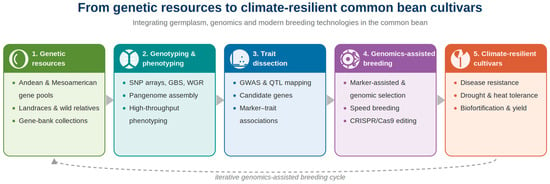

Disclaimer/Publisher’s Note: The statements, opinions and data contained in all publications are solely those of the individual author(s) and contributor(s) and not of MDPI and/or the editor(s). MDPI and/or the editor(s) disclaim responsibility for any injury to people or property resulting from any ideas, methods, instructions or products referred to in the content. |
© 2026 by the authors. Licensee MDPI, Basel, Switzerland. This article is an open access article distributed under the terms and conditions of the Creative Commons Attribution (CC BY) license.