


Abstract
This paper presents a literature review and bibliometric synthesis of research on Industry 5.0 based exclusively on publications indexed in the Scopus database that include “Industry 5.0” among the authors’ keywords. Restricting the literature corpus to authors’ keywords was considered an appropriate approach for reconstructing the Industry 5.0 framework because keywords function as “academic hashtags,” reflecting how researchers intentionally position and describe their work within a specific research domain. The analysis covers the period 2013–2025. Unlike previous bibliometric studies that relied on full-text, title, or abstract searches, the approach adopted in this study treats authors’ keywords as an explicit declaration of a publication’s alignment with Industry 5.0 research. This perspective enables the reconstruction of the evolution, thematic structure, and cognitive boundaries of the field from the researchers’ own viewpoint. It also facilitates an examination of how Industry 5.0 has emerged and evolved as a distinct area of scientific inquiry between 2013 and 2025. The novelty of the study lies not in the application of bibliometric methods per se, but in the adoption of authors’ keywords as a criterion for delimiting the literature corpus. This methodological perspective allows for the development of an Industry 5.0 research landscape. In addition, the study provides a comprehensive overview of existing bibliometric analyses of Industry 5.0 and compiles relevant electronic sources to facilitate rapid access to the field’s principal research streams.
1. Introduction
With the development of digital technologies and internet services, a new industrial concept has emerged, Industry 4.0. The term “Industry 4.0” was first used in a high-tech strategic program launched by the German government in 2011. However, it was not until its adoption by the World Economic Forum in 2016 that the term began to be widely used. The concept of Industry 4.0 gained widespread popularity thanks to the Fourth Industrial Revolution, as described by Klaus Schwab [1,2]. Building on the principles of Industry 4.0, the concept of Industry 5.0 emerged somewhat later. An important document for presenting the concept of Industry 5.0 was the EC document dated 5 January 2021, titled Industry 5.0-Towards a sustainable, human-centric and resilient European industry [3]. The principles outlined in this document form the basis of a new concept that scientists view as the direction of change in the ongoing Fourth Industrial Revolution. Industry 5.0 is based on Industry 4.0 technologies such as computer systems: ERP—Enterprise Resource Planning, MES—Manufacturing Execution System, and Internet of Things—IoT or Industrial Internet of Things—IIoT, cloud computing, autonomous robots, AI and M2M (Machine to Machine communication), computer simulation, augmented reality and digital twins, big data and data analytics with real-time information preparing, additive manufacturing, Cyber-Physical Systems—CPS, and cybersecurity [4,5,6,7,8,9,10,11]. Technological factors are linked to the concept of sustainable industrial development and the tendency to put people at the center of ongoing changes, as well as to the possibilities of building business resilience using new technologies in the face of an increasingly demanding environment (unpredictable events of recent years: the COVID-19 pandemic, the energy crisis, etc.) [12,13,14,15,16,17,18,19]. In the Industry 4.0 concept, there is a strong emphasis on the automation of industrial processes. In contrast, Industry 5.0 highlights the importance of humans in the ongoing technological transformation, and the entire concept of industrial development is built upon features (functions) designed to build business resilience and limit (or even eliminate) the negative impact of technological processes on the environment (optimizing the use of raw materials, electricity, etc.) [20]. Humans are at the center of the shift from Industry 4.0 to Industry 5.0 [21].
The concept of Industry 5.0 is constantly evolving, seeking solutions that adapt businesses to an increasingly fast-changing environment and emerging “black swan” business disruptions [22]. Researchers and policymakers predict that by 2030, Industry 5.0 could dominate global industry, offering fully personalized products, zero-emission factories, and new professions such as cobot operators and AI analysts, as well as through technologies for agile management and supply chain flexibility [23,24].
To summarize the current state of knowledge (in brief) regarding the concept of Industry 5.0, an analysis of scientific publications in the Scopus database was conducted using the search keyword (“KEY(Industry 5.0)”) (keywords used by authors). The time scope of the analysis covered the period 2013–2025. The research questions (RQs) addressed in this study can be formulated as follows:
- RQ1: What are the trends in Industry 5.0?
- RQ2: What are the key research areas of Industry 5.0?
- RQ3: What are the clusters of keywords describing this concept?
- RQ4: What is the scope of Industry 5.0 research?
- RQ5. What is the framework for Industry 5.0?
The main part of the article includes a presentation of bibliometric analysis results, including keyword association maps and bibliometric analysis lists for Industry 5.0; a thematic synthesis of the literature based on the ten most influential publications, and discussion. Finally, the last section summarizes the main conclusions and limitations of the study.
2. Method of Analysis
This study employs bibliometric analysis. This analysis provides an objective (quantitative) assessment of the work of researchers, research institutions (universities, institutes), and countries. Its application to research enables the analysis of trends and the mapping of science. It helps identify major research trends, thematic trends, and the most influential authors. Bibliometrics allows us to track how publications contribute to the advancement of knowledge [25]. Theory building is often viewed as a cumulative process that builds upon existing knowledge and examines the limitations of existing theories [26]. Bibliometric analyses of scientific papers utilize databases such as Web of Science (WoS), Scopus, and Google Scholar. The results of the bibliometric analysis presented in this paper are based on publications in the Scopus database. This database was selected for the analysis because it covers more applied disciplines than WoS. However, the use of both databases was deemed unnecessary for the chosen topic (objective), which was the synthesis of Industry 5.0 framework (duplication of analysis results).
The method used in this study comprises two stages: (1) bibliometric analysis in the Scopus database and (2) synthesis of the literature review. The complete methodology (step by step) is presented in Figure 1.
Figure 1.
Research methodology in the indicated work (paper) topic.
The bibliometric analysis was performed using the following search criteria: KEY (Industry 5.0) AND PUBYEAR > 2012 AND PUBYEAR < 2026. The time frame of the analysis covered the years 2013–2025. During the search of the scientific database for the keyword (“KEY(Industry 5.0)”). The choice of this search scope, although it may seem too narrow, stemmed from the need to maintain the purity of the analysis to obtain a framework for Industry 5.0. It was assumed that publications whose authors did not include the keyword “Industry 5.0” might address a wide range of thematic areas without focusing specifically on this concept. In contrast, the inclusion of the keyword “Industry 5.0” indicates that the study explicitly addresses and contributes to the development of this concept. After defining the review objectives, establishing the research protocol, and preparing the study, a bibliometric analysis was conducted on indexed publications using the following parameters: number of publications, publication type, country, language, subject areas, and keywords. Author-, affiliation-, publication source-, and funding sponsor-level analyses were intentionally excluded, as these dimensions were considered to have limited relevance to the study’s primary objective, namely the synthesis of an Industry 5.0 framework. To organize the bibliometric results, the VOSviewer (v1.6.20) software was used in accordance with the requirements for scientific presentations [27]. Using this software, keyword maps were created based on the most highly cited publications (top 10). Limiting the mapping to the top 10 stemmed from the need to identify clusters for all keywords without having to narrow the scope of the analysis. Based on bibliometric analysis, a review of publications was undertaken. The research followed recommendations for literature reviews [28,29]. The analysis concluded with a synthesis of Industry 5.0 framework.
3. Results of Bibliometric Analysis
3.1. Dynamics of Publications and Subject Areas
The first area of research was publication dynamics. A rapid increase in publications has occurred in recent years, and two research areas (filter: subject area); engineering (Eng.) and computer science (CS) are the key areas for organizing papers in the Scopus database, based on the number of publications. Between 2013 and 2025, 3299 documents were found for “Industry 5.0” in the Scopus database using the keyword (Industry 5.0 AND PUBYEAR > 2012 AND PUBYEAR < 2026), including “Engineering” with 1788 papers and “Computer Science” with 1701 papers (Figure 2).
Figure 2.
Dynamics of Research Output: Total Publications and Publications in Engineering and Computer Science.
Based on the analysis of dynamics, it was determined that 2021 was a breakthrough year for Industry 5.0, and it was in that year that the EU document on Industry 5.0 was published [3]. This document presented the assumptions of a new concept based on sustainable, resilient, and human-centered manufacturing. The last three years of scientific publications on Industry 5.0 were significant for the growth of knowledge about Industry 5.0, with visible research progress. The number of Scopus-indexed publications using the keyword “Industry 5.0” increased substantially, rising from 526 in 2023 to 1032 in 2024 and reaching 1307 in 2025.
In percentage terms (share in total), two key subject areas, i.e., computer science and engineering, have more than 20% each, and both areas together have more than 47% (Figure 3). Note to Figure 3. The category “Others” comprises physics and astronomy, materials science, chemical engineering, medicine, chemistry, biochemistry, genetics and molecular biology, psychology, agricultural and biological sciences, arts and humanities, pharmacology, toxicology and pharmaceutics, immunology and microbiology, nursing, veterinary science, neuroscience, multidisciplinary studies, and earth and planetary sciences. The share of each individual discipline included in the “Others” category ranges from approximately 3% to 0.1% of the total publication output.
Figure 3.
Distribution of Industry 5.0 Publications Across Subject Areas [in %].
3.2. Type of Papers, Countries, and Languages
The next field of analysis was types of publications. In the analyzed segment of the papers, two types of publications dominated: articles (1439) and conference papers (1168) (Figure 4). The remaining types of publications were in the minority, with the important segments after articles and conference papers being books and reviews (Figure 4).
Figure 4.
Distribution of Industry 5.0 Publications by Document Type.
In the next step of analysis by category “countries” obtained countries were sorted by number of publications into three equal tertiles, yielding high levels (Top 1/3), medium levels (Middle 1/3), and low levels (Bottom 1/3). The results of the sorting are presented in Table 1. Note for Table 1: Country abbreviations (ISO-2) were used.
Table 1.
Countries by number of papers grouped into three levels (tercile).
Publications on Industry 5.0 are concentrated primarily in countries with a strong industrial base and developed digital transformation programs. The leading countries are India (IN) with 523 papers, Italy (IT) with 453, China (CN) with 323, the United Kingdom (UK) with 247, the United States (US) with 208, Germany (DE) with 179, Spain (ES) with 171, France (FR) with 139, Portugal (PT) with 120, Sweden (SE) with 119, and Poland (PL) with 113 (these countries are highlighted in bold in the “High” segment of Table 1).
India’s dominant position may be due to the dynamic development of the country’s technology sector, the growing number of universities and research centers, and the intense interest in digital transformation. An additional factor is the high publication productivity of Indian scientists in the fields of technology management and industrial engineering.
Italy’s high ranking is particularly noteworthy, as the country is a European leader in research on smart manufacturing and industrial transformation. The significant participation of Italian researchers can be attributed to its strong manufacturing sector, extensive network of small and medium-sized enterprises, and active participation in European Union research programs on digitalization and industrial sustainability.
The significant number of publications from China reflects the strategic importance of industrial modernization within national technological development programs, such as smart manufacturing, artificial intelligence, and advanced automation.
The high research activity of the United Kingdom, on the other hand, stems from the strong position of its universities and the extensive research on sustainability, organizational resilience, and the socio-technological aspects of industrial transformation.
The significant representation of European countries such as Germany, Spain, France, Portugal, Sweden, and Poland is also noteworthy. This may indicate the strong influence of European Union policy on the development of Industry 5.0 research. The European Commission played a key role in popularizing this concept, defining it through three fundamental pillars: anthropocentricity, sustainability, and resilience. As a result, European research centers have become among the main centers for the development of Industry 5.0 research.
The general distribution of publications suggests that Industry 5.0 research is developing primarily in countries with advanced industrial sectors, strong R&D infrastructure, and digital transformation strategies. This confirms the close connection between scientific activity and the practical needs of industrial modernization and the implementation of next-generation technologies.
According to the “language” filter, all papers for the keyword “Industry 5.0” were divided into two segments. The large segment consisted of papers in English, while the remaining languages formed the small segment (Figure 5).
Figure 5.
Language of papers for Industry 5.0.
3.3. Keywords of Publications
The next field of analysis was to use the keywords selected by the authors (filter by keyword) of the papers. When this filter was applied to the analysis, a set of keywords was obtained, which was then grouped into four frequency intervals (thematic quartiles) based on frequency of occurrence to make the results more readable in the bibliometric analysis. Using this classification, the following segments were obtained: very high frequency (≥300 occurrences), high frequency (from 150 to 299), medium frequency (from 80 to 149), and low frequency (<80) (Table 2).
Table 2.
Keywords of papers grouped into four segments according to frequencies (thematic quartiles).
When the keywords from segments with very high and high frequencies of use in the analyzed papers were imported into the VOSviewer software, several maps were generated depending on the density of these words. This paper presents two maps (Figure 6 and Figure 7). The central words of the maps were “Industry 5.0” and “Industry 4.0.” These two words were associated with technological changes, such as the trend toward AI development, but with a focus on the technological revolution aimed at the sustainable development of companies building smart manufacturing and human-centered solutions (Figure 6). The next map shown in Figure 7 illustrates the development environment of Industry 5.0, situating the trends related to technological development, sustainable development, and Society 5.0.
Figure 6.
Map of keywords in bibliometrics—low density. Source: Own analysis by using the VOSviewer software.
Figure 7.
Map of keywords in bibliometrics—high density. Source: Own analysis by using the VOSviewer software.
Presented keyword analysis (Table 2 and Figure 6 and Figure 7) was performed on the entire set of papers obtained from the Scopus database using the search criteria KEY (Industry 5.0) AND PUBYEAR > 2012 AND PUBYEAR < 2026. The next step in the analysis was to identify the most frequently cited publications and create a top 10 list. This list was compiled as of December 31, 2025 (Table 3), and its results were used to precisely map keywords without having to limit the scope of the analysis using VOSviewer software. In addition, the articles listed in Table 3 were used to analyze the Industry 5.0 framework (Section 4 of this paper).
Table 3.
Top 10 papers with high citations in the analysis carried out.
The authors of the papers included in the top 10 list (Table 3) identified a total of 45 keywords. Based on these keywords, a keyword co-occurrence map was generated using VOSviewer software (Figure 8). The 45 keywords were grouped into nine clusters according to their thematic similarity and the strength of their associations with the keyword “Industry 5.0.” The resulting clusters, generated by VOSviewer from all keywords extracted from the top 10 papers, are presented in Table 4.
Figure 8.
Map of keywords of the top 10 most cited publications (filtered by high citation count): 9 clusters. Source: Own analysis by using the VOSviewer software.
Table 4.
Main clusters in the top 10 highly cited papers.
To sum up this part of the analysis, the following conclusions were drawn:
- From year to year, the concept of Industry 5.0 is increasingly presented in scientific publications, assuming that it could have appeared along with the growing importance of this concept for the development of economies, which was indicated in the research by the filter of the time from 2013 to 2025 for the bibliometric analysis performed;
- The published scientific papers available (compiled) in the Scopus scientific database are dominated by articles and scientific papers in English (the dominant language in the presentation of Industry 5.0 concept);
- The leading countries from which the authors of the papers come from are India (IN) with 523 papers, Italy (IT) with 453, China (CN) with 323, United Kingdom (UK) 247, United States (US) 208, Germany (DE) 179, Spain (ES) 171, France (FR) 139, Portugal (PT) 120, Sweden (SE) 119, and Poland (PL) 113;
- The keywords used by the authors of the papers with high citations could be arranged into nine clusters (Table 4), among which the clusters related to the following factors (conditions for the development of Industry 5.0) are significant: ethics, cognitive systems, 6G, human-centered principles, human–robot co-working, industrial revolution, digital supply chain, advanced manufacturing.
4. Thematic Landscape of Industry 5.0 Research
A thematic synthesis of the literature was conducted to reconstruct the conceptual landscape of Industry 5.0. The analysis was anchored in the ten most highly cited publications identified in the dataset (Table 3), which were treated as the core intellectual foundations of the field. These seminal works were examined through their principal thematic threads and complemented with additional publications that expanded, refined, or challenged the identified themes. This approach enabled the identification of the key concepts, research streams, and relationships that collectively define Industry 5.0 research domain.
Many authors point to the connection between this new concept (Industry 5.0) and its predecessor, Industry 4.0. According to Xu et al. [30], Industry 4.0, as a German initiative, has become a globally adopted term in the past decade, and this concept is considered technology-driven, whereas Industry 5.0 emerged ten years after Industry 4.0 was presented by the European Commission, and this concept is driven by values—putting people at the center of change, focusing sustainable development, and building industrial resilience. According to Leng et al. [33], current research focuses mainly on interpreting the concept of Industry 5.0 based on the EC document (many studies are limited primarily to the definition of Industry 5.0 presented by the EU or to an extension of the paradigm of mass customization in manufacturing). Industry 5.0 is considered a “sublation” of Industry 4.0 and is still in the early stages of research [33]. In the ongoing industrial revolution, both concepts of transformation are present [36,40]. To understand the coexistence of the concepts of Industry 4.0 and Industry 5.0 within a single industrial revolution [40], their principles must be explained. Industry 4.0 is an industrial revolution, i.e., an improvement in manufacturing techniques and technologies [30]. However, according to Xu et al. [30], Industry 5.0 is not a pure industrial revolution but a techno-social revolution, or a revolution that combines technology with humans (human–robot co-working). Revolutions in industry and society have profoundly influenced one another since the first industrial revolution [31]. Industry 4.0, widely recognized as the fourth industrial revolution, represents the adoption and integration of advanced digital technologies in manufacturing and industrial environments [1,2] and Industry 5.0 is a combination of organizational principles and technologies to design and manage operations and supply chains as resilient, sustainable, and human-centered systems. Longo et al. [37] presented the main dimensions characterizing Industry 5.0 as a technological and organizational framework. At the technological level, the main principles of Industry 5.0 are collaboration, coordination, communication, automation, data analytics processing, and identification. On the business side, the main fields of Industry 5.0 are organization, management, technology, and performance assessment. The scope of Industry 5.0 encompasses societies, networks, and the operational level of enterprises (plants). Ultimately, Industry 5.0 is responsible for resilient value creation, human well-being, and a sustainable society [37]. In this approach, defining Industry 5.0 refers to the EC document, which was announced by the European Commission [3] in 2021 with the aim of a sustainable, human-centric and resilient European industry. However, there are authors, e.g., Huang et al. [39], who, when describing the genesis of Industry 5.0, refer to Society 5.0. This concept was proposed by the Japanese government to balance economic development with solving social problems in Japanese society. The coexistence of Industry 5.0 and Society 5.0 may raise the question of their intersection. As Huang et al. [39] state, “human centricity is an important element in both Industry 5.0 and Society 5.0” [39]. In recent years, increasing attention has been devoted to the concepts of future-oriented industry and society. Broadly speaking, industrial and societal revolutions are intrinsically linked, with each shaping and influencing the development of the other [39].
Research has also examined the determinants of both concepts. Smart manufacturing is considered a key driver of Industry 4.0 success [35], whereas Industry 5.0 is driven by human–robot collaboration and resilience [33]. In the Industry 4.0 concept, there was a concern that fast and highly efficient production would lead to overproduction [33,35], which favored the emergence of Industry 5.0 concept [30]. Smart factories in Industry 4.0 have their market limitations [34]. Industry 4.0 has been developed over the last 10 years, but the time has come for Industry 5.0, with humans at the center of the industrial transformation.
Many authors examining Industry 5.0 highlight its human-centered principles [15,32,34], especially in relation to human–robot collaboration. Through the application of advanced technologies, robots enhance human capabilities, enabling workers to perform tasks more efficiently and productively. Imoize et al. [32] argue that Industry 5.0 is a revolution in which humans and machines find ways to improve industrial production methods and efficiency. Industry 5.0 is considered the frontier of the smart factory, where it communicates with robots and humans [31]. Industry 5.0 builds social networks for communication between people and electronic components [34]. Industry 5.0, with its human-centered approach, represents the future of industry within the production system [39]. This concept aims to transform production systems, enabling employees to collaborate with robots within the enterprise and across supply chains [34]. Regarding supply chains, Industry 5.0 is a combination of organizational principles and technologies used to design and manage operations and supply chains so that they are resilient and sustainable [32,38,41]. Industry 5.0 can be considered a breakthrough in global industrial transformation, as it places human well-being at the center of production systems [32], thereby advancing societal goals that extend beyond employment and economic growth to promote sustainable human development and long-term well-being [33]. The literature review also highlighted the current state of change along with key technological shifts [31,34,42]. Many companies are implementing Industry 4.0, and their development paths should not be interrupted. However, they may require reorientation and adaptation to the values of Industry 5.0, namely sustainable development, human-centric principles, and resilience in business. There is no single universal path to creating smart manufacturing [43]. Each company selects projects to create its own smart manufacturing solutions based on its own vision of development and capabilities (availability of resources) [43]. The concept of Industry 5.0 gains traction, new opportunities for applying Industry 4.0 technologies are emerging. The key pillars of Industry 4.0 include Industrial Internet of Things (IIoT), big data and analytics, autonomous robots, simulation/digital twins, horizontal and vertical system integration, cloud computing, additive manufacturing (3D printing), augmented reality (AR), cybersecurity (Boston Consulting Group, https://plex.rockwellautomation.com/en-us/knowledge-articles/mes/what-is-industry-4-0.html, accessed on 10 April 2026) [42]. The pillars of Industry 4.0 enable more efficient production, predictive maintenance, supply chain optimization, and greater flexibility in responding to changing demand. By leveraging data-driven analytics and automation, Industry 4.0 transforms traditional manufacturing into a highly intelligent, adaptive, and efficient ecosystem. In contrast, the enabling technologies of Industry 5.0 include edge computing (EC), digital twins (DTs), collaborative robots, the Internet of Everything (IoE), blockchain, big data analytics, and 6G and beyond networks [33,34,41]. These technologies can help companies increase production and deliver customized products faster [44]. Industry 5.0 is moving toward an advanced production model that will focus on the interaction between machines and humans. Intelligent machines are designed to collaborate with humans, and this collaboration facilitates the achievement of objectives [31]. Human–robot collaboration is possible because rapidly developing and evolving digital technologies (robots are gaining prominence) can now be combined with the human mind through brain–machine interfaces and advances in artificial intelligence [34]. The strong need to increase productivity without simultaneously removing workers from the manufacturing industry creates opportunities for the global economy in many areas, such as smart healthcare and smart education [35].
In the context of Industry 5.0, Demir et al. [35] presented two versions of this concept. Version 1 is based on human–robot co-working, with the driver of this relationship being smart society and robotics with AI. Version 2 develops towards a bioeconomy with sustainability as the driver. The second version is broader than the first because it goes beyond the scope of the enterprise and encompasses economic sectors, creating smart healthcare, smart agriculture, smart transportation (testing autonomous cars in street traffic is a promising example of this upcoming trend), etc.
To address new challenges, an important topic of Industry 5.0 is the typology of human–robot co-working and the organizational approach in the workplace (work environment). This area was considered key in distinguishing the concept of Industry 5.0 from Industry 4.0. In Industry 4.0, machine operators were called Operators 4.0 [45]. The work environment in Industry 4.0 evolved towards cyber-physical production systems (CPPSs) [46]. With the growing role of the human factor in these systems, they were called human–cyber-physical production systems (H-CPPSs) [47]. In Industry 5.0, further evolution of systems towards human–robot co-working [35]. In the Industry 5.0 concept, in which robots are linked to the human brain and act as collaborators, Operator 5.0 is introduced [32,33]. Operator 5.0 differs from Operator 4.0 in that new operators will be better prepared to cooperate with robotics technologies and will utilize the potential of technology [32].
At the decision-making level responsible for managing robots is the Chief Robotics Officer (CRO). According to Nahavandi [32], a CRO is an individual with expertise in understanding robots and their interactions with humans. The CRO makes decisions regarding the addition or removal of robots from the work environment to achieve optimal productivity and efficiency. The CRO must have experience in robotics, artificial intelligence, human factor modeling, and human–machine interaction. The development of artificial intelligence means that the relationship between humans and robots will continue to develop and evolve, ultimately leading to the creation of a robotic society in which people will reap the maximum benefits of new technologies and strive to minimize their negative effects.
An important research focus is the identification and examination of unresolved issues that have become evident in the ongoing transition from Industry 4.0 to Industry 5.0. The authors of the paper [35] point out that there is a lack of research focusing on organizational issues arising from human–robot collaboration, including studies on forms of working with robots, human preferences regarding robot types, educational programs in the field of working with robots, descriptions of how humans compete with or collaborate with robots, and discussions of human attitudes toward robots. Furthermore, generational differences must also be considered in human–robot collaboration [35]. According to Lu et al. [36], there is still debate over whether manufacturing should be human-centric—placing employee well-being at the center of production processes—rather than system-centered—driven solely by efficiency, quality improvement, and cost reduction. Lu et al. [47] emphasize that human-centric manufacturing should ultimately address human needs as defined in Maslow’s Hierarchy of Human Needs—from basic needs for safety and health to the highest level of self-esteem and self-actualization.
The growing implementation of AI in workplaces is expected to stimulate further research on robot–human interactions, particularly through the development of case studies and empirical analyses. Among the analyzed top 10 papers with the keyword “Industry 5.0” was Longo et al.’s paper [37], which presented three examples: (1) Use Case #1: Augmenting the Workers’ Perception Capabilities -> Monitoring Workers’ Health and Movements via Wearable Sensors; (2) Use Case #2: Augmenting the Workers’ Cognitive Capabilities -> Using Simulation-Based VR Training Solutions to Enhance Learning; (3) Use Case #3: Augmenting the Workers’ Interaction Capabilities -> Using Intelligent Voice-Enabled Digital Assistants at the Factory. These case studies confirm that, regardless of whether we are presenting Industry 5.0 or Society 5.0, the combination of cyberspace and physical space is one of the key technologies supporting humans. However, this person is required to be creative, flexible and active [48], and the changes have served to develop value- and ethics-oriented manufacturing engineering in Industry 5.0 from the aspect of human-centric changes to the design of the factory of the future [37].
Longo et al. [37] present Value-Sensitive Design (VSD), a framework illustrating how technologies enabling human–machine symbiosis in the factory of the future can be designed to embody human values. Case studies in [37] based on real-world solutions and prototypes demonstrate how a design-for-values approach helps explore and mitigate ethical issues arising during the implementation of technological solutions, thereby supporting the migration to a symbiotic human–robot environment.
According to Lu et al. [36], human–machine interactions will evolve according to the 5C evolutionary model (coexistence, cooperation and collaboration, compassion and coevolution). The direction of this evolution is as follows: the current forms of coexistence, cooperation, and collaboration will give rise to future compassion and coevolution. Consequently, human-centric production systems require bidirectional empathy, proactive communication, and cooperative intelligence to build trustworthy human–machine coevolutionary relationships, thereby leading to the creation of high-performance human–machine teams. It is suggested that future research focuses on developing transparent, reliable, and measurable technologies that will ensure a satisfying work environment tailored to real-world needs [36].
Finally, it is important to highlight several outstanding issues that still need to be addressed to realize the concept of Industry 5.0. Demir and Döven [35] express concerns about human–robot collaboration due to legal, social, ethical, and psychological issues, particularly at the lower levels of an organization. The authors of the paper [35] state that standardization and legalization will help prevent serious problems between technology, society, and businesses. Transparency in the implementation of new solutions should be prioritized. Autonomous systems should include explainable solutions regarding ethical, social, and legal behavior. Autonomous systems (autonomous robots) must undergo verification and validation. According to Demir and Döven [35], collaboration between humans and robots will be a major change for organizations. In fact, robots in organizations and in everyday life are likely to be a significant change for humanity. Attitudes toward robots are likely to evolve as people experience interaction with them. Today’s children may react differently than older generations. Since they will grow up with this or similar technologies, their children will live in a society with robots. Furthermore, Adel [34] identifies the key challenges of Industry 5.0, which are security, privacy, a shortage of skilled workers, time-consuming processes, and high budget requirements.
Analysis of the most highly cited publications reveals three dominant intellectual streams within Industry 5.0 literature: (i) human-centric manufacturing and human–robot collaboration, (ii) conceptual and theoretical frameworks of Industry 5.0, and (iii) enabling digital technologies (Table 5).
Table 5.
Network analysis based on 10 highly cited papers.
The clusters presented in Table 5 can be sorted according to the similarities of themes into (i) a segment concerning the framework of the Industry 5.0 concept, (ii) a segment concerning the industrial revolution and the specificity of industrial technologies (AI, advanced manufacturing, IoT, 6G, digital supply chain and cognitive systems), (iii) a segment concerning the human-centered principles with human–robot co-working and ethics as a link between the changes taking place for both segments.
Current research on Industry 5.0 is still ongoing and is necessary to identify future directions of Industry 5.0 development, including cognitive computing and new human–machine interactions [34,35]. The Industry 5.0 framework is based on the one hand on the determinants included in the EC document [3], i.e., sustainability, human centrism and resilience, and on the other hand on the assumptions of Society 5.0 [39], but Industry 5.0 does not exist without Industry 4.0 technologies, which create a smart environment and are the basis for the ongoing changes that create a new image of the industry called Industry 5.0. The key field of research of authors is human-centric trends with human–robot co-working [32,34,35]. Based on keywords (Figure 6, Figure 7 and Figure 8) used by the authors of analyzed papers, the framework of Industry 5.0 was created (Figure 9).
Figure 9.
Thematic Landscape of Industry 5.0. Source: Own analysis based on bibliometrics.
Literature analysis explores the existence of two solutions that constitute the conceptual framework for Industry 5.0.
The first is based on the relationship between Industry 4.0, Society 5.0, and sustainable development. Industry 4.0 provides the technological foundations for a new industrial model using cyber-physical production systems, the Internet of Things, artificial intelligence, and data analytics. Society 5.0 expands this perspective, necessitating the application of technology to address social and quality-of-life issues. As a result, sustainability becomes the common denominator of both concepts, integrating economic, performance, and social goals. Industry 5.0 emerges as a response to the technological solution of a connected Industry 4.0, combining advanced technologies with a connection to false and appropriate development.
The second area covers the relationship between resilience, a human-centric approach, and the evolution of successive industrial revolutions. In this context, Industry 5.0 represents the next stage of industrial development, which is not limited to increasing production efficiency but focuses on the ability of systems to adapt in the face of disruptions and on strengthening the role of humans. Resilience refers to the ability of companies and supply chains to anticipate, absorb, and overcome crises, while the human-centered dimension emphasizes the importance of employee well-being, their competencies, and collaboration with smart technologies. Industry 5.0 thus redefines the relationship between humans and technology, shifting the focus from automation to co-creation of value.
Both areas form a coherent framework for Industry 5.0. The first defines the strategic goal of industrial transformation—sustainable development supported by digital technologies and oriented toward the needs of society. The second defines how this goal can be achieved by building resilient organizations and placing people at the center of transformation processes. Industry 5.0 can therefore be interpreted as a paradigm integrating advanced Industry 4.0 technologies, the social vision of Society 5.0, the principles of sustainable development, systemic resilience, and a human-centric approach to work organization. In this perspective, it represents not only the next stage of industrial development but also a comprehensive vision for the future of industry, addressing the economic, social, and environmental challenges of the 21st century.
The final stage of Industry 5.0 discussion presents an overview of papers indexed in the Scopus database that were identified using the search query TITLE-KEY (“Industry 5.0”) AND (“Bibliometric Analysis”). To capture the most recent developments in the field, the analysis was limited to publications from the last five years (2021–2025). This search yielded 28 papers.
The papers listed in Table 6 are ranked according to their citation counts, from the most highly cited to the least cited, including recently published studies that have not yet received citations. This compilation provides readers with an expanded overview of the existing bibliometric research on Industry 5.0 and serves as a valuable source of additional knowledge on the topic.
The most frequently cited publication in the analyzed collection is the paper by Madsen and Berg (2021) [49], which presents the origins and early development of Industry 5.0 concept. Although the term began appearing in international scientific databases, such as Scopus and Web of Science, as early as the mid-2010s, its rapid growth occurred between 2020 and 2021. A significant catalyst for the growing interest among researchers were European Commission documents defining Industry 5.0 as an approach focused on sustainable development, people, and the resilience of economic systems and supply chains. In their bibliometric analysis covering the years 2015–2021, Madsen and Berg [49] presented the structure of the evolving scientific literature, highlighting the most frequently cited publications by Sachsenmeier [50], Demir et al. [35], Özdemir and Hekim [51], Nahavandi [32], and Abdel-Basset et al. [52].
In subsequent bibliometric studies, the focus shifted from analyzing publication trends to identifying thematic connections and the intellectual structure of the field. Ben Youssef and Mejri (2023) [53] demonstrated that the key research areas of Industry 5.0 center on sustainable development, anthropocentrism, smart manufacturing, and next-generation communication technologies. The authors also highlighted strong links between Industry 4.0 and 5.0 with technologies, such as artificial intelligence, blockchain, and the Industrial Internet of Things, while broadening the perspective to include environmental and social goals.
Similar conclusions were presented by Lewandowska and co-authors (2023) [54], focusing on the opportunities and challenges facing small and medium-sized enterprises (SMEs) in the context of industrial transformation. The importance of the SME sector as a key player in the transition from Industry 4.0 to Industry 5.0 was also confirmed in the analyses by Ben Youssef and Mejri (2023) [53].
The emergence of two consecutive industrial revolutions in such a short period of time is an unprecedented phenomenon in the history of economic development. As Ciucu-Durnoi and co-authors note (2024) [55], while Industry 4.0 focused on digitization and the integration of humans with cyber-physical systems, Industry 5.0 expands on this concept by placing a stronger emphasis on sustainable development, human well-being, and the social responsibility of technology. As a result, the focus is shifting from process automation to creating value for people, the environment, and the economy.
The results of bibliometric analyses clearly indicate that the development of Industry 5.0 is based on three interrelated pillars: anthropocentrism, sustainable development, and organizational resilience [56]. Anthropocentrism refers to collaboration between humans and machines rather than the replacement of humans by technology. Sustainable development encompasses the environmental and social responsibility of businesses, while resilience refers to an organization’s ability to adapt in the face of crises and market disruptions.
Technologies supporting the implementation of Industry 5.0 objectives also constitute a significant area of research. Ciucu-Durnoi et al. (2024) [55] highlighted technologies enabling the integration of Industry 4.0 and 5.0 concepts, while Dehghan et al. (2025) [57] emphasized the importance of additive manufacturing (AM). Their bibliometric analysis showed that the integration of AM with Industry 4.0 and 5.0 solutions leads to the development of hyper-personalized, decentralized, and human-centered production. At the same time, additive manufacturing is becoming an important element of digital value chains, combining cyber-physical automation with the principles of eco-design and sustainable production.
Similar trends are observed in supply chain management [58]. Matha et al. (2025) [59], analyzing the literature on supply chains in the healthcare sector, showed that Industry 5.0 is shifting the focus from technological automation to human-centric solutions, organizational resilience, and sustainability.
Although technologies characteristic of Industry 4.0, such as the Internet of Things (IoT), big data, cyber-physical systems (CPSs), advanced data analytics, and intelligent machines, remain the foundation of industrial transformation, the need to use them in a way that supports human–technology cooperation and social good is increasingly emphasized [60,61]. In this perspective, Industry 5.0 does not replace Industry 4.0, but constitutes its development by integrating technological innovations with social, ethical, and environmental goals [62,63,64].
The literature also pays particular attention to the role of digital twins, which enables the optimization of industrial processes and increase the efficiency of human collaboration with digital systems. Walas Mateo and De Giusti (2025) [65] indicated that this technology is one of the key elements in achieving the assumptions of Industry 5.0. In turn, Bispo et al. (2025) [66], analyzing the socio-technical aspects of modern production, emphasized the importance of employee well-being, human–artificial intelligence collaboration, and value-oriented design as the basic directions for further development of this concept.
Industrial transformation is moving toward the creation of new industrial ecosystems based on collaboration, decentralization, and value creation for people. Extensive bibliometric analyses of industrial ecosystems show that decentralized enterprise networks strengthen relationships between market participants and foster the development of human-centric business models [67]. This trend is visible in many economic sectors. For example, in healthcare, a shift from traditional financing models focused on cost reduction to advanced, technologically supported financial operations is observed [68]. Similar processes are taking place in the hotel sector, where research focuses on the importance of digital technologies and Industry 5.0 assumptions for the development of a sustainable hotel industry [69].
The emerging ecosystems emphasize the need to design adaptive solutions for human–robot collaboration that consider occupational safety, the complexity of tasks, and the integration of technology with employee competencies. Therefore, improving employee skills to enable the effective use of robotics and artificial intelligence is particularly important. AI-based solutions should support project management, integrate data in real time, and improve sustainability indicators [70].
In the context of value creation, the importance of lean management is also increasingly emphasized. As emphasized by Colombo et al. (2025) [71], the principles of lean management, aimed at maximizing customer value while simultaneously placing humans at the center of production processes, constitute one of the foundations of Industry 5.0.
Industry 5.0 does not represent a departure from technologies developed within Industry 4.0, but rather their expansion to include social and environmental dimensions. Technologies such as the Internet of Things (IoT), artificial intelligence (AI), big data, and cyber-physical systems remain the foundation of the digital transformation of enterprises. They enable the creation of intelligent products and processes, increased productivity, and data-driven decision-making. At the same time, the use of these technologies to achieve goals related to sustainability, organizational resilience, and employee well-being is becoming increasingly important [72].
The integration of the ESG concept with Industry 5.0 assumptions is also an important research direction. Gaur and Sharma [73] demonstrated that human-centric technologies can support the achievement of environmental, social, and corporate governance goals while improving companies’ economic performance. Integrating AI and the Internet of Things with ESG practices promotes long-term value creation and increases organizations’ compliance with regulatory requirements. The development of advanced technologies is also linked to the concept of green production, which is one of the pillars of achieving sustainable development goals. As Fatima et al. (2025) [16] point out, responsible resource management and the implementation of ecological production processes are becoming a significant source of competitive advantage for enterprises operating in resource-intensive industrial sectors.
Production planning and scheduling processes are also undergoing changes. In Industry 5.0, scheduling evolves from the rigid, algorithmic optimization characteristic of Industry 4.0 toward flexible, human-centric planning. The human-in-the-loop concept is crucial here, according to which artificial intelligence systems support the decision-making process by analyzing data and simulating action options, while the final decision remains with the human. This approach allows for better utilization of expert experience, intuition, and knowledge while maintaining the benefits of automated data analysis [72,74].
Cybersecurity remains a significant challenge related to the development of Industry 5.0. Komosar, Slavić, Rakić, and Stefanović (2024) [75] point out that the development of human-centric industrial environments requires concurrent strengthening of digital security. The literature emphasizes the role of blockchain technology, cryptographic solutions, and future applications of quantum computers in data protection and transaction security [76]. At the same time, it is necessary to develop new security standards and organizational protocols tailored to the specifics of Industry 5.0.
Bibliometric analyses consistently indicate that the development of Industry 5.0 is based on three interconnected pillars: anthropocentricity, sustainable development, and organizational resilience [61,77]. Anthropocentricity places employee well-being and human–machine collaboration at the center of production processes [66,78]. Sustainable development encompasses environmental responsibility, a circular economy, and the pursuit of climate neutrality. Resilience, on the other hand, refers to an organization’s ability to effectively respond to crises and disruptions in the economic environment.
Table 6.
List of publications on Industry 5.0 with bibliometric analysis from 2021 to 2025 in Scopus data base for TITLE- KEY (“Industry 5.0”) AND (“Bibliometric Analysis”) (data of analysis 2 March 2026).
About the previously conducted bibliometric analyses (Table 6), the review synthesis presented in this paper—which was developed based on a narrowed-down bibliometric approach, using “author keywords” as an “academic hashtag” to delimit the literature corpus for the period from 2013 to 2025—may constitute an original contribution to scientific research. The use of authors’ keywords containing the term “Industry 5.0” as the primary criterion for selecting publications enabled the identification of the core body of literature produced by researchers who consciously situate their work within the paradigm, as well as the development of a synthetic overview of its evolution and main research directions. The bibliometric methodology adopted—in which the corpus of literature was delimited using author keywords as “academic hashtags”—represents a novel and original methodological approach, resulting in a synthesis of research topics that outline (and shape) the landscape of Industry 5.0.
5. Discussion
Sustainable development remains a dominant research topic in the research areas of Industry 5.0. Research on industries that make intensive use of natural resources points to the growing importance of circular economy practices, green production, secure industrial data management, and human-centered technological solutions [15,16,18].
Recent studies [79] highlight the role of Industry 5.0 technologies in achieving net-zero emissions targets, supporting the principles of the circular economy, and increasing supply chain resilience [67,80,81]. The integration of digital twins, smart analytics, and collaboration technologies is increasingly seen as a key mechanism for balancing economic performance with environmental and social goals [66].
Many scientific publications emphasize the integration of sustainable development frameworks with human-centered production paradigms, noting a shift in researchers’ focus from Industry 4.0 technologies (IoT, CPS, automation) toward human-centered AI, ESG, sustainability, resilience, the circular economy, and human–machine collaboration [61,66,70,82,83,84]. The research focuses on the interaction between advanced digital technologies and human capabilities, rather than solely on automation [82,83,84]. The technological and social challenges for Industry 5.0 lie in AI solutions, particularly regarding human use of AI and its impact on humans, which currently constitutes the mainstream of Industry 5.0 research. An important area of research is human trust in AI and, conversely, human collaboration with trustworthy artificial intelligence [85]. Trustworthy and human-centered artificial intelligence is a growing area of research. Researchers emphasize the need for understandable, transparent, and ethically managed AI systems that support human decision-making rather than replace it. This trend may reflect growing concerns regarding trust, accountability, and employee acceptance of AI-based industrial solutions. Researchers are increasingly combining human creativity, contextual knowledge, and ethical judgment with machine intelligence. Finally, new research highlights the importance of workforce transformation and new organizational opportunities. Human resources management, employee well-being, digital skills development, and AI readiness are increasingly recognized as key success factors for the implementation of Industry 5.0 [82].
An important area of research is the design of intelligent manufacturing systems. When discussing manufacturing in Industry 5.0, it is advisable to adopt a proactive integration framework that combines machine intelligence with human factors, aiming to improve adaptability, usability, and operational efficiency in real-world manufacturing environments [66,86]. According to Zhang et al. (2025) [86], intelligent manufacturing systems (IMSs) based on computer vision are increasingly prioritizing both human-centered principles and proactive, integrated design. However, existing systems often face difficulties in effectively balancing technical performance with the integration of human factors. AI technologies and others, such as blockchain and IoT, can advance the integration of manufacturing systems [15,41,67].
The literature reveals a growing interest in human–machine collaboration, supported by cognitive digital twins, human-in-the-loop architectures, and advanced decision support systems [72,74,86,87]. Artificial intelligence (AI) technologies have significant potential to support this transformation; therefore, tools for measuring maturity models for enterprises should be developed [83]. Key areas of the model include the adaptability of AI tools, their ability to address business challenges, and the degree to which AI technologies align with human-centered principles (collaboration in line with human values) [83]. The transition from Industry 4.0 to Industry 5.0 requires a redefinition of the relationship between people and technological systems in manufacturing. As manufacturing environments become increasingly complex and data-driven, there is an urgent need to incorporate human-centered principles into the management and implementation of production management systems (PSMs) [87]. Modern production environments should integrate explainable artificial intelligence (XAI), cognitive digital twins (CDTs), and trustworthy human-in-the-loop (HitL) mechanisms. Only such environments can support strategic, tactical, and operational decision-making in sustainable production networks [72,74,87].
Another important area of research involves lean concepts, which can be integrated into an Industry 5.0 environment [71]. For example, Benjelloun et al. (2025) [88] demonstrate how Industry 5.0 principles can be combined with Lean Six Sigma methodologies to support sustainable production and the sustainable development goals (SDGs), highlighting a shift away from purely technological innovation toward organizational and environmental efficiency. Furthermore, at the organizational level, researchers focus on, among other things, ESG, social responsibility, and governance mechanisms, suggesting that Industry 5.0 should be viewed not only as a technological transformation but also as a framework for sustainable organizational development [73,84,87,89].
In summary, the latest research on Industry 5.0 brings together many interrelated topics: artificial intelligence, human-centered design, sustainability and resilience of production systems, advanced human–machine collaboration, and responsibility and ethics in the design of autonomous manufacturing systems. Research on Industry 5.0 goes beyond the technological approach characteristic of Industry 4.0, moving toward a more holistic paradigm that integrates anthropocentrism, sustainability, resilience, and ethical management. These topics will shape the next stage of theoretical development and practical implementation of Industry 5.0 in manufacturing ecosystems and supply chains [80,81,89]. Keywords that may appear with increasing frequency in the results of bibliometric analyses include trustworthy AI, human-centered AI, digital twins, human-in-the-loop, sustainability, circular economy, resilient supply chains, and workforce transformation. Considering these keywords, future research should focus on a more in-depth analysis of socio-technical integration mechanisms and the development of practical frameworks for measuring the human-centered approach and organizational maturity in Industry 5.0 environments.
6. Limitation of Analysis
This study has several limitations that should be considered when interpreting the results. First, the bibliometric analysis was conducted exclusively using the Scopus database. Although Scopus is one of the largest and most recognized scientific databases, it does not index all publications available in other sources. However, combining results from multiple databases would not have allowed for a synthesis of the topic, and this was the core of the methodology. Bibliometric analyses are inherently dependent on the selected search criteria, database coverage, and citation-based indicators. Therefore, the findings should be interpreted as a representation of the analyzed dataset rather than a comprehensive overview of all Industry 5.0 research.
Second, the search methodology was limited to publications that included the term “Industry 5.0” in the author’s keywords. Although this approach ensured a high degree of relevance and consistency in the retrieved records, it may have excluded other studies. To avoid narrowing the scope of the topic, a compilation of previously conducted bibliometric analyses on “Industry 5.0” was prepared so that the reader could explore various thematic areas based on different methodological assumptions for bibliometric analysis.
Third, the analysis focused on the ten most frequently cited publications identified in the dataset. The number of citations is commonly used as an indicator of scientific impact; however, it may not reflect the full spectrum of research (older publications have had more time to accumulate citations, while newer ones have had less). Focusing exclusively on the most frequently cited works may underrepresent new research trends covered in the most recent publications. Therefore, Section 5 addresses the latest publications and the latest trends in the evolution of Industry 5.0.
7. Conclusions
The concept of Industry 5.0 remains an evolving area of research due to its developmental nature within the ongoing industrial revolution. This bibliometric review aimed to develop a framework for Industry 5.0 based on the key determinants identified in the European Commission (EC) document [3]—sustainability, human-centricity, and resilience—as well as the principles of Society 5.0 [39]. However, Industry 5.0 cannot be considered independently of Industry 4.0, whose enabling technologies have shaped the primary direction of transformation, particularly through human–robot collaboration [35].
In addressing the research questions, the findings indicate that the key distinguishing feature between Industry 4.0 and Industry 5.0 (RQ1) is the role of humans within ongoing technological transformations, especially regarding the nature and potential of human–AI collaboration. The development of frameworks for human–robot collaboration in smart environments emerged as a major research area (RQ2). Numerous studies [32,34,35] have explored this topic, highlighting new research directions that are expected to gain importance as human–robot interaction expands, particularly with the increasing adoption of humanoid robots.
Sustainable and green manufacturing also represents a significant area of Industry 5.0 research. In the bibliometric analysis, sustainable development emerged as one of the key thematic clusters (RQ3). Based on the analyzed papers selected for detailed analysis (RQ4), major research clusters were identified that define the proposed Industry 5.0 framework (RQ5), encompassing the following themes: industrial transformation, digital supply chains, advanced manufacturing, 6G technologies, cognitive systems, human-centric approaches, human–robot collaboration, and the ethical challenges associated with technological progress and the expanding application of artificial intelligence.
Funding
This research received no external funding.
Institutional Review Board Statement
Not Applicable.
Informed Consent Statement
Not Applicable.
Data Availability Statement
The original contributions presented in this study are included in the article. Further inquiries can be directed to the corresponding author.
Conflicts of Interest
The author declare no conflicts of interest.
References
- Schwab, K. The Fourth Industrial Revolution; World Economic Forum: Geneva, Switzerland, 2016. [Google Scholar]
- Schwab, K. The Fourth Industrial Revolution: What it means, how to respond1, Chapters. In Handbook of Research on Strategic Leadership in the Fourth Industrial Revolution; Simsek, Z., Heavey, C., Fox, B.C., Eds.; Edward Elgar Publishing: Cheltenham, UK, 2024; Chapter 2; pp. 29–34. [Google Scholar]
- Directorate-General for Research and Innovation. Industry 5.0—Towards a Sustainable, Human-Centric and Resilient European Industry; EC: Brussels, Belgium, 2021; Available online: https://research-and-innovation.ec.europa.eu/knowledge-publications-tools-and-data/publications/all-publications/industry-50-towards-sustainable-human-centric-and-resilient-european-industry_en (accessed on 10 April 2026).
- Gajdzik, B.; Jaciow, M.; Wolniak, R.; Wolny, R. Maturity Business Models for Manufacturing in the Digital Age; Taylor and Francis: Abingdon, UK, 2025. [Google Scholar] [CrossRef] [Scilit]
- Valette, E.; El-Haouzi, H.B.; Demesure, G. Industry 5.0 and its technologies: A systematic literature review upon the human place into IoT-and CPS-based industrial systems. Comput. Ind. Eng. 2023, 184, 109426. [Google Scholar] [CrossRef] [Scilit]
- Ghobakhloo, M.; Iranmanesh, M.; Tseng, M.L.; Grybauskas, A.; Stefanini, A.; Amran, A. Behind the definition of Industry 5.0: A systematic review of technologies, principles, components, and values. J. Ind. Prod. Eng. 2023, 40, 432–447. [Google Scholar] [CrossRef] [Scilit]
- Akundi, A.; Euresti, D.; Luna, S.; Ankobiah, W.; Lopes, A.; Edinbarough, I. State of Industry 5.0—Analysis and Identification of Current Research Trends. Appl. Syst. Innov. 2022, 5, 27. [Google Scholar] [CrossRef] [Scilit]
- Pant, R.; Singh, R.; Gehlot, A.; Thakur, A.K. A systematic review of emerging Industry 5.0 technologies: Enhancing agile manufacturing for sustainability. Oper. Res. Forum 2025, 6, 29. [Google Scholar] [CrossRef] [Scilit]
- Acosta-Vargas, P.; Suarez, L.; Cuadrado, T.; Salvador-Ullauri, L. Mapping the Industry 5.0 Landscape: Enabling Technologies, Human-Centered Systems, Sectoral Applications, and SDG Alignment—A PRISMA-ScR Review. Technologies 2026, 14, 268. [Google Scholar] [CrossRef] [Scilit]
- Ostergaard, E. Welcome to Industry 5.0; Universal Robots: Odense, Denmark, 2018. [Google Scholar]
- Zizic, M.C.; Mladineo, M.; Gjeldum, N.; Celent, L. From Industry 4.0 towards Industry 5.0: A Review and Analysis of Paradigm Shift for the People, Organization and Technology. Energies 2022, 15, 5221. [Google Scholar] [CrossRef] [Scilit]
- Grabowska, S.; Saniuk, S.; Gajdzik, B. Industry 5.0: Improving humanization and sustainability of Industry 4.0. Scientometrics 2022, 127, 3117–3144. [Google Scholar] [CrossRef] [Scilit] [PubMed]
- Gajdzik, B.; Wolniak, R.; Nagaj, R.; Žuromskaitė-Nagaj, B.; Grebski, W.W. The Influence of the Global Energy Crisis on Energy Efficiency: A Comprehensive Analysis. Energies 2024, 17, 947. [Google Scholar] [CrossRef] [Scilit]
- Johri, P.; Singh, J.N.; Sharma, A.; Rastogi, D. Sustainability of Coexistence of Humans and Machines: An Evolution of Industry 5.0 from Industry 4.0. In Proceedings of the 2021 10th International Conference on System Modeling and Advancement in Research Trends, SMART 2021, Moradabad, India, 10–11 December 2021; pp. 410–414. [Google Scholar]
- Carayannis, E.G.; Dezi, L.; Gregori, G.; Calo, E. Smart Environments and Techno-centric and Human-Centric Innovations for Industry and Society5.0: A Quintuple Helix Innovation System View Towards Smart, Sustainable, and Inclusive Solutions. J. Knowl. Econ. 2022, 13, 926–955. [Google Scholar] [CrossRef] [Scilit] [PubMed]
- Fatima, S.; Gupta, M.B.; Hossain, E.M. Industry 5.0 and sustainable production: A bibliometric analysis focusing on natural resource intensive industry. Sustain. Future 2025, 10, 101532. [Google Scholar] [CrossRef] [Scilit]
- Kumar, U.; Kaswan, M.S.; Kumar, R.; Chaudhary, R.; Garza-Reyes, J.A.; Rathi, R.; Joshi, R. A systematic review of Industry 5.0 from main aspects to the execution status. TQM J. 2024, 36, 1526–1549. [Google Scholar]
- Rame, R.; Purwanto, P.; Sudarno, S. Industry 5.0 and sustainability: An overview of emerging trends and challenges for a green future. Innov. Green Dev. 2024, 3, 100173. [Google Scholar] [CrossRef] [Scilit]
- Rajumesh, S. Promoting sustainable and human-centric industry 5.0: A thematic analysis of emerging research topics and opportunities. J. Bus. Socio-Econ. Dev. 2024, 4, 111–126. [Google Scholar]
- Aheleroff, S.; Huang, H.; Xu, X.; Zhong, R.Y. Toward sustainability and resilience with Industry 4.0 and Industry 5.0. Front. Manuf. Technol. 2022, 2, 951643. [Google Scholar] [CrossRef] [Scilit]
- van-Lopik, K.; Hayward, S.; Grant, R.; McGirr, L.; Goodall, P.; Jin, Y.; Price, M.; West, A.A.; Conway, P.P. A review of design frameworks for human-cyber-physical systems moving from Industry 4 to 5. IET Cyber-Phys. Syst. Theory Appl. 2024, 9, 169–183. [Google Scholar] [CrossRef] [Scilit]
- Taleb, N.N. The Black Swan: The Impact of the Highly Improbable; Random House: New York, NY, USA, 2007. [Google Scholar]
- Ionescu, A.-M.; Ionescu, A.-C. Exploring the Future of Manufacturing: An Analysis of Industry 5.0’s Priorities and Perspectives. Sustainability 2025, 17, 7842. [Google Scholar] [CrossRef] [Scilit]
- Directorate-General for Research and Innovation. Industrial Technologies Roadmap on Human-Centric Research and Innovation for the Manufacturing Sector; EC: Brussels, Belgium, 2024; Available online: https://research-and-innovation.ec.europa.eu/knowledge-publications-tools-and-data/publications/all-publications/industrial-technologies-roadmap-human-centric-research-and-innovation-manufacturing-sector_en (accessed on 10 March 2026).
- Zupic, I.; Čater, T. Bibliometric methods in management and organization. Organ. Res. Methods 2015, 18, 429–472. [Google Scholar]
- Weick, K.E. Theory construction as disciplined imagination. Acad. Manag. Rev. 1989, 14, 516–531. [Google Scholar] [CrossRef] [Scilit]
- Okoli, C.; Schabram, K. A Guide to Conducting a Systematic Literature Review of Information Systems Research. Sprouts Work. Pap. Inf. Syst. 2010, 10, 1–49. [Google Scholar]
- Snyder, H. Literature review as a research methodology: An overview and guidelines. J. Bus. Res. 2019, 104, 333–339. [Google Scholar] [CrossRef] [Scilit]
- van Eck, N.J.; Waltman, L. Software survey: VOSviewer, a computer program for bibliometric mapping. Scientometrics 2010, 84, 523–538. [Google Scholar] [PubMed]
- Xu, X.; Lu, Y.; Vogel-Heuser, B.; Wang, L. Industry 4.0 and Industry 5.0—Inception, conception and perception. J. Manuf. Syst. 2021, 61, 530–535. [Google Scholar] [CrossRef] [Scilit]
- Maddikunta, P.K.R.; Pham, Q.-V.; Prabadevi, B.; Deepa, N.; Dev, K.; Gadekallu, T.R.; Ruby, R.; Liyanage, M. Industry 5.0: A survey on enabling technologies and potential applications. J. Ind. Inf. Integr. 2022, 26, 100257. [Google Scholar] [CrossRef] [Scilit]
- Nahavandi, S. Industry 5.0-a human-centric solution. Sustainability 2019, 11, 4371. [Google Scholar] [CrossRef] [Scilit]
- Leng, J.; Sha, W.; Wang, B.; Zheng, P.; Zhuang, C.; Liu, Q.; Wuest, T.; Mourtzis, D.; Wang, L. Industry 5.0: Prospect and retrospect. J. Manuf. Syst. 2022, 65, 279–295. [Google Scholar] [CrossRef] [Scilit]
- Adel, A. Future of industry 5.0 in society: Human-centric solutions, challenges and prospective research. J. Cloud Comput. 2022, 11, 40. [Google Scholar] [CrossRef] [Scilit]
- Demir, K.A.; Döven, G.; Sezen, B. Industry 5.0 and Human-Robot Co-working. Procedia Comput. Sci. 2019, 158, 688–695. [Google Scholar] [CrossRef] [Scilit]
- Lu, Y.; Zheng, H.; Chand, S.; Xia, W.; Liu, Z.; Xu, X.; Wang, L.; Qin, Z.; Bao, J. Outlook on human-centric manufacturing towards Industry 5.0. J. Manuf. Syst. 2022, 62, 612–627. [Google Scholar] [CrossRef] [Scilit]
- Longo, F.; Padovano, A.; Umbrello, S. Value-oriented and ethical technology engineering in Industry 5.0: A human-centric perspective for the design of the factory of the future. Appl. Sci. 2020, 10, 4182. [Google Scholar] [CrossRef] [Scilit]
- Ivanov, D. The Industry 5.0 framework: Viability-based integration of the resilience, sustainability, and human-centricity perspectives. Int. J. Prod. Res. 2023, 61, 1683–1695. [Google Scholar]
- Huang, S.; Wang, B.; Li, X.; Zheng, P.; Mourtzis, D.; Wang, L. Industry 5.0 and Society 5.0—Comparison, complementation and co-evolution. J. Manuf. Syst. 2022, 64, 424–428. [Google Scholar] [CrossRef] [Scilit]
- Gajdzik, B. The Concept of the Business Model in Industry 5.0. Analysis Based on the Literature Review, IN: Effect of Digital and Climate Changes in the Business Models of Companies; Jabłoński, A., Jabłoński, M., Eds.; Taylor & Francis Group: Abingdon, UK, 2025; pp. 21–48. [Google Scholar]
- Imoize, A.L.; Adedeji, O.; Tandiya, N.; Shetty, S. 6G enabled smart infrastructure for sustainable society: Opportunities, challenges, and research roadmap. Sensors 2021, 21, 1709. [Google Scholar] [CrossRef] [Scilit] [PubMed]
- Boston Consulting Group. What is Industry 4.0. Available online: https://plex.rockwellautomation.com/en-us/knowledge-articles/mes/what-is-industry-4-0.html (accessed on 10 March 2026).
- Gajdzik, B.; Grabowska, S.; Saniuk, S. A Theoretical Framework for Industry 4.0 and Its Implementation with Selected Practical Schedules. Energies 2021, 14, 940. [Google Scholar] [CrossRef] [Scilit]
- Saniuk, S.; Grabowska, S.; Gajdzik, B. Personalization of Products in the Industry 4.0 Concept and Its Impact on Achieving a Higher Level of Sustainable Consumption. Energies 2020, 13, 5895. [Google Scholar] [CrossRef] [Scilit]
- Romero, D.; Stahre, J.; Taisch, D. The Operator 4.0: Towards socially sustainable factories of the future. Comput. Ind. Eng. 2020, 139, 106128. [Google Scholar] [CrossRef] [Scilit]
- Lins, T.; Rabelo Oliveira, R.A. Cyber-physical production systems retrofitting in context of industry 4.0. Comput. Ind. Eng. 2020, 139, 106193. [Google Scholar] [CrossRef] [Scilit]
- Lou, S.; Hu, Z.; Zhang, Y.; Feng, Y.; Zhou, M.-C.; Lv, C. Human-Cyber-Physical System for Industry 5.0: A Review From a Human-Centric Perspective. IEEE Trans. Autom. Sci. Eng. 2024, 22, 494–511. [Google Scholar] [CrossRef] [Scilit]
- Gajdzik, B.; Wolniak, R. Smart Production Workers in Terms of Creativity and Innovation: The Implication for Open Innovation. J. Open Innov. Technol. Mark. Complex. 2022, 8, 68. [Google Scholar] [CrossRef] [Scilit]
- Madsen, D.Ø.; Berg, T. An exploratory bibliometric analysis of the birth and emergence of Industry 5.0. Appl. Syst. Innov. 2021, 4, 87. [Google Scholar] [CrossRef] [Scilit]
- Sachsenmeier, P. Industry 5.0—The relevance and implications of bionics and synthetic biology. Engineering 2016, 2, 225–229. [Google Scholar] [CrossRef] [Scilit]
- Özdemir, V.; Hekim, N. Birth of industry 5.0: Making sense of big data with artificial intelligence. The Internet of things and next-generation technology policy. OMICS J. Integr. Biol. 2018, 22, 65–76. [Google Scholar] [CrossRef] [Scilit]
- Abdel-Basset, M.; Manogaran, G.; Gamal, A.; Chang, V. A novel intelligent medical decision support model based on soft computing and IoT. IEEE Internet Things J. 2020, 7, 4160–4170. [Google Scholar] [CrossRef] [Scilit]
- Ben Youssef, A.; Mejri, I. Linking Digital Technologies to Sustainability through Industry 5.0: A bibliometric Analysis. Sustainability 2023, 15, 7465. [Google Scholar] [CrossRef] [Scilit]
- Lewandowska, A.; Berniak-Woźny, J.; Ahmad, N. Competitiveness and innovation of small and medium enterprises under Industry 4.0 and 5.0 challenges: A comprehensive bibliometric analysis. Equilib. Q. J. Econ. Econ. Policy 2023, 18, 1045–1074. [Google Scholar] [CrossRef] [Scilit]
- Ciucu-Durnoi, A.N.; Delcea, C.; Stănescu, A.; Teodorescu, C.A.; Vargas, V.M. Beyond Industry 4.0: Tracing the Path to Industry 5.0 through Bibliometric Analysis. Sustainability 2024, 16, 5251. [Google Scholar] [CrossRef] [Scilit]
- Slavic, D. The main concepts of Industry 5.0: A Bibliometric Analysis Approach. In Proceedings of the 22nd International Symposium Infoteh Jahorina Infoteh, East Sarajevo, Bosnia and Herzegovina, 15–17 March 2023. [Google Scholar]
- Dehghan, S.; Sattarpanah Karganroudi, S.; Echchakoui, S.; Barka, N. The Integration of Additive Manufacturing into Industry 4.0 and Industry 5.0: A Bibliometric Analysis (Trends, Opportunities, and Challenges). Machines 2025, 13, 62. [Google Scholar] [CrossRef] [Scilit]
- Shamsuddoha, M.; Kashem, M.A.; Nasir, T. Revolutionizing Supply Chain Management: A Bibliometric Analysis of Industry 4.0 and 5.0. In Advanced Technologies and the Management of Disruptive Supply Chains; Understanding Complex Systems, Part F1776; Springer: Cham, Switzerland, 2023; pp. 35–54. [Google Scholar]
- Matha, R.; Mukherjee, S.; Panigrahi, R.R.; Shrivastava, A.K. A bibliometric analysis of industry 5.0 and healthcare supply chain research: Emerging opportunities and future challenges. Supply Chain Anal. 2025, 10, 100125. [Google Scholar] [CrossRef] [Scilit]
- Xavier, Y.S.M.; Domingues, P.; Poltronieri, C.F.; Leite, L.R. The emergence of Industry 5.0: A bibliometric analysis. In Proceedings of the International Conference on Quality Engineering and Management, Braga, Portugal, 14–15 July 2022; pp. 837–852. [Google Scholar]
- Suganya, G.; Selvakumar, J.J.; Varadharajan, P.; Pachiyappan, S. Skill sets required to meet a human-centered Industry 5.0: A systematic literature review and bibliometric analysis. In Infrastructure Possibilities and Human Centered Approaches with Industry 5.0; IGI Global: Hershey, PA, USA, 2024; pp. 231–252. [Google Scholar]
- Grabowska, S.; Saniuk, S.; Sługocki, W.; Fahlevi, M. Identification of key research areas of Industry 5.0 based on bibliometric analysis. Agric. Eng. 2024, 28, 301–320. [Google Scholar] [CrossRef] [Scilit]
- Michulek, J.; Gajanova, L. Is the Concept of Industry 4.0 Still Interesting for Scientists due to the Emergence of Industry 5.0? Bibliometric Analysis. Econ. Cult. 2023, 20, 1–16. [Google Scholar] [CrossRef]
- Agote-Garrido, A.; Martín-Gómez, A.; Lama-Ruiz, J.-R. Industry 5.0 values. A bibliometric analysis of the new industrial paradigm from the social approach. Rev. Ing. Dyna 2023, 98, 531–536. [Google Scholar] [CrossRef] [Scilit]
- Walas Mateo, F.; De Giusti, A. Industry 5.0. Digital Twins in the Process Industry. A Bibliometric Analysis. In Cloud Computing, Big Data and Emerging Topics; Communications in Computer and Information Science; Springer: Cham, Switzerland, 2025; Volume 2189, pp. 93–99. [Google Scholar]
- Bispo, L.G.M.; Neto, I.R.; de Léo, M.I.; da Silva, J.M.N.; Amaral, F.G. Exploring the Human-Centered Pillar of Industry 5.0: A Bibliometric Analysis and Future Research Directions. In Proceedings of the 22nd Congress of the International Ergonomics Association; Springer Series in Design and Innovation; Springer: Singapore, 2025; Volume 40, pp. 443–449. [Google Scholar]
- Kamal, N.; Dachry, W.; Gziri, H. From Industry 4.0 to Industry 5.0: Bibliometric Analysis, Challenges and Enablers to Strengthen the Resilience of Smart Supply Chain. In Proceedings of the International Conference on Logistics Logistiqua, Casablanca, Morocco, 28–30 May 2025. [Google Scholar]
- Dany, Y.A.; Pribadi, F. Trends of research in hospital financing and health Industry 4.0/5.0: A bibliometric analysis. Asia Pac. J. Health Manag. 2025, 20, i3695. [Google Scholar] [CrossRef] [Scilit]
- Gulati, K.; Sharma, D. Sustainable hotels in the era of Industry 5.0: A bibliometric analysis. In Industry 5.0 Emerging Paradigms for Business Technology and Society; Taylor & Francis Group: Abingdon, UK, 2025; pp. 262–286. [Google Scholar]
- Chandel, A.; Sharma, R. Artificial intelligence and value creation at the crossroads of industry 5.0: A bibliometric and content analysis discourse. In Opportunities and Challenges of Business 5.0 in Emerging Markets; IGI Global: Hershey, PA, USA, 2023; pp. 58–78. [Google Scholar]
- Colombo, B.; Zanchi, M.; Gaiardelli, P. The role of Lean Management methodologies within the current Industry 5.0 manufacturing context: A bibliometric analysis. IFAC Pap. 2025, 59, 1420–1425. [Google Scholar] [CrossRef] [Scilit]
- Putri Ardyanti, A.A.A.; Xie, Z.; Karnyoto, A.S.; Pardamean, B.; Estiyanti, N.M. Mapping the Scientific Landscape of Integrated Scheduling Towards Industry 5.0 with A Bibliometric Analysis. Procedia Comput. Sci. 2025, 253, 84–93. [Google Scholar] [CrossRef] [Scilit]
- Gaur, R.; Sharma, D. Exploring the intersection of ESG frameworks and Industry 5.0: A bibliometric network analysis of sustainability, governance, and corporate performance. In Industry 5.0 Emerging Paradigms for Business Technology and Society; Taylor & Francis Group: Abingdon, UK, 2025; pp. 232–249. [Google Scholar]
- Başar, R.; Engin, O. Scheduling in the Industry 5.0 Environment: A Bibliometric Analysis. In Intelligent and Fuzzy Systems; Lecture Notes in Networks and Systems; Springer: Cham, Switzerland, 2025; Volume 1528, pp. 781–789. [Google Scholar]
- Komosar, A.; Slavic, D.; Rakic, S.; Stefanovic, D. Mapping the intersection of cybersecurity and Industry 5.0: A bibliometric analysis. In Proceedings of the International Conference on Business Management and Economics Engineering Future Bme, Novi Sad, Serbia, 30 September–1 October 2024; pp. 691–698. [Google Scholar]
- Chawla, S.; Mehta, K. Cryptocurrency adoption in the era of industry 5.0: Opportunities, challenges, and the intellectual landscape-SLR and bibliometric analysis. In Opportunities and Challenges of Business 5.0 in Emerging Markets; IGI Global: Hershey PA, USA, 2023; pp. 240–262. [Google Scholar]
- Bayarcelik, E.B.; Taşel, F. Pioneering Sustainability Through Industry 5.0 With a Human-Centric Approach: A Bibliometric Analysis. In Human Centric Sustainable and Resilient Organizations in the Digital Age; IGI Global: Hershey PA, USA, 2025; pp. 53–74. [Google Scholar]
- Akhavan, M.; Alivirdi, M.; Jamalpour, A.; Kheradranjbar, M.; Mafi, A.; Jamalpour, R.; Ravanshadnia, M. Impact of Industry 5.0 on the Construction Industry (Construction 5.0): Systematic Literature Review and Bibliometric Analysis. Buildings 2025, 15, 1491. [Google Scholar] [CrossRef] [Scilit]
- Benbrahim, F.Z.; Zouini, M.; Khattabi, E.M.E.; Arif, J.; Dincer, H. Leveraging Industry 5.0 technologies to achieve net zero and nature positive sustainable supply chains. Discov. Sustain. 2026, 7, 604. [Google Scholar] [CrossRef] [Scilit]
- Masoomi, B.I.G.; Sahebi; Kumar, A.; Ghobakhloo, M.; Iranmanesh, M. Industry 5.0 and opportunities for promoting supply chain sustainability: A study of the renewable energy industry. Technol. Soc. 2025, 83, 103023. [Google Scholar] [CrossRef] [Scilit]
- Caiado, R.G.G.; Scavarda, L.F.; dos Reis, J.C.G.; de Freitas, K.A. Operations and supply chain management 5.0: New paths for sustainability. Discov. Sustain. 2026, 7, 213. [Google Scholar] [CrossRef] [Scilit]
- Veeramani, R.; Arunkumar, V. The intersection of Human Resource Management and Industry 5.0: A bibliometric review of trends, themes, and future directions. Future Bus. J. 2026, 12, 104. [Google Scholar] [CrossRef] [Scilit]
- Nazarejova, J.; Bonello, A.; Abela, E.; Francalanza, E. Development of an AI Maturity Model for Human-Centric Manufacturing SMEs in Industry 5.0. Procedia Comput. Sci. 2026, 227, 2388–2397. [Google Scholar] [CrossRef] [Scilit]
- Czvetkó, T.; Sebestyén, V.; Abonyi, J. Key factors of Industry 5.0-based organizational sustainability. Technol. Soc. 2025, 83, 102966. [Google Scholar] [CrossRef] [Scilit]
- Vyhmeister, E.; Castane, G.G. When industry meets Trustworthy AI: A systematic review of AI for Industry 5.0. AI Ethics 2026, 6, 200. [Google Scholar] [CrossRef] [Scilit]
- Zhang, S.; He, H.; Yang, X. Human-centric proactive integrated design paradigm of intelligent manufacturing system towards Industry 5.0. J. Manuf. Syst. 2025, 83, 65–81. [Google Scholar] [CrossRef] [Scilit]
- Zacharaki, A.; Nizamis, A.; Ioannidis, D.; Tzovaras, D. Empowering Circular Value Chains in the PV Manufacturing Industry: A Human-in-the-Loop Vision from the CIRCMAN5.0 Framework. Procedia Comput. Sci. 2026, 277, 1714–1723. [Google Scholar] [CrossRef] [Scilit]
- Benjelloun, M.; Rzine, B.; Dadda, A.; Hmamed, H. A scoping review to bridge Lean Six Sigma and Industry 5.0 for sustainable manufacturing and SDGs alignment. Discov. Sustain. 2025, 6, 1340. [Google Scholar] [CrossRef] [Scilit]
- Díaz Martínez, M.A.; Fuentes-Rubio, Y.A.; Roman Salinas, R.V.; Grande Ramírez, J.R.; Delgado Maciel, J. A systematic review of Industry 5.0 and sustainability in manufacturing: Clustering of concepts, characteristics, and technological enablers. Discov. Sustain. 2026, 7, 175. [Google Scholar] [CrossRef] [Scilit]
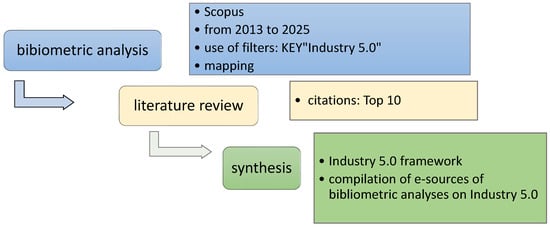
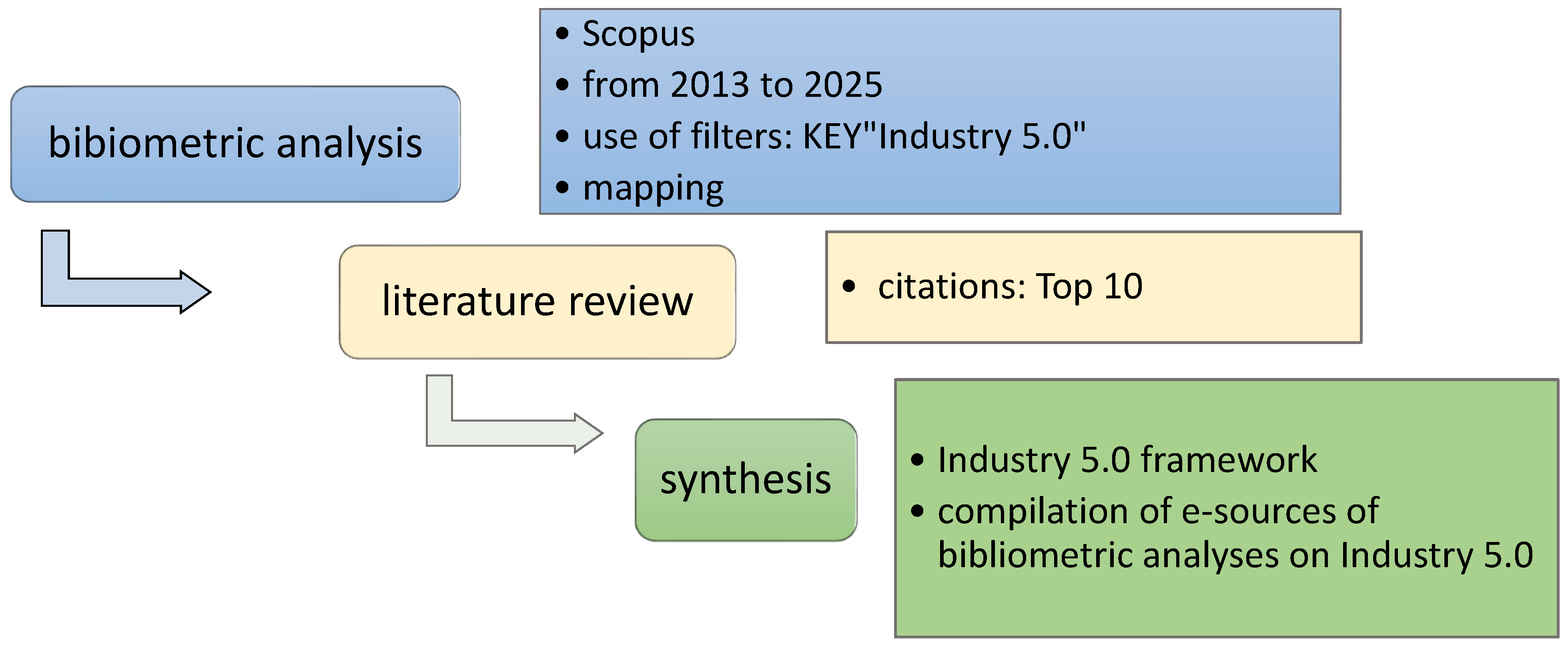
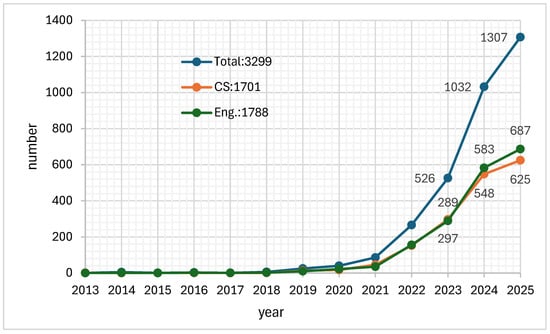
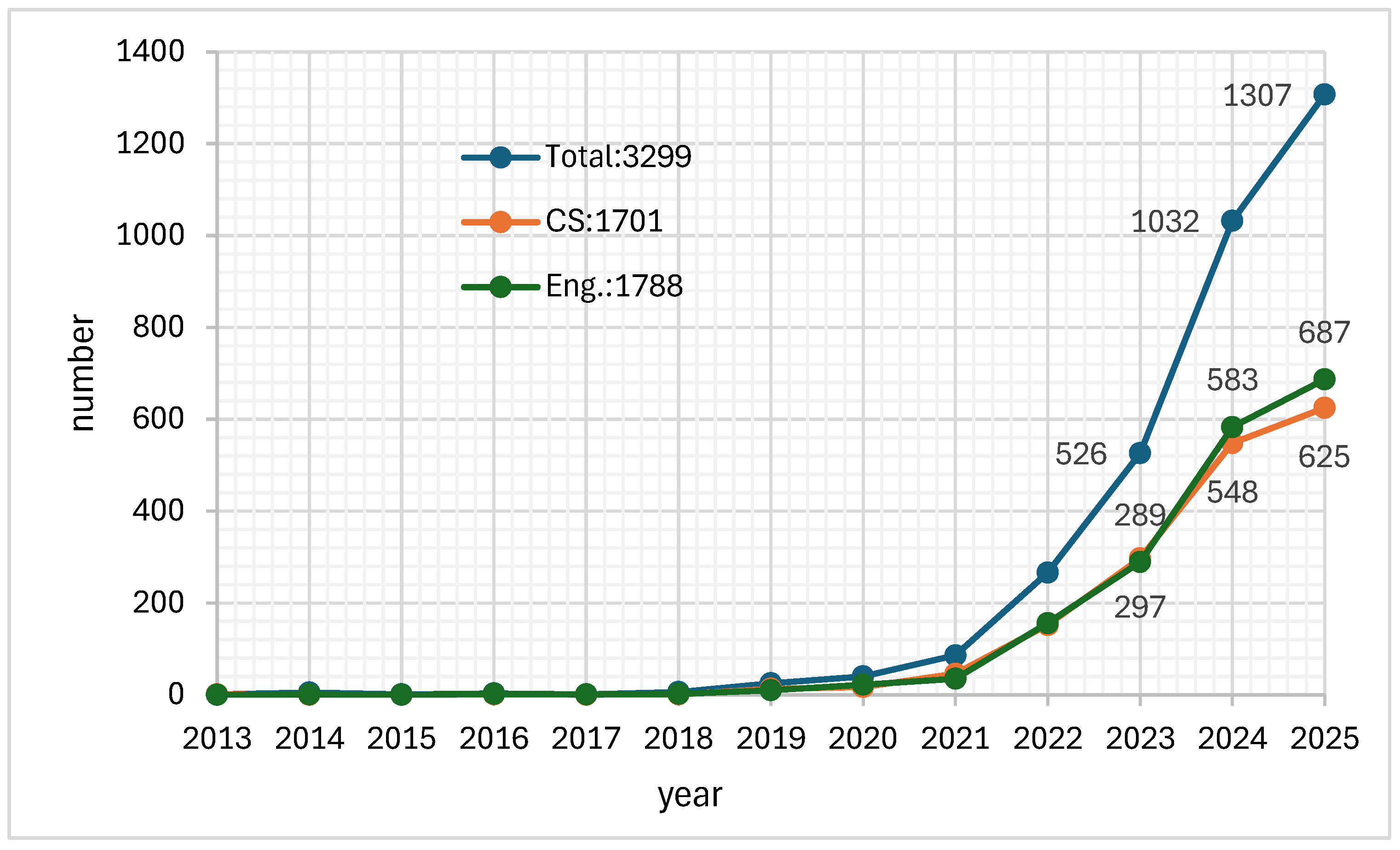
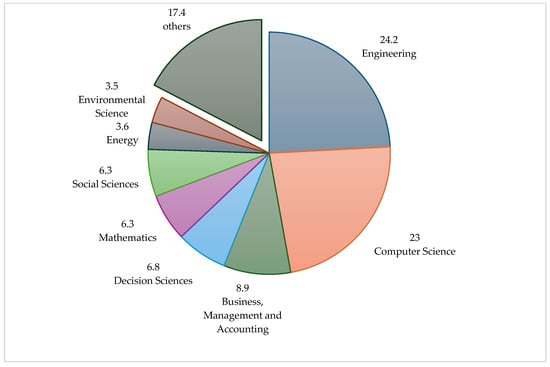
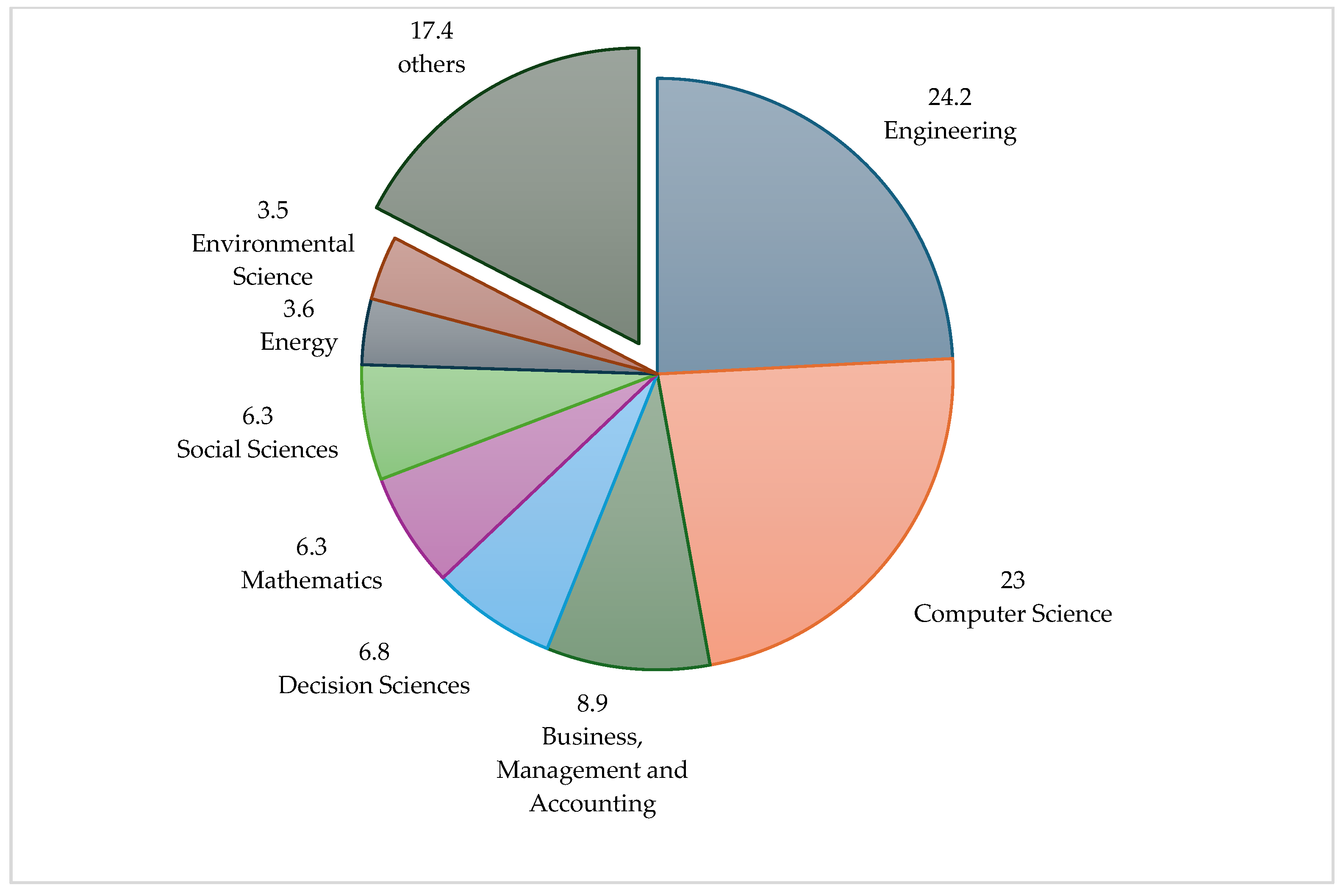
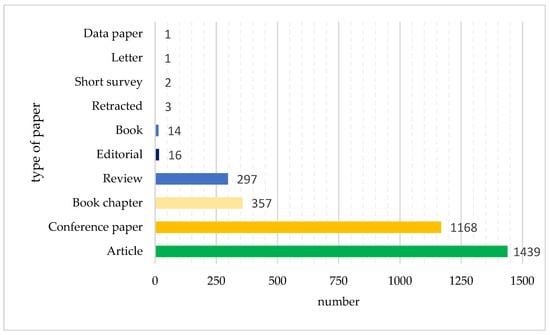
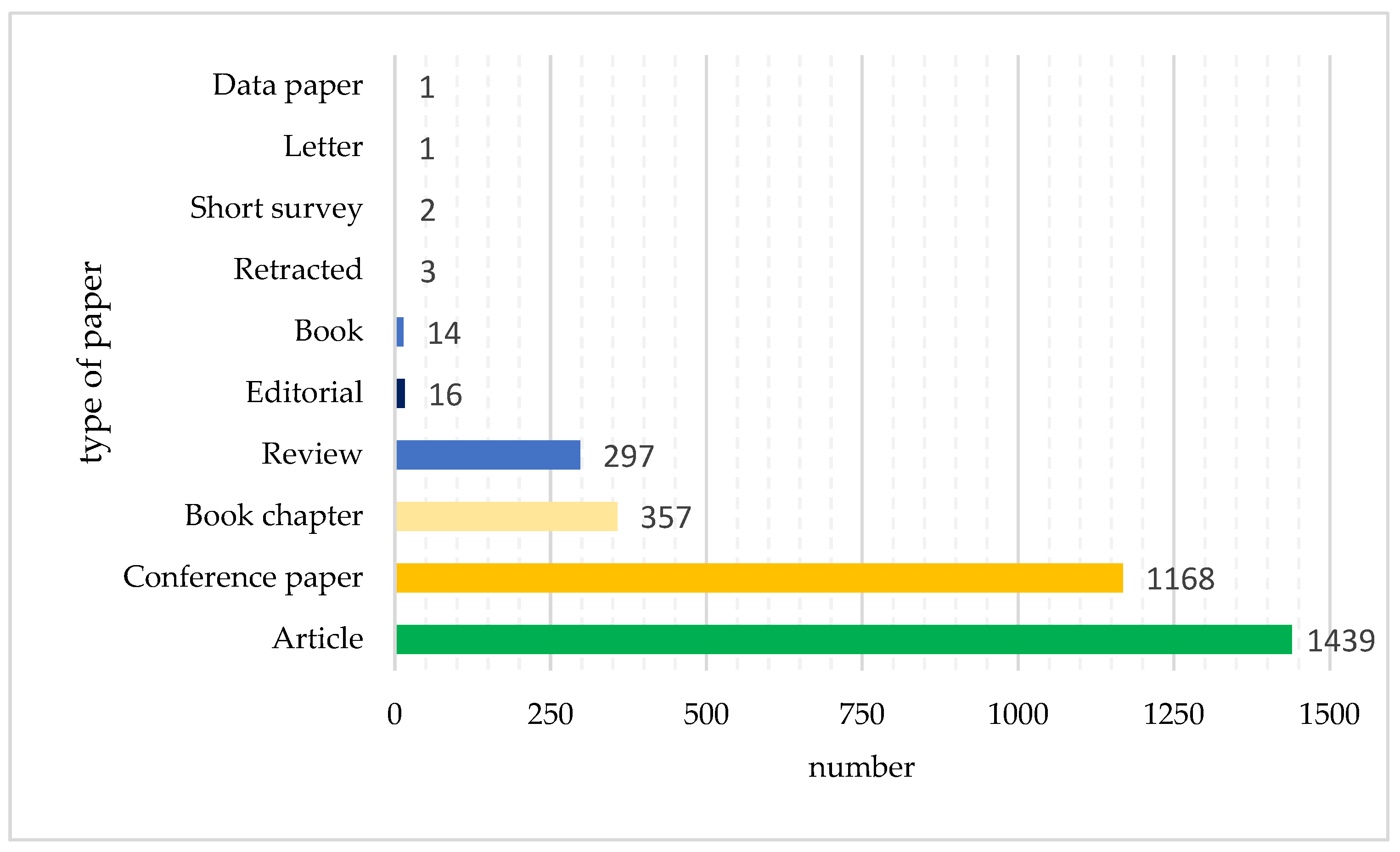
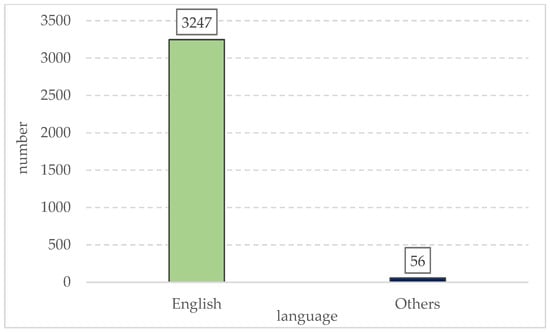
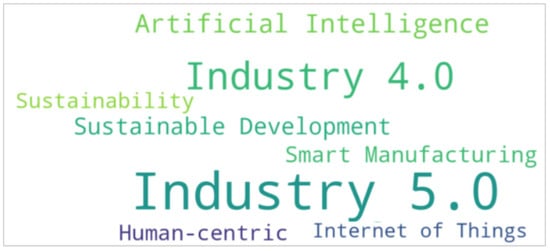
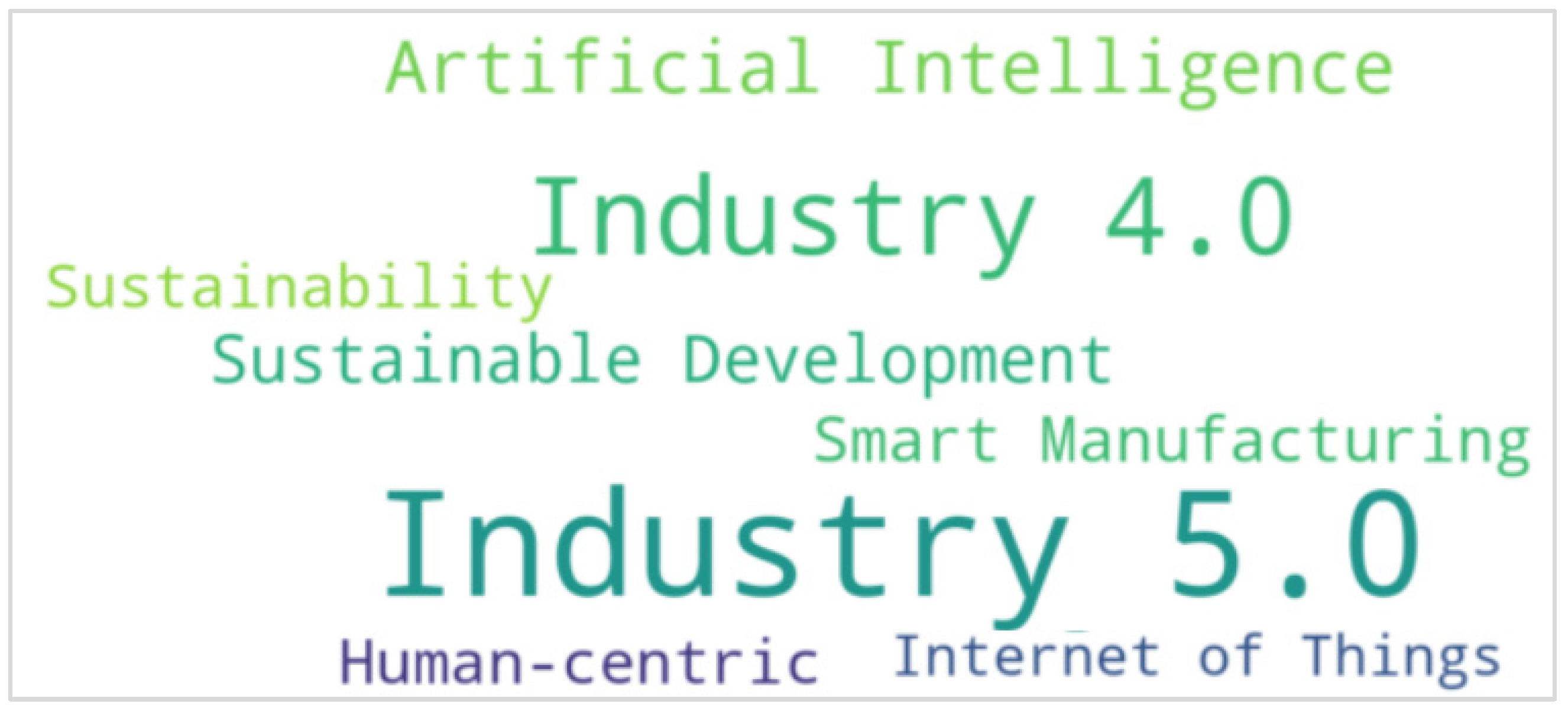
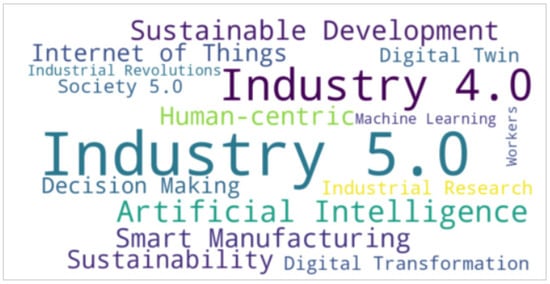
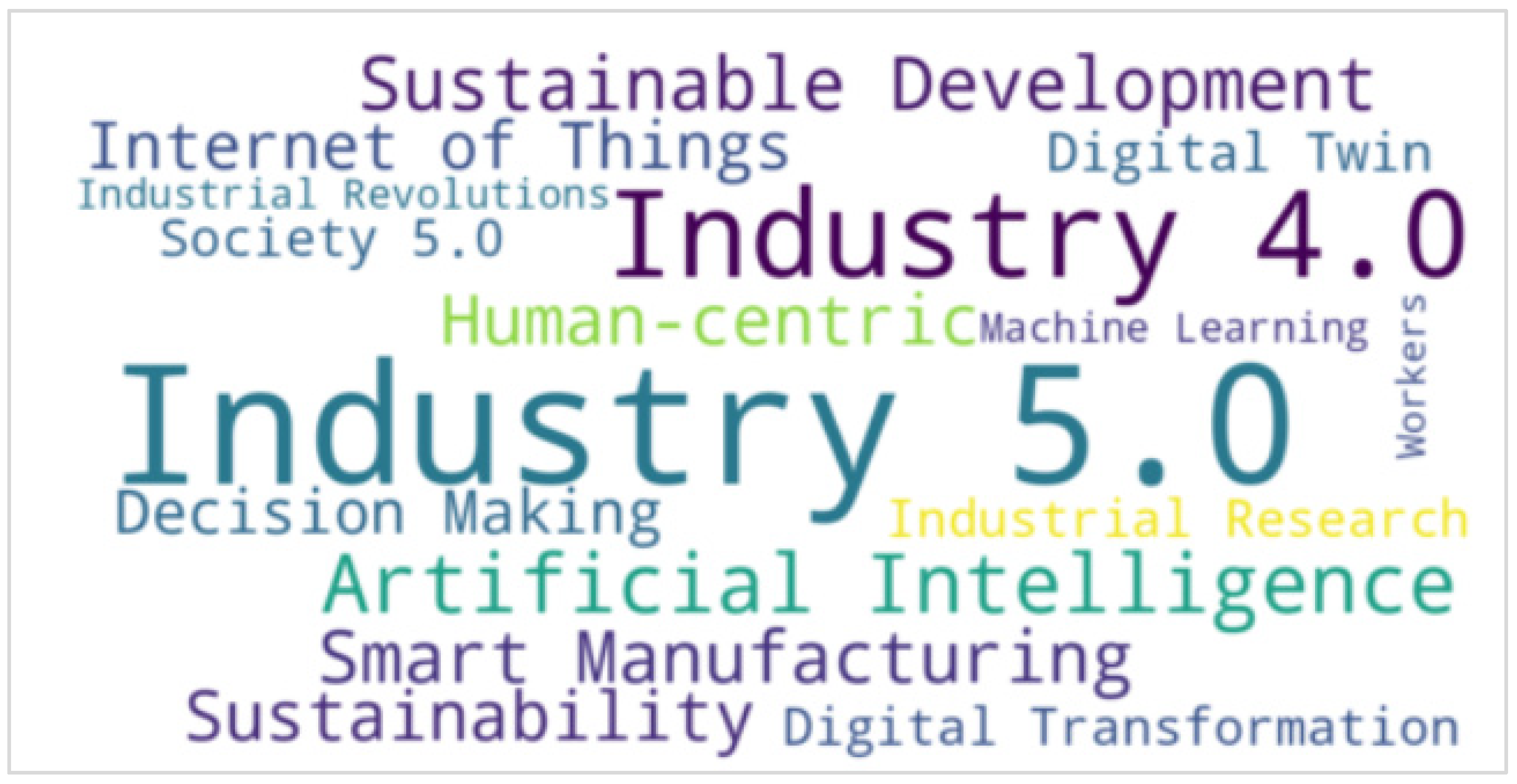
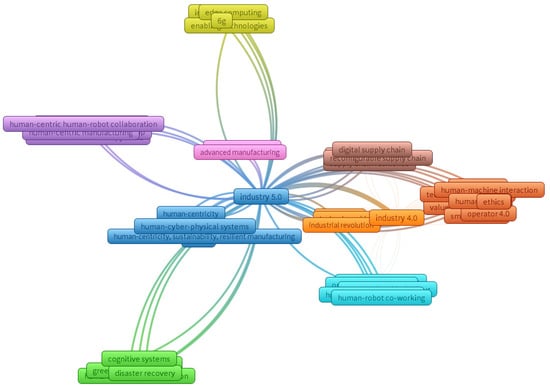
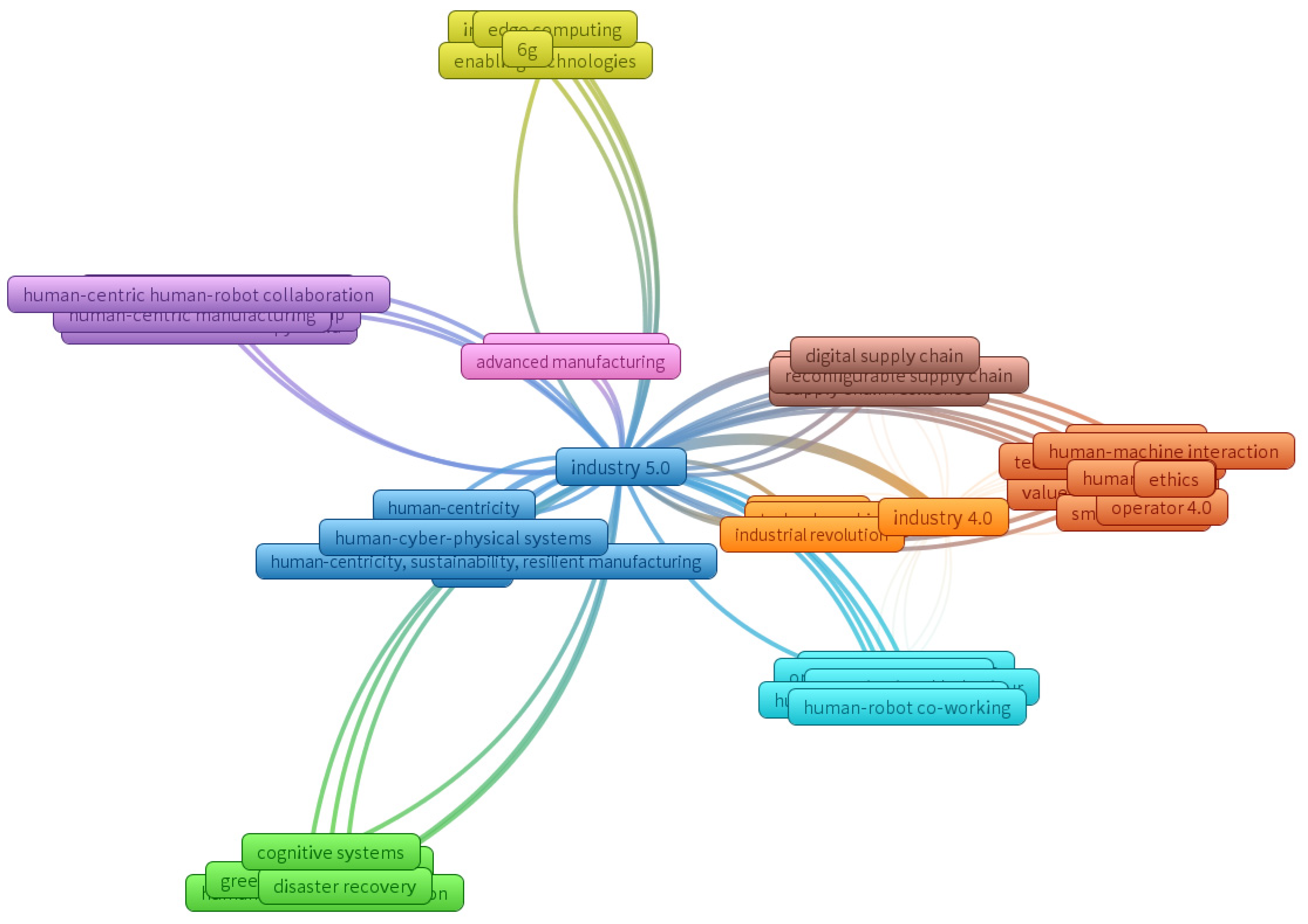
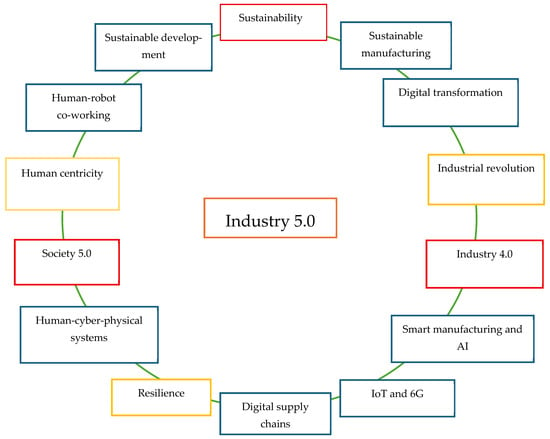
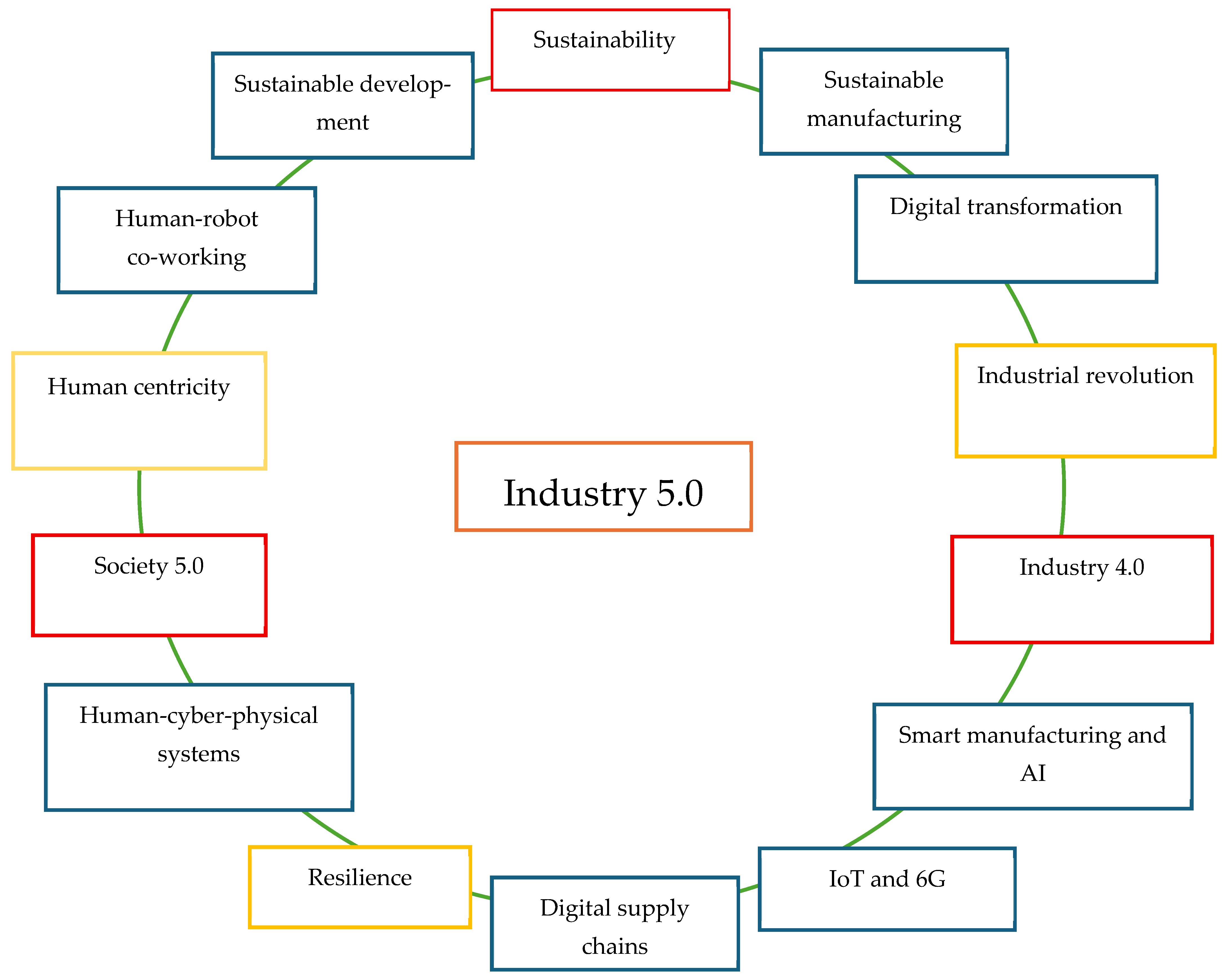

Disclaimer/Publisher’s Note: The statements, opinions and data contained in all publications are solely those of the individual author(s) and contributor(s) and not of MDPI and/or the editor(s). MDPI and/or the editor(s) disclaim responsibility for any injury to people or property resulting from any ideas, methods, instructions or products referred to in the content. |
© 2026 by the author. Licensee MDPI, Basel, Switzerland. This article is an open access article distributed under the terms and conditions of the Creative Commons Attribution (CC BY) license.