


Abstract
Public safety telecommunicators sustain 24/7 operations through nonstandard, rotating schedules that may affect health and performance, yet scheduling research specific to emergency communications centers remains limited. We aimed to examine how shift-work structure or scheduling characteristics may contribute to occupational performance, physical health, psychological health, and social and family functioning outcomes in emergency dispatchers and comparable 24/7 safety-critical occupations, identifying risks, practical considerations, and priority research gaps. We searched PubMed, PsycINFO, CINAHL, Web of Science, and Scopus for primary studies published January 2000–May 2026. We included studies examining associations among five scheduling exposure domains (shift timing and duration; rotation and circadian disruption; recovery and schedule spacing; predictability and control; and overtime and interventions) and outcomes spanning occupational performance, physical and psychological health, health behaviors, and social functioning. The search yielded 5259 studies; 66 met the inclusion criteria and were largely observational. Three studies examined dispatcher populations, with no dispatcher-specific evidence for three exposure domains. The most consistent cross-occupational signal linked night work and extended shifts to impaired sleep and cognitive performance. Comparator evidence indicated that schedule architecture and schedule control or mandatory overtime were associated with outcomes independent of shift length. This persistent evidence gap concerns a workforce facing continuous coverage demands, high cognitive load, and trauma exposure. Available evidence supports reframing center schedules as occupational health exposures and prioritizing high-quality (e.g., longitudinal, intervention-based) dispatcher research.
1. Introduction
Every day, public safety telecommunicators (PSTs), also referred to as emergency communications personnel or emergency dispatchers, serve as the first point of contact between the public and emergency services, providing continuous triage, instruction, and coordination of police, fire, and medical resources around the clock. This work demands sustained vigilance, rapid protocol-driven decision-making, and emotional composure, all while experiencing frequent indirect exposures to traumatic events [1]. To sustain 24/7 operations, emergency communications centers (ECCs) rely heavily on nonstandard schedules, including night work, rotating shifts, and overtime, among a workforce operating at the intersection of high cognitive demand and chronic stress exposure. Scheduling is therefore not merely a managerial or human resources matter; it is a health, performance, and public-safety issue [2,3].
The impact of shift structures on this workforce can be conceptualized through interacting biological and organizational pathways. At a biological level, night work and irregular rotation induce circadian misalignment (working during the biological night, attempting sleep during daytime), producing acute sleep loss and impaired alertness [4]. These disruptions are linked to altered neuroendocrine signaling, metabolic dysregulation, and inflammatory processes that plausibly contribute to long-term cardiometabolic and mental health risks [5,6]. In parallel, extended shifts and insufficient recovery periods (“quick returns”) elevate homeostatic sleep pressure and fatigue, increasing attentional lapses and performance variability [7]. These effects are particularly consequential in safety-sensitive work requiring sustained vigilance. In emergency communications settings, these mechanisms operate within an organizational environment characterized by high job demands, limited control over call content and outcomes, and frequent exposure to secondary trauma [8,9]. Accordingly, a useful conceptual frame for the present review is that shift arrangements (including timing, length, rotation direction and speed, recovery time, and overtime) plausibly shape dispatcher health and operational performance through multiple interacting pathways, with consequences spanning job performance, physical health, psychological well-being, and social functioning.
Emergency communications work also depends on cognitive functions known to be vulnerable to sleep loss and circadian disruption, including sustained attention, working memory, processing speed, and inhibitory control [10]. A meta-analysis of observational studies comparing shift workers with non-shift workers reported significantly worse performance among shift workers in processing speed, working memory, psychomotor vigilance, cognitive control, and visual attention domains [11]; these constructs are central to rapid information integration, protocol adherence, and multitasking under time pressure. A systematic review of shift and night work [12] similarly found night work can have immediate negative effects on attention, memory, and response inhibition, and that performance may progressively worsen across consecutive night shifts or with very long duties. Together, these cognitive findings provide a plausible mechanistic foundation for why and how scheduling structures could affect call-processing quality, decision accuracy, and error risk in emergency dispatch environments.
The broader shift-work literature consistently links nonstandard schedules (e.g., night work, early starts, and rotating shifts) to adverse physical health outcomes, particularly cardiometabolic risk [4]. Evidence syntheses indicate elevated risks for type 2 diabetes, weight gain, obesity, coronary heart disease, stroke, and workplace accidents and injuries among shift workers, although findings vary across outcomes and exposure definitions [13]. Circadian misalignment and sleep displacement are proposed as key upstream mechanisms, operating through dysregulation of hormonal rhythms, impaired glucose metabolism, autonomic imbalance, inflammation, and behavioral constraints such as altered meal timing and reduced opportunity for restorative sleep [14].
PSTs are repeatedly exposed to distressing, high-stakes incidents while having to maintain composure and procedural accuracy, which is thought to place them at elevated risk for adverse mental health outcomes. Pooled estimates among PSTs indicate substantial prevalence of PTSD, depression, anxiety, and hazardous drinking [15], and national survey data similarly suggest that more than one-third of emergency communication operators report clinically significant anxiety, depression, and PTSD symptoms, alongside reluctance to seek help [16]. Rotating and night schedules may exacerbate this vulnerability through circadian disruption and sleep loss, mechanisms linked to stress-system dysregulation and impaired emotion regulation in shift-work reviews. Consistent with this broader pattern, rotating shift work is associated with higher burnout, particularly emotional exhaustion, in nursing—an occupational group with similar 24/7 staffing demands. Dispatch-focused studies further highlight organizational contingencies: higher job demands and lower workplace social support predict greater stress symptoms, whereas mindfulness and supportive climates appear protective [3,17].
Shift work also influences social functioning and the work–life interface, which can feed back into sleep and stress [18]. In PSTs, research on family impacts indicates that the occupational load of dispatch work is perceived to spill over into family and social interaction [19,20], aligning with broader models of occupational stress in high-demand emergency roles. More generally, shift-work reviews emphasize that schedules limiting participation in normative social rhythms, evenings, weekends, and predictable days off may erode social support and increase work–life conflict [21]. For dispatch centers facing staffing shortages and overtime reliance, these social impacts carry operational consequences as well, contributing to burnout, turnover intentions, and retention challenges, further straining scheduling capacity [3,22].
Rationale for Review
Despite convergent evidence that shift schedules influence cognitive performance, physical health risk, psychological well-being, and social functioning across shift-working populations, dispatch-specific evidence remains comparatively limited, heterogeneous, and dispersed. Even in meta-analytic work on cognition, exposure characterization is often incomplete (e.g., inconsistent definitions of shift work and limited reporting of shift-work tenure), constraining translation into evidence-informed scheduling principles for ECCs. Moreover, dispatch studies often emphasize stress and trauma outcomes without systematically linking specific shift structures (e.g., rotation speed, recovery intervals, shift length thresholds) to operational metrics and longer-term health endpoints. Accordingly, the objective of this scoping review is to examine how shift work structure or scheduling characteristics may contribute to occupational performance, physical health, psychological health, and social and family functioning outcomes in PSTs. Given the limited dispatcher-specific evidence, we supplement it with findings from occupations that share key operational features with PSTs, allowing us to identify plausible risk, practical considerations, and priority gaps for emergency communications research.
A scoping review, rather than a systematic review or meta-analysis, was selected as the most appropriate design for the current state of this evidence base [23,24]. Because the relevant literature applies inconsistent definitions of scheduling exposures and outcomes and includes too few dispatcher-specific studies to support formal effect estimation or pooled quantitative synthesis, a scoping approach is better suited to mapping the breadth of available evidence than to estimating pooled effects. This design allows us to characterize the strength and limitations of the evidence across exposure domains and comparable occupations, and to identify priority gaps for future emergency communications research.
2. Methods
We conducted a scoping review to synthesize evidence on how shift structures relate to occupational, health, and social outcomes among PSTs and comparable 24/7 safety-critical occupations. This review was conducted in accordance with the Joanna Briggs Institute methodology suggested for scoping reviews [25]. The scoping review checklist is available in Supplementary S1. The protocol was retrospectively registered on the Open Science Framework (OSF) (registration date: 4 September 2026). The registration record can be accessed at https://osf.io/wdha4 (4 September 2026).
2.1. Rationale for Comparator Occupations
Dispatcher-specific scheduling research is limited; therefore, this review draws on evidence from four comparator occupations: emergency department and intensive care unit providers (i.e., physicians, nurses, residents), law enforcement officers, emergency medical technicians (EMTs) and paramedics, and air traffic controllers. These groups were selected not based on precise occupational equivalence but because they share key operational features with emergency dispatch: continuous 24/7 staffing, high sustained vigilance demands, rapid information processing under time pressure, low tolerance for error, and regular stress and trauma exposure.
The transferability of evidence from these occupations to dispatcher populations varies by outcome domain. An inference framework developed by the authors during the data synthesis phase identifies three tiers that are distinguished throughout this review (see Table 1). Evidence concerning fatigue, sleep loss, circadian disruption, and downstream cognitive consequences is treated as Tier I: high transfer. Specifically, the biological mechanisms linking shift exposure to impaired attention, working memory, and psychomotor vigilance operate at a broad level of human physiology and are not likely occupation-specific. Evidence concerning burnout, work–family conflict, health behaviors, and schedule control is treated as Tier II: moderate transfer. These outcomes likely interact with occupational context, including staffing structures, professional norms, and union protections, in ways that may not translate directly to ECC settings. Finally, evidence concerning patient-care quality, physical exertion, field safety, and clinical decision-making is treated as Tier III: low transfer. These outcomes are thought to be sufficiently tied to the task demands and physical environments of comparator roles, in that they offer limited direct inference for dispatcher work. Across all three tiers, the absence of dispatcher-specific evidence within a domain is identified as a substantive research gap rather than grounds for assuming that the comparator findings do not apply.
Table 1.
Inference framework criteria for transferability.
2.2. Inclusion and Exclusion Criteria
The inclusion criteria were determined based on the PECO (Population, Exposure, Comparisons, Outcomes) framework [26]. We included studies involving PSTs (i.e., emergency dispatchers) and comparable 24/7 safety-critical occupations characterized by continuous monitoring, rapid response, and time-sensitive communication/coordination (e.g., emergency department (ED) and intensive care unit (ICU) physicians, residents, and nurses; emergency medical technicians/paramedics; law enforcement; and air traffic controllers). Included studies must have described, examined, or evaluated any aspect of shift structure or scheduling characteristics, including the following exposure domains: (1) shift timing and duration (e.g., shift length, start and end times, night shifts, early starts, compressed or split shifts), (2) rotation and circadian disruption (e.g., fixed or rotating schedules, rotation direction and speed, consecutive nights, permanent nights, circadian-disruptive schedules), (3) recovery and schedule spacing (e.g., quick returns, rest intervals, consecutive shifts, days off between shift blocks, protected breaks, meal/rest breaks, nap opportunities), (4) schedule predictability and control (e.g., schedule variability, advance notice, short-notice changes, schedule flexibility, worker schedule control, predictability of days off), and (5) overtime and scheduling interventions (e.g., mandatory or voluntary overtime, extended duties, shift redesign, fatigue-risk management strategies, protected rest policies, napping or light-based strategies).
Studies were included if they reported at least one outcome related to (1) occupational performance and safety, (2) physical health and health behaviors, (3) psychological health and emotional well-being, or (4) social and family functioning. We included studies using primary (randomized control trials, cohort studies, cross-sectional studies, and case–control) research designs. Abstracts, conference proceedings, opinion papers, and secondary analyses (e.g., systematic reviews, meta-analyses) were excluded. Reference lists of secondary analyses were reviewed during citation searching. Gray literature was not systematically searched. The inclusion criteria were intentionally broad and conceptually inclusive, with the goal of facilitating a more comprehensive review.
2.3. Search Strategy
The search strategy was built around the PECO framework developed for this review. Initial exploratory searches helped to identify common terms, subject headings, and index terms within the databases of interest. From here, we built a list of terms and combined them using Boolean operators to build search strategies optimized for each database (i.e., MeSH terms in PubMed, Thesaurus Terms in PsycINFO, Headings in CINAHL, Topics in Web of Science, and Index Terms in Scopus).
More specifically, individual search strings were constructed for the populations, exposure, and outcomes for each database. As the anchors, population and exposure strings were combined with outcome strings to search each database. We searched five databases: PubMed (MEDLINE), APA PsycINFO, CINAHL, Web of Science, and Scopus. Filters were set in all databases to only return human-subject, peer-reviewed, primary research articles published in English between January 2000 and May 2026. Complete search strategies, including full Boolean strings for each database, are available in Supplementary S2 to ensure transparency and reproducibility.
These five databases were selected to span the disciplinary literature most relevant to the review’s exposure and outcomes: biomedical and occupational-health research (PubMed and Scopus), psychological and behavioral science (PsycINFO and Web of Science), and nursing and allied-health research (CINAHL). We restricted eligibility to peer-reviewed primary studies in order to support consistent study-design classification and extraction of comparable methodological and outcome information across records. Accordingly, gray literature was not systematically searched.
2.4. Study Selection
Search results were exported into Covidence, where duplicates were noted and removed [27]. Two reviewers (S.C.W. and Z.M.O.) worked independently to examine each record and evaluate whether it was clearly eligible, clearly ineligible, or required retrieval of the full text for a more detailed assessment. Disagreements at this stage were resolved through discussion and did not require adjudication. For studies that appeared potentially eligible, or where eligibility was unclear based on title and abstract alone, the same reviewers worked independently to evaluate the full texts. At this stage, disagreements continued to be resolved through discussion. Finally, reference lists of included studies and relevant review articles were reviewed to identify additional eligible sources. For three manuscripts, the full text was unavailable and, therefore, the studies were excluded.
2.5. Data Extraction
Within Covidence [27], we developed a data extraction tool to identify key points from each selected study for summary and analysis. Data extracted included primary author, year of publication, Melnyk scale score, location, study design, population sample, total number of participants, primary exposure focus, and outcomes. Each included study was extracted by one reviewer and independently verified against the source article by the second reviewer. After each extraction was reviewed, discrepancies were discussed until agreement was reached. Upon completion, extraction documentation was reviewed in a meeting with both reviewers.
2.6. Data Synthesis
Findings are presented in accordance with the Preferred Reporting Items for Systematic Reviews and Meta-Analyses Extension for Scoping Reviews (PRISMA-ScR) checklist [28]. Findings are organized by primary exposure domain and, within each domain, by occupational group and associated outcomes. Each study was assigned to the primary exposure domain central to its stated aim and primary analysis. For studies spanning multiple exposures, assignment followed an ordered rule: (1) the exposure named in the objective, (2) the principal compared/manipulated variable or main predictor in the primary model, and (3) the most fully measured exposure. Classifications occurred during data extraction, during which one reviewer completed the extraction, while the second completed a verification. Differences in classification among reviewers were discussed until agreement was reached. This structure is purposeful to preserve occupational specificity and enable cross-sector identification of convergent and divergent patterns, and to evaluate the availability, or absence, of evidence relevant to PST populations.
2.7. Evidence Level Classification
We used the Melnyk and Fineout-Overholt hierarchy of evidence [29] as a structured way to classify studies by design, not as an appraisal of methodological quality or risk of bias, which is consistent with the methodology of a scoping review. This system provides a structured, widely adopted framework for classifying evidence based on study design and the source of data, using a seven-level scale (I–VII). This classification system was selected because it is well established in evidence-based practice, allows for consistent comparison across heterogeneous study designs, and is suited to fields like occupational health, emergency services, and shift-work research, where randomized trials are rare and observational studies are dominant. As observational studies varied in analytic purpose, cross-sectional studies were not automatically assigned a single evidence level. Studies that were primarily descriptive or prevalence-oriented were classified as Level VI. Cross-sectional studies that tested pre-specified exposure–outcome associations using analytic modeling, adjustment for covariates, or comparison of defined exposure groups were classified as observational analytic studies and rated Level IV. These ratings are representative of an author-specified adaptation and are intended to contextualize study design and analytic strength, not to imply causal inference.
3. Results
3.1. Selection of Sources of Evidence
The search strategy yielded 5259 results, including 1807 duplicates, leaving 3452 articles to undergo initial screening (Figure 1); 3201 articles were excluded following the screening of titles and abstracts, leaving 251 articles for full-text assessment. A further 185 studies were excluded based on full-text review, most commonly due to failing to identify the sub-population (62 excluded; e.g., type of nurse studied). Accordingly, 66 studies were retained for data extraction and analysis.
Figure 1.
PRISMA-ScR flow diagram.
3.2. Characteristics of Included Studies
A total of 66 studies (see Table 2) published between 2001 and 2026 were included in this scoping review. Publication years were distributed across three periods: 9 studies were published between 2001 and 2009, 26 between 2010 and 2019, and 31 between 2020 and 2026, suggesting a recent increase in research activity. The studies originated from 18 countries, with the United States contributing the greatest number (n = 21). Most of the included studies used observational designs; specifically, cross-sectional studies were the most common (n = 30), followed by prospective observational studies (n = 13), articles reporting evidence from randomized controlled trials (n = 8), articles reporting findings from quasi-experimental designs (n = 7), and other designs (n = 8).
Table 2.
Characteristics of included studies.
Six occupational populations were represented. PSTs and emergency dispatchers appeared in only three studies; therefore, most of the included studies are of comparable populations. ICU and ED physicians, residents, fellows, and nurses constituted the largest group, appearing across 32 studies, while law enforcement officers appeared in 25, air traffic controllers in 5, and EMTs in 1 study. Sample sizes varied considerably, ranging from 8 participants in a single-site repeated-measures study of attending emergency physicians [43] to 3140 police officers in a large North American cross-sectional survey [78]. Where gender was reported, most healthcare-focused samples were predominantly female, consistent with the composition of the nursing workforce, whereas law enforcement samples were predominantly male. Several studies did not report gender breakdowns [31,35,48,49,61,73,85,86]. Five studies [62,69,74,79,91] enrolled exclusively males, and one study [80] enrolled exclusively females.
Across the 66 articles, each examined at least one pre-defined shift-work exposure, and all five domains were represented, albeit unevenly. For the purpose of this scoping review, secondary exposure domain findings were not retained; therefore, the following primary domain counts are mutually exclusive. Articles were separated by primary exposure domain, resulting in shift timing and duration being the most universally examined exposure, present in 28 studies. The other 38 articles explored the remaining exposure domains, including shift rotation type and circadian disruption (n = 15), recovery and schedule spacing factors (n = 9), schedule predictability and control (n = 8), and overtime and scheduling interventions (n = 6).
There was significant variability in how outcome domains were reported across the 66 included articles. For this review, primary outcomes were identified and reported. Therefore, the following reporting of outcome domains assessed does not equal 66, as many articles integrated outcome findings and there were frequent instances of multiple domains being assessed in a single article (see Table 3, Table 4, Table 5, Table 6 and Table 7). Within the 66 articles, primary outcomes were identified in the following domains: physical health and health behavior (42), occupational relevance (33), psychological health and emotional well-being (15), and social and family functioning (6). Several studies reported additional outcomes not captured within the primary checklist, including sedentary behavior and energy expenditure [55], learning/training quality assessments [32], and post-shift driving safety [34,43].
Using the Melnyk and Fineout-Overholt evidence hierarchy, half (33) of the included studies were rated at Level VI (single descriptive, qualitative study, or cross-sectional), reflecting the primarily observational nature of the literature included. Eighteen studies were rated Level IV (reflecting observational analytic designs, including prospective observational, retrospective observational, case–control, and cross-sectional analytical studies with defined exposure–outcome modeling), eight at Level II (single randomized controlled trials), and seven at Level III (controlled trials without randomization; quasi-experimental designs). The predominance of Level VI evidence limits causal inference throughout this review; therefore, findings should be interpreted as descriptive and hypothesis-generating, rather than definitive.
3.3. Sources of Evidence
Findings from the 66 included sources of evidence are presented across the five pre-specified exposure domains: shift timing and duration, shift rotation and circadian disruption, recovery and schedule spacing, schedule predictability and control, and overtime and scheduling interventions. Within each domain, evidence is organized by occupational population and outcome, beginning with studies performed with PST or emergency dispatcher samples, before proceeding to comparator populations. The scarcity of dispatcher-specific evidence within each domain is a substantive and recurring finding of this review, explicitly identified throughout. A brief synthesis is included following each exposure domain subsection, identifying the availability of PST-specific evidence, along with evidence from comparator occupations with confidence ratings of evidence transferability to PSTs. The results presented below are inclusive of findings and/or conclusions from the reviewed studies, and not those of the research team.
3.4. Shift Timing and Duration
Shift timing and duration, encompassing shift length, start/end times, night shifts, early starts, and compressed workweek configurations, was the most extensively examined scheduling exposure in the review, constituting the primary exposure domain in 28 included studies across four occupational groups. Despite its dominance in the included literature, direct evidence from PST populations is limited to two studies, with the remaining evidence derived from ICU and emergency department clinicians, law enforcement officers, and air traffic controllers.
Table 3.
Study characteristics: shift timing and duration exposure domain.
3.4.1. Public Safety Telecommunicators
Occupational Relevance Outcomes: In an assessment of work shift configurations on dispatcher call durations, Montassier, Labady, Andre, Potel, Berthier, Jenvrin, and Penverne [73] provided the only evidence on shift timing in the target population. In an analysis of 408,077 calls, over a 1-year period, at a French dispatch center staffed by 31 people, night-shift rotation was independently associated with dispatcher call durations approximately ten seconds longer than those on other shift rotations. When examining duration, shifts exceeding eight hours were associated with call durations approximately four seconds longer when compared to shorter shifts. Although modest in absolute magnitude, these effects were statistically robust across a large call volume and suggest that shift timing and duration may be relevant to call-handling time—an operational metric available in dispatch settings.
Physical Health Outcomes: Haynes, Pronio, Callovini, Conger, Hillier, Fung, and Rojo-Wissar [55] examined work duration as a daily moderator of the sleep–sedentary behavior relationship in 47 public safety telecommunicators over an intensive longitudinal period averaging 11 days. The mean shift duration was 11.08 h, with mandatory four-hour overtime extensions occurring regularly; 60% of participants were classified as obese, and step count targets of 10,000 or more were achieved on only 8% of assessed person-days (44/525 days). Prior-night sleep efficiency interacted significantly with average work duration to predict next-day sedentary time. More specifically, among telecommunicators working longer average shifts, poorer sleep efficiency was associated with greater sedentary behavior the following day, consistent with an effort-conservation model, which may explain why chronically sleep-deprived workers in extended-duty roles report lower discretionary physical exertion.
3.4.2. ICU and Emergency Department Providers
Occupational Relevance Outcomes: A consistent dose–response relationship between shift length and cognitive impairment was demonstrated across multiple within-person crossover studies in ICU and emergency department clinicians. Persico, Maltese, Ferrigno, Bablon, Marmillot, Papazian, and Roch [77] found that, when compared to results of testing performance after a night of rest at home (H0), test performance after working a 24 h shift significantly impaired three cognitive domains in emergency physicians—specifically, processing speed, working memory capacity, and perceptual reasoning—whereas the results of testing performance after working a 14 h night shift did not differ significantly from H0. The authors interpreted this pattern as suggesting a possible duration threshold above which impairment becomes reliably detectable, although this inference requires confirmation across additional settings and designs. Maltese, Adda, Bablon, Hraeich, Guervilly, Lehingue, Wiramus, Leone, Martin, Vialet, Thirion, Roch, Forel, and Papazian [71] corroborated this in ICU physicians, suggesting that all three assessed cognitive domains were significantly impaired following a night shift, with neither professional experience nor sleep obtained during the shift attenuating the effect. Jing, Li, Li, Wei, Lin, Zhu, Xu, and Li [63] extended this to the within-shift temporal dimension, showing that attentional lapses increased significantly after 8 and 12 h of an ICU nursing shift, and that inhibitory control and working memory accuracy declined progressively, suggesting that performance deterioration is not uniformly distributed across the shift but accelerates in the later hours.
In a multisite comparison of two shift systems among emergency medicine residents—(1) 24 h shift and (2) 8 h day + 16 h night shift—Stroop test findings indicated that both the 24 h and 8 h shifts were associated with significant time-dependent performance decline, whereas 16 h night shifts were not [30]. Bihari, Venkatapathy, Prakash, Everest, McEvoy R, and Bersten [36] assessed fatigue, sleepiness, and vigilance between start of shift (SOS) and end of shift (EOS). The findings demonstrated that although 12 h ICU day shifts were associated with higher fatigue and sleepiness, night shifts were associated with significantly higher fatigue, sleepiness, and psychomotor vigilance from shift start to shift end. Furthermore, physicians covering Medical Emergency Team (MET) activations during these shifts exhibited significantly greater psychomotor vigilance impairment at shift end than non-MET physicians, on both day shifts and night shifts. Schmidt, Zabelberg, Schlatter, Adams, Douplat, Perchet, Lilot, Rey, and Mazza [81] identified a specific clinical consequence of this impairment: end-of-night-shift sleepiness was negatively correlated with pain recognition accuracy in ICU nurses, suggesting that shift-length-related fatigue may be linked to a reduced clinical perceptiveness fundamental to compassionate care.
Conversely, Farmer, Hoffman, Vance, Li, and Bell [48] found no statistically significant difference in psychomotor vigilance test performance before and after shifts of varying duration in a matched sample of 36 neonatal advanced practice providers (APPs). However, the authors recognize the low response rate (<1% of neonatal APPs) and the failure to account for relevant factors that impact psychomotor vigilance, including unit acuity and shift duration. Similarly, Zahraie, Alaedini, Payandemehr, Saadat, Sotoodehnia, and Bahreini [95] found that the psychomotor and cognitive function of emergency medicine residents was not impaired after night shifts relative to day shifts. In fact, on night shifts, selective attention and concentration showed significantly improved correct responses, and choice reaction time and stress tolerance yielded significantly shorter reaction times, fewer omitted responses, and more prevalent correct responses compared to day shifts.
These experimental findings align with self-reported occupational safety and sustainability outcomes among providers. Kaplan, Ozdemir, and Bulbul [64] identified 05:00 as the peak sleepiness hour across night-shift nurses in emergency, ICU, and ward settings, with emergency department nurses reporting the highest mean sleepiness scores, and with patient load, working style, and department satisfaction all significantly moderating sleepiness levels. Bell, Hoffman, and Farmer [35] reported that 49% of neonatal nurse practitioners nationally felt unsafe to drive home following shifts exceeding 16 h, with this occurring on a mean of 17% of such shifts. Over 77% reported receiving no protected rest during 24 h shifts, and over 80% rated the ability to reduce night shifts as very important or critical for continuing in their role.
Physical Health and Health Behavior Outcomes: The JOBSTRESS randomized controlled trial [45,46] provided biomarker evidence that shift duration was associated with measurable physiological change associated with risk. Heart rate variability (HRV) was significantly suppressed during both 24 h and 14 h shift conditions relative to a control day, and it was found to be significantly correlated with physical fatigue and with the number of life-and-death-emergencies [45]. Furthermore, when compared with the control day, self-reported stress and mental/physical fatigue were significantly higher following both 14 h and 24 h shifts [45]. Urinary IL-8, a cytokine linked with inflammatory responses and the pathogenesis of coronary heart disease, was 1.9 ng higher following 24 h shifts and remained elevated three days post-shift compared to the control day [46]. Similarly, IL-8 was 0.11 ng higher for each additional year of physician age and every unit increase in self-reported stress [46].
The ROSTERS trial [32] demonstrated that transitioning PICU residents from extended-duration rosters to shifts capped at 16 h increased weekly actigraphy sleep by 3.8 h and reduced the proportion of 24 h intervals with fewer than four hours of sleep from 25% to 9%. Despite these improvements, approximately one-third of 24 h intervals in both conditions still involved fewer than six hours of sleep, indicating that neither roster configuration fully eliminated sleep deficiency in this trainee population.
Similar to findings among law enforcement officers, Malak, Al-Amer, and Abu Adas [70] found that shift work was associated with BMI, with mixed-shift nurses recording higher BMI than other categories, and identified irregular meal timing and fast-food consumption as behavioral factors associated with higher BMI among night-shift workers.
Psychological Health Outcomes: Özden, Ceviz, Aslan, and Gönültaş [75] demonstrated that extended weekly working hours partially mediated the relationship between occupational anxiety and argumentativeness in 114 emergency nurses, with weekly hours independently predicting occupational anxiety, and male nurses exhibiting significantly higher anxiety than female nurses. The authors suggest that the findings indicate that heavy scheduling loads may be associated with psychological strain that manifests in interpersonal behavior and team communication, with downstream implications for organizational functioning and patient safety.
Social and QoL Outcomes: Jensen, Larsen, and Thomsen [61] found that approximately 25% of both evening- and night-shift ICU nurses attributed social isolation to their shift schedule, with spare-time activities identified as the domain most disrupted by evening shifts, and sleep difficulties most pronounced among night-shift nurses. Despite these burdens, nurses reported a median thriving score of 8 out of 10, which the authors believe suggests a degree of adaptation or professional normalization of shift work that may underreport actual harm.
3.4.3. Law Enforcement Officers
Occupational Relevance Outcomes: Bell, Virden, Lewis, and Cassidy [34] conducted a quasi-experimental study with two size- and demographic-matched precincts examining the impact of three consecutive 13:20 h shifts per week (4 days off) versus four 10 h shifts per week (3 days off). Measures at one month and five months while working the compressed shifts found significant deterioration in psychomotor vigilance tests of reaction time and concentration. The Pittsburgh Sleep Quality Index (PSQI), measuring total sleep time, sleep latency, sleep quality, sleep efficiency, and daytime dysfunction, was completed at month 3, at month 6, and post-trial (2 months following the experimental period). Total PSQI scores were significantly higher among officers working the 13:20 h shifts at three months and persisted into month six. Officers from both precincts reported strong preference for the 10 h structure, indicating that the anticipated work–life benefit of four days off per week did not compensate for the functional costs of the longer shift.
Violanti, Owens, Fekedulegn, Ma, Charles, and Andrew [92] examined the long-term consequences of fixed shift assignment across day, afternoon, and midnight schedules using 15 years of payroll data on 308 Buffalo police officers. No significant differences in total fatigue scores were observed across shift types; however, a significant gender-by-shift interaction emerged: male officers on the afternoon shift reported a prevalence of feelings of tiredness 89% higher than male day-shift officers, while female officers showed the opposite pattern. This finding challenges the assumption that midnight shifts are uniformly the most fatiguing assignment and suggests that the afternoon shift may contribute to particular social and domestic disruption costs on male officers, potentially translating into heightened fatigue.
Physical Health and Health Behavior Outcomes: Allen, Safi, and Deb [31] extended the health-behavior consequences of shift timing in police, noting that diet quality was worse on all three shift types compared with rest days, with 49% of officers identifying night shifts as the most challenging for healthy eating and 65.4% of the sample classified as overweight or obese. Similarly, in a cross-sectional sample of LEOs, Ramey, Perkhounkova, Moon, Budde, Tseng, and Clark [79] found that 80% of officers were classified as overweight or obese (BMI > 25.0). However, the authors found that BMI and obesity were not significantly correlated with either the officers’ primary work shift (day shift vs. evening/night shift) or daily sleep duration. Although day-shift officers exhibited slightly higher BMIs compared to non-day-shift officers, the findings were non-significant and the authors believe that this finding was confounded by older, more senior officers opting to work day shifts. Ma, Burchfiel, Fekedulegn, Andrew, Charles, Gu, Mnatsakanova, and Violanti [68] found that afternoon-shift officers reported the highest prevalence of hard and very hard recreational physical activity, suggesting that shift timing may also relate to physical activity opportunity in ways that potentially modulate the metabolic risk of shift work.
In a sample of Taiwanese officers, Tseng, Leicht, Pagaduan, Chien, Wang, Kao, Lu, and Chen [91] evaluated the physiological impacts of transitioning from day-shift to night-shift work; the authors found that the transition resulted in a 3.3% increase in systolic and a 3.9% increase in diastolic blood pressure. When assessing autonomic dysfunction (heart rate variability), working night shifts was associated with significant reductions in multiple parasympathetic-related HRV indices (including LnSDNN, LnRMSSD, LnSD1, and LnSD2). This decrease in parasympathetic-related HRV during the night-shift work phase ranged from −5.9% to −7.8% compared to the day-shift work phase. Additionally, the authors observed a delay in parasympathetic recovery after night-shift work when compared to day-shift work. When examining physical activity behaviors, Tseng found that, when compared to day-shift work, officers spent significantly more time in sedentary behaviors (74.8% ± 6.4%) and recorded a significantly lower proportion of moderate-to-vigorous physical activity (1.2% ± 0.8%) during night-shift work, supporting the findings of Ma, Burchfiel, Fekedulegn, Andrew, Charles, Gu, Mnatsakanova, and Violanti [68].
Psychological Health Outcomes: In a cross-sectional study of 642 Australian police officers (379 on night shifts, 263 on day shifts), Hassmén and Burgess [54] reported that 60.2% of officers scored in the moderate range for stress, 8.1% in the range for severe stress, and 1.2% experienced extremely severe stress, while 58% scored ≥40 on the Oldenburg Burnout Inventory, placing them in the medium-to-high burnout range. However, the authors reported no statistically significant difference between day and night shifts for stress or burnout. In comparison, Holst and colleagues [56] evaluated depression symptomology across two waves of a police cohort in Buffalo, New York (2004–2009, n = 428; 2010–2014, n = 261), finding that 11% of officers met the clinical thresholds for depressive symptoms on both the Center for Epidemiological Studies–Depression scale (CES-D > 16) and the Beck Depression Inventory (BDI > 14). Logistic regression models demonstrated that officers working long-term evening/night shifts (p = 0.03) and evening shifts alone (p = 0.02) had significantly higher odds of BDI-classified depressive symptoms compared to day-shift workers.
3.4.4. Air Traffic Controllers
Occupational Relevance Outcomes: Mélan and colleagues assessed the effects of a modified shift-work schedule and air traffic density among a sample of French air traffic controllers [72]. The initial work schedule alternated three shifts [1 morning (M), 1 evening (E), 1 night (N)], three rest days, and again three shifts [1 morning, 1 evening, 1 night] and three rest days (e.g., MEN RRR MEN RRR). In the modified schedule, shifts were organized in the same way, and the cycle duration remained the same (12 days); however, the third mid-cycle rest day was substituted for a shift (D) scheduled for 08:00–15:00 (e.g., initial schedule: MEN RRR MEN RRR → modified schedule: MEN RRD MEN RRR). Mélan and Cascino [72] found that controllers rated their end-of-shift alertness at a significantly higher level when the traffic load was lower (mean 3.08) compared to when the traffic load was high (mean 2.47). Correspondingly, on-shift fatigue was significantly worse during high-traffic periods (mean 4.30) than low-traffic periods (mean 3.65). When compared across shift type, alertness at the end of a shift was significantly lower on both morning shifts (mean 2.48) and night shifts (mean 2.42) compared to evening shifts (mean 3.44). Overall, the authors found that redesigning the work schedule according to modified shift structures did not yield the expected beneficial effects on any subjective occupational outcomes.
Physical Health and Health Behavior Outcomes: In a sample of air traffic controllers in Taiwan, Chang, Yang, and Hsu [40] found that night shifts had a profound impact on physical well-being. Specifically, subject fatigue at the end of night shifts (mean 4.40) was significantly higher than at the end of day shifts (mean 3.59, p ≤ 0.001). Furthermore, the frequency of Samn–Perelli scores of 6 (extremely tired, difficult to concentrate) and 7 (completely exhausted, unable to function effectively) recorded on night shifts exceeded the day-shift frequencies by a multiplier of 3- or 4-fold.
3.4.5. Data Synthesis
Dispatcher Evidence: Low. Comparator Evidence: Extended shift duration and night work tracks with cognitive impairment and corroborating physiological changes. Night-work effects are directionally consistent but less uniform. Transferability: Tier I—High. Implication: PST research should capture shift length, start/end times, and call volume and link them to objective call-processing and health metrics.
3.5. Shift Rotation and Circadian Disruption
Shift rotations and circadian disruption, encompassing fixed versus rotating schedules, rotation direction and speed, consecutive night-shift number, and circadian-disruptive schedule configurations, were examined as the primary exposure in 15 of the 66 included articles. Circadian misalignment emerged as a unifying biological mechanism across all occupational groups represented in this domain, with both objective biomarker evidence and self-reported health data suggesting that schedules requiring repeated transitions between daytime and overnight work are associated with cumulative strain and risk regardless of total work hours. Among the included studies, none examined rotation structure or circadian disruption specifically within dispatcher populations. Evidence from comparable occupations offers the closest relevant analog.
Table 4.
Study characteristics: shift rotation and circadian disruption exposure domain.
3.5.1. ICU and Emergency Department Providers
Occupational Relevance Outcomes: Rotating shift schedules were consistently associated with impairments in cognitive performance, neurophysiological function, and post-shift recovery sleep across ICU and emergency department provider studies. Casas-Méndez, Martín-Parrilla, Cáceres, Montanero-Fernández, López-Jurado, and Durán-Gómez [38] examined emergency nurses on a rotating morning/afternoon/night schedule, observing significant reductions in prefrontal cerebral oxygenation following night shifts when compared to a rested condition, alongside significant declines in verbal fluency task performance and elevated state anxiety. Shorter sleep during the night shift independently predicted lower cerebral oxygenation, establishing a possible neurophysiological link between rotating-schedule sleep loss and impaired prefrontal function. Castro and de Almondes [39] demonstrated that rotating-shift emergency physicians had significantly worse Pittsburgh Sleep Quality Index scores than fixed-day counterparts, with sleep quality associated with poorer performance on clinical decision-making scenarios.
Physical Health and Health Behavior Outcomes: Ferguson, Shoff, Shreffler, McGowan, and Huecker [49] used three months of wrist actigraphy to characterize recovery sleep in emergency physicians on a clockwise rotating schedule. The findings indicated physicians recovering from night shifts by sleeping during the day, when compared to those sleeping during the evening, experienced a 23% reduction in median sleep time. This was attributed to the circadian and environmental disadvantages of daytime recovery sleep. Machi, Staum, Callaway, Moore, Jeong, Suyama, Patterson, and Hostler [69] documented a reduction or delay in the cortisol morning awakening peak following overnight shifts in attending emergency physicians, providing objective biological indicators consistent with circadian phase disruption under naturalistic conditions. The study’s findings also indicated a significant decline in episodic memory following overnight shifts compared to day shifts.
Among emergency medicine resident and attending physicians working 8 h shifts on a clockwise rotating schedule, Harrison, Walbeek, Maggio, Herring, and Gorman [53] conducted two experiments: In experiment 1, retrospective survey data from 31 residents revealed that self-reported sleep duration was shortest on night shifts (6.73 h; 23:00–07:00) when compared to day shifts (7.32 h; 07:00–15:00), swing shifts (7.63 h; 15:00–23:00), and rest days (9.22 h), with sleep difficulty ratings peaking during night-shift blocks. Furthermore, individual chronotype analysis showed that morningness—an individual’s natural behavioral and biological preference for waking up, being active, and reaching peak physical and mental performance early in the day—was positively correlated with sleep duration on day shifts and negatively correlated with sleep duration on swing shifts. In experiment 2, prospective monitoring of 22 physicians (16 residents and 5 attendings) over a 4-week period documented an actual average shift length of 8.7 h. Comparisons between predicted and actual schedules showed that participants slept 4.9 h less than predicted over the study interval. Objective actigraphy confirmed that total sleep time (TST) was significantly shortest during night-shift blocks (6.29 h ± 0.22), compared to day shifts (7.09 h ± 0.25) and swing shifts (6.82 h ± 0.21). Conversely, no significant differences were observed across shifts for sleep onset latency, wake after sleep onset, or sleep efficiency.
Psychological Health and Social Outcomes: Among ICU providers, Chen, Wu, Sun, Wei, and Zhang [41] identified work–family conflict as the strongest independent predictor of both physical fatigue and mental fatigue, outperforming shift system type, sleep duration, and other scheduling variables in multivariate models; 69% of nurses slept less than three hours before night shifts. Shorter post-night sleep duration was independently associated with higher mental fatigue, suggesting that the structural incompatibility between rotating shift schedules and domestic role demands may contribute to fatigue, in addition to the direct physiological effects of circadian disruption.
Employing a within-person repeated-measures design, Imes and Chasens [57] assessed ICU nurses following three consecutive day shifts and three consecutive night shifts and found that PROMIS outcome measures were significantly worse following the block of night shifts. Specifically, outcomes assessed included sleep disturbance, sleep-related impairment, fatigue, emotional distress, satisfaction with social roles, and applied cognitive abilities, with sleep-related impairment functioning as the central mediating variable most strongly correlated with fatigue, emotional distress, and cognitive impairment at both timepoints.
3.5.2. Law Enforcement Officers
Occupational Relevance Outcomes: Taylor, Merat, and Jamson [90] assessed cognitive performance at the start and end of each shift in 23 police employees on a forward rotating 10-day pattern and found significant main effects of shift type on visual object learning and working memory, with night shifts associated with reduced actigraphy-measured sleep duration. However, learning and practice effects in repeated cognitive testing complicated interpretation, and the fast rotation speed may have prevented full circadian adaptation to any single shift type, potentially masking larger performance decrements.
Physical Health and Health Behavior Outcomes: Sharma, Pedlar, Burgess, Kanagasabai, and Ronca [82] compared day workers, 8 h rotating-shift workers, and 12 h rotating-shift workers in UK law enforcement, finding an overall poor-sleeper prevalence of 70% across all groups. An opposing pattern emerged between long-term and short-term sleep measures: 8 h shift workers had the highest prevalence of long-term poor sleep quality, with 92% identified as poor sleepers based on self-report findings (PSQI). Meanwhile, objective assessment findings (wrist-worn actigraphy) indicated that 12 h shift workers showed significantly worse total sleep time and sleep efficiency. This methodological divergence highlights that the sleep measurement approach substantially shapes conclusions about which schedule may pose greater harm. Lammers-van der Holst, Van Dongen, Drosopoulos, and Kerkhof [67] similarly observed a dissociation between objective and subjective sleep metrics in novice police officers transitioning to rotating shift work. The authors found that although entering shift work was associated with a significant 48 min restriction in objective daytime sleep (p < 0.001), subjective sleep quality ratings paradoxically increased by an average of 0.26 points. The authors reported highly significant, stable inter-individual differences in overall daytime sleep duration (ICC = 0.44) and subjective quality (ICC = 0.41), which were predicted by baseline flexibility of sleeping habits and gender, with younger female officers and more flexible sleep types obtaining longer daytime sleep periods.
Further examining sleep risks within broader scheduling structures, Jang, Kim, Choi, Min, and Kim [60] evaluated combined work patterns in South Korean police officers, revealing that rotating shift work was associated with a higher prevalence of insomnia compared to fixed-day work, with a more than two-fold increase in prevalence among female officers (aPR = 2.38). Notably, the highest prevalence ratio for insomnia occurred among officers in shift-work arrangements combined with long working hours (aPR = 2.90), suggesting that heavy workloads and schedule unpredictability may be drivers of sleep disturbances even in the absence of shift rotation.
Kosmadopoulos, Kervezee, Boudreau, Gonzales-Aste, Vujovic, Scheer, and Boivin [66] demonstrated an association between rotating-shift timing and systematic displacement of caloric intake into the biological night. Specifically, working night shifts was associated with significantly more calories consumed between 23:00 and 06:00 and a significantly extended eating window relative to rest days.
3.5.3. Air Traffic Controllers
Physical Health and Health Behavior and Social and QoL Outcomes: Sonati, De Martino, Vilarta, da Silva Maciel, Sonati, and Paduan [88] characterized the overall health burden of rotating shift work among 30 air traffic controllers at a Brazilian international airport across four rotating work shifts. All controllers demonstrated poor sleep quality on the Pittsburgh Sleep Quality Index, physical inactivity, overweight and excess body fat, and low scores on the physical and social relationship domains of the WHOQOL-BREF quality-of-life instrument, irrespective of the specific shift type worked. These findings suggest that a four-rotation system, despite being designed to minimize circadian desynchronization, may not mitigate the accumulation of sleep deficiency and cardiometabolic risk across the controller workforce. Complementing these findings, Signal and Gander [83] objectively characterized sleep patterns using actigraphy and sleep diaries among 28 experienced New Zealand air traffic controllers working a 4-day, counterclockwise, rapidly rotating shift schedule. They demonstrated that progressively earlier shift start times forced significantly earlier wake times, leading to a systematic restriction of nighttime sleep duration. Consequently, controllers experienced a progressive, highly significant accumulation of daily sleep debt across consecutive workdays, which reached its peak before the final night shift.
3.5.4. EMTs and Paramedics
Physical Health and Health Behavior Outcomes: Wong, Ostry, Demers, and Davies [93] conducted the only study of rotation and circadian disruption in a paramedic population, comparing rotating-shift workers against day-shift-only workers among British Columbia Ambulance Service paramedics. Descriptive trends, which failed to reach statistical significance in this pilot study, suggested worse endothelial function, cortisol awakening response dysregulation, and altered alpha amylase profiles in rotating-shift workers. Additionally, the researchers examined a dispatch versus ambulance comparison, in which dispatch paramedics experienced higher job strain from demand–control imbalance, approximating conditions relevant to PSTs, showing parallel trends suggesting potentially worse endothelial function in the higher-strain dispatch role.
3.5.5. Data Synthesis
Dispatcher Evidence: None. Comparator Evidence: Rotating schedules track with impaired cognition, disrupted recovery sleep, and circadian and cardiometabolic dysregulation, shaped in part by competing work–family demands. Transferability: Tier II—Moderate. Implication: Research needed focusing explicitly on shift rotation direction and speed in ECCs.
3.6. Recovery and Schedule Spacing
Recovery and schedule spacing, including quick returns between shifts, inter-shift rest intervals, consecutive shift sequences, allocation of days off, and napping or protected break opportunities, were examined across 9 of the 66 included studies. A central tension emerged across the evidence base: scheduling interventions that reduce consecutive shift hours often inadvertently increase the frequency of short inter-shift intervals, creating a tradeoff between shift duration and recovery spacing that the available evidence suggests must be explicitly managed. No studies examined inter-shift recovery intervals, quick returns, or napping policies specifically in dispatcher or PST populations, despite evidence from all comparator groups that these scheduling features are among the most actionable targets for fatigue management.
Table 5.
Study characteristics: recovery and schedule spacing exposure domain.
3.6.1. ICU and Emergency Department Providers
Occupational Relevance Outcomes: Among ICU nurses who napped during night-shift break windows, Barthe, Tirilly, Gentil, and Toupin [33] found that they experienced significantly lower Karolinska Sleepiness Scale scores at shift end compared to those who rested without sleeping, with actual nap durations averaging 49 to 59 min. The availability of napping was critically contingent on workload intensity. For instance, on hectic nights, only 17% of break time was spent napping, compared to 39% on calm nights.
Examining occupation environmental factors, Griepentrog, Labiner, Gunn, and Rosengart [52] tested high-illuminance bright light (1500 to 2000 lux) as an alternative within-shift fatigue countermeasure in an RCT of 43 ICU nurses on 12 h night shifts. The findings indicated that while bright light reduced subjective sleepiness, it paradoxically increased psychomotor errors.
Psychological Health Outcomes: Geraghty, Crossfield, Brooks, and Wynter [51] provided the most direct evidence on inter-shift recovery in a nursing context. The authors found that, among critical care nurses, those who experienced inter-shift intervals of fewer than 11 h had significantly higher scores on all five dimensions of the Burnout Assessment Tool—namely, exhaustion, mental distance, cognitive impairment, emotional impairment, and secondary burnout symptoms—in addition to reporting significantly higher Bergen Insomnia Scale scores. Open-ended qualitative responses identified fatigue, personal health, and patient safety as the primary concerns associated with insufficient inter-shift recovery.
The hospital-wide transition from an 8-h three-rotation schedule to a 12-h two-rotation schedule studied by Ito-Masui, Sakamoto, Kawamoto, Motomura, Tanii, King, Suzuki, Sano, and Shimaoka [58] was associated with improvements in sleep regularity index and reductions in sleep fragmentation, fatigue, and perceived stress, despite total sleep duration being statistically equivalent between conditions. The authors identified the elimination of quick returns and the reduction in shift type variety as a contributing factor to improved outcomes, providing support for schedule architecture as an important consideration, independent of raw shift duration. Yu, Somerville, and King [94] found that low-to-moderate inter-shift fatigue was the predominant pattern among 69% (46 of 67 participants) of sampled 12 h ICU shift nurses in New Zealand. Hospital-level differences in chronic fatigue suggest that institutional scheduling practices and support systems may modulate recovery outcomes beyond the effects of shift length alone.
3.6.2. Law Enforcement Officers
Physical Health and Health Behavior Outcomes: Garde, Nabe-Nielsen, Jensen, Kristiansen, Sørensen, and Hansen [50] examined the effects of consecutive night-shift number in a within-person crossover design with 64 Danish police officers, each experiencing two, four, and seven consecutive nights followed by equal recovery periods. Sleep debt accumulated linearly across all three conditions, with no evidence of adaptation over successive nights. Across all three conditions, the final shift in every block was consistently associated with the shortest sleep duration and worst sleep quality, regardless of whether it was the second, fourth, or seventh consecutive night. Among the same cohort of Danish police officers, Nabe-Nielsen, Jensen, Hansen Å, Kristiansen, and Garde [74] examined schedule preferences following exposure to all three conditions. At baseline, 49% of participants indicated that the 4 + 4 (i.e., four workdays followed by four recovery days) schedule was most preferred overall. Following the intervention, the 4 + 4 structure remained the most preferred (60%). When asked specifically, the 2 + 2 condition was most popular regarding private life (40%), while the 4 + 4 condition was most popular regarding sleep (40%) and health (46%). These findings also suggest substantial individual heterogeneity that uniform scheduling policy cannot accommodate.
In a crossover intervention study evaluating sleep-related autonomic recovery among 17 male call-center police officers, occupationally similar to PSTs, across three scheduling conditions (two, four, and seven consecutive night shifts with equal recovery days, designated as 2 + 2, 4 + 4, and 7 + 7), Jensen, Hansen, Nielsen, Garde, and Kristiansen [62] analyzed cardiovascular autonomic regulation during sleep via 24 h HRV recordings. Although the minimum heart rate obtained during sleep (RR mean) did not differ significantly between conditions during night shifts or recovery days, the timing of peak physiological restitution (the intervals with the lowest heart rate) after sleep onset varied significantly across schedules. Specifically, after sleep onset while on shift, the lowest heart rate occurred at 112 min ± 79 for the 2 + 2, 174 min ± 115 for the 4 + 4, and 135 min ± 94 for the 7 + 7. Conversely, on recovery days, it occurred at 376 min ± 100 for the 2 + 2, 322 min ± 110 for the 4 + 4, and 268 min ± 99 for the 7 + 7. Further analysis demonstrated that the 2 + 2 schedule allowed for the best overall physical recovery. Officers on this schedule demonstrated significantly higher overall HRV during sleep on both night shift days and recovery days.
3.6.3. Air Traffic Controllers
Occupational Relevance Outcomes: Signal, Gander, Anderson, and Brash [84] conducted the only polysomnographic study in the current review, measuring actual sleep architecture during a 40 min scheduled nap opportunity in 28 air traffic controllers across four operational night shifts: two ‘early’ (22:30–06:00) and two ‘late’ (23:30–06:30). The mean sleep obtained was 18 min, recognized as being considerably less than the opportunity window, with a mean sleep latency of 19 min. Furthermore, no rapid eye movement (REM) sleep was recorded during any nap episodes; however, 9/28 participants and 11/28 participants entered slow-wave sleep during the early and late shifts, respectively. Despite this poor objective sleep quality, the provision of a nap opportunity and greater amounts of nap sleep were associated with increased alertness.
3.6.4. Data Synthesis
Dispatcher Evidence: None. Comparator Evidence: Short inter-shift intervals and insufficient recovery are associated with greater fatigue, burnout, and sleep disruption, whereas protected recovery and rest opportunities appear protective. Transferability: Tier II—Moderate. Implication: Measure and minimize short recovery intervals and evaluate shorter consecutive night blocks; target modifiable structural features for fatigue-risk management.
3.7. Schedule Predictability and Control
Schedule predictability and control, including advance notice of schedule changes, flexibility in shift selection, and workers’ perceived control over their working hours, was examined in 8 of the 66 included studies. A consistent finding across populations was that perceived schedule control and satisfaction with scheduling arrangements were at least as predictive of health and well-being outcomes as the objective characteristics of the schedule itself, highlighting the importance of worker agency as a distinct and modifiable correlate of shift-work harm.
Table 6.
Study characteristics: schedule predictability and control exposure domain.
3.7.1. ICU and Emergency Department Providers
Occupational Relevance and Psychological Health Outcomes: Ruggiero and Pezzino [80] reported schedule inflexibility and absence of worker control over shift assignment to be associated with job dissatisfaction among a sample of critical care nurses. More than half of the nurses surveyed cited inflexible scheduling of hours, shifts, weekends, and vacations as a principal concern. Nurses who were required to rotate without the opportunity to choose their preferred rotation reported the highest levels of occupational stress, consistent with circadian disruption and loss of schedule agency being jointly associated with poorer psychological health. Croteau, Goldstein, Nentwich, Raja, VanRooyen, and Baugh [44] evaluated an egalitarian night-shift buy-out program ($500 per night shift, used to increase salaries for nocturnists) for physicians in an academic emergency department; 42% of faculty (i.e., physicians) fully purchased out of overnight shifts over two years, 15% bought out some nights, and more than 80% of those who did so rated the ability to reduce nights as very important or critical for continuing in their role. The findings suggest that schedule control over night-shift allocation may be an important factor for physician retention. Those who bought out fully were less likely to be women, more likely to be associate/full-tenure status, worked fewer clinical hours annually, and had worked longer in emergency medicine. The differences in access suggest that structural and social barriers to exercising scheduling autonomy persist even when formal mechanisms are available.
3.7.2. Law Enforcement Officers
Occupational Relevance Outcomes: Kecklund, Eriksen, and Akerstedt [65] presented six hypothetical shift schedule designs to a random sample of Swedish police officers and found that only 9% of respondents felt positively about a slow rotating design schedule with 7 days of work in a row, with one period of 2 days, 18 days off per shift cycle, and no quick returns. Conversely, 44% of respondents held positive views of a rapidly rotating forward schedule with 3–6 days of work in a row, 17 days off per shift cycle and one quick return (<11 h rest time between shifts). However, 32% of officers responded negatively to the same schedule, suggesting substantial individual heterogeneity that any uniform scheduling policy would fail to accommodate.
Physical Health, Psychological Health, and Social Outcomes: Smith and Mason [85] additionally found that younger officers demonstrated better night-shift adjustment, higher job satisfaction, and lower fatigue than officers aged 40 and above, with age effects remaining significant after controlling for shift-work experience. Older officers compensated with higher caffeine intake across all shift types, suggesting a progressive reduction in circadian adaptability. Smith and Mason [86] demonstrated that shift-work-specific internal locus of control—the belief that one can manage the impacts of shift work on daily life—was independently associated with significantly lower sleep disturbance, better on-shift alertness, better psychological well-being, less social and family life disruption, and lower fatigue across two groups of police officers on different shift rotations, after adjustment for age, experience, and years of service.
In a study of 793 junior police officers, Cheung and Jessica [42] evaluated how shift autonomy (defined as schedule control and flexibility) impacts work–family balance under the pressure of night-shift duties. The study findings indicated that shift autonomy was found to be a significant positive predictor of work–family balance. Furthermore, path analyses demonstrated that shift autonomy mediated a small but significant portion of the negative impact that night-shift work has on work–family balance.
Tamagawa, Lobb, and Booth [89] reported that tolerance to consecutive night shifts was primarily predicted by trait anxiety, whereas tolerance to rotating shifts was more strongly associated with current mood, suggesting that individual psychological characteristics could moderate schedule tolerance in shift-type-specific ways. Eriksen and Kecklund [47] compared a flexible self-determined scheduling system against a rapidly rotating system in 533 Swedish police officers and found no significant differences in sleep or health complaints between the two systems. Within the flexible system, officers’ attitude towards their work hours, rather than objective schedule characteristics such as the number of quick returns or long shifts, was the dominant predictor of sleep problems. This suggests that the psychological appraisal of schedule control may operate through pathways distinct from the physiological effects of specific schedule features.
3.7.3. Data Synthesis
Dispatcher Evidence: None. Comparator Evidence: Perceived schedule control and predictability relate to well-being at least as strongly as objective schedule features, with substantial individual variability. Transferability: Tier II—Moderate. Implication: Assess schedule control, predictability, advance notice, and involuntary changes; evaluate equity in who bears undesirable assignments.
3.8. Overtime and Scheduling Interventions
Overtime and scheduling interventions, including mandatory and voluntary overtime, extended duty periods, formal shift redesign programs, and fatigue-risk management strategies, were the primary exposure focus of six studies. Direct evidence from PST populations is limited to a single study; however, Park, Meischke, and Lim [76] examined dispatcher scheduling in the context of overtime and extended work duration, constituting part of the empirical basis for dispatcher-focused scheduling recommendations from this review.
Table 7.
Study characteristics: overtime and scheduling interventions exposure domain.
3.8.1. Public Safety Telecommunicators
Psychological Health Outcomes: Park, Meischke, and Lim [76] examined mandatory and voluntary overtime as distinct scheduling exposures in PSTs, where 47.6% of participants reported completing mandatory overtime (averaging 7.51 additional hours per month). There was a significant association between mandatory overtime and elevated stress symptom scores. In contrast, no association with voluntary overtime was found, despite participants working more voluntary than mandatory additional hours on average. This distinction between mandatory and discretionary overtime remained evident after multivariable adjustment. This work also documented extreme cases of mandatory overtime—for instance, one dispatcher who worked 1121 h of overtime in a single year—as evidence that chronic understaffing may contribute to adverse scheduling conditions in PSTs.
3.8.2. ICU and Emergency Department Providers
Occupational Relevance Outcomes: In an RCT of 49 emergency physicians and nurses, Smith-Coggins, Howard, Mac, Wang, Kwan, Rosekind, Sowb, Balise, Levis, and Gaba [87] evaluated the efficacy of a 40 min mid-shift nap opportunity at 03:00. Polysomnographic monitoring confirmed that 90% of the napping group successfully fell asleep, obtaining an average sleep duration of 24.8 min ± 11.1. At the end of the shift (07:30), the napping group exhibited significantly better cognitive vigilance and psychomotor performance when compared to the no-nap control group, presenting fewer PVT lapses and faster reaction speeds on 10% of their slowest responses. In an evaluation of occupation-specific tasks, clinical task performance on a virtual-reality intravenous insertion simulator also favored the napping group, who tended to complete catheter insertions faster at the end of the shift (66.40 vs. 86.48). However, the napping group experienced a temporary decline in memory performance immediately following their nap at 04:00, which the authors believe is illustrative of the transient effects of sleep inertia.
Physical and Psychological Health Outcomes: Cohen, Jacobs, and Kink [43] piloted a casino-shift model, in which standard overnight shifts ending at 07:00 were moved to end at 04:00 to align post-shift recovery sleep with the biological anchor period during which homeostatic sleep drive is strongest. Among eight pediatric emergency medicine fellows, those working the casino-shift design experienced improvements across sleep quantity (proportion achieving more than seven hours rising from 37.5% to 50.0%), sleep efficiency (proportion exceeding 85% increasing from 0% to 25%), SAFTE fatigue model risk profiles (low-risk proportion increasing from 27% to 40%), and speed of recovery to baseline social and family functioning (mean 1.75 versus 2.25 days to usual levels).
3.8.3. Law Enforcement Officers
Physical Health and Health Behavior Outcomes: To directly mitigate circadian-driven sleep and performance deficits experienced during night shift, Boivin, Boudreau, and Tremblay [37] evaluated circadian and physiological adaptation in 17 police officers working seven consecutive 8/8.5 h rotating night shifts, comparing an intervention group (n = 8) receiving intermittent bright light exposure, morning orange-tinted goggles, and a stable daytime sleep schedule to a control group (n = 9) with no treatment. While the excretion rate of urinary 6-sulfatoxymelatonin (UaMT6s) during daytime sleep rose across the work week in both groups (p < 0.001), reflecting gradual but incomplete circadian re-entrainment, the intervention group demonstrated a significantly accelerated rate of daytime UaMT6s excretion (p = 0.032) and maintained stable psychomotor performance across consecutive night shifts compared to control-group declines.
In an effort to educate LEOs about strategies to reduce the health and safety risks that are linked to shift work, long work hours, and not getting enough sleep, James, Caruso, and James [59] pilot-tested the delivery of an online educational curriculum to 57 active-duty LEOs across the United States. Following the training intervention, objective actigraphy-measured sleep parameters demonstrated significant reductions in sleep onset latency and the frequency of on-duty awakenings during sleep. These objective sleep improvements were mirrored by significant subjective enhancements in waking function, including post-training reductions in daytime sleepiness, decreased difficulty staying awake during the day, fewer self-reported difficulties completing daily tasks, and a significant reduction in the frequency of nightmares, alongside a substantial increase in overall sleep-related knowledge.
Psychological Health Outcomes: Peterson, Wolkow, Lockley, O’Brien, Qadri, Sullivan, Czeisler, Rajaratnam, and Barger [78] found that mandatory overtime was independently associated with burnout—specifically, emotional exhaustion—among 3140 North American police officers. Additional predictors of emotional exhaustion included irregular schedules, long shifts of 11 h or more, short sleep of fewer than six hours, and excessive sleepiness. Night shifts were a significant predictor of depersonalization.
3.8.4. Data Synthesis
Dispatcher Evidence: Low. Comparator Evidence: Mandatory rather than voluntary overtime associated with stress and burnout, and shift-end-timing redesign appears protective against poor recovery; separately, a range of scheduling and fatigue-countermeasure interventions are associated with benefits for alertness, performance, and recovery. Transferability: Tier I—High. Implication: Distinguish mandatory from voluntary overtime across all ECC data collection and evaluate the feasibility and efficacy of low-disruption countermeasures (e.g., protected naps, shift-end redesign) in dispatcher settings.
4. Discussion
The purpose of this review was to identify and synthesize the research literature on the scheduling structures of public safety telecommunicators. Given the limited dispatcher-focused literature available, we supplemented the review with evidence from broadly comparable 24/7 safety-critical occupations to identify plausible scheduling risks, practical considerations, and priority gaps for emergency communications research. In doing so, this review makes three contributions: (1) an evidence map demonstrating that dispatcher-specific scheduling research is extremely sparse, (2) a transferability framework that translates comparator evidence into hypothesis-generating scheduling domains for ECC research, and (3) a measurement agenda calling for future studies to link objective scheduling records to operational and health outcomes.
4.1. Summary of Main Results
This review identified 66 articles examining structural elements of shift scheduling and their association with occupational, physical health, psychological health, and social and quality-of-life outcomes among PSTs and comparator occupational groups. Overall, the evidence level assessed using the Melnyk scale was fairly low, with 33 of the 66 articles ranked as Level VI. The literature was also methodologically narrow in two respects: shift timing and duration was the most examined exposure domain, and nearly 80% employed observational designs, with only eight articles reporting on seven clinical trials [32,37,45,46,52,71,77,87] and seven articles employing quasi-experimental research designs [34,50,59,62,74,81,84].
Across this body of literature, four findings anchor the review and structure the discussion that follows: First, dispatcher-specific scheduling evidence is sparse, limited to three studies. Second, the strongest and most transferable signal links night work and extended shift duration to fatigue, sleep loss, and cognitive impairment. Third, schedule architecture—specifically, how shifts are sequenced, spaced, and rotated—appears to influence outcomes independent of total shift length. Fourth, schedule control and mandatory overtime emerge as distinct psychosocial exposures rather than simple functions of workload volume.
4.2. Evidence Map
4.2.1. Dispatcher-Specific Evidence
A foundational finding of this review is the near absence of scheduling research conducted with emergency communications populations. Of the 66 included articles, spanning 26 years of literature, only 3 included PSTs as the study population [55,73,76]. For three of the five exposure domains—specifically, shift rotation and circadian disruption, recovery and schedule spacing, and schedule predictability and control—no dispatcher-specific evidence was identified. This is not a minor gap in the literature; rather, it represents a substantial and persistent evidence gap for a workforce operating under continuous 24/7 coverage demands, high cognitive load, trauma exposure, and chronic staffing constraints. The absence of high-quality research designs is itself a finding that warrants direct acknowledgment.
What the available dispatcher-specific evidence does offer, however, is meaningful. Montassier, Labady, Andre, Potel, Berthier, Jenvrin, and Penverne [73] reported that night-shift rotation and shift durations were linked to call duration—a notable finding not only for its operational specificity but because it represents the only study in this review to use an objective throughput metric as the primary outcome. Haynes, Pronio, Callovini, Conger, Hillier, Fung, and Rojo-Wissar [55] documented that prior-night sleep efficiency interacted with extended shift duration to predict next-day sedentary behavior, consistent with findings from prior research among office workers [96]. Park, Meischke, and Lim [76] identified mandatory overtime as independently associated with elevated stress symptoms; voluntary overtime, despite comprising more total hours, was not. Taken together, these three studies are limited in number but pointed in direction: shift structure appears to function as a performance and health exposure in ECC settings, and the mechanisms implicated align closely with patterns documented in the broader safety-critical occupation literature.
This alignment supports the rationale for drawing on comparator evidence throughout this discussion. The selected comparator occupations were not chosen as equivalents to dispatchers; rather, they were selected because they share core operational features relevant to shift-work risk, including continuous 24/7 coverage requirements, sustained vigilance demands, low error tolerance, and regular exposure to high-stakes, cognitively demanding events. As established, the dispatcher evidence base is too sparse to stand alone, but it is sufficiently consistent with comparator findings to identify plausible scheduling risks, practical considerations, and priority gaps in emergency communications research.
4.2.2. Strongest Cross-Occupational Signal
Across the comparator literature, no scheduling-related signal appears more consistently than the association between night work, extended shift duration, and impaired sleep and cognitive performance. Within-person crossover studies in emergency physicians identified dose–response relationships between shift length and cognitive impairment, with reliable performance decrements emerging beyond specific duration thresholds and accelerating across the later hours of a shift [36,63,77]. Notably, within this evidence, the clearest decrements track with extended duration specifically. For instance, a 14 h night shift did not differ significantly from rested performance in the same crossover study where a 24 h shift did [77], and no decline was observed after 16 h night shifts in a comparison of shift systems [30], suggesting the overnight period is most consequential when paired with prolonged duty. Rotating-schedule studies in emergency nurses and ICU physicians documented associations with reduced prefrontal cognitive function, impaired decision-making, and disrupted post-shift recovery sleep following night work [38,39,49]. In law enforcement, consecutive night-shift studies observed linear accumulation of sleep debt with no evidence of adaptation, regardless of block length [50], and large cross-sectional data linked mandatory overtime, irregular schedules, and short sleep to burnout and emotional exhaustion [78]. Physiological studies further corroborated these patterns, documenting measurable cardiovascular and inflammatory changes associated with extended shift work that persisted beyond the shift itself [45,46]. Two studies diverged from this pattern: Zahraie, Alaedini, Payandemehr, Saadat, Sotoodehnia, and Bahreini [95] found no significant night-shift cognitive impairments relative to day shifts, and Farmer and colleagues [48] found no duration effect on psychomotor vigilance. However, methodological constraints limit the weight of these null findings—specifically, learning effects in repeated testing, and a response rate <1%. The signal is not confined to a single outcome, a single occupational group, or a single methodology, and that breadth is precisely what makes it a strong candidate for informing dispatcher-specific research priorities.
The relevance of this signal to emergency communications work is supported by two converging lines of reasoning: First, the mechanisms linking night work and extended shifts to impaired alertness, working memory, and inhibitory control are functional limitations of human physiology, for which dispatcher populations have no known basis for immunity. Second, the cognitive domains most consistently impaired in the comparator literature (sustained attention, processing speed, and working memory under time pressure) map directly onto the core task demands of emergency dispatch. This pattern was characterized by Hale and Weeden [10] and is consistent with findings from Montassier, Labady, Andre, Potel, Berthier, Jenvrin, and Penverne [73] of shift-associated call-processing decrements in a dispatcher sample.
This body of evidence does not necessarily demonstrate that night work and extended shifts result in equivalent harm in dispatchers as in physicians or law enforcement officers, because occupational context, task structure, and workforce demographics all introduce uncertainty that the available data cannot resolve. Rather, it establishes that fatigue, sleep disruption, and circadian misalignment are among the highest-priority scheduling exposures for dispatcher research to systematically investigate. The consistency and methodological diversity of the comparator signal make the absence of parallel dispatcher-specific evidence a substantial gap.
4.3. Transferability Framework
4.3.1. Schedule Architecture
In both research and operational practice, a recurring theme in how shift work is evaluated is the tendency to treat shift length as the primary scheduling parameter of interest. The evidence synthesized in this review directly challenges this framing. Across comparator occupations, how shifts are arranged (e.g., sequencing, spacing, rotation structure, and directional design) appears to be relevant, independent of total hours worked. The practical importance of this distinction is critical—shift length is often among the least flexible parameters in an ECC constrained by staffing minimums and collective-bargaining agreements. In contrast, rotation design, inter-shift recovery intervals, and consecutive night-block structure are frequently more negotiable and less examined.
The evidence on inter-shift recovery intervals is particularly instructive. Geraghty, Crossfield, Brooks, and Wynter [51] reported that inter-shift intervals below 11 h were associated with significantly higher burnout scores and insomnia severity across all measured dimensions in critical care nurses. Critically, Ito-Masui, Sakamoto, Kawamoto, Motomura, Tanii, King, Suzuki, Sano, and Shimaoka [58] demonstrated that a hospital-wide schedule transition was associated with improvements in sleep regularity, fatigue, and perceived stress—a pattern that appeared to track less with changes in shift duration than with the elimination of quick returns and reduced shift-type variety. Architecture, rather than duration, appeared to be the more influential factor. This finding reframes priorities, emphasizing the need to measure the frequency of quick returns in each scheduling pattern and its potential to carry more predictive weight for fatigue outcomes than average shift length alone.
Consecutive night-block structure and rotation design compound this picture. Garde, Nabe-Nielsen, Jensen, Kristiansen, Sørensen, and Hansen [50] observed that sleep debt accumulates linearly across consecutive night shifts regardless of block length, with the final shift in every block consistently producing the worst sleep outcomes. This linear accumulation indicates there is no threshold beyond which adaptation protects workers; but rather a tradeoff between block depth and recovery spacing that can be actively managed. This pattern was mirrored among air traffic controllers, where Signal and Gander [83] documented a progressive accumulation of sleep debt across consecutive workdays that peaked before the final night shift, driven by progressively earlier start times forcing earlier wake times.
Complementing these block-depth findings, Jensen, Hansen, Nielsen, Garde, and Kristiansen [62] compared 2 + 2, 4 + 4, and 7 + 7 night and recovery schedules in call center law enforcement officers—an operational context closely resembling PSTs. They found the 2 + 2 configuration afforded the best autonomic recovery during both sleep and rest days. Rotation speed and direction introduce further complexity, in that individual preferences vary substantially and no universally optimal design exists [65,74]. The evidence does consistently suggest, however, that schedule designs minimizing abrupt circadian transitions and preserving predictable recovery windows generally outperform those optimized solely for coverage efficiency [4]. Whether this pattern holds in emergency communications settings, and specifically with staffing constraints specific to these environments, remains to be tested directly.
Across comparator occupations, these findings converge on a common pattern: schedule architecture appears to influence fatigue-related outcomes independent of total shift length. This has direct implications for how ECC scheduling should be conceptualized and measured in the future. Specifically, recovery interval protection, consecutive night block limits, and rotation structure warrant investigation as primary candidate exposures, rather than as secondary considerations to shift length. Translating this principle into specific scheduling guidance for ECCs will require dispatcher-targeted studies, but the architecture variables themselves are sufficiently well supported across comparator occupations to prioritize their inclusion in any dispatcher-specific future research protocol. Whether they should inform ECC scheduling policy is a question to be answered by research first.
4.3.2. Potential Modifiers of Risk and Harm
The evidence reviewed here suggests that psychological dimensions of scheduling—specifically, the degree to which workers perceive agency over their hours—appear to function as independent correlates of occupational health outcomes, not merely as preferences layered on top of structural scheduling effects. This distinction carries meaningful implications for how ECC scheduling is conceptualized, studied, and managed.
The most direct dispatcher-specific evidence comes from Park, Meischke, and Lim [76], whose finding that mandatory overtime independently predicted elevated stress, whereas voluntary overtime did not, challenges the assumption that scheduling harm is primarily a function of workload volume. This pattern is consistent with a mechanism in which reduced control over work hours, rather than the additional hours alone, contributes to stress (although we note that cross-sectional designs cannot establish this directly). This potential interpretation is corroborated across the comparator [78] and broader occupational health literature [97,98]. Peterson, Wolkow, Lockley, O’Brien, Qadri, Sullivan, Czeisler, Rajaratnam, and Barger [78] identified mandatory overtime as an independent predictor of emotional exhaustion among over 3000 North American police officers, alongside irregular schedules and short sleep, suggesting adverse scheduling exposure may add to the burden of shift work through a distinct psychological pathway. Ruggiero and Pezzino [80] found that schedule inflexibility was a large contributor to job dissatisfaction and occupational stress among critical care nurses, with workers denied input into their rotation scheduling reporting the highest stress levels. Eriksen and Kecklund [47] found workers’ attitudes toward their hours predicted sleep problems more strongly than objective schedule characteristics, including quick-return frequency and long-shift counts, within a flexible scheduling system.
Individual differences may also moderate these effects in ways that uniform scheduling policy cannot fully accommodate. Smith and Mason [86] identified shift-work-specific locus of control as an independent predictor of better sleep, alertness, psychological well-being, and lower social disruption across police shift rotations. Age, trait anxiety, and mood state can each shape how workers tolerate specific schedule types [85,89], with older workers and those higher in trait anxiety showing systematically worse outcomes under conditions of low schedule predictability. These individual-level moderators do not diminish the importance of structural scheduling changes, but they do suggest that interventions targeting shift-work self-efficacy and schedule predictability may complement structural reforms. This is particularly relevant in ECC environments, where workforce demographics and chronic understaffing constrain how much the schedule architecture can practically change. Furthermore, although outside the scope of the current review, consideration of who bears the involuntary scheduling burden in ECC populations warrants attention in future dispatcher research.
4.4. Measurement Agenda
Operational and Outcome Data Link
The methodological profile of the dispatcher-specific literature reflects a broader pattern in ECC occupational health research that this review’s findings highlight as an opportunity for change. Stress symptom measurement has been the dominant outcome currency in dispatcher scheduling studies [99]. Although broad psychological well-being is a legitimate and important endpoint, it may be insufficient as the primary evidentiary basis for scheduling policy in a safety-critical public service. Rather, there is an opportunity for the field’s next generation of research to link objectively characterized scheduling exposures to a broader range of outcomes that make dispatcher scheduling a public health issue (e.g., occupational performance, physical health, psychological well-being, and social functioning), and to use designs and methods more capable of supporting causal inference.
One substantial consequential methodological shift would be the move toward more comprehensively characterized features of objective scheduling data as the exposure variable. This seems feasible, as ECC administrative systems routinely capture the precise information that dispatcher scheduling research currently lacks, such as shift start and end times, inter-shift intervals, consecutive shift sequences, and the distinction between mandatory and voluntary overtime. Linking these administrative records to health and performance outcomes, rather than relying on self-reported shift type (or otherwise less nuanced characterizations of shift schedule), would align dispatcher research methodologically with the studies among comparator occupations and substantially improve the specificity of exposure characterization. The use of objective call-record data as a performance outcome by Montassier, Labady, Andre, Potel, Berthier, Jenvrin, and Penverne [73], for example, illustrates what becomes possible when researchers engage directly with operational data systems. Additional objective data streams of interest include dispatcher errors, transfers, protocol deviations, employee turnover, and absenteeism, each of which carries the potential to evaluate shift-associated performance effects that self-report is unlikely to capture.
4.5. Limitations
Important limitations should be considered when interpreting the findings of this review. First, and most fundamentally, dispatcher-specific evidence was sparse, with only 3 of the 66 included studies conducted in emergency communications populations. This necessitated reliance on comparator occupational groups whose relevance to dispatcher work rests on operational feature overlap rather than direct occupational equivalence. Readers may reasonably question the applicability of findings from ED and ICU providers, whose patient-care task demands, physical exertion requirements, and institutional environments differ meaningfully from those of PSTs. We attempted to mitigate this concern using the three-tier inference framework applied throughout the Discussion, which restricts higher-confidence transfer claims to outcomes grounded in more universal processes rather than occupation-specific task performance. Nevertheless, dispatcher-targeted research remains the necessary evidentiary standard, and comparator-derived inferences should be treated as hypothesis-generating.
Second, the evidence level of included studies was predominantly low, with 33 of 66 studies classified at Level VI of the Melnyk and Fineout-Overholt hierarchy. The predominance of cross-sectional and observational designs precludes causal inference. Findings across this review should therefore be interpreted as descriptive and hypothesis-generating rather than prescriptive. Third, the search was limited to primary research and restricted to English-language publications from 2000 to 2026. Restricting the review to English-language, peer-reviewed primary research may have excluded relevant evidence, particularly scheduling practices documented in professional standards, technical reports, agency materials, or organizational policy documents. Furthermore, relevant non-English literature and foundational studies predating the search window may not be represented. These boundaries may therefore contribute to the apparent scarcity of dispatcher-specific evidence, reinforcing the need for broader, multidisciplinary search strategies in future work. Finally, demographic and workforce characteristic reporting was inconsistent across included studies, limiting the ability to assess whether scheduling effects vary by gender, age, tenure, or union status. These moderating variables are relevant given the demographic composition of dispatcher workforces and the equity dimensions of schedule control identified in the Discussion.
5. Conclusions
Current evidence directly examining shift structures among PSTs remains limited, with only a small number of dispatcher-specific studies identified. However, the available dispatcher evidence, when interpreted alongside research from comparable 24/7 safety-critical occupations, suggests that extended shifts, night work, insufficient recovery, low schedule control, and mandatory overtime are plausible contributors to fatigue, stress, health-behavior disruption, and operational performance concerns. The evidence does not yet support definitive scheduling prescriptions for ECCs, but it does support a shift from evaluating schedules solely by staffing feasibility toward evaluating schedules as occupational health and performance exposures. Future dispatcher research should use longitudinal and intervention designs, incorporate objective scheduling data, sleep and fatigue measures, and operational endpoints to identify scheduling practices that protect worker well-being, occupational performance, and public safety.
Supplementary Materials
The following supporting information can be downloaded at https://www.mdpi.com/article/10.3390/occuphealth1040045/s1: Table S1: Preferred Reporting Items for Systematic reviews and Meta-Analyses extension for Scoping Reviews (PRISMA-ScR) Checklist; Table S2: Search Strategy.
Author Contributions
Conceptualization, S.C.W. and J.M.S.; Methodology, S.C.W., Z.M.O., and J.M.S.; Validation, S.C.W., Z.M.O., and J.M.S.; Formal Analysis, S.C.W. and Z.M.O.; Resources, S.C.W. and J.M.S.; Writing—Original Draft Preparation, S.C.W. and Z.M.O.; Writing—Review and Editing, S.C.W. and J.M.S.; Visualization, S.C.W.; Supervision, J.M.S.; Project Administration, S.C.W. and J.M.S. All authors have read and agreed to the published version of the manuscript.
Funding
This research received no external funding.
Institutional Review Board Statement
Not applicable.
Informed Consent Statement
Not applicable.
Data Availability Statement
This study is a scoping review based on the previously published literature. No new datasets were generated or analyzed, and data sharing is therefore not applicable.
Conflicts of Interest
The authors declare no conflicts of interest.
Abbreviations
The following abbreviations are used in this manuscript:
| PST | Public Safety Telecommunicator |
| ECC | Emergency Communications Center |
| ICU | Intensive Care Unit |
| ED | Emergency Department |
| LEO | Law Enforcement Officer |
| EMT | Emergency Medical Technician |
References
- Meischke, H.; Lilly, M.; Beaton, R.; Calhoun, R.; Tu, A.; Stangenes, S.; Painter, I.; Revere, D.; Baseman, J. Protocol: A multi-level intervention program to reduce stress in 9-1-1 telecommunicators. BMC Public Health 2018, 18, 570. [Google Scholar] [CrossRef] [Scilit]
- NENA-STA-002.2-2022; NENA Standard to Protect the Wellbeing of 9-1-1 Professionals. NENA: Alexandria, VA, USA, 2022.
- Golding, S.E.; Horsfield, C.; Davies, A.; Egan, B.; Jones, M.; Raleigh, M.; Schofield, P.; Squires, A.; Start, K.; Quinn, T.; et al. Exploring the psychological health of emergency dispatch centre operatives: A systematic review and narrative synthesis. PeerJ 2017, 5, e3735. [Google Scholar] [CrossRef] [Scilit]
- Boivin, D.B.; Boudreau, P.; Kosmadopoulos, A. Disturbance of the Circadian System in Shift Work and Its Health Impact. J. Biol. Rhythm. 2022, 37, 3–28. [Google Scholar] [CrossRef] [Scilit]
- Gurunathan, S.; Kang, M.-H.; Kim, J.-H. Role and Therapeutic Potential of Melatonin in the Central Nervous System and Cancers. Cancers 2020, 12, 1567. [Google Scholar] [CrossRef] [Scilit]
- Andreadi, A.; Andreadi, S.; Todaro, F.; Ippoliti, L.; Bellia, A.; Magrini, A.; Chrousos, G.P.; Lauro, D. Modified Cortisol Circadian Rhythm: The Hidden Toll of Night-Shift Work. Int. J. Mol. Sci. 2025, 26, 2090. [Google Scholar] [CrossRef] [Scilit]
- Kervezee, L.; Gonzales-Aste, F.; Boudreau, P.; Boivin, D.B. The relationship between chronotype and sleep behavior during rotating shift work: A field study. Sleep 2021, 44, zsaa225. [Google Scholar] [CrossRef] [Scilit]
- Greinacher, A.; Derezza-Greeven, C.; Herzog, W.; Nikendei, C. Secondary traumatization in first responders: A systematic review. Eur. J. Psychotraumatol. 2019, 10, 1562840. [Google Scholar] [CrossRef] [Scilit]
- Kindermann, D.; Sanzenbacher, M.; Nagy, E.; Greinacher, A.; Cranz, A.; Nikendei, A.; Friederich, H.C.; Nikendei, C. Prevalence and risk factors of secondary traumatic stress in emergency call-takers and dispatchers—A cross-sectional study. Eur. J. Psychotraumatology 2020, 11, 1799478. [Google Scholar] [CrossRef] [Scilit]
- Hale, K.; Weeden, E. Quantifying cognitive load of emergency dispatchers. Ann. Emerg. Dispatch Response 2022, 10, 9–14. [Google Scholar]
- Vlasak, T.; Dujlovic, T.; Barth, A. Neurocognitive impairment in night and shift workers: A meta-analysis of observational studies. Occup. Environ. Med. 2022, 79, 365–372. [Google Scholar] [CrossRef] [Scilit]
- Leso, V.; Fontana, L.; Caturano, A.; Vetrani, I.; Fedele, M.; Iavicoli, I. Impact of Shift Work and Long Working Hours on Worker Cognitive Functions: Current Evidence and Future Research Needs. Int. J. Environ. Res. Public Health 2021, 18, 6540. [Google Scholar] [CrossRef] [Scilit]
- James, S.; Honn, K.A.; Gaddameedhi, S.; Van Dongen, H.P.A. Shift Work: Disrupted Circadian Rhythms and Sleep—Implications for Health and Well-being. Curr. Sleep Med. Rep. 2017, 3, 104–112. [Google Scholar] [CrossRef] [Scilit]
- Potter, G.D.M.; Skene, D.J.; Arendt, J.; Cade, J.E.; Grant, P.J.; Hardie, L.J. Circadian Rhythm and Sleep Disruption: Causes, Metabolic Consequences, and Countermeasures. Endocr. Rev. 2016, 37, 584–608. [Google Scholar] [CrossRef] [Scilit]
- Osório, C.; Talwar, S.; Stevelink, S.A.M.; Sihre, H.K.; Lamb, D.; Billings, J. Systematic review and meta-analysis on the mental health of emergency and urgent call-handlers and dispatchers. Occup. Med. 2025, 75, 282–291. [Google Scholar] [CrossRef] [Scilit]
- Blalock, J.R.; Black, R.A.; Bourke, M.L.; Van Hasselt, V.B. Emergency Communication Operators: Findings from the National Wellness Survey for Public Safety Personnel. J. Police Crim. Psychol. 2024, 39, 34–43. [Google Scholar] [CrossRef] [Scilit]
- Meischke, H.; Painter, I.; Lilly, M.; Beaton, R.; Revere, D.; Calhoun, B.; Seeley, K.; Carslay, Y.; Moe, C.; Baseman, J. An Exploration of Sources, Symptoms and Buffers of Occupational Stress in 9-1-1 Emergency Call Centers. Ann. Emerg. Dispatch Response 2015, 3, 28–35. [Google Scholar]
- Torquati, L.; Mielke, G.I.; Brown, W.J.; Burton, N.W.; Kolbe-Alexander, T.L. Shift Work and Poor Mental Health: A Meta-Analysis of Longitudinal Studies. Am. J. Public Health 2019, 109, e13–e20. [Google Scholar] [CrossRef] [Scilit]
- Camaro, A.; Belmonte, E.; Demar, J.; Timm, A. The Impact of 911 Telecommunications on Family and Social Interaction. Ann. Emerg. Dispatch Response 2020, 3, 4–10. [Google Scholar]
- Sharp, M.L.; Solomon, N.; Harrison, V.; Gribble, R.; Cramm, H.; Pike, G.; Fear, N.T. The mental health and wellbeing of spouses, partners and children of emergency responders: A systematic review. PLoS ONE 2022, 17, e0269659. [Google Scholar] [CrossRef] [Scilit]
- Arlinghaus, A.; Bohle, P.; Iskra-Golec, I.; Jansen, N.; Jay, S.; Rotenberg, L. Working Time Society consensus statements: Evidence-based effects of shift work and non-standard working hours on workers, family and community. Ind. Health 2019, 57, 184–200. [Google Scholar] [CrossRef] [Scilit]
- Linos, E.; Ruffini, K.; Wilcoxen, S. Reducing Burnout and Resignations among Frontline Workers: A Field Experiment. J. Public Adm. Res. Theory 2022, 32, 473–488. [Google Scholar] [CrossRef] [Scilit]
- Munn, Z.; Peters, M.D.J.; Stern, C.; Tufanaru, C.; McArthur, A.; Aromataris, E. Systematic review or scoping review? Guidance for authors when choosing between a systematic or scoping review approach. BMC Med. Res. Methodol. 2018, 18, 143. [Google Scholar] [CrossRef]
- Arksey, H.; O’Malley, L. Scoping studies: Towards a methodological framework. Int. J. Soc. Res. Methodol. 2005, 8, 19–32. [Google Scholar] [CrossRef] [Scilit]
- Peters, M.D.J.; Marnie, C.; Tricco, A.C.; Pollock, D.; Munn, Z.; Alexander, L.; McInerney, P.; Godfrey, C.M.; Khalil, H. Updated methodological guidance for the conduct of scoping reviews. JBI Evid. Synth. 2020, 18, 2119–2126. [Google Scholar] [CrossRef] [Scilit]
- Methley, A.M.; Campbell, S.; Chew-Graham, C.; McNally, R.; Cheraghi-Sohi, S. PICO, PICOS and SPIDER: A comparison study of specificity and sensitivity in three search tools for qualitative systematic reviews. BMC Health Serv. Res. 2014, 14, 579. [Google Scholar] [CrossRef] [Scilit]
- Veritas Health Innovation. Covidence Systematic Review Software; Covidence: Melbourne, Australia, 2026. [Google Scholar]
- Tricco, A.C.; Lillie, E.; Zarin, W.; O’Brien, K.K.; Colquhoun, H.; Levac, D.; Moher, D.; Peters, M.D.J.; Horsley, T.; Weeks, L.; et al. PRISMA Extension for Scoping Reviews (PRISMA-ScR): Checklist and Explanation. Ann. Intern. Med. 2018, 169, 467–473. [Google Scholar] [CrossRef] [Scilit]
- Melnyk, B.M.; Fineout-Overholt, E. Evidence-Based Practice in Nursing & Healthcare: A Guide to Best Practice, 4th ed.; Wolters Kluwer: Philadelphia, PA, USA, 2019. [Google Scholar]
- Akın Özdemir, M.; Şancı, E.; Özturan, İ.U.; İnci, Ö.; Delice, Y. Burnout and Cognitive Performance in the Emergency Department in Turkey: The Relationship with Resident Physicians’ Work Schedules. J. Emerg. Med. 2026, 85, 131–138. [Google Scholar] [CrossRef] [Scilit]
- Allen, K.; Safi, A.; Deb, S.K. An exploration into the impact that shift work has on the nutritional behaviours of UK police officers. Br. J. Nutr. 2023, 130, 284–293. [Google Scholar] [CrossRef] [Scilit]
- Barger, L.K.; Sullivan, J.P.; Blackwell, T.; O’Brien, C.S.; St. Hilaire, M.A.; Rahman, S.A.; Phillips, A.J.K.; Qadri, S.; Wright, K.P.; Segar, J.L.; et al. Effects on resident work hours, sleep duration, and work experience in a randomized order safety trial evaluating resident-physician schedules (ROSTERS). Sleep 2019, 42, zsz110. [Google Scholar] [CrossRef] [Scilit]
- Barthe, B.; Tirilly, G.; Gentil, C.; Toupin, C. Job demands and resting and napping opportunities for nurses during night shifts: Impact on sleepiness and self-evaluated quality of healthcare. Ind. Health 2016, 54, 157–162. [Google Scholar] [CrossRef] [Scilit]
- Bell, L.B.; Virden, T.B.; Lewis, D.J.; Cassidy, B.A. Effects of 13-Hour 20-Minute Work Shifts on Law Enforcement Officers’ Sleep, Cognitive Abilities, Health, Quality of Life, and Work Performance:The Phoenix Study. Police Q. 2015, 18, 293–337. [Google Scholar] [CrossRef] [Scilit]
- Bell, T.R.; Hoffman, J.; Farmer, M.L. Beyond 12 hours: A national survey of neonatal nurse practitioners perceptions on shift length and professional practice. J. Am. Assoc. Nurse Pract. 2026, 38, 236–242. [Google Scholar] [CrossRef] [Scilit]
- Bihari, S.; Venkatapathy, A.; Prakash, S.; Everest, E.; R, D.M.; Bersten, A. ICU shift related effects on sleep, fatigue and alertness levels. Occup. Med. 2020, 70, 107–112. [Google Scholar] [CrossRef] [Scilit]
- Boivin, D.B.; Boudreau, P.; Tremblay, G.M. Phototherapy and orange-tinted goggles for night-shift adaptation of police officers on patrol. Chronobiol. Int. 2012, 29, 629–640. [Google Scholar] [CrossRef] [Scilit]
- Casas-Méndez, C.; Martín-Parrilla, M.; Cáceres, M.C.; Montanero-Fernández, J.; López-Jurado, C.F.; Durán-Gómez, N. Effects of Night Shifts on Sleep, Cognitive Performance, and Anxiety in Emergency Nurses: An Observational Within-Subject Study. J. Nurs. Manag. 2026, 2026, 1635579. [Google Scholar] [CrossRef] [Scilit]
- Castro, E.d.A.S.; de Almondes, K.M. Sleep pattern and decision-making in physicians from mobile emergency care service with 12-h work schedules. Int. J. Neurosci. 2018, 128, 530–539. [Google Scholar] [CrossRef] [Scilit]
- Chang, Y.H.; Yang, H.H.; Hsu, W.J. Effects of work shifts on fatigue levels of air traffic controllers. J. Air Transp. Manag. 2019, 76, 1–9. [Google Scholar] [CrossRef] [Scilit]
- Chen, S.; Wu, H.; Sun, M.; Wei, Q.; Zhang, Q. Effects of shift work schedules, compensatory sleep, and work-family conflict on fatigue of shift-working nurses in Chinese intensive care units. Nurs. Crit. Care 2023, 28, 948–956. [Google Scholar] [CrossRef] [Scilit]
- Cheung, C.K.; Li, J.C.-m. Moderating the Harmful Effects of Police Nightshift Work on Work–Family Balance by Adjusting Shift Autonomy. J. Comp. Fam. Stud. 2022, 53, 305–330. [Google Scholar] [CrossRef] [Scilit]
- Cohen, E.; Jacobs, J.; Kink, R.J. A Pilot Study Using Casino Shifts to Improve Sleep for Emergency Medicine Fellows Working Night Shifts. Pediatr. Emerg. Care 2026, 42, 22–27. [Google Scholar] [CrossRef] [Scilit]
- Croteau, C.W.; Goldstein, J.N.; Nentwich, L.; Raja, A.S.; VanRooyen, M.; Baugh, J.J. Two-year Results of an Emergency Department Night Shift Buy-out Program. West. J. Emerg. Med. 2025, 26, 290–294. [Google Scholar] [CrossRef] [Scilit]
- Dutheil, F.; Boudet, G.; Perrier, C.; Lac, G.; Ouchchane, L.; Chamoux, A.; Duclos, M.; Schmidt, J. JOBSTRESS study: Comparison of heart rate variability in emergency physicians working a 24-hour shift or a 14-hour night shift—A randomized trial. Int. J. Cardiol. 2012, 158, 322–325. [Google Scholar] [CrossRef] [Scilit]
- Dutheil, F.; Trousselard, M.; Perrier, C.; Lac, G.; Chamoux, A.; Duclos, M.; Naughton, G.; Mnatzaganian, G.; Schmidt, J. Urinary interleukin-8 is a biomarker of stress in emergency physicians, especially with advancing age—The JOBSTRESS* randomized trial. PLoS ONE 2013, 8, e71658. [Google Scholar] [CrossRef] [Scilit]
- Eriksen, C.A.; Kecklund, G. Sleep, sleepiness and health complaints in police officers: The effects of a flexible shift system. Ind. Health 2007, 45, 279–288. [Google Scholar] [CrossRef] [Scilit]
- Farmer, M.L.; Hoffman, J.; Vance, A.; Li, Y.; Bell, T.R. Examining Shift Length and Fatigue: A National Study of Neonatal Advanced Practice Providers. Adv. Neonatal Care 2025, 25, 70–76. [Google Scholar] [CrossRef] [Scilit]
- Ferguson, B.; Shoff, H.; Shreffler, J.; McGowan, J.; Huecker, M. Does My Emergency Department Doctor Sleep? The Trouble With Recovery From Night Shift. J. Emerg. Med. 2019, 57, 162–167. [Google Scholar] [CrossRef] [Scilit]
- Garde, A.; Nabe-Nielsen, K.; Jensen, M.A.; Kristiansen, J.H.; Sørensen, J.K.; Hansen, Å.M. The effects of the number of consecutive night shifts on sleep duration and quality. Scand. J. Work Environ. Health 2020, 46, 446–453. [Google Scholar] [CrossRef] [Scilit]
- Geraghty, R.R.; Crossfield, C.; Brooks, L.; Wynter, K. The association between shift scheduling and burnout, insomnia, and wellbeing in critical care nurses. Aust. Crit. Care 2025, 38, 101415. [Google Scholar] [CrossRef] [Scilit]
- Griepentrog, J.E.; Labiner, H.E.; Gunn, S.R.; Rosengart, M.R. Bright environmental light improves the sleepiness of nightshift ICU nurses. Crit. Care 2018, 22, 295. [Google Scholar] [CrossRef] [Scilit]
- Harrison, E.M.; Walbeek, T.J.; Maggio, D.G.; Herring, A.A.; Gorman, M.R. Circadian Profile of an Emergency Medicine Department: Scheduling Practices and Their Effects on Sleep and Performance. J. Emerg. Med. 2020, 58, 130–140. [Google Scholar] [CrossRef] [Scilit]
- Hassmén, P.; Burgess, R. Does Shift Work Affect Burnout and Sleep Quality Among Australian Police Officers? J. Police Crim. Psychol. 2024, 39, 653–659. [Google Scholar] [CrossRef] [Scilit]
- Haynes, P.L.; Pronio, K.; Callovini, L.C.; Conger, C.; Hillier, E.; Fung, C.; Rojo-Wissar, D.M. Prior-Night Sleep Predicts Next-Day Sedentary Behavior as a Function of Work Duration in Public Safety Telecommunicators. Occup. Health Sci. 2024, 8, 533–553. [Google Scholar] [CrossRef] [Scilit]
- Holst, M.M.; Wirth, M.D.; Allison, P.; Burch, J.B.; Andrew, M.E.; Fekedulegn, D.; Hussey, J.; Charles, L.E.; Violanti, J.M. An analysis of shiftwork and self-reported depressive symptoms in a police cohort from Buffalo, New York. Chronobiol. Int. 2021, 38, 830–838. [Google Scholar] [CrossRef] [Scilit]
- Imes, C.C.; Chasens, E.R. Rotating Shifts Negatively Impacts Health and Wellness Among Intensive Care Nurses. Workplace Health Saf. 2019, 67, 241–249. [Google Scholar] [CrossRef] [Scilit]
- Ito-Masui, A.; Sakamoto, R.; Kawamoto, E.; Motomura, E.; Tanii, H.; King, Z.D.; Suzuki, K.; Sano, A.; Shimaoka, M. Sleep and well-being before and after a shift schedule change in ICU nurses: An observational study using wearable sensors. J. Occup. Health 2025, 67, uiaf053. [Google Scholar] [CrossRef] [Scilit]
- James, L.; Caruso, C.C.; James, S. Pilot Test of “NIOSH Training for Law Enforcement on Shift Work and Long Work Hours”. J. Occup. Environ. Med. 2022, 64, 599–606. [Google Scholar] [CrossRef] [Scilit]
- Jang, J.; Kim, J.; Choi, Y.; Min, J.; Kim, I. Associations of combined work schedules and atypical working hours with mental health among South Korean police officers: A cross-sectional study. BMC Public Health 2026, 26, 1028. [Google Scholar] [CrossRef] [Scilit]
- Jensen, H.I.; Larsen, J.W.; Thomsen, T.D. The impact of shift work on intensive care nurses’ lives outside work: A cross-sectional study. J. Clin. Nurs. 2018, 27, e703–e709. [Google Scholar] [CrossRef] [Scilit]
- Jensen, M.A.; Hansen, Å.M.; Nielsen, K.N.; Garde, A.H.; Kristiansen, J. Heart rate variability during sleep after two, four and seven consecutive night shifts and recovery days: A cross-over intervention study. Int. Arch. Occup. Environ. Health 2022, 95, 1443–1451. [Google Scholar] [CrossRef] [Scilit]
- Jing, M.J.; Li, H.; Li, C.P.; Wei, X.J.; Lin, W.Q.; Zhu, S.C.; Xu, Y.L.; Li, L.M. The Association between Working Hours with Vigilance and Executive Function of Intensive Care Unit Nurses. J. Nurs. Manag. 2023, 2023, 3770404. [Google Scholar] [CrossRef] [Scilit]
- Kaplan, A.; Ozdemir, C.; Bulbul, E. Nurses’ level of sleepiness during night shift. Int. Nurs. Rev. 2024, 71, 1062–1071. [Google Scholar] [CrossRef] [Scilit]
- Kecklund, G.; Eriksen, C.A.; Akerstedt, T. Police officers attitude to different shift systems: Association with age, present shift schedule, health and sleep/wake complaints. Appl. Ergon. 2008, 39, 565–571. [Google Scholar] [CrossRef] [Scilit]
- Kosmadopoulos, A.; Kervezee, L.; Boudreau, P.; Gonzales-Aste, F.; Vujovic, N.; Scheer, F.A.J.L.; Boivin, D.B. Effects of Shift Work on the Eating Behavior of Police Officers on Patrol. Nutrients 2020, 12, 999. [Google Scholar] [CrossRef] [Scilit]
- Lammers-van der Holst, H.M.; Van Dongen, H.P.A.; Drosopoulos, S.; Kerkhof, G.A. Inter-individual differences in sleep response to shift work in novice police officers—A prospective study. Chronobiol. Int. 2016, 33, 671–677. [Google Scholar] [CrossRef] [Scilit]
- Ma, C.C.; Burchfiel, C.M.; Fekedulegn, D.; Andrew, M.E.; Charles, L.E.; Gu, J.K.; Mnatsakanova, A.; Violanti, J.M. Association of shift work with physical activity among police officers: The Buffalo cardio-metabolic occupational police stress study. J. Occup. Environ. Med. 2011, 53, 1030–1036. [Google Scholar] [CrossRef] [Scilit]
- Machi, M.S.; Staum, M.; Callaway, C.W.; Moore, C.; Jeong, K.; Suyama, J.; Patterson, P.D.; Hostler, D. The relationship between shift work, sleep, and cognition in career emergency physicians. Acad. Emerg. Med. 2012, 19, 85–91. [Google Scholar] [CrossRef] [Scilit]
- Malak, M.Z.; Al-Amer, R.M.; Abu Adas, M.H. The influence of shift-work on perceived stress, sleep quality, and body mass index among emergency nurses. J. Hum. Behav. Soc. Environ. 2023, 33, 779–792. [Google Scholar] [CrossRef] [Scilit]
- Maltese, F.; Adda, M.; Bablon, A.; Hraeich, S.; Guervilly, C.; Lehingue, S.; Wiramus, S.; Leone, M.; Martin, C.; Vialet, R.; et al. Night shift decreases cognitive performance of ICU physicians. Intensive Care Med. 2016, 42, 393–400. [Google Scholar] [CrossRef] [Scilit]
- Mélan, C.; Cascino, N. Effects of a modified shift work organization and traffic load on air traffic controllers’ sleep and alertness during work and non-work activities. Appl. Ergon. 2022, 98, 103596. [Google Scholar] [CrossRef] [Scilit]
- Montassier, E.; Labady, J.; Andre, A.; Potel, G.; Berthier, F.; Jenvrin, J.; Penverne, Y. The effect of work shift configurations on emergency medical dispatch center response. Prehospital Emerg. Care 2015, 19, 254–259. [Google Scholar] [CrossRef] [Scilit]
- Nabe-Nielsen, K.; Jensen, M.A.; Hansen, Å.M.; Kristiansen, J.; Garde, A.H. What is the preferred number of consecutive night shifts? results from a crossover intervention study among police officers in Denmark. Ergonomics 2016, 59, 1392–1402. [Google Scholar] [CrossRef] [Scilit]
- Özden, G.; Ceviz, A.; Aslan, B.; Gönültaş, M. The Hidden Cost of Long Working Hours: Occupational Anxiety and Argumentativeness in Emergency Nurses. J. Emerg. Nurs. 2026, 52, 706–717. [Google Scholar] [CrossRef] [Scilit]
- Park, S.; Meischke, H.; Lim, S. Effect of Mandatory and Voluntary Overtime Hours on Stress Among 9-1-1 Telecommunicators. Workplace Health Saf. 2024, 72, 21–29. [Google Scholar] [CrossRef] [Scilit]
- Persico, N.; Maltese, F.; Ferrigno, C.; Bablon, A.; Marmillot, C.; Papazian, L.; Roch, A. Influence of Shift Duration on Cognitive Performance of Emergency Physicians: A Prospective Cross-Sectional Study. Ann. Emerg. Med. 2018, 72, 171–180. [Google Scholar] [CrossRef] [Scilit]
- Peterson, S.A.; Wolkow, A.P.; Lockley, S.W.; O’Brien, C.S.; Qadri, S.; Sullivan, J.P.; Czeisler, C.A.; Rajaratnam, S.M.W.; Barger, L.K. Associations between shift work characteristics, shift work schedules, sleep and burnout in North American police officers: A cross-sectional study. BMJ Open 2019, 9, e030302. [Google Scholar] [CrossRef] [Scilit]
- Ramey, S.L.; Perkhounkova, Y.; Moon, M.; Budde, L.; Tseng, H.C.; Clark, M.K. The effect of work shift and sleep duration on various aspects of police officers’ health. Workplace Health Saf. 2012, 60, 215–222. [Google Scholar] [CrossRef] [Scilit]
- Ruggiero, J.S.; Pezzino, J.M. Nurses’ perceptions of the advantages and disadvantages of their shift and work schedules. J. Nurs. Adm. 2006, 36, 450–453. [Google Scholar] [CrossRef] [Scilit]
- Schmidt, L.; Zabelberg, S.; Schlatter, S.; Adams, I.; Douplat, M.; Perchet, C.; Lilot, M.; Rey, A.E.; Mazza, S. The impact of shift work on pain recognition, a robust ability among intensive care nurses. Eur. J. Pain 2023, 27, 1203–1215. [Google Scholar] [CrossRef] [Scilit]
- Sharma, L.; Pedlar, C.R.; Burgess, P.W.; Kanagasabai, S.; Ronca, F. Acute and long-term sleep measurements produce opposing results on sleep quality in 8 and 12 hour shift patterns in law enforcement officers. J. Sleep Res. 2023, 32, e13862. [Google Scholar] [CrossRef] [Scilit]
- Signal, T.L.; Gander, P.H. Rapid counterclockwise shift rotation in air traffic control: Effects on sleep and night work. Aviat. Space Environ. Med. 2007, 78, 878–885. [Google Scholar]
- Signal, T.L.; Gander, P.H.; Anderson, H.; Brash, S. Scheduled napping as a countermeasure to sleepiness in air traffic controllers. J. Sleep Res. 2009, 18, 11–19. [Google Scholar] [CrossRef] [Scilit]
- Smith, L.; Mason, C. Age and the subjective experience of shiftwork. J. Hum. Ergol. 2001, 30, 307–313. [Google Scholar]
- Smith, L.; Mason, C. Shiftwork locus of control effects in police officers. J. Hum. Ergol. 2001, 30, 217–222. [Google Scholar]
- Smith-Coggins, R.; Howard, S.K.; Mac, D.T.; Wang, C.; Kwan, S.; Rosekind, M.R.; Sowb, Y.; Balise, R.; Levis, J.; Gaba, D.M. Improving Alertness and Performance in Emergency Department Physicians and Nurses: The Use of Planned Naps. Ann. Emerg. Med. 2006, 48, 596–604.e3. [Google Scholar] [CrossRef] [Scilit]
- Sonati, J.G.; De Martino, M.M.; Vilarta, R.; da Silva Maciel, É.; Sonati, R.J.; Paduan, P.C. Quality of Life, Sleep, and Health of Air Traffic Controllers With Rapid Counterclockwise Shift Rotation. Workplace Health Saf. 2016, 64, 377–384. [Google Scholar] [CrossRef] [Scilit]
- Tamagawa, R.; Lobb, B.; Booth, R. Tolerance of shift work. Appl. Ergon. 2007, 38, 635–642. [Google Scholar] [CrossRef] [Scilit]
- Taylor, Y.; Merat, N.; Jamson, S. The Effects of Fatigue on Cognitive Performance in Police Officers and Staff During a Forward Rotating Shift Pattern. Saf. Health Work 2019, 10, 67–74. [Google Scholar] [CrossRef] [Scilit]
- Tseng, Y.J.; Leicht, A.S.; Pagaduan, J.C.; Chien, L.C.; Wang, Y.L.; Kao, C.S.; Lu, W.S.; Chen, Y.S. Effects of shift work on sleep quality and cardiovascular function in Taiwanese police officers. Chronobiol. Int. 2024, 41, 530–538. [Google Scholar] [CrossRef] [Scilit]
- Violanti, J.M.; Owens, S.L.; Fekedulegn, D.; Ma, C.C.; Charles, L.E.; Andrew, M.E. An Exploration of Shift Work, Fatigue, and Gender Among Police Officers: The BCOPS Study. Workplace Health Saf. 2018, 66, 530–537. [Google Scholar] [CrossRef] [Scilit]
- Wong, I.; Ostry, A.; Demers, P.; Davies, H. Job Strain and Shift Work Influences on Biomarkers and Subclinical Heart Disease Indicators: A Pilot Study. J. Occup. Environ. Hyg. 2012, 9, 467–477. [Google Scholar] [CrossRef] [Scilit]
- Yu, F.; Somerville, D.; King, A. Exploring the impact of 12-hour shifts on nurse fatigue in intensive care units. Appl. Nurs. Res. 2019, 50, 151191. [Google Scholar] [CrossRef] [Scilit]
- Zahraie, M.A.; Alaedini, F.; Payandemehr, P.; Saadat, S.; Sotoodehnia, M.; Bahreini, M. The influence of shift work on the psychomotor capabilities of emergency medicine residents. J. Am. Coll. Emerg. Physicians Open 2021, 2, e12601. [Google Scholar] [CrossRef] [Scilit]
- Parry, S.; Straker, L. The contribution of office work to sedentary behaviour associated risk. BMC Public Health 2013, 13, 296. [Google Scholar] [CrossRef] [Scilit]
- Nijp, H.H.; Beckers, D.G.; Geurts, S.A.; Tucker, P.; Kompier, M.A. Systematic review on the association between employee worktime control and work-non-work balance, health and well-being, and job-related outcomes. Scand. J. Work Environ. Health 2012, 38, 299–313. [Google Scholar] [CrossRef] [Scilit]
- Ko, H.; Cho, S.S.; Choi, J.; Kang, M.Y. Associations of self-rated health, depression, and work ability with employee control over working time. Epidemiol. Health 2025, 47, e2025036. [Google Scholar] [CrossRef] [Scilit]
- Saldanha, I.J.; Roemer, E.C.; Hsu, E.B.; Everly, G.S., Jr.; Han, G.; Zhang, A.; Sharma, R.; Asenso, E., Jr.; Bidmead, D.; Bass, E.B.; et al. Mental Health and Occupational Stress Among Emergency Telecommunicators: A Systematic Review and Meta-Analysis. Prehospital Emerg. Care 2026, 30, 63–77. [Google Scholar] [CrossRef] [Scilit]
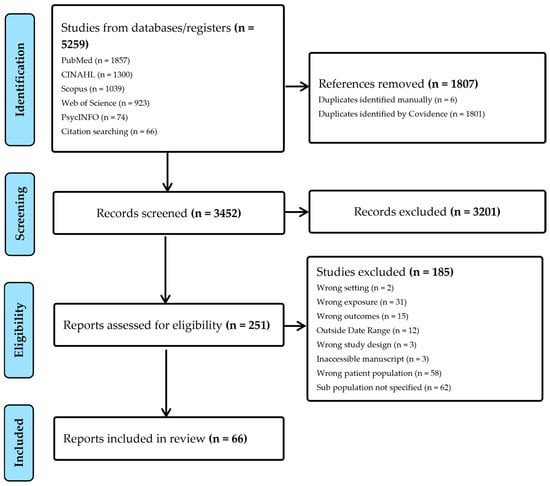
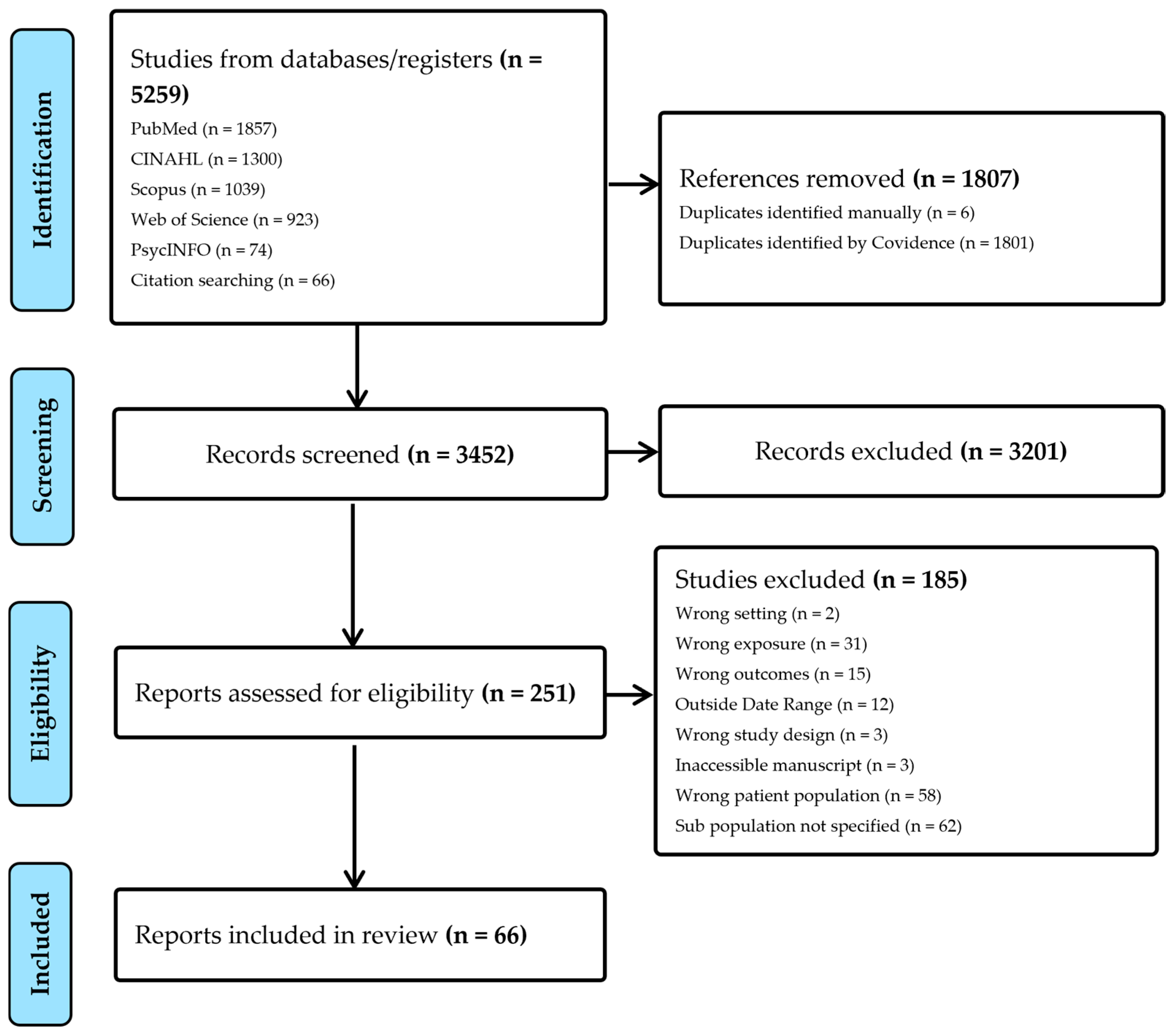

Disclaimer/Publisher’s Note: The statements, opinions and data contained in all publications are solely those of the individual author(s) and contributor(s) and not of MDPI and/or the editor(s). MDPI and/or the editor(s) disclaim responsibility for any injury to people or property resulting from any ideas, methods, instructions or products referred to in the content. |
© 2026 by the authors. Licensee MDPI, Basel, Switzerland. This article is an open access article distributed under the terms and conditions of the Creative Commons Attribution (CC BY) license.