


Abstract
Native to southeastern Australia, Acacia dealbata (silver wattle) has a rich history of Aboriginal traditional use and modern applications in the perfumery and cosmetic industries. Despite its widespread availability and potential as a source of bioactive compounds, a critical review of its phytochemistry and biological activities is lacking. This article presents a critical review of the scientific literature on A. dealbata to consolidate current knowledge, identify research gaps, and propose future directions based on an analysis of 34 studies covering the chemical composition, extraction techniques, and bioactivities of extracts from the plant. The major chemical classes identified include triterpenes and triterpenoids, glycosides, and phenolics. Extraction solvent and technique have a significant effect on the extraction of bioactive constituents and observed bioactivities. For optimal extraction of phytochemicals, solid–liquid extraction techniques (e.g., Soxhlet, ultrasound, microwave-assisted) with polar solvents showed the best performance. Bioactivity studies consistently reported significant antioxidant and antimicrobial activities, particularly against Gram-positive microorganisms. As a fast-growing, widespread invasive species, A. dealbata has strong potential for valorisation as a source of bioactive compounds and functional ingredients. However, these findings are largely based on preliminary assays, highlighting the need for comprehensive chemical profiling and isolation and characterisation of specific bioactive constituents.
1. Introduction
Medicinal plants have a long history of use for disease prevention and treatment [1]. The chemical diversity of secondary metabolites from plants has provided a source of many successful drug discoveries [2]. Key examples include the vinca alkaloids from Vinca rosea, which are used in the treatment of cancer [3]; a quinoline alkaloid from cinchona plants used for treating malaria [4]; glycosides such as digoxin and digitoxin from Digitalis lanata for the treatment of cardiac diseases [5]; and poppy-derived isoquinoline alkaloids, which are used as analgesics, antitussive agents and vasodilators [6]. The systematic investigation of plant-derived compounds, often termed ‘phytopharmaceuticals’ continues [7]. Modern research combines in vitro, in vivo, and computational models to accelerate the discovery of novel bioactive molecules [8]. Consequently, the growing demand for medicinal plants in therapy, cosmetics and supplements has driven large-scale commercial cultivation of plants with potential bioactivity [9].
The commercial application of plant extracts extends beyond medicine to their use as natural additives in the food, cosmetic, and hygiene industries. This has driven research into the identification of abundant, fast-growing plant species for economic valorisation [10]. The Acacia genus is large, with around 1350 species globally, the majority (1012) of which are native to Australia [11,12]. The hardiness and fast-growing nature of some Acacia species means they are a good target for cultivation [13]. They are known as invasive species in many parts of the world due to their hardiness and ability to spread rapidly and outcompete native vegetation [14]. The genus has a long and diverse history in ethnomedicine. Traditional uses range from treating skin diseases and bleeding in Ancient Egypt [15] to addressing infectious, inflammatory, and metabolic disorders in Asia [16,17,18]. Indigenous Australians have used Acacia for treating infections, wounds, and pain, and as a sedative and fish poison [15,19,20,21].
Acacia dealbata (Figure 1), commonly known as silver wattle or mimosa, is a fast-growing species native to southeastern Australia that is now widespread across South Asia, Africa, South America, and the Mediterranean [22,23]. Its adaptability has led to its global cultivation for ornamental, timber, and commercial uses, including tannin and essential oil production. However, this same hardiness has also established it as a significant invasive species in many regions where it was originally introduced for environmental benefits such as soil erosion control [24].
Figure 1.
A. dealbata leaves and flowers. (Photo taken in Geelong, Victoria 3219, Australia, in August 2024).
The plant presents a complex ecological profile. On one hand, it can improve land quality where its dense root structure prevents soil erosion [25], and its nitrogen-fixing capabilities can enrich soil, reversing deficiencies caused by activities like timber harvesting [26,27]. On the other hand, its rapid growth rate often allows it to outcompete and displace native vegetation, posing a challenge for ecosystem management [24]. This duality makes A. dealbata a prime candidate for valorisation, as finding industrial applications for the abundant biomass generated from its control could offset management costs and create economic value.
Various tissues from A. dealbata, including its leaves, bark, flowers, and seed pods, have a history of use in the food and herbal traditions of Indigenous peoples of Southeastern Australia [20,21,28,29]. Bark extract from A. dealbata has been used to treat indigestion, while its gum has been used to treat wounds and sores [28] and has been dissolved in water with flower nectar to prepare sweet drinks [20]. Additionally, raw seed pods and boiled flowers of A. dealbata have been used as food or food ingredients [21,29] and powdered seeds have been used to make bread [21,29]. The plant also provided essential materials, with its wood used for tools like axe handles, its bark for making string and buckets, and its gum as a component in adhesives [28]. Documented information on traditional uses of A. dealbata is still limited; therefore, further consultation and collaboration with indigenous Australians is required.
Beyond its traditional applications, A. dealbata has several commercial uses. For example, absolute oil from A. dealbata flower (also known as mimosa absolute oil) is available in many countries as a natural source of aroma [30]. Absolute oils are concentrated extracts from plants obtained using nonpolar solvents and have a similar appearance to essential oils that are mostly obtained by distillation or cold pressing but differ from essential oils as they have a higher content of phytochemicals and more potent fragrances [30]. Furthermore, tannins extracted from the bark are used in the leather and textile industries and as a flavouring agent in beverages, while the wood pulp is utilised in paper production [31,32].
Eight studies have analysed the chemical composition and biological activities of A. dealbata leaves, flowers, seeds, and bark with different extraction solvents [33,34,35,36,37,38,39,40]. These studies report the presence of a diverse group of plant metabolites in A. dealbata extracts that are known for their biological activities and industrial uses. For instance, polyphenols, glycosides, flavonoids and terpenes found in the extract can have antioxidant, free radical scavenging, antimicrobial, antitumor and anti-inflammatory activity [41,42,43]. While esters, alcohols, small terpenes, aldehydes, ketones, volatile oils and some other aromatic compounds in the extract can be used as flavours and fragrances [44]. Thus, these findings indicate the therapeutic and commercial potential of the plant.
While the reported antioxidant and antimicrobial activities of A. dealbata extracts are promising and suggest potential against oxidative and infectious diseases [36,38,45,46,47] these properties are common to many plant extracts. Therefore, establishing the unique value of A. dealbata requires a more rigorous approach. This involves not only characterising its volatile and non-volatile compounds but also performing targeted isolations to identify the specific molecules responsible for its bioactivity. Furthermore, for any practical application, these scientific investigations must be coupled with the optimisation of extraction methods to ensure commercial viability.
To address these needs, this paper provides a critical review of the current literature on A. dealbata. It focuses on extraction techniques, the chemical profiles of different extracts, factors affecting chemical composition, and reported biological activities. In doing so, this review aims to identify key research gaps and suggest opportunities for future investigation.
2. Methodologies
Search queries combined the term “Acacia dealbata” with keywords ‘chemical composition’, ‘bioactivity’, ‘extraction’, and ‘uses’. The keyword-based search utilised several academic databases, including Google Scholar, PubMed, Web of Science, and Scopus, as well as publisher platforms such as SpringerLink, Wiley Online, and ScienceDirect. The natural product repositories LOTUS and COCONUT were also queried [48,49]. The authors screened the retrieved publications for relevance to the objectives of this review and assessed their eligibility against the predefined inclusion and exclusion criteria. For inclusion, publications focusing on the extraction techniques, chemical composition, and biological activities of Acacia dealbata were considered. Consequently, studies focusing exclusively on botanical descriptions, geographical distribution, environmental impacts, or other investigations on A. dealbata were excluded from this review. The selected publications were checked for duplication. This approach identified 34 studies on A. dealbata published between 1982 to 2026.
3. Chemical Constituents and Biological Activities of A. dealbata
The literature search yielded 34 relevant studies that investigated the extraction techniques, chemical profiles, or biological activities of A. dealbata. Of these, 15 studies reported on the biological activities of extracts derived from the plant’s leaves, bark, flowers, seeds, or wood. A total of 13 studies characterised and reported the chemical compounds present in the extracts, while 19 other studies have worked with the crude extracts to evaluate bioactivity, compare extraction efficiency of different techniques, and measuring the total phenolic, flavonoid, or tannin content in the extract.
3.1. Extraction from A. dealbata
3.1.1. Methods Used for Extraction
Extraction technique, solvent polarity, and operation conditions such as temperature, pressure, time and agitation can play an important role in the isolation of specific targeted compounds or groups of compounds from plant material, as well as the percent yield of crude extract [50,51]. Seven different extraction techniques, including Soxhlet extraction, supercritical fluid extraction, solid–liquid extraction with shaking, ultrasound-assisted extraction, microwave-assisted extraction, steam distillation, and molecular distillation, have been used by studies to extract compounds from A. dealbata. Sixteen studies were identified which investigated the impact that the extraction technique had on the chemical composition of the extract and extraction yield; the findings are summarised in Table 1.
Table 1.
Different solvents and extraction techniques used for phytochemical investigations of A. dealbata tissues, and their major findings.
The Soxhlet extraction technique [Figure 2a], in use for over 150 years, remains widely employed for laboratory-scale extraction due to its ability to achieve exhaustive extraction through continuous solvent reflux and repeated extraction cycles. However, the process is time- and energy-intensive, involves relatively high solvent consumption, and is limited to thermally stable compounds due to prolonged exposure to elevated temperatures. In addition to these, the batch-wise nature of the process further limits its efficiency and suitability for large-scale industrial applications [59]. Among the reviewed studies on A. dealbata, Soxhlet extraction was one of the most frequently applied methods (used in eight studies) for producing crude extracts from various tissues. Of these, three reported higher crude extract yields (7.7–29.5% by dry mass) [31,52], or increased recovery of target compounds [53] using this technique. Another study found extracts with higher bioactivity using Soxhlet, though with lower crude extract yield compared to solid–liquid extraction [34]. The remaining four studies did not specifically evaluate extraction yield or method performance [35,46,54,55].
Figure 2.
Diagram of a Soxhlet extraction apparatus (a) and a steam distillation apparatus (b).
Solid–liquid extraction is a simple and widely used method for extracting compounds from plant materials, valued for its ease of setup and suitability across small- to large-scale applications. However, this technique is generally limited by its relatively long processing time, and yields are lower without auxiliary parameters like ultrasound, microwave, or elevated temperature [60]. For A. dealbata, solid–liquid extraction was the most frequently employed method, reported in nine studies (details in Table 1). Two studies observed higher crude extract yields from leaves using this technique (8.1–14.8%) [34,39], while three reported lower yields compared to alternative methods [31,40,53]. The remaining four studies either relied solely on solid–liquid extraction or did not compare yields across methods [30,36,37,47].
According to the reviewed studies, the application of additional parameters and techniques such as elevated temperature, microwave heating, or ultrasonic disruption in solid–liquid extraction has been shown to improve extraction yields and reduce processing time for A. dealbata leaves, ‘twigs’ (stems), and bark [34,37,39]. Similarly, microwave-assisted extraction enhances efficiency by using microwave energy to rapidly heat polar molecules, primarily water, within plant tissues. Therefore, the effectiveness of this method depends on the moisture content of the biomass, as sufficient water is required to absorb microwave energy and facilitate efficient extraction [61]. With this requirement, one study employed water as the solvent to extract bioactive compounds from A. dealbata leaves, reporting enhanced antimicrobial activity in the extract obtained via microwave-assisted extraction [34].
However, solvent-to-biomass ratio and pretreatment parameters should also be considered while comparing the efficiency of different extraction techniques, as variation of these parameters can affect the yield. For example, studies reporting a higher yield (7.7–29.5%) of extract when using a Soxhlet extraction system used a larger ratio of biomass to solvents (1:20 to 1: 25) [31,52] compared to the solid–liquid extractions (4.3–18%) using lower solvent ratios (1: 10 to 1: 15) [34,53], so the findings were not just based on the efficiency of extraction techniques but may be related to the sample-to-solvent ratio as well. Pretreatment parameters such as grinding (particle size), moisture content, and drying temperature should be carefully considered, as particle size influences solvent penetration, cell wall disruption and the diffusion of compounds, thereby affecting the availability of bound constituents. In addition, drying at elevated temperatures may lead to the loss of volatile compounds and the degradation of thermolabile constituents, ultimately altering the chemical profile and extraction yield. For example, according to one of the reviewed studies, extraction of phenolics from A. dealbata bark gave a higher yield (29.7%) with a reduced particle size (<0.5 mm) compared to plant materials with larger particle sizes (>1 mm) of the same material (26%) [31]. Studies examined here used variable temperatures for drying plant biomass; however, none evaluated the effect of drying temperature on the chemical profile with temperatures ranging from 45 to 100 °C [31,53]. Therefore, a detailed investigation is required to evaluate the effect of drying conditions on the overall chemical profile and extraction yields from A. dealbata biomass.
Supercritical fluid extraction (SFE) is more complex than conventional solid–liquid extraction, primarily due to its requirement for high-pressure operation, which necessitates specialised equipment such as thick-walled extraction vessels and high-pressure pumps. While the use of co-solvents (modifiers) may increase operational costs, SFE, particularly with CO2, offers key advantages, including the production of solvent-free extracts upon depressurisation, thereby eliminating the need for solvent removal steps. Moreover, by tuning operational parameters such as pressure and temperature, SFE enables selective extraction of target compounds, especially hydrophobic constituents from plant materials. For the extraction of more polar compounds, the addition of a polar modifier is often required to enhance solvent polarity and extraction efficiency [62,63]. In the case of A. dealbata, SFE has been applied in two studies for leaf and bark extractions, and the reported yields were lower than those obtained with Soxhlet and solid–liquid extraction. This is due to the suitability of SFE for lipophilic compounds only, and these studies reported lipophilic compounds like fatty acids, triterpenoids, and polyols as the major constituents of the extracts [52,53].
Steam distillation [Figure 2b] is frequently used to extract volatile compounds, such as essential oils, from non-volatile plant material while also separating heavier, greasy residues [64]. In this process, boiling water generates steam that carries volatile constituents to a condenser, where they are recovered in liquid or solid form, while non-volatile components remain in the boiling vessel [65]. Although primarily used for essential oil extraction, steam distillation can also recover certain bioactive compounds with boiling points higher than water; however, this method is unsuitable for water-sensitive substances [66]. In the case of A. dealbata, one study applied solid–liquid extraction with ethanol to obtain flower extracts, which were subsequently fractionated and separated using microwave hydro-diffusion and steam distillation. However, the study used the crude fractions for bioassay rather than further characterising the fractions for their chemical profile; therefore, the effect of steam distillation on the overall chemical profile is still unclear [40].
Two studies compared Soxhlet extraction to SFE; both showed higher yields of phytochemicals from A. dealbata using the Soxhlet extraction system [52,53]. In one of the studies, the percent yield of the crude extract varied from 3.64% to 11.58% with Soxhlet extraction, which increased with increasing polarity of solvent. A relatively lower percent yield was found for SFE, ranging from 1.76% to 3.24%, which increased with increasing extraction temperature, increasing pressure and the addition of polar co-solvents [52]. The second study reported higher extraction of lupane-type triterpenoids by Soxhlet extraction compared to SFE and solid–liquid extraction [53].
The studies on A. dealbata using Soxhlet extraction used different solvents, varying quantities of extraction solvents and differing amounts of plant biomass for each method rather than following a standard protocol to optimise performance; thus, a direct comparison among their findings is difficult [52,53]. Abilleira et al. highlighted that particle size is a critical determinant of Soxhlet extraction efficiency, reporting significantly higher (26% vs. 29.5%) yields when A. dealbata bark was milled to smaller sizes [31]. Reduced particle size increases the surface area available for solvent contact and promotes more extensive rupture of plant cells, thereby enhancing mass transfer and diffusivity of intracellular compounds. Studies confirmed that optimising particle size is essential for maximising extraction efficiency, as larger particles can limit solvent penetration and slow the release of target phytochemicals [31,67].
In contrast to these results, Borges et al. reported that solid–liquid extraction provided a higher (8.1%) percentage yield of the crude extracts compared to ultrasound-assisted extraction (6.4%) [34]. However, the study also reported that the superior extraction yield of the solid–liquid extraction was limited to the use of only polar solvents, and the percentage yield of crude extract from A. dealbata leaves decreased gradually with a decrease in the polarity of the solvent in solid–liquid extraction [34]. This is likely due to the extraction of abundant small polar molecules in leaf material which are not extracted by non-polar solvents, and better diffusion of these molecules occurs during the long exposure of the plant materials with solvents in solid–liquid extraction.
Other studies working on extraction from A. dealbata used either solid–liquid extraction or Soxhlet extraction to obtain the crude extracts for evaluation of bioactivity or chemical characterisation, but they did not use multiple extraction methods to compare the efficiency of different extraction techniques [33,47,54,55,56].
One study used molecular distillation to purify mimosa absolute oil from A. dealbata flowers [30]. This technique is more suitable for downstream purification and the fractionation process rather than a primary extraction method. Therefore, it is particularly suitable for separating complex mixtures of natural compounds, especially thermolabile constituents [68]. The study used molecular distillation to separate the absolute oil obtained from A. dealbata flowers by separating lighter volatile fractions from heavier, non-volatile components. Volatile constituents such as long-chain alkanes, alcohols, and acids were separated from heavier residues, thereby improving the quality and consistency of the oil [30].
In summary, Soxhlet extraction and solid–liquid extraction are the two main techniques applied to A. dealbata. In most comparative studies, Soxhlet extraction provided higher yields compared to solid–liquid extraction and supercritical fluid extraction (SFE) for crude extracts and certain bioactive compounds. In contrast, steam distillation is commonly used for the extraction of volatile oils from A. dealbata flowers, while molecular distillation serves as a purification step to further refine these extracts by separating lighter volatile fractions from heavier, non-volatile components, thereby improving the purity and quality of the resulting absolute oils [30,40]. Therefore, the optimal extraction strategy is ultimately determined by the type of tissue being processed and the chemical nature of the target compounds.
3.1.2. Effect of Solvent Selection on Extraction and Bioactivity
Solvent selection in phytochemical extraction is governed by matching the solvent polarity to the target compounds. Consequently, polar organic solvents such as methanol and ethanol are most frequently used in the extraction of bioactive phenolics, flavonoids, and terpenes, whereas non-polar solvents such as n-hexane are preferred for lipophilic substances [69,70]. In A. dealbata, a wide range of solvents has been employed, including water, methanol, ethanol, acetone, dichloromethane, ethyl acetate, and n-hexane. Across studies, polar solvents consistently yield higher crude extract recoveries from leaves and bark; however, this is largely attributed to the co-extraction of abundant primary metabolites (e.g., sugars and organic acids), rather than selective enrichment of bioactive secondary metabolites [31,34,39,52].
Ethanol is frequently reported as an effective solvent, providing high extraction yields and extracts with strong antimicrobial activity [31,34,52]. In terms of yield, ethanol has been shown to extract higher (7.7%) quantities of triterpenoids, carbohydrates, polyols, and fatty acids from A. dealbata leaves compared to n-hexane, dichloromethane, and ethyl acetate (1.8–3.2%) [52]. Ethanol also provides a greater crude extract yield from the bark compared to water [31]. Ethanolic extracts from A. dealbata leaves also demonstrated superior antimicrobial activity to water, methanol, acetone, dichloromethane, and n-hexane extracts [34]. This observation is consistent with broader findings in the literature where ethanolic extracts from other plants also show higher antimicrobial activity [71,72]. This may be due to the extraction of polar compounds by ethanol, as polar compounds like polyphenols, terpenes, glycosides, and flavonoids are mostly reported for antimicrobial activity of plant extracts [73,74]. However, this apparent superiority should be interpreted cautiously, as ethanol itself possesses intrinsic antimicrobial activity. In many studies, insufficient control of residual solvent effects may lead to overestimation of extract potency, thereby confounding the attribution of activity to plant-derived compounds [75].
Borges et al. reported the superiority of water over methanol, ethanol, acetone, dichloromethane, and n-hexane to extract bioactive compounds from A. dealbata leaves; this was, however, defined by the percent yield of the crude extracts [34]. Importantly, extraction yield does not necessarily correlate with biological efficacy. For instance, aqueous extracts may produce the highest crude yields, yet show comparatively weak bioactivity, whereas ethanolic or acetone extracts demonstrate stronger antimicrobial or antioxidant effects despite lower yields [34]. This highlights a common limitation in the literature, where extraction efficiency is often evaluated based on crude yield alone, without considering the concentration or identity of active constituents [65]. Thus, detailed investigations using fractionation, chemical characterisation, and identification of bioactive compounds in an extract is necessary to select the optimum extraction conditions.
Three additional studies reported that extraction using acetone or an acetone: water (70:30 v/v) solution from the leaves, stems, and bark of A. dealbata yielded higher (7.4–15.6%) percentages of extract containing phenolics, flavonoids, and proanthocyanidins, as well as greater antioxidant activity, compared to aqueous, methanolic, and ethanolic extracts (2.6–13.5%) [34,39,46]. While this may relate to its intermediate polarity and ability to disrupt plant matrices, the mechanistic basis for its superiority over other polar solvents remains unclear. Notably, similar trends have been observed in other plant systems, suggesting a broader but still insufficiently understood phenomenon [76,77].
A major limitation across all studies is the reliance on crude extracts for both chemical and bioactivity evaluation. These extracts are complex mixtures containing numerous compounds, yet no studies have systematically linked solvent selection to the extraction of specific bioactive molecules. Consequently, it remains unclear which compound classes are responsible for the observed activities and whether the chosen solvents are truly optimal for their selective extraction.
Under the experimental conditions evaluated, acetone extracts frequently exhibited higher antioxidant activity, whereas ethanol extracts demonstrated high antimicrobial activity. While solvent polarity clearly influences both extraction yield and bioactivity in A. dealbata, current approaches lack specificity and mechanistic insight. Future studies should move beyond crude extract comparisons and focus on fractionation, compound identification, and bioassay-guided approaches to establish clear relationships between solvent selection, chemical composition, and biological activity.
3.2. Chemical Constituents
Chemical characterisation studies of A. dealbata extracts have identified several chemical classes in relatively high abundance, including triterpenes and terpenoids, polyphenols, glycosides and flavonoids, alcohols (mainly long-chain alcohols) and sterols, fatty acids, and esters, which is typical of most crude plant extracts. Lower abundance compounds include aldehydes, ketones, glycerides, carbohydrates, and tannins. The types of chemicals and their respective quantities depended on the tissue type and often varied with seasonality and maturation status of the sample [35,36,52,78,79]. The following sections describe the major findings from these studies. A comprehensive list of individual compounds identified in A. dealbata is provided in Table 2. For ease of reference, compounds mentioned in the text are numbered according to their entry in this table.
Table 2.
Major chemical compounds reported in the extracts from different parts of A. dealbata. (Sl. No. indicates the serial number given to the listed compounds and numbered in the text accordingly.
3.2.1. Triterpenes and Triterpenoids
Terpenes are a complex class of secondary metabolites in plants with estimations of about 30,000 compounds reported in the literature [83]. This class of compounds is characterised by repeating units of (C5H8)n and is classified according to the number of these isoprene units [84]. Terpenoids are a modified form of terpenes that contain additional functional groups (typically oxygen-containing) attached to the hydrocarbon chain of terpenes, where the modification occurs by oxidation or rearrangement of the hydrocarbon chain [85]. Both terpenes and terpenoids are responsible for several biological activities in plants, including defence responses, colour, and fragrance, which is thought to help in pollination and have been shown to be involved in adaptation to water stress [86,87]. Terpenes and their derivatives are also known for biological activity, including antimicrobial, anti-inflammatory, antioxidant, antidiabetic and hepatoprotective activity [88].
In A. dealbata, triterpenes and triterpenoids represent one of the major classes of phytochemicals, particularly in leaf extracts, where lupane-type triterpenes and their derivatives are frequently reported as prominent constituents. GC-based analyses of lipophilic extracts have consistently identified compounds such as lupenone (1), lupenyl acetate (2), α-amyrin (3), β-amyrin (4), α-amyrone (5), β-amyrone (6), squalene (7), moretenone (8), and lupeol (11) [30,33,35,39,52,78]. These compounds are most frequently reported in leaf extracts, although similar triterpenes have also been detected in flowers and bark. The relative abundance of these molecules varies depending on the extraction solvent used; for instance, studies consistently find lupenone (1) to be among the most concentrated triterpenoids, while squalene (7) is often present at the lowest levels [35,52]. In contrast, terpenes and terpenoids have been reported to be absent in wood extracts in some studies [35,79]. The structures of these major compounds are presented in Figure 3.
Figure 3.
Major triterpenes and triterpenoids reported in A. dealbata extracts.
Although these triterpenes are not unique to A. dealbata and are commonly found in many plant species, their consistent occurrence and relative abundance in specific tissues, particularly leaves, suggest they contribute significantly to the overall chemical profile of the species. As predominantly non-polar compounds, their extraction is strongly influenced by solvent selection, with non-polar to mid-polar solvents such as hexane and ethyl acetate or techniques targeting lipophilic fractions favouring their recovery [89]. Consequently, variations in triterpenoid composition reported across studies are likely associated with differences in extraction methods, solvents, and sample preparation because the studies reporting terpenes and terpenoids in A. dealbata mostly used nonpolar solvents (like hexane) to moderately polar solvents (like dichloromethane and ethyl acetate) to separate and characterise the lipophilic fractions (Table 2).
It is also important to recognise that most studies rely on qualitative or semi-quantitative GC–MS analysis of crude or fractionated extracts. As a result, the identified triterpenes represent only a portion of the total extract composition, while a substantial fraction of co-extracted components remains uncharacterised. This limitation restricts the ability to associate specific triterpenes with the biological activities observed in A. dealbata extracts. Although compounds such as lupeol and β-amyrin have been reported to possess pharmacological properties in the broader literature [90,91], their specific contributions to the biological activities of A. dealbata extracts remain unclear. Furthermore, their concentrations in this species and their relative abundance compared with those reported in other plant sources have not been sufficiently characterised. Therefore, further studies involving quantitative profiling, selective extraction, and compound-level bioactivity assessment are required to better understand the significance of triterpenes and triterpenoids in this species.
3.2.2. Fatty Acids
Fatty acids are one of the common compound classes reported in plants, as they are one of the integral parts of plant cellular membranes [92]. The most common fatty acids in plants are 16- and 18-carbon fatty acids [93]. Among them, linoleic and α-linolenic acids are considered essential fatty acids due to their important roles in human health and their inability to be synthesised endogenously [94]. However, plants also contain saturated fatty acids (e.g., palmitic and stearic acids), which are less desirable from a nutritional perspective when present in high amounts [95].
Fatty acids reported in A. dealbata largely reflect this general plant profile rather than representing distinctive or unique constituents; therefore, they do not, by themselves, indicate a distinctive advantage for biomass valorisation. Three studies have characterised fatty acids in different plant parts using GC-based techniques [30,35,54]. For instance, palmitic acid was identified as a major component (~20% of the volatile fraction) in flower extracts analysed by GC–MS; however, this approach targets volatile compounds and does not provide a comprehensive fatty acid profile [30]. More detailed analyses involving derivatisation (e.g., FAME analysis) revealed both saturated and unsaturated fatty acids in bark, wood, and leaves, with higher total fatty acid content observed in leaves [35,54]. Linoleic and α-linolenic acids were identified as predominant unsaturated fatty acids in bark and wood, respectively, alongside several long-chain saturated fatty acids such as tetracosanoic and octacosanoic acids [35]. Structures of the major fatty acids are presented in Figure 4.
Figure 4.
Major fatty acids and esters reported in A. dealbata.
Notably, existing studies have not investigated the fatty acid composition of A. dealbata seeds or seed oils, which are typically the primary sources of nutritionally valuable lipids in plants. However, a recent study investigated the fatty acid profile of the seed-derived lipophilic fractions, along with quantitative profiling, and found a high proportion (~84%) of unsaturated fatty acid content in the seed oil, predominantly linoleic and oleic acids [96]. Therefore, the high proportion of unsaturated fatty acids in the seed lipophilic extract suggests that A. dealbata can offer a meaningful advantage as a source of nutritionally relevant fatty acids.
3.2.3. Esters
Esters are a major class of volatile organic compounds used in fragrances where they contribute to the distinctive aromas of fruits, vegetables and flowers [97]. These compounds are identified to characterise aroma profiles and assessing potential applications in food, cosmetics, and industrial products. In A. dealbata, flowers are noted for a sweet, fruity, floral scent, while the leaves produce a grassy, green aroma [98]. Two previous studies have reported twelve esters present in A. dealbata flowers by GC–MS analysis of the extracts, with the major structures shown in Figure 4 [30,80].
GC–MS analyses of flower extracts have reported twelve esters, with major compounds, including ethyl palmitate, ethyl butanoate, ethyl iso-butanoate, and methyl benzoate. Absolute flower extracts, commercially used in perfumery, have been further analysed, revealing up to 32 esters, including ethyl and methyl derivatives such as ethyl pentanoate (28), butyl acetate (31), methyl p-anisate (32), benzyl acetate (34), and methyl cinnamate (36) [30,80].
Some detected esters may arise from the extraction solvents used, as ethanol or methanol can react with free acids in the flower matrix to form ethyl or methyl esters [30,80]. Therefore, cross-validation using alternative solvents is needed to confirm the naturally occurring ester profile. While these studies provide valuable insight into flower aroma, none of the reviewed studies performed comparable investigations on other tissues, such as leaves, bark, or other fresh materials, leaving the esters and other aroma-active compound profiles unknown. To address this knowledge gap, our recent study investigated the volatile organic compounds in flower absolute extracts as well as fresh tissues and identified rich aroma profiles of both the flowers and leaves and suggested these tissues as a potential source of aroma-active compounds [99].
3.2.4. Glycosides
Glycosides are any chemical formed from one or more sugar molecules linked with other chemical groups by a glycosidic bond. They are important plant secondary metabolites that are well reported for their diverse biological activity. For example, cardiac glycosides are used to treat heart ailments; phenolic and flavonoid glycosides are reported for their antioxidant, antimicrobial and urinary antiseptic effects; and saponin glycosides are well known for their diuretic, anti-infective and anti-inflammatory activity [100,101].
In A. dealbata, only a limited number of glycosides have been reported to date, reflecting a clear knowledge gap and the need for more detailed extract characterisation. Reported compounds include spinasteryl glucoside (37), dihydrospinasteryl glucoside (38), and chalcononaringenin 2′-[O-rhamnosyl-(1→4)-xyloside] (39) from flowers [30,81], and 3-O-beta-glucopyranosyl-(1→6)-beta-glucopyranosyl-1-octen-3-ol (40) and quercetin glycoside (41) in leaves [37,58,82] (Figure 5).
Figure 5.
Major glycosides, polyphenols, and flavonoids reported in A. dealbata.
Although these studies provide a preliminary overview, the low number of reported glycosides likely represents only a fraction of the total glycosidic content in the plant, or the plant may have originally lower glycoside content. Given the biological relevance of glycosides and their widespread presence in plants [102], further targeted studies employing advanced analytical techniques (e.g., LC–MS/MS, NMR) are necessary to identify additional glycosides, quantify their abundance, and evaluate their potential contributions to the bioactivity of A. dealbata extracts.
3.2.5. Polyphenols and Flavonoids
Polyphenols and flavonoids are widely recognised for their diverse biological activities; therefore, many studies focus on the measurement of these compounds in plant extracts as an initial marker for bioactivity [103,104]. Five studies reported polyphenol and flavonoid content from A. dealbata extracts from leaves, bark, and flowers. Four of these studies evaluated the crude extracts qualitatively using only the Folin–Ciocalteu reagent (FCR) for phenolic content and the AlCl3 colourimetric method for flavonoid content, rather than detailed compound-level characterisation [36,38,40,56]. Only four studies provided detailed characterisation of leaf extracts by LC–MS, identifying multiple polyphenols and flavonoids [34,37,58,82]. This highlights a significant knowledge gap, as most of the crude extract studies cannot elucidate the precise chemical composition, bioactive constituents, or potential synergistic effects.
Research quantifying total phenolics and flavonoids has consistently identified the bark and flowers of A. dealbata as the most concentrated sources [36,38,40,47,56]. Bark extract from A. dealbata harvested in Turkey, for example, showed significantly higher amounts of phenolics and flavonoids (321.5 mg of gallic acid equivalent/g of crude extract) compared to wood extracts (31.9 mg/g). Flower extracts from different geographical regions also demonstrated high polyphenol and flavonoid content, which varies with flower developmental stage, peaking in early flowers and declining as they mature [36,38,40]. These observations underscore that plant part, developmental stage, and geography significantly influence extract composition and potential bioactivity.
A more detailed analysis of leaf extracts from South Africa incorporated both quantitative assessment and LC–MS characterisation [37]. Leaves collected during the hot, dry season contained higher levels of polyphenols and flavonoids than those collected during the cool, wet season, demonstrating the impact of environmental conditions on metabolite accumulation. Major compounds identified included quercetin-3-galactoside (42), p-coumaroyltrifolin A (43), p-coumaroyltrifolin B (44), epigallocatechin (45), isorhamnetin (46), kaempferol 3-sophorotrioside (47), and astilbin (48). Structures of selected major polyphenols and flavonoids are presented in Figure 5.
While total phenolic and flavonoid assays provide useful initial insights into extract bioactivity, the limited number of studies performing compound-level identification highlights a significant gap. Without detailed characterisation, it is difficult to correlate specific polyphenols and flavonoids with observed bioactivities or standardise extracts for functional applications. Therefore, future studies should focus on comprehensive profiling, quantification, and bioactivity assessment of individual compounds, ideally considering seasonal, geographical, and developmental variation.
3.2.6. Alcohols and Sterols
Both aliphatic and aromatic alcohols have been reported in flower and bark extracts of A. dealbata [33,35], while sterols have been identified in wood and flower extracts (major structures are presented in Figure 6) [30,35].
Figure 6.
Major alcohols and sterols reported in A. dealbata.
In bark extracts, aliphatic alcohols such as hexacosan-1-ol (51), octacosan-1-ol (52), tetracosan-1-ol (53), triacontan-1-ol (54), and dotricontan-1-ol (55) are reported in significant amounts, whereas aromatic alcohols include tyrosol (56) and vanillyl alcohol (57) at lower concentrations [35]. Flower extracts contain phenylpropanoid and fatty alcohols in trace to moderate amounts, of which the most abundant are 2-phenethyl alcohol (58) and p-anisyl alcohol (60) [30,33]. These alcohols contribute to aroma and fragrance profiles, with 2-phenethyl alcohol, for example, being widely used in perfumery due to its floral scent [105]. Sterols reported in A. dealbata include spinasterol (49) and 22,23-dihydrospinasterol (50) in wood extracts [35] and stigmasterol (59) in flower extracts [33]. These sterols are important for plant structural integrity and membrane function and may also possess pharmacological properties, including anti-inflammatory and cholesterol-lowering effects [106]. But current studies provide only a preliminary overview of alcohols and sterols in selected tissues; the full distribution across other plant parts remains largely unexplored.
3.2.7. Other Compounds
Long-chain hydrocarbons have been reported in flower and bark extracts of A. dealbata, including (Z)-heptadec-8-ene (62), heptadecane (63), nonadecane (64), and tetracosane (65) [30,53]. These compounds are largely non-volatile and contribute primarily to plant structural and protective roles rather than aroma. Aldehydes and ketones, primarily detected in flower extracts, are important contributors to the characteristic fragrance of A. dealbata flower absolute extracts [30,44]. Reported aldehydes include pentanal (66), hexanal (67), heptanal (68), decanal (69), and anisal (72), while ketones include butanone (70) and 6-methylhept-5-en-2-one (71) [30,33]. These volatile compounds play a key role in perfumery and flavour applications, complementing esters and alcohols in shaping the floral aroma profile [99].
Two tocopherols, α-tocopherol (73) and d-α-tocopherol quinone (74), along with two monoglycerides, 1-monodocosanoin (75) and 1-monotetracosanoin (76), have also been reported, highlighting the presence of bioactive and nutritionally relevant lipophilic compounds in different plant tissues [33,35]. Structures of the reported major aldehydes, ketones, and other compounds are presented in Figure 7.
Figure 7.
Aldehydes, ketones, and other compounds reported in A. dealbata.
Nutritionally, leaf extracts of A. dealbata have been shown to contain sugars, crude protein, amino acids, minerals, lignin, ash, and fibre, with higher concentrations observed in leaves collected during the hot dry season compared to the cool wet season [37]. A. dealbata wood has been reported as a potential source of lignins [107]. Other plant parts, including seeds, remained largely uncharacterised despite ethnobotanical records of consumption by Indigenous Australians [20,21]. However, a recent study by the authors has investigated the nutritional potential of the seeds and reported a well-balanced, rich nutritional profile comparable to many of the widely consumed grains [96].
3.3. Biological Activities
Fifteen studies have reported the biological activity of extracts from different A. dealbata tissues. Most studies (thirteen) evaluated the antioxidant activity of the extracts, seven studies evaluated antimicrobial activity, and four studies reported cytotoxic effects. A summary of the studies in terms of extract type, major findings, assay techniques, and models used is presented in Table 3.
Table 3.
Biological activity of the extracts and fractions from different tissues of A. dealbata.
3.3.1. Antioxidant Activity
Antioxidants play a role in human health by neutralising free radicals and reducing oxidative stress, a process linked to the prevention of chronic diseases and the slowing of cellular ageing [110,111]. This has driven research into discovering safe and potent antioxidants, especially from natural resources including plants [112,113]. Plant-derived secondary metabolites such as polyphenols (flavonoids, tannins, phenolic acids), terpenes, and alkaloids are well-known contributors to antioxidant activity [114].
The antioxidant potential of A. dealbata has been extensively studied using in vitro chemical assays, including DPPH radical scavenging and Fe3+ reducing capacity [31,34,36,37,38,39,45,46,47,109]. A less common, more mechanistic approach has also been utilised, which used cell models to assess an extract’s ability to promote the gene expression of the body’s own antioxidant proteins [108].
Across the reviewed studies, antioxidant activity varied with plant tissue, developmental stage, season of collection, and extraction solvent. For example, early-stage flowers and leaves collected during the hot, dry season exhibit higher antioxidant activity, correlating with increased polyphenol and flavonoid content [36,37]. Comparative studies also reported that A. dealbata extracts often outperform those of other Acacia species (A. melanoxylon, A. leucophloea, A. ferruginea, A. pennata) and selected other plants (Eucalyptus globulus, Picea abies, Olea europaea). These findings indicate the antioxidant potential of A. dealbata extracts under the conditions tested; however, they do not establish which individual compounds are responsible for the observed activity.
However, a major limitation of these studies is that all antioxidant assessments were performed using crude extracts without further purification. Consequently, the specific compounds responsible for the observed antioxidant effects remain largely unidentified, limiting mechanistic understanding and making standardisation difficult. While crude extracts provide an initial indication of bioactivity, they cannot reliably inform on the chemical drivers of antioxidant potential or support targeted applications in nutraceutical, pharmaceutical, or cosmetic contexts. Even cell-based assays have only evaluated the effects of whole extracts, without linking activity to individual constituents [108].
The choice of extraction solvent is a critical factor determining the antioxidant potency of A. dealbata extracts. Polar solvents consistently yield extracts with significantly higher antioxidant activity than non-polar solvents. Although studies have not investigated the actual reason for the superiority of polar solvents, other studies suggest that this may be attributed to the greater solubility of key antioxidant compounds, particularly polyphenols, in polar organic solvents [34,38,39,45,46,108]. For example, when six different solvents were compared, acetone extracts from Portuguese A. dealbata leaves exhibited the highest antioxidant activity, followed by other polar solvents such as water, methanol, and ethanol. In contrast, less polar solvents, including dichloromethane and n-hexane, yielded extracts with the lowest activity [34]. The effectiveness of acetone as an extraction solvent was further corroborated by several additional in vitro chemical and cell-based assays [34,39,46,108]. Again, a major limitation of these studies is that none proceeded to identify the specific compounds responsible for the observed antioxidant effects.
Mechanistic insights were provided by an in vitro study on an acetone bark extract from Indian A. dealbata using a human hepatoma (HepG2) cell model [108]. Treatment with hydrogen peroxide significantly reduced the expression of antioxidant enzymes, including superoxide dismutase, catalase, and glutathione peroxidase. Pretreatment with the extract significantly up-regulated these enzymes in a dose-dependent manner (p < 0.05), suggesting effective mitigation of oxidative stress. The precise molecular pathways responsible for this protective effect, however, were not elucidated [108].
The superiority of acetone is not absolute. Contradicting these findings, Luís et al. reported that ethanolic and hydro-ethanolic (1:1) extracts from the leaves, bark, and wood of A. dealbata exhibited higher antioxidant activity than corresponding acetone extracts [45]. Supporting this, several other studies demonstrated the high efficacy of ethanol as a polar solvent, even when direct comparisons with acetone were not made. For instance, an ethanolic flower extract from Spanish A. dealbata contained more phenolics and exhibited greater antioxidant activity than extracts obtained with n-hexane, dichloromethane, ethyl acetate, or water [38]. Similarly, ethanolic bark extracts were more potent than both aqueous and n-hexane extracts, as well as a purified aqueous tannin extract [31,109]. These findings indicate that ethanol can also be an effective solvent for obtaining antioxidant-active A. dealbata extracts, although its relative performance depends on the plant material and experimental conditions.
The reviewed studies report antioxidant activity in A. dealbata extracts across several in vitro assay systems. Studies have established that this activity is variable, significantly influenced by factors such as the choice of extraction solvent, the season of collection, and the maturation stage of the plant material. Some comparative studies reported higher antioxidant activity for A. dealbata extracts than for extracts of other selected Acacia species and plant sources under the specific assay conditions used. Despite these promising findings, the current body of research is constrained by several limitations that define the direction for future work. The most significant gap is the reliance on crude extracts, which has prevented the identification of the specific bioactive compounds responsible for the antioxidant effects. Therefore, a crucial next step is to pursue the bioassay-guided isolation and evaluation of individual compounds to identify potential leads for drug development. Additionally, the evidence is confined to in vitro models; in vivo studies are urgently needed to validate these findings, elucidate molecular mechanisms, and determine effective dosages. Finally, more standardised comparative studies would provide a clearer understanding of the true antioxidant potential of A. dealbata relative to other promising species.
3.3.2. Antimicrobial Activity
A. dealbata extracts have been investigated for antimicrobial activity against a range of Gram-positive and Gram-negative bacteria and fungi using agar diffusion and broth dilution assays [34,36,47,79,109]. While these studies consistently report measurable activity, the results are highly dependent on extraction conditions, particularly solvent choice. Reviewed studies have frequently reported ethanolic extract as the most active; however, this observation should be interpreted cautiously, as ethanol itself possesses inherent antimicrobial properties [115]. The reviewed studies did not clearly report the results of solvent-only controls, making it difficult to determine whether the solvents contributed to the observed antimicrobial activity.
A recurring trend across studies is the higher susceptibility of Gram-positive microorganisms compared to Gram-negative. Reviewed studies showed extracts from leaves, bark, flowers, and twigs consistently show stronger inhibition against organisms such as S. aureus and B. cereus than against E. coli [36,39,47,79,109]. While this pattern is commonly attributed to the permeability barrier imposed by the outer lipopolysaccharide membrane of Gram-negative bacteria, none of the studies directly investigated this mechanism. As such, the explanation remains tentative and highlights a lack of mechanistic validation.
According to two of the reviewed studies, variations in antimicrobial activity have also been linked to plant developmental stage and associated phytochemical content. Extracts from early-stage flowers and younger plant parts exhibit higher activity, which has been correlated with increased total phenolic and flavonoid contents [36,39]. However, these correlations are largely based on bulk colourimetric assays (TPC/TFC), which do not provide compound-specific information. A major limitation across all studies is the exclusive reliance on crude extracts for antimicrobial evaluation. This approach obscures the contribution of individual compounds, prevents reproducibility, and limits the ability to compare results across studies. In addition, methodological variability including differences in extraction procedures, assay types, and reporting units (e.g., inhibition zones vs. MIC values) further complicates direct comparison and standardisation of findings. Although some studies report potent activity (e.g., low MIC values for flower extracts), the lack of standardised protocols and reference controls reduces confidence in cross-study comparisons. Therefore, while A. dealbata exhibits promising antimicrobial potential, the current evidence remains largely preliminary. Future research should prioritise bioassay-guided isolation of active constituents, implementation of appropriate solvent controls, and detailed mechanistic studies to validate antimicrobial targets.
3.3.3. Cytotoxic and Anticancer Properties
Cytotoxicity studies on A. dealbata are limited, with only a few reports using in vitro assays such as MTT [35,38,108,116]. Reported effects vary by plant part and concentration: leaf and bark extracts are generally non-cytotoxic at moderate doses (6.3–50 µg/mL), while wood extracts show higher toxicity (effective at >6.3 µg/mL), particularly toward neuronal and microglial cells [35]. An acetone bark extract also showed no cytotoxicity in HepG2 cells up to 60 µg/mL, indicating overall low to moderate toxicity of crude extracts [108]. Another study reported that A. dealbata leaf extracts maintained cell viability at approximately 80–93% across the tested concentrations (125–500 µg/mL), suggesting no pronounced cytotoxic effect under the experimental conditions [116].
Evidence for anticancer activity is very limited. Only one study reported moderate effects of flower extracts against colon (HCT-116) and lung (A549) cancer cell lines, with relatively high IC50 values (250–500 µg/mL), and weak activity against melanoma cells at even higher concentrations [38]. These values indicate low potency compared to established anticancer agents. According to established criteria, a crude plant extract is generally considered non-toxic if it does not cause 50% cell death at concentrations up to 20 µg/mL [117].
A major limitation is that all studies rely on crude extracts without identifying active compounds. In addition, the use of limited cell models and lack of mechanistic insight restrict the interpretation of the results. Overall, A. dealbata shows low to moderate cytotoxicity but weak anticancer potential. Thus, future work should focus on compound isolation and mechanistic evaluation to clarify its therapeutic relevance.
4. Conclusions and Future Prospects
The reviewed literature reports antioxidant and antimicrobial activities in A. dealbata extracts, alongside a diverse range of chemical constituents, including terpenes, fatty acids, esters, glycosides, alcohols, and sterols. Several studies reported higher extraction yields or stronger biological activity with polar solvents, although the relative performance of extraction methods varied with plant part, developmental stage, and experimental conditions. The reviewed studies also frequently reported greater susceptibility of Gram-positive bacteria than Gram-negative bacteria to the tested extracts. However, these findings reflect the specific experimental conditions used and do not establish the effectiveness of A. dealbata extracts across all assay systems or microorganisms.
Despite these encouraging findings, the data is mostly preliminary, and the current stage of knowledge is constrained by significant limitations. Most notably, all biological evaluations have been conducted on crude extracts, without fractionation or identification of the specific compounds responsible for the observed activities. In addition, many studies rely on bulk assays (e.g., TPC/TFC) and in vitro models, and no in vivo or clinical studies have been reported; therefore, therapeutic relevance remains unproven. Variability in extraction methods and bioassay protocols further complicates cross-study comparisons and standardisation.
While preliminary studies suggest potential applications of A. dealbata extract in antioxidant and antimicrobial contexts, the reported anticancer activity remains weak and inconclusive. Future research should focus on optimising and standardising extraction techniques, conducting detailed chemical characterisation, and applying bioassay-guided fractionation and isolation to identify compounds responsible for the observed activities. Validation using standardised assays, appropriate controls, and systematic correlations between chemical profiles and biological activities is also needed. These approaches would strengthen the evidence base for assessing the practical applications of A. dealbata extracts and their potential use in developing functional ingredients and other value-added products.
Author Contributions
M.S.H. performed literature searches, prepared the draft, and edited the manuscript. D.L.C. and J.L.A. supervised the work and reviewed the manuscript. All authors contributed equally to conceptualising the work. All authors have read and agreed to the published version of the manuscript.
Funding
This work was supported by the Australian Research Council Industrial Transformation Training Centre for Facilitated Advancement of Australia’s Bioactives (Grant IC210100040) and the Research Attraction and Acceleration Program funding from the Office of the Chief Scientist and Engineer, Investment NSW.
Data Availability Statement
No new data were created or analyzed in this study. Data sharing is not applicable to this article.
Conflicts of Interest
We declare no competing interest or institutional affiliation for the current review work.
References
- Mayimele, N.N.; Katerere, D.R.; Gurusamy, M. Historical Overview and Current Trends in Use of Medicinal Plants. In Medicinal Plants and Their Bioactives in Human Diseases; Kuca, K., Patocka, J., Kumar, V., Dhalaria, R., Eds.; Springer Nature: Cham, Switzerland, 2025. [Google Scholar]
- Twaij, B.M.; Hasan, M.N. Bioactive Secondary Metabolites from Plant Sources: Types, Synthesis, and Their Therapeutic Uses. Int. J. Plant Biol. 2022, 13, 4–14. [Google Scholar] [CrossRef] [Scilit]
- Banyal, A.; Tiwari, S.; Sharma, A.; Chanana, I.; Patel, S.K.S.; Kulshrestha, S.; Kumar, P. Vinca alkaloids as a potential cancer therapeutics: Recent update and future challenges. 3 Biotech 2023, 13, 211. [Google Scholar] [CrossRef] [Scilit]
- Kacprzak, K.M. Chemistry and Biological Activity of Cinchona Alkaloids and Their Derivatives. In Natural Products: Phytochemistry, Botany, Metabolism of Alkaloids, Phenolics and Terpenes; Ramawat, K.G., Mérillon, J.-M., Eds.; Springer: Berlin/Heidelberg, Germany, 2025. [Google Scholar]
- Khandelwal, R.; Vagha, J.D.; Meshram, R.J.; Patel, A. A Comprehensive Review on Unveiling the Journey of Digoxin: Past, Present, and Future Perspectives. Cureus 2024, 16, e56755. [Google Scholar] [CrossRef] [Scilit]
- Courdavault, V.; O’Connor, S.E.; Jensen, M.K.; Papon, N. Metabolic engineering for plant natural products biosynthesis: New procedures, concrete achievements and remaining limits. Nat. Prod. Rep. 2021, 38, 2145–2153. [Google Scholar] [CrossRef] [Scilit]
- Bhatt, A. Phytopharmaceuticals: A new drug class regulated in India. Perspect. Clin. Res. 2016, 7, 59–61. [Google Scholar] [CrossRef] [Scilit]
- Nasim, N.; Sandeep, I.S.; Mohanty, S. Plant-derived natural products for drug discovery: Current approaches and prospects. Nucleus 2022, 65, 399–411. [Google Scholar] [CrossRef] [Scilit]
- Latif, R.; Nawaz, T. Medicinal plants and human health: A comprehensive review of bioactive compounds, therapeutic effects, and applications. Phytochem. Rev. 2026, 25, 2299–2342. [Google Scholar] [CrossRef] [Scilit]
- Bolouri, P.; Salami, R.; Kouhi, S.; Kordi, M.; Asgari Lajayer, B.; Hadian, J.; Astatkie, T. Applications of Essential Oils and Plant Extracts in Different Industries. Molecules 2022, 27, 8999. [Google Scholar] [CrossRef] [Scilit]
- Richardson, D.M.; Rejmánek, M. Trees and shrubs as invasive alien species—A global review. Divers. Distrib. 2011, 17, 788–809. [Google Scholar] [CrossRef] [Scilit]
- Maslin, B.R.; Miller, J.T.; Seigler, D.S. Overview of the generic status of Acacia (Leguminosae: Mimosoideae). Aust. Syst. Bot. 2003, 16, 1–18. [Google Scholar] [CrossRef] [Scilit]
- Le Maitre, D.C.; Gaertner, M.; Marchante, E.; Ens, E.-J.; Holmes, P.M.; Pauchard, A.; O’Farrell, P.J.; Rogers, A.M.; Blanchard, R.; Blignaut, J.; et al. Impacts of invasive Australian acacias: Implications for management and restoration. Divers. Distrib. 2011, 17, 1015–1029. [Google Scholar] [CrossRef] [Scilit]
- Castro-Díez, P.; Godoy, O.; Saldaña, A.; Richardson, D.M. Predicting invasiveness of Australian acacias on the basis of their native climatic affinities, life history traits and human use. Divers. Distrib. 2011, 17, 934–945. [Google Scholar] [CrossRef] [Scilit]
- Subhan, N.; Burrows, G.E.; Kerr, P.G.; Obied, H.K. Phytochemistry, Ethnomedicine, and Pharmacology of Acacia. In Studies in Natural Products Chemistry; Elsevier: Amsterdam, The Netherlands, 2018. [Google Scholar]
- Ashour, M.A.; Fatima, W.; Imran, M.; Ghoneim, M.M.; Alshehri, S.; Shakeel, F. A Review on the Main Phytoconstituents, Traditional Uses, Inventions, and Patent Literature of Gum Arabic Emphasizing Acacia seyal. Molecules 2022, 27, 1171. [Google Scholar] [CrossRef] [Scilit]
- Rather, L.J.; Islam, S.U.; Mohammad, F. Acacia nilotica (L.): A review of its traditional uses, phytochemistry, and pharmacology. Sustain. Chem. Pharm. 2015, 2, 12–30. [Google Scholar] [CrossRef] [Scilit]
- Magnini, R.; Hilou, A.; Millogo-Koné, H.; Compaore, S.; Pagès, J.-M.; Davin-Regli, A. A Review on ethnobotanical uses, biological activities and phytochemical aspects of Acacia senegal (L.) Willd. and Acacia seyal Delile. (Fabaceae). Int. J. Plant Sci. Hortic. 2020, 2, 32–55. [Google Scholar] [CrossRef] [Scilit]
- Wickens, K.; Pennacchio, M. A search for novel biologically active compounds in the phyllodes of Acacia species. Conserv. Sci. West. Aust. 2002, 4, 139–144. [Google Scholar]
- Zola, N.; Gott, B. Koorie Plants, Koorie People: Traditional Aboriginal Food, Fibre and Healing Plants of Victoria; Koorie Heritage Trust: Melbourne, Australia, 1992. [Google Scholar]
- ACT-Government. Ngunnawal Plant Use: A Traditional Aboriginal Plant Use Guide for the ACT Region; ACT Government: Canberra, Australia, 2014.
- Hirsch, H.; Richardson, D.M.; Pauchard, A.; Le Roux, J.J. Genetic analyses reveal complex introduction histories for the invasive tree Acacia dealbata Link around the world. Divers. Distrib. 2021, 27, 360–376. [Google Scholar] [CrossRef] [Scilit]
- Gouws, A.J.; Shackleton, C.M. Abundance and correlates of the Acacia dealbata invasion in the northern Eastern Cape, South Africa. For. Ecol. Manag. 2019, 432, 455–466. [Google Scholar] [CrossRef] [Scilit]
- Kull, C.A.; Shackleton, C.M.; Cunningham, P.J.; Ducatillon, C.; Dufour-Dror, J.-M.; Esler, K.J.; Friday, J.B.; Gouveia, A.C.; Griffin, A.R.; Marchante, E.; et al. Adoption, use and perception of Australian acacias around the world. Divers. Distrib. 2011, 17, 822–836. [Google Scholar] [CrossRef] [Scilit]
- Nair, K.P.P. The Agronomy and Economy of Important Tree Crops of the Developing World; Elsevier: London, UK, 2010. [Google Scholar]
- May, B.M.; Attiwill, P.M. Nitrogen-fixation by Acacia dealbata and changes in soil properties 5 years after mechanical disturbance or slash-burning following timber harvest. For. Ecol. Manag. 2003, 181, 339–355. [Google Scholar] [CrossRef] [Scilit]
- Lazzaro, L.; Giuliani, C.; Fabiani, A.; Agnelli, A.E.; Pastorelli, R.; Lagomarsino, A.; Benesperi, R.; Calamassi, R.; Foggi, B. Soil and plant changing after invasion: The case of Acacia dealbata in a Mediterranean ecosystem. Sci. Total Environ. 2014, 497–498, 491–498. [Google Scholar] [CrossRef] [Scilit]
- Foreman, D.B. Flora of Victoria: Volume I—Introduction; Inkata Press: Melbourne, Australia, 1994. [Google Scholar]
- Williams, A.; Sides, T. Wiradjuri Plant Use in the Murrumbidgee Catchment; Murrumbidgee Catchment Management Authority: Wagga Wagga, Australia, 2008. [Google Scholar]
- Perriot, R.; Breme, K.; Meierhenrich, U.J.; Carenini, E.; Ferrando, G.; Baldovini, N. Chemical Composition of French Mimosa Absolute Oil. J. Agric. Food Chem. 2010, 58, 1844–1849. [Google Scholar] [CrossRef] [Scilit]
- Abilleira, F.; Varela, P.; Cancela, Á.; Álvarez, X.; Sánchez, Á.; Valero, E. Tannins extraction from Pinus pinaster and Acacia dealbata bark with applications in the industry. Ind. Crops Prod. 2021, 164, 113394. [Google Scholar] [CrossRef] [Scilit]
- Neiva, D.M.; Godinho, M.C.; Simões, R.M.S.; Gominho, J. Encouraging Invasive Acacia Control Strategies by Repurposing Their Wood Biomass Waste for Pulp and Paper Production. Forests 2024, 15, 822. [Google Scholar] [CrossRef] [Scilit]
- Aguilera, N.; Becerra, J.; Villaseñor-Parada, C.; Lorenzo, P.; González, L.; Hernández, V. Effects and identification of chemical compounds released from the invasive Acacia dealbata Link. Chem. Ecol. 2015, 31, 479–493. [Google Scholar] [CrossRef] [Scilit]
- Borges, A.; José, H.; Homem, V.; Simões, M. Comparison of Techniques and Solvents on the Antimicrobial and Antioxidant Potential of Extracts from Acacia dealbata and Olea europaea. Antibiotics 2020, 9, 48. [Google Scholar] [CrossRef] [Scilit]
- Oliveira, C.S.D.; Moreira, P.; Resende, J.; Cruz, M.T.; Pereira, C.M.F.; Silva, A.M.S.; Santos, S.A.O.; Silvestre, A.J.D. Characterization and Cytotoxicity Assessment of the Lipophilic Fractions of Different Morphological Parts of Acacia dealbata. Int. J. Mol. Sci. 2020, 21, 1814. [Google Scholar] [CrossRef] [Scilit]
- Paula, V.; Pedro, S.I.; Campos, M.G.; Delgado, T.; Estevinho, L.M.; Anjos, O. Special Bioactivities of Phenolics from Acacia dealbata L. with Potential for Dementia, Diabetes and Antimicrobial Treatments. Appl. Sci. 2022, 12, 1022. [Google Scholar] [CrossRef] [Scilit]
- Uushona, T.; Chikwanha, O.C.; Tayengwa, T.; Katiyatiya, C.L.F.; Strydom, P.E.; Mapiye, C. Nutraceutical and preservative potential of Acacia mearnsii and Acacia dealbata leaves for ruminant production and product quality enhancement. J. Agric. Sci. 2021, 159, 743–756. [Google Scholar] [CrossRef] [Scilit]
- Casas, M.P.; Conde, E.; Ribeiro, D.; Fernandes, E.; Domínguez, H.; Torres, M.D. Bioactive properties of Acacia dealbata flowers extracts. Waste Biomass Valorization 2020, 11, 2549–2557. [Google Scholar] [CrossRef] [Scilit]
- Correia, R.; Duarte, M.P.; Maurício, E.M.; Brinco, J.; Quintela, J.C.; da Silva, M.G.; Gonçalves, M. Chemical and Functional Characterization of Extracts from Leaves and Twigs of Acacia dealbata. Processes 2022, 10, 2429. [Google Scholar] [CrossRef] [Scilit]
- López-Hortas, L.; Falqué, E.; Domínguez, H.; Torres, M.D. Microwave hydrodiffusion and gravity versus conventional distillation for Acacia dealbata flowers. Recovery of bioactive extracts for cosmetic purposes. J. Clean. Prod. 2020, 274, 123143. [Google Scholar] [CrossRef] [Scilit]
- Jain, P.K.; Parashar, A.K.; Shrivastava, V. A review on exploring the health benefits and antioxidant properties of bioactive polyphenols. Discov. Food 2025, 5, 367. [Google Scholar] [CrossRef] [Scilit]
- Mutha, R.E.; Tatiya, A.U.; Surana, S.J. Flavonoids as natural phenolic compounds and their role in therapeutics: An overview. Future J. Pharm. Sci. 2021, 7, 25. [Google Scholar] [CrossRef] [Scilit]
- Câmara, J.S.; Perestrelo, R.; Ferreira, R.; Berenguer, C.V.; Pereira, J.A.M.; Castilho, P.C. Plant-Derived Terpenoids: A Plethora of Bioactive Compounds with Several Health Functions and Industrial Applications-A Comprehensive Overview. Molecules 2024, 29, 3861. [Google Scholar] [CrossRef] [Scilit]
- Mostafa, S.; Wang, Y.; Zeng, W.; Jin, B. Floral Scents and Fruit Aromas: Functions, Compositions, Biosynthesis, and Regulation. Front. Plant Sci. 2022, 13, 860157. [Google Scholar] [CrossRef] [Scilit]
- Luís, Â.; Gil, N.; Amaral, M.E.; Duarte, A.P. Antioxidant activities of extracts from Acacia melanoxylon, Acacia dealbata and Olea europaea and alkaloids estimation. Int. J. Pharm. Pharm. Sci. 2012, 4, 225–231. [Google Scholar]
- Sowndhararajan, K.; Joseph, J.M.; Manian, S. Antioxidant and Free Radical Scavenging Activities of Indian Acacias: Acacia leucophloea (Roxb.) Willd., Acacia ferruginea Dc., Acacia dealbata Link. and Acacia pennata (L.) Willd. Int. J. Food Prop. 2013, 16, 1717–1729. [Google Scholar] [CrossRef] [Scilit]
- Yildiz, S.; Gürgen, A.; Can, Z.; Tabbouche, S.A.; Kilic, A.O. Some bioactive properties of Acacia dealbata extracts and their potential utilization in wood protection. Drew. Pr. Nauk. Doniesienia Komun. 2018, 61, 81–97. [Google Scholar] [CrossRef] [Scilit]
- Rutz, A.; Sorokina, M.; Galgonek, J.; Mietchen, D.; Willighagen, E.; Gaudry, A.; Graham, J.G.; Stephan, R.; Page, R.; Vondrášek, J.; et al. The LOTUS initiative for open knowledge management in natural products research. elife 2022, 11, e70780. [Google Scholar] [CrossRef] [Scilit]
- Sorokina, M.; Merseburger, P.; Rajan, K.; Yirik, M.A.; Steinbeck, C. COCONUT online: Collection of Open Natural Products database. J. Cheminform. 2021, 13, 2. [Google Scholar] [CrossRef] [Scilit]
- Abubakar, A.R.; Haque, M. Preparation of Medicinal Plants: Basic Extraction and Fractionation Procedures for Experimental Purposes. J. Pharm. Bioallied Sci. 2020, 12, 1–10. [Google Scholar] [CrossRef] [Scilit]
- Jones, W.P.; Kinghorn, A.D. Extraction of Plant Secondary Metabolites; Methods in Molecular Biology; Humana Press: Totowa, NJ, USA, 2012; Volume 864, pp. 341–366. [Google Scholar] [CrossRef] [Scilit]
- Rodrigues, V.H.; de Melo, M.M.R.; Portugal, I.; Silva, C.M. Extraction of Added-Value Triterpenoids from Acacia dealbata Leaves Using Supercritical Fluid Extraction. Processes 2021, 9, 1159. [Google Scholar] [CrossRef] [Scilit]
- Rodrigues, V.H.; de Melo, M.M.R.; Portugal, I.; Silva, C.M. Lupane-type triterpenoids from Acacia dealbata bark extracted by different methods. Ind. Crops Prod. 2021, 170, 113734. [Google Scholar] [CrossRef] [Scilit]
- Freire, C.S.R.; Silvestre, A.J.D.; Neto, C.P. Demonstration of long-chain n-alkyl caffeates and Δ7-steryl glucosides in the bark of Acacia species by gas chromatography-mass spectrometry. Phytochem. Anal. 2007, 18, 151–156. [Google Scholar] [CrossRef] [Scilit]
- Freire, C.S.R.; Coelho, D.S.C.; Santos, N.M.; Silvestre, A.J.D.; Pascoal Neto, C. Identification of Δ7 phytosterols and phytosteryl glucosides in the wood and bark of several Acacia species. Lipids 2005, 40, 317–322. [Google Scholar] [CrossRef] [Scilit]
- Lisperguer, J.; Saravia, Y.; Vergara, E. Structure and thermal behavior of tannins from Acacia dealbata bark and their reactivity toward formaldehyde. J. Chil. Chem. Soc. 2016, 61, 3188–3190. [Google Scholar] [CrossRef] [Scilit]
- Pedro, S.I.; Fernandes, T.A.; Luís, Â.; Antunes, A.M.M.; Gonçalves, J.C.; Gominho, J.; Gallardo, E.; Anjos, O. First Chemical Profile Analysis of Acacia Pods. Plants 2023, 12, 3486. [Google Scholar] [CrossRef] [Scilit]
- Fernandes, F.A.; Carocho, M.; Finimundy, T.C.; Prieto, M.A.; Ferreira, I.C.F.R.; Barros, L.; Heleno, S.A. Cistus, Acacia, and Lemon verbena Valorization through Response Surface Methodology: Optimization Studies and Potential Application in the Pharmaceutical and Nutraceutical Industries. Pharmaceuticals 2024, 17, 593. [Google Scholar] [CrossRef] [Scilit]
- Kasiramar, G. Significant role of Soxhlet extraction process in phytochemical research. Mintage J. Pharm. Med. Sci. 2019, 7, 43–47. [Google Scholar]
- Priego-Capote, F. Solid–Liquid extraction techniques. In Analytical Sample Preparation with Nano- and Other High-Performance Materials; Academic Press: Cambridge, MA, USA, 2021. [Google Scholar]
- Lopez-Avila. Extraction|Microwave-Assisted Extraction. In Encyclopedia of Separation Science; Academic Press: Oxford, UK, 2000. [Google Scholar]
- Khaw, K.Y.; Parat, M.O.; Shaw, P.N.; Falconer, J.R. Solvent Supercritical Fluid Technologies to Extract Bioactive Compounds from Natural Sources: A Review. Molecules 2017, 22, 1186. [Google Scholar] [CrossRef] [Scilit]
- Uwineza, P.A.; Waśkiewicz, A. Recent Advances in Supercritical Fluid Extraction of Natural Bioactive Compounds from Natural Plant Materials. Molecules 2020, 25, 3847. [Google Scholar] [CrossRef] [Scilit]
- Kanat, G.; Gezer, B.; Yılmaz, Z.; Akbal, Ü. Distillation: Types and Applications (Kinetics and Reactor Design Project); Uskudar University: Uskudar, Turkey, 2020. [Google Scholar]
- Azmir, J.; Zaidul, I.S.M.; Rahman, M.M.; Sharif, K.M.; Mohamed, A.; Sahena, F.; Jahurul, M.H.A.; Ghafoor, K.; Norulaini, N.A.N.; Omar, A.K.M. Techniques for extraction of bioactive compounds from plant materials: A review. J. Food Eng. 2013, 117, 426–436. [Google Scholar] [CrossRef] [Scilit]
- Pushpangadan, P.; George, V. Basil. In Handbook of Herbs and Spices; Woodhead Publishing: Cambridge, UK, 2012. [Google Scholar]
- Alsaud, N.; Farid, M. Insight into the Influence of Grinding on the Extraction Efficiency of Selected Bioactive Compounds from Various Plant Leaves. Appl. Sci. 2020, 10, 6362. [Google Scholar] [CrossRef] [Scilit]
- Ketenoglu, O. Innovative Food Processing Technologies: A Comprehensive Review; Elsevier: Amsterdam, The Netherlands, 2021. [Google Scholar]
- Altemimi, A.; Lakhssassi, N.; Baharlouei, A.; Watson, D.G.; Lightfoot, D.A. Phytochemicals: Extraction, Isolation, and Identification of Bioactive Compounds from Plant Extracts. Plants 2017, 6, 42. [Google Scholar] [CrossRef] [Scilit]
- Zhang, Q.W.; Lin, L.G.; Ye, W.C. Techniques for extraction and isolation of natural products: A comprehensive review. Chin. Med. 2018, 13, 20. [Google Scholar] [CrossRef] [Scilit]
- Valle, D.L., Jr.; Cabrera, E.C.; Puzon, J.J.M.; Rivera, W.L. Antimicrobial Activities of Methanol, Ethanol and Supercritical CO2 Extracts of Philippine Piper betle L. on Clinical Isolates of Gram Positive and Gram Negative Bacteria with Transferable Multiple Drug Resistance. PLoS ONE 2016, 11, e0146349. [Google Scholar] [CrossRef] [Scilit]
- Lavigne, J.-P.; Ranfaing, J.; Dunyach-Rémy, C.; Sotto, A. Synergistic Effect of Propolis and Antibiotics on Uropathogenic Escherichia coli. Antibiotics 2020, 9, 739. [Google Scholar] [CrossRef] [Scilit]
- Álvarez-Martínez, F.J.; Barrajón-Catalán, E.; Herranz-López, M.; Micol, V. Antibacterial plant compounds, extracts and essential oils: An updated review on their effects and putative mechanisms of action. Phytomedicine 2021, 90, 153626. [Google Scholar] [CrossRef] [Scilit]
- Mariana, F. Antimicrobial compounds from plants. In Fighting Antimicrobial Resistance; IAPC-OBP: Zagreb, Croatia, 2018. [Google Scholar]
- Oh, D.-H.; Marshall, D.L. Antimicrobial activity of ethanol, glycerol monolaurate or lactic acid against Listeria monocytogenes. Int. J. Food Microbiol. 1993, 20, 239–246. [Google Scholar] [CrossRef] [Scilit]
- Abozed, S.S.; El-kalyoubi, M.; Abdelrashid, A.; Salama, M.F. Total phenolic contents and antioxidant activities of various solvent extracts from whole wheat and bran. Ann. Agric. Sci. 2014, 59, 63–67. [Google Scholar] [CrossRef] [Scilit]
- Park, J.H.; Lee, M.; Park, E. Antioxidant activity of orange flesh and peel extracted with various solvents. Prev. Nutr. Food Sci. 2014, 19, 291–298. [Google Scholar] [CrossRef] [Scilit]
- Pereira, F.B.M.; Domingues, F.M.J.; Silva, A.M.S. Triterpenes from Acacia dealbata. Nat. Prod. Lett. 1996, 8, 97–103. [Google Scholar] [CrossRef] [Scilit]
- Silva, E.; Fernandes, S.; Bacelar, E.; Sampaio, A. Antimicrobial activity of aqueous, ethanolic and methanolic leaf extracts from Acacia spp. and Eucalyptus nicholii. Afr. J. Tradit. Complement. Altern. Med. 2016, 13, 130–134. [Google Scholar] [CrossRef] [Scilit]
- Lorenzo, P.; Reboredo-Durán, J.; Muñoz, L.; Freitas, H.; González, L. Herbicidal properties of the commercial formulation of methyl cinnamate, a natural compound in the invasive silver wattle (Acacia dealbata). Weed Sci. 2020, 68, 69–78. [Google Scholar] [CrossRef] [Scilit]
- Imperato, F. A chalcone glycoside from Acacia dealbata. Phytochemistry 1982, 21, 480–481. [Google Scholar] [CrossRef] [Scilit]
- Nogales, L.; Chaves, N.; Blanco-Salas, J.; Mateos, L.; Rubio, L.V.; Alías, J.C. Allelopathic Effect of the Invasive Species Acacia dealbata Link and Hakea decurrens R.Br., subsp. physocarpa on Native Mediterranean Scrub Species. Plants 2025, 14, 3685. [Google Scholar] [CrossRef] [Scilit]
- Breitmaier, E. Terpenes: Importance, General Structure, and Biosynthesis; Wiley: Hoboken, NJ, USA, 2006. [Google Scholar] [CrossRef] [Scilit]
- Wiart, C. Terpenes. In Lead Compounds from Medicinal Plants for the Treatment of Cancer; Springer: Cham, Switzerland, 2013. [Google Scholar]
- Perveen, S.; Al-Taweel, A. Terpenes and Terpenoids: Recent Advances; IntechOpen: London, UK, 2018. [Google Scholar]
- Boncan, D.A.T.; Tsang, S.S.K.; Li, C.; Lee, I.H.T.; Lam, H.M.; Chan, T.F.; Hui, J.H.L. Terpenes and Terpenoids in Plants: Interactions with Environment and Insects. Int. J. Mol. Sci. 2020, 21, 7382. [Google Scholar] [CrossRef] [Scilit]
- Tholl, D. Biosynthesis and Biological Functions of Terpenoids in Plants; Schrader, J., Bohlmann, J., Eds.; Advances in Biochemical Engineering/Biotechnology; Springer: Cham, Switzerland, 2015. [Google Scholar]
- Sandeep; Ghosh, S. Triterpenoids: Structural diversity, biosynthetic pathway, and bioactivity. In Studies in Natural Products Chemistry; Elsevier: Amsterdam, The Netherlands, 2020. [Google Scholar]
- Jiang, Z.; Kempinski, C.; Chappell, J. Extraction and Analysis of Terpenes/Terpenoids. Curr. Protoc. Plant Biol. 2016, 1, 345–358. [Google Scholar] [CrossRef] [Scilit]
- Tamfu, A.N.; Munvera, A.M.; Botezatu, A.V.D.; Talla, E.; Ceylan, O.; Fotsing, M.T.; Mbafor, J.T.; Shaheen, F.; Dinica, R.M. Synthesis of benzoyl esters of β-amyrin and lupeol and evaluation of their antibiofilm and antidiabetic activities. Results Chem. 2022, 4, 100322. [Google Scholar] [CrossRef] [Scilit]
- Dalimunthe, A.; Carensia Gunawan, M.; Dhiya Utari, Z.; Dinata, M.R.; Halim, P.; Pakpahan, N.E.S.; Sitohang, A.I.; Sukarno, M.A.; Yuandani Harahap, Y.; Setyowati, E.P.; et al. In-depth analysis of lupeol: Delving into the diverse pharmacological profile. Front. Pharmacol. 2024, 15, 1461478. [Google Scholar] [CrossRef] [Scilit]
- Kenar, J.A.; Moser, B.R.; List, G.R. Naturally Occurring Fatty Acids: Source, Chemistry, and Uses. In Fatty Acids; AOCS Press: Champaign, IL, USA, 2017. [Google Scholar]
- Millar, A.A.; Smith, M.A.; Kunst, L. All fatty acids are not equal: Discrimination in plant membrane lipids. Trends Plant Sci. 2000, 5, 95–101. [Google Scholar] [CrossRef] [Scilit]
- Baum, S.J.; Kris-Etherton, P.M.; Willett, W.C.; Lichtenstein, A.H.; Rudel, L.L.; Maki, K.C.; Whelan, J.; Ramsden, C.E.; Block, R.C. Fatty acids in cardiovascular health and disease: A comprehensive update. J. Clin. Lipidol. 2012, 6, 216–234. [Google Scholar] [CrossRef] [Scilit]
- Kris-Etherton, P.M.; Krauss, R.M. Public health guidelines should recommend reducing saturated fat consumption as much as possible: YES. Am. J. Clin. Nutr. 2020, 112, 13–18. [Google Scholar] [CrossRef] [Scilit]
- Hossain, M.S.; Jago, M.K.; Adcock, J.L.; Callahan, D.L. Acacia dealbata seeds as a sustainable nutritional resource: High-value nutrients from a hardy, underutilized species. Appl. Food Res. 2025, 5, 101498. [Google Scholar] [CrossRef] [Scilit]
- Ortega-Requena, S.; Montiel, C.; Máximo, F.; Gómez, M.; Murcia, M.D.; Bastida, J. Esters in the Food and Cosmetic Industries: An Overview of the Reactors Used in Their Biocatalytic Synthesis. Materials 2024, 17, 268. [Google Scholar] [CrossRef] [Scilit]
- Maslin, B.R.; McDonald, M.W. Acacia Search: Evaluation of Acacia as a Woody Crop Option for Southern Australia; Rural Industries Research and Development Corporation: Wagga Wagga, Australia, 2004. [Google Scholar]
- Hossain, M.S.; Adcock, J.L.; Callahan, D.L. An investigation of the volatile organic compound profiles and their sustainable extraction from Acacia dealbata tissues. J. Food Compos. Anal. 2026, 153, 109054. [Google Scholar] [CrossRef] [Scilit]
- Nigam, M. Phytomedicine: Scope and current highlights. In Preparation of Phytopharmaceuticals for the Management of Disorders; Academic Press: Cambridge, MA, USA, 2021. [Google Scholar]
- Leisegang, K. Herbal Medicine in Andrology; Academic Press: Cambridge, MA, USA, 2021. [Google Scholar]
- Kytidou, K.; Artola, M.; Overkleeft, H.S.; Aerts, J.M.F.G. Plant Glycosides and Glycosidases: A Treasure-Trove for Therapeutics. Front. Plant Sci. 2020, 11, 357. [Google Scholar] [CrossRef] [Scilit]
- Rasouli, H.; Farzaei, M.H.; Khodarahmi, R. Polyphenols and their benefits: A review. Int. J. Food Prop. 2017, 20, 1700–1741. [Google Scholar] [CrossRef] [Scilit]
- Kumar, S.; Pandey, A.K. Chemistry and biological activities of flavonoids: An overview. Sci. World J. 2013, 2013, 162750. [Google Scholar] [CrossRef] [Scilit]
- Hirata, H.; Ohnishi, T.; Watanabe, N. Biosynthesis of floral scent 2-phenylethanol in rose flowers. Biosci. Biotechnol. Biochem 2016, 80, 1865–1873. [Google Scholar] [CrossRef] [Scilit]
- Zhang, Y.; Zhang, Q.; Wang, X.; Jia, Y.; Niu, Q.; Ding, S.; Li, W. Effects of phytosterol-rich foods on lipid profile and inflammatory markers in patients with hyperlipidemia: A systematic review and meta-analysis. Front. Pharmacol. 2025, 16, 1619922. [Google Scholar] [CrossRef] [Scilit]
- Magina, S.; Santinho, M.J.R.; Oliveira, M.; Costa, J.F.S.; Almeida, R.O.; Moreira, R.; Serra, A.; Carvalho, M.G.V.S.; Gamelas, J.A.F. Lignins obtained from invasive tree species for the production of polymer composites. Biomass Bioenergy 2026, 215, 109508. [Google Scholar] [CrossRef] [Scilit]
- Sowndhararajan, K.; Hong, S.; Jhoo, J.W.; Kim, S.; Chin, N.L. Effect of acetone extract from stem bark of Acacia species (A. dealbata, A. ferruginea and A. leucophloea) on antioxidant enzymes status in hydrogen peroxide-induced HepG2 cells. Saudi J. Biol. Sci. 2015, 22, 685–691. [Google Scholar] [CrossRef] [Scilit]
- Neiva, D.M.; Luís, Â.; Gominho, J.; Domingues, F.; Duarte, A.P.; Pereira, H. Bark residues valorization potential regarding antioxidant and antimicrobial extracts. Wood Sci. Technol. 2020, 54, 559–585. [Google Scholar] [CrossRef] [Scilit]
- Serafini, M. The role of antioxidants in disease prevention. Medicine 2006, 34, 533–535. [Google Scholar] [CrossRef] [Scilit]
- Rajendran, P.; Nandakumar, N.; Rengarajan, T.; Palaniswami, R.; Gnanadhas, E.N.; Lakshminarasaiah, U.; Gopas, J.; Nishigaki, I. Antioxidants and human diseases. Clin. Chim. Acta 2014, 436, 332–347. [Google Scholar] [CrossRef] [Scilit]
- Khojasteh, A.; Mirjalili, M.H.; Alcalde, M.A.; Cusido, R.M.; Eibl, R.; Palazon, J. Powerful Plant Antioxidants: A New Biosustainable Approach to the Production of Rosmarinic Acid. Antioxidants 2020, 9, 1273. [Google Scholar] [CrossRef] [Scilit]
- Lourenço, S.C.; Moldão-Martins, M.; Alves, V.D. Antioxidants of Natural Plant Origins: From Sources to Food Industry Applications. Molecules 2019, 24, 4132. [Google Scholar] [CrossRef] [Scilit]
- Pagare, S.; Bhatia, M.; Tripathi, N.; Bansal, Y.K. Secondary metabolites of plants and their role: Overview. Curr. Trends Biotechnol. Pharm. 2015, 9, 293–304. [Google Scholar]
- Kampf, G. Ethanol. In Antiseptic Stewardship: Biocide Resistance and Clinical Implications; Kampf, G., Ed.; Springer International Publishing: Cham, Switzerland, 2024. [Google Scholar]
- Pedro, S.I.; Gonçalves, J.; Horta, C.; Gonçalves, J.C.; Gominho, J.; Gallardo, E.; Anjos, O. A Systematic Analysis of Nutritional and Mineral Composition and Toxicity in Acacia Species Leaves. Appl. Sci. 2024, 14, 9437. [Google Scholar] [CrossRef] [Scilit]
- Vijayarathna, S.; Sasidharan, S. Cytotoxicity of methanol extracts of Elaeis guineensis on MCF-7 and Vero cell lines. Asian Pac. J. Trop. Biomed. 2012, 2, 826–829. [Google Scholar] [CrossRef] [Scilit]
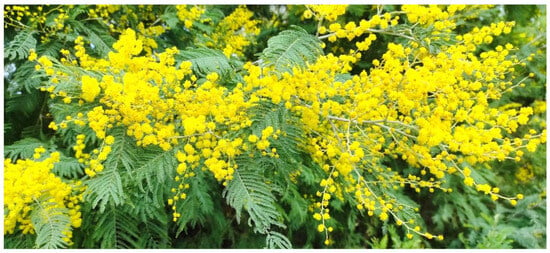
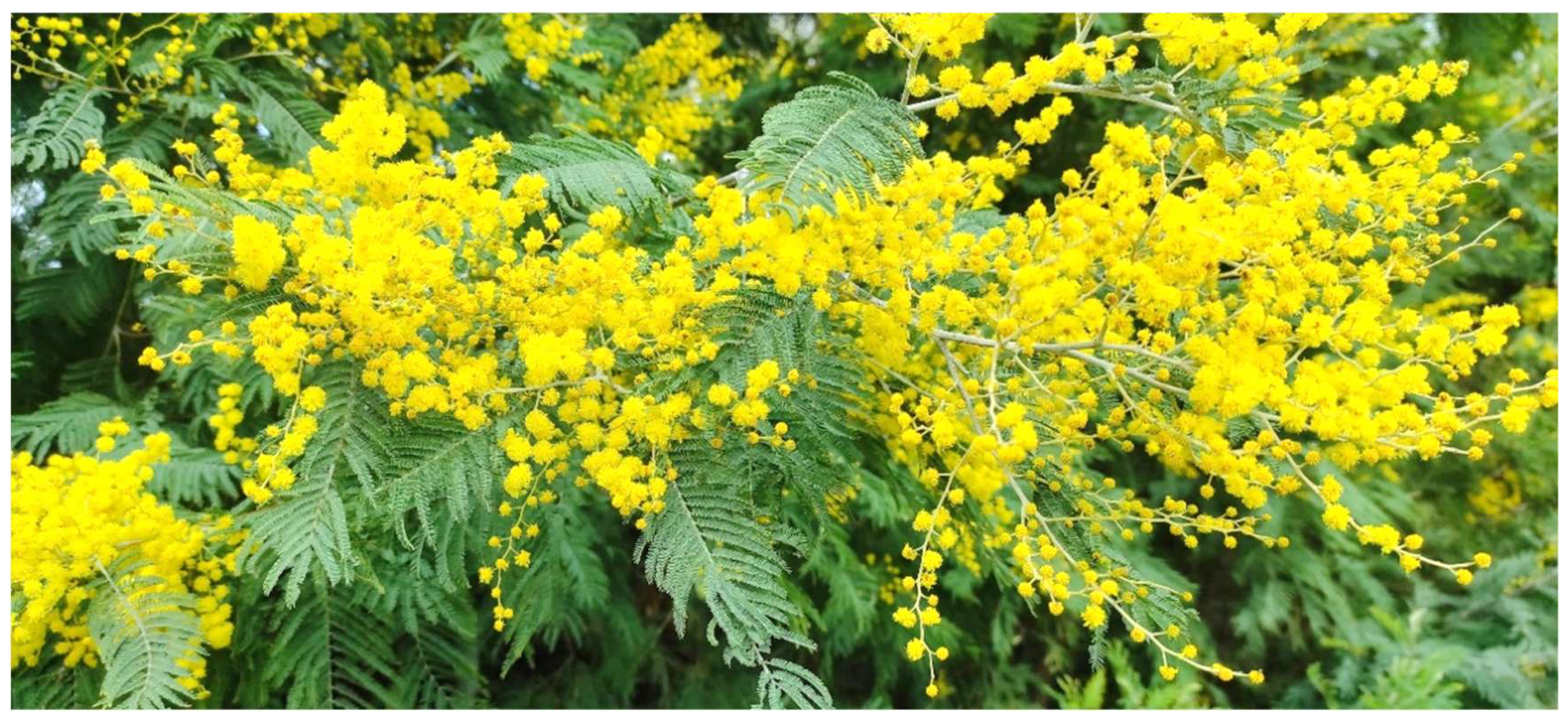
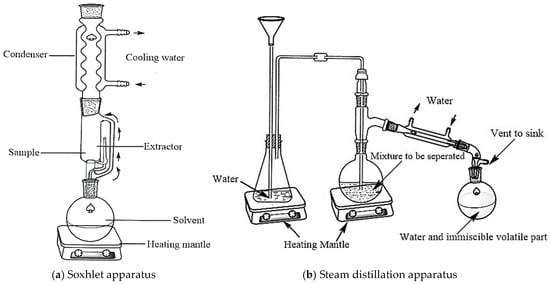
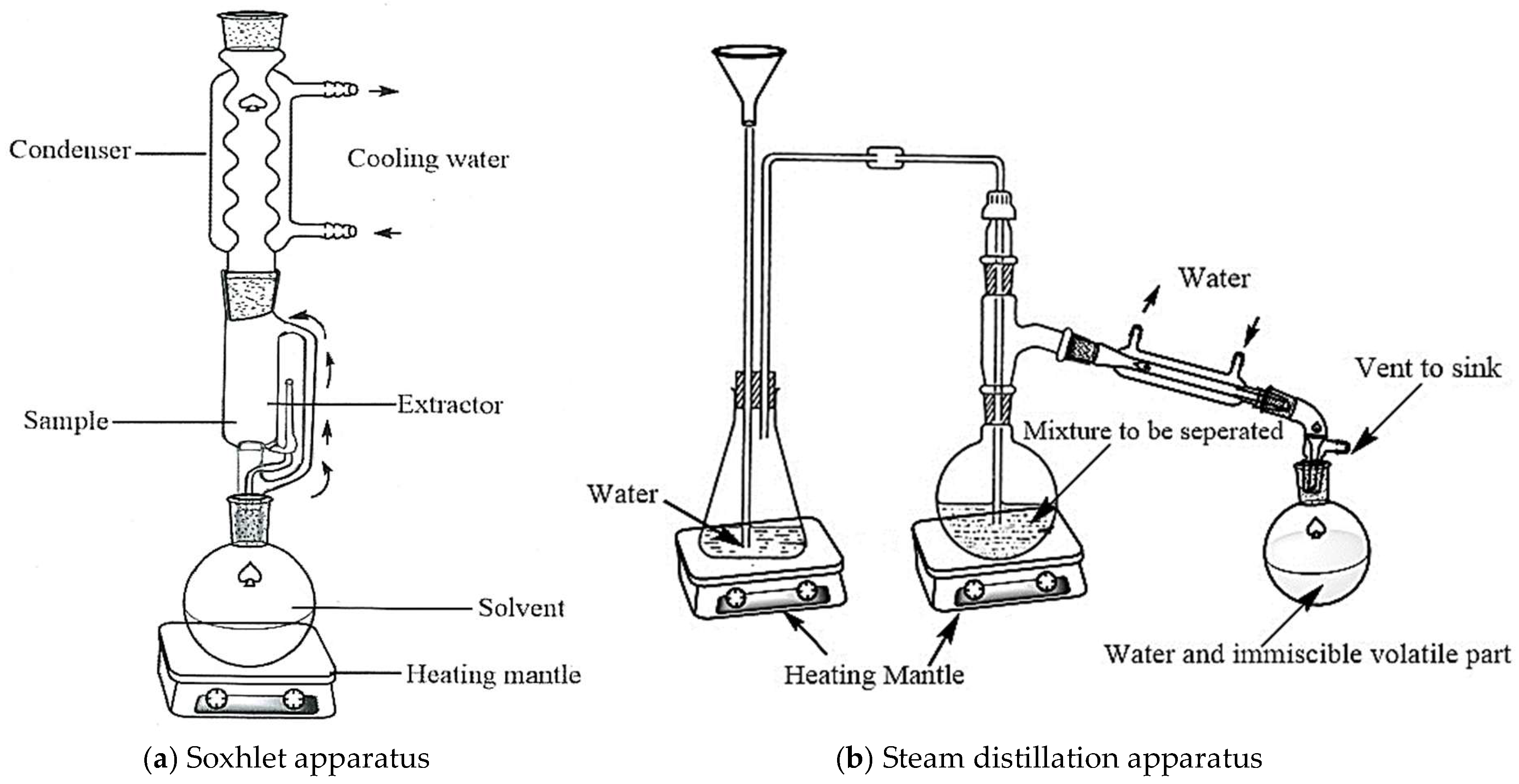
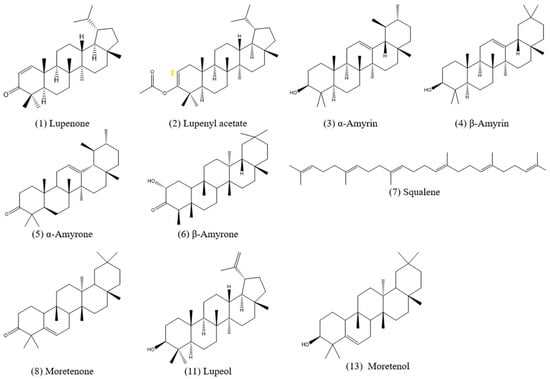
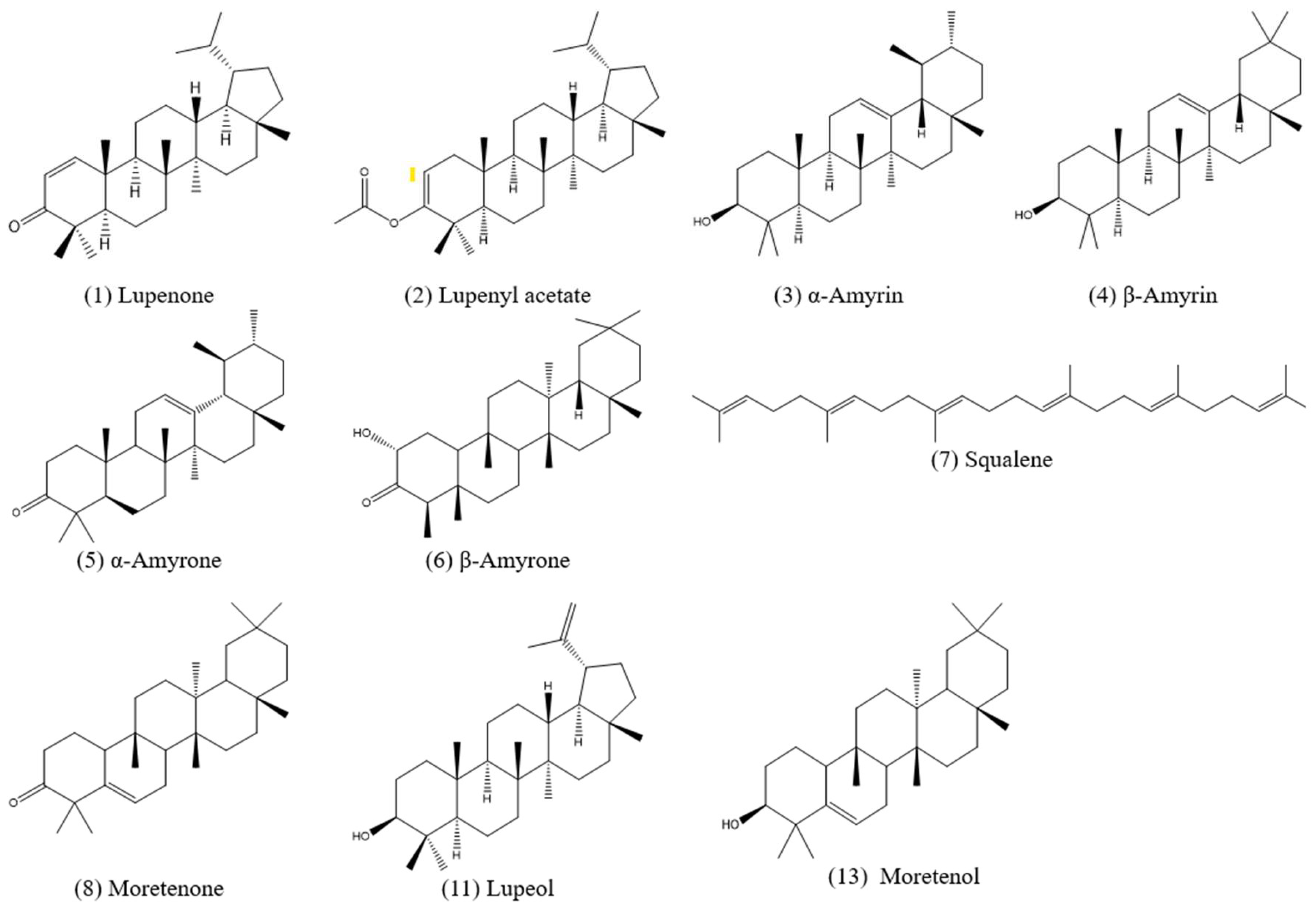
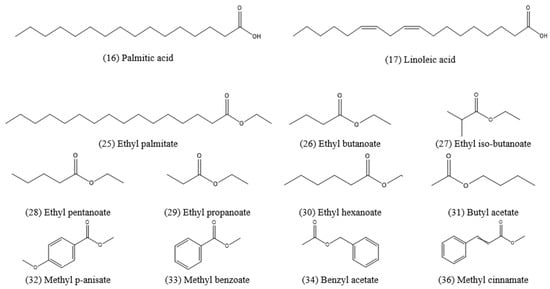
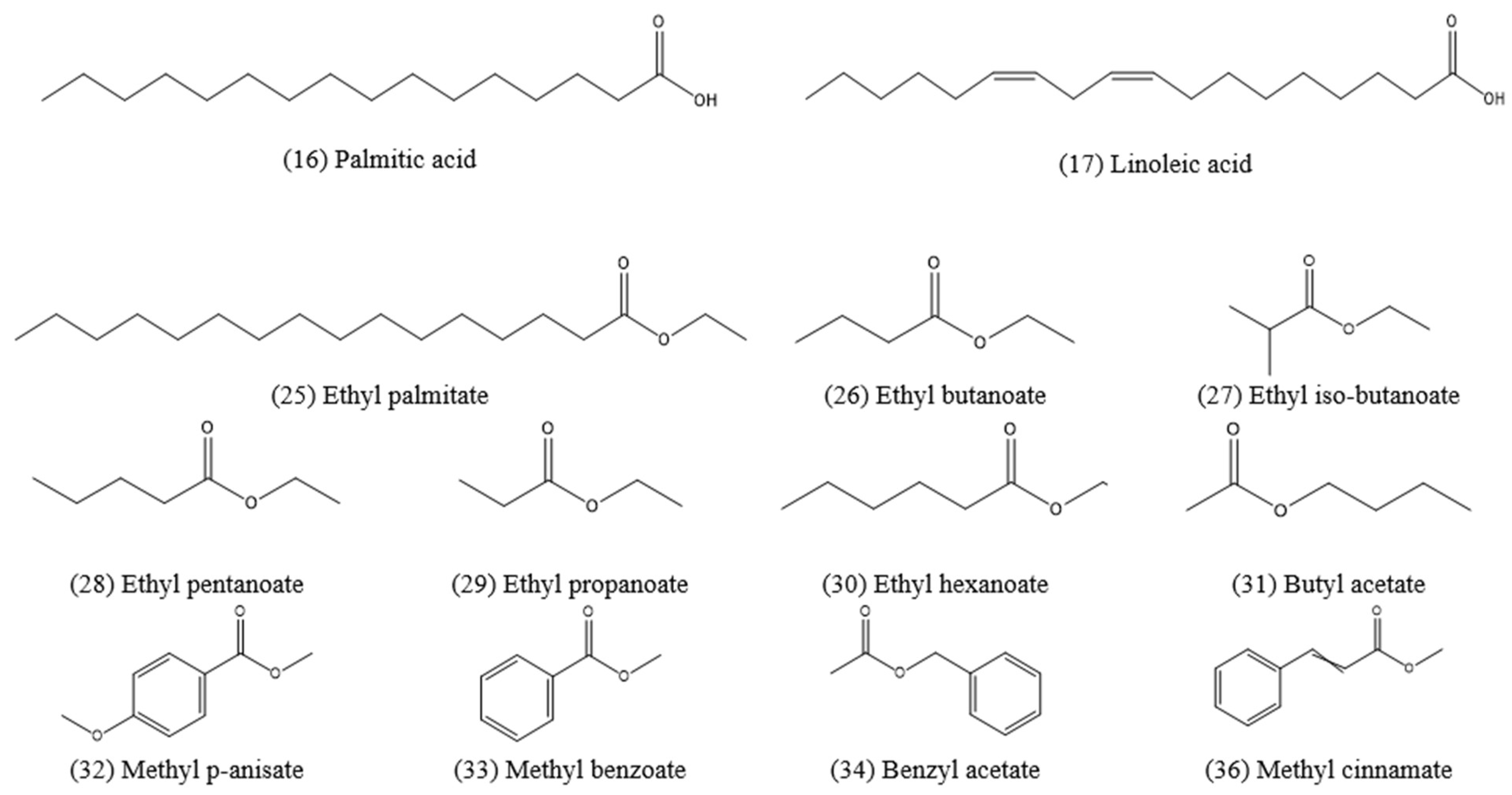
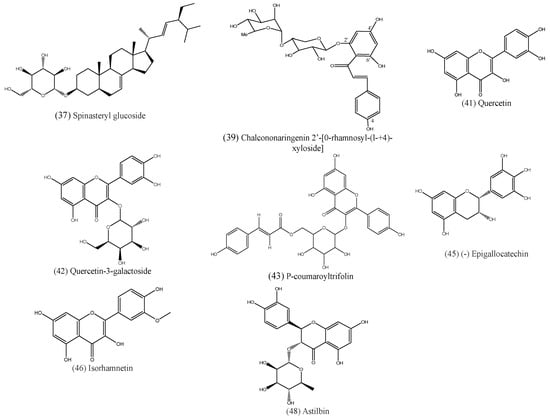
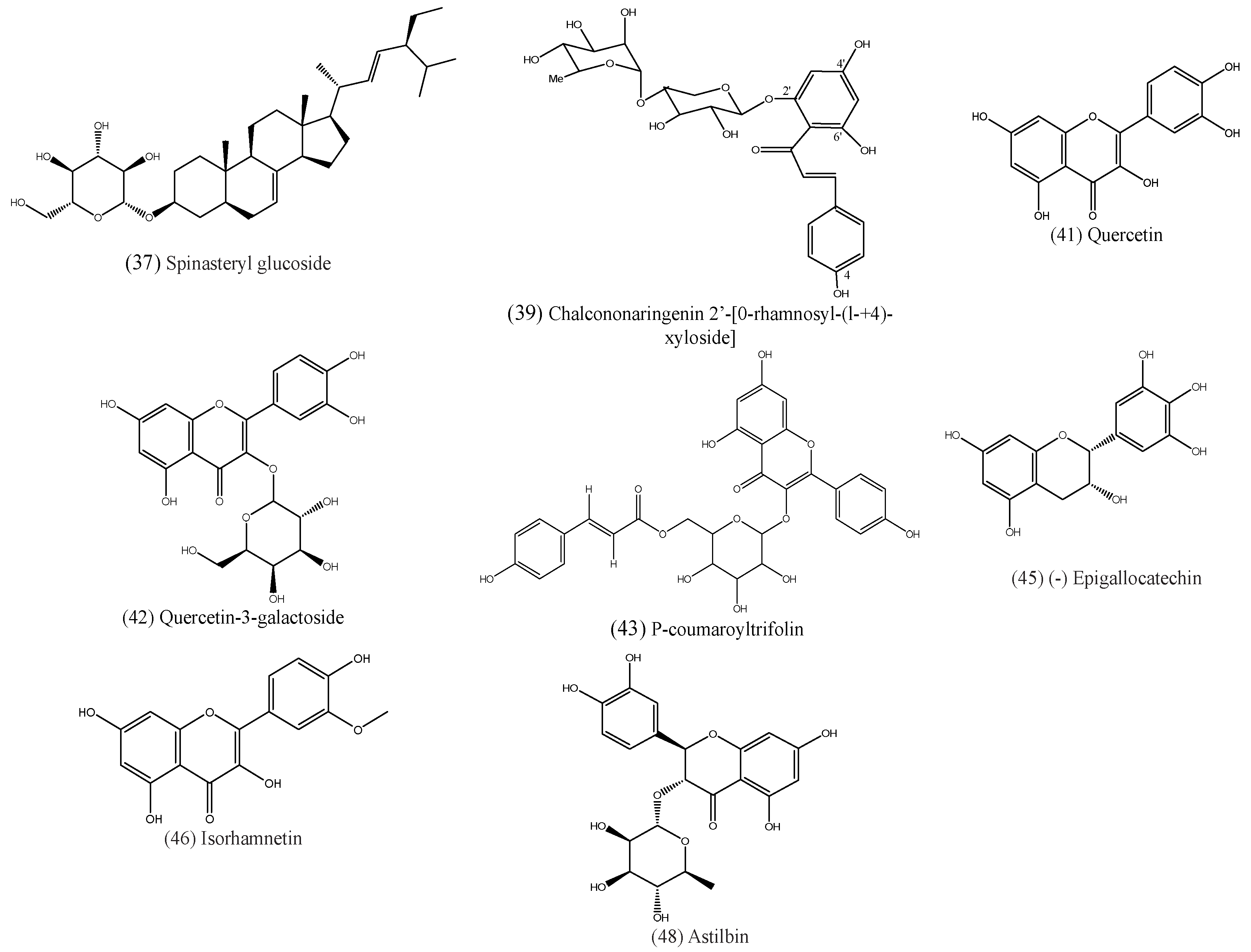
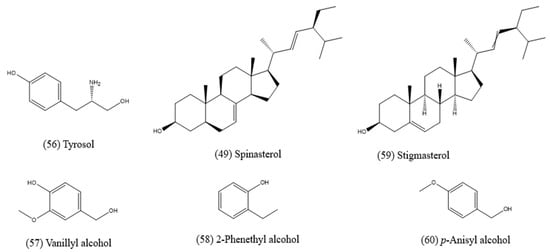
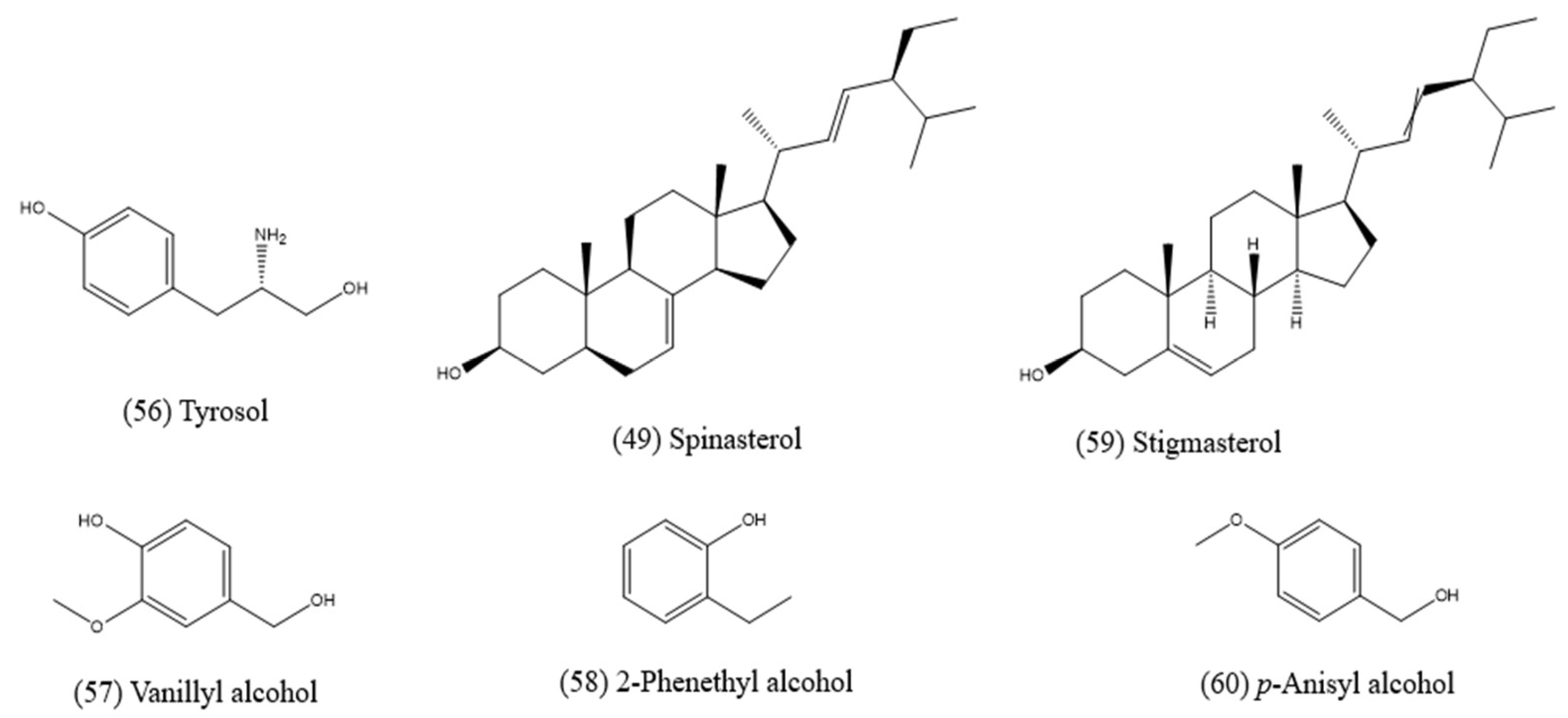
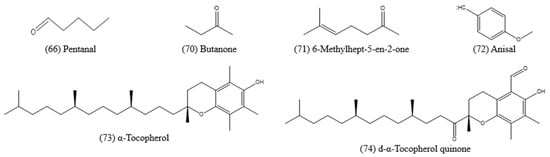
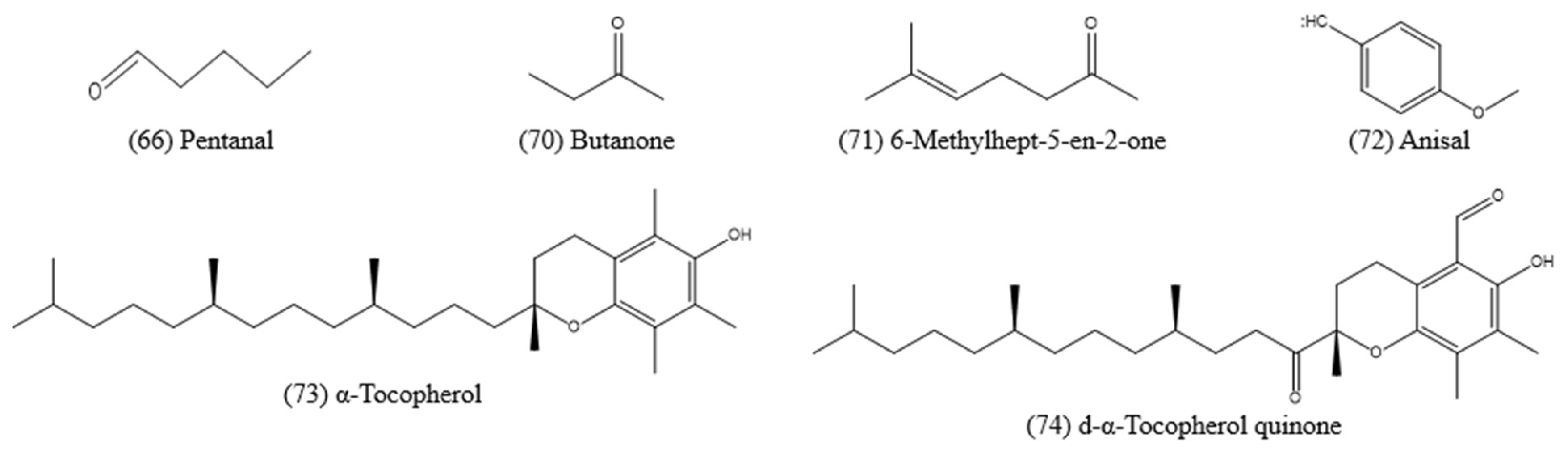

Disclaimer/Publisher’s Note: The statements, opinions and data contained in all publications are solely those of the individual author(s) and contributor(s) and not of MDPI and/or the editor(s). MDPI and/or the editor(s) disclaim responsibility for any injury to people or property resulting from any ideas, methods, instructions or products referred to in the content. |
© 2026 by the authors. Licensee MDPI, Basel, Switzerland. This article is an open access article distributed under the terms and conditions of the Creative Commons Attribution (CC BY) license.