


Abstract
The mechanical systems of modern spacecraft, such as bearings, gear trains, actuators, deployment mechanisms, and slip rings, operate in an environment that is fundamentally hostile to conventional tribological practice. Factors like high vacuum eliminate the atmospheric boundary layers that protect terrestrial contacts. Extreme thermal cycling stresses lubricant films and component clearances, ionizing radiation and atomic oxygen degrade both polymeric and inorganic materials, and the impossibility of maintenance after launch means that any tribological failure is potentially mission-terminal. This review provides a comprehensive, engineering-focused account of space tribology, synthesizing the fundamental mechanisms of vacuum friction, cold welding, lubricant outgassing, and environmental degradation; the principal lubrication strategies available, such as solid lubricants (MoS2, DLC, WS2, PTFE, graphite), synthetic liquid lubricants (PFPE, MAC, ionic liquids), adaptive nanocomposite coatings, and self-replenishing systems; surface engineering approaches, including laser texturing, self-healing coatings, and hybrid architectures; component-level tribological design for bearings, gears, actuators, and seals; ground simulation and testing methodologies; and the expanding roles of computational modeling, digital twins, and AI-driven predictive maintenance. Mission-specific tribological requirements for low Earth orbit, geostationary orbit, lunar, Martian, Venusian, and deep-space environments are systematically compared. Quantitative tribological performance data, such as coefficient of friction, wear rate, and environmental response, are consolidated and discussed. Historical mission failures attributable to tribological root causes are analyzed as engineering lessons. This review identifies the most critical research gaps, including standardization of space tribological testing, predictive lifetime modeling for mixed-environment exposure, and qualification of emerging 2D materials and ionic liquid lubricants, while also presenting a strategic roadmap for advancing space tribology toward the demands of long-duration crewed missions, reusable launch vehicles, and planetary exploration beyond the Moon.
1. Introduction
1.1. Tribology as a Mission-Critical Engineering Discipline in Space
Tribology is the science and engineering of interacting surfaces in relative motion, encompassing friction, wear, and lubrication [1]. It is a foundational engineering discipline whose consequences extend from the efficiency of terrestrial machinery to the survival of spacecraft in orbit [2]. In space applications, however, tribology transcends the conventional role of performance optimization and becomes a mission-critical determinant. Tribological failures in spacecraft mechanisms have terminated otherwise successful missions, stranded rovers on planetary surfaces, and prevented the deployment of instruments upon which years of scientific investment depended. The relevance of tribology to space engineering arises because virtually every mechanical function in a spacecraft, such as attitude control through reaction wheels, power generation through solar array drives, communication through antenna pointing mechanisms, mobility through rover wheel actuators, and science through instrument scan mirrors, depends on precisely engineered tribological interfaces that must perform reliably over years or decades without maintenance, repair, or relubrication.
The transition from terrestrial to space tribological practice is qualitative. On Earth, tribological contacts benefit from atmospheric gas adsorption that passivates metal surfaces, reducing adhesion and preventing cold-welding. Ambient humidity maintains graphite’s lubricity through adsorbed water, and temperature regulation keeps lubricant viscosity within a functional range. System accessibility allows for maintenance when wear limits are approached. In space, all these environmental supports are absent simultaneously, and the conditions that replace them, like hard vacuum, extreme thermal cycling, ionizing radiation, and atomic oxygen, are each individually challenging and collectively severe. The dual transition from Earth to orbit, and then from orbit to the surfaces of other bodies, introduces additional tribological challenges specific to each destination; lunar regolith is one of the most abrasive particulate environments ever characterized [3]. Martian dust carries corrosive perchlorates that attack metallic components, and Venus’s surface combines 465 °C with 92 bar CO2 atmosphere to create conditions that eliminate every lubricant used in conventional engineering. Understanding and engineering tribological interfaces across this entire range of environments is the central challenge of space tribology.
1.2. Historical Development and the Evolution of Space Lubrication Technology
The space age introduced fundamentally new requirements that existing lubrication technology was unprepared to meet. Early spacecraft development highlighted the risks of adhesion, cold welding, and lubricant failure in vacuum. A later example was Galileo’s high-gain antenna deployment failure in 1991, whose investigation linked pre-launch coating damage at the restraint-pin interfaces to excessive friction during subsequent operation in vacuum [4,5,6]. These early failures drove rapid development of vacuum-compatible solid lubricants, with molybdenum disulfide (MoS2) emerging as the standard dry film lubricant for space mechanisms by the early 1970s. Concurrent development of perfluoropolyether (PFPE) liquid lubricants provided an alternative for sealed mechanisms where liquid lubrication was feasible, and subsequent decades saw progressive refinement of both material classes alongside the development of multilayer, doped, and adaptive coating architectures.
2. The Space Environment and Its Tribological Impact
2.1. High Vacuum, Evaporation, Outgassing, and Atmospheric Absence
The absence of an atmosphere is the most fundamental and pervasive tribological distinction between space and terrestrial environments. Ambient pressure in low Earth orbit is approximately 10−6 Pa, falling to 10−10 Pa at the lunar surface and approaching 10−17 Pa in interplanetary space, pressures at which no meaningful gaseous boundary layer exists at any contacting surface [7,8]. The tribological consequences of this atmospheric absence operate through several interconnected mechanisms. First, oxygen is unavailable for the formation of protective oxide films, typically 1–10 nm thick on steel and aluminum alloy surfaces, that passivate metal surfaces on Earth and prevent direct metal-to-metal adhesion. Without these films, asperity contacts between clean metal surfaces result in significantly higher adhesion forces and the risk of cold-welding [8,9]. Second, the absence of adsorbed gas molecules from the contact interface removes the physisorbed layers that act as a natural boundary lubricant on terrestrial metal surfaces even in nominally dry contacts, increasing the real contact area at asperities and elevating friction coefficients substantially above terrestrial values for identical material pairs [7]. This effect can cause increased interaction in contacts that may experience fretting wear from vibrations, especially during launch. Figure 1 shows a typical test setup for tribological investigation in a vacuum environment. In the figure, the test apparatus is inside a vacuum chamber capable of simulating space environments. In some cases, temperature control can be added to achieve cryogenic or high-temperature conditions.
Figure 1.
Schematic diagram of experimental setup for investigating effects of vacuum on fretting wear. The setup shows a piezoelectric actuator inside a vacuum chamber with a pin-on-disc attachment. Reproduced from [10], Lubricants, MDPI, 2021.
Outgassing is the desorption of volatile molecules from spacecraft materials under vacuum, which introduces a secondary tribological hazard beyond the contact interface itself. Polymer materials, adhesives, paints, and even lubricant oils contain dissolved gases, water vapor, and low-molecular-weight species that desorb progressively under vacuum, reducing the mass of the source material and depositing a thin molecular film on nearby surfaces [11,12]. When this redeposited contamination reaches optical surfaces, thermal control coatings, or electrical contacts, it degrades their functional properties in ways unrelated to tribological wear. When it contaminates solid lubricant coatings, the foreign molecular species compete with the lubricant for surface adsorption sites and may alter friction behavior in unpredictable ways. The ASTM E595 [13] standard mandates measurement of total mass loss and collected volatile condensable materials for all spacecraft materials and lubricants, establishing the outgassing qualification gateway that all space-intended tribological materials must pass before flight certification [14]. Table 1 provides a systematic overview of space environmental factors and their tribological consequences.
For liquid lubricants and the base oils of greases, evaporation is a more direct concern for long-term lubricant depletion in orbit than the release of initially dissolved or adsorbed gases. Evaporation transfers lubricant molecules into the vapor phase and can continue throughout operation, progressively reducing the lubricant supply and increasing the risk of starvation. Its rate depends on lubricant composition, temperature, exposed surface area, and the pathways through which vapor escapes from the mechanism. Higher temperatures generally increase vapor pressure and evaporation losses. Evaporated lubricant may also condense on colder surfaces, contaminating optical instruments, sensors, and thermal-control coatings [15,16]. Although spacecraft contamination testing commonly uses “outgassing” as an umbrella term, evaporation should be distinguished from desorption and the release of dissolved gases or decomposition products. ASTM E595 [13] provides screening measurements of total mass loss and collected volatile condensable material. However, it does not directly determine equilibrium vapor pressure or establish lubricant lifetime. Lubricant assessment should therefore combine outgassing screening with temperature-dependent vapor pressure measurements and evaporation testing under representative operating conditions [15,16].
Table 1.
Space environmental factors and their surface and interface effects, tribological consequences, mission failure risks, and design responses.
2.2. Extreme Temperatures, Thermal Cycling, and Radiation Effects
Temperature in space is a dynamically varying parameter spanning ranges that encompass every lubricant class. In low Earth orbit, spacecraft components cycle between approximately −100 °C in eclipse and +100 °C in direct solar exposure with a period of approximately 90 min, imposing approximately 16 thermal cycles per Earth day and roughly 5800 cycles per year [19,21]. In geostationary orbit, eclipse periods are longer and less frequent, but solar loading is more intense. On planetary surfaces, temperature extremes are even more severe: lunar daytime surface temperatures reach +127 °C while nighttime falls to −173 °C, and Mars ranges from −184 °C at polar night to approximately −74 °C at low-latitude midday [27,28]. Venus presents a different extreme, with surface temperatures of +465 °C, while deep-space missions encounter cryogenic temperatures approaching absolute zero. These thermal environments affect tribological performance through differing mechanisms—including viscosity variation of liquid lubricants, which may increase several orders of magnitude on cooling, causing starvation at low speed, or decrease to non-functional levels at high temperature; thermal expansion-induced dimensional changes in component clearances and interference fits that alter contact stress distribution; and cyclic thermal stresses in coating-substrate systems that accumulate fatigue damage and promote delamination, as well as the kinetic facilitation or inhibition of tribochemical reactions at the contact interface.
The Hubble Space Telescope solar-array disturbance illustrates how friction can affect spacecraft performance without causing wear-induced failure or seizure. During transitions between sunlight and eclipse, thermally induced deformation of the arrays interacted with frictional constraints in their mechanisms. Sticking permitted the accumulation of elastic strain energy, while subsequent slipping released this energy and excited structural motion, disturbing telescope pointing [29]. Friction caused the conversion of thermally induced deformation into dynamic disturbance. Mitigation combined pointing-control modifications with mechanical and thermal redesign of the solar arrays, demonstrating the need to evaluate friction together with structural dynamics and thermal response [29].
Ionizing radiation in the form of solar energetic particles, cosmic rays, and Van Allen belt protons and electrons poses tribological hazards primarily through degradation of polymeric materials [22]. Radiation induces cross-linking and chain scission in polymers at doses characteristic of extended orbital service, modifying their elastic moduli, fracture toughness, and friction coefficients. Elastomeric seals are particularly vulnerable; materials such as fluorosilicone and nitrile rubber seals that retain sufficient compliance to maintain effective sealing at ambient radiation levels can become brittle and crack after accumulated doses of 104–106 rad, depending on formulation [22]. The ATSP (aromatic thermosetting polyester) polymer composite studied by Bashandeh et al. [22] demonstrated excellent radiation tolerance, with no significant change in hardness, modulus, or coefficient of friction after 50 years of simulated space radiation exposure, establishing a performance benchmark that other polymer tribological materials should be evaluated against.
2.3. Microgravity, Planetary Surfaces, and Mission-Specific Environments
Beyond the common space environment factors of vacuum, thermal cycling, and radiation, individual mission destinations introduce specific tribological challenges that must be addressed in system design. Table 2 provides a comprehensive mission-environment tribology matrix spanning six destination classes, including LEO, GEO, lunar, Martian, Venusian, and deep-space, across their key environmental parameters and tribological requirements.
Table 2.
Mission-destination tribology matrix, environmental parameters, key tribological challenges, recommended strategies, and mission case examples.
Microgravity introduces tribological complications beyond those arising from the absence of gravity. In the absence of gravitational body forces, liquid lubricants do not self-level within mechanisms but instead redistribute through capillary action and surface energy gradients, a process that can concentrate lubricant in unintended locations and starve critical contacts [26,31]. Centrifugal redistribution during rotation can further deplete lubricant from bearing load zones in high-speed mechanisms. For planetary rovers, gravitational field magnitude affects the normal force at wheel-terrain contacts, altering traction and wear rates relative to terrestrial predictions. The InSight mole failure on Mars illustrates that the tribological properties of the planetary surface itself, specifically the soil-mechanism interface friction that the self-hammering device required to generate downward traction, can be mission-critical and poorly predictable from pre-mission testing [30]. Dust on planetary surfaces contributes to third-body abrasive particle wear with properties such as hardness, morphology, electrostatic charge, and chemical reactivity that vary significantly between destinations and must be specifically characterized for each mission location [3,25].
3. Fundamental Failure Mechanisms in Space Tribological Systems
3.1. Vacuum Friction, Cold Welding, and Adhesive Wear
Friction in vacuum differs fundamentally from terrestrial friction because the surface films that moderate adhesion between contacting asperities in air are absent. When similar metals contact each other in high vacuum with surfaces cleaned of oxide and gas-adsorption films, the metallic bonds that form across the contact interface are of the same character as the bonds within the bulk material, and there is no thermodynamic driving force for the interface to be weaker than the material itself. The result is cold welding, spontaneous adhesive bonding between metal surfaces that occurs without applied heat, simply through the formation of metallic bonds when clean metal surfaces are brought into close contact under normal load [4,7,8]. The Galileo high-gain antenna deployment failure illustrates how pre-launch surface damage can compromise subsequent operation in vacuum. The investigation identified a likely sequence in which restraint-pin preloading damaged the supporting coating, while vibration during ground transport and testing further degraded the dry lubricant [6]. Supporting experiments showed that damaged titanium/Inconel interfaces could operate with comparatively low friction in air but develop galling and substantially higher friction when subsequently sliding in vacuum [5]. Thus, the coating damage began before launch, while the antenna’s inability to deploy became apparent in space on 11 April 1991. This sequence should not be interpreted as evidence that the pins cold-welded during ground storage. Table 3 analyzes this and other mission failures attributable to tribological root causes, extracting the engineering lessons that have shaped subsequent design practice.
Table 3.
Historical mission anomalies and failures with tribological root causes: failure mode, analysis, lessons learned, and implementation in subsequent designs.
Adhesive wear in a vacuum extends cold-welding to contacts in relative motion. Rather than a static bond forming and holding indefinitely, adhesive junctions form and fracture cyclically during sliding, transferring material from one surface to the other and generating wear debris that contaminates the contact and surrounding mechanism volume. Wear debris in sealed mechanisms can abrade additional surfaces, alter the lubricant chemistry, and block flow paths of liquid lubricant, causing progressive failure cascades that are particularly dangerous in mechanisms that cannot be inspected or cleaned after deployment. The wear rate in vacuum adhesive contacts can be 10–100× higher than for the same material pair in air, because the absence of the hardening oxide layer means that plastic deformation occurs in the soft metallic asperities themselves rather than in the brittle oxide film that preferentially fractures in terrestrial sliding contacts [7,17]. This orders-of-magnitude performance difference underscores why space tribological design cannot simply extrapolate from terrestrial experience without explicit vacuum characterization.
3.2. Tribochemical Degradation and Structural Changes in Lubricants
Tribochemical reactions, chemical changes at the contact interface driven by the combination of mechanical activation, elevated flash temperatures at asperity contacts, and reactive environmental species, play a complex and sometimes counterproductive role in space lubrication. For liquid lubricants, mechanical shear between metal surfaces can initiate catalytic degradation pathways that generate acidic by-products. The well-documented Lewis acid reaction between PFPE lubricants and steel or aluminum alloy surfaces produces metal fluoride corrosion products that accelerate bearing wear and may contaminate the lubricant pool with abrasive particulates [34,35]. This reaction is initiated at nascent metal surfaces exposed by wear, making it self-amplifying once started. For solid lubricants, tribochemical reactions can be either beneficial, for example, when MoS2 tribofilm formation at nascent metal surfaces creates low-shear iron sulfide interlayers that improve performance during run-in, or detrimental, as when MoS2 in the presence of atmospheric oxygen and water vapor generates MoO3, an abrasive oxide that increases friction and accelerates wear [17,36].
The degradation of lubricants over extended mission durations is a particular concern for deep-space missions where thermal cycling, radiation, and time together accumulate damage that laboratory tests are poorly equipped to replicate at realistic timescales. PFPE lubricants have been shown to undergo chain scission and cross-linking reactions under combined radiation and mechanical shear at rates that are consistent with mission-lifetime stability in some formulations and unacceptable degradation in others, depending on the specific PFPE chemistry, the radiation dose rate, and the temperature [34]. The Cassini reaction wheel bearing anomaly is a documented case where lubricant redistribution and possible aging in Saturn orbit changed the bearing friction torque from nominal to elevated over approximately four years of operation, a timescale far beyond most accelerated life test protocols.
3.3. Historical Mission Anomalies: Engineering Lessons
The mission failure cases analyzed in Table 3 collectively establish five engineering principles that should guide space tribological system design. First, cold welding is a documented mission failure mechanism; any mechanism that uses similar-metal contacts and spends extended time in storage before activation must be designed to prevent or tolerate cold welding. Second, planetary surface tribology cannot be reliably predicted from Earth analog materials. Third, wear debris generation in sealed mechanisms is a systemic failure risk that must be quantified during design and addressed through debris-capture features. The ISS solar array drive anomaly illustrates that even small quantities of metallic debris can elevate mechanism torque and generate vibration signatures detectable from ground monitoring. Fourth, lubricant redistribution in low-gravity environments follows surface-energy-driven rather than gravity-driven pathways. Bearing lubricant volumes that are adequate in 1g testing may be insufficient in orbit because capillary forces concentrate lubricant at non-critical locations. Finally, extended ground storage with a mechanism in deployed configuration is a distinct tribological environment from in-orbit operation and must be separately qualified.
4. Lubrication Systems and Material Solutions
4.1. Solid Lubricants: Layered Materials, DLC, and Adaptive Coatings
Solid lubricants are materials that reduce friction and wear at sliding interfaces without requiring a continuously replenished fluid film [37]. They are the primary tribological solution for the majority of space mechanism contacts because they are not subject to evaporation, outgassing, or redistribution in vacuum, and because many maintain acceptable performance across the wide temperature ranges characteristic of orbital and planetary environments [7,17]. Layered lamellar materials exploit the fundamental anisotropy of their crystal structures, in which strong in-plane covalent bonding provides load-bearing capacity while weak interlayer Van der Waals interactions provide the low-shear pathway responsible for lubrication [38]. Molybdenum disulfide (MoS2) is the most widely deployed solid lubricant and the reference standard against which all alternatives are assessed [17,36,39]. In high vacuum, MoS2 achieves coefficient of friction values of 0.01–0.03, among the lowest observed for any engineering material, through the alignment of its S-Mo-S basal planes parallel to the sliding direction during tribological loading. Table 4 consolidates the quantitative tribological performance of MoS2 and its principal alternatives across representative space environments, providing a comprehensive comparison that contextualizes individual study results within the broader performance landscape.
Table 4.
Quantitative tribological performance (COF and wear rate) of solid lubricant films across space environments.
Diamond-like carbon (DLC) coatings represent a distinct solid lubricant class whose tribological properties arise from an amorphous mixed sp2/sp3 carbon network rather than a lamellar crystal structure [41,44,45]. Hydrogen-terminated DLC films can achieve superlubricity (COF < 0.01) in high vacuum through a passivation mechanism in which hydrogen atoms terminate reactive carbon dangling bonds at the contact interface, eliminating the adhesive interactions that drive friction in unpassivated contacts [46]. DLC films offer the additional advantages of very high hardness (15–60 GPa), chemical inertness, and electrical insulation, making them versatile coatings for precision contacts where wear resistance, friction reduction, and protection against electrostatic discharge are simultaneously required [44,47]. Tungsten disulfide (WS2) provides an alternative lamellar lubricant with marginally better oxidation resistance than MoS2 at elevated temperatures, though its tribological performance under combined humidity and temperature has been less thoroughly characterized for space applications [48]. Polytetrafluoroethylene (PTFE), used as a self-lubricating matrix material and as a transfer-film lubricant in many spacecraft bearing designs, provides reliable low-COF performance across a wide temperature range with minimal outgassing and excellent radiation tolerance, though its mechanical softness limits its use to low-load contacts [7,12,49].
Adaptive coating concepts represent the frontier of solid lubricant technology for space applications, aiming to address the fundamental limitation of single-phase solid lubricants, that the operating environment governing their performance varies throughout a mission in ways that a fixed-composition coating cannot optimally address. In principle, a multi-layered coating can provide MoS2-like vacuum lubrication during orbital phases, DLC-like performance during atmospheric transit, and WS2-like stability at elevated temperatures during planetary surface operation, all without reconfiguration or human intervention. Figure 2 shows an example of this multilayered coating architecture incorporating DLC and MoS2 coatings on laser nano-textured titanium alloy. This coating architecture was able to reduce the friction coefficient from 0.4122 with only nano-texture to 0.0978 in a 40% RH, 25 °C environment [50]. The chameleon nanocomposite concept, proposed by Voevodin and Zabinski, embeds multiple lubricating phases such as MoS2, WS2, DLC, and soft metals in a nanocomposite matrix that releases different lubricant species in response to temperature, humidity, and contact conditions [51]. The technological maturity of adaptive coatings remains at TRL 4–5 at this moment, but the performance data from laboratory demonstrations under simulated multi-environment cycling are sufficiently promising to justify their prioritization for future development [19,51].
Figure 2.
Multilayered MoS2 and DLC nano-textured coating preparation method. Reproduced from [50], Lubricants, MDPI, 2024.
4.2. Liquid and Grease Lubricants: PFPEs, MACs, and Ionic Liquids
Liquid lubricants retain significant advantages over solid lubricants for sealed mechanisms in spacecraft, providing higher film-forming capacity, better load distribution, heat transfer capability, and wear debris suspension that solid films cannot match. Their application in space is conditioned on successful containment, preventing outgassing into vacuum and redistribution away from lubricated contacts in low gravity, which in practice requires hermetically sealed mechanisms with careful lubricant volume specification and low-evaporation-rate lubricant selection. Table 5 compares the principal liquid lubricant classes used in space applications across their operational parameters, advantages, and limitations.
Table 5.
Comparative properties of principal liquid lubricant classes for space applications.
PFPE lubricants have the longest flight heritage of any space liquid lubricant class, with qualification records dating to the Apollo era and current deployment in virtually every class of communication satellite, scientific spacecraft, and manned vehicle [34,35]. Their molecular backbone, fully fluorinated ether chains, provides intrinsic chemical stability against oxidation, radiation chain scission, and reaction with most structural materials, and their vapor pressure at room temperature is sufficiently low to meet outgassing specifications for most spacecraft applications. The Lewis acid reaction with steel alloys at high sliding stress remains the primary failure mode for PFPE in high-load gear and bearing contacts, and its mitigation requires either lubricant additive treatment or transition to MAC lubricants whose hydrocarbon backbone does not generate the catalytic iron fluoride products of PFPE decomposition [35,52]. MAC lubricants represent the primary alternative for metal-on-metal contacts requiring better boundary lubrication than PFPE can provide; their slightly higher outgassing rate relative to PFPE is acceptable in most sealed mechanism designs [52]. Ionic liquid lubricants represent an emerging class with the singular advantage of negligible vapor pressure, meaning ionic species cannot evaporate in the conventional sense, making them inherently compatible with vacuum environments without the outgassing concerns that constrain conventional fluid lubricant application [53,54,55]. Their current limitation is the limited flight qualification history, but their growing tribological characterization under simulated space conditions warrants continued development and eventual qualification.
4.3. Material Selection: Metals, Polymers, Ceramics, and Composites in Tribological Contacts
The selection of structural materials for space tribological contacts is governed by tribological performance criteria in addition to the structural, thermal, and radiation tolerance requirements that determine conventional aerospace material selection [56,57]. Metallic components of tribological contacts such as bearing races, gear teeth, and actuator housings must be paired to avoid similar-metal cold-welding while providing sufficient hardness to resist abrasive and adhesive wear. Dissimilar-metal contacts, including ceramic rolling elements against steel races, titanium alloy against PTFE-lined bearings, and gold-plated contacts against rhodium-plated counterparts, are standard practice in space mechanism design for precisely this reason [7,36]. Ceramic rolling elements, typically Si3N4 or Al2O3, are used in hybrid bearings for space applications because their chemical dissimilarity from steel races eliminates cold-welding tendency, their dimensional stability under temperature cycling exceeds that of through-hardened steel, and their lower density reduces centrifugal loading at high rotation rates [7]. Polymer materials used in tribological contacts, such as PTFE composites for bearing cage material and self-lubricating liners, polyimide retainers, and PEEK structural members, must be selected for both tribological performance and radiation tolerance, as polymers are generally the most radiation-sensitive material class in a spacecraft [22,58].
5. Component Engineering and Surface Design for Space Mechanisms
5.1. Bearings, Gears, and Actuators: Tribological Design Requirements
The principal mechanical components of space mechanisms carry distinct tribological requirements that reflect their specific contact geometries, load regimes, operating frequencies, and failure modes. Table 6 provides a systematic component-level tribological design reference spanning seven critical component types, from continuously rotating bearings through single-deployment launch lock actuators to electrical slip ring contacts. The overarching design principle for all space tribological components is encapsulated in the phrase “reliability-centered design” [7]. The tribological system is not optimized for minimum friction or maximum load capacity in isolation but is designed to provide specified tribological performance with quantified reliability over the full mission profile, accounting for all environmental exposures and operational cycles in the worst-case combination.
Table 6.
Tribological design requirements for principal space mechanism component types: function, challenge, load regime, lubrication strategy, and qualification metric.
Bearings in space mechanisms are typically angular-contact ball bearings or crossed-roller bearings selected for their combined radial and axial load capacity, low torque, and compatibility with the tribological environments described above [7,53]. The design of space bearings differs from typical standards in several critical aspects. For example, the lubricant volume in a space bearing is typically a small fraction of the volume used in equivalent terrestrial designs, because the lubricant cannot be replenished, and excess lubricant generates unacceptable outgassing. Moreover, the cage material is selected for low outgassing, dimensional stability, and tribological compatibility with the rolling elements rather than for minimum cost, and the rolling element and race material pairing is selected to eliminate cold-welding risk even in the worst-case scenario of complete lubricant film failure. The use of ceramic (Si3N4) rolling elements against steel races in hybrid bearings has become standard practice for critical space mechanisms because it simultaneously addresses all primary risks of operating a bearing in space. Ceramic does not cold-weld with steel; it has superior dimensional stability across the operating temperature range and exceeds that of steel or through-hardened bearing steel, and its lower density reduces centrifugal stress on the bearing at high rotational speeds [7,36].
Bearing cage instability is a concern in the precision ball bearings used in mechanical gyroscopes and reaction wheel assemblies. The cage maintains the circumferential separation of the balls, but interactions among the balls, cage pockets, and guiding surfaces can produce unstable cage motion. This behavior depends on friction and lubrication conditions, rotational speed, bearing loading, and cage geometry and clearances [60,61]. It can generate intermittent torque fluctuations and vibration, and severe transient contact forces can accelerate cage wear or cause fracture [60]. Consequently, cage instability can affect both attitude-control performance and bearing lifetime. Lubrication and cage design should therefore be evaluated together. Lubricant depletion can change contact friction, while excessive lubricant and increased viscosity at low temperature can also promote instability in susceptible designs [60]. Qualification should assess torque fluctuations and vibration across representative speeds, temperatures, loads, and lubricant quantities, rather than relying solely on average running torque. An operational example is the XMM-Newton, where reaction-wheel cage instability was associated with friction-torque increases and pointing disturbances, prompting in-flight bearing re-lubrication attempts [62].
5.2. Advanced Coatings, Surface Texturing, and Self-Lubricating Surfaces
Surface engineering is the deliberate modification of component surfaces to achieve tribological objectives independently of bulk material properties and provides the primary toolset for addressing space tribological challenges at the component level [63]. The three principal surface engineering strategies for space applications are hard protective coatings, surface texturing, and self-lubricating composite surfaces; their combination in multilayer and functionally graded architectures represents the state of the art in space tribological surface design [41,48,59,64,65,66].
Protective hard coatings like DLC, CrN, TiAlN, and WC-based multilayers reduce adhesive wear and cold-welding susceptibility while providing a wear-resistant barrier that extends contact life beyond that achievable with solid lubricant films alone [41,64]. The tribological advantage of coating the harder counterpart with a hard, low-friction coating while leaving the softer component uncoated or coated with a softer lubricant is well-established in general tribology and is equally applicable in space. The hard coating resists abrasion while the soft lubricant provides the low-shear interface for friction reduction. Self-healing coating architectures like nanocomposite, intrinsic polymer, and extrinsic microcapsule types are increasingly investigated for space applications where the ability to autonomously repair damage without human intervention is uniquely valuable [67,68,69]. Table 7 provides a systematic comparison of self-healing and advanced coating types across their tribological and operational characteristics.
Table 7.
Self-healing and advanced coating architectures for space tribological applications, such as healing mechanism, mechanical properties, COF range, temperature capability, and space-specific benefits and limitations.
5.3. Cryogenic and High-Temperature Tribological Systems
Tribological systems operating at temperature extremes, both cryogenic (below −100 °C) and at high temperature (above +200 °C), present challenges that require purpose-developed material selections and design approaches beyond those adequate for moderate-temperature orbital service. In cryogenic tribology, lubricant solidification, specifically PFPE and MAC lubricants, experience increases in viscosity of several orders of magnitude below −50 °C, potentially causing starvation in high-speed bearings. Similarly, thermal contraction-induced changes in bearing internal clearances can transition from designed running clearance to interference fit below a critical temperature. These combine with increased brittleness of both elastomeric seals and polymer cage materials, creating a high risk of failure [71,72]. Deep-space missions such as those to Jupiter and Saturn orbit through the outer solar system to interstellar space operate mechanisms at temperatures approaching absolute zero for extended periods, requiring lubricant formulations that retain adequate fluidity at cryogenic temperatures while satisfying outgassing requirements at ambient temperature during pre-launch storage. PFPE lubricants formulated for low-temperature service such as Fomblin M07 and similar grades remain functional to approximately −70 °C. Below this temperature, additional design provisions including ceramic bearings, solid lubricant backup films, and careful thermal management are required.
High-temperature tribology is relevant for mechanisms located near propulsion systems, entry vehicles, and surface missions to high-temperature bodies. Above approximately 300 °C, virtually all conventional lubricants either evaporate, oxidize, or decompose, and tribological performance must be maintained through refractory solid lubricants, hard high-temperature coatings, or soft-metal films whose melting points bracket the operating temperature range [17,73]. WS2 provides better oxidation resistance than MoS2 to approximately 450 °C in air. Above this temperature, soft metal films like gold at 1 wt% normal load, platinum at very high load, and calcium fluoride (CaF2)-based composite coatings provide useful lubrication up to 800–1000 °C [73]. For Venus surface applications (465 °C mean), no conventional tribological material maintains its designed tribological performance, and all Venera landers survived only 2 h at the surface, a duration insufficient to determine long-term tribological behavior but demonstrating that dedicated refractory-temperature tribological solutions are essential for extended Venus surface operations.
6. Testing, Qualification, and Predictive Modeling
6.1. Ground-Based Simulation Facilities and Accelerated Life Testing
The qualification of space tribological systems requires demonstration of performance under conditions that can only be approximated in ground facilities. The simultaneous combination of high vacuum, thermal cycling, radiation, atomic oxygen, and long-duration operation that characterizes actual space service cannot be fully replicated by any single terrestrial facility. Table 8 provides a systematic review of ground testing methods for space tribological qualification, including the specific space conditions each simulates, the tribological parameters measured, and the gaps in simulation fidelity that must be addressed through modeling and conservatism in design margins.
Table 8.
Ground-based simulation and testing methods for space tribological qualification, including simulated condition, measured parameter, limitation, and applicable standard.
Vapor pressure testing is particularly important for assessing the long-term retention of liquid lubricants in vacuum. For low-volatility space lubricants, Knudsen effusion measurements can determine vapor pressure from the mass-loss rate through a calibrated aperture under molecular-flow conditions. Measurements at several temperatures establish the temperature dependence of vapor pressure. Extrapolation to operating temperatures requires precision because preferential evaporation of lighter constituents or thermal decomposition can change lubricant composition [15]. Complementary vacuum evaporation tests quantify lubricant loss over time under controlled temperature and exposure geometry, helping assess whether the available lubricant supply is sufficient for the intended mission [16]. ASTM E1559 additionally measures time-dependent evolved mass flux and deposition on temperature-controlled collectors using quartz crystal microbalances [18]. These measurements support contamination assessment but are not, by themselves, direct equilibrium vapor pressure measurements.
Accelerated life testing (ALT) is the principal tool for compressing the multi-year or multi-decade service life of space mechanisms into a testable duration on the ground [40,80]. The fundamental assumption of ALT, that failure mechanisms operating at accelerated stress levels are physically identical to those at service stress levels, differing only in rate, is particularly difficult to validate for space tribological systems because the multi-physics degradation environment of actual space service involves simultaneous thermal, mechanical, chemical, and radiation stresses whose interactions may produce synergistic failure modes not observed in single-factor accelerated tests. The Arrhenius model for thermal acceleration and the Weibull distribution for reliability analysis provide the mathematical framework for ALT interpretation [40,80], but both require careful calibration against the actual failure mode being modeled, a requirement that is challenging when the relevant failure modes are themselves poorly characterized for novel materials and tribological configurations. The integration of ALT with real-time monitoring techniques like acoustic emission, friction torque tracking, and surface profilometry provides early-warning signals of degradation onset that improve the accuracy of life prediction models [83].
6.2. Standards, Protocols, and Reliability Assessment
The regulatory and standards framework for space tribological qualification provides the minimum bar for flight acceptance but should not be confused with a complete tribological design methodology. Table 9 summarizes the applicable standards from NASA, ISO, ASTM, ASME, and ESA that govern different aspects of space tribological component design, testing, and material qualification. The most significant gap in the current standards landscape is the absence of mission-specific tribological qualification standards that address the combination of thermal, vacuum, radiation, and planetary surface conditions encountered by contemporary missions. Reliability-centered design for space tribological systems applies probabilistic methods, including primarily Weibull failure analysis and fault tree analysis, to allocate component-level reliability requirements consistent with mission-level success probability targets [7,80]. The Weibull shape parameter “β” characterizes whether the failure mode is early-life, β < 1, infant mortality, random β = 1, or wear-out dominated β > 1, and this characterization guides the design of accelerated test programs. For tribological contacts where wear-out is the dominant failure mode, the Weibull analysis provides the design life at a specified reliability level that must be demonstrated by accelerated test or analytical life prediction with validated models. The integration of reliability analysis with tribological design calculations represents the state of practice in space mechanism design at leading agencies and is increasingly being formalized in design standards.
Table 9.
Space tribology standards and qualification protocols, such as issuing organization, focus area, relevance, and key requirement.
6.3. Computational Modeling, Digital Twins, and AI/ML Predictive Models
Computational tools, such as finite element analysis, computational fluid dynamics, molecular dynamics simulation, and machine learning, increasingly supplement physical testing in the space tribological design workflow, extending the range of conditions that can be evaluated within the constraints of budget and schedule [88,89]. Finite element analysis quantifies contact stress distributions, thermal gradients across mechanism components, and the relationship between surface texture and load distribution, all inputs to tribological life prediction models that operate at length scales above the atomistic level accessible to molecular dynamics [88]. Computational fluid dynamics provides models of lubricant redistribution in low-gravity environments, enabling prediction of lubricant starvation onset in sealed bearing systems without requiring zero-gravity test infrastructure [89].
Digital twin technology provides the most powerful framework available for managing space mechanism health in orbit [81,82,89]. By continuously reconciling predicted and measured values of bearing torque, temperature, vibration, and electrical power consumption, a digital twin can detect tribological anomalies before they reach mission-critical thresholds and enable ground-commanded protective interventions that may preserve mission functionality. The Cassini reaction wheel anomaly is an example of a system that may have been better managed with a digital twin capable of detecting the elevated torque trend months earlier than was recognized, potentially enabling a command strategy that distributed load more evenly among the four wheels before the affected wheel exceeded its operating range. The current challenge for digital twins in space tribology is the fidelity of the embedded tribological degradation models, which require extensive calibration data from prior missions and laboratory testing of representative material systems under representative conditions [82].
7. Emerging Trends and Advanced Concepts
7.1. Planetary Rover Tribology and In-Space Manufacturing
Tribological systems for planetary rovers must satisfy requirements fundamentally different from those of orbital mechanisms. These systems must contend with direct contact with abrasive planetary soil, operate through repeated thermal cycling across the full diurnal temperature range of the destination planet, function in the planetary atmosphere, and survive the mechanical shock and vibration of landing and traversal over unprepared terrain [3,25,90]. The cumulative wear damage sustained by the aluminum wheels of the Curiosity rover from Mars’s rocky terrain demonstrated that planetary surface tribology imposes contact severity conditions that orbital mechanism design practice may severely underestimate. Figure 3 shows the damage sustained by the aluminum wheel on the Curiosity rover. The lesson is not merely to use harder wheel materials but to design for the abrasive and fracture-inducing properties of the specific planetary surface material, a design input that requires in-situ tribological characterization before definitive material and geometry selection can be made.
Figure 3.
Wheel damage on the Mars Curiosity Rover due to the harsh rocky terrain navigated on Mars. Image courtesy of NASA/JPL-Caltech.
In-space manufacturing introduces tribological considerations that have no terrestrial precedent [91,92]. In microgravity, liquid lubricants applied during manufacturing do not drain by gravity and may migrate to surfaces where they are not wanted. Metal surfaces deposited by additive manufacturing or brush plating may have different surface morphology and tribological characteristics than equivalently specified components manufactured on Earth. The positive counterpart of these challenges is that microgravity and high-vacuum manufacturing environments enable material compositions that may have superior tribological properties to their terrestrial equivalents. This is possible because metal alloys can be manufactured with microstructures free of gravity-driven segregation, crystal growth without buoyancy-driven convection, and protein fiber growth without sedimentation [91,93]. The development of in-space relubrication capability, demonstrated in principle through electro-brush plating techniques, would transform the reliability calculus of long-duration missions by enabling restoration of worn tribological surfaces rather than accepting progressive degradation as design-irreversible.
7.2. Superlubricity, Dust Mitigation, and Triboelectric Effects
Superlubricity is the tribological state in which the friction coefficient between two sliding surfaces approaches zero, typically defined as COF < 0.01, and has been demonstrated experimentally for hydrogen-terminated DLC films in high vacuum, with COF values below 0.005 achieved in controlled laboratory conditions [46]. The mechanism relies on hydrogen passivation of reactive carbon surface sites, eliminating adhesive interactions across the contact interface, a condition that requires both surfaces to be hydrogenated and the contact atmosphere to be free of water vapor and oxygen that would quench the surface passivation. The space vacuum environment is ideally suited for maintaining the conditions required for superlubricity, making space mechanism bearings a compelling application target for superlubricity-capable DLC coatings if they can be deposited in a form that survives launch vibration and ground storage without losing their hydrogen passivation chemistry [46]. The primary engineering challenge is maintaining superlubricity over the full mission duration, given that any disruption of the hydrogen-terminated surface chemistry would cause the COF to rise from superlubricity to the normal DLC value of 0.05–0.15, with a potentially abrupt torque increase in the lubricated mechanism.
Dust mitigation is another critical tribological requirement for all missions to surfaces with dry, fine-grained regolith, principally the Moon and Mars. The triboelectric charging mechanism by which dust particles acquire electrostatic charge through contact with spacecraft and rover surfaces is itself a tribological phenomenon. Contact between the insulating regolith particles and the metallic or polymer surfaces of the spacecraft creates charge transfer by the same mechanism as static electricity generation from rubbing dissimilar materials [94]. The resulting electrostatically charged regolith particles adhere to surfaces with forces proportional to the square of the charge, potentially exceeding gravitational attraction by orders of magnitude on small particles. Once adhered, charged particles are exceptionally difficult to remove by mechanical or gaseous cleaning methods. Graphene-based coatings have shown promise for reducing dust adhesion by providing a low-surface-energy, electrically conductive surface that prevents charge accumulation; the conductive coating allows charge to drain rather than accumulate, reducing the attractive force between dust particles and the surface [95]. Validation of this approach under simulated lunar surface conditions is required before flight qualification.
7.3. Smart, Adaptive, and Self-Healing Tribological Systems
The increasing mission duration requirements of future space exploration, such as decade-scale Mars missions, century-scale Voyager-class deep-space probes, and permanent lunar installations, motivate tribological systems that go beyond passive wear resistance toward active maintenance of tribological performance through self-healing, adaptation, and real-time response to changing conditions [67,68,69]. The Ti3C2Tx MXene-epoxy nanocomposite coating demonstrated by Yan et al. [67] represents a particularly compelling development for self-lubricating space surfaces. Embedding Ti3C2Tx MXene nanosheets in an epoxy matrix reduced the wear rate by 78% relative to the base epoxy while simultaneously improving corrosion resistance, a dual tribological and protective benefit from a single coating that addresses two of the dominant failure mechanisms for space mechanisms. The self-healing mechanism operates through the MXene-rich matrix restructuring around wear damage events to maintain a continuous protective layer, rather than through conventional microcapsule chemistry. This distinction is significant for space applications because microcapsule-based coatings deplete their healing capacity through repeated damage events, while matrix-restructuring mechanisms can in principle provide repeated healing without a finite reservoir.
8. Challenges, Gaps, and Critical Research Needs
8.1. Longevity, Maintenance-Free Operation, and Material Degradation
The data in Table 10 reveal a critical materials selection insight. MoS2 achieves its best performance not in pure vacuum alone (COF 0.03) but in the combined lunar dust + vacuum environment (COF 0.02), suggesting that the mechanical polishing action of fine abrasive particles in contact with MoS2 may enhance basal-plane alignment of the tribofilm, a counterintuitive result with direct implications for lunar mechanism design [25]. Conversely, WC-DLC, which performs adequately at normal pressure (COF 0.20), shows dramatically elevated COF in vacuum alone (0.50) but recovers to 0.20 in the lunar dust + vacuum combination, suggesting that the abrasive environment partially compensates for the lubricant deficiency in vacuum. These environment-specific crossovers in material ranking mean that tribological material selection for planetary missions cannot be made based on vacuum performance alone but must consider the specific combination of dust, pressure, and temperature at the intended mission destination.
Table 10.
Coefficient of friction comparison for principal solid lubricant films across five space-representative environments. Data from ball-on-track testing supplemented by multi-environment data.
8.2. Environmental Uncertainties and Mission-Specific Variability
The mission-specific nature of space tribological environments means that standardized tribological solutions are inherently limited. This reality motivates the development of predictive tribological models capable of extrapolating from characterized test conditions to the specific combination of temperature, pressure, radiation, chemistry, and contact mechanics that a given mission will encounter. Models whose fidelity must be validated against the growing archive of in-situ tribological data from deployed spacecraft and rovers. Environmental uncertainty is an inherent characteristic of space tribological design that has no close parallel in terrestrial engineering. While terrestrial tribological systems can be designed for well-characterized operating conditions, space missions encounter environmental conditions that vary continuously over the mission timeline, differ between mission destinations in ways that pre-mission analysis may not fully predict, and occasionally present entirely unexpected conditions for which no prior design guidance exists [27,28,30]. The Mars InSight mole failure illustrates the consequences of environmental uncertainty at the tribological level; the mission’s success depended critically on the soil-mechanism interface friction coefficient at the landing site, a parameter that could not be reliably specified from orbital measurements or terrestrial analog materials. More broadly, the tribological properties of planetary soils vary laterally across planetary surfaces in ways that mean tribological performance data from one landing site may not be transferable to another.
8.3. Standardization Gaps and Predictive Lifetime Modeling
The standardization landscape for space tribology remains fragmented and incomplete relative to the demands of contemporary and future missions. The European Cooperation for Space Standardization (ECSS) has published standards for coating durability testing and UV exposure, but contains no standards with the word “tribology,” “wear,” or “lubrication”, a remarkable gap given the well-documented role of tribological failures in mission anomalies [87]. NASA’s standards address structural design factors of safety and material outgassing but do not provide a unified tribological design and qualification framework. The consequence of this standardization gap is that tribological qualification for each mission requires application-specific test programs developed de novo, without an established methodology for selecting representative test conditions, defining acceptance criteria, or combining results from multiple test conditions into a mission-lifetime prediction.
Predictive lifetime modeling for space tribological systems is constrained by a few fundamental challenges, including the impossibility of real-time testing at mission-relevant durations. For instance, a 20-year Jupiter mission cannot be fully replicated on the ground, even in accelerated form. The synergistic interactions among multiple degradation mechanisms such as combined vacuum, radiation, thermal cycling, and mechanical wear produce failure modes not observed in any single-mechanism test. The statistical challenges of predicting reliability at extreme confidence levels mean a spacecraft mechanism must achieve 99.9% reliability over mission duration with perhaps 10–20 physical test specimens to inform the prediction [40,80,96,97]. Advances in molecular dynamics simulation, machine learning-assisted tribological model calibration, and digital twin methodology provide paths toward closing these gaps, but they require validated physical models of the underlying degradation mechanisms that the tribological research community has not yet provided for all relevant material-environment combinations. The growing deployment rate of space objects and the increasing mission ambition that drives it make progress on predictive lifetime modeling a matter of economic as well as scientific urgency [98].
9. Future Directions and a Strategic Research Roadmap
The highest-priority near-term research need is the development and standardization of multi-environment tribological test protocols that can qualify materials for missions that transit multiple distinct environments. For example, a lunar rover mechanism that must perform in ambient atmosphere during ground testing, in transit vacuum, through the thermal shock of Earth departure and lunar arrival, in lunar vacuum during surface operations, and in lunar regolith dust during driving. No current standard addresses this combination, and the current practice of testing each environment separately and combining results through engineering judgment introduces unquantified error. The development of a combined thermal-vacuum-radiation-dust tribology test facility, coupled with a validated life prediction methodology, would constitute the most impactful single infrastructure investment the space tribology community could make.
The accelerated qualification of ionic liquid lubricants and 2D material heterostructure solid lubricants for flight is a beneficial research direction. Ionic liquids offer near-zero vapor pressure that eliminates outgassing concerns, combined with tribological performance in laboratory vacuum testing that is competitive with PFPEs [53]. The barrier to adoption is qualification heritage, not performance; a systematic program of radiation exposure testing, thermal cycling, and compatibility testing with flight-representative materials would, within approximately 5 years, provide the data foundation for flight qualification of the most promising ionic liquid chemistries. Similarly, MoS2/graphene/MXene heterostructure coatings deposited by ALD have demonstrated tribological performance in laboratory conditions that suggests they could outperform current PVD MoS2 films while providing better AO resistance, but a flight demonstration experiment on an ISS external payload that could provide the orbital validation is needed to advance this technology toward widespread mission adoption.
The development of physics-informed machine learning models for tribological lifetime prediction, calibrated against a shared, standardized database of space tribological test results, should be a strategic priority. The current state of tribological life prediction for space mechanisms relies heavily on engineering judgment and conservative safety factors that compensate for model uncertainty; the application of GBRT, neural network, and Bayesian inference models to the space tribology problem could substantially reduce this uncertainty and enable more accurate prediction of mechanism lifetime under novel conditions. The prerequisite is a curated, standardized dataset of tribological test results from space-relevant materials and conditions, a resource that does not currently exist in accessible, structured form but could be created through coordinated community effort involving leading space agencies, space companies, and academic groups.
A complementary research direction is the development of mechanism architectures that reduce the number of tribological contacts. Compliant mechanisms generate motion through elastic deformation of flexible members, allowing selected sliding or rolling joints to be replaced by flexures. This can eliminate lubrication requirements at those joints while reducing friction, backlash, wear debris, and lubricant-related contamination [99]. Potential applications include precision pointing devices, deployment mechanisms, and planetary sampling tools. For lunar hardware, removing joint clearances susceptible to dust ingress can also reduce the risk of jamming [100]. However, compliant mechanisms are constrained by allowable elastic strain, fatigue life, achievable travel, and load capacity, and conventional flexure joints are generally unsuitable for unrestricted continuous rotation. Future work should therefore compare compliant and conventional architectures for specific mission requirements and validate flexure performance under launch loading, thermal cycling, and representative operating cycles. These approaches complement advances in lubricants and coatings by reducing the number of interfaces requiring lubrication [99,100].
10. Conclusions
This review has provided a comprehensive account of space tribology, from the fundamental mechanisms of vacuum friction, cold welding, and lubricant outgassing through the material solutions and design strategies employed in current spacecraft, to the emerging technologies and research priorities that will determine the tribological capability of future space systems. The quantitative tribological data provide a reference framework for engineering decision-making that is not available in this integrated form elsewhere in the reviewed literature.
The principal conclusions of this synthesis are as follows. First, no single lubricant material provides optimal tribological performance across all space environments, and mission-specific environment characterization is a prerequisite for any tribological material selection decision, not a refinement to be performed after initial design. Second, the quantitative performance advantage of MoS2 in vacuum makes it the appropriate reference standard for space solid lubricant performance, but its humidity sensitivity and AO erosion susceptibility mean that composite and doped formulations consistently outperform pure MoS2 in the mixed environments encountered in practice. Third, the mission failure cases analyzed collectively establish that tribological failures are not edge cases or design oversights but recurrent features of the mission anomaly record, confirming that tribological reliability must be treated as a primary design driver rather than a secondary performance consideration. Fourth, the standardization landscape for space tribology is inadequate for the demands of contemporary missions, and the development of integrated multi-environment test protocols and quantitative lifetime prediction methodologies represents the most impactful near-term research investment the community can make. Fifth, the convergence of advanced nanocomposite coatings, ionic liquid lubricants, AI-driven digital twin monitoring, and in-space manufacturing capability defines a technology trajectory capable of meeting the tribological demands of decade-scale human Mars missions, Venus surface exploration, and long-duration deep-space probes, provided that the research investment is sustained and appropriately directed.
Author Contributions
Writing—original draft preparation, L.P., E.M., K.N., C.N., E.O.-L. and T.V.; writing—review and editing, L.P. and P.L.M.; supervision, P.L.M. All authors have read and agreed to the published version of the manuscript.
Funding
This research received no external funding.
Data Availability Statement
No new data were created or analyzed in this study. Data sharing is not applicable to this article.
Conflicts of Interest
The authors declare no conflict of interest.
References
- Menezes, P.; Ingole, S.; Nosonovsky, M.; Kailas, S.; Lovell, M. (Eds.) Tribology for Scientists and Engineers; Springer: Berlin/Heidelberg, Germany, 2013. [Google Scholar]
- A, A.S.; Onu, P.; A, A.A.; Lawal, S.L. A Mini Review on Aerospace Engineering: Lubrication Challenges and Innovation Tribology. In Proceedings of the 2024 International Conference on Science, Engineering and Business for Driving Sustainable Development Goals (SEB4SDG), Omu-Aran, Nigeria, 2 April 2024; IEEE: New York, NY, USA, 2024; pp. 1–9. [Google Scholar]
- Kunneparambil Sukumaran, A.; Zhang, C.; Nisar, A.; Agarwal, A. Recent Trends in Tribological Performance of Aerospace Materials in Lunar Regolith Environment—A Critical Review. Adv. Space Res. 2024, 73, 846–869. [Google Scholar] [CrossRef] [Scilit]
- Holzbauer, R.; Merstallinger, A.; Gaillard, L.; Bamsey, N. Cold Welding under Space and Launch Conditions. In Proceedings of the 47th Aerospace Mechanisms Symposium, Virginia Beach, VA, USA, 15–17 May 2024; pp. 519–527. Available online: https://www.esmats.eu/amspapers/pastpapers/pdfs/2024/holzbauer.pdf (accessed on 27 September 2026).
- Kazuhisa, M.; Stephen, V.P. Properties Data for Opening the Galileo’s Partially Unfurled Main Antenna; NASA Lewis Research Center: Cleveland, OH, USA, 1992. [Google Scholar]
- Michael, R. Johnson The Galileo High Gain Antenna Deployment Anomaly. In Proceedings of the 28th Aerospace Mechanisms Symposium; NASA: Cleveland, OH, USA, 1994. [Google Scholar]
- Kaiser, R.; Polycarpou, A.A. Vacuum Tribology in Space Applications: A Review of Failure Mechanisms, Solid Lubricants, and Reliability-Centered Design. Tribol. Int. 2026, 219, 111807. [Google Scholar] [CrossRef] [Scilit]
- Roberts, E.W.; Todd, M.J. Space and Vacuum Tribology. Wear 1990, 136, 157–167. [Google Scholar] [CrossRef] [Scilit]
- Quinn, T.F.J. Review of Oxidational Wear. Tribol. Int. 1983, 16, 257–271. [Google Scholar] [CrossRef] [Scilit]
- Merstallinger, A.; Holzbauer, R.; Bamsey, N. Cold Welding in Hold Down Points of Space Mechanisms Due to Fretting When Omitting Grease. Lubricants 2021, 9, 72. [Google Scholar] [CrossRef] [Scilit]
- Fusaro, R.L. Government/Industry Response to Questionnaire on Space Mechanisms/Tribology Technology Needs; NASA Technical Memorandum 104358; National Aeronautics and Space Administration: Washington, DC, USA, 1991. Available online: https://ntrs.nasa.gov/citations/19910014188 (accessed on 20 July 2026).
- Nautiyal, H.; Singh, S.; Gautam, R.K.S.; Goswami, R.N.; Khatri, O.P.; Verma, P.; Tyagi, R. The State of Art on Lubrication Methods in Space Environment. Phys. Scr. 2024, 99, 022003. [Google Scholar] [CrossRef] [Scilit]
- ASTM E595-15(2021); Test Method for Total Mass Loss and Collected Volatile Condensable Materials from Outgassing in a Vacuum Environment. E21 Committee ASTM International: West Conshohocken, PA, USA, 2021. [CrossRef] [Scilit]
- American Society of Mechanical Engineers. Surface Texture (Surface Roughness, Waviness, and Lay); American Society of Mechanical Engineers: New York, NY, USA, 2019. [Google Scholar]
- Nguyen, Q.N.; Jones, W.R. Volatility and Wear Characteristics of a Variety of Liquid Lubricants for Space Applications. Tribol. Trans. 2001, 44, 671–677. [Google Scholar] [CrossRef] [Scilit]
- Pouzar, J.; Kostal, D.; Sperka, P.; Krupka, I.; Hartl, M. Experimental Study of Space Lubricant Evaporation in a High Vacuum Environment. Vacuum 2024, 219, 112758. [Google Scholar] [CrossRef] [Scilit]
- Lince, J.R. Effective Application of Solid Lubricants in Spacecraft Mechanisms. Lubricants 2020, 8, 74. [Google Scholar] [CrossRef] [Scilit]
- ASTM E1559-09(2022); Standard Test Method for Contamination Outgassing Characteristics of Spacecraft Materials. ASTM International: West Conshohocken, PA, USA, 2022.
- Abdullah, M.; Motayed, M.S.H.; Albaruni, M.A.S.I. Advancements in Tribology and Their Impact on Space Systems: A Review. J. Bio-Tribo-Corros. 2025, 11, 123. [Google Scholar] [CrossRef] [Scilit]
- Faustmann, C.; Bajzek, M.; Hick, H.; Edtmayer, J.; Walch, S. System Models and Model Classification in Tribological System Development. Syst. Eng. 2020, 23, 783–794. [Google Scholar] [CrossRef] [Scilit]
- Johns-Rahnejat, P.M.; Rahmani, R.; Rahnejat, H. Current and Future Trends in Tribological Research. Lubricants 2023, 11, 391. [Google Scholar] [CrossRef] [Scilit]
- Bashandeh, K.; Tsigkis, V.; Lan, P.; Polycarpou, A.A. Extreme Environment Tribological Study of Advanced Bearing Polymers for Space Applications. Tribol. Int. 2021, 153, 106634. [Google Scholar] [CrossRef] [Scilit]
- Nicholson, E.; Serles, P.; Wang, G.; Filleter, T.; Davis, J.W.; Singh, C.V. Low Energy Proton Irradiation Tolerance of Molybdenum Disulfide Lubricants. Appl. Surf. Sci. 2021, 567, 150677. [Google Scholar] [CrossRef] [Scilit]
- Banks, B.A.; Miller, S.K.R.; de Groh, K.K.; Demko, R. Atomic Oxygen Effects on Spacecraft Materials; NASA Glenn Research Center: Cleveland, OH, USA, 2003. [Google Scholar]
- Hao-Yu, W.; Guo-Zheng, M.; Qing-Wei, H.; Shao-Song, L.; Xin-Yi, Y.; Shu-Ying, C.; Zhi-Ying, R. Tribological Behavior of Typical Space Solid Lubricant Films in the Presence of Lunar Dust Simulants. Acta Astronaut. 2026, 240, 650–664. [Google Scholar] [CrossRef] [Scilit]
- Jones, W.R., Jr.; Jansen, M.J. Space Tribology; NASA Glenn Research Center: Cleveland, OH, USA, 2000. [Google Scholar]
- ISO 2533:1975; Standard Atmosphere. International Organization for Standardization: Geneva, Switzerland, 1975.
- Harri, A.; Paton, M.; Hieta, M.; Polkko, J.; Newman, C.; Pla-Garcia, J.; Leino, J.; Mäkinen, T.; Kauhanen, J.; Jaakonaho, I.; et al. Perseverance MEDA Atmospheric Pressure Observations—Initial Results. J. Geophys. Res. Planets 2024, 129, e2023JE007880. [Google Scholar] [CrossRef] [Scilit]
- Foster, C.L.; Tinker, M.L.; Nurre, G.S.; Till, W.A. Solar-Array-Induced Disturbance of the Hubble Space Telescope Pointing System. J. Spacecr. Rockets 1995, 32, 634–644. [Google Scholar] [CrossRef] [Scilit]
- Seager, S.; Petkowski, J.J.; Carr, C.E.; Grinspoon, D.; Ehlmann, B.; Saikia, S.J.; Agrawal, R.; Buchanan, W.; Weber, M.U.; French, R.; et al. Venus Life Finder Mission Study. arXiv 2021, arXiv:2112.05153. [Google Scholar]
- Roberts, E.W. Space Tribology: Its Role in Spacecraft Mechanisms. J. Phys. Appl. Phys. 2012, 45, 503001. [Google Scholar] [CrossRef] [Scilit]
- Rankin, A.; Patel, N.; Graser, E.; Wang, J.-K.F.; Rink, K. Assessing Mars Curiosity Rover Wheel Damage. In Proceedings of the 2022 IEEE Aerospace Conference; Institute of Electrical and Electronics Engineers: Big Sky, MT, USA, 2022. [Google Scholar]
- Loewenthal, S.; Allmon, C.; Reznik, C.; Mcfatter, J.; Davis, R.E. Space Station Solar Array Joint Repair. Mater. Perform. Charact. 2015, 4, 200–208. [Google Scholar] [CrossRef] [Scilit]
- Wolfberger, A.; Hausberger, A.; Schlögl, S.; Hołyńska, M. Assessment of the Chemical Degradation of PFPE Lubricants and Greases for Space Applications: Implications for Long-Term on-Ground Storage. CEAS Space J. 2021, 13, 377–388. [Google Scholar] [CrossRef] [Scilit]
- Morales, W.; Street, K.W.; Zaretsky, E.V. Performance and Analysis of Perfluoropolyalkyl Ether Grease Used on Space Shuttle Actuators—A Case Study. Tribol. Trans. 2012, 55, 77–85. [Google Scholar] [CrossRef] [Scilit][Green Version]
- Faiyad, A.; Miliate, D.; Leventini, S.; Lince, J.R.; Martini, A. Temperature-Dependent Friction, Wear, and Life of MoS2 Dry Film Lubricants for Space Mechanisms: A Comprehensive Review. Tribol. Lett. 2025, 73, 114. [Google Scholar] [CrossRef] [Scilit]
- Ajay Kumar, P.; Vishnu Namboodiri, V.; Omrani, E.; Rohatgi, P.; Menezes, P.L. Solid Lubricants: Classification, Properties, and Applications. In Self-Lubricating Composites; Menezes, P.L., Rohatgi, P.K., Omrani, E., Eds.; Springer: Berlin/Heidelberg, Germany, 2022; pp. 1–29. [Google Scholar]
- Wu, S.; Tian, S.; Menezes, P.L.; Xiong, G. Carbon Solid Lubricants: Role of Different Dimensions. Int. J. Adv. Manuf. Technol. 2020, 107, 3875–3895. [Google Scholar] [CrossRef] [Scilit]
- Shankara, A.; Menezes, P.L.; Simha, K.R.Y.; Kailas, S.V. Study of Solid Lubrication with MoS2 Coating in the Presence of Additives Using Reciprocating Ball-on-Flat Scratch Tester. Sadhana 2008, 33, 207–220. [Google Scholar] [CrossRef] [Scilit]
- Kim, J.-H.; Kim, B.-S.; Park, J.-H.; Moon, D.-J.; Kim, S.; Park, Y.-J. Optimization of Accelerated Life Test Design Process for Gears and Bearings Using Equivalent Damage Method. Sci. Rep. 2025, 15, 36424. [Google Scholar] [CrossRef] [Scilit]
- Shi, B.; Wu, Y.; Liu, Y.; Wang, L.; Gao, J.; Hei, H.; Zheng, K.; Yu, S. A Review on Diamond-like Carbon-Based Films for Space Tribology. Mater. Sci. Technol. 2022, 38, 1151–1167. [Google Scholar] [CrossRef] [Scilit]
- Ma, G.; Xu, B.; Wang, H.; Wang, X.; Li, G.; Zhang, S. Research on the Microstructure and Space Tribology Properties of Electric-Brush Plated Ni/MoS2–C Composite Coating. Surf. Coat. Technol. 2013, 221, 142–149. [Google Scholar] [CrossRef] [Scilit]
- Danish, M.; Rubaiee, S.; Gupta, M.K.; Yildirim, M.B.; Ahmed, A. Technological and Tribological Characteristics Improvement of Additively Manufactured SS 316L Components Machined under Sustainable Cooling Conditions. Tribol. Int. 2023, 181, 108329. [Google Scholar] [CrossRef] [Scilit]
- Liu, Y.; Li, X.; Xu, P.; Zhang, H.; Liu, L. Recent Advances and Challenges in Tribology of Diamond-like Carbon Films: A Critical Review. Diam. Relat. Mater. 2025, 154, 112206. [Google Scholar] [CrossRef] [Scilit]
- Rajak, D.K.; Kumar, A.; Behera, A.; Menezes, P.L. Diamond-Like Carbon (DLC) Coatings: Classification, Properties, and Applications. Appl. Sci. 2021, 11, 4445. [Google Scholar] [CrossRef] [Scilit]
- Xing, Z.; Zhang, J.; Kaindl, R.; Zhang, B. Solid Superlubricity of Diamond-like Carbon Films: A Review. Surf. Sci. Technol. 2025, 3, 16. [Google Scholar] [CrossRef] [Scilit]
- Yamamoto, S.; Nonaka, T. Protective Properties of Hydrogenated Diamond-like Carbon Coatings against Electrostatic Discharge Damage. Thin Solid Films 2021, 736, 138912. [Google Scholar] [CrossRef] [Scilit]
- Yan, Z.; Sui, X.; Yan, M.; Liu, J.; Zhang, S.; Hao, J.; Li, W.; Liu, W. Dependence of Friction and Wear on the Microstructures of WS2 Films under a Simulated Space Environment. ACS Appl. Mater. Interfaces 2020, 12, 56632–56641. [Google Scholar] [CrossRef] [Scilit]
- Omrani, E. Tribology and Applications of Self-Lubricating Materials, 1st ed.; CRC Press: Boca Raton, FL, USA, 2018. [Google Scholar]
- Liu, K.; Ding, Q.; Peng, H.; Guan, K.; Xi, X.; Kong, N.; Liao, M. Tribological Properties of Multilayer DLC/MoS2 Nanocomposite Coatings on Microtextured Titanium Alloy Surfaces. Lubricants 2024, 12, 374. [Google Scholar] [CrossRef] [Scilit]
- Voevodin, A.; Zabinski, J. Nanocomposite and Nanostructured Tribological Materials for Space Applications. Compos. Sci. Technol. 2005, 65, 741–748. [Google Scholar] [CrossRef] [Scilit]
- Masuko, M.; Mizuno, H.; Suzuki, A.; Obara, S.; Sasaki, A. Lubrication Performance of Multialkylatedcyclopentane Oils for Sliding Friction of Steel under Vacuum Condition. J. Synth. Lubr. 2007, 24, 217–226. [Google Scholar] [CrossRef] [Scilit]
- Nakanishi, Y.; Fujita, N.; Miyamoto, K.; Morimoto, D.; Suzuki, R. Friction and Tactile Sensation of Index Finger Skin on Textured Glass Surfaces During Swipe Motion. Tribol. Lett. 2025, 73, 63. [Google Scholar] [CrossRef] [Scilit]
- Rahman, M.H.; Liu, T.; Macias, T.; Misra, M.; Patel, M.; Martini, A.; Menezes, P.L. Physicochemical and Tribological Comparison of Bio- and Halogen-Based Ionic Liquid Lubricants. J. Mol. Liq. 2023, 369, 120918. [Google Scholar] [CrossRef] [Scilit]
- Reeves, C.J.; Siddaiah, A.; Menezes, P.L. Ionic Liquids: A Plausible Future of Bio-Lubricants. J. Bio-Tribo-Corros. 2017, 3, 18. [Google Scholar] [CrossRef] [Scilit]
- Boyer, R.R.; Cotton, J.D.; Mohaghegh, M.; Schafrik, R.E. Materials Considerations for Aerospace Applications. MRS Bull. 2015, 40, 1055–1066. [Google Scholar] [CrossRef] [Scilit]
- Antolovich, S.D.; Busso, E.P.; Skelton, P.; Telesman, J. High Temperature Materials for Aerospace Applications. Mater. High Temp. 2016, 33, 289–290. [Google Scholar] [CrossRef] [Scilit]
- Friedrich, K. Polymer Composites for Tribological Applications. Adv. Ind. Eng. Polym. Res. 2018, 1, 3–39. [Google Scholar] [CrossRef] [Scilit]
- Huang, Q.; Shi, X.; Xue, Y.; Zhang, K.; Wu, C. Recent Progress on Surface Texturing and Solid Lubricants in Tribology: Designs, Properties, and Mechanisms. Mater. Today Commun. 2023, 35, 105854. [Google Scholar] [CrossRef] [Scilit]
- Sathyan, K.; Gopinath, K.; Lee, S.H.; Hsu, H.Y. Bearing Retainer Designs and Retainer Instability Failures in Spacecraft Moving Mechanical Systems. Tribol. Trans. 2012, 55, 503–511. [Google Scholar] [CrossRef] [Scilit]
- Nogi, T.; Maniwa, K.; Matsuoka, N. A Dynamic Analysis of Cage Instability in Ball Bearings. J. Tribol. 2018, 140, 011101. [Google Scholar] [CrossRef] [Scilit]
- Pantaleoni, M.; Chapman, P.; Harris, R.; Kirsch, M.G.; Kresken, R.; Martin, J.; McMahon, P.; Mcdonald, A.; Schmidt, F.; Strandberg, T.; et al. Curing XMM-Newton’s Reaction Wheel Cage Instability: The in-Flight Re-Lubrication Experience. In Proceedings of the SpaceOps 2014 Conference; American Institute of Aeronautics and Astronautics: Pasadena, CA, USA, 2014. [Google Scholar]
- Mao, B.; Siddaiah, A.; Liao, Y.; Menezes, P.L. Laser Surface Texturing and Related Techniques for Enhancing Tribological Performance of Engineering Materials: A Review. J. Manuf. Process. 2020, 53, 153–173. [Google Scholar] [CrossRef] [Scilit]
- Kucharska, B.; Bochra, K.; Wierzchoń, T.; Sobiecki, J.R. Protective Magnetron Sputtering Physical Vapor Deposition Coatings for Space Application. Coatings 2024, 14, 1195. [Google Scholar] [CrossRef] [Scilit]
- Ferreira, R.; Carvalho, Ó.; Sobral, L.; Carvalho, S.; Silva, F. Laser Texturing of Piston Ring for Tribological Performance Improvement. Friction 2023, 11, 1895–1905. [Google Scholar] [CrossRef] [Scilit]
- Mukhtar, S.H.; Gulzar, A.; Saleem, S.; Wani, M.F.; Sehgal, R.; Yakovenko, A.A.; Goryacheva, I.G.; Sharma, M.D. Advances in Development of Solid Lubricating MoS2 Coatings for Space Applications: A Review of Modeling and Experimental Approaches. Tribol. Int. 2024, 192, 109194. [Google Scholar] [CrossRef] [Scilit]
- Yan, H.; Shi, L.; Zeng, D.; Zhang, L. Tribological Properties of a Smart Ti3C2Tx-Based Epoxy Coating: Providing an Idea to Solve the Weak Tribological Properties of Traditional Smart Coatings. Tribol. Int. 2025, 202, 110302. [Google Scholar] [CrossRef] [Scilit]
- Zhang, F.; Ju, P.; Pan, M.; Zhang, D.; Huang, Y.; Li, G.; Li, X. Self-Healing Mechanisms in Smart Protective Coatings: A Review. Corros. Sci. 2018, 144, 74–88. [Google Scholar] [CrossRef] [Scilit]
- Tian, W.; Deng, J.; Higazy, S.A.; Selim, M.S.; Jin, H. Self-Healing Anti-Corrosion Coatings: Challenges and Opportunities from Laboratory Breakthroughs to Industrial Realization. Coatings 2025, 15, 620. [Google Scholar] [CrossRef] [Scilit]
- Araya Rivera, N.; Oliveira Neves, G.; Sauceda, S.; Binder, C.; Klein, A.N.; Biasoli De Mello, J.D. Vacuum Impregnation of Solid Lubricant as a Versatile Tool for Producing Self-Replenishable Solid Lubrication. Tribol. Trans. 2024, 67, 33–46. [Google Scholar] [CrossRef] [Scilit]
- Dunckle, C.G.; Aggleton, M.; Glassman, J.; Taborek, P. Friction of Molybdenum Disulfide–Titanium Films under Cryogenic Vacuum Conditions. Tribol. Int. 2011, 44, 1819–1826. [Google Scholar] [CrossRef] [Scilit]
- Cui, W.; Chen, H.; Zhao, J.; Ma, Q.; Xu, Q.; Ma, T. Progresses on Cryo-Tribology: Lubrication Mechanisms, Detection Methods and Applications. Int. J. Extrem. Manuf. 2023, 5, 022004. [Google Scholar] [CrossRef] [Scilit]
- Voevodin, A.A.; Muratore, C.; Aouadi, S.M. Hard Coatings with High Temperature Adaptive Lubrication and Contact Thermal Management: Review. Surf. Coat. Technol. 2014, 257, 247–265. [Google Scholar] [CrossRef] [Scilit]
- Buitrago-Leiva, J.N.; Terraza-Palanca, I.; Contreras-Benito, L.; Fernandez, L.; Gracia-Sola, G.; Del Castillo Sancho, C.; Ha, L.; Palma, D.; Solyga, M.; Camps, A. The 3Cat-4 Spacecraft Thermal Analysis and Thermal Vacuum Test Campaign Results. Aerospace 2024, 11, 805. [Google Scholar] [CrossRef] [Scilit]
- McCook, N.L.; Burris, D.L.; Dickrell, P.L.; Sawyer, W.G. Cryogenic Friction Behavior of PTFE Based Solid Lubricant Composites. Tribol. Lett. 2005, 20, 109–113. [Google Scholar] [CrossRef] [Scilit]
- Zhang, M.; Li, K.; Shi, X.; Li, H.; Ma, C.; Hu, C.; Wang, L.; Cheng, C. Effects of Space Extreme Temperature Cycling on Carbon/Carbon-(Zr-Si-B-C-O) Composites Performances. Corros. Sci. 2019, 147, 212–222. [Google Scholar] [CrossRef] [Scilit]
- Aggleton, M.; Burton, J.C.; Taborek, P. Cryogenic Vacuum Tribology of Diamond and Diamond-like Carbon Films. J. Appl. Phys. 2009, 106, 013504. [Google Scholar] [CrossRef] [Scilit]
- ASTM E2089-15(2020); Practices for Ground Laboratory Atomic Oxygen Interaction Evaluation of Materials for Space Applications. E21 Committee ASTM International: West Conshohocken, PA, USA, 2020. [CrossRef] [Scilit]
- ASTM D1879-06(2023); Standard Practice for Exposure of Adhesive Specimens to Ionizing Radiation. ASTM International: West Conshohocken, PA, USA, 2023.
- Pan, Y.; Kang, S.; Kong, L.; Wu, J.; Yang, Y.; Zuo, H. Remaining Useful Life Prediction Methods of Equipment Components Based on Deep Learning for Sustainable Manufacturing: A Literature Review. Artif. Intell. Eng. Des. Anal. Manuf. 2025, 39, e4. [Google Scholar] [CrossRef] [Scilit]
- Lei, H.; Fanli, Z.; Wei, W.; Shuai, S.; Haocheng, Z. Digital Twin Method and Application Practice of Spacecraft System Driven by Mechanism Data. Digit. Twin 2025, 2, 2530326. [Google Scholar] [CrossRef] [Scilit]
- Sicard, B.S.; McCafferty-Leroux, A.; Appuhamy, R.; Newton, A.; Kosierb, P.; Gadsden, S.A. Aerospace Digital Twins: Examining Applications of Digital Twin Technology to Unmanned Aerial Vehicles and Satellites. In Proceedings of the Autonomous Systems: Sensors, Processing, and Security for Ground, Air, Sea, and Space Vehicles and Infrastructure 2024; Dudzik, M.C., Axenson, T.J., Jameson, S.M., Eds.; SPIE: National Harbor, MD, USA, 2024; p. 5. [Google Scholar]
- Wang, F.; Liu, A.; Qu, C.; Xiong, R.; Chen, L. A Deep-Learning Method for Remaining Useful Life Prediction of Power Machinery via Dual-Attention Mechanism. Sensors 2025, 25, 497. [Google Scholar] [CrossRef] [Scilit]
- National Aeronautics and Space Administration. Structural Design and Test Factors of Safety for Spaceflight Hardware; National Aeronautics and Space Administration: Washington, DC, USA, 2022.
- ASTM D4172-21; Standard Test Method for Wear Preventive Characteristics of Lubricating Fluid (Four-Ball Method). ASTM International: West Conshohocken, PA, USA, 2025.
- MIL-L-46010D; Lubricant, Solid Film, Heat Cured, Corrosion Inhibiting. U.S. Department of Defense: Washington, DC, USA, 1994.
- ECSS-Q-ST-70-17C; Durability Testing of Coatings. European Cooperation for Space Standardization: Noordwijk, The Netherlands, 2018.
- Win Khun, N.; Neville, A.; Kolev, I.; Zhao, H. Friction and Wear of DLC Coating Deposited on M2 Steel via µW-PECVD Against 100Cr6 Steel with Different Normal Loads and Sliding Speeds Under Dry and Lubrication Conditions. Tribol. Ind. 2024, 46, 570–588. [Google Scholar] [CrossRef] [Scilit]
- Liu, W.; Wu, M.; Wan, G.; Xu, M. Digital Twin of Space Environment: Development, Challenges, Applications, and Future Outlook. Remote Sens. 2024, 16, 3023. [Google Scholar] [CrossRef] [Scilit]
- National Aeronautics and Space Administration. Mars Science Laboratory: Curiosity Rover. Available online: https://science.nasa.gov/mission/msl-curiosity/ (accessed on 18 July 2026).
- Antony Jose, S.; Jackson, J.; Foster, J.; Silva, T.; Markham, E.; Menezes, P.L. In-Space Manufacturing: Technologies, Challenges, and Future Horizons. J. Manuf. Mater. Process. 2025, 9, 84. [Google Scholar] [CrossRef] [Scilit]
- Kanti, P.K.; Prashantha Kumar, H.G.; Wanatasanappan, V.V.; Kumar, A.; Regasa, M.B. Graphene’s Frontier in Aerospace: Current Applications, Challenges, and Future Directions for Space Engineering. Nanoscale Adv. 2025, 7, 3603–3618. [Google Scholar] [CrossRef] [Scilit]
- Abdulhamid, F.; Sullivan, B.P.; Terzi, S. Factory in Space: A Review of Material and Manufacturing Technologies. Acta Astronaut. 2025, 229, 90–112. [Google Scholar] [CrossRef] [Scilit]
- Hu, J.; Iwamoto, M.; Chen, X. A Review of Contact Electrification at Diversified Interfaces and Related Applications on Triboelectric Nanogenerator. Nano-Micro Lett. 2024, 16, 7. [Google Scholar] [CrossRef] [Scilit]
- Gordon, K.L.; Das, L.; Galhena, T.L.; Gautam, M.; King, G.C.; Wiesner, V.L.; Hernandez, J.J.; Hodge, S.A.; Wohl, C.J. Spray-Deposition of Graphene/Polymer Thin Coatings on Polyimide Sheets for Lunar Dust Adhesion Mitigation. Acta Astronaut. 2024, 219, 449–458. [Google Scholar] [CrossRef] [Scilit]
- National Aeronautics and Space Administration. Voyager 1. Available online: https://science.nasa.gov/mission/voyager/voyager-1/ (accessed on 18 July 2026).
- Scaife, A.D. Improve Predictive Maintenance through the Application of Artificial Intelligence: A Systematic Review. Results Eng. 2024, 21, 101645. [Google Scholar] [CrossRef] [Scilit]
- Brown, T.F.M.; Bannister, M.T.; Revell, L.E. Envisioning a Sustainable Future for Space Launches: A Review of Current Research and Policy. J. R. Soc. N. Z. 2024, 54, 273–289. [Google Scholar] [CrossRef] [Scilit]
- Fowler, R.M.; Howell, L.L.; Magleby, S.P. Compliant Space Mechanisms: A New Frontier for Compliant Mechanisms. Mech. Sci. 2011, 2, 205–215. [Google Scholar] [CrossRef] [Scilit]
- Budzyń, D.; Zare-Behtash, H.; Cowley, A.; Cammarano, A. Implicit Lunar Dust Mitigation Technology: Compliant Mechanisms. Acta Astronaut. 2023, 203, 146–156. [Google Scholar] [CrossRef] [Scilit]
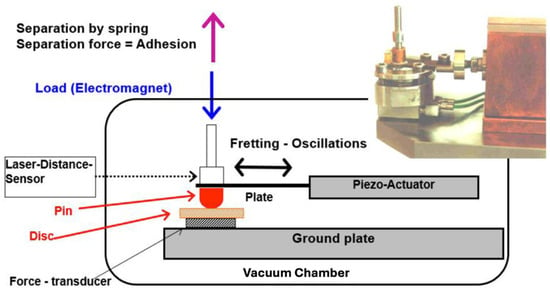
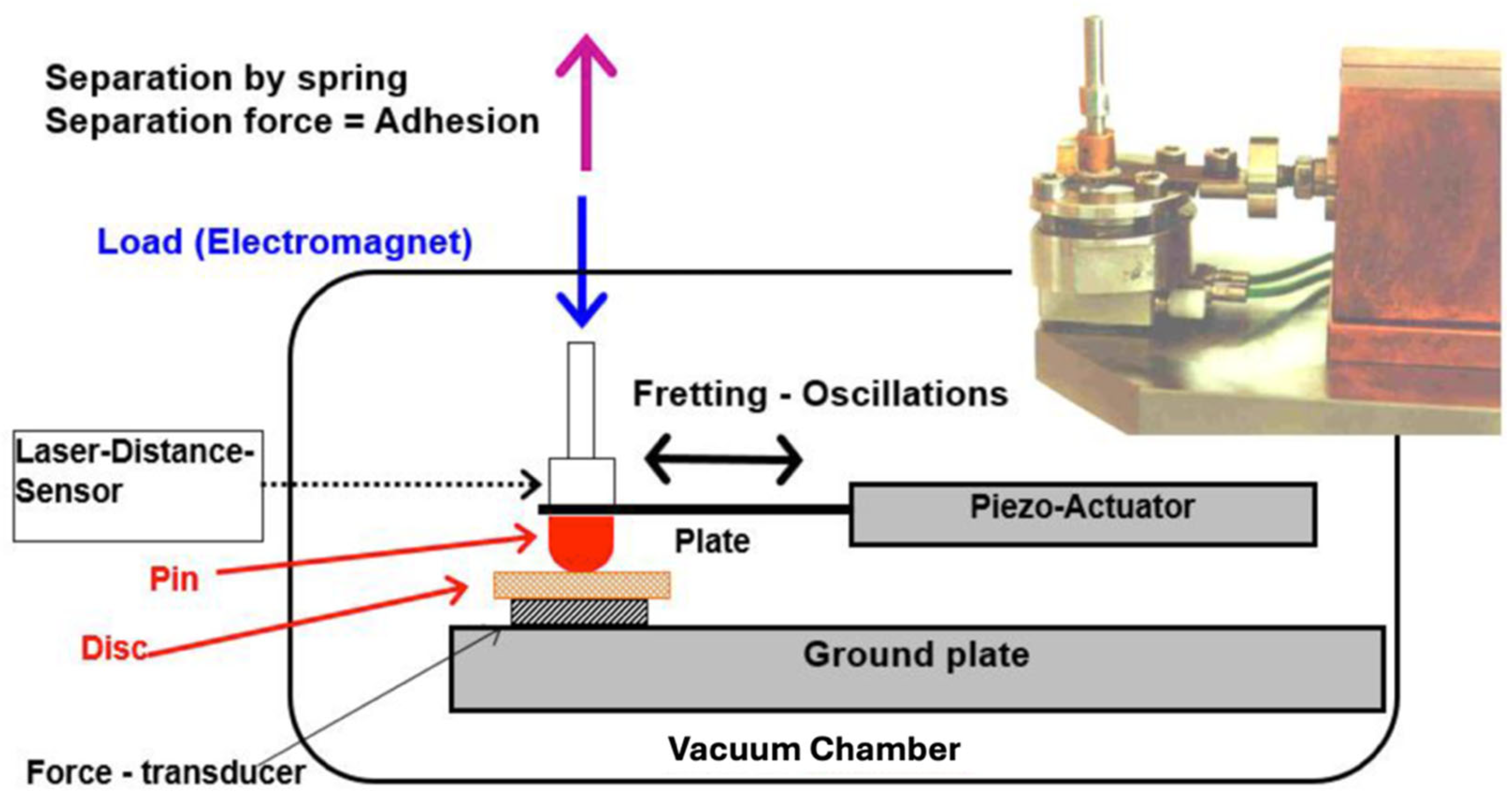
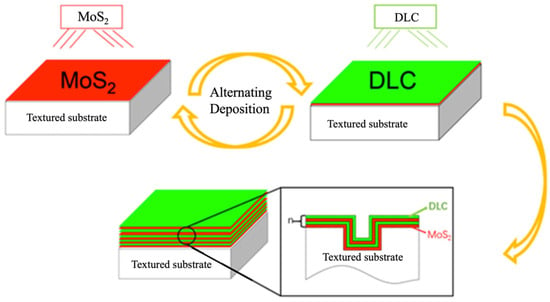
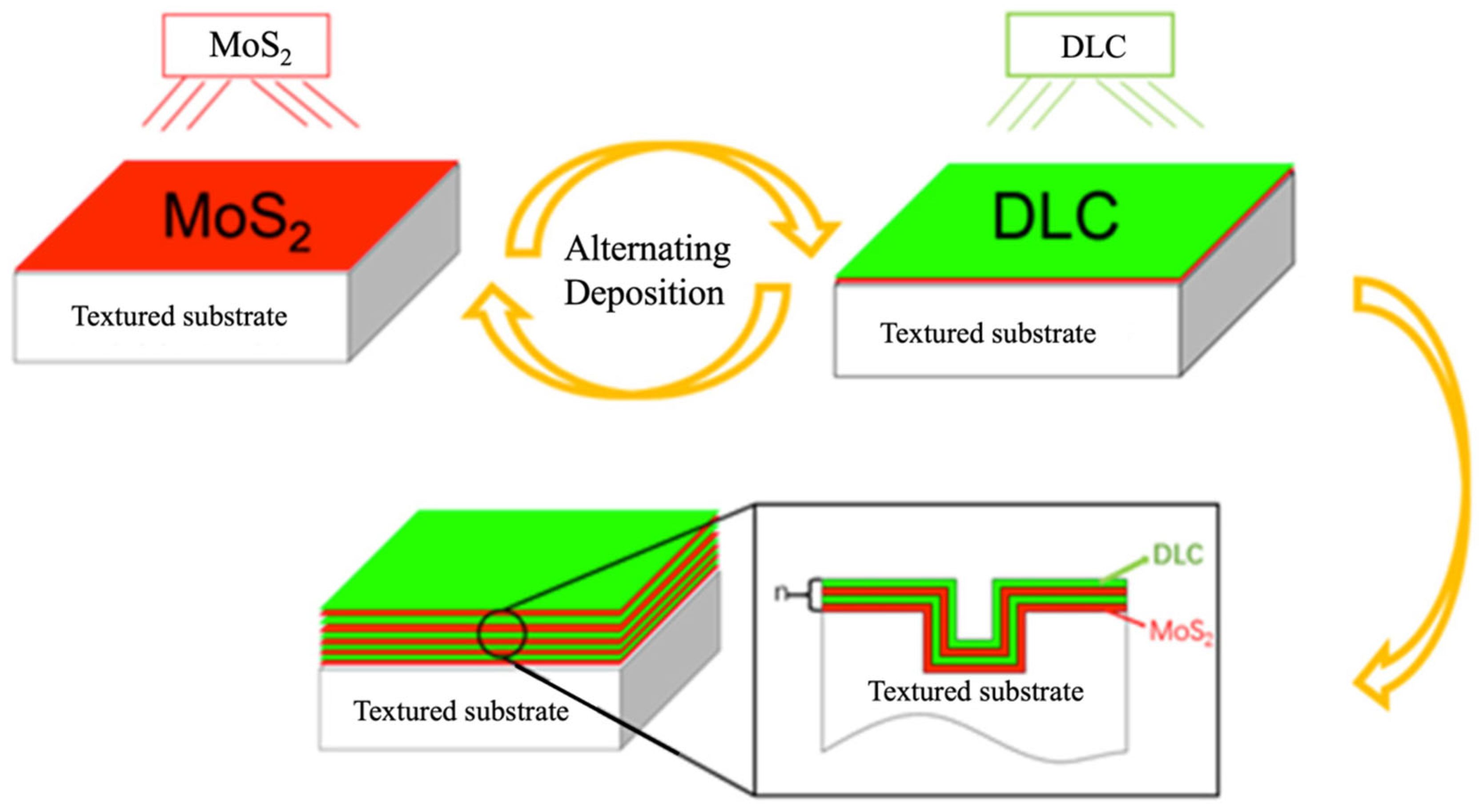
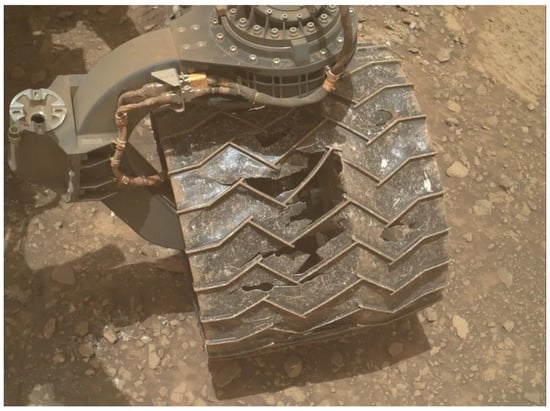
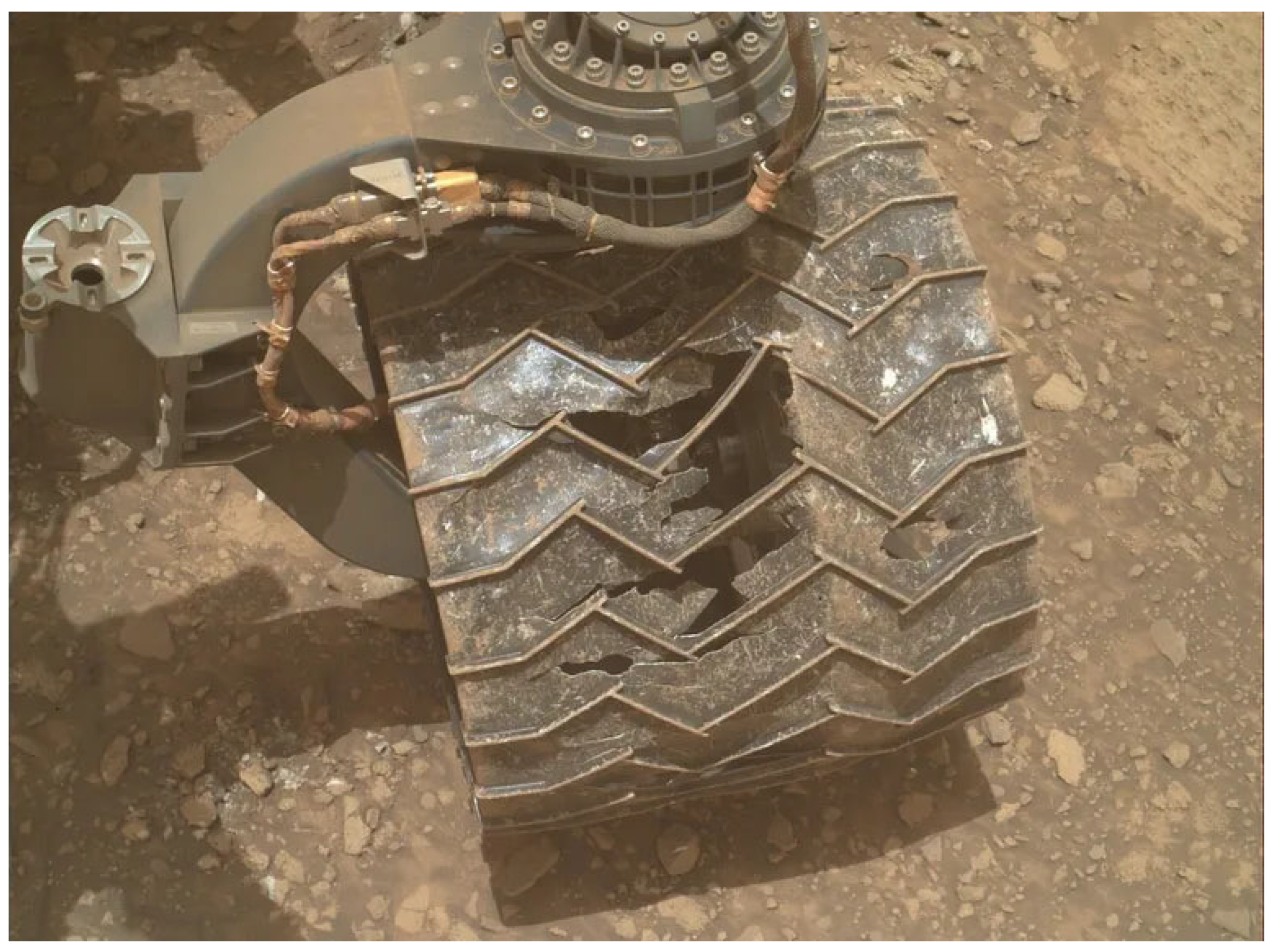

Disclaimer/Publisher’s Note: The statements, opinions and data contained in all publications are solely those of the individual author(s) and contributor(s) and not of MDPI and/or the editor(s). MDPI and/or the editor(s) disclaim responsibility for any injury to people or property resulting from any ideas, methods, instructions or products referred to in the content. |
© 2026 by the authors. Licensee MDPI, Basel, Switzerland. This article is an open access article distributed under the terms and conditions of the Creative Commons Attribution (CC BY) license.