


Abstract
Introduction: Coronary artery bypass grafting (CABG) in patients with chronic kidney disease/chronic renal failure (CKD/CRF) poses additional surgical risk, both perioperatively and beyond, compared to their non-renal failure counterparts. Patients with end-stage renal disease (ESRD) are at particularly high risk for complications with prognoses limited by cardiovascular (e.g., myocardial infarction, heart failure, stroke) and non-cardiovascular (e.g., infection) conditions associated with the disease itself and the treatment of it (i.e., dialysis). For decades, cardiac surgeons have continued to offer CABG to patients with ESRD on dialysis with variable success. The purpose of this report is to describe a relatively contemporary analysis of CABG surgery in ESRD patients utilizing a pump-assisted beating-heart technique with the analysis of and comparison to outcomes reported by other investigators as well as predictions generated by the Society of Thoracic Surgery outcome tool. We report both short- and intermediate-term outcomes. Methods: From 1 January 2019 through 31 May 2025, the data from all consecutive patients undergoing BH-CABG at a single institution by a single surgeon were collected. Demographic information as well as a preoperative risk assessment was performed using the Society of Thoracic Surgeon (STS) Risk Assessment tool. The BH-CABG was performed via median sternotomy with maintenance of normothermia and ventilation throughout the case. Postoperative outcomes were recorded including mortality, major morbidity, and length of stay (LOS). Hospital/operative results were compared to the STS risk calculations. On-going intermediate-term follow-up beyond the index hospitalization was completed using direct or indirect methods (i.e., clinic, telephone, email). Results: There were 439 BH-CABG patients during the study period. Fifty-nine patients (13.4%) had ESRD on HD. There were 39 men and 20 women with a mean age of 61 years (41–76 years). Fifty-one (86%) underwent pump-assisted BH-CABG (PADCAB) and eight patients underwent complete off-pump BH-CABG (OPCAB). The mean ejection fraction (EF) was 48% (15–70%). The mean number of grafts was 2.3 (1 to 4) and the mean cardiopulmonary bypass (CPB) time for the PADCAB cases was 80 min (34 to 118 min). Patient presentation consisted of the following: one with cardiogenic shock, one with cardiac arrest, two with STEMI, 18 with NSTEMIs, 10 with CHF, five with NSTEMI/CHF, six with unstable angina (USA), and 16 with a positive stress test in preparation for renal transplant consideration. There was one operative mortality (1.7%), one stroke (1.7%), no reoperation for bleeding, no deep sternal wound infection, one prolonged ventilation (1.7%), and one prolonged length of stay (1.7%); overall mortality/morbidity was 5.1%. Comparatively, the STS-predicted mortality was 5.7%, stroke 2.2%, reoperation for bleeding 3.5%, deep sternal wound infection 0.6%, prolonged ventilation 17.8%, prolonged LOS 14.8%, and combined mortality/morbidity 26.8%. Thirty-six of the 59 patients remained alive (61%) in the follow-up period. Twenty-three patients expired (39%) in the follow-up: 11 of cardiac issues, eight of sepsis, two of stroke, one of gastrointestinal issues, and one of cancer. The average duration of survival for expired patients was 2.28 years (13 days to 5 years and 4 months). Nine patients (15%) underwent renal transplantation and six of them remained alive (67%). Conclusions: CABG surgery in patients with ESRD is complicated with historically high mortality and morbidity. The results of this study demonstrate significant improvement in the reduction in hospital mortality and morbidity. However, intermediate-term outcomes remain poor with a preponderance of cardiovascular and infectious deaths. A trend toward improved intermediate-term outcomes appears in patients in whom CABG surgery was performed for purposes of renal transplantation.
1. Introduction
Coronary artery bypass grafting (CABG) in patients with chronic kidney disease/chronic renal failure (CKD/CRF) poses additional surgical risk, both perioperatively and beyond, compared to their non-renal failure counterparts. Patients with end-stage renal disease (ESRD) are at particularly high risk for complications with prognoses limited by cardiovascular (e.g., myocardial infarction, heart failure, stroke) and non-cardiovascular (e.g., infection) conditions associated with the disease itself and the treatment of it (i.e., dialysis). For decades, cardiac surgeons have continued to offer CABG to patients with ESRD on dialysis with variable success. The purpose of this report is to describe a relatively contemporary analysis of CABG surgery in ESRD patients utilizing a pump-assisted beating-heart technique with analysis of and comparison to outcomes reported by other investigators as well as the Society of Thoracic Surgery predicted outcome tool. We report both short- and intermediate-term outcomes.
2. Methods
From 1 January 2019 through 31 May 2025, the data from all consecutive patients undergoing BH-CABG at a single institution by a single surgeon was collected. Demographic information as well as a preoperative risk assessment was performed using the Society of Thoracic Surgeon (STS) risk assessment tool. A heart team approach was utilized in all patients referred for CABG consideration and agreement to proceed was a consensus-based decision. All patients were evaluated by the nephrology service and followed perioperatively for dialysis and other renal related decisions (e.g., medications, transfusions, etc.). The BH-CABG technique (previously described) was performed via median sternotomy with maintenance of normothermia and low tidal volume ventilation throughout the case. Postoperative outcomes were recorded including mortality, major morbidity, and length of stay (LOS). Hospital/operative results were compared to the STS risk calculations. Short-term (i.e., index hospitalization) and intermediate-term follow-up was completed using direct or indirect methods (i.e., clinic, telephone, email).
3. Results
There were 439 BH-CABG patients during the study period. Fifty-nine patients (13.4%) had ESRD on HD. There were 39 men and 20 women with a mean age of 61 years (41–76 years). Patient demographics and comorbidities are described in Table 1. Fifty-one patients (86%) underwent pump-assisted BH-CABG (PADCAB) and eight patients underwent complete off-pump BH-CABG (OPCAB). The mean ejection fraction (EF) was 48% (15–70%). The mean number of grafts was 2.3 (1 to 4) and the mean cardiopulmonary bypass (CPB) time for the PADCAB cases was 80 min (34 to 118 min). Patient presentation consisted of the following: one with cardiogenic shock, one with cardiac arrest, two with STEMI, 18 with NSTEMI, 10 with CHF, five with NSTEMI/CHF, six with unstable angina (USA), and 16 with a positive stress test in preparation for renal transplant consideration. There was one operative mortality (1.7%), one stroke (1.7%), no reoperation for bleeding, no deep sternal wound infection, one prolonged ventilation (1.7%), and one prolonged length of stay (1.7%); overall mortality/morbidity was 5.1%. Comparatively, the STS-predicted mortality was 5.7%, stroke 2.2%, reoperation for bleeding 3.5%, deep sternal wound infection 0.6%, prolonged ventilation 17.8%, prolonged ventilation 14.8%, and combined mortality/morbidity 26.8%. Thirty-six of the 59 patients remain alive (61%) in the follow-up period. Twenty-three patients expired (39%) during follow-up: eight from sepsis, eleven from cardiac issues, two from stroke, one from gastrointestinal issues, and one from cancer. The average duration of survival for expired patients was approximately 2.2 years (13 days to 5 years and 4 months). Nine patients (15%) underwent renal transplantation and six of them remained alive (67%).
Table 1.
Study patient demographics and comorbidities.
4. Discussion
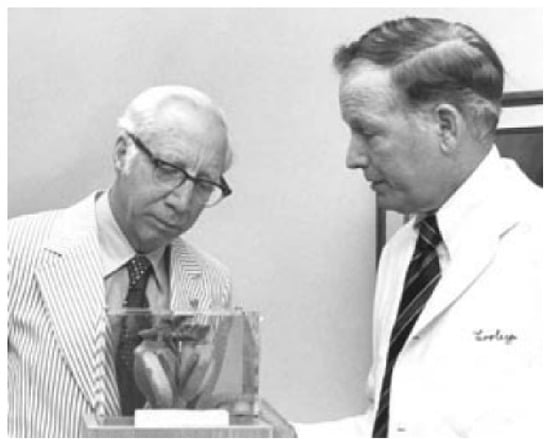
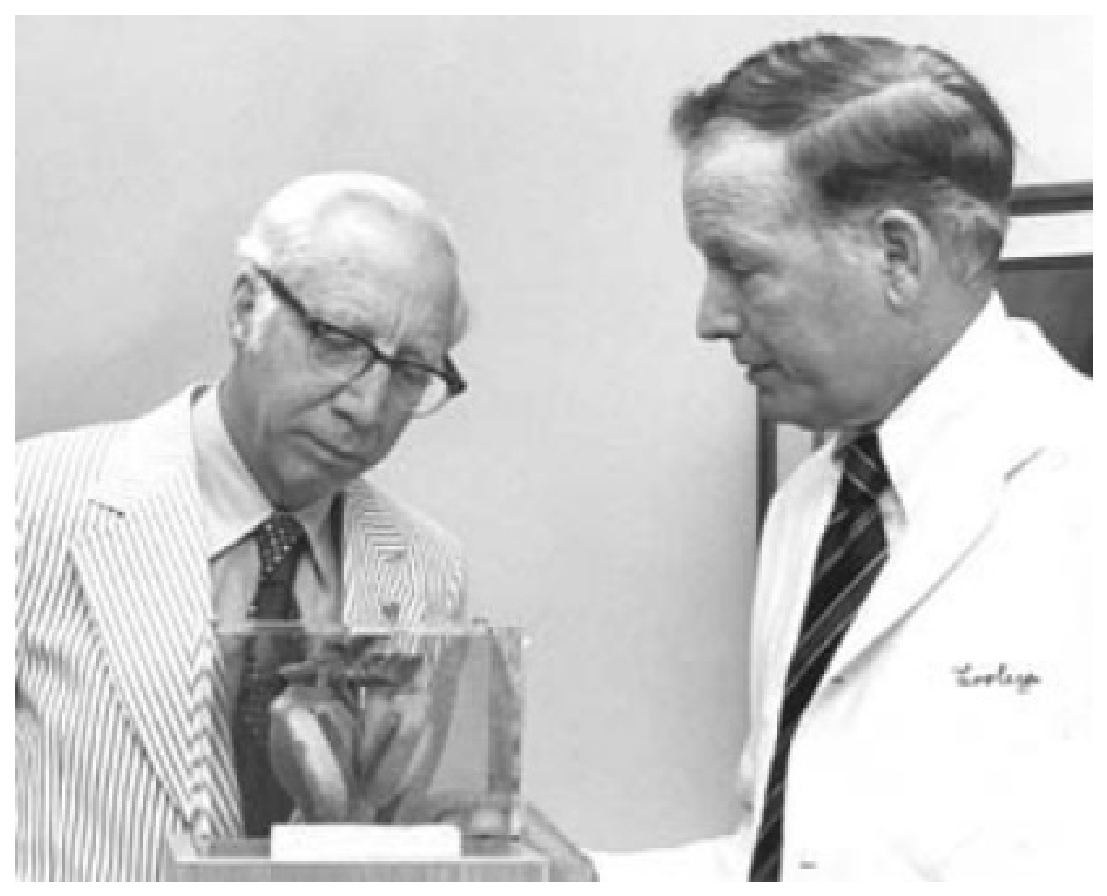
According to the United States Renal Data System 2023 Annual Data Report, more than 808,000 people in the United States are living with ESKD [1]. The prognosis of patients with ESRD is limited due to the nature of the disease and its systemic effects, particularly on the cardiovascular system. Since the inception of CABG surgery in the early to mid-1960s, cardiac surgeons have struggled with the potential benefit versus the risk of operating on this subset of patients. Among the earliest reports of cardiac surgery in patients with ESRD was that by Lansing and colleagues who published their experience with cardiovascular surgery in patients in 1968 [2]. Two patients underwent emergency pericardiectomy for relief of cardiac tamponade, one had an aortic arch aneurysm wrapped with a tailored synthetic graft, and two underwent prosthetic heart valve replacement. The authors commented on the challenges of these patients, all of whom remained in the hospital for weeks to months postoperatively, one of whom died suddenly several months following a mitral valve replacement. One patient stayed in the hospital to receive a kidney transplant 17 days following a pericardiectomy. This early report did not include CABG patients as this operation had only been performed for the first time a few years earlier—and none of those pioneering cases involved patients with ESRD [3]. It would be another decade before surgeons offered CABG surgery to patients on dialysis. Interestingly, it was a heart surgeon named Willem Kolff who was credited with the title of ‘the father of dialysis’ [4]. In addition to inventing the artificial kidney, he was also involved in creating early protypes of artificial hearts among other notable contributions to medicine and surgery (Figure 1 and Figure 2) [5].
Figure 1.
Dr. Willem Kolff and Dr. Louis Samuels (author) with the AbioCor™ Total Artificial Heart (Abiomed, Inc., Danvers, MA, USA) (personal photograph—author’s (L.S.) collection). Dr. Kolff, a cardiac surgeon, is considered the ‘father of dialysis’, having invented the semipermeable membrane for treating patients with ESRD.
Figure 2.
Dr. Willem Kolff and Dr. Denton Cooley with the Liotta Total Artificial Heart® (Texas Heart Institute, Houston, TX, USA) (From: [5]. Drs. Kolff and Cooley recognized the challenges related to cardiac surgery in patients with ESRD (personal communication).
Between 1970 and 1984, Rostand and coworkers published their analysis of CABG surgery in 24 ESRD patients; 20 of the 24 patients were on dialysis and four had previously undergone renal transplantation [6]. The results of the 20 dialysis patients demonstrated the following: (a) symptomatic relief was not achieved in 17% of the patients and (b) the hospital mortality was 20%, compared to 1.3% in non-dialysis patients. The authors found that age was a factor in the outcome, with “acceptable mortality in younger ESRD patients anticipating or having had renal transplantation.” We agree with the conclusion of these authors and observe similar benefits in our younger cohort of patients as well as superior prognoses in those in whom the operation was performed for purposes of qualifying for (and receiving) a renal transplant.
In 1991, Batiuk and others reviewed 25 ESRD patients at the Mayo Clinic, who underwent elective CABG surgery, and compared them with three published large single-center studies [7]. Similarly to the Rostand report, the perioperative mortality was 20%. Among the perioperative survivors, 1- and 2-year survival rates were 95% and 77%, respectively; the 3-year survival rate was 70%. In other words, nearly one-third of the survivors were dead within three years of the operation. The authors did, however, comment that the results from the three comparative studies showed a range of perioperatively mortality—3% to 20%—and that CABG surgery performed earlier after the onset of symptoms appeared to reduce the perioperative mortality and, as such, advocated for aggressive early investigation and intervention. Our data demonstrated a low (and acceptable) perioperative mortality without a specific relationship to the onset of symptoms. Instead, we observed improvement in patient outcomes during the hospitalization due to improvements in perioperative care as well as surgical technique.
In 1994, Owen and colleagues reported their results in 21 consecutive ESRD patients on dialysis undergoing CABG at Duke University Medical Center [8]. A reduction in perioperative deaths was observed (9%), although there remained a significant percentage of complications (48%). The actuarial survival rates were lower than those reported by Batiuk, with 84% +/−8% and 45% +/−13% at 1 and 2 years, respectively. Although they concluded that CABG can be performed in dialysis patients with increased but acceptable morbidity and mortality, “limited long-term survival suggests that the relative costs and benefits of surgical revascularization need further examination.”
In an interesting study from Japan, Nakayama et al. examined the results of 51 consecutive dialysis patients undergoing CABG over a 9-year period [9]. Among the intraoperative findings there were calcified coronary segments as well as calcific aortic plaques that required operative modifications in eight (16%) of the patients. There were four deaths (7.8%) and 15 non-lethal complications (29.4%). The actuarial survival rates in the 47 hospital survivors were 89%, 85%, and 71% at 1, 3, and 5 years, respectively. In this series, nearly one-third of the survivors were dead within five years of the operation—an improvement, but still considerably lower than their non-dialysis counterparts. (For comparison, the five-year survival of CABG surgery in all comers, as reported on 4752 patients from 19 countries, for example, was approximately 90% [10]). The Japanese authors advocated for the use of arterial grafting “as a practical alternative to minimize manipulating the ascending aorta during coronary artery bypass grafting.” In our study, the beating-heart technique avoids the need for aortic cross-clamping and cardioplegia, which, we believe, minimizes concerns for disrupting ascending aortic plaque as well as prevents the uncertainty of myocardial protection from maldistribution of cardioplegia in the severely and diffusely diseased coronaries.
In an effort to compare dialysis and non-dialysis patients undergoing CABG, Kan and Yang retrospectively reviewed 23 consecutive dialysis-dependent patients from 1998 through 2003 to 69 matched non-dialysis patients from 2001 [11]. In this propensity-matching-type paper, the authors provided some detail regarding the techniques used: approximately the same percentage of patients in the dialysis and non-dialysis underwent OPCAB (~25%) and left internal mammary artery (LIMA) grafting (~85%). While the 30-day mortality rates of the dialysis and non-dialysis groups were not statistically significant at 8.7% and 4.3%, respectively, the late mortality rates favored the non-dialysis cohort—17.4% and 2.9%, respectively (p = 0.033). Details of the late mortalities were poignant: in the dialysis group, four patients died after 30 postoperative days. The first patient died on postoperative day 46 of severe mediastinitis, the second died on postoperative day 118 of sudden sustained ventricular tachycardia, the third died 14 months postoperatively of peritonitis associated with continuous ambulatory peritoneal dialysis, and the last died 32 months postoperatively of bowel ischemia with severe sepsis. In our series, we observed several infection-related deaths, one gastrointestinal death, and cardiovascular deaths. These findings support the concern ESRD patients are more prone to general systemic and specific cardiovascular complications compared to their non-renal failure counterparts. As reviewed by Kato and colleagues, the immune and inflammatory systems in ESRD patients are dysfunctional with a paradoxical immunodepression as well as immunoactivation, both of which play a role in the infectious and cardiovascular complications observed in this patient population [12].
While surgeons continued to examine the results of CABG surgery in patients with ESRD and made attempts to improve upon them, interventional therapy for ischemic heart disease progressed simultaneously. Percutaneous transluminal coronary angioplasty (PTCA), as first described by Andreas Grüntzig on 16 September 1977 in Zurich, Switzerland [13], percutaneous coronary intervention (PCI) with bare metal stents (BMS) by Dr. Jacques Puel and Dr. Ulrich Sigwart in Toulouse, France [14] in March 1986, and PCI with a drug-eluting stent (DES), performed first by Dr. Jose Eduardo Sousa in 1999 in Brazil [15], allowed for alternative therapies to surgery for the treatment of ischemic heart disease in general and in those special patients with either complex conditions or complex anatomy that would make surgical therapy high-risk or unacceptable. As such, guidelines, which began in the 1980s [16], updated approximately every 10 years, offered practitioners evidence-based results in an effort to recommend the most appropriate therapy for a given cardiovascular condition. The guidelines, however, remained limited in certain subsets of conditions due to the paucity of evidence, and recommendations in patients with chronic kidney disease (CKD) were vague with regard to the specific management. In addition, the guidelines failed to segregate those CKD patients with their stage of chronic renal failure (i.e., CKD I–IV) versus those with end-stage patients on dialysis (i.e., CKD V).
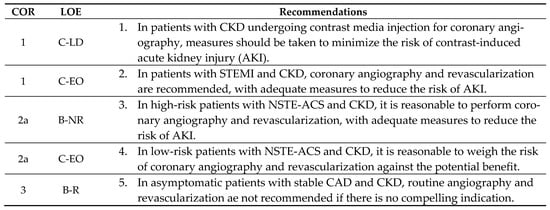
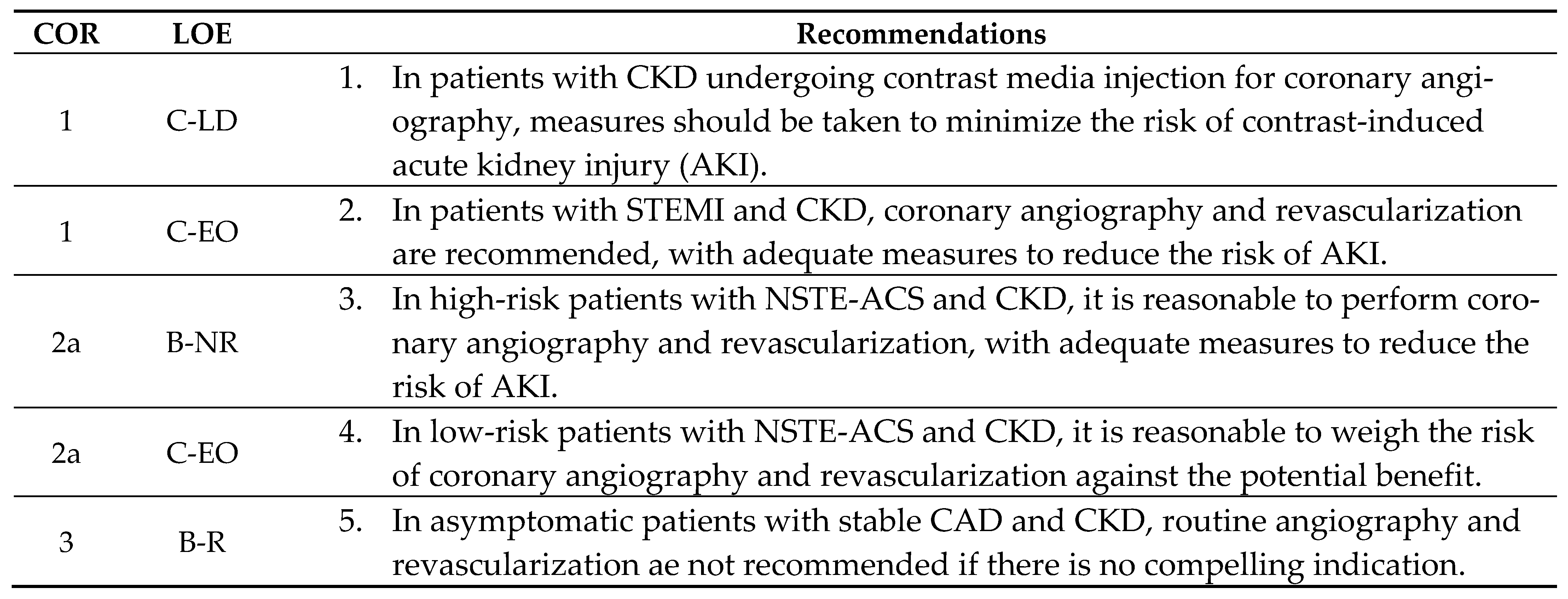
The 2021 ACC/AHA/SCAI Guideline for Coronary Artery Revascularization: A Report of the American College of Cardiology/American Heart Association Joint Committee on Clinical Practice Guidelines [17] addressed the CKD patients with recommendations that do not specifically identify patients most suitable for CABG surgery (Figure 3). Instead, these guidelines identify only two Class I indications in this patient population and focus mostly on the avoidance of acute kidney injury (AKI):
Figure 3.
Recommendations for revascularization in patients with CKD. (From: [17]).
- In patients with CKD undergoing contrast media injection for coronary angiography, measures should be taken to minimize the risk of contrast-induced AKI.
- In patients with STEMI and CKD, coronary angiography and revascularization are recommended, with adequate measures to reduce the risk of AKI.
In patients with NSTEMI, the guideline recommendations are Class II and offer the following:
- In high-risk patients with NSTE-ACS and CKD, it is reasonable to perform coronary angiography and revascularization, with adequate measures to reduce the risk of AKI.
- In low-risk patients with NSTE-ACS and CKD, it is reasonable to weigh the risk of coronary angiography and revascularization against the potential benefit.
Lastly, in asymptomatic patients with stable CAD and CKD, routine angiography and revascularization are NOT recommended if there is no compelling indication. Despite the limits of the guidelines, cardiac surgeons continued to offer CABG surgery utilizing the general recommendations described for non-CKD patients, such as significant multi-vessel CAD, left main (LM) or LM-equivalent disease, as well as the subsets of these groups with acute coronary syndromes with or without diabetes and/or low ejection fractions.
Entering year 2000, numerous reports have described the experience with CABG surgery in CKD/CRF patients, including comparisons of CABG and percutaneous coronary intervention (PCI), comparing and contrasting more contemporary results with their older counterparts. Older studies, for example, examined CABG in patients with advanced CKD/CRF and found conflicting results. For example, data from the US Renal Data System from 1995 to 1998 demonstrated that CABG was associated with a lower risk of all-cause mortality compared to PCI among patients receiving dialysis and revascularization procedures [18]. Importantly, this study predated drug-eluting stents. A similar study using US Renal Data System data from 1997 to 2009 also demonstrated a relative survival advantage to CABG over PCI in patients receiving dialysis with multi-vessel coronary disease [19]. While this data suggested that CABG was superior to PCI and that surgical therapy was favorable, other reports were less optimistic. In 1996, for example, the surgeon of this manuscript (LS) reported on the results of forty-four CKD/CRF patients who underwent CABG, 13 of whom were ESRD on dialysis [20]. The overall hospital mortality was 23% with a 31% hospital mortality in those with ESRD. Furthermore, major morbidity occurred in 80% of the patients with 26% of non-dialysis patients becoming dialysis-dependent. Lastly, the average length of stay (LOS) in this cohort was 27 days with 15 patients dying at a mean of 34 months following discharge and only 19 of the original 44 patients remained alive at a mean of 32 months.
The more contemporary reports focused on the debate regarding CABG versus PCI in this patient population, particularly as the stent experience and technology improved considerably in the new millennium. For example, in a paper by Li et al. [21], 823 patients with advanced CKD underwent CABG (247 pts) or PCI (576 pts). The 30-day mortality for CABG was 6.6% versus 2.4% for the PCI group (p = 0.24). The all-cause mortality and MACCEs were comparable between the two groups in 30 days, 1 year and 5 years. However, CABG was only associated with a significantly lower risk for repeat revascularization compared with PCI at 5 years follow-up. The authors did not describe the details regarding the decision to perform CABG versus PCI nor describe the CABG technique. As an aside, none of the patients with ESRD were on dialysis; rather, they represented various stages of CKD I–IV. In another article by Tuttle and Weiner published in Kidney Medicine [22], the question of whether CABG is worth the risk in patients receiving dialysis was specifically examined. In this manuscript, the authors reminded us of the 2021 guidelines (discussed above) and remarked that: “Critically these recommendations are backed by a paucity of data because patients treated with dialysis were almost entirely excluded from all major trials supporting percutaneous coronary intervention (PCI) and coronary artery bypass grafting (CABG)”. The authors go on to reference the ISCHEMIA-CKD trial [23], which enrolled (and randomized) 777 patients with advanced CKD among which 411 patients were receiving dialysis. It should be noted that this trial excluded patients with acute coronary syndromes within the previous two months of enrollment. The ISCHEMIA-CKD trial demonstrated no difference in the primary outcome of death or nonfatal myocardial infarction using either strategy. In a review article written by Hori and colleagues [24], the authors made several observations and comments, including the following: (1) there are no randomized controlled trials comparing CABG with PCI in patients undergoing hemodialysis, and the optimal revascularization method for these patients remains controversial, and (2) the survival rates in end-stage renal disease patients who underwent CABG were comparable to those observed in end-stage renal disease patients who did not undergo CABG at 1 year (CABG 90.9% vs. no CABG 91.9%), 2 years (95.5% vs. 77.7%), 3 years (71.4% vs. 70.3%), and 5 years (40.0% vs. 40.3%, respectively). In summary, neither the guidelines nor the numerous reports definitively define which patients benefit the most from either CABG or PCI in dialysis patients.
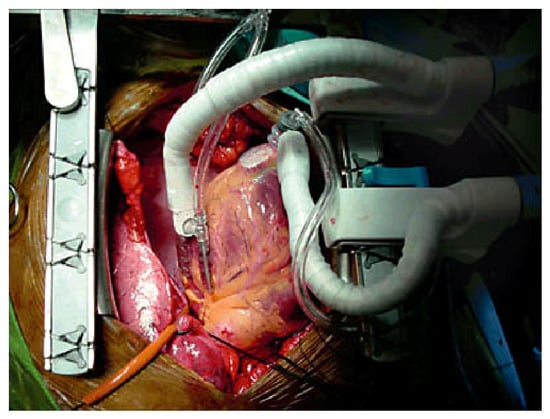
Over the decades of CABG and PCI, the experience (including perioperative care and medications), techniques, and technologies have improved in such a way that continued re-evaluation is appropriate. Among the technical surgical improvements there are minimally invasive and beating-heart techniques. While these two innovations are practiced by the minority of cardiac surgeons, evidence suggests that there may be an advantage in high-risk cases [25]. Regarding the specific role and potential advantage of beating-heart CABG in ESRD patients, the investigators of this study previously reported favorable short-term results [26]. In that report, a marked improvement in hospital/operative mortality and morbidity was observed. In fact, the in-hospital mortality and morbidity of the ESRD population was not only similar to their non-ESRD counterparts, but superior to the outcomes calculated by the STS predictor tool. In this initial experience, the authors attributed the excellent hospital outcomes to the beating-heart CABG technique alongside improvements in perioperative critical care. The BH-CABG appears to confer an advantage to conventional CABG by avoiding aortic cross-clamping and cardioplegic arrest. The use of commercial positioners and stabilizers (Figure 4) has also improved with two units—instead of one in earlier versions—with added suction, which the earlier versions did not include. Unclear at that time, though, were the intermediate and long-term outcomes following discharge from the index hospitalization utilizing this technique—in other words, whether the CABG surgery in general and/or the beating-heart technique in particular influence the outcomes beyond the operative/hospital phase.
Figure 4.
Pump-assisted beating-heart: positioner and stabilizer allow for multi-vessel CABG without the need for aortic cross-clamp and cardioplegia. The two-unit system, together with the added suction, improved stabilization and positions compared to earlier iterations. (Author’s (L.S.) personal intraoperative photograph demonstrating exposure of the posterior wall of the left ventricle and stabilization of the coronary artery in this territory).
In this report, we observed excellent short-term results (Table 2). However, the follow-up analysis was disturbing (Table 3). Only 36 of 59 patients (61%) remained alive in the follow-up period. In other words, nearly 40% of the ESRD patients undergoing CABG were dead within five years of the surgery, the majority of them following the discharge. There was only one death during the index hospitalization. Twenty-three patients (39%) expired during the follow-up: 11 of cardiac issues, eight of sepsis, two of stroke, one of gastrointestinal ischemia, and one cancer. The average duration of survival for the expired patients was only 2.3 years (range: 13 days to 5 years and 4 months). Nine patients (15%) underwent renal transplantation and six of them remained alive (67%). These disturbing findings suggest that the beating-heart CABG technique, along with improvements in perioperative care, produces excellent short-term results. However, intermediate-term outcomes remain challenging and likely reflect the underlying disease substrate (i.e., the ESRD) and its systemic cardiovascular, immunologic, and inflammatory effects. These systemic conditions increase the risk of infectious and cardiovascular complications that occur perioperatively and beyond. Although the number of patients in this study was small, it appeared that the patients operated on for purposes of qualifying for and receiving a kidney transplant fared better than their non-kidney-transplant counterparts. This finding suggests that elimination of the underlying disease (i.e., kidney failure) translated into a more favorable host environment in which the CABG surgery can demonstrate longer-term benefit. Further studies with more patients may shed more light on this idea.
Table 2.
The STS-predicted operative/hospital outcomes versus the actual outcomes.
Table 3.
The duration of survival for the patients who expired.
There are several limitations of this study: a relatively small sample size; mixture of BH-CABG (i.e., PAD-CAB and OP-CAB); lack of comparison with traditional non BH-CABG approaches; the fact that it is neither prospective nor randomized; and comparison to an STS risk assessment tool that does not discriminate between CABG techniques. As a result of these limitations, it is impossible to determine with certainty whether or not the beating-heart CABG technique is responsible for the favorable short-term outcomes along with the unfavorable intermediate-term results. The experience of the single surgeon may also represent a limitation as it is equally impossible to decipher if the outcomes are reflective of a single surgeon in a single program versus the outcomes that may be observed by multiple surgeons at multiple sites. No doubt, individual and programmatic differences may result in radically different outcomes, particularly with a small sample size. Furthermore, experience over time influences results as advances are made within and outside of the surgical technique (e.g., critical care). In terms of the technique of BH-CABG, there is a definite learning curve which, depending on the skillset of the practitioner, may take months (or longer) and experience with caseload volumes. The author of this manuscript (LS), for example, required more than one year and 100 cases to establish comfort and consistency, the initial cases being performed in the mid to late 1990s. Since then, all cases by the author (L.S.) are performed using the BH-CABG technique and the outcomes registered in a database and compared to the STS outcomes accordingly.
In summary, the data from this study confirms the short-term improvements in CABG surgery for patients with ESRD on dialysis, utilizing modern perioperative care along with the beating-heart technique. The data, however, also demonstrates the limitations of this benefit with less favorable intermediate-term results, likely due to the persistent state of ESRD and its systemic cardiovascular, immunologic, and inflammatory effects. Until more data is made available in this challenging patient population, the revascularization guidelines will likely remain enigmatic with a heart team approach needed to determine the most appropriate intervention. We agree with the statement made in the 2023 AHA/ACC/ACCP/ASPC/NLA/PCNA Guideline for the Management of Patients With Chronic Coronary Disease: A Report of the American Heart Association/American College of Cardiology Joint Committee on Clinical Practice Guidelines [27]: “Given the complex interactions, a team-based approach that includes individuals from the cardiac and renal teams, to include shared decision-making, would be beneficial, especially when considering decisions such as revascularization for which decreased short-term risk must be balanced with long-term benefit”.
5. Conclusions
CABG surgery in patients with ESRD is complicated with historically high mortality and morbidity. The results of this study demonstrate significant improvement in the reduction in hospital mortality and morbidity with the beating-heart technique. However, intermediate-term outcomes remain poor with a preponderance of cardiovascular and infectious deaths. A trend toward improved intermediate-term outcomes appear in patients in whom CABG surgery was performed for purposes of renal transplantation.
Author Contributions
Conceptualization, L.S., M.C.; methodology, L.S.; formal analysis, L.S., M.C. and S.R.; investigation, L.S. and M.C.; resources, S.R.; data curation, S.R.; writing—original draft preparation, L.S.; writing—review and editing, L.S. and M.C.; funding acquisition, None. All authors have read and agreed to the published version of the manuscript.
Funding
This research received no external funding.
Institutional Review Board Statement
The study was conducted in accordance with the Declaration of Helsinki and approved by the Institutional Review Board of Jefferson-Einstein Philadelphia (IRB #: iRISID-2023-2710; approved on 17 January 2025). All data were de-identified prior to extraction and analysis, and the study adhered to institutional ethical standards for research involving human participants.
Informed Consent Statement
Patient informed consent was waived due to the retrospective secondary analysis of existing de-identified clinical data collected for routine clinical and administrative purposes. The study posed minimal risk to participants, and obtaining consent was deemed impractical as no identifiable information was included and re-identification was not possible.
Data Availability Statement
Data was obtained through the hospital records at the institution of record (i.e., Jefferson Einstein Philadelphia, 5501 Old York Road, Philadelphia, PA, USA). The data is not publicly available per HIPPA rules.
Conflicts of Interest
The authors declare no conflicts of interest.
References
- The United States Renal Data System. 2023 Annual Data Report (ADR). Available online: https://usrds-adr.niddk.nih.gov/2023 (accessed on 1 June 2026).
- Lansing, A.M.; Leb, D.E.; Berman, L.B. Cardiovascular Surgery in End Stage Renal Failure. JAMA 1968, 204, 682–686. [Google Scholar] [CrossRef] [Scilit] [PubMed]
- Igor, E.; Konstantinov, M.D. The First Coronary Artery Bypass Operation and Forgotten Pioneers. Ann. Thorac. Surg. 1997, 64, 1517–1528. [Google Scholar] [CrossRef] [Scilit]
- Sharma, N.; Khav, E.; Elahmadi, A.; Parag, S.; Ong, J.C. Dr. Willem Kolff: The Father of the Artificial Kidney. Cureus 2024, 16, e69098. [Google Scholar] [CrossRef] [Scilit] [PubMed]
- Cooley, D.A. In Memoriam—Willem Johan Kolff 1911–2009. Tex. Heart Inst. J. 2009, 36, 83–84. [Google Scholar]
- Rostand, S.G.; Kirk, K.A.; Rutsky, E.A.; Pacifico, A.D. Results of Coronary Artery Bypass Grafting in End-Stage Renal Disease. Am. J. Kidney Dis. 1988, 12, 266–270. [Google Scholar] [CrossRef] [Scilit] [PubMed]
- Batiuk, T.D.; Kurtz, S.B.; Oh, J.K.; Orszulak, T.A. Coronary Artery Bypass Operation in Dialysis Patients. Mayo Clin. Proc. 1991, 66, 45–53. [Google Scholar] [CrossRef] [Scilit] [PubMed]
- Owen, C.H.; Cummings, R.G.; Sell, T.L.; Schwab, S.J.; Jones, R.H.; Glower, D.D. Coronary Artery Bypass Grafting in Patients With Dialysis-Dependent Renal Failure. Ann. Thorac. Surg. 1994, 58, 1729–1733. [Google Scholar] [CrossRef] [Scilit] [PubMed]
- Nakayama, Y.; Sakata, R.; Ura, M.; Miyamoto, T.-A. Coronary Artery Bypass Grafting in Dialysis Patients. Ann. Thorac. Surg. 1999, 68, 1257–1261. [Google Scholar] [CrossRef] [Scilit] [PubMed]
- Larny, A.; Devereaux, P.J.; Prabhakaran, D.; Taggart, D.P.; Hu, S.; Straka, Z.; Piegas, L.S.; Avezum, A.; Akar, A.R.; Zanetti, F.L.; et al. Five-Year Outcomes after Off-Pump or On-Pump Coronary Artery Bypass Grafting. N. Engl. J. Med. 2016, 375, 2359–2368. [Google Scholar]
- Kan, C.D.; Yang, Y.J. Coronary Artery Bypass Grafting in Patients with Dialysis-Dependent Renal Failure. Tex. Heart Inst. J. 2004, 31, 224–230. [Google Scholar] [PubMed]
- Kato, S.; Chmielewski, M.; Honda, H.; Pecoits-Filho, R.; Matsuo, S.; Yuzawa, Y.; Tranaeus, A.; Stenvinkel, P.; Lindholm, B. Aspects of Immune Dysfunction in End-Stage Renal Disease (In-Depth Review). Clin. J. Am. Soc. Nephrol. 2008, 3, 1526–1533. [Google Scholar] [CrossRef] [Scilit] [PubMed]
- Grüntzig, A. Transluminal dilatation of coronary-artery stenosis. Lancet 1978, 311, 263. [Google Scholar] [CrossRef] [Scilit]
- Sigwart, U.; Puel, J.; Mirkovitch, V.; Joffre, F.; Kappenberger, L. Intravascular stents to prevent occlusion and restenosis after transluminal angioplasty. N. Engl. J. Med. 1987, 316, 701–706. [Google Scholar] [CrossRef] [Scilit] [PubMed]
- Wendling, P. Jose Eduardo Sousa, ‘Father’ of Drug-Eluting Stents, Dies at 88. Medscape Medical News, 14 March 2022. Available online: https://www.medscape.com/viewarticle/970259 (accessed on 1 June 2026).
- Frye, R.L.; Collins, J.J.; DeSanctis, R.W.; Hodge, H.T.; Dreifus, L.S.; Fisch, C.; Geths, L.S.; Gillette, P.C.; Parsonnet, V.; Reeves, J.; et al. Guidelines for permanent cardiac pacemaker implantation, May 1984. A report of the Joint American College of Cardiology/American Heart Association Task Force on Assessment of Cardiovascular Procedures (Subcommittee on Pacemaker Implantation). Circulation 1984, 70, 331A–339A. [Google Scholar] [PubMed]
- Lawton, J.S.; Tamis-Holland, J.E.; Bangalore, S.; Bates, E.R.; Beckie, T.M.; Bischoff, J.M.; Bittl, J.A.; Cohen, M.G.; DiMaio, J.M.; Don, C.W.; et al. 2021 ACC/AHA/SCAI Guideline for Coronary Artery Revascularization: A Report of the American College of Cardiology/American Heart Association Joint Committee on Clinical Practice Guidelines. Circulation 2021, 145, e18–e114. [Google Scholar] [PubMed]
- Herzog, C.A.; Ma, J.Z.; Collins, A.J. Comparative Survival of Dialysis Patients in the United States After Coronary Angioplasty, Coronary Artery Stenting, and Coronary Artery Bypass Surgery and Impact of Diabetes. Circulation 2002, 106, 2207–2211. [Google Scholar] [CrossRef] [Scilit] [PubMed]
- Chang, T.I.; Shilane, D.; Kazi, D.; Montez-Rath, M.E.; Hlatky, M.A.; Winkelmayer, W.C. Multivessel Coronary Artery Bypass Grafting Versus Percutaneous Coronary Intervention in ESRD. J. Am. Soc. Nephrol. 2012, 23, 2042–2049. [Google Scholar] [CrossRef] [Scilit] [PubMed]
- Samuels, L.E.; Sharma, S.; Morris, R.J.; Kuretu, M.R.; Grunewald, K.E.; Strong, M.D., III; Brockman, S.K. Coronary Artery Bypass Grafting in Patients with Chronic Renal Failure: A Reappraisal. J. Card. Surg. 1996, 11, 128–133. [Google Scholar] [CrossRef] [Scilit] [PubMed]
- Li, Y.; Hou, X.; Xu, X.; Huang, Z.; Liu, T.; Xu, S.; Rui, H.; Zheng, J.; Dong, R. Coronary Artery Bypass Grafting vs. Percutaneous Coronary Intervention in Coronary Artery Disease Patients with Advanced Chronic Kidney Disease: A Chinese Single-Center Study. Front. Surg. 2023, 9, 1042186. [Google Scholar] [CrossRef] [Scilit] [PubMed]
- Tuttle, M.L.; Weiner, D.E. Coronary Artery Bypass Grafting Versus Percutaneous Coronary Intervention in patients Receiving Dialysis: Is CABG Worth the Risk? Kidney Med. 2024, 6, 100787. [Google Scholar] [CrossRef] [Scilit] [PubMed]
- Bangalore, S.; Maron, D.J.; O’Brien, S.M.; Fleg, J.L.; Kretov, E.I.; Briguori, C.; Kaul, U.; Reynolds, H.R.; Mazurek, T.; Sidhu, M.S.; et al. Management of coronary disease in patients with advanced kidney disease. N. Engl. J. Med. 2020, 382, 1608–1618. [Google Scholar] [CrossRef] [Scilit] [PubMed]
- Hori, D.; Yamaguchi, A.; Adachi, H. Coronary Artery bypass Surgery in End-Stage Renal Disease Patients (Review Article). Ann. Vasc. Dis. 2017, 10, 79–87. [Google Scholar] [CrossRef] [Scilit] [PubMed]
- Samuels, L.; Stella, A.; Raws, S.; Arce, A. Pump-assisted Direct Coronary Artery Bypass (PADCAB) in Patients with Low Ejection Fraction: Potential Advantages. Cardiovasc. Surg. Int. 2022, 3, 1018. [Google Scholar]
- Samuels, L.; Arce, A.; Agunbiade, S.; Raws, S.; Parsikia, A. Beating-Heart Coronary Artery Bypass grafting (BH-CABG) in patients with End- Stage Renal Disease (ESRD): Comparison of the Society of Thoracic Surgeons (STS) predicted risk with actual outcomes. J. Cardiothorac. Surg. 2025, 20, 101. [Google Scholar] [CrossRef] [Scilit] [PubMed]
- Virani, S.S.; Newby, L.K.; Arnold, S.V.; Bittner, V.; Brewer, L.C.; Demeter, S.H.; Dixon, D.L.; Fearon, W.F.; Hess, B.; Johnson, H.M.; et al. 2023 AHA/ACC/ACCP/ASPC/NLA/PCNA Guideline for the Management of Patients with Chronic Coronary Disease: A Report of the American Heart Association/American College of Cardiology Joint Committee on Clinical Practice Guidelines. Circulation 2023, 148, e9–e119. [Google Scholar] [CrossRef] [Scilit] [PubMed]



Disclaimer/Publisher’s Note: The statements, opinions and data contained in all publications are solely those of the individual author(s) and contributor(s) and not of MDPI and/or the editor(s). MDPI and/or the editor(s) disclaim responsibility for any injury to people or property resulting from any ideas, methods, instructions or products referred to in the content. |
© 2026 by the authors. Licensee MDPI, Basel, Switzerland. This article is an open access article distributed under the terms and conditions of the Creative Commons Attribution (CC BY) license.