


Abstract
Climate change is intensifying challenges to microbial water quality and household water security across Saharan and Sahelian Africa, where water scarcity, variable infrastructure, and reliance on decentralized and informal water sources can increase vulnerability to contamination. This structured narrative review synthesizes evidence on how climatic stressors, including extreme heat, ultraviolet radiation, drought, flooding, rainfall variability, and dust events, influence microbial contamination, persistence, transport, and exposure across groundwater, surface waters, drinking-water distribution systems, and household storage. Heavy rainfall and flooding can mobilize fecal contamination and microbial hazards into water sources, whereas drought and water scarcity can increase dependence on marginal supplies, prolong household storage, and create conditions favorable to post-collection contamination and microbial regrowth. Climatic effects vary across microbial groups and water matrices: temperature, sunlight, turbidity, sediments, biofilms, and hydrological conditions can differentially influence bacterial, viral, and protozoan persistence and transport. Saharan dust also represents a potential pathway for long-range microbial dispersal and deposition, although direct evidence linking individual dust events to pathogen concentrations in drinking-water sources remains limited. The review further shows that microbial water quality is insufficiently integrated with broader dimensions of household water security, including availability, reliability, accessibility, and perceived safety. Strengthening the evidence base will require greater integration of microbial, climatic, hydrological, infrastructure, and household water-security data to support climate-resilient water management and public-health protection in Saharan and Sahelian communities.
1. Introduction
Safe, reliable, and microbiologically acceptable drinking water is fundamental to public health, yet fecal contamination of drinking-water supplies remains an important global concern [1]. Climate change adds another layer of complexity by altering water availability and the environmental conditions that influence microbial transport, persistence, and exposure. Changes in temperature, precipitation, drought, and flooding can affect both water quantity and water quality and may modify the risk of water-transmitted infection [2,3,4]. Figure 1 presents the conceptual framework used in this review, linking climate variables with water-source and storage pathways, microbial hazards, health outcomes, and household water security. Accordingly, this review asks: How do climate variables alter microbial water quality and household water security in Saharan and Sahelian Africa, and how do these effects differ across bacterial, viral, and protozoan pathogens?
Figure 1.
Conceptual framework showing how climate variables influence water-source and storage pathways, waterborne pathogen groups, health outcomes, and household water security, including HWISE-based water insecurity measures.
Water security encompasses more than the physical availability of water and includes dimensions of quality, accessibility, reliability, and the capacity of water systems to support human well-being [5,6]. Global monitoring of household drinking water, sanitation, and hygiene further demonstrates persistent inequalities in access to safely managed water and sanitation services, particularly across low-resource settings [7]. Microbial contamination can undermine these dimensions even where water is physically available. Furthermore, climate extremes can affect microbial safety throughout the water chain. Flooding can mobilize fecal and other contaminants and compromise water and sanitation infrastructure, whereas drought and low-flow conditions can reduce water availability and increase dependence on marginal sources or prolonged household storage [8,9,10]. These interconnected pathways between climatic stressors, microbial water quality, health outcomes, and household water security are summarized in Figure 1.
Saharan and Sahelian environments provide an important setting for examining these relationships because they combine high climatic variability, water scarcity, dependence on groundwater and decentralized water supplies, and increasing exposure to drought and intense rainfall events [11,12,13]. Despite growing recognition that climate change can alter microbial ecology and waterborne disease dynamics, evidence directly linking climatic stressors with microbial water-quality measurements in the Sahel remains limited and geographically uneven [4,14,15]. This review therefore aims to: (1) identify the major climatic variables associated with microbial contamination of water sources and household storage systems; (2) compare bacterial, viral, and protozoan responses to climatic stressors; (3) assess implications for water security through quality, quantity, access, and reliability; and (4) identify priority monitoring, research, and policy gaps.
2. Review Approach
2.1. Review Design
This study was designed as a structured narrative review to synthesize evidence on how climate variables influence microbial water quality, public-health risk, and household water security in Saharan and Sahelian environments. A narrative review approach was considered appropriate because the review addresses a broad interdisciplinary topic spanning climate science, environmental microbiology, water-source vulnerability, household water security, and public-health outcomes. Rather than focusing on a single exposure, intervention, or outcome suitable for meta-analysis, the review aimed to organize and interpret evidence across diverse study designs, water matrices, microbial indicators, climate stressors, and policy-relevant contexts.
2.2. Literature Search Strategy
Literature was searched in Google Scholar, Web of Science, Scopus, and PubMed, with the search primarily focused on publications from January 2000 to June 2025. The search strategy covered five key areas: climate stressors, microbial water quality, water sources and storage pathways, water-security and public-health outcomes, and Saharan/Sahelian geography. Search terms were adapted to the syntax and requirements of each database. Relevant foundational and recent publications outside the primary search period were also considered where they contributed directly to the review.
2.3. Study Identification and Screening
The database search identified 3420 records. Following duplicate removal and title, abstract, and full-text screening, 128 studies were retained for the final narrative synthesis. The study-selection process and reasons for exclusion are summarized in Figure 2.
Figure 2.
PRISMA-style flow diagram summarizing the database search, duplicate removal, title and abstract screening, full-text assessment, exclusions, and final studies included in the narrative review synthesis.
2.4. Eligibility Criteria
Studies were included if they addressed at least one relevant climate variable, such as heat, drought, flooding, rainfall variability, ultraviolet radiation, or dust events; one microbial water-quality outcome, including bacterial indicators, viral pathogens, protozoan pathogens, biofilms, or fecal contamination; and one relevant water source or pathway, such as groundwater, shallow wells, boreholes, surface waters, wadis, rainwater harvesting systems, household storage, or informal distribution systems. Studies were also included where they examined links between microbial contamination and water-security outcomes, including water quantity, quality, access, reliability, household exposure, or public-health risk. Peer-reviewed studies, modelling analyses, reviews, preprints, and relevant scholarly books or book chapters were considered where they directly addressed climate-related microbial water quality, water-source vulnerability, public-health implications, or household water security in Saharan, Sahelian, arid, or semi-arid settings. Authoritative reports and institutional sources from organizations such as WHO, UNICEF, and IPCC were used to provide contextual and background information but were not counted among the studies included in the final narrative synthesis. Studies were excluded if they focused only on water quantity without considering microbial quality, only on chemical contamination without microbial relevance, or on non-arid settings without clear applicability to Saharan or Sahelian environments. Studies were also excluded where they did not identify a climate-related driver, pathogen or microbial indicator, water-source pathway, or water-security/public-health outcome.
2.5. Data Extraction and Evidence Organization
Data were extracted and organized using key evidence items, including country or region, climate variable, water source or storage pathway, microbial indicator or pathogen group, study design, water-security outcome, public-health relevance, and key finding. This structure allowed the review to compare evidence across bacterial, viral, and protozoan responses; identify which climate variables were most frequently linked to microbial contamination; assess how microbial risks affect water security through quantity, quality, access, and reliability; and highlight monitoring and policy gaps.
Evidence strength was qualitatively classified based on the consistency of findings across studies, directness of evidence linking the climate stressor to microbial water-quality outcomes, geographic relevance to Saharan or Sahelian settings, and the extent of empirical support. Evidence was classified as strong when multiple studies provided consistent and direct support; moderate when evidence was generally consistent but limited in directness or regional coverage; and emerging when evidence was preliminary, indirect, or based on few studies.
2.6. Narrative Synthesis
Evidence was synthesized narratively and organized around major climate-related pathways influencing microbial water quality and water security in arid and semi-arid African settings. The synthesis focused on how extreme heat, ultraviolet radiation, drought, flooding, rainfall variability, dust events, and hydrological variability shape microbial contamination, pathogen persistence, household exposure, and water insecurity. Because the included studies varied widely in design, setting, pathogen group, water matrix, and outcome measures, formal meta-analysis was not performed.
3. Climatic Characteristics of the Sahara and Adjacent Arid Regions
3.1. Temperature Extremes
Saharan environments are characterized by high temperatures, strong solar radiation, low humidity, and substantial evaporative demand [16,17,18,19]. These conditions influence not only water availability but also the physical and biological conditions within shallow water sources, storage containers, and distribution systems. Elevated temperature can alter microbial community composition and promote the persistence or regrowth of some opportunistic and biofilm-associated microorganisms, particularly where water remains stagnant or is stored for prolonged periods [20,21].
Solar radiation can simultaneously contribute to microbial inactivation. Ultraviolet radiation damages microbial cellular components and nucleic acids, and sunlight can substantially reduce some fecal indicators and other waterborne microorganisms [22,23,24]. However, these effects vary by organism and water matrix. Turbidity, suspended particles, sediments, organic matter, biofilms, and shaded environments can reduce effective UV exposure and provide protection from inactivation [23,24]. Temperature and solar radiation should therefore be regarded as interacting environmental drivers rather than uniformly beneficial or harmful factors for microbial water quality in Saharan and Sahelian systems.
3.2. Precipitation Patterns and Hydrological Variability
Precipitation across Saharan and Sahelian environments is highly variable, with prolonged dry periods interrupted by episodic rainfall and substantial spatial and temporal differences in precipitation [25,26,27,28,29]. In parts of the Sahel, extreme rainfall and severe storm activity have increased, while recent evidence also indicates changes in the atmospheric processes associated with rainfall recovery, highlighting the complexity of contemporary Sahelian hydroclimatic variability [12,30,31]. More broadly, climate change is altering hydrological conditions across Africa through interacting changes in precipitation, drought, evaporation, and water availability [32,33].
These contrasting hydrological conditions create different pathways for microbial water-quality deterioration. During drought and low-flow periods, reduced water availability can increase dependence on marginal or less-protected sources and may concentrate contaminants in diminished water volumes [10,34]. Water scarcity can also encourage longer periods of household water storage, increasing opportunities for post-collection contamination and microbial regrowth. Conversely, heavy rainfall and flooding can mobilize fecal material and other contaminants from soils, sanitation systems, animal waste, and surrounding environments into surface waters, shallow groundwater, wells, and storage systems [8,9]. Flooding may also damage or overwhelm water and sanitation infrastructure, creating additional opportunities for microbial contamination. These climate-driven pathways are summarized conceptually in Figure 3, which illustrates how heat, drought, flooding, dust events, and runoff can influence contaminant transport, deposition, persistence, mobility, and environmental exposure.
Figure 3.
Conceptual diagram showing how climate-change-related stressors, including temperature rise, heat waves, droughts, floods, dust storms, and increased runoff, may influence contaminant movement and environmental exposure pathways across atmospheric, aquatic, and terrestrial systems.
These pathways are relevant to multiple microbial groups. Primary studies from African water systems have documented E. coli and other Enterobacteriaceae in groundwater, river water, and surface-water sources [35,36,37], while Giardia and Cryptosporidium have been detected in drinking-water systems in Egypt and Morocco [38,39]. Enteric viruses are also recognized as climate-sensitive waterborne hazards whose transport and persistence can be influenced by rainfall, flooding, temperature, and water-matrix conditions [24,39,40]. Although these studies do not all directly quantify rainfall-driven changes, they demonstrate the microbial hazards that may be mobilized or redistributed when hydrological conditions deteriorate.
The alternating effects of drought and intense rainfall are therefore important to both microbial water quality and household water security. Drought can reduce water availability and reliability, whereas flooding may temporarily increase water availability while compromising microbial safety. Climate-sensitive water management in Saharan and Sahelian settings should therefore consider water quantity and microbial quality together rather than treating them as independent dimensions. Table 1 summarizes the principal climate variables, microbial mechanisms, pathogen groups, water-security effects, and relative evidence strength relevant to Saharan and Sahelian water systems.
Table 1.
Climate variables, microbial contamination mechanisms, pathogen groups, and water-security implications in Saharan and Sahelian environments.
3.3. Desertification, Land Use, and Dust Dynamics
Desertification, vegetation loss, land degradation, and land-use change can increase the exposure of dry soils to wind erosion and contribute to dust mobilization across Saharan and Sahelian environments [41,42,43]. The Sahara contains several major dust-source regions, including the Bodélé Depression in northern Chad, and mineral dust generated from these areas can be transported over substantial regional and intercontinental distances [44,45,46,47,48,49,50]. These processes are relevant to microbial water quality because atmospheric dust can ultimately be deposited onto terrestrial and aquatic surfaces.
Saharan and other desert dust can also transport biological material. Studies have identified bacterial and fungal communities associated with dust and have demonstrated long-range atmospheric transport of microorganisms and microbial material [51,52,53,54,55,56]. Some dust-associated microorganisms can tolerate environmental stresses encountered during atmospheric transport, including desiccation, nutrient limitation, and ultraviolet exposure [52,54]. Evidence for the transport of bacteria and fungi is considerably stronger than evidence for viruses, and the viability and public-health significance of transported microorganisms can vary substantially among dust events and environmental conditions.
Deposition of microbe-containing dust onto open wells, cisterns, rainwater-harvesting systems, temporary surface waters, and uncovered household storage containers represents a plausible pathway for introducing microorganisms and particulate material into water systems. However, the extent to which Saharan dust deposition alters microbial abundance, community composition, or pathogen occurrence in drinking-water sources remains poorly characterized. Current evidence therefore supports dust as a potential microbial transport pathway, but direct evidence linking dust deposition to measurable increases in specific waterborne pathogens or disease outcomes in Saharan and Sahelian settings remains limited.
3.4. Water Resources in Saharan Environments
3.4.1. Groundwater Systems
Groundwater is a critical freshwater resource across Saharan and North African arid environments, where limited and highly variable precipitation constrains the reliability of surface-water supplies [11,13]. Major transboundary aquifer systems, including the Nubian Sandstone Aquifer System and the North-Western Sahara Aquifer System, support domestic, agricultural, and economic activities across several countries [11,57,58,59]. Many of these aquifers contain substantial volumes of older groundwater, while contemporary recharge is generally limited relative to long-term abstraction pressures.
The North-Western Sahara Aquifer System is not entirely non-renewable, as modern recharge has been documented despite the hyper-arid regional climate [59]. Nevertheless, growing abstraction and increasing water demand continue to place pressure on groundwater reserves. Modeling of major fossil aquifer systems in North Africa further indicates vulnerability to long-term water-budget deficits and groundwater depletion under sustained abstraction pressures [60]. Large-scale groundwater-development projects, including Libya’s Great Man-Made River, further illustrate the importance of deep groundwater to water security in arid North Africa [61].
Climate variability and increasing water demand may intensify groundwater stress by altering recharge conditions, increasing evapotranspiration, and increasing reliance on groundwater during periods of surface-water scarcity [39,57,62]. Water quality is also an important concern. Groundwater in arid and semi-arid environments may experience salinity, nitrate, and other chemical-quality problems, while microbial contamination can occur where shallow groundwater or abstraction infrastructure is influenced by surface infiltration, sanitation, or inadequate source protection [39,63]. These interacting pressures demonstrate that groundwater security in Saharan environments depends on maintaining both the quantity and quality of available resources.
3.4.2. Surface and Ephemeral Waters
Surface water is limited across much of the Sahara but remains locally important where oases, springs, wadis, and temporary water bodies support settlements, agriculture, livestock, and other water needs. Oases are particularly important in arid environments because groundwater discharge and shallow aquifer systems can sustain localized water availability despite surrounding hyper-aridity [64,65].
Wadis are ephemeral drainage systems that respond primarily to episodic rainfall and flash-flood events [66]. Their hydrological variability can produce rapid changes in water quantity and quality, particularly following intense runoff. Water-quality assessments of arid wadi systems demonstrate that physical, chemical, and biological conditions can vary substantially with hydrological conditions [67]. During rainfall and flood events, runoff can also transport contaminants from surrounding soils, waste, sanitation systems, and animal-use areas into temporary surface waters, creating potential microbial exposure where such waters are used without adequate treatment [66,67,68].
The episodic nature of these water bodies creates an important water-security challenge. They may provide short-term water availability after rainfall, yet their microbial quality can change rapidly because of runoff, sediment transport, and contamination from surrounding land uses. Consequently, temporary surface-water availability should not be assumed to indicate microbiological safety in Saharan and adjacent arid environments.
3.4.3. Non-Conventional Water Sources
Increasing water scarcity is driving greater interest in non-conventional water sources and alternative storage approaches across arid and semi-arid regions [69,70]. Desalination is an increasingly important option in water-scarce North African and MENA settings, particularly in coastal areas. Reverse-osmosis and solar-assisted desalination technologies can expand freshwater availability, although energy requirements, operational costs, and brine management remain important environmental and economic considerations [71,72,73,74].
Treated wastewater reuse represents another important strategy for increasing water availability, particularly for irrigation and other non-potable applications. In Morocco and other water-stressed settings, wastewater reuse is increasingly being incorporated into water-management strategies [75]. Its contribution to water security depends on adequate treatment, reliable operation, and continued monitoring because insufficient treatment or post-treatment contamination can create microbial risks.
Rainwater harvesting and sand-dam systems may also provide localized water supplies in semi-arid environments by capturing episodic rainfall for later use [76]. Their effectiveness, however, depends on rainfall availability, system design, maintenance, and protection from contamination during collection and storage. Non-conventional water sources can therefore strengthen water availability and resilience, but their contribution to household and community water security should be evaluated alongside microbial safety throughout treatment, storage, and use. Table 2 summarizes the characteristics, vulnerabilities, microbial risks, and climate-related pressures associated with major water-source types in Saharan environments.
Table 2.
Characteristics, vulnerabilities, and microbial risks of major water sources in Saharan and adjacent arid regions.
3.5. Fundamentals of Microbial Water Quality
3.5.1. Indicators of Microbial Contamination
Microbial water quality is typically assessed using indicator organisms such as E. coli and fecal coliforms, which signal fecal contamination and potential pathogen exposure [77]. Evidence from African arid and semi-arid settings demonstrates that groundwater and surface-water sources can contain E. coli and other enteric bacteria, including antimicrobial-resistant strains [35,36,37]. However, environmental conditions characteristic of arid climates can complicate the interpretation of conventional fecal indicators.
Arid climatic conditions can complicate the interpretation of conventional fecal indicators. Sunlight exposure, temperature, and water-matrix characteristics can influence the persistence and inactivation of indicator organisms, and different microorganisms may respond differently to these environmental conditions [22,23,36]. Consequently, conventional indicator concentrations may not always reflect the persistence of other microbial hazards under high-UV conditions. Microbial water-quality assessment in arid environments should therefore interpret fecal indicators alongside environmental conditions and, where feasible, incorporate pathogen-specific monitoring.
3.5.2. Pathogenic Microorganisms in Water
The prevalence of bacteria, viruses, and protozoa have shown to contaminate water sources in the Sahara, each with distinct survival strategies:
- i.
- Bacteria: Primary studies from African water systems have documented E. coli and other Enterobacteriaceae, including antimicrobial-resistant strains, in groundwater, river water, and other surface-water sources [35,36,37]. These findings demonstrate that both groundwater and surface water can serve as pathways for fecal contamination and environmentally persistent bacterial hazards, particularly where source protection, sanitation, and routine monitoring are inadequate.
- ii.
- Viruses: Enteric viruses such as rotavirus, norovirus, and adenovirus can respond differently to environmental stressors than conventional bacterial indicators. Their persistence and inactivation are influenced by factors such as temperature, sunlight, turbidity, and the surrounding water matrix [22,78]. However, direct empirical evidence on enteric viruses in Saharan and Sahelian drinking-water systems remains limited, representing an important regional surveillance gap.
- iii.
- Protozoa: Protozoan parasites, including Giardia and Cryptosporidium, are important waterborne hazards because their environmentally resistant cysts and oocysts can persist outside the host and contaminate water systems. Primary studies have detected Giardia and Cryptosporidium in potable tap water in Egypt and Giardia in drinking-water sources in Morocco [38,39]. Additional evidence from Nigeria has documented Giardia cysts in river water, further demonstrating the occurrence of protozoan contamination in African surface-water systems [79]. However, direct evidence on protozoan contamination in Saharan and Sahelian drinking-water systems remains comparatively limited.
Environmental persistence differs across pathogen groups and can be influenced by sediments, turbidity, biofilms, and other protective microenvironments that modify exposure to sunlight and other environmental stresses (Table 3).
Table 3.
Common waterborne pathogens of concern in arid and semi-arid regions.
3.5.3. Biofilms and Microbial Regrowth
Drinking-water systems can become recontaminated during storage and distribution through the development of biofilms on tanks, pipes, and other wetted surfaces. Biofilms are structured microbial communities embedded within an extracellular polymeric matrix and can harbor opportunistic pathogens while providing protection from disinfectants and environmental stress [20]. Stagnation and intermittent flow can further promote microbial persistence and the subsequent release of biofilm-associated organisms into the water column when flow resumes [20]. Temperature and source-water characteristics can also influence microbial community structure during drinking-water distribution [80]. These processes are particularly relevant in arid settings, where prolonged storage, elevated temperatures, stagnation, and intermittent water supply may create favorable conditions for microbial persistence and post-treatment recontamination.
3.6. Climate Change Impacts on Microbial Dynamics in Water
3.6.1. Temperature Effects on Microbial Survival and Growth
Temperature is an important environmental driver of microbial growth, persistence, and community composition in aquatic and drinking-water systems. Warmer conditions can alter bacterial abundance and microbial community structure during water distribution and may favor the persistence or regrowth of some opportunistic and biofilm-associated microorganism [20,21,80]. Temperature effects are nevertheless pathogen- and matrix-specific and should not be interpreted as uniformly increasing the survival of all microorganisms.
In arid environments, warming can interact with water scarcity by increasing evaporation, stagnation, and the duration of water storage. Drought and low-flow conditions can further alter water quality and increase the concentration of contaminants in reduced water volumes [10,21]. These interacting processes are particularly relevant to shallow water sources, household storage systems, and intermittent distribution networks. Overall, climate-driven warming can influence microbial water quality both directly, through changes in microbial physiology and community composition, and indirectly, through changes in hydrology, storage, and water availability.
3.6.2. UV Radiation: Inactivation and Environmental Constraints
Solar ultraviolet (UV) radiation can contribute to the inactivation of microorganisms in water by damaging nucleic acids and other cellular components [22,24,81]. Experimental evidence demonstrates that sunlight can reduce fecal indicator bacteria and other health-relevant microorganisms in water, providing the basis for solar water-disinfection approaches [23,24,82,83]. However, the effectiveness of natural solar inactivation varies substantially with irradiance, exposure duration, water depth, turbidity, dissolved organic matter, suspended particles, and the characteristics of the target microorganism.
Microorganisms also differ in UV tolerance and their capacity to repair UV-induced damage [22,84]. Consequently, intense solar radiation should not be interpreted as providing uniform natural disinfection in Saharan and Sahelian water systems. Clear, shallow waters may experience greater microbial inactivation, whereas sediments, turbidity, organic matter, shaded environments, and covered storage systems can reduce UV penetration and protect microorganisms. Climate-related changes in water clarity and hydrological conditions may therefore modify the effectiveness of solar inactivation [18].
3.6.3. Extreme Events and Contamination Pathways
Floods, droughts, and other hydroclimatic extremes can substantially alter microbial water quality by changing contaminant transport, water availability, and the integrity of water and sanitation systems [8,10]. Heavy rainfall and flooding can mobilize fecal material from human and animal waste, contaminated soils, and sanitation systems into rivers, reservoirs, shallow wells, and other drinking-water sources [8,9]. Flooding may also compromise wells, latrines, storage facilities, and distribution infrastructure, creating multiple opportunities for microbial contamination.
Drought creates a different set of risks. Reduced water availability and low-flow conditions can deteriorate water quality and increase dependence on marginal or less-protected sources [10,34,85]. Water scarcity may also lead households to store water for longer periods, increasing opportunities for post-collection contamination and microbial regrowth. These risks can occur throughout the water chain, including during collection, transport, storage, and household use [34,86].
Although detailed pathogen-specific monitoring during extreme events remains limited in Saharan and Sahelian settings, the available evidence indicates that climate extremes can increase microbial exposure through both environmental contamination and changes in household water-management practices. Strengthening event-based microbial monitoring before, during, and after floods and droughts is therefore important for understanding climate-sensitive waterborne risks in the region.
3.6.4. Dust, Aerosols, and Long-Range Microbial Transport
The Sahara is a major global source of atmospheric dust, with plumes capable of travelling thousands of kilometers across Africa, the Atlantic, and the Mediterranean [73,87,88,89,90]. Dust emission and transport are influenced by meteorological and surface conditions, including wind, soil moisture, vegetation cover, and drought [89,91,92]. Although long-term trends remain uncertain, climate variability and land degradation can modify patterns of dust mobilization [91].
Saharan dust can transport microbial material, particularly bacteria and fungi, over long distances, with field observations during Saharan–Sahelian dust events demonstrating the presence of airborne bacterial and fungal material far from the source region [53,54,55,56,92]. Dust-associated microbial communities include taxa capable of tolerating environmental stresses such as desiccation, nutrient limitation, and UV exposure [54,55]. Evidence for bacterial and fungal transport is stronger than for viral transport. Dust-influenced aerosols have also been shown to carry potential pathogens and antimicrobial-resistance genes [93]. These microbial transport pathways contribute to the broader public-health relevance of dust events, which have been examined in systematic and scoping reviews addressing the health effects of dust storms and their potential associations with infectious diseases [94,95]. Collectively, the evidence indicates that Saharan dust represents a potential regional and long-range pathway for microbial dispersal, although the health significance of transported microorganisms varies by organism, exposure pathway, and environmental setting.
3.6.5. Implications for Water Source Contamination
Dust deposition provides an important interface between atmospheric microbial transport and aquatic environments in Saharan and Sahelian regions. Saharan dust plumes can carry bacteria, fungi, microbial fragments, and other biological material over long distances before deposition onto terrestrial and aquatic surfaces [52,53,54,55,56,93]. In arid environments, this material may be deposited directly into open wells, cisterns, reservoirs, temporary pools, wadis, and household water-storage containers, particularly where water sources are uncovered or poorly protected.
Microbial introduction may also occur indirectly. Dust deposited onto dry soils and surrounding surfaces can accumulate between rainfall events and subsequently be mobilized by runoff when precipitation occurs. Flash floods and intense rainfall can transport accumulated sediments, organic matter, fecal contaminants, and dust-associated microorganisms into surface waters and shallow water sources [9,66,96]. This process may be particularly important in ephemeral water systems, where microbial conditions can change rapidly following rainfall and runoff events. The interaction between atmospheric deposition and hydrological transport therefore creates multiple pathways through which climate-sensitive dust events may influence microbial water quality.
Dust deposition may also affect stored and distributed water after abstraction. Particulate and microbial material entering tanks, cisterns, and other storage systems can contribute to microbial persistence, while elevated temperatures, stagnation, and biofilm development may further influence microbial regrowth within water-storage and distribution environments [20,80]. The microbial effect of dust is therefore unlikely to depend solely on organisms carried directly in the atmosphere, but also on subsequent interactions among deposited particles, water conditions, storage practices, and existing microbial communities. Figure 4 illustrates these interconnected pathways linking Saharan dust transport, deposition, runoff, water-source contamination, and subsequent human exposure. Although the atmospheric transport of microorganisms in Saharan dust is well documented, direct studies quantifying the contribution of individual dust events to pathogen concentrations in drinking-water sources remain comparatively limited. The available evidence nevertheless indicates that dust represents a plausible additional pathway connecting climate variability, environmental microbial transport, and water-quality risks in arid environments.
Figure 4.
Conceptual pathways linking Saharan dust transport and deposition with microbial contamination of water sources, runoff-mediated transport, water storage, and potential human exposure adapted from [9].
3.7. Water Infrastructure, Storage, and Microbial Risks
3.7.1. Traditional and Informal Water Systems
Traditional and informal water systems, including hand-dug wells, cisterns, open storage tanks, and locally managed distribution systems, can be particularly vulnerable to microbial contamination where source protection, treatment, and routine monitoring are limited. Climate-related stressors may amplify these vulnerabilities through floodwater intrusion, prolonged storage, elevated temperatures, and intermittent supply. Empirical studies from African water systems have demonstrated microbial contamination in groundwater, river water, and other surface-water sources, including E. coli and antimicrobial-resistant Enterobacteriaceae [35,36,37]. Protozoan contamination has also been documented in drinking-water sources in Egypt and Morocco [38,39]. In addition, changes in temperature, storage conditions, and distribution processes can influence microbial community structure and contribute to recontamination after abstraction [20,80]. These findings emphasize that microbial risk may occur both at the source and during subsequent storage and distribution.
3.7.2. Climate Stress on Infrastructure
The extreme and variable climatic conditions of Saharan and Sahelian environments can increase the vulnerability of water-storage and distribution systems to microbial contamination. Elevated temperatures and intermittent supply can influence microbial community structure and promote biofilm persistence within pipes, tanks, and other distribution-system surfaces [20,80]. During periods of stagnation, biofilm-associated microorganisms may persist within infrastructure and subsequently enter the water column when flow resumes [20].
Extreme weather events create additional contamination pathways. Flash floods can mobilize fecal and other contaminants and compromise inadequately protected wells, cisterns, storage systems, and distribution infrastructure [8,9]. Dust deposition may also introduce particulates and microorganisms into open or poorly protected water supplies, further increasing opportunities for microbial persistence and regrowth. Together, these interacting pressures demonstrate that climate-related microbial risks can arise throughout the water-supply chain rather than only at the original source. Climate-resilient water management should therefore prioritize protected storage, effective infrastructure maintenance, and microbial monitoring from source to point of use.
The microbial water risks in Saharan and Saharan environments illustrated in Table 4 are not driven by single-point failures but emerge from the cumulative interaction between extreme climatic stressors and structurally vulnerable water infrastructure. Under the Saharan sun, persistent high temperatures, intense solar radiation, and accelerated evaporation amplify infrastructure degradation, weaken disinfection barriers, and promote post-abstraction microbial regrowth, particularly within informal and decentralized systems. The table highlights that perceived “improved” sources, such as boreholes and piped networks, remain susceptible to climate-induced contamination through pressure losses, material fatigue, and intermittent supply, while household storage and water trucking systems represent critical but under-monitored exposure pathways. Importantly, dust storms and episodic flooding function as cross-cutting drivers that repeatedly reintroduce microbial loads into both surface and subsurface systems, undermining assumptions of microbial stability in arid contexts. Collectively, these patterns underscore the need for climate-resilient infrastructure design, continuous microbial surveillance beyond source water, and targeted interventions that address the full water chain from abstraction to point of use.
Table 4.
Infrastructure vulnerabilities and associated microbial risks under climate stress.
3.7.3. Biofilms and Recontamination in Distribution Networks
Biofilms represent an important pathway for microbial persistence and recontamination within drinking-water distribution and storage systems. These structured microbial communities can harbor opportunistic pathogens and provide protection from disinfectants and other environmental stresses [20]. Biofilm-associated microorganisms may subsequently be released into the water column during changes in flow or hydraulic conditions, contributing to recontamination even when source water is microbiologically acceptable [20]. Temperature and source-water characteristics can also influence microbial community composition during distribution [80]. These processes are particularly relevant in arid settings, where elevated temperatures, prolonged storage, stagnation, and intermittent supply may increase opportunities for microbial persistence and regrowth. Reducing biofilm-related risks therefore requires effective storage and distribution-system management, regular maintenance, and microbial monitoring beyond source water alone.
3.8. Public Health Implications
3.8.1. Waterborne Diseases in Arid Regions
Unsafe water, sanitation, and hygiene remain important contributors to the global burden of diarrheal disease, particularly among vulnerable populations [97,98]. Cholera remains an important waterborne disease concern in Africa, with recent spatiotemporal evidence from Ethiopia demonstrating recurrent epidemic activity across multiple years [99,100,101]. Climate-related flooding, drought, water scarcity, and changing environmental conditions can further modify waterborne-disease risks by affecting water quality, sanitation systems, and exposure pathways [8,9,101].
Empirical studies from African water systems demonstrate the presence of important microbial hazards in both groundwater and surface waters. Escherichia coli and other Enterobacteriaceae, including antimicrobial-resistant strains, have been documented in groundwater in Morocco, river water in Algeria, and surface-water sources in Nigeria [35,36,37]. Protozoan pathogens are also relevant, with Giardia and Cryptosporidium detected in potable water in Egypt and Giardia identified in drinking-water sources in Morocco [38,39]. Together, these findings demonstrate that microbial water-related health risks in arid and semi-arid settings extend across multiple pathogen groups and reinforce the need for broader pathogen-specific surveillance and water-safety interventions.
To provide a clearer overview of the empirical evidence base, Table 5 summarizes selected primary studies that directly assessed microbial water quality in North African and comparative African settings. The studies illustrate the range of water sources, microbial targets, seasonal contexts, contamination measures, and key findings represented in the reviewed literature.
Table 5.
Selected primary studies directly assessing microbial water quality in North African and comparative African settings.
3.8.2. Vulnerable Populations
Children, older adults, and displaced populations may experience disproportionate risks from climate-sensitive waterborne disease because of biological susceptibility, constrained access to safe water, and greater exposure to disrupted water and sanitation services. Children are particularly vulnerable to diarrheal disease and the health consequences of inadequate water access [99,102]. Displaced populations may also experience increased exposure where drought, forced migration, overcrowding, inadequate sanitation, and reliance on shared water sources coincide [103]. During floods, droughts, and other climate extremes, these vulnerabilities can intensify as safe-water availability declines and water and sanitation systems are disrupted [8,9]. These groups are particularly vulnerable during climate extremes, as drought, flooding, and heatwaves exacerbate microbial water contamination and stress household water management practices.
3.8.3. Climate Change as a Health Risk Multiplier
Climate change can act as a health risk multiplier by interacting with water scarcity, infrastructure vulnerability, and existing social inequalities. Drought and extreme heat can reduce water availability, increase dependence on marginal sources, and encourage longer periods of household water storage, while heavy rainfall and flooding can mobilize fecal contamination and disrupt water and sanitation infrastructure [8,9]. Household responses to water insecurity, including source switching, storage, and water-treatment practices, can further modify exposure pathways [104].
Climate-related water scarcity can also interact with displacement and population mobility, creating additional challenges for maintaining reliable water and sanitation services [103]. Within distribution and storage systems, elevated temperatures, stagnation, and intermittent supply may provide opportunities for biofilm persistence and recontamination [20,80]. These interacting environmental, infrastructural, and social pathways demonstrate why climate change should be understood as a multiplier of existing microbial water risks rather than as an isolated driver of disease.
4. Emerging and Future Risks
As climate change progressively alters hydrological regimes, microbial ecology, and human–environment interactions, emerging and intensifying threats to water quality and public health are becoming increasingly evident across the Sahara and adjoining arid regions. In addition to the established burden of classical waterborne diseases, the convergence of antimicrobial resistance, climate-driven microbial adaptation, and persistent surveillance deficiencies constitutes a set of interrelated and insufficiently recognized risks. Together, these dynamics have the potential to substantially reshape the future profile of water-related health threats in arid and semi-arid environments.
4.1. Antibiotic Resistance in Water Systems
Antimicrobial resistance (AMR) is increasingly recognized as an environmental water-quality concern, as aquatic systems can contribute to the persistence and dissemination of resistant microorganisms and resistance genes [105,106]. In addition to aquatic pathways, atmospheric transport may contribute to the environmental dispersal of resistance determinants. Erkorkmaz et al. [93] demonstrated that dust storms can transport potential pathogens and antibiotic-resistance genes over substantial distances.
Evidence from North and West Africa further demonstrates the occurrence of antimicrobial-resistant bacteria and resistance genes in groundwater, surface water, and other environmental water systems. OXA-48-like-producing Enterobacteriaceae have been isolated from river water in Algeria, while antibiotic-resistant E. coli has been documented in groundwater in Morocco [35,36]. Wastewater systems are also important environmental reservoirs and transmission pathways for antimicrobial-resistant fecal bacteria, particularly in settings where treatment and surveillance are limited [107]. Similar findings from surface waters in Nigeria demonstrate the presence of multidrug-resistant and ESBL-producing E. coli carrying clinically relevant resistance genes [37,108]. Broader evidence from Nigeria also identifies antimicrobial resistance in water systems as an important environmental and public-health concern, highlighting the need to consider aquatic pathways within national AMR surveillance and water-safety efforts [109]. These findings indicate that water systems can connect human, animal, and environmental sources of AMR, particularly where fecal contamination, agricultural activities, wastewater inputs, and inadequate water protection overlap. The relationship between climate change and antimicrobial resistance is increasingly recognized as an interconnected environmental and public-health challenge, with climatic conditions potentially influencing the persistence, transmission, and environmental distribution of resistant microorganisms and resistance determinants [110]. Climate variability may influence environmental AMR through multiple pathways. Higher temperatures and lower precipitation have been associated with increased AMR gene abundance, while intense rainfall can mobilize sewage- and fecal-associated resistance determinants into receiving waters [111,112]. These findings support integrating AMR into climate-resilient microbial water-quality surveillance, particularly in water-scarce settings where human, animal, wastewater, and environmental pathways overlap (Figure 5).
Figure 5.
Effects of climate change on antimicrobial resistance adapted from [113].
Overall, these findings support the inclusion of AMR as an additional dimension of microbial water safety. Climate-resilient surveillance should therefore consider resistant bacteria and resistance genes alongside conventional microbial indicators, particularly where wastewater, surface water, groundwater, and human and animal activities intersect [105,106,108,111,112].
4.2. Novel and Re-Emerging Pathogens
Climate change can alter microbial distribution and disease ecology by modifying temperature, moisture, salinity, hydrology, and human–environment interactions [114]. Some water-associated microorganisms are particularly responsive to environmental change. Vibrio spp., for example, are strongly influenced by warming and salinity conditions, making them useful indicators of climate-sensitive shifts in aquatic microbial ecology [115,116]. Opportunistic microorganisms in drinking-water systems may also respond to changes in temperature, source-water characteristics, stagnation, and distribution-system conditions [20,80].
However, evidence on the occurrence, persistence, and health significance of emerging viruses, protozoa, and other nontraditional microbial hazards in Saharan and Sahelian water systems remains limited. Rather than assuming that climate change will directly generate more virulent microorganisms, the available evidence supports a more cautious conclusion: changing environmental conditions may alter microbial community composition, persistence, geographic suitability, and human exposure pathways. Expanded pathogen-specific and molecular surveillance is therefore needed to identify emerging microbial risks as climate and water systems continue to change.
4.3. Water Treatment Technologies for Arid Regions
Solar water disinfection (SODIS) is a low-cost point-of-use treatment approach that uses solar radiation and thermal effects to inactivate microorganisms in contaminated water [117,118]. Its performance depends on factors such as solar intensity, exposure duration, turbidity, water temperature, and the target microorganism [117,118]. Recent evidence also suggests that modified SODIS approaches, including the addition of hydrogen peroxide, can enhance microbial inactivation under suitable environmental conditions [119]. Evidence from rural and other resource-limited settings indicates that SODIS can improve household drinking-water quality and contribute to reductions in waterborne diarrheal disease [82,120]. However, context-specific evidence from Saharan and Sahelian communities remains limited. High turbidity following dust deposition or flooding may reduce solar penetration, making settling or pre-filtration important under some conditions.
Other point-of-use approaches, including filtration and chlorination, may complement solar disinfection in water-scarce settings. Their effectiveness depends on raw-water quality, maintenance, consistent use, and appropriate storage following treatment. Treatment alone does not guarantee continued microbial safety because recontamination can occur during transport, storage, and household handling. Climate-resilient point-of-use treatment should therefore combine effective treatment with safe storage and hygiene practices, while future field studies should evaluate performance under the high temperatures, turbidity, prolonged storage, and intermittent water availability characteristic of arid environments.
4.4. Climate-Resilient Water Management
Integrated Water Resource Management (IWRM) provides a strategic framework for managing water quantity and quality holistically under climate stress. In Saharan and Saharan contexts, IWRM emphasizes the coordinated management of surface water, groundwater, non-conventional water sources, and ecosystem services, recognizing their interdependence [121]. Climate change threatens fossil aquifers through over-abstraction while simultaneously increasing reliance on shallow, contamination-prone water sources. IWRM seeks to balance these pressures by promoting aquifer protection zones, managed aquifer recharge where feasible, and conjunctive use of water sources [122]. According to the GWP [123], regions implementing IWRM principles demonstrate greater resilience to drought-induced water quality deterioration [124]. From a microbial perspective, IWRM enables source protection, which is often more cost-effective than downstream treatment. Protecting recharge areas from sanitation runoff, controlling livestock access to wells, and regulating wastewater discharge reduce pathogen loading at the source, thereby lowering treatment burdens. Early warning systems (EWS) represent a critical adaptive strategy for anticipating climate-driven water quality risks. By integrating meteorological forecasts, hydrological monitoring, and microbial surveillance, EWS can identify periods of heightened contamination risk, such as post-flood fecal influx or drought-induced concentration events. Climate-informed EWS can significantly reduce outbreak response times by shifting public health systems from reactive to anticipatory governance [125]. In Saharan regions, rainfall anomalies, heatwave indicators, and dust storm forecasts can be used as proxies for microbial risk, triggering precautionary measures such as boil-water advisories or intensified monitoring [126]. However, implementation remains limited due to fragmented institutional mandates and insufficient data integration. Strengthening EWS requires cross-sectoral collaboration between meteorological agencies, water authorities, and health ministries, supported by digital infrastructure and capacity building.
4.5. Policy, Governance, and Community-Based Solutions
Technological and managerial interventions cannot succeed without supportive policy frameworks and governance structures. Effective adaptation requires governance systems capable of managing uncertainty, coordinating across sectors, and empowering communities. The importance of strengthening such capacity is also reflected in broader assessments of sub-Saharan Africa’s readiness to address climate-change-related health impacts [127]. At the policy level, climate-resilient water safety demands a shift toward risk-based regulation, such as Water Safety Plans (WSPs) promoted by the World Health Organization [128,129]. WSPs emphasize hazard identification, preventive control, and continuous monitoring across the entire water supply chain. In arid regions, WSPs can be tailored to account for dust deposition, intermittent supply, and storage-related risks. However, regulatory enforcement remains uneven across Saharan and Saharan countries due to limited institutional capacity [130]. Bridging this gap requires policy harmonization, investment in laboratory infrastructure, and incorporation of climate risk into national water and health strategies. Community-based approaches are indispensable in regions where centralized infrastructure is absent or unreliable. Local water committees, when properly supported, play a critical role in infrastructure maintenance, hygiene promotion, and early detection of water quality problems. Social adaptation also includes behavioral changes, such as safe water storage, point-of-use treatment, and hygiene practices (Figure 6). Importantly, adaptation strategies must be culturally grounded and gender-sensitive, recognizing that women and children bear disproportionate responsibility for water collection and household water management [104].
Figure 6.
SDGs connected to climate change and microbial water quality.
Managing climate-driven microbial water risks in Saharan and Sahelian regions requires integrated, multi-scale interventions. Technologies such as SODIS and low-cost filtration can reduce immediate risks but should be incorporated into broader climate-resilient water-management frameworks. IWRM, early warning systems, effective governance, and community engagement can strengthen long-term resilience. Ultimately, protecting public health requires preventive and adaptive water governance that recognizes microbial water quality as a core component of climate resilience.
These climate-resilient water and public-health priorities also align with four Sustainable Development Goals: SDG 3 (Good Health and Well-being), SDG 6 (Clean Water and Sanitation), SDG 13 (Climate Action), and SDG 15 (Life on Land) (Figure 6). Collectively, these goals reinforce the importance of reducing waterborne disease, improving microbial water safety and reliability, strengthening climate adaptation, and protecting dryland ecosystems that influence water resources.
5. Research Gaps and Future Directions
5.1. Key Research Gaps
5.1.1. Limited Microbial Data from Arid Regions
One of the most important research gaps identified in this review is the limited and unevenly distributed primary evidence on microbial water quality across arid and semi-arid African settings. Global assessments of drinking-water contamination have demonstrated substantial geographic inequalities in the availability of microbial water-quality data [1], while broader climate–health evidence from the Sahel also remains uneven across environmental and public-health pathways [15].
Primary studies included in this review provide important evidence of microbial hazards. Escherichia coli and antimicrobial-resistant Enterobacteriaceae have been documented in groundwater, river water, and surface-water sources in Morocco, Algeria, and Nigeria [35,37]. Protozoan contamination has also been demonstrated in drinking-water sources in Egypt and Morocco, including Giardia and Cryptosporidium [38,39]. However, these studies remain geographically dispersed and differ substantially in sampling design, microbial targets, analytical methods, and study duration. Consequently, the available evidence is insufficient to characterize regional patterns, seasonal variability, or the extent to which microbial contamination responds to climatic stressors across the Sahara and Sahel.
Another limitation is the continued reliance on fecal indicator organisms as proxies for broader microbial risk. Although indicators such as E. coli remain important for routine water-quality assessment, their occurrence does not necessarily correspond directly with the presence or persistence of specific bacterial, viral, or protozoan pathogens [131,132]. Greater use of pathogen-specific and molecular approaches, alongside conventional indicators, would therefore improve characterization of microbial hazards in arid-region water systems. Environmental antimicrobial resistance should also receive greater attention because aquatic environments can serve as reservoirs and pathways for resistant microorganisms and resistance genes [133,134]. Overall, expanding geographically representative, pathogen-specific, and methodologically comparable microbial monitoring is essential for strengthening the evidence base on climate-sensitive water quality in Saharan and Sahelian Africa.
5.1.2. Lack of Long-Term Climate–Microbe Interaction Studies
A second major limitation is the scarcity of long-term studies that simultaneously measure climatic conditions and microbial water-quality outcomes in arid and semi-arid African environments. Existing climate–health syntheses indicate important links between climatic variability and waterborne disease risk, but the evidence needed to establish sustained climate–microbe relationships remains limited, particularly in the Sahel [4,15]. Much of the available literature is based on cross-sectional sampling, individual extreme events, or short observational periods, making it difficult to distinguish temporary contamination events from persistent changes in microbial water quality.
Longitudinal research is particularly important because climatic effects on microorganisms operate through interacting processes involving temperature, precipitation, hydrology, water availability, storage, and human behavior. Multi-year datasets that combine meteorological variables with hydrological and microbial measurements would allow researchers to characterize baseline conditions, seasonal cycles, extreme-event responses, and post-event recovery. Such integrated datasets would also improve the development of predictive models and climate-sensitive microbial early-warning systems [135].
The disconnect between environmental monitoring domains is also apparent in the reviewed literature. Hydrogeological studies provide increasingly detailed information on groundwater recharge, depletion, and water-resource dynamics in North African aquifer systems [136,137], yet comparable long-term microbial datasets are much less developed. Similarly, studies of Saharan dust demonstrate that microorganisms can be transported over long distances [138,139], but these studies generally do not provide repeated microbial water-quality measurements at receiving water sources over extended periods. Future studies should therefore integrate climate, hydrological, and microbial observations within the same sampling frameworks to determine whether observed contamination reflects short-term variability or longer-term climate-sensitive changes.
5.1.3. Under-Representation of Informal Water Systems
Informal and decentralized water systems represent another important gap in the evidence base. Across many low-resource and water-scarce African settings, households may rely on combinations of shallow wells, tanker-supplied water, surface-water sources, communal supplies, and household storage when formal piped services are unavailable, unreliable, or insufficient [34,104]. These systems are particularly important from a microbial water-quality perspective because exposure does not occur only at the original source. Water can also become contaminated during collection, transport, prolonged storage, handling, and distribution [20,80,86].
Climate variability may increase the importance of these post-source pathways. Water scarcity and unreliable supply can encourage longer storage periods and switching between available sources, while elevated temperatures and stagnation can influence microbial community structure and biofilm persistence within storage and distribution systems [20,80,104]. Consequently, assessments limited to source-water classification may fail to capture the full microbial exposure experienced by households.
The under-representation of informal systems also limits climate-sensitive public-health surveillance and adaptation planning. African climate-health assessments emphasize the need to strengthen monitoring and adaptive capacity for populations facing interacting environmental and infrastructure vulnerabilities [140]. Future research should therefore incorporate both source and point-of-use sampling and document water reliability, household storage, source switching, treatment practices, and infrastructure conditions. Such approaches would provide a more realistic assessment of how microbial water risks are experienced in communities that depend on decentralized or intermittent water supplies and would strengthen the evidence available for targeted water-safety interventions.
5.1.4. Surveillance and Data Integration Gaps
Microbial water-quality surveillance in Saharan and Sahelian settings remains limited by uneven spatial coverage, restricted analytical capacity, and reliance on a narrow range of microbial indicators. Conventional fecal indicators remain important for routine monitoring but do not fully capture pathogen-specific risks, antimicrobial resistance, or changes in broader microbial communities [131,132]. These limitations are particularly important where water sources, household storage systems, and environmental conditions vary substantially across space and season.
A related challenge is the limited integration of microbial data with climatic, hydrological, infrastructure, and public-health information. More integrated surveillance frameworks are needed to support climate-sensitive risk assessment, predictive analysis, and early-warning approaches [135,141]. Molecular methods, including quantitative PCR and metagenomic approaches, can complement conventional monitoring by expanding detection to specific pathogens, virulence determinants, and antimicrobial-resistance genes [132,142]. However, their routine application in resource-constrained settings may be limited by laboratory capacity, cost, technical expertise, and the need for standardized protocols. Strengthening surveillance therefore requires both improved analytical capacity and better integration of microbial observations with climate and water-system data.
5.2. Future Research Priorities
5.2.1. Interdisciplinary and Systems-Oriented Research
Addressing the complex and multifactorial challenges of microbial water quality under climate change in arid regions requires a fundamentally interdisciplinary approach. Traditional single-discipline studies, whether focusing on climatology, hydrology, microbiology, or public health in isolation, fail to capture the dynamic interactions that determine both exposure and vulnerability. Climate-sensitive health risks in socio-ecological systems like the Sahara cannot be effectively addressed without integrating the full spectrum of environmental, biological, and social determinants.
Future research must prioritize coupled climate–water–health modeling frameworks that explicitly quantify feedback loops between key variables:
- i.
- Climatic stressors: including rising mean temperatures, extreme heat events, precipitation variability, drought frequency, and dust storms.
- ii.
- Hydrological dynamics: encompassing groundwater recharge rates, ephemeral surface waters, and storage infrastructure performance under fluctuating supply.
- iii.
- Microbial dynamics: covering survival, regrowth, biofilm formation, pathogen diversity (bacteria, viruses, protozoa), and antimicrobial resistance selection pressures.
- iv.
- Population exposure: accounting for water-use behaviors, reliance on informal sources, point-of-use storage practices, and mobility of vulnerable groups.
Critically, these models should move beyond source-centric assumptions by incorporating informal and decentralized water systems, such as hand-dug wells, open cisterns, and tanker-supplied water, which are widely used in northern Mali, Niger, Nigeria, Chad, Sudan, and Mauritania. Behavioral adaptation, such as household-level water treatment, seasonal source switching, and coping strategies during supply interruptions, must also be parameterized to reflect realistic exposure scenarios under future climate conditions. Moreover, research frameworks should integrate governance, infrastructure, and socio-political constraints. Intermittent water supply, inadequate maintenance of distribution networks, and weak regulatory oversight can amplify microbial contamination, particularly under heat stress or post-flood conditions. Modeling these factors requires collaboration between hydrologists, microbiologists, climate scientists, epidemiologists, and social scientists, as well as engagement with local water authorities, NGOs, and community stakeholders to ensure models reflect both physical realities and social practices.
Finally, system-oriented research should generate outputs that are directly actionable for policy and intervention design. Rather than producing purely descriptive or retrospective analyses, coupled models can identify critical control points in water supply networks, evaluate the effectiveness of point-of-use interventions, and predict climate-sensitive thresholds for microbial contamination. By doing so, interdisciplinary research not only addresses scientific gaps but also strengthens the evidence base for adaptive water management and public health planning, bridging the persistent divide between research and policy in the Sahara region.
5.2.2. Improved Monitoring Technologies and Methodological Harmonization
Advances in molecular and genomic methods provide important opportunities to strengthen microbial water-quality monitoring in arid and semi-arid regions. Conventional indicator-based approaches remain valuable for routine assessment but may not adequately characterize pathogen-specific contamination or emerging hazards [131,132]. Molecular approaches such as quantitative PCR and metagenomic sequencing can broaden surveillance by detecting specific pathogens, virulence determinants, and antimicrobial-resistance genes that may not be captured through conventional indicator monitoring alone [132,142].
Environmental surveillance of antimicrobial resistance is also increasingly important because surface waters, groundwater, wastewater, and other aquatic environments can act as reservoirs and pathways for resistant microorganisms and resistance genes [133,134]. However, evidence from Saharan and Sahelian water systems remains comparatively limited. Expanded surveillance should therefore incorporate AMR alongside conventional microbial indicators, particularly where wastewater reuse, informal water systems, and human–animal–environment interactions may create overlapping exposure pathways.
Future monitoring frameworks should also integrate microbial measurements with climatic and hydrological information, including temperature, rainfall, flooding, drought, and other environmental conditions relevant to microbial transport and persistence. The usefulness of such data depends on methodological comparability across studies. Differences in sampling design, microbial targets, analytical techniques, and reporting practices can limit evidence synthesis and predictive analysis [135]. Standardized and context-appropriate protocols that incorporate source-water and point-of-use sampling, conventional indicators, molecular targets, and climatic context would improve comparability across sites and seasons and strengthen the evidence base for climate-sensitive water-safety planning.
Improved monitoring technologies and methodological harmonization are therefore complementary priorities. Together, they can support the generation of more comparable and decision-relevant data for microbial risk assessment, adaptive water management, and public-health protection in Saharan and Sahelian settings (Figure 7).
Figure 7.
Integrated adaptation framework linking technology, governance, and community action for climate-resilient water security under the Saharan sun.
5.2.3. Toward Policy-Relevant and Actionable Science
Future research should increasingly connect the characterization of climate-sensitive microbial hazards with practical water-management and public-health decisions. Water Safety Plans provide an established risk-based framework for identifying hazards and preventive controls across water-supply systems [128,129,130]. In Saharan and Sahelian settings, their climate resilience could be strengthened by incorporating information on flooding, drought, prolonged storage, intermittent supply, and other conditions that may alter microbial risk.
Research should also evaluate whether proposed adaptation measures remain effective under the environmental and operational conditions characteristic of arid regions. Point-of-use interventions such as solar disinfection can reduce microbial exposure, but their effectiveness depends on environmental conditions, water quality, appropriate use, and household practices [117,118,120]. Similarly, climate-informed early-warning approaches require reliable links between environmental indicators and actionable public-health responses [125,126]. Future studies should therefore prioritize not only whether an intervention works, but also under what conditions it works, for whom, and whether its performance can be sustained.
Greater engagement among researchers, water authorities, health agencies, and affected communities would also improve the practical relevance of microbial water-quality research. Aligning monitoring with management needs can help translate climate, hydrological, and microbial observations into risk communication, targeted surveillance, Water Safety Plans, and adaptation decisions. More comparable and integrated microbial water-quality data will be particularly important for supporting predictive analyses and evidence-based decision making [135].
Taken together, future research should move toward integrated climate–water–health approaches that combine improved surveillance, methodological consistency, intervention evaluation, and policy engagement. Such approaches are necessary to translate the growing recognition of climate-sensitive microbial water risks into practical strategies for protecting water security and public health across the Sahara and Sahel.
6. Conclusions
This review demonstrates that climate variability and climate change can influence microbial water quality through interacting effects on temperature, hydrology, water availability, infrastructure, storage, and microbial persistence and transport in Saharan and Sahelian environments. Heavy rainfall and flooding can mobilize fecal and other microbial contaminants into water sources, whereas drought and water scarcity can increase dependence on marginal supplies, prolong household storage, and create conditions conducive to post-collection contamination and microbial regrowth. Temperature, ultraviolet radiation, turbidity, sediments, biofilms, and water-matrix characteristics further modify microbial survival and persistence, with responses differing among bacterial, viral, and protozoan hazards.
Despite these plausible and increasingly recognized pathways, direct empirical evidence linking specific climatic stressors to measured microbial water-quality changes across the Sahara and Sahel remains geographically uneven and methodologically limited. Important gaps persist in informal and decentralized water systems, pathogen-specific surveillance, long-term climate–microbe datasets, antimicrobial-resistance monitoring, and integration of microbial water quality with household water-security measures. Atmospheric dust also represents a potential pathway for microbial dispersal and deposition, although its direct contribution to pathogen concentrations in drinking-water sources remains insufficiently characterized.
Addressing these gaps requires greater integration of microbial surveillance with climatic, hydrological, infrastructure, and household water-security data. More consistent monitoring across water sources and points of use, combined with pathogen-specific and molecular approaches where feasible, would strengthen climate-sensitive risk assessment and support Water Safety Plans, early-warning systems, and other adaptive water-management strategies. Recognizing microbial water quality as a core component of water security will be essential for protecting public health and strengthening climate resilience across Saharan and Sahelian communities.
Author Contributions
V.O.: conceptualization, writing and review; A.N.A.: conceptualization, writing and review; V.U.O.: writing and review; O.J.U.-I.: writing and review; J.G.M.: visualization and review; T.A.O.: writing and review; S.S.E.: writing and review; T.E.O.: writing and review; J.J.: writing and review; O.E.: data curation, visualization; C.C.A.: conceptualization, writing, review and editing; E.J.I.: conceptualization, visualization, writing and review. All authors have read and agreed to the published version of the manuscript.
Funding
This research received no external funding.
Institutional Review Board Statement
Not applicable.
Informed Consent Statement
Not applicable.
Data Availability Statement
No new data were created or analyzed in this study. All figures in this manuscript were prepared, redrawn, or adapted by the authors using Microsoft PowerPoint version 16.96 and/or Canva version 1.122.0. Some graphical elements and icons were sourced from Canva and used in accordance with Canva’s applicable content license. Where figures were adapted or redrawn based on published open-access sources, the original sources were cited in the figure captions. No copyrighted figures, tables, graphs, photographs, or artworks requiring permission were reproduced without permission or appropriate open-license attribution.
Conflicts of Interest
The authors declare no competing interest.
References
- Bain, R.; Cronk, R.; Hossain, R.; Bonjour, S.; Onda, K.; Wright, J.; Yang, H.; Slaymaker, T.; Hunter, P.; Prüss-Ustün, A.; et al. Global Assessment of Exposure to Faecal Contamination through Drinking Water Based on a Systematic Review. Trop. Med. Int. Health 2014, 19, 917–927. [Google Scholar] [CrossRef] [Scilit] [PubMed]
- Sivakumar, B. Global Climate Change and Its Impacts on Water Resources Planning and Management: Assessment and Challenges. Stoch. Environ. Res. Risk Assess. 2011, 25, 583–600. [Google Scholar] [CrossRef] [Scilit]
- Sterk, A.; Schijven, J.; de Nijs, T.; de Roda Husman, A.M. Direct and Indirect Effects of Climate Change on the Risk of Infection by Water-Transmitted Pathogens. Environ. Sci. Technol. 2013, 47, 12648–12660. [Google Scholar] [CrossRef] [Scilit] [PubMed]
- Levy, K.; Smith, S.M.; Carlton, E.J. Climate Change Impacts on Waterborne Diseases: Moving Toward Designing Interventions. Curr. Environ. Health Rep. 2018, 5, 272–282. [Google Scholar] [CrossRef] [Scilit] [PubMed]
- Aboelnga, H.; Ribbe, L.; Frechen, F.-B.; Saghir, J. Urban Water Security: Definition and Assessment Framework. Resources 2019, 8, 178. [Google Scholar] [CrossRef] [Scilit]
- Mishra, B.; Kumar, P.; Saraswat, C.; Chakraborty, S.; Gautam, A. Water Security in a Changing Environment: Concept, Challenges and Solutions. Water 2021, 13, 490. [Google Scholar] [CrossRef] [Scilit]
- WHO/UNICEF Joint Monitoring Programme (JMP). WASH in Health Care Facilities 2023 Data Update: Special Focus on Primary Healthcare; World Health Organization: Geneva, Switzerland; United Nations Children’s Fund: New York, NY, USA, 2024. [Google Scholar]
- Sinisi, L.; Aertgeerts, R. Guidance on Water Supply and Sanitation in Extreme Weather Events; World Health Organization, Regional Office for Europe: Copenhagen, Denmark, 2011; ISBN 92-890-0258-1. [Google Scholar]
- Bolan, S.; Padhye, L.P.; Jasemizad, T.; Govarthanan, M.; Karmegam, N.; Wijesekara, H.; Amarasiri, D.; Hou, D.; Zhou, P.; Biswal, B.K.; et al. Impacts of Climate Change on the Fate of Contaminants through Extreme Weather Events. Sci. Total Environ. 2024, 909, 168388. [Google Scholar] [CrossRef] [Scilit] [PubMed]
- Van Vliet, M.T.H.; Thorslund, J.; Strokal, M.; Hofstra, N.; Flörke, M.; Ehalt Macedo, H.; Nkwasa, A.; Tang, T.; Kaushal, S.S.; Kumar, R.; et al. Global River Water Quality under Climate Change and Hydroclimatic Extremes. Nat. Rev. Earth Environ. 2023, 4, 687–702. [Google Scholar] [CrossRef] [Scilit]
- Hosseini, Z.; Raeisi, E.; Abdollahifard, I.; Teatini, P. Comprehensive Hydrogeological Study of the Nubian Aquifer System, Northeast Africa. J. Hydrol. 2024, 636, 131237. [Google Scholar] [CrossRef] [Scilit]
- Taylor, C.M.; Belušić, D.; Guichard, F.; Parker, D.J.; Vischel, T.; Bock, O.; Harris, P.P.; Janicot, S.; Klein, C.; Panthou, G. Frequency of Extreme Sahelian Storms Tripled since 1982 in Satellite Observations. Nature 2017, 544, 475–478. [Google Scholar] [CrossRef] [Scilit] [PubMed]
- Bouchaou, L.; El Alfy, M.; Shanafield, M.; Siffeddine, A.; Sharp, J. Groundwater in Arid and Semi-Arid Areas. Geosciences 2024, 14, 332. [Google Scholar] [CrossRef] [Scilit]
- Cavicchioli, R.; Ripple, W.J.; Timmis, K.N.; Azam, F.; Bakken, L.R.; Baylis, M.; Behrenfeld, M.J.; Boetius, A.; Boyd, P.W.; Classen, A.T.; et al. Scientists’ Warning to Humanity: Microorganisms and Climate Change. Nat. Rev. Microbiol. 2019, 17, 569–586. [Google Scholar] [CrossRef] [Scilit] [PubMed]
- Acosta, D.; Barrow, A.; Mahamadou, I.S.; Assuncao, V.S.; Edwards, M.E.; McKune, S.L. Climate Change and Health in the Sahel: A Systematic Review. R. Soc. Open Sci. 2024, 11, 231602. [Google Scholar] [CrossRef] [Scilit] [PubMed]
- Abed, S.S. Future Climate Projections in Algeria Using Statistical DownScaling Model. Theor. Appl. Climatol. 2021. preprint. [Google Scholar] [CrossRef] [Scilit] [PubMed]
- Djeffal, R.; Djemoui, L.; Nacer, H.; El Amine, B.S.M.; Younsi, Z. Estimation of Real Seasons in a Semi-Arid Region, Ghardaia, Case Study. Int. J. Sustain. Dev. Plan. 2021, 16, 1005–1017. [Google Scholar] [CrossRef] [Scilit]
- Williamson, C.E.; Zepp, R.G.; Lucas, R.M.; Madronich, S.; Austin, A.T.; Ballaré, C.L.; Norval, M.; Sulzberger, B.; Bais, A.F.; McKenzie, R.L. Solar Ultraviolet Radiation in a Changing Climate. Nat. Clim. Change 2014, 4, 434–441. [Google Scholar] [CrossRef] [Scilit]
- Coimbra, C.F.M. Energy Meteorology for the Evaluation of Solar Farm Thermal Impacts on Desert Habitats. Adv. Atmos. Sci. 2025, 42, 313–326. [Google Scholar] [CrossRef] [Scilit]
- LeChevallier, M.W.; Prosser, T.; Stevens, M. Opportunistic Pathogens in Drinking Water Distribution Systems—A Review. Microorganisms 2024, 12, 916. [Google Scholar] [CrossRef] [Scilit] [PubMed]
- Abalasei, M.E.; Toma, D.; Dorus, M.; Teodosiu, C. The Impact of Climate Change on Water Quality: A Critical Analysis. Water 2025, 17, 3108. [Google Scholar] [CrossRef] [Scilit]
- Häder, D.-P.; Williamson, C.E.; Wängberg, S.-Å.; Rautio, M.; Rose, K.C.; Gao, K.; Helbling, E.W.; Sinha, R.P.; Worrest, R. Effects of UV Radiation on Aquatic Ecosystems and Interactions with Other Environmental Factors. Photochem. Photobiol. Sci. 2014, 14, 108–126. [Google Scholar] [CrossRef] [Scilit] [PubMed]
- Sinton, L.W.; Hall, C.H.; Lynch, P.A.; Davies-Colley, R.J. Sunlight Inactivation of Fecal Indicator Bacteria and Bacteriophages from Waste Stabilization Pond Effluent in Fresh and Saline Waters. Appl. Environ. Microbiol. 2002, 68, 1122–1131. [Google Scholar] [CrossRef] [Scilit] [PubMed]
- Nelson, K.L.; Boehm, A.B.; Davies-Colley, R.J.; Dodd, M.C.; Kohn, T.; Linden, K.G.; Liu, Y.; Maraccini, P.A.; McNeill, K.; Mitch, W.A. Sunlight-Mediated Inactivation of Health-Relevant Microorganisms in Water: A Review of Mechanisms and Modeling Approaches. Environ. Sci. Process. Impacts 2018, 20, 1089–1122. [Google Scholar] [CrossRef] [Scilit] [PubMed]
- Biasutti, M. Rainfall Trends in the African Sahel: Characteristics, Processes, and Causes. WIREs Clim. Change 2019, 10, e591. [Google Scholar] [CrossRef] [Scilit] [PubMed]
- Nicholson, S. Land Surface Processes and Sahel Climate. Rev. Geophys. 2000, 38, 117–139. [Google Scholar] [CrossRef] [Scilit]
- Kelley, O.A. Where the Least Rainfall Occurs in the Sahara Desert, the TRMM Radar Reveals a Different Pattern of Rainfall Each Season. J. Clim. 2014, 27, 6919–6939. [Google Scholar] [CrossRef] [Scilit]
- Nicholson, S.E. Climate of the Sahel and West Africa. In Oxford Research Encyclopedia of Climate Science; Oxford University Press: Oxford, UK, 2018. [Google Scholar]
- Nicholson, S.E. The West African Sahel: A Review of Recent Studies on the Rainfall Regime and Its Interannual Variability. Int. Sch. Res. Not. 2013, 2013, 453521. [Google Scholar] [CrossRef] [Scilit]
- Panthou, G.; Vischel, T.; Lebel, T. Recent Trends in the Regime of Extreme Rainfall in the Central Sahel. Int. J. Climatol. 2014, 34, 3998–4006. [Google Scholar] [CrossRef] [Scilit]
- Adigun, T.O.; Arowolo, A.V.; Balogun, I.A. Investigating the Influence of Vertical Moisture Integrated Flux Convergence on Rainfall Recovery in the Sahel Region of West Africa. Environ. Syst. Res. 2024, 13, 60. [Google Scholar] [CrossRef] [Scilit]
- Dai, A.; Zhao, T.; Chen, J. Climate Change and Drought: A Precipitation and Evaporation Perspective. Curr. Clim. Change Rep. 2018, 4, 301–312. [Google Scholar] [CrossRef] [Scilit]
- Adeyeri, O.E. Hydrology and Climate Change in Africa: Contemporary Challenges, and Future Resilience Pathways. Water 2025, 17, 2247. [Google Scholar] [CrossRef] [Scilit]
- Nyika, J.; Dinka, M.O. Water Challenges in Rural and Urban Sub-Saharan Africa and Their Management; Springer: Berlin/Heidelberg, Germany, 2023; ISBN 3-031-26270-0. [Google Scholar]
- Tafoukt, R.; Touati, A.; Leangapichart, T.; Bakour, S.; Rolain, J.-M. Characterization of OXA-48-like-Producing Enterobacteriaceae Isolated from River Water in Algeria. Water Res. 2017, 120, 185–189. [Google Scholar] [CrossRef] [Scilit] [PubMed]
- Tahri, L.; Hafiane, F.Z.; Fekhaoui, M. Prevalence and Antibiotic Resistance of the Escherichia Coli in the Groundwater (Tadla-Morocco). Groundw. Sustain. Dev. 2021, 13, 100572. [Google Scholar] [CrossRef] [Scilit]
- Beshiru, A.; Isokpehi, N.A.; Igbinosa, I.H.; Akinnibosun, O.; Ogofure, A.G.; Igbinosa, E.O. Extended-Spectrum Beta-Lactamase (ESBL)- and Non-ESBL Producing Escherichia Coli Surveillance in Surface Water Sources in Edo State, Nigeria: A Public Health Concern. Sci. Rep. 2024, 14, 21658. [Google Scholar] [CrossRef] [Scilit] [PubMed]
- Hamdy, D.; El-Badry, A.; Abd El Wahab, W. Assessment of Giardia and Cryptosporidium Assemblages/Species and Their Viability in Potable Tap Water in Beni-Suef, Egypt Using Nested PCR/RFLP and Staining. Iran. J. Parasitol. 2019, 14, 368–378. [Google Scholar] [CrossRef] [Scilit]
- Berrouch, S.; Escotte-Binet, S.; Biary, A.; Nast, E.; Laaouidi, Y.; Aubert, D.; Maarouf, A.; Harrak, R.; Villena, I.; Hafid, J. Investigation of the Presence of Toxoplasma Gondii, Giardia Duodenalis, and Cryptosporidium spp. in Drinking Waters in the Region of Marrakech, Morocco. J. Food Prot. 2023, 86, 100112. [Google Scholar] [CrossRef] [Scilit] [PubMed]
- Levy, K.; Woster, A.P.; Goldstein, R.S.; Carlton, E.J. Untangling the Impacts of Climate Change on Waterborne Diseases: A Systematic Review of Relationships between Diarrheal Diseases and Temperature, Rainfall, Flooding, and Drought. Environ. Sci. Technol. 2016, 50, 4905–4922. [Google Scholar] [CrossRef] [Scilit] [PubMed]
- Brito, J.C.; Del Barrio, G.; Stellmes, M.; Pleguezuelos, J.M.; Saarinen, J. Drivers of Change and Conservation Needs for Vertebrates in Drylands: An Assessment from Global Scale to Sahara-Sahel Wetlands. Eur. Zool. J. 2021, 88, 1103–1129. [Google Scholar] [CrossRef] [Scilit]
- Abdullahi, M.; Elnaggar, A.; Omar, M.; Murtala, A.; Lawal, M.; Mosa, A. land degradation, causes, implications and sustainable management in arid and semi arid regions: A case study of Egypt. Egypt. J. Soil Sci. 2023, 63, 659–676. [Google Scholar] [CrossRef] [Scilit]
- Assede, E.S.P.; Orou, H.; Biaou, S.S.H.; Geldenhuys, C.J.; Ahononga, F.C.; Chirwa, P.W. Understanding Drivers of Land Use and Land Cover Change in Africa: A Review. Curr. Landsc. Ecol. Rep. 2023, 8, 62–72. [Google Scholar] [CrossRef] [Scilit]
- Wang, Z.; Chen, S.; Liu, C.; Chen, Y.; Gong, Y.; Cheng, S. Dynamic Dust Source Regions and the Associated Natural and Anthropogenic Dust Emissions at the Global Scale. Front. Earth Sci. 2022, 10, 802658. [Google Scholar] [CrossRef] [Scilit]
- Zan, J.; Maher, B.A.; Fang, X.; Stevens, T.; Ning, W.; Wu, F.; Yang, Y.; Kang, J.; Hu, Z. Global Dust Impacts on Biogeochemical Cycles and Climate. Nat. Rev. Earth Environ. 2025, 6, 789–807. [Google Scholar] [CrossRef] [Scilit]
- Darvishi Boloorani, A.; Soleimani, M.; Papi, R.; Nasiri, N.; Amiri, F.; Neysani Samany, N.; Huang, K.; Gholami, I.; Al-Hemoud, A. Global Map of Characterized Dust Sources Using Multisource Remote Sensing Data. Sci. Rep. 2025, 15, 29805. [Google Scholar] [CrossRef] [Scilit] [PubMed]
- Remini, B. The Bodélé Depression (Chad): When the Venturi Effect Propelles Dust from the Sahara towards the Amazon Basin. Larhyss J. 2022, 50, 199–233. [Google Scholar]
- Bristow, C.S. Geomorphology of the Bodélé Depression: The Dustiest Place on Earth. In Landscapes and Landforms of the Central Sahara; Knight, J., Merlo, S., Zerboni, A., Eds.; World Geomorphological Landscapes; Springer International Publishing: Cham, Switzerland, 2023; pp. 121–129. ISBN 978-3-031-47159-9. [Google Scholar]
- Eleftheriou, A.; Mouzourides, P.; Biskos, G.; Yiallouros, P.; Kumar, P.; Neophytou, M.K.-A. The Challenge of Adopting Mitigation and Adaptation Measures for the Impacts of Sand and Dust Storms in Eastern Mediterranean Region: A Critical Review. Mitig. Adapt. Strateg. Glob. Change 2023, 28, 33. [Google Scholar] [CrossRef] [Scilit]
- Olarewaju, O.O.; Fajinmi, O.O.; Davies, T.C.; Arthur, G.D.; Naidoo, K.K.; Coopoosamy, R.M. The Saharan Dust Plume: Current Knowledge on the Impact on Health, Human Activities, and the Ecosystem, with Comments on Research Gaps. ESS Open Arch. 2023. preprint. [Google Scholar] [CrossRef] [Scilit] [PubMed]
- Garrison, V.H.; Foreman, W.T.; Genualdi, S.; Griffin, D.W.; Kellogg, C.A.; Majewski, M.S.; Mohammed, A.; Ramsubhag, A.; Shinn, E.A.; Simonich, S.L.; et al. Saharan Dust—A Carrier of Persistent Organic Pollutants, Metals and Microbes to the Caribbean? Rev. Biol. Trop. 2006, 54, 9–21. [Google Scholar]
- Salawu-Rotimi, A.; Lebre, P.H.; Vos, H.C.; Fister, W.; Kuhn, N.; Eckardt, F.D.; Cowan, D.A. Gone with the Wind: Microbial Communities Associated with Dust from Emissive Farmlands. Microb. Ecol. 2021, 82, 859–869. [Google Scholar] [CrossRef] [Scilit] [PubMed]
- Tong, D.Q.; Gill, T.E.; Sprigg, W.A.; Van Pelt, R.S.; Baklanov, A.A.; Barker, B.M.; Bell, J.E.; Castillo, J.; Gassó, S.; Gaston, C.J. Health and Safety Effects of Airborne Soil Dust in the Americas and Beyond. Rev. Geophys. 2023, 61, e2021RG000763. [Google Scholar] [CrossRef] [Scilit]
- González-Toril, E.; Osuna, S.; Viúdez-Moreiras, D.; Navarro-Cid, I.; Toro, S.D.D.; Sor, S.; Bardera, R.; Puente-Sánchez, F.; De Diego-Castilla, G.; Aguilera, Á. Impacts of Saharan Dust Intrusions on Bacterial Communities of the Low Troposphere. Sci. Rep. 2020, 10, 6837. [Google Scholar] [CrossRef] [Scilit] [PubMed]
- Jasim, S.A.; Mohammadi, M.J.; Patra, I.; Jalil, A.T.; Taherian, M.; Abdullaeva, U.Y.; Sharma, S.; Ekrami, H.A.; Mousavion, K.; Alborzi, M. The Effect of Microorganisms (Bacteria and Fungi) in Dust Storm on Human Health. Rev. Environ. Health 2024, 39, 65–75. [Google Scholar] [CrossRef] [Scilit] [PubMed]
- Griffin, D.W.; Kellogg, C.A. Dust Storms and Their Impact on Ocean and Human Health: Dust in Earth’s Atmosphere. EcoHealth 2004, 1, 284–295. [Google Scholar] [CrossRef] [Scilit]
- Abouelmagd, A.; Ahmed, M. Groundwater in North Africa: Effects of Climatic and Anthropogenic Pressures on Groundwater Availability. In The Geology of North Africa; Hamimi, Z., Chabou, M.C., Errami, E., Fowler, A.-R., Fello, N., Masrouhi, A., Leprêtre, R., Eds.; Regional Geology Reviews; Springer International Publishing: Cham, Switzerland, 2024; pp. 305–321. ISBN 978-3-031-48298-4. [Google Scholar]
- Geriesh, M.H.; Abouelmagd, A.; Mansour, B.M.H. Major Groundwater Reservoirs of Egypt. In The Phanerozoic Geology and Natural Resources of Egypt; Hamimi, Z., Khozyem, H., Adatte, T., Nader, F.H., Oboh-Ikuenobe, F., Zobaa, M.K., El Atfy, H., Eds.; Advances in Science, Technology & Innovation; Springer International Publishing: Cham, Switzerland, 2023; pp. 613–635. ISBN 978-3-030-95636-3. [Google Scholar]
- Gonçalvès, J.; Petersen, J.; Deschamps, P.; Hamelin, B.; Baba-Sy, O. Quantifying the Modern Recharge of the “Fossil” Sahara Aquifers. Geophys. Res. Lett. 2013, 40, 2673–2678. [Google Scholar] [CrossRef] [Scilit]
- Mazzoni, A.; Heggy, E.; Scabbia, G. Forecasting Water Budget Deficits and Groundwater Depletion in the Main Fossil Aquifer Systems in North Africa and the Arabian Peninsula. Glob. Environ. Change 2018, 53, 157–173. [Google Scholar] [CrossRef] [Scilit]
- Hamad, S.; Saeid, F. The Great Man-Made River Project in Libya: An Overview of the Current Status and Future Prospects. In Water Resources of Libya; Zurqani, H.A., Ed.; Springer Water; Springer Nature: Cham, Switzerland, 2025; pp. 17–40. ISBN 978-3-031-80919-4. [Google Scholar]
- Noureddine, G.; Eslamian, S.; Katlane, R. Status of Water Resources and Climate Change in Maghreb Regions (Mauritania, Morocco, Algeria, Tunisia and Libya). Int. J. Water Sci. Environ. Technol. 2021, 6, 67–94. [Google Scholar]
- Laghrib, F.; Bahaj, T.; El Kasmi, S.; Hilali, M.; Kacimi, I.; Nouayti, N.; Dakak, H.; Bouzekraoui, M.; El Fatni, O.; Hammani, O. Hydrogeochemical Study of Groundwater in Arid and Semi-Arid Regions of the Infracenomanian Aquifers (Cretaceous Errachidia Basin, Southeastern Morocco). Using Hydrochemical Modeling and Multivariate Statistical Analysis. J. Afr. Earth Sci. 2024, 209, 105132. [Google Scholar] [CrossRef] [Scilit]
- Sobczak-Szelc, K. The Role of the Environment within a Constellation of Interacting Causal Factors Shaping Mobility—The Example of Three Oases in Northern Africa. Reg. Environ. Change 2024, 24, 116. [Google Scholar] [CrossRef] [Scilit]
- Abu-Bakr, H.A.A.; Hegab, M.G.; Al Zayed, I.S.; Abd Elhamid, A.M.I. Modeling and Analysis of Temporal Dynamics in Groundwater Aquifers of New Valley Oases, Egypt. J. Degrade. Min. Land Manag. 2024, 11, 6237–6249. [Google Scholar] [CrossRef] [Scilit]
- Kantoush, S.A.; Saber, M.; Abdel-Fattah, M.; Sumi, T. Integrated Strategies for the Management of Wadi Flash Floods in the Middle East and North Africa (MENA) Arid Zones: The ISFF Project. In Wadi Flash Floods; Springer: Berlin/Heidelberg, Germany, 2022; pp. 3–34. [Google Scholar]
- Aqel, H.; Sannan, N.; Al-Hunaiti, A.; Fodah, R. Integrated Water Quality Dynamics in Wadi Hanifah: Physical, Chemical, and Biological Perspectives. PLoS ONE 2024, 19, e0298200. [Google Scholar] [CrossRef] [Scilit] [PubMed]
- Sharif, M.N.; Khaliq, A.; Khalil, M.N.; Qadir, M.M.; Chohan, A.A.; Najeeb, M.; Saif, S. Contaminated waters: Unveiling the environmental and health impacts of global water pollution. Kashf J. Multidiscip. Res. 2025, 2, 64–85. [Google Scholar] [CrossRef] [Scilit]
- Rambhunjun, P.; Bertone, F.; Rossignol, A.; Sou, M. Mapping Sahelian Groundwater-Dependent Ecosystems Based on an Updated Typology. Hydrogeol. J. 2024, 32, 2031–2049. [Google Scholar] [CrossRef] [Scilit]
- Scanlon, B.R.; Fakhreddine, S.; Rateb, A.; de Graaf, I.; Famiglietti, J.; Gleeson, T.; Grafton, R.Q.; Jobbagy, E.; Kebede, S.; Kolusu, S.R. Global Water Resources and the Role of Groundwater in a Resilient Water Future. Nat. Rev. Earth Environ. 2023, 4, 87–101. [Google Scholar] [CrossRef] [Scilit]
- Al-Addous, M.; Bdour, M.; Rabaiah, S.; Boubakri, A.; Schweimanns, N.; Barbana, N.; Wellmann, J. Innovations in Solar-Powered Desalination: A Comprehensive Review of Sustainable Solutions for Water Scarcity in the Middle East and North Africa (MENA) Region. Water 2024, 16, 1877. [Google Scholar] [CrossRef] [Scilit]
- Ojo, O.E.; Oludolapo, O.A. Innovative Recovery Methods for Metals and Salts from Rejected Brine and Advanced Extraction Processes—A Pathway to Commercial Viability and Sustainability in Seawater Reverse Osmosis Desalination. Water 2025, 17, 3141. [Google Scholar] [CrossRef] [Scilit]
- Hadji, R.; Hamed, Y.; Gentilucci, M.; Shuhab, K.; Barbieri, M. Advancing Water Resource Management: The Role of Drywell Recharge Systems and Desalination Technologies in Addressing Water Scarcity in the MENA Region. J. Umm -Qura Univ. Appl. Sci. 2025. [Google Scholar] [CrossRef] [Scilit]
- Maftouh, A.; El Fatni, O.; Bouzekri, S.; Bahaj, T.; Kacimi, I.; El Hajjaji, S.; Malik, A. Solar Desalination: Current Applications and Future Potential in MENA Region–A Case Study. J. Sustain. Dev. Energy Water Environ. Syst. 2023, 11, 1–26. [Google Scholar] [CrossRef] [Scilit]
- Lemfarrak, A.; Benzakour, A.; Ouhssine, M.; Benlemlih, N. Advancing Treated Wastewater Reuse in Morocco as a Pathway to Sustainable Water Management: A Review. Ecol. Eng. Environ. Technol. 2025, 26, 247–267. [Google Scholar] [CrossRef] [Scilit] [PubMed]
- Yifru, B.A.; Kim, M.-G.; Lee, J.-W.; Kim, I.-H.; Chang, S.-W.; Chung, I.-M. Water Storage in Dry Riverbeds of Arid and Semi-Arid Regions: Overview, Challenges, and Prospects of Sand Dam Technology. Sustainability 2021, 13, 5905. [Google Scholar] [CrossRef] [Scilit]
- Ashbolt, N.; Grabow, W.; Snozzi, M. Indicators of Microbial Water Quality; IWA Publishing: London, UK, 2001. [Google Scholar]
- Bleotu, C.; Matei, L.; Dragu, L.D.; Necula, L.G.; Pitica, I.M.; Chivu-Economescu, M.; Diaconu, C.C. Viruses in Wastewater—A Concern for Public Health and the Environment. Microorganisms 2024, 12, 1430. [Google Scholar] [CrossRef] [Scilit] [PubMed]
- Okere, S.; Nduka, F.; Otokunefor, K. Detection of Giardia Cyst and Taenia Eggs in River Water Samples Collected from Aleto River in Eleme Local Government Area, Rivers State, Nigeria. Sci. Afr. 2024, 23, 57–64. [Google Scholar] [CrossRef] [Scilit]
- Waegenaar, F.; Pluym, T.; Coene, L.; Schelfhout, J.; García-Timermans, C.; De Gusseme, B.; Boon, N. Impact of Temperature and Water Source on Drinking Water Microbiome during Distribution in a Pilot-Scale Study. npj Clean Water 2024, 7, 76. [Google Scholar] [CrossRef] [Scilit]
- Gómez-López, V.M.; Jubinville, E.; Rodríguez-López, M.I.; Trudel-Ferland, M.; Bouchard, S.; Jean, J. Inactivation of Foodborne Viruses by UV Light: A Review. Foods 2021, 10, 3141. [Google Scholar] [CrossRef] [Scilit] [PubMed]
- Phiri, D.B.; Bavumiragira, J.P.; Yin, H. Efficacy of Solar Water Disinfection Treatment System in Improving Rural and Peri-Urban Household Drinking Water Quality and Reducing Waterborne Diarrhoeal Diseases. AQUA—Water Infrastruct. Ecosyst. Soc. 2023, 72, 1288–1308. [Google Scholar] [CrossRef] [Scilit]
- Schultz-Fademrecht, C.; Wichern, M.; Horn, H. The Impact of Sunlight on Inactivation of Indicator Microorganisms Both in River Water and Benthic Biofilms. Water Res. 2008, 42, 4771–4779. [Google Scholar] [CrossRef] [Scilit] [PubMed]
- Vechtomova, Y.L.; Telegina, T.A.; Buglak, A.A.; Kritsky, M.S. UV Radiation in DNA Damage and Repair Involving DNA-Photolyases and Cryptochromes. Biomedicines 2021, 9, 1564. [Google Scholar] [CrossRef] [Scilit] [PubMed]
- Jones, E.R.; Bierkens, M.F.; van Puijenbroek, P.J.; van Beek, L.P.; Wanders, N.; Sutanudjaja, E.H.; van Vliet, M.T. Sub-Saharan Africa Will Increasingly Become the Dominant Hotspot of Surface Water Pollution. Nat. Water 2023, 1, 602–613. [Google Scholar] [CrossRef] [Scilit]
- Olaleye, O. Providing Water of Safer Microbiological Quality to Slum Dwellers: Makoko Slum as Case Study. Ph.D. Thesis, Loughborough University, Loughborough, UK, 2017. [Google Scholar]
- Moreno, T.; Querol, X.; Castillo, S.; Alastuey, A.; Cuevas, E.; Herrmann, L.; Mounkaila, M.; Elvira, J.; Gibbons, W. Geochemical Variations in Aeolian Mineral Particles from the Sahara–Sahel Dust Corridor. Chemosphere 2006, 65, 261–270. [Google Scholar] [CrossRef] [Scilit] [PubMed]
- Goudie, A.S.; Middleton, N.J. Saharan Dust Storms: Nature and Consequences. Earth-Sci. Rev. 2001, 56, 179–204. [Google Scholar] [CrossRef] [Scilit]
- Knippertz, P.; Todd, M.C. Mineral Dust Aerosols over the Sahara: Meteorological Controls on Emission and Transport and Implications for Modeling. Rev. Geophys. 2012, 50, 2011RG000362. [Google Scholar] [CrossRef] [Scilit]
- Bencherif, H.; Bounhir, A.; Bègue, N.; Millet, T.; Benkhaldoun, Z.; Lamy, K.; Portafaix, T.; Gadouali, F. Aerosol Distributions and Sahara Dust Transport in Southern Morocco, from Ground-Based and Satellite Observations. Remote Sens. 2022, 14, 2454. [Google Scholar] [CrossRef] [Scilit]
- Roy, P.; Pal, S.C.; Chakrabortty, R.; Chowdhuri, I.; Saha, A.; Ruidas, D.; Islam, A.R.M.T.; Islam, A. Climate Change and Geo-Environmental Factors Influencing Desertification: A Critical Review. Environ. Sci. Pollut. Res. 2024, 31, 1–14. [Google Scholar] [CrossRef] [Scilit] [PubMed]
- Das, S.; McEwen, A.; Prospero, J.; Spalink, D.; Chellam, S. Respirable Metals, Bacteria, and Fungi during a Saharan–Sahelian Dust Event in Houston, Texas. Environ. Sci. Technol. 2023, 57, 19942–19955. [Google Scholar] [CrossRef] [Scilit] [PubMed]
- Erkorkmaz, B.A.; Zeevi, D.; Rudich, Y. Dust Storm-Driven Dispersal of Potential Pathogens and Antibiotic Resistance Genes in the Eastern Mediterranean. Sci. Total Environ. 2025, 958, 178021. [Google Scholar] [CrossRef] [Scilit] [PubMed]
- Aghababaeian, H.; Ostadtaghizadeh, A.; Ardalan, A.; Asgary, A.; Akbary, M.; Yekaninejad, M.S.; Stephens, C. Global Health Impacts of Dust Storms: A Systematic Review. Environ. Health Insights 2021, 15, 11786302211018390. [Google Scholar] [CrossRef] [Scilit] [PubMed]
- Tobias, A.; Chua, P.L.; Ith, S.; Yu, L.S.; Stafoggia, M.; Roqué, M.; Lwin, K.S.; Hashizume, M. Desert Dust, Sandstorms, and Infectious Diseases: A Scoping Review. Environ. Res. 2025, 285, 122582. [Google Scholar] [CrossRef] [Scilit] [PubMed]
- Maji, S.; Sonwani, S. Nature of Sand and Dust Storm in South Asian Region: Extremities and Environmental Impacts. In Extremes in Atmospheric Processes and Phenomenon: Assessment, Impacts and Mitigation; Springer: Berlin/Heidelberg, Germany, 2022; pp. 113–139. [Google Scholar]
- Brauer, M.; Roth, G.A.; Aravkin, A.Y.; Zheng, P.; Abate, K.H.; Abate, Y.H.; Abbafati, C.; Abbasgholizadeh, R.; Abbasi, M.A.; Abbasian, M.; et al. Global Burden and Strength of Evidence for 88 Risk Factors in 204 Countries and 811 Subnational Locations, 1990–2021: A Systematic Analysis for the Global Burden of Disease Study 2021. Lancet 2024, 403, 2162–2203. [Google Scholar] [CrossRef] [Scilit] [PubMed]
- UNICEF Diarrhoea—UNICEF DATA. Available online: https://data.unicef.org/topic/child-health/diarrhoeal-disease/?utm_source=chatgpt.com (accessed on 1 January 2026).
- WHO Adopting a Multi-Sectoral Approach to Fighting Cholera|WHO|Regional Office for Africa. Available online: https://www.afro.who.int/news/adopting-multi-sectoral-approach-fighting-cholera (accessed on 3 December 2025).
- WHO Cholera—Global Situation. Available online: https://www.who.int/publications/i/item/who-wer10036-347-364#:~:text=%E2%80%9CWHO%E2%80%99s%20latest%20global%20update%20on%20cholera%2C%20published%20in,than%20560%20000%20cases%20and%20over%206000%20deaths (accessed on 5 March 2025).
- Moore, S.; Colwell, R. Climate Change and the Resurgence of Waterborne Diseases: Focus on Sub-Saharan Africa. Field Actions Sci. Reports. J. Field Actions 2025, 66–70. Available online: https://journals.openedition.org/factsreports/7734 (accessed on 3 December 2025).
- Al Wazni, A.B.; Chapman, M.V.; Ansong, D.; Tawfik, L. Climate Change, Fragility, and Child Mortality; Understanding the Role of Water Access and Diarrheal Disease Amongst Children Under Five During the MDG Era. J. Prev. 2023, 44, 409–419. [Google Scholar] [CrossRef] [Scilit] [PubMed]
- Eboreime, E.; Anjorin, O.; Obi-Jeff, C.; Ojo, T.M.; Hertelendy, A. From Drought to Displacement: Assessing the Impacts of Climate Change on Conflict and Forced Migration in West Africa’s Sahel Region. J. Clim. Change Health 2025, 23, 100448. [Google Scholar] [CrossRef] [Scilit] [PubMed]
- Okpanachi, V.U.; Zuñiga, T.B.; Simmons, T.; Lynch, V.; Safi, N.; Mohamed, H.; Kilungo, A. Climate Change Perceptions and Water Security: Evidence from Low-Income Urban Communities of Dar Es Salaam, Tanzania. EarthArXiv 2025. preprints. [Google Scholar] [CrossRef] [Scilit]
- Agrawal, S.; Orschler, L.; Sinn, J.; Lackner, S. High-Throughput Profiling of Antibiotic Resistance Genes in Wastewater: Comparison between a Pond System in Namibia and an Activated Sludge Treatment in Germany. J. Water Health 2020, 18, 867–878. [Google Scholar] [CrossRef] [Scilit] [PubMed]
- Hendriksen, R.S.; Munk, P.; Njage, P.; Van Bunnik, B.; McNally, L.; Lukjancenko, O.; Röder, T.; Nieuwenhuijse, D.; Pedersen, S.K.; Kjeldgaard, J.; et al. Global Monitoring of Antimicrobial Resistance Based on Metagenomics Analyses of Urban Sewage. Nat. Commun. 2019, 10, 1124. [Google Scholar] [CrossRef] [Scilit] [PubMed]
- Santra, H.; Bhadury, P. Prevalence of Antimicrobial Resistance in Fecal Coliforms in Wastewater Settings: Challenges and Way Forward from the Perspective of Global South. In Application of Microbial Technology in Wastewater Treatment and Bioenergy Recovery; Springer: Berlin/Heidelberg, Germany, 2024; pp. 3–32. [Google Scholar]
- Okpanachi, V.U.; Jonah, J.O.; Olubunmi, M.E.; Abidemi, M.J.; Rabiu, A.G.; Amoh-Asante, N.A.A.; Msemakweli, J.G.; Obochi, V.U.; Amaechi, C. Hospital Wastewater as a Reservoir of Multidrug Resistance: Evidence from Good Shepherd Male and Female Hospital Wards, Anyigba, Nigeria. Microbes Infect. Dis. 2025, 7, 1050–1057. [Google Scholar] [CrossRef] [Scilit]
- Okeke, E.S.; Egbueri, J.C.; Emmanuel, S.S.; Ezeudoka, B.C.; Nwuche, C.O.; Okeke, V.C.; Enochoghene, A.E. Antibiotic Resistance in Nigeria’s Water System: An Urgent Public Health Challenge Impeding the Achievement of Sustainable Development Goals (SDGs). Integr. Environ. Assess. Manag. 2026, 22, 388–402. [Google Scholar] [CrossRef] [Scilit] [PubMed]
- Magnano San Lio, R.; Favara, G.; Maugeri, A.; Barchitta, M.; Agodi, A. How Antimicrobial Resistance Is Linked to Climate Change: An Overview of Two Intertwined Global Challenges. Int. J. Environ. Res. Public Health 2023, 20, 1681. [Google Scholar] [CrossRef] [Scilit] [PubMed]
- Ching, C.; Sutradhar, I.; Zaman, M.H. Understanding the Impacts of Temperature and Precipitation on Antimicrobial Resistance in Wastewater: Theory, Modeling, Observation, and Limitations. mSphere 2025, 10, e00947-24. [Google Scholar] [CrossRef] [Scilit] [PubMed]
- Ahmed, W.; Gyawali, P.; Hamilton, K.A.; Joshi, S.; Aster, D.; Donner, E.; Simpson, S.L.; Symonds, E.M. Antibiotic Resistance and Sewage-Associated Marker Genes in Untreated Sewage and a River Characterized During Baseflow and Stormflow. Front. Microbiol. 2021, 12, 632850. [Google Scholar] [CrossRef] [Scilit] [PubMed]
- Afonso, A.C.; Saavedra, M.J.; Gomes, I.B.; Simões, M.; Simões, L.C. Current Microbiological Challenges in Drinking Water. J. Water Process Eng. 2025, 72, 107614. [Google Scholar] [CrossRef] [Scilit]
- Ibáñez, A.; Garrido-Chamorro, S.; Barreiro, C. Microorganisms and Climate Change: A Not so Invisible Effect. Microbiol. Res. 2023, 14, 918–947. [Google Scholar] [CrossRef] [Scilit]
- Vezzulli, L.; Pezzati, E.; Brettar, I.; Höfle, M.; Pruzzo, C. Effects of Global Warming on Vibrio Ecology. Microbiol. Spectr. 2015, 3, 10–1128. [Google Scholar] [CrossRef] [Scilit] [PubMed]
- Baker-Austin, C.; Trinanes, J.; Gonzalez-Escalona, N.; Martinez-Urtaza, J. Non-Cholera Vibrios: The Microbial Barometer of Climate Change. Trends Microbiol. 2017, 25, 76–84. [Google Scholar] [CrossRef] [Scilit] [PubMed]
- Wegelin, M.; Canonica, S.; Mechsner, K.; Fleischmann, T.; Pesaro, F.; Metzler, A. Solar Water Disinfection: Scope of the Process and Analysis of Radiation Experiments. Aqua 1994, 43, 154–169. [Google Scholar]
- McGuigan, K.G.; Conroy, R.M.; Mosler, H.-J.; du Preez, M.; Ubomba-Jaswa, E.; Fernandez-Ibanez, P. Solar Water Disinfection (SODIS): A Review from Bench-Top to Roof-Top. J. Hazard. Mater. 2012, 235, 29–46. [Google Scholar] [CrossRef] [Scilit] [PubMed]
- Khan, M.H.R.B.; Karim, M.R.; Nawmi, M.M.; Rimi, N.A.; Ahsan, A.; Imteaz, M.A. SODIS with Hydrogen Peroxide: An Effective Household Water Treatment Option under Sub-Tropical Climatic Conditions of Bangladesh. Environ. Sci. Pollut. Res. 2024, 31, 48279–48295. [Google Scholar] [CrossRef] [Scilit] [PubMed]
- Conroy, R.M.; Elmore-Meegan, M.; Joyce, T.; McGuigan, K.G.; Barnes, J. Solar Disinfection of Drinking Water and Diarrhoea in Maasai Children: A Controlled Field Trial. Lancet 1996, 348, 1695–1697. [Google Scholar] [CrossRef] [Scilit] [PubMed]
- Jewaro, A.K.; Pamukoglu, M.Y.; Zelenakova, M. Water Management: Insights from Two Distinct Sub-Saharan Africa. Sel. Sci. Pap.-J. Civ. Eng. 2025, 20, 1–26. [Google Scholar] [CrossRef] [Scilit]
- Mseli, Z.H.; Sankaranna, G.; Mwegoha, W.J. Toward Sustainable Groundwater Management: A Comprehensive Framework for Resource Protection and Utilization. Environ. Qual. Manag. 2024, 34, e22308. [Google Scholar] [CrossRef] [Scilit]
- Global Water Partnership GWPO GWP. Available online: https://gwpo-gwp.org/ (accessed on 2 January 2026).
- Bilalova, S.; Newig, J.; Tremblay-Lévesque, L.-C.; Roux, J.; Herron, C.; Crane, S. Pathways to Water Sustainability? A Global Study Assessing the Benefits of Integrated Water Resources Management. J. Environ. Manag. 2023, 343, 118179. [Google Scholar] [CrossRef] [Scilit] [PubMed]
- Alcayna, T.; Kellerhaus, F.; Tremblay, L.; Fletcher, C.; Goodermote, R.; Santos-Vega, M.; Chaves-Gonzalez, J.; Bailey, M.; Rao, V.B.; Lowe, R. Integrating Anticipatory Action in Disease Outbreak Preparedness and Response in the Humanitarian Sector. BMJ Glob. Health 2025, 10, e017721. [Google Scholar] [CrossRef] [Scilit] [PubMed]
- Agbehadji, I.E.; Schütte, S.; Masinde, M.; Botai, J.; Mabhaudhi, T. Climate Risks Resilience Development: A Bibliometric Analysis of Climate-Related Early Warning Systems in Southern Africa. Climate 2023, 12, 3. [Google Scholar] [CrossRef] [Scilit]
- Kilungo, A.; Chukwuonye, G.; Okpanachi, V.; Mohamed, H. Assessing Sub-Saharan Africa’s Readiness to Address the Impact of Climate Change and Health: A Scoping Review. PLoS ONE 2025, 20, e0315482. [Google Scholar] [CrossRef] [Scilit] [PubMed]
- Páez-Curtidor, N.; Keilmann-Gondhalekar, D.; Drewes, J.E. Application of the Water–Energy–Food Nexus Approach to the Climate-Resilient Water Safety Plan of Leh Town, India. Sustainability 2021, 13, 10550. [Google Scholar] [CrossRef] [Scilit]
- WHO Global Status Report on Water Safety Plans. Available online: https://www.who.int/publications/i/item/WHO-FWC-WSH-17.03 (accessed on 2 January 2026).
- Van Den Berg, H.; Rickert, B.; Ibrahim, S.; Bekure, K.; Gichile, H.; Girma, S.; Azezew, A.; Belayneh, T.Z.; Tadesse, S.; Teferi, Z.; et al. Linking Water Quality Monitoring and Climate-Resilient Water Safety Planning in Two Urban Drinking Water Utilities in Ethiopia. J. Water Health 2019, 17, 989–1001. [Google Scholar] [CrossRef] [Scilit] [PubMed]
- Holcomb, D.A.; Stewart, J.R. Microbial Indicators of Fecal Pollution: Recent Progress and Challenges in Assessing Water Quality. Curr. Environ. Health Rep. 2020, 7, 311–324. [Google Scholar] [CrossRef] [Scilit] [PubMed]
- Savichtcheva, O.; Okabe, S. Alternative Indicators of Fecal Pollution: Relations with Pathogens and Conventional Indicators, Current Methodologies for Direct Pathogen Monitoring and Future Application Perspectives. Water Res. 2006, 40, 2463–2476. [Google Scholar] [CrossRef] [Scilit] [PubMed]
- Lajqi Berisha, N.; Poceva Panovska, A.; Hajrulai-Musliu, Z. Antibiotic Resistance and Aquatic Systems: Importance in Public Health. Water 2024, 16, 2362. [Google Scholar] [CrossRef] [Scilit]
- Singh, A.K.; Kaur, R.; Verma, S.; Singh, S. Antimicrobials and Antibiotic Resistance Genes in Water Bodies: Pollution, Risk, and Control. Front. Environ. Sci. 2022, 10, 830861. [Google Scholar] [CrossRef] [Scilit]
- Rose, J.B.; Hofstra, N.; Hollmann, E.; Katsivelis, P.; Medema, G.J.; Murphy, H.M.; Naughton, C.C.; Verbyla, M.E. Global Microbial Water Quality Data and Predictive Analytics: Key to Health and Meeting SDG 6. PLoS Water 2023, 2, e0000166. [Google Scholar] [CrossRef] [Scilit]
- Mohamed, A.; Ahmed, E.; Alshehri, F.; Abdelrady, A. The Groundwater Flow Behavior and the Recharge in the Nubian Sandstone Aquifer System during the Wet and Arid Periods. Sustainability 2022, 14, 6823. [Google Scholar] [CrossRef] [Scilit]
- Adam, O.M.; Mittelstet, A.R.; Heeren, D.M.; Gilmore, T.E. Enhancing Water Sustainability in North Africa: Literature Review and Synthesis of Current Knowledge Gaps in Sudan. In Proceedings of the 2024 ASABE Annual International Meeting, Anaheim, CA, USA, 28–31 July 2024; American Society of Agricultural and Biological Engineers: St. Joseph, MI, USA, 2024. [Google Scholar]
- Navarro, A.; del Moral, A.; De Pablos, I.; Delgado, R.; Párraga, J.; Martín-García, J.M.; Martínez-Checa, F. Microorganisms Isolated from Saharan Dust Intrusions in the Canary Islands and Processes of Mineral Atmospherogenesis. Appl. Sci. 2024, 14, 1862. [Google Scholar] [CrossRef] [Scilit]
- Griffin, D.W. Atmospheric Movement of Microorganisms in Clouds of Desert Dust and Implications for Human Health. Clin. Microbiol. Rev. 2007, 20, 459–477. [Google Scholar] [CrossRef] [Scilit] [PubMed]
- Wright, C.Y.; Kapwata, T.; Naidoo, N.; Asante, K.P.; Arku, R.E.; Cissé, G.; Simane, B.; Atuyambe, L.; Berhane, K. Climate Change and Human Health in Africa in Relation to Opportunities to Strengthen Mitigating Potential and Adaptive Capacity: Strategies to Inform an African “Brains Trust”. Ann. Glob. Health 2024, 90, 7. [Google Scholar] [CrossRef] [Scilit] [PubMed]
- Palmeiro-Silva, Y.; Aravena-Contreras, R.; Gana, J.I.; Tapia, R.G.; Kelman, I. Climate-Related Health Impact Indicators for Public Health Surveillance in a Changing Climate: A Systematic Review and Local Suitability Analysis. Lancet Reg. Health–Am. 2024, 38, 100854. [Google Scholar] [CrossRef] [Scilit] [PubMed]
- Sekyere, J.O.; Faife, S.L. Pathogens, Virulence and Resistance Genes Surveillance with Metagenomics Can Pre-Empt Dissemination and Escalation of Untreatable Infections: A Systematic Review and Meta-Analyses. bioRxiv 2021. preprint. [Google Scholar] [CrossRef] [Scilit]
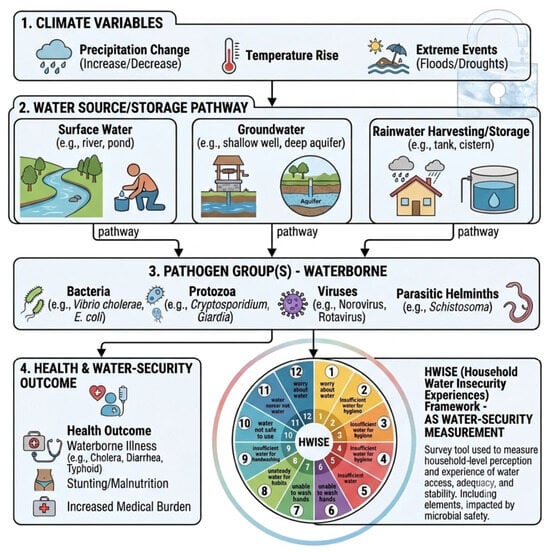
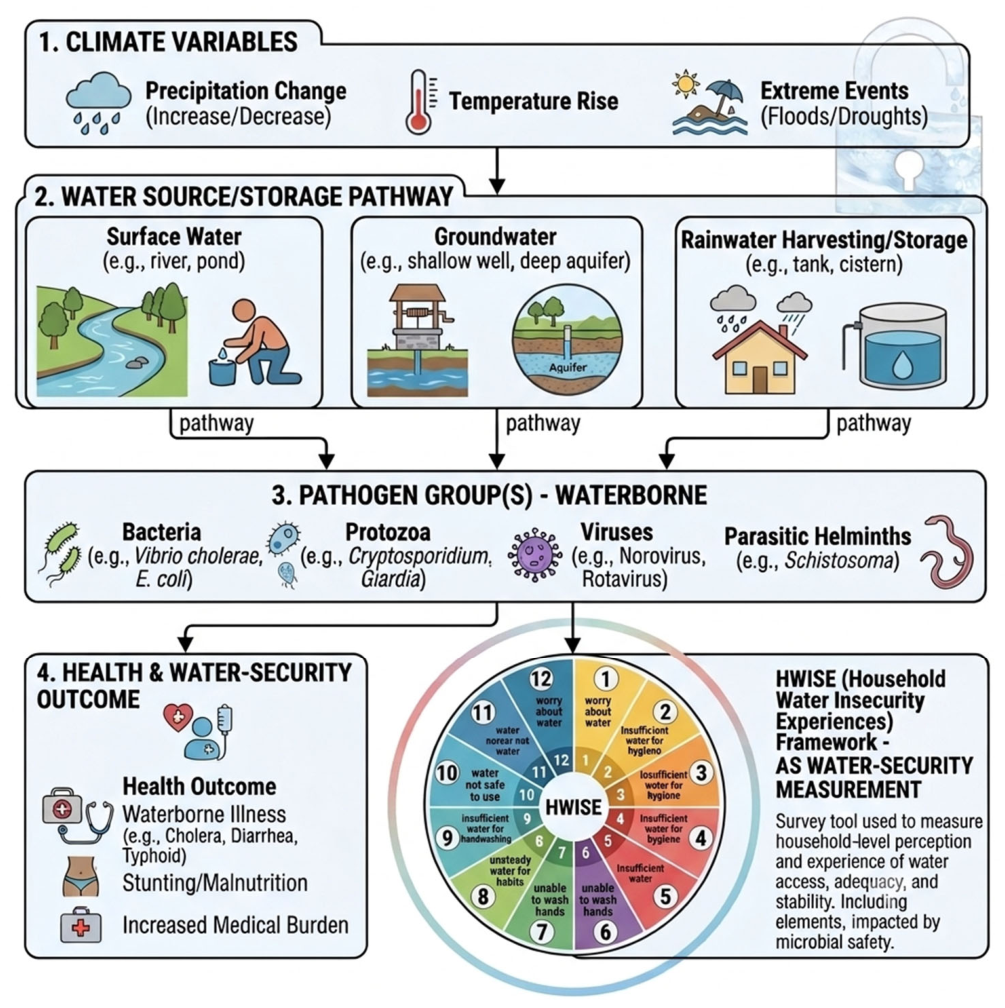
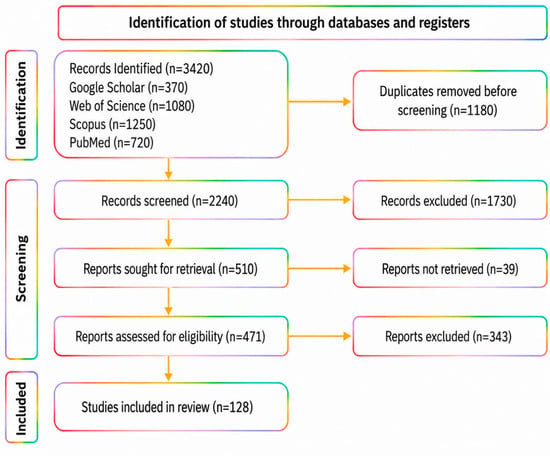
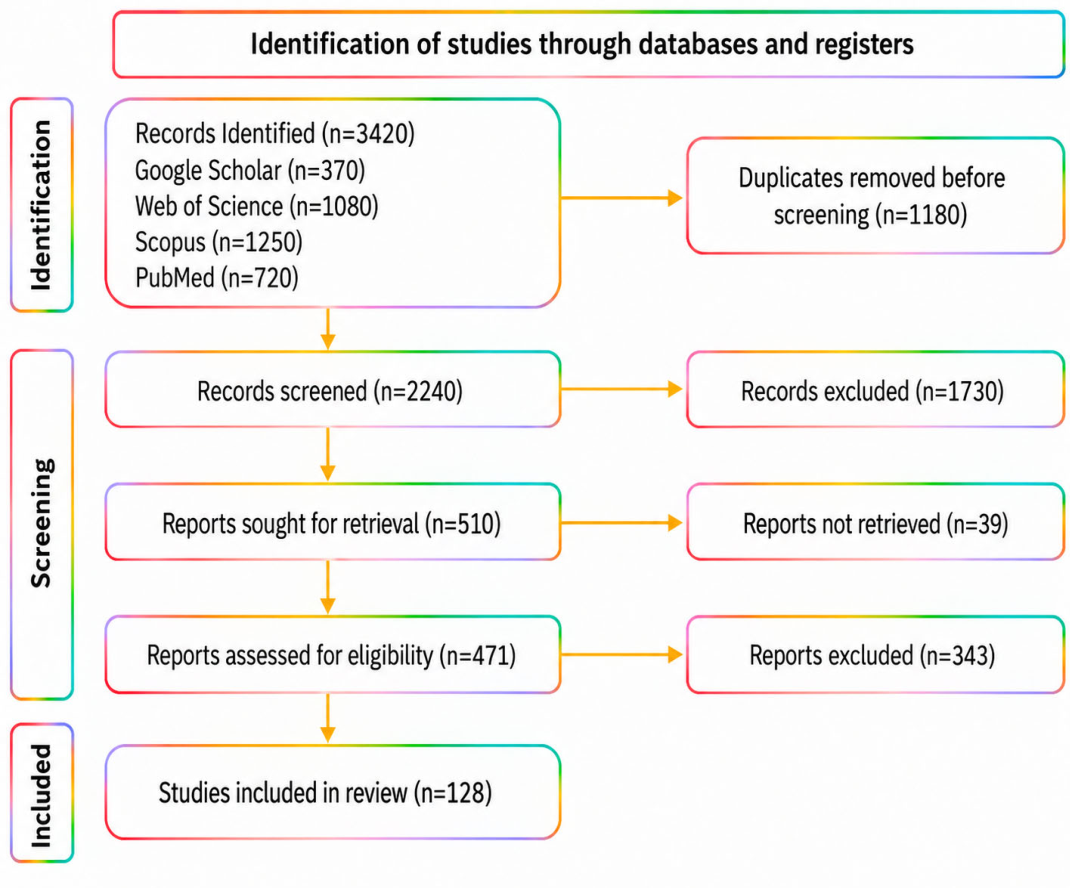
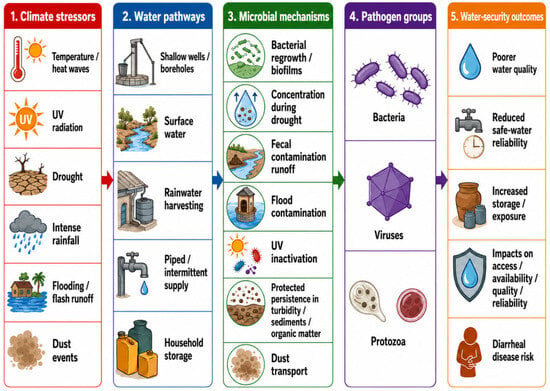
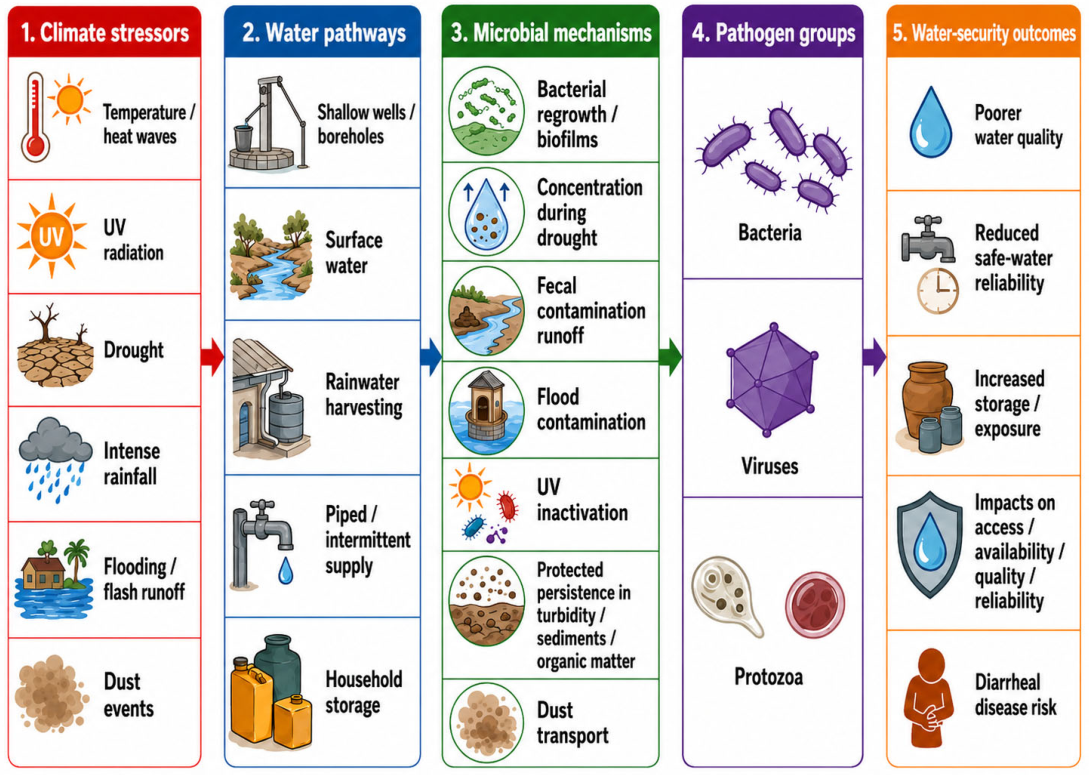
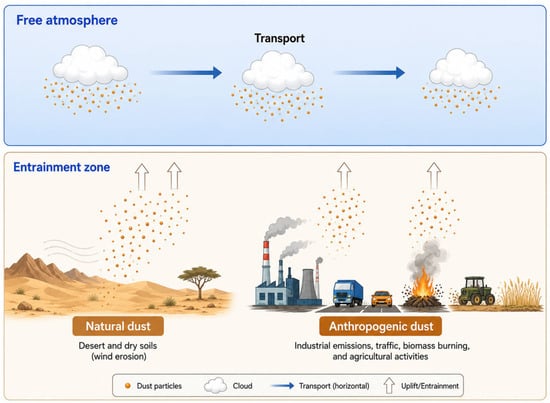
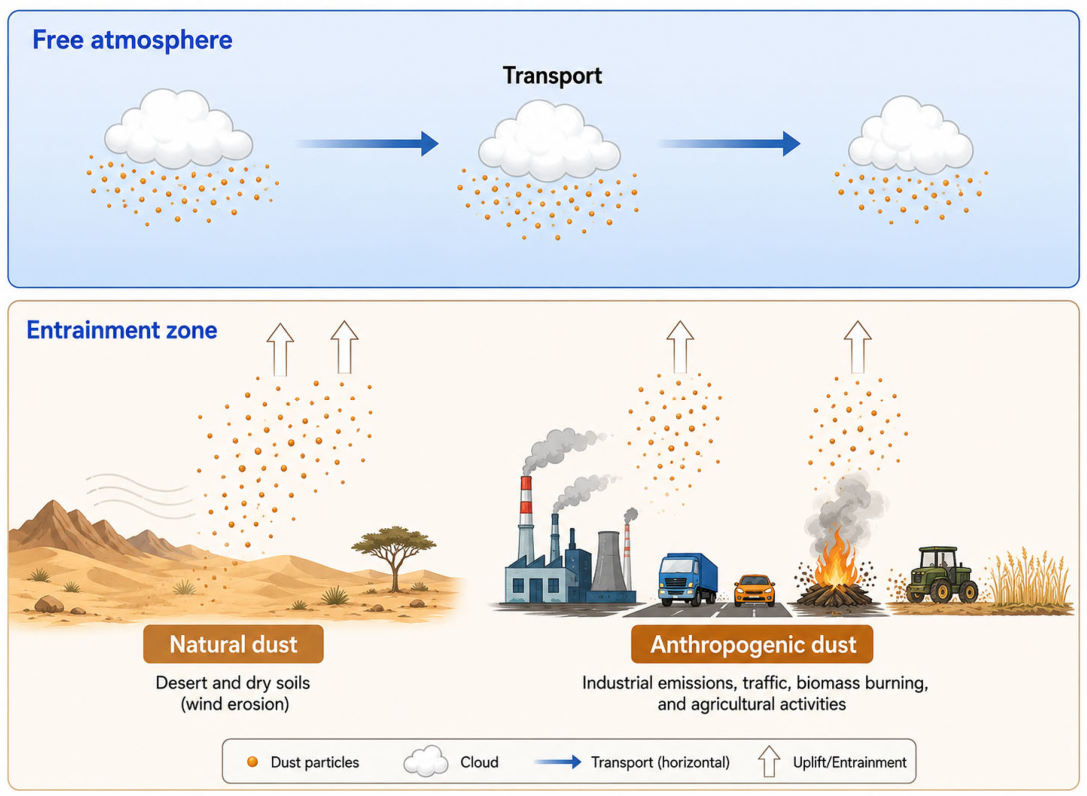
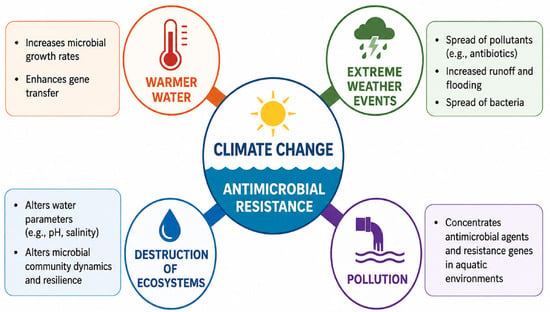
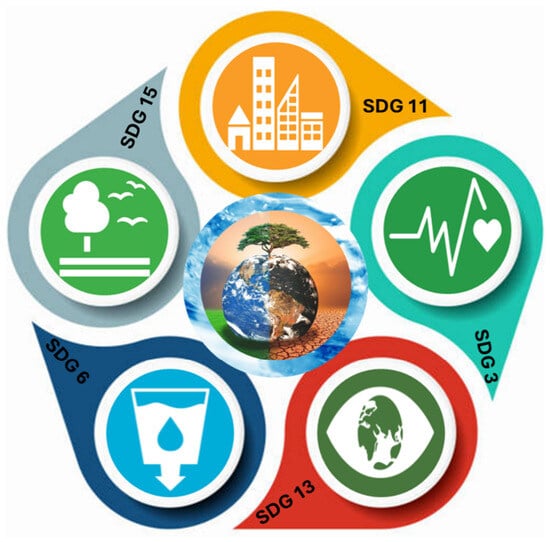
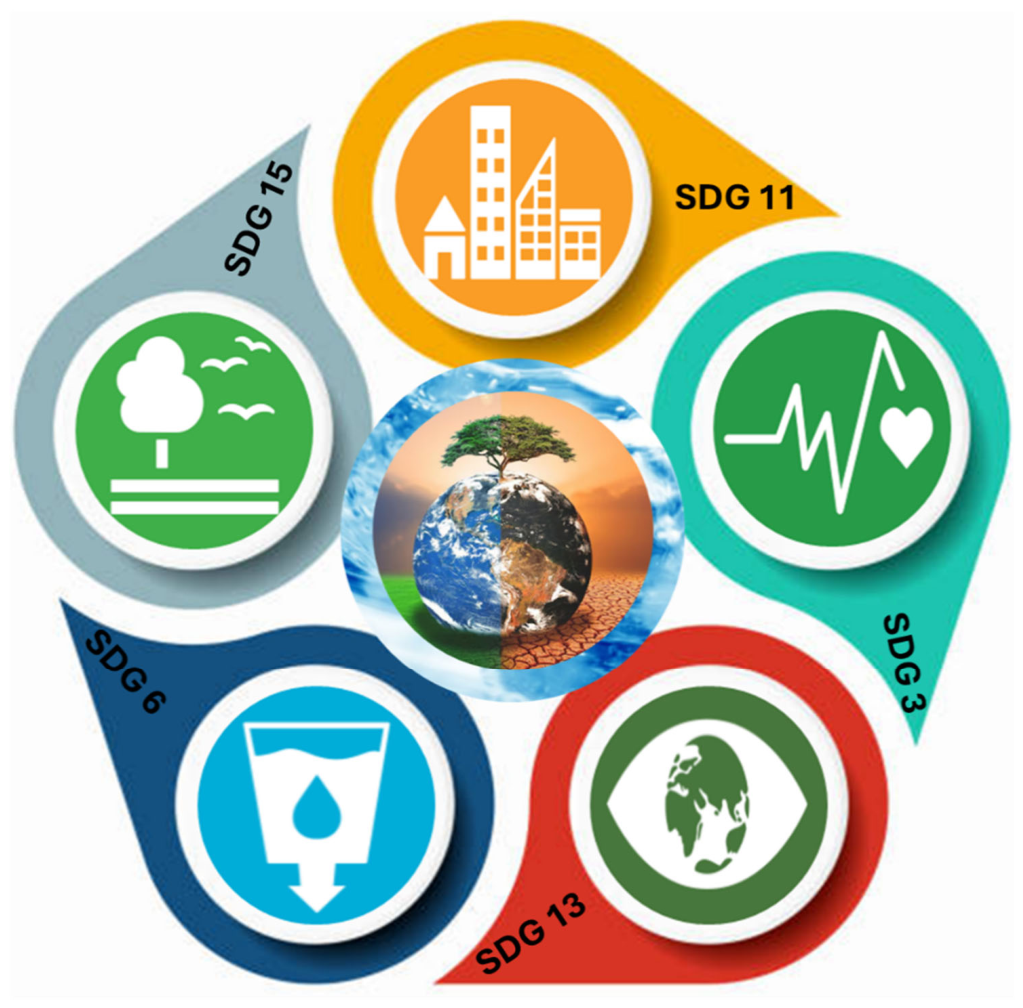
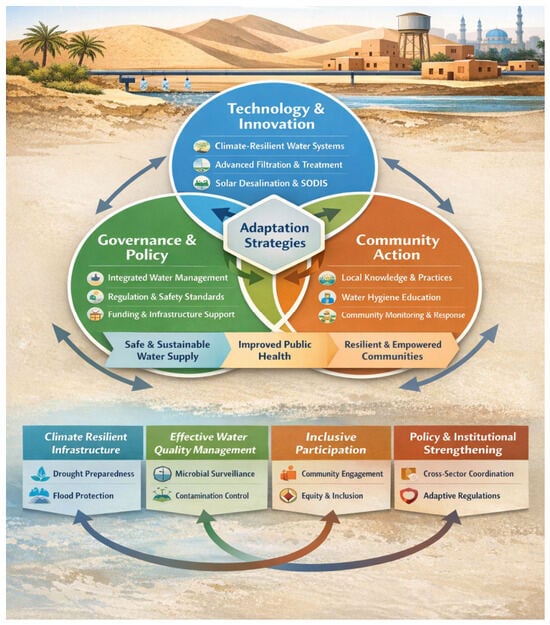
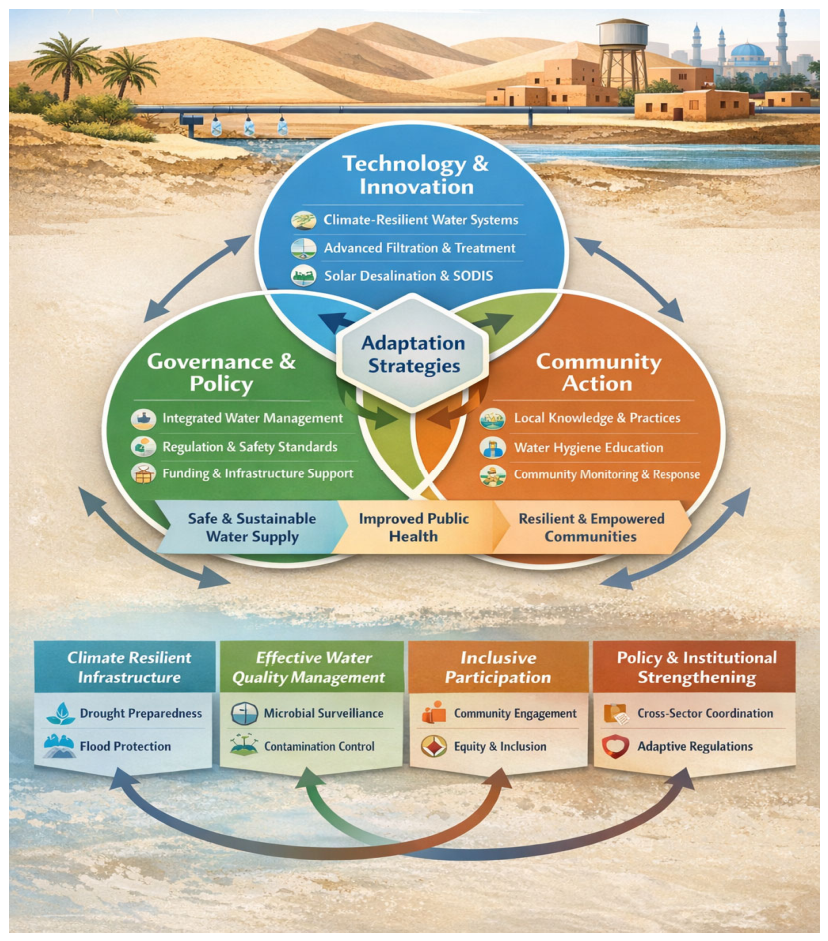

Disclaimer/Publisher’s Note: The statements, opinions and data contained in all publications are solely those of the individual author(s) and contributor(s) and not of MDPI and/or the editor(s). MDPI and/or the editor(s) disclaim responsibility for any injury to people or property resulting from any ideas, methods, instructions or products referred to in the content. |
© 2026 by the authors. Licensee MDPI, Basel, Switzerland. This article is an open access article distributed under the terms and conditions of the Creative Commons Attribution (CC BY) license.