


Abstract
Healthcare facilities represent some of the most operationally complex and critical built environments, in which building performance directly influences patient safety, clinical outcomes, staff wellbeing and management efficiency. The progressive digitisation of the construction and Facility Management (FM) sectors, driven by Building Information Modelling (BIM), Digital Twin (DT), the Internet of Things (IoT) and Artificial Intelligence (AI), offers transformative potential for the management of hospital infrastructure, predictive maintenance and indoor environmental monitoring. Despite a growing body of scientific literature, existing systematic reviews focus predominantly on clinical or patient-facing Digital Twin applications, leaving the built environment perspective—encompassing architectural systems, technical infrastructure and post-construction lifecycle management—largely unexplored. This Systematic Scoping Review follows the PRISMA-ScR protocol. A structured database search on Scopus yielded 194 records; after title/abstract screening and full-text review, the final corpus, defined here as the final set of included studies, comprises 166 studies (2013–2026; 2026 partial through 21 April) coded through a multidimensional thematic matrix. Results reveal a marked acceleration in publications from 2023 onwards, with BIM (56.6%) and Digital Twin (46.4%) as the dominant technologies and Facility Management as the prevailing domain (69.3%). The principal finding concerns implementation maturity: 52.4% of studies remain at a conceptual level, 38.6% are Prototype/Proof-of-Concept and 9.0% are Pilot/Testbed; no study documents a fully operational hospital deployment. Identified gaps include limited system interoperability, the absence of explicit normative references and insufficient integration of environmental sustainability. Beyond technical and sustainability dimensions, the review highlights a critical gap in the explicit linkage between built environment management and direct health outcomes for occupants: real-time digital monitoring of indoor environmental quality (IEQ) parameters remains the least operationally implemented domain (9.6% of studies), despite its documented effects on patient recovery, infection control and healthcare staff performance.
1. Introduction
Healthcare buildings are among the most complex built typologies in the world, characterised by round-the-clock operational requirements, critical building service systems (HVAC, electrical, hydraulic and medical gas networks), stringent regulatory frameworks and a highly specialised management model [1,2]. In this review, Facility Management (FM) denotes the coordinated management of buildings, assets and support services during operation. The European hospital stock, with specific reference here to the Italian context, is in large part ageing: many facilities were built before the 1980s and require substantial refurbishment to meet current energy, safety and indoor environmental quality (IEQ) standards [3,4]. In this context, the digital transition of the construction and hospital FM sector assumes a strategic role in ensuring operational sustainability, occupant safety and resource efficiency.
Building Information Modelling (BIM), supported internationally by the ISO 19650 series, with UNI 11337 providing a complementary national reference for the Italian context, constitutes the methodological standard for information management across the full building lifecycle [5,6]. In recent years, the paradigm has evolved towards the Digital Twin (DT): a dynamic digital model continuously updated with real-world data through Internet of Things (IoT) networks and sensors, enabling predictive simulations and real-time decision support for Facility Management [7,8]. Simultaneously, IoT has enabled continuous monitoring of environmental, structural and energy parameters in hospital buildings, while AI/ML has introduced advanced analytical capabilities for predictive maintenance and performance optimisation [9,10]. Taken together, BIM organises asset information, IoT and sensors acquire operational data, DT connects the digital representation to the changing physical state, and AI/ML supports prediction and decision-making.
Despite the growing volume of scientific output on these topics, significant gaps remain in the systematised literature [11,12,13,14]. Existing reviews focus predominantly on clinical Digital Twins (patient models, diagnostic support, clinical simulation), overlooking applications to the hospital built environment, i.e., building management, plant systems, occupant comfort and predictive maintenance [11,12,13,14,15]. This gap is particularly significant because the physical performance of hospital buildings has a direct and documented impact on the health of occupants, patients, healthcare workers and visitors, and on the quality of care delivered [16,17].
Evidence from Evidence-Based Design (EBD) research confirms that indoor environmental parameters, including air quality, thermal comfort, lighting levels and acoustic conditions, have measurable effects on clinical outcomes and occupant wellbeing in healthcare settings [16]. Hospital-acquired infections (HAIs), in particular, are strongly correlated with ventilation system performance and humidity control, parameters that require continuous real-time monitoring rather than periodic inspection [2,16]. Inadequate thermal comfort and suboptimal IEQ conditions have been associated with extended patient length of stay, increased stress levels among nursing staff and a higher incidence of adverse clinical events [16]. Digital technologies for built environment management, including BIM-based FM platforms, IoT sensor networks and DT architectures, therefore represent not only instruments for operational efficiency but also critical enablers of occupant health protection in healthcare facilities [17].
The present article addresses this gap through a Systematic Scoping Review (SSR) conducted according to the PRISMA-ScR protocol [18] (see Supplementary File S2 for the completed PRISMA-ScR checklist), aimed at systematically mapping the State of the Art in the application of BIM, Digital Twin, IoT and AI to the hospital built environment in the post-construction phase, with a focus on Facility Management, predictive maintenance, energy performance, indoor environmental quality and safety. The post-construction phase was selected because operation and maintenance constitute the longest part of the facility lifecycle and because live asset data, service continuity, maintenance, IEQ and energy performance are assessed during use. This article is distinguished from existing reviews by: (i) an explicit focus on the built environment rather than the patient; (ii) the inclusion of both peer-reviewed journal articles and conference proceedings (fundamental in the AEC sector); (iii) the use of a multidimensional thematic matrix inspired by D’Alberto et al. [19]; and (iv) the analysis of DT implementation maturity according to a four-level scale.
Hospital Facility Management (FM) encompasses the full range of activities required to ensure the functioning, maintenance, safety and comfort of healthcare buildings [20]. In Italy, the BIM Decree (DM 560/2017) and its subsequent amendments (DM 312/2021, Legislative Decree 36/2023 art. 43) have introduced a progressive mandate for BIM adoption in public procurement, extended to healthcare facilities [21]. At the European level, Directive 2010/31/EU (EPBD) and the subsequent 2030 Climate Package impose increasingly stringent energy efficiency requirements for existing healthcare buildings [22,23]. These Italian and European provisions are discussed as contextual examples and did not define the geographical eligibility boundary of the international review.
In this context, the Digital Twin applied to the hospital built environment represents the natural evolution of BIM towards an operational and predictive model: by integrating real-time data from IoT sensors with the BIM geometric-informational model, it becomes possible to continuously monitor environmental conditions, anticipate plant failures, optimise energy consumption and proactively manage building assets [7,8,9].
Research Questions
The Research Questions (RQs) guiding this review are:
RQ1: What temporal, geographical and publication-type patterns characterise the included corpus, and what are the frequencies of the principal technologies and application domains, such as Facility Management and predictive maintenance, in hospital built environment management?
RQ2: Which enabling technologies (IoT, AI/ML, Cloud, sensors) are integrated with BIM/DT for healthcare Facility Management?
RQ3: What levels of implementation maturity and critical gaps exist in the post-construction phases of healthcare buildings?
2. Materials and Methods
Eligibility criteria were defined using the PCC (Population, Concept, Context) framework [24,25], as summarised in Table 1. Here, Population refers to healthcare built environments and their facility assets rather than patients; Concept refers to digital systems applied to building-related management; and Context refers to post-construction O&M or whole-lifecycle studies with an explicit operational component.
Table 1.
PCC framework for eligibility criteria definition.
The structured database search was conducted on Scopus (Elsevier) on 21 April 2026. Scopus was selected for its multidisciplinary coverage of engineering, construction, computing and healthcare-facility research and for its indexing of AEC conference proceedings. The Boolean string combines terms related to digital technologies (BIM, “Digital Twin”, IoT, AI, “machine learning”, “smart building”) and healthcare built environments (“hospital*”, “healthcare facilit*”, “operating room*”, “clinical facilit*”, “health* building*”) intersected with FM terms (“facility management”, “predictive maintenance”, “indoor environment*”, “energy performance”, “HVAC”, “asset management”) [19,26]. The search included articles (DOCTYPE “ar”), reviews (DOCTYPE “re”) and conference papers (DOCTYPE “cp”), the latter fundamental in the AEC sector for capturing ASCE, CIB, ISARC and eCAADe proceedings [26,27]. Studies published from 2013 to 21 April 2026 were included; 2026 is therefore a partial year.
The initial Scopus search yielded 194 records: 105 articles, 70 conference papers and 19 reviews. A Web of Science search was not performed; the resulting risk of database-coverage bias is acknowledged in Section 5. The PRISMA-ScR flow diagram is reported in Figure 1 (Section 2.1).
Figure 1.
PRISMA-ScR flow diagram. The Scopus search identified 194 records; 13 were excluded at title/abstract screening and 181 proceeded to full-text assessment. Of these, 164 Scopus records met the inclusion criteria and two additional sources were identified through backward and forward citation chaining, producing a final corpus of 166 studies (2013–2026; 2026 partial through 21 April). The final corpus comprised 98 articles, 55 conference papers, 12 reviews and one thesis.
The search string adopted (Scopus format) is as follows:
TITLE-ABS-KEY((“digital twin*” OR “BIM” OR “building information model*” OR “digital model*”) AND (“hospital*” OR “healthcare facilit*” OR “operating room*” OR “clinical facilit*” OR “health* building*”) AND (“facility management” OR “predictive maintenance” OR “indoor environment*” OR “energy performance” OR “HVAC” OR “maintenance management” OR “IoT” OR “Internet of Things” OR “smart building”)) AND PUBYEAR > 2012 AND (LIMIT-TO(DOCTYPE,”ar”) OR LIMIT-TO(DOCTYPE,”re”) OR LIMIT-TO(DOCTYPE,”cp”)) AND LIMIT-TO(LANGUAGE,”English”)
Review registration: this scoping review was not prospectively registered; retrospective registration was not undertaken because screening and synthesis had already been completed before editorial review.
2.1. Screening and Selection Process
The 194 records exported from Scopus were subjected to title and abstract screening, identifying 162 probably eligible studies, 19 uncertain (to be assessed at full-text) and 13 clearly excluded (clinical/patient DT, clinical IoMT, outside built environment scope) [18]. Of the 181 records submitted to full-text review (162 INCLUDE + 19 UNCERTAIN), 164 Scopus records met the eligibility criteria; two additional studies were identified through backward and forward citation chaining, yielding a final corpus of 166 studies (2013–2026; 2026 partial through 21 April) [18,24,25]. Coding was performed by a single reviewer. The 20% consistency check re-examined coded records against the operational definitions and source records; κ = 0.82 is therefore reported as an intra-reviewer consistency statistic rather than inter-rater agreement [28]. The full screening decisions and thematic-coding records are provided in Supplementary File S1.
2.2. Thematic Matrix and Analytical Framework
Each included study was coded in a purpose-built multidimensional thematic matrix articulated in 10 analytical groups (A–J) for a total of 32 fields (Table 2). The framework enables systematic characterisation of each study by: healthcare facility type, application domain, enabling technologies, technology integration level, DT scale, implementation maturity, lifecycle phase, data used, reported benefits and identified limitations [19]. Review articles were retained as mapped evidence and coded as reviews; their reference lists were used for backward and forward citation tracking to identify potentially eligible original studies, while their cited primary studies were not counted as additional deployments. The matrix was constructed and managed using Microsoft Excel for Microsoft 365 (version 2608; Microsoft Corporation, Redmond, WA, USA).
Table 2.
Analytical framework of the thematic matrix (10 groups, 32 fields).
3. Results
Results are organised in seven subsections that sequentially address the review’s Research Questions: from the overall corpus profile and its geographical and temporal distribution (RQ1), to the analysis of enabling technologies and application domains (RQ2), concluding with the principal finding on implementation maturity and the critical gaps identified (RQ3). All quantitative data derive from the integral coding of the thematic matrix (n = 166 studies, 32 analytical fields across 10 groups A–J). Values for 2026 are partial through the 21 April search date.
3.1. Corpus Overview
The final corpus comprises 166 studies published between 2013 and 2026, with 2026 partial through 21 April (Figure 1 and Figure 2). Analysis of the distribution by document type reveals a prevalence of peer-reviewed articles (n = 98; 59.0%), followed by conference papers (n = 55; 33.1%) and review articles (n = 12; 7.2%) and one thesis (n = 1; 0.6%). This distribution confirms the significant role of scientific proceedings in research dissemination within the AEC sector, consistent with findings reported in the literature. From a temporal perspective, scientific output shows a broadly linear trend up to 2022, followed by a marked acceleration in the period from 2023 onward. Notably, 2025 alone accounts for 49 publications, representing 29.5% of the entire corpus. Ten records were published by 21 April 2026, so 2026 is reported only as a partial year.
Figure 2.
Annual and cumulative publication counts in the included corpus (2013–2026, n = 166); 2026 is partial through 21 April, and the dashed line marks the acceleration from 2023.
This growth suggests an increasing consolidation of scientific interest in digital technologies applied to the built environment. The year 2023 is reported descriptively as an acceleration point in the field’s evolution, coinciding with the broader diffusion of the Digital Twin paradigm. This period coincides with the growing availability of industrial IoT platforms, such as Azure Digital Twins, AWS IoT and NVIDIA Omniverse, the progressive reduction in sensor costs and the development of IFC- and BRICK Schema-based interoperability standards [8,9,10]. As shown in Figure 3, from 2023 onwards the Digital Twin surpasses IoT in terms of citation frequency across the analysed studies, indicating a sectoral evolution from an approach primarily oriented towards instrumentation and data collection towards integrated, interoperable, decision-support-oriented digital models. Because the compared periods differ in duration, Figure 3 reports annualised means for 2013–2018, 2019–2022 and 2023–2026.
Figure 3.
Yearly enabling technology mentions (2013–2026, n = 166; 2026 partial through 21 April) and annualised mean prevalence across four equal three-year periods, 2014–2016, 2017–2019, 2020–2022 and 2023–2025, excluding the isolated year 2013 and the partial year 2026 from the period comparison.
Geographical Distribution
After normalising Hong Kong affiliations as “Hong Kong SAR, China” and aggregating those records with China, the corpus covers 37 reported countries/regions. The four most represented countries are China (n = 25; 15.1%), India (n = 20; 12.0%), the United States (n = 19; 11.4%) and Italy (n = 18; 10.8%); together they account for 82 studies (49.4%) (Figure 4). The Asia-Pacific cluster (India, China and Australia) constitutes the most productive geographical area, with 49 publications (29.5% of the corpus). Some European countries, including Norway (n = 5) and Spain (n = 6), show a notable presence relative to the overall sample size. The review does not establish a causal link between this distribution and national policy. Conversely, Africa, Latin America and the Middle East are underrepresented within this English-language, Scopus-indexed corpus; this should not be interpreted as the absolute level of technology adoption. The original affiliation strings remain documented in the matrix audit trail.
Figure 4.
Top 12 countries/regions by first-author affiliation (n = 166, 2013–2026; 2026 partial). Hong Kong SAR, China, is aggregated with China for totals, while the original affiliation label is retained in the audit trail. China, the leading country, is highlighted in orange for emphasis; all other countries are shown in blue.
3.2. Enabling Technologies and Integration
Analysis of the enabling technologies present in the corpus highlights the still predominant role of BIM, which constitutes the most frequently occurring technology across the studied papers (n = 94; 56.6%) (Figure 5). This confirms BIM’s function as the reference informational infrastructure for the management of the hospital built environment, and more broadly for the organisation, integration and updating of data across the building lifecycle [5,13]. The Digital Twin shows a presence now close to that of BIM (n = 77; 46.4%), signalling a progressive transition from predominantly static digital models to dynamic, updatable systems potentially connected to real-time data streams [7,10,13]. This evolution reflects the growing interest in approaches capable of supporting continuous monitoring, simulation, predictive maintenance and operational decision-making in healthcare infrastructures.
Figure 5.
Frequency of enabling technologies in the corpus (n = 166, 2013–2026; 2026 partial; multiple selection). Sensors are reported separately from IoT, and AR/VR includes mixed-reality applications.
Internet of Things (IoT) networks appear in 45 studies (27.1%) and provide connectivity and data exchange, most frequently supporting the commissioning and operation-and-maintenance (O&M) phases through real-time monitoring, whereas sensors, reported separately in 11 studies (6.6%), are the physical devices that acquire environmental, performance and operational measurements, typically specified at the design stage and installed and calibrated during commissioning. AI/ML applications are present in 25 studies (15.1%), demonstrating still-emerging but growing use, primarily for predictive analytics, process optimisation and decision support. Augmented and Virtual Reality (AR/VR) technologies appear in 21 studies (12.7%), predominantly associated with training, assisted maintenance, immersive visualisation and BIM model interaction [29].
Technology Integration
Analysis of the technology integration level reveals that 51.8% of studies (n = 86) adopt a single technology, while 25.3% (n = 42) integrate two technologies and 22.9% (n = 38) consider three or more technologies [19]. These categories describe the breadth of the reported technology stack but do not, by themselves, demonstrate live data exchange or operational interoperability.
The technology co-occurrence matrix (Figure 6) enables further exploration of these dynamics. The most frequent associations involve the pairs Digital Twin–IoT (n = 33), AI/ML–Digital Twin (n = 19) and BIM–IoT (n = 15). In practical terms, IoT supplies observations, the DT relates them to the asset state, and AI/ML converts them into forecasts or decision support. These combinations indicate a progressive convergence between digital models, data acquisition systems and advanced analytical techniques. However, the triad Digital Twin + IoT + AI/ML, representing a particularly relevant configuration for the development of predictive, data-driven systems, appears in 11 studies. This confirms that, in the hospital context, fully integrated applications remain limited, because a fully integrated application requires a documented, synchronised flow from physical sensing to the digital representation and analytical output in an operational workflow; co-mention alone is insufficient, and the literature is predominantly positioned in a transition phase between the adoption of individual digital technologies and the construction of interoperable, predictive digital ecosystems [9,10,30,31].
Figure 6.
Co-occurrence matrix of enabling technologies (n = 166, 2013–2026; 2026 partial). Diagonal cells show individual frequencies and lower-triangle cells show pairwise co-occurrences.
3.3. Application Domains and Orientation
The technology–domain cross-tabulation is presented in Figure 7. Facility Management (FM) is the principal application domain in the corpus (n = 115; 69.3%), followed by Energy Performance (n = 31; 18.7%), Security & Safety (n = 21; 12.7%), IEQ & Comfort (n = 16; 9.6%) and Predictive Maintenance (n = 16; 9.6%) (Figure 8) [32,33]. In practice, these applications include transferring updated hospital-space information between BIM and FM systems, structuring maintenance work and asset information, and monitoring operating-room environmental conditions to support comfort, safety and service decisions [17,32,33]. The prevalence of FM highlights the centrality of operational demands specific to healthcare facilities, in which continuous asset management, uninterrupted essential services and regulatory compliance of plant systems constitute fundamental priorities [32,33].
Figure 7.
Technology distribution by application domain (n = 166, 2013–2026; 2026 partial; multiple selection).
Figure 8.
Application domains in the included corpus (n = 166, 2013–2026; 2026 partial; multiple selection).
From an orientational standpoint, the majority of studies is classifiable as building-oriented, with a prevailing focus on the hospital built environment (86.1%). A smaller portion of the corpus exhibits a hybrid orientation, integrating components relating to both the built environment and clinical-operational processes (11.4%). Only a marginal percentage of studies is classified as clinical-oriented (2.4%); these contributions were included in the review exclusively where they presented a significant component attributable to the management, monitoring or optimisation of the built environment [15]. Overall, this distribution confirms the coherence of the corpus with the adopted inclusion criteria, demonstrating that the analysed literature is predominantly oriented towards the digitalisation, management and optimisation of hospital infrastructures rather than clinical aspects per se.
DT Type: The Digital Maturity Scale
Analysis of the DT Type, used to classify studies along an increasing digital maturity scale (Figure 9), reveals a prevalence of configurations still attributable to early stages of digitalisation. In particular, 46.4% of studies (n = 77) present a static BIM-based digital representation without documented real-time updating; such a model organises asset information but does not meet the dynamic-update requirement of a Digital Twin [7,34]. A significant portion of the corpus (31.3%; n = 52) proposes conceptual frameworks, indicating a theoretical and methodological interest not always accompanied by operational implementations.
Figure 9.
Digital maturity ladder by DT type (n = 166, 2013–2026; 2026 partial). The combined dynamic/predictive record is assigned to the predictive category for mutually exclusive reporting.
More advanced solutions are less represented. 12.0% of studies (n = 20) describe dynamic Digital Twins, characterised by the integration of real-time data from IoT sensors, while only 7.2% (n = 12) introduce predictive Digital Twins with AI/ML-based analytical capabilities [8,9,10]. Finally, five studies (3.0%) do not properly configure a Digital Twin, limiting themselves to a BIM-only approach. One record originally coded as both dynamic and predictive was assigned to the predictive category for mutually exclusive charting.
Overall, the observed distribution describes a genuine digital maturity ladder, progressing from static BIM configurations towards dynamic and predictive systems. This progression mirrors the technological maturation phases described in the Digital Twin literature, confirming that, in the hospital context, fully integrated and prediction-oriented applications still represent a minority of the scientific output [10,12,34].
3.4. Implementation Maturity: Principal Finding
Recomposing the technological and applicative picture outlined in the preceding sections, the analysis focuses on the dimension of practical implementation, examining the extent to which the systems described in the literature have been effectively tested or deployed in real hospital contexts. In this respect, the DT Maturity Level represents one of the most significant findings of this review (Figure 10) [11,12,35]. The classification adopted, articulated in four maturity levels: Conceptual, Prototype/Proof-of-Concept, Pilot/Testbed and Operational, with Operational reserved for routine use in an operating hospital with documented workflow integration, reveals a distribution strongly skewed towards early development stages. Specifically, 52.4% of studies (n = 87) are classified as Conceptual, encompassing theoretical frameworks, proposed architectures and bibliographic or methodological analyses. A further 38.6% (n = 64) reach the Prototype/Proof-of-Concept level, referring to solutions validated in controlled or experimental environments.
Figure 10.
Implementation maturity after consistency checking (n = 166, 2013–2026; 2026 partial): Conceptual n = 87, Prototype/PoC n = 64, Pilot/Testbed n = 15 and Operational n = 0. The null Operational category is highlighted in red for emphasis.
Only a limited share of studies (9.0%; n = 15) can be classified as Pilot/Testbed, describing experiments conducted in real environments but not yet extended to a fully operational scale. No study met the Operational definition after consistency checking. The record previously classified as Operational was a literature review without documented real-hospital deployment and was reassigned to Conceptual. This distribution highlights a marked gap between theoretical–conceptual elaboration and the practical application of Digital Twins in the hospital sector. This gap, referable to the so-called theory–practice gap, constitutes one of the principal criticalities identified by the review and suggests the need to orient future research towards empirical validations, experiments in real contexts and scalable implementations [11,35].
3.4.1. Maturity vs. Deployment in Real Hospitals
The relationship between implementation maturity, use of real data and deployment in effective hospital contexts further elucidates the theory–practice gap emerging from the preceding analysis (Figure 11) [11,35]. Results show a strong association between the Digital Twin maturity level and the degree of empirical validation.
Figure 11.
Implementation maturity versus real-hospital application (n = 166, 2013–2026; 2026 partial; 100% stacked). No study remains in the Operational category after consistency checking.
Among the 87 Conceptual studies, one reports real-hospital use, six report partial use and 80 report none. The vast majority of these contributions operate on simulations, theoretical architectures or conceptual models, confirming the predominantly speculative nature of proposals at initial maturity levels [12]. Among the 64 Prototype/Proof-of-Concept studies, 29 report real-hospital use, one partial use and 34 none. Among the 15 Pilot/Testbed studies, eight report real-hospital use, one partial use and six none. No study remains in the Operational category after consistency checking. Overall, these results confirm that the transition from conceptual modelling to validation in real contexts remains a central criticality for the maturation of Digital Twins in the hospital sector.
3.4.2. Study Type and Use of Real Data
The distribution by study type shows the prevalence of Case Studies (n = 74; 44.6%), followed by Theoretical Frameworks (n = 43; 25.9%), Literature Reviews (n = 28; 16.9%) and Mixed-Methodology studies (n = 18; 10.8%) (Figure 12) [19]. Review papers were retained as a distinct study type for evidence mapping and conceptual synthesis; their cited primary studies were not counted as additional deployments, and citation tracking (backward and forward chaining) was used to retrieve the pertinent original empirical studies where relevant. Only a marginal share (1.8%; n = 3) is based exclusively on simulations.
Figure 12.
Study type and use of real-building data (n = 166, 2013–2026; 2026 partial).
The right panel of Figure 12 analyses the provenance of data used in the studied papers, with particular reference to the use of data from real buildings. The majority of contributions (68.7%; n = 114) operate exclusively on simulated data, theoretical models or scenarios not validated in real-hospital contexts. 22.9% of studies (n = 38) use data derived from real deployments, while 8.4% (n = 14) present a partial empirical basis, integrating real data with simulated or modelled components. Overall, these results provide further quantification of the theory–practice gap: fewer than one-quarter of the analysed corpus presents a fully empirical validation attributable to an authentic hospital context. This evidence confirms the need to strengthen, in future research, the transition from framework and prototype definition to experimentation in real healthcare buildings under operational conditions.
3.5. Building Lifecycle and Post-Construction Focus
The distribution of studies by building lifecycle phase confirms the coherence of the corpus with the inclusion criteria adopted in the review. The majority of contributions (69.3%; n = 115) focus on the post-construction O&M phase, i.e., the activities of building operation, management and maintenance. A smaller share (22.9%; n = 38) adopts a perspective extending across the full lifecycle, from inception to management, while only 7.8% (n = 13) primarily addresses the design phase (Figure 13).
Figure 13.
Included studies by building lifecycle phase (n = 166, 2013–2026; 2026 partial).
Cross-analysis of lifecycle phase and enabling technologies reveals a significant differentiation. BIM is prevalent in design-oriented studies, confirming its established role as a modelling, informational coordination and decision support tool in the early stages of the building process. Conversely, Digital Twin and IoT are more strongly associated with O&M-focused studies, where the availability of dynamic, updated data enables monitoring, maintenance and operational optimisation activities. This evidence confirms that the Digital Twin paradigm finds its most mature application in the building operation phase [7,36].
This distribution reflects a growing attention to the strategic value of data generated during building use. In line with the position paper by Eurac Research and the orientations of REHVA (Federation of European Heating, Ventilation and Air Conditioning Associations), data collected during the operational phase represents a fundamental informational resource for improving maintenance strategies, reducing energy consumption and enhancing indoor environmental quality [36,37].
3.6. Reported Benefits and Sustainability Link
The principal benefits reported by the analysed studies, identified through multi-label classification, reveal a clear predominance of operational efficiency improvement (n = 118; 71.1%) (Figure 14). This is followed, at lower frequencies, by support for more effective decision-making processes (n = 33; 19.9%), energy savings (n = 30; 18.1%), improvement of indoor environmental quality (IEQ) (n = 20; 12.0%) and enhanced safety levels (n = 14; 8.4%) [20,32,33,38,39]. Cost reduction was reported in 13 studies (7.8%) and occupant wellbeing in nine (5.4%). The predominance of operational efficiency confirms the prevailing managerial orientation of the analysed literature. Digital technologies applied in the hospital context are often interpreted as tools for optimising FM processes, reducing plant downtime, improving the coordination of maintenance activities and ensuring the operational continuity of essential services [20,39]. This evidence is consistent with the specificities of healthcare infrastructures, in which efficiency represents not only an economic-organisational objective but also a necessary condition for assuring reliability, resilience and service quality.
Figure 14.
Main benefits reported by the included studies (n = 166, 2013–2026; 2026 partial; multiple selection).
Sustainability Link (GreenHealth Gap)
Analysis of the explicit link with environmental sustainability reveals a significant gap relative to the GreenHealth mission objectives (Figure 15, left panel). Specifically, 60.2% of analysed studies (n = 100) make no explicit reference to any sustainability dimension. Among contributions that establish such a connection, the most frequent reference concerns energy savings (n = 39; 23.5%), followed by occupant wellbeing (n = 22; 13.3%), resilience (n = 19; 11.4%) and emissions reduction (n = 12; 7.2%). These categories are multi-label and therefore do not sum to 166.
Figure 15.
Sustainability links and reported limitations (n = 166, 2013–2026; 2026 partial; multi-label).
These results indicate that the relationship between digital technologies for the hospital built environment and environmental sustainability objectives remains only partially explored in the sectoral literature. This evidence is particularly significant given the Digital Twin’s potential to support energy management, occupant comfort improvement and the decarbonisation of hospital building stock. The limited explicit articulation of these connections therefore suggests the existence of a further research area, explored in Section 4 through the GreenHealth gap perspective.
3.7. Reported Gaps and Limitations
The limitations reported by the corpus studies, identified through multi-label classification, are dominated by scalability concerns (n = 88; 53.0%) (Figure 15, right panel). This criticality primarily concerns the difficulty of extending solutions developed in pilot or experimental contexts to hospital facilities of greater functional, dimensional and organisational complexity [31,37,40]. This is followed, with equal frequency, by interoperability (n = 47; 28.3%) and the absence of real-context validation (n = 47; 28.3%). The former refers to incompatibility between data formats, communication protocols, software environments and data models, together with incomplete semantic alignment between BIM, building automation, maintenance and analytical systems [31,37,40].
The regulatory landscape also appears poorly integrated into the analysed literature. A total of 78.3% of studies cite no explicit reference to international or national standards. Only one study explicitly references ISO 19650 and one explicitly references UNI 11337; four cite a local standard and 30 cite other instruments. ISO 19650 is international, whereas UNI 11337 is an Italian national series. This confirms a significant misalignment between academic research on hospital Digital Twins and the normative frameworks currently in force for construction information management [5,6,41]. Overall, the identified criticalities delineate a clear research agenda for the Discussion: scalability, interoperability, empirical validation and normative alignment represent the four priority dimensions on which the hospital Digital Twin field must concentrate its efforts in the coming five years, in order to facilitate the transition from experimental and fragmented solutions to truly implementable, replicable and regulatory-compliant systems for the managed upkeep of healthcare assets.
4. Discussion
4.1. The Theory–Practice Gap: The Principal Finding
The most significant finding of this review is the profound gap between conceptual research and operational implementation in the domain of Digital Twins for hospital built environments [11,12,35]. With 52.4% of studies still at the conceptual level and no fully operational hospital deployment, the sector is in a critical transition phase: academic output has reached significant volume, but empirical validation and scalability remain exceptions rather than the norm.
This gap is not specific to the hospital sector: benchmark studies on Digital Twin in the AEC industry identify similar patterns in other built infrastructure sectors [10,14]. However, the hospital context presents specific characteristics that amplify the gap: regulatory complexity, the multiplicity of stakeholders (healthcare facilities, FM managers, technology providers, regulatory bodies), the sensitivity of health data (GDPR, privacy legislation) and the need to guarantee 24/7 operational continuity even during the implementation of digital systems [42,43,44].
Included hospital examples indicate that BIM, IoT and analytical tools can be connected in practical FM workflows [17,32,33]. However, the transferability of these solutions to different contexts, varying in building size, typology, age and standards, remains undemonstrated [32,33]. Cumo et al. [17] show that even in advanced research contexts such as the Policlinico Umberto I in Rome, the DT for the operating theatre represents a promising Pilot-Testbed but is not yet fully Operational.
4.2. The BIM → DT Trajectory: Maturation Pathway
The transition from BIM to Digital Twin emerges as the dominant technological pathway in the corpus, with BIM as the fundamental informational infrastructure (56.6%) and DT as its dynamic evolution (46.4%) [7,8,9,10]. This trajectory reflects the conceptual architecture proposed by Grieves [7] and subsequently operationalised in the AEC literature: BIM should not be described as a “passive digital twin” without qualification: it becomes part of a DT only when the physical–digital relationship and update mechanism are explicit.
The acceleration observed from 2023 in Figure 3 coincides with broader availability of cloud, IoT and interoperability services, although the review design does not establish causality [9,10]. Simultaneously, the adoption of interoperability standards such as IFC 4.3, the STEP ISO 10303 format and the BRICK Schema for building ontologies can reduce some integration criticalities when supported by clear information requirements and governance [37,40].
4.3. Interoperability and Normative Standards: The Critical Node
Interoperability is the second most frequently cited limitation (n = 47; 28.3%) and represents a structural obstacle to the diffusion of DT in hospitals [31,37,40]. Hospital environments integrate heterogeneous systems, Building Management Systems (BMS/BAS), Computerised Maintenance Management Systems (CMMS), Electronic Health Records (EHR), CCTV, access control, HVAC, that rarely communicate natively with one another [31,37,42]. Constructing a fully integrated DT requires resolving this interoperability puzzle at both the semantic (shared ontologies) and technical levels (communication protocols: OPC-UA, MQTT, REST API) [31,40].
The misalignment between academic research and normative frameworks, with 78.3% of studies citing no standard, is particularly concerning. ISO 19650-1/2 provides the international information-management framework, while the UNI 11337 series provides complementary national provisions for the Italian context [5,6]. The recent EN 17412-1 standard on building digital maturity [41] and the Levels of Information Need (LOI/LOD) defined by UNI 11337-6 could provide a normative structure for standardising the development of hospital DTs in Italy and Europe [21,41].
4.4. Sustainability and GreenHealth: A Gap to Address
A total of 60.2% of studies make no explicit mention of environmental sustainability objectives, despite the strong potential of Digital Twin for energy management and occupant wellbeing improvement [38,45,46,47]. This gap is particularly relevant relative to the positioning of GreenHealth (MDPI), which targets precisely the intersection between built environment technologies and the health/sustainability of healthcare occupants [16,17].
From a public health perspective, this gap is particularly consequential. Healthcare built environments in which digital systems actively monitor and manage IEQ parameters, including ventilation rates, CO2 concentration, temperature, humidity, lighting and noise levels, can support evaluation of occupant comfort, safety and service conditions, but the reviewed evidence does not establish direct clinical causality [16,17]. Conversely, suboptimal indoor conditions resulting from inadequate monitoring and maintenance can adversely affect occupants and service performance [16]. The integration of DT and IoT frameworks with explicit health outcome monitoring therefore represents a research opportunity that should be evaluated with predefined outcomes, ethics and privacy safeguards [16,17].
The disconnect between BIM/DT and sustainability objectives is partly explainable by the immediate operational priorities of healthcare facilities (service continuity, regulatory compliance, safety) relative to long-term objectives (energy, emissions, resilience) [30,38]. The reviewed studies nevertheless report potential gains in energy management, environmental monitoring and maintenance decisions, although measures, baselines and observation periods remain heterogeneous [38,39,47].
In prospect, the “green” Digital Twin paradigm for hospitals, integrating AI-driven energy optimisation, real-time IEQ monitoring, carbon accounting and support for decarbonisation strategies aligned with the European Green Deal [23,45,46], represents the most promising and urgent research frontier [45,46,47].
4.5. Implications for Research and Practice
Across the corpus, the most consistently reported benefits are operational efficiency, decision support, energy savings and improved maintenance coordination; these should be interpreted mainly as reported study outcomes rather than verified long-term impacts. For the scientific community, the identified gaps delineate a clear research agenda: (i) development of scalable deployment frameworks empirically validated; (ii) standardisation of ontologies for the hospital DT; (iii) explicit integration of sustainability objectives; and (iv) longitudinal post-occupancy studies to quantify benefits over time [11,35,38,39].
For practitioners and hospital Facility Managers, the review indicates a pragmatic three-phase pathway: BIM as-built (digitisation of the existing building stock) → IoT integration (sensorisation and real-time monitoring) → DT predictive (AI/ML for predictive maintenance and energy optimisation) [32,33]. The adoption of international and applicable national standards, including ISO 19650 and UNI 11337-6, from the outset is essential to guarantee long-term scalability and interoperability [5,6,41].
For policymakers and healthcare management, the critical datum is clear: despite a decade of academic research, the state of the hospital DT remains predominantly theoretical. Investment in real deployment pilot programmes, with rigorous impact assessment, is needed to bridge the gap and generate evidence supporting national-scale investment decisions [5,42,43,44].
4.6. Comparison with Existing Literature
Broader DT reviews describe enabling technologies, conceptual architectures and construction-sector applications but do not isolate hospital built environment operations or apply the same combined technology, domain and maturity coding [10,11,12,13,14]. The present review adds an explicit separation between DT type, implementation maturity, real data and real-hospital application.
Healthcare Digital-Twin reviews and pathway simulations often focus on patients, clinical processes or healthcare IoT rather than on buildings and FM [15,48]. Those studies are relevant comparators but were included here only when a built environment component met the eligibility criteria.
The thematic-matrix approach is consistent with prior PRISMA-ScR work on digitalisation in construction management [19]. The present review differs through its hospital focus, 166-record corpus, explicit sustainability coding and consistency-checked implementation-maturity scale.
5. Limitations
This review presents several methodological limitations that must be explicitly acknowledged. First, the structured database search was conducted exclusively on Scopus (21 April 2026): Web of Science was not searched, so database coverage may be incomplete [25,26]. Second, coding was performed by a single reviewer; the 20% intra-reviewer consistency check (κ = 0.82) improves transparency but does not substitute for independent dual screening and coding [28]. Third, the inclusion of studies in English only may introduce a publication bias, excluding relevant contributions in Italian, Spanish, Chinese or other languages [18,24]. Fourth, the review was not prospectively registered.
Finally, the rapid evolution of the field, with 49 publications in 2025 and 10 records by 21 April 2026, implies that results may require timely updates to remain current. The thematic matrix structure and the documented PRISMA-ScR protocol nonetheless enable a systematic incremental update [25].
6. Conclusions
This Systematic Scoping Review provides a systematic, focused mapping of the application of BIM, Digital Twin, IoT and AI to post-construction hospital built environments, analysing 166 studies (2013–2026; 2026 partial through 21 April) through a ten-group, 32-field analytical thematic matrix [18,19]. The principal contributions to the knowledge base are summarised as follows.
The principal finding is that 52.4% of studies on hospital DT remain at the conceptual level, and no fully operational hospital deployment is documented; the theory–practice gap is therefore the principal obstacle to the diffusion of the paradigm [11,12,35]. This is consistent with the technological pathway observed, from BIM (56.6%) to DT (46.4%) to IoT (27.1%) to AI/ML (15.1%), which represents the dominant digital maturation trajectory, with the acceleration from 2023 marking increased reported use of DT in the hospital sector [7,37]. Within this trajectory, Facility Management (69.3%) remains the principal application domain, while IEQ & Comfort (9.6%) and Predictive Maintenance (9.6%) are the emerging domains with the greatest growth potential [30,32,33].
In addition, 60.2% of studies do not explicitly mention environmental sustainability, despite the DT’s transformative potential for the decarbonisation of hospital building stock [38,45,46,47]; similarly, 78.3% of studies do not cite relevant standards, including ISO 19650 and the national UNI 11337-6 series, signalling a misalignment between academic research and current normative frameworks [5,6,41].
Particularly, the review highlights a systematic gap in the linkage between digital built environment management and direct health outcomes for occupants: future work should integrate health impact metrics, including HAI incidence rates, patient length of stay and staff performance indicators, into the evaluation frameworks of hospital built environment Digital Twins, addressing both the GreenHealth mission and the principles of Evidence-Based Design [16,17]. The results delineate a clear research agenda for the coming five years: development of real and scalable deployments, standardisation of ontologies for the hospital DT, explicit integration of sustainability objectives and longitudinal post-occupancy studies. In line with the GreenHealth mission, this review supports the convergence of digital innovation, energy efficiency and the wellbeing of healthcare built environment occupants, contributing to defining the scientific foundations for a more sustainable, resilient and data-driven hospital infrastructure [23,45,46,47].
Supplementary Materials
The following supporting information can be downloaded at: https://www.mdpi.com/article/10.3390/greenhealth2030024/s1, File S1: (DT_Hospital_Screening_Matrix.xlsx) contains the screening and thematic-coding records for all 194 assessed studies, with full bibliographic details and DOI or source links for the 166 included studies; File S2: (PRISMA-ScR-Fillable-Checklist_DT_Hospital_v10.pdf) is the completed PRISMA-ScR checklist [18]. The 166 coded records in File S1 correspond to 165 unique sources: four are already cited in the main text as References [17,32,33,48], and the remaining 161 are listed here as References [49,50,51,52,53,54,55,56,57,58,59,60,61,62,63,64,65,66,67,68,69,70,71,72,73,74,75,76,77,78,79,80,81,82,83,84,85,86,87,88,89,90,91,92,93,94,95,96,97,98,99,100,101,102,103,104,105,106,107,108,109,110,111,112,113,114,115,116,117,118,119,120,121,122,123,124,125,126,127,128,129,130,131,132,133,134,135,136,137,138,139,140,141,142,143,144,145,146,147,148,149,150,151,152,153,154,155,156,157,158,159,160,161,162,163,164,165,166,167,168,169,170,171,172,173,174,175,176,177,178,179,180,181,182,183,184,185,186,187,188,189,190,191,192,193,194,195,196,197,198,199,200,201,202,203,204,205,206,207,208,209] so that every included source is traceable in the reference list. DT-H-139 and DT-H-154 are duplicate records of the same publication and share one reference entry; the doctoral thesis is record DT-H-165 (Reference [209]).
Funding
This research received no external funding.
Institutional Review Board Statement
Not applicable.
Informed Consent Statement
Not applicable.
Data Availability Statement
The data supporting this review are provided in the article and Supplementary Files S1 and S2. The screening and thematic matrix contains the coded records used for the analyses and figures.
Acknowledgments
ChatGPT (https://chatgpt.com; OpenAI, San Francisco, CA, USA) was used to a limited extent to improve and verify the English language and English translation of the manuscript; it was not used for scientific analysis, article screening, thematic-matrix coding, interpretation of results or methodological decisions, which remain the sole responsibility of the author. For reference management, the tool Mendeley Reference Manager, version 2.145.0 (Elsevier, Amsterdam, The Netherlands) was used. The author has reviewed and edited the output and takes full responsibility for the content of this publication.
Conflicts of Interest
The author declares no conflicts of interest.
References
- World Health Organization (WHO). WHO Guidance for Climate-Resilient and Environmentally Sustainable Health Care Facilities; WHO: Geneva, Switzerland, 2020; Available online: https://www.who.int/publications/i/item/9789240012226 (accessed on 19 August 2026).
- Capolongo, S.; Gola, M.; Brambilla, A.; Morganti, A.; Mosca, E.I.; Barach, P. COVID-19 and healthcare facilities: A decalogue of design strategies for resilient hospitals. Acta Biomed. 2020, 91, 50–60. [Google Scholar] [CrossRef] [Scilit]
- Rechel, B.; Grundy, E.; Robine, J.-M.; Cylus, J.; Mackenbach, J.P.; Knai, C.; McKee, M. Ageing in the European Union. Lancet 2013, 381, 1312–1322. [Google Scholar] [CrossRef] [Scilit]
- European Commission. A Renovation Wave for Europe—Greening Our Buildings, Creating Jobs, Improving Lives. COM(2020) 662 Final. 2020. Available online: https://eur-lex.europa.eu/legal-content/EN/TXT/?uri=CELEX:52020DC0662 (accessed on 19 August 2026).
- ISO 19650-1:2018; Organization and Digitization of Information about Buildings and Civil Engineering Works, Including Building Information Modelling (BIM)—Information Management Using Building Information Modelling—Part 1: Concepts and Principles. International Organization for Standardization: Geneva, Switzerland, 2018. Available online: https://www.iso.org/standard/68078.html (accessed on 19 August 2026).
- UNI/TR 11337-6:2017; Edilizia e Opere di Ingegneria Civile—Gestione Digitale dei Processi Informativi delle Costruzioni—Parte 6: Linea Guida per la Redazione del Capitolato Informativo. UNI: Milano, Italy, 2017. Available online: https://store.uni.com/en/uni-tr-11337-6-2017 (accessed on 19 August 2026).
- Grieves, M.; Vickers, J. Digital Twin: Mitigating Unpredictable, Undesirable Emergent Behavior in Complex Systems. In Transdisciplinary Perspectives on Complex Systems; Kahlen, F.-J., Flumerfelt, S., Alves, A., Eds.; Springer: Cham, Switzerland, 2017; pp. 85–113. [Google Scholar] [CrossRef] [Scilit]
- Tao, F.; Qi, Q.; Wang, L.; Nee, A.Y.C. Digital twins and cyber-physical systems toward smart manufacturing and Industry 4.0: Correlation and comparison. Engineering 2019, 5, 653–661. [Google Scholar] [CrossRef] [Scilit]
- Minerva, R.; Lee, G.M.; Crespi, N. Digital twin in the IoT context: A survey on technical features, scenarios, and architectural models. Proc. IEEE 2020, 108, 1785–1824. [Google Scholar] [CrossRef] [Scilit]
- Fuller, A.; Fan, Z.; Day, C.; Barlow, C. Digital twin: Enabling technologies, challenges and open research. IEEE Access 2020, 8, 108952–108971. [Google Scholar] [CrossRef] [Scilit]
- Botín-Sanabria, D.M.; Mihaita, A.-S.; Peimbert-García, R.E.; Ramírez-Moreno, M.A.; Ramírez-Mendoza, R.A.; Lozoya-Santos, J.d.J. Digital Twin Technology Challenges and Applications: A Comprehensive Review. Remote Sens. 2022, 14, 1335. [Google Scholar] [CrossRef] [Scilit]
- Semeraro, C.; Lezoche, M.; Panetto, H.; Dassisti, M. Digital twin paradigm: A systematic literature review. Comput. Ind. 2021, 130, 103469. [Google Scholar] [CrossRef] [Scilit]
- Deng, M.; Menassa, C.C.; Kamat, V.R. From BIM to digital twins: A systematic review of the evolution of intelligent building representations in the AEC-FM industry. J. Inf. Technol. Constr. 2021, 26, 58–83. [Google Scholar] [CrossRef] [Scilit]
- Opoku, D.-G.J.; Perera, S.; Osei-Kyei, R.; Rashidi, M. Digital twin application in the construction industry: A literature review. J. Build. Eng. 2021, 40, 102726. [Google Scholar] [CrossRef] [Scilit]
- Sun, T.; He, X.; Li, Z. Digital twin in healthcare: Recent updates and challenges. Digit. Health 2023, 9, 20552076221149651. [Google Scholar] [CrossRef] [Scilit]
- Brambilla, A.; Capolongo, S. Healthy and sustainable hospital evaluation—A review of POE tools for hospital assessment in an evidence-based design framework. Buildings 2019, 9, 76. [Google Scholar] [CrossRef] [Scilit]
- Cumo, F.; Giovenale, A.M.; Pennacchia, E.; Tiburcio, V.A. Towards a Healthier Hospital Environment: The Role of Digital Twins in Achieving Optimal Environmental Comfort. Digit. Twins Appl. 2025, 2, e70002. [Google Scholar] [CrossRef] [Scilit]
- Tricco, A.C.; Lillie, E.; Zarin, W.; O’Brien, K.K.; Colquhoun, H.; Levac, D.; Moher, D.; Peters, M.D.J.; Horsley, T.; Weeks, L.; et al. PRISMA Extension for Scoping Reviews (PRISMA-ScR): Checklist and Explanation. Ann. Intern. Med. 2018, 169, 467–473. [Google Scholar] [CrossRef] [Scilit]
- D’Alberto, G.; Raj, K.; Tiburcio, V.A.; Coraglia, U.M. Innovative Procedures and Tools for the Digitalisation of Management Construction Processes in PA: A Systematic Scoping Review. Buildings 2025, 15, 3457. [Google Scholar] [CrossRef] [Scilit]
- Lavy, S.; Garcia, J.A.; Dixit, M.K. Establishment of KPIs for facility performance measurement: Review of the literature. Facilities 2010, 28, 440–464. [Google Scholar] [CrossRef] [Scilit]
- Italian Ministry of Infrastructure and Transport. Ministerial Decree No. 560, 1 December 2017 (BIM Decree). Gazzetta Ufficiale della Repubblica Italiana. 2018. Available online: https://mit.gov.it/normativa/decreto-ministeriale-numero-560-del-01122017 (accessed on 19 August 2026).
- European Parliament and Council. Directive 2010/31/EU on the Energy Performance of Buildings (Recast). Official Journal of the European Union. 2010. Available online: https://eur-lex.europa.eu/eli/dir/2010/31/oj (accessed on 19 August 2026).
- European Commission. The European Green Deal. COM(2019) 640 Final. 2019. Available online: https://eur-lex.europa.eu/legal-content/EN/TXT/?uri=CELEX:52019DC0640 (accessed on 19 August 2026).
- Peters, M.D.J.; Godfrey, C.; McInerney, P.; Munn, Z.; Tricco, A.C.; Khalil, H. Chapter 11: Scoping Reviews (2020 version). In JBI Manual for Evidence Synthesis; Aromataris, E., Munn, Z., Eds.; JBI: Adelaide, Australia, 2020. [Google Scholar] [CrossRef] [Scilit]
- Rethlefsen, M.L.; Kirtley, S.; Waffenschmidt, S.; Ayala, A.P.; Moher, D.; Page, M.J.; Koffel, J.B.; PRISMA-S Group. PRISMA-S: An extension to the PRISMA statement for reporting literature searches in systematic reviews. Syst. Rev. 2021, 10, 39. [Google Scholar] [CrossRef] [Scilit]
- Lefebvre, C.; Glanville, J.; Briscoe, S.; Littlewood, A.; Marshall, C.; Metzendorf, M.I.; Noel-Storr, A.; Rader, T.; Shokraneh, F.; Thomas, J.; et al. Chapter 4: Searching for and selecting studies. In Cochrane Handbook for Systematic Reviews of Interventions, Version 6.3; Higgins, J.P.T., Thomas, J., Chandler, J., Cumpston, M., Li, T., Page, M.J., Welch, V.A., Eds.; Cochrane; John Wiley & Sons: Hoboken, NJ, USA, 2022; Available online: https://training.cochrane.org/handbook/current/chapter-04 (accessed on 19 August 2026).
- Arksey, H.; O’Malley, L. Scoping studies: Towards a methodological framework. Int. J. Soc. Res. Methodol. 2005, 8, 19–32. [Google Scholar] [CrossRef] [Scilit]
- McHugh, M.L. Interrater reliability: The kappa statistic. Biochem. Med. 2012, 22, 276–282. [Google Scholar] [CrossRef] [Scilit]
- Pan, Y.; Zhang, L. Roles of artificial intelligence in construction engineering and management: A critical review and future trends. Autom. Constr. 2021, 122, 103517. [Google Scholar] [CrossRef] [Scilit]
- Tao, F.; Zhang, H.; Liu, A.; Nee, A.Y.C. Digital twin in industry: State-of-the-art. IEEE Trans. Ind. Inform. 2019, 15, 2405–2415. [Google Scholar] [CrossRef] [Scilit]
- Boje, C.; Guerriero, A.; Kubicki, S.; Rezgui, Y. Towards a semantic construction digital twin: Directions for future research. Autom. Constr. 2020, 114, 103179. [Google Scholar] [CrossRef] [Scilit]
- Wen, Y.; Tang, L.C.M.; Ho, D.C.W. A BIM-Based Space-Oriented Solution for Hospital Facilities Management. Facilities 2021, 39, 689–702. [Google Scholar] [CrossRef] [Scilit]
- Kamal, Z.; Taghaddos, H.; Karimi, H. BIM-Based Maintenance Management System for Healthcare Facilities. J. Perform. Constr. Facil. 2021, 35, 04021036. [Google Scholar] [CrossRef] [Scilit]
- Kritzinger, W.; Karner, M.; Traar, G.; Henjes, J.; Sihn, W. Digital twin in manufacturing: A categorical literature review and classification. IFAC-PapersOnLine 2018, 51, 1016–1022. [Google Scholar] [CrossRef] [Scilit]
- Sacks, R.; Brilakis, I.; Pikas, E.; Xie, H.S.; Girolami, M. Construction with digital twin information systems. Data-Centric Eng. 2020, 1, e14. [Google Scholar] [CrossRef] [Scilit]
- Heaton, J.; Parlikad, A.K.; Schooling, J. Design and Development of BIM Models to Support Operations and Maintenance. Comput. Ind. 2019, 111, 172–186. [Google Scholar] [CrossRef] [Scilit]
- buildingSMART International. IFC 4.3 Standard, Infrastructure Domain Extension; buildingSMART: Oslo, Norway, 2022; Available online: https://standards.buildingsmart.org/IFC/RELEASE/IFC4_3/ (accessed on 19 August 2026).
- Lu, Q.; Xie, X.; Parlikad, A.K.; Schooling, J.M. Digital twin-enabled anomaly detection for built asset monitoring in operation and maintenance. Autom. Constr. 2020, 118, 103277. [Google Scholar] [CrossRef] [Scilit]
- Cheng, J.C.P.; Chen, W.; Chen, K.; Wang, Q. Data-driven predictive maintenance planning framework for MEP components based on BIM and IoT using machine learning algorithms. Autom. Constr. 2020, 112, 103087. [Google Scholar] [CrossRef] [Scilit]
- Balaji, B.; Bhattacharya, A.; Fierro, G.; Gao, J.; Gluck, J.; Hong, D.; Johansen, A.; Koh, J.; Ploennigs, J.; Agarwal, Y.; et al. Brick: Metadata Schema for Portable Smart Building Applications. In Proceedings of the 3rd ACM International Conference on Systems for Energy-Efficient Built Environments (BuildSys 2016), Palo Alto, CA, USA, 16–17 November 2016; pp. 41–50. [Google Scholar] [CrossRef] [Scilit]
- CEN. EN 17412-1:2020; Building Information Modelling—Level of Information Need—Part 1: Concepts and Principles. European Committee for Standardization: Brussels, Belgium, 2020. Available online: https://landingpage.bsigroup.com/LandingPage/Standard?UPI=000000000030382760 (accessed on 19 August 2026).
- European Parliament and Council. Regulation (EU) 2016/679 (General Data Protection Regulation). Official Journal of the European Union. 2016. Available online: https://eur-lex.europa.eu/eli/reg/2016/679/oj (accessed on 19 August 2026).
- European BIM Task Group. Handbook for the Introduction of Building Information Modelling by the European Public Sector; EU BIM Task Group: Brussels, Belgium, 2017; Available online: https://www.eubim.eu/downloads/EU_BIM_Task_Group_Handbook_FINAL.PDF (accessed on 19 August 2026).
- Bolton, A.; Butler, L.; Dabson, I.; Enzer, M.; Evans, M.; Fenemore, T.; Harradence, F.; Keaney, E.; Kemp, A.; Luck, A. The Gemini Principles; Centre for Digital Built Britain: Cambridge, UK, 2018; Available online: https://www.cdbb.cam.ac.uk/DFTG/GeminiPrinciples (accessed on 19 August 2026).
- Intergovernmental Panel on Climate Change (IPCC). Climate Change 2022: Mitigation of Climate Change; Cambridge University Press: Cambridge, UK; New York, NY, USA, 2022. [Google Scholar] [CrossRef] [Scilit]
- World Green Building Council. Bringing Embodied Carbon Upfront: Coordinated Action for the Building and Construction Sector to Tackle Embodied Carbon; WorldGBC: London, UK, 2019; Available online: https://worldgbc.org/climate-action/embodied-carbon/ (accessed on 19 August 2026).
- Venkateswarlu, N.; Sathiyamoorthy, M. Sustainable Innovations in Digital Twin Technology: A Systematic Review about Energy Efficiency and Indoor Environment Quality in Built Environment. Front. Built Environ. 2025, 11, 1523464. [Google Scholar] [CrossRef] [Scilit]
- Karakra, A.; Fontanili, F.; Lamine, E.; Lamothe, J. HospiT’Win: A Predictive Simulation-Based Digital Twin for Patients Pathways in Hospital. In Proceedings of the 2019 IEEE EMBS International Conference on Biomedical & Health Informatics (BHI), Chicago, IL, USA, 19–22 May 2019; pp. 1–4. [Google Scholar] [CrossRef] [Scilit]
- Volkov, A.; Sedov, A.; Chelyshkov, P.; Kulikova, E. Modeling the Thermal Comfort of Internal Building Spaces in Hospital. Appl. Mech. Mater. 2014, 584–586, 753–756. [Google Scholar] [CrossRef] [Scilit]
- Marmo, R.; Polverino, F.; Nicolella, M.; Tibaut, A. Building performance and maintenance information model based on IFC schema. Autom. Constr. 2020, 118, 103275. [Google Scholar] [CrossRef] [Scilit]
- Ebekozien, A.; Dominic Duru, O.S.; Dako, O.E. Maintenance of public hospital buildings in Nigeria—An assessment of current practices and policy options. J. Facil. Manag. 2022, 20, 120–143. [Google Scholar] [CrossRef] [Scilit]
- Lucas, J.; Bulbul, T.; Thabet, W. An object-oriented model to support healthcare facility information management. Autom. Constr. 2013, 31, 281–291. [Google Scholar] [CrossRef] [Scilit]
- Almarzooq, S.A.; Al-Shaalan, A.M.; Farh, H.M.H.; Kandil, T. Energy Conservation Measures and Value Engineering for Small Microgrid: New Hospital as a Case Study. Sustainability 2022, 14, 2390. [Google Scholar] [CrossRef] [Scilit]
- Lozanovic, J.; Petrovic, M. From Concept to Practice: Unlocking the Potential of Digital Twins in Clinical Engineering. Stud. Health Technol. Inform. 2025, 324, 148–149. [Google Scholar] [CrossRef] [Scilit]
- Mishra, A.; Vilventhan, A. Quantitative and Qualitative Benefits of BIM Implementation in Hospital Management: A Case Study Analysis. In Advances in Construction Materials and Management. ACMM 2022; Lecture Notes in Civil Engineering; Springer: Cham, Switzerland, 2023; pp. 175–190. [Google Scholar] [CrossRef] [Scilit]
- Patrone, C.; Galli, G.; Revetria, R. A State of the Art of Digital Twin and Simulation Supported by Data Mining in the Healthcare Sector. Front. Artif. Intell. Appl. 2019, 318, 605–615. [Google Scholar] [CrossRef] [Scilit]
- El-Warrak, L.; de Farias, C.M. The State of the Art of Digital Twins in Health—A Quick Review of the Literature. Computers 2024, 13, 228. [Google Scholar] [CrossRef] [Scilit]
- Kabir, M.R.; Shishir, F.S.; Shomaji, S.; Ray, S. Digital twins in healthcare IoT: A systematic review. High-Confid. Comput. 2025, 5, 100340. [Google Scholar] [CrossRef] [Scilit]
- Abdelalim, A.M.; Essawy, A.; Sherif, A.; Salem, M.; Al-Adwani, M.; Abdullah, M.S. Optimizing Facilities Management Through Artificial Intelligence and Digital Twin Technology in Mega-Facilities. Sustainability 2025, 17, 1826. [Google Scholar] [CrossRef] [Scilit]
- Jakata, M.S.; Ellaturu, N.; Sahana, V.; Yashaswini, M.; Dileep, S.; Bhoomika, R. Deep Learning-Driven Predictive Maintenance Framework for Smart Hospital Operations. In 2025 Tenth International Conference on Science Technology Engineering and Mathematics (ICONSTEM); IEEE: New York, NY, USA, 2025; pp. 1–8. [Google Scholar] [CrossRef] [Scilit]
- Zhairy, A.E.; Daoud, A.O.; Mohamed, A.G. Transforming facility management with BIM, IoT, and Digital Twin: A data-driven approach to air quality monitoring. Archit. Eng. Des. Manag. 2026, 22, 426–445. [Google Scholar] [CrossRef] [Scilit]
- Ramnarayan; Singh, R.; Gehlot, A.; Joshi, K.; Ibrahim, A.O.; Abulfaraj, A.W.; Binzagr, F.; Bharany, S. Imperative Role of Digital Twin in the Management of Hospitality Services. Int. J. Adv. Comput. Sci. Appl. 2023, 14, 0140956. [Google Scholar] [CrossRef] [Scilit]
- Kwon, D.; Das, A.K.; Park, Y. A Blockchain-Based Mutual Authentication Scheme with Data Sovereignty for IoT-Based Healthcare Digital Twin Environments. IEEE Trans. Consum. Electron. 2025, 71, 9401–9414. [Google Scholar] [CrossRef] [Scilit]
- Koch, C.; Hansen, G.K.; Jacobsen, K. Missed opportunities: Two case studies of digitalization of FM in hospitals. Facilities 2019, 37, 381–394. [Google Scholar] [CrossRef] [Scilit]
- Galiano-Garrigós, A.; López-González, C.; García-Valldecabres, J.; Pérez-Carramiñana, C.; Emmitt, S. The Influence of Visitors on Heritage Conservation: The Case of the Church of San Juan del Hospital, Valencia, Spain. Appl. Sci. 2024, 14, 2065. [Google Scholar] [CrossRef] [Scilit]
- Mahapatra, R.; Sethi, D.; Mishra, K. Enhancing Healthcare with WBAN and Digital Twins: A Machine Learning Approach for Predictive Health Monitoring. IEEE Access 2025, 13, 113305–113317. [Google Scholar] [CrossRef] [Scilit]
- Nyme Uddin, M.; Jahan Ruva, I.; Abu Syed, M.; Hossain, D.; Akter, R.; Tamanna, N.; Rahman, A.; Saka, A. Occupant centric energy renovation strategy for hospital and restaurant building envelop using distinct modellingtools: A case study from low-income cultural context. Energy Build. 2022, 272, 112338. [Google Scholar] [CrossRef] [Scilit]
- Demirdöğen, G.; Işık, Z.; Arayici, Y. BIM-based big data analytic system for healthcare facility management. J. Build. Eng. 2023, 64, 105713. [Google Scholar] [CrossRef] [Scilit]
- Merschbrock, C.; Lassen, A.K.; Tollnes, T.; Munkvold, B.E. Serious games as a virtual training ground for relocation to a new healthcare facility. Facilities 2016, 34, 788–808. [Google Scholar] [CrossRef] [Scilit]
- Lin, Y.; Li, J.; Ning, H.; Shi, F. Review of technology, application, and challenge of digital twins in smart healthcare. Gongcheng Kexue Xuebao/Chin. J. Eng. 2025, 47, 1812–1824. (In Chinese) [Google Scholar] [CrossRef]
- Lombardo, G.; Picone, M.; Mamei, M.; Mordonini, M.; Poggi, A. Digital Twin for Continual Learning in Location Based Services. Eng. Appl. Artif. Intell. 2024, 127, 107203. [Google Scholar] [CrossRef] [Scilit]
- Ebiloma, D.O.; Aigbavboa, C.O.; Anumba, C. Towards Digital Twin Maintenance Management of Health Facilities in Nigeria: The Need for Maintenance Documentation. Buildings 2023, 13, 1339. [Google Scholar] [CrossRef] [Scilit]
- Xing, K.; Kim, K.P.; Ness, D. Cloud-BIM Enabled Cyber-Physical Data and Service Platforms for Building Component Reuse. Sustainability 2020, 12, 10329. [Google Scholar] [CrossRef] [Scilit]
- Condotta, M.; Scanagatta, C. BIM-based method to inform operation and maintenance phases through a simplified procedure. J. Build. Eng. 2023, 65, 105730. [Google Scholar] [CrossRef] [Scilit]
- Ebiloma, D.O.; Aigbavboa, C.O.; Anumba, C. Key drivers of digital twin maintenance management for healthcare facilities in Nigeria. Eng. Constr. Archit. Manag. 2026, 33, 1871–1890. [Google Scholar] [CrossRef] [Scilit]
- Jameil, A.K.; Al-Raweshidy, H. Quantum-enhanced digital twin IoT for efficient healthcare task offloading. Discov. Appl. Sci. 2025, 7, 525. [Google Scholar] [CrossRef] [Scilit]
- Jia, Z.; Nourian, P.; Luscuere, P.; Wagenaar, C. IFC2BCM: A Tool for Generating IndoorGML and Building Configuration Model from IFC. SoftwareX 2025, 29, 101975. [Google Scholar] [CrossRef] [Scilit]
- Wang, Y.Y. Application of digital twin technology based on urban brain in logistics management of smart hospita. In EEI 2022; 4th International Conference on Electronic Engineering and Informatics; IEEE: New York, NY, USA, 2022; Available online: https://www.vde-verlag.de/proceedings-en/565922154.html (accessed on 19 August 2026).
- Madubuike, O.C.; Anumba, C.J. Digital Twin–Based Health Care Facilities Management. J. Comput. Civ. Eng. 2023, 37, 04022057. [Google Scholar] [CrossRef] [Scilit]
- Costa, G.; Arroyo, O.; Rueda, P.; Briones, A. A ventilation early warning system (VEWS) for diaphanous workspaces considering COVID-19 and future pandemics scenarios. Heliyon 2023, 9, e14640. [Google Scholar] [CrossRef] [Scilit]
- Lee, Y.; Choi, M.H.; Song, Y.-S.; Lee, J.-G.; Park, J.Y.; Li, K.-J. Building an Indoor Digital Twin—A Use-Case for a Hospital Digital Twin to Analyze COVID-19 Transmission. ISPRS Int. J. Geo-Inf. 2024, 13, 460. [Google Scholar] [CrossRef] [Scilit]
- Costa, A.A.; Lopes, P.M.; Antunes, A.; Cabral, I.; Grilo, A.; Rodrigues, F.M. 3I Buildings: Intelligent, Interactive and Immersive Buildings. Procedia Eng. 2015, 123, 7–14. [Google Scholar] [CrossRef] [Scilit][Green Version]
- Volkov, A.A.; Sedov, A.V.; Chelyshkov, P.D. Modelling the Thermal Comfort of Internal Building Spaces in Social Buildings. Procedia Eng. 2014, 91, 362–367. [Google Scholar] [CrossRef] [Scilit]
- D’Amico, A.; Bergonzoni, G.; Pini, A.; Currà, E. BIM for Healthy Buildings: An Integrated Approach of Architectural Design based on IAQ Prediction. Sustainability 2020, 12, 10417. [Google Scholar] [CrossRef] [Scilit]
- Pedral Sampaio, R.; Aguiar Costa, A.; Flores-Colen, I.; Johanne Klungseth, N.; Giovanni Semini, M.; Nordvik, S. An Integrated Framework for Digital Twins in Hospitals. IOP Conf. Ser. Earth Environ. Sci. 2024, 1389, 012042. [Google Scholar] [CrossRef] [Scilit]
- Segura-Cedres, M.; Manzano-Farray, D.; Aguiar-Castillo, C.L.; Perez-Jimenez, R.; Guerra-Yanez, V. An Ontology Proposal for Implementing Digital Twins in Hospitality: The Case of Front-End Services. Sensors 2025, 25, 4504. [Google Scholar] [CrossRef] [Scilit]
- Sharma, V.; Kumar, A.; Sharma, K. Digital twin: Securing IoT networks using integrated ECC with blockchain for healthcare ecosystem. Knowl. Inf. Syst. 2025, 67, 2395–2426. [Google Scholar] [CrossRef] [Scilit]
- Lucas, J.; Bulbul, T.; Thabet, W. A pilot model for a proof of concept healthcare facility information management prototype. J. Inf. Technol. Constr. 2013, 18, 76–98. Available online: https://www.itcon.org/paper/2013/5 (accessed on 19 August 2026).
- Yang, Y.; Bjørnskov, J.; Jradi, M. Optimizing HVAC systems with model predictive control: Integrating ontology-based semantic models for energy efficiency and comfort. Front. Energy Res. 2025, 13, 1542107. [Google Scholar] [CrossRef] [Scilit]
- Jiang, F.; Xie, H.; Shi, Q.; Gai, H. Hospital Ventilation Optimization: Balancing Thermal Comfort and Energy Efficiency in Nonlinear Building Dynamics. Buildings 2025, 15, 3267. [Google Scholar] [CrossRef] [Scilit]
- Karakra, A.; Fontanili, F.; Lamine, E.; Lamothe, J.; Taweel, A. Pervasive Computing Integrated Discrete Event Simulation for a Hospital Digital Twin. In 2018 IEEE/ACS 15th International Conference on Computer Systems and Applications (AICCSA); IEEE: New York, NY, USA, 2018; pp. 1–6. [Google Scholar] [CrossRef] [Scilit]
- De Hoogh, S.; Di Giulio, R.; Quentin, C.; Turillazzi, B.; Sebastian, R. Hospital campus design related with EeB challenges. In eWork and eBusiness in Architecture, Engineering and Construction; CRC Press: Boca Raton, FL, USA, 2014; pp. 907–913. [Google Scholar] [CrossRef] [Scilit]
- Gajalakshmi, S.; Kumar, S.V. Adaptive Digital Twin Driven Queue Management with Bio Inspired Optimization for Smart Hospitals. In 2025 International Conference on Sustainable Communication Networks and Application (ICSCN); IEEE: New York, NY, USA, 2025; pp. 232–238. [Google Scholar] [CrossRef] [Scilit]
- Wanigarathna, N.; Jones, K.; Bell, A.; Kapogiannis, G. Building information modelling to support maintenance management of healthcare built assets. Facilities 2019, 37, 415–434. [Google Scholar] [CrossRef] [Scilit]
- Collin, A.; Enegbuma, W.I.; McIntosh, J.; Tamati, G. Virtual reality activity based workplace simulation impact on healthcare facilities space management. In Proceedings of the International Conference of Architectural Science Association, Online, 26–28 November 2020; pp. 1351–1359. Available online: https://anzasca.net/wp-content/uploads/2021/03/138-Virtual-Reality-Activity-Based-Workplace-Simulation-Impact-on-Healthcare-Facilities-Space-Management.pdf (accessed on 19 August 2026).
- Bacnak, T.Z.; Arayici, Y. Enabling Cognitive Digital Twins in Healthcare: Data Types and Application Insights from Machine Learning Research. In Proceedings of the 2025 European Conference on Computing in Construction, Porto, Portugal, 14–17 July 2025; Volume 6. [Google Scholar] [CrossRef] [Scilit]
- Jayaprakash, D.S.; Devidas, A.R.; Ramesh, M.V. Leveraging digital twin for COVID-19 risk assessment in IoT-enhanced hospital pharmacies. J. Saf. Sci. Resil. 2026, 7, 100246. [Google Scholar] [CrossRef] [Scilit]
- Jamshidi, M.; Hoang, D.T.; Nguyen, D.N. CNN-FL for Biotechnology Industry Empowered by Internet-of-BioNano Things and Digital Twins. IEEE Internet Things Mag. 2024, 7, 54–63. [Google Scholar] [CrossRef] [Scilit]
- Parween, G.; Al-Anbuky, A.; Mawston, G.; Lowe, A. Digital Twin Prospects in IoT-Based Human Movement Monitoring Model. Sensors 2025, 25, 6674. [Google Scholar] [CrossRef] [Scilit]
- Zhou, Y.; Wang, L.; Xu, Y.; Ding, L.; Tang, Z. Intelligent Fangcang Shelter Hospital Systems for Major Public Health Emergencies: The Case of the Optics Valley Fangcang Shelter Hospital. J. Manag. Eng. 2022, 38, 05021010. [Google Scholar] [CrossRef] [Scilit]
- Winter, P.D.; Chico, T.J.A. Using the Non-Adoption, Abandonment, Scale-Up, Spread, and Sustainability (NASSS) Framework to Identify Barriers and Facilitators for the Implementation of Digital Twins in Cardiovascular Medicine. Sensors 2023, 23, 6333. [Google Scholar] [CrossRef] [Scilit]
- Congiu, E.; Quaquero, E.; Rubiu, G.; Vacca, G. Building Information Modeling and Geographic Information System: Integrated Framework in Support of Facility Management (FM). Buildings 2024, 14, 610. [Google Scholar] [CrossRef] [Scilit]
- Zhang, S.; Yu, H.-L. Facility management of hospital operation based on BIM. In Proceedings of the 9th International Symposium on Project Management, ISPM 2021, Beijing, China, 3–4 July 2021; pp. 1265–1270. Available online: https://www.proceedings.com/content/060/060270webtoc.pdf (accessed on 19 August 2026).
- Elefante, E.; Vindrola, P.G. Integration of BIM Methodology and AR Technologies for Piping Learning in Buildings. In Advances in Design Engineering IV. INGEGRAF 2023; Lecture Notes in Mechanical Engineering; Springer: Cham, Switzerland, 2024; pp. 270–279. [Google Scholar] [CrossRef] [Scilit]
- Ma, T.; Xiao, F.; Zhang, C.; Zhang, J.; Zhang, H.; Xu, K.; Luo, X. Digital twin for 3D interactive building operations: Integrating BIM, IoT-enabled building automation systems, AI, and mixed reality. Autom. Constr. 2025, 176, 106277. [Google Scholar] [CrossRef] [Scilit]
- Bravo-Arrabal, J.; Cheng, Z.; Fernández-Lozano, J.J.; Gomez-Ruiz, J.A.; Schlette, C.; Savarimuthu, T.R.M. The IoRT-in-Hand: Tele-Robotic Echography and Digital Twins on Mobile Devices. Sensors 2025, 25, 4972. [Google Scholar] [CrossRef] [Scilit]
- Alattas, A.F.M. The Integration of LADM and Indoor GML to Support the Indoor Navigation Based on the User Access Rights. A+BE|Archit. Built Environ. 2022, 12, 1–344. [Google Scholar] [CrossRef]
- Han, Y.; Li, Y.; Li, Y.; Yang, B.; Cao, L. Digital twinning for smart hospital operations: Framework and proof of concept. Technol. Soc. 2023, 74, 102317. [Google Scholar] [CrossRef] [Scilit]
- Støre-Valen, M. FM and clinical employees’ involvement in the design of eight Norwegian hospital projects. Facilities 2021, 39, 778–801. [Google Scholar] [CrossRef] [Scilit]
- Wei, Z. Option-C Verified Semantic Digital Twins for Decarbonized, Pressure-Reliable Central Business District Hospitals. Buildings 2026, 16, 1096. [Google Scholar] [CrossRef] [Scilit]
- Selvanathan, P.; Elangovan, R.; Sivakumar, S.; Venkadesh, K. Digital twin-based real-time vision system for health monitoring and control. AIP Conf. Proc. 2025, 3279, 020117. [Google Scholar] [CrossRef] [Scilit]
- Chen, J.K.C.; Ho, H.-H. Asset Resource Optimization Solution for Smart Hospital Facilities and Energy Management through an Interpretive Structural Model. Buildings 2023, 13, 3064. [Google Scholar] [CrossRef] [Scilit]
- Khahro, S.H.; Kumar, D.; Siddiqui, F.H.; Ali, T.H.; Raza, M.S.; Khoso, A.R. Optimizing Energy Use, Cost and Carbon Emission through Building Information Modelling and a Sustainability Approach: A Case-Study of a Hospital Building. Sustainability 2021, 13, 3675. [Google Scholar] [CrossRef] [Scilit]
- Bouabdallaoui, Y.; Lafhaj, Z.; Yim, P.; Ducoulombier, L.; Bennadji, B. Natural Language Processing Model for Managing Maintenance Requests in Buildings. Buildings 2020, 10, 160. [Google Scholar] [CrossRef] [Scilit]
- Chaudhari, P.; Gangane, C.; Lahe, A. Digital Twin in Industry 4.0 A Real-Time Virtual Replica of Objects Improves Digital Health Monitoring System. In Information Systems and Management Science. ISMS 2021; Lecture Notes in Networks and Systems; Springer: Cham, Switzerland, 2023; pp. 506–517. [Google Scholar] [CrossRef] [Scilit]
- Bounds, N.H. AEC Jobs in Healthcare Facilities Management Through BIM. In Proceedings of the 2015 ASEE Annual Conference & Exposition, Seattle, WA, USA, 14–17 June 2015; pp. 26.164.1–26.164.10. [Google Scholar] [CrossRef] [Scilit][Green Version]
- Zhao, L.; Guo, C.; Chen, L.; Qiu, L.; Wu, W.; Wang, Q. Using BIM and LCA to Calculate the Life Cycle Carbon Emissions of Inpatient Building: A Case Study in China. Sustainability 2024, 16, 5341. [Google Scholar] [CrossRef] [Scilit]
- Zheng, R.; Ng, S.T.; Shao, Y.; Li, Z.; Xing, J. Leveraging digital twin for healthcare emergency management system: Recent advances, critical challenges, and future directions. Reliab. Eng. Syst. Saf. 2025, 261, 111079. [Google Scholar] [CrossRef] [Scilit]
- Harode, A.; Thabet, W.; Jamerson, W.E.; Dongre, P. A tool-based system architecture for a digital twin: A case study in a healthcare facility. J. Inf. Technol. Constr. 2023, 28, 107–137. [Google Scholar] [CrossRef] [Scilit]
- Evjen, T.Å.; Raviz, S.R.H.; Petersen, S.A.; Krogstie, J. Smart Facility Management: Future Healthcare Organization through Indoor Positioning Systems in the Light of Enterprise BIM. Smart Cities 2020, 3, 793–805. [Google Scholar] [CrossRef] [Scilit]
- Ismail, A.; Awang, M.; Nagapan, S.; Mustafa, W.A.; Rahman, M.S.A.; Wijayaningtyas, M. Building Information Modelling in Hospital Facilities Management Services: A Significant Systematic Review. J. Adv. Res. Des. 2025, 135, 101–116. [Google Scholar] [CrossRef]
- Montiel-Santiago, F.J.; Hermoso-Orzáez, M.J.; Terrados-Cepeda, J. A Systematic review of the BIM Methodology Applied to the Management and Sustainability of Hospital Centers. The Digital BIM Twin in the Management and Sustainability of Hospital Buildings. Case Study: University Hospital of Jaén. In Proceedings of the 2nd International Conference on Water Energy Food and Sustainability (ICoWEFS 2022); Springer: Berlin/Heidelberg, Germany, 2023; pp. 218–227. [Google Scholar] [CrossRef] [Scilit]
- Hartmann, S.; Patberg, C.; Klemt-Albert, K. Opportunities and Challenges of Building Information Modeling in Hospital Construction. In ICMHI 2023: 2023 the 7th International Conference on Medical and Health Informatics; Association for Computing Machinery: New York, NY, USA, 2023; pp. 310–315. [Google Scholar] [CrossRef] [Scilit]
- Dallasega, P.; Revolti, A.; Follini, C.; Schimanski, C.P.; Matt, D.T. BIM-Based Construction Progress Measurement of Non-Repetitive HVAC Installation Works. In Proceedings of the Annual Conference of the International Group for Lean Construction (IGLC 2019), Dublin, Ireland, 1–7 July 2019; pp. 819–830. [Google Scholar] [CrossRef] [Scilit]
- Moretti, N.; Chan, Y.-C.; Nakaoka, M.; Mukherjee, A.; Merino, J.; Parlikad, A.K. Data integration for space-aware Digital Twins of hospital operations. Autom. Constr. 2025, 176, 106276. [Google Scholar] [CrossRef] [Scilit]
- Otieno, E.; Chipangio, S.; Modi, R.; Rangwala, H. Optimization of an integrated hybrid commercial building with building information modelling. Innov. Infrastruct. Solut. 2025, 10, 159. [Google Scholar] [CrossRef] [Scilit]
- Wakili, A.; Bakkali, S.; Ibrahim, I.A. A digital twin-enhanced cybersecurity framework for IoT in healthcare: Applications in industry 4.0. Telemat. Inform. Rep. 2025, 20, 100254. [Google Scholar] [CrossRef] [Scilit]
- Chan, A.T.K.; Wang, M.; Brilakis, I.; Yi Ip, N.M. Digital Twins for Sustainable Hospitality Facilities Management: A Review and Empirical Investigation. Comput. Civ. Eng. 2025, 2026, 784–793. [Google Scholar] [CrossRef] [Scilit]
- Wang, R.-G.; Wu, P.-Y.; Liu, C.-Y.; Tan, J.-C.; Chuang, M.-L.; Chou, C.-C. Route Planning for Fire Rescue Operations in Long-Term Care Facilities Using Ontology and Building Information Models. Buildings 2022, 12, 1060. [Google Scholar] [CrossRef] [Scilit]
- Sleiman, H.A.; Hempel, S.; Traversari, R.; Bruinenberg, S. An Assisted Workflow for the Early Design of Nearly Zero Emission Healthcare Buildings. Energies 2017, 10, 993. [Google Scholar] [CrossRef] [Scilit]
- Lucas, J.; Bulbul, T.; Thabet, W.; Anumba, C. Case Analysis to Identify Information Links between Facility Management and Healthcare Delivery Information in a Hospital Setting. J. Archit. Eng. 2013, 19, 134–145. [Google Scholar] [CrossRef] [Scilit]
- Pinti, L.; Codinhoto, R.; Bonelli, S. A Review of Building Information Modelling (BIM) for Facility Management (FM): Implementation in Public Organisations. Appl. Sci. 2022, 12, 1540. [Google Scholar] [CrossRef] [Scilit]
- Jackson, L.A. Robots, ledgers, and RevPAR: A blockchain-enabled AI–robotics conceptual model for sustainable hotel revenue and asset management. Front. Robot. AI 2026, 13, 1779342. [Google Scholar] [CrossRef] [Scilit]
- Deng, R.; Li, X.; Tian, Y. A Review: The Application of Path Optimization Algorithms in Building Mechanical, Electrical, and Plumbing Pipe Design. Buildings 2025, 15, 2093. [Google Scholar] [CrossRef] [Scilit]
- Mutashar, H.Q.; Mahmoud, S.M.; Abu-Alsaad, H.A. Cloud-based Digital Twin Framework and IoT for Smart Emergency Departments in Hospitals. Eng. Technol. Appl. Sci. Res. 2025, 15, 22269–22277. [Google Scholar] [CrossRef] [Scilit]
- Villani, L.; Casciola, M.; Astiaso Garcia, D. Integrated Technologies for Smart Building Energy Systems Refurbishment: A Case Study in Italy. Buildings 2025, 15, 1041. [Google Scholar] [CrossRef] [Scilit]
- Al-Jaroodi, J.; Mohamed, N. Enhancing the Efficiency of Healthcare Facilities Management with Digital Twins. In 2024 International Conference on Smart Applications, Communications and Networking (SmartNets); IEEE: New York, NY, USA, 2024; pp. 1–5. [Google Scholar] [CrossRef] [Scilit]
- Ponce, A.; Nieto, D.M.A.; Gamero, V. Modern BIM Implementations on Hospitals Life Cycle Management: Systematic review. In Proceedings of the 23rd LACCEI International Multi-Conference for Engineering, Education and Technology (LACCEI): “Engineering, Artificial Intelligence, and Sustainable Technologies in Service of Society”, Mexico City, Mexico, 16–18 July 2025. [Google Scholar] [CrossRef] [Scilit]
- Thomsen, A.M.S.; Bjørnskov, J.; Jradi, M. Ontology-based Digital Twins for informed decision-making: Scenario testing and optimization in hospital building operations. J. Build. Eng. 2025, 112, 113594. [Google Scholar] [CrossRef] [Scilit]
- Kabir, M.R.; Ray, S. DT-IoMT: A Digital Twin Reference Model for Secure Internet of Medical Things. In 2024 IEEE Computer Society Annual Symposium on VLSI (ISVLSI); IEEE: New York, NY, USA, 2024; pp. 433–438. [Google Scholar] [CrossRef] [Scilit]
- Jiang, J.; Xiong, C.; Xu, Z.; Mei, L.; Li, L.; Long, W. Game engine-empowered digital twin for seismic damage simulation of buildings. Eng. Struct. 2025, 330, 119839. [Google Scholar] [CrossRef] [Scilit]
- Madubuike, O.C.; Anumba, C.J.; Agapaki, E. Scenarios for digital twin deployment in healthcare facilities management. J. Facil. Manag. 2024, 22, 900–919. [Google Scholar] [CrossRef] [Scilit]
- McArthur, J.J.; Bortoluzzi, B. Lean-Agile FM-BIM: A demonstrated approach. Facilities 2018, 36, 676–695. [Google Scholar] [CrossRef] [Scilit]
- Peng, S.; Su, G.; Chen, J.; Du, P. Design of an IoT-BIM-GIS Based Risk Management System for Hospital Basic Operation. In 2017 IEEE Symposium on Service-Oriented System Engineering (SOSE); IEEE: New York, NY, USA, 2017; pp. 69–74. [Google Scholar] [CrossRef] [Scilit]
- Wang, Z. Application of BIM Technology in Hospital Engineering Project. In Proceedings of ECSF 2021; Lecture Notes in Civil Engineering; Springer: Cham, Switzerland, 2023; pp. 15–25. [Google Scholar] [CrossRef] [Scilit]
- Thomsen, A.M.S.; Bjørnskov, J.; Jradi, M. Ontology-driven digital twins for optimized recommissioning of hospital building operations. J. Build. Eng. 2026, 121, 115627. [Google Scholar] [CrossRef] [Scilit]
- Shamshiri, S.; Liu, H.; Sohn, I. Adversarial robust image processing in medical digital twin. Inf. Fusion 2025, 115, 102728. [Google Scholar] [CrossRef] [Scilit]
- De Leon, M.N.N.B.; Esto, C.J.J.; Uttoh, J.G.O.; Rosales, M.D.; De Guzman, J.A.; Lustro, J.R.T.; Hizon, J.R. A Digital Twin Framework for Indoor Environmental Quality using IoT and Wireless Mesh Networks. In 2025 International Symposium on Multimedia and Communications Technology (ISMAC); IEEE: New York, NY, USA, 2025; pp. 1–6. [Google Scholar] [CrossRef] [Scilit]
- Naik, A.V.; Gurumoorthy, S.; Rao, P.S.; Sumithra Devi, K.A.; Senthlkumar, B. Digital Twin with Reinforcement Leaning-Based Emergency Response System for Smart Healthcare Networks. In 2025 2nd International Conference on Software, Systems and Information Technology (SSITCON); IEEE: New York, NY, USA, 2025; pp. 1–6. [Google Scholar] [CrossRef] [Scilit]
- Jain, A.; Garg, M.; Gupta, A.; Batra, S.; Narwal, B. IoMT-BADT: A blockchain-envisioned secure architecture with a lightweight authentication scheme for the Digital Twin environment in the Internet of Medical Things. J. Supercomput. 2024, 80, 16222–16253. [Google Scholar] [CrossRef] [Scilit]
- Irizarry, J.; Gheisari, M.; Williams, G.; Roper, K. Ambient intelligence environments for accessing building information. Facilities 2014, 32, 120–138. [Google Scholar] [CrossRef] [Scilit]
- Wang, Z.; Bulbul, T.; Lucas, J. A Case Study of BIM-Based Model Adaptation for Healthcare Facility Management—Information Needs Analysis. Comput. Civ. Eng. 2015, 11, 395–402. [Google Scholar] [CrossRef] [Scilit]
- Suresh, R.; Prabhudas, R.; Pramath, K.P.; Lekhana, A.; Anala, M.R.; Rao, N.N. Digital Twin Technology: A Tri-Sector Review of Agriculture, Health, and Water Treatment. In 2025 9th International Conference on Computational System and Information Technology for Sustainable Solutions (CSITSS); IEEE: New York, NY, USA, 2025; pp. 1–5. [Google Scholar] [CrossRef] [Scilit]
- Łukaniszyn, M.; Majka, Ł.; Grochowicz, B.; Mikołajewski, D.; Kawala-Sterniuk, A. Digital Twins Generated by Artificial Intelligence in Personalized Healthcare. Appl. Sci. 2024, 14, 9404. [Google Scholar] [CrossRef] [Scilit]
- Kamal, Z.; Taghaddos, H.; Metvaei, S. BIM-based repair and maintenance for hospital work order management. Autom. Constr. 2022, 143, 104546. [Google Scholar] [CrossRef] [Scilit]
- Kalyani, B.J.D.; Prashanth, K.B.; Sai, K.P.; Sitharamulu, V.; Gole, S.B. Analysis and Detection of Fraudulence Using Machine Learning Practices in Healthcare Using Digital Twin. In Computational Intelligence for Engineering and Management Applications; Lecture Notes in Electrical Engineering; Springer: Cham, Switzerland, 2023; pp. 157–166. [Google Scholar] [CrossRef] [Scilit]
- Madubuike, O.C.; Anumba, C.J. Digital Twin Application in Healthcare Facilities Management. Comput. Civ. Eng. 2021, 2022, 366–373. [Google Scholar] [CrossRef] [Scilit]
- Ghosh, A.; Chasey, A.D. Motivation for the development of an information management framework for healthcare facility management. In Proceedings of the Construction Research Congress 2014: Construction in a Global Network-Proceedings of the 2014 Construction Research Congress, Atlanta, GA, USA, 19–21 May 2014; pp. 1901–1910. [Google Scholar] [CrossRef] [Scilit]
- Pandurangan, K.; Padmavathy, B.; Chaitra, S.; Nancy, S.J.V.; Mary, J.L.R.; Ravishree, M.M. Assessment of Digital Twins in Healthcare and Future Industry 6.0. In 2025 3rd International Conference on Sustainable Computing and Data Communication Systems (ICSCDS); IEEE: New York, NY, USA, 2025; pp. 1754–1761. [Google Scholar] [CrossRef] [Scilit]
- Azmi, I.A.B.; Razif, F.M.; Basher, H.S.; Sern, C.H.Y.; Mohidin, H.H.B. BIM-Based Building Performance Analysis for a Green Resort in Malaysia. J. Adv. Res. Appl. Sci. Eng. Technol. 2022, 28, 320–335. [Google Scholar] [CrossRef] [Scilit]
- Tong, L. A sensor-fused BIM-based intelligent control system for energy-efficient indoor environmental regulation using deep actor-critic reinforcement learning (DACRL). Sci. Rep. 2025, 16, 957. [Google Scholar] [CrossRef] [Scilit]
- Petersen, S.A.; Evjen, T.Å.; Krogstie, J. Adding value through enterprise building information models in health-care services. J. Facil. Manag. 2025, 23, 52–70. [Google Scholar] [CrossRef] [Scilit]
- Lin, C.-L.; Chen, J.K.C.; Ho, H.-H. BIM for Smart Hospital Management during COVID-19 Using MCDM. Sustainability 2021, 13, 6181. [Google Scholar] [CrossRef] [Scilit]
- Lu, K.; Jiang, X.; Tam, V.W.Y.; Li, M.; Wang, H.; Xia, B.; Chen, Q. Development of a Carbon Emissions Analysis Framework Using Building Information Modeling and Life Cycle Assessment for the Construction of Hospital Projects. Sustainability 2019, 11, 6274. [Google Scholar] [CrossRef] [Scilit]
- Koch, C.; Beemsterboer, S. Making an engine: Performativities of building information standards. Build. Res. Inf. 2017, 45, 596–609. [Google Scholar] [CrossRef] [Scilit]
- Jiang, F.; Xie, H.; Gandla, S.R.; Fei, S. Transforming Hospital HVAC Design with BIM and Digital Twins: Addressing Real-Time Use Changes. Sustainability 2025, 17, 3312. [Google Scholar] [CrossRef] [Scilit]
- Zhang, Y.; Shi, W.; Fu, D.; Han, H.; Ji, Y. Research on intelligent building morphology generation and optimization based on generative adversarial networks (GANs). In Proceedings of the International Conference on Mechanical, Engineering, and Interaction Design (ICMEID 2025), Melbourne, Australia, 18–19 October 2026; p. 130. [Google Scholar] [CrossRef] [Scilit]
- Pedral Sampaio, R.; Aguiar Costa, A.; Flores-Colen, I. A discussion of digital transition impact on facility management of hospital buildings. Facilities 2023, 41, 389–406. [Google Scholar] [CrossRef] [Scilit]
- Woo, J.-H.; Peterson, M.A.; Gleason, B. Developing a Virtual Campus Model in an Interactive Game-Engine Environment for Building Energy Benchmarking. J. Comput. Civ. Eng. 2016, 30, C4016005. [Google Scholar] [CrossRef] [Scilit]
- Summitt, A.; Bhatt, B.R.; Sharma, S. Emergency Assistive Mobile Application with Digital Twin for Real-Time 3D Navigation in Indoor Environments. In 2025 IEEE/ACIS 23rd International Conference on Software Engineering Research, Management and Applications (SERA); IEEE: New York, NY, USA, 2025; pp. 233–238. [Google Scholar] [CrossRef] [Scilit]
- Fukushima, Y.; Asai, Y.; Aoki, S.; Yonezawa, T.; Kawaguchi, N. DigiMobot: Digital Twin for Human-Robot Collaboration in Indoor Environments. In 2021 IEEE Intelligent Vehicles Symposium (IV); IEEE: New York, NY, USA, 2021; pp. 55–62. [Google Scholar] [CrossRef] [Scilit]
- Marmo, R.; Nicolella, M.; Polverino, F.; Tibaut, A. A Methodology for a Performance Information Model to Support Facility Management. Sustainability 2019, 11, 7007. [Google Scholar] [CrossRef] [Scilit]
- Oppus, C.M.; Santiago, P.R.A.; Torres, J.B.M.; Mercado, N.A.M.; Cabacungan, P.M.; Cao, R.P.; Cabacungan, N. A Digital Twin Approach of A-vent Wireless Sensor for Real-Time and Predictive Monitoring of Patient Ventilator Asynchrony. In 2023 15th International Conference on Electronics, Computers and Artificial Intelligence (ECAI); IEEE: New York, NY, USA, 2023; pp. 1–5. [Google Scholar] [CrossRef] [Scilit]
- Chen, L.; Zhai, C.; Wang, L.; Hu, X.; Huang, X. Modular Structure Construction Progress Scenario: A Case Study of an Emergency Hospital to Address the COVID-19 Pandemic. Sustainability 2022, 14, 11243. [Google Scholar] [CrossRef] [Scilit]
- Toldo, B.M.; De Cet, G.; Zanchetta, C. Automated Guided Vehicle (AGV) Transport System for Hospital Logistics: Analysis and Optimization of Routes Through BIM and IFC Models. Buildings 2026, 16, 900. [Google Scholar] [CrossRef] [Scilit]
- Alotto, F.; Del Giudice, M.; Surian, R.; Rimella, N.; Acquavive, A.; Patti, E.; Osello, A. Hospital and Home Environments Automation for Amyotrophic Lateral Sclerosis Patients: Building Information Modeling and the Internet of Things in Digital Environments. IT Prof. 2024, 26, 55–64. [Google Scholar] [CrossRef] [Scilit]
- Rajurkar, C.; Murugan, B.; Namasivayam, G.P. Design and Integration of IoRT-Enabled Robotic Systems with Wearable Devices in a Digital Twin Framework. In 2024 9th International Conference on Control and Robotics Engineering (ICCRE); IEEE: New York, NY, USA, 2024; pp. 45–49. [Google Scholar] [CrossRef] [Scilit]
- Jia, Z.; Nourian, P.; Luscuere, P.; Wagenaar, C. A Configuration Model for Hospital Design Support Systems. Buildings 2025, 15, 163. [Google Scholar] [CrossRef] [Scilit]
- Godager, B.; Mohn, K.; Merschbrock, C.; Huang, L. Exploring the Enterprise BIM concept in practice: The case of Asset Management in a Norwegian hospital. J. Inf. Technol. Constr. 2024, 29, 549–572. [Google Scholar] [CrossRef] [Scilit]
- Chen, J.; Laokhongthavorn, L. Exploring the knowledge system in building information modeling (BIM) technology for medical construction projects (MCPS): A bibliometric analysis and prospective direction. Ain Shams Eng. J. 2024, 15, 102897. [Google Scholar] [CrossRef] [Scilit]
- Amani, N.; Amrollahi, M. BIM-based cost optimization through optimum analytic for clash root cause detection in hospital building facilities management. Facilities 2026, 44, 1–26. [Google Scholar] [CrossRef] [Scilit]
- Gargiulo, G.; D’Avenio, G.; Grigioni, M.; Biancolini, M.E.; Lopez, A. Enhancing OT Infection Control: Real-time Evaluation of HVAC Systems through Computational Fluid Dynamics and Digital Twin Technology. In Proceedings of the 18th Conference of the International Society of Indoor Air Quality and Climate, INDOOR AIR 2024—Conference Program and Proceedings, Honolulu, HI, USA, 7–11 July 2024; Available online: https://art.torvergata.it/handle/2108/442487 (accessed on 19 August 2026).
- Ebiloma, D.O.; Aigbavboa, C.O. Barriers to achieving digital twin maintenance management of constructed facilities in the Nigerian health-care sector. J. Facil. Manag. 2026, 24, 271–287. [Google Scholar] [CrossRef] [Scilit]
- Rao, D.; Pan, Y.; Huang, X.; Shi, P.; Chen, Y.; Zhang, Z. BIM-PDCA framework for low-carbon hospital operation in hot-summer, warm-winter regions. Energy Sustain. Dev. 2026, 92, 101952. [Google Scholar] [CrossRef] [Scilit]
- Dharshan, V.; Chowdary, B.H.; Sunny, K.; Gupta, K.; Kumar, V.R.P. Integrating A BIM-Based Approach to the Planning, Analysis, and Sustainable Design for a Modern Hospital Building. Procedia Struct. Integr. 2025, 70, 493–500. [Google Scholar] [CrossRef] [Scilit]
- Machado, T.M.; Berssaneti, F.T. Literature review of digital twin in healthcare. Heliyon 2023, 9, e19390. [Google Scholar] [CrossRef] [Scilit]
- Song, Y.; Li, Y. Digital Twin Aided Healthcare Facility Management: A Case Study of Shanghai Tongji Hospital. In Proceedings of the Construction Research Congress 2022, Arlington, VA, USA, 9–12 March 2022; pp. 1145–1155. [Google Scholar] [CrossRef] [Scilit]
- Alvanchi, A.; Seyrfar, A. Improving facility management of public hospitals in Iran using building information modeling. Sci. Iran. 2019, 27, 2817–2829. [Google Scholar] [CrossRef] [Scilit]
- Yang, L.; Hui, Z.; Jingpeng, W. Application of BIM Technology in Hospital Building Informationization Construction. In 2020 International Conference on Robots & Intelligent System (ICRIS); IEEE: New York, NY, USA, 2020; pp. 650–653. [Google Scholar] [CrossRef] [Scilit]
- Wu, H.; Nie, R.; Zeng, X.; Cheng, C.; Pan, J.; Han, D.; Hosamo, H. Review of advanced emergency evacuation procedures in hospital buildings: Comprehensive analysis and insights. Front. Built Environ. 2024, 10, 1381813. [Google Scholar] [CrossRef] [Scilit]
- Ghosh, A.; Chasey, A. Structuring data needs for effective integration of building information modeling (BIM) with healthcare facilities management. In Proceedings of the ISEC 2013-7th International Structural Engineering and Construction Conference: New Developments in Structural Engineering and Construction, Honolulu, HI, USA, 18–23 June 2013; pp. 1471–1476. [Google Scholar] [CrossRef] [Scilit]
- Zhang, X.; Zhang, Y.; Peng, Y.; Au-Yong, C.P.; Awang, N.A. Transforming healthcare facility management with digital technologies: A systematic review and future roadmap. Adv. Eng. Inform. 2026, 71, 104404. [Google Scholar] [CrossRef] [Scilit]
- Rowland, S. BIM to IoT: The Persistence Problem. In Serious Games, Interaction, and Simulation; Lecture Notes of the Institute for Computer Sciences, Social Informatics and Telecommunications Engineering; Springer: Cham, Switzerland, 2016; pp. 127–137. [Google Scholar] [CrossRef] [Scilit]
- Rihm, S.D.; Tan, Y.R.; Ang, W.; Hofmeister, M.; Deng, X.; Laksana, M.T.; Quek, H.Y.; Bai, J.; Pascazio, L. The digital lab manager: Automating research support. SLAS Technol. 2024, 29, 100135. [Google Scholar] [CrossRef] [Scilit]
- Aluvalu, R.; Mudrakola, S.; Kaladevi, A.C.; Sandhya, M.V.S.; Bhat, C.R. The novel emergency hospital services for patients using digital twins. Microprocess. Microsyst. 2023, 98, 104794. [Google Scholar] [CrossRef] [Scilit]
- Grignaffini, L.; Grignaffini, S.; Vallati, A.; Romagna, M. Improving the energy performance of healthcare buildings: A case study. J. Phys. Conf. Ser. 2023, 2648, 012035. [Google Scholar] [CrossRef] [Scilit]
- Shankhdhar, A.; Garg, H. Cloud-Integrated Digital Twins for Multisource Data Management in E-Health Care Systems Using Deep Transfer Learning. In 2025 7th International Conference on Information Systems and Computer Networks (ISCON); IEEE: New York, NY, USA, 2025; pp. 1–7. [Google Scholar] [CrossRef] [Scilit]
- Forcael, E.; Nope, A.; García-Alvarado, R.; Bobadilla, A.; Rubio-Bellido, C. Architectural and Management Strategies for the Design, Construction and Operation of Energy Efficient and Intelligent Primary Care Centers in Chile. Sustainability 2019, 11, 464. [Google Scholar] [CrossRef] [Scilit]
- Demirdöğen, G.; Işik, Z.; Arayici, Y. Lean Management Framework for Healthcare Facilities Integrating BIM, BEPS and Big Data Analytics. Sustainability 2020, 12, 7061. [Google Scholar] [CrossRef] [Scilit]
- Marinelli, M. Emergency Healthcare Facilities: Managing Design in a Post COVID-19 World. IEEE Eng. Manag. Rev. 2020, 48, 65–71. [Google Scholar] [CrossRef] [Scilit]
- Dulanto Cam, G.R.; Chamochumbi Chvedine, R.A.; Savio, A.A.D. Lean Construction for BIM Asset Management in Healthcare Facilities: A Systematic Literature Review. In Proceedings of the 33rd Annual Conference of the International Group for Lean Construction (IGLC33), Osaka and Kyoto, Japan, 28 May–8 June 2025; pp. 929–940. [Google Scholar] [CrossRef] [Scilit]
- Meseguer, L.C.; Valldecabres, J.G. Digital Twins. HBIM information repositories to centralize knowledge and interdisciplinary management of architectural heritage. Vitr.-Int. J. Archit. Technol. Sustain. 2023, 8, 64–75. [Google Scholar] [CrossRef] [Scilit]
- Losito, S.; Campagna, L.M.; Carlucci, F.; Fiorito, F. Energy Efficiency in Hospitals: A Review of Design Strategies for Resilience. In Envisioning the Futures—Designing and Building for People and the Environment; Colloqui.AT.e 2025; Lecture Notes in Civil Engineering; Springer: Cham, Switzerland, 2025; pp. 515–529. [Google Scholar] [CrossRef] [Scilit]
- Harode, A.; Thabet, W.; Dulaney, M.B. Digital twin in healthcare facilities: Linking real-time air quality data to BIM. ECPPM 2022 eWork eBusiness Archit. Eng. Constr. 2022, 2023, 188–195. [Google Scholar] [CrossRef] [Scilit]
- Adibi, S.; Rajabifard, A.; Shojaei, D.; Wickramasinghe, N. Enhancing Healthcare through Sensor-Enabled Digital Twins in Smart Environments: A Comprehensive Analysis. Sensors 2024, 24, 2793. [Google Scholar] [CrossRef] [Scilit]
- Yilmaz, G.; Akcamete, A.; Demirors, O. BIM-CAREM: Assessing the BIM capabilities of design, construction and facilities management processes in the construction industry. Comput. Ind. 2023, 147, 103861. [Google Scholar] [CrossRef] [Scilit]
- Redwood, J.; Thelning, S.; Elmualim, A.; Pullen, S. The Proliferation of ICT and Digital Technology Systems and their Influence on the Dynamic Capabilities of Construction Firms. Procedia Eng. 2017, 180, 804–811. [Google Scholar] [CrossRef] [Scilit]
- Rahim, M.; Lalouani, W.; Toubal, E.; Emokpae, L. A Digital Twin-Based Platform for Medical Cyber-Physical Systems. IEEE Access 2024, 12, 174591–174607. [Google Scholar] [CrossRef] [Scilit]
- Tiburcio, V.A. Il Digital Twin in Fase di Post-Costruzione con Applicazione ad un Edificio del Policlinico Umberto I. Ph.D. Thesis, Sapienza Università di Roma (IRIS Repository), Rome, Italy, 2024. Available online: https://hdl.handle.net/11573/1712966 (accessed on 19 August 2026).
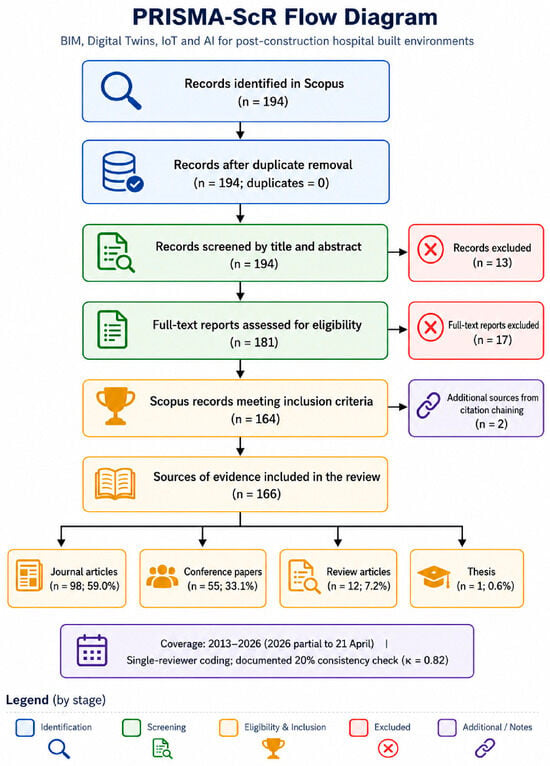
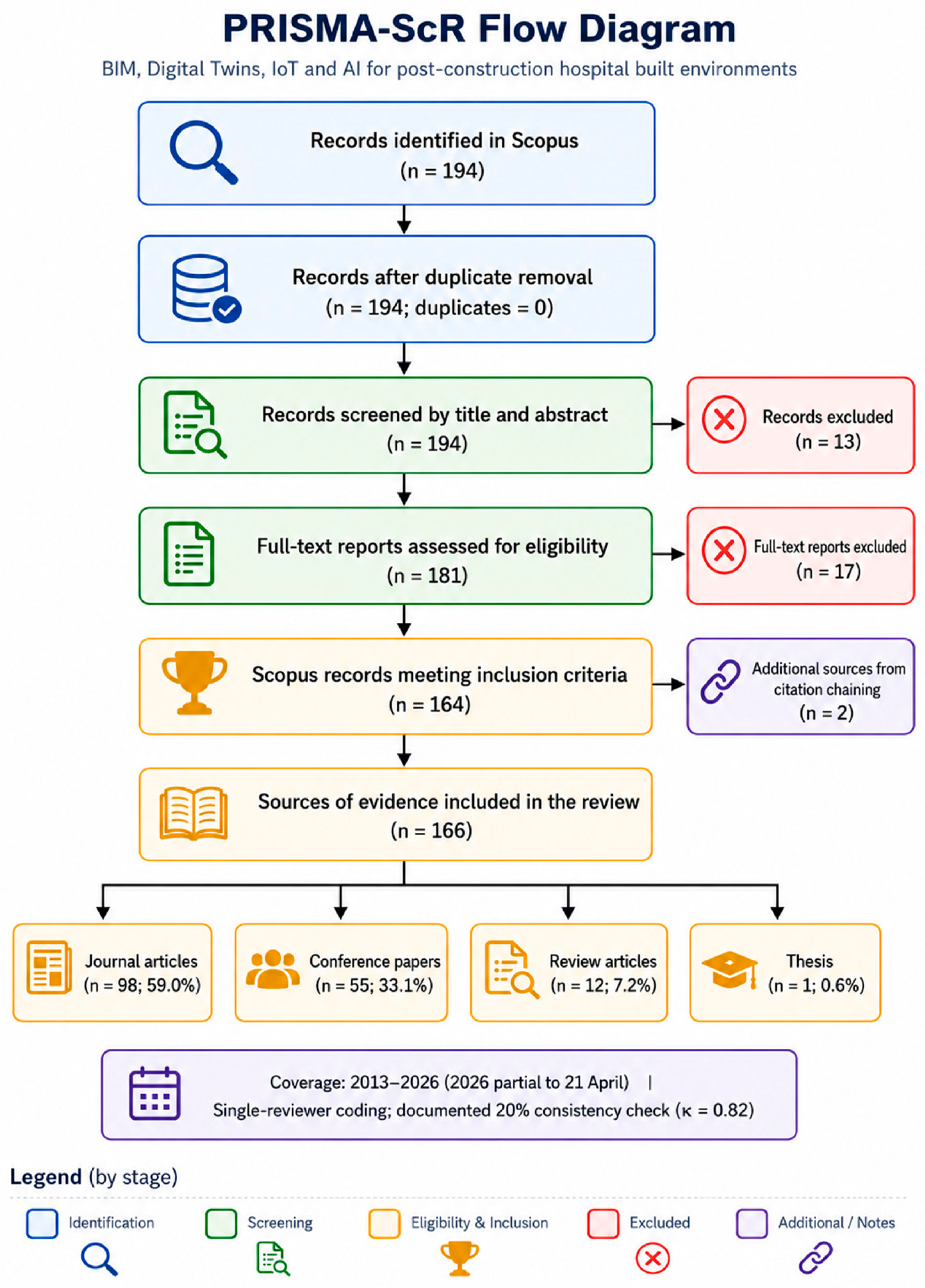
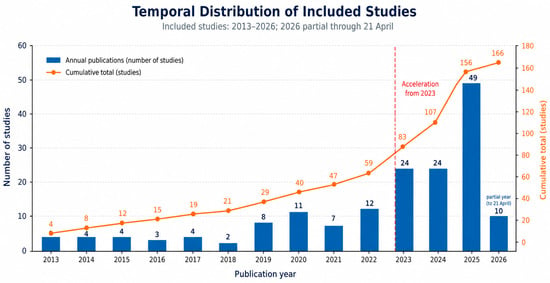
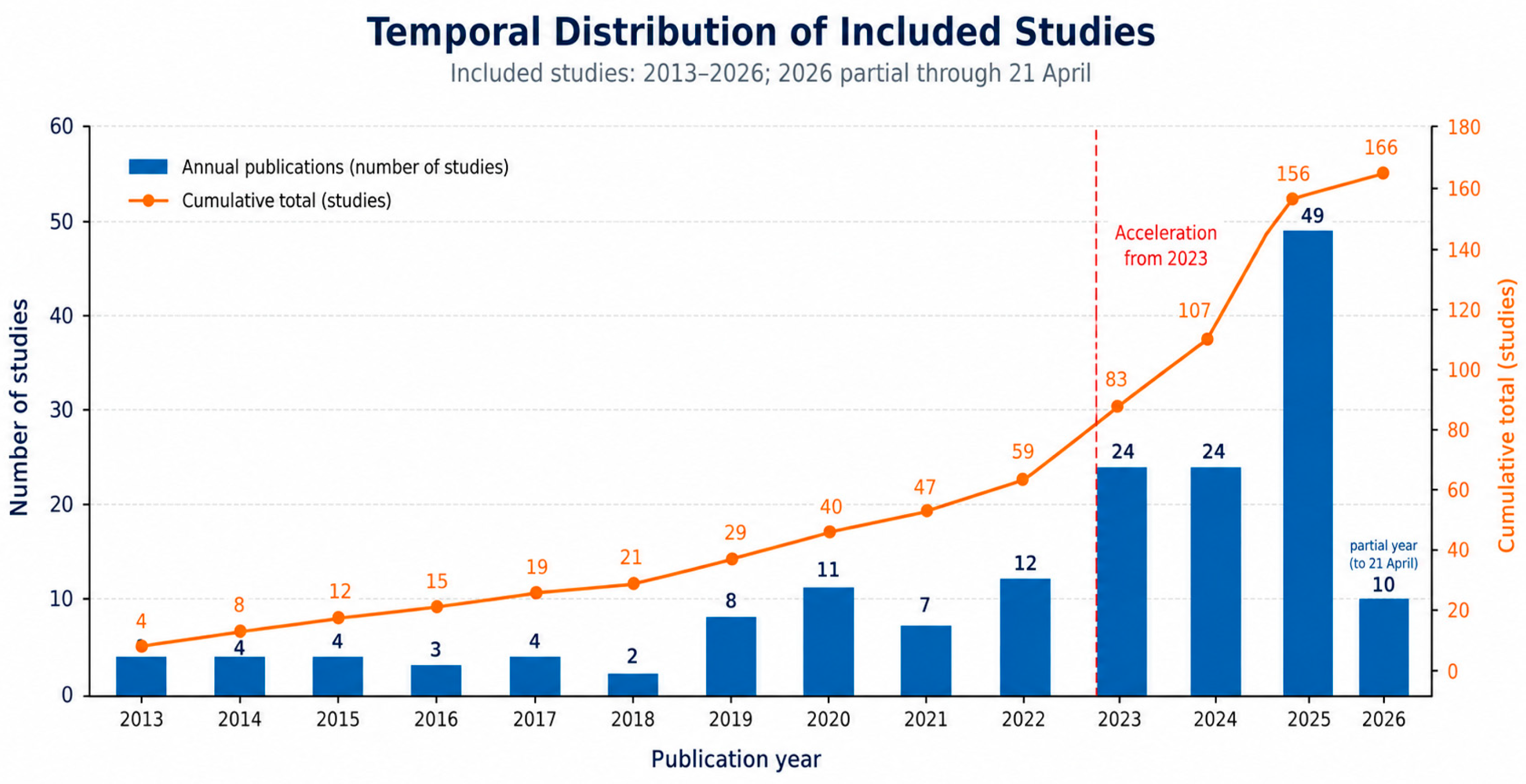
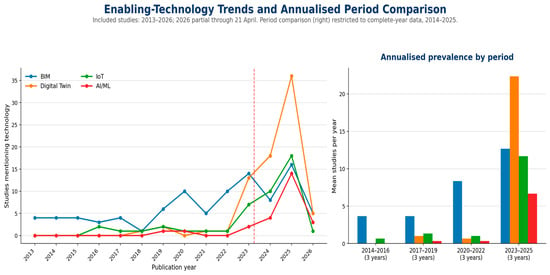
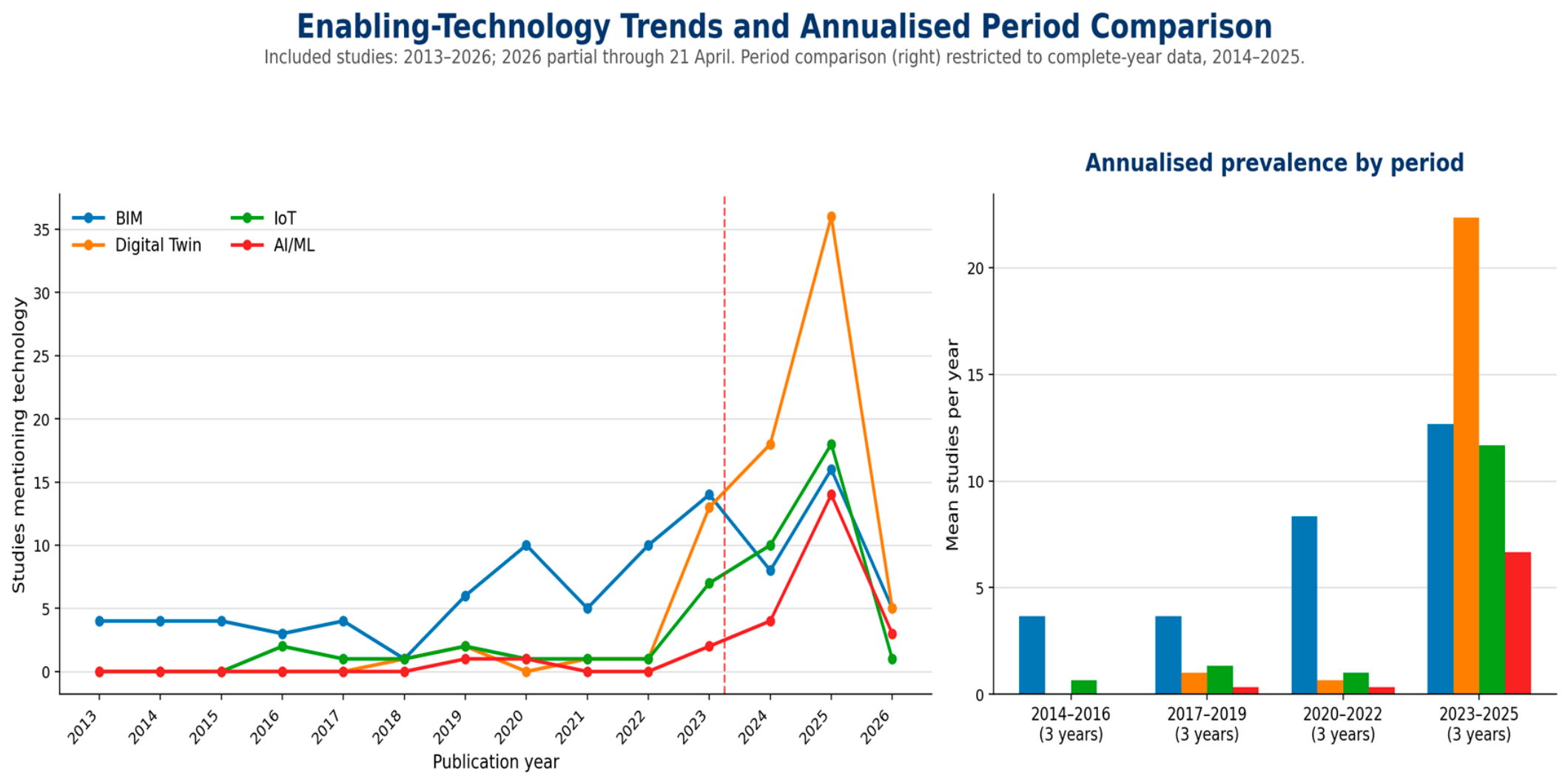
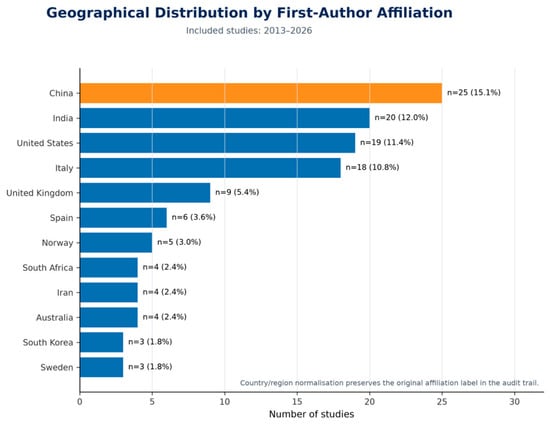
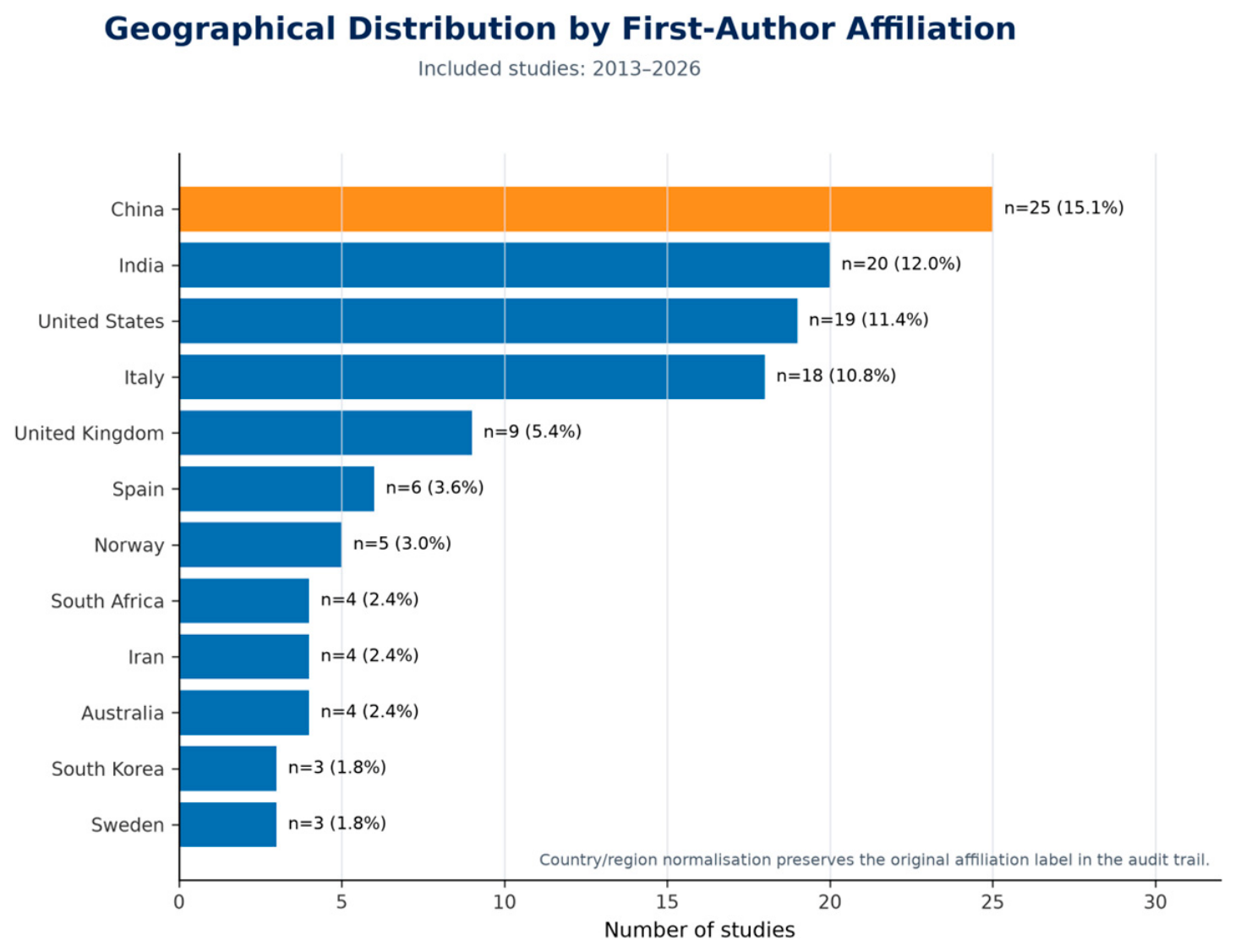
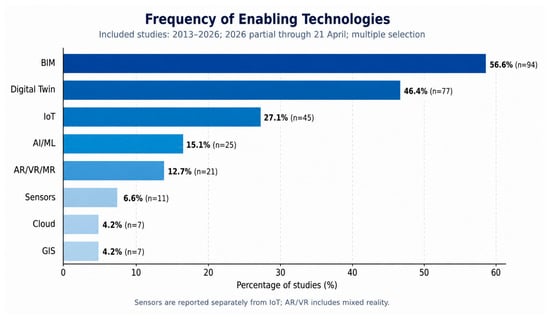
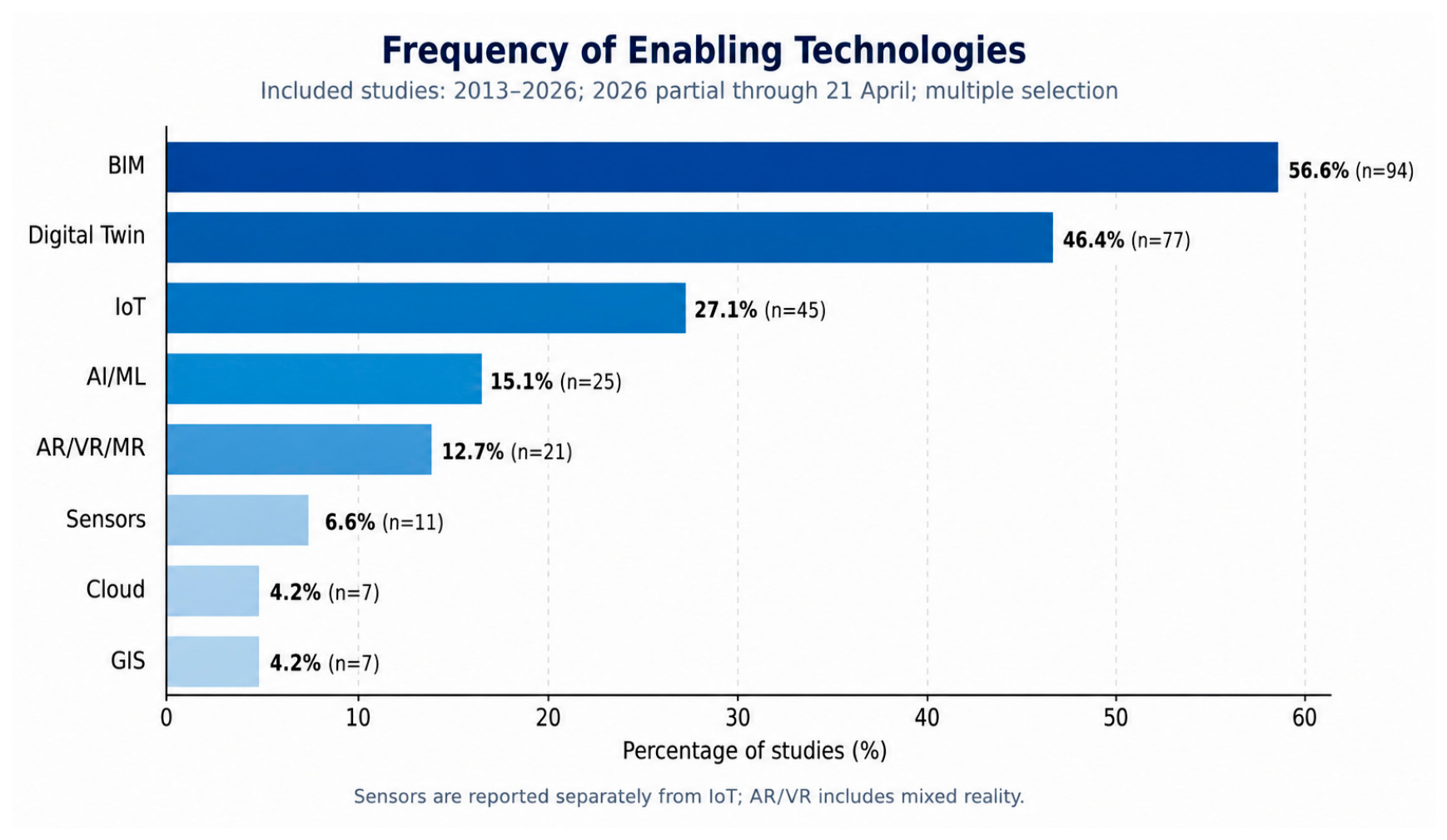
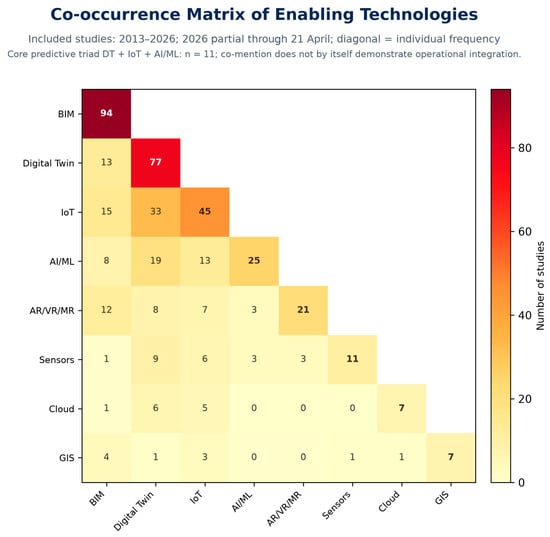
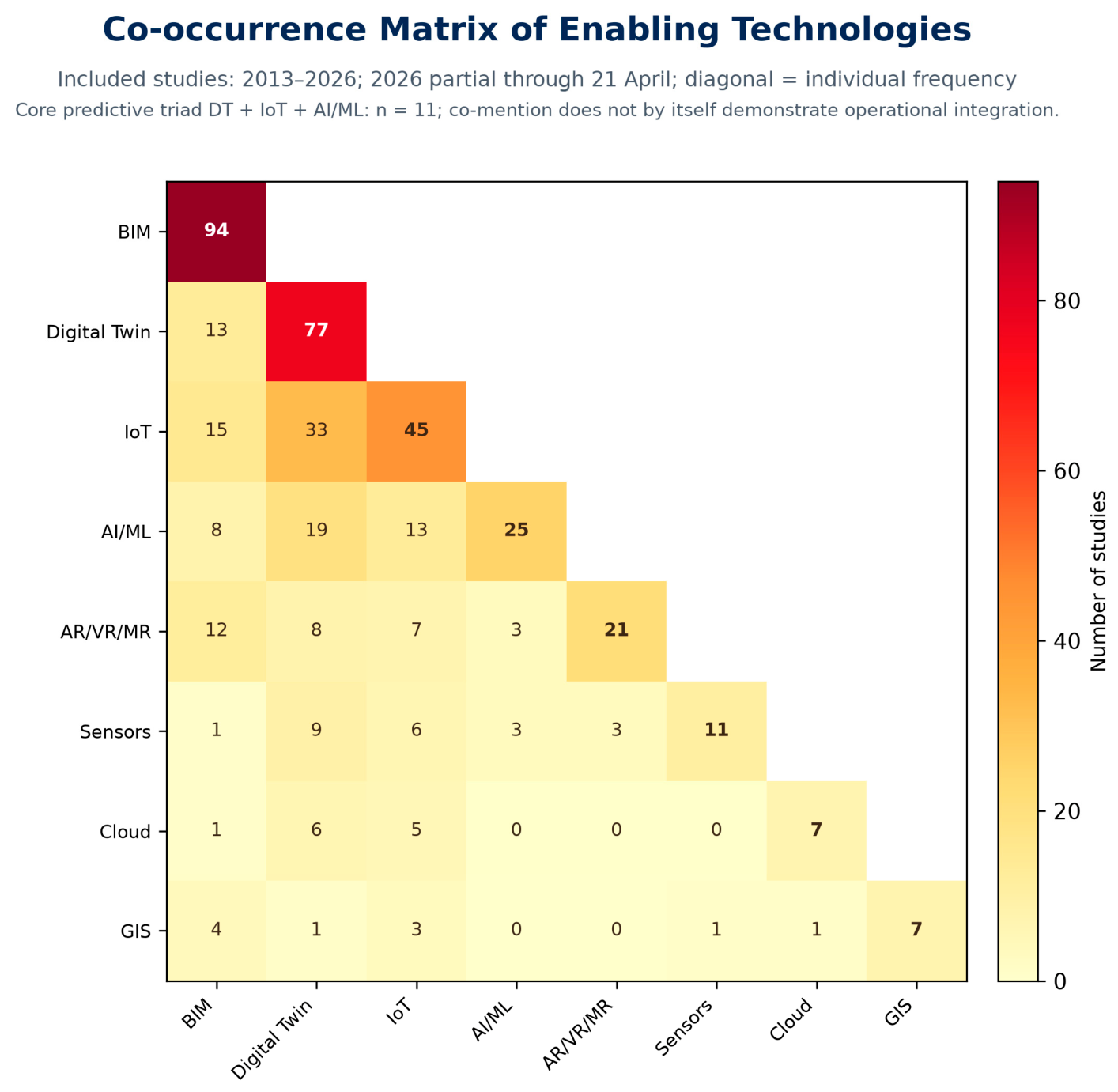
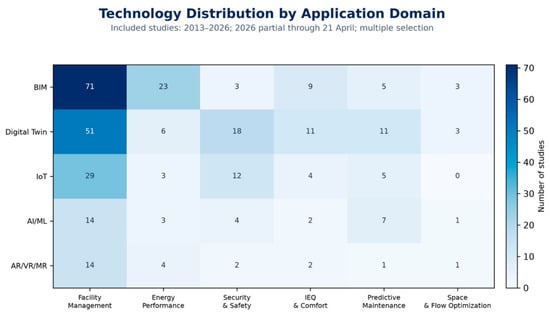
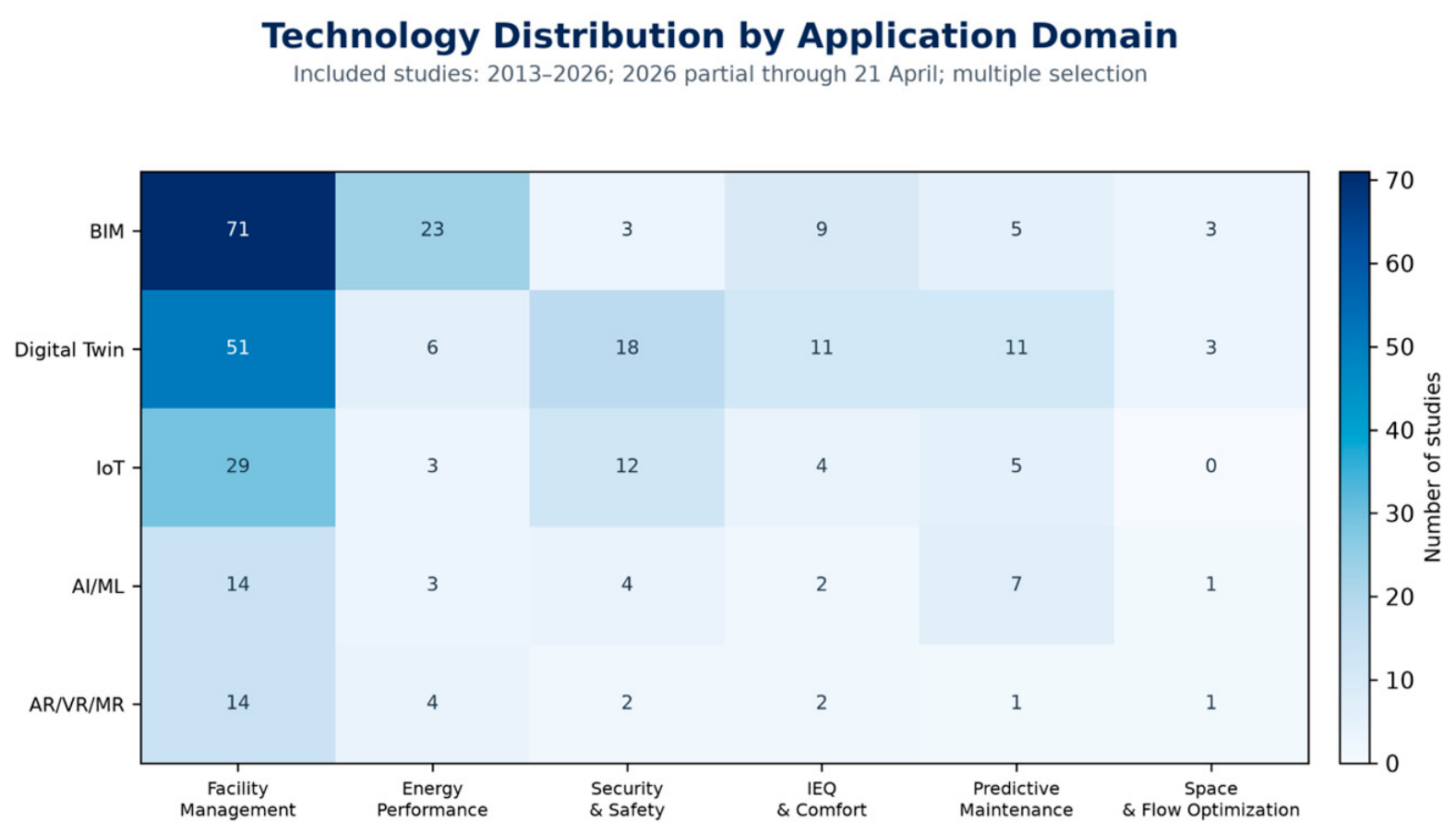
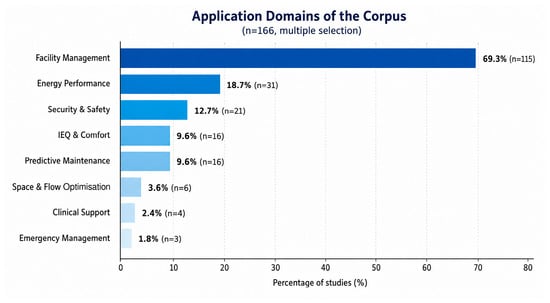
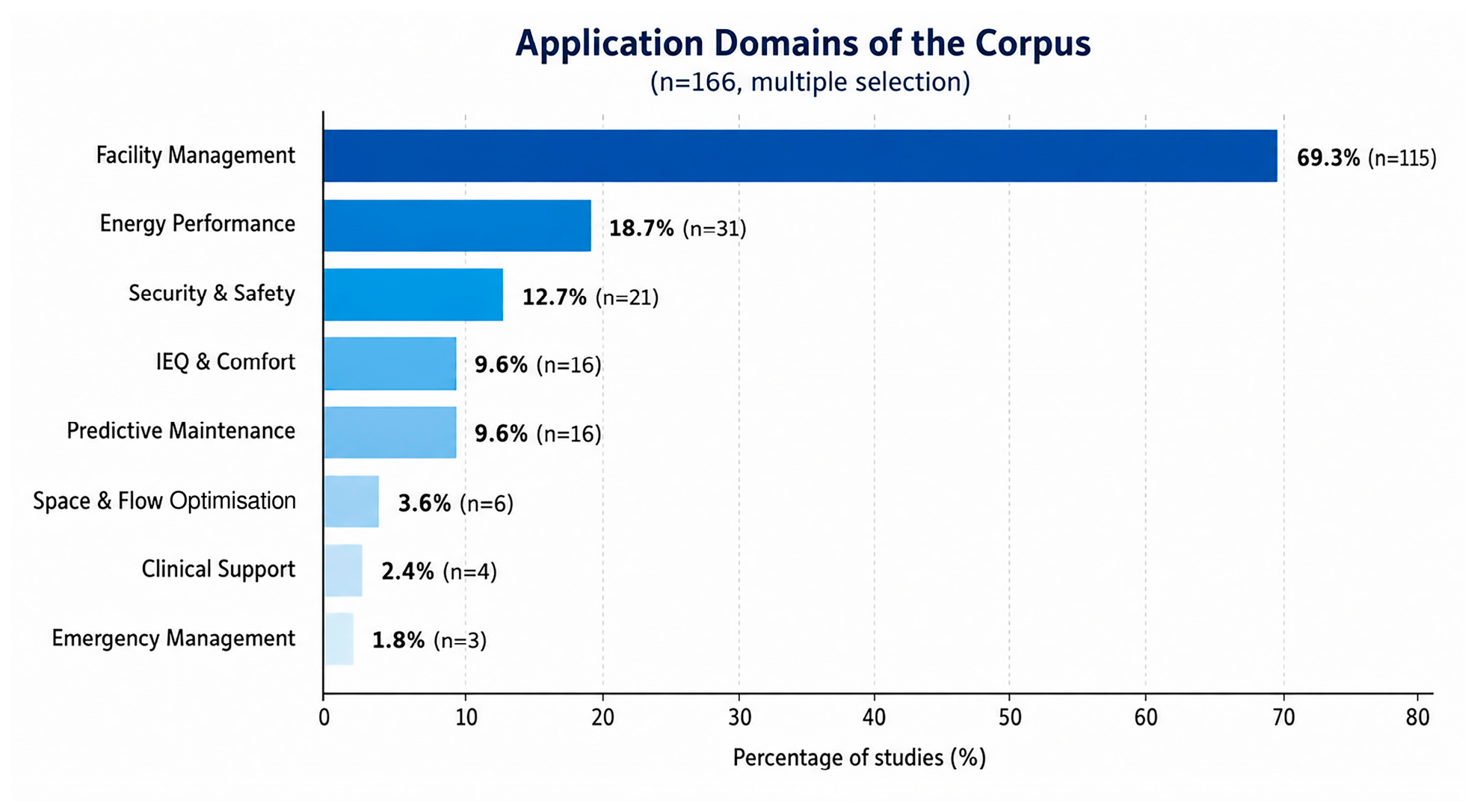
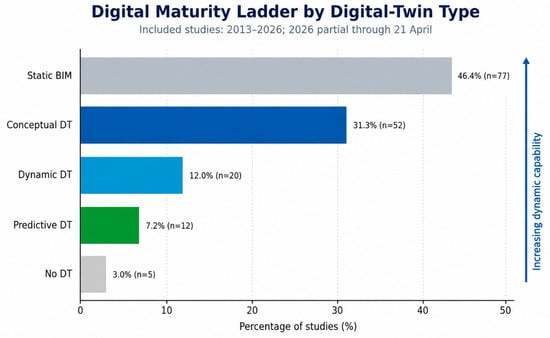
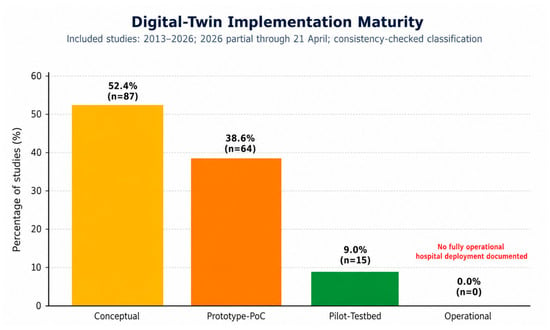
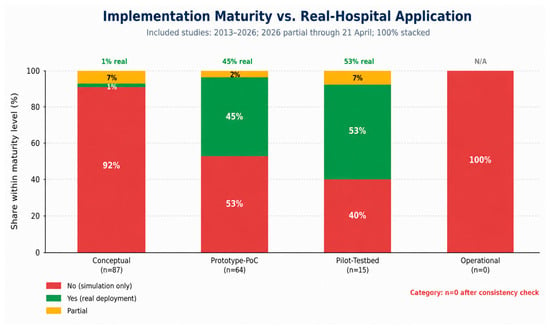
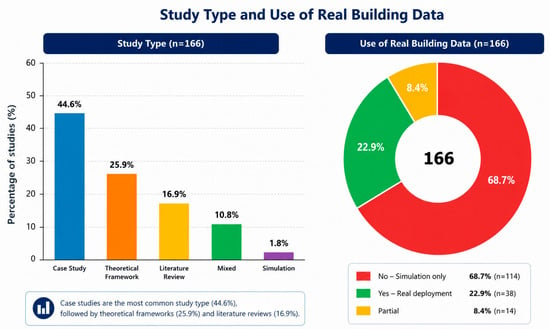
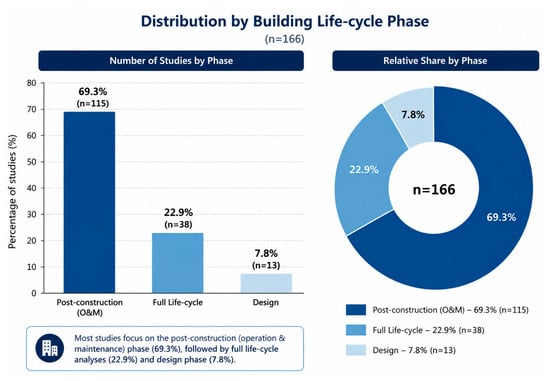
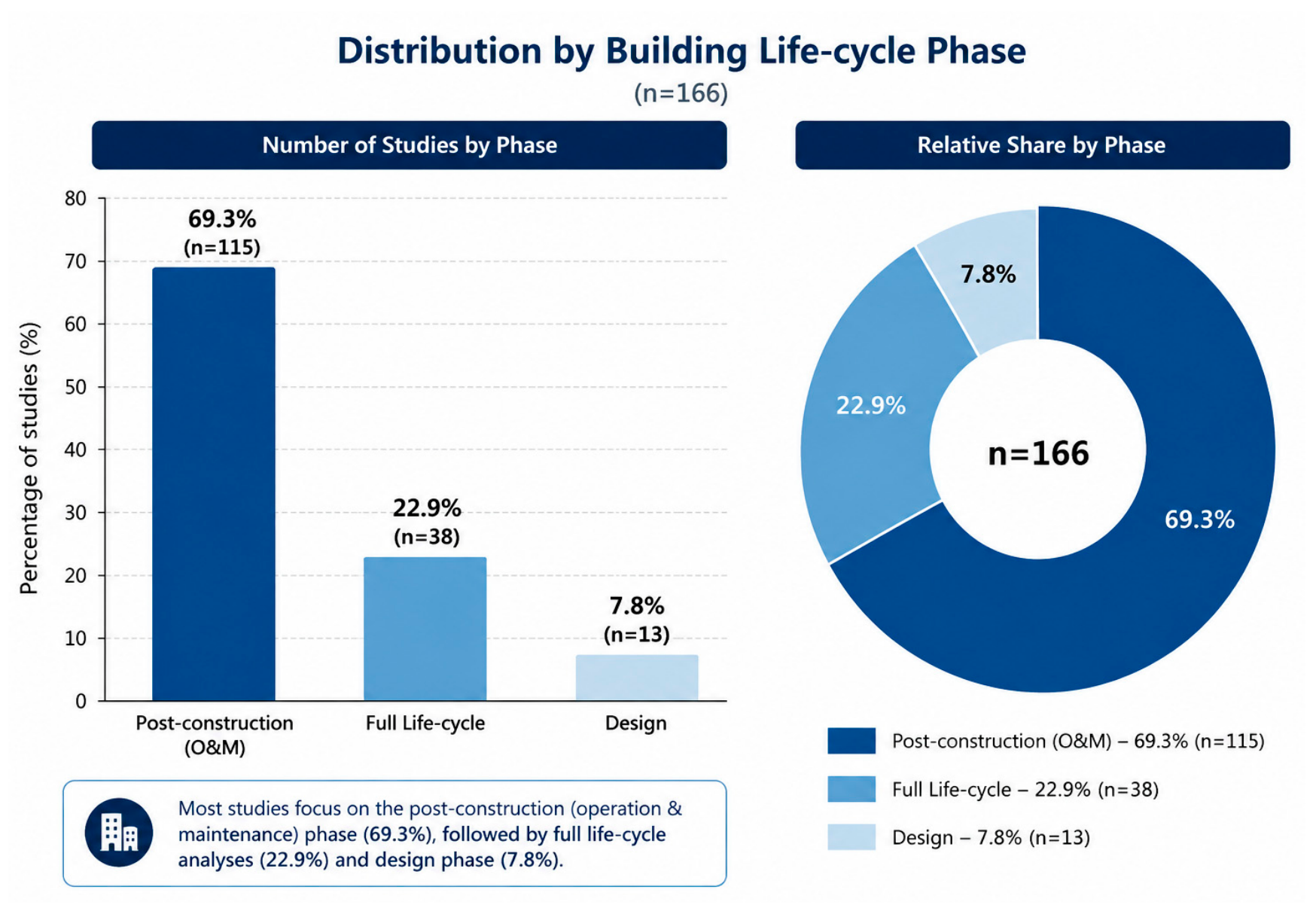
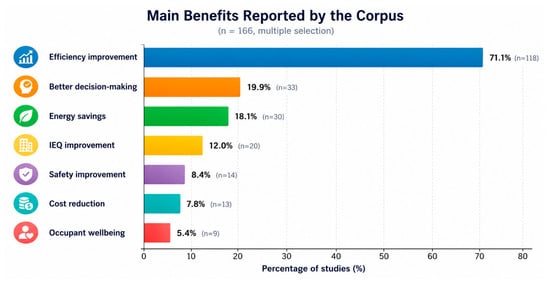
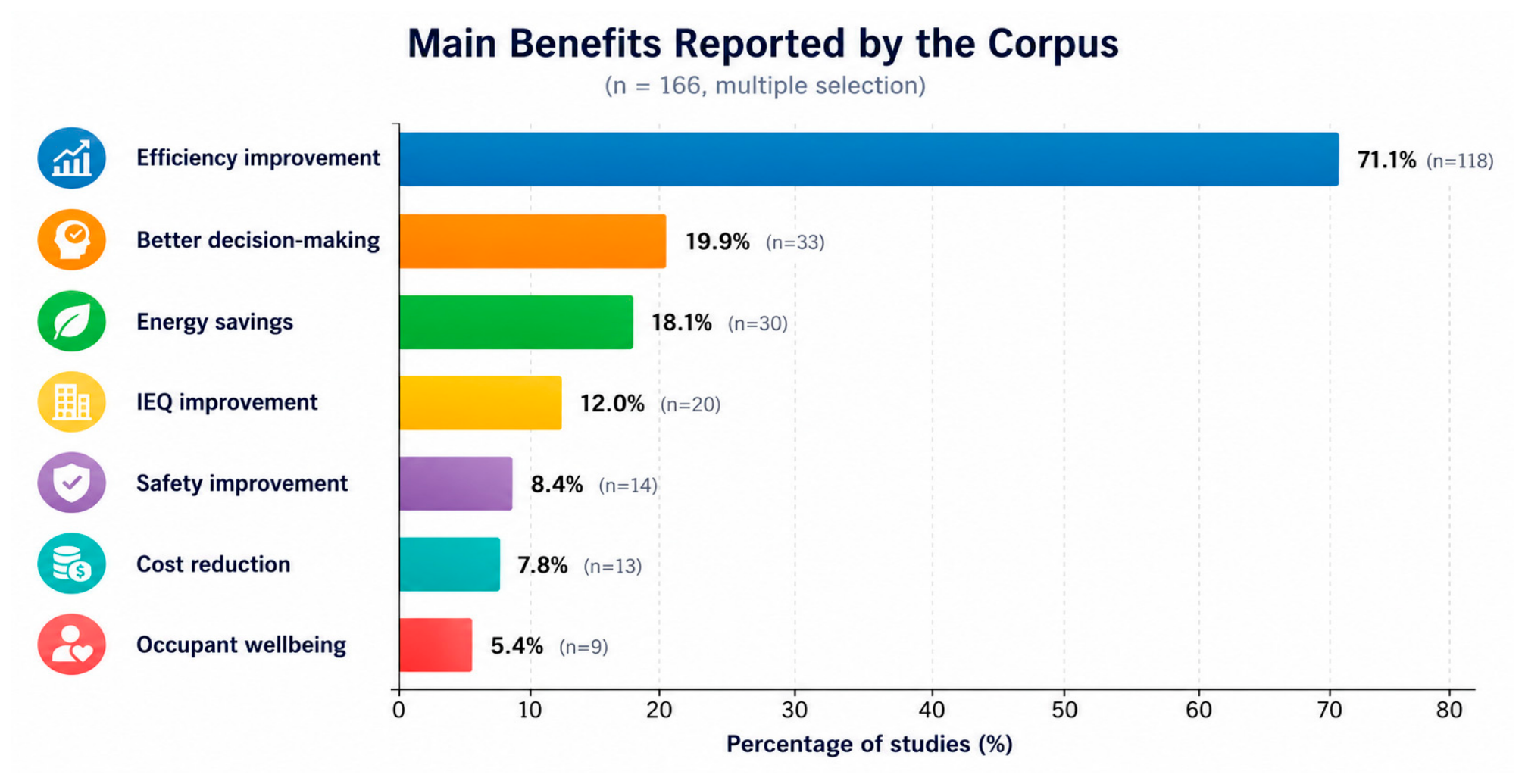
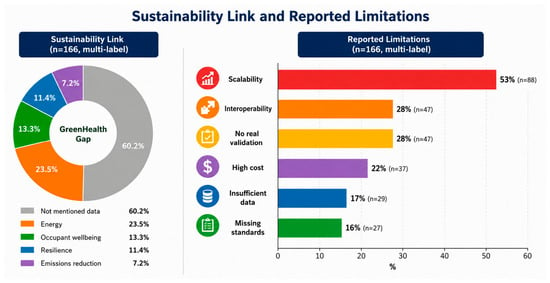

Disclaimer/Publisher’s Note: The statements, opinions and data contained in all publications are solely those of the individual author(s) and contributor(s) and not of MDPI and/or the editor(s). MDPI and/or the editor(s) disclaim responsibility for any injury to people or property resulting from any ideas, methods, instructions or products referred to in the content. |
© 2026 by the author. Licensee MDPI, Basel, Switzerland. This article is an open access article distributed under the terms and conditions of the Creative Commons Attribution (CC BY) license.